Photo courtesy of romhatten.dk
The El Dorado Rare Collection made its debut in early 2016 and almost immediately raised howls of protest from rum fans who felt not only that Velier had been hosed by being evicted from their state of privileged access to DDL’s store of aged barrels, but that the prices in comparison to Luca’s wares (many which had just started their inexorable climb to four figures) were out to lunch at best and extortionate at worst.
The price issue was annoying — at the time, DDL had no track record with full proof still-specific rums, or possessed anything near the kind of good will for such rums as Velier had built up over the years 2002-2014 in what I called the Age of Velier’s Demeraras; worse yet, given the disclosures about DDL’s practice of additives, to release such rums as pure without addressing the issue of dosage, and at such a high cost, simply entrenched the opinion that DDL was stealing a march on Velier and hustling to make some bucks off the full-proof, stills-as-the-killer-app trend pioneered by Luca Gargano.
It is for all those reasons that the initial rums of Release I — the PM, EHP and VSG marques, corresponding to the 12, 15 and 21 year old blends El Dorado had made famous — were received tepidly at best, though I felt they weren’t failures myself, but very decent products that just lacked Luca’s sure touch. Henrik of Rum Corner didn’t much care for the Port Mourant and discovered 14g/L of additives in the Versailles, the Fat Rum Pirate dismissed the Versailles himself while middling on the PM and loving the Enmore, and Romhatten out of Denmark, the first to review them (here, here, and here), provided an ecstatic shower of points and encomiums (perhaps because they were also selling them). Others were more muted in their praise (or condemnation), perhaps waiting to see the consensus of developing critical opinion before committing themselves.
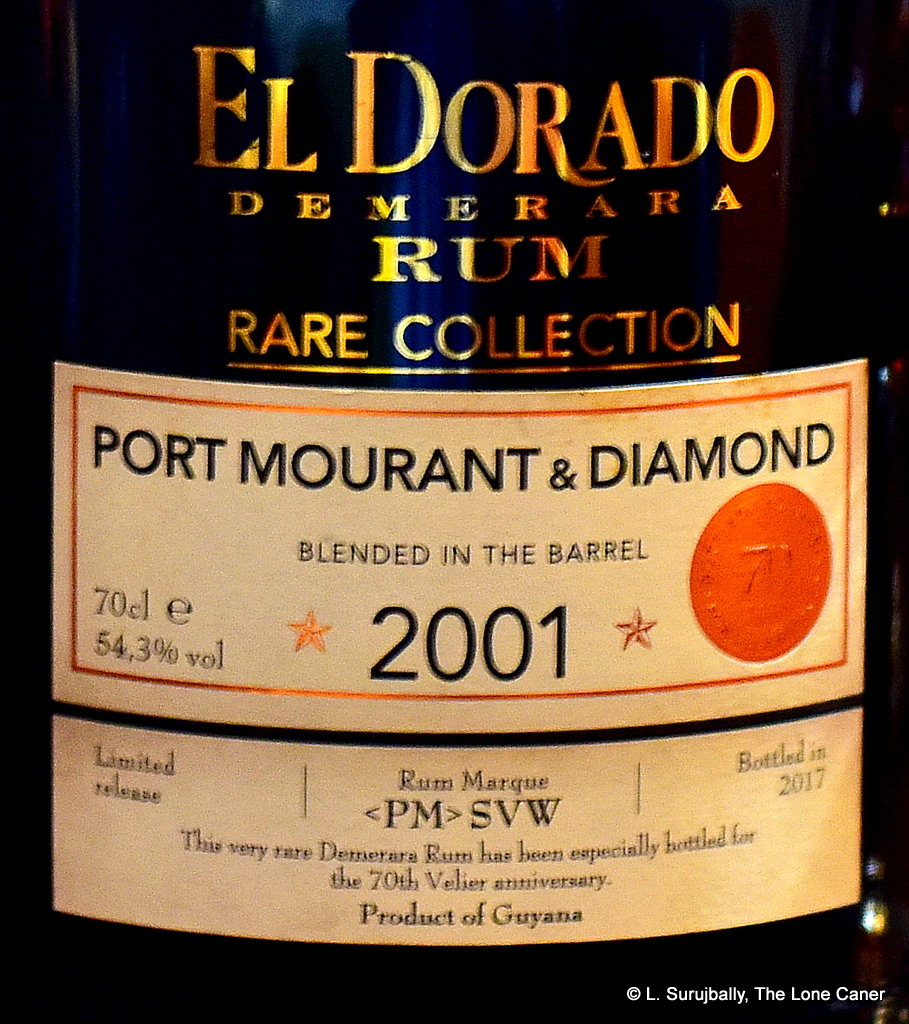
Release II in 2017 consisted of a further Enmore and a Port Mourant, with the additional of a special Velier 70th Anniversary PM+Diamond blend. By this time most people had grudgingly resigned themselves to the reality that the Age was over and were at least happy that such Demerara rums were still being issued — and even if they did not bear the imprimatur of the Master, it was self evident that Release II corrected some of the defects of the initial bottlings, got rid of the polarizing Versailles (which takes real skill to bring to its full potential, in my opinion), and the Enmore they made that year turned out to be a spectacular rum, clocking in at 90 points in my estimation. That said, R1 and R2 didn’t really sell that well, if one judges by their continuing availability online as late as 2019.
Release III was something else again. Although once more issued without fanfare or advertising (one wonders what DDL’s international brand ambassadors and marketing departments are up to, honestly), the word about R3 spread almost as swiftly as the initial news of the first bottles in 2016. This time there were four bottles – and although almost nothing has been written about the Diamond “twins” except, once again, by Romhatten (here and here), the other two elicited much more positive responses: an Albion (AN), and a Skeldon (SWR). Neither estate (I’ve been to both) has a distillery onsite any longer, since they were long dismantled and/or destroyed – but the marques are famous in their own right, especially the Skeldon, whose 1973 and 1978 Velier editions remain Grail quests for many.
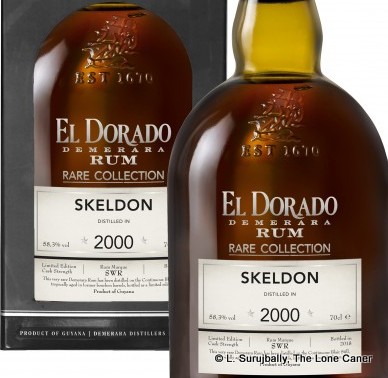 Speaking for myself, I’d have to say that with the Third Release, DDL has put to rest any doubts as to the legitimacy of the Rare Collection being excellent rums in their own right. They’re damned fine rums, the ones I’ve tried, up to the level of the RII Enmore 1996. I can’t tell whether the R1 series will ever become collector’s prized pieces or sought-after grail quests the way the original Veliers have become – but they’re good and worth finding. Note that they remain, not just in my opinion, overpriced and this may account for their continuing availability.
It’s almost a movie trope that horror movies first exist as true horror that scare the crap out of everyone, devolve into lesser boo-fests, and end up in sad comedies and unworthy money-grab rip-offs as the franchise passes its sell-by date. I don’t think the Rares will end up this way, because DDL has made it known that they will no longer export bulk rum from the wooden stills, instead holding on to them for their own special releases and blends…so, clearly they are betting on still-specific rum into the future – though perhaps not always at cask strength. The 15 year old wine finished series and its companion 12 year old set, the new Master Distiller’s collection at standard strength which showcase the stills, all point in this direction.
And this is a good thing, as the stills DDL is so fortunate to possess are unique and they make fantastic rums when used right, and with skill. One can only hope the pricing starts to be more reasonable in the years to come, because right now it’s too early to call them must-haves, and with the cost of them, they might not get the audience that would make them so. They are certainly better than the vastly overpriced 15YO and 12 YO wine-finished rums at standard strength.
Update (2019)
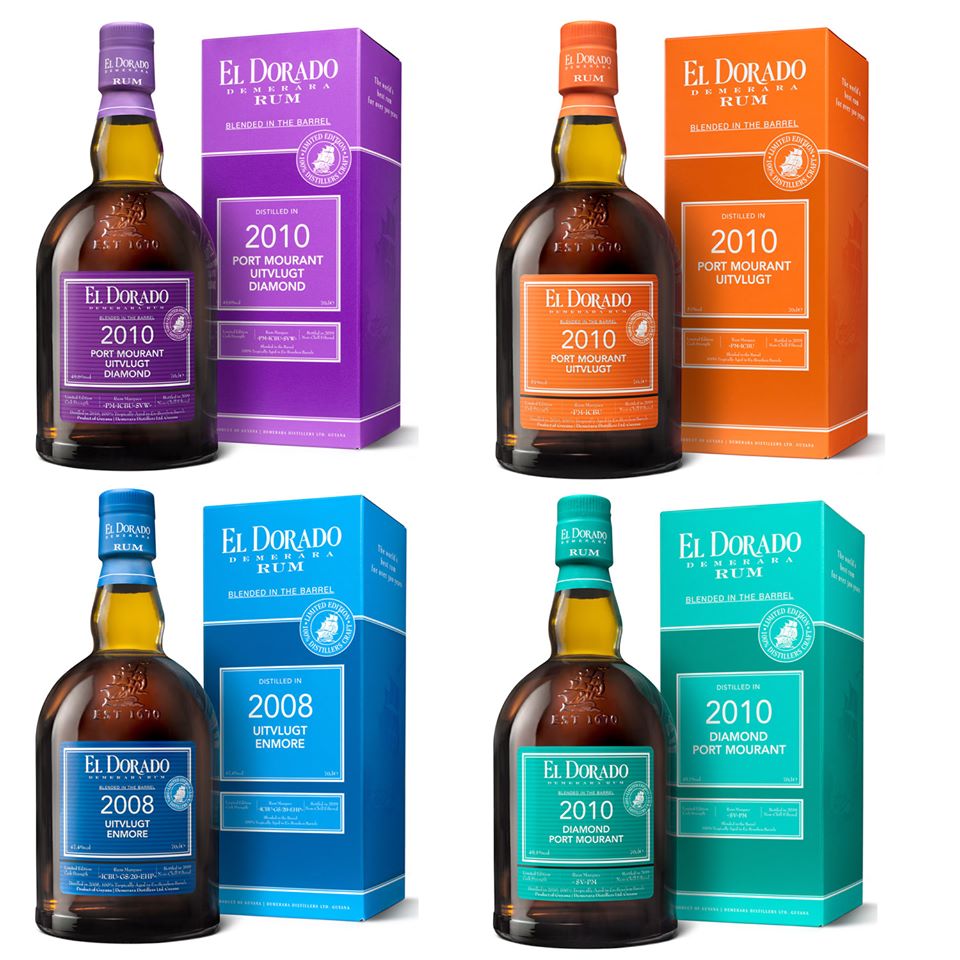 Will the Rares survive? In late 2019, four colour-coded bottles which were specifically not Rare Collection items, began to gather some attention online:
- PM/Uitvlugt/Diamond 2010 9YO at 49.6% (violet),
- Port Mourant/Uitvlugt 2010 9YO at 51% (orange),
- Uitvlugt/Enmore 2008 11YO 47.4% (blue)
- Diamond/Port Mourant 2010 9YO at 49.1% (teal).
None of these were specific to a still, and each was priced at €179 in the single online shop in online where they are to be found. All were blends (aged as such in the barrel, not mixed post-ageing), and all sported some reasonable tropical years. It is unclear whether they are meant to supplement the single-still ethos of the super-specific Rares, or supplant them. As of this writing I have yet to taste them myself, though I do own them.
Whatever the case, DDL certainly has taken the indie movement seriously and seen the potential of what the Age demonstrated – one can just hope their pricing system starts to show more tolerance for the skinny purses of most of us, otherwise they’ll be shared among aficionados rather than bought for their own sake. And there they’ll remain, on the dusty shelves of small stores, looked at and admired, perhaps, but not often purchased. One can still occasionally see them pop up on Rum Auctioneer or other auction sites.
Update (2023)
By 2023 an interesting new development was clearly visible: DDL had discarded the Rares entirely, and moved away from these colour coded experimentals. What they did was start issuing special 15 YO and other aged editions, in two specific flavours: one, released at standard strength of 40%, that showcased the famed stills (I think these were mostly like the inauguaral 2006 edition released in 2021); and two, a cask strength aged series — this could be a blend, possibly including a finish or special cask ageing regiment, a special edition of some kind not always tied to an age or a still, or a year-specific one, and sometimes made for large spirits shops (like Wine & Beyond in Calgary). The key point to note is that they have folded this into the regular El Dorado range of rums – same bottle and general label design. This is, in my opinion, a smart move, since it does away with the recognition factor and plays to DDL’s global brand awareness. So far I know of the following releases, none of which I have written about as of this writing:
Type 1 Standard Strength
- 2006-2021 15 YO 40% Port Mourant (PM)
- 2006-2021 15 YO 40% Enmore
- 2006-2021 15 YO 40% Versailles (VSG)
- 2009-2021 12 YO 40% Port Mourant (PM)
- 2009-2021 12 YO 40% Versailles (VSG)
- 2009-2021 12 YO 40% Enmore
Type 2 Cask Strength
- 1998-2022 24YO 50.3% PM/Enmore “The Last Casks Collection – Black”
- 1998-2022 24YO 49.1% Diamond “The Last Casks Collection – Red”
- 2000-2022 22YO 54.4% Diamond “The Last Casks Collection – Gold”
- 2003-2018 15YO 62.3% Enmore Sauternes Finish
- 2005-2021 16 YO 55.3% Blend with White Port Cask Finish
- 2005-2021 16 YO 55.1% Versailles Madeira Dry Casks
- 2006-2021 15 YO 57.3% Blend with Madeira Sweet Cask Finish
- 2006-2022 16 YO 47.1% PM-Savalle Blend, Wine & Beyond Single Barrel (Canada only)
- 2009-2021 12YO 54.3% Enmore (EHP)
- 2009-2021 12 YO 56.7% Port Mourant (PM)
- 2012-2022 10 YO 58.4% PM-Savalle-Diamond Blend, Wine & Beyond Single Barrel (Canada only)
The Rare Collection Rums
I have been fortunate enough to buy and review many of the Collection so far, and for those who wish to get into the specifics, the reviews are linked here:
In January 2021, the UK based NW Rum Club did a complete review of the entire Rare Collection (releases I, II and III), and it’s worth a look, very informative, talking about the releases, and the stills. In 2023 Stuart of the Secret Rum Bar, also in the UK, did the same thing.

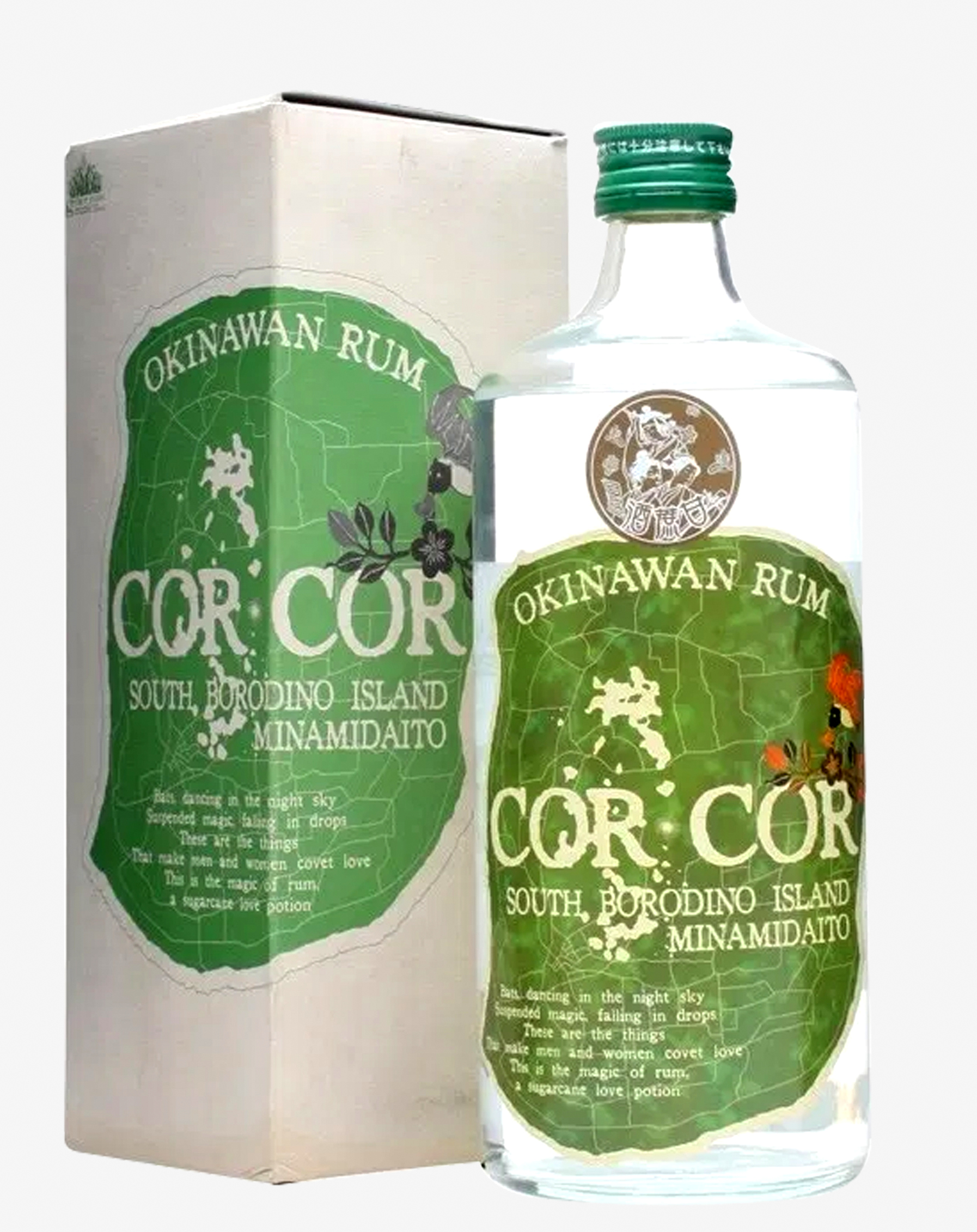 The Cor Cor “Green”, cousin to the molasses-based “Red” (both are actually white – the colours refer to their labels’ hues) is an order of magnitude more expensive than its scarlet labelled relative, largely because it is made from cane juice, not molasses, and therefore rather more seasonal in production. The question is, how does the cane juice white compare when run up against its intriguing (if off-beat) molasses-based white. Both are, after all, made by the same master blender who wanted to apply an awamori sensibility to making rum.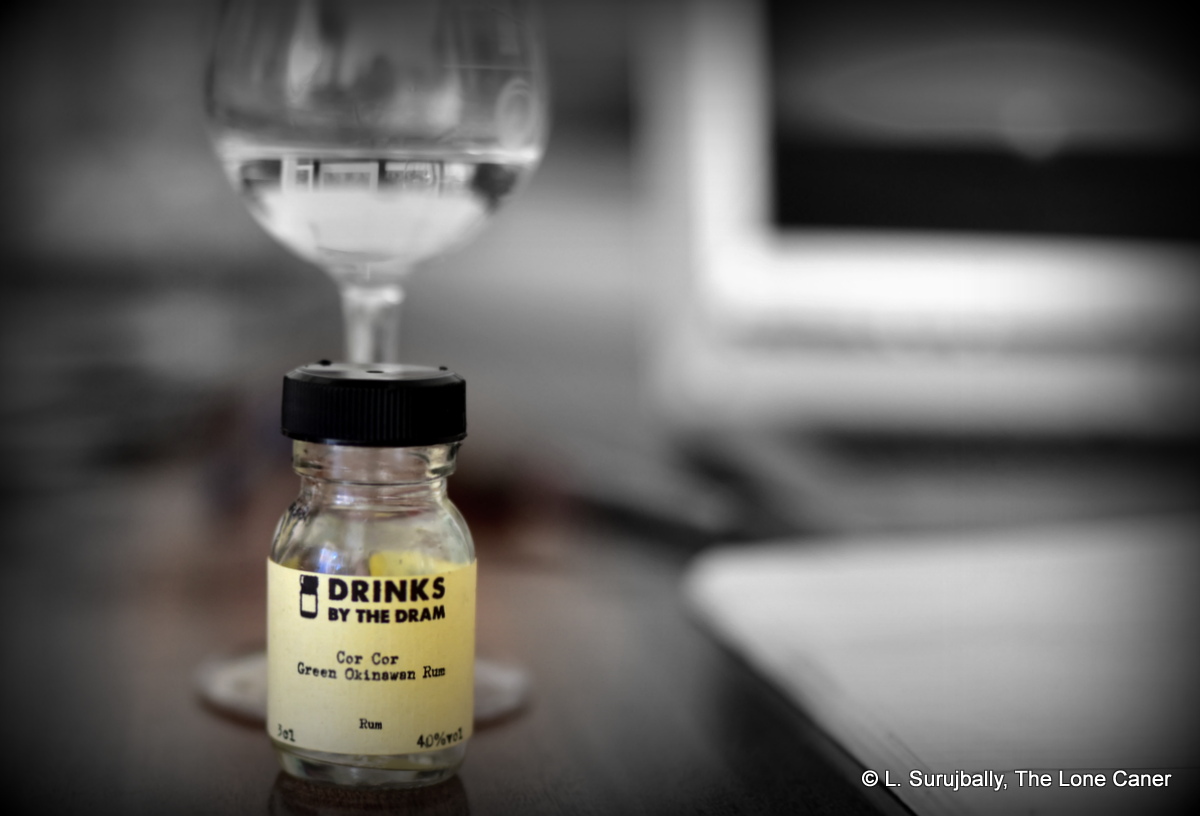
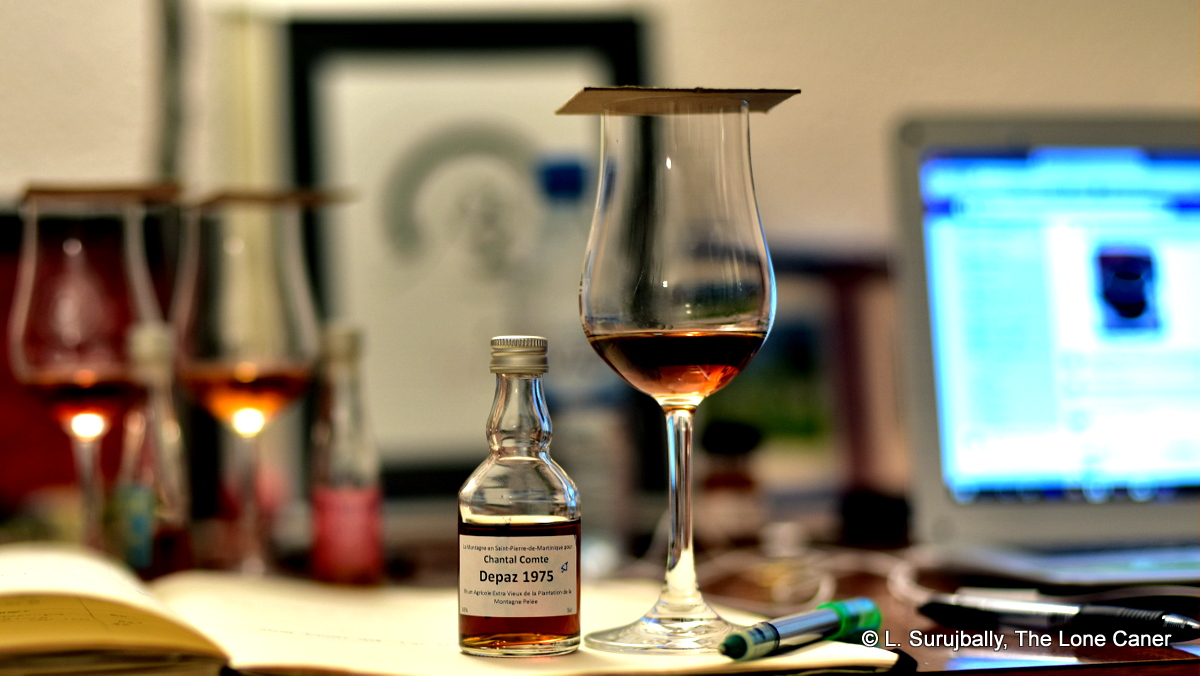
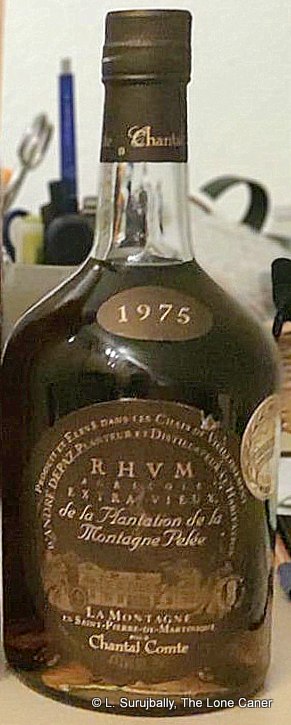 The full and rather unwieldy title of the rum today is the Chantal Comte Rhum Agricole 1975 Extra Vieux de la Plantation de la Montagne Pelée, but let that not dissuade you. Consider it a column-still, cane-juice rhum aged around eight years, sourced from Depaz when it was still André Depaz’s property and the man was – astoundingly enough in today’s market – having real difficulty selling his aged stock. Ms. Comte, who was born in Morocco but had strong Martinique familial connections, had interned in the wine world, and was also mentored by Depaz and Paul Hayot (of Clement) in the late 1970s and early 1980s, when Martinique was suffering from overstock and poor sales.. And having access at low cost to such ignored and unknown stocks allowed her to really pick some amazing rums, of this is one.
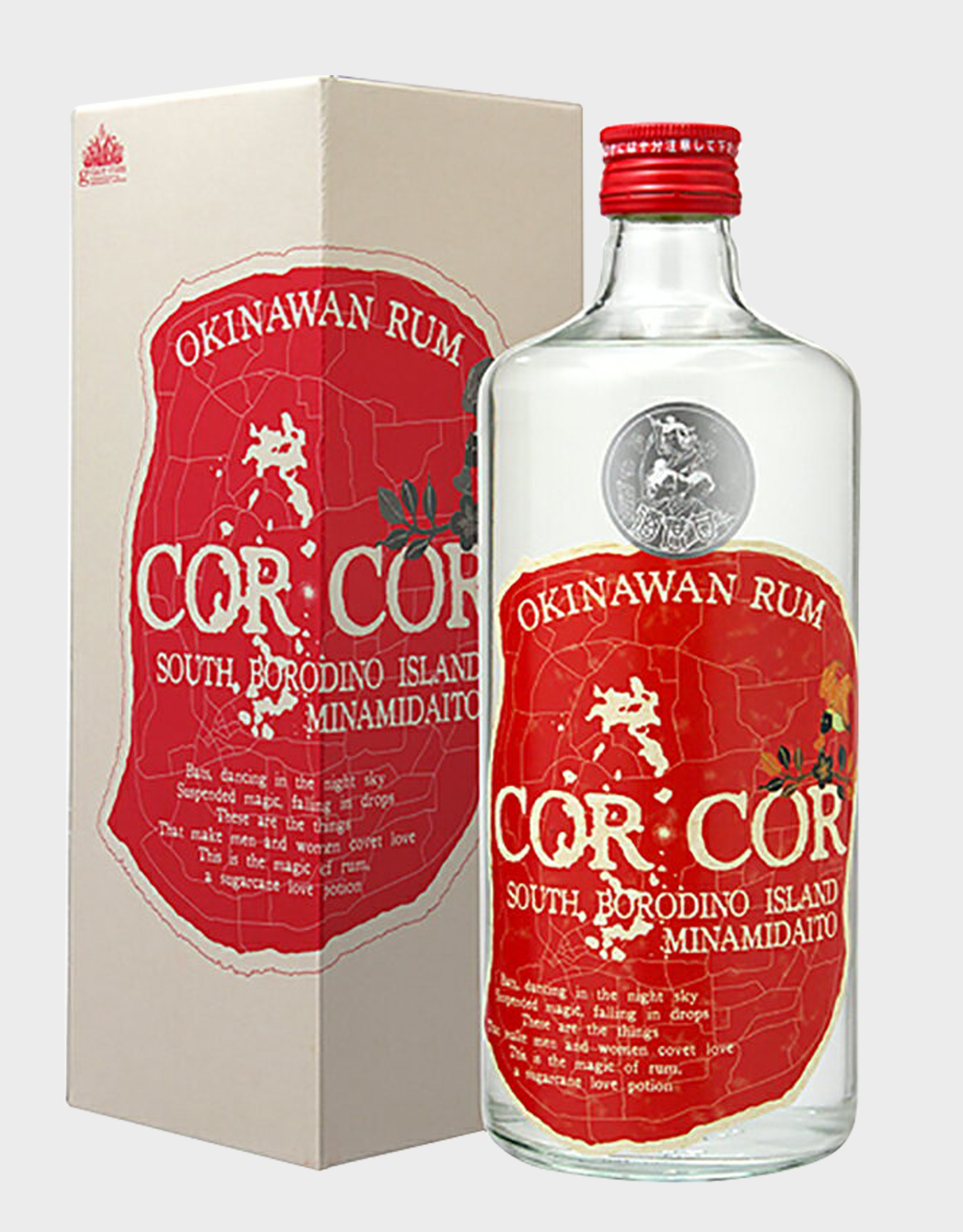 Given Japan has several rums which have made these pages (
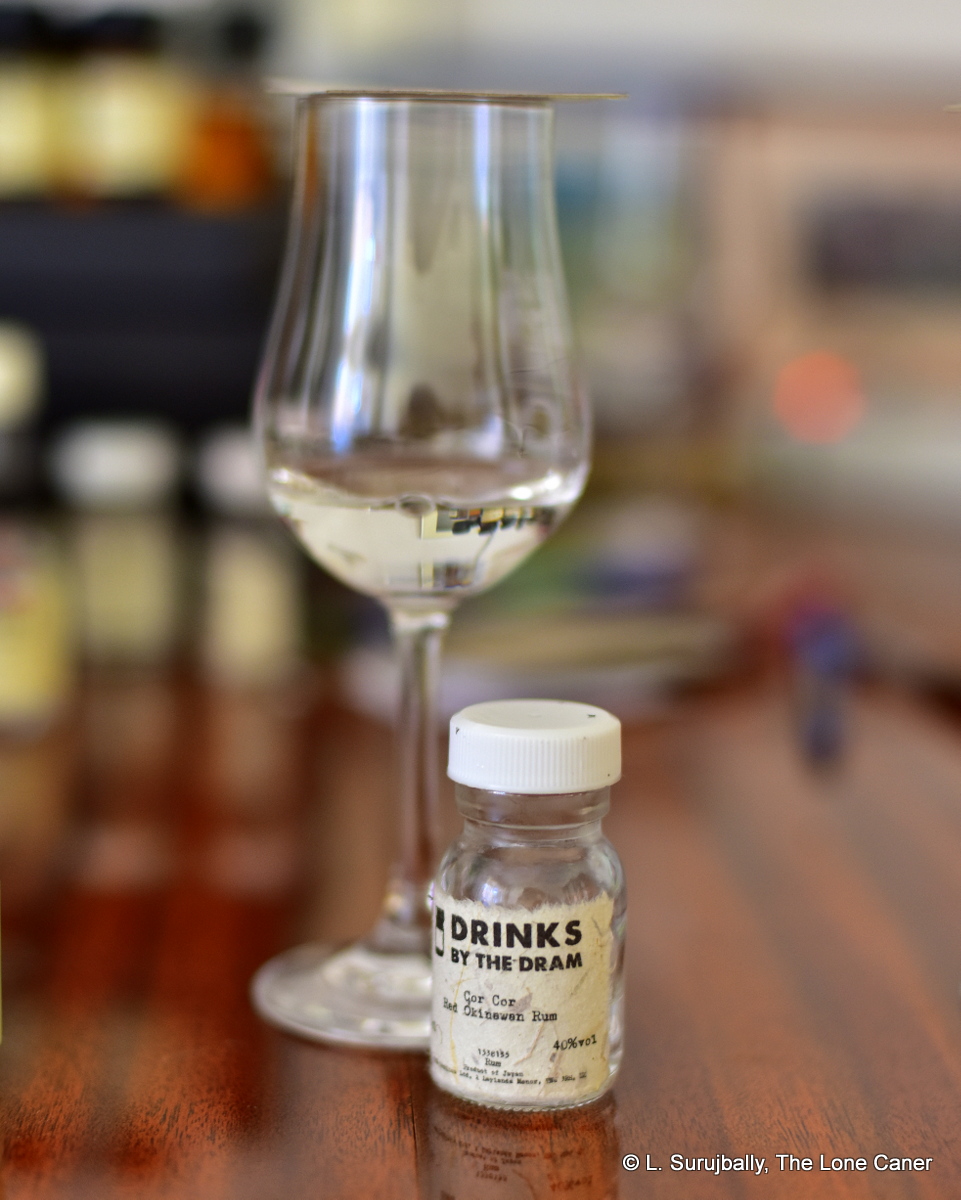 The Cor Cor Red was more generous on the palate than the nose, and as with many Japanese rums I’ve tried, it’s quite distinctive. The tastes were somewhat offbase when smelled, yet came together nicely when tasted. Most of what we might deem “traditional notes” — like nougat, or toffee, caramel, molasses, wine, dark fruits, that kind of thing — were absent; and while their (now closed) website rather honestly remarked back in 2017 that it was not for everyone, I would merely suggest that this real enjoyment is probably more for someone (a) interested in Asian rums (b) looking for something new and (c) who is cognizant of local cuisine and spirits profiles, which infuse the makers’ designs here. One of the reasons the rum tastes as it does, is because the master blender used to work for one of the awamori makers on Okinawa (it is a spirit akin to Shochu), and wanted to apply the methods of make to rum as well. No doubt some of the taste profile he preferred bled over into the final product as well.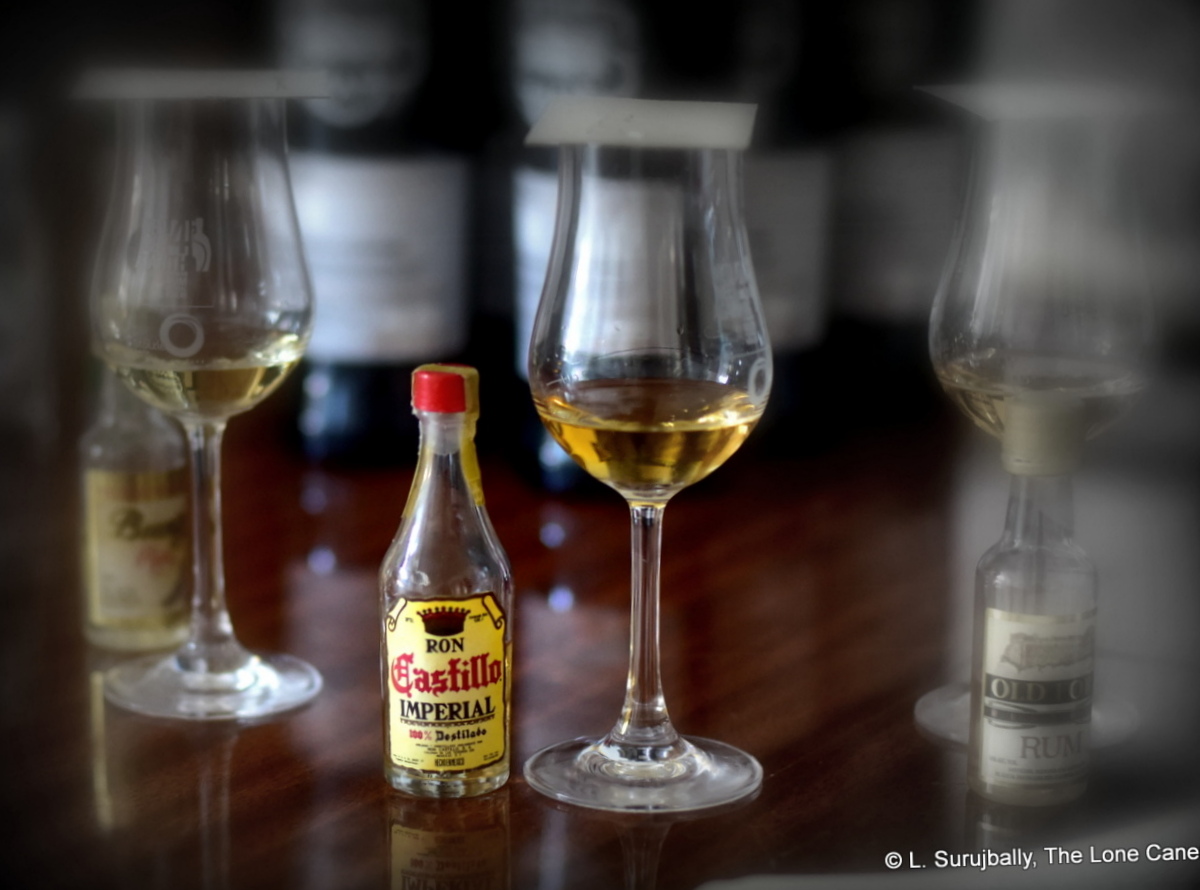
 Colour – Light Gold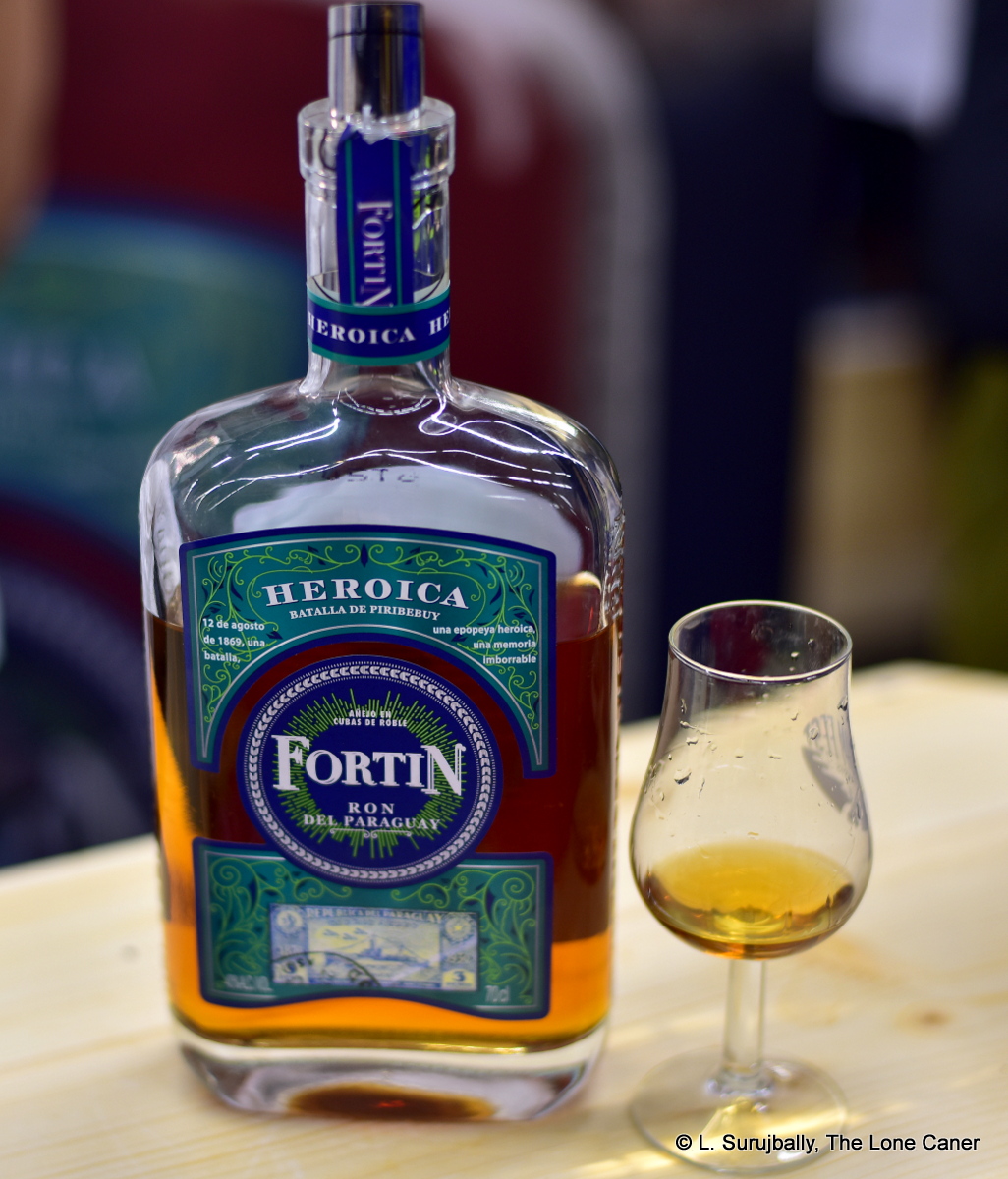
 Here’s what we know – made from rendered sugar cane juice (“honey”), fermented for 72 hours using wild yeast, column distilled, then aged in all kinds of barrels – American oak (ex-bourbon), cognac, Pedro Ximenez and also Marcuya “fruit of passion” wood from Paraguay. Once that’s done, the resultant rons are blended to form the final product. The age is currently unknown — I’ll update this paragraph if I get feedback from their marketing folks — but I’ll hazard a guess it’s medium…about 3-6 years. Little of this, by the way, is noted on the label, which only says it is a Paraguayan rum, commemorates the 1869 battle, is aged in oak vats and 40%. Wonderful. Clearly the word “disclosure” gets more lip service than real purchase over there.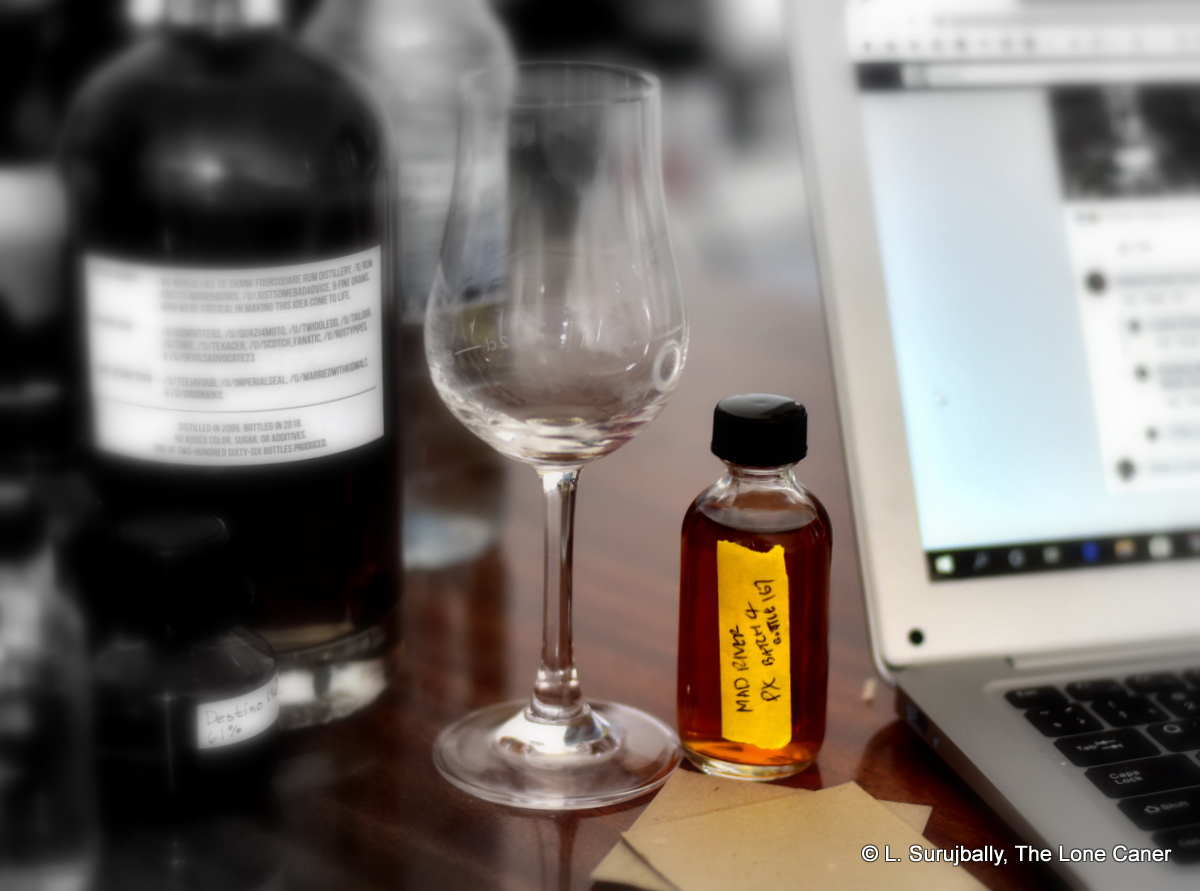
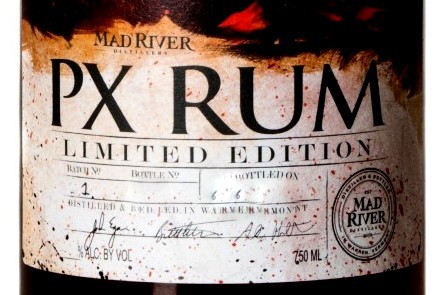
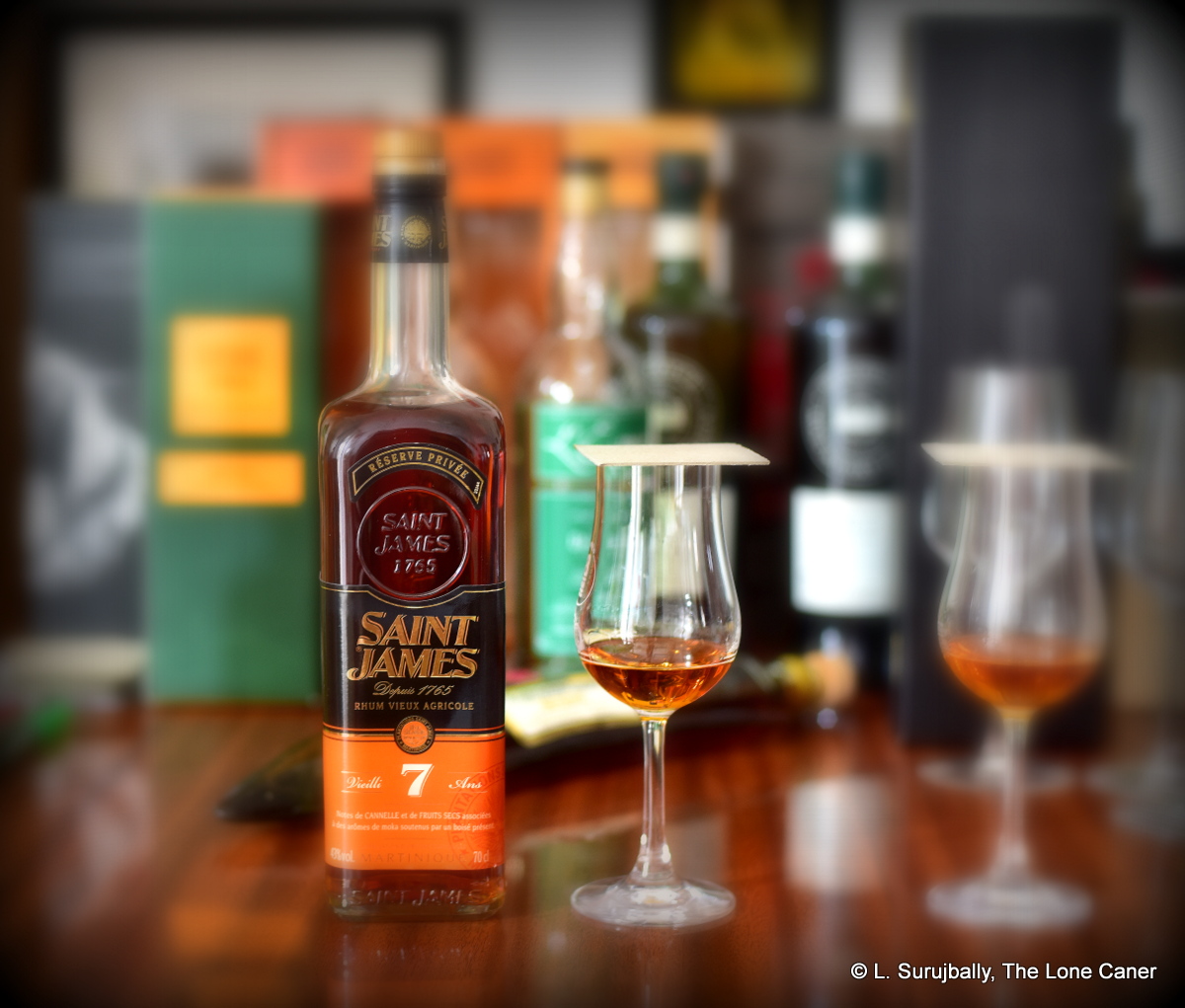
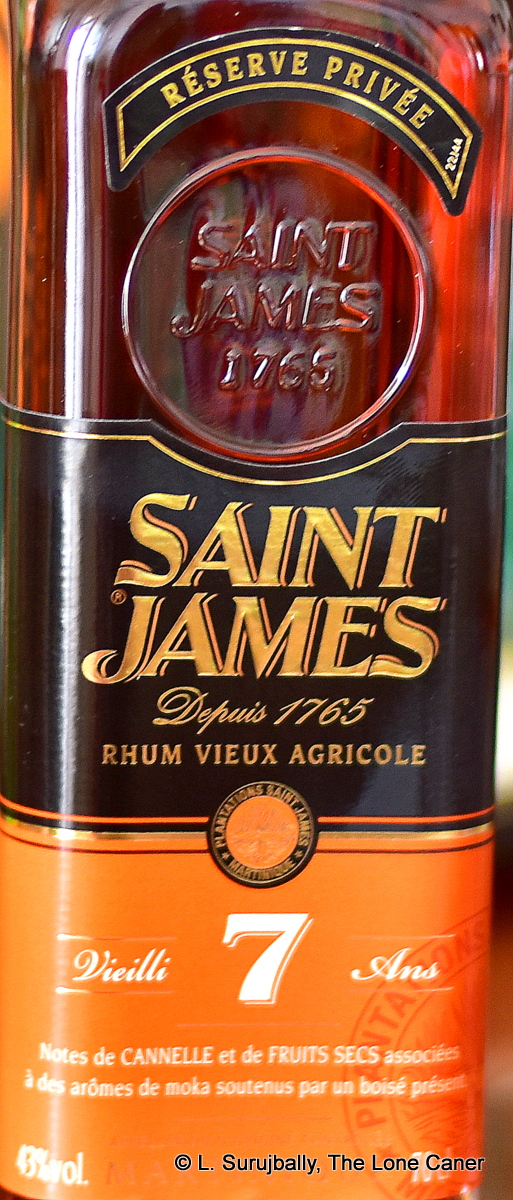 Ah but when sipped, all that changes, and the clodhoppers go away and it dons a pair of ballet slippers. It’s stunningly fragrant, not quite delicate – that ballerina does have an extra pound or two – very firm and robust in flavour profile. Just on the first sip you can taste flowers, pears, papaya, honey, vanilla, raisins, grapes, all pulled together with a delectable light and salty note. There are nice citrus hints, a tease from the oak, ginger and cinnamon, and overall, it sips as nicely as it mixes. The finish is well handled, though content to play it safe – things are beginning to quieten down here, and it fades quietly without stomping on you – and certainly nothing new or original comes into being; the rhum is content to follow where the nose and palate led – fruits, pineapple, spices, ginger, vanilla – without breaking any new ground.
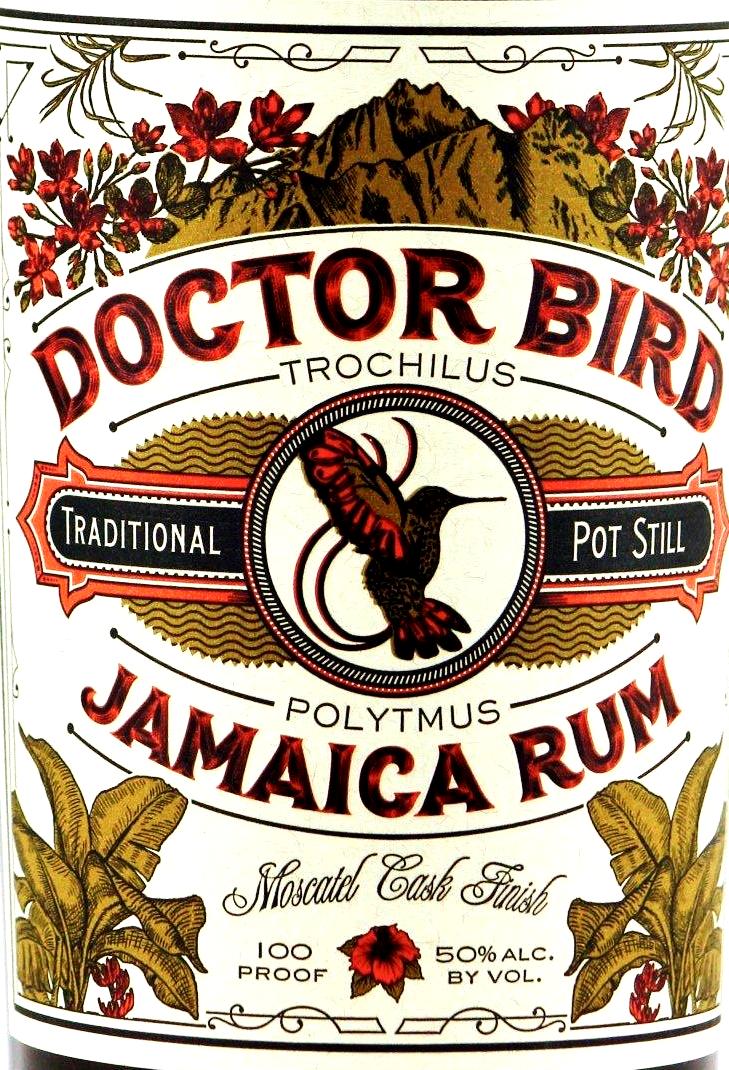 The strangely named Doctor Bird rum is another company’s response to
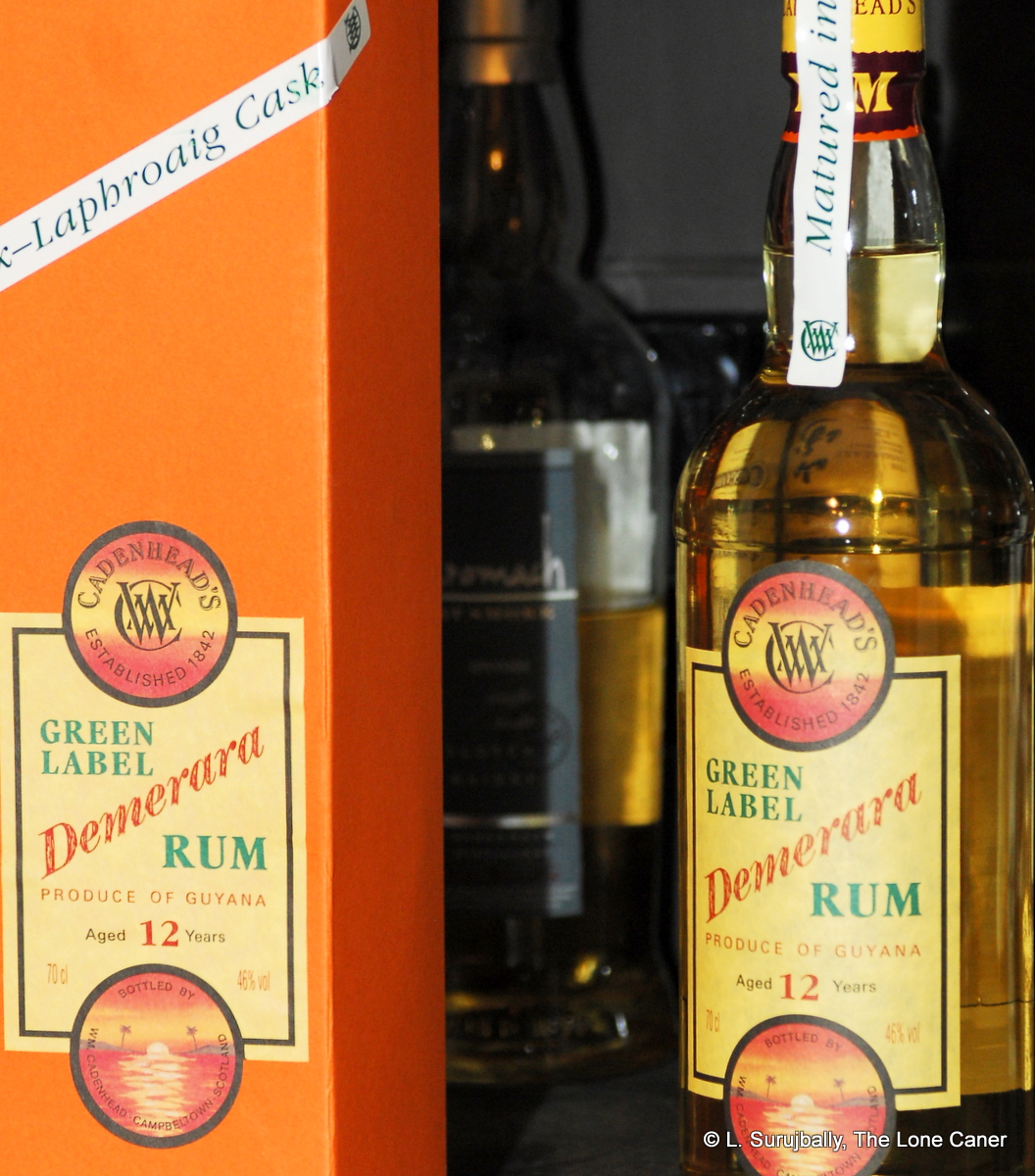
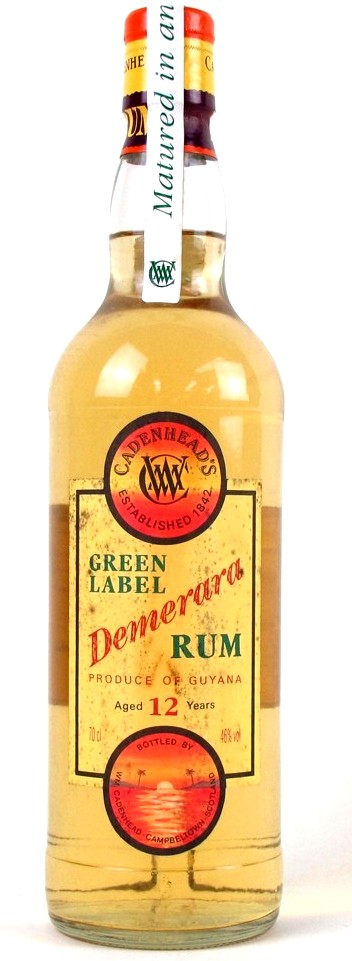 Anyway, this was a 12 year old, continentally-aged Guyanese rum (no still is mentioned, alas), of unknown outturn, aged 12 years in Laphroaig whisky casks and released at the 46% strength that was once a near standard for rums brought out by
 Palate – Even if they didn’t say so on the label, I’d say this is almost completely Guyanese just because of the way all the standard wooden-still tastes are so forcefully put on show – if there
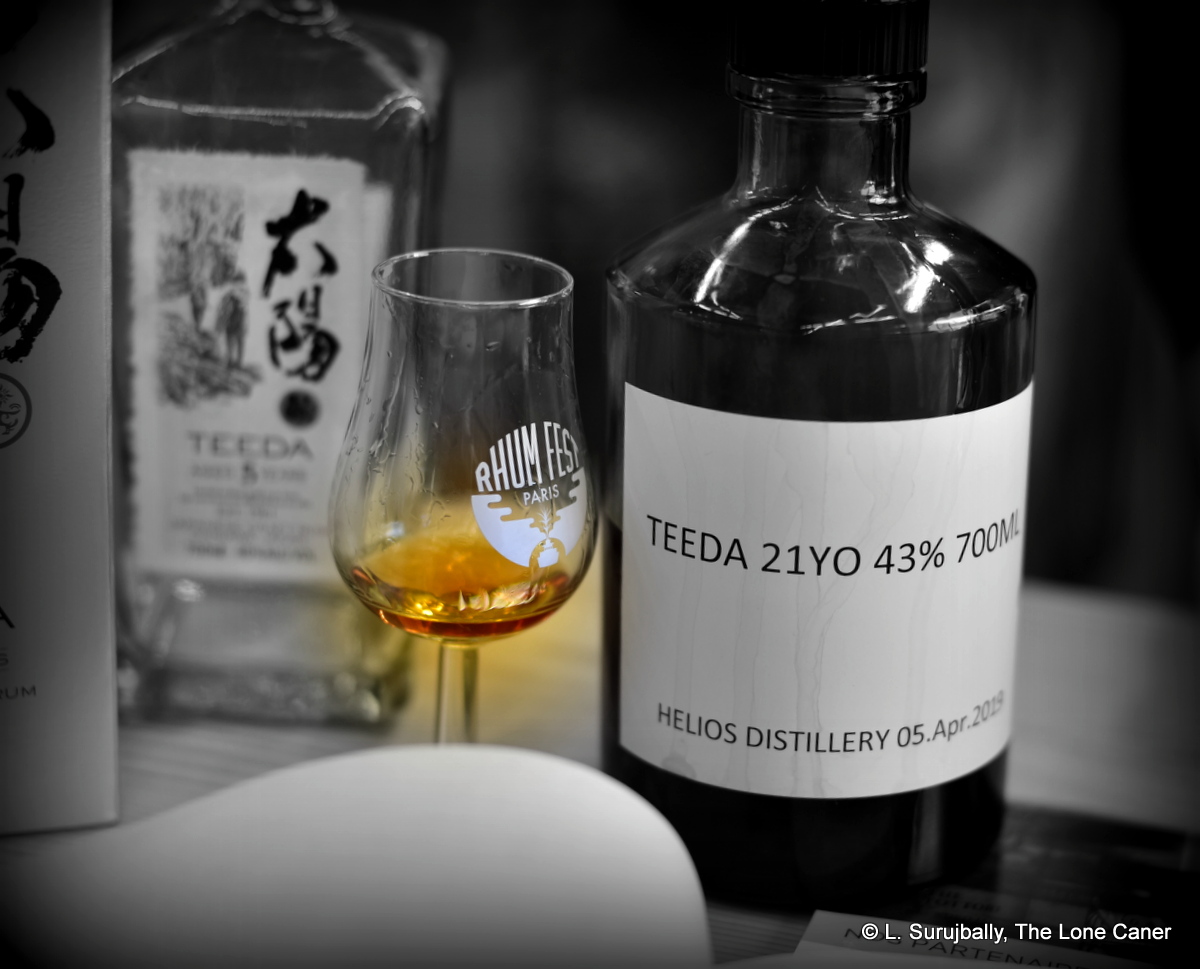
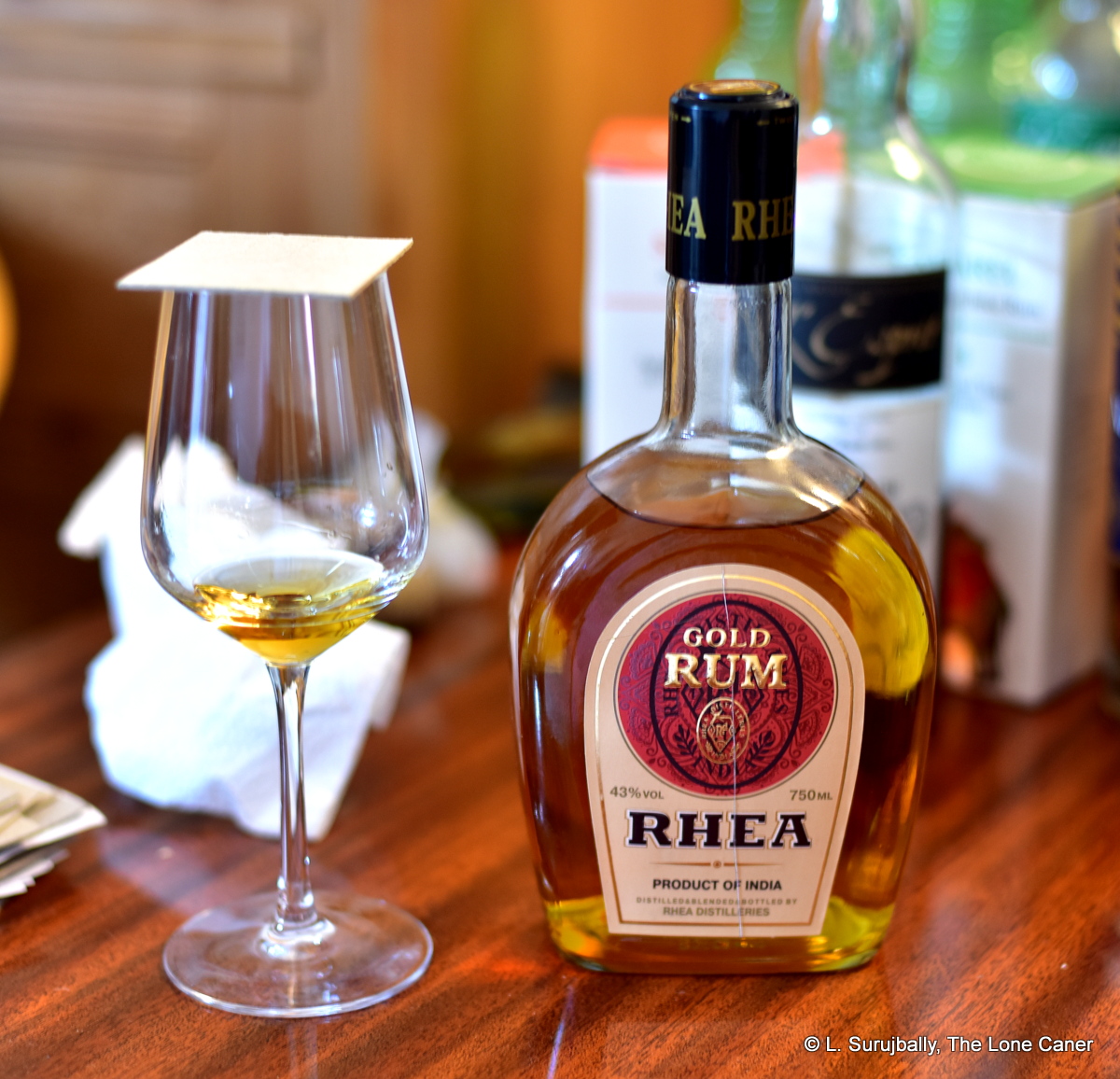
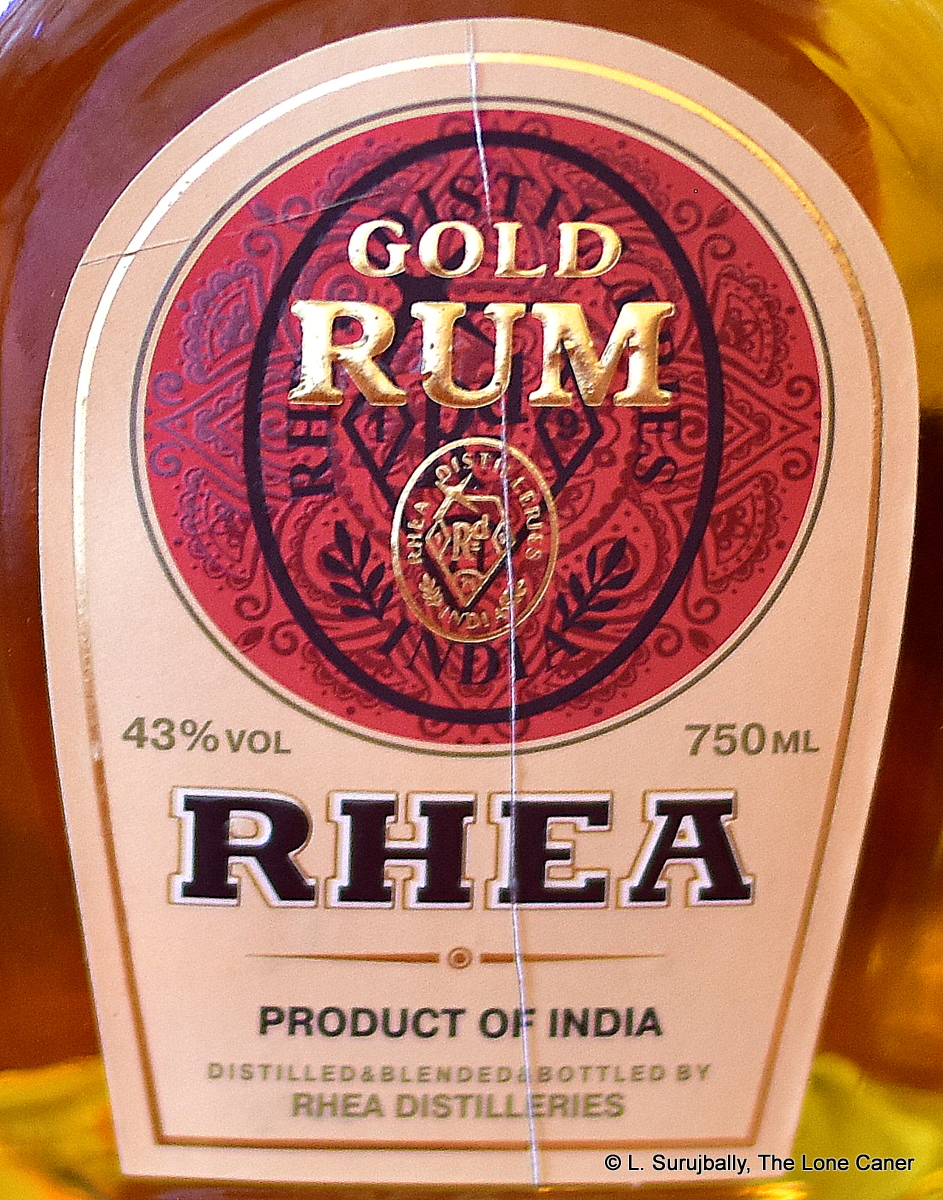 Light amber in colour and bottled at 43%, it certainly did not nose like your favoured Caribbean rum. It smelled initially of congealed honey and beeswax left to rest in an old unaired cupboard for six months – that same dusty, semi-sweet waxy and plastic odour was the most evident thing about it. Letting it rest produced additional aromas of brine, olives and ripe mangoes in a pepper sauce. Faint vanilla and caramel – was this perhaps made from jaggery, or added to after the fact? Salty cashew nuts, fruit loops cereal and that was most or less it – a fairly heavy, dusky scent, darkly sweet.
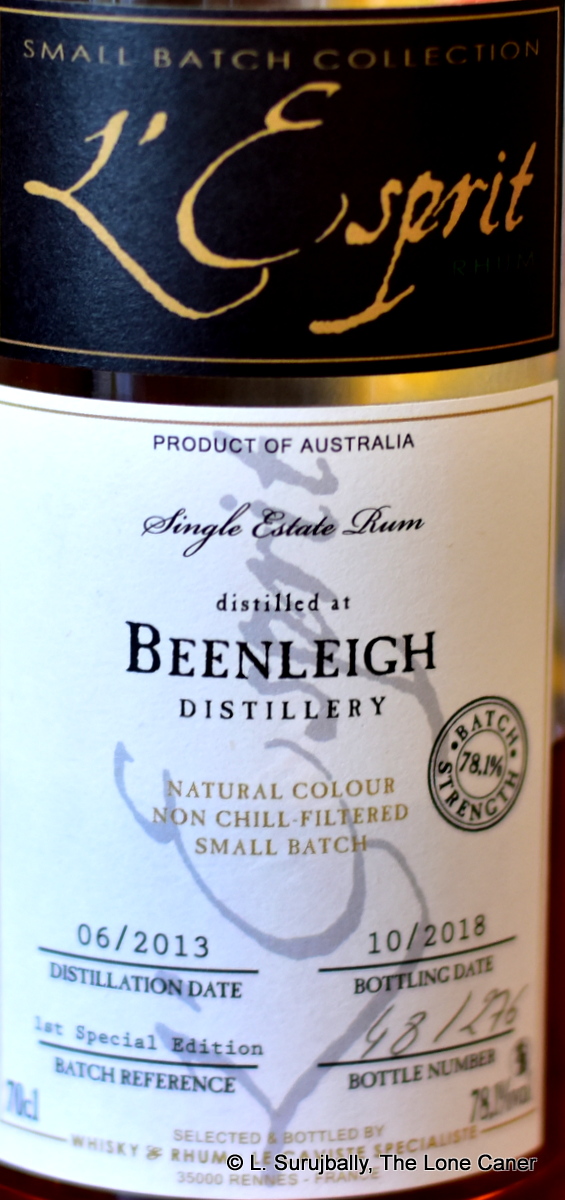
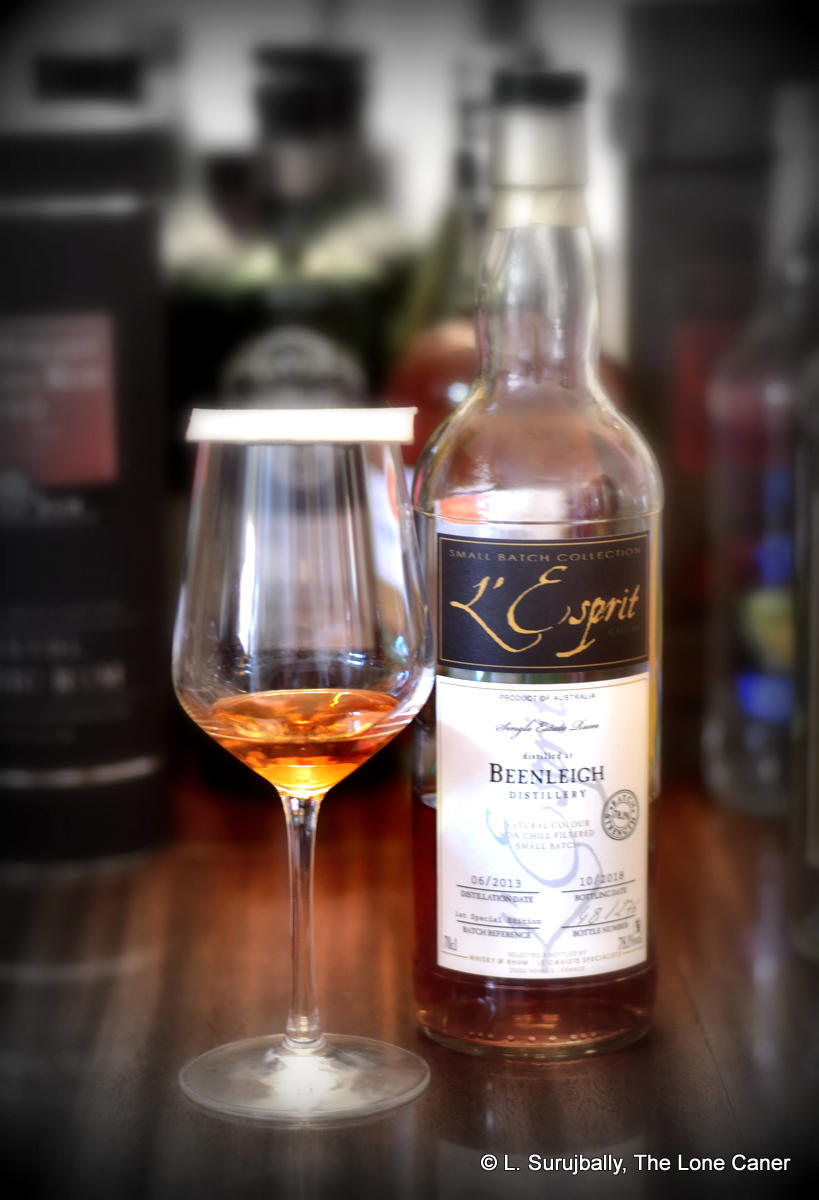 The French-bottled, Australian-distilled Beenleigh 5 Year Old Rum is a screamer of a rum, a rum that wasn’t just released in 2018, but unleashed. Like a mad roller coaster, it careneed madly up and down and from side to side, breaking every rule and always seeming just about to go off the rails of taste before managing to stay on course, providing, at end, an experience that was shattering — if not precisely outstanding.
 I still remember how unusual the
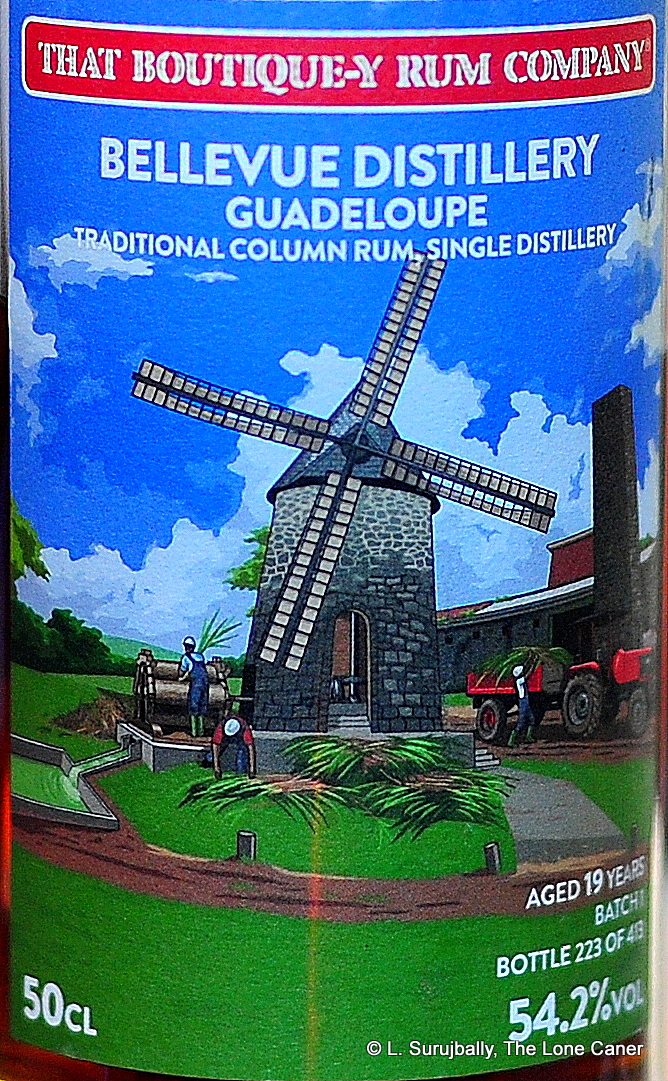 Take this one, which proves that TBRC has a knack for ferreting out good barrels. It’s not often you find a rum that is from the French West Indies aged beyond ten years — Neisson’s been making a splash recently with its 18 YO, you might recall, for that precise reason. To find one that’s a year older from Guadeloupe in the same year is quite a prize and I’ll just mention it’s 54.2%, aged seven years in Guadeloupe and a further twelve in the UK, and outturn is 413 bottles. On stats alone it’s the sort of thing that makes my glass twitch.
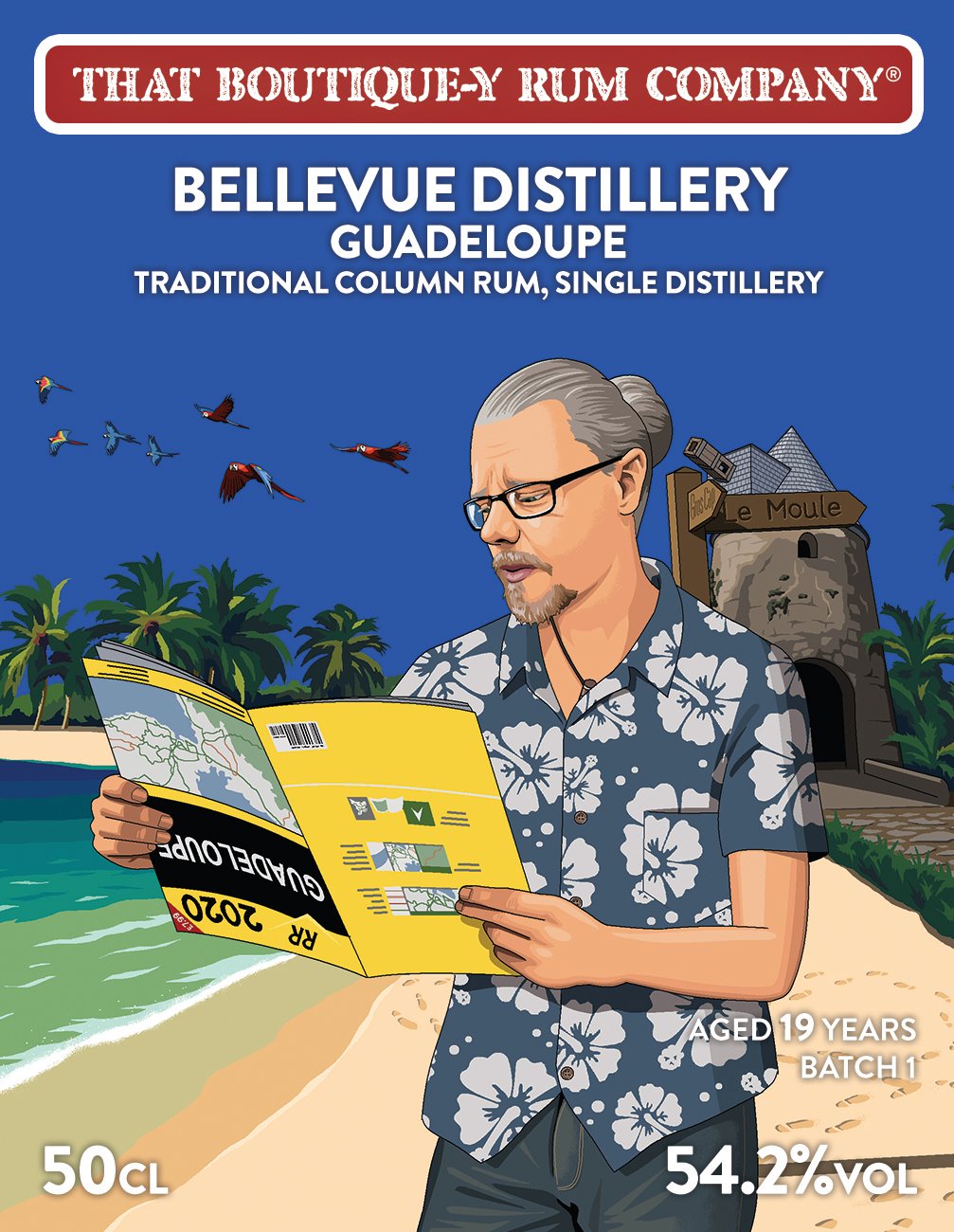 Guadeloupe rums in general lack something of the fierce and stern AOC specificity that so distinguishes Martinique, but they’re close in quality in their own way, they’re always good, and frankly, there’s something about the relative voluptuousness of a Guadeloupe rhum that I’ve always liked. Peter sold me on the quality of the
 Nose – Quite a bit different from the strongly focussed Demerara profile of the Navy 70º we looked at before – had the label not been clear what was in it, I would have not guessed there was any Jamaican in here. The wooden stills profile of Guyana is tamed, and the aromas are prunes, licorice, black grapes and a light brininess. After a while some salt caramel ice cream, nougat, toffee and anise become more evident. Sharp fruits are held way back and given the absence of any kind of tarriness, I’d hazard that Angostura provided the Trinidadian component.