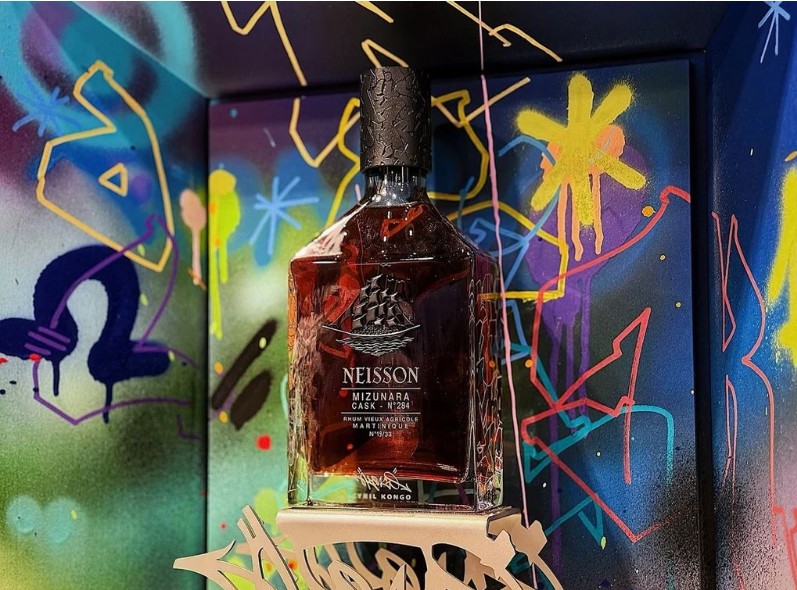
Photo courtesy and copyright to 88Bamboo.com
Introduction
The Neisson Rhum Vieux Agricole “Cyril Kongo” Martinique Rum is a rhum that leaves me deeply conflicted. It is so limited you’d hardly ever see it, it’s extraordinarily tasty, one of the best rhums I’ve tried in ages, has a presentation ethos off the scale – but it’s so damned expensive that one is left wondering who the hell could possibly afford it, and for what purpose. For, as I remarked once before on another uber-pricey rum, if you could afford it could you appreciate it, and if you could appreciate it, would you even be able to buy it? This is the central issue facing rum lovers who, with products like this, are left wondering who it’s made for.
Background
Founded in 1922 and with a distillery in operation since 1931, Neisson remains one of the few independent family-owned and operated distilleries on Martinique. Beset on all sides by distilleries owned by larger companies and conglomerates, it has fiercely held on to its artisanal traditions, yet remains a relatively small operation that survives by quite simply making exceptional rums. It’s no accident that Velier esteems them among the best of the agricole rhum makers they partner with, and has a long association with them.
I say exceptional, and I’m not joking: sure, Neisson has a stable of regular AOC-compliant agricole rhums, as most producers on the island do, but every now and then they produce something that’s a little off the beaten track, something more premium and pricey, going all the way back to the Tatanka I bought so many years ago. Currently these include the Cuvee Sascha, the Armada Series, the Jerboam, the Ninaginta, and the Zetwal. And this one: the “Cyril Kongo” three-cask series, many of which are edging into four figure territory.
All that preamble requires quite a bit of unpacking: first of all it’s a ten year old aged rhum, distilled in 2013 from sugar cane juice, and after an initial ex-bourbon or ex-cognac barrels for eight years, it was further aged for two more in Mizunara-wood casks, not something that was considered particularly normal back in the day (and even now). Three casks (#282, 283 and 284) were then separately bottled into 33 carafes from each cask, and each carafe of the three sets has its own Cyril Kongo art piece to go alongside it – and those 33 pieces all consolidate into one coherent whole. Over and above the intrinsic quality of the rhum inside, then, that presentation elevates it, in the opinions of its sellers, to art.
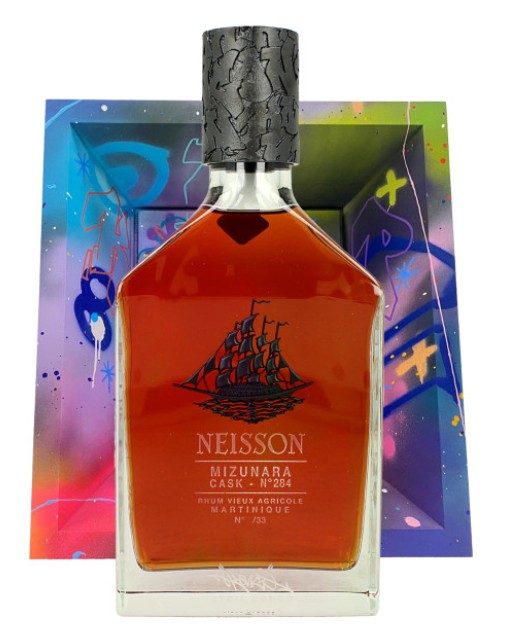
Photo ©SpiritAcademy.it
Tasting notes
I thank my lucky stars I had no idea what i was getting into when I was given the small bottle to evaluate. I knew of Neisson, of course, and have been a fan for some time, but beyond that I had nothing to go on. And so, with the blissful ignorance and innocence of the untrained, I sailed into the tasting, and believe me, it was and remains quite an experience
This may be one of the loveliest rums I’ve ever tried. What’s impressive about it, is that it strikes a perfect balance between the agricole herbals and grassy notes, as well as the aged component given over by the barrel. Initial scents billow softly out of the glass: deep and pungent, spices, cinnamon, sweet paprika, vague caramel and vanilla notes, even a touch of wine. There is also a fair bit of dark honey fresh off the comb, accompanied by wax, rubber, turpentine, acetones. And as if that is not enough (and God knows, that’s a lot), I also smelled, with a real sense of pleasure, a touch of anise and licorice with a sprig of thyme and mint. And to round things off – yes, there’s more – some cardboard and musty wallpaper of an old house. I would like to point out that there’s no meaty hogo aspects to the nose at all, which perhaps is a good thing – that might have introduced a dichotomy to the profile that would not have succeeded as well as this one currently does.
Well, that’s a hell of a start, but does the taste keep up the high standard? Yes, I think so. The texture and mouthfeel are amazing – firm and strong without bitchiness. There’s no savagery to this, no sharp bite of rough edges, just a firm amalgam of the various notes that come together in an extraordinarily well-balanced way. It starts off with spices, sweet, salt, brine, incense sticks i a temple, fresh loam, freshly peeled potato skins, chocolate, coffee, cedar, sandalwood It gives so much… and then a little more. Black pepper, cinnamon, thyme and mint again, honey and that waxy note. And, yes, the herbals remain, hearkening back to the cane juice origins – dill, parsely, cardamom, fresh cut grass, pears, watermelon. It’s just the slightest bit sweet, enough to balance the salt and sharper notes to make for a smooth and silky dram that presses all the right buttons, and even the finish, while not introducing anything new, does give grapes, raisins, soft fruits, peaches, spices and herbs, in a gentle, susurrating endgame that can’t be faulted.
Now, the interesting thing is the effect of that Mizunara cask. Mizunara is considered one of the rarest and most difficult woods to use effectively — because while aromatic, is also porous, and quite fragile. Japanese whiskies are known for using it, though only recently have rum makers jumped on board as well. I can’t speak for its impact here since my experience with the wood is rather minimal, but whatever it achieves in providing the tasting notes described above – it works. It works damned well.
Summing up
So, let’s clear the dishes. In fine, this Neisson rum is the whole package, in a way we don’t get very often. Scents and tastes are really well balanced, very precise, clearly distinct and flavourful. The strength is perfect for what it sets out to achieve, and I think that the tannins are not overwhelming here, but well integrated into the sweet, salt and mellower aspects. In fine, it’s a rum you could try all night long, and still find new reasons to love it. It deserves all the accolades it gets.
Addendum
And this brings me back to the price. For most of the last twenty years, most rums that command five figures are released by independents, and they are priced by secondary markets. Some of the older Veliers fall into this category (the early Caroni rums, or the Skeldon 1973 and 1978). Occasionally, we would see very old rums from Ago pop up for sale, such as a Navy rum flagon, an Appleton 17YO from the dawn of the tiki era. or a rum from the pre-war years like the Bally 1924, Sant Andrea 1939, the Saint James 1885 or the Harewood House 1780. But again, we see these mostly on auction sites, not on regular sale. If a primary producer releases a halo rum that goes for ten grand or up, then it’s a very limited special edition such as the El Dorado 50th Anniversary, or the Appleton 50YO. Usually there is a very hefty age involved and a designer bottle that may cost more than the rum itself.
The Neisson “Cyril Kongo” — irrespective of which of the three casks it comes from — does not neatly fall into any of these categories. It’s ten yeas old, has an extraordinarily small outturn, and rather than a Lalique cut glass crystal decanter, has a piece of unique artwork included (which is where I suspect the stratospheric price originates). But whatever its cosmetic and artistic adornments are, is it really worth shelling out €19,500?
No. Sorry, but no. This is a collector’s edition. It is made for presentations to titans of industry and grand politicos, presidents and ambassadors and visiting royalty. For collectors it’s an investment that they hope will appreciate in value (though the Dark Matter auction from a few years ago might conceivably give them pause). Even serious bar owners like Martin Cate (who, I once heard, bought a Last Drop Jamaica 1976 for five grand for his establishment and then feared to open it) would likely balk at dropping that kind of coin. Luca, probably, since he’s even more certifiable than I am.
But you and me? No way. We’re priced out of the market on this one, and while I readily and happily concede that it really is a wonderful, exceptional piece of work, I’d have to win a lottery, offer a rum-soaked kidney, and maybe sell my firstborn, just to afford the cork on this amazing rum. On a value for money basis, I’d pass. Only as an investment for the next generation, would I even consider such a purchase.
(#1152)(92/100) ⭐⭐⭐⭐½
Other notes
- YouTube video review link
- I am indebted to my good friend Weixiang Liu, whose original article on 88Bamboo in 2024 provided some background, and who gave me more details about the artwork. His article provides more background than this overlong review allows, and is well worth reading.







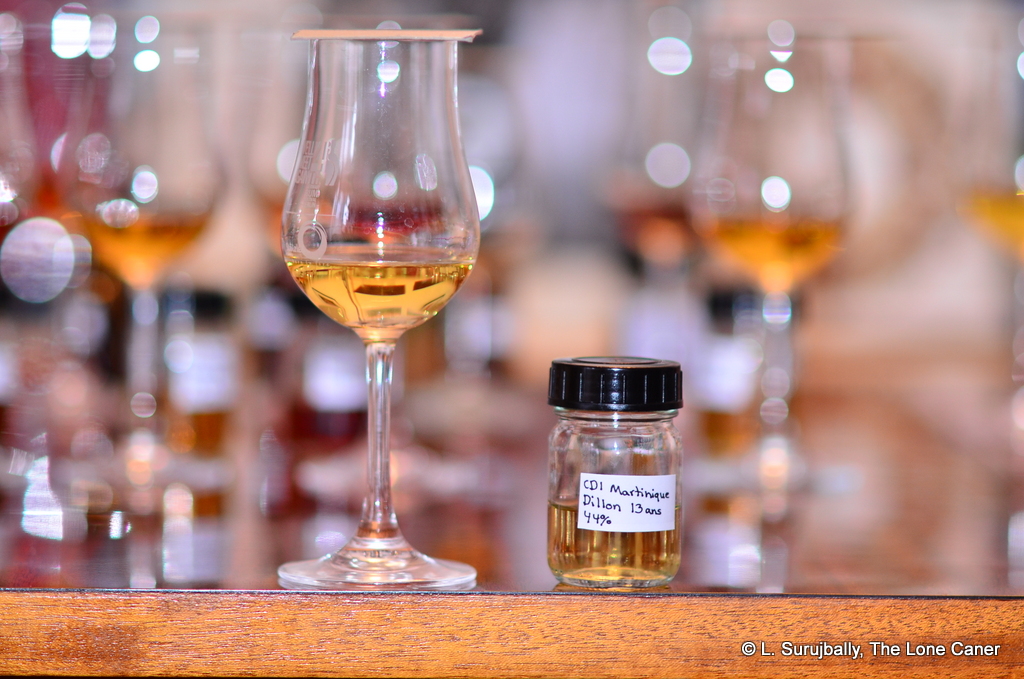
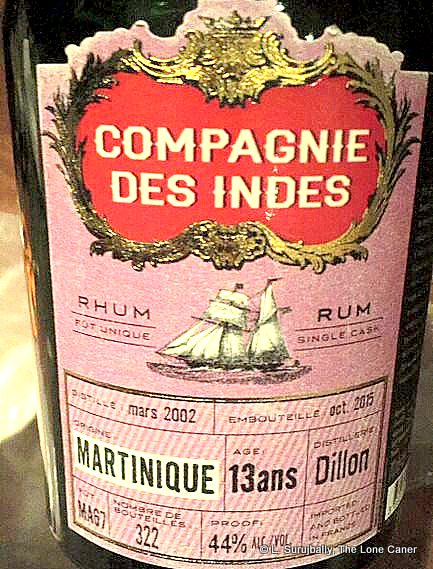 Whatever the case, I must advise you that if you like agricoles at all, those smaller names and lesser known establishments like Dillon should be on your radar. Not all of the rhums they make are double-digit aged, so those that are, even if farmed out to a third party, are even more worth looking at. Just smell this one, for example: it’s a fruitarian’s wet dream. In fact, the aroma almost strikes me like a very good Riesling mixing it up with a 7-up, if you could conceive of such an unlikely pairing. Lighter than the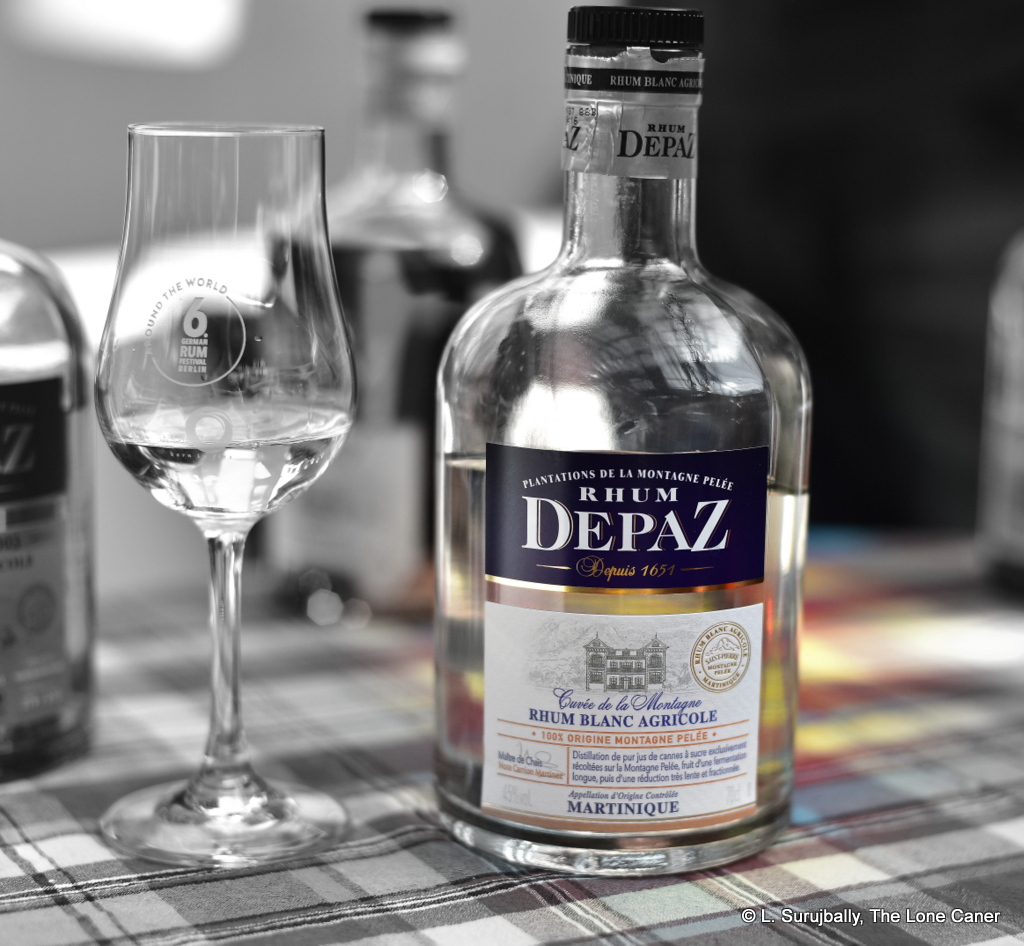
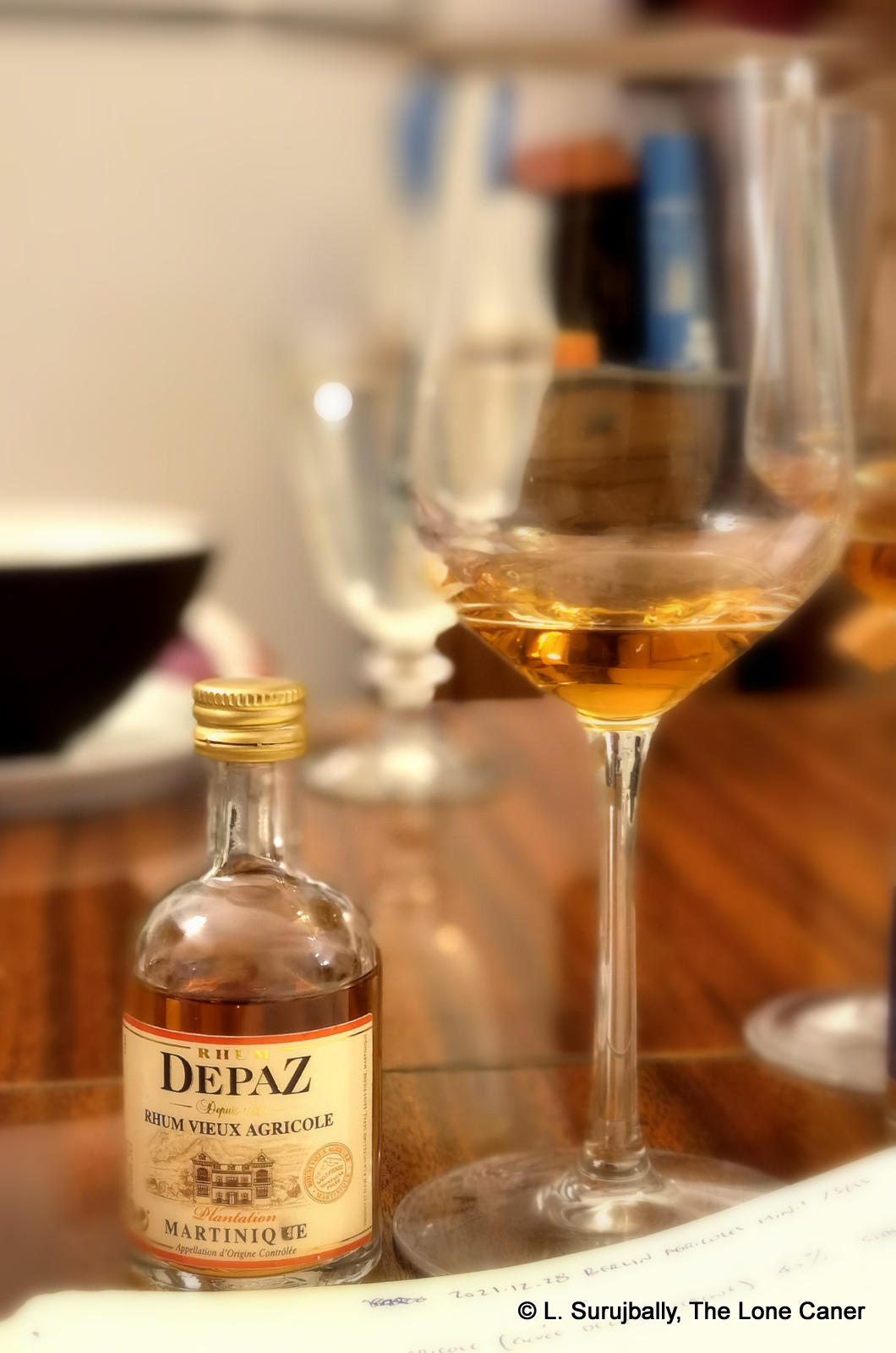
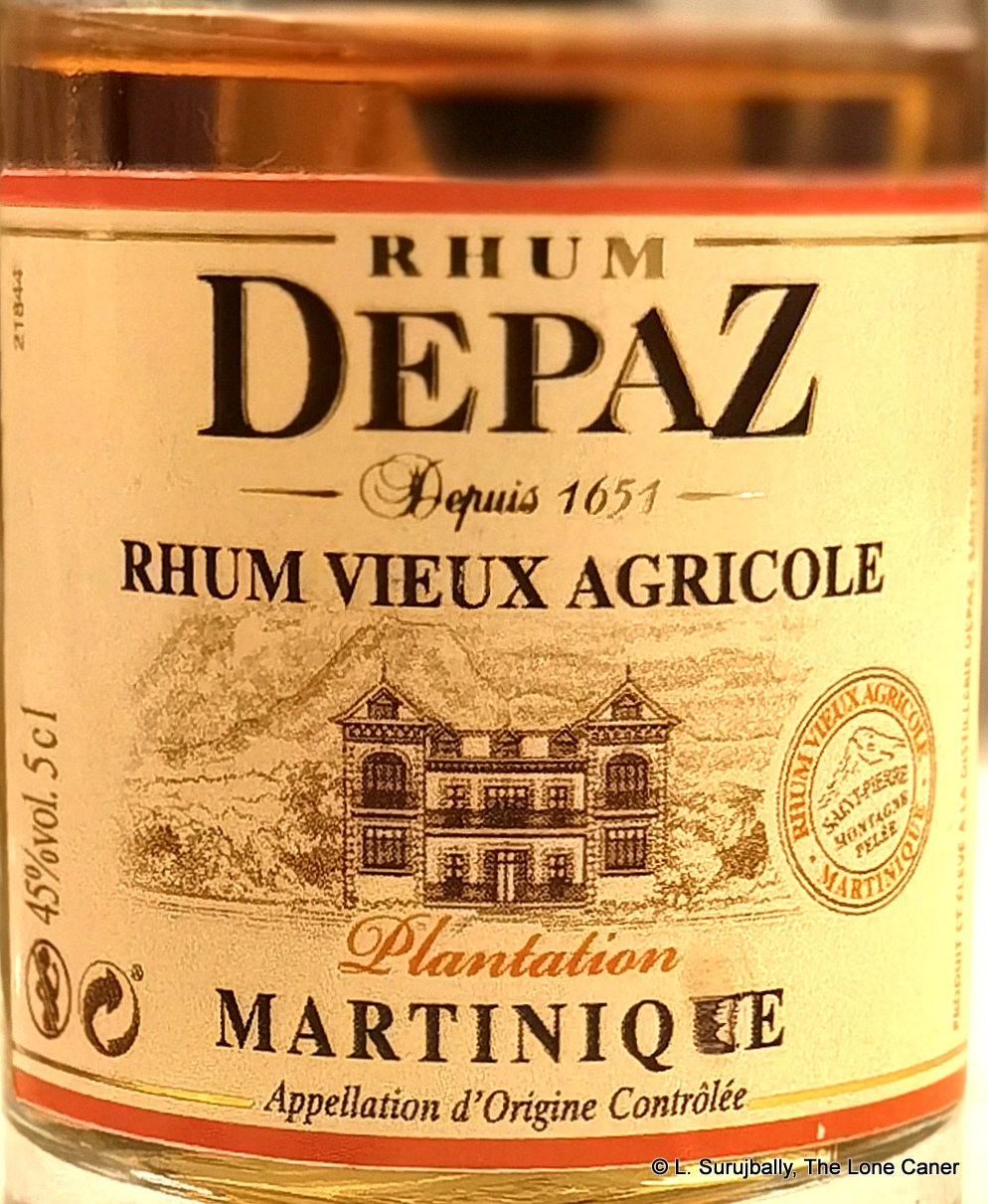
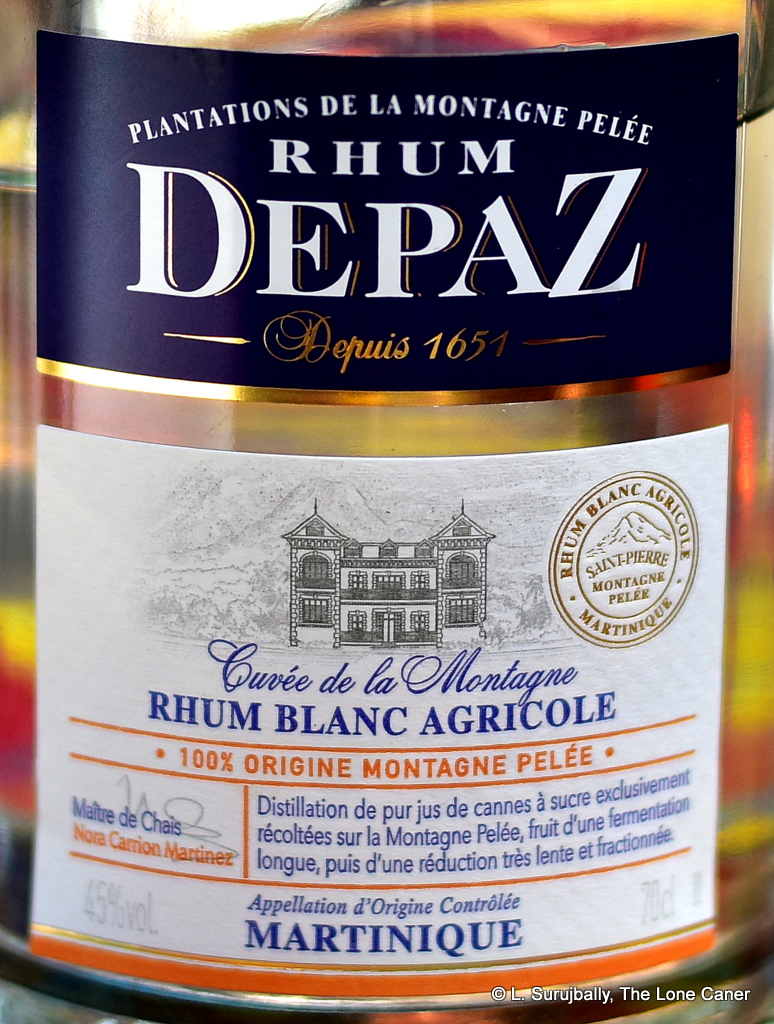 Depaz’s 45% rhum blanc agricole is not one of these uber-exclusive, limited-edition craft whites that uber-dorks are frothing over. But the quality and taste of even this standard white shows exactly how good the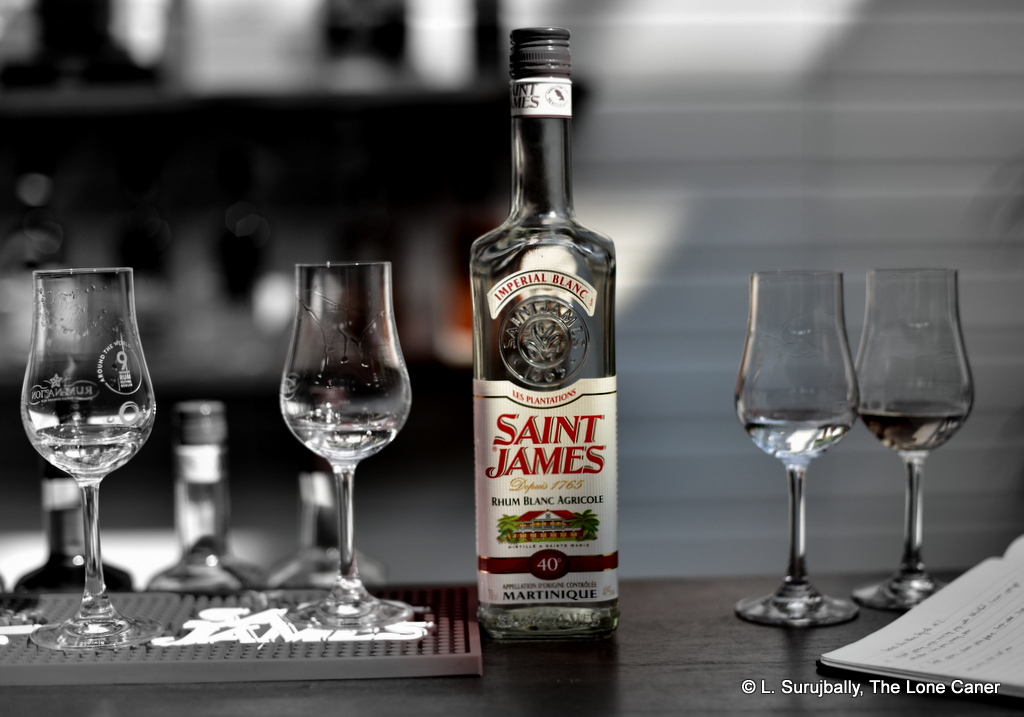
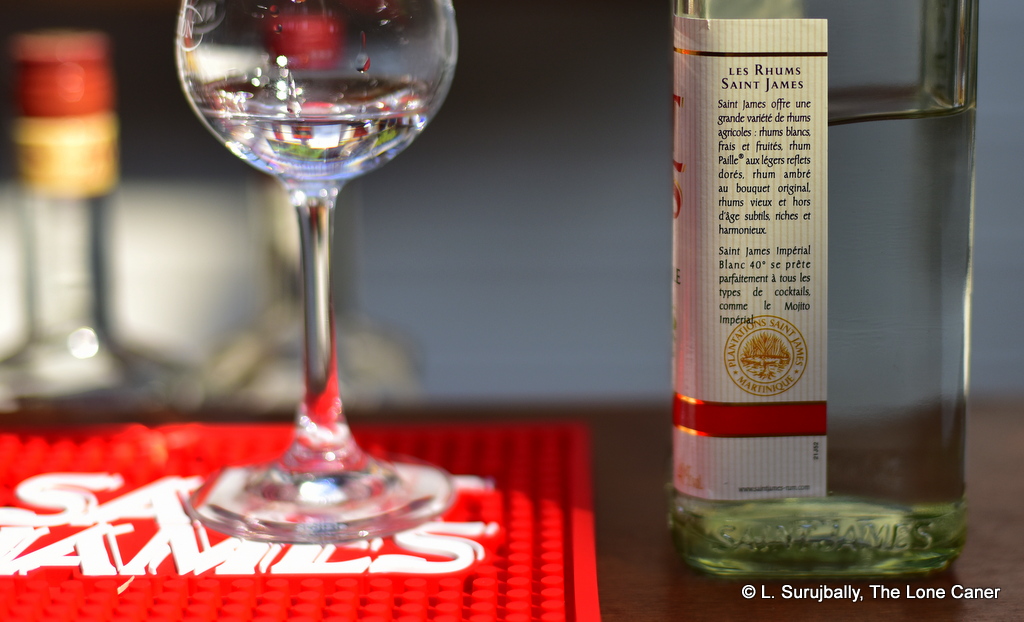
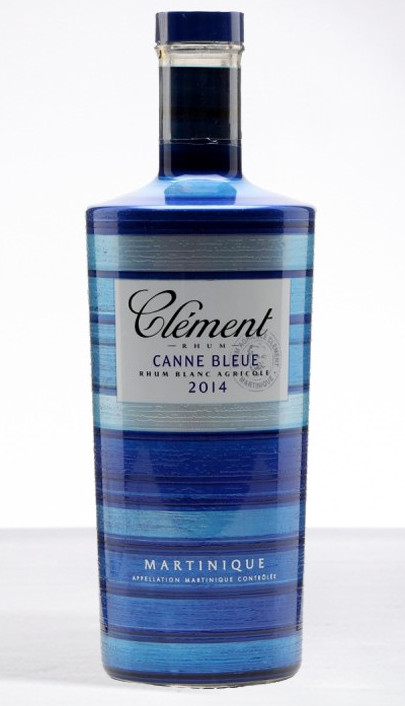 In an ever more competitive market – and that includes French island agricoles – every chance is used to create a niche that can be exploited with first-mover advantages. Some of the agricole makers, I’ve been told, chafe under the strict limitations of the AOC which they privately complain limits their innovation, but I chose to doubt this: not only there some amazing rhums coming out the French West Indies within the appellation, but they are completely free to move outside it (as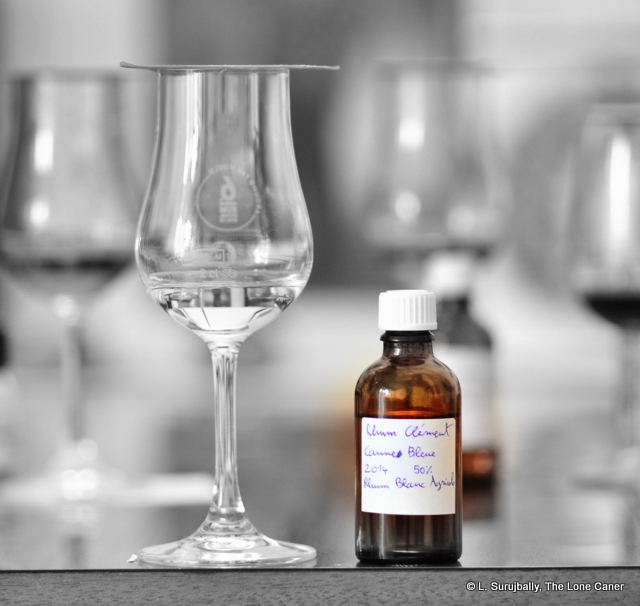
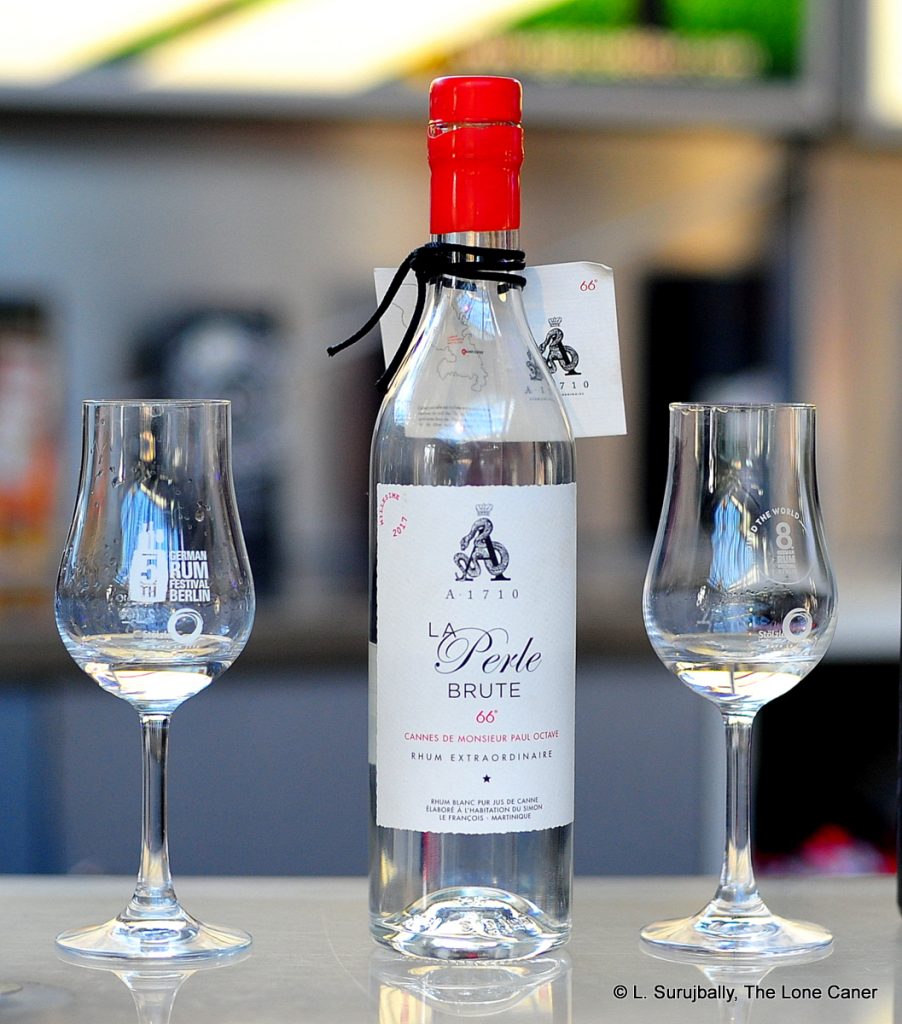
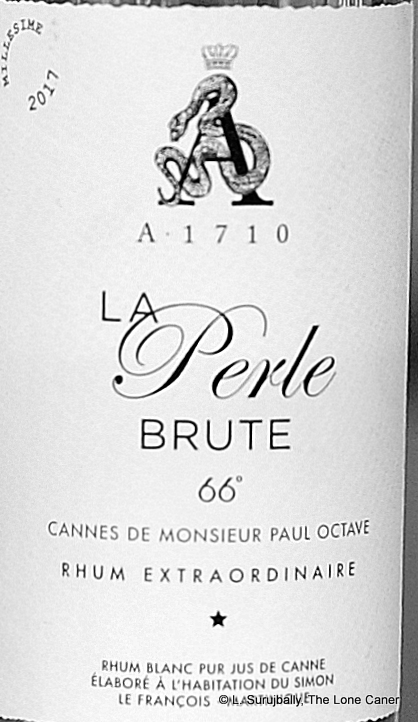 The results of all that micro-management are amazing.The nose, fierce and hot, lunges out of the bottle right away, hardly needs resting, and is immediately redolent of brine, olives, sugar water,and wax, combined with lemony botes (love those), the dustiness of cereal and the odd note of sweet green peas smothered in sour cream (go figure). Secondary aromas of fresh cane sap, grass and sweet sugar water mixed with light fruits (pears, guavas, watermelons) soothe the abused nose once it settles down.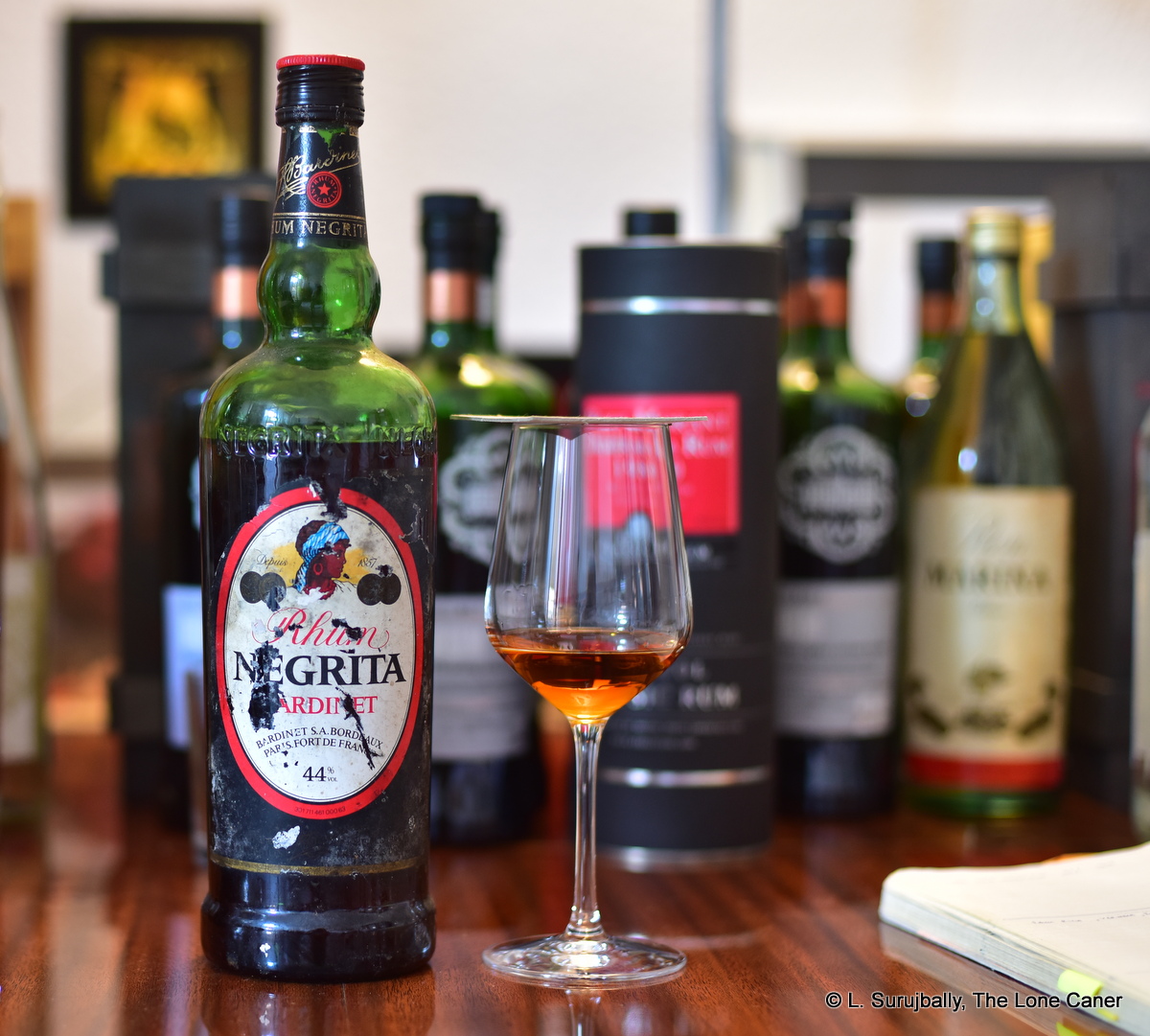
 Nose – Doesn’t lend itself to quick identification at all. It’s of course pre-AOC so who knows what made it up, and the blend is not disclosed, alas. So, it’s thick, fruity and has that taste of a dry dark-red wine. Some fruits – raisins and prunes and blackberries – brown sugar, molasses, caramel, and a sort of sly, subtle reek of gaminess winds its way around the back end. Which is intriguing but not entirely supportive of the other aspects of the smell.
 The palate was about par for the course for a rum bottled at this strength. Initially it felt like it was weak and not enough was going on (as if the profile should have emerged on some kind of schedule), but it was just a slow starter: it gets going with citrus, vanilla, flowers, a lemon meringue pie, plums and blackberry jam. This faded out and is replaced by sugar cane sap, swank and the grassy vegetal notes mixed up with ashes (!!) and burnt sugar. Out of curiosity I added some water , and was rewarded with citrus, lemon-ginger tea, the tartness of ripe gooseberries, pimentos and spanish olives. It took concentration and time to tease them out, but they were, once discerned, quite precise and clear. Still, strong they weren’t (“forceful” would not be an adjective used to describe it) and as expected the finish was easygoing, a bit crisp, with light fruit, fleshy and sweet and juicy, quite ripe, not so much citrus this time. The grassy and herbal notes are very much absent by this stage, replaced by a woody and spicy backnote, medium long and warm