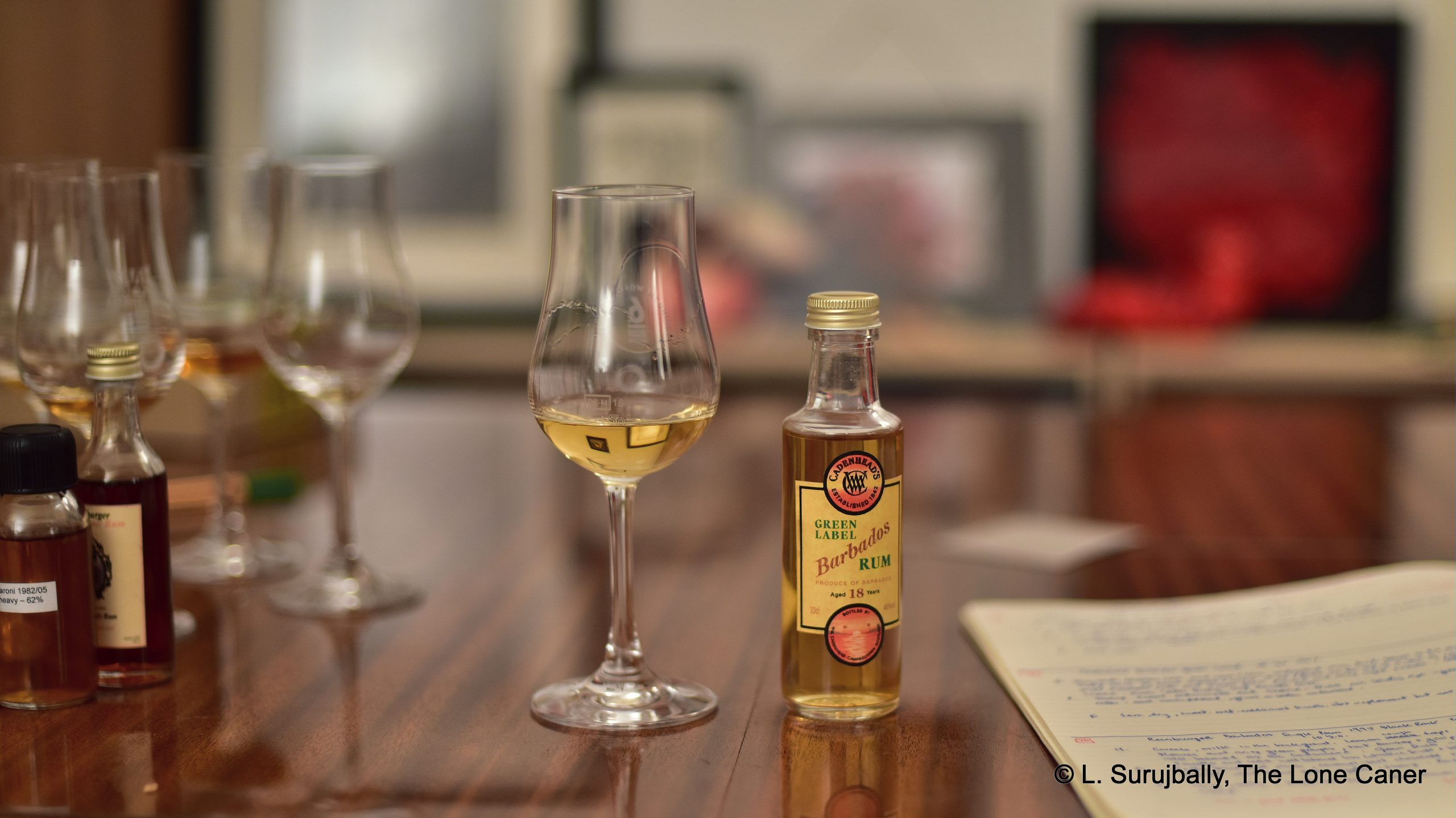
Cadenhead, in their various rum releases stretching back a hundred years or more, has three major rivers running into the great indie rum ocean, each of which has progressively less information than the one before it:
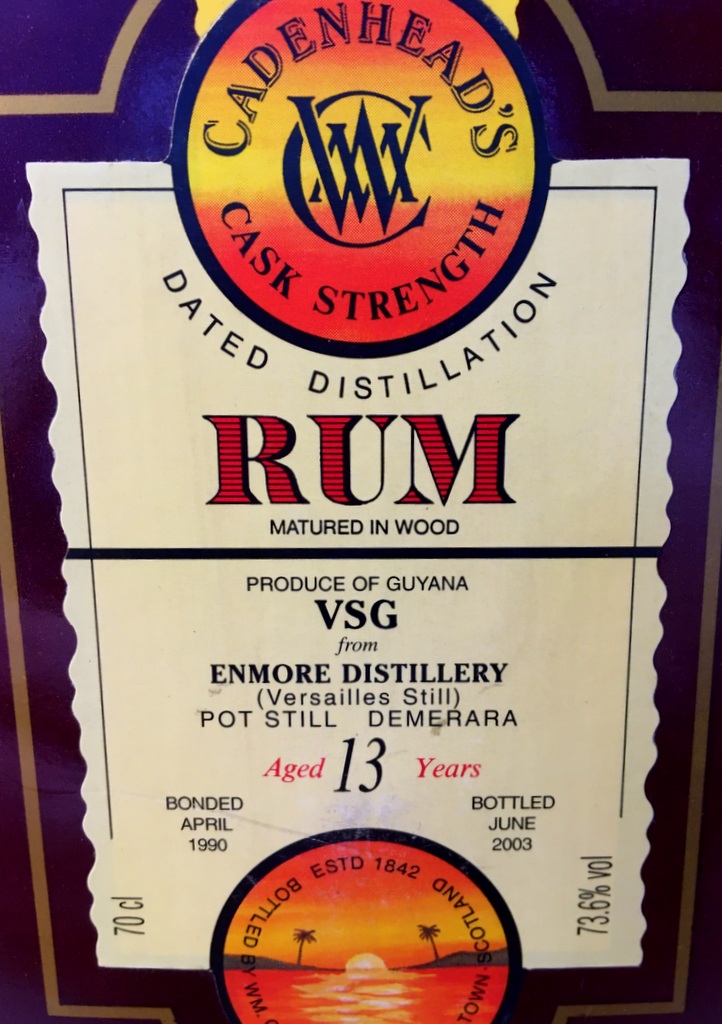
- The cask strength, single-barrel “Dated Distillation” series with a three- or four-letter identifier and lots of detail on source and age; I submit these are probably the best and rightly the most sought-after rums they release. The only question usually remaining when you get one, is what the letters stand for.
- The Green Label series; these are usually single-country blends, sometimes mashed together from multiple distilleries (or stills, or both), mostly from around the Caribbean and Central/South America (they’ve gone further afield of late). Here you get less detail than the DDs, mostly just the country, the age and the strength, which is always 46% ABV. I never really cared for their puke yellow labels with green and red accents, but now they’re green for real. Not much of an improvement, really.
- Classic Blended Rum; a blend of Caribbean rums, location never identified, age never stated (not on label or website), usually bottled at around 50% ABV. You takes your chances with these, and I’ve only ever had one, and quite liked it.
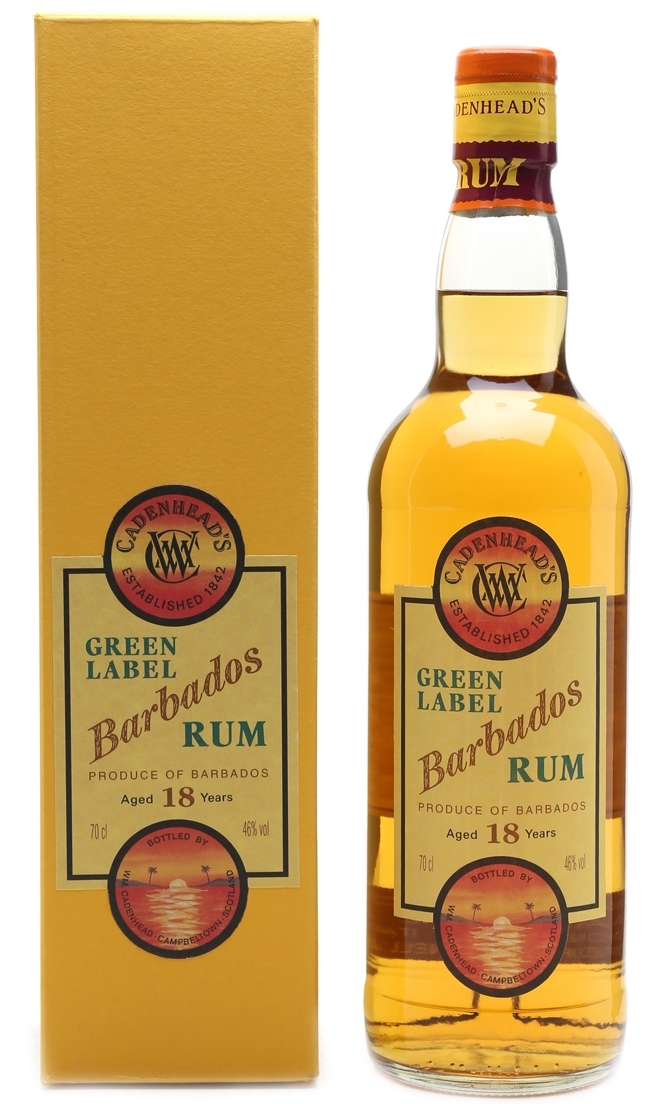
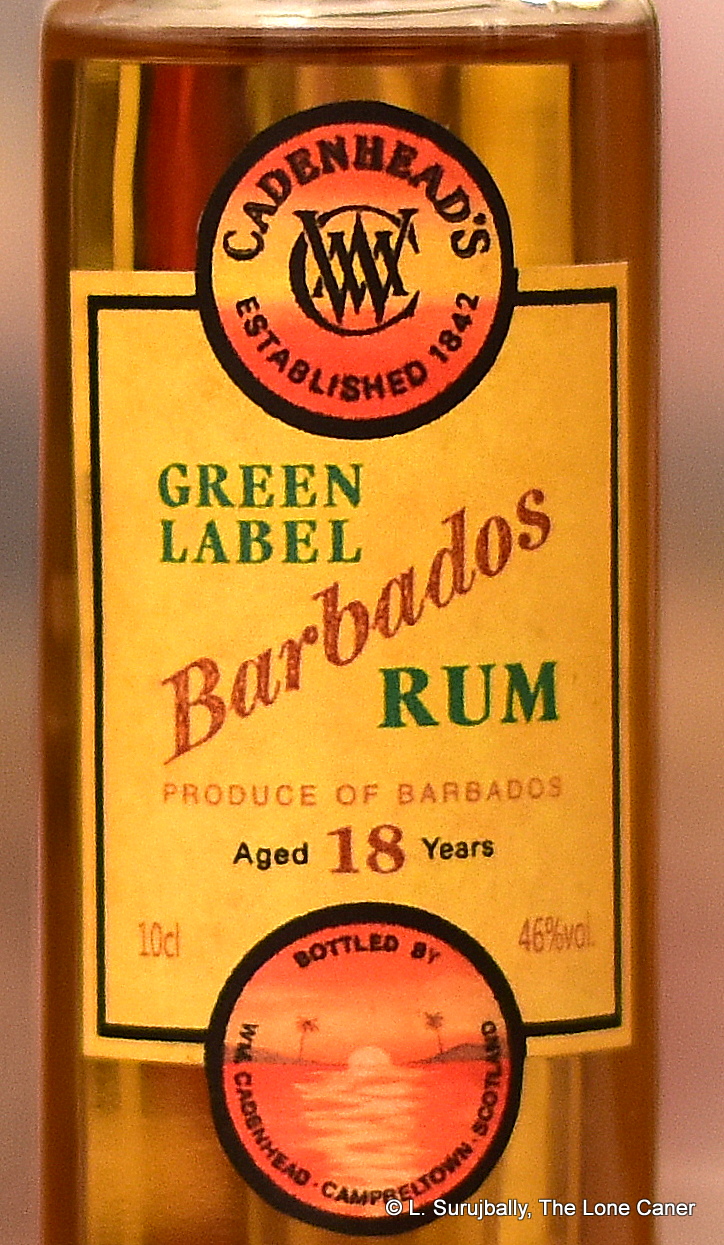 The subject of today’s review is a Green Label Barbados. This is not the first time that this series (which Cadenhead releases without schedule, rhyme or reason) has had a Barbadian rum in it: in fact, I had looked at a Barbados 10 year old back in 2017. There are at least seven rums that I know of in that series, not counting the full strength “Dated Distillation” collection, and I think they have an entrant from every distillery on the island between the two collections except St. Nicholas Abbey (which doesn’t export bulk). Most of the Greens are from WIRD or Mount Gay, while Foursquare is rather better represented of late in the DDs.
Which one is this, then? As far as I know, it’s a WIRD rum done in the Rockley style, based on these data points: Marco Freyr’s research, Marius Elder’s Rockley tasting based on research of his own, the year of distillation (1986 is a famous year for the Rockley style), and my own tasting – none of which is conclusive on its own, but which in aggregate are good enough for government work, and I’ll stand behind it until somebody issues the conclusive corrective.
I say it’s a Rockley style (see below for a historical recap), which is an opinion I came to after the tasting and before looking around for details, but what is it about its profile that bends my thinking that way? Well, let’s get started and I’ll try to explain.
Nose first: It’s both sharp and creamy at once, with clear veins of sweet red licorice, citrus, sprite and fanta running through a solid seam of caramel, toffee, white chocolate, almonds and a light latte. Letting it open up brings forth some light, clean floral scents, mint, sugar water, red currants and raisins, which the Little Caner grandly dismissed under with the brief title of “oldie fruity stuff.” (You can’t impress that boy, honestly).
The palate is interesting: it’s clean, yet also displaying some of the more solid notes which would suggest a pot still component; it retains the sharp and crisp tartness of unripe fruit – red currants, raspberries, strawberries, mangoes. Here the caramel bonbons and toffees take a back seat and touches of brine, pimentos and balsamic vinegar suggest themselves. Leaving it alone and then returning, additional notes of marzipan, green grapes and apples are noticeable, and also a rather more marked oak influence, though this does not, fortunately, overwhelm. The finish is dry, sweet and salt, with some medicinal iodine flashes, plus of course the oak, fruits and licorice, nothing too earthshaking here.
 The rum as a whole is not unpleasant at all, and yes, it’s Rockley style — if you were to retry the SMWS R6.1 from 2002 (“Spice at the Races”) and then sample a few Foursquares and a MG XO, the difference is clear enough for there to be little doubt. Surprisingly, Marius felt the herbal and honey notes predominated and pushed the fruits to the back, while I thought the opposite. But he says and I inferred, that this is indeed a Rockley.
I think the extended maturation had something to do with how well it presented: even accounting for slower ageing in Scotland, eighteen years was sufficient to really enhance the distillate in a way that the older Samaroli WIRD 1986 released two years later somehow failed to do. It’s rare, unfortunately (we don’t know the outturn), but it’s come up for auction on whisky sites a few times and varies in price from £80-£120, which I think is pretty good deal for those who like Barbadian rums in general. This rum from Cadenhead is not a world beater, but it’s quite good on its own terms, and showcases an aspect of Barbados which is nice to try on occasion, if only for the variety.
(#845)(85/100)
The Rockley “Still”
(This section will not be updated, and has been transferred to its own post, here, to which all subsequent information will be added)
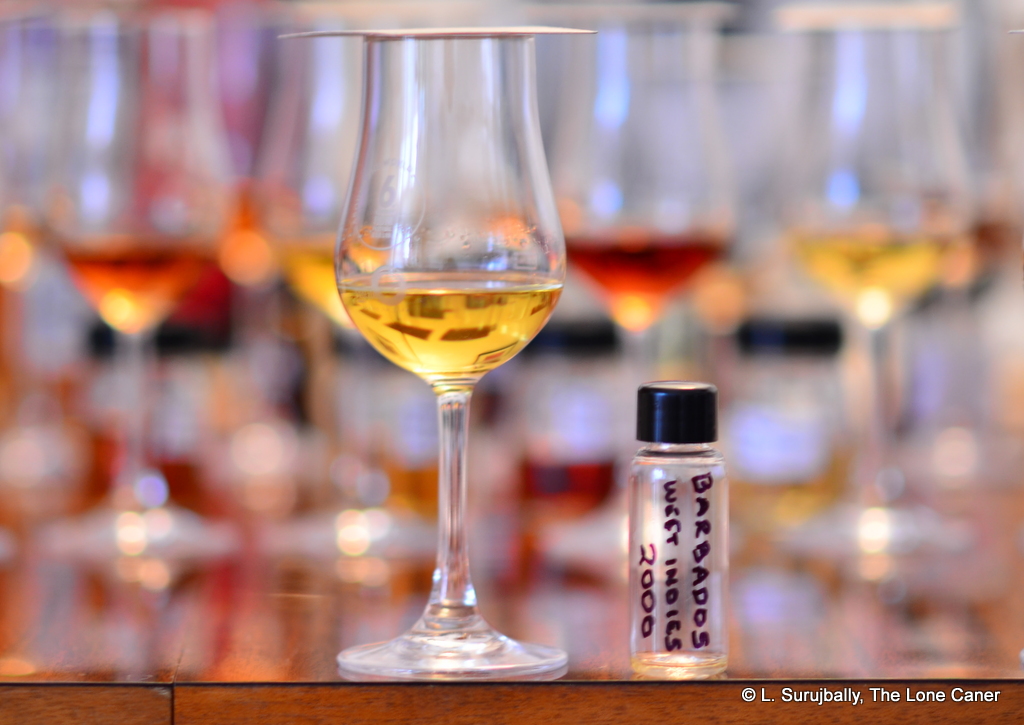
Many producers, commentators and reviewers, myself among them, refer to the pot still distillate from WIRR/WIRD as Rockley Still rum, and there are several who conflate this with “Blackrock”, which would include Cadenhead and Samaroli (but not 1423, who refer to their 2000 rum specifically as simply coming from a “pot still” at “West Indies” – Joshua Singh confirmed for me that it was indeed a “Blackrock style” rum).
They key write-ups that currently exist online are the articles that are based on the research published by Cedrik (in 2018) and Nick Arvanitis (in 2015) — adding to it now with some digging around on my own, here are some clarifications. None of it is new, but some re-posting is occasionally necessary for such articles to refresh and consolidate the facts.
“Blackrock” refers to WIRD as a whole, since the distillery is located next to an area of that name in NW Bridgetown (the capital), which was once a separate village. In the parlance, then, the WIRD distillery was sometimes referred to as “Blackrock” though this was never an official title – which didn’t stop Cadenhead and others from using it. There is no “Blackrock Still” and never has been.
Secondly, there is a “Rockley” pot still, which had possibly been acquired by a company called Batson’s (they were gathering the stills of closing operations for some reason) when the Rockley Distillery shuttered — Nick suggests it was transformed into a golf course in the late 1800s / early 1900s but provides no dates, and there is indeed a Rockley Resort and golf club in the SE of Bridgetown today. But I can’t find any reference to Batson’s online at all, nor the precise date when Rockley’s went belly-up — it is assumed to be at least a century ago. Nick writes that WIRD picked up a pot still from Batson’s between 1905 and 1920 (unlikely to be the one from Rockley), and it did work for a bit, but has not been operational since the 1950s.
This then leads to the other thread in this story which is the post-acquisition data provided by Alexandre Gabriel. In a FB video in 2018, summarized by Cedrik in his guest post on Single Cask, he noted that WIRD did indeed have a pot still from Batson’s acquired in 1936 which was inactive, as well as another pot still, the Rockley, which they got that same year, also long non-functional (in a 2021 FB post, WIRD claims a quote by John Dore’s president David Pym, that it’s the oldest rum pot still in the world, which I imagine would miff both DDL and Rivers Royale). According to their researches, it was apparently made by James Shears and Sons, a British coppersmith, active from 1785 to 1891. What this all means, though, is that there is no such thing as a rum made on the Rockley still in the post-1995 years of the current rum renaissance, and perhaps even earlier – the labels are all misleading, especially those of the much-vaunted year 1986.
The consensus these days is that yet a third pot still — acquired from Gregg’s Farms in the 1950s and which has remained operational to this day — provided the distillate for those rums in the last twenty years which bear the name Blackrock or Rockley. However, Cedrik adds that some of the older distillate might have come from the triple chamber Vulcan still which was variously stated as being inactive since the 1980s or 2000 (depending on the interview) and it was later confirmed that the most famous Rockley vintages from 1986 and 2000 were made with a combination of the Vulcan (used as a wash still) and the Gregg (as a spirit still).
Yet, as Cedrik so perceptively notes, even if there is no such thing as a Rockley-still rum, there is such a thing as a Rockley style. This has nothing to do with the erroneous association with a non-functional named still. What it is, is a flavour profile. It has notes of iodine, tar, petrol, brine, wax and heavier pot still accents, with honey and discernible esters. It is either loved or hated but very noticeable after one has gone through several Barbados rums. Marco Freyr often told me he could identify that profile by smell alone even if the bottler did not state it on the label, and I see no reason to doubt him.
As a final note, the actual, long non-functional Rockley still has long been sitting on the WIRD premises as a sort of historical artifact. In November 2021, it was noted they were shipping it off to a coppersmith in France for refurbishment, with view to making it useable again.



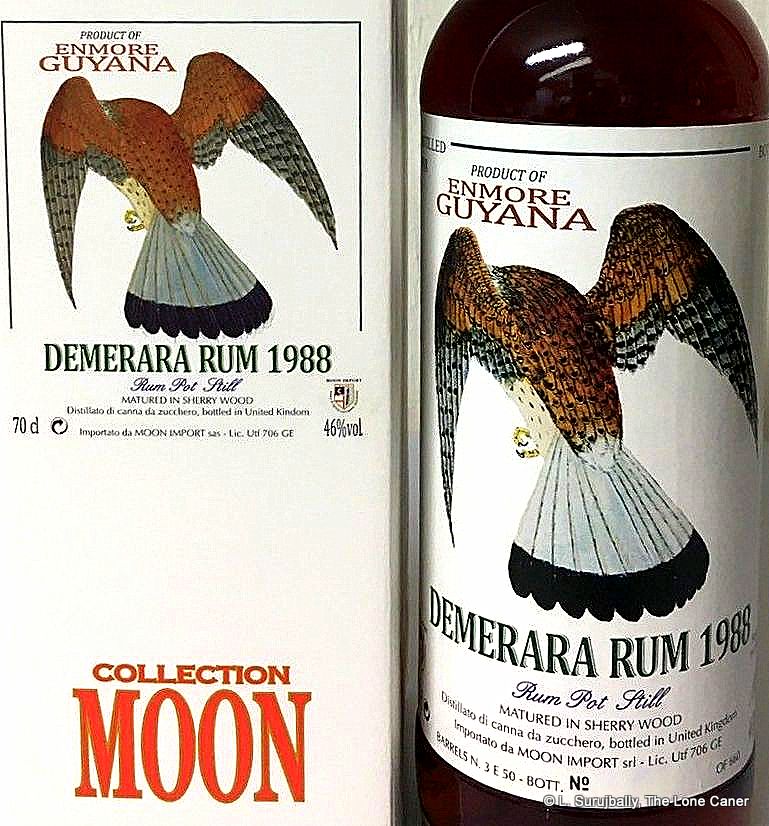
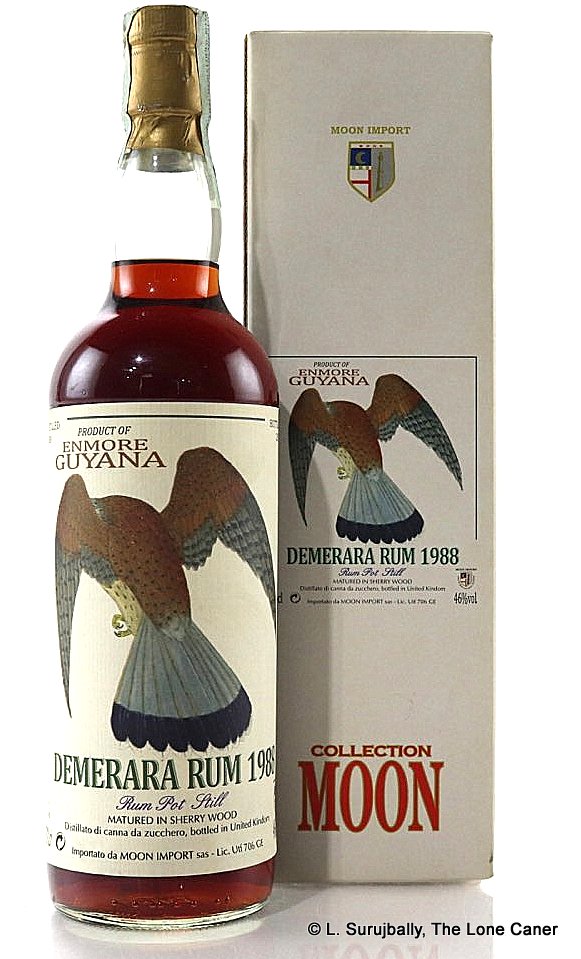 This is not the first Demerara rum that the venerable Italian indie bottler Moon Import has aged in sherry barrels: the superb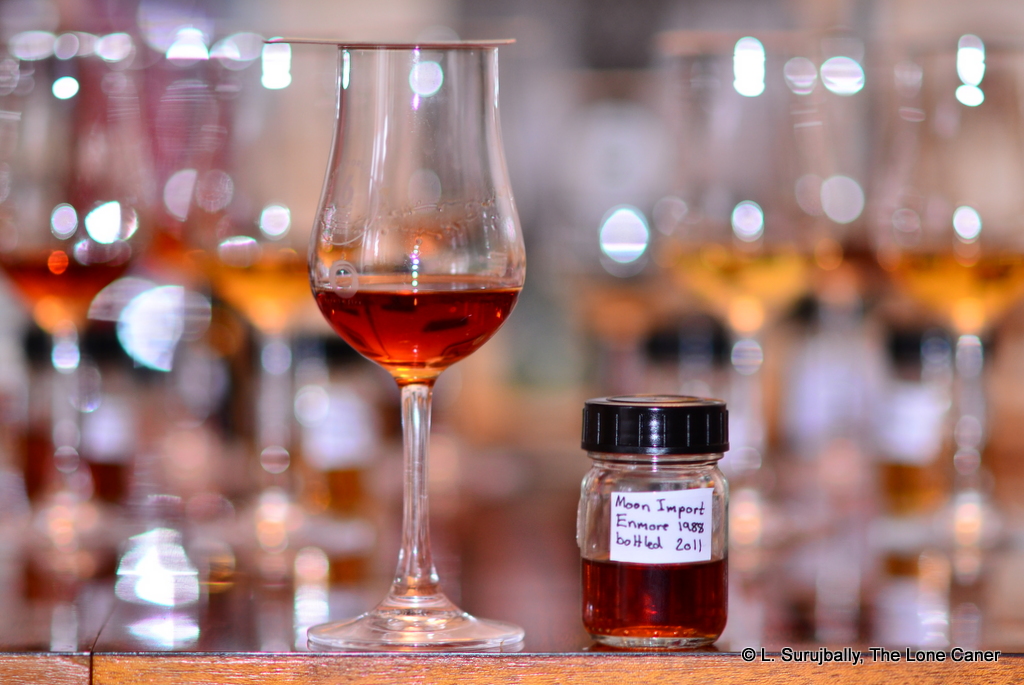
 Opinion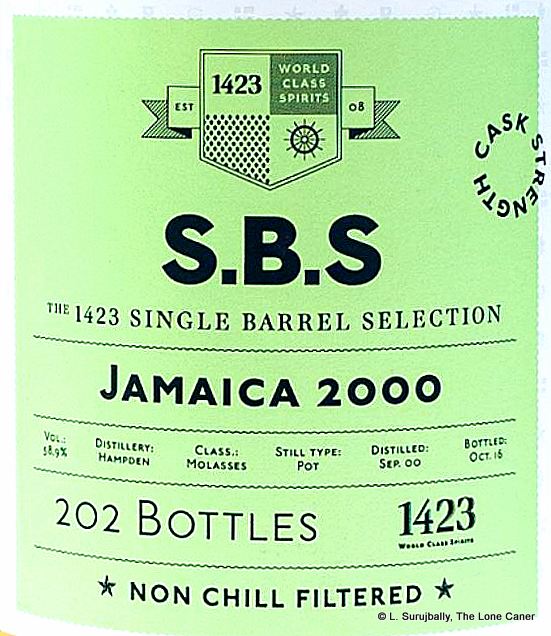
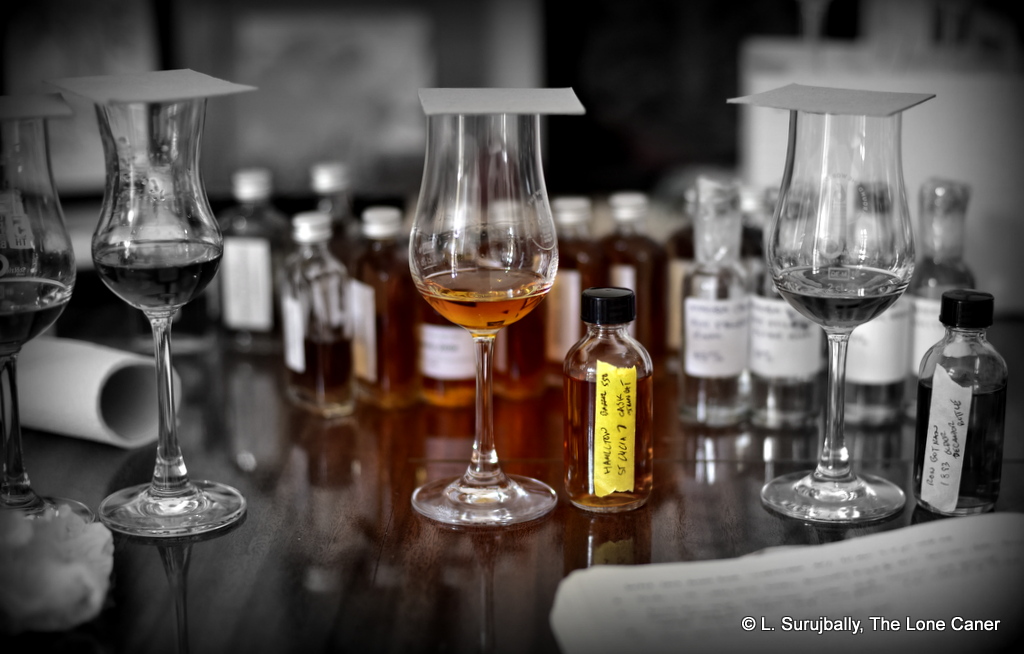
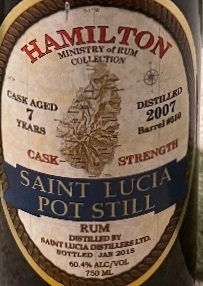 Today we’re looking at the Hamilton 2007 7 year old rum sent to me by my old schoolfriend Cecil Ramotar, which can be considered a companion review to the
 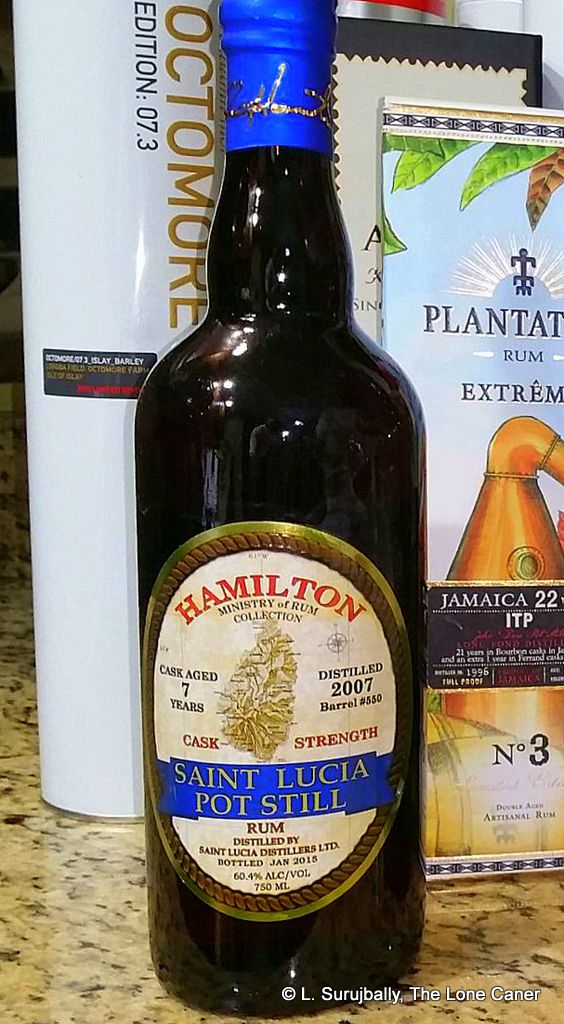 Clearing away the dishes, it’s a seriously solid rum. If I had to chose, I think the 2004 9 Year Old edges this one out by just a bit, but the difference is more a matter of personal taste than objective quality, as both were very tasty and complex rums that add to SLD’s and Ed Hamilton’s reputations. It’s a shame that the line wasn’t continued and added to — no other St. Lucia rums have been added to the Hamilton Collection since 2015 (at least not according to
 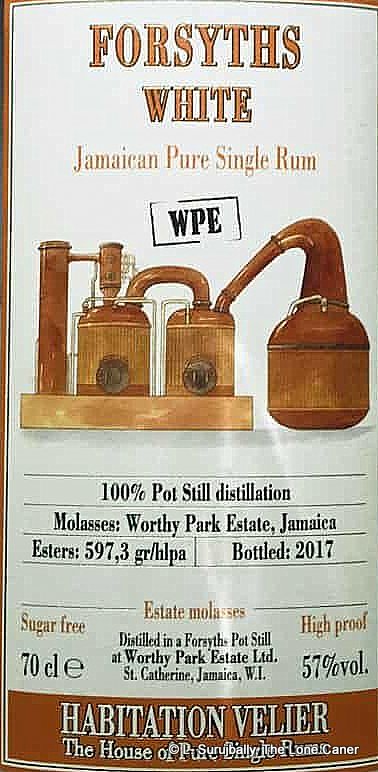 Hampden gets so many kudos these days from its relationship with
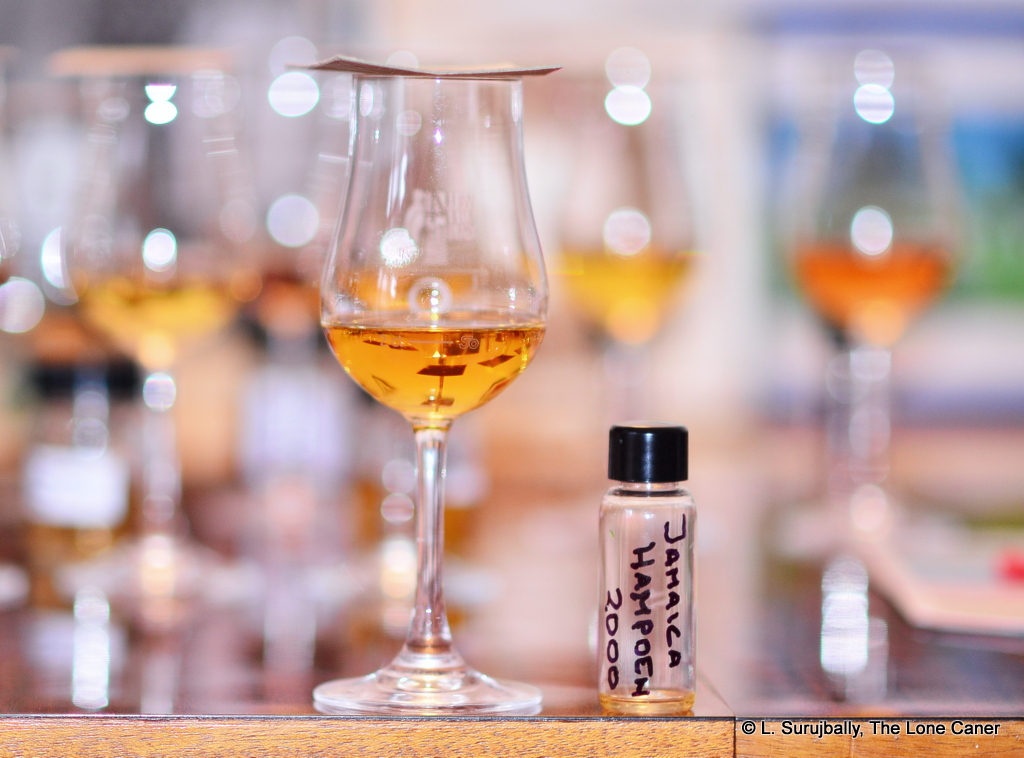
 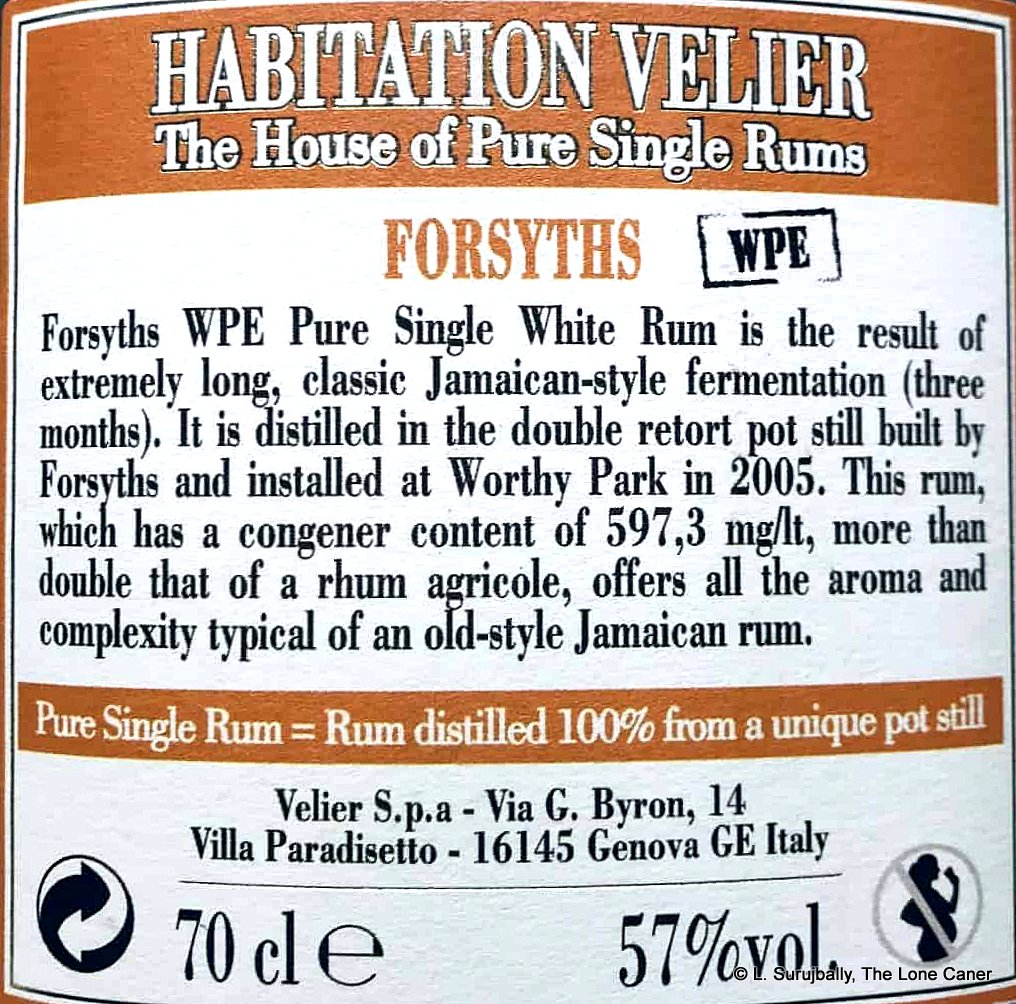 The rum displays all the attributes that made the estate’s name after 2016 when they started supplying their rums to others and began bottling their own. It’s a rum that’s astonishingly stuffed with tastes from all over the map, not always in harmony but in a sort of cheerful screaming chaos that shouldn’t work…except that it does. More sensory impressions are expended here than in any rum of recent memory (and I remember
 The nose begins with metallic, ashy notes right away, damp cardboard in a long-abandoned, leaky musty house. Thankfully this peculiar aroma doesn’t hang around, but morphs into a sort of soya-salt veggie soup vibe, which in turn gets muskier and sweeter over time; it releases notes of bananas and molasses and syrup, before gradually lightening and becoming – surprisingly enough – rather crisp. White fruits emerge – unripe pears and guavas, green apples, gooseberries, grapes. What’s really surprising is the way this all transforms over a period of ten minutes or so from one nasal profile to another. It’s not usual, but it is noteworthy.
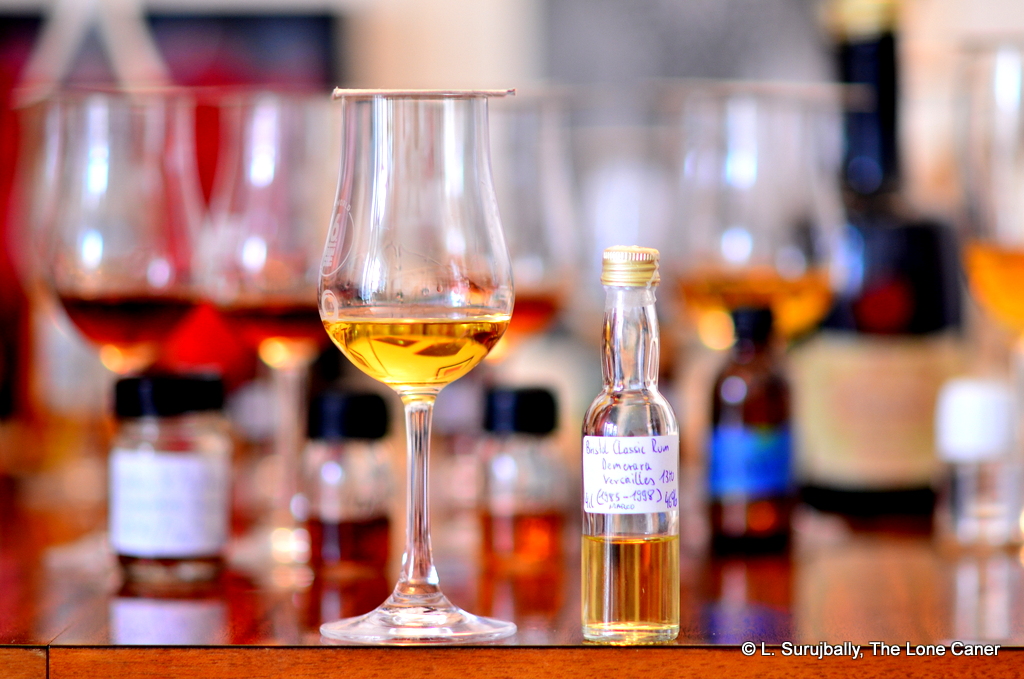
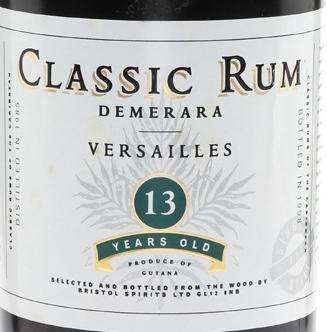 Bristol, I think, came pretty close with this relatively soft 46% Demerara. The easier strength may have been the right decision because it calmed down what would otherwise have been quite a seriously sharp and even bitter nose. That nose opened with rubber and plasticine and a hot glue gun smoking away on the freshly sanded wooden workbench. There were pencil shavings, a trace of oaky bitterness, caramel, toffee, vanilla and slowly a firm series of crisp fruity notes came to the fore: green apples, raisins, grapes, apples, pears, and then a surprisingly delicate herbal touch of thyme, mint, and basil.

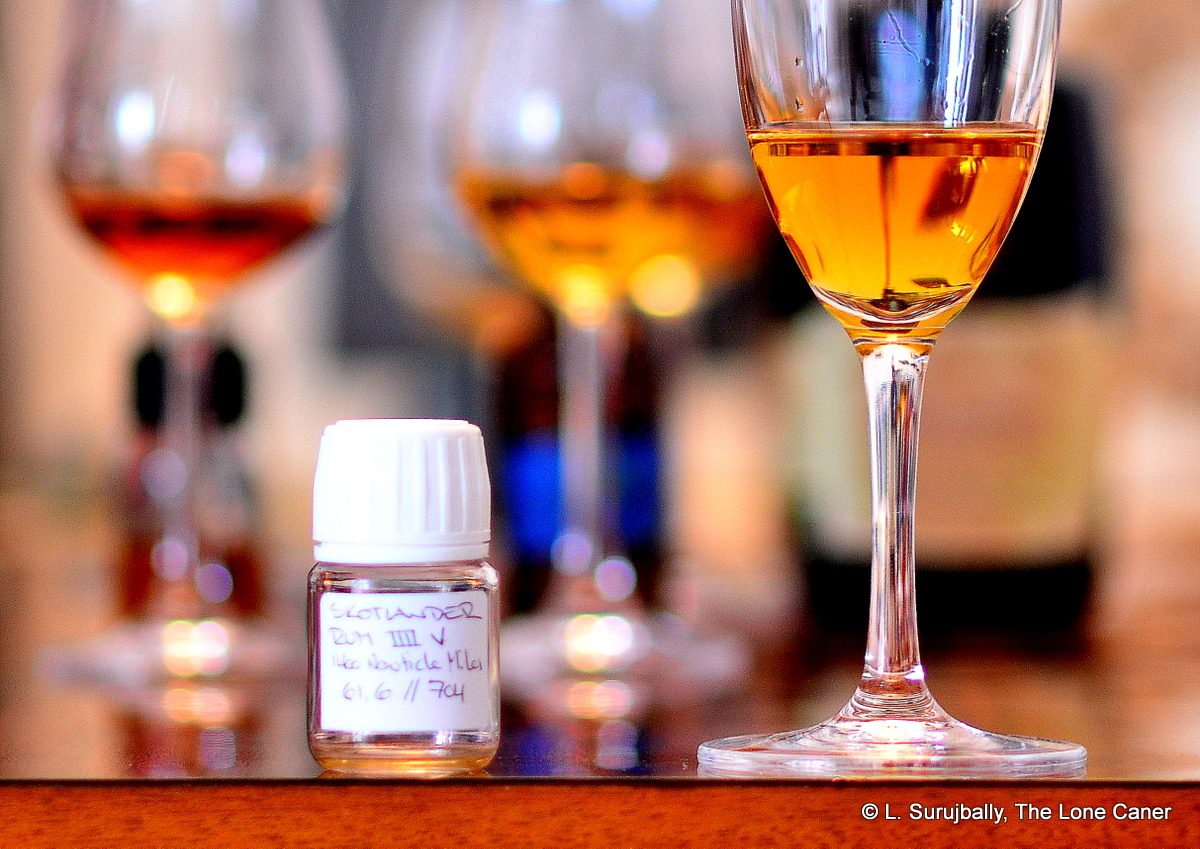
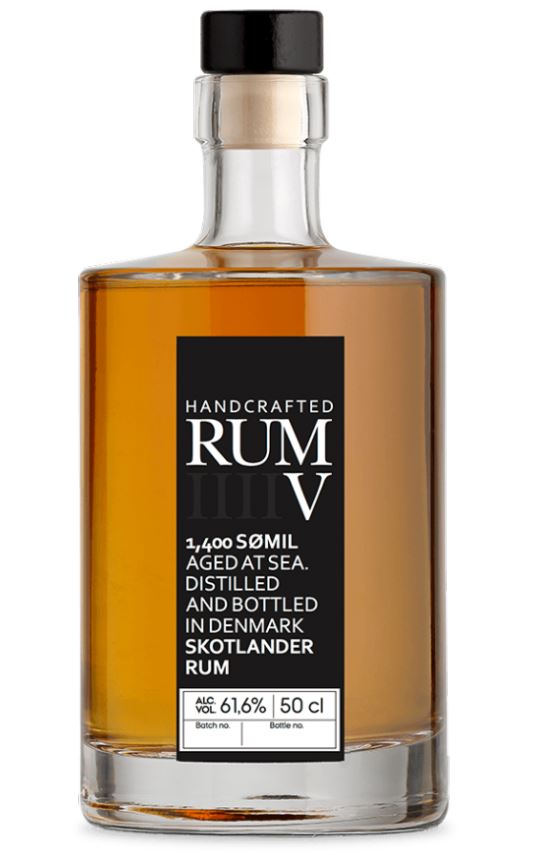 Rums made from scratch by some small new micro-distillery in a country other than the norm are often harbingers of future trends and can bring – alongside the founders’ enthusiasm – some interesting tastes to the table, even different spirits (<<cough>> ‘Murrica!!). But Skotlander, to their credit, didn’t mess around with ten different brandies, gins, vodkas, whiskies and what have you, and then pretended they were always into rum and we are now getting the ultimate pinnacle of their artsy voyage of discovery. Nah. These boys started with rum, bam! from eight o’clock, day one.
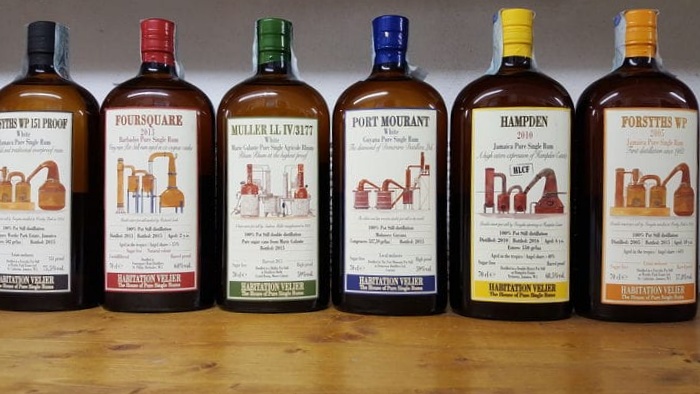
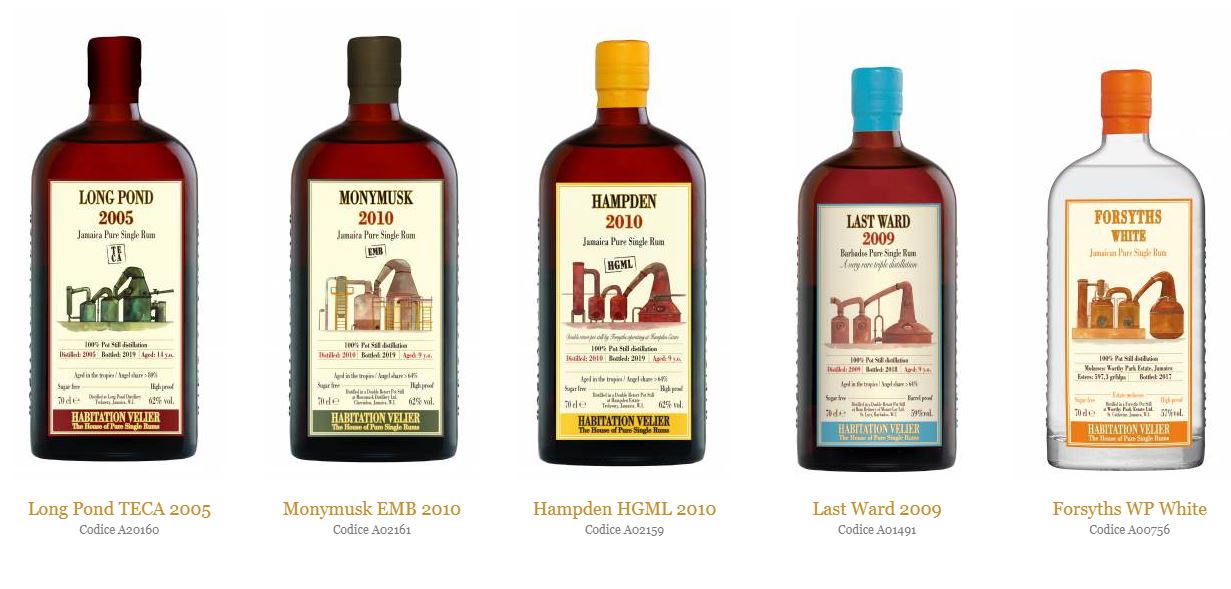
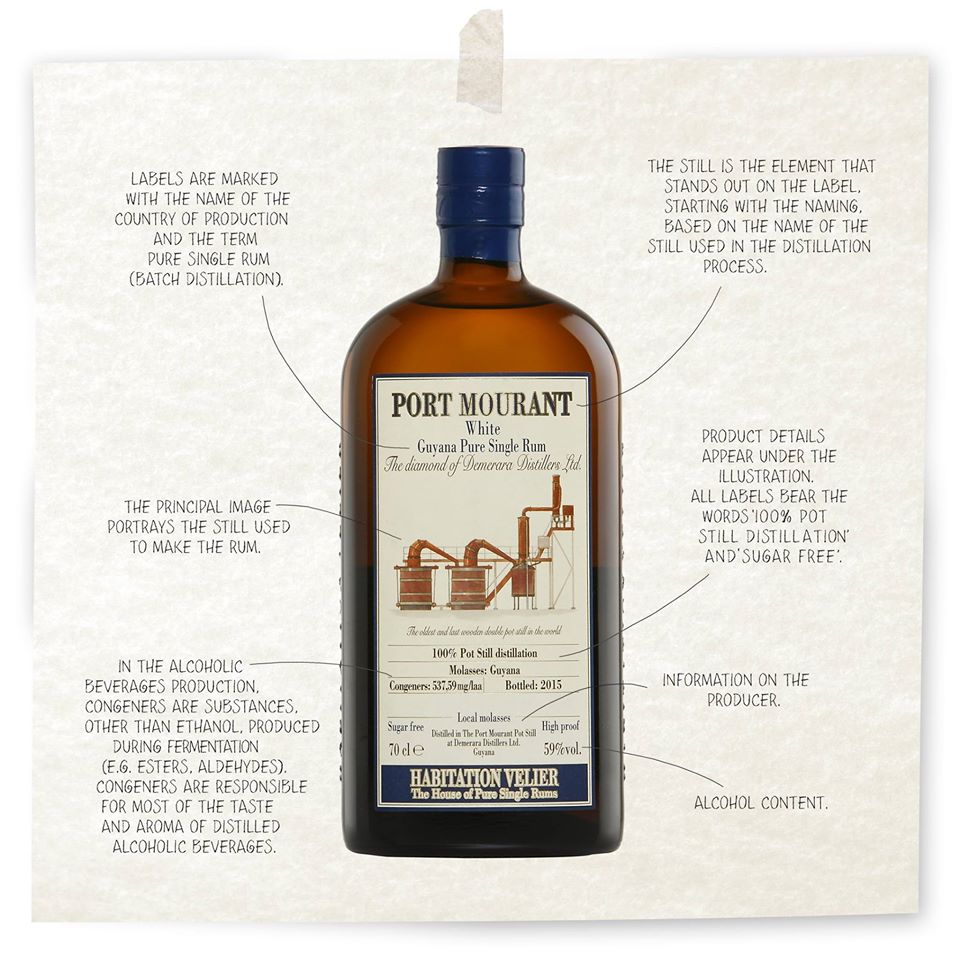
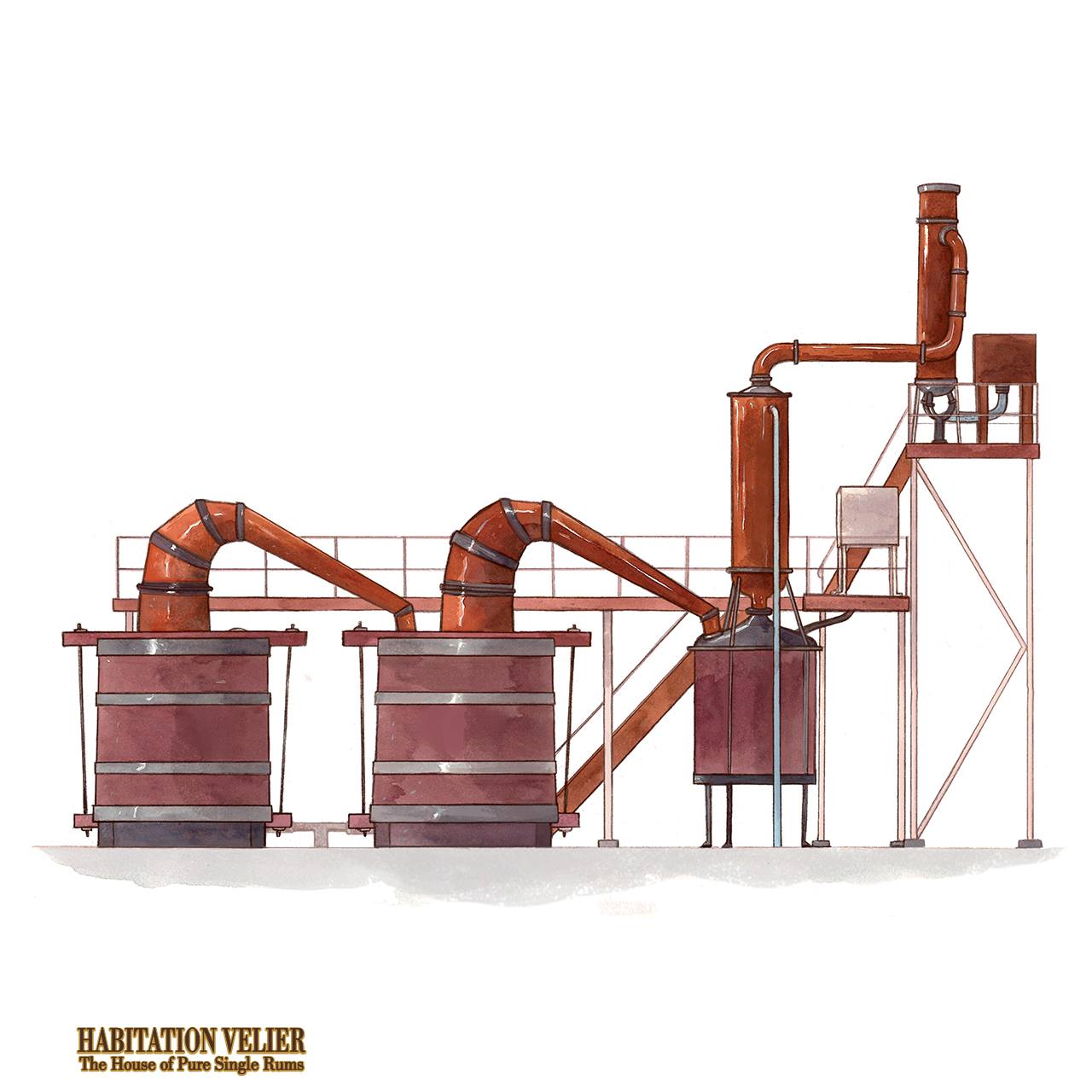 Luca Gargano has been a fixture on the rum world for so long that people don’t always remember that there was a time when he was a smallish importer, and “just” another newb indie bottler with odd, even controversial, ideas and his rums were considered obscure and too expensive. These days his name is known everywhere rums are drunk (and collected). But paradoxically, it’s gotten to the point where the generation of rum drinkers who have emerged in the last five years don’t remember the seminal nature of his earlier work, just see the currently available ones, and I was asked in mystification just the other week “What Demerara rums?” by a man whose memories begin with Caroni and move into the Hampdens and Habitations. To some extent the HV line allows them to participate in the uniqueness of some of Velier’s early work and ethos… but without paying four figures for the privilege.
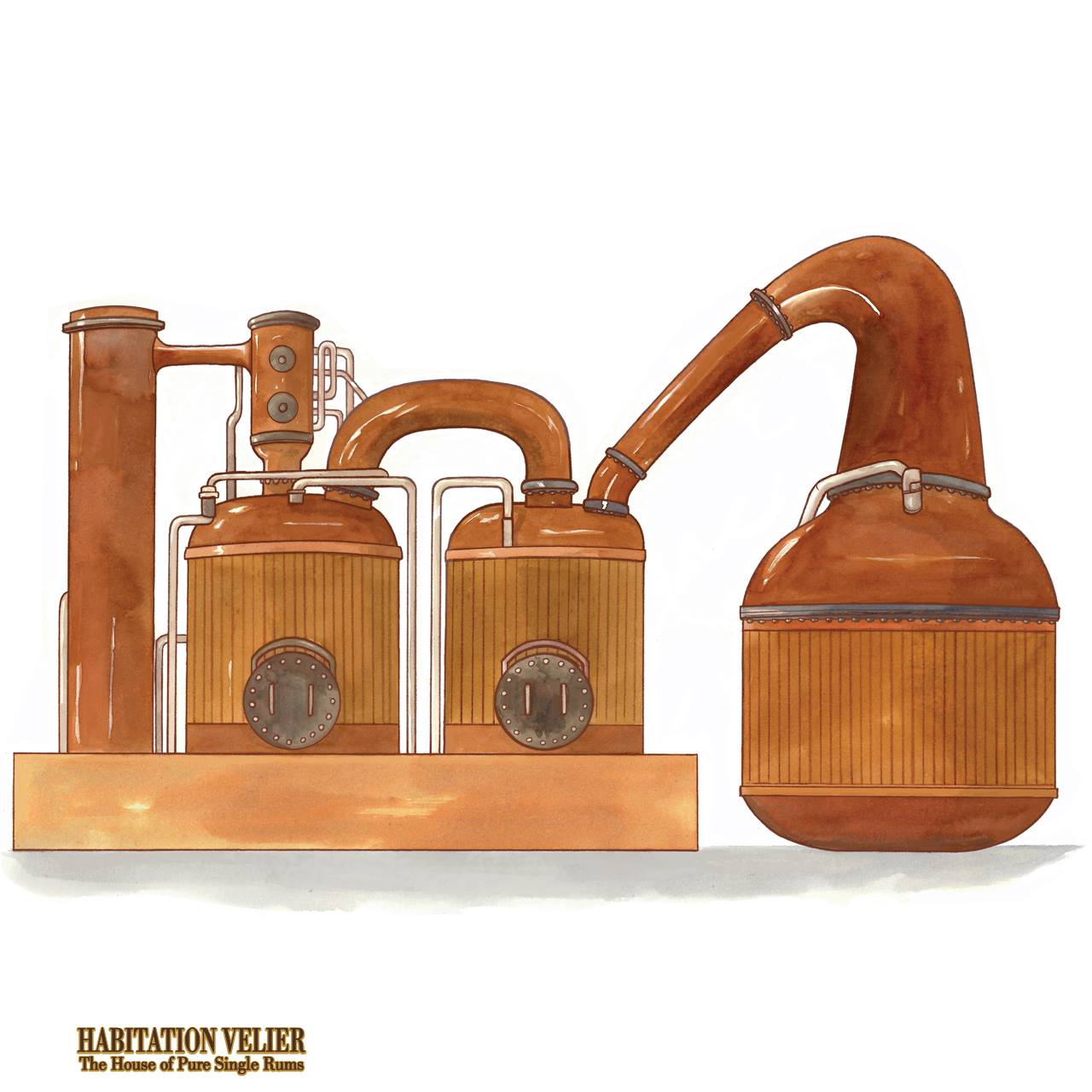 The HV series, then, are perhaps more aimed at that midrange bunch of relatively knowledgeable drinkers, influencers and anoraks, rather than for some high priced connoisseur’s market (where money but not knowledge is more often the real coin of the realm) or the deep-diving über-dorks (where exacting command of micro-detailed minutiae is). They are, in that sense, a useful bridge between more commonly appreciated rums, and those that require a bit more experience, perhaps, to fully appreciate — and can therefore be had and enjoyed and argued over by both long-time aficionados and new-to-the-club rumgeek wannabes.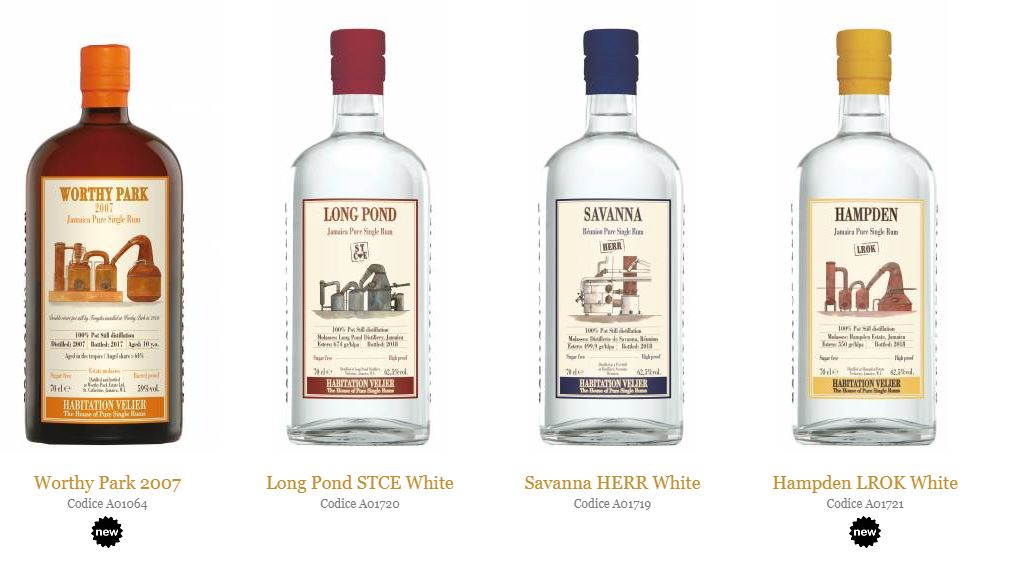
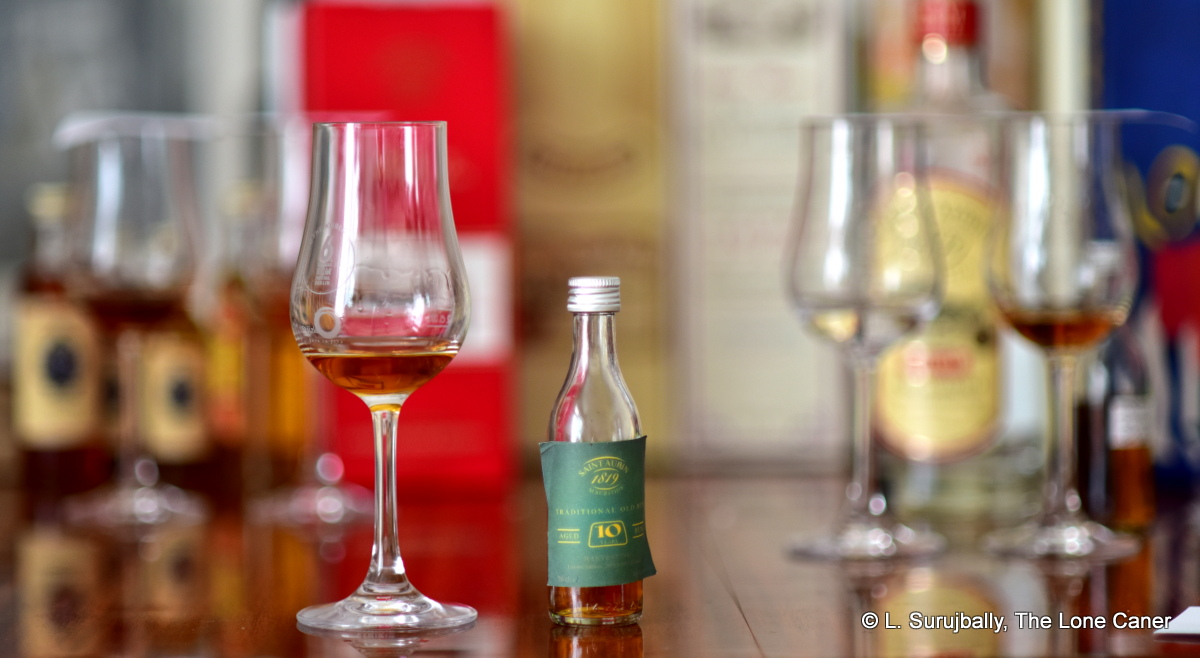
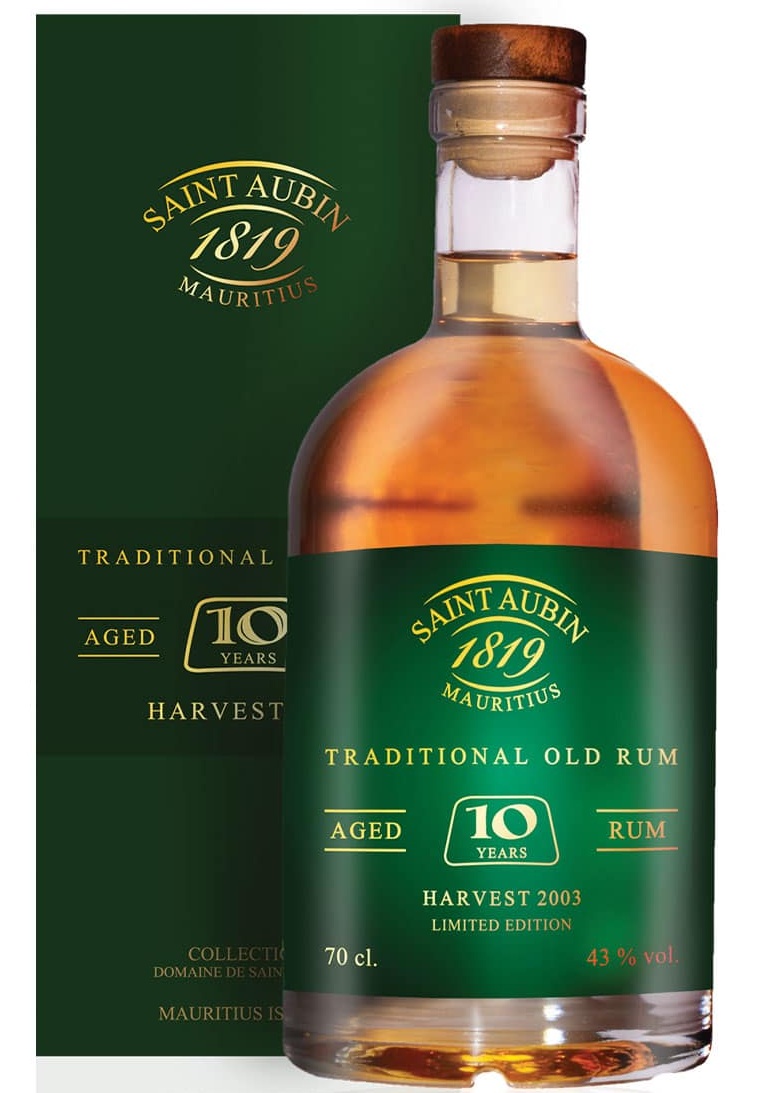 Certainly the 2003 10 YO does its next-best relative the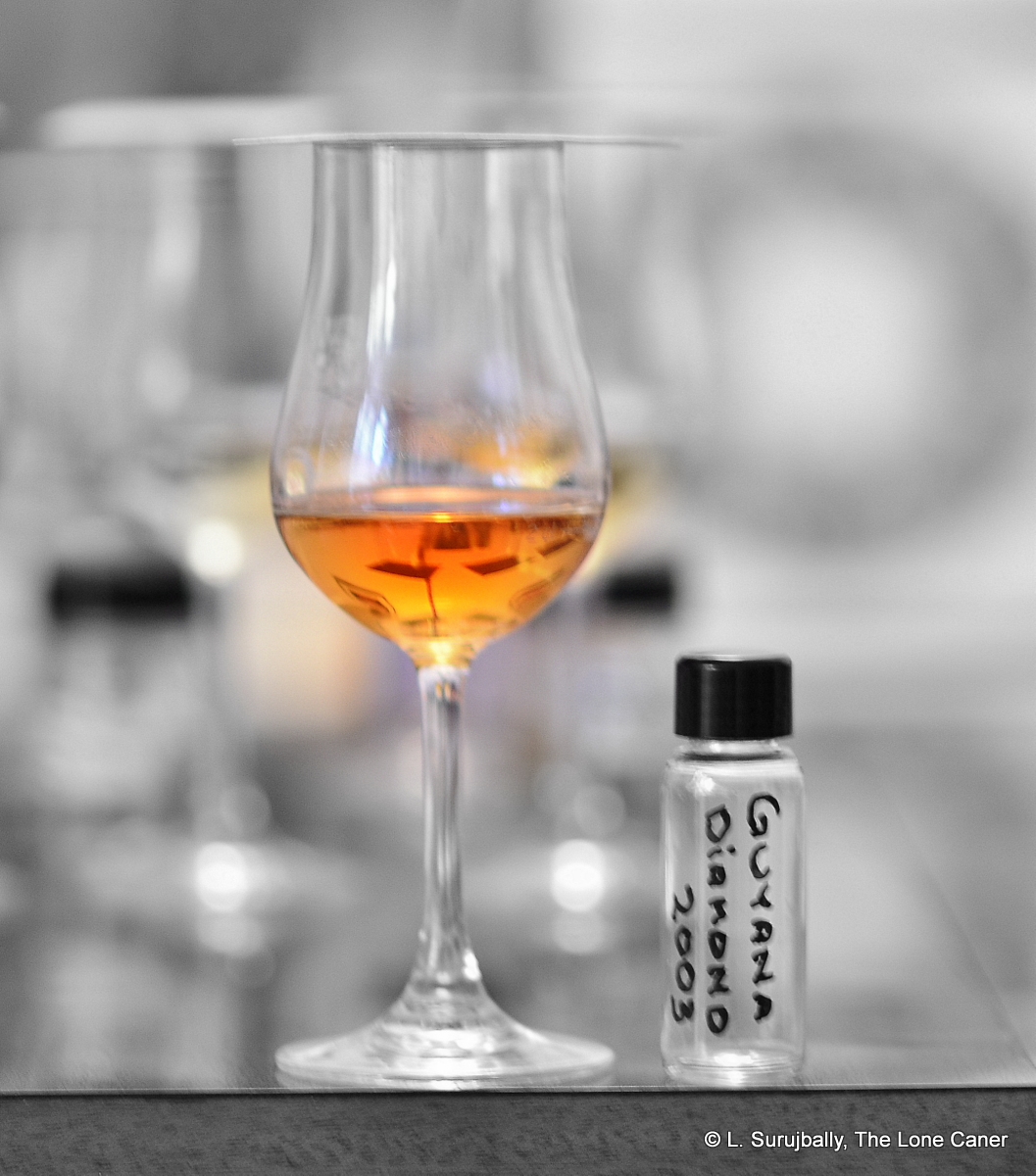
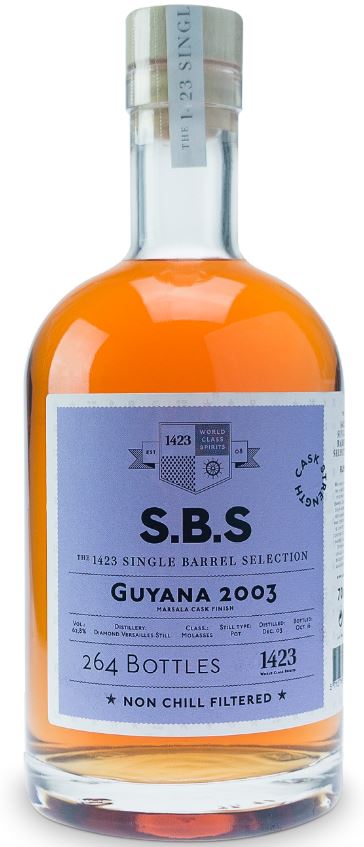
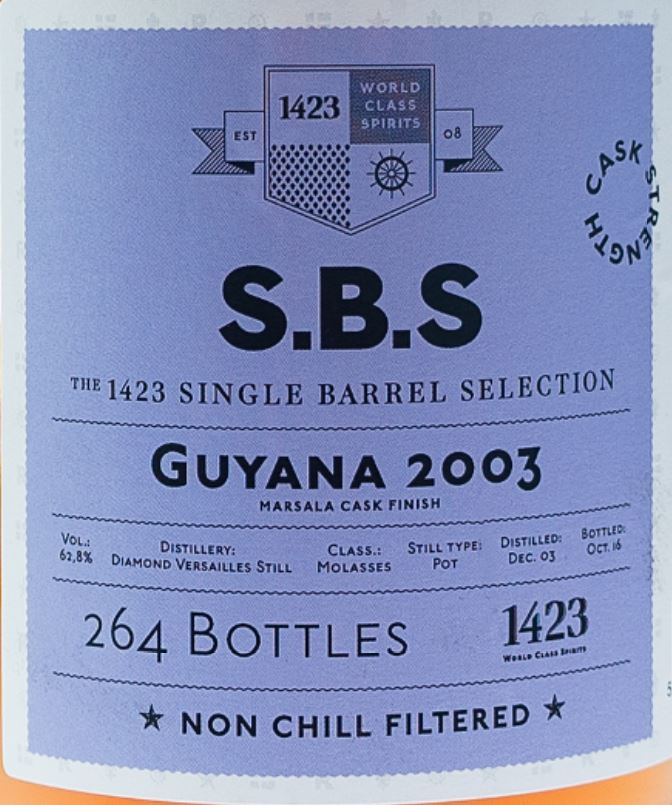 My own preference has always been for the stern elegance of the Port Mourant, and the Enmore coffey still produces rums that are complex, graceful and sophisticated when done right. But the Versailles still is something of an ugly stepchild – you’ll go far and look long to find an unqualified positive review of any rum it spits out. I’ve always felt that it takes rare skill to bring the rough and raw VSG pot still profile to its full potential…none of the familiar indies has had more than occasional success with it, and even Velier never really bothered to produce much Versailles rum at the height of
  There has been occasional confusion among the stills in the past: e.g. the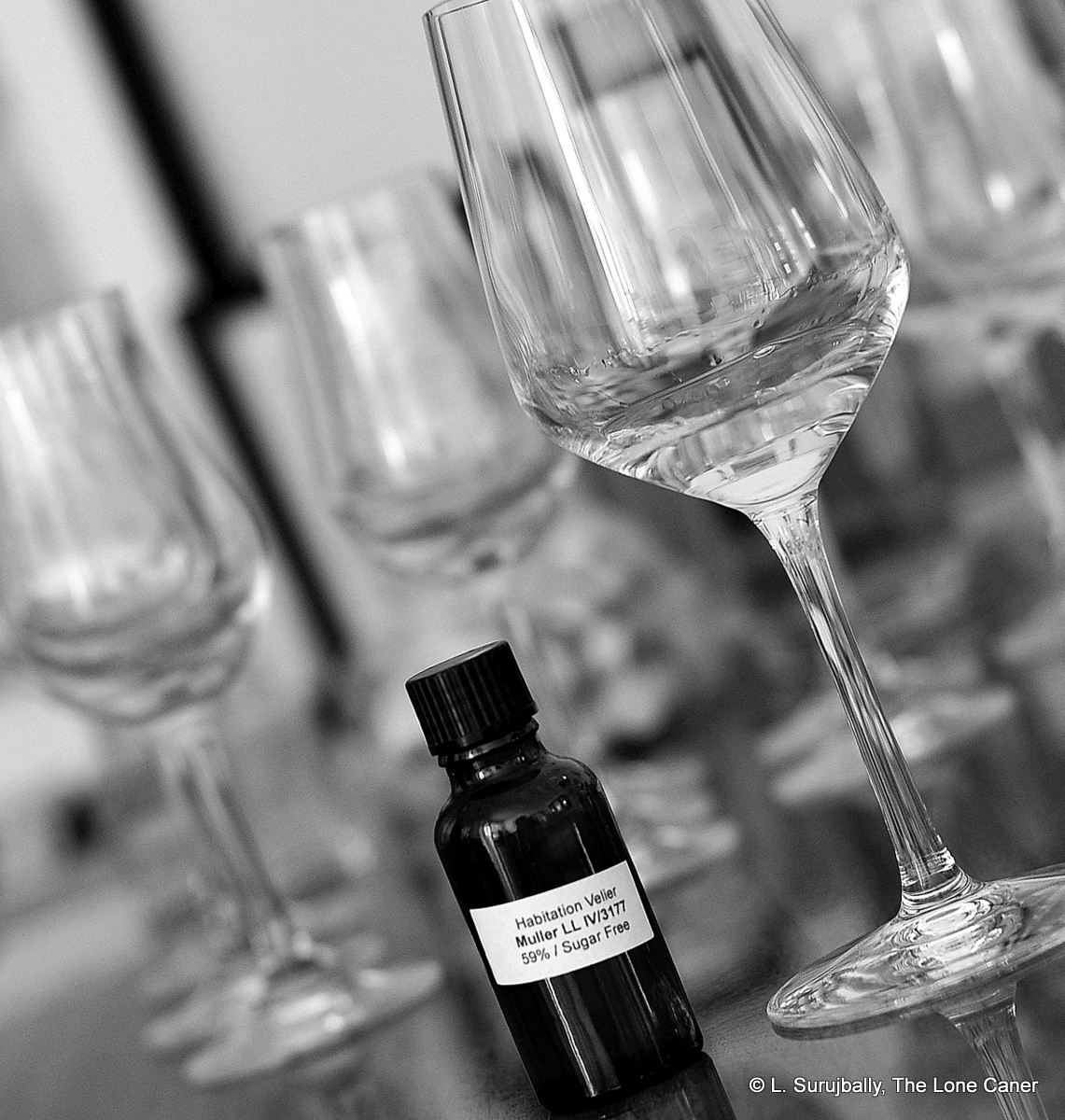
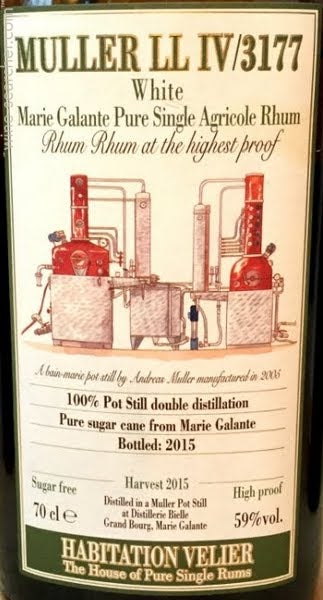 So let’s spare some time to look at this rather unique white rum released by Habitation Velier, one whose brown bottle is bolted to a near-dyslexia-inducing name only a rum geek or still-maker could possibly love. And let me tell you, unaged or not, it really is a monster truck of tastes and flavours and issued at precisely the right strength for what it attempts to do.
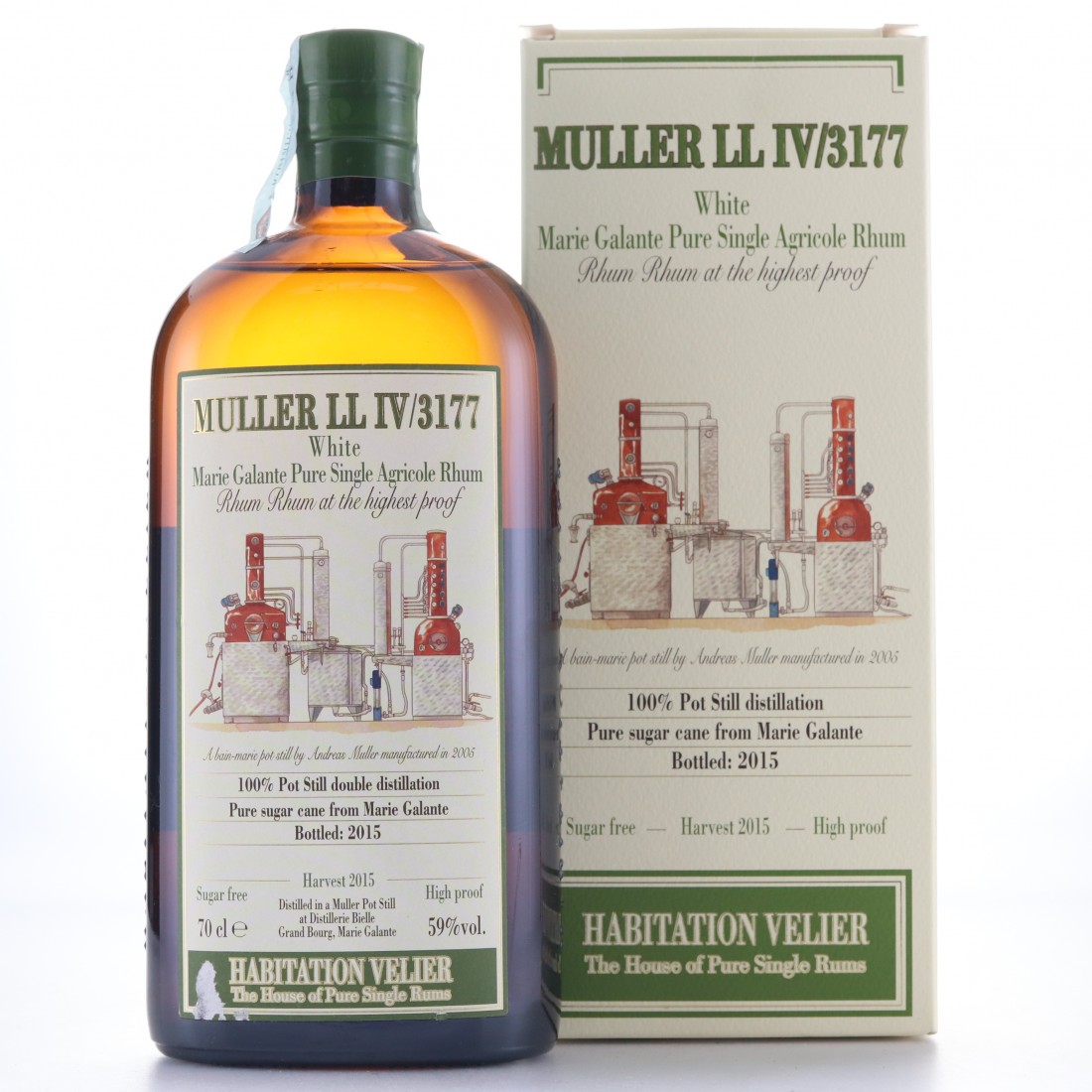 Evaluating a rum like this requires some thinking, because there are both familiar and odd elements to the entire experience. It reminds me of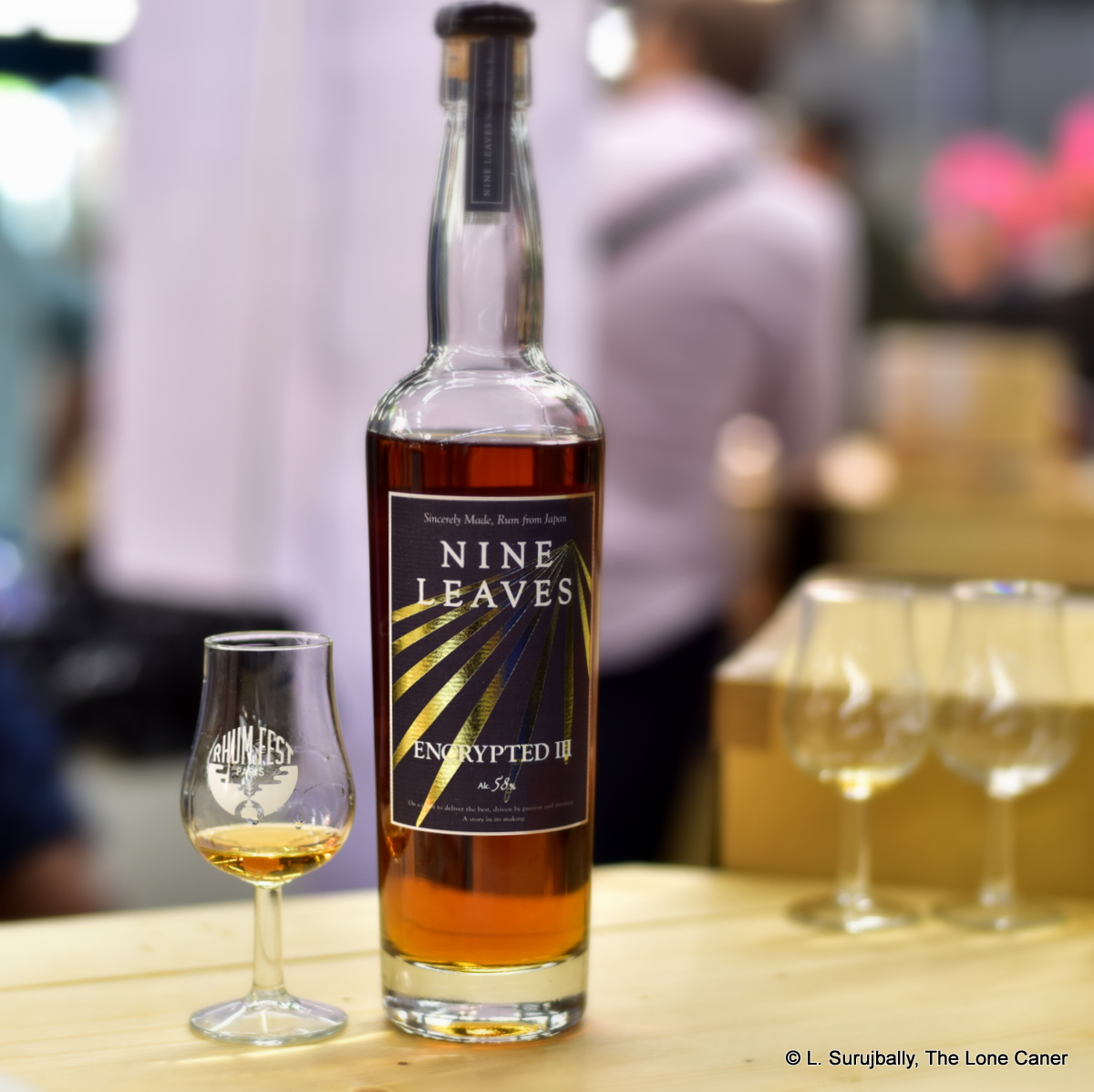
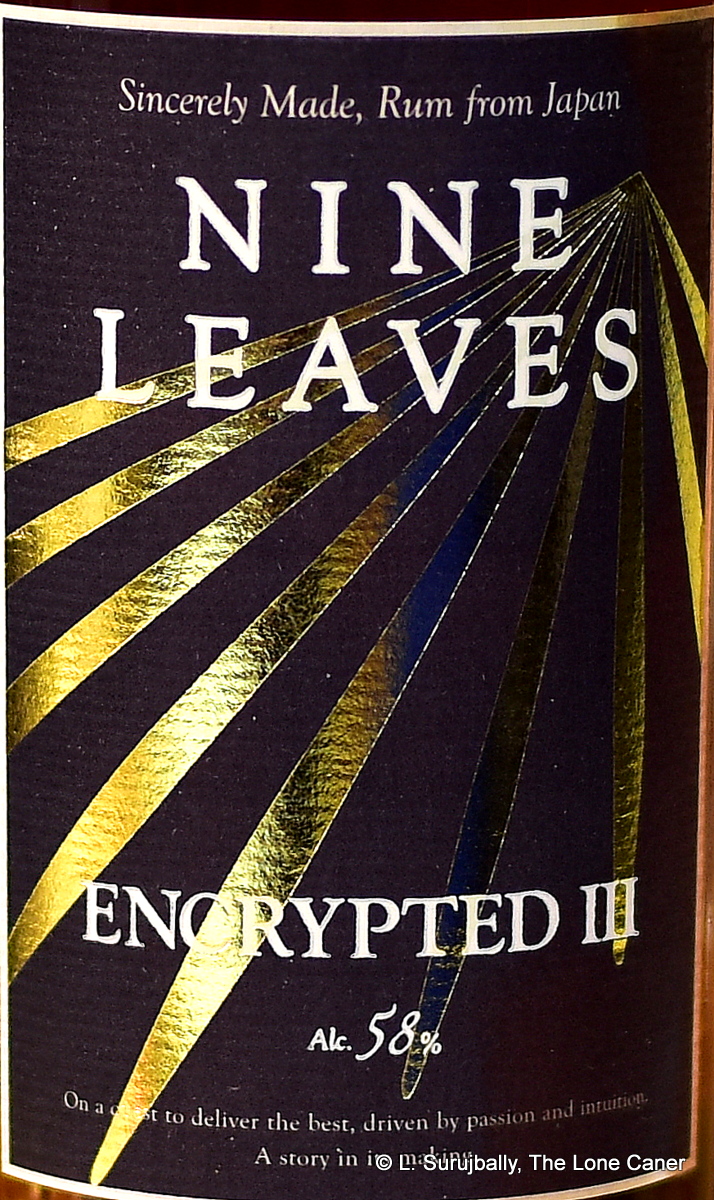
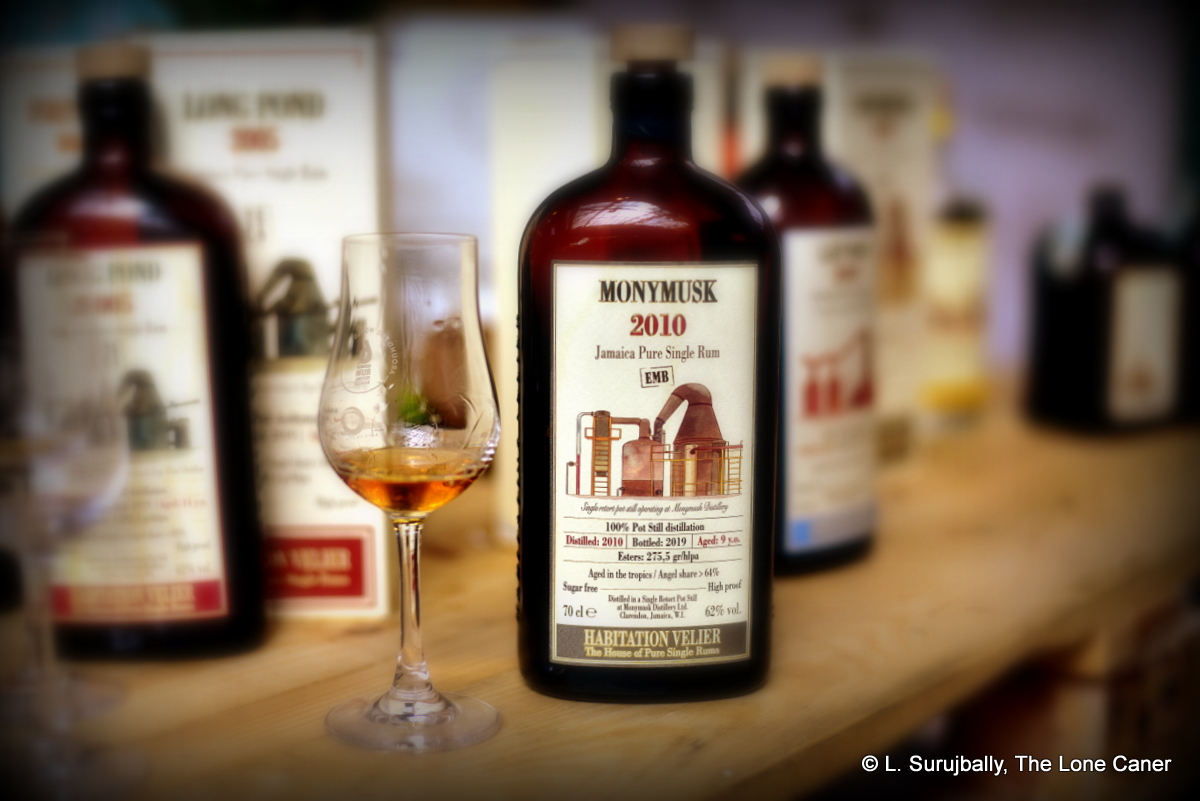

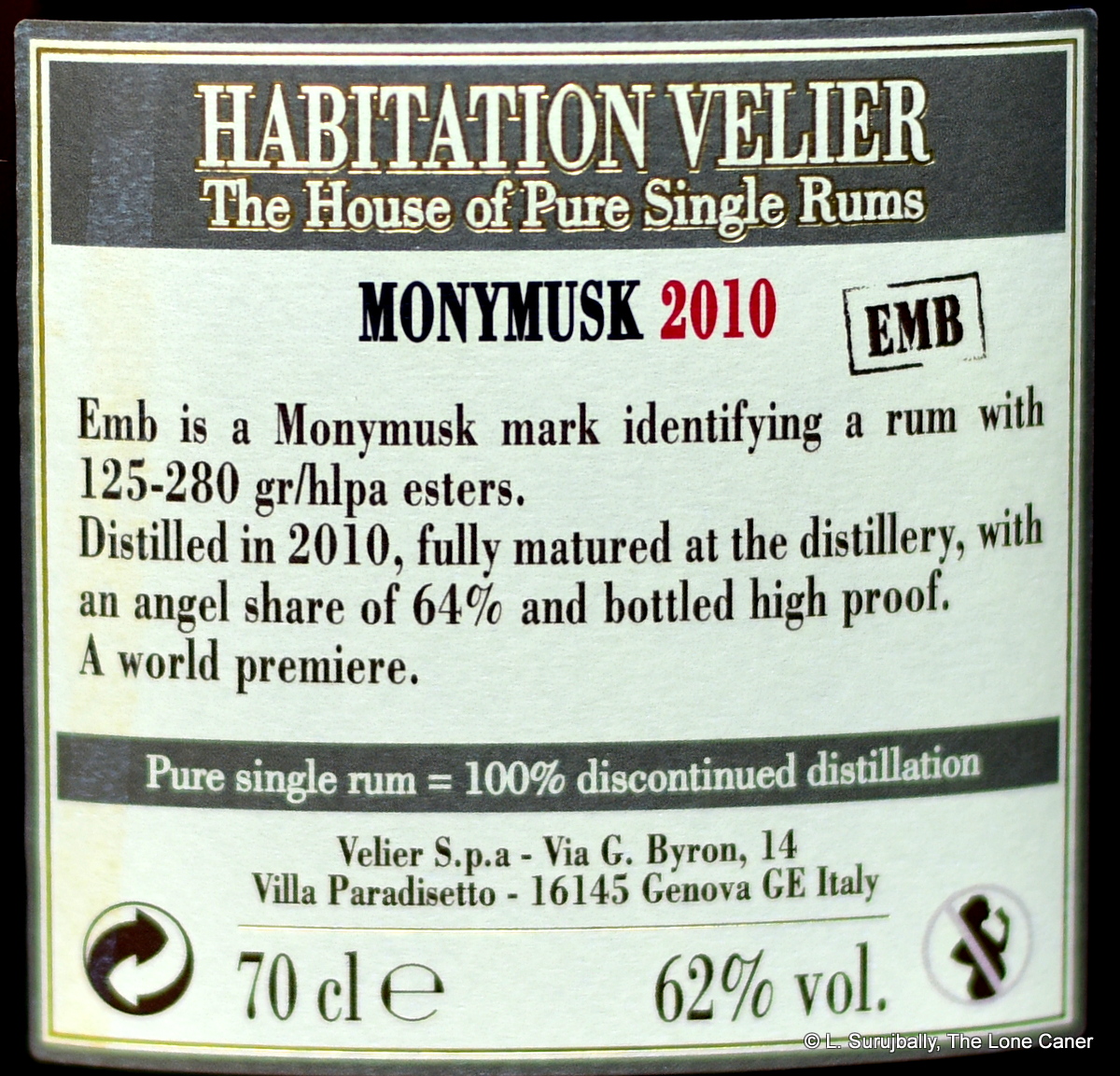 As for the finish, well, in rum terms it was longer than the current Guyanese election and seemed to feel that it was required that it run through the entire tasting experience a second time, as well as adding some light touches of acetone and rubber, citrus, brine, plus everything else we had already experienced the palate. I sighed when it was over…and poured myself another shot.