There are few people who tried the quartet of the Velier black-bottled Long Pond series that was released (or should that read “unleashed”?) in 2018, who didn’t have an opinion on the snarling beastie that was the 2003 NRJ TECA. That was a rank, reeking, sneering, foul-smelling animal of a rum, unwashed, uncouth, unafraid, and it blasted its way through each and every unwary palate on the planet. If Luca Gargano, the boss of Velier, wanted to provide a rum that would show what a high ester beefcake could do, and to educate us as to why it was never meant to be had on its own, he succeeded brilliantly with that one.
And yet a year later, he produced another pure single rum, also from the double retort pot still at Long Pond, also a TECA, a year younger and a percentage point weaker, with fourscore or so more gr/hlpa esters – and it blew the 2018 version out of the water. It was an amazing piece of work, better in almost every way (except perhaps for rumstink), and if one did not know better, just about a completely different rum altogether. Which makes it rather strange that it has not received more plaudits, or been mentioned more often (see “other notes”, below).
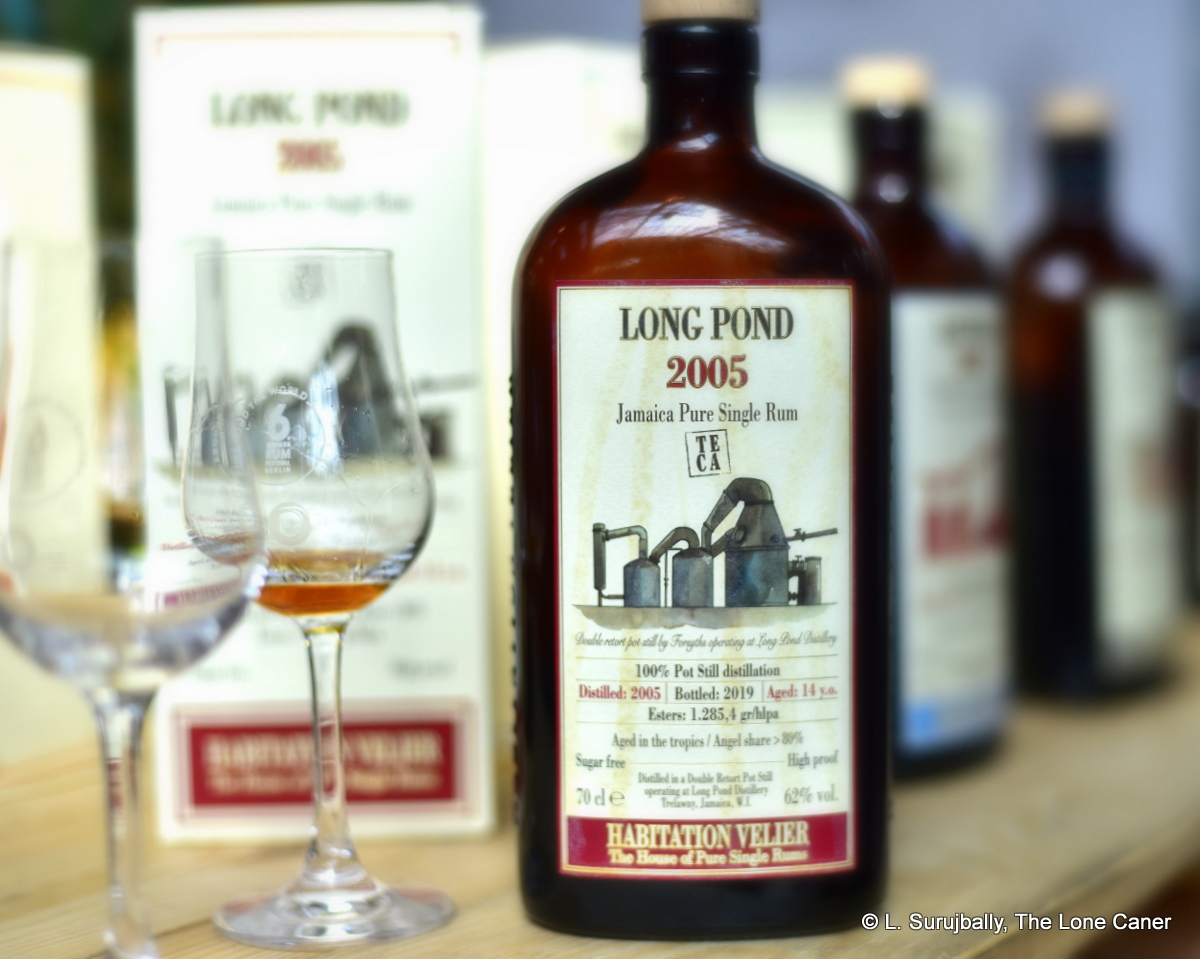
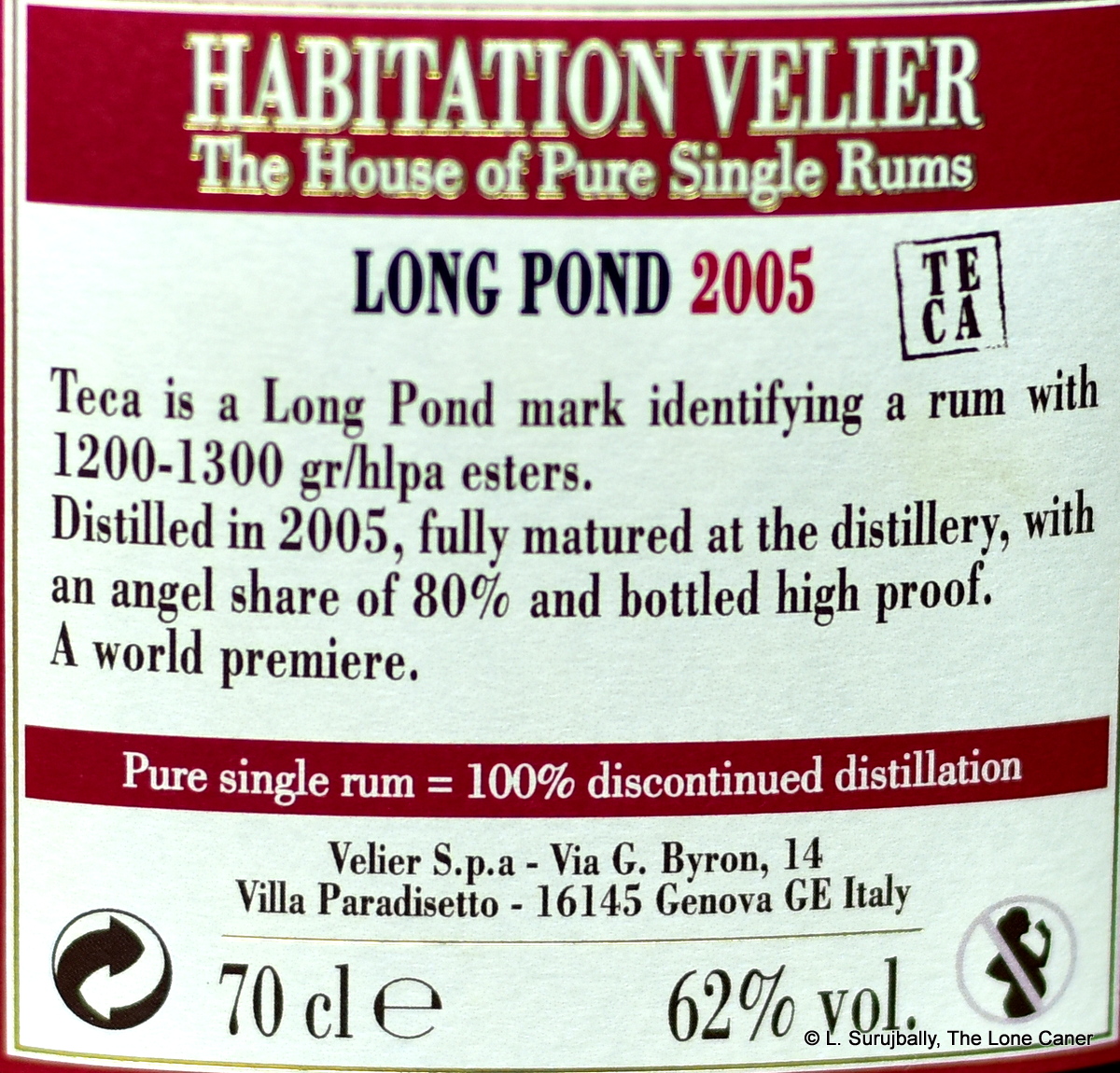
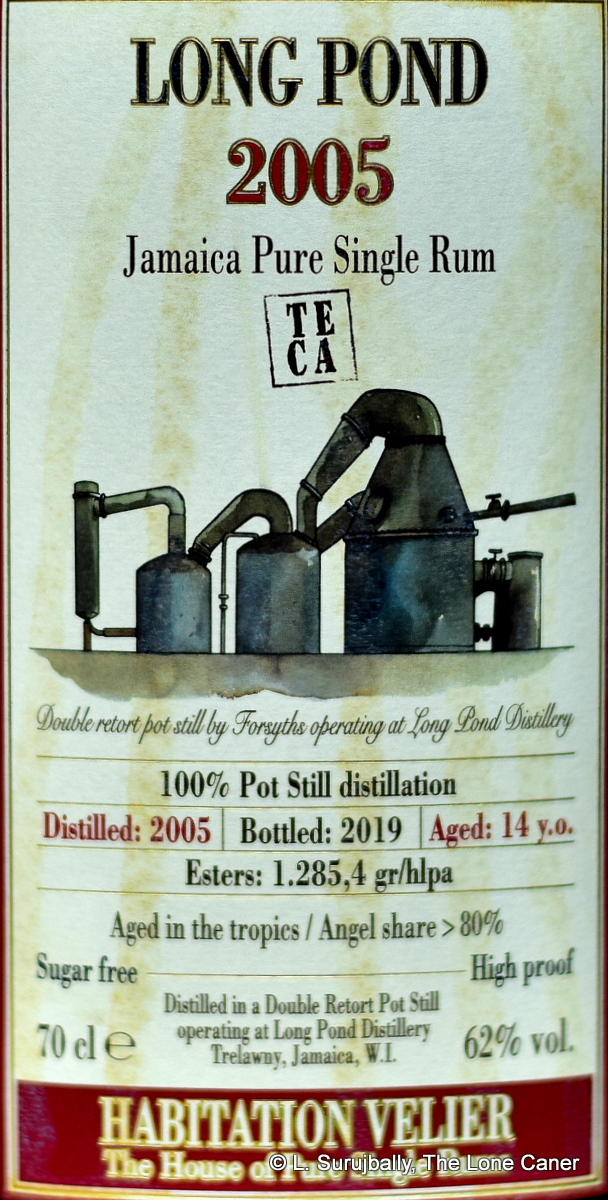 Let’s see if we can’t redress that somewhat. This is a Jamaican rum from Longpond, double pot still made, 62% ABV, 14 years old, and released as one of the pot still rums the Habitation Velier line is there to showcase. I will take it as a given it’s been completely tropically aged. Note of course, the ester figure of 1289.5 gr/hlpa, which is very close to the maximum (1600) allowed by Jamaican law. What we could expect from such a high number, then, is a rum sporting taste-chops of uncommon intensity and flavour, as rounded off by nearly a decade and a half of ageing – now, those statistics made the TECA 2018 detonate in your face and it’s arguable whether that’s a success, but here? … it worked. Swimmingly.
Nose first. Some of the lurking bog-monsters of the acetones, rubber and sulphur that defined the earlier version remained, but much more restrained – rubber, wax, brine, funk, plasticine, rotting fruits, pineapple, that kind of thing. What made it different was a sort of enhanced balance, a sweetness and thickness to the experience, which I really enjoyed. Much of the “wtf?” quality of its brother – the gaminess, the meatiness, the reek – was toned down or had disappeared, replaced by a much tastier series of fleshy, overripe fruit, pineapple and crushed almonds.
What distinguished the rum so much on the palate, I think, was the way that the very things I had shuddered at with the NRJ TECA were, when dialled down and better integrated, exactly what made this one so very good. The spoiling meat and hogo danced around the background, but never overwhelmed the solid notes of mint, thyme, rubber, nail polish, acetones and bags of molasses and caramel and ripe fruits. I particularly liked the way that the combination of ripe peaches and apricots versus the tart citrus-and-strawberry line stopped the whole “descent into madness” thing. This allowed the rum to be extreme, yes, but not overpoweringly so…sweeter and thicker and sharper and better than one would be led to expect with that ester count, like they had all agreed to a non-aggression pact. The finish – which seemed to want to hang around for a while to show off – was redolent of molasses, mint, fruits, ripe peaches, pineapples, lemon peel and a weird little whiff of green peas, and I enjoyed it quite a bit as well.
 So – good or bad? Let’s see if we can sum this up. In short, I believe the 2005 TECA was a furious and outstanding rum on nearly every level. But that comes with caveats. “Fasten your seatbelt” remarked Serge Valentin in his 85 point review, and Christoph Harrer on the German Rum Club page wrote shakily (perhaps in awe) that “the smell is […] brutal and hit me like a bomb,” — which leads one to wonder what he might have made of the original TECA, but he had a point: you can’t treat it like a Zacapa or a Diplo…therein lies madness and trauma for sure. Even if you like your Jamaicans and boast of your experiences with fullproof Hampdens and Worthy Park rums, this was one to be approached — at that strength and with that ester count — with some caution.
Perhaps it would take a few more nips and sips to appreciate it more fully. I tried it at the German rumfest in 2019, and while I knew right away that it was special and a true original, I wasn’t entirely sure what to make of it…and so filched a second sample to try more carefully, at leisure. Normally I walk around a rumfest with four glasses in my hand, but that day I kept one glass with this juice on the go for the entire afternoon, and returned the very next day to get another two. And the conclusion I came to, then and now, is that while at the beginning it has all the grace of a runaway D9, at the end, when the dust settles, all the disparate notes come together in a rhythm that somehow manages to elevate its initial brutality to a surprising, and very welcome, elegance.
(#735)(87/100)
Other Notes
Others have varying opinions on this rum, mostly on the plus side. Marius over at Single Cask Rum did the full comparison of the two TECA rums and came to similar conclusions as I did, scoring it 86 points. Le Blog a Roger was less positive and felt it was still too extreme for him and gave it 82. And our old Haiku-style-reviewer, Serge Valentin noted it as being “not easy” and “perhaps a tad too much” but liked it to the tune of 85 points.
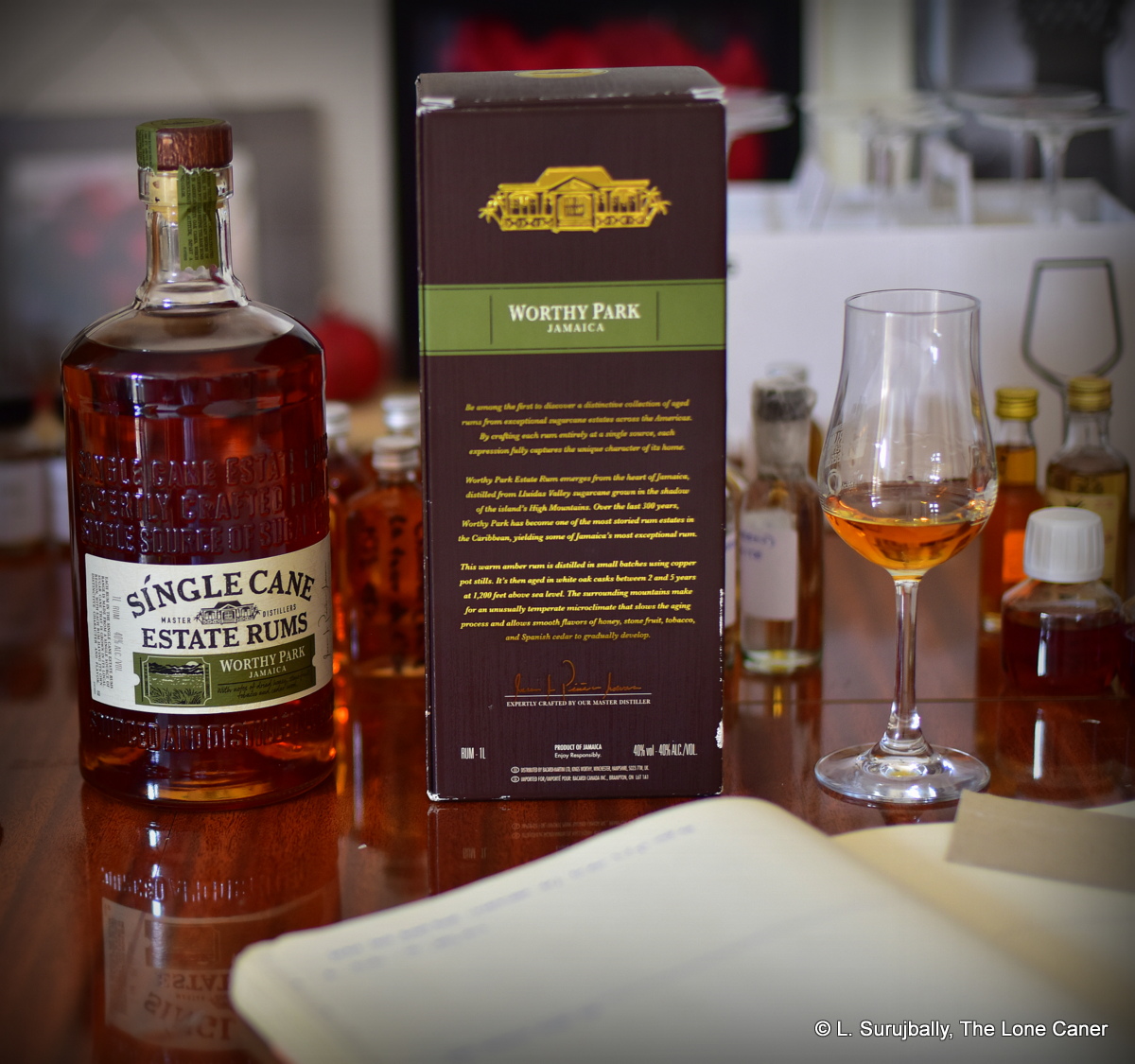
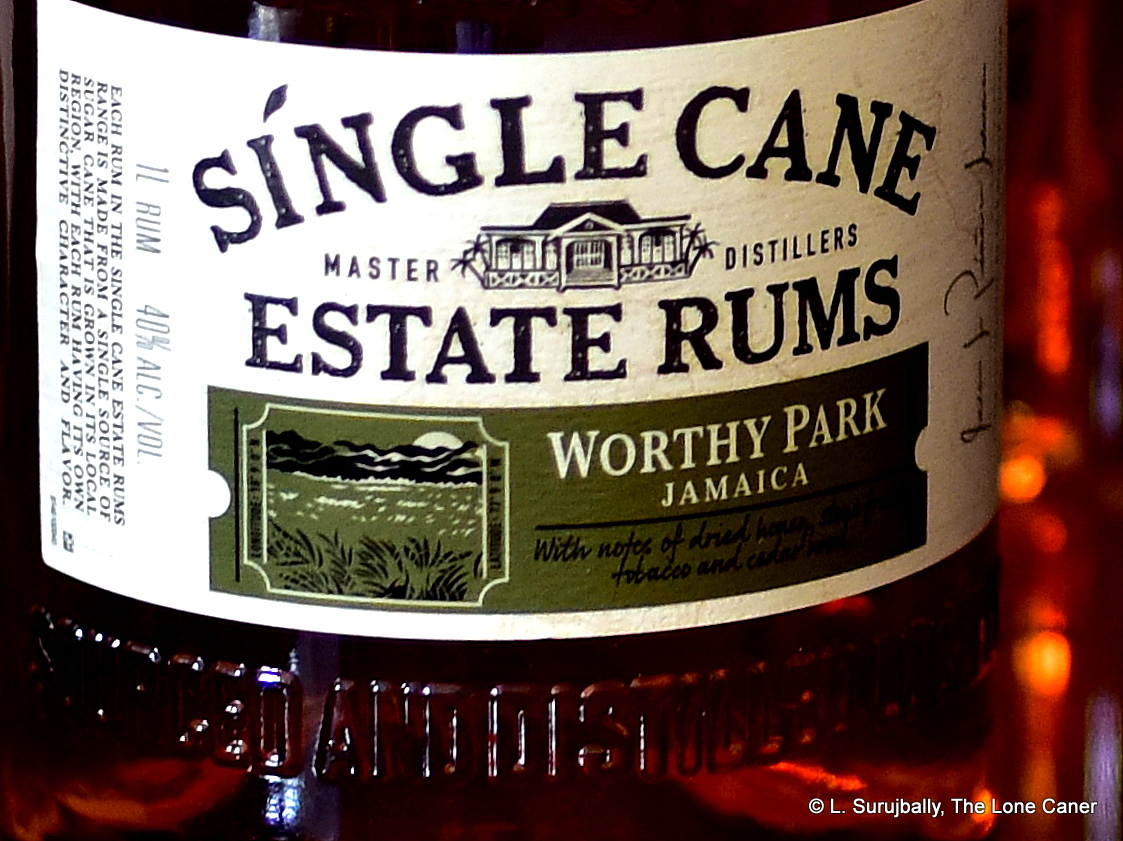
 Anyone from my generation who grew up in the West Indies knows of the scalpel-sharp satirical play “Smile Orange,” written by that great Jamaican playwright, Trevor Rhone, and made into an equally funny film of the same name in 1976. It is quite literally one of the most hilarious theatre experiences of my life, though perhaps an islander might take more away from it than an expat. Why do I mention this irrelevancy? Because I was watching the YouTube video of the film that day in Berlin when I was sampling the Worthy Park series R 11.3, and though the film has not aged as well as the play, the conjoined experience brought to mind all the belly-jiggling reasons I so loved it, and Worthy Park’s rums.
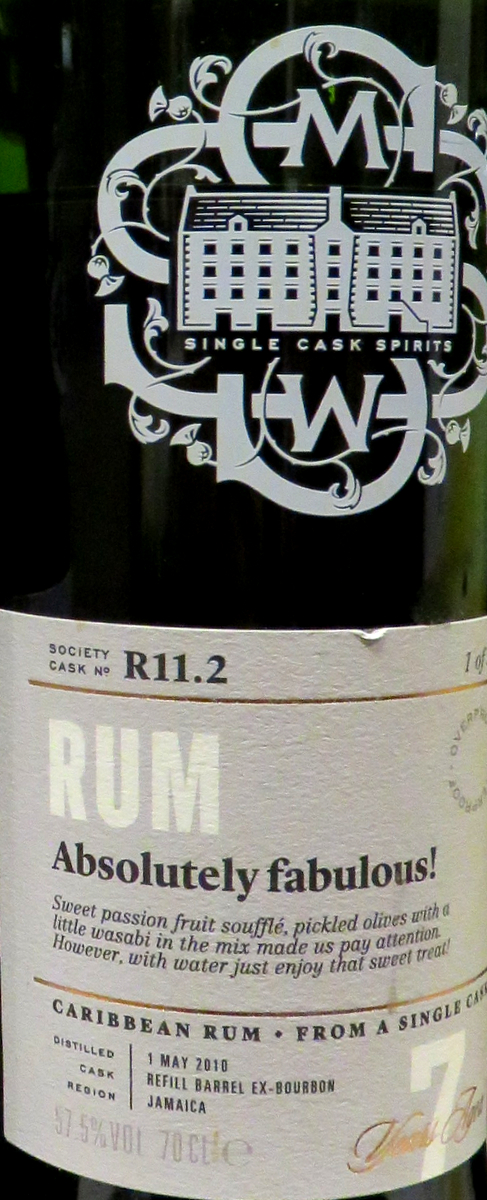
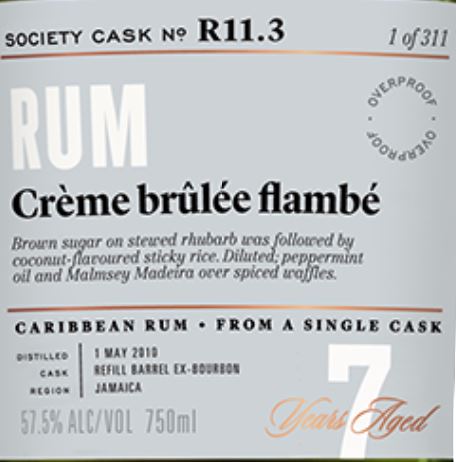 The distillation run from 2010 must have been a good year for Worthy Park, because the SMWS bought no fewer than seven separate casks from then to flesh out its R11 series of rums (R11.1 through R11.6 were distilled May 1st of that year, with R11.7 in September, and all were released in 2017). After that, I guess the Society felt its job was done for a while and pulled in its horns, releasing nothing in 2018 from WP, and only one more — R11.8 — the following year; they called it “Big and Bountiful” though it’s unclear whether this refers to Jamaican feminine pulchritude or Jamaican rums.
 It sounds strange to say it, but the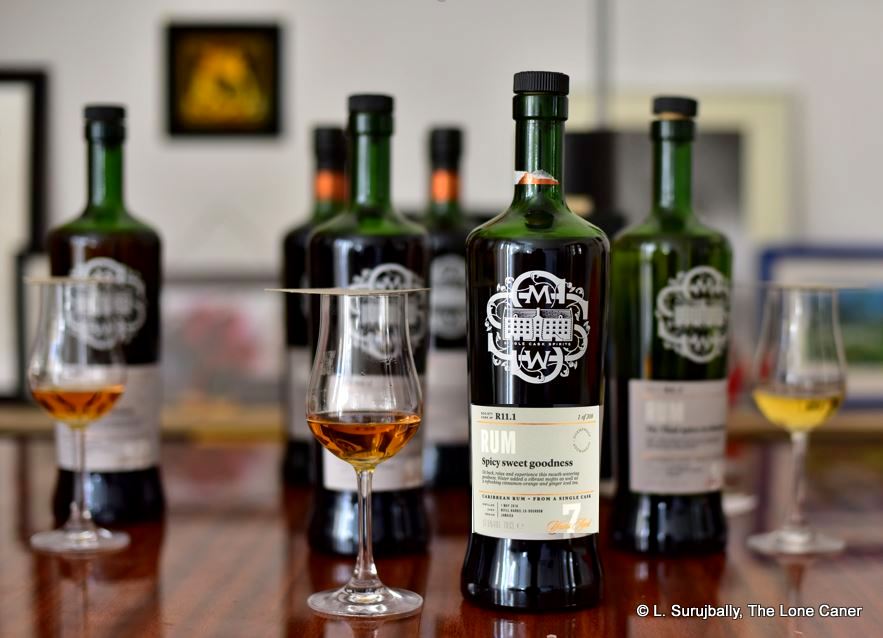
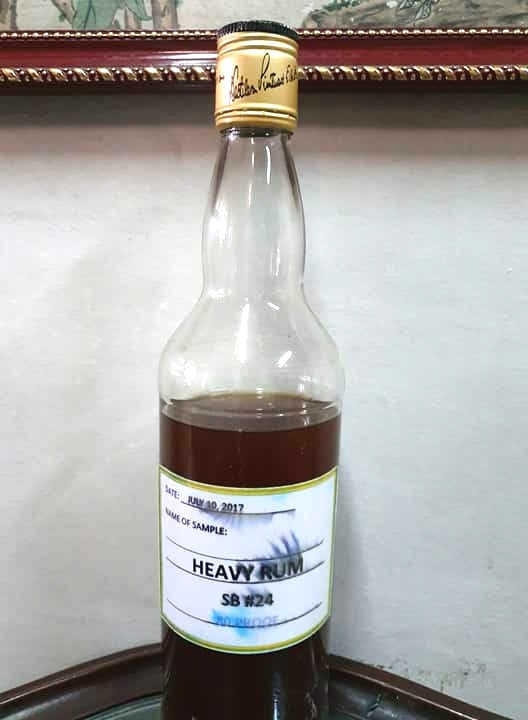 I should begin by warning you that this rum is sold on a very limited basis, pretty much always to favoured bars in the Philippines, and then not even by the barrel, but by the bottle from that barrel – sort of a way to say “Hey look, we can make some cool sh*t too! Wanna buy some of the other stuff we make?”. Export is clearly not on the cards…at least, not yet.
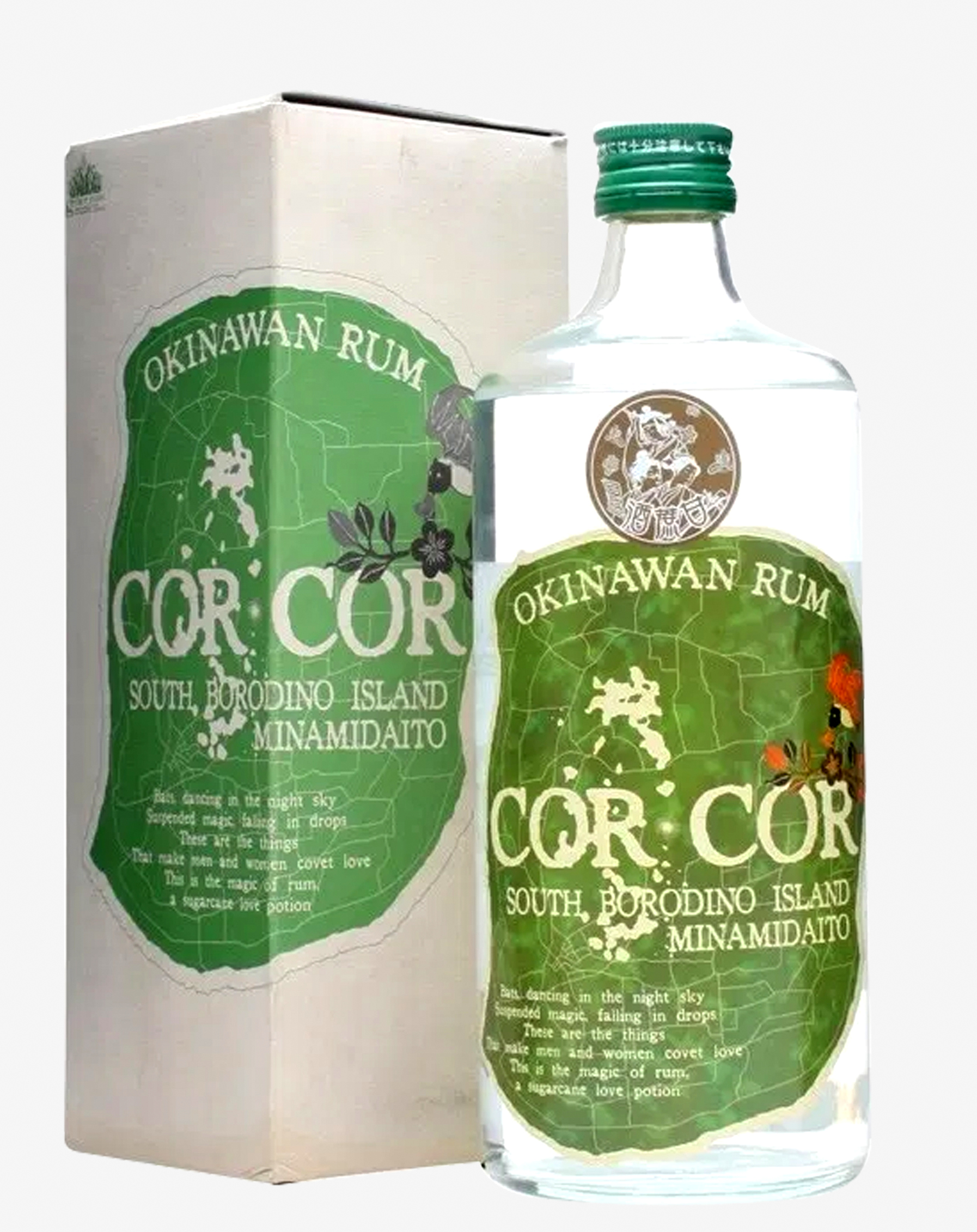 The Cor Cor “Green”, cousin to the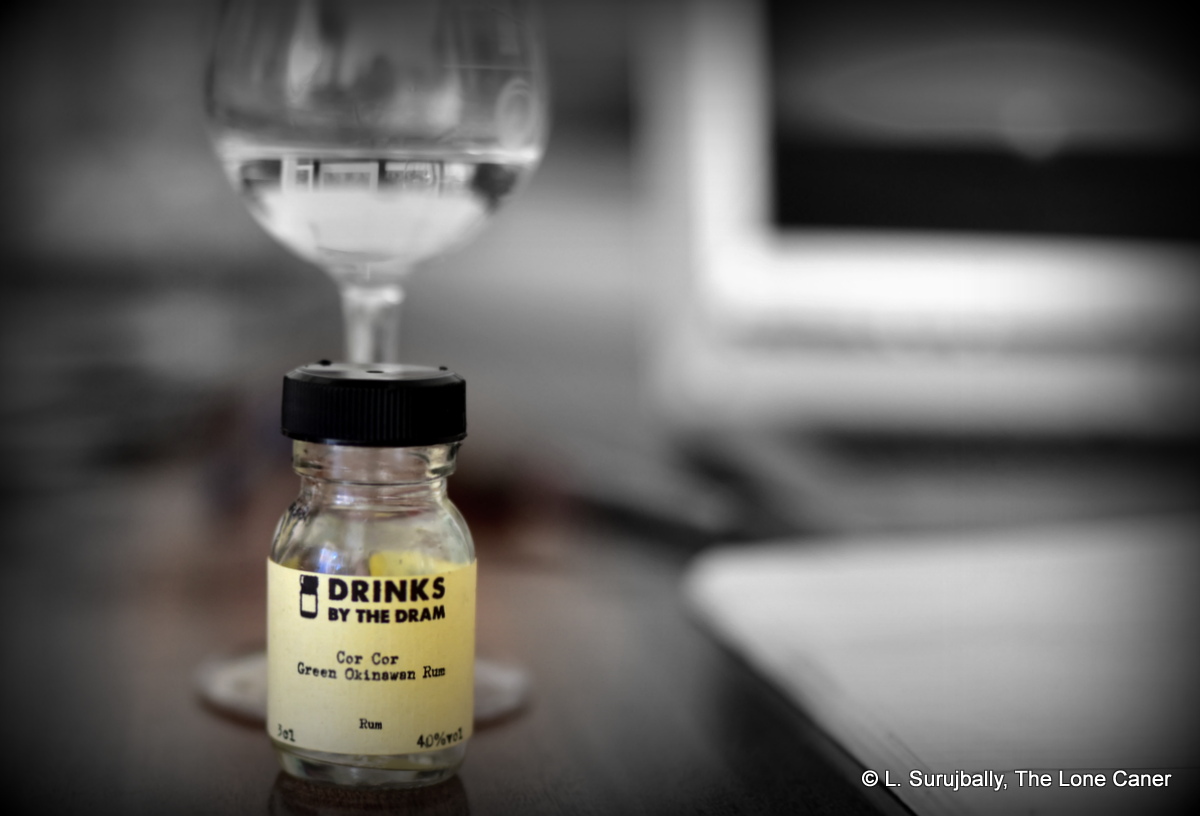
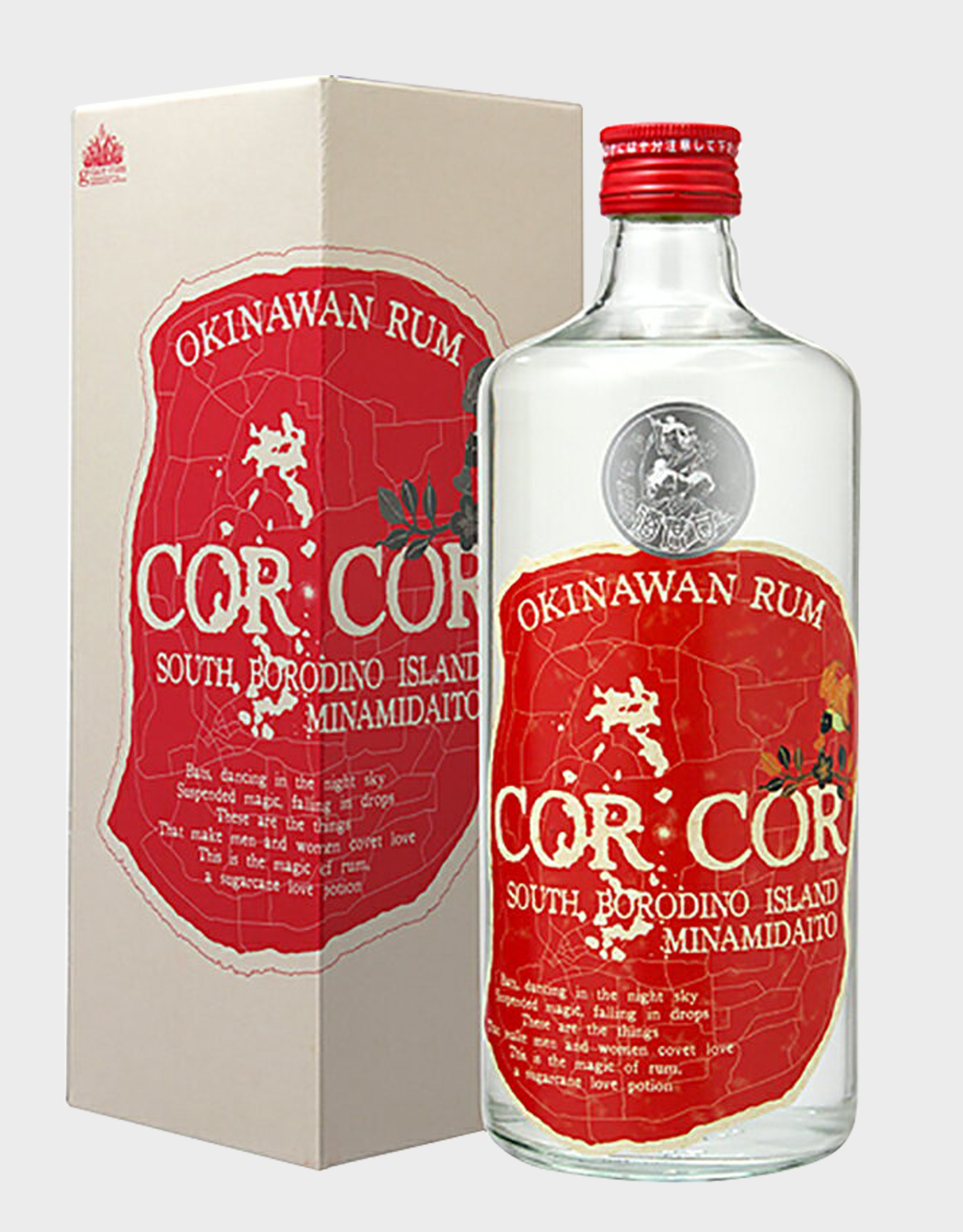 Given Japan has several rums which have made these pages (
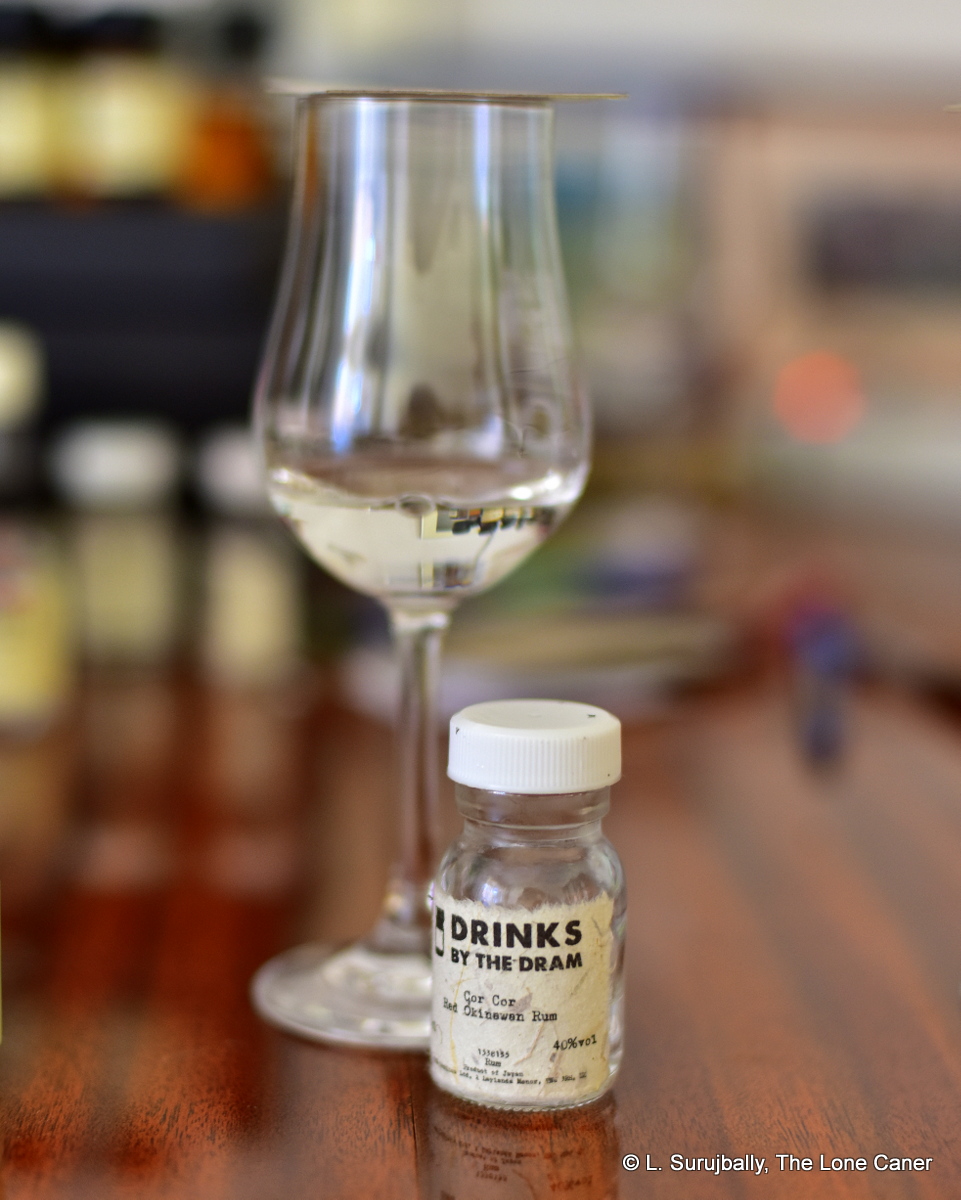 The Cor Cor Red was more generous on the palate than the nose, and as with many Japanese rums I’ve tried, it’s quite distinctive. The tastes were somewhat offbase when smelled, yet came together nicely when tasted. Most of what we might deem “traditional notes” — like nougat, or toffee, caramel, molasses, wine, dark fruits, that kind of thing — were absent; and while their (now closed) website rather honestly remarked back in 2017 that it was not for everyone, I would merely suggest that this real enjoyment is probably more for someone (a) interested in Asian rums (b) looking for something new and (c) who is cognizant of local cuisine and spirits profiles, which infuse the makers’ designs here. One of the reasons the rum tastes as it does, is because the master blender used to work for one of the awamori makers on Okinawa (it is a spirit akin to Shochu), and wanted to apply the methods of make to rum as well. No doubt some of the taste profile he preferred bled over into the final product as well.
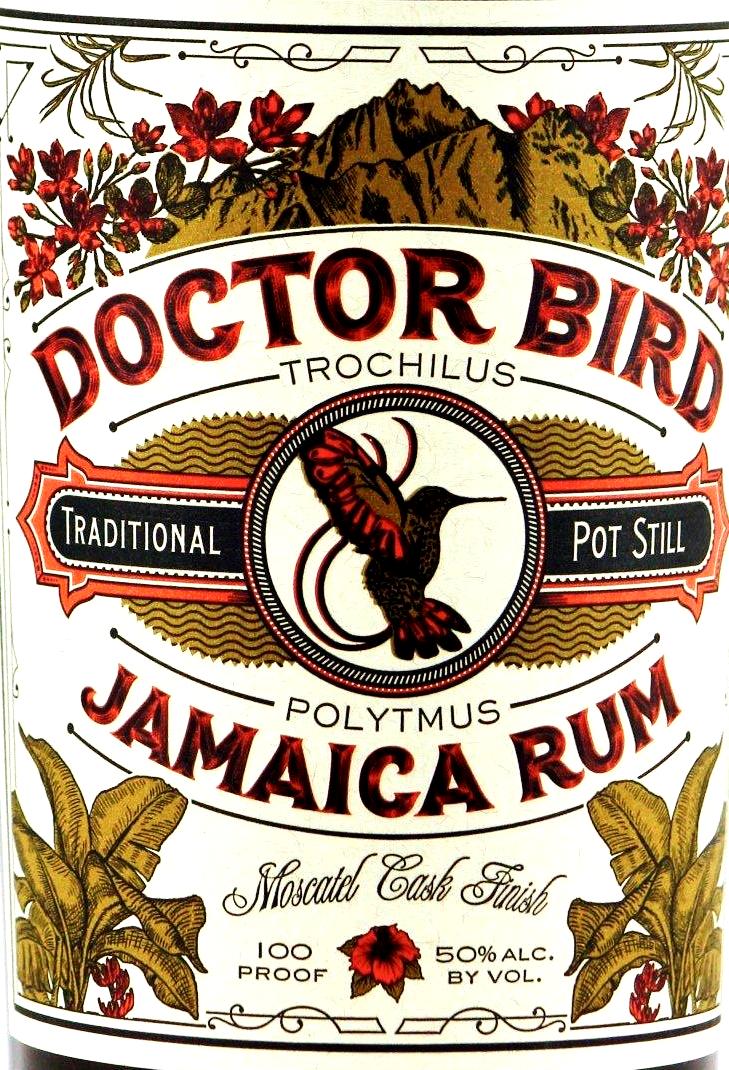 The strangely named Doctor Bird rum is another company’s response to
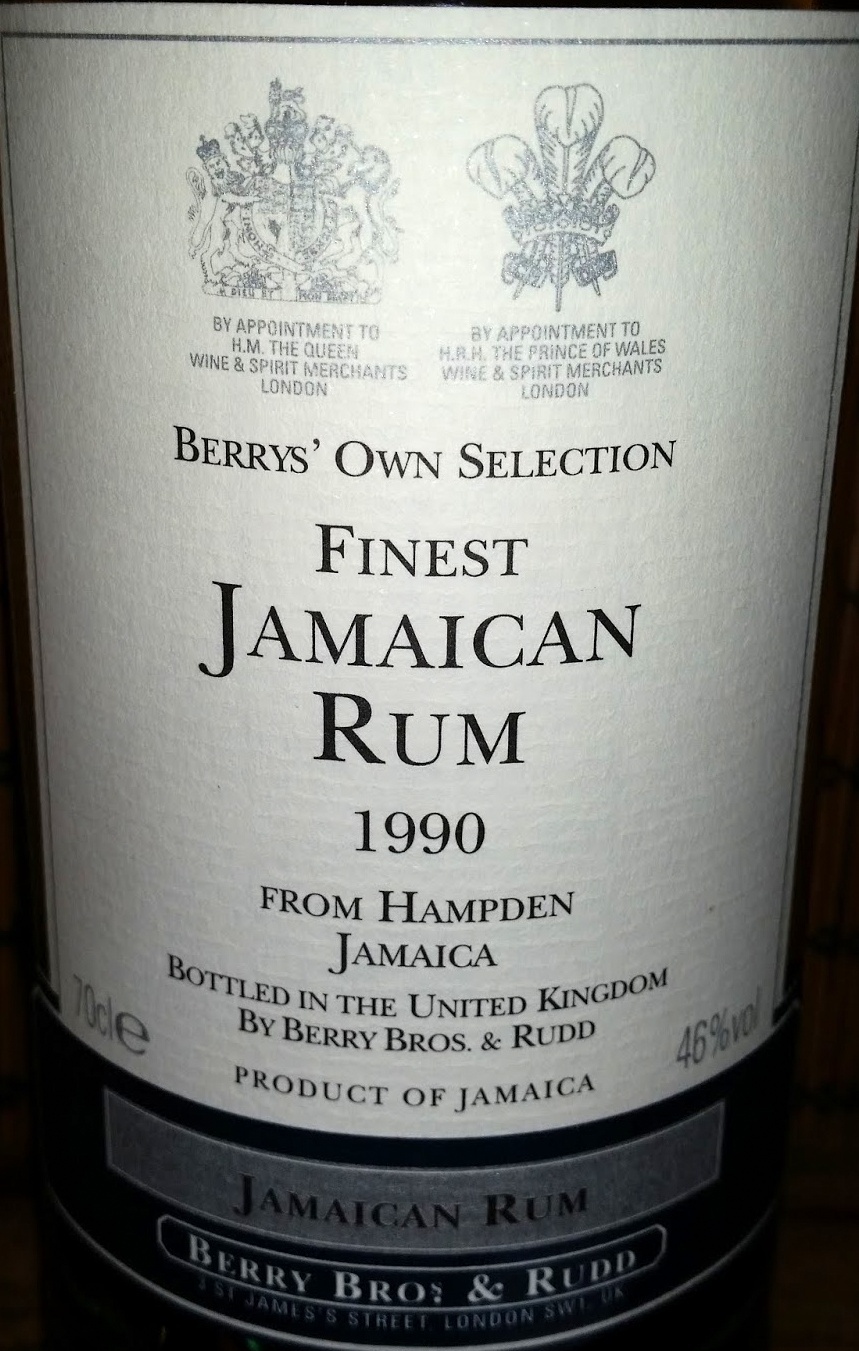
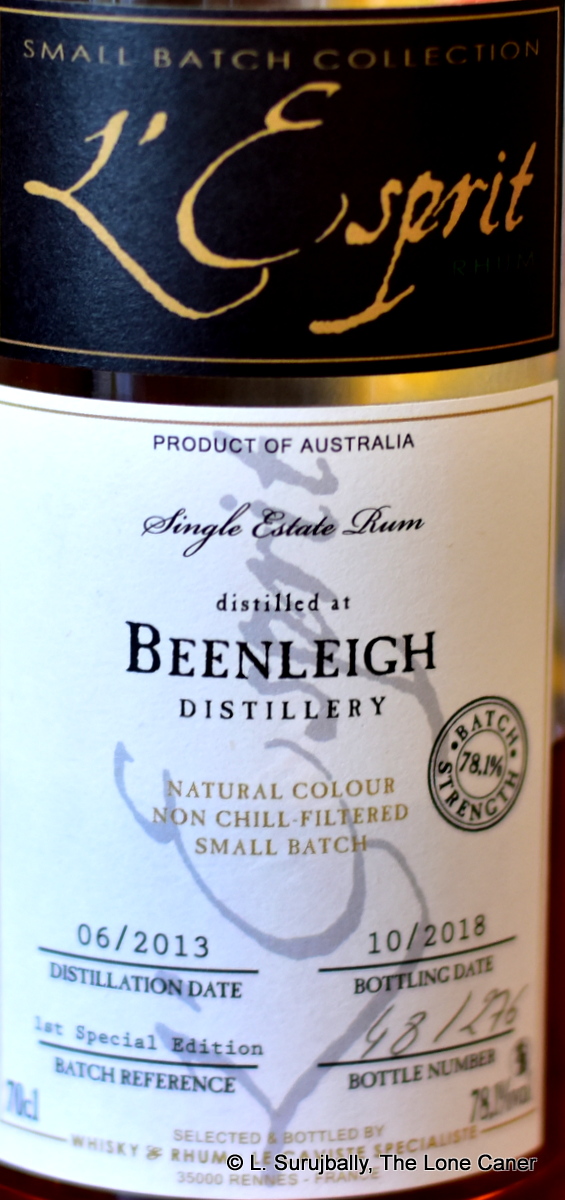
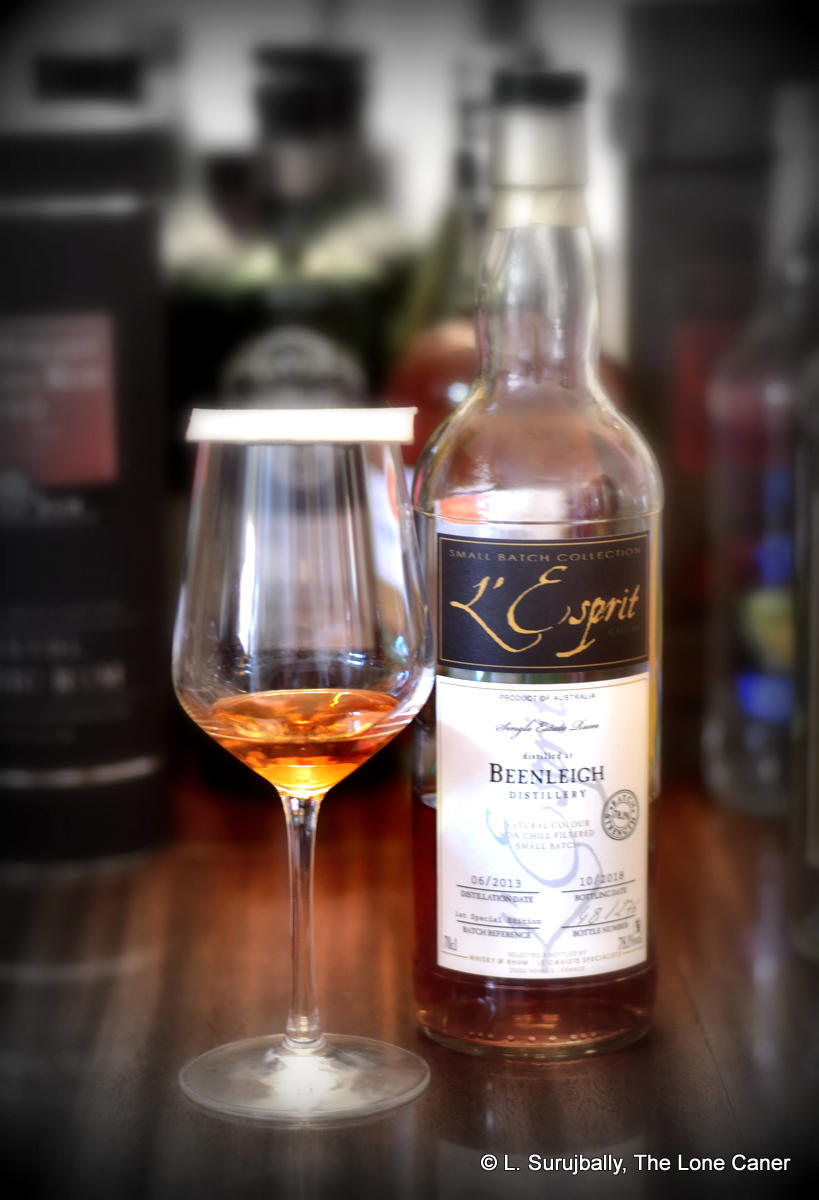 The French-bottled, Australian-distilled Beenleigh 5 Year Old Rum is a screamer of a rum, a rum that wasn’t just released in 2018, but unleashed. Like a mad roller coaster, it careneed madly up and down and from side to side, breaking every rule and always seeming just about to go off the rails of taste before managing to stay on course, providing, at end, an experience that was shattering — if not precisely outstanding.
 I still remember how unusual the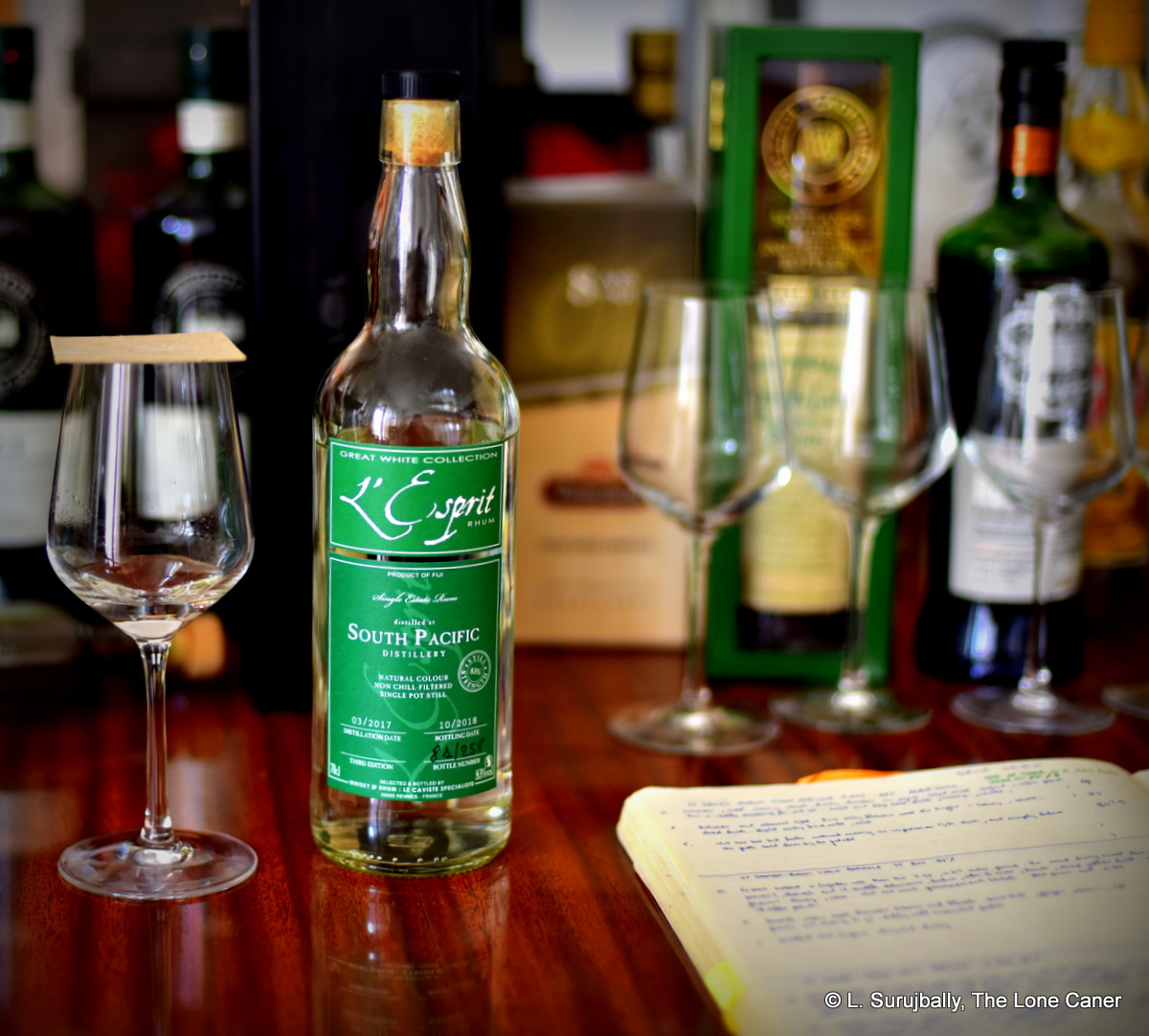
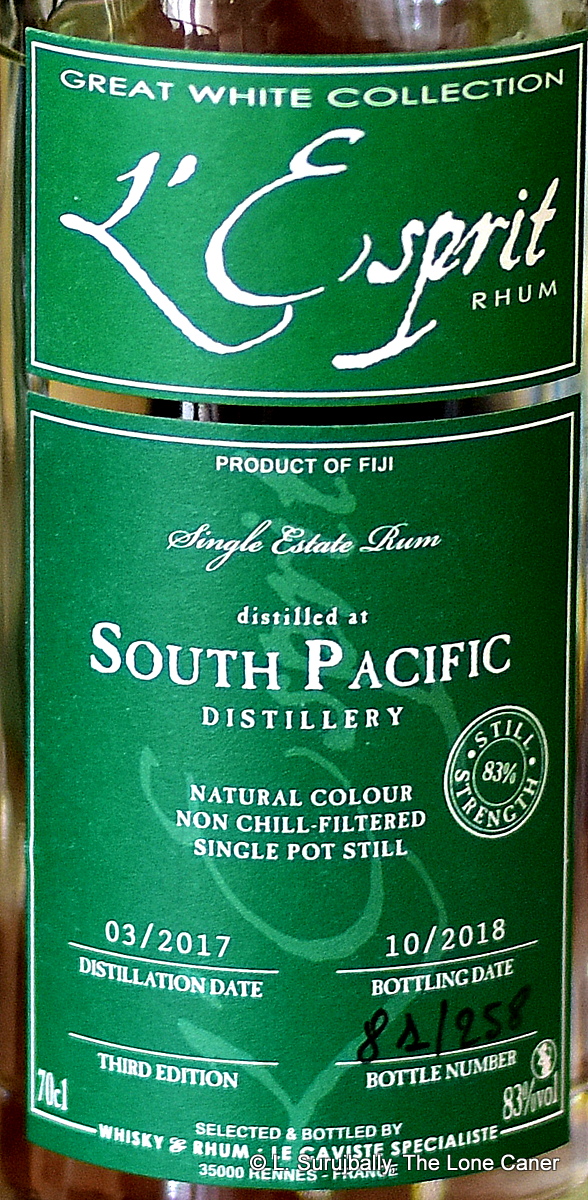 Whatever the case, the rum was as fierce as the Diamond, and even at a microscopically lower proof, it took no prisoners. It exploded right out of the glass with sharp, hot, violent aromas of tequila, rubber, salt, herbs and really good olive oil. If you blinked you could see it boiling. It swayed between sweet and salt, between soya, sugar water, squash, watermelon, papaya and the tartness of hard yellow mangoes, and to be honest, it felt like I was sniffing a bottle shaped mass of whup-ass (the sort of thing Guyanese call “regular”).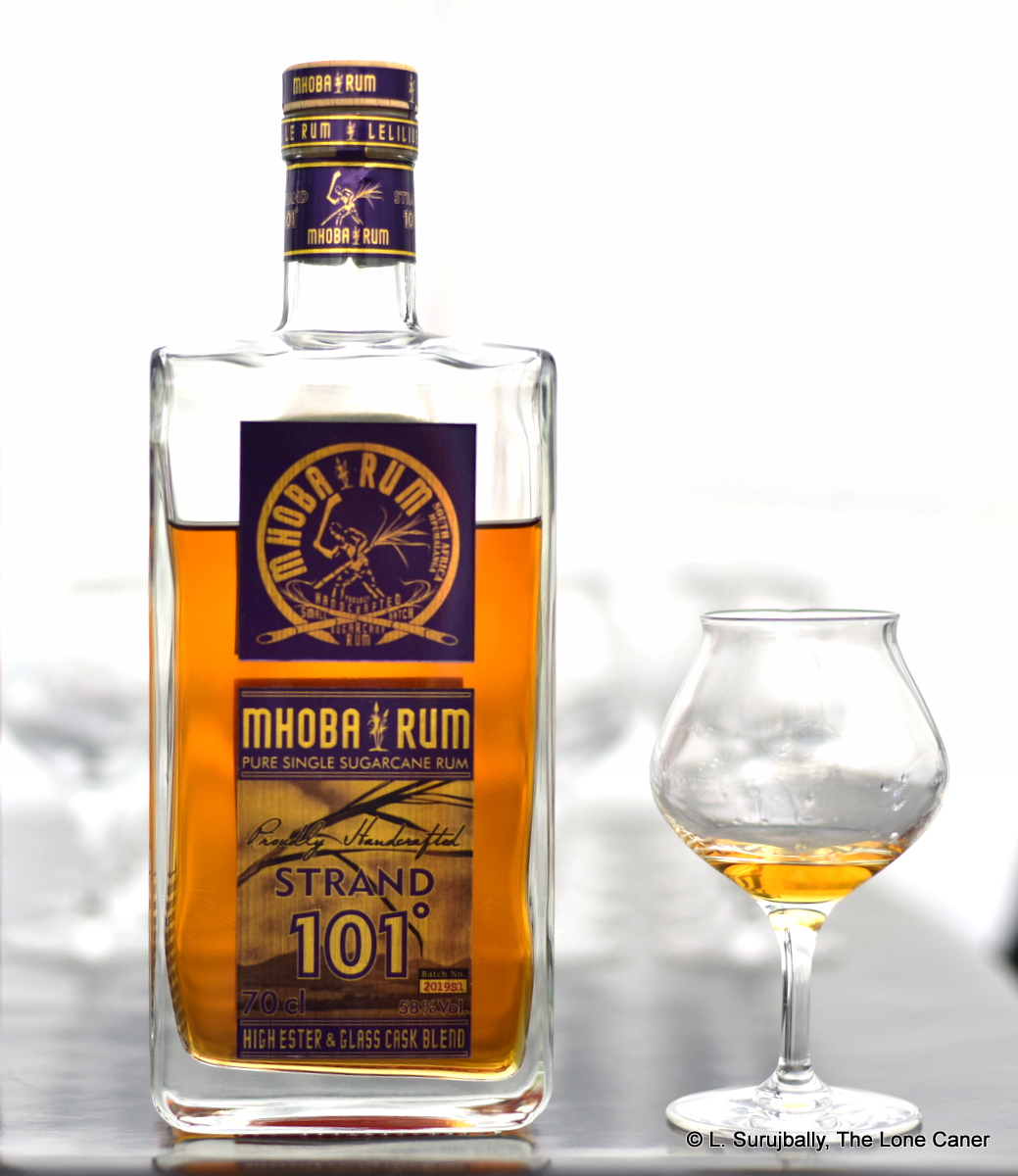
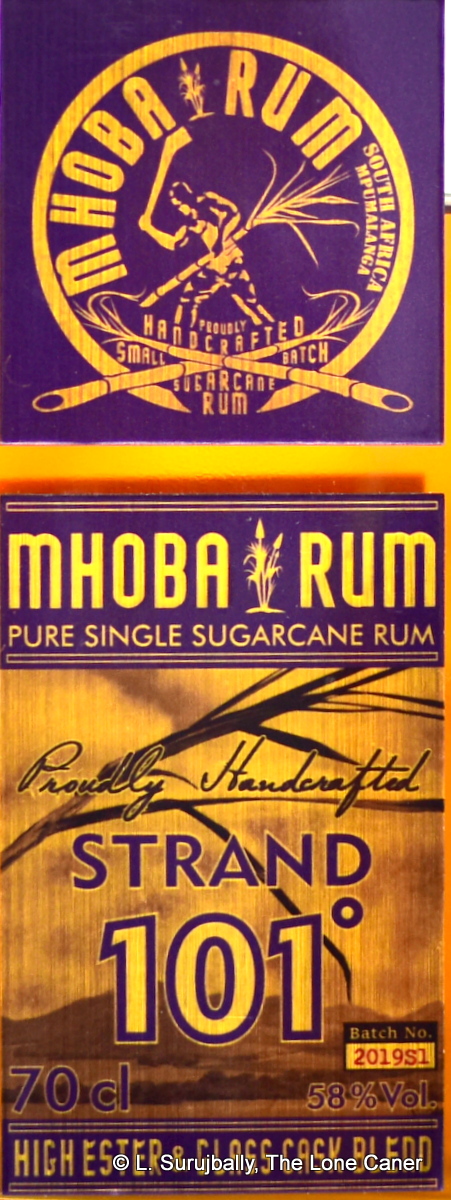 The Strand 101° was specifically designed by Knud Strand, a colourful Danish distributor who worked closely with Robert Greaves (as he had with many brands before) to bring the Mhoba line to market. What he was looking for was to create a blend of unaged and aged rum from pot stills, adhering to something of the S&C profile but from only one still (not two or more). He was messing around with samples some time back and after making his selections finally came back to two, both fullproof — one, slightly aged was too woody, with the other unaged one perhaps too funky.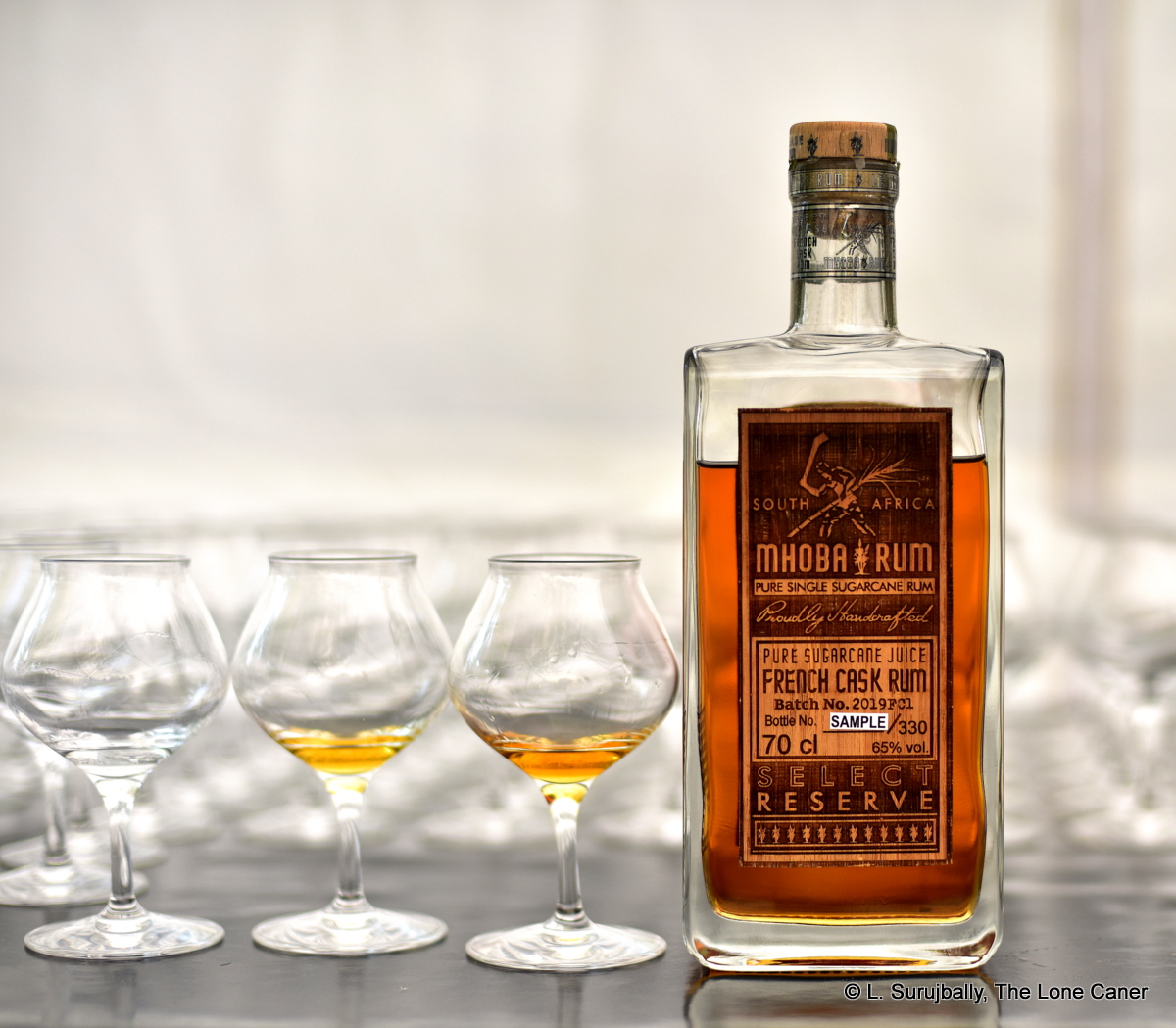
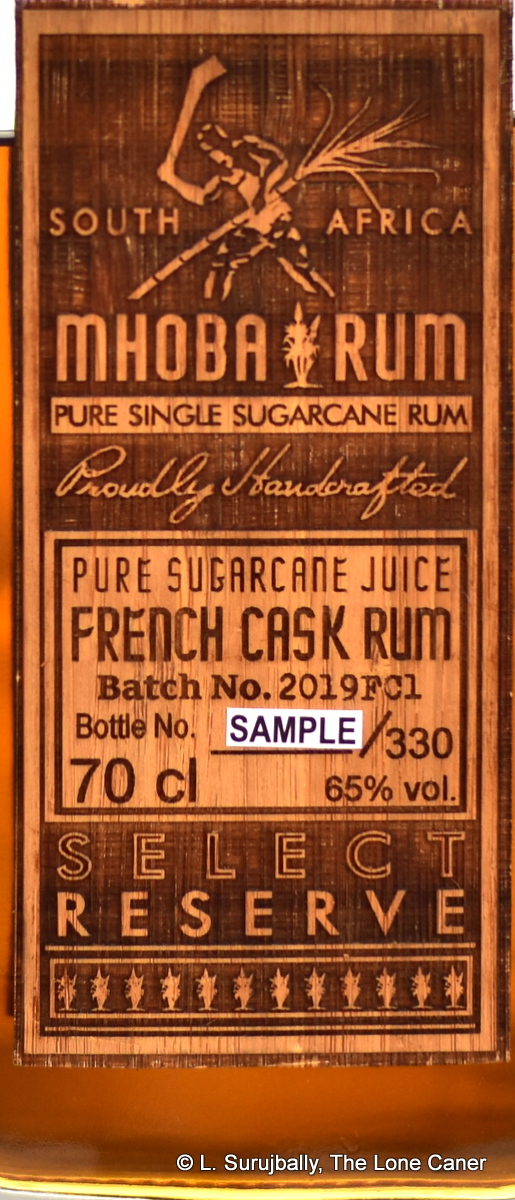 This is where good labelling helps understand what you’re getting. Mine read that it was a sugar cane juice rum, single blended, the bottle outturn (330 bottles, of which this was a sample), batch 2019FC1, South African made, and 65% ABV (ouch!). Actually, the only things missing from the label were the age statement (website says just over a year) and the still of origin (it’s a pot still), which I imagine subsequent labels will correct, especially as additional aged varietals begin to enter the market and a stock of different aged expressions gets built up – already, the company site lists eight different rums, so they’re not wasting any time.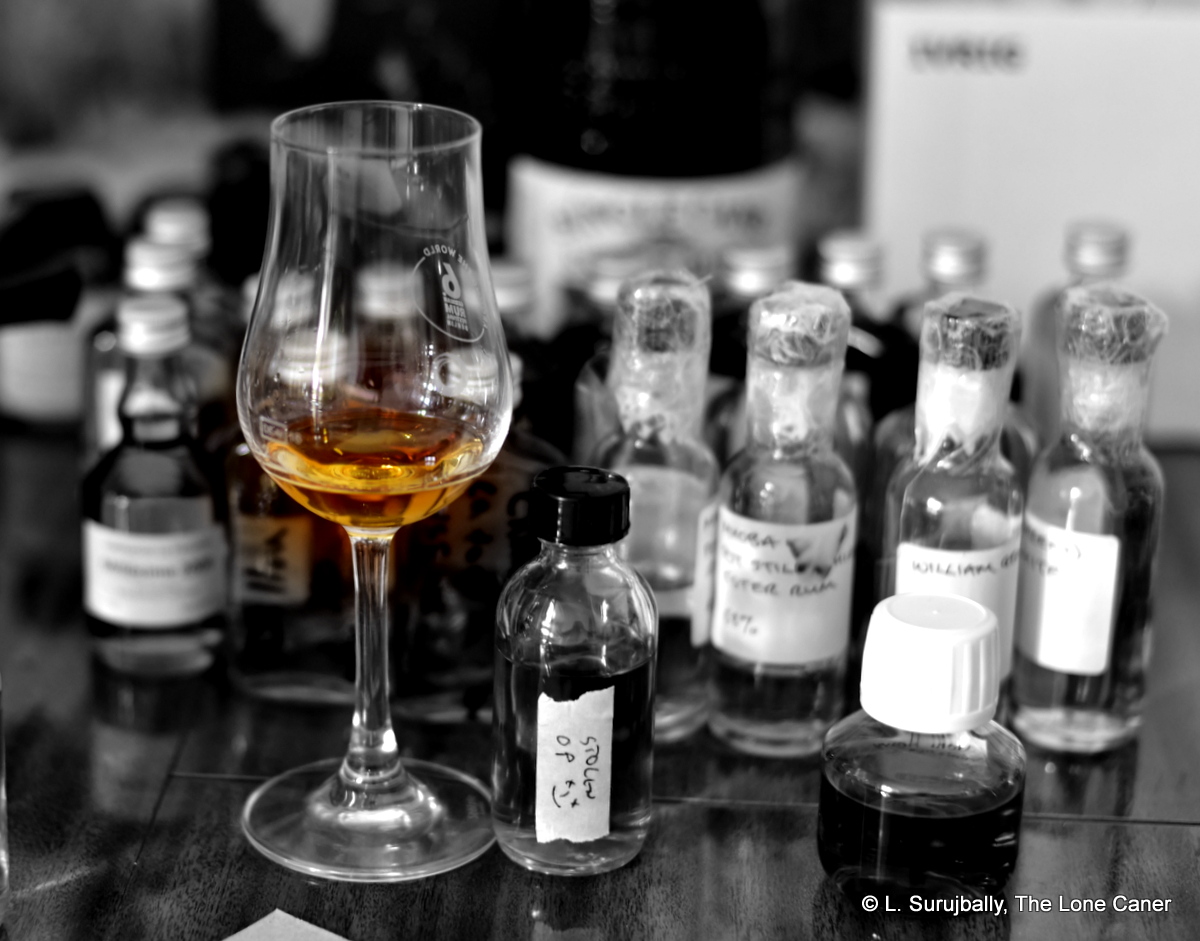
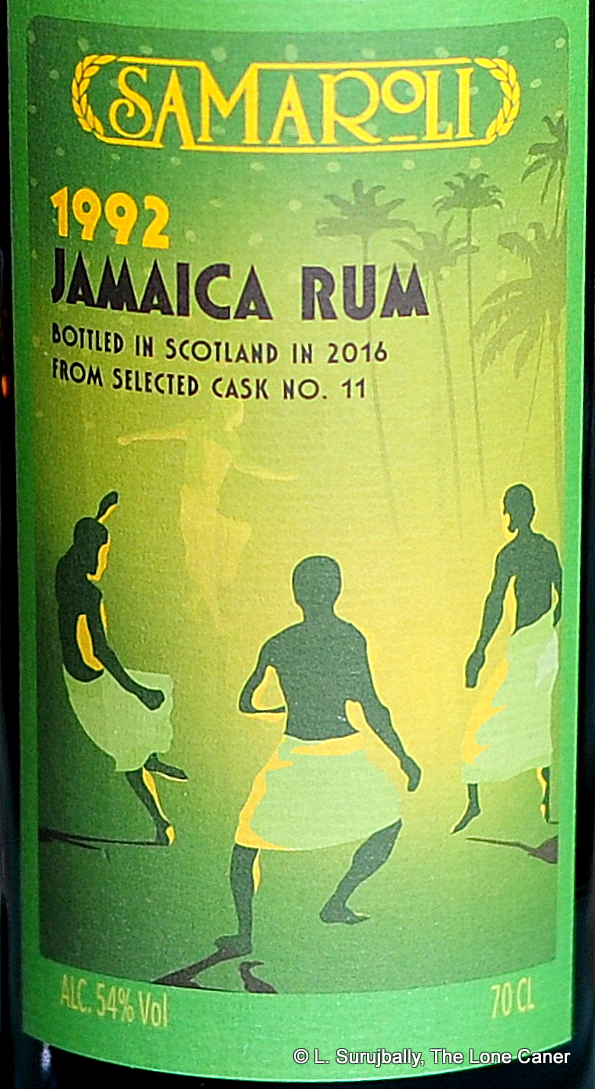 Although it’s older, Samaroli is somewhat eclipsed these days (by Velier), and is sometimes regarded as being on the same tier as, say,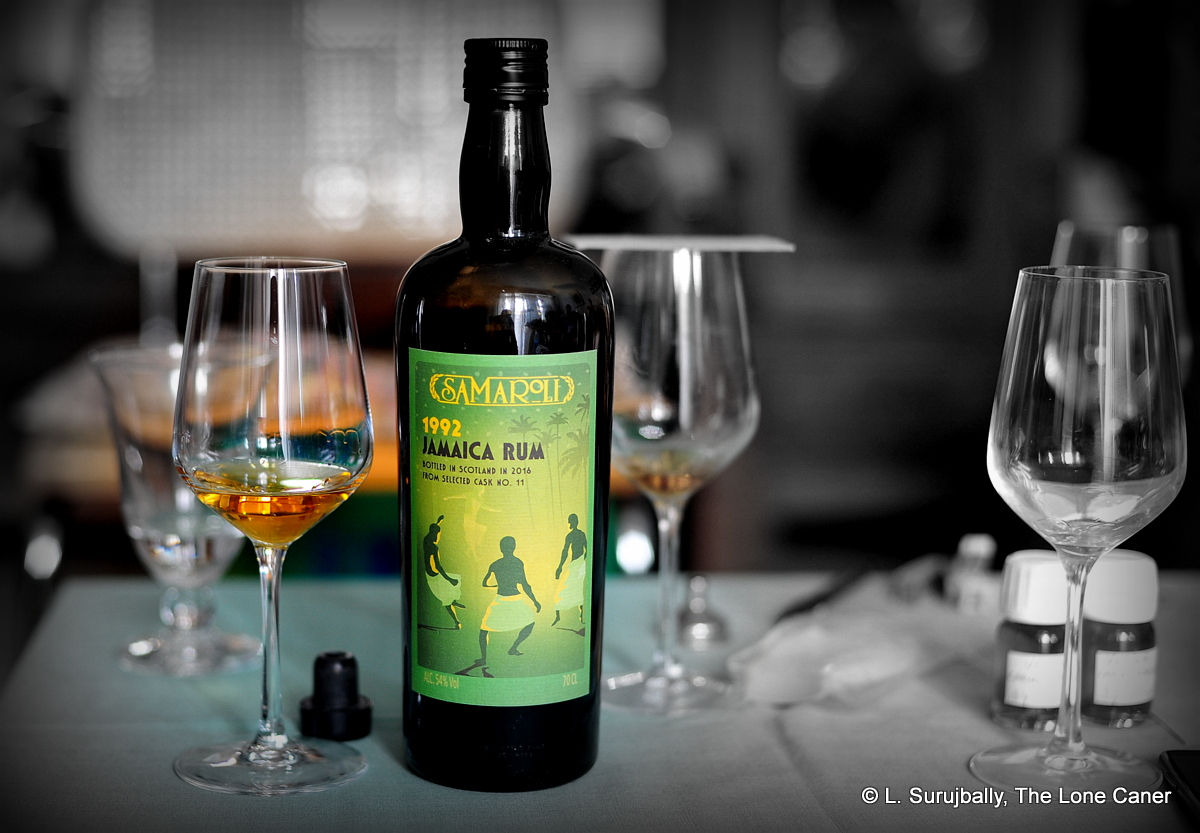
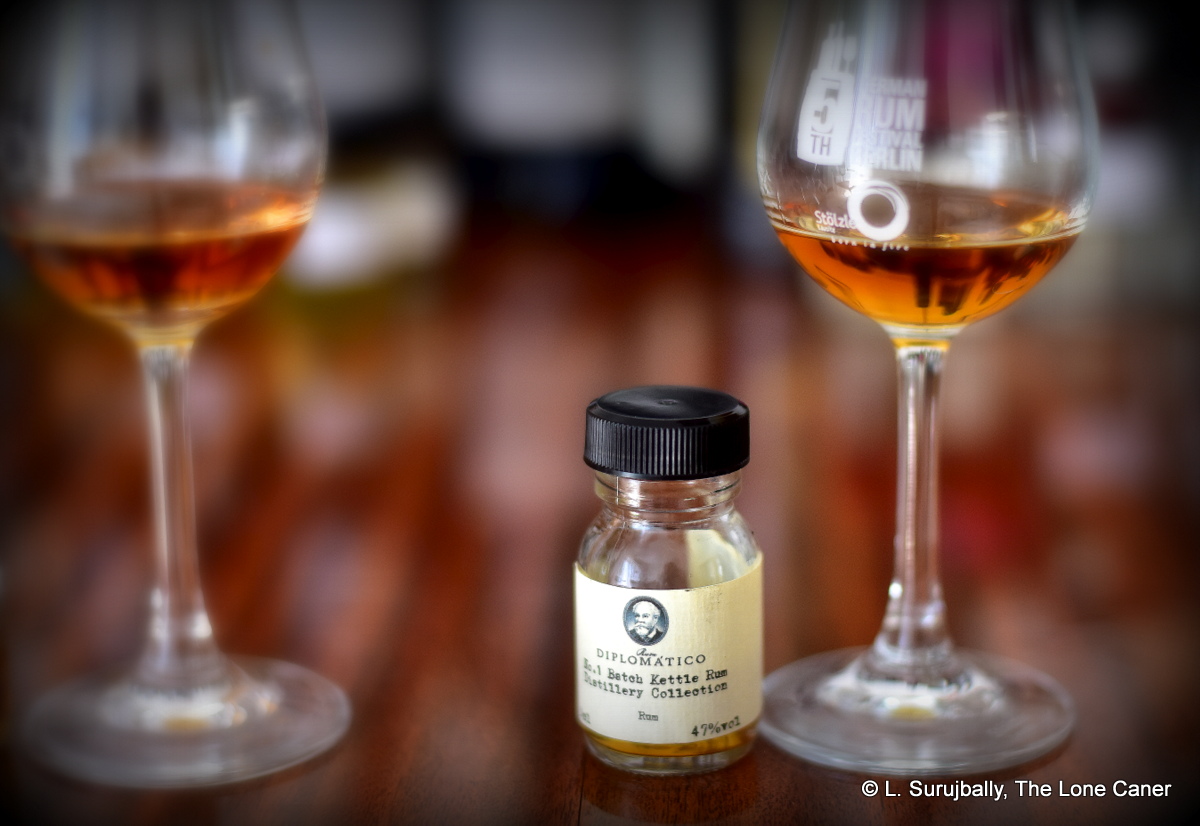
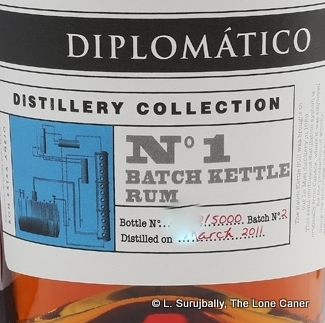 Things took an interesting turn around 2017 when No.1 and No.2 versions of the “Distillery Collection” were trotted out with much fanfare. The purpose of the Collection was to showcase other stills they had – a “kettle” (sort of a boosted pot still, for release No.1), a Barbet continuous still (release No.2) and an undefined pot still (release No.3, released in April 2019). These stills, all of which were acquired the year the original company was founded, in 1959, were and are used to provide the distillates which are blended into their various commercial marques, and until recently, such blends were all we got. One imagines that they took note of DDL’s killer app and the rush by Jamaica and St Lucia to work with the concept and decided to go beyond their blended range into something more specific.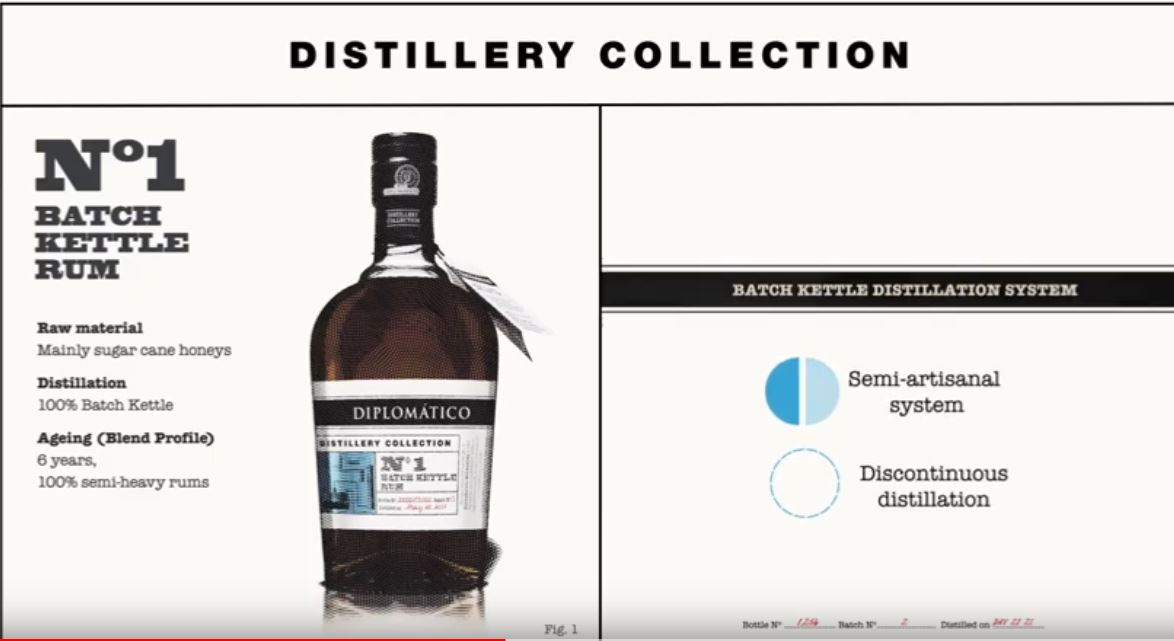
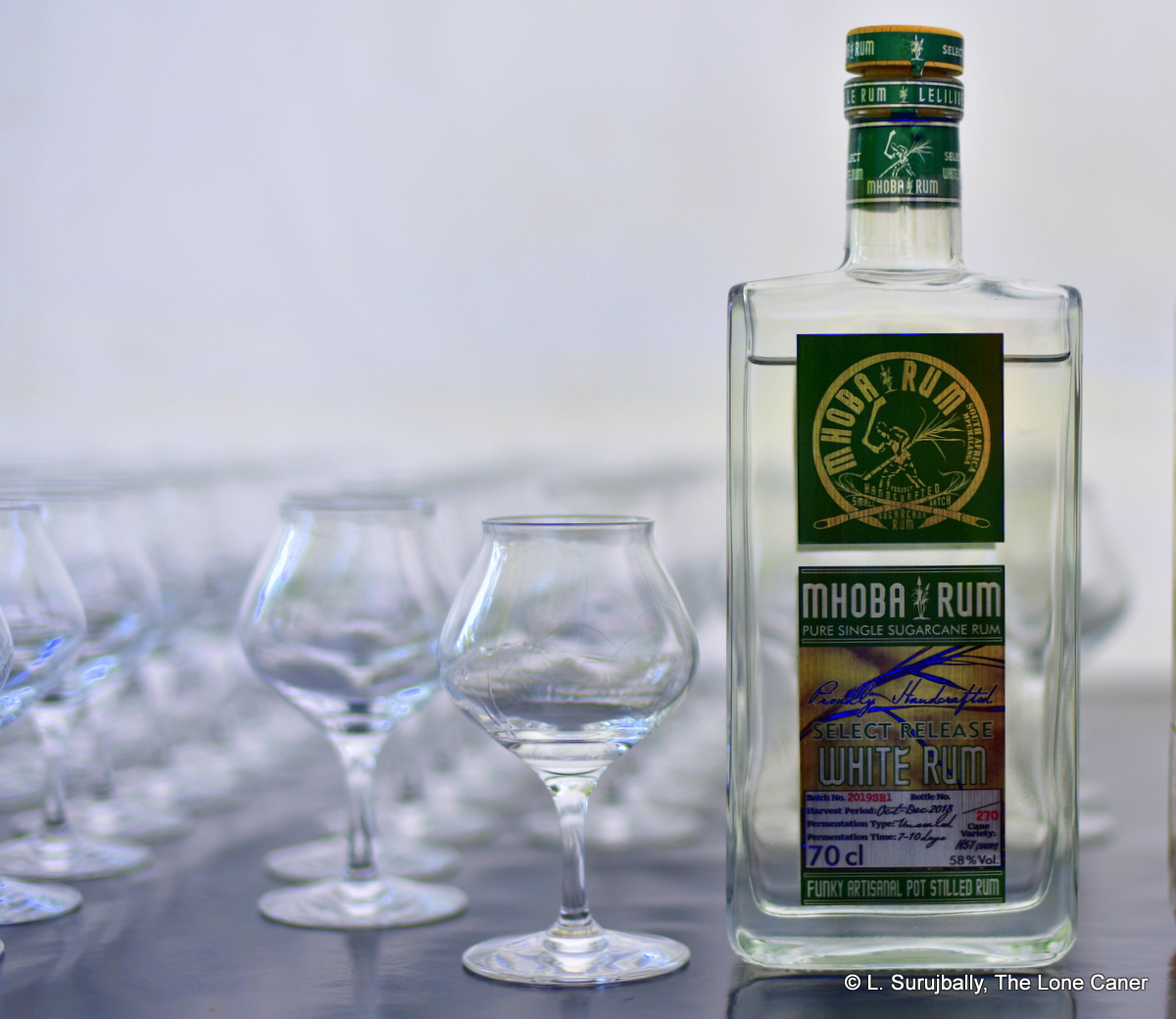
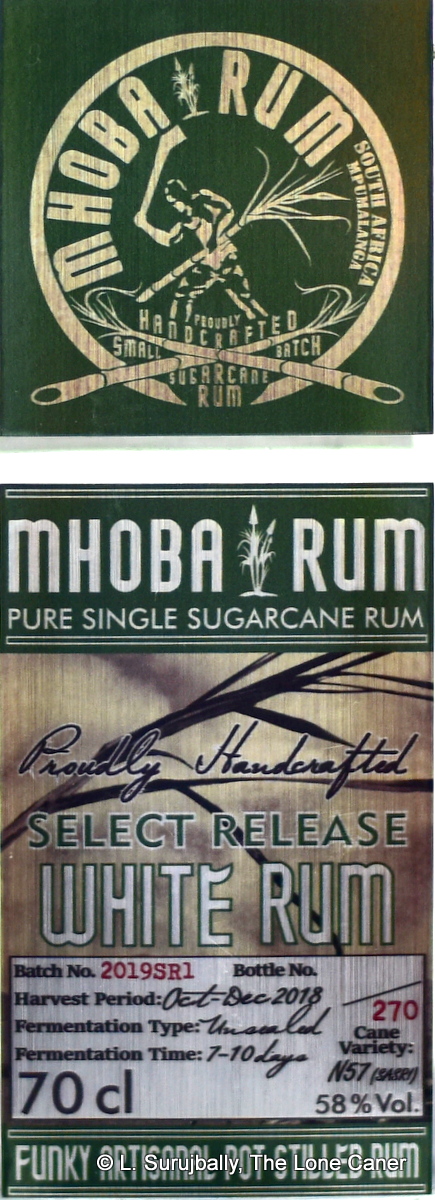 I’ll leave you to peruse Steve’s enormously informative company profile for production details (it’s really worth reading just to see what it takes to start something like a craft distillery), and just mention that the rum is pot still distilled from juice which is initially fermented naturally before boosting it with a strain of commercial yeast. The company makes three different kinds of white rums – pot still white, high ester white and a blended white, all unaged. I tried what is probably the tamest of the three, the Select, which the last one, blended from several cuts taken from batches processed between October to December of 2018 and bottled at 58%. All of this is clearly marked on the onsite-produced label (self-engraved, self-printed, manually-applied), which is one of the most informative on the market: it details batch number, date, strength, variety of cane, still, number of bottles in the run…it’s really impressive work.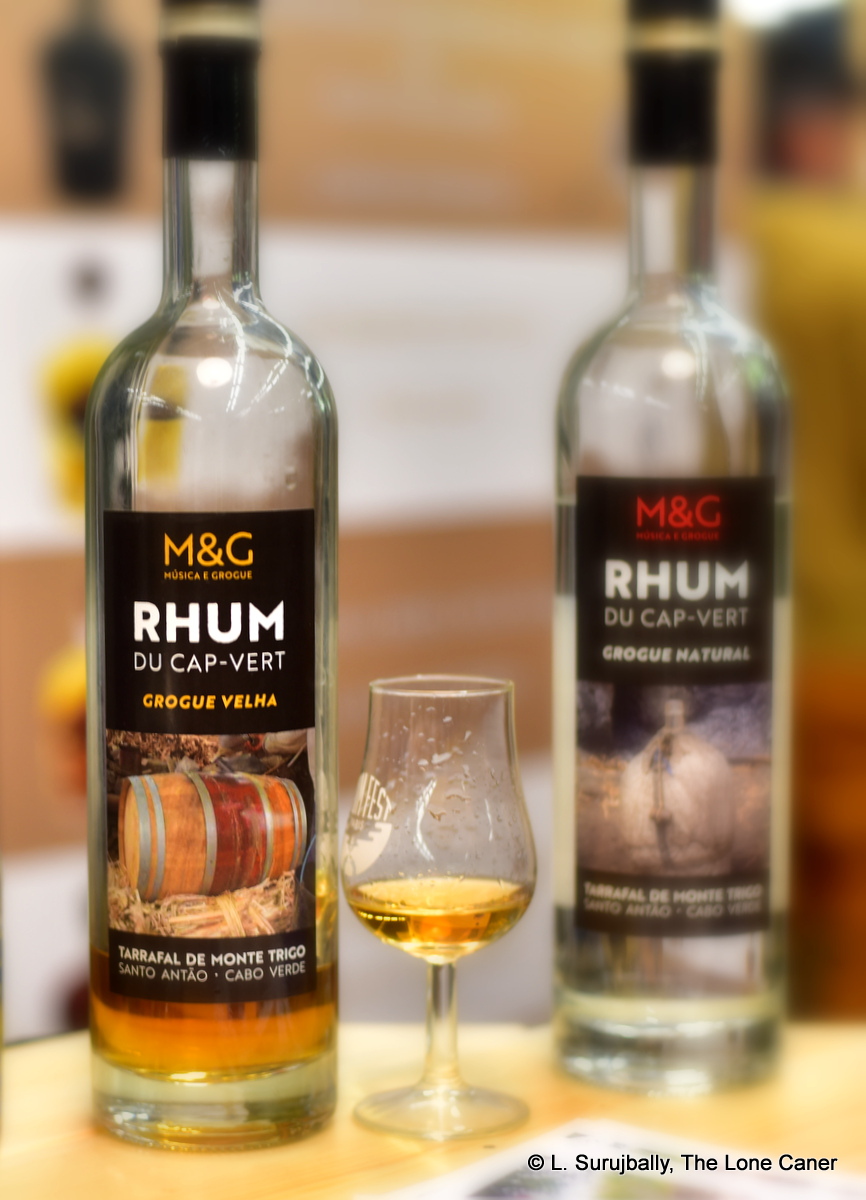
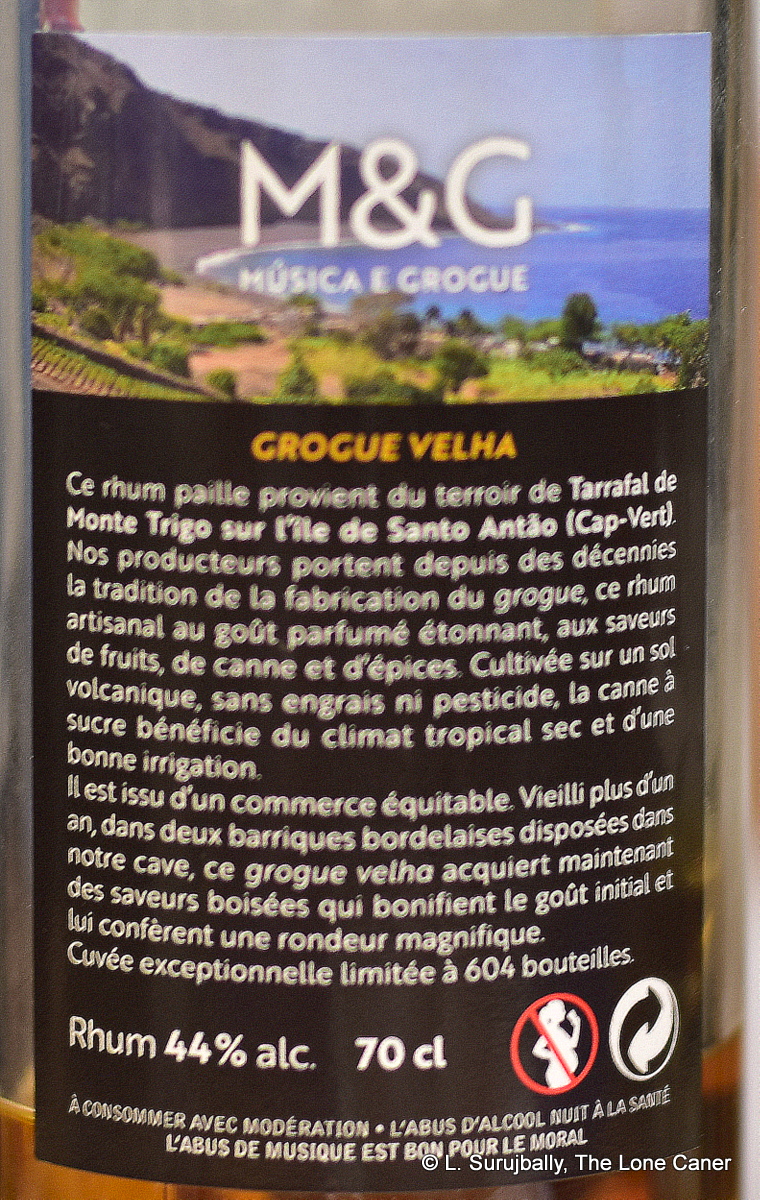 That was quite a medley on the nose, yet oddly the palate didn’t have quite have as many tunes playing. It was initially briny with those olives coming back, a little peanut brittle, salt caramel ice cream, vanilla, all held back. What I liked was its general softness and ease of delivery – there was honey and cream, set off by a touch of citrus and tannics, all in a pleasant and understated sort of combination that had a surprisingly good balance that one would not always imagine a rhum so young could keep juggling as well as it it did. Or as long. Even the finish, while simple, came together well – it gave up some short and aromatic notes, slightly woody and tannic, and balanced them out with soft fruits, pipe tobacco, coffee and vanilla, before exhaling gently on the way out. Nice.