 Introduction
If you recall, a few weeks ago Cap’n Colp hove into view, all flags waving and bunting streaming, and rolled a barrel into my house. No, really. Uninvited, unexpected, unannounced (I hesitate to say “unwanted”) he took out his trusty thief, jammed it into the barrel, and poured me a shot of liquid gelignite so extraordinary for its extreme youth, that here, a fortnight later, I’m still uncrossing my eyes. I mean, that sh*t was really quite amazing, the more so since it’s such a rare thing, here in the wilds of suburbia where the LCBO holds sway and we are starved for anything remotely resembling serious quality from something so young.
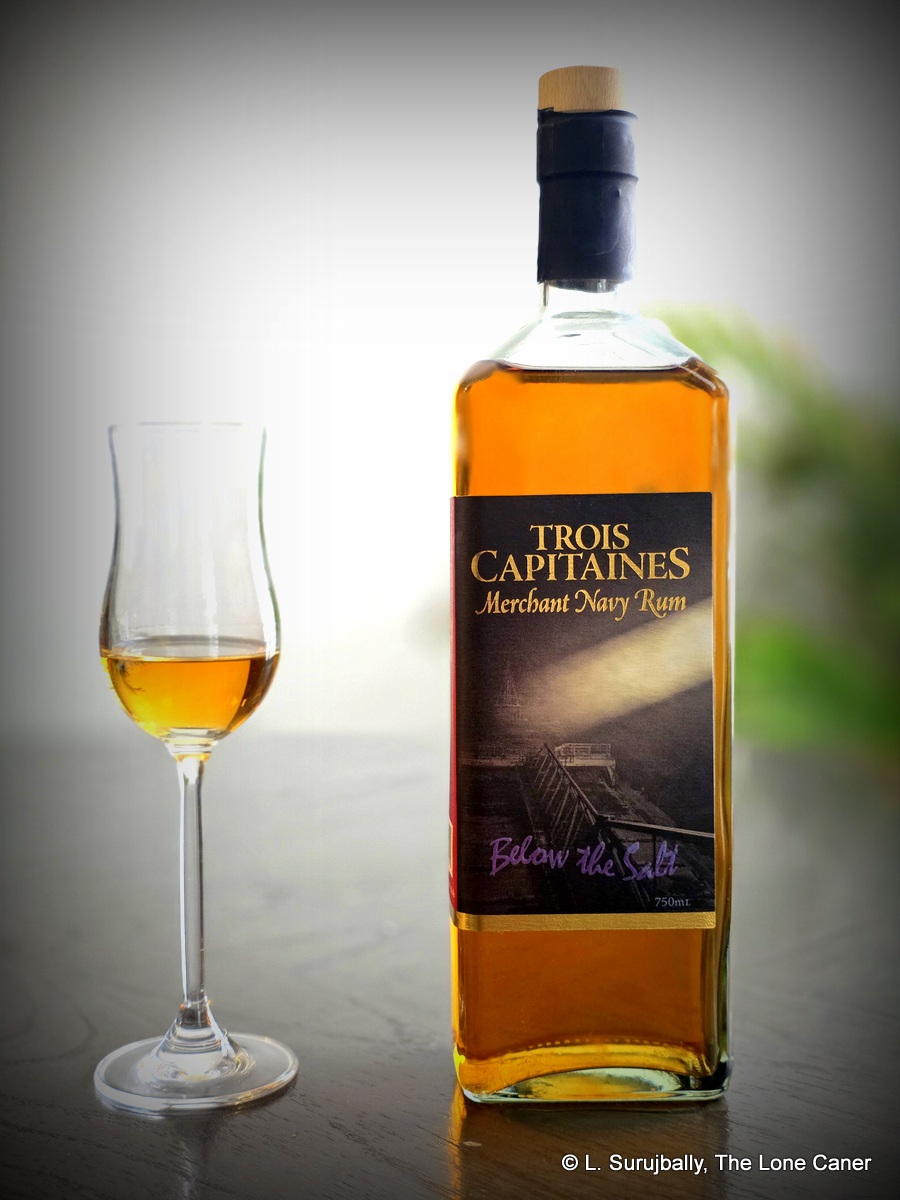
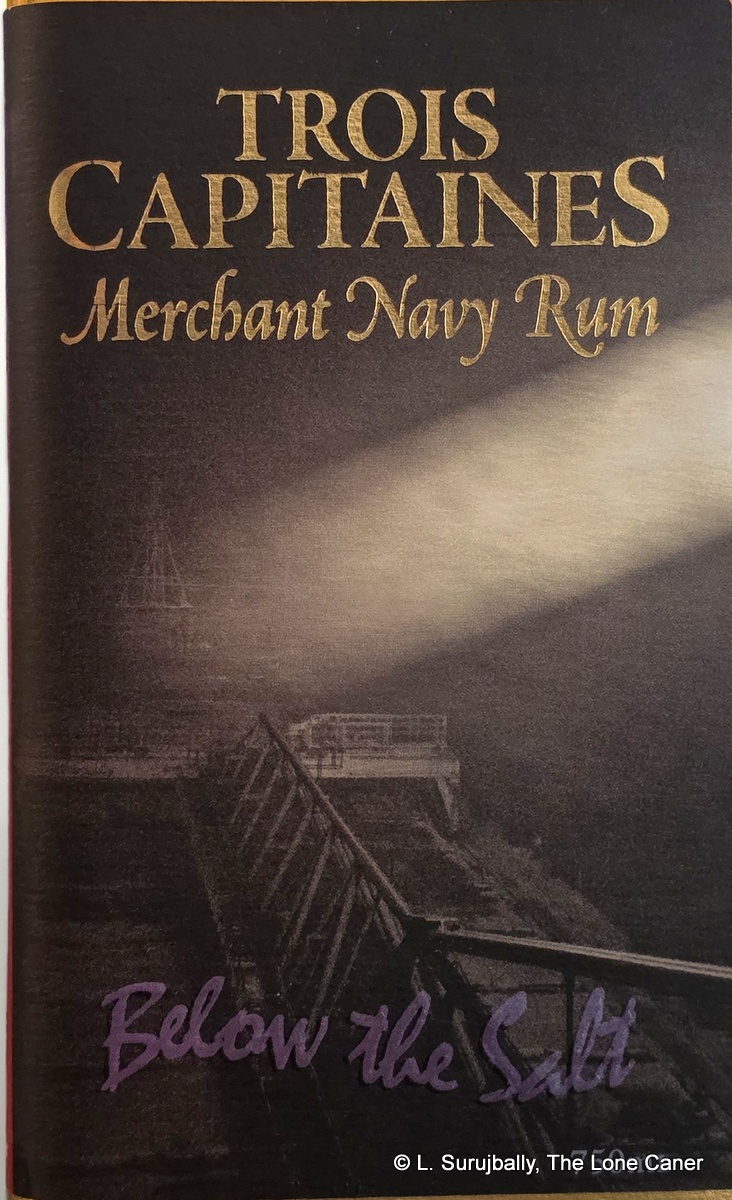
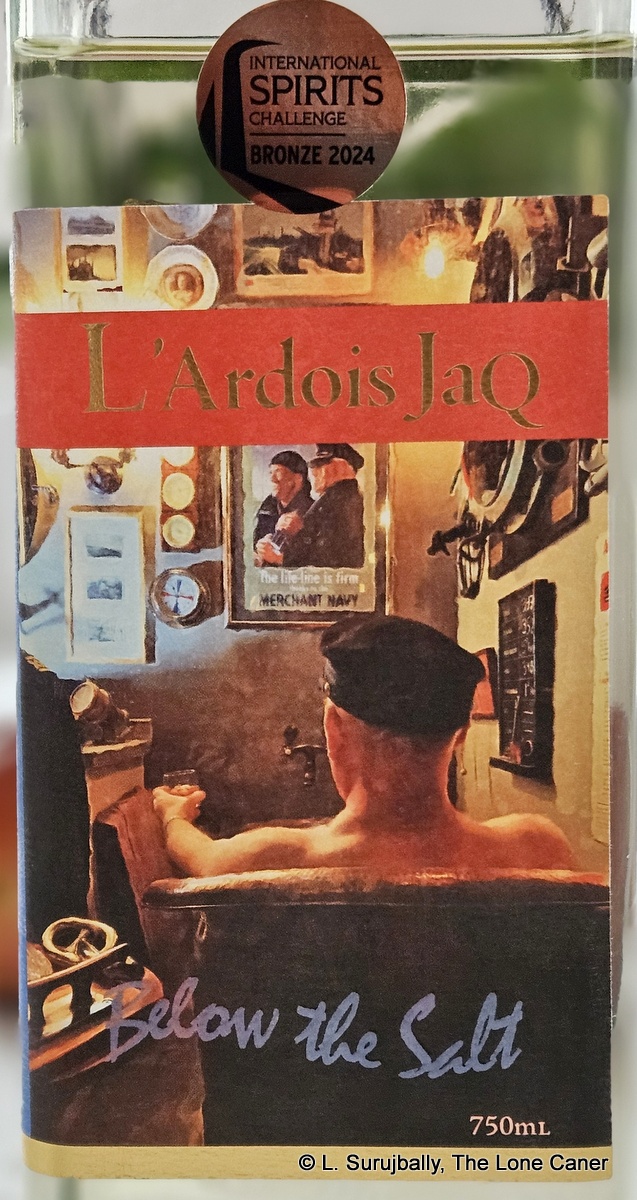
Since then, the contents of that barrel and its siblings have now been bottled in a specially high-tempered glass enclosure that smokes and gurgles and growls, and has been adorned with a title the length of a Turner painting – Below the Salt’s “Trois Capitaines” Merchant Navy Rum “The King’s Cut.”
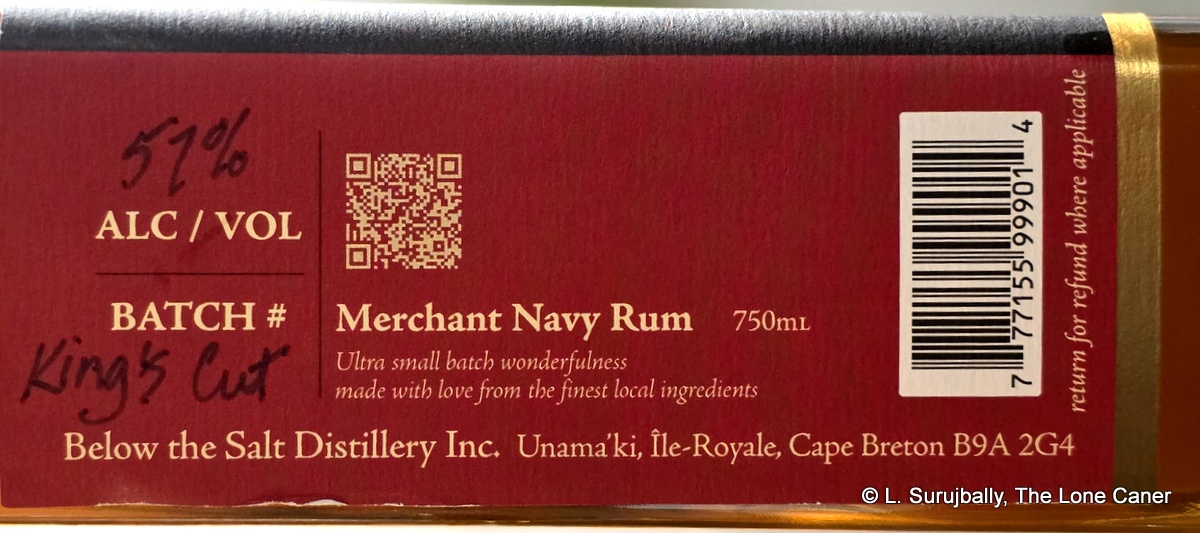
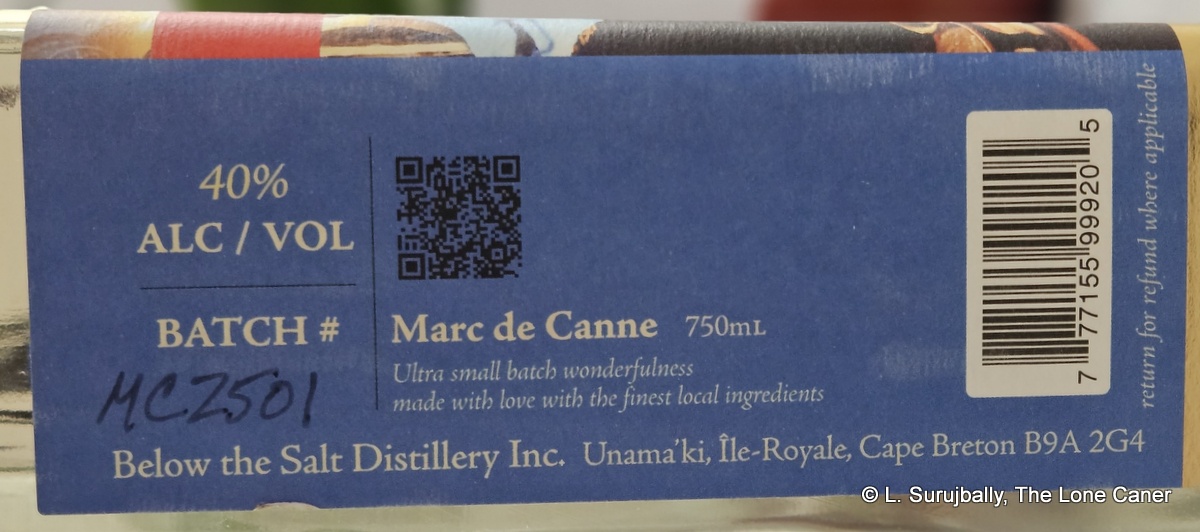
Below the tasting notes I’ll provide a bit more background at my usual inordinate length, but for the moment let’s just summarize by saying this is a 57% pot still rum aged for less than a month in 40L barrels in a solera system, and is unexpectedly, even remarkably, good – the small barrels really make for some intense tastes, and the strength certainly does no harm – and even if there are some caveats, which I’ll get into as well, the entirety of the experience is quietly outstanding.
Tasting Notes
So let’s begin. The nose presents with a panoply of aromas that a rum many years older would have difficulty emulating: initial notes of salt, honey, vanilla, caramel, salt and brown sugar, which seems kind of “standard” before kicking into geat. And then we notice some rancio, hogo, pineapple, cinnamon, nougat, almonds, mangoes. Plus – and yeah, the party isn’t over yet — glue, brine and olives, rotting oranges, flambeed bananas. Bloody hell, there’s a lot to savour here.
Tasting it is again, something quite amazing: to begin with, if you were to tell me this was 10% less than rated, I’d believe you – the balance is that good, the whole feel of it is so firm and well done, you could easily believe this was a mid- to high-forties proof rum. Firm and spicy for sure – at that strength it’s expected — with delicious notes of honey, caramel ice cream, brine, olives, rotting oranges… and then it picks up a head of steam with pickles, marzipan, cocoa cola and oak tannins. The whole thing leads to a finish startling in its length and clarity – mostly the same hints of nougat, brown sugar, toffee, flambeed bananas and slightly sour fruits, even a pimento or two, and a hard shake of the spice shakers.
Thoughts
There are both and bad things to be seen here, which a lengthier tasting exercise made me more aware of, more so than when I just tasted something straight out of the barrel. What I really liked about this rum is that it was unashamedly made how it’s made, takes a side for its tasting profile, and isn’t coy about it. Too many rums are made to be like puppies – they’re sweet, everyone loves them, nobody is offended – here’s one that doesn’t give a damn whether you like it or not, and just shrugs and goes its own way. For any rum maker to have that attitude is exemplary – to find it in the maritimes of Canada where rums are thick on the ground but too often thin on the sh*t that matters, is nothing shy of extraordinary.
That said, much as I liked it, you can’t get away from the extreme youth, and much as the small barrels intensify tastes in a short time frame, it’s occasionally rough, and lacks the more rounded profile of something aged longer and more patiently, where the alcohol-water-wood interaction is quieter. However, I simply argue that this is not a disqualifier, but an aspect that reflects this rum’s individuality.I’ve noticed a similar edge where a rum is diluted too quickly down to 40% – the shock of fast addition of water is very different from a slower process that is done over a period of weeks or months, and here, that’s evidenced in a ruder, more jagged result. This does enhance its character – I would not score it the way I did otherwise — but it does lack a certain elegance some might be looking for, and the casual drinker should be aware of that. You’ll have to accept that and move with it, I think. Me, I liked it for precisely those reasons.
 Background
The long title probably requires some explanation. First of all, Below the Salt is a small distillery founded by a Canadian tug boat captain named Gregg Colp a few years ago, located in Nova Scotia. It is an environmentally friendly carbon-zero operation with a pot still and a small barrel ageing operation. The distillery is a micro, and has much more capacity than sales at this point, largely due to the difficulty of breaking into the various eastern provincial monopolies which run and buy for and stock all the stores there. That said, they produce a variety of products: vodka, grappa, rum, brandy, gin and even an RTD mix called the Boilermaker.
This rum is made from a version of panela, or jaggery – rendered down sugar cane juice deriving from unrefined Guatemalan and Demerara cane juice crystals (specifically not refined sugar); fermented for a few days and then run through the pot still. When the cuts are made from the spirit run, the lees are normally thrown back into the wash to be recycled, but for the “King’s Cut” here, the best and most aromatic parts of the hearts and tails are retained and put to age by themselves. Sharp observers will recognize this as essentially the same as what some distilleries – notably Privateer out of the USA – refers to as the Queen’s Cut, and is always deemed a cut above the ordinary, so to speak..
The ageing here is done differently as well: this rum is aged in a dozen or so 40L oak barrels, for less than a month, in a quick solera style system. This results in a 500 bottle outturn, released at Navy Strength of 57%, which explains the latter part of the rum’s title. One may reasonably assume that the Merchant Marine, when they took rum aboard, adhered to similar traditions and used the same strength as the British Royal Navy
As for the “Trois Capitaines”, that’s is a title that hearkens to the founder’s antecedents. The first is a distant ancestor of Gregg Colp’s, Kapitan (Captain) Jacob Kölb – he was an 18th century Swiss mercenary who settled in the Maritimes, hooked up with a Mi’kmaw woman and, in what appears to be a consistent trait of the family, brewed his own illicit hooch to take on board whatever ship he was sailing that day. The second Captain was Captain de la Ronde (grandfather? great-grandfather?), who did rum running like William McCoy from the US during Prohibition. And of course, in a modest and self-effacing nod to himself, the third Captain is the distillery’s founder himself — and who, having met him, I can say is as colourful a character as one can hope to meet these days.
(#1144)(87/100) ⭐⭐⭐⭐
Other notes
- Video recap link of the review
- Video recap of the distillery background
- This bottle is a free one, provided in what is probably a deplorable excess of enthusiasm by Captain Colp, who really hoped I’d try it after my positive (if unofficial) eval of the barrel it came from. I don’t think it influenced my assessment, but it’s best you know the source.
- Somebody will inevitably ask, so the Turner painting I reference in paragraph 2 is “The Slave Ship, Slavers Throwing Overboard the Dead and Dying, Typhoon Coming On” (1840)”


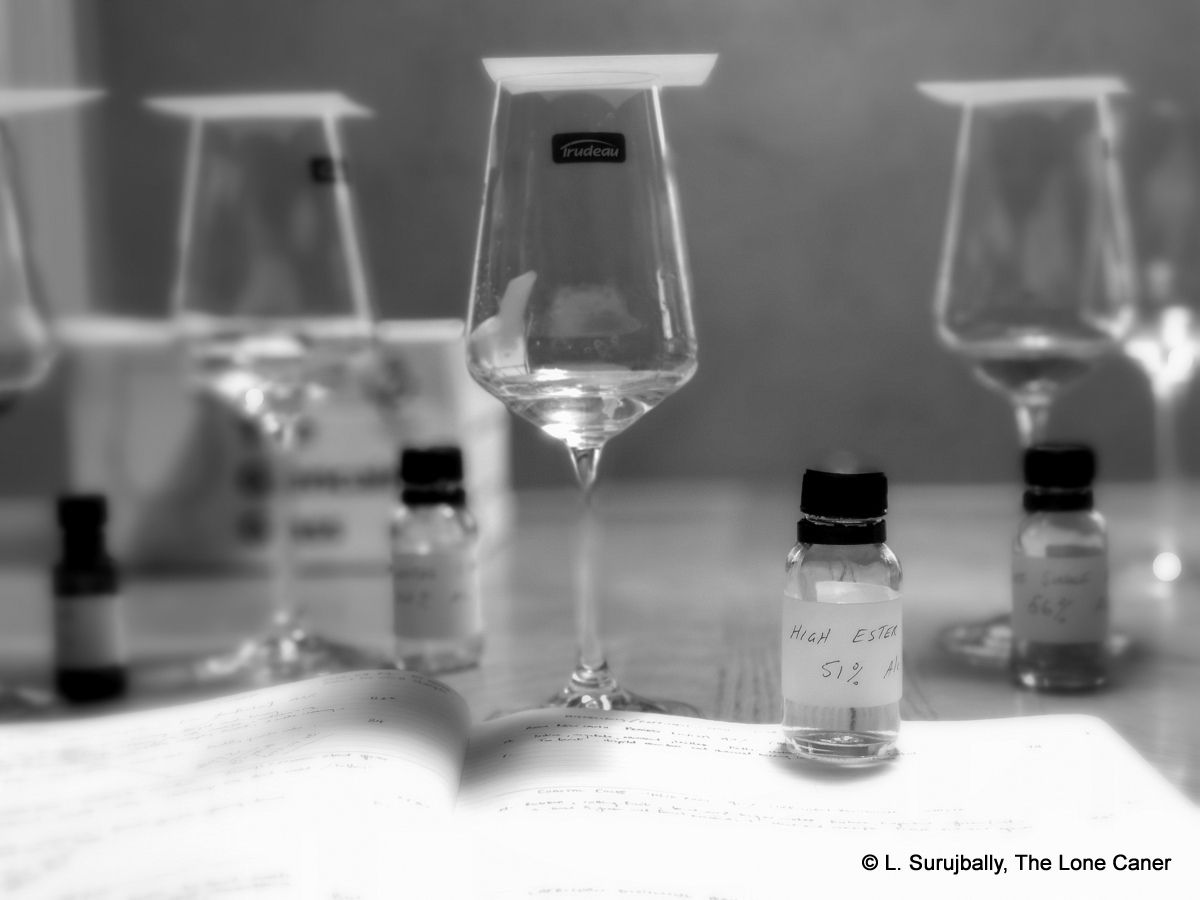
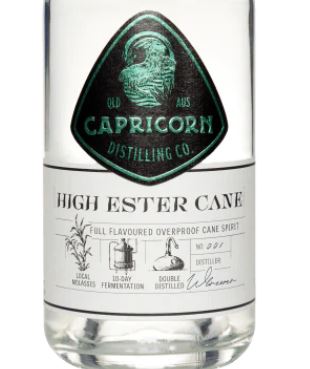
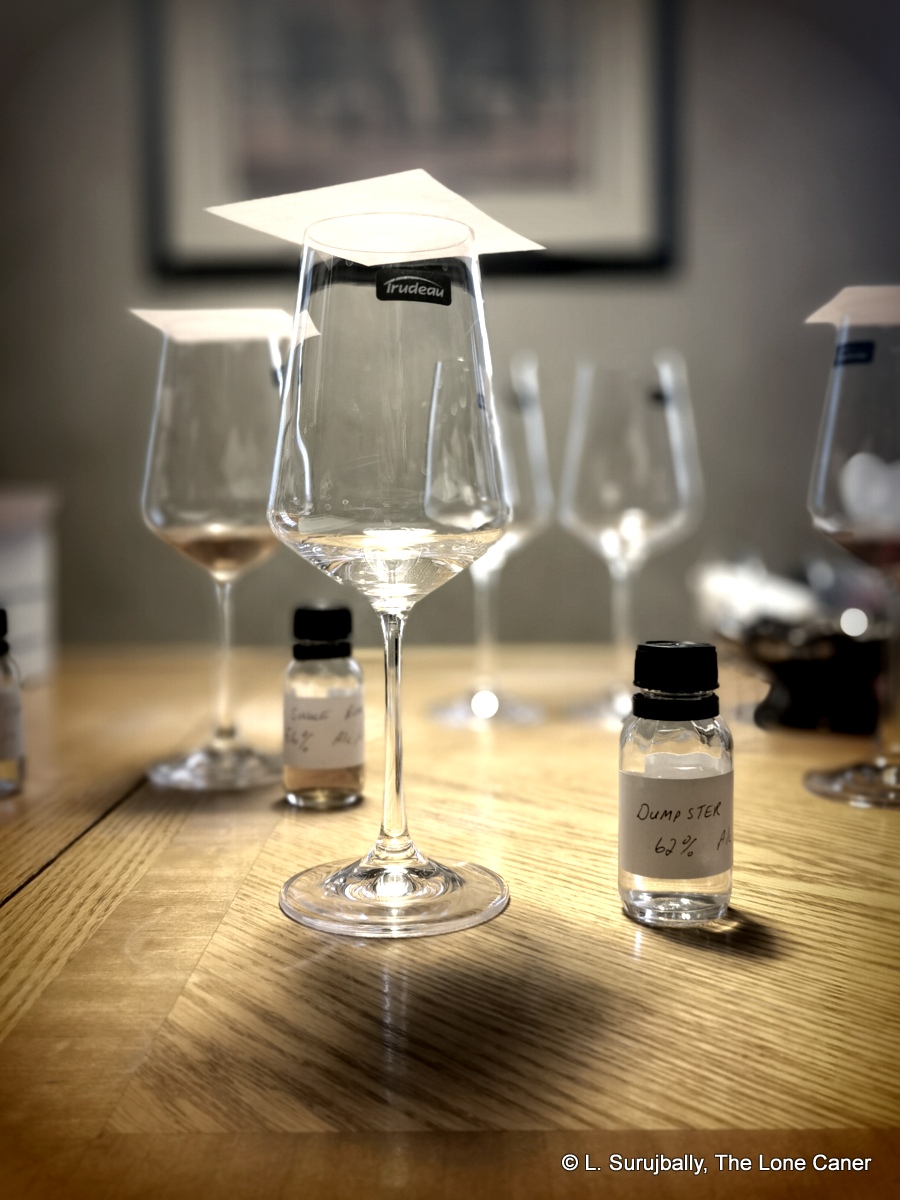
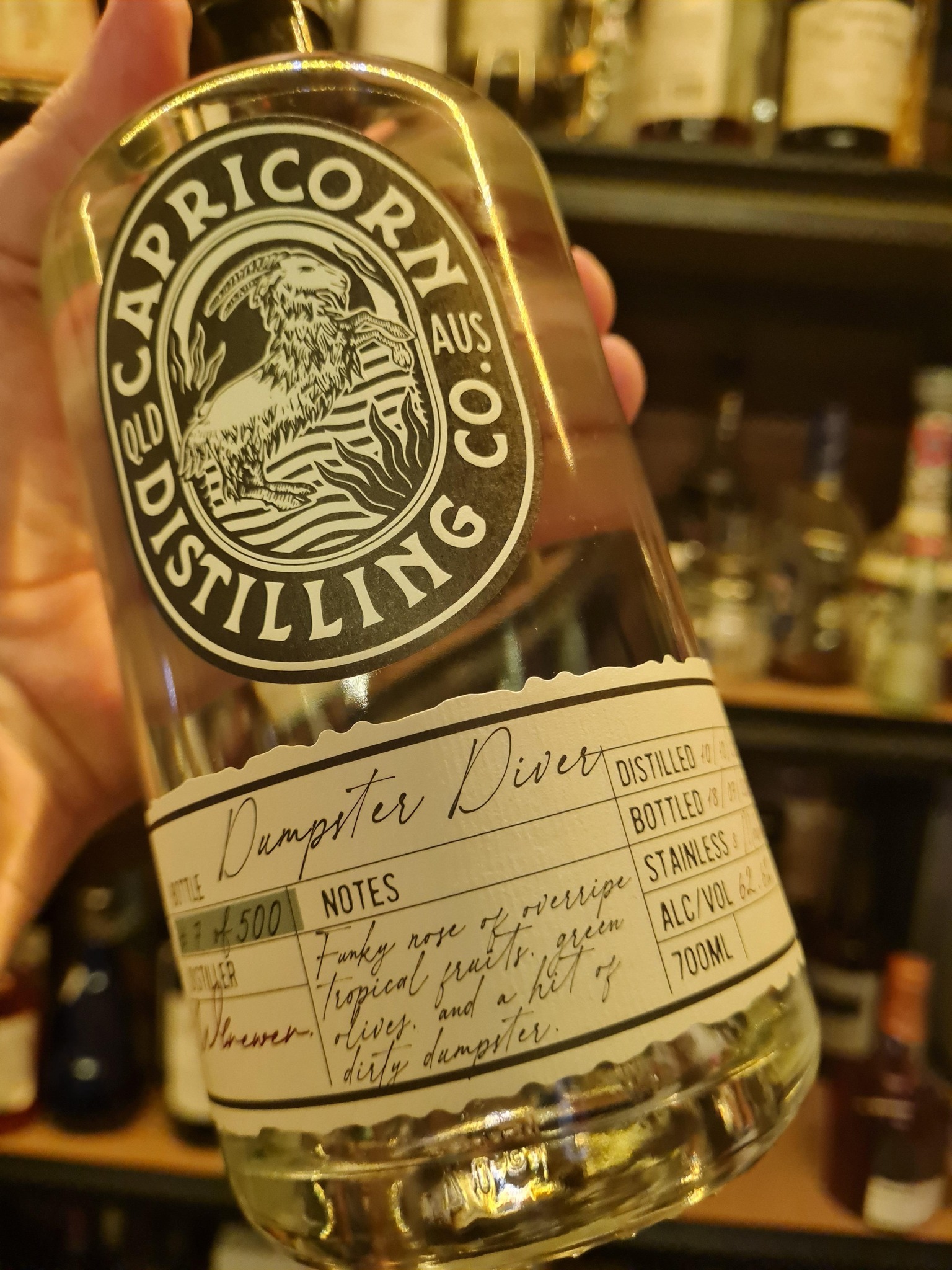

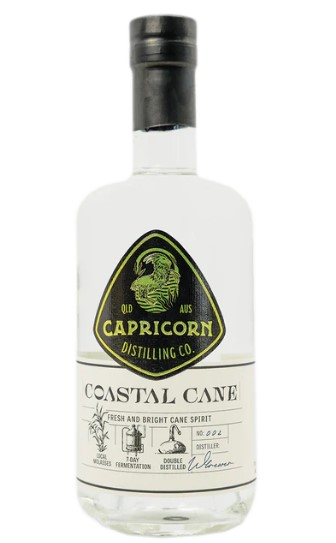
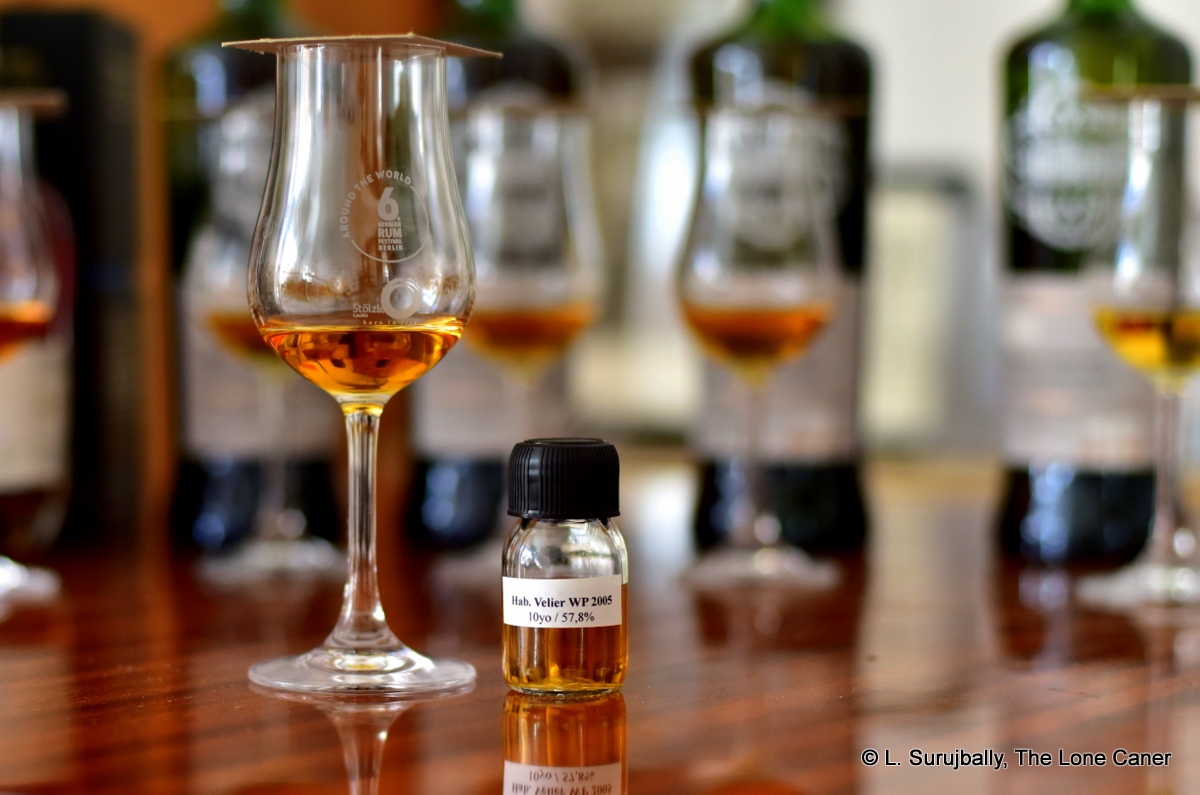
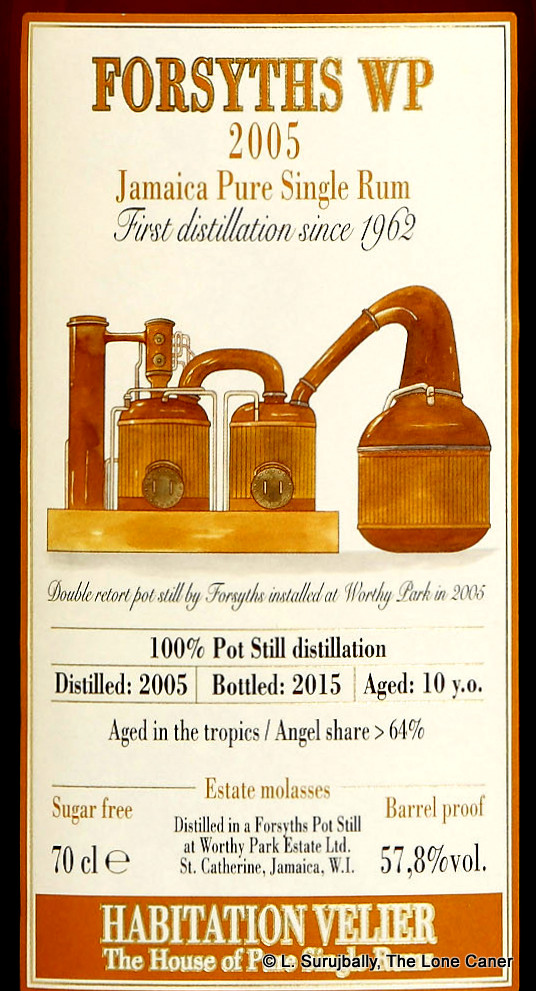
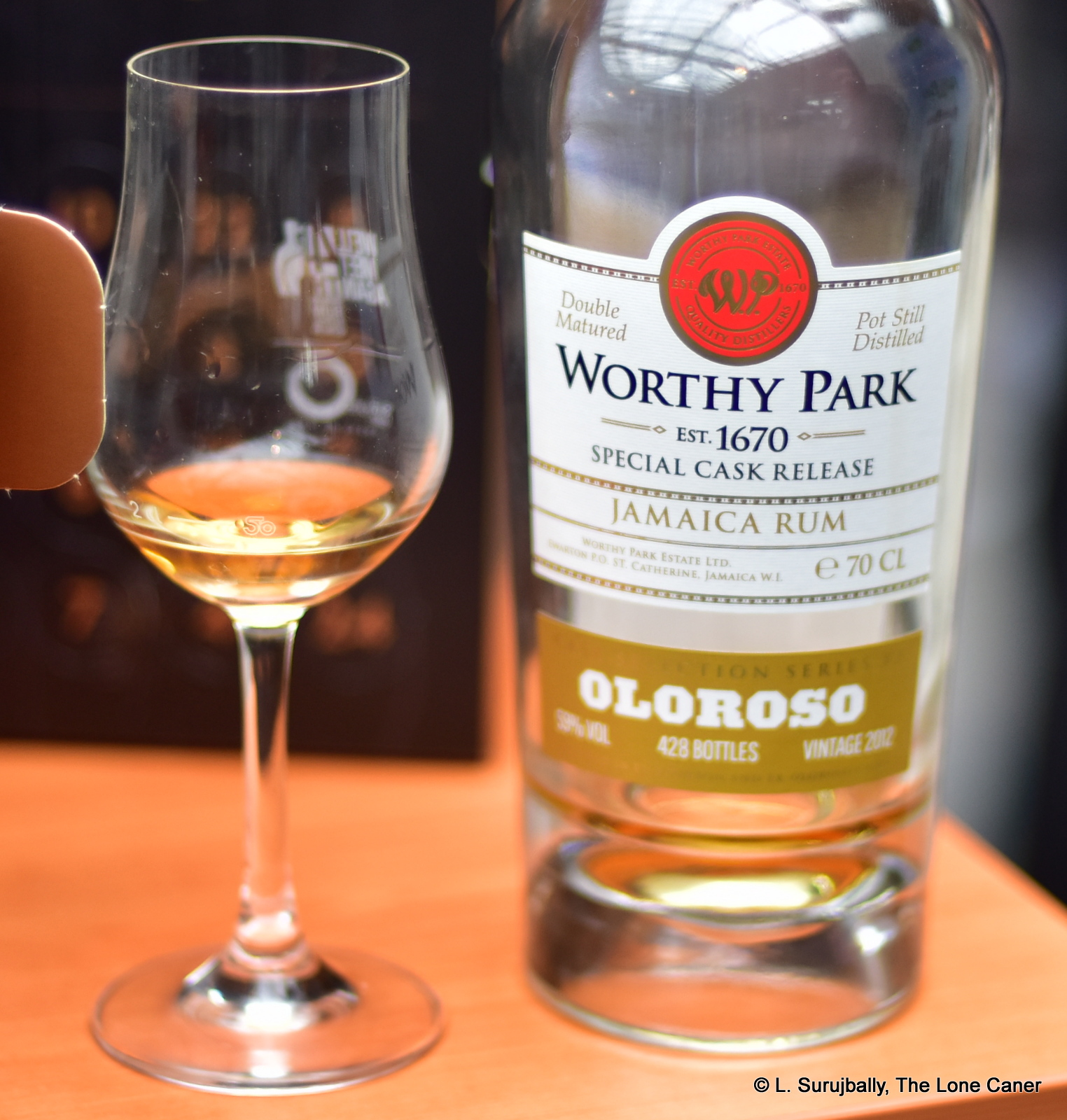
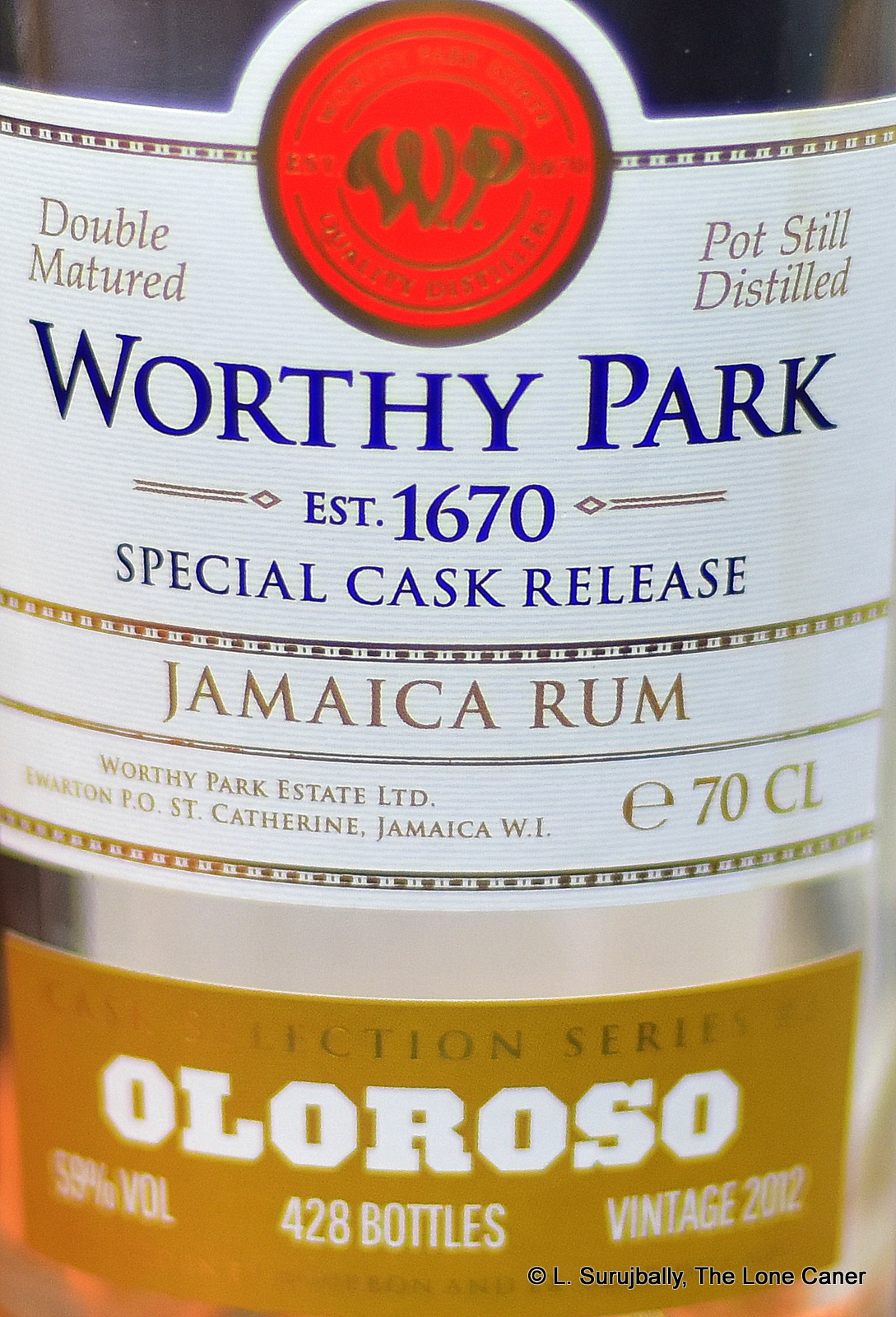
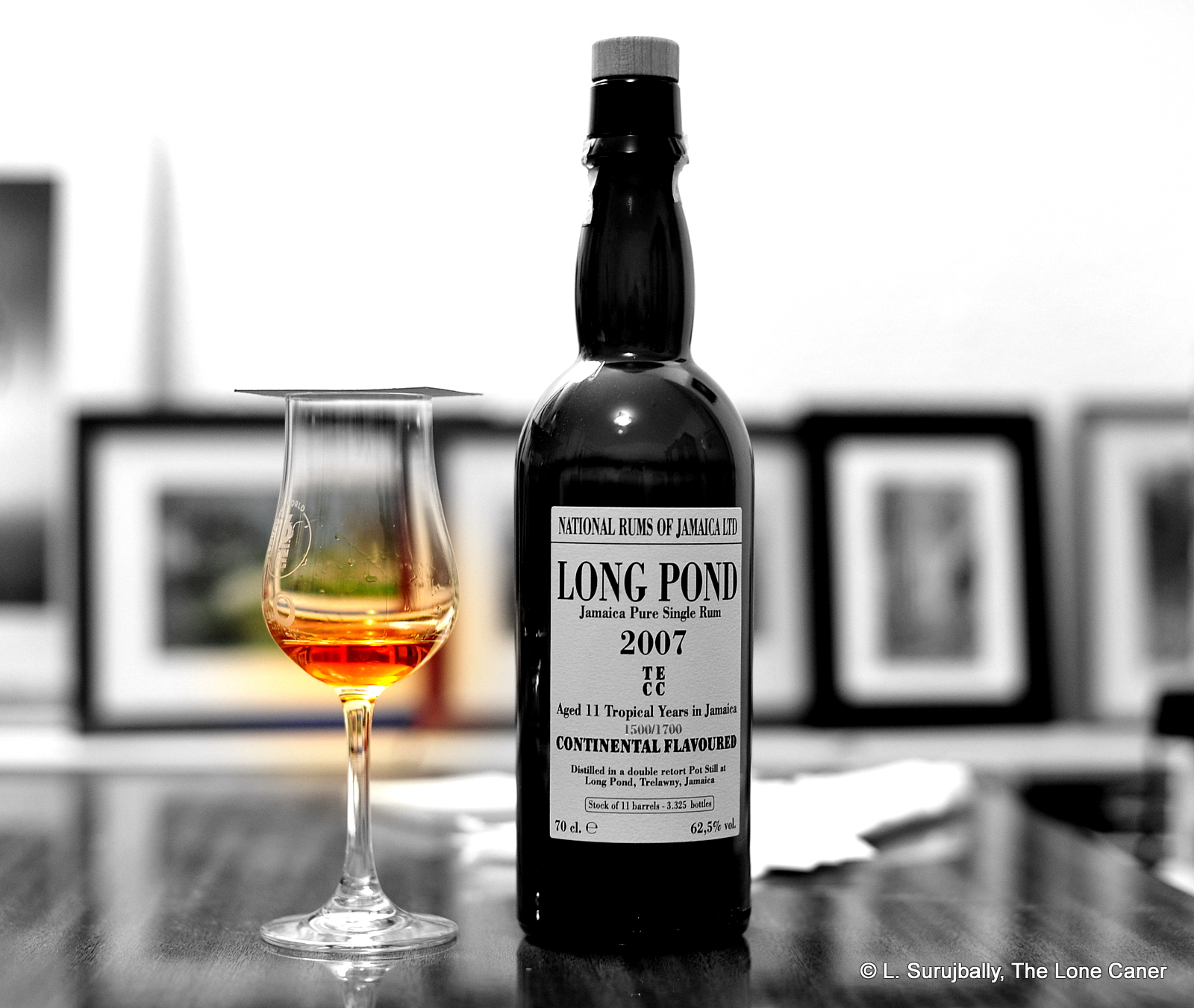
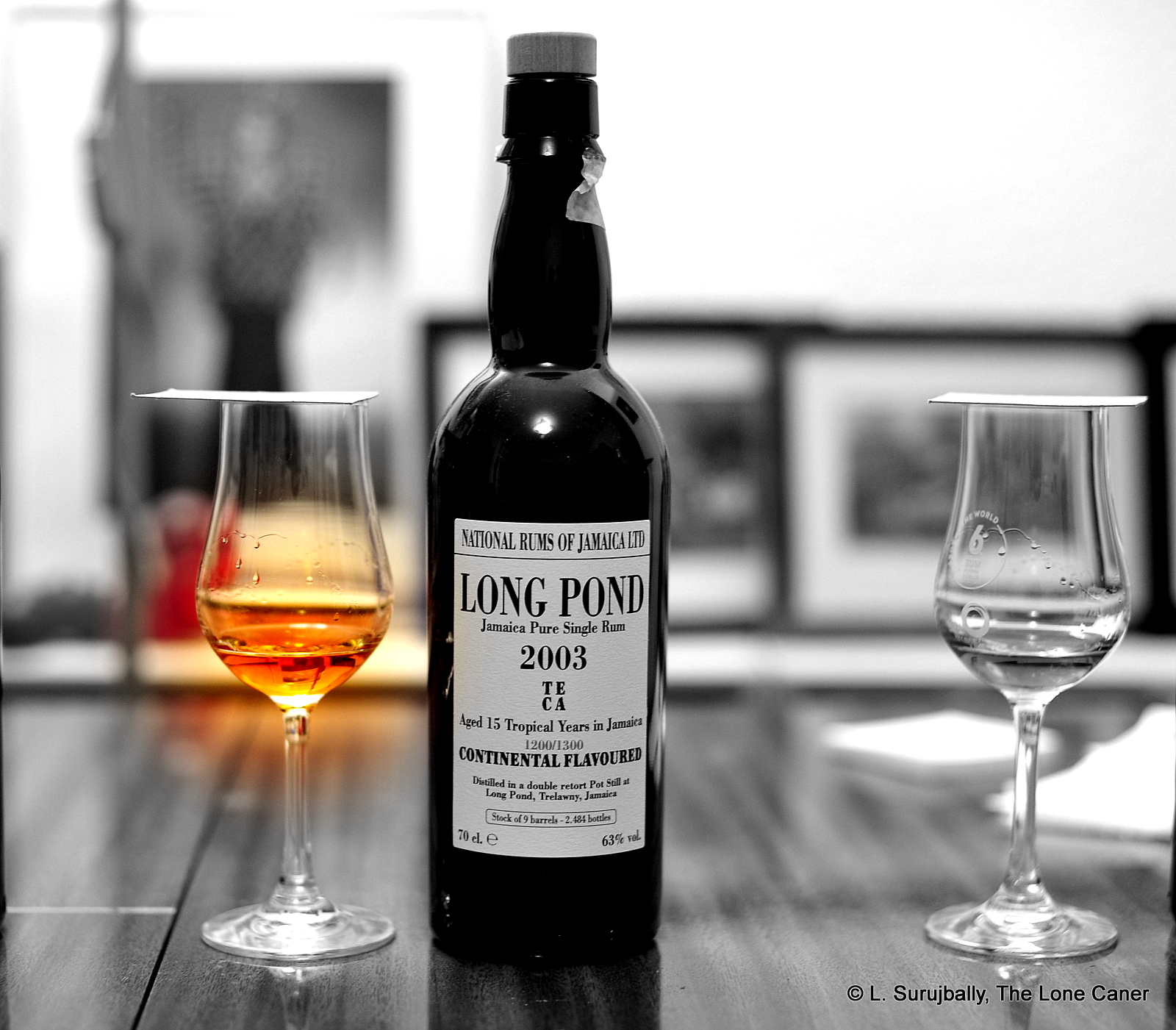
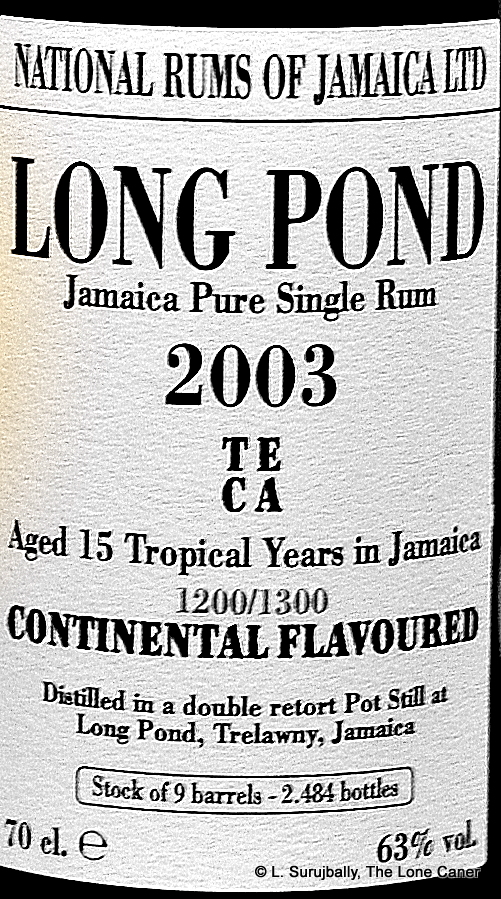 In sampling the initial nose of the third rum in the NRJ series, I am not kidding you when I say that I almost fell out of my chair in disbelief. The aroma was the single most rancid, hogo-laden ester bomb I’d ever experienced – I’ve tasted hundreds of rums in my time, but never anything remotely like this (except perhaps the
 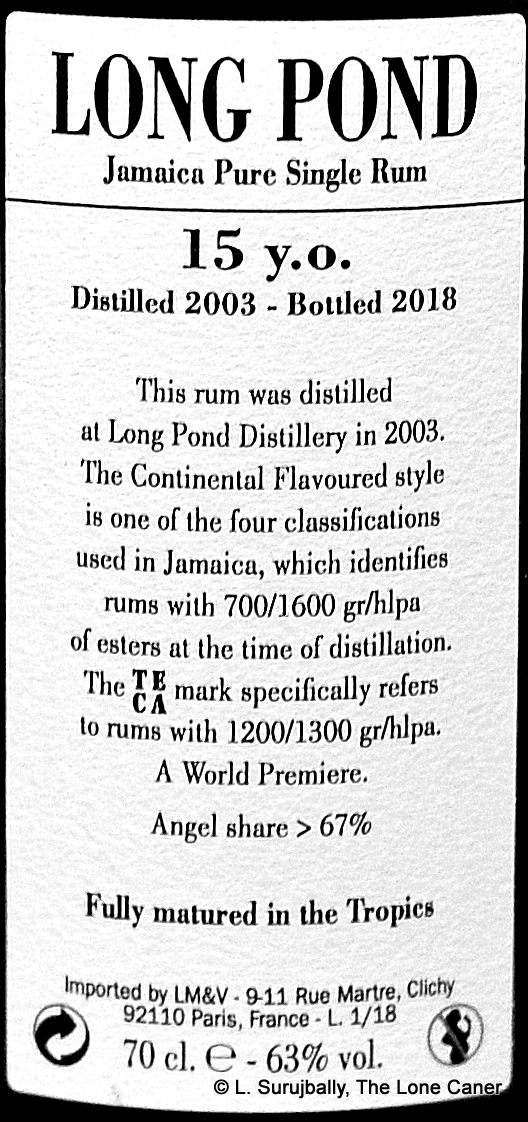 In brief, these are all rums from Long Pond distillery, and represent distillates with varying levels of esters (I have elected to go in the direction of lowest ester count → highest, in these reviews). Much of the background has been covered already by two people: the Cocktail Wonk himself with his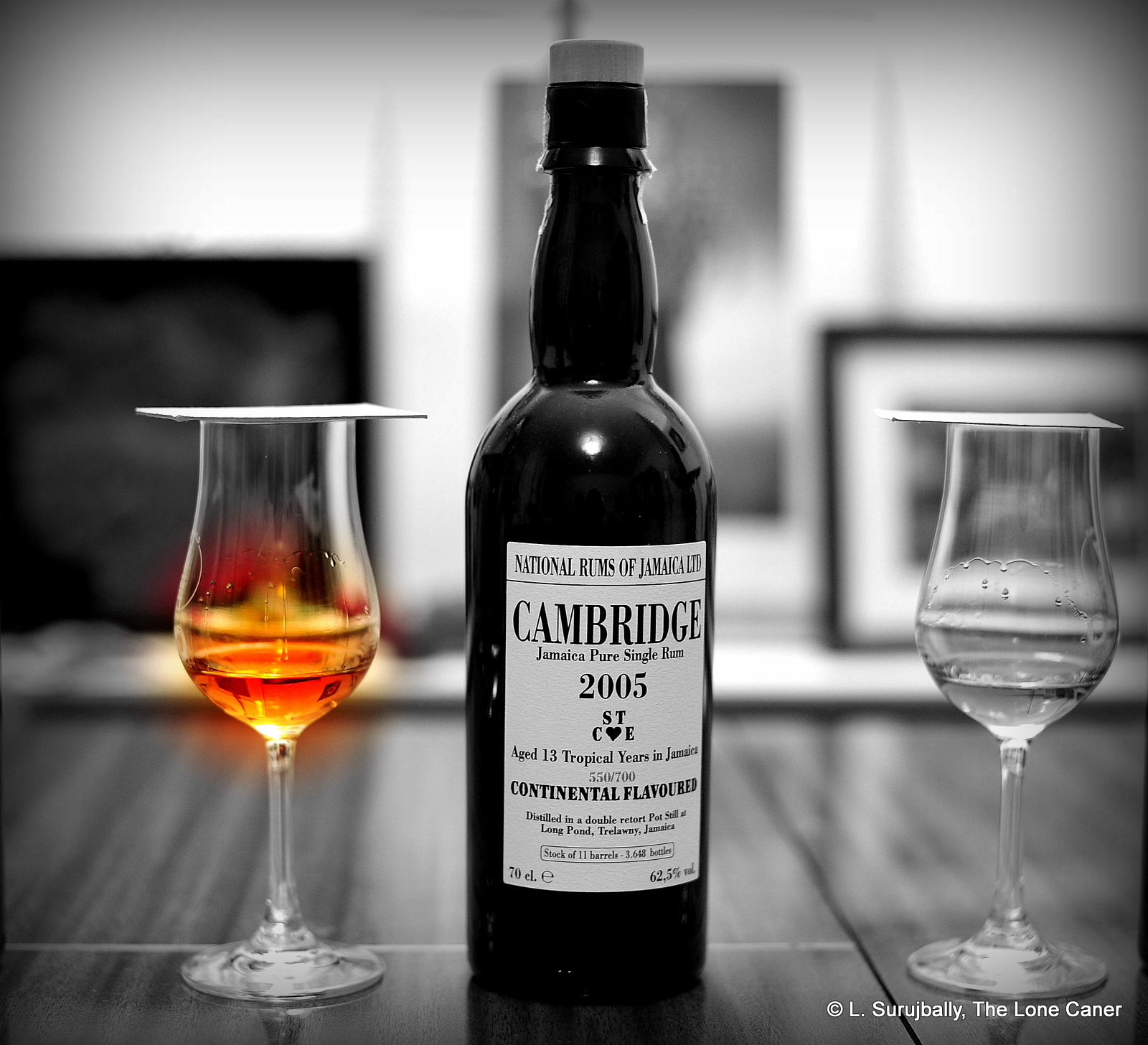
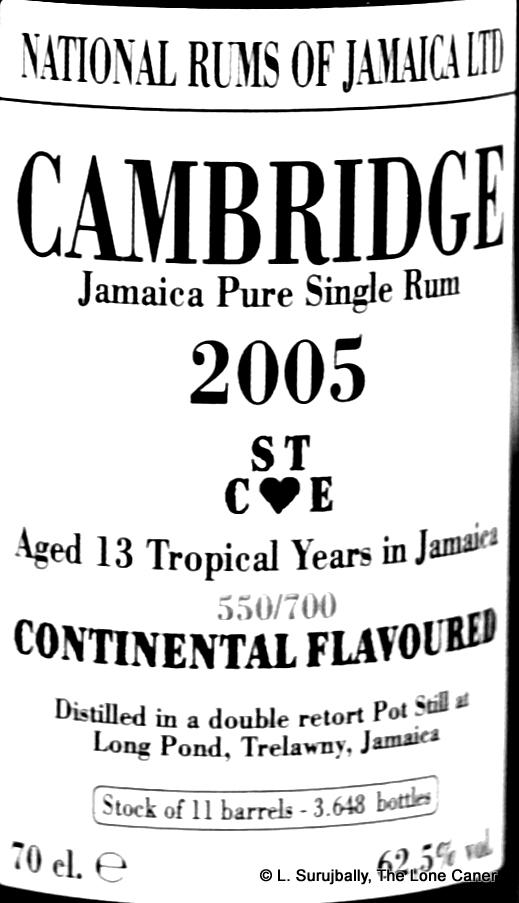 There’s a reason for that. What these esters do is provide a varied and intense and enormously boosted flavour profile, not all of which can be considered palatable at all times, though the fruitiness and light flowers are common to all of them and account for much of the popularity of such rums which masochistically reach for higher numbers, perhaps just to say “I got more than you, buddy”. Maybe, but some caution should be exercised too, because high levels of esters do not in and of themselves make for really good rums every single time. Still, with Luca having his nose in the series, one can’t help but hope for something amazingly new and perhaps even spectacular. I sure wanted that myself.
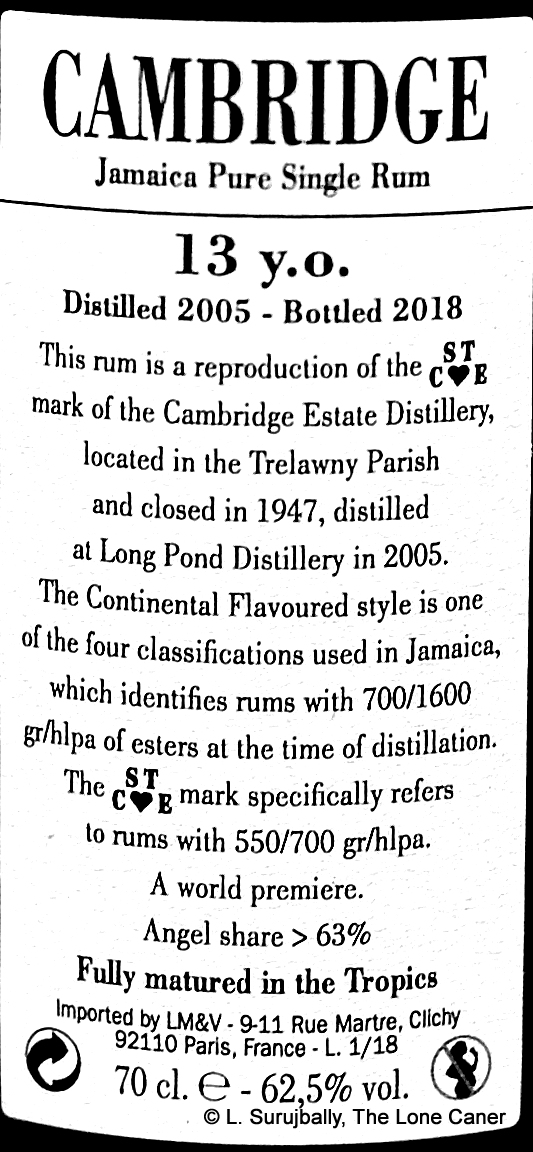 These are definitions of ester counts, and while most rums issued in the last ten years make no mention of such statistics, it seems to be a coming thing based on its increasing visibility in marketing and labelling: right now most of this comes from Jamaica, but Reunion’s Savanna also has started mentioning it in its Grand Arôme line of rums. For those who are coming into this subject cold, esters are the chemical compounds responsible for much of a given rum’s flowery and fruity flavours – they are measured in grams per hectoliter of pure alcohol, a hectoliter being 100 liters; a light Cuban style rum can have as little as 20 g/hlpa while an ester gorilla like the DOK can go right up to the legal max of 1600 at which point it’s no longer much of a drinker’s rum, but a flavouring agent for lesser rums. (For good background reading, check out the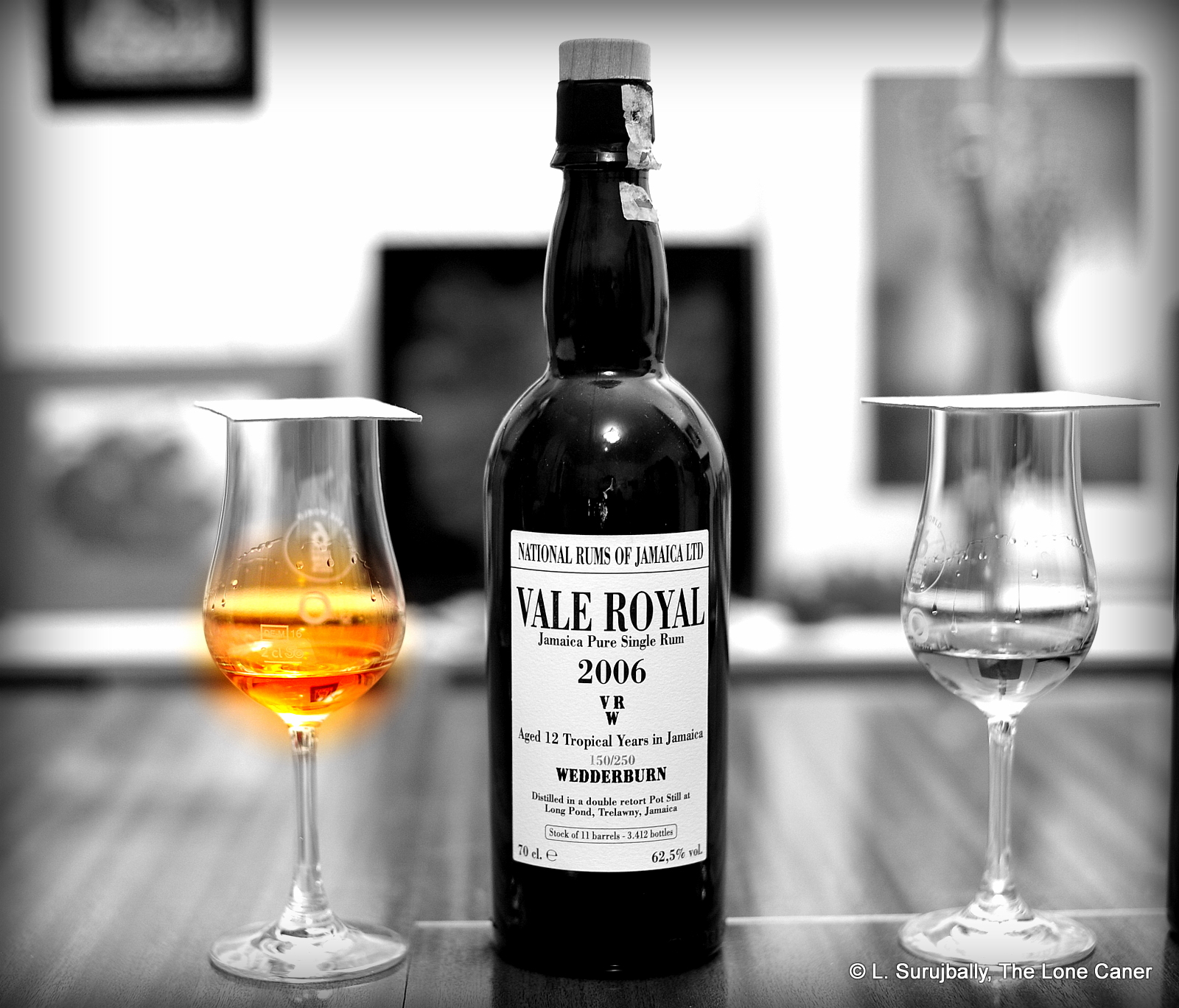
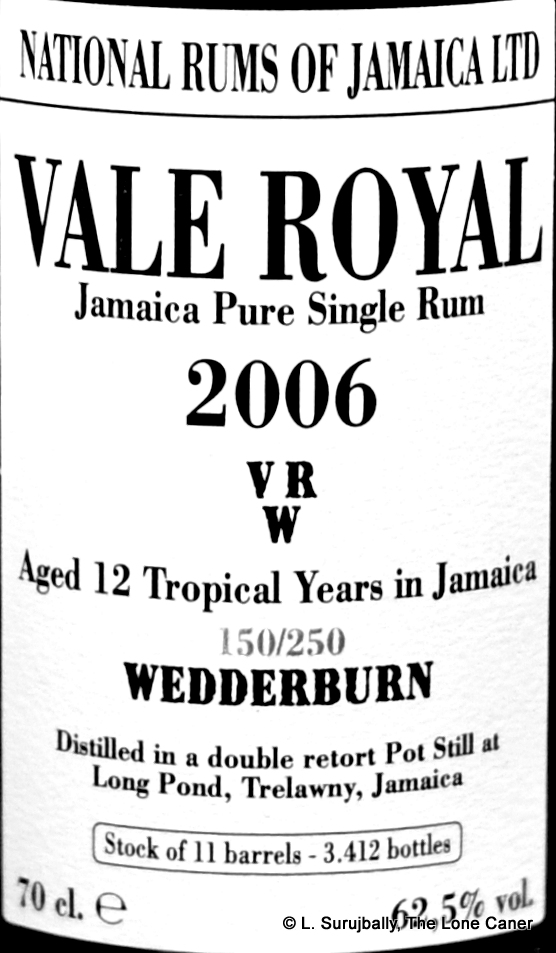 Consider first the nose. Frankly, I thought it was lovely – not just because it was different (it certainly was), but because it combined the familiar and the strange in intriguing new ways. It started off dusty, musky, loamy, earthy…the sort of damp potting soil in which my wife exercises her green thumb. There was also a bit of vaguely herbal funk going on in the background, dry, like a hemp rope, or an old jute sack that once held rice paddy. But all this was background because on top of all that was the fruitiness, the flowery notes which gave the rum its character – cherries, peaches, pineapples, mixed with salt caramel, vanilla, almonds, hazelnuts and flambeed bananas. I mean, that was a really nice series of aromas.
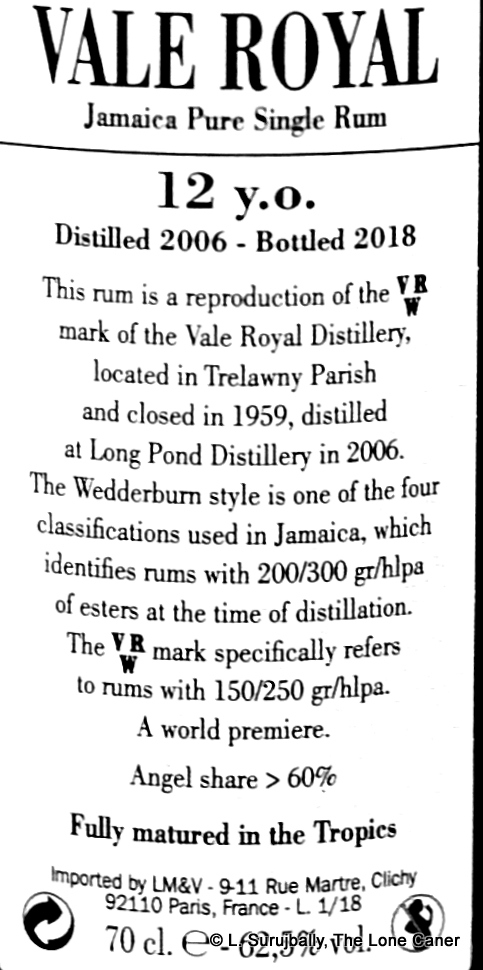 The various Jamaican ester marks