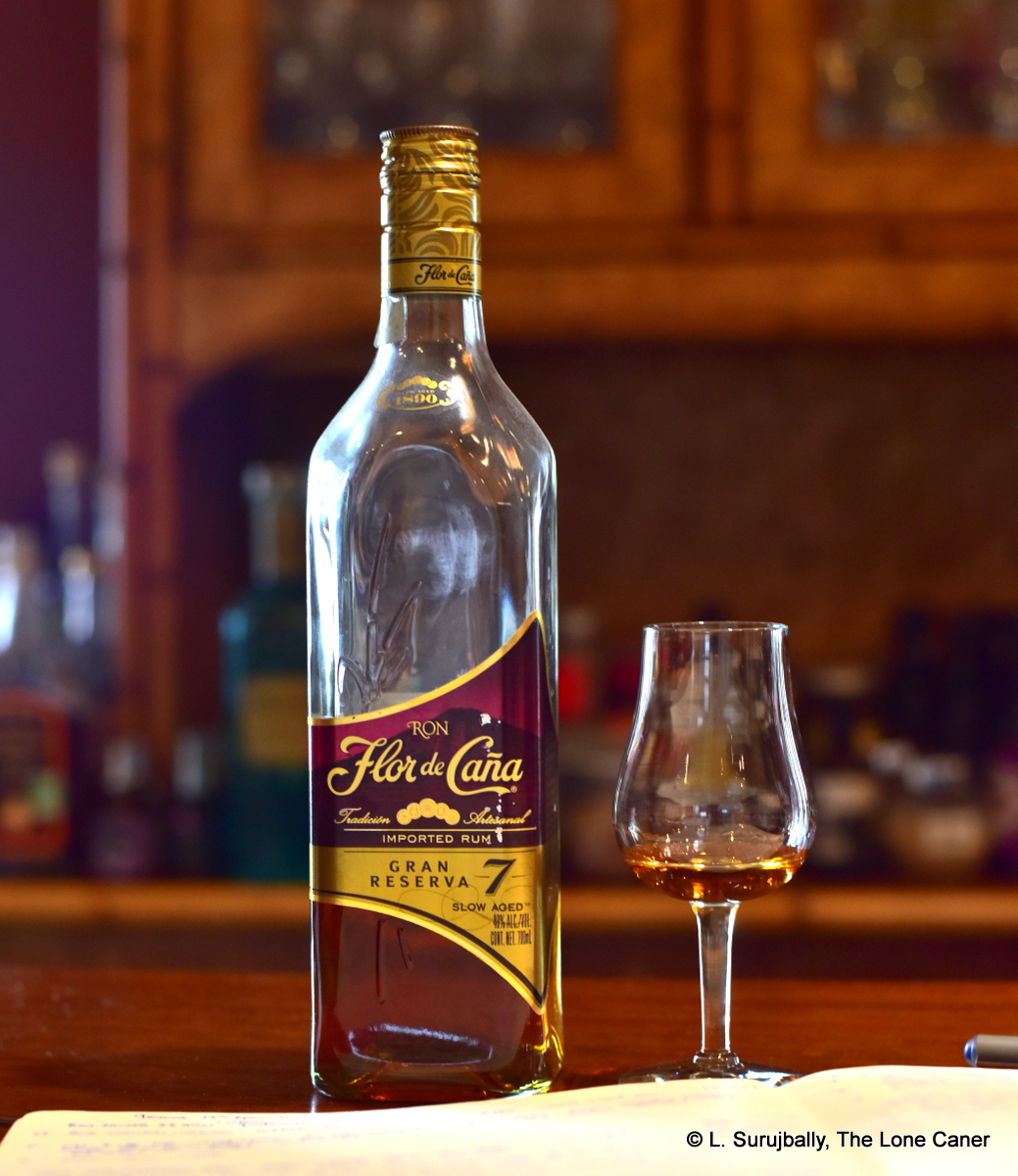
There was a very good reason why I took this bottle off a shelf and tried it, even when surrounded by many other rums from equally proud old houses, better made, stronger, of greater quality, produced to more exacting standards, with less kerfuffling oin the label. And that was because I was evaluating Flor de Caña’s entry-to-mid-level rum to see whether it could or should be named to the Key Rums series. The price was attractive, and I retained good memories of an epic bender with my Newfie squaddie Keenan, where we polished off a bottle in labba time on his deck while discoursing on method, critiquing pure reason and waxing poetical on ethical conundrums.
At the time, I had long been a fan of the Flor rums, and they were among my favourite of the first 100 reviews written here, including the original 7 year old I had cut my baby rum teeth on. But back in 2010, they were not the same rums I was drinking now, nor was the same person doing the drinking. Ten years ago, for example, they really did say “7 años” on the label, and not just the deceptive looking numeral 7 without any elaboration at all. The completely meaningless, clueless, pointless and useless — but evocative — “slow aged” and “handcrafted” monikers was on both bottles, but now they had gone a step further and trademarked the former, just to make sure, I guess, that somebody else didn’t come up with the time dilation effects of being around a glass of the stuff. These days, I just pass that kind of stuff with some impatience and get right into the glass.
The nose started decently enough – warm, fruity, welcoming. It was a bit too sharp for easy sniffing, and the burn of cheap acetone and furniture polish denigrated the experience some. Still, what came after was pleasant – blancmange, bananas, cigar smoke, raisins and some molasses, a bit of tinned peaches, nothing too out of left field, or too aggressive. For a column still product pushed out at 40% ABV, it was all right, and didn’t blow the roof off, or fade into tasteless bland listlessness that sometimes characterizes such bottom shelf products.
The palate really needed work. There was quite a bit more than the nose, mind — bitter chocolate, almonds, orange peel, stale cigar smoke (in an unventilated bar the day after a late close – ever been in one of those?), black tea, some brown sugar and brine, sweet soya, molasses, and the further bitterness of wet charcoal and ashes. The problem was, the whole palate was unbalanced and weak. I don’t say that entirely because of the strength, though that didn’t help, but because there everything was so dialled down and faint that it took me the best part of an hour to dissect it…and worse, the discordant pieces clashed and banged against each other without harmony, and instead of leading to the quiet glide of a smooth finish, it shoved brine and caramel and vanilla roughly down the gullet and pronounced itself satisfied it had given what had been paid for.
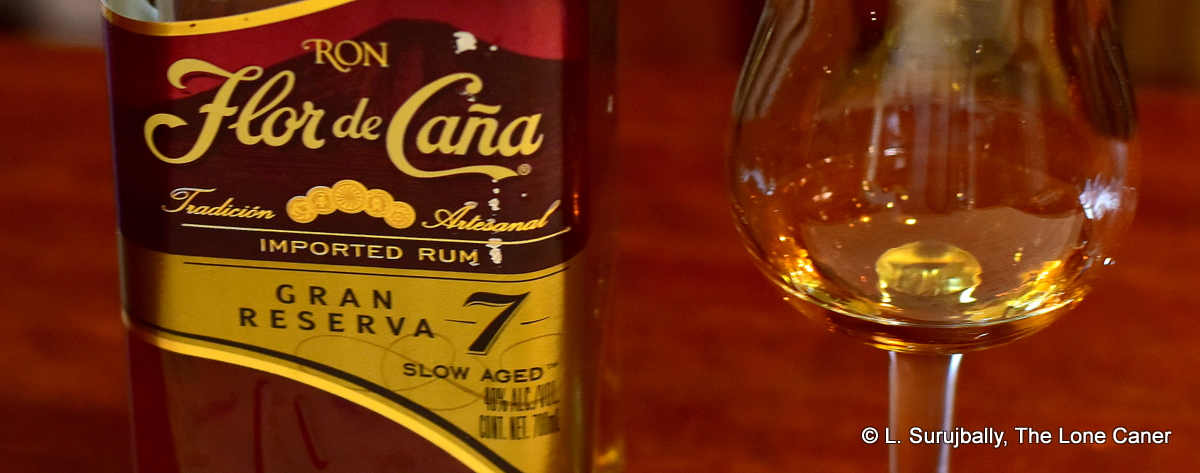
So, after trying it and feeling a distinct sense of being let down, I had to concede that the passage of ten years had changed me and my profile preferences, as well as, probably, the company.
It’s possible that the now-famous 2015 Vice magazine hit piece (about Flor’s purported responsibility for Chronic Kidney Disease which was killing workers at an alarming rate, which was long on inconvenient truths and short on contradictory evidence or Big Picture, but that nevertheless caused a partial bartender’s boycott of their rums in North America) took Flor by surprise. And in their scrambling to retain market share and recover from the mountain of bad press, they started to cut corners to save money. Or maybe they just misread the tea leaves, completely ignored the head of steam that pure single rums were just starting to make and went cheap and mass market and standard strength, instead of to the niche top end where real profits lie.
Whatever the case for the devolution of the rum from its progenitor, it cannot be considered as being an undiscovered steal. It’s not the same rum I had back then. Is it younger? No way to tell — it’s a blend now, and some of the trust the company had once possessed has now evaporated, so who’s to tell? The important take-away is that drinking it didn’t make the hours fly faster, just slower, enough to get the tasting over and done with, and with less enjoyment. A decent rum this was. A good mixing agent, yes, surely. A key rum, though? Not really – it is, in point of fact, quite a bit less.
(#723)(76/100)
Other notes
My low-to-middling opinion here is something of a minority. Several others quite liked it, so if you want some balance to my snark, check these guys out:
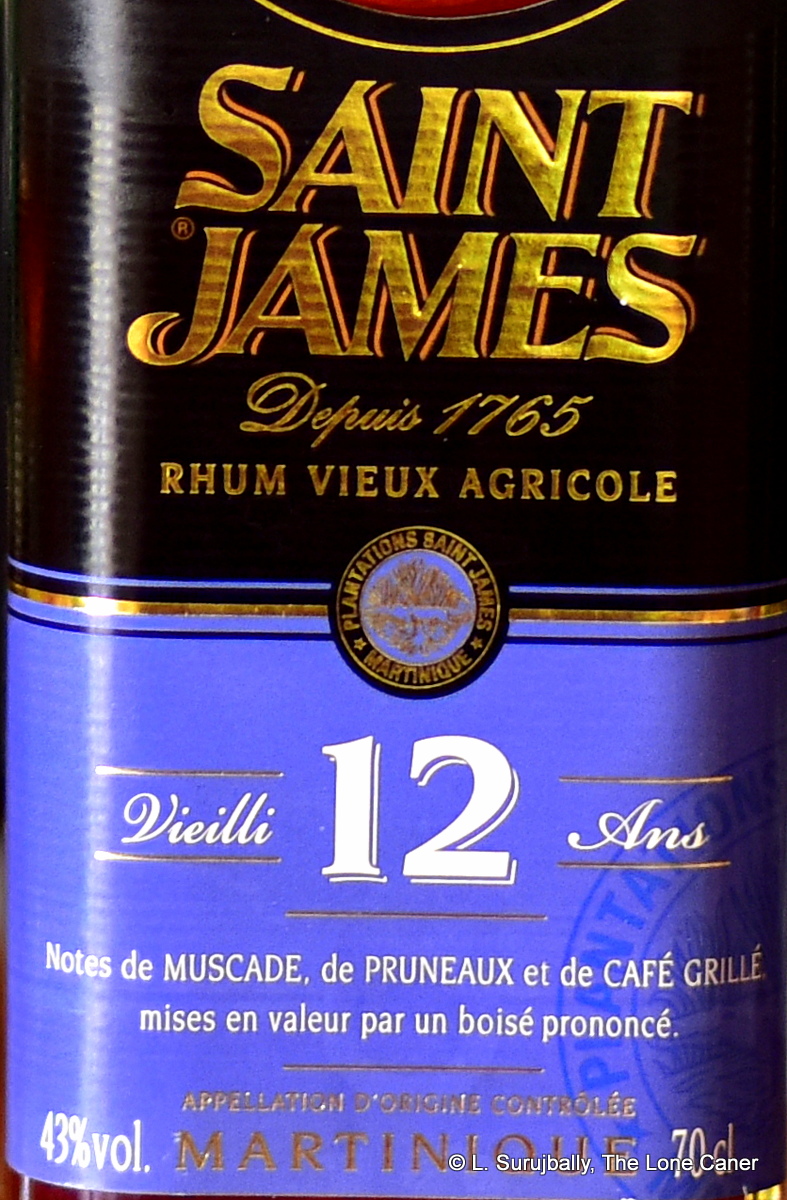 To some extent, it has a lighter nose than the luscious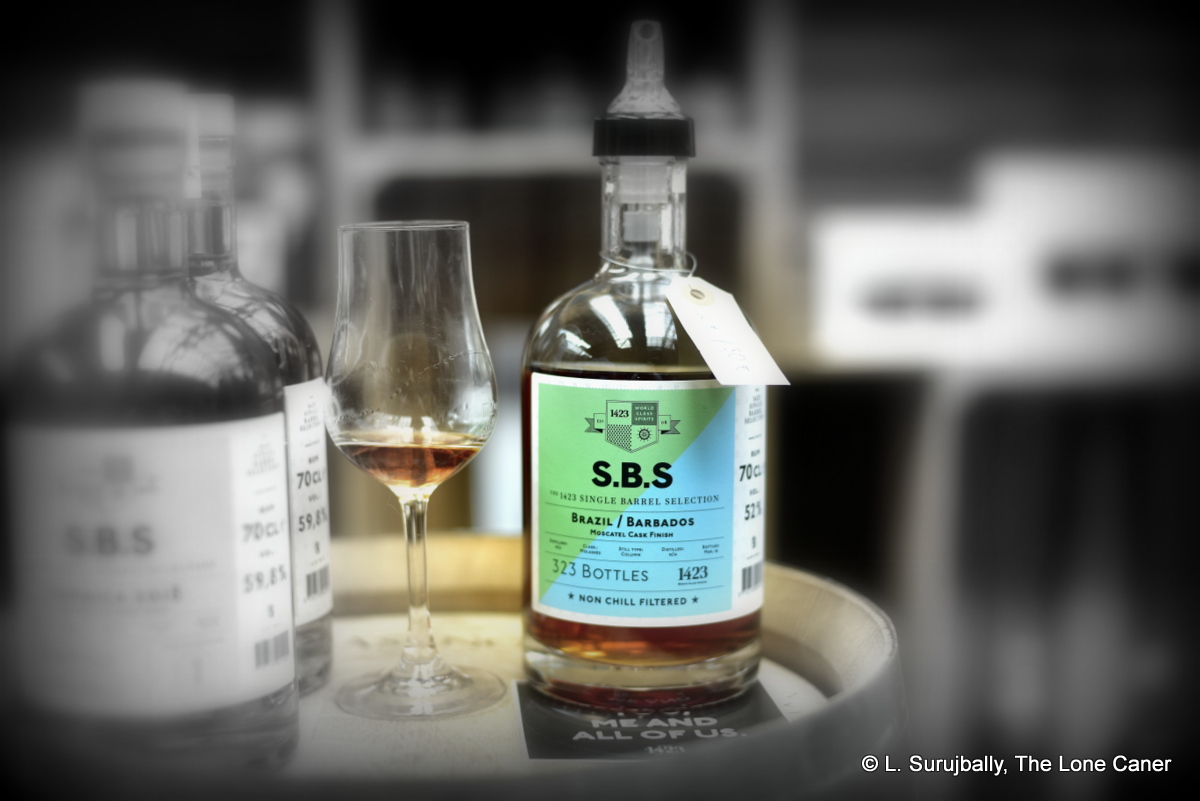
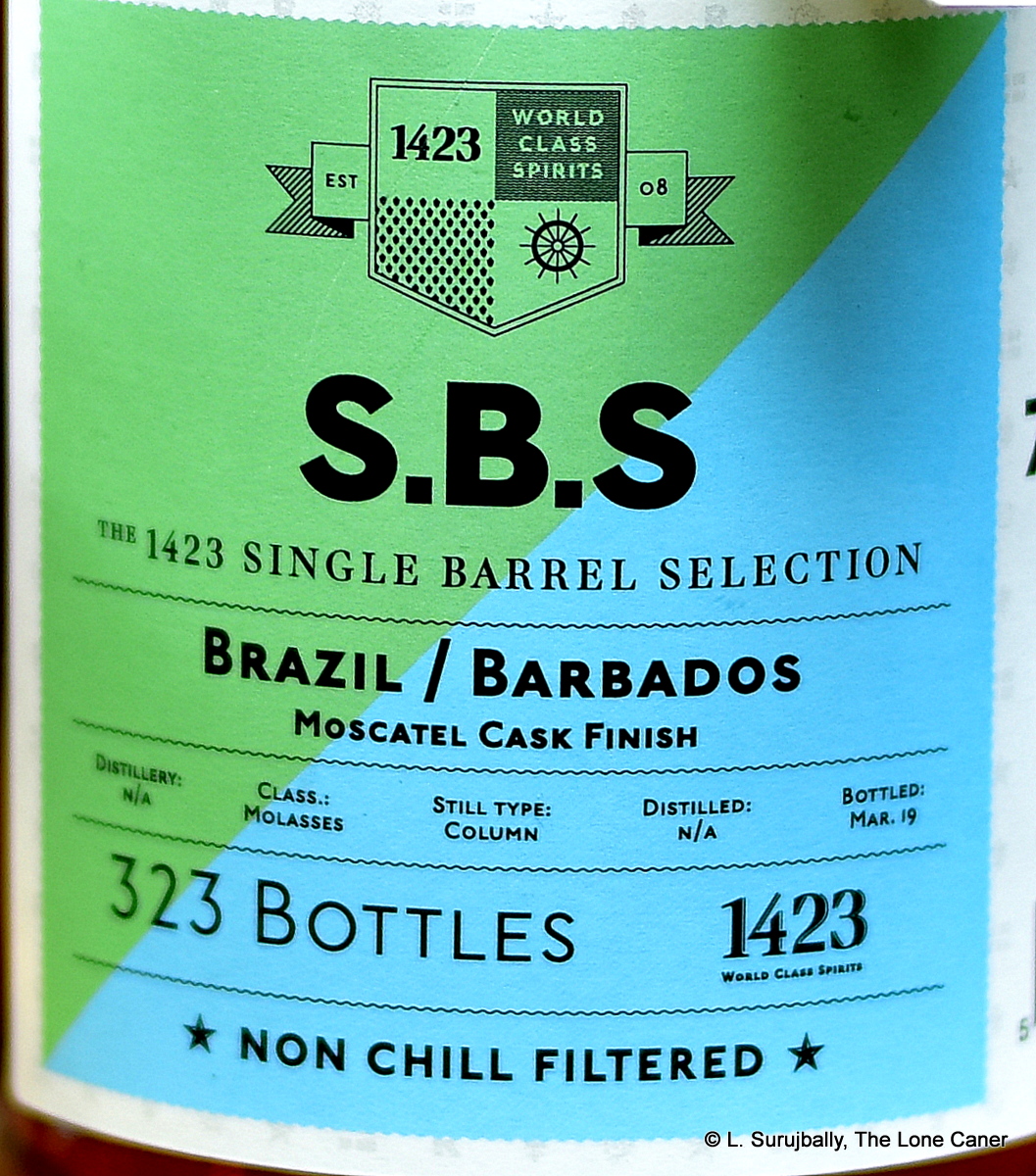 1423, the Danish indie, has taken this concept a step further with their 2019 release of a Brazil / Barbados carnival — it comprised of 8- and 3-year old Foursquare rums (exact proportions unknown, both column still) to which was added an unaged cachaca from Pirassununga (they make the very popular “51” just outside Sao Paolo), and the whole thing left to age for two years in Moscatel wine casks for two years, before being squeezed out into 323 bottles at 52% ABV.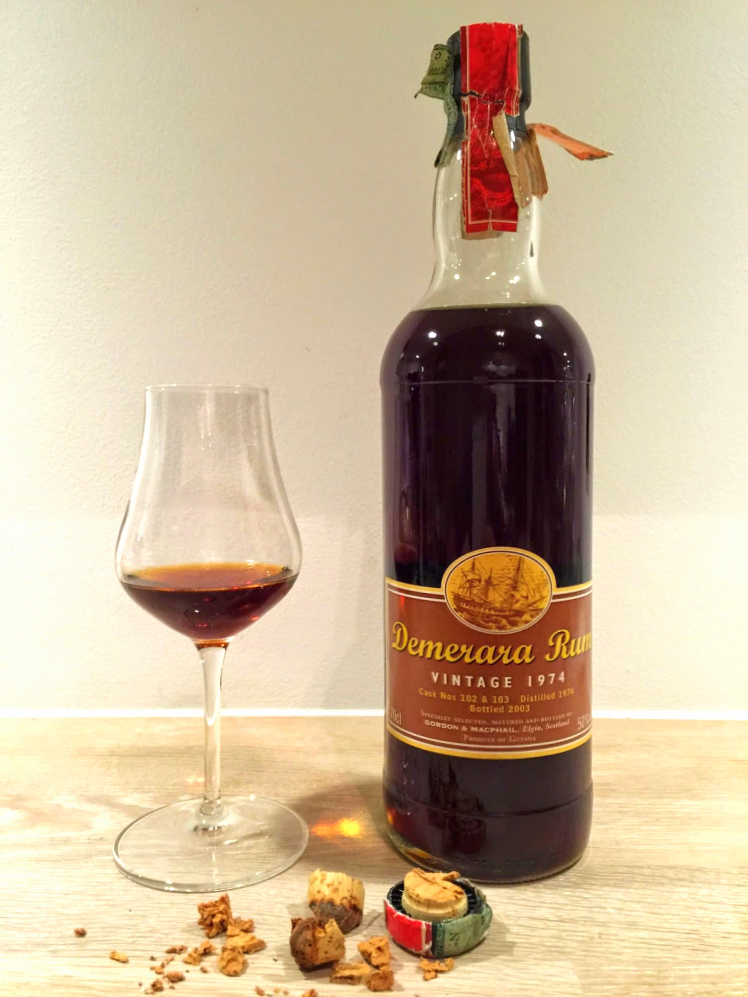
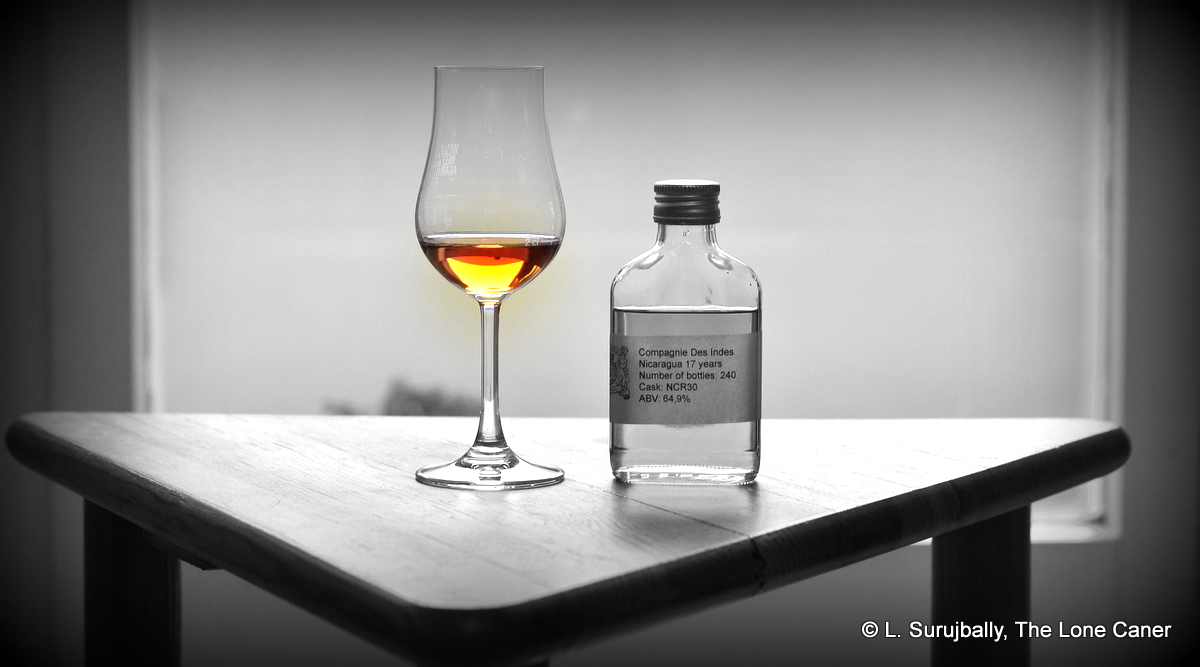
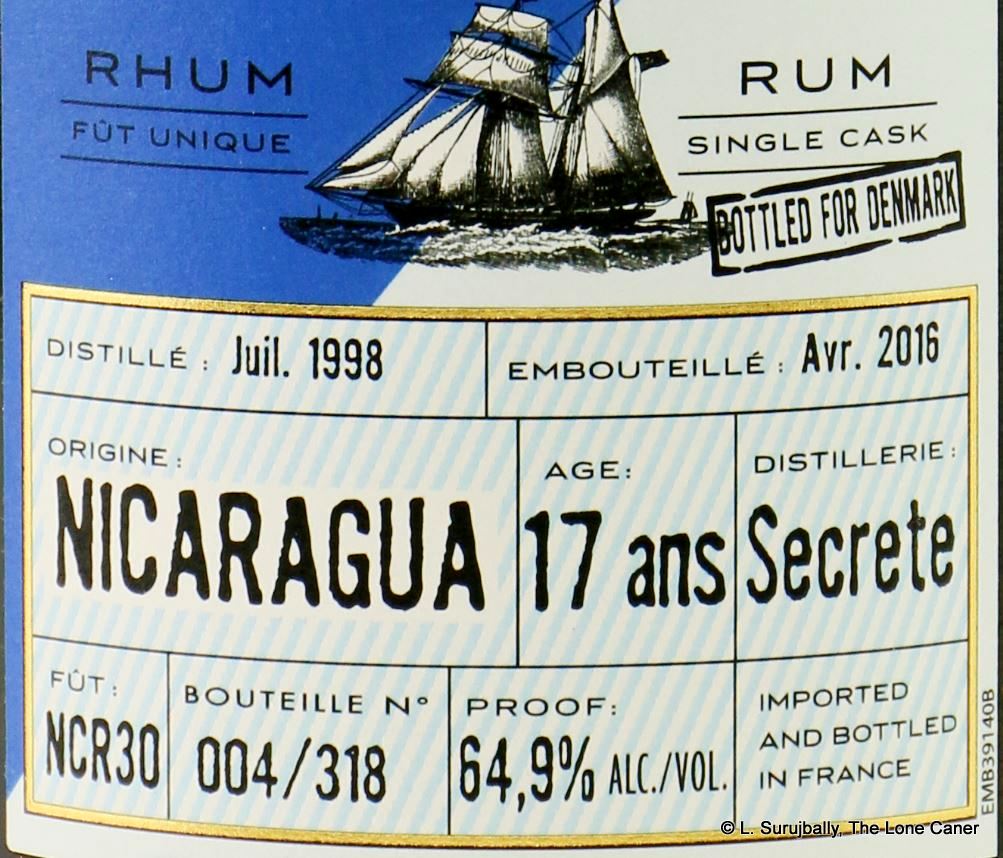
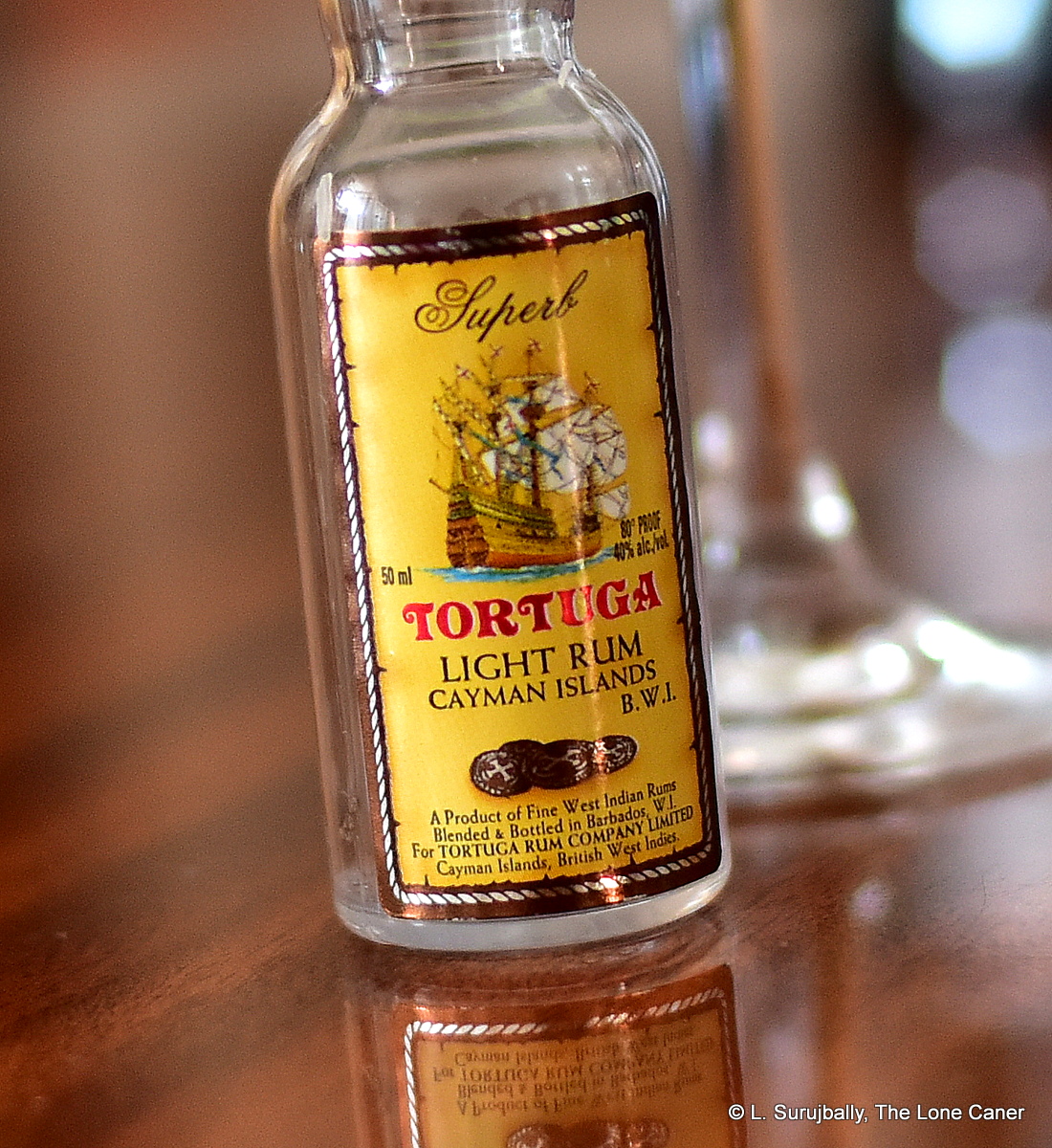
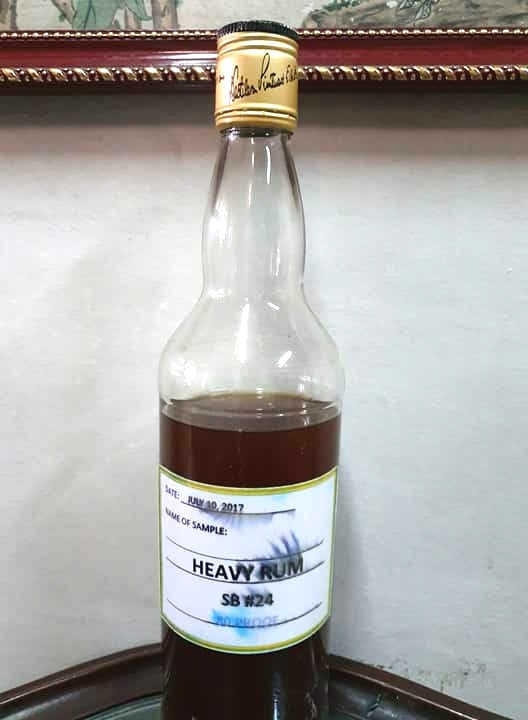 I should begin by warning you that this rum is sold on a very limited basis, pretty much always to favoured bars in the Philippines, and then not even by the barrel, but by the bottle from that barrel – sort of a way to say “Hey look, we can make some cool sh*t too! Wanna buy some of the other stuff we make?”. Export is clearly not on the cards…at least, not yet.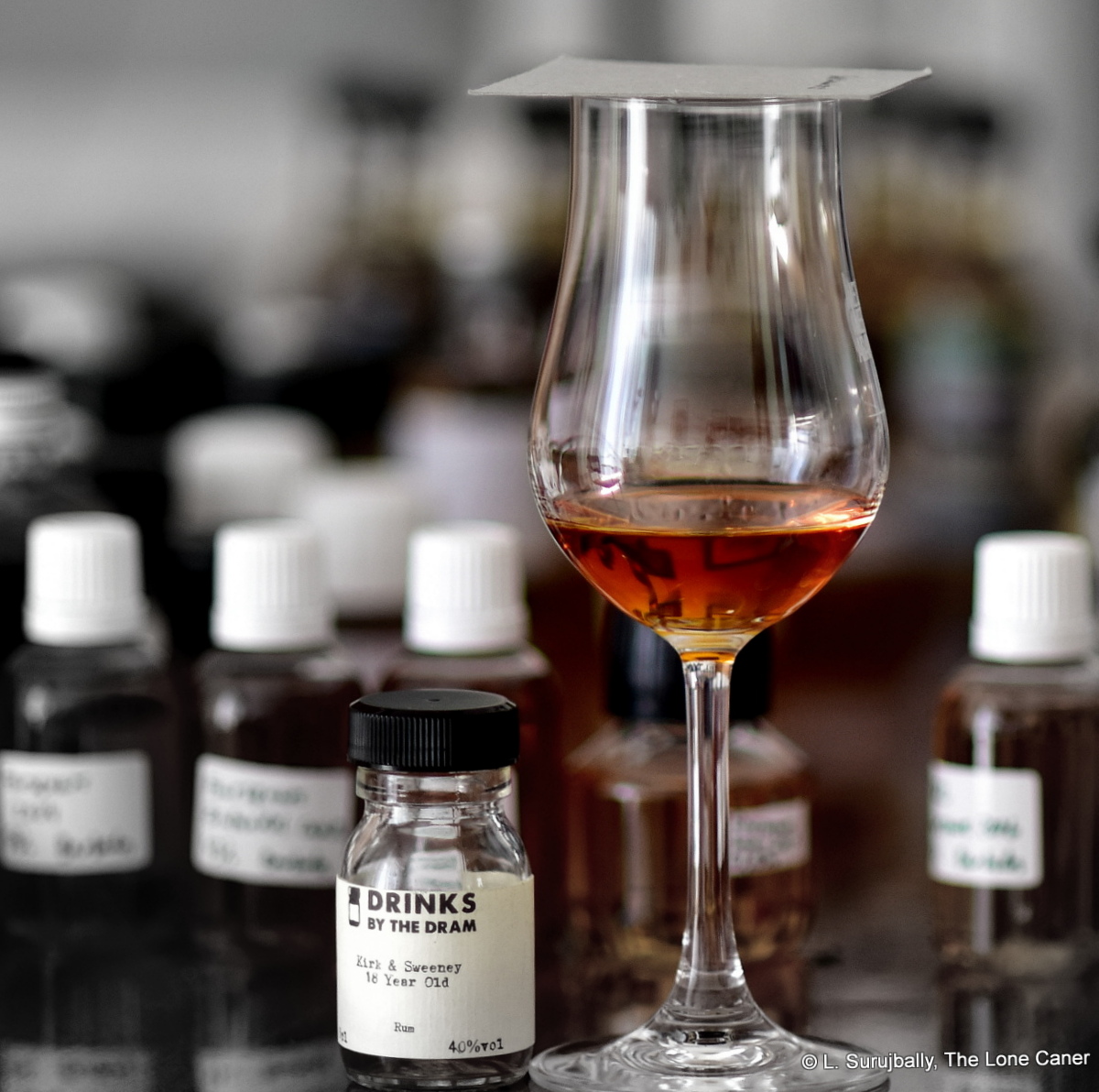
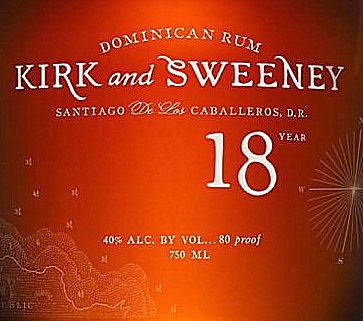 This is not to say that there isn’t some interesting stuff to be found. Take the nose, for example. It smells of salted caramel, vanilla ice cream, brown sugar, a bit of molasses, and is warm, quite light, with maybe a dash of mint and basil thrown in. But taken together, what it has is the smell of a milk shake, and there doesn’t seem to be much in the way of startling originality – not exactly what 18 years of ageing would give you, pleasant as it is. It’s soft and easy, that’s all. No thinking required.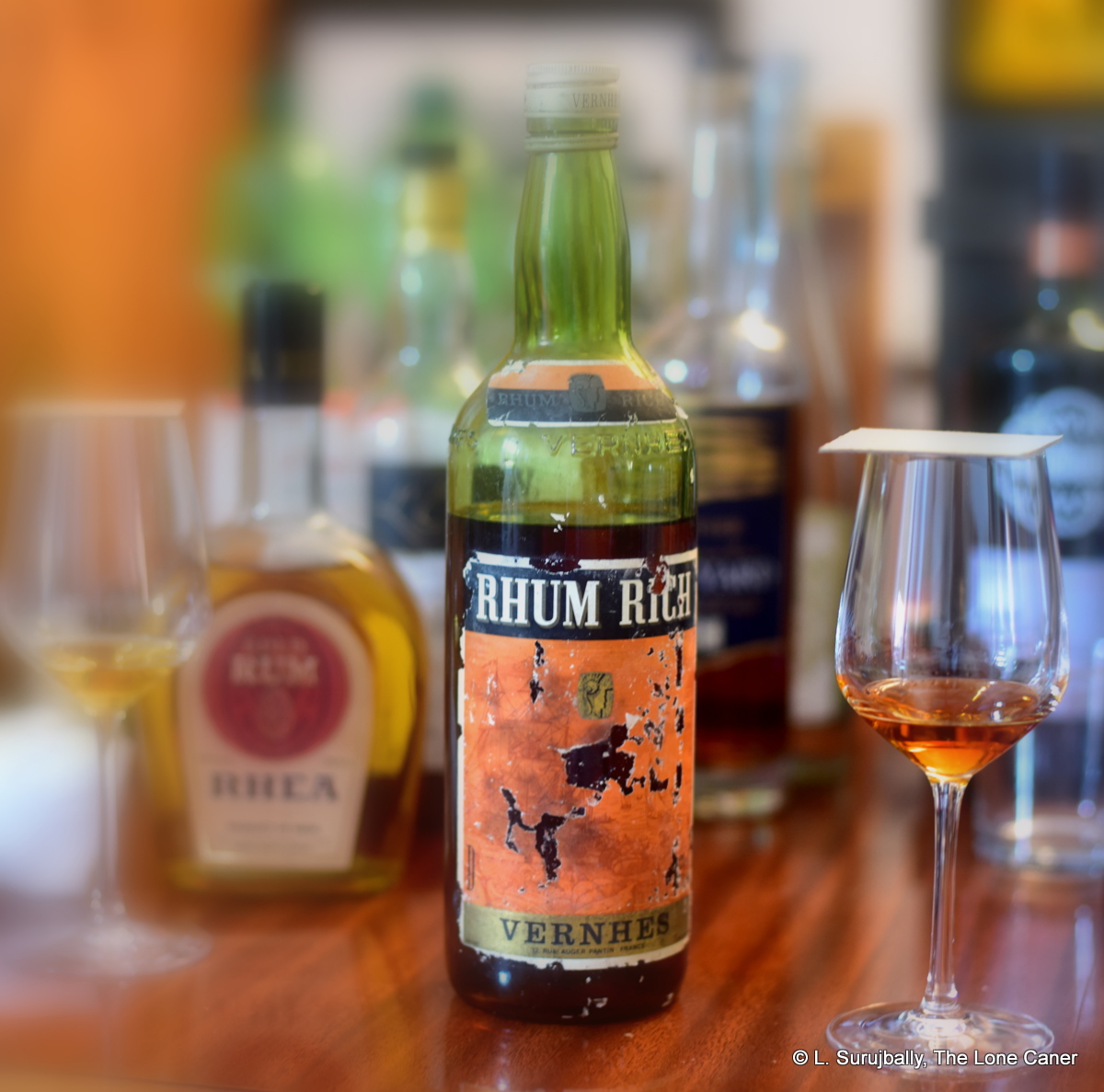
 Colour – Amber
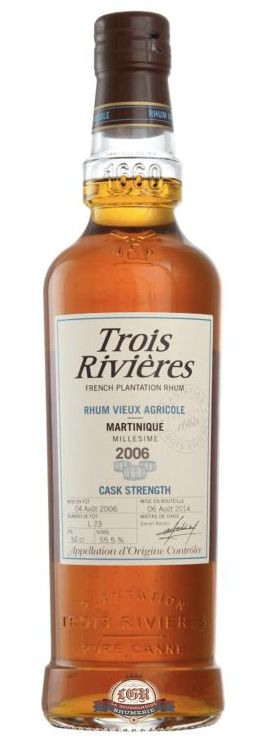 The Trois Rivières Brut de fût Millésime 2006 (which is its official name) is relatively unusual: it’s aged in new American oak barrels, not Limousin, and bottled at cask strength, not the more common 43-48%. And that gives it a solidity that elevates it somewhat over the standards we’ve become used to. Let’s start, as always, with the nose — it just becomes more assertive, and more clearly defined…although it seems somehow gentler (which is quite a neat trick when you think about it). It is redolent of caramel and vanilla first off, and then adds green apples, tart yoghurt, pears, white guavas, watermelon and papaya, and behind all that is a delectable series of herbs – rosemary, dill, even a hint of basil and aromatic pipe tobacco.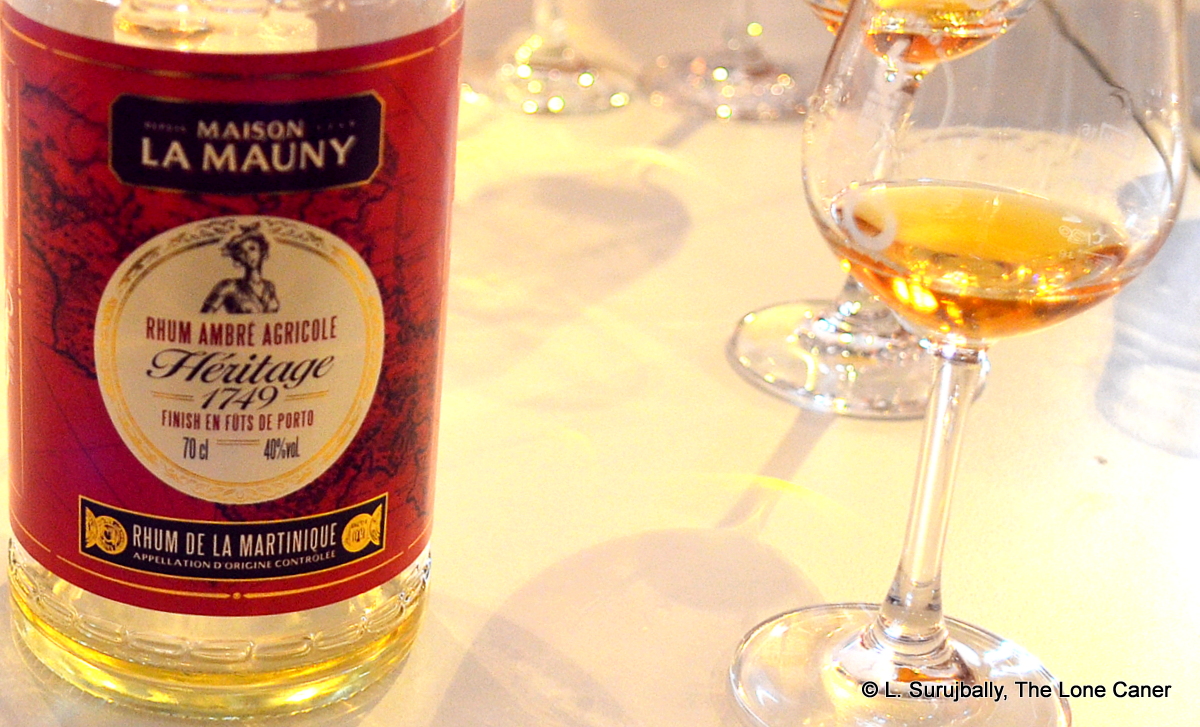
 Okay so, on to palate. Straw yellow in the glass, it was softer and less intense, which, for a forty percenter, was both good and bad. Here the grassy and herbal notes took on more prominence, as did citrus, some tart unsweetened yoghurt, honey and cane juice. The youth was evident in the slight sharpness and lack of real roundness – the two years of ageing had
 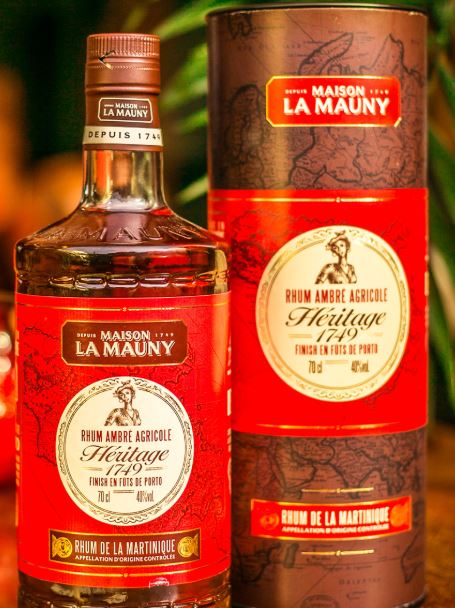 In 1923 La Mauny was sold to Théodore and Georges Bellonnie who enlarged and brought in new facilities such as a distillation column, new grinding mills and a steam engine. The distillery expanded hugely thanks to increased output and good marketing strategies and La Mauny rhums began to be exported around 1950. In 1970, after the Bellonnie brothers had both passed away, the Bordeaux traders and old-Martinique family of Bourdillon teamed up with Théodore Bellonnie’s widow and created the BBS Group. The company grew strongly, launching on the French market in 1977. Jean Pierre Bourdillon, who ran the new group, undertook to modernize La Mauny. He began by reorganizing the fields in order to make them accessible to mechanical harvesting and built a new distillery in 1984 (with a fourth mill, a three column still and a new boiler) a few hundred meters from the old one, increasing the cane crushing capacity and buying the equipment of the Saint James distillery in Acaiou, unused since 1958.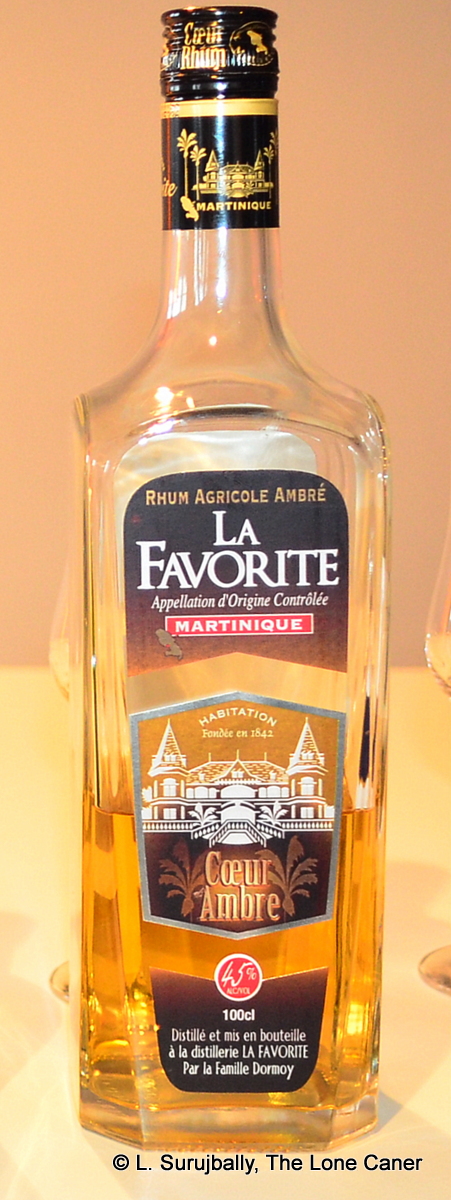
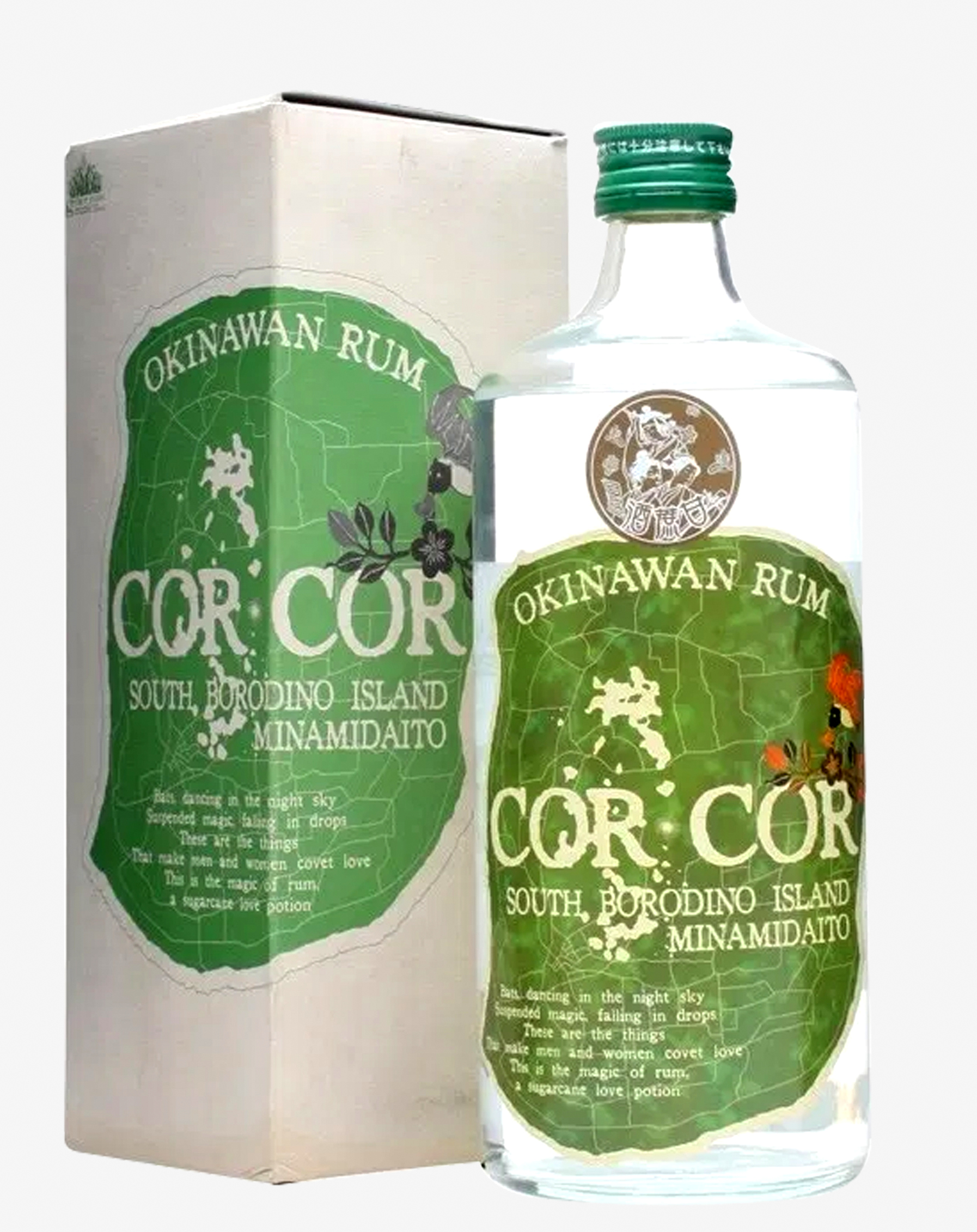 The Cor Cor “Green”, cousin to the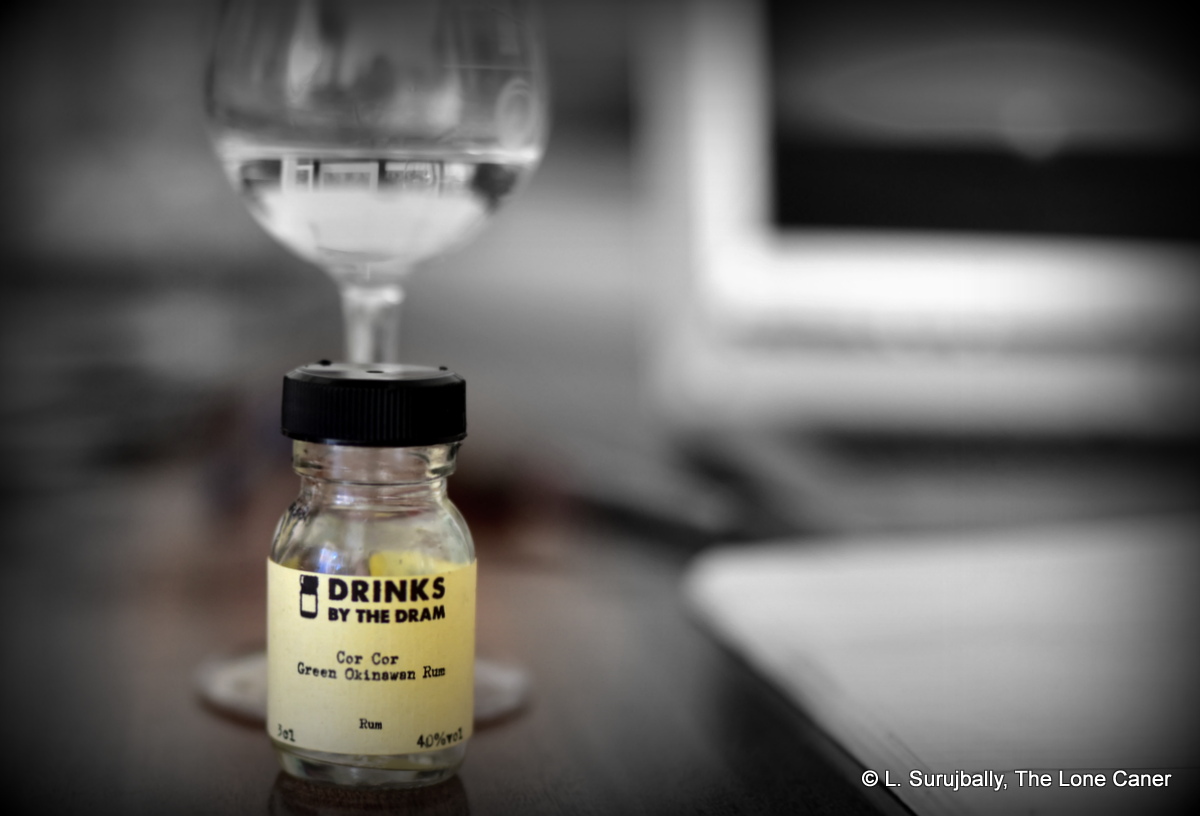
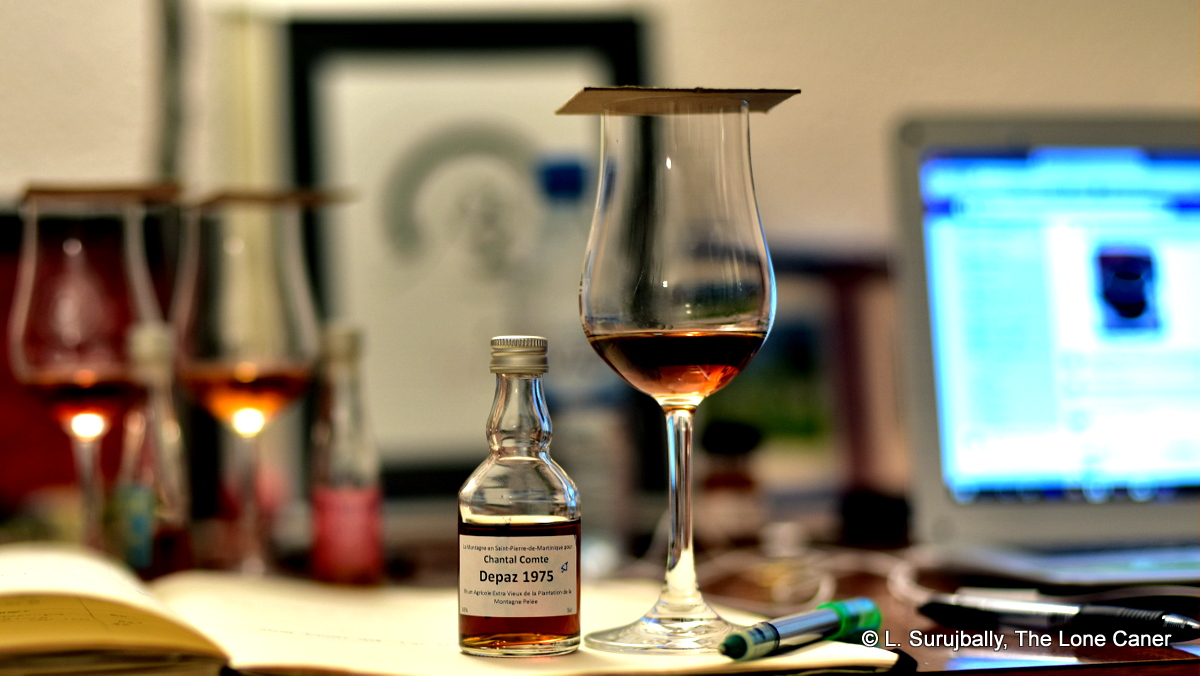
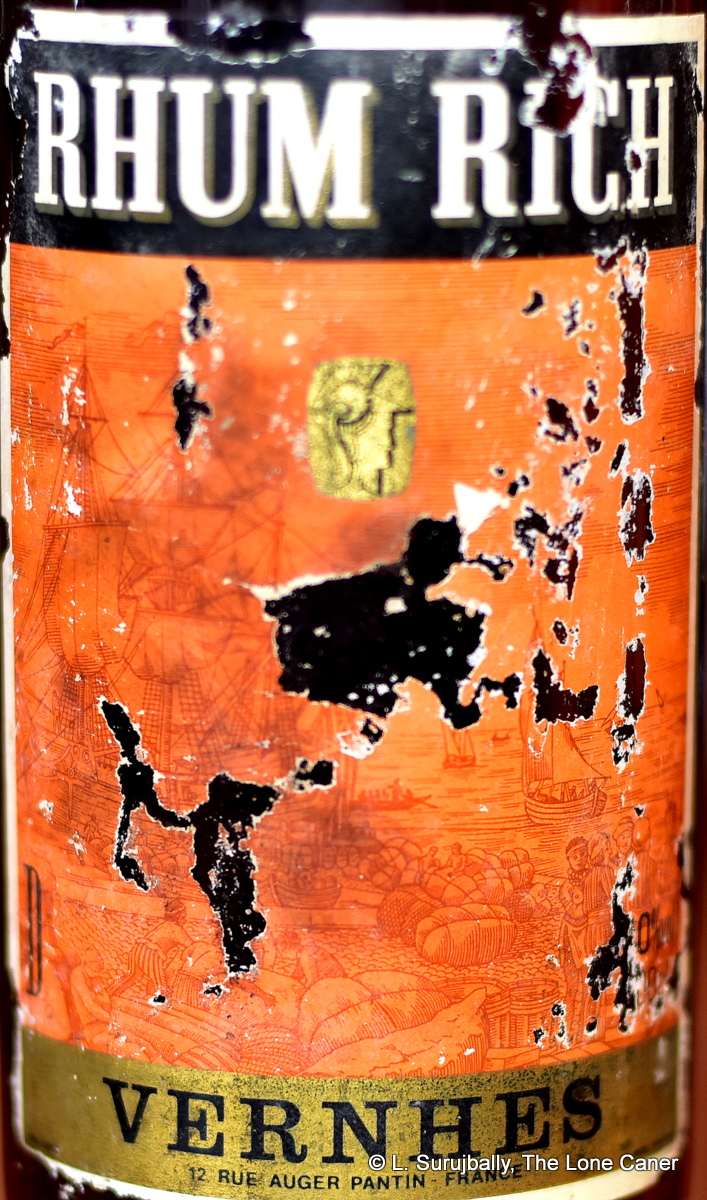
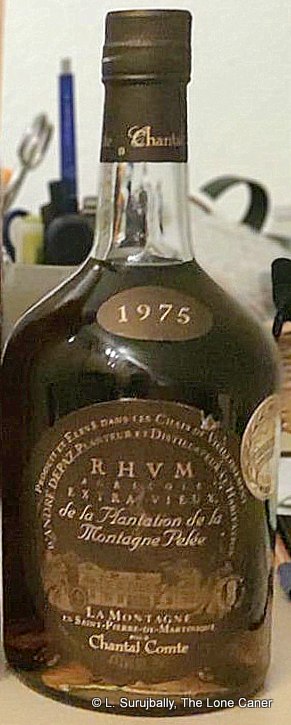 The full and rather unwieldy title of the rum today is the Chantal Comte Rhum Agricole 1975 Extra Vieux de la Plantation de la Montagne Pelée, but let that not dissuade you. Consider it a column-still, cane-juice rhum aged around eight years, sourced from Depaz when it was still André Depaz’s property and the man was – astoundingly enough in today’s market – having real difficulty selling his aged stock. Ms. Comte, who was born in Morocco but had strong Martinique familial connections, had interned in the wine world, and was also mentored by Depaz and Paul Hayot (of Clement) in the late 1970s and early 1980s, when Martinique was suffering from overstock and poor sales.. And having access at low cost to such ignored and unknown stocks allowed her to really pick some amazing rums, of this is one.
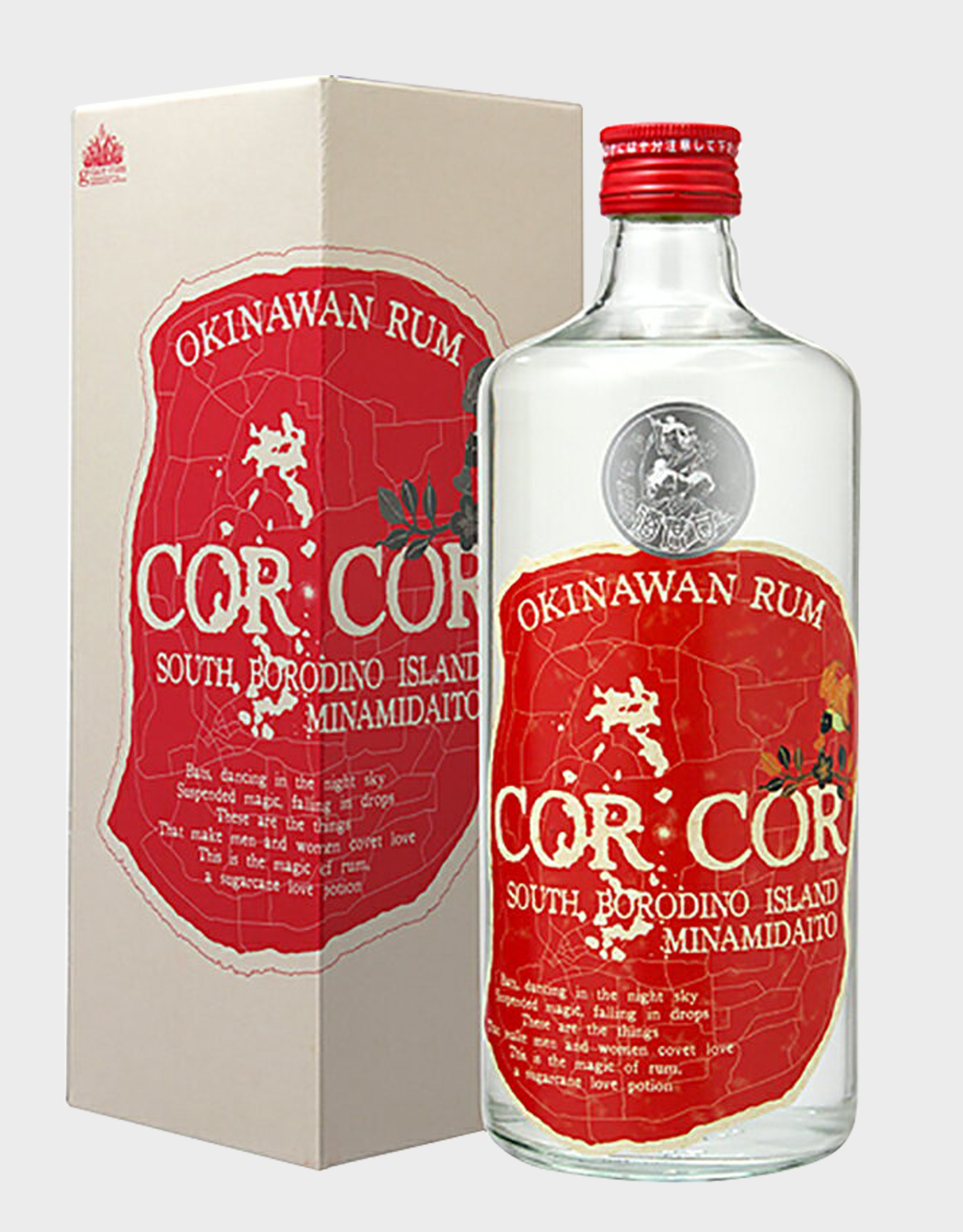 Given Japan has several rums which have made these pages (
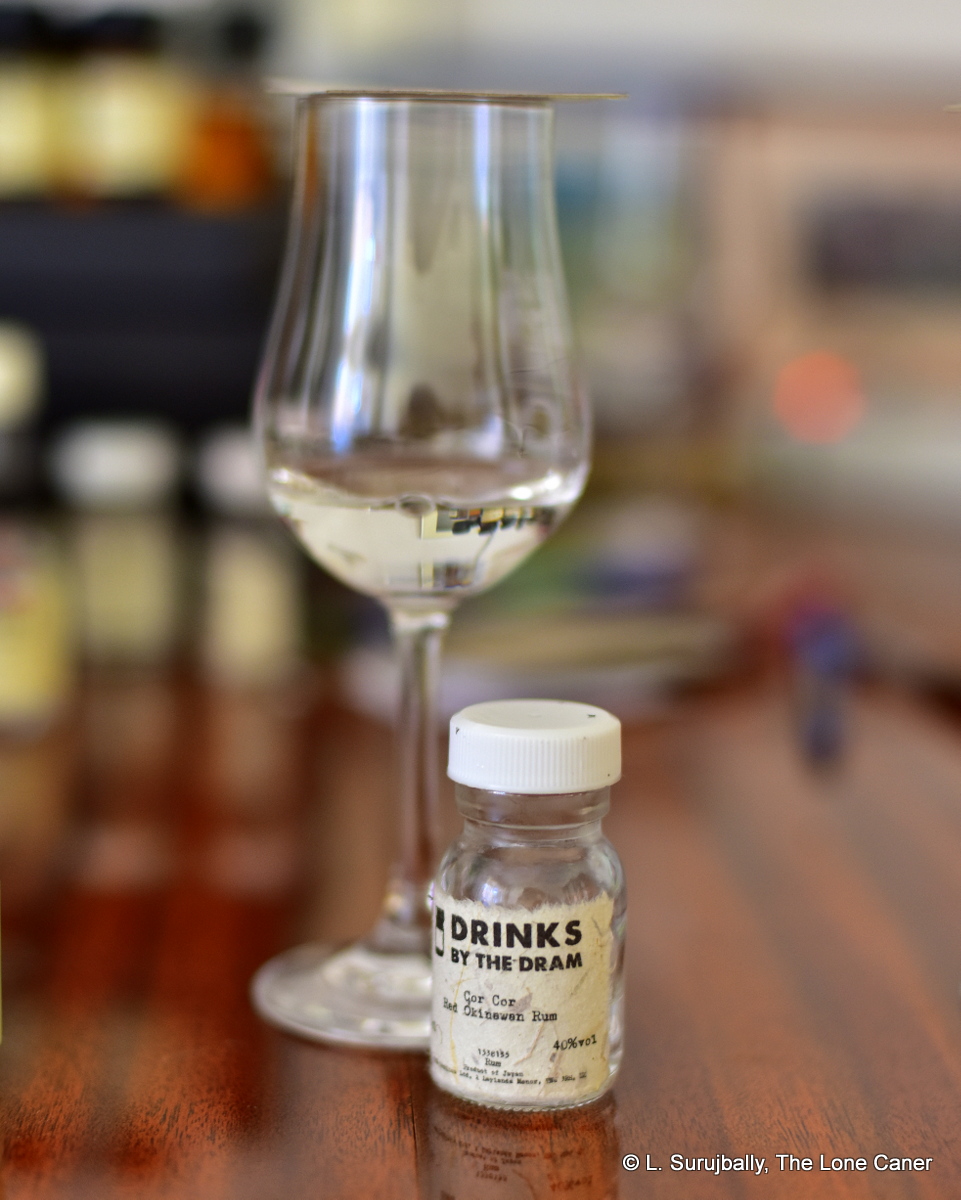 The Cor Cor Red was more generous on the palate than the nose, and as with many Japanese rums I’ve tried, it’s quite distinctive. The tastes were somewhat offbase when smelled, yet came together nicely when tasted. Most of what we might deem “traditional notes” — like nougat, or toffee, caramel, molasses, wine, dark fruits, that kind of thing — were absent; and while their (now closed) website rather honestly remarked back in 2017 that it was not for everyone, I would merely suggest that this real enjoyment is probably more for someone (a) interested in Asian rums (b) looking for something new and (c) who is cognizant of local cuisine and spirits profiles, which infuse the makers’ designs here. One of the reasons the rum tastes as it does, is because the master blender used to work for one of the awamori makers on Okinawa (it is a spirit akin to Shochu), and wanted to apply the methods of make to rum as well. No doubt some of the taste profile he preferred bled over into the final product as well.
 Colour – Light Gold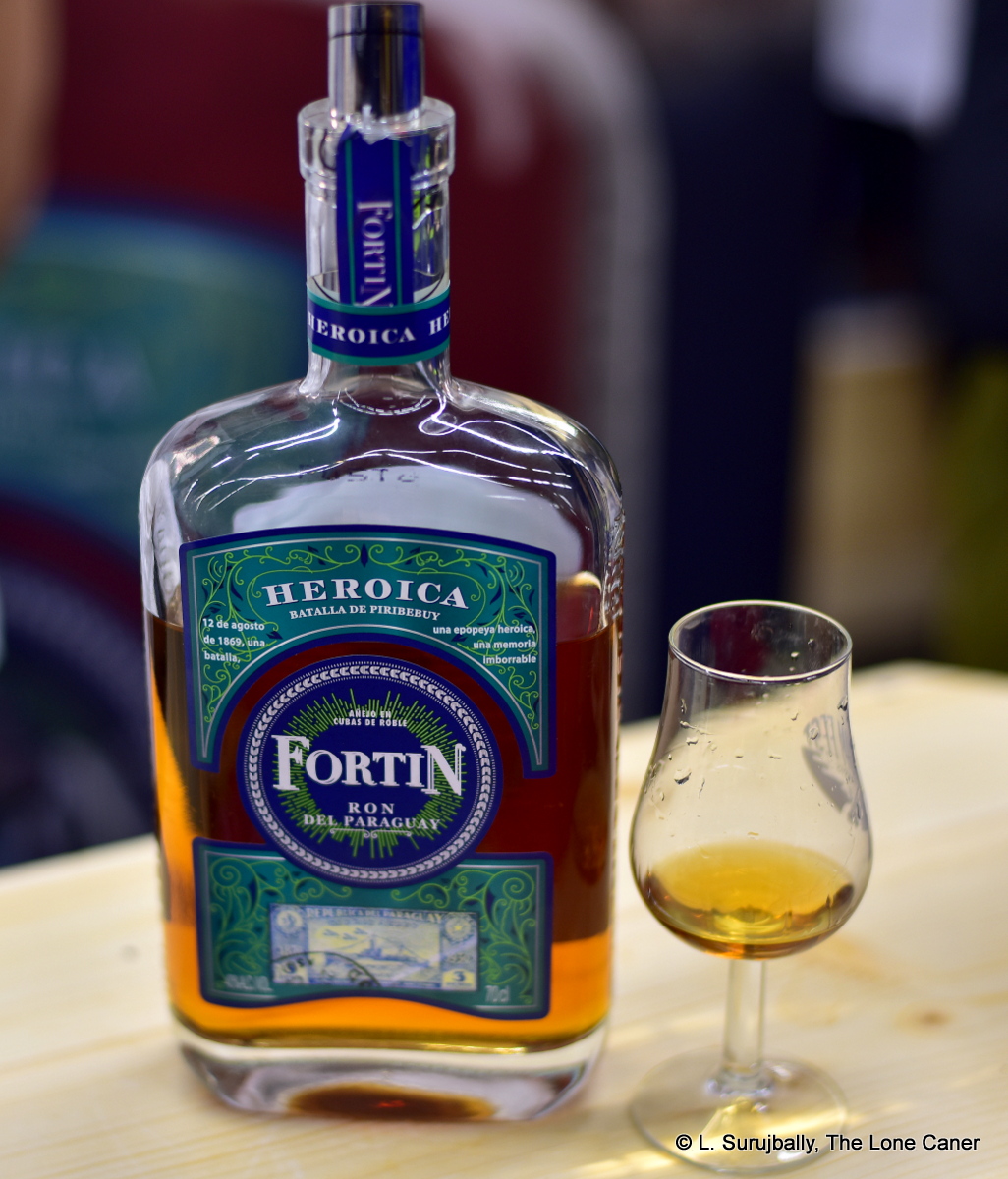
 Here’s what we know – made from rendered sugar cane juice (“honey”), fermented for 72 hours using wild yeast, column distilled, then aged in all kinds of barrels – American oak (ex-bourbon), cognac, Pedro Ximenez and also Marcuya “fruit of passion” wood from Paraguay. Once that’s done, the resultant rons are blended to form the final product. The age is currently unknown — I’ll update this paragraph if I get feedback from their marketing folks — but I’ll hazard a guess it’s medium…about 3-6 years. Little of this, by the way, is noted on the label, which only says it is a Paraguayan rum, commemorates the 1869 battle, is aged in oak vats and 40%. Wonderful. Clearly the word “disclosure” gets more lip service than real purchase over there.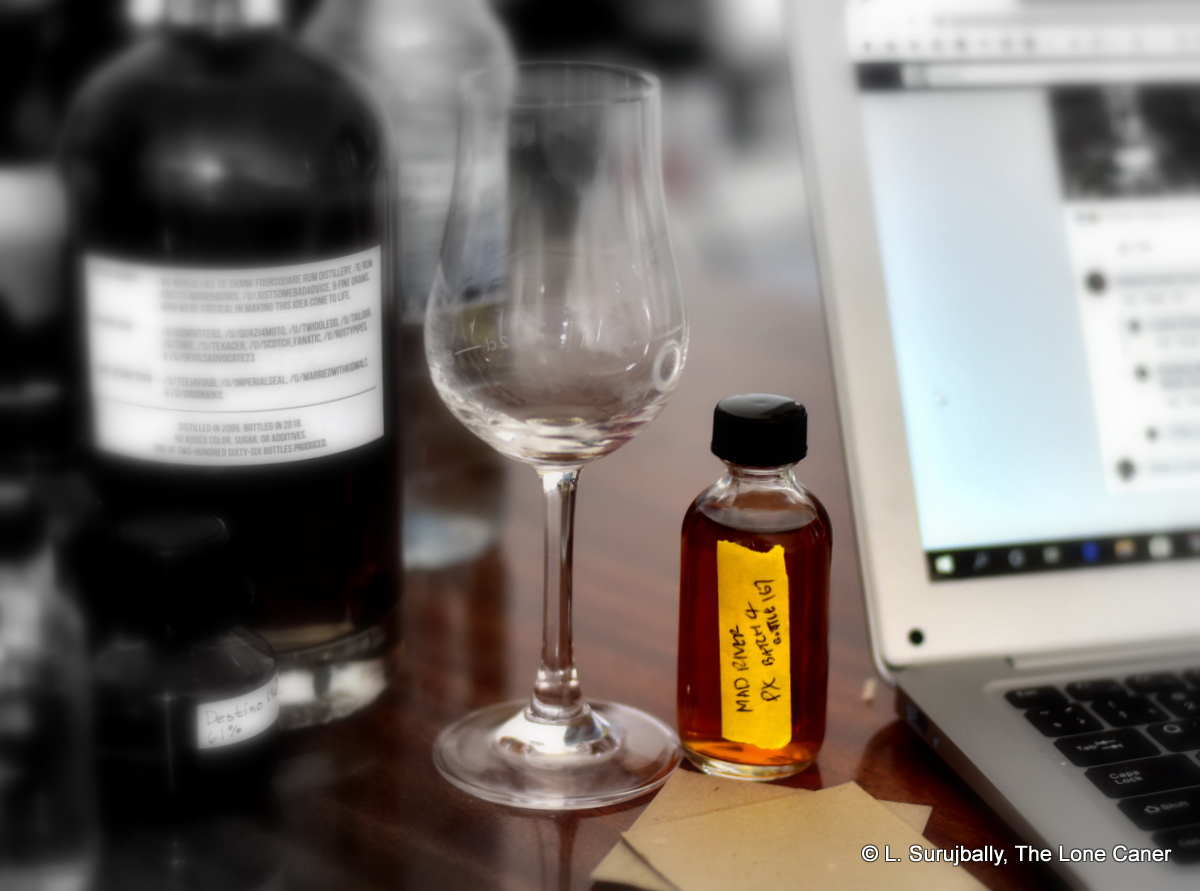
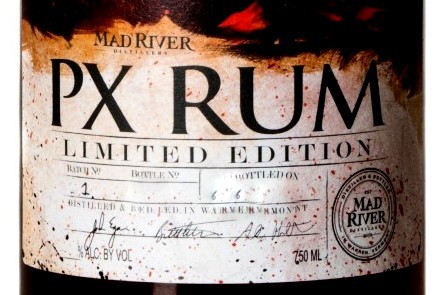
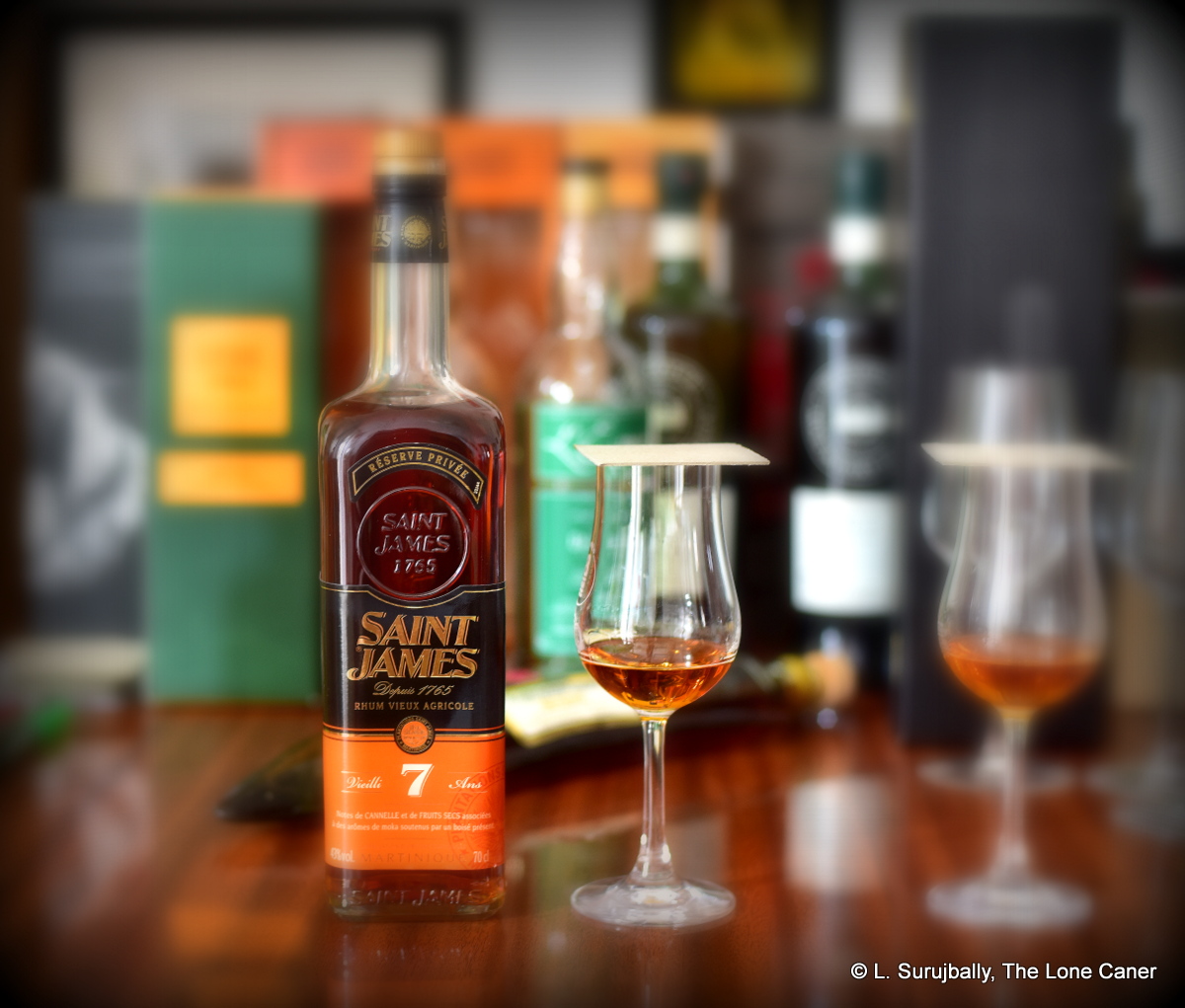
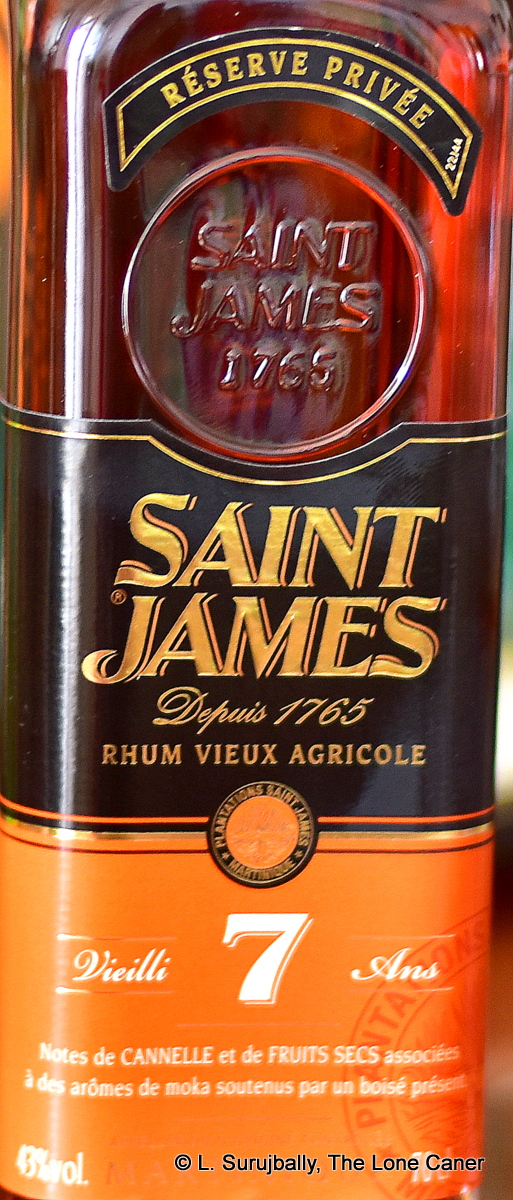 Ah but when sipped, all that changes, and the clodhoppers go away and it dons a pair of ballet slippers. It’s stunningly fragrant, not quite delicate – that ballerina does have an extra pound or two – very firm and robust in flavour profile. Just on the first sip you can taste flowers, pears, papaya, honey, vanilla, raisins, grapes, all pulled together with a delectable light and salty note. There are nice citrus hints, a tease from the oak, ginger and cinnamon, and overall, it sips as nicely as it mixes. The finish is well handled, though content to play it safe – things are beginning to quieten down here, and it fades quietly without stomping on you – and certainly nothing new or original comes into being; the rhum is content to follow where the nose and palate led – fruits, pineapple, spices, ginger, vanilla – without breaking any new ground.