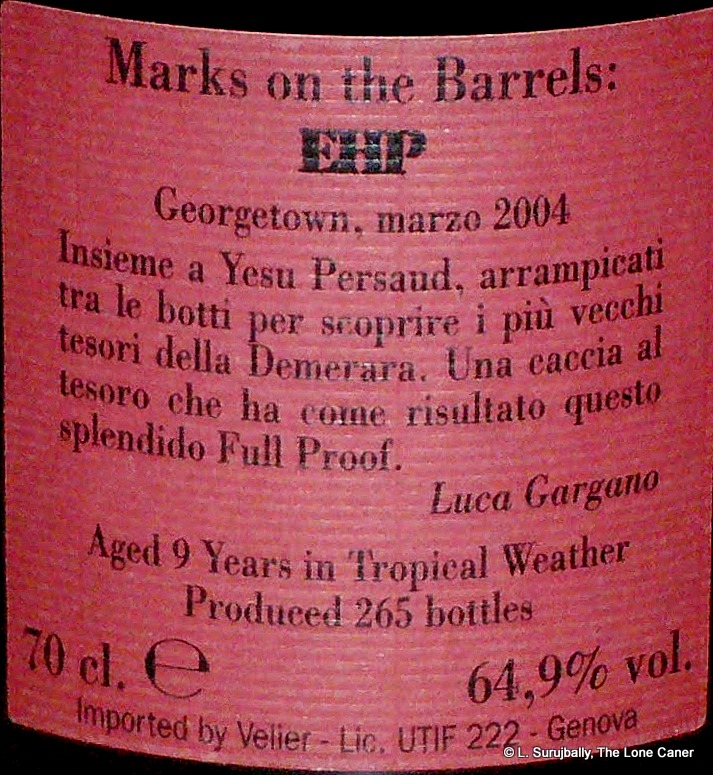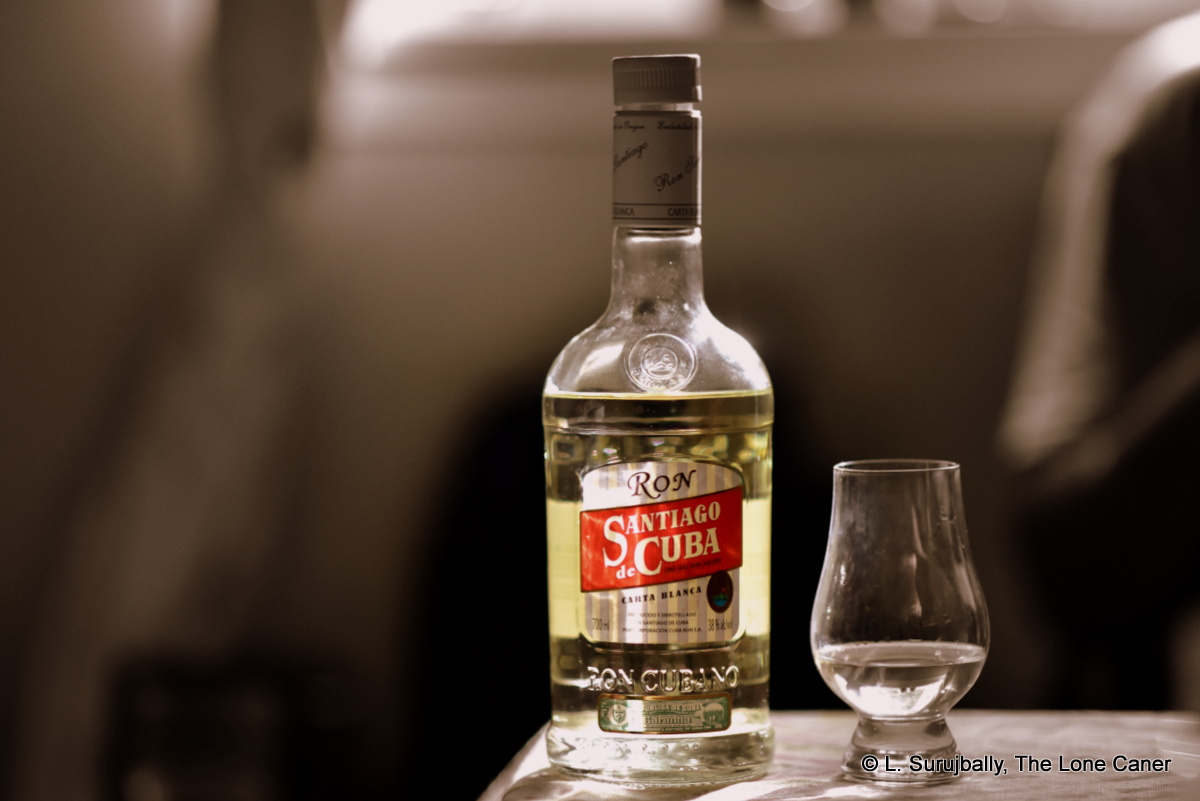
There’s a peculiar light yellow lustre to the Santiago de Cuba rum somewhat euphemistically called the Carta Blanca (“White Card”), which is a result, one must assume, of deliberately incomplete filtration. The rum is aged three years in oak casks, so some colour is inevitable, but in anonymous white barroom mixers, that’s usually eliminated by the charcoal used: so whatever colour remains can’t be an accident. It’s likely, in this case, that the makers figured since it was issued at a trembly-kneed sort of please-don’t-hurt-me sub-proof strength, it might be better to leave something behind in case people forgot it was supposed to be a rum and not a vodka.
That worked, I suppose…up to a point. The problem is that a 38% proof point simply does not permit sufficient serious aromas to be discerned easily – you really got to work at it (which I argue is hardly the point for a rum like this one).
When nosing it, I certainly got the light sort of profile it promised: some negligible white fruits, in bed with a thinly sharp and quite herbal background; it smelled a bit grassy, almost agricole-like, surprising for a Spanish-style ron from Cuba. And when I took my time with it and let it stand for a bit, I sensed almonds, crushed walnuts, coconut shavings, papaya, sweet watermelon and even a touch of brine. (Note: adding water did absolutely nothing for the experience beyond diluting it to the point of uselessness).
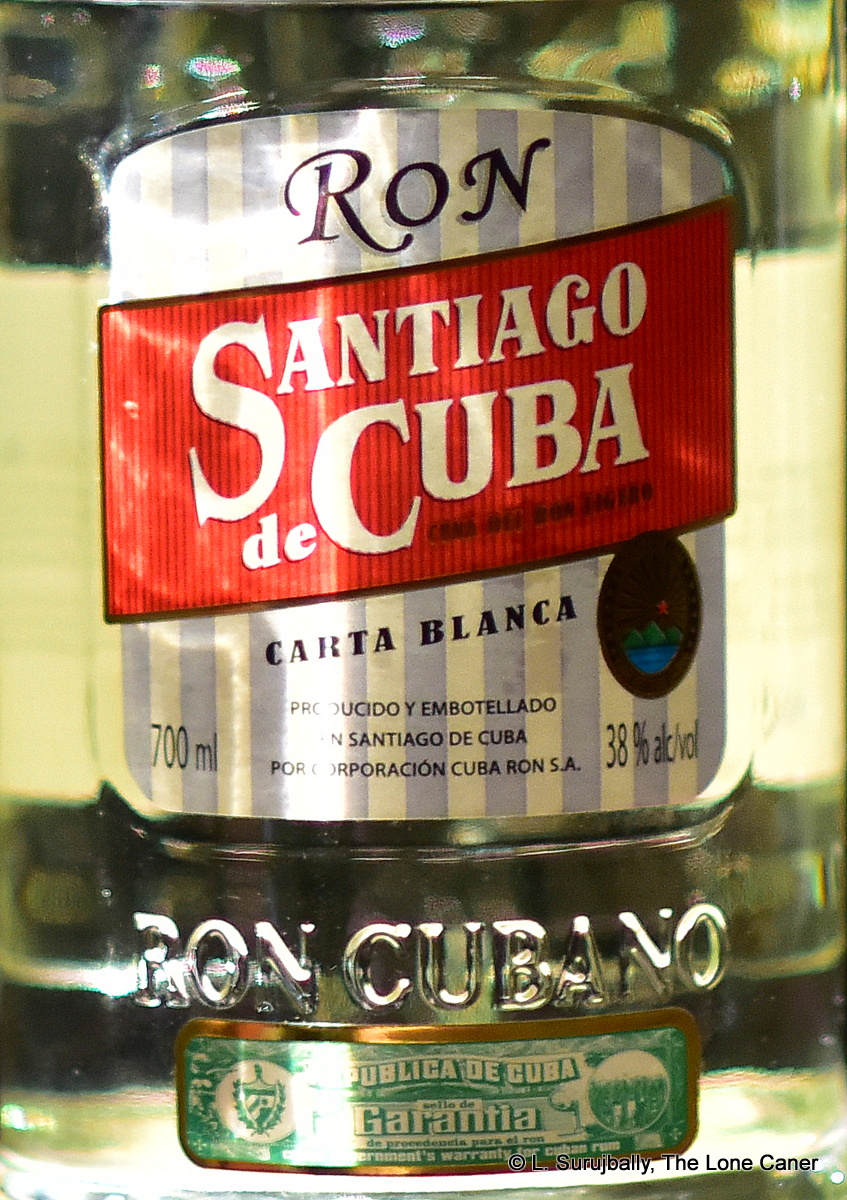 As for the taste when sipped, “uninspiring” might be the kindest word to apply. It’s so light as to be nonexistent, and just seemed so…timid. Watery and weak, shivering on the palate with a sort of tremulous nervousness, flitting here and there as if ready to flee at a moment’s notice, barely brushing the taste buds before anxiously darting back out of reach and out of range. I suppose, if you pay attention, you can detect some interesting notes: a sort of minerally base, a touch of mint. Citrus – like lemon grass – cardamom and cumin, and even some ginnip and sour cream. It’s just too faint and insipid to enthuse, and closes the show off with a final touch of citrus peel and lemon meringue pie, a bit of very delicate florals and maybe a bit of pear juice. Beyond that, not much going on. One could fall asleep over it with no issues, and miss nothing.
Obviously such tasting notes as I describe here are worlds removed from the forceful aspects of all those brutal falling-anvil fullproofs many fellow boozehounds clearly enjoy more. When faced with this kind of rum my default position as a reviewer is to try and be tolerant, and ask who it was made for, what would such people say about it, can redemption be found in others’ tastes? After all, I have been told on many occasions that other parts of the world prefer other rums – softer, lighter, weaker, subtler, easier…made for mixes, not chuggers or shot glasses.
Completely agree, but I suspect that no-one other than a bartender or a cocktail guru would do much with the Carta Blanca. It has all the personality of a sheet of paper, and would disappear in a mix, leaving no trace of itself behind, drowned out by anything stronger than water. It does the world of rum no favours, trumpets no country and no profile worthy of merit, and after a sip or a gulp can be forgotten about as easily as remembering which cocktail it was just mixed in. In short, it has a vapid existence unmolested by the inconvenience of character.
(#752)(72/100) ⭐⭐½
Other Notes
- 2025 Video review link.
- Made in Cuba at the Santiago de Cuba facilities in Oriente, which is located in the SE of Cuba, an area known as “La Cuna Del Ron Ligero” or The Cradle Of Light Rum. This where Matusalem and Ron Caney is also produced. The company was founded in 1862 and the distillery established in 1868 – it is therefore, the oldest in Cuba, currently owned by Corporacion de Cuba (or “Cubaron”).
- The Ron Santiago brand was introduced in 1970 when gthe Carta Blanca was rolled out; an anejo release and the “de Cuba” suffix were both added in 1999, the latter for export purposes.
 That provided, let’s get right into it then, nose forward. It’s warm but indistinct, which is to say, it’s a blended melange of several things — molasses, coffee (like
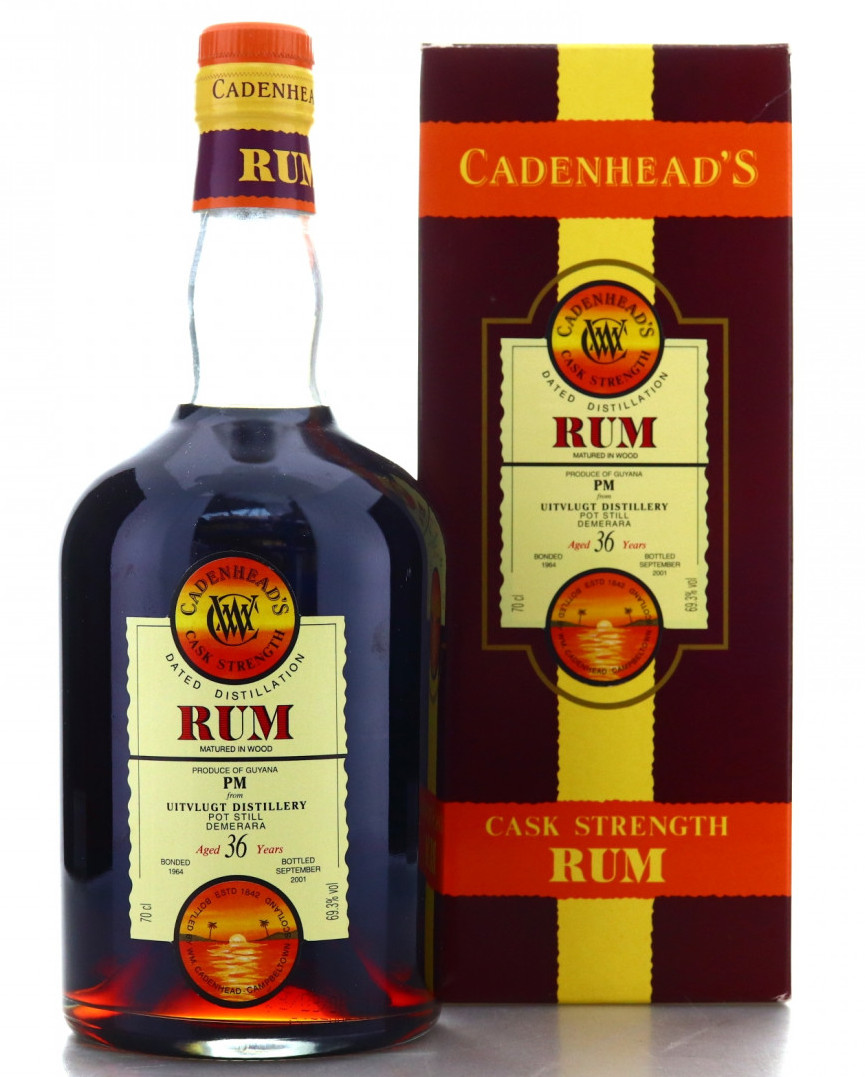
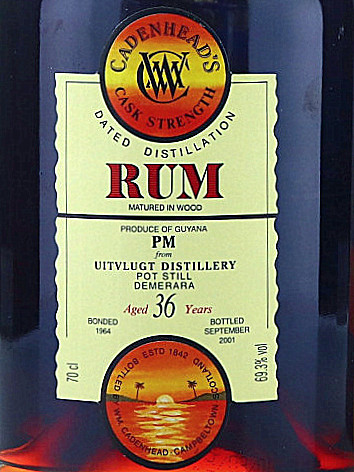 The Cadenhead Uitvlugt 1964 followed all the traditional ways an indie has of producing a rum, except then it proceeded to dial it up to 11, added steroids, horse tranqs and industrial strength factory cleanser, and released it to just about zero acclaim (I mean, have
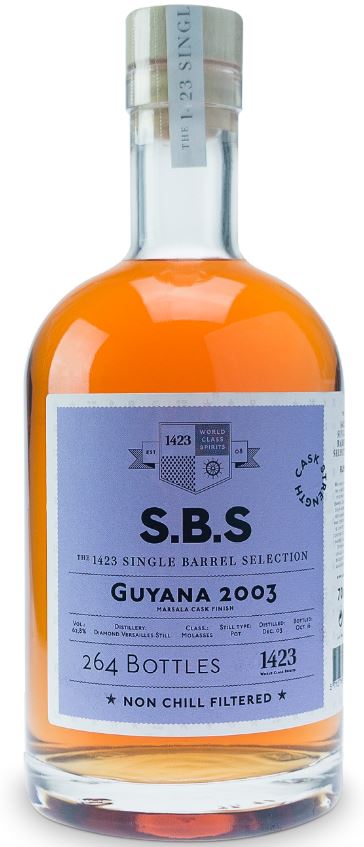
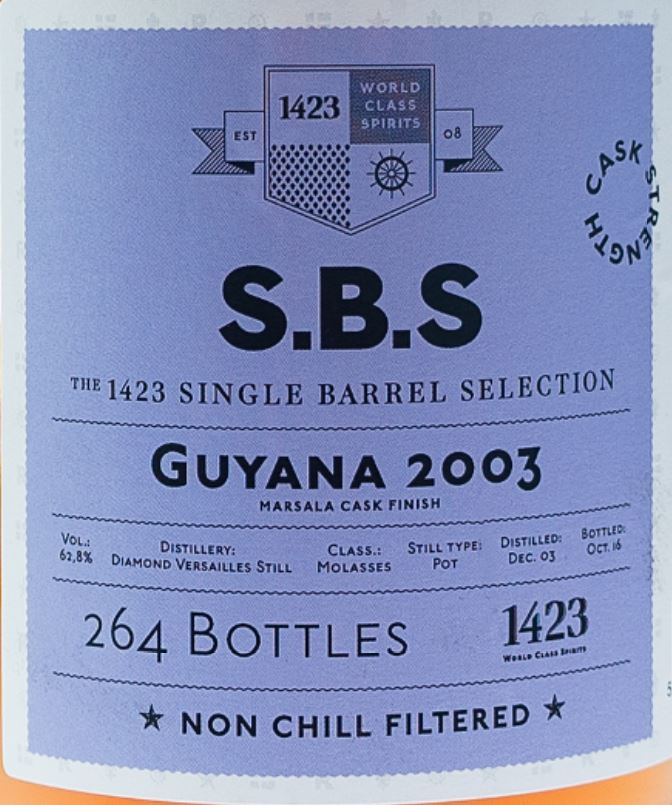 My own preference has always been for the stern elegance of the Port Mourant, and the Enmore coffey still produces rums that are complex, graceful and sophisticated when done right. But the Versailles still is something of an ugly stepchild – you’ll go far and look long to find an unqualified positive review of any rum it spits out. I’ve always felt that it takes rare skill to bring the rough and raw VSG pot still profile to its full potential…none of the familiar indies has had more than occasional success with it, and even Velier never really bothered to produce much Versailles rum at the height of
  There has been occasional confusion among the stills in the past: e.g. the
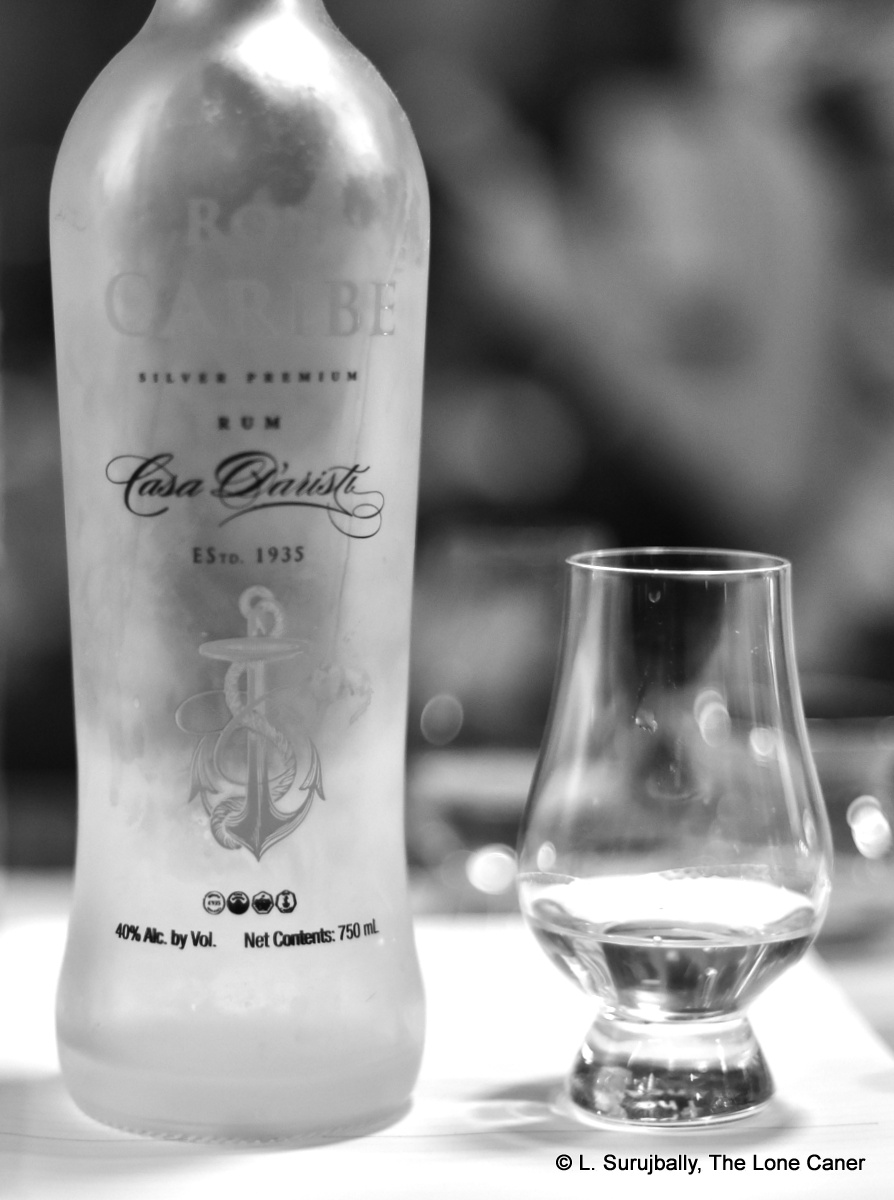
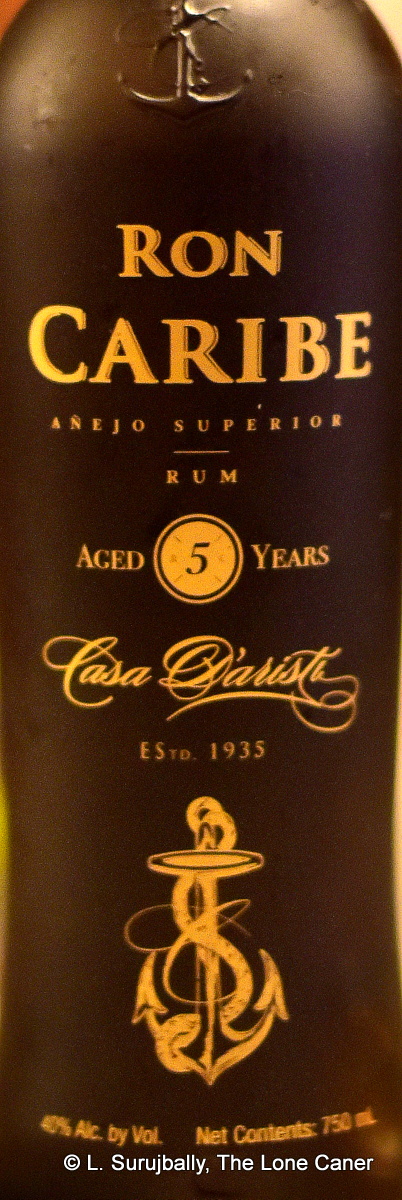 This makes it a spiced or flavoured rum, and it’s at pains to demonstrate that: the extras added to the rum make themselves felt right from the beginning. The thin and vapid nose stinks of vanilla, so much so that the bit of mint, sugar water and light florals and fruits (the only things that can be picked out from underneath that nasal blanket), easily gets batted aside (and that’s saying something for a rum bottled at 40%). It’s a delicate, weak little sniff, without much going on. Except of course for vanilla.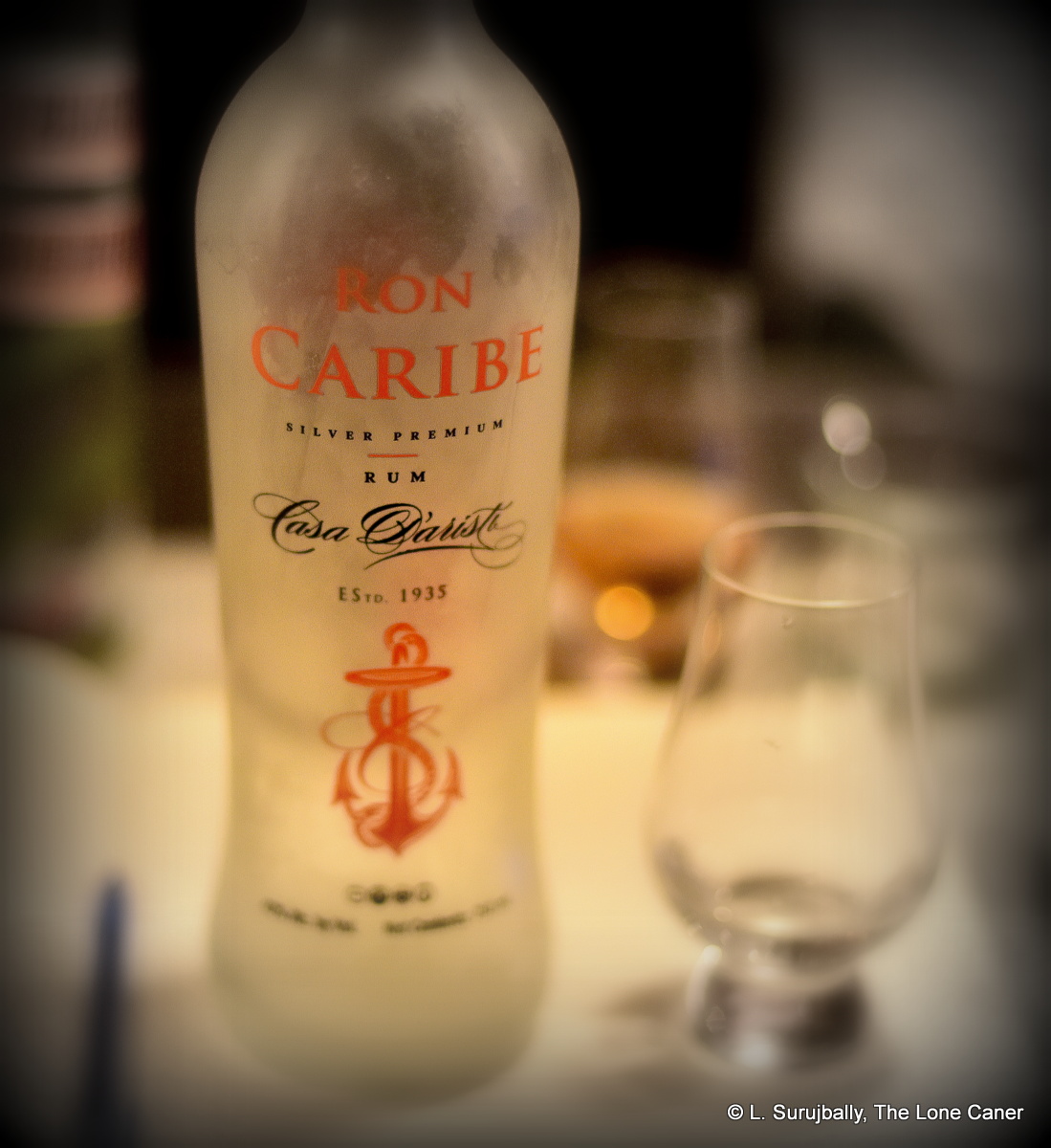
 Opinion / Company background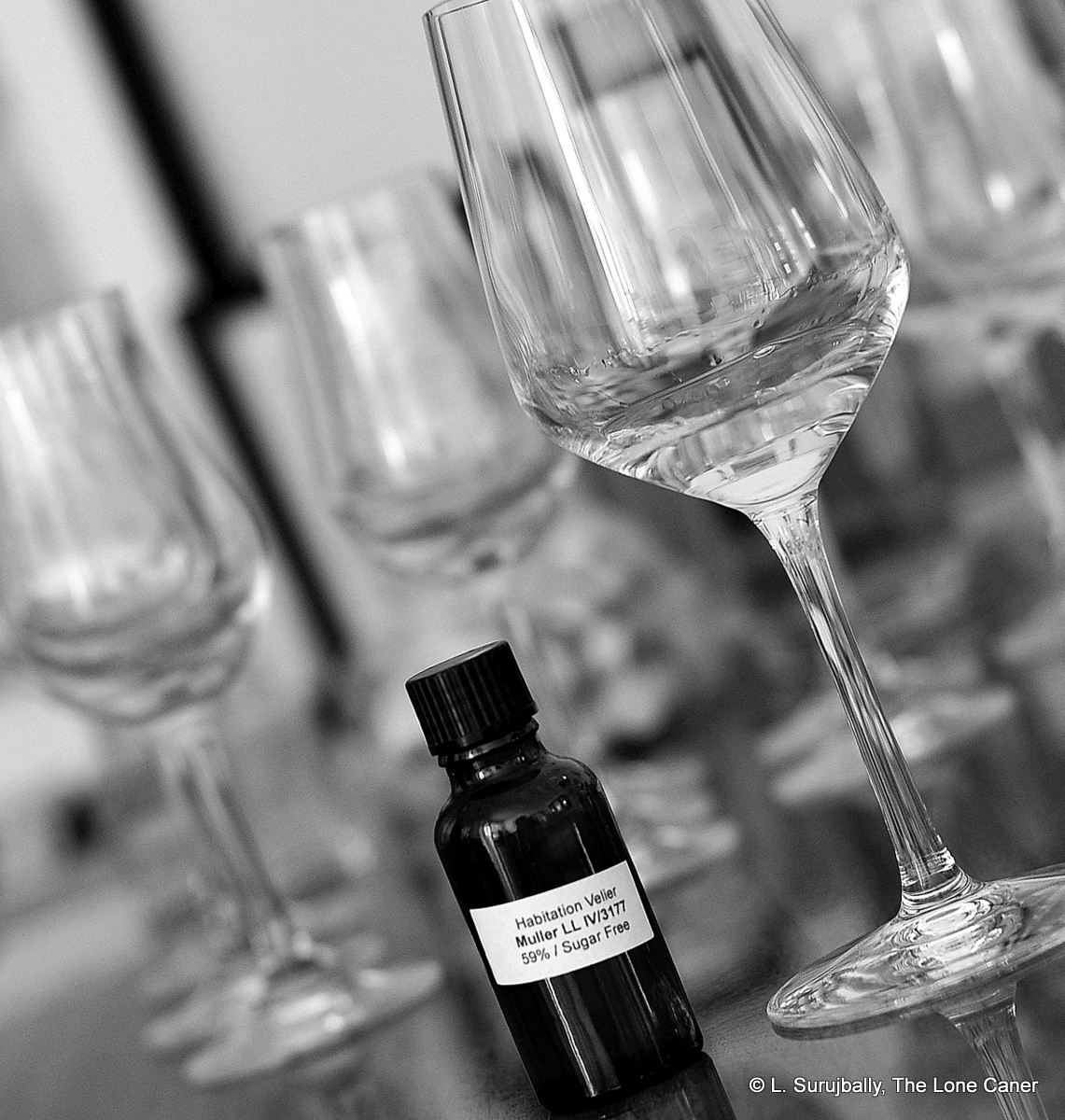
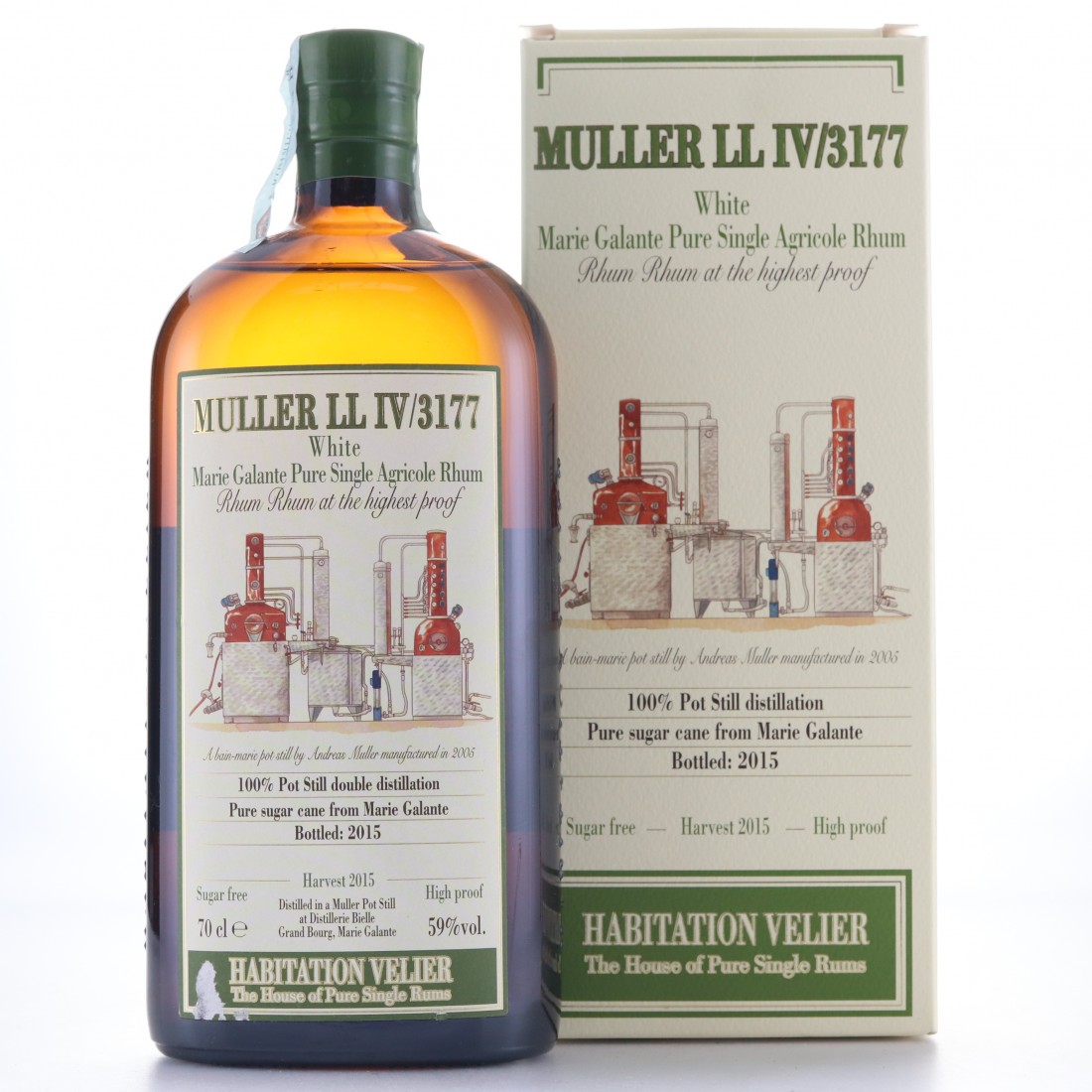
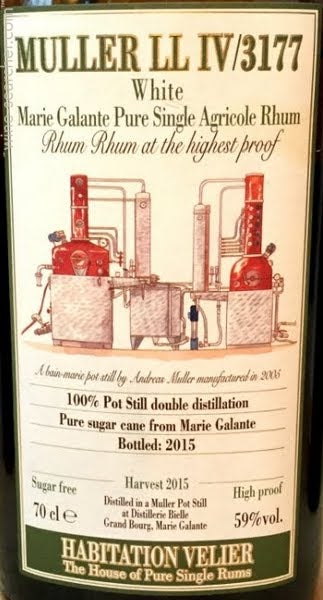 So let’s spare some time to look at this rather unique white rum released by Habitation Velier, one whose brown bottle is bolted to a near-dyslexia-inducing name only a rum geek or still-maker could possibly love. And let me tell you, unaged or not, it really is a monster truck of tastes and flavours and issued at precisely the right strength for what it attempts to do.
 Evaluating a rum like this requires some thinking, because there are both familiar and odd elements to the entire experience. It reminds me of
 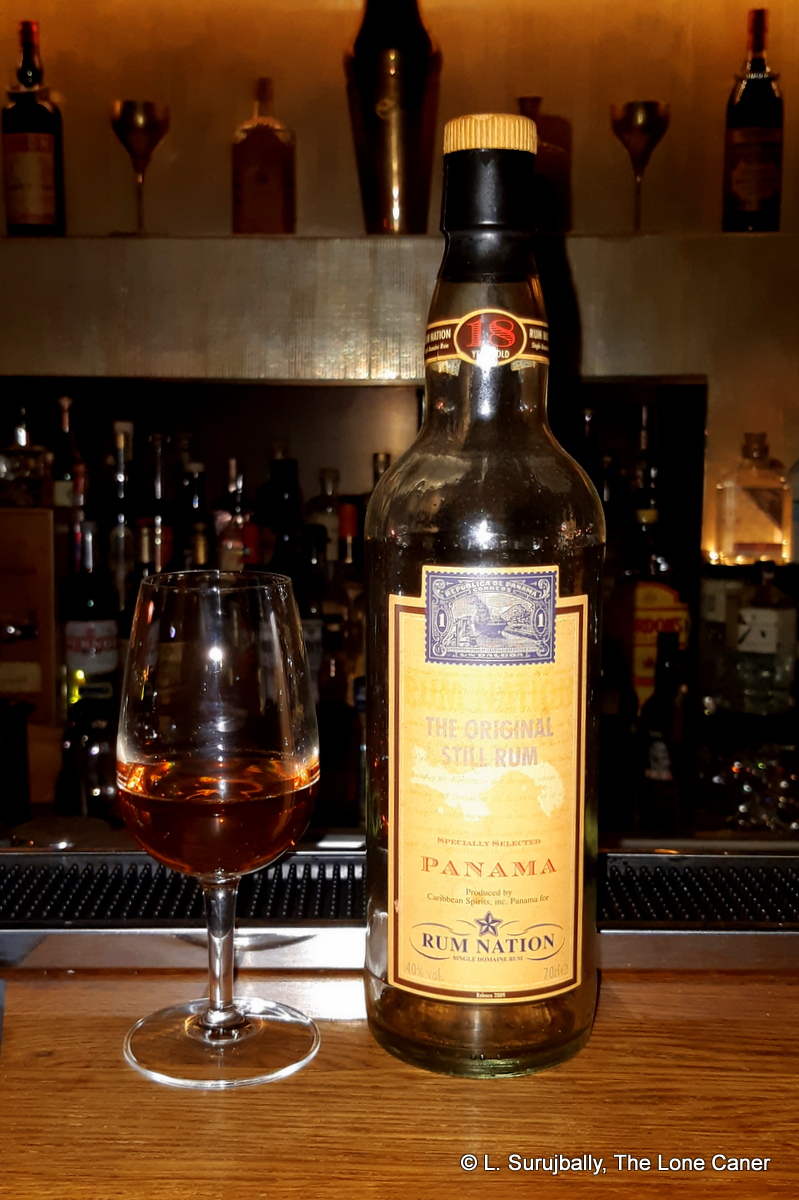 The Rum Nation Panama 2009 edition exists in a peculiar place of my mind, since it’s the unavailable, long-gone predecessor of the
 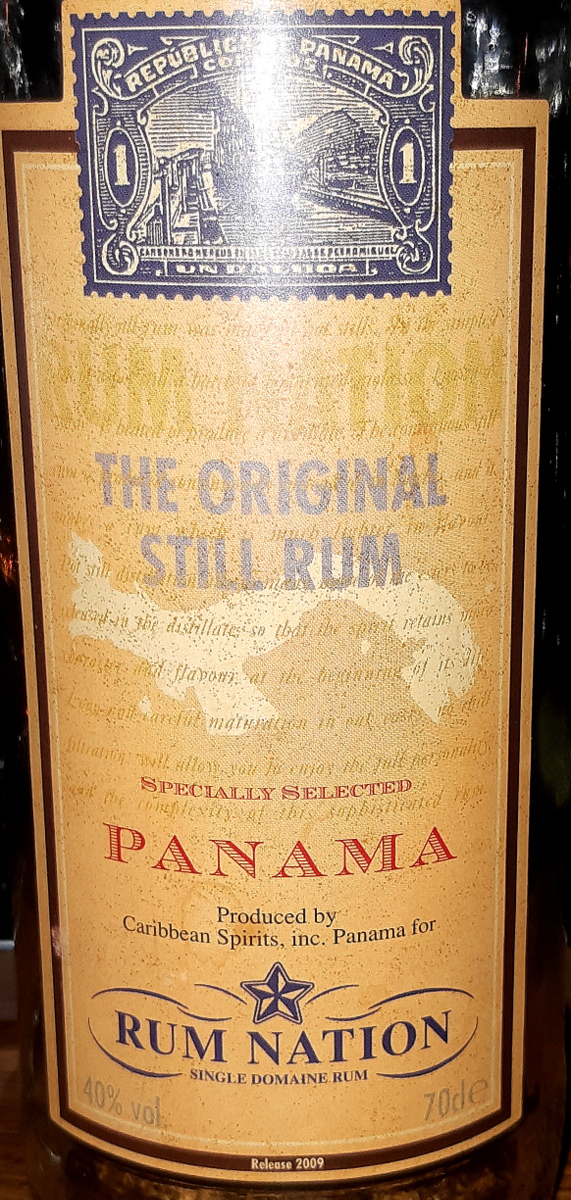 That was the smell, but what did it taste like? Eighteen years in a barrel must, after all, show its traces. To some extent, yes: again,
 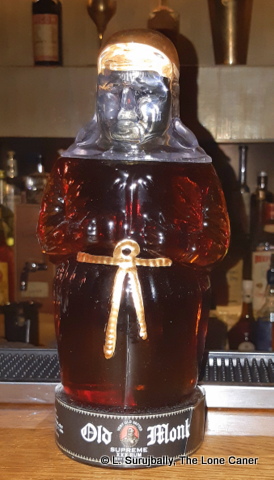 The Old Monk series of rums, perhaps among the best known to the Western world of those hailing from India, excites a raft of passionate posts whenever it comes up for mention, ranging from enthusiastic fanboy positivity, to disdain spread equally between its lack of disclosure about provenance and make, and the rather unique taste. Neither really holds water, but it is emblematic of both the unstinting praise of adherents who “just like rum” without thinking further, and those who take no cognizance of cultures other than their own and the different tastes that attend to them.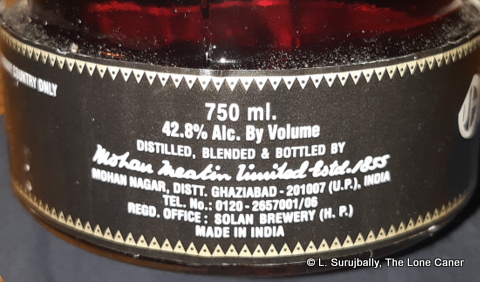
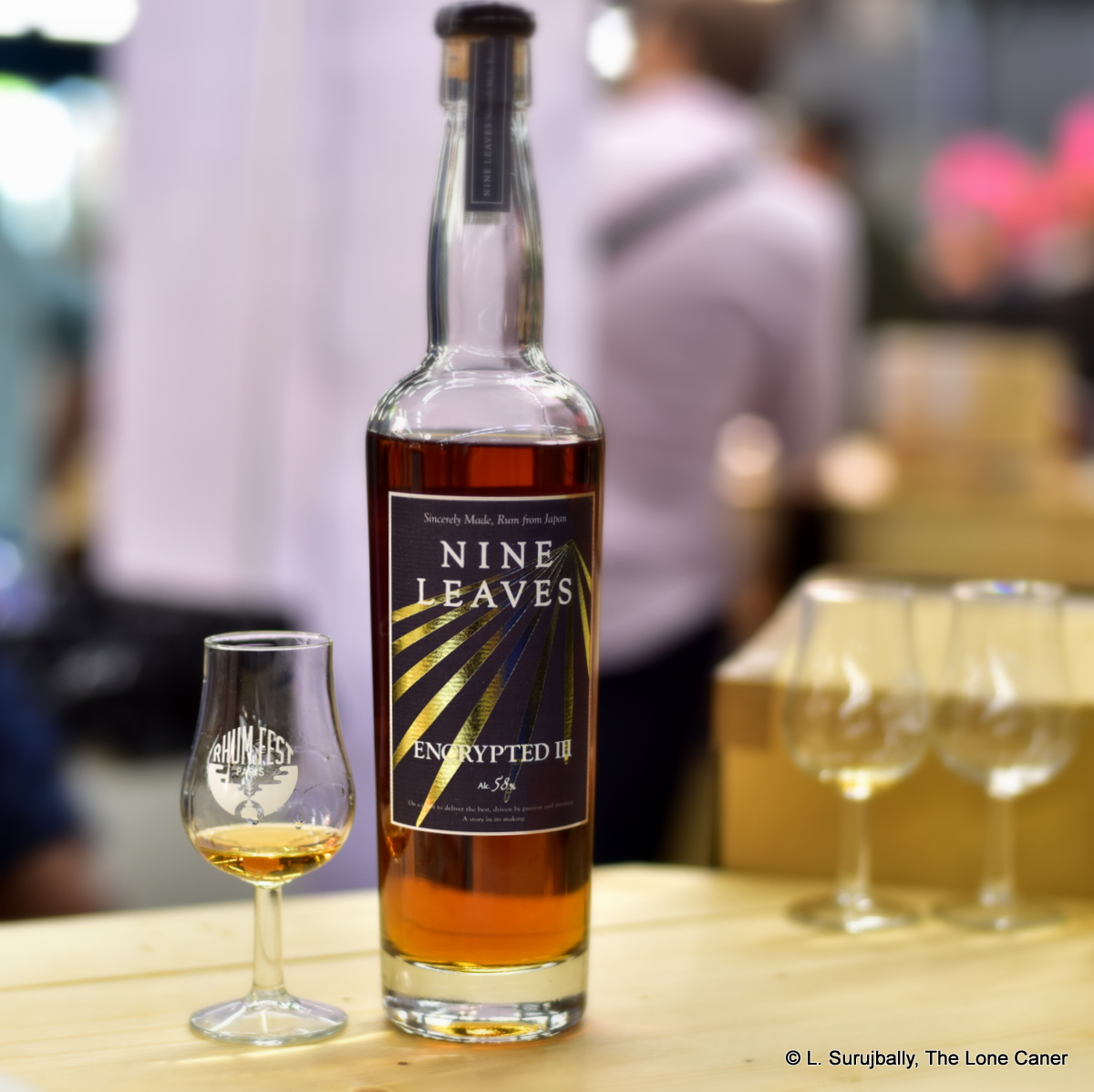
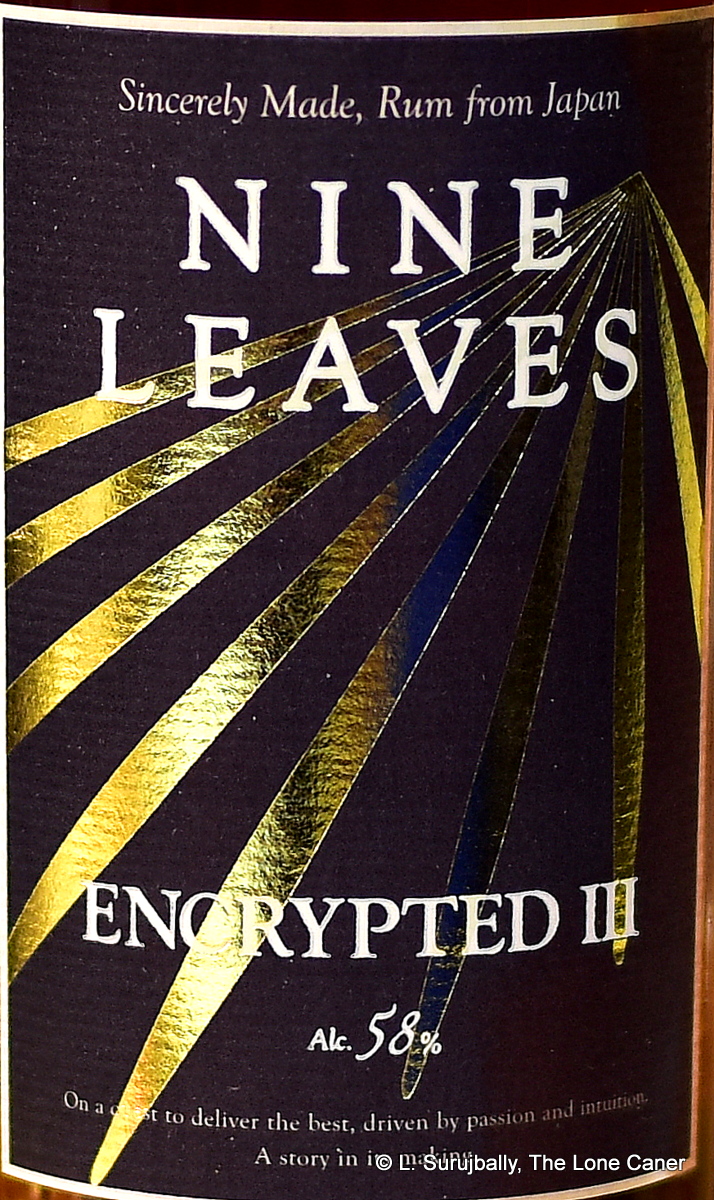
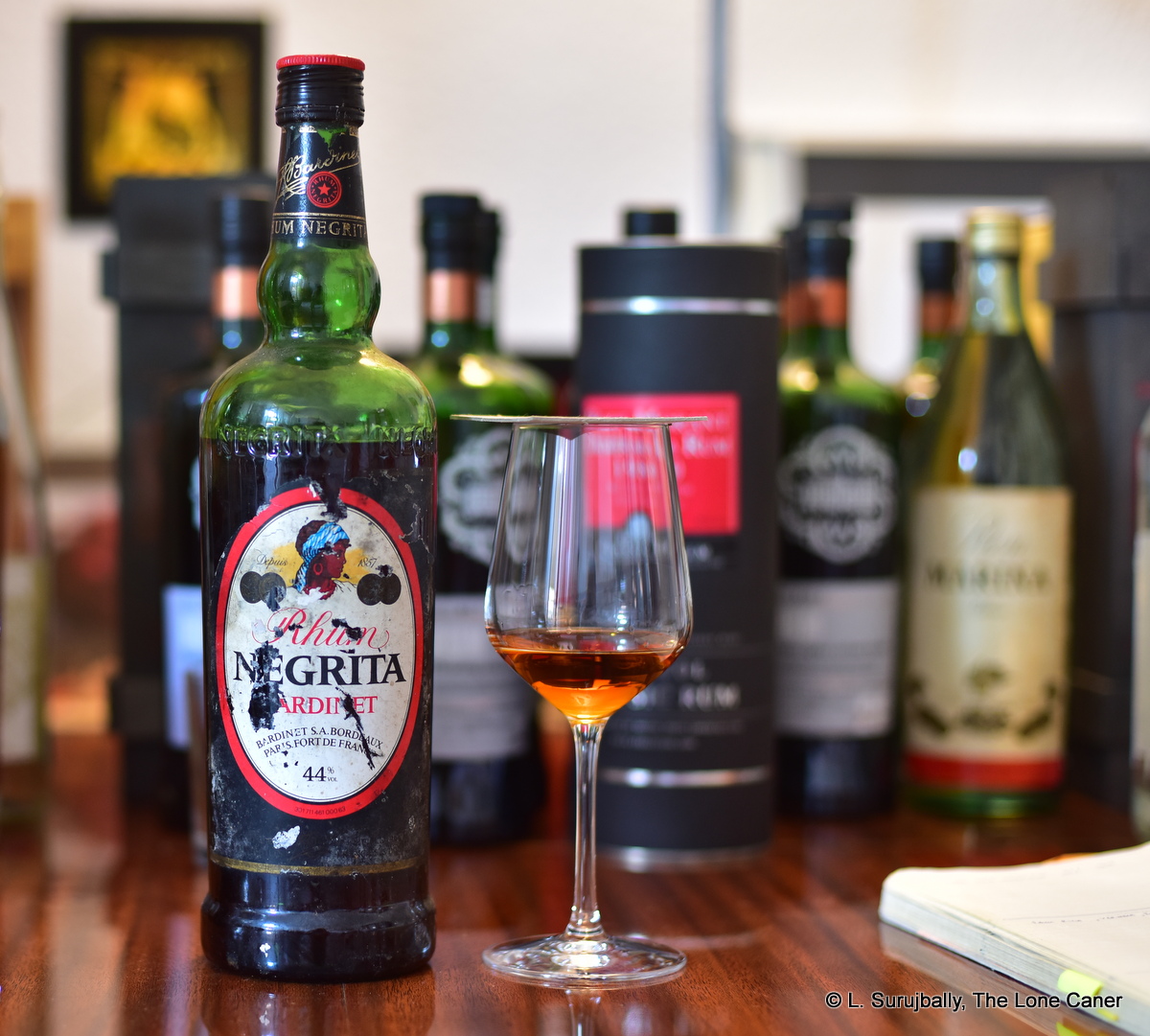
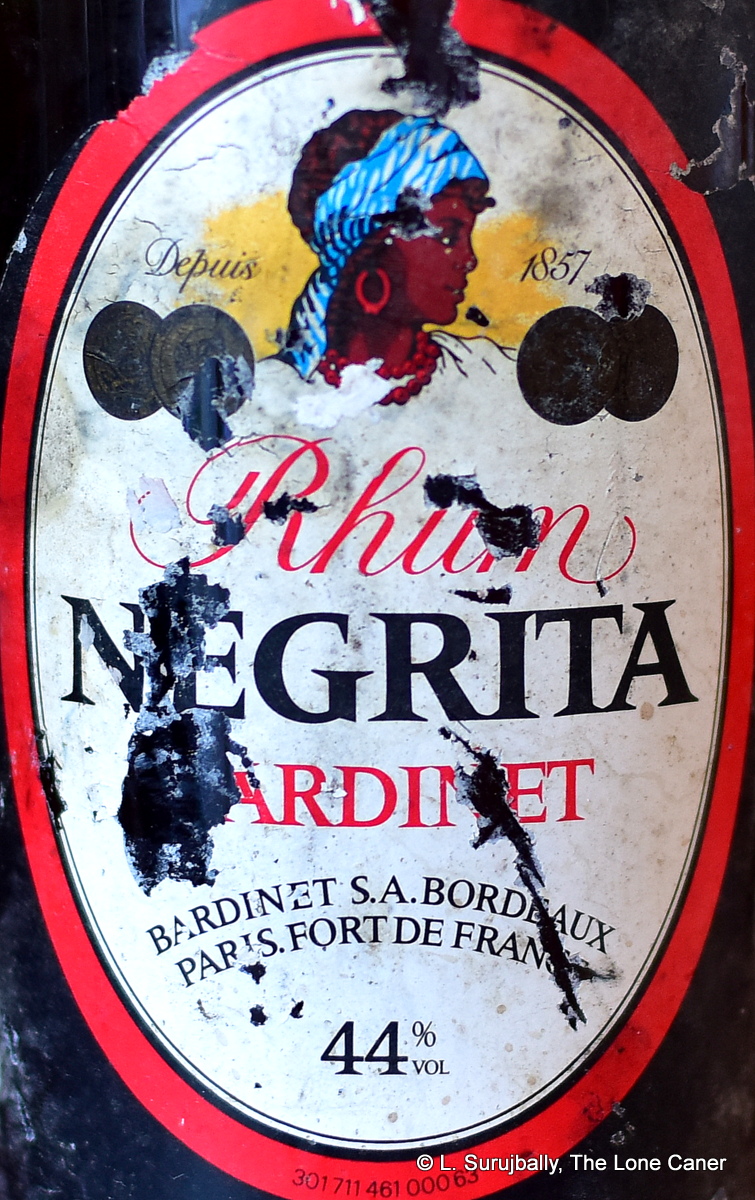
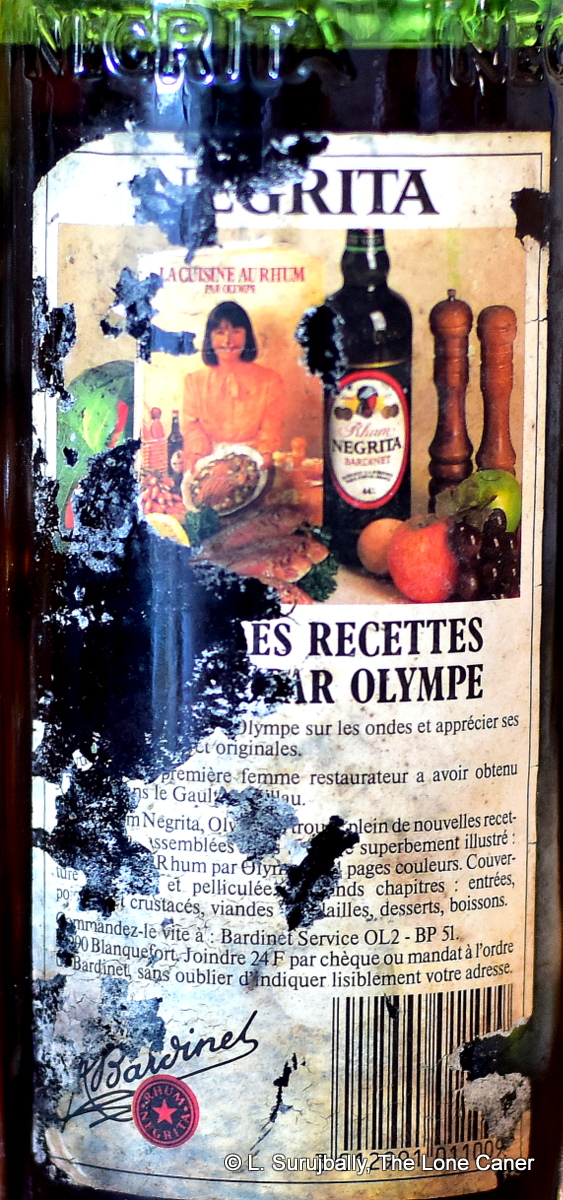 Nose – Doesn’t lend itself to quick identification at all. It’s of course pre-AOC so who knows what made it up, and the blend is not disclosed, alas. So, it’s thick, fruity and has that taste of a dry dark-red wine. Some fruits – raisins and prunes and blackberries – brown sugar, molasses, caramel, and a sort of sly, subtle reek of gaminess winds its way around the back end. Which is intriguing but not entirely supportive of the other aspects of the smell.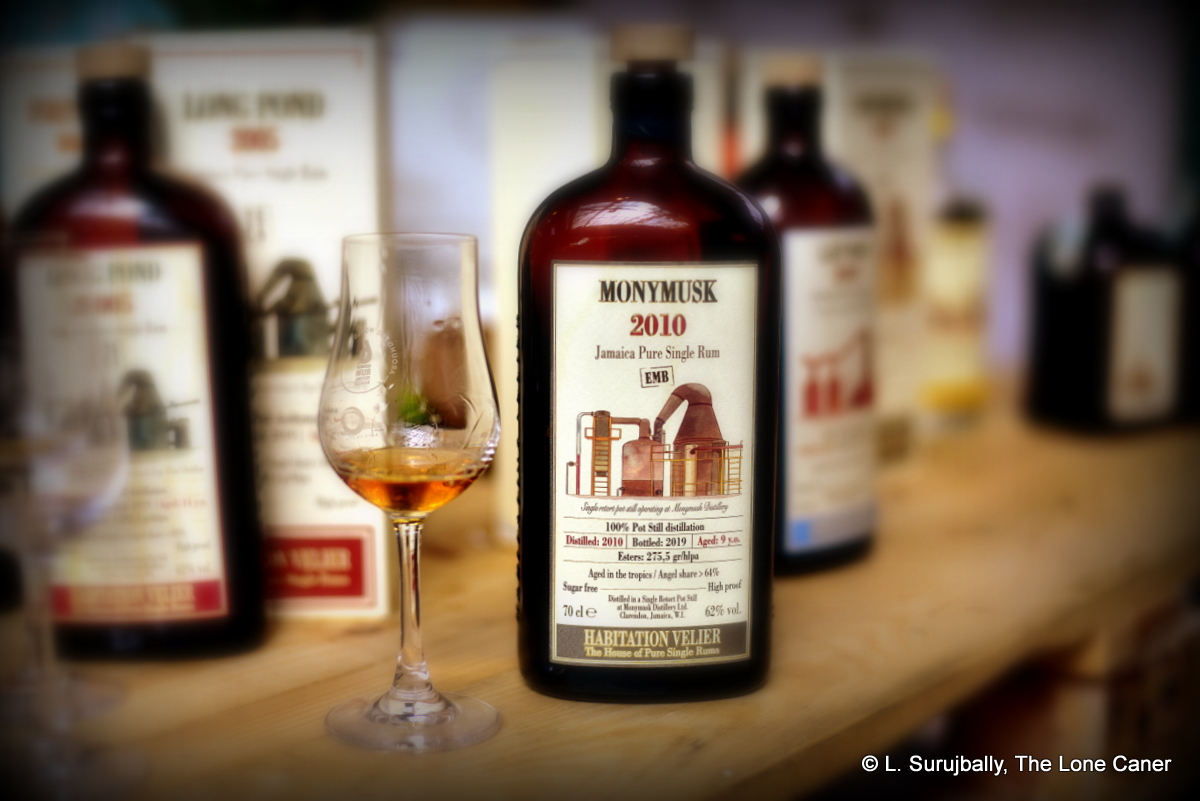

 As for the finish, well, in rum terms it was longer than the current Guyanese election and seemed to feel that it was required that it run through the entire tasting experience a second time, as well as adding some light touches of acetone and rubber, citrus, brine, plus everything else we had already experienced the palate. I sighed when it was over…and poured myself another shot.
 Things calmed down when Johnny Drejer approached, though, because in his fist he carried a bottle a lot of us hadn’t seen yet – the second in Romdeluxe’s “Wild Series” of rums, the Guyanese Enmore, with a black and white photo of a Jaguar glaring fiercely out. This was a 61.5% rum, 17 years old (2002 vintage, I believe), from one of the wooden stills (guess which?) — it had not formally gone on sale yet, and he had been presented with it for his 65th birthday a few days before (yeah, he looks awesome for his age). Since we already knew of the elephantine proportions of the
 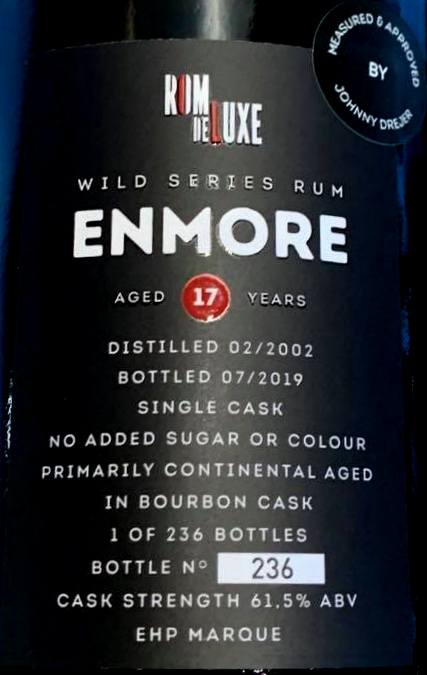 So far there is a tiger (R1 Hampden, Jamaica), jaguar (R2 Enmore, Guyana), puma (R3 Panama), black panther (R4 Belize), lion (R5, Bellevue, Guadeloupe) and leopard (R6 Caroni, Trinidad). I don’t know whether the photos are commissioned or from a stock library – what I do know is they are very striking, and you won’t be passing these on a shelf any time you see one. The stats on some of these rums are also quite impressive – take, for example, the strength of the Wild Tiger (85.2% ABV), or the age of the Wild Lion (25 years). These guys clearly aren’t messing around and understand you have to stand out from an ever more crowd gathering of indies these days, if you want to make a sale.
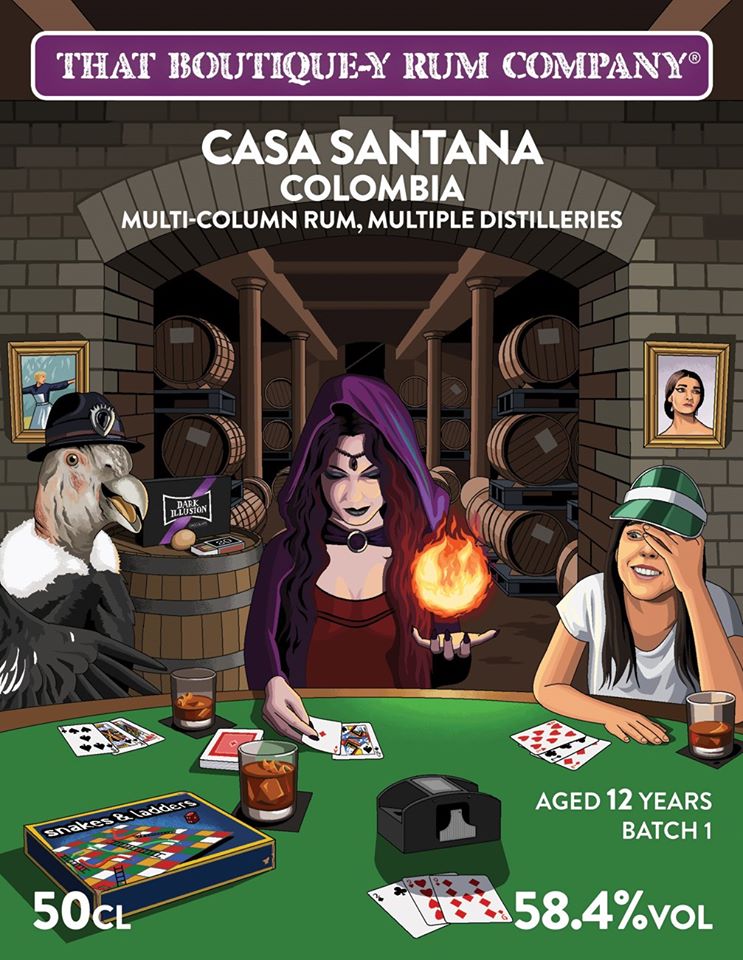
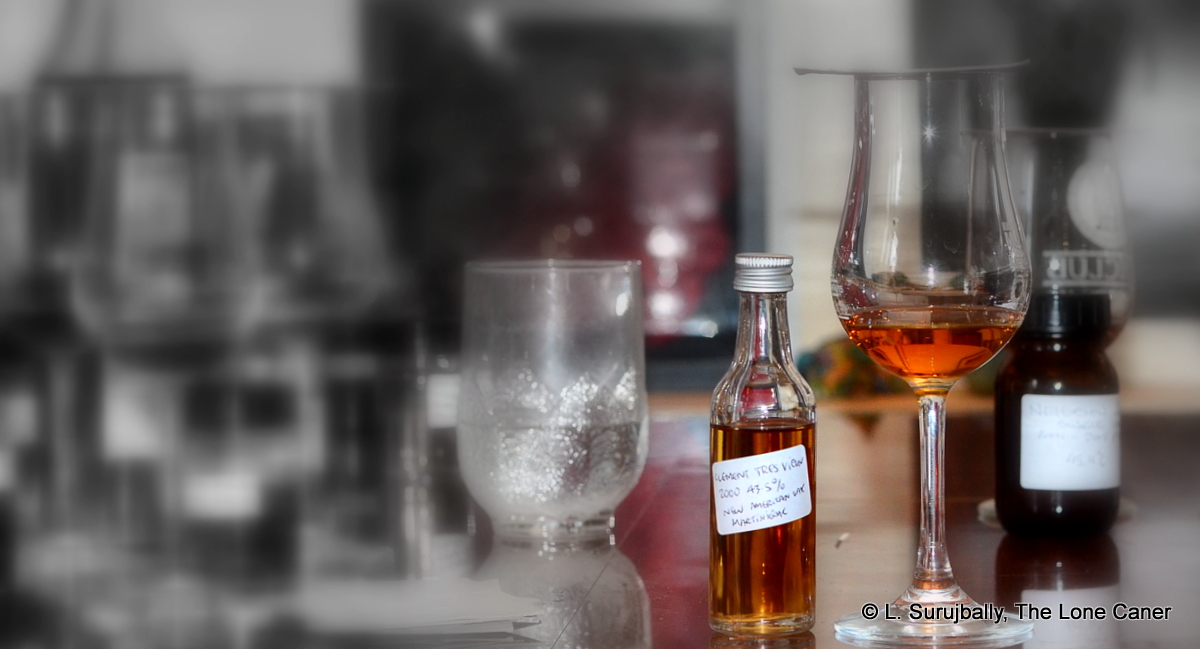
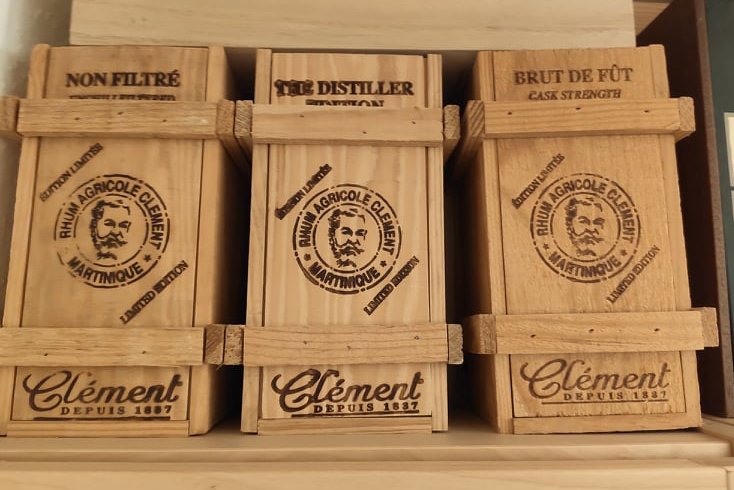
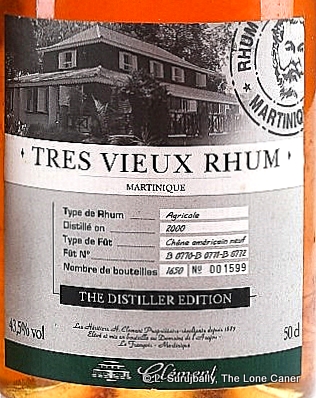 The palate was about par for the course for a rum bottled at this strength. Initially it felt like it was weak and not enough was going on (as if the profile should have emerged on some kind of schedule), but it was just a slow starter: it gets going with citrus, vanilla, flowers, a lemon meringue pie, plums and blackberry jam. This faded out and is replaced by sugar cane sap, swank and the grassy vegetal notes mixed up with ashes (!!) and burnt sugar. Out of curiosity I added some water , and was rewarded with citrus, lemon-ginger tea, the tartness of ripe gooseberries, pimentos and spanish olives. It took concentration and time to tease them out, but they were, once discerned, quite precise and clear. Still, strong they weren’t (“forceful” would not be an adjective used to describe it) and as expected the finish was easygoing, a bit crisp, with light fruit, fleshy and sweet and juicy, quite ripe, not so much citrus this time. The grassy and herbal notes are very much absent by this stage, replaced by a woody and spicy backnote, medium long and warm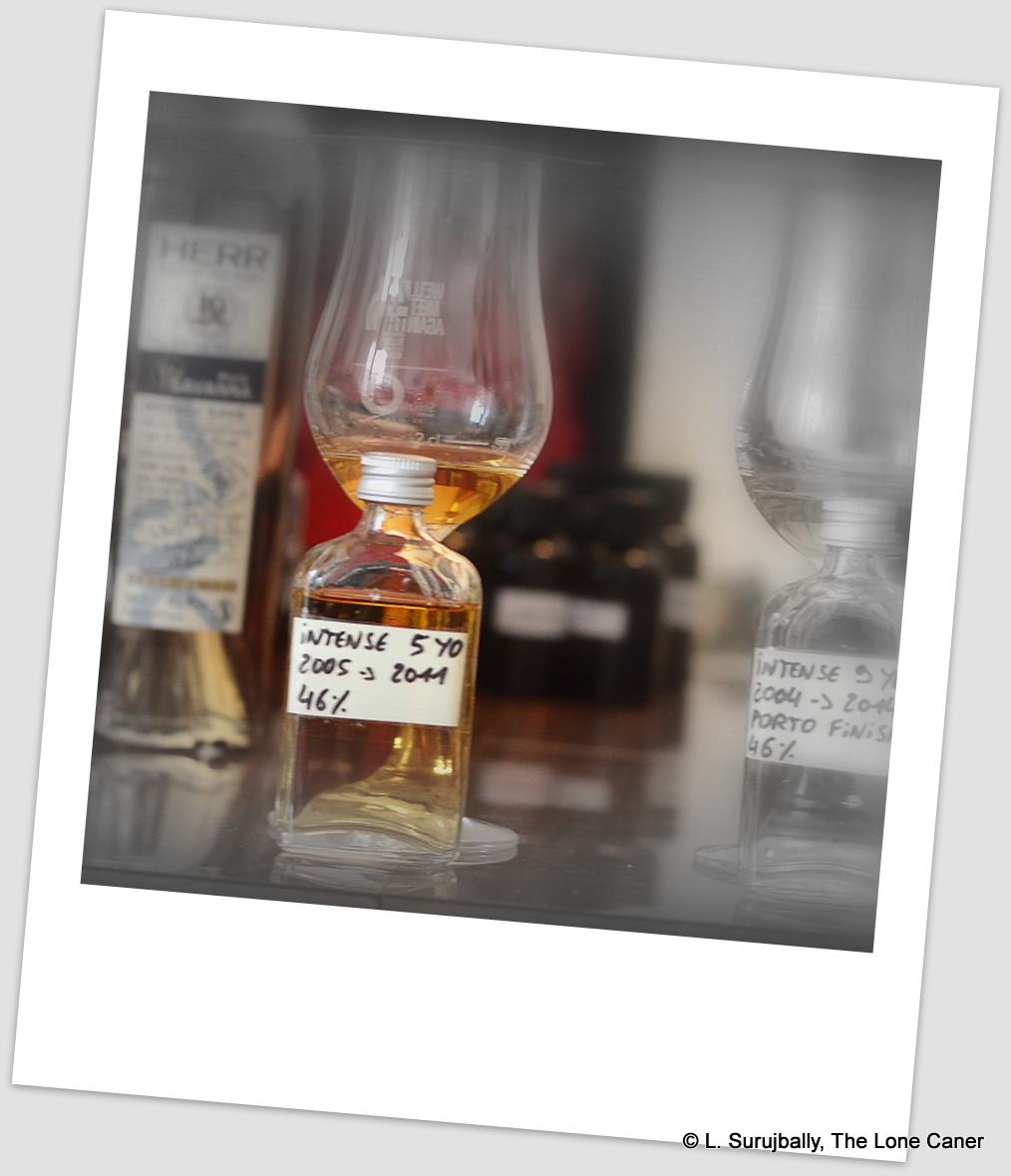

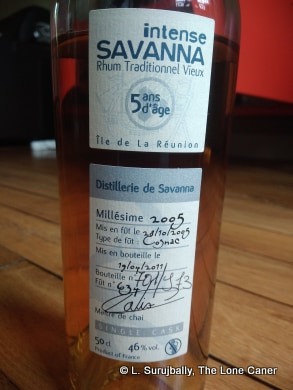 The youth is sensed upon sipping, and it’s an interesting if delicate amalgam. It presents as sharp to begin with, yet the bite climbs back down to gentle very quickly. Some bitter tannins, dampened down before they get a chance to descend into obnoxiousness. Citrus, oranges, nuts, plums, very tart, a bit thin overall to taste…not spotting too much cognac here. Strawberries and pineapples, weak. Nose was better, if not strictly comparable but then, I wasn’t drinking it through my schnozz either. Anyway, good tastes, a little thin, leading to a brisk finish, on the weak side of firm, gone quickly. Tart gooseberries, turmeric, strawberries, some citrus, and a last touch of that honey I enjoyed…it was a nice closing touch.
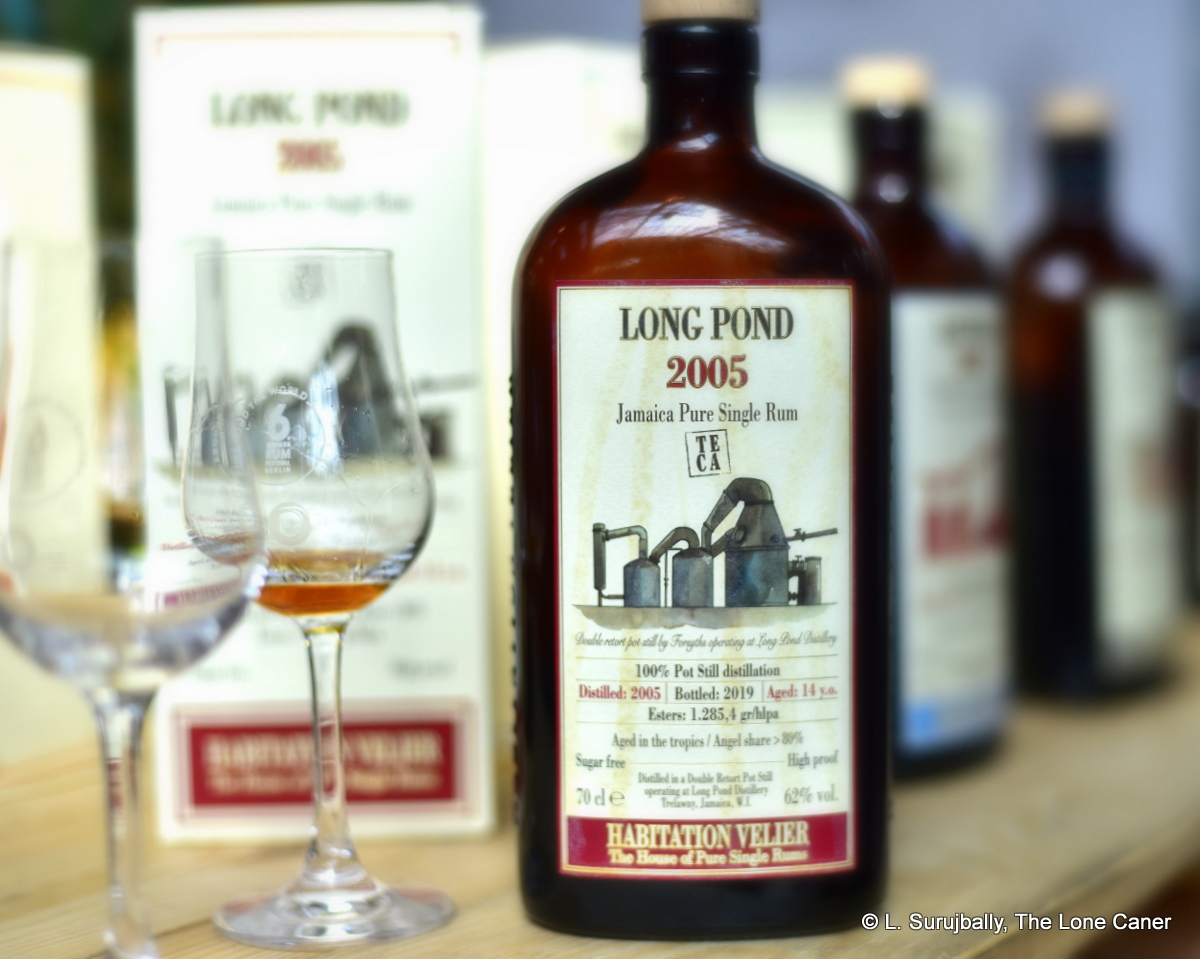
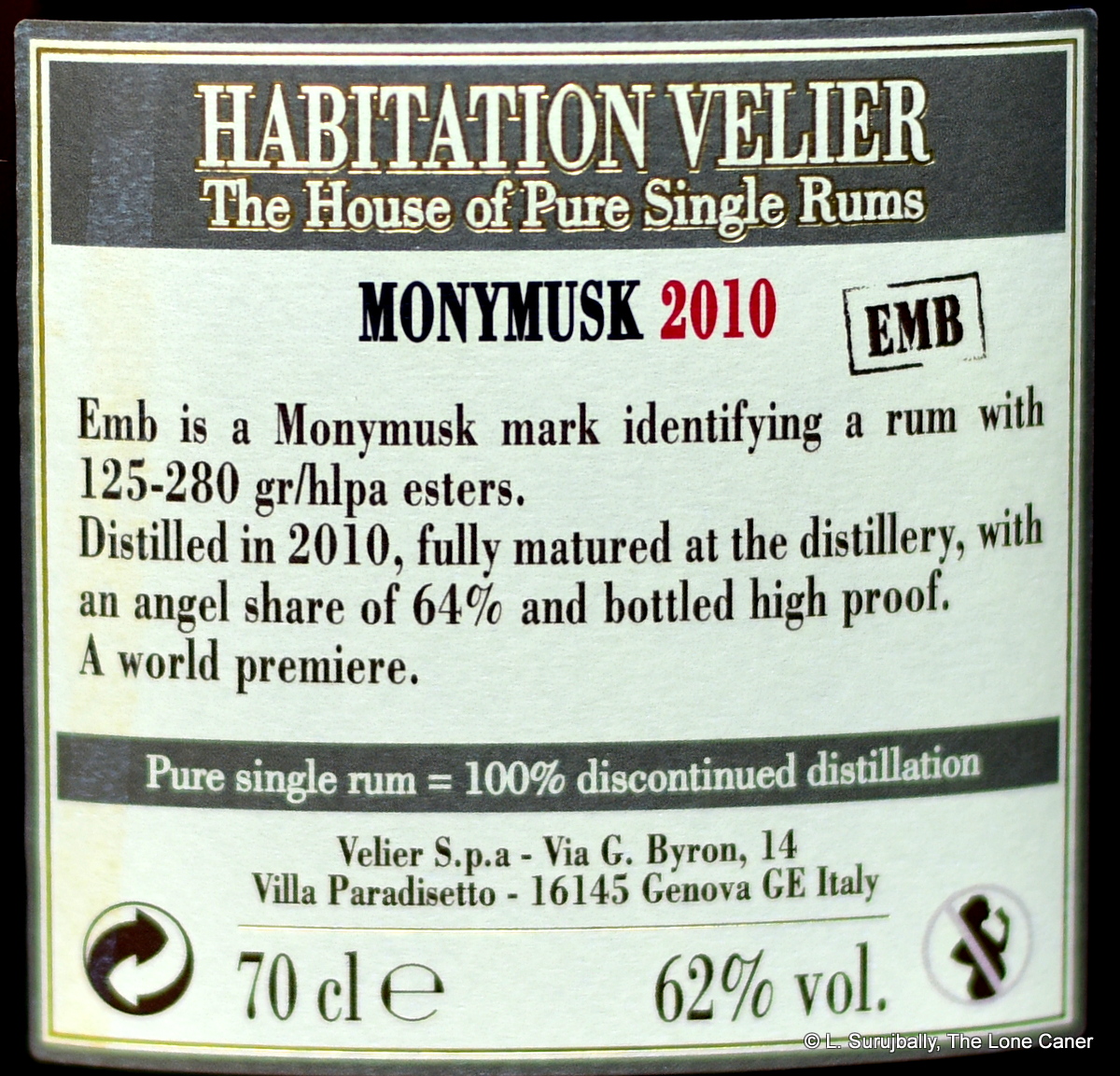
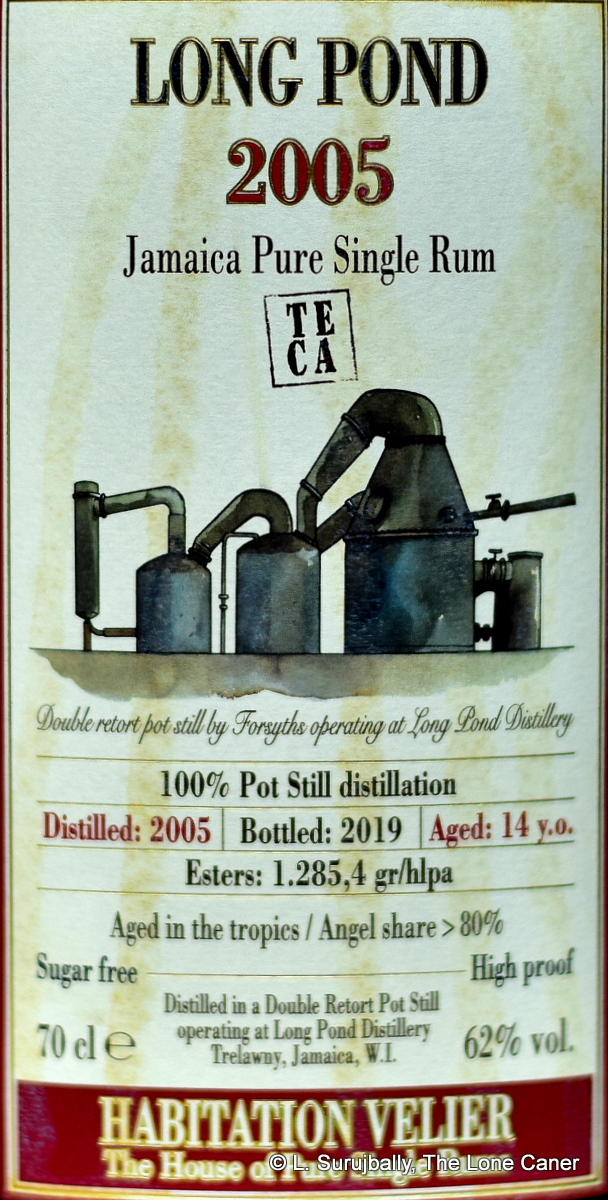 Let’s see if we can’t redress that somewhat. This is a Jamaican rum from Longpond, double pot still made, 62% ABV, 14 years old, and released as one of the pot still rums the Habitation Velier line is there to showcase. I will take it as a given it’s been completely tropically aged. Note of course, the ester figure of 1289.5 gr/hlpa, which is very close to the maximum (1600) allowed by Jamaican law. What we could expect from such a high number, then, is a rum sporting taste-chops of uncommon intensity and flavour, as rounded off by nearly a decade and a half of ageing – now, those statistics made the TECA 2018 detonate in your face and it’s arguable whether that’s a success, but here? … it worked. Swimmingly.
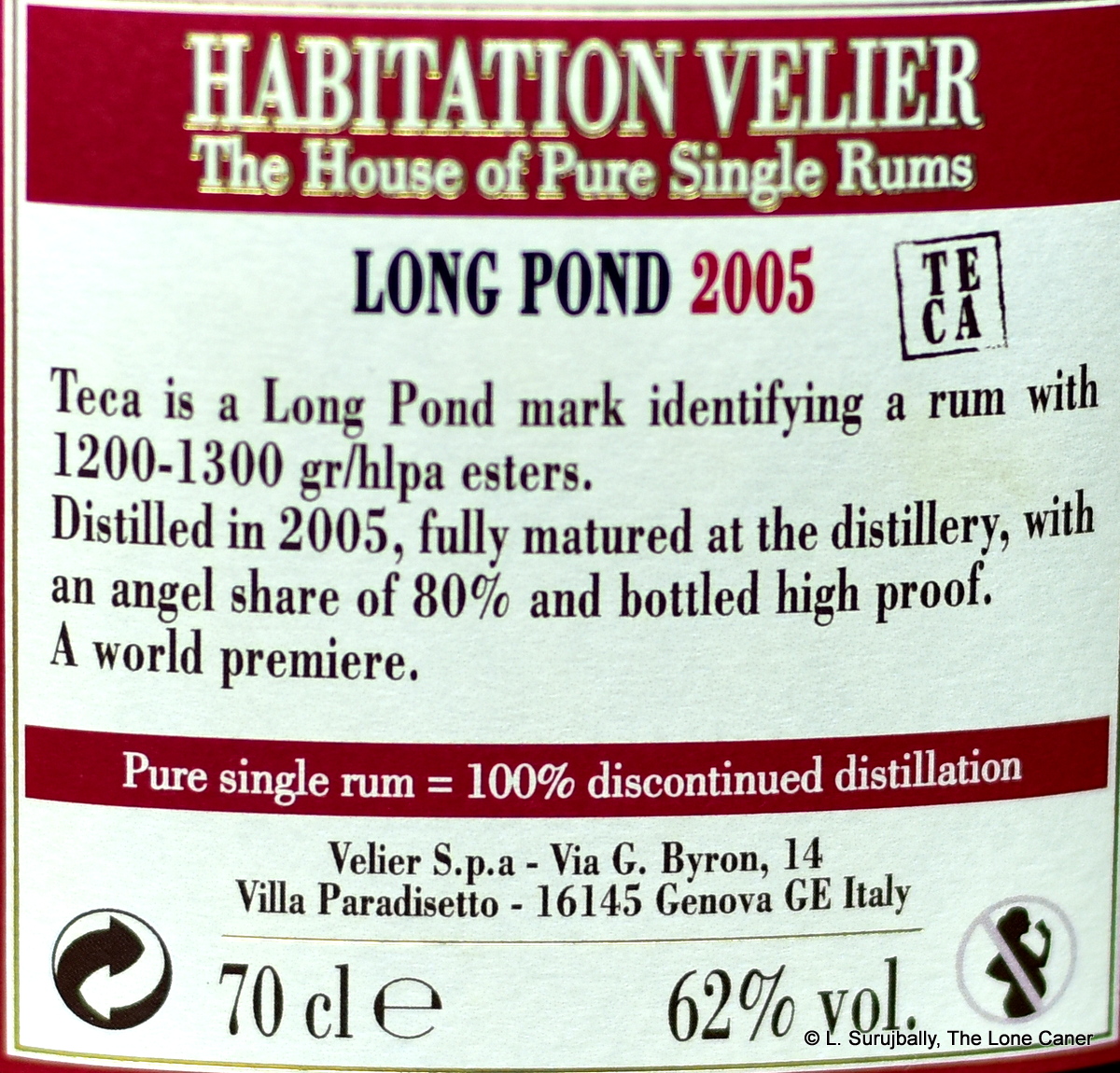 So – good or bad? Let’s see if we can sum this up. In short, I believe the 2005 TECA was a furious and outstanding rum on nearly every level. But that comes with caveats. “Fasten your seatbelt” remarked Serge Valentin
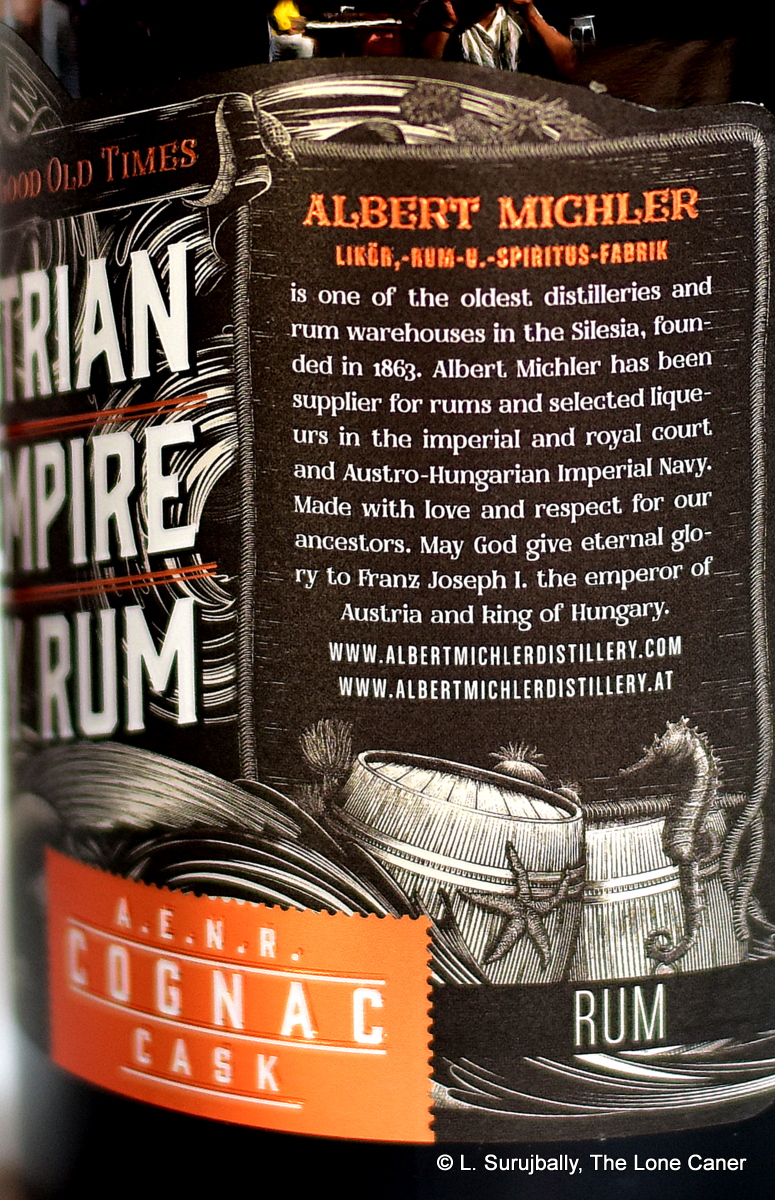 There are no records on whether the Austrian or Austro-Hungarian Navy ever used it or was supplied by the Michler distillery. Somehow I doubt it – it was far more likely it followed in the tradition of rum
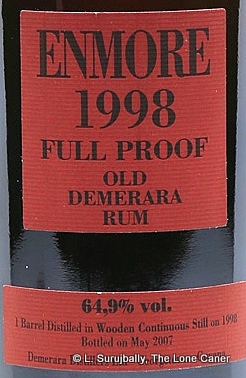 Yet for all that, to ignore it would be a mistake. There’s the irresistible pull of the Old Guyana Demeraras, of that legendary Enmore wooden Coffey still (also known as the “filing cabinet” by wags who’ve seen it), the allure of Velier and their earlier releases which back in the day sold for a hundred or so and now pull down thousands easy (in any currency). How can one resist that? Good or bad, it’s just one of those things one has to try when possible, and for the record, even at that young age, it’s very good indeed.