 Rumaniacs Review #120 | 0757
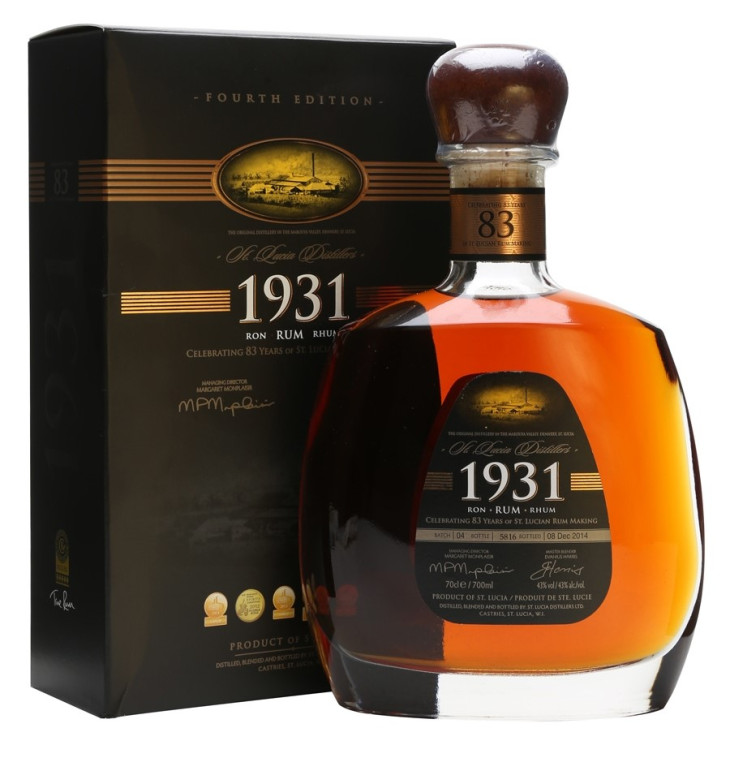
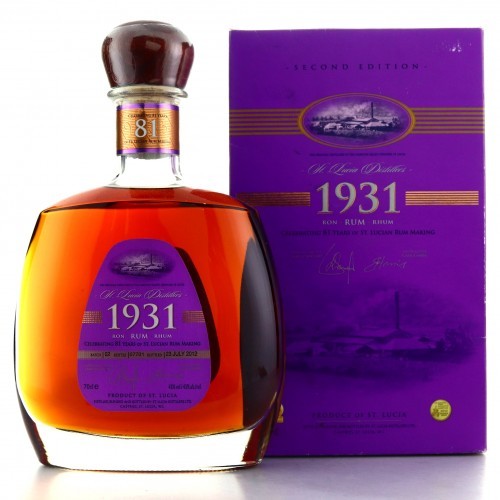
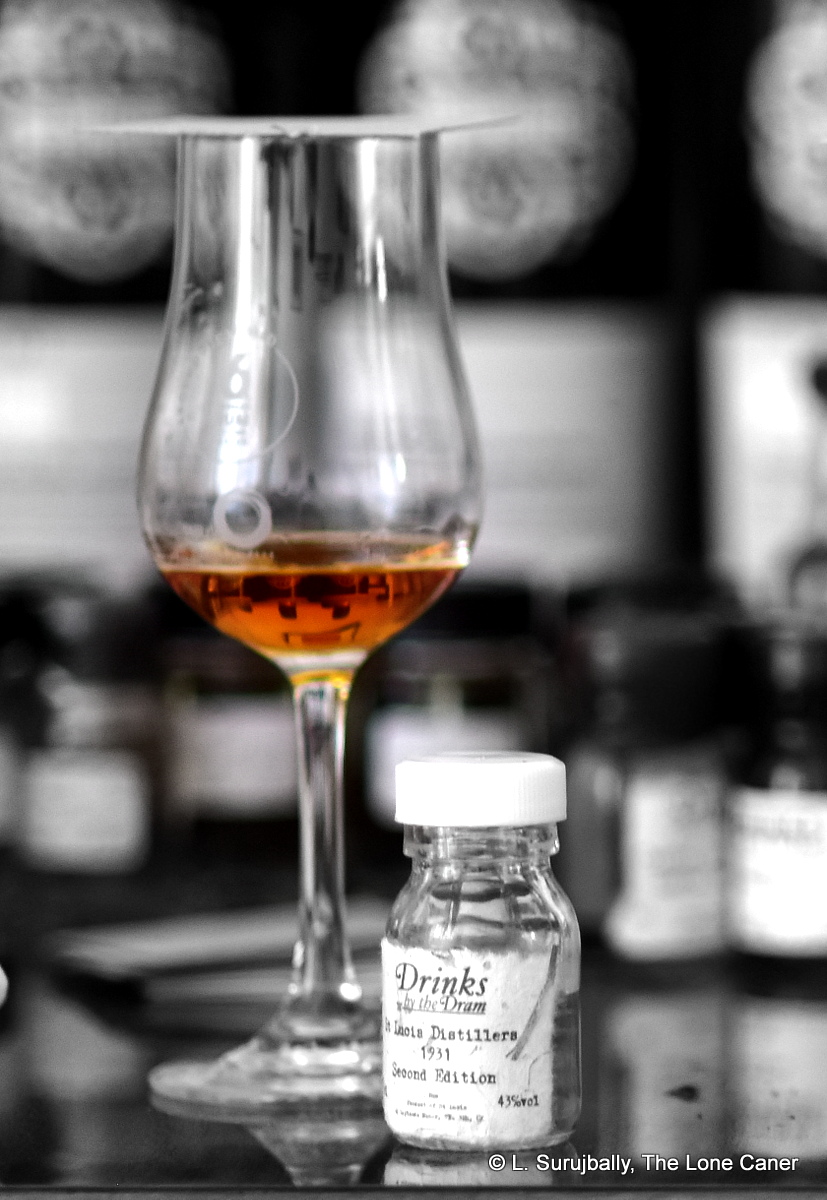
Each of the 1931 series has some sort of tweak, a point of uniqueness or interest, to make it stand out. The first two, in my estimation at least, were fairly conservative pot-column blending experiments (but very well done). The Third Edition added some sugar to a blend of all four stills and upped the complexity some. By the time they got to 2014, it was clear there was a gleeful maniac running free and unsupervised in the blending area, and he used a bit of just about everything he had in the lab (including agricole rhum, the first made from sugar cane juice at SLD since the 1930s), in an effort to create the ultimate complex blend that only a 9-Dan Master Blender from some insanely intricate solera system could possibly unravel. But oh man, what he created was stunning for a rum bottled at such a quiet 43%.
Brief background: there are six releases of the 1931 rums, one per year between 2011 and 2016, each with its blend of aged pot and column still distillates. In 2017 the 1931 moniker was folded into the Chairman’s Reserve part of the portfolio and it effectively ceased production as a brand in its own right. For the historically minded, the “1931” refers to the year when the Barnard family’s Mabouya Distillery was founded near Dennery – it merged with the Geest family’s Roseau distillery in 1972 to create the modern St Lucia Distillers.
Once again, the St. Lucia distillers site gives zero info on the blend, but direct communication with them provided everything we might want. The blend breakdown is below the tasting notes, and I should note a smidgen of sugar (about 4-6 g/L according to Mike Speakman, who also provided the breakdown).
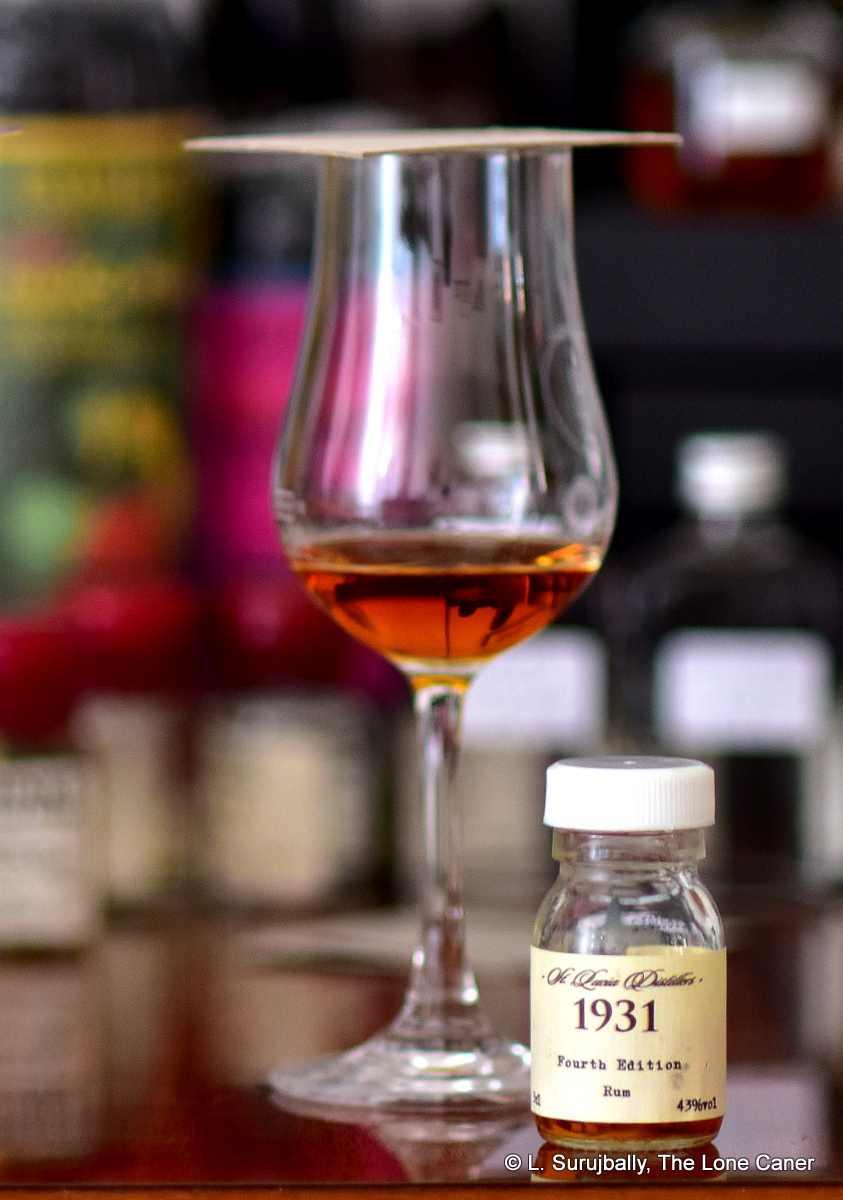 Colour – Gold
Strength – 43%
Nose – Damn, but here, the brine and licorice notes are so distinct it’s almost sweaty. Brine and olives, salty caramel ice cream, some vanilla. Honey, leather, some smoke, molasses-soaked brown sugar. I particularly liked the light twist of lime and mint which offset thicker aromas of bananas and peaches.
Palate – The balance of the various flavours permeating this thing s really very good. The tart acidity of sour cream and fruit melds deliciously with softer, creamier flavours — think lemon meringue pie but with bags more apricots, peaches, green grapes, lime and apples. The salt caramel and molasses is present but unobtrusive, and while the agricole element remains faint, it is there, and maybe just shy. A flirt of vanilla and aromatic tobacco round off a very satisfying profile.
Finish – Shortish, mostly vanilla, lemon zest, light chocolate, and whipped cream.
Thoughts – Whoever made this blend is a genius. Of the six St. Lucians I had on the go that day, only one eclipsed it (and not by much). It’s admirable and amazing how much flavour got stuffed into a rum released at a strength that too often is seen as its own disqualifier. I can’t speak for the 1931 #5 and #6, but of the first four, this is, for me, undoubtedly the best.
(86/100)
The components of this blend are as follows:
89% molasses-based.
46% Column still, of which:
- 6% Aged 11 years (Bourbon cask)
- 9% Aged 9 years (Bourbon cask)
- 9% Aged 7 years (Bourbon cask)
- 9% Aged 9 years (Bourbon cask)
- 7% Aged 7 years (Bourbon cask)
- 3% Aged 9 years (Port cask)
- 3% Aged 9 years (Port cask)
11% from a Pot/Column blend:
- 50% from John Dore 1. Aged for 10 years (Bourbon cask)
- 50% from a Column still. Aged for 10 years (Bourbon cask)
32% from a pot still of which:
- 13% Aged for 15 years, from John Dore 1 (Bourbon cask)
- 5% Aged for 9 years, from John Dore 2 (Bourbon cask)
- 7% Aged for 10 years, from Vendome (Bourbon cask)
- 7% Aged for 9 years, from John Dore 1 & Vendome (50% each) (Bourbon cask)
11% Sugar cane juice based (Agricultural rhum).
- Aged for 6 years from John Dore pot still (Bourbon cask)
Summary of blend
- 13% Aged for 15 years
- 6% Aged for 11 years
- 18% Aged for 10 years
- 36% Aged for 9 years
- 16% Aged for 7 years
- 11% Aged for 6 years.
- 94% aged in Bourbon casks
- 6% aged in Port casks.
- 51.5% Column Still
- 33.0% Pot Still John Dore 1
- 5.0% Pot Still John Dore 2
- 10.5% Pot Still Vendome
The six editions of the range are colour coded and reviewed as follows:
- 2011 1st edition – pale yellow [Rumshop Boy] [Fat Rum Pirate]
- 2012 2nd edition – lavender [Rumshop Boy] [Fat Rum Pirate]
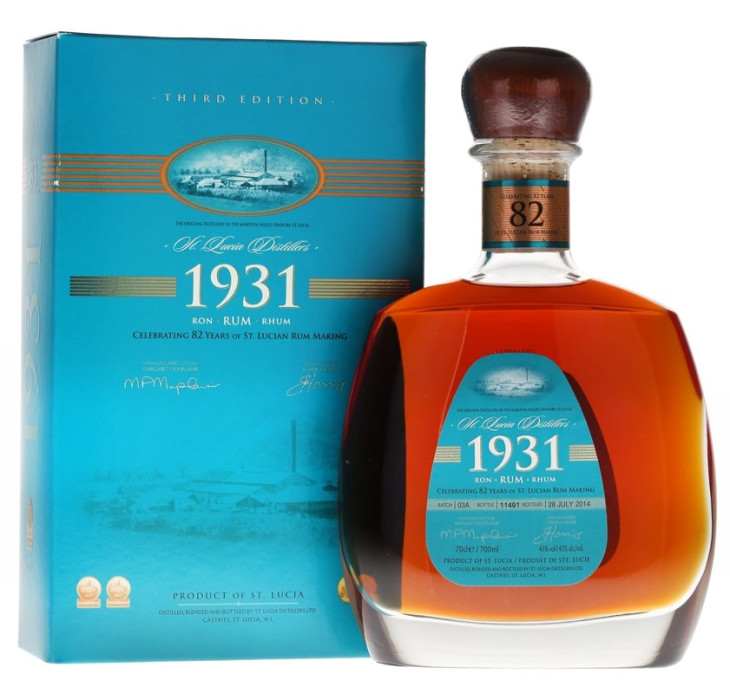
- 2013 3rd edition – turquoise [Rumshop Boy] [Fat Rum Pirate]
- 2014 4th edition – black [Rumshop Boy] [Fat Rum Pirate]
- 2015 5th edition – magenta [Rumshop Boy] [Fat Rum Pirate]
- 2016 6th edition – coral [Rumshop Boy] [Fat Rum Pirate]
A complete flight of all six at once was done and written about by Phil Kellow of the Australian blog Philthy Rum in 2018.
 Rumaniacs Review #119 | 0756
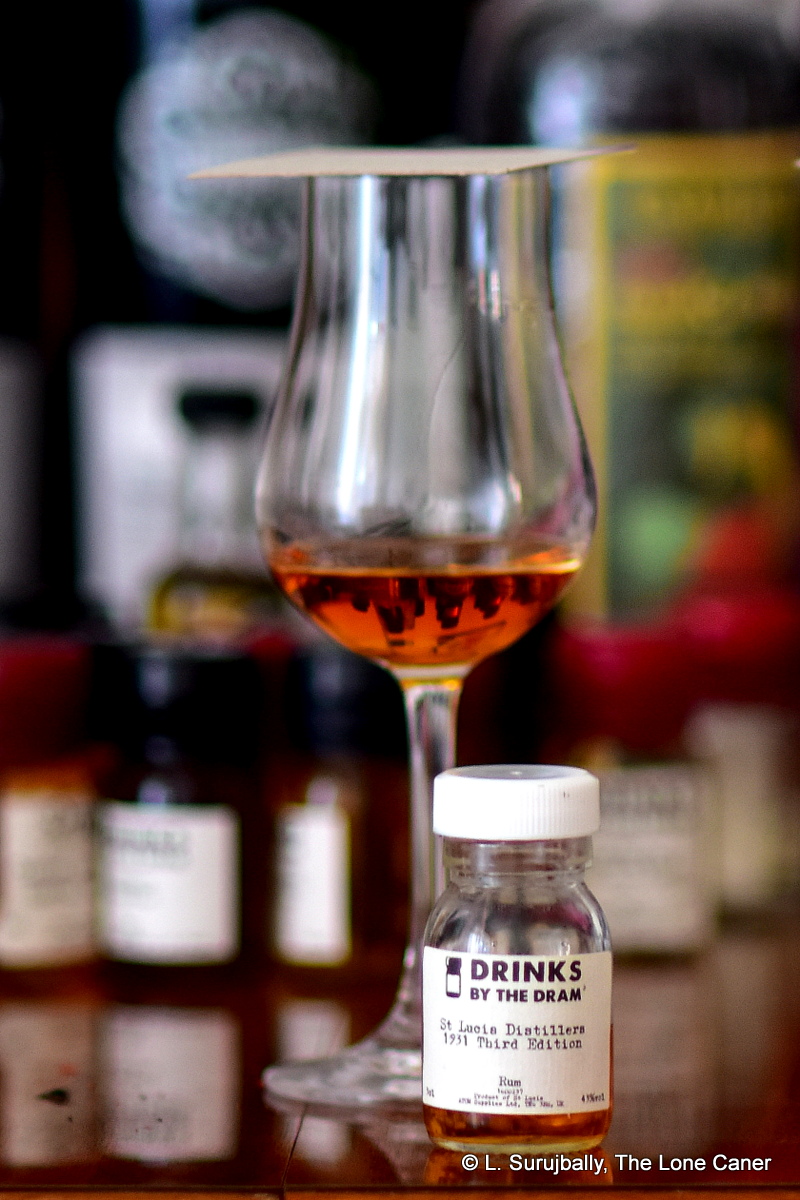 Colour – Dark gold
 Rumaniacs Review #118 | 0755
 Colour – Mahogany
 As for the taste when sipped, “uninspiring” might be the kindest word to apply. It’s so light as to be nonexistent, and just seemed so…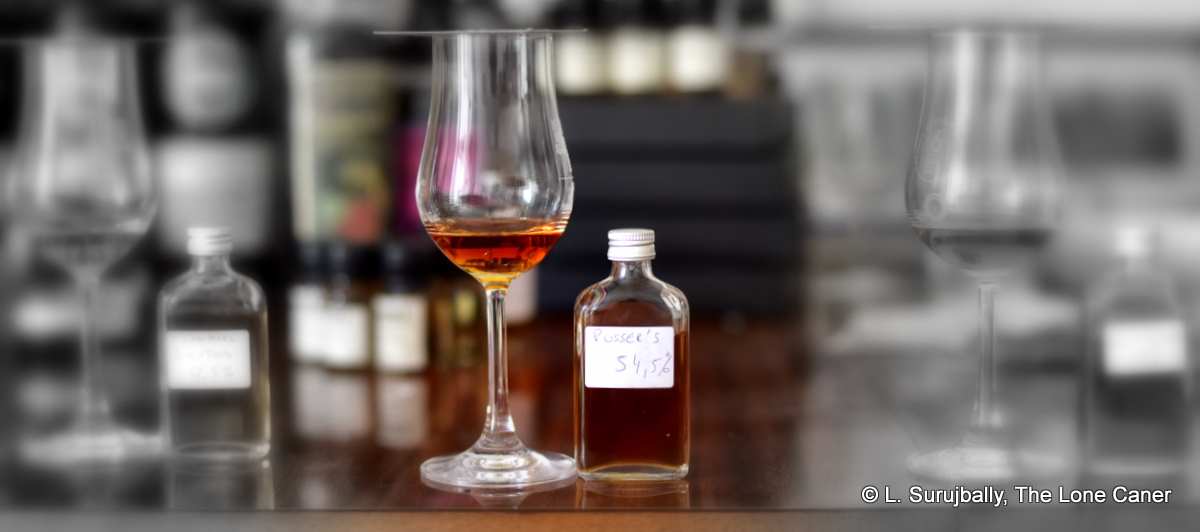
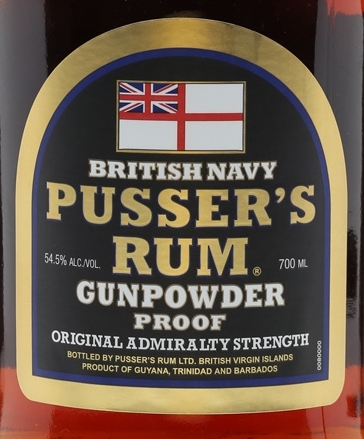 That provided, let’s get right into it then, nose forward. It’s warm but indistinct, which is to say, it’s a blended melange of several things — molasses, coffee (like
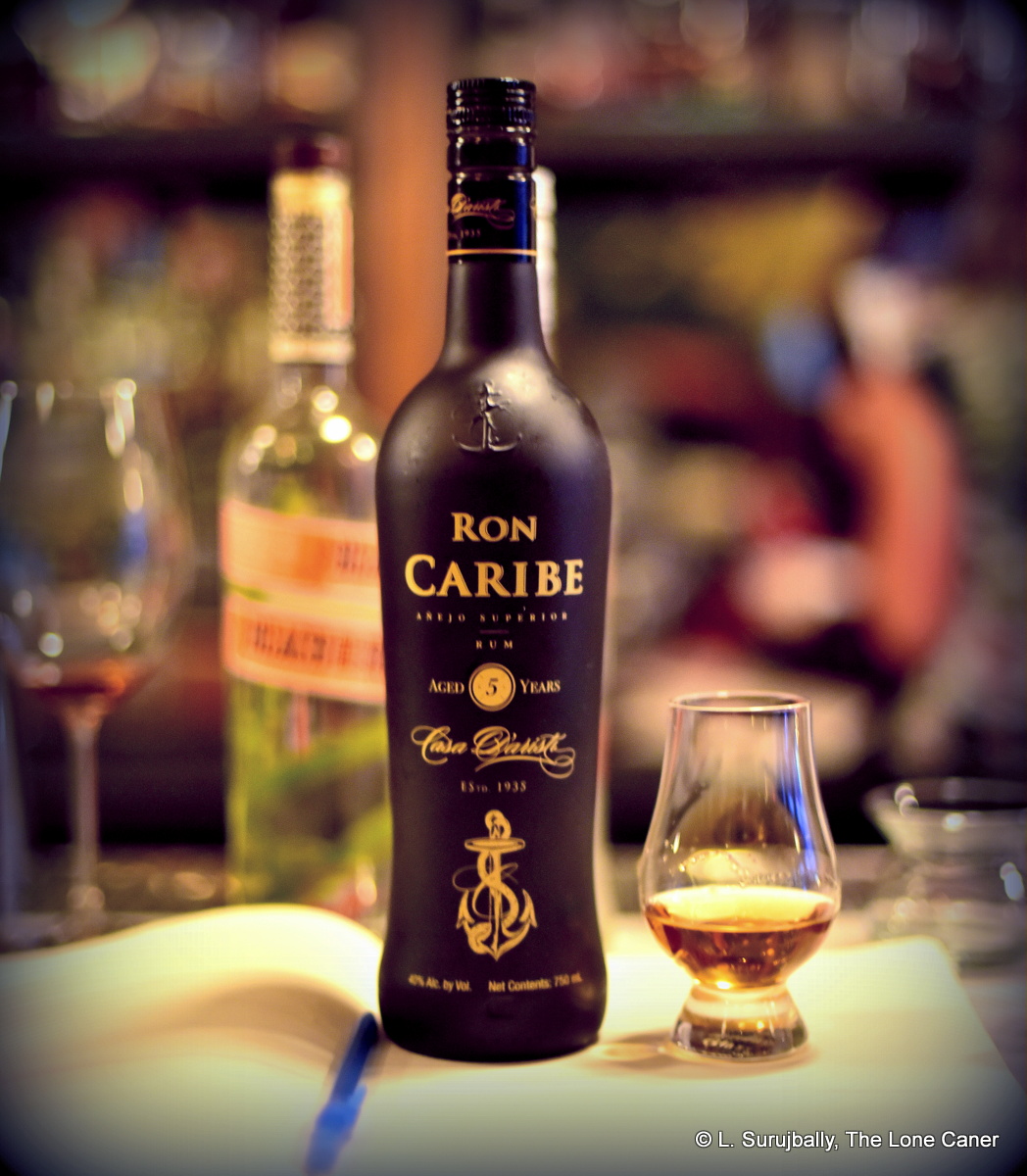
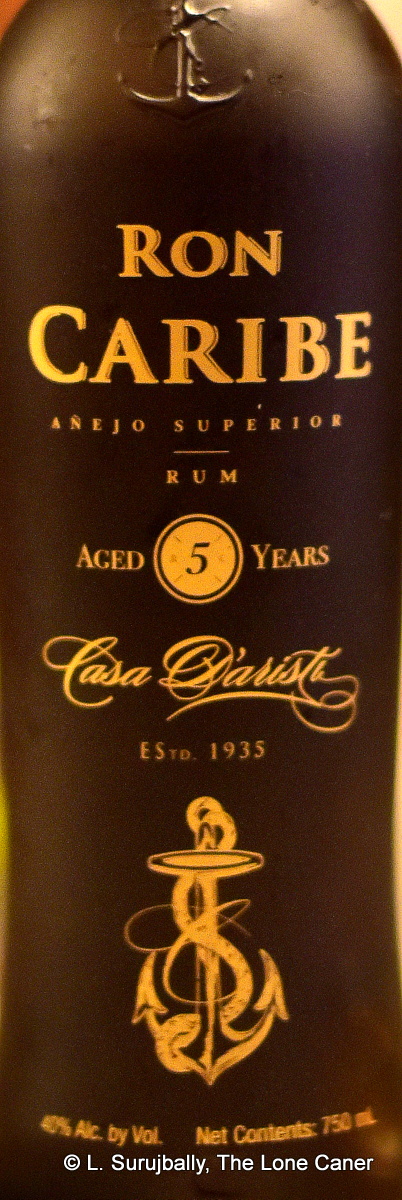 This makes it a spiced or flavoured rum, and it’s at pains to demonstrate that: the extras added to the rum make themselves felt right from the beginning. The thin and vapid nose stinks of vanilla, so much so that the bit of mint, sugar water and light florals and fruits (the only things that can be picked out from underneath that nasal blanket), easily gets batted aside (and that’s saying something for a rum bottled at 40%). It’s a delicate, weak little sniff, without much going on. Except of course for vanilla.
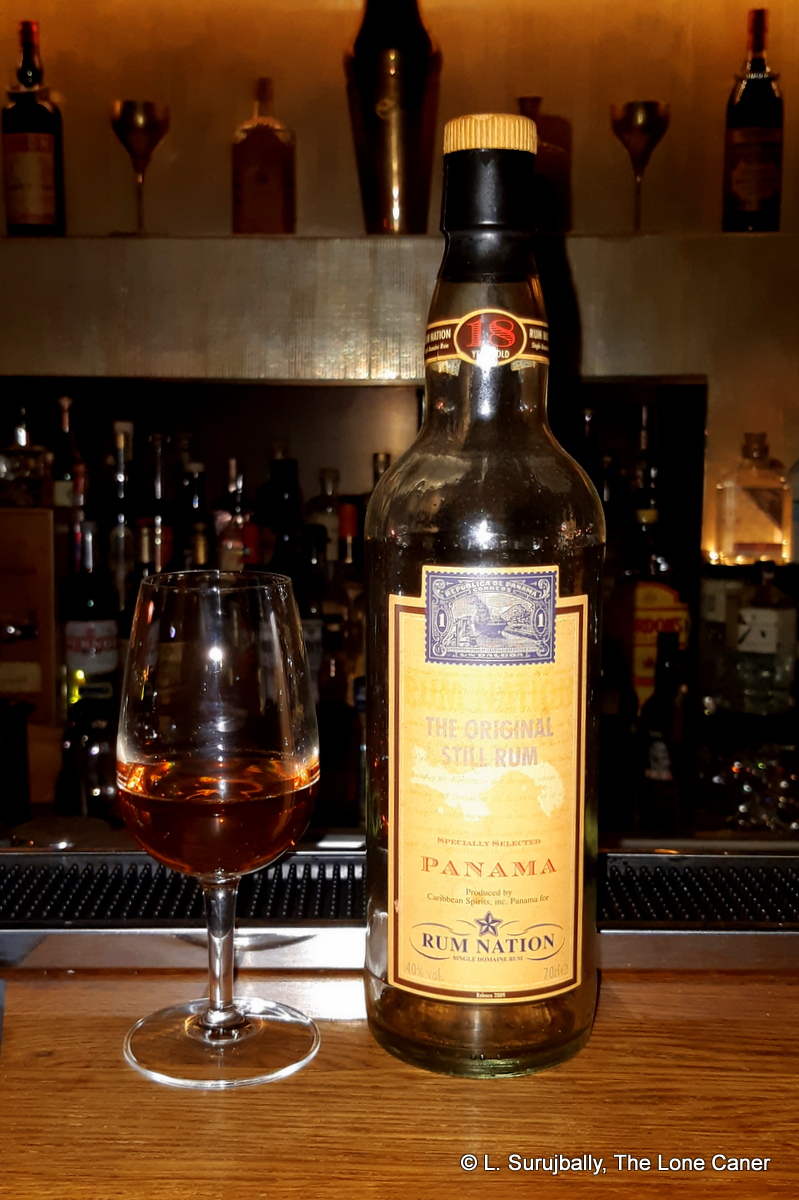 The Rum Nation Panama 2009 edition exists in a peculiar place of my mind, since it’s the unavailable, long-gone predecessor of the
 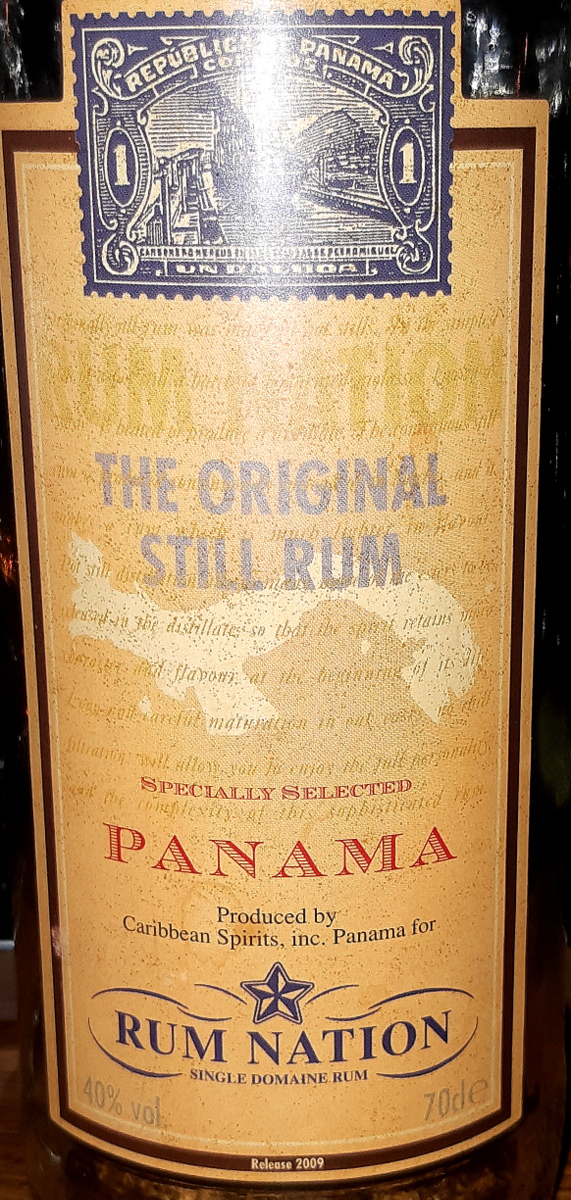 That was the smell, but what did it taste like? Eighteen years in a barrel must, after all, show its traces. To some extent, yes: again,
 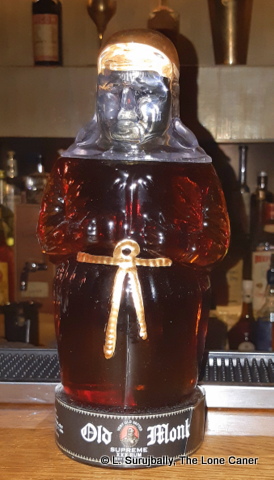 The Old Monk series of rums, perhaps among the best known to the Western world of those hailing from India, excites a raft of passionate posts whenever it comes up for mention, ranging from enthusiastic fanboy positivity, to disdain spread equally between its lack of disclosure about provenance and make, and the rather unique taste. Neither really holds water, but it is emblematic of both the unstinting praise of adherents who “just like rum” without thinking further, and those who take no cognizance of cultures other than their own and the different tastes that attend to them.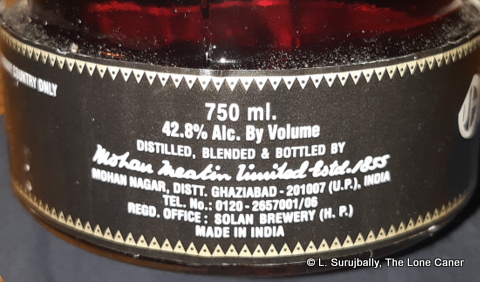


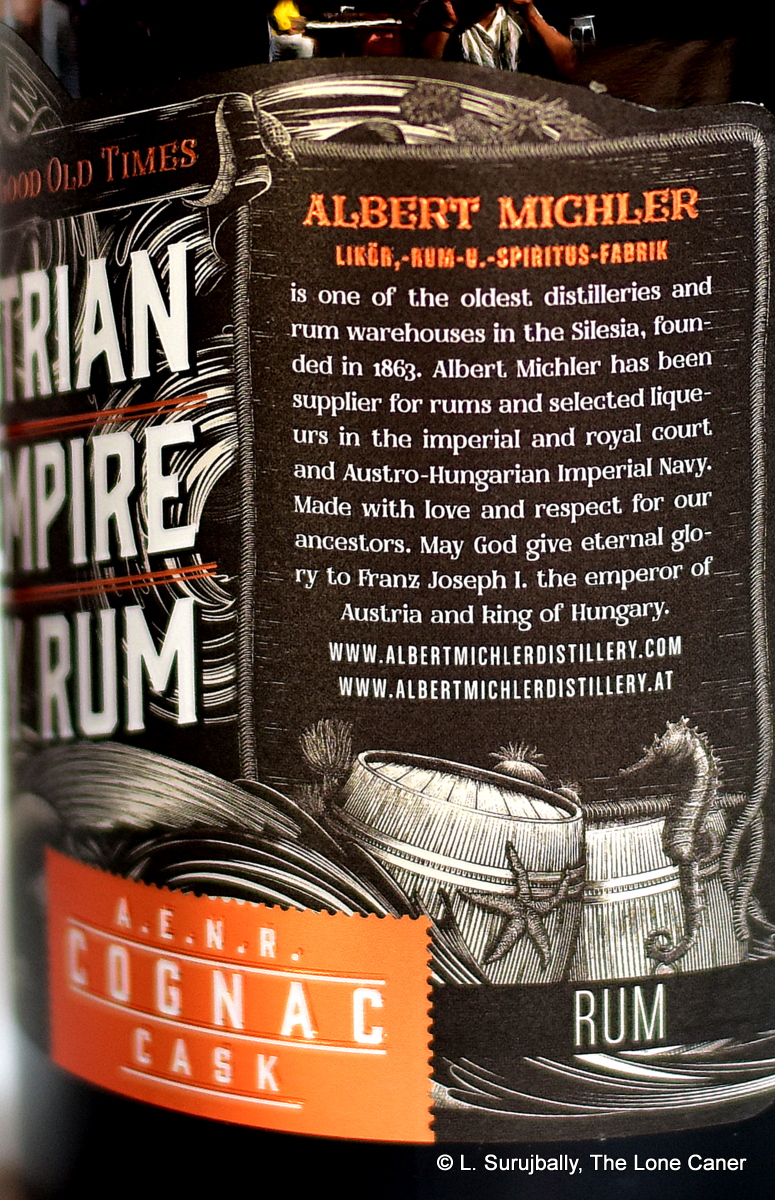 There are no records on whether the Austrian or Austro-Hungarian Navy ever used it or was supplied by the Michler distillery. Somehow I doubt it – it was far more likely it followed in the tradition of rum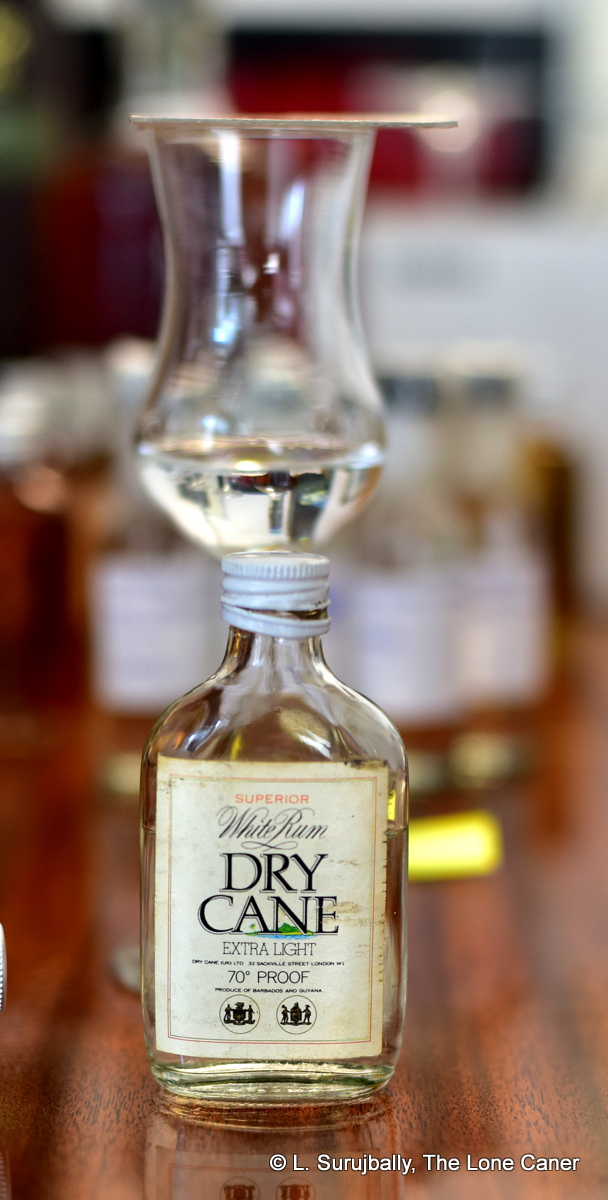
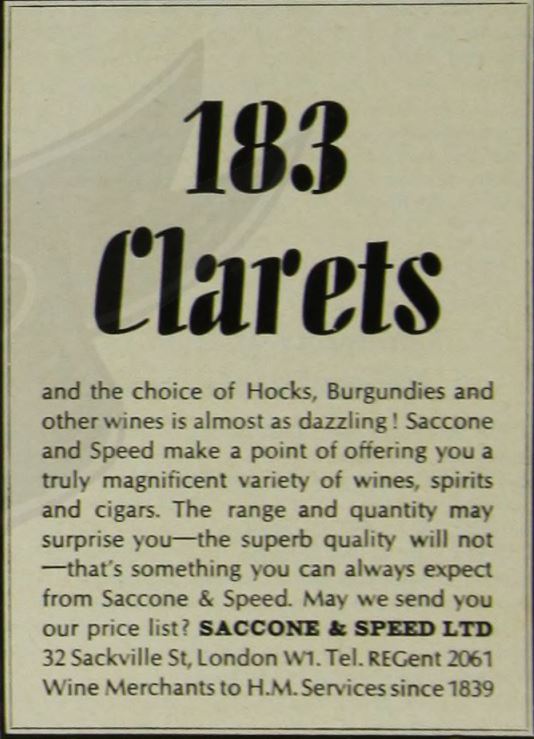 My inference is therefore that Dry Cane was a financing vehicle or shell company or wholly owned subsidiary set up for a short time to limit the exposure of the parent company (or Kinloch), as it dabbled in being an independent bottler — and just as quickly retreated, for no further products were ever made so far as I can tell. But since S&S also acquired a Gibraltar drinks franchise in 1968 and gained the concession to operate a duty free shop at Gibraltar airport in 1973, I suspect this was the rationale behind creating the rums in the first place, through the reason for its cessation is unknown. Certainly by the time S&S moved out of Sackville Street in the 1980s and to Gibraltar (where they remain to this day as part of a large conglomerate), the rum was no longer on sale.
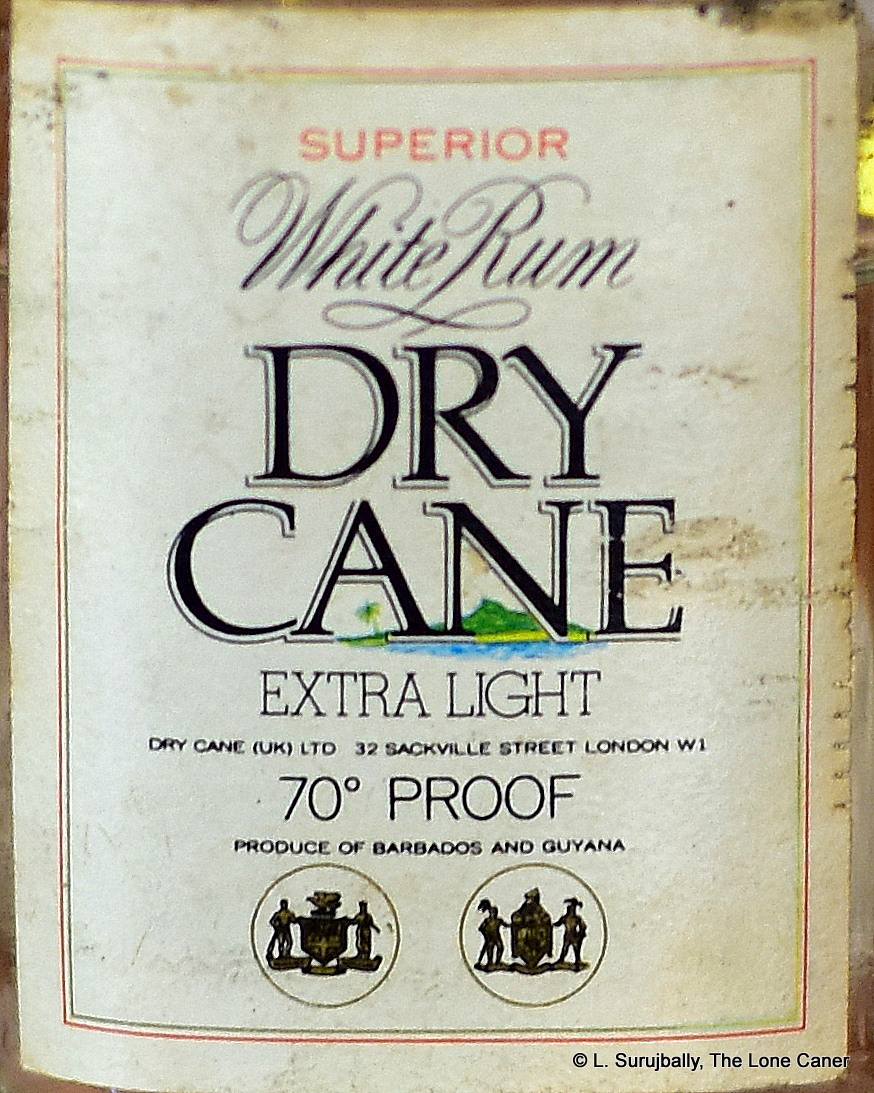 Palate – Light and inoffensive, completely bland. Pears, sugar water, some mint. You can taste a smidgen of alcohol behind all that, it’s just that there’s nothing really serious backing it up or going on.
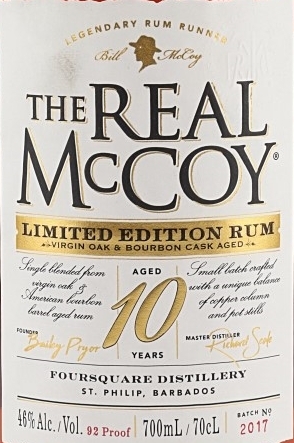 On the palate, the slightly higher strength worked, up to a point. It’s a lot better than 40%, and allowed a certain heft and firmness to brush across the tongue. This then enhanced a melded mishmash of fruits – watermelon, bananas, papaya – plus cocoa butter, coconut shavings in a Bounty chocolate bar, honey and a pinch of salt and vanilla, all of which got shouldered aside by the tannic woodiness. I suspect the virgin oak is responsible for that surfeit, and it made the rum sharper and crisper than those McCoy and Foursquare rums we’re used to, not entirely to the rum’s advantage. The finish summed of most of this – it was dry, rather rough, sharp, and pretty much gave caramel, vanilla, light fruits, and some last tannins which were by now starting to fade. (Subsequent sips and a re-checks over the next few days don’t appreciably change these notes).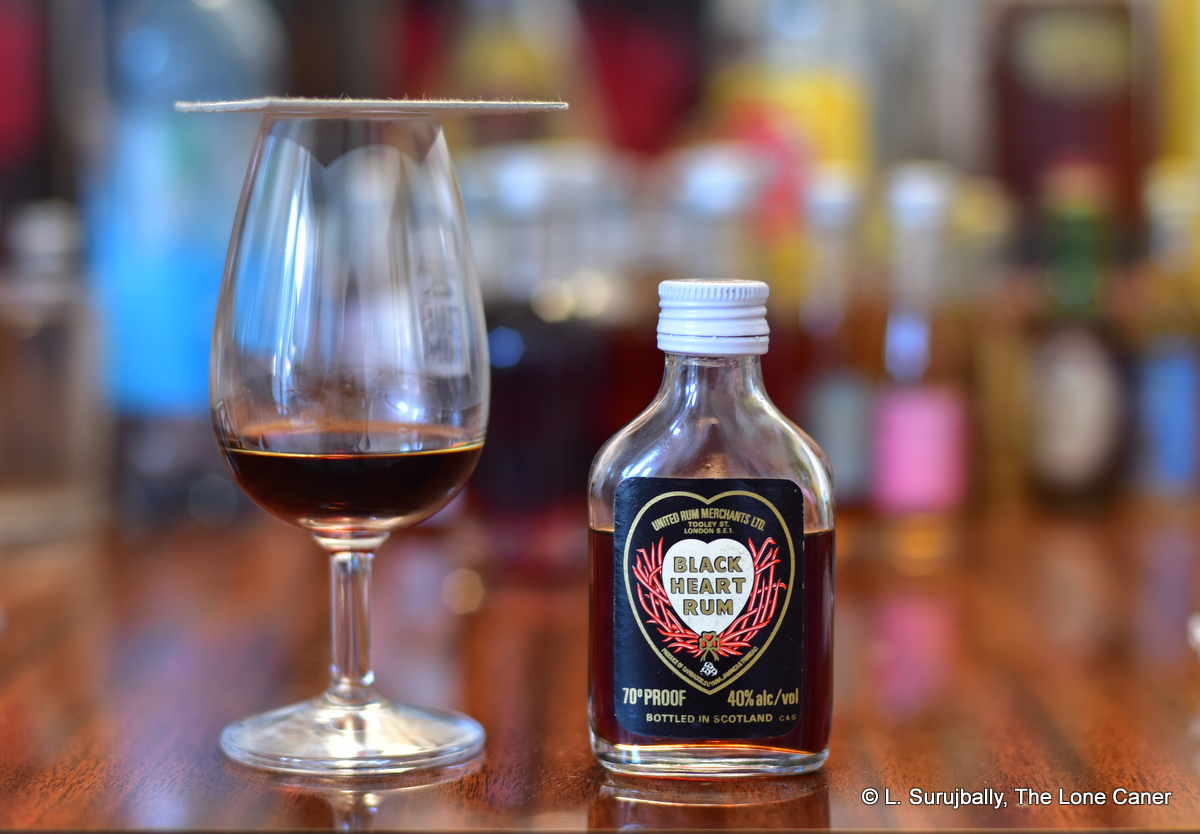
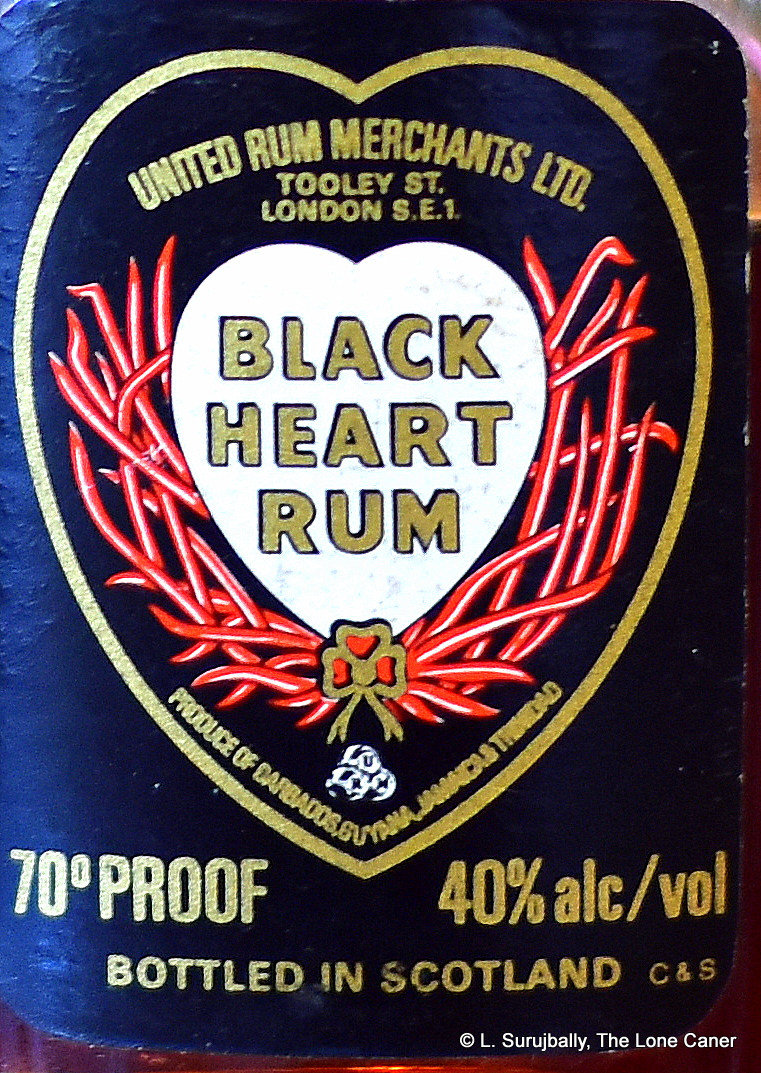 Colour – Very dark brown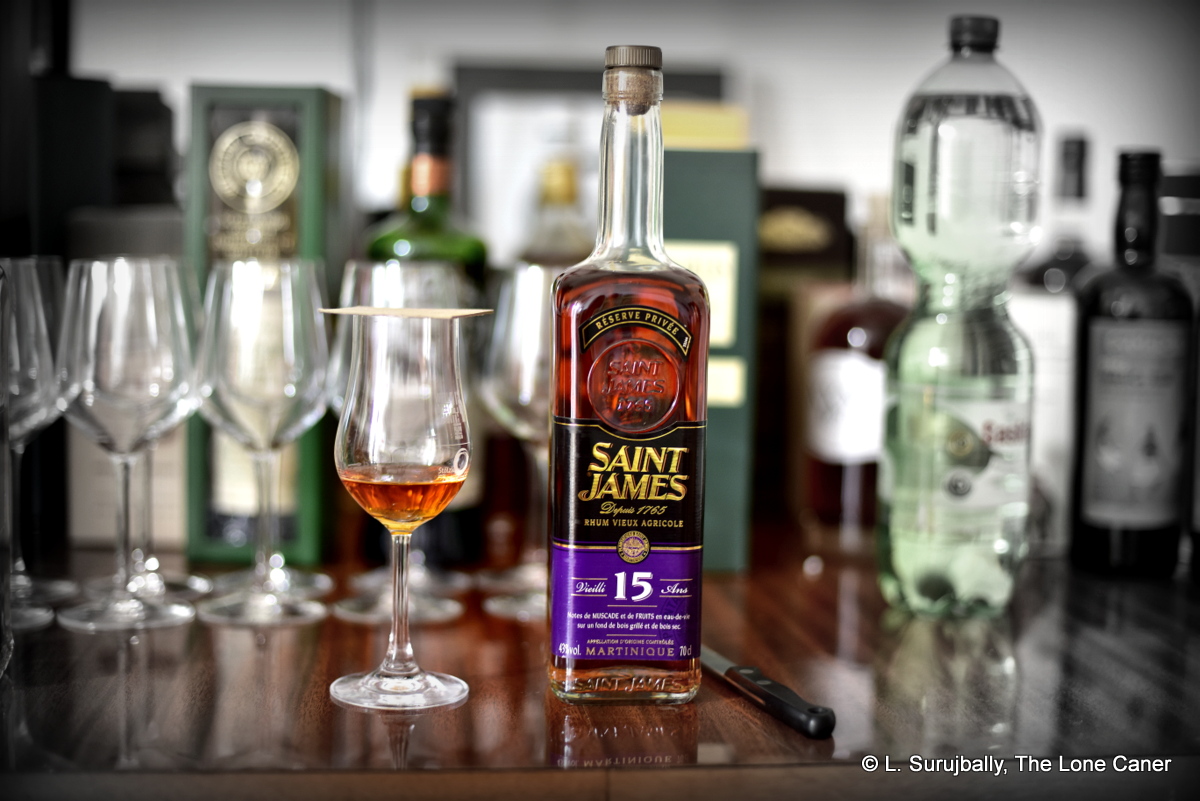
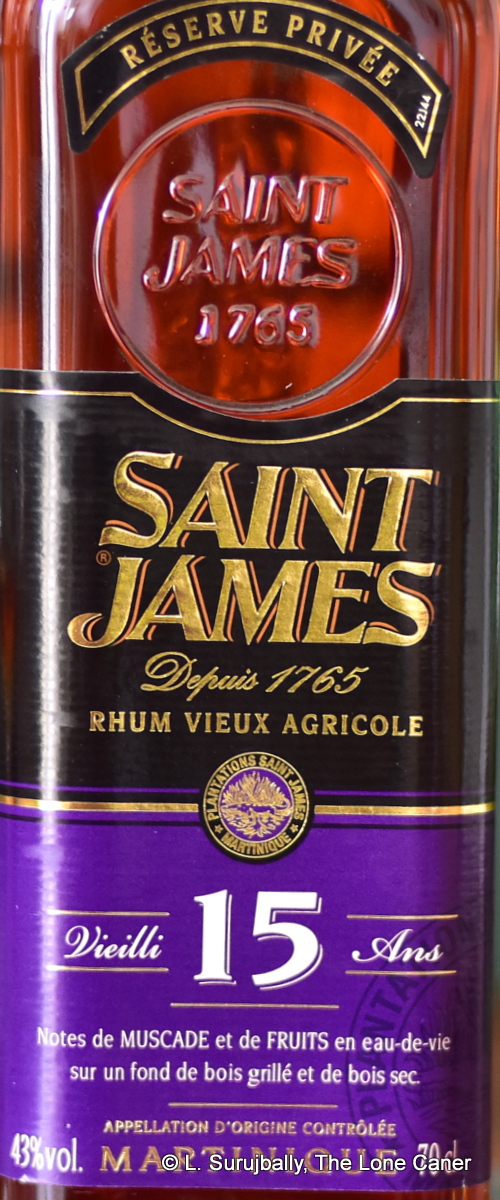 Because that 15 year old rhum is, to my mind, something of an underground, mass-produced steal. It has the most complex nose of the “regular” lineup, and also, paradoxically, the lightest overall profile — and also the one where the grassiness and herbals and the cane sap of a true agricole comes through the most clearly. It has the requisite crisp citrus and wet grass smells, sugar came sap and herbs, and combines that with honey, the delicacy of white roses, vanilla, light yellow fruits, green grapes and apples. You could just close your eyes and not need ruby slippers to be transported to the island, smelling this thing. It’s sweet, mellow and golden, a pleasure to hold in your glass and savour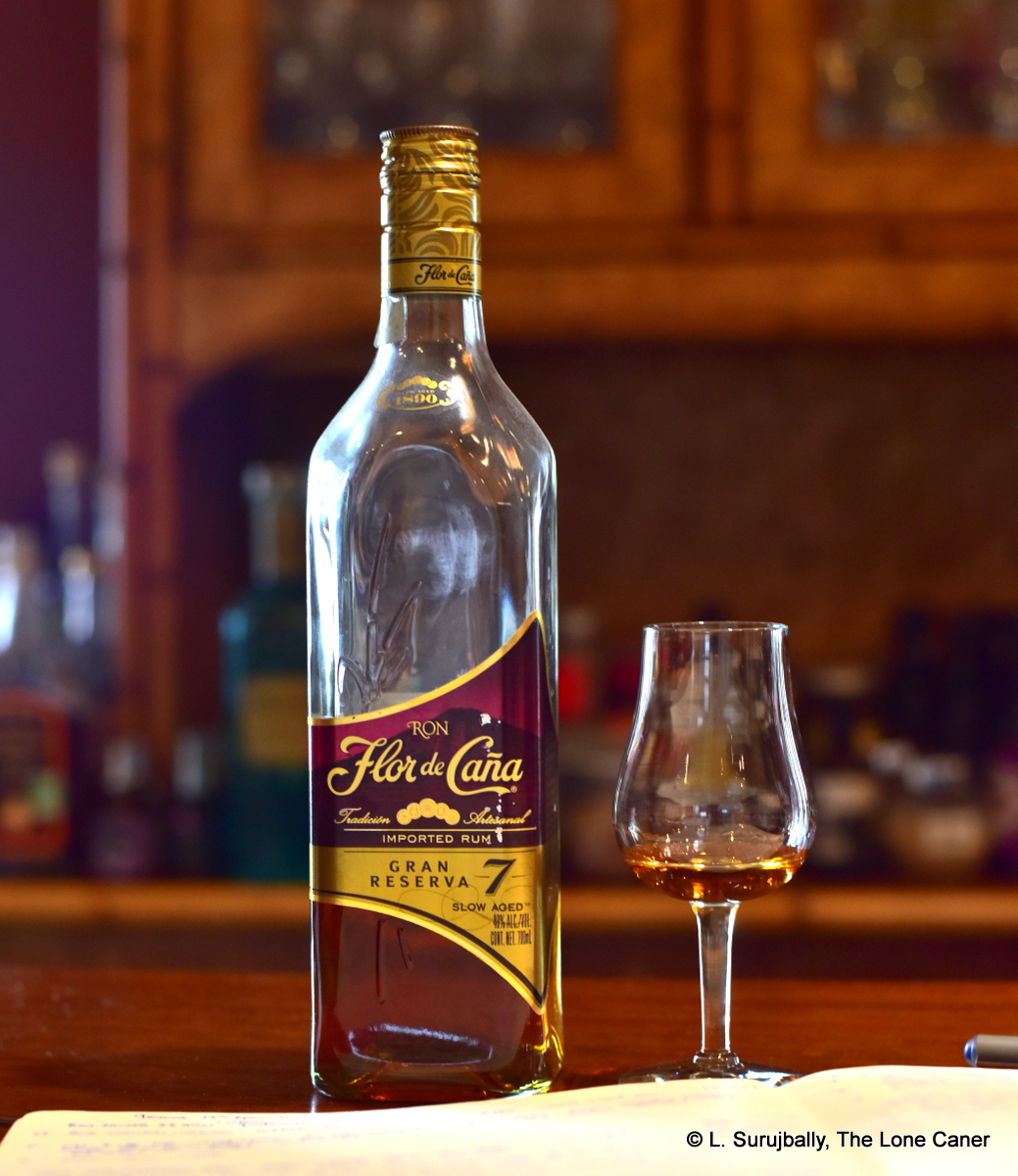
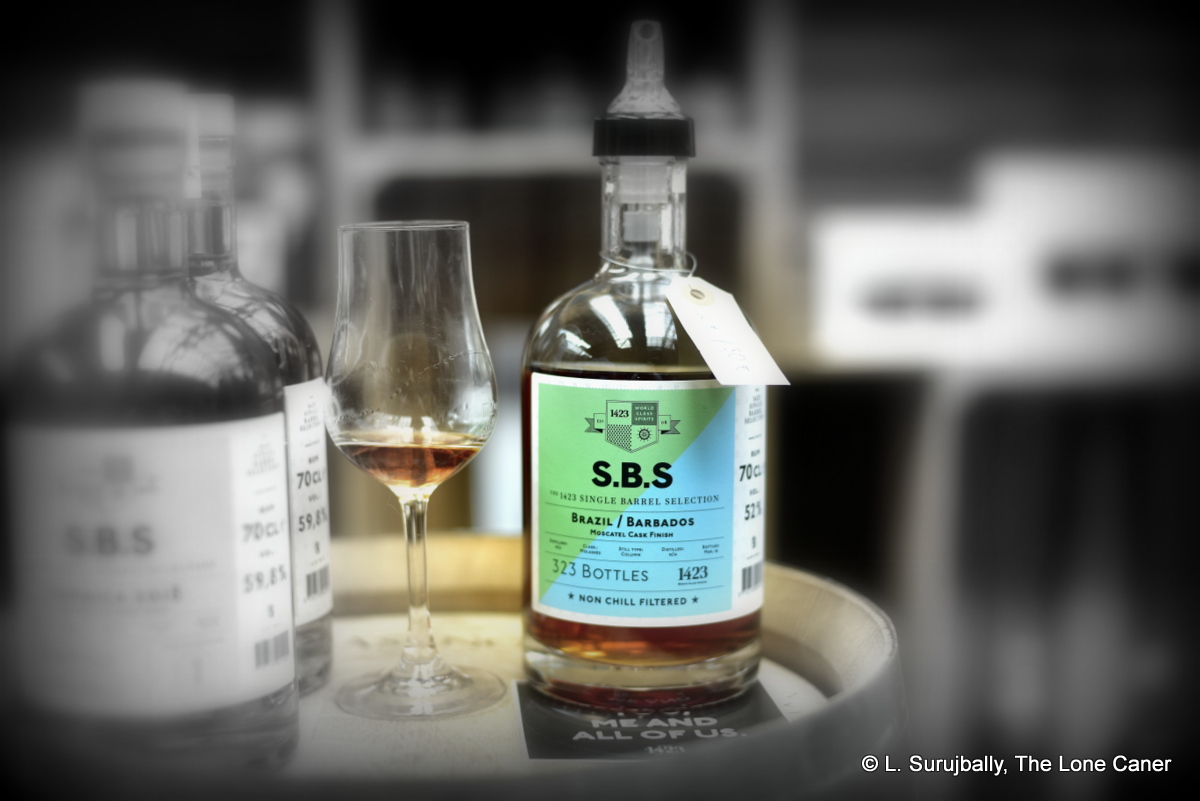
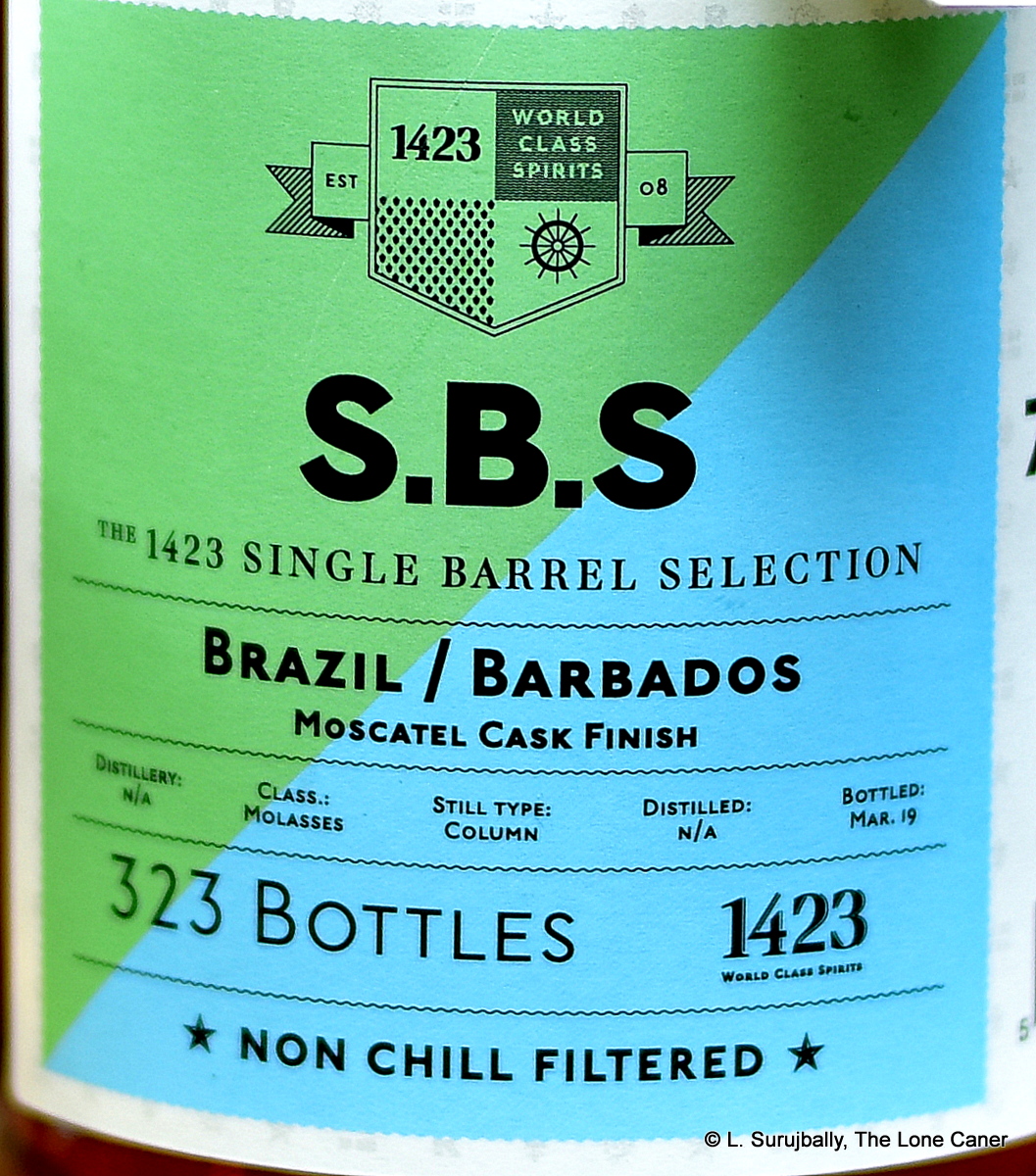 1423, the Danish indie, has taken this concept a step further with their 2019 release of a Brazil / Barbados carnival — it comprised of 8- and 3-year old Foursquare rums (exact proportions unknown, both column still) to which was added an unaged cachaca from Pirassununga (they make the very popular “51” just outside Sao Paolo), and the whole thing left to age for two years in Moscatel wine casks for two years, before being squeezed out into 323 bottles at 52% ABV.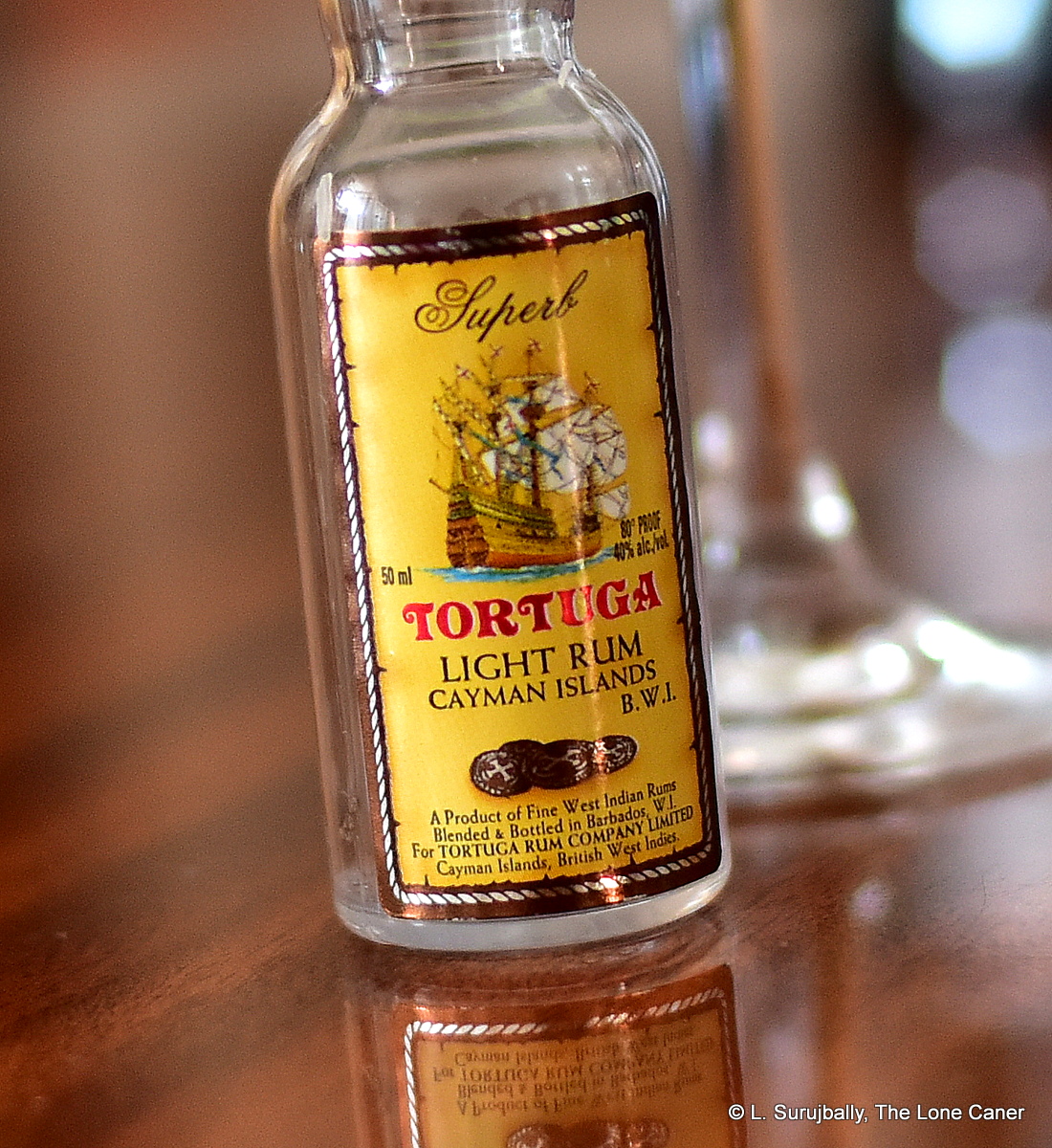
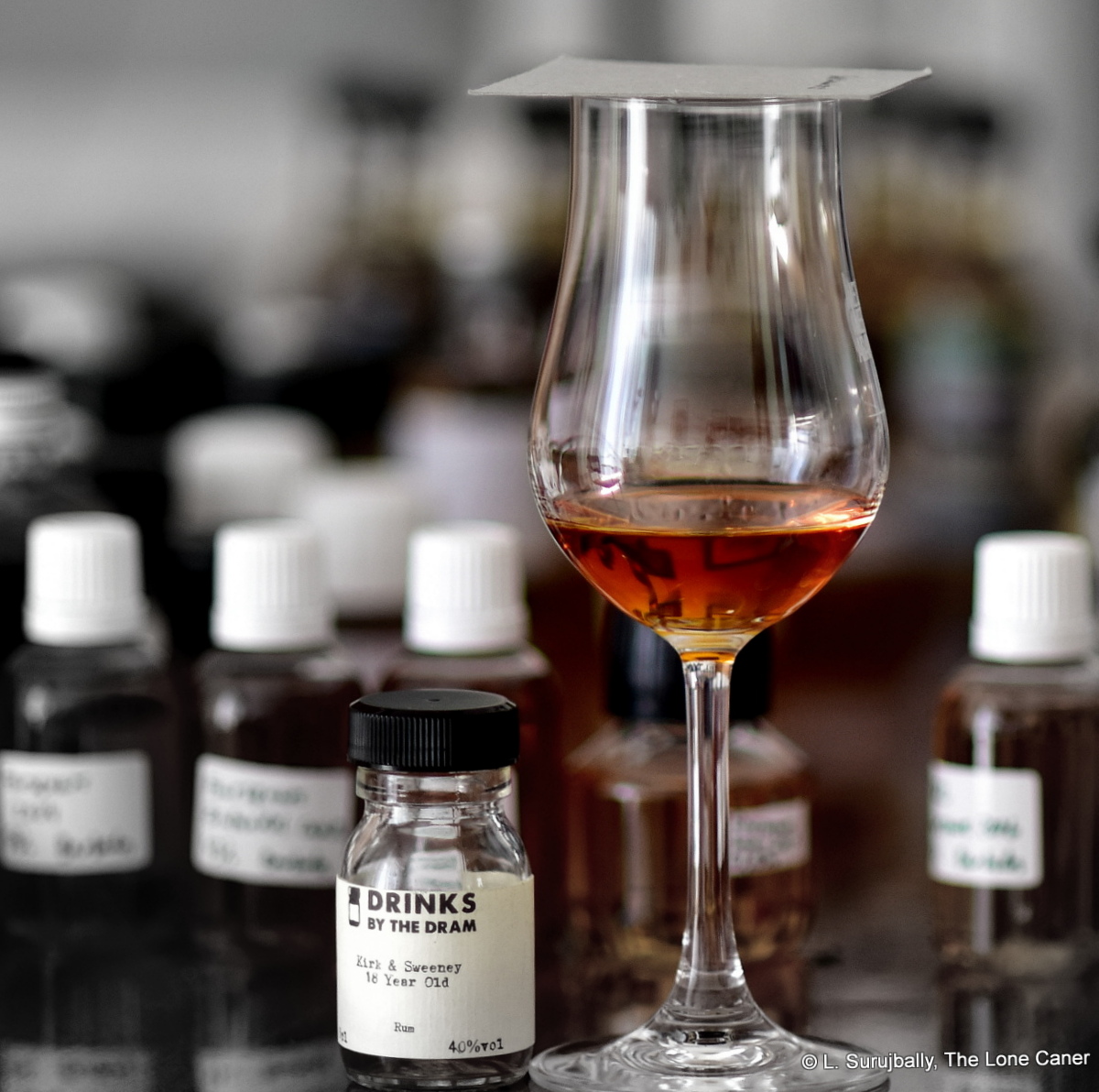
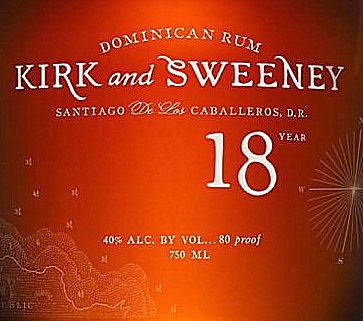 This is not to say that there isn’t some interesting stuff to be found. Take the nose, for example. It smells of salted caramel, vanilla ice cream, brown sugar, a bit of molasses, and is warm, quite light, with maybe a dash of mint and basil thrown in. But taken together, what it has is the smell of a milk shake, and there doesn’t seem to be much in the way of startling originality – not exactly what 18 years of ageing would give you, pleasant as it is. It’s soft and easy, that’s all. No thinking required.