After a decade of observing the (mostly Europe-based) independent bottlers, I think it can be said with some assurance that they tend to stick with The Tried and True in their first years. In other words, they source and release rums from the canonical distilleries in the familiar countries – Guyana, Barbados, St. Lucia, or Jamaica, with occasional fliers from Belize, Cuba, Fiji, Australia or Trinidad being seen as second order efforts.
When it comes to distinguishing themselves from the herd, few show much real imagination. Oh, for sure the Compagnie des Indes releases private blends like the Boulet de Canon and Dominador (and released a very fine Indonesian arrack several years ago); Rom Deluxe goes to the max with its massively proofed Jamaican DOK, L’Esprit does some amazing white rums, and several indies find a way to get rums aged for nearly three decades into their bottles – I merely submit this is more and better of the same. Truly new products that showcase something different are actually in rather short supply.
When it comes to doing something original, then, the Boutique-y Rum Company – a division of Atom Brands in the UK, who also run the Masters of Malt website – is one to keep an eye on. Not only are they releasing rums from the “standard” countries, but they seem to really try to go someplace new – consider their Issan rum, the Labourdonnais, the O Reizinho or the Colombian Casa Santana. Those are rums from niche distilleries many have never even heard of before, and to add spice to the mix, there is of course the cool label design done by Jim’ll Paint It which are bright, clever, funny and chock full of little easter eggs for the knowledgeable.
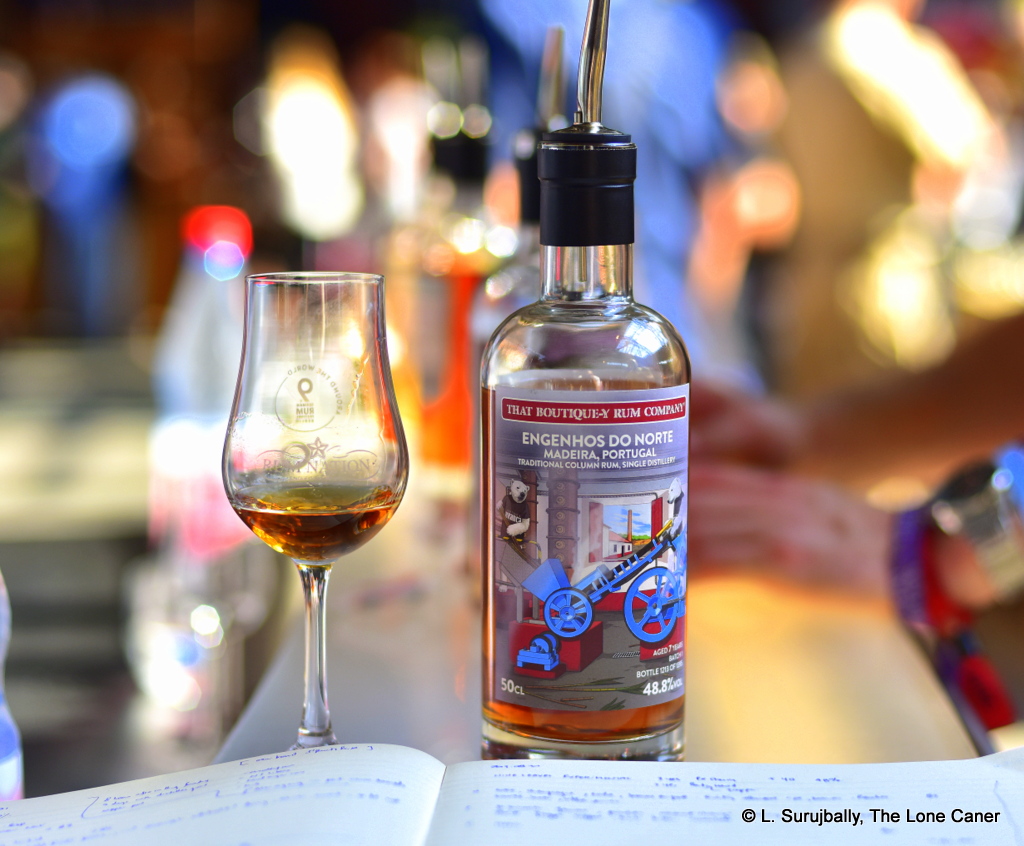
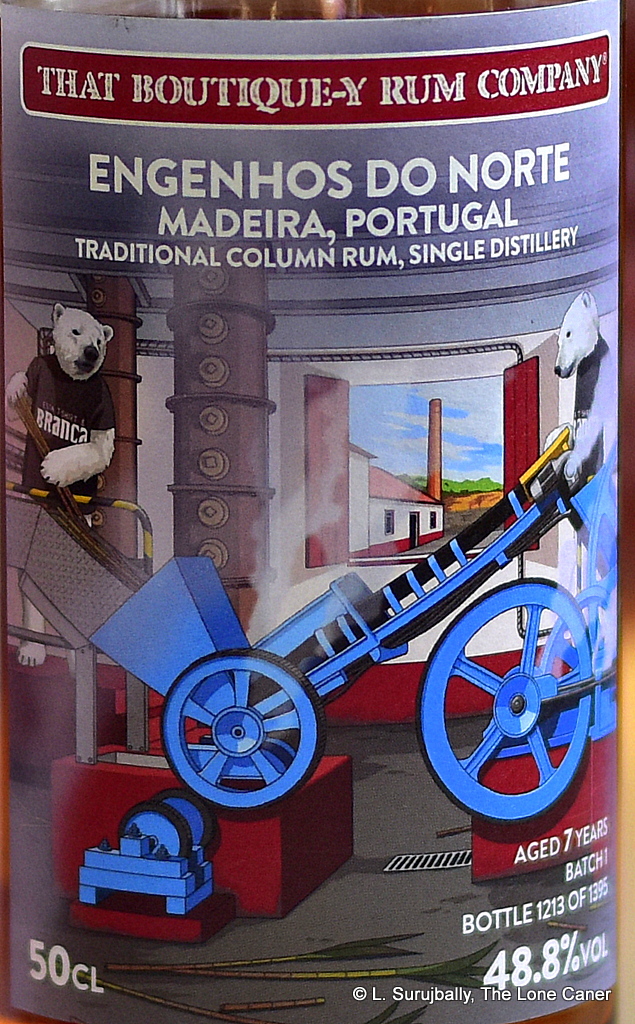
Which leads us to this one. The Engenhos do Norte distillery is located in Madeira, an island considered part of Portugal (even though geographically it’s closer to Africa) and one of the few places outside the French islands that can use the term agricole legally. The rum is derived from cane run through a crusher powered by a steam engine (that’s what the label shows), fermented for about 4-5 days, passed through a columnar barbet still and then left to age in French oak barrels. So although it doesn’t say so, it’s an aged rhum agricole. 1395 bottles were released, at a firm but not over-strong 48.8%, and the last I checked it was still selling for around forty quid which I think is a pretty good deal
 Tasting notes. The nose is nice. At under 50% not too much sharpness, just a good solid heat, redolent of soda, fanta, coca cola and strawberries. There’s a trace of coffee and rye bread, and also a nice fruity background of apples, green grapes, yellow mangoes and kiwi fruit. It develops well and no fault can found with the balance among these disparate elements.
I also like the way it tastes. It’s initially dry and peppery, but also crisp, tasting of marshmallows, and tart white fruits like guavas, Thai mangoes, unripe pears, soursop, papaya, watermelon and pineapple. There’s a nice thread of lemon underneath it all, cumin, vanilla, and a nice touch of brine and olives. This all leads to a conclusion that is short and easy, redolent mostly of sweet watery fruit with a last musky brine taste, and some more lemon zest.
In a peculiar way, it reminds me less of a French Island agricole than of a grogue from Cabo Verde. There’s a sort of easy crispness to the experience, with the herbal notes evident but not as strong and clear and focused as a Martinique rhum is. For centuries Madeirans drank their rhums unaged and white — of late they have begun to try and develop an aged rum industry and expand beyond the local market which thus far has consumed everything the small distilleries produce. The development of real blending and ageing skill is still some years in the future, and thus far it’s only the small IBs like Boutique-y that have brought their rums to our attention. But I think that we should keep an eye out for the rhums from Madeira, all of them. Based on the few I’ve tried, these guys know what they’re doing, know how to make a good rhum, and will be going places in the years to come.
(#812)(84/100)
Other notes
- For centuries, aside from their famed fortified wines, white rum was all Madeira was known for, and just about all of it was made from small family-owned sugar cane plots, consumed locally as ponchos, and as often considered to be moonshine as a legitimate product. Because of the small size of the island a landed aristocracy based on the system of large plantations never took off there. 6-8 years ago, the Portuguese government started to incentivize the production of aged rum on Madeira. Several producers started laying down barrels to age, one of which was Engenhos do Norte – however the lack of an export market (for now) allowed Boutique-y to buy a few barrels and release them
- Engenhos do Norte also produces the well regarded Rum North series of rums, as well as the 970 and 980 brands.
- The label is somewhat self explanatory: it shows the premises of the distillery, the steam driven crusher and the barbet column still. The polar bears are an in-joke: sugar cultivation took off in Madeira in the 15th and 16th century and was called ouro branco – white gold. It’s long been a sly pun that when mumbled over the roar of the machinery, the phrase is heard as ursa branco, or white bear. On the other hand, some say that Madeirans are huge hulking bear like men who hand harvest ten acres of cane before breakfast and fetch it out one-handed to the factory and this is a way of honouring their physical prowess. I don’t know which is true, but I like both stories.

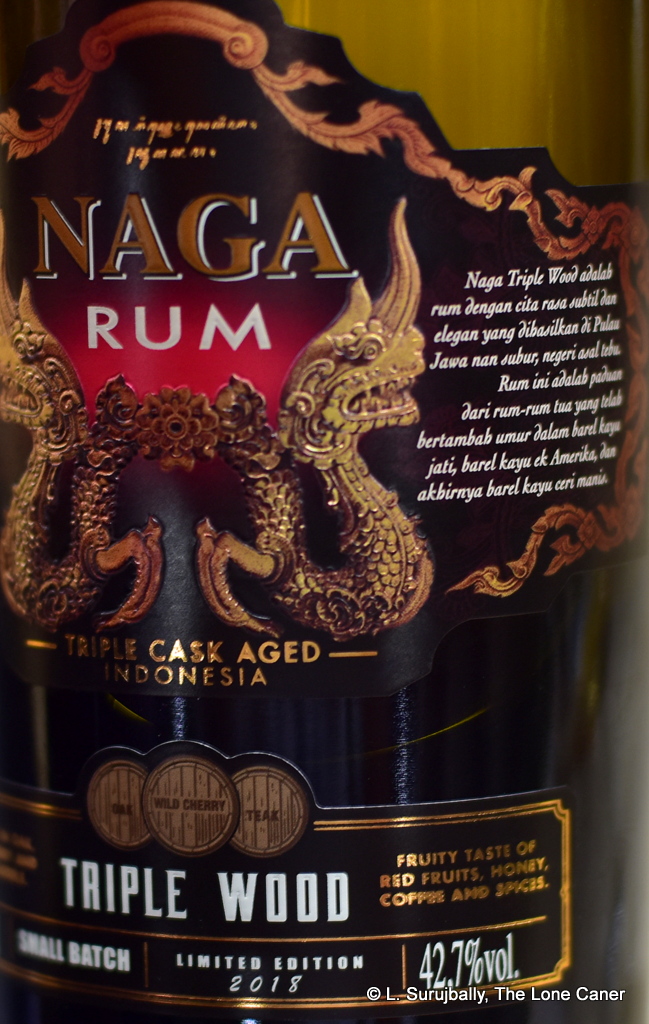 Does this multiple wood ageing result in anything worth drinking? Yes it does – the extra year seems to have had an interesting and salutary effect on the profile – though at 42.7% it remains as easy and soft as its siblings. The nose, for example, is a nice step up: cardboard, musty paper, some dunder of spoiled bananas skins, plus strawberries and soft pineapple or two and brine (which, I swear, made me think of Hawaiian pizza). Caramel and bitter dark chocolate round things off. It’s a relatively easy sniff, inoffensive yet solid.

 But a gent called
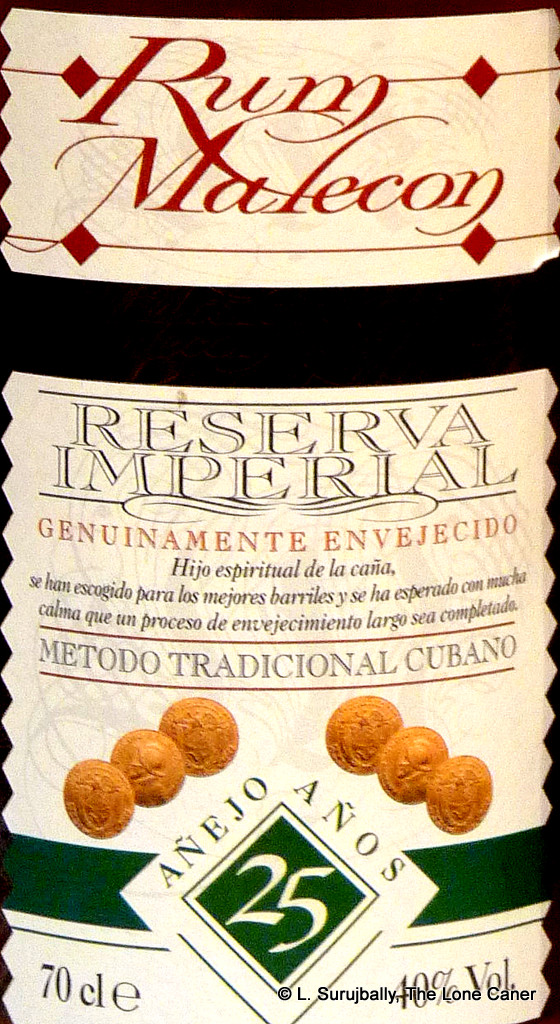
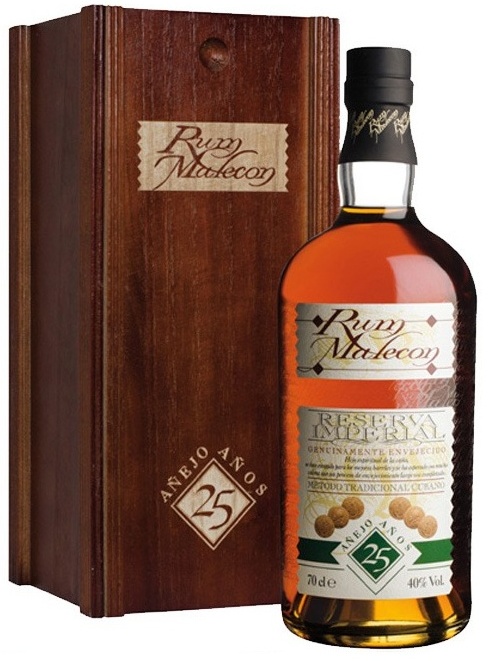 We’ve been here before. We’ve tried a rum with this name, researched its background, been baffled by its opaqueness, made our displeasure known, then yawned and shook our heads and moved on. And still the issues that that one raised, remain. The Malecon Reserva Imperial 25 year old suffers from many of the same defects of its
  The palate is similarly soft and similarly straightforward. It’s got more chocolate milk and and perhaps a touch of coffee grounds. A smidgen, barely a smidgen of oak and citrus, a sly taste of tangerines; it’s not very sweet (which is a plus) and sports some brine and Turkish olives and a touch of slight bitterness, which I’m going be generous and say is an oak influence that saves it from being just blah. Finish is okay I guess. Gone too quickly of course, no surprise at 40% ABV and leaving at best the sense of some black tea with too much condensed milk in it, that doesn’t entirely hide the fact that it’s too bitter.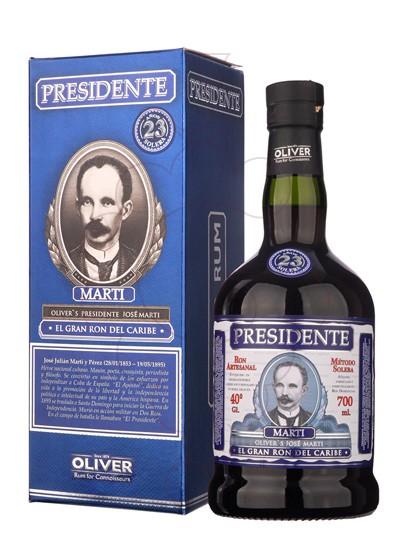
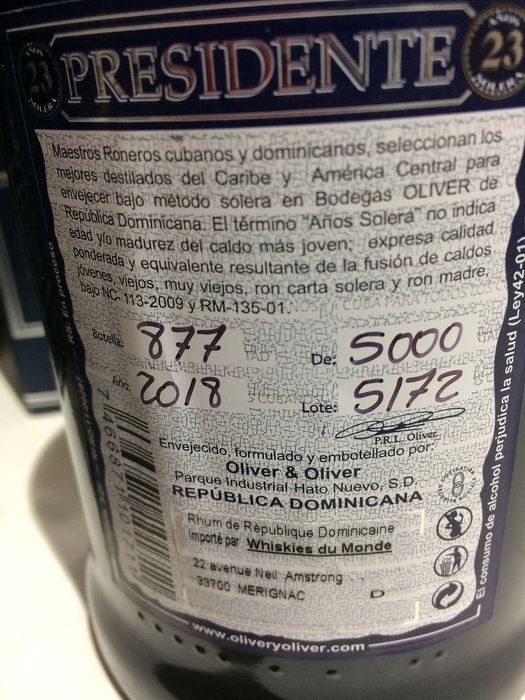 It gets no better when tasted. It’s very darkly sweet, liqueur-like, giving up flavours of prunes and stewed apples (again); dates; peaches in syrup, yes, more syrup, vanilla and a touch of cocoa. Honey, Cointreau, and both cloying and wispy at the same time, with a last gasp of caramel and toffee. The finish is thankfully short, sweet, thin, faint, nothing new except maybe some creme brulee. It’s a rum that, in spite of its big number and heroic Jose Marti visage screams neither quality or complexity. Mostly it yawns “boring!”
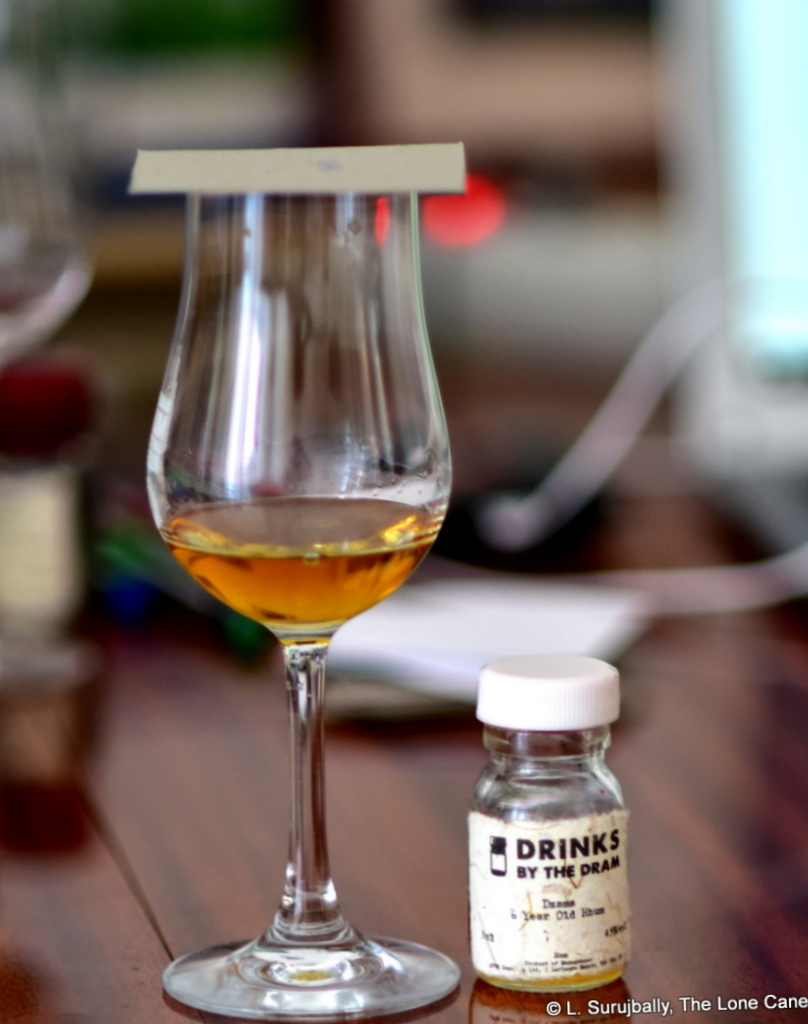
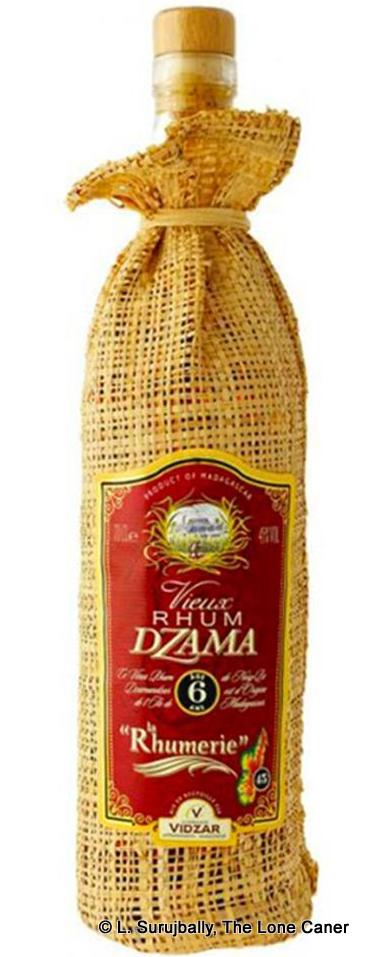 The palate was thick, rich and sweet, even in comparison the the 3YO which showed no modesty with such aspects itself but while stronger, had also been paradoxically easier. Here we were regaled with bananas, cherries in syrup, brown sugar, and a sort of smorgasbord of fruitiness – some tart, some just soft and mushy – and creaminess of greek yogurt sprinkled with cinnamon and cloves. Disappointingly, the finish did nothing much except lock the door and walk off, throwing a few notes of cloves, sugar, cherries, peaches and syrup behind. Not a stellar finish after the intriguing beginning.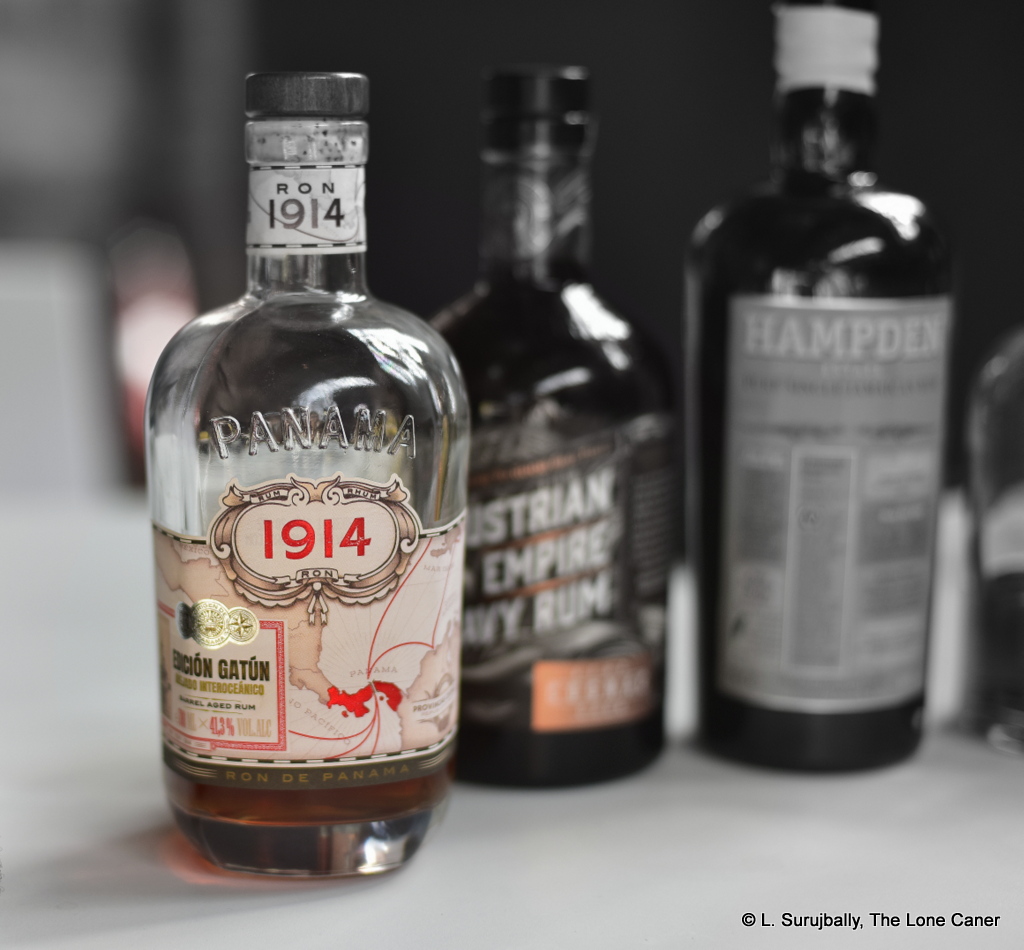
 Or so the story-teller in me supposes. Because all jokes and anecdotes aside, what this is, is a rum made to order.
 Rumaniacs Review #122 | 0785
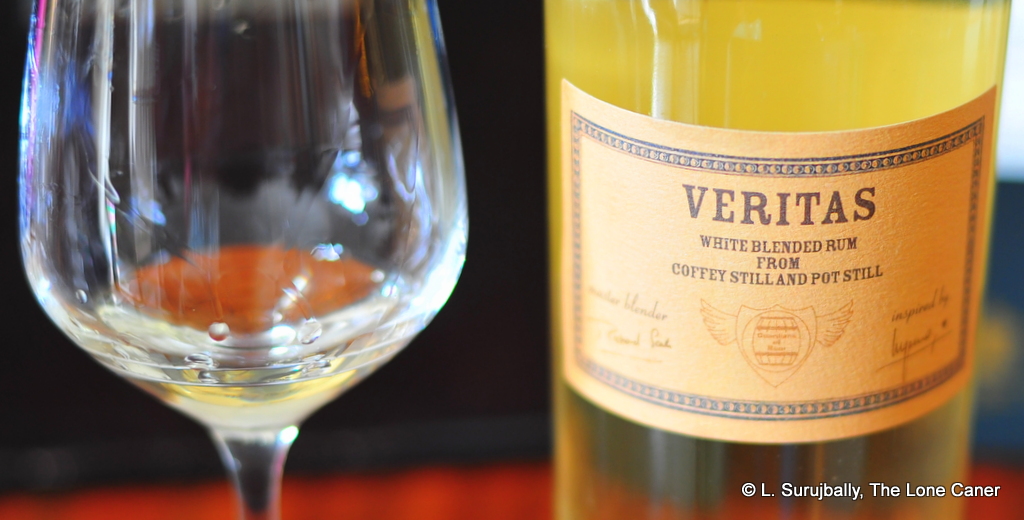
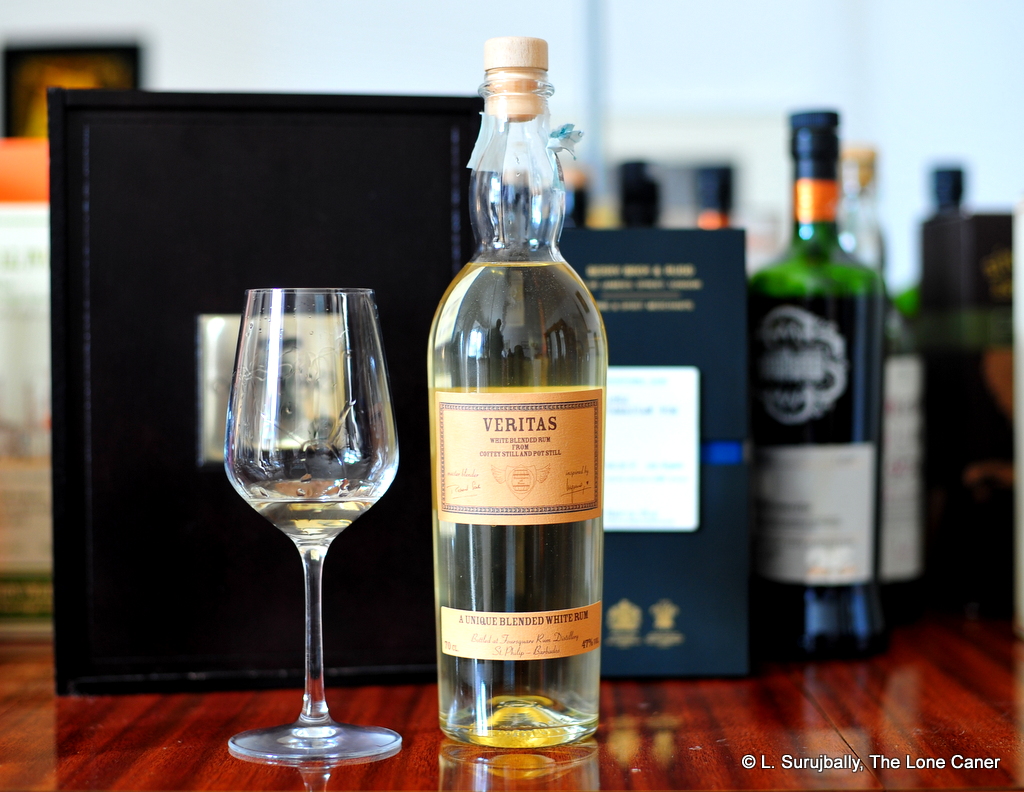
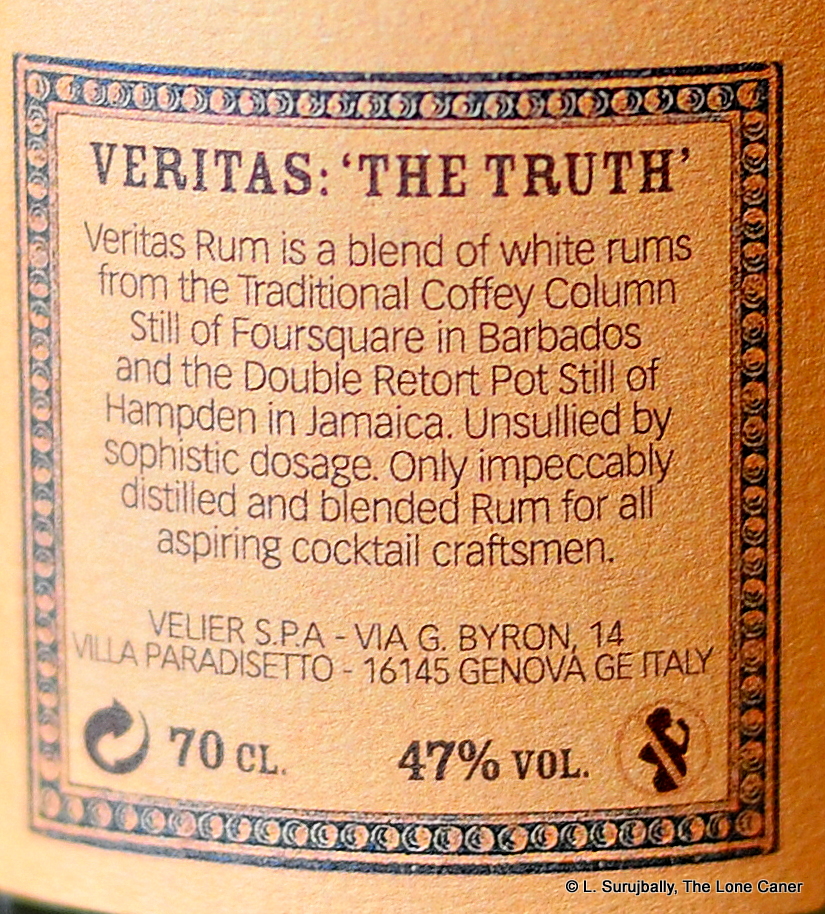 When it really comes down to it, the only thing I didn’t care for is the name. It’s not that I wanted to see “Jamados” or “Bamaica” on a label (one shudders at the mere idea) but I thought “Veritas” was just being a little too hamfisted with respect to taking a jab at Plantation in the ongoing feud with Maison Ferrand (the statement of “unsullied by sophistic dosage” pointed there). As it turned out, my opinion was not entirely justified, as Richard Seale noted in a comment to to me that… “It was intended to reflect the simple nature of the rum – free of (added) colour, sugar or anything else including at that time even addition from wood. The original idea was for it to be 100% unaged. In the end, when I swapped in aged pot for unaged, it was just markedly better and just ‘worked’ for me in the way the 100% unaged did not.” So for sure there was more than I thought at the back of this title.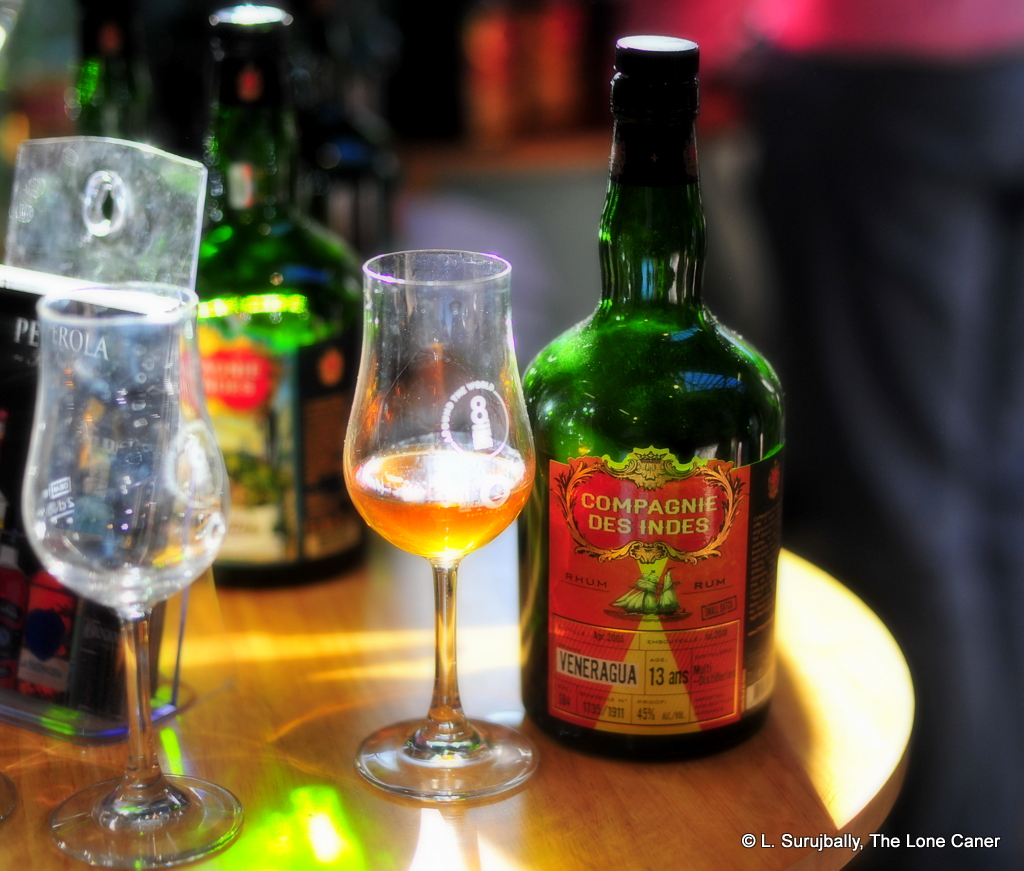
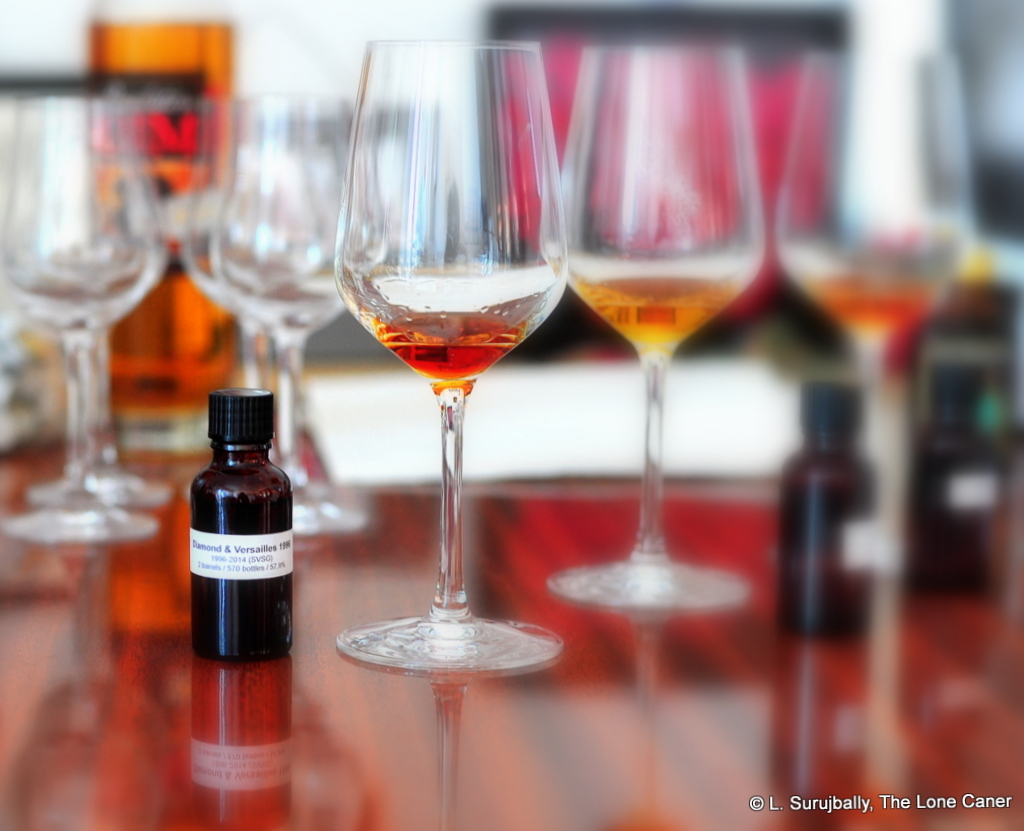
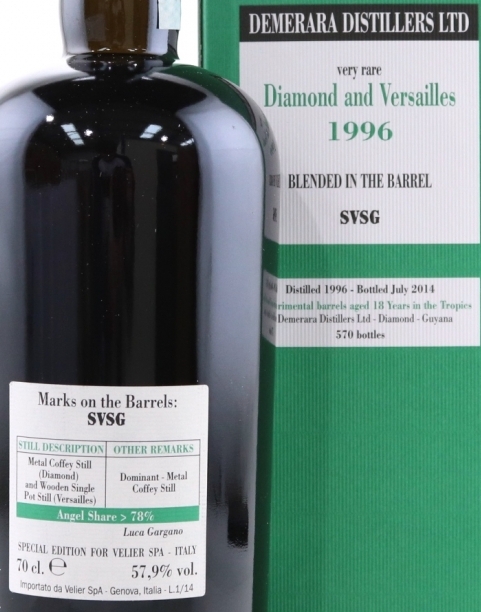 By the time this rum was released in 2014, things were already slowing down for Velier in its ability to select original, unusual and amazing rums from DDLs warehouses, and of course it’s common knowledge now that 2014 was in fact the last year they did so. The previous chairman, Yesu Persaud, had retired that year and the arrangement with Velier was discontinued as DDL’s new Rare Collection was issued (in early 2016) to supplant them.
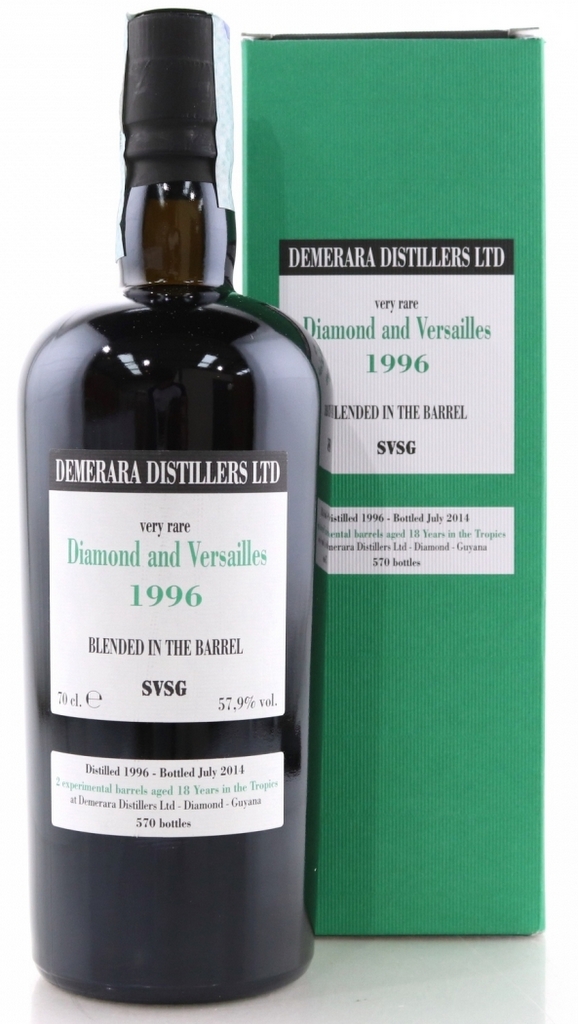 The nose had been so stuffed with stuff (so to speak) that the palate had a hard time keeping up. The strength was excellent for what it was, powerful without sharpness, firm without bite. But the whole presented as somewhat more bitter than expected, with the taste of oak chips, of cinchona bark, or the antimalarial pills I had dosed on for my working years in the bush. Thankfully this receded, and gave ground to cumin, coffee, dark chocolate, coca cola, bags of licorice (of course), prunes and burnt sugar (and I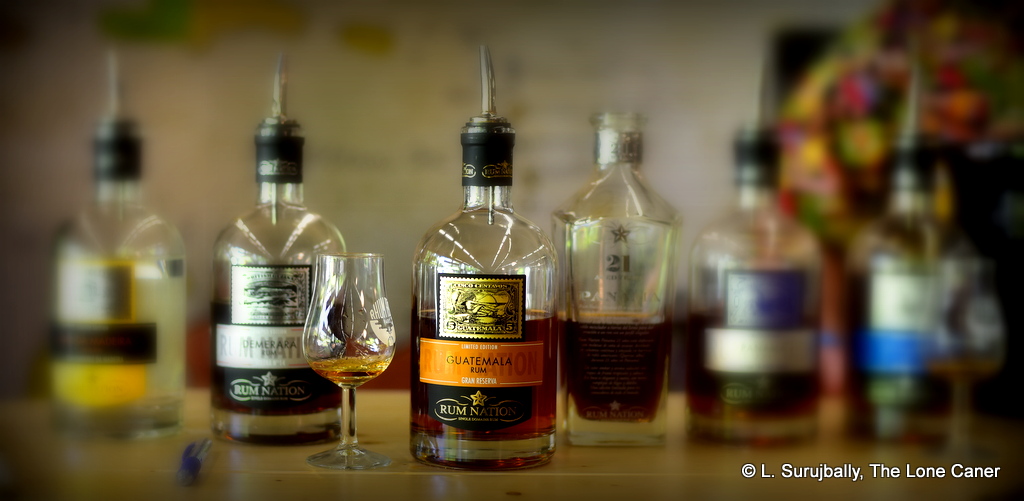
 Rum Nation’s own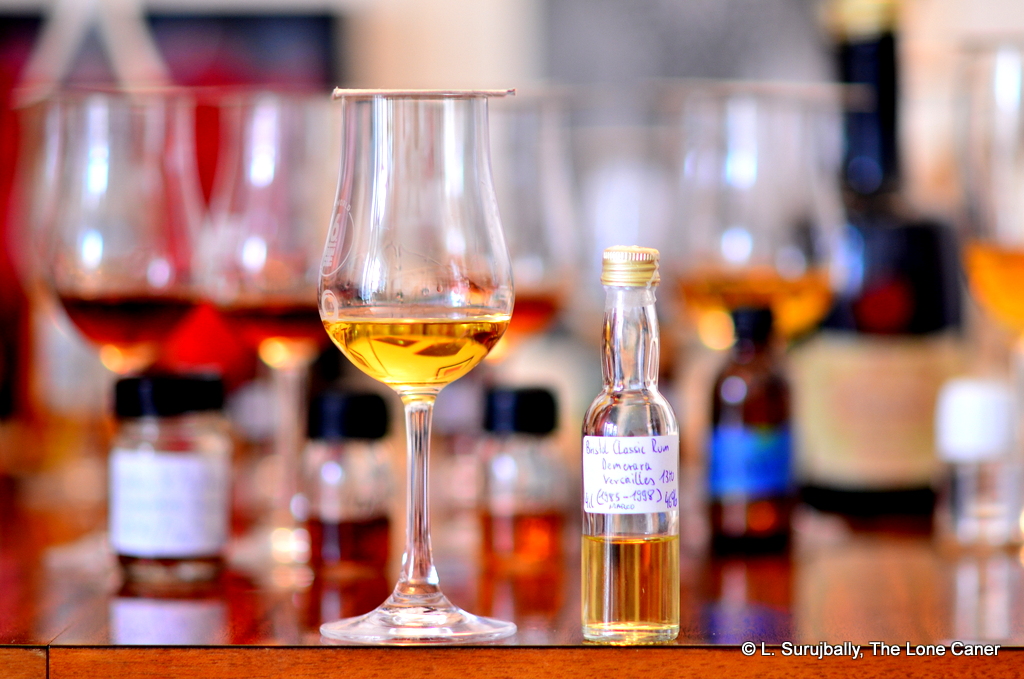
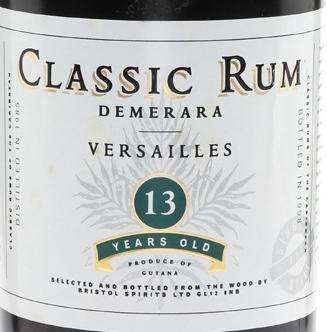 Bristol, I think, came pretty close with this relatively soft 46% Demerara. The easier strength may have been the right decision because it calmed down what would otherwise have been quite a seriously sharp and even bitter nose. That nose opened with rubber and plasticine and a hot glue gun smoking away on the freshly sanded wooden workbench. There were pencil shavings, a trace of oaky bitterness, caramel, toffee, vanilla and slowly a firm series of crisp fruity notes came to the fore: green apples, raisins, grapes, apples, pears, and then a surprisingly delicate herbal touch of thyme, mint, and basil.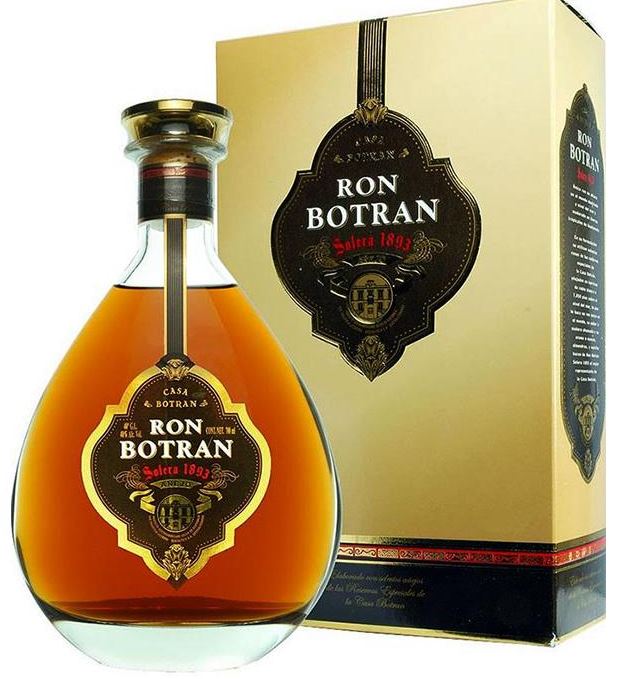
 Colour – Gold brown

 Normally, such a rum wouldn’t interest me much, but with the massive reputations the New Jamaicans have been building for themselves, it made me curious so I grudgingly parted with some coin to get a sample. That was the right decision, because this thing turned out to be less an undiscovered steal than a low-rent Jamaican wannabe for those who don’t care about and can’t tell one Jamaican rum from another, know Appleton and stop there. The rum takes great care not to go beyond such vanilla illusions, since originality is not its forte and it takes inoffensive pleasing-the-sipper as its highest goal.

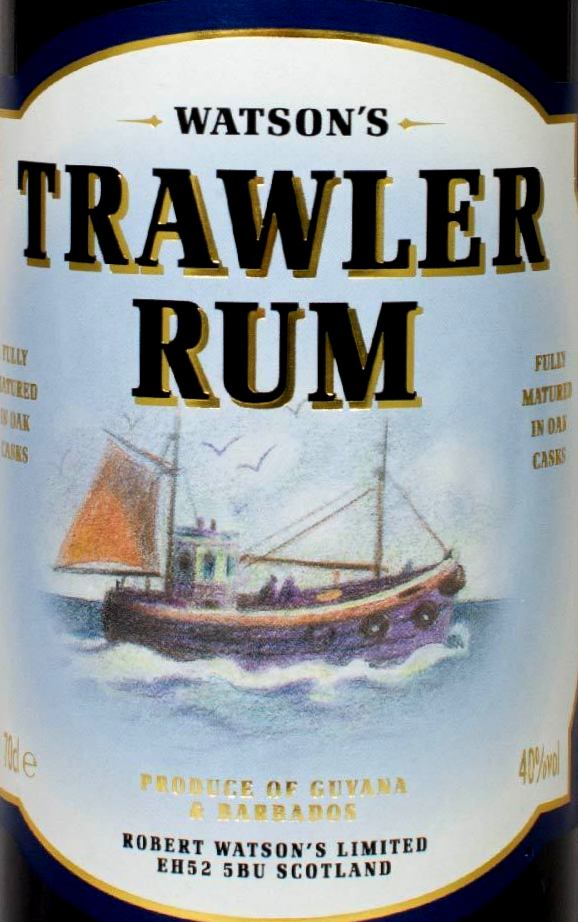 Watson’s Trawler rum, bottled at 40% is another sprig off that branch of British Caribbean blends, budding off the enormous tree of rums the empire produced. The company, according to Anne Watson (granddaughter of the founder), was formed in the late 1940s in Aberdeen, sold at some point to the Chivas Group, and since 1996 the brand is owned by Ian McLeod distillers (home of Sheep Dip and Glengoyne whiskies). It remains a simple, easy to drink and affordable nip, a casual drink, and should be approached in precisely that spirit, not as something with pretensions of grandeur.
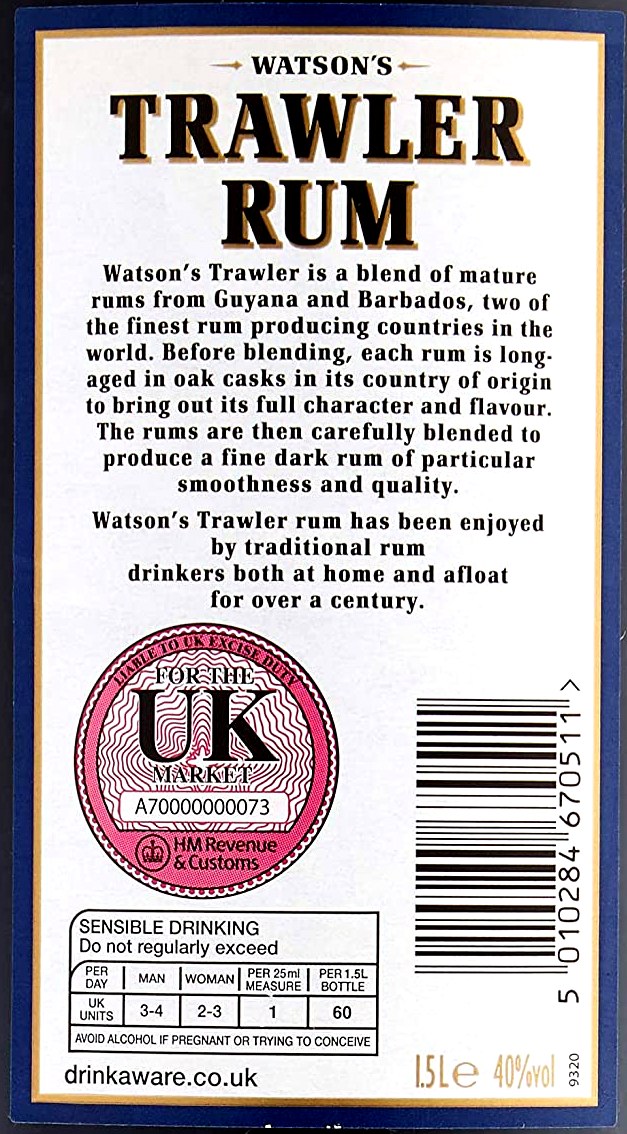 It’s in that simplicity, I argue, lies much of Watson’s strength and enduring appeal — “an honest and loyal rum” opined