Rumaniacs Review #121 | 768
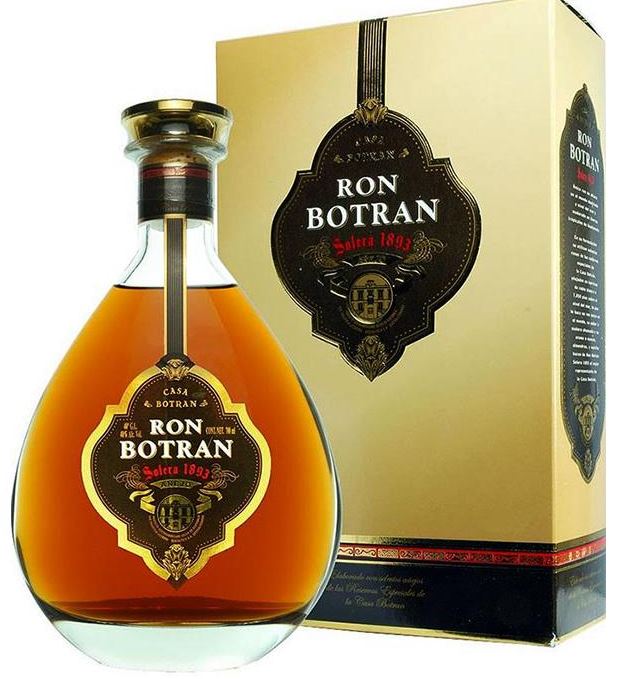
1893 was a year of some importance for the Botran rum-making concern of Guatemala – it was the date of birth of one of the founders of the company, Venancio Botran. He and four other brothers (Andres, Felipe, Jesus and Alejandro – their parents immigrated from Spain to Central America in the early 1900s) moving away from a purely sugar-based company, established the Industria Licorera Quetzalteca in the western Guatemalan town of Quetzaltenango back in 1939. It was geared towards making rones, and the company remains a family owned business to this day.
This rum is presented in a decanter, not the current 2015-released bar-room bottle and I think it was likely the top of their line for many years – hence the flagon – before the 75th Anniversary Solera 25 came out and became the crown jewel. Interestingly, the label does not mention the number 18 anywhere, just “1893” and “solera”, and so it’s reasonable to assume the blend was tweaked a little (but not much) and locked into the current version, with some 18 YO as the oldest component. I’ve sent them a note to check.
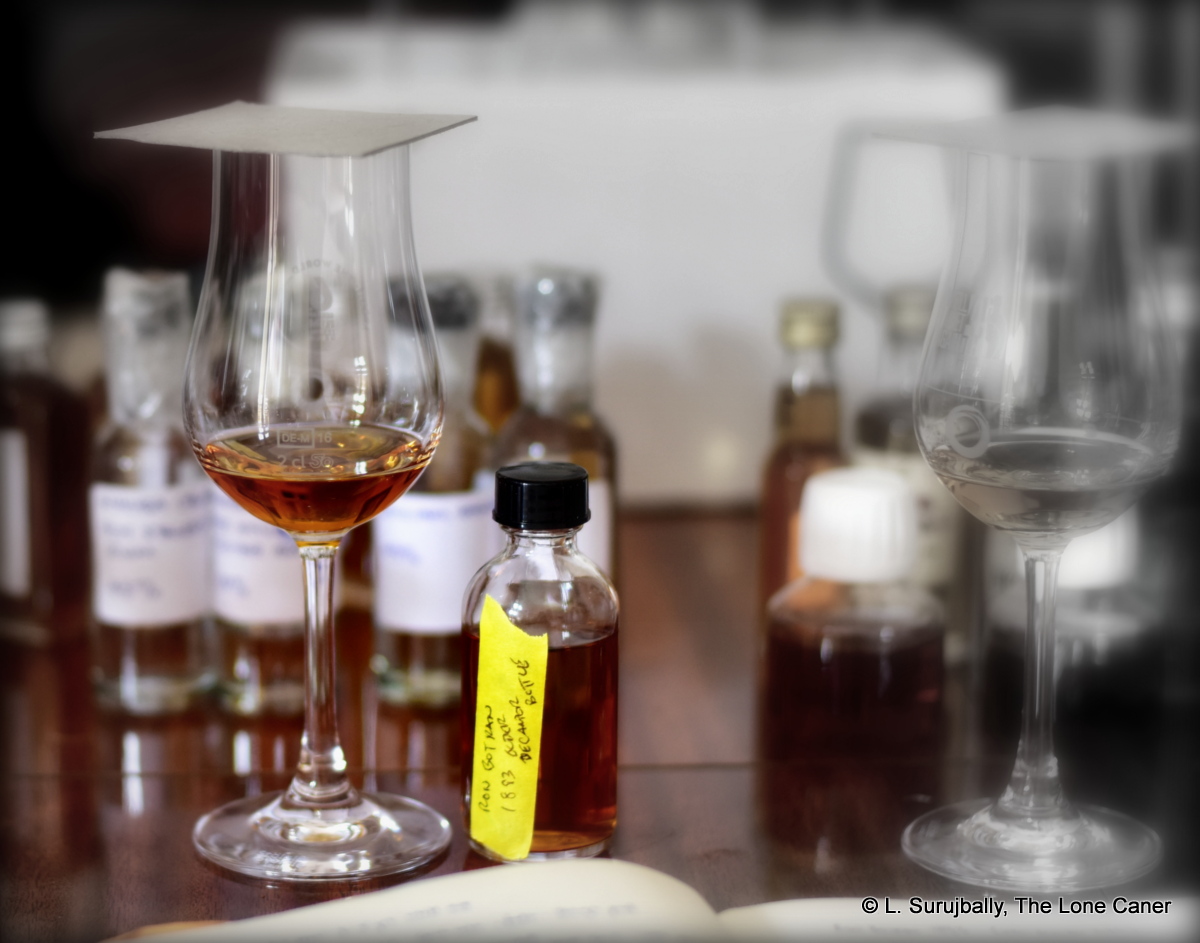
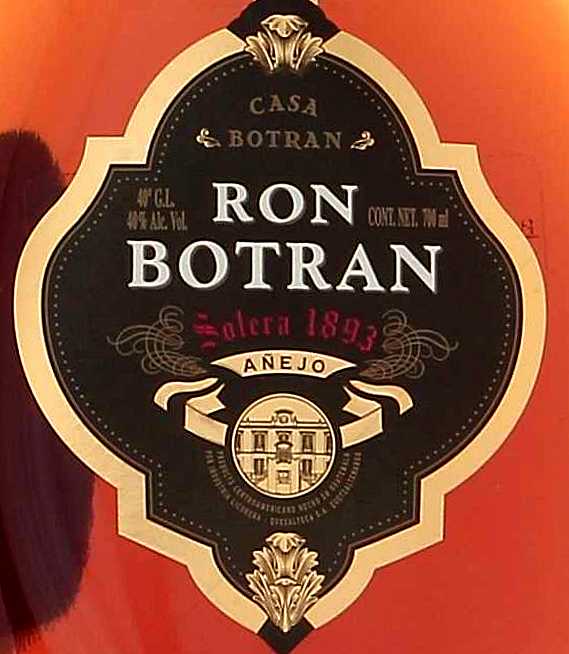 Colour – Gold brown
Strength – 40%
Nose – Silent and withdrawn sort of nose, not too much going on at the inception. Very gentle. Light fruits like pears and watermelon, plus green peas (!!), peaches and dried apricots. Some cocoa, vanilla, with hints of lemon peel and cinnamon.
Palate – Cocoa and spices, vanilla, toffee, honey, tobacco. Nutmeg dusting over a blancmange, sweet and firm, with additional notes of brown sugar, smoke and a strong mocha. Fruits take something of a backseat with this aspect, though a bit of orange or lemon zest can still be discerned if you try (or care enough to bother).
Finish – Here today and gone today, vanishes faster than a 4S acolyte seeing Alexandre Gabriele at a rumfest. Some nuttiness and more blancmange, coffee powder, vanilla ice cream, but the real question is, where’s the “rumminess” to this thing? Completely absent, really.
Thoughts – It’s got the flavours, just not the punch to make then pop and 40% simply does not provide the firmness such a profile needs. I tried the new 1893 version with the entire lineup in 2015 and liked it enough to give it a good score and recommendation. Somehow this one doesn’t quite come up to the same level for me (this may be four additional years’ experience manifesting itself), though for anyone looking for a relaxing drink from yesteryear that challenges less than it soothes, it admittedly remains a good buy.
(76/100)
Other Notes
- The various components of the blend are aged in Spanish ex-Jerez casks, American white oak casks, and ex-Port barrels
- Since “Guatemala” and “solera” are probably ringing some big alarms in your mind (or church bells, depending on how you view the matter), let it be confirmed that yes, they also produce the Zacapa line of rums, the most famous of which is of course the “23” — these rums have come in for equal praise and opprobrium in the last few years, because of the solera method of production, the sweetness and the light nature of the rums, and the problematic age statement. You can read more about the issue here.
- As always, thanks to the source, my old schoolfriend Cecil of the USA.
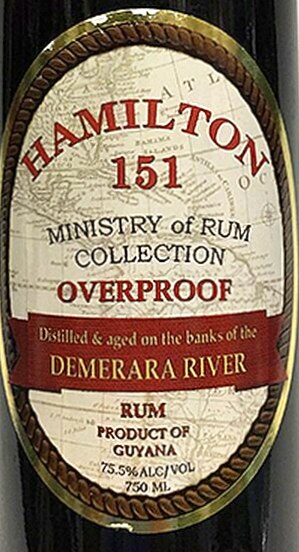 It is, in short, a powerful wooden fruit bomb, one which initially sits and broods in the glass, dark and menacing, and needs to sit and breathe for a while. Fumes of prunes, plums, blackcurrants and raspberries rise as if from a grumbling and stuttering half-dormant volcano, moderated by tarter, sharper flavours of damp, sweet, wine-infused tobacco, bitter chocolate, ginger and anise. The aromas are so deep it’s hard to believe it’s so young — the distillate is aged around five years or less in Guyana as far as I know, then shipped in bulk to the USA for bottling. But aromatic it is, to a fault.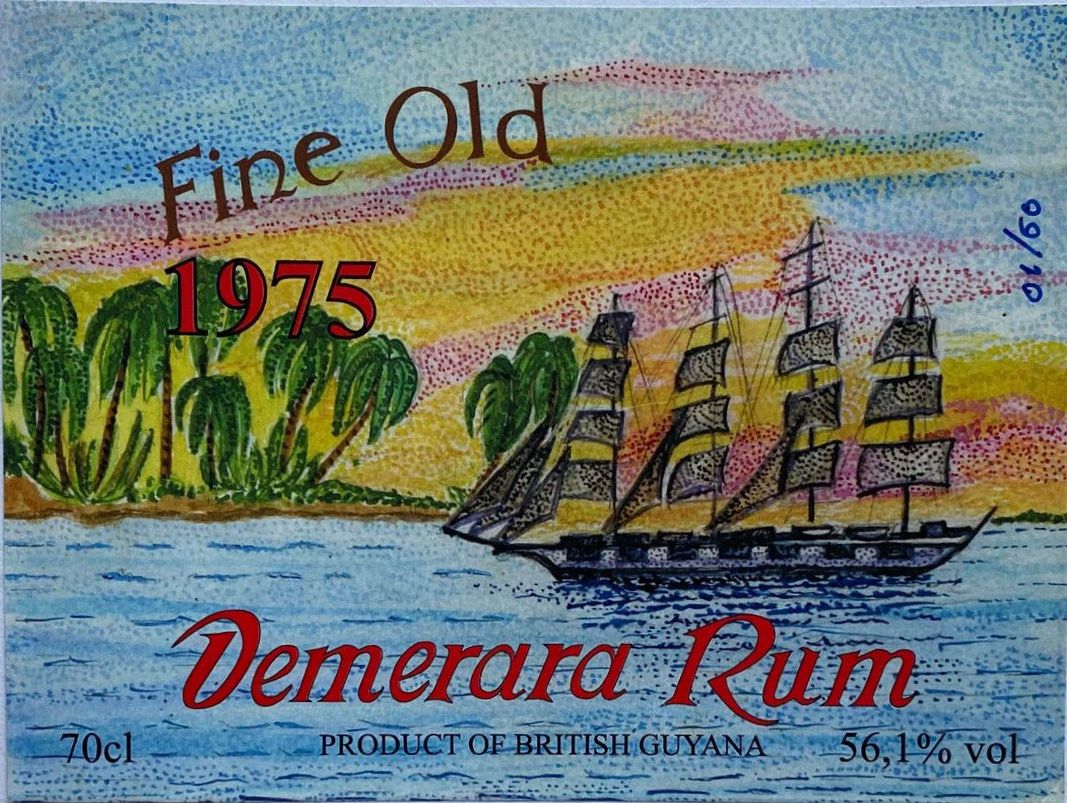
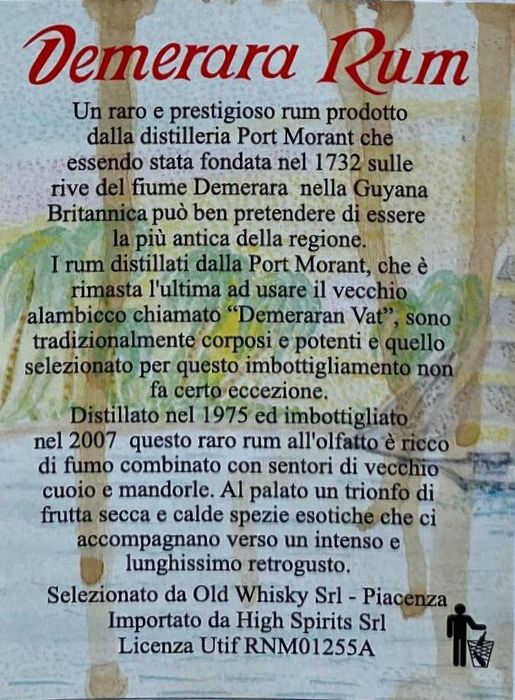 For the kitch, I’m afraid there is not much. Thanks to my impeccably fluent lack of Italian, I can tell you it’s a 1975 Port Mourant that was bottled in 2007, and it appears to be one of those single barrel releases often indulged in by importers – this time an Italian outfit called High Spirits, which doesn’t exist beyond its odd one-page website that leads nowhere and says nothing – see below for some notes on this. The rum is 56.1%, dark red brown….
 There’s just so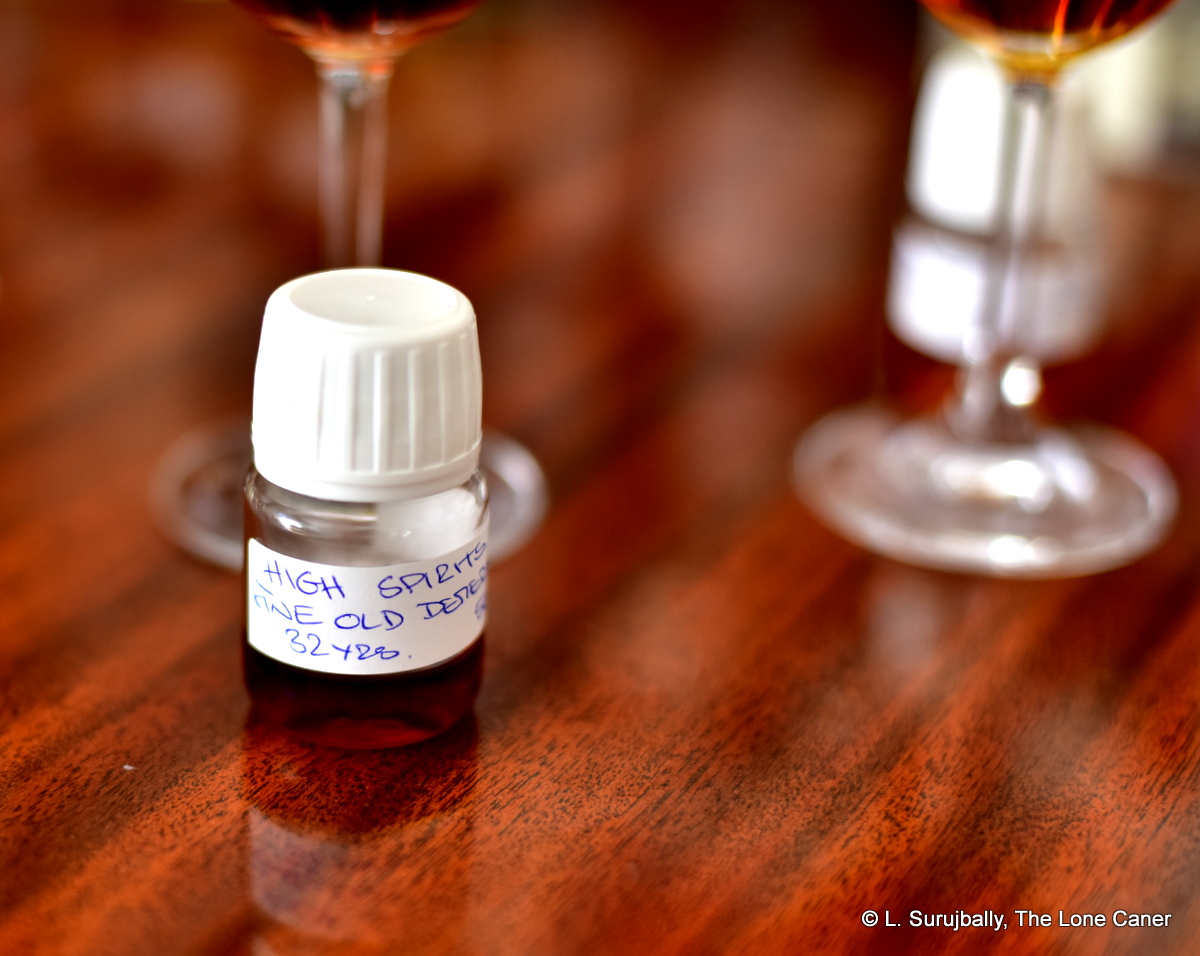
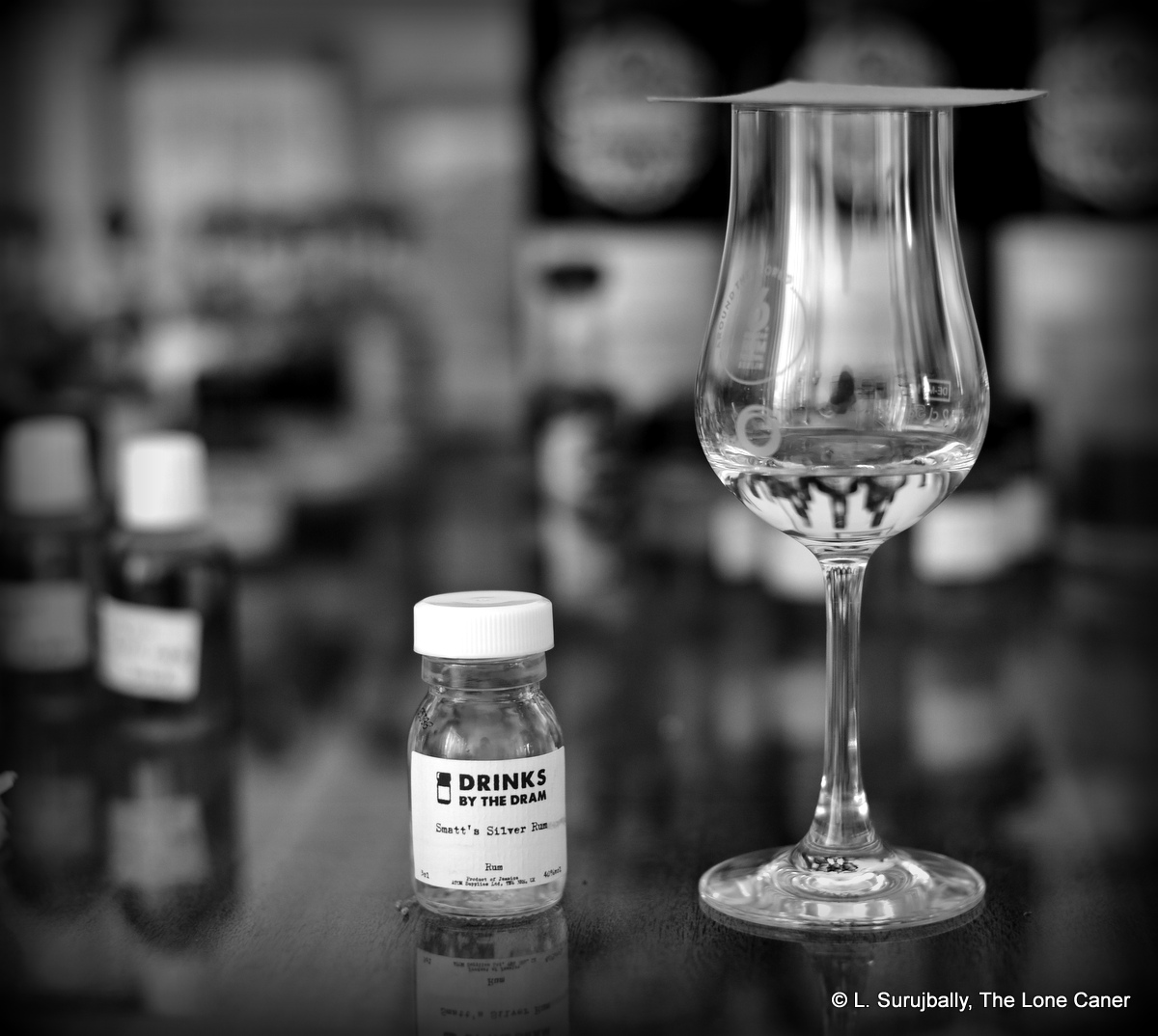
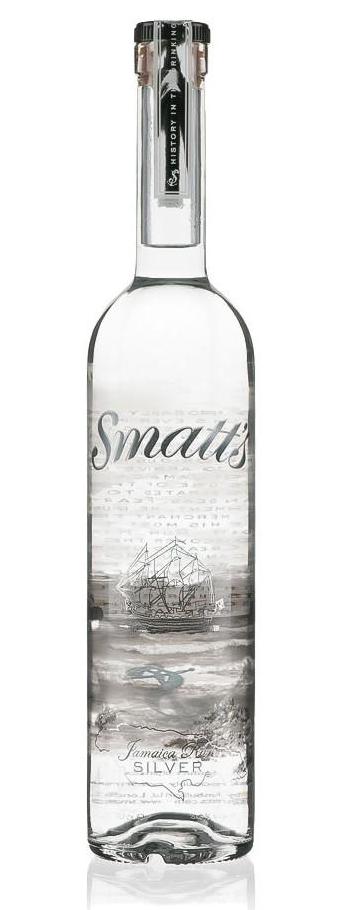 Normally, such a rum wouldn’t interest me much, but with the massive reputations the New Jamaicans have been building for themselves, it made me curious so I grudgingly parted with some coin to get a sample. That was the right decision, because this thing turned out to be less an undiscovered steal than a low-rent Jamaican wannabe for those who don’t care about and can’t tell one Jamaican rum from another, know Appleton and stop there. The rum takes great care not to go beyond such vanilla illusions, since originality is not its forte and it takes inoffensive pleasing-the-sipper as its highest goal.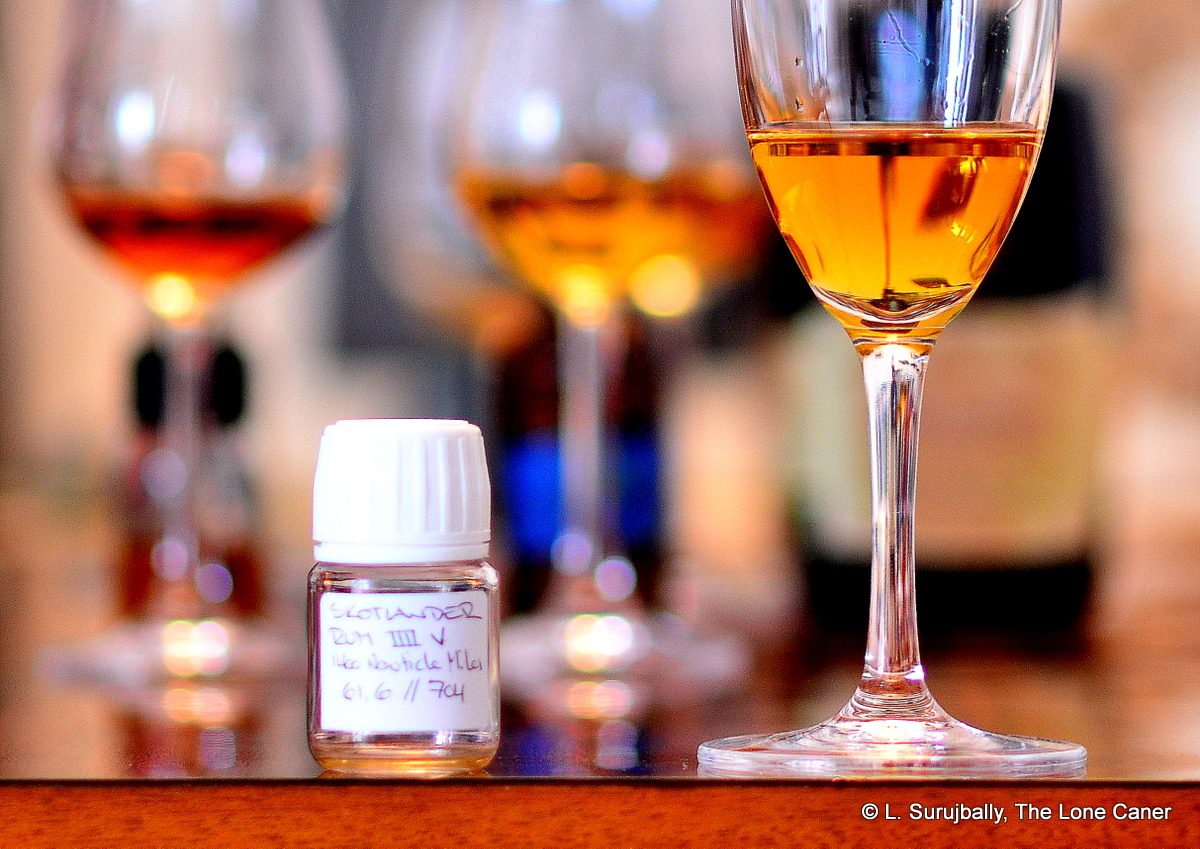
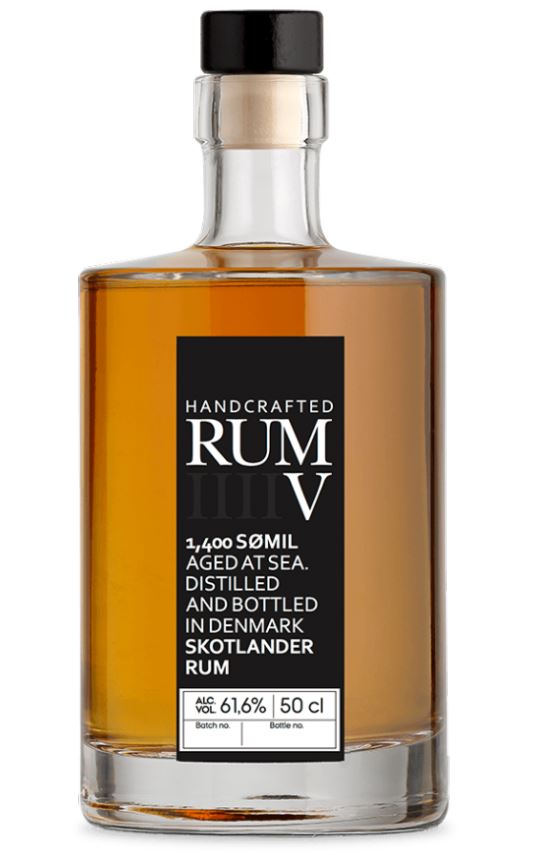 Rums made from scratch by some small new micro-distillery in a country other than the norm are often harbingers of future trends and can bring – alongside the founders’ enthusiasm – some interesting tastes to the table, even different spirits (<<cough>> ‘Murrica!!). But Skotlander, to their credit, didn’t mess around with ten different brandies, gins, vodkas, whiskies and what have you, and then pretended they were always into rum and we are now getting the ultimate pinnacle of their artsy voyage of discovery. Nah. These boys started with rum, bam! from eight o’clock, day one.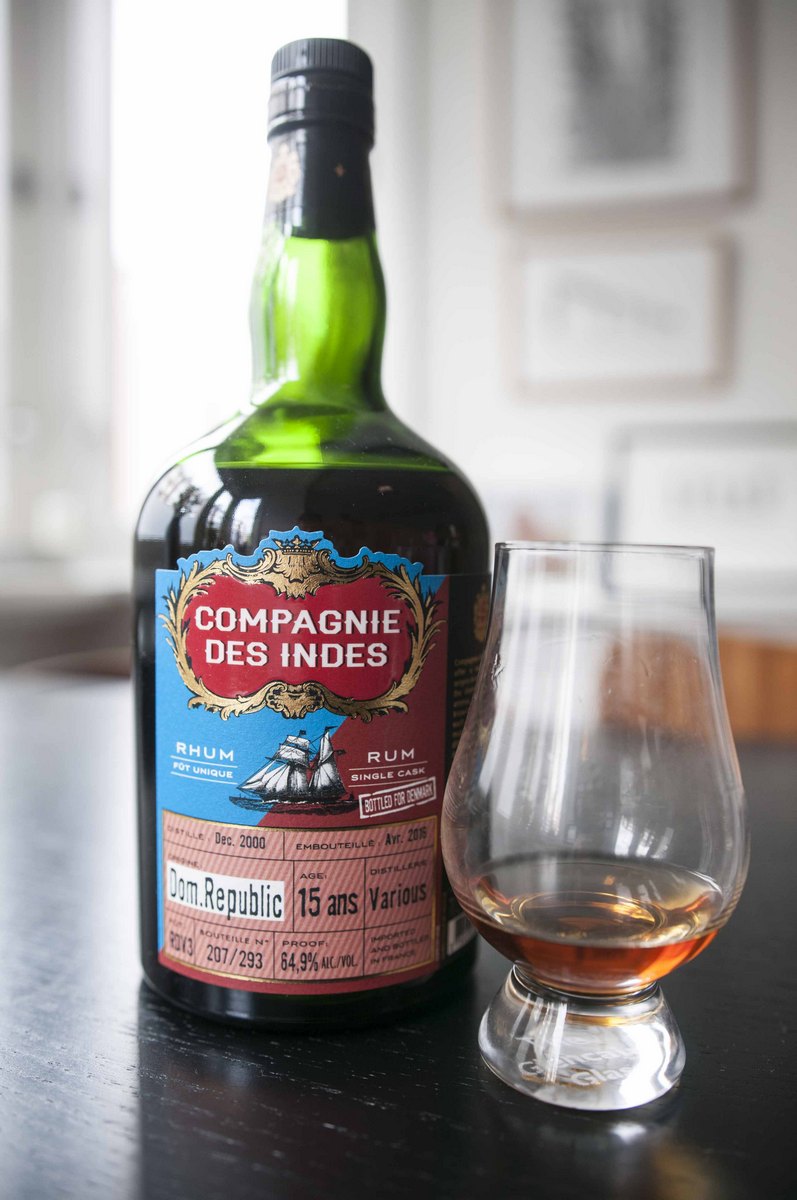
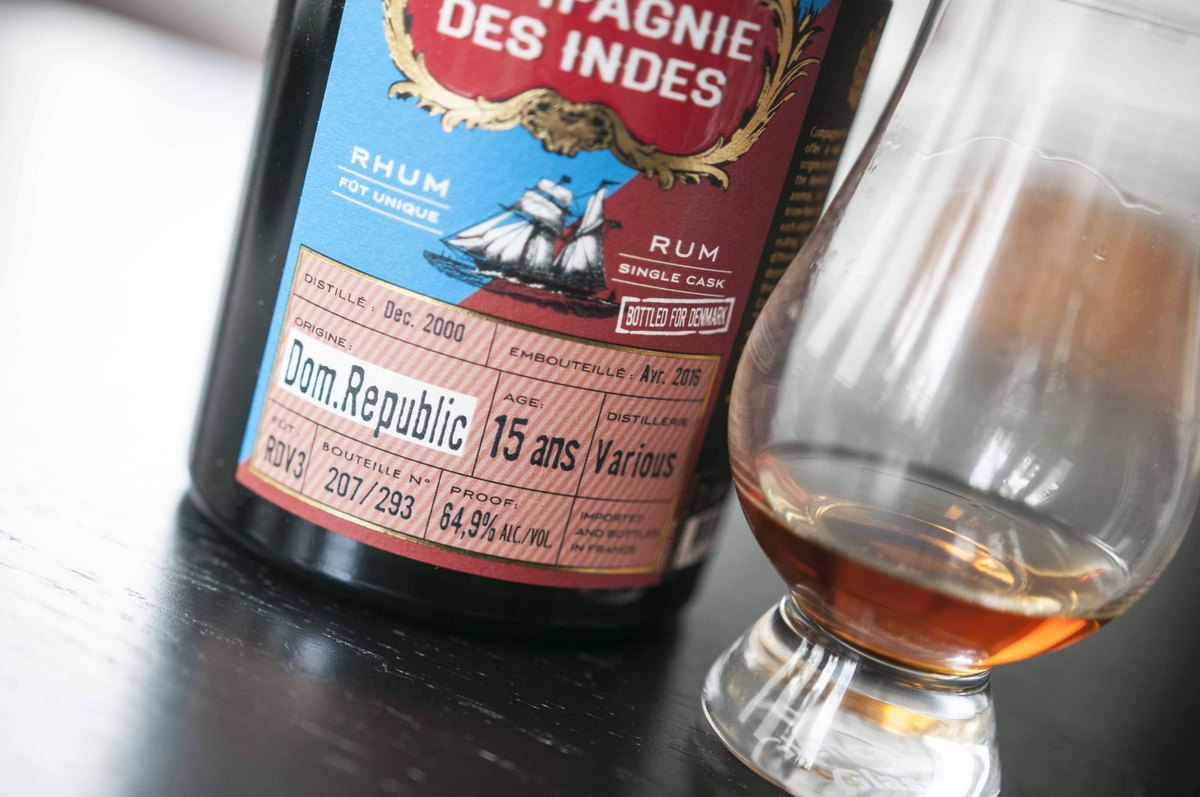
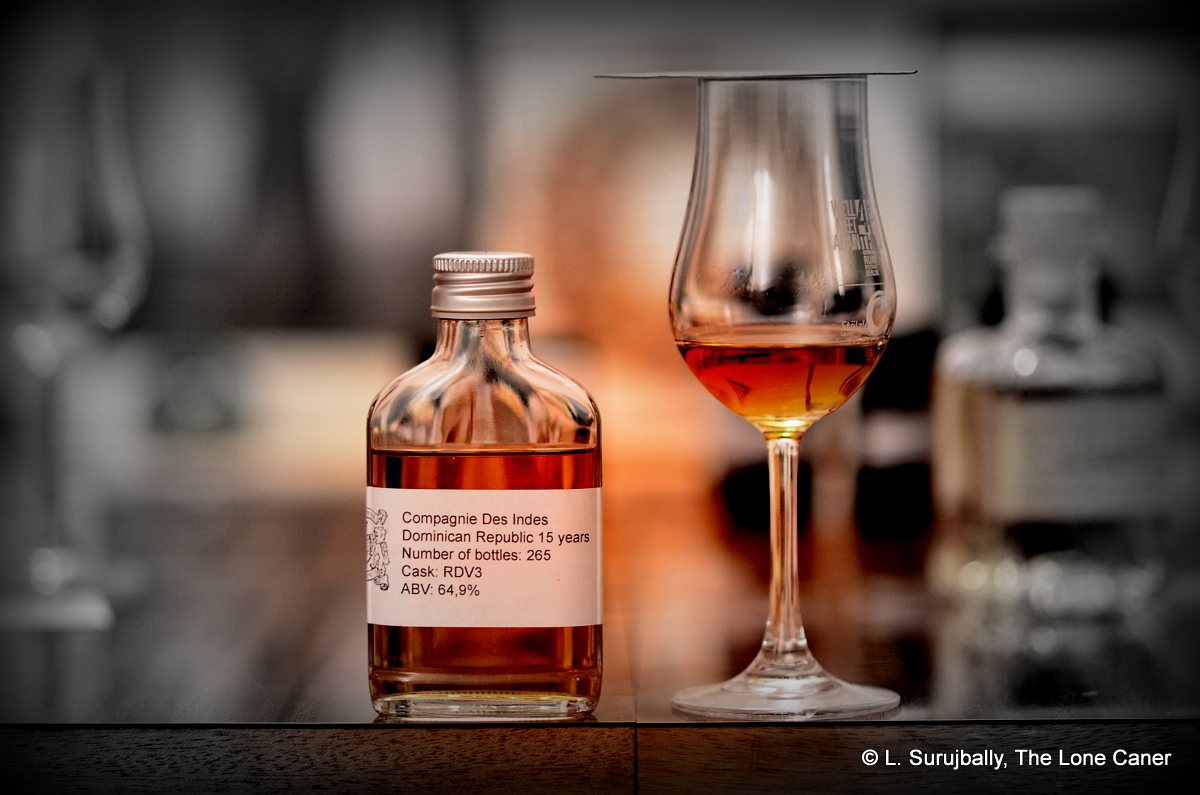
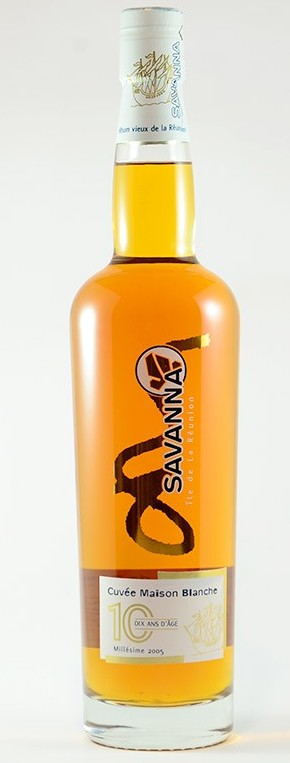 Savanna’s 2005 Cuvée Maison Blanche 10 Year Old rum, in production since 2008 is a companion to the 2005 10 YO Traditionnel and a somewhat lesser version of the superb
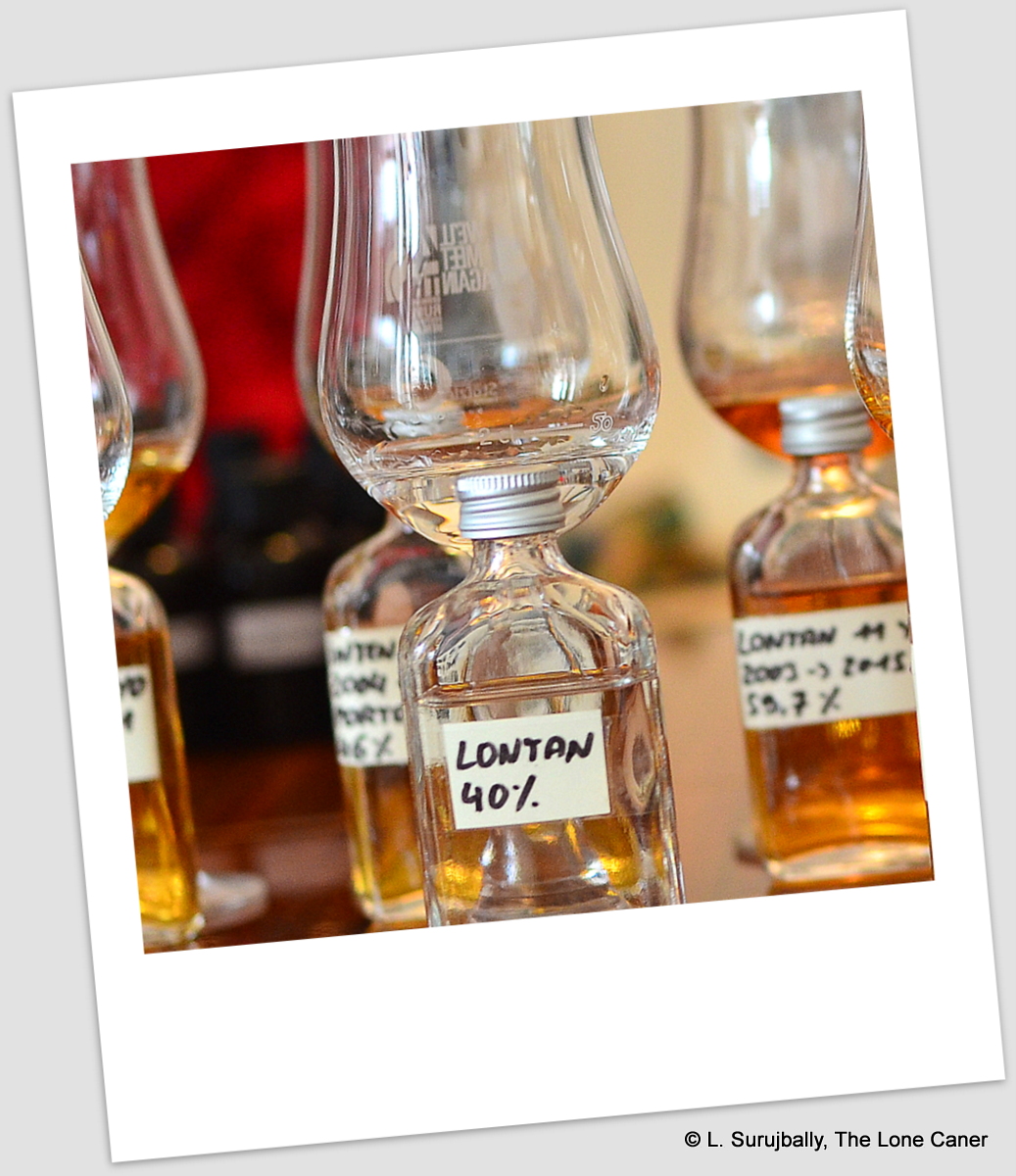
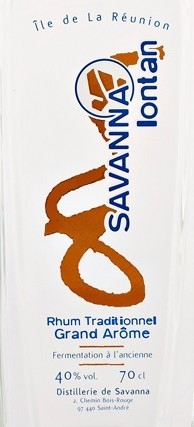 The word “Lontan” is difficult to pin down – in Haitian Creole, it means “long” and “long ago” while in old French it was “lointain” and meant “distant” and “far off”, and neither explains why Savanna picked it (though many establishments around the island use it in their names as well, so perhaps it’s an analogue to the english “Ye Olde…”). Anyway, aside from the traditional, creol, Intense and Metis ranges of rums (to which have now been added several others) there is this Lontan series – these are all variations of Grand Arôme rums, finished or not, aged or not, full-proof or not, which are distinguished by a longer fermentation period and a higher ester count than usual, making them enormously flavourful.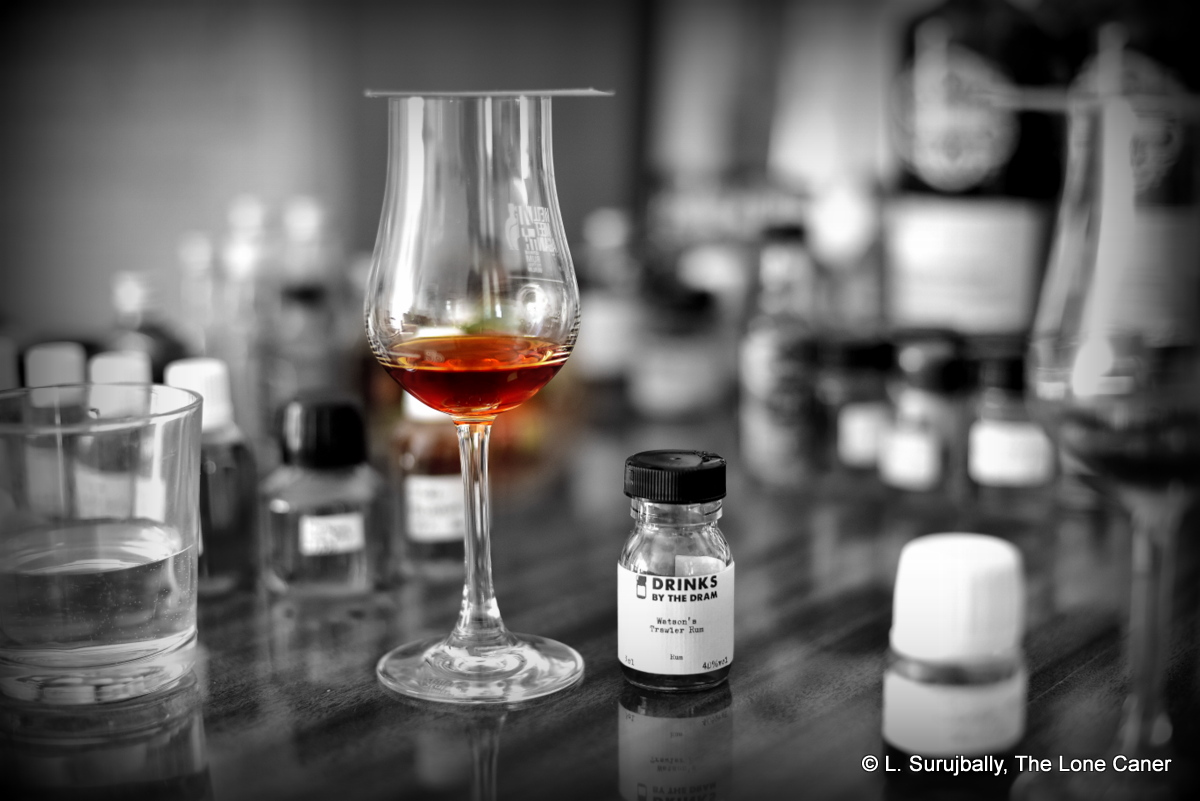
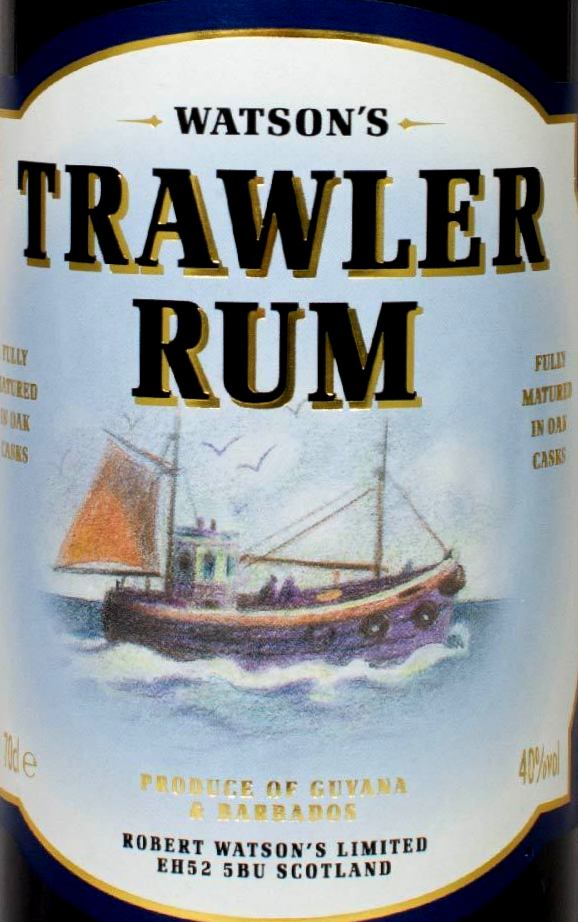 Watson’s Trawler rum, bottled at 40% is another sprig off that branch of British Caribbean blends, budding off the enormous tree of rums the empire produced. The company, according to Anne Watson (granddaughter of the founder), was formed in the late 1940s in Aberdeen, sold at some point to the Chivas Group, and since 1996 the brand is owned by Ian McLeod distillers (home of Sheep Dip and Glengoyne whiskies). It remains a simple, easy to drink and affordable nip, a casual drink, and should be approached in precisely that spirit, not as something with pretensions of grandeur.
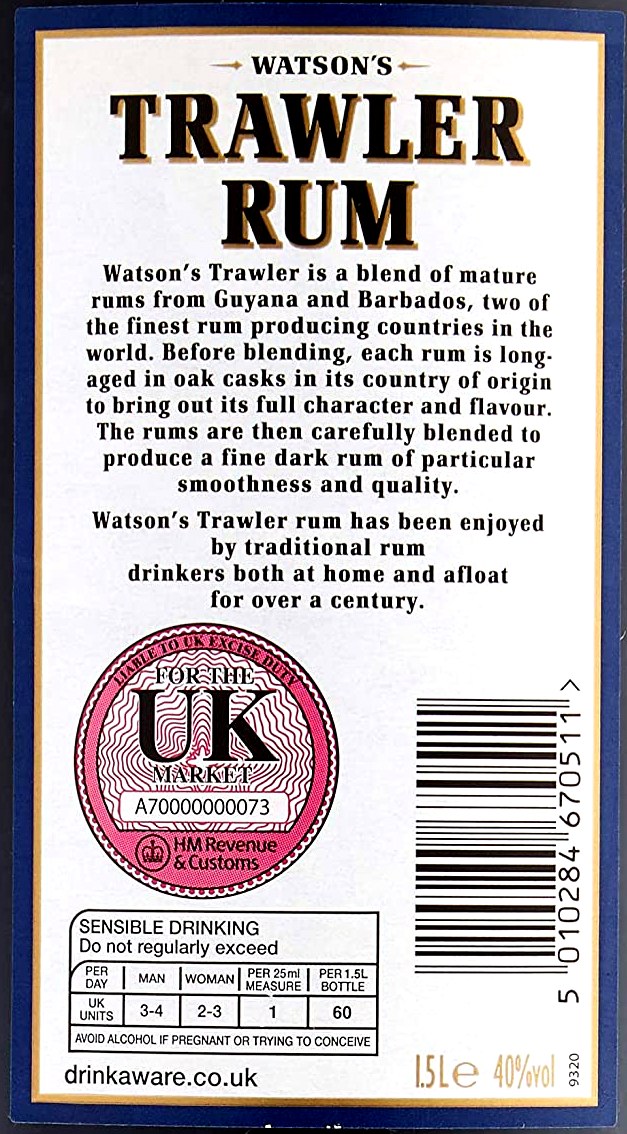 It’s in that simplicity, I argue, lies much of Watson’s strength and enduring appeal — “an honest and loyal rum” opined
 Rumaniacs Review #120 | 0757
 Colour – Gold
 Rumaniacs Review #119 | 0756
 Colour – Dark gold
 Rumaniacs Review #118 | 0755
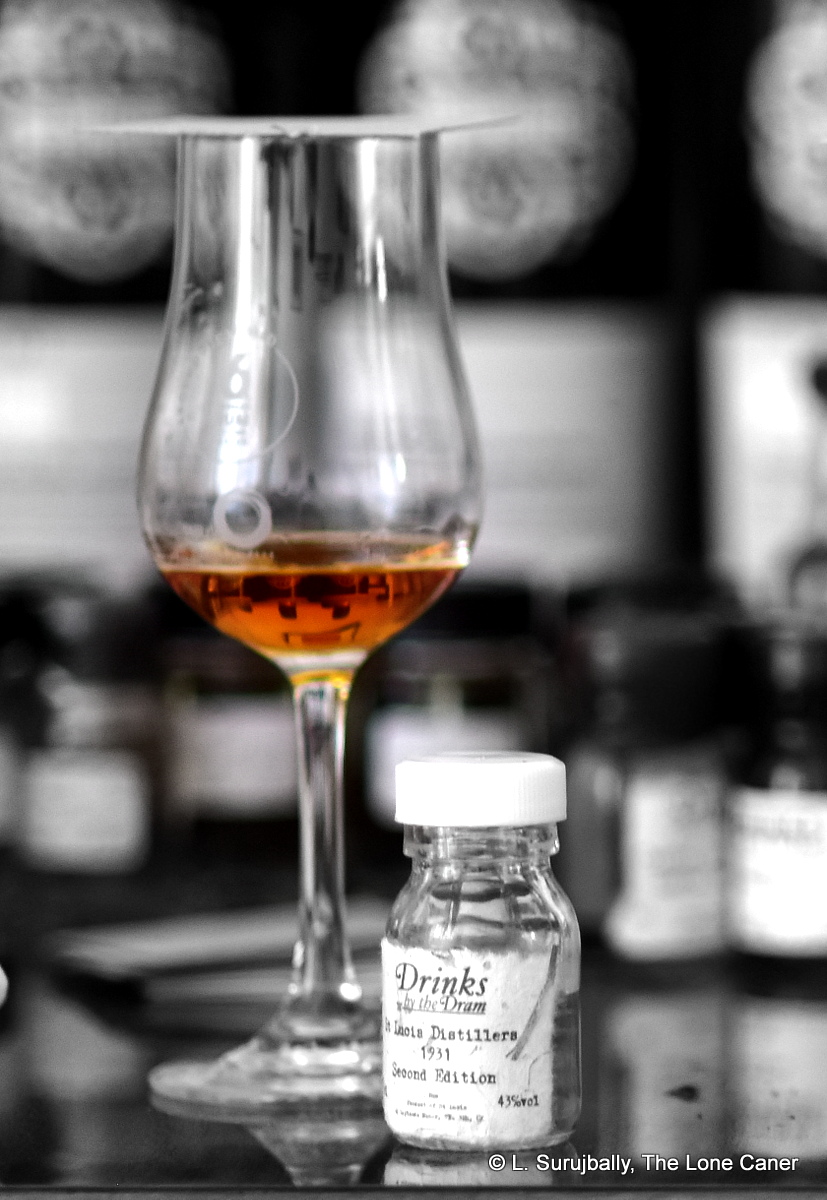 Colour – Mahogany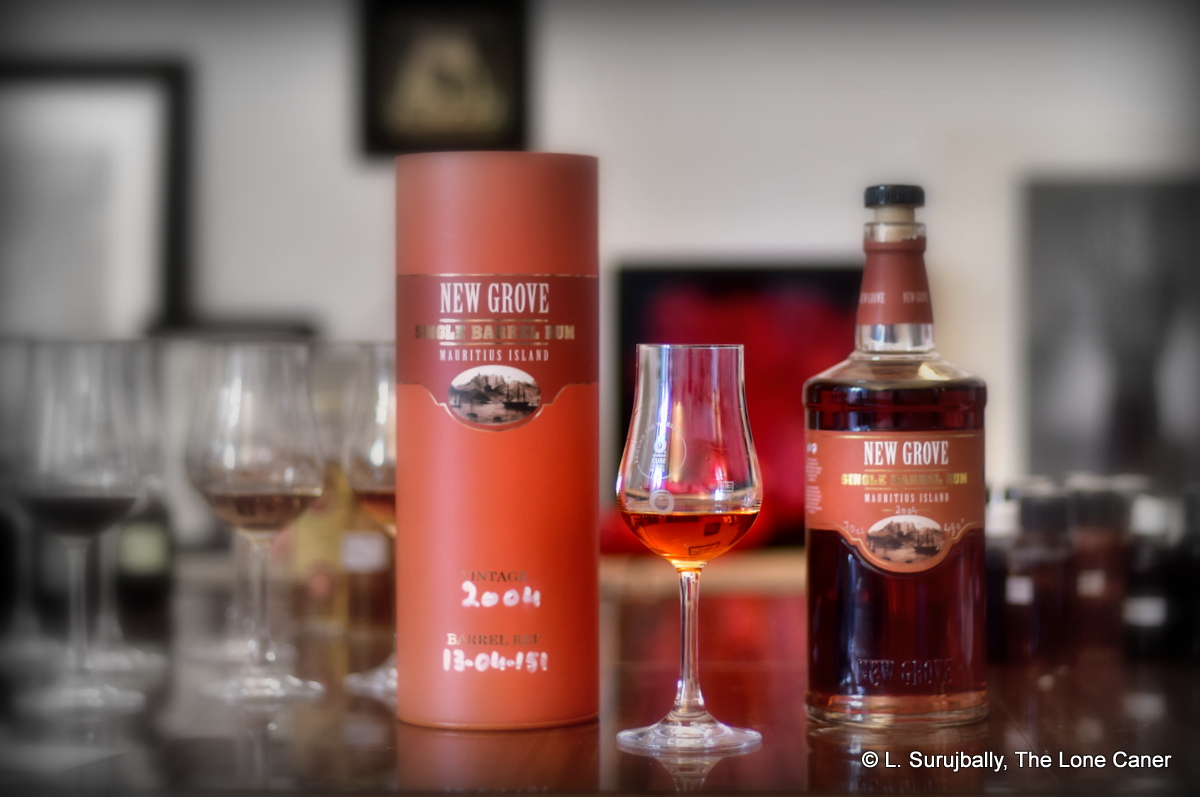
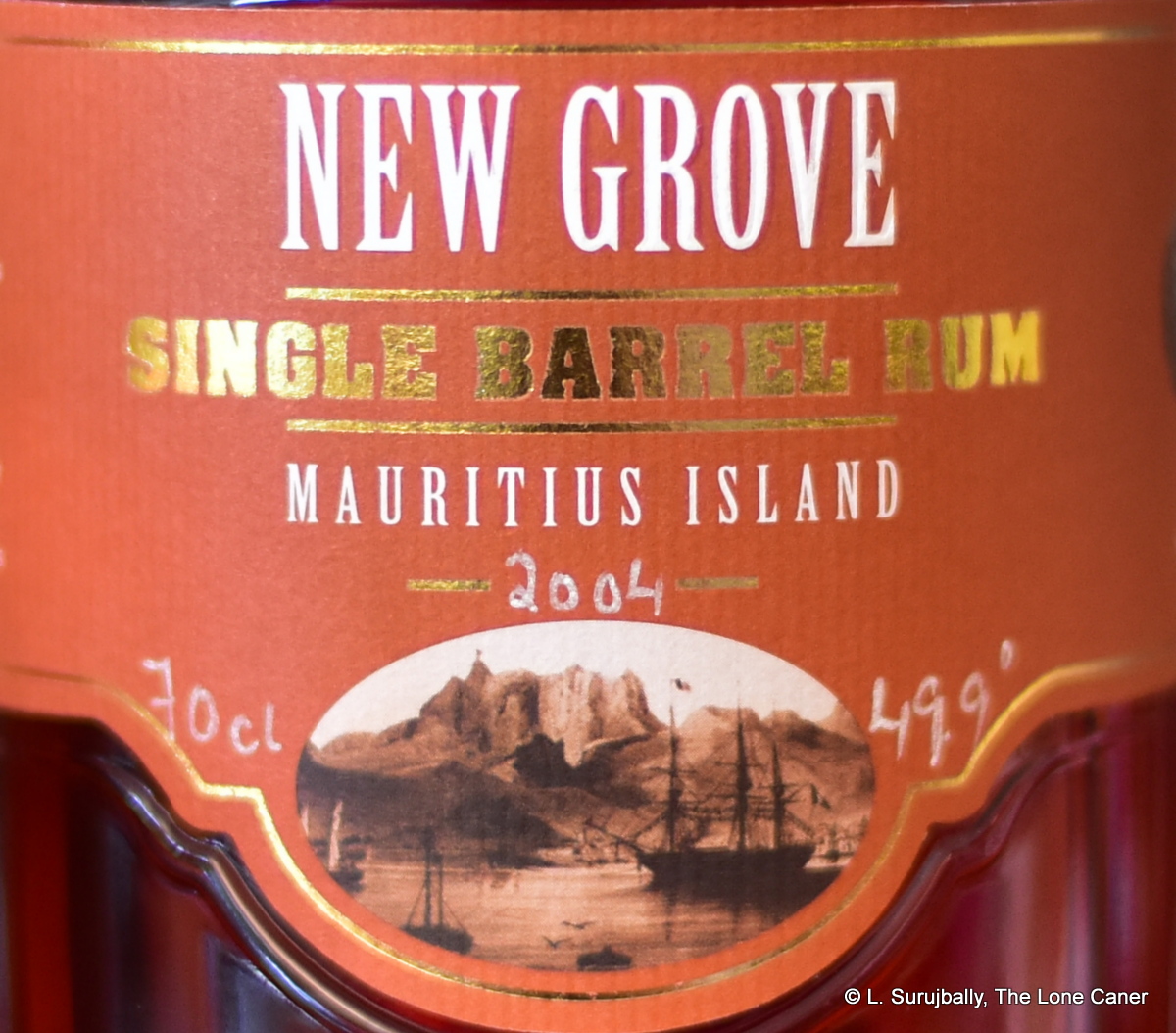 Although cold stats alone don’t tell the tale, I must confess to being intrigued, since a primary producer’s limited single-barrel expressions tend to be somewhat special, something they picked out for good reason. That felt like the case here – the initial smell was delicious, of burnt oranges and whipped cream (!!), a sort of liquid meringue pie if you will. It negotiated the twists and turns of tart and mellower aromas really well: honey, fruits, raisins, green apples, grapes,and ripe peaches. There was never too much of one or the other, and it was all quite civilized, soft and even warm
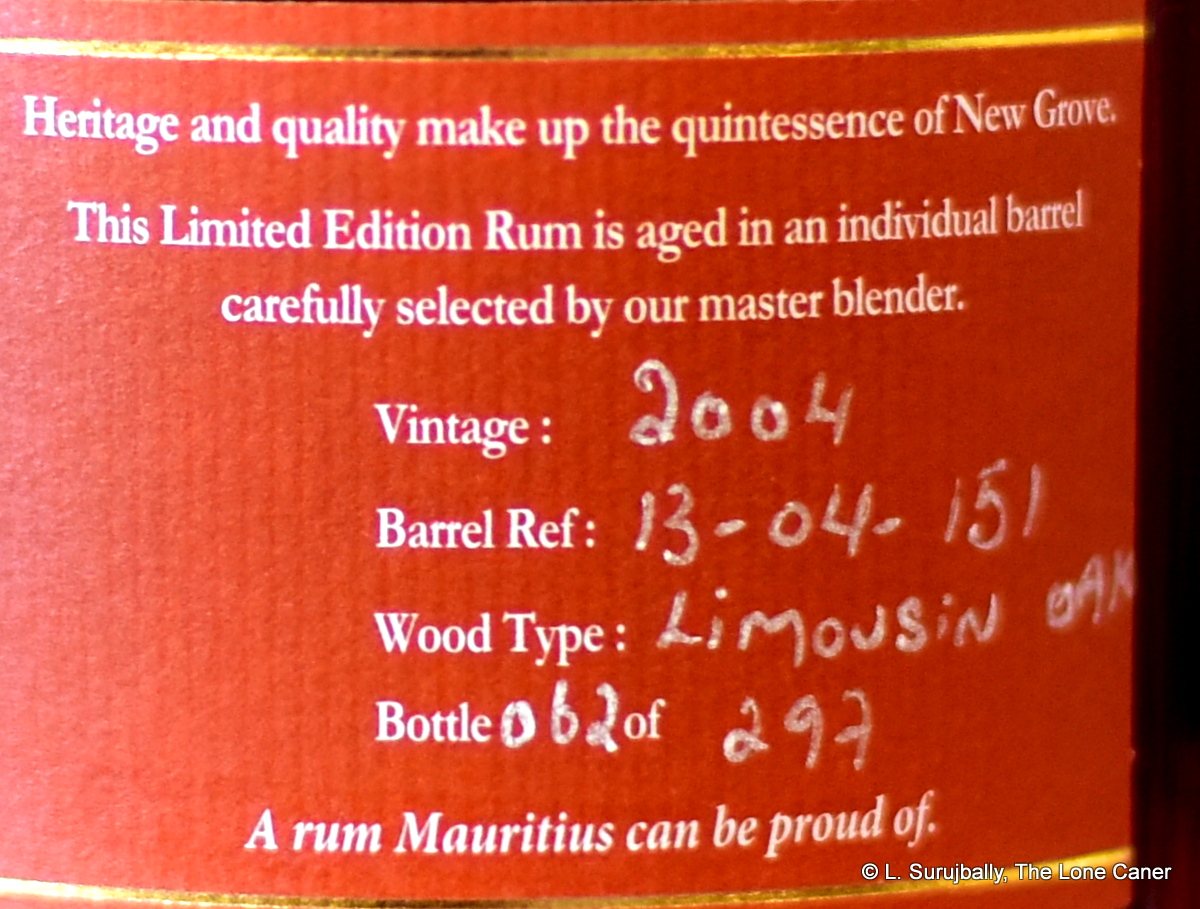 Background history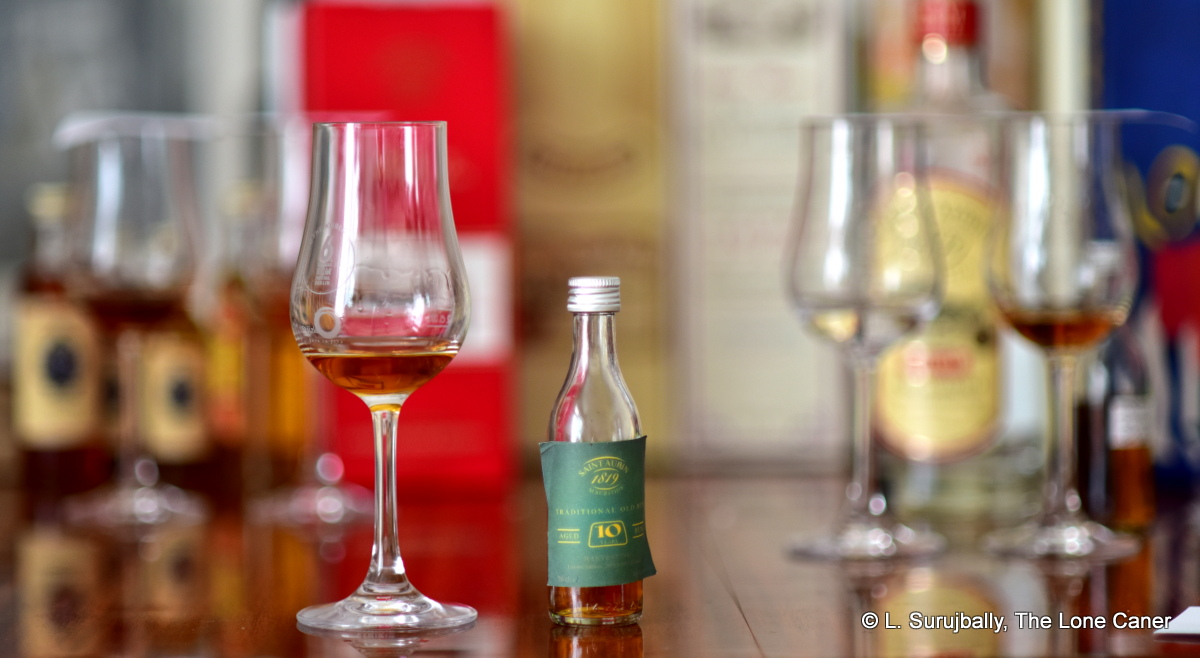
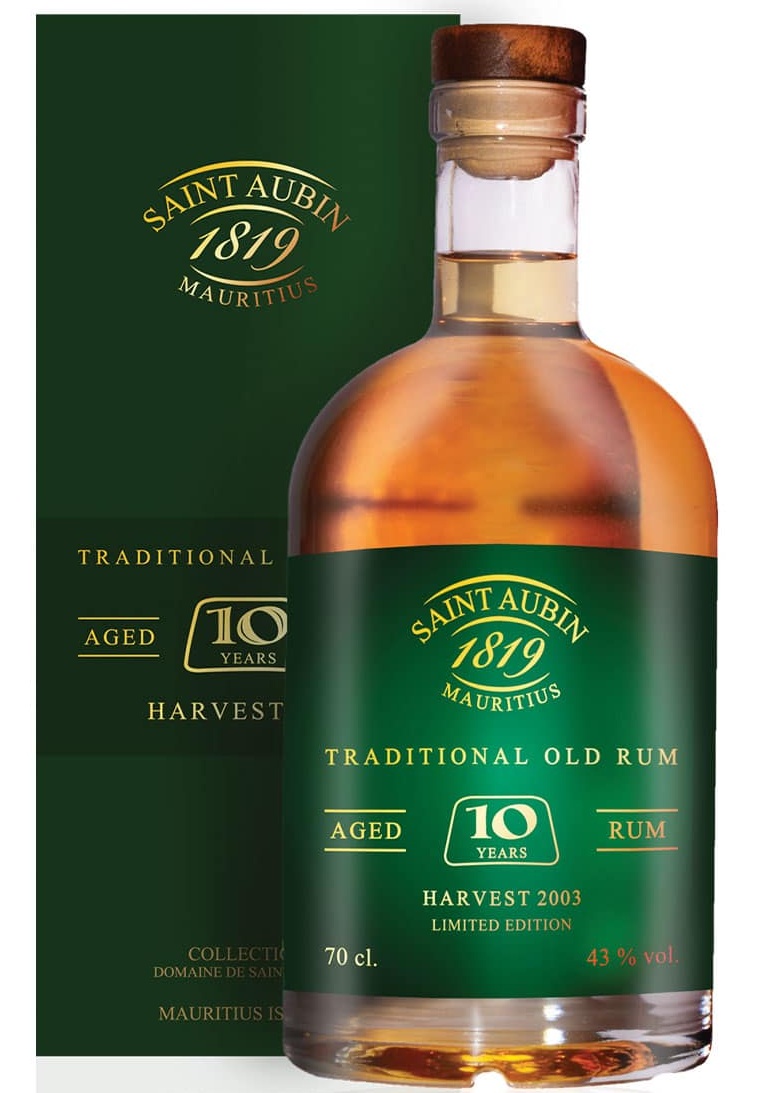 Certainly the 2003 10 YO does its next-best relative the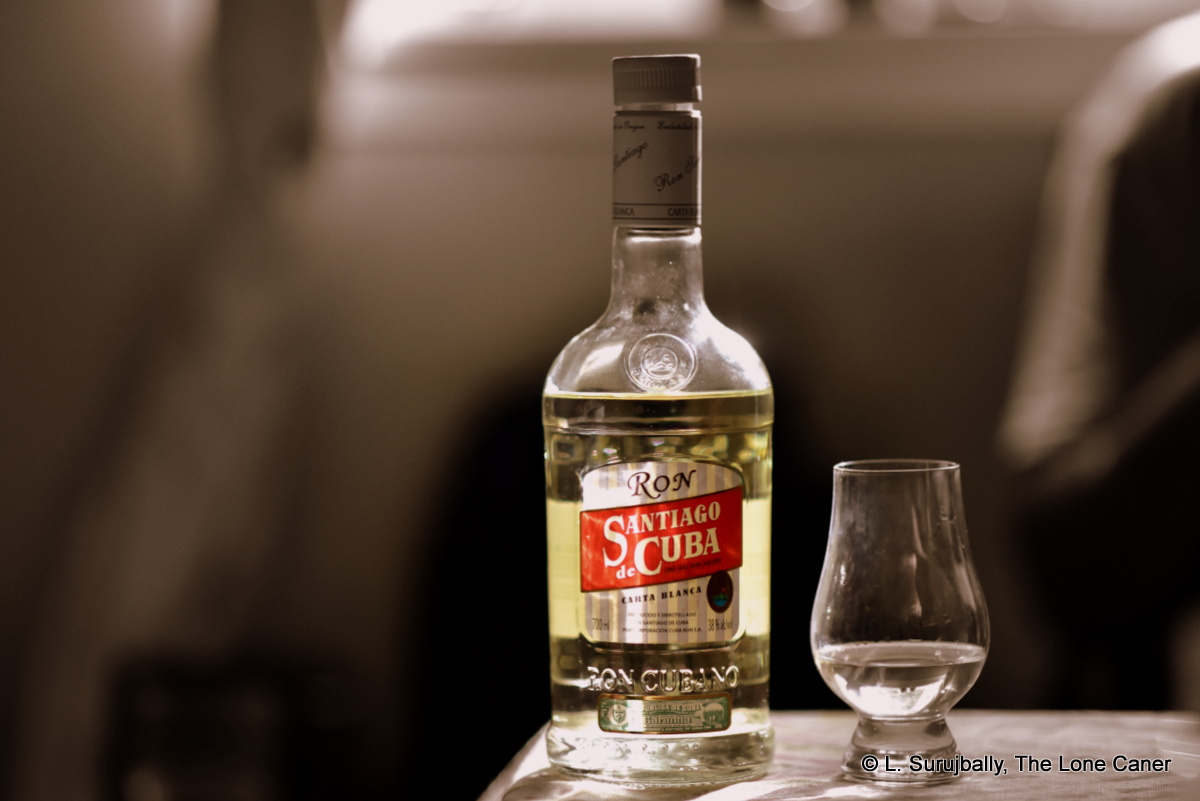
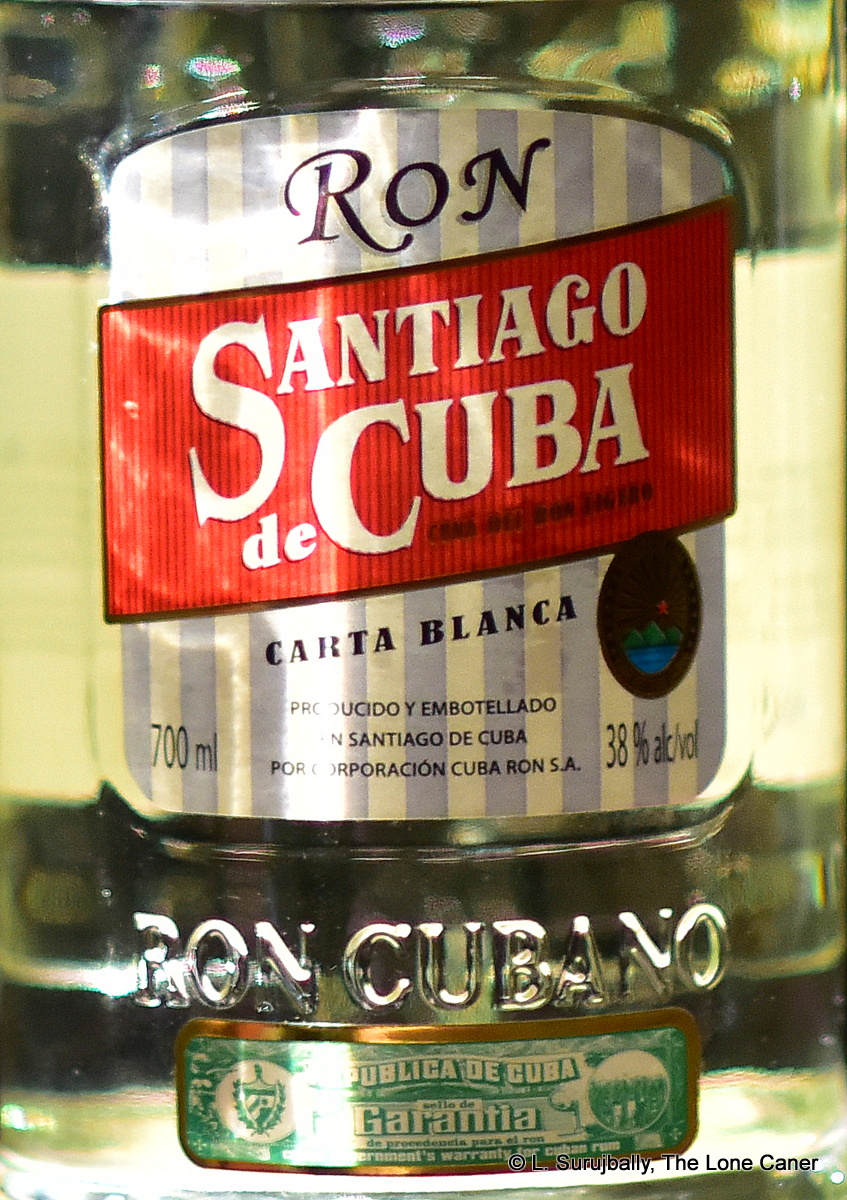 As for the taste when sipped, “uninspiring” might be the kindest word to apply. It’s so light as to be nonexistent, and just seemed so…
 That provided, let’s get right into it then, nose forward. It’s warm but indistinct, which is to say, it’s a blended melange of several things — molasses, coffee (like
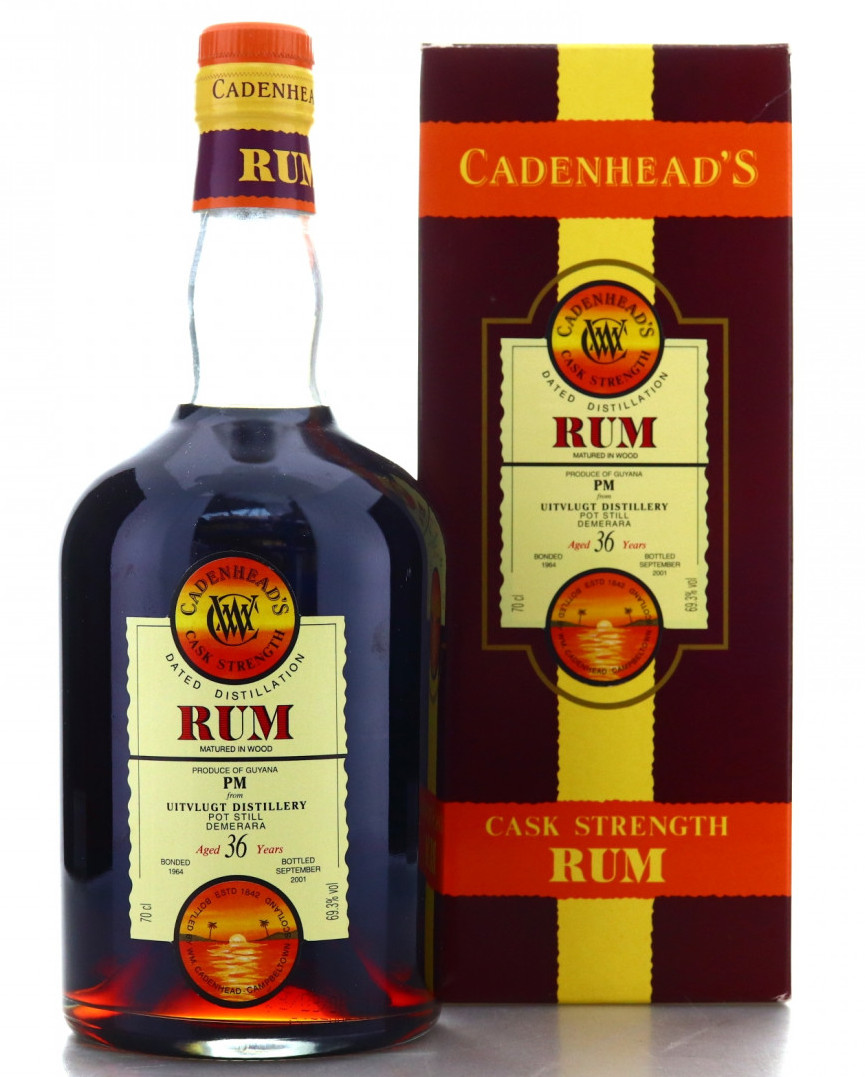
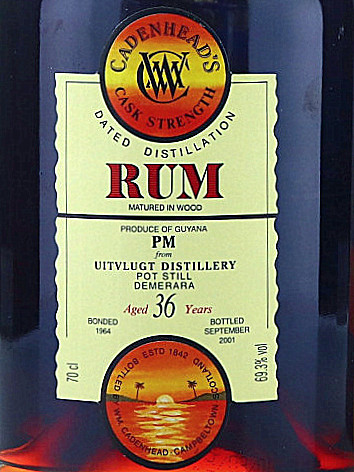 The Cadenhead Uitvlugt 1964 followed all the traditional ways an indie has of producing a rum, except then it proceeded to dial it up to 11, added steroids, horse tranqs and industrial strength factory cleanser, and released it to just about zero acclaim (I mean, have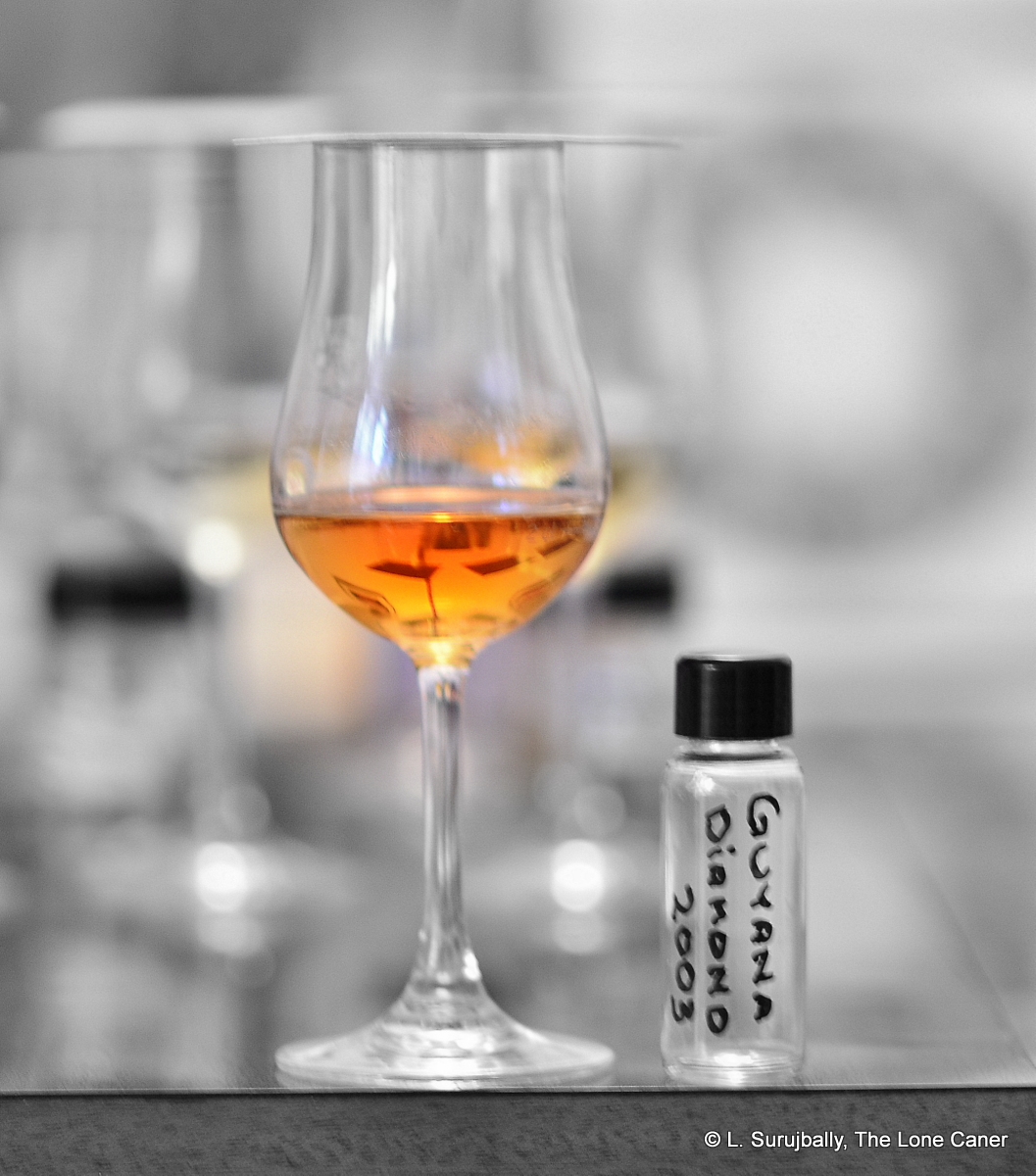
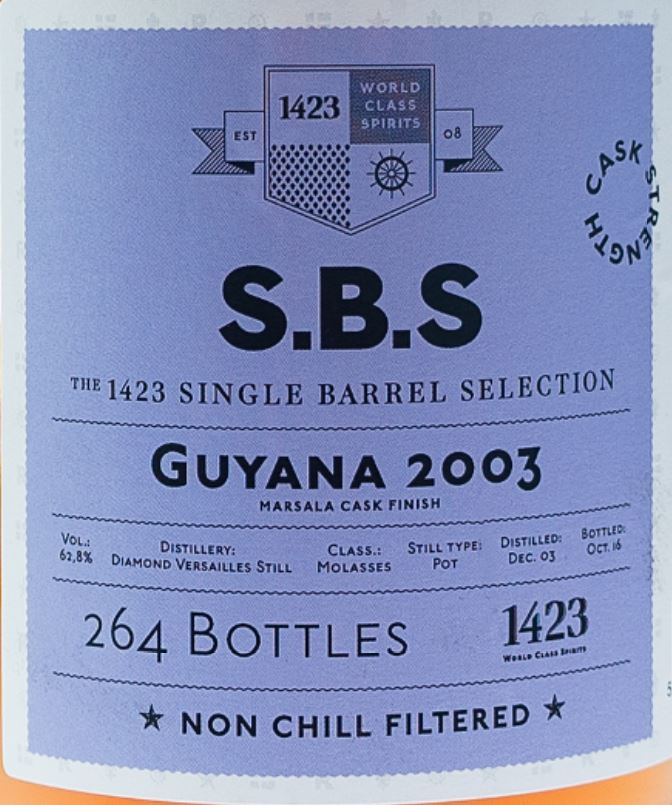 My own preference has always been for the stern elegance of the Port Mourant, and the Enmore coffey still produces rums that are complex, graceful and sophisticated when done right. But the Versailles still is something of an ugly stepchild – you’ll go far and look long to find an unqualified positive review of any rum it spits out. I’ve always felt that it takes rare skill to bring the rough and raw VSG pot still profile to its full potential…none of the familiar indies has had more than occasional success with it, and even Velier never really bothered to produce much Versailles rum at the height of
 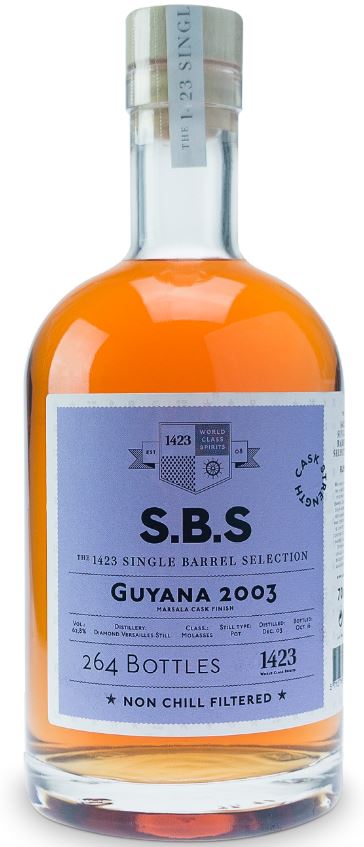 There has been occasional confusion among the stills in the past: e.g. the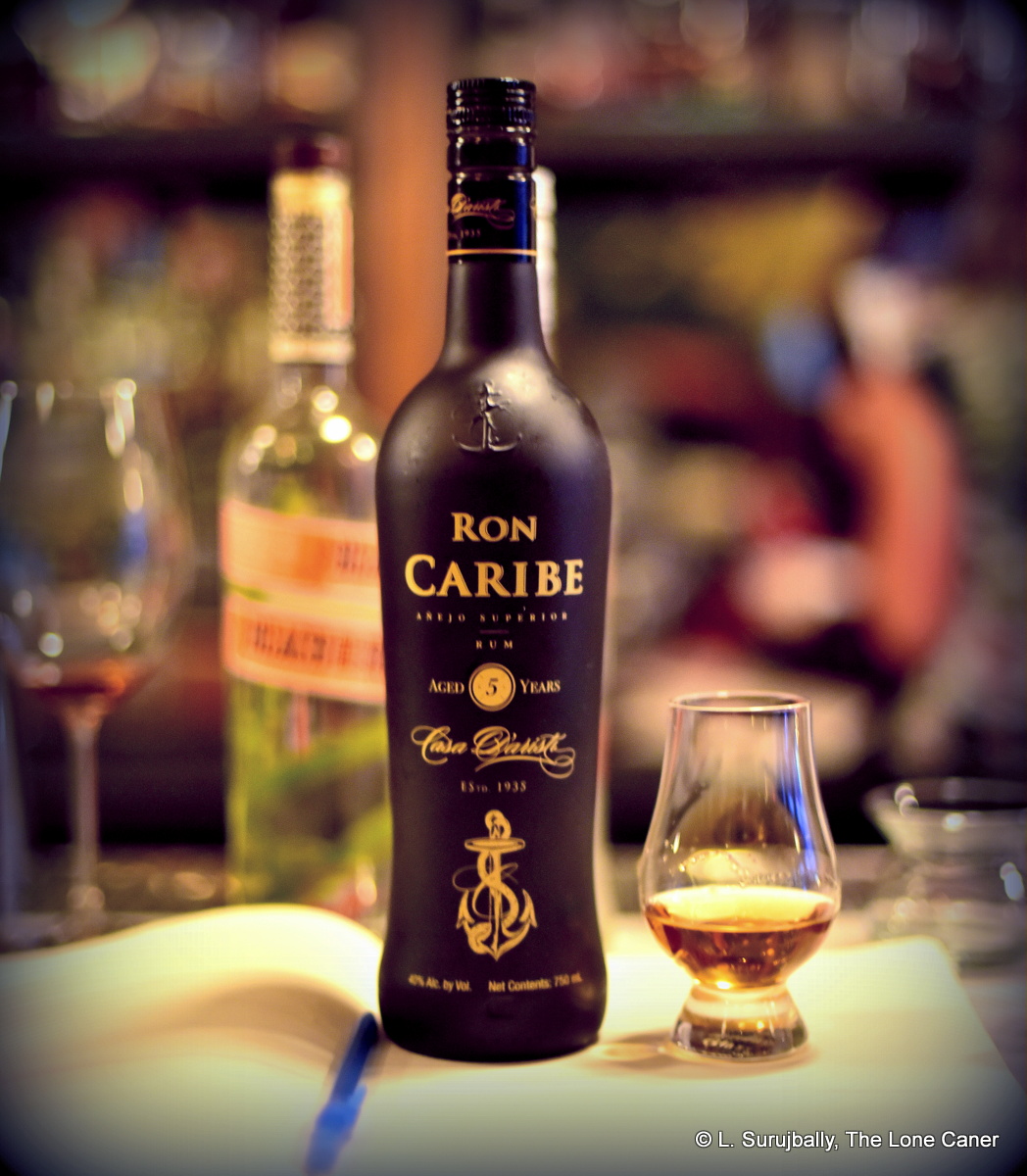
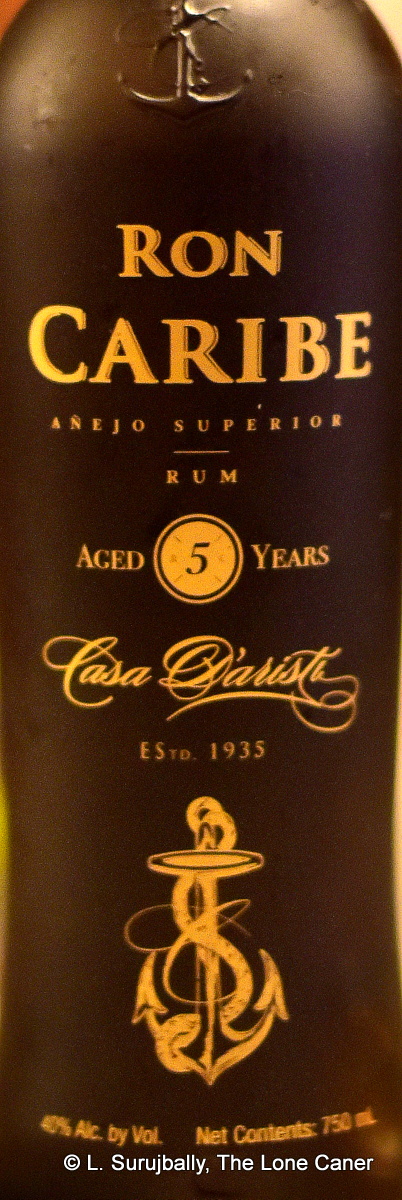 This makes it a spiced or flavoured rum, and it’s at pains to demonstrate that: the extras added to the rum make themselves felt right from the beginning. The thin and vapid nose stinks of vanilla, so much so that the bit of mint, sugar water and light florals and fruits (the only things that can be picked out from underneath that nasal blanket), easily gets batted aside (and that’s saying something for a rum bottled at 40%). It’s a delicate, weak little sniff, without much going on. Except of course for vanilla.