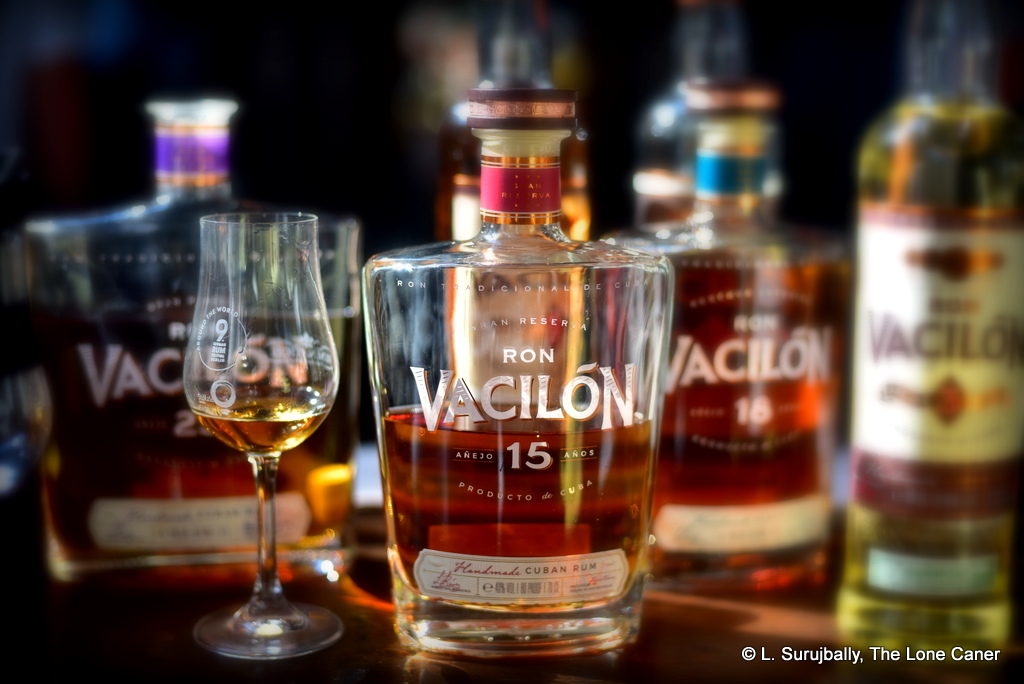
The Cuban-made Vacilón brand was launched in 2016 (as a relaunch of an apparently very popular brand from the 1950s) and has been making the rounds of the various rum festivals off and on. It’s part of the brand’s “luxury range” of 15 / 18 / 25 year old rums, which is fine, except that as usual, there’s very little to actually go on about the production details – which remains one of the more annoying things about latin rons in general, hardly unique to Cuba.
Suffice to say, it is made by Destilería Heriberto Duquesne attached to the local sugar mill located in Remedios in the north-central coast of Cuba under the overlordship of Cuba’s government entity Tecoazúcar. Founded in 1844 and previously known as Santa Fe, this is a distillery that produces pure alcohol as well as export rum, and makes the Vigia and the Mulata rum brands — so consolidating the information we have from those (here and here) we can say with some assurance that it’s a column still light rum, aged in ex-bourbon barrels…and that barrel strategy, coupled with skilful blending by the roneros, is behind its taste profile, not any kind of terroire or pre-distillation techniques or pot still component.
How does that all come together when it’s time for the theory to take a back seat? Judge for yourself. Personally, I found the strength to be anemic at 40%. It allowed aromas of caramel, nuts, flowers, coffee and cocoa to come through, just not with any kind of punch or assertiveness. Some light fruits — watermelon, papaya, guava, nothing too bold — shyly tiptoed on to the stage but at the first sigh of appreciation they panicked and ran back off again.
Tasting it made it clear this is a soft, warm sipping rum to be had by itself, and savoured that way – even ice might destroy its fragile and delicate construction. That’s both its appeal and (for me) it’s downfall – I tasted caramel, butterscotch, bon bons, a bit of hazelnut, lemon zest, cumin and dill, a touch of ripe pear and that was it. The finish…well, it trailed off like an unfinished sentence, trending towards silence without ever having drawn attention to itself. Which is, I must concede, about what I had expected (though not what I had hoped for) and which defined the rum as a whole.
Let me be clear – the Vacilón is a perfectly “nice” rum. On the surface, based on the label, it hits all the high points. It’s from Cuba, home of a long and proud tradition of rum making stretching back centuries. It is fifteen “true” years old. And if it’s only 40% well, cask strength isn’t the rumiverse and standard strength rums should not be looked down upon just because they lack the spirituous equivalent of Ahnold’s biceps in his prime.
Except that that was not the way the experience unfolded. I can live with the faint, quiet, wispy proof, I just needed to focus more, and harder, to tease out the tasting notes. But it was simply unexciting, lacking appeal, not making any kind of serious statement for its own uniqueness and quality. It could have been five years younger and not been appreciably different. Why in this day and age they didn’t at least try to jolly it up to maybe 43% or 46% remains one of those unanswered questions to which rons have yet to respond. Maybe it’s because they sell quite enough of what they do already and see no reason to change.
That of course is their privilege – rums like this do have their fans and markets. But as long as rons’ makers only keep trotting along the same old track at the same old pace, they’re only ever going to end up getting dismissive reviews like this one, and placing themselves in the “also-ran” finishing spot. Or even further back in the listings, which is something of a shame for an otherwise decent product on which maestros roneros expend so much time and effort. I think they can do better for today’s audiences, and they should at least give it a try, instead of recreating blends that were popular the 1950s but which are no longer as much in fashion now as they were back then.
(#787)(76/100)
 The nose begins with metallic, ashy notes right away, damp cardboard in a long-abandoned, leaky musty house. Thankfully this peculiar aroma doesn’t hang around, but morphs into a sort of soya-salt veggie soup vibe, which in turn gets muskier and sweeter over time; it releases notes of bananas and molasses and syrup, before gradually lightening and becoming – surprisingly enough – rather crisp. White fruits emerge – unripe pears and guavas, green apples, gooseberries, grapes. What’s really surprising is the way this all transforms over a period of ten minutes or so from one nasal profile to another. It’s not usual, but it is noteworthy.
 Rumaniacs Review #122 | 0785
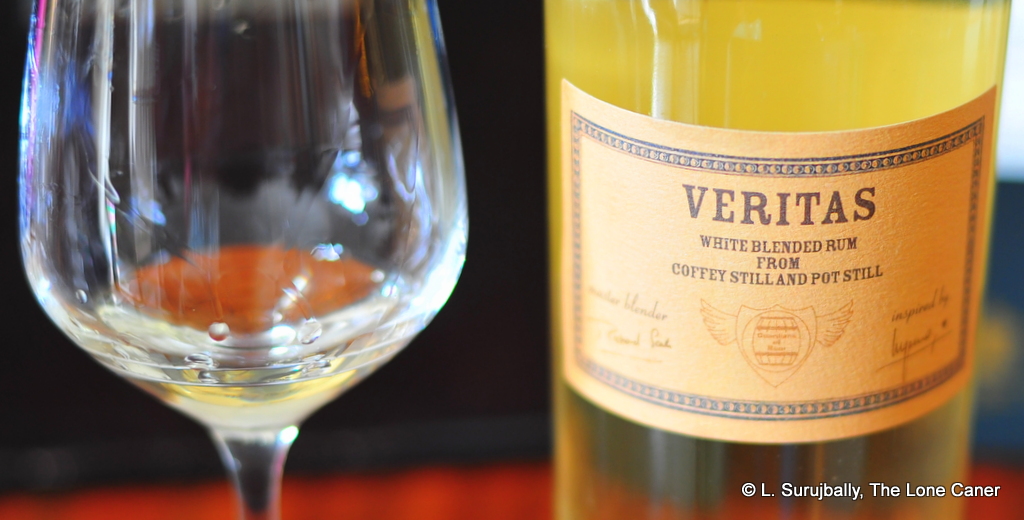
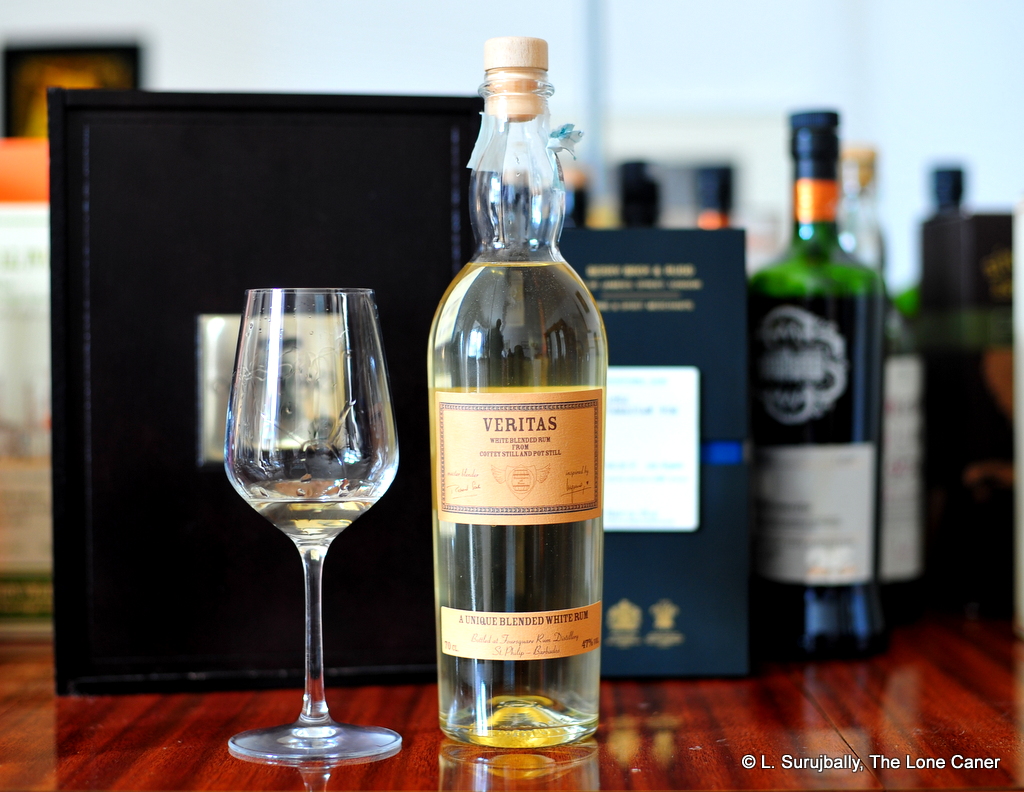
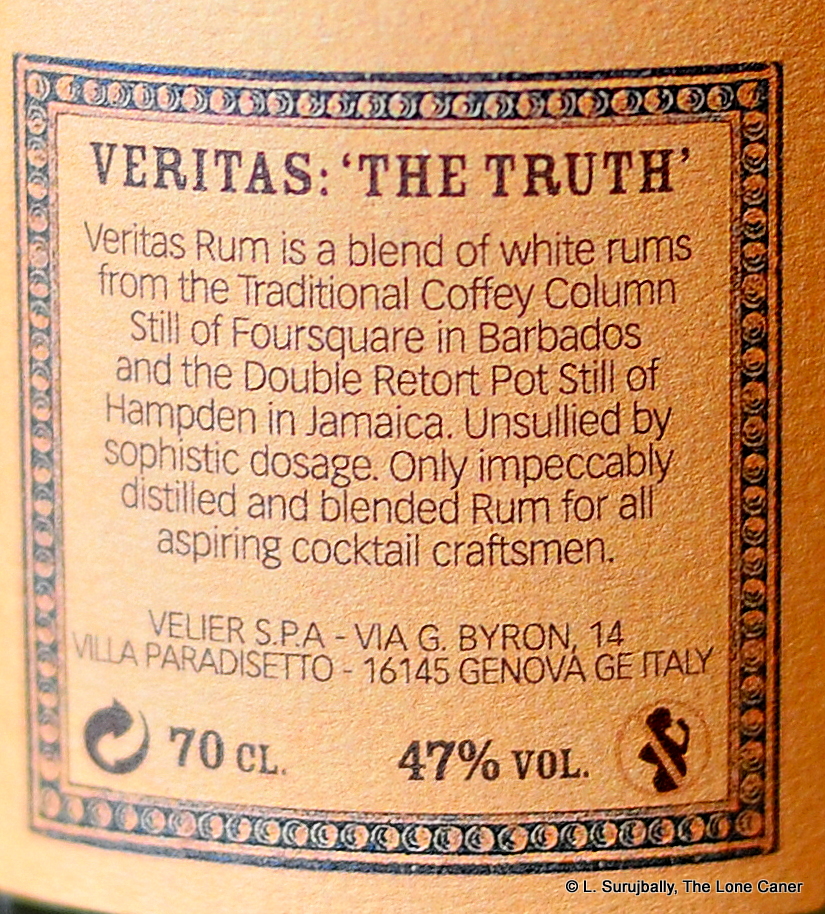 When it really comes down to it, the only thing I didn’t care for is the name. It’s not that I wanted to see “Jamados” or “Bamaica” on a label (one shudders at the mere idea) but I thought “Veritas” was just being a little too hamfisted with respect to taking a jab at Plantation in the ongoing feud with Maison Ferrand (the statement of “unsullied by sophistic dosage” pointed there). As it turned out, my opinion was not entirely justified, as Richard Seale noted in a comment to to me that… “It was intended to reflect the simple nature of the rum – free of (added) colour, sugar or anything else including at that time even addition from wood. The original idea was for it to be 100% unaged. In the end, when I swapped in aged pot for unaged, it was just markedly better and just ‘worked’ for me in the way the 100% unaged did not.” So for sure there was more than I thought at the back of this title.

 This process provides a tasting profile that reminds me of nothing so much than a slightly addled wooden still-rum from El Dorado: it’s sweet, feels the slightest bit sticky, and has strong notes of dark fruits, red licorice, plums, raisins and an almond chocolate bar gone soft in the heat. There’s other stuff in there as well – some caramel, vanilla, pepper again, light orange peel, but overall the whole thing is not particularly complex, and it ambles easily towards a short and gentle finish of no particular distinction that pretty much displays some dark fruit, caramel, anise and molasses, and that’s about it.
 So, until we know more, focus on the rum itself. It’s quiet and gentle and some cask strength lovers might say – not without justification – that it’s insipid. It has some good tastes, simple but okay, and hews to a profile with which we’re not entirely unfamiliar. It has a few off notes and a peculiar substrate of something different, which is a good thing. So in the end,
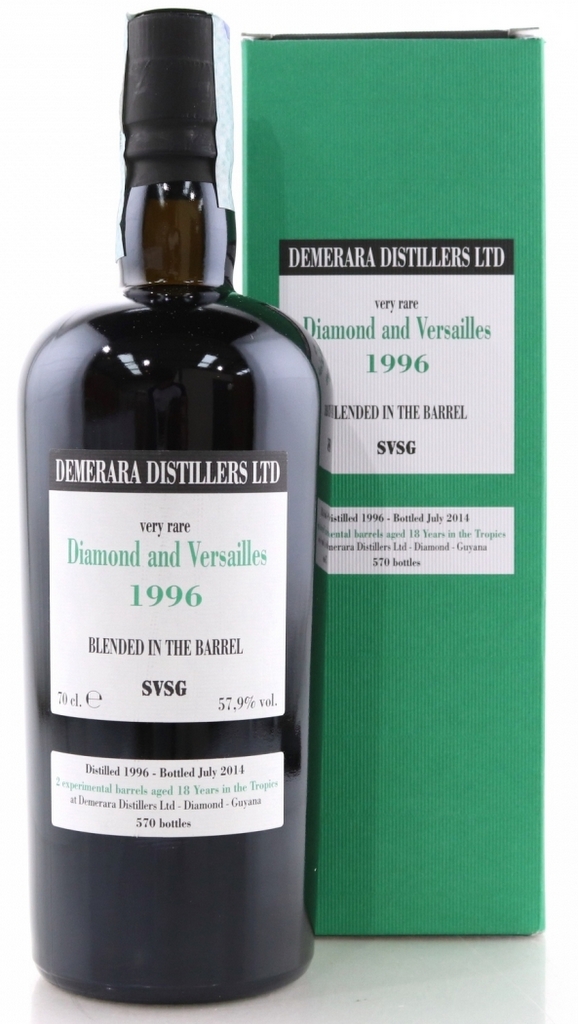
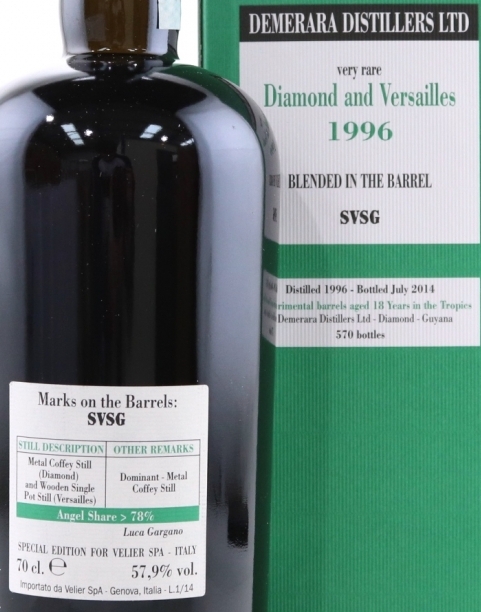 By the time this rum was released in 2014, things were already slowing down for Velier in its ability to select original, unusual and amazing rums from DDLs warehouses, and of course it’s common knowledge now that 2014 was in fact the last year they did so. The previous chairman, Yesu Persaud, had retired that year and the arrangement with Velier was discontinued as DDL’s new Rare Collection was issued (in early 2016) to supplant them.
 The nose had been so stuffed with stuff (so to speak) that the palate had a hard time keeping up. The strength was excellent for what it was, powerful without sharpness, firm without bite. But the whole presented as somewhat more bitter than expected, with the taste of oak chips, of cinchona bark, or the antimalarial pills I had dosed on for my working years in the bush. Thankfully this receded, and gave ground to cumin, coffee, dark chocolate, coca cola, bags of licorice (of course), prunes and burnt sugar (and I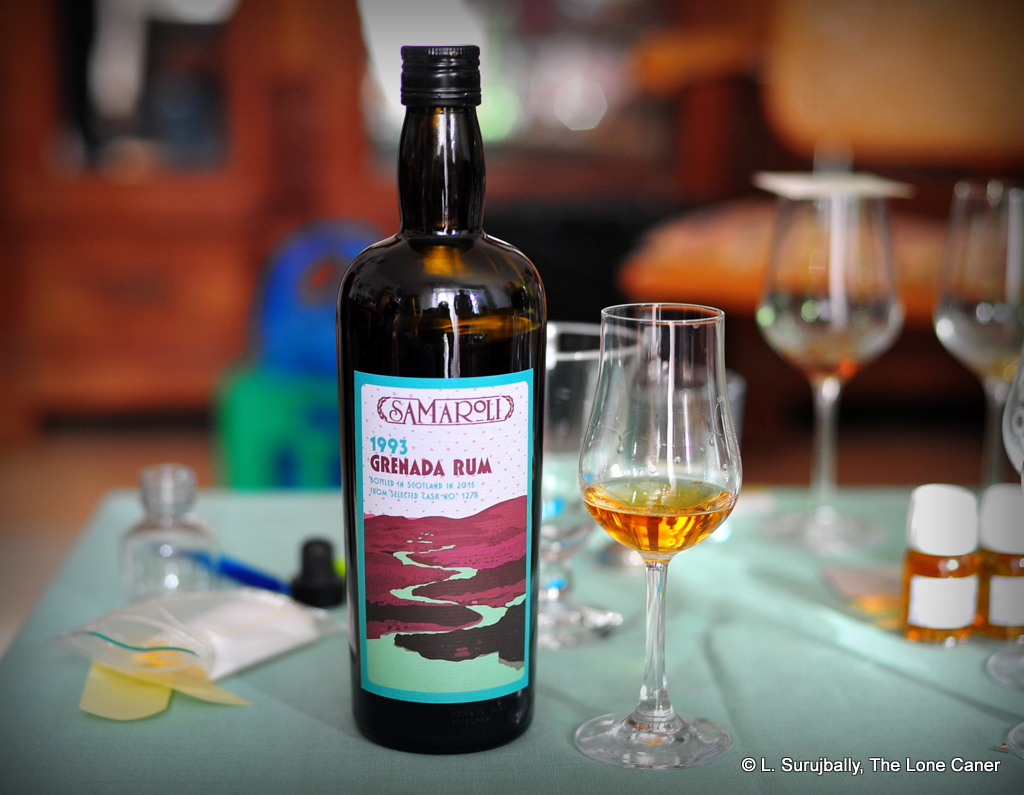
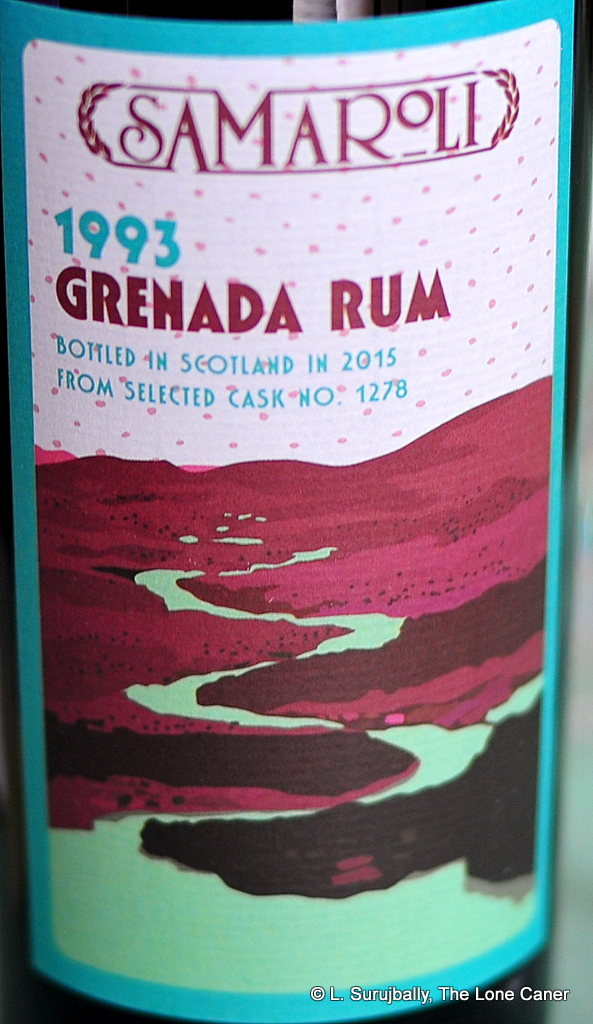 One such is this Samaroli rum sporting an impressive 22 years of continental ageing, hailing from Grenada – alas, not Rivers Antoine, but you can’t have everything (the rum very likely came from Westerhall – they ceased distilling in 1996 but were the only ones exporting bulk rum before that). You’ll look long and hard before you find any kind of write up about it, or anyone who owns it – not surprising when you consider the €340 price tag it fetches in stores and at auction. This is the second Grenada rum selected under the management of Antonio Bleve who took over operations at Samaroli in the mid 2000s and earned himself a similar reputation as Sylvio Samaroli (RIP), that of having the knack of picking right.
 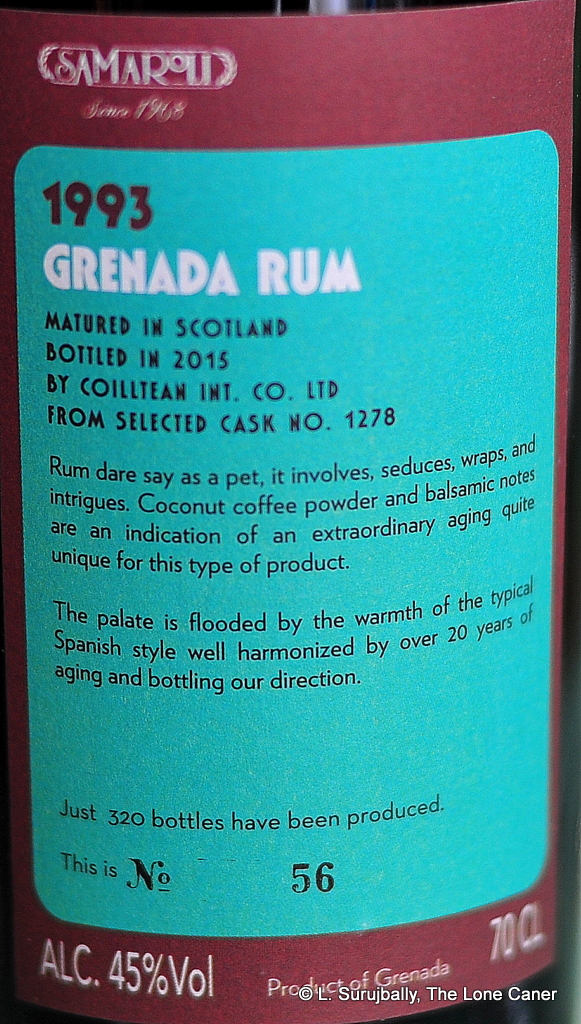 So what to make of this expensive two-decades-old Grenada rum released by an old and proud Italian house? Overall it’s really quite pleasant, avoids disaster and is tasty enough, just nothing special. I was expecting more. You’d be hard pressed to identify its provenance if tried blind. Like an SUV taking the highway, it stays firmly on the road without going anywhere rocky or offroad, perhaps fearing to nick the paint or muddy the tyres.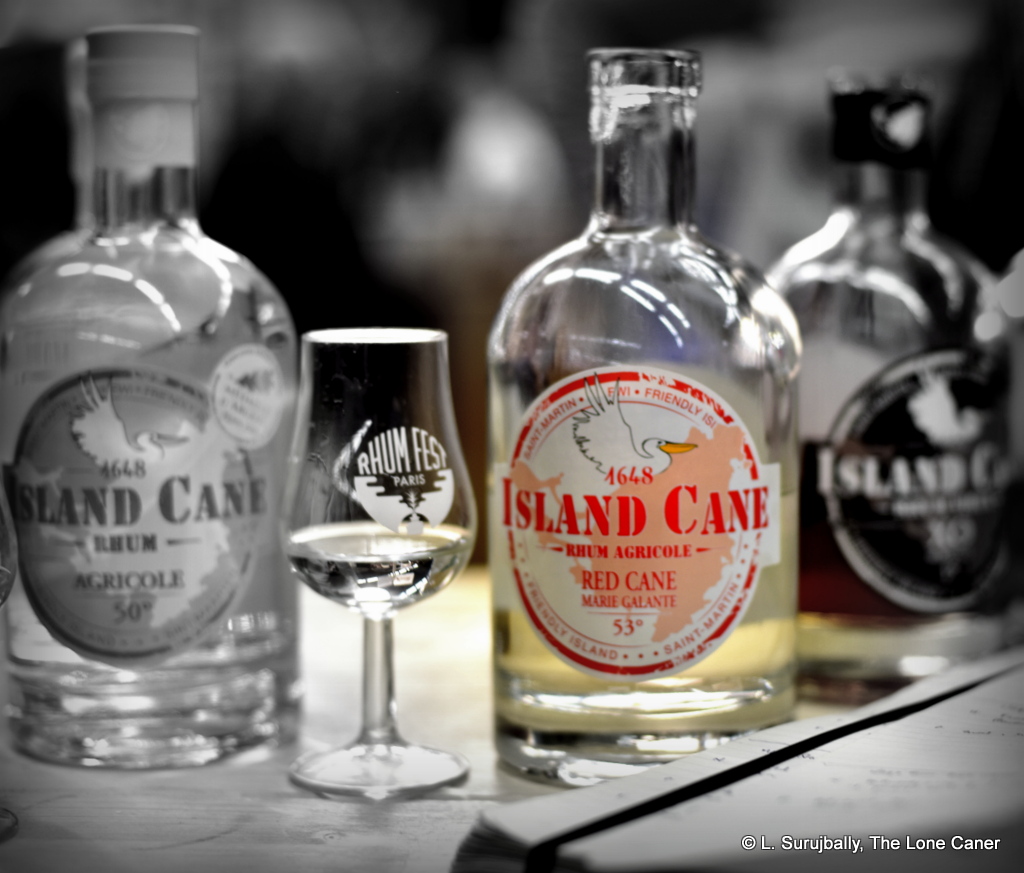
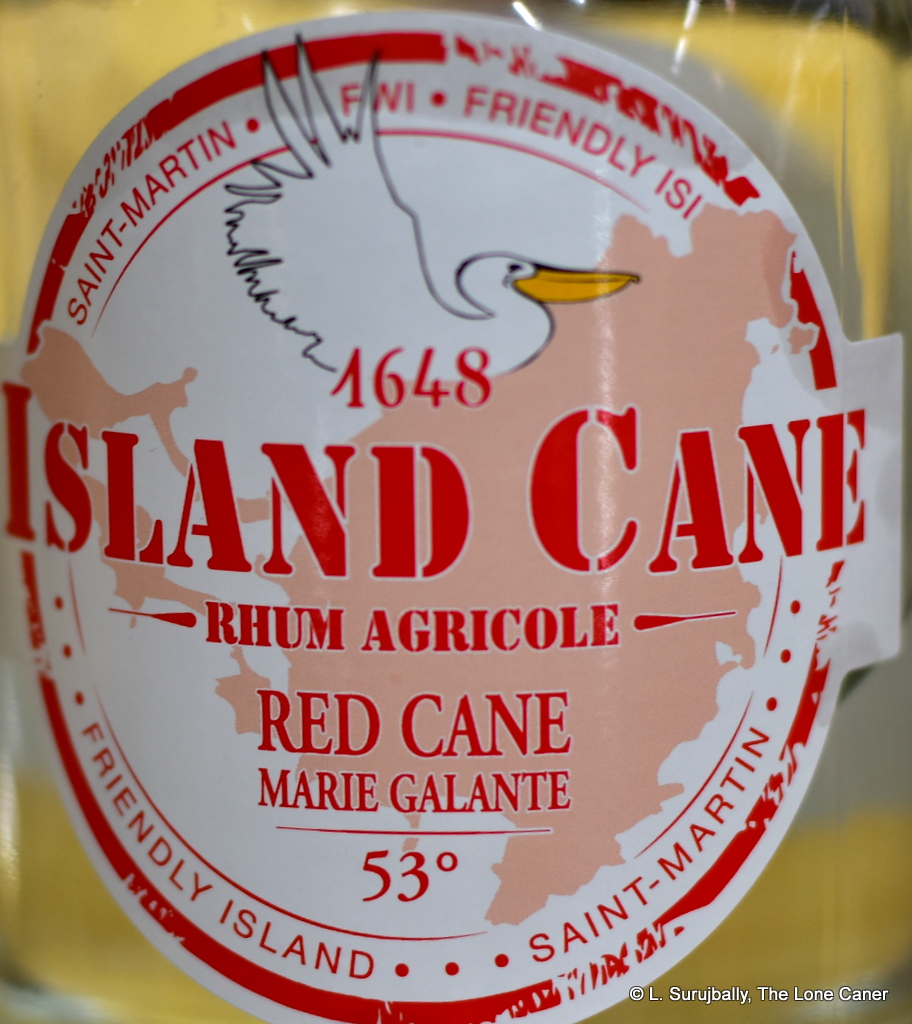 All that comes together in a rhum of uncommonly original aroma and taste. It opens with smells that confirm its provenance as an agricole, and it displays most of the hallmarks of a rhum from the blanc side (herbs, grassiness, crisp citrus and tart fruits)…but that out of the way, evidently feels it is perfectly within its rights to take a screeching ninety degree left turn into the woods. Woody and even meaty notes creep out, which seem completely out of place, yet somehow work. This all combines with salt, rancio, brine, and olives to mix it up some more, but the overall effect is not unpleasant – rather it provides a symphony of undulating aromas that move in and out, no single one ever dominating for long before being elbowed out of the way by another.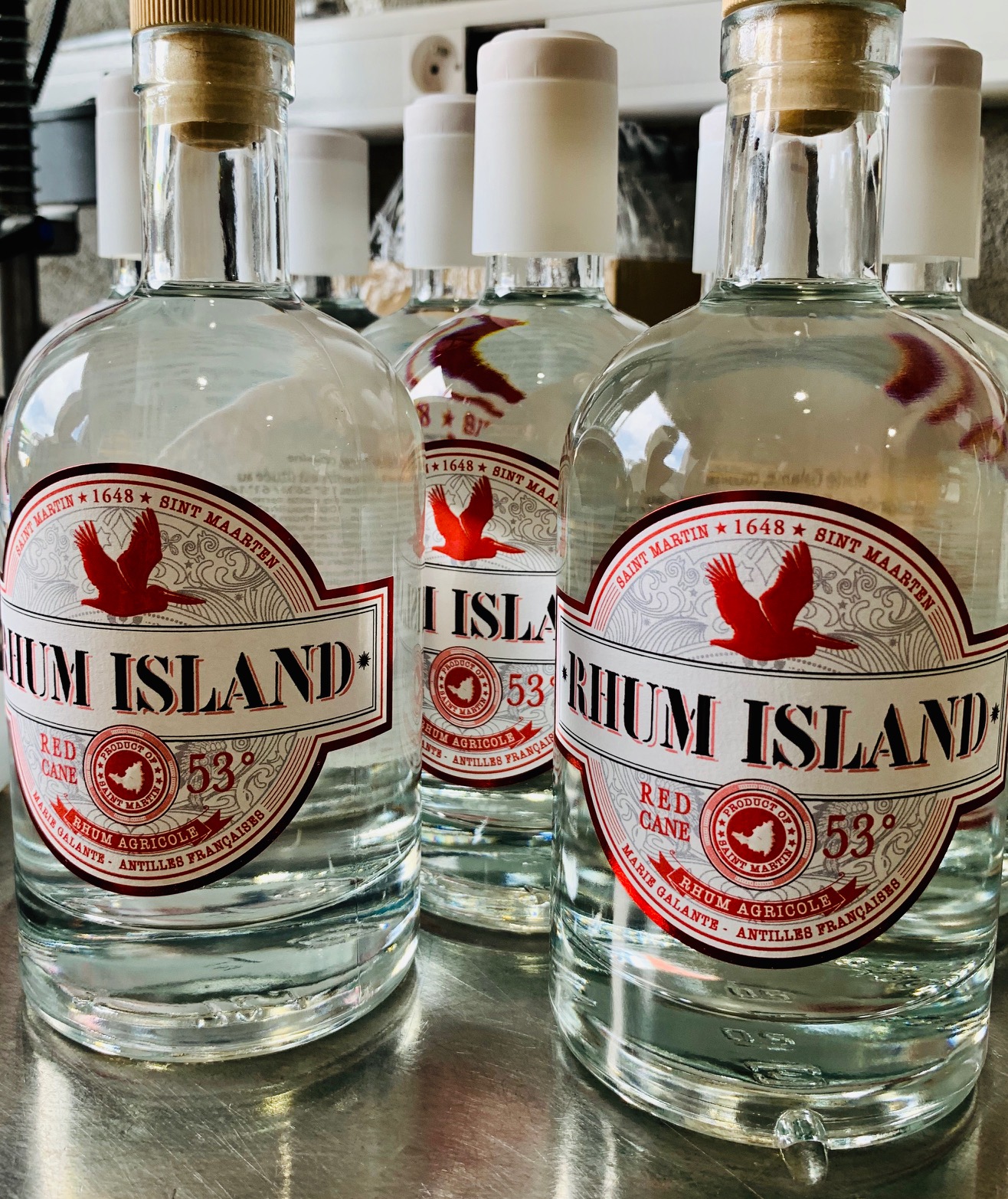

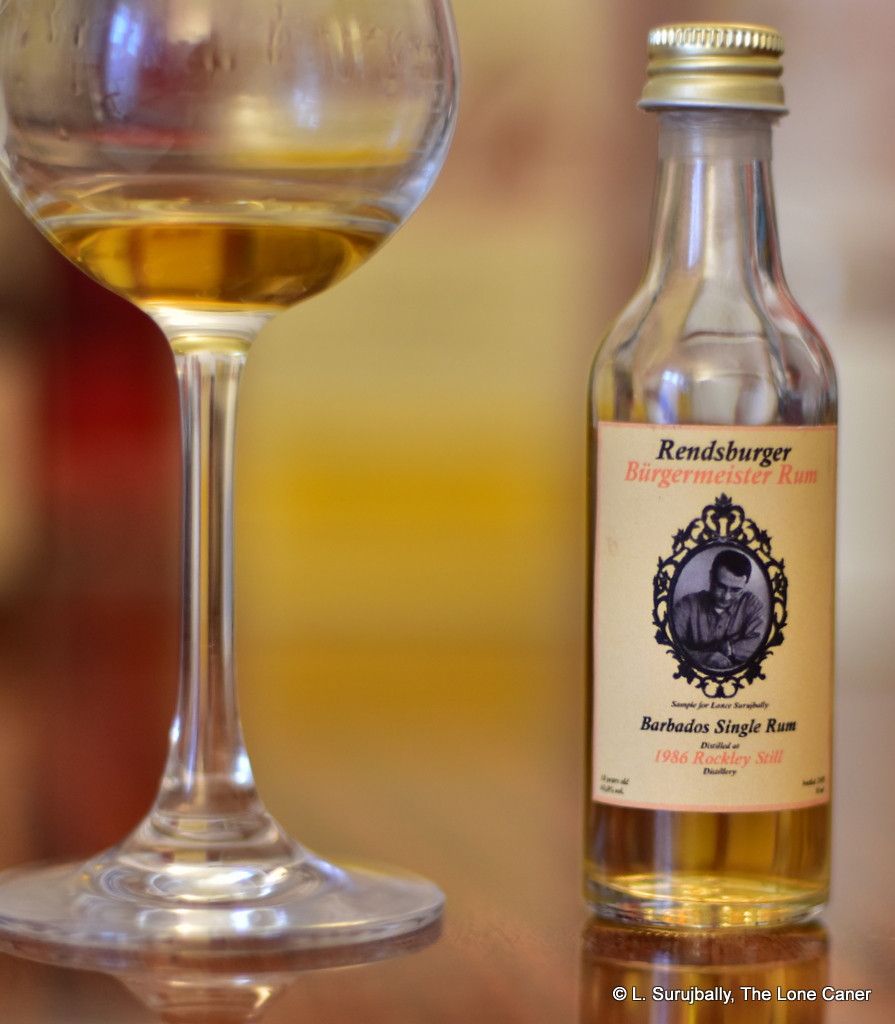 So let’s try it and see what the fuss is all about. Nose first. Well, it’s powerul sharp, let me tell you (63.8% ABV!), both crisper and more precise than the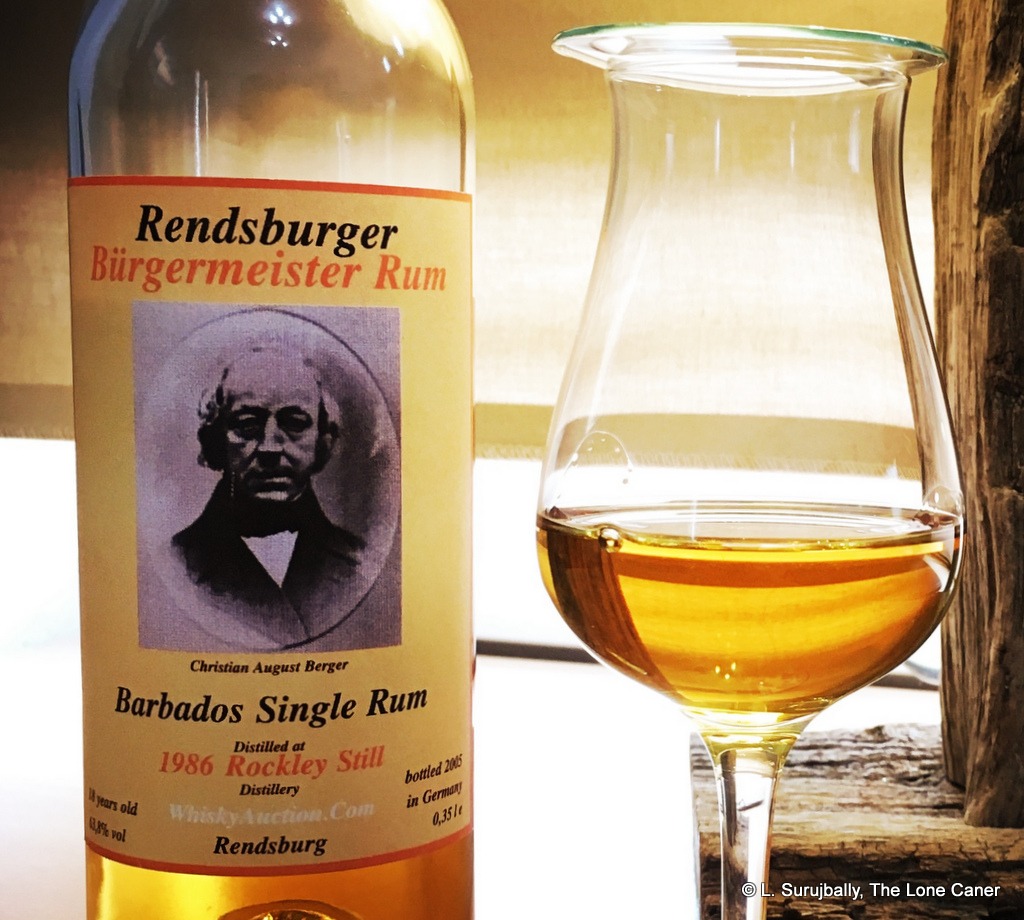
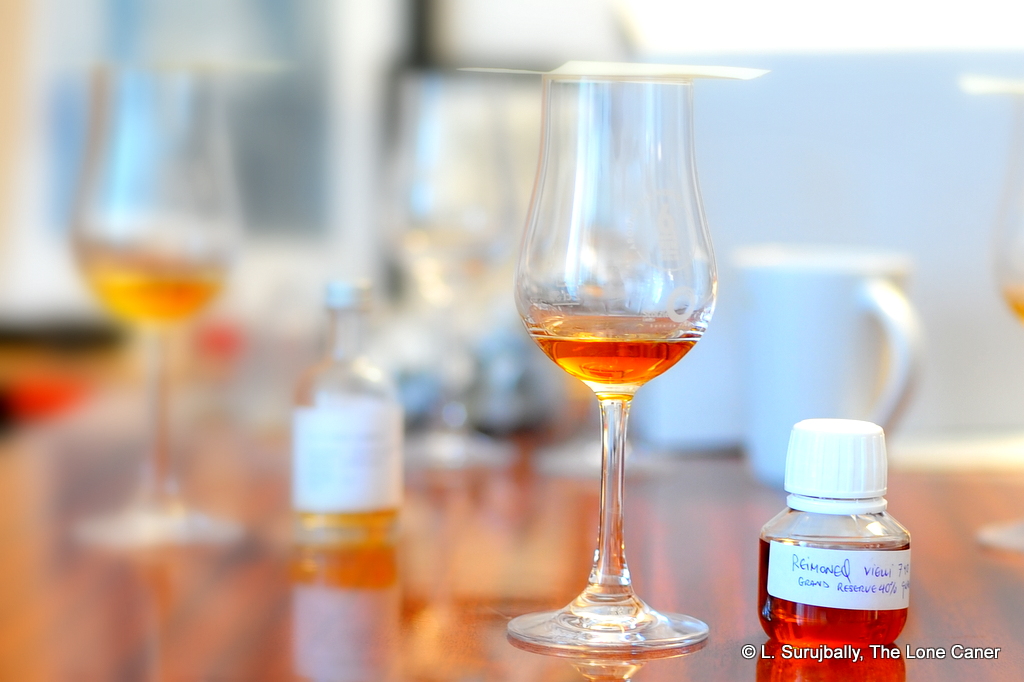
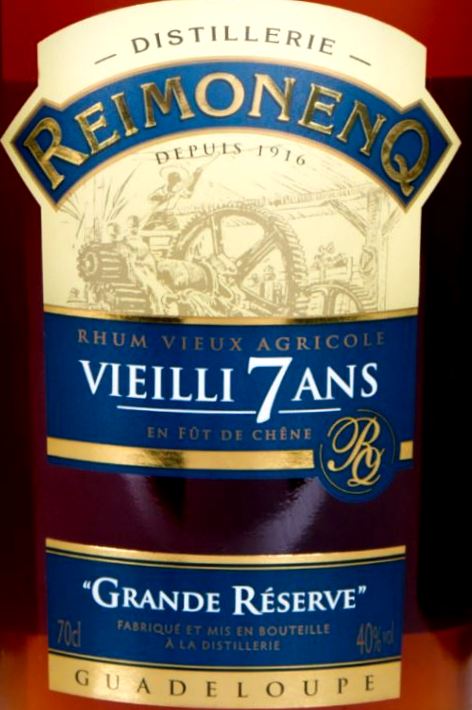 I was really and pleasantly surprised by how well it presented, to be honest. For a standard strength rhum, I expected less, but its complexity and changing character eventually won me over. Looking at others’ reviews of rhums in Reimonenq’s range I see similar flip flops of opinion running through them all. Some like one or two, some like that one more than that other one, there are those that are too dry, too sweet, too fruity (with a huge swing of opinion), and the little literature available is a mess of ups and downs.
 Rum Nation’s own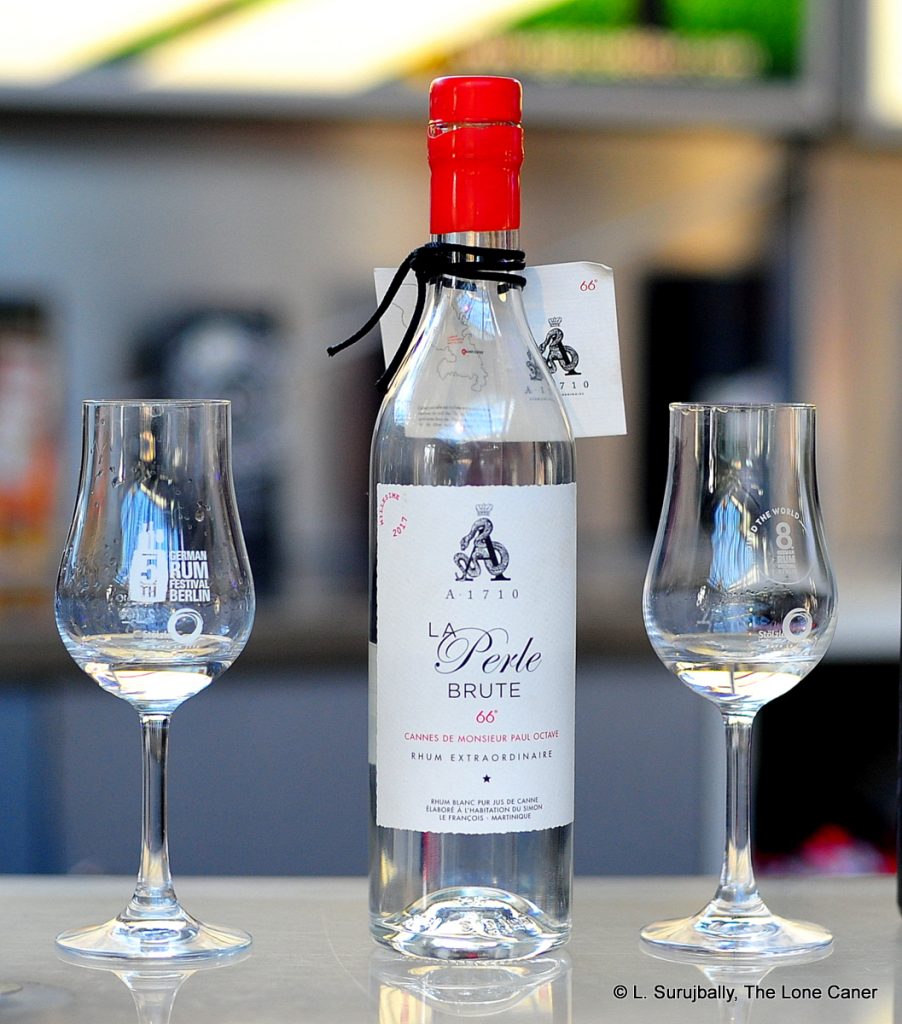
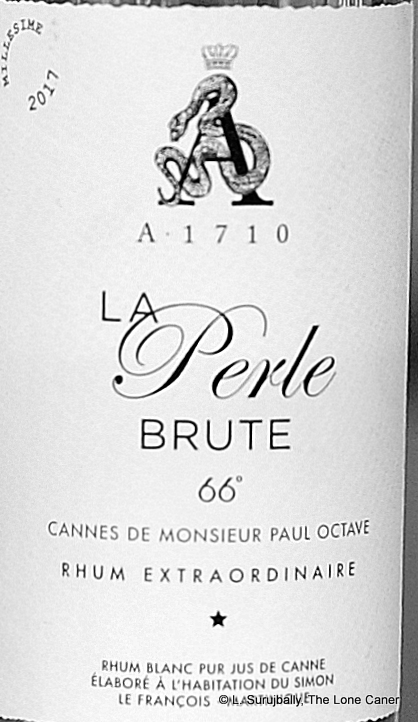 The results of all that micro-management are amazing.The nose, fierce and hot, lunges out of the bottle right away, hardly needs resting, and is immediately redolent of brine, olives, sugar water,and wax, combined with lemony botes (love those), the dustiness of cereal and the odd note of sweet green peas smothered in sour cream (go figure). Secondary aromas of fresh cane sap, grass and sweet sugar water mixed with light fruits (pears, guavas, watermelons) soothe the abused nose once it settles down.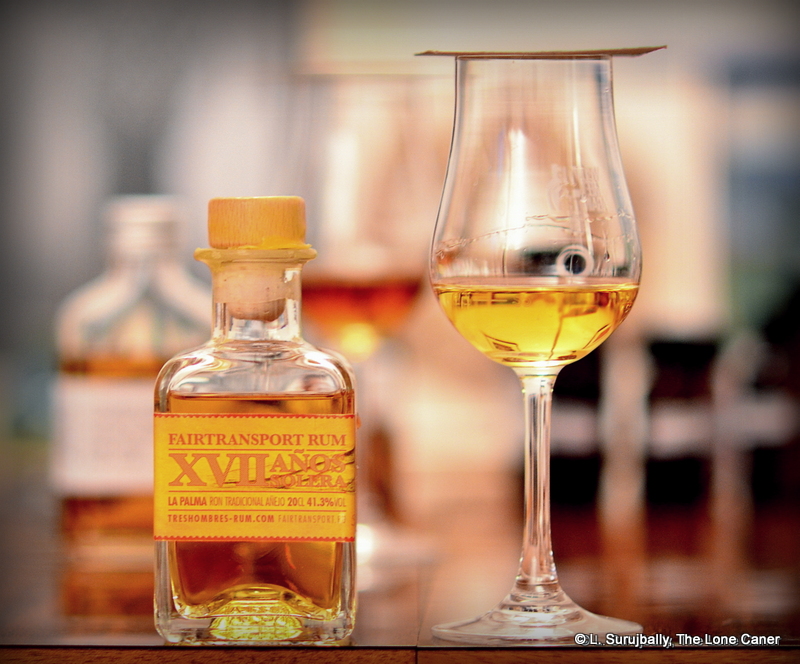
 Well, Canary Islands or Dominican Republic (I’ll assume The Hombres are correct and it’s the former), it has to be evaluated, so while emails and queries chase themselves around, let’s begin. Nose first: kind of sultry and musky. Green peas developing some fuzz, old bananas, vanilla and grated coconut, that kind of neither too-sweet nor too-salt nor too-sour middle ground. It’s a little spicy and overall presents as not only relatively simple, but a little thin too, and one gets the general impression that there’s just not much gong on.
 Tres Hombres is now up to No. 34 or something, includes gin in the lineup, still do some ageing onboard for a month or so it takes to cross the Atlantic and certainly they have not lost their enthusiasm — they include rums from Barbados, DR and the Canary islands. Whether this part of their business will carry them into the future or forever be a sideline is, however, not something I can answer at this time – the lack of overall publicity surrounding their rums, suggests they still have a ways to go with respect to wider consciousness and acceptance.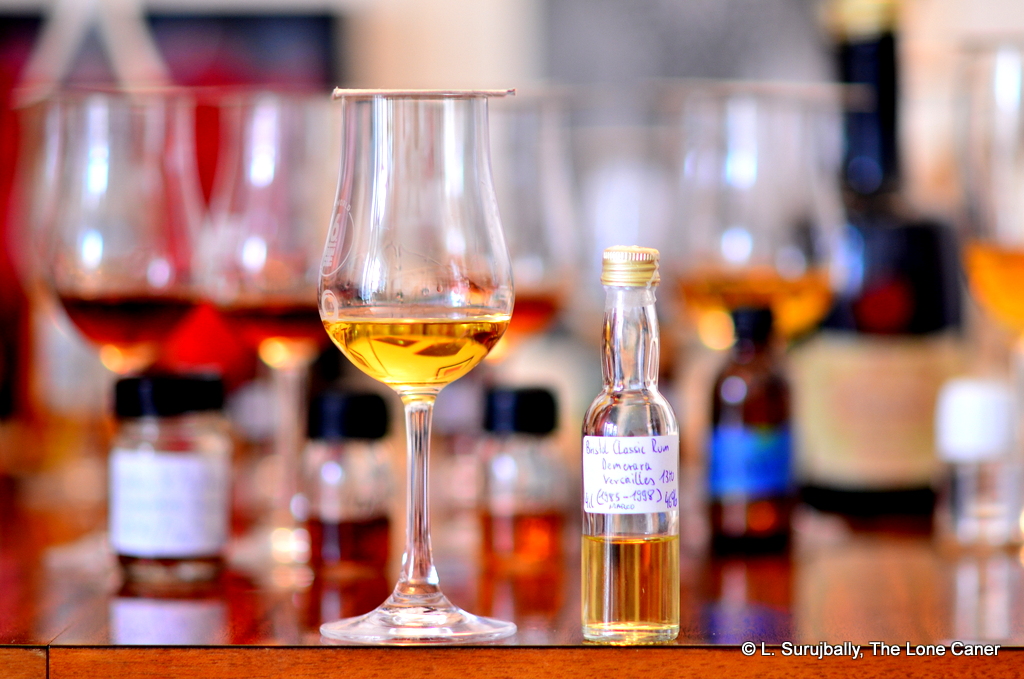
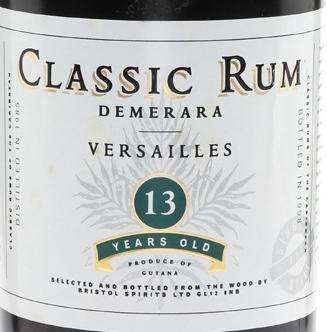 Bristol, I think, came pretty close with this relatively soft 46% Demerara. The easier strength may have been the right decision because it calmed down what would otherwise have been quite a seriously sharp and even bitter nose. That nose opened with rubber and plasticine and a hot glue gun smoking away on the freshly sanded wooden workbench. There were pencil shavings, a trace of oaky bitterness, caramel, toffee, vanilla and slowly a firm series of crisp fruity notes came to the fore: green apples, raisins, grapes, apples, pears, and then a surprisingly delicate herbal touch of thyme, mint, and basil.