One of the German independent Our Rum & Spirits’ earlier bottlings is the Guyanese Enmore from 1990 which was bottled in 2015, a year after they released their first one (an 11 YO Diamond). It’s a respectable 24 (European) years old, a solid anvil-dropping 61.2% ABV, 178 bottles, and of course, it’s not from the Enmore coffey but from the Versailles single wooden pot still, which was the still-in-residence at Enmore Estate back then, before everything got shipped off to Diamond around 2000 in The Great Consolidation.
By now I’ve been trying various single-still offerings from Guyana for years, usually made by the indies but also, more recently, by DDL themselves. One thing I’ve observed is that Enmore distillate tends to be a shade more elegant and a touch light, the Port Mourant is dark and rich and rarely bad at any age, while Versailles is somewhat more brutal, is raw and assertive, and takes real skill to bring to its full potential. This may be why there are so many bottlings of the other two in circulation, while Versailles is rather more rare, and used more in Demerara rum blends (along with the PM).
That said, it’s always interesting how a rum made three decades ago and aged for so long holds on to its character. The nose here opens with fresh, damp sawdust and varnished lumber. One would expect a certain mellowness of age, a smoothening out of roughness, yet the rum still noses like a product much younger, retaining a thin crisp vibrancy, with notes of glue, acetones, licorice, smoke, well-polished old leather, faint salted caramel, and a few ripe stoned fruits for some edge. Oh, and some sweet dusting of brown sugar and cinnamon.
The palate is where such forceful strength comes into its own: here that presents as dry, woody and very sharp, like a whole bag of Red Rose loose black tea dumped into a very small pot and then doused with some brown sugar and a tin of evaporated milk (we called it “bush tea” back in the day – I once fed my little brother some when he was doing exams and he stayed up for two days straight on the stuff). Vanilla, molasses, caramel and licorice are the dominant flavours. Subtler hints of acetone, soya and brininess become noticeable after a while, and some very faint floral and fruity hints waft around without ever making a serious statement. Unsurprisingly it concludes with a finish as long as a polar summer sunset, but it’s slim pickin’s: wood and tannins, some salted caramel, anise, and again, a grain or two of cinnamon.

Well, I have to say that for something sporting a jock of such high ABV and age, I did expect something more complex and pungent on the attack. While undeniable strong and hard on the senses, in the flavour department the rum packs all the verve and panache of an eunuch’s underwear. The opening notes are simple, almost lackluster; then the palate overwhelmed with wood and varnish, and I was reminded of the Old Man Spirits’ Uitvlugt, which also showed off a lot of oomph but had little serious sensory action beyond the obvious. It suggests to me that the cask was not very active, and what you got was what the raw distillate brought to the party, not what the barrel itself was able to add.
Be that as it may, I can’t give the final product a completely failing grade, because let’s admit it, at that strength you’re getting a lot, the tastes that are there aren’t bad, and if it takes a bit more effort to tease out more interesting and extra aromatic notes, well, so be it. All the stats – the ABV, the age, the country, the still – are just excuses to get us to engage our senses with the rum itself, a Diamond-based Duke Nukem that’s all action and no reflection, desiring no deeper meaning for itself beyond the test of your ability to cope with it. Speaking for myself, I can’t say that’s entirely a bad thing.
(#847)(84/100)
Background History
Our Rum & Spirits, located in the small town of Hildesheim just south of Hanover in north-central Germany, is among the first of the new wave of modern German independents, however small they might be. Back in 2014 when the company bottled its first release (a Guyanese 2003 11 YO from Diamond), the rum business was a sideshow to Christian Nagel’s restaurant which served rums (and some other spirits) as part of the menu.
The next logical step was to bottle what he himself would like to have – at the very least if he had a barrel, he wouldn’t run out quite so fast. The reception to the initial Diamond was so good that others followed, and two years later he was exhibiting at the Berlin Rum Fest: he’s now a regular and a medal winner there (several times) and has multiple bottlings from Guyana, Barbados, Panama and Jamaica. For me he’s a regular stopping point whenever I’m there, if only to chat and say hello.
By early 2018 he removed his spirits activities to different premises from the restaurant and now acts as both independent and distributor; this aspect of his work became successful enough that in June of 2021, gave up the gastronomy business altogether.



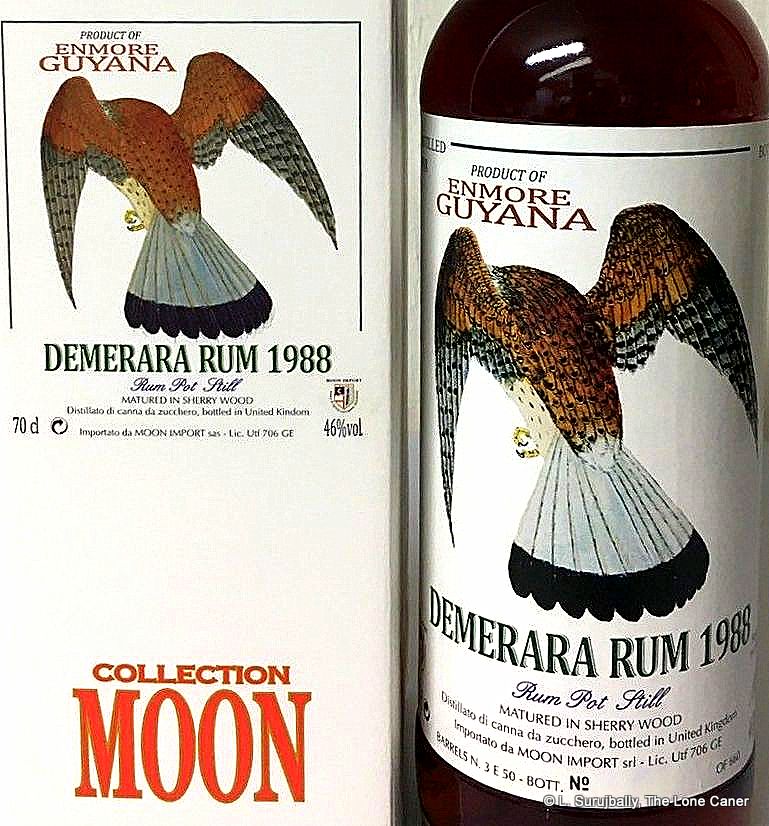
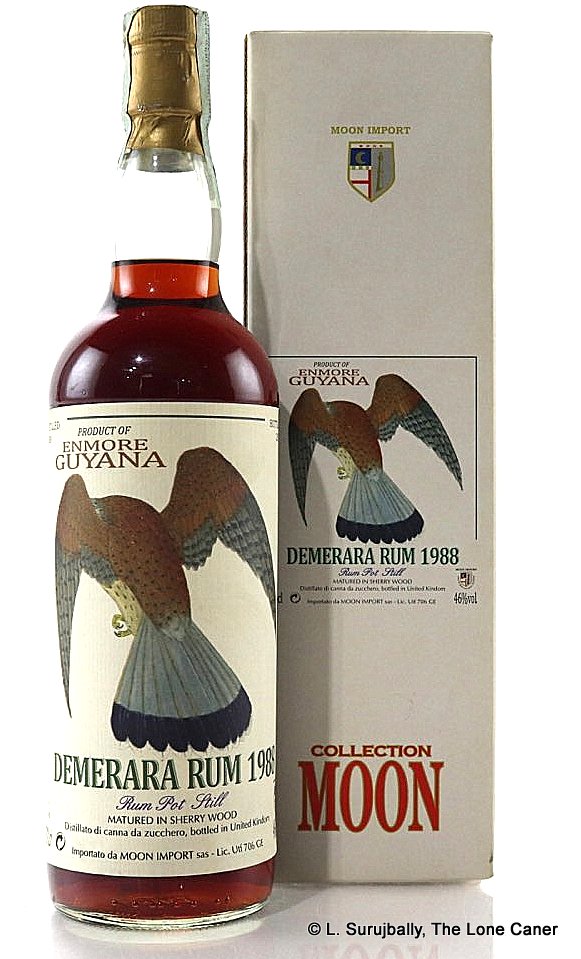 This is not the first Demerara rum that the venerable Italian indie bottler Moon Import has aged in sherry barrels: the superb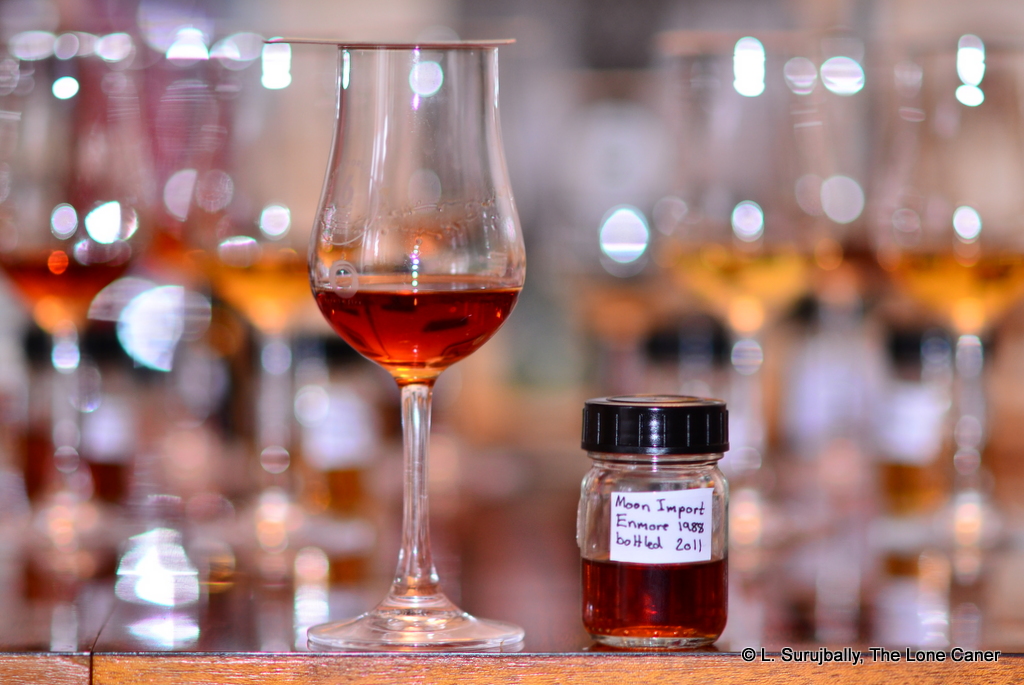
 Opinion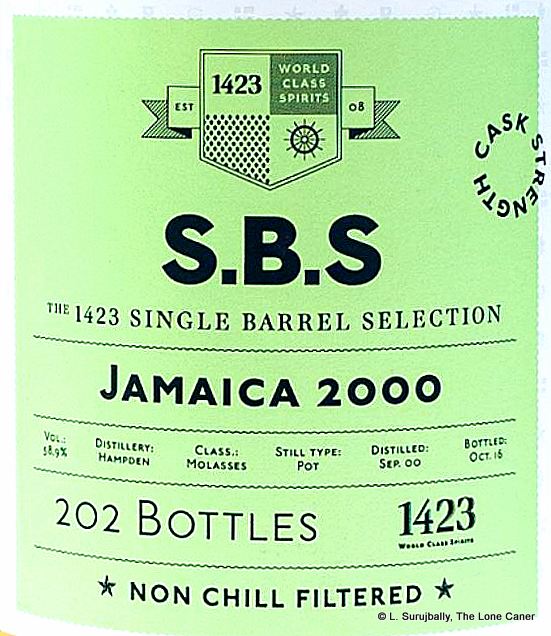
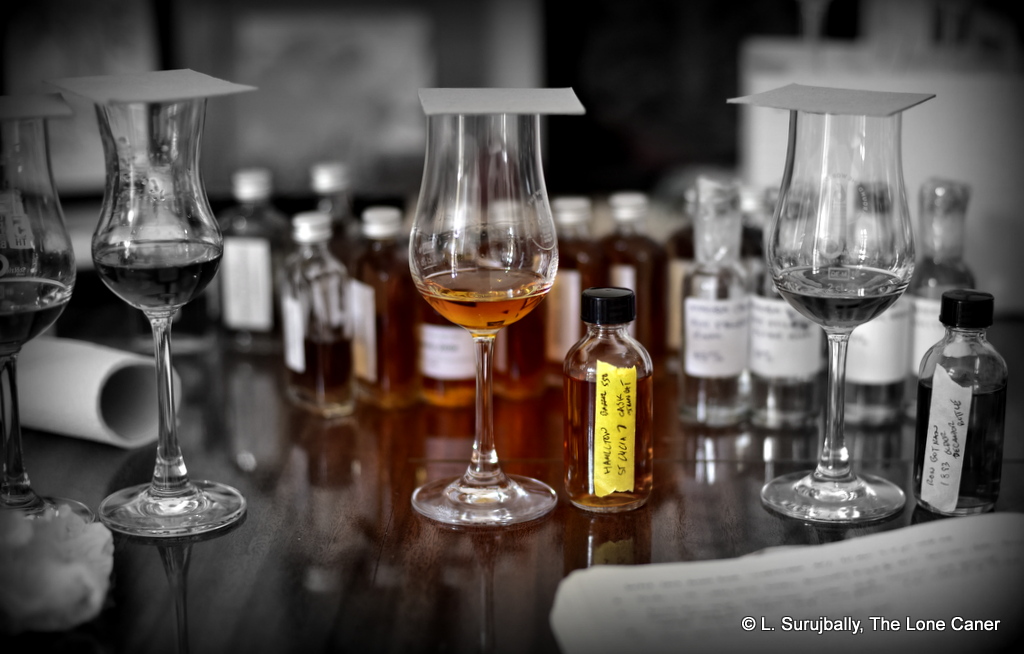
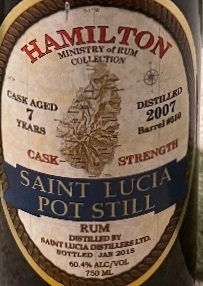 Today we’re looking at the Hamilton 2007 7 year old rum sent to me by my old schoolfriend Cecil Ramotar, which can be considered a companion review to the
 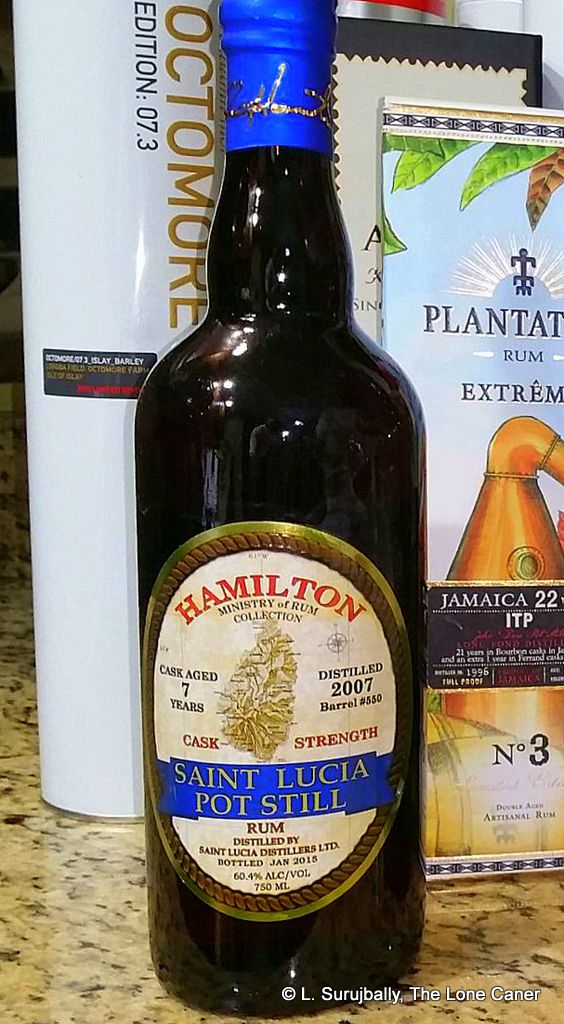 Clearing away the dishes, it’s a seriously solid rum. If I had to chose, I think the 2004 9 Year Old edges this one out by just a bit, but the difference is more a matter of personal taste than objective quality, as both were very tasty and complex rums that add to SLD’s and Ed Hamilton’s reputations. It’s a shame that the line wasn’t continued and added to — no other St. Lucia rums have been added to the Hamilton Collection since 2015 (at least not according to
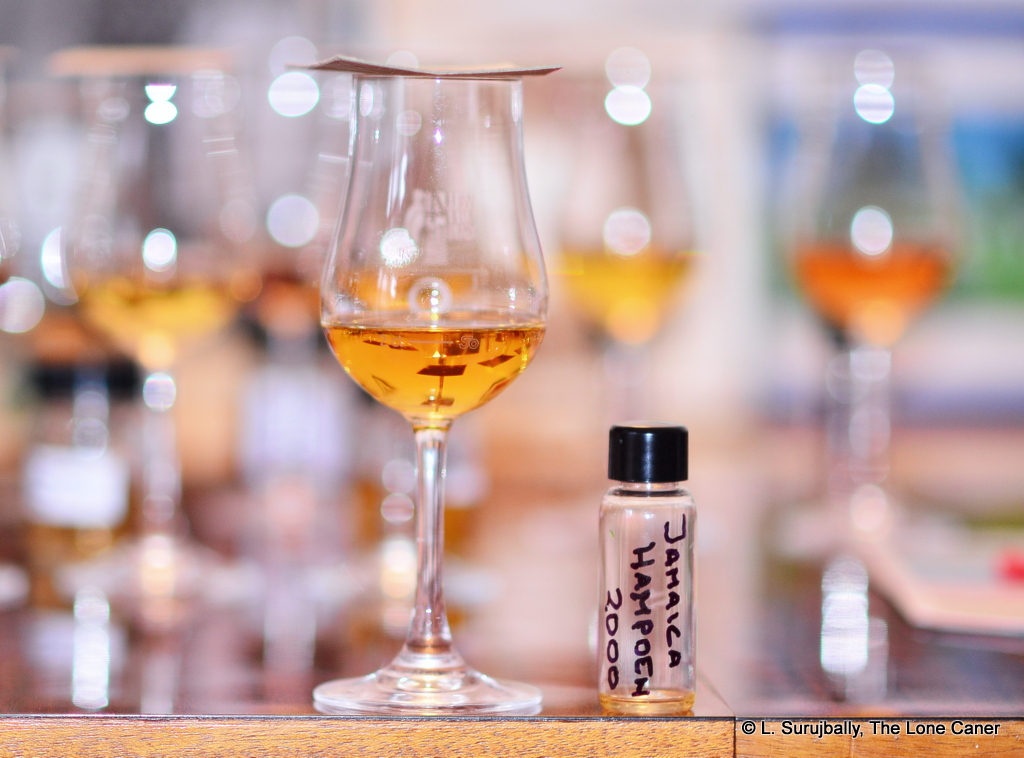
 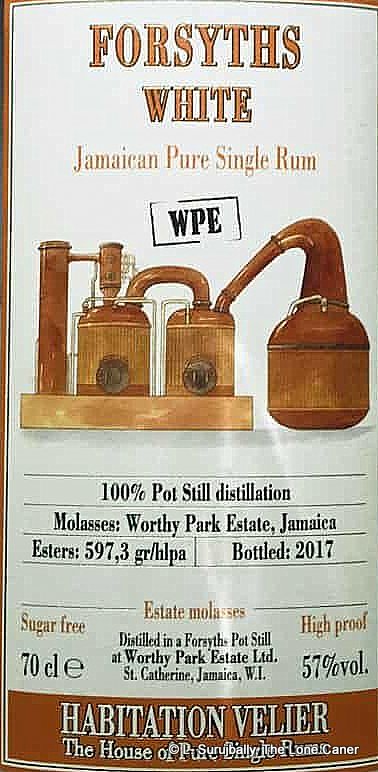 Hampden gets so many kudos these days from its relationship with
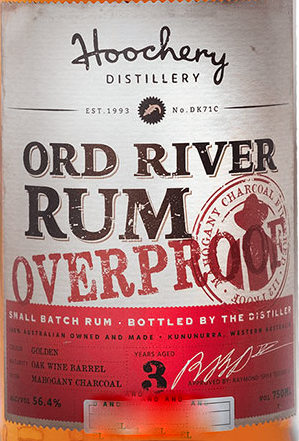
  The rum displays all the attributes that made the estate’s name after 2016 when they started supplying their rums to others and began bottling their own. It’s a rum that’s astonishingly stuffed with tastes from all over the map, not always in harmony but in a sort of cheerful screaming chaos that shouldn’t work…except that it does. More sensory impressions are expended here than in any rum of recent memory (and I remember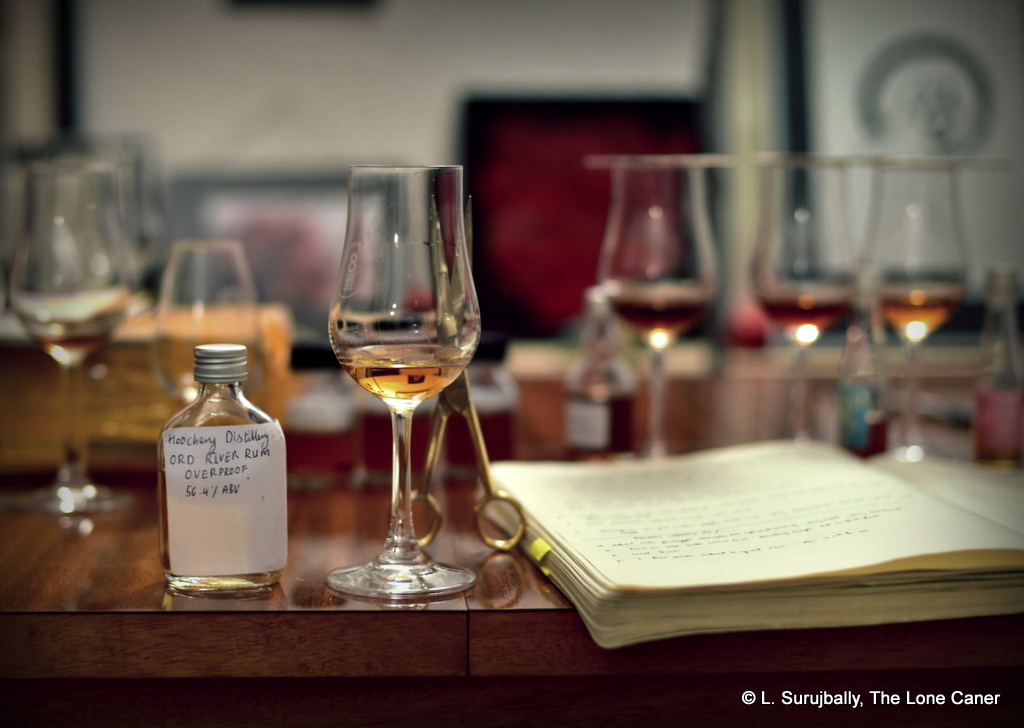
 The nose begins with metallic, ashy notes right away, damp cardboard in a long-abandoned, leaky musty house. Thankfully this peculiar aroma doesn’t hang around, but morphs into a sort of soya-salt veggie soup vibe, which in turn gets muskier and sweeter over time; it releases notes of bananas and molasses and syrup, before gradually lightening and becoming – surprisingly enough – rather crisp. White fruits emerge – unripe pears and guavas, green apples, gooseberries, grapes. What’s really surprising is the way this all transforms over a period of ten minutes or so from one nasal profile to another. It’s not usual, but it is noteworthy.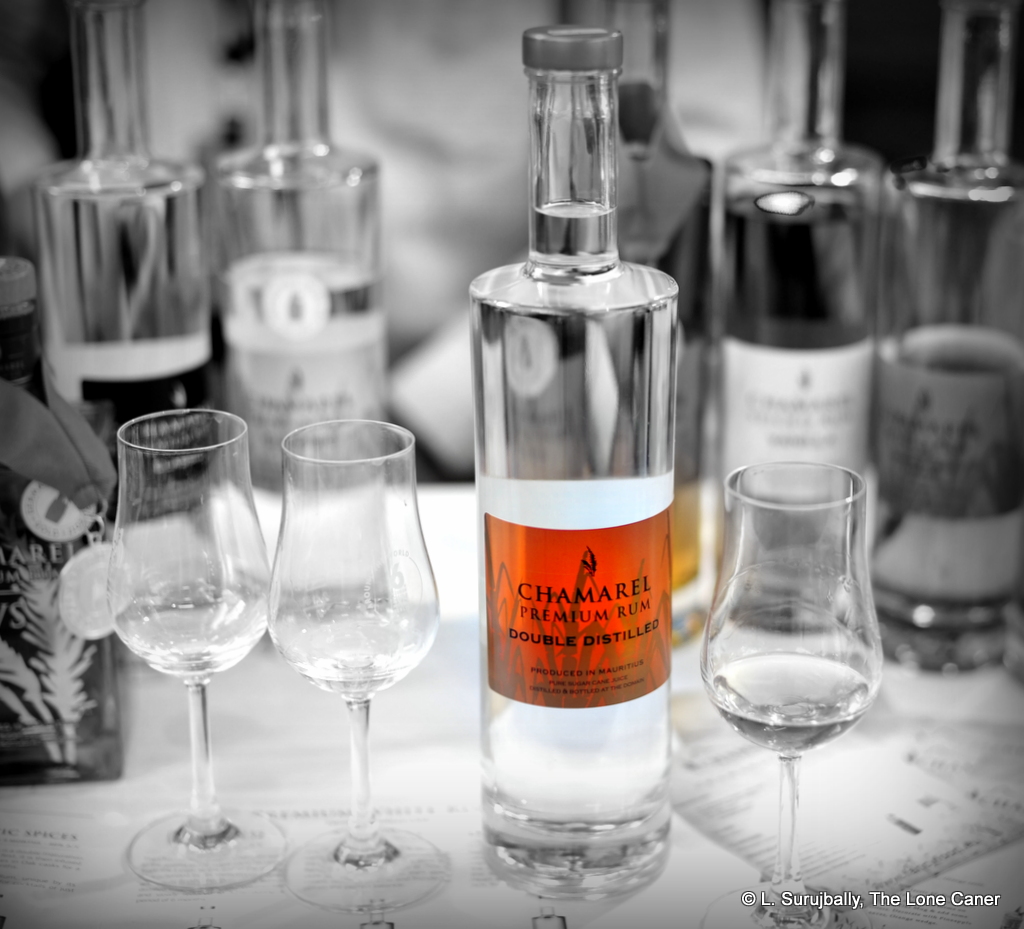
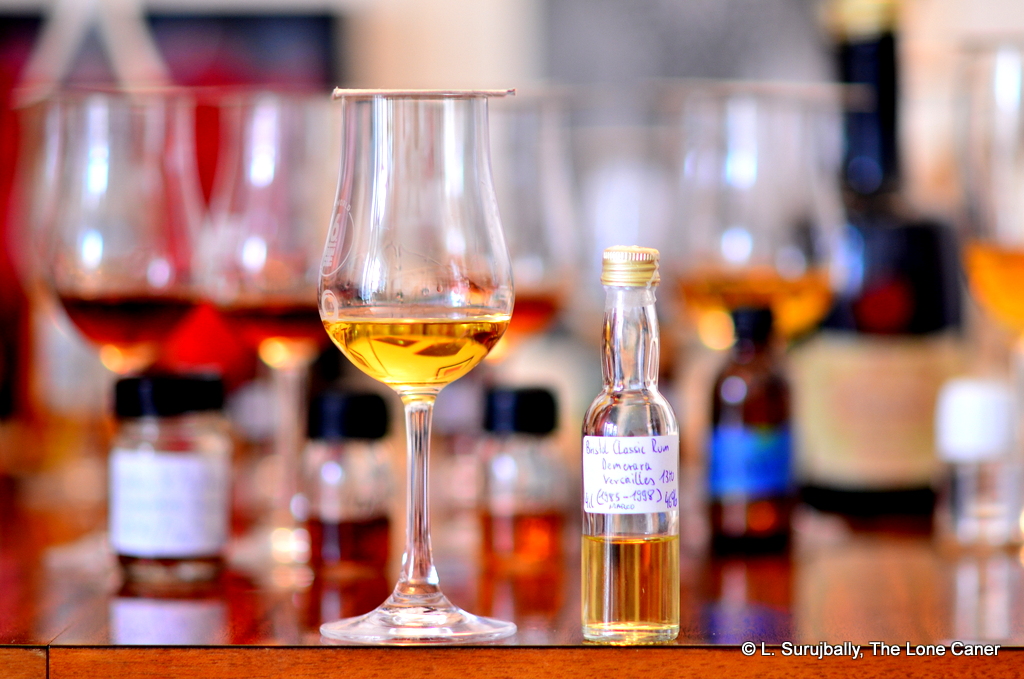
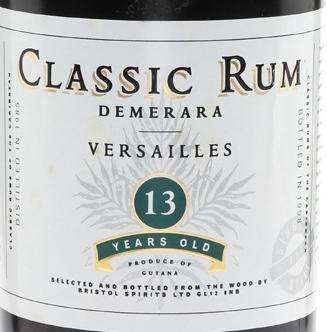 Bristol, I think, came pretty close with this relatively soft 46% Demerara. The easier strength may have been the right decision because it calmed down what would otherwise have been quite a seriously sharp and even bitter nose. That nose opened with rubber and plasticine and a hot glue gun smoking away on the freshly sanded wooden workbench. There were pencil shavings, a trace of oaky bitterness, caramel, toffee, vanilla and slowly a firm series of crisp fruity notes came to the fore: green apples, raisins, grapes, apples, pears, and then a surprisingly delicate herbal touch of thyme, mint, and basil.

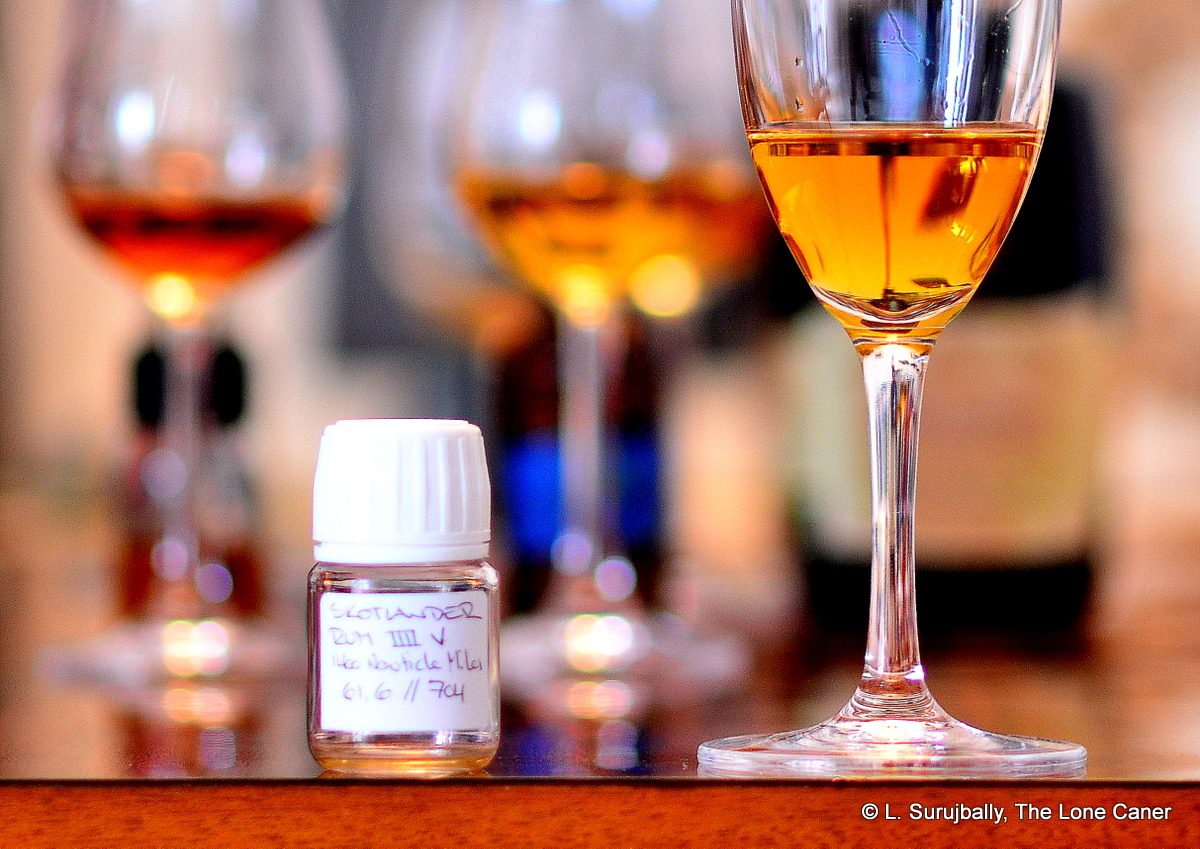
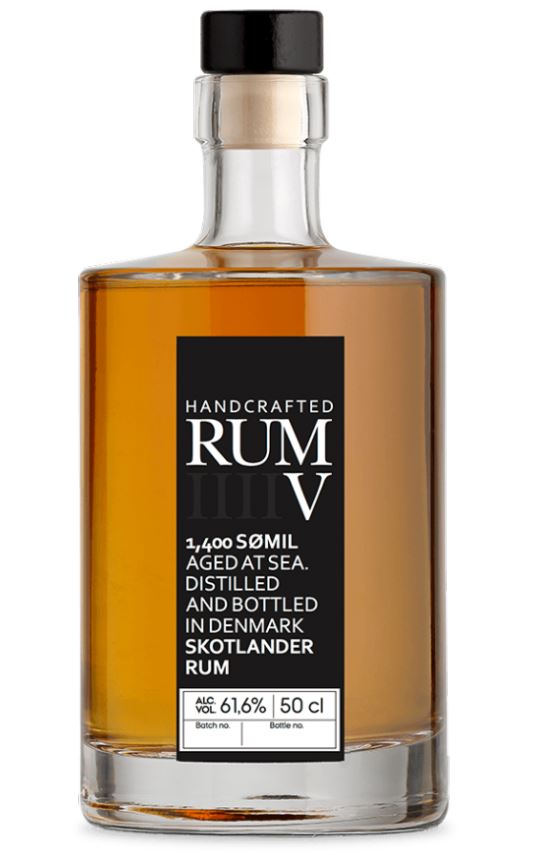 Rums made from scratch by some small new micro-distillery in a country other than the norm are often harbingers of future trends and can bring – alongside the founders’ enthusiasm – some interesting tastes to the table, even different spirits (<<cough>> ‘Murrica!!). But Skotlander, to their credit, didn’t mess around with ten different brandies, gins, vodkas, whiskies and what have you, and then pretended they were always into rum and we are now getting the ultimate pinnacle of their artsy voyage of discovery. Nah. These boys started with rum, bam! from eight o’clock, day one.
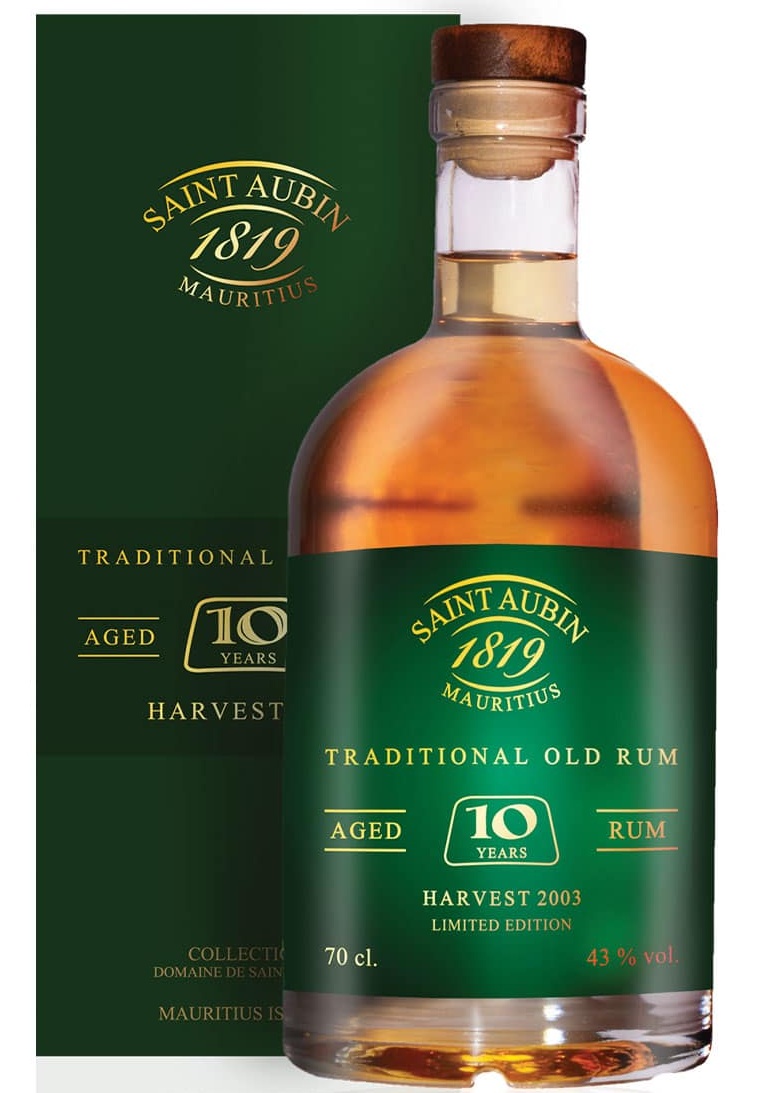 Certainly the 2003 10 YO does its next-best relative the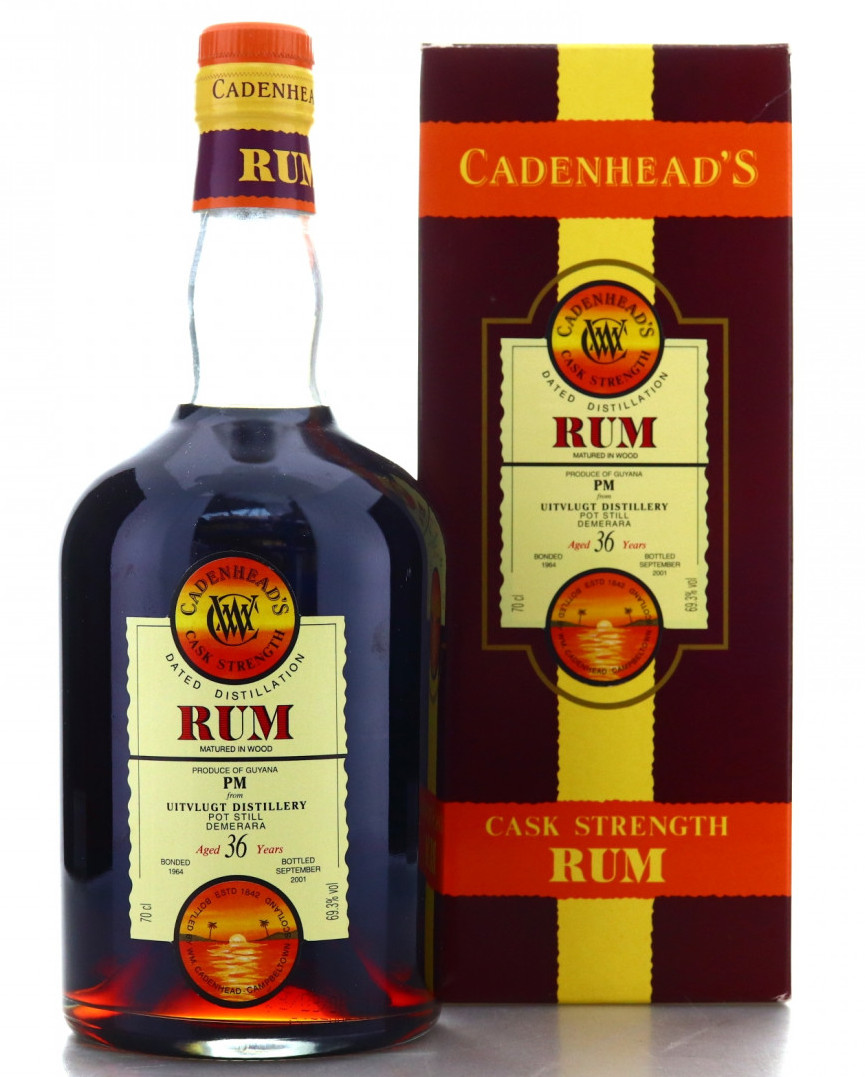
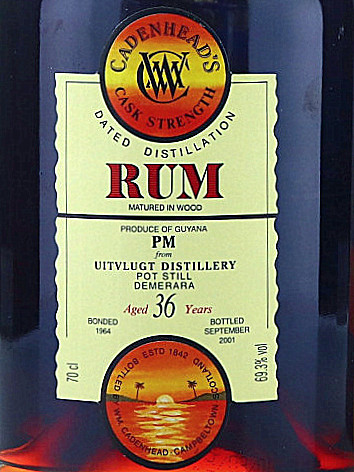 The Cadenhead Uitvlugt 1964 followed all the traditional ways an indie has of producing a rum, except then it proceeded to dial it up to 11, added steroids, horse tranqs and industrial strength factory cleanser, and released it to just about zero acclaim (I mean, have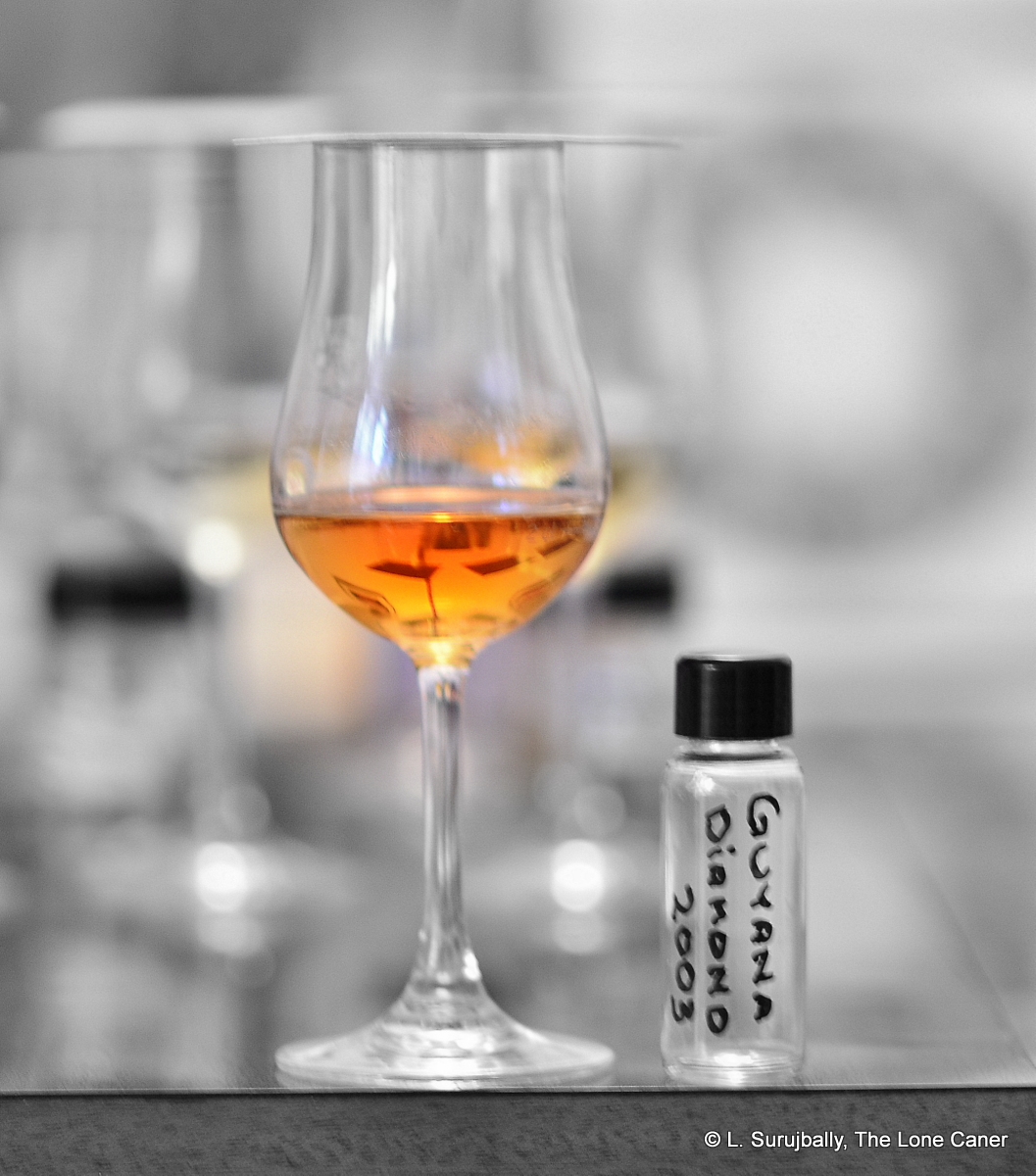
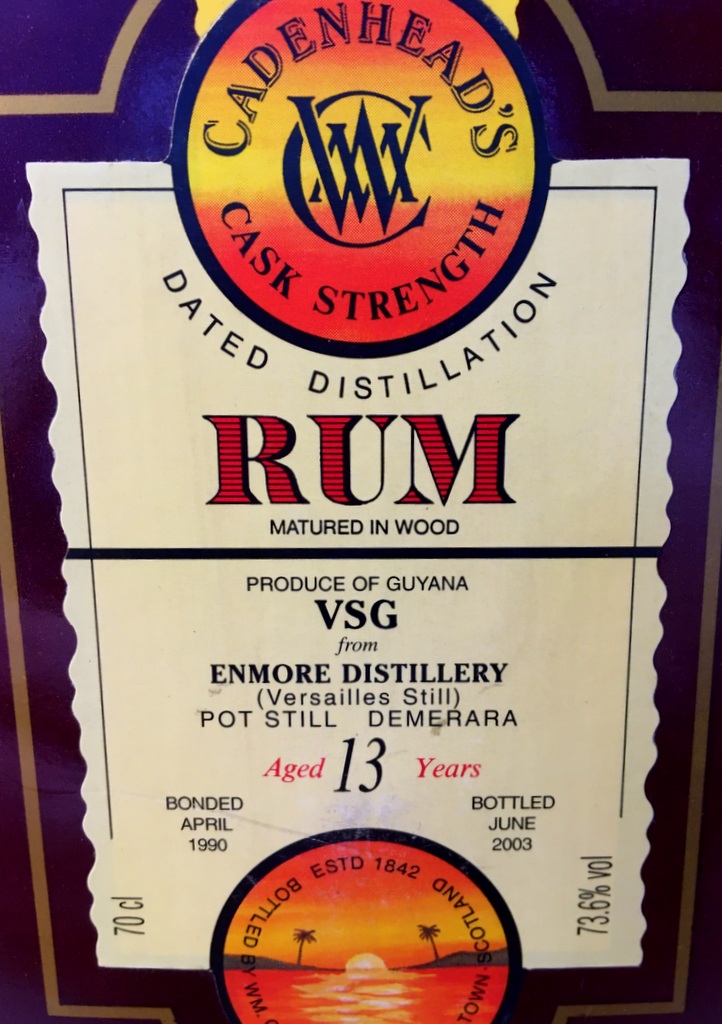
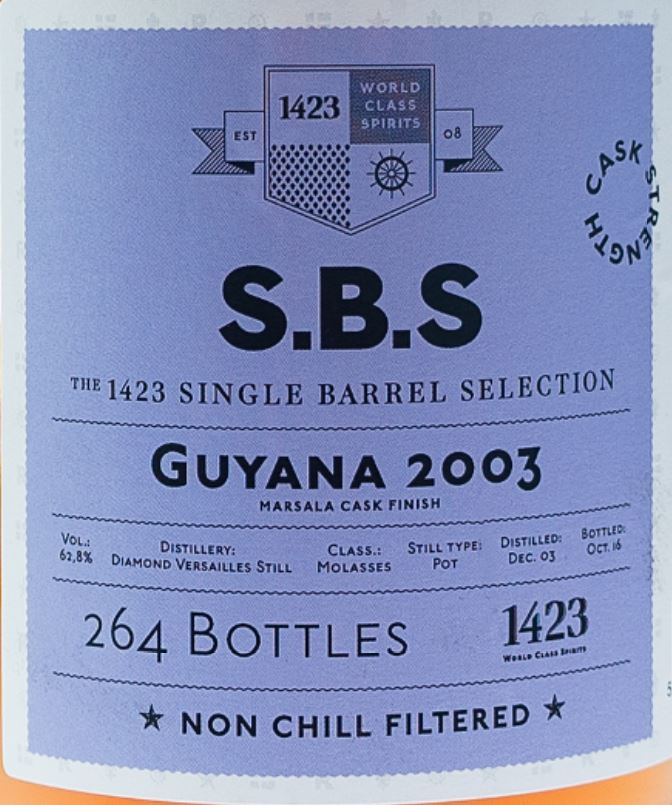 My own preference has always been for the stern elegance of the Port Mourant, and the Enmore coffey still produces rums that are complex, graceful and sophisticated when done right. But the Versailles still is something of an ugly stepchild – you’ll go far and look long to find an unqualified positive review of any rum it spits out. I’ve always felt that it takes rare skill to bring the rough and raw VSG pot still profile to its full potential…none of the familiar indies has had more than occasional success with it, and even Velier never really bothered to produce much Versailles rum at the height of
 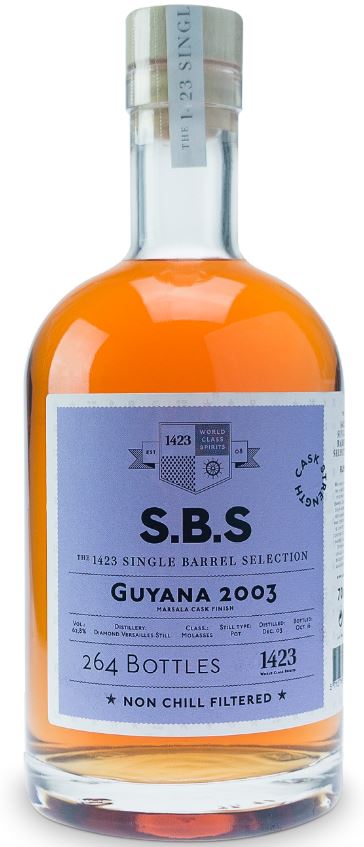 There has been occasional confusion among the stills in the past: e.g. the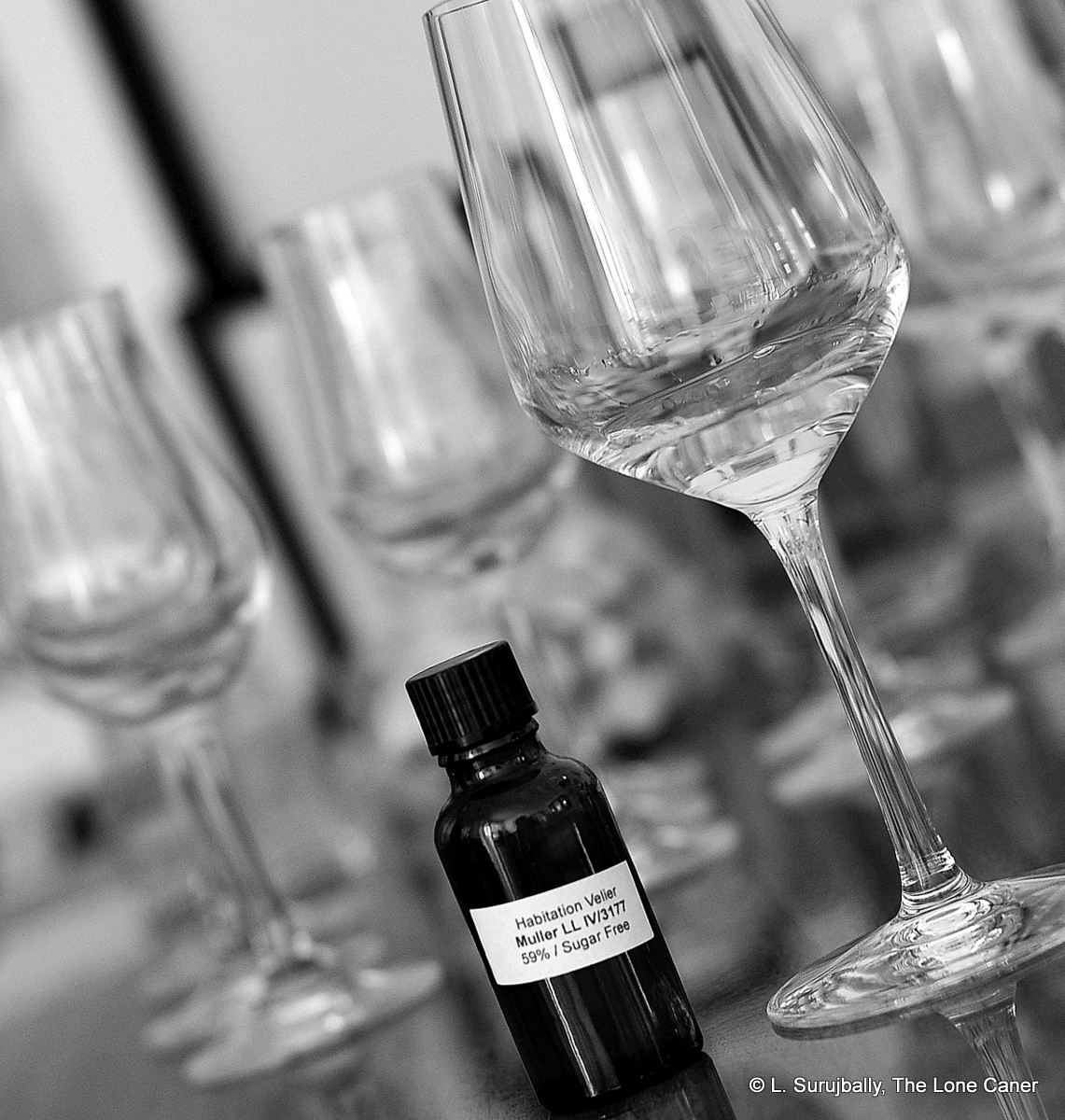
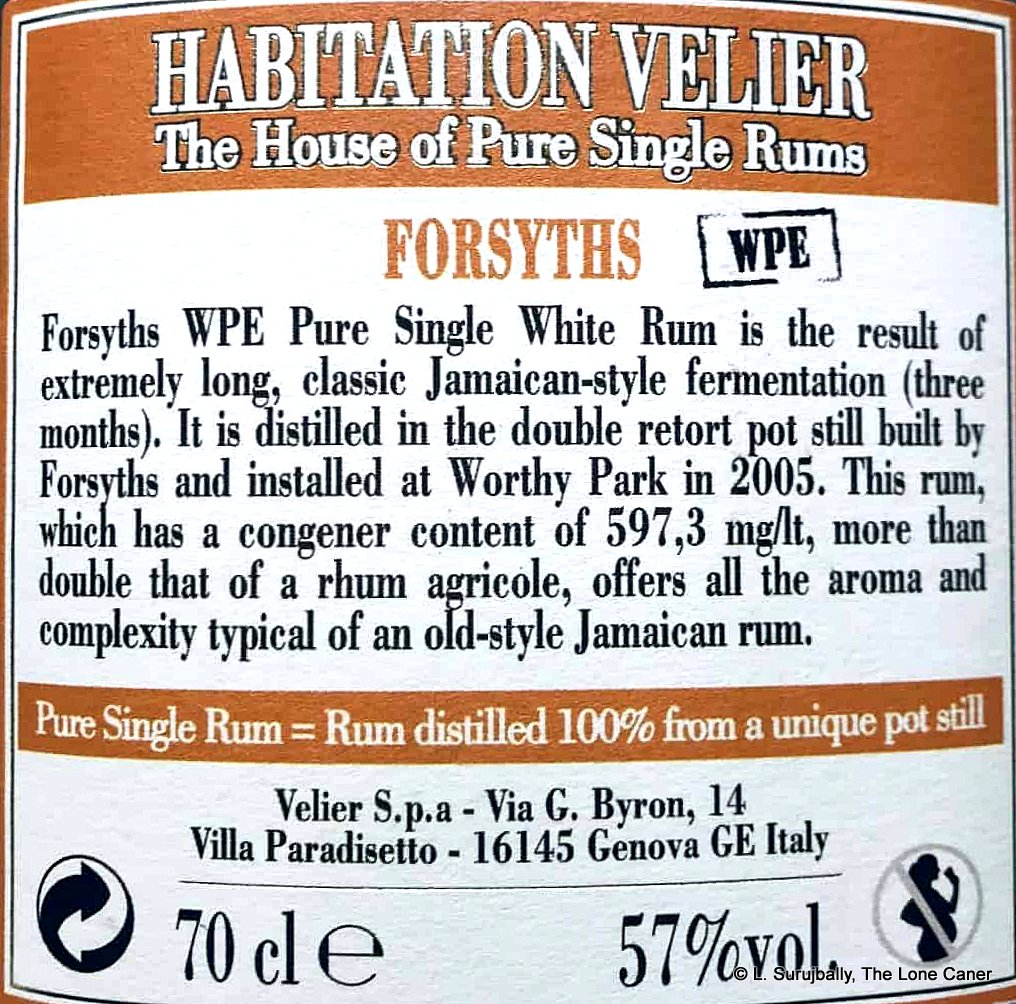
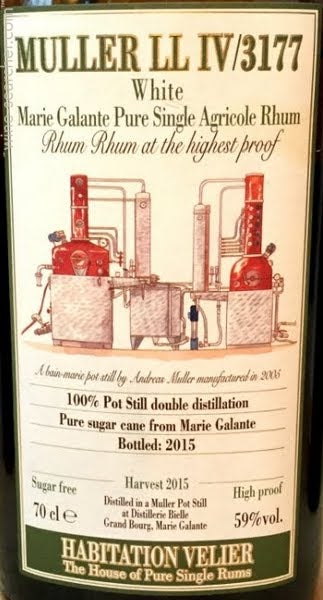 So let’s spare some time to look at this rather unique white rum released by Habitation Velier, one whose brown bottle is bolted to a near-dyslexia-inducing name only a rum geek or still-maker could possibly love. And let me tell you, unaged or not, it really is a monster truck of tastes and flavours and issued at precisely the right strength for what it attempts to do.
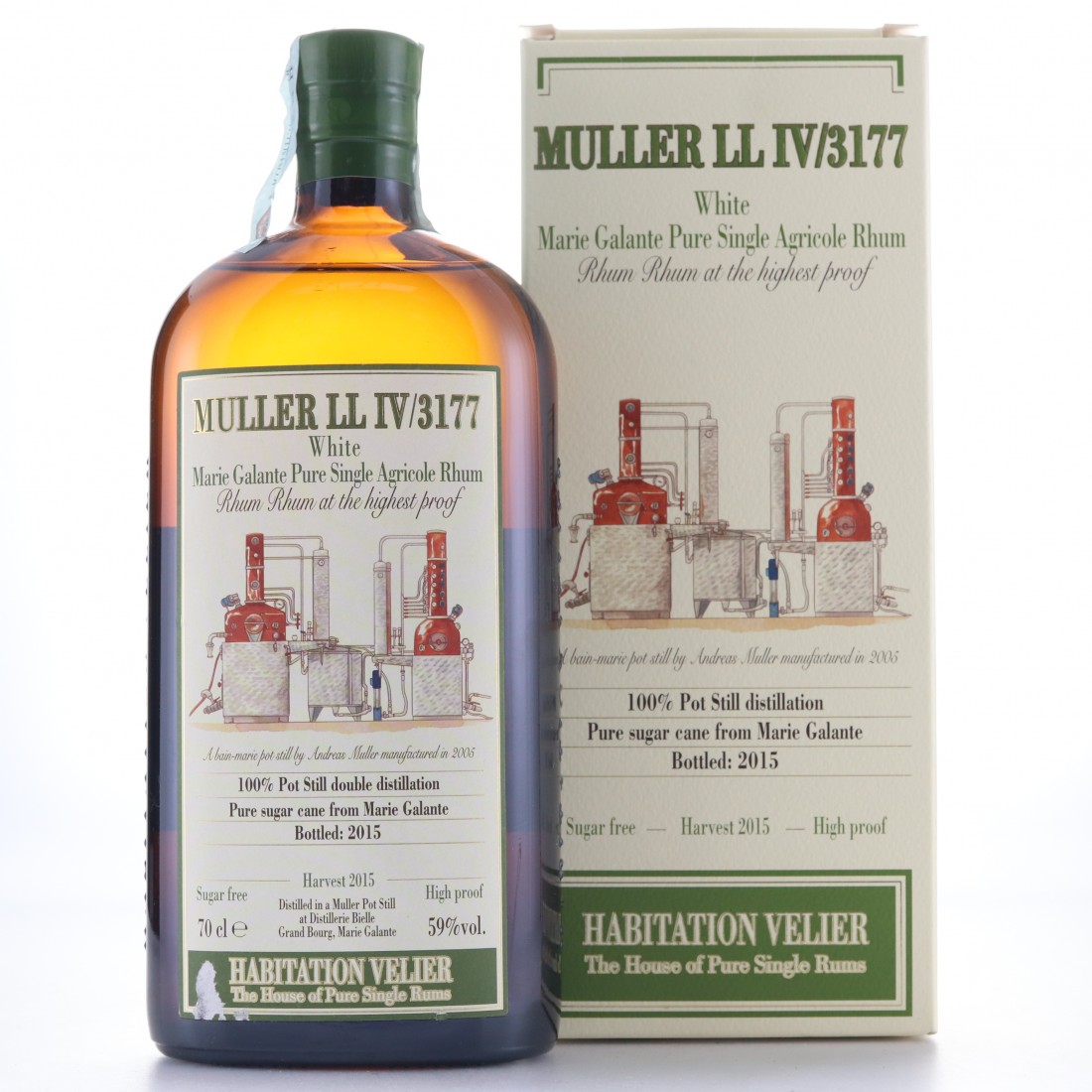 Evaluating a rum like this requires some thinking, because there are both familiar and odd elements to the entire experience. It reminds me of