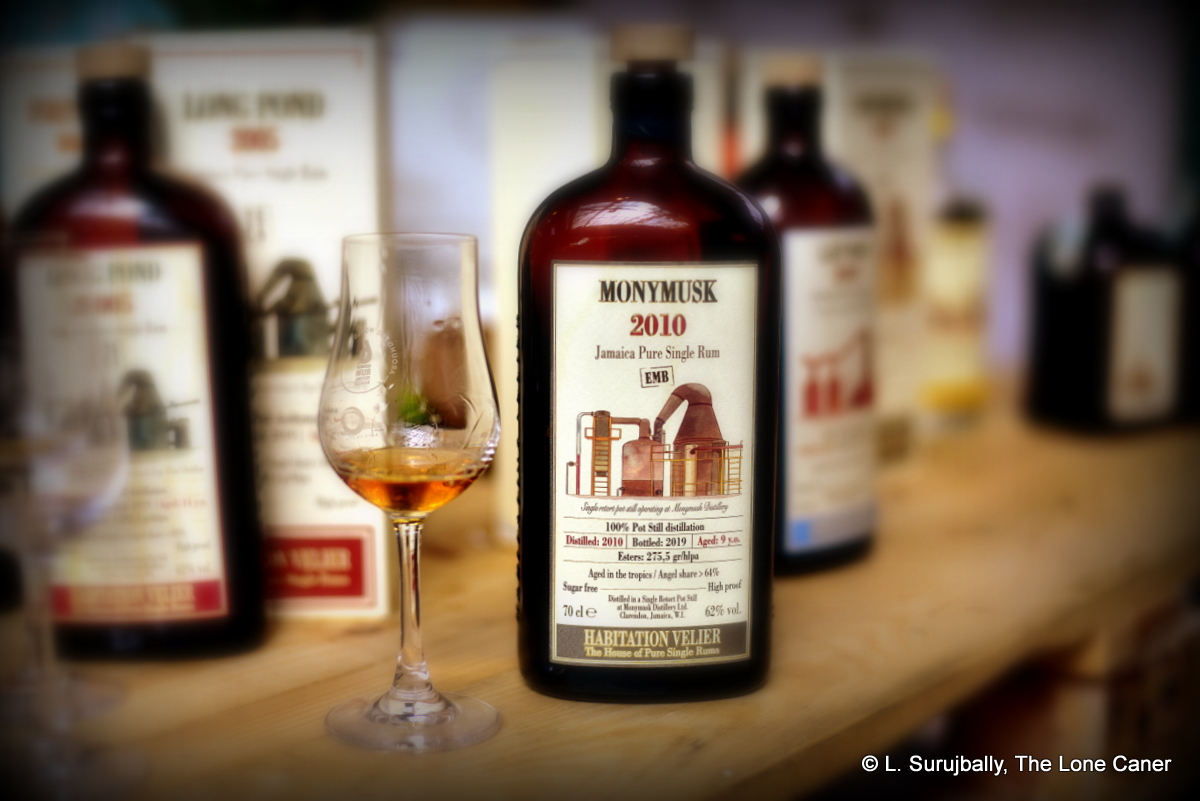
As the memories of the Velier Demeraras fades and the Caronis climb in price past the point of reason and into madness, it is good to remember the third major series of rums that Velier has initiated, which somehow does not get all the appreciation and braying ra-ra publicity so attendant on the others. This is the Habitation Velier collection, and to my mind it has real potential of eclipsing the Caronis, or even those near-legendary Guyanese rums which are so firmly anchored to Luca’s street cred.

I advertise the importance of the series in this fashion because too often they’re seen as secondary efforts released by a major house, and priced (relatively) low to match, at a level not calculated to excite “Collector’s Envy”. But they are all pot still rums, they’re from all over the world, they’re all cask strength, they’re both aged and unaged, and still, even years after their introduction, remain both available and affordable for what they are. When was the last time you heard that about a Velier rum?
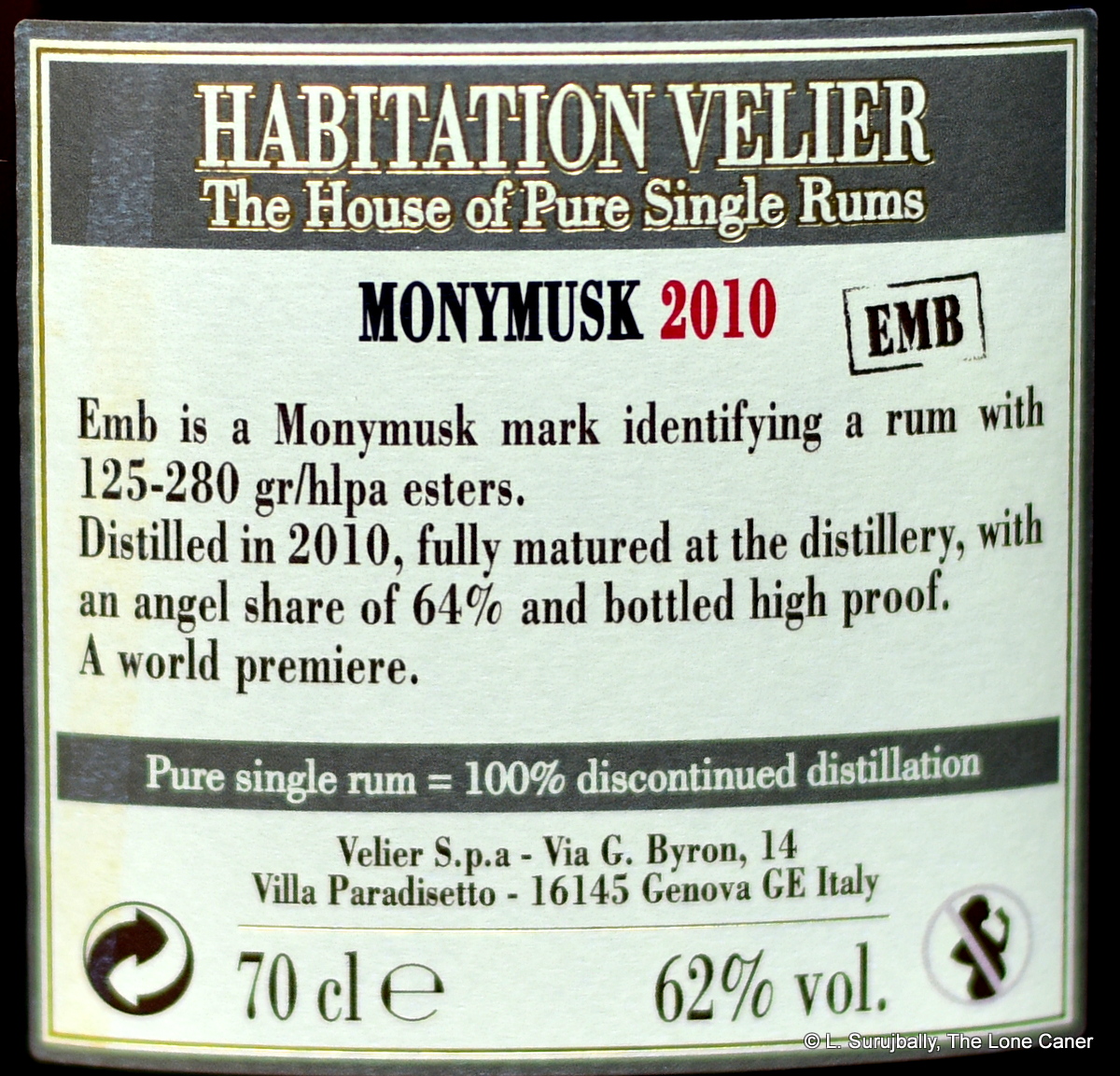
Since there is such a wide range in the series, it goes without saying that variations in quality and diverse opinions attend them all – some are simply considered better than others and I’ve heard equal volumes of green p*ss and golden praise showered on any one of them. But in this instance I must tell you right out, that the EMB released in 2019 is a really good sub-ten year old rum, just shy of spectacular and I don’t think I’m the only one to feel that way.
The first impression I got from nosing this kinetic 62% ABV rum, was one of light crispness, like biting into a green apple. It was tart, nicely sweet, but also with a slight sourness to it, and just a garden of fruits – apricots, soursop, guavas, prunes – combined with nougat, almonds and the peculiar bitterness of unsweetened double chocolate. And vanilla, coconut shavings and basil, if you can believe it. All this in nine years’ tropical ageing? Wow. It’s the sort of rum I could sniff at for an hour and still be finding new things to explore and classify.
The taste is better yet. Here the light clarity gives way to something much fiercer, growlier, deeper, a completely full bodied White Fang to the nose’s tamer Buck if you will. As it cheerfully tries to dissolve your tongue you can clearly taste molasses, salted caramel, dates, figs, ripe apples and oranges, brown sugar and honey, and a plethora of fragrant spices that make you think you were in an oriental bazaar someplace – mint, basil, and cumin for the most part. I have to admit, water does help shake loose a few other notes of vanilla, salted caramel, and the low-level funk of overripe mangoes and pineapple and bananas, but this is a rum with a relatively low level of esters (275.5 gr/hlpa) compared to a mastodon channeling DOK and so they were content to remain in the background and not upset the fruit cart.
 As for the finish, well, in rum terms it was longer than the current Guyanese election and seemed to feel that it was required that it run through the entire tasting experience a second time, as well as adding some light touches of acetone and rubber, citrus, brine, plus everything else we had already experienced the palate. I sighed when it was over…and poured myself another shot.
Man, this was one tasty dram. Overall, what struck me, what was both remarkable and memorable about it, was what it did not try to be. It didn’t display the pleasant blended anonymity of too many Barbados rums I’ve tried and was not as woodsy and dark as the Demeraras. It was strong yes, but the ageing sanded off most of the rough edges. It didn’t want or try to be an ester monster, while at the same time was individual and funky enough to please those who dislike the sharp extremes of a TECA or a DOK rum – and I also enjoyed how easily the various tastes worked well together, flowed into each other, like they all agreed to a non-aggression pact or something.
It was, in short, excellent on its own terms, and while not exactly cheap at around a hundred quid, it is – with all the strength and youth and purity – a lot of Grade A meat on the hoof. It stomped right over my palate and my expectations, as well as exceeding a lot of other more expensive rums which are half as strong and twice as old but nowhere near this good…or this much fun.
(#741)(86/100)
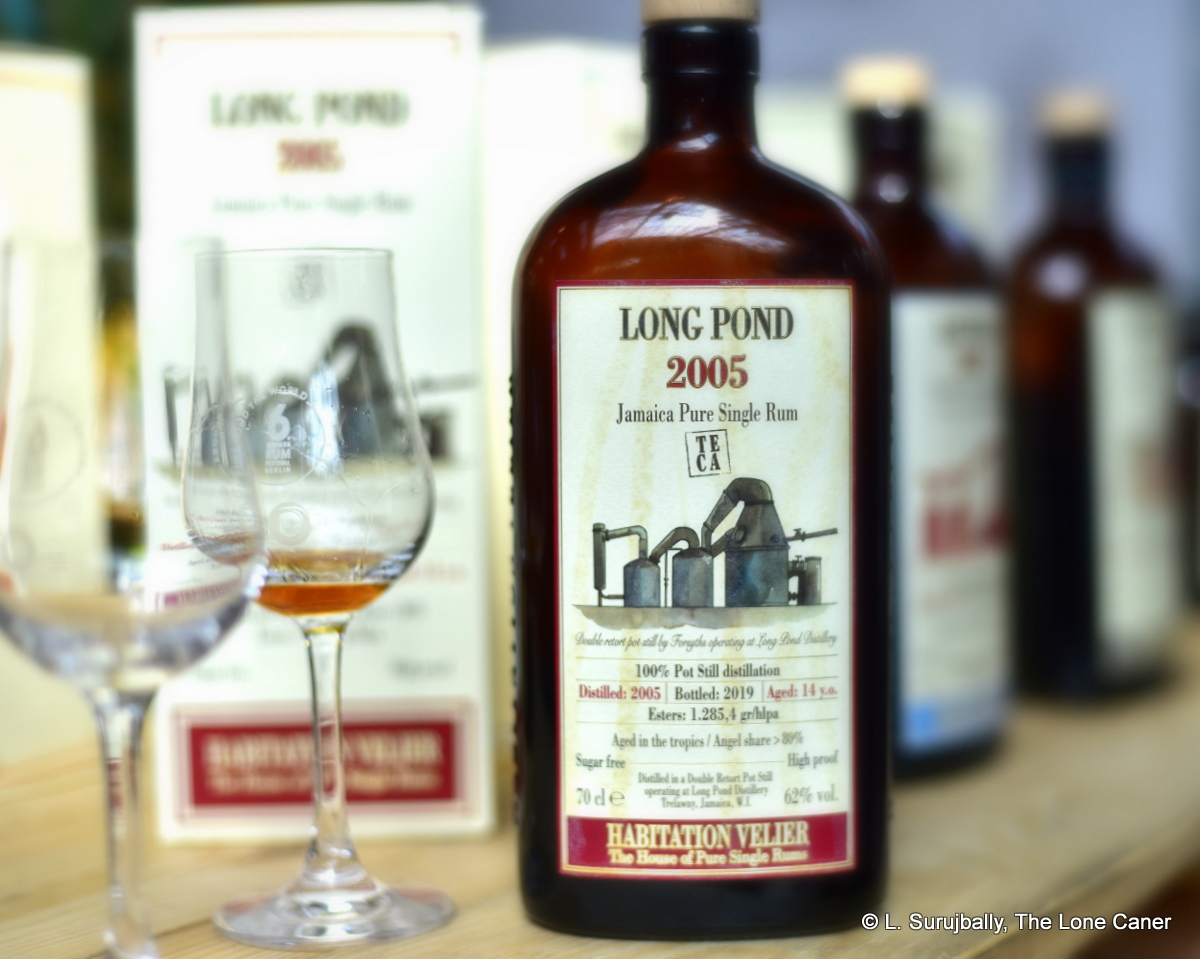
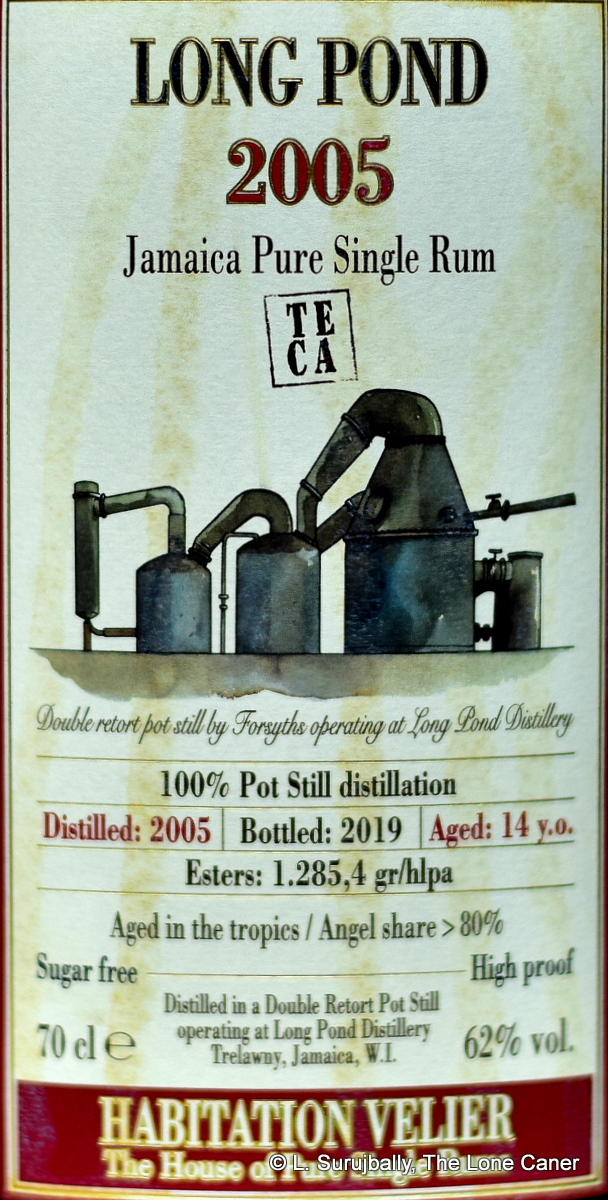 Let’s see if we can’t redress that somewhat. This is a Jamaican rum from Longpond, double pot still made, 62% ABV, 14 years old, and released as one of the pot still rums the Habitation Velier line is there to showcase. I will take it as a given it’s been completely tropically aged. Note of course, the ester figure of 1289.5 gr/hlpa, which is very close to the maximum (1600) allowed by Jamaican law. What we could expect from such a high number, then, is a rum sporting taste-chops of uncommon intensity and flavour, as rounded off by nearly a decade and a half of ageing – now, those statistics made the TECA 2018 detonate in your face and it’s arguable whether that’s a success, but here? … it worked. Swimmingly.
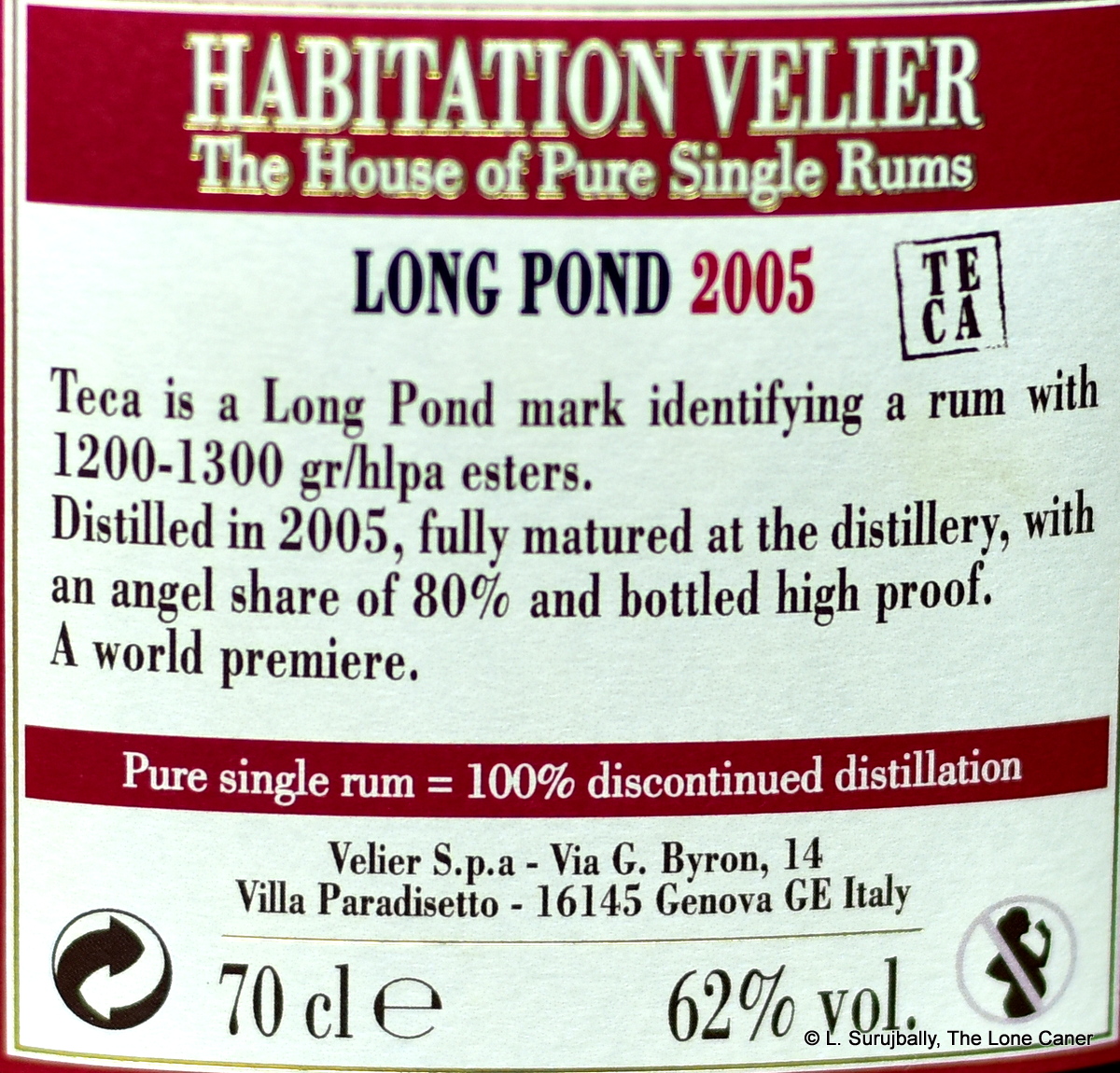 So – good or bad? Let’s see if we can sum this up. In short, I believe the 2005 TECA was a furious and outstanding rum on nearly every level. But that comes with caveats. “Fasten your seatbelt” remarked Serge Valentin
  Anyone from my generation who grew up in the West Indies knows of the scalpel-sharp satirical play “Smile Orange,” written by that great Jamaican playwright, Trevor Rhone, and made into an equally funny film of the same name in 1976. It is quite literally one of the most hilarious theatre experiences of my life, though perhaps an islander might take more away from it than an expat. Why do I mention this irrelevancy? Because I was watching the YouTube video of the film that day in Berlin when I was sampling the Worthy Park series R 11.3, and though the film has not aged as well as the play, the conjoined experience brought to mind all the belly-jiggling reasons I so loved it, and Worthy Park’s rums.
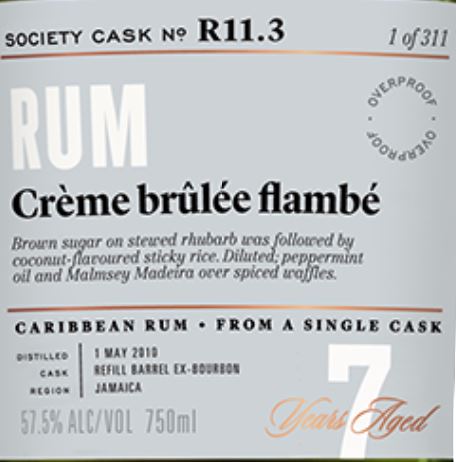 The distillation run from 2010 must have been a good year for Worthy Park, because the SMWS bought no fewer than seven separate casks from then to flesh out its R11 series of rums (R11.1 through R11.6 were distilled May 1st of that year, with R11.7 in September, and all were released in 2017). After that, I guess the Society felt its job was done for a while and pulled in its horns, releasing nothing in 2018 from WP, and only one more — R11.8 — the following year; they called it “Big and Bountiful” though it’s unclear whether this refers to Jamaican feminine pulchritude or Jamaican rums.
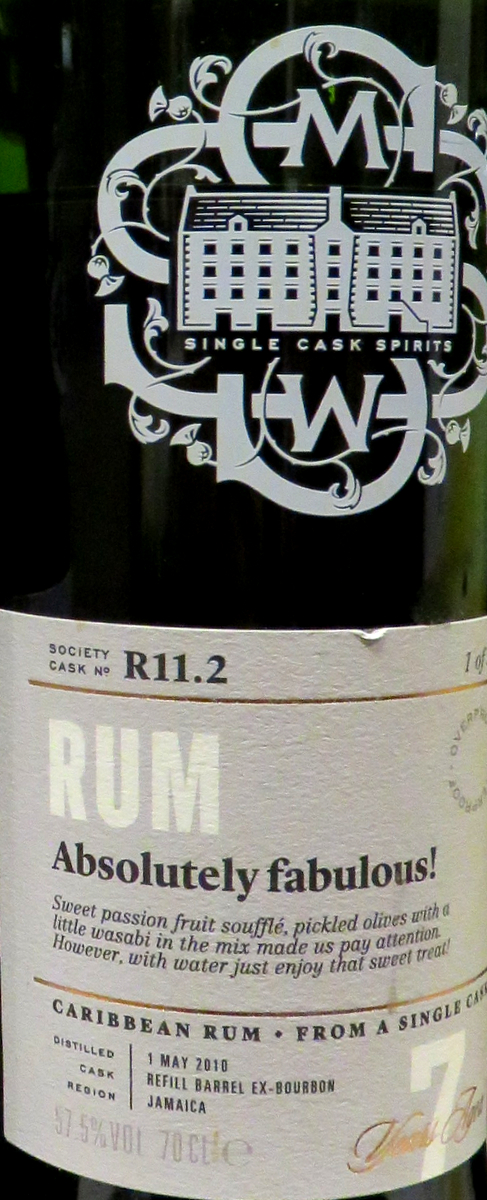 It sounds strange to say it, but the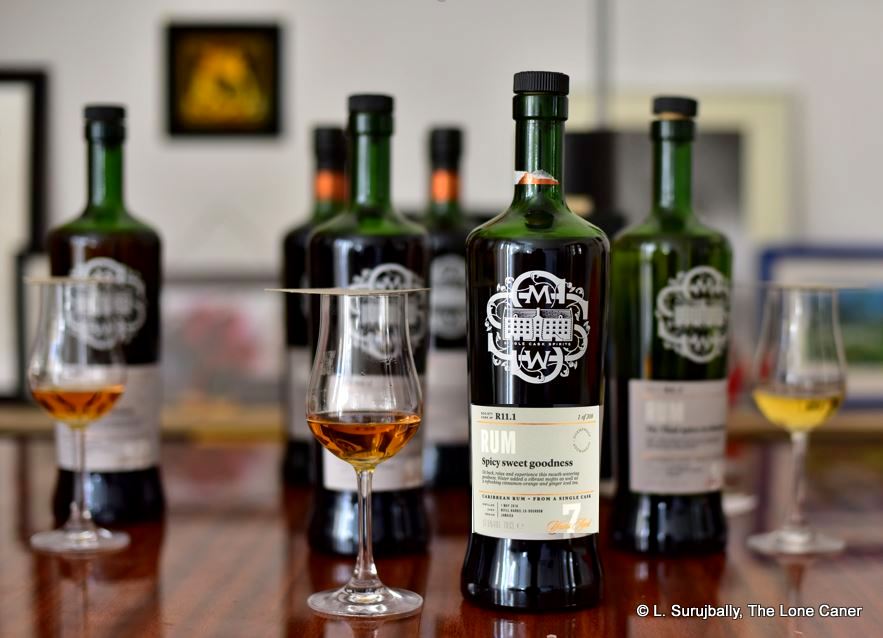
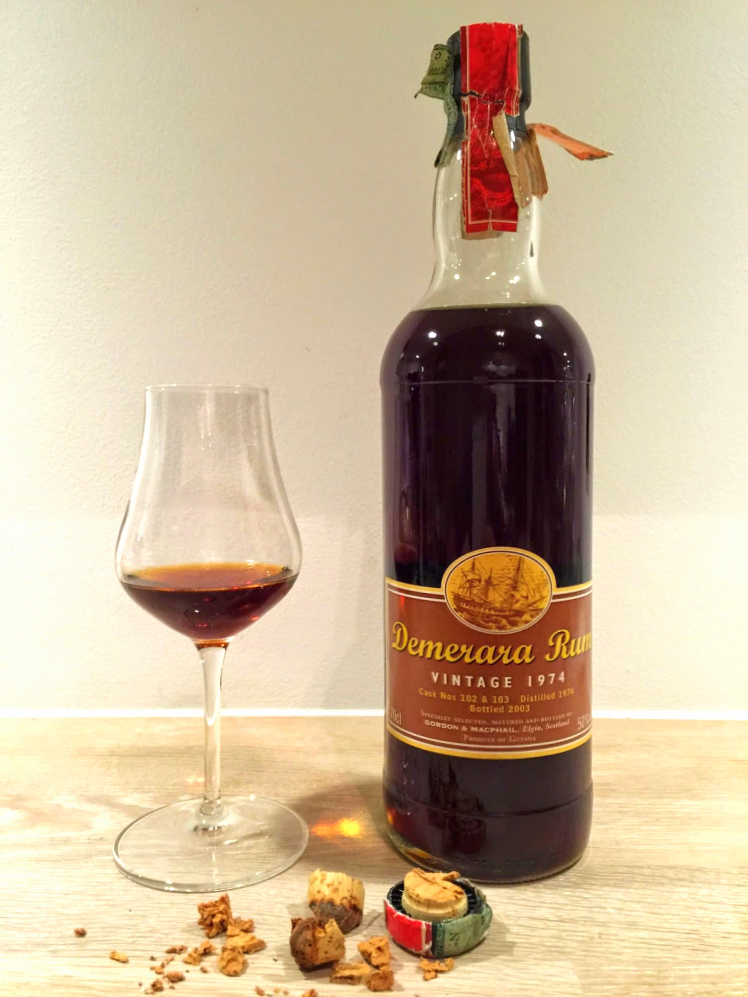
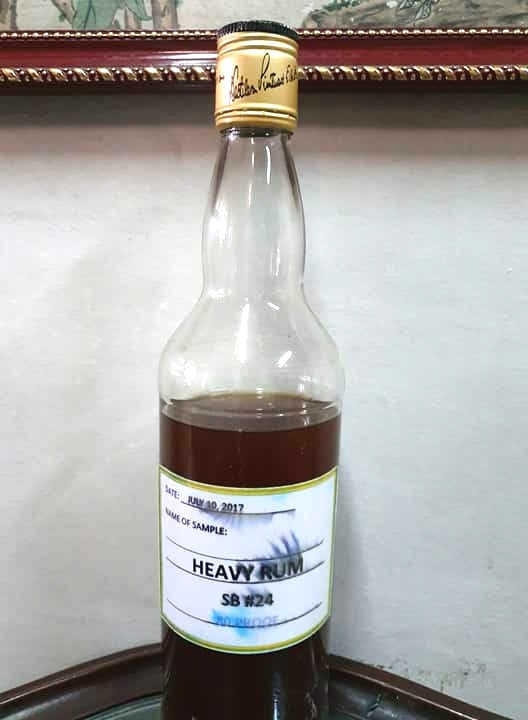 I should begin by warning you that this rum is sold on a very limited basis, pretty much always to favoured bars in the Philippines, and then not even by the barrel, but by the bottle from that barrel – sort of a way to say “Hey look, we can make some cool sh*t too! Wanna buy some of the other stuff we make?”. Export is clearly not on the cards…at least, not yet.
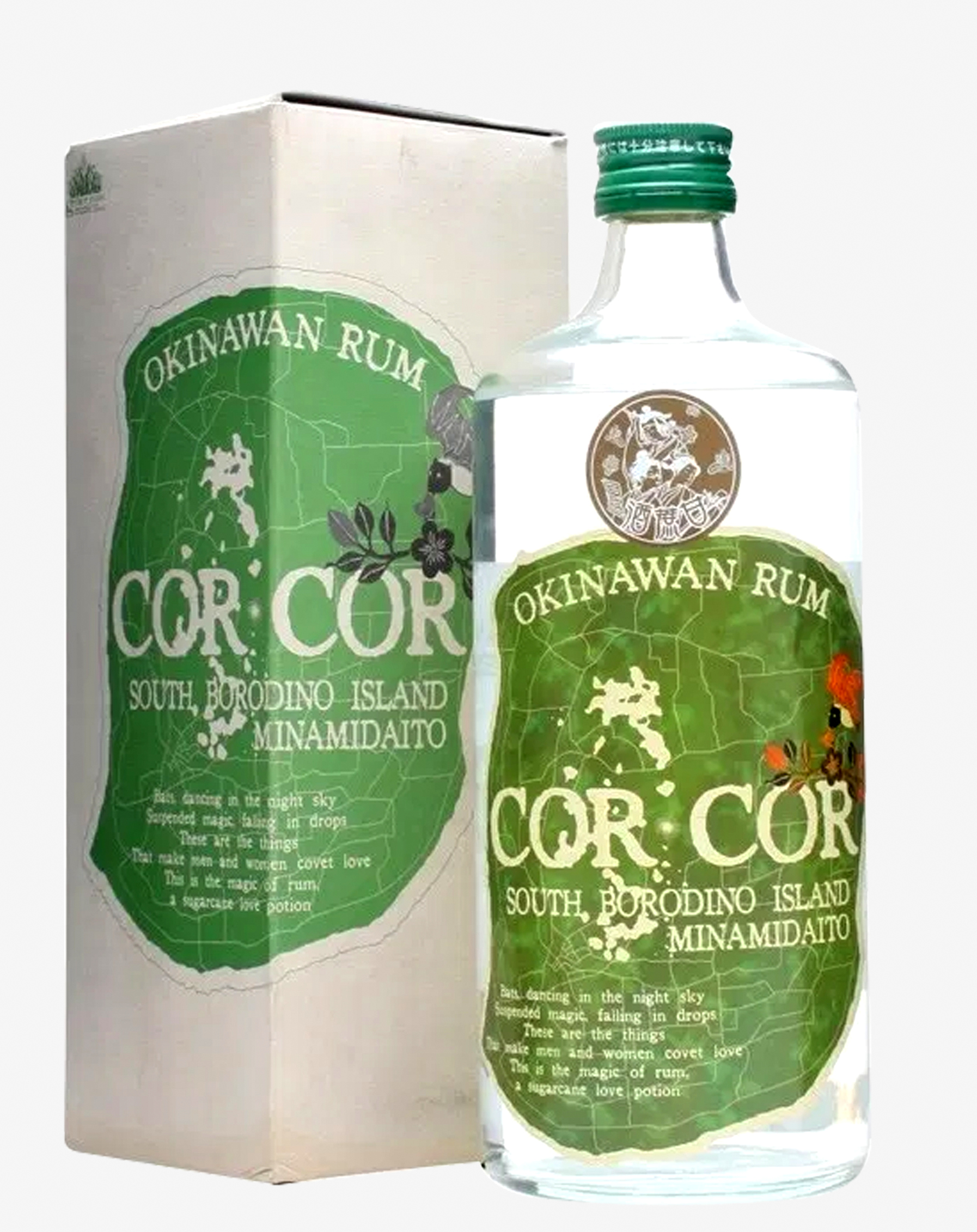 The Cor Cor “Green”, cousin to the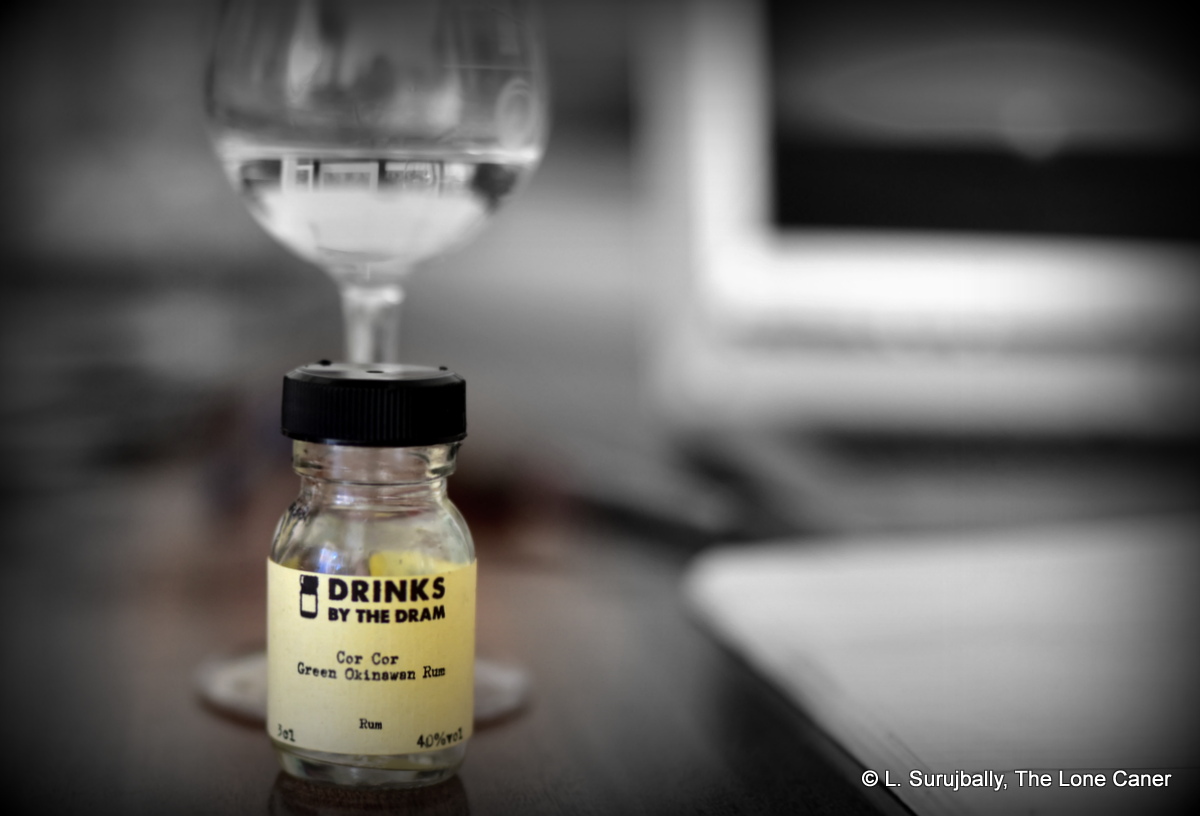
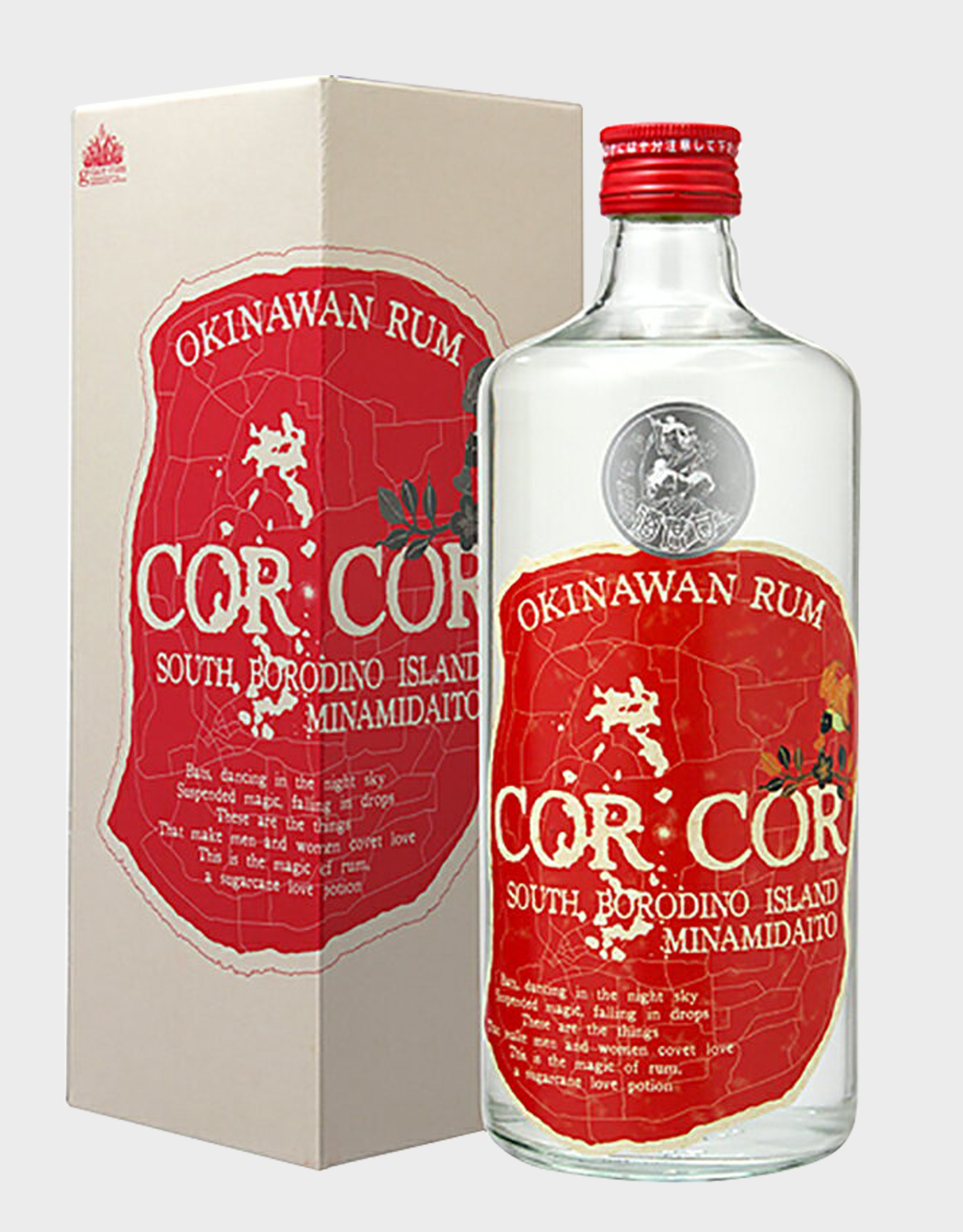 Given Japan has several rums which have made these pages (
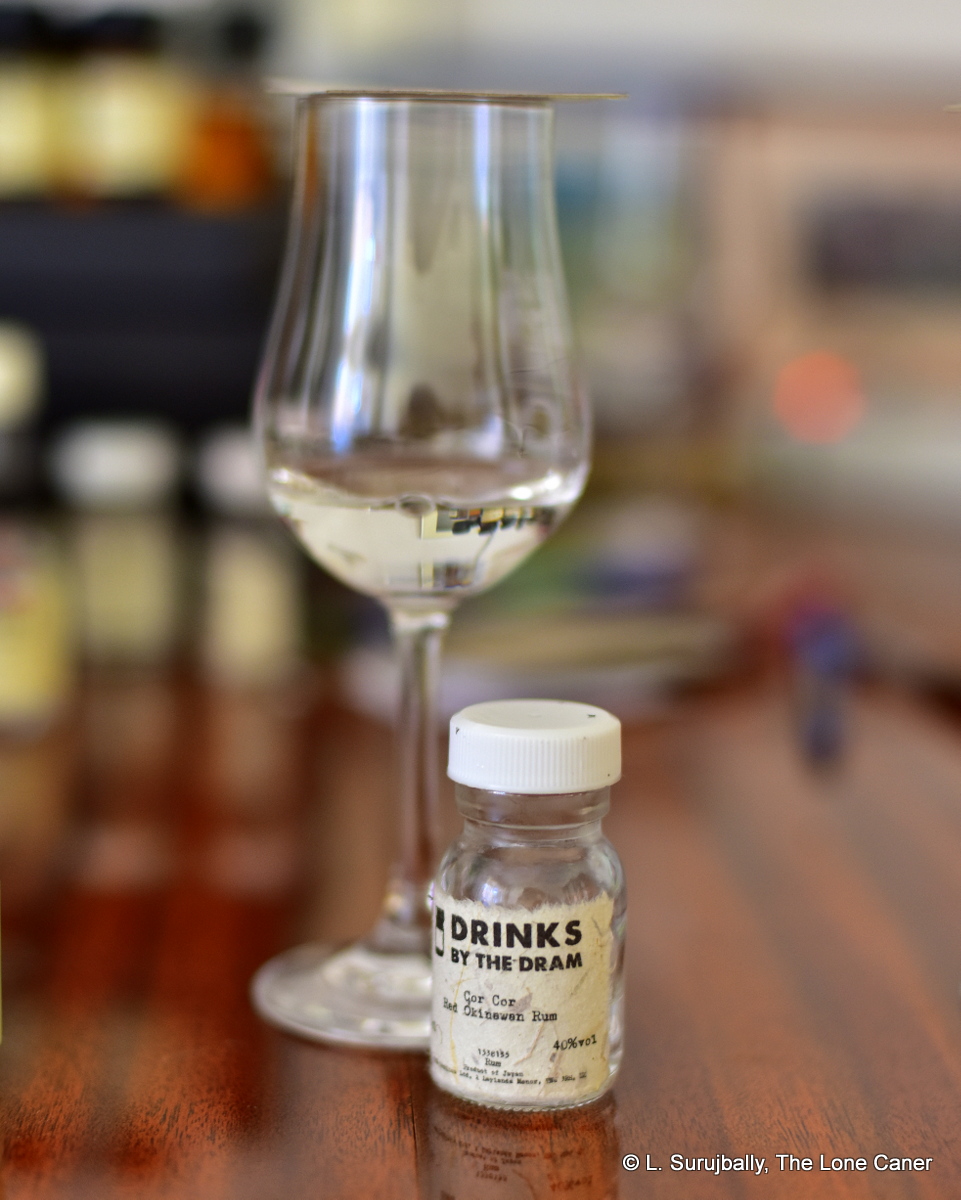 The Cor Cor Red was more generous on the palate than the nose, and as with many Japanese rums I’ve tried, it’s quite distinctive. The tastes were somewhat offbase when smelled, yet came together nicely when tasted. Most of what we might deem “traditional notes” — like nougat, or toffee, caramel, molasses, wine, dark fruits, that kind of thing — were absent; and while their (now closed) website rather honestly remarked back in 2017 that it was not for everyone, I would merely suggest that this real enjoyment is probably more for someone (a) interested in Asian rums (b) looking for something new and (c) who is cognizant of local cuisine and spirits profiles, which infuse the makers’ designs here. One of the reasons the rum tastes as it does, is because the master blender used to work for one of the awamori makers on Okinawa (it is a spirit akin to Shochu), and wanted to apply the methods of make to rum as well. No doubt some of the taste profile he preferred bled over into the final product as well.
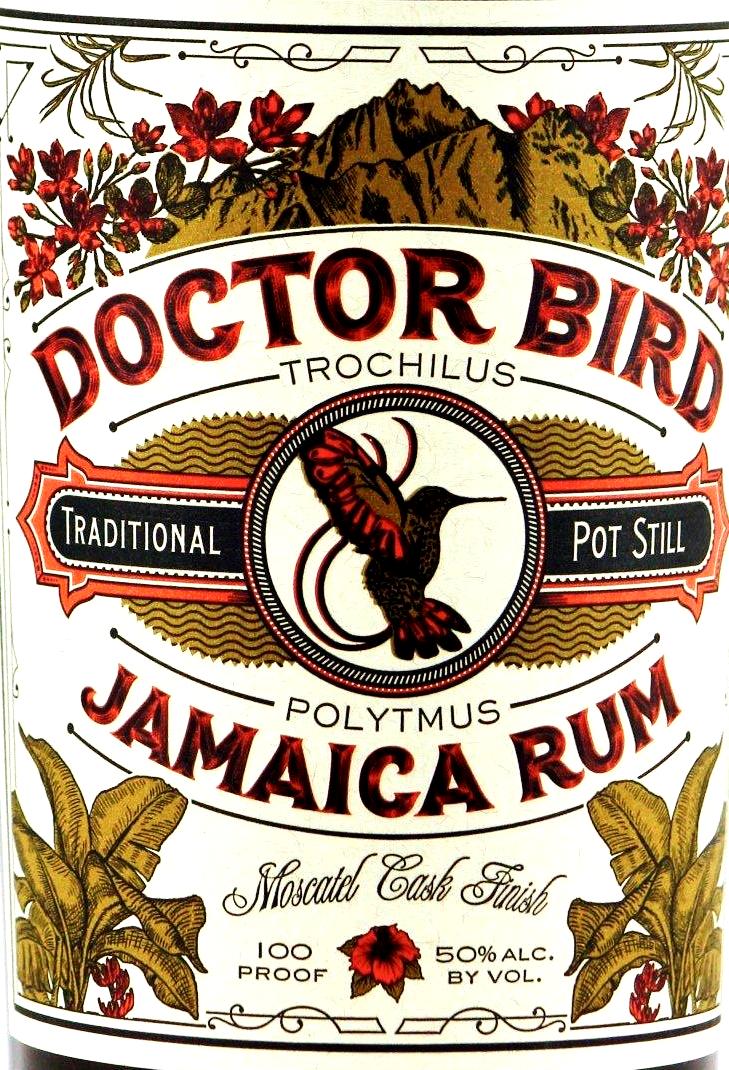 The strangely named Doctor Bird rum is another company’s response to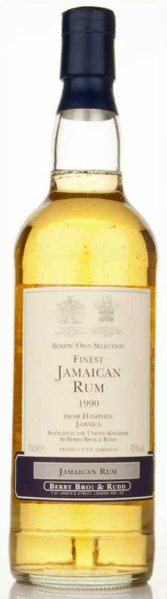
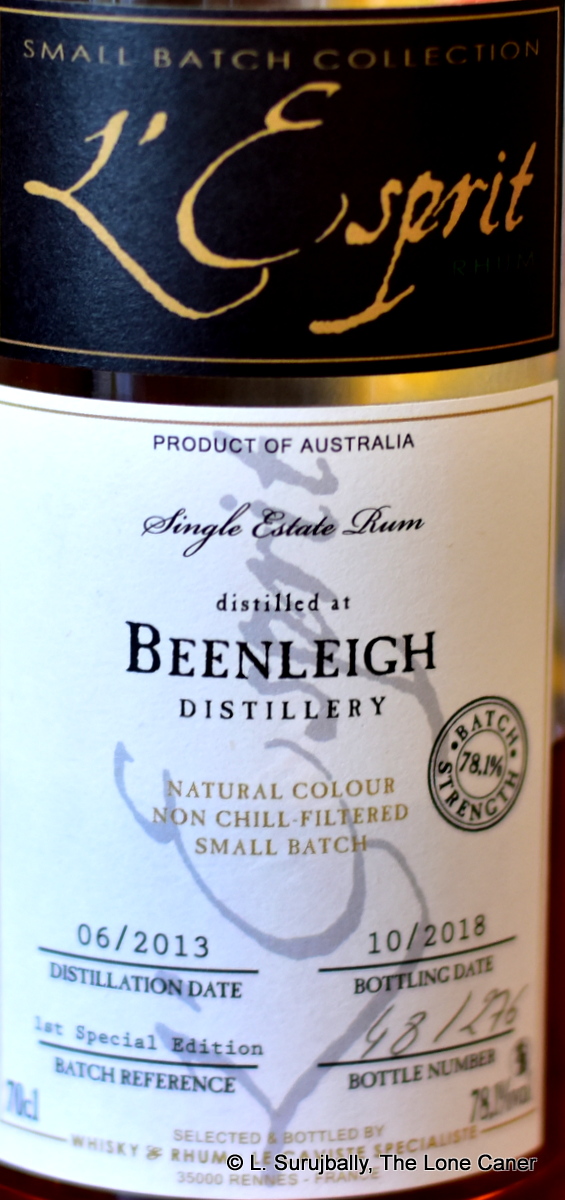
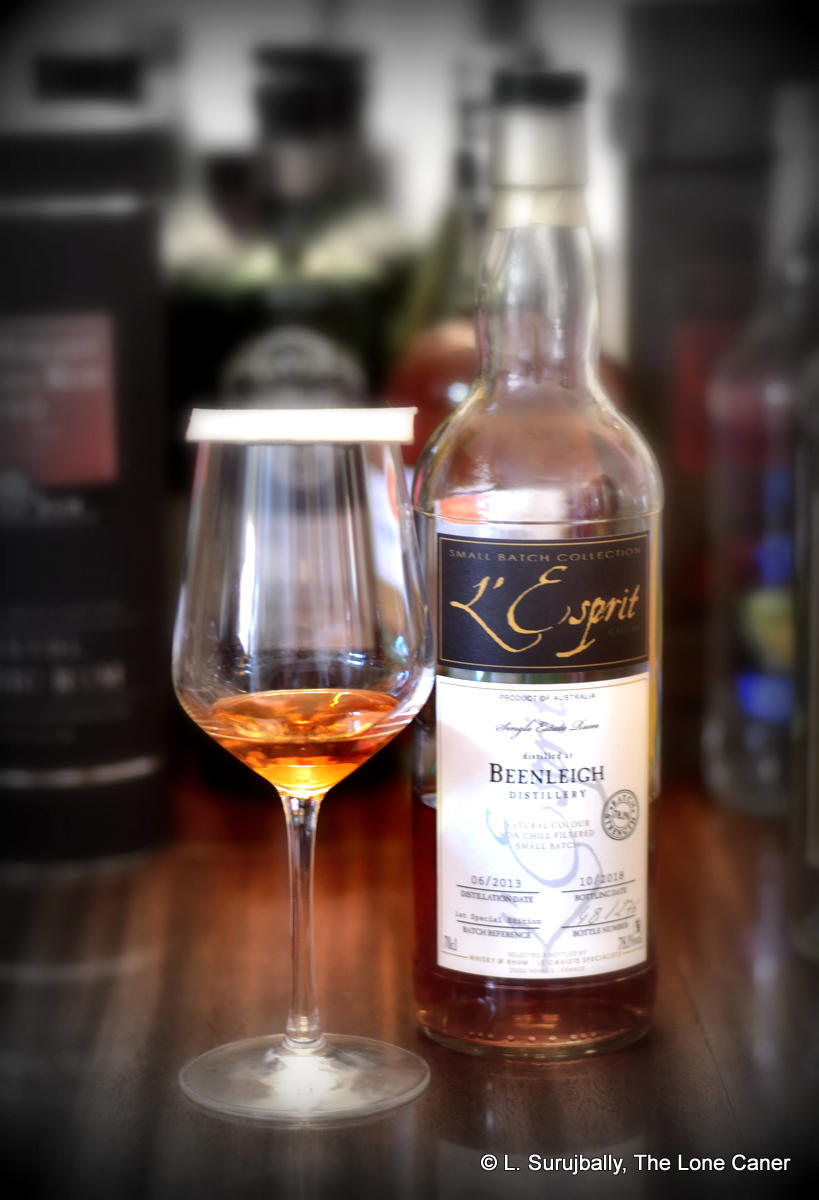 The French-bottled, Australian-distilled Beenleigh 5 Year Old Rum is a screamer of a rum, a rum that wasn’t just released in 2018, but unleashed. Like a mad roller coaster, it careneed madly up and down and from side to side, breaking every rule and always seeming just about to go off the rails of taste before managing to stay on course, providing, at end, an experience that was shattering — if not precisely outstanding.
 I still remember how unusual the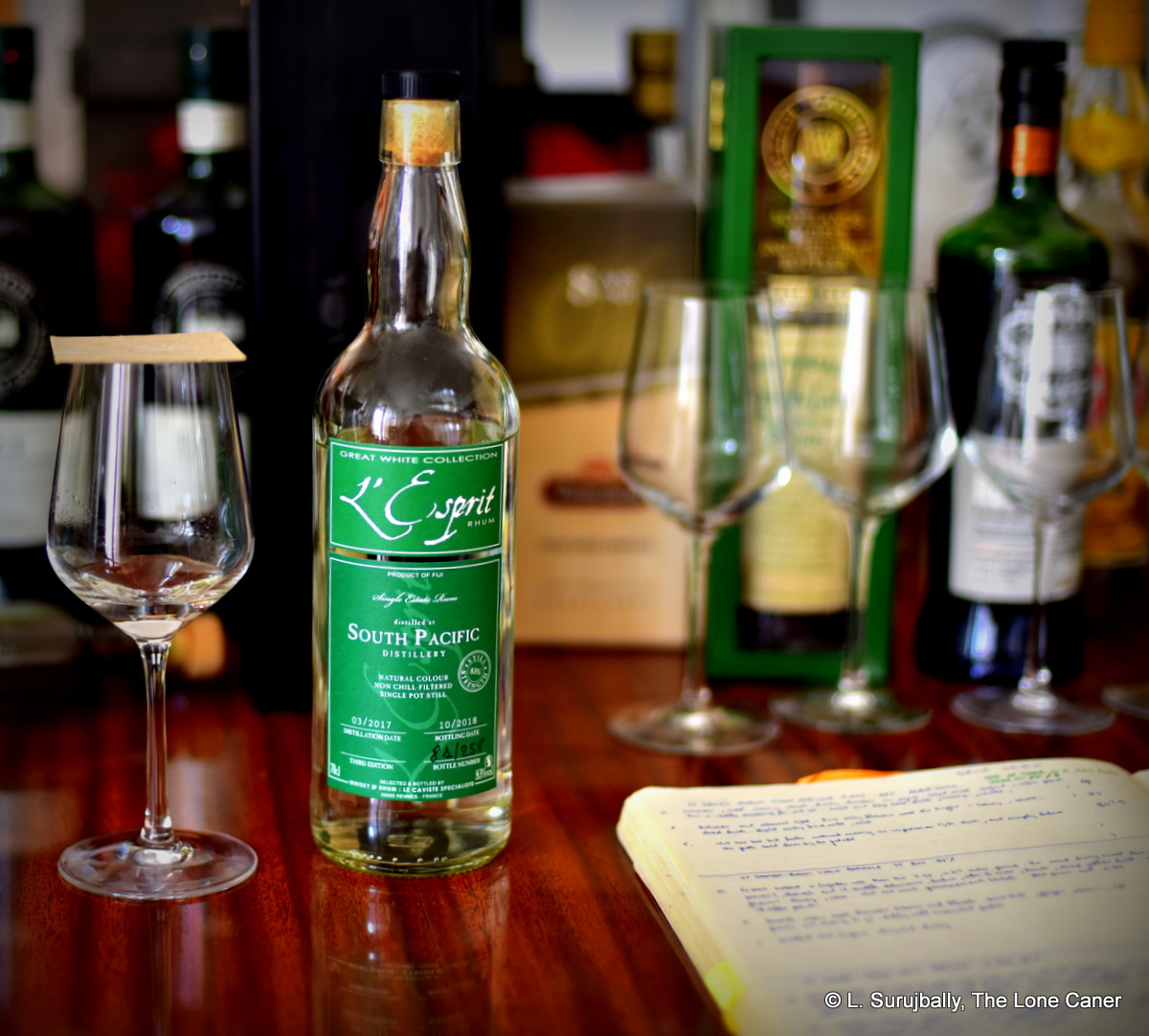
 Whatever the case, the rum was as fierce as the Diamond, and even at a microscopically lower proof, it took no prisoners. It exploded right out of the glass with sharp, hot, violent aromas of tequila, rubber, salt, herbs and really good olive oil. If you blinked you could see it boiling. It swayed between sweet and salt, between soya, sugar water, squash, watermelon, papaya and the tartness of hard yellow mangoes, and to be honest, it felt like I was sniffing a bottle shaped mass of whup-ass (the sort of thing Guyanese call “regular”).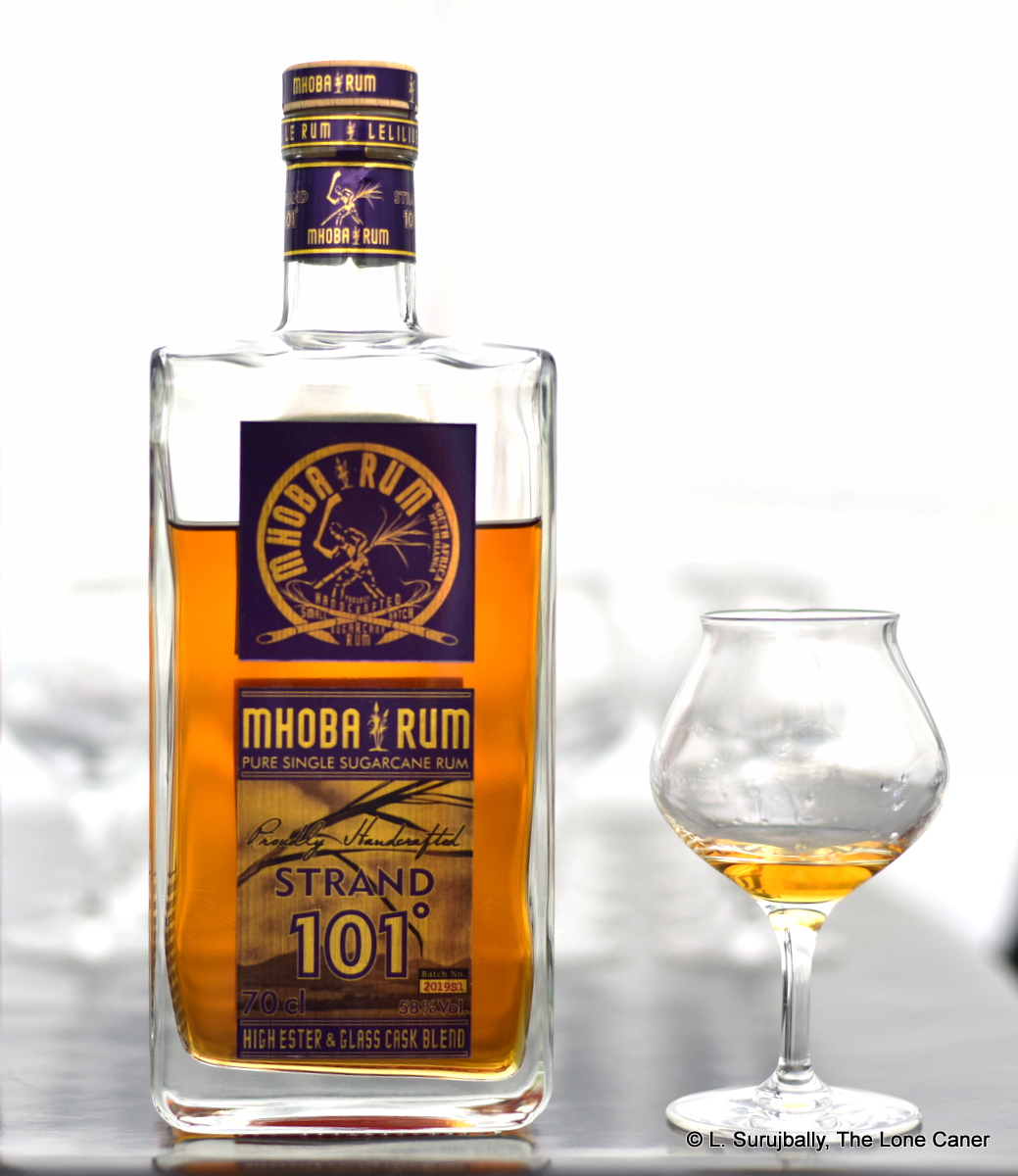
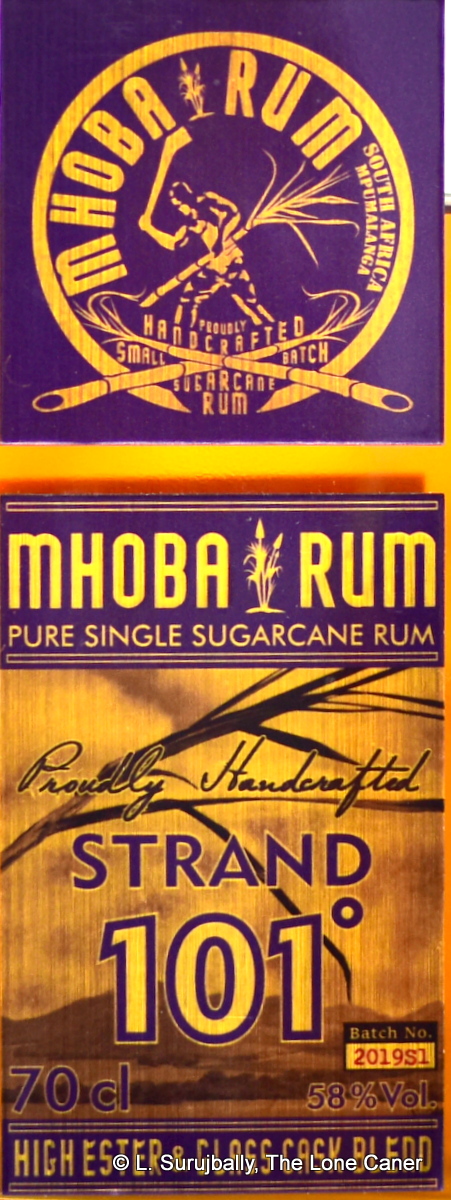 The Strand 101° was specifically designed by Knud Strand, a colourful Danish distributor who worked closely with Robert Greaves (as he had with many brands before) to bring the Mhoba line to market. What he was looking for was to create a blend of unaged and aged rum from pot stills, adhering to something of the S&C profile but from only one still (not two or more). He was messing around with samples some time back and after making his selections finally came back to two, both fullproof — one, slightly aged was too woody, with the other unaged one perhaps too funky.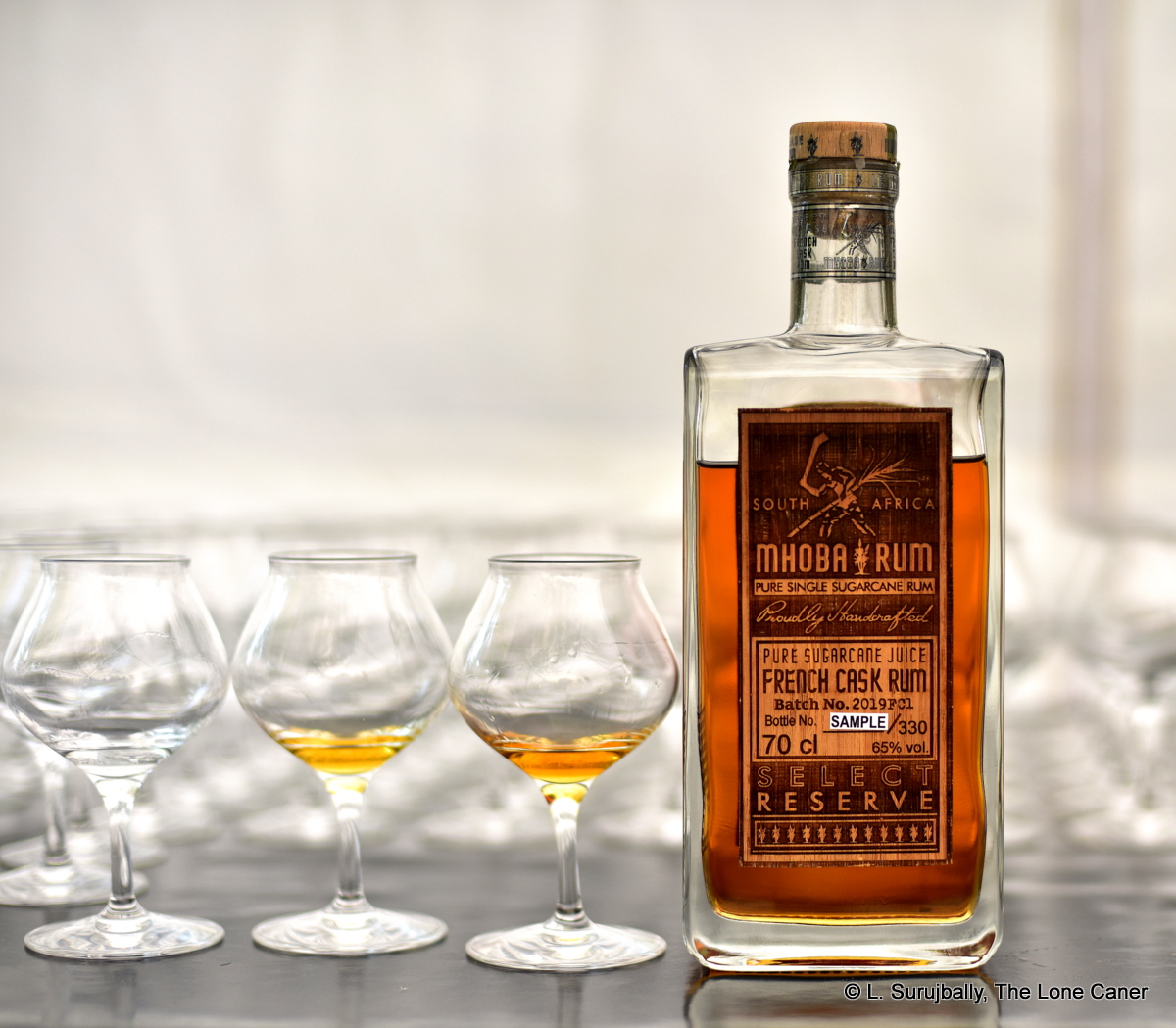
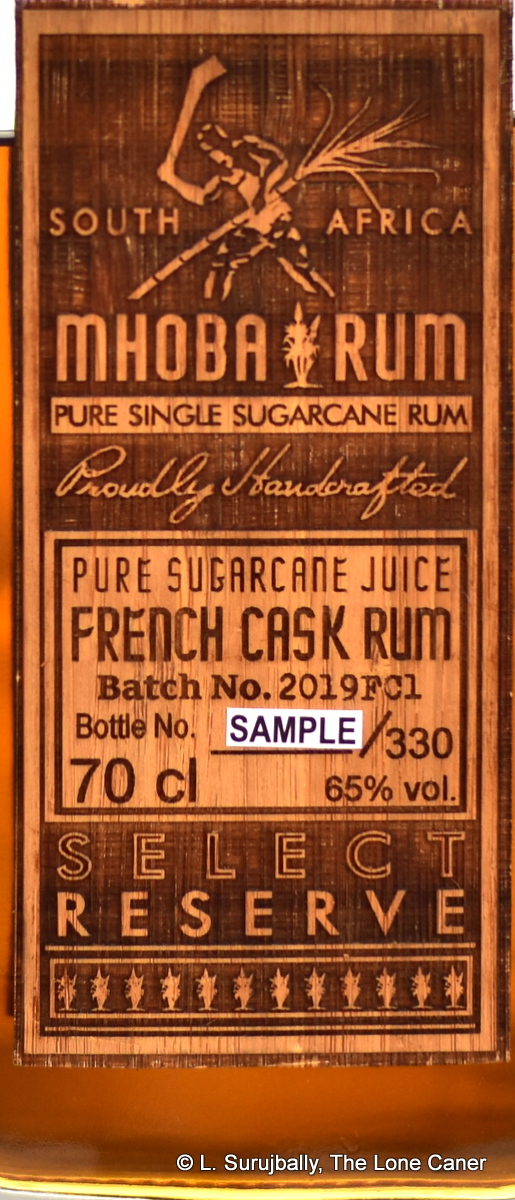 This is where good labelling helps understand what you’re getting. Mine read that it was a sugar cane juice rum, single blended, the bottle outturn (330 bottles, of which this was a sample), batch 2019FC1, South African made, and 65% ABV (ouch!). Actually, the only things missing from the label were the age statement (website says just over a year) and the still of origin (it’s a pot still), which I imagine subsequent labels will correct, especially as additional aged varietals begin to enter the market and a stock of different aged expressions gets built up – already, the company site lists eight different rums, so they’re not wasting any time.
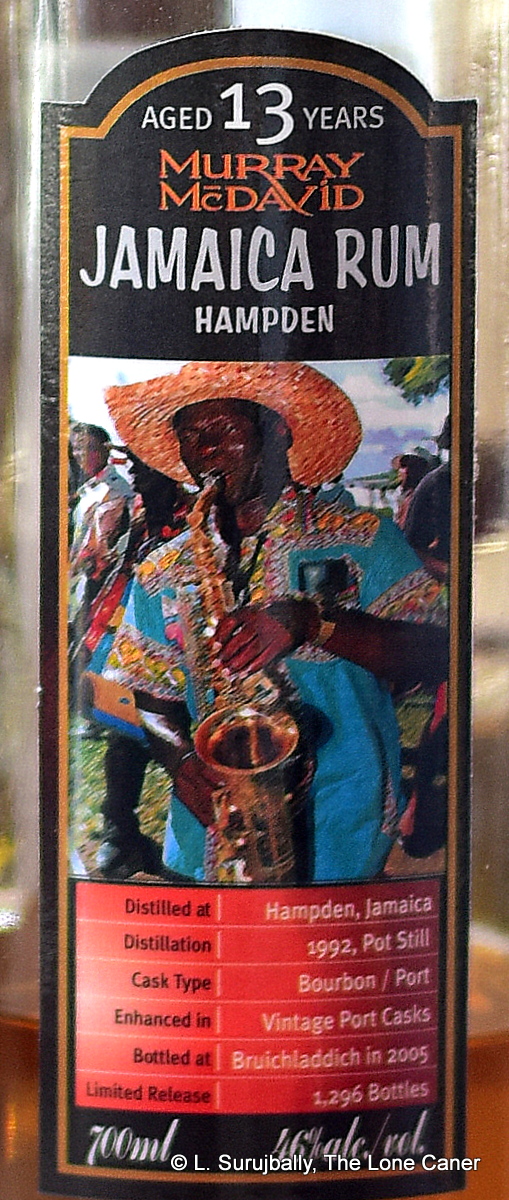 Tasting notes: definitely Jamaican, that hogo and funk was unmistakable, though it seemed more muted than the fierce cask strength Hampdens we’ve been seeing of late. It smelled initially of pencil shavings, crisp acetones, nail polish remover, a freshly painted room and glue. After opening up, I went back some minutes later and found softer aromas – red wine, molasses, honey, chocolate, and cream cheese and salted butter on fresh croissants, really yummy. And this is not to ignore the ever-present sense of fruitiness – dark grapes, black cherries, ripe mangoes, papayas, gooseberries and some bananas, just enough to round off the entire nose.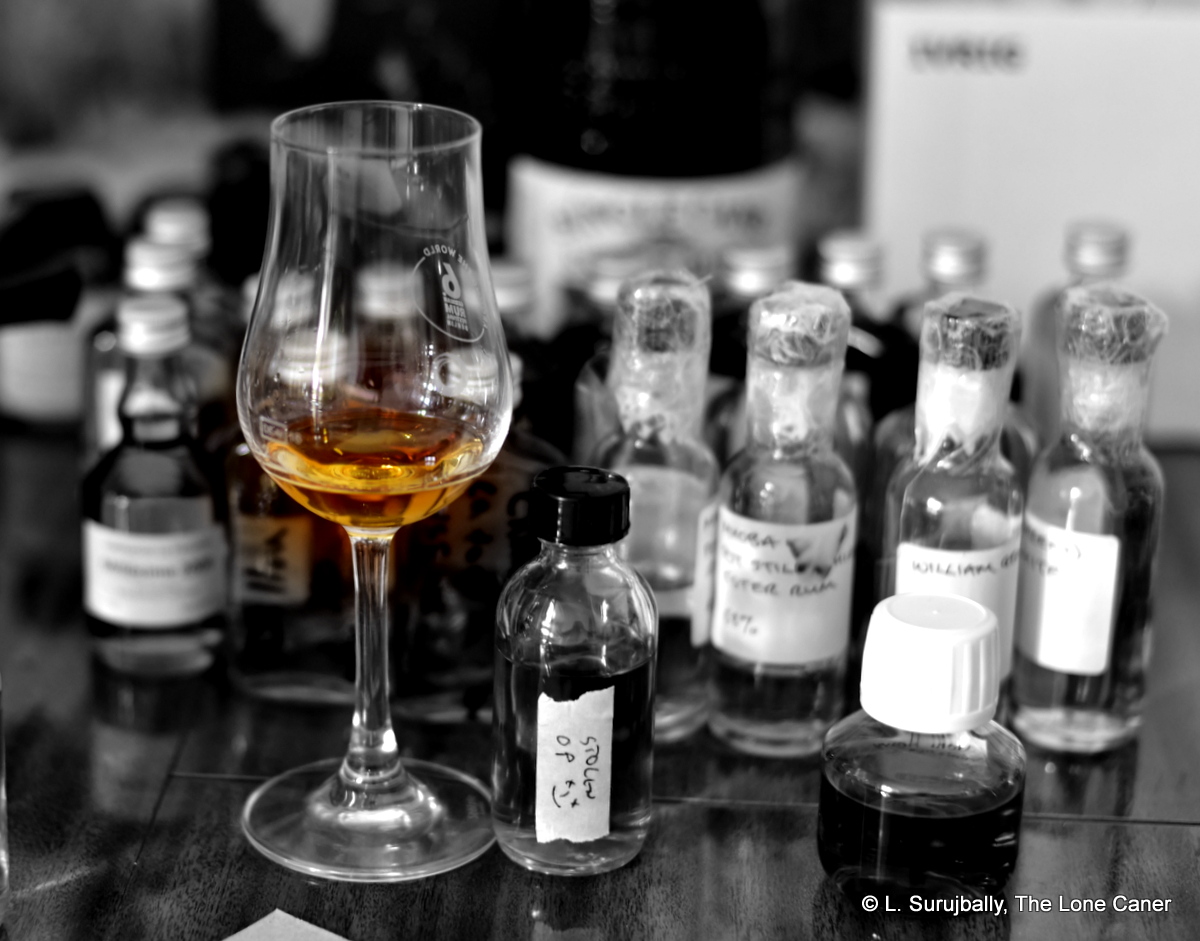
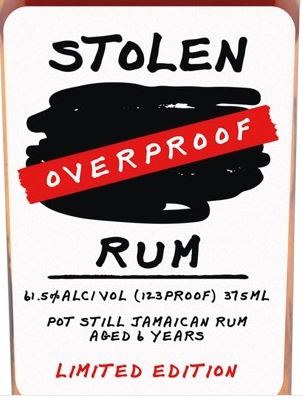
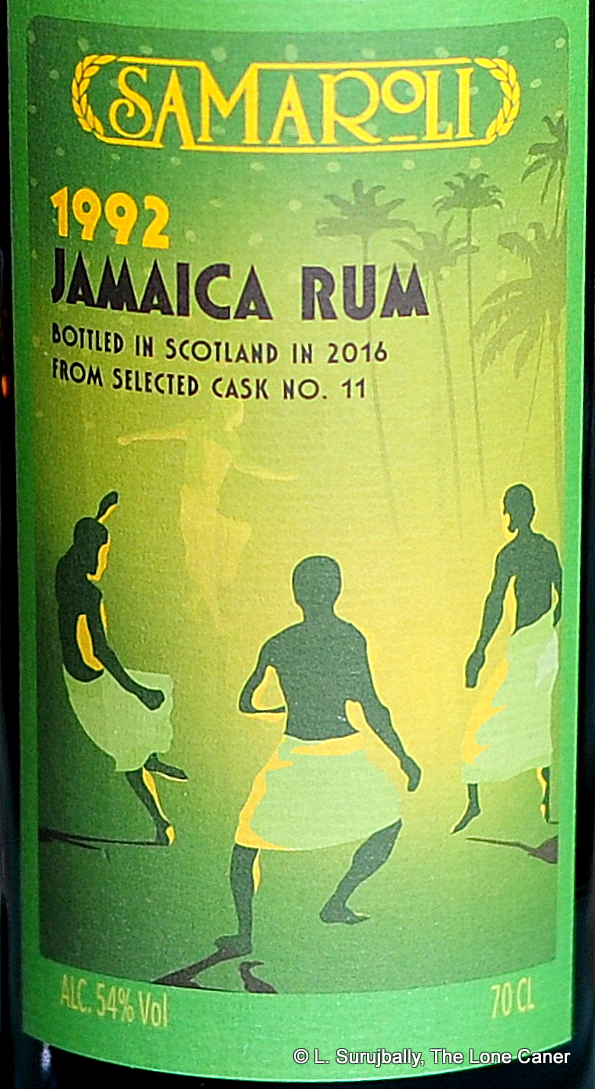 Although it’s older, Samaroli is somewhat eclipsed these days (by Velier), and is sometimes regarded as being on the same tier as, say,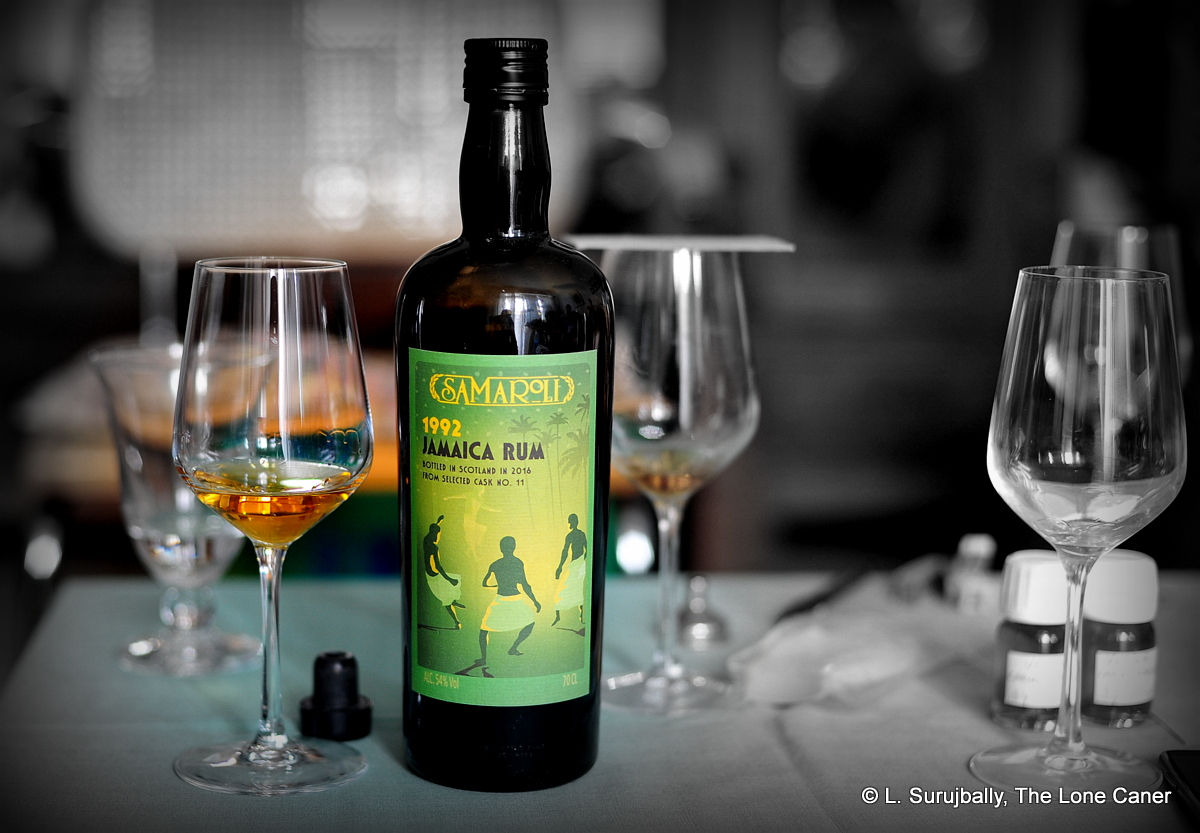
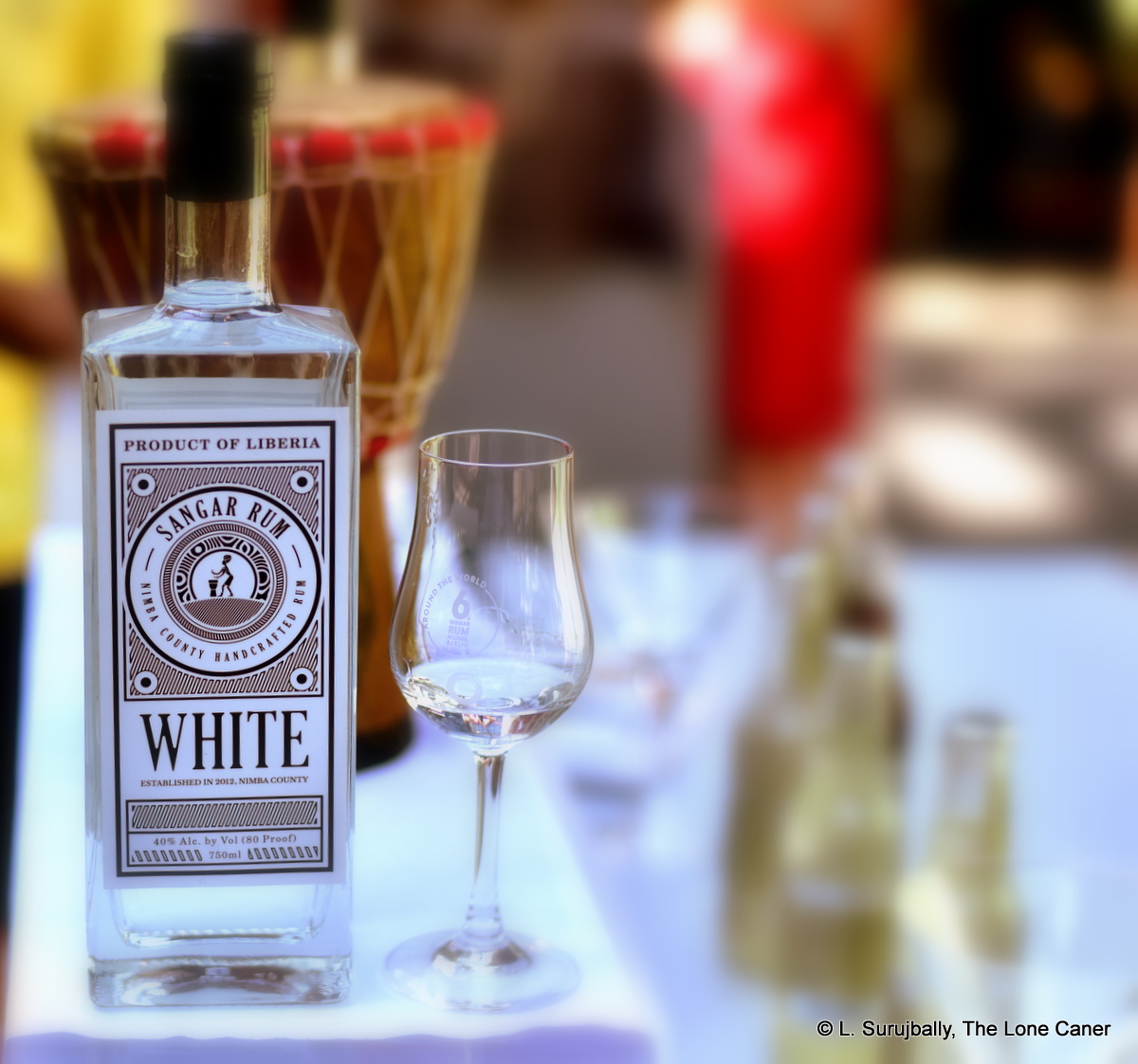
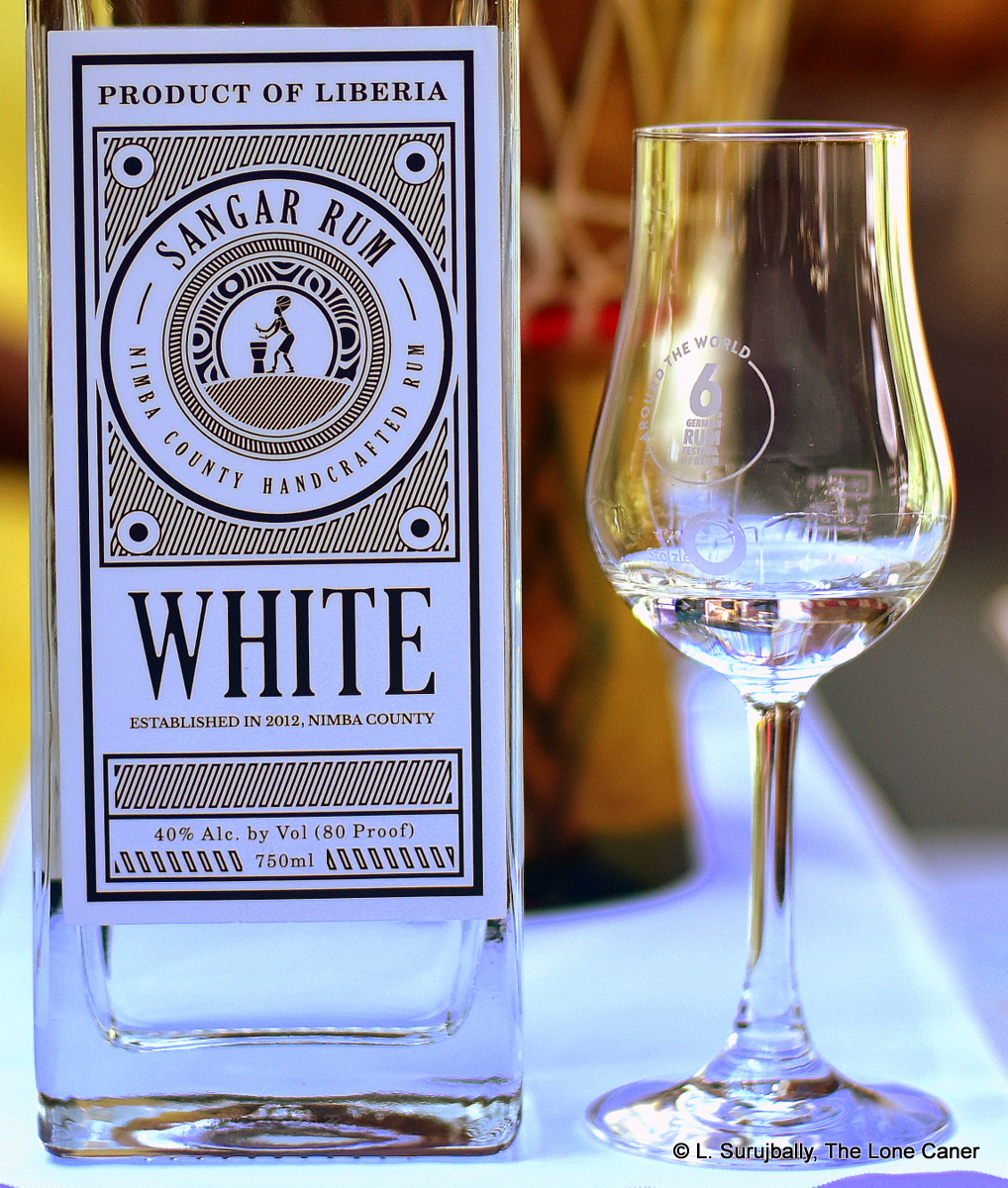
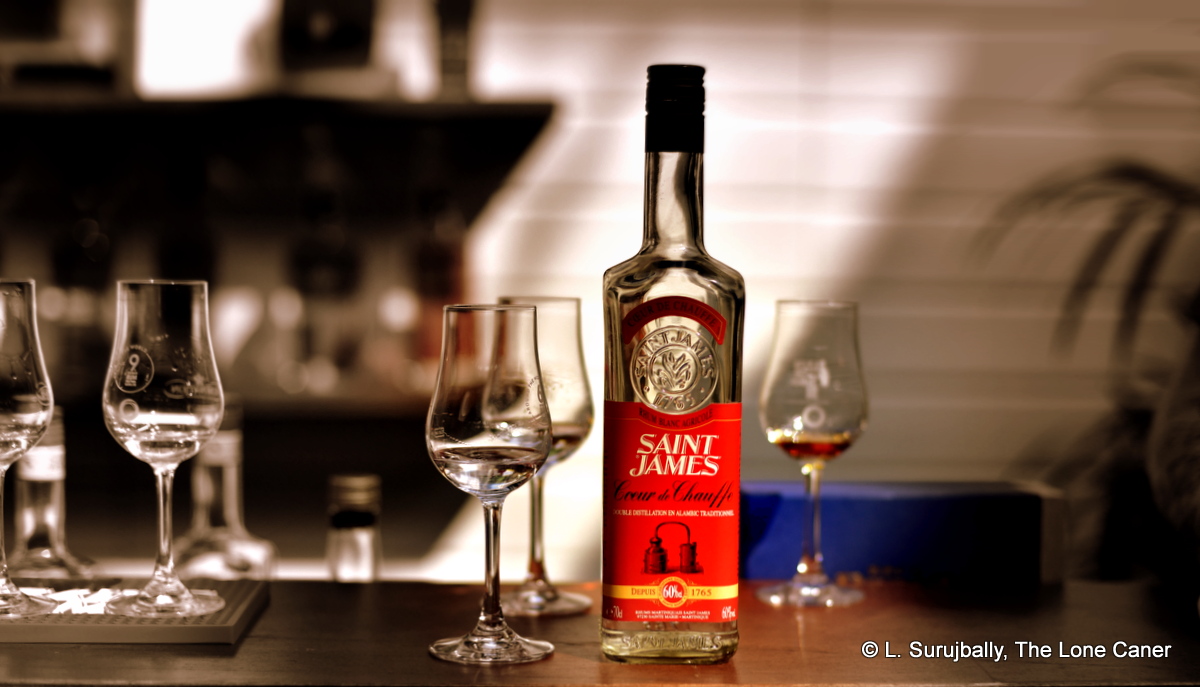
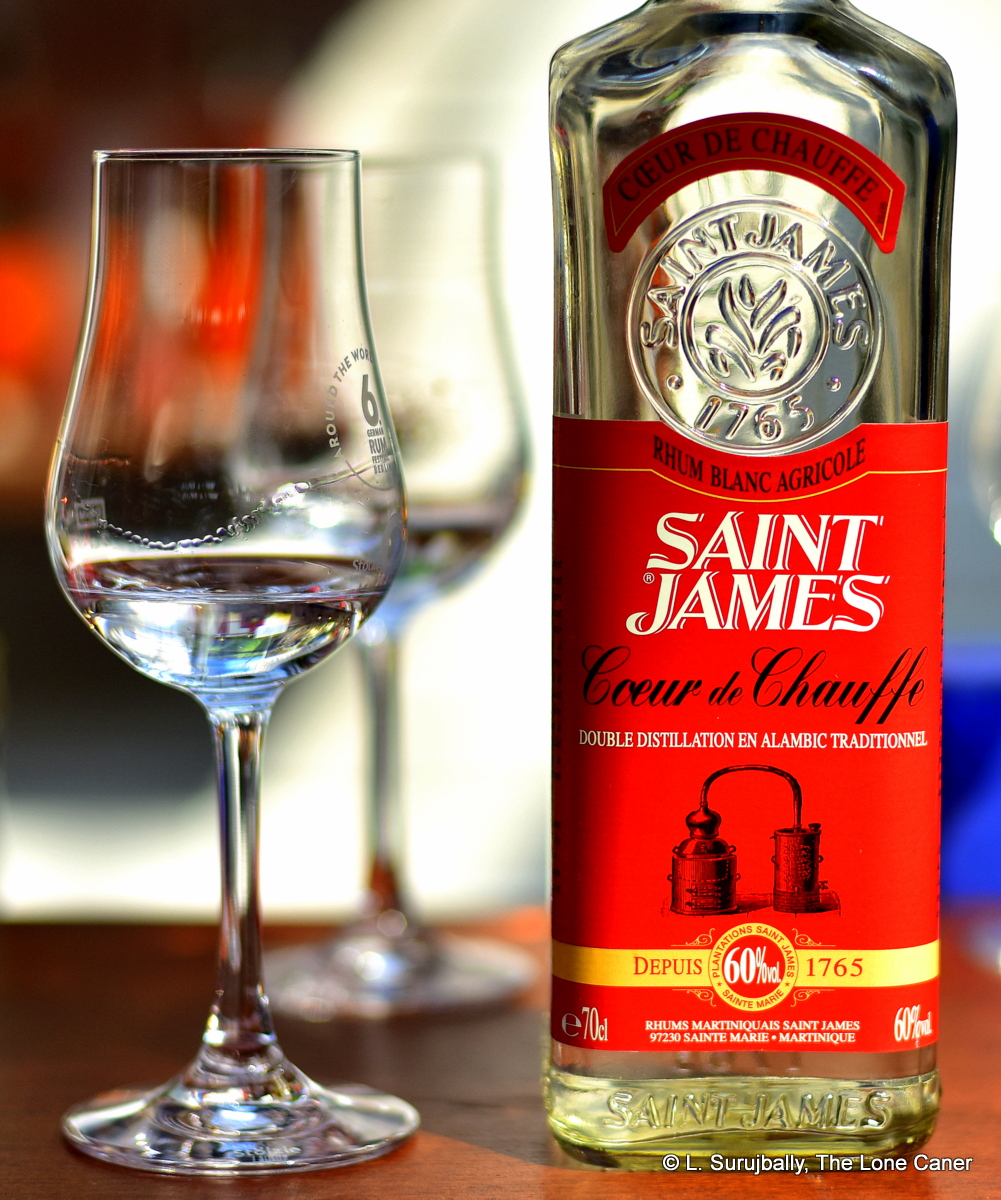 And also because, man, did this thing ever smell pungent — it was a bottle-sized 60-proof ode to whup-ass and rumstink. A barrage of nail polish, spoiling fruit, wood chips, wax, salt, and gluey notes all charged right out without pause or hesitation, spoiling for a fight. Even without making a point of it, the rhum unfolded with uncommon firmness into aromas of sweet, grassy herbals, green apples, sugar water, dill, cider, vegetables, toasted bread, a sharp mature cheddar, all mixed in with moist dark earth, sugar water, biscuits, orange peel. And the balance of all of them was really quite good, truly.