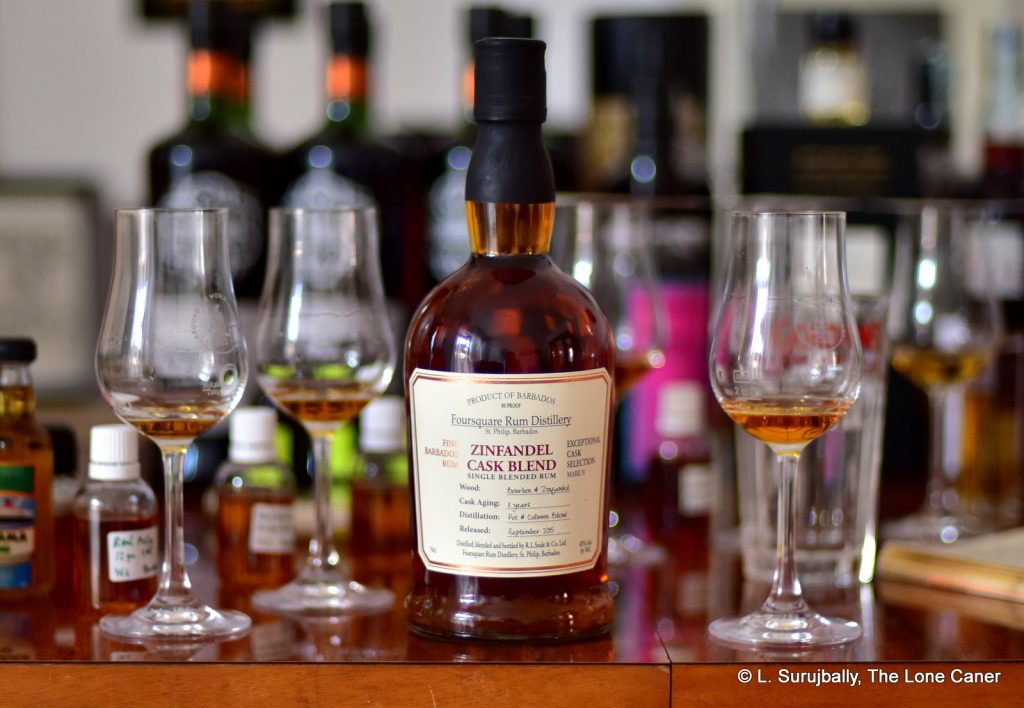
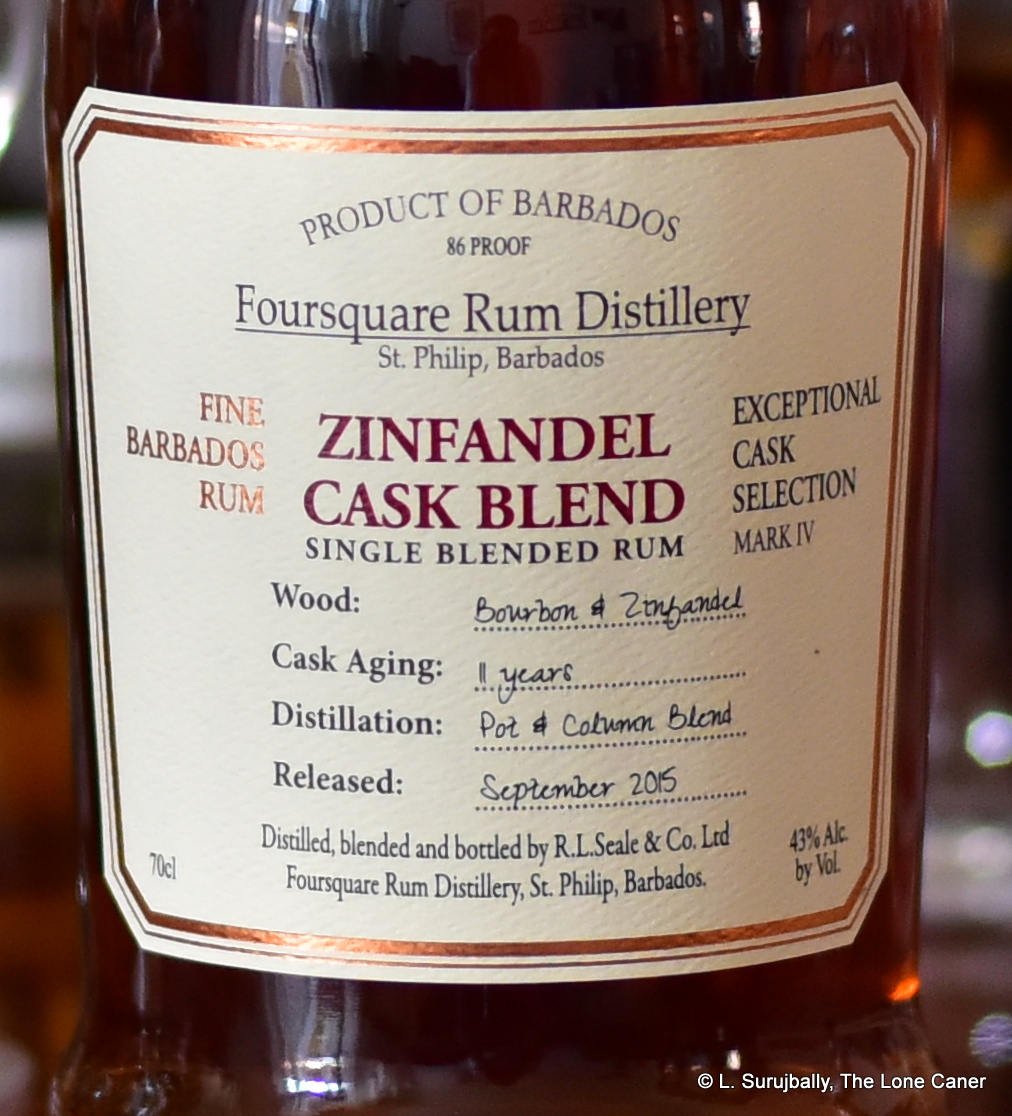
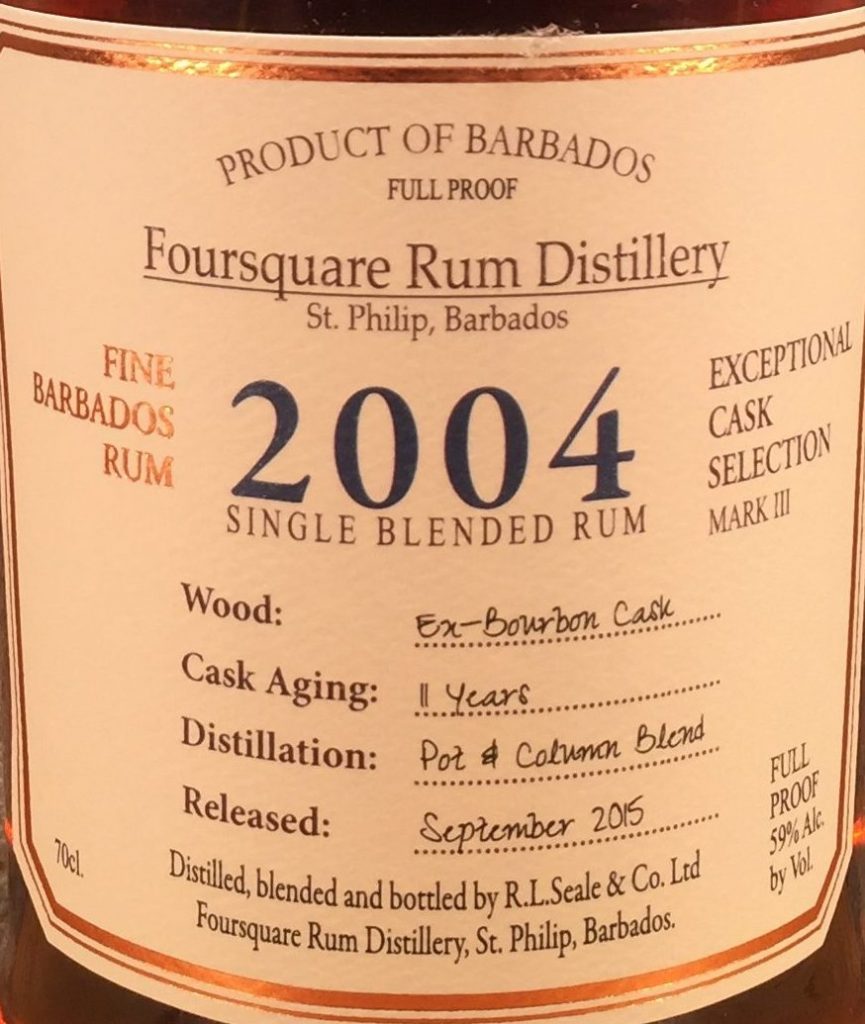
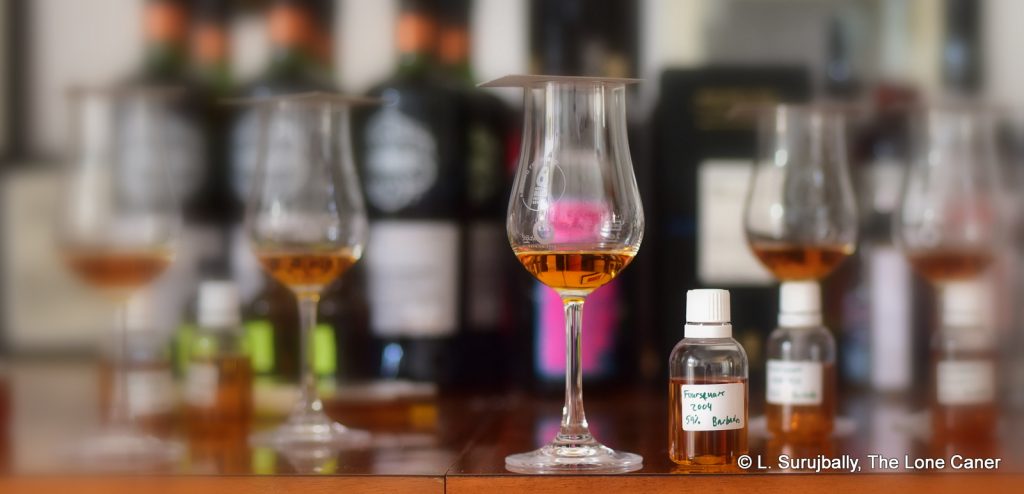
It’s odd that the fourth Exceptional Cask Series rum issued by Foursquare out of Barbados was issued at such a low proof. The “1998” and “Port Cask” Marks I and II were both released at 40%, but the very good “2004” Mark III went higher, much higher (59%) and carved itself a solid niche all its own – in contrast to the emerging ABV-creep, the Zinfadel dialled itself down to a relatively mild 43%. Perhaps, since both came out in 2015 it was felt to be a smart move to have one rated G just to offset the R-rated predator that was the “2004”, or to appease the importers who made Foursquare issue the first two Marks at 40%. Which would make sense, though for my money it remains an incrementally lesser offering from the House of Seale’s ECS, (an opinion I hold largely because of the great stuff that emerged after this one).
The Zinfadel 11 Year Old is a blend of batches of rums: one was aged for five years in bourbon casks and then another six in zinfadel barrels, and then married with another batch that had spent the full eleven years in bourbon casks. Unusual for the time (2015), Richard Seale went around in person to the various international rumfests, masterclasses and private tastings, and started his engagement on social media (he does this more than any other primary producer I’m aware of), trumpeting the fact that nothing was added, the rums weren’t filtered and the casks were dry, dry, dammit – not wet or with residual wine sloshing around (an old trick to flavour rum more definitively).
Well, Zinfadel is a sweet wine, and its influence was sure to be noticeable, whether the barrels are wet or dry or damp – the real question was whether that influence created a profile that worked, or was too dominated by one or other component of the assembly. Nosing it for the first time suggested it was a bit of both though leaning more to the former – it was lighter than the Real McCoy 12 Year Old I was trying alongside it (that one was 46%, versus 43% for the Zin which may have accounted for that), with delicate wine notes, vanilla and white toblerone gradually overtaken by some rotting bananas and fruits just starting to go. I liked its attendant creamy aroma, of yoghurt and sour cream and a white mocha, which grew tarter and fruitier over time – green grapes, raisins, dark bread, plus some spices, mostly ginger, cloves and cardamom
 Tasting revealed somewhat less clothing in the suitcase, though it was quite a decent rum to sip (mixing it is totally unnecessary) – it was a little sharp before settling down into a relative smooth experience, and tasted primarily of white and watery fruits (pears, watermelon, white gavas), cereals, coconut shavings, sweet wine, and had a sly hint of tart red fruiness that was almost, but not quite sour, behind it all – red currants, cranberries, grapes. It was quite light and easy and escaped being an alcohol-flavoured water in fine style – not bad for something at close to standard strength, and the touch of sweet fruitiness imparted by the Zin barrels was in no way overdone. Even the finish was quite pleasant, being warm, relatively soft, and closing off the show with some tart fruitiness, coconut shavings, vanilla, milk chocolate, salted caramel, french bread (!!) and touch of thyme.
Overall, quite an impressive dram for something so relatively staid in its strength. The nose is really the best part of it, though it does promise quite a bit more than the taste eventually delivers. With the light tastiness of the three parts – aroma, palate and finish – it’s easy to see why it remains a fan favourite. And while it’s not one of my favourites of the Exceptional Cask Series (so far the Criterion holds that honour for me), it beat out the Real McCoy 12 YO handily, is within spitting distance of the 2004, and is a worthy addition to the canon of the Exceptionals. I’d buy it again…and the nice things is, three years after its release, I still can.
(#556)(83/100)
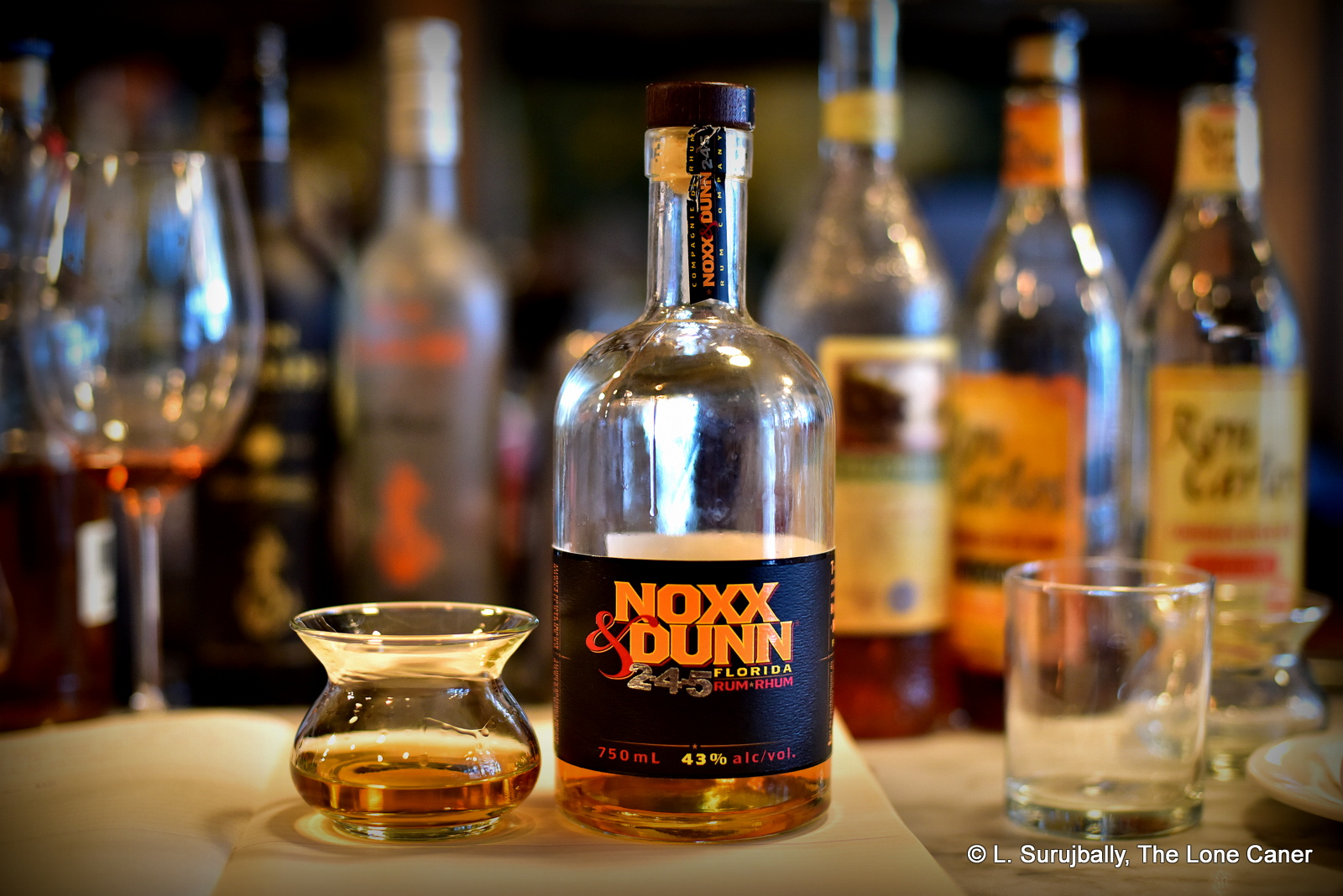

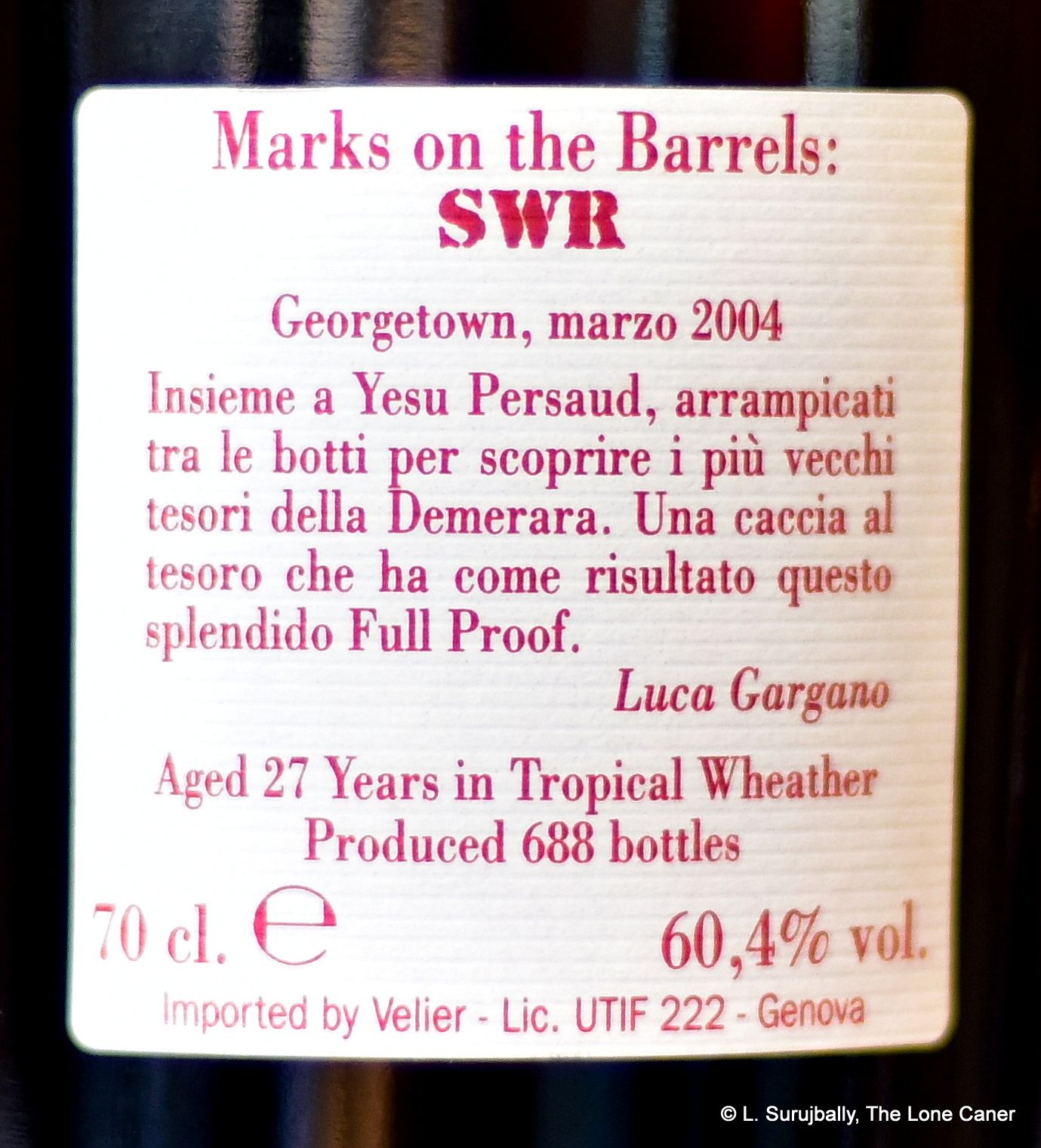
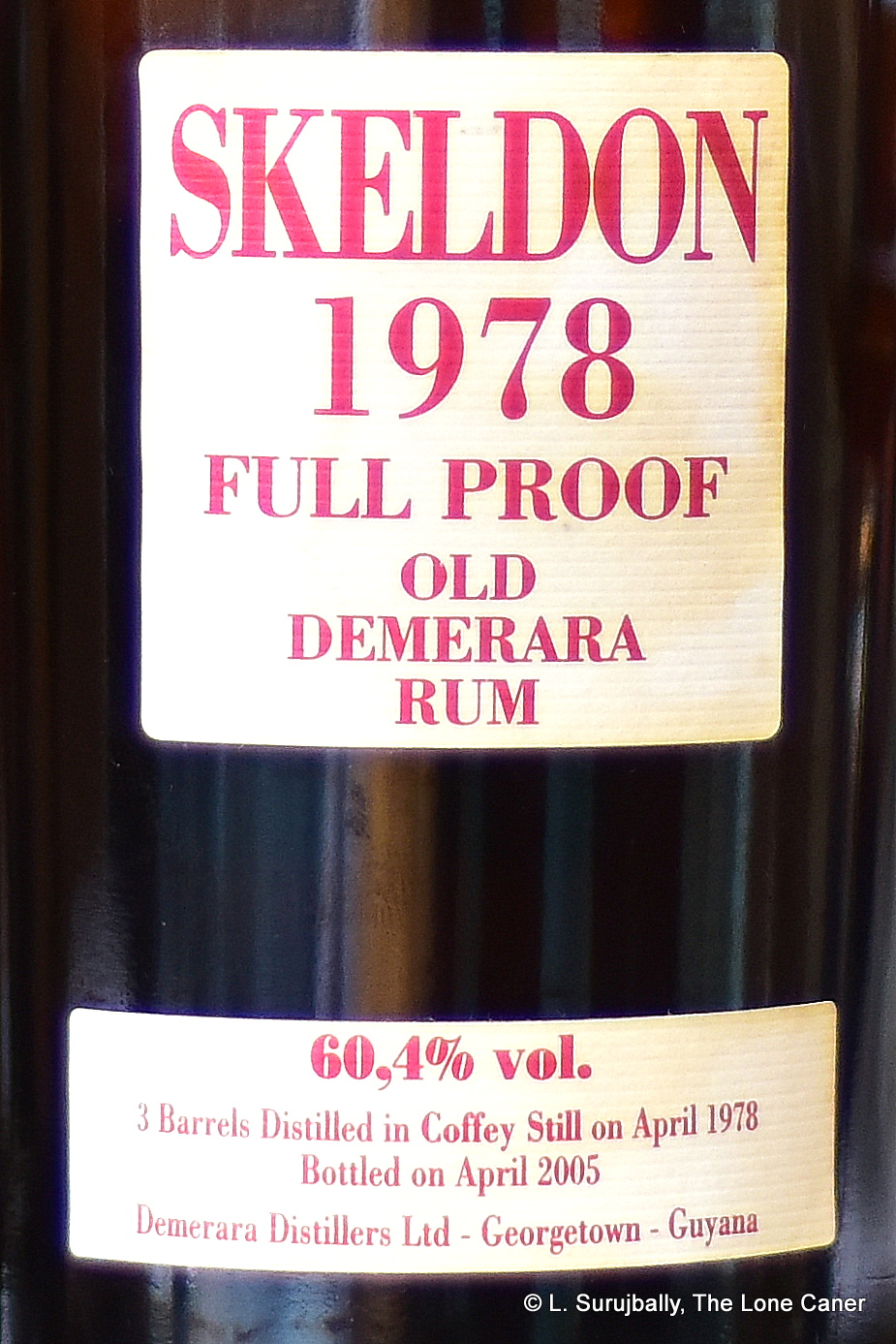 The history of the Skeldon 1978 bottling from a long-dismantled Savalle still is an odd one: the plantation is on the far eastern side of Guyana and the distillery has been shut down since 1960, though the original sugar factory’s remains continue to moulder away there, now replaced by a modern white elephant. It’s possible that the Savalle still which made it was taken elsewhere (Uitvlugt is the unconfirmed suspect) and this distillate hails from there rather than Skeldon — but certainly the “SWR” barrels ended up at Diamond, where Luca saw them gathering dust in the warehouse and convinced Yesu Persaud (the chairman of DDL at the time) to part with them. The 4-barrel 544-bottle outturn of the
  Although things at the Tasting were going faster than I was able to write (and listen), this was not a rum I wanted to be hurried with after waiting so long, and certainly it’s one with which to take one’s time. It unfolded gradually on the tongue, almost languorously and even at 60.4%, it was amazing how entirely under control it remained the entire time. Most of the tastes in the nose carried over, primarily anise, coffee and bitter chocolate, oranges, strong black tea, cumin, and that lentil soup / beef broth meatiness I remarked on earlier. But there were also more muted, subtler hints of papaya and fleshy fruits, aromatic tobacco, flambeed bananas and salty caramel. A rather dry note of over-roasted nuts came into play at the back end, a slight indeterminate bitterness (something like a manager who can never compliment your work without a closing criticism), but fortunately the muskier fruit and creamy notes ameliorated it for the most part. And while the finish was more a last bow on the stage than a true epilogue that added a few extra fillips of flavour, it was in no way disappointing, leaving me with a memory of coffee, nougat, salt caramel ice cream, fruits, raisins, licorice and light chocolate oranges.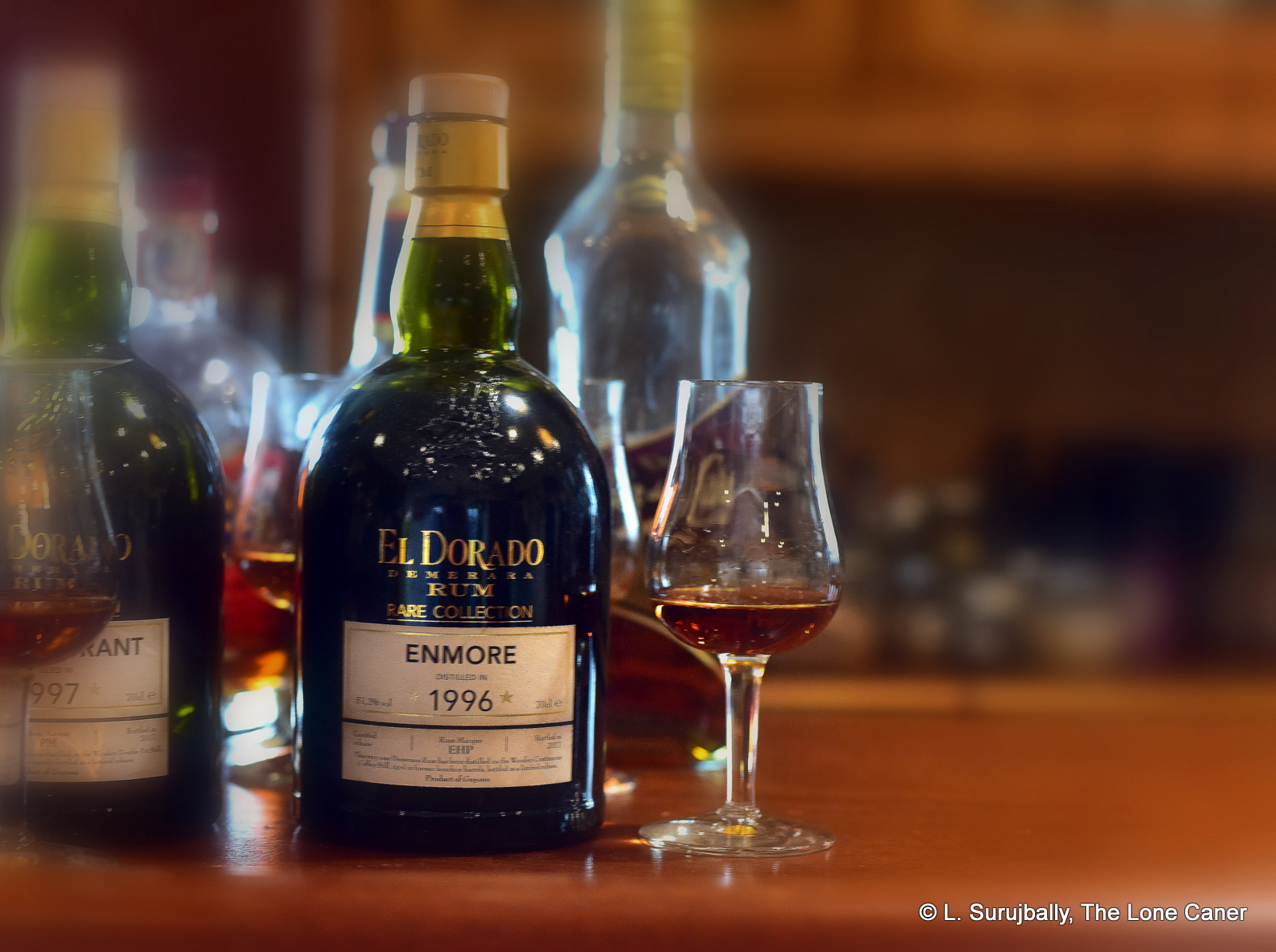
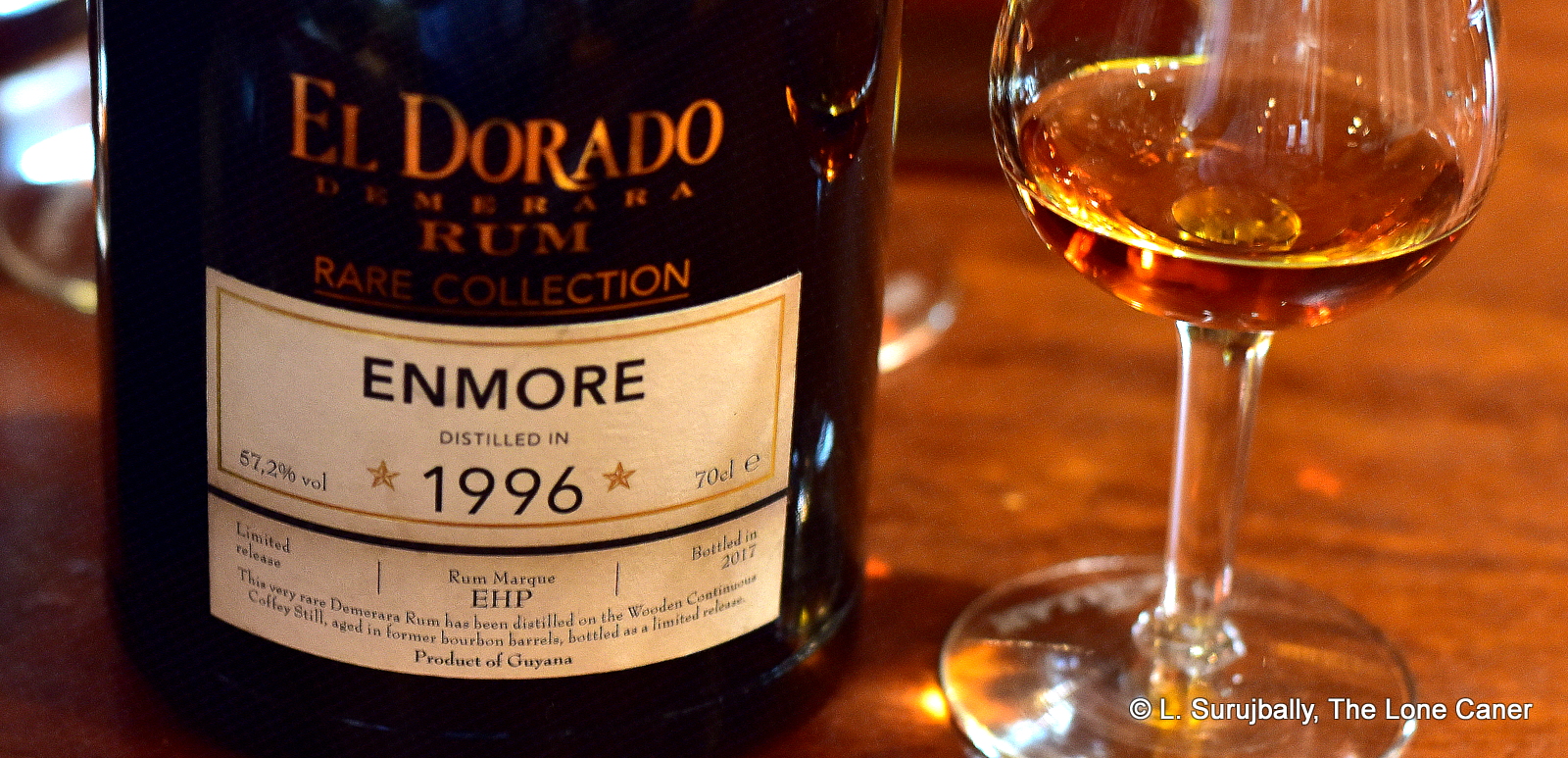
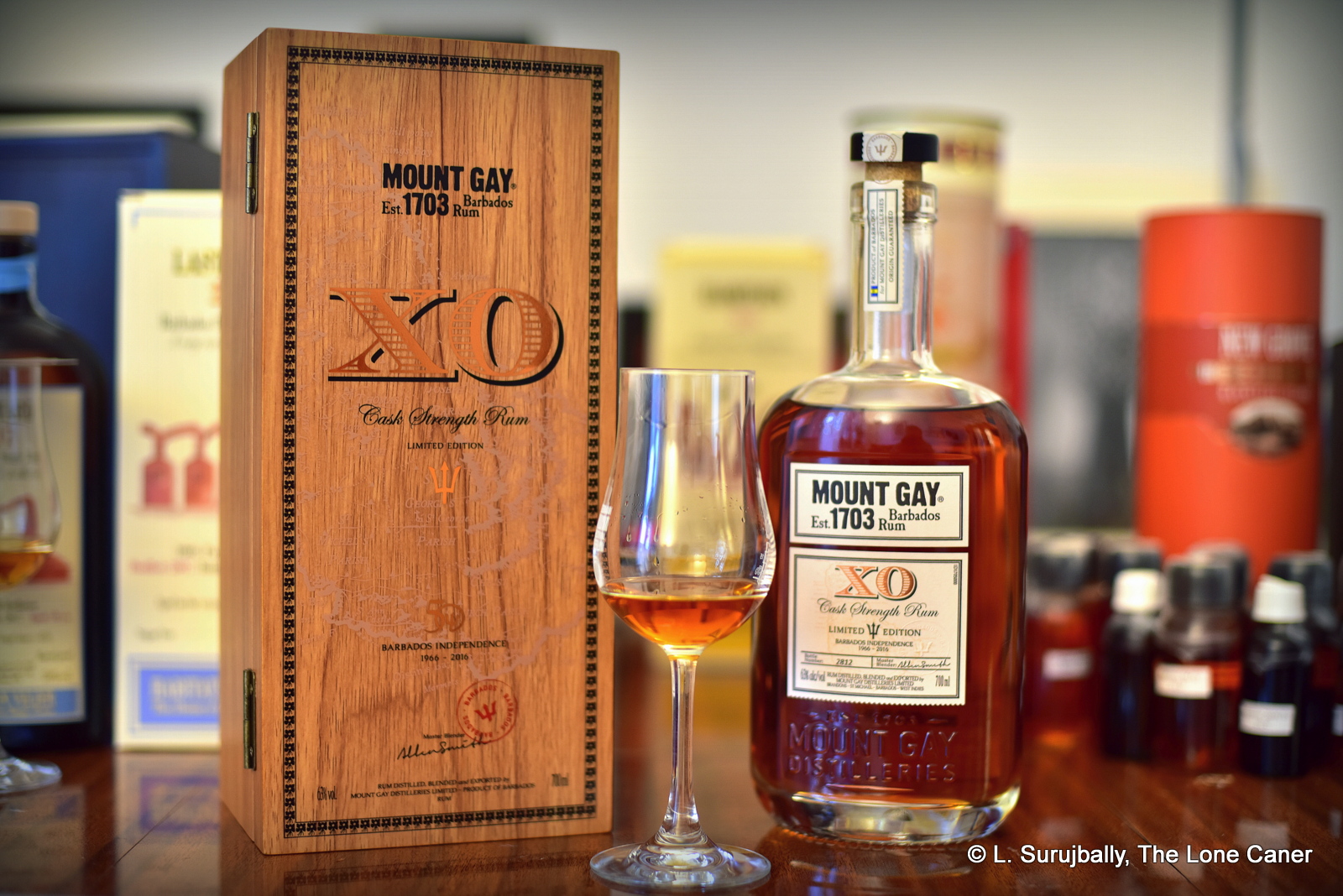
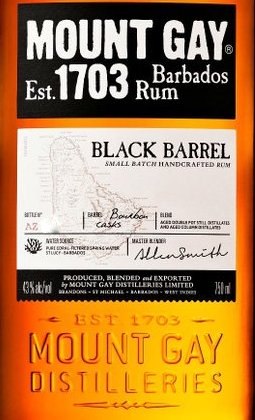
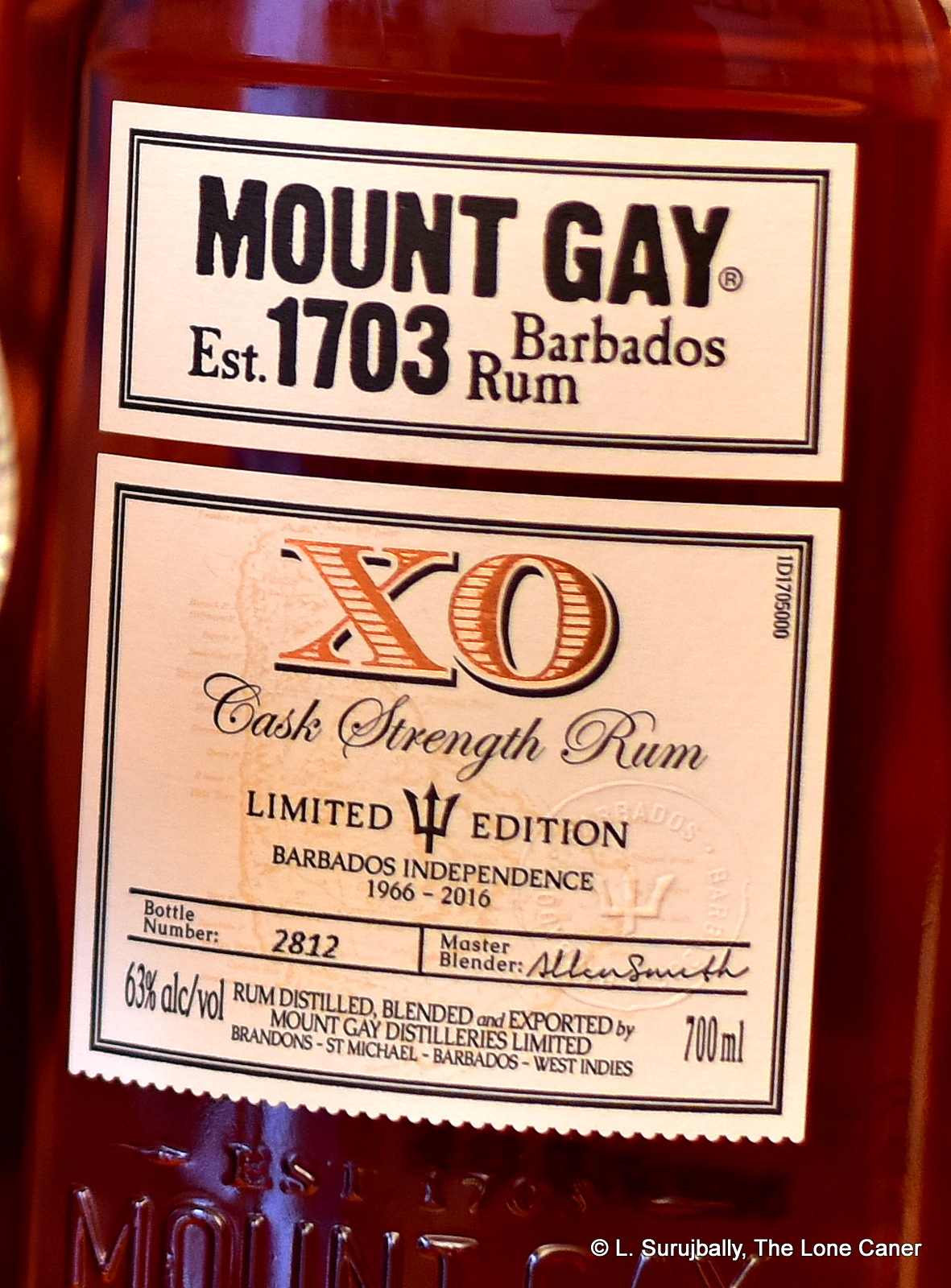 You can’t fault the presentation or the stats (though you might balk at the price). The ovoid bottle is nicely labelled with the bottle number and Allen Smith’s signature, comes in a handsome wooden box with a small booklet in it that speaks to the rum. It doesn’t state the outturn on the label, but it’s 3000 bottles, a rum to mark fifty years of independence though itself it is not that old, being a blend of pot and column still rums aged between 8-15 years old (just like the regular XO, even if one gets the impression that certain select barrels were chosen here). And of course the main selling point, the 63% ABV, Mount Gay’s first serious foray into these strong and dangerous rum currents.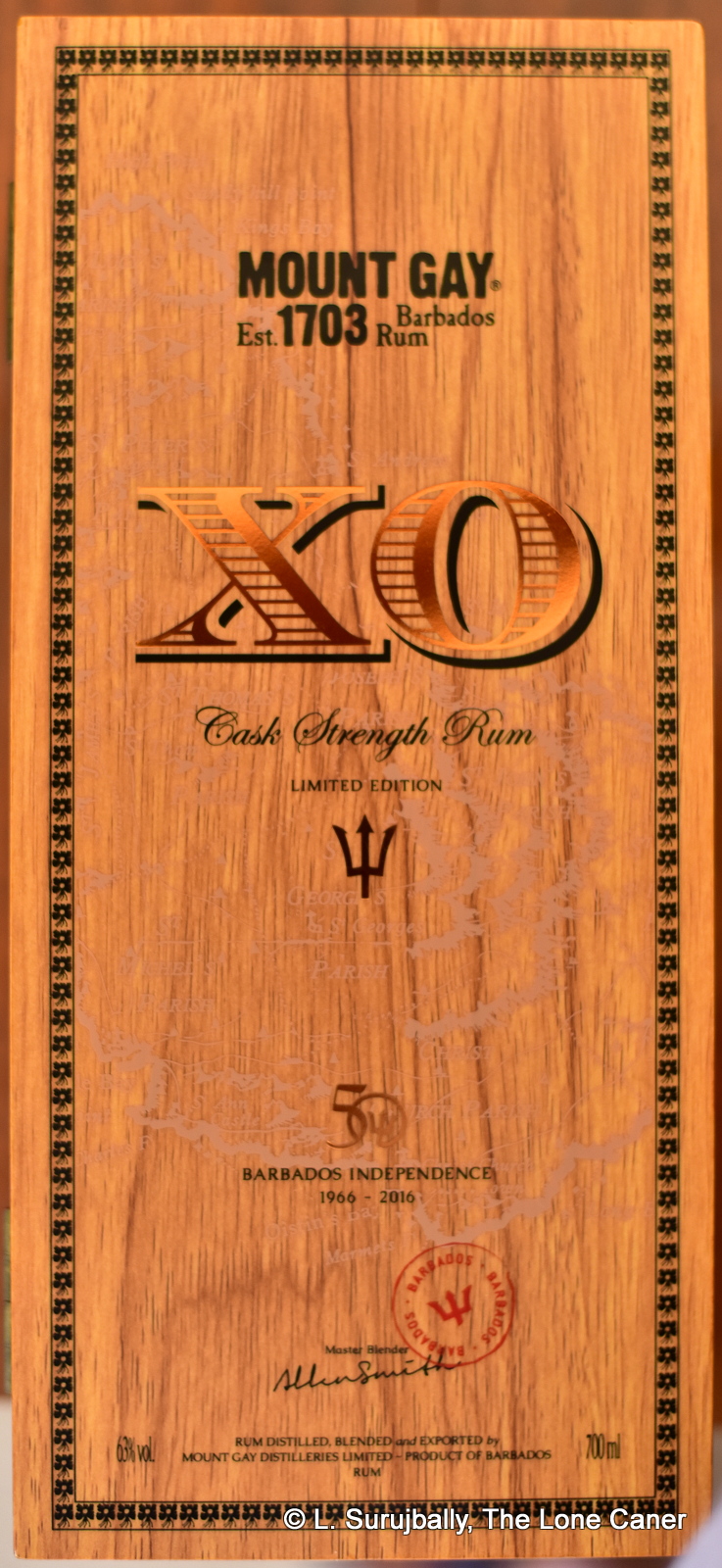
 Rumaniacs Review #083 | 0544
 Opinion
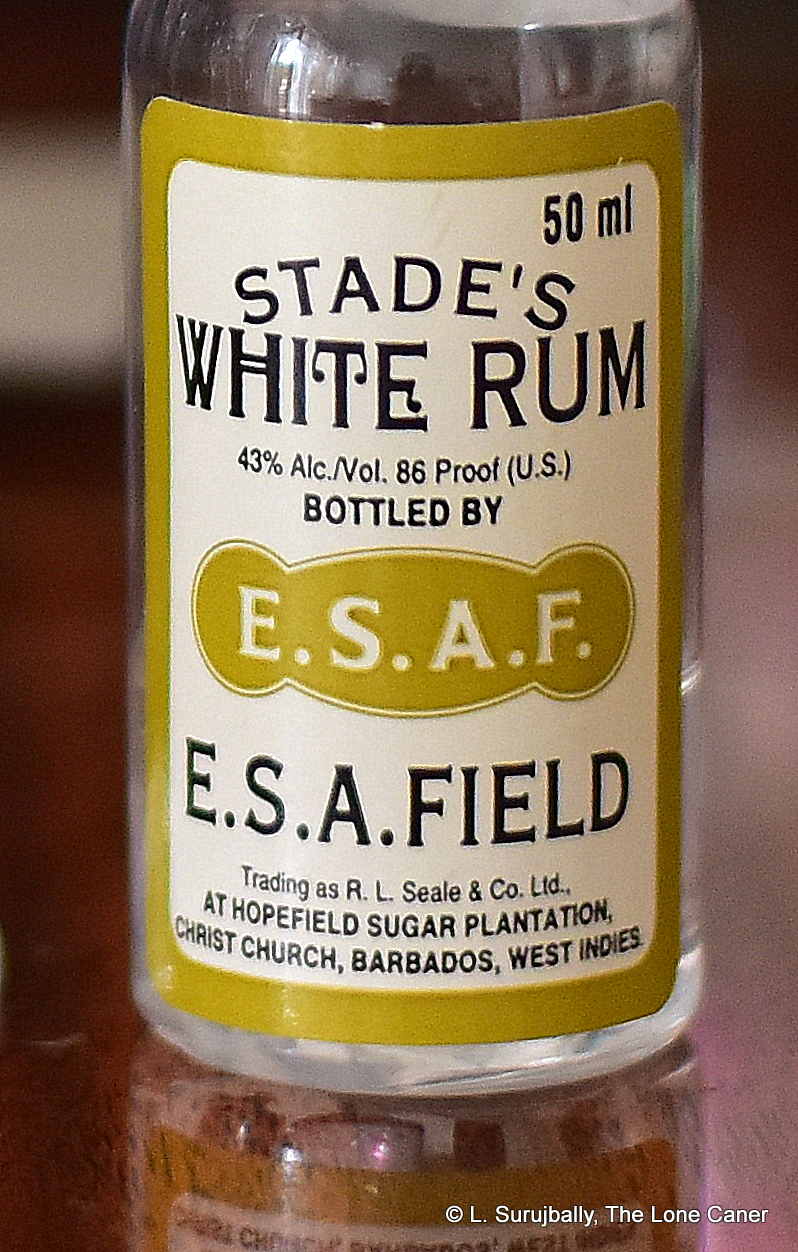
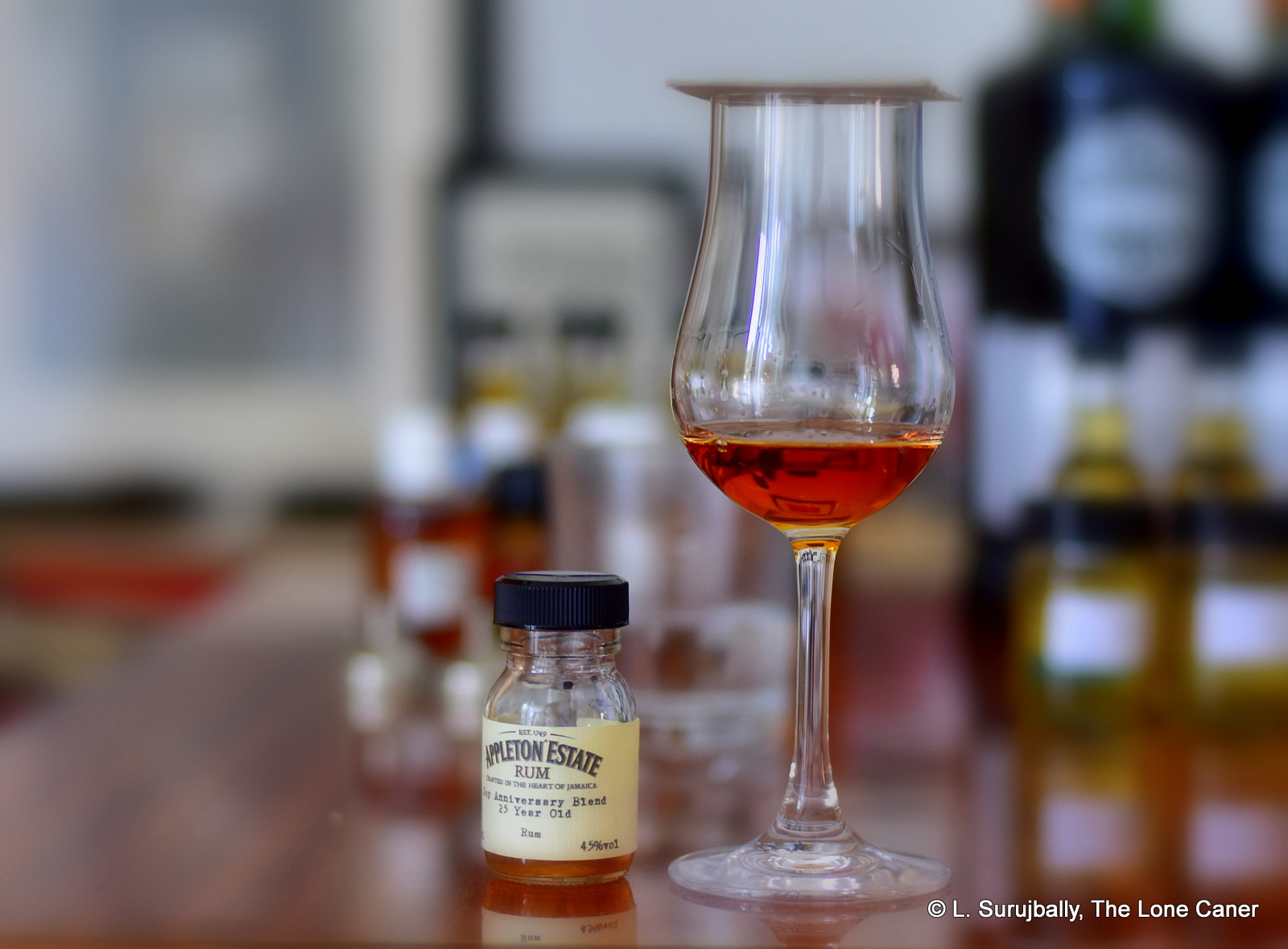
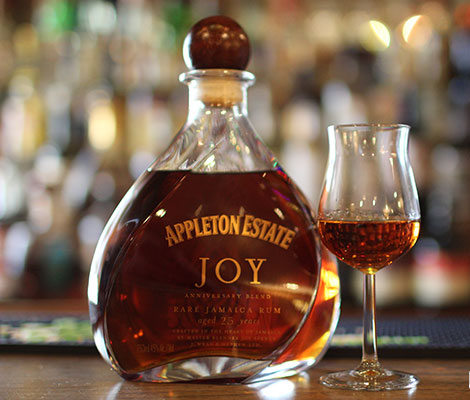
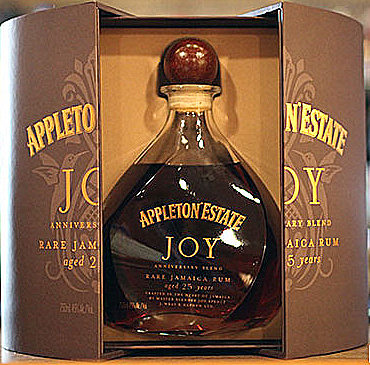
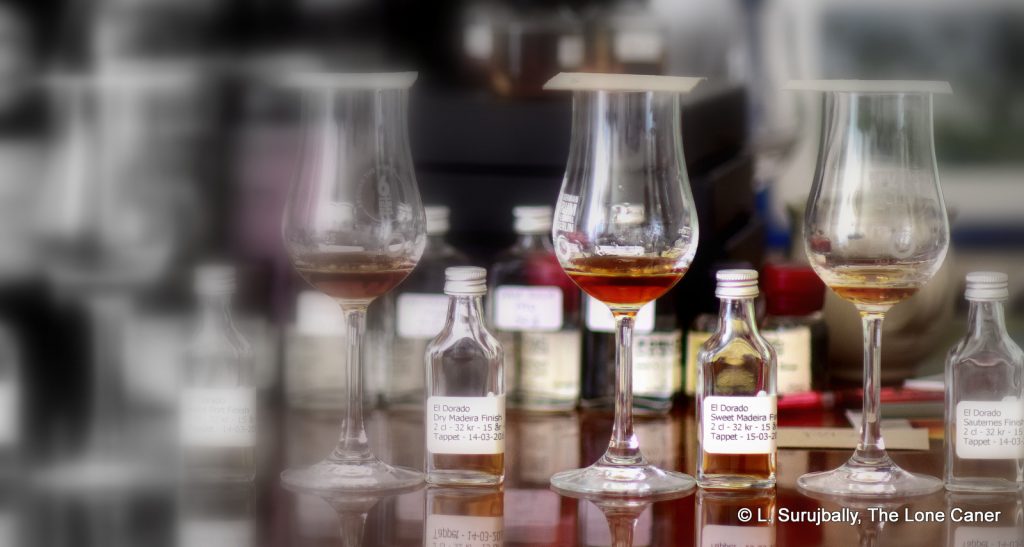
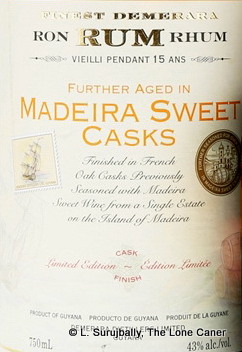 Nose – Leaving aside a slight sweetish note (which I suppose is to be expected, though still not entirely welcome), it noses relatively darker and richer and fruitier than just about all the others except the “Dry”…within the limits of its strength and mild adulteration. Peaches, raisins, cinnamon, cloves, caramel, peanut butter, cherries in syrup and candied oranges, even a little bitter chocolate. It’s all rather delicate, but quite pleasant.
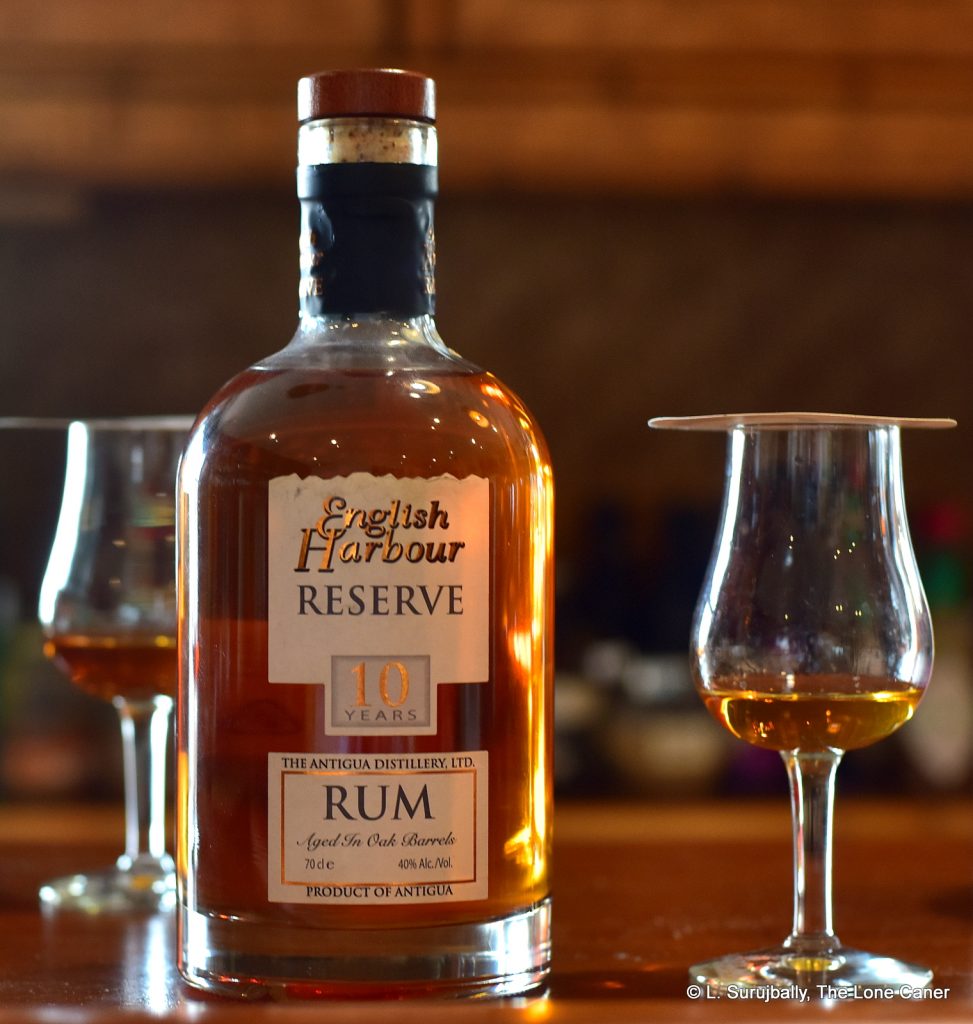
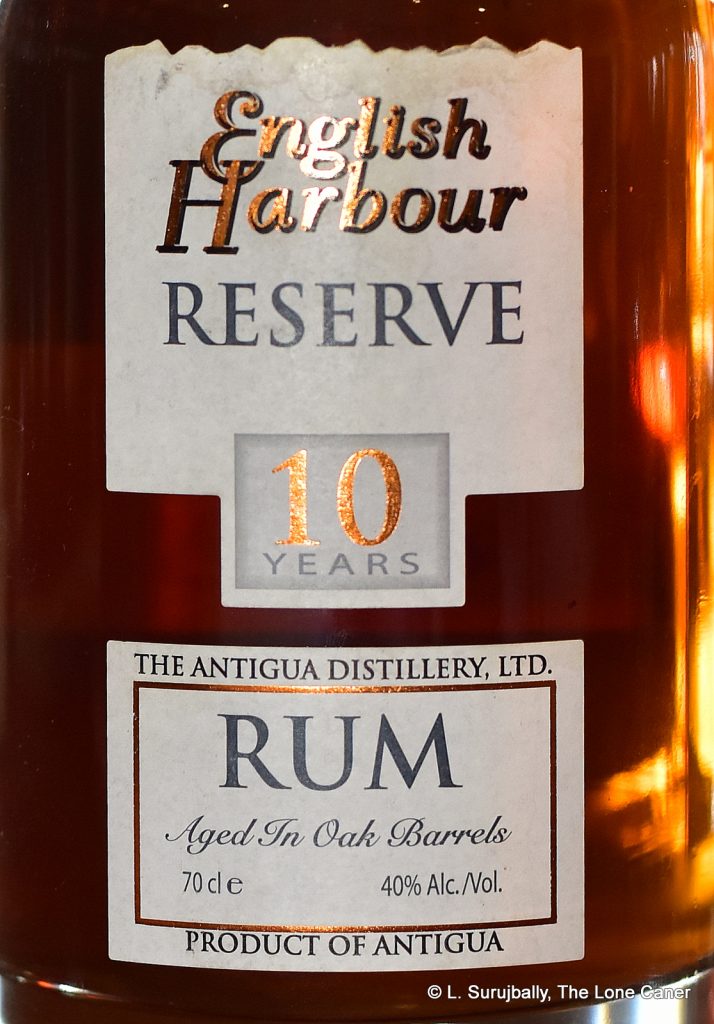 The nose begins with an astringent sort of dryness, redolent of burnt wood chips, pencil shavings, light rubber, citrus and even some pine aroma. It does get better once it’s left to itself for a while, calms down and isn’t quite as aggressive. It does pack more of a punch than the 25 YO, however, which may be a function of the disparity in ages – not all the edges of youth had yet been shaved away. Additional aromas of bitter chocolate, toffee, almonds and cinnamon start to come out, some fruitiness and vanilla, and even some tobacco leaves. Pretty nice, but some patience is required to appreciate it, I’d say.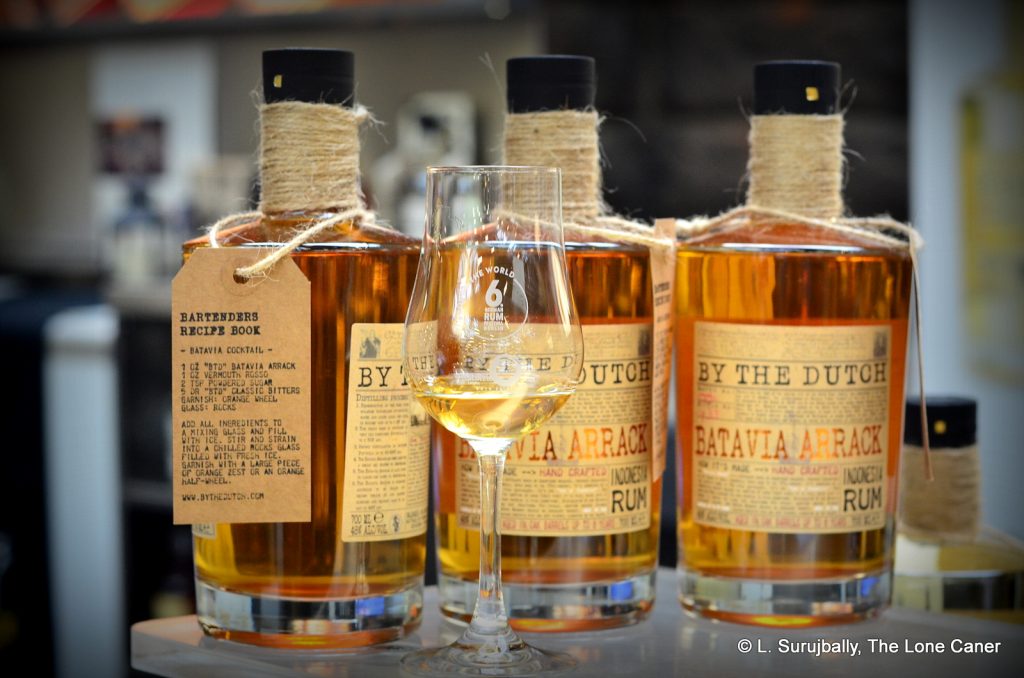
 Rumaniacs Review #080 | 0516
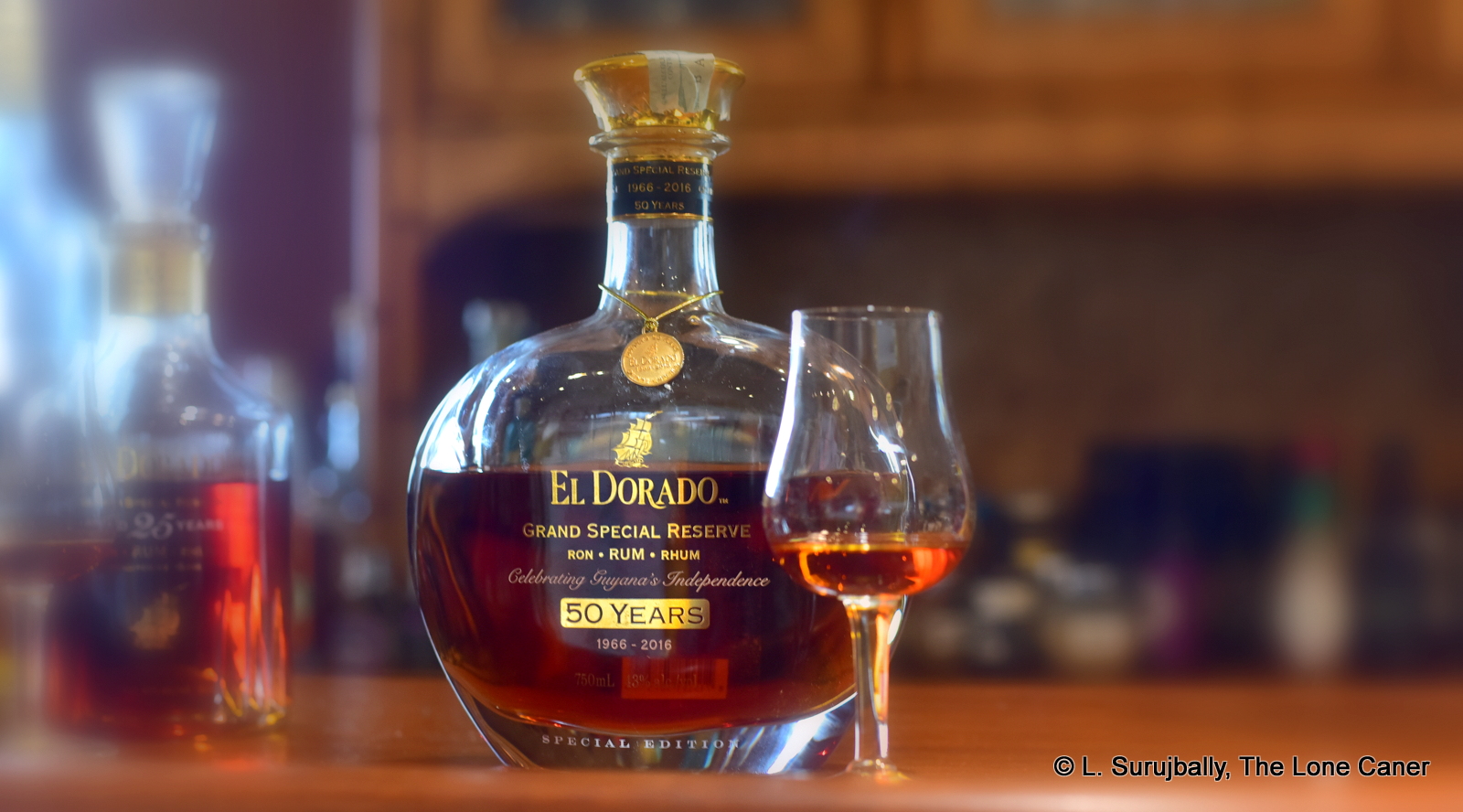
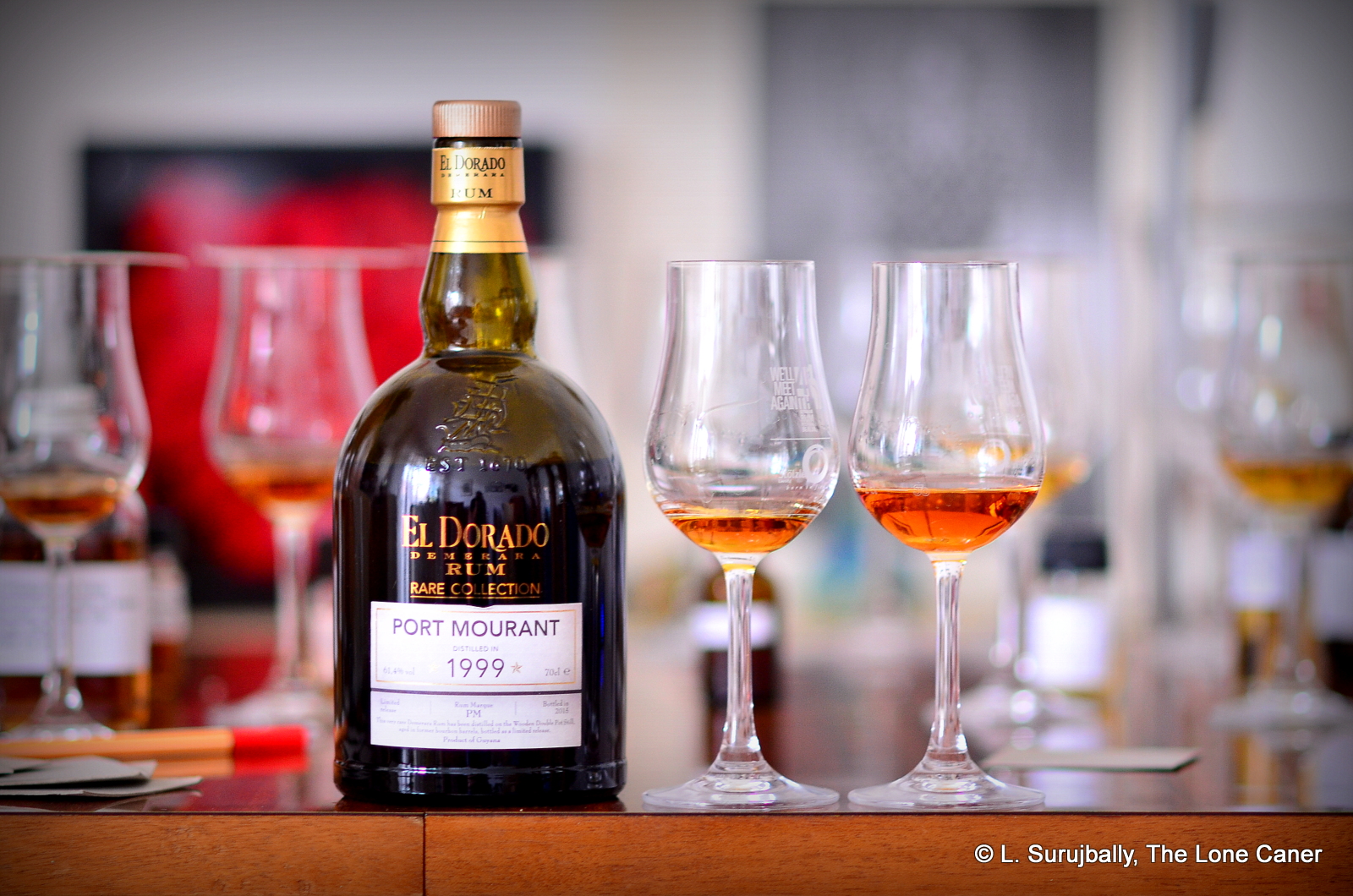
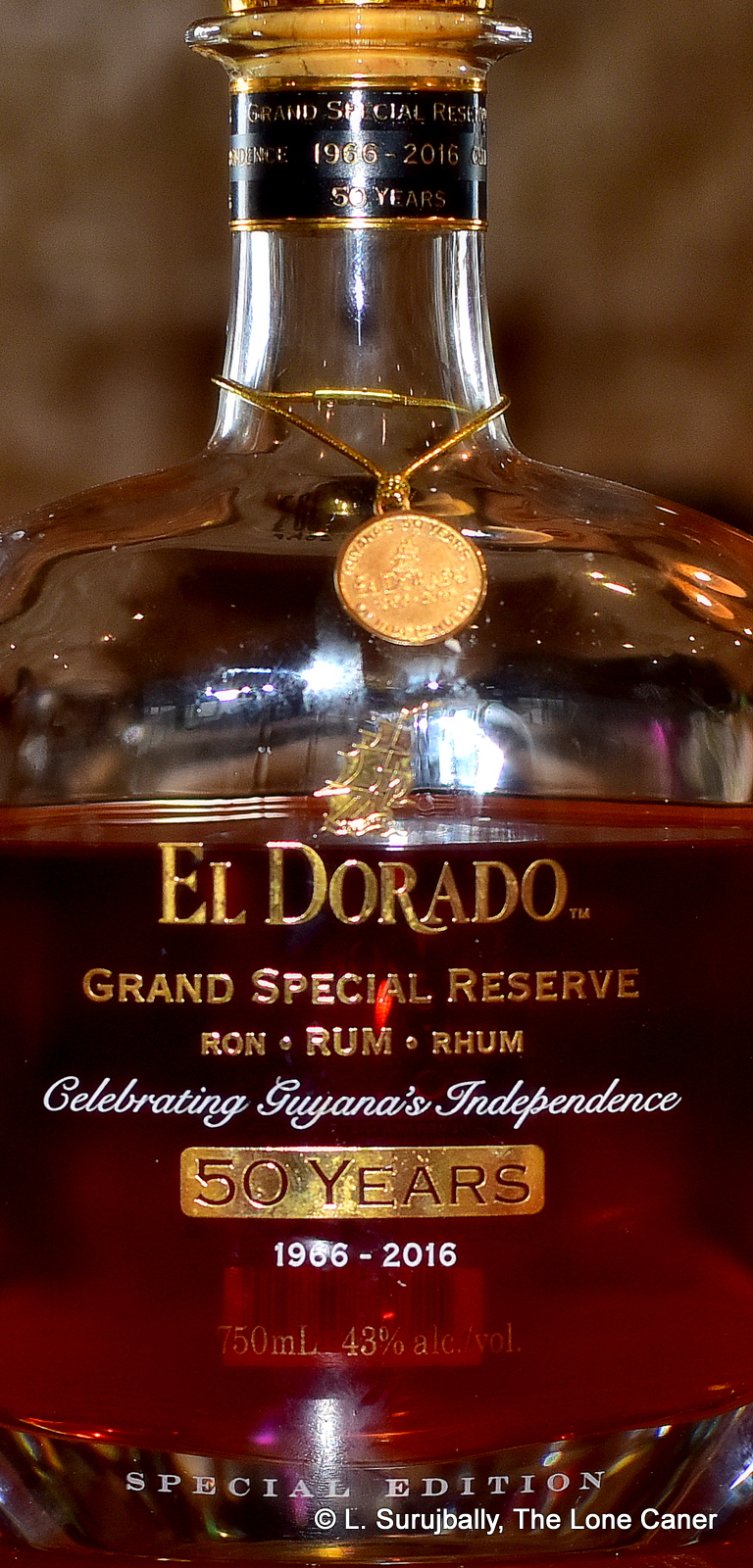 Which brings us to the El Dorado 50th Anniversary offering, with 600 produced bottles selling for a muscular US$3500 or so (each), and bottled at a less beefy 43%, meant to celebrate Guyana’s 50th anniversary of independence in 2016, just as the Appleton 50 did a few years earlier. It is not, as some websites state, a fifty year old rum (the bottle itself notes “50 years” in bold writing which doesn’t help) — by strict definition it is a 33 year old. The Whisky Exchange, which I have no reason to doubt, notes it as being a blend of rums: 65% from 1966, 25% between 1966 and 1976 and another 10% from 1983….so the idea that each of these aged components is from a specific still is likely to be a reasonable assumption (I’ve cobbled together various sources on the parts of the blend in “other notes” below).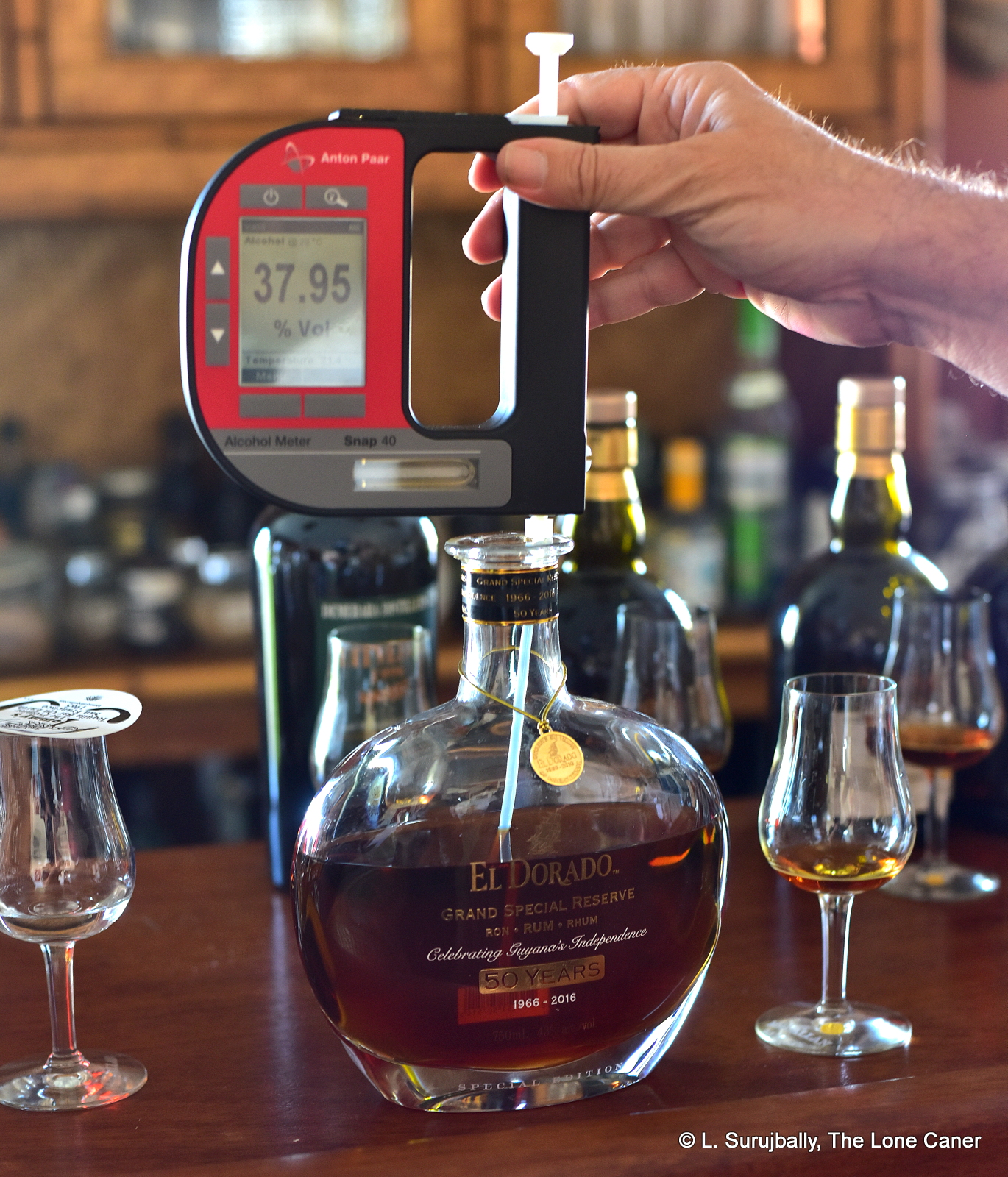
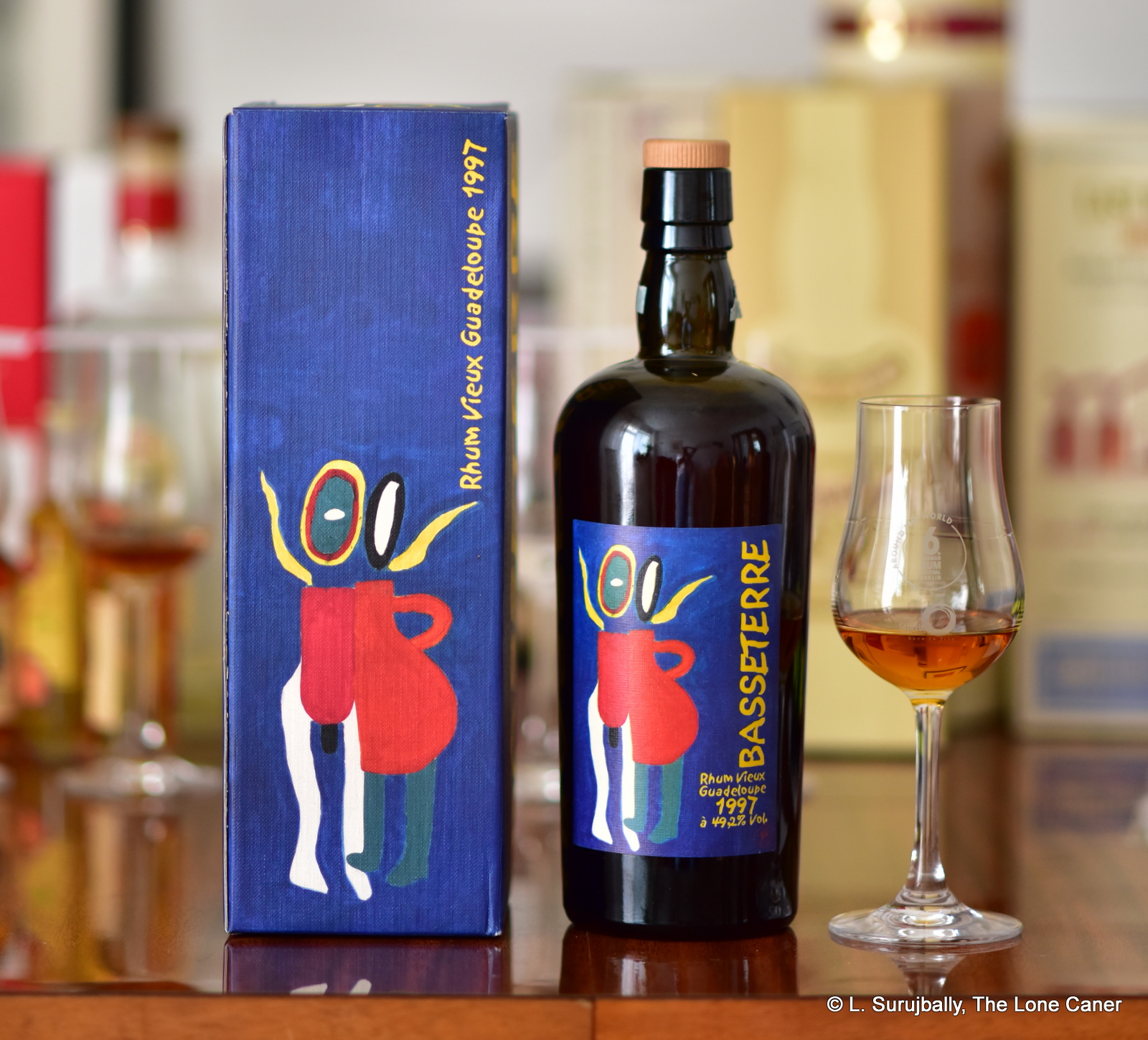
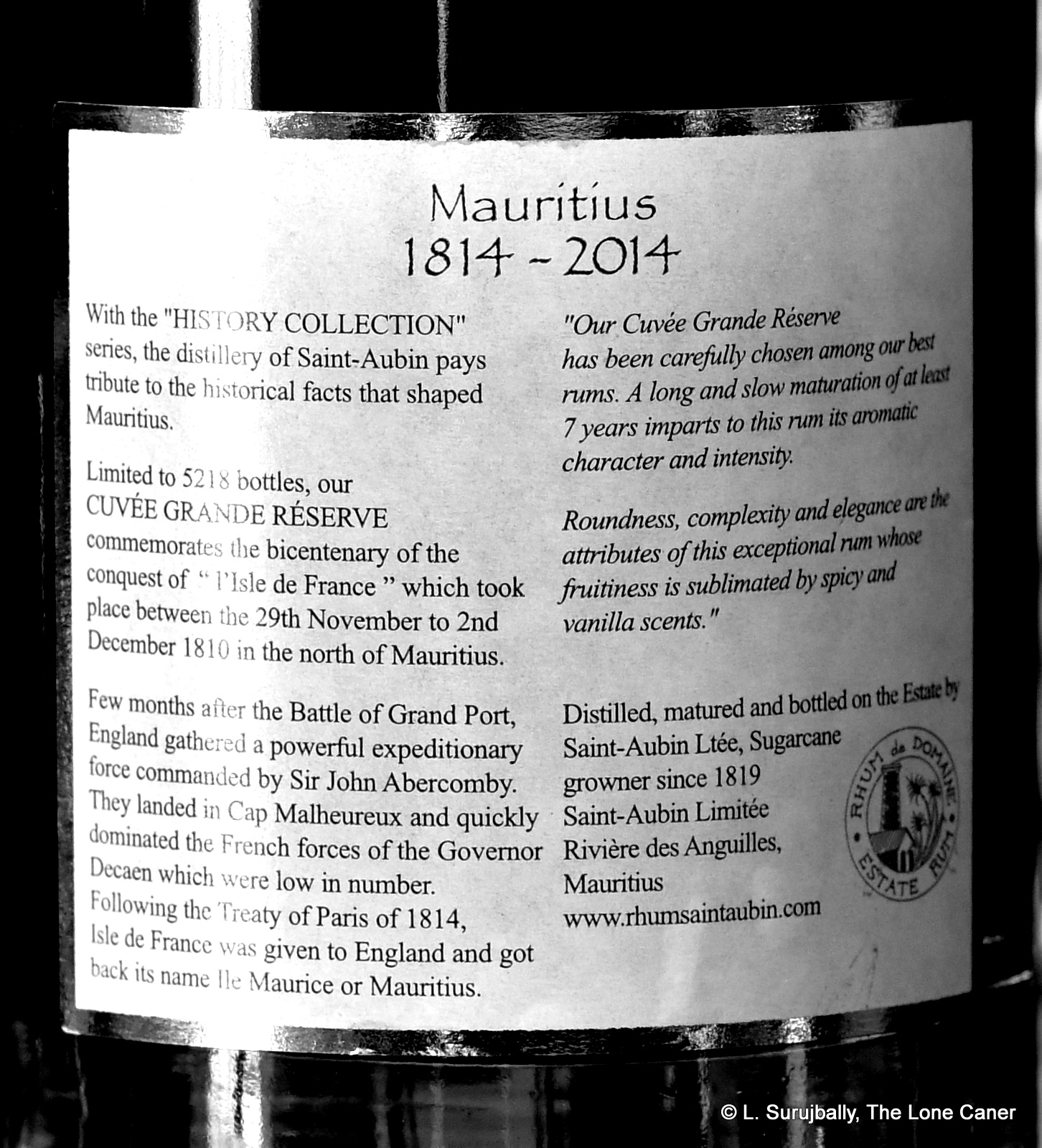
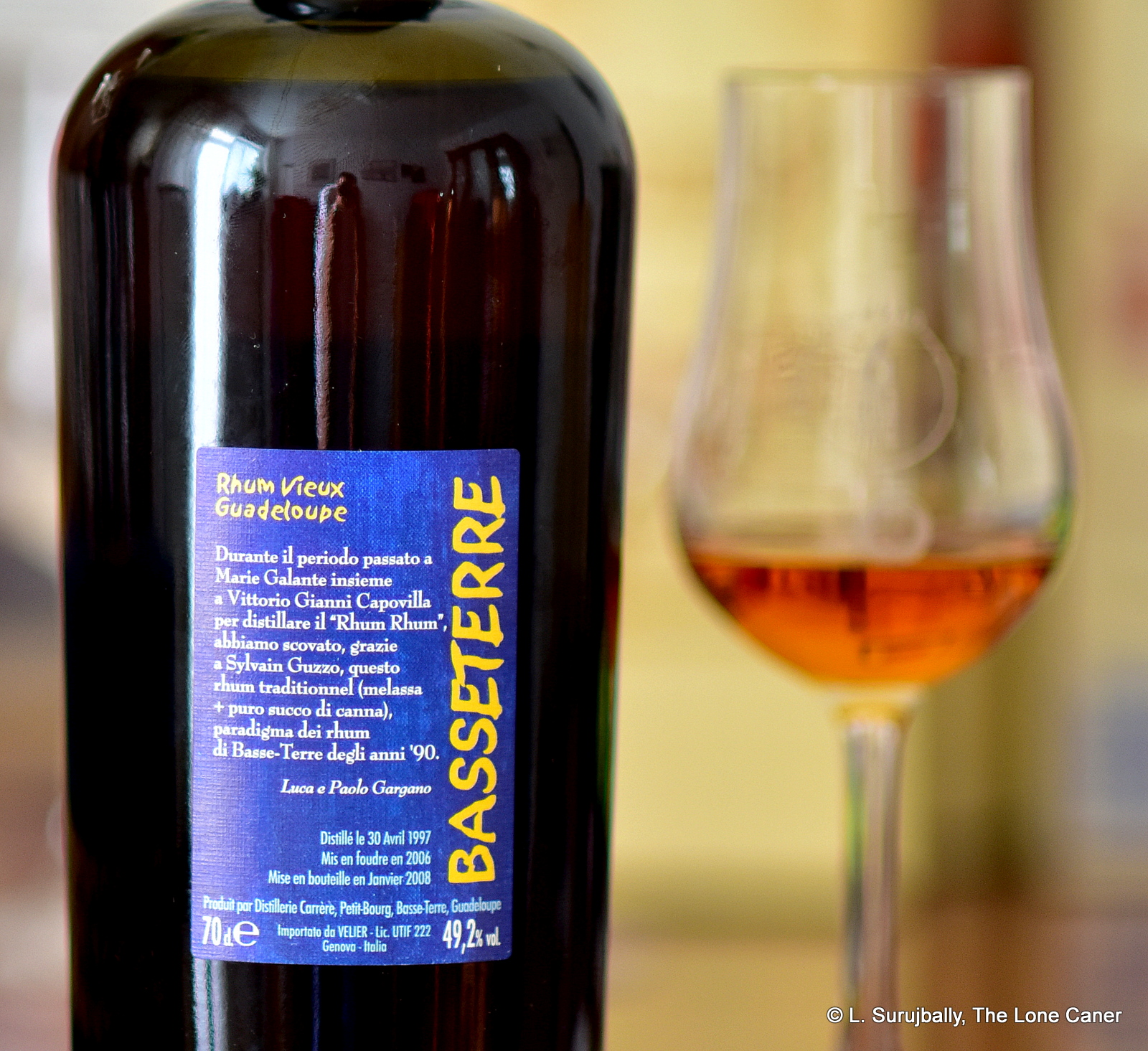 Anecdotes aside, what have we got here? A Guadeloupe column-distilled 49.2% ABV rhum from the Carrere Distillerie more commonly called Montebello, located just a little south of Petit Bourg and in operation since 1930. Curiously, it’s a blend: of rhum agricole (distilled from cane juice) and rhum traditionnel (distilled from molasses). Aged…well, what is the age? It was put in oak in 1997 then taken out of the barrels in 2006 (again, just like the 1997 edition) and placed in an inert vat until 2008 for the two divergent strains to marry. So I’m calling it a nine year old, though one could argue it sat for 11 years even if it was just twiddling its thumbs for two. And as noted above, there’s a reason why Sylvain’s name is on the back label, so now you know pretty much the same story as me.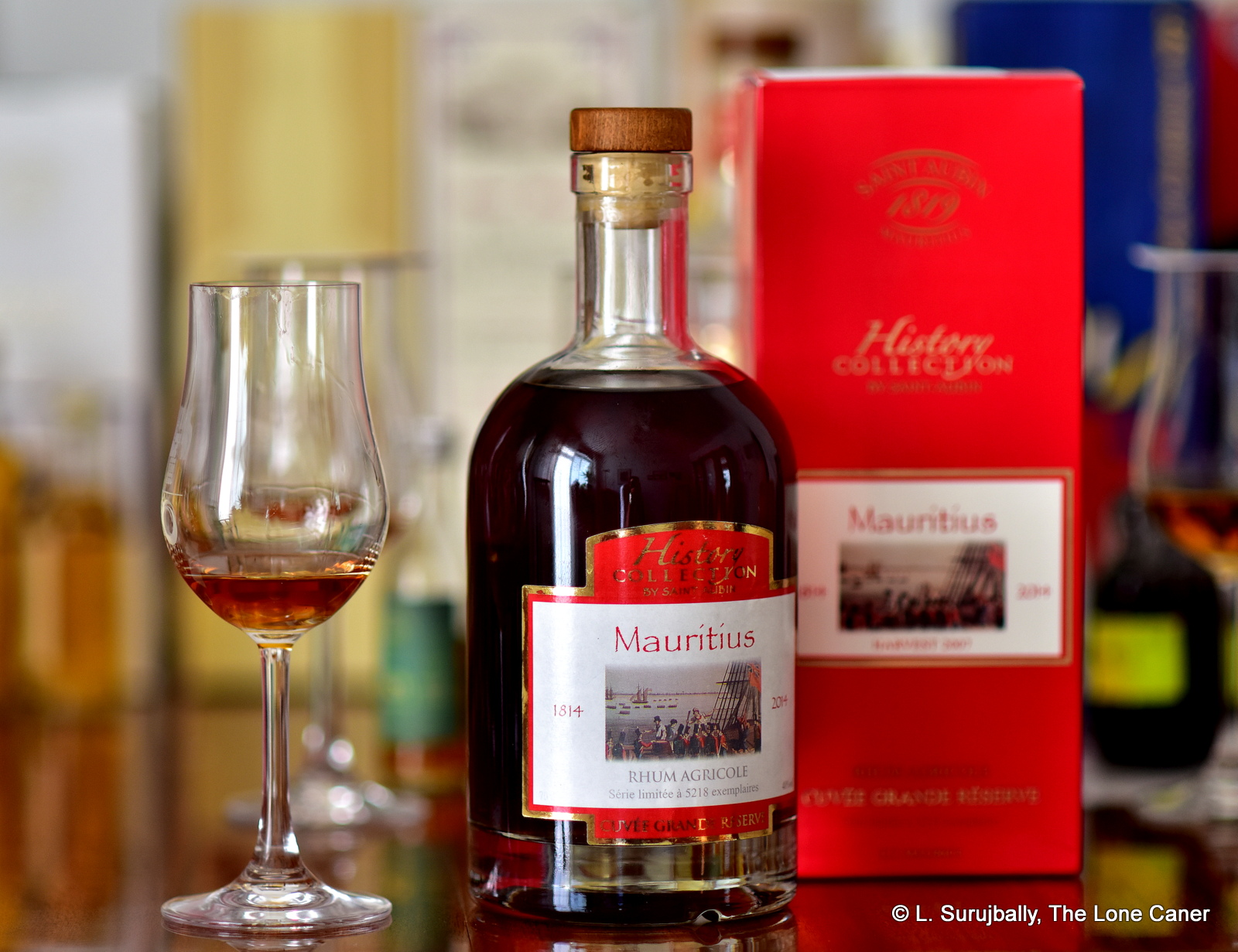
 The nose told a tale that would be repeated right down the line, and what I smelled was pretty much what I tasted, with a few variations here and there. It was light and clean, yet displaying darker, muskier spicier notes as well: vanilla, coffee, licorice and some sharp tannins, with the musty long-disused-attic tastes remaining. Some fruits – peaches and cherries for the most part – stayed in the background. The core was anise and sawdust and unsweetened chocolate, and overall it presented as somewhat dry. Quite nice — if it fell down at all it was in the finish, which was more licorice and chocolate, thin tart fruits (gooseberries perhaps) and after a few hours, it took on a metallic tang of old ashes doused with water that I can’t say I entirely cared for.