Let’s start at the beginning. Skotlander rum is not made in Scotland, but in Denmark, for the very good reason that the founder, Anders Skotlander, is a Dane with the name. Denmark has long been known (to me, at any rate) as home of some of the most rum-crazy people in Europe, and Anders decided to walk the walk by actually creating some of his own, in 2013. He purchased a Müller copper pot still, sourced sugar cane molasses and in 2014 released 1000 bottles of RUM I, a white, at 40%. It promptly won a gold medal at the Miami rum festival that year; and in 2015, where both RUM I and an infused RUM III were entered, the former won Best in Class White Rum, and the latter a gold for Premium White (alongside Plantation 3 and Nine Leaves Clear, which says something about the categorization of whites in those more loosely defined times).
In the year since then, Anders Skotlander has pushed to stay not only relevant but original. He has sourced molasses and cane juice from around South America, experimented with different barrels, has used unusual storage places (like a bunker, or a century old schooner) to chuck those barrels, and has expanded the range to include spiced and botanical rums, whites, aged rums, agricole rums and even high ester rums. He’s up to Skotlander 10 right now (a 59.5% blend) and the website provides an enormous amount of information for each. And the labels, informative as they are, are masterpieces of Scandinavian minimalism which make some Velier labels seem like over-decorated roccoco indulgences in comparison.
 Rums made from scratch by some small new micro-distillery in a country other than the norm are often harbingers of future trends and can bring – alongside the founders’ enthusiasm – some interesting tastes to the table, even different spirits (<<cough>> ‘Murrica!!). But Skotlander, to their credit, didn’t mess around with ten different brandies, gins, vodkas, whiskies and what have you, and then pretended they were always into rum and we are now getting the ultimate pinnacle of their artsy voyage of discovery. Nah. These boys started with rum, bam! from eight o’clock, day one.
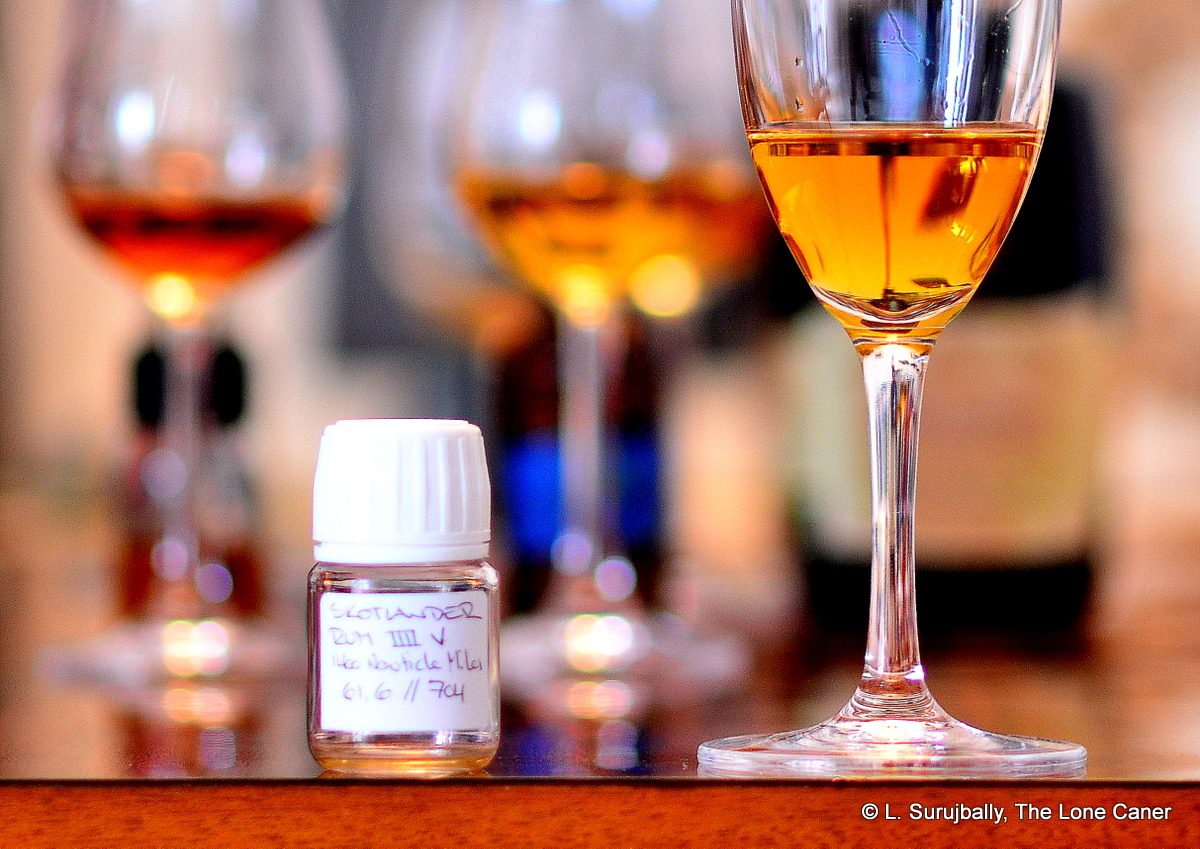
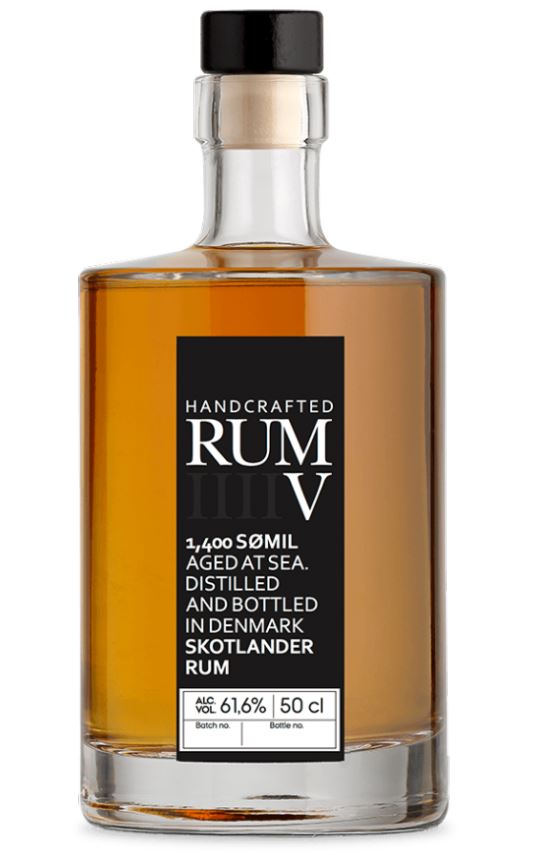
Which, after this long preamble, brings us to the very interesting Skotlander RUM V Batch #1 (1400 sømil), a rum made from molasses sourced in Brazil which are fermented for thirty days (in Denmark), pot still distilled (also in Denmark), aged in four PX barrels onboard the schooner “Mira” for about a year during which it sailed 1400 nautical miles (get it?) and then 704 bottles were unleashed on an unsuspecting public in 2016 a muscular 61.6% ABV.
At that proof point you can expect, and you get, serious intensity. The nose is really hot and spicy – clearly it spend the entire voyage happily sharpening its fangs. It is clean and snarly, presenting a profile nothing like a Cuban, Bajan, Mudland, or Jamaican rum. It has fruits, yes, deep, dark orange and red-purple ones: black and red grapes, apples, unripe prunes and apricots, red grapefruits, though sorting them out is a near-impossibility. It also smells of smoke, dusty hay, a touch of vanilla and brown sugar, molasses, salted caramel – if I had to guess blind I’d say it resembles a pot-still, jacked-up St. Lucian or Saint James more than anything else.
After the near-hysterical clawing of the aromas, the palate calms down somewhat. It remains sharp – at that strength, how could it not? – and drips with the winey, sherry-influenced flavours. Red grapes, grapefruit again, tart apples. There is also some caramel, candied oranges and truffles (!!), with crisp cider and citrus notes dominating…but not entirely successfully. Really, I wrote with some amused bewilderment, “…this is like a barely aged seriously overproofed agricole mixing it up with a Guyanese High Wine”. It does have a lot going on — subsequent sips at the glass, with and without water, evidences stewed apples, fruit salad, watermelons, pineapples, strawberries, so a fair bit of esters in here. This is also evident on the close, which, while long and fragrant with candied oranges, salt caramel, smoke, vanilla and pineapples, lacks neat balance between the salt, sweeet, musky, crisp and tart elements.
I write a lot about “distinctiveness” and “uniqueness” in assessing both familiar and unfamiliar rum houses’ offerings. This has it – to an extent. You can sense an really cool and original product coming into focus, even as it takes care not to skate too far to the edges of what is known and understood. But it does kind of mash untidily together, and the complexity it could be showcasing more successfully gets lost, even muddled as it careens heedlessly from one profile to the next. You could taste it several times and each time your interpretation would be slightly different, which in this case is both a recommendation and a cautionary heads-up. It’s a bold and interesting rum by my standards, however, and on that basis, even if I’m late to the party, I think I’ll keep my eye on the company, and go find me some more to try.
(#764)(82/100)
Other notes:
- The Rum Renaissance gold medal awarded in 2014 was second prize (platinum is first), and was won for being “Best In Class” for white rum. At the time white rums were not stratified between aged or unaged, filtered or not, pot or column, and there are no records how many other rums were judged in that category. Still, for a rum not even in existence a year before, that’s not a bad showing given it was up against all other white rums, and not a subclass.
- Skotlander V Batch #2 is slightly older, about two years, released around 2018, aged on the same schooner while it sailed for 2200 nautical miles. The same emptied ex-sherry ex-Batch 1 barrels were reused.
- Here’s a chocolate-voiced promo video about Skotlander
- Thanks to Gregers and Henrik, the Danes who twigged me on to this company and their rums.
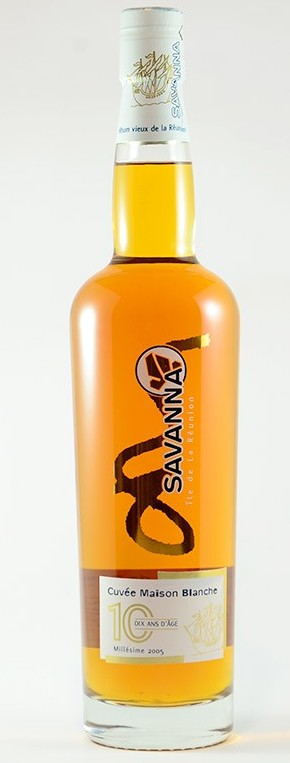 Savanna’s 2005 Cuvée Maison Blanche 10 Year Old rum, in production since 2008 is a companion to the 2005 10 YO Traditionnel and a somewhat lesser version of the superb
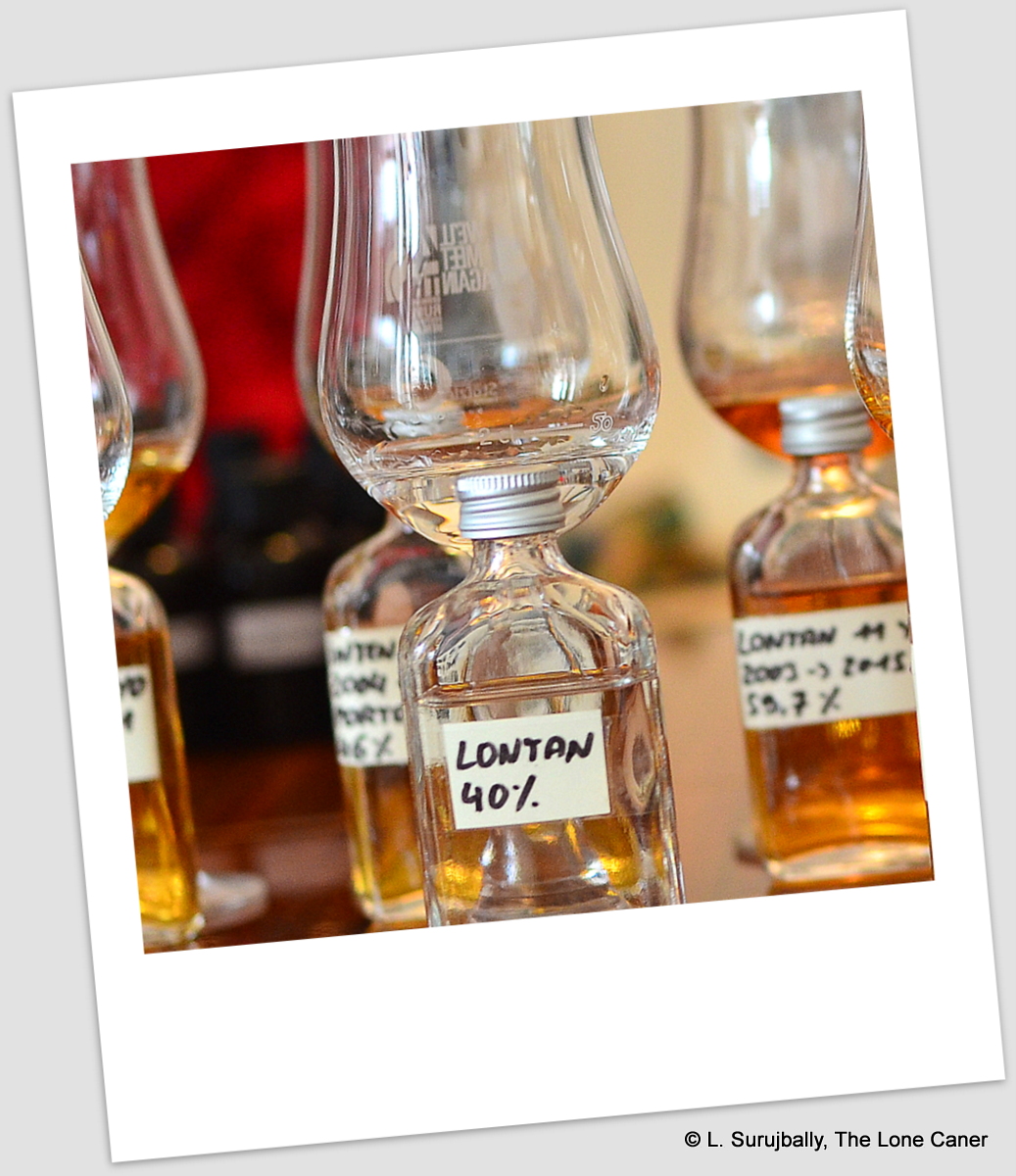
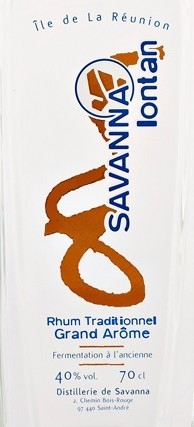 The word “Lontan” is difficult to pin down – in Haitian Creole, it means “long” and “long ago” while in old French it was “lointain” and meant “distant” and “far off”, and neither explains why Savanna picked it (though many establishments around the island use it in their names as well, so perhaps it’s an analogue to the english “Ye Olde…”). Anyway, aside from the traditional, creol, Intense and Metis ranges of rums (to which have now been added several others) there is this Lontan series – these are all variations of Grand Arôme rums, finished or not, aged or not, full-proof or not, which are distinguished by a longer fermentation period and a higher ester count than usual, making them enormously flavourful.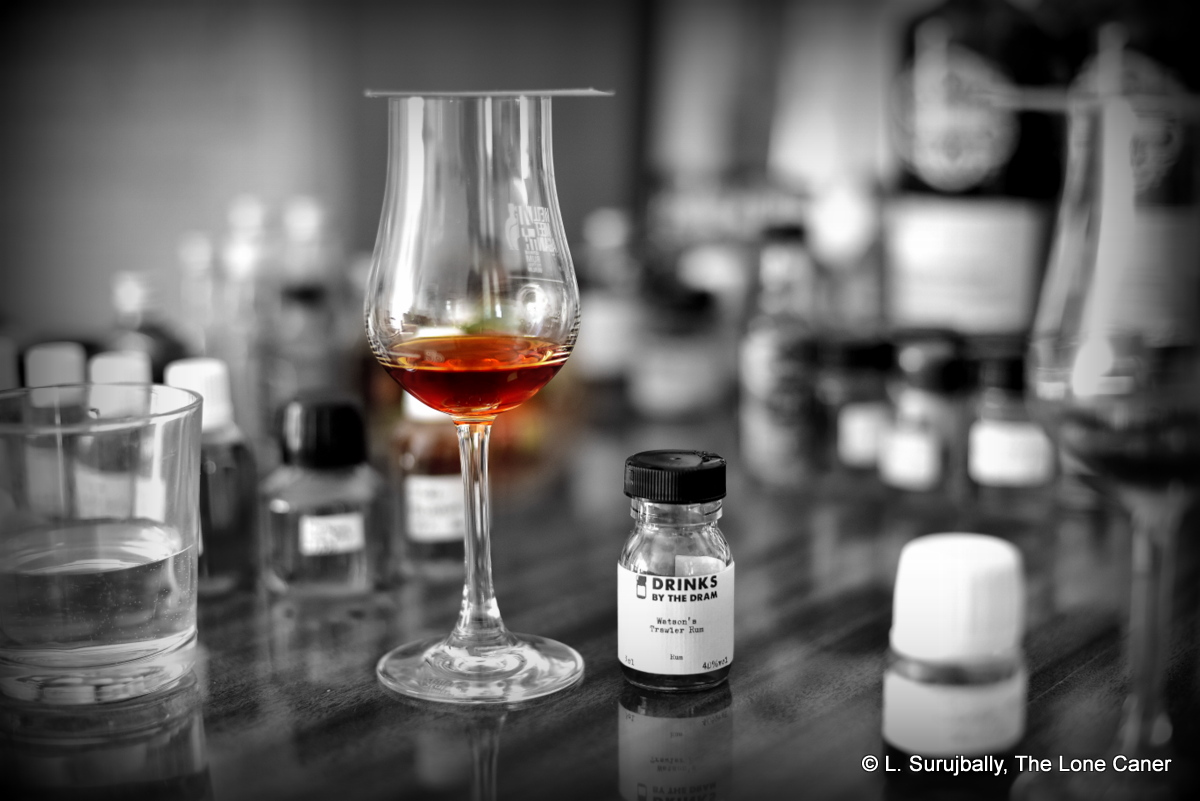
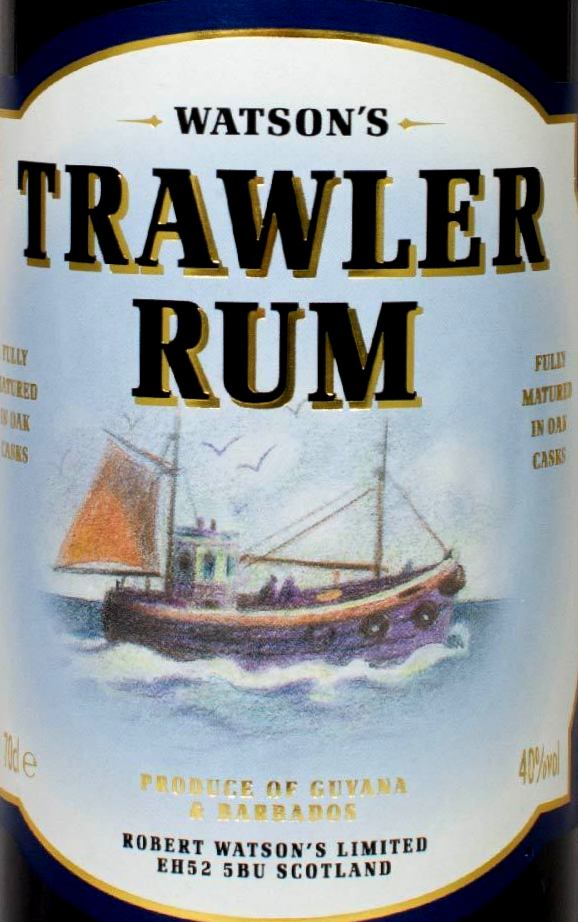 Watson’s Trawler rum, bottled at 40% is another sprig off that branch of British Caribbean blends, budding off the enormous tree of rums the empire produced. The company, according to Anne Watson (granddaughter of the founder), was formed in the late 1940s in Aberdeen, sold at some point to the Chivas Group, and since 1996 the brand is owned by Ian McLeod distillers (home of Sheep Dip and Glengoyne whiskies). It remains a simple, easy to drink and affordable nip, a casual drink, and should be approached in precisely that spirit, not as something with pretensions of grandeur.
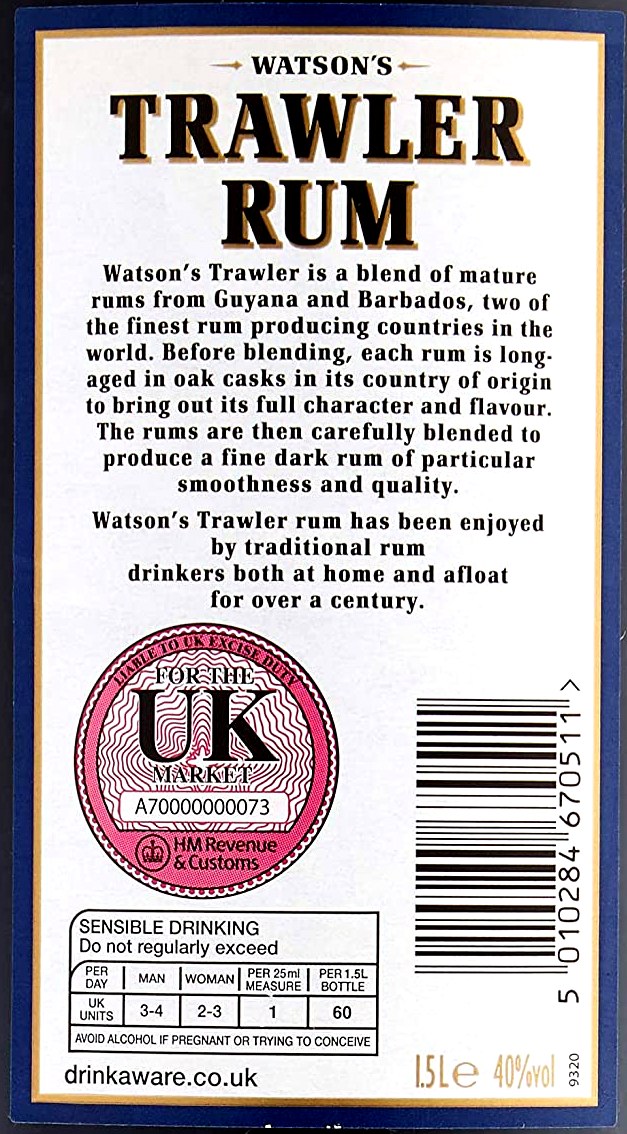 It’s in that simplicity, I argue, lies much of Watson’s strength and enduring appeal — “an honest and loyal rum” opined
 Rumaniacs Review #120 | 0757
 Colour – Gold
 Rumaniacs Review #119 | 0756
 Colour – Dark gold
 Rumaniacs Review #118 | 0755
 Colour – Mahogany
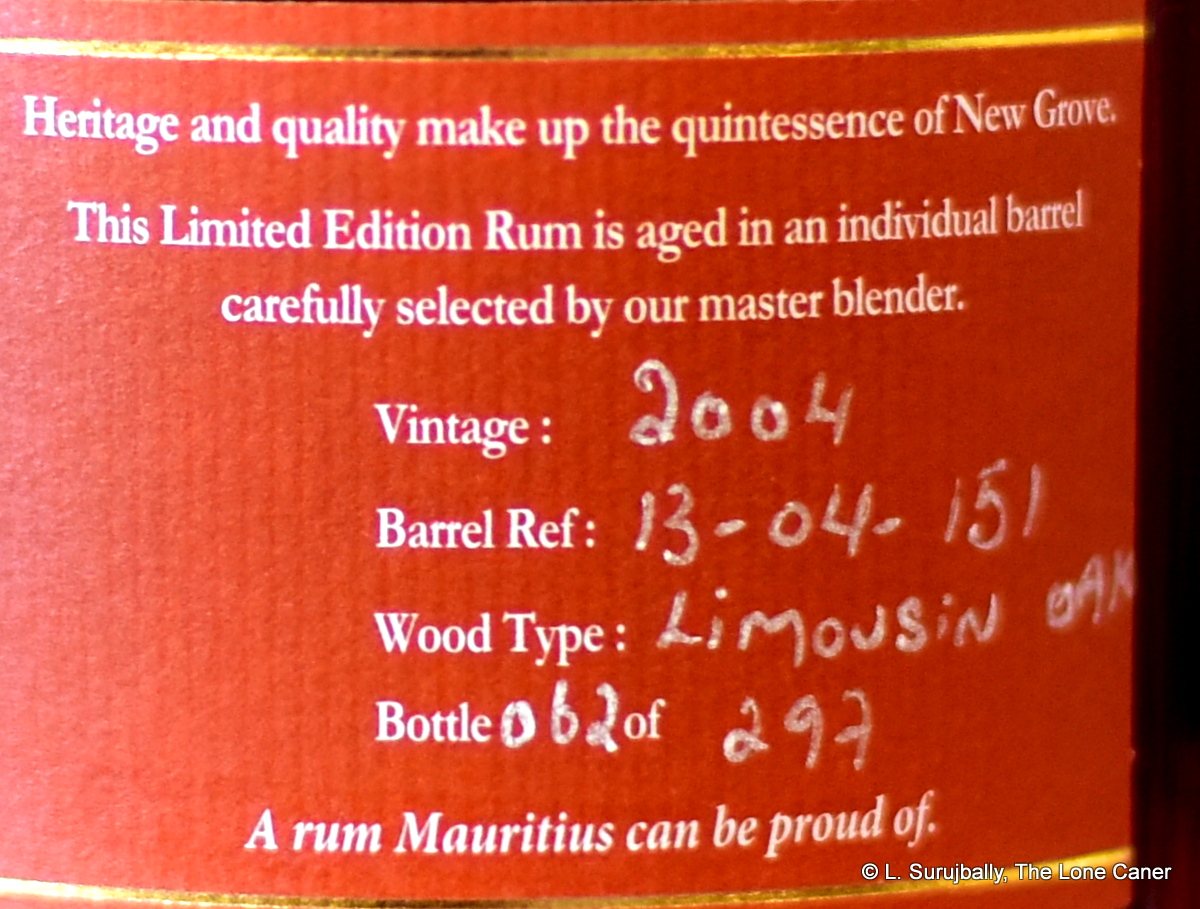
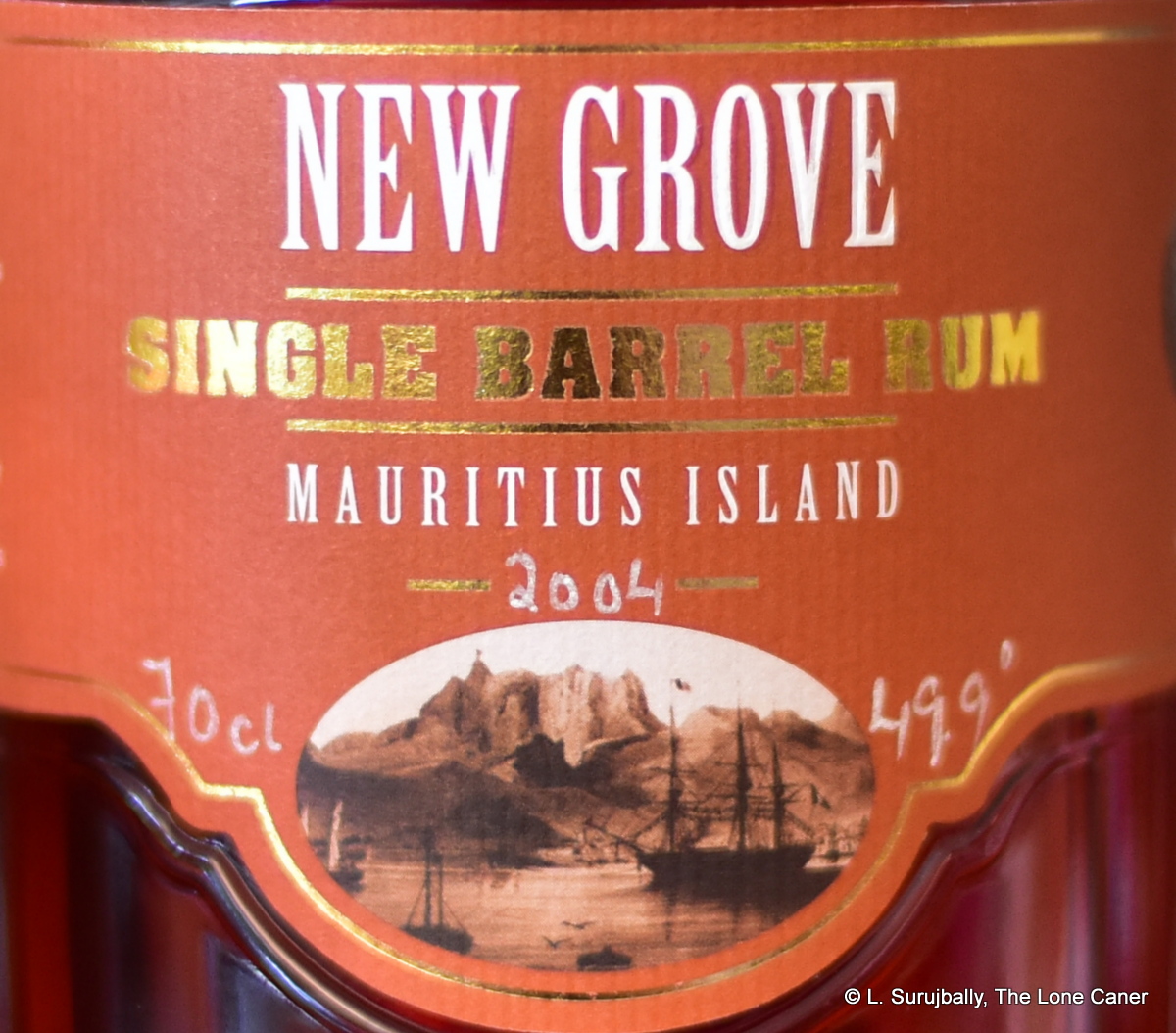 Although cold stats alone don’t tell the tale, I must confess to being intrigued, since a primary producer’s limited single-barrel expressions tend to be somewhat special, something they picked out for good reason. That felt like the case here – the initial smell was delicious, of burnt oranges and whipped cream (!!), a sort of liquid meringue pie if you will. It negotiated the twists and turns of tart and mellower aromas really well: honey, fruits, raisins, green apples, grapes,and ripe peaches. There was never too much of one or the other, and it was all quite civilized, soft and even warm
 Background history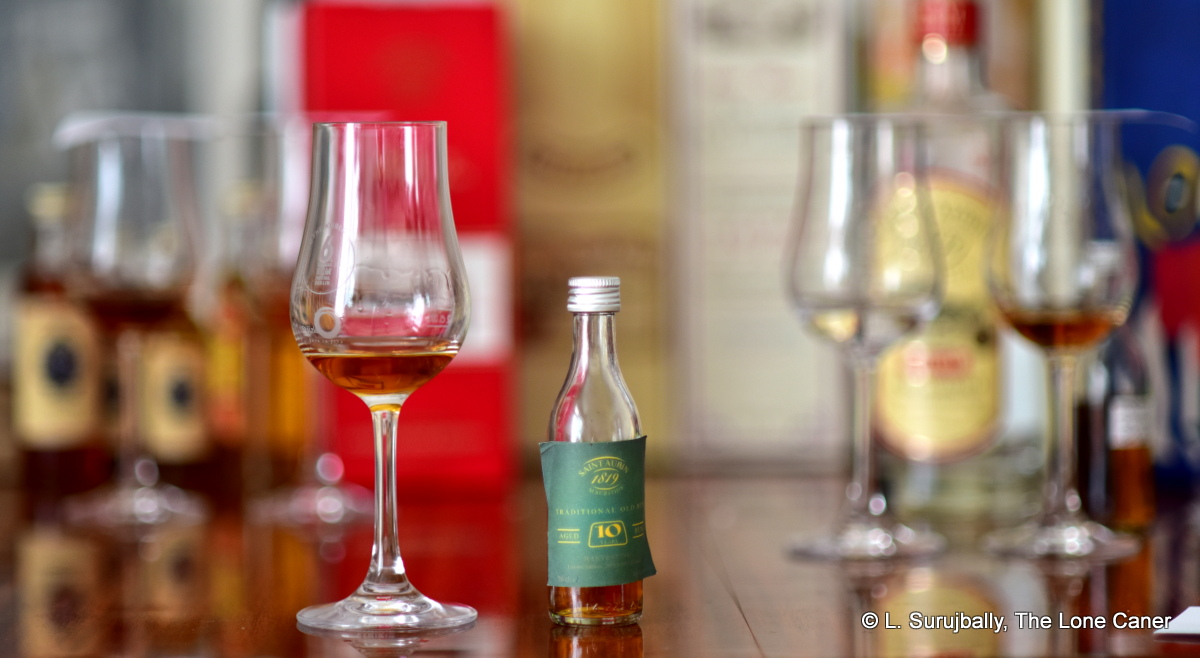
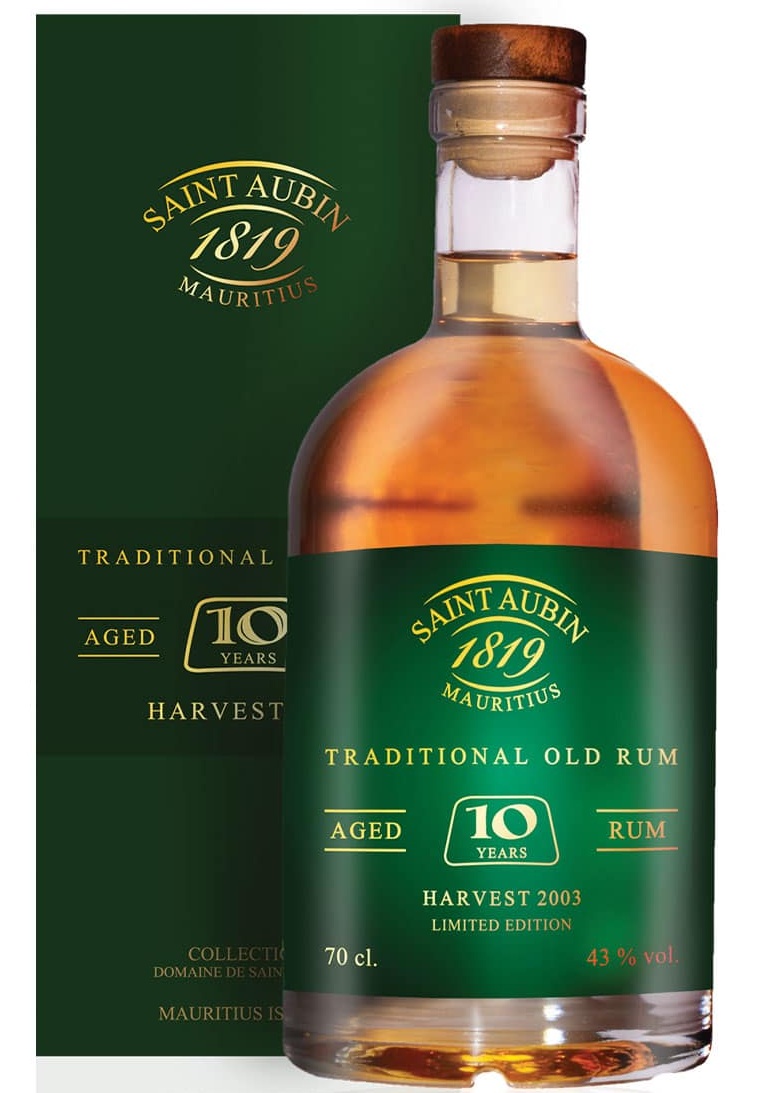 Certainly the 2003 10 YO does its next-best relative the
 As for the taste when sipped, “uninspiring” might be the kindest word to apply. It’s so light as to be nonexistent, and just seemed so…
 That provided, let’s get right into it then, nose forward. It’s warm but indistinct, which is to say, it’s a blended melange of several things — molasses, coffee (like
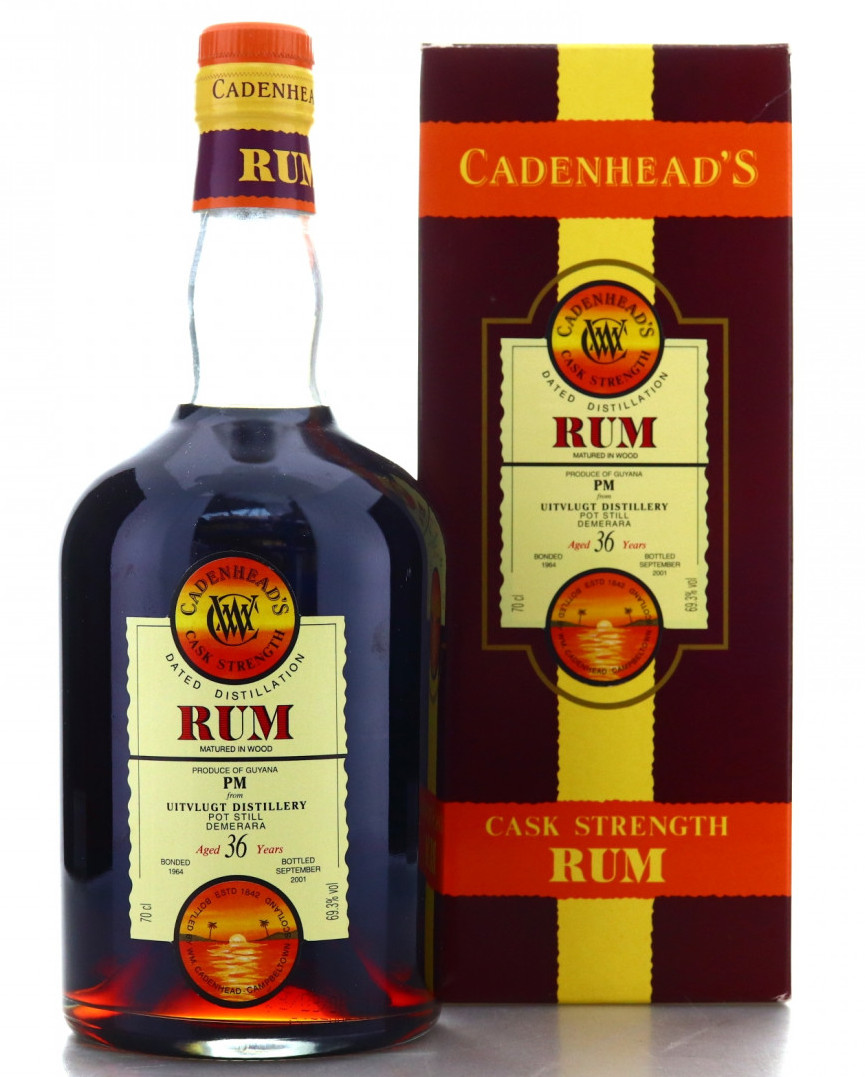
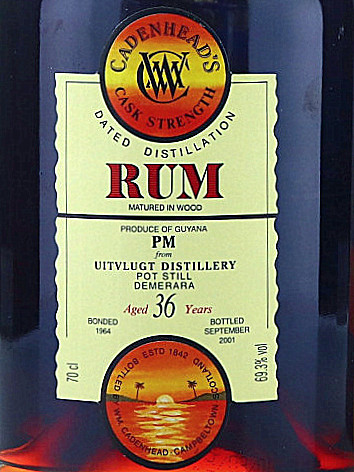 The Cadenhead Uitvlugt 1964 followed all the traditional ways an indie has of producing a rum, except then it proceeded to dial it up to 11, added steroids, horse tranqs and industrial strength factory cleanser, and released it to just about zero acclaim (I mean, have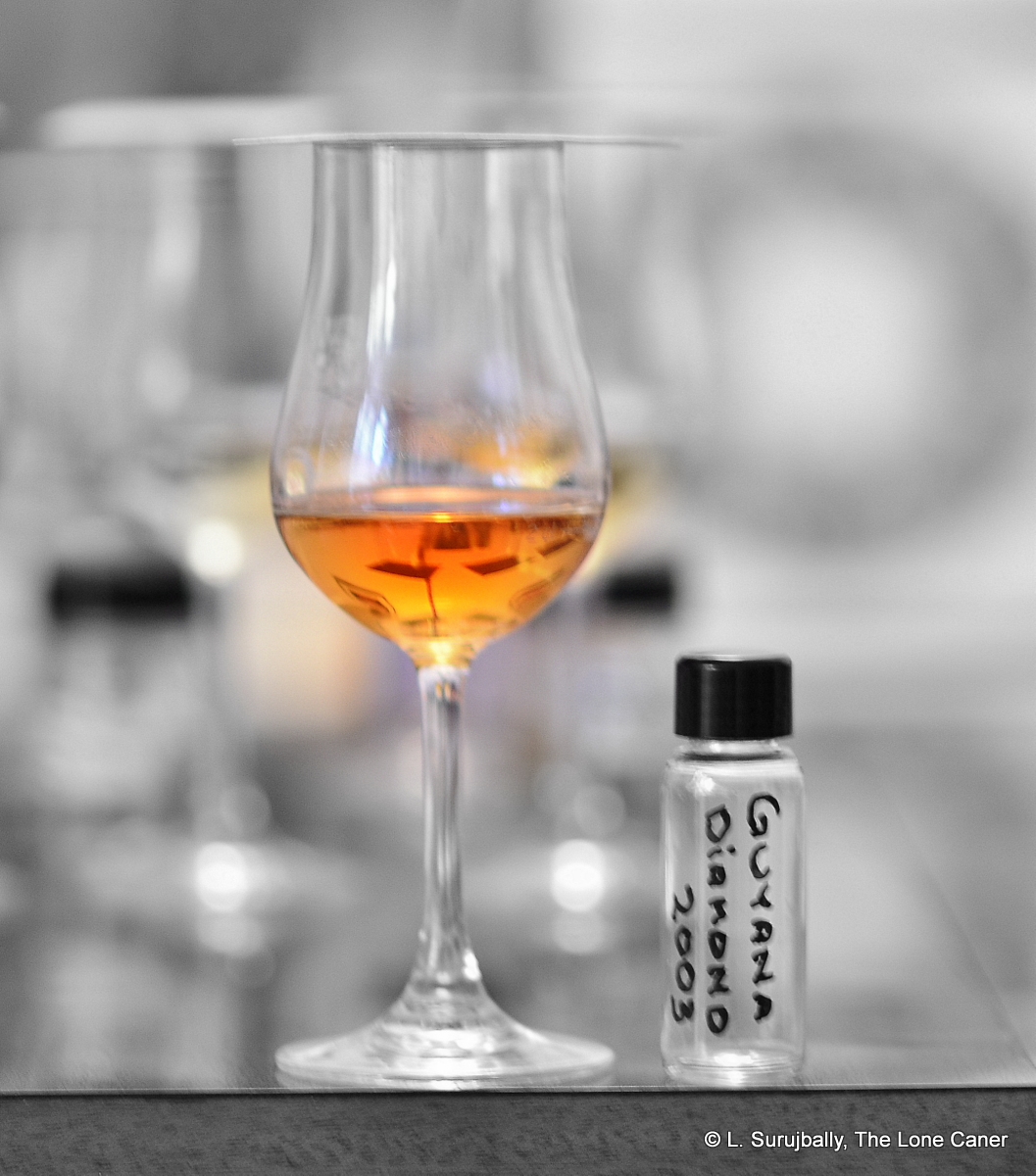
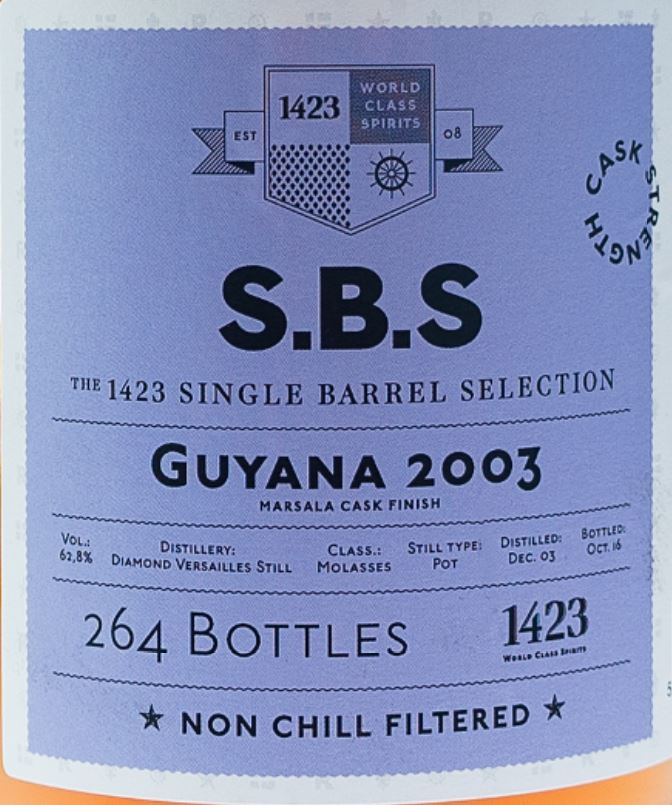 My own preference has always been for the stern elegance of the Port Mourant, and the Enmore coffey still produces rums that are complex, graceful and sophisticated when done right. But the Versailles still is something of an ugly stepchild – you’ll go far and look long to find an unqualified positive review of any rum it spits out. I’ve always felt that it takes rare skill to bring the rough and raw VSG pot still profile to its full potential…none of the familiar indies has had more than occasional success with it, and even Velier never really bothered to produce much Versailles rum at the height of
 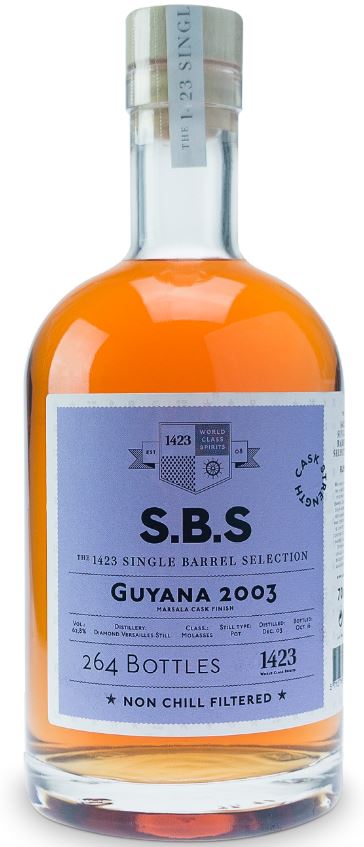 There has been occasional confusion among the stills in the past: e.g. the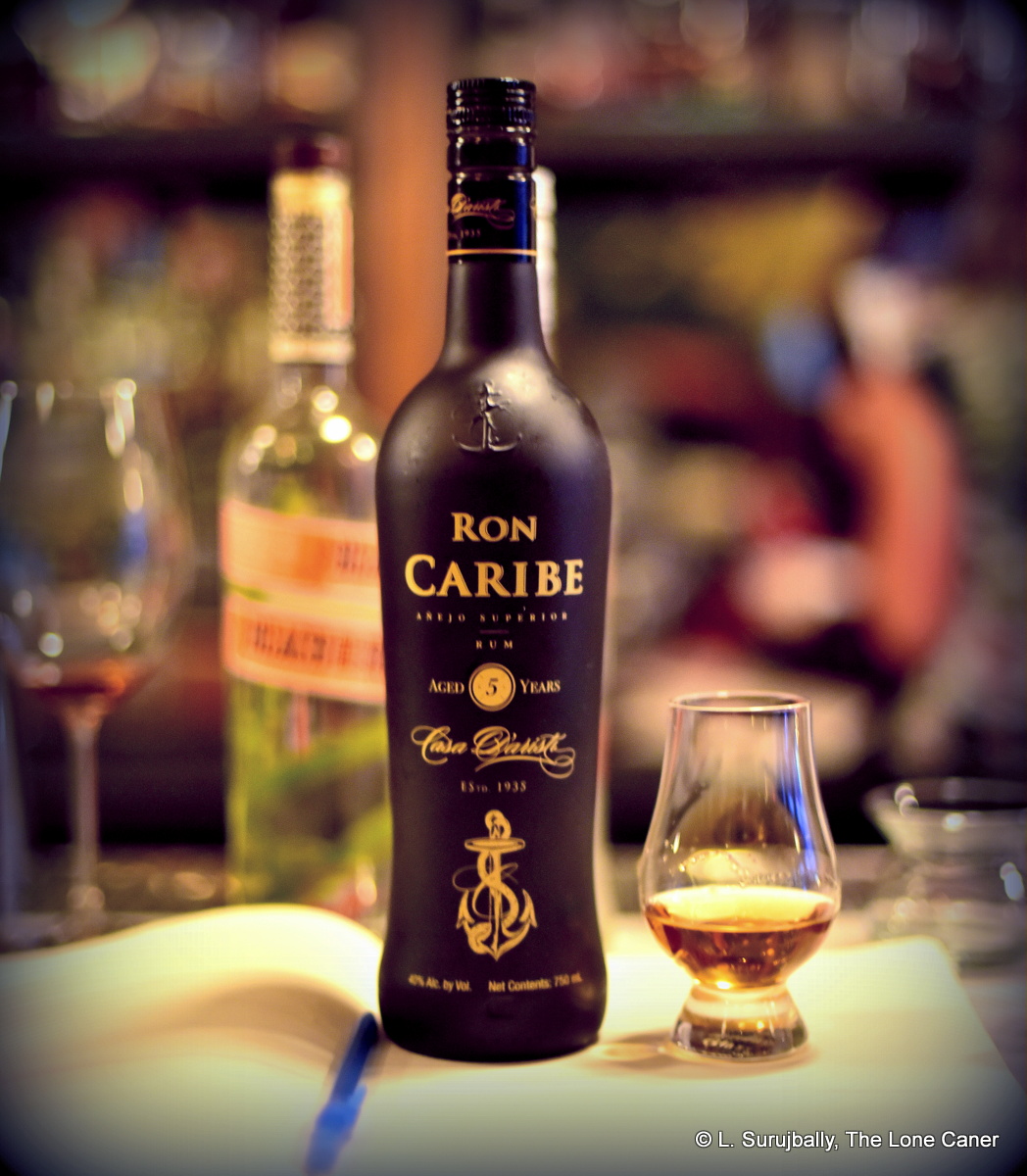
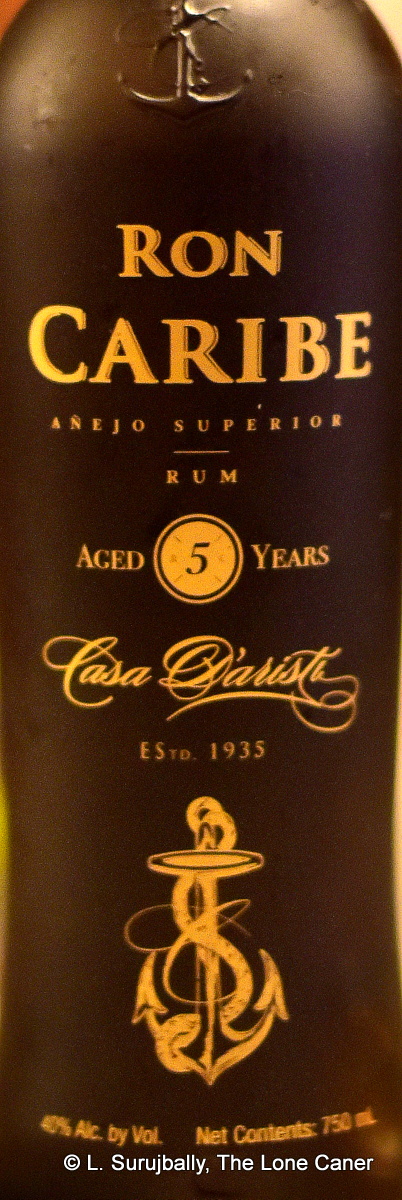 This makes it a spiced or flavoured rum, and it’s at pains to demonstrate that: the extras added to the rum make themselves felt right from the beginning. The thin and vapid nose stinks of vanilla, so much so that the bit of mint, sugar water and light florals and fruits (the only things that can be picked out from underneath that nasal blanket), easily gets batted aside (and that’s saying something for a rum bottled at 40%). It’s a delicate, weak little sniff, without much going on. Except of course for vanilla.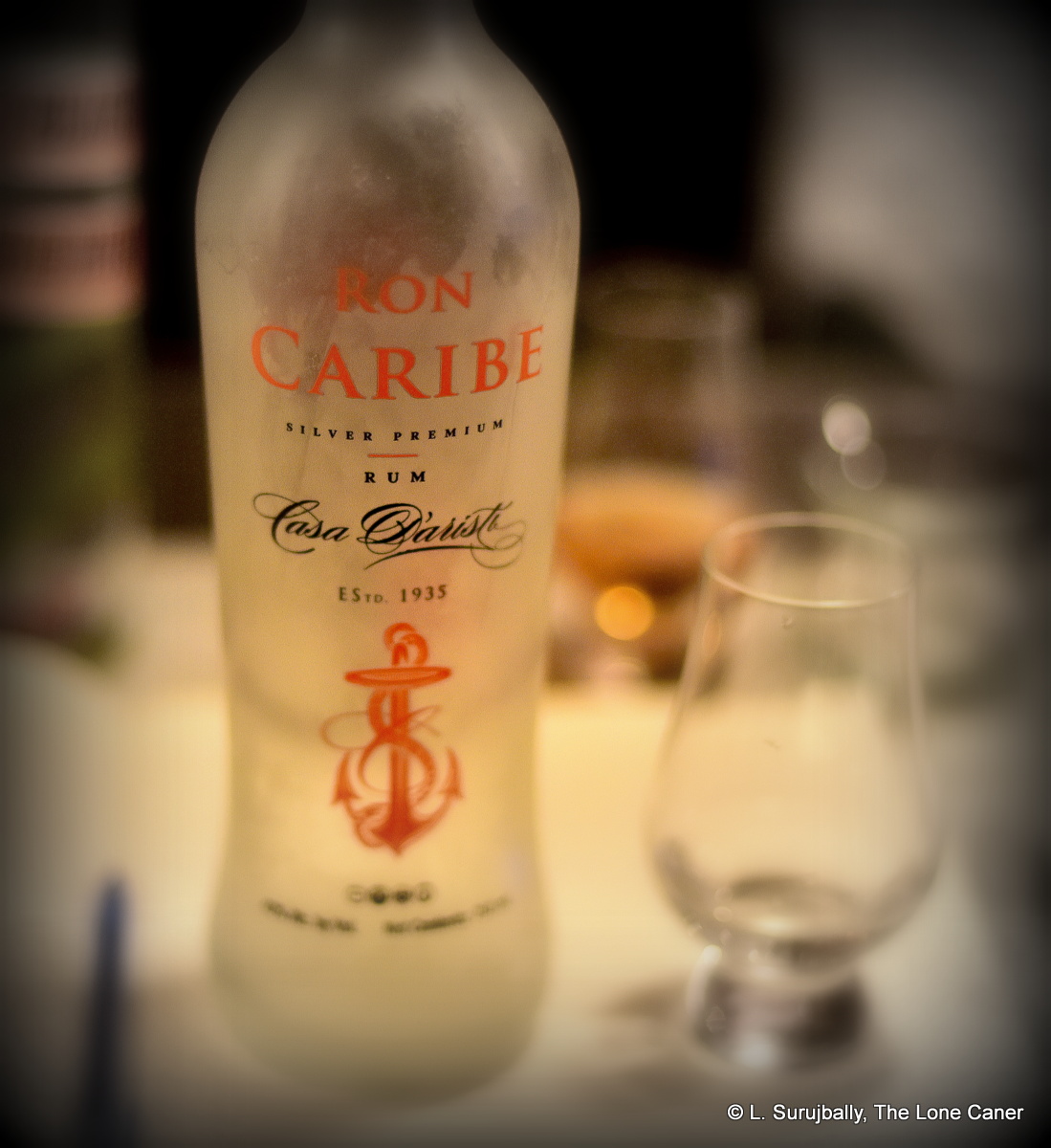
 Opinion / Company background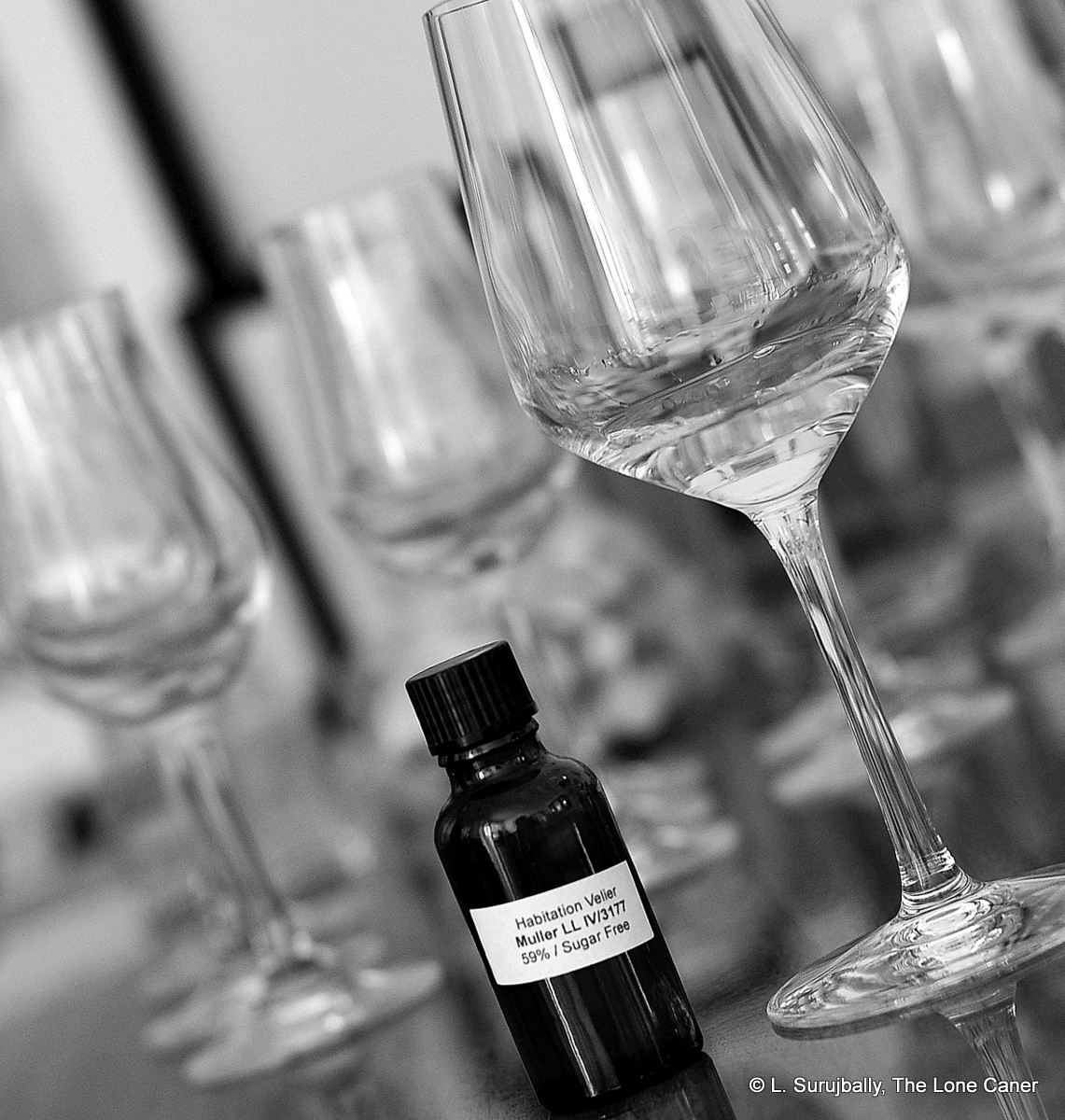
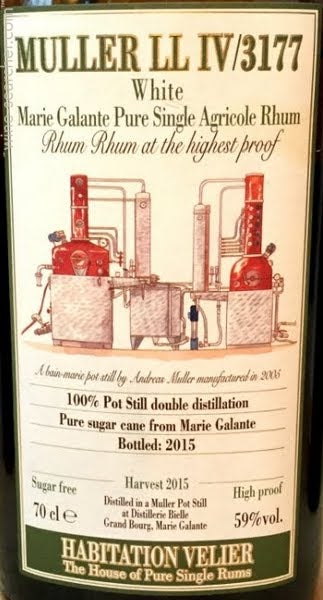 So let’s spare some time to look at this rather unique white rum released by Habitation Velier, one whose brown bottle is bolted to a near-dyslexia-inducing name only a rum geek or still-maker could possibly love. And let me tell you, unaged or not, it really is a monster truck of tastes and flavours and issued at precisely the right strength for what it attempts to do.
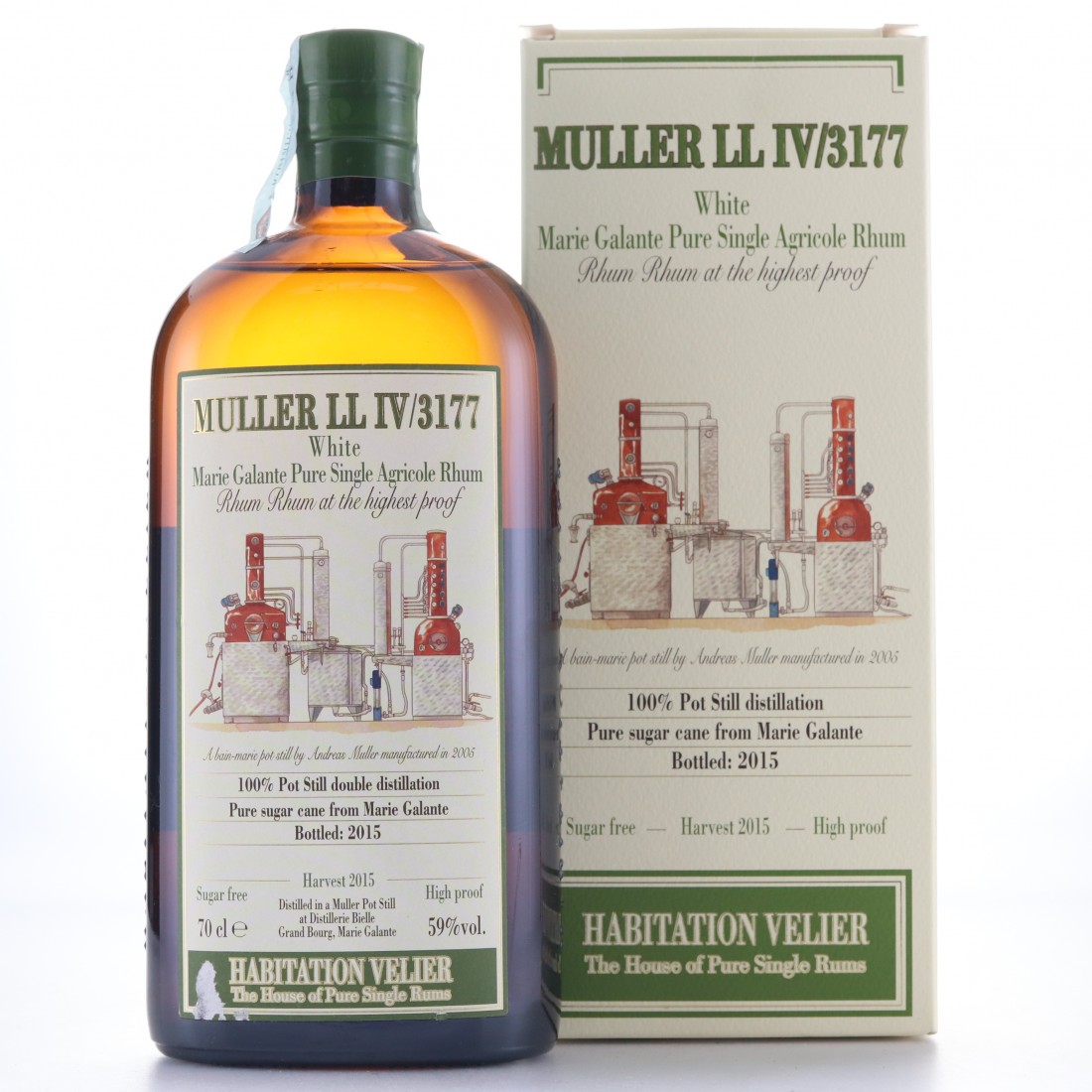 Evaluating a rum like this requires some thinking, because there are both familiar and odd elements to the entire experience. It reminds me of
 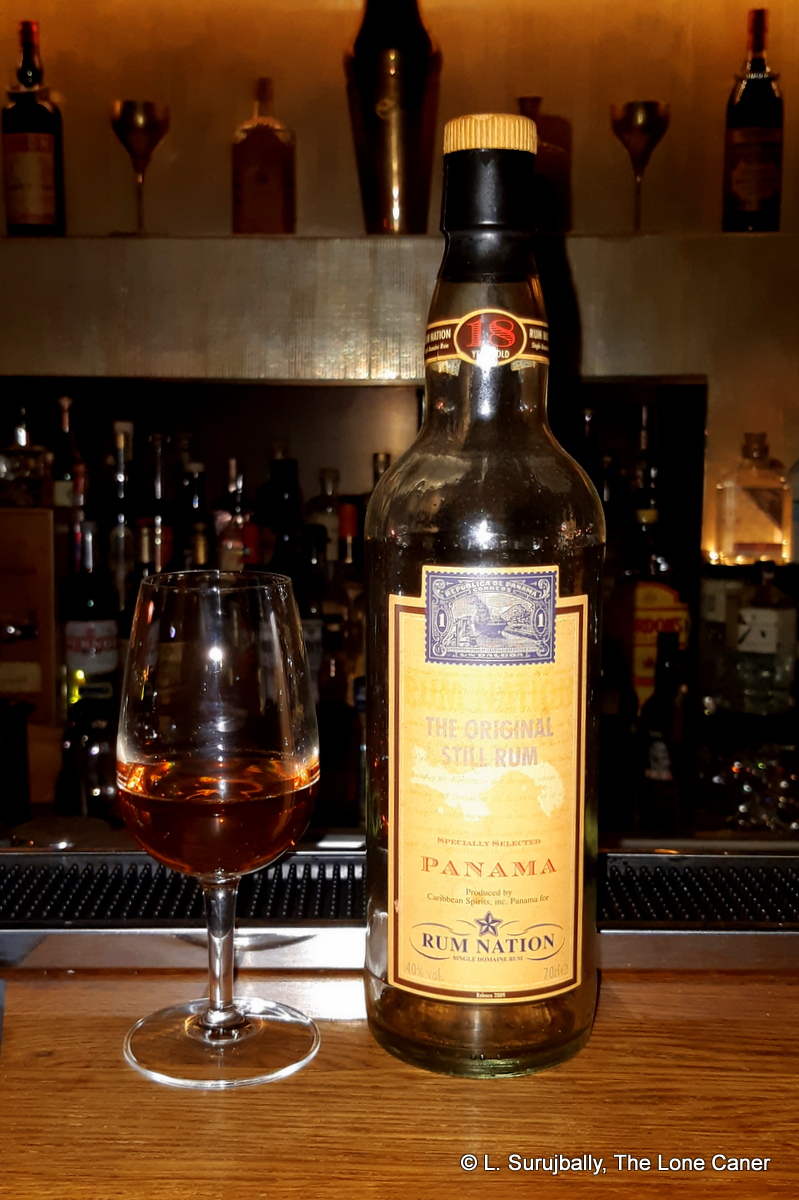 The Rum Nation Panama 2009 edition exists in a peculiar place of my mind, since it’s the unavailable, long-gone predecessor of the
 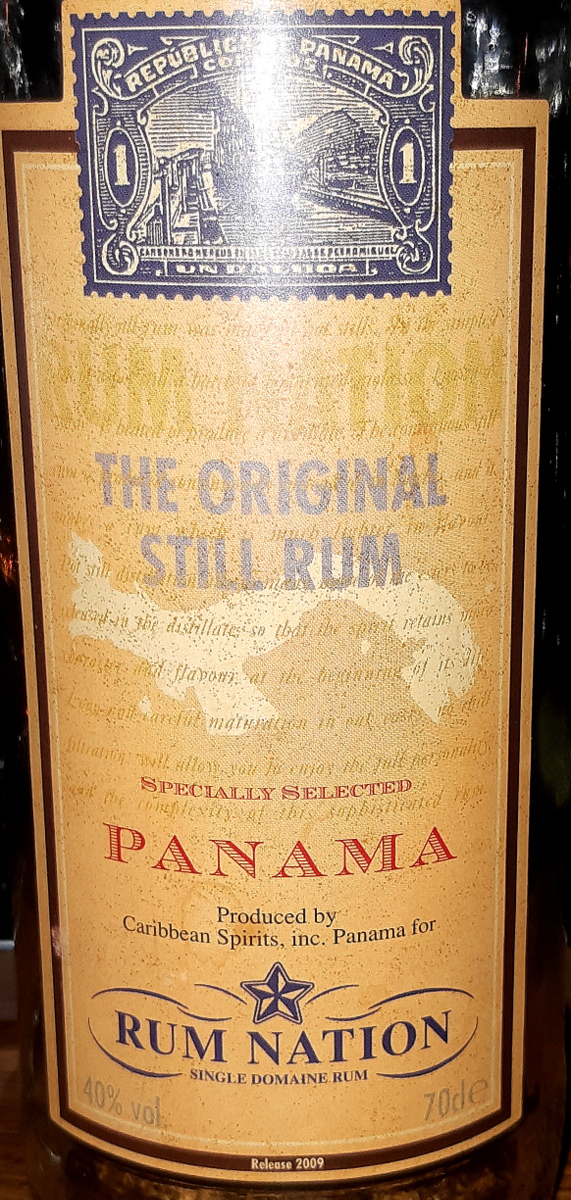 That was the smell, but what did it taste like? Eighteen years in a barrel must, after all, show its traces. To some extent, yes: again,
 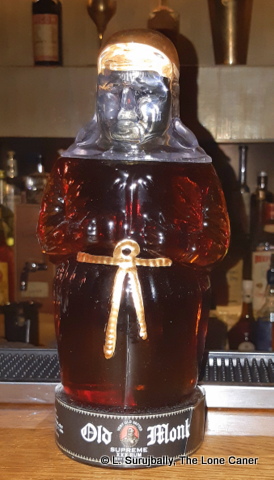 The Old Monk series of rums, perhaps among the best known to the Western world of those hailing from India, excites a raft of passionate posts whenever it comes up for mention, ranging from enthusiastic fanboy positivity, to disdain spread equally between its lack of disclosure about provenance and make, and the rather unique taste. Neither really holds water, but it is emblematic of both the unstinting praise of adherents who “just like rum” without thinking further, and those who take no cognizance of cultures other than their own and the different tastes that attend to them.