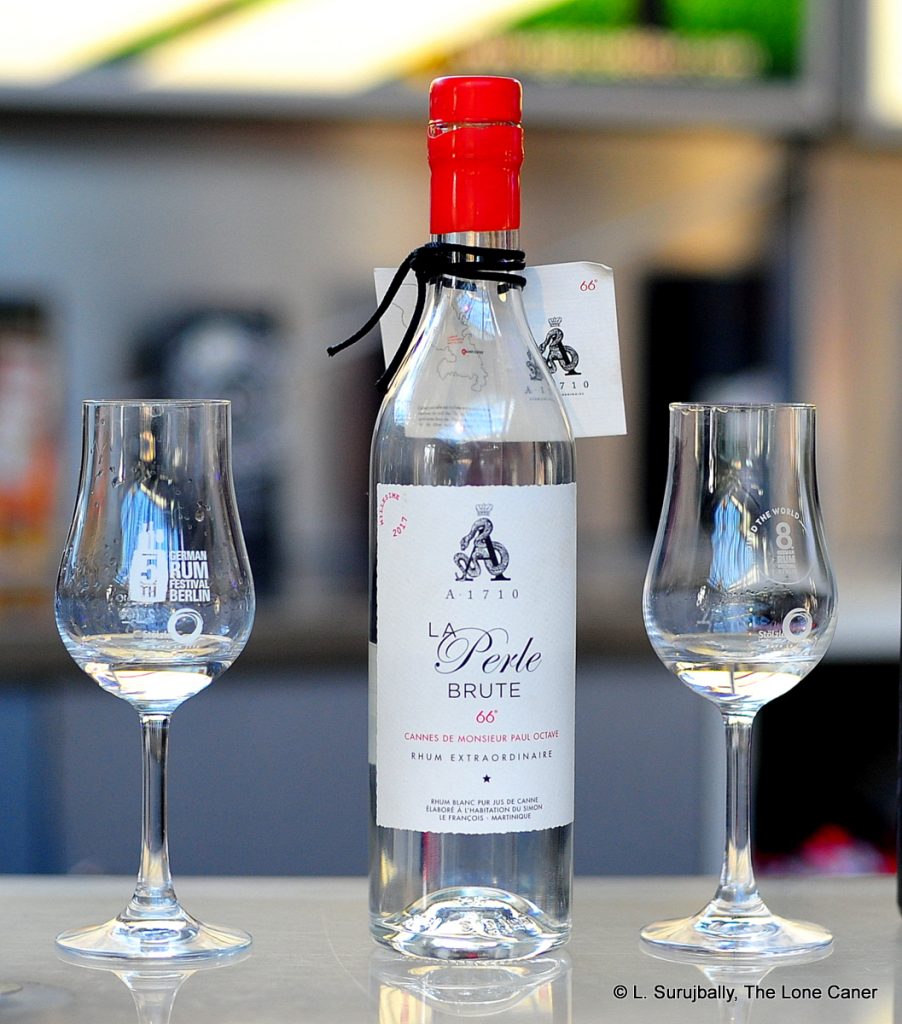
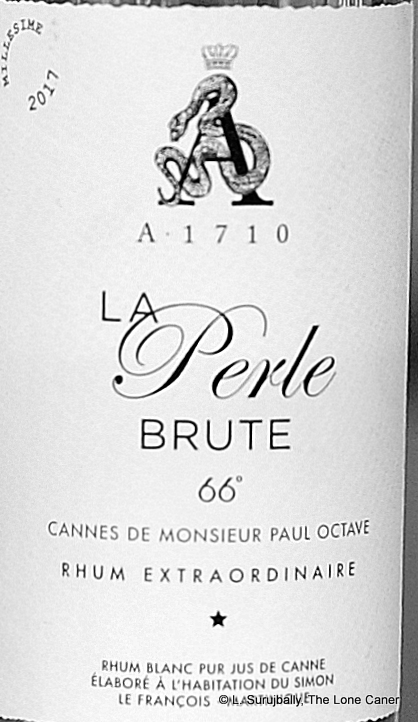
It doesn’t say so, but A1710’s rhum “Brute,” stuffed into a bottle at a rip snorting 66%, is another example of a mini-terroire called a parcellaire – a single small section of an estate, like, oh the UF30E or the similar A1710 54.5% edition that was also issued in the year this was, 2017. There are a few of these micro-terroire rhums floating around and while still uncommon, do show an interesting new direction for the rum world. Though, for obvious reasons I don’t see them as becoming mass market products any time soon – more like exactingly made small batch artisanal rhums in the true sense, marketed to enthusiasts and connoisseurs.
To do that, however, depends on more than just slick marketing. The product actually has to taste good, be seen as out of the ordinary, and be able to showcase some small aspect of its company’s ethos and desire for quality. It’s got to be special. So far, I’ve seen nothing from A1710 that would do anything except lend support to that thesis, because the “Brute” is definitely one of the best white rhums around, even at that formidable strength.
The canes used to make this rum all come from a single plot cultivated by a Mr. Paul Octave, with several varietals: black cane, yellow cane and Pen Epi Lèt. (More delicate and less robust than the hybrids which are cultivated for large-scale productions, these three types of canes are supposedly quite juicy). The cane juice is fermented for around five days, run through a creole 7-plate copper column still affectionately named “La Belle Aline”, is non-AOC compliant, and as far as I know, rested for some time but not aged or filtered or reduced in strength, resulting in 2,286 bottles of a 66% beefcake for the 2017 edition, all individually numbered.
 The results of all that micro-management are amazing.The nose, fierce and hot, lunges out of the bottle right away, hardly needs resting, and is immediately redolent of brine, olives, sugar water,and wax, combined with lemony botes (love those), the dustiness of cereal and the odd note of sweet green peas smothered in sour cream (go figure). Secondary aromas of fresh cane sap, grass and sweet sugar water mixed with light fruits (pears, guavas, watermelons) soothe the abused nose once it settles down.
It’s the taste that’s the real star of the show, the way this huge strength is tamed and made almost palatable. Yes it’s hot and spicy, but there’s a sort of smooth creaminess to the texture that permits it to be had neat and the high proof almost forgotten. There’s salt and wax and light glue as before, combined with a sweeter note of marshmallows, light white fruits and it’s reminiscent of a watery fruit infusion to be had on a hot day on a tropical beach somewhere. There are other tastes of lychees, flowers, more fruits (heavier ones), cane sap, herbs (mint, perhaps a touch of sage and basil), but these dance around the central tastes and lend support rather than shouldering their way to the forefront, and the entire experience is really quite good, moving smoothly, almost sedately, inro a long, spicy and fruity finish that somehow preserves both strength and delicacy.
I really enjoyed the 54.5% La Perle, and scored it well, but the Brute is a cut even above that. It’s a rum made by one guy on one parcel on one island and has a richness of aroma and flavour that it would seem almost a sin to put it in a barrel. The real money in the rum world is in utra-old rums made by proud houses who reach back in time for barrels left to age for decades by generations past. A1710 have shown that a brand new outfit, not adhering to a production standard of any kind, not even ageing what they come up with and simply releasing a rhum like this almost straight off the still, can provide us with something truly remarkable for an astoundingly affordable price. For me, it’s worth every penny.
(#772)(88/100)
Other notes
Some historical background on A1710 is in the original La Perle review, adapted here:
A1710 was created in 2016 as a micro-distillery for Habitation Le Simon (not to be confused with the distillery of Simon, though they’re neighbors), which rubs shoulders with Clement on the mid eastern side of Martinique. The estate’s roots go back to 1710 when the founder, Jean Assier, arrived on the island (hence the “A” in the title) and founded the sugar plantation, which seems to have been family owned and operated as a sugar estate ever since. Yves Assier de Pompignan, the 50-year-old who created the brand and founded the distillery in 2016, first made a career in stationery and office supplies before accepting his True Calling, perhaps channelling the family heritage — a great-grandfather owned the current factory of Saint-James, a grandfather owned of rum brand, his father is a cane agronomist and he has connections with the Hayot family as well.
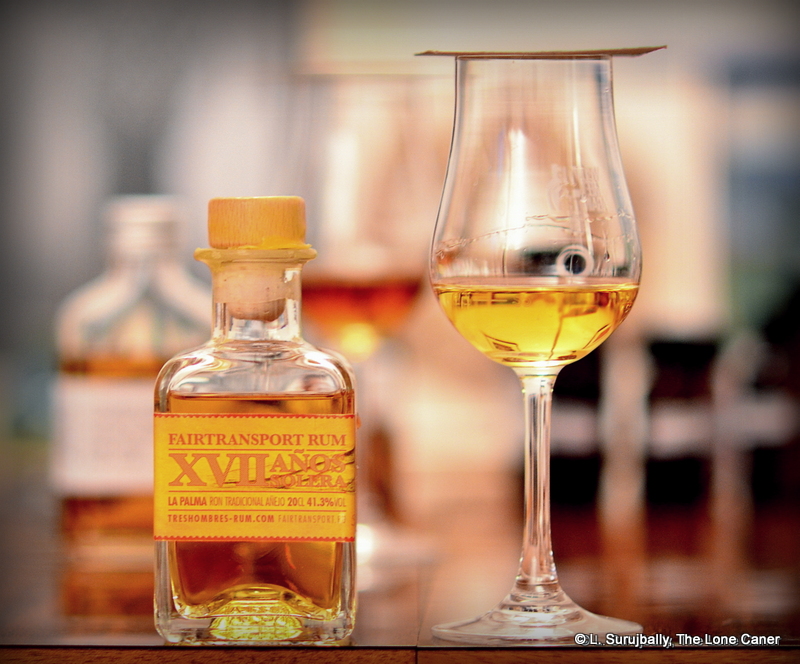
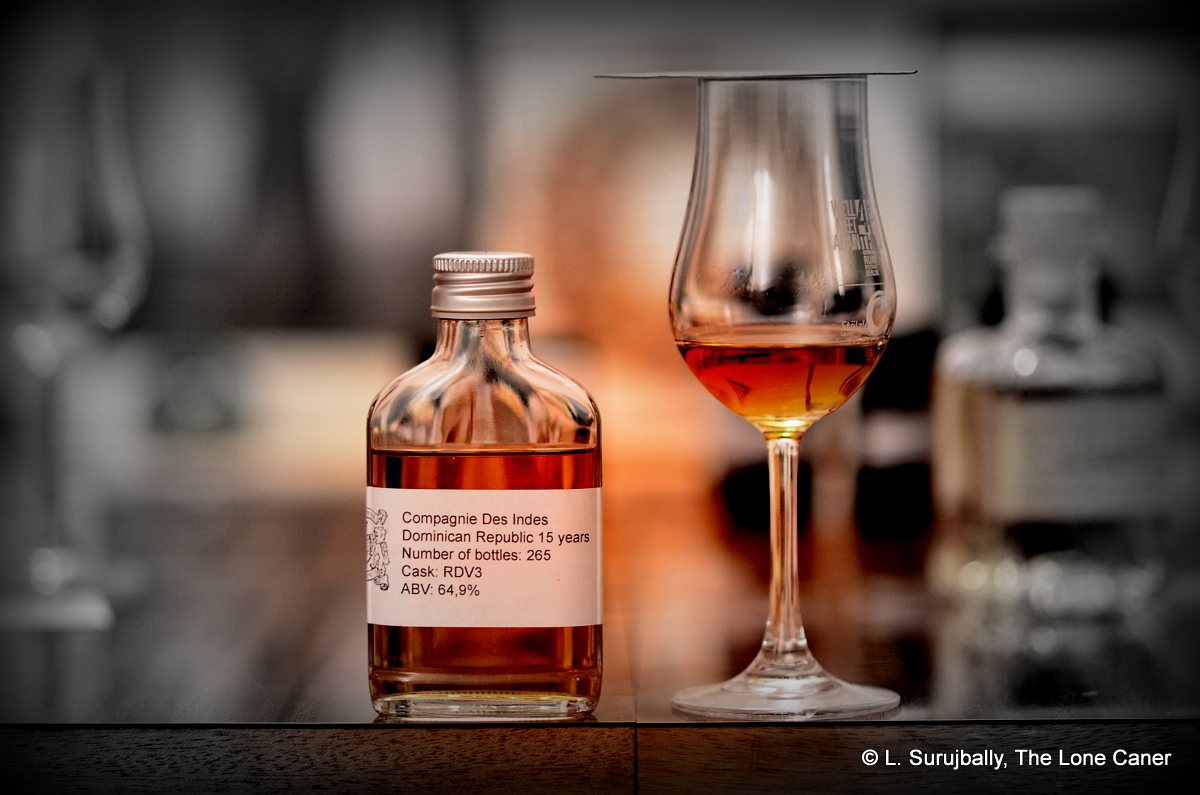
 Well, Canary Islands or Dominican Republic (I’ll assume The Hombres are correct and it’s the former), it has to be evaluated, so while emails and queries chase themselves around, let’s begin. Nose first: kind of sultry and musky. Green peas developing some fuzz, old bananas, vanilla and grated coconut, that kind of neither too-sweet nor too-salt nor too-sour middle ground. It’s a little spicy and overall presents as not only relatively simple, but a little thin too, and one gets the general impression that there’s just not much gong on.
 Tres Hombres is now up to No. 34 or something, includes gin in the lineup, still do some ageing onboard for a month or so it takes to cross the Atlantic and certainly they have not lost their enthusiasm — they include rums from Barbados, DR and the Canary islands. Whether this part of their business will carry them into the future or forever be a sideline is, however, not something I can answer at this time – the lack of overall publicity surrounding their rums, suggests they still have a ways to go with respect to wider consciousness and acceptance.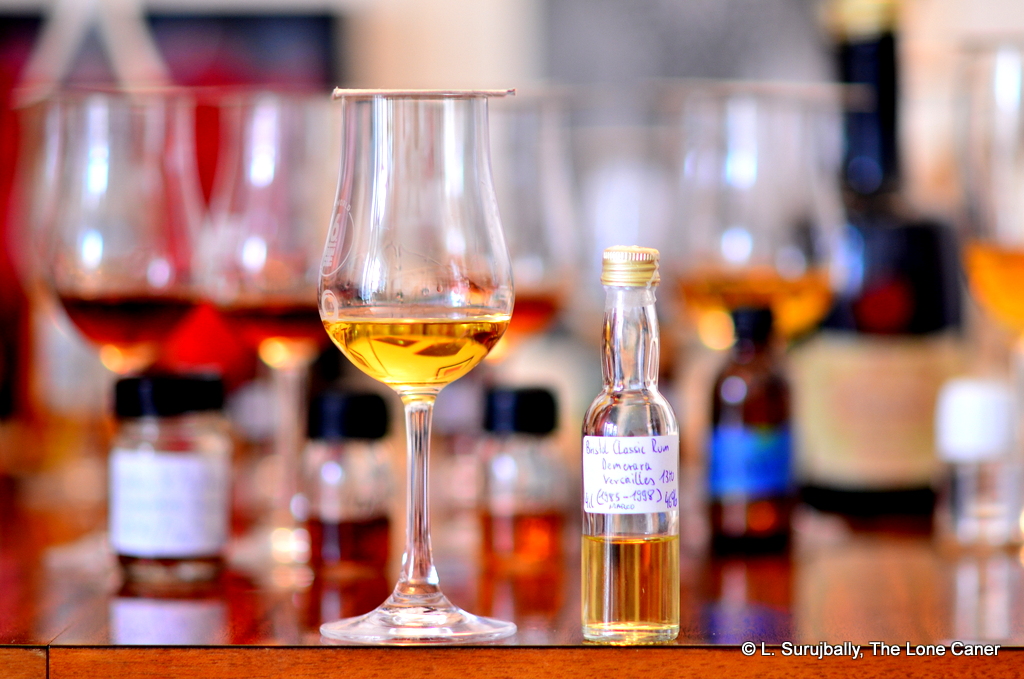
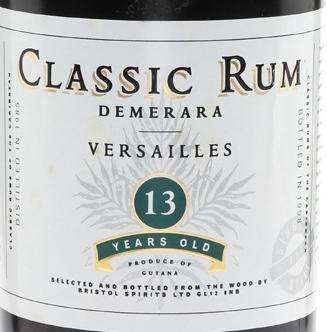 Bristol, I think, came pretty close with this relatively soft 46% Demerara. The easier strength may have been the right decision because it calmed down what would otherwise have been quite a seriously sharp and even bitter nose. That nose opened with rubber and plasticine and a hot glue gun smoking away on the freshly sanded wooden workbench. There were pencil shavings, a trace of oaky bitterness, caramel, toffee, vanilla and slowly a firm series of crisp fruity notes came to the fore: green apples, raisins, grapes, apples, pears, and then a surprisingly delicate herbal touch of thyme, mint, and basil.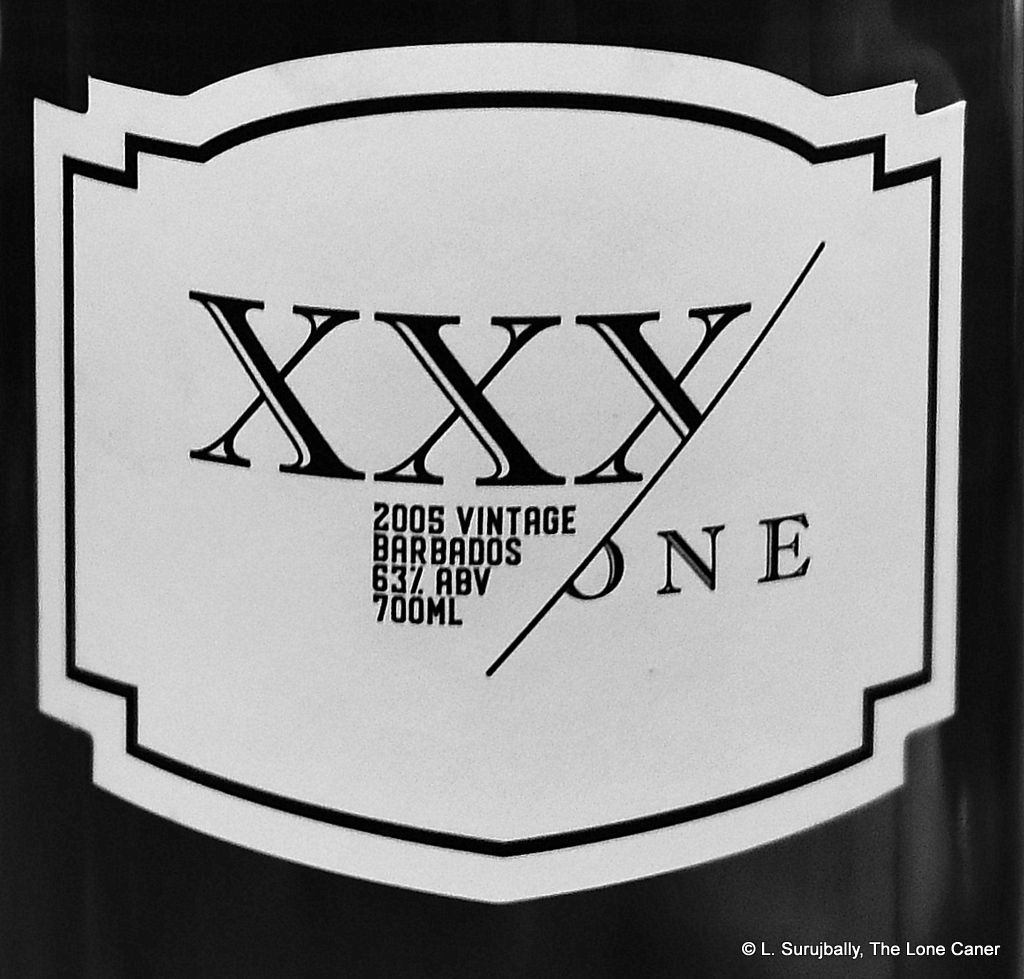
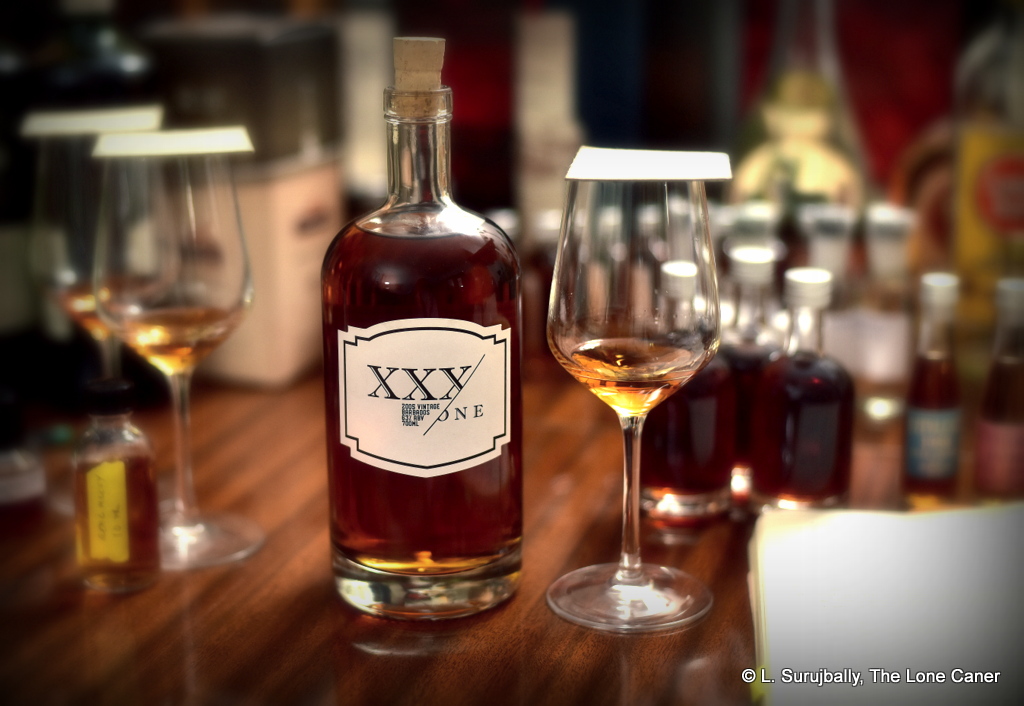


 Colour – Gold brown
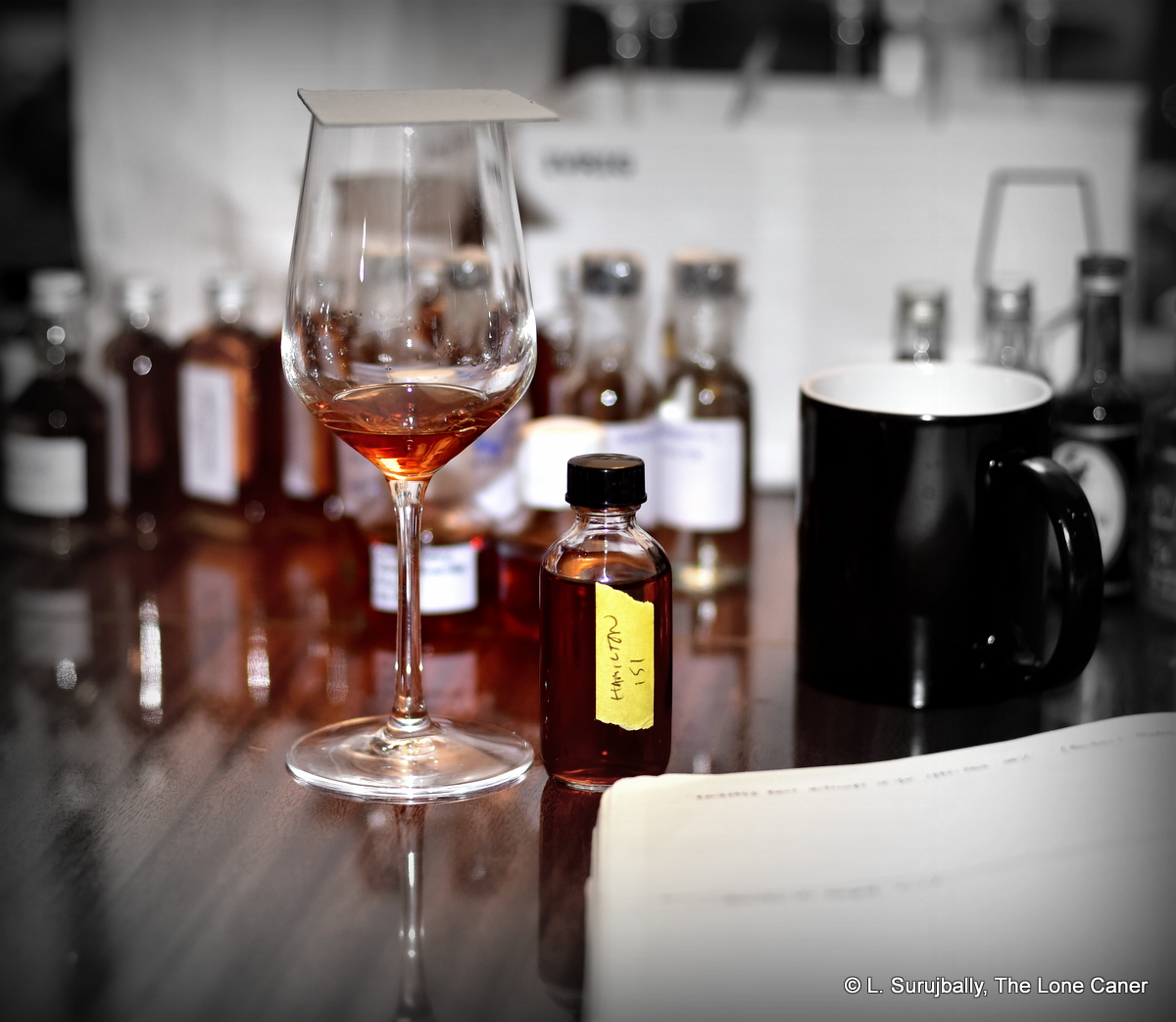
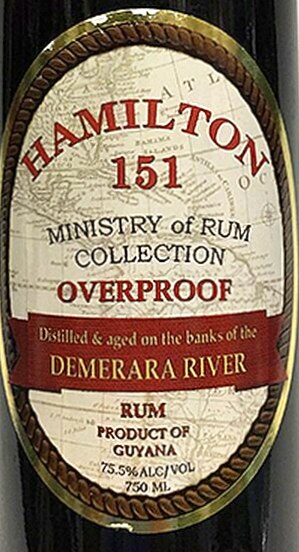 It is, in short, a powerful wooden fruit bomb, one which initially sits and broods in the glass, dark and menacing, and needs to sit and breathe for a while. Fumes of prunes, plums, blackcurrants and raspberries rise as if from a grumbling and stuttering half-dormant volcano, moderated by tarter, sharper flavours of damp, sweet, wine-infused tobacco, bitter chocolate, ginger and anise. The aromas are so deep it’s hard to believe it’s so young — the distillate is aged around five years or less in Guyana as far as I know, then shipped in bulk to the USA for bottling. But aromatic it is, to a fault.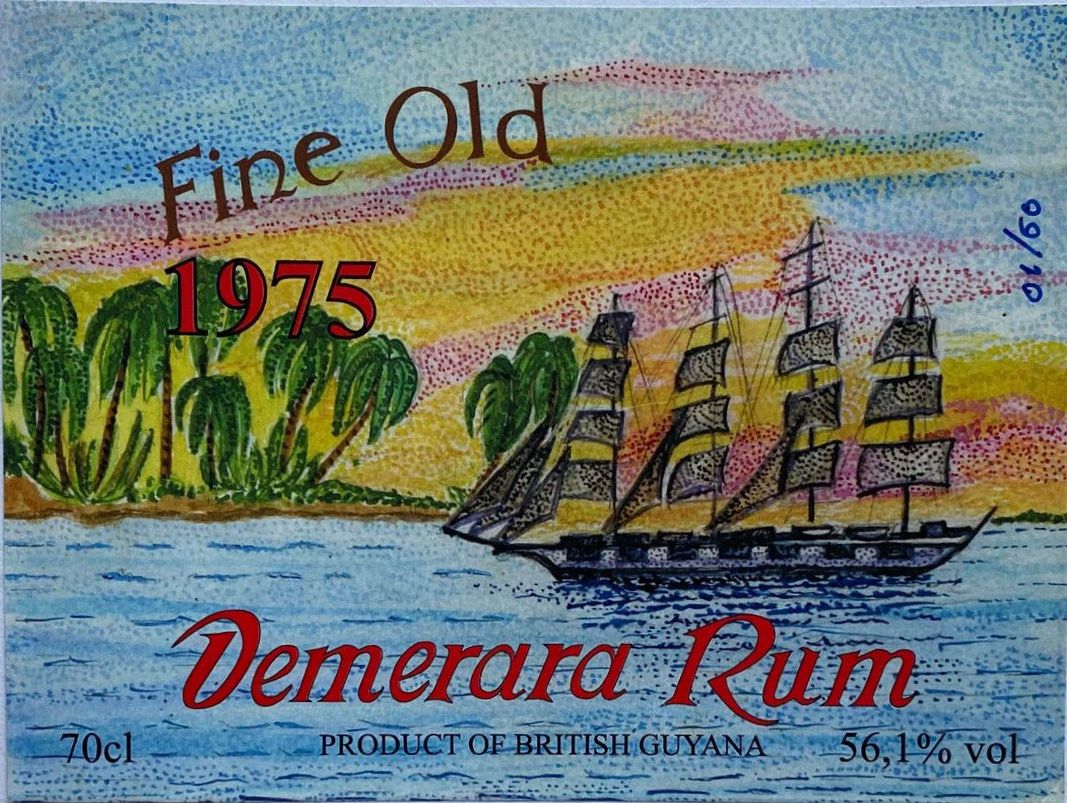
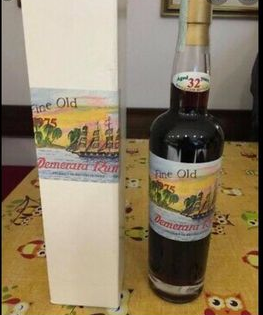
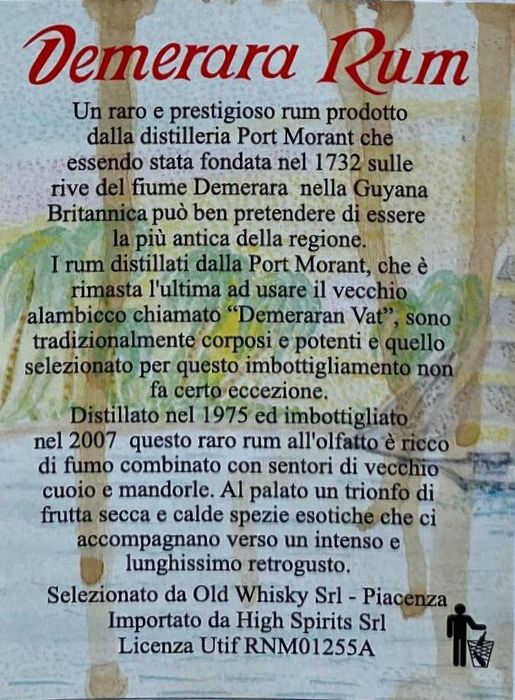 For the kitch, I’m afraid there is not much. Thanks to my impeccably fluent lack of Italian, I can tell you it’s a 1975 Port Mourant that was bottled in 2007, and it appears to be one of those single barrel releases often indulged in by importers – this time an Italian outfit called High Spirits, which doesn’t exist beyond its odd one-page website that leads nowhere and says nothing – see below for some notes on this. The rum is 56.1%, dark red brown….
 There’s just so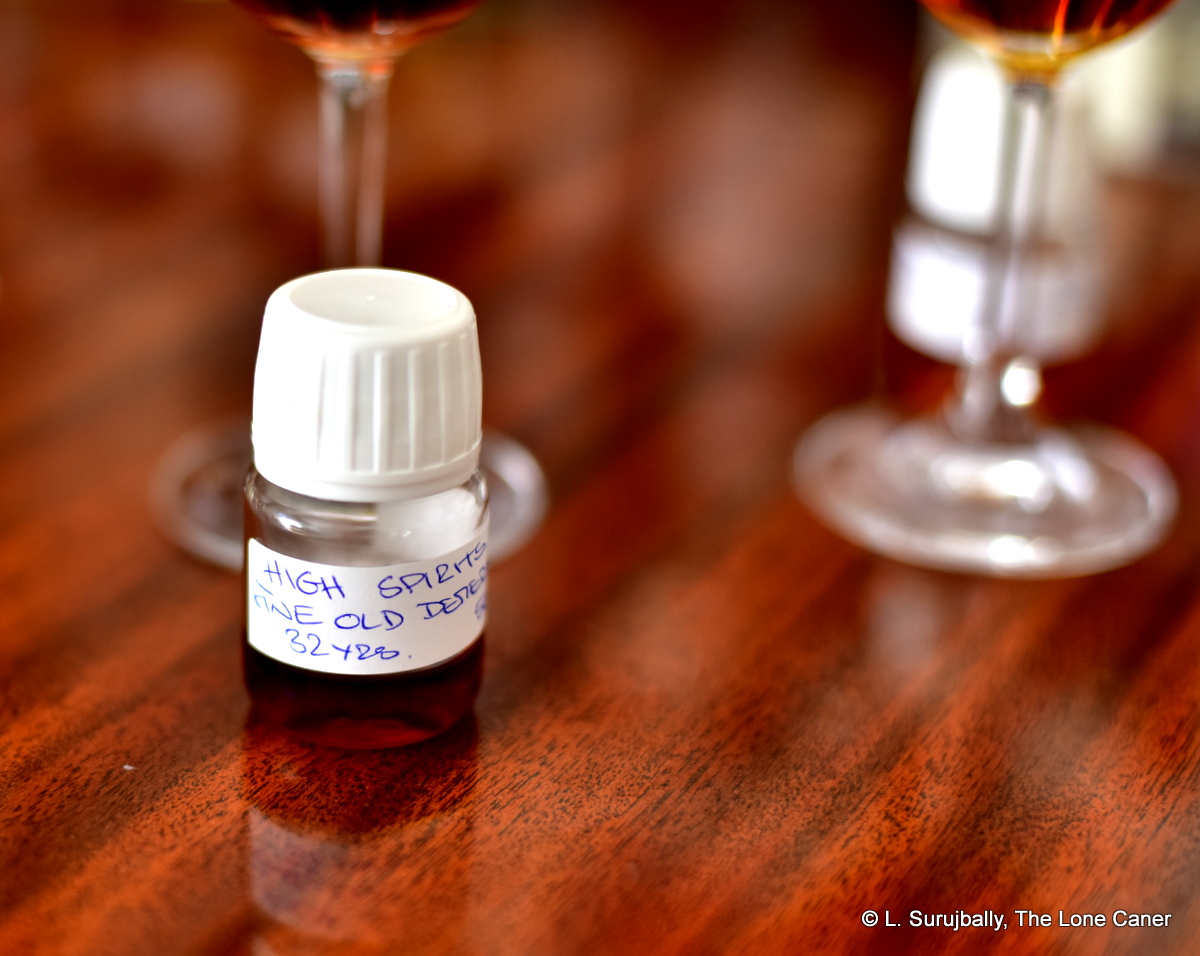
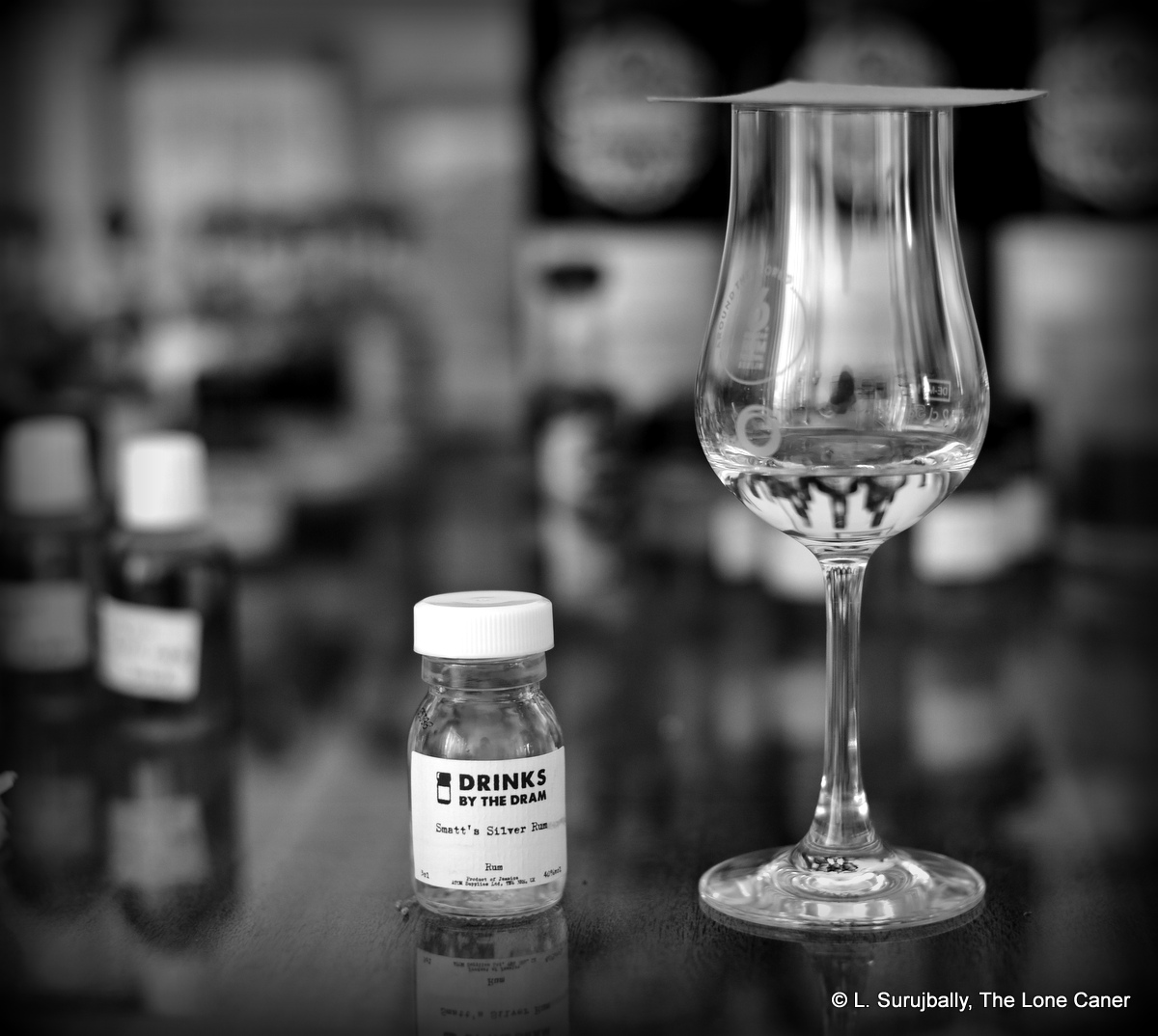
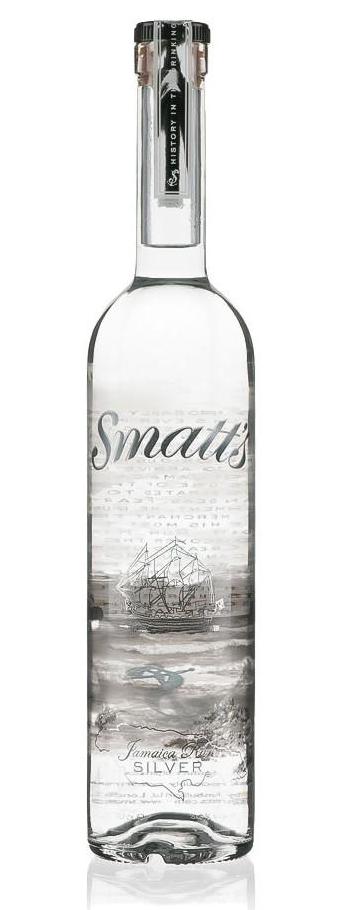 Normally, such a rum wouldn’t interest me much, but with the massive reputations the New Jamaicans have been building for themselves, it made me curious so I grudgingly parted with some coin to get a sample. That was the right decision, because this thing turned out to be less an undiscovered steal than a low-rent Jamaican wannabe for those who don’t care about and can’t tell one Jamaican rum from another, know Appleton and stop there. The rum takes great care not to go beyond such vanilla illusions, since originality is not its forte and it takes inoffensive pleasing-the-sipper as its highest goal.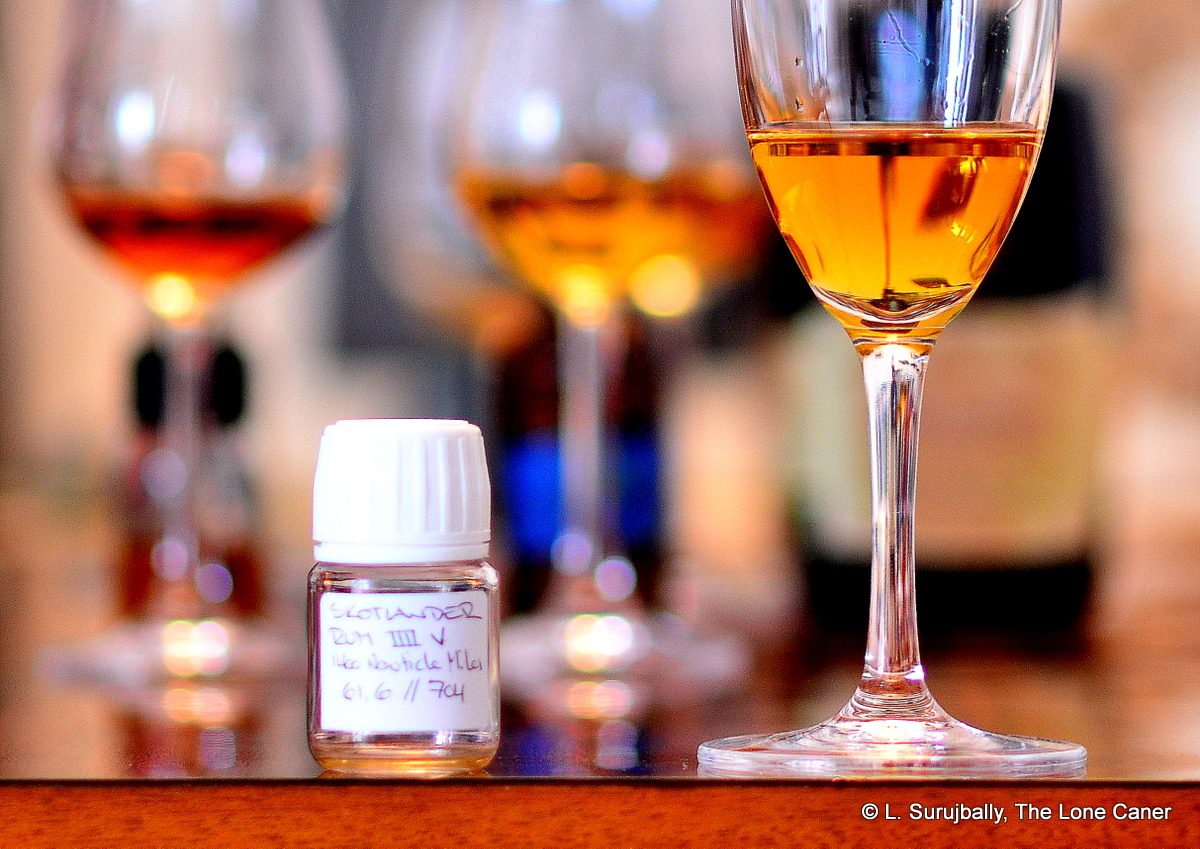
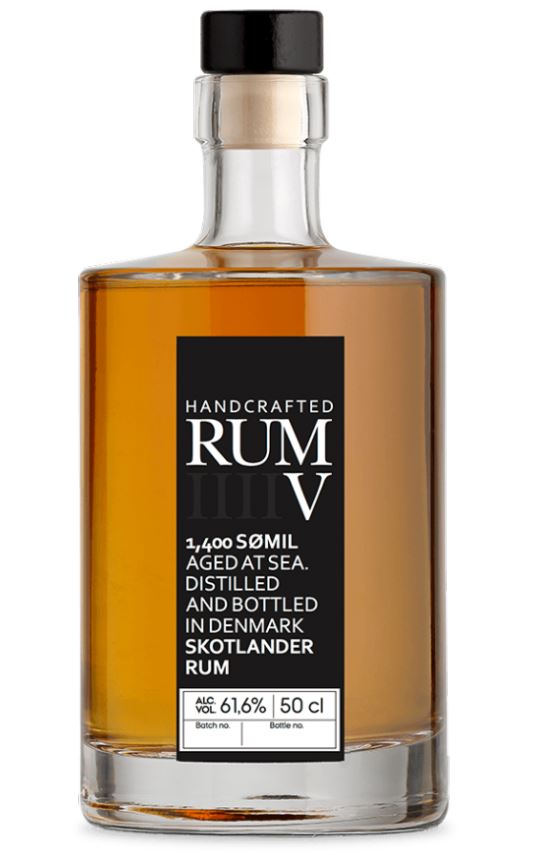 Rums made from scratch by some small new micro-distillery in a country other than the norm are often harbingers of future trends and can bring – alongside the founders’ enthusiasm – some interesting tastes to the table, even different spirits (<<cough>> ‘Murrica!!). But Skotlander, to their credit, didn’t mess around with ten different brandies, gins, vodkas, whiskies and what have you, and then pretended they were always into rum and we are now getting the ultimate pinnacle of their artsy voyage of discovery. Nah. These boys started with rum, bam! from eight o’clock, day one.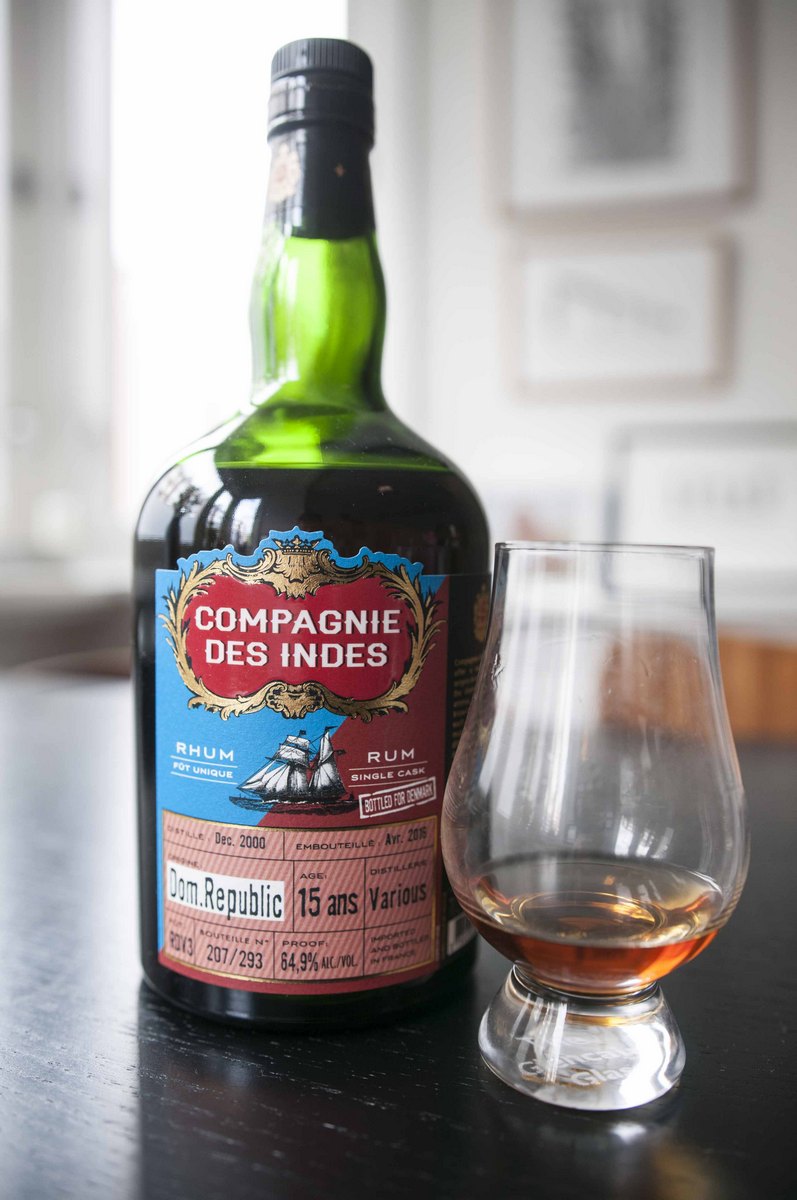
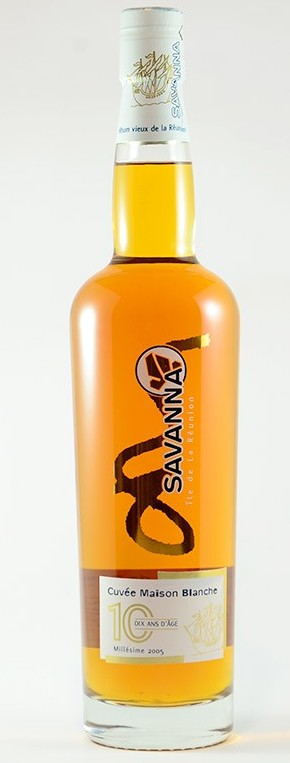 Savanna’s 2005 Cuvée Maison Blanche 10 Year Old rum, in production since 2008 is a companion to the 2005 10 YO Traditionnel and a somewhat lesser version of the superb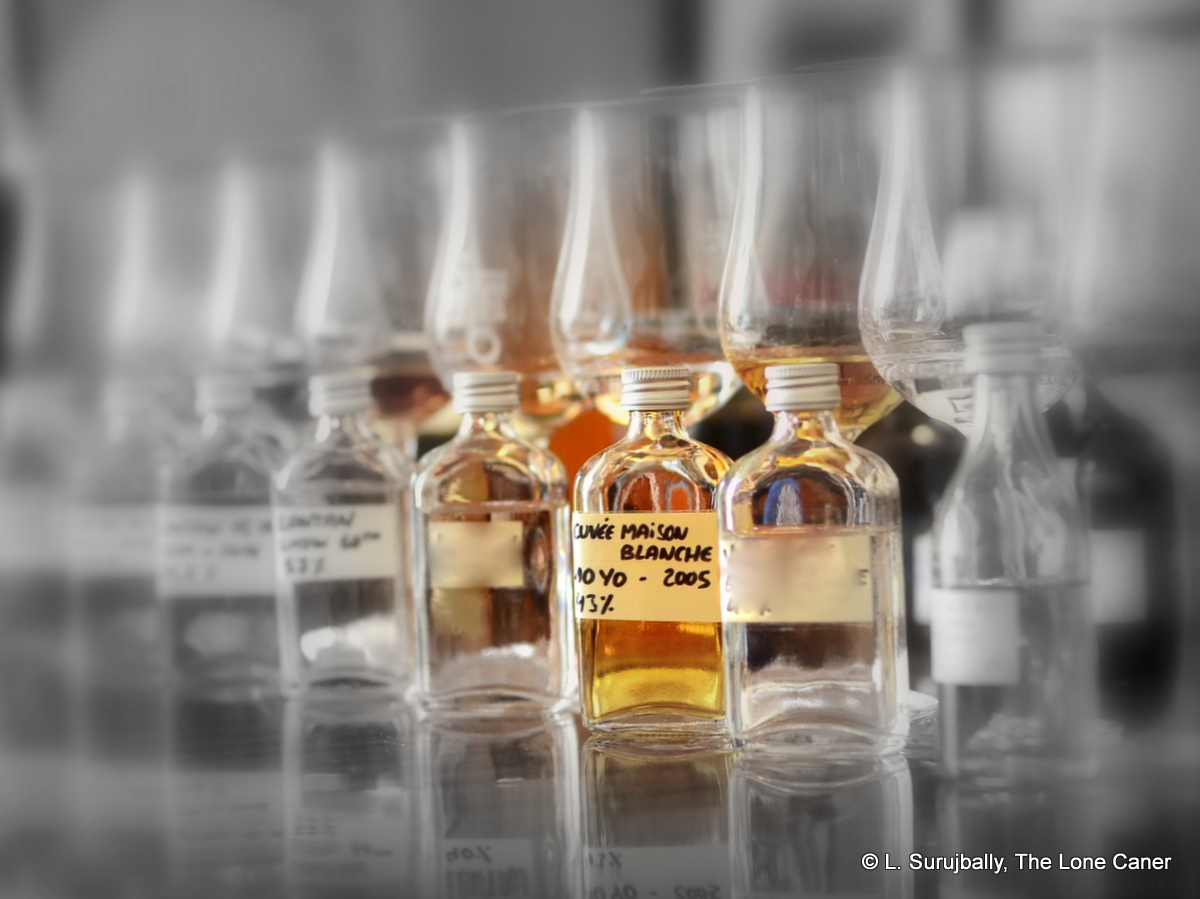
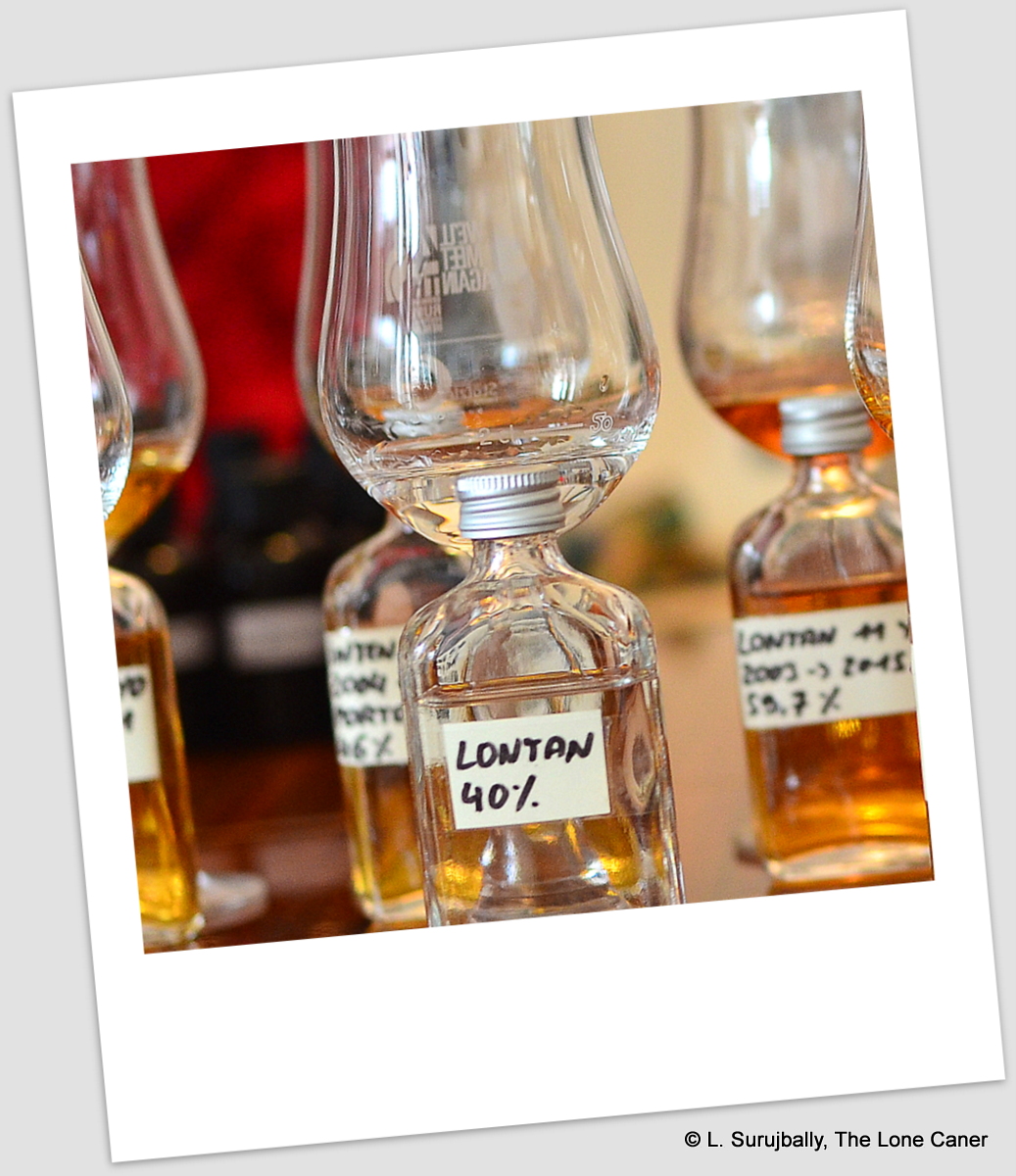
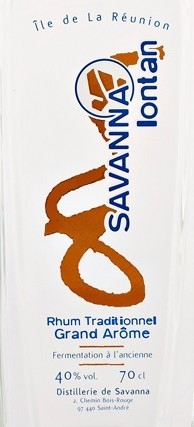 The word “Lontan” is difficult to pin down – in Haitian Creole, it means “long” and “long ago” while in old French it was “lointain” and meant “distant” and “far off”, and neither explains why Savanna picked it (though many establishments around the island use it in their names as well, so perhaps it’s an analogue to the english “Ye Olde…”). Anyway, aside from the traditional, creol, Intense and Metis ranges of rums (to which have now been added several others) there is this Lontan series – these are all variations of Grand Arôme rums, finished or not, aged or not, full-proof or not, which are distinguished by a longer fermentation period and a higher ester count than usual, making them enormously flavourful.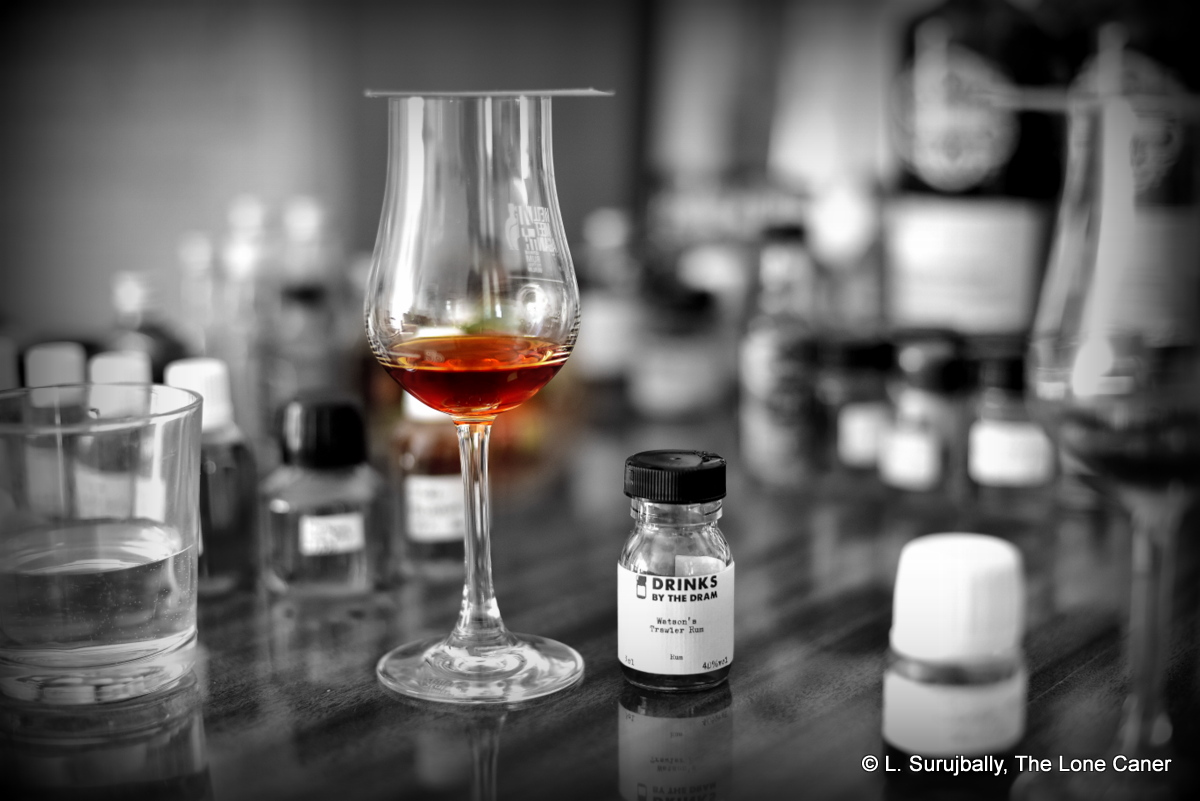
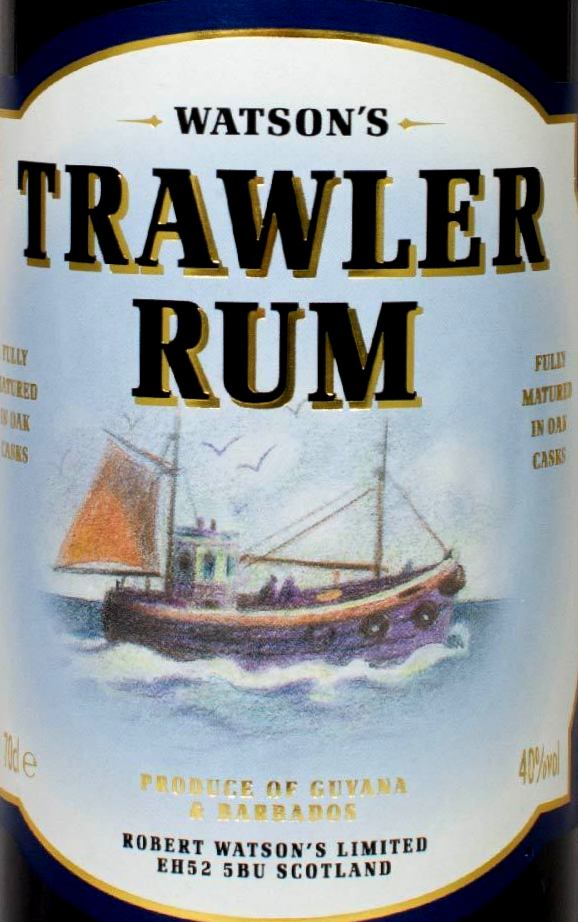 Watson’s Trawler rum, bottled at 40% is another sprig off that branch of British Caribbean blends, budding off the enormous tree of rums the empire produced. The company, according to Anne Watson (granddaughter of the founder), was formed in the late 1940s in Aberdeen, sold at some point to the Chivas Group, and since 1996 the brand is owned by Ian McLeod distillers (home of Sheep Dip and Glengoyne whiskies). It remains a simple, easy to drink and affordable nip, a casual drink, and should be approached in precisely that spirit, not as something with pretensions of grandeur.
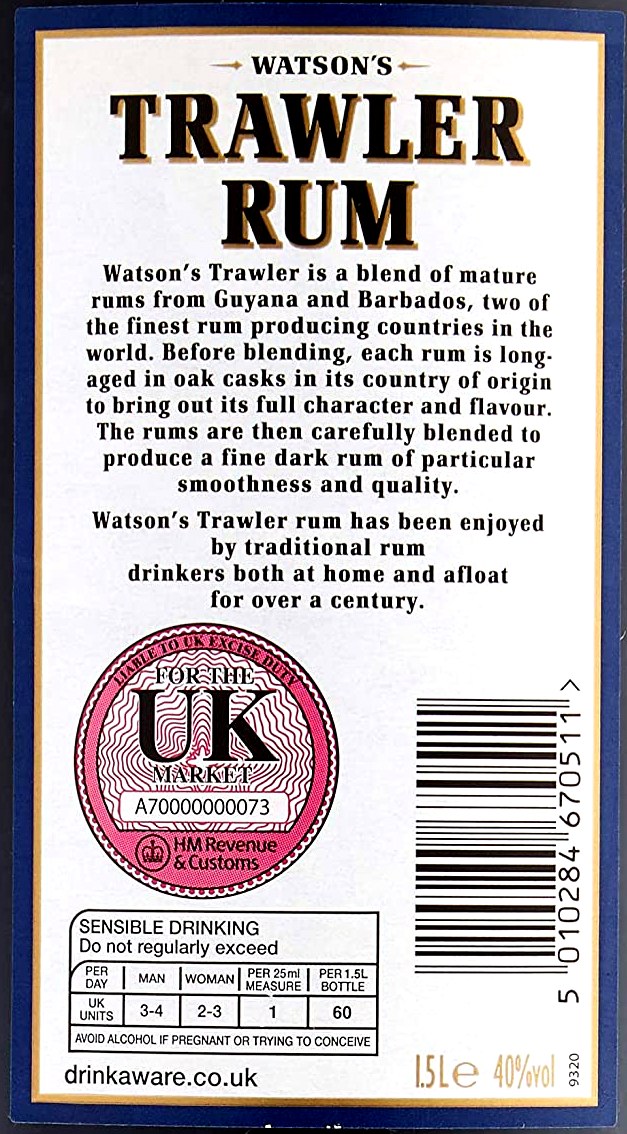 It’s in that simplicity, I argue, lies much of Watson’s strength and enduring appeal — “an honest and loyal rum” opined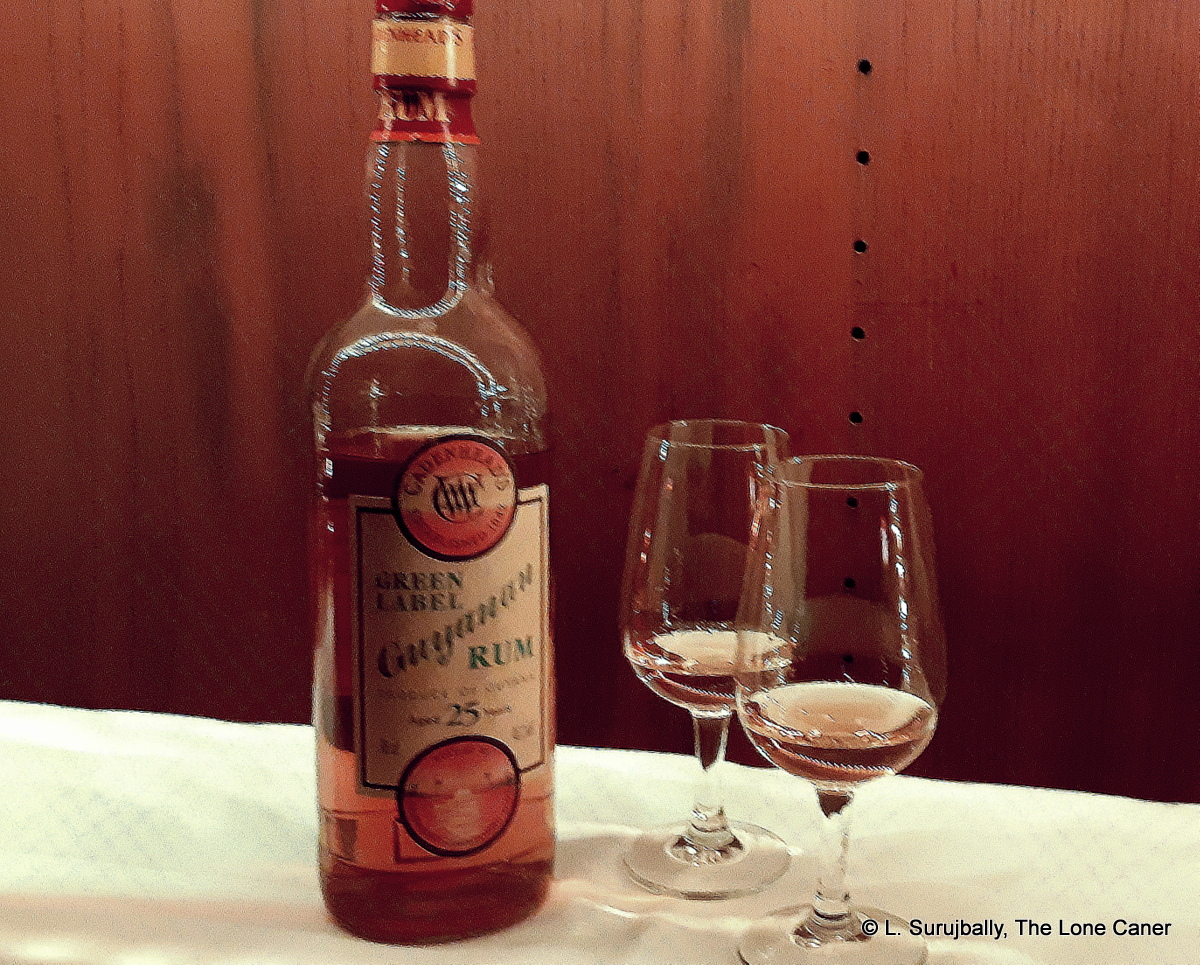
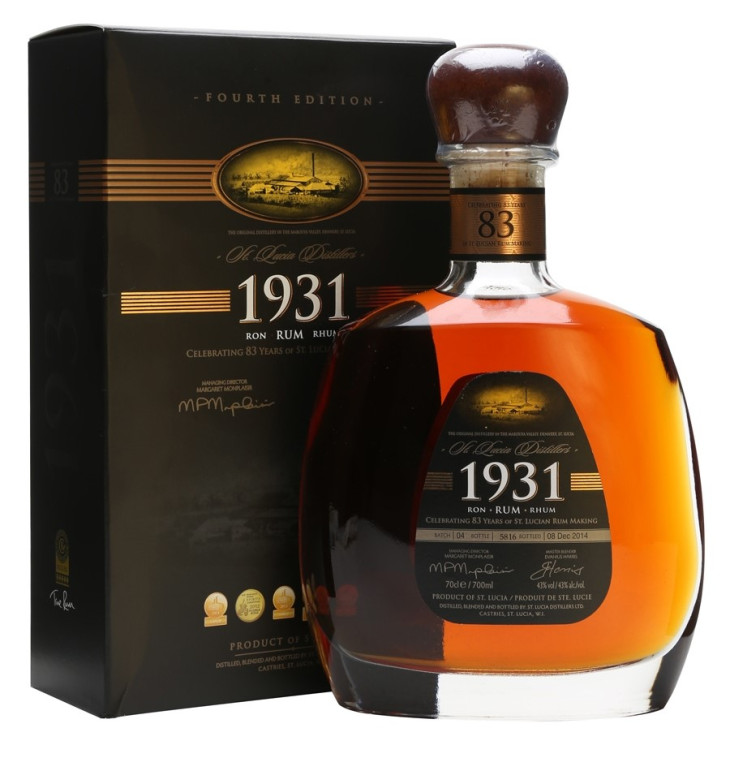 Rumaniacs Review #120 | 0757
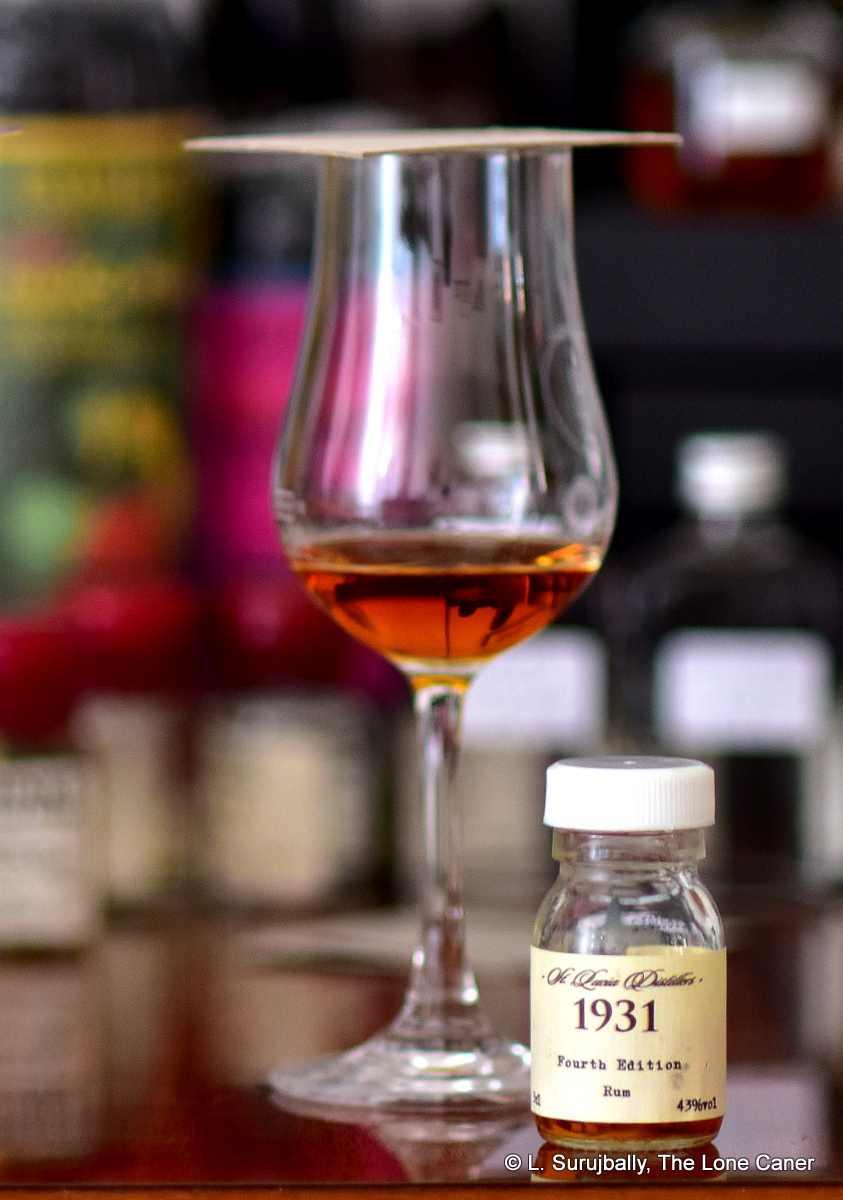 Colour – Gold
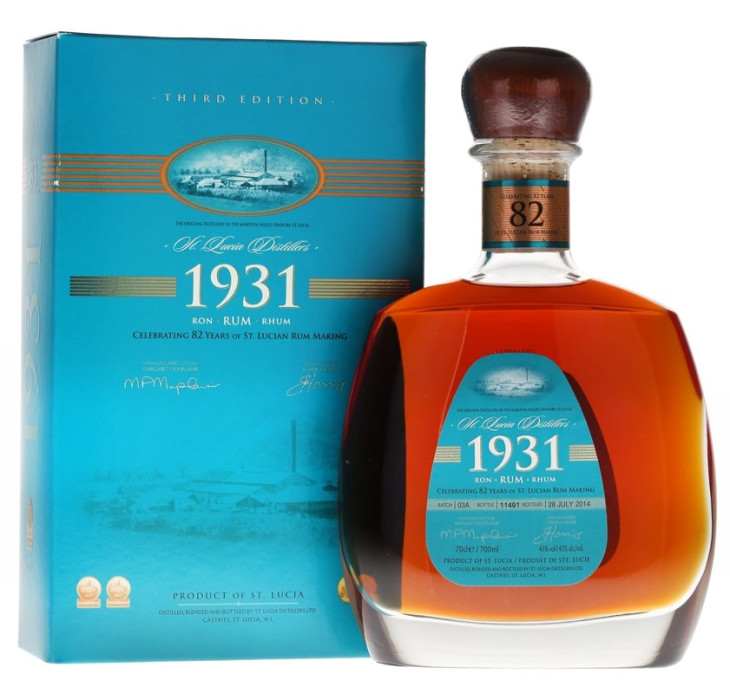 Rumaniacs Review #119 | 0756
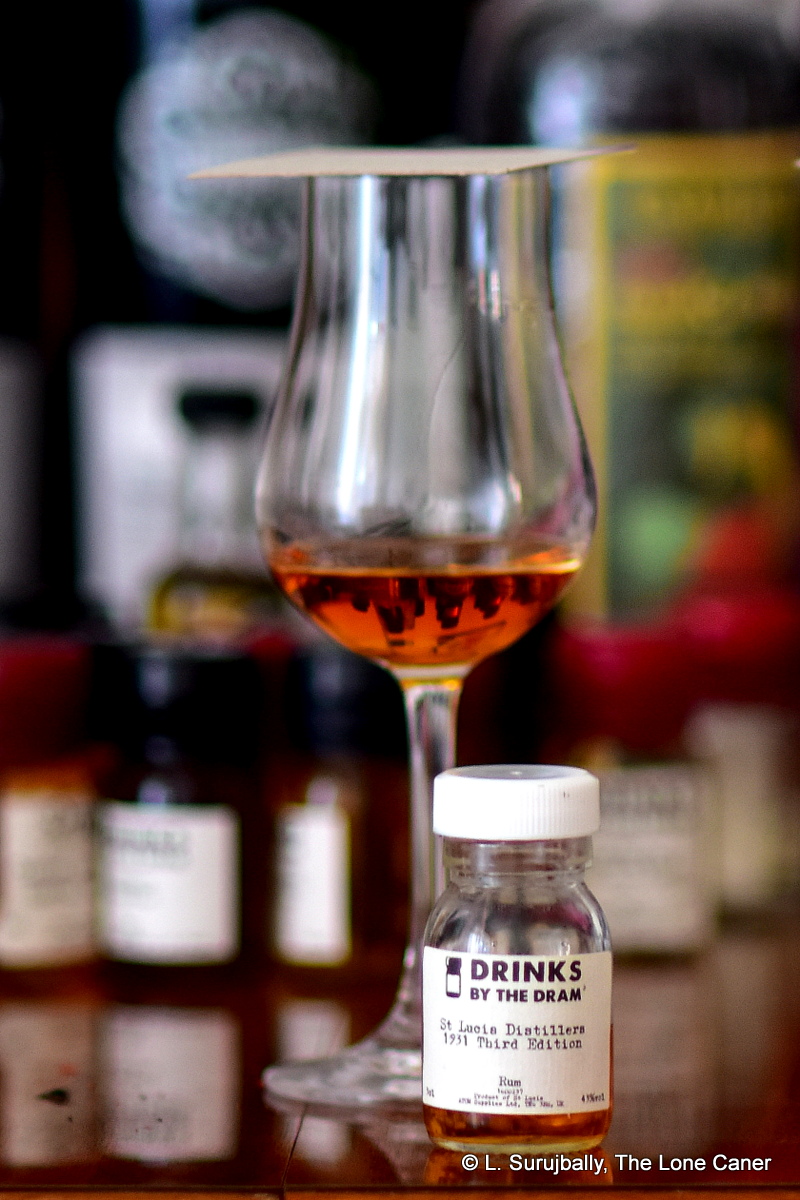 Colour – Dark gold
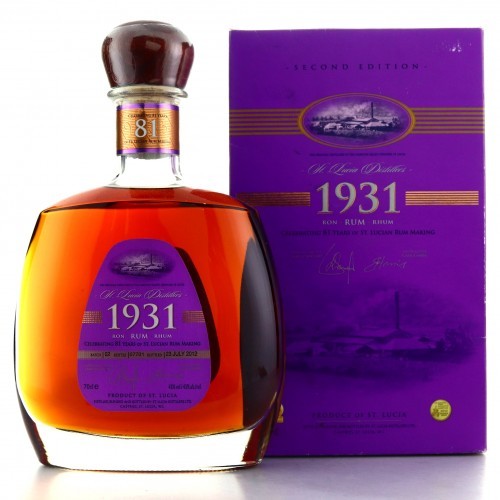 Rumaniacs Review #118 | 0755
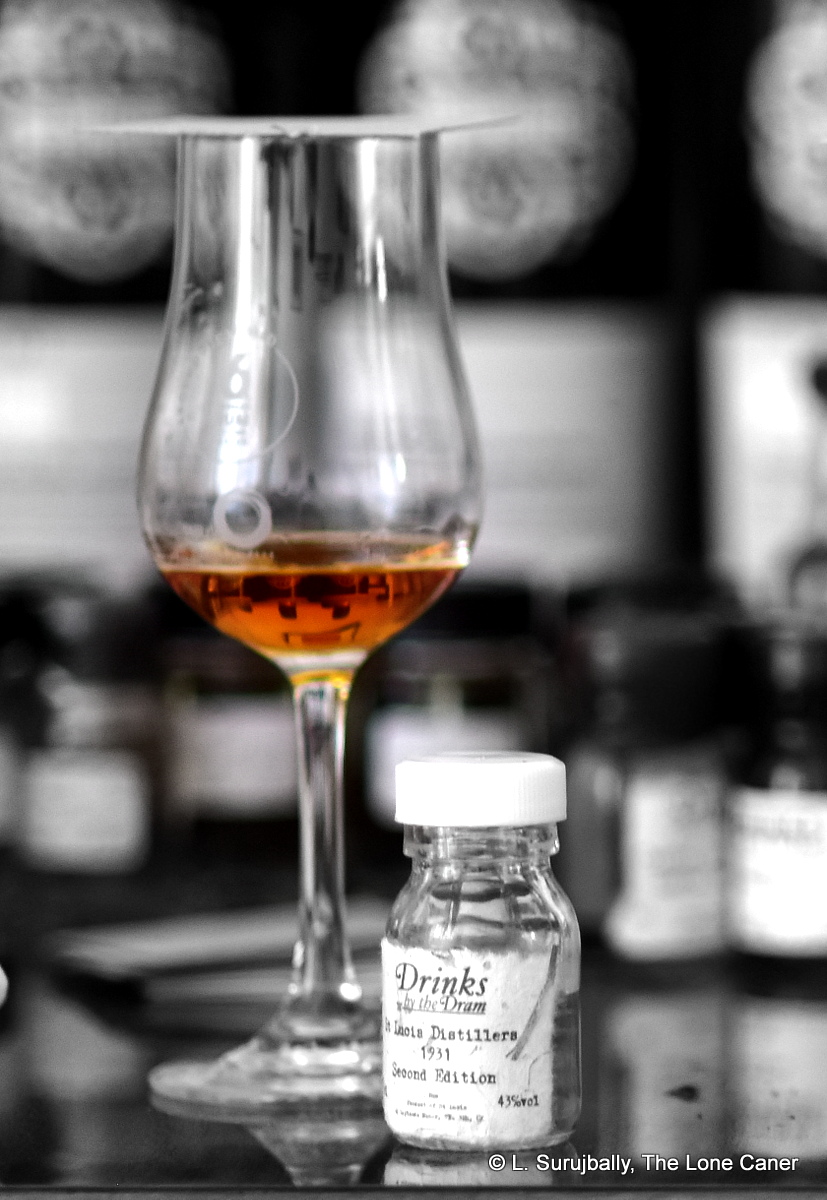 Colour – Mahogany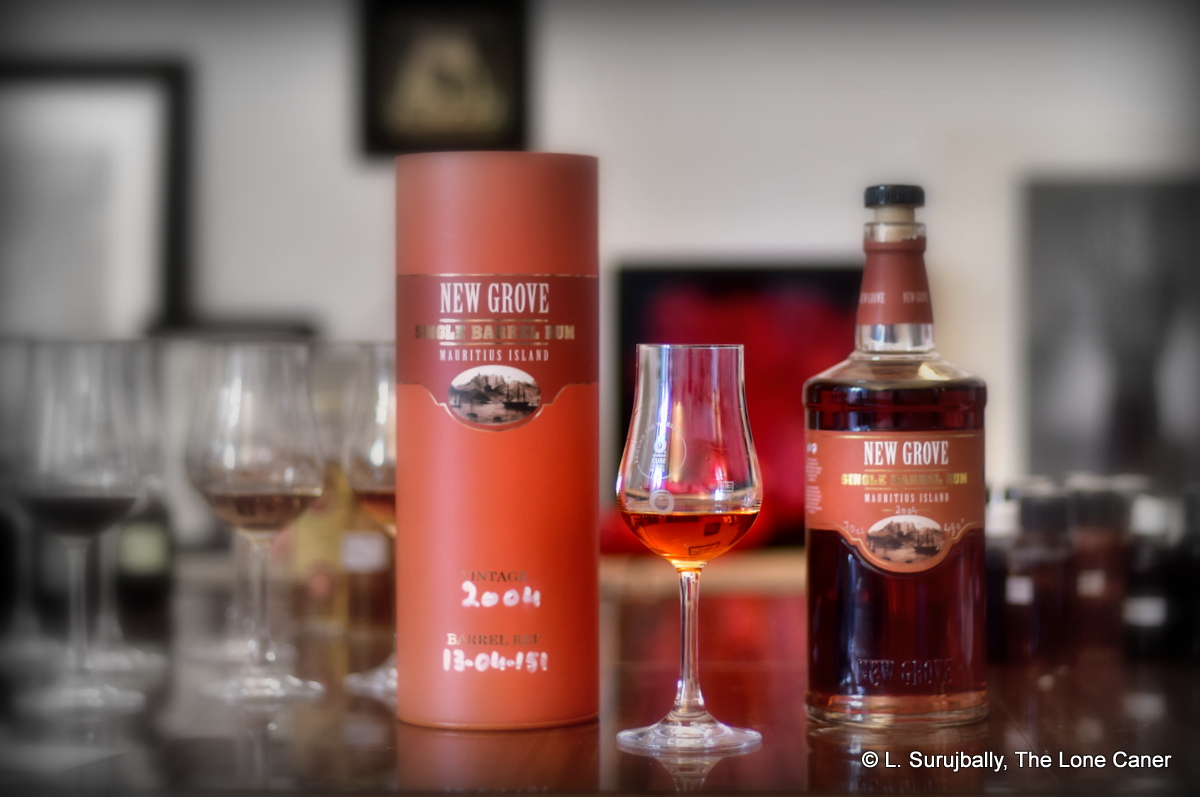
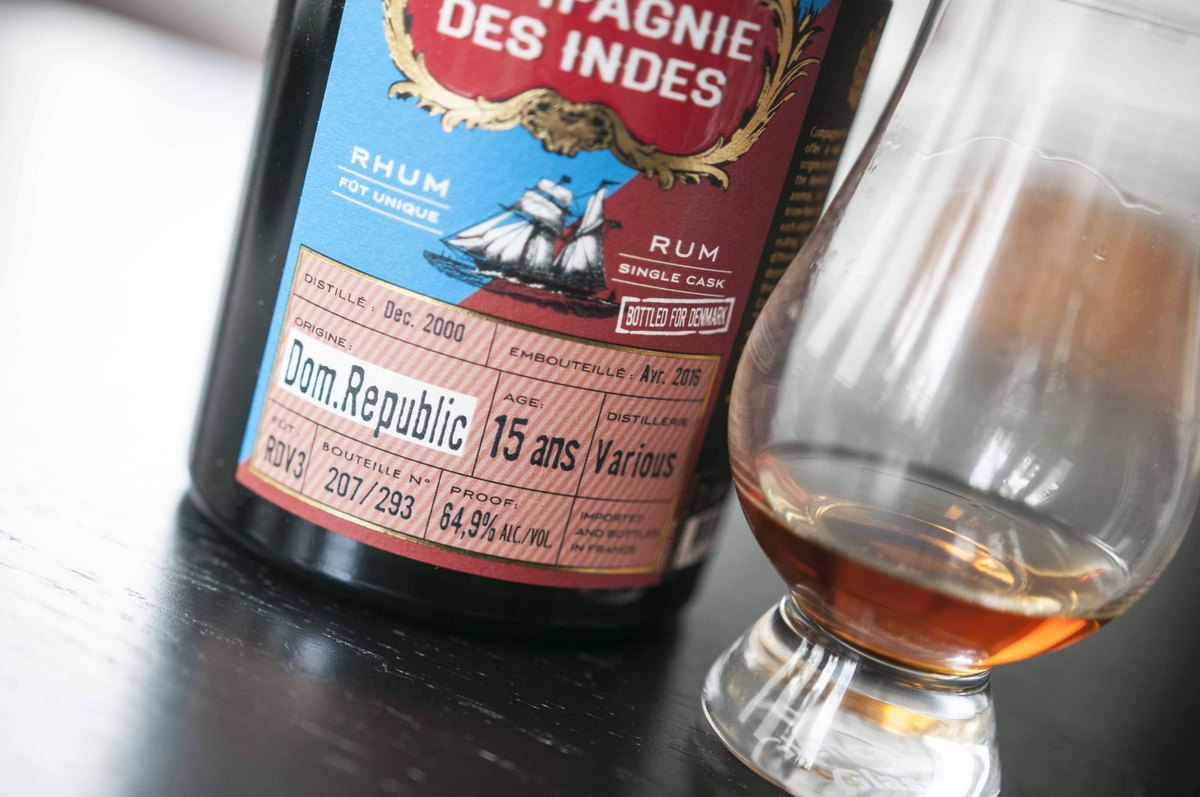
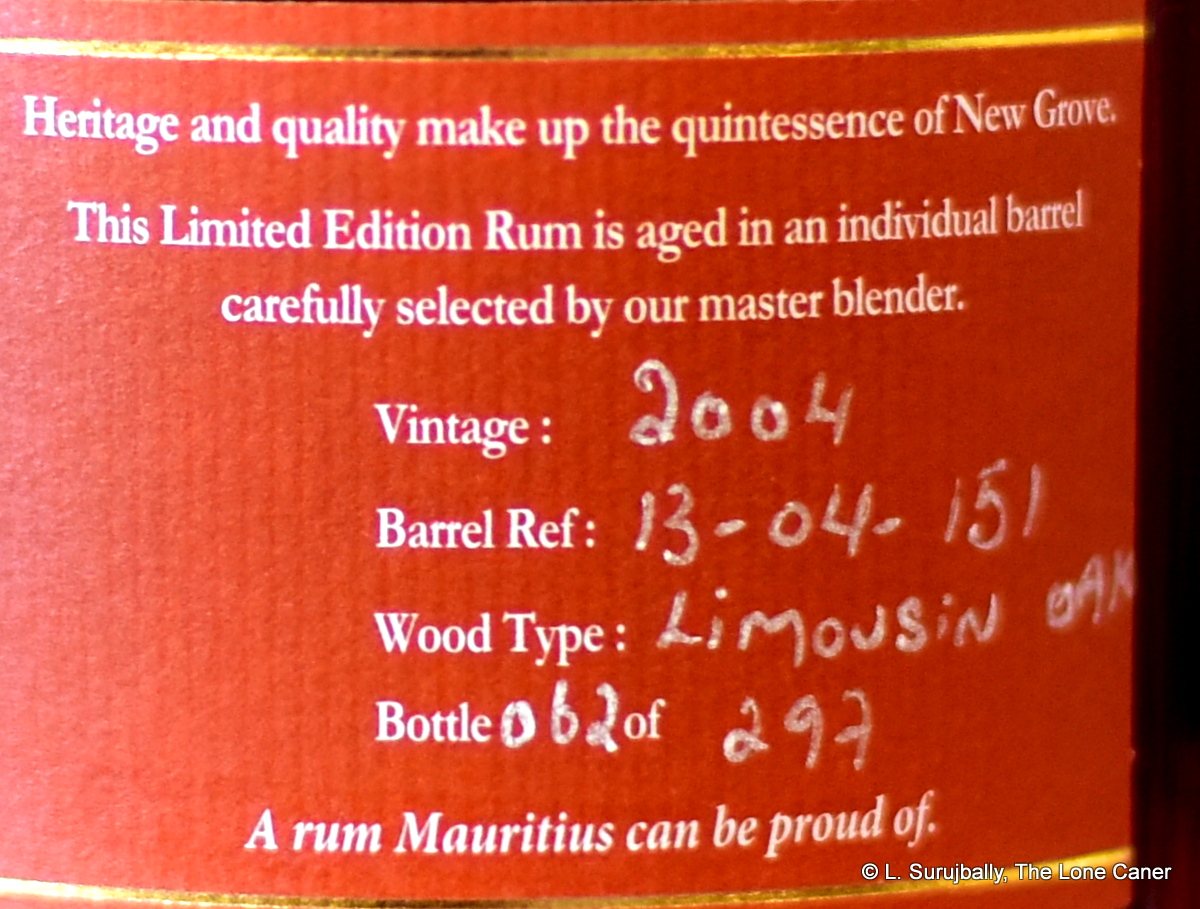
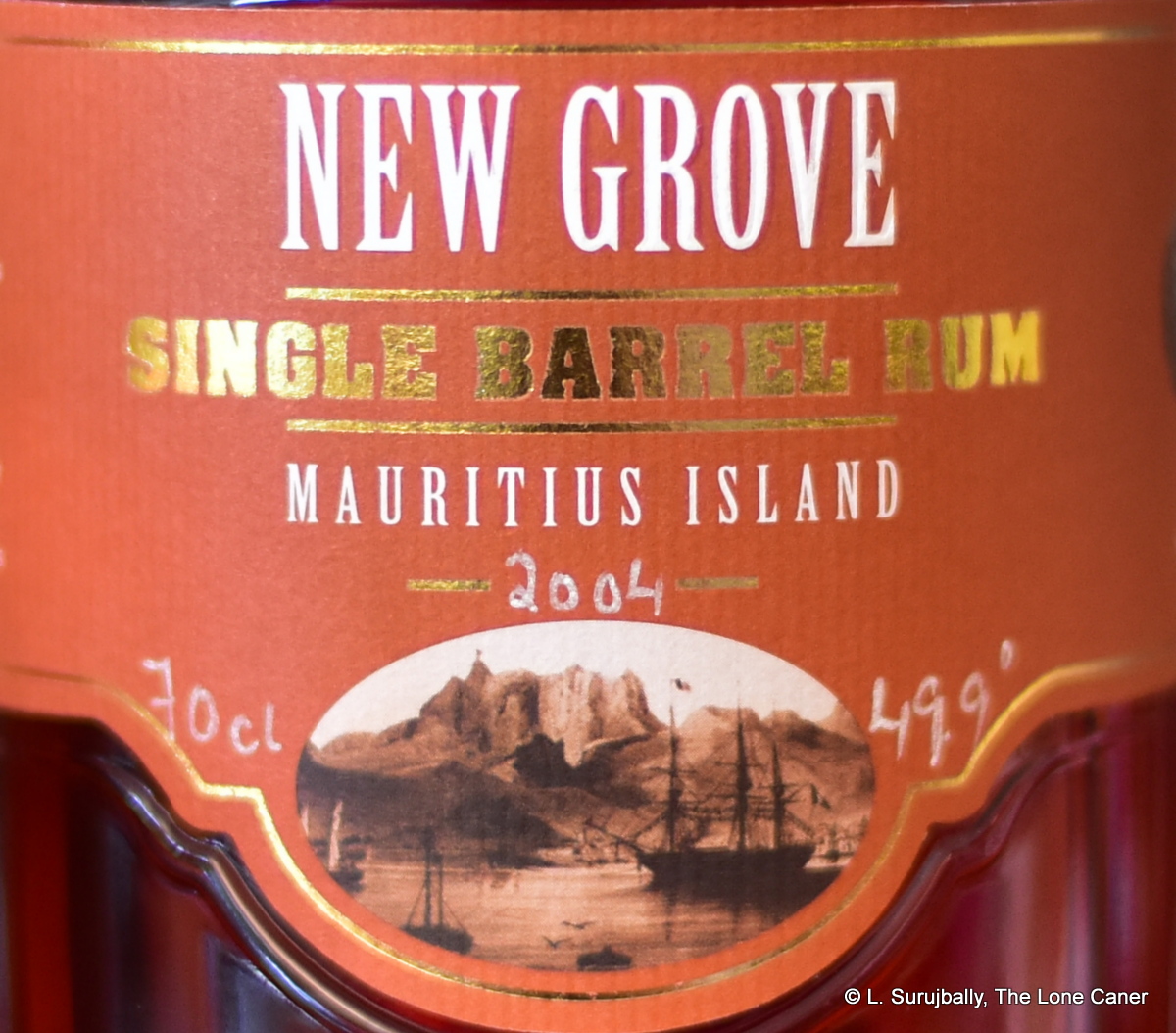 Although cold stats alone don’t tell the tale, I must confess to being intrigued, since a primary producer’s limited single-barrel expressions tend to be somewhat special, something they picked out for good reason. That felt like the case here – the initial smell was delicious, of burnt oranges and whipped cream (!!), a sort of liquid meringue pie if you will. It negotiated the twists and turns of tart and mellower aromas really well: honey, fruits, raisins, green apples, grapes,and ripe peaches. There was never too much of one or the other, and it was all quite civilized, soft and even warm
 Background history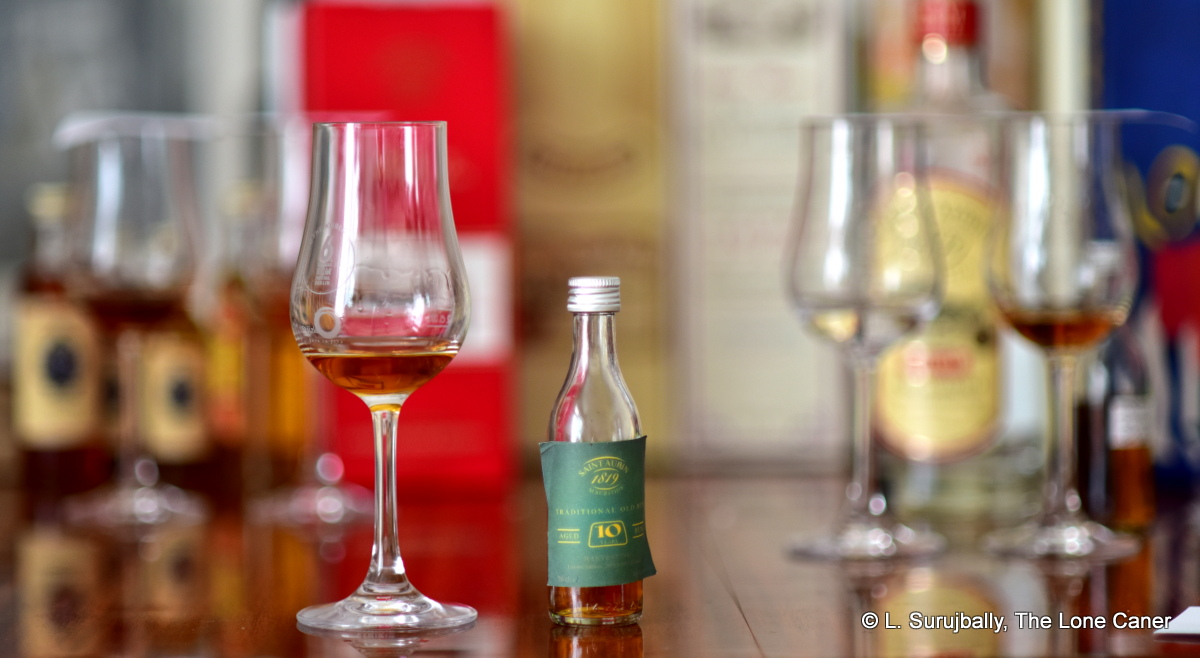
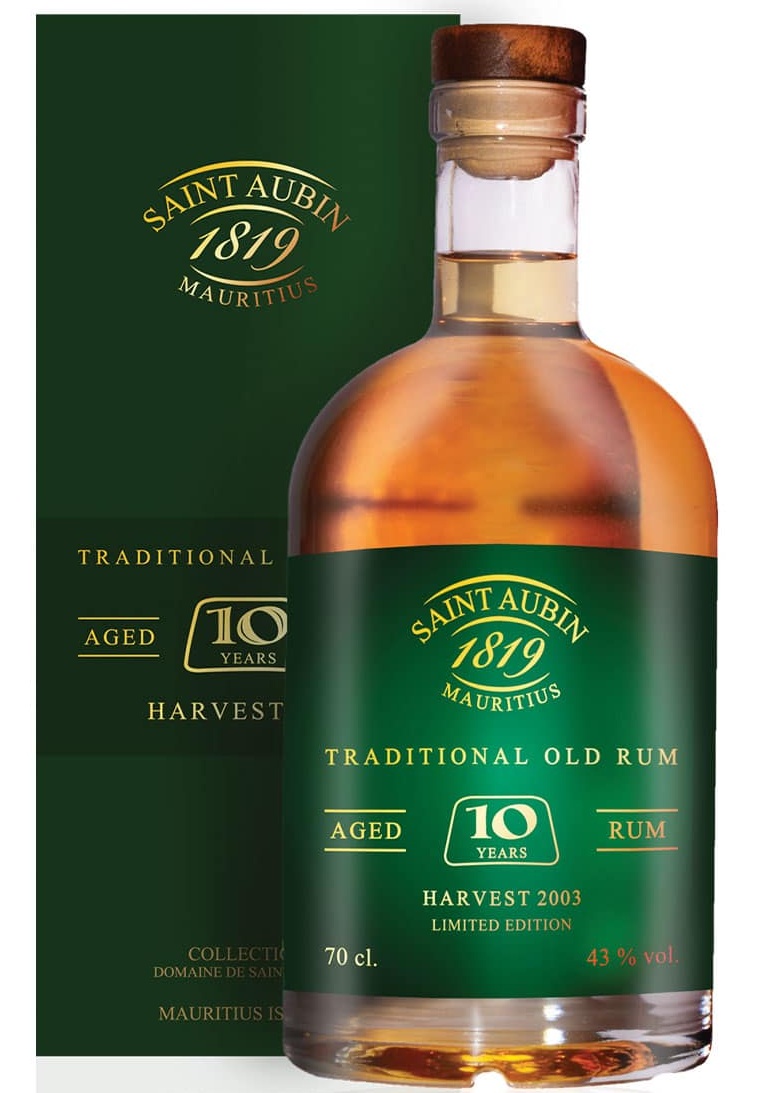 Certainly the 2003 10 YO does its next-best relative the