
One of the German independent Our Rum & Spirits’ earlier bottlings is the Guyanese Enmore from 1990 which was bottled in 2015, a year after they released their first one (an 11 YO Diamond). It’s a respectable 24 (European) years old, a solid anvil-dropping 61.2% ABV, 178 bottles, and of course, it’s not from the Enmore coffey but from the Versailles single wooden pot still, which was the still-in-residence at Enmore Estate back then, before everything got shipped off to Diamond around 2000 in The Great Consolidation.
By now I’ve been trying various single-still offerings from Guyana for years, usually made by the indies but also, more recently, by DDL themselves. One thing I’ve observed is that Enmore distillate tends to be a shade more elegant and a touch light, the Port Mourant is dark and rich and rarely bad at any age, while Versailles is somewhat more brutal, is raw and assertive, and takes real skill to bring to its full potential. This may be why there are so many bottlings of the other two in circulation, while Versailles is rather more rare, and used more in Demerara rum blends (along with the PM).
That said, it’s always interesting how a rum made three decades ago and aged for so long holds on to its character. The nose here opens with fresh, damp sawdust and varnished lumber. One would expect a certain mellowness of age, a smoothening out of roughness, yet the rum still noses like a product much younger, retaining a thin crisp vibrancy, with notes of glue, acetones, licorice, smoke, well-polished old leather, faint salted caramel, and a few ripe stoned fruits for some edge. Oh, and some sweet dusting of brown sugar and cinnamon.
The palate is where such forceful strength comes into its own: here that presents as dry, woody and very sharp, like a whole bag of Red Rose loose black tea dumped into a very small pot and then doused with some brown sugar and a tin of evaporated milk (we called it “bush tea” back in the day – I once fed my little brother some when he was doing exams and he stayed up for two days straight on the stuff). Vanilla, molasses, caramel and licorice are the dominant flavours. Subtler hints of acetone, soya and brininess become noticeable after a while, and some very faint floral and fruity hints waft around without ever making a serious statement. Unsurprisingly it concludes with a finish as long as a polar summer sunset, but it’s slim pickin’s: wood and tannins, some salted caramel, anise, and again, a grain or two of cinnamon.

Well, I have to say that for something sporting a jock of such high ABV and age, I did expect something more complex and pungent on the attack. While undeniable strong and hard on the senses, in the flavour department the rum packs all the verve and panache of an eunuch’s underwear. The opening notes are simple, almost lackluster; then the palate overwhelmed with wood and varnish, and I was reminded of the Old Man Spirits’ Uitvlugt, which also showed off a lot of oomph but had little serious sensory action beyond the obvious. It suggests to me that the cask was not very active, and what you got was what the raw distillate brought to the party, not what the barrel itself was able to add.
Be that as it may, I can’t give the final product a completely failing grade, because let’s admit it, at that strength you’re getting a lot, the tastes that are there aren’t bad, and if it takes a bit more effort to tease out more interesting and extra aromatic notes, well, so be it. All the stats – the ABV, the age, the country, the still – are just excuses to get us to engage our senses with the rum itself, a Diamond-based Duke Nukem that’s all action and no reflection, desiring no deeper meaning for itself beyond the test of your ability to cope with it. Speaking for myself, I can’t say that’s entirely a bad thing.
(#847)(84/100)
Background History
Our Rum & Spirits, located in the small town of Hildesheim just south of Hanover in north-central Germany, is among the first of the new wave of modern German independents, however small they might be. Back in 2014 when the company bottled its first release (a Guyanese 2003 11 YO from Diamond), the rum business was a sideshow to Christian Nagel’s restaurant which served rums (and some other spirits) as part of the menu.
The next logical step was to bottle what he himself would like to have – at the very least if he had a barrel, he wouldn’t run out quite so fast. The reception to the initial Diamond was so good that others followed, and two years later he was exhibiting at the Berlin Rum Fest: he’s now a regular and a medal winner there (several times) and has multiple bottlings from Guyana, Barbados, Panama and Jamaica. For me he’s a regular stopping point whenever I’m there, if only to chat and say hello.
By early 2018 he removed his spirits activities to different premises from the restaurant and now acts as both independent and distributor; this aspect of his work became successful enough that in June of 2021, gave up the gastronomy business altogether.





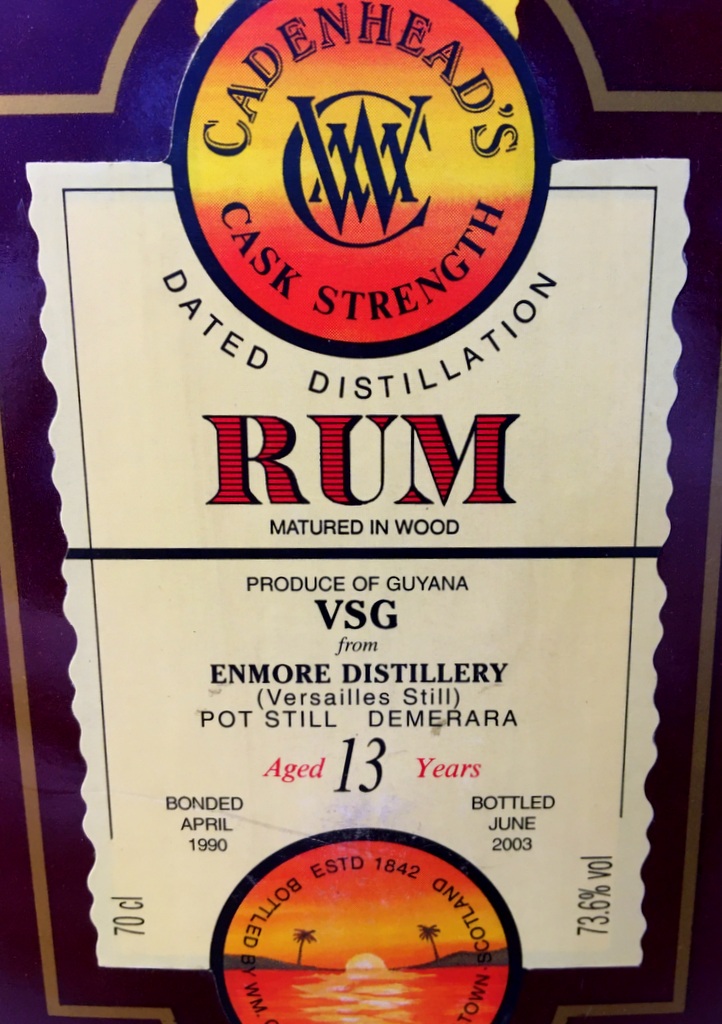

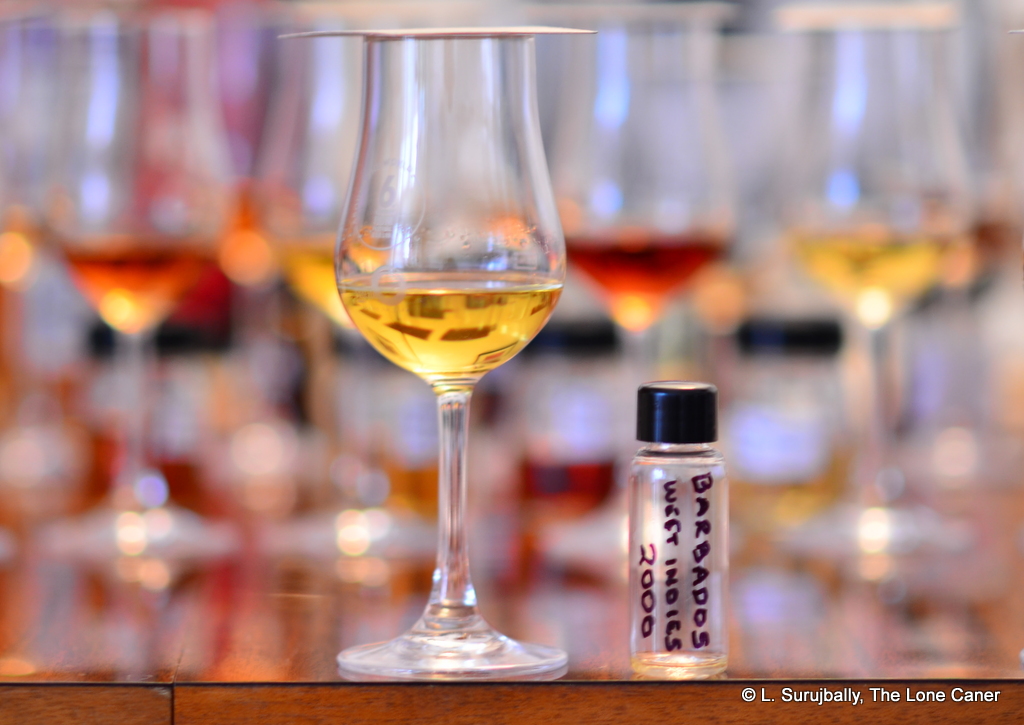

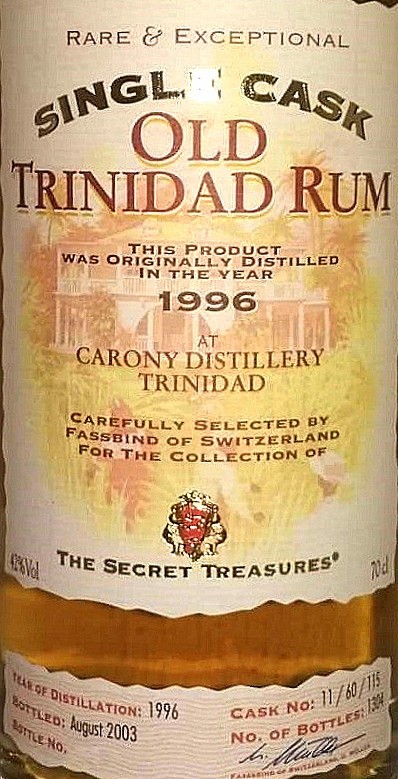
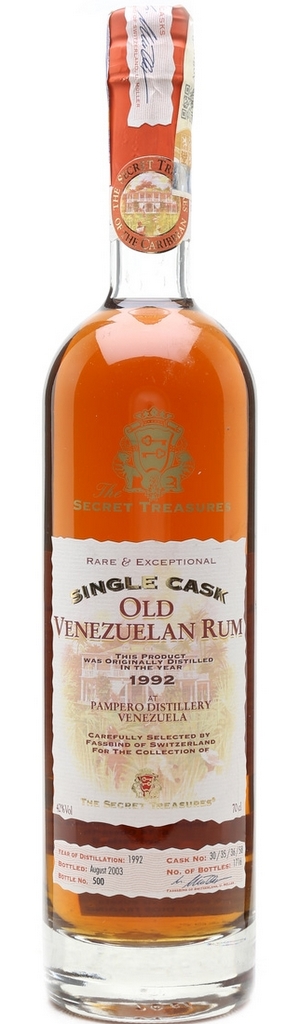 There are some older bottles in the review queue for products from what I term the “classic” era of the Swiss / German outfit of Secret Treasures, and it’s perhaps time to push them out the door in case some curious person ever wants to research them for an auction listing or something. Because what Secret Treasures are making now is completely different from what they did then, as I remarked in my brief company notes for
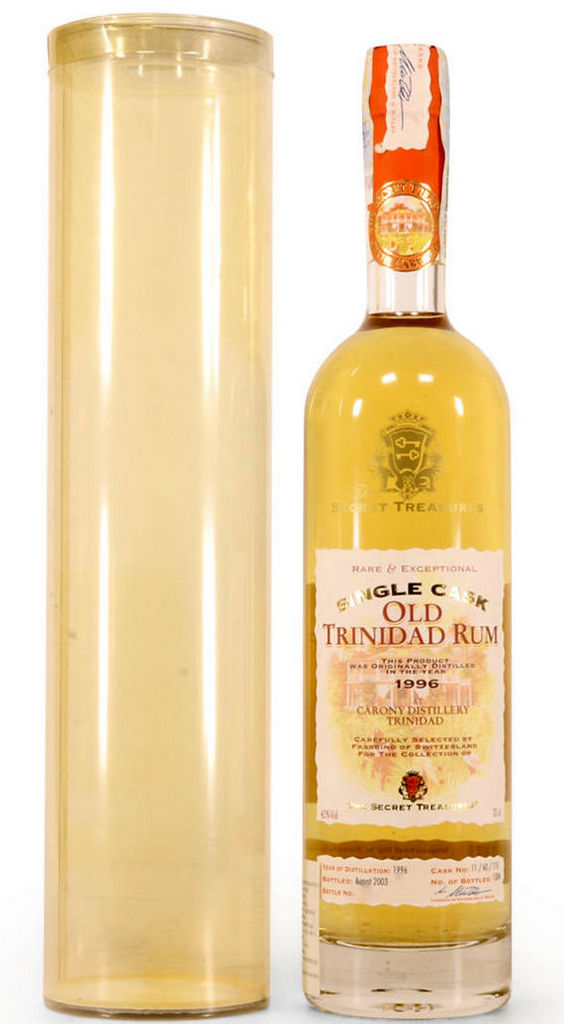 In the maelstrom of ongoing indie releases coming at us from every direction almost every month, it’s easy to overlook some of the older rums, or even some of the older companies. Secret Treasures is one of these — I had discovered their charms on the same trip where I found the first Veliers, all those long years ago, at a time when the concept of independent bottlers was a relatively small scale phenomenon. Back then I bought the company’s
 A salty sweet sugar water greets the tongue with warmth and firmness. All the fleshy and watery fruits we’re familiar with parade around – pears, watermelons, white guavas, papaya, kiwi fruits, even cucumbers all take a bow. A trace of olives and occasional whiff of strawberries and petrol are barely noticeable, so one can only wonder where, after such a promising beginning, they all vanished to. Eloped, maybe. Certainly they bailed and left the rum with nothing but memories and a good wish to lead to its inevitably disappointing denouement, which was short, breathy, light and watery, and barely registered some vanilla, brine, a fruit or two and exactly zero points of distinction.
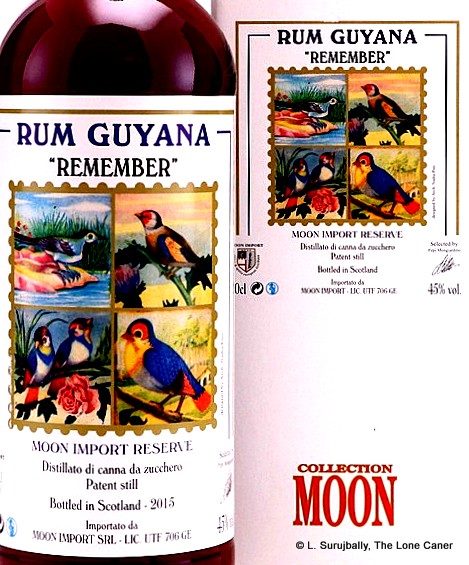
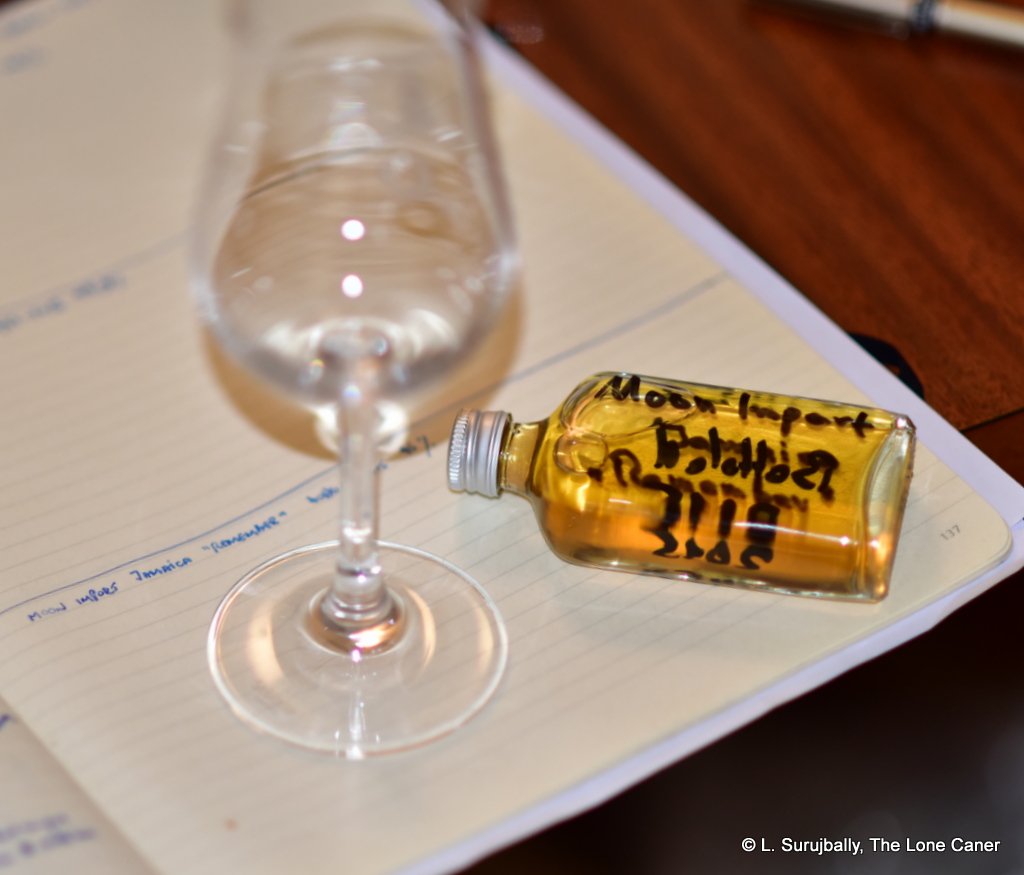
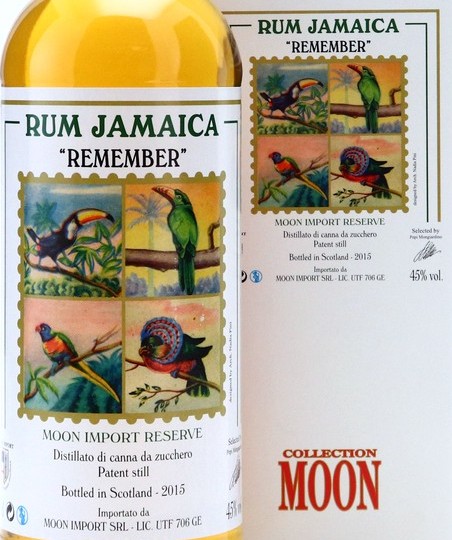
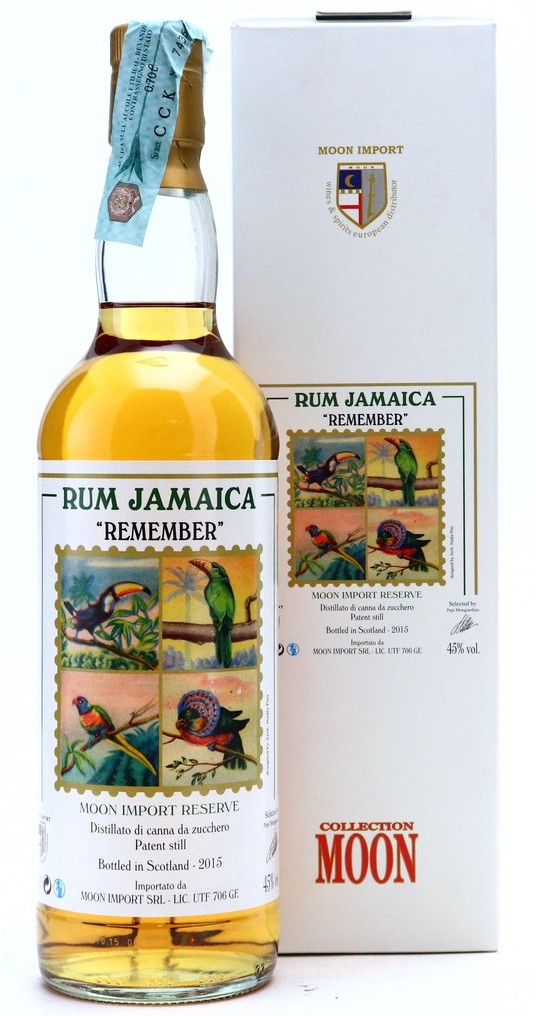
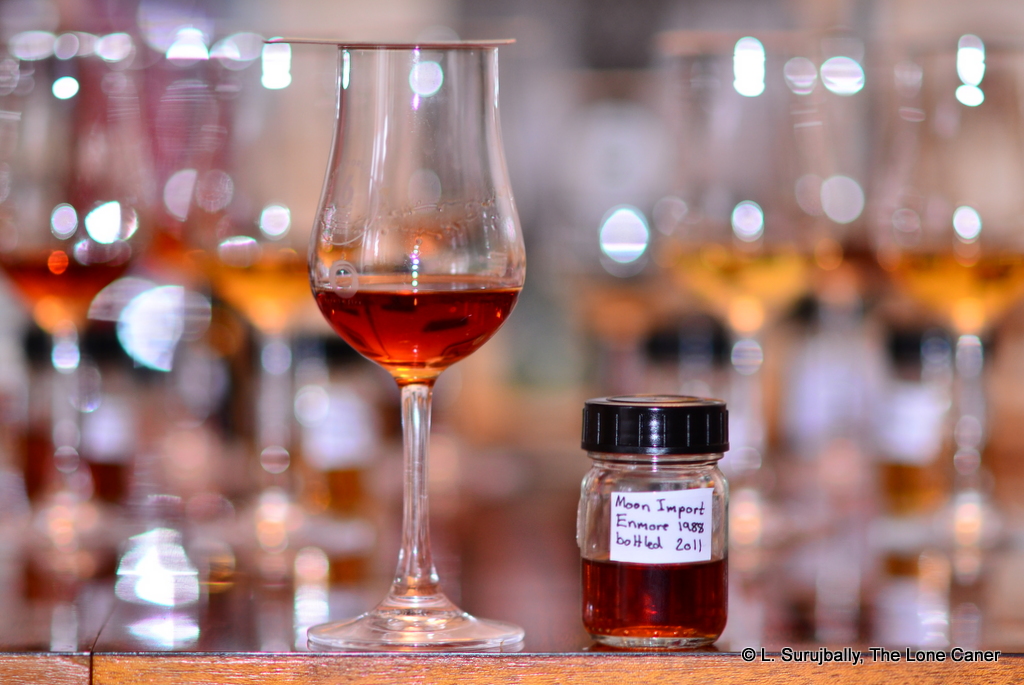
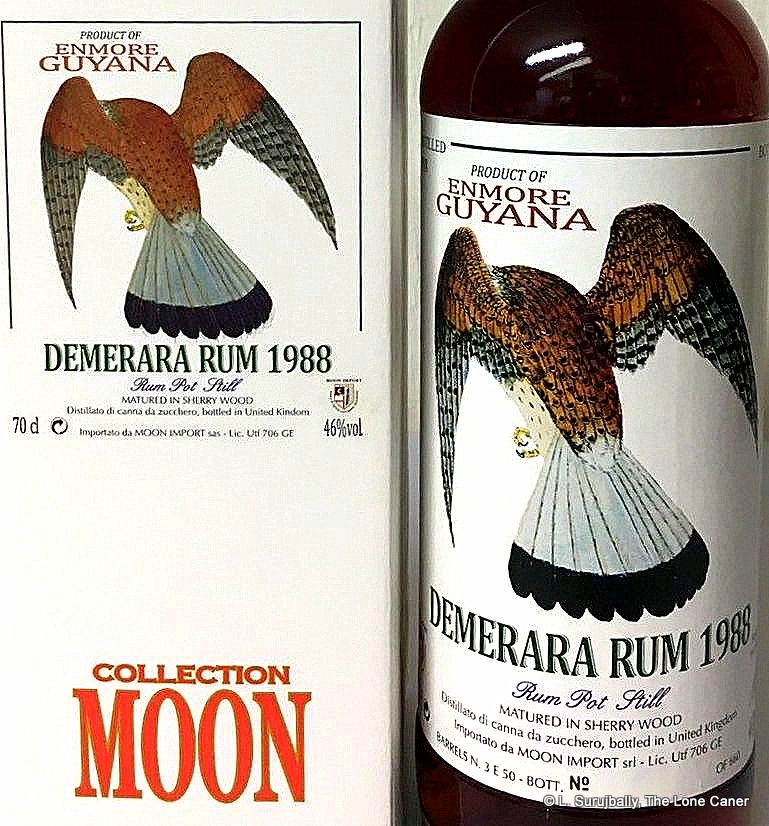
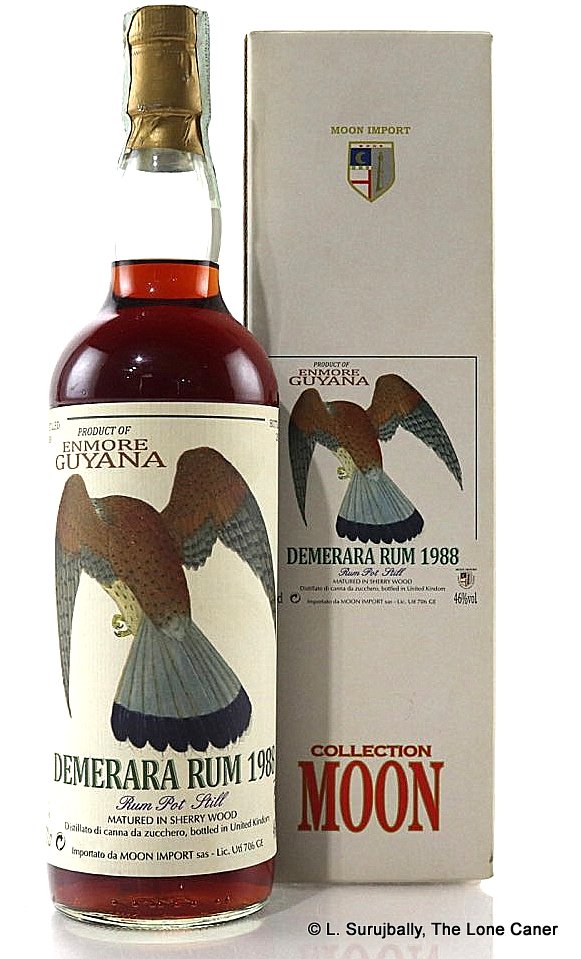 This is not the first Demerara rum that the venerable Italian indie bottler Moon Import has aged in sherry barrels: the superb
 Opinion
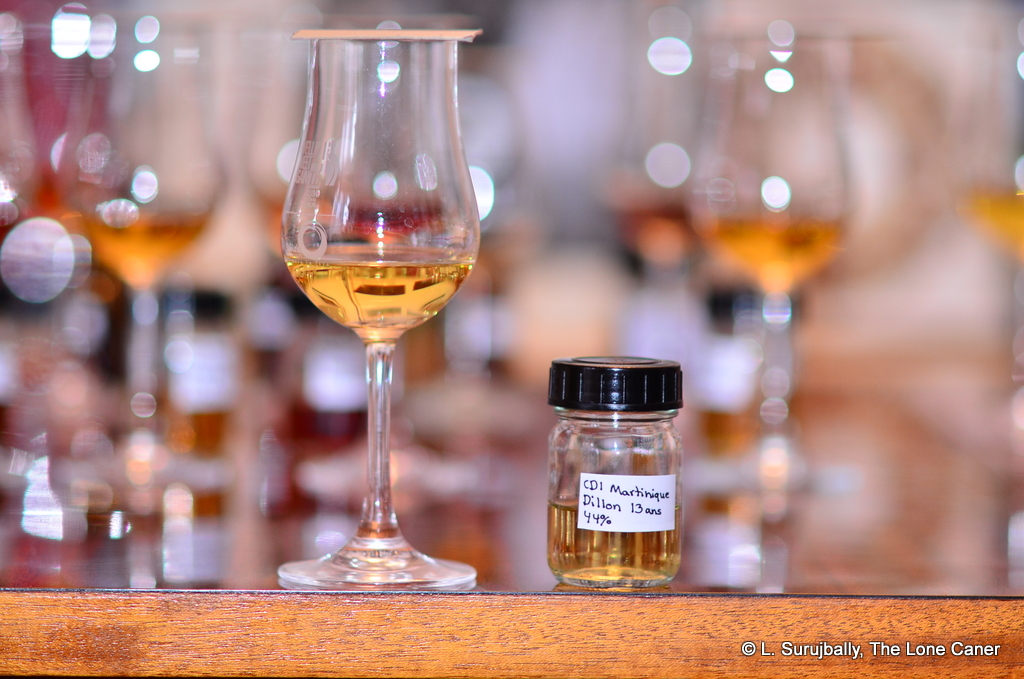
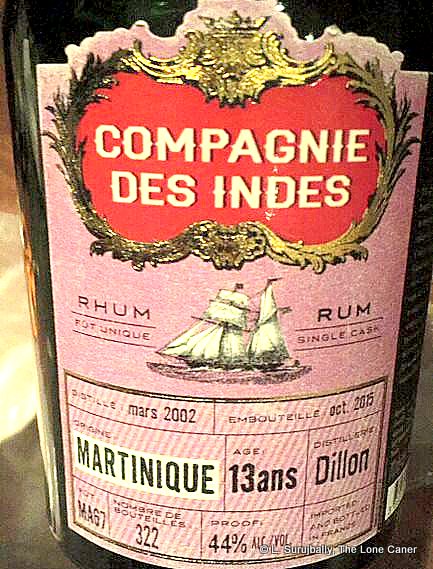 Whatever the case, I must advise you that if you like agricoles at all, those smaller names and lesser known establishments like Dillon should be on your radar. Not all of the rhums they make are double-digit aged, so those that are, even if farmed out to a third party, are even more worth looking at. Just smell this one, for example: it’s a fruitarian’s wet dream. In fact, the aroma almost strikes me like a very good Riesling mixing it up with a 7-up, if you could conceive of such an unlikely pairing. Lighter than the
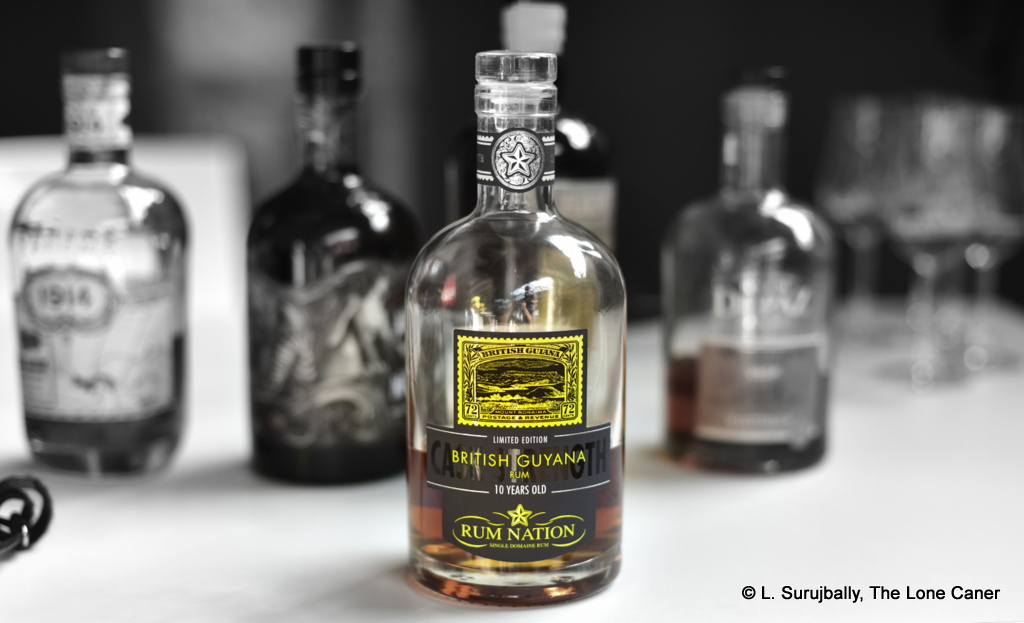
 I do, on the other hand, like the taste. It’s warm and rich and the Enmore still profile – freshly sawn lumber, sawdust, pencil shavings – is clear. Also sour cream, eggnog, and bags of dried, dark fruits (raisins, prunes, dried plums) mix it up with a nice touch of sandalwood. It takes its own sweet time getting the the point and is a little discombobulated throughout, but I can’t argue with the stewed apples, dried orange peel, ripe red guavas and licorice – it’s nice. The finish is quite solid, if unexceptional: it lasts a fair bit, and you’re left with closing notes of licorice, oak chips, vanilla, dried fruit and black cake.