South Africa has been making wine for centuries, backyard bathtub liquors are a local staple, and rums and rotgut of some kind (and quality) have always been made. Still, we may want to pay more attention to those rums going forward because in the last decade there have been quite a few small local companies starting up operations there, making small batch rums with little-stills-that-could and quietly garnering kudos for themselves for some interesting products, none of which I’ve tried (which is my loss). Companies like Copeland, Inverroche, Tapanga, Whistler, 25° South, DeVry, Distillery 031, Brickmakers, and the list goes on.
Another one of these is Mhoba, which Steve James of the Rum Diaries Blog brilliantly detailed a couple of months ago. Mhoba has been experimenting and playing around with making rums as far back as 2012, when the founder Robert Greaves thought of making a South African version of cachaca…but he changed his mind after a seminal 2013 encounter in a hotel bar in Mauritius introduced him to all the variety global rums possessed. This led to two years of trial and error, attempting to improve the quality of his spirit on a self-constructed pot still (he has a mechanical engineering background, which undoubtedly helped – in that way he’s a lot like Mike Moscoso of Barik in Haiti), as well as applying for a Liquor License, which all finally came together in 2015. Samples went out the door in 2016 to the Miami Rum Festival which resulted in feedback and more tweaking, and 2017 at the UK provided an opportunity for a more serious intro of the company’s work to the public. It was successful enough that by 2019 it was being distributed in Europe and gained a lot of interest and word of mouth by being probably the only cane-juice derived rum in South Africa.
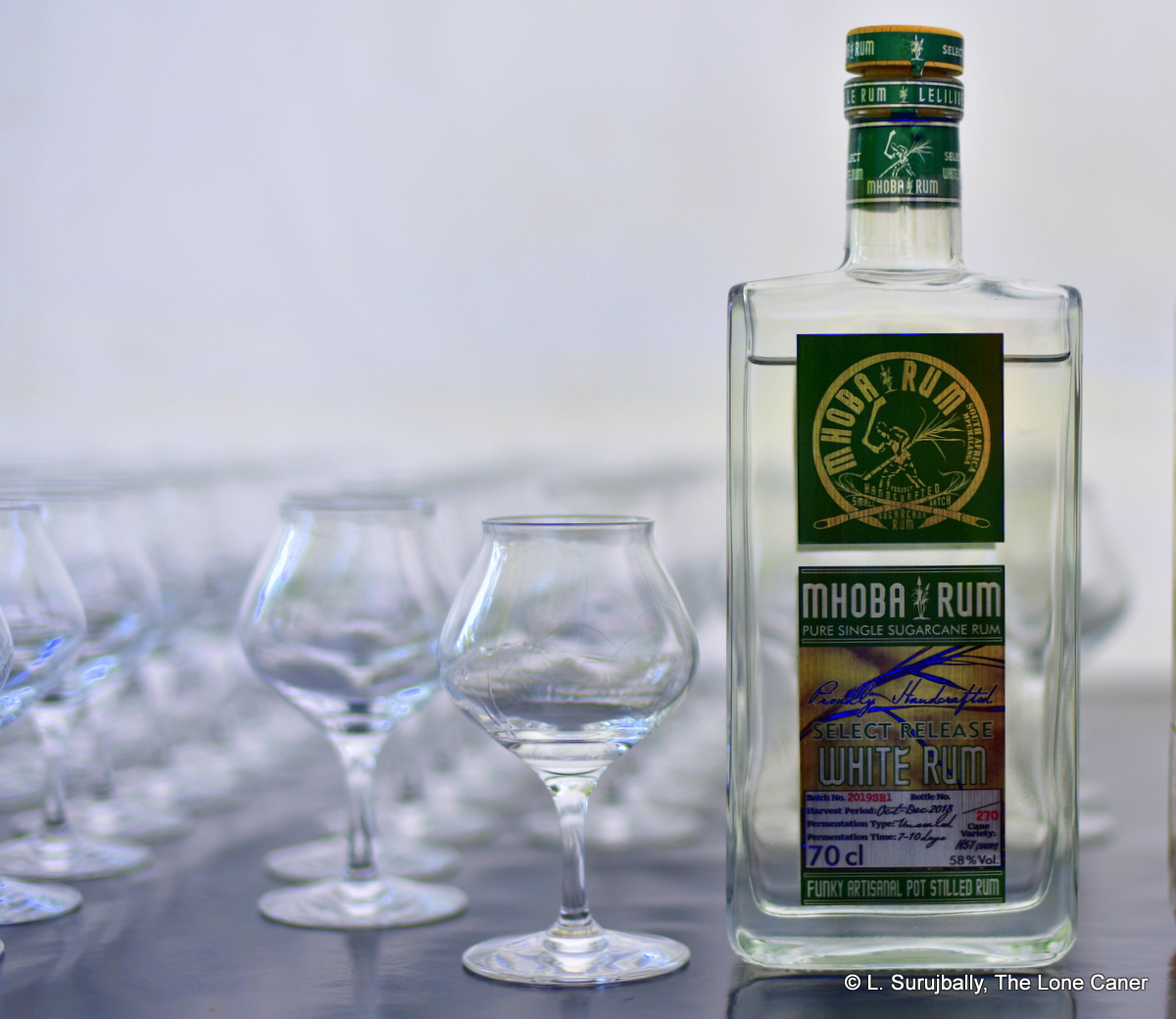
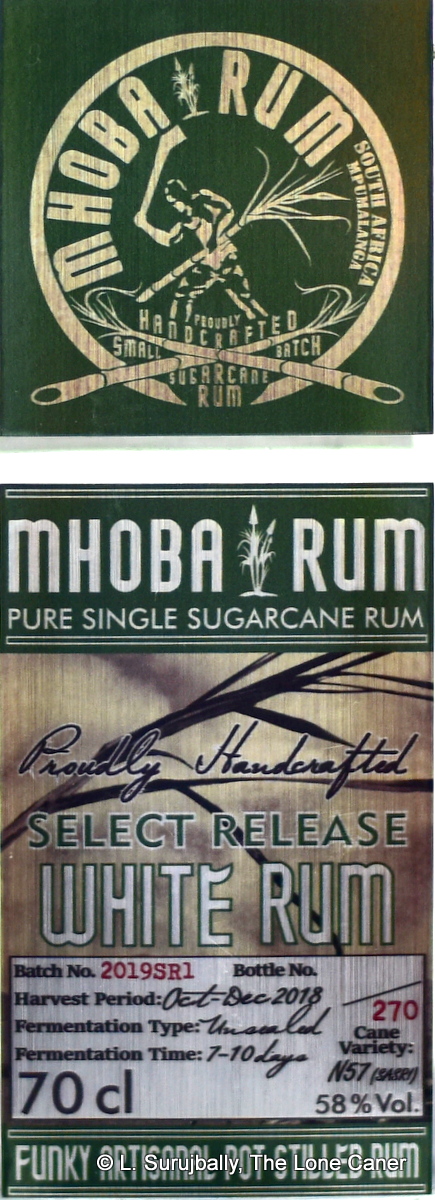 I’ll leave you to peruse Steve’s enormously informative company profile for production details (it’s really worth reading just to see what it takes to start something like a craft distillery), and just mention that the rum is pot still distilled from juice which is initially fermented naturally before boosting it with a strain of commercial yeast. The company makes three different kinds of white rums – pot still white, high ester white and a blended white, all unaged. I tried what is probably the tamest of the three, the Select, which the last one, blended from several cuts taken from batches processed between October to December of 2018 and bottled at 58%. All of this is clearly marked on the onsite-produced label (self-engraved, self-printed, manually-applied), which is one of the most informative on the market: it details batch number, date, strength, variety of cane, still, number of bottles in the run…it’s really impressive work.
Ah, but how does it taste, you ask. What does it smell like? Well, it’s not a sharp as 58% might lead you to believe, but man, that pot still action is very nice indeed. The briny notes of a humid day at the seaside, combined with olives, acetones and sour fruit, showing that the still was alive and well, and that the esters retained their influence. There was something nice and tart about it too, like macerated gooseberries mixed up with some soursop and then dropped into a can of paint or furniture polish, and the odd thing is, it gets sweeter and saltier the longer it sits in the glass, which is quite a trick for any rum to pull off. It relaxes after some time, and adds some lemon zest, cucumbers and pimentos to the mix, after which there isn’t much more to be found – but what there was was plenty, let me assure you. The blending doesn’t entirely take the edge off the rum, which retains a sort of youthful raw intensity to the aromas.
It tastes somewhat sharper than it nosed, which is fine, something to be expected. Again, salt, brine, olives to begin with, plus the sour fruit, acetones, nail polish. I enjoyed the background hints of lemon zest and cinnamon and the overall crispness of the profile, which was not an amalgam of melded tastes, but a procession of crisp, high-steppin’ flavour notes that were sharp and distinct as a bayonet. What is of interest is the overall herbal, grassy aspect to it which wasn’t quite as evident on the nose: in other words it tasted something like an agricole. Too, there was some earth, musky spices in there lending a nice balance to the experience: tumeric, I’d say, and some masala. The finish was short and dry, but nicely balanced, sweet, salty and crisp, and summed up most of the action here: salty notes, some sweet, some spices, some earth.
Overall, my general opinion is that it resembled Neisson’s agricoles more than most, or maybe a civilized clairin (if the comparison needs to be made at all, and it doesn’t, really). It wasn’t exactly a furiously complex hurricane of a jillion different things all wanting to get your attention at once: what it did do was focus on what it had, and crisply emphasized the notes it did play, without straying too far from its strengths. I didn’t get a chance to try the pot still or the high ester whites as comparators to this white rum, but I have to admit, the sheer rough quality of this one makes me wish I had. This juice is quietly badass, and I want me some more.
(#644)(82/100)
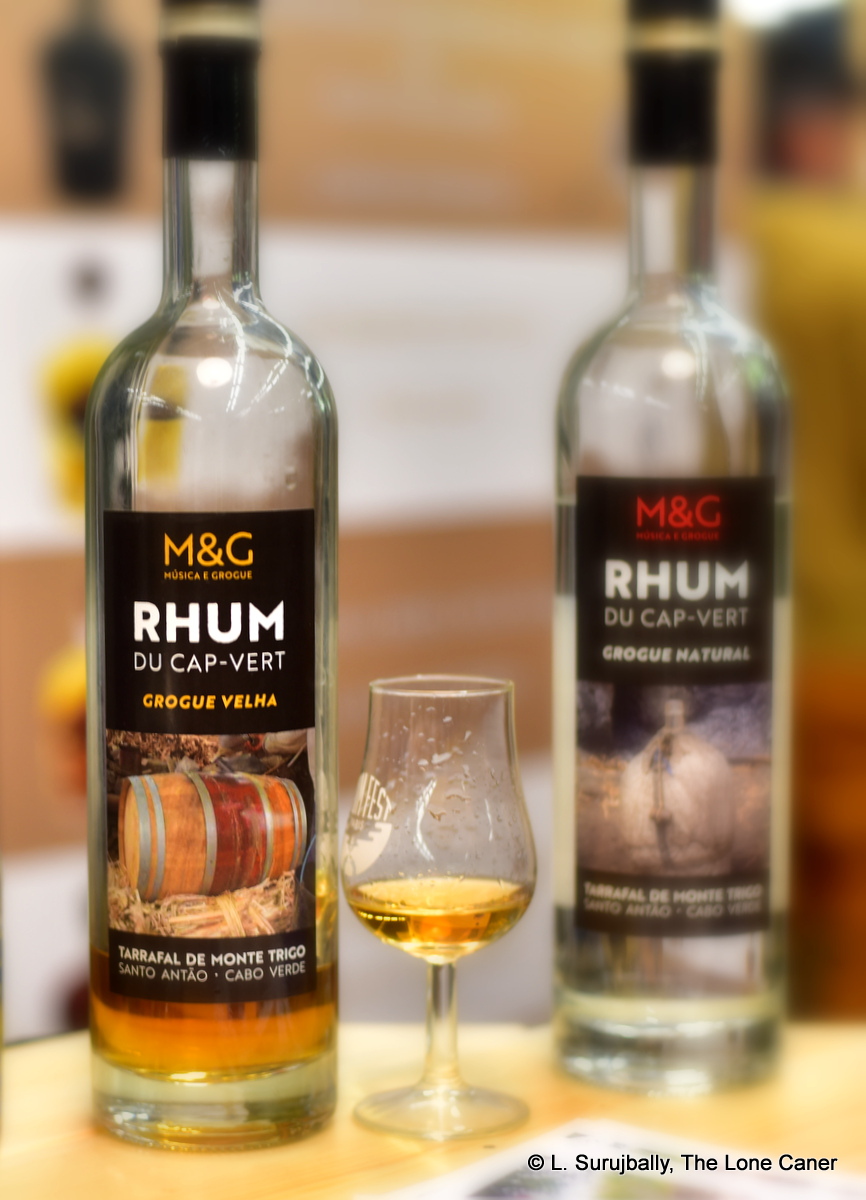
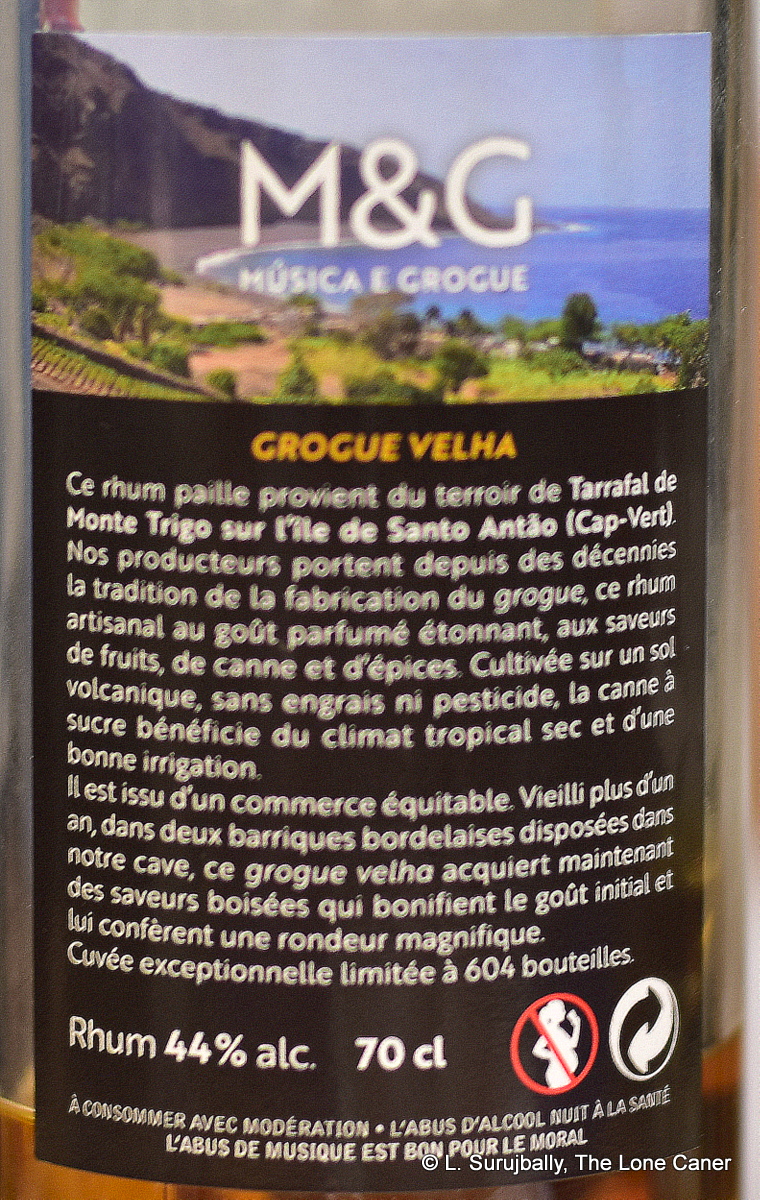 That was quite a medley on the nose, yet oddly the palate didn’t have quite have as many tunes playing. It was initially briny with those olives coming back, a little peanut brittle, salt caramel ice cream, vanilla, all held back. What I liked was its general softness and ease of delivery – there was honey and cream, set off by a touch of citrus and tannics, all in a pleasant and understated sort of combination that had a surprisingly good balance that one would not always imagine a rhum so young could keep juggling as well as it it did. Or as long. Even the finish, while simple, came together well – it gave up some short and aromatic notes, slightly woody and tannic, and balanced them out with soft fruits, pipe tobacco, coffee and vanilla, before exhaling gently on the way out. Nice.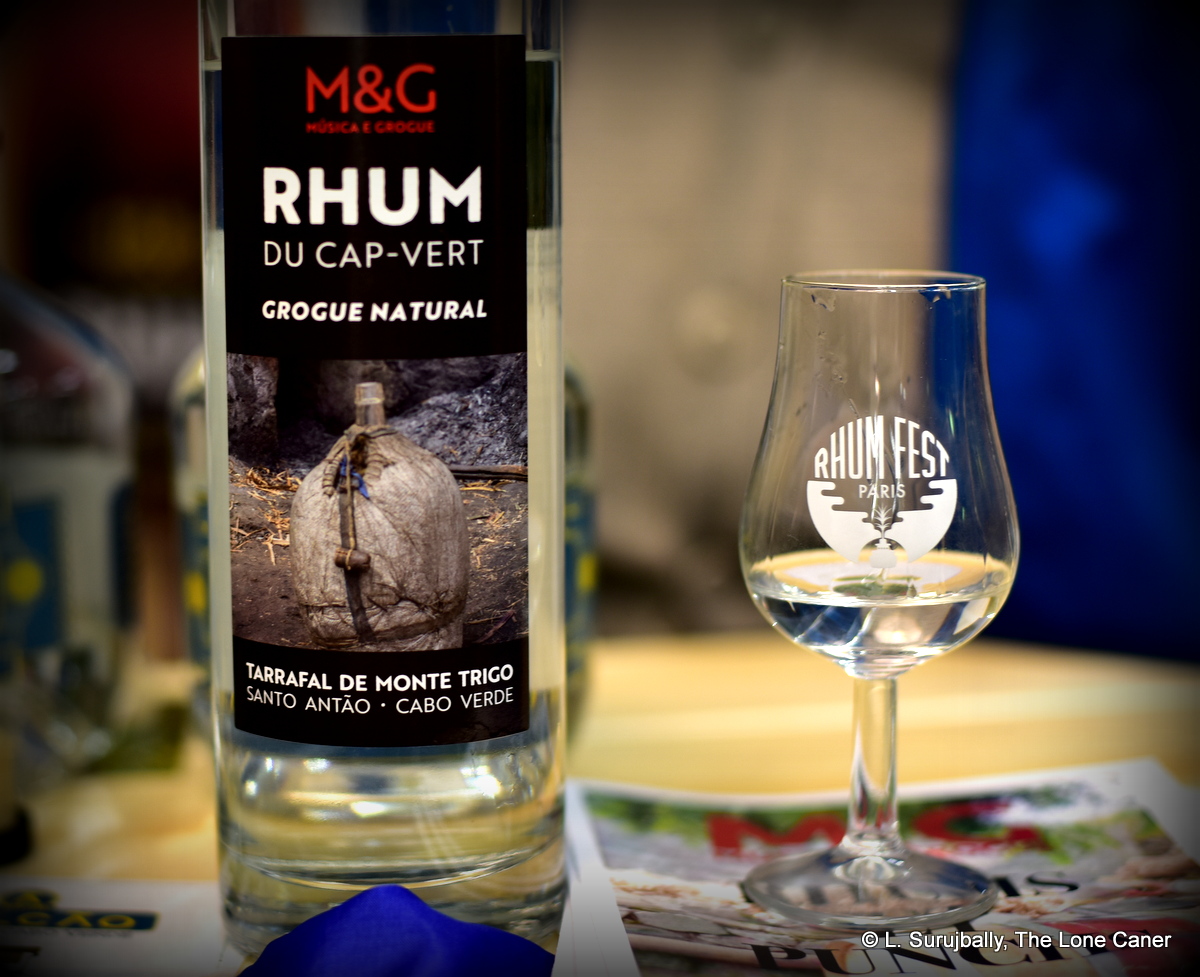
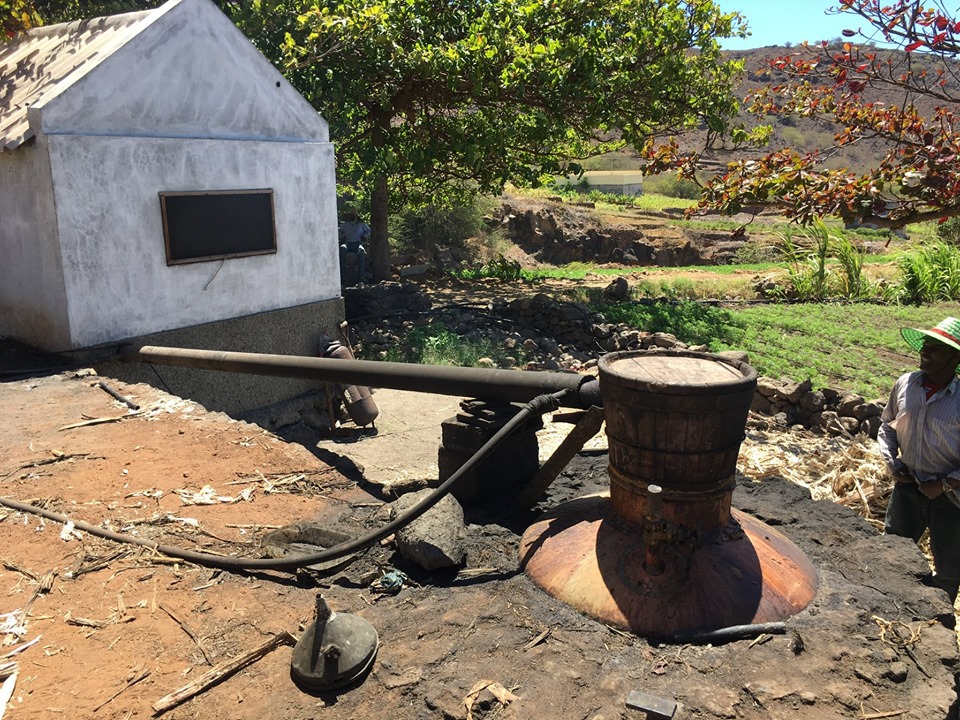
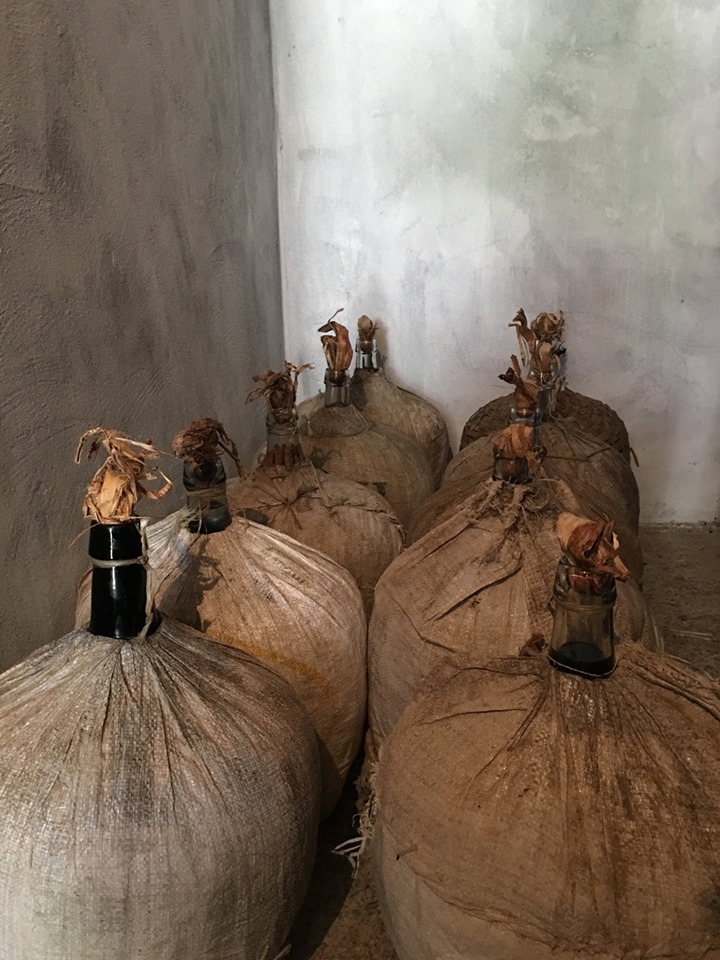
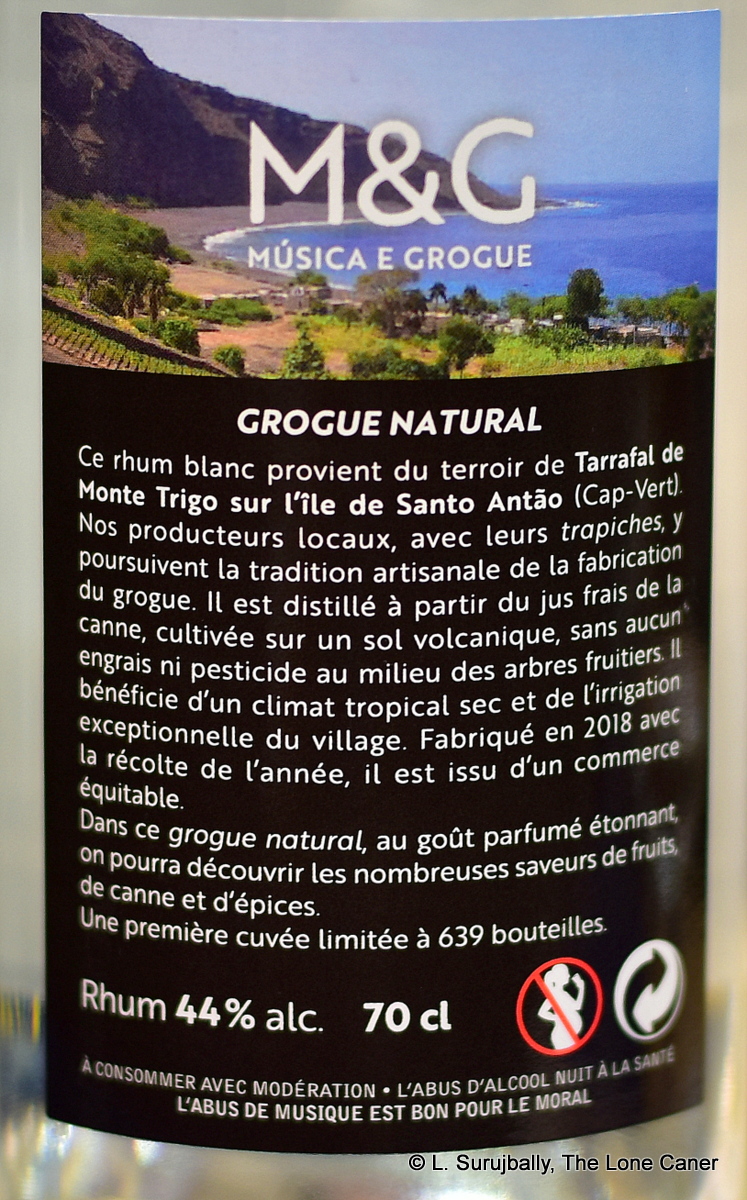 It’s become a sort of personal hobby for me to try unaged white rums of late, because while I love the uber-aged stuff, they do take flavours from the barrel and lose something of their original character, becoming delicious but changed spirits. On the other hand, unaged

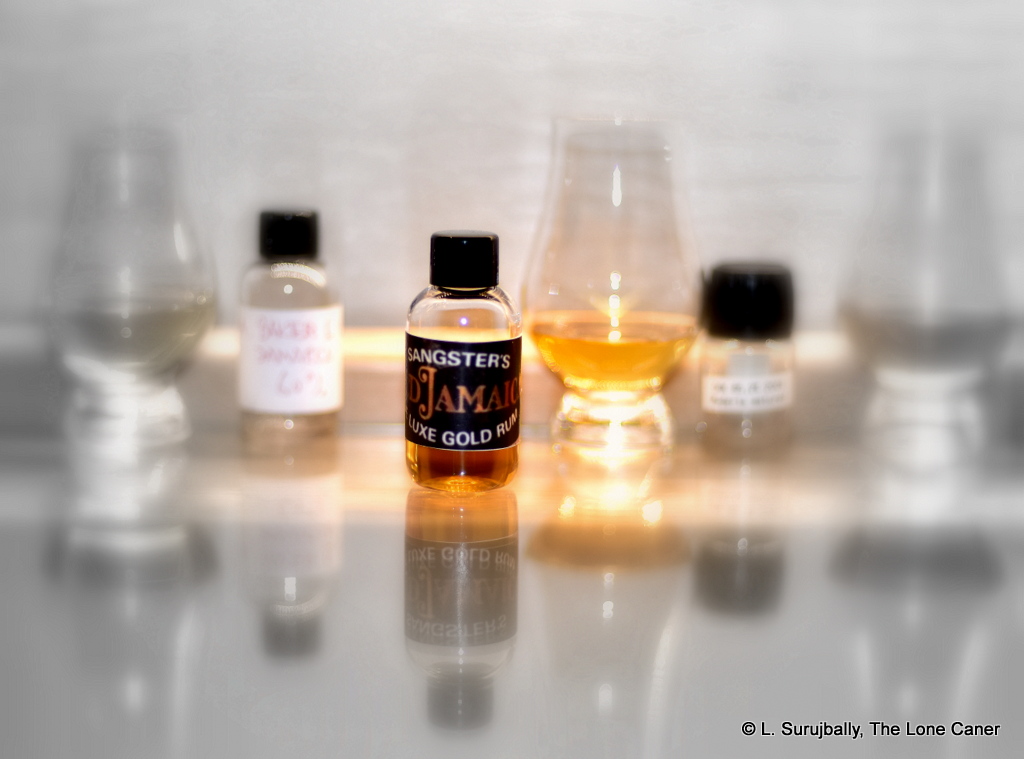
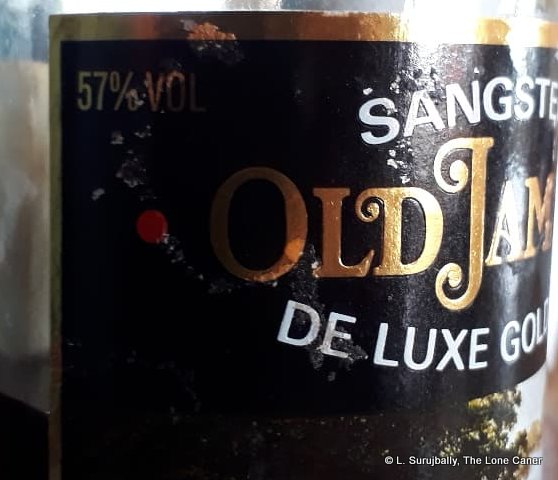 It is unknown from where he sourced his base stock. Given that this DeLuxe Gold rum was noted as comprising pot still distillate and being a blend, it could possibly be Hampden, Worthy Park or maybe even Appleton themselves or, from the profile, Longpond – or some combination, who knows? I think that it was likely between 2-5 years old, but that’s just a guess. References are slim at best, historical background almost nonexistent. The usual problem with these old rums. Note that after Dr. Sangster relocated to the Great Distillery in the Sky, his brand was acquired post-2001 by J. Wray & Nephew who do not use the name for anything except the rum liqueurs. The various blends have been discontinued.
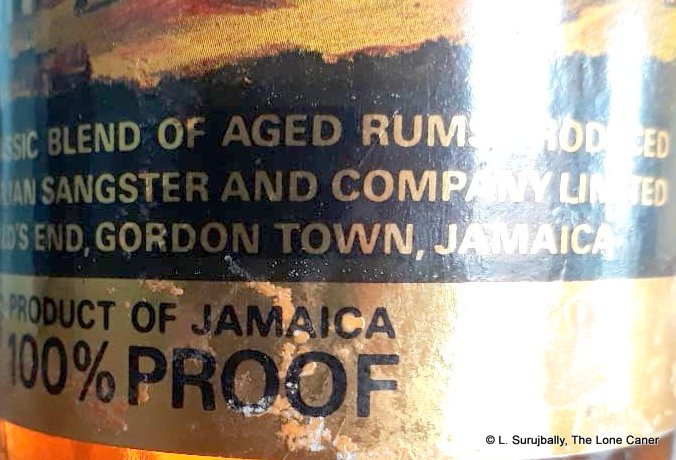 Nose – Opens with the scents of a midden heap and rotting bananas (which is not as bad as it sounds, believe me). Bad watermelons, the over-cloying reek of genteel corruption, like an unwashed rum strumpet covering it over with expensive perfume. Acetones, paint thinner, nail polish remover. That is definitely some pot still action. Apples, grapefruits, pineapples, very sharp and crisp. Overripe peaches in tinned syrup, yellow soft squishy mangoes. The amalgam of aromas doesn’t entirely work, and it’s not completely to my taste…but intriguing nevertheless It has a curious indeterminate nature to it, that makes it difficult to say whether it’s WP or Hampden or New Yarmouth or what have you.
  Finish – Shortish, dark off-fruits, vaguely sweet, briny, a few spices and musky earth tones.
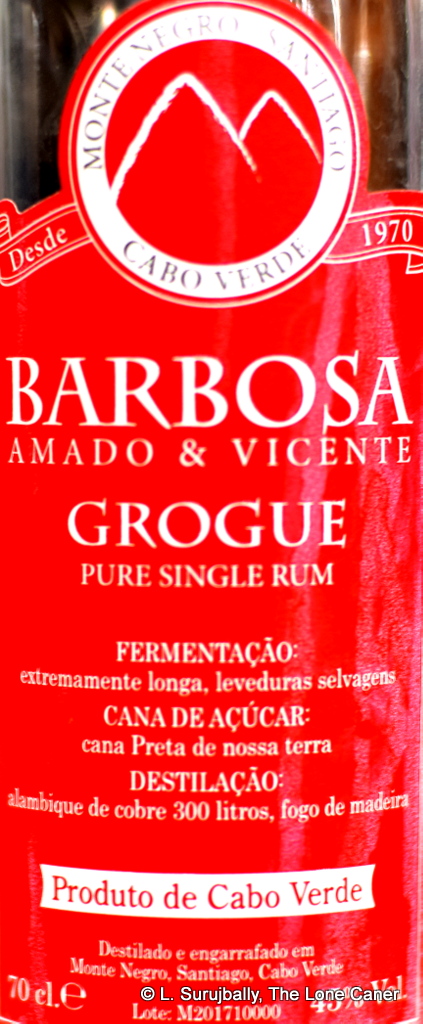 This was also the case when tasted. The bright and clean fruity-ester notes were more in evidence here than on the nose — green apples, sultanas, hard yellow mangoes, thyme, more pineapples, a bag of white guavas and watery pears. There was a hint of danger in the hint of cucumbers in white vinegar with a pimento or two floating around, but this never seriously came forward, a hint was all you got; and at best, with some concentration, there were some additional herbs (dill, cilantro), grass, sugar water and maybe a few more olives. I particularly liked the mild finish, by the way – clear and fruity and minty, with thyme, wet grass, and some almonds and white chocolate, sweet and unassuming, just right for what had come before.
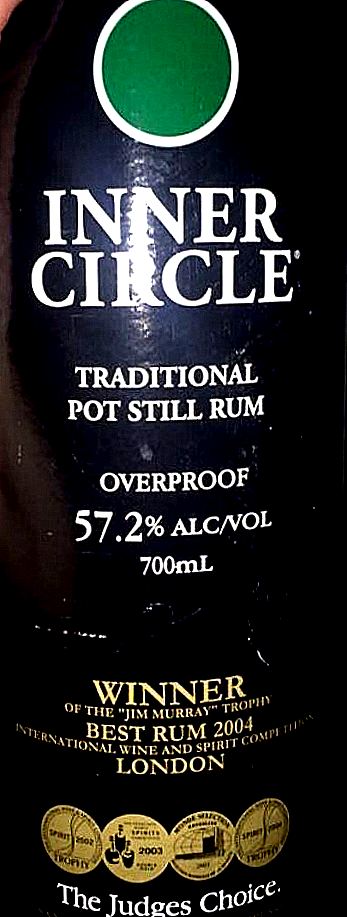 Rumaniacs Review # 096 | 0617
 Until
Until 

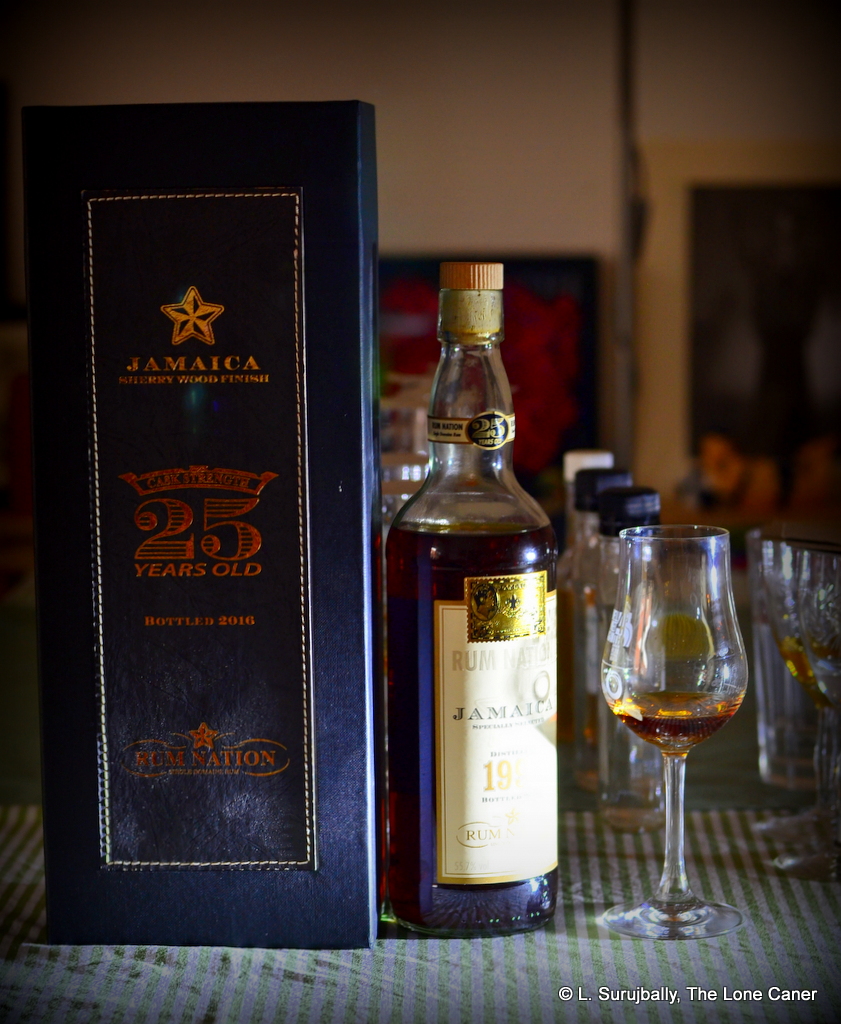
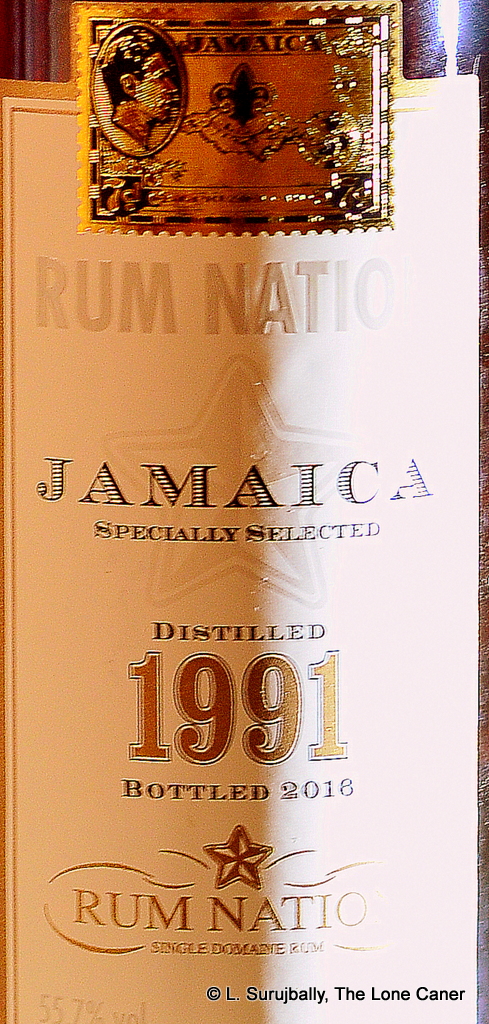 And for anyone who enjoys sipping rich Jamaicans that don’t stray too far into insanity (the
 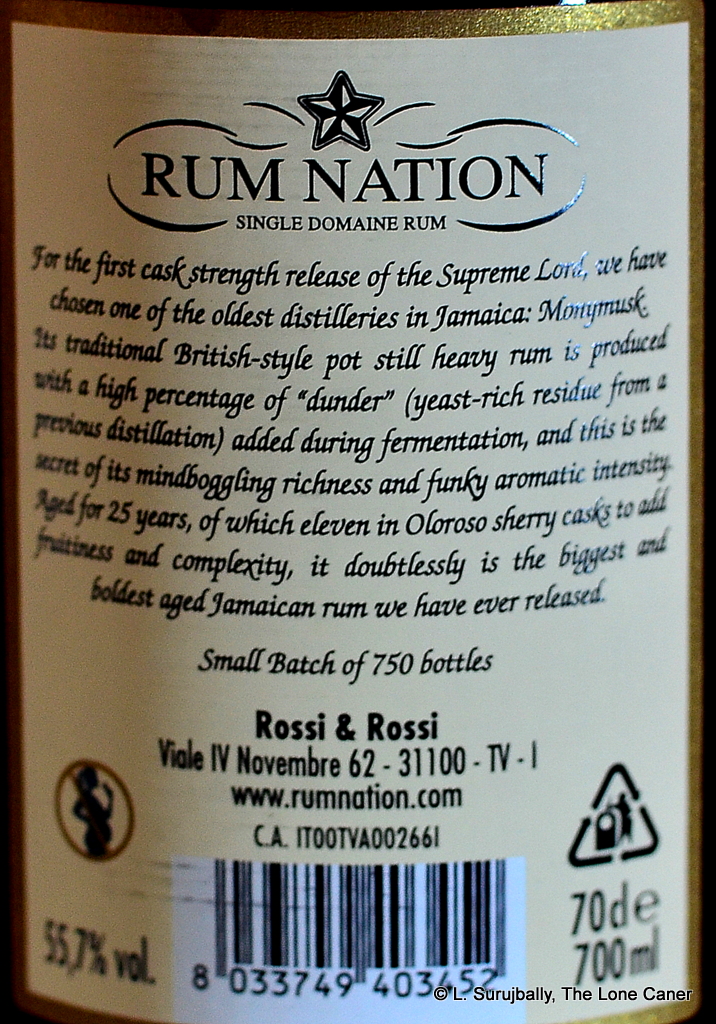 The rum continues along the path set by all the seven Supreme Lords that came before it, and since I’ve not tried them all, I can’t say whether others are better, or if this one eclipses the lot. What I do know is that they are among the best series of Jamaican rums released by any independent, among the oldest, and a key component of my own evolving rum education.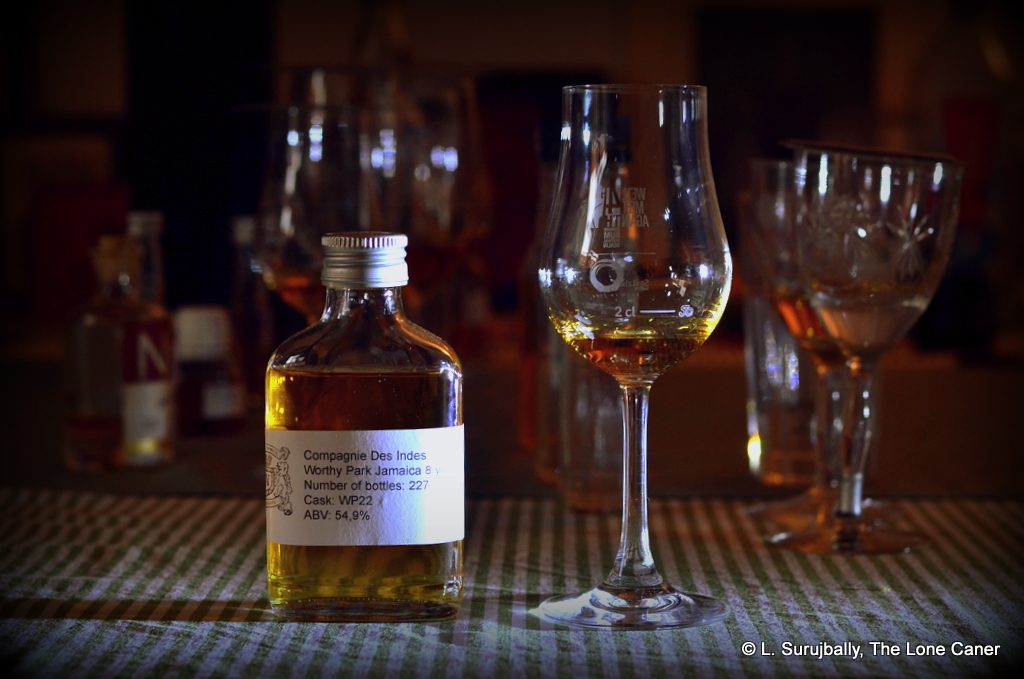
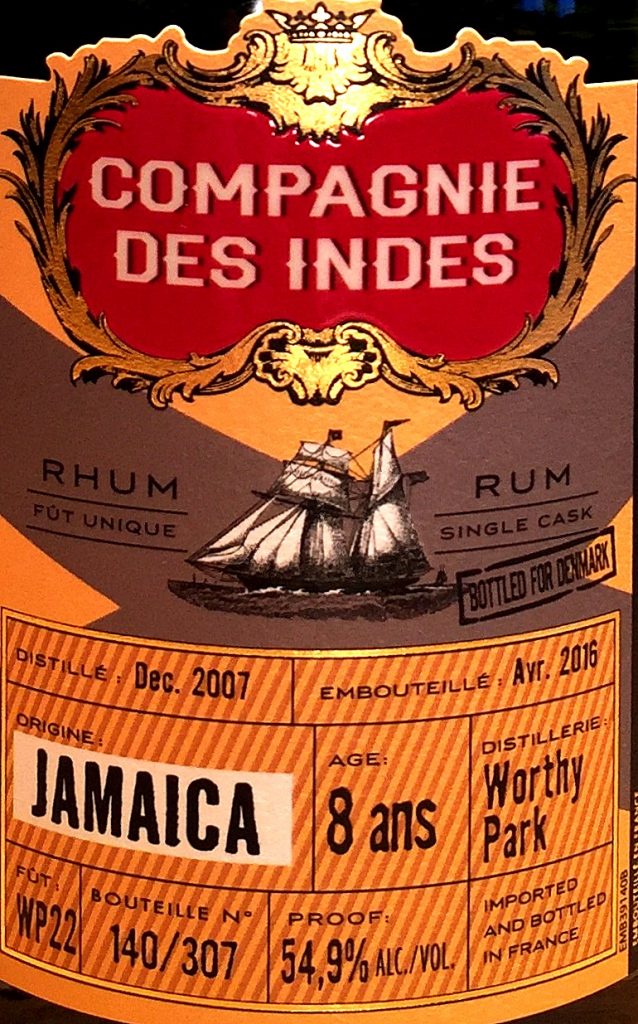 This brings us to the
 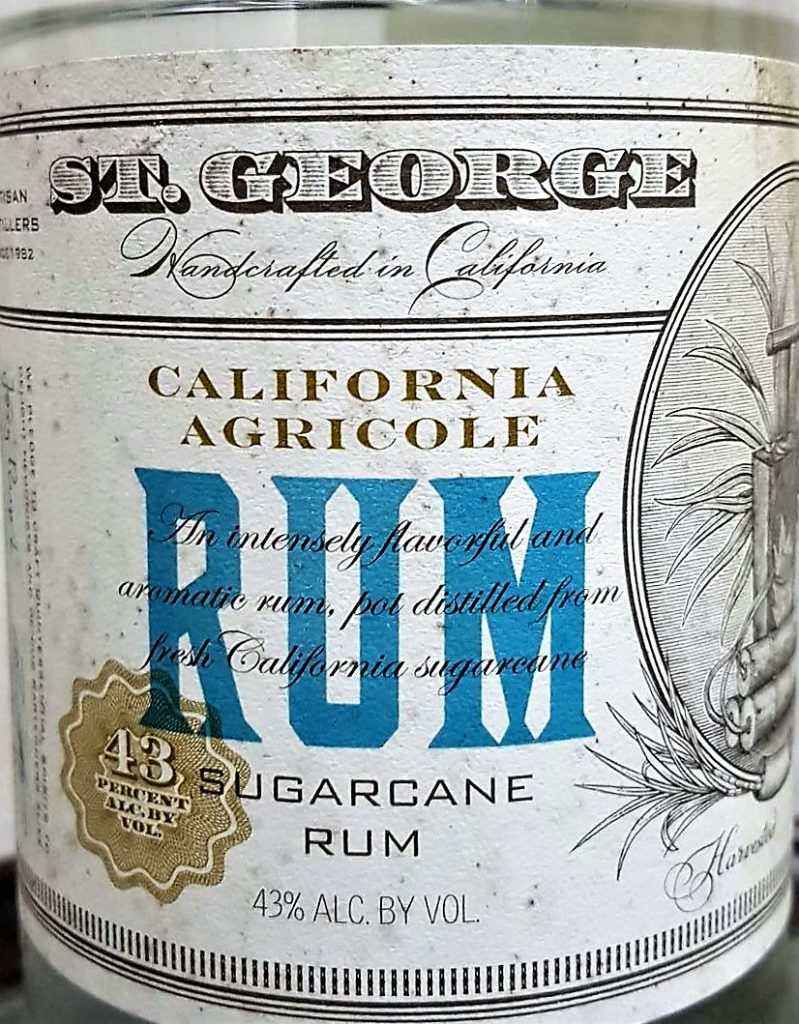 Just as we don’t see Americans making too many full proof rums, it’s also hard to see them making true agricoles, especially since the term is so tightly bound up with the spirits of the French islands.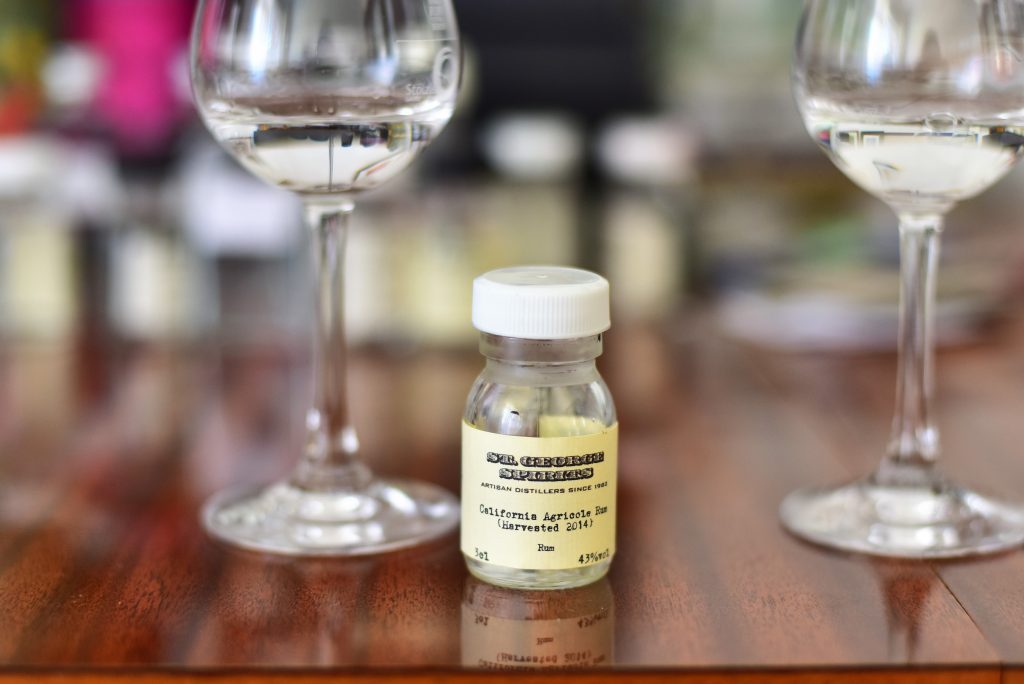
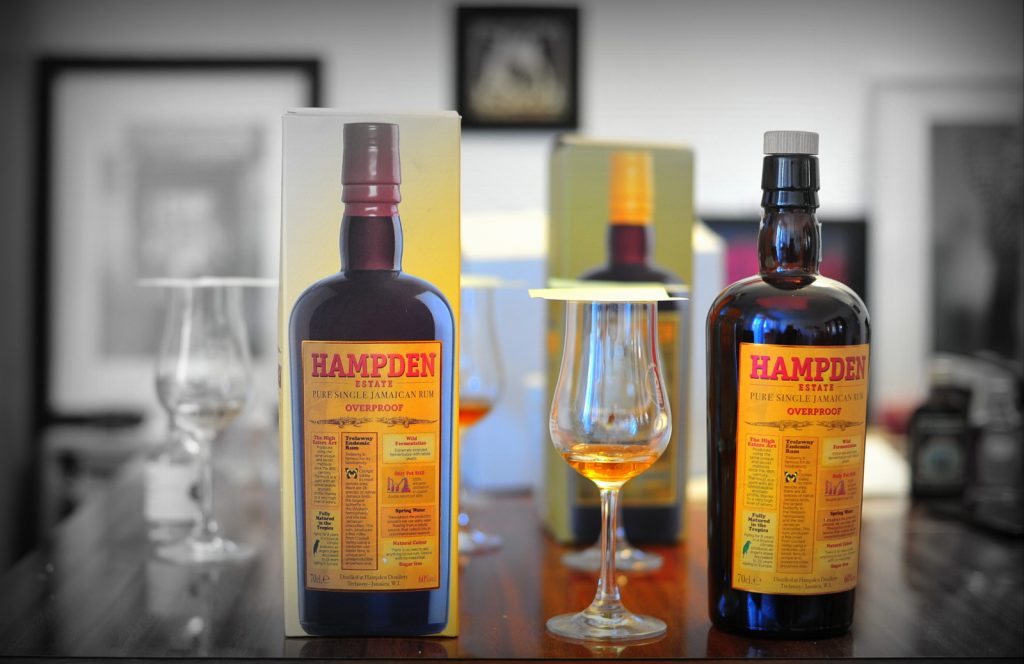
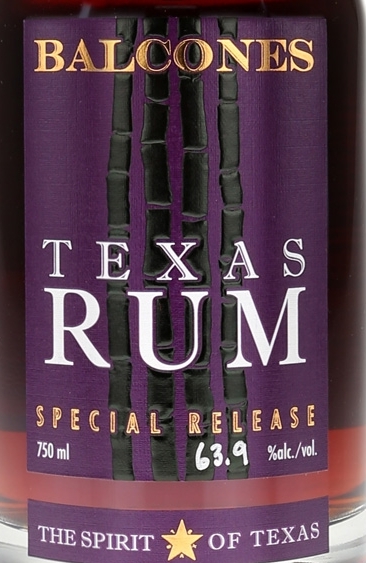 We don’t much associate the USA with cask strength rums, though of course they do exist, and the country has a long history with the spirit. These days, even allowing for a swelling wave of rum appreciation here and there, the US rum market seems to be primarily made up of low-end mass-market hooch from massive conglomerates at one end, and micro-distilleries of wildly varying output quality at the other. It’s the micros which interest me, because the US doesn’t do “independent bottlers” as such – they do this, and that makes things interesting, since one never knows what new and amazing juice may be lurking just around the corner, made with whatever bathtub-and-shower-nozzle-held-together-with-duct-tape distillery apparatus they’ve slapped together.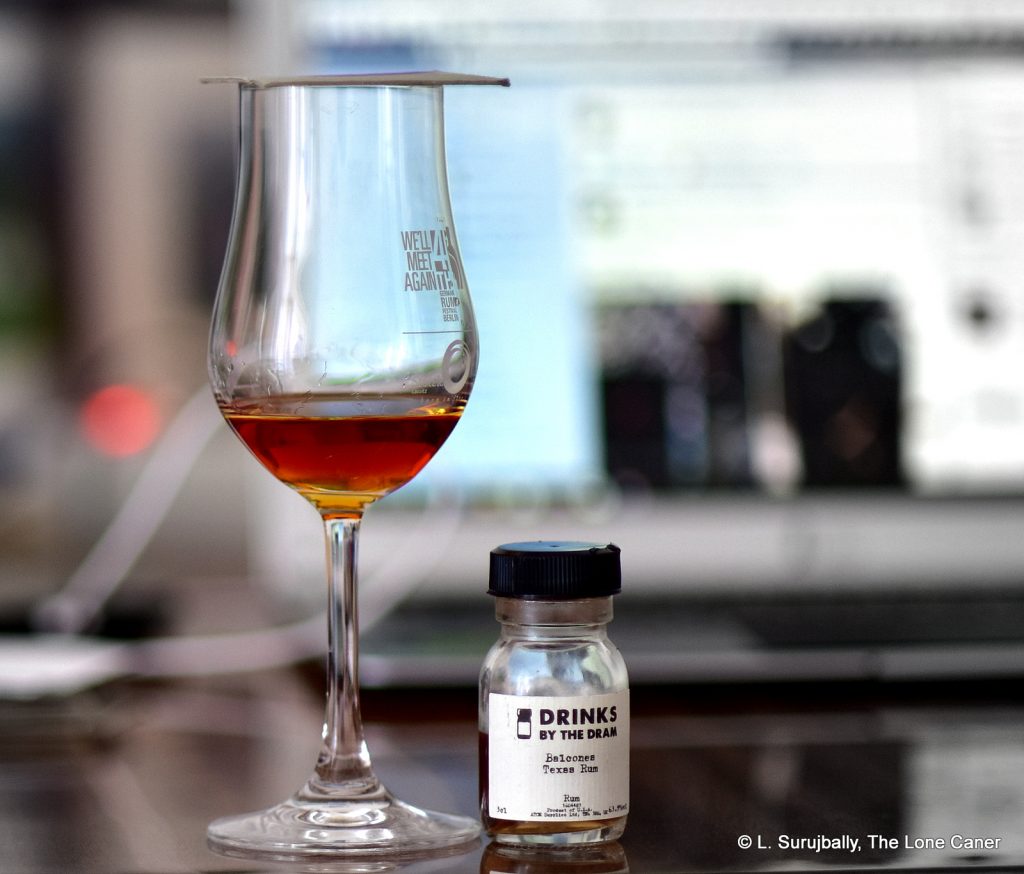

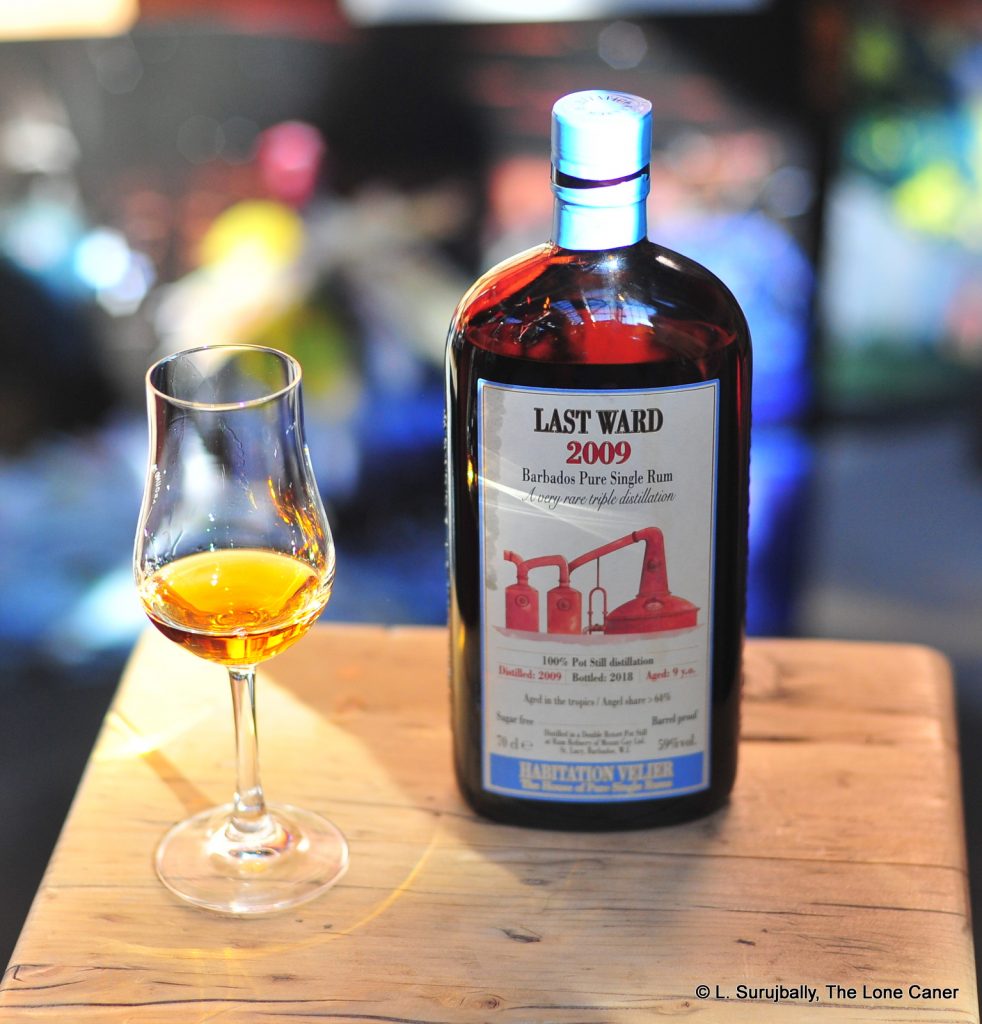
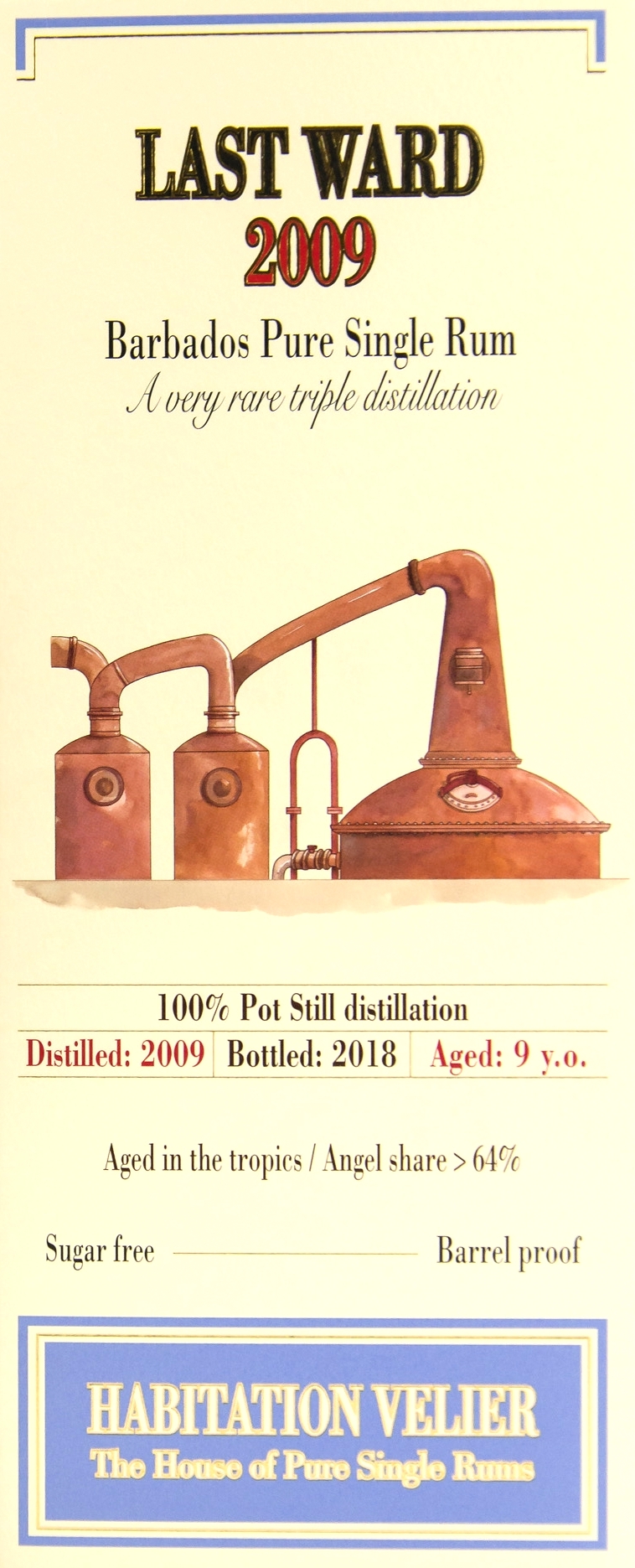 Oh yes…though it is different – some might even sniff and say “Well, it isn’t Foursquare,” and walk away, leaving more for me to acquire, but never mind. The thing is, it carved out its own olfactory niche, distinct from both its older brother and better known juice from St. Phillip. It was warm, almost but not quite spicy, and opened with aromas of biscuits, crackers, hot buns fresh from the oven, sawdust, caramel and vanilla, before exploding into a cornucopia of cherries, ripe peaches and delicate flowers, and even some sweet bubble gum. In no way was it either too spicy or too gentle, but navigated its way nicely between both.