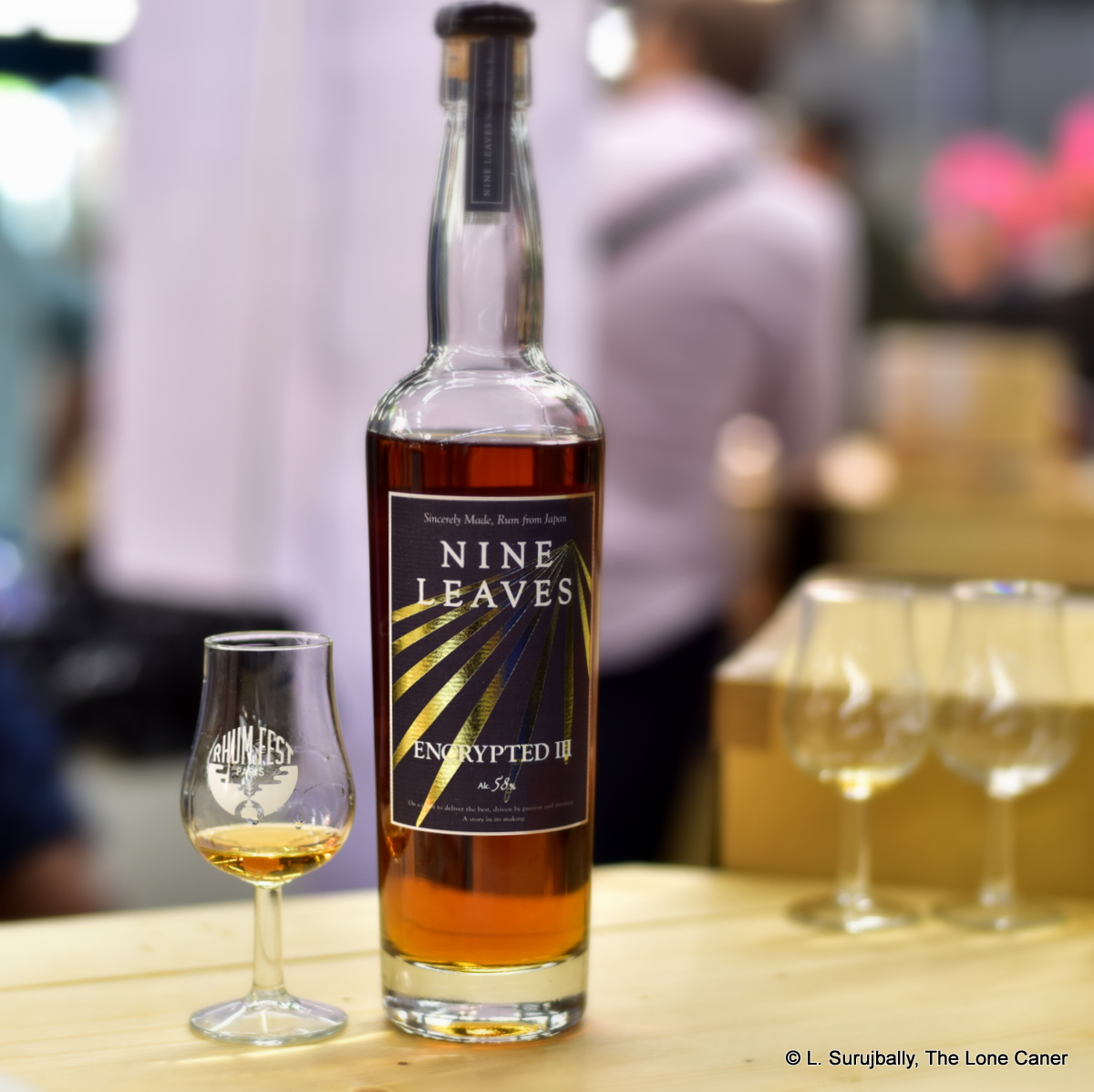
After having written on and off about Yoshiharu Takeuchi’s company Nine Leaves for many years, and watching his reputation and influence grow, it seems almost superfluous to go on about his background in any kind of detail. However, for those new to the company who want to know what the big deal is, it’s a one-man rum-making outfit located in Japan, and Yoshi-san remains its only employee (at least until July 2020, when he takes on an apprentice, so I am reliably informed).
Nine Leaves has been producing three kinds of pot-still rums for some time now: six month old rums aged in either French oak or ex-bourbon, and slightly more aged expressions up to two years old with which Yoshi messes around….sherry or other finishes, that kind of thing. The decision to keep things young and not go to five, eight, ten years’ ageing, is not entirely one of preference, but because the tax laws of Japan make it advisable, and Yoshi-san has often told me he has no plans to go in the direction of double digit aged rums anytime soon…though I remain hopeful. I’ve never really kept up with all of his work – when there’s at least four rums a year coming out with just minor variations, it’s easy to lose focus – but neither have I left it behind. His rums are too good for that. He’s a perennial stop for me in any rumfest where he and I intersect.
But now, here is the third in his series of Encrypted rums (Velier’s 70th Anniversary Edition from Nine Leaves was humorously referred to as “Encrypted 2½“) and is an interesting assembly: a blend six different Nine Leaves rums, the youngest of which is two years old. The construction is nowhere mentioned on the elegantly spare label (probably for lack of space) but it’s composed of rums aged or finished in in two different types of P/X barrels, in bourbon barrels, Cabernet Sauvignon barrels, Chardonnay barrels….and one more, unmentioned, unstated. And in spite of insistent begging, occasional threats, offers of adoption, even promises to be his third employee, Yoshi-san would not budge, and secret that sixth rum remains.
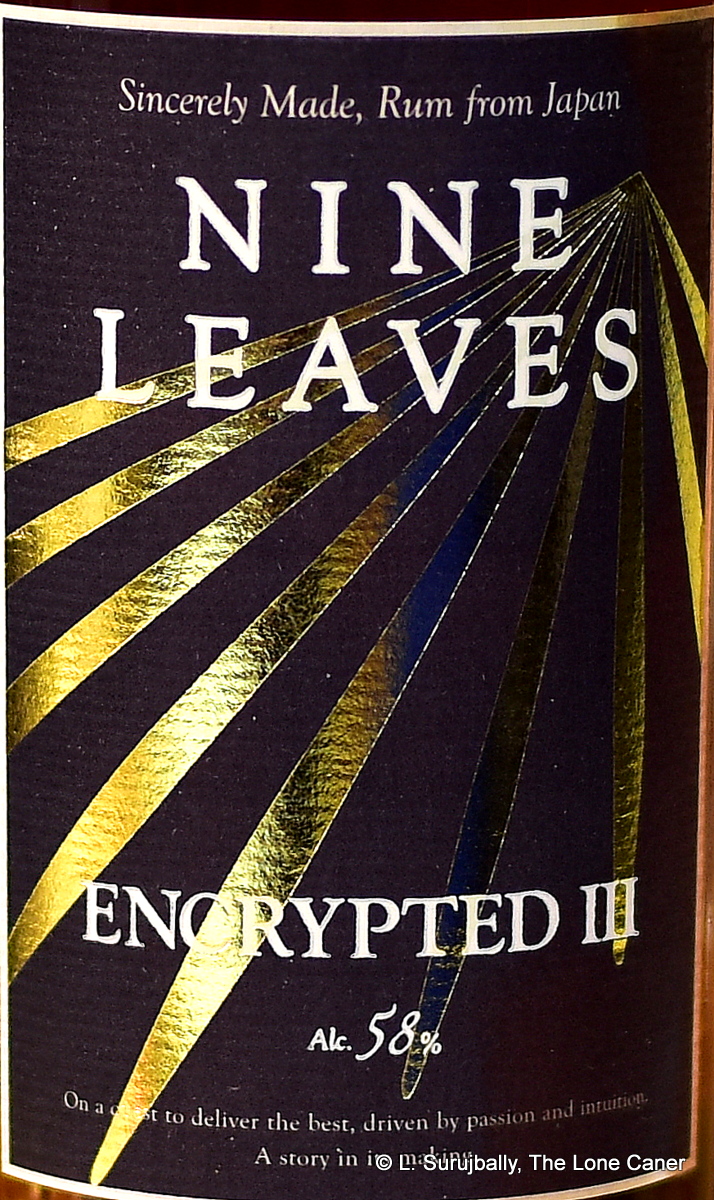
Whatever the assembly, the results spoke for themselves – this thing was good. Coming on the scene as the tide of the standard strength forty percenters was starting to ebb, Nine Leaves has consistently gone over 40% ABVm mostly ten points higher, but this thing was 58% so the solidity of its aromas was serious. It was amazingly rich and deep, and presented initially as briny, with olives, vegetable soup and avocados. The fruity stuff came right along behind that – plums, grapes, very ripe apples and dark cherries, and then dill, rye bread, and a fresh brie. I also noticed some sweet stuff sweet like nougat and almonds, cinnamon, molasses, and a nice twitch of citrus for a touch of edge. To be honest, I was not a little dumbfounded, because it was outside my common experience to smell this much, stuffed into a rum so young.
The rum is coloured gold and is in its aggregate not very old, but it has an interesting depth of texture and layered taste that could surely not be bettered by rums many times its age. Initially very hot, once it dialled into its preferred coordinates, it tasted both fruity and salty at the same time, something like a Hawaiian pizza, though with restrained pineapples (which is a good thing, really). Initially there were tastes of plums and dark fruits like raisins and prunes and blackberries, mixed up with molasses and salted caramel ice cream. These gradually receded and ceded the floor to a sort of salty, minerally, tawny amalgam of a parsley-rich miso soup into which some sour cream has been dropped and delicate spices – vanilla, cinnamon, a dust of nutmeg and basil. I particularly enjoyed the brown, musky sense of it all, which continued right into a long finish that not only had that same sweet-salt background, but managed to remind me of parched red earth long awaiting rain, and the scent of the first drops hissing and steaming off it.
I have now tasted this rum three times, and my initially high opinion of it has been confirmed on each subsequent occasion. The “Encrypted” series just gets better every time, and the sheer complexity of what’s in there is stunning for a rum that young, making a strong case that blending can produce a product every bit as good as any pure single rum out there, and it’s not just Foursquare that can do it. I think it handily eclipses anything else made in Japan right now, except perhaps the 21 year old “Teeda” from Helios which is both weaker and older. But the comparison just highlights the achievement of this one, and it is my belief that even if I don’t know what the hell that sixth portion in the blend is, the final product stands as one of the best Nine Leaves has made to date, and a formidable addition to the cabinet of anyone who knows and loves really good rum.
(#743)(88/100)

 As for the finish, well, in rum terms it was longer than the current Guyanese election and seemed to feel that it was required that it run through the entire tasting experience a second time, as well as adding some light touches of acetone and rubber, citrus, brine, plus everything else we had already experienced the palate. I sighed when it was over…and poured myself another shot.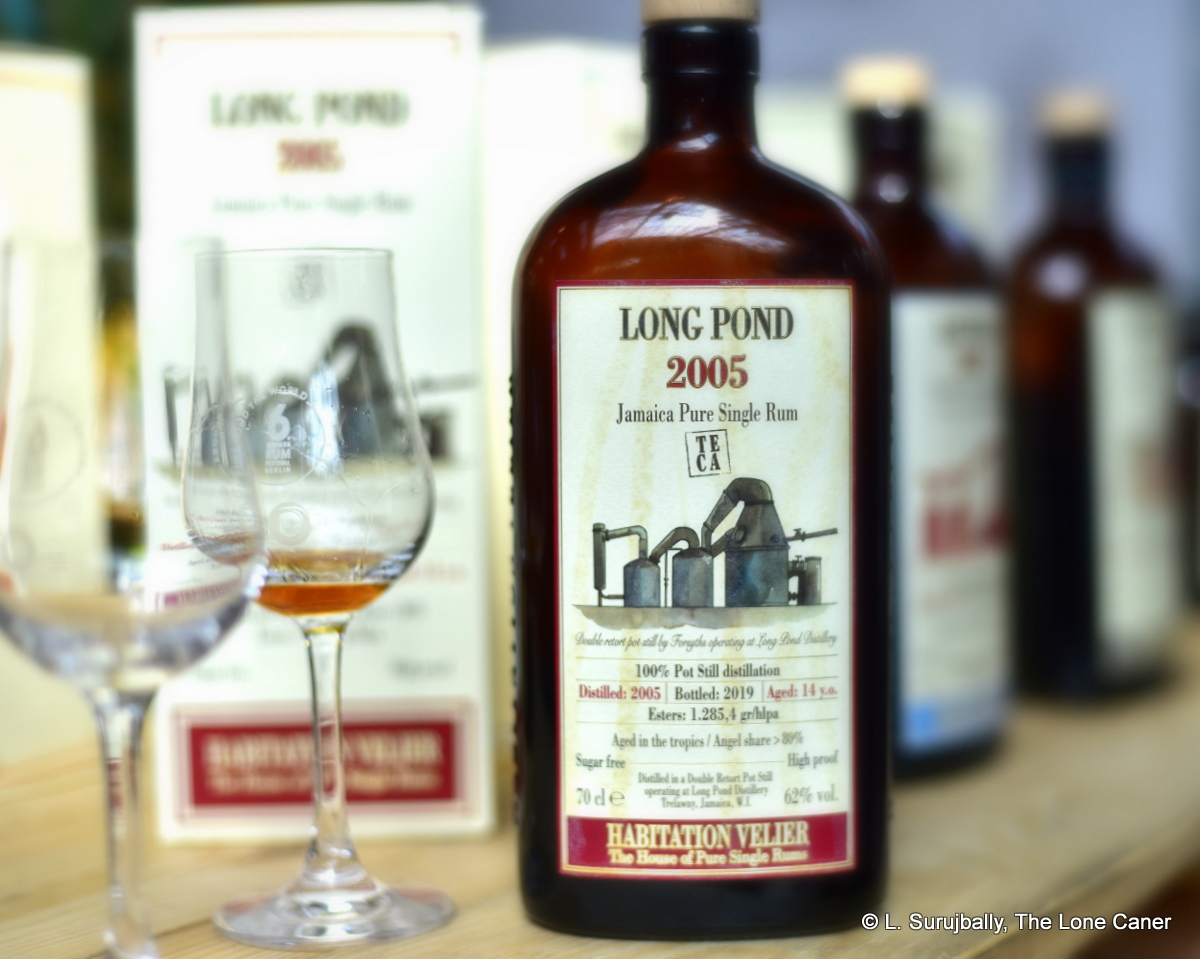
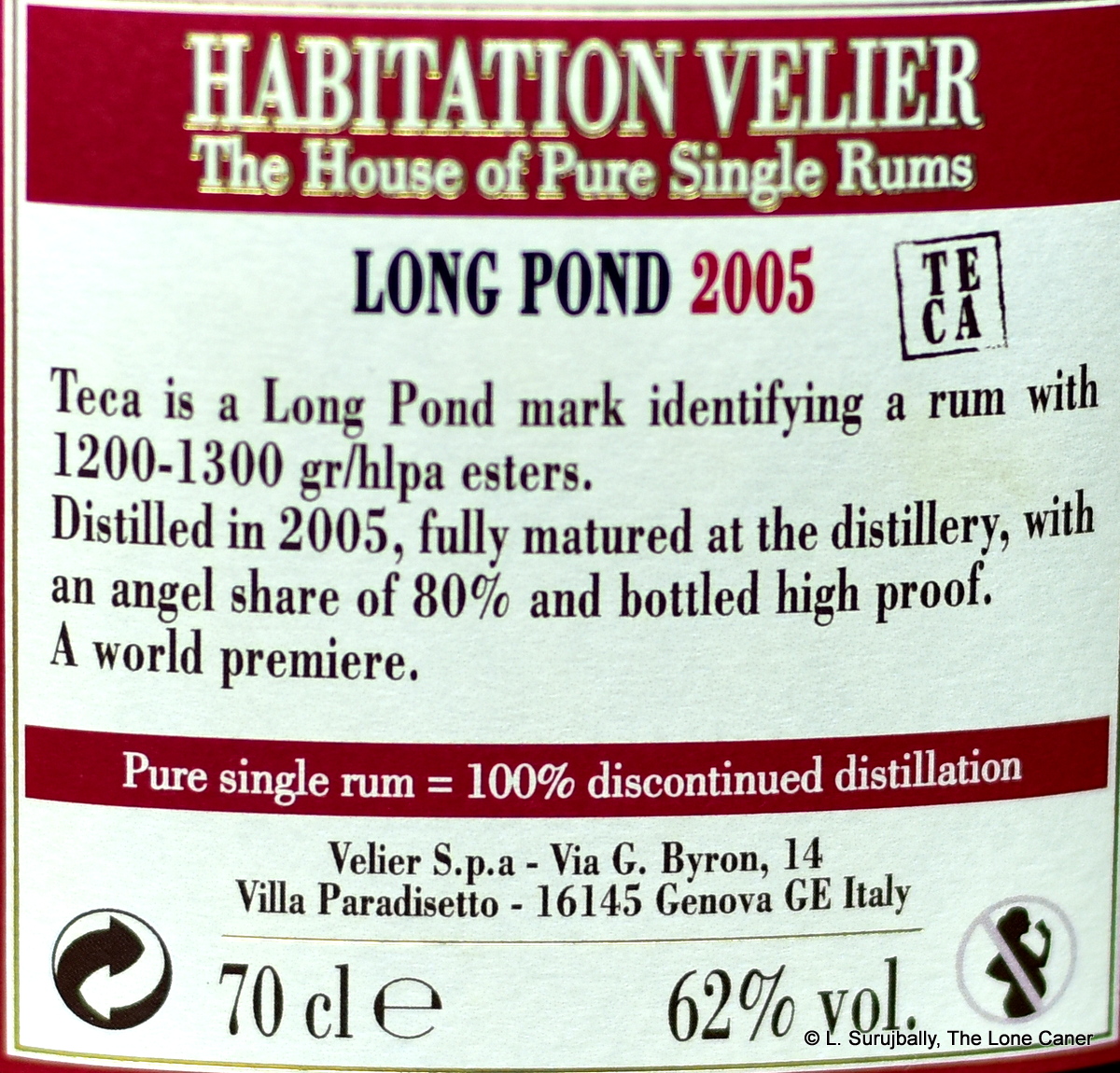
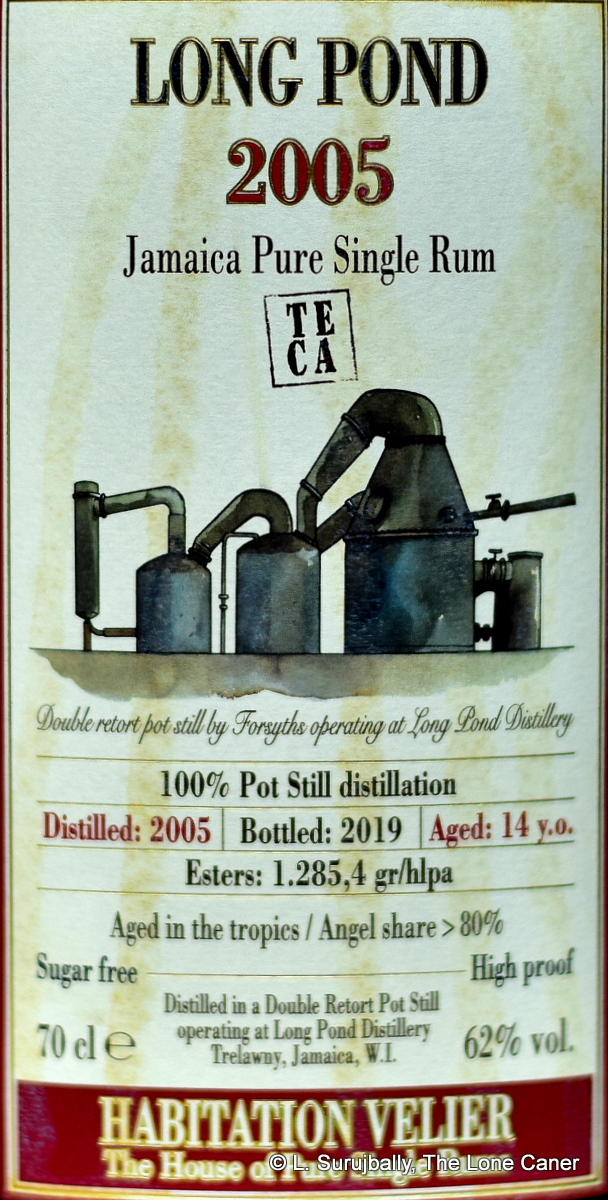 Let’s see if we can’t redress that somewhat. This is a Jamaican rum from Longpond, double pot still made, 62% ABV, 14 years old, and released as one of the pot still rums the Habitation Velier line is there to showcase. I will take it as a given it’s been completely tropically aged. Note of course, the ester figure of 1289.5 gr/hlpa, which is very close to the maximum (1600) allowed by Jamaican law. What we could expect from such a high number, then, is a rum sporting taste-chops of uncommon intensity and flavour, as rounded off by nearly a decade and a half of ageing – now, those statistics made the TECA 2018 detonate in your face and it’s arguable whether that’s a success, but here? … it worked. Swimmingly.
 So – good or bad? Let’s see if we can sum this up. In short, I believe the 2005 TECA was a furious and outstanding rum on nearly every level. But that comes with caveats. “Fasten your seatbelt” remarked Serge Valentin
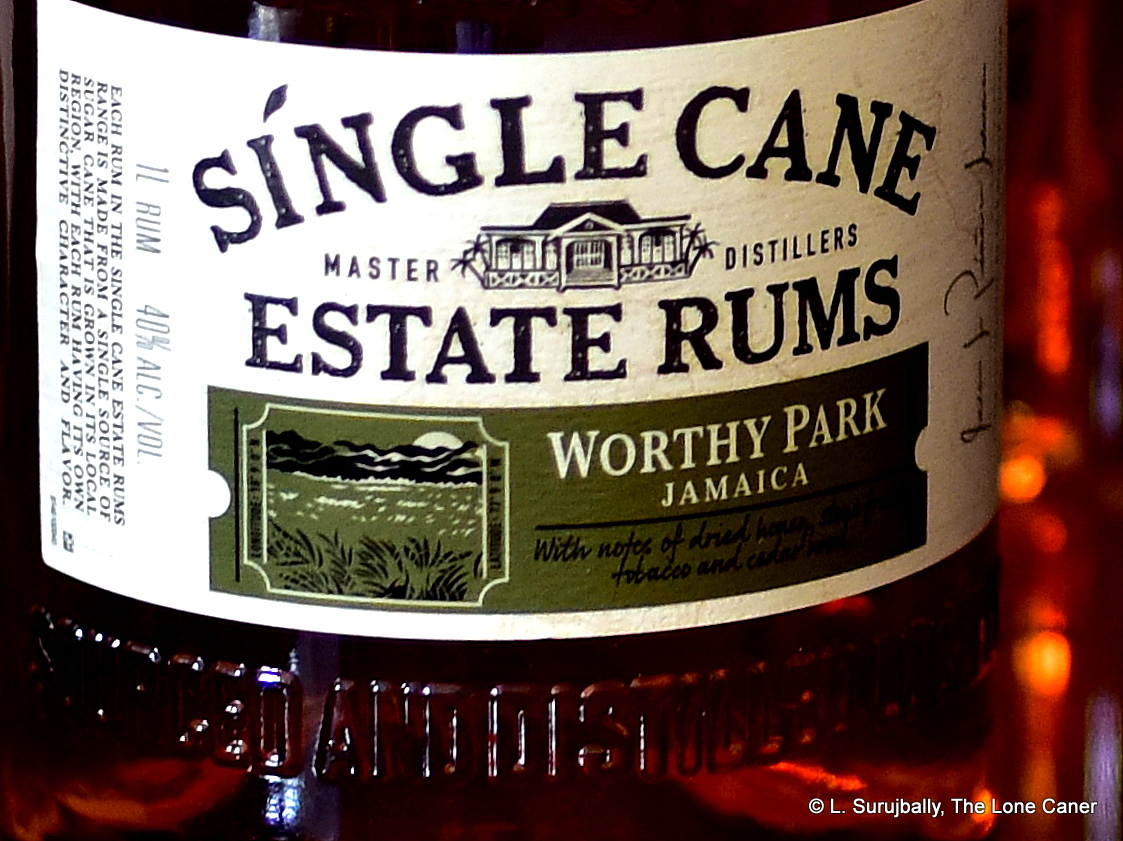
  Anyone from my generation who grew up in the West Indies knows of the scalpel-sharp satirical play “Smile Orange,” written by that great Jamaican playwright, Trevor Rhone, and made into an equally funny film of the same name in 1976. It is quite literally one of the most hilarious theatre experiences of my life, though perhaps an islander might take more away from it than an expat. Why do I mention this irrelevancy? Because I was watching the YouTube video of the film that day in Berlin when I was sampling the Worthy Park series R 11.3, and though the film has not aged as well as the play, the conjoined experience brought to mind all the belly-jiggling reasons I so loved it, and Worthy Park’s rums.
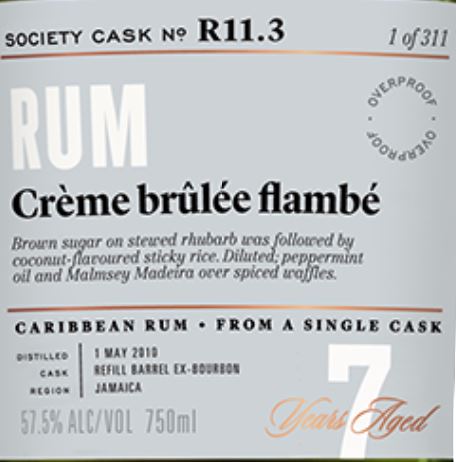 The distillation run from 2010 must have been a good year for Worthy Park, because the SMWS bought no fewer than seven separate casks from then to flesh out its R11 series of rums (R11.1 through R11.6 were distilled May 1st of that year, with R11.7 in September, and all were released in 2017). After that, I guess the Society felt its job was done for a while and pulled in its horns, releasing nothing in 2018 from WP, and only one more — R11.8 — the following year; they called it “Big and Bountiful” though it’s unclear whether this refers to Jamaican feminine pulchritude or Jamaican rums.
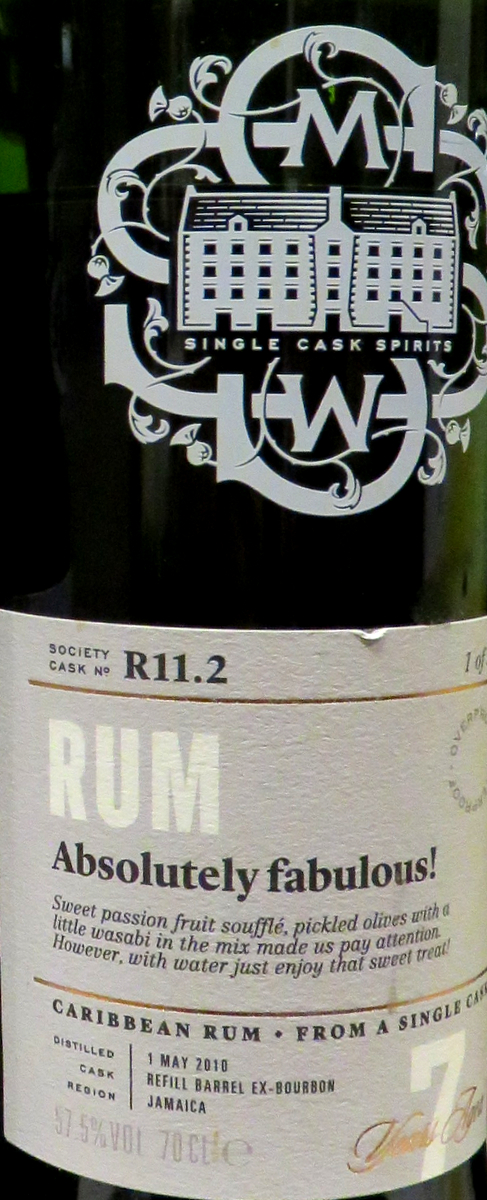 It sounds strange to say it, but the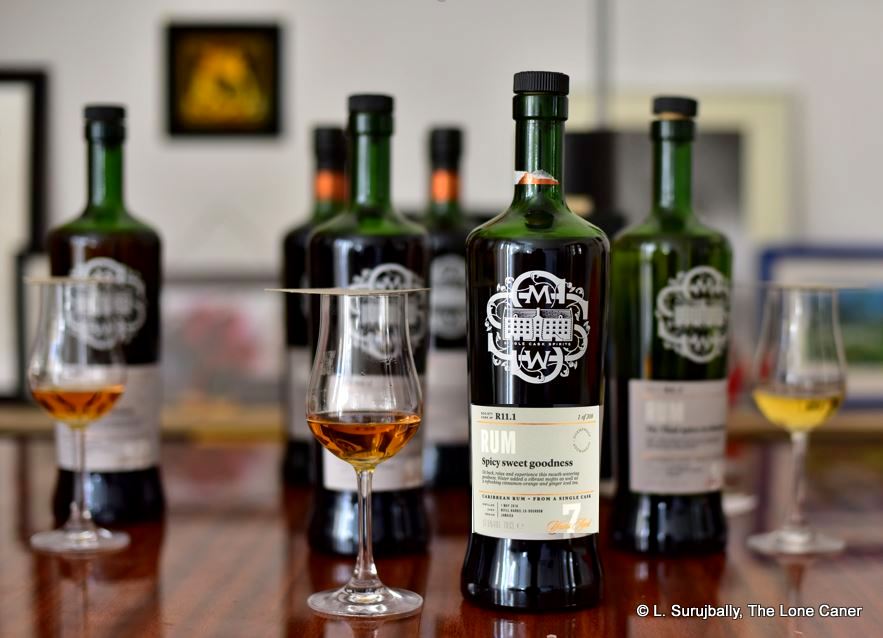
 I should begin by warning you that this rum is sold on a very limited basis, pretty much always to favoured bars in the Philippines, and then not even by the barrel, but by the bottle from that barrel – sort of a way to say “Hey look, we can make some cool sh*t too! Wanna buy some of the other stuff we make?”. Export is clearly not on the cards…at least, not yet.
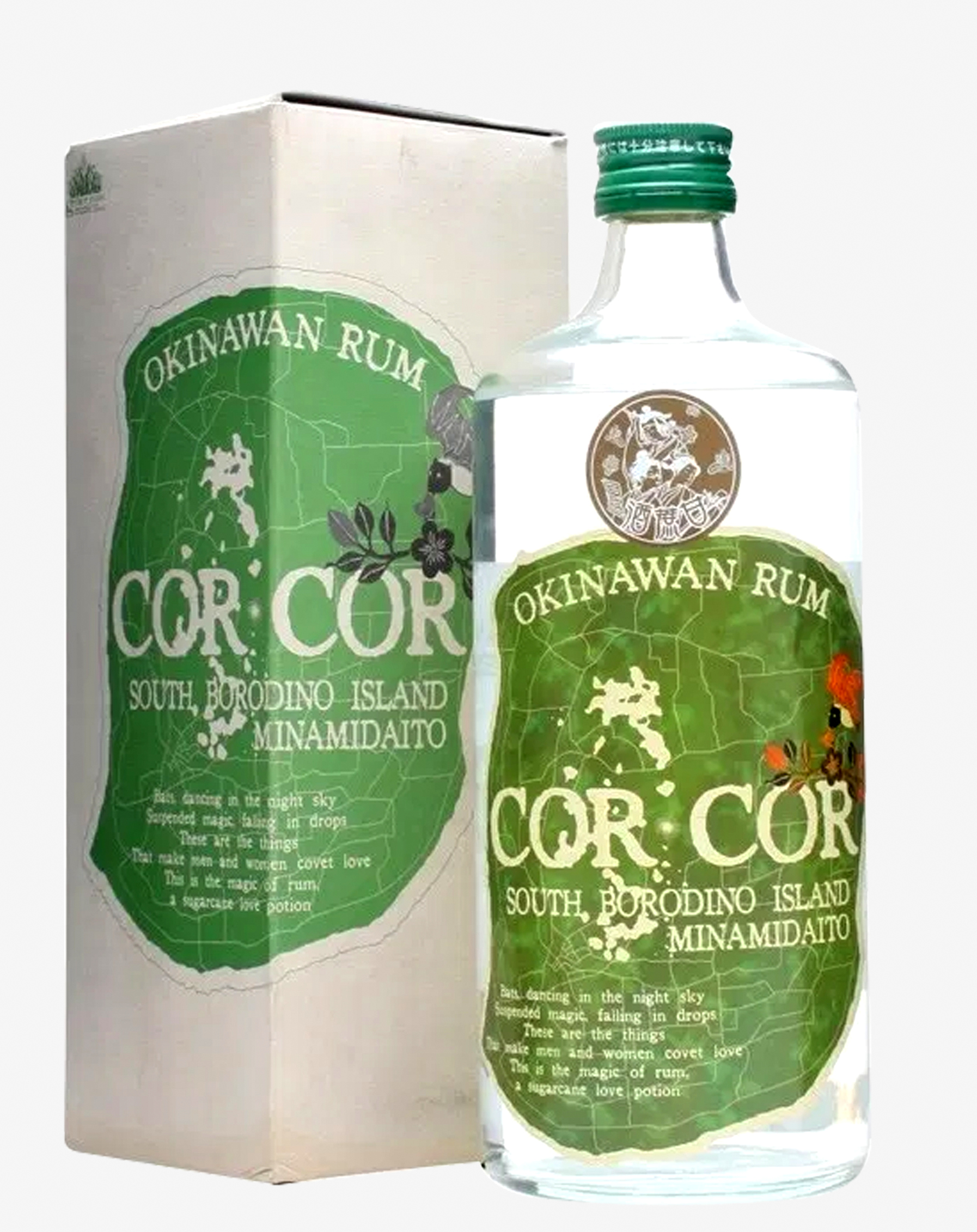 The Cor Cor “Green”, cousin to the
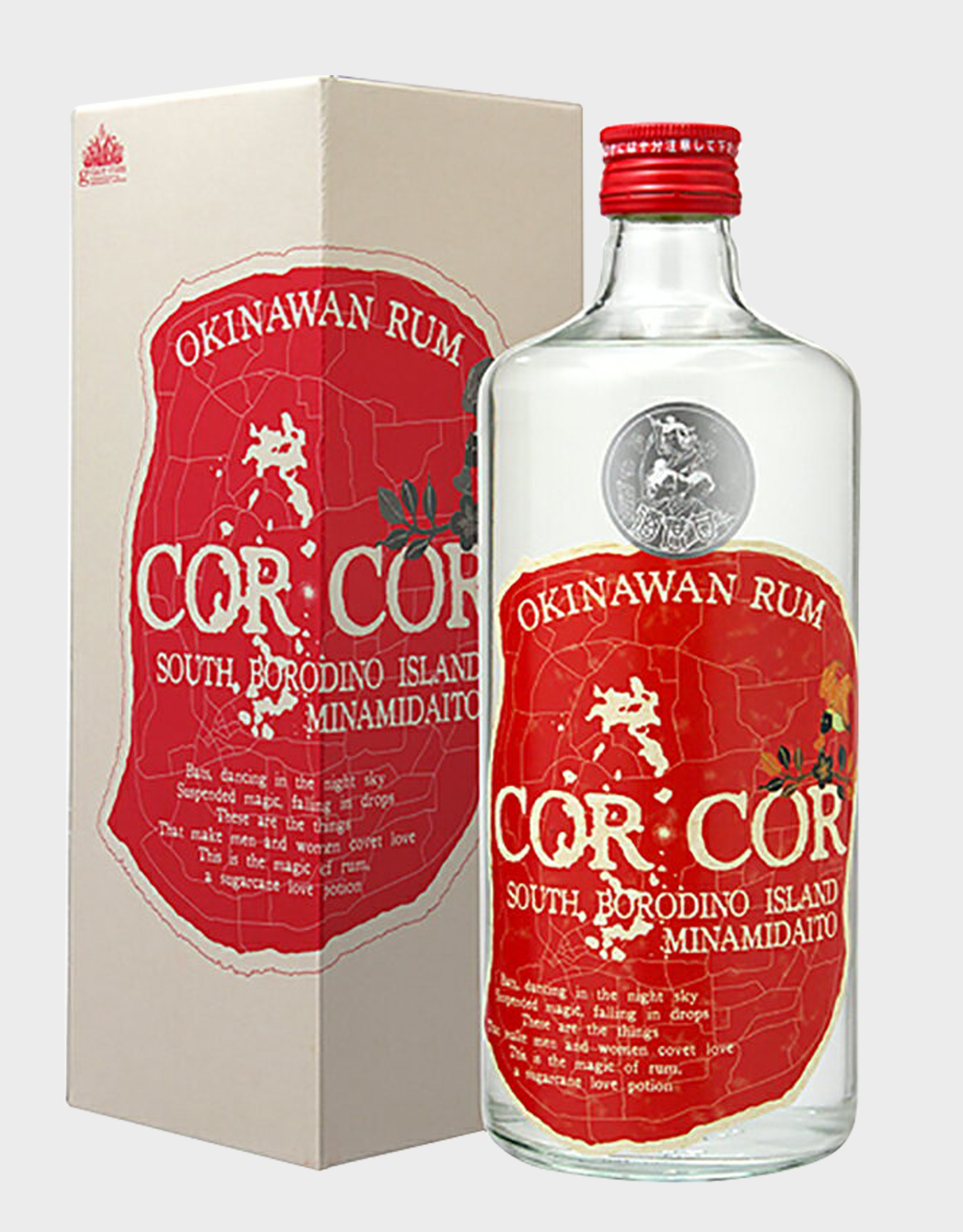 Given Japan has several rums which have made these pages (
 The Cor Cor Red was more generous on the palate than the nose, and as with many Japanese rums I’ve tried, it’s quite distinctive. The tastes were somewhat offbase when smelled, yet came together nicely when tasted. Most of what we might deem “traditional notes” — like nougat, or toffee, caramel, molasses, wine, dark fruits, that kind of thing — were absent; and while their (now closed) website rather honestly remarked back in 2017 that it was not for everyone, I would merely suggest that this real enjoyment is probably more for someone (a) interested in Asian rums (b) looking for something new and (c) who is cognizant of local cuisine and spirits profiles, which infuse the makers’ designs here. One of the reasons the rum tastes as it does, is because the master blender used to work for one of the awamori makers on Okinawa (it is a spirit akin to Shochu), and wanted to apply the methods of make to rum as well. No doubt some of the taste profile he preferred bled over into the final product as well.
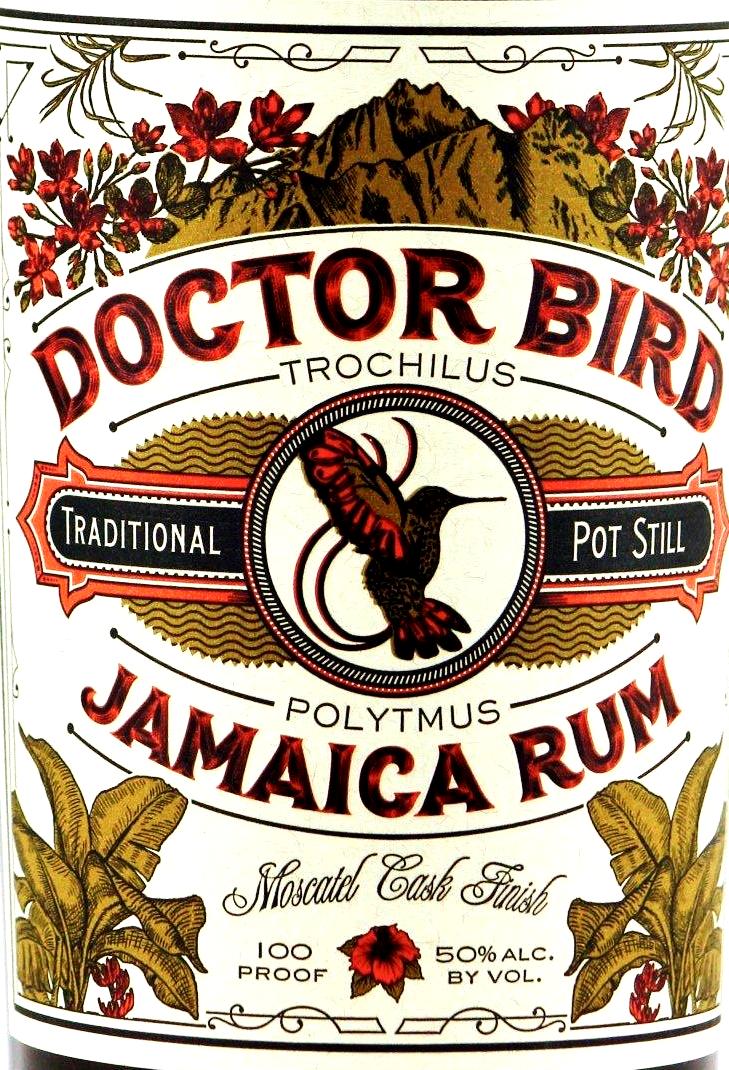 The strangely named Doctor Bird rum is another company’s response to
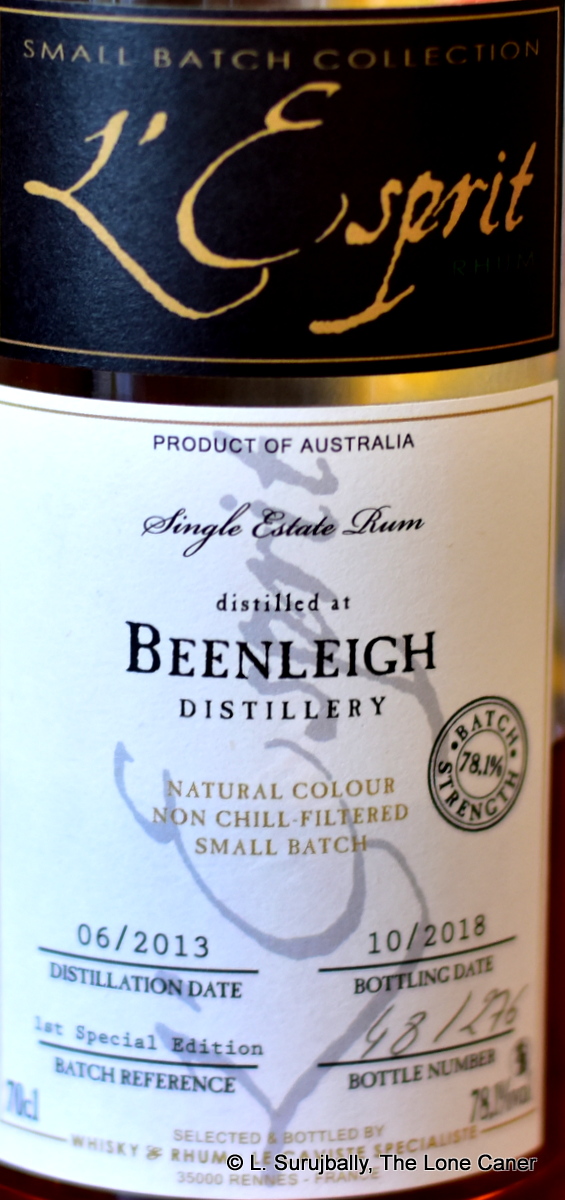
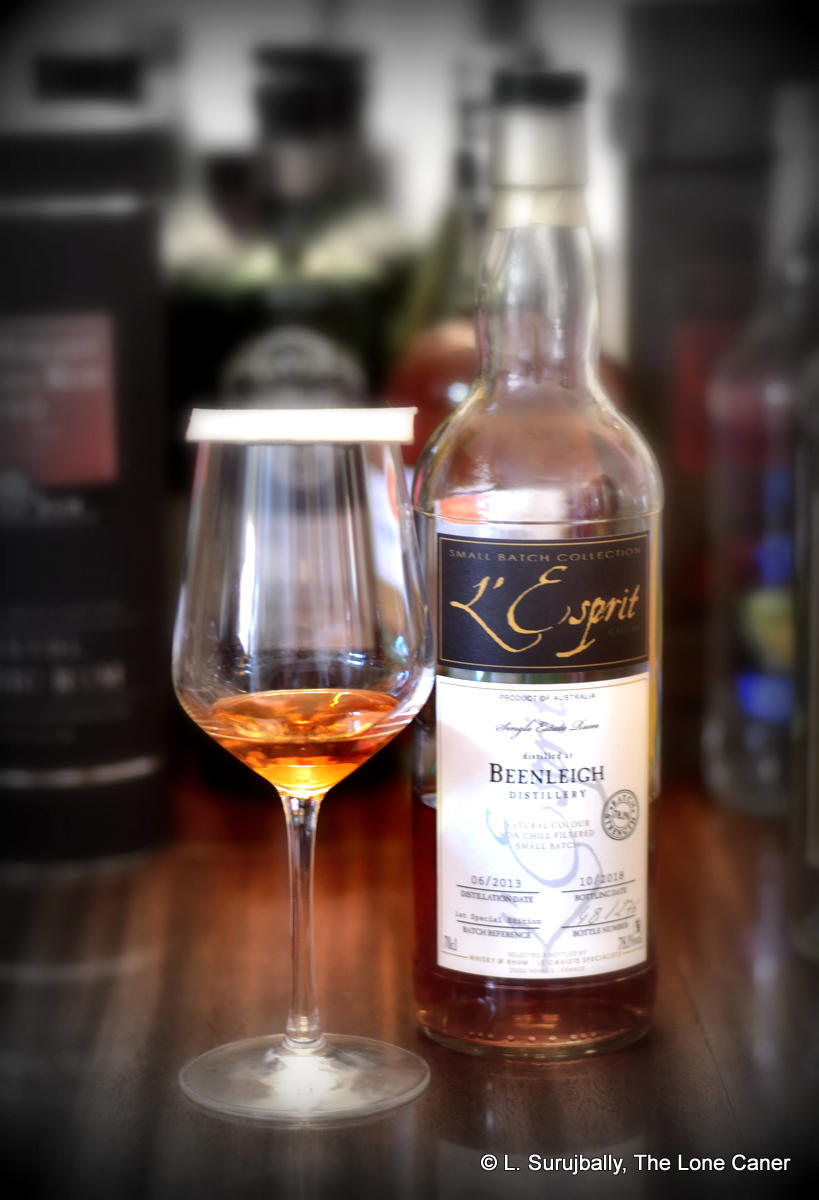 The French-bottled, Australian-distilled Beenleigh 5 Year Old Rum is a screamer of a rum, a rum that wasn’t just released in 2018, but unleashed. Like a mad roller coaster, it careneed madly up and down and from side to side, breaking every rule and always seeming just about to go off the rails of taste before managing to stay on course, providing, at end, an experience that was shattering — if not precisely outstanding.
 I still remember how unusual the
 Whatever the case, the rum was as fierce as the Diamond, and even at a microscopically lower proof, it took no prisoners. It exploded right out of the glass with sharp, hot, violent aromas of tequila, rubber, salt, herbs and really good olive oil. If you blinked you could see it boiling. It swayed between sweet and salt, between soya, sugar water, squash, watermelon, papaya and the tartness of hard yellow mangoes, and to be honest, it felt like I was sniffing a bottle shaped mass of whup-ass (the sort of thing Guyanese call “regular”).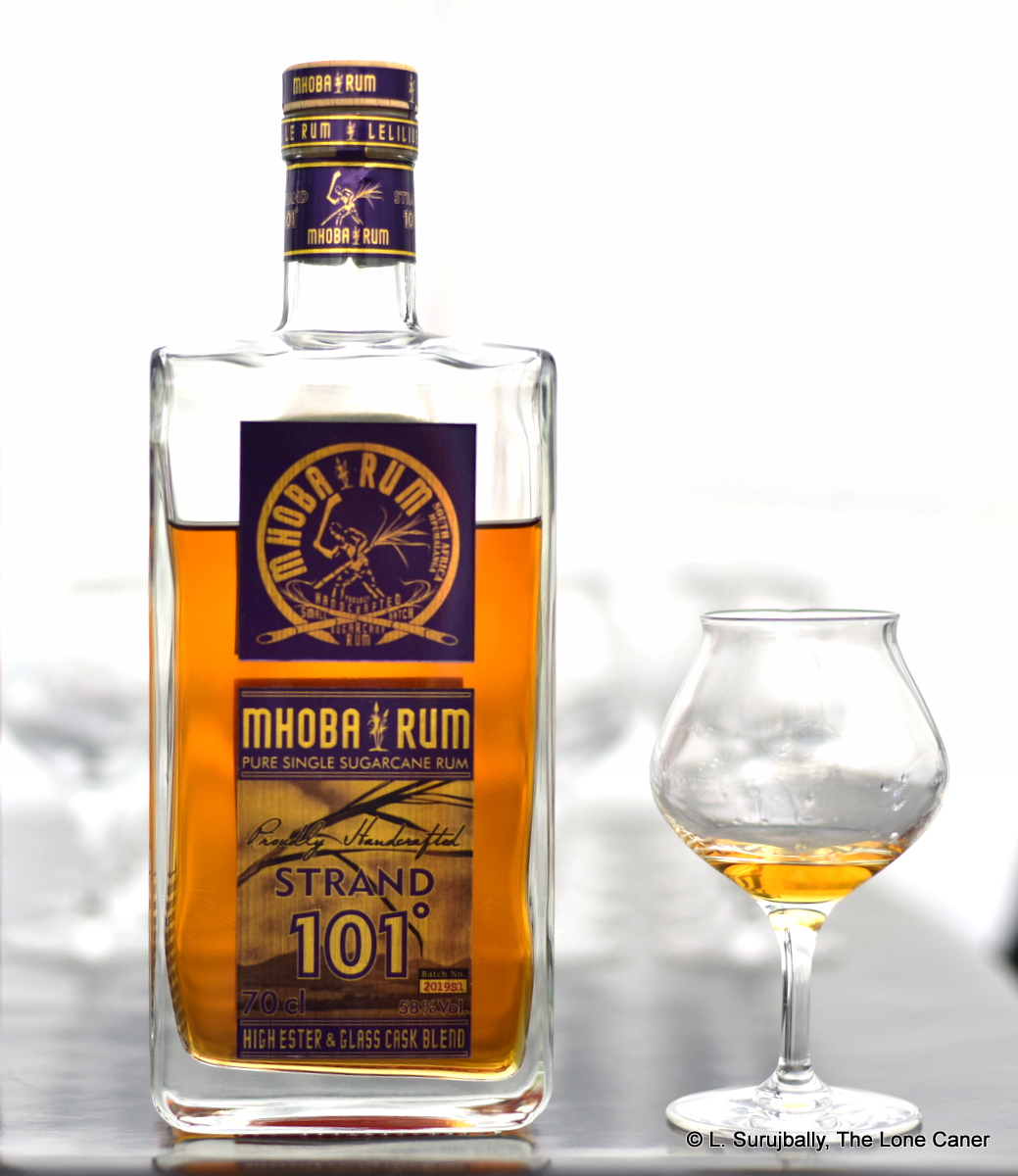
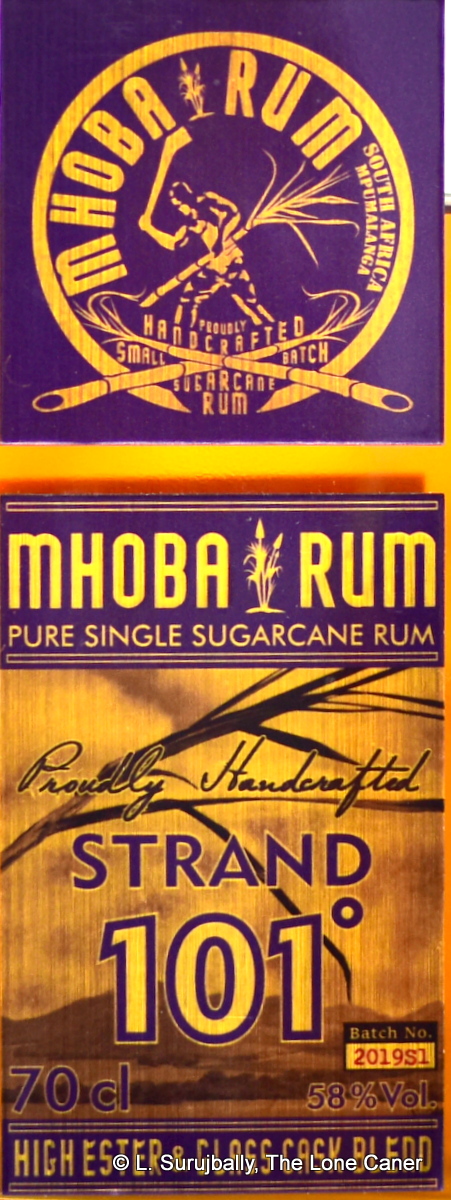 The Strand 101° was specifically designed by Knud Strand, a colourful Danish distributor who worked closely with Robert Greaves (as he had with many brands before) to bring the Mhoba line to market. What he was looking for was to create a blend of unaged and aged rum from pot stills, adhering to something of the S&C profile but from only one still (not two or more). He was messing around with samples some time back and after making his selections finally came back to two, both fullproof — one, slightly aged was too woody, with the other unaged one perhaps too funky.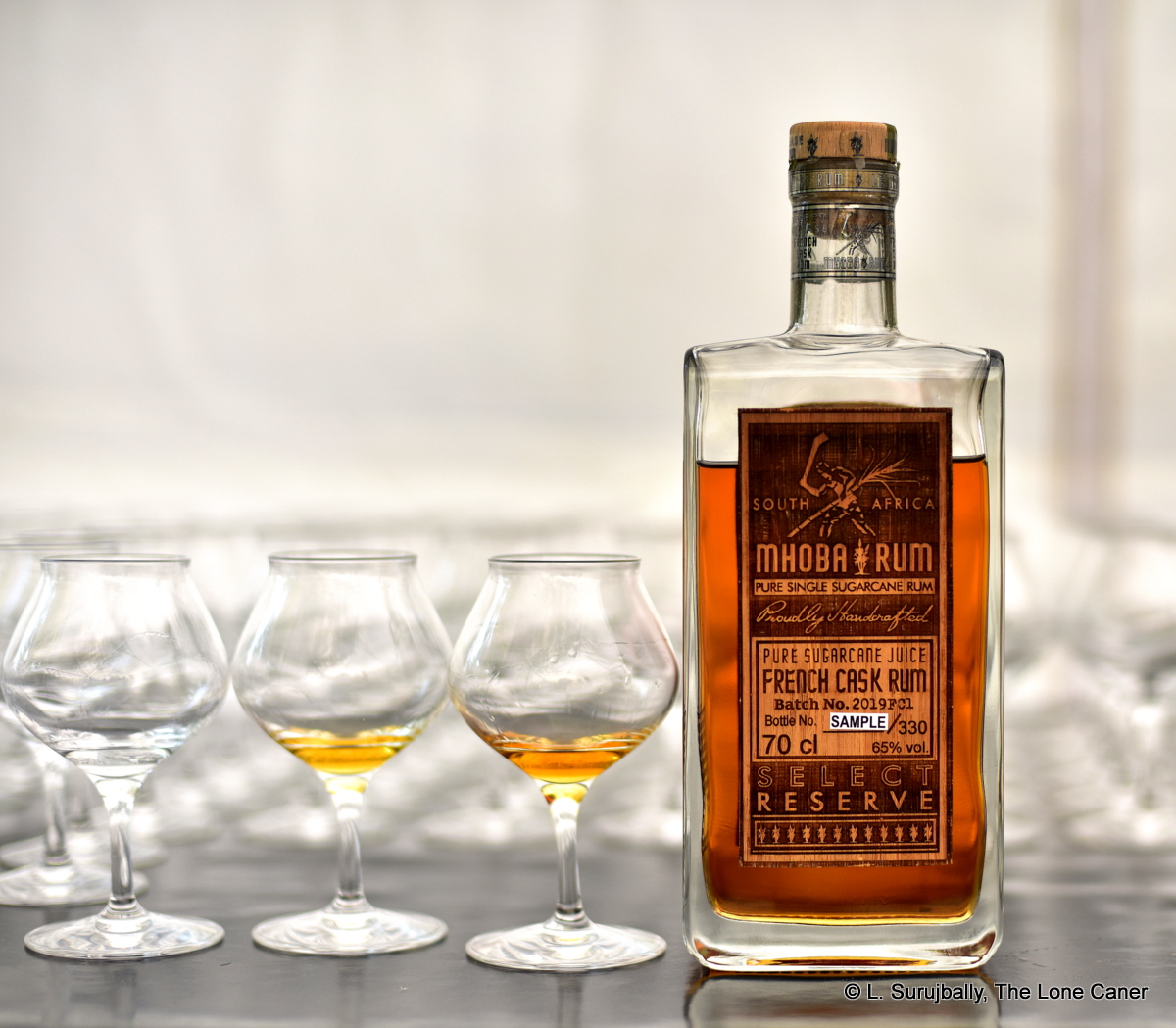
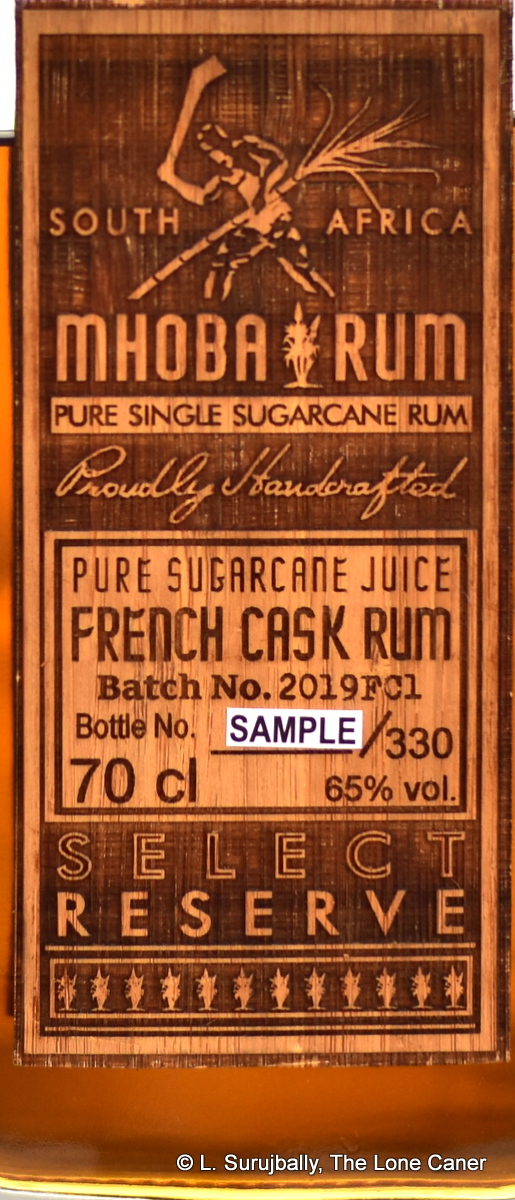 This is where good labelling helps understand what you’re getting. Mine read that it was a sugar cane juice rum, single blended, the bottle outturn (330 bottles, of which this was a sample), batch 2019FC1, South African made, and 65% ABV (ouch!). Actually, the only things missing from the label were the age statement (website says just over a year) and the still of origin (it’s a pot still), which I imagine subsequent labels will correct, especially as additional aged varietals begin to enter the market and a stock of different aged expressions gets built up – already, the company site lists eight different rums, so they’re not wasting any time.
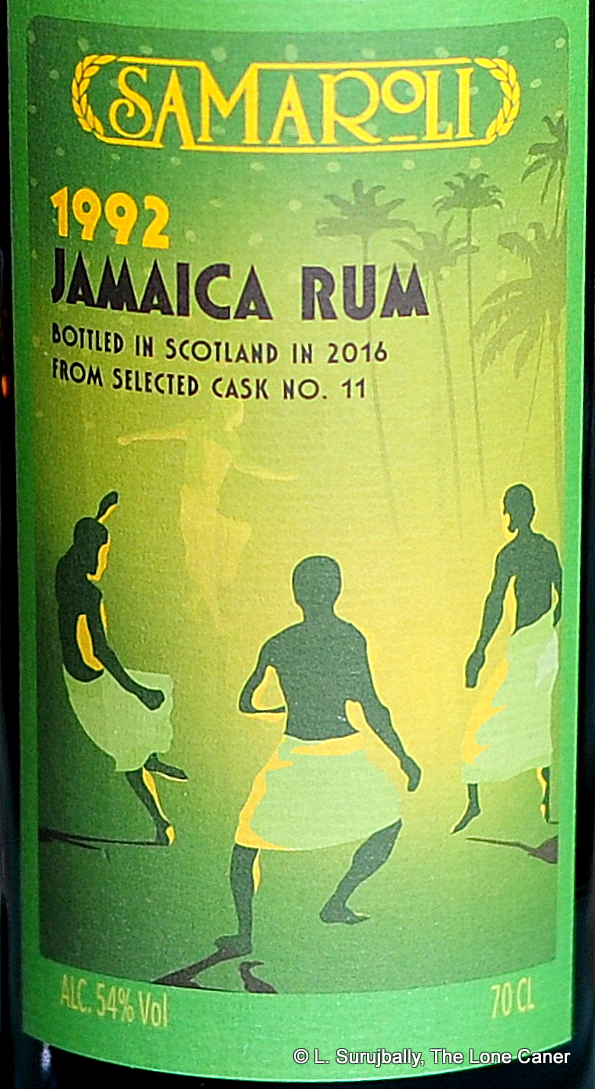 Although it’s older, Samaroli is somewhat eclipsed these days (by Velier), and is sometimes regarded as being on the same tier as, say,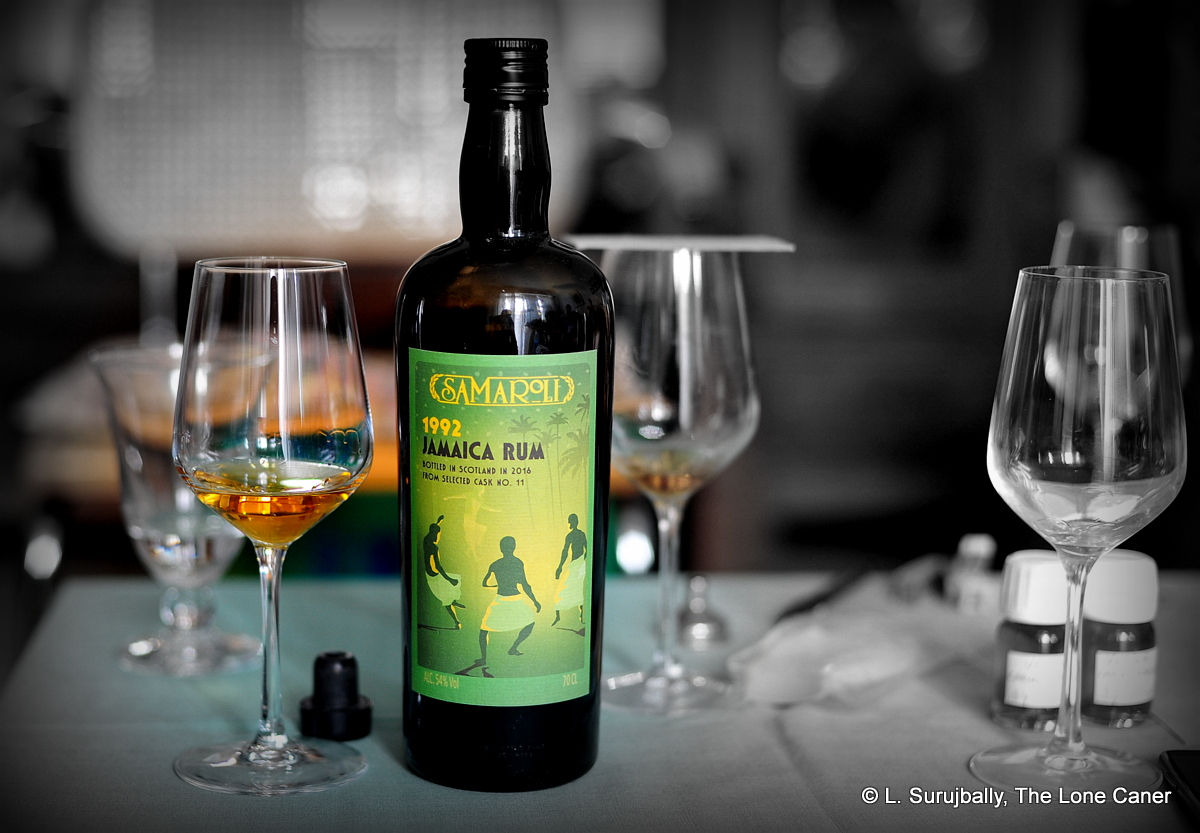
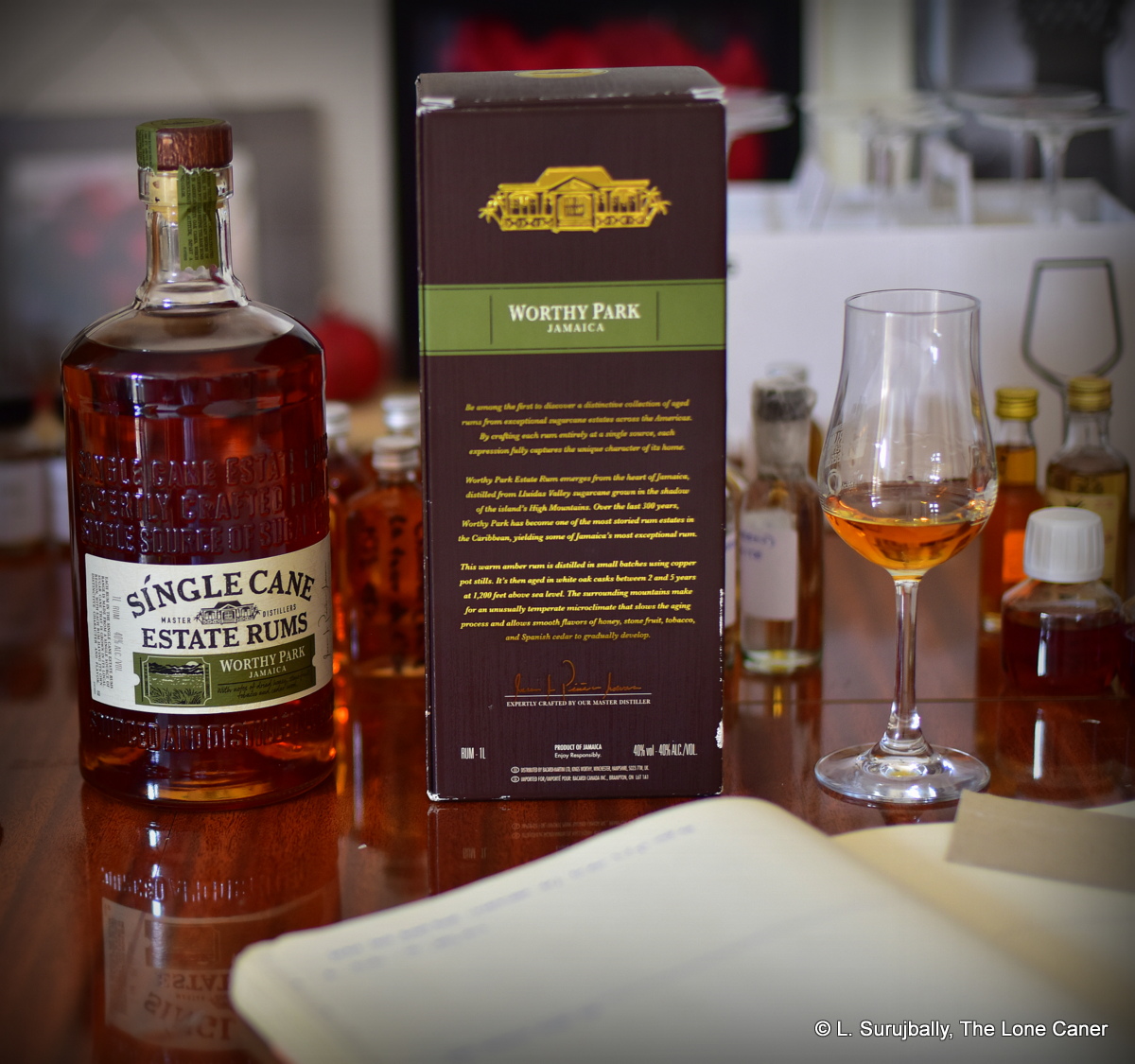
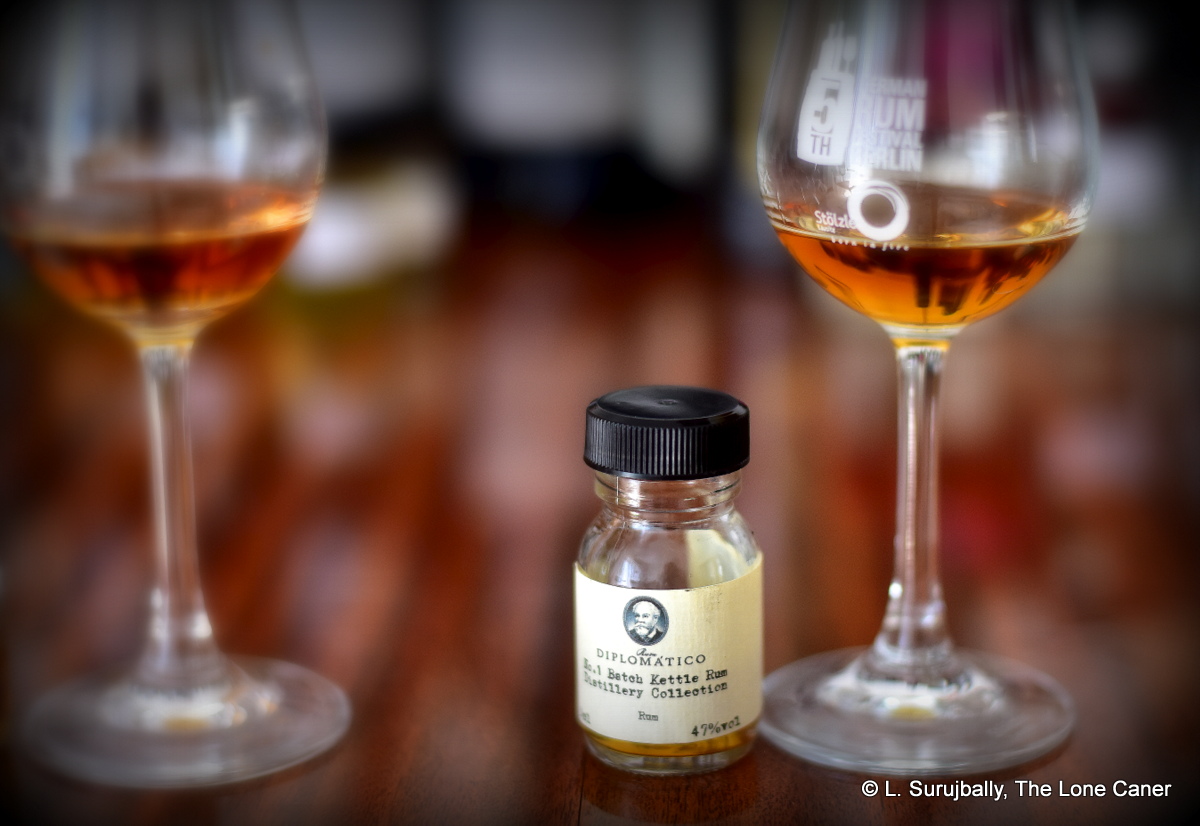
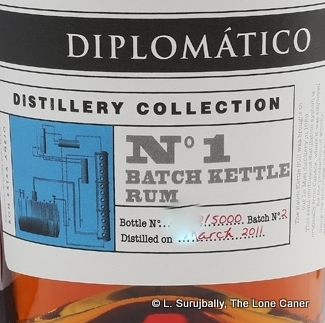 Things took an interesting turn around 2017 when No.1 and No.2 versions of the “Distillery Collection” were trotted out with much fanfare. The purpose of the Collection was to showcase other stills they had – a “kettle” (sort of a boosted pot still, for release No.1), a Barbet continuous still (release No.2) and an undefined pot still (release No.3, released in April 2019). These stills, all of which were acquired the year the original company was founded, in 1959, were and are used to provide the distillates which are blended into their various commercial marques, and until recently, such blends were all we got. One imagines that they took note of DDL’s killer app and the rush by Jamaica and St Lucia to work with the concept and decided to go beyond their blended range into something more specific.