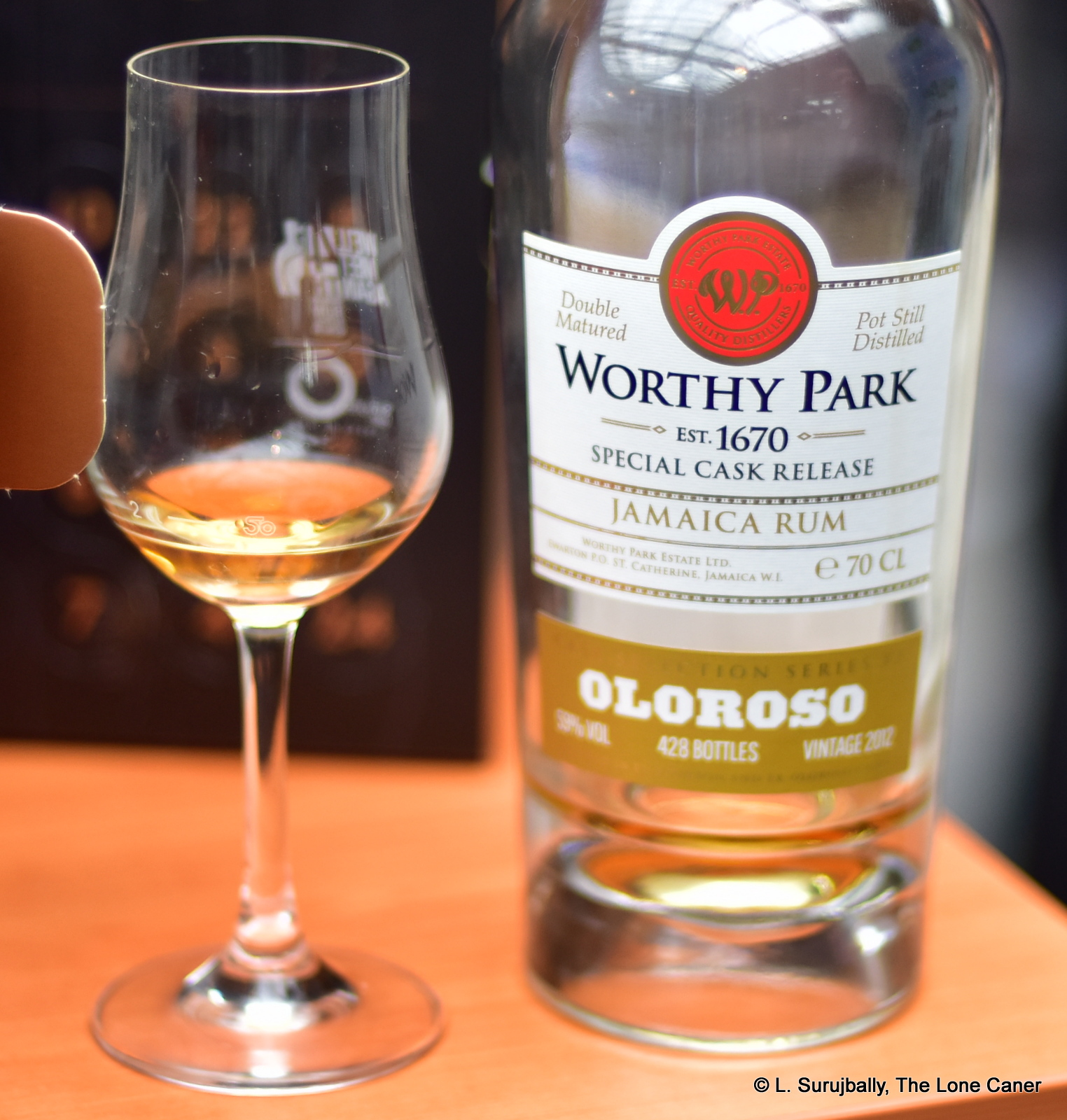
Depending on who you talk to, it’s a toss up whether Hampden or Worthy Park is the best of the New Jamaican distilleries. Appleton / J. Wray is the market leader (in both sales and recognition); Longpond, Monymusk, New Yarmouth and Clarendon have some brand awareness from Jamaican rum cultists and indie bottlers – though of course your average Joe could care less, let alone distinguish among them – but when it comes to artisanal pot still rums, it’s all down to those two.
Hampden has a distribution arrangement with Velier (you can see Velier’s design ethos in all their labels), uses dunder in distillation, has its own aged rums and is repped by the charming, dynamic and vivacious Christelle Harris. Worthy Park does not use dunder, has deliberately elected not to partner up with anyone (unless it’s 1423, the Danish outfit who helps them market their rums around Europe) and has their own not-so-secret weapon, the approachable and cheerful King of Cool, Mr. Zan Kong as their export manager. Both sell “house brands” of their own (the Rumbar line for WP, the Velier-associated Pure Single Rums “46” and “60” for Hampden), sell to third parties which produce brands like RumFire, Stolen Overproof, Hamilton or Doctor Bird, or sell bulk for the use of European indies.
The key to their rise and recognition and all the accolades is less these points, however, than the fact that both have wedded their futures to pot still artisanal rums which have, since their introduction, taken the rumworld by storm. Worthy Park in particular is one of the best of its kind, and been confident enough in their sales to expand the admittedly rather entry-level (though still very good) Rumbar rums into a series of older and more limited expressions called the “Special Cask” series, which are further aged, issued at higher proof, and are simply amazing in every way.
This edition began to be released around 2017, and the bottle under discussion today is based on stocks laid down in 2012 — it’s a 59% ABV limited edition of 428 bottles, though I am unclear whether it came from a single cask or a few (I suspect a few). It has the peculiarity of being double aged: four years in Jamaica, and another one in Denmark by 1423, which is why initially, at the various rumfests where it was introduced, it was found at that company’s booth. That European year was in ex-Oloroso casks, so not only different casks but different climates impacted the final rum. Interesting…
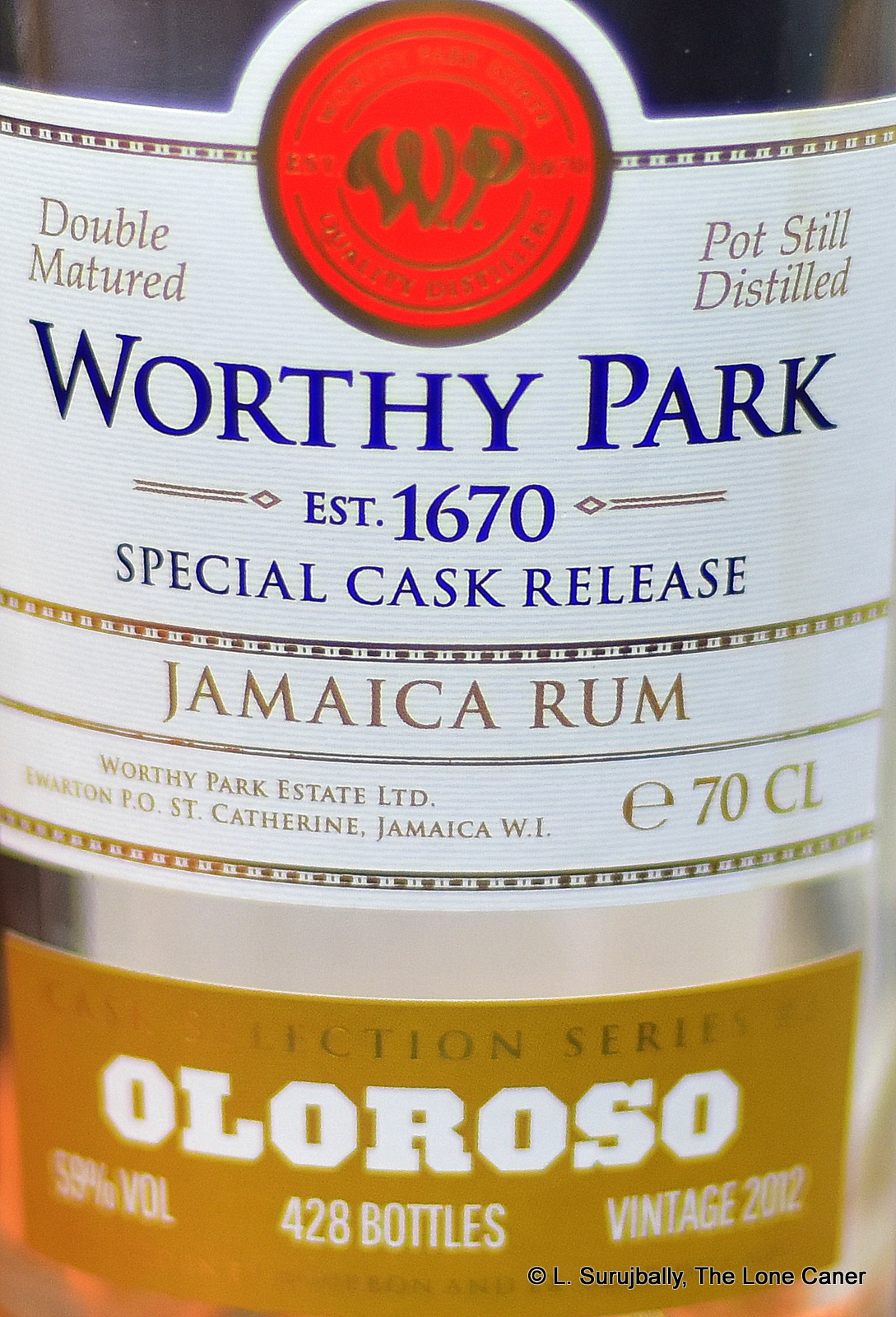 The results of that bifurcated ageing regimen and the pot still origin speak for themselves, and personally, wholly on my own account, I can only say the rum is kind of a quiet stunner. The nose startled the hell out of me, I must admit – “…a smoky barbeque with sweetly musky HP sauce?” went the opening words of my handwritten notes — really! It was redolent of the ashes of a dying fire over which a well-marinated shashlik had been grilling and sizzling. Which did not stay long, admittedly: the real rumminess came after – caramel, burnt sugar, bags of fruit. For a while there it even nosed like a pot still white, with slight turpentine, brine, olives and varnishy notes. Red wine, grapes, plums, very ripe apples, bananas, coconut shavings, the smells kept billowing out and all I could think was somebody had somehow managed to stuff the olfactory equivalent of a grocery’s entire fresh produce section in here.
The taste was similarly excellent, a low-rent masterpiece of execution in precision mixed up with a raucous yard party where de music blarin’ out o’ big-ass speaker size’ like young fridge. It was all-out funky Jamaican goodness, sweet and crisp and very very controlled, with the balance among all the competing elements really quite well handled. Strawberries, pineapples, bubble gum and orange zest started the party; that was then followed by raisins, dark fruits, plums, vinegar, pimento and vinegar dumped with olive oil into a oversalted salad (and I mean that in a good way). Even the finish – sporting a limbo of nuts, paprika, tobacco leaves and more of those oversweet-yet-tart spoiling fruits – added a solid conclusion to the festivities.
No blended rum or column still ever came up with a rum like this. Steve James of the Rum Diaries Blog wrote the first serious review of the series and was enamoured of the entire line, and The Fat Rum Pirate followed suit soon after with a four star review (it’s both amusing and instructive that one thought the sherry influence was too much, the other too little) and Rum Shop Boy weighed in with a positive experience of his own.
But oddly, in spite of the accolades, the rum never really scaled the heights of consumer desire to the extent that it became a must-have, and if a measure of any rum’s popularity is the amount of times it gets mentioned on social media with gleeful boasts of “I got it!!” then this seems to be considered a bit of a smaller rum. Personally, I disagree: Worthy Park’s double aged “Oloroso” rum was and remains a seriously constructed piece of complex oomph that any distiller would have been proud to release. “Though she be but little, she is fierce,” wrote Shakespeare of the diminutive Hermia in A Midsummer Night’s Dream, and I think that applies equally to this rum. In people’s minds it may be small, easily overlooked – but in reality, it’s Goddamned huge.
(#840)(88/100)


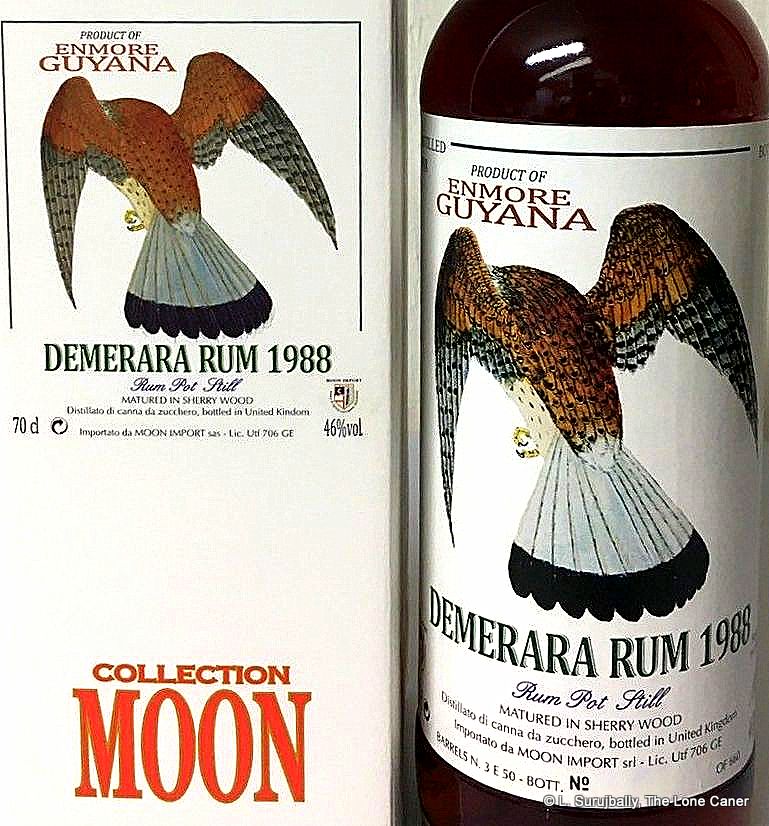
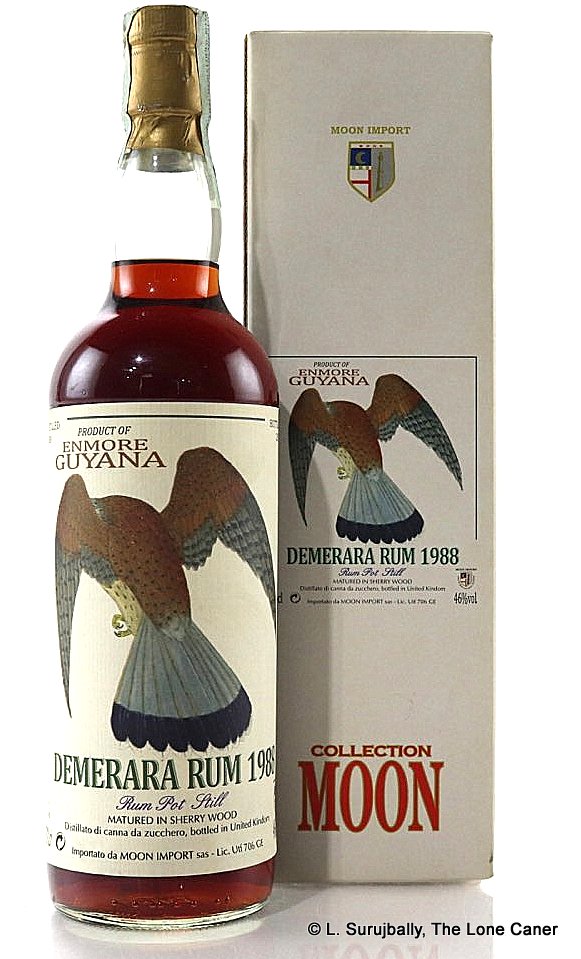 This is not the first Demerara rum that the venerable Italian indie bottler Moon Import has aged in sherry barrels: the superb
 Opinion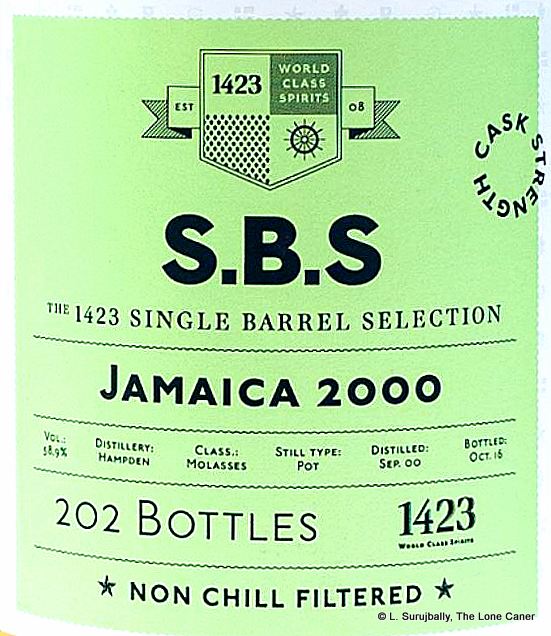
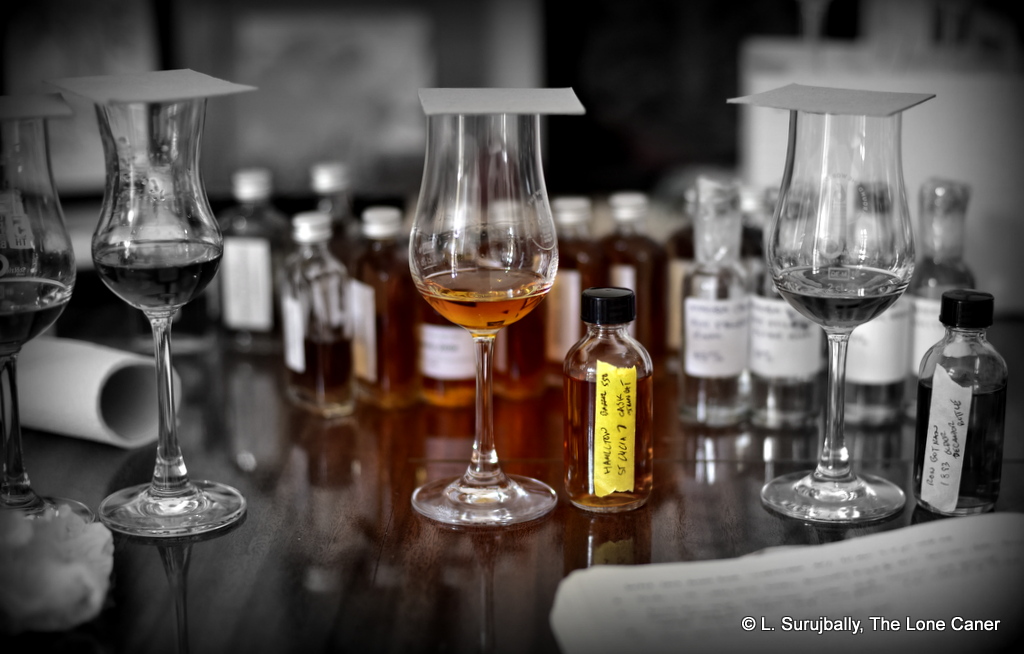
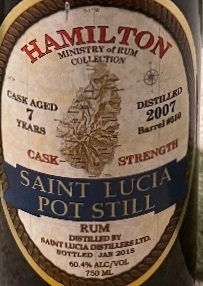 Today we’re looking at the Hamilton 2007 7 year old rum sent to me by my old schoolfriend Cecil Ramotar, which can be considered a companion review to the
 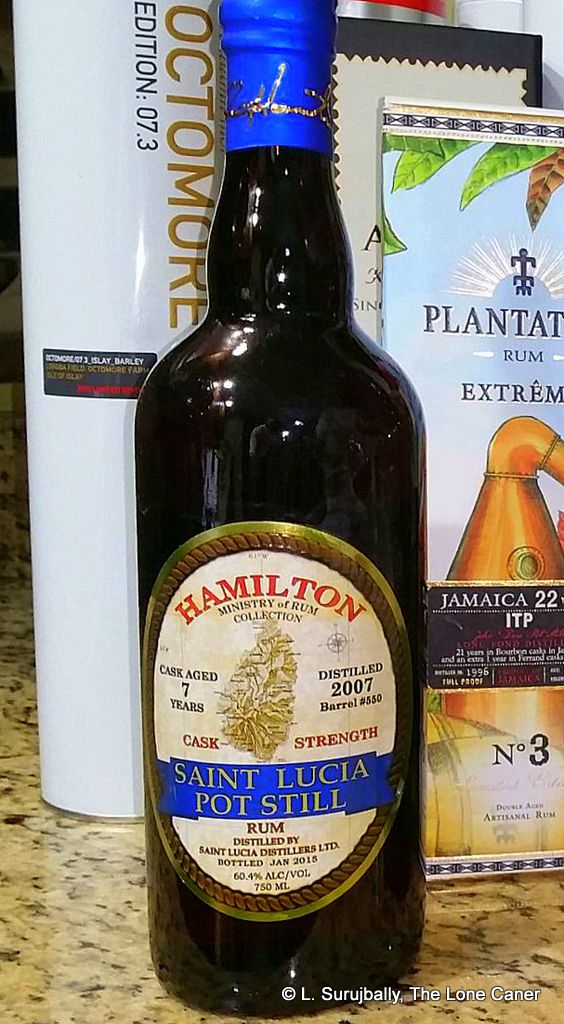 Clearing away the dishes, it’s a seriously solid rum. If I had to chose, I think the 2004 9 Year Old edges this one out by just a bit, but the difference is more a matter of personal taste than objective quality, as both were very tasty and complex rums that add to SLD’s and Ed Hamilton’s reputations. It’s a shame that the line wasn’t continued and added to — no other St. Lucia rums have been added to the Hamilton Collection since 2015 (at least not according to
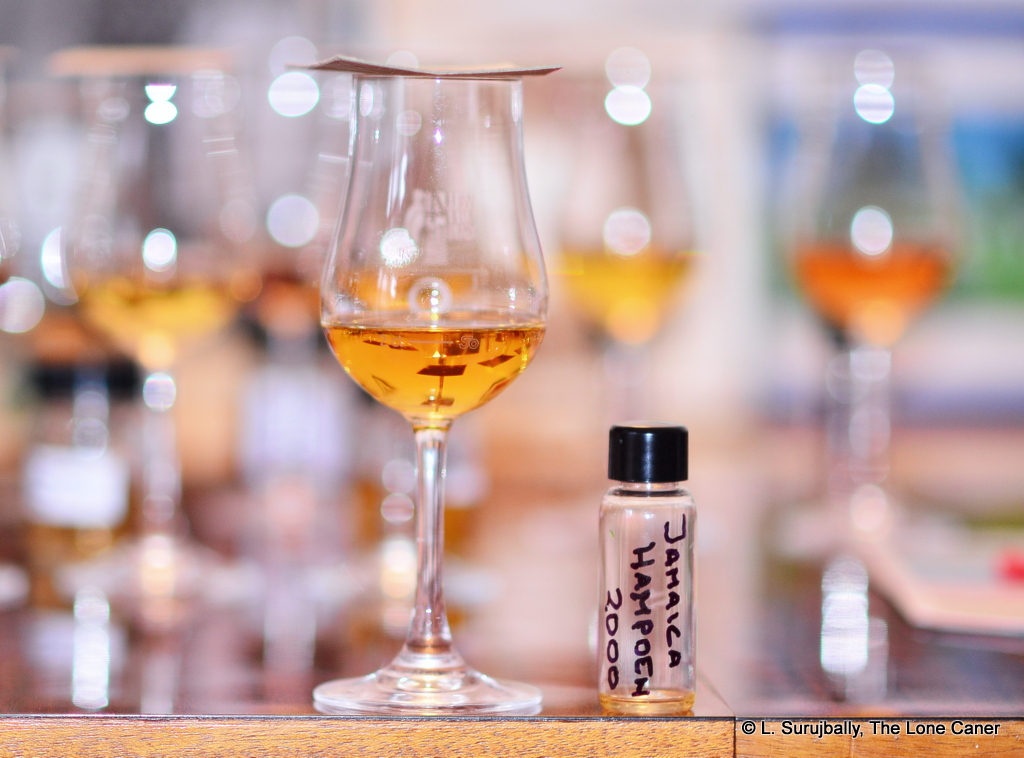
  Hampden gets so many kudos these days from its relationship with
  The rum displays all the attributes that made the estate’s name after 2016 when they started supplying their rums to others and began bottling their own. It’s a rum that’s astonishingly stuffed with tastes from all over the map, not always in harmony but in a sort of cheerful screaming chaos that shouldn’t work…except that it does. More sensory impressions are expended here than in any rum of recent memory (and I remember
 The nose begins with metallic, ashy notes right away, damp cardboard in a long-abandoned, leaky musty house. Thankfully this peculiar aroma doesn’t hang around, but morphs into a sort of soya-salt veggie soup vibe, which in turn gets muskier and sweeter over time; it releases notes of bananas and molasses and syrup, before gradually lightening and becoming – surprisingly enough – rather crisp. White fruits emerge – unripe pears and guavas, green apples, gooseberries, grapes. What’s really surprising is the way this all transforms over a period of ten minutes or so from one nasal profile to another. It’s not usual, but it is noteworthy.
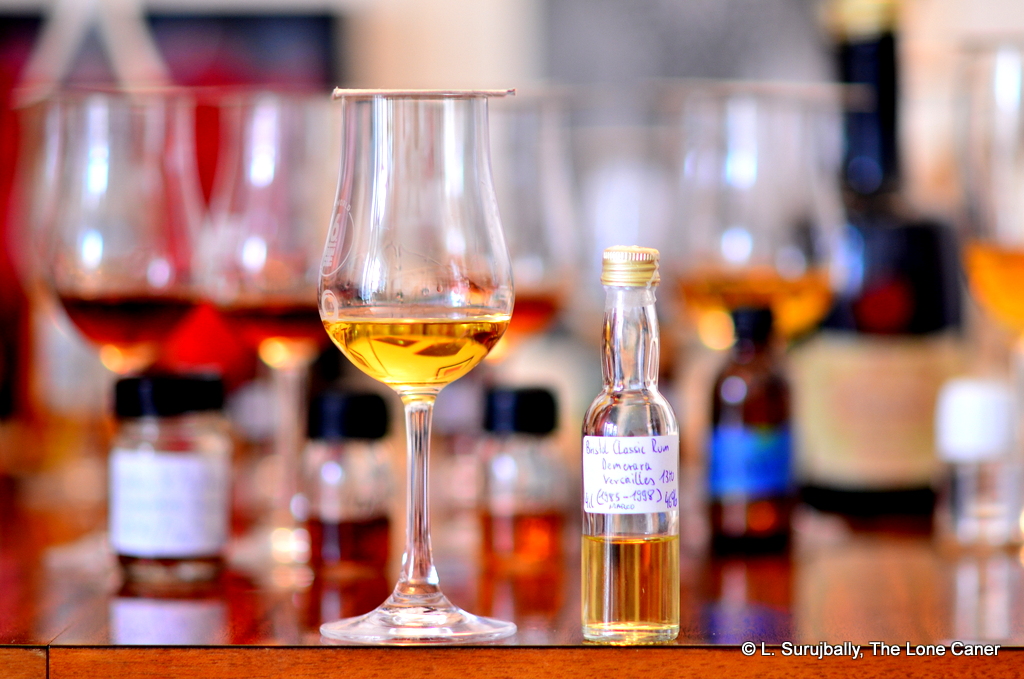
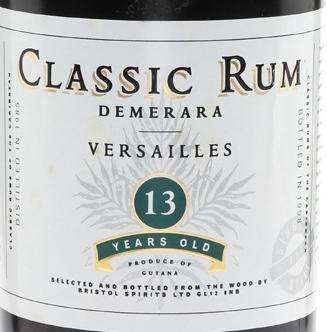 Bristol, I think, came pretty close with this relatively soft 46% Demerara. The easier strength may have been the right decision because it calmed down what would otherwise have been quite a seriously sharp and even bitter nose. That nose opened with rubber and plasticine and a hot glue gun smoking away on the freshly sanded wooden workbench. There were pencil shavings, a trace of oaky bitterness, caramel, toffee, vanilla and slowly a firm series of crisp fruity notes came to the fore: green apples, raisins, grapes, apples, pears, and then a surprisingly delicate herbal touch of thyme, mint, and basil.

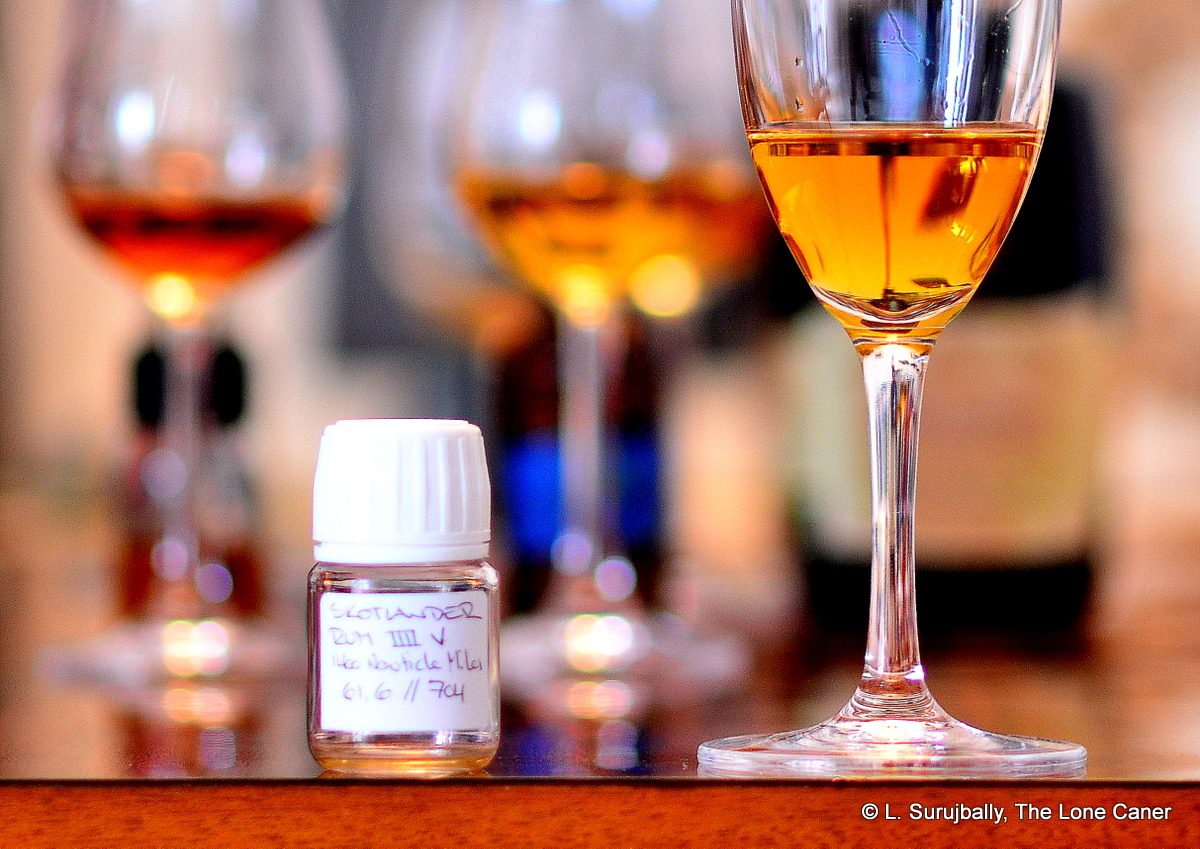
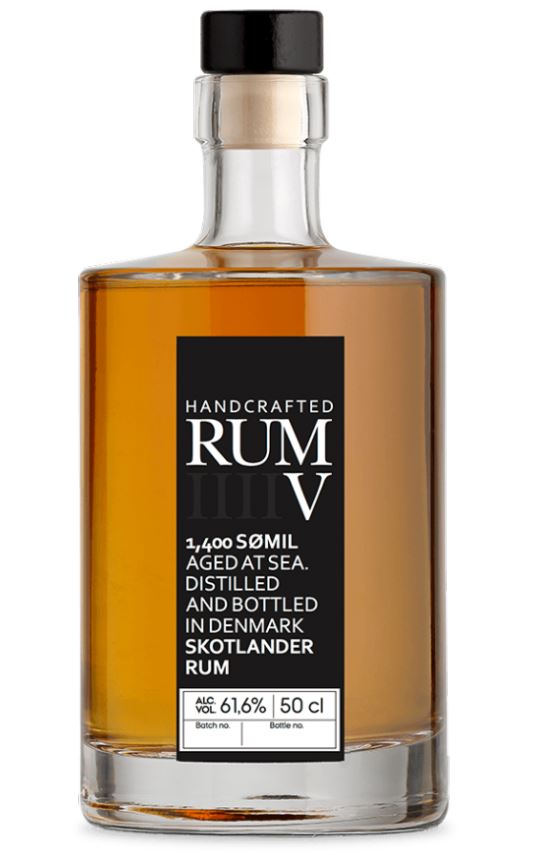 Rums made from scratch by some small new micro-distillery in a country other than the norm are often harbingers of future trends and can bring – alongside the founders’ enthusiasm – some interesting tastes to the table, even different spirits (<<cough>> ‘Murrica!!). But Skotlander, to their credit, didn’t mess around with ten different brandies, gins, vodkas, whiskies and what have you, and then pretended they were always into rum and we are now getting the ultimate pinnacle of their artsy voyage of discovery. Nah. These boys started with rum, bam! from eight o’clock, day one.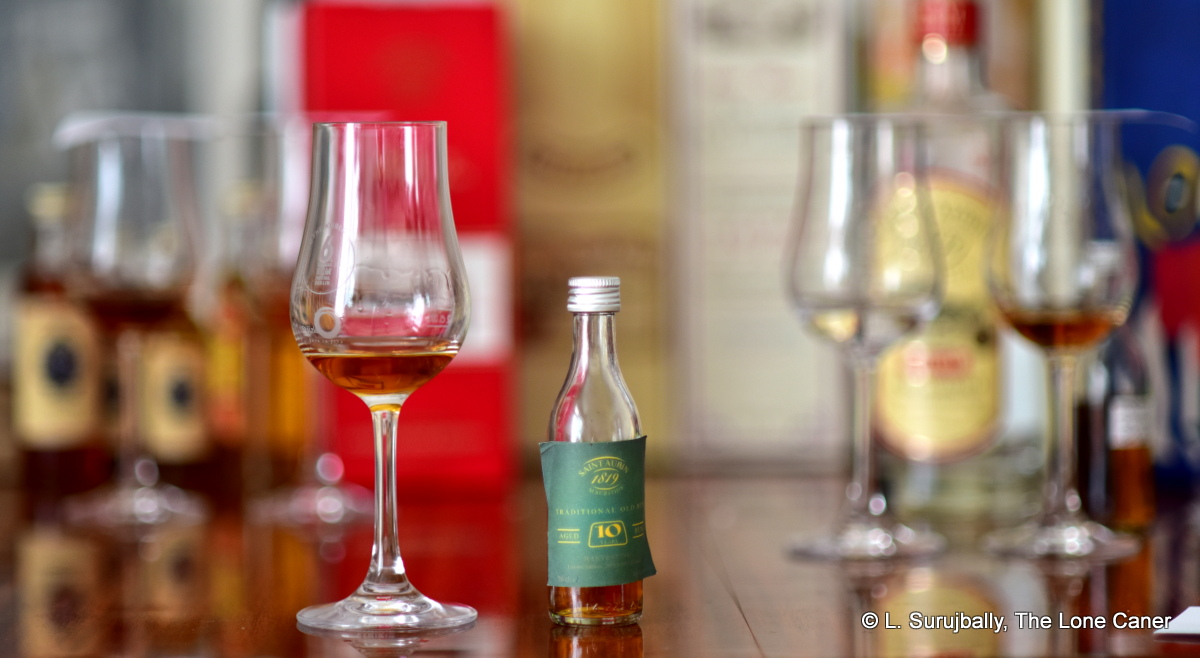
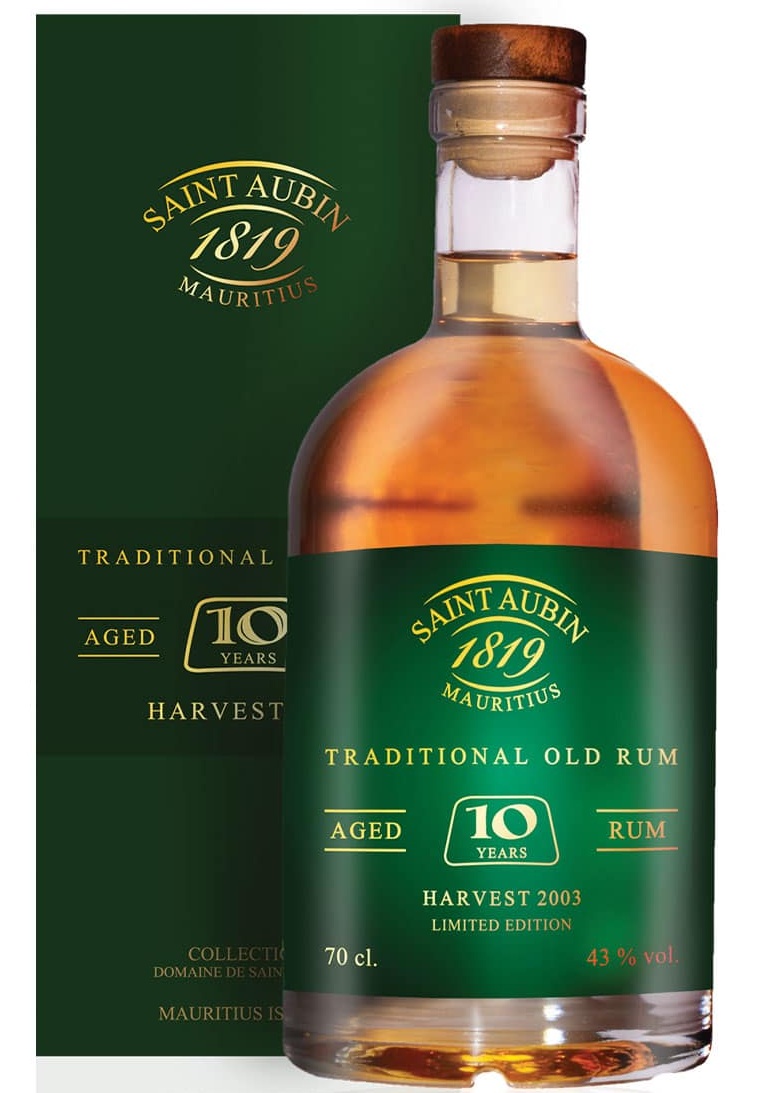 Certainly the 2003 10 YO does its next-best relative the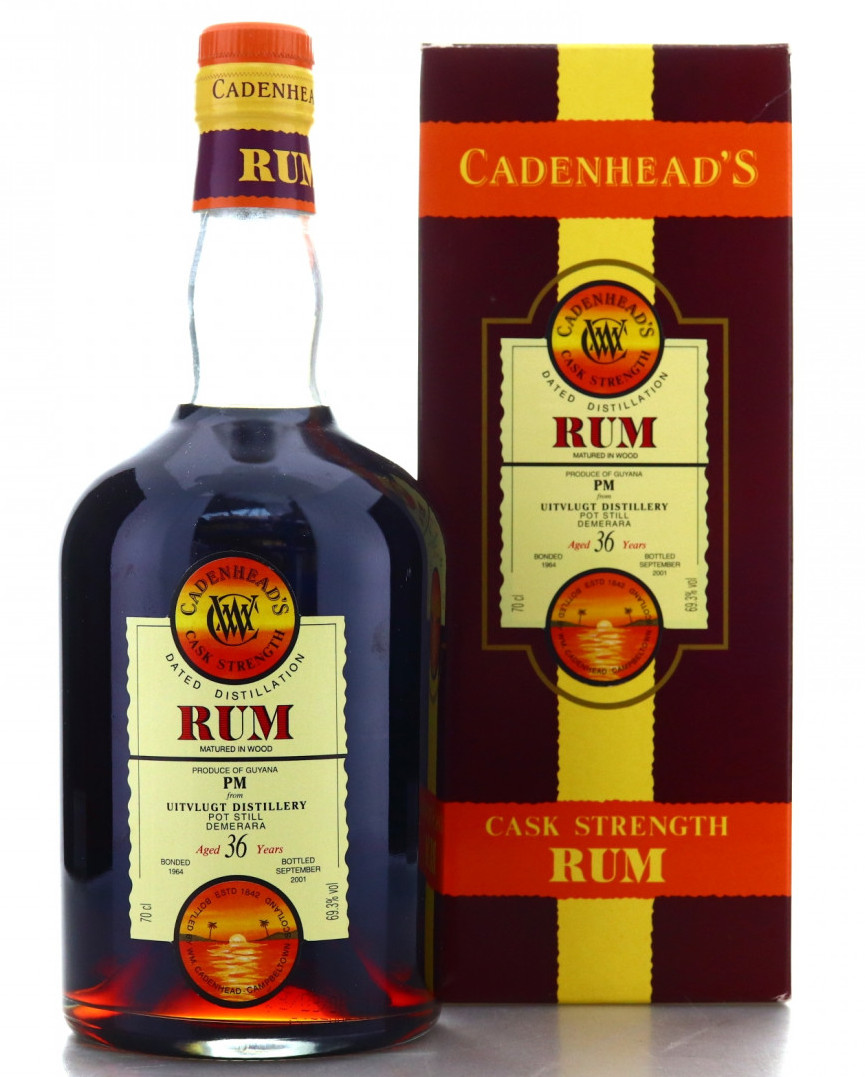
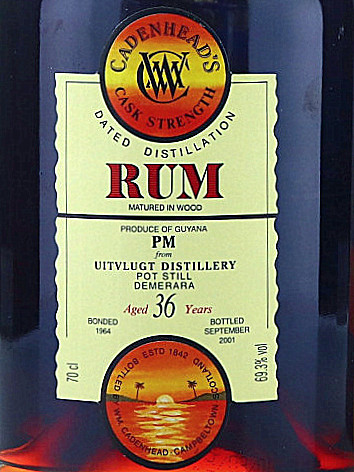 The Cadenhead Uitvlugt 1964 followed all the traditional ways an indie has of producing a rum, except then it proceeded to dial it up to 11, added steroids, horse tranqs and industrial strength factory cleanser, and released it to just about zero acclaim (I mean, have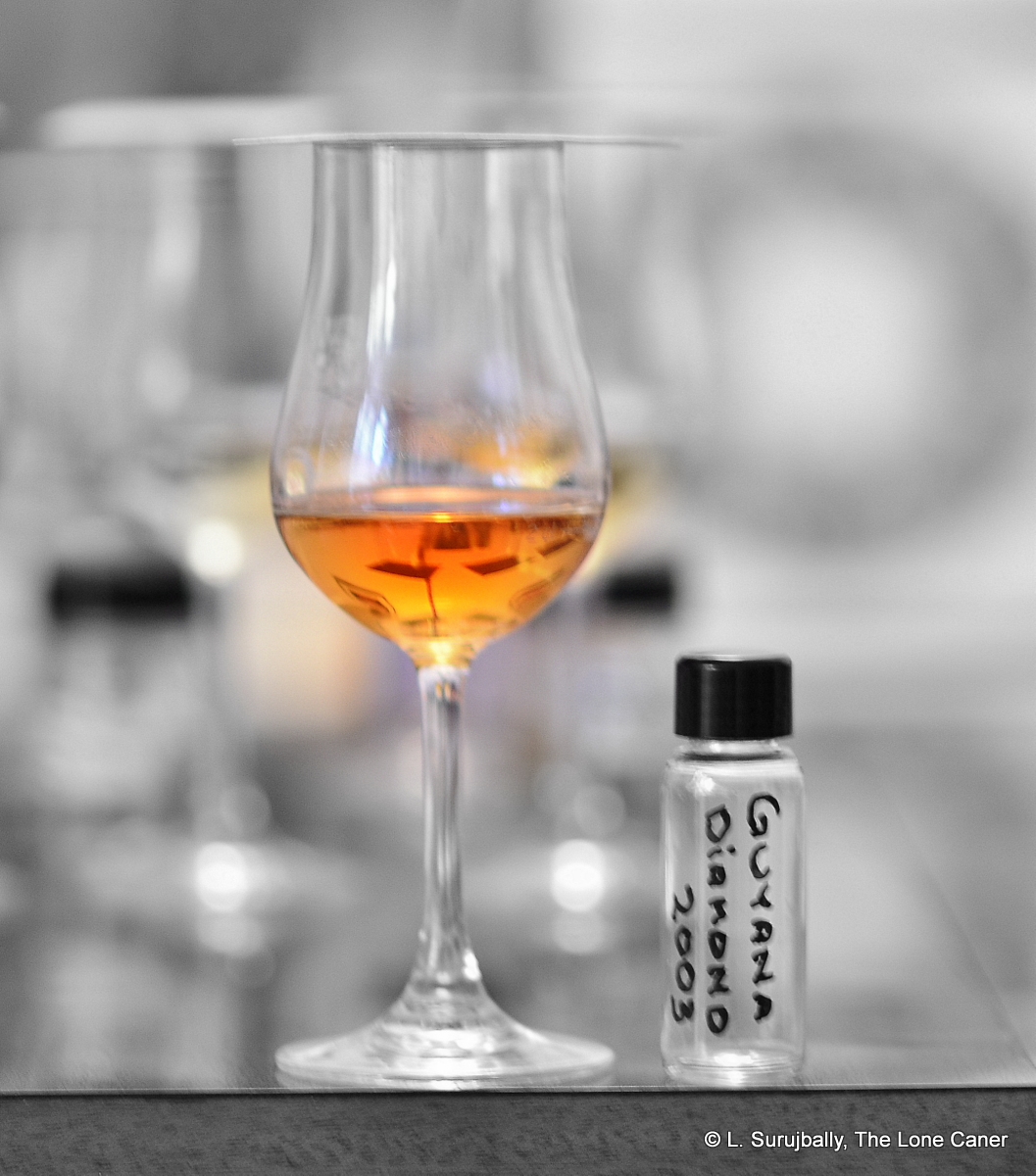
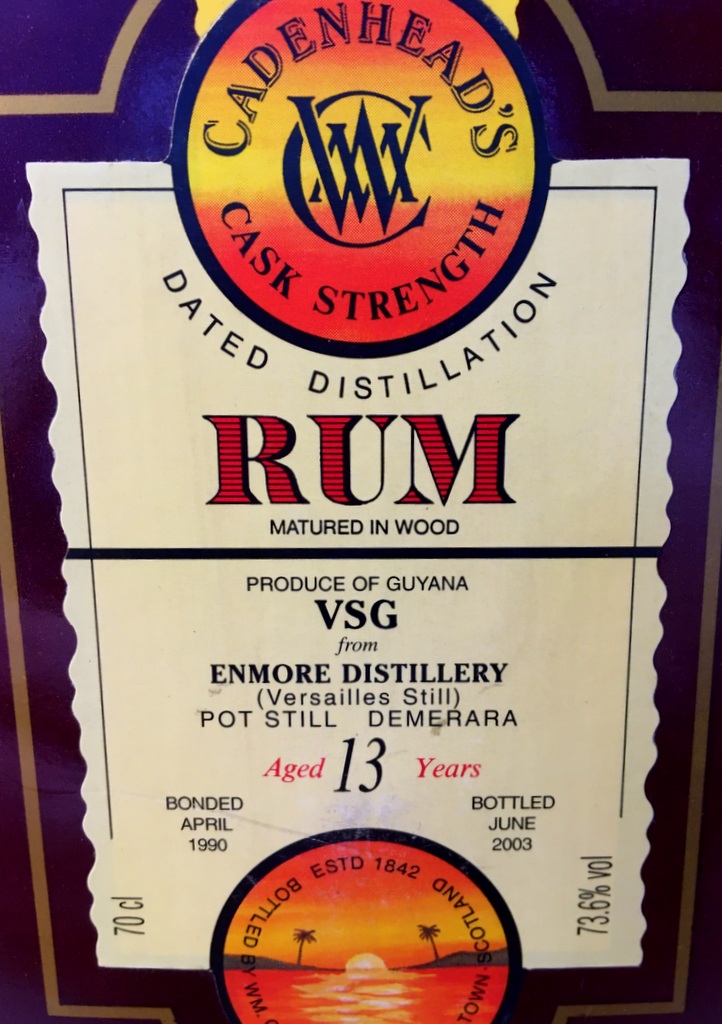
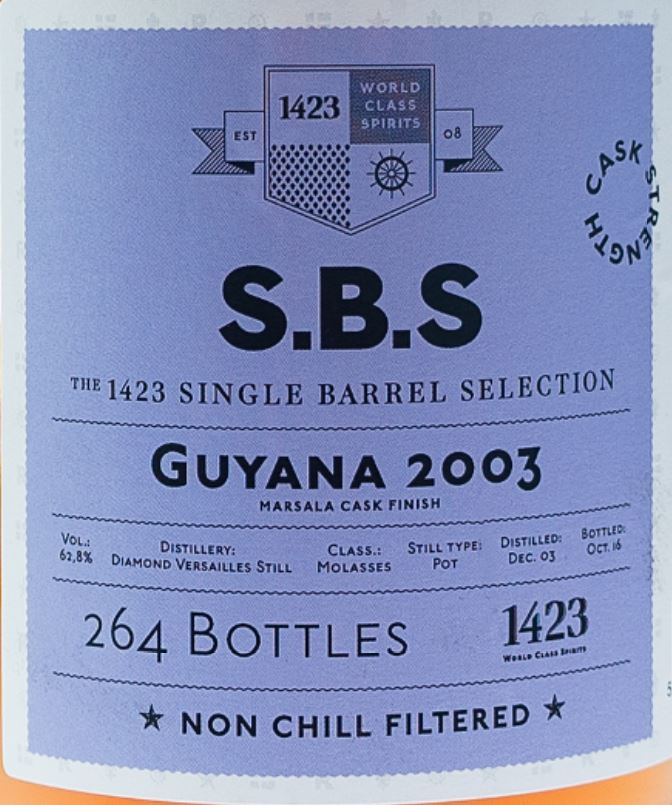 My own preference has always been for the stern elegance of the Port Mourant, and the Enmore coffey still produces rums that are complex, graceful and sophisticated when done right. But the Versailles still is something of an ugly stepchild – you’ll go far and look long to find an unqualified positive review of any rum it spits out. I’ve always felt that it takes rare skill to bring the rough and raw VSG pot still profile to its full potential…none of the familiar indies has had more than occasional success with it, and even Velier never really bothered to produce much Versailles rum at the height of
  There has been occasional confusion among the stills in the past: e.g. the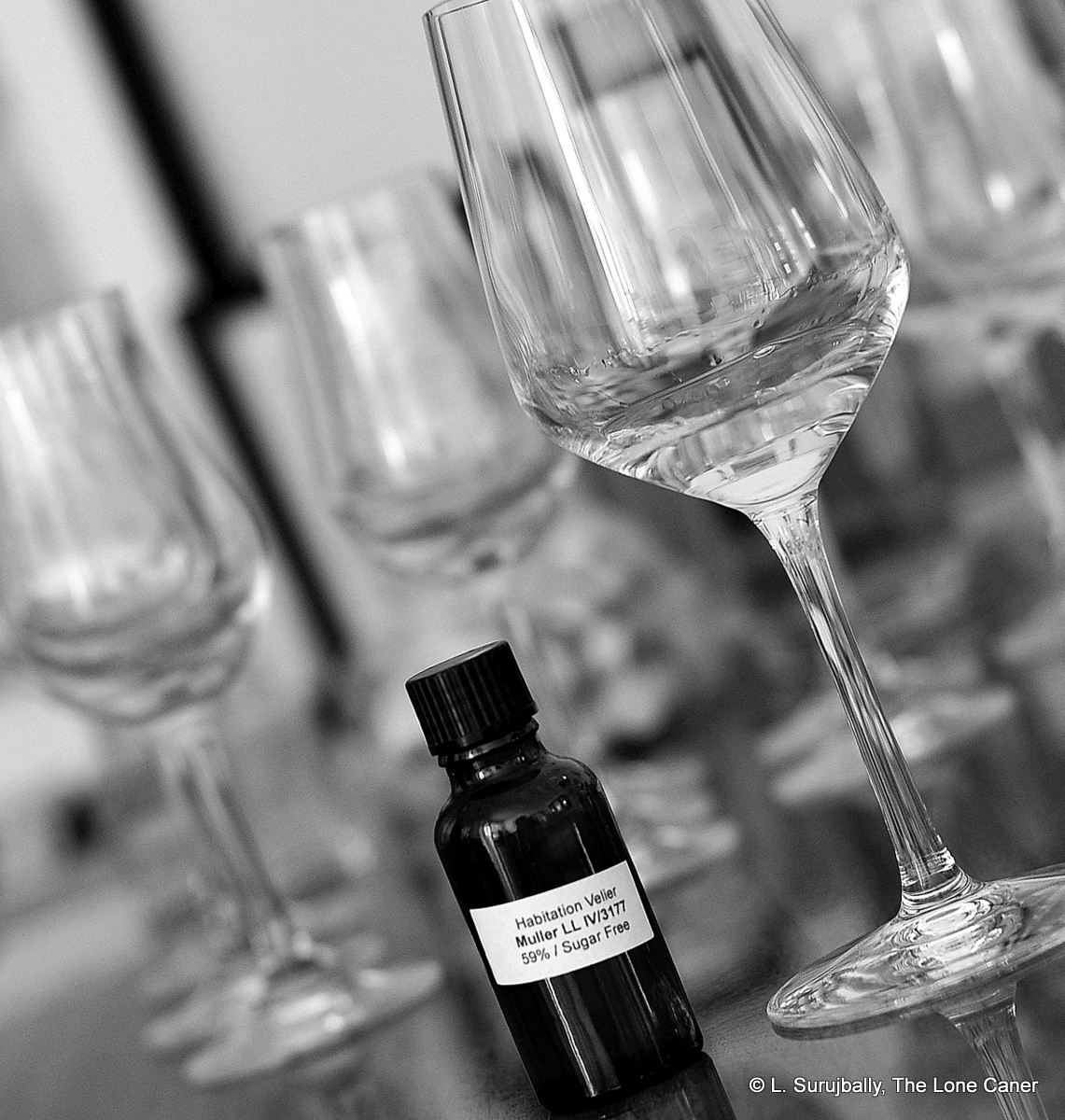
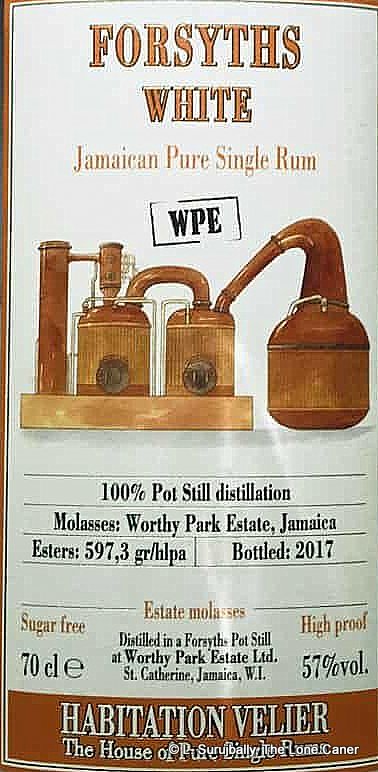
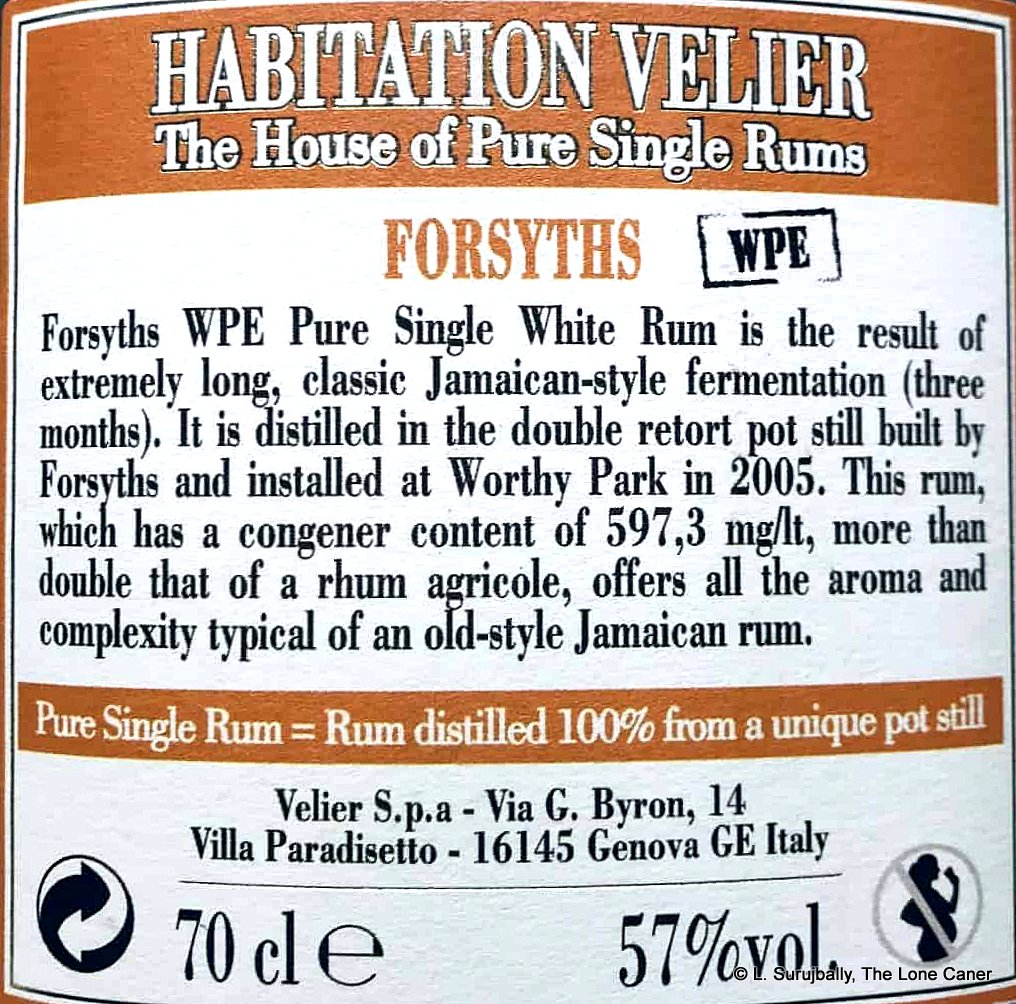
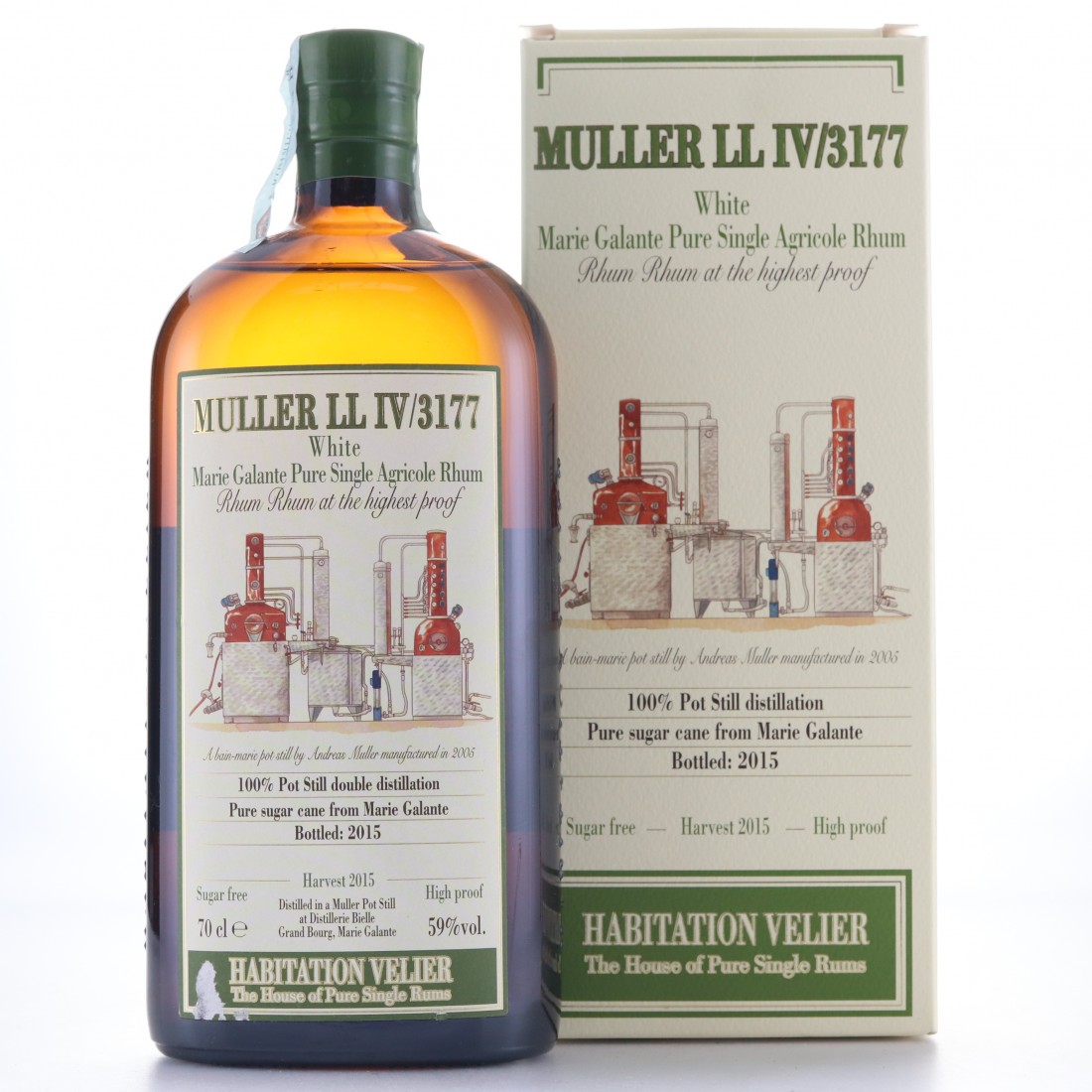
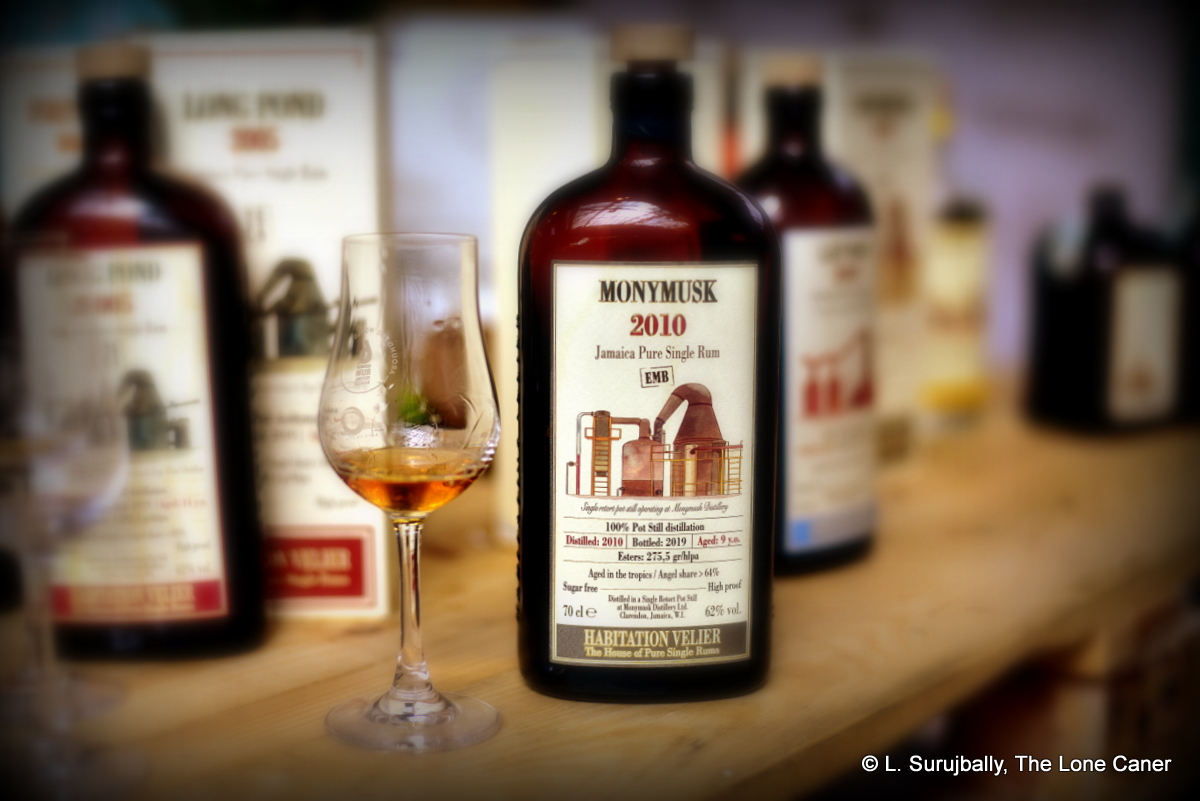
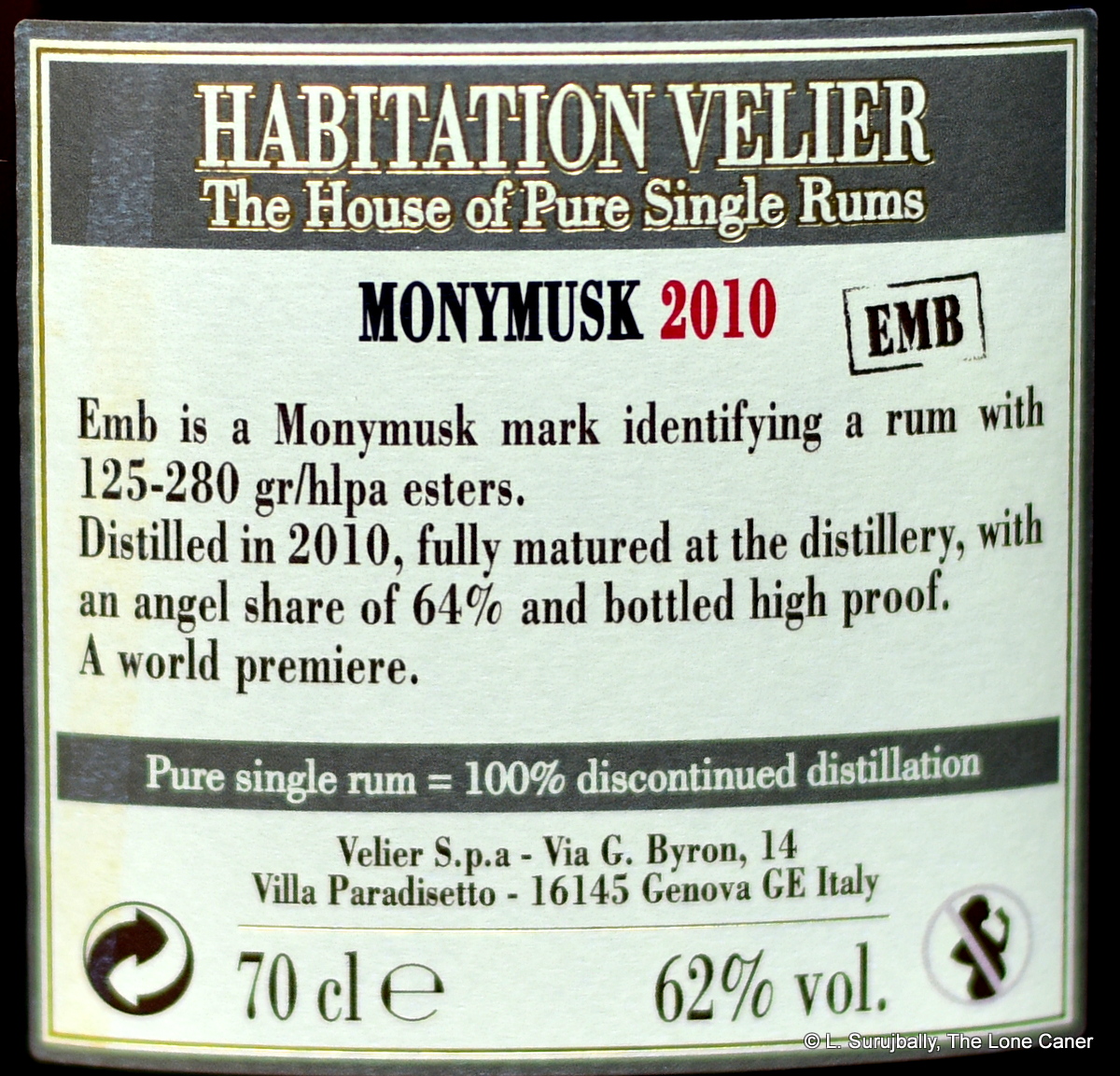
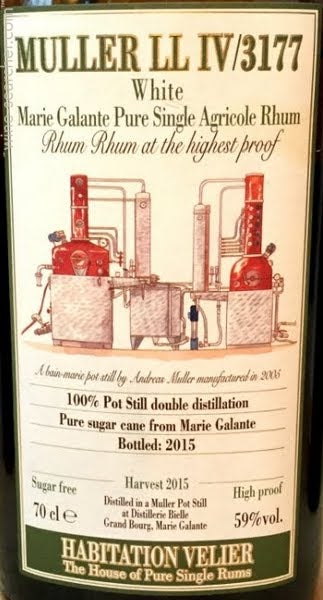 So let’s spare some time to look at this rather unique white rum released by Habitation Velier, one whose brown bottle is bolted to a near-dyslexia-inducing name only a rum geek or still-maker could possibly love. And let me tell you, unaged or not, it really is a monster truck of tastes and flavours and issued at precisely the right strength for what it attempts to do.
 Evaluating a rum like this requires some thinking, because there are both familiar and odd elements to the entire experience. It reminds me of

 As for the finish, well, in rum terms it was longer than the current Guyanese election and seemed to feel that it was required that it run through the entire tasting experience a second time, as well as adding some light touches of acetone and rubber, citrus, brine, plus everything else we had already experienced the palate. I sighed when it was over…and poured myself another shot.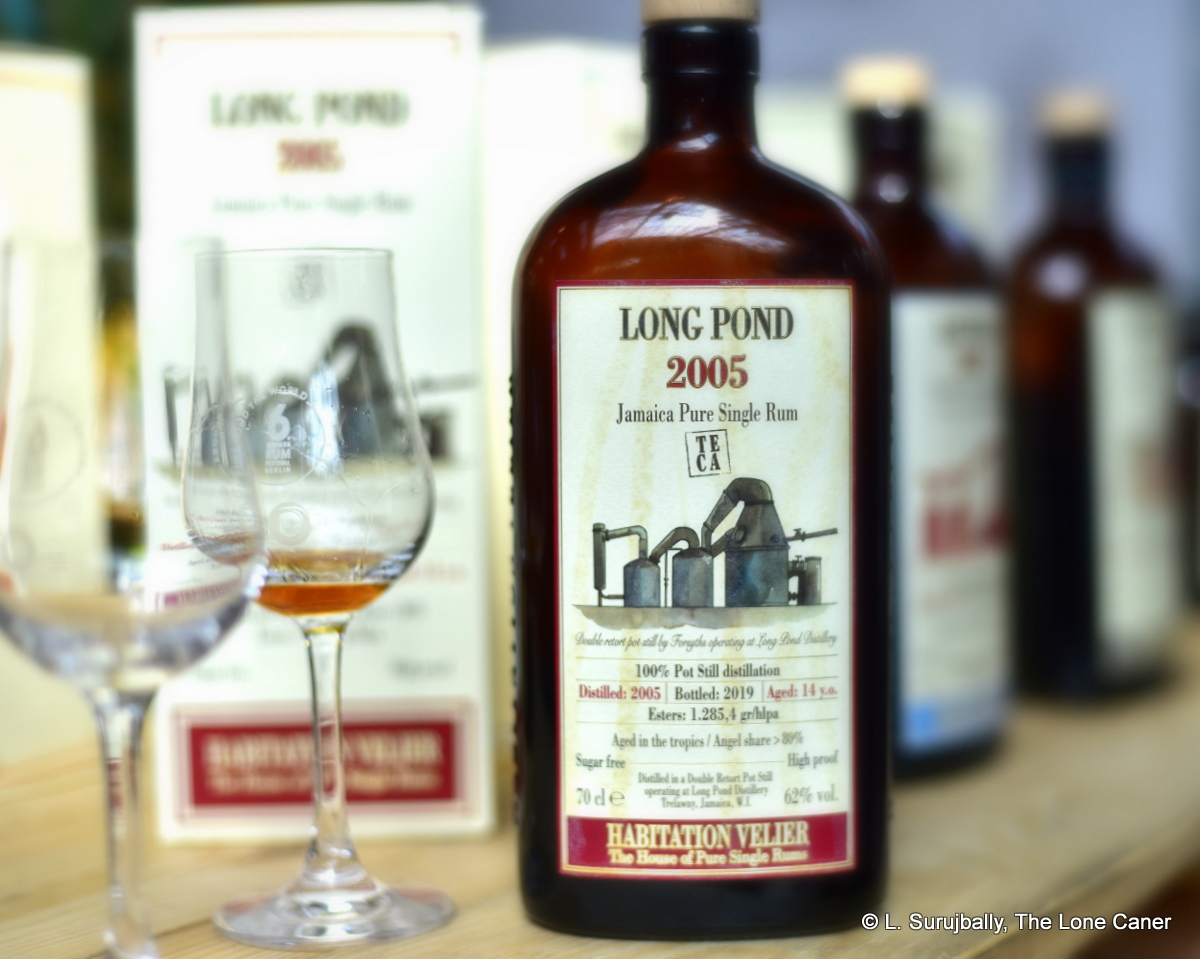
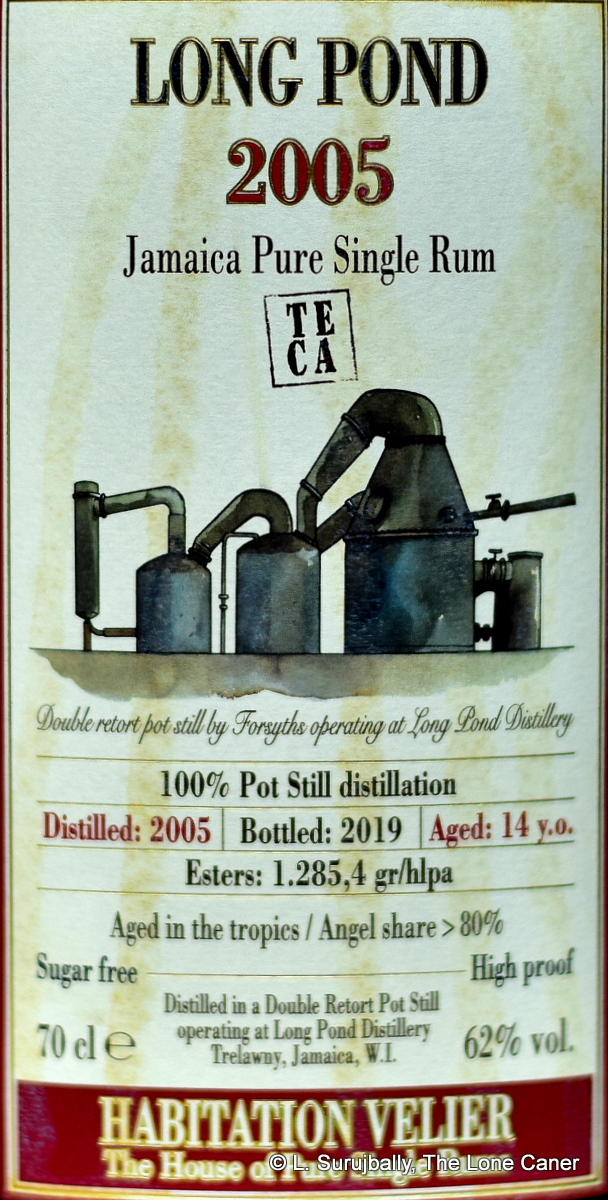 Let’s see if we can’t redress that somewhat. This is a Jamaican rum from Longpond, double pot still made, 62% ABV, 14 years old, and released as one of the pot still rums the Habitation Velier line is there to showcase. I will take it as a given it’s been completely tropically aged. Note of course, the ester figure of 1289.5 gr/hlpa, which is very close to the maximum (1600) allowed by Jamaican law. What we could expect from such a high number, then, is a rum sporting taste-chops of uncommon intensity and flavour, as rounded off by nearly a decade and a half of ageing – now, those statistics made the TECA 2018 detonate in your face and it’s arguable whether that’s a success, but here? … it worked. Swimmingly.
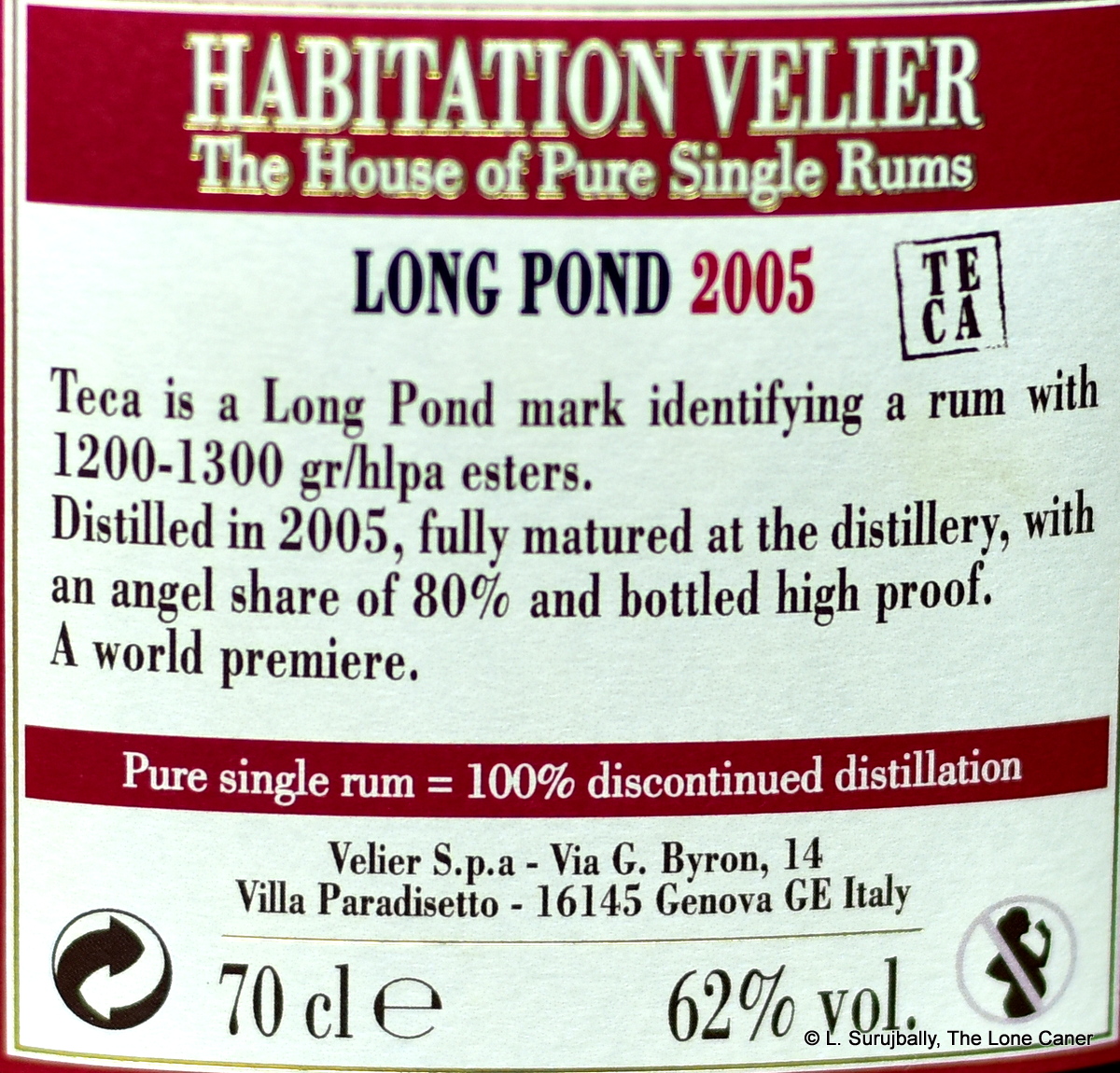 So – good or bad? Let’s see if we can sum this up. In short, I believe the 2005 TECA was a furious and outstanding rum on nearly every level. But that comes with caveats. “Fasten your seatbelt” remarked Serge Valentin
  Anyone from my generation who grew up in the West Indies knows of the scalpel-sharp satirical play “Smile Orange,” written by that great Jamaican playwright, Trevor Rhone, and made into an equally funny film of the same name in 1976. It is quite literally one of the most hilarious theatre experiences of my life, though perhaps an islander might take more away from it than an expat. Why do I mention this irrelevancy? Because I was watching the YouTube video of the film that day in Berlin when I was sampling the Worthy Park series R 11.3, and though the film has not aged as well as the play, the conjoined experience brought to mind all the belly-jiggling reasons I so loved it, and Worthy Park’s rums.
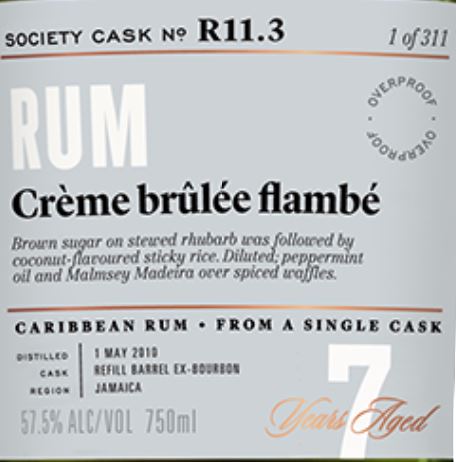 The distillation run from 2010 must have been a good year for Worthy Park, because the SMWS bought no fewer than seven separate casks from then to flesh out its R11 series of rums (R11.1 through R11.6 were distilled May 1st of that year, with R11.7 in September, and all were released in 2017). After that, I guess the Society felt its job was done for a while and pulled in its horns, releasing nothing in 2018 from WP, and only one more — R11.8 — the following year; they called it “Big and Bountiful” though it’s unclear whether this refers to Jamaican feminine pulchritude or Jamaican rums.