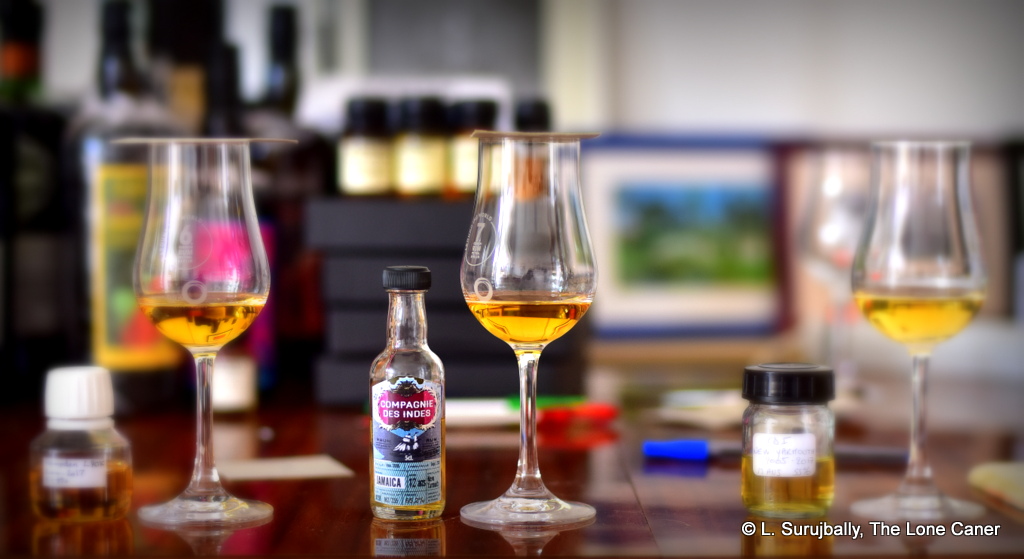
With the rise of the New Jamaican and their distillery offerings, it is instructive to remember that indies still have a pretty good handle on the good stuff too. We keep seeing new aged releases from Monymusk, Clarendon, Long Pond from makers big and small. Velier continues to add new Hampden releases (or whole new collections) every time we turn around and Worthy Park is always around putting out really good pot still juice for those who know the difference.
Lastly there’s New Yarmouth, which is the distillery in Clarendon Parish which is part of Appleton (not to be confused with the Clarendon Distillery) and supplies it with its white overproof stocks. New Yarmouth has both pot and column stills, and is more into the production of stock components for blends (often shipped elsewhere in bulk) than any individual bottlings of its own. That of course has not stopped many smaller companies from trying to bottle just New Yarmouth rums as a unique releases in their own right in the ever more concerted drive to atomize Jamaican rums to the nth degree (I’m still waiting for the first unaged backcountry moonshine to be given the full rollout as a true artisanal rum of the country).
Back to NY: currently 1423 out of Denmark is getting some serious kudos with its 2005 edition from that distillery, Rum Artesenal has its 2009 10 YO and a stunner of a 25YO from 1994 (issued almost in tandem with Wild Parrot who did their own 1994 25YO in 2020), and even the boys over at Skylark created one called The River Mumma (Vidya) in 2020, which also hailed from 2005. Evidently that was a good year.
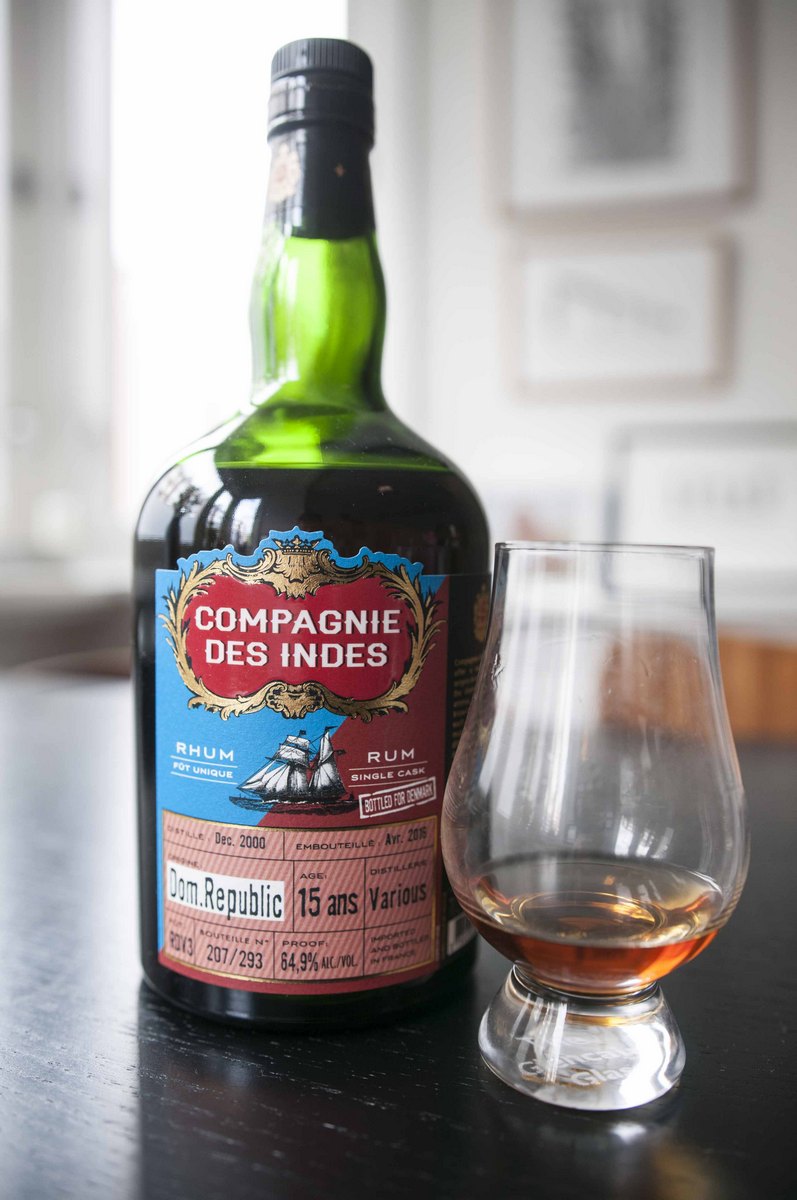
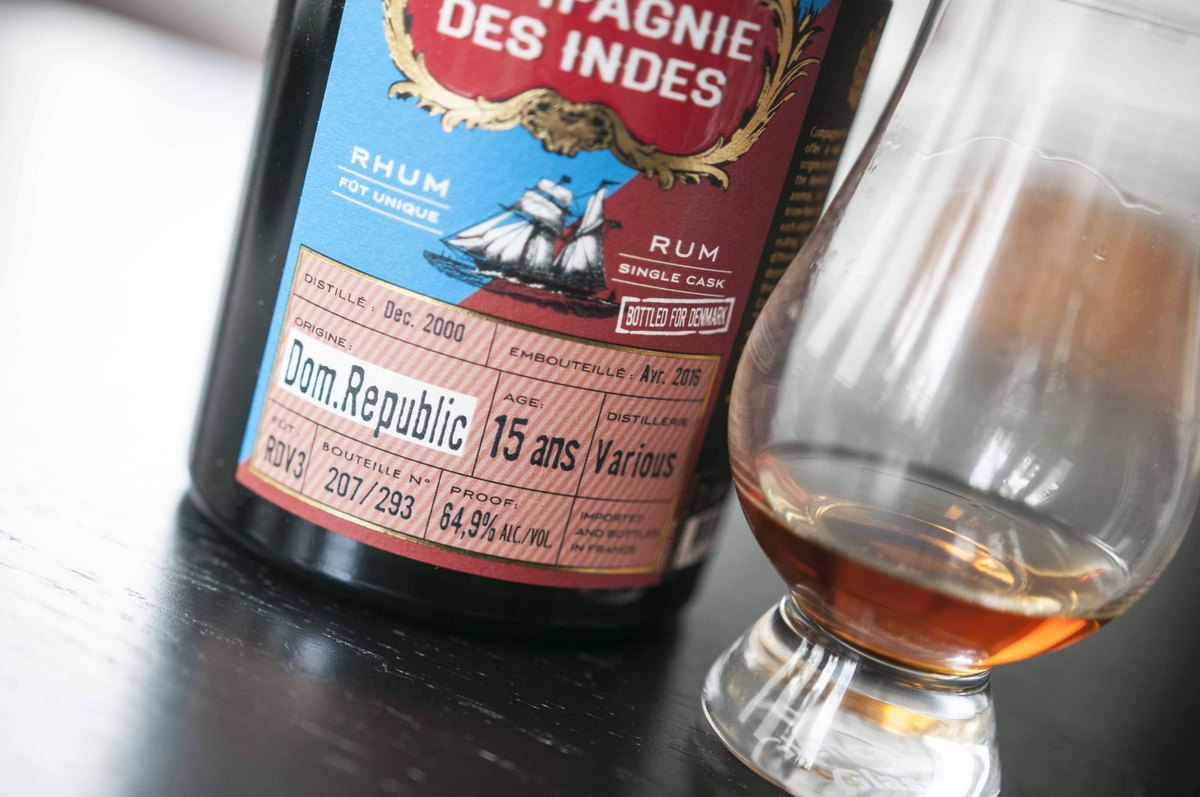
But as far as I’m aware, the first indie to make a real splash with this distillery was actually Florent Beuchet’s outfit, the Compagnie des Indes, when they started bottling some for the 2017 release year. Time passes fast nowadays and new hot-sh*t releases are coming more often, and 2017 was no slouch itself — Toucan appearing on the scene, the first Worthy Parks I can recall, Novo Fogo, Foursquare’s Criterion, Rum Nation’s Madeira agricoles — yet even in this company, the CdI New Yarmouth stood out in the rum fests where it was shown. There were two versions: one at 55% for the more general market, and a huge 65.2% beefcake that for some reason only those raving rum crazies in Denmark were allowed to buy. That’s this one.
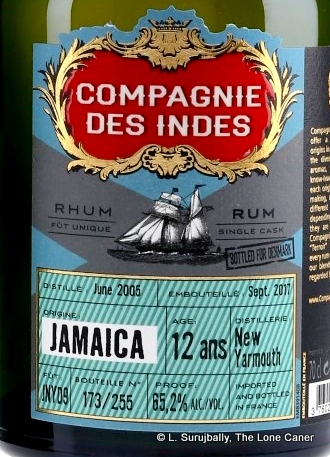 And what a rum it was. I don’t know what ester levels it had, but my first note was “a lot!”. I mean, it was massive. Pencil shavings and glue. Lots of it. Musky, dry, cardboard and damp sawdust. Some rotting fruit (was that dunder they were using?) and also rubber and furniture polish slapped on enough uncured greenheart to rebuild the Parika stelling, twice. The fruitiness – sharp! – of tart apples, green grapes, passion fruit, overripe oranges and freshly peeled tangerines. Florals and crisp light notes, all of it so pungent and bursting that a little breeze through your house and the neighbors would either be calling for a HAZMAT team or the nearest distillery to find out if they had lost their master blender and a still or two.
Okay, so that was the nose, smelly, fruity, funky, alcoholic, rummy and completely unapologetic. It took no prisoners and didn’t care what you thought, and Lord was it ever distinct and original. Was the palate any different?
To some extent, yes. It started out dry, and quite sharp, with a lot of lumber and fresh sawn green wood – the pencils had it! – plus glue and rubber. Acetones, nail polish, paint stripper and turpentine. But also some organics were there, because clearly the kitchen and a table had now been built and now it was time for food. So, gherkins, pickles, cucumbers in vinegar and pimento. Green apples, sour oranges and five-finger, soursop, kind of marginal, but trending towards an edgy sweet. Only at the end did the richness and hidden quality emerge to provide its own version of shock and awe: honey, caramel, nougat, bitter chocolate, and bags of rich fruits like peaches, apricots, dates, raisins, finishing up with a long, dense, sharp, dry close redolent of honey, vanilla, red wine trending to vinegar.
From this overlong description it’s clear there’s a whole lot of shaking going on in my glass. It’s an extraordinarily rich pot still rum which rivals any Worthy Park or Hampden I’d tasted to that point. It somehow never managed to slip off the rails into undrinkability, and was a great sipper even at that strength, completely distinct from Hampden or WP, and perhaps trending a bit more to Long Pond. But a caution – it is complex and has flavours that at first blush don’t seem to work well together (until, much to one’s surprise, they do). For that reason and for the strength, I’d suggest either trying the 55% edition or adding some water to tame this thing a bit, because it’s surely not for beginners — which may be the reason, now that I think about it, that it was only released to the guys up north, and why they were happy to get every last bottle for themselves.
The New Yarmouth, then, was not just a damned fine rum in its own right, but something more, something I would have thought to be impossible in this day and age – a distillery-specific hooch that didn’t depend on its age or its antecedents or the myth of the still or the name of its maker for effect and power. It came together and succeeded because of the enduring strength of the rum itself, and the mastery of those who made it, and lends its lustre to all of them.
(#801)(88/100)
Other Notes
- Some background can be found on Marius’s site over at Single Cask, and the ‘Wonk wrote his unusually scant cheat sheet which has little on it about this distillery. Note that both Clarendon Distillery and New Yarmouth Distillery are located in the Clarendon parish in south-central Jamaica, but they are distinct from each other. Clarendon makes Monymusk rums, named after the next-door sugar factory.
- Cask #JNYD9, providing 255 bottles
 Or so the story-teller in me supposes. Because all jokes and anecdotes aside, what this is, is a rum made to order.

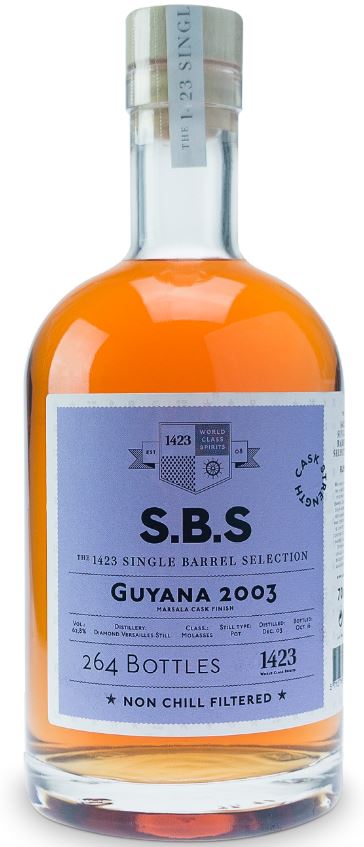
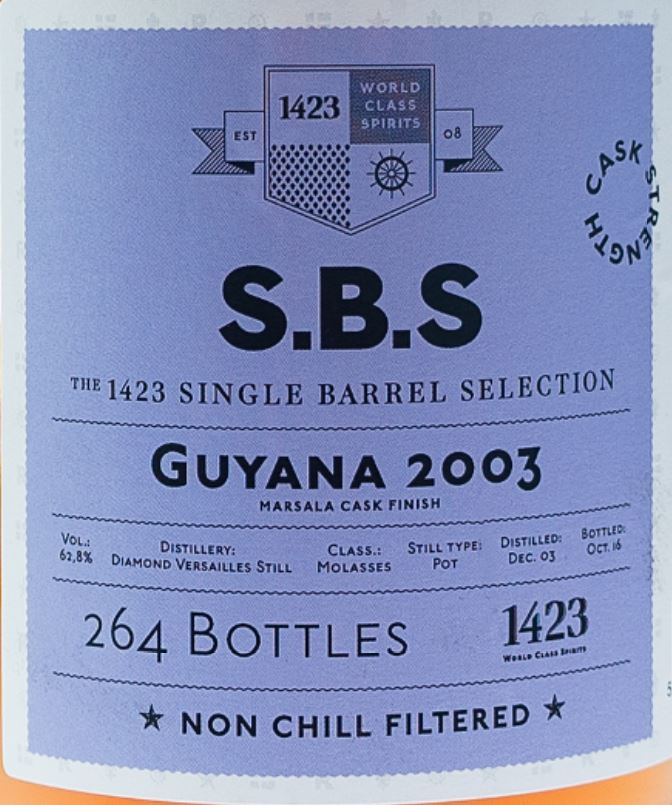 My own preference has always been for the stern elegance of the Port Mourant, and the Enmore coffey still produces rums that are complex, graceful and sophisticated when done right. But the Versailles still is something of an ugly stepchild – you’ll go far and look long to find an unqualified positive review of any rum it spits out. I’ve always felt that it takes rare skill to bring the rough and raw VSG pot still profile to its full potential…none of the familiar indies has had more than occasional success with it, and even Velier never really bothered to produce much Versailles rum at the height of
  There has been occasional confusion among the stills in the past: e.g. the
 Anyone from my generation who grew up in the West Indies knows of the scalpel-sharp satirical play “Smile Orange,” written by that great Jamaican playwright, Trevor Rhone, and made into an equally funny film of the same name in 1976. It is quite literally one of the most hilarious theatre experiences of my life, though perhaps an islander might take more away from it than an expat. Why do I mention this irrelevancy? Because I was watching the YouTube video of the film that day in Berlin when I was sampling the Worthy Park series R 11.3, and though the film has not aged as well as the play, the conjoined experience brought to mind all the belly-jiggling reasons I so loved it, and Worthy Park’s rums.
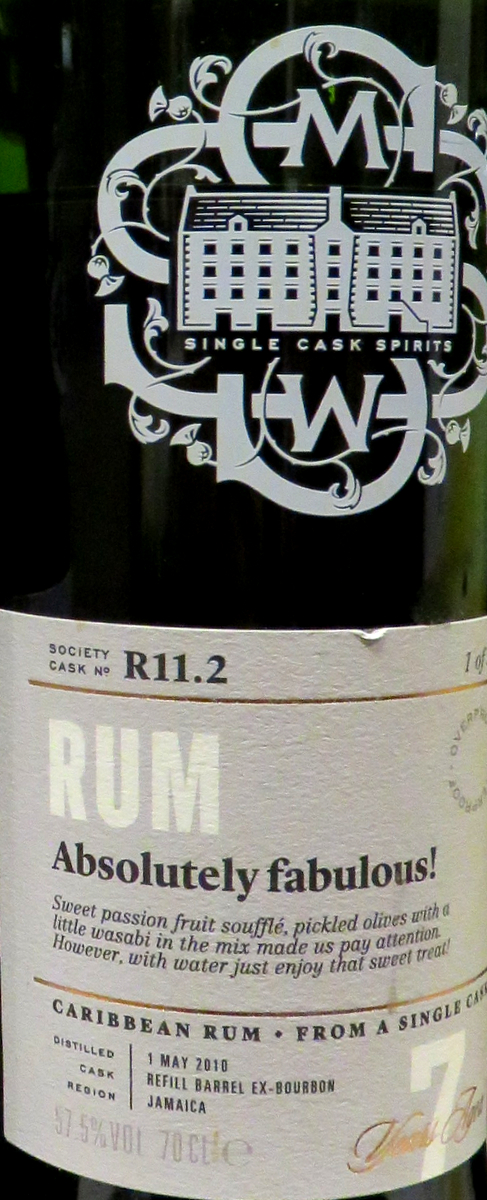
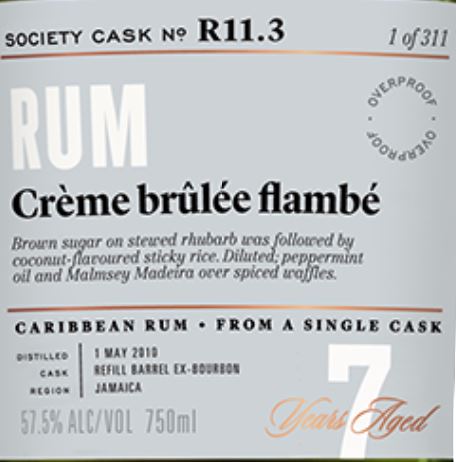 The distillation run from 2010 must have been a good year for Worthy Park, because the SMWS bought no fewer than seven separate casks from then to flesh out its R11 series of rums (R11.1 through R11.6 were distilled May 1st of that year, with R11.7 in September, and all were released in 2017). After that, I guess the Society felt its job was done for a while and pulled in its horns, releasing nothing in 2018 from WP, and only one more — R11.8 — the following year; they called it “Big and Bountiful” though it’s unclear whether this refers to Jamaican feminine pulchritude or Jamaican rums.
 It sounds strange to say it, but the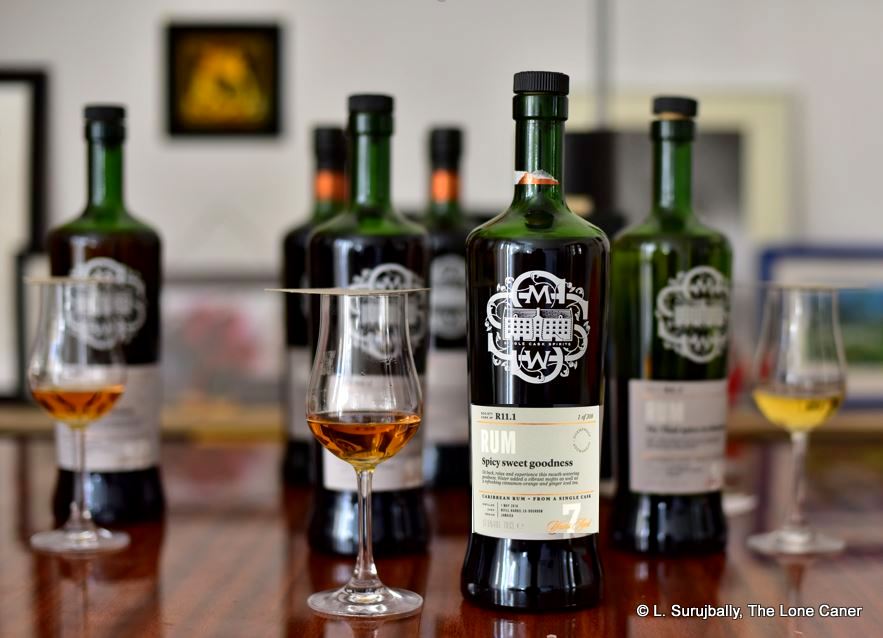
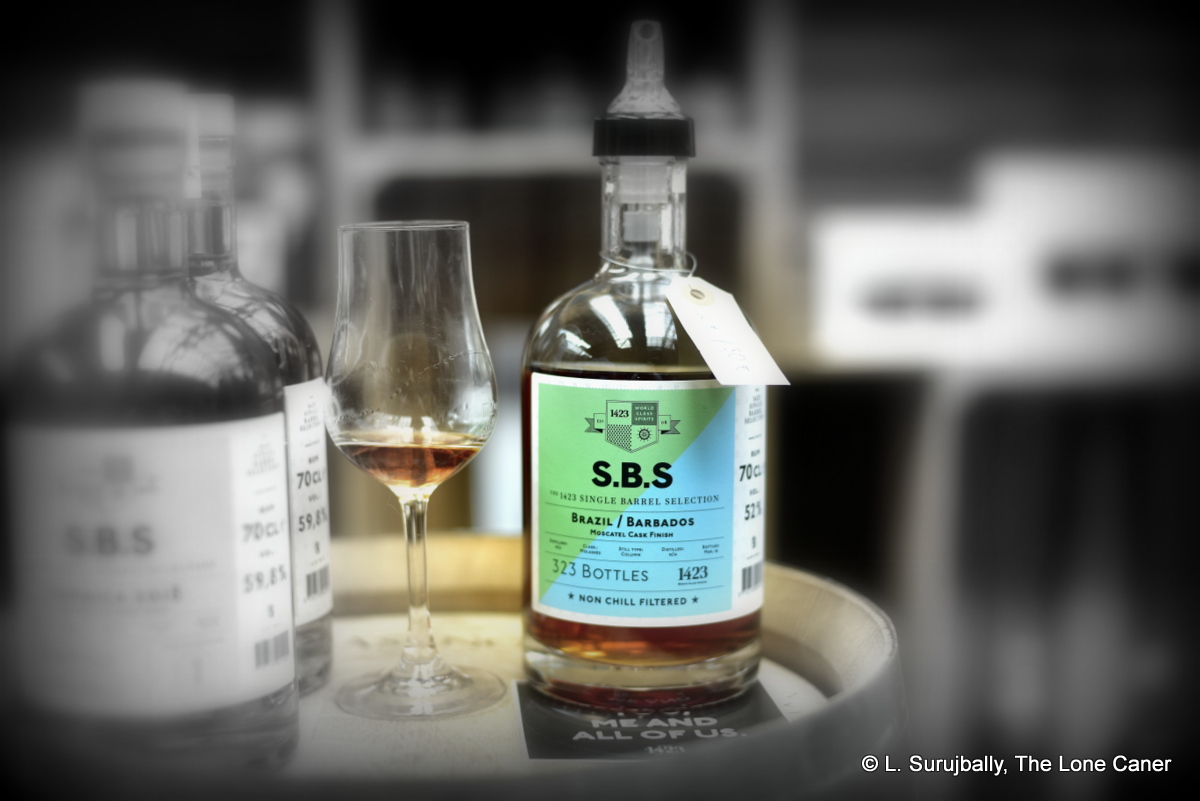
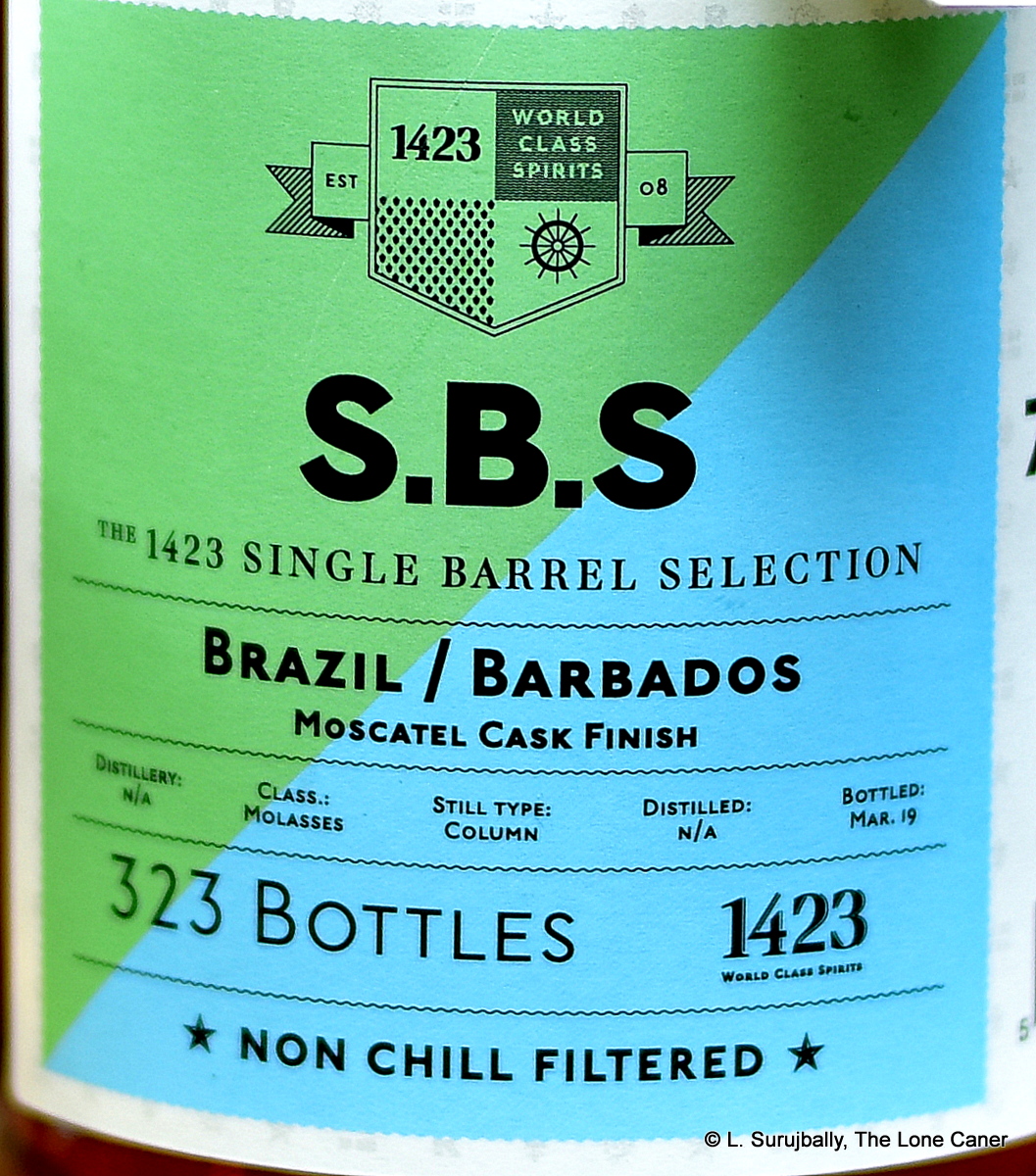 1423, the Danish indie, has taken this concept a step further with their 2019 release of a Brazil / Barbados carnival — it comprised of 8- and 3-year old Foursquare rums (exact proportions unknown, both column still) to which was added an unaged cachaca from Pirassununga (they make the very popular “51” just outside Sao Paolo), and the whole thing left to age for two years in Moscatel wine casks for two years, before being squeezed out into 323 bottles at 52% ABV.
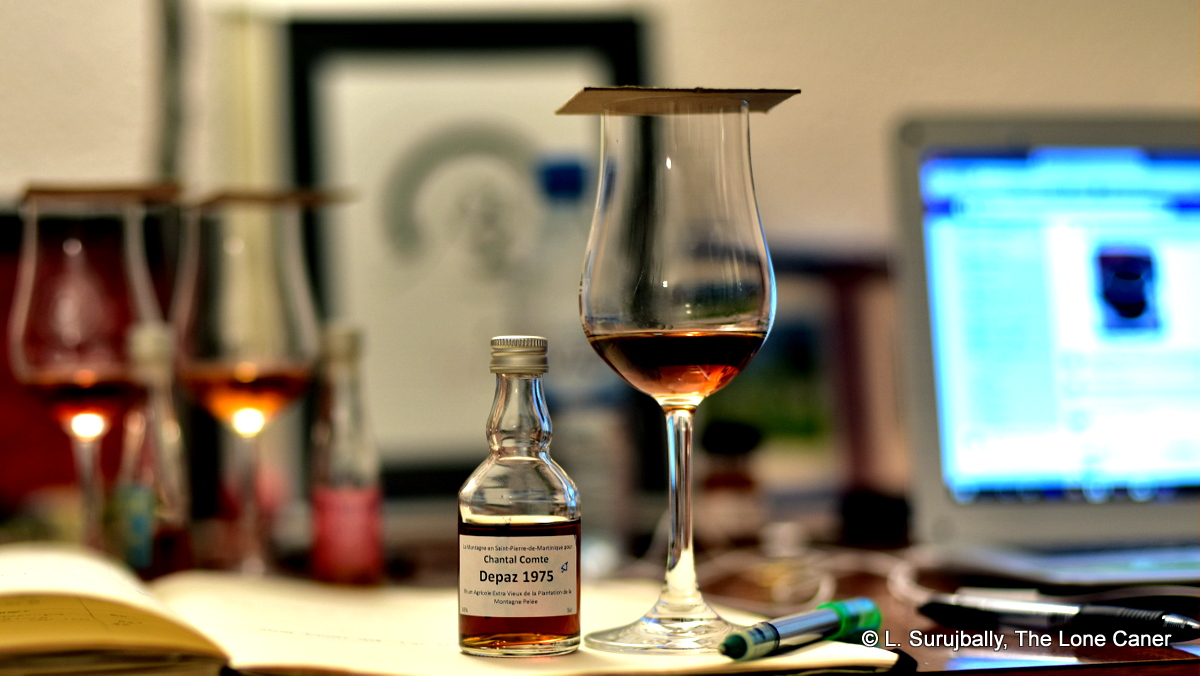
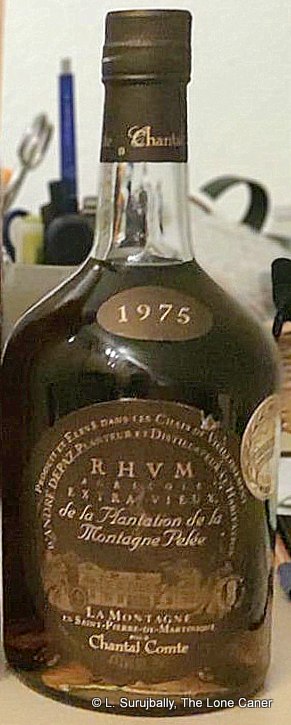 The full and rather unwieldy title of the rum today is the Chantal Comte Rhum Agricole 1975 Extra Vieux de la Plantation de la Montagne Pelée, but let that not dissuade you. Consider it a column-still, cane-juice rhum aged around eight years, sourced from Depaz when it was still André Depaz’s property and the man was – astoundingly enough in today’s market – having real difficulty selling his aged stock. Ms. Comte, who was born in Morocco but had strong Martinique familial connections, had interned in the wine world, and was also mentored by Depaz and Paul Hayot (of Clement) in the late 1970s and early 1980s, when Martinique was suffering from overstock and poor sales.. And having access at low cost to such ignored and unknown stocks allowed her to really pick some amazing rums, of this is one.
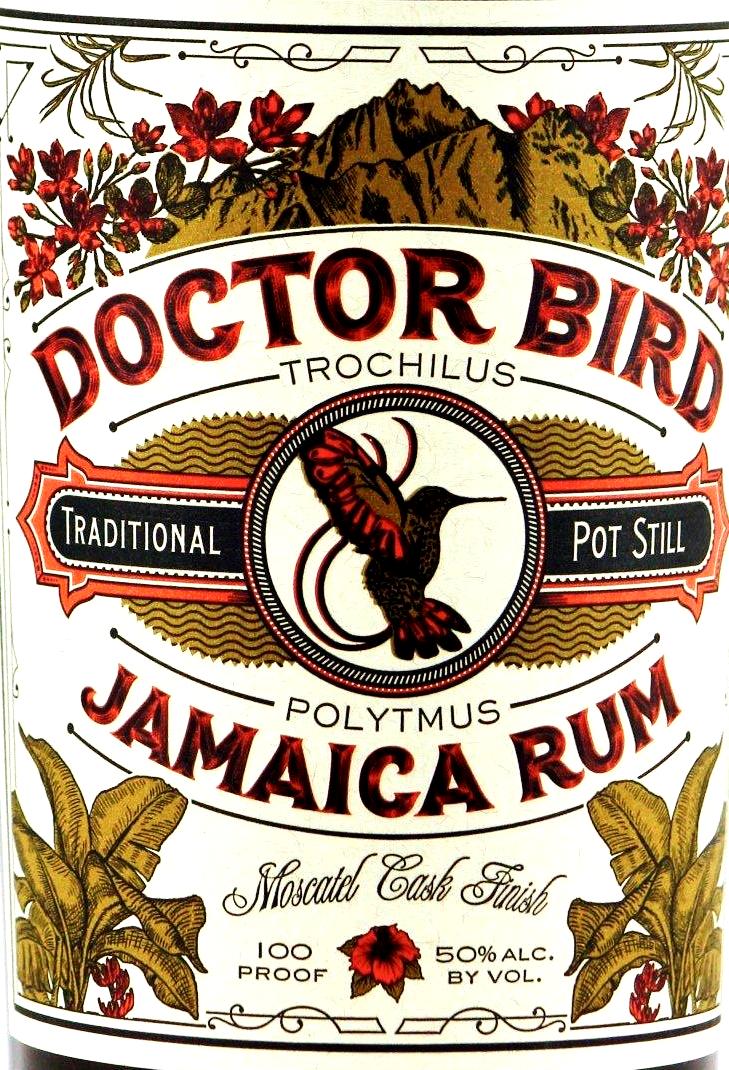 The strangely named Doctor Bird rum is another company’s response to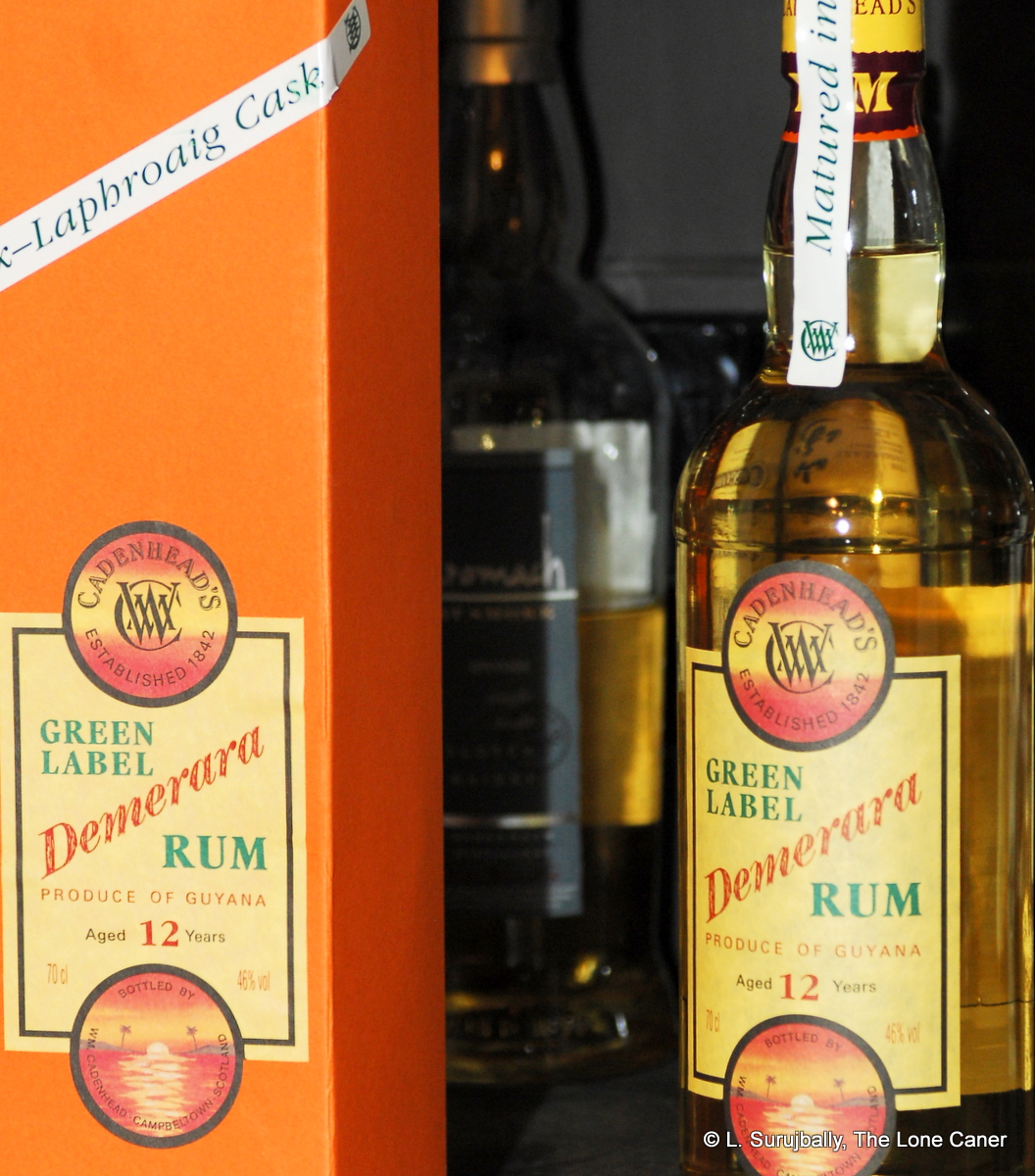
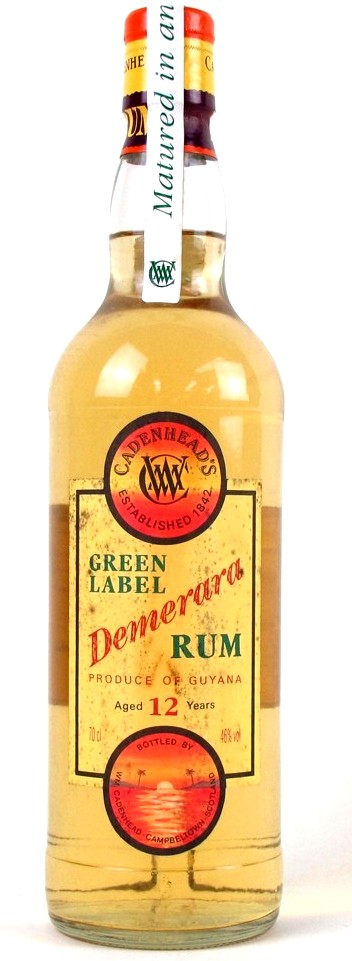 Anyway, this was a 12 year old, continentally-aged Guyanese rum (no still is mentioned, alas), of unknown outturn, aged 12 years in Laphroaig whisky casks and released at the 46% strength that was once a near standard for rums brought out by
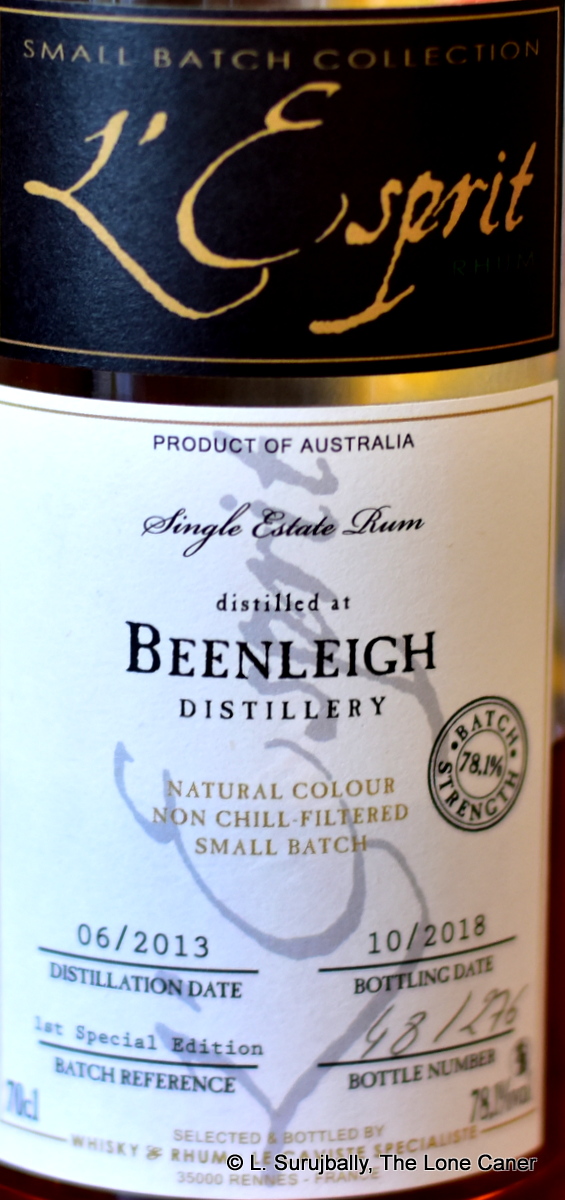
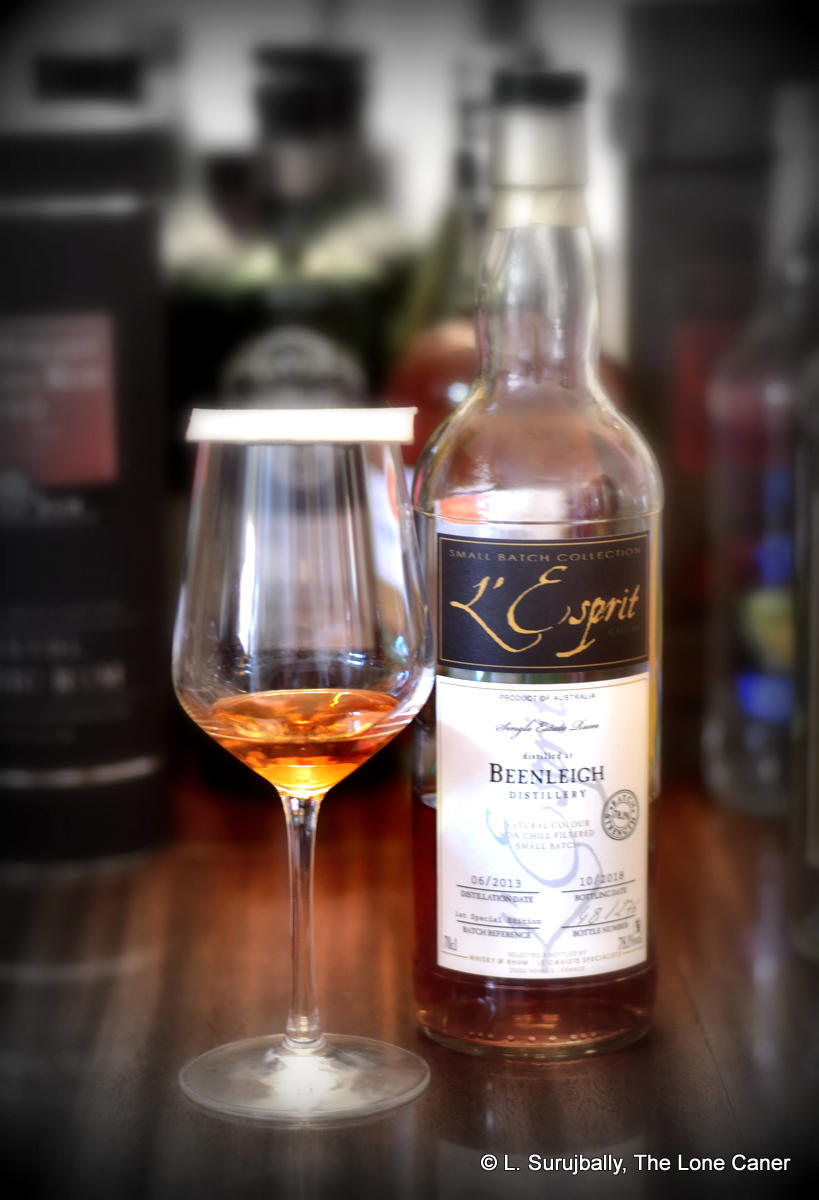 The French-bottled, Australian-distilled Beenleigh 5 Year Old Rum is a screamer of a rum, a rum that wasn’t just released in 2018, but unleashed. Like a mad roller coaster, it careneed madly up and down and from side to side, breaking every rule and always seeming just about to go off the rails of taste before managing to stay on course, providing, at end, an experience that was shattering — if not precisely outstanding.
 I still remember how unusual the
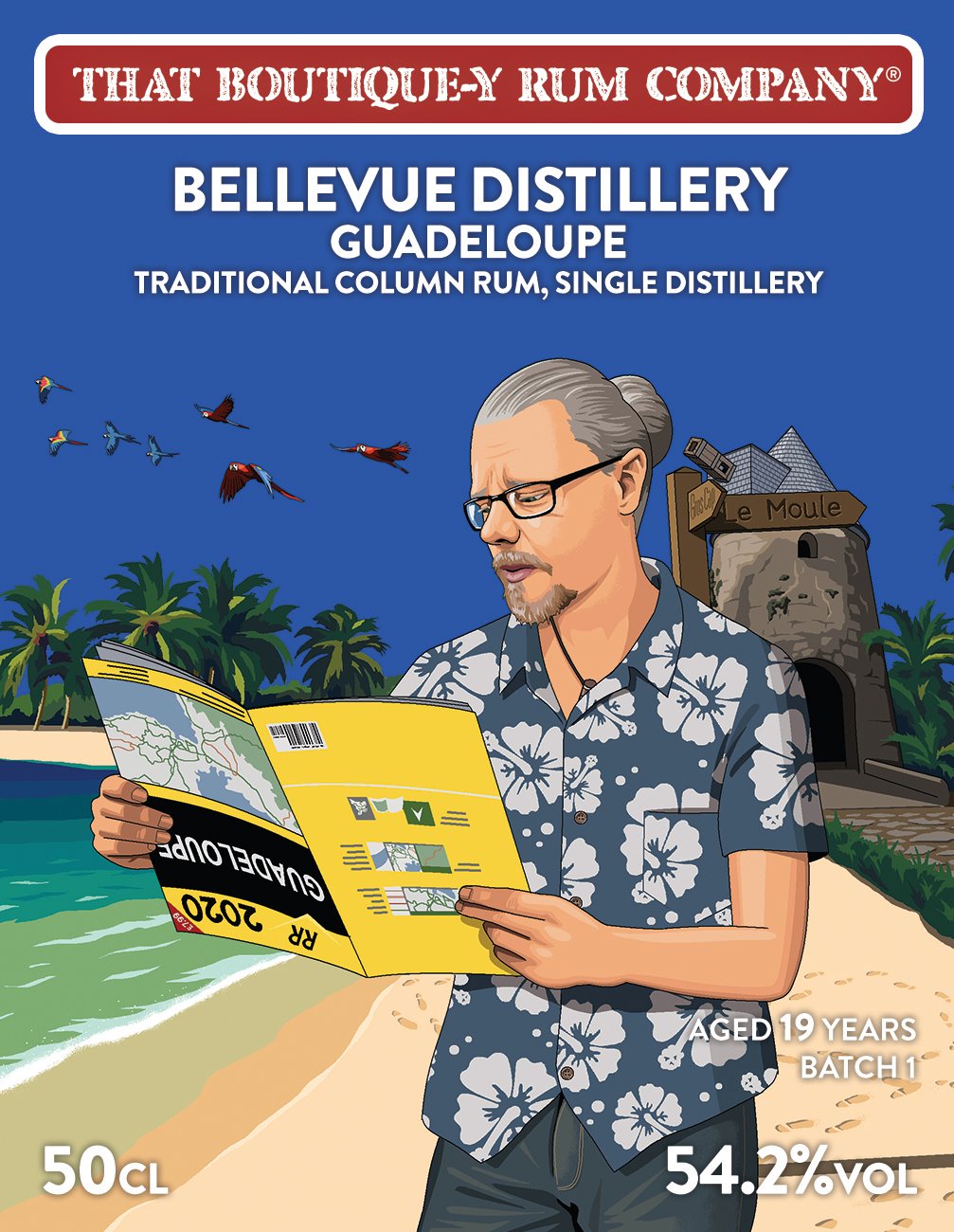
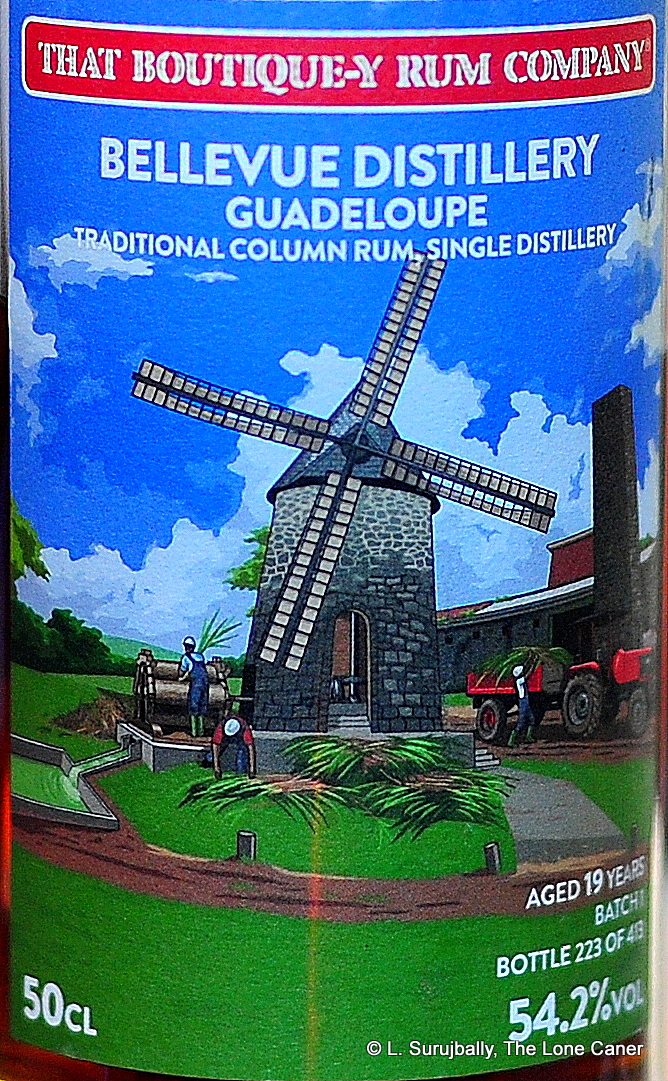 Take this one, which proves that TBRC has a knack for ferreting out good barrels. It’s not often you find a rum that is from the French West Indies aged beyond ten years — Neisson’s been making a splash recently with its 18 YO, you might recall, for that precise reason. To find one that’s a year older from Guadeloupe in the same year is quite a prize and I’ll just mention it’s 54.2%, aged seven years in Guadeloupe and a further twelve in the UK, and outturn is 413 bottles. On stats alone it’s the sort of thing that makes my glass twitch.
 Guadeloupe rums in general lack something of the fierce and stern AOC specificity that so distinguishes Martinique, but they’re close in quality in their own way, they’re always good, and frankly, there’s something about the relative voluptuousness of a Guadeloupe rhum that I’ve always liked. Peter sold me on the quality of the