In spite of being better known for the exceptional single cask line that made the name of the Compagnie des Indes (at least, with this writer), it was the later blends that sold a lot better and moved off the shelves with more alacrity. Independent bottlers are businessmen, and while sentiment may have them prefer the tuxedo-crowd snoot-rums, it’s the low-end tanker loads that keep the company afloat (a matter not restricted to the Compagnie) and therefore get made.
Compagnie des Indes has a whole lot more blends than is immediately apparent: the Darklice, Dominidad, Kaiman, Latino, Caraibes and Boulet de Canon series spring to mind (the Boulet is into its 9th iteration already), and more recently the West Indies, Jamaica and the Oktoberum series, and the subject of today’s review, the Veneragua.
This last is a blend of Venezuelan and Nicaraguan distillate (3 barrels from the former, 2 from the latter), with all the usual mystery behind the mashup. That’s hardly a problem for the Nicaraguan component since that’s the Flor people, but Venezuela is a tad bigger and has a few more distilleries, so I’m not sure who provided that part. The outturn is 1911 bottles, making it a small- to mid-sized release (a single barrel release is usually 300 bottle or so). We can assume it’s a light distillate, column still, and the label informs us it’s 13 years old, which I’m going to say was continental ageing all the way.
More than that I don’t have so let’s move right along. Nose first: it’s delicate fast-dissipating sugar-cane juice, grass and herbals, with a more solid core of caramel drizzled over condensed milk and shave-ice by the sno-cone man. Left standing for a while, it develops aromas of vanilla, cinnamon, licorice, white chocolate, ice cream and some light fruits – pears and raisins, mostly, and some lychees.
The palate is pretty nice to sip – the strength of 45% makes it warm and silky, with light tones and accents. The tastes are primarily flowers and fruits and spices – nougat, almonds, grapes, raisins, and the crisp snap of ginger. All underlain with caramel, tobacco, coffee grounds and red wine hints, some burnt sugar, but little in the way of tart acidic fruitiness that would balance these off. The finish was relatively short, with clear-cut vanilla, crushed walnuts, almonds and port-infused tobacco and a last bit of salted caramel.
So, thoughts. I liked it…kind of. Nothing super exciting here, just a well done rum. It lacked specificity, which has always been blended rums’ strength and weakness as a category, because a rum made for everyone in general is also one made for nobody in particular. Blends remain the same for long periods and are geared towards mass audiences, which may say something about the Compagnie’s strategy and long term marketing aims. It’s not often appreciated that erudite reviews of single barrel or limited releases, high points scores and fanboy partisanship may raise awareness and appreciation of a rum company’s halo products, but those are bought by a very tiny sliver of the purchasing public. They don’t shift the needle of the bottom line appreciably – in other words, there’s a reason why Bacardi and Tanduay and McDowell’s are the behemoths they are and smaller companies renowned for their single barrel cask strength rums are not.
I think Florent gets this very well. Without making a big point of it, he continues issuing his limited editions from specific distilleries, just like IBs the world over do; but in the meantime, he has his eye on what pays the bills. The rums he blends do that and are, happily, quite good enough to please many.
Therefore, for anyone who wishes to just have a decent low strength sipping rum without a lot of complex and aggressive tastes and scents jostling and demanding attention, who desires a good drink with enough complexity at an affordable price to chase the evening away, the Veneragua is perfectly fine. It simply chooses not to play in those rarefied regions inhabited by more limited and more exclusive drinks extolled by the never-silent uber-commentators. The Compagnie has other rums that live there. This one happily moves in a more approachable, less exacting stratum.
(#783)(81/100)
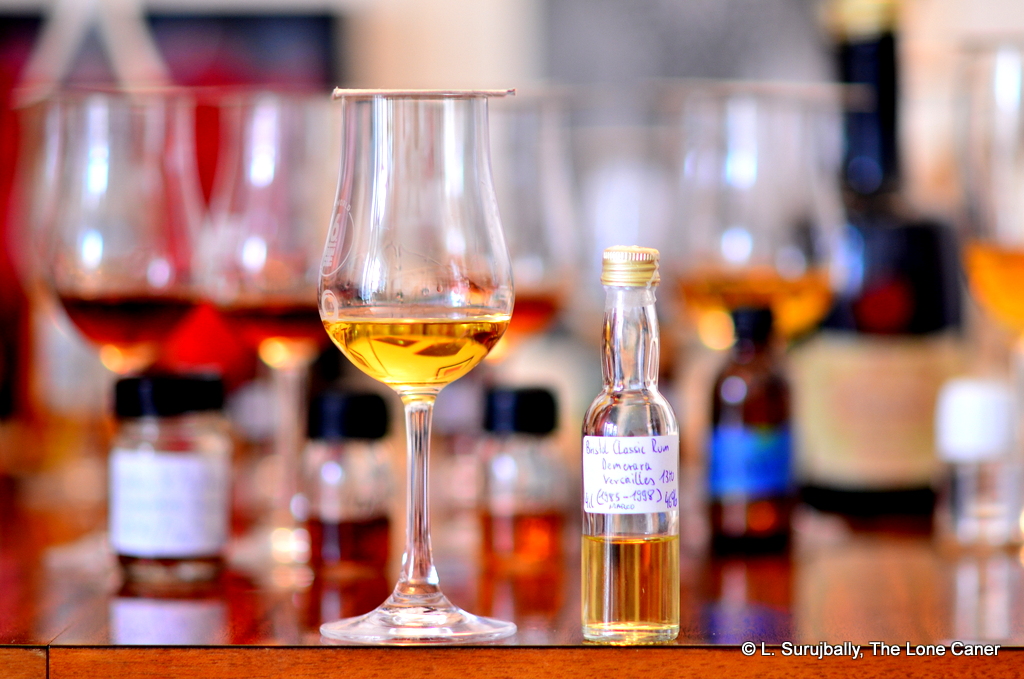
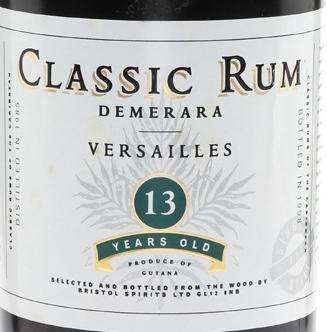 Bristol, I think, came pretty close with this relatively soft 46% Demerara. The easier strength may have been the right decision because it calmed down what would otherwise have been quite a seriously sharp and even bitter nose. That nose opened with rubber and plasticine and a hot glue gun smoking away on the freshly sanded wooden workbench. There were pencil shavings, a trace of oaky bitterness, caramel, toffee, vanilla and slowly a firm series of crisp fruity notes came to the fore: green apples, raisins, grapes, apples, pears, and then a surprisingly delicate herbal touch of thyme, mint, and basil.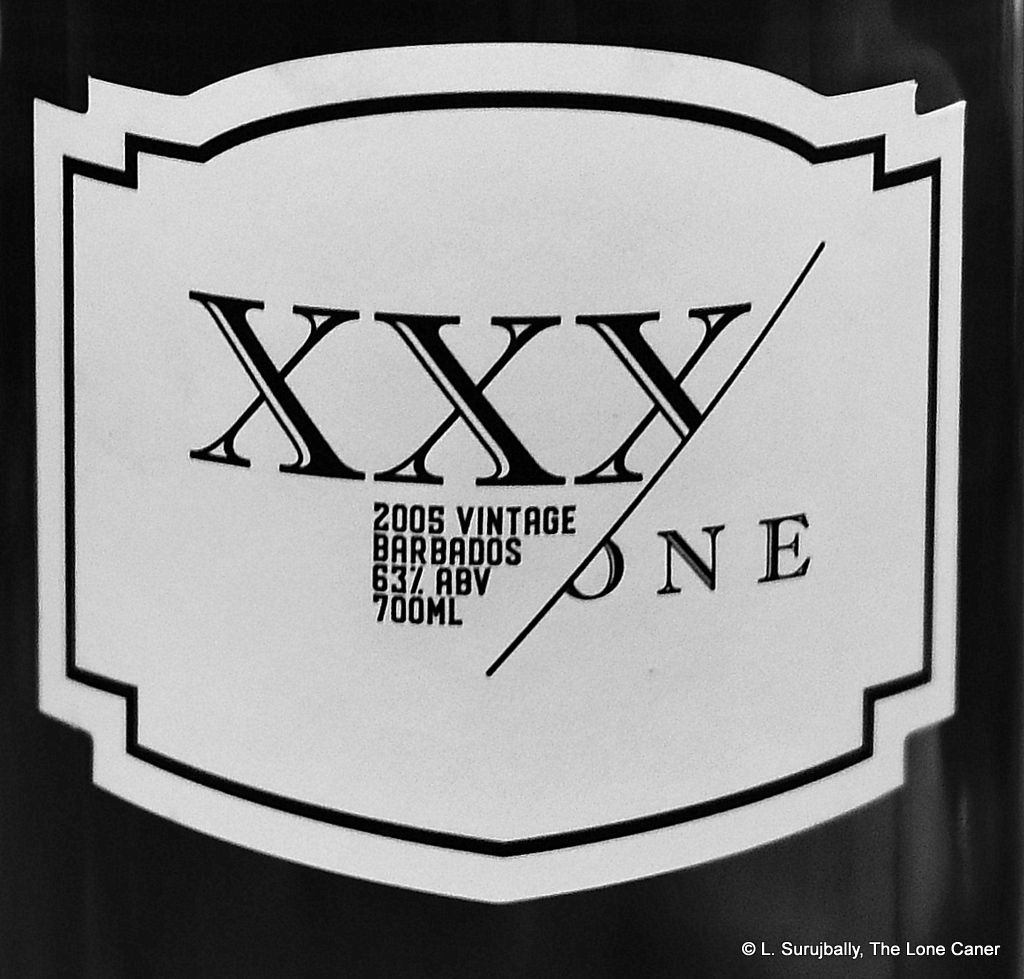

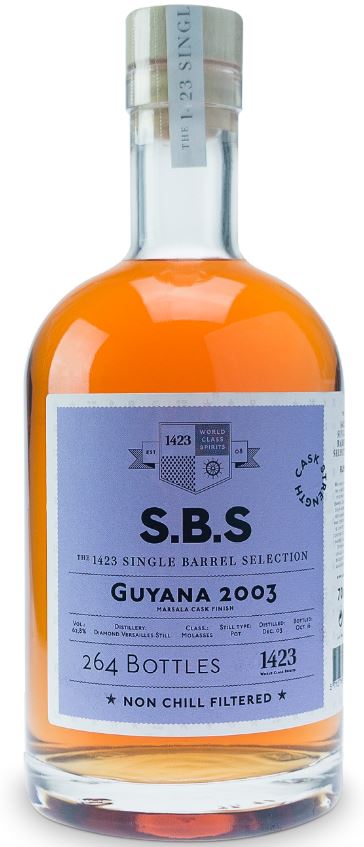
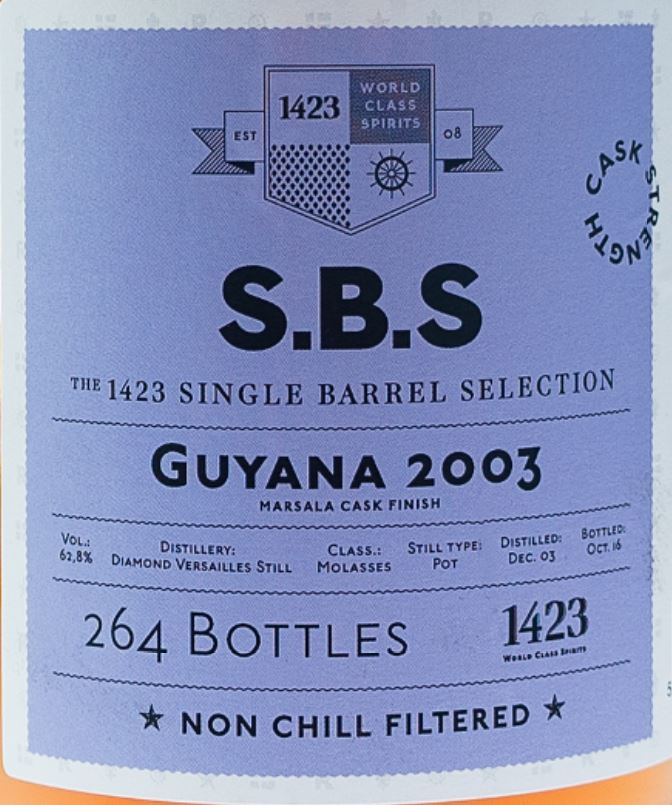 My own preference has always been for the stern elegance of the Port Mourant, and the Enmore coffey still produces rums that are complex, graceful and sophisticated when done right. But the Versailles still is something of an ugly stepchild – you’ll go far and look long to find an unqualified positive review of any rum it spits out. I’ve always felt that it takes rare skill to bring the rough and raw VSG pot still profile to its full potential…none of the familiar indies has had more than occasional success with it, and even Velier never really bothered to produce much Versailles rum at the height of
  There has been occasional confusion among the stills in the past: e.g. the

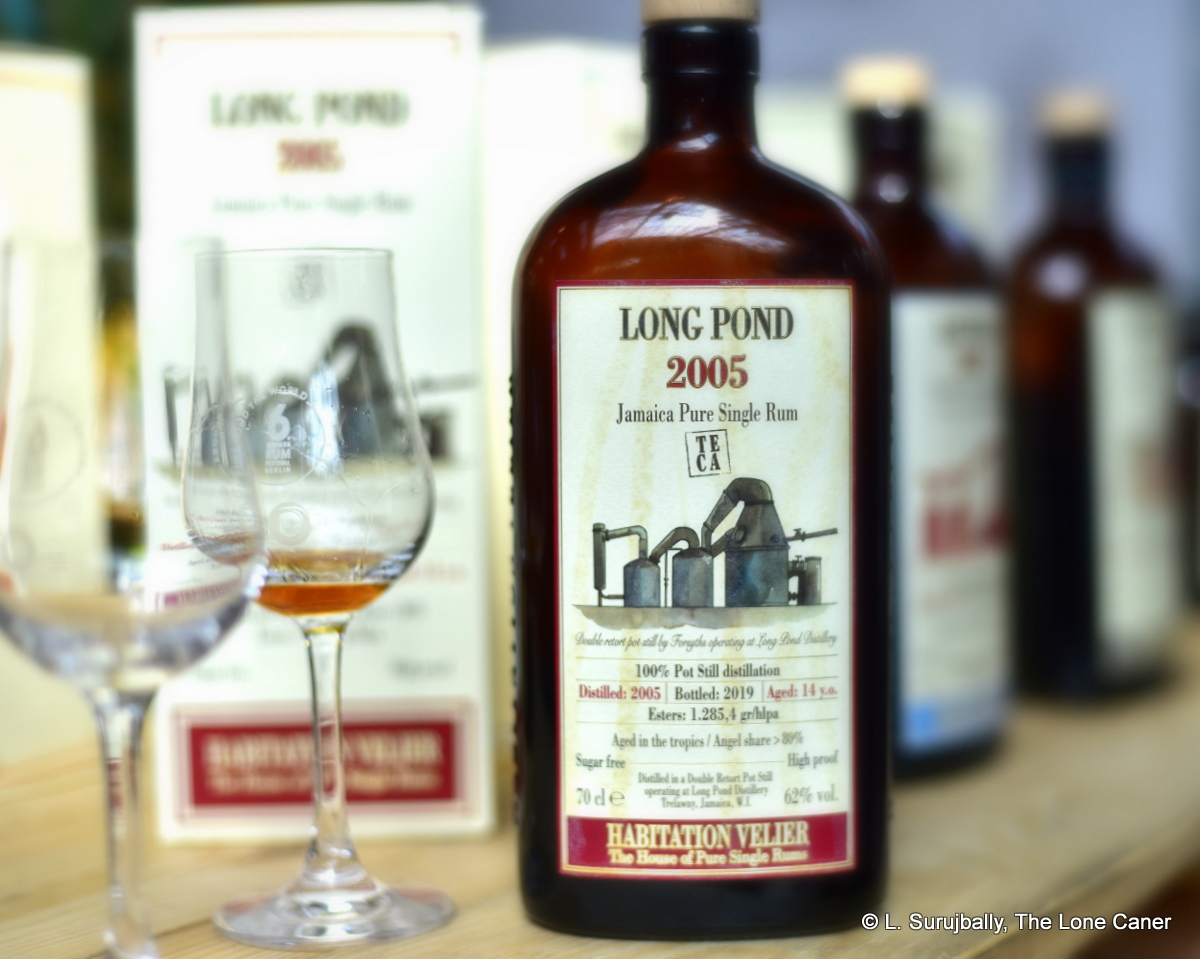
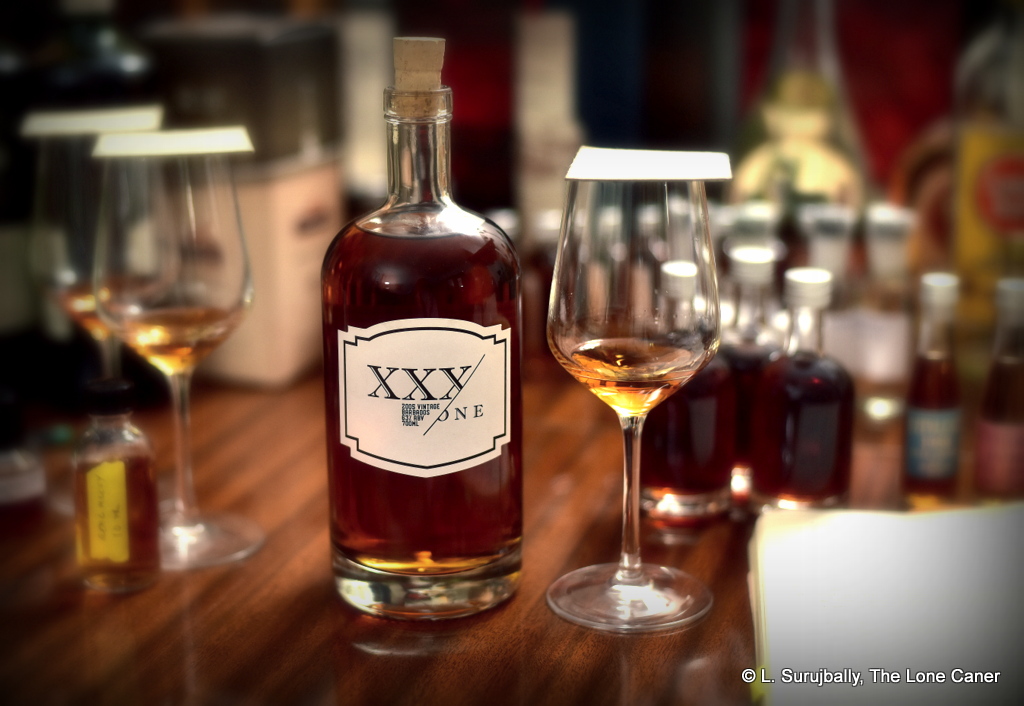
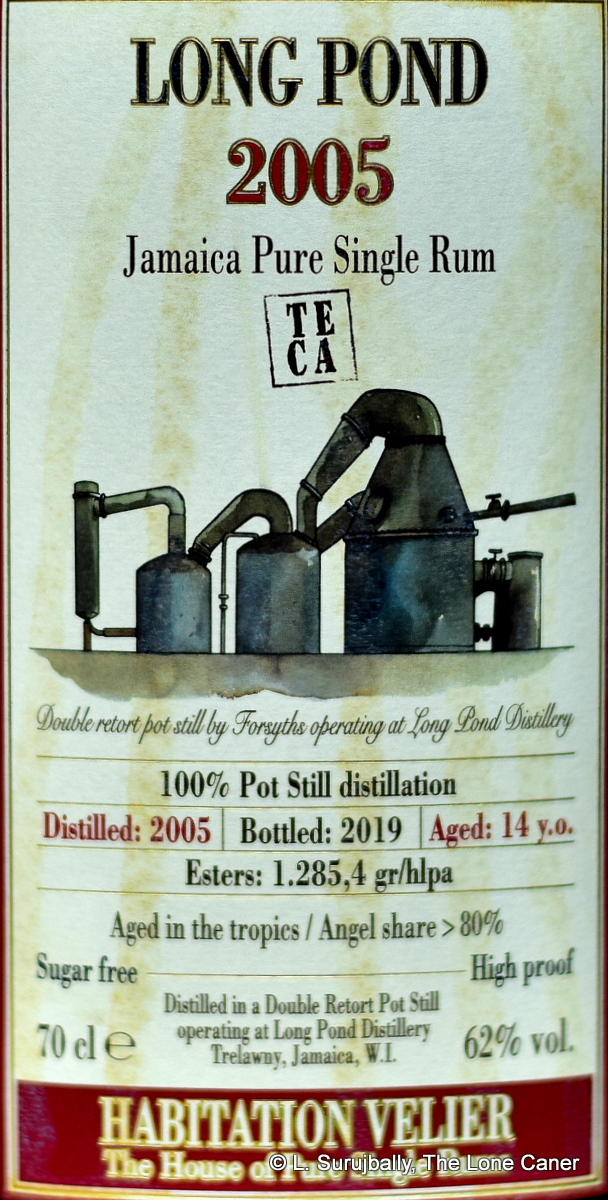 Let’s see if we can’t redress that somewhat. This is a Jamaican rum from Longpond, double pot still made, 62% ABV, 14 years old, and released as one of the pot still rums the Habitation Velier line is there to showcase. I will take it as a given it’s been completely tropically aged. Note of course, the ester figure of 1289.5 gr/hlpa, which is very close to the maximum (1600) allowed by Jamaican law. What we could expect from such a high number, then, is a rum sporting taste-chops of uncommon intensity and flavour, as rounded off by nearly a decade and a half of ageing – now, those statistics made the TECA 2018 detonate in your face and it’s arguable whether that’s a success, but here? … it worked. Swimmingly.
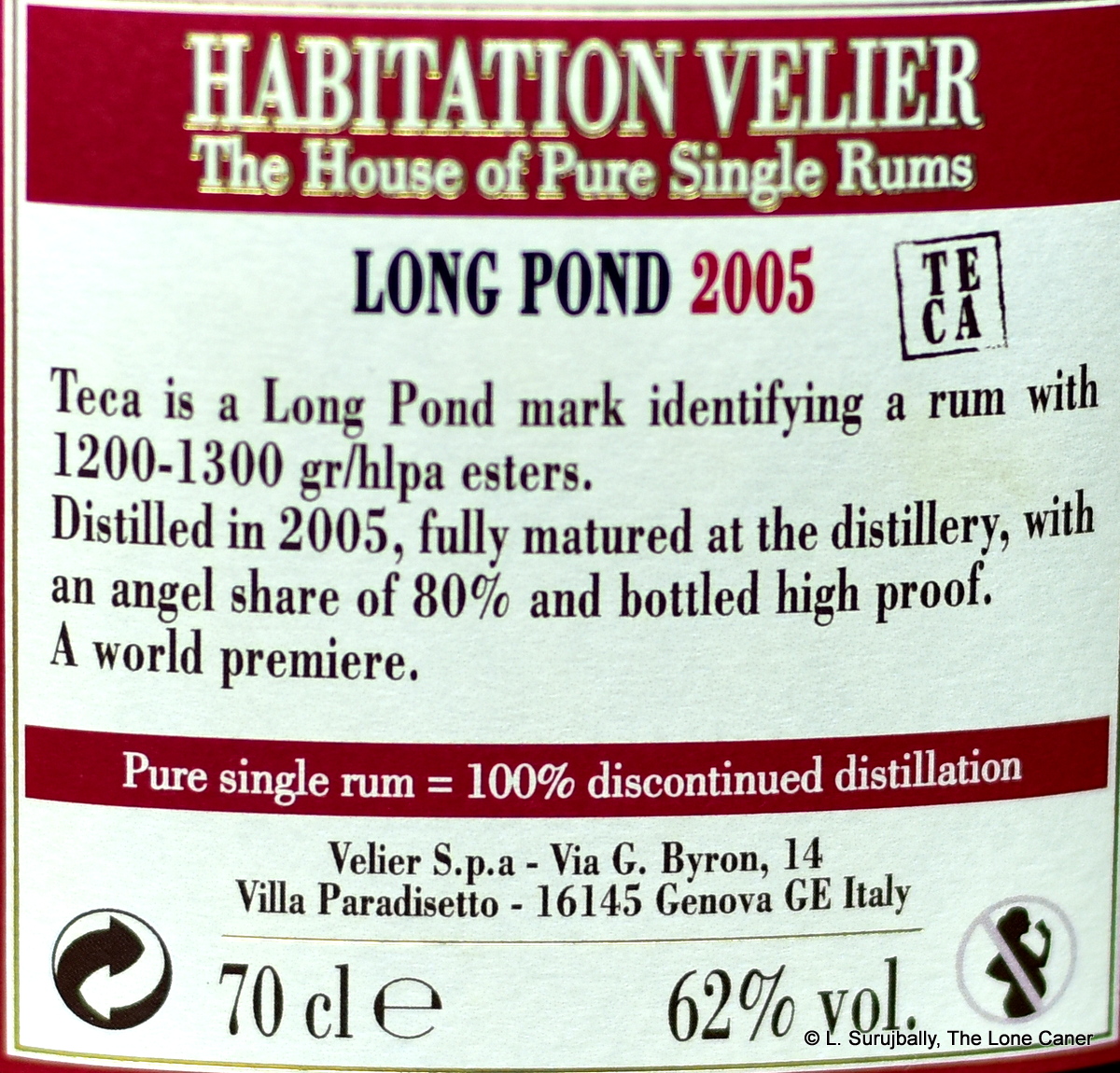 So – good or bad? Let’s see if we can sum this up. In short, I believe the 2005 TECA was a furious and outstanding rum on nearly every level. But that comes with caveats. “Fasten your seatbelt” remarked Serge Valentin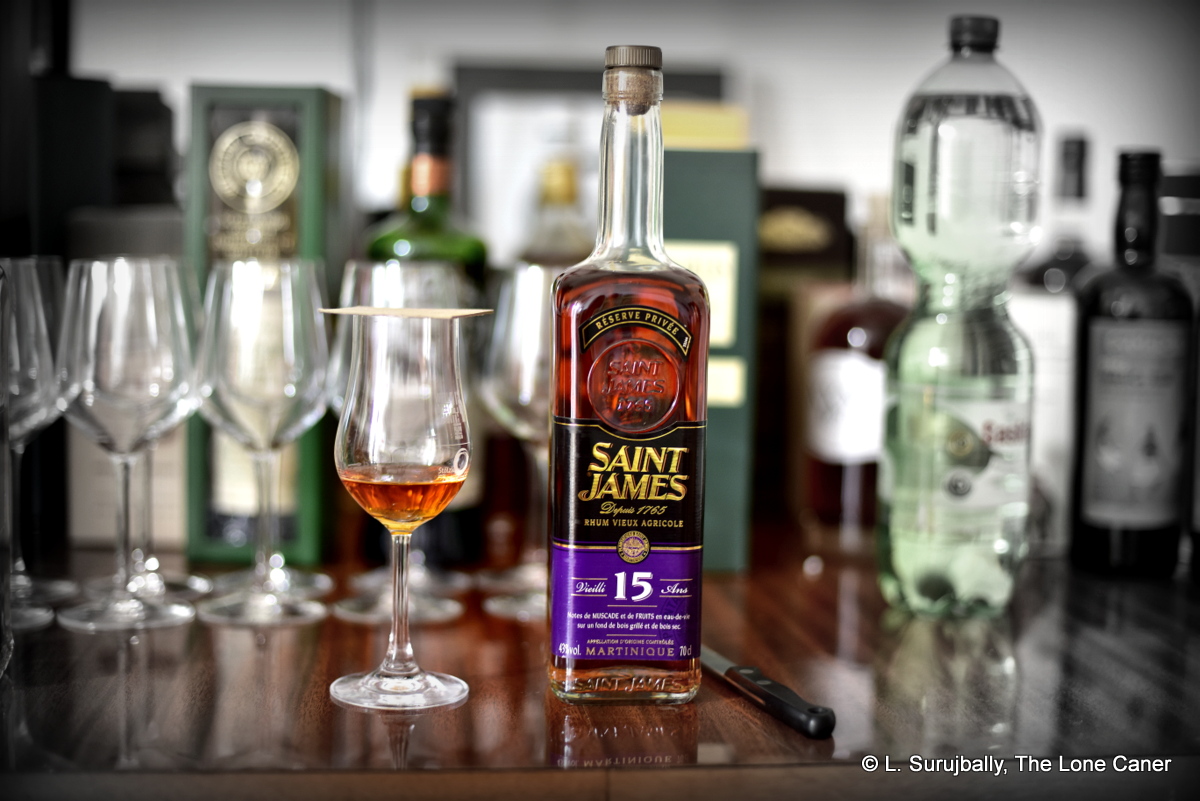
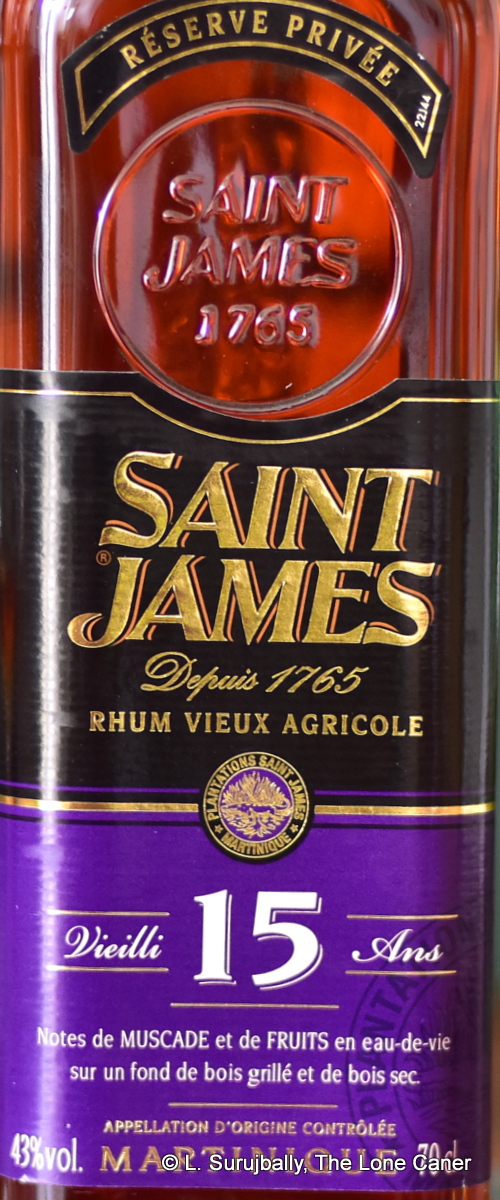 Because that 15 year old rhum is, to my mind, something of an underground, mass-produced steal. It has the most complex nose of the “regular” lineup, and also, paradoxically, the lightest overall profile — and also the one where the grassiness and herbals and the cane sap of a true agricole comes through the most clearly. It has the requisite crisp citrus and wet grass smells, sugar came sap and herbs, and combines that with honey, the delicacy of white roses, vanilla, light yellow fruits, green grapes and apples. You could just close your eyes and not need ruby slippers to be transported to the island, smelling this thing. It’s sweet, mellow and golden, a pleasure to hold in your glass and savour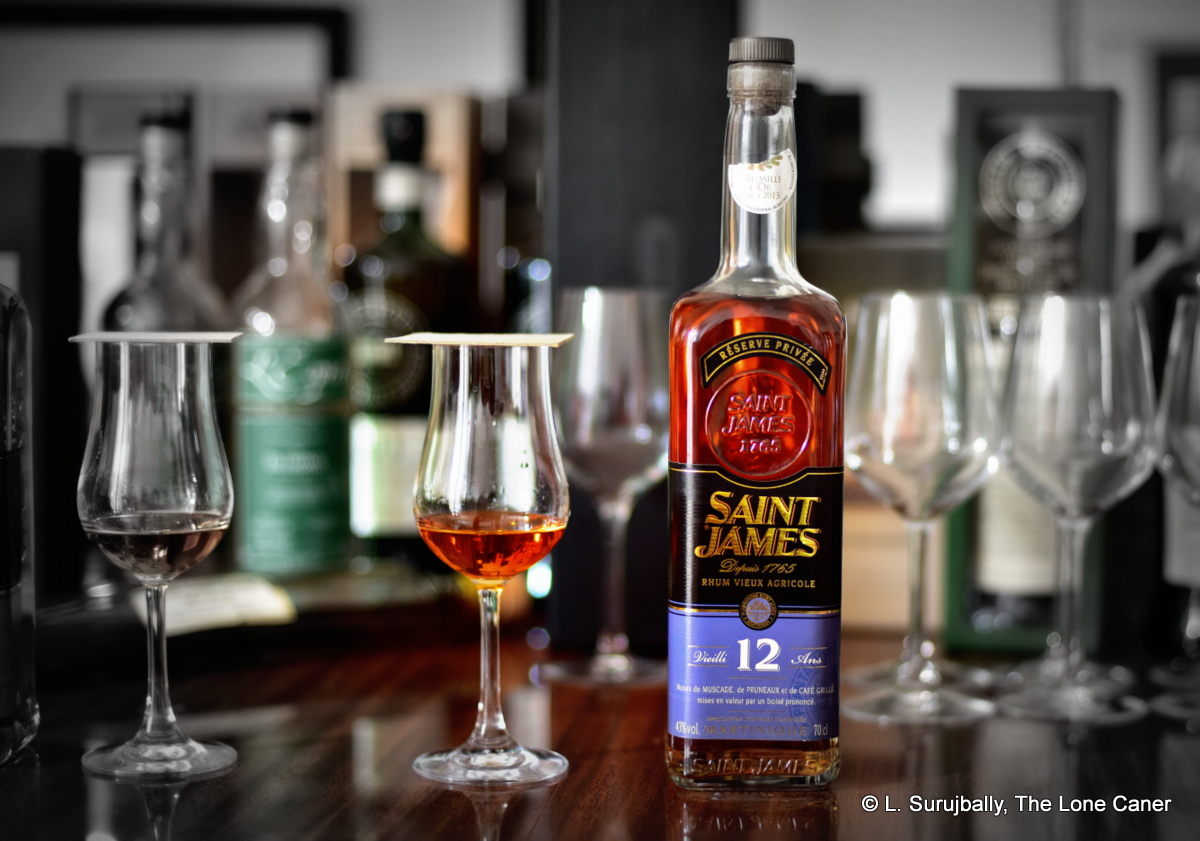
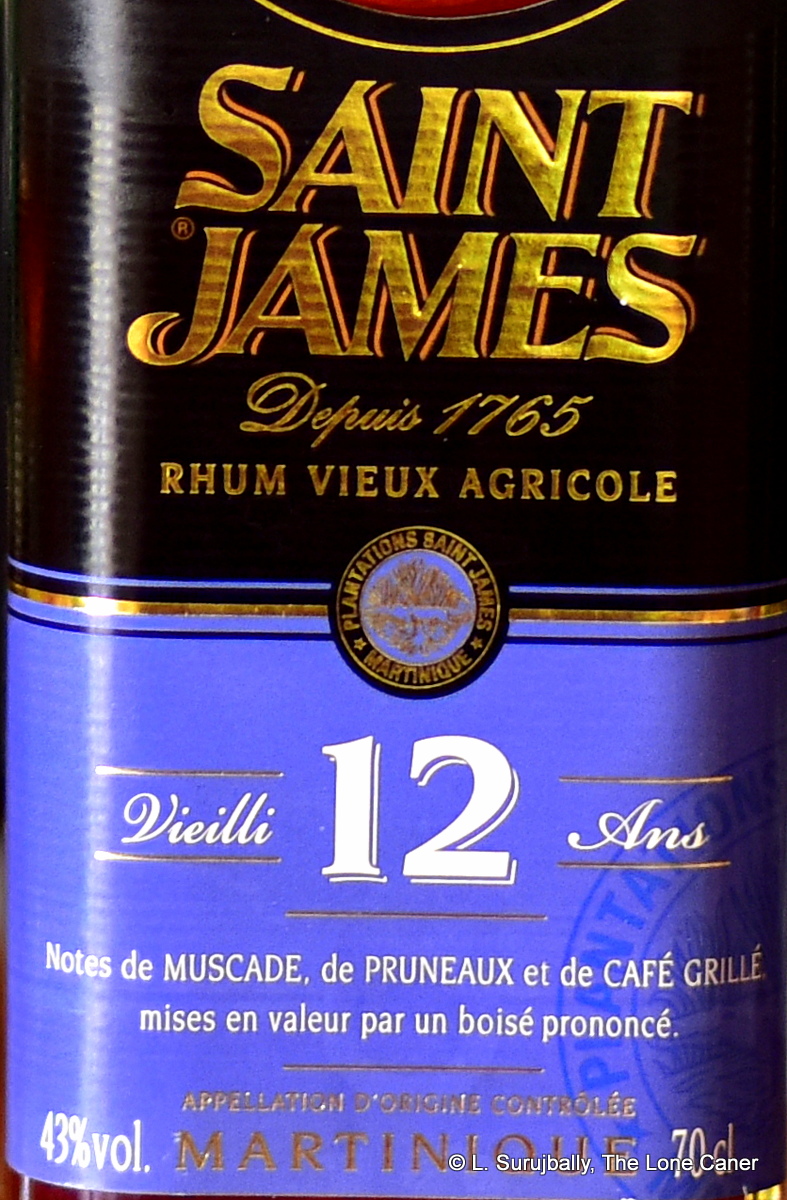 To some extent, it has a lighter nose than the luscious
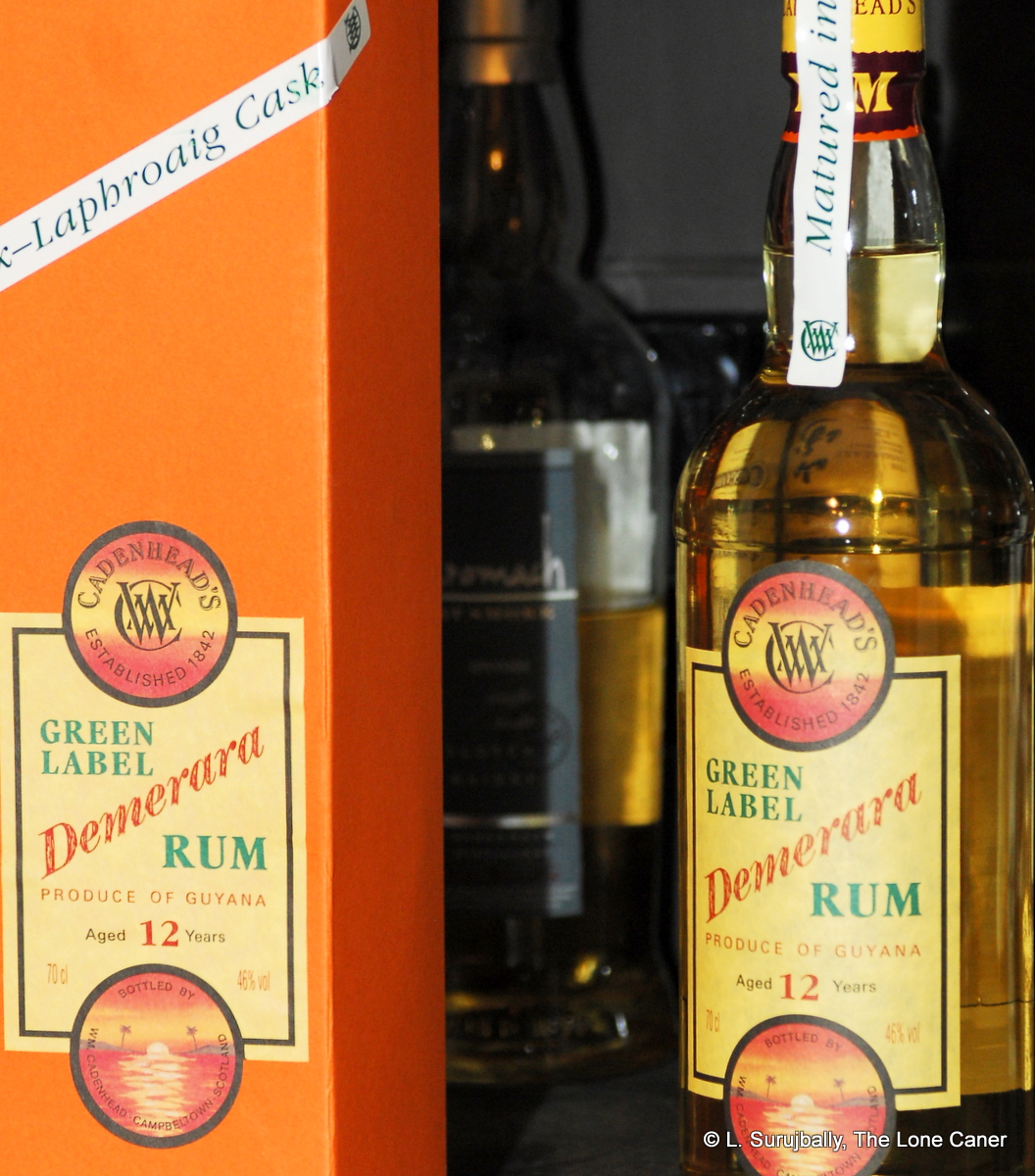
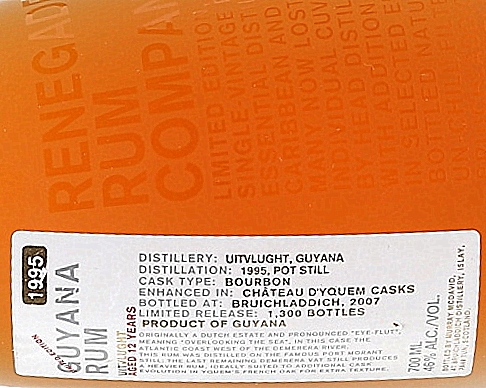
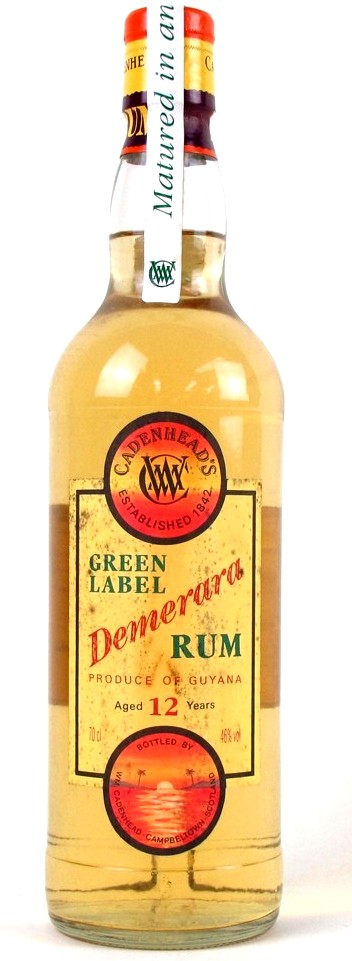 Anyway, this was a 12 year old, continentally-aged Guyanese rum (no still is mentioned, alas), of unknown outturn, aged 12 years in Laphroaig whisky casks and released at the 46% strength that was once a near standard for rums brought out by
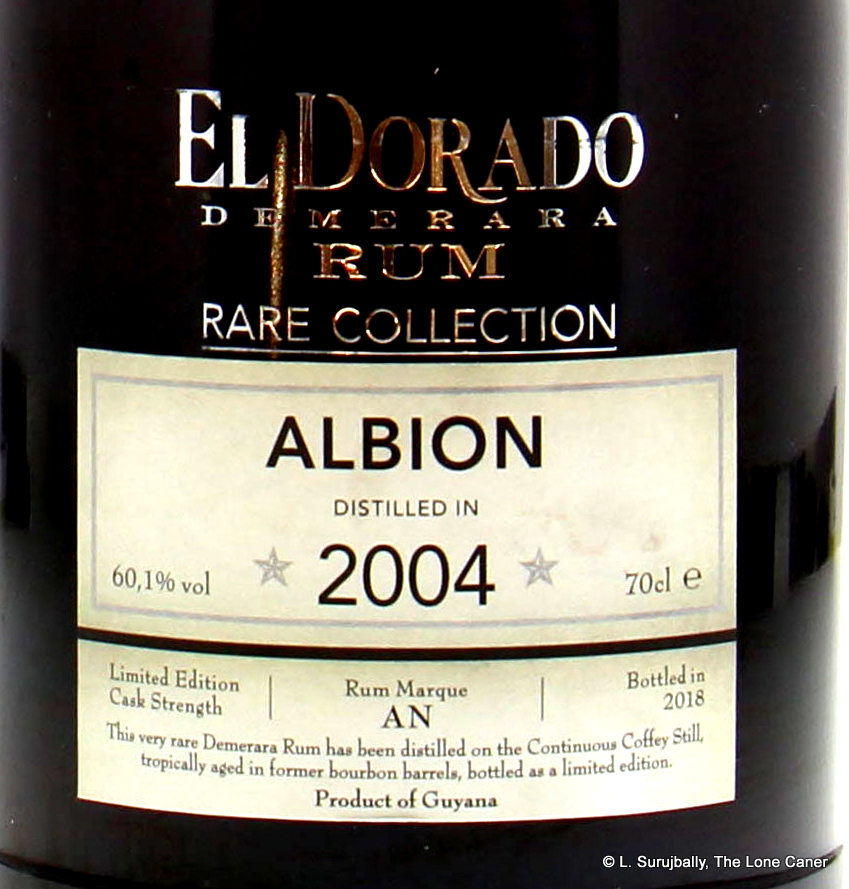

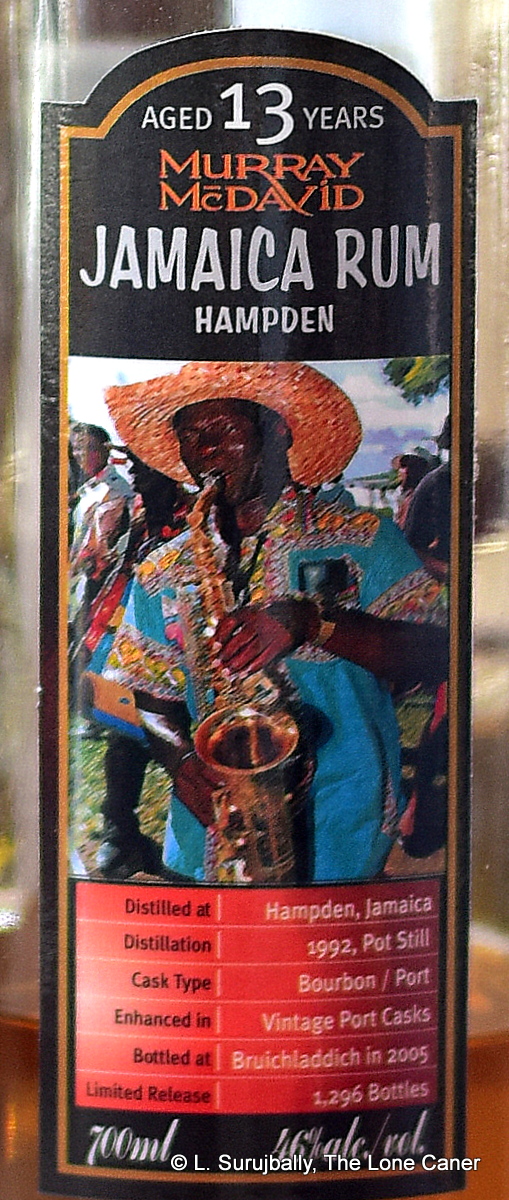 Tasting notes: definitely Jamaican, that hogo and funk was unmistakable, though it seemed more muted than the fierce cask strength Hampdens we’ve been seeing of late. It smelled initially of pencil shavings, crisp acetones, nail polish remover, a freshly painted room and glue. After opening up, I went back some minutes later and found softer aromas – red wine, molasses, honey, chocolate, and cream cheese and salted butter on fresh croissants, really yummy. And this is not to ignore the ever-present sense of fruitiness – dark grapes, black cherries, ripe mangoes, papayas, gooseberries and some bananas, just enough to round off the entire nose.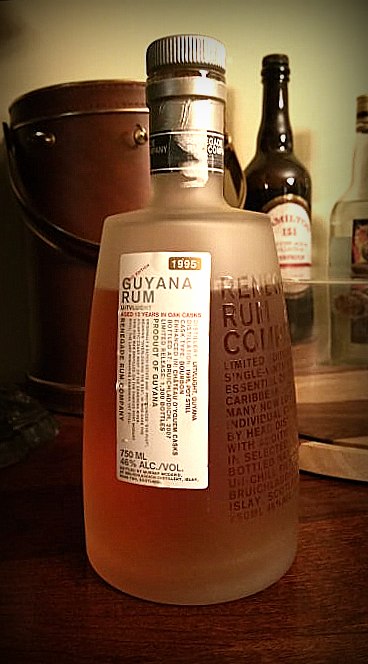
 What’s all the more astounding about
 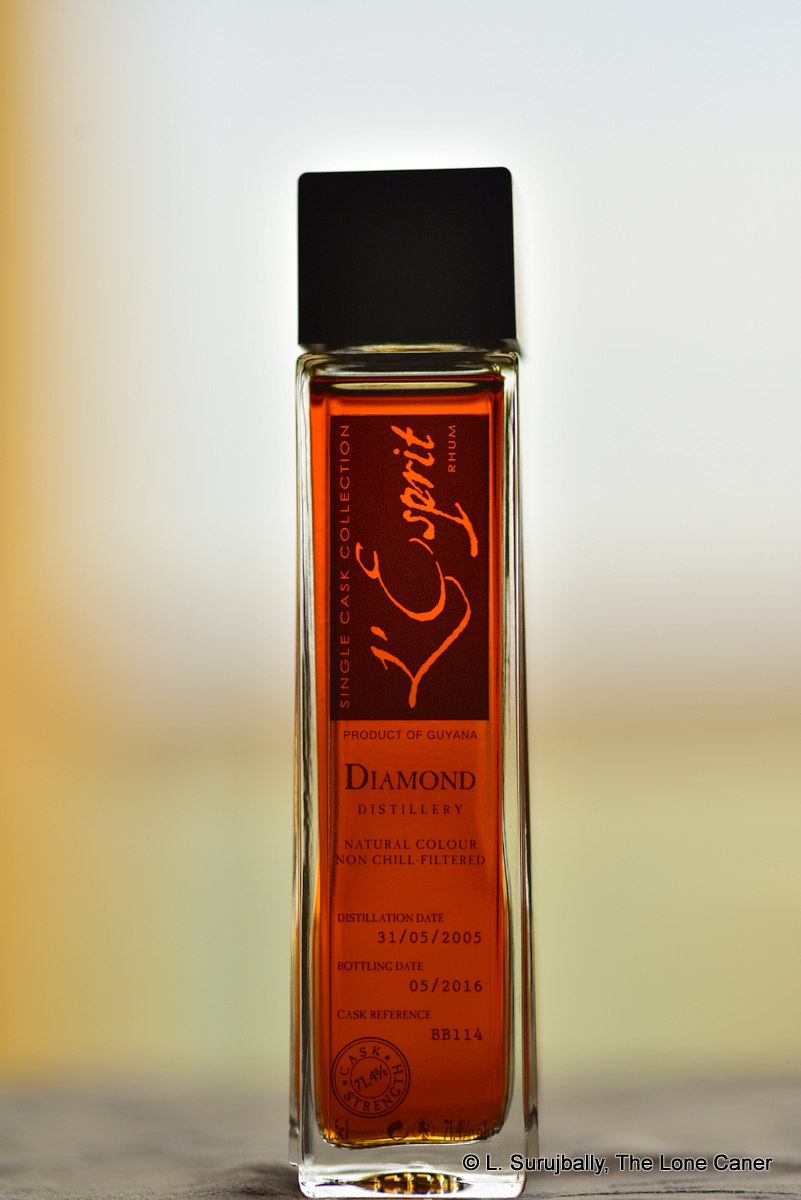 Based on how it initially nosed, I started out believing this was a wooden still — by the end, I was no longer so sure. The profile actually reminded me more of the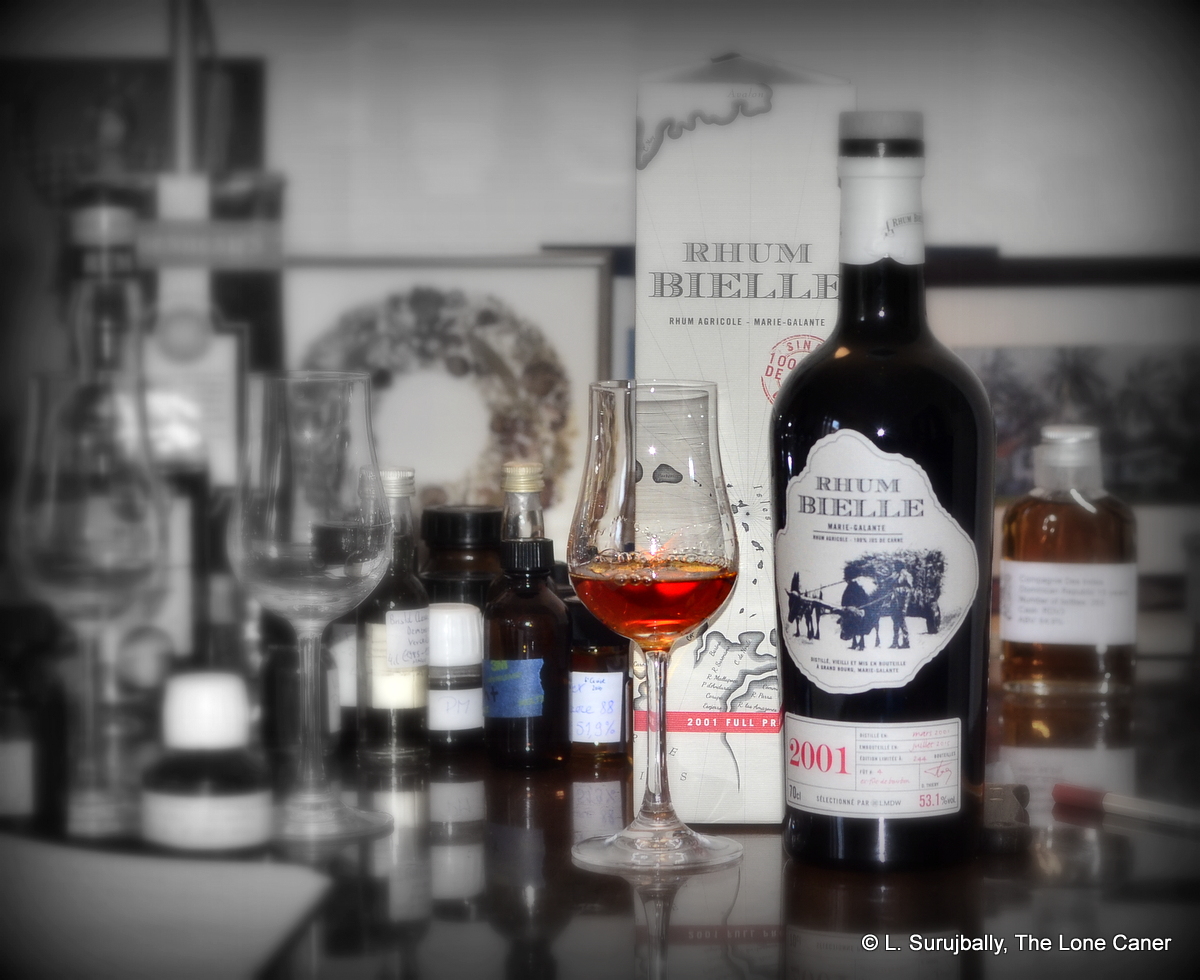
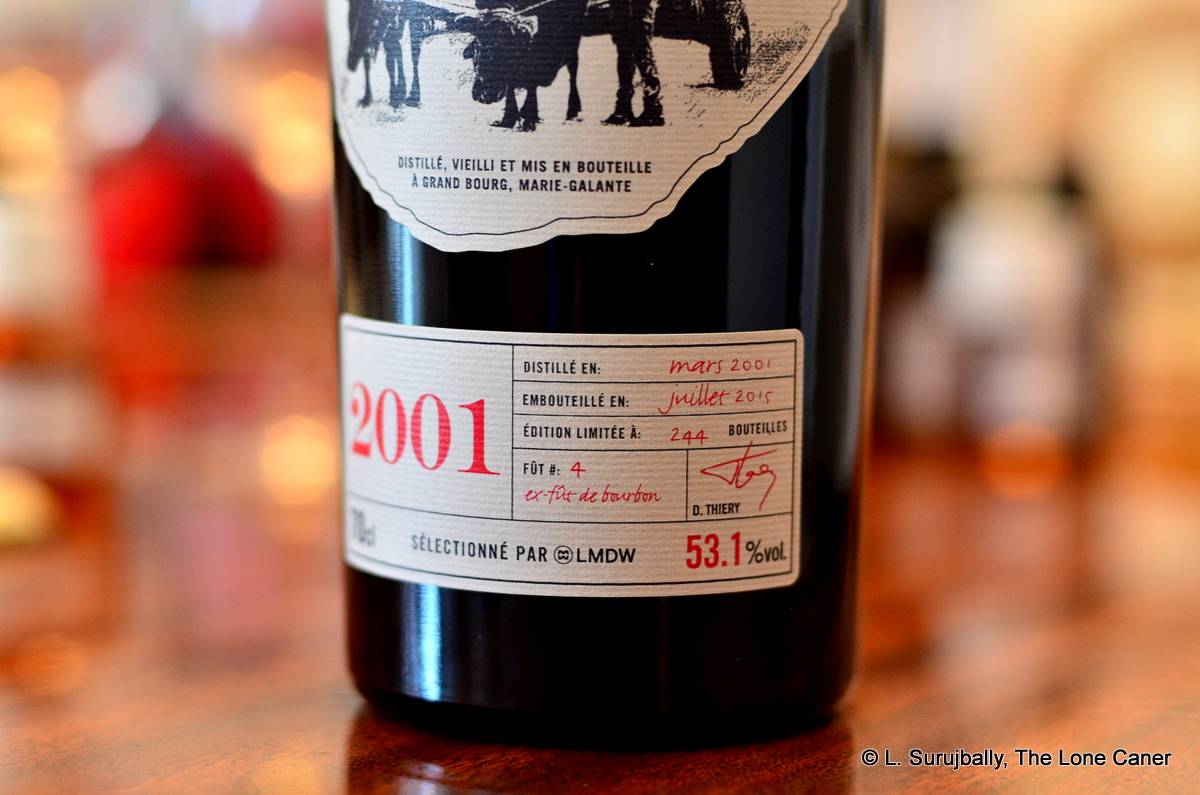

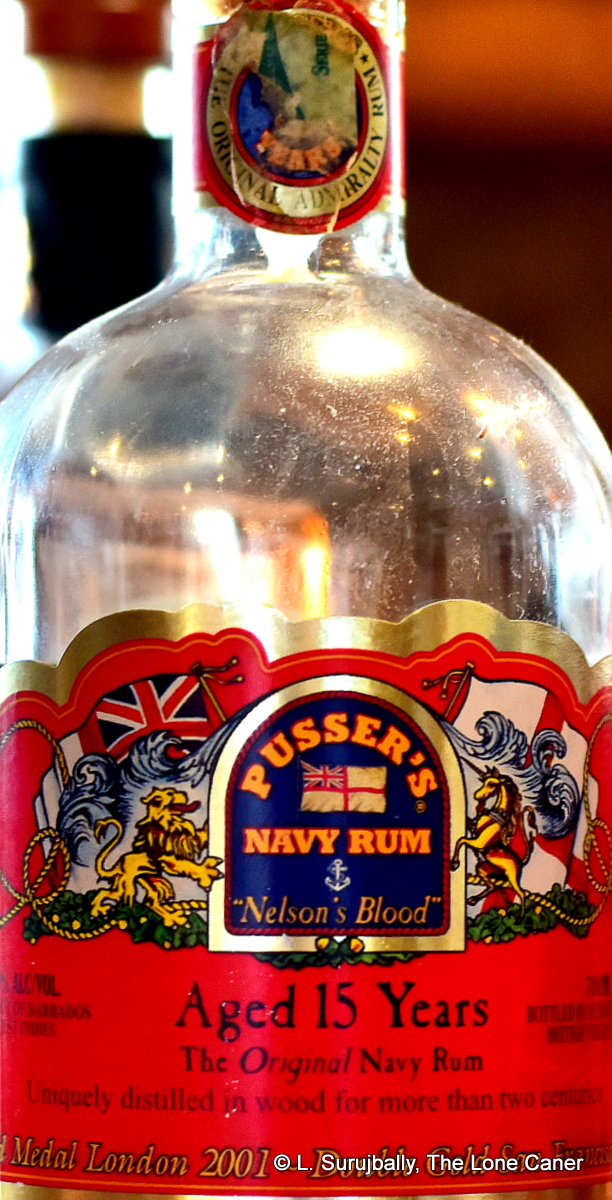 And why shouldn’t they? It’s a fifteen year old rum issued at a relatively affordable price, and is widely available, has been around for decades and has decent flavour chops for those who don’t have the interest or the coin for the limited edition independents.

 That’s not to say that in this case the