Rumaniacs Review #126 | 0844
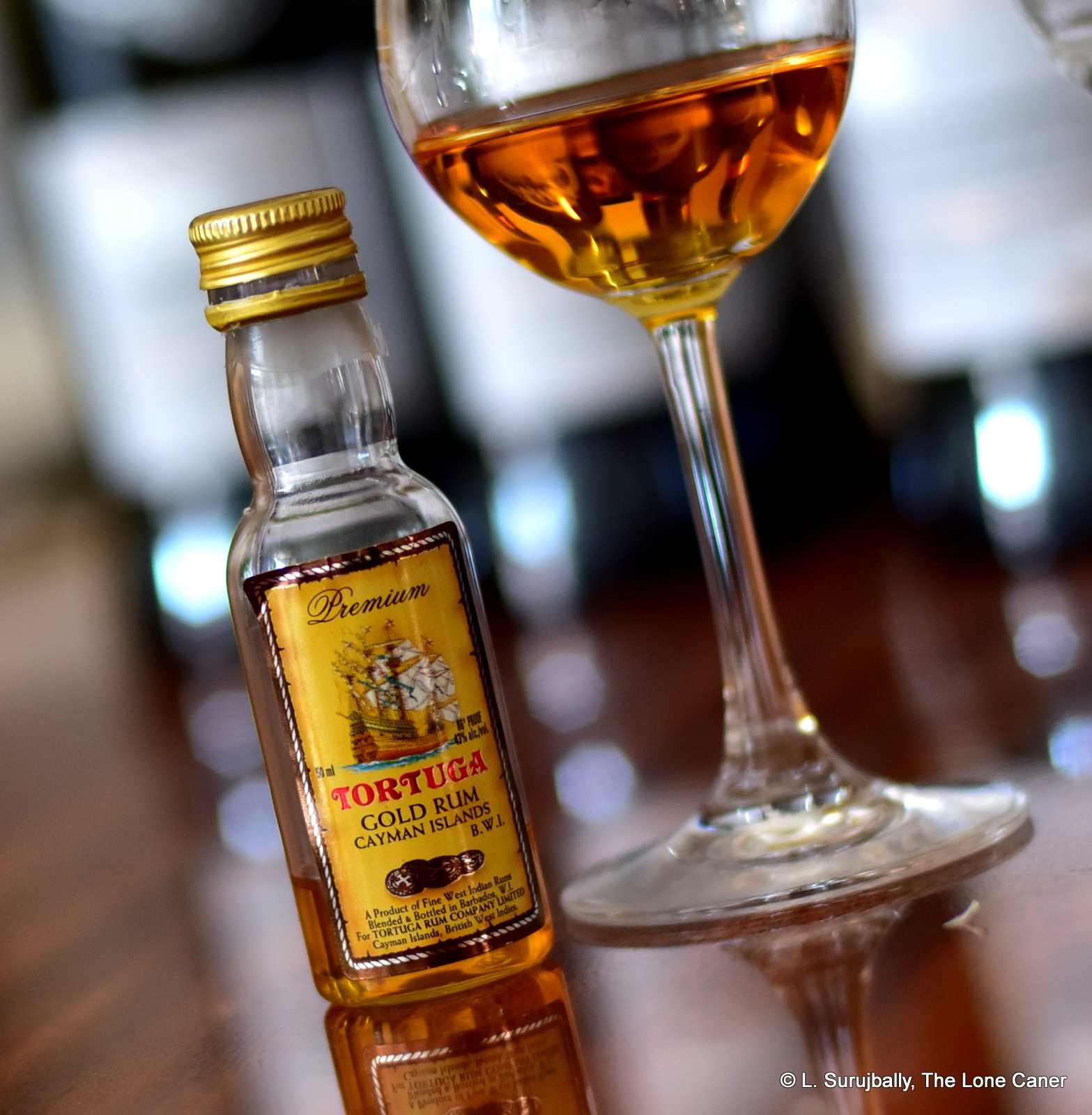
Like so many lightweight blends predating the 21st century rum renaissance, which were sold under inviting names just to move cases which the rum’s inherent quality itself could not, this “premium” rum has a sailing ship prominently displayed on the label. Though it could as easily have been a pirate, a coconut tree, a beach, or all of the above at once, plus a chest, a peg leg and a parrot added for good measure. It doesn’t change the fact that it’s not from the island of Tortuga (north of Haiti): nor is it from the Cayman Islands (500 miles to the west), because the blending and bottling — of unspecified distillates — actually happens on Barbados – or it did, when this bottle was released.
Such was the state of subtly misleading label design in 1984 and the later 1980s when the Tortuga Rum Company was formed and began blending rums to sell on cruise ships and duty free stores around the Caribbean. Not a single thing is wrong, and yet everything is. Perhaps fortunately, it is now no longer easily available to mislead people into what the word premium means, because these days the company concentrates more on making rum cakes (of which this apparently is a key ingredient).
That said, although it is mostly absent from online emporia where many do their shopping these days, the company still has a stable of flavoured and light blended rums available in the ships and shops noted above. And such older bottles as this one can still occasionally be sourced around the world, as witness an enthusiastic gent leaving a five-star comment (“Absolutely a great rum, the best I have had in fact”) on the Whisky Exchange as late as 2019, and my own quickie review here, based on a bottle from the 1990s sourced in 2018 in Europe.
Colour – Amber
Age – 5 Year Old Blend
Strength – 43% ABV
Nose – I’m not entirely chased away…it’s not too shabby. Light and easy, mostly molasses, caramel, toffee, leavened by the light notes of coconut shavings, honey and nougat. Some dark fruit – raisins, blackberries, ripe cherries.
Palate – Again, light, with some firmness lending it a bit of authority and solid tastes. Nougat, honey and coconut, like those white Ferrer or Raffaello confectioneries my much-loved chocoholic daughter can’t get enough of. There’s some sharper fruits here — ripe pears, apples, berries — as well as a touch of salted caramel and molasses, and brown sugar in a hot latte. Nice.
Finish – Warm oily, sweet, smooth. No problem. Honey again, coconut shavings, a raisin or two, but for me to tell you there’s more would be reaching.
Thoughts – Given my despite for its blandly inoffensive white sibling, I didn’t walk in here expecting much. But it wasn’t half bad – a completely unadventurous and reasonably tasty light sipping rum of which not much is asked and not much needs be given. Maybe it’s sold in the right places after all.
(77/100)
Other Notes
- The Tortuga rum is not named after the island, but to commemorate the original name of the Cayman Islands, “Las Tortugas,” meaning “The Turtles.”
- The company was established in 1984 by two Cayman Airways employees, Robert and Carlene Hamaty, and their first products were two blended rums, Gold and Light. Blending and bottling took place in Barbados according to the label, but this information may be dated as my sample came from a 1990s bottle. The range has now expanded beyond the two original rum types to flavoured and spiced rums, and even some aged ones, which I have never seen for sale and are therefore likely to remain sold only on ships and duty-frees. In 2011 a Jamaican conglomerate acquired a majority stake in Tortuga’s parent company, which, aside from making rums, also created a thriving business in rum cakes and flavoured specialty foods.
- in 2023 a gent on reddit posted a picture of a presentation bottle of this rum. No additional info was provided, however.

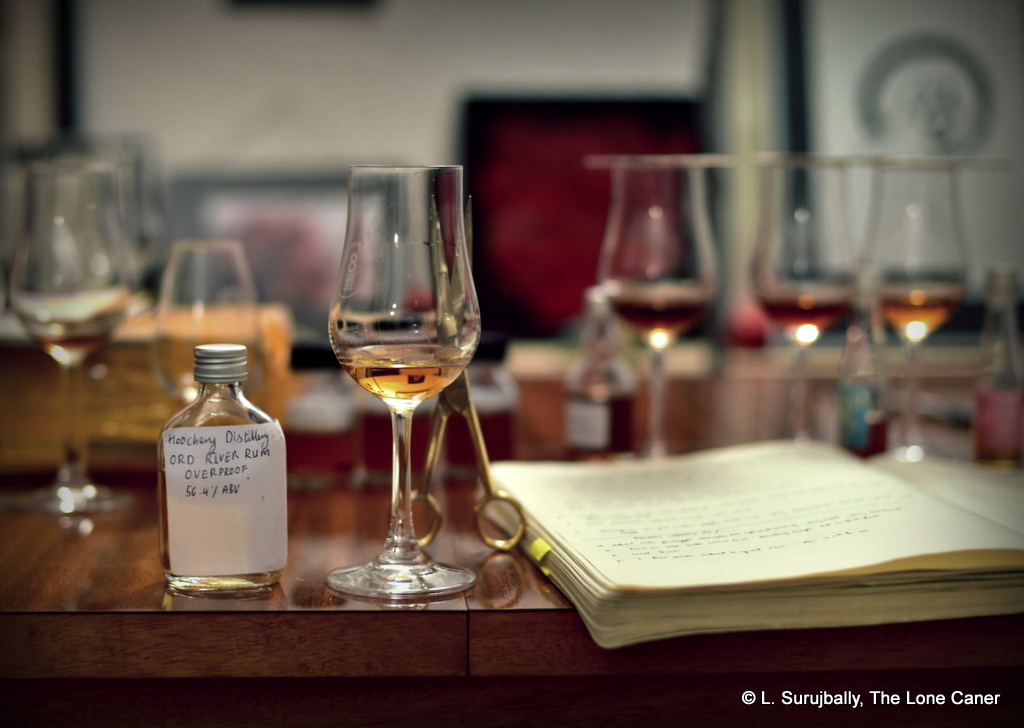
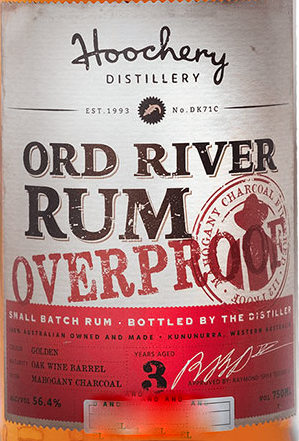 The nose begins with metallic, ashy notes right away, damp cardboard in a long-abandoned, leaky musty house. Thankfully this peculiar aroma doesn’t hang around, but morphs into a sort of soya-salt veggie soup vibe, which in turn gets muskier and sweeter over time; it releases notes of bananas and molasses and syrup, before gradually lightening and becoming – surprisingly enough – rather crisp. White fruits emerge – unripe pears and guavas, green apples, gooseberries, grapes. What’s really surprising is the way this all transforms over a period of ten minutes or so from one nasal profile to another. It’s not usual, but it is noteworthy.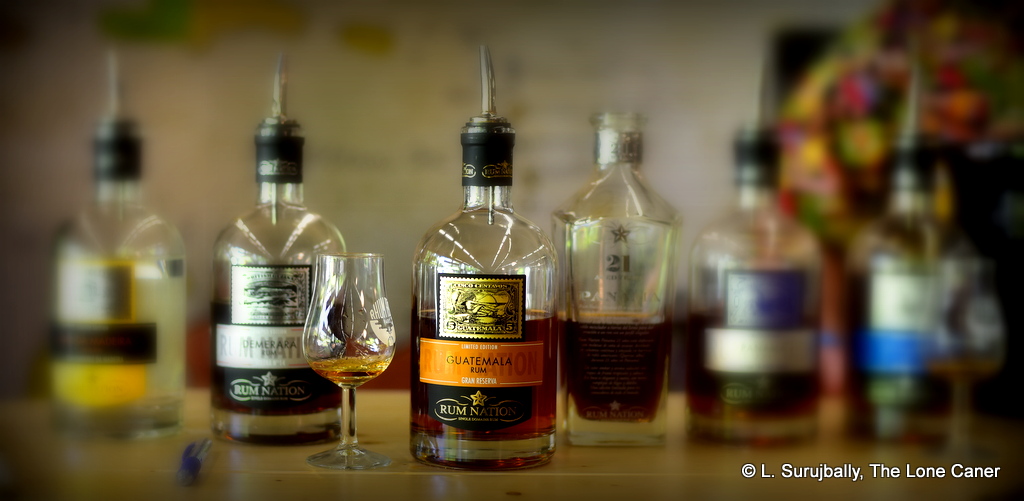
 Rum Nation’s own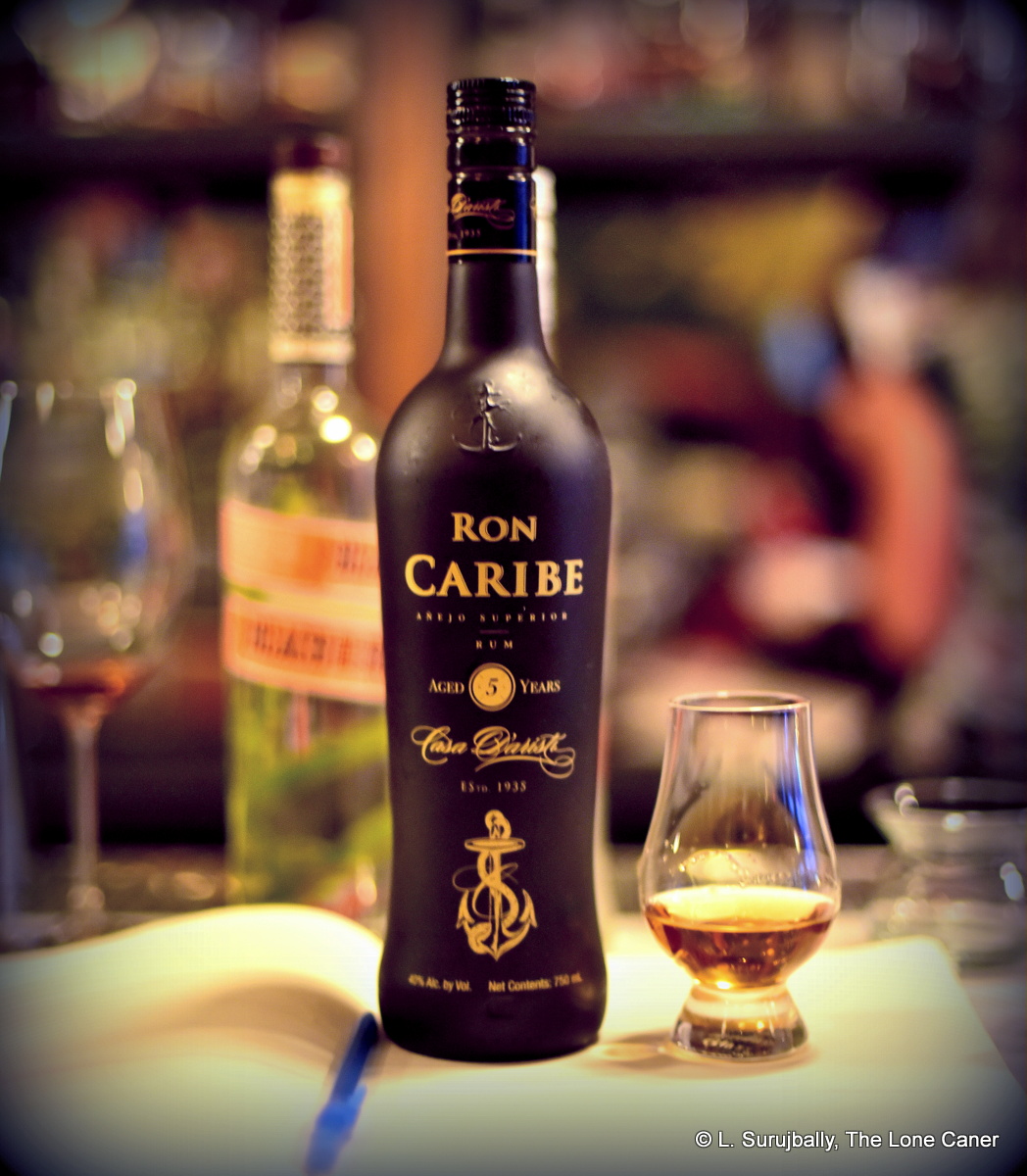
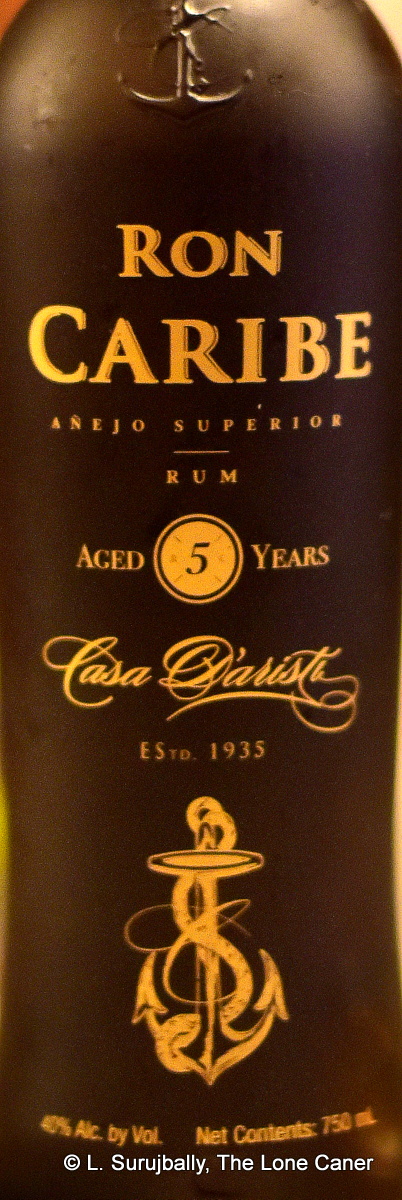 This makes it a spiced or flavoured rum, and it’s at pains to demonstrate that: the extras added to the rum make themselves felt right from the beginning. The thin and vapid nose stinks of vanilla, so much so that the bit of mint, sugar water and light florals and fruits (the only things that can be picked out from underneath that nasal blanket), easily gets batted aside (and that’s saying something for a rum bottled at 40%). It’s a delicate, weak little sniff, without much going on. Except of course for vanilla.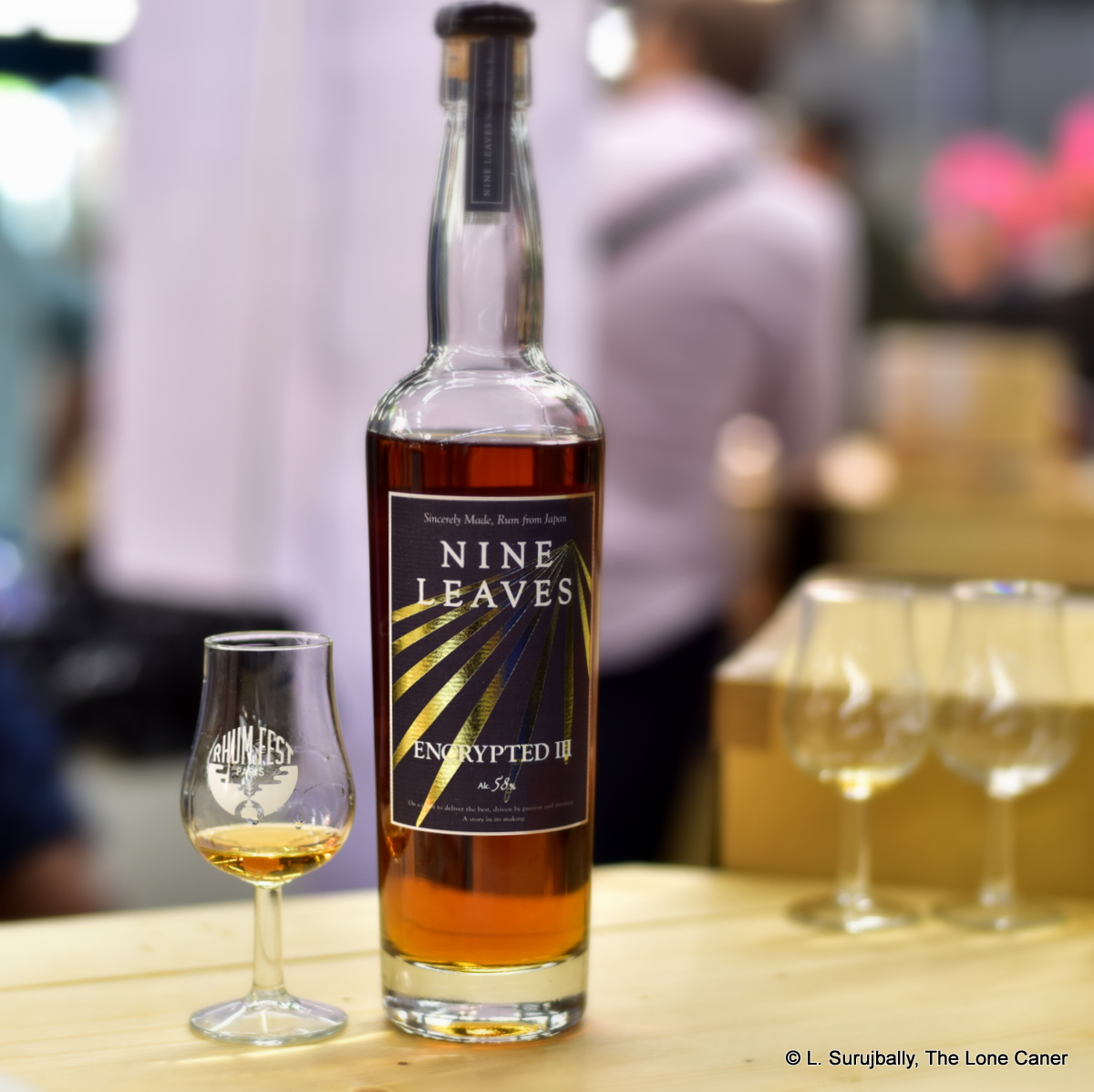
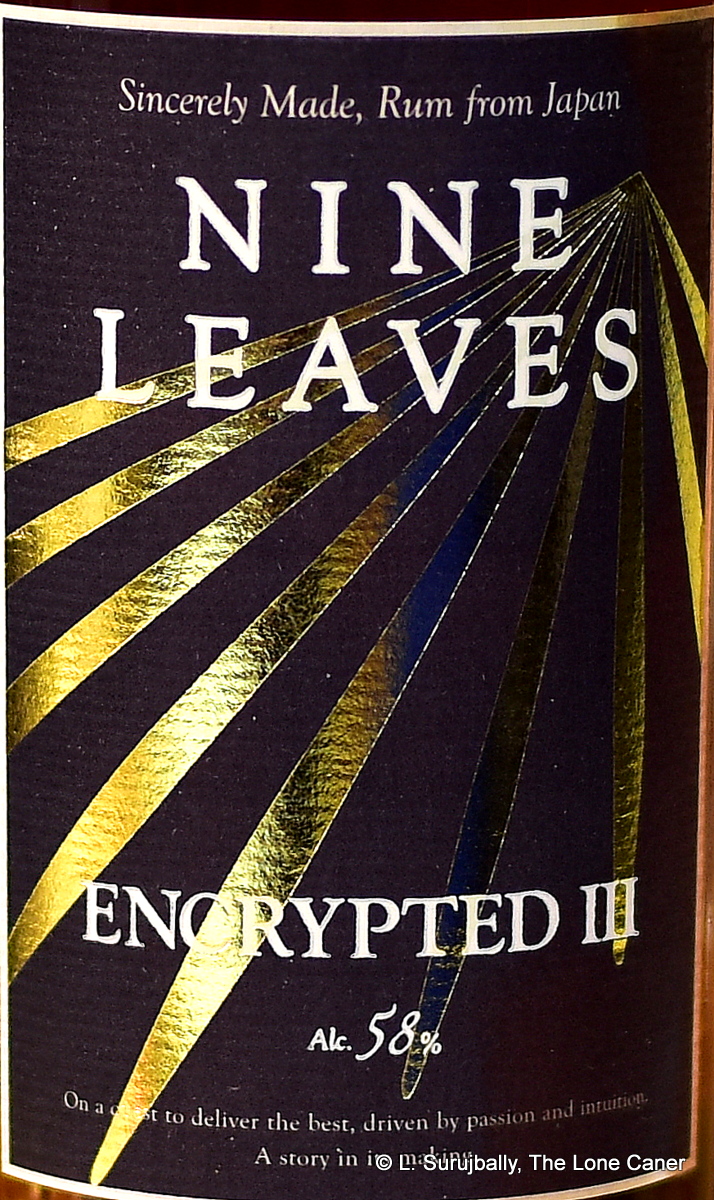
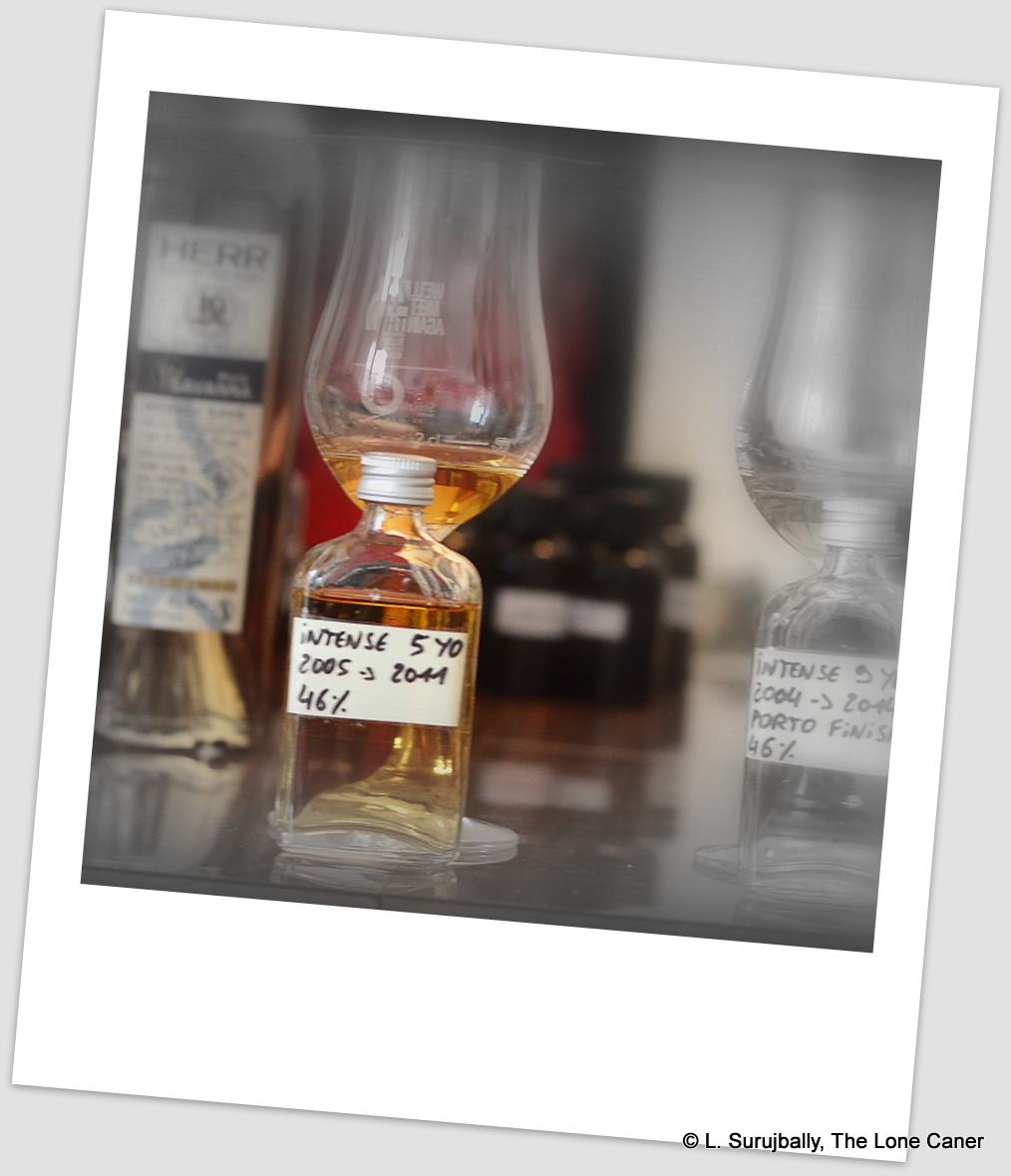
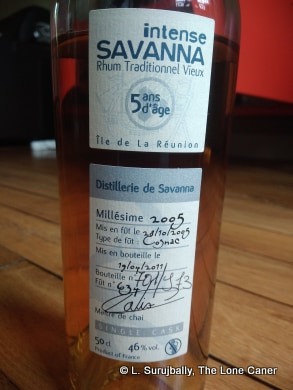 The youth is sensed upon sipping, and it’s an interesting if delicate amalgam. It presents as sharp to begin with, yet the bite climbs back down to gentle very quickly. Some bitter tannins, dampened down before they get a chance to descend into obnoxiousness. Citrus, oranges, nuts, plums, very tart, a bit thin overall to taste…not spotting too much cognac here. Strawberries and pineapples, weak. Nose was better, if not strictly comparable but then, I wasn’t drinking it through my schnozz either. Anyway, good tastes, a little thin, leading to a brisk finish, on the weak side of firm, gone quickly. Tart gooseberries, turmeric, strawberries, some citrus, and a last touch of that honey I enjoyed…it was a nice closing touch.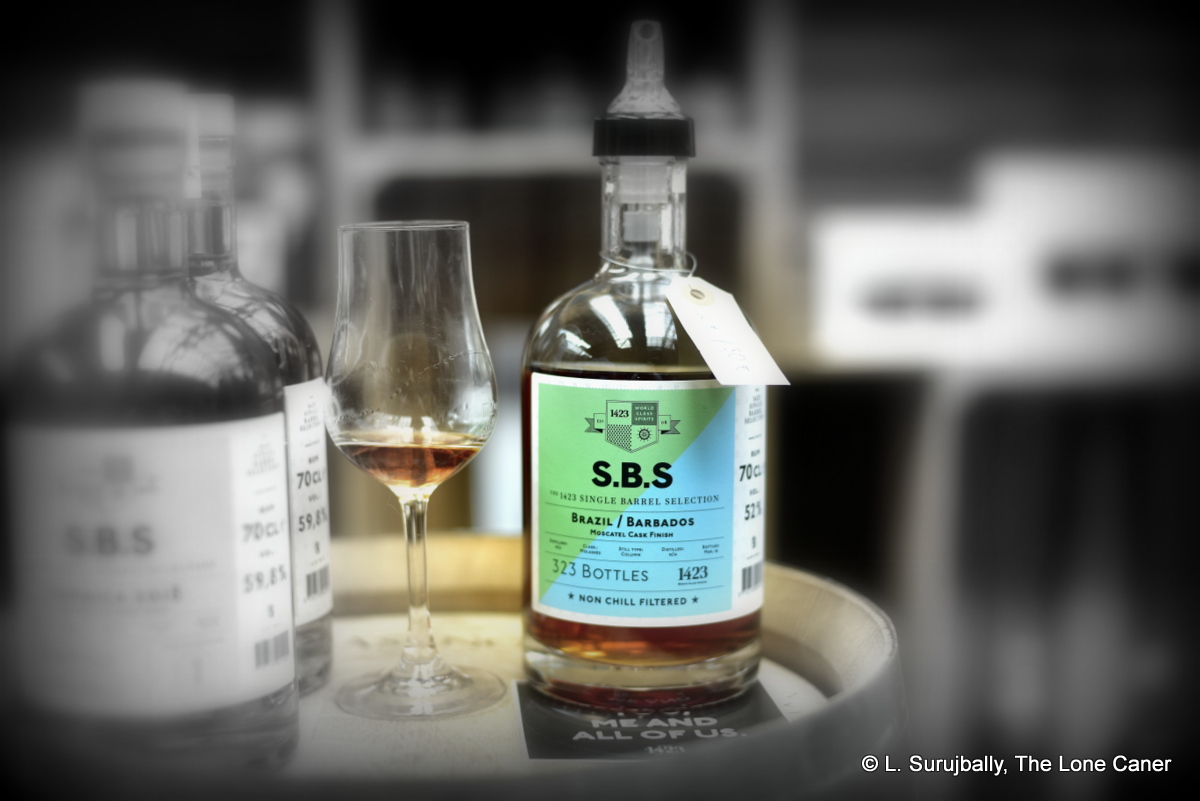
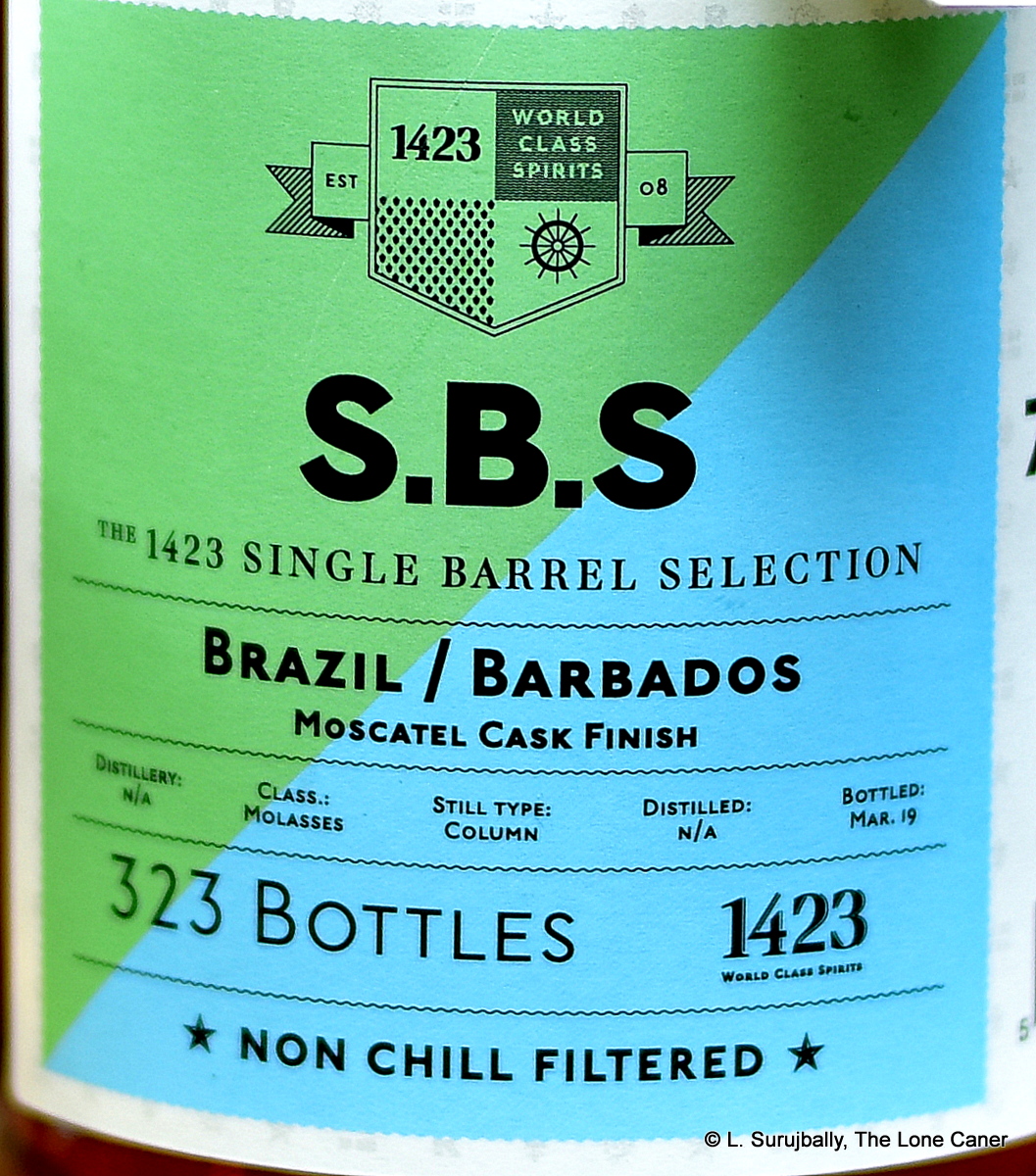 1423, the Danish indie, has taken this concept a step further with their 2019 release of a Brazil / Barbados carnival — it comprised of 8- and 3-year old Foursquare rums (exact proportions unknown, both column still) to which was added an unaged cachaca from Pirassununga (they make the very popular “51” just outside Sao Paolo), and the whole thing left to age for two years in Moscatel wine casks for two years, before being squeezed out into 323 bottles at 52% ABV.
 Okay so, on to palate. Straw yellow in the glass, it was softer and less intense, which, for a forty percenter, was both good and bad. Here the grassy and herbal notes took on more prominence, as did citrus, some tart unsweetened yoghurt, honey and cane juice. The youth was evident in the slight sharpness and lack of real roundness – the two years of ageing had
 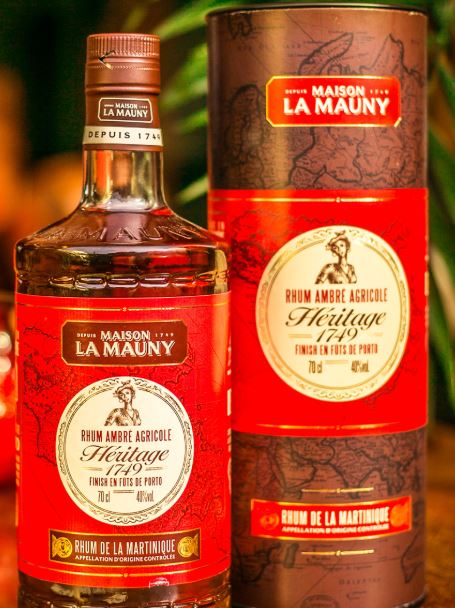 In 1923 La Mauny was sold to Théodore and Georges Bellonnie who enlarged and brought in new facilities such as a distillation column, new grinding mills and a steam engine. The distillery expanded hugely thanks to increased output and good marketing strategies and La Mauny rhums began to be exported around 1950. In 1970, after the Bellonnie brothers had both passed away, the Bordeaux traders and old-Martinique family of Bourdillon teamed up with Théodore Bellonnie’s widow and created the BBS Group. The company grew strongly, launching on the French market in 1977. Jean Pierre Bourdillon, who ran the new group, undertook to modernize La Mauny. He began by reorganizing the fields in order to make them accessible to mechanical harvesting and built a new distillery in 1984 (with a fourth mill, a three column still and a new boiler) a few hundred meters from the old one, increasing the cane crushing capacity and buying the equipment of the Saint James distillery in Acaiou, unused since 1958.
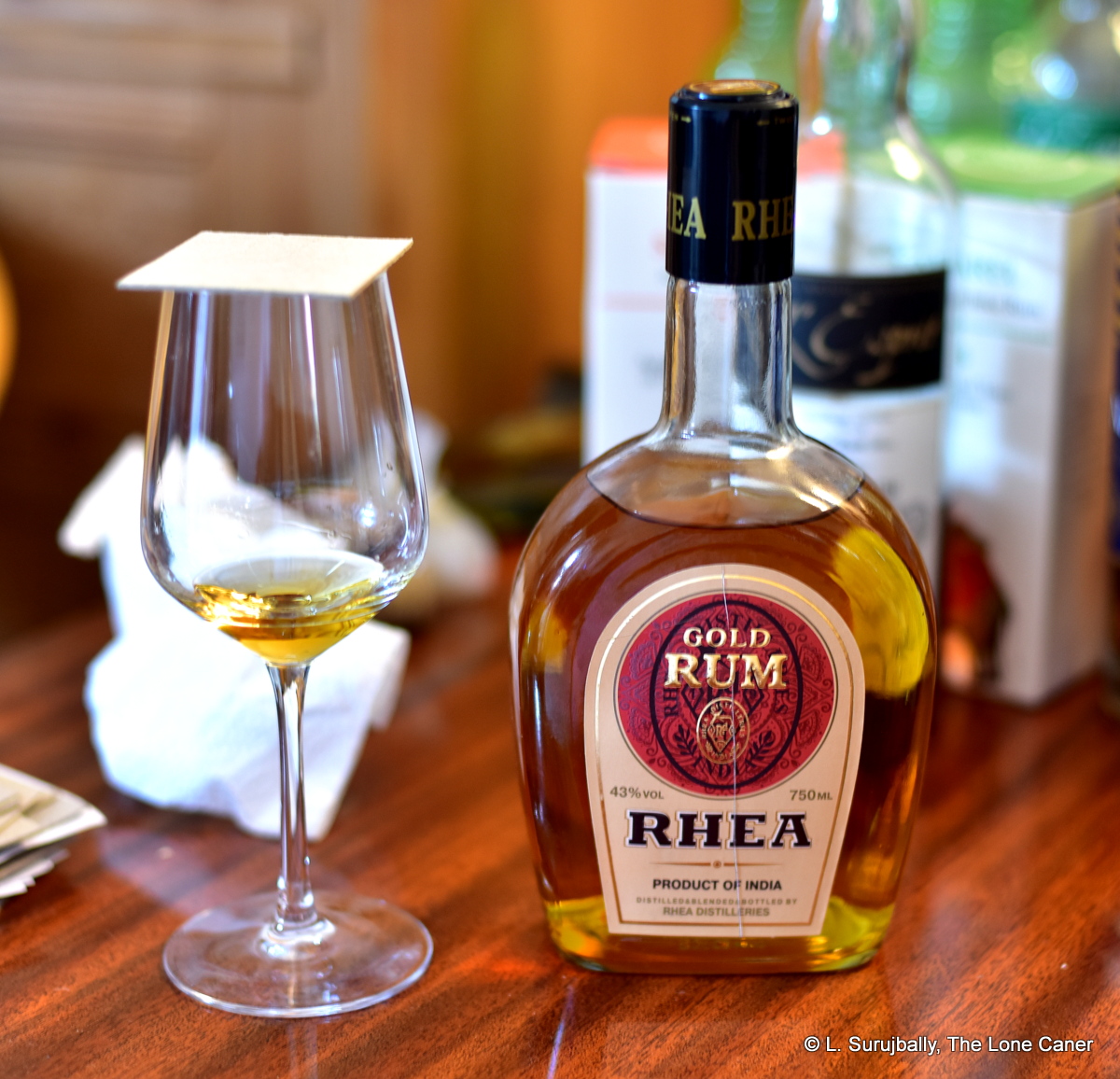
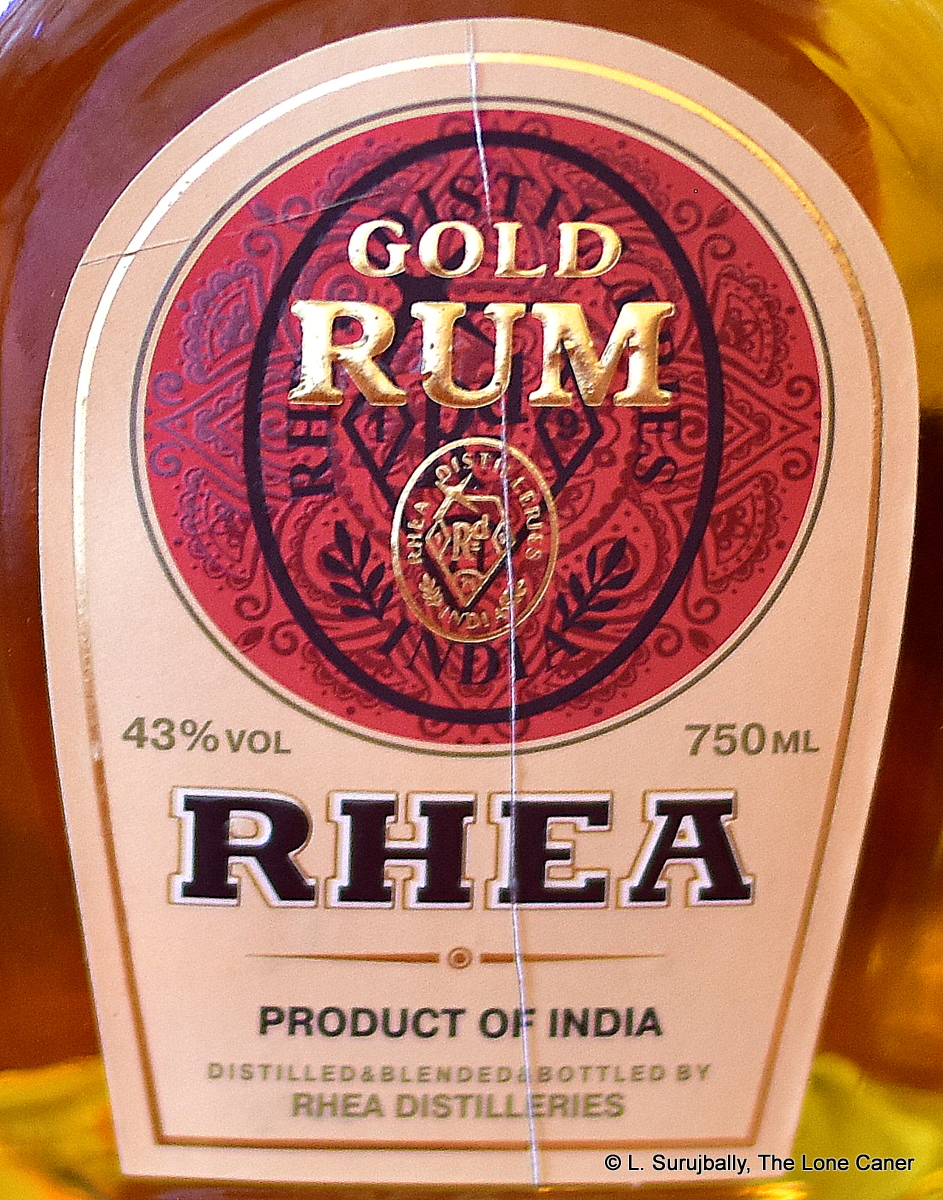 Light amber in colour and bottled at 43%, it certainly did not nose like your favoured Caribbean rum. It smelled initially of congealed honey and beeswax left to rest in an old unaired cupboard for six months – that same dusty, semi-sweet waxy and plastic odour was the most evident thing about it. Letting it rest produced additional aromas of brine, olives and ripe mangoes in a pepper sauce. Faint vanilla and caramel – was this perhaps made from jaggery, or added to after the fact? Salty cashew nuts, fruit loops cereal and that was most or less it – a fairly heavy, dusky scent, darkly sweet.
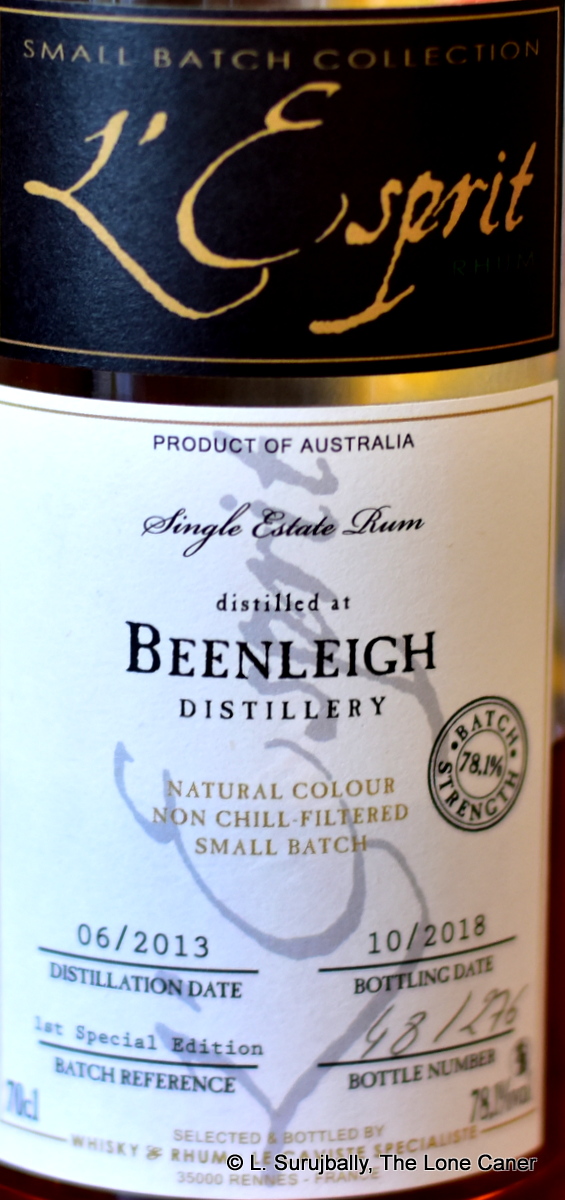
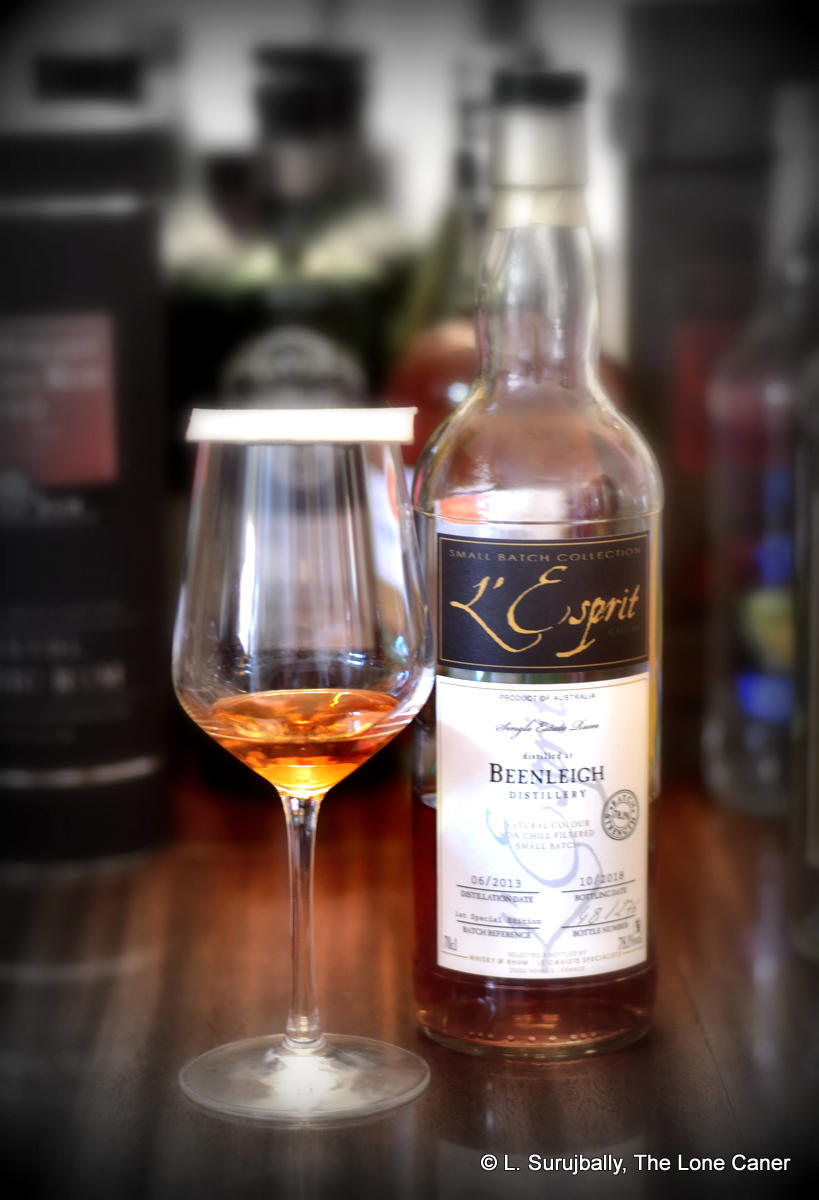 The French-bottled, Australian-distilled Beenleigh 5 Year Old Rum is a screamer of a rum, a rum that wasn’t just released in 2018, but unleashed. Like a mad roller coaster, it careneed madly up and down and from side to side, breaking every rule and always seeming just about to go off the rails of taste before managing to stay on course, providing, at end, an experience that was shattering — if not precisely outstanding.
 I still remember how unusual the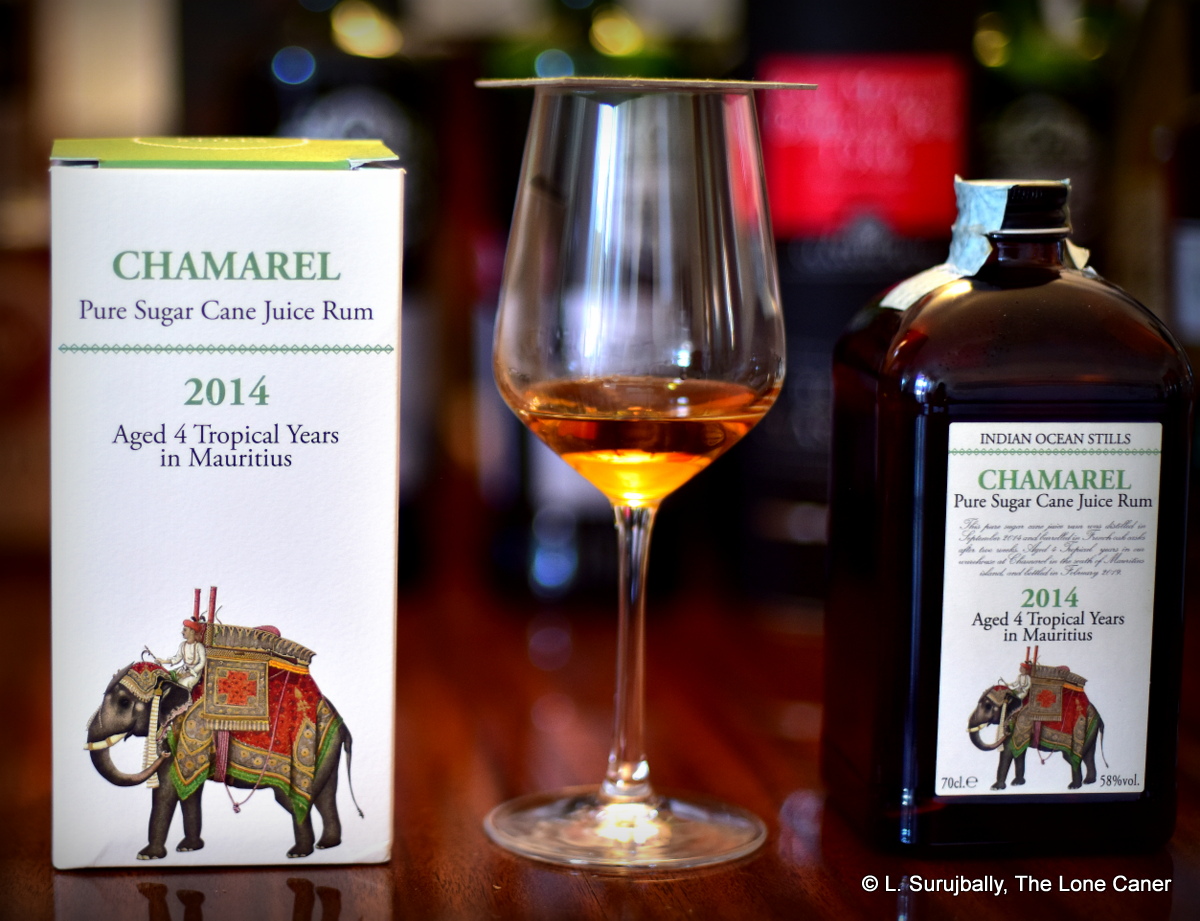
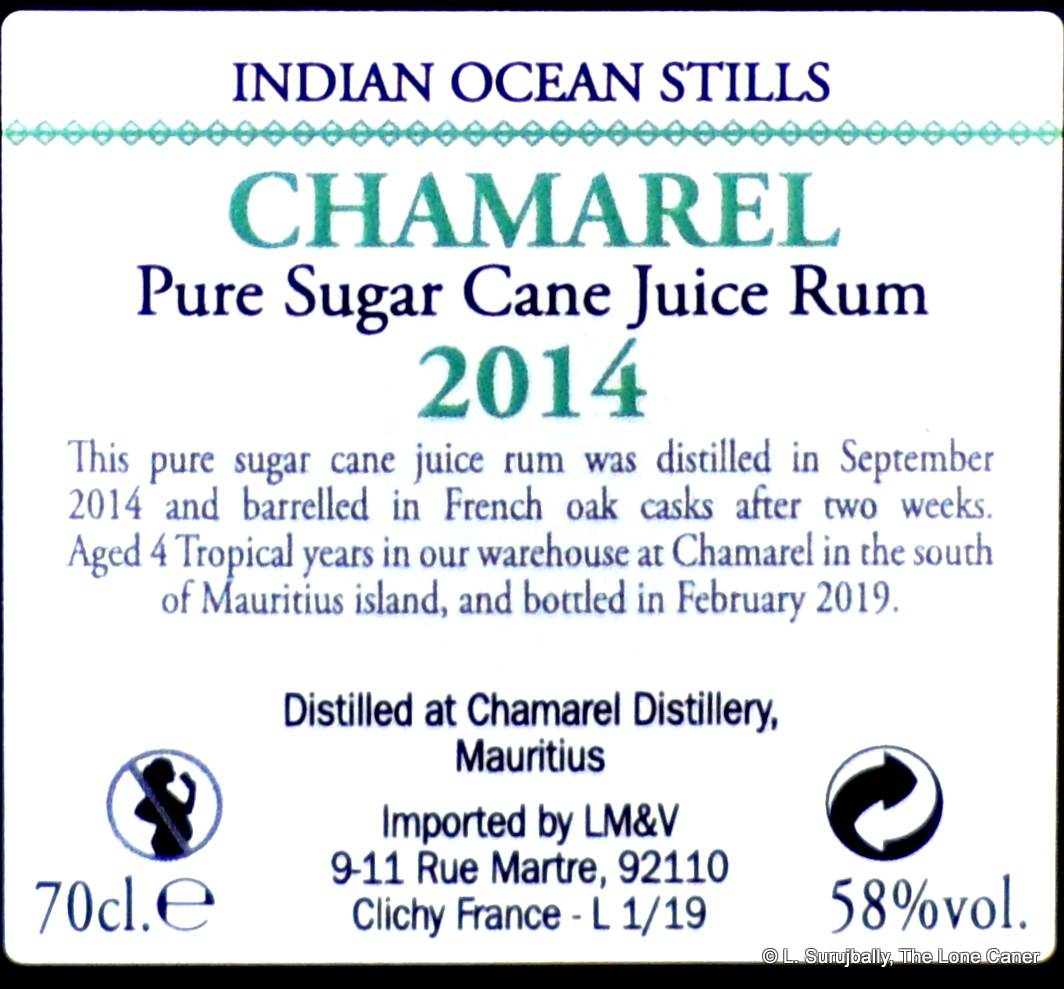 Brief stats: a 4 year old rum distilled in September 2014, aged in situ in French oak casks and bottled in February 2019 at a strength of 58% ABV. Love the labelling and it’s sure to be a fascinating experience not just because of the selection by Velier, or its location (we have tried few rums from there though those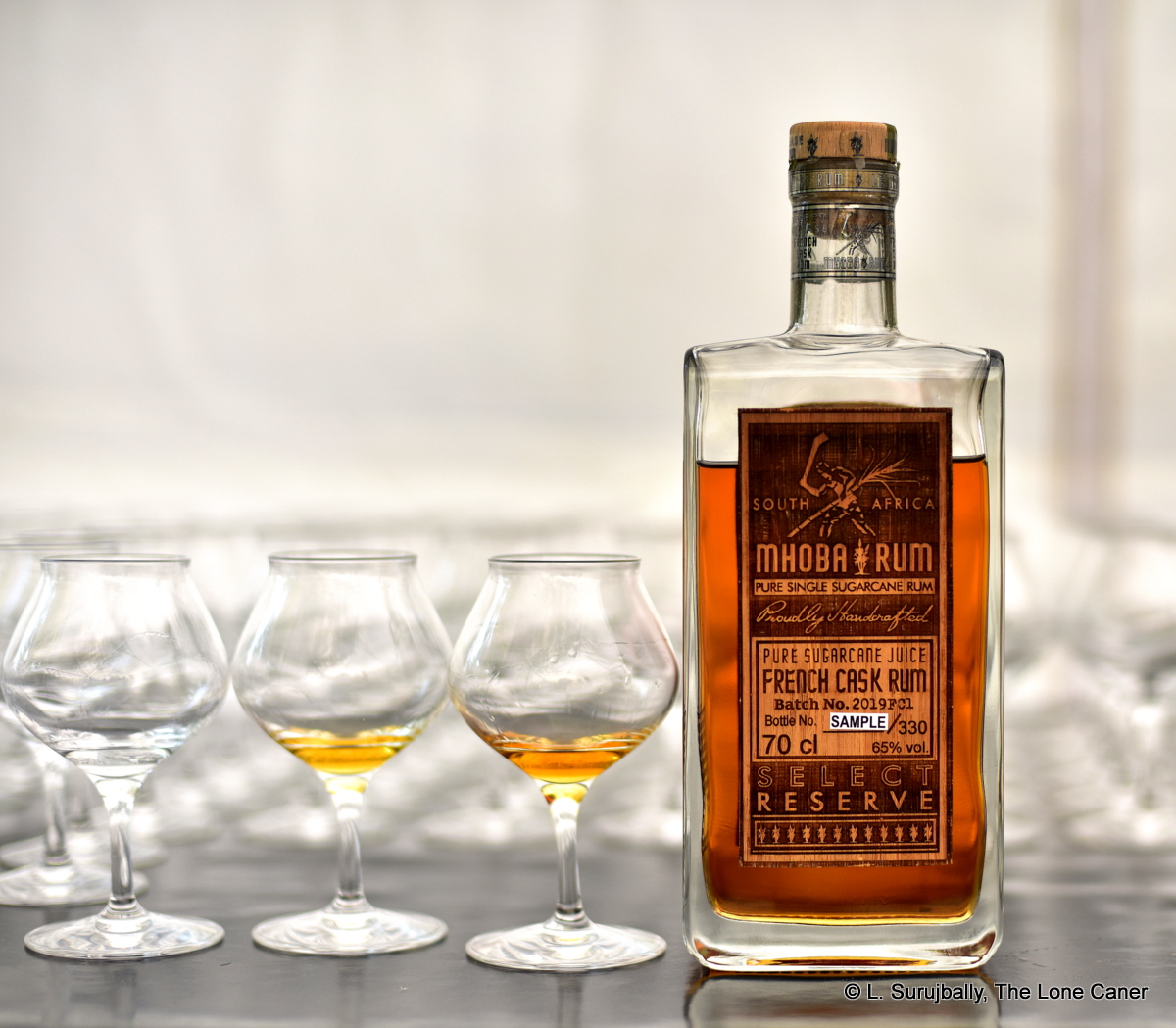
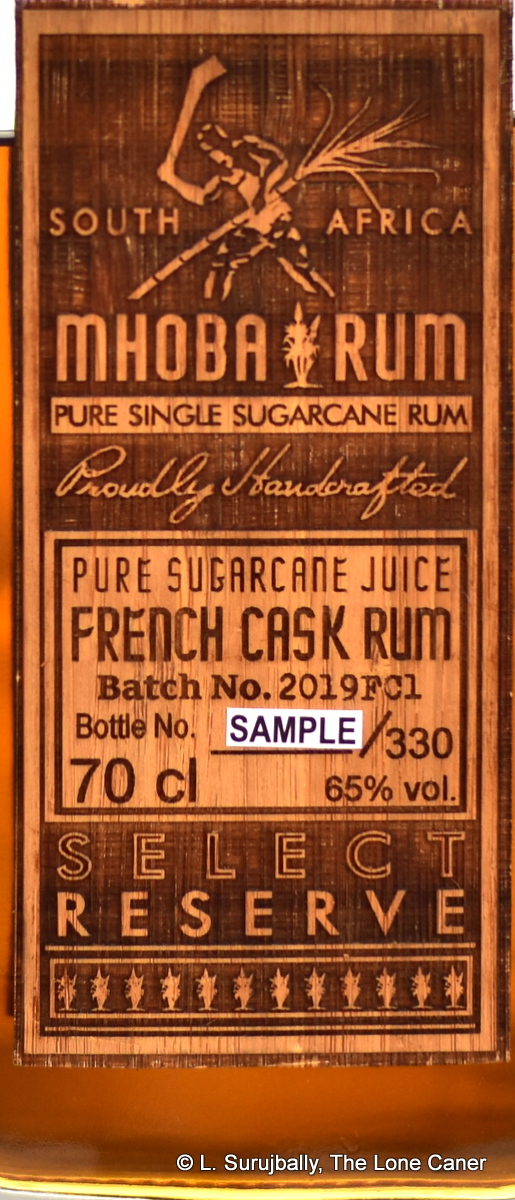 This is where good labelling helps understand what you’re getting. Mine read that it was a sugar cane juice rum, single blended, the bottle outturn (330 bottles, of which this was a sample), batch 2019FC1, South African made, and 65% ABV (ouch!). Actually, the only things missing from the label were the age statement (website says just over a year) and the still of origin (it’s a pot still), which I imagine subsequent labels will correct, especially as additional aged varietals begin to enter the market and a stock of different aged expressions gets built up – already, the company site lists eight different rums, so they’re not wasting any time.
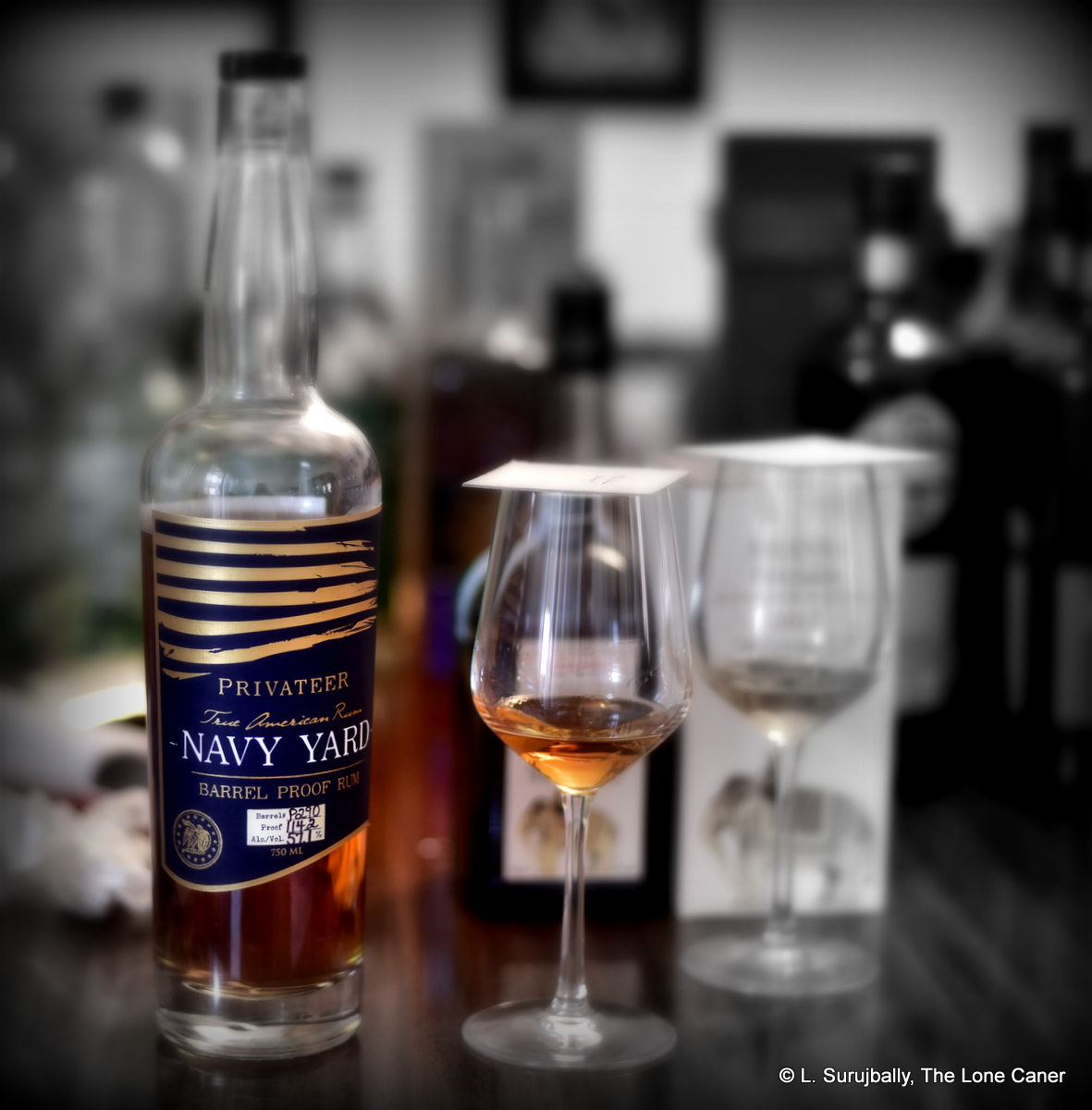
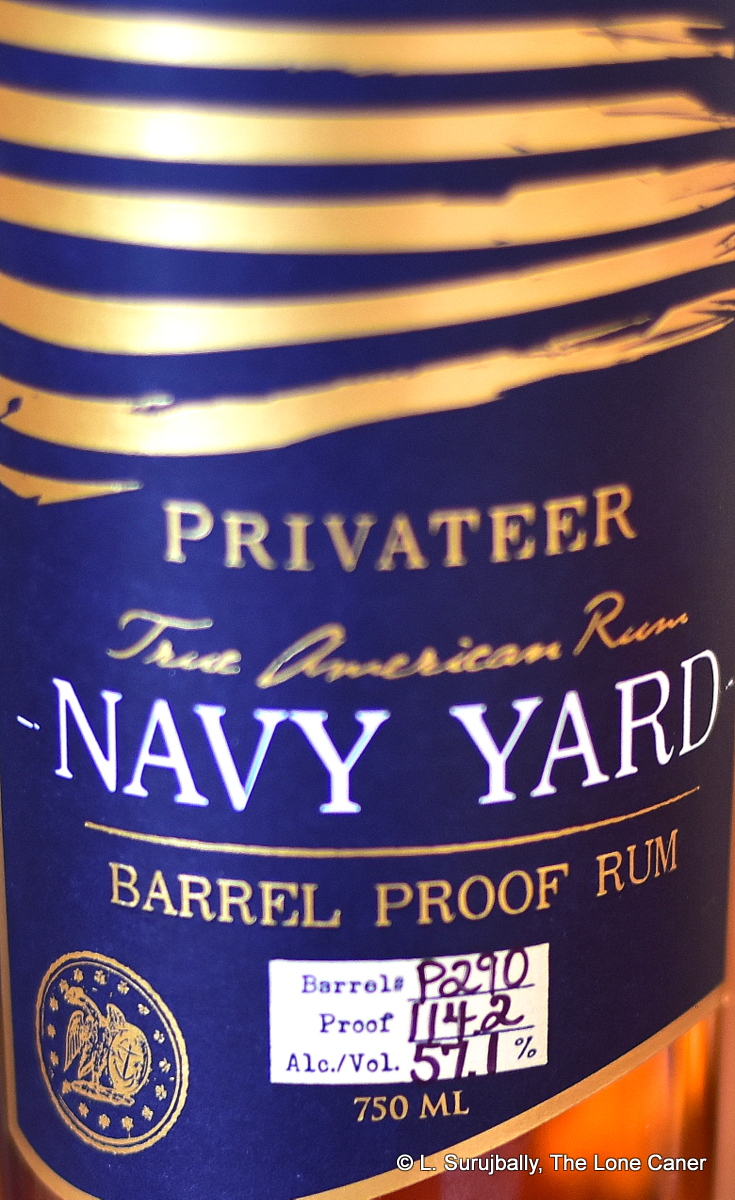 Privateer
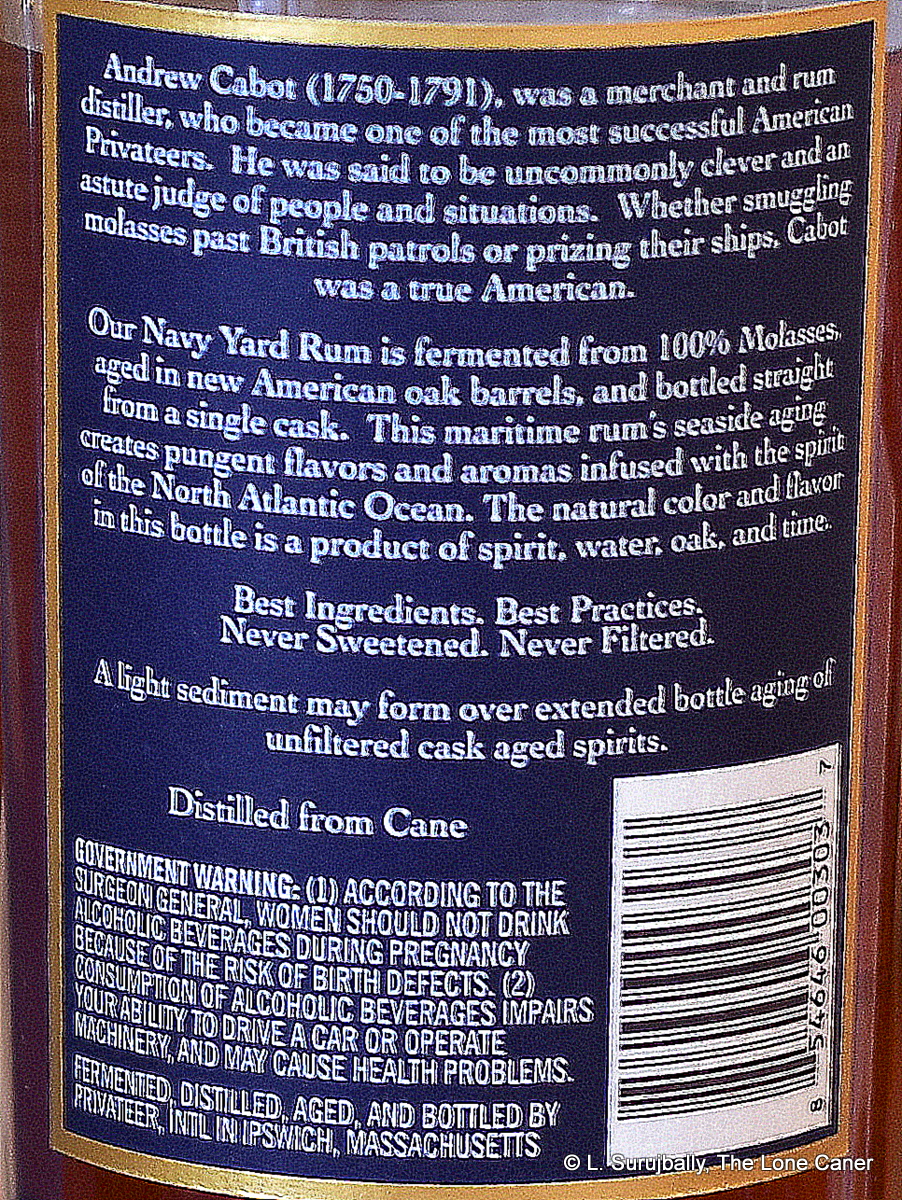 Overall, it’s a good young rum which shows its blended philosophy and charred barrel origins clearly. This is both a strength and a weakness. A strength in that it’s well blended, the edges of pot and column merging seamlessly; it’s tasty and strong, with just a few flavours coming together