The French islands provide a reviewer with a peculiar problem when trying to pick a single rum as being a “Key” anything. This is largely because Martinique and Guadeloupe are almost alone in the world in possessing such a gathering of world-famous rum distilleries in such a concentrated geographical space (a comparison to Islay, say, is not entirely out to lunch). Several Caribbean islands have a single large distiller (St. Lucia, Trinidad) or two (Grenada) or a few (Cuba, Barbados, Jamaica), and Haiti of course comes up for special mention — but none have so many whose names resound through the rumiverse. So how to pick just one?
The selection of the first of what will be several candidates from the French islands – because to limit oneself just to one or two or even three is to do the entire subset of agricole rums an enormous disservice – is made even more difficult by the fact that Guadeloupe is not seen as a “pure” agricole maker. This is primarily because, of course, they sometimes mess around with both molasses and cane juice styles of rhum, and have never actively sought the AOC designation which so enhances the street cred of rhums from Martinique.
But even so, I like the rhums of Guadeloupe (Grande Terre and Basse Terre and Marie-Galante) — a lot. To me, the work of Gardal, Karukera, Bielle, Longueteau, Severin, Bellevue, Montebello, Pere Labat, Reimonenq, Capovilla and Damoiseau are as good as any the world over, and behind them all still reverbrates the majestic quality of Courcelles, the one that switched me on to agricoles all those years ago when the Little Caner was not yet the Big Caner and I was just getting serious about French island hooch.
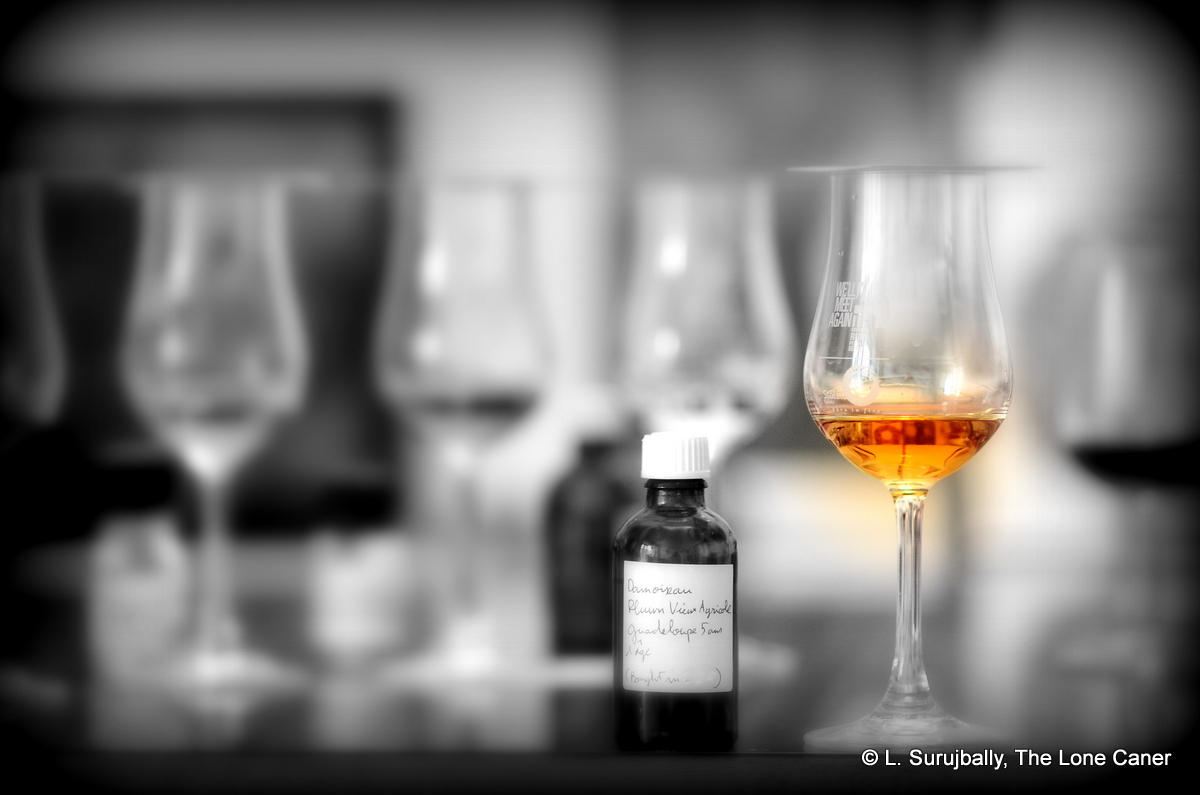
So why start with Damoiseau? The easiest answer is to say “Gotta begin someplace.” More seriously, it’s certainly one of the better known brands from there, the leading producer on Guadeloupe; back in 2016 I remember Josh Miller awarding their white 55% first place in his agricole challenge; years before that, Velier gained confidence to issue more full proof rums by releasing their excellent 1980 version at 60.3% (the first such strong rum in their portfolio); Matt Pietrek suggested the Damoiseau 4 year old Réserve Spécial VSOP was a great rum to have for under US$45 and a good ambassador for the country’s rum-making tradition; and lastly, I simply have good memories of most of their work I’ve tried. But for me, the VSOP is a bit young and rough, and my affection is given to the very slightly older version which we shall get into without further ado.
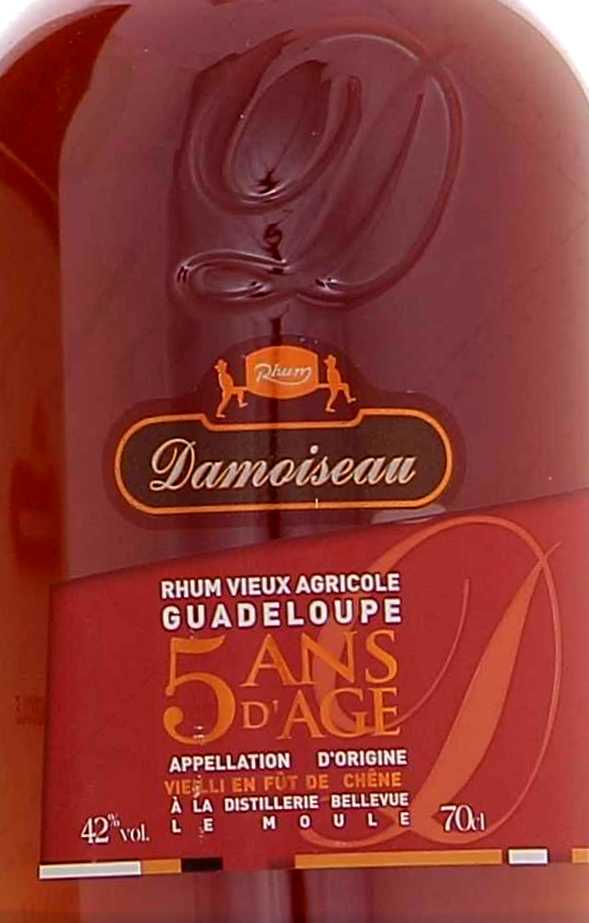
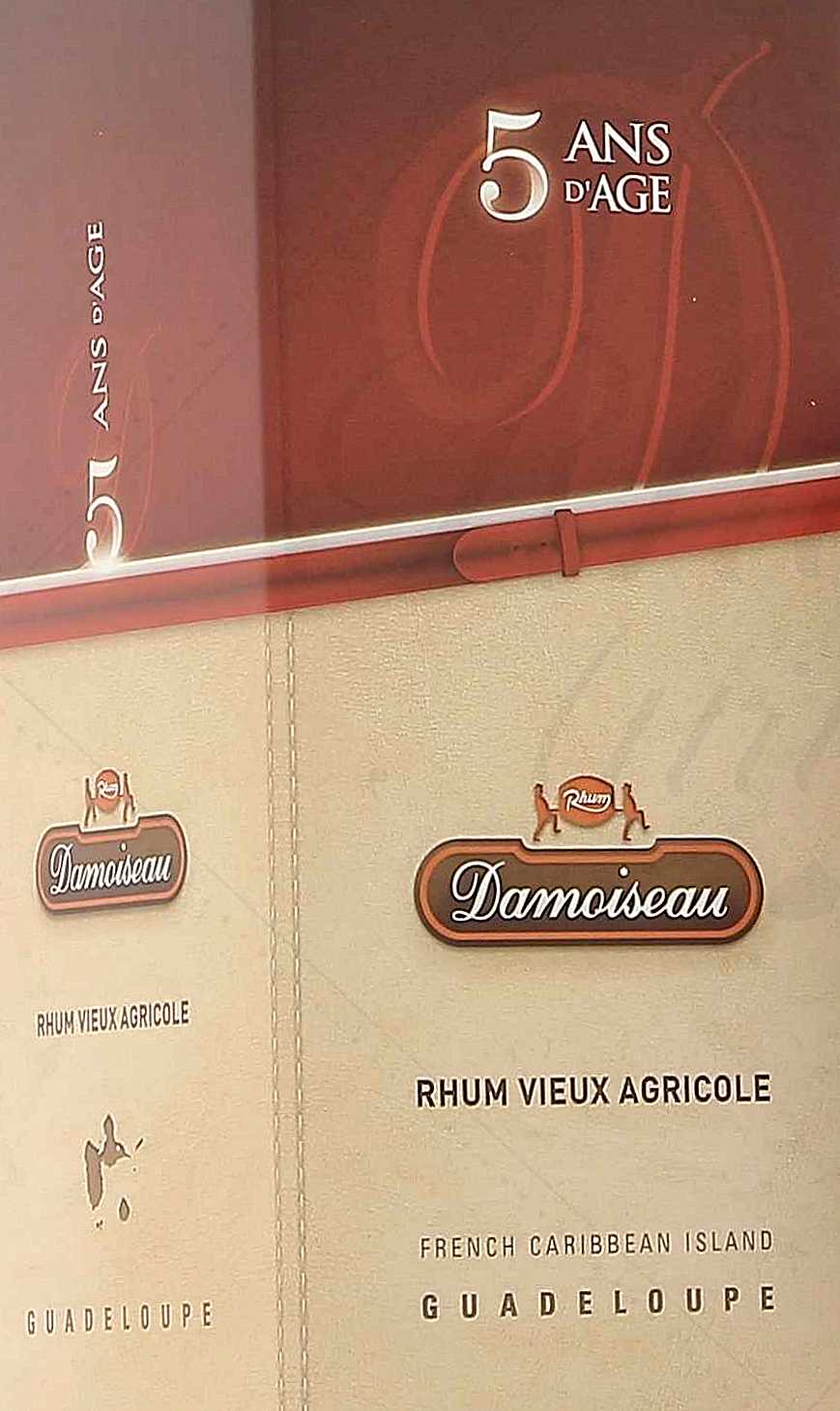
Made from cane juice and then aged in ex-bourbon casks, Damoiseau has the occasional peculiarity (in my eyes, at least) of making aged rhums that don’t always or completely showcase the crisp herbal sweet grassiness we have come to associate with agricoles. Here, that isn’t the case at all…up to a point. The cane-juice-derived 5YO, which is near to standard strength (42% ABV) and therefore very approachable by those who want to dip their toes, is remarkably clean and yet still full-bodied for that strength. Immediately there is vanilla, a little oakiness, pears, prunes and the light notes of some pineapple slices. Also cane sap and sugar water, flavoured with a dusting of cinnamon. And, oddly, a nip of molasses, brown sugar and caramel in the background, which I can’t explain, but find pleasing nevertheless.
The palate isn’t quite as sterling as the nose, though still a cut above normal: a little thin, perhaps – blame it on the 42%, which is, let’s face it, somewhat lacklustre against the shining vibrancy of the whites, so often torqued up to 50%. The rhum tastes a little dry, a little briny, with vanilla, dates, prunes, blackberries and dark grapes leading in, followed by some florals, crisp oak notes, breakfast spices, cereals…and again, that strange hint of caramel syrup and molasses poured over fresh hot pancakes flitting behind all the other tastes. It’s a perfectly nice drink for all that, and the finish is a fitting conclusion: nice and long with oily, salty and tequila notes, to which are added light oakiness, vanillins, fruits and florals, nothing specific, nothing overly complex just the entire smorgasbord sailing into a serene conclusion.
Personally, I’d suggest that some extra strength would be useful, but by no means does that disqualify the Damoiseau 5 Year Old as a good all-rounder, equally at home in a mix of some kind or by itself. You can tell it’s been aged, it’s slightly sweet and has the requisite fruits and other flavours combining decently, and the rhum navigates its way between a light and heavy profile quite nicely. That slight touch of caramel or molasses was something I liked as well — if memory serves, it was a similar ”contaminant” that prevented the 1980 from being released as appellation-compliant and that was why it was sold to Velier, but whether in this instance that’s deliberate or my imagination is anyone’s guess. All I can say is that for me it was there, and it did not detract but enhanced.
So at the end, the 5YO ticks all the boxes we look for in such a rhum. Young as it is, it’s a tasty, unique product from Damoiseau; it’s of reasonable strength — and therefore doesn’t frighten those now moving out of their comfort zones and getting into different styles, with some stratospheric ABV or a profile of off-the-wall lunacy; and best of all for those who just want to nibble at its edges without biting the whole thing, the price point is right on the midpoint between two other candidates for the position. It’s slightly more expensive than the VSOP, but more elegant; and cheaper than the 8 YO but more versatile. Any of these three could be a rum that celebrates Guadeloupe, but for my money and what I want out of a rhum like this, the 5 YO is the one that nails it.
(#652)(83/100)
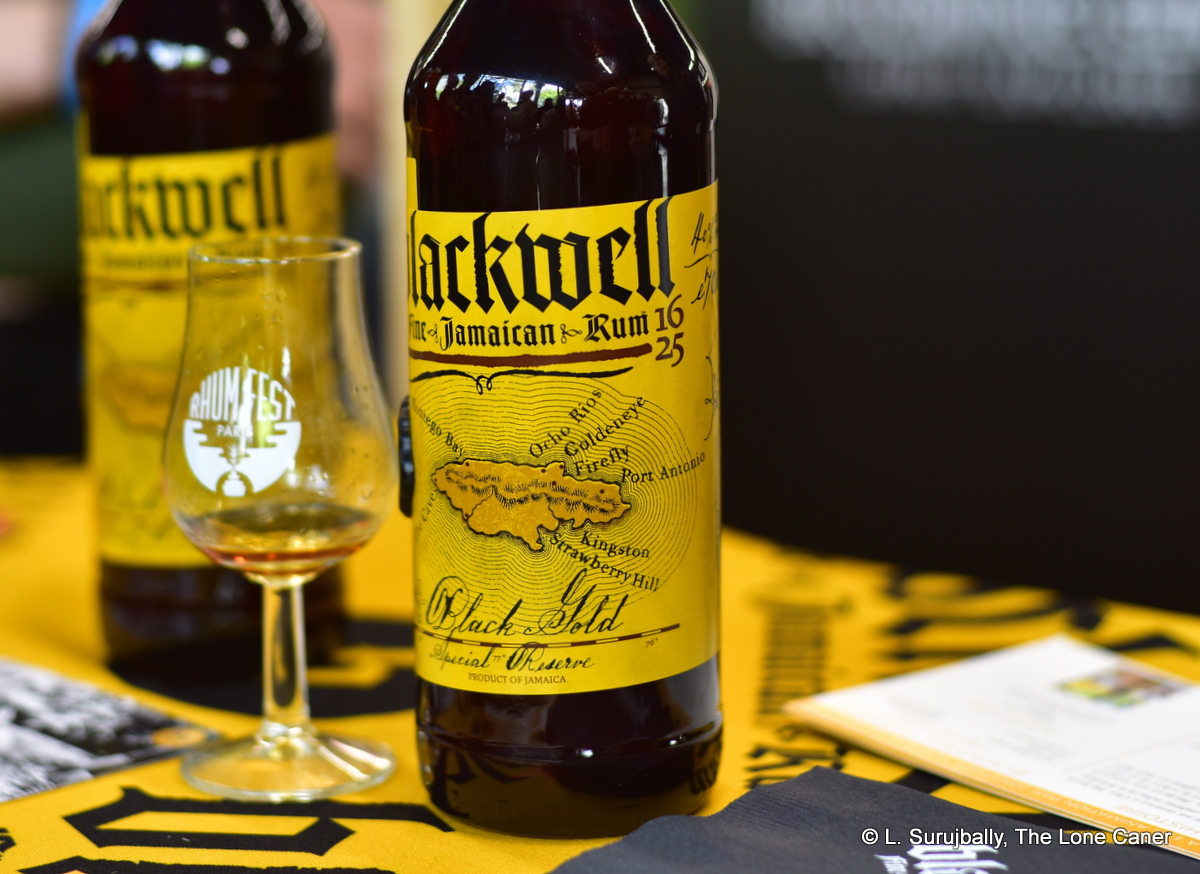
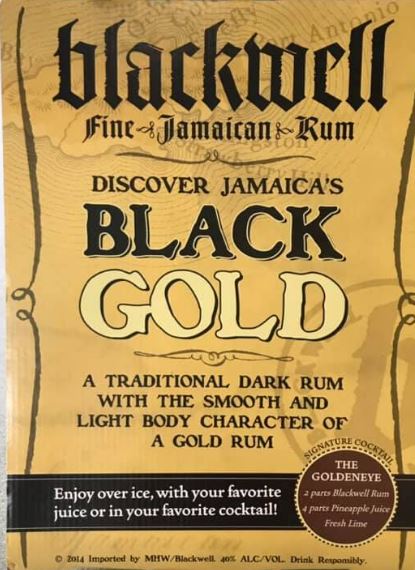 With all due respect to the makers who expended effort and sweat to bring this to market, I gotta be honest and say the Blackwell Fine Jamaican Rum doesn’t impress. Part of that is the promo materials, which remark that it is “A traditional dark rum with the smooth and light body character of a gold rum.” Wait, what? Even Peter Holland usually the most easy going and sanguine of men, was forced to ask in
 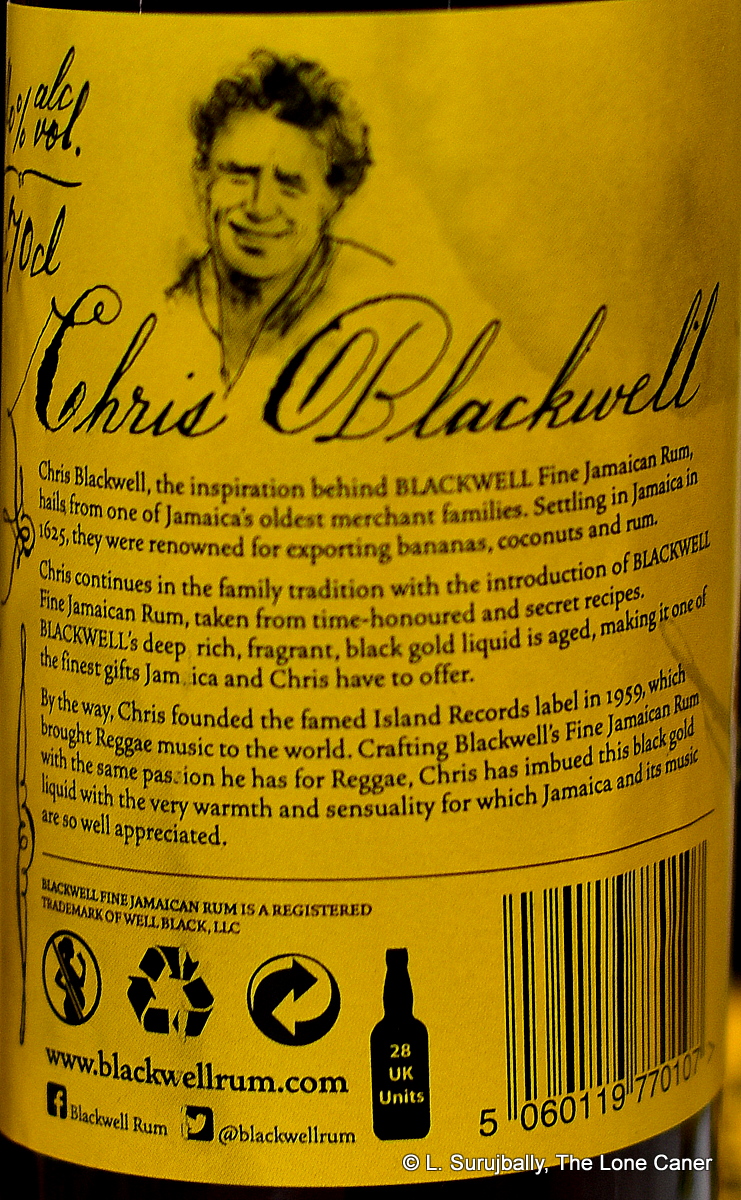 With respect to the good stuff from around the island — and these days, there’s so much of it sloshing about — this one is feels like an afterthought, a personal pet project rather than a serious commercial endeavour, and I’m at something of a loss to say who it’s for. Fans of the quiet, light rums of twenty years ago? Tiki lovers? Barflies? Bartenders? Beginners now getting into the pantheon? Maybe it’s just for the maker — after all, it’s been around since 2012, yet how many of you can actually say you’ve heard of it, let alone tried a shot?
 That was quite a medley on the nose, yet oddly the palate didn’t have quite have as many tunes playing. It was initially briny with those olives coming back, a little peanut brittle, salt caramel ice cream, vanilla, all held back. What I liked was its general softness and ease of delivery – there was honey and cream, set off by a touch of citrus and tannics, all in a pleasant and understated sort of combination that had a surprisingly good balance that one would not always imagine a rhum so young could keep juggling as well as it it did. Or as long. Even the finish, while simple, came together well – it gave up some short and aromatic notes, slightly woody and tannic, and balanced them out with soft fruits, pipe tobacco, coffee and vanilla, before exhaling gently on the way out. Nice.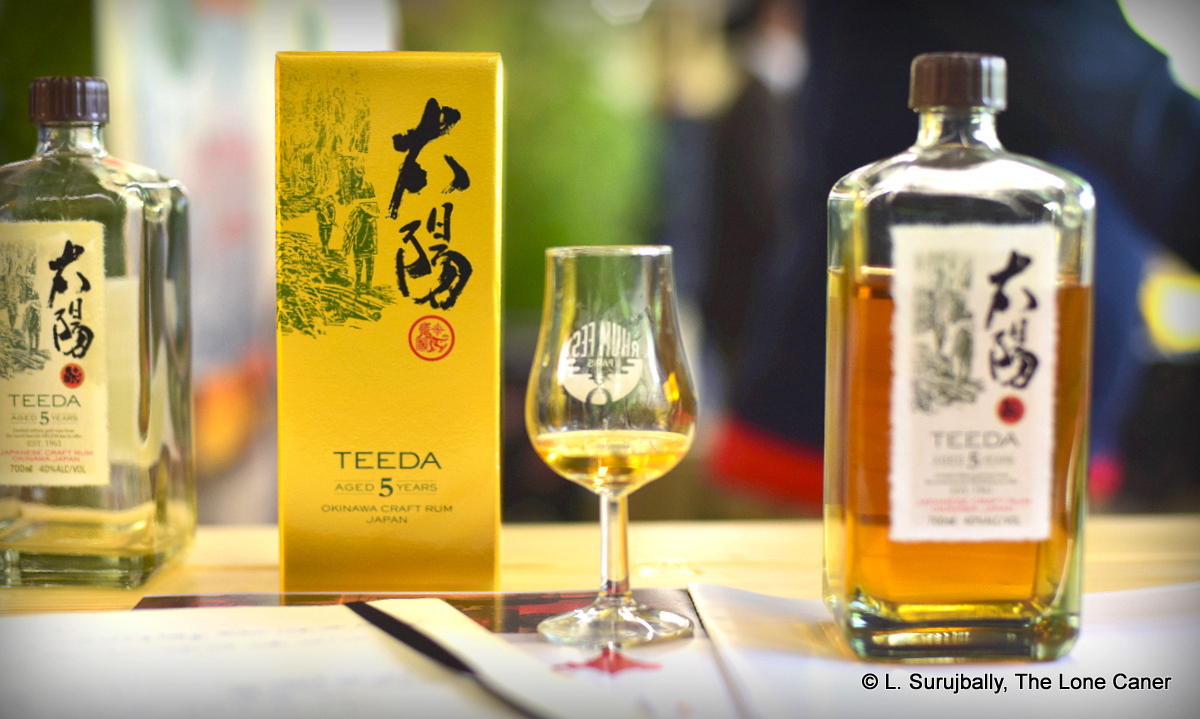
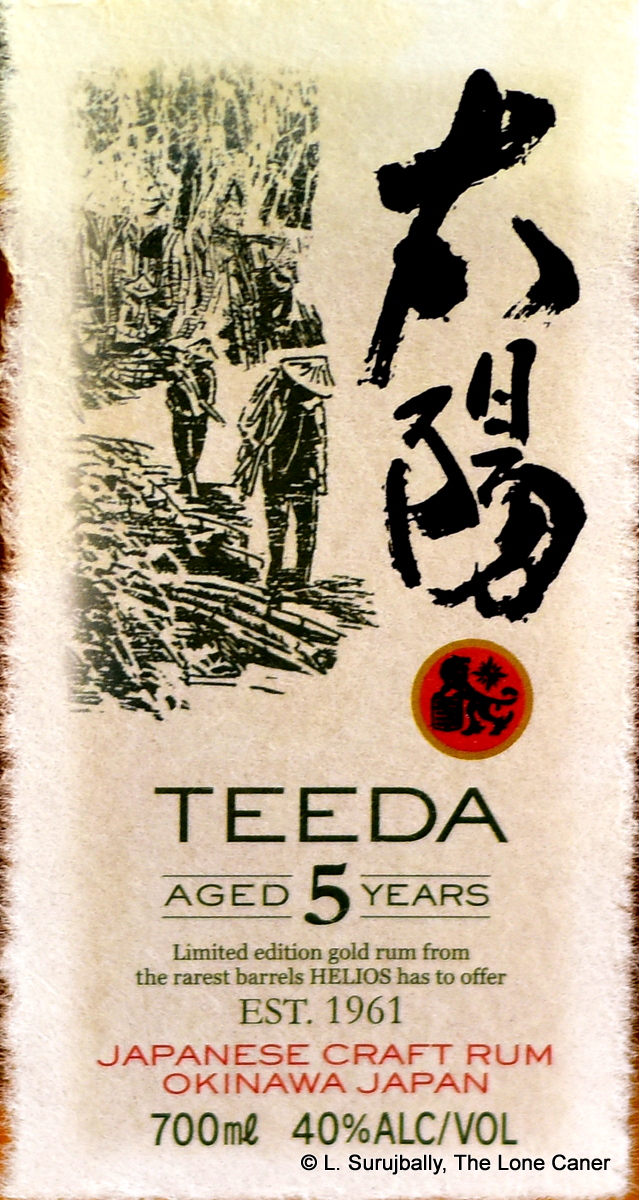
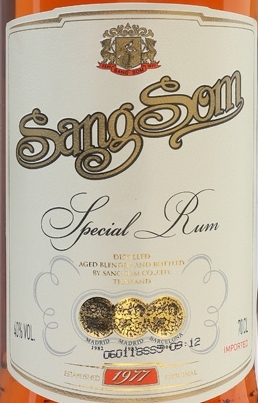 Like most rums of this kind, the opinions and comments are all over the map. Some are savagely disparaging, other more tolerant and some are almost nostalgic, conflating the rum with all the positive experiences they had in Thailand, where the rum is made. Few have had it in the west, and those that did weren’t writing much outside travel blogs and review aggregating sites.
 Rumaniacs Review # 096 | 0617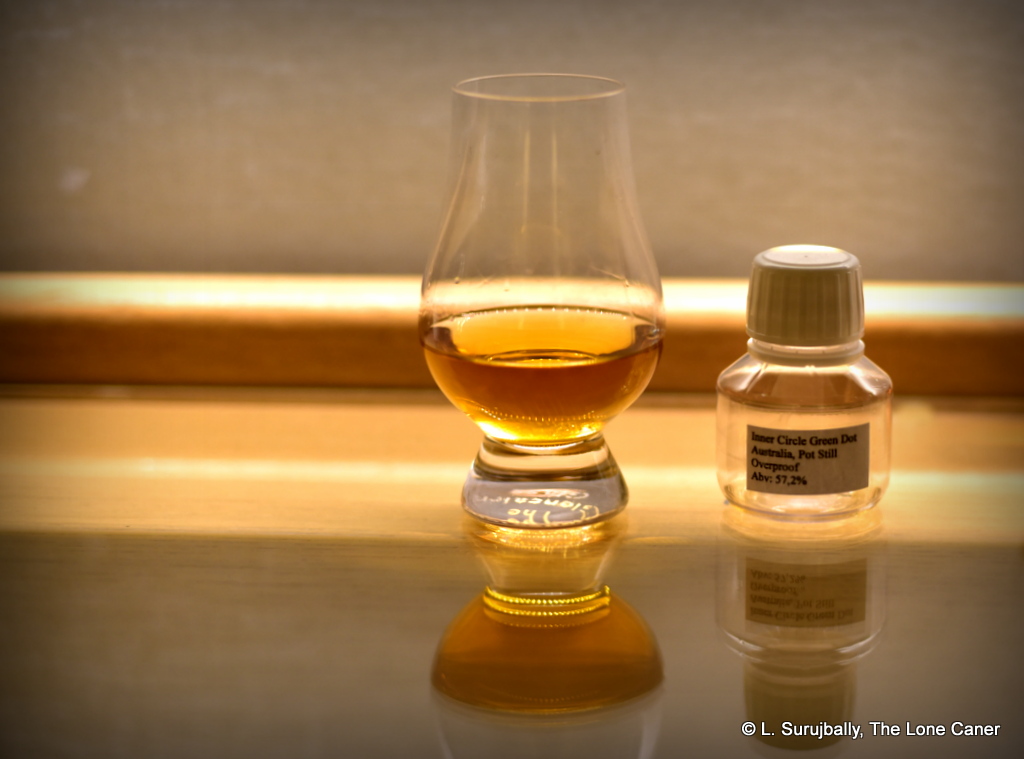
 Colour – Gold
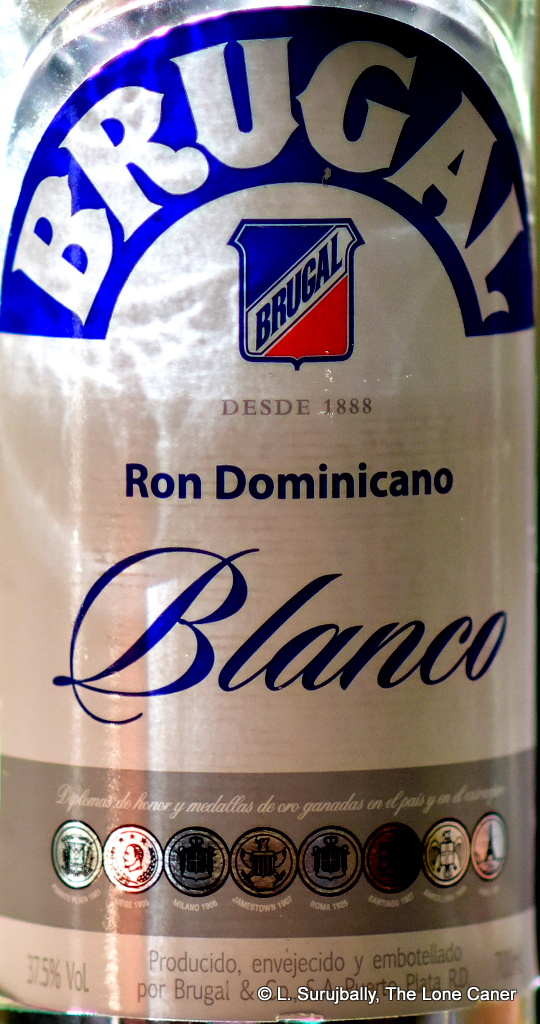
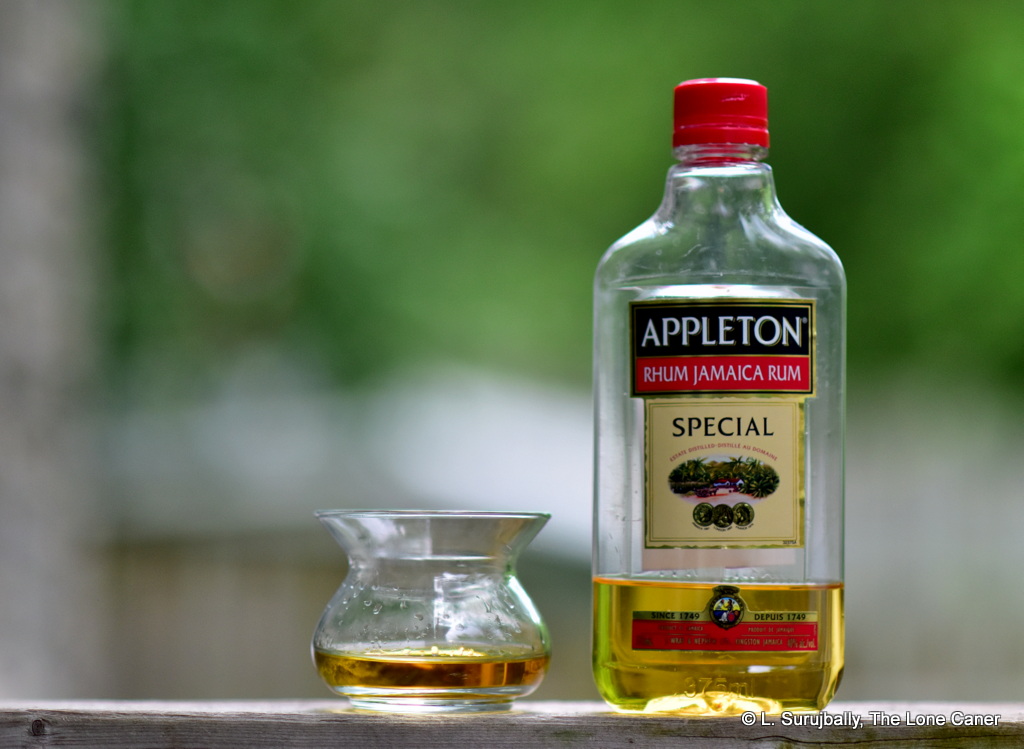

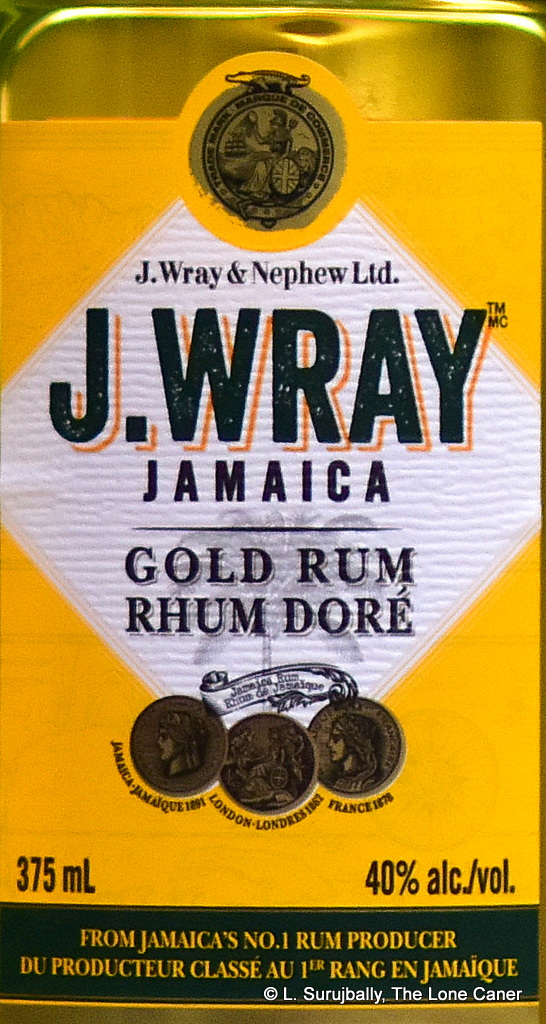 I make this last observation because of its unrefined nature. Even at standard strength, it noses rather raw and jagged, even harsh. There are initial aromas of light glue, rotten bananas and some citrus, light in tone but sharp in attack. It also smells a little sweet and vanilla-like, with vague florals, apple cider, molasses, dates, peaches and dates, with the slightest rtang of burnt rubber coiling around the back there somewhere. But it sears more than caresses and it’s clear that this is not a lovingly aged product of any kind.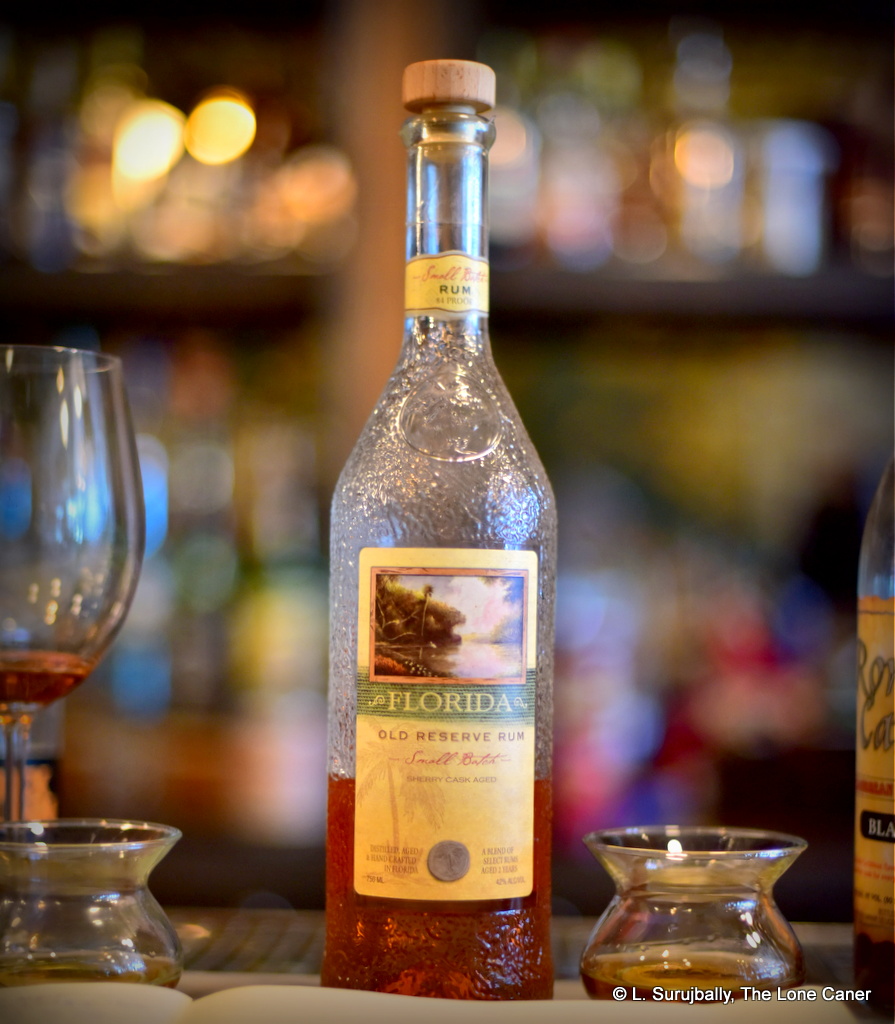
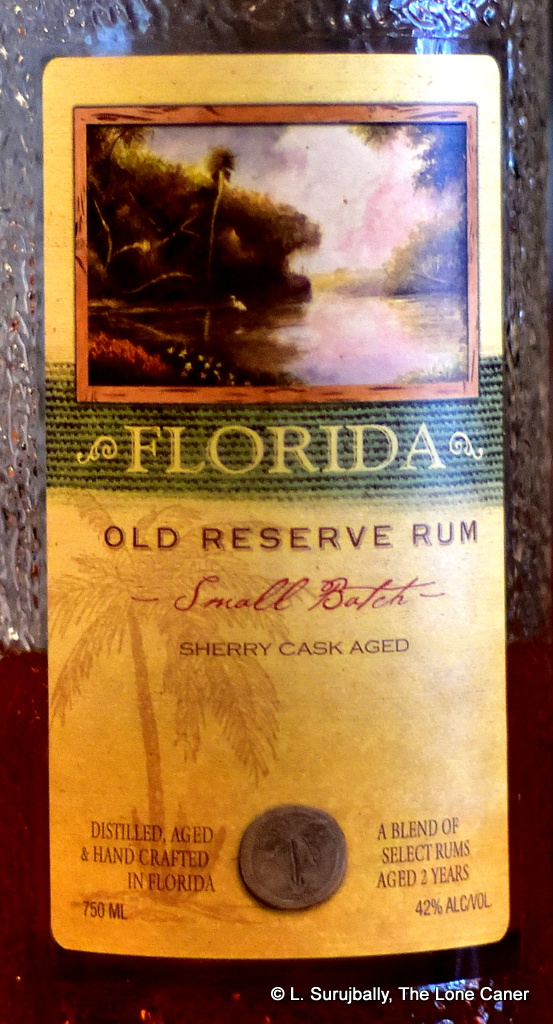 What it is, is a blend of “select rums” aged two years in sherry casks, issued at 42% and gold-coloured. One can surmise that the source of the molasses is the same as the Noxx & Dunn, cane grown in the state (unless it’s in Puerto Rico). Everything else on the front and back labels can be ignored, especially the whole business about being “hand-crafted,” “small batch” and a “true Florida rum” – because those things give the misleading impression this is indeed some kind of artisan product, when it’s pretty much a low-end rum made in bulk from column still distillate; and I personally think is neutral spirit that’s subsequently aged and maybe coloured (though they deny any additives in the rum).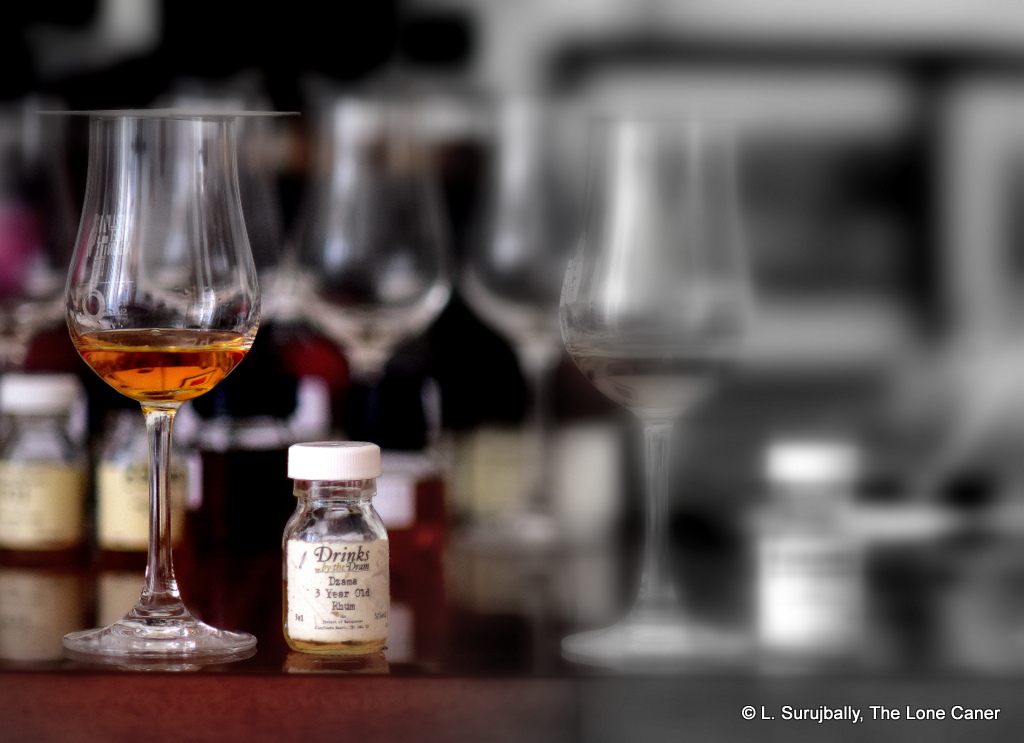
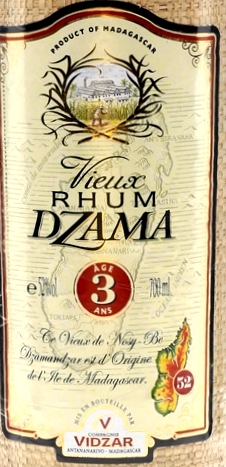 All that said, there isn’t much on the company website about the technical details regarding the 3 year old we’re looking at today. It’s a column still rum, unadded-to, aged in oak barrels, and my sample clocked in at 52%, which I think is an amazing strength for a rum so young – most producers tend to stick with the tried-and-true 40-43% (for tax and export purposes) when starting out, but not these guys.
 Because for the unprepared (as I was), the nose of this rum is edging right up against revolting. It’s raw, rotting meat mixed with wet fruity garbage distilled into your rum glass without any attempt at dialling it down (except perhaps to 40% which is a small mercy). It’s like a lizard that died alone and unnoticed under your workplace desk and stayed there, was then soaked in diesel, drizzled with molten rubber and tar, set afire and then pelted with gray tomatoes. That thread of rot permeates every aspect of the nose – the brine and olives and acetone/rubber smell, the maggi cubes, the hot vegetable soup and lemongrass…everything.
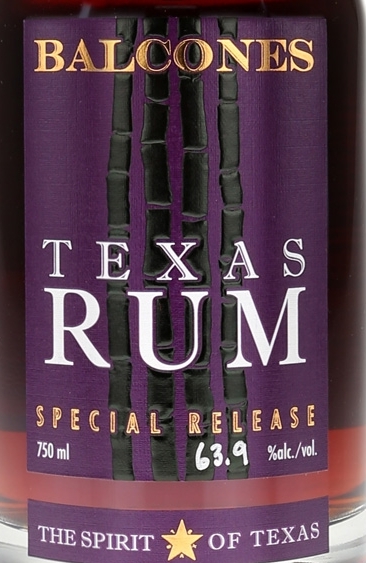 We don’t much associate the USA with cask strength rums, though of course they do exist, and the country has a long history with the spirit. These days, even allowing for a swelling wave of rum appreciation here and there, the US rum market seems to be primarily made up of low-end mass-market hooch from massive conglomerates at one end, and micro-distilleries of wildly varying output quality at the other. It’s the micros which interest me, because the US doesn’t do “independent bottlers” as such – they do this, and that makes things interesting, since one never knows what new and amazing juice may be lurking just around the corner, made with whatever bathtub-and-shower-nozzle-held-together-with-duct-tape distillery apparatus they’ve slapped together.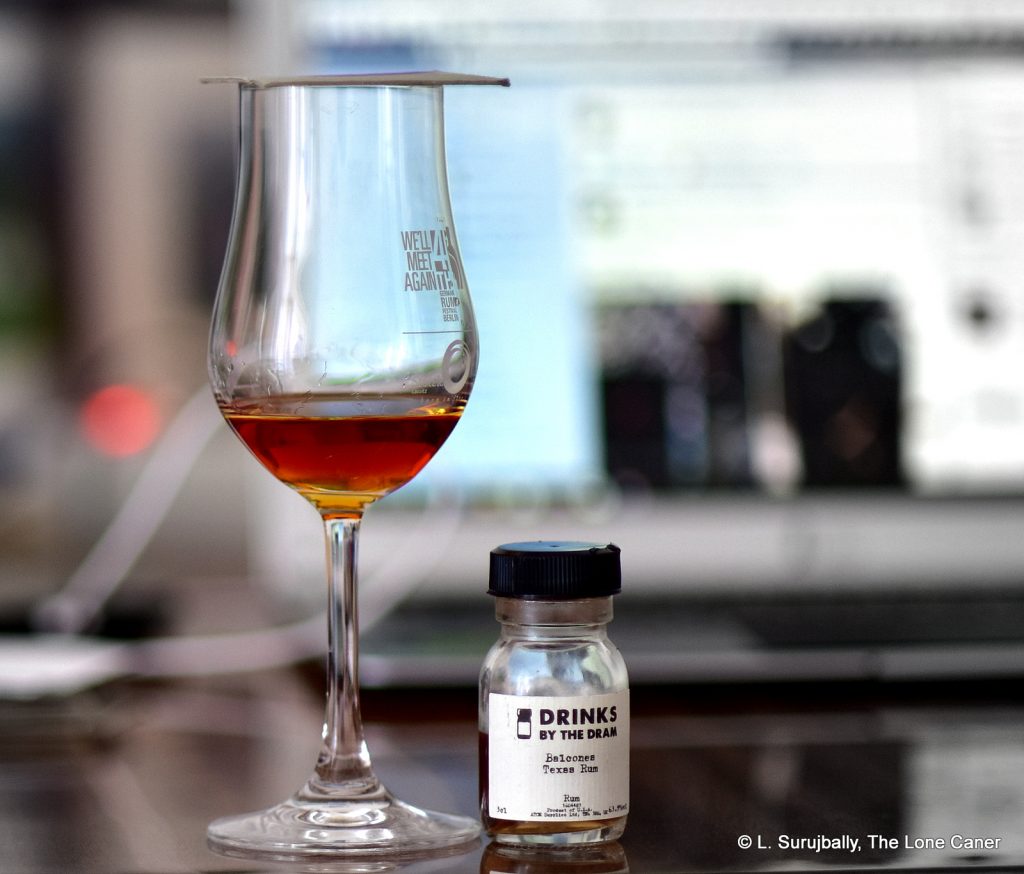
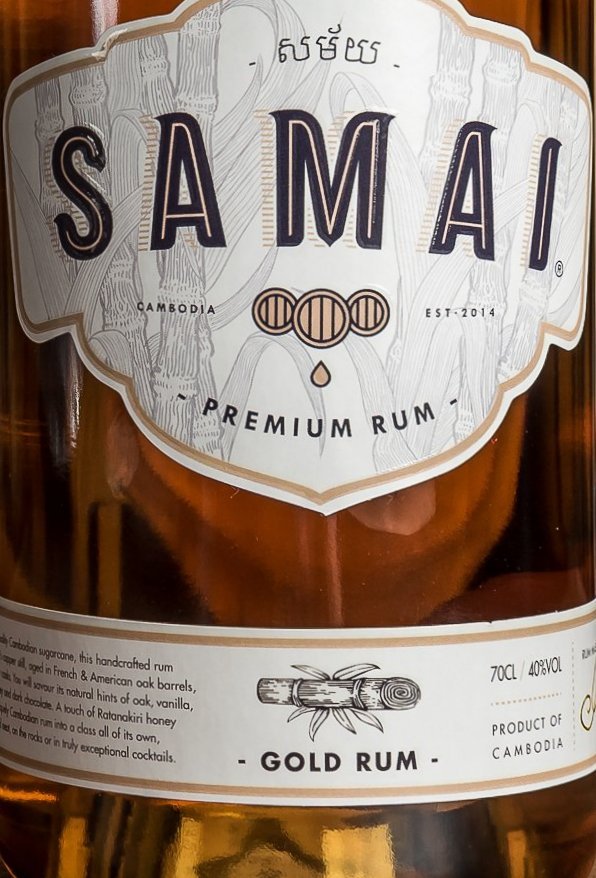 Now here’s an interesting standard-proofed gold rum I knew too little about from a country known mostly for the spectacular temples of Angor Wat and the 1970s genocide. But how many of us are aware that Cambodia was once a part of the Khmer Empire, one of the largest in South East Asia, covering much of the modern-day territories of Thailand, Vietnam, Laos and Viet Nam, or that it was once a protectorate of France, or that it is known in the east as Kampuchea?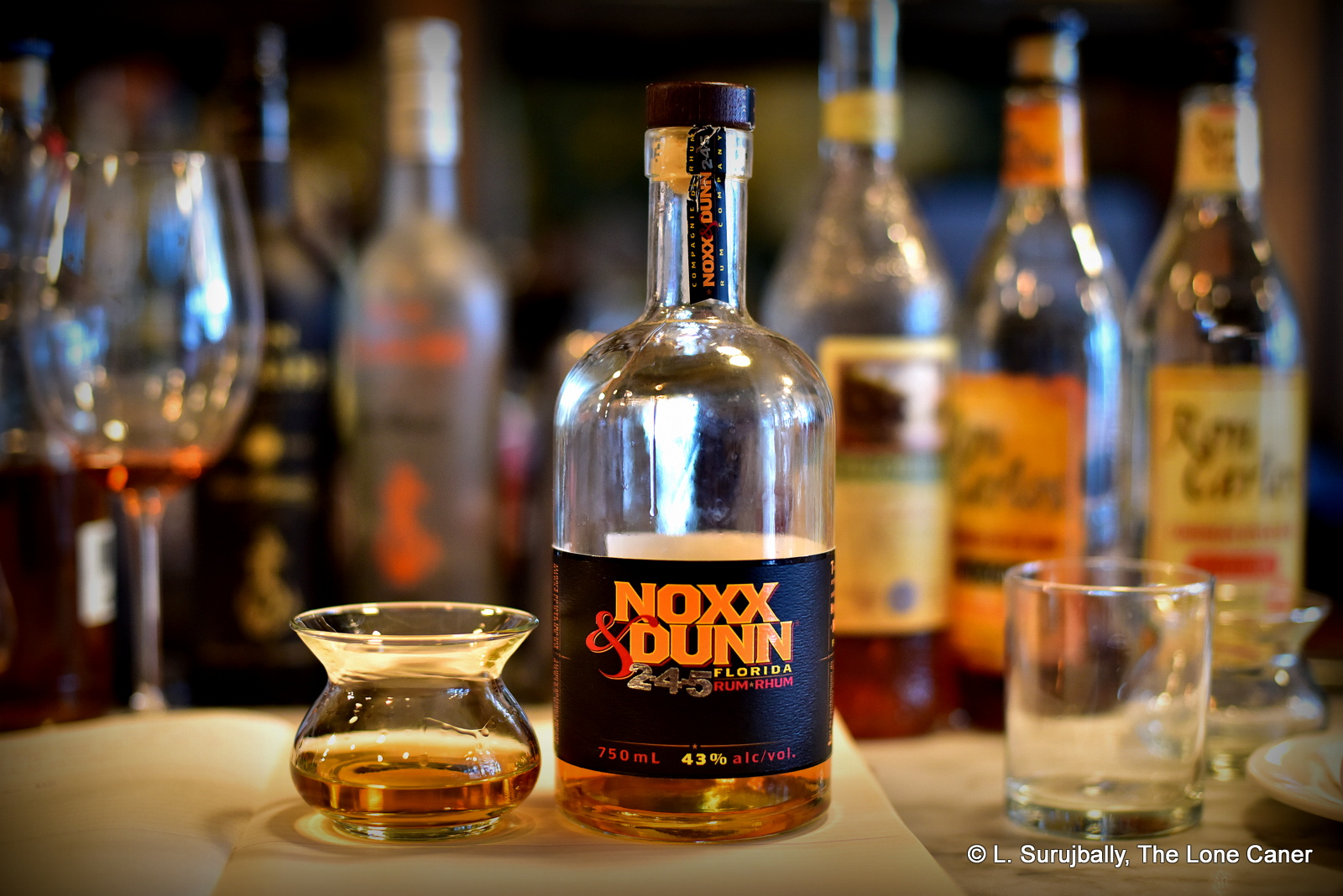
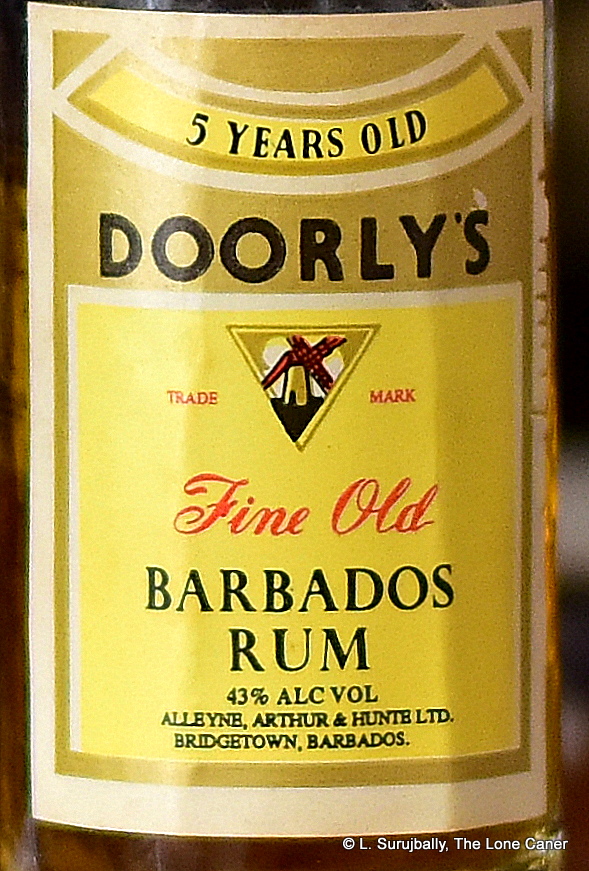 Rumaniacs Review #083 | 0544
 Opinion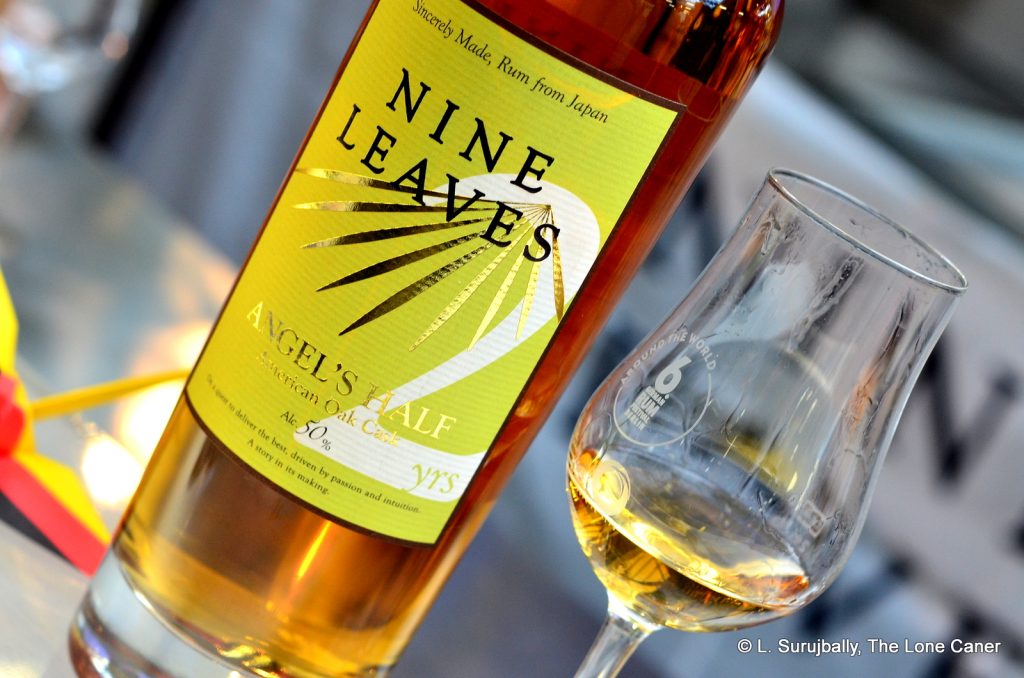
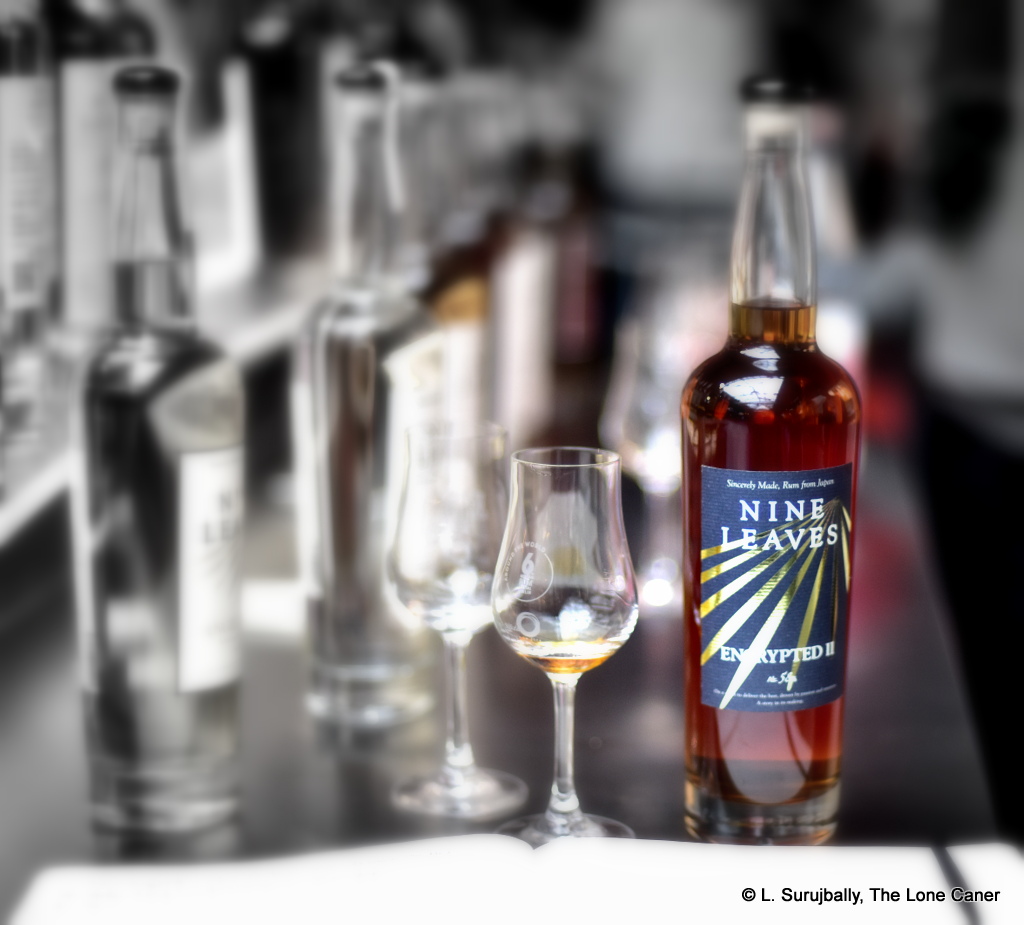
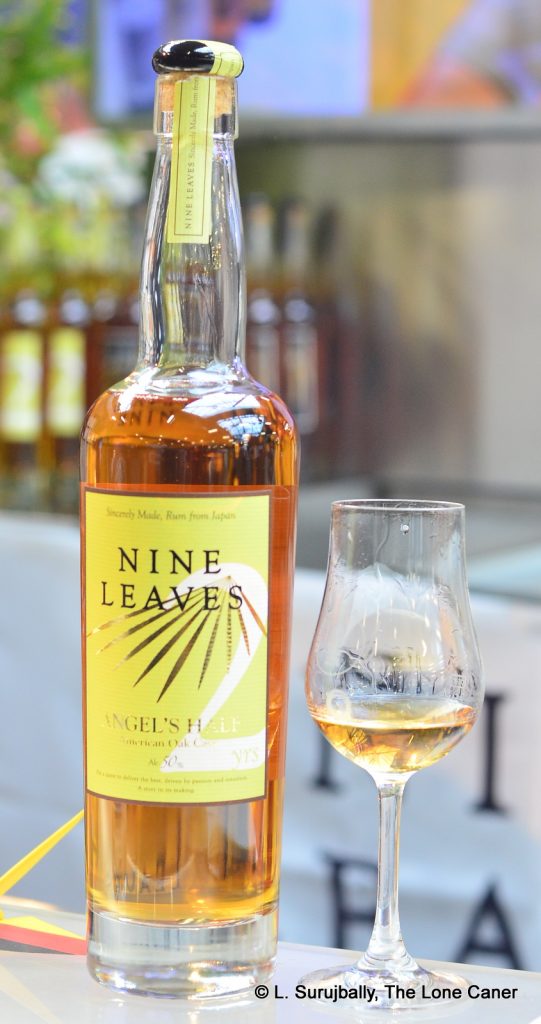 The nose rather interestingly presented hints of a funky kind of fruitiness at the beginning (like a low rent Jamaican, perhaps), while the characteristic clarity and crisp individualism of the aromas such as the other Nine Leaves rums possessed, remained. It was musky and sweet, had some zesty citrus notes, fresh apples, pears and overall had a pleasing clarity about it. Plus there were baking spices as well – nutmeg and cumin and those rounded out the profile quite well.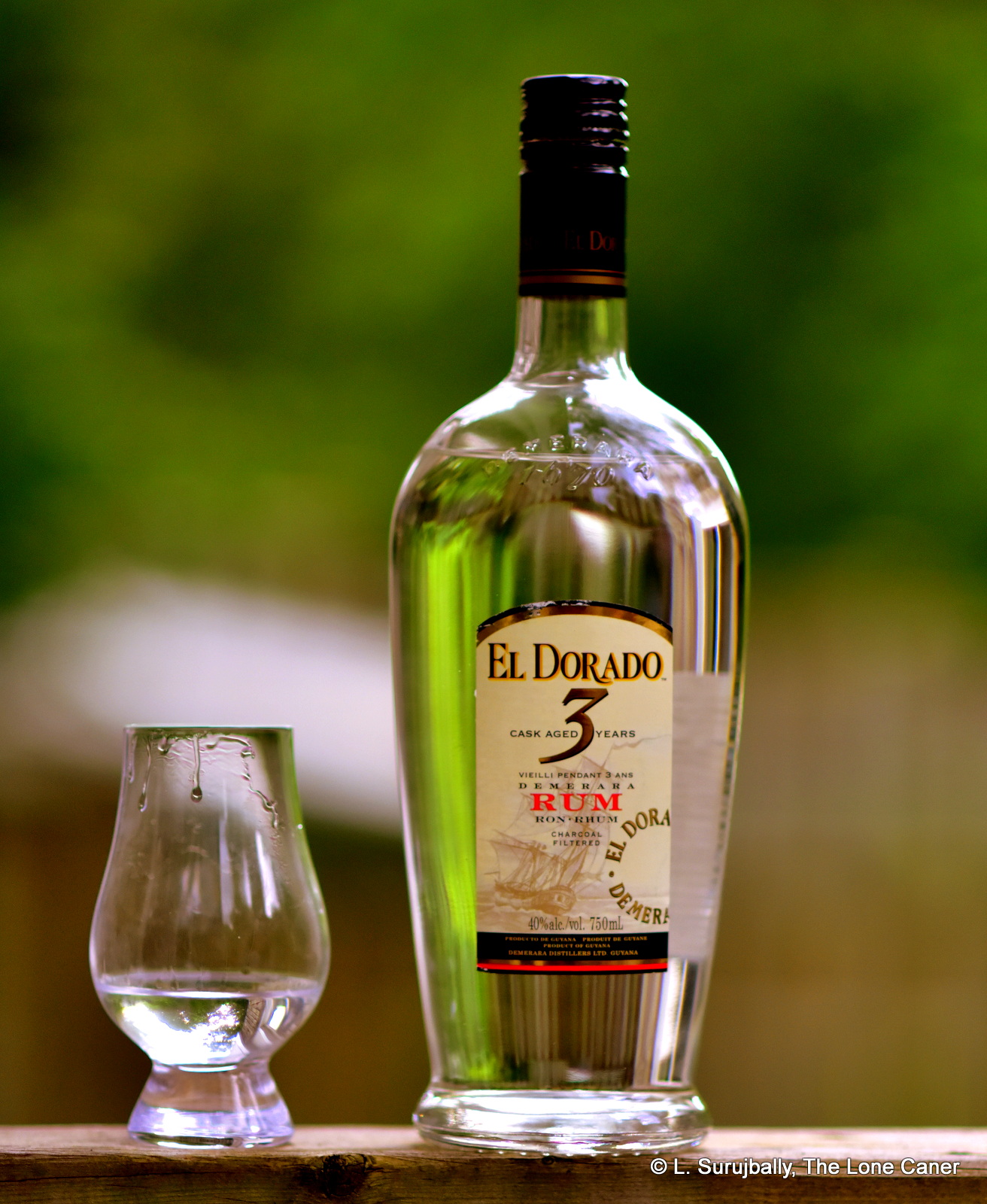
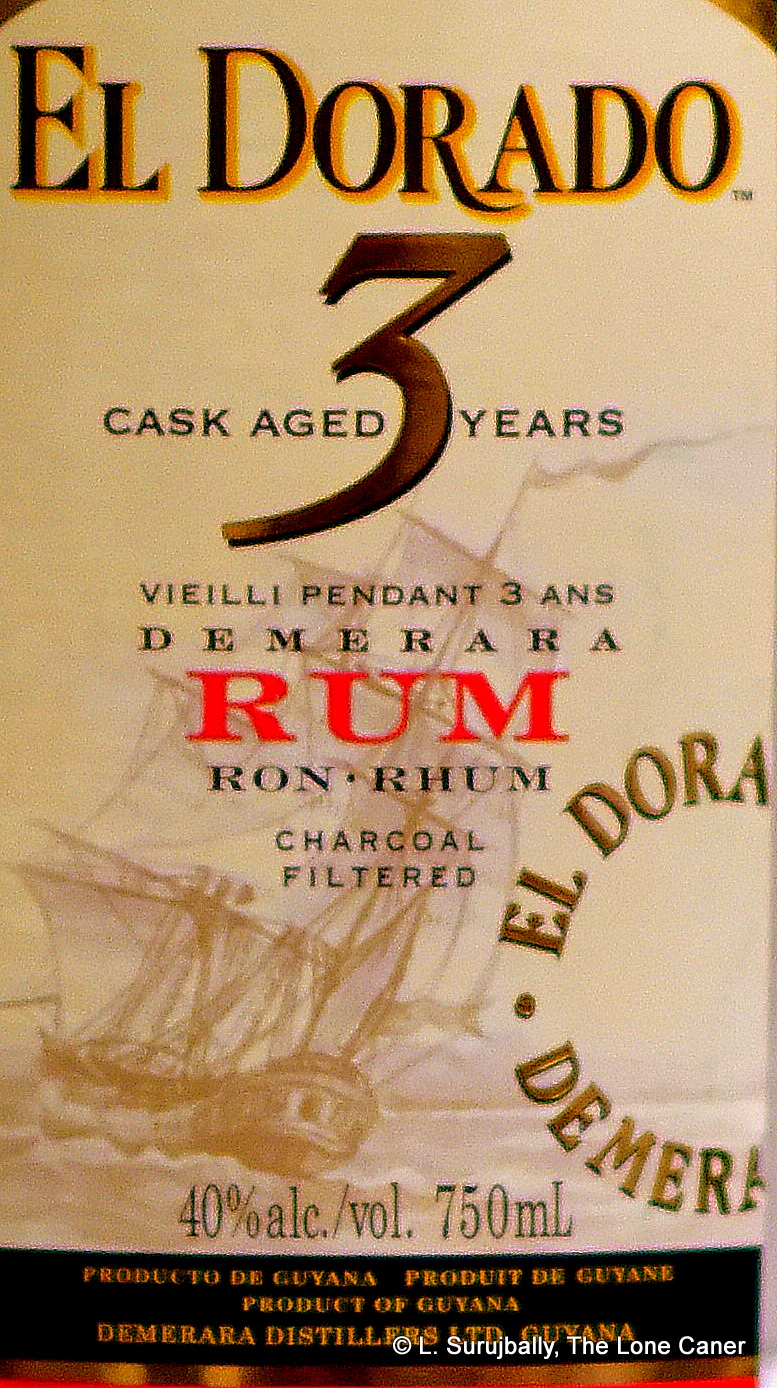 Yeah, 40%. I nearly put the thing back on the shelf just because of that. Just going by comments on FB, there is something of a niche market for well made 45-50% whites which DDL could be colonizing, but it seems that the standard strength rums are their preferred Old Dependables and so they probably don’t want to rock the boat by going higher (yet). I can only shrug, and move on…and it’s a good thing I didn’t ignore the rum, because it presented remarkably well, punching above its weight and dispelling many of my own initial doubts.