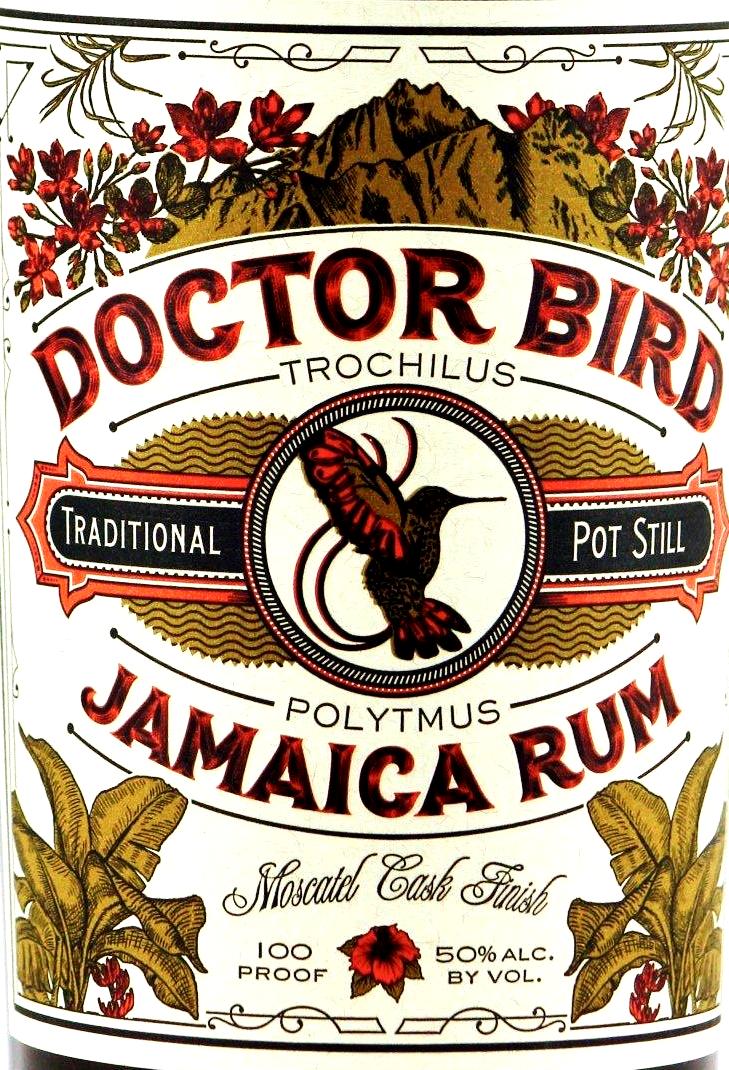
 The strangely named Doctor Bird rum is another company’s response to Smith and Cross, Rum Fire and the Stolen Overproof rum. These are all made or released in the USA (Stolen hails from New Zealand but its rum business is primarily in the US), but the rums themselves come from Jamaica, and there the similarity sort of breaks down, for the Doctor Bird is one of the few from Worthy Park — one of the New Jamaicans which has quietly been gaining its own accolades over the last few years — and not from Hampden or Monymusk or Longpond or Appleton.
The quirky Detroit-based Two James Distillery — whose staff include, variously, an ex-guitar-maker, ex-EMT, ex-Marine and ex-photographer and who state openly and tongue-in-cheek that they have no problems with people stalking them on social media — is a full-fledged distillery, with a 500-gallon (1892 liter) pot still leading the charge. But while they produce gin, rye whiskey, bourbon and vodka on that still, it’s really irrelevant here because – again, like Stolen – they didn’t bother to make any rum themselves but imported some barrels from Worthy Park. This is a departure from most American distillers styling themselves rum makers, many of whom seem to think that if they have a still they can produce anything (and are at pains to demonstrate it), but few of whom ever think of buying another country’s spirit as Stolen and Two James have.
That aside, moving on: Worthy Park you say? Okay. What else? Pot still, of course, 50% ABV, so that part is good. Hay yellow. It’s finished in moscatel sherry casks, and that kinda-sorta bothers me, since I retain bad-tempered memories of an over-finished Legendario that was well-nigh undrinkable because of it – though here, given the zero reading on a hydrometer, it’s more likely the finishing was a short one, and not in wet casks.
Certainly the sherry influence seemed to be AWOL on initial sniffing, because my first dumbfounded note-to-self was wtf is this? Salt wax bomb just went off in the glass. Sharp funk is squirting left and right, acetones, furniture polish, rotting bananas, a deep dumpster dive behind an all night take-out joint. Harshly, greasily pungent is as good as any to describe the experience. Oh and that’s just for openers. It gives you kippers and saltfish, the sweet salt of olive oil, varnish, paint thinner. Thank God the fruits come in to save the show: sharp nettlesome, stabbing, tart unripe green bastards, to be sure – gooseberries, five finger, green mangoes, soursop, apples, all nose-puckering and outright rude. But overall the sensation that remains on the nose is the brine and rotting fruits, and I confess to not having been this startled by a rum since my initial encounter with the clairins and the Paranubes.
Thankfully, much of the violence which characterizes the nose disappears upon a cautious tasting, transmuted by some obscure alchemy into basic drinkability. It stays sharp, but now things converge to a sort of balance of sweet and salt (not too much of either), crisp and more fruity than before. There’s wood chips, sawdust, varnish, glue, retreating to a respectable distance. Sweet soya sauce, vegetable soup, dill and ginger, gherkins in a sweet vinegar, followed by a parade of crisp fruitiness. Pineapple, lemon peel, gooseberries, green apples, all riper than the nose had suggested they might be, and the finish, relatively swift, is less than I would have expected — and simpler — given the stabbing attack of the nose. It provides salt, raisins, the citric spiciness of cumin and dill, exhaled some last fruity notes and then disappears.
Well now, what to make of this? If, as they say, it was finished in a sherry cask, all I can say is too little of that made it through. The light sweet muskiness is there, just stays too far in the background to be considered anything but a very minor influence, and aside from some fruity notes (which could just as easily come from the rum’s own esters), the sherry didn’t habla. Maybe it’s because those Jamaican rowdies from the backdam kicked down the door and stomped it flat, who knows? The strength is perfect for what it is – stronger, and morgues might have filled up with expired rum drinkers, but weaker might not have exhibited quite as much badass.
I think the challenge with the rum, for people now getting into Jamaicans (especially the New ones, who like their pot stills and funky junk dialled up to “11” ) might be to get past the aromas, the nose, and how that impacts what is tasted (a good example of how polarizing the rum is, is to check out rumratings’ comments, and those on Tarquin’s sterling reddit review. This is a rum that needs to be tried carefully because to the unprepared it might just hit them between the eyes like a Louisville Slugger. Personally I think a little more ageing or a little more finishing might have been nice, just to round things out and sand the rough edges off a shade more – this is, after all, not even a six year old rum, but a blend of pot still rums of which a 6YO is the oldest. And those high-funk, ester-sporting bad boys need careful handling to reach their full potential.
The Jamaicans have been getting so much good press of late – especially Hampden and WP – but the peculiarity of this fame is that it has led to the belief that anyone can just buy a barrel or ten from them, bottle the result and voila! – instant sold-out. Yeah, but no. Not quite. Not always. And no, not here.
(#703)(83/100)
Other Notes
- “Doctor Bird” is not a person, and is not supposed to be “Dr. Bird.” It is, in fact, the national bird of Jamaica, a swallow-tail humming bird, only found there. Folklore has it that it was named because of the resemblance of its black crest and long bifurcated tail to the top hat and tails worn by country doctors back in the old days.
- Big hat tip to Cecil Ramotar, ex-QC part-time rum-junkie, who made sure I got a sample of the rum to try.
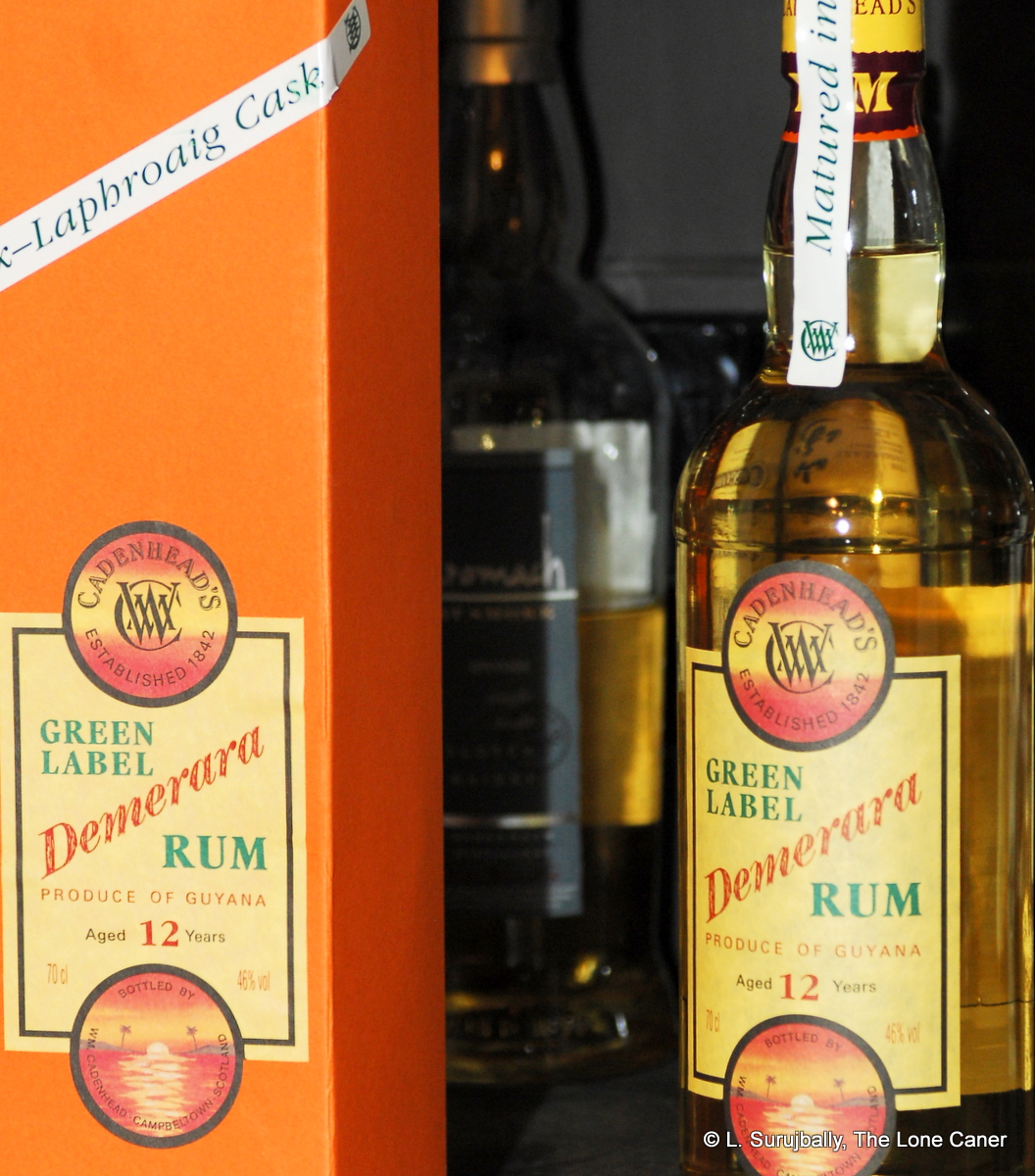
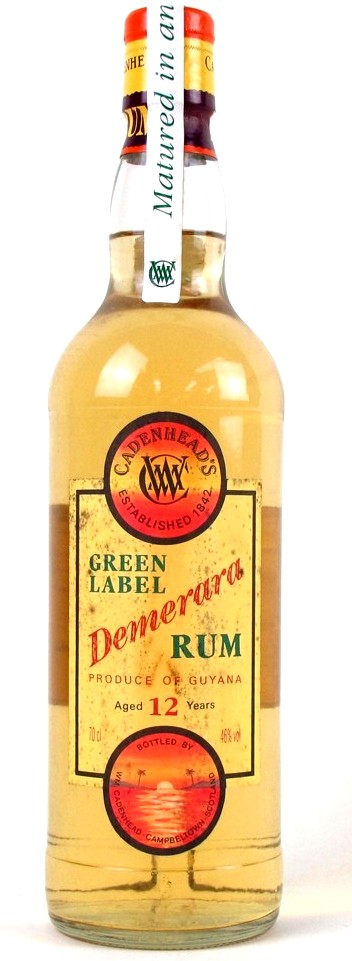 Anyway, this was a 12 year old, continentally-aged Guyanese rum (no still is mentioned, alas), of unknown outturn, aged 12 years in Laphroaig whisky casks and released at the 46% strength that was once a near standard for rums brought out by
 Palate – Even if they didn’t say so on the label, I’d say this is almost completely Guyanese just because of the way all the standard wooden-still tastes are so forcefully put on show – if there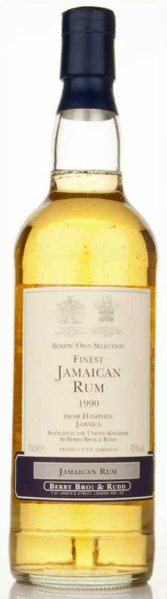

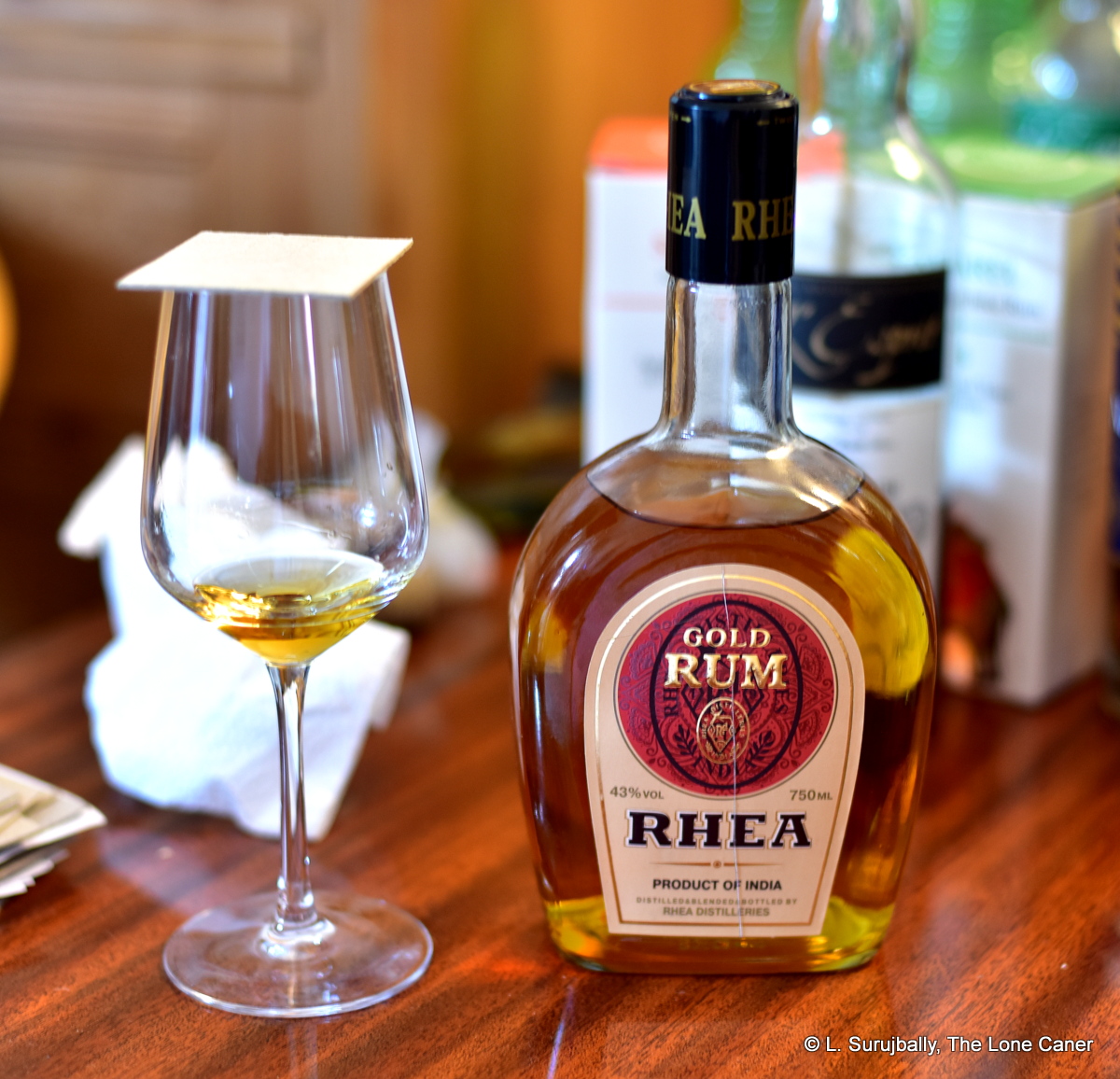
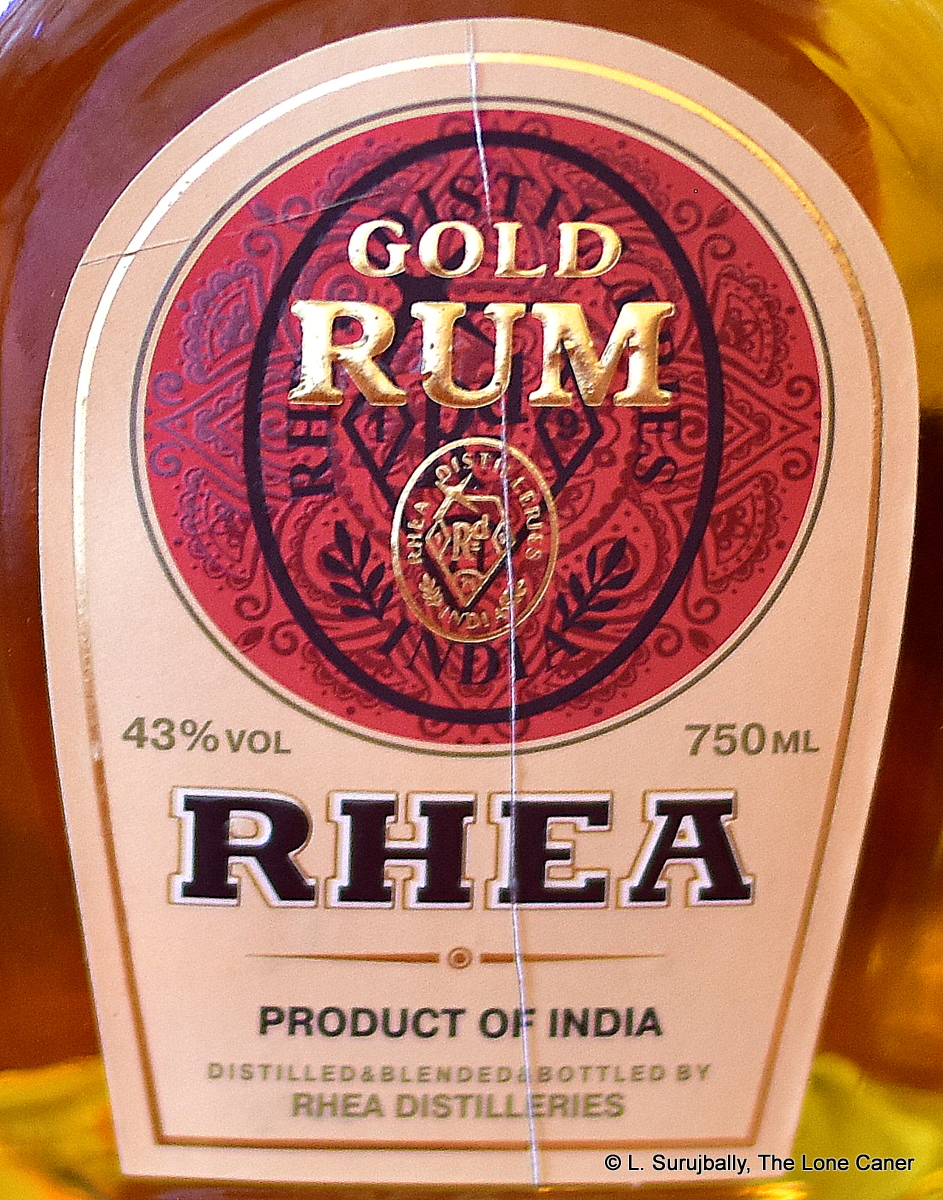 Light amber in colour and bottled at 43%, it certainly did not nose like your favoured Caribbean rum. It smelled initially of congealed honey and beeswax left to rest in an old unaired cupboard for six months – that same dusty, semi-sweet waxy and plastic odour was the most evident thing about it. Letting it rest produced additional aromas of brine, olives and ripe mangoes in a pepper sauce. Faint vanilla and caramel – was this perhaps made from jaggery, or added to after the fact? Salty cashew nuts, fruit loops cereal and that was most or less it – a fairly heavy, dusky scent, darkly sweet.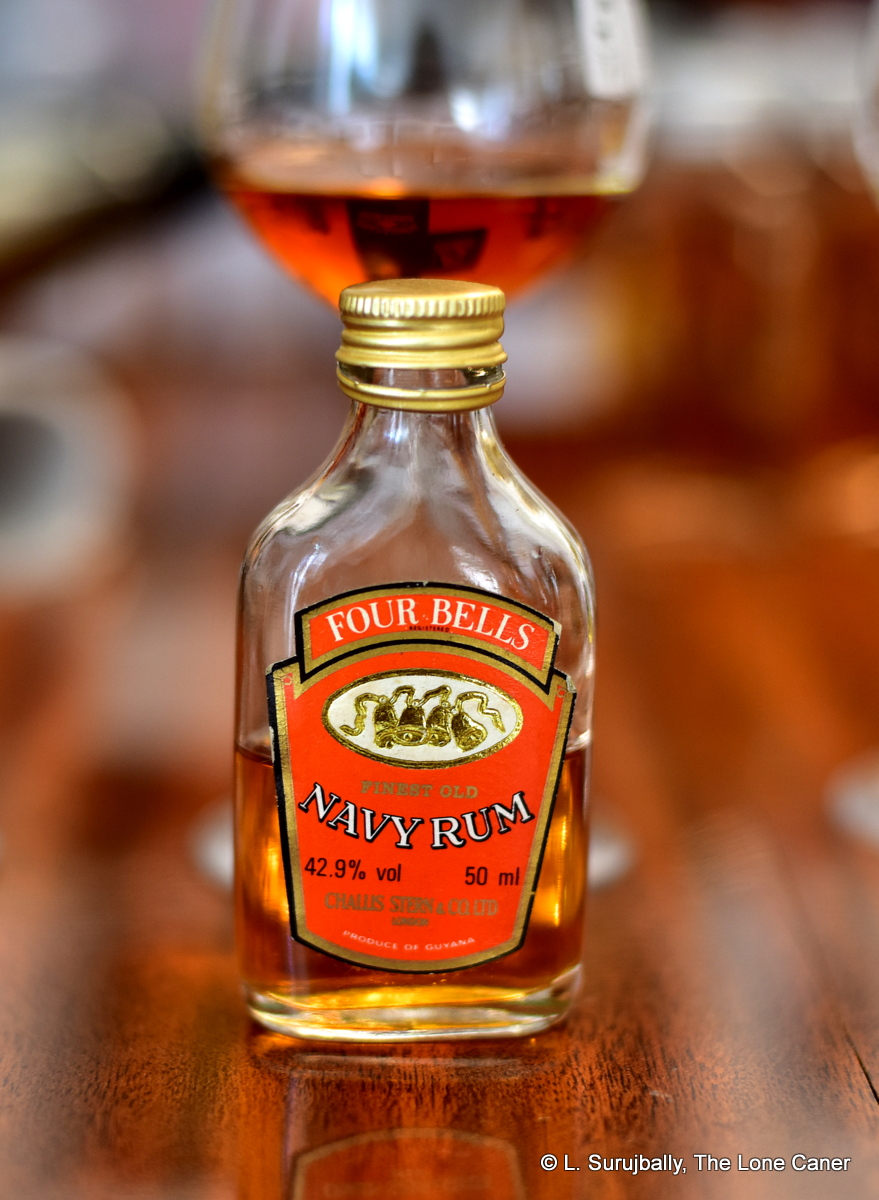
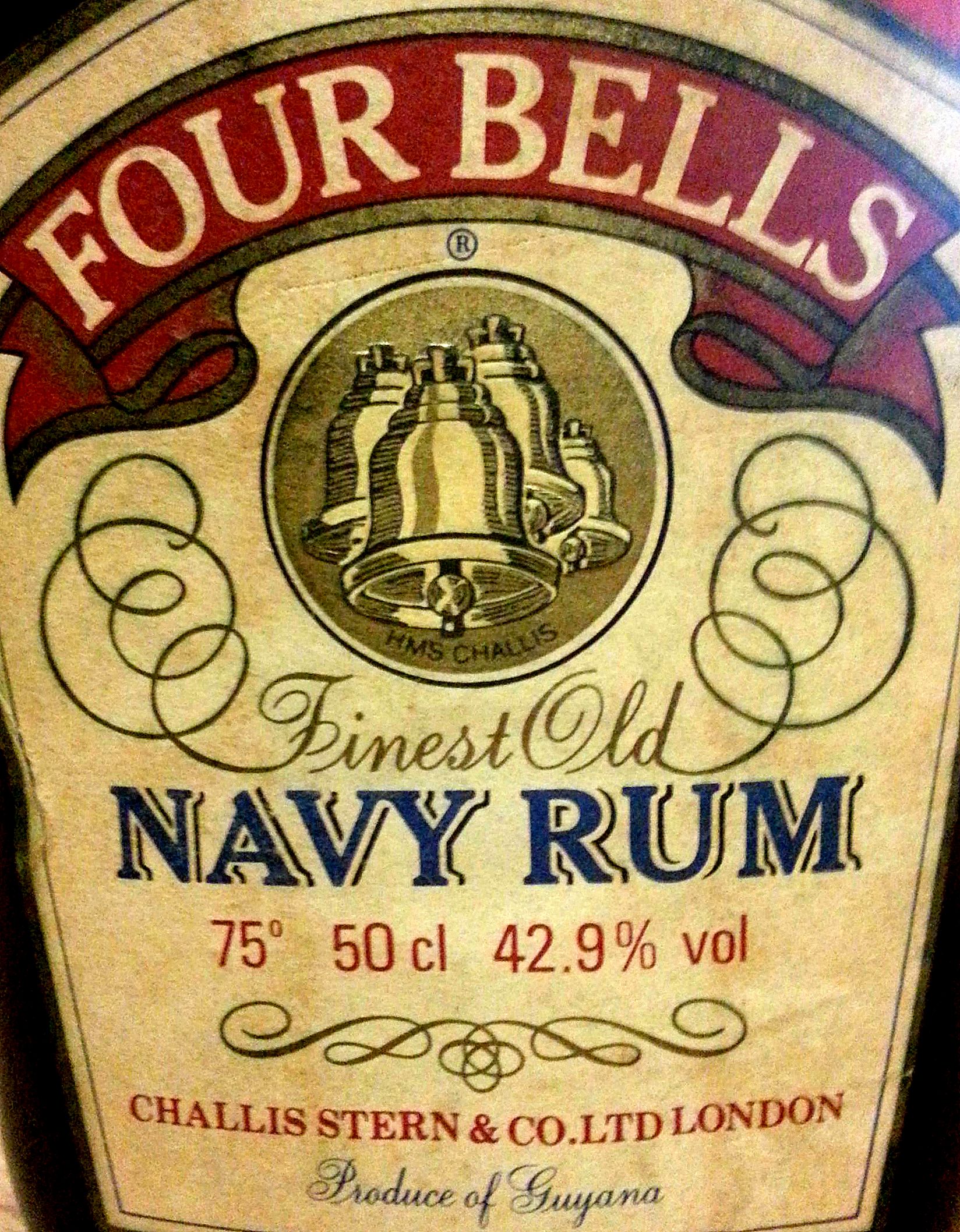
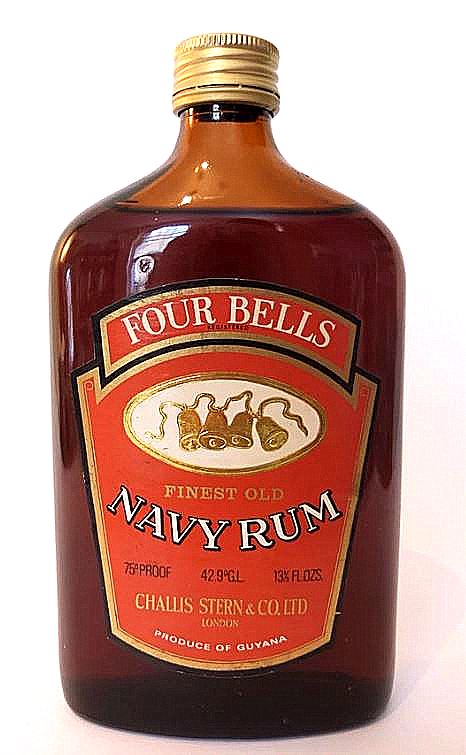
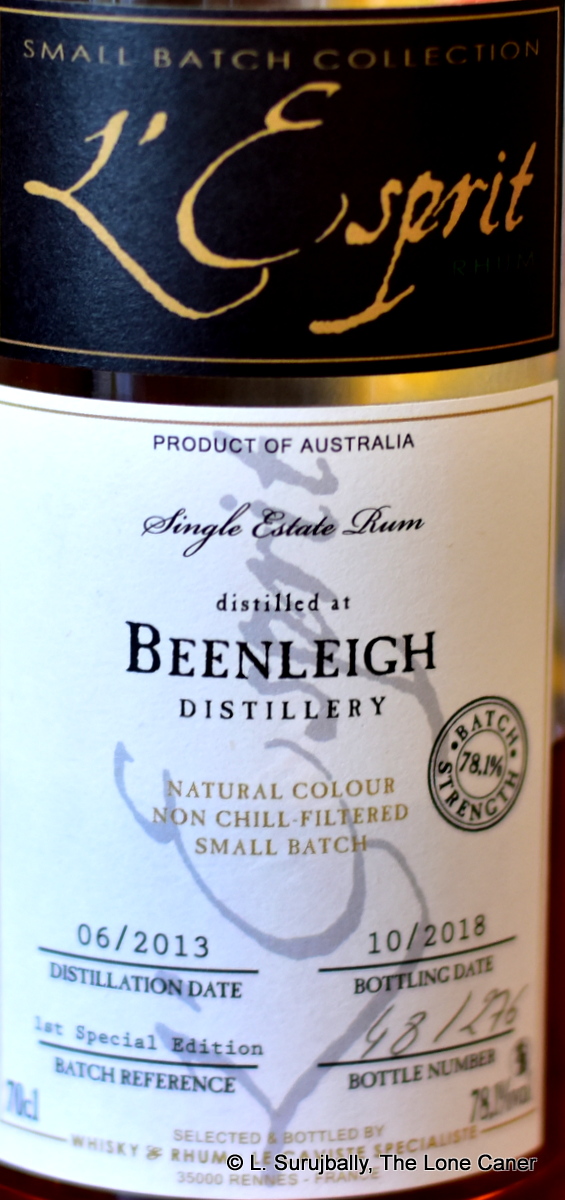
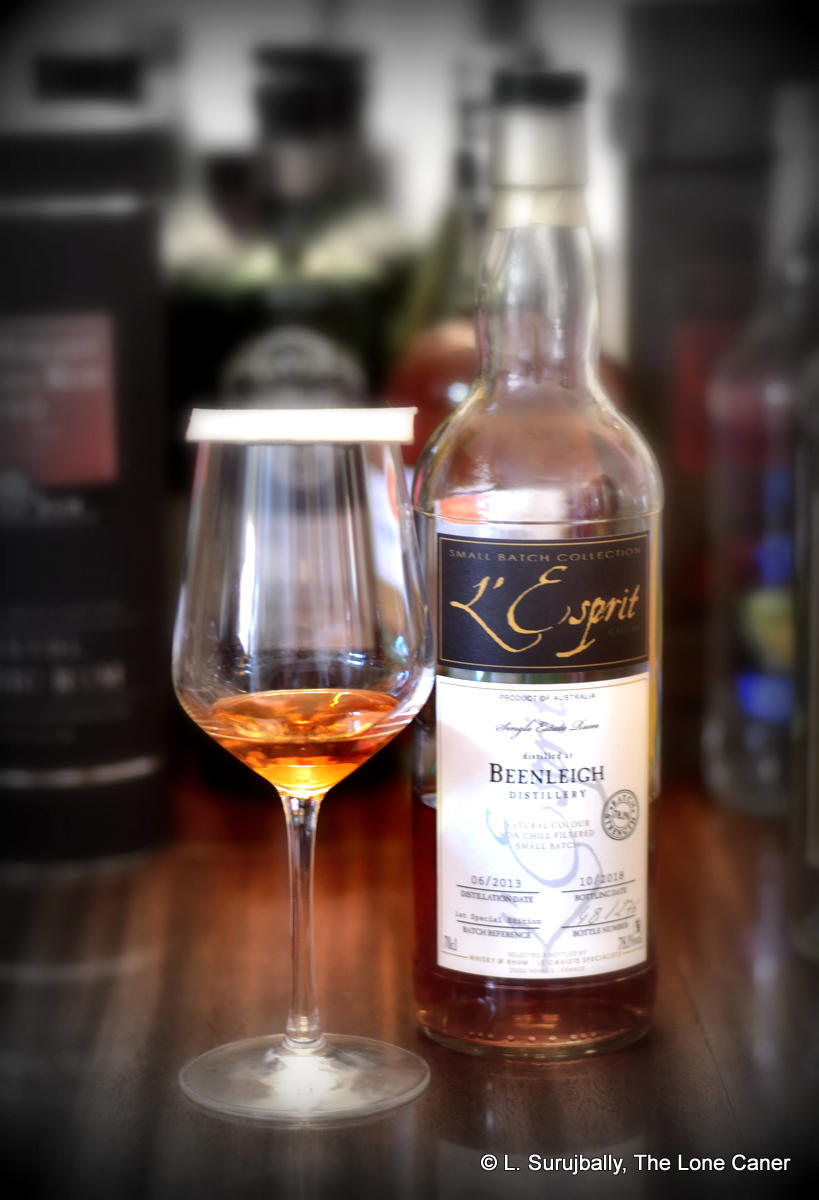 The French-bottled, Australian-distilled Beenleigh 5 Year Old Rum is a screamer of a rum, a rum that wasn’t just released in 2018, but unleashed. Like a mad roller coaster, it careneed madly up and down and from side to side, breaking every rule and always seeming just about to go off the rails of taste before managing to stay on course, providing, at end, an experience that was shattering — if not precisely outstanding.
 I still remember how unusual the
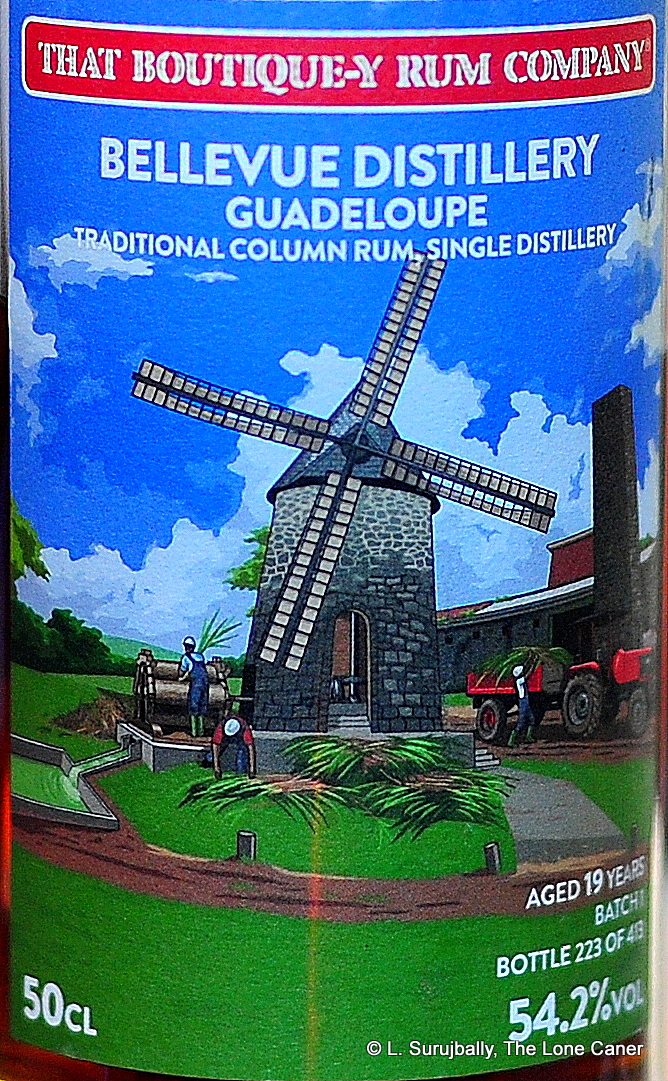 Take this one, which proves that TBRC has a knack for ferreting out good barrels. It’s not often you find a rum that is from the French West Indies aged beyond ten years — Neisson’s been making a splash recently with its 18 YO, you might recall, for that precise reason. To find one that’s a year older from Guadeloupe in the same year is quite a prize and I’ll just mention it’s 54.2%, aged seven years in Guadeloupe and a further twelve in the UK, and outturn is 413 bottles. On stats alone it’s the sort of thing that makes my glass twitch.
 Guadeloupe rums in general lack something of the fierce and stern AOC specificity that so distinguishes Martinique, but they’re close in quality in their own way, they’re always good, and frankly, there’s something about the relative voluptuousness of a Guadeloupe rhum that I’ve always liked. Peter sold me on the quality of the
 Nose – Quite a bit different from the strongly focussed Demerara profile of the Navy 70º we looked at before – had the label not been clear what was in it, I would have not guessed there was any Jamaican in here. The wooden stills profile of Guyana is tamed, and the aromas are prunes, licorice, black grapes and a light brininess. After a while some salt caramel ice cream, nougat, toffee and anise become more evident. Sharp fruits are held way back and given the absence of any kind of tarriness, I’d hazard that Angostura provided the Trinidadian component.
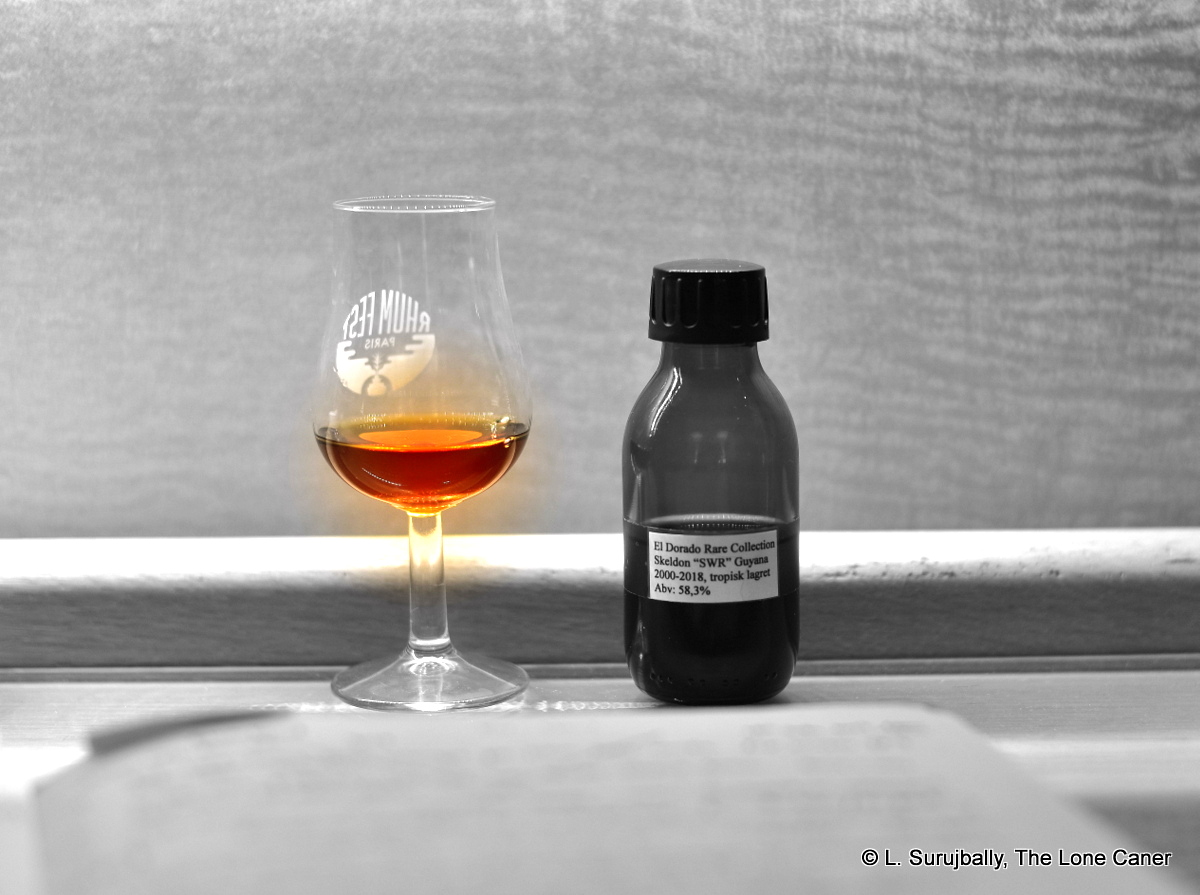
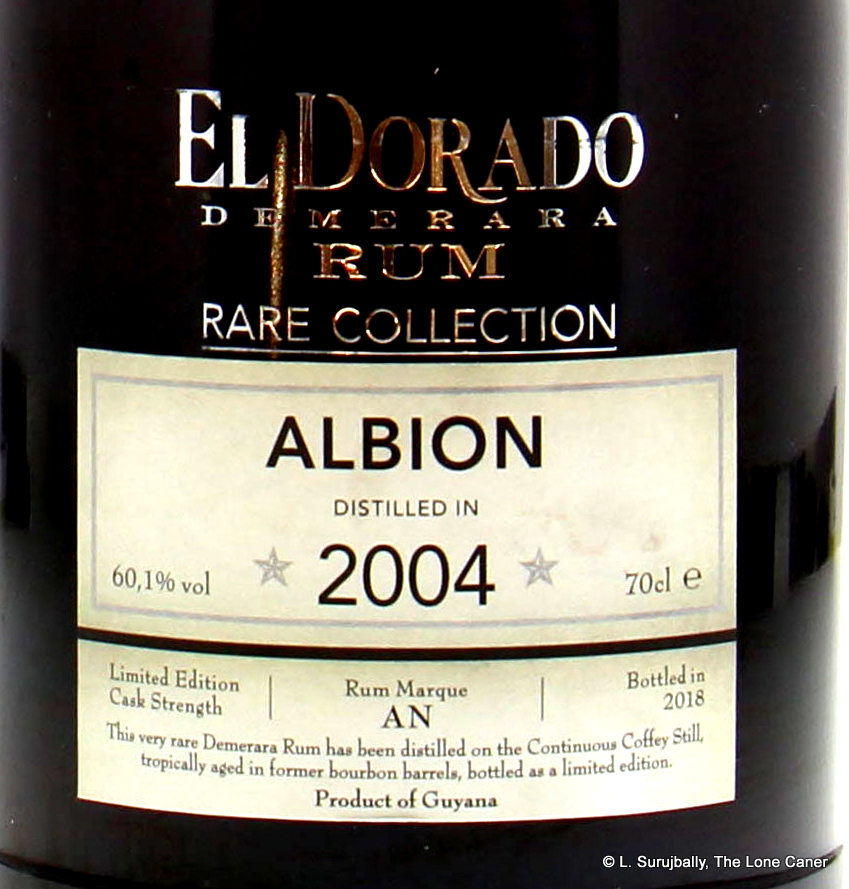
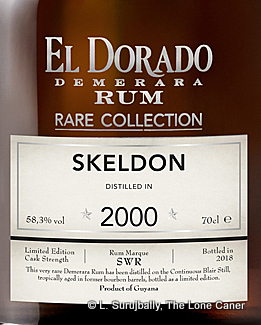 Its standout aspect was how smooth it came across when tasted. As with the Albion we looked at before, the rum didn’t profile like anywhere near its true strength, was warm and firm and tasty, trending a bit towards being over-oaked and ever-so-slightly too tannic. But those powerful notes of unsweetened cooking chocolate, creme brulee, caramel, dulce de leche, molasses and cumin mitigated the wooden bite and provided a solid counterpoint into which subtler marzipan and mint-chocolate hints could be occasionally noticed, flitting quietly in and out. The finish continued these aspects while gradually fading out, and with some patience and concentration, port-flavoured tobacco, brown sugar and cumin could be discerned.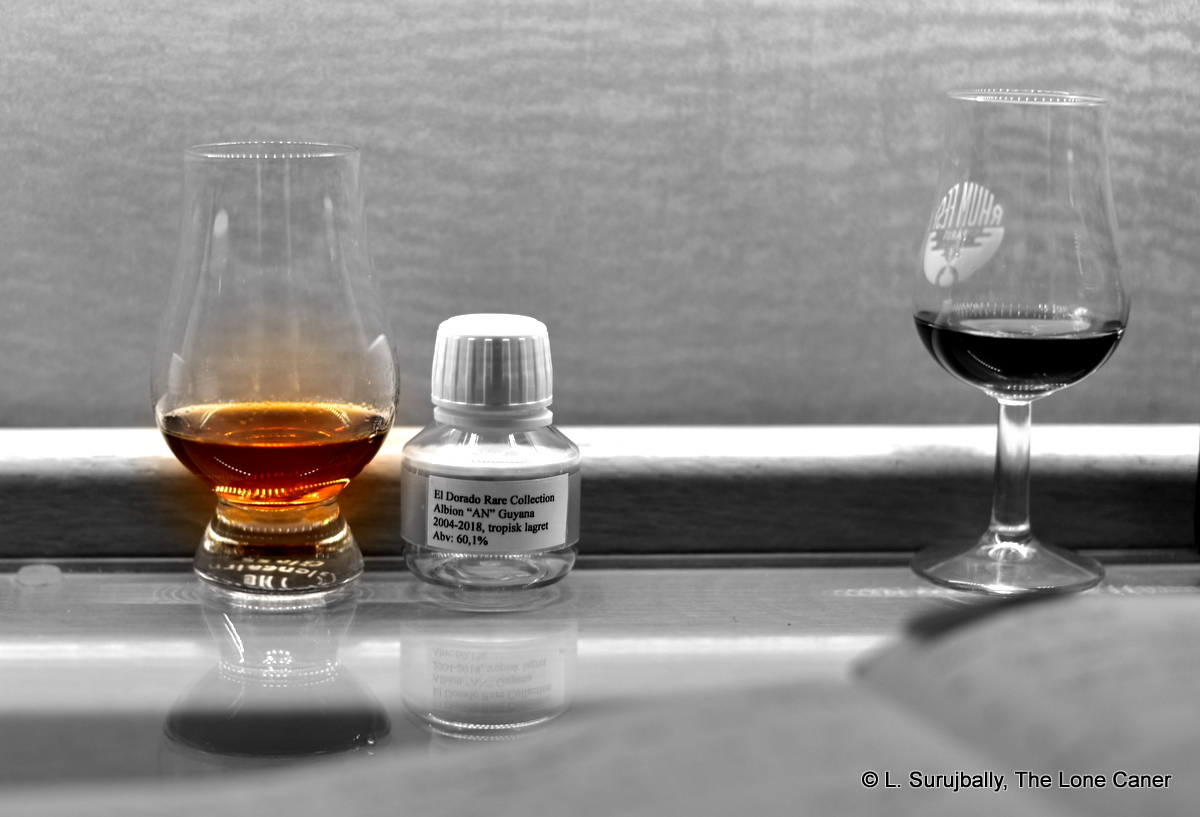
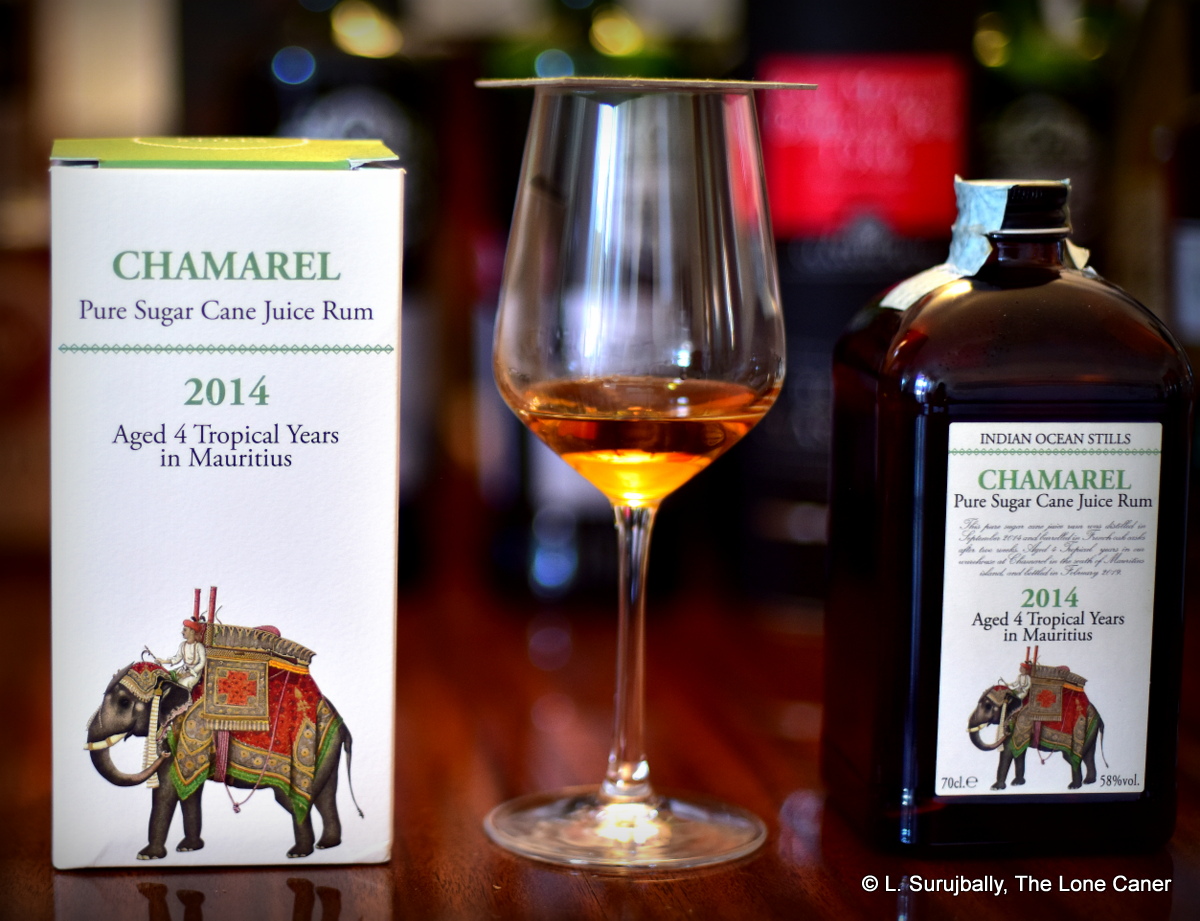
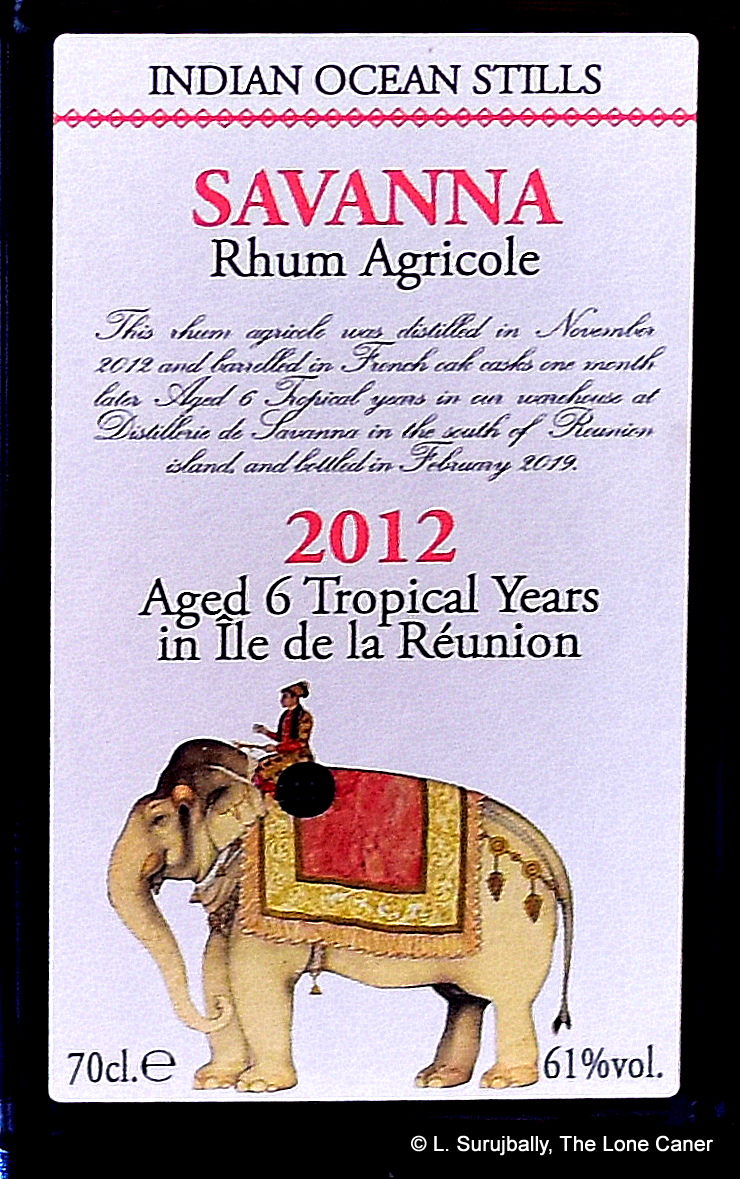
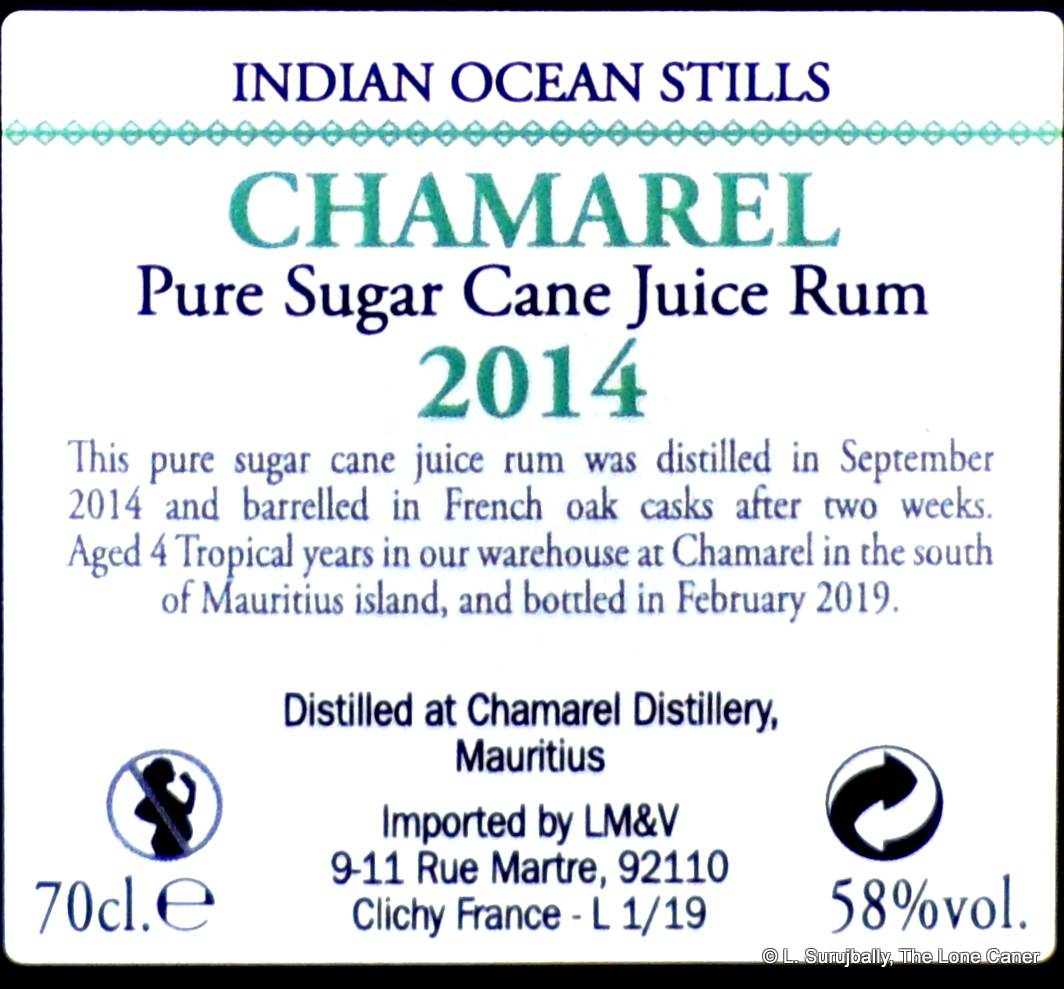 Brief stats: a 4 year old rum distilled in September 2014, aged in situ in French oak casks and bottled in February 2019 at a strength of 58% ABV. Love the labelling and it’s sure to be a fascinating experience not just because of the selection by Velier, or its location (we have tried few rums from there though those
 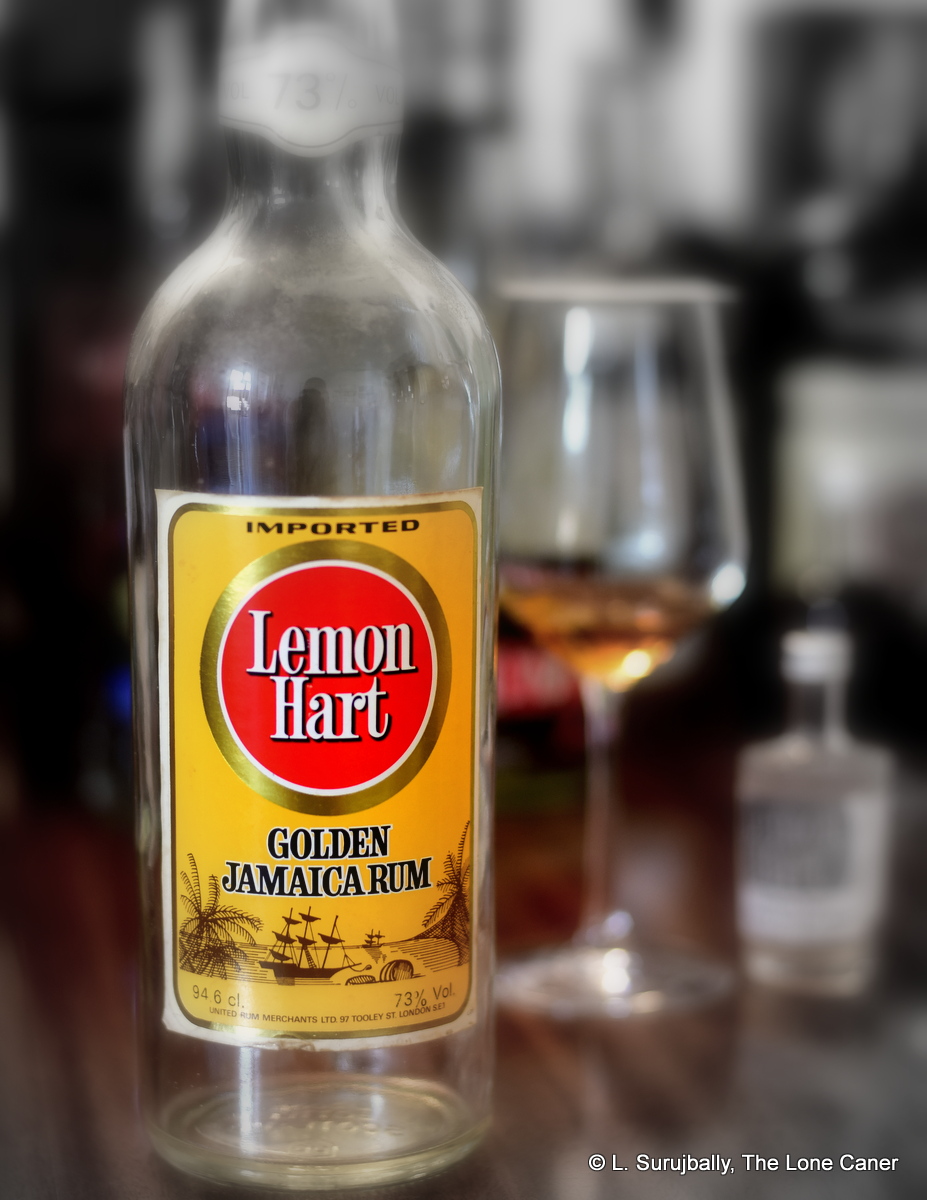 Rumaniacs Review #107 | R-0688
 Palate – Waiting for this to open up is definitely the way to go, because with some patience, the bags of funk, soda pop, nail polish, red and yellow overripe fruits, grapes and raisins just become a taste avalanche across the tongue. It’s a very solid series of tastes, firm but not sharp unless you gulp it (not recommended) and once you get used to it, it settles down well to just providing every smidgen of taste of which it is capable.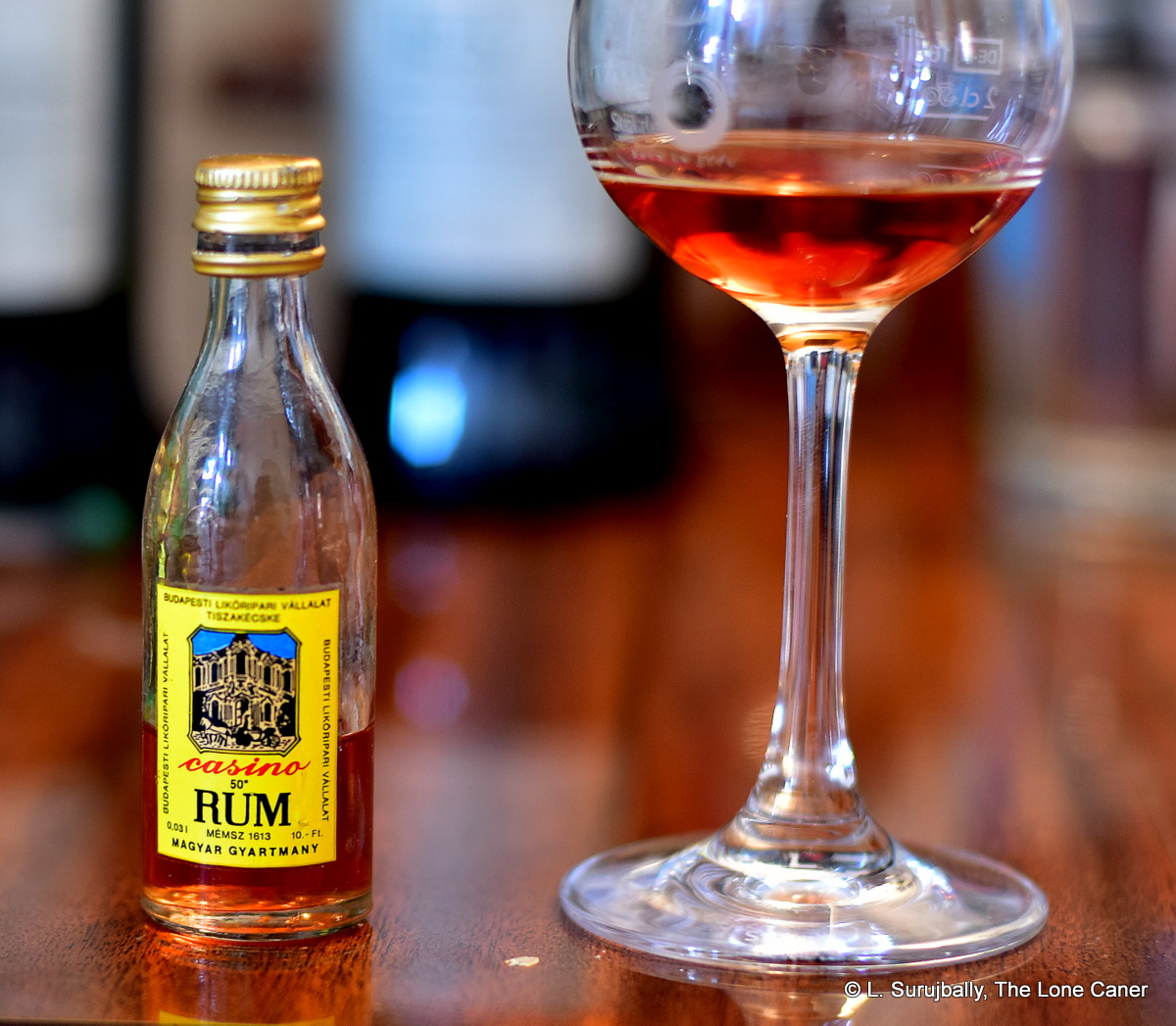
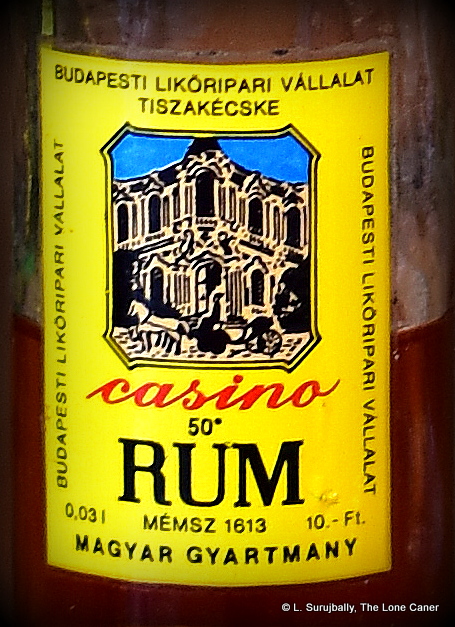 If we accept these data points, then of course the Casino is not, by all current definitions, a rum, and in point of fact, the entry might just as easily be listed in the Rumaniacs page since this version is no longer being made — the word “rum” was either replaced by “room” or dropped completely from the label when Hungary joined the EU in 2004, and that suggests a manufacture for the product I tasted of around 1988-2003 which actually makes it a heritage rum entry, but what the hell.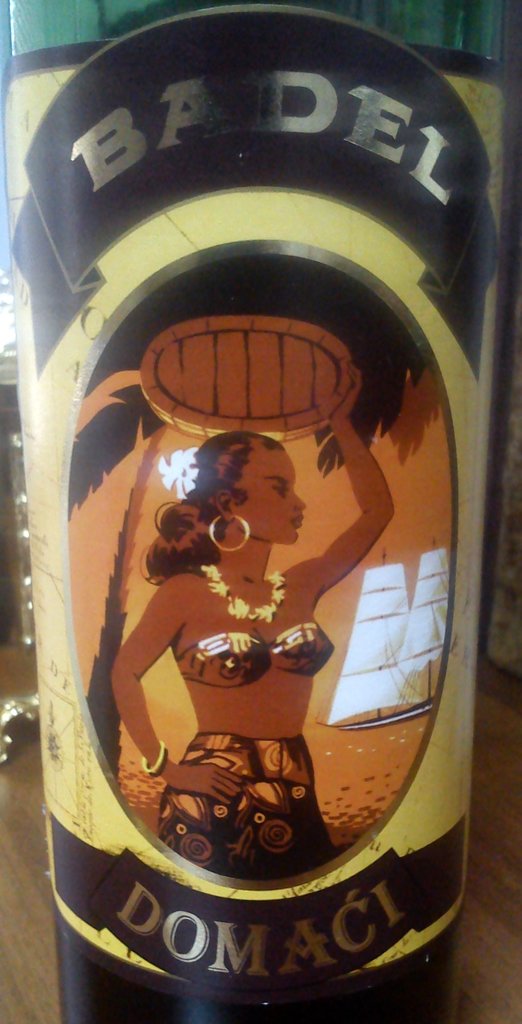
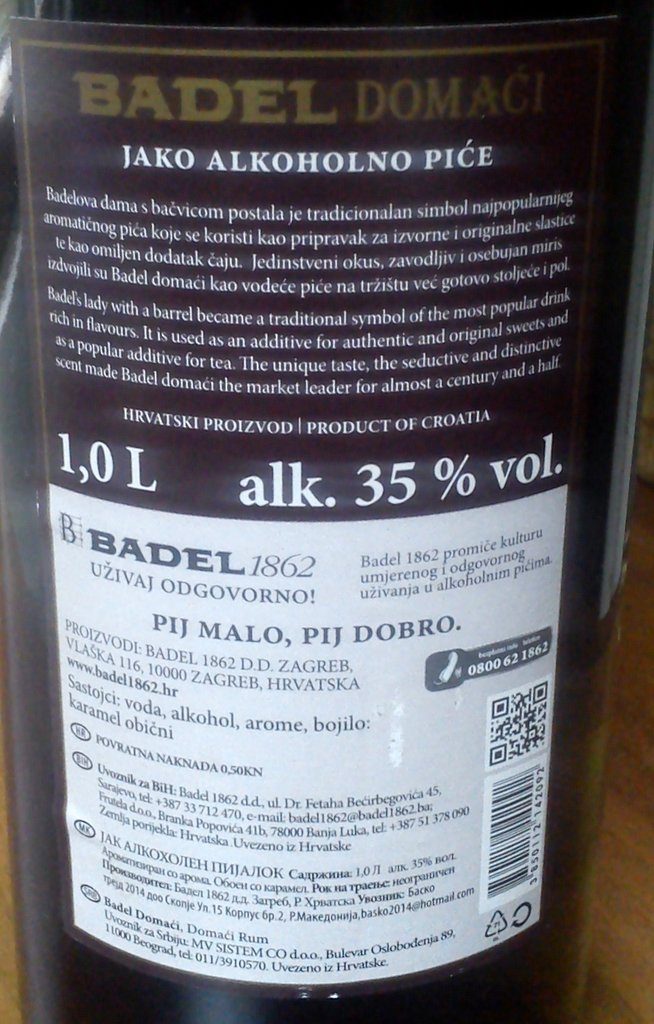 Unsurprisingly it’s mostly for sale in the Balkans — Bosnia-Herzegovina, Croatia, Serbia, with outliers in Germany — and has made exactly zero impact on the greater rum drinking public in the West. Wes briefly touched on it with a review of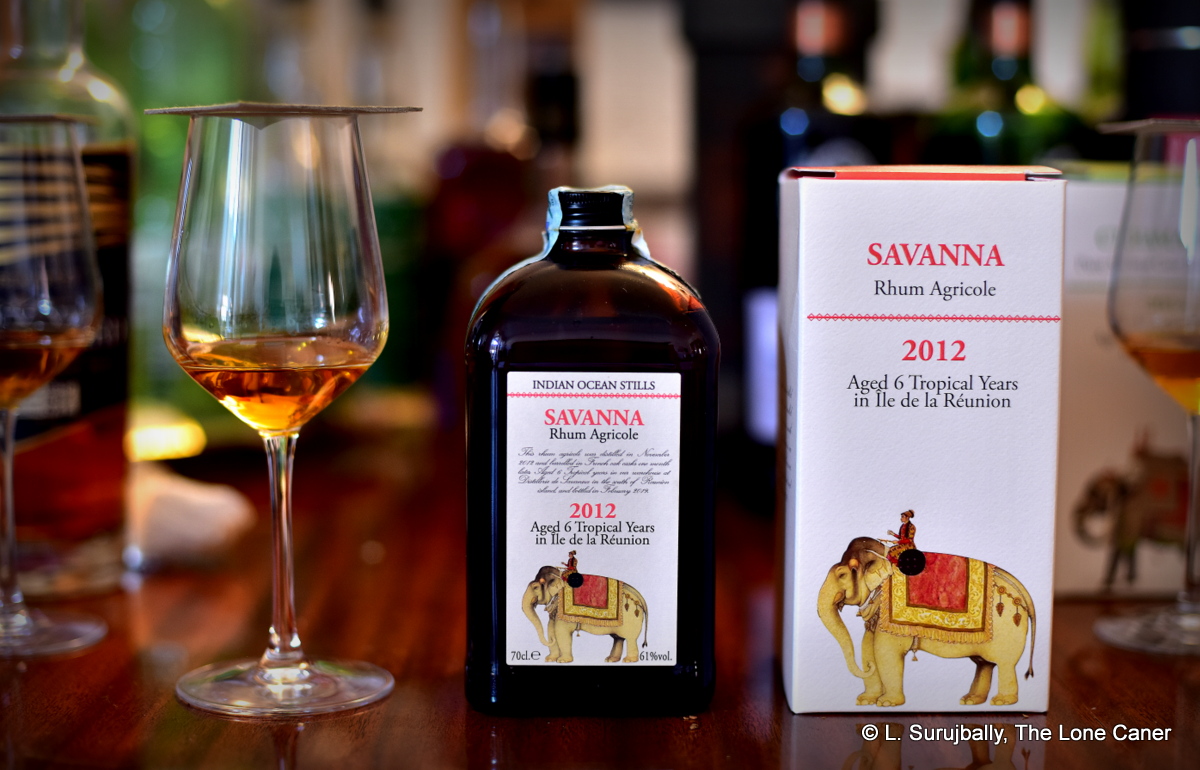
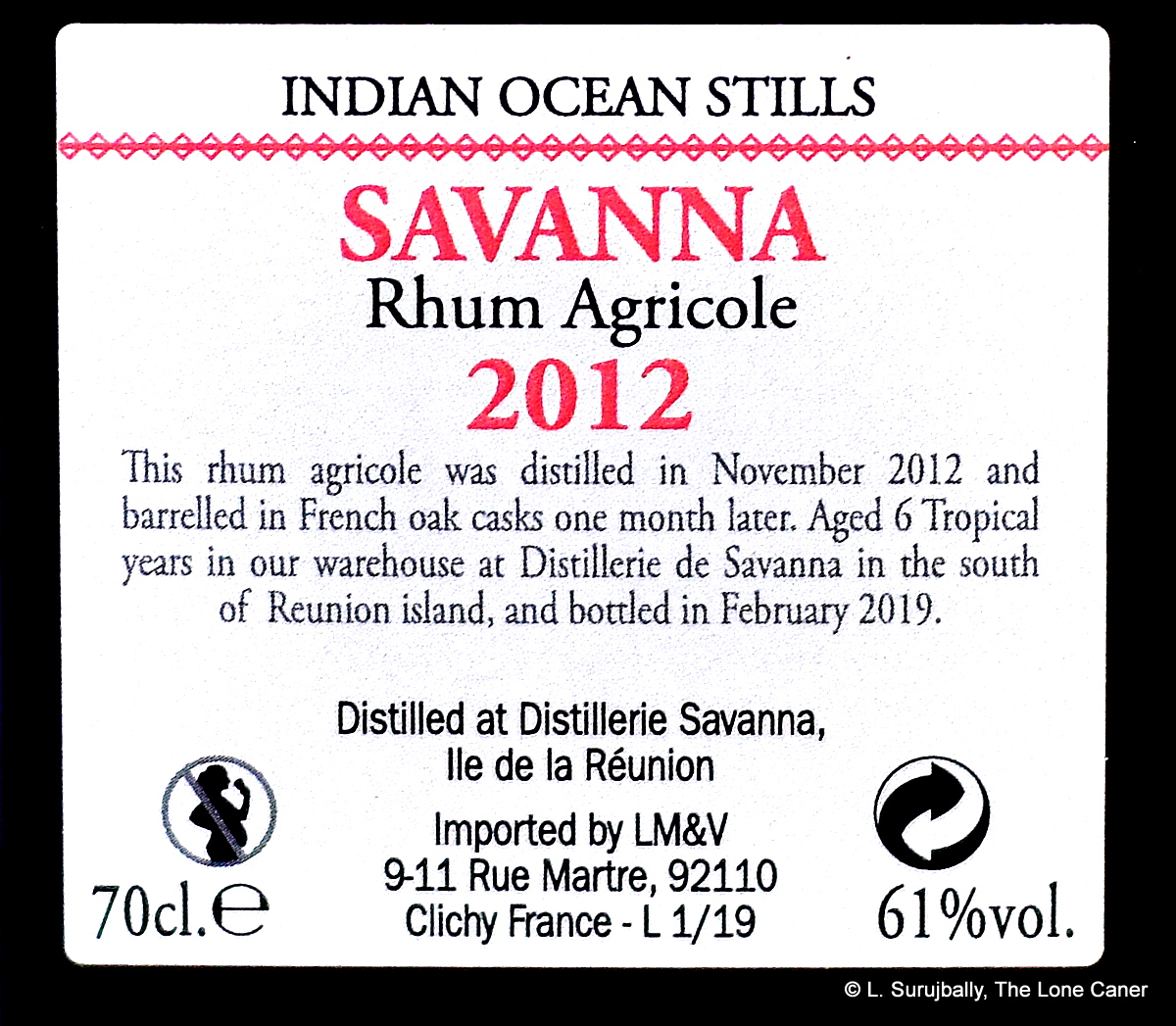 The “Indian Ocean Still” series of rums have a labelling concept somewhat different from the stark wealth of detail that usually accompanies a Velier collaboration. Personally, I find it very attractive from an artistic point of view – I love the man riding on the elephant motif of this and the companion
  Man, this was a really good dram. It adhered to most of the tasting points of a true agricole — grassiness, crisp herbs, citrus, that kind of thing — without being slavish about it. It took a sideways turn here or there that made it quite distinct from most other agricoles I’ve tried. If I had to classify it, I’d say it was like a cross between the fruity silkiness of a St. James and the salt-oily notes of a Neisson.
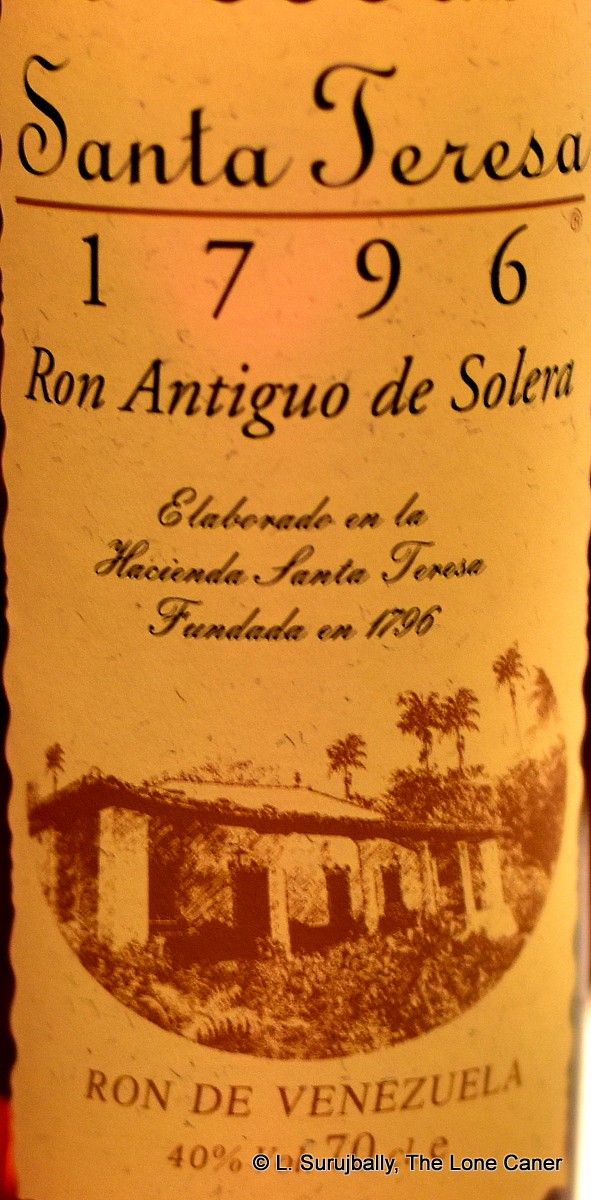
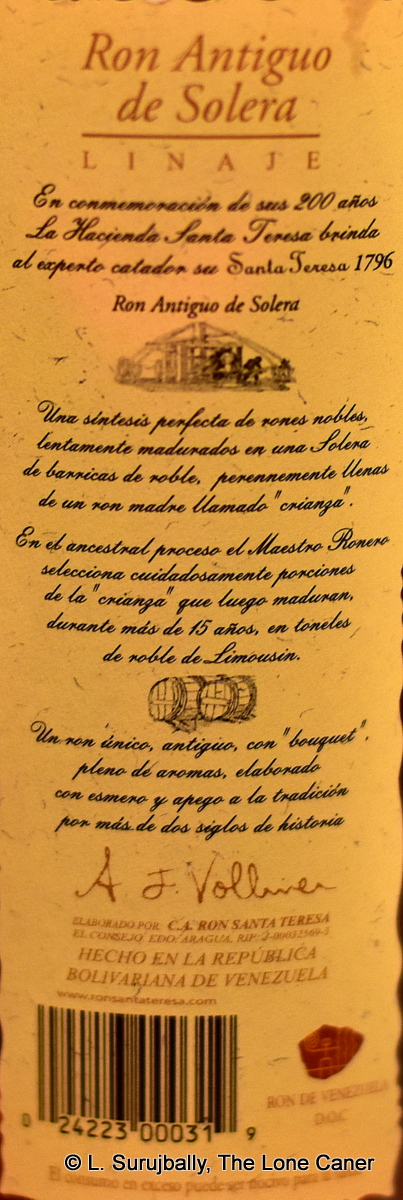 It’s inoffensive in the extreme, there’s little to dislike here (except perhaps the strength), and for your average drinker, much to admire. The palate is quite good, if occasionally vague – light white fruits and toblerone, nougat, salted caramel ice cream, bon bons, sugar water, molasses, vanilla, dark chocolate, brown sugar and delicate spices – cinnamon and nutmeg. It’s darker in texture and thicker in taste than I recalled, but that’s all good, I think. It fails on the finish for the obvious reason, and the closing flavours that can be discerned are fleeting, short, wispy and vanish too quick.