
€57. Think about that for a minute. That’s how much this rum cost when it was first released in 2005. Good luck finding it anywhere near that, now. By 2019 the bottle price had already climbed past £1800 and as of this writing it is closing in on three grand on the auction listings. And it’s not even the most famed or the best of the Demeraras, because the unicorns most avidly sought after and collected tend to be the PM and Skeldons, and maybe the Albions and UF30E. For some reason, Diamond, LBI, Blairmont and Uitvlugt rums from the canon, even those from pre-1990, are occasionally deemed as “less” — whatever that can possibly mean in this day and age — though of course still appreciating nicely on secondary markets.
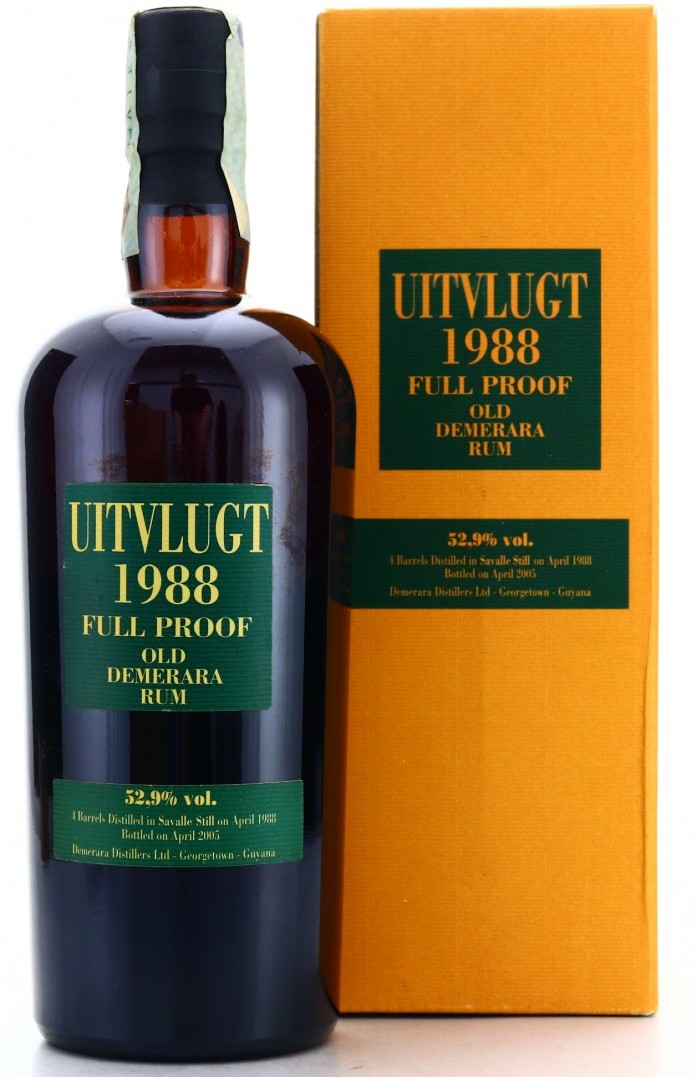
Photo (c) Velier
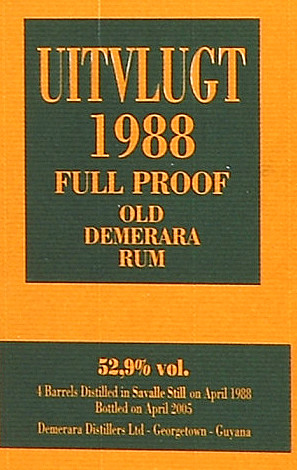
The French Savalle-still Guyanese rum released by Velier may not be one of the top-tier three-decade-old grail quests (unless it’s being sourced by a canny and knowledgeable investor-fan who knows better), but I submit it certainly has the pedigree to be included in the pantheon. Distilled in 1988 and aged in Guyana until 2005, it’s a robust 52.9% 17 year old rum whose origin still was housed at Uitvlugt at the time, and four barrels came together to produce 1091 bottles, which, if they used ex-bourbon American Standard barrels, implies an angel’s share so measly as to be impossible – Luca Gargano got back to me and said it was four 200-liter refilled (i.e. consolidated) barrels.
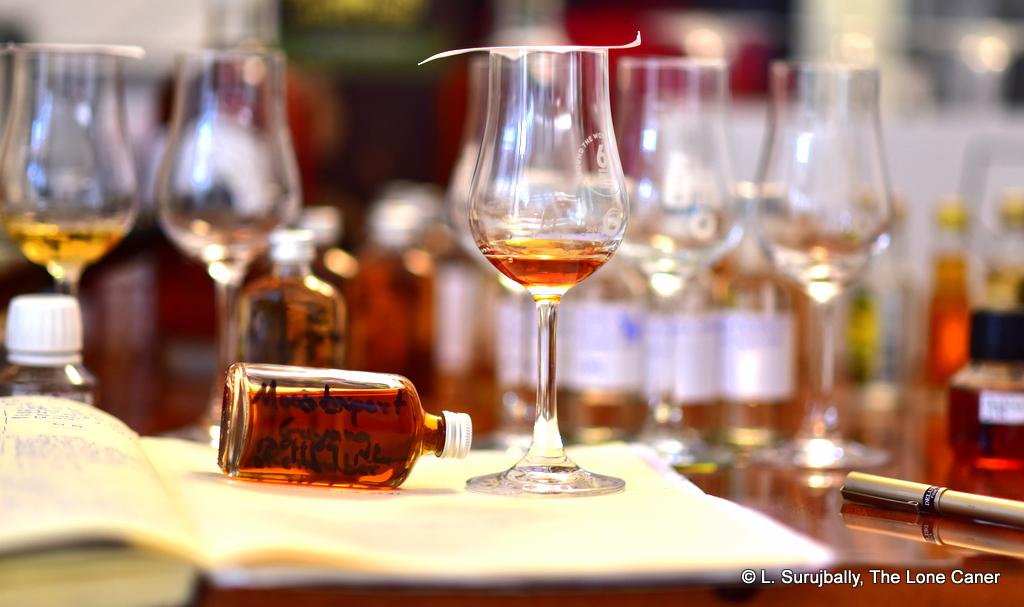
The aromas of this thing were certainly of that rich thickness that marked out others from that far back. The nose was initially spectacular – plasticine, furniture polish, fresh paint over new wood; briny and olive-y, offset by a wonderful scent of autumn leaves after a rain, damp aromatic tobacco, and the deep smell of ripe, fleshy fruits. As it opened up molasses and salt caramel ice cream came forward and were joined by darker and oversweet prunes, blackberries, red cherries…they teetered right on the edge of going off altogether before pulling back from the brink. Crisp and musky at the same time, the nose had just a trace of tannins at the back end, and was, after some time, even faintly bitter – the fruits were there, but so was the hint of something sour, like an almost spoiled lemon.
 The palate was a curious beast, again quite briny, which I thought unusual for an Uitvlugt. Too, there were these peculiar – if faint – notes of tar and petrol, then the sour-sweet taste of freshly-grated ginger. However, after these badasses came, sneered and then departed, we were thankfully in more familiar territory: molasses, caramel, and burnt sugar took over the stage, to be joined by lemons, chocolate oranges, a freshly baked meringue pie, raisins, dates and prunes. You might think that such notes would present as somewhat oversweet, but the rum never quite overstepped the mark and stayed crisp and flavourful without too much excess in any department. I particularly loved the lingering finish, which was a touch sharp, fruity, warm, redolent of breakfast spices and some olives, as warm and welcome and sweet as Mrs. Caner’s kisses when I promise to buy her that Prada purse she’s been after for so long.
It’s become almost conventional wisdom that the Age’s Demeraras are the pinnacle of everything a Demerara rum could ever aspire to be. Few rums from anywhere equal them, fewer surpass them and they are both summit and baseline for any Demeraras ever made. Given the mania to get one, and the aura of near mythical invincibility surrounding the series, it is difficult nowadays to be objective about any of them…though cold reason suggests that statements of their magnificence are unlikely to be true in every single case.
Still, we have to face facts – the early rums distilled in the ’70s and ’80s really were and are a cut above the ordinary, and there are few weaklings in the bunch, which is why a rum like this can now be found only on secondary markets for four figures. Even parking my cynicism and experience, I have to concede that the Uitvlugt 1988 is so good and so tasty and so approachable – and so limited – that in the years to come, it might go the way of the Skeldons and bankrupt a third world nation. It was and remains a rum seething with the richness of a great spirit in any category, and has added luster to the annals of the Demeraras.
(#852)(87/100)
Other Notes
- Angel’s share calculation: 1,091 bottles x 0.7 liters/bottle ÷ 4 barrels = 191 liters/barrel, which works out to a loss from the maximum 800 liters (4 x 200 liters for the “standard” ASB) of around 5%. Luca Gargano confirmed (a week after this article went up) that several 200 Liter barrels had been consolidated into the four which were mentioned on the label..
- The marque on the barrels is SP-ICBU. Tech details from Velier’s site.
- Not many reviews out there. Single Cask Rum was really enthusiastic about this one (96 points), much more so than I was, while Marco, in one of the first such reviews back in 2014, was less positive in his unscored review and as usual, his historical detail is impeccable. Gregers Nielsen, one of my rum chums, was so horrified by my “measly” score that he nearly unfriended me on the spot, since he felt it to be one of the top five Velier Demeraras ever made.


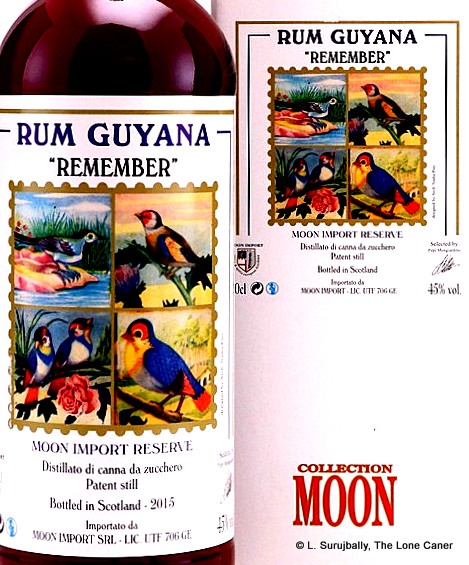

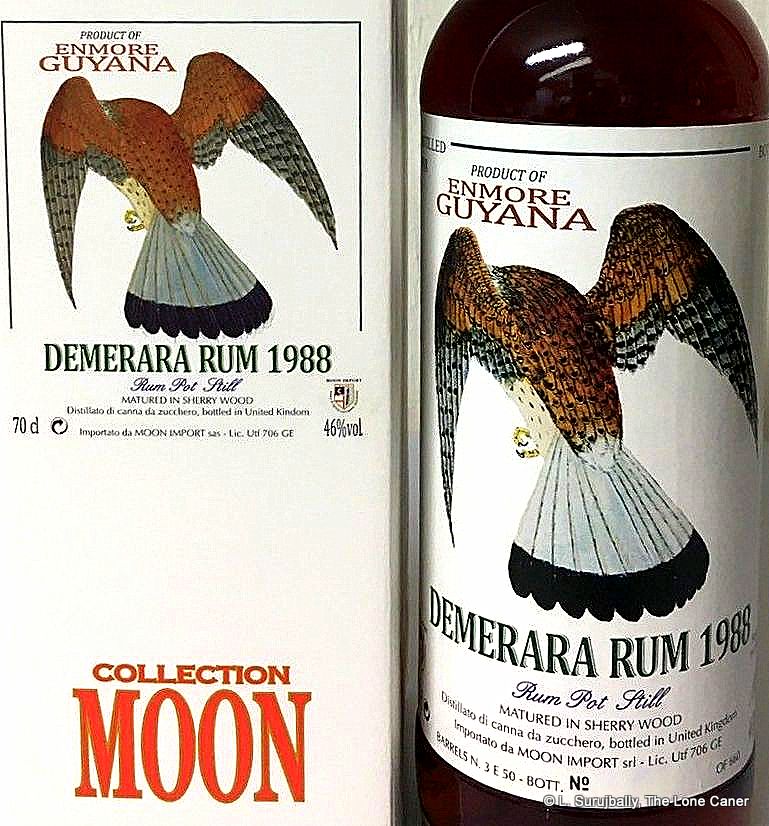
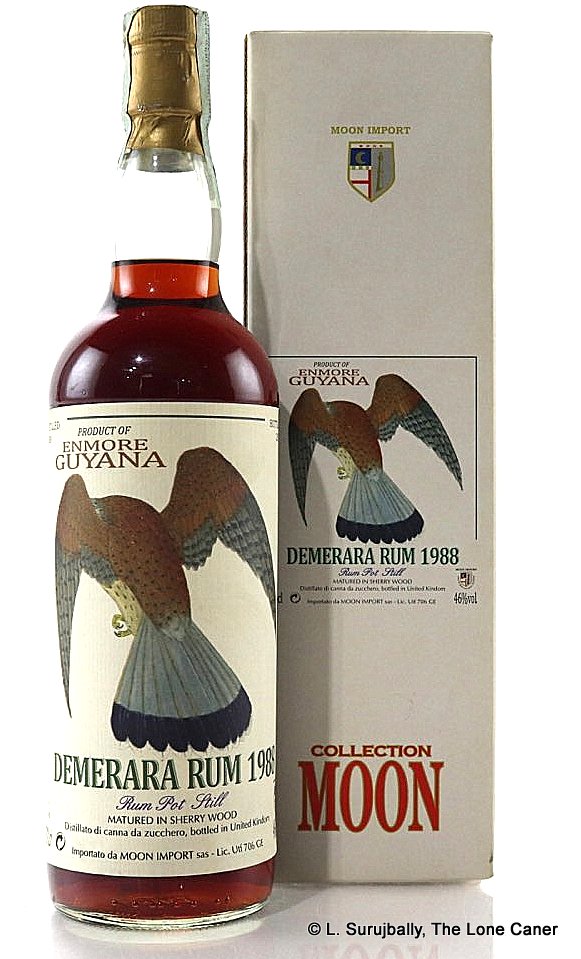 This is not the first Demerara rum that the venerable Italian indie bottler Moon Import has aged in sherry barrels: the superb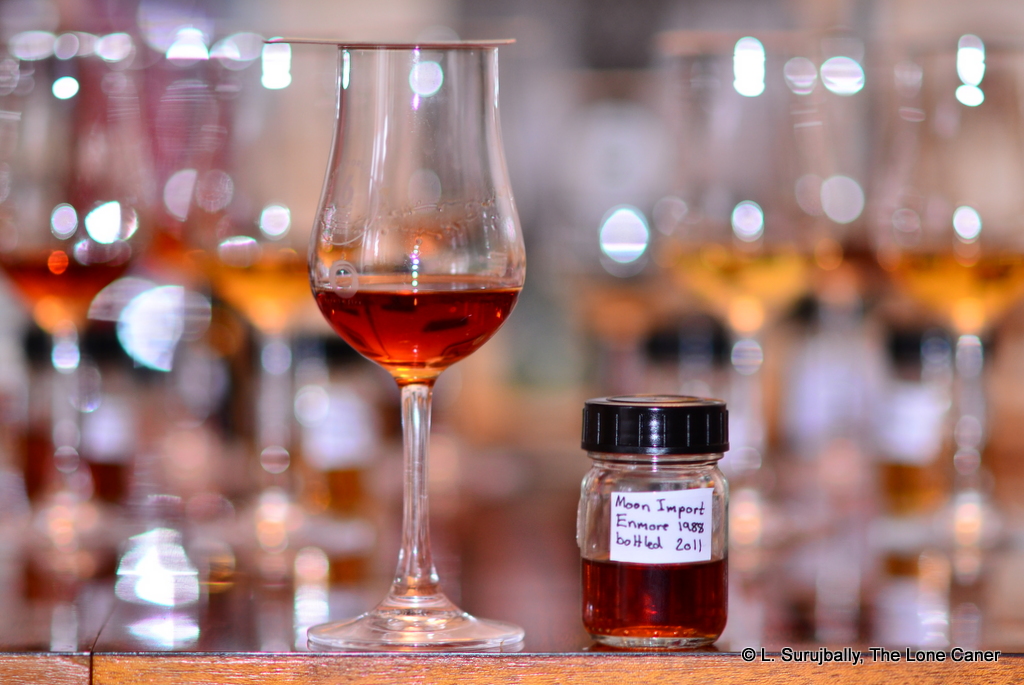
 Opinion
 I do, on the other hand, like the taste. It’s warm and rich and the Enmore still profile – freshly sawn lumber, sawdust, pencil shavings – is clear. Also sour cream, eggnog, and bags of dried, dark fruits (raisins, prunes, dried plums) mix it up with a nice touch of sandalwood. It takes its own sweet time getting the the point and is a little discombobulated throughout, but I can’t argue with the stewed apples, dried orange peel, ripe red guavas and licorice – it’s nice. The finish is quite solid, if unexceptional: it lasts a fair bit, and you’re left with closing notes of licorice, oak chips, vanilla, dried fruit and black cake.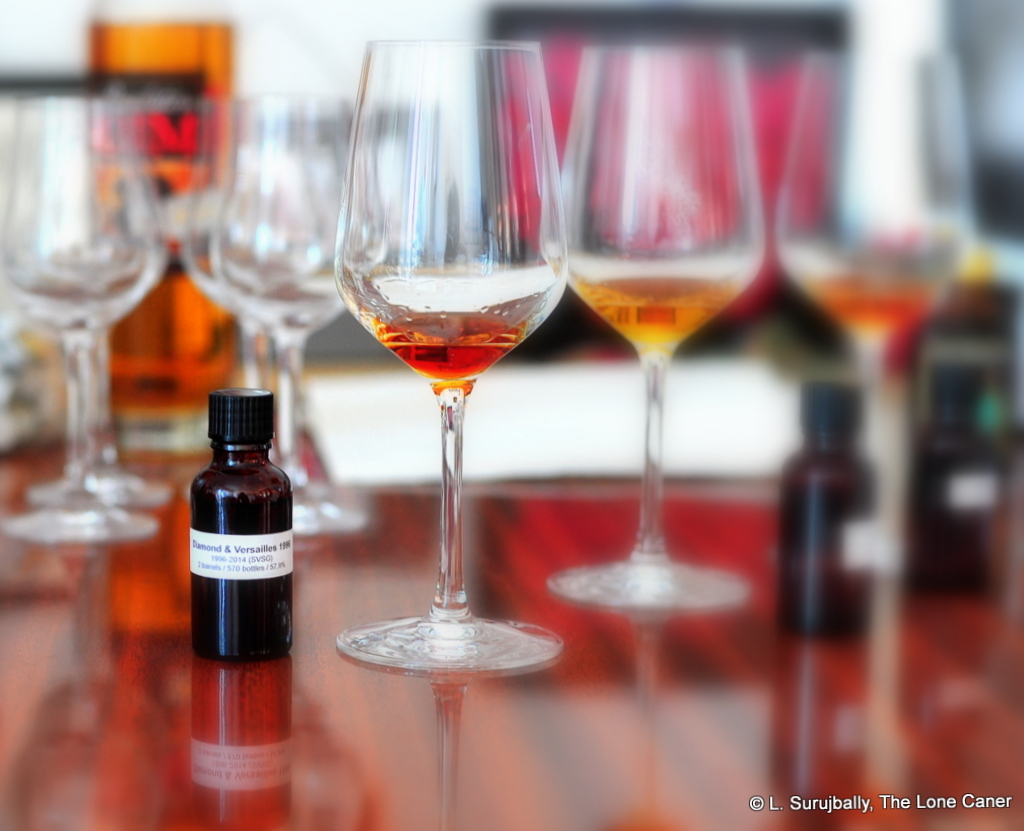
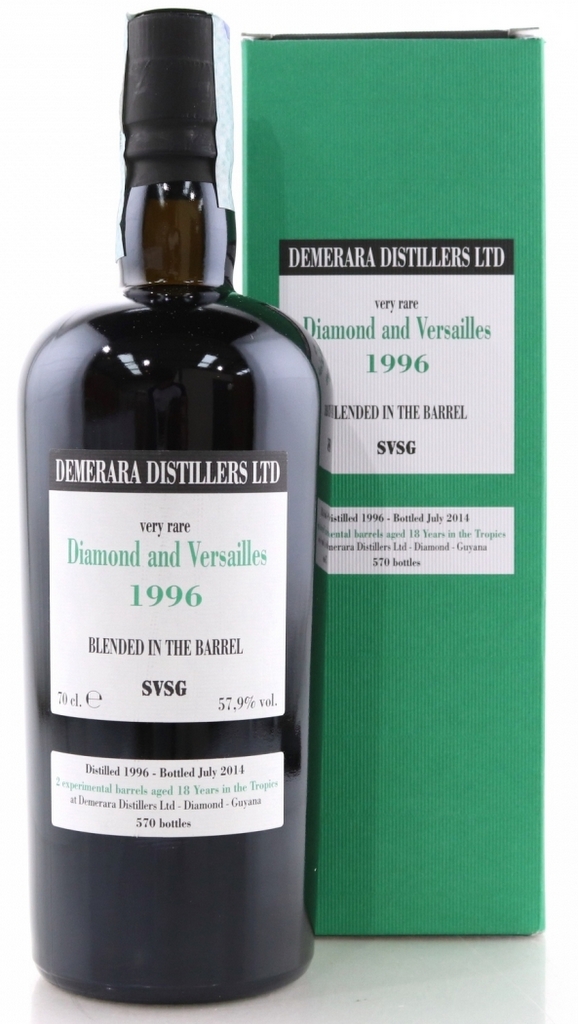
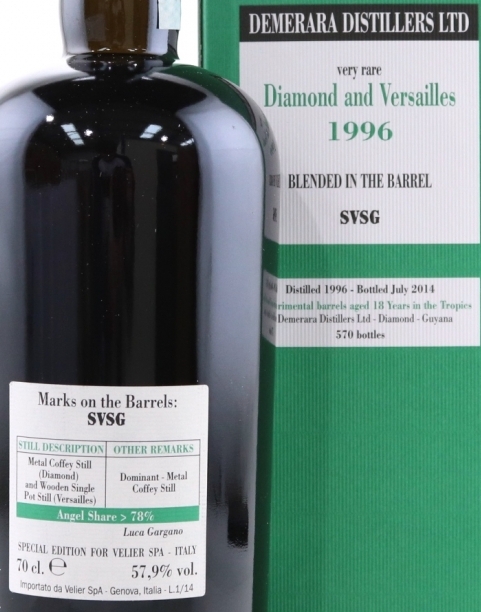 By the time this rum was released in 2014, things were already slowing down for Velier in its ability to select original, unusual and amazing rums from DDLs warehouses, and of course it’s common knowledge now that 2014 was in fact the last year they did so. The previous chairman, Yesu Persaud, had retired that year and the arrangement with Velier was discontinued as DDL’s new Rare Collection was issued (in early 2016) to supplant them.
 The nose had been so stuffed with stuff (so to speak) that the palate had a hard time keeping up. The strength was excellent for what it was, powerful without sharpness, firm without bite. But the whole presented as somewhat more bitter than expected, with the taste of oak chips, of cinchona bark, or the antimalarial pills I had dosed on for my working years in the bush. Thankfully this receded, and gave ground to cumin, coffee, dark chocolate, coca cola, bags of licorice (of course), prunes and burnt sugar (and I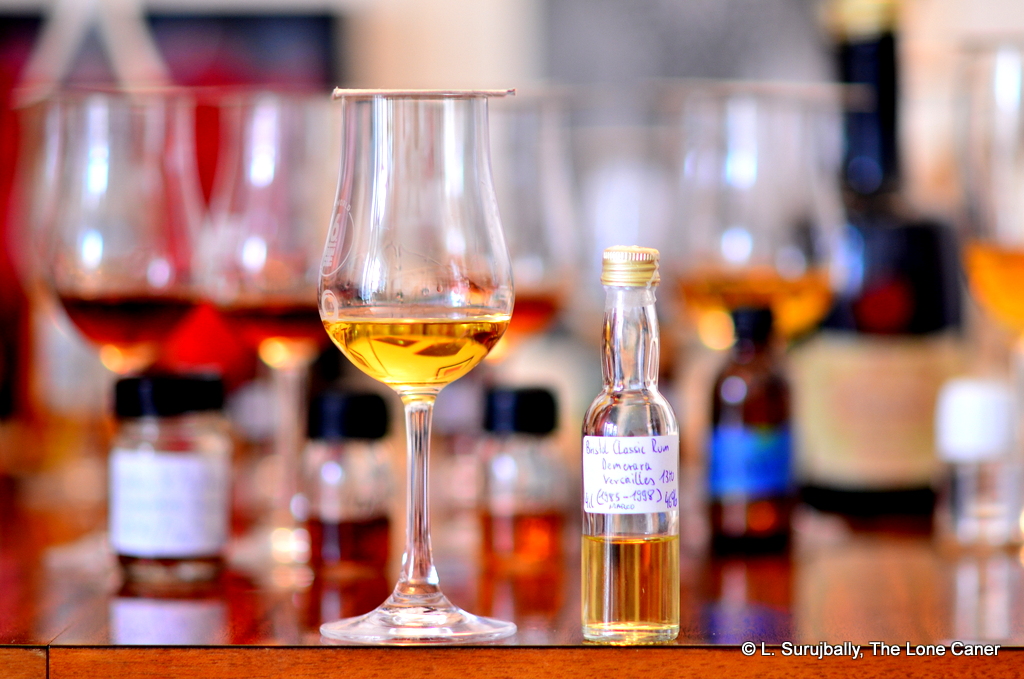
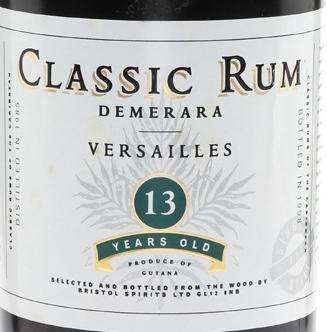 Bristol, I think, came pretty close with this relatively soft 46% Demerara. The easier strength may have been the right decision because it calmed down what would otherwise have been quite a seriously sharp and even bitter nose. That nose opened with rubber and plasticine and a hot glue gun smoking away on the freshly sanded wooden workbench. There were pencil shavings, a trace of oaky bitterness, caramel, toffee, vanilla and slowly a firm series of crisp fruity notes came to the fore: green apples, raisins, grapes, apples, pears, and then a surprisingly delicate herbal touch of thyme, mint, and basil.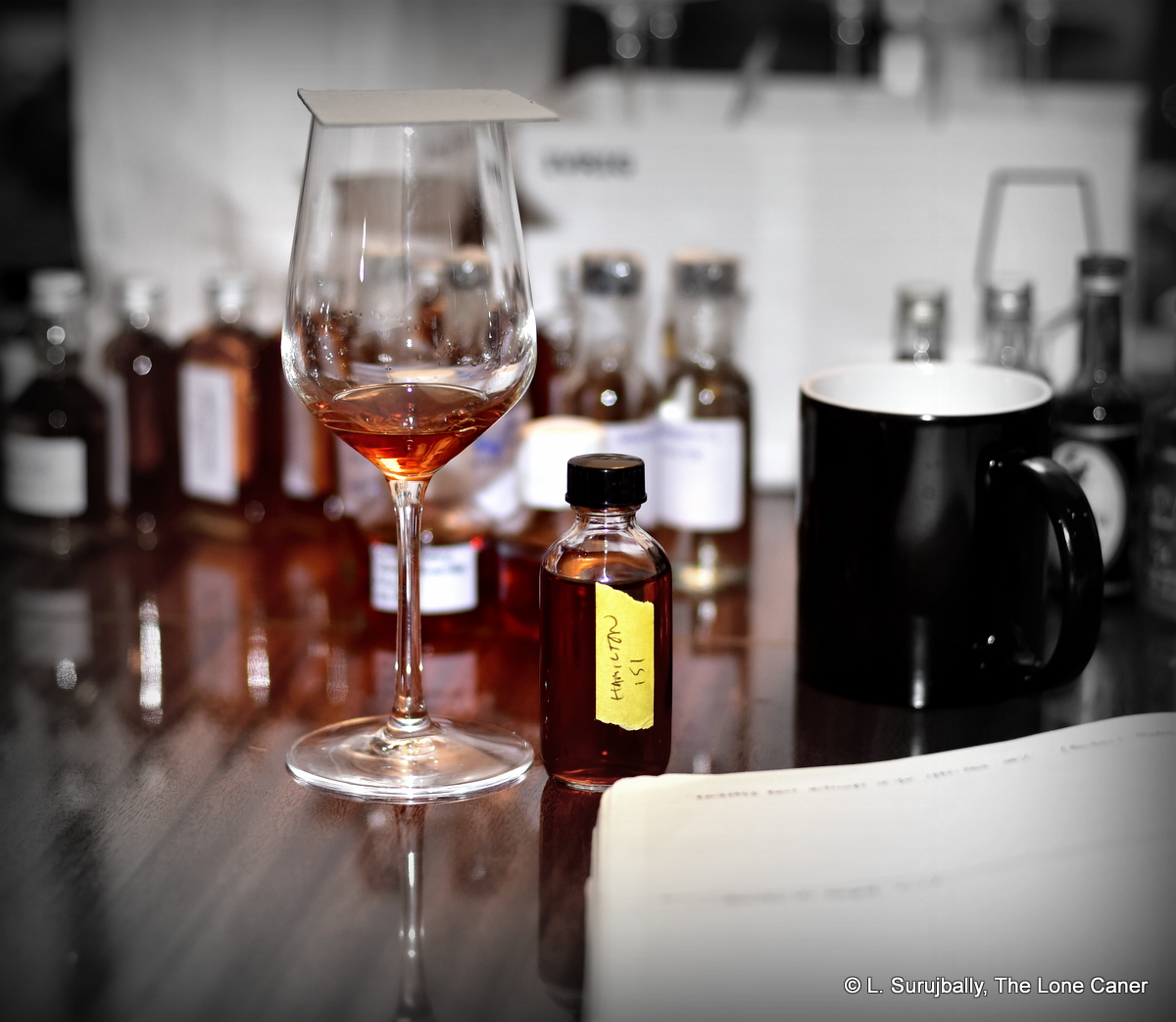
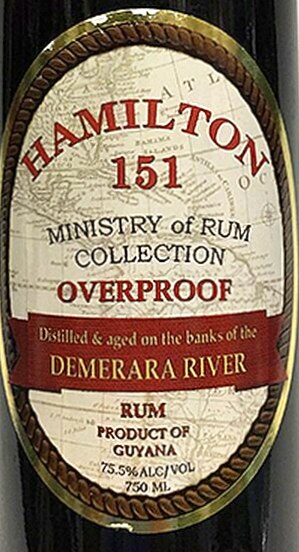 It is, in short, a powerful wooden fruit bomb, one which initially sits and broods in the glass, dark and menacing, and needs to sit and breathe for a while. Fumes of prunes, plums, blackcurrants and raspberries rise as if from a grumbling and stuttering half-dormant volcano, moderated by tarter, sharper flavours of damp, sweet, wine-infused tobacco, bitter chocolate, ginger and anise. The aromas are so deep it’s hard to believe it’s so young — the distillate is aged around five years or less in Guyana as far as I know, then shipped in bulk to the USA for bottling. But aromatic it is, to a fault.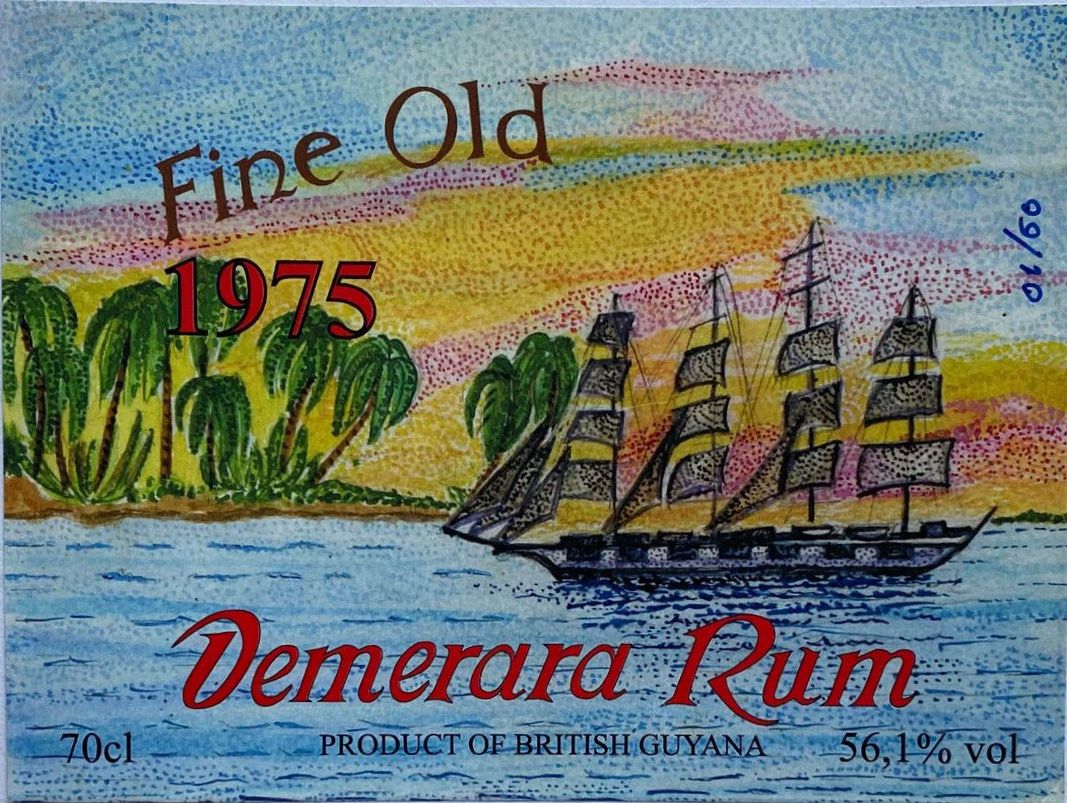
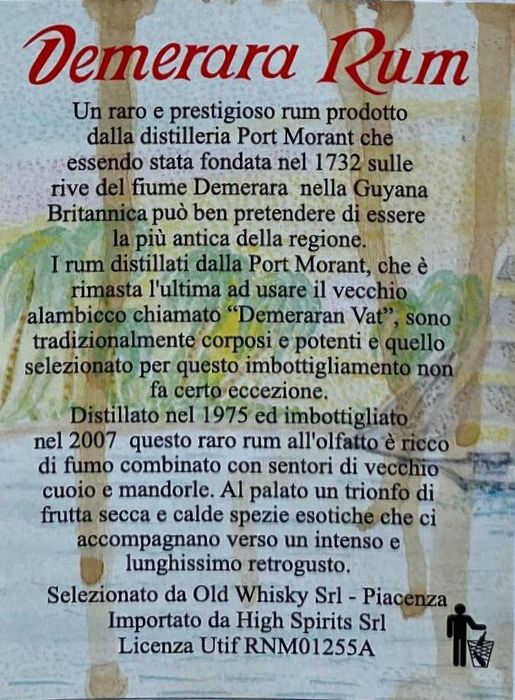 For the kitch, I’m afraid there is not much. Thanks to my impeccably fluent lack of Italian, I can tell you it’s a 1975 Port Mourant that was bottled in 2007, and it appears to be one of those single barrel releases often indulged in by importers – this time an Italian outfit called High Spirits, which doesn’t exist beyond its odd one-page website that leads nowhere and says nothing – see below for some notes on this. The rum is 56.1%, dark red brown….
 There’s just so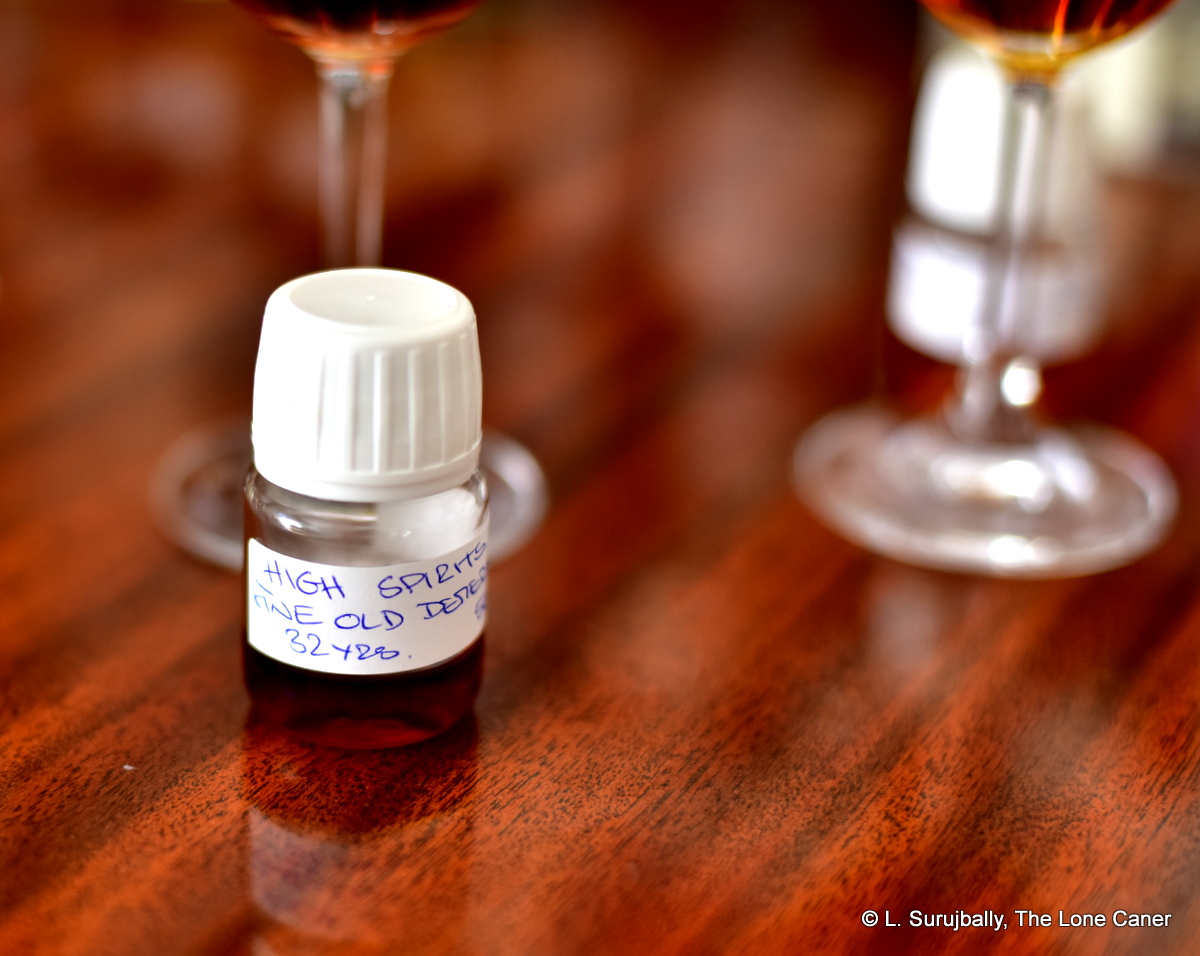
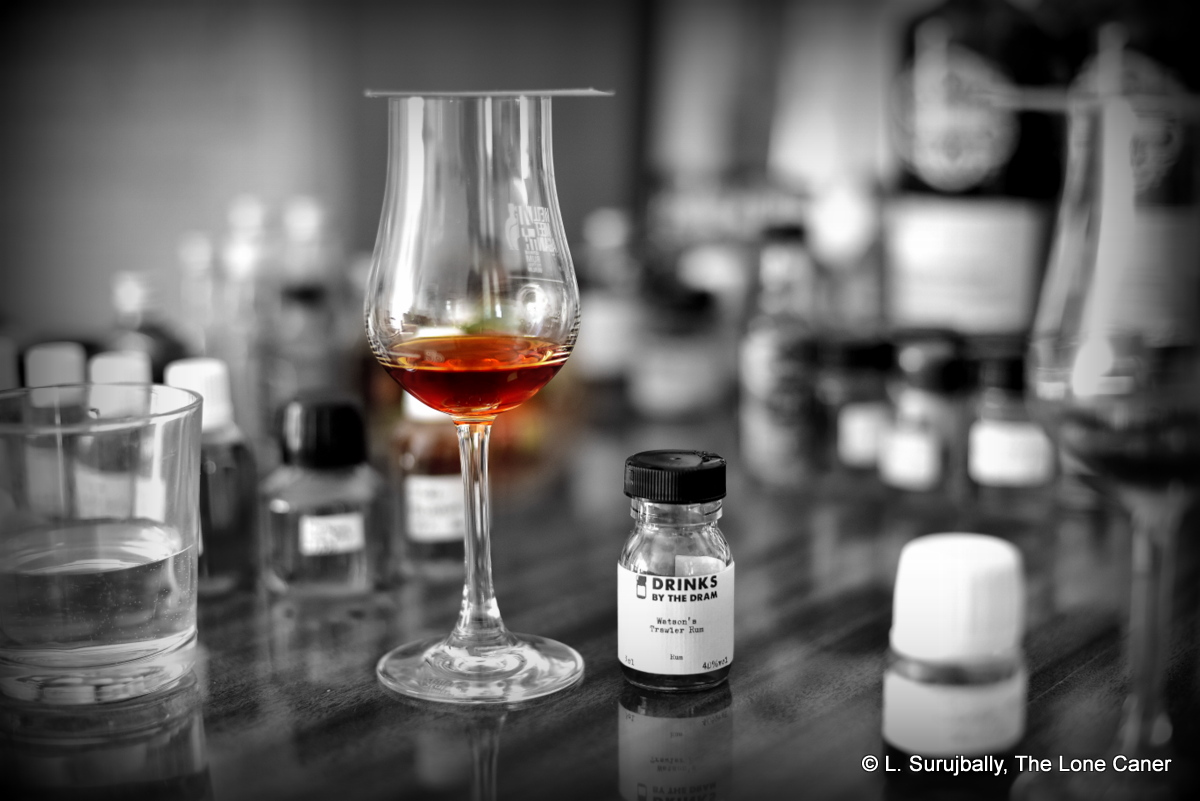
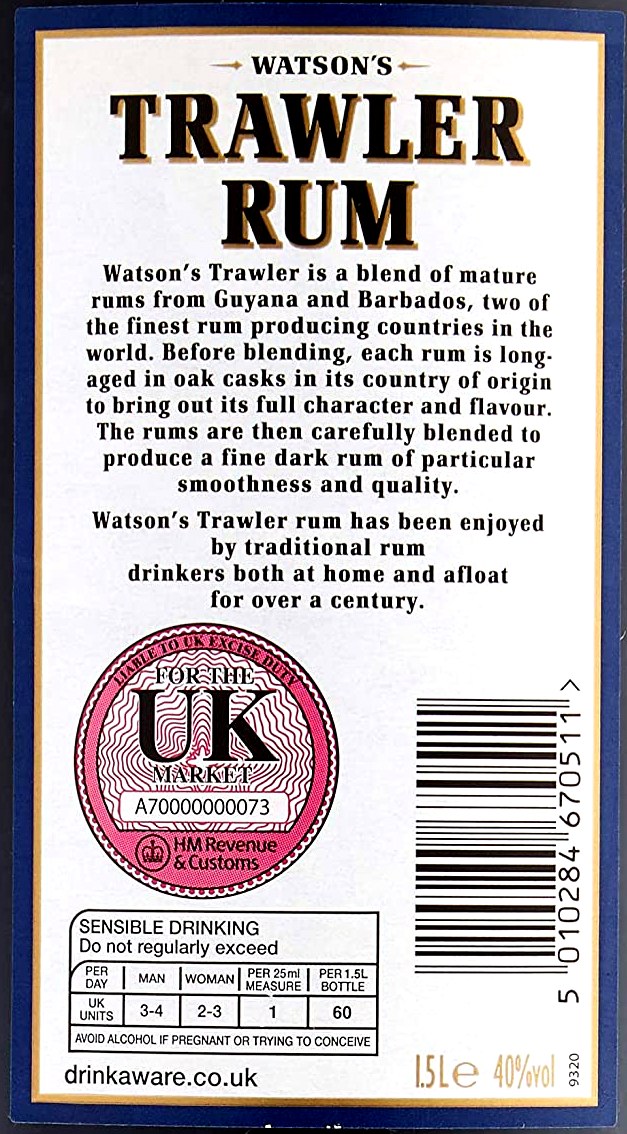
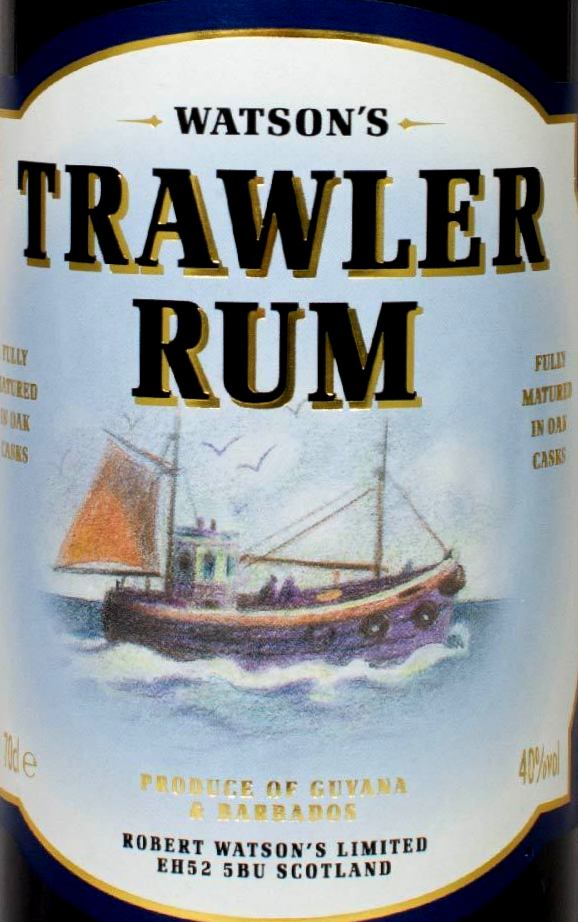 Watson’s Trawler rum, bottled at 40% is another sprig off that branch of British Caribbean blends, budding off the enormous tree of rums the empire produced. The company, according to Anne Watson (granddaughter of the founder), was formed in the late 1940s in Aberdeen, sold at some point to the Chivas Group, and since 1996 the brand is owned by Ian McLeod distillers (home of Sheep Dip and Glengoyne whiskies). It remains a simple, easy to drink and affordable nip, a casual drink, and should be approached in precisely that spirit, not as something with pretensions of grandeur.
 It’s in that simplicity, I argue, lies much of Watson’s strength and enduring appeal — “an honest and loyal rum” opined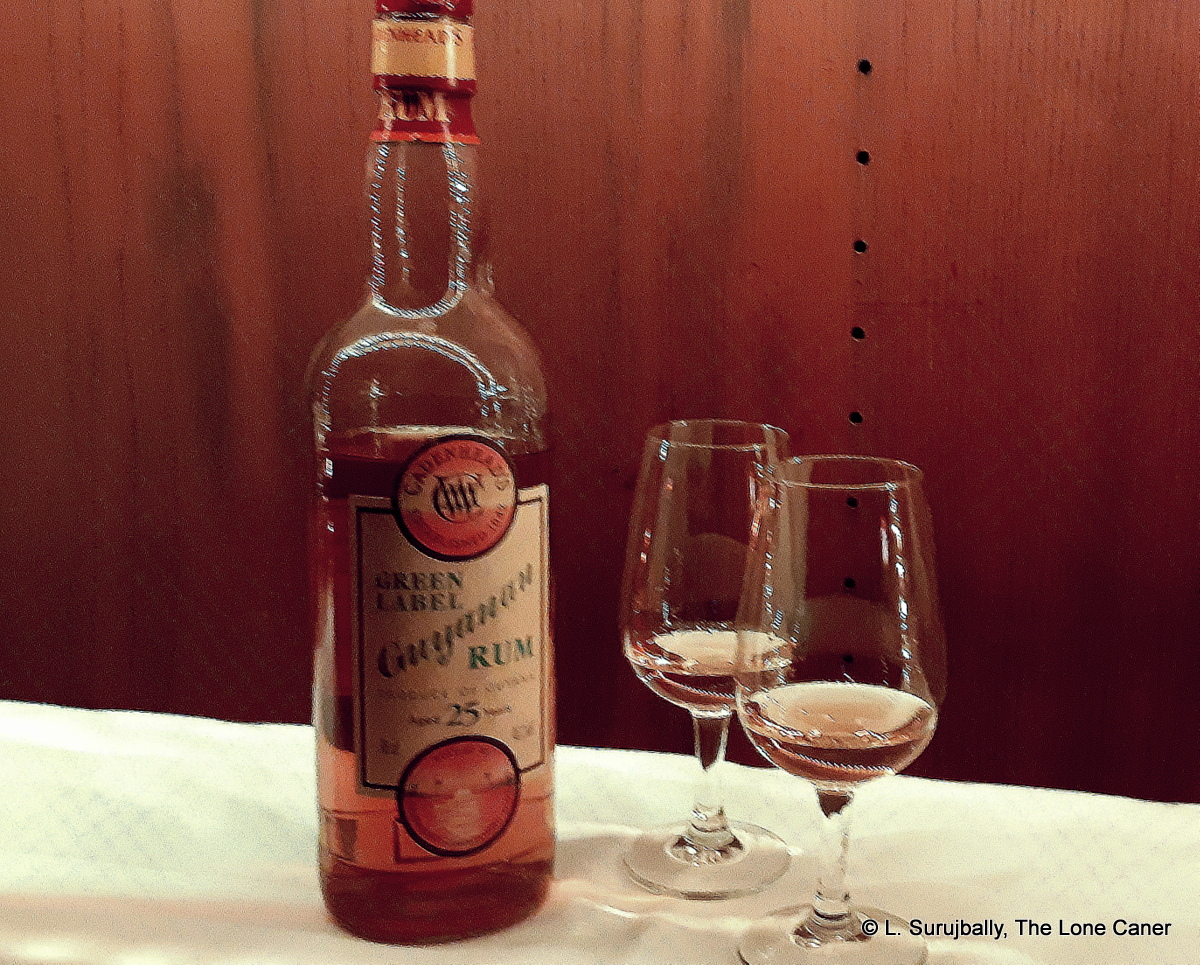
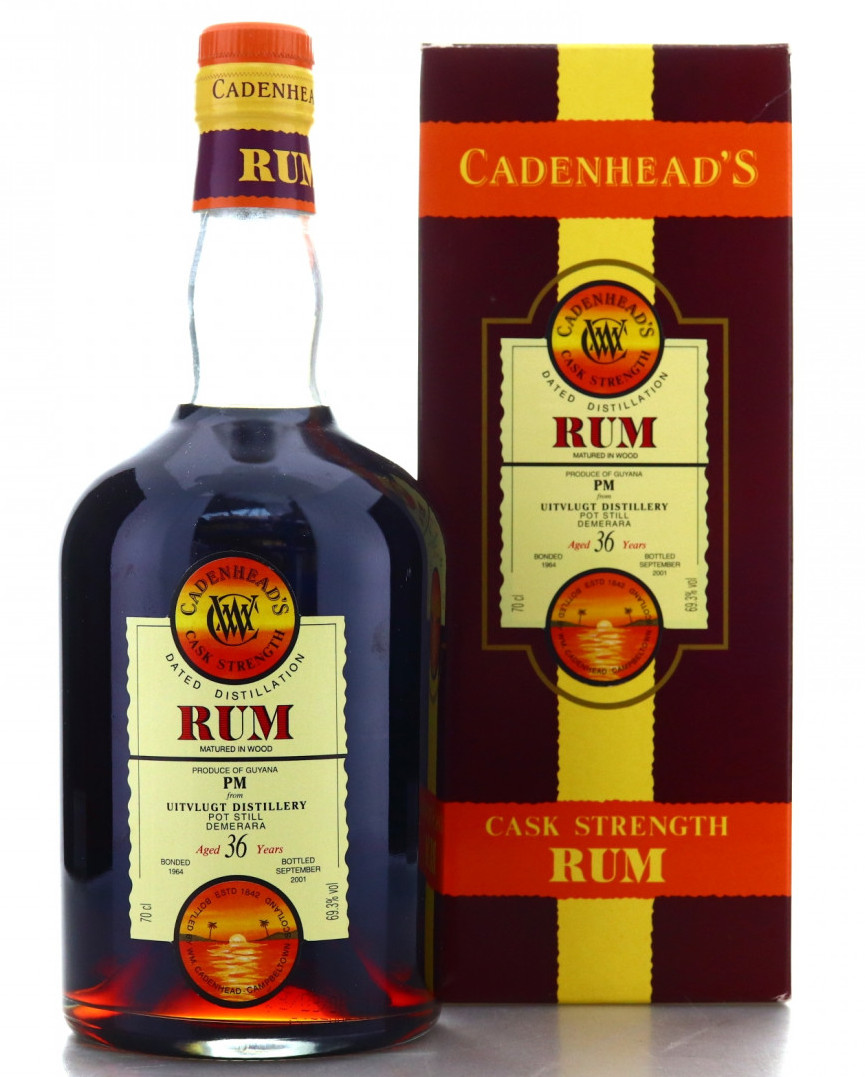
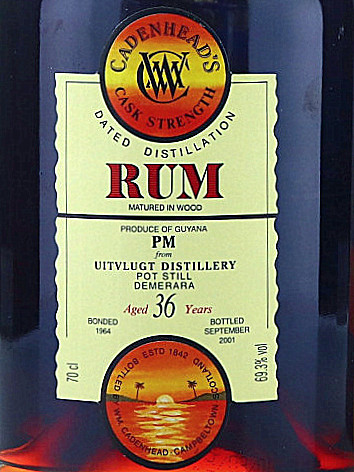 The Cadenhead Uitvlugt 1964 followed all the traditional ways an indie has of producing a rum, except then it proceeded to dial it up to 11, added steroids, horse tranqs and industrial strength factory cleanser, and released it to just about zero acclaim (I mean, have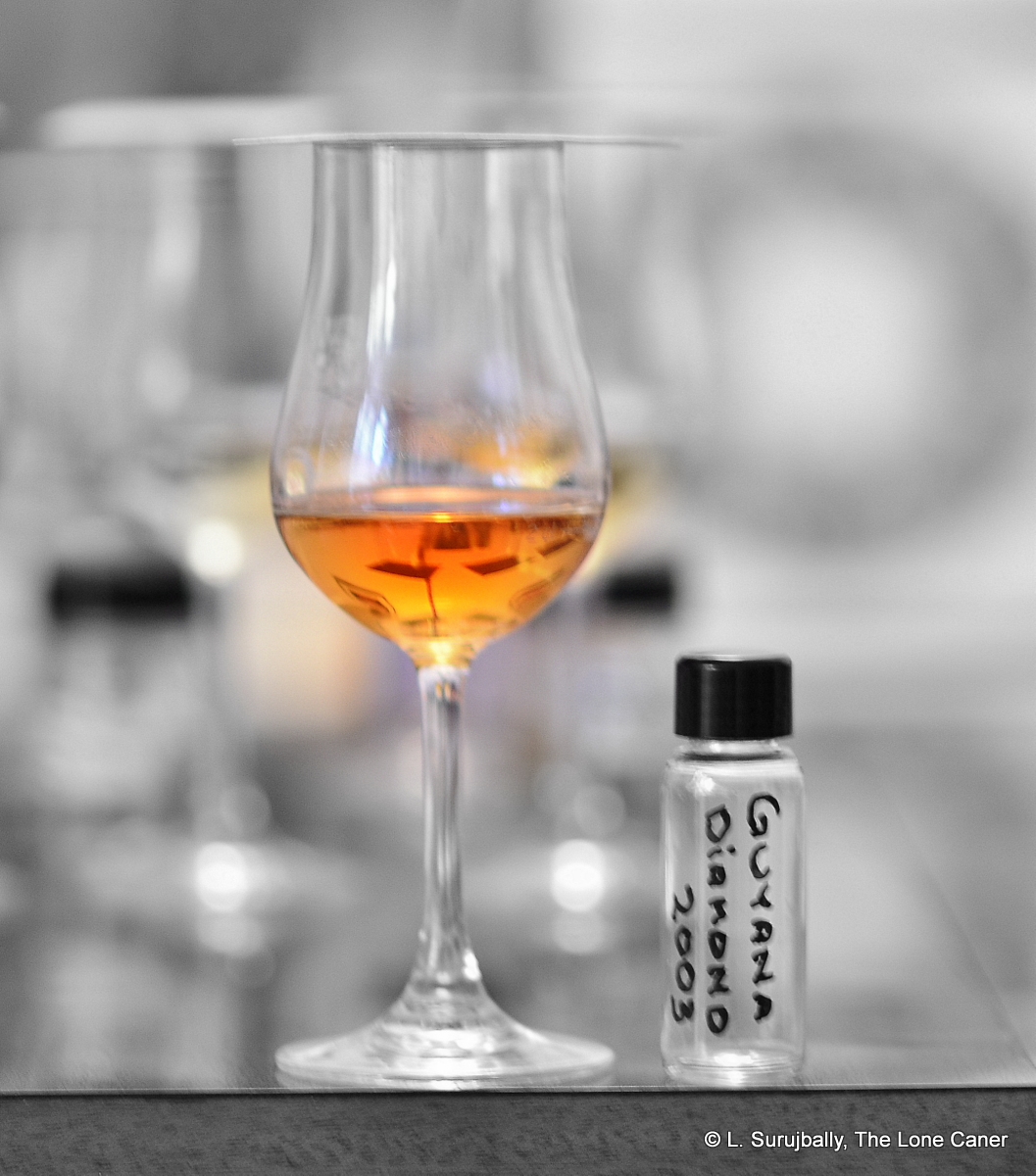
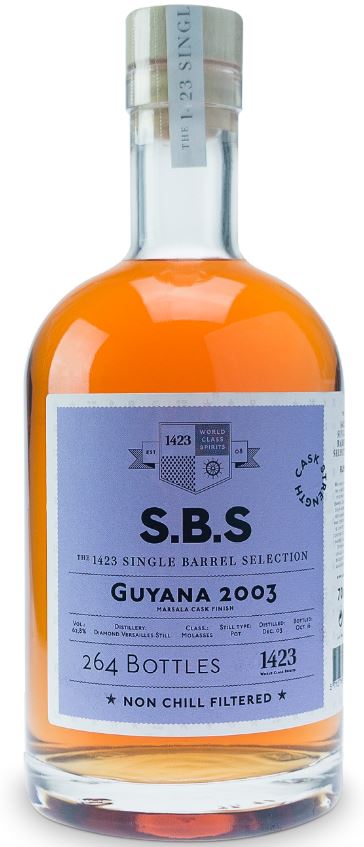
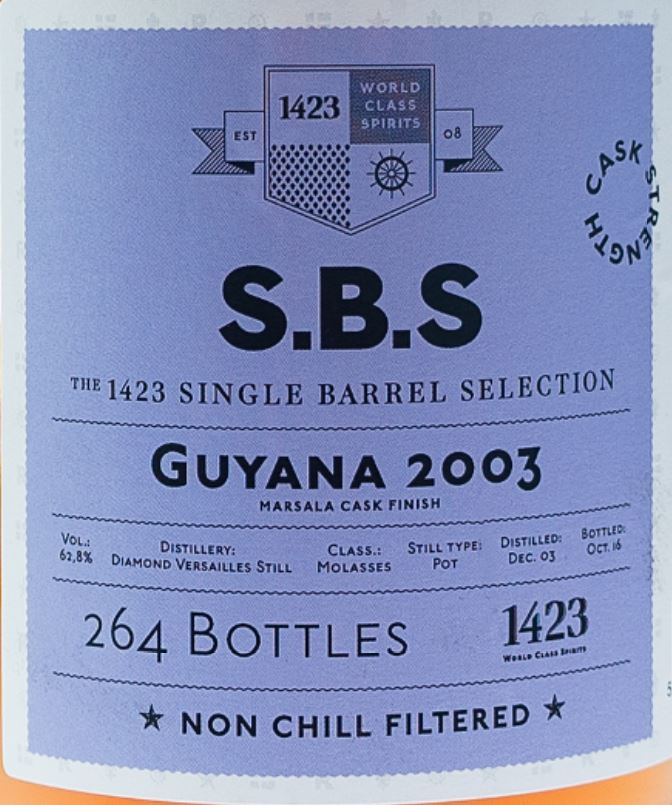 My own preference has always been for the stern elegance of the Port Mourant, and the Enmore coffey still produces rums that are complex, graceful and sophisticated when done right. But the Versailles still is something of an ugly stepchild – you’ll go far and look long to find an unqualified positive review of any rum it spits out. I’ve always felt that it takes rare skill to bring the rough and raw VSG pot still profile to its full potential…none of the familiar indies has had more than occasional success with it, and even Velier never really bothered to produce much Versailles rum at the height of
  There has been occasional confusion among the stills in the past: e.g. the
 Things calmed down when Johnny Drejer approached, though, because in his fist he carried a bottle a lot of us hadn’t seen yet – the second in Romdeluxe’s “Wild Series” of rums, the Guyanese Enmore, with a black and white photo of a Jaguar glaring fiercely out. This was a 61.5% rum, 17 years old (2002 vintage, I believe), from one of the wooden stills (guess which?) — it had not formally gone on sale yet, and he had been presented with it for his 65th birthday a few days before (yeah, he looks awesome for his age). Since we already knew of the elephantine proportions of the
 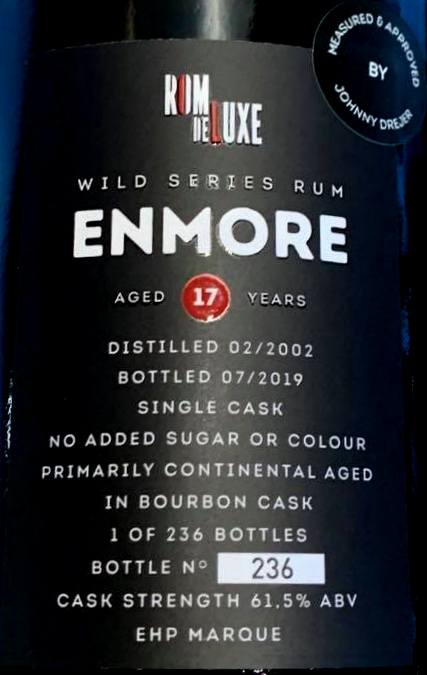 So far there is a tiger (R1 Hampden, Jamaica), jaguar (R2 Enmore, Guyana), puma (R3 Panama), black panther (R4 Belize), lion (R5, Bellevue, Guadeloupe) and leopard (R6 Caroni, Trinidad). I don’t know whether the photos are commissioned or from a stock library – what I do know is they are very striking, and you won’t be passing these on a shelf any time you see one. The stats on some of these rums are also quite impressive – take, for example, the strength of the Wild Tiger (85.2% ABV), or the age of the Wild Lion (25 years). These guys clearly aren’t messing around and understand you have to stand out from an ever more crowd gathering of indies these days, if you want to make a sale.
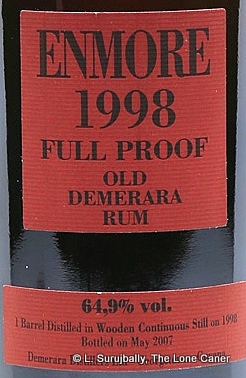 Yet for all that, to ignore it would be a mistake. There’s the irresistible pull of the Old Guyana Demeraras, of that legendary Enmore wooden Coffey still (also known as the “filing cabinet” by wags who’ve seen it), the allure of Velier and their earlier releases which back in the day sold for a hundred or so and now pull down thousands easy (in any currency). How can one resist that? Good or bad, it’s just one of those things one has to try when possible, and for the record, even at that young age, it’s very good indeed.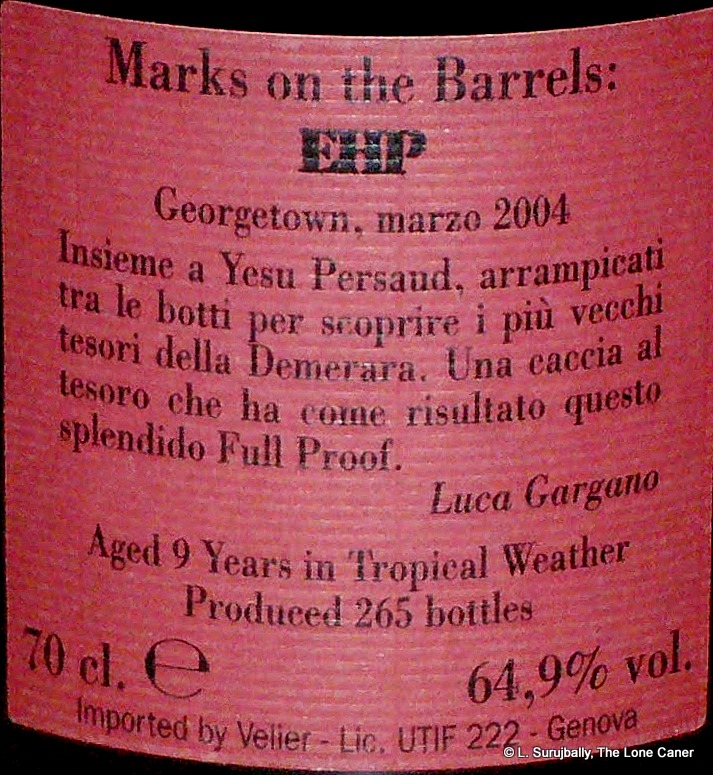
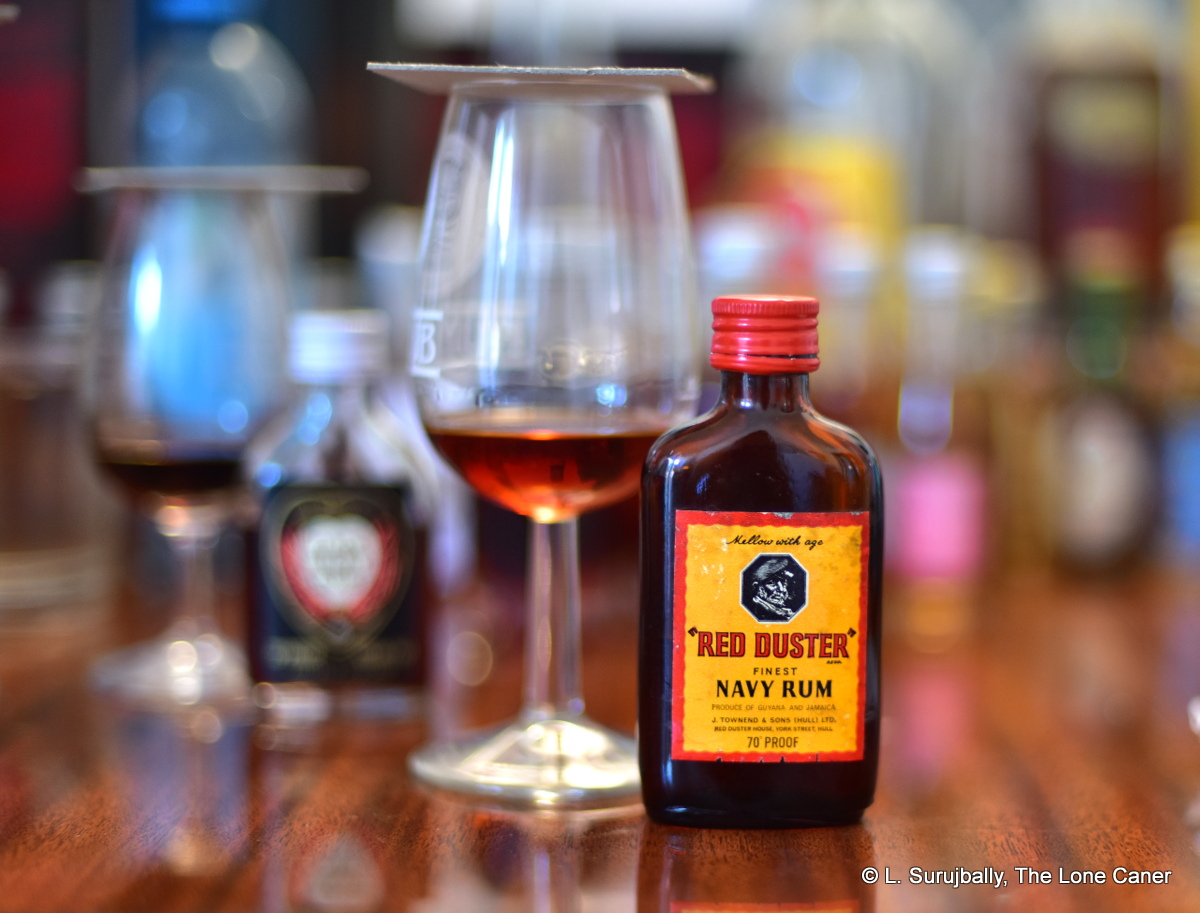
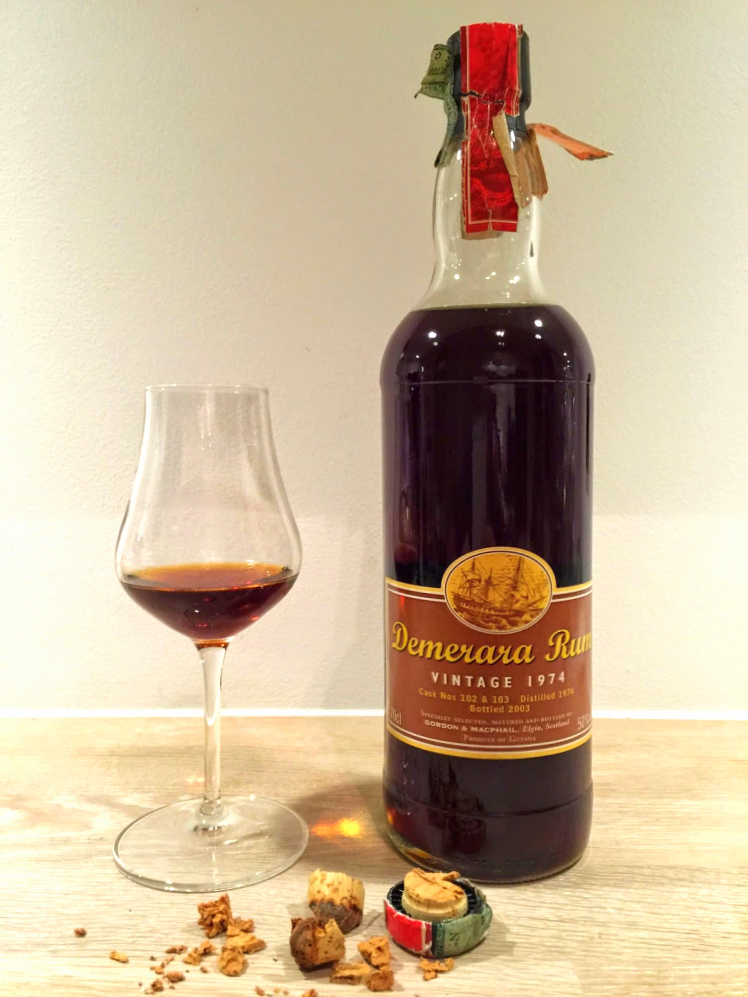
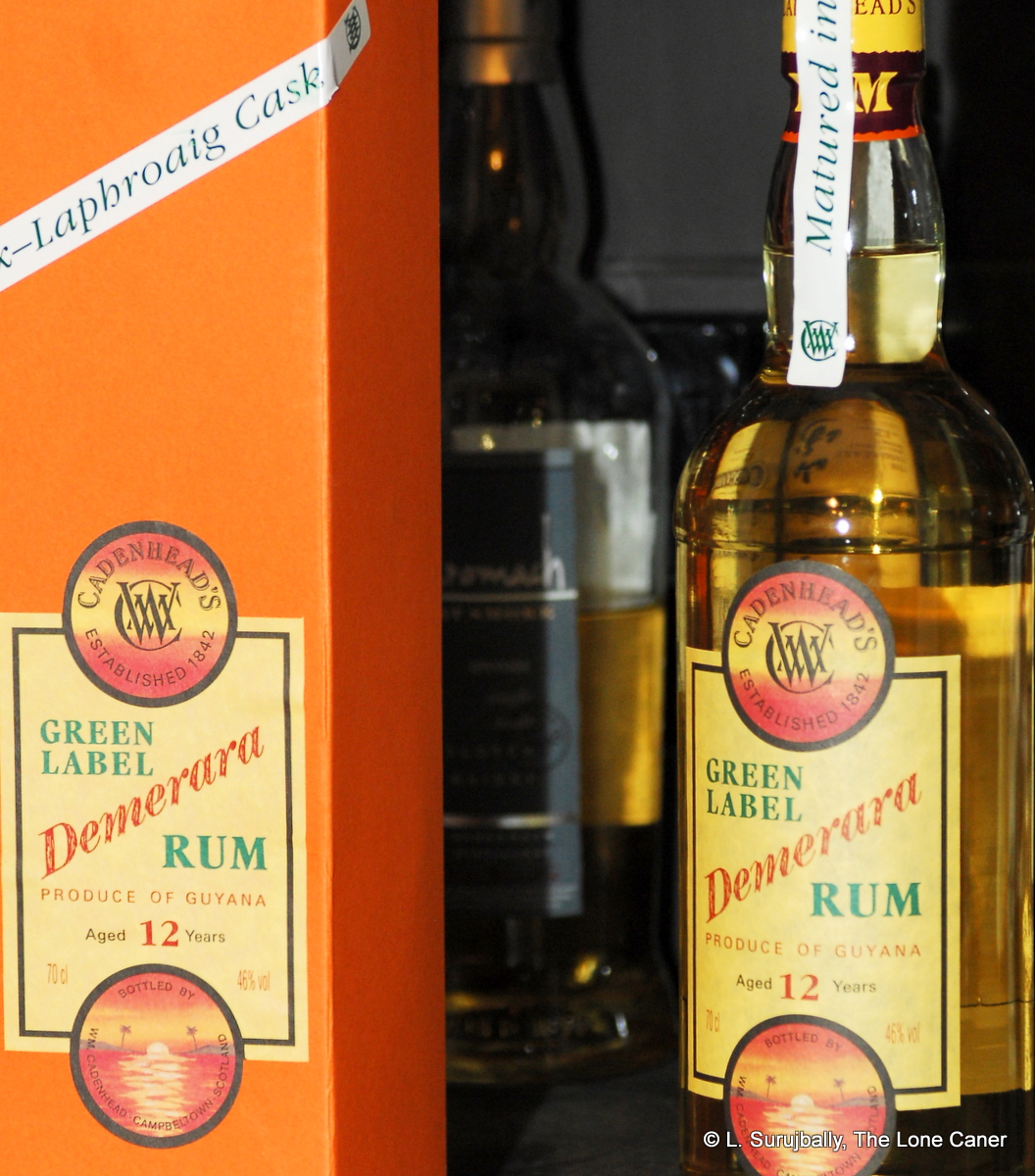
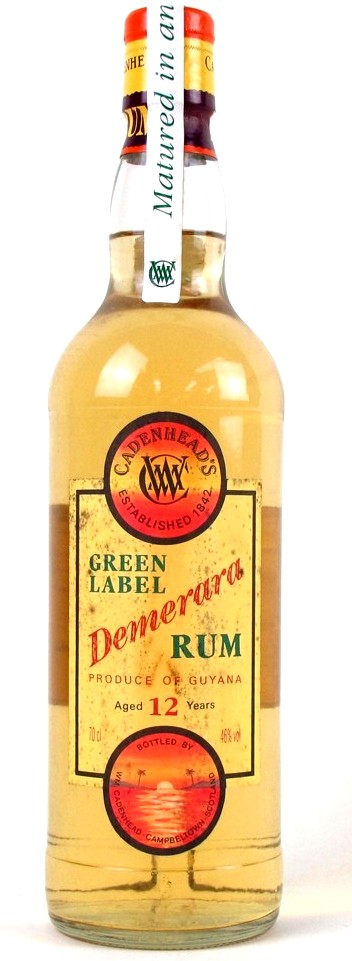 Anyway, this was a 12 year old, continentally-aged Guyanese rum (no still is mentioned, alas), of unknown outturn, aged 12 years in Laphroaig whisky casks and released at the 46% strength that was once a near standard for rums brought out by
 Palate – Even if they didn’t say so on the label, I’d say this is almost completely Guyanese just because of the way all the standard wooden-still tastes are so forcefully put on show – if there