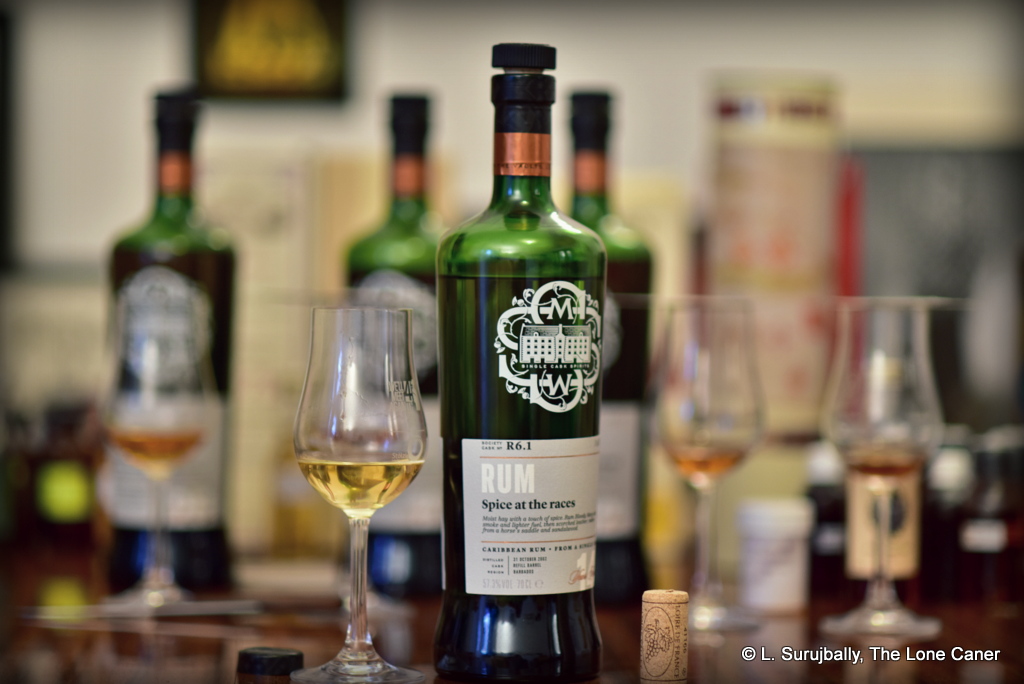
Back in 2013 when I wrote about the Scotch Malt Whisky Association’s release R3.4 Barbados 2002 10YO “Makes You Strong Like Lion”, several people went on FB and passed the word around that it wasn’t a Foursquare rum, which was hardly needed since I noted in the review that it was from WIRD, and the (mythical) Rockley Still. Four years later the SMWS did however, decide that the famed Barbados company shouldn’t be left out and bottled an aged rum from Foursquare (the first of two), named it R6.1, and gave it one of their usual amusing titles of “Spice At The Races.” One wonders when they’re going to try for a Mount Gay distillate, though I’m not holding my breath.
Now, for years, every rum geek in the observable rumiverse (bar a few of my acquaintances who don’t drink kool aid) has formed up behind the oft-repeated idea that there is no way a continentally aged rum is the equal of one left to sleep in its island or country of origin. I’ve always taken that statement with a pinch of salt, for two reasons: one, its adherents always talk about taste and age, yet it’s actually touted for social and economic reasons, which is a point often lost in the shuffle; and two, I’ve simply had too many aged rums that ripened in both places for me to be so dogmatic in my assertions, and I’ve seen as many failures as successes in both. Ultimately, it’s the taste that counts no matter where it’s bottled.
This pale yellow rum cost around £75 when initially released, was 57.3% and with a 210 bottle outurn, aged for a solid 14 years old (yes, in Europe) , illustrates the problem with making such sweeping “four legs good, two legs bad” generalizations, because it’s a really a fine rum in its own peculiar way, and one I enjoyed a lot.
Consider first the nose, which opens with the firm assertiveness of my primary school teacher wielding her cane. It smells of sawdust, dusty cardboard, glue, has an odd medicinal touch to it, and also a nice smoky-sweet sort of background. Then the fruits begin their march in: orange peel, strawberries, bananas, pineapple, some light cherries and peaches. The citrus line, augmented with other sharper aromas of persimmons and ginnips provide a lovely through-line, and the smokiness and leather lend an intriguing edge.
The taste is admittedly odd at the inception; my first notes speak of a pair of old, well used, polished, leather shoes (with socks still in ‘em). This is not actually a bad thing, since it is balanced off by ginger, mauby and some rich fruit notes – apples, guavas, almost ripe yellow Thai mangoes – and these make it both tart and delicately sweet, gathering force until it becomes almost creamy at the back end, with a sort of caramel, port, molasses and vanilla taste to it. This is one of these cases where the finish lingers and doesn’t do a vanishing act on you: it’s slightly acidic and tart, with vanilla, oak, smoke, unsweetened yoghurt and a touch of delicate florals and fruits. Nice.
So, a couple of points. Marco Freyr of Barrel-Aged-Mind, who was sampling it with me, and who has an encyclopaedic knowledge of the various Bajan rum profiles, wondered if it was even a Foursquare at all (I chose to disagree, and accept the rum as stated). Also, It’s unclear from the labelling whether it’s a pure pot still distillate, or – more consistent with Foursuare’s own releases – a blend of pot and column. Rum Auctioneer classed it as a pot-column blend. The bottle remains silent. The Rum Shop Boy, one of the few who’s reviewed it, noted it as pot still only in one part of his review, and a blend further down (and didn’t care much for it, as a matter of interest). However, he further noted in an earlier Kintra Foursquare review some months before, that Mr. Seale had confirmed some 2002 pot still 4S rum had indeed been sold that year. My own initial take was that it was a blend, as I felt it lacked the sort of distinctiveness a pot still distillate would impart and I didn’t think Mr. Seale shipped his pot still juice over to Europe. However, Simon’s quote from him, and Seale’s subsequent note on FB put he matter to rest – he confirmed it was a pot still spirit.
All that aside, it was a really good rum, one which shows that when they want to, the SMWS can pick rums with the best of them, especially with more familiar and more famous distilleries – that said, their track record with less known and less popular marks is a bit more hit and miss. If various laws and regulations being pursued stop indies from getting continentally aged juice in the years to come (though this is unlikely given the extent of Scheer’s stocks), I think the Society can still rest comfortably on its laurels after having issued a rum as fine as this one, young as it may be in tropical years.
(#804)(86/100)
Other notes
- Rum Shop Boy scored the rum 67/100, so about 83 points by my scale and 3½ out of 5 on Wes’s. Like Marco, he commented on how different it was from the Foursquare rums he knew, and rated it “disappointing”.
- Angus over at WhiskyFun liked it much more and scored it 87, rolling out the tongue-in-cheek “dangerously quaffable” line, and meaning it.
- Ben’s Whisky Blog (near bottom of page) rates it a “Buy” with no score
- Post details regarding source still is updated based on a conversation on FB the same day I put it up. It could indeed be a pot still rum, but the jury remains out.
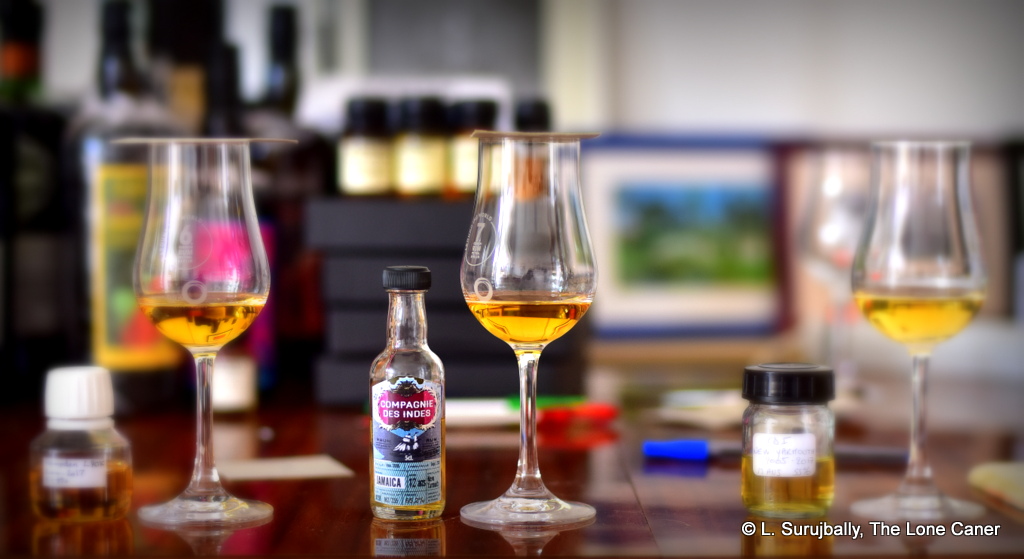
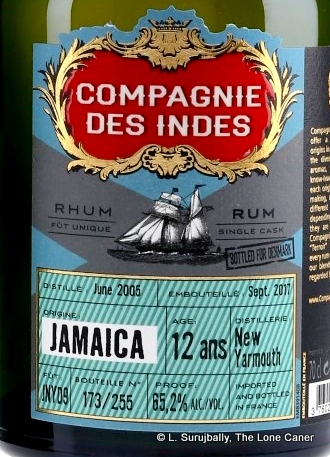 And what a rum it was. I don’t know what ester levels it had, but my first note was “a lot!”. I mean, it was massive. Pencil shavings and glue. Lots of it. Musky, dry, cardboard and damp sawdust. Some rotting fruit (was that dunder they were using?) and also rubber and furniture polish slapped on enough uncured greenheart to rebuild the Parika stelling, twice. The fruitiness – sharp! – of tart apples, green grapes, passion fruit, overripe oranges and freshly peeled tangerines. Florals and crisp light notes, all of it so pungent and bursting that a little breeze through your house and the neighbors would either be calling for a HAZMAT team or the nearest distillery to find out if they had lost their master blender and a still or two.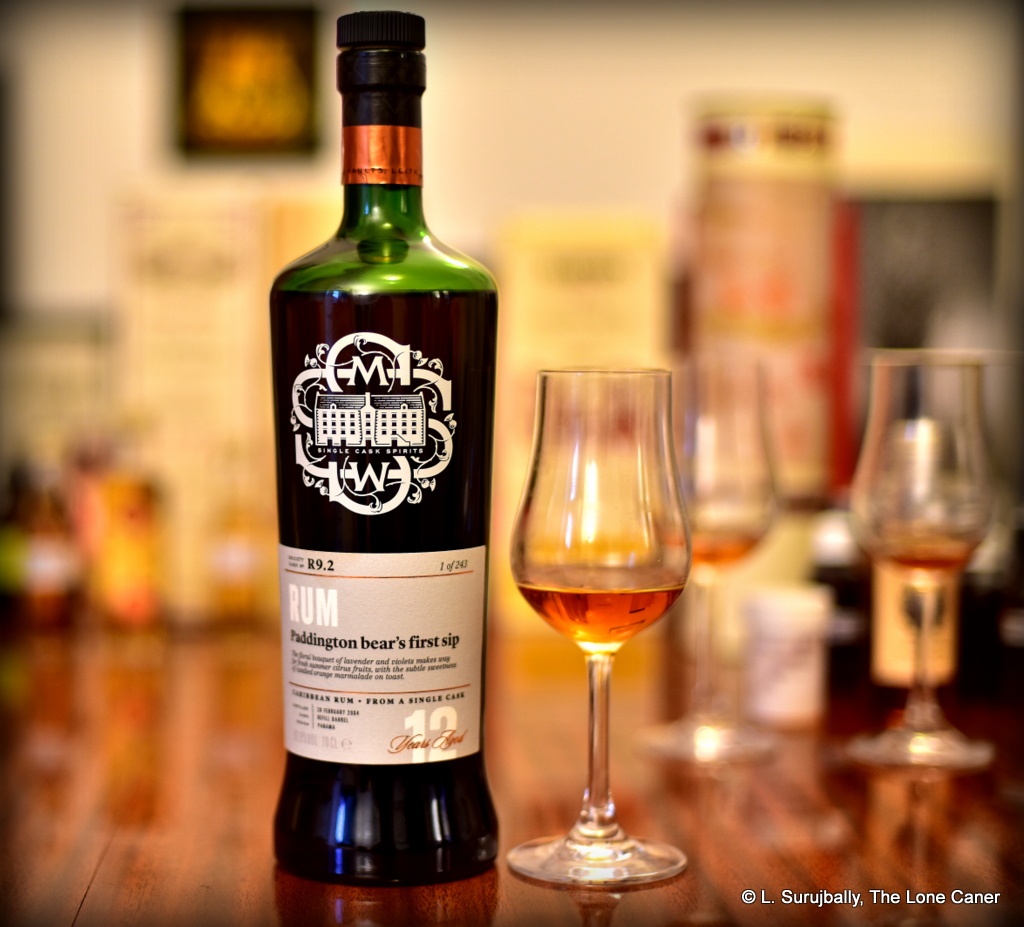
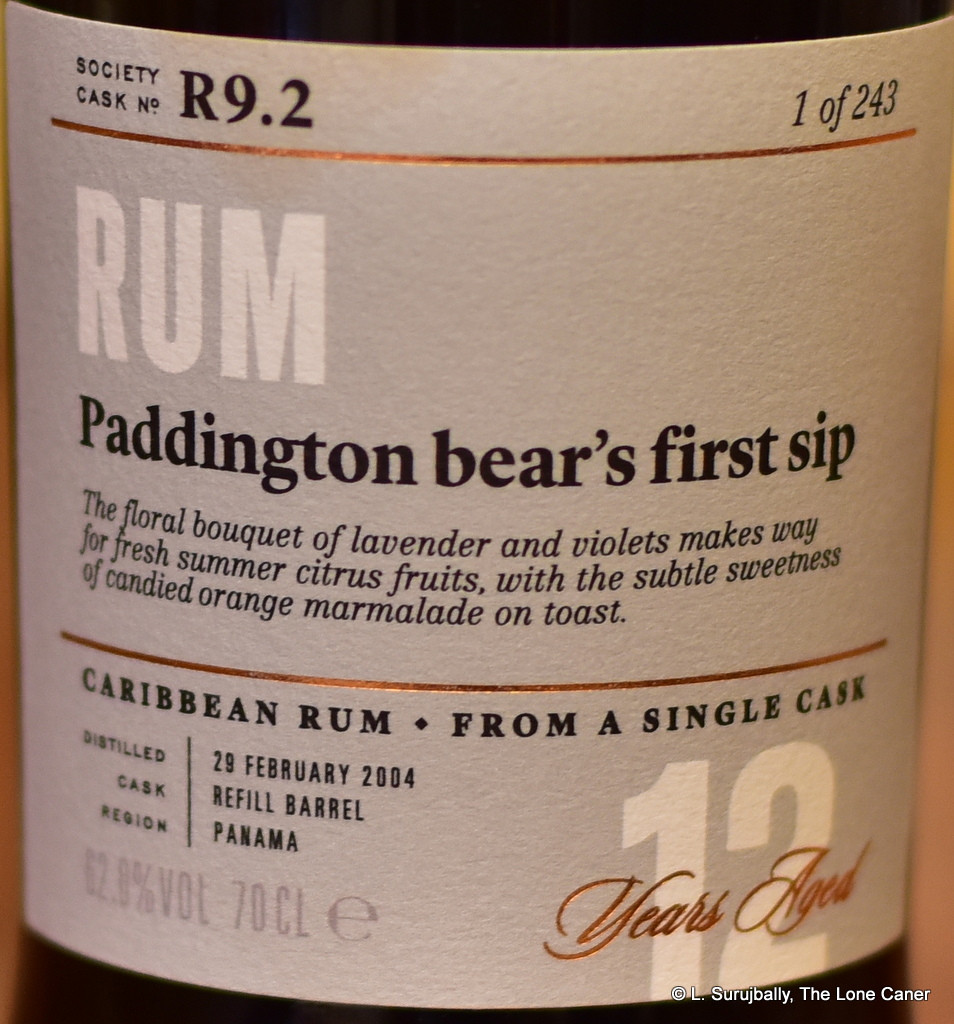 In spite of the high ABV, which lends a fair amount of initial sharpness and heat to the tongue until it burns away and settles down, it’s actually not that fierce. It becomes almost delicate, and there’s a nice vein of fruity sweetness running through, which enhances the flavours of apples, cider, green grapes, citrus, coconut, vanilla, and candied oranges. There’s also some of that polish and acetone remaining, neatly dampened by caramel and brown sugar, all balancing off well against each other. It retains that delicacy to the finish line and stays well behaved: a touch sweet throughout, with caramel (a bit much), vanilla, fruits, grapes, raisins, citrus, blancmange…not bad at all.
 Or so the story-teller in me supposes. Because all jokes and anecdotes aside, what this is, is a rum made to order.
  Rumaniacs Review #122 | 0785
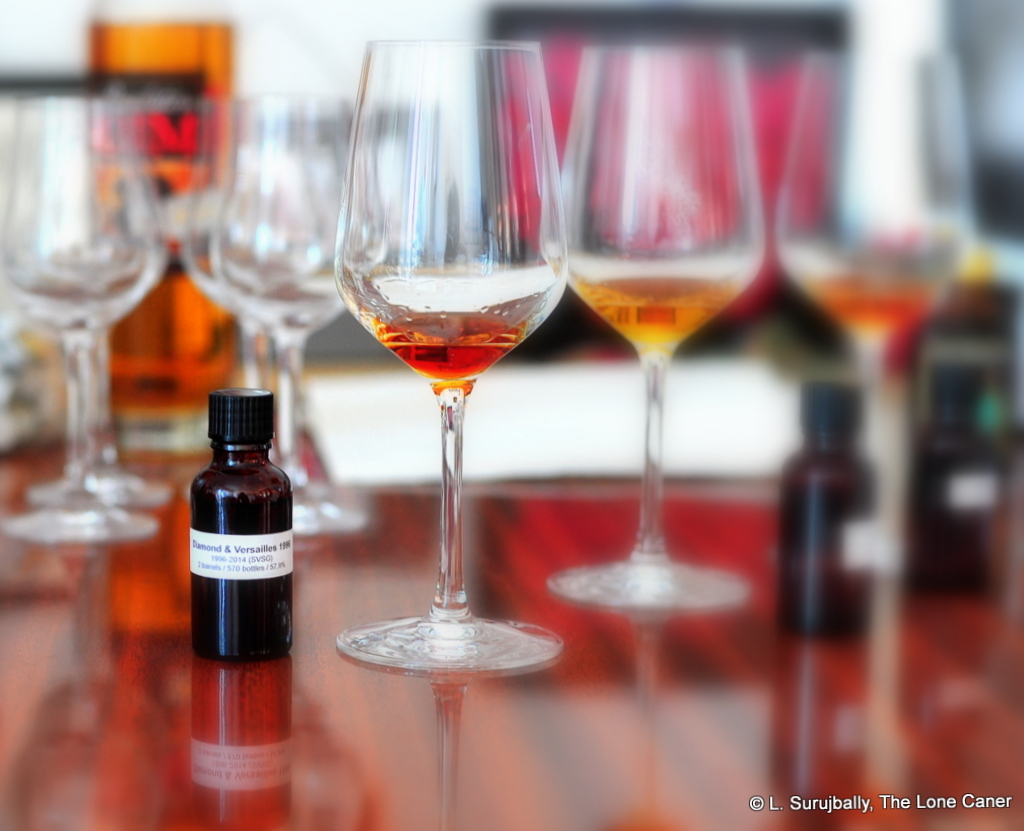
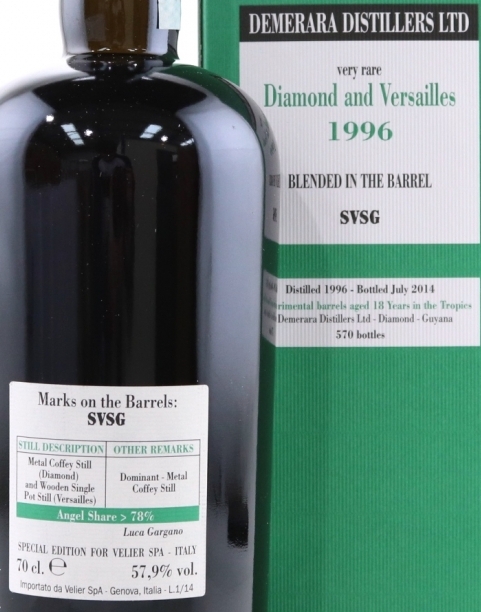 By the time this rum was released in 2014, things were already slowing down for Velier in its ability to select original, unusual and amazing rums from DDLs warehouses, and of course it’s common knowledge now that 2014 was in fact the last year they did so. The previous chairman, Yesu Persaud, had retired that year and the arrangement with Velier was discontinued as DDL’s new Rare Collection was issued (in early 2016) to supplant them.
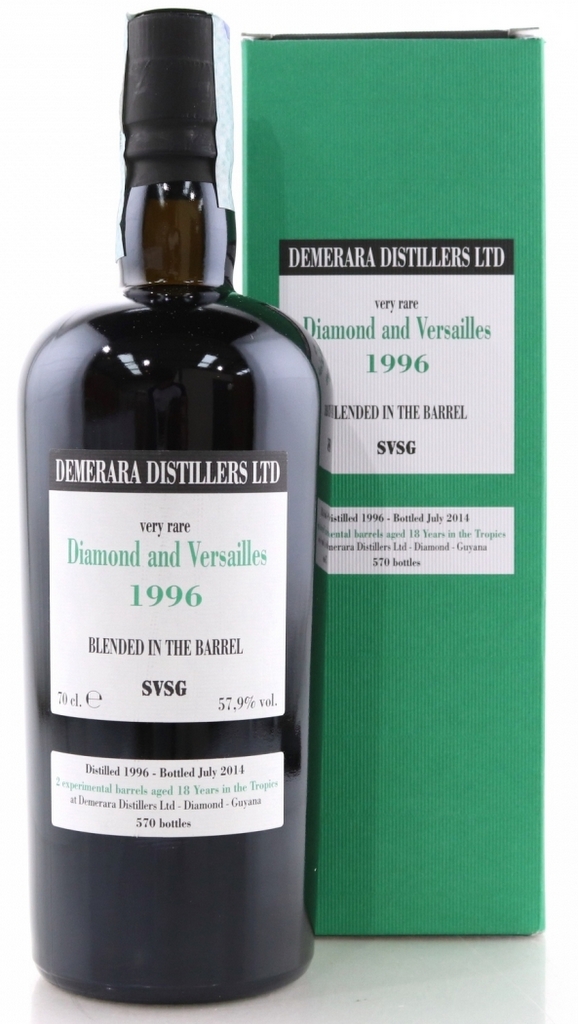 The nose had been so stuffed with stuff (so to speak) that the palate had a hard time keeping up. The strength was excellent for what it was, powerful without sharpness, firm without bite. But the whole presented as somewhat more bitter than expected, with the taste of oak chips, of cinchona bark, or the antimalarial pills I had dosed on for my working years in the bush. Thankfully this receded, and gave ground to cumin, coffee, dark chocolate, coca cola, bags of licorice (of course), prunes and burnt sugar (and I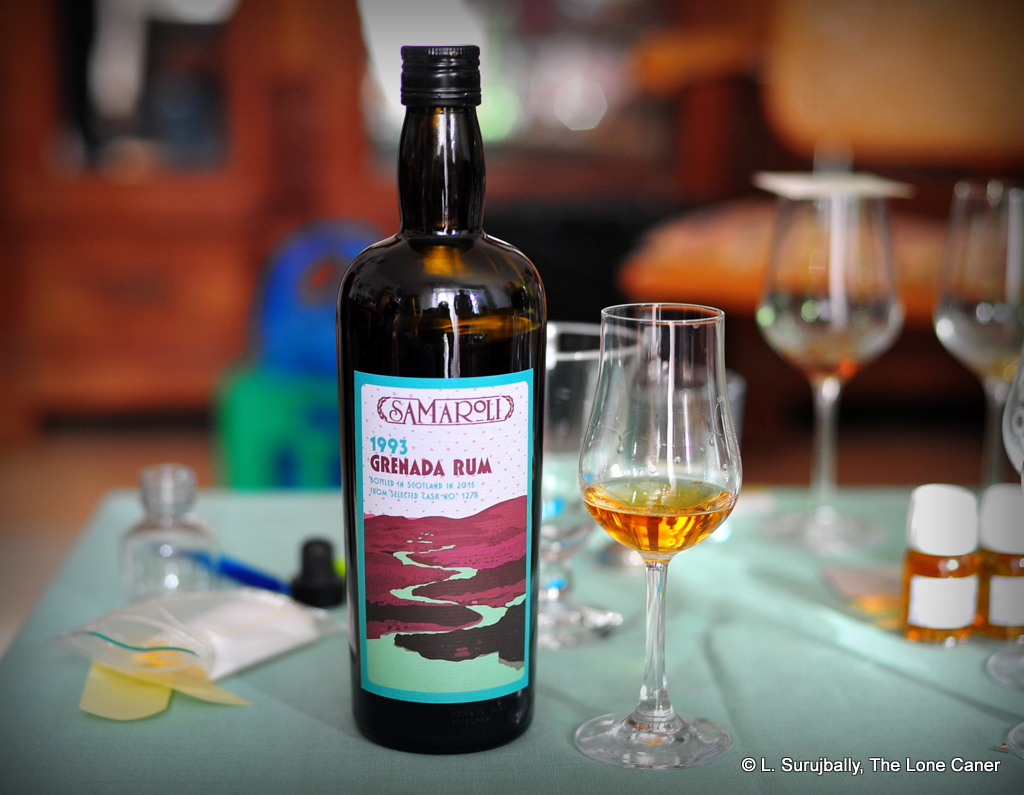
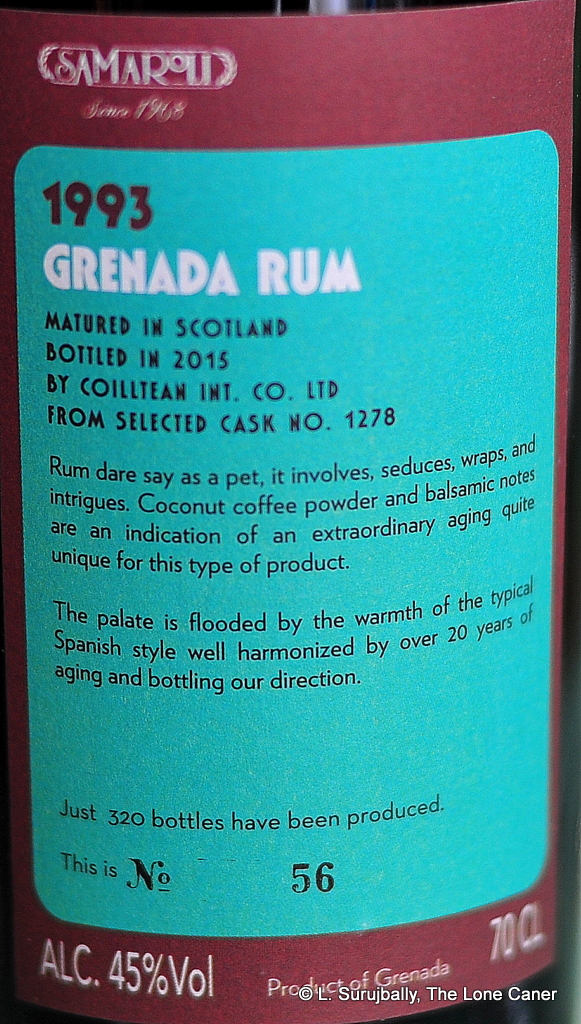
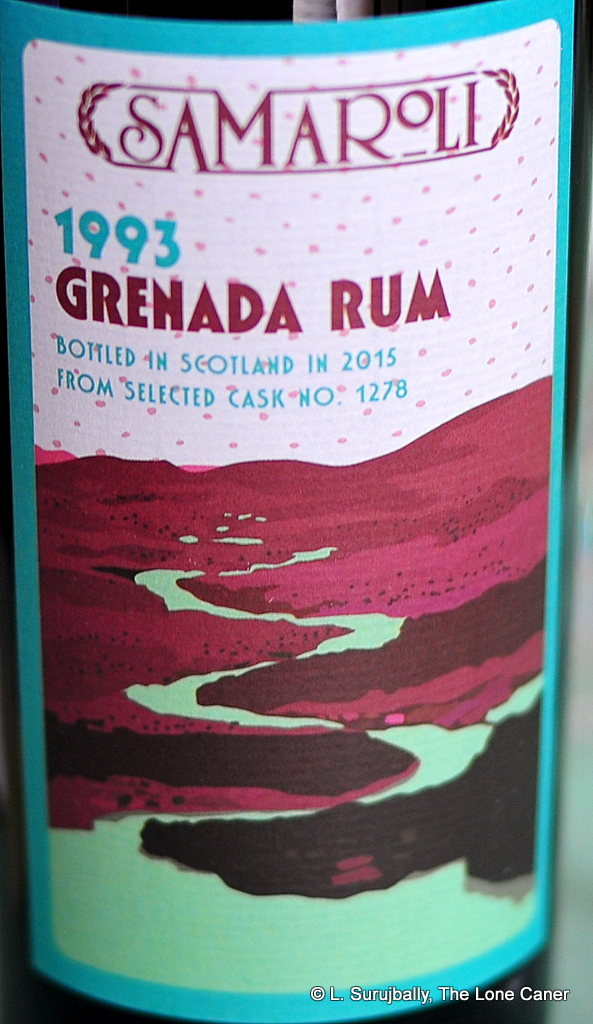 One such is this Samaroli rum sporting an impressive 22 years of continental ageing, hailing from Grenada – alas, not Rivers Antoine, but you can’t have everything (the rum very likely came from Westerhall – they ceased distilling in 1996 but were the only ones exporting bulk rum before that). You’ll look long and hard before you find any kind of write up about it, or anyone who owns it – not surprising when you consider the €340 price tag it fetches in stores and at auction. This is the second Grenada rum selected under the management of Antonio Bleve who took over operations at Samaroli in the mid 2000s and earned himself a similar reputation as Sylvio Samaroli (RIP), that of having the knack of picking right.
  So what to make of this expensive two-decades-old Grenada rum released by an old and proud Italian house? Overall it’s really quite pleasant, avoids disaster and is tasty enough, just nothing special. I was expecting more. You’d be hard pressed to identify its provenance if tried blind. Like an SUV taking the highway, it stays firmly on the road without going anywhere rocky or offroad, perhaps fearing to nick the paint or muddy the tyres.
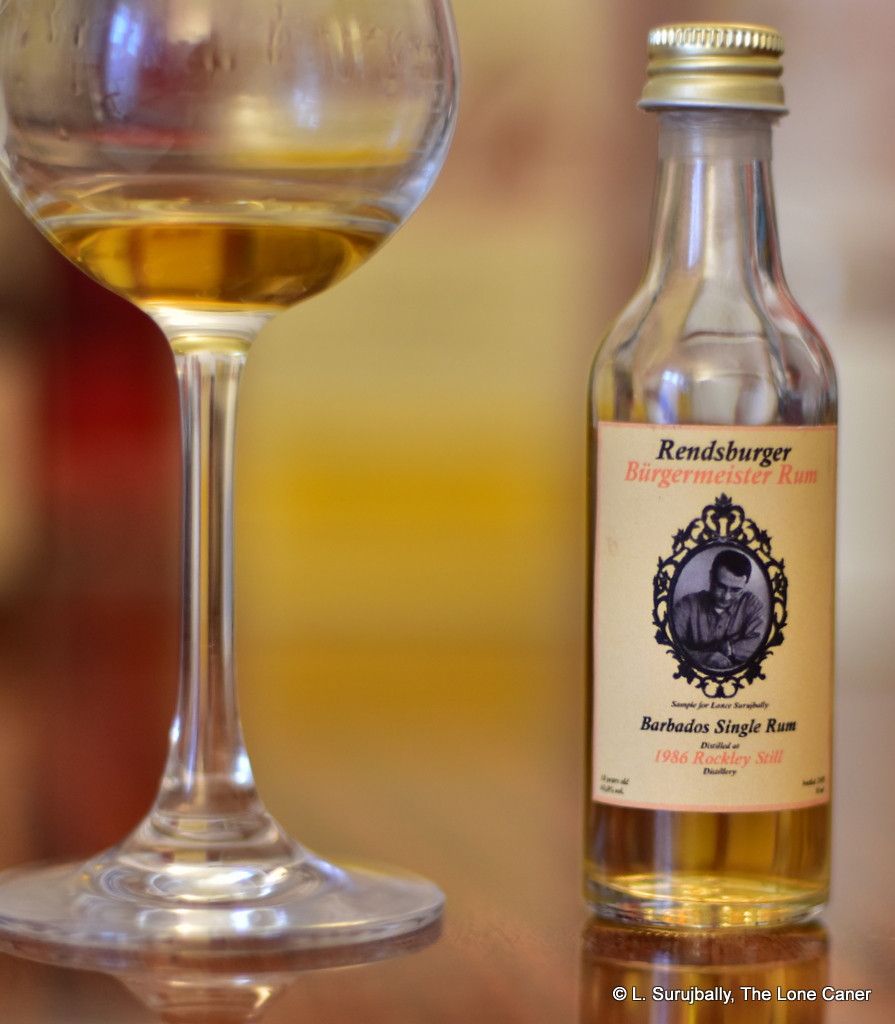 So let’s try it and see what the fuss is all about. Nose first. Well, it’s powerul sharp, let me tell you (63.8% ABV!), both crisper and more precise than the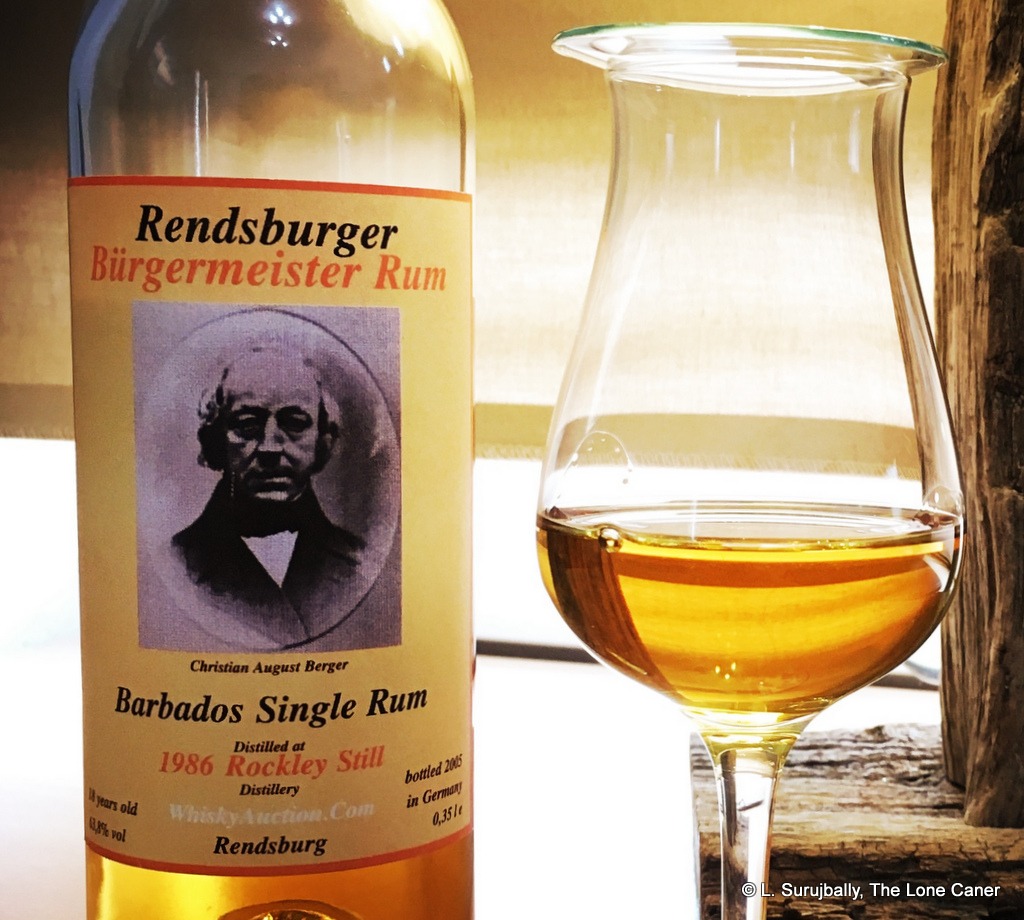
 Rum Nation’s own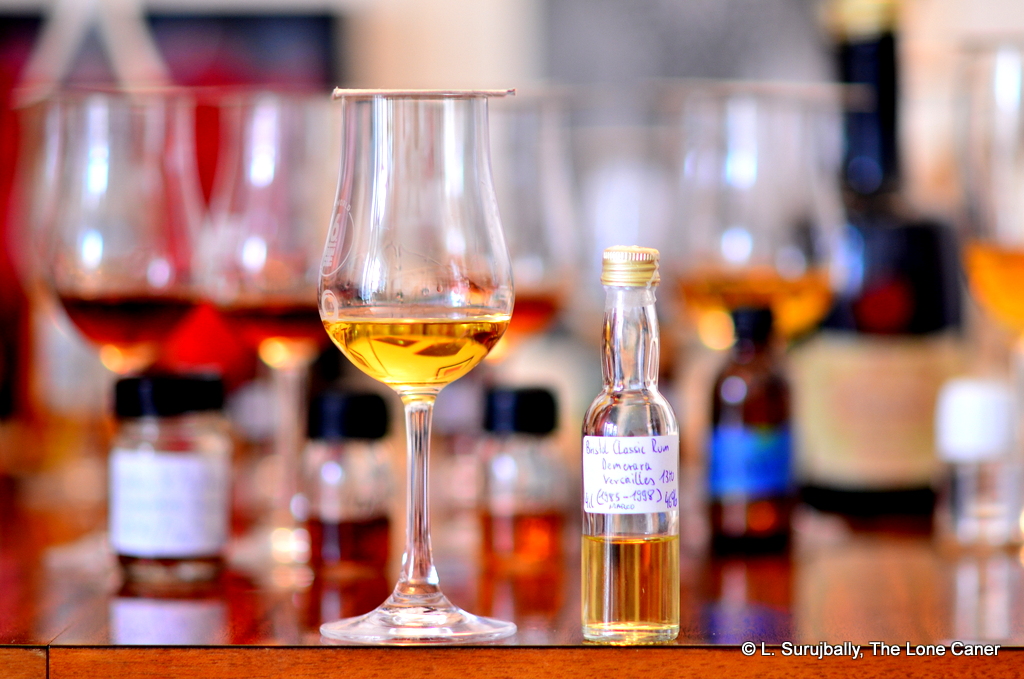
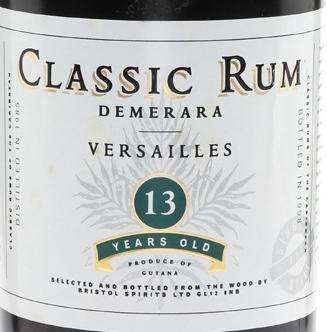 Bristol, I think, came pretty close with this relatively soft 46% Demerara. The easier strength may have been the right decision because it calmed down what would otherwise have been quite a seriously sharp and even bitter nose. That nose opened with rubber and plasticine and a hot glue gun smoking away on the freshly sanded wooden workbench. There were pencil shavings, a trace of oaky bitterness, caramel, toffee, vanilla and slowly a firm series of crisp fruity notes came to the fore: green apples, raisins, grapes, apples, pears, and then a surprisingly delicate herbal touch of thyme, mint, and basil.

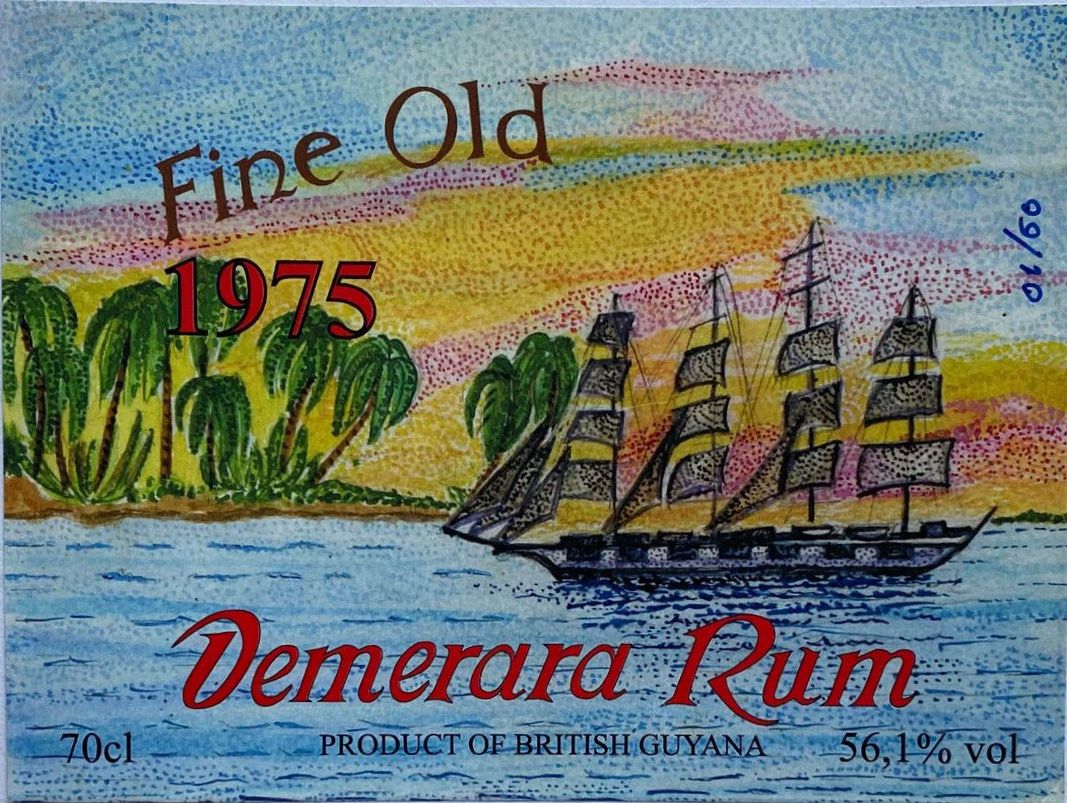
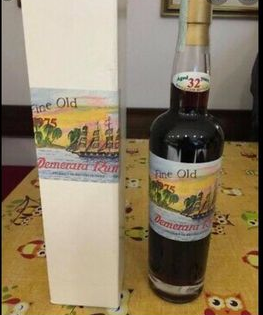
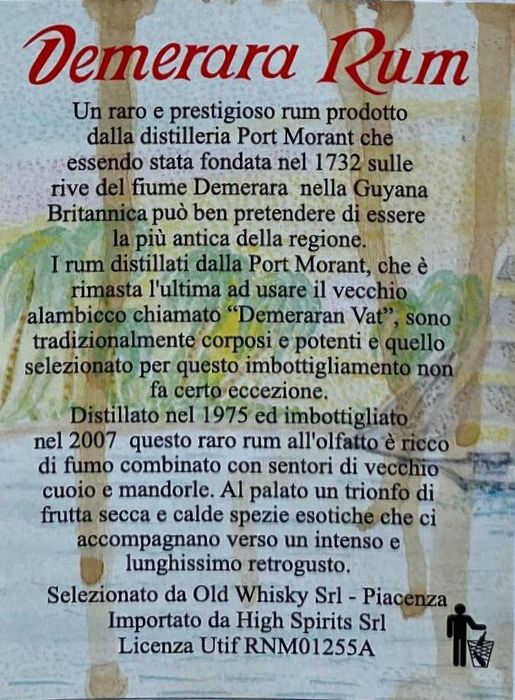 For the kitch, I’m afraid there is not much. Thanks to my impeccably fluent lack of Italian, I can tell you it’s a 1975 Port Mourant that was bottled in 2007, and it appears to be one of those single barrel releases often indulged in by importers – this time an Italian outfit called High Spirits, which doesn’t exist beyond its odd one-page website that leads nowhere and says nothing – see below for some notes on this. The rum is 56.1%, dark red brown….
 There’s just so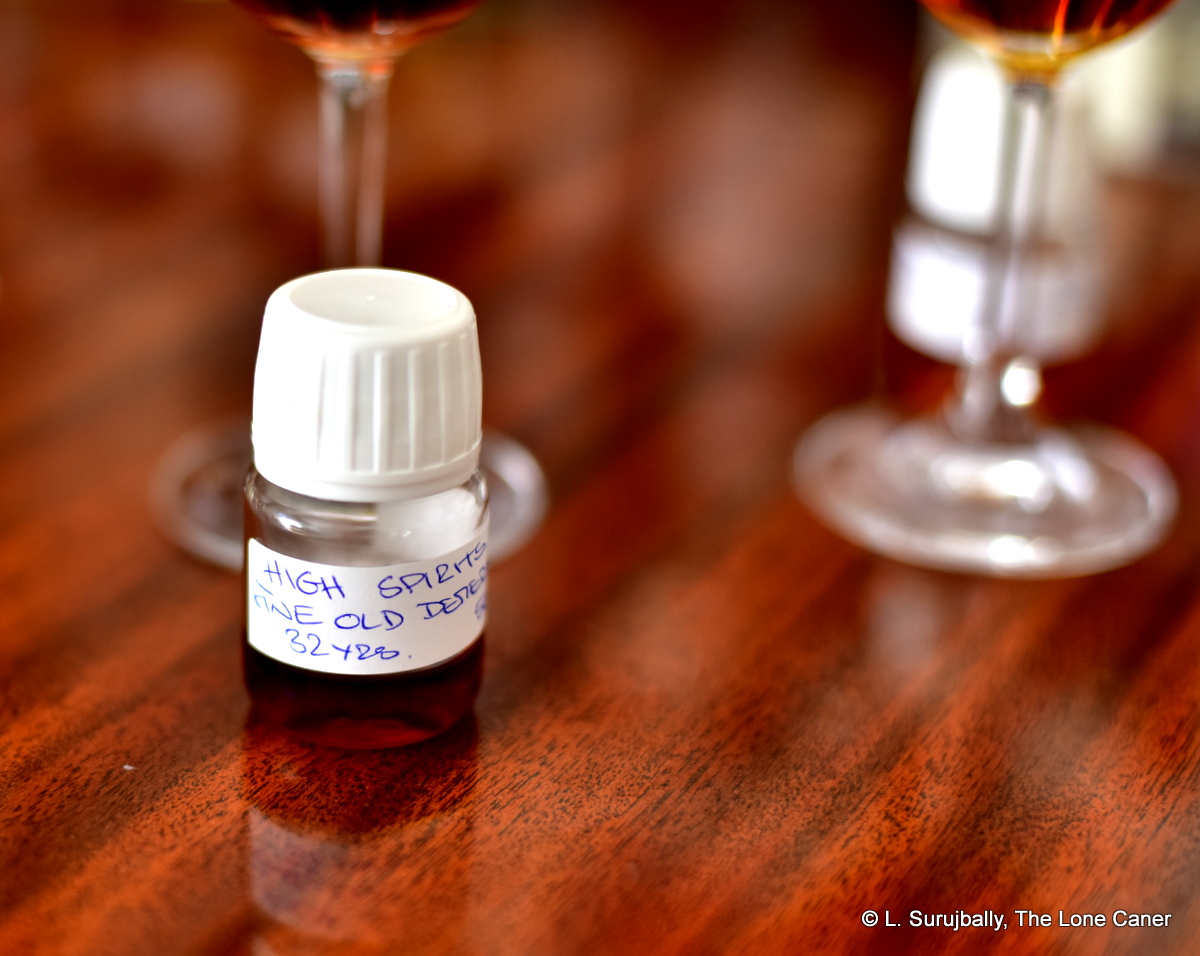
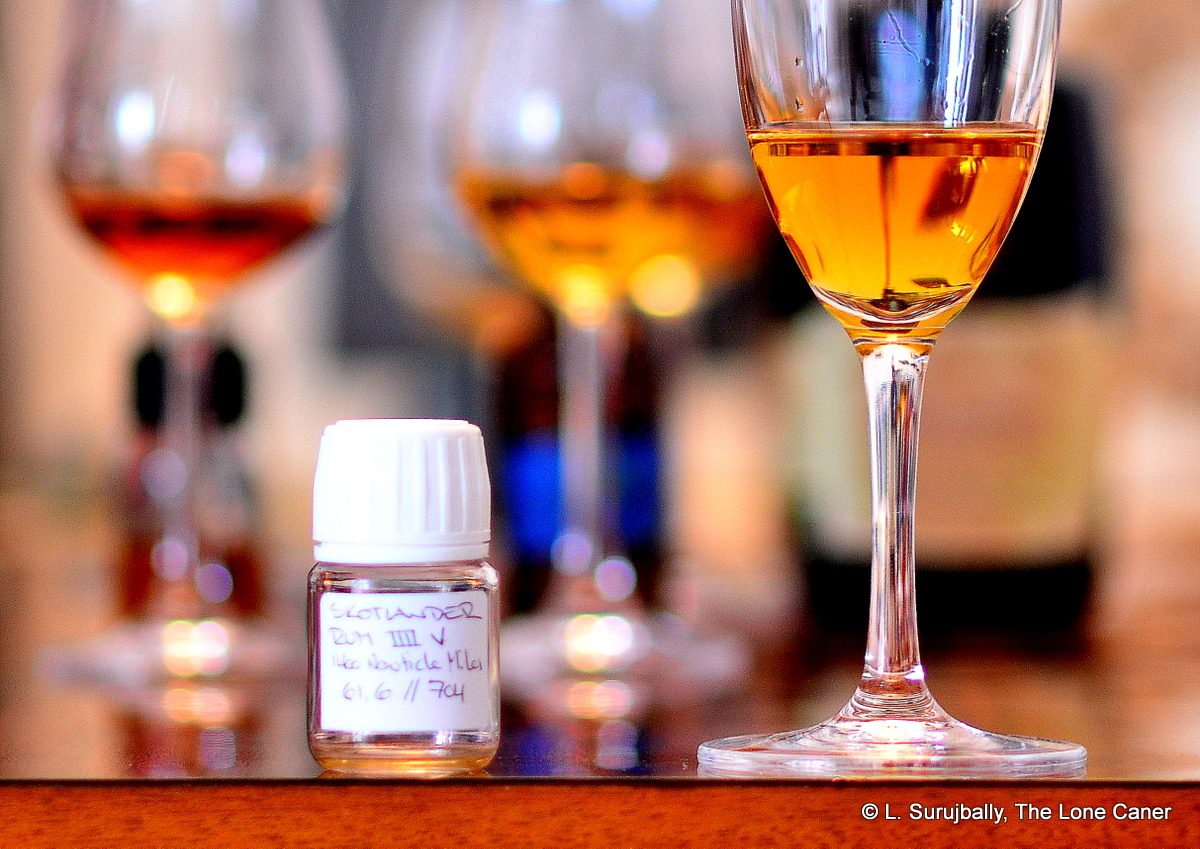
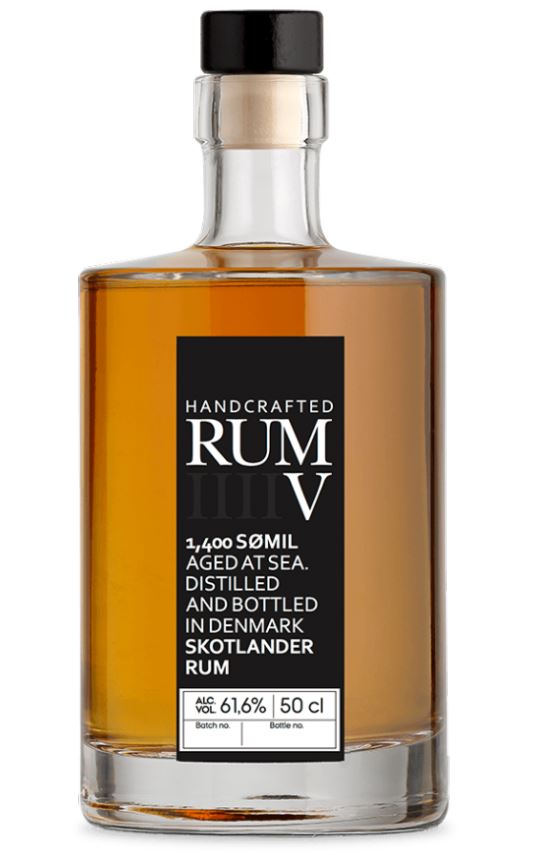 Rums made from scratch by some small new micro-distillery in a country other than the norm are often harbingers of future trends and can bring – alongside the founders’ enthusiasm – some interesting tastes to the table, even different spirits (<<cough>> ‘Murrica!!). But Skotlander, to their credit, didn’t mess around with ten different brandies, gins, vodkas, whiskies and what have you, and then pretended they were always into rum and we are now getting the ultimate pinnacle of their artsy voyage of discovery. Nah. These boys started with rum, bam! from eight o’clock, day one.
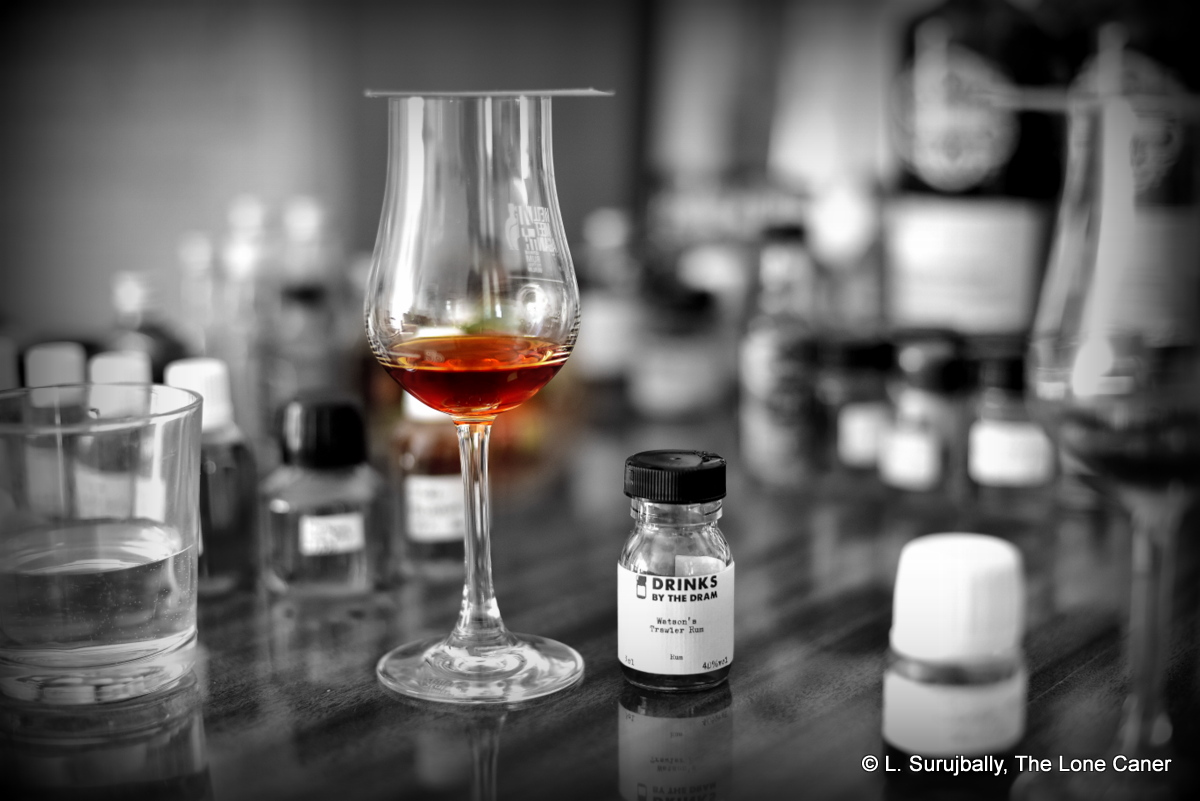
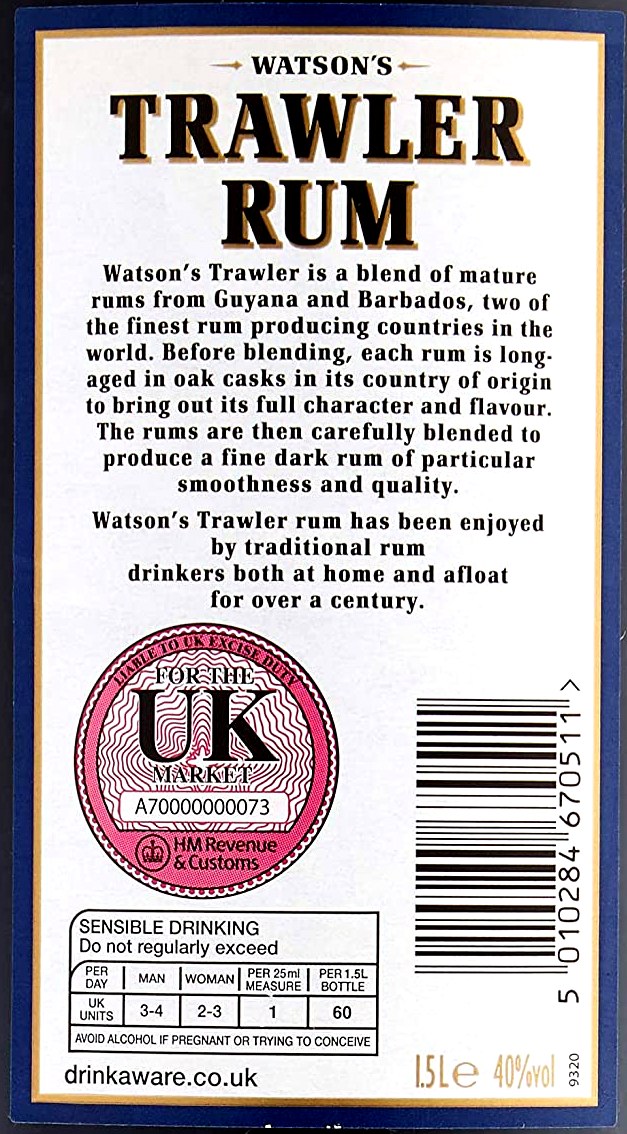
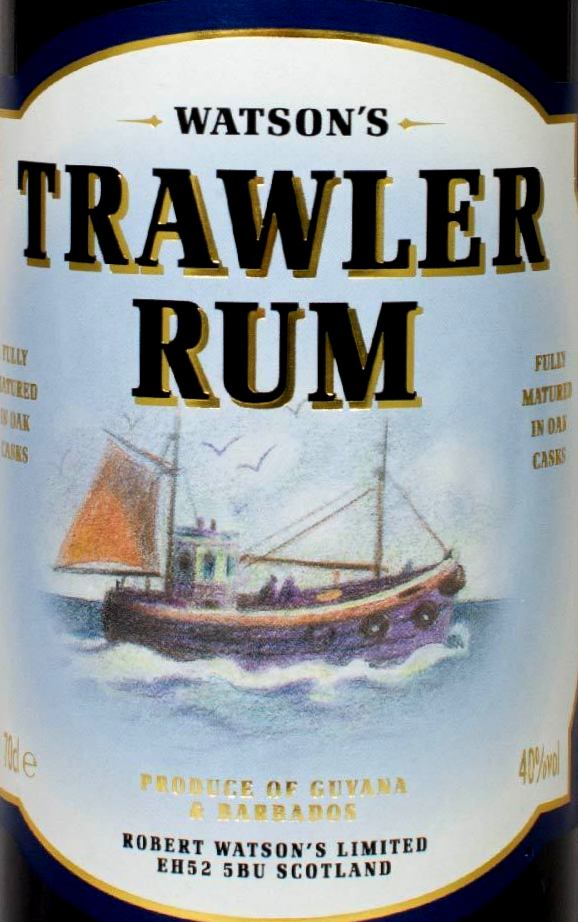 Watson’s Trawler rum, bottled at 40% is another sprig off that branch of British Caribbean blends, budding off the enormous tree of rums the empire produced. The company, according to Anne Watson (granddaughter of the founder), was formed in the late 1940s in Aberdeen, sold at some point to the Chivas Group, and since 1996 the brand is owned by Ian McLeod distillers (home of Sheep Dip and Glengoyne whiskies). It remains a simple, easy to drink and affordable nip, a casual drink, and should be approached in precisely that spirit, not as something with pretensions of grandeur.
 It’s in that simplicity, I argue, lies much of Watson’s strength and enduring appeal — “an honest and loyal rum” opined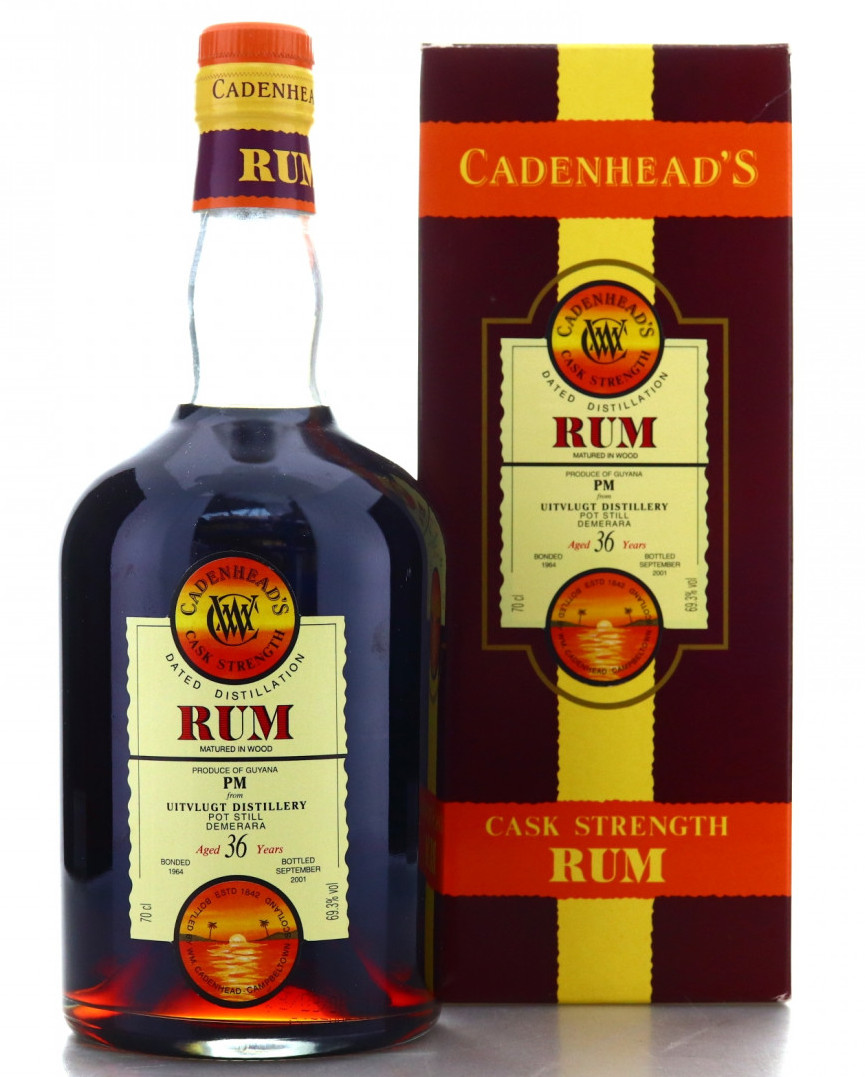
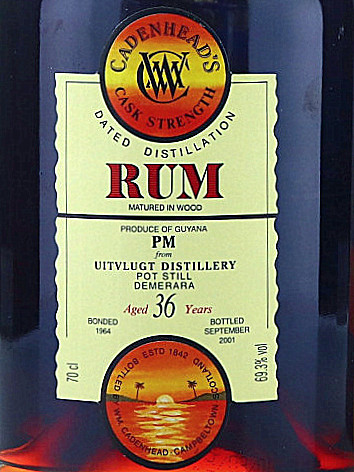 The Cadenhead Uitvlugt 1964 followed all the traditional ways an indie has of producing a rum, except then it proceeded to dial it up to 11, added steroids, horse tranqs and industrial strength factory cleanser, and released it to just about zero acclaim (I mean, have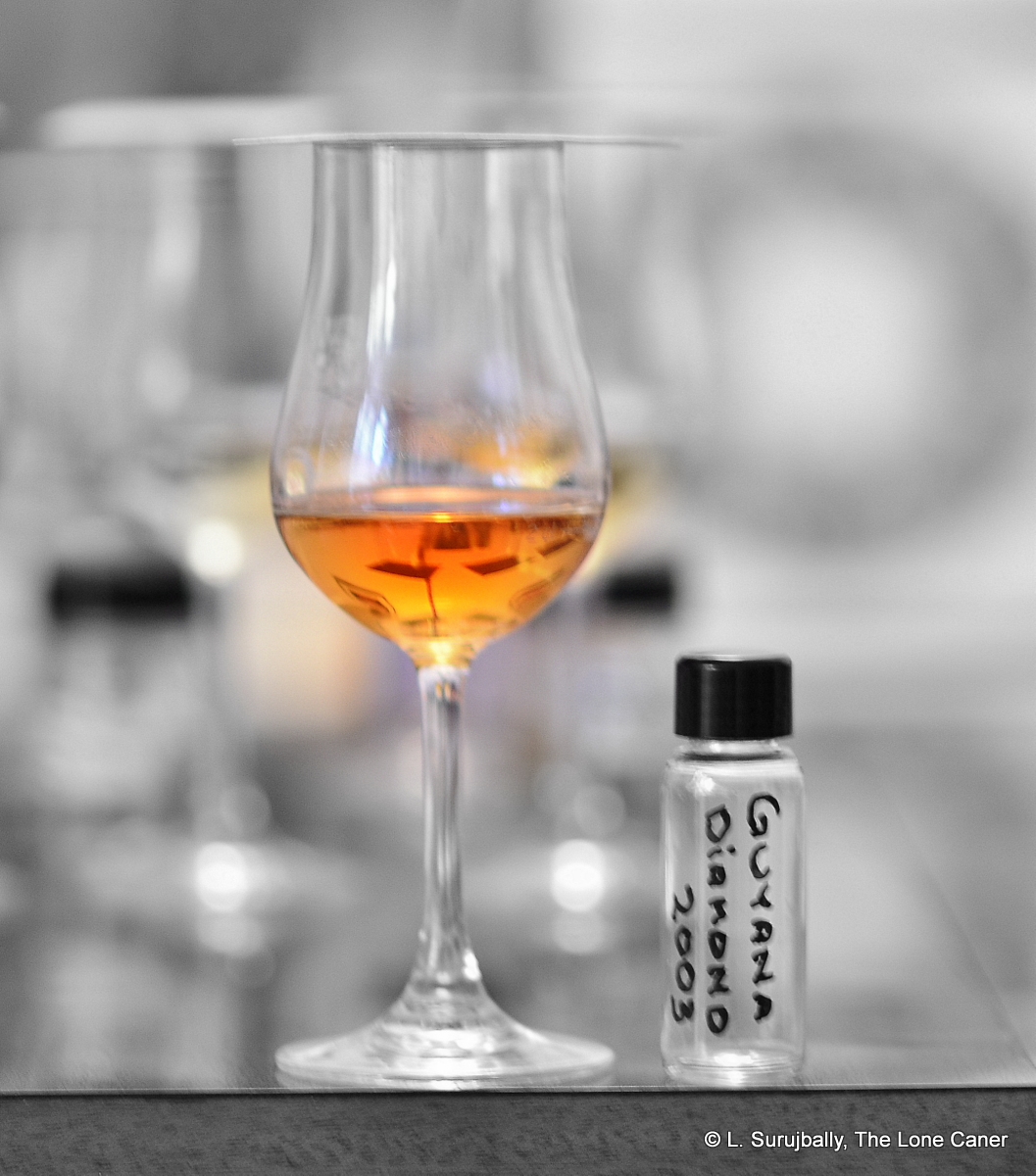
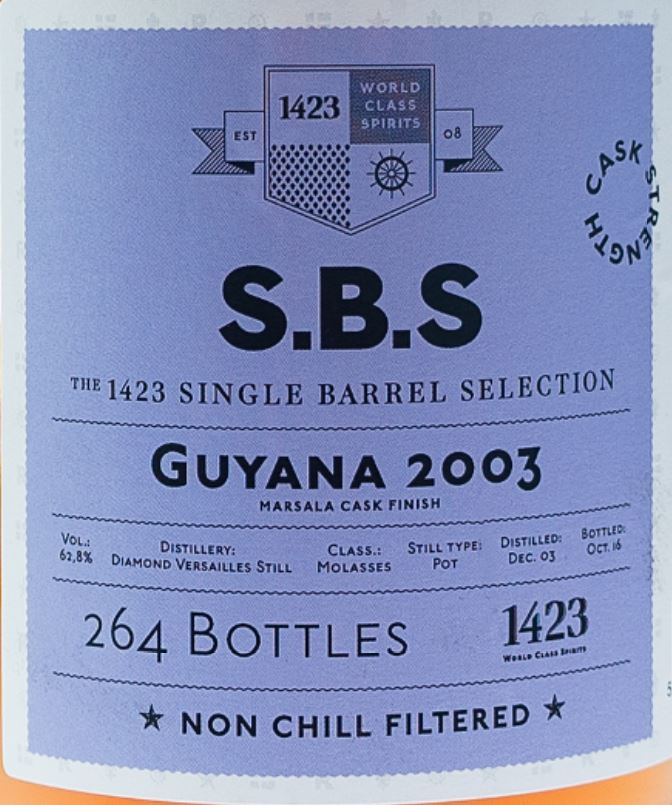 My own preference has always been for the stern elegance of the Port Mourant, and the Enmore coffey still produces rums that are complex, graceful and sophisticated when done right. But the Versailles still is something of an ugly stepchild – you’ll go far and look long to find an unqualified positive review of any rum it spits out. I’ve always felt that it takes rare skill to bring the rough and raw VSG pot still profile to its full potential…none of the familiar indies has had more than occasional success with it, and even Velier never really bothered to produce much Versailles rum at the height of
 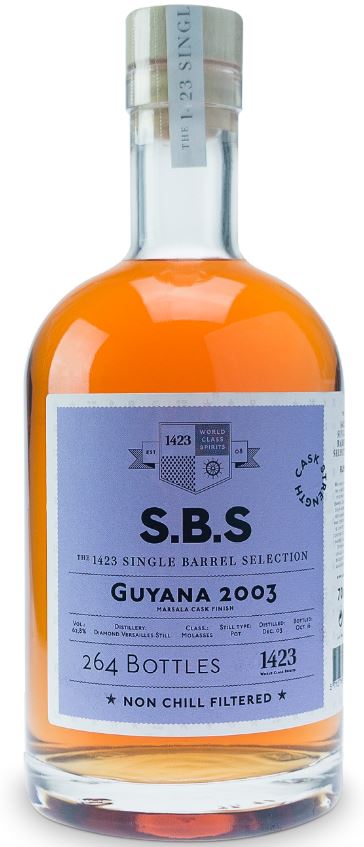 There has been occasional confusion among the stills in the past: e.g. the
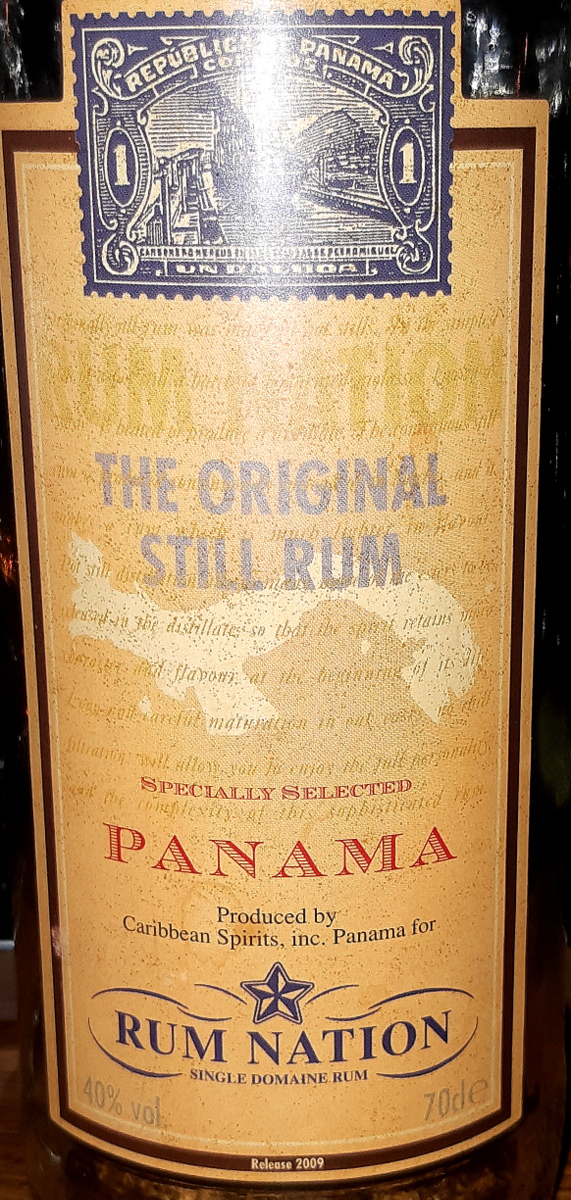
 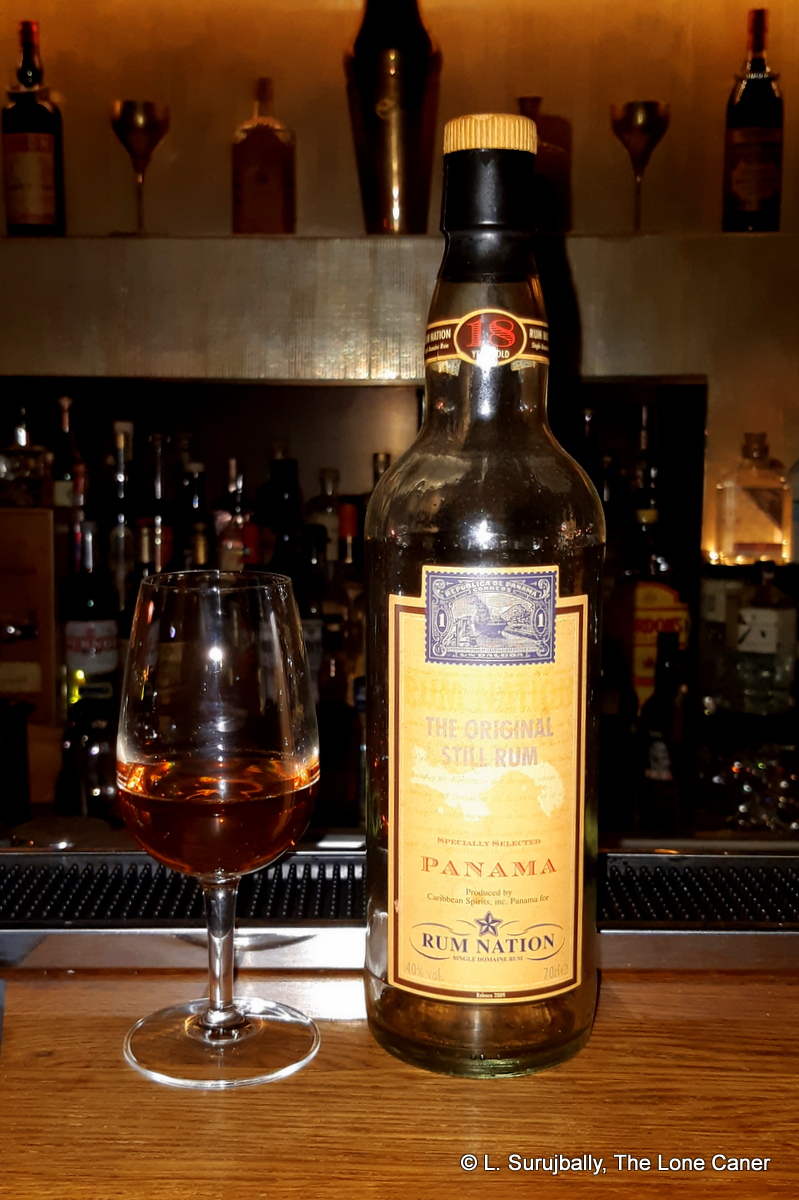 The Rum Nation Panama 2009 edition exists in a peculiar place of my mind, since it’s the unavailable, long-gone predecessor of the
  That was the smell, but what did it taste like? Eighteen years in a barrel must, after all, show its traces. To some extent, yes: again,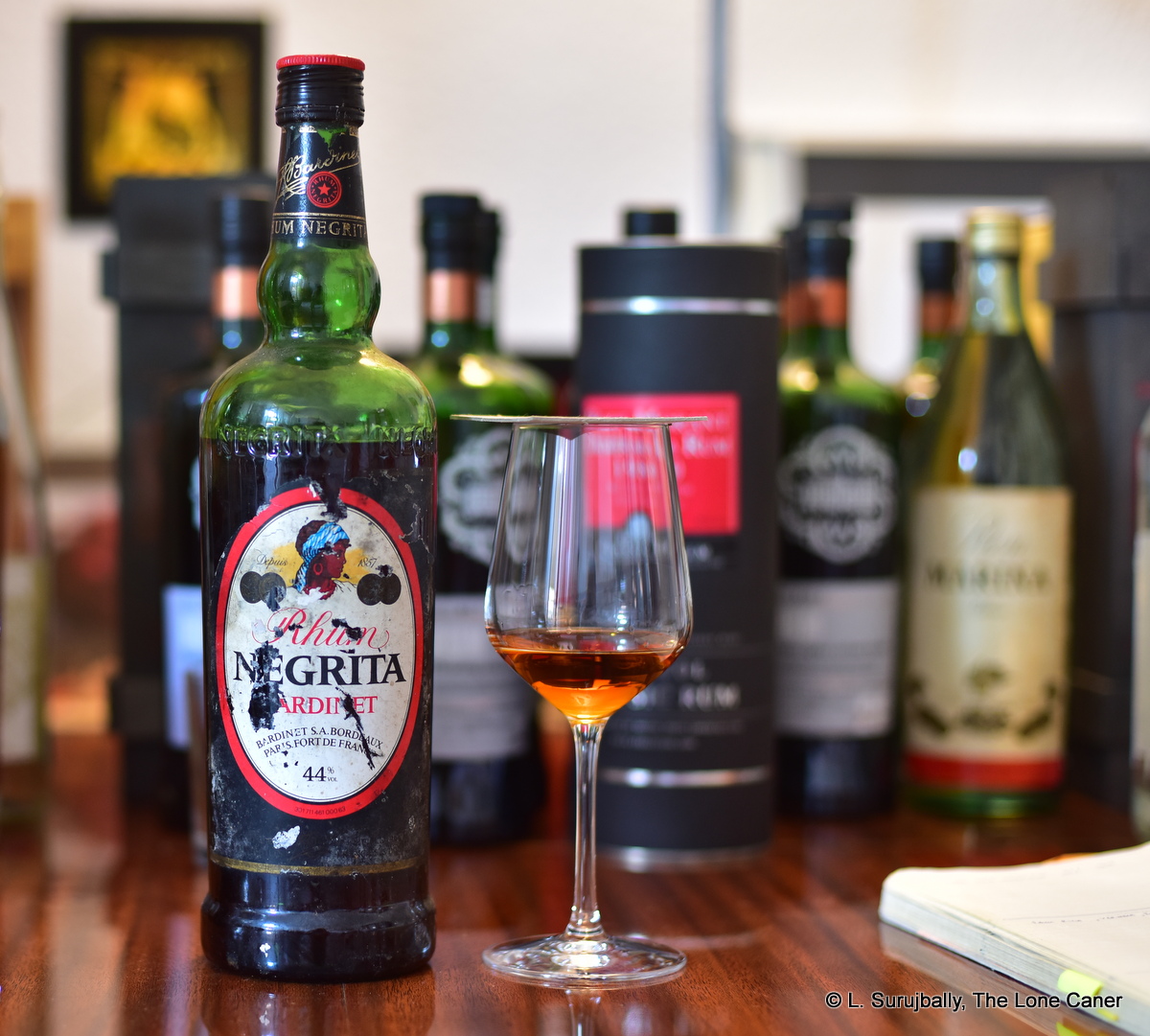
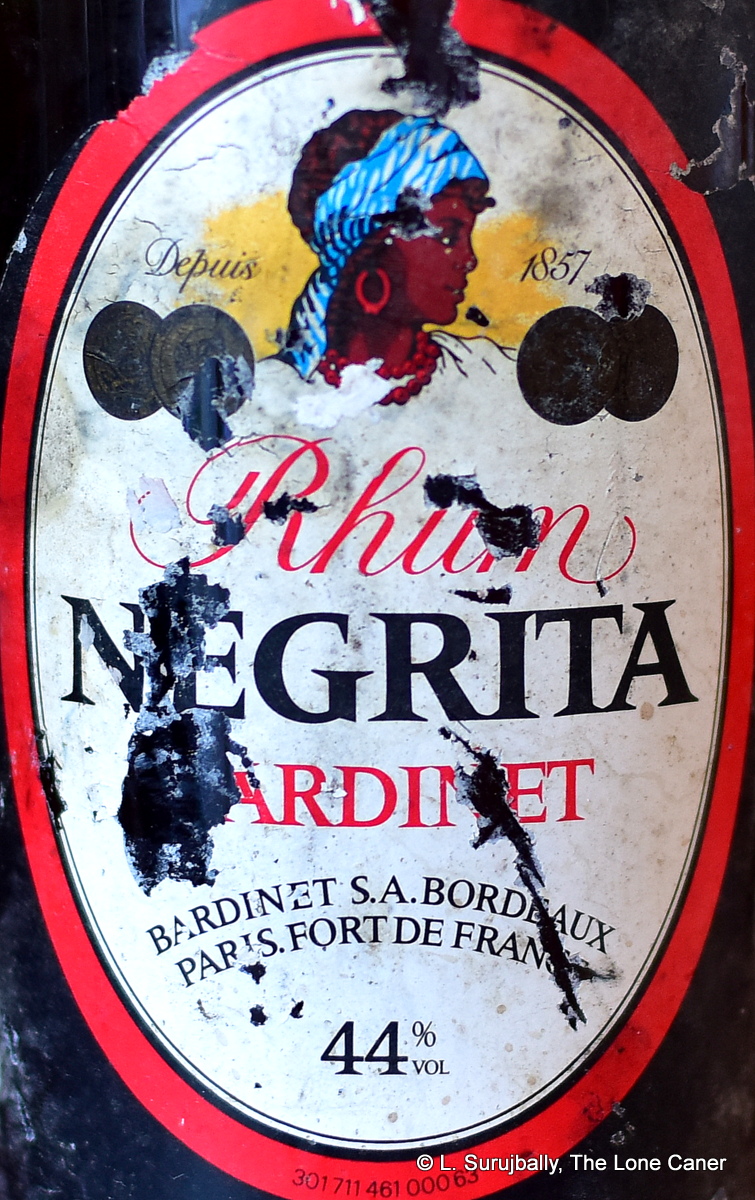
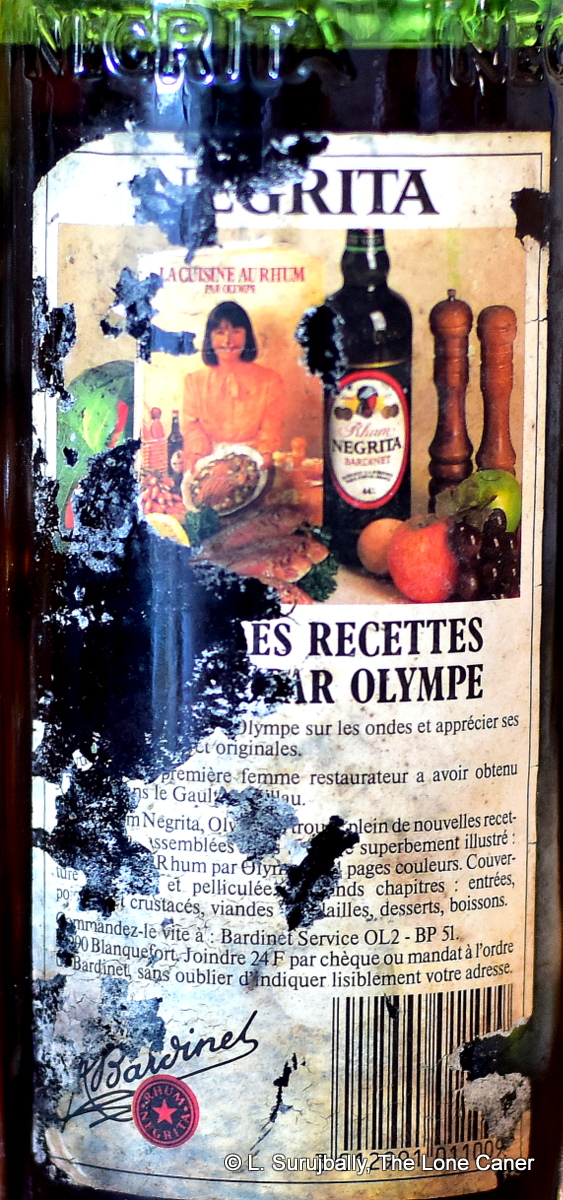 Nose – Doesn’t lend itself to quick identification at all. It’s of course pre-AOC so who knows what made it up, and the blend is not disclosed, alas. So, it’s thick, fruity and has that taste of a dry dark-red wine. Some fruits – raisins and prunes and blackberries – brown sugar, molasses, caramel, and a sort of sly, subtle reek of gaminess winds its way around the back end. Which is intriguing but not entirely supportive of the other aspects of the smell.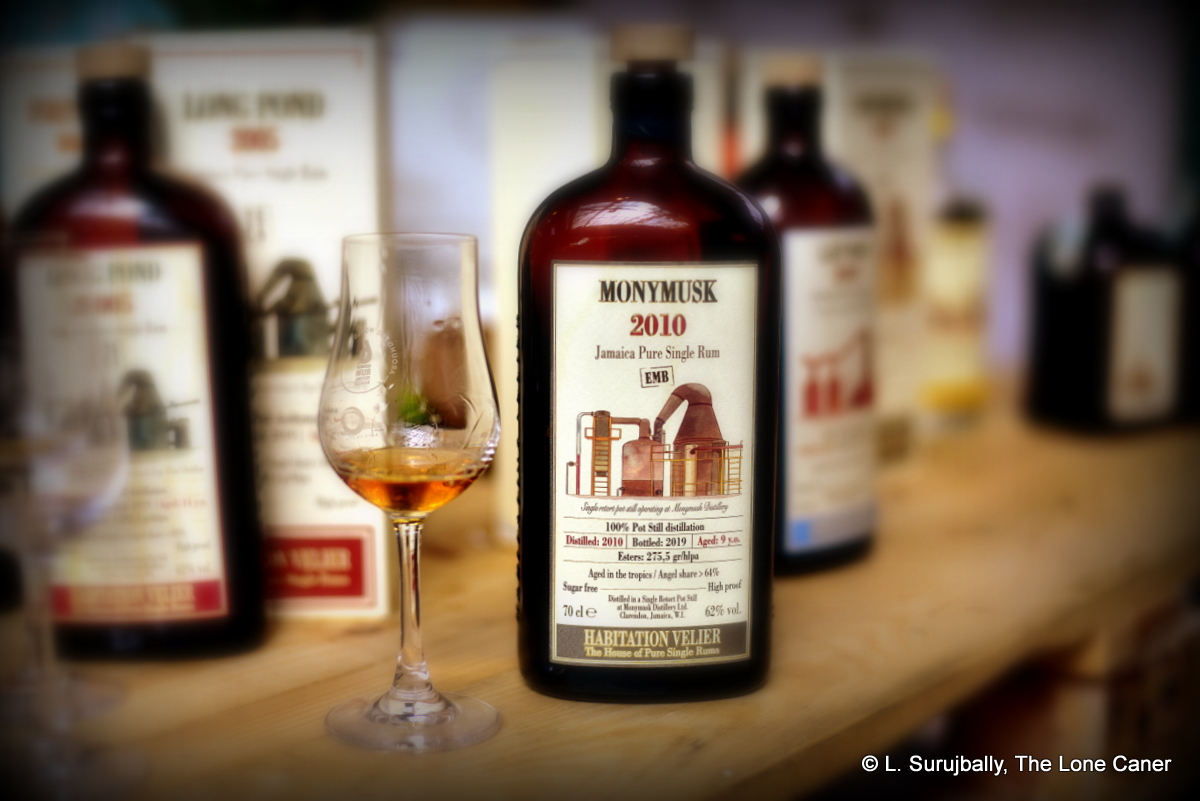

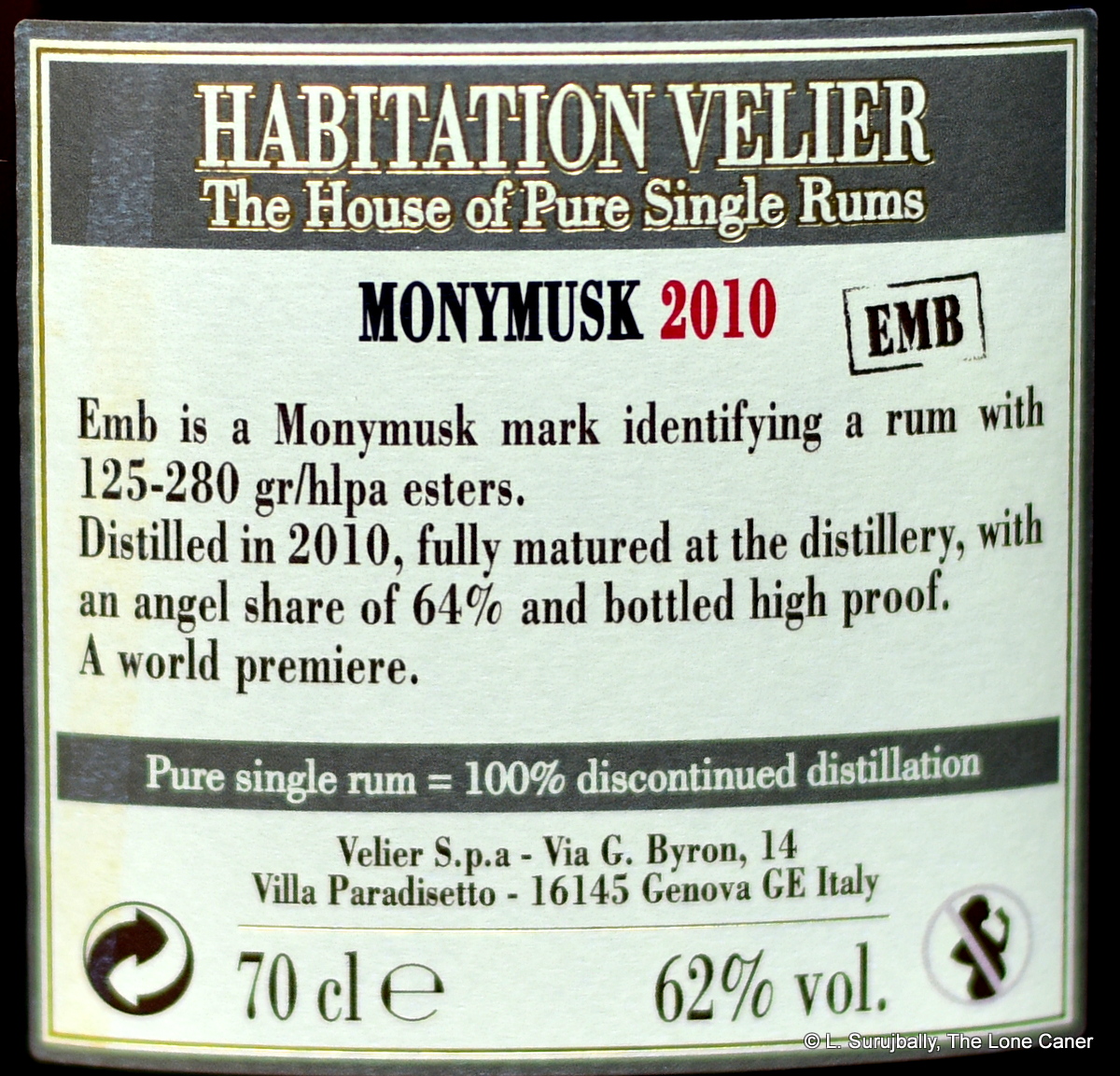 As for the finish, well, in rum terms it was longer than the current Guyanese election and seemed to feel that it was required that it run through the entire tasting experience a second time, as well as adding some light touches of acetone and rubber, citrus, brine, plus everything else we had already experienced the palate. I sighed when it was over…and poured myself another shot.