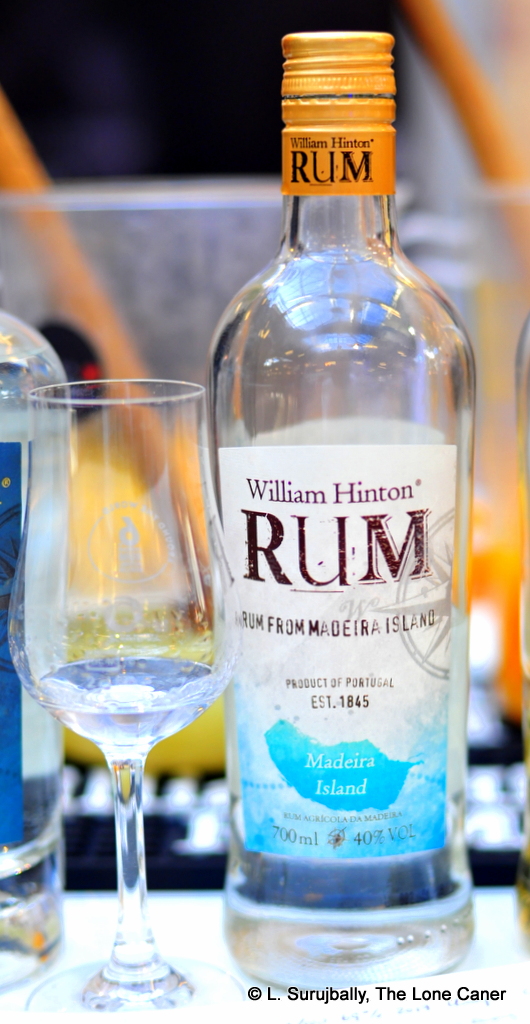
 William Hinton from Madeira is not a name to conjure with in the annals of rum, but this is not the first time they have come up for mention – their distillery produced the Engenho Novo da Madeira rum that Rum Nation released with some fanfare back in 2017. The following year the company of Engenho Novo, Hinton’s new incarnation (and not to be confused with Engenhos do Norte, producer of the “970 Agricola”) released some rums for themselves, and we’ll be looking at these over the next week or so.
Hinton classify their rums into three tiers: (1) the exclusive single casks, which are blends of 6YO “new Hinton” rums and 25 YO “old Hinton” rums from before the shutdown in 1986 (see below) which are then finished in various other barrels like wine or whisky or what have you; (2) the premium range which consists of two rums, an award winning 6 YO and a high proof white; and (3) the bartenders’ mixes, for general audiences, which their website refers to, in an odd turn of phrase, as a “service rum.” One of that final category is the white rum we’re examining today.
The white is a cane juice agricole – a term which Madeira has a right to use – but it is not unaged. While the site does not specifically say so, I was told it’s under a year, around six months, in French oak casks 1. It is bottled at 40%, column still, so nothing “serious”. It’s made fit for purpose, that’s all.
Unfortunately that purpose seems to be to put me to sleep. Dare I say it is underwhelming? It is a soft and extremely light white rum with very little in the way of an aromas at all. It’s delicate, flowery and admittedly very clean – and one has to seriously pay attention to make out some flowers, dill, herbs, grass, sugar water and wet moss (!!), before it disappears like a summer zephyr you barely sensed in the first place
The palate is better, and remains light and clean. It has a queer sort of dusty aroma to it, like old library books stored in long disused storage room. That gradually goes away and is replaced with a dry taste of cheerios, and some fruits. Almonds and a curiously faint whiff of vanilla. I read somewhere that this white is made to service a poncha — a very old cocktail from Portugal’s great seafaring days invented to combat scurvy (rum plus sugar plus lemon juice, and some honey) — not so much to replace Bacardi Superior … though you could not imagine them being displeased if it did. Drinking it neat is probably a nonstarter since it’s so wispy, and of course there’s not much of a finish (at 40% I wasn’t looking for one). Briefly fruity and floral, a quick whiff of herbs, and it’s gone.
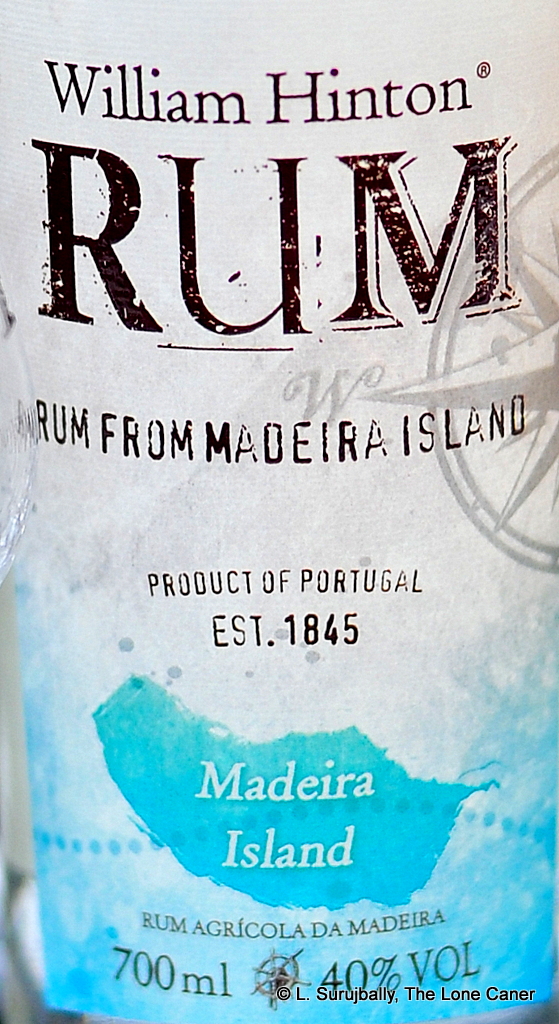 Although it has some very brief tastes and aromas that I suppose derive from the minimal ageing (before the results of that process got filtered right back out again), the white displays little that would make it stand out. In fact, while demonstrably being an agricole, it hardly tastes like one at all. It’s what I’m beginning to refer to more and more often as a “cruise-ship white”, a kind of all-encompassing milquetoast rum whose every character has been bleached and out so its only remaining function is to deliver a shot of bland alcohol (like, say, vodka) into a mixed drink for those who don’t know or don’t care (or both).
That said, honesty compels me to admit that there was some interesting stuff in the wings, sensed but not seen, a trace only, perhaps only waiting to emerge at the proper time, but alas, not enough to save it. The premium series probably address such deficiencies, and if so, it was a smart move to separate the generalized cocktail fodder (which this is) from a more upscale and dangerous version aimed at more masochistic folks who’ll try anything once. If you want to know the real potential of Hinton’s white rum, don’t stop and waste time dawdling with this one, go straight for the 69% and be prepared to have your socks blown off. Unless you like soft and easy whites, I’d walk away from this one.
(#829)(75/100)
Background & History
It’s long been noted that sugar cane migrated from Indonesia to India to the Mediterranean, and continued its westward march by being cultivated on Madeira by the first half of the 15th century. From there it jumped to the New World, but sugar remained a stable and very profitable cash crop in Madeira and the primary engine of the island’s economy for two hundred years. At that point, with Brazil and other Portuguese colonies becoming the main sources of sugar, the focus of Madeira switched to wine, for which it became renowned (sugar cane production continued, just at a reduced level).
The British took some involvement in the island in the 1800s, which led to several inflows of their citizens, some of whom stayed – one of these was William Hinton, a businessman who arrived in 1838 and started the eponymous company seven years later. First a sugar factory was constructed and a distillery was added — these were large and technologically advanced and allowed Engenho Hinton to become the largest sugar processor on the island, as well as the largest rum maker (though I’m not sure what rums they actually did produce) by the 1920s.
Unfortunately, by the 1970s and 1980s as sugar production became more and more industrialized and global, more cheaply produced sugar from Brazil and India and elsewhere cut into Hinton’s sales (they were part of a regulated EEC industry, so low-cost labour was not an option), and by 1986 the factory and distillery closed and the facilities were mothballed – the website gives no reasons for the closure, so I’m making an educated guess here, as well as assuming they did not sell off or otherwise dispose of what bean counters like me like to refer to as “plant”.
It was restarted by Hinton’s heirs in 2006 as Engenho Novo de Madeira with a column still and using Madeira sugar cane: here again there is scanty information on where this sugar cane comes from, their own property or bought from others. Whatever the source, the practice of using rendered sugar cane juice (”honey”) continued and notes from a brochure I have state that the column still was one restored in 1969 and again in 2007, suggesting that when the distillery closed, its equipment remained intact and in place.


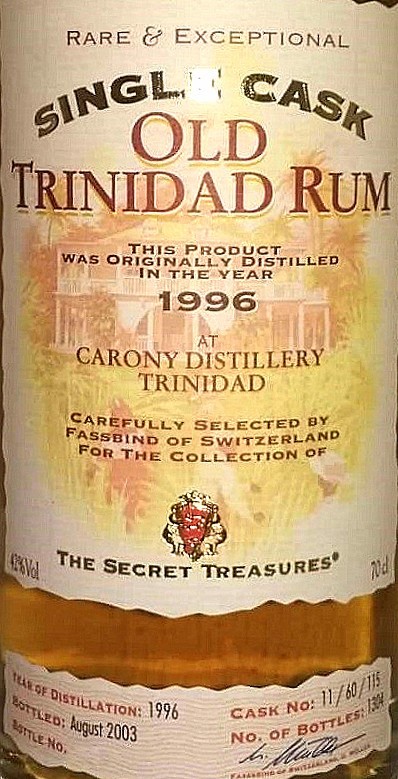
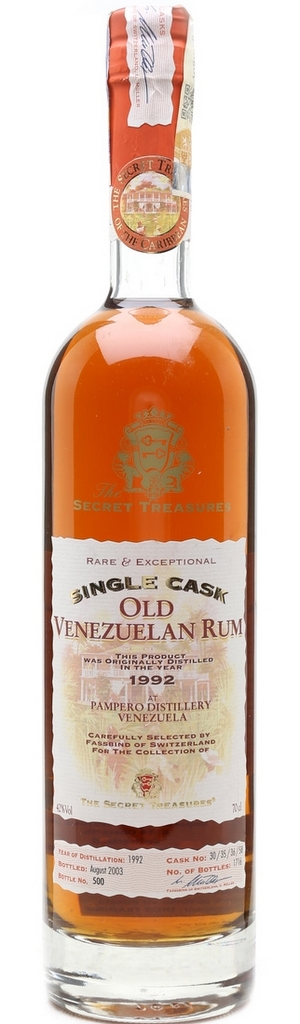 There are some older bottles in the review queue for products from what I term the “classic” era of the Swiss / German outfit of Secret Treasures, and it’s perhaps time to push them out the door in case some curious person ever wants to research them for an auction listing or something. Because what Secret Treasures are making now is completely different from what they did then, as I remarked in my brief company notes for
 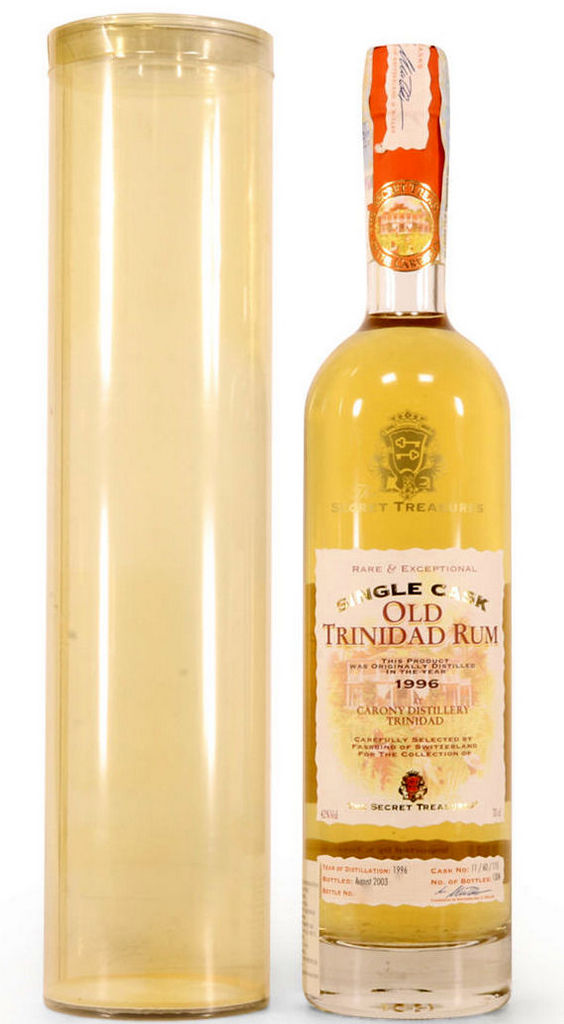 In the maelstrom of ongoing indie releases coming at us from every direction almost every month, it’s easy to overlook some of the older rums, or even some of the older companies. Secret Treasures is one of these — I had discovered their charms on the same trip where I found the first Veliers, all those long years ago, at a time when the concept of independent bottlers was a relatively small scale phenomenon. Back then I bought the company’s
  A salty sweet sugar water greets the tongue with warmth and firmness. All the fleshy and watery fruits we’re familiar with parade around – pears, watermelons, white guavas, papaya, kiwi fruits, even cucumbers all take a bow. A trace of olives and occasional whiff of strawberries and petrol are barely noticeable, so one can only wonder where, after such a promising beginning, they all vanished to. Eloped, maybe. Certainly they bailed and left the rum with nothing but memories and a good wish to lead to its inevitably disappointing denouement, which was short, breathy, light and watery, and barely registered some vanilla, brine, a fruit or two and exactly zero points of distinction.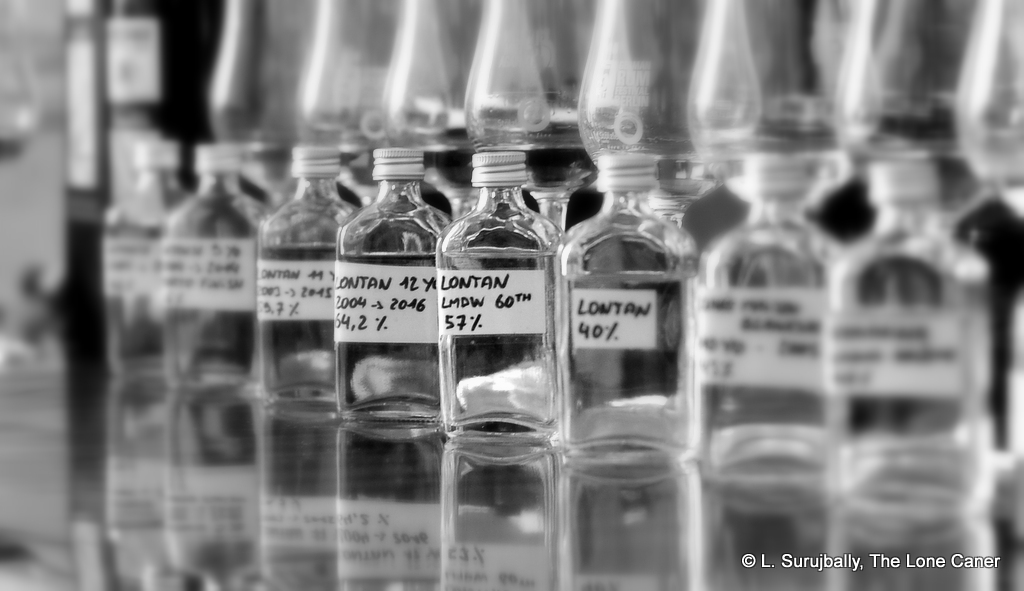
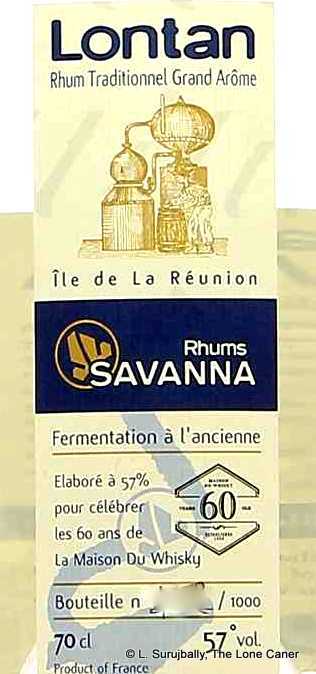 Still, this 57% ABV grand arôme, which was released in 2016 for La Maison Du Whisky’s 60th Anniversary (they went into partnership with Velier the following year and formed LM&V), seemed at pains to make the point yet again. In this case, it clearly wanted to channel a cachaca duking it out with a DOK, for it nosed pretty much like they were having a serious disagreement: vegetables and oversweet fruits decomposing on a hot day in a market someplace tropical; herbs, wet grass, sweet pickles, hot dog relish (I know what this sounds like!); sugar water; iodine, papaya, strawberries; wax, brine and cucumbers in a light pimento-soaked vinegar. I mean, seriously, does that remind you of any rum you’ve ever tried? I both liked it and wondered where the rum was hiding.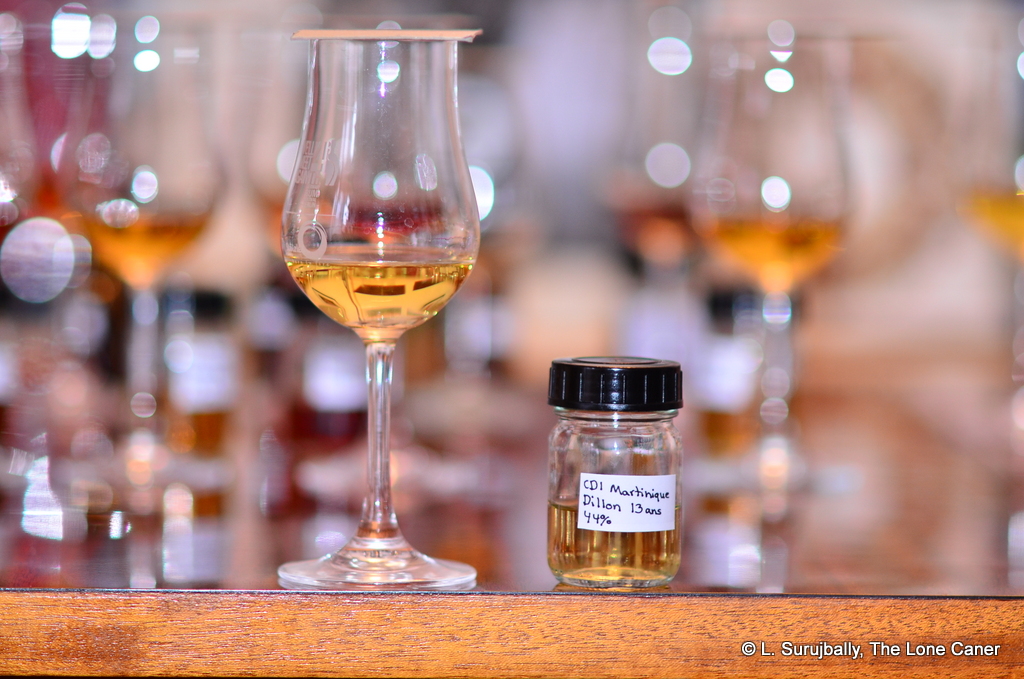
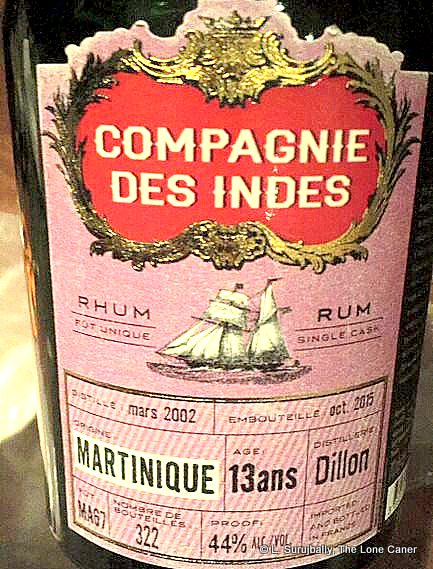 Whatever the case, I must advise you that if you like agricoles at all, those smaller names and lesser known establishments like Dillon should be on your radar. Not all of the rhums they make are double-digit aged, so those that are, even if farmed out to a third party, are even more worth looking at. Just smell this one, for example: it’s a fruitarian’s wet dream. In fact, the aroma almost strikes me like a very good Riesling mixing it up with a 7-up, if you could conceive of such an unlikely pairing. Lighter than the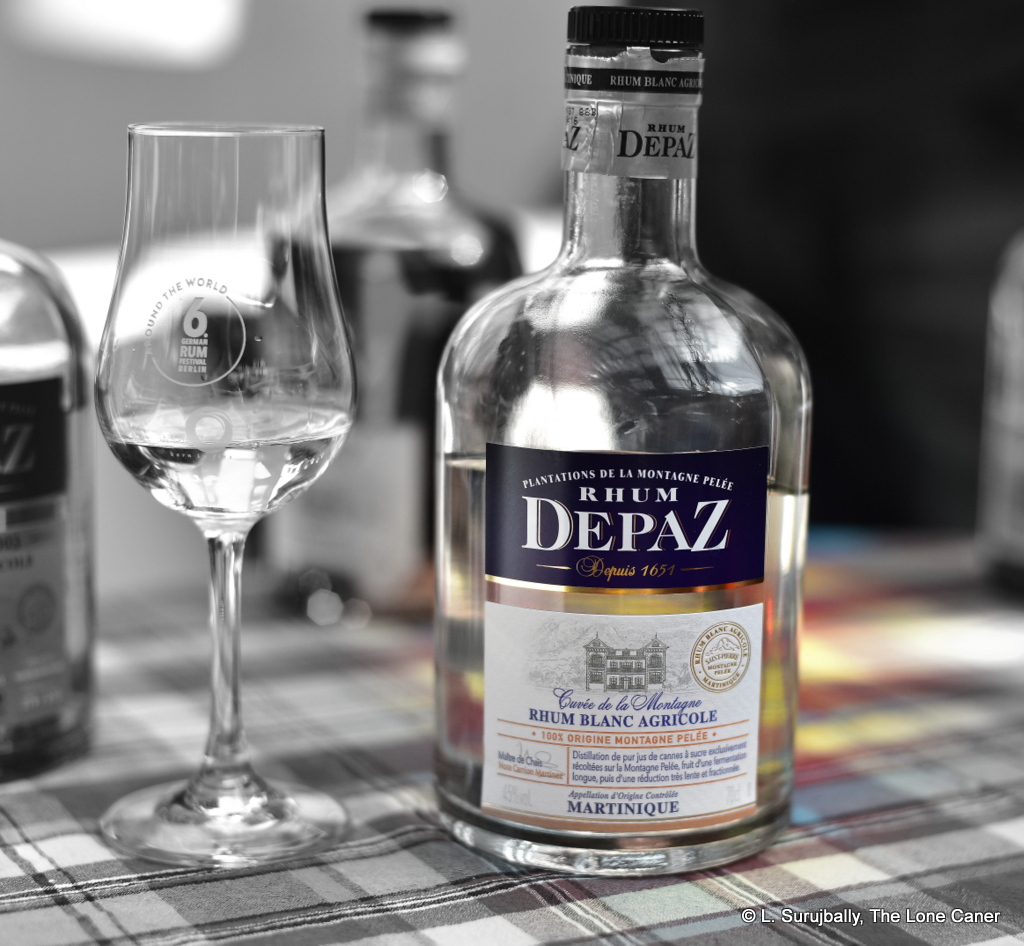
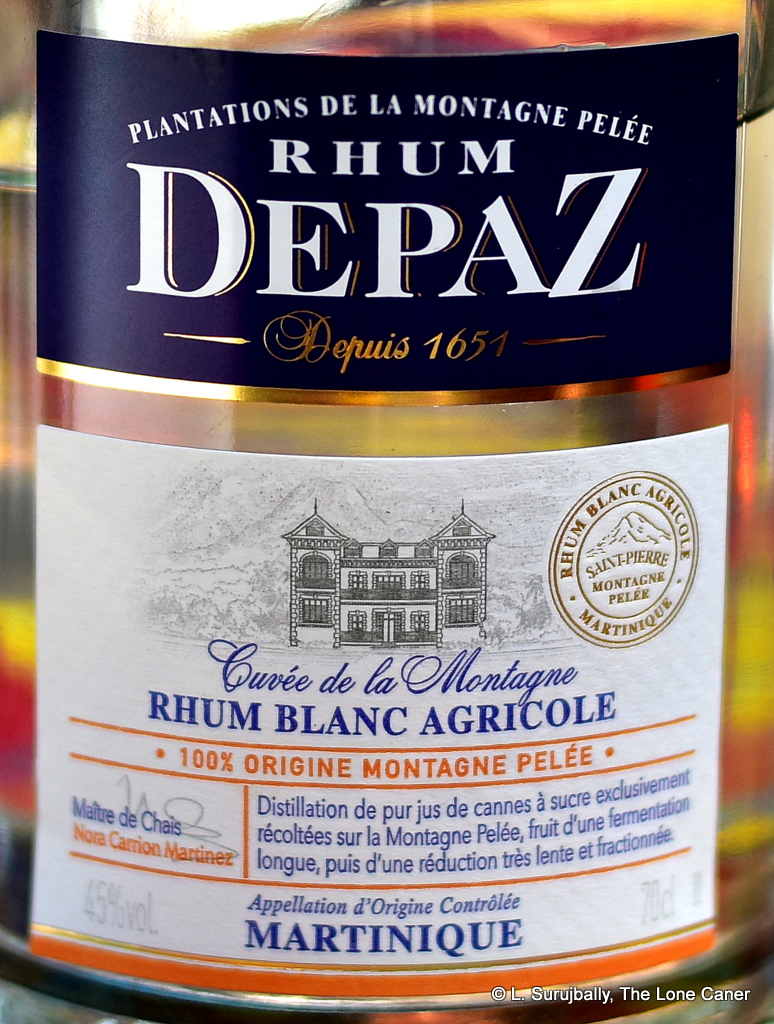 Depaz’s 45% rhum blanc agricole is not one of these uber-exclusive, limited-edition craft whites that uber-dorks are frothing over. But the quality and taste of even this standard white shows exactly how good the
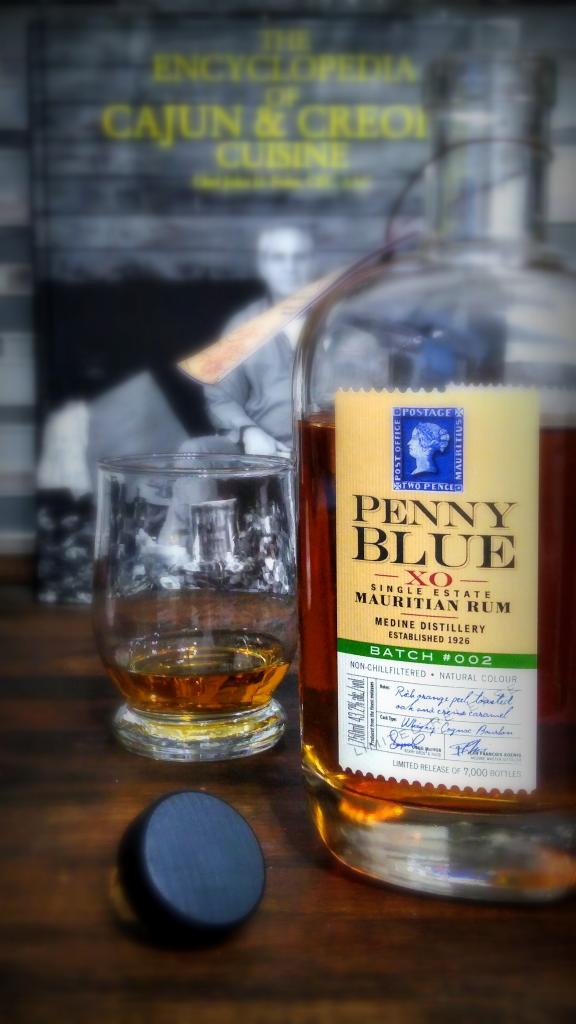
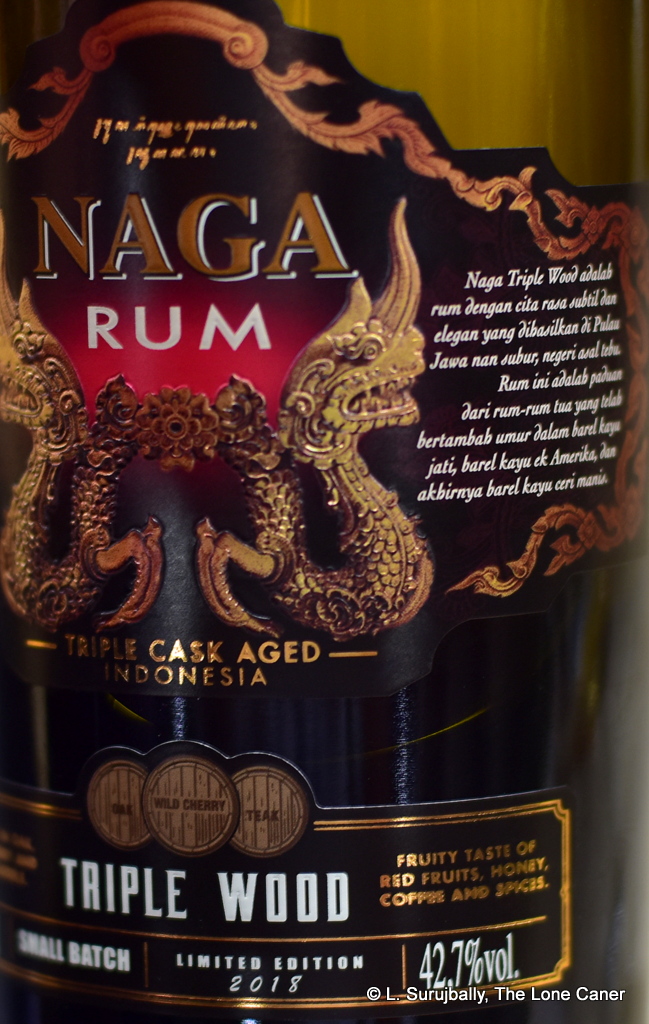 Does this multiple wood ageing result in anything worth drinking? Yes it does – the extra year seems to have had an interesting and salutary effect on the profile – though at 42.7% it remains as easy and soft as its siblings. The nose, for example, is a nice step up: cardboard, musty paper, some dunder of spoiled bananas skins, plus strawberries and soft pineapple or two and brine (which, I swear, made me think of Hawaiian pizza). Caramel and bitter dark chocolate round things off. It’s a relatively easy sniff, inoffensive yet solid.
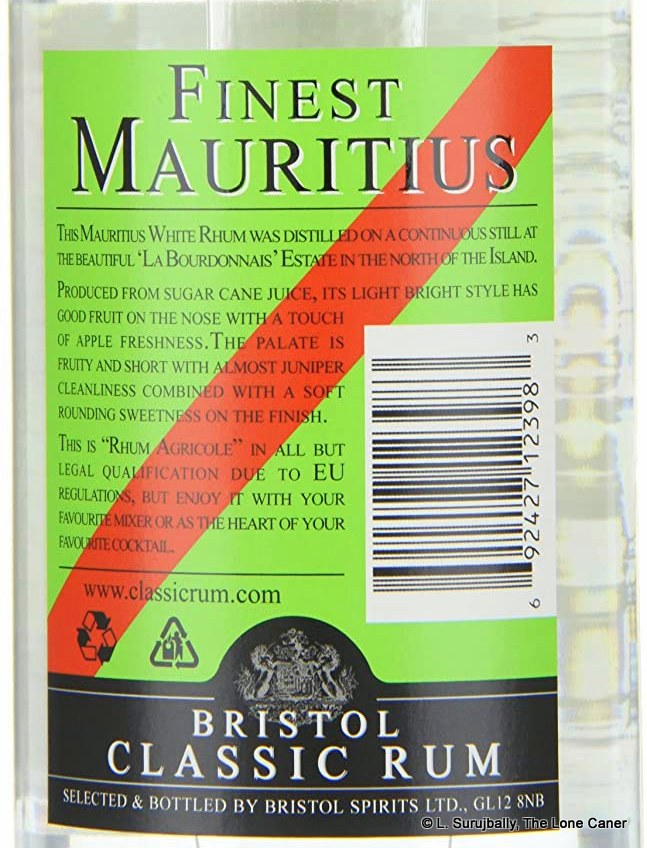
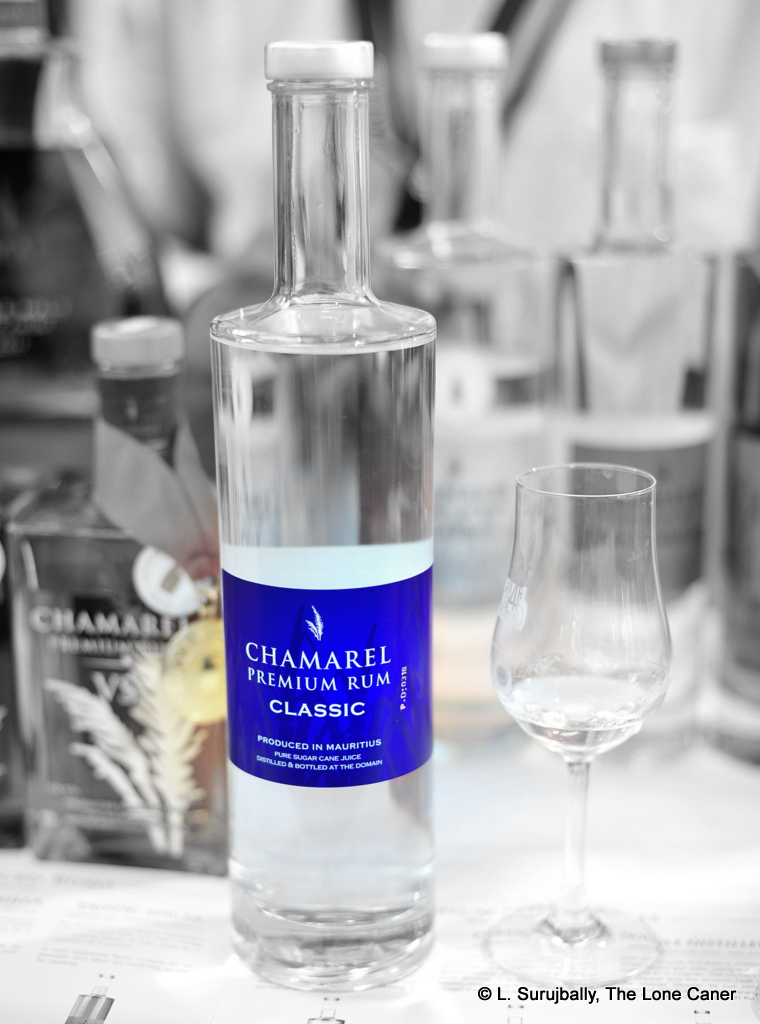 La Rhumerie de Chamarel, that Mauritius outfit we last saw when I reviewed their 44% pot-still white, doesn’t sit on its laurels with a self satisfied smirk and think it has achieved something. Not at all. In point of fact it has a couple more whites, both cane juice derived and distilled on their
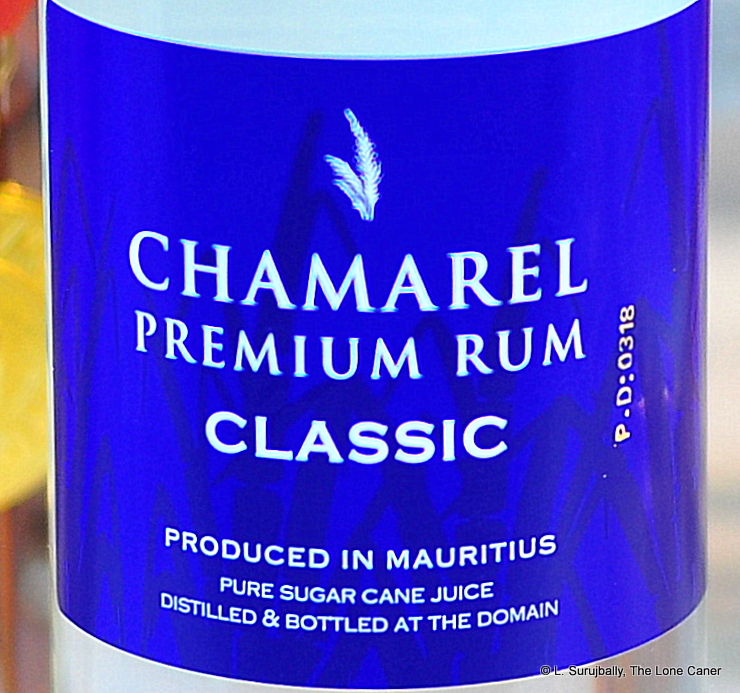 Personally I have a thing for pot still hooch – they tend to have more oomph, more get-up-and-go, more pizzazz, better tastes. There’s more character in them, and they cheerfully exude a kind of muscular, addled taste-set that is usually entertaining and often off the scale. The Jamaicans and Guyanese have shown what can be done when you take that to the extreme. But on the other side of the world there’s this little number coming off a small column, and I have to say, I liked it even more than its pot still sibling, which may be the extra proof or the still itself, who knows.

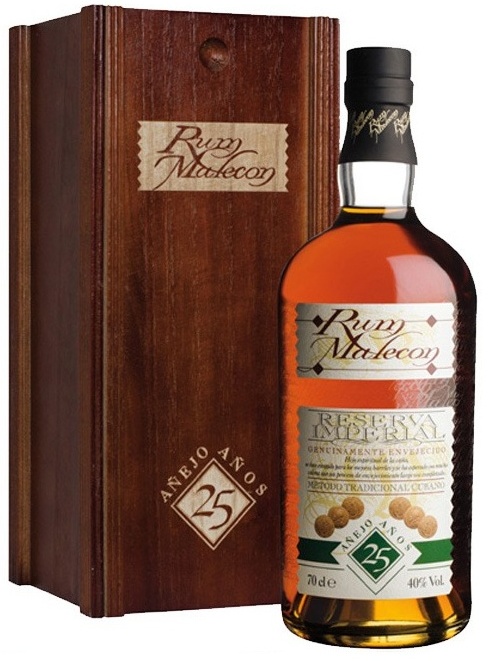 We’ve been here before. We’ve tried a rum with this name, researched its background, been baffled by its opaqueness, made our displeasure known, then yawned and shook our heads and moved on. And still the issues that that one raised, remain. The Malecon Reserva Imperial 25 year old suffers from many of the same defects of its
 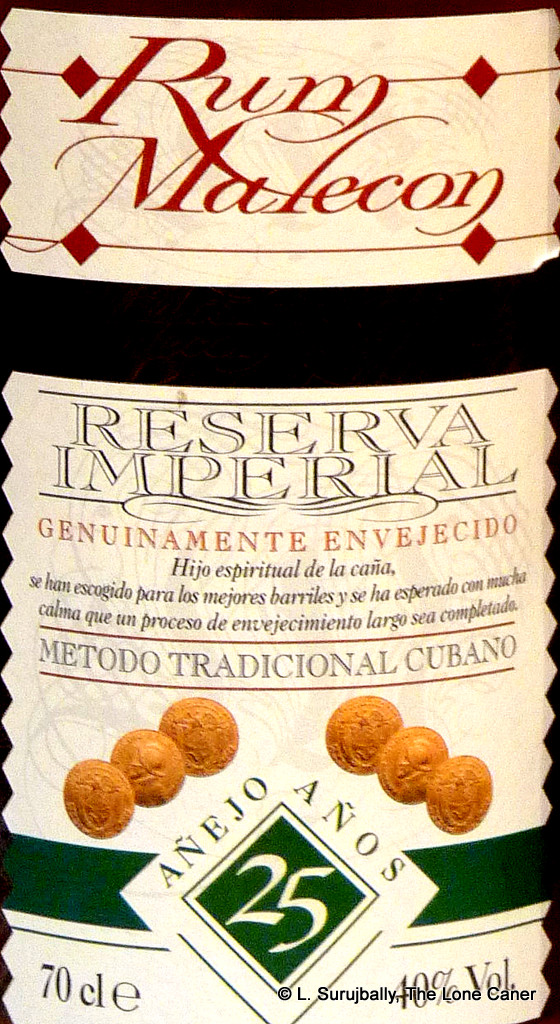 The palate is similarly soft and similarly straightforward. It’s got more chocolate milk and and perhaps a touch of coffee grounds. A smidgen, barely a smidgen of oak and citrus, a sly taste of tangerines; it’s not very sweet (which is a plus) and sports some brine and Turkish olives and a touch of slight bitterness, which I’m going be generous and say is an oak influence that saves it from being just blah. Finish is okay I guess. Gone too quickly of course, no surprise at 40% ABV and leaving at best the sense of some black tea with too much condensed milk in it, that doesn’t entirely hide the fact that it’s too bitter.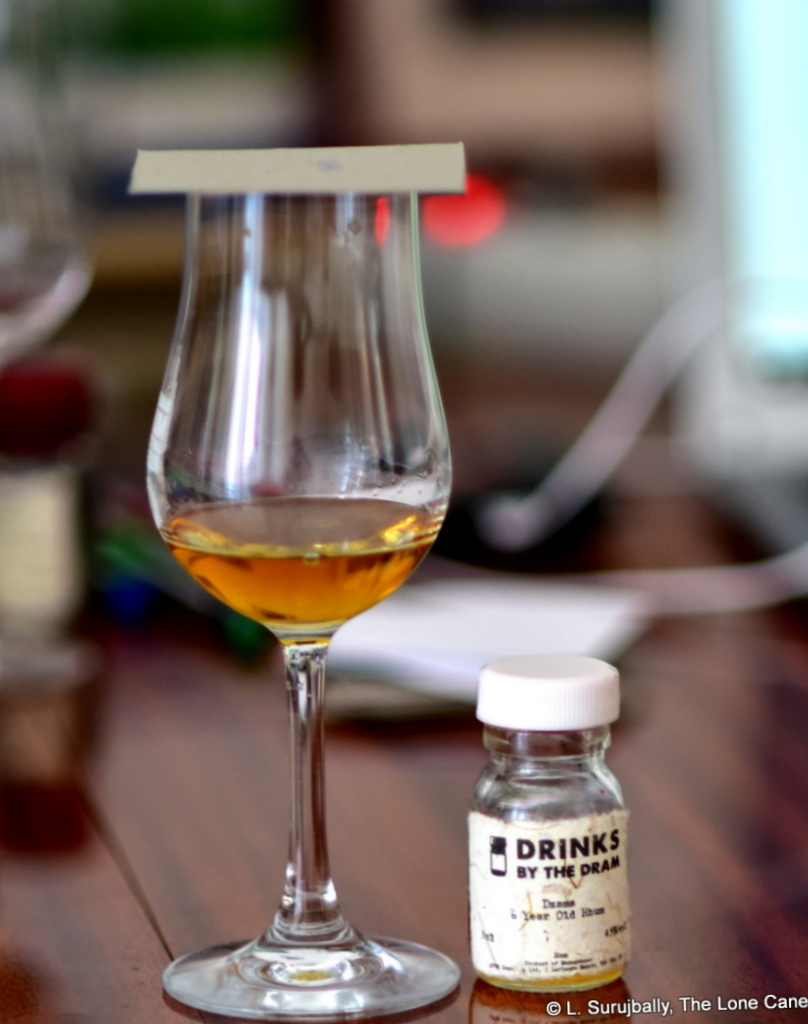
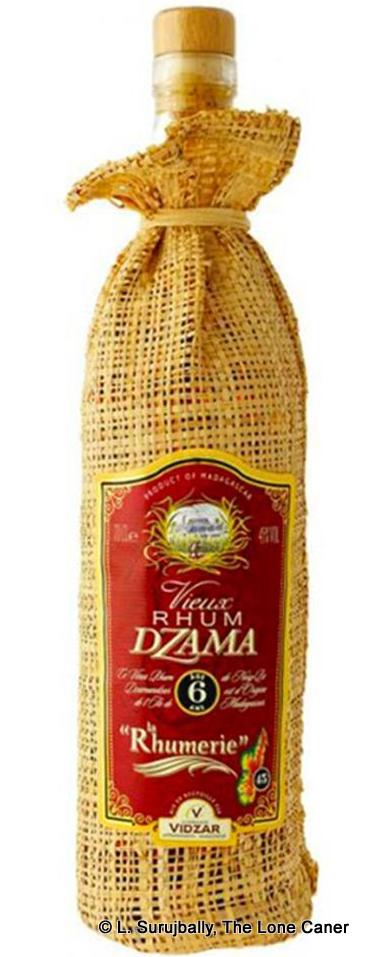 The palate was thick, rich and sweet, even in comparison the the 3YO which showed no modesty with such aspects itself but while stronger, had also been paradoxically easier. Here we were regaled with bananas, cherries in syrup, brown sugar, and a sort of smorgasbord of fruitiness – some tart, some just soft and mushy – and creaminess of greek yogurt sprinkled with cinnamon and cloves. Disappointingly, the finish did nothing much except lock the door and walk off, throwing a few notes of cloves, sugar, cherries, peaches and syrup behind. Not a stellar finish after the intriguing beginning.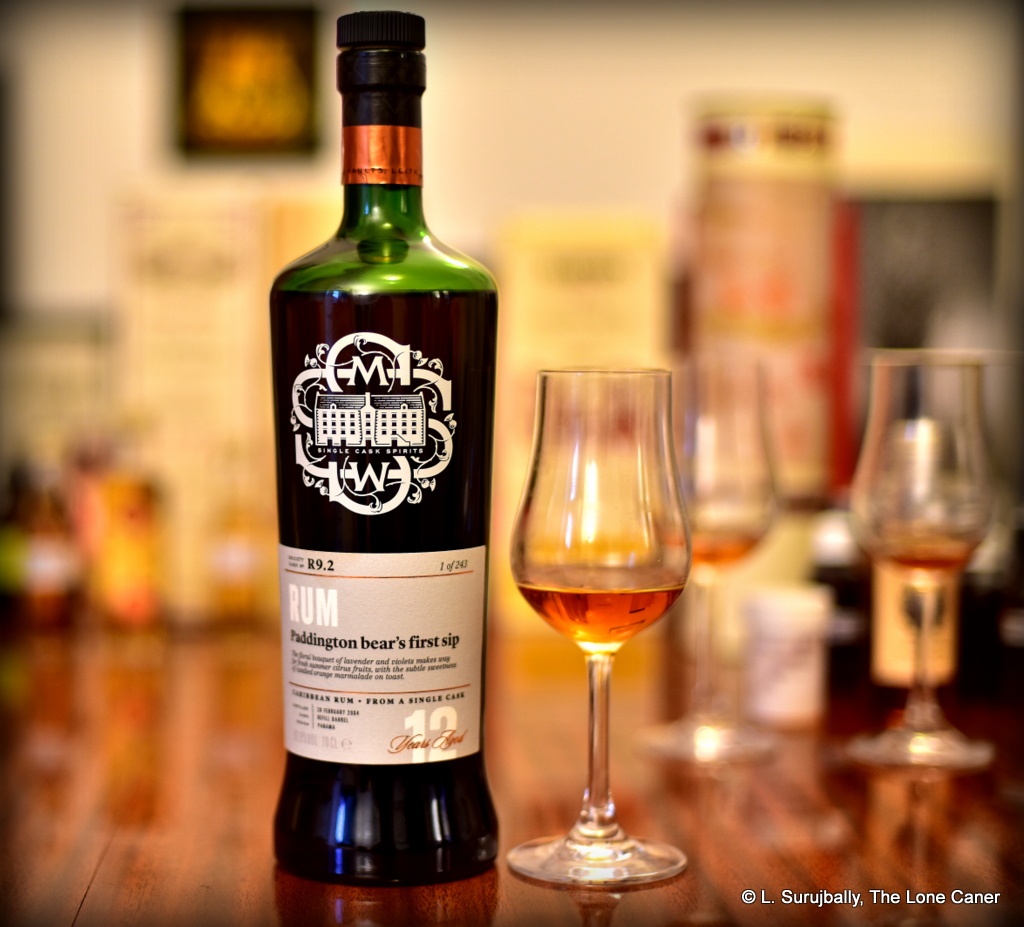
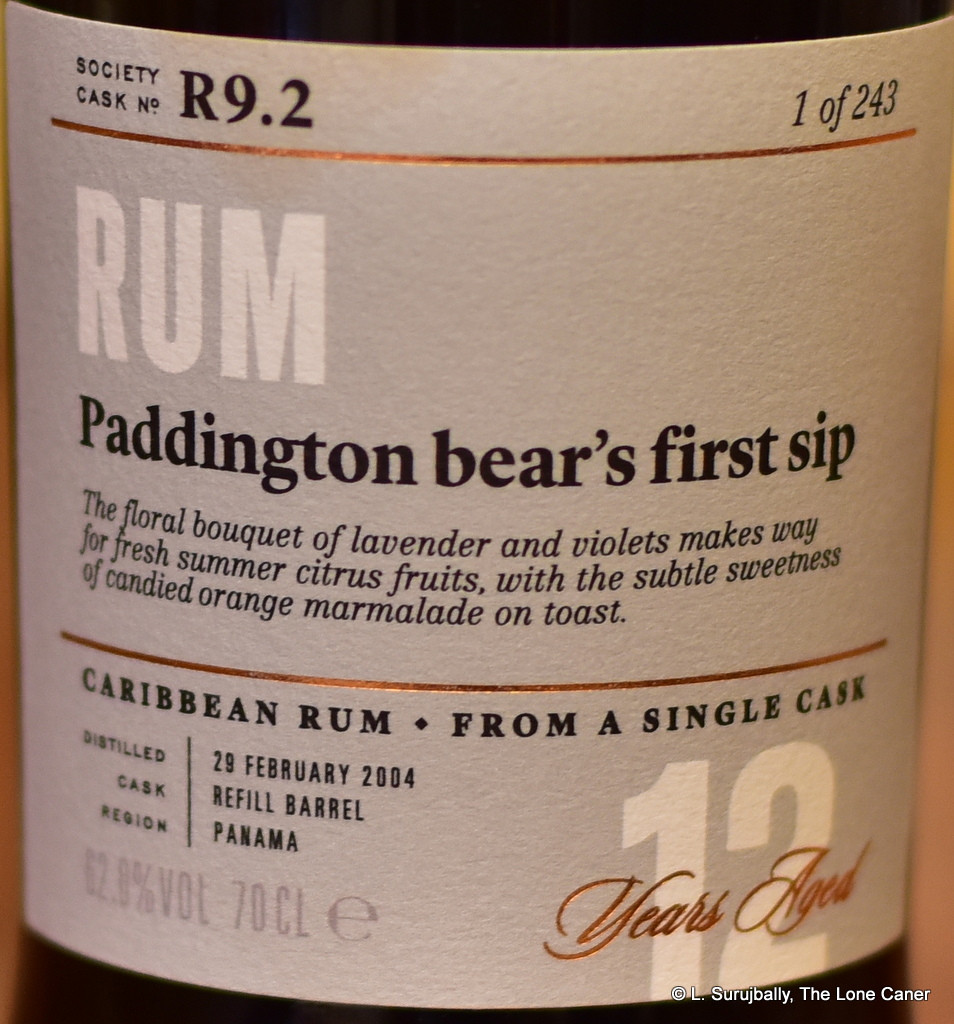 In spite of the high ABV, which lends a fair amount of initial sharpness and heat to the tongue until it burns away and settles down, it’s actually not that fierce. It becomes almost delicate, and there’s a nice vein of fruity sweetness running through, which enhances the flavours of apples, cider, green grapes, citrus, coconut, vanilla, and candied oranges. There’s also some of that polish and acetone remaining, neatly dampened by caramel and brown sugar, all balancing off well against each other. It retains that delicacy to the finish line and stays well behaved: a touch sweet throughout, with caramel (a bit much), vanilla, fruits, grapes, raisins, citrus, blancmange…not bad at all.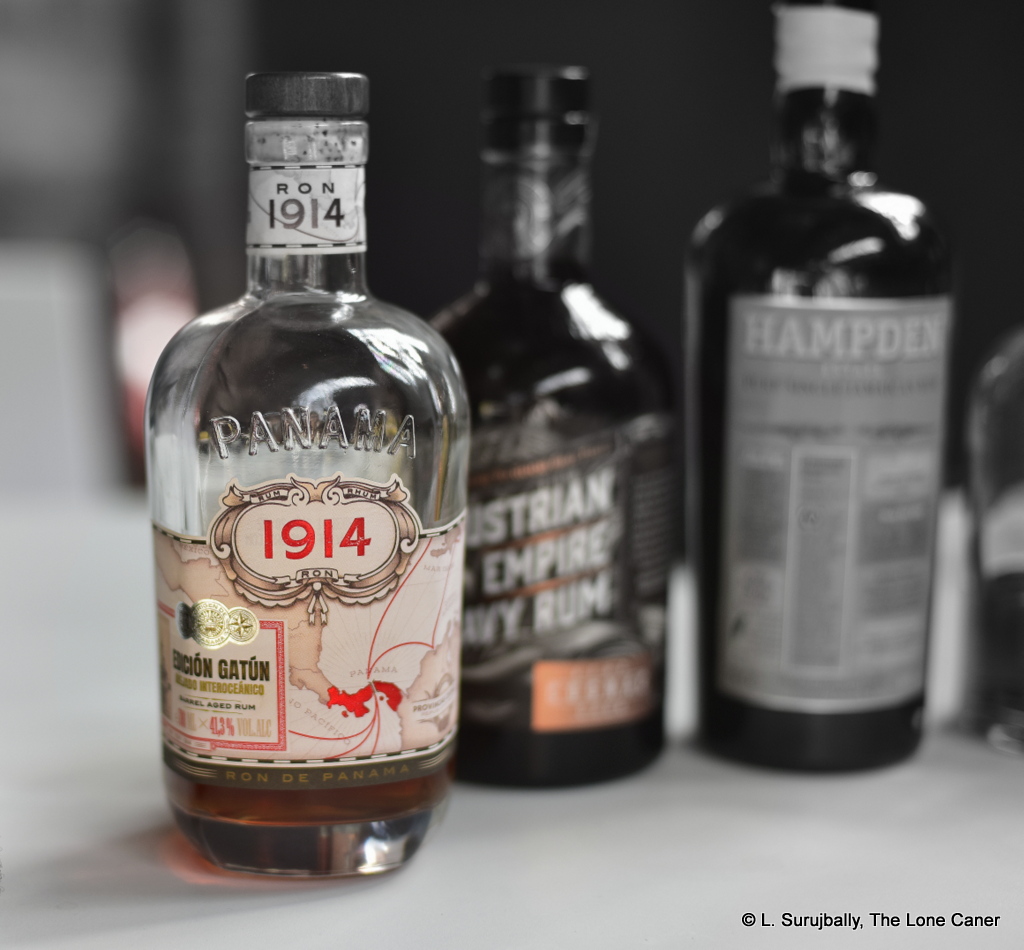
 Or so the story-teller in me supposes. Because all jokes and anecdotes aside, what this is, is a rum made to order.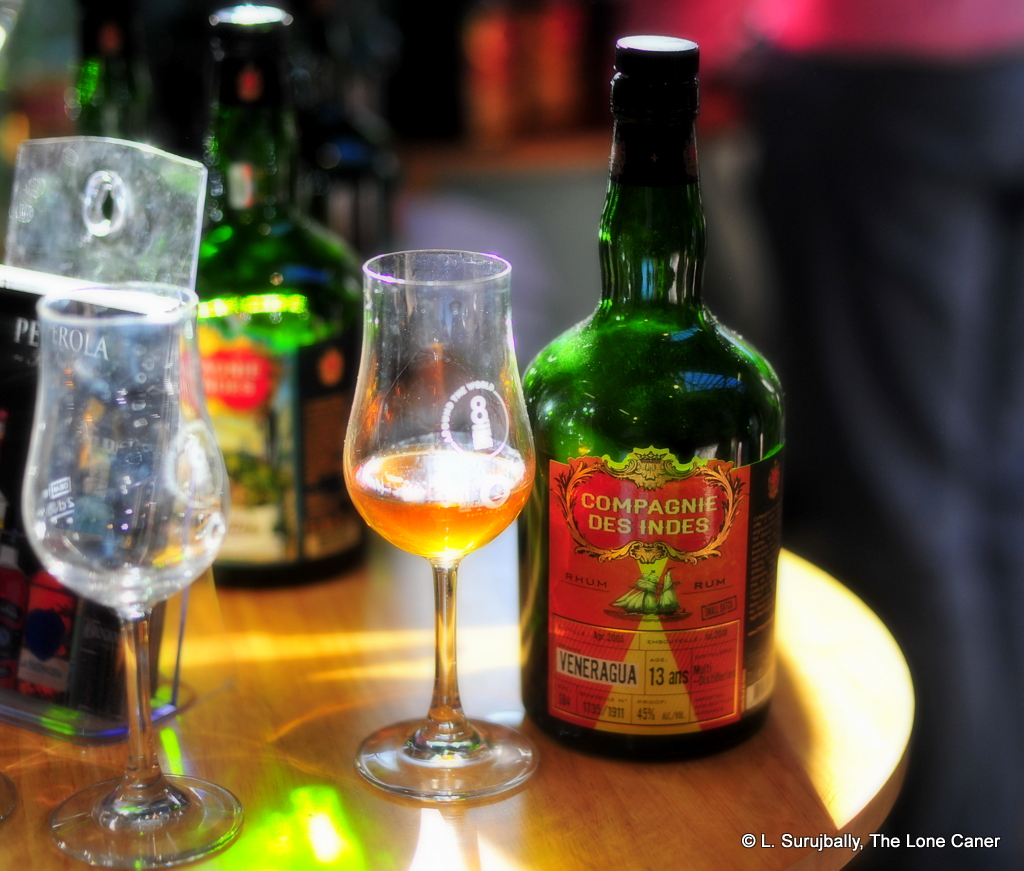
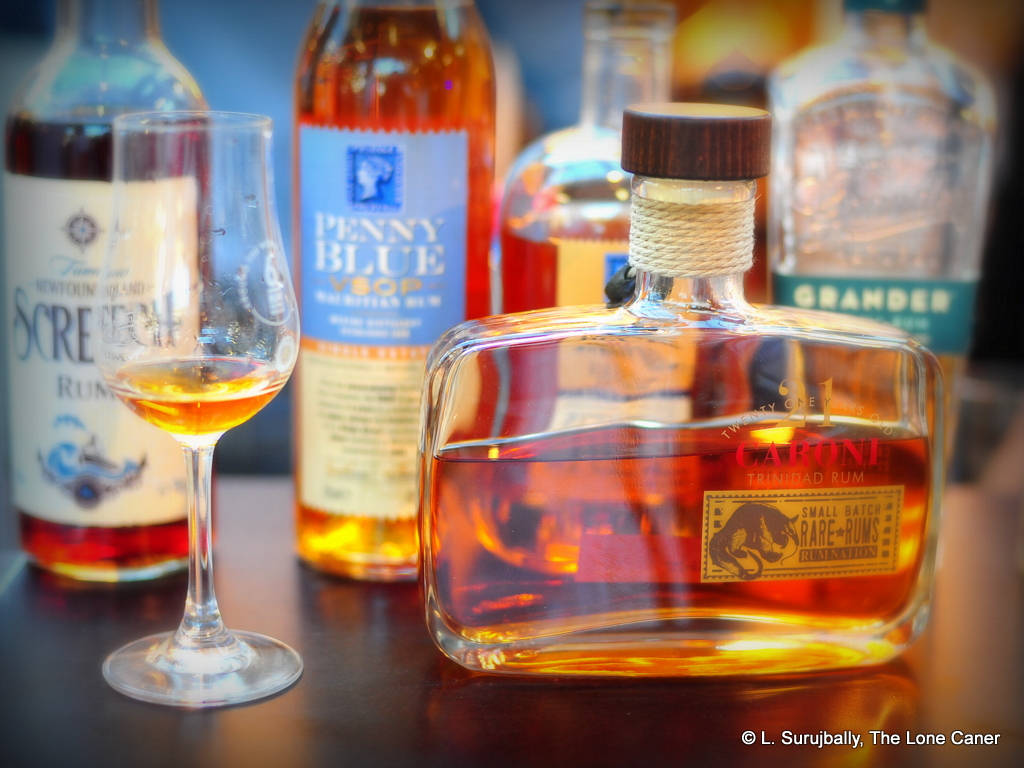

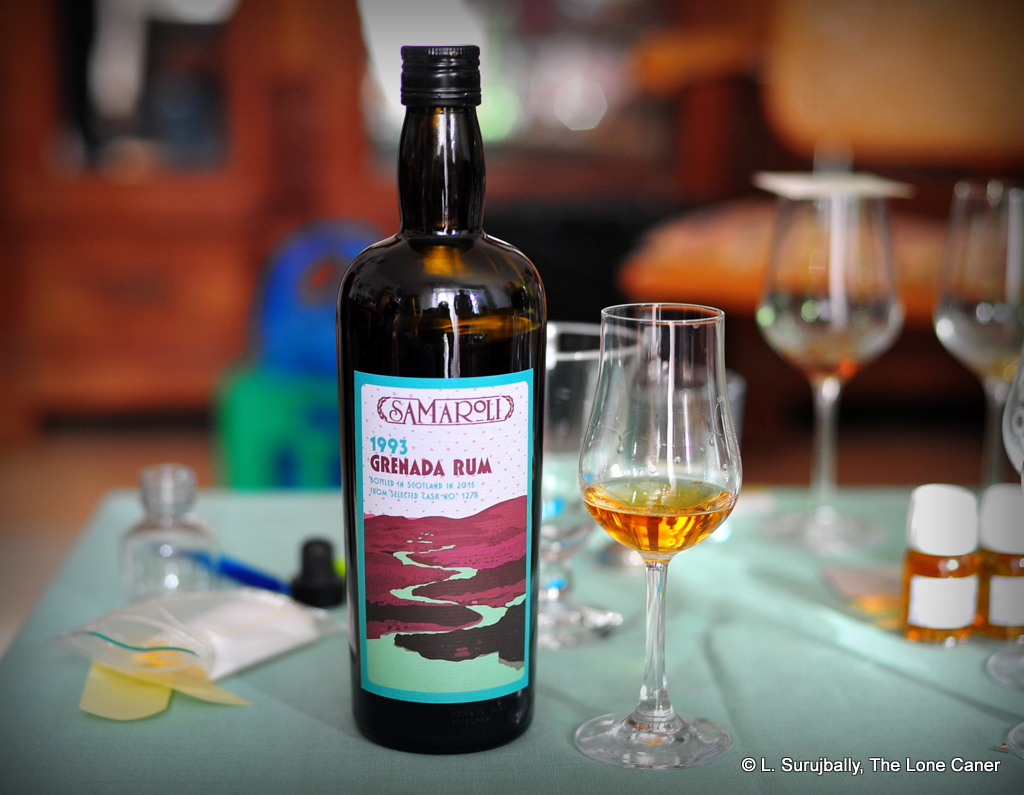
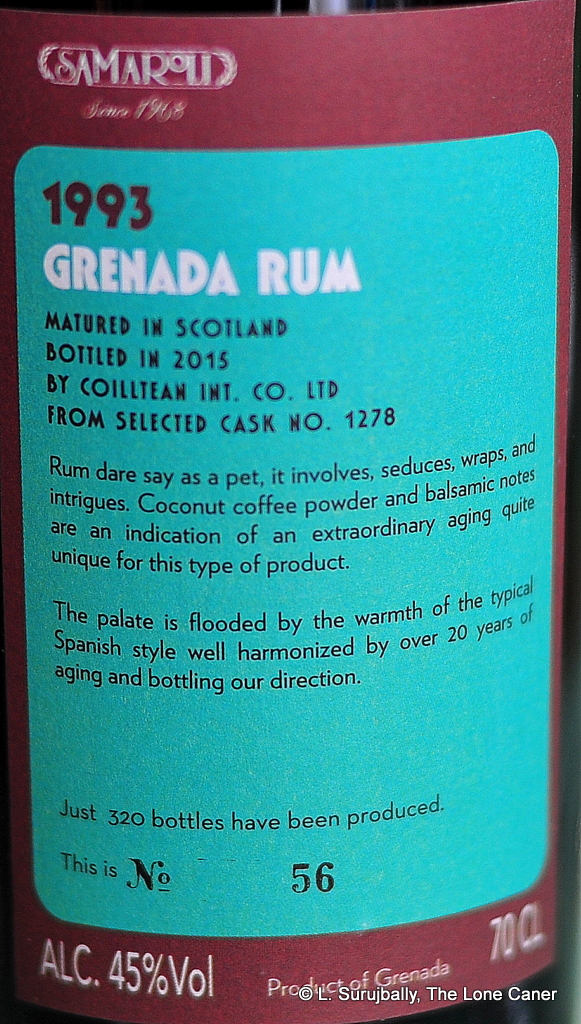
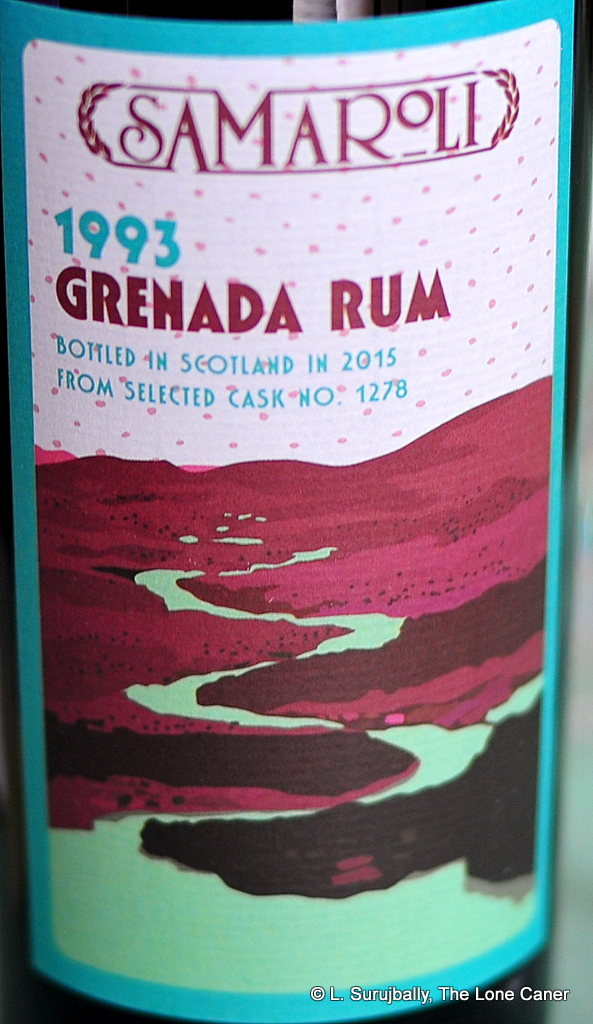 One such is this Samaroli rum sporting an impressive 22 years of continental ageing, hailing from Grenada – alas, not Rivers Antoine, but you can’t have everything (the rum very likely came from Westerhall – they ceased distilling in 1996 but were the only ones exporting bulk rum before that). You’ll look long and hard before you find any kind of write up about it, or anyone who owns it – not surprising when you consider the €340 price tag it fetches in stores and at auction. This is the second Grenada rum selected under the management of Antonio Bleve who took over operations at Samaroli in the mid 2000s and earned himself a similar reputation as Sylvio Samaroli (RIP), that of having the knack of picking right.
  So what to make of this expensive two-decades-old Grenada rum released by an old and proud Italian house? Overall it’s really quite pleasant, avoids disaster and is tasty enough, just nothing special. I was expecting more. You’d be hard pressed to identify its provenance if tried blind. Like an SUV taking the highway, it stays firmly on the road without going anywhere rocky or offroad, perhaps fearing to nick the paint or muddy the tyres.