 There is a certain whimsy about a piscatorially titled distillery. “Poisson”, the small distillery also referred to as Père Labat is located on the west side of Marie Galante (the small island to the south of Guadeloupe) and means “fish” in French — which is, I’m sure you’ll grant, a rather odd name.
Initially, I had thought that the estate was called that to commemorate the fishermen who might once have plied their trade on the nearby coastland, but no, nothing like that. It was given the name of the woman, Catherine Poisson, who bought the land from the estate of La Marechand of which it was originally a part – her actual relationship with the owners of that time is now lost to history, alas. The Père Labat business got tacked on later, by Edouard Rameau, a subsequent owner of the Poisson estate, who spearheaded its pivot away from sugar distillation and to the making of rhum, and casually appropriated the name of the famed Dominican friar who was instrumental in the development of the sugar industry of the French Caribbean islands back in the late 1600s and early 1700s.
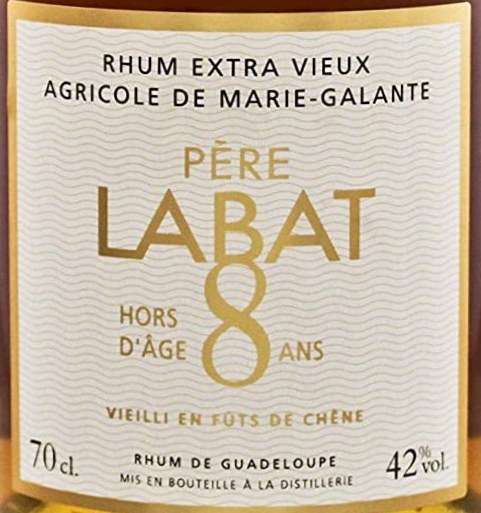
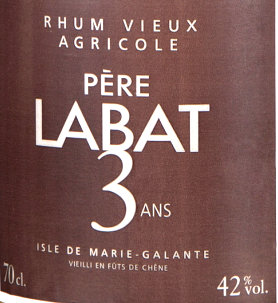
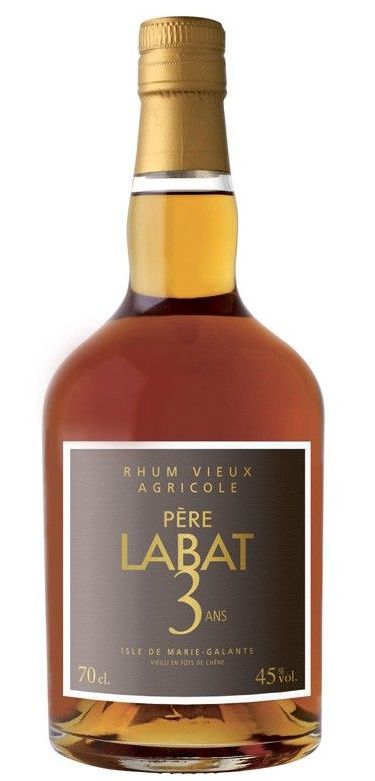
Poisson-Père Labat continues to operate, though its name recognition quotient is not what it once was (except among enthusiasts, who sing its praises). It makes several different varieties of rhums – blancs, blends and aged expressions – at various strengths, and the subject of today’s review is from their aged line. It is creole column still distilled, aged eight years in oak, though in a curious omission, their site doesn’t actually mention what kind (Limousin, ex-Bourbon…).
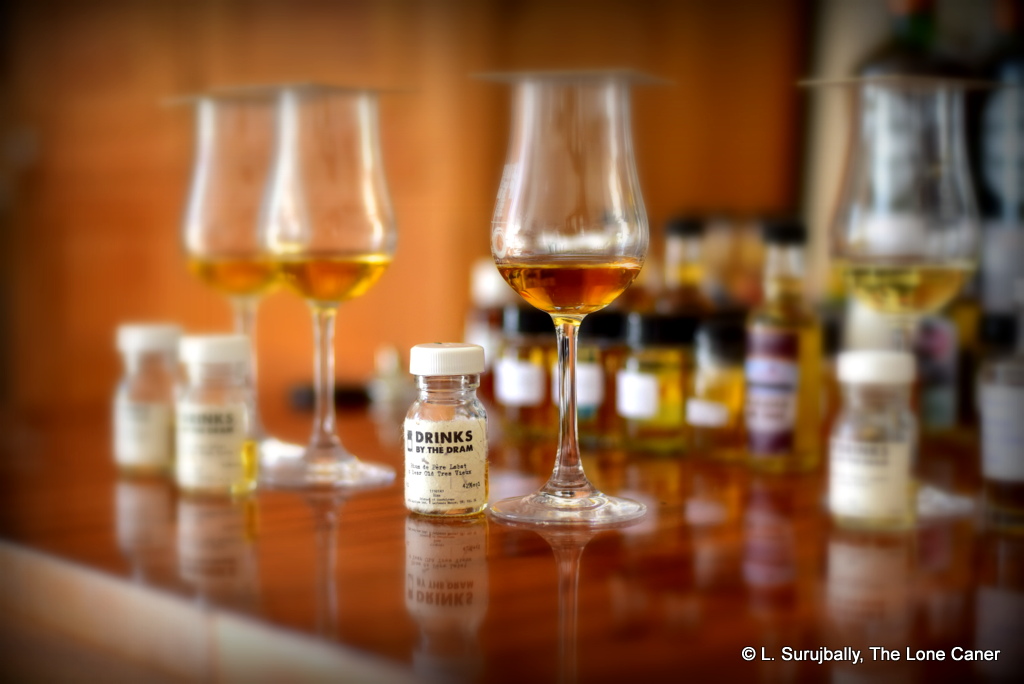
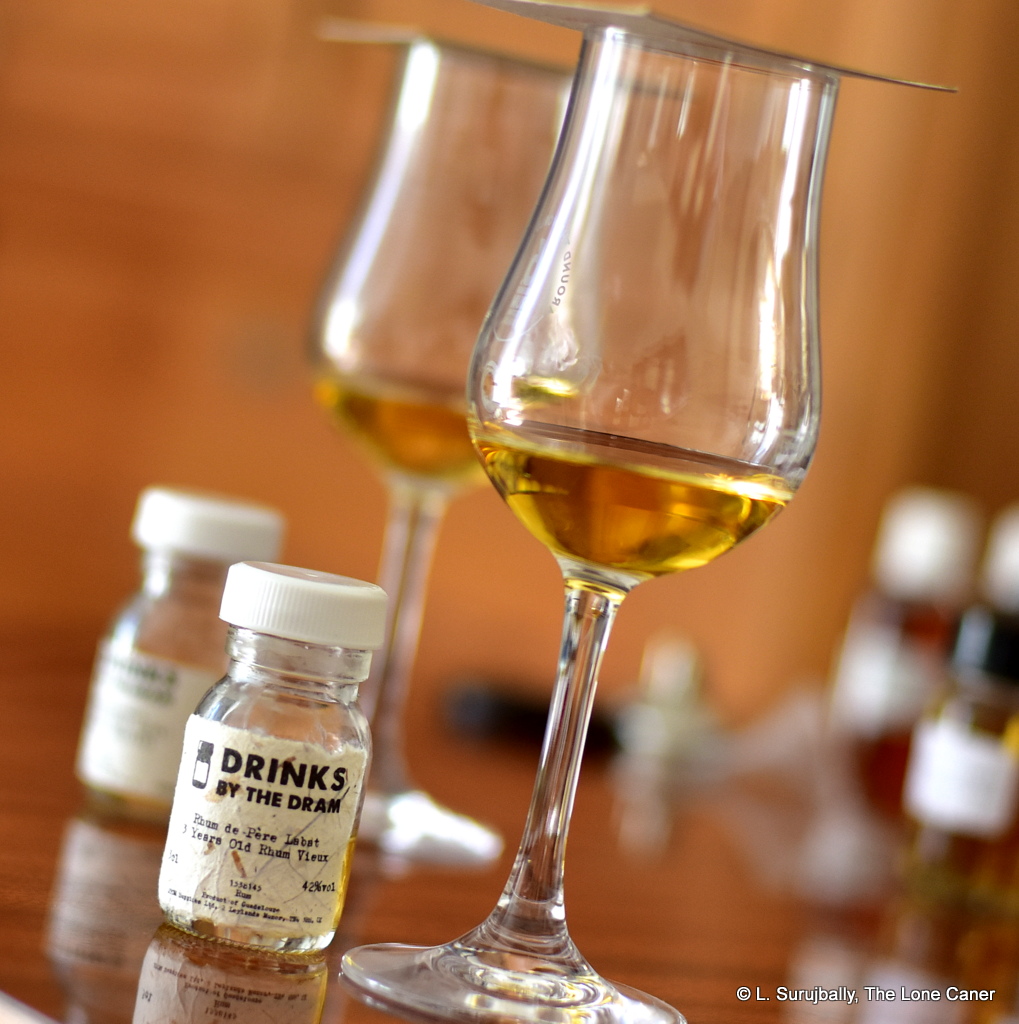
It is also bottled at a curiously weak 42% ABV: since many of their premium rhums — and the blancs — are bottled at a higher strength, one can only assume these were meant for the American or lower end market where an aged product is called for, but not so strong as to frighten away the average drinkers.
Well, never mind. The fact is, the rhum really is pretty good. The nose, to start off with, is clean and crisp, and has both the bite and sweet of a very good, very dry Riesling. There is a low level citrus of red grapefruit and oranges, plus bags of other juicy stuff like ripe green apples, pears, red currants, red grapes, and some herbal touches that dance around the edges without ever becoming serious participants. Not to be too anthropomorphic here, but it seems like just a bubby, crisp and happy nose. It aims only to please.
There’s an equally varied amount of tastes when one sips the thing, too – the tart, spicy fruit carries over cleanly. Apples, yellow mangoes, unripe papayas, blood oranges, and the less-sweet black grapes. The sharp tartness that I noted in the nose seems much more controlled here, being willing to allow the moist tobacco, freshly mown green grass and other herbs like dill and parsley to have a brief moment to shine. Sadly, the denouement leaves a lot to be desired, for while the rum surmounts the low proof in tastes and smells, at the close it kind of falls apart and chokes. It’s wispy, short, faint, with leather, smoke, chocolate, vanilla and some undifferentiated fruits closing off the show. Nice but not impressive.

That’s too bad, really. Had the finish been up to the standard of what came before, this would have been superlative. It presses a lot of buttons and presents a pretty well-balanced profile with a fair amount jostling for attention under the hood.
And so, let’s sum up by noting that it’s a (small) cut above the 3YO Rhum Vieux we looked at last time. There’s more going on, more complexity, and my dissatisfaction with the close set aside, it’s a pretty neat drink to have. But as with so many other such agricoles I praise from time to time, I just wish they had added a few extra points of proof to the potion, because then it would have really shone. For the moment, though, let’s be grateful what we have gotten: a middle-aged agricole rhum bottled at living room strength which will not disappoint.
(#837)(84.5/100)
Other Notes
- A biography of the company is available to accompany this review, as it was too long to include in the post itself.
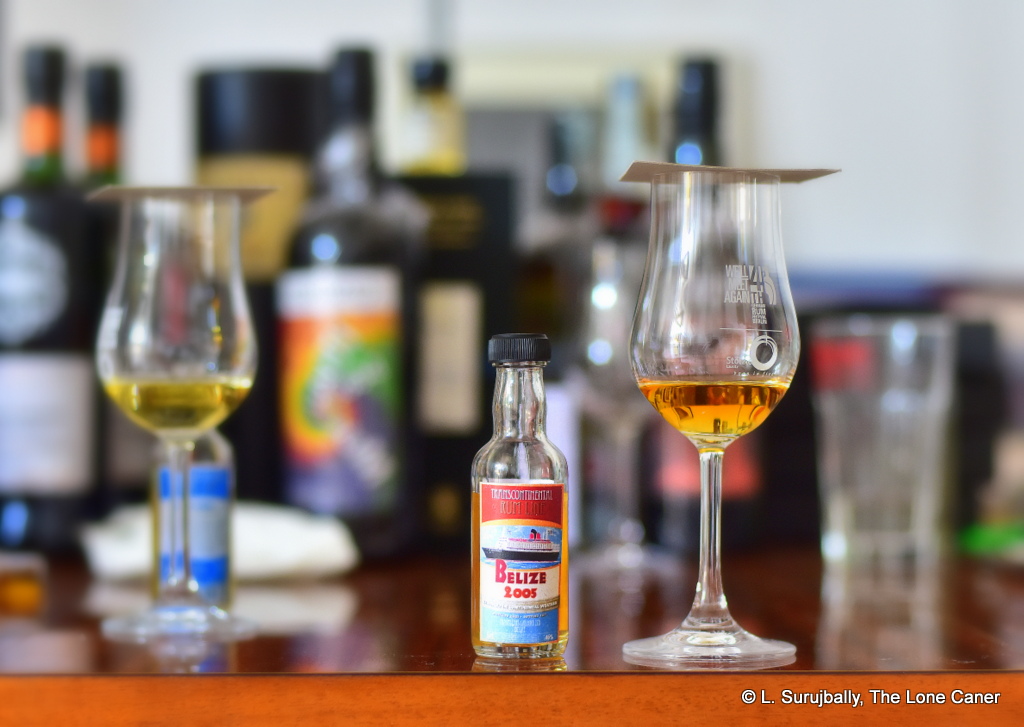
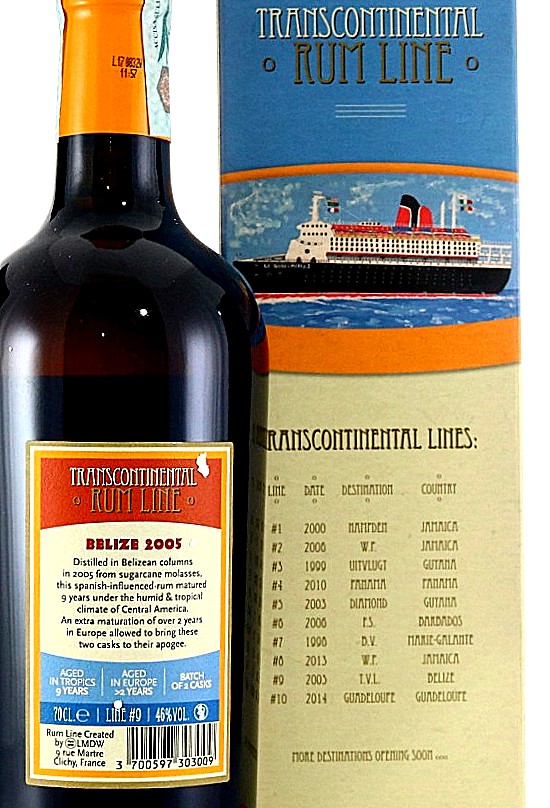


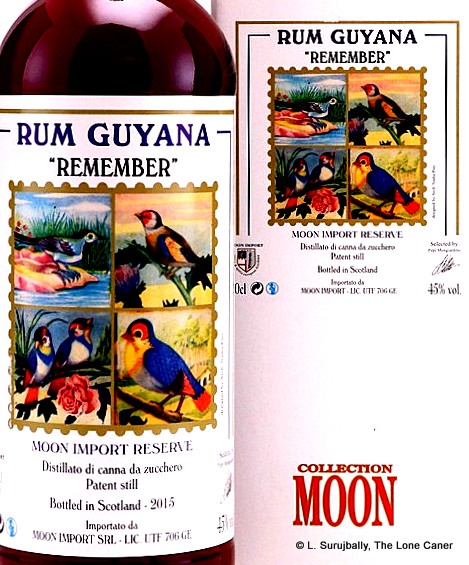




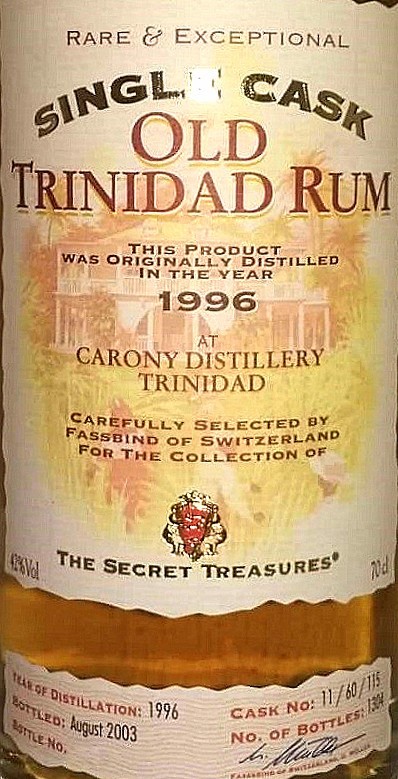
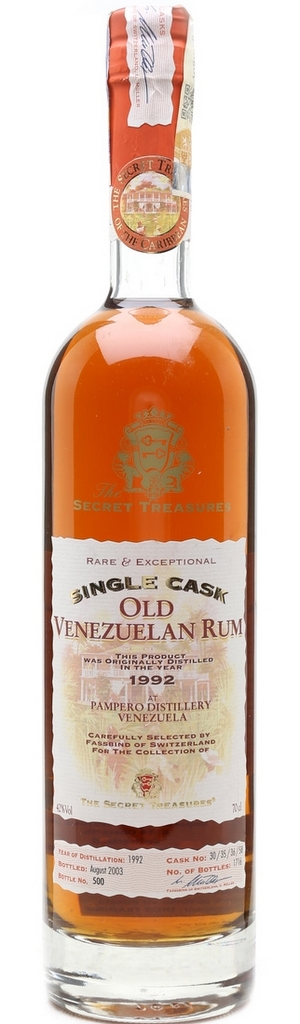 There are some older bottles in the review queue for products from what I term the “classic” era of the Swiss / German outfit of Secret Treasures, and it’s perhaps time to push them out the door in case some curious person ever wants to research them for an auction listing or something. Because what Secret Treasures are making now is completely different from what they did then, as I remarked in my brief company notes for
 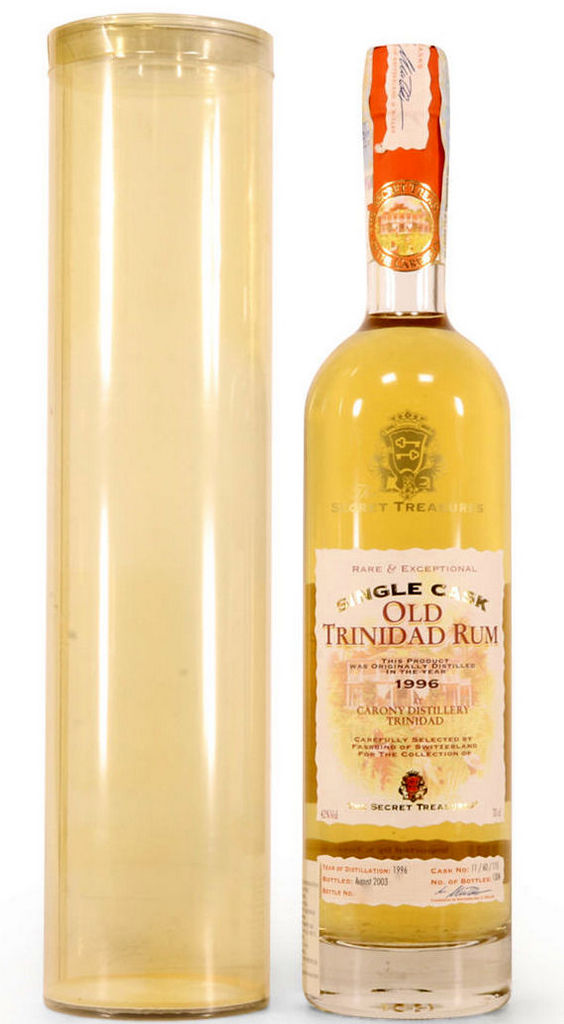 In the maelstrom of ongoing indie releases coming at us from every direction almost every month, it’s easy to overlook some of the older rums, or even some of the older companies. Secret Treasures is one of these — I had discovered their charms on the same trip where I found the first Veliers, all those long years ago, at a time when the concept of independent bottlers was a relatively small scale phenomenon. Back then I bought the company’s
  A salty sweet sugar water greets the tongue with warmth and firmness. All the fleshy and watery fruits we’re familiar with parade around – pears, watermelons, white guavas, papaya, kiwi fruits, even cucumbers all take a bow. A trace of olives and occasional whiff of strawberries and petrol are barely noticeable, so one can only wonder where, after such a promising beginning, they all vanished to. Eloped, maybe. Certainly they bailed and left the rum with nothing but memories and a good wish to lead to its inevitably disappointing denouement, which was short, breathy, light and watery, and barely registered some vanilla, brine, a fruit or two and exactly zero points of distinction.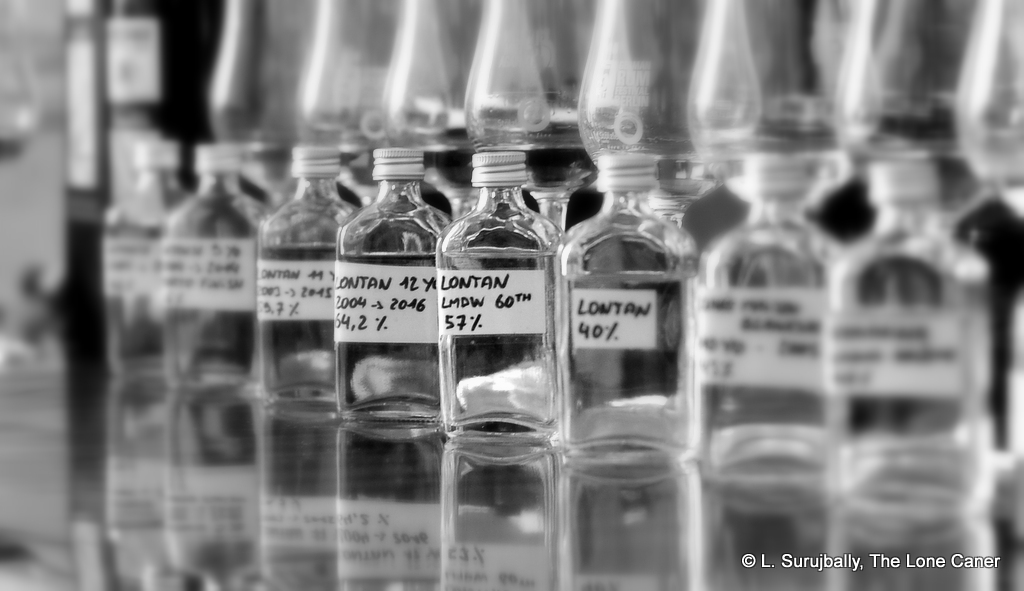
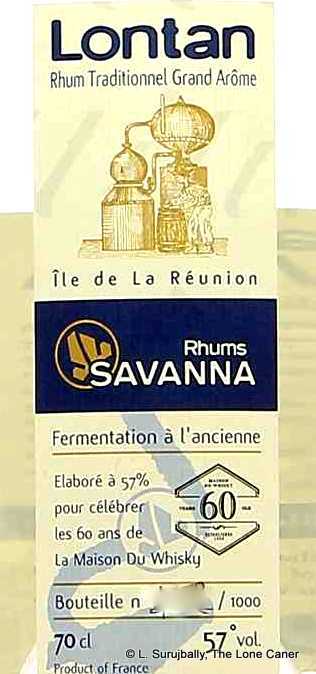 Still, this 57% ABV grand arôme, which was released in 2016 for La Maison Du Whisky’s 60th Anniversary (they went into partnership with Velier the following year and formed LM&V), seemed at pains to make the point yet again. In this case, it clearly wanted to channel a cachaca duking it out with a DOK, for it nosed pretty much like they were having a serious disagreement: vegetables and oversweet fruits decomposing on a hot day in a market someplace tropical; herbs, wet grass, sweet pickles, hot dog relish (I know what this sounds like!); sugar water; iodine, papaya, strawberries; wax, brine and cucumbers in a light pimento-soaked vinegar. I mean, seriously, does that remind you of any rum you’ve ever tried? I both liked it and wondered where the rum was hiding.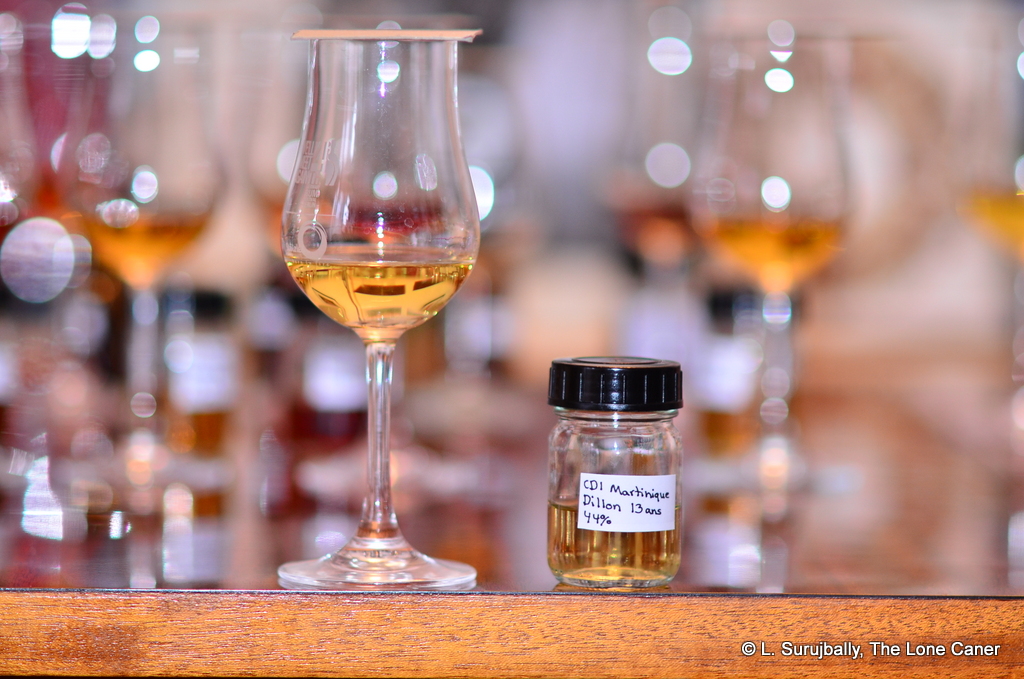
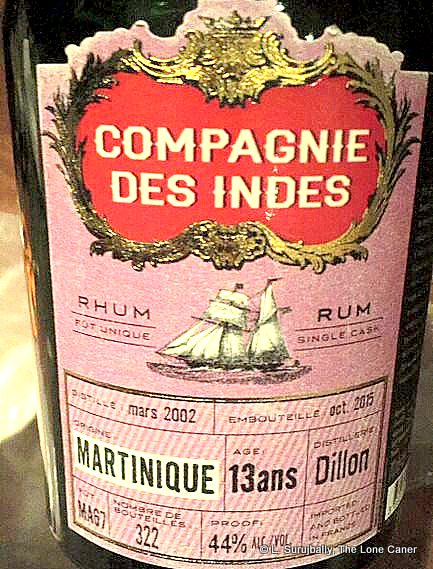 Whatever the case, I must advise you that if you like agricoles at all, those smaller names and lesser known establishments like Dillon should be on your radar. Not all of the rhums they make are double-digit aged, so those that are, even if farmed out to a third party, are even more worth looking at. Just smell this one, for example: it’s a fruitarian’s wet dream. In fact, the aroma almost strikes me like a very good Riesling mixing it up with a 7-up, if you could conceive of such an unlikely pairing. Lighter than the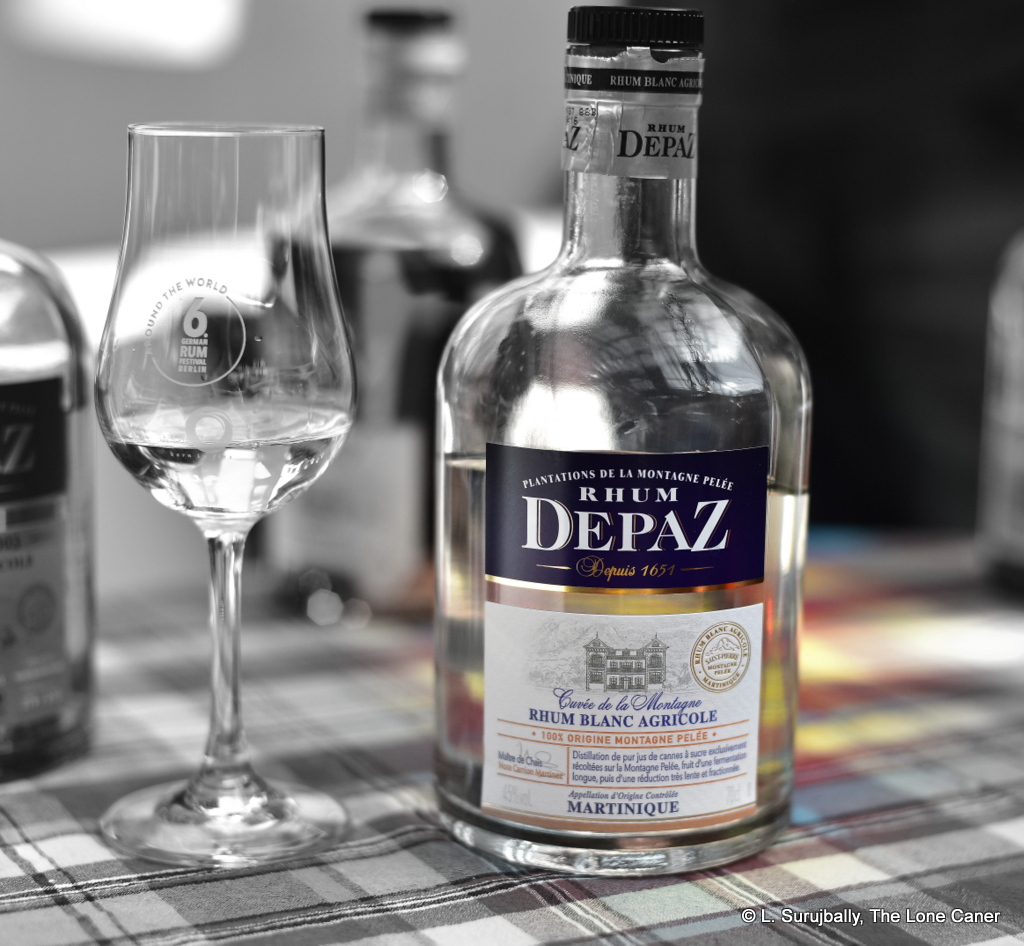
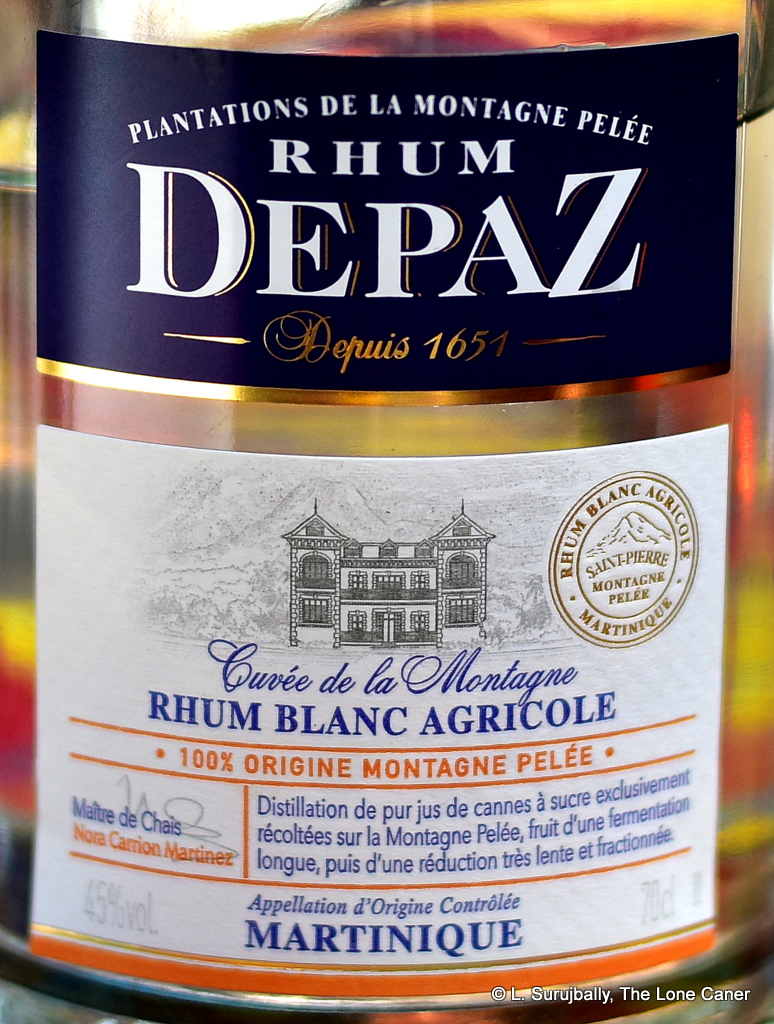 Depaz’s 45% rhum blanc agricole is not one of these uber-exclusive, limited-edition craft whites that uber-dorks are frothing over. But the quality and taste of even this standard white shows exactly how good the
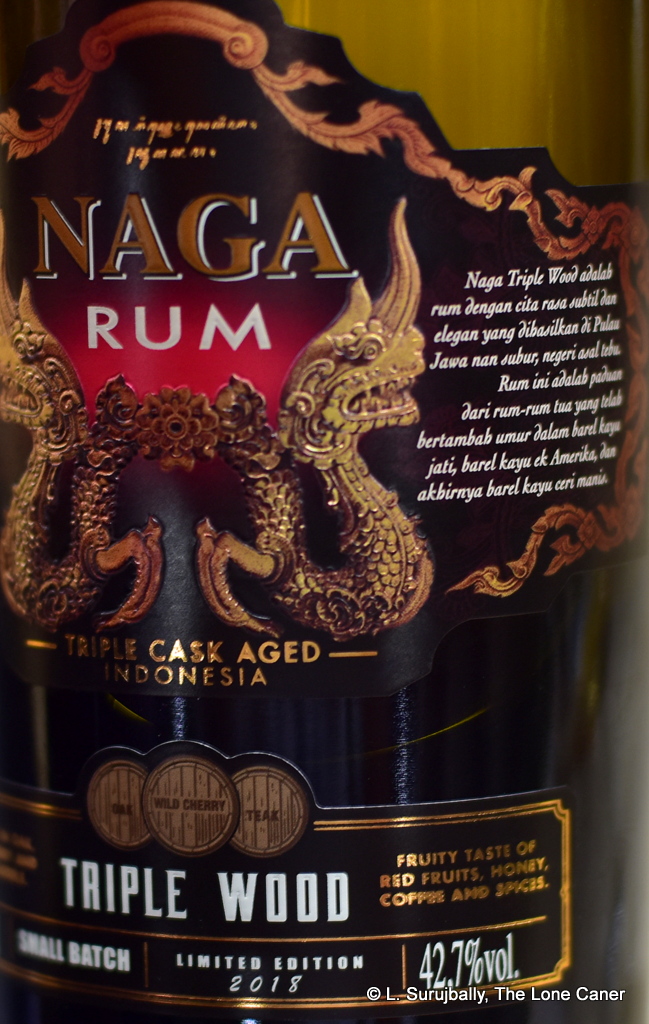 Does this multiple wood ageing result in anything worth drinking? Yes it does – the extra year seems to have had an interesting and salutary effect on the profile – though at 42.7% it remains as easy and soft as its siblings. The nose, for example, is a nice step up: cardboard, musty paper, some dunder of spoiled bananas skins, plus strawberries and soft pineapple or two and brine (which, I swear, made me think of Hawaiian pizza). Caramel and bitter dark chocolate round things off. It’s a relatively easy sniff, inoffensive yet solid.
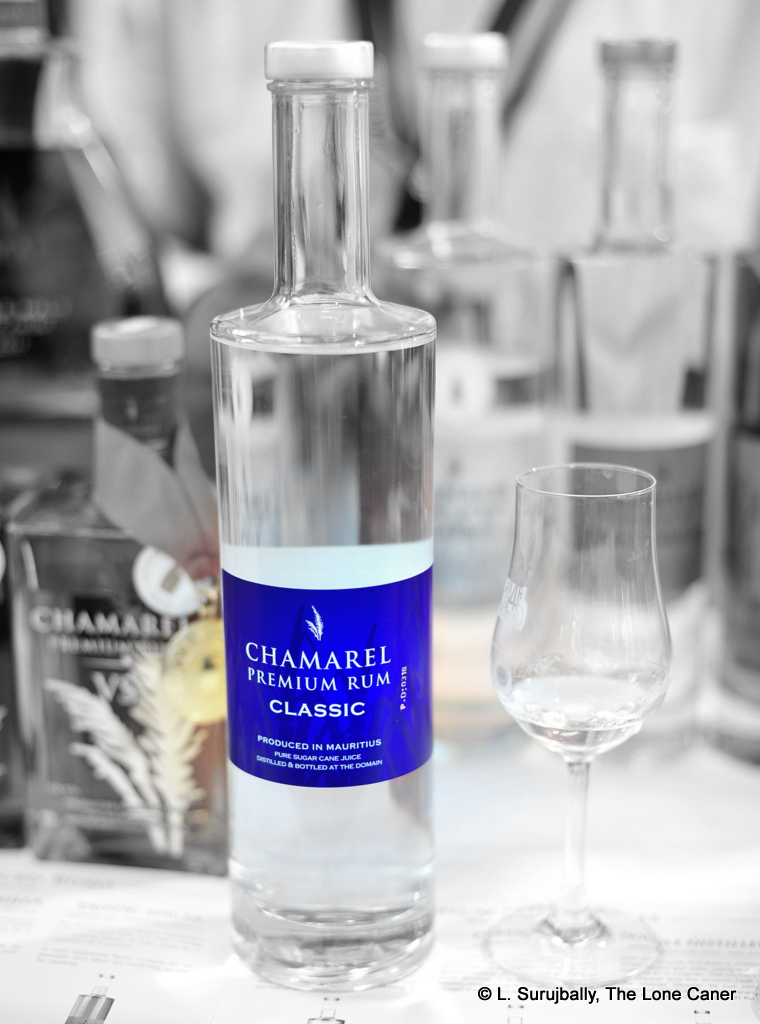 La Rhumerie de Chamarel, that Mauritius outfit we last saw when I reviewed their 44% pot-still white, doesn’t sit on its laurels with a self satisfied smirk and think it has achieved something. Not at all. In point of fact it has a couple more whites, both cane juice derived and distilled on their
 Personally I have a thing for pot still hooch – they tend to have more oomph, more get-up-and-go, more pizzazz, better tastes. There’s more character in them, and they cheerfully exude a kind of muscular, addled taste-set that is usually entertaining and often off the scale. The Jamaicans and Guyanese have shown what can be done when you take that to the extreme. But on the other side of the world there’s this little number coming off a small column, and I have to say, I liked it even more than its pot still sibling, which may be the extra proof or the still itself, who knows.