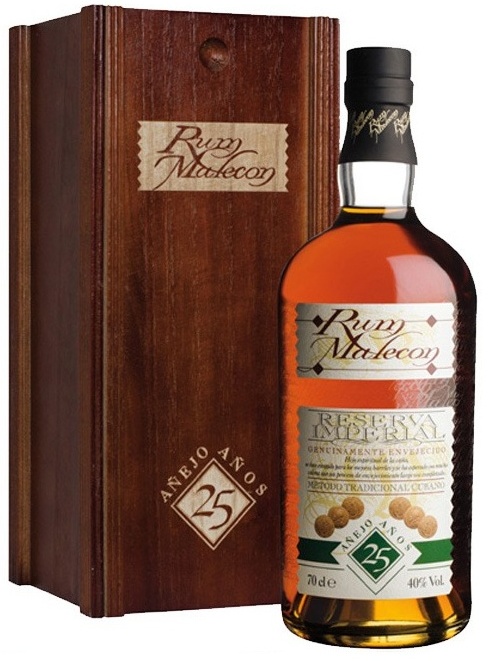
 We’ve been here before. We’ve tried a rum with this name, researched its background, been baffled by its opaqueness, made our displeasure known, then yawned and shook our heads and moved on. And still the issues that that one raised, remain. The Malecon Reserva Imperial 25 year old suffers from many of the same defects of its 1979 cousin, most of which have to do with disclosure and some of which have to do with its nature. It astounds me that in this day and age we still have to put up with this kind of crap.
The little we know from wikirum (this is slightly more than four years ago when I wrote about the Malecon 1979) is that the Don Jose distillery in Panama is the producer – this is the same Varela Hermanos gents who make the popular and well known Abuelo brand. Malecon’s actual ownership as a company or a brand is as hard to track down as before – all the website contact information points to distributors, not owners and their own press information section stops in 2016 and they apparently never participated in any events past 2017, which, coincidentally, is when I first tried their stuff. Their FB page (there’s only one, for the German market) is a bit more active but mostly represents marketing blah, not one of engagement with customers and fans. I read somewhere that the owner is an Italian who likes Cuban style rum and worked with Don Pancho to come up with this range of rums, which is as good or as useless as any other story without corroboration. (Honestly, with Panama rums these days, I hardly care any more – it’s gotten that bad).
Anyway, profile-wise, there is really very little to shout about with respect to how it tastes. I can save you some trouble – unadventurous, simple, easy are the adjectives which come to mind. The nose is quiet and soft: chocolate milk, anise, caramel, some creaminess of ice cream, vanilla, nougat. There is very little fruitiness to balance this off with some tart flavours – a whiff of citrus peel maybe, a grape or two, not much more and maybe a touch of black tea.
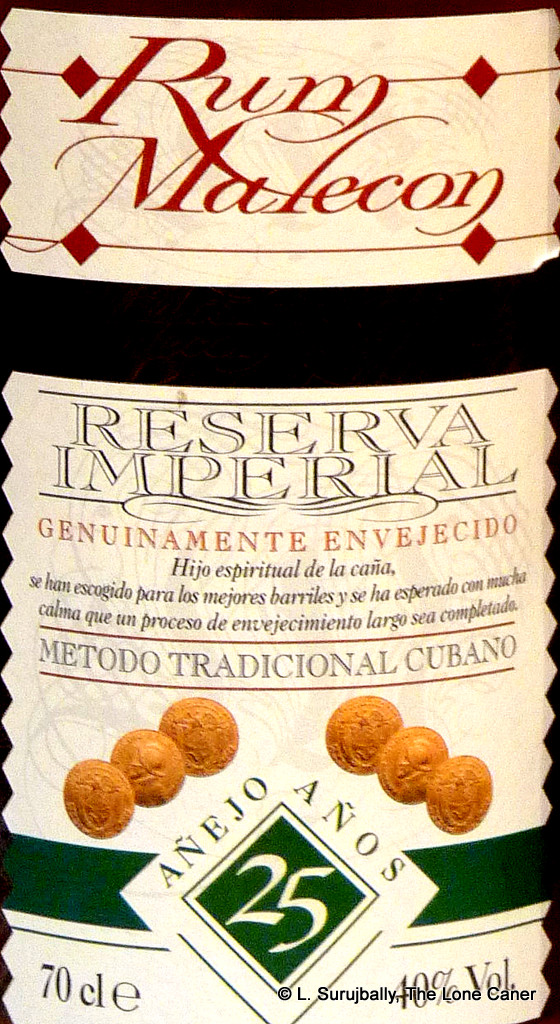 The palate is similarly soft and similarly straightforward. It’s got more chocolate milk and and perhaps a touch of coffee grounds. A smidgen, barely a smidgen of oak and citrus, a sly taste of tangerines; it’s not very sweet (which is a plus) and sports some brine and Turkish olives and a touch of slight bitterness, which I’m going be generous and say is an oak influence that saves it from being just blah. Finish is okay I guess. Gone too quickly of course, no surprise at 40% ABV and leaving at best the sense of some black tea with too much condensed milk in it, that doesn’t entirely hide the fact that it’s too bitter.
Many will like a rum like this. Tipplers of soft favourites like the Abuelo 7, RN Panama 18 YO, El Dorado 12 YO, the Santa Teresa 1796 or the Diplomatico line would have no issues here at all. Overall, though, from my perspective, aside from bigger Panamanian brands with some actual muscle behind their products (think Abuelo or Origenes), there’s little coming out of the country that either surprises or interests me and this is just another one of them. They’re straightforward rums of little pizzazz (this may be by intent), and while the Malecon 25 is a decent Panamanian, there’s little to distinguish it from a distillate a decade younger.
But, for a rum for which a premium is set because of the supposed ageing of 25 years, that’s not a thing people should be saying about it, because it creates negative expectations for both the brand and the whole country and makes real rum lovers look elsewhere. Let’s hope that in the years to come, this small nation’s rums and their industrial-sized producers can up the ante, make better and more transparent juice and so address the changing tastes of the global audiences better. Then they could reclaim some of their reputation, which rums and companies like this one have treated with such cavalier disdain, and so carelessly.
(#795)(77/100)
Other notes
- Lest you think I’m being unfair, others were similarly dismissive: WhiskyFun’s Serge said “isn’t much happening here” though he liked it better than other Malecons, and scored it 78; while his partner in rum, Angus (another rum lover who just doesn’t know he is), didn’t think it was good from a technical side either, and rated it 64. Brian over on /r/reddit gave it a harshly middling score of 53/100, which is just about how I rank it as well (on my own scale). Alex over at Master Quill, the source of the sample I was trying, rated it 82 and also commented on the resemblance to an Abuelo. The best info relating to the brand is probably RumShopBoy’s review of the range from mid 2020, and I recommend it highly (his points score for the 25YO was 55/100).
- There are two enclosures, one with a wooden box, one with a cardboard one. The rum is the same in both cases as far as I am aware. I was sent a sample from the wooden-box bottle, which was released first, back in 2016 or so before they switched to cheaper cardboard a few years later.
- Treat the age statement with caution, as it is unverifiable. Any company this hard to track down doesn’t make provision of the benefit of the doubt an easy task.
 The palate was thick, rich and sweet, even in comparison the the 3YO which showed no modesty with such aspects itself but while stronger, had also been paradoxically easier. Here we were regaled with bananas, cherries in syrup, brown sugar, and a sort of smorgasbord of fruitiness – some tart, some just soft and mushy – and creaminess of greek yogurt sprinkled with cinnamon and cloves. Disappointingly, the finish did nothing much except lock the door and walk off, throwing a few notes of cloves, sugar, cherries, peaches and syrup behind. Not a stellar finish after the intriguing beginning.
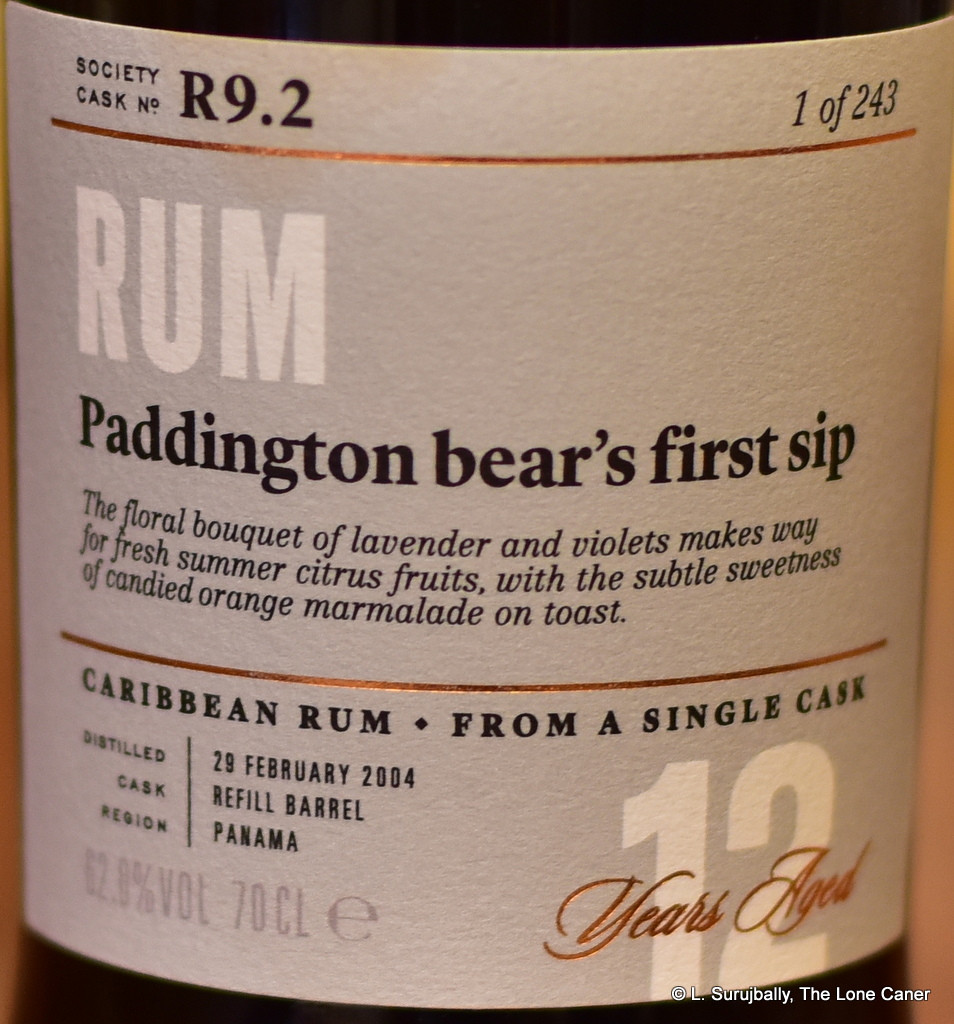 In spite of the high ABV, which lends a fair amount of initial sharpness and heat to the tongue until it burns away and settles down, it’s actually not that fierce. It becomes almost delicate, and there’s a nice vein of fruity sweetness running through, which enhances the flavours of apples, cider, green grapes, citrus, coconut, vanilla, and candied oranges. There’s also some of that polish and acetone remaining, neatly dampened by caramel and brown sugar, all balancing off well against each other. It retains that delicacy to the finish line and stays well behaved: a touch sweet throughout, with caramel (a bit much), vanilla, fruits, grapes, raisins, citrus, blancmange…not bad at all.
 Or so the story-teller in me supposes. Because all jokes and anecdotes aside, what this is, is a rum made to order.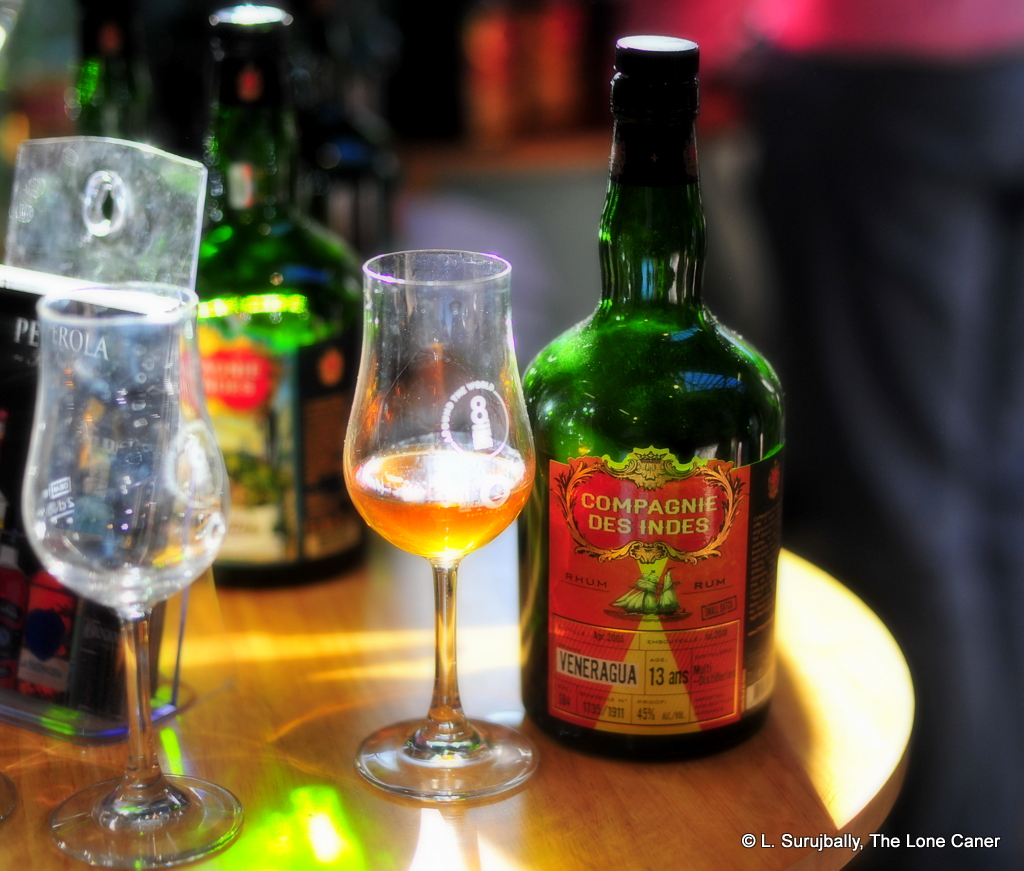
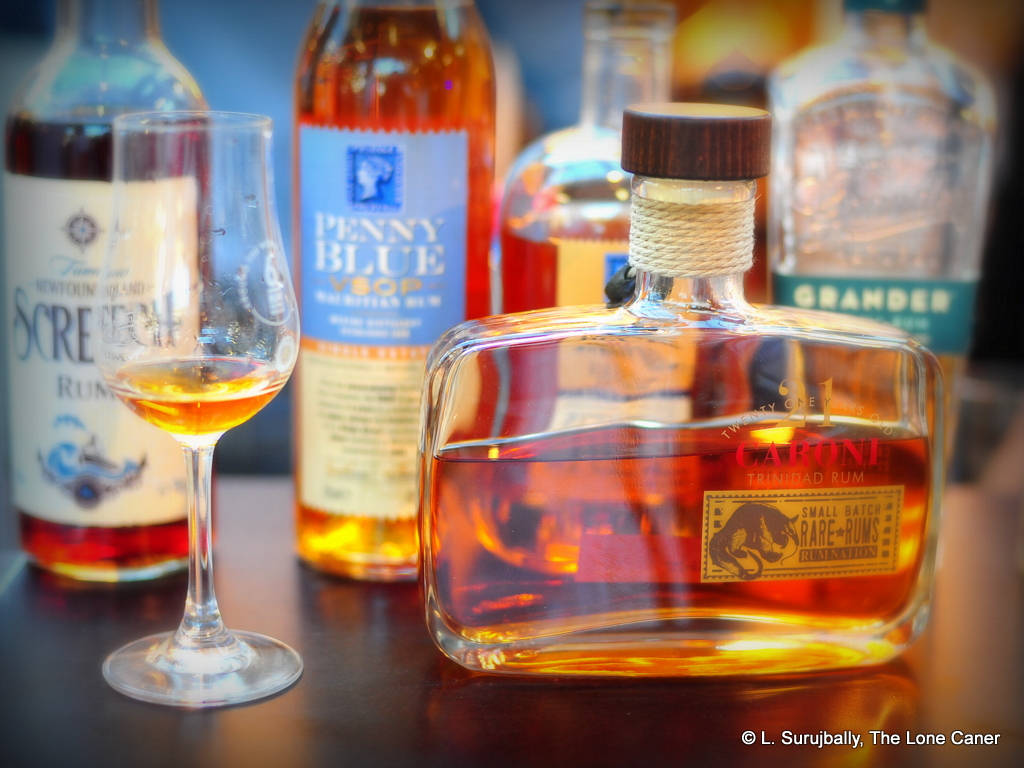

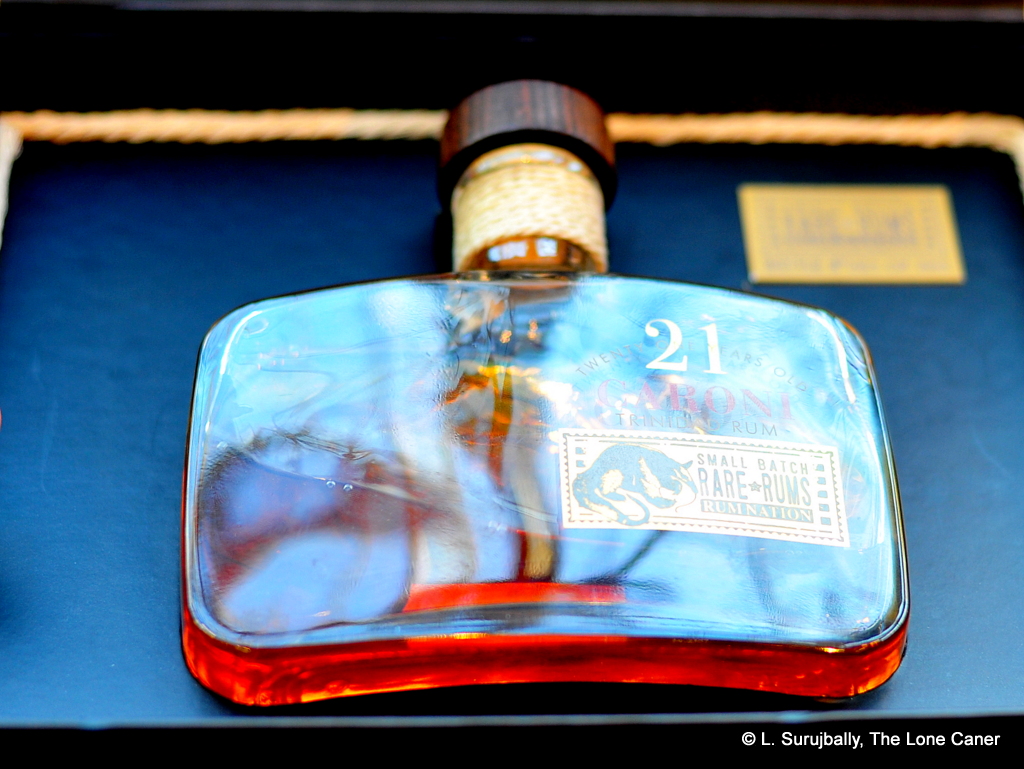
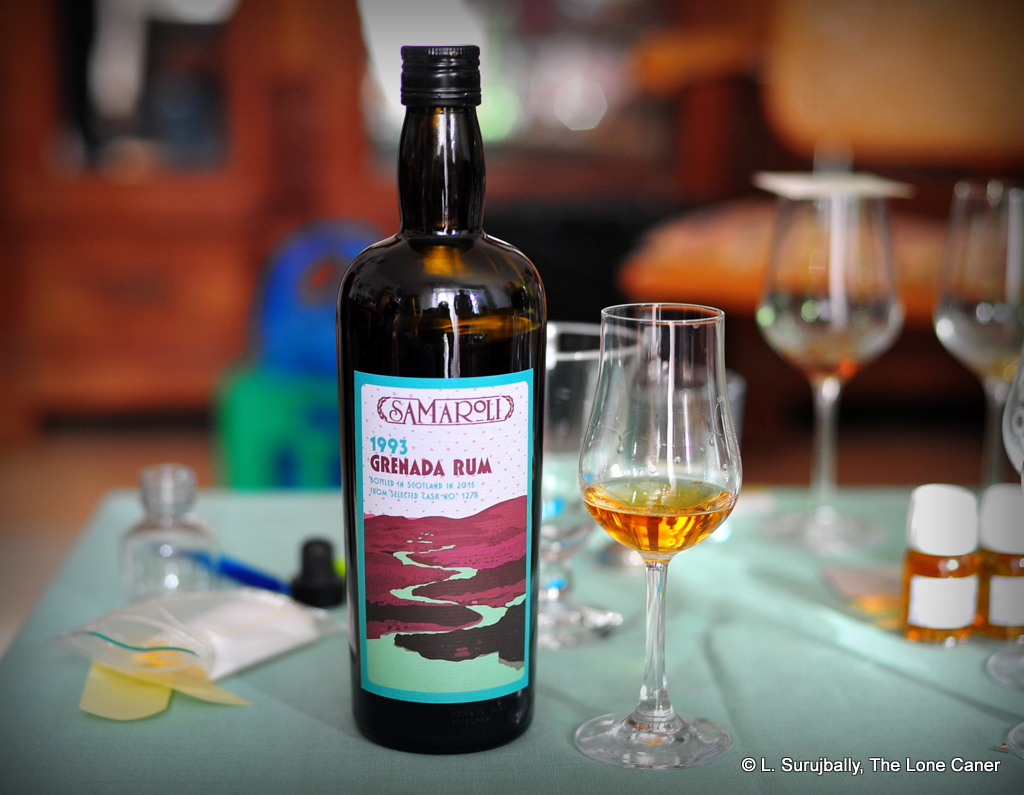
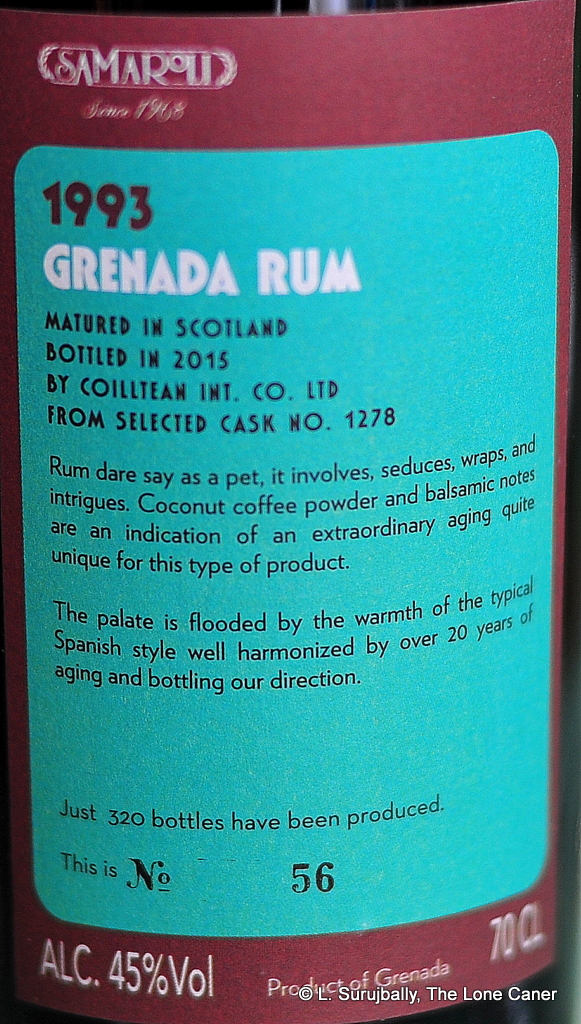
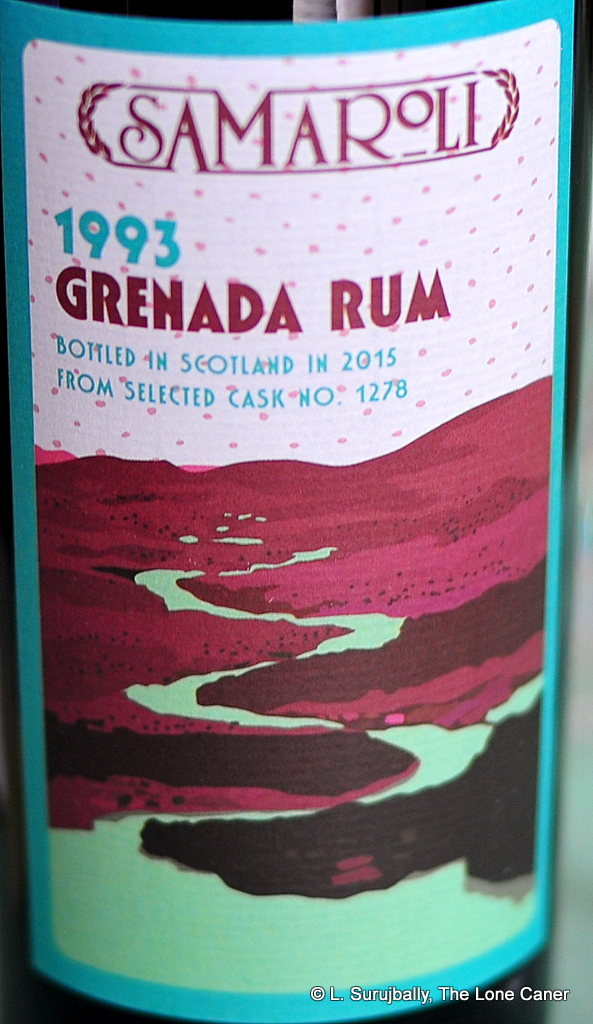 One such is this Samaroli rum sporting an impressive 22 years of continental ageing, hailing from Grenada – alas, not Rivers Antoine, but you can’t have everything (the rum very likely came from Westerhall – they ceased distilling in 1996 but were the only ones exporting bulk rum before that). You’ll look long and hard before you find any kind of write up about it, or anyone who owns it – not surprising when you consider the €340 price tag it fetches in stores and at auction. This is the second Grenada rum selected under the management of Antonio Bleve who took over operations at Samaroli in the mid 2000s and earned himself a similar reputation as Sylvio Samaroli (RIP), that of having the knack of picking right.
  So what to make of this expensive two-decades-old Grenada rum released by an old and proud Italian house? Overall it’s really quite pleasant, avoids disaster and is tasty enough, just nothing special. I was expecting more. You’d be hard pressed to identify its provenance if tried blind. Like an SUV taking the highway, it stays firmly on the road without going anywhere rocky or offroad, perhaps fearing to nick the paint or muddy the tyres.
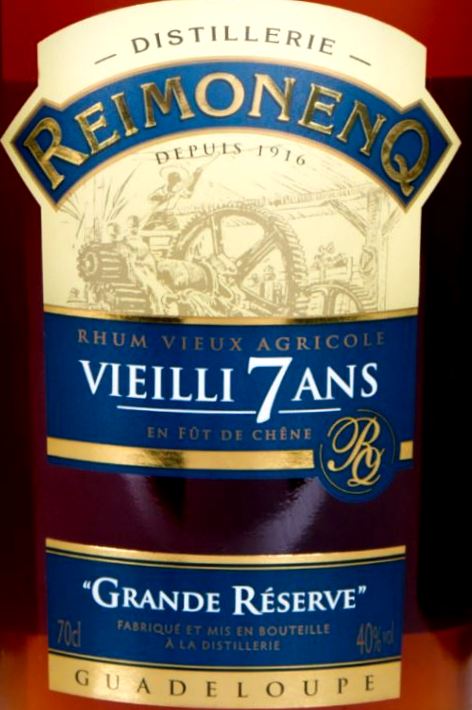 I was really and pleasantly surprised by how well it presented, to be honest. For a standard strength rhum, I expected less, but its complexity and changing character eventually won me over. Looking at others’ reviews of rhums in Reimonenq’s range I see similar flip flops of opinion running through them all. Some like one or two, some like that one more than that other one, there are those that are too dry, too sweet, too fruity (with a huge swing of opinion), and the little literature available is a mess of ups and downs.
 Rum Nation’s own
 Colour – Gold brown
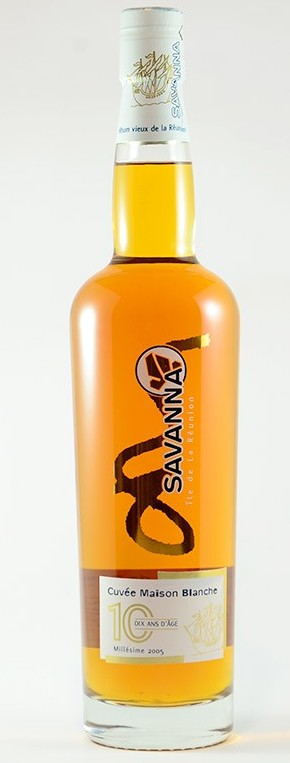 Savanna’s 2005 Cuvée Maison Blanche 10 Year Old rum, in production since 2008 is a companion to the 2005 10 YO Traditionnel and a somewhat lesser version of the superb
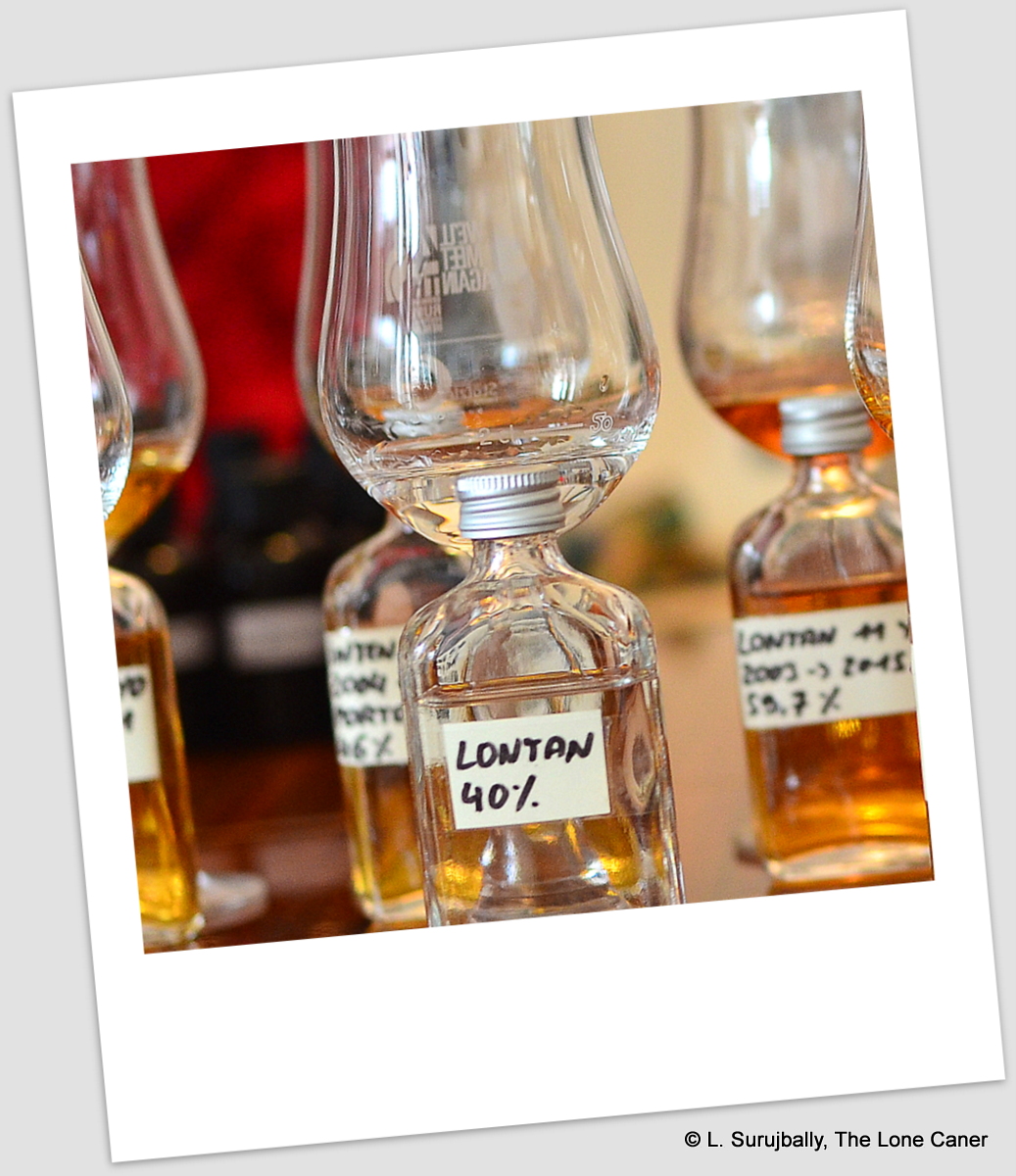
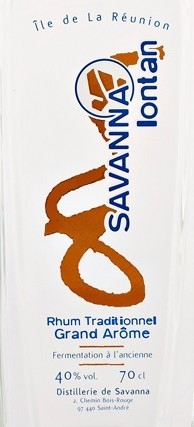 The word “Lontan” is difficult to pin down – in Haitian Creole, it means “long” and “long ago” while in old French it was “lointain” and meant “distant” and “far off”, and neither explains why Savanna picked it (though many establishments around the island use it in their names as well, so perhaps it’s an analogue to the english “Ye Olde…”). Anyway, aside from the traditional, creol, Intense and Metis ranges of rums (to which have now been added several others) there is this Lontan series – these are all variations of Grand Arôme rums, finished or not, aged or not, full-proof or not, which are distinguished by a longer fermentation period and a higher ester count than usual, making them enormously flavourful.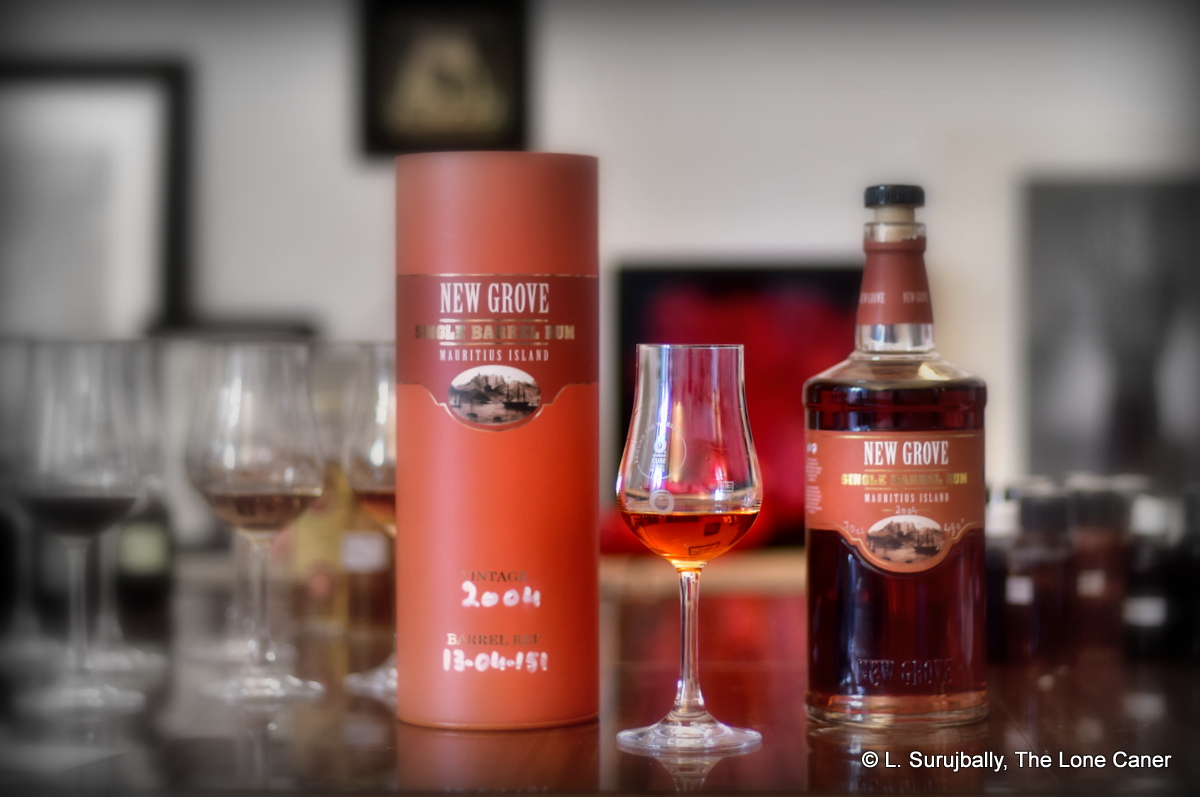
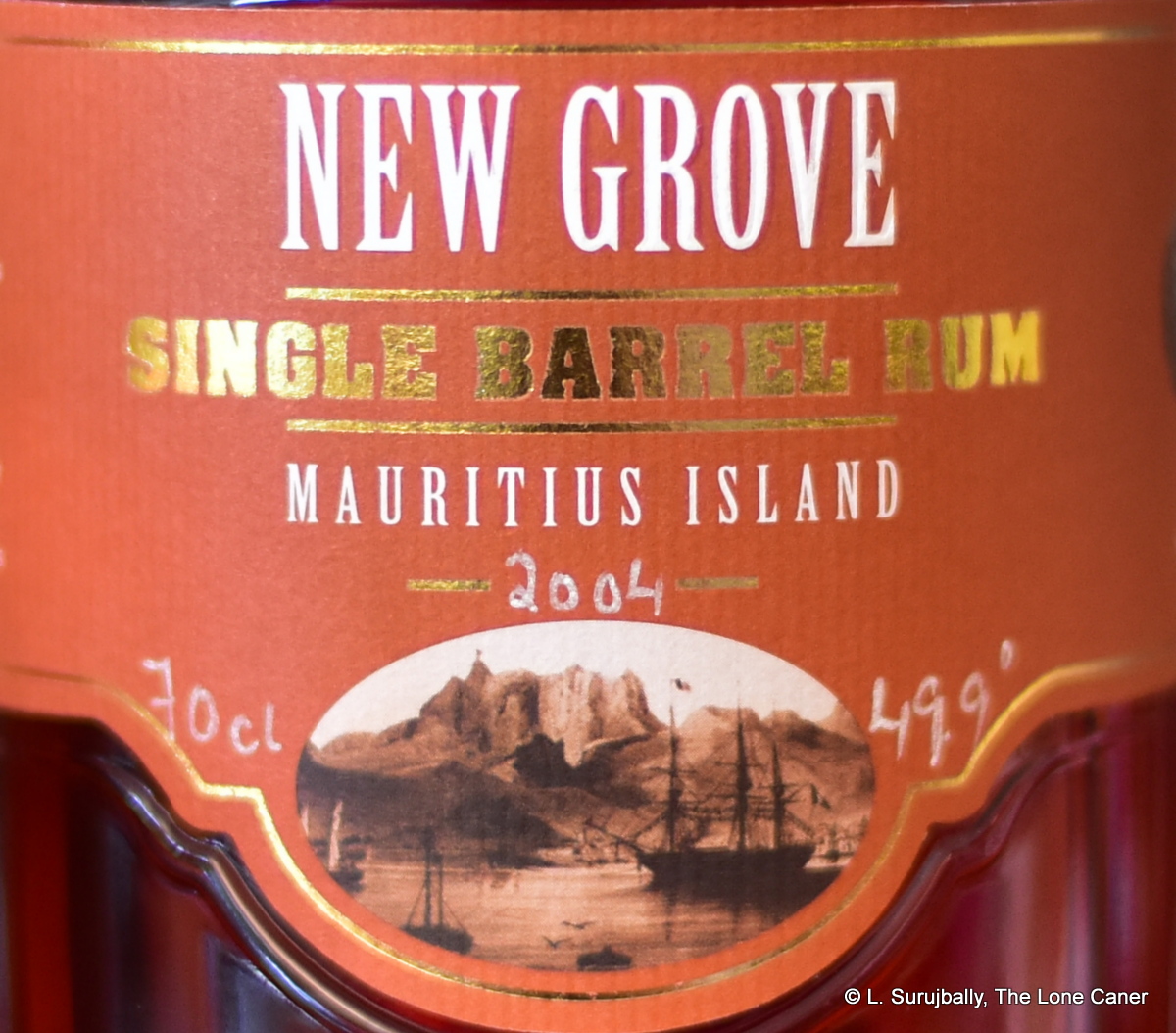 Although cold stats alone don’t tell the tale, I must confess to being intrigued, since a primary producer’s limited single-barrel expressions tend to be somewhat special, something they picked out for good reason. That felt like the case here – the initial smell was delicious, of burnt oranges and whipped cream (!!), a sort of liquid meringue pie if you will. It negotiated the twists and turns of tart and mellower aromas really well: honey, fruits, raisins, green apples, grapes,and ripe peaches. There was never too much of one or the other, and it was all quite civilized, soft and even warm
 Background history
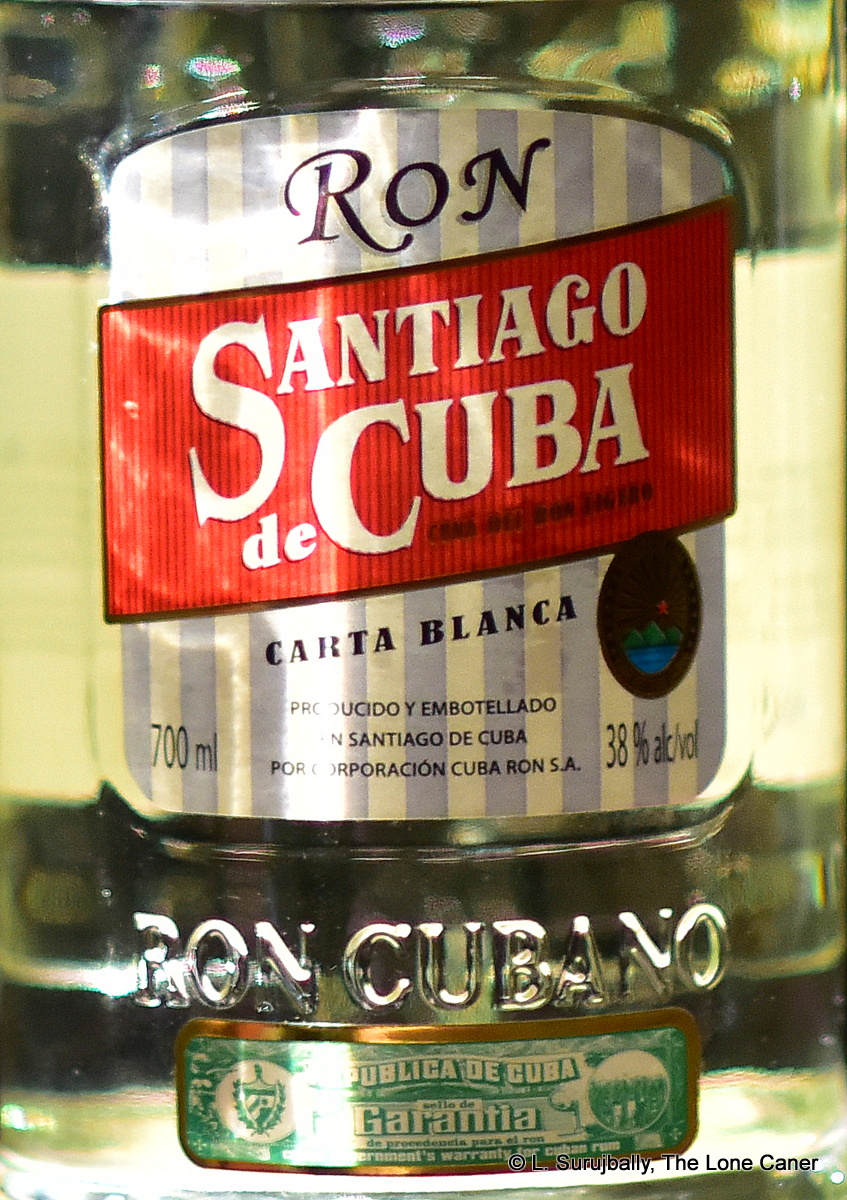 As for the taste when sipped, “uninspiring” might be the kindest word to apply. It’s so light as to be nonexistent, and just seemed so…
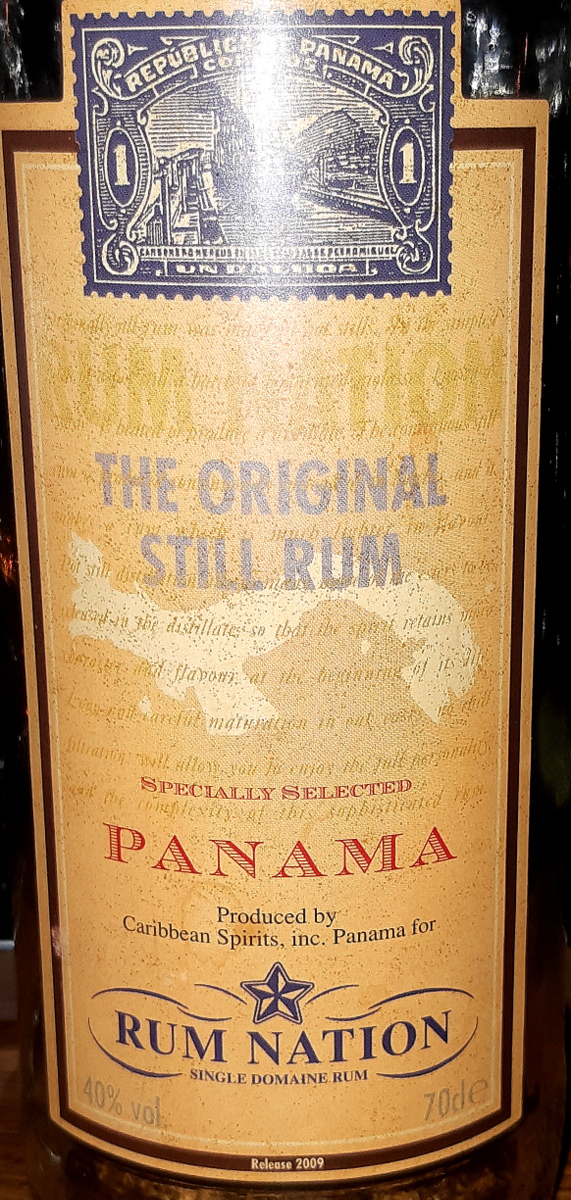
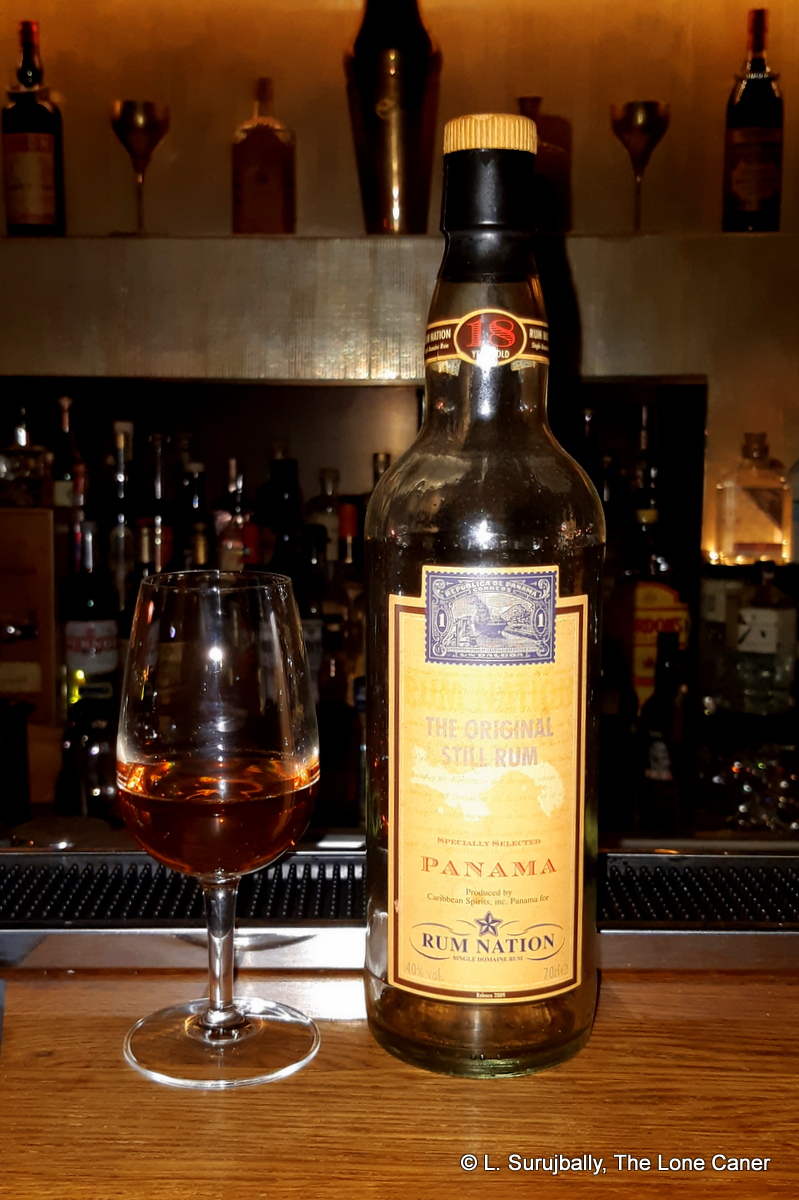 The Rum Nation Panama 2009 edition exists in a peculiar place of my mind, since it’s the unavailable, long-gone predecessor of the
  That was the smell, but what did it taste like? Eighteen years in a barrel must, after all, show its traces. To some extent, yes: again,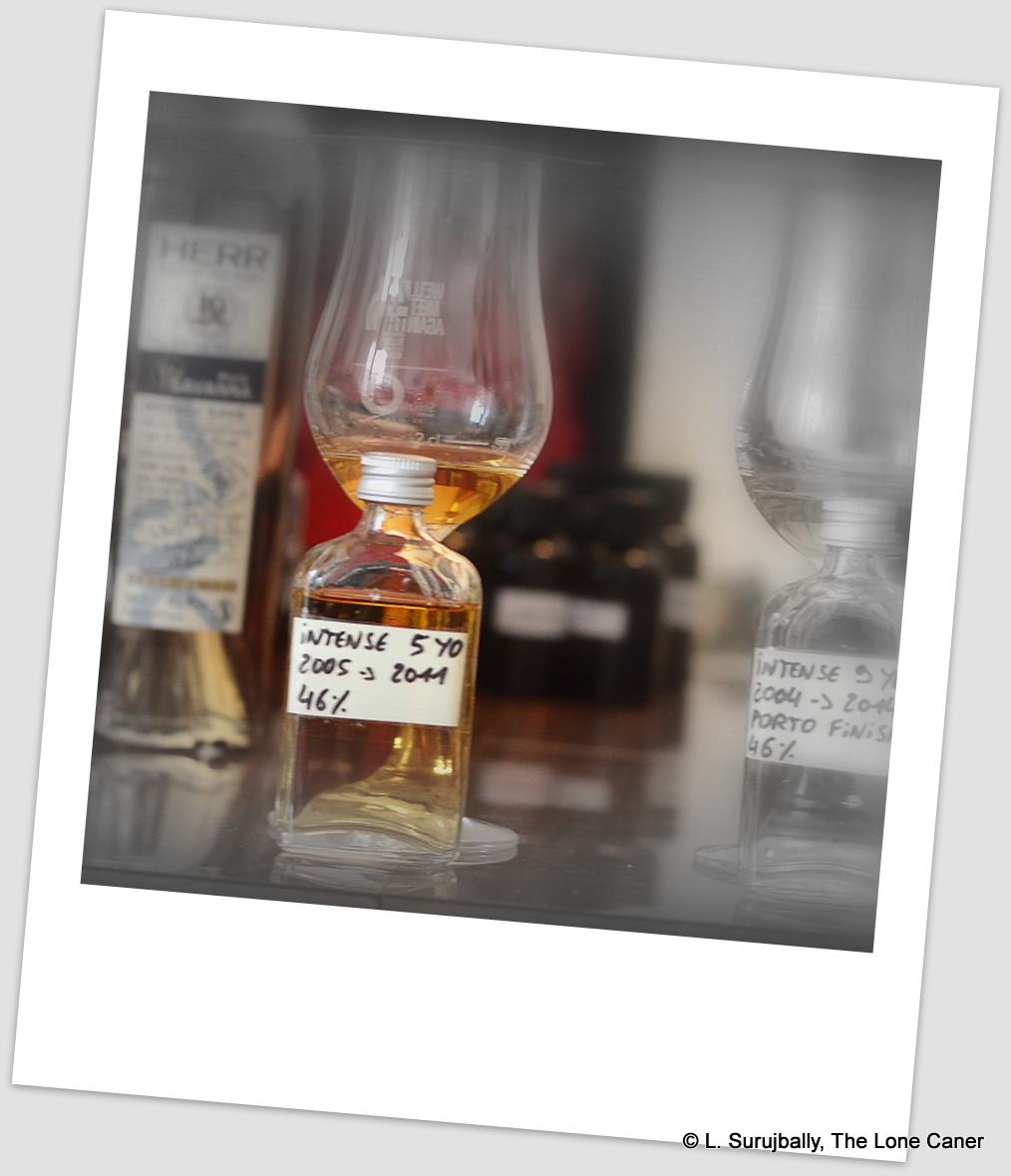

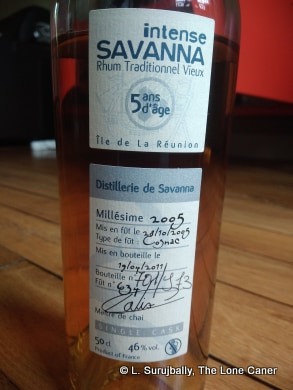 The youth is sensed upon sipping, and it’s an interesting if delicate amalgam. It presents as sharp to begin with, yet the bite climbs back down to gentle very quickly. Some bitter tannins, dampened down before they get a chance to descend into obnoxiousness. Citrus, oranges, nuts, plums, very tart, a bit thin overall to taste…not spotting too much cognac here. Strawberries and pineapples, weak. Nose was better, if not strictly comparable but then, I wasn’t drinking it through my schnozz either. Anyway, good tastes, a little thin, leading to a brisk finish, on the weak side of firm, gone quickly. Tart gooseberries, turmeric, strawberries, some citrus, and a last touch of that honey I enjoyed…it was a nice closing touch.
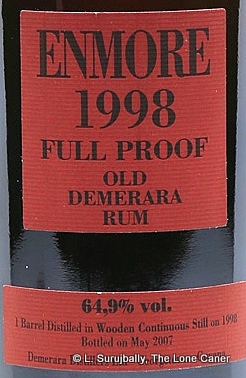 Yet for all that, to ignore it would be a mistake. There’s the irresistible pull of the Old Guyana Demeraras, of that legendary Enmore wooden Coffey still (also known as the “filing cabinet” by wags who’ve seen it), the allure of Velier and their earlier releases which back in the day sold for a hundred or so and now pull down thousands easy (in any currency). How can one resist that? Good or bad, it’s just one of those things one has to try when possible, and for the record, even at that young age, it’s very good indeed.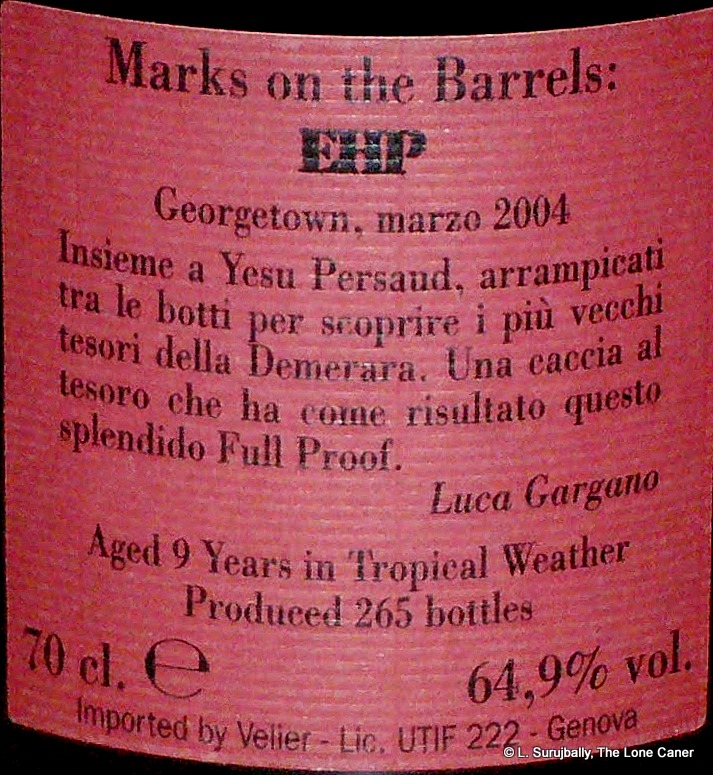
 To some extent, it has a lighter nose than the luscious