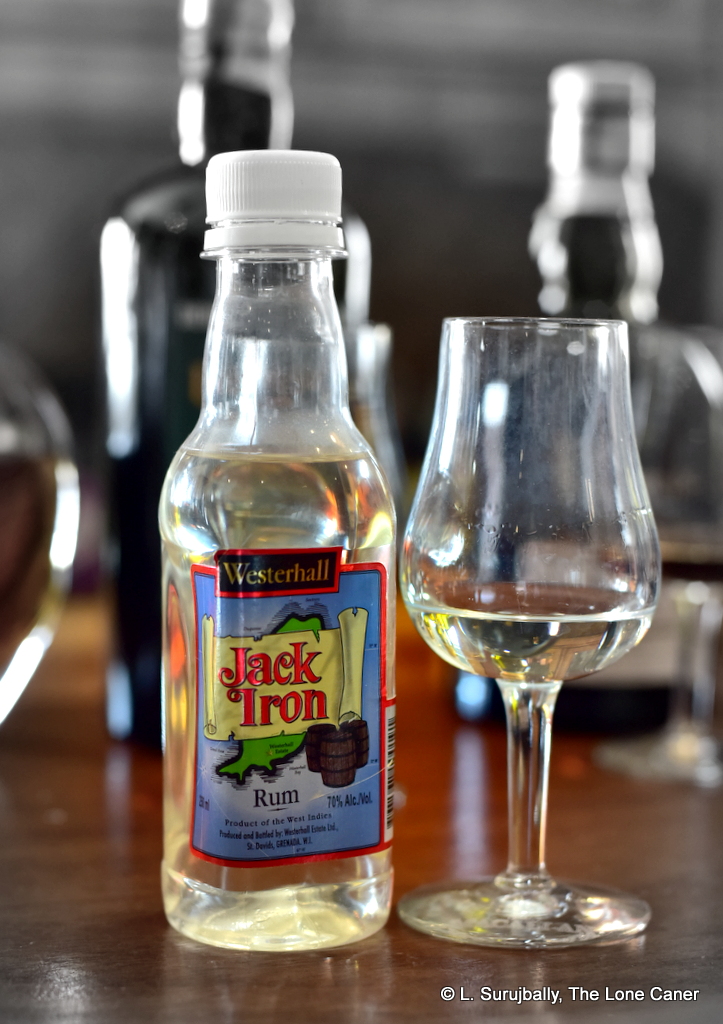
 The Jack Iron rum from Westerhall is a booming overproof issued both in a slightly aged and a white version, and both are a whopping 70% ABV. While you can get it abroad — this bottle was tried in Italy, for example — my take is that it’s primarily a rum for local consumption (though which island can lay claim to it is a matter of idle conjecture), issued to paralyze brave-but-foolhardy tourists who want to show off their Chewbacca chests by drinking it neat, or to comfort the locals who don’t have time to waste getting hammered and just want to do it quick time. Add to that the West Indian slang for manly parts occasionally being iron and you can sense a sort of cheerful and salty islander sense of humour at work (see “other notes” below for an alternative backstory).
Truth to tell, the Jack Iron is not strictly a Grenadian rum – even back in the 1990s and probably for long before, it was distilled and slightly aged (three years) at Angostura’s facilities in Trinidad, before being shipped to the Spice Island for final blending and bottling. It had its antecedents in local moonshine brewed in the Grenadines to between 70% and 90%, sometimes spiced up, sometimes not, with water used as a chaser, and was usually referred to as “Jack”. (Apparently there is a 99% version of this rum called “Carriacou 99%!” floating around as well, available only on the eponymous island).
Since we’re talking about an overproof column still product made in an industrial facility with minimal ageing, the pale straw colour is understandable, and one does not go in expecting too much. This makes the initial aromas of the Jack Iron somewhat surprising, because they’re actually quite good. It smelled light, sweet and almost delicate, like raspberries dumped into pear-infused water. However, this is deceptive: it lures you into a false sense of security, and actually it’s the fin of the shark that gotcha. Much more heated and forceful aromas become noticeable after the alcohol burns off – olives, brine, gherkins, some relatively mild fruit (watermelons, pears, papaya) but none of the heavy fleshy ones.
Everything turns on a dime when it’s tasted, where the full force of the proof is brought to bear. It’s hot, fiery, fierce. Alas, that heat also takes much of the taste away as well, so all you get is sharp bite without soft taste (the Neisson L’Esprit 70⁰ Blanc found a way around this, somehow, but not here). Essentially almost all the tastes bar a few that slip through, are killed cold stone dead and it takes some real effort to discern candy floss, very light fruits (same as the nose), vague vanilla, some florals, and even the Angostura 5 YO is better than this (while being much weaker). This does not appreciably change even when water is added, by the way, and while the finish is suitably epic, and you can pick out some marzipan and vanilla and watermelon juice (and that’s if you reach), at the end it’s just long and hot and sharp. And, I confess, boring.
To some extent this rum reminds me less of Angostura’s lightly aged offerings were they to be beefed up, than of the the Marienburg 90 from Suriname, and also St. Vincent’s Sunset Very Strong. The nose is really kind of nice – delicate, herbal, floral, like a velvet-wrapped stilletto; unlike the palate, which is just a sledge, simple, bludgeoning, direct, without subtlety or complexity of any kind. Of course it’s a mix, not a sip, and it would certainly ratchet up anything into which you dump it, so there’s that I suppose.
Like many overproofs, complexity is not what it’s about — it’ll never be an international festival favourite, being the sort of rum best had in the local backcountry or on a bartender’s back shelf. It goes down much better only after a couple of shots (with chaser), when just about everything somebody says becomes a masterpiece of scintillating wit or a blindingly intelligent insight. Just be aware that such a state of affairs doesn’t last into the next morning’s headache, which is really not the rum’s fault, but your own, if you had gone late into the night with your squaddies, daring to drink it like a Grenadian.
(#591)(74/100)
Other notes
When I listed the Jack Iron as one of the 21 strongest rums in the world, Vaughn Renwick on Facebook made this comment: “The history of Jack Iron is murky, but as far as I know from the mid 1900s at least and probably earlier, it was originally a ‘cask rum’ or ‘puncheon rum’ of high but indeterminate strength, shipped directly from Trinidad to Carriacou, a dependency of Grenada. Certainly it was the only place it was available until recently. I believe it was called ‘Jack Iron’ because if you were brave enough to drink it, it was akin to being hit by the iron handle used to turn a car ‘jack’. Because it was shipped in wooden casks it had a light straw colour. Possibly it spent some time in casks in storage after distillation.”

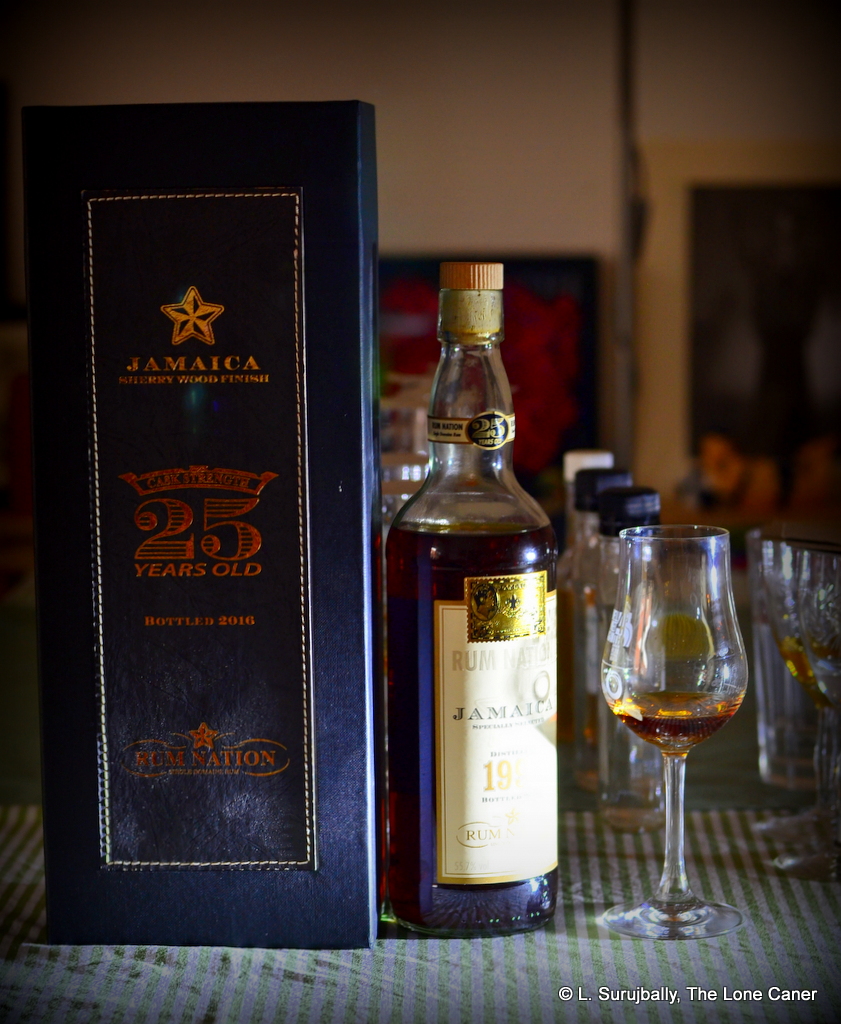
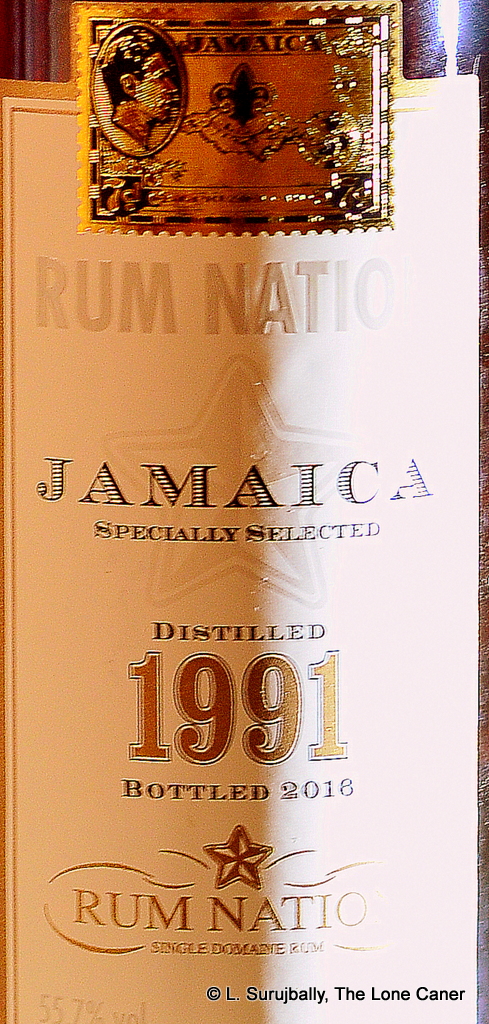 And for anyone who enjoys sipping rich Jamaicans that don’t stray too far into insanity (the
 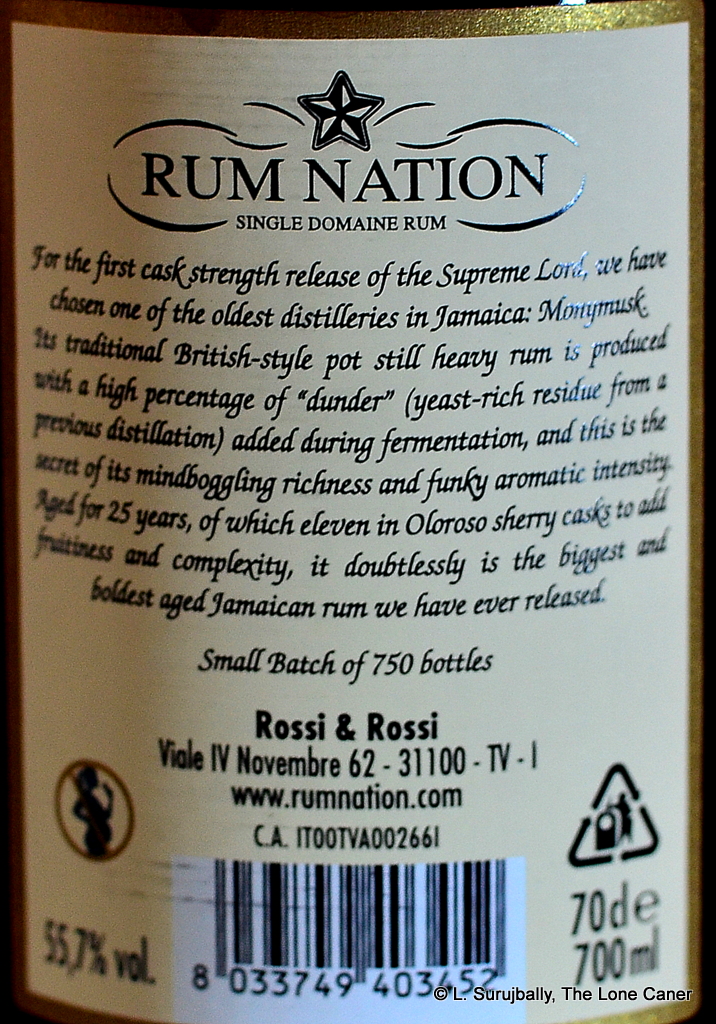 The rum continues along the path set by all the seven Supreme Lords that came before it, and since I’ve not tried them all, I can’t say whether others are better, or if this one eclipses the lot. What I do know is that they are among the best series of Jamaican rums released by any independent, among the oldest, and a key component of my own evolving rum education.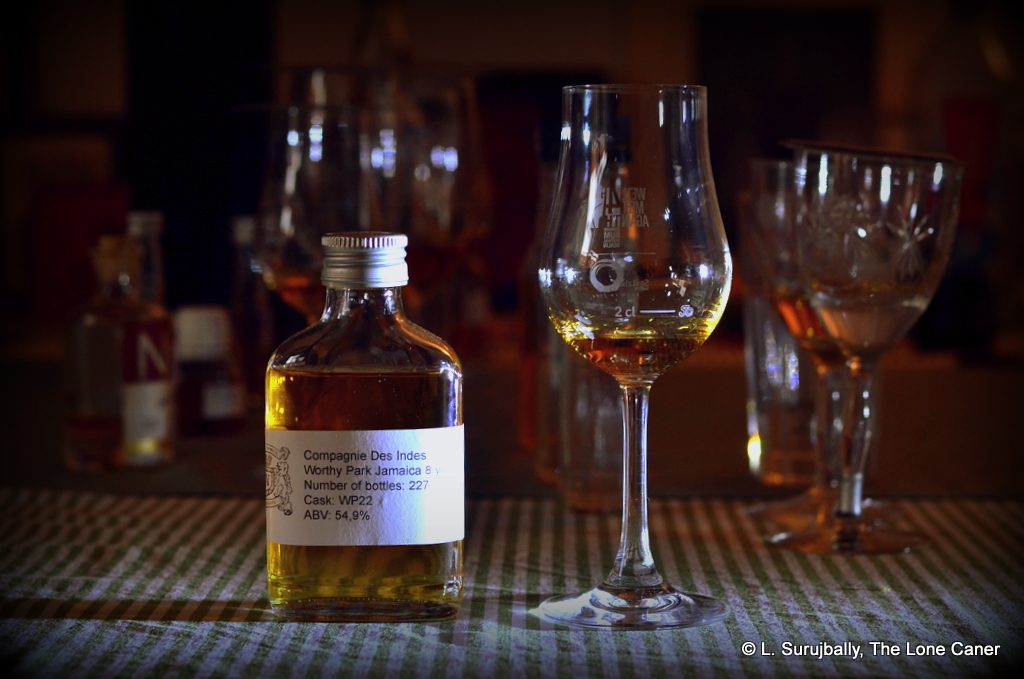
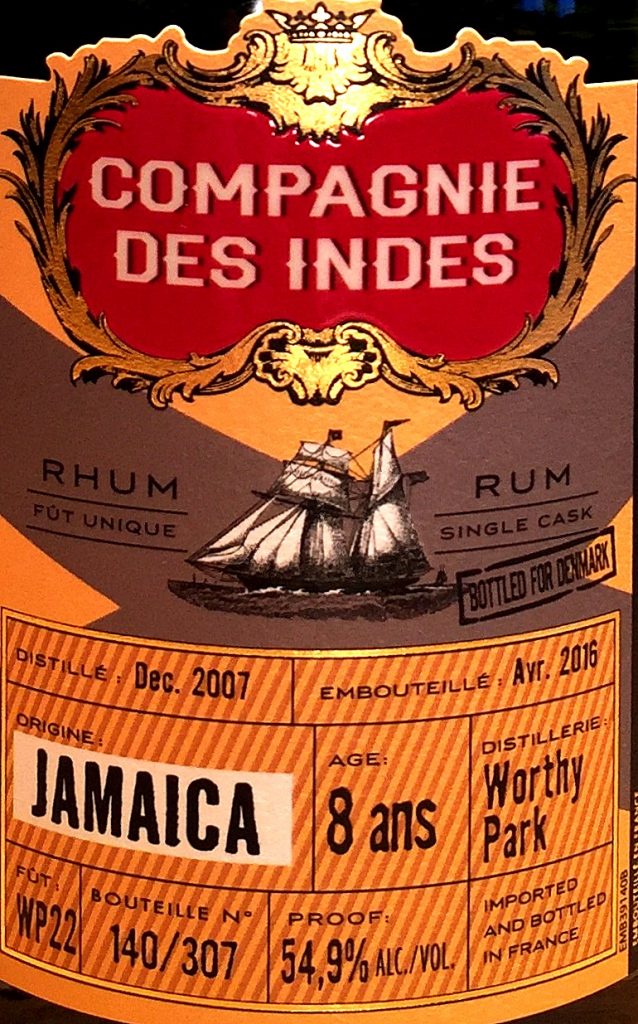 This brings us to the

 Because for the unprepared (as I was), the nose of this rum is edging right up against revolting. It’s raw, rotting meat mixed with wet fruity garbage distilled into your rum glass without any attempt at dialling it down (except perhaps to 40% which is a small mercy). It’s like a lizard that died alone and unnoticed under your workplace desk and stayed there, was then soaked in diesel, drizzled with molten rubber and tar, set afire and then pelted with gray tomatoes. That thread of rot permeates every aspect of the nose – the brine and olives and acetone/rubber smell, the maggi cubes, the hot vegetable soup and lemongrass…everything.
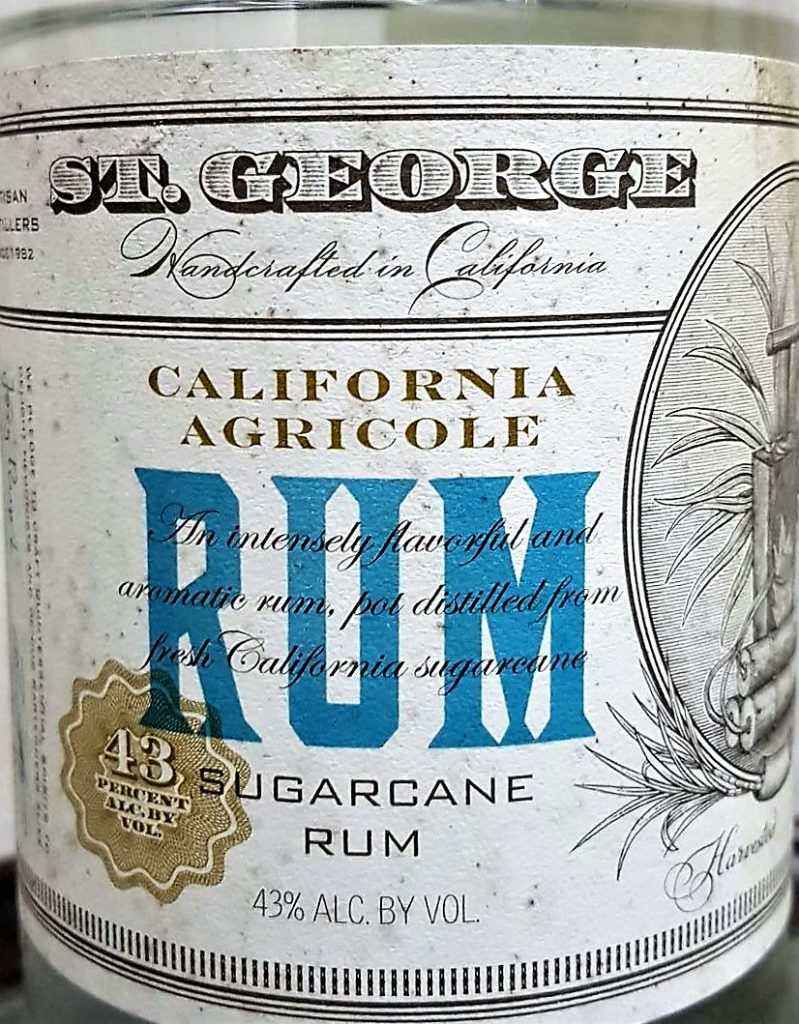 Just as we don’t see Americans making too many full proof rums, it’s also hard to see them making true agricoles, especially since the term is so tightly bound up with the spirits of the French islands.
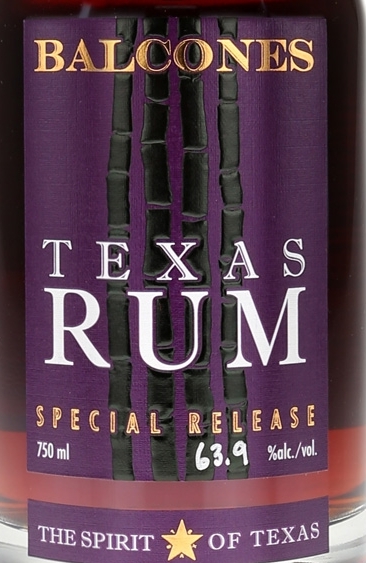 We don’t much associate the USA with cask strength rums, though of course they do exist, and the country has a long history with the spirit. These days, even allowing for a swelling wave of rum appreciation here and there, the US rum market seems to be primarily made up of low-end mass-market hooch from massive conglomerates at one end, and micro-distilleries of wildly varying output quality at the other. It’s the micros which interest me, because the US doesn’t do “independent bottlers” as such – they do this, and that makes things interesting, since one never knows what new and amazing juice may be lurking just around the corner, made with whatever bathtub-and-shower-nozzle-held-together-with-duct-tape distillery apparatus they’ve slapped together.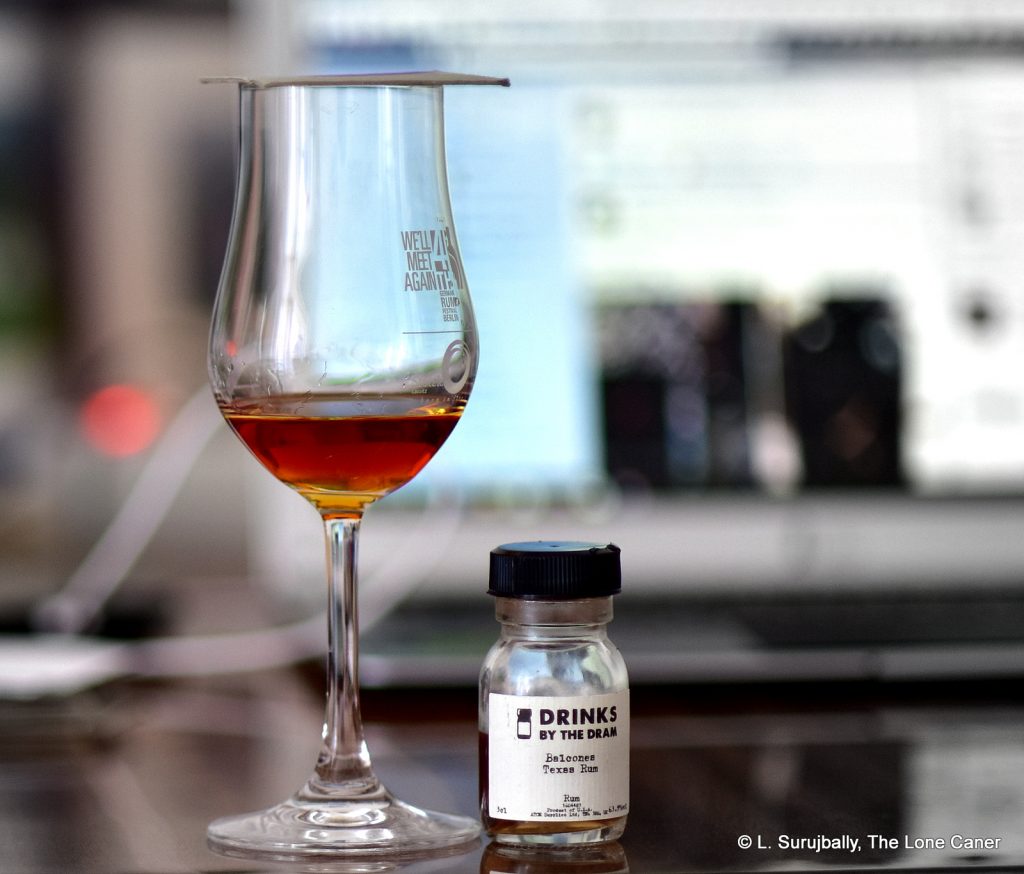
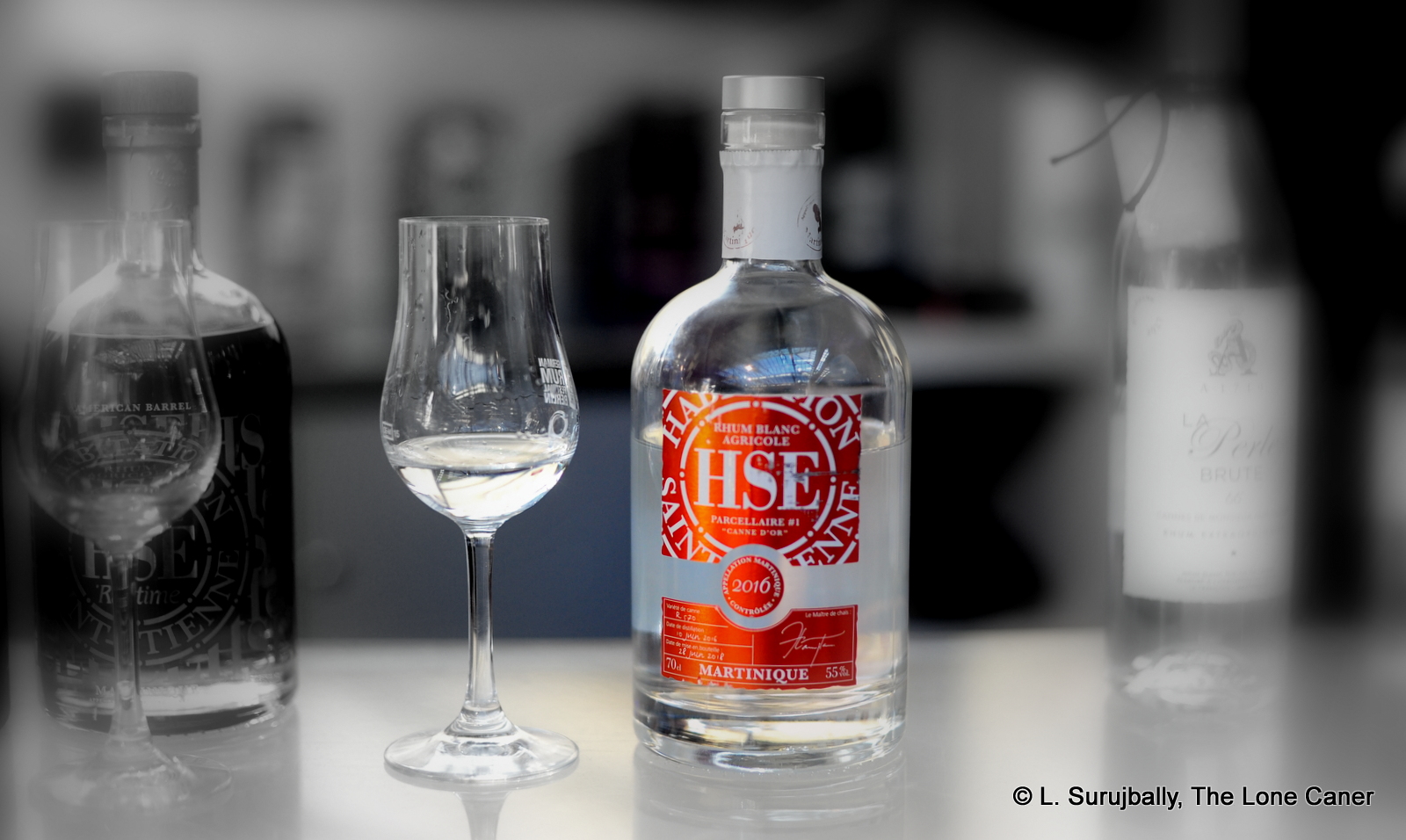
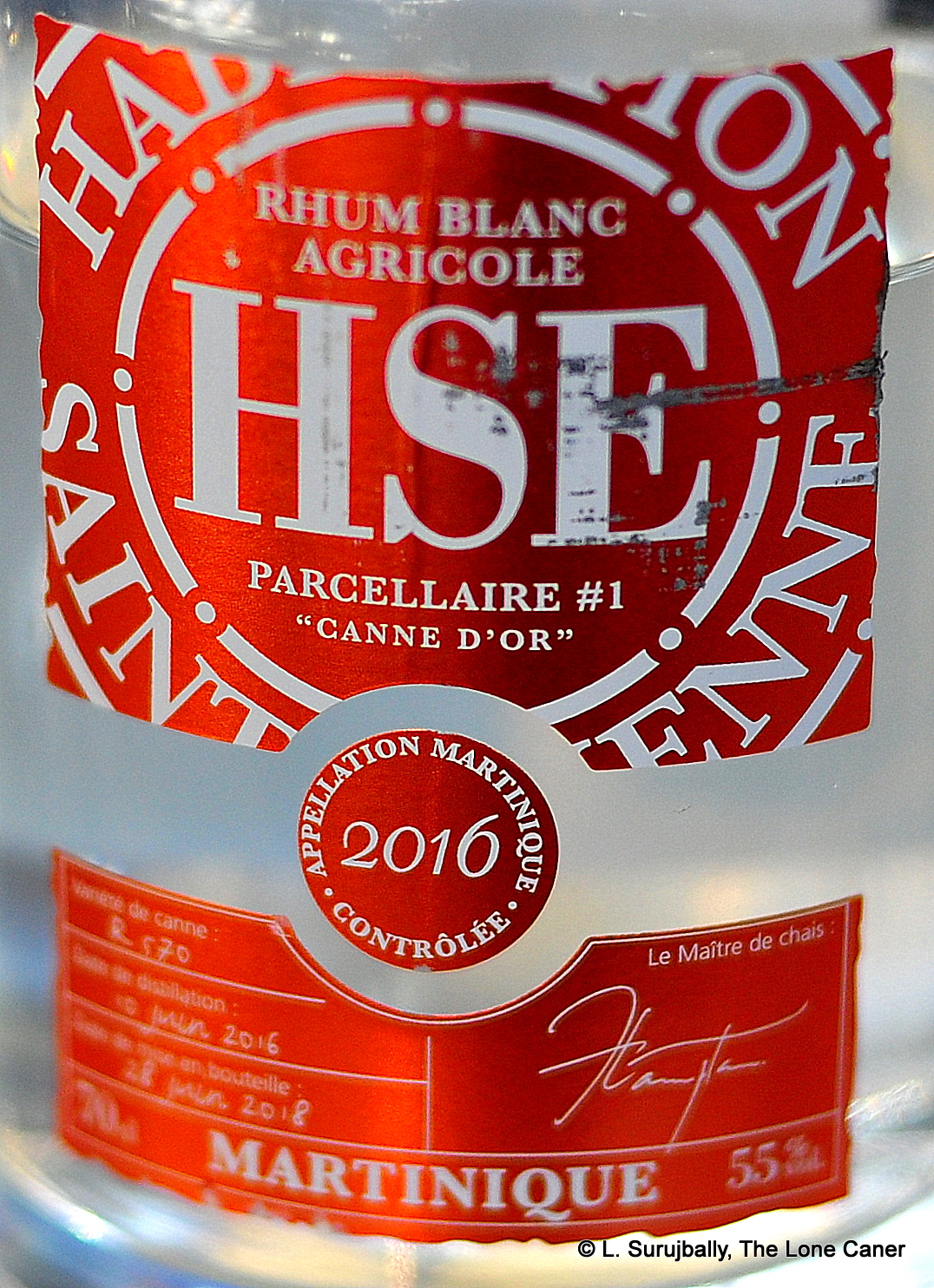
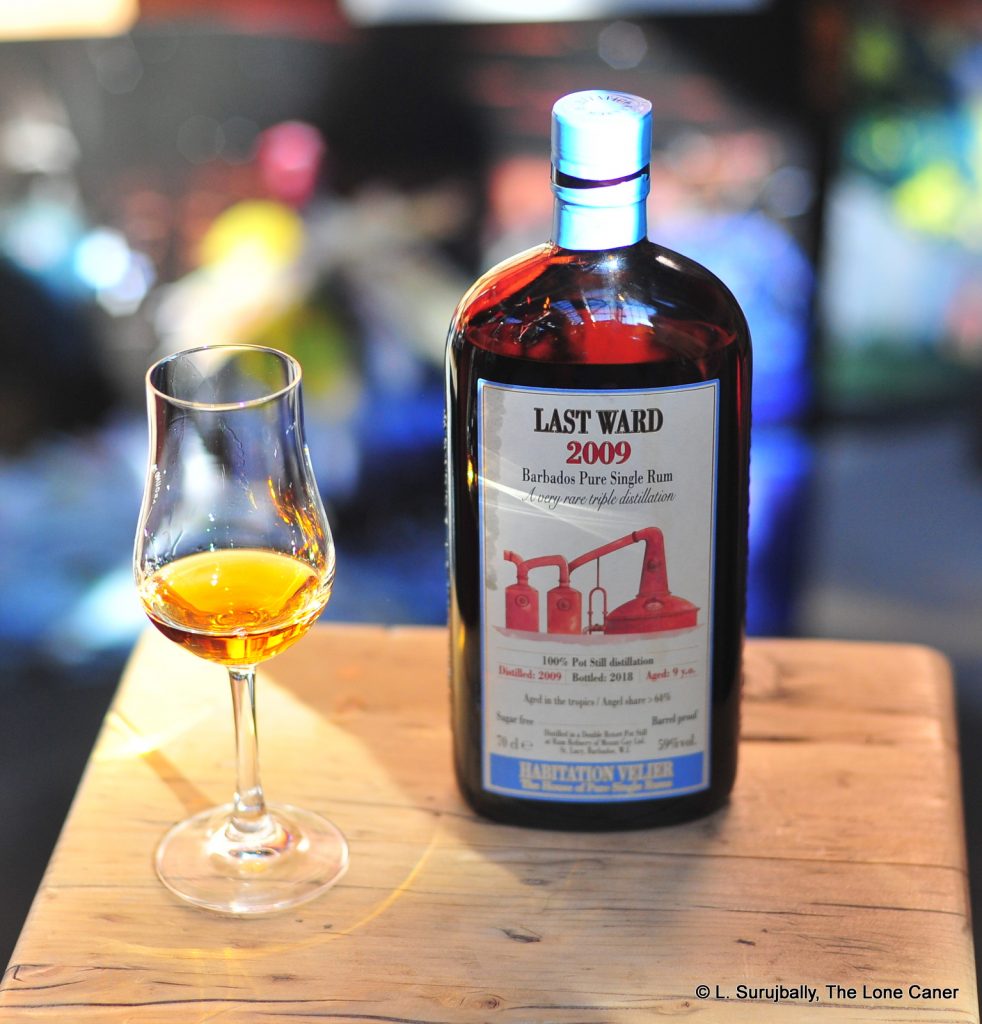
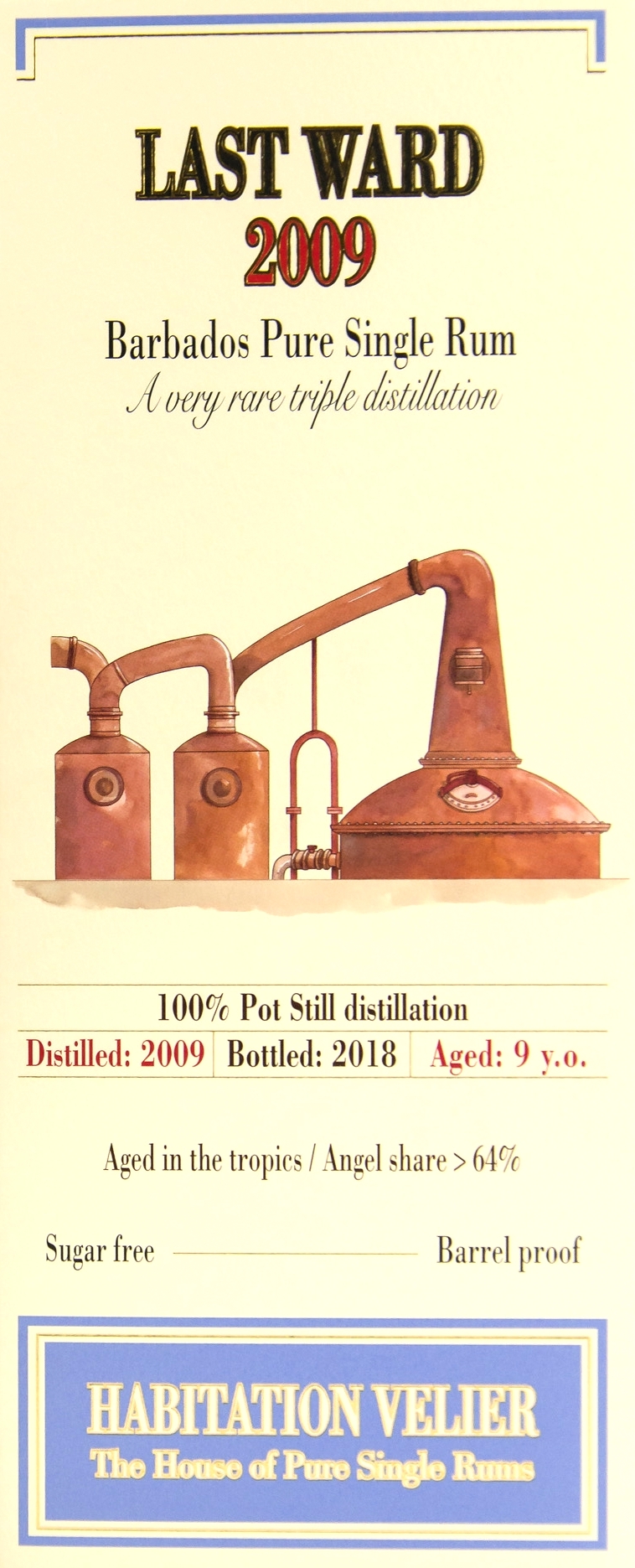 Oh yes…though it is different – some might even sniff and say “Well, it isn’t Foursquare,” and walk away, leaving more for me to acquire, but never mind. The thing is, it carved out its own olfactory niche, distinct from both its older brother and better known juice from St. Phillip. It was warm, almost but not quite spicy, and opened with aromas of biscuits, crackers, hot buns fresh from the oven, sawdust, caramel and vanilla, before exploding into a cornucopia of cherries, ripe peaches and delicate flowers, and even some sweet bubble gum. In no way was it either too spicy or too gentle, but navigated its way nicely between both.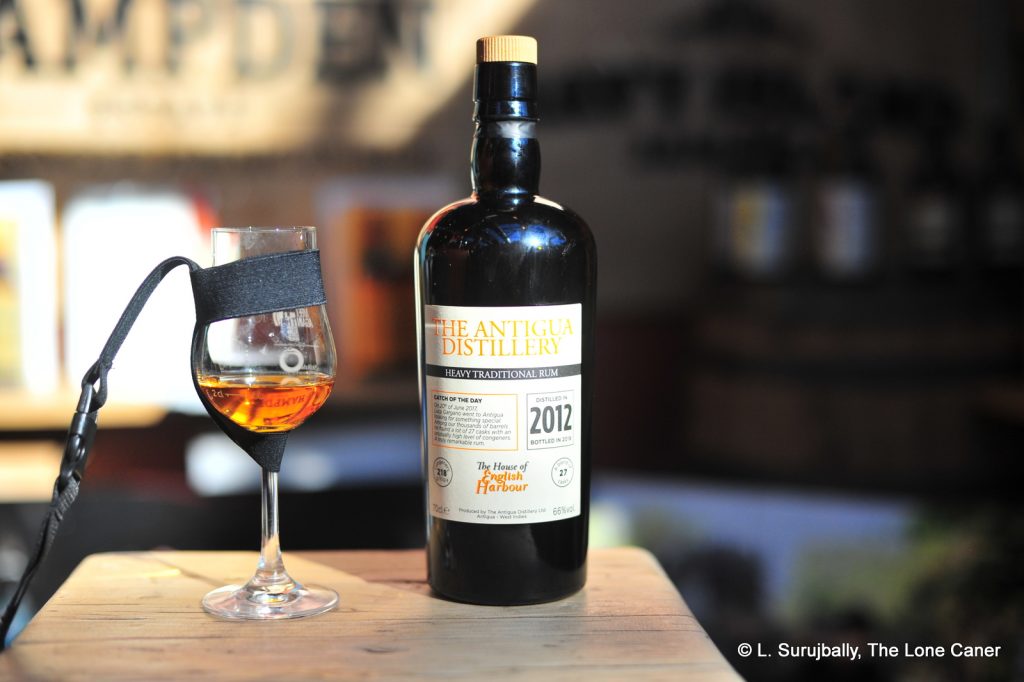
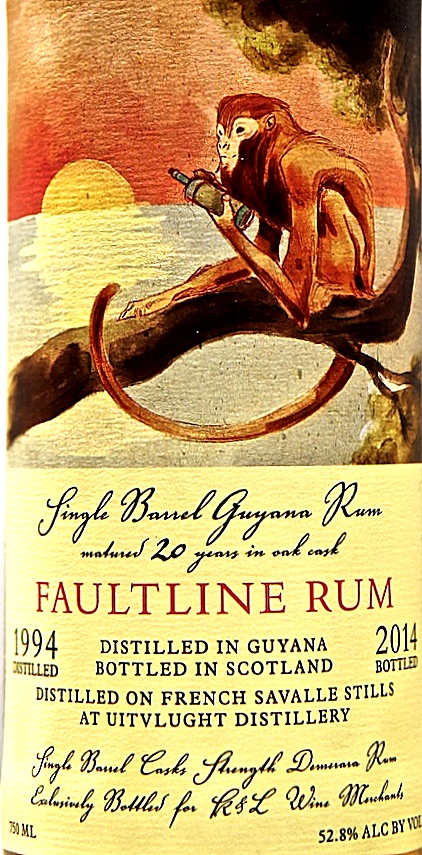
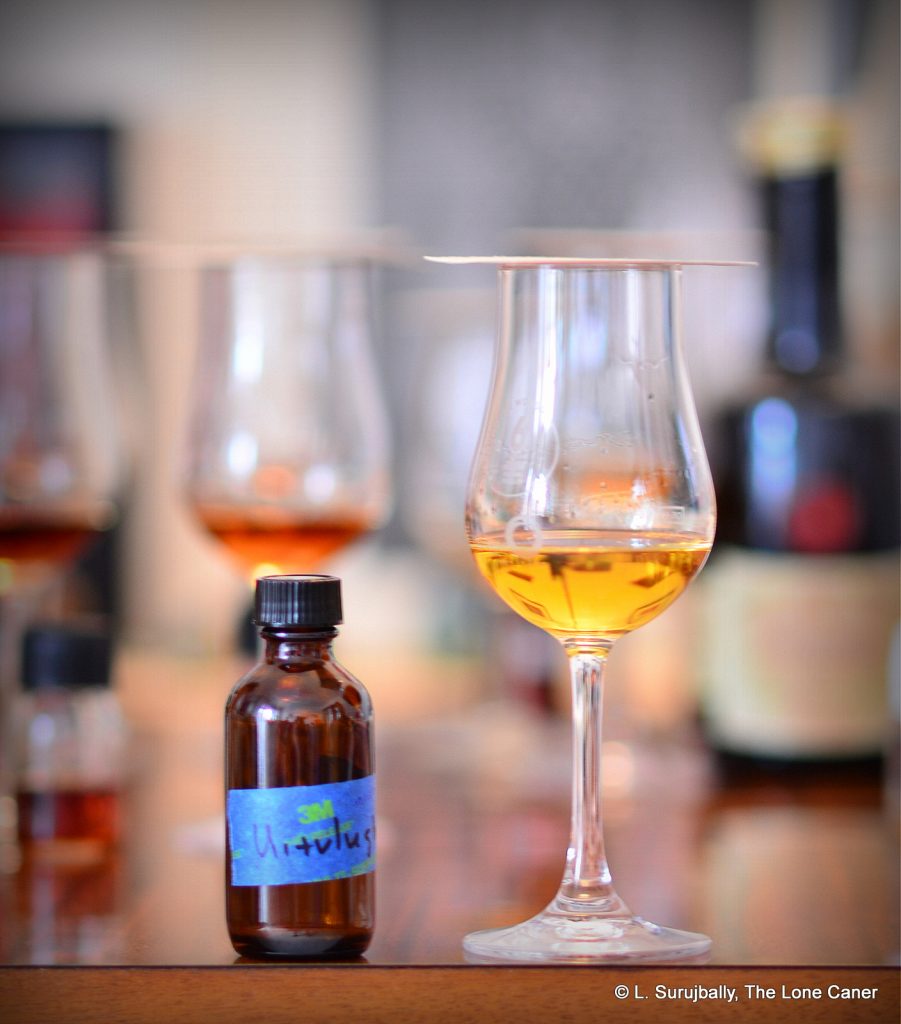
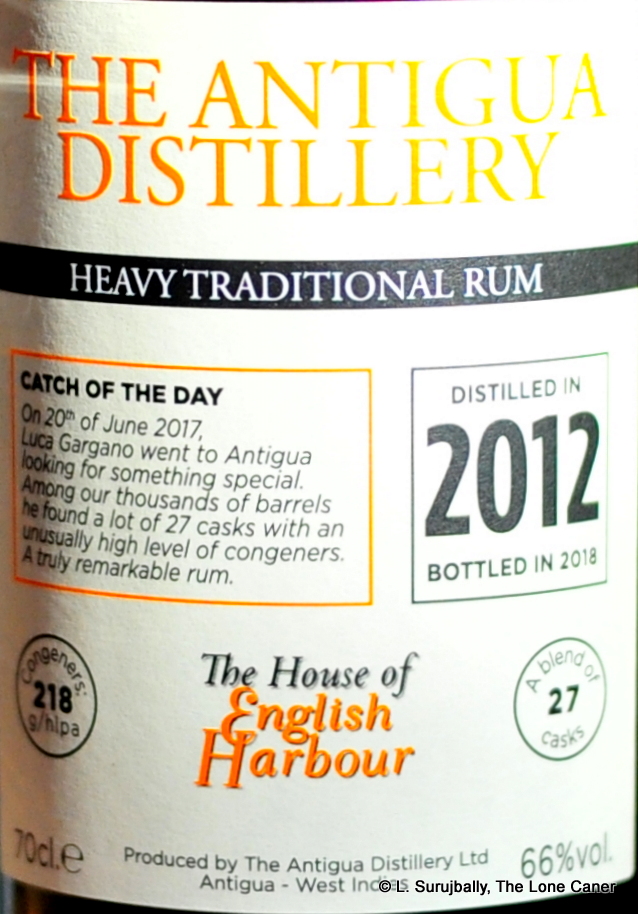 To be honest, the initial nose reminds me rather more of a Guyanese Uitvlugt, which, given the still of origin, may not be too far out to lunch. Still, consider the aromas: they were powerful yet light and very clear – caramel and pancake syrup mixed with brine, vegetable soup, and bags of fruits like raspberries, strawberries, red currants. Wrapped up within all that was vanilla, cinnamon, cloves, cumin, and light citrus peel. Honestly, the assembly was so good that it took effort to remember it was bottled at a hefty 66% (and wasn’t from Uitvlugt).
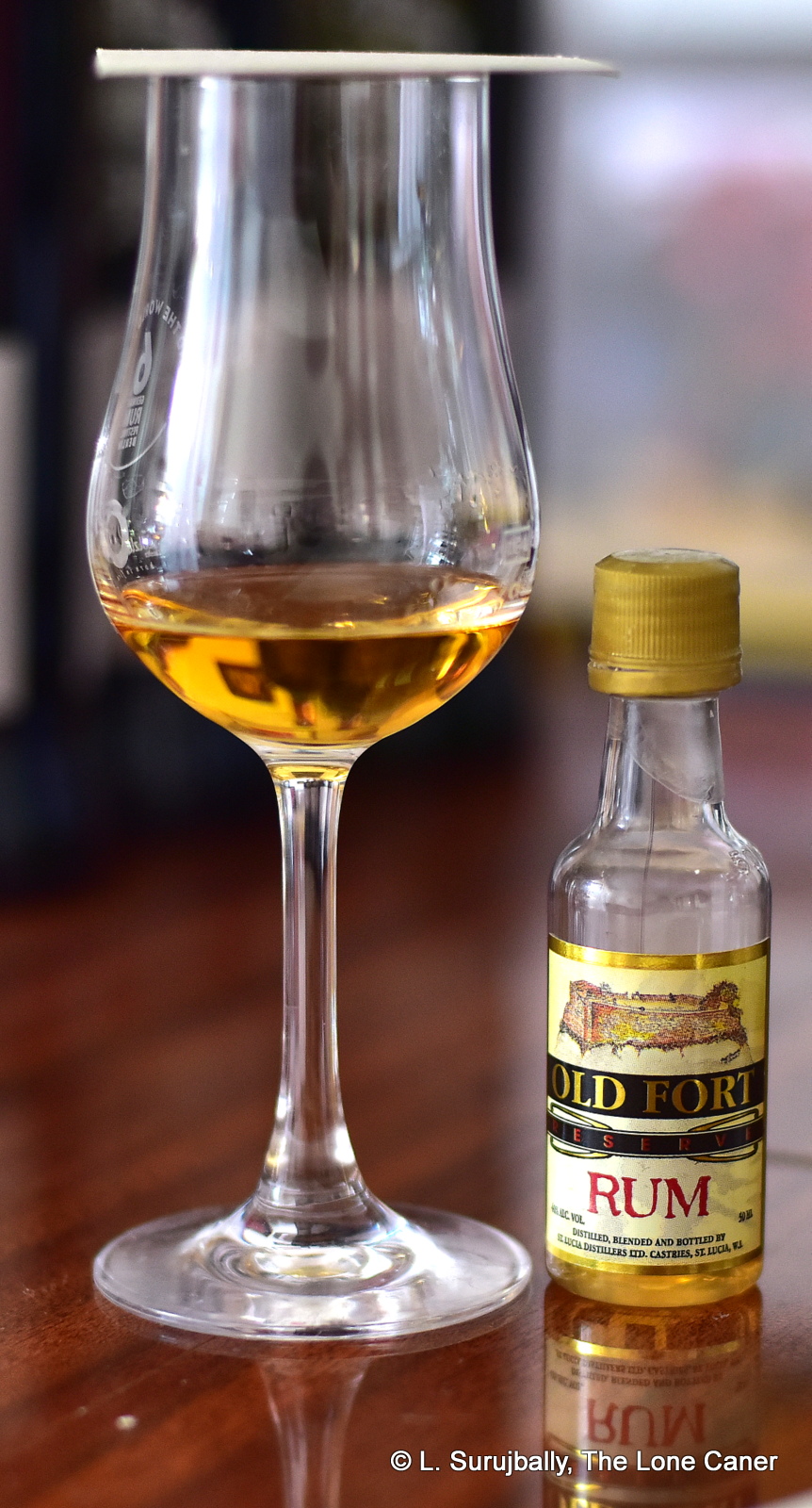 Rumaniacs Review #087 | 0574
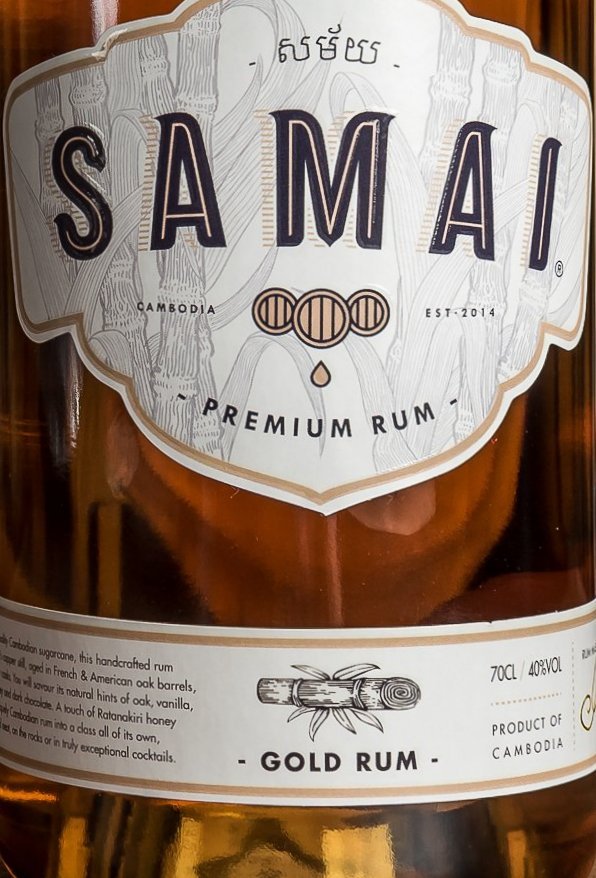 Now here’s an interesting standard-proofed gold rum I knew too little about from a country known mostly for the spectacular temples of Angor Wat and the 1970s genocide. But how many of us are aware that Cambodia was once a part of the Khmer Empire, one of the largest in South East Asia, covering much of the modern-day territories of Thailand, Vietnam, Laos and Viet Nam, or that it was once a protectorate of France, or that it is known in the east as Kampuchea?
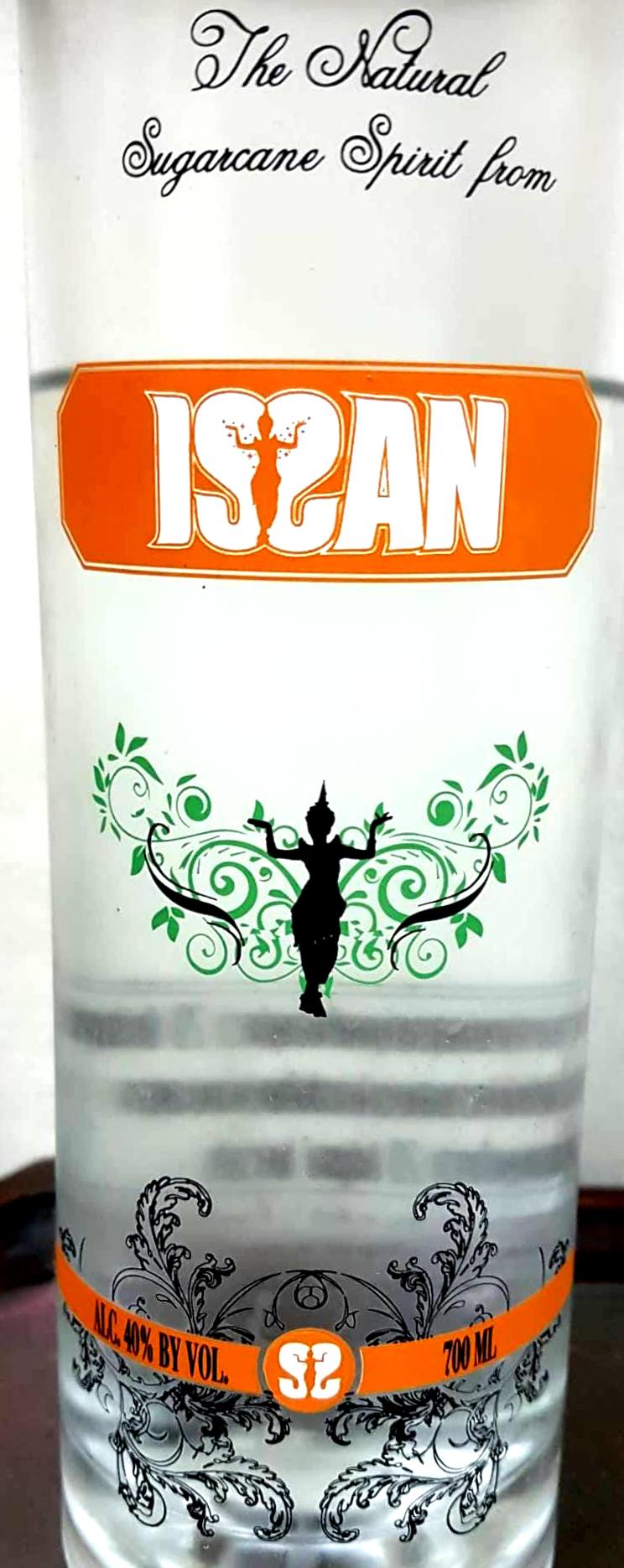 Thailand doesn’t loom very large in the eyes of the mostly west-facing rum writers’ brigade, but just because they make it for the Asian palate and not the Euro-American cask-loving rum chums, doesn’t mean what they make can be ignored; similar in some respects to the light rums from Puerto Rico, Dominican Republic, Panama and Latin America, they may not be rums