After a decade of observing the (mostly Europe-based) independent bottlers, I think it can be said with some assurance that they tend to stick with The Tried and True in their first years. In other words, they source and release rums from the canonical distilleries in the familiar countries – Guyana, Barbados, St. Lucia, or Jamaica, with occasional fliers from Belize, Cuba, Fiji, Australia or Trinidad being seen as second order efforts.
When it comes to distinguishing themselves from the herd, few show much real imagination. Oh, for sure the Compagnie des Indes releases private blends like the Boulet de Canon and Dominador (and released a very fine Indonesian arrack several years ago); Rom Deluxe goes to the max with its massively proofed Jamaican DOK, L’Esprit does some amazing white rums, and several indies find a way to get rums aged for nearly three decades into their bottles – I merely submit this is more and better of the same. Truly new products that showcase something different are actually in rather short supply.
When it comes to doing something original, then, the Boutique-y Rum Company – a division of Atom Brands in the UK, who also run the Masters of Malt website – is one to keep an eye on. Not only are they releasing rums from the “standard” countries, but they seem to really try to go someplace new – consider their Issan rum, the Labourdonnais, the O Reizinho or the Colombian Casa Santana. Those are rums from niche distilleries many have never even heard of before, and to add spice to the mix, there is of course the cool label design done by Jim’ll Paint It which are bright, clever, funny and chock full of little easter eggs for the knowledgeable.
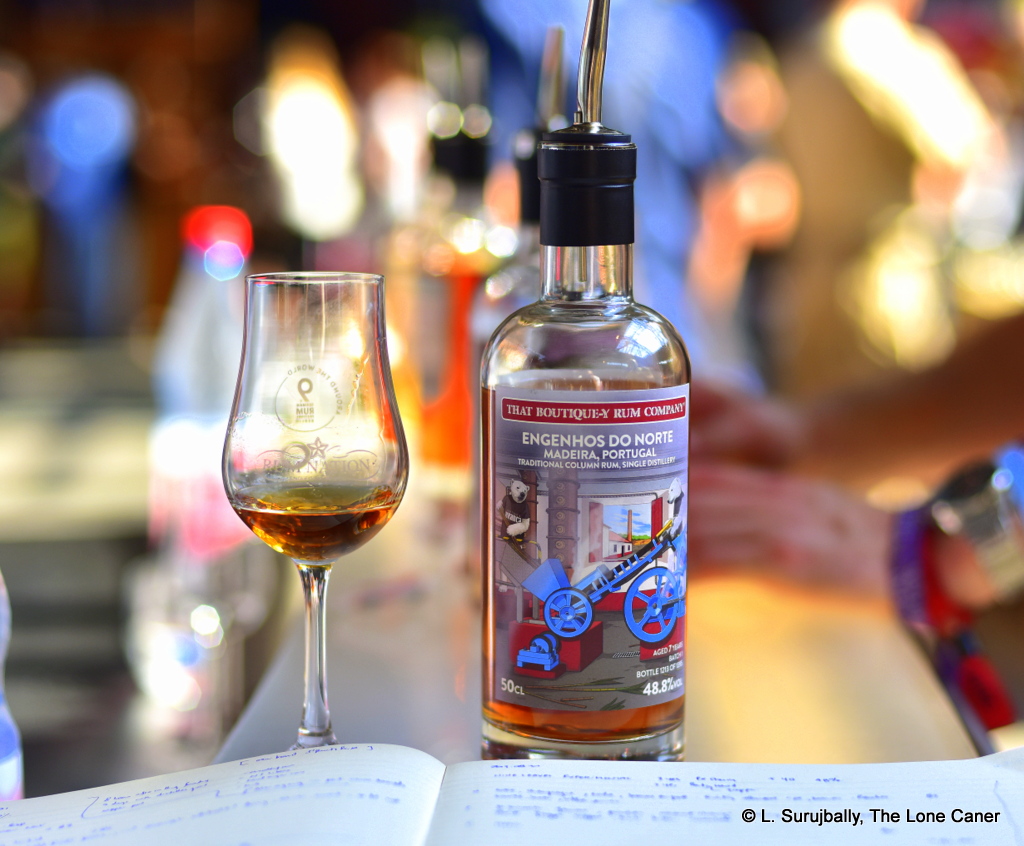
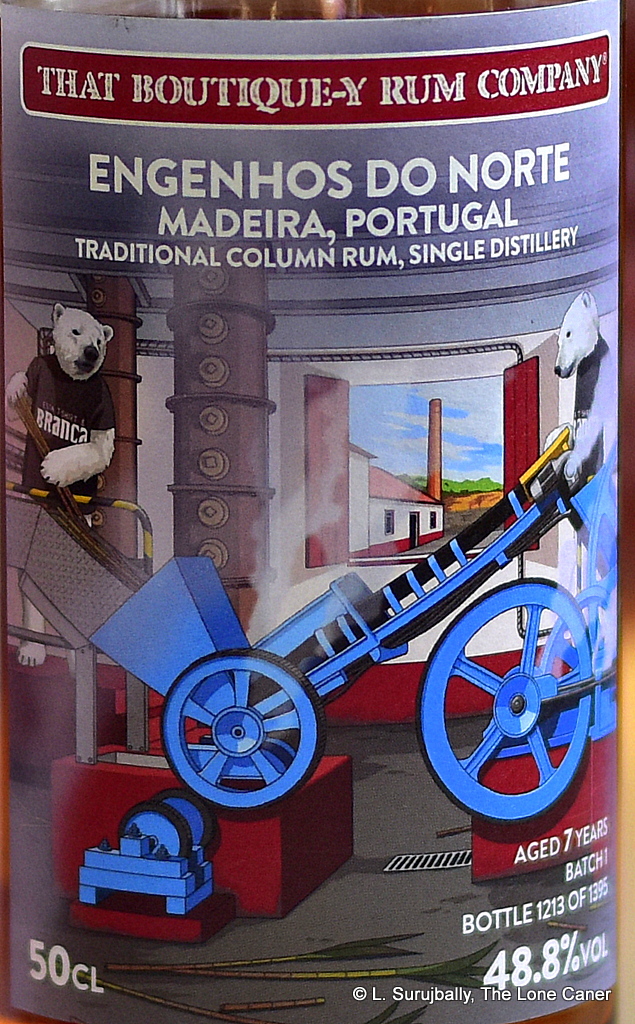
Which leads us to this one. The Engenhos do Norte distillery is located in Madeira, an island considered part of Portugal (even though geographically it’s closer to Africa) and one of the few places outside the French islands that can use the term agricole legally. The rum is derived from cane run through a crusher powered by a steam engine (that’s what the label shows), fermented for about 4-5 days, passed through a columnar barbet still and then left to age in French oak barrels. So although it doesn’t say so, it’s an aged rhum agricole. 1395 bottles were released, at a firm but not over-strong 48.8%, and the last I checked it was still selling for around forty quid which I think is a pretty good deal
 Tasting notes. The nose is nice. At under 50% not too much sharpness, just a good solid heat, redolent of soda, fanta, coca cola and strawberries. There’s a trace of coffee and rye bread, and also a nice fruity background of apples, green grapes, yellow mangoes and kiwi fruit. It develops well and no fault can found with the balance among these disparate elements.
I also like the way it tastes. It’s initially dry and peppery, but also crisp, tasting of marshmallows, and tart white fruits like guavas, Thai mangoes, unripe pears, soursop, papaya, watermelon and pineapple. There’s a nice thread of lemon underneath it all, cumin, vanilla, and a nice touch of brine and olives. This all leads to a conclusion that is short and easy, redolent mostly of sweet watery fruit with a last musky brine taste, and some more lemon zest.
In a peculiar way, it reminds me less of a French Island agricole than of a grogue from Cabo Verde. There’s a sort of easy crispness to the experience, with the herbal notes evident but not as strong and clear and focused as a Martinique rhum is. For centuries Madeirans drank their rhums unaged and white — of late they have begun to try and develop an aged rum industry and expand beyond the local market which thus far has consumed everything the small distilleries produce. The development of real blending and ageing skill is still some years in the future, and thus far it’s only the small IBs like Boutique-y that have brought their rums to our attention. But I think that we should keep an eye out for the rhums from Madeira, all of them. Based on the few I’ve tried, these guys know what they’re doing, know how to make a good rhum, and will be going places in the years to come.
(#812)(84/100)
Other notes
- For centuries, aside from their famed fortified wines, white rum was all Madeira was known for, and just about all of it was made from small family-owned sugar cane plots, consumed locally as ponchos, and as often considered to be moonshine as a legitimate product. Because of the small size of the island a landed aristocracy based on the system of large plantations never took off there. 6-8 years ago, the Portuguese government started to incentivize the production of aged rum on Madeira. Several producers started laying down barrels to age, one of which was Engenhos do Norte – however the lack of an export market (for now) allowed Boutique-y to buy a few barrels and release them
- Engenhos do Norte also produces the well regarded Rum North series of rums, as well as the 970 and 980 brands.
- The label is somewhat self explanatory: it shows the premises of the distillery, the steam driven crusher and the barbet column still. The polar bears are an in-joke: sugar cultivation took off in Madeira in the 15th and 16th century and was called ouro branco – white gold. It’s long been a sly pun that when mumbled over the roar of the machinery, the phrase is heard as ursa branco, or white bear. On the other hand, some say that Madeirans are huge hulking bear like men who hand harvest ten acres of cane before breakfast and fetch it out one-handed to the factory and this is a way of honouring their physical prowess. I don’t know which is true, but I like both stories.

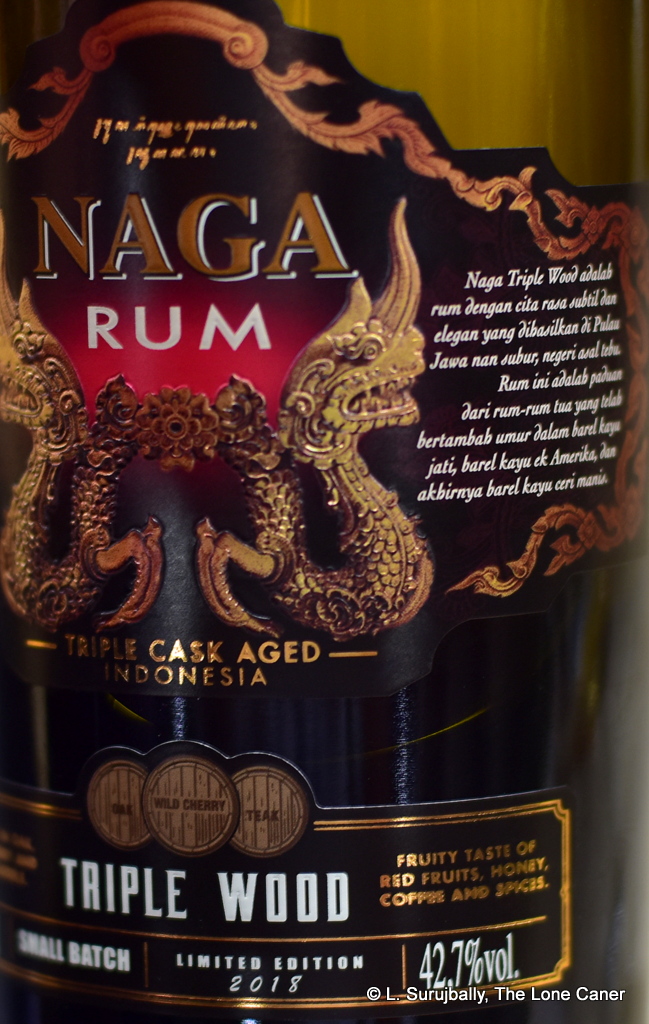 Does this multiple wood ageing result in anything worth drinking? Yes it does – the extra year seems to have had an interesting and salutary effect on the profile – though at 42.7% it remains as easy and soft as its siblings. The nose, for example, is a nice step up: cardboard, musty paper, some dunder of spoiled bananas skins, plus strawberries and soft pineapple or two and brine (which, I swear, made me think of Hawaiian pizza). Caramel and bitter dark chocolate round things off. It’s a relatively easy sniff, inoffensive yet solid.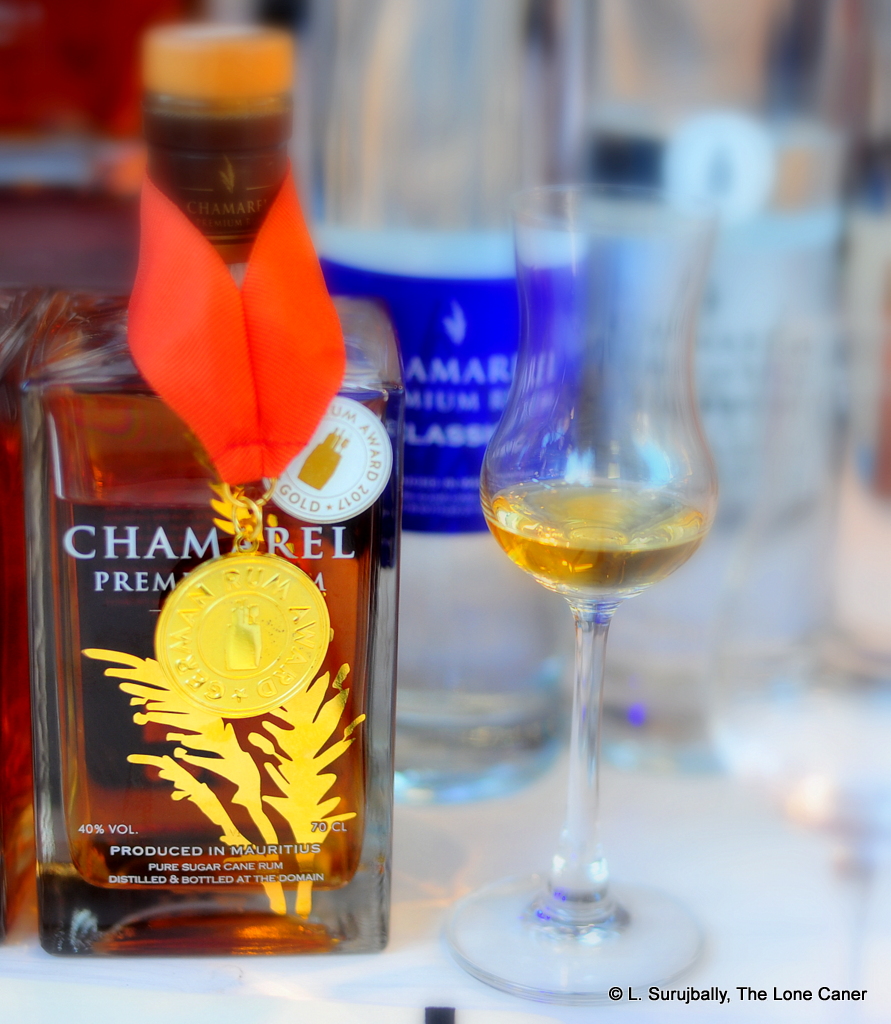
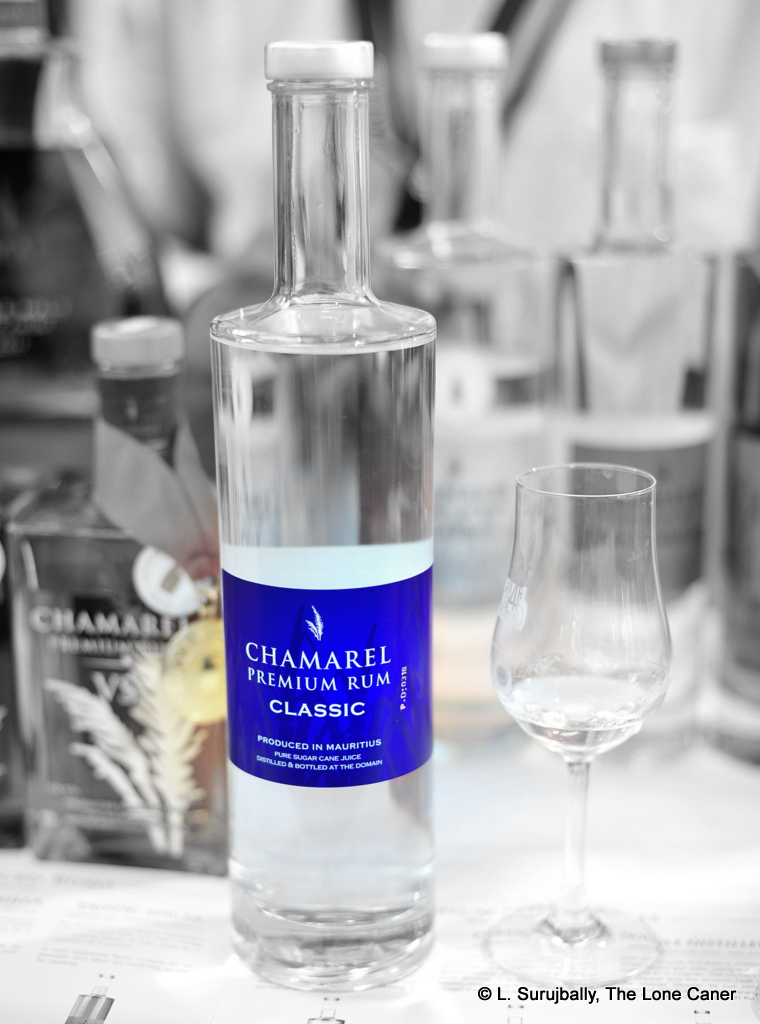 La Rhumerie de Chamarel, that Mauritius outfit we last saw when I reviewed their 44% pot-still white, doesn’t sit on its laurels with a self satisfied smirk and think it has achieved something. Not at all. In point of fact it has a couple more whites, both cane juice derived and distilled on their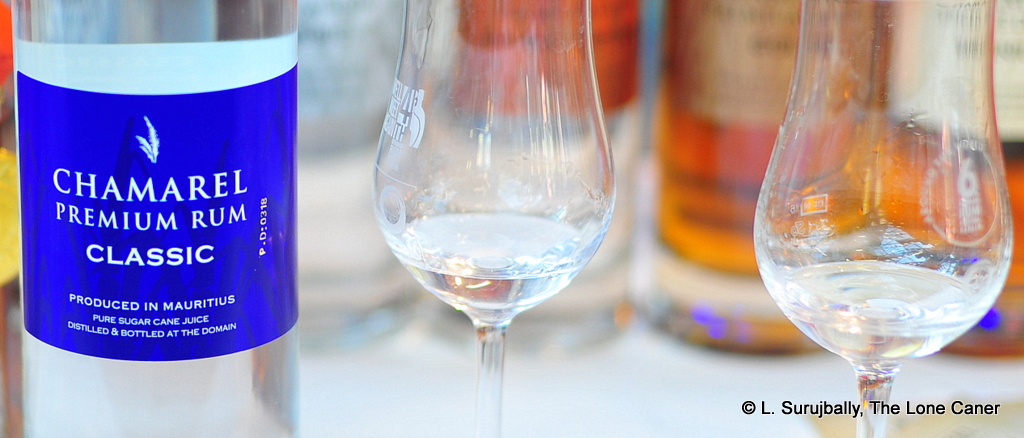
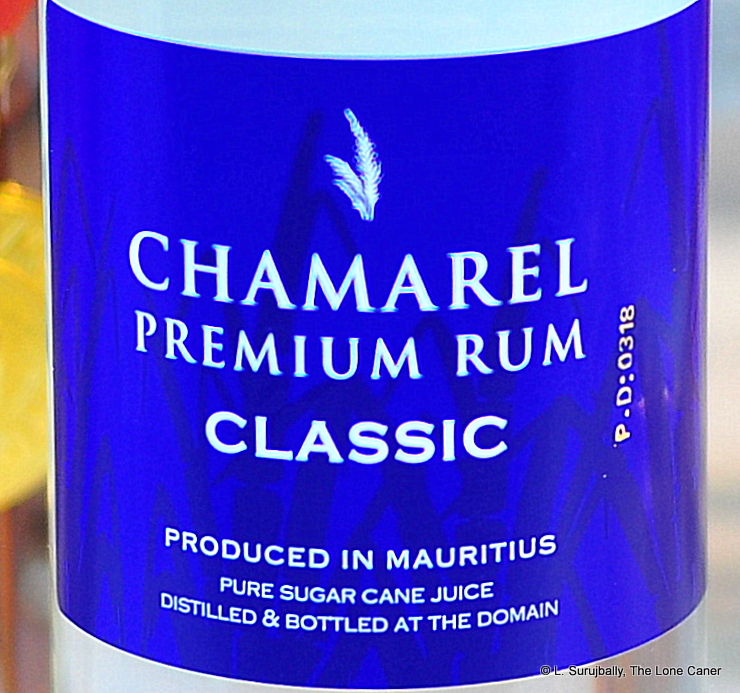 Personally I have a thing for pot still hooch – they tend to have more oomph, more get-up-and-go, more pizzazz, better tastes. There’s more character in them, and they cheerfully exude a kind of muscular, addled taste-set that is usually entertaining and often off the scale. The Jamaicans and Guyanese have shown what can be done when you take that to the extreme. But on the other side of the world there’s this little number coming off a small column, and I have to say, I liked it even more than its pot still sibling, which may be the extra proof or the still itself, who knows.
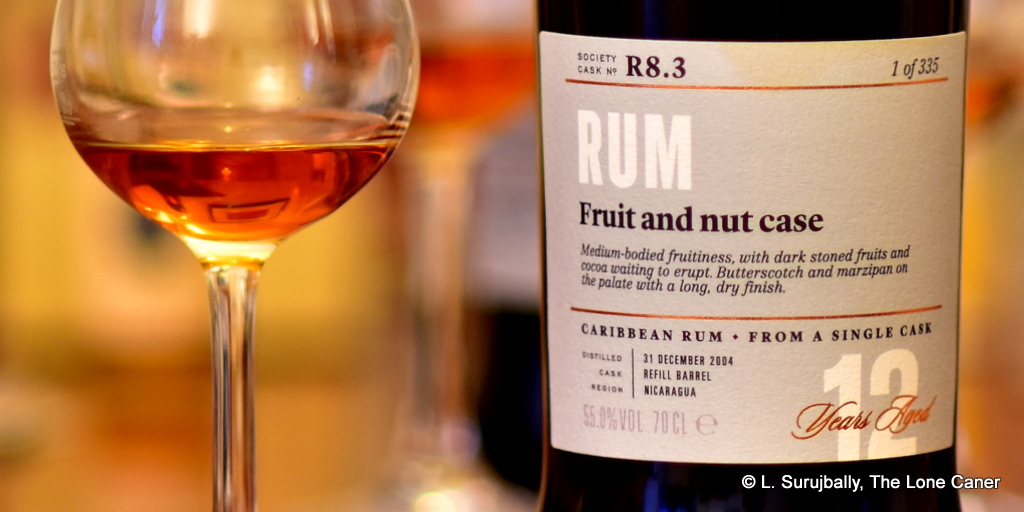
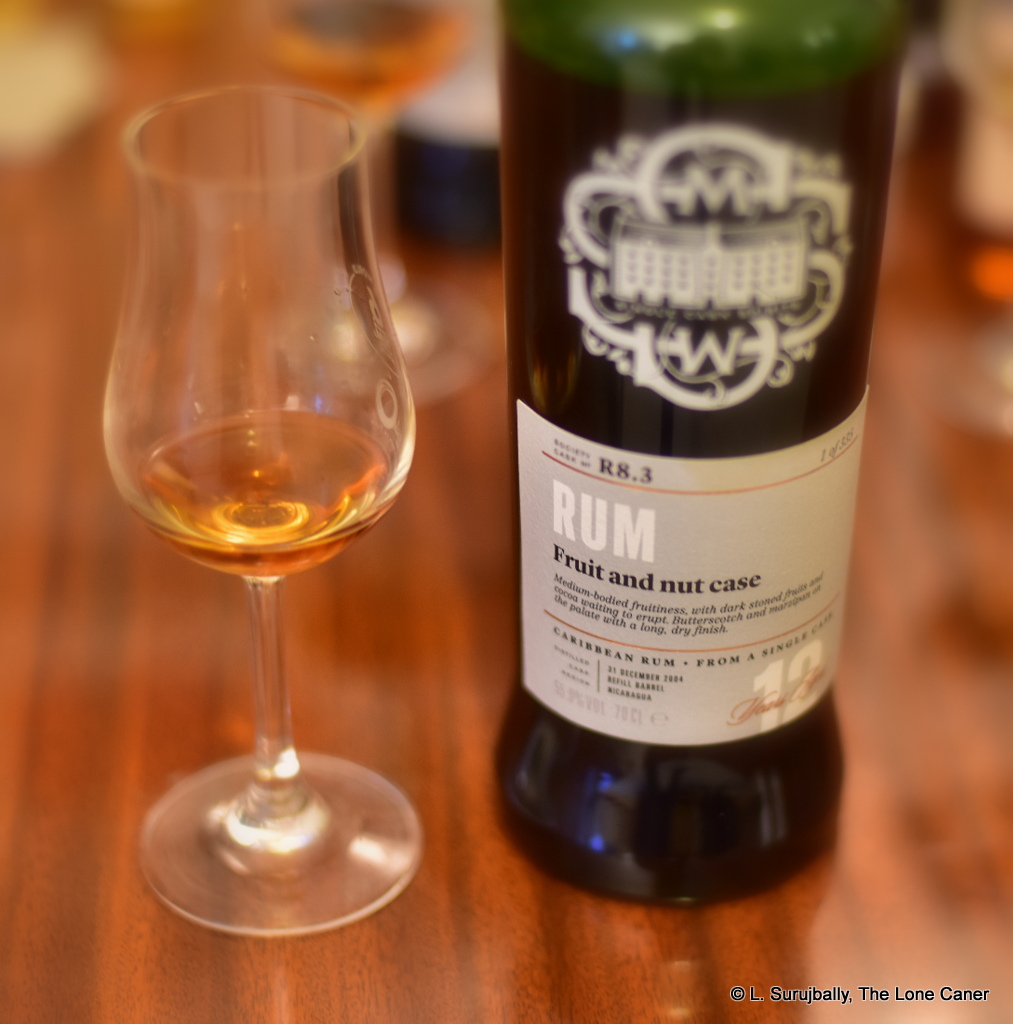
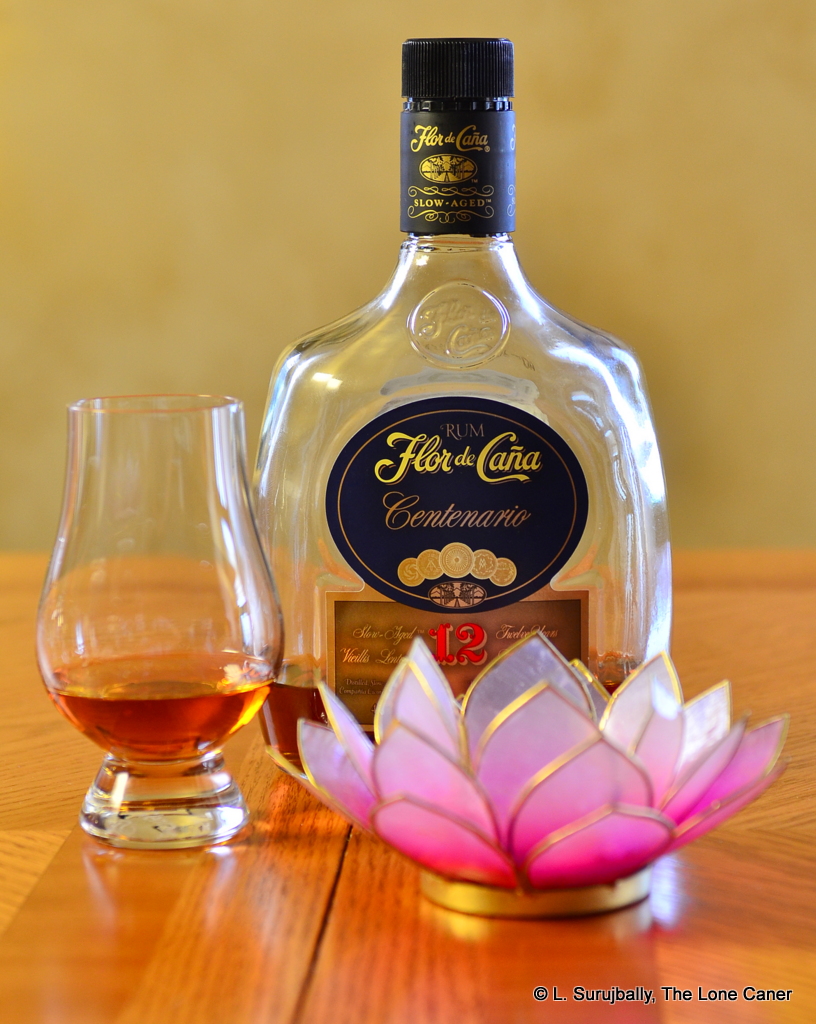

 Rumaniacs Review #124 | 0803
 Palate – Meh. Unadventurous. Watery alcohol. Pears, cucumbers in light brine, vanilla and sugar water depending how often one returns to the glass. Completely inoffensive and easy, which in this case means no effort required, since there’s almost nothing to taste and no effort is needed. Even the final touch of lemon zest doesn’t really save it.

 So let’s try it and see. Nose is, let me state right out, great. Sure, it’s rather rough and ready, spurring and booting around, but nicely rich and deep with initial aromas of butterscotch, caramel, brine, molasses. A nice dry and dusty old cardboard smell is exuded, and then a whiff of rotten fruits – and, as the Jamaicans have taught us, this is not necessarily a bad thing – to which is gradually added a fruity tinned cherry syrup, coconut shavings and vanilla. A few prunes and ripe peaches. Hints of glue, brine, humus and olive oil. It smells both musky and sweet, with anise popping in and out like a jack in the box. Glue, brine, humus and olive oil. So all in all, a lot going on in there, all nicely handled.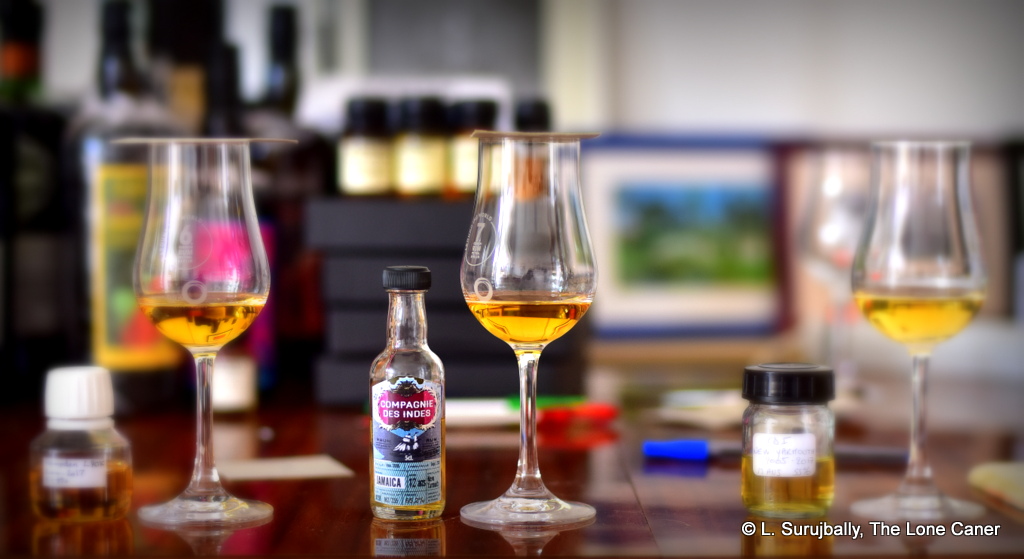
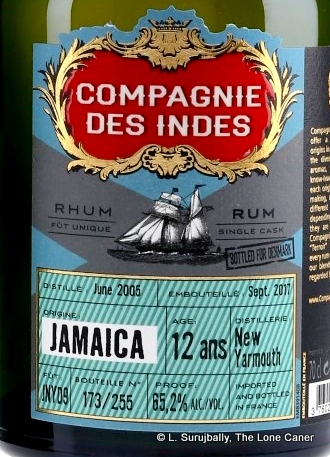 And what a rum it was. I don’t know what ester levels it had, but my first note was “a lot!”. I mean, it was massive. Pencil shavings and glue. Lots of it. Musky, dry, cardboard and damp sawdust. Some rotting fruit (was that dunder they were using?) and also rubber and furniture polish slapped on enough uncured greenheart to rebuild the Parika stelling, twice. The fruitiness – sharp! – of tart apples, green grapes, passion fruit, overripe oranges and freshly peeled tangerines. Florals and crisp light notes, all of it so pungent and bursting that a little breeze through your house and the neighbors would either be calling for a HAZMAT team or the nearest distillery to find out if they had lost their master blender and a still or two.
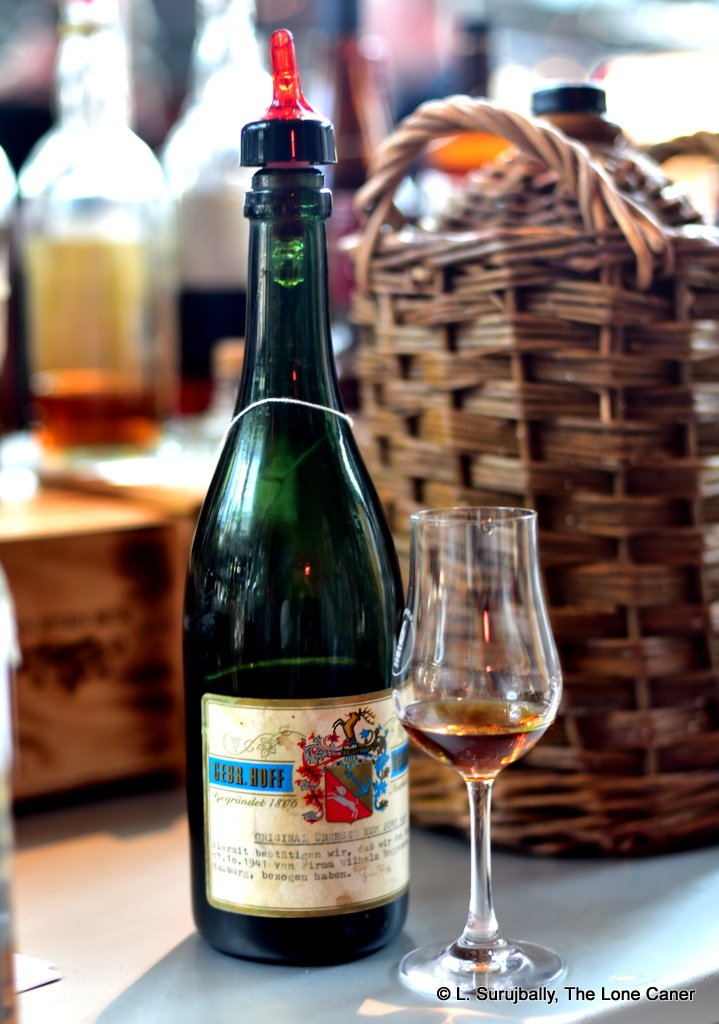 Rumaniacs Review #123 | #800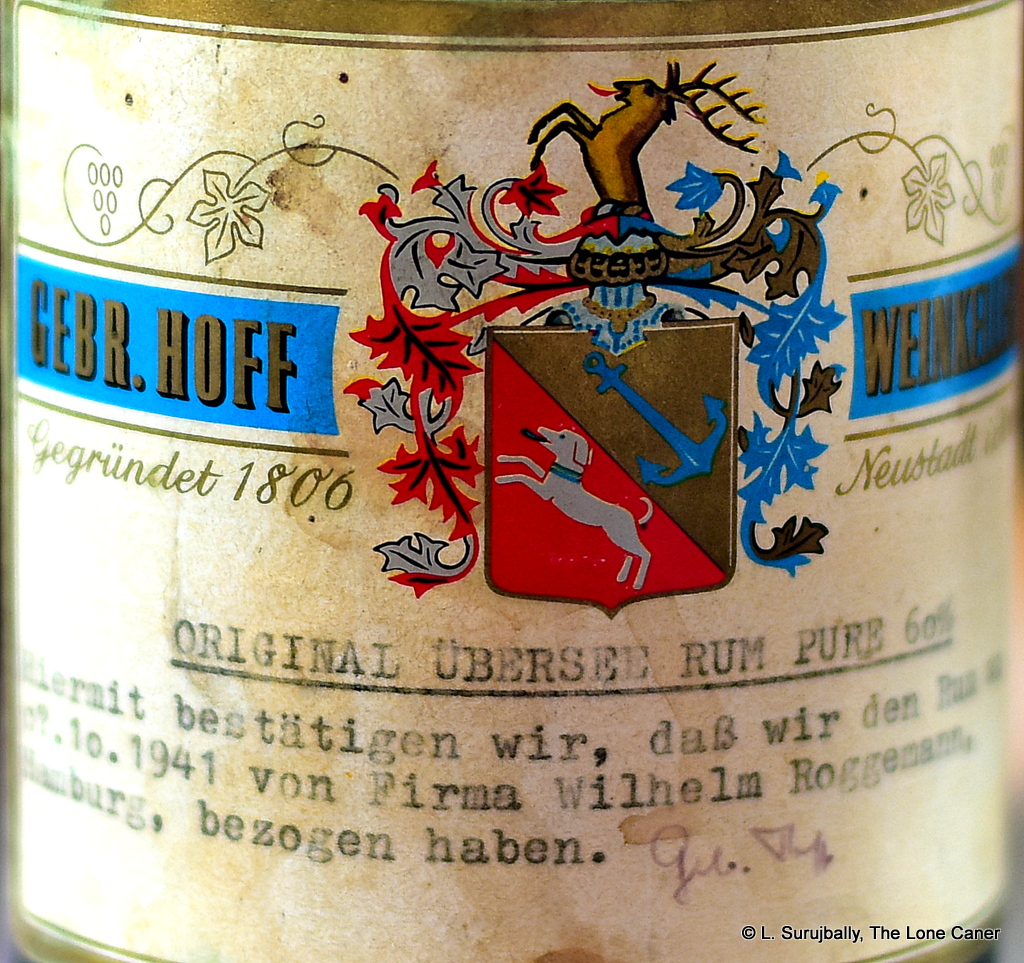
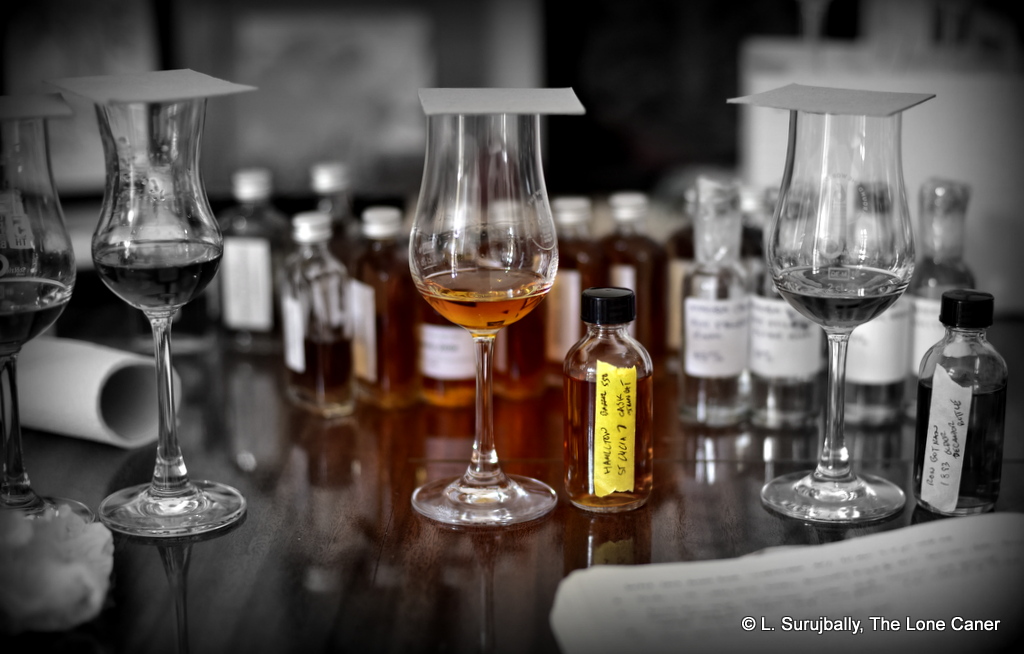
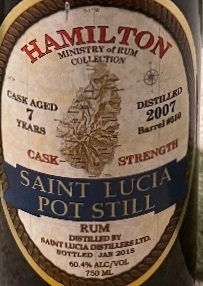 Today we’re looking at the Hamilton 2007 7 year old rum sent to me by my old schoolfriend Cecil Ramotar, which can be considered a companion review to the
 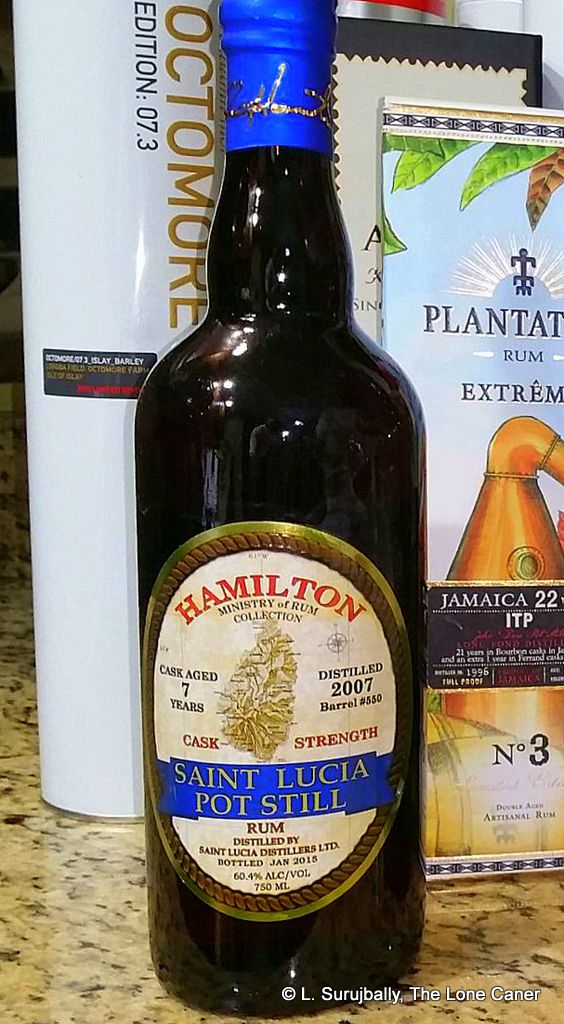 Clearing away the dishes, it’s a seriously solid rum. If I had to chose, I think the 2004 9 Year Old edges this one out by just a bit, but the difference is more a matter of personal taste than objective quality, as both were very tasty and complex rums that add to SLD’s and Ed Hamilton’s reputations. It’s a shame that the line wasn’t continued and added to — no other St. Lucia rums have been added to the Hamilton Collection since 2015 (at least not according to
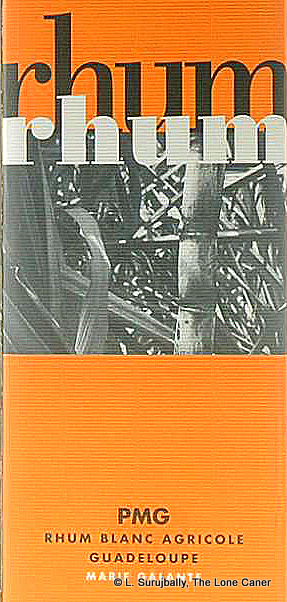 Although the plan was always to sell white (unaged) rhum, some was also laid away to age and the aged portion turned into the “Liberation” series in later years. The white was a constant, however, and remains on sale to this day – this orange-labelled edition was 56% ABV and I believe it is always released together with a green-labelled version at 41% ABV for gentler souls. It doesn’t seem to have been marked off by year in any way, and as far as I am aware production methodology remains consistent year in and year out.
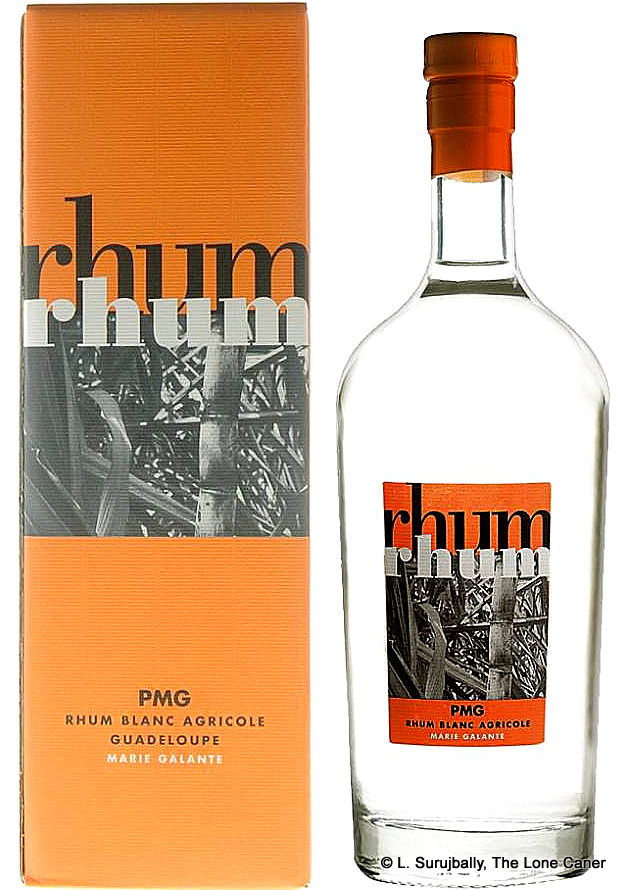 From the description I’m giving, it’s clear that I like this rhum, a lot. I think it mixes up the raw animal ferocity of a more primitive cane juice rhum with the crisp and clear precision of a Martinique blanc, while just barely holding the damn thing on a leash, and yeah, I enjoyed it immensely. I do however, wonder about its accessibility and acceptance given the price, which is around $90 in the US. It varies around the world and on Rum Auctioneer it averaged out around £70 (crazy, since
 But a gent called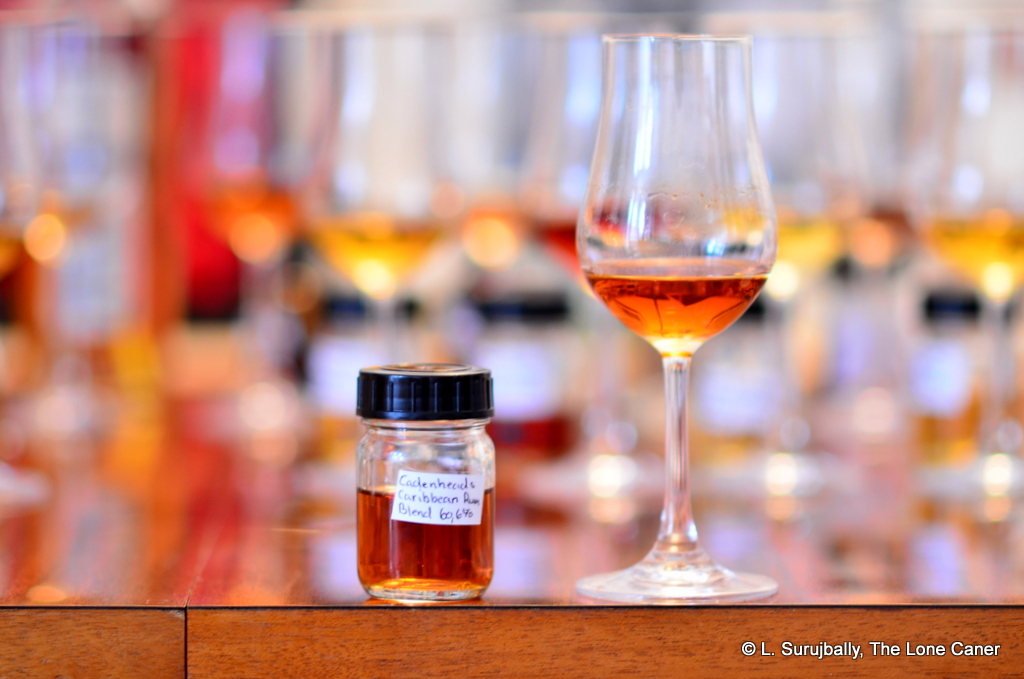
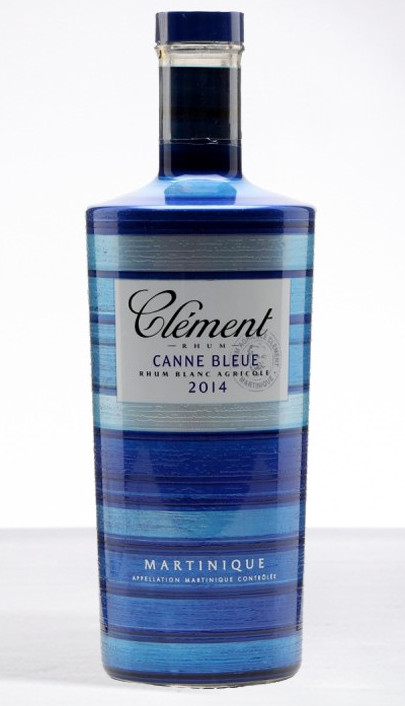 In an ever more competitive market – and that includes French island agricoles – every chance is used to create a niche that can be exploited with first-mover advantages. Some of the agricole makers, I’ve been told, chafe under the strict limitations of the AOC which they privately complain limits their innovation, but I chose to doubt this: not only there some amazing rhums coming out the French West Indies within the appellation, but they are completely free to move outside it (as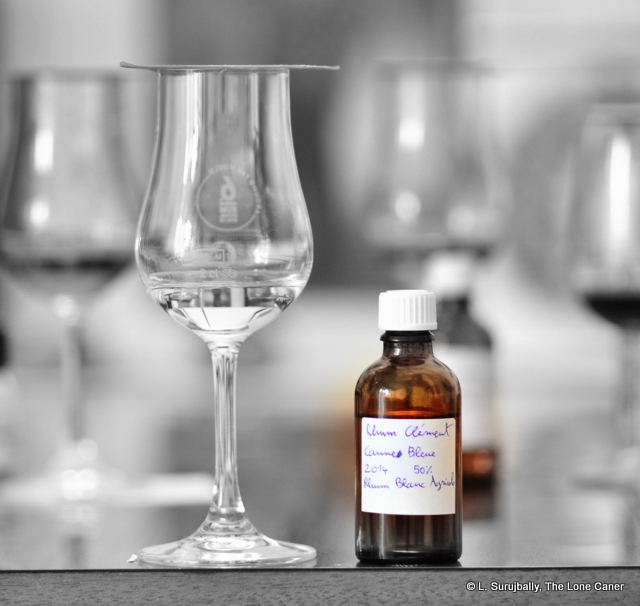
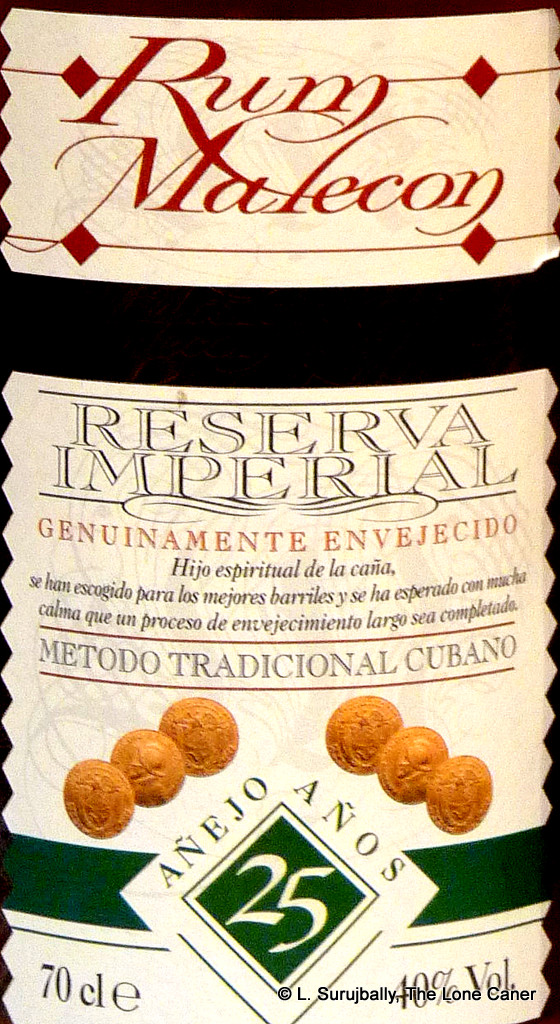
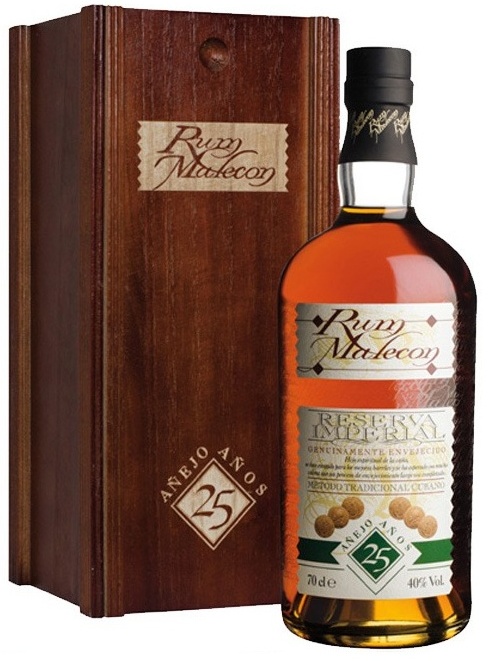 We’ve been here before. We’ve tried a rum with this name, researched its background, been baffled by its opaqueness, made our displeasure known, then yawned and shook our heads and moved on. And still the issues that that one raised, remain. The Malecon Reserva Imperial 25 year old suffers from many of the same defects of its
  The palate is similarly soft and similarly straightforward. It’s got more chocolate milk and and perhaps a touch of coffee grounds. A smidgen, barely a smidgen of oak and citrus, a sly taste of tangerines; it’s not very sweet (which is a plus) and sports some brine and Turkish olives and a touch of slight bitterness, which I’m going be generous and say is an oak influence that saves it from being just blah. Finish is okay I guess. Gone too quickly of course, no surprise at 40% ABV and leaving at best the sense of some black tea with too much condensed milk in it, that doesn’t entirely hide the fact that it’s too bitter.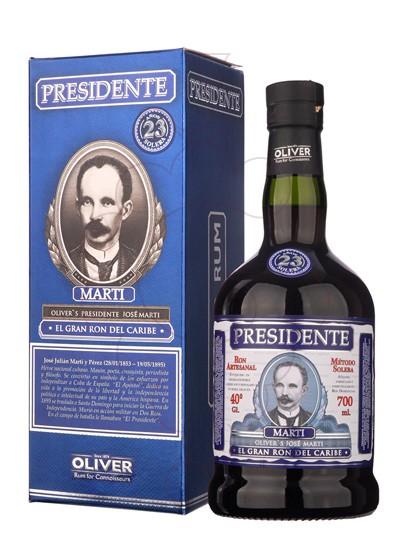
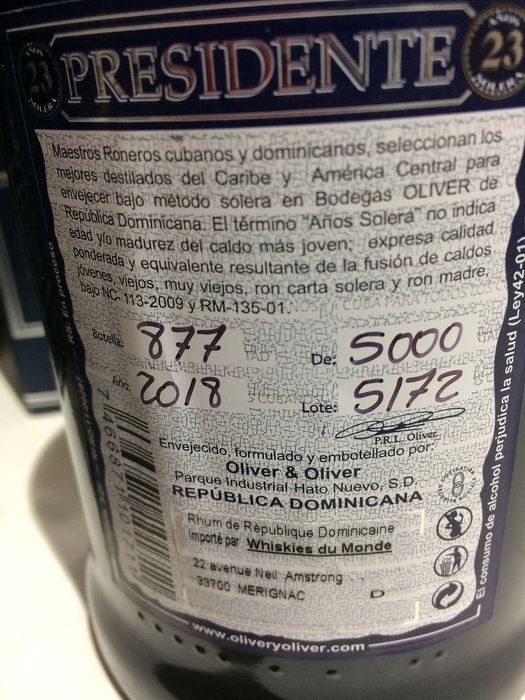 It gets no better when tasted. It’s very darkly sweet, liqueur-like, giving up flavours of prunes and stewed apples (again); dates; peaches in syrup, yes, more syrup, vanilla and a touch of cocoa. Honey, Cointreau, and both cloying and wispy at the same time, with a last gasp of caramel and toffee. The finish is thankfully short, sweet, thin, faint, nothing new except maybe some creme brulee. It’s a rum that, in spite of its big number and heroic Jose Marti visage screams neither quality or complexity. Mostly it yawns “boring!”