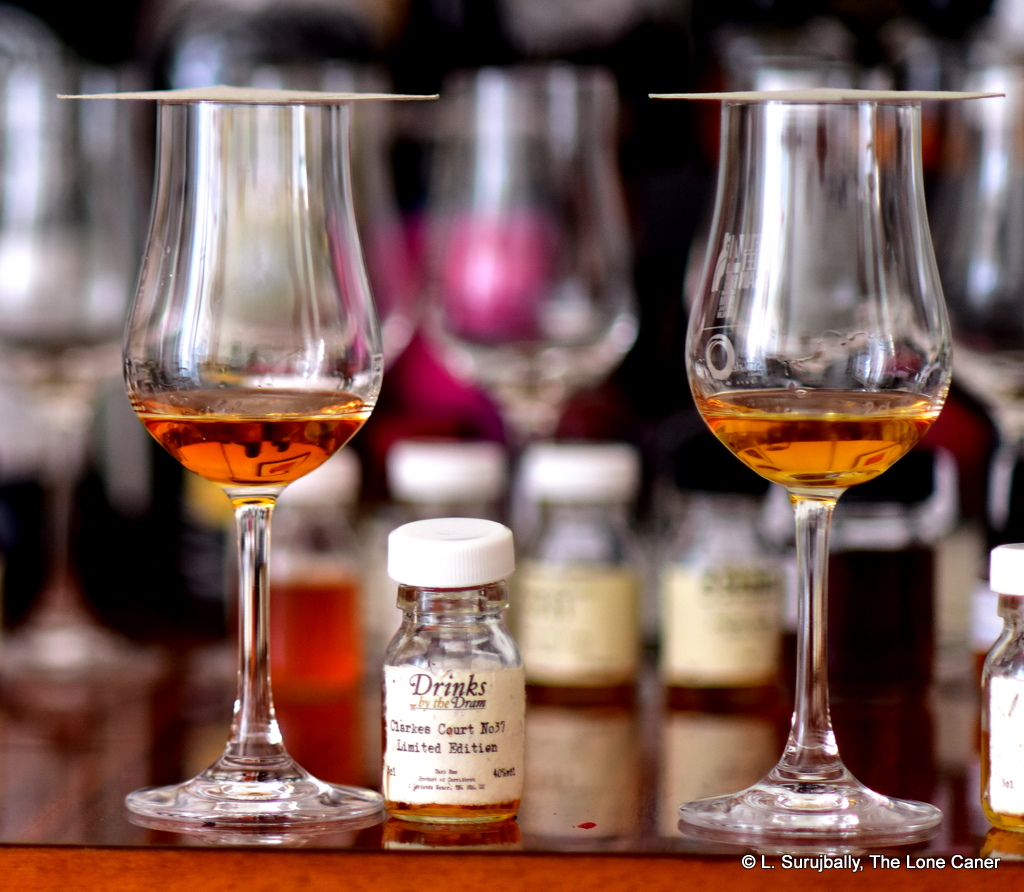
The Masters of Malt blurb for the Grenada-distilled Clarke’s Court No. 37 rum contains two sentences that make one both smile and ask more questions. A “blended Caribbean rum” which is “the thirteenth limited release rum from Clarke’s Court.” And as if trying to top that, they go on to say “The rum was designed to be supplied to exclusive social events” and both just reek of some marketing intern making ad copy in his sleep, evidently unable to come up with anything more interesting about this equally lackadaisical rum.
Why not a “Grenadian” rum, one wonders. And, if this is the 13th edition, why is it called No. 37? Is it related to the possible year of establishment of Grenada Distillers Ltd? Unlikely, because the 1998 book Grenada: Island of Conflict by George Brizan notes that as being 1936, though admittedly the Clarke’s own website notes the factory as becoming operational in 1937. An anniversary of independence? But that was 1974 so 37 years later would be 2011. Dave Russell of the Rum Gallery probably nailed it when he said it was issued to commemorate independence, and the 300th year of establishment of St. George’s (not strictly right – it was started much earlier – but the star-shaped Fort Royale, later St George’s, was indeed completed in 1710).
Where are the other 12 editions, then? Or No. 1 through No. 36? No records exist. Further research reveals that it’s a blend, released in 2010 and was aged for 8 years in oak barrels, and with current editions of the No. 37 blend also being released at 12 years of age. The Ultimate Rum Guide remarks it was married and then rebarreled with more fruit flavour infused (oh oh…) but this is backed up nowhere else except in hydrometer tests, which also point to additives. Lastly, while the Fat Rum Pirate noted his assumption as being a pot and column still blend, His High Wonkiness says there’s only a two-column still at Grenada Distillers, with which they occasionally make some heavier rum from plates lower down in the column and mix that into the lighter stuff from plates higher up.
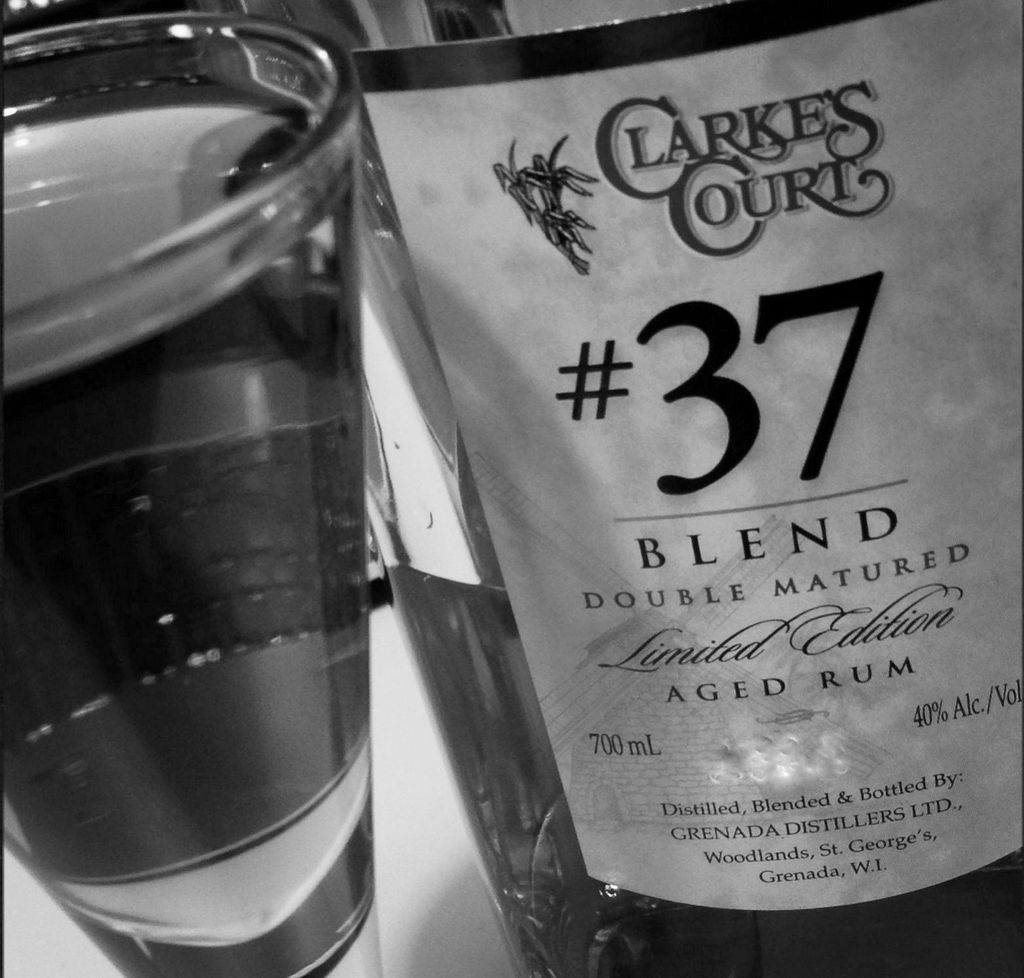
Picture copyright Charlene Gooding, from Pinterest
It’s a good thing I did this research after I did the tasting, because all these questions and backstories that filled in the sadly lacking label and website info, came later, and didn’t influence my initial opinion. Alas, that opinion wasn’t all that terrific either. Which is odd in itself, because the experience started out quite solid – the nose, for example, was warm, a little spicy, and smelled initially of molasses bubble gum and soda pop. Quite sweet smelling, and got deeper than the above might imply or the strength would suggest. Nice tropical fruit basket too – guavas (the red ones), bananas, mangoes, watermelon, gherkins, plus toblerone white, almonds. Nicely creamy. Some soft salty notes, like dates and figs. Creme brulee and caramel. Irish coffee. So…nice.
It’s on the palate that it sinks, and some of the falsity shines through. Weak and wispy to a fault. Bubble gum and fanta. Light citrus, pears, more mangoes and guavas, but oddly muted, as if they aren’t sure they’re supposed to be here (this is usually a good indicator of tampering). White chocolate, crushed almonds, a hint of nutmeg, nuts, vanilla, some salt caramel ice cream. There’s even some light fresh (and I swear I’m not making this up) laundry detergent kinda taste. Overall, just unimpressive, with a finish that has to knock twice to make sure it’s heard, let alone noticed, and gives little beyond some miscellaneous fruits and a bit of tart yoghurt to let us know it was ever even there.
It’s a peculiarity of the rum that it said it was limited, but never actually how limited – the label has a bottle number, but not a “…out of xxx bottles” statement. So it’s hard to say what’s special or limited about the whole thing, especially as it continues to be made to this day and the year of distillation of the bottle one has is not mentioned. Moreover I can almost guarantee that few reading this know anything about it unless they went on a cruise down to the island themselves, or — like me, Chip, Dave and Ed — date back from those days a decade or more back, when the standards for both rums and labels were very much less exacting than they are now and we accepted what we got with gratitude at getting anything at all.
However that was then, and those same easy standards and low strength fail the rum in this day and age. It’s nice enough for the unadventurous and indifferent but in no way is it as premium as it makes out it is. It’s weak, it’s not well assembled, the years it slept actually seem like less, and it’s been added to. Therefore, to me, it’s an average rum of no distinction or special individuality — and so I think I’ll close this already-overlong review by just giving it an average sort of score.
(#792)(77/100)
 The palate was thick, rich and sweet, even in comparison the the 3YO which showed no modesty with such aspects itself but while stronger, had also been paradoxically easier. Here we were regaled with bananas, cherries in syrup, brown sugar, and a sort of smorgasbord of fruitiness – some tart, some just soft and mushy – and creaminess of greek yogurt sprinkled with cinnamon and cloves. Disappointingly, the finish did nothing much except lock the door and walk off, throwing a few notes of cloves, sugar, cherries, peaches and syrup behind. Not a stellar finish after the intriguing beginning.
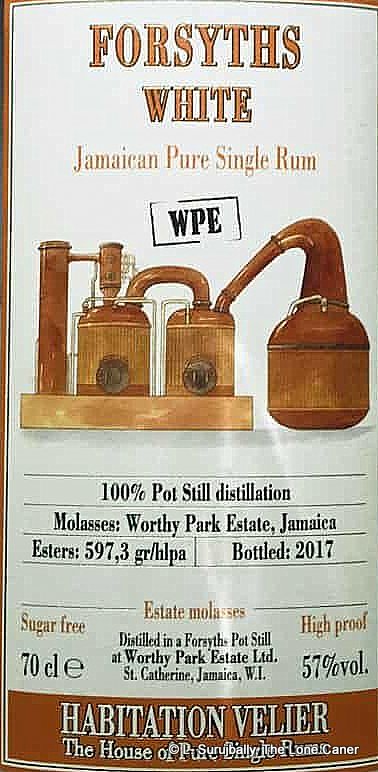 Hampden gets so many kudos these days from its relationship with
 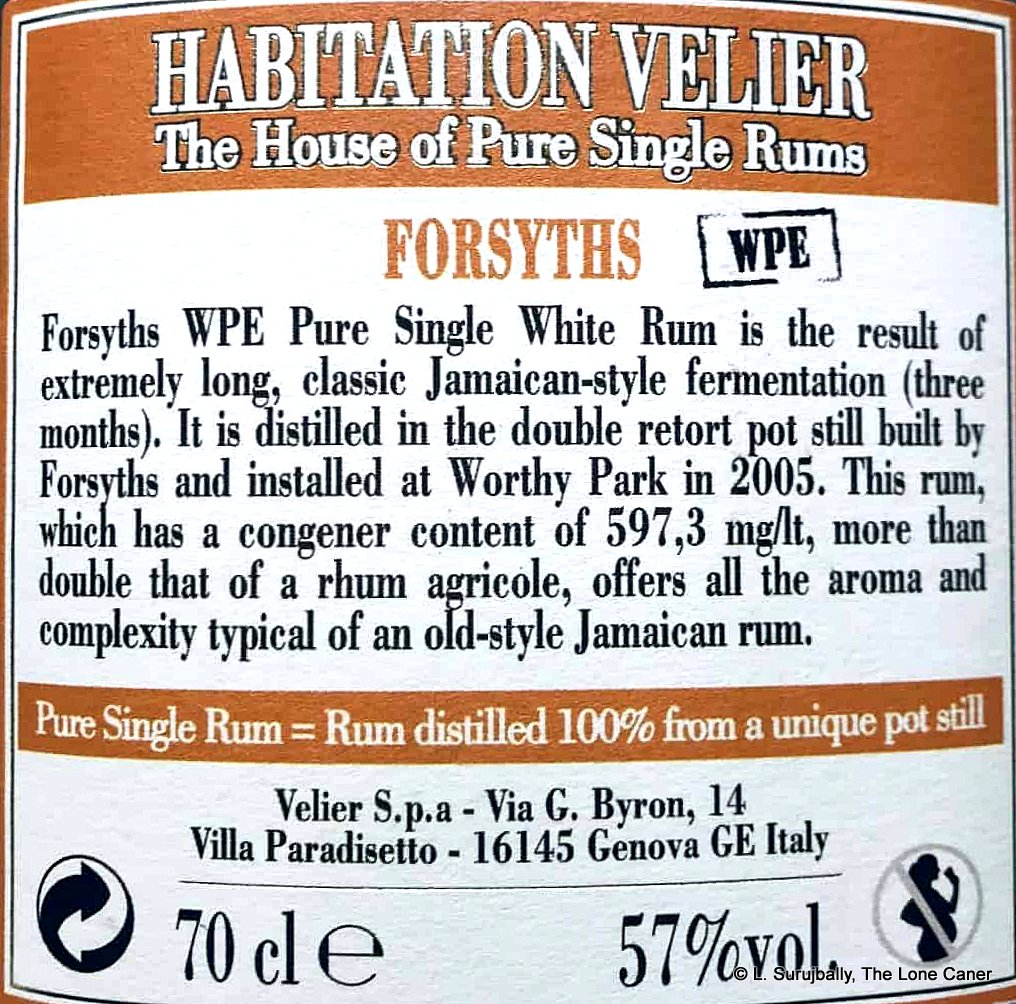 The rum displays all the attributes that made the estate’s name after 2016 when they started supplying their rums to others and began bottling their own. It’s a rum that’s astonishingly stuffed with tastes from all over the map, not always in harmony but in a sort of cheerful screaming chaos that shouldn’t work…except that it does. More sensory impressions are expended here than in any rum of recent memory (and I remember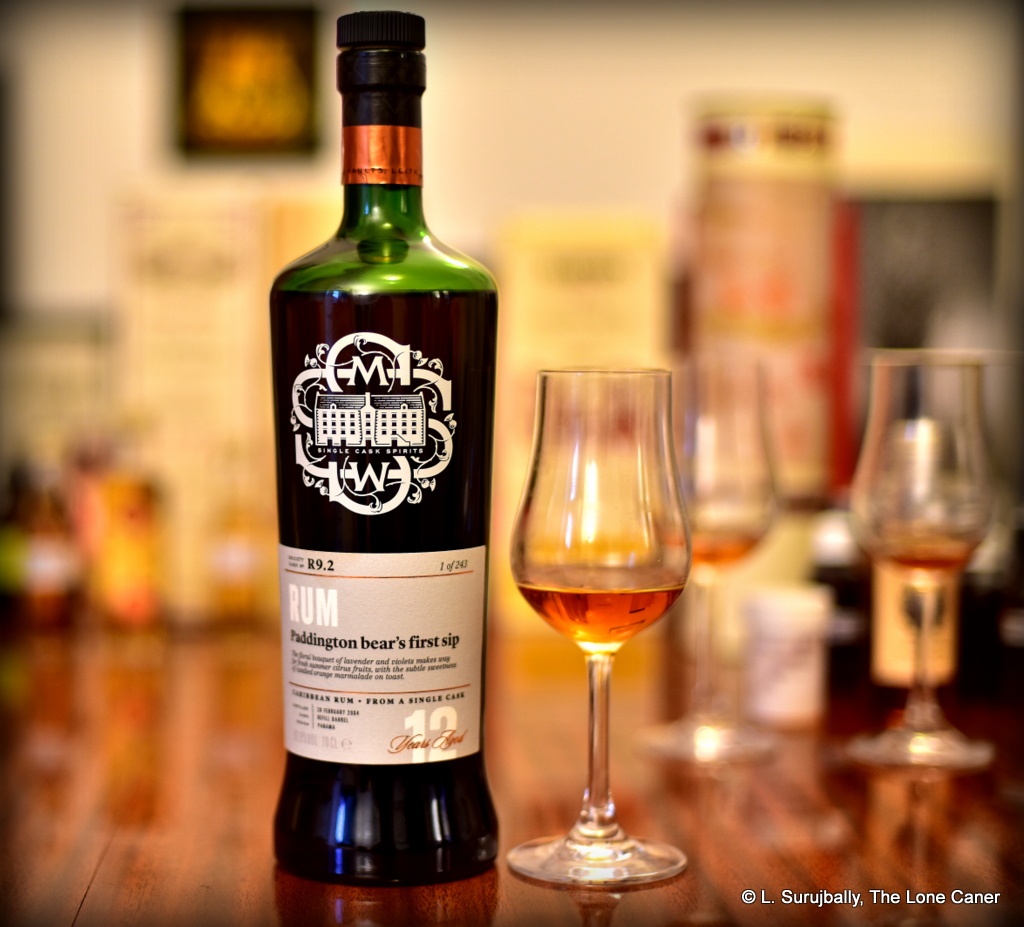
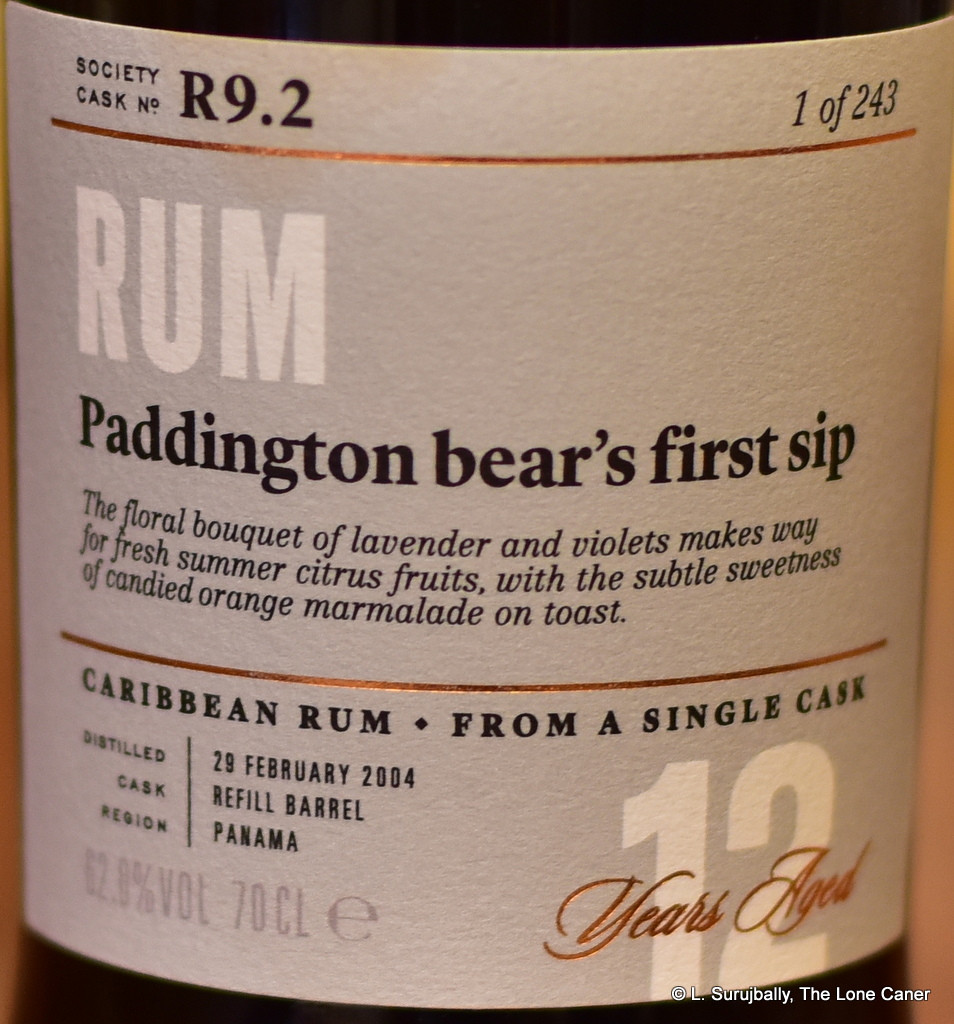 In spite of the high ABV, which lends a fair amount of initial sharpness and heat to the tongue until it burns away and settles down, it’s actually not that fierce. It becomes almost delicate, and there’s a nice vein of fruity sweetness running through, which enhances the flavours of apples, cider, green grapes, citrus, coconut, vanilla, and candied oranges. There’s also some of that polish and acetone remaining, neatly dampened by caramel and brown sugar, all balancing off well against each other. It retains that delicacy to the finish line and stays well behaved: a touch sweet throughout, with caramel (a bit much), vanilla, fruits, grapes, raisins, citrus, blancmange…not bad at all.
 Or so the story-teller in me supposes. Because all jokes and anecdotes aside, what this is, is a rum made to order.
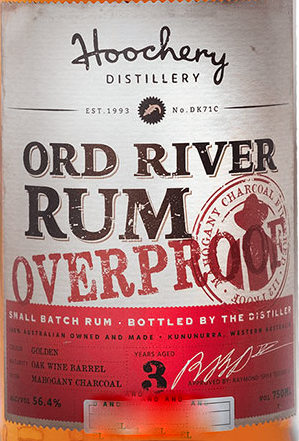 The nose begins with metallic, ashy notes right away, damp cardboard in a long-abandoned, leaky musty house. Thankfully this peculiar aroma doesn’t hang around, but morphs into a sort of soya-salt veggie soup vibe, which in turn gets muskier and sweeter over time; it releases notes of bananas and molasses and syrup, before gradually lightening and becoming – surprisingly enough – rather crisp. White fruits emerge – unripe pears and guavas, green apples, gooseberries, grapes. What’s really surprising is the way this all transforms over a period of ten minutes or so from one nasal profile to another. It’s not usual, but it is noteworthy.
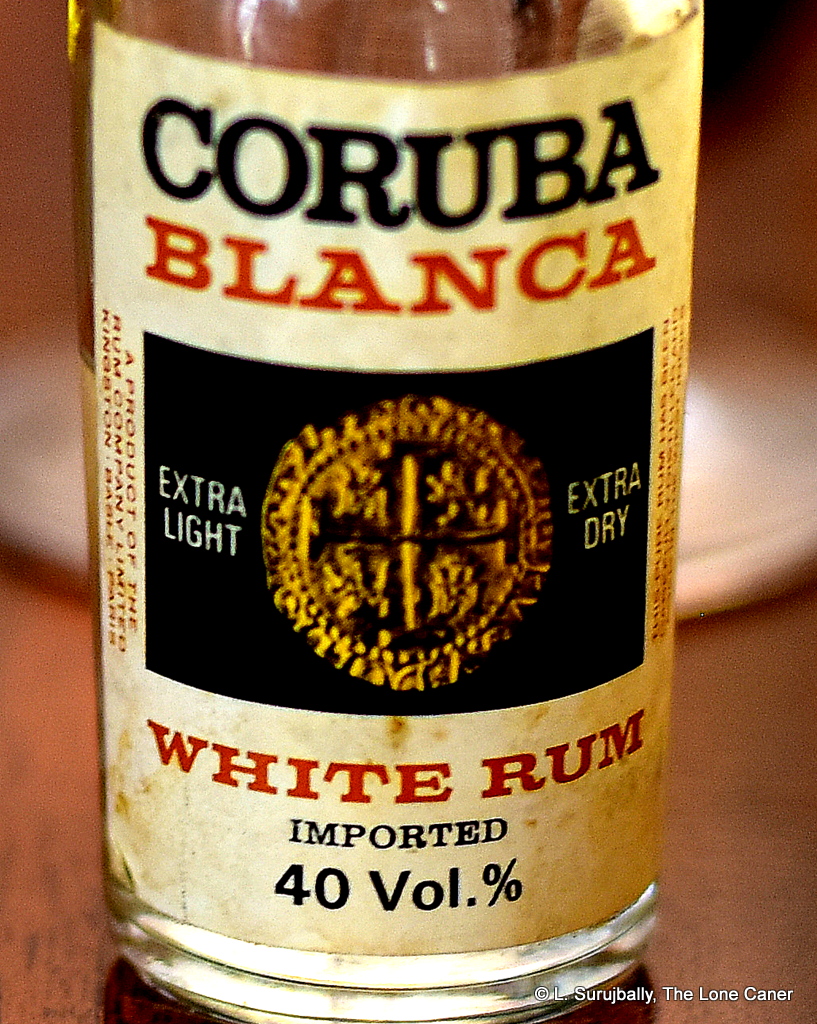 Rumaniacs Review #122 | 0785
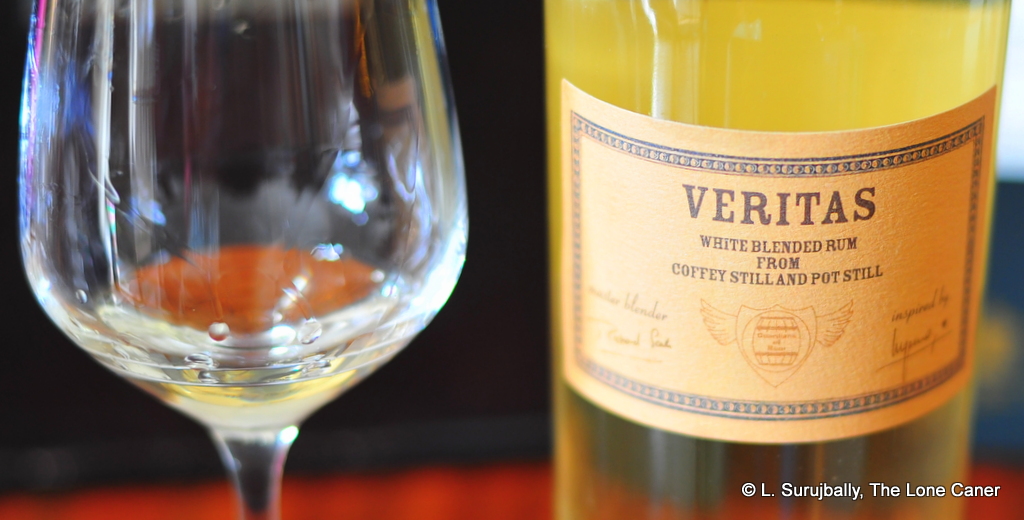
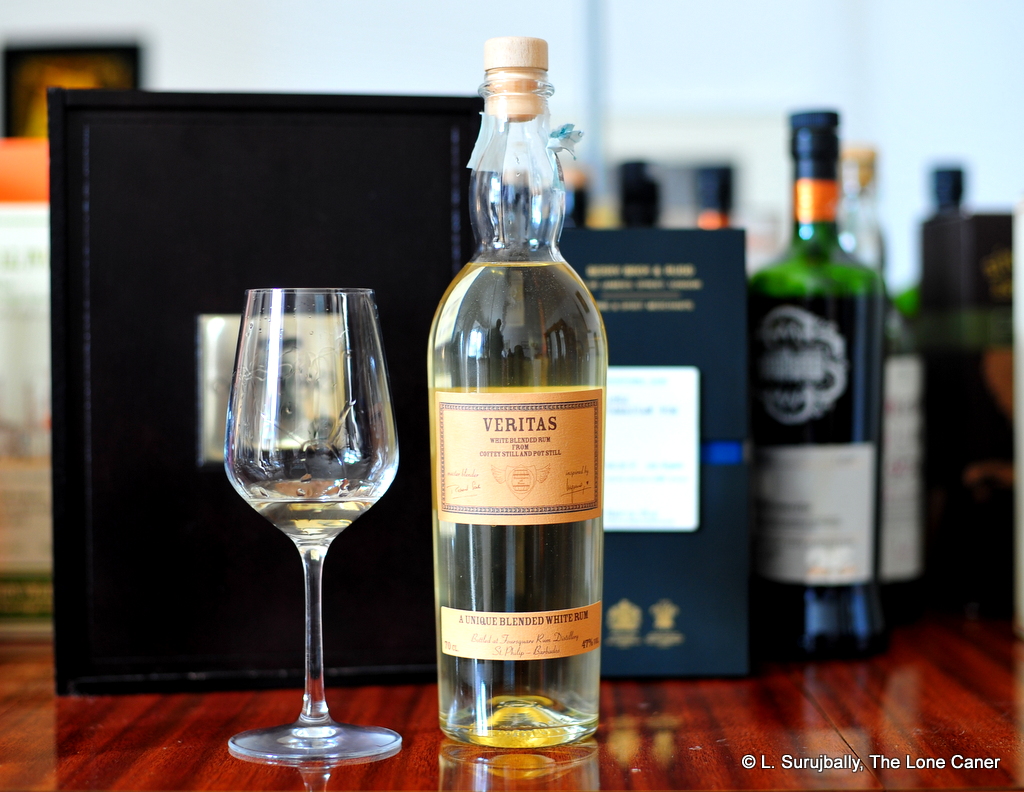
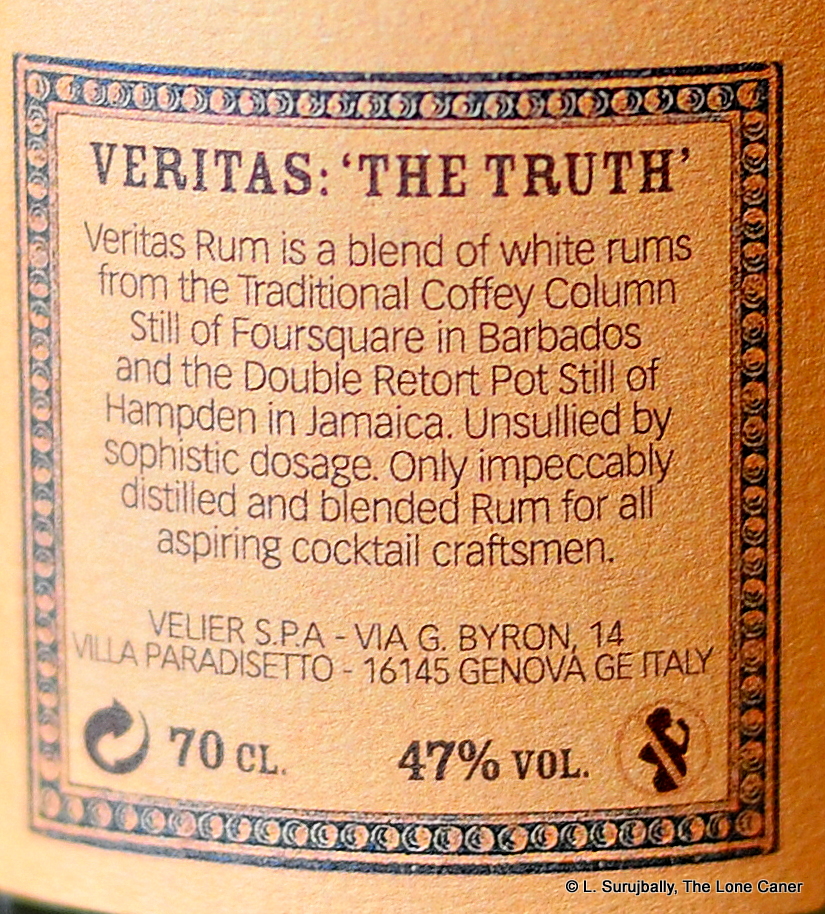 When it really comes down to it, the only thing I didn’t care for is the name. It’s not that I wanted to see “Jamados” or “Bamaica” on a label (one shudders at the mere idea) but I thought “Veritas” was just being a little too hamfisted with respect to taking a jab at Plantation in the ongoing feud with Maison Ferrand (the statement of “unsullied by sophistic dosage” pointed there). As it turned out, my opinion was not entirely justified, as Richard Seale noted in a comment to to me that… “It was intended to reflect the simple nature of the rum – free of (added) colour, sugar or anything else including at that time even addition from wood. The original idea was for it to be 100% unaged. In the end, when I swapped in aged pot for unaged, it was just markedly better and just ‘worked’ for me in the way the 100% unaged did not.” So for sure there was more than I thought at the back of this title.

 This process provides a tasting profile that reminds me of nothing so much than a slightly addled wooden still-rum from El Dorado: it’s sweet, feels the slightest bit sticky, and has strong notes of dark fruits, red licorice, plums, raisins and an almond chocolate bar gone soft in the heat. There’s other stuff in there as well – some caramel, vanilla, pepper again, light orange peel, but overall the whole thing is not particularly complex, and it ambles easily towards a short and gentle finish of no particular distinction that pretty much displays some dark fruit, caramel, anise and molasses, and that’s about it.
 So, until we know more, focus on the rum itself. It’s quiet and gentle and some cask strength lovers might say – not without justification – that it’s insipid. It has some good tastes, simple but okay, and hews to a profile with which we’re not entirely unfamiliar. It has a few off notes and a peculiar substrate of something different, which is a good thing. So in the end,
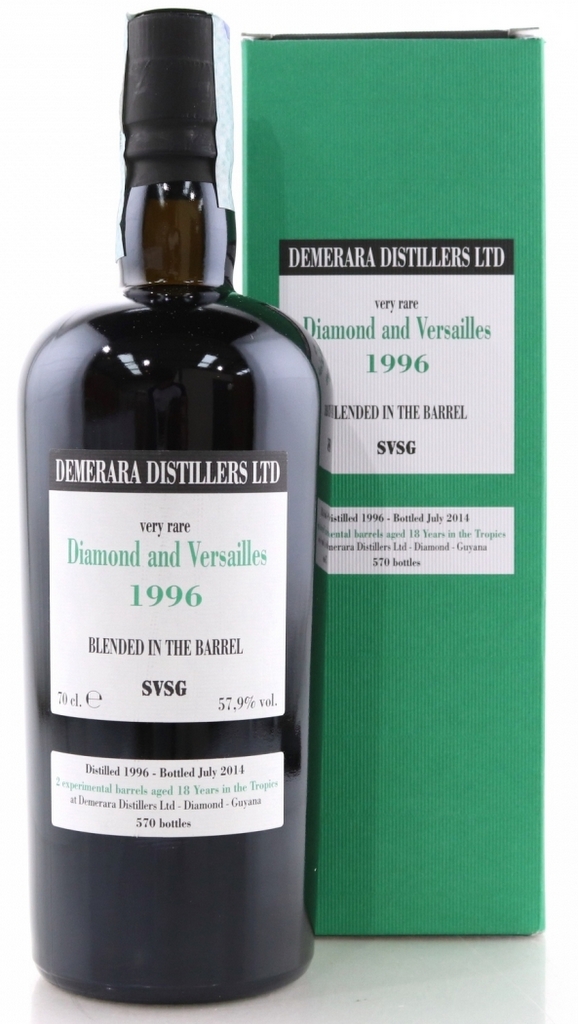
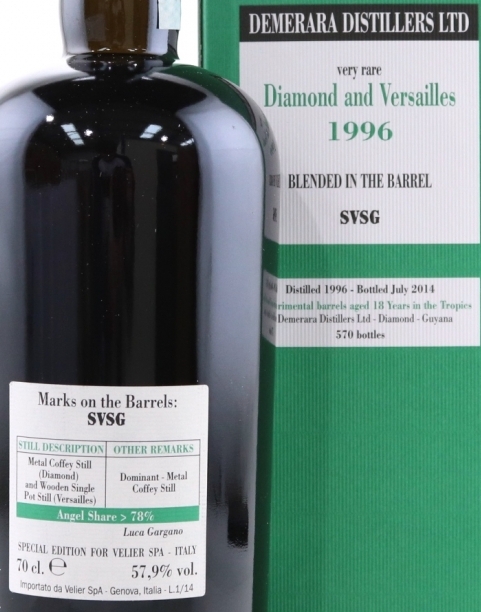 By the time this rum was released in 2014, things were already slowing down for Velier in its ability to select original, unusual and amazing rums from DDLs warehouses, and of course it’s common knowledge now that 2014 was in fact the last year they did so. The previous chairman, Yesu Persaud, had retired that year and the arrangement with Velier was discontinued as DDL’s new Rare Collection was issued (in early 2016) to supplant them.
 The nose had been so stuffed with stuff (so to speak) that the palate had a hard time keeping up. The strength was excellent for what it was, powerful without sharpness, firm without bite. But the whole presented as somewhat more bitter than expected, with the taste of oak chips, of cinchona bark, or the antimalarial pills I had dosed on for my working years in the bush. Thankfully this receded, and gave ground to cumin, coffee, dark chocolate, coca cola, bags of licorice (of course), prunes and burnt sugar (and I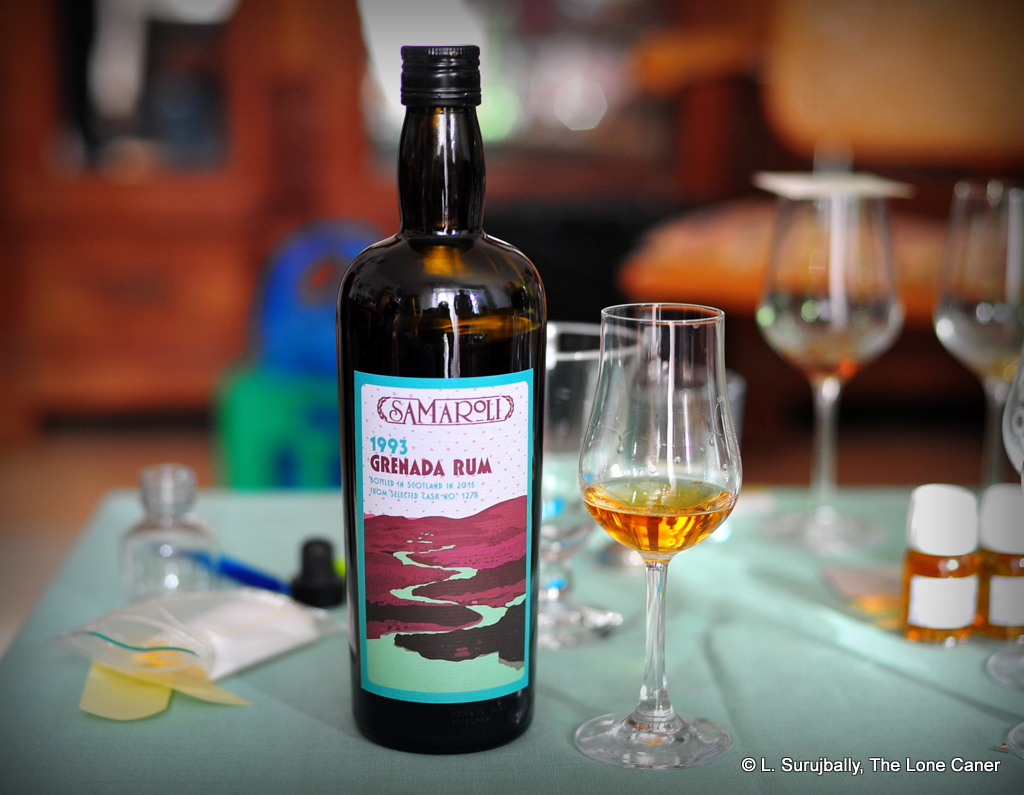
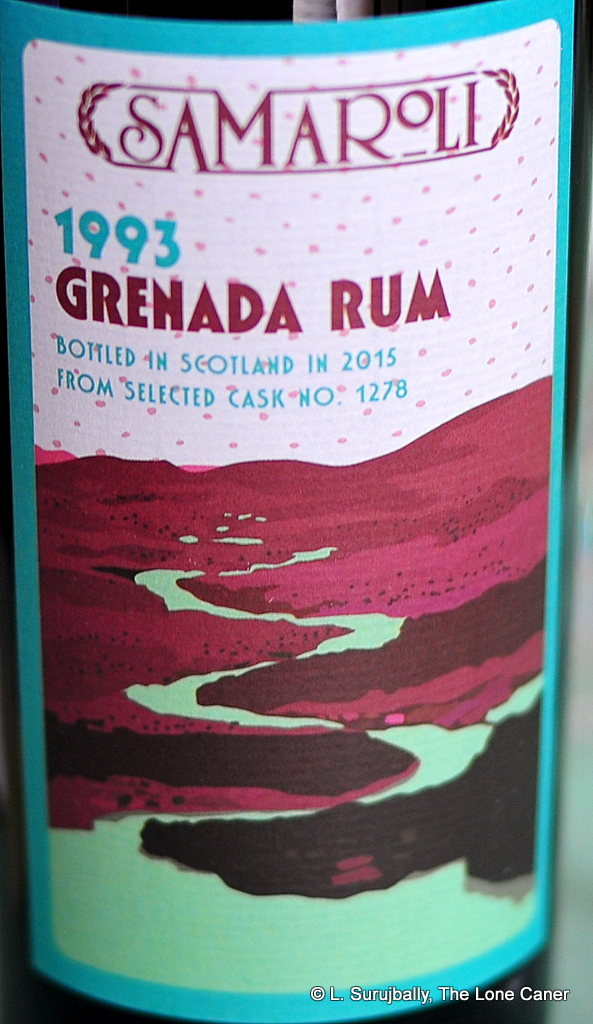 One such is this Samaroli rum sporting an impressive 22 years of continental ageing, hailing from Grenada – alas, not Rivers Antoine, but you can’t have everything (the rum very likely came from Westerhall – they ceased distilling in 1996 but were the only ones exporting bulk rum before that). You’ll look long and hard before you find any kind of write up about it, or anyone who owns it – not surprising when you consider the €340 price tag it fetches in stores and at auction. This is the second Grenada rum selected under the management of Antonio Bleve who took over operations at Samaroli in the mid 2000s and earned himself a similar reputation as Sylvio Samaroli (RIP), that of having the knack of picking right.
 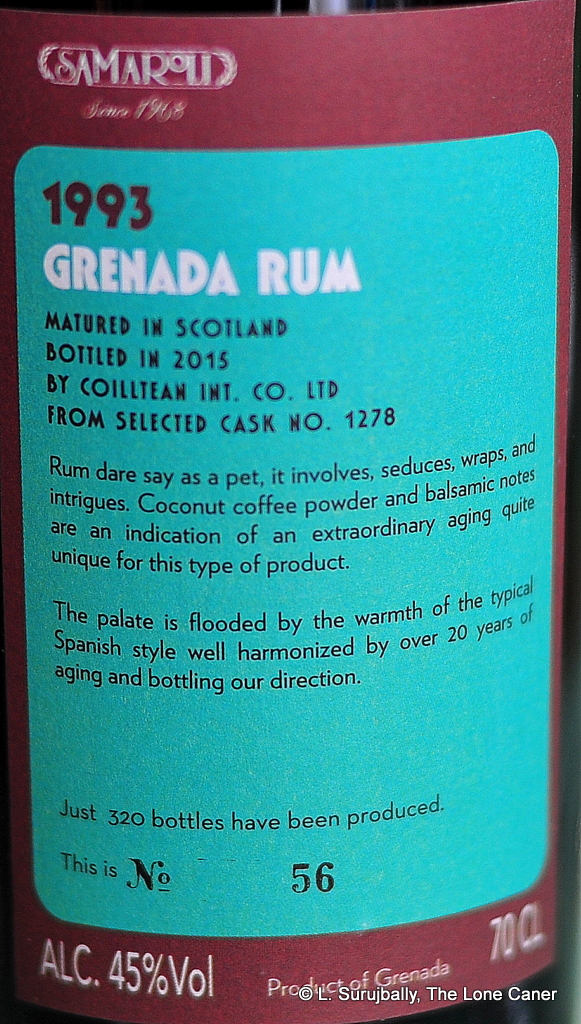 So what to make of this expensive two-decades-old Grenada rum released by an old and proud Italian house? Overall it’s really quite pleasant, avoids disaster and is tasty enough, just nothing special. I was expecting more. You’d be hard pressed to identify its provenance if tried blind. Like an SUV taking the highway, it stays firmly on the road without going anywhere rocky or offroad, perhaps fearing to nick the paint or muddy the tyres.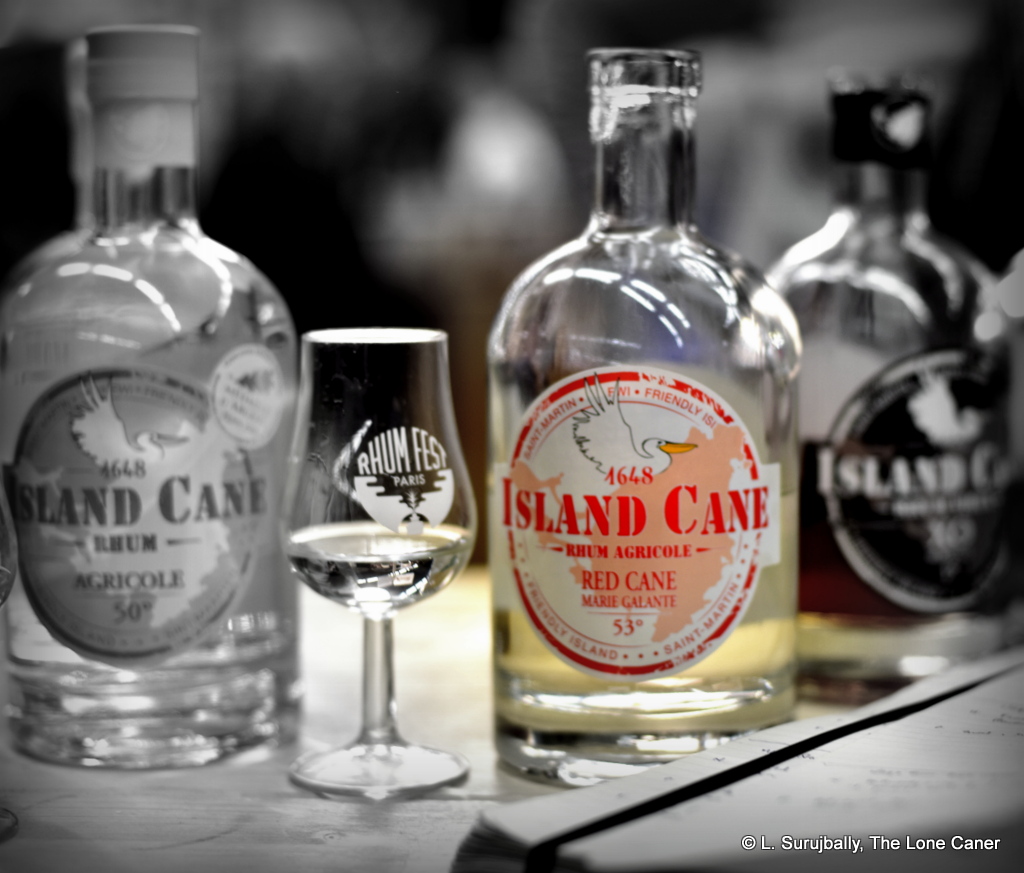
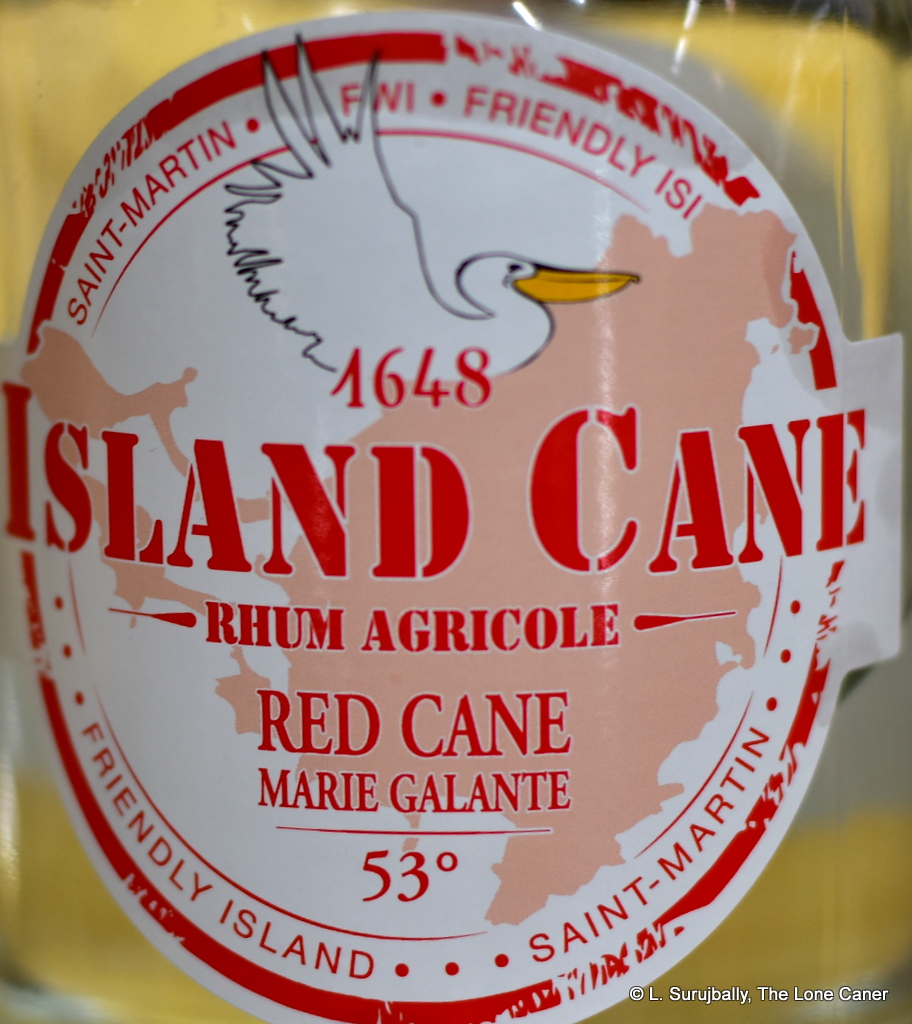 All that comes together in a rhum of uncommonly original aroma and taste. It opens with smells that confirm its provenance as an agricole, and it displays most of the hallmarks of a rhum from the blanc side (herbs, grassiness, crisp citrus and tart fruits)…but that out of the way, evidently feels it is perfectly within its rights to take a screeching ninety degree left turn into the woods. Woody and even meaty notes creep out, which seem completely out of place, yet somehow work. This all combines with salt, rancio, brine, and olives to mix it up some more, but the overall effect is not unpleasant – rather it provides a symphony of undulating aromas that move in and out, no single one ever dominating for long before being elbowed out of the way by another.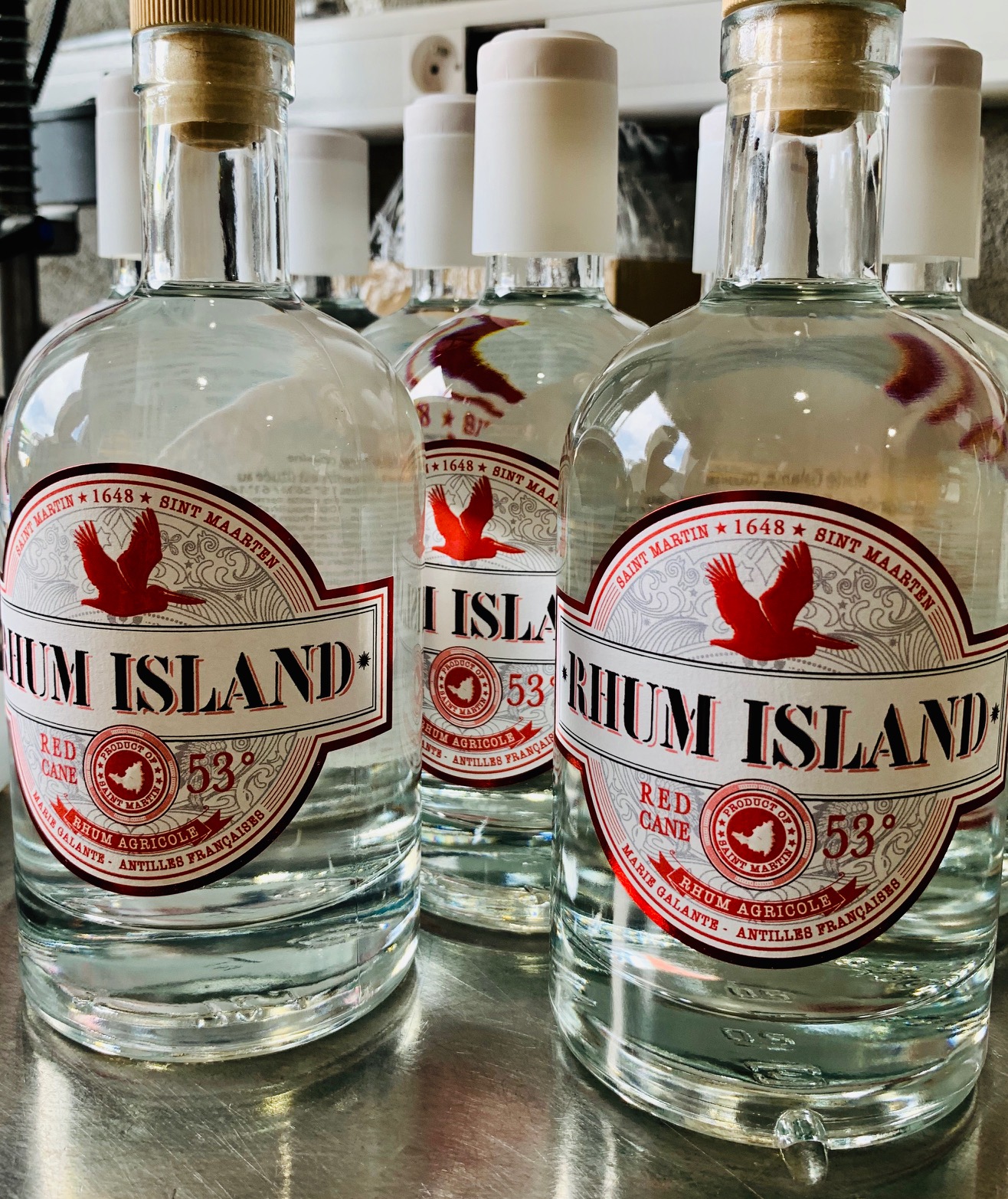

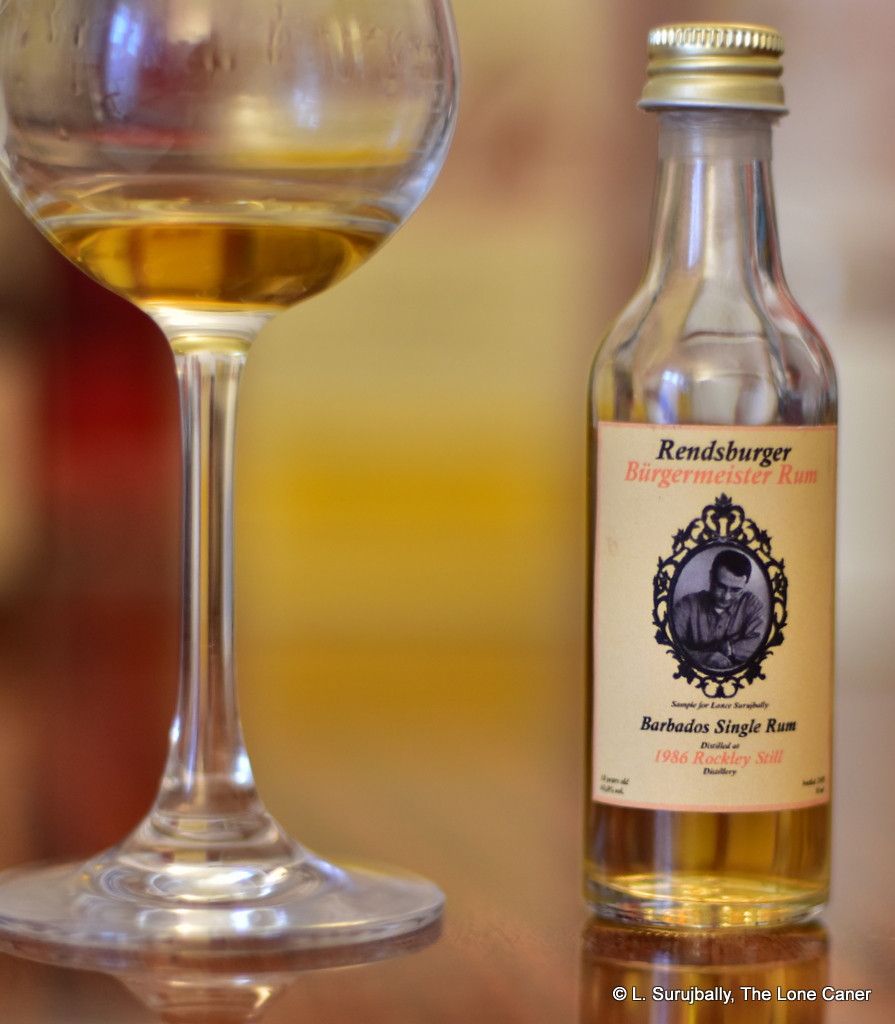 So let’s try it and see what the fuss is all about. Nose first. Well, it’s powerul sharp, let me tell you (63.8% ABV!), both crisper and more precise than the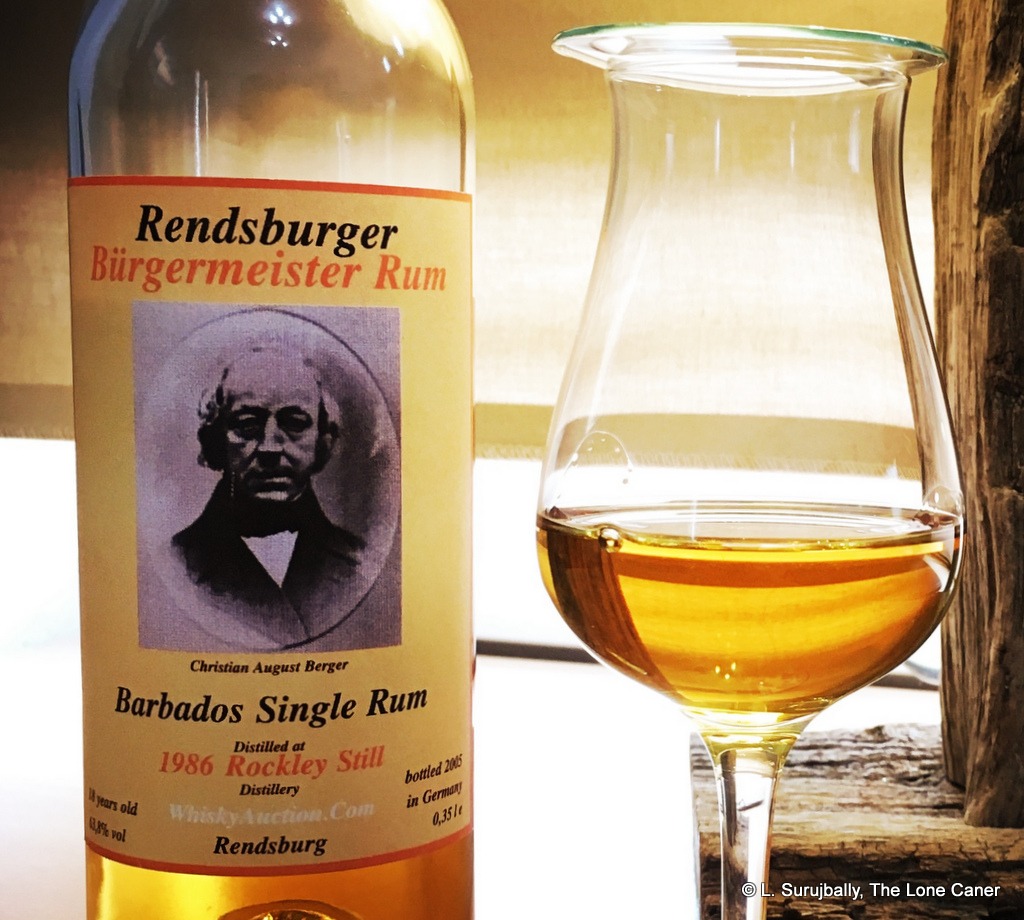
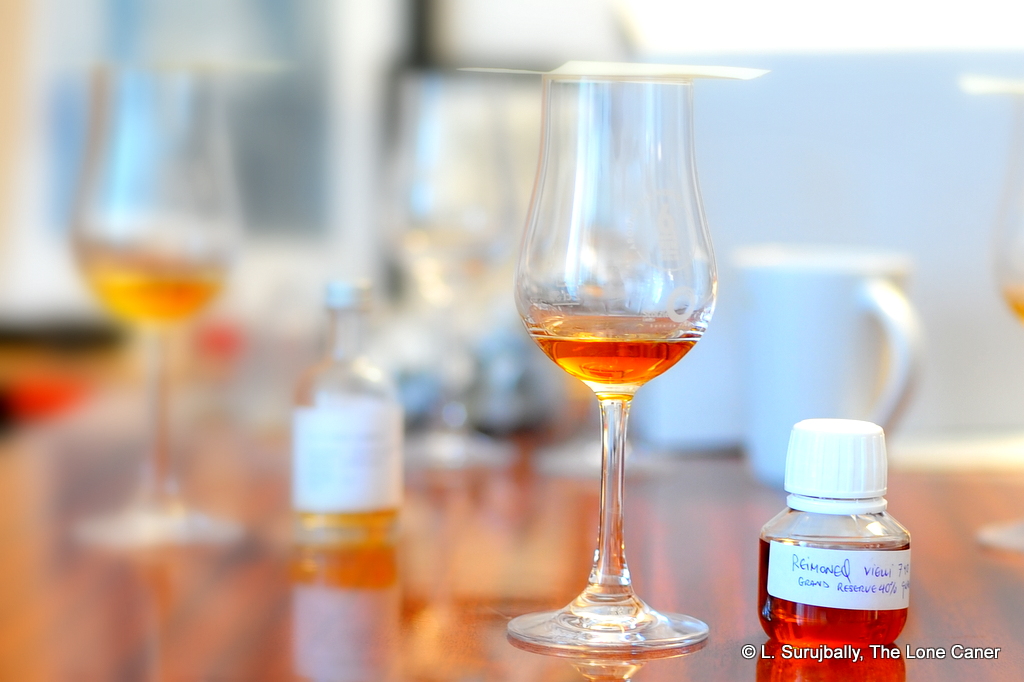
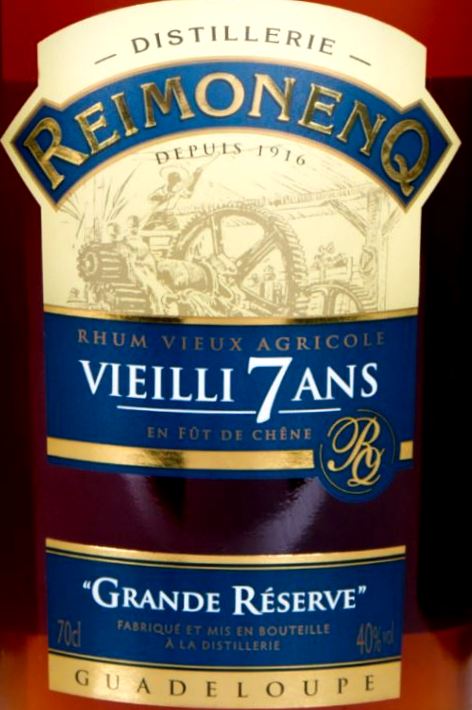 I was really and pleasantly surprised by how well it presented, to be honest. For a standard strength rhum, I expected less, but its complexity and changing character eventually won me over. Looking at others’ reviews of rhums in Reimonenq’s range I see similar flip flops of opinion running through them all. Some like one or two, some like that one more than that other one, there are those that are too dry, too sweet, too fruity (with a huge swing of opinion), and the little literature available is a mess of ups and downs.
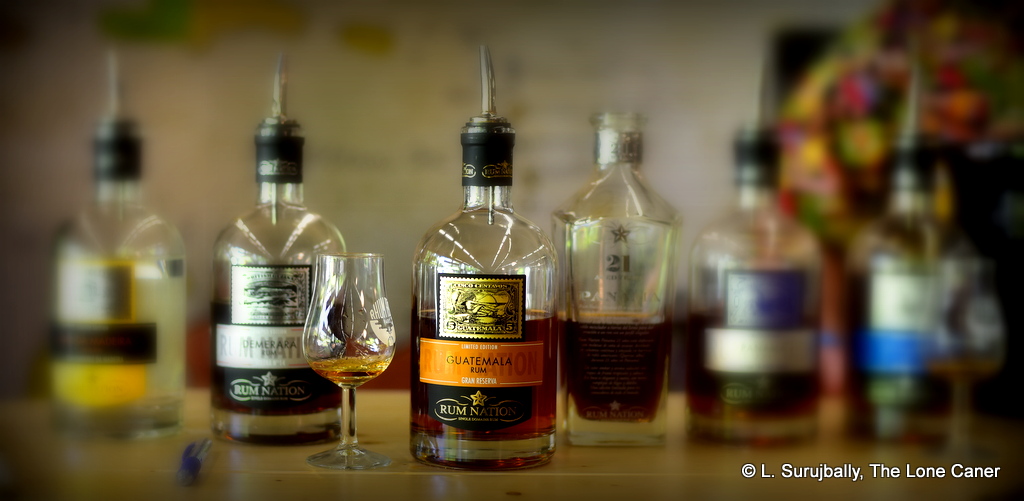
 Rum Nation’s own