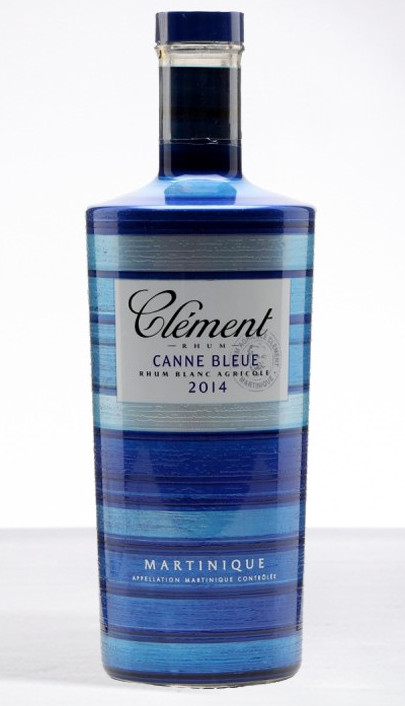
 In an ever more competitive market – and that includes French island agricoles – every chance is used to create a niche that can be exploited with first-mover advantages. Some of the agricole makers, I’ve been told, chafe under the strict limitations of the AOC which they privately complain limits their innovation, but I chose to doubt this: not only there some amazing rhums coming out the French West Indies within the appellation, but they are completely free to move outside it (as Saint James did with their pot still white) – they just can’t put that “AOC” stamp of conformance on their bottle, and making one rum outside the system does not invalidate all the others they can and do make within it.
This particular rhum illustrates the point nicely. It’s an AOC rhum made from a very specific variety of cane coloured gray-purple (don’t ask me how that got translated to ‘blue’) which is apparently due to an abundance of wax on the stem. It’s been used by Habitation Clément since 1977 and supposedly has great aromatics and is richer than usual in sugar, and is completely AOC-approved.
Clément has been releasing the canne bleue varietal rhums in various annual editions since about 2000. Its signature bottle has gone through several iterations and the ice blue design has become, while not precisely iconic, at least recognizable – you see it and you know it’s a Clément rhum of that kind you’re getting. Curiously, for all that fancy look, the rum retails for relative peanuts – €40 or less. Maybe because it’s not aged, or the makers feared it wouldn’t sell at a higher price point. Maybe they’re still not completely sold on the whole unaged white rhum thing, even if the clairins are doing great business, and unaged blancs have gotten a respect of late (especially in the bar and cocktail circuit), which they never enjoyed before
What other types of cane Habitation Clément uses is unknown to me. They have focused on this one type to build a small sub-brand around and it’s hard to fault them for the choice, because starting just with the nose, it’s a lovely white rum, clocking in at a robust 50% ABV. What I particularly liked about it is its freshness and clarity: it reminds me a lot of of Neisson’s 2004 Single Cask (which costs several times as much), just a little lighter. Salty wax notes meld nicely with brine and tart Turkish olives to start. Then the crisp peppiness of green apples and yoghurt, sugar water, soursop and vinegar-soaked cucumber with a wiri-wiri pepper chopped into it. The mix of salt and sour and sweet and hot is really not bad.
It’s sharp on the initial tasting – that levels down quickly. It remains spicy-warm from there on in, and is mostly redolent of fresh, sweet and watery fruit: so, pears, ripe green apples, white guavas. There are notes of papaya, florals, loads of swank, avocados, some salt, all infused with lemon grass, ginger and white pepper. The clarity and crispness of the nose is tempered somewhat as the tasting goes on, allowing softer and less aggressive flavours to emerge, though they do stay on the edges and add background rather than hogging the whole stage. The finish is delicate and precise; short, which is somewhat surprising, yet flavourful – slight lemon notes, apricots, cinnamon and a touch of unsweetened yoghurt.
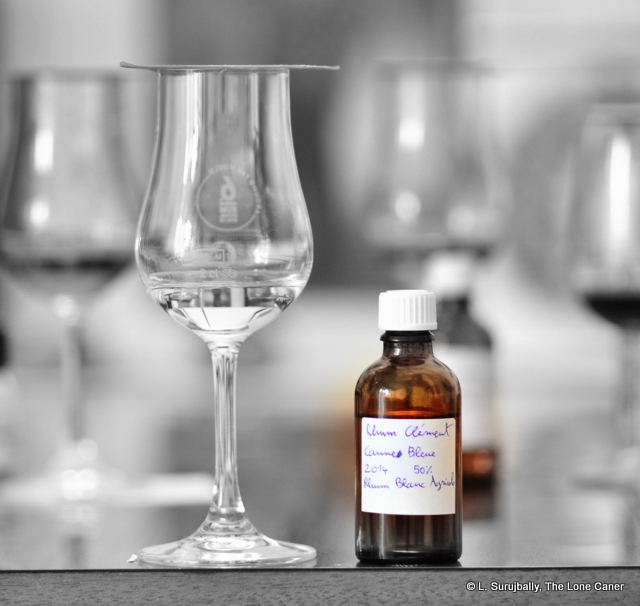
So, what to make of this econo-budget white rhum? Well, I think it’s really quite good. The Neisson I refer to above was carefully aged, more exclusive, cost more…and yet scored the same — though it was for different aspects of its profile, and admittedly its purpose for being is also not the same as this one. I like this unaged blanc because of its sparkling vivacity, its perkiness, its rough and uncompromising nature which masks an unsuspected complexity and quality. There are just so many interesting tastes here, jostling around what is ostensibly a starter product (based on price if nothing else) — this thing can spruce up a mixed drink with no problem, a ti-punch for starters, and maybe a daiquiri for kicks.
I don’t know what aspects of its profile derive from that bleue cane specifically because so far in my sojourn through The Land of Blanc I’ve experienced so many fantastic rhums and each has its own peculiar distinctiveness. All I can say is that the low pricing here suggests a rhum that lives and dies at the bottom of the scale…but you know, it really shouldn’t be seen that way. It’s far too good for that.
(#796)(85/100)
Other Notes
- Production is limited to between 10,000 and 20,000 bottles a year, depending on the harvest. Not precisely a limited edition but for sure something unique to each year.
- Thanks to Etienne Sortais, who provided me with the sample, insisting I try the thing. He was certainly right about that.
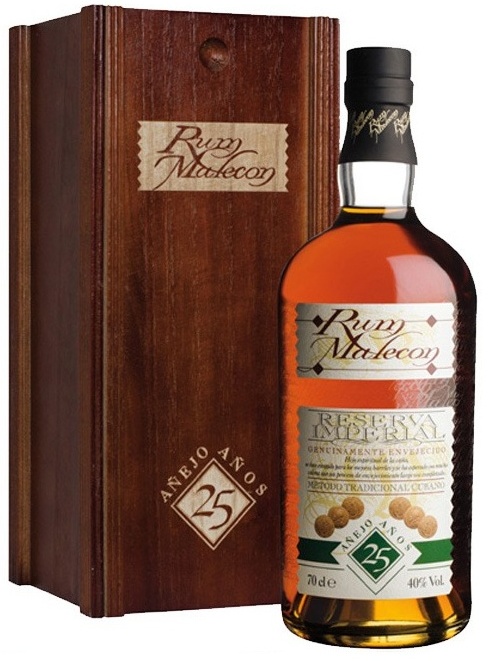 We’ve been here before. We’ve tried a rum with this name, researched its background, been baffled by its opaqueness, made our displeasure known, then yawned and shook our heads and moved on. And still the issues that that one raised, remain. The Malecon Reserva Imperial 25 year old suffers from many of the same defects of its
 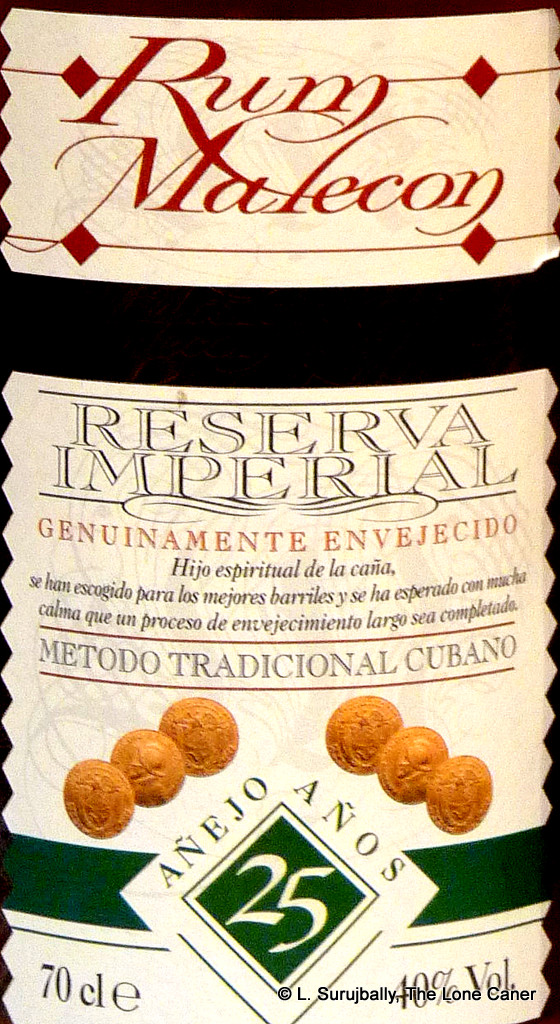 The palate is similarly soft and similarly straightforward. It’s got more chocolate milk and and perhaps a touch of coffee grounds. A smidgen, barely a smidgen of oak and citrus, a sly taste of tangerines; it’s not very sweet (which is a plus) and sports some brine and Turkish olives and a touch of slight bitterness, which I’m going be generous and say is an oak influence that saves it from being just blah. Finish is okay I guess. Gone too quickly of course, no surprise at 40% ABV and leaving at best the sense of some black tea with too much condensed milk in it, that doesn’t entirely hide the fact that it’s too bitter.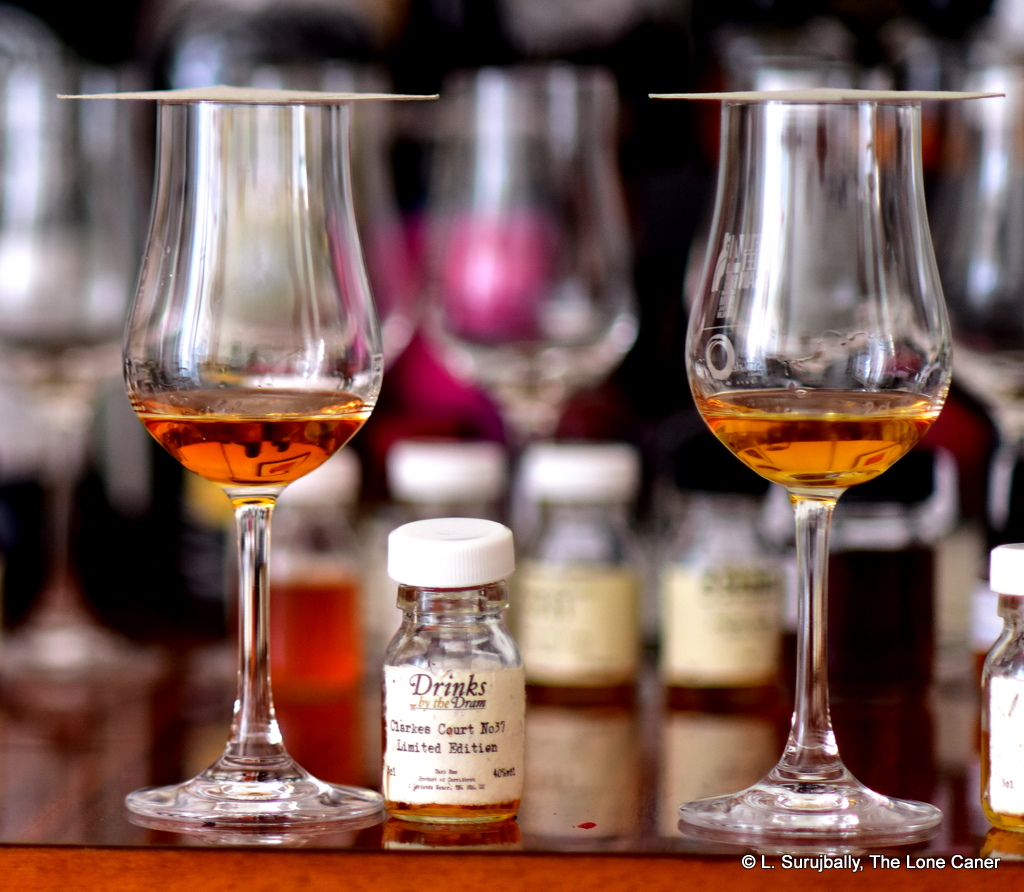
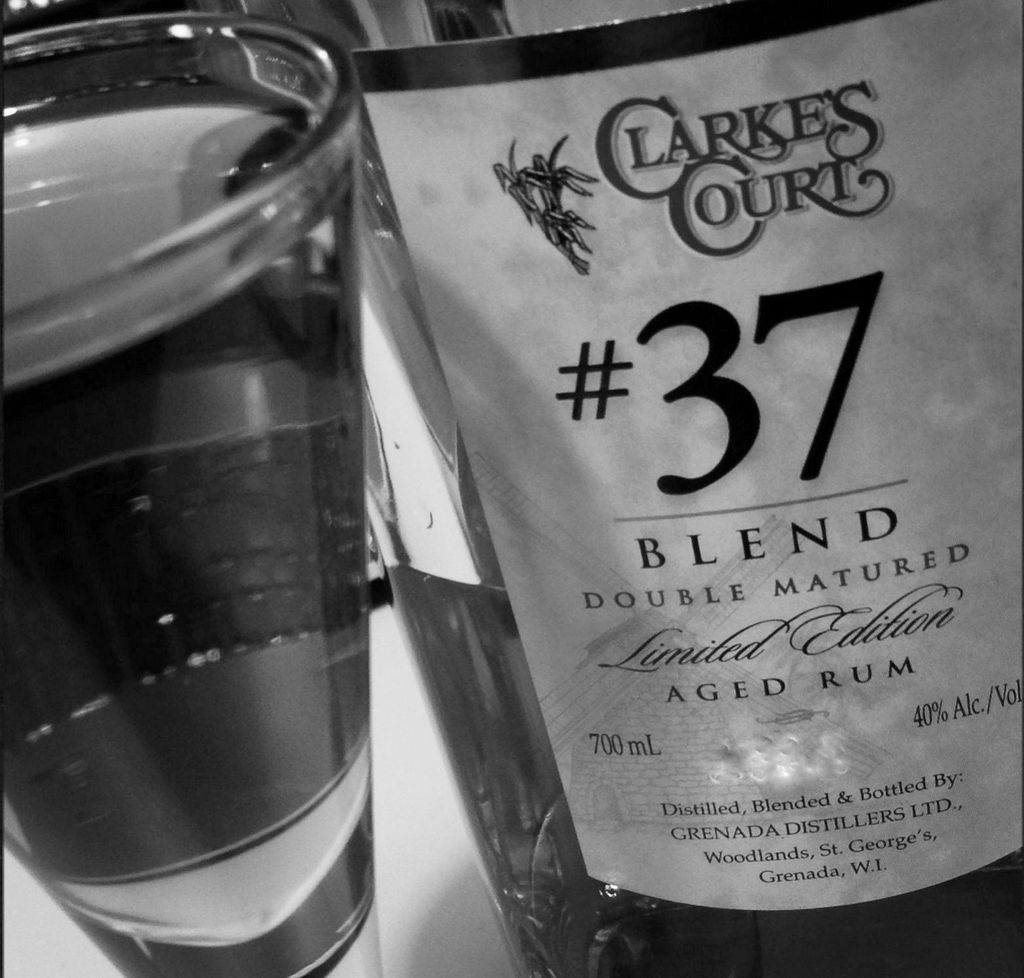
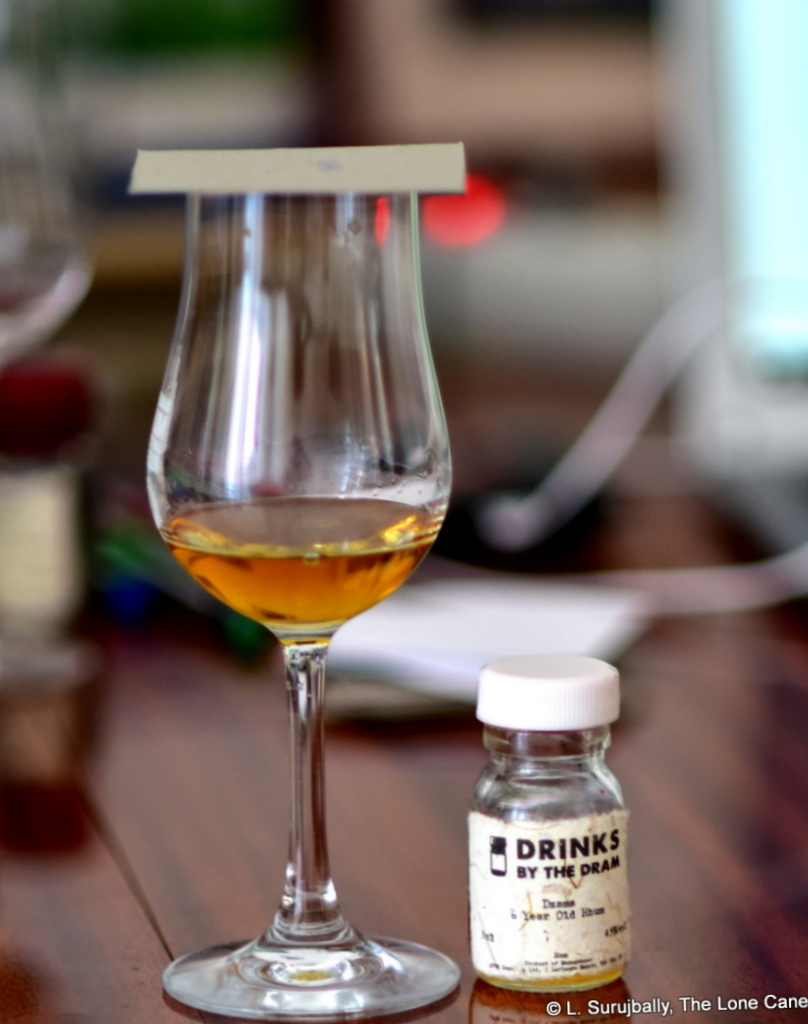
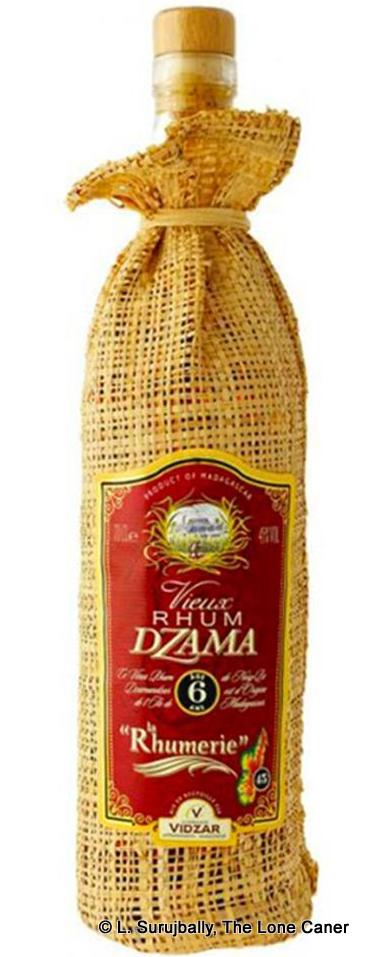 The palate was thick, rich and sweet, even in comparison the the 3YO which showed no modesty with such aspects itself but while stronger, had also been paradoxically easier. Here we were regaled with bananas, cherries in syrup, brown sugar, and a sort of smorgasbord of fruitiness – some tart, some just soft and mushy – and creaminess of greek yogurt sprinkled with cinnamon and cloves. Disappointingly, the finish did nothing much except lock the door and walk off, throwing a few notes of cloves, sugar, cherries, peaches and syrup behind. Not a stellar finish after the intriguing beginning.
 Or so the story-teller in me supposes. Because all jokes and anecdotes aside, what this is, is a rum made to order.

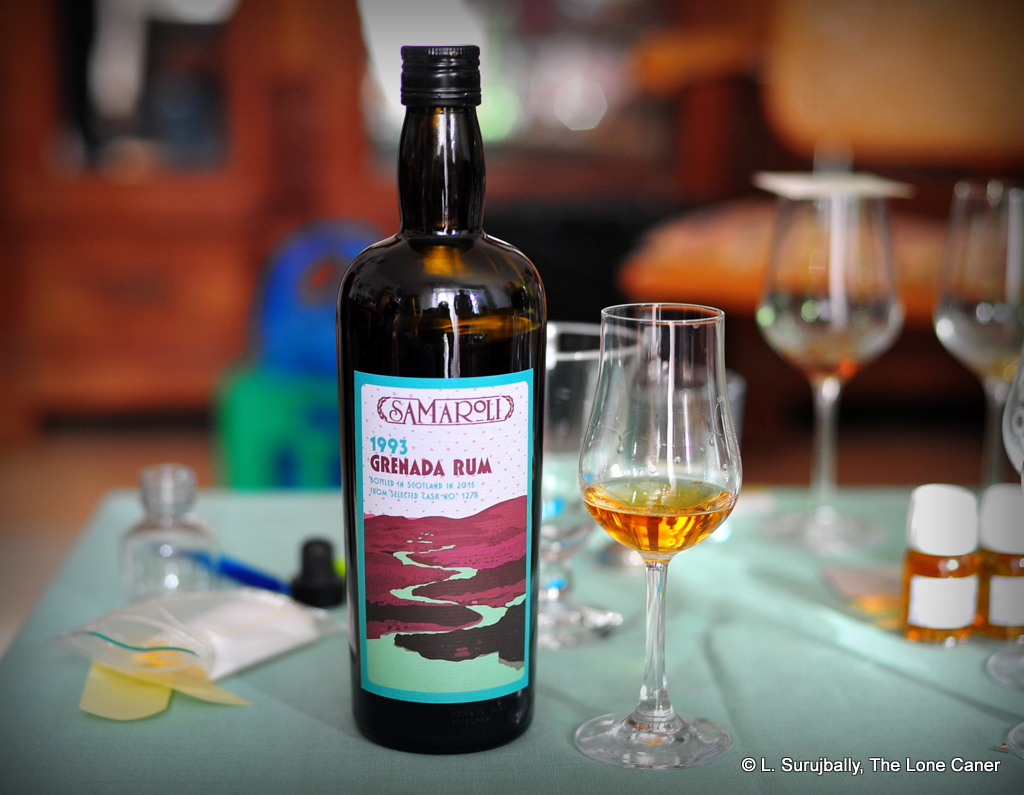
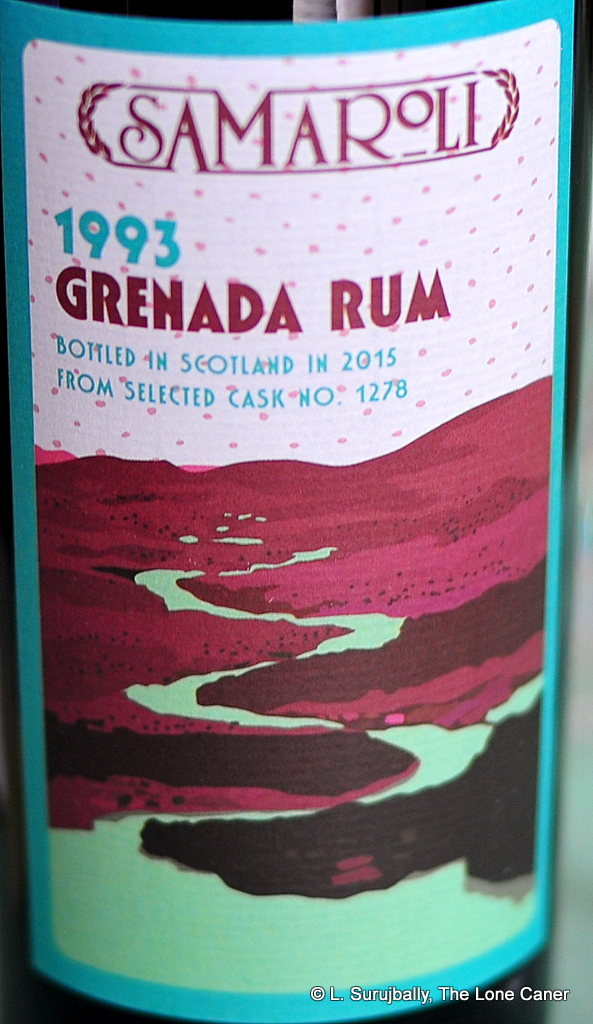 One such is this Samaroli rum sporting an impressive 22 years of continental ageing, hailing from Grenada – alas, not Rivers Antoine, but you can’t have everything (the rum very likely came from Westerhall – they ceased distilling in 1996 but were the only ones exporting bulk rum before that). You’ll look long and hard before you find any kind of write up about it, or anyone who owns it – not surprising when you consider the €340 price tag it fetches in stores and at auction. This is the second Grenada rum selected under the management of Antonio Bleve who took over operations at Samaroli in the mid 2000s and earned himself a similar reputation as Sylvio Samaroli (RIP), that of having the knack of picking right.
 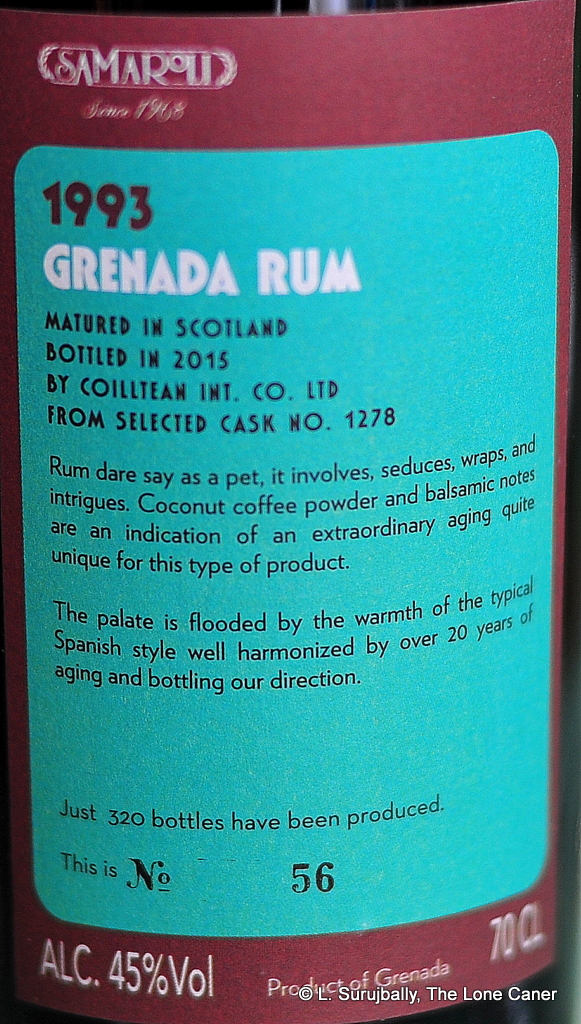 So what to make of this expensive two-decades-old Grenada rum released by an old and proud Italian house? Overall it’s really quite pleasant, avoids disaster and is tasty enough, just nothing special. I was expecting more. You’d be hard pressed to identify its provenance if tried blind. Like an SUV taking the highway, it stays firmly on the road without going anywhere rocky or offroad, perhaps fearing to nick the paint or muddy the tyres.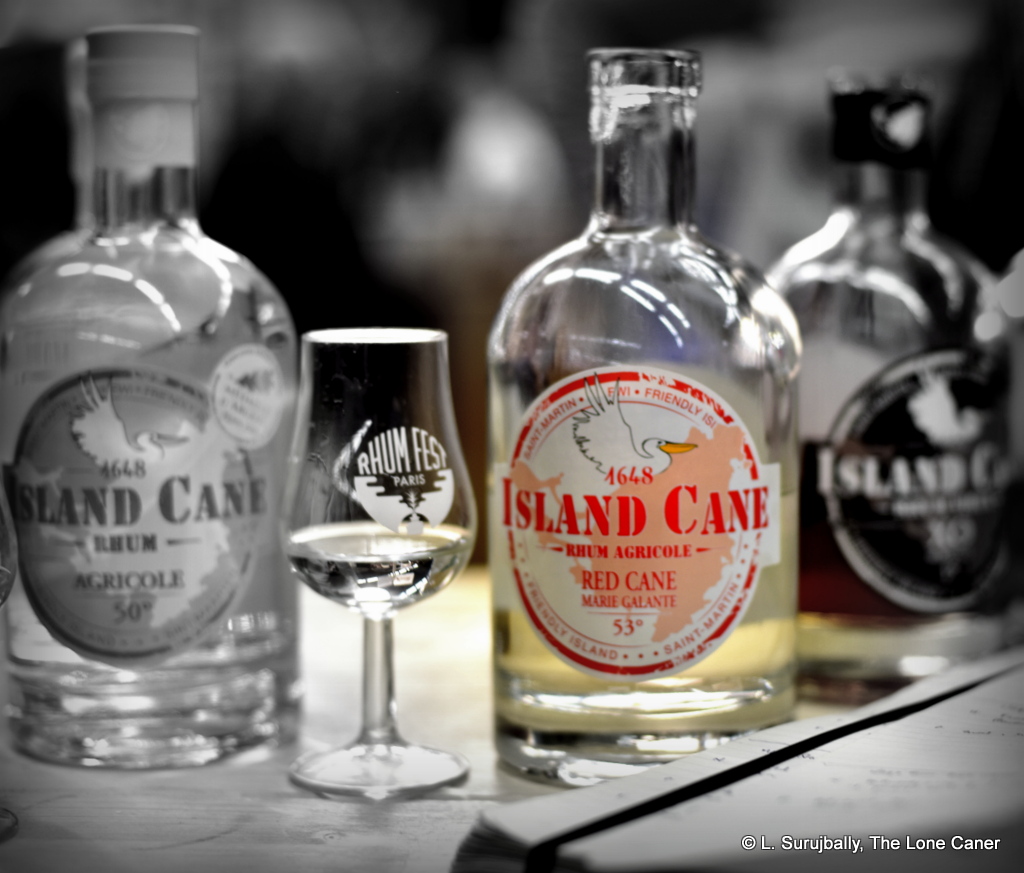
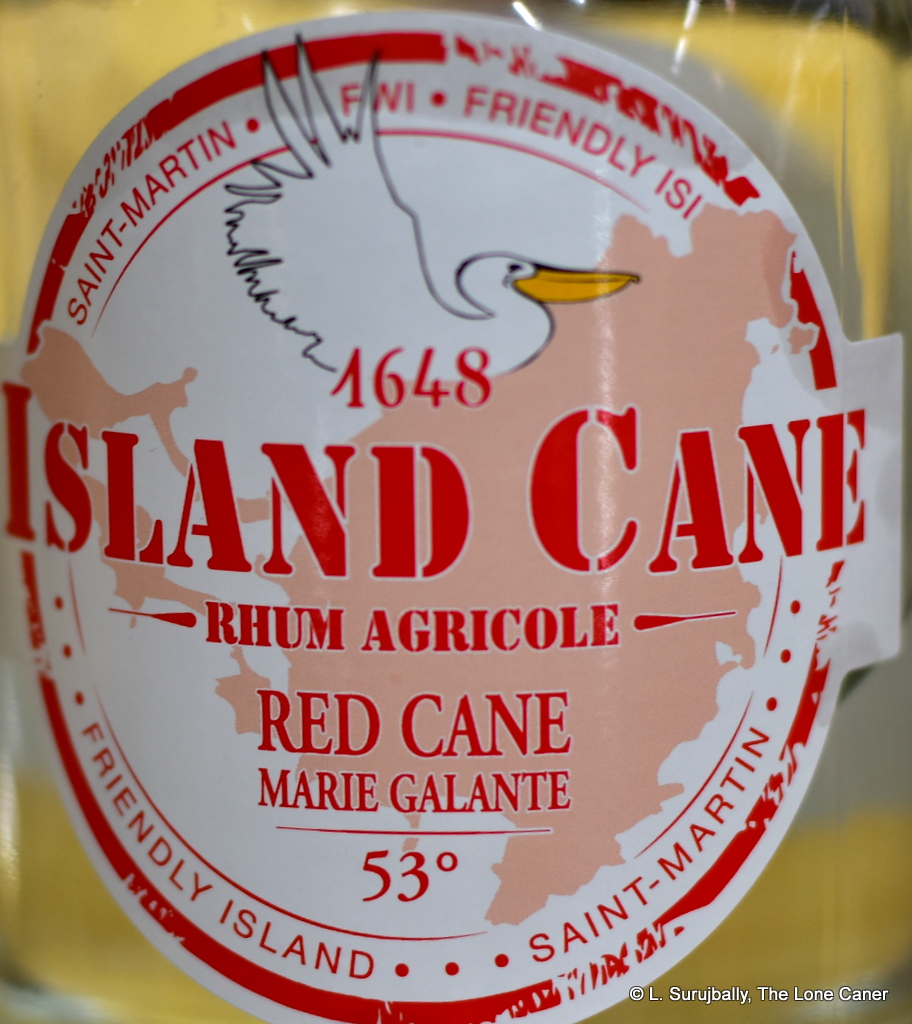 All that comes together in a rhum of uncommonly original aroma and taste. It opens with smells that confirm its provenance as an agricole, and it displays most of the hallmarks of a rhum from the blanc side (herbs, grassiness, crisp citrus and tart fruits)…but that out of the way, evidently feels it is perfectly within its rights to take a screeching ninety degree left turn into the woods. Woody and even meaty notes creep out, which seem completely out of place, yet somehow work. This all combines with salt, rancio, brine, and olives to mix it up some more, but the overall effect is not unpleasant – rather it provides a symphony of undulating aromas that move in and out, no single one ever dominating for long before being elbowed out of the way by another.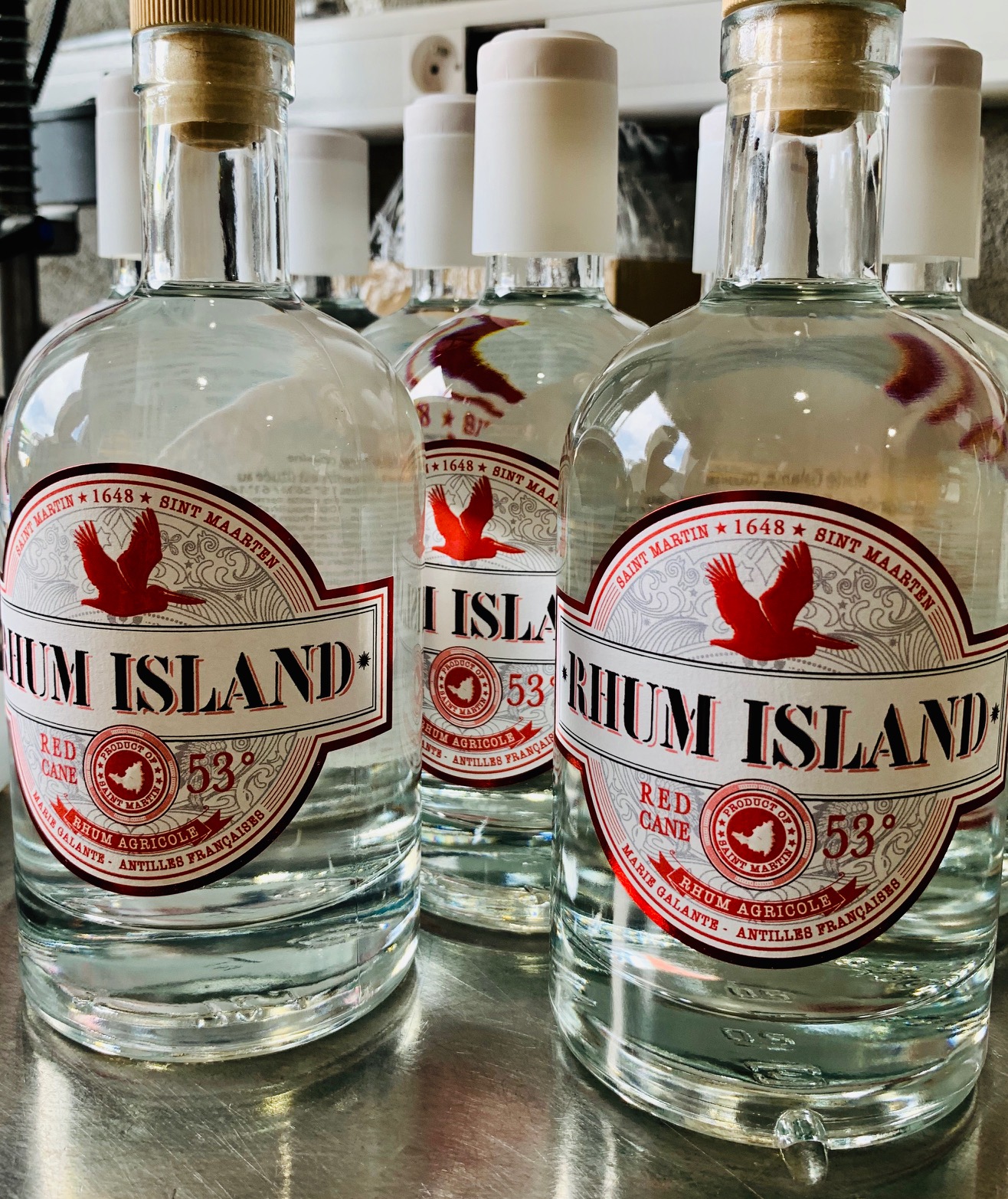

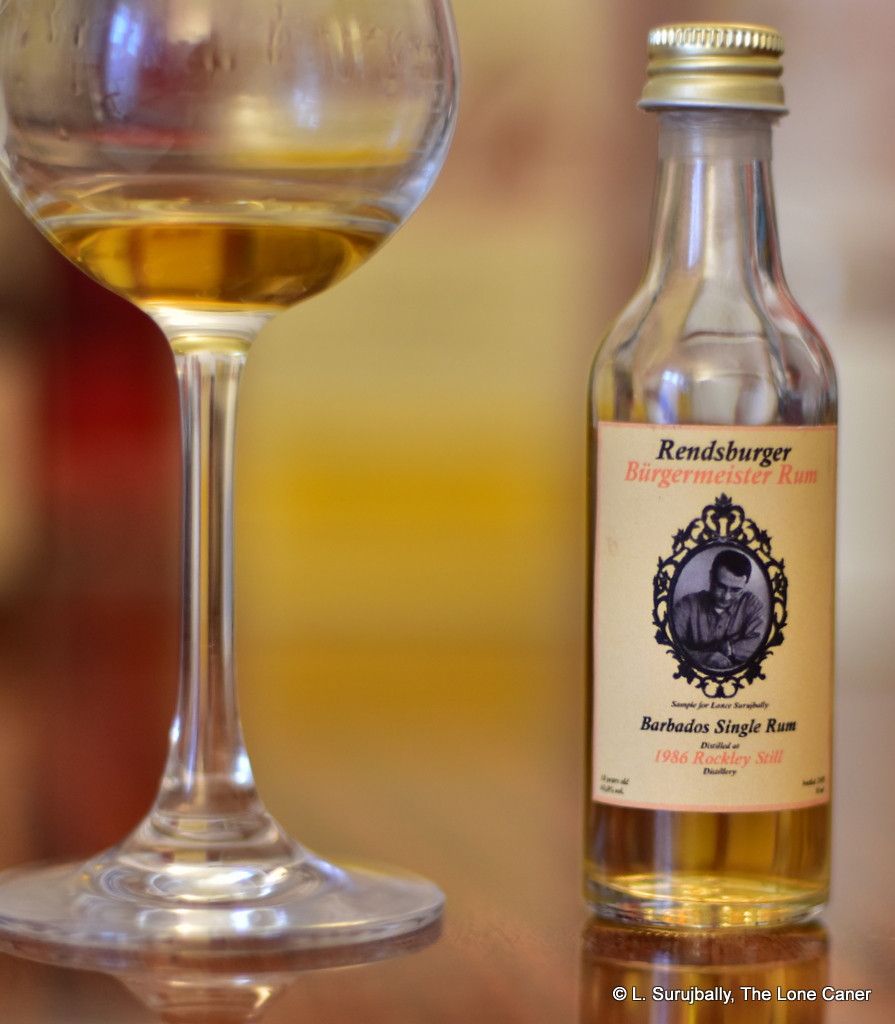 So let’s try it and see what the fuss is all about. Nose first. Well, it’s powerul sharp, let me tell you (63.8% ABV!), both crisper and more precise than the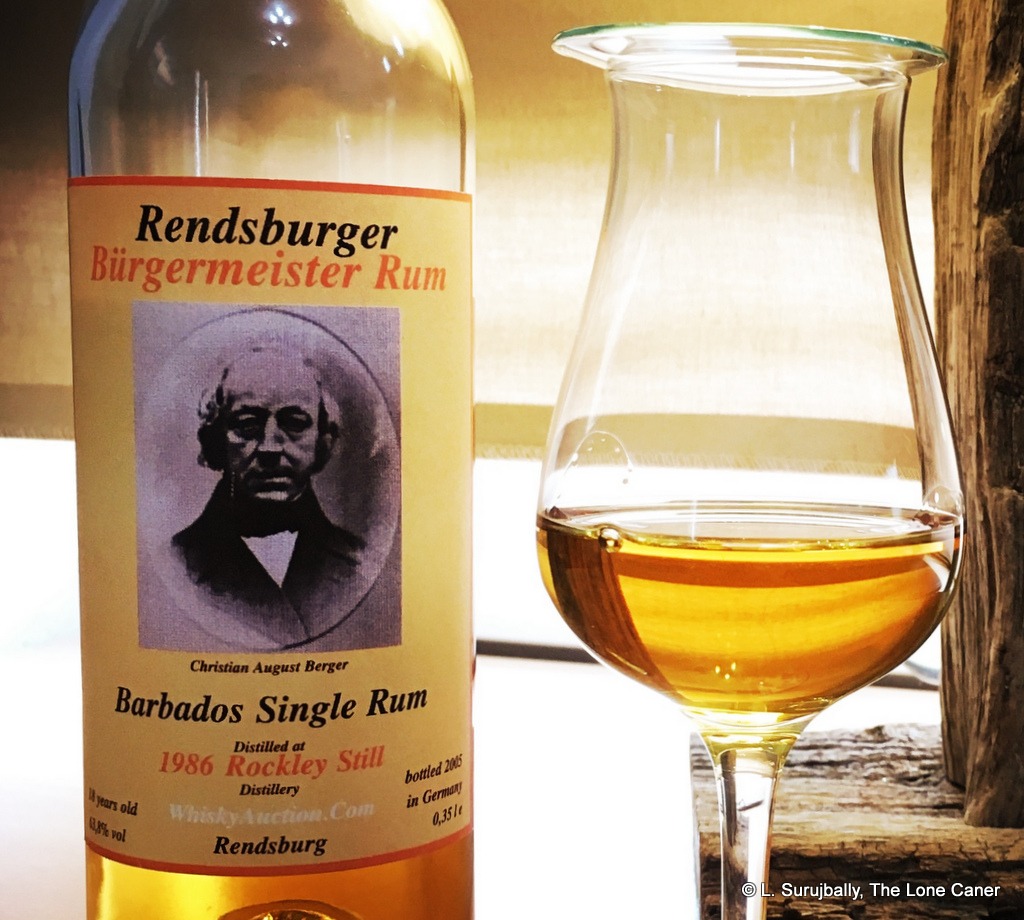
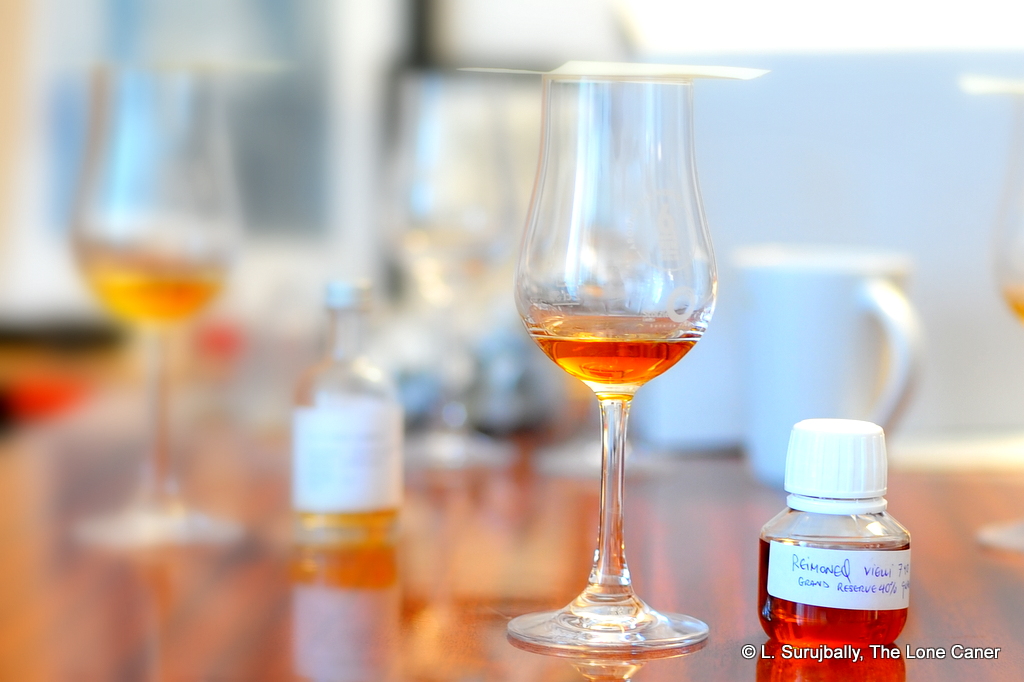
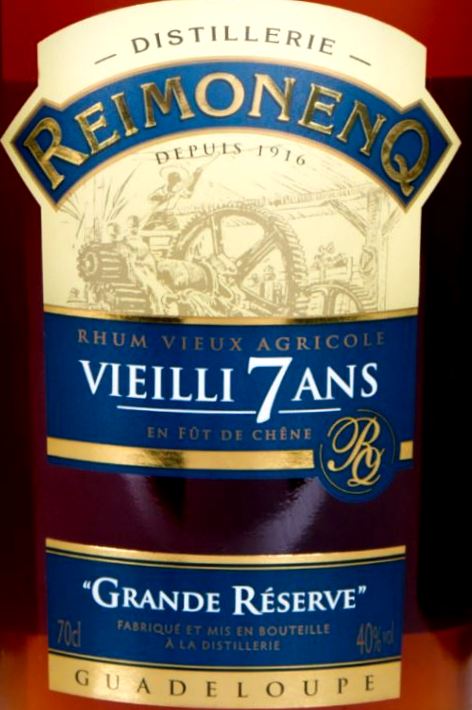 I was really and pleasantly surprised by how well it presented, to be honest. For a standard strength rhum, I expected less, but its complexity and changing character eventually won me over. Looking at others’ reviews of rhums in Reimonenq’s range I see similar flip flops of opinion running through them all. Some like one or two, some like that one more than that other one, there are those that are too dry, too sweet, too fruity (with a huge swing of opinion), and the little literature available is a mess of ups and downs.
 Rum Nation’s own

 Colour – Gold brown
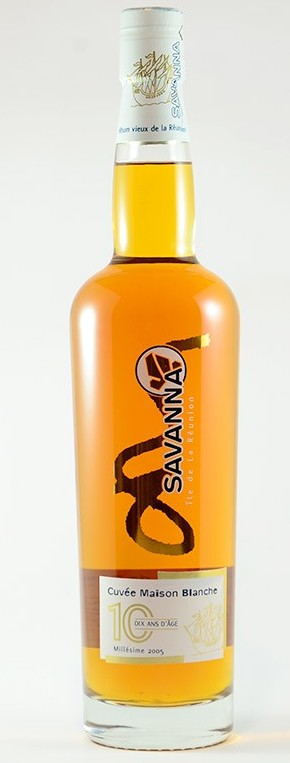 Savanna’s 2005 Cuvée Maison Blanche 10 Year Old rum, in production since 2008 is a companion to the 2005 10 YO Traditionnel and a somewhat lesser version of the superb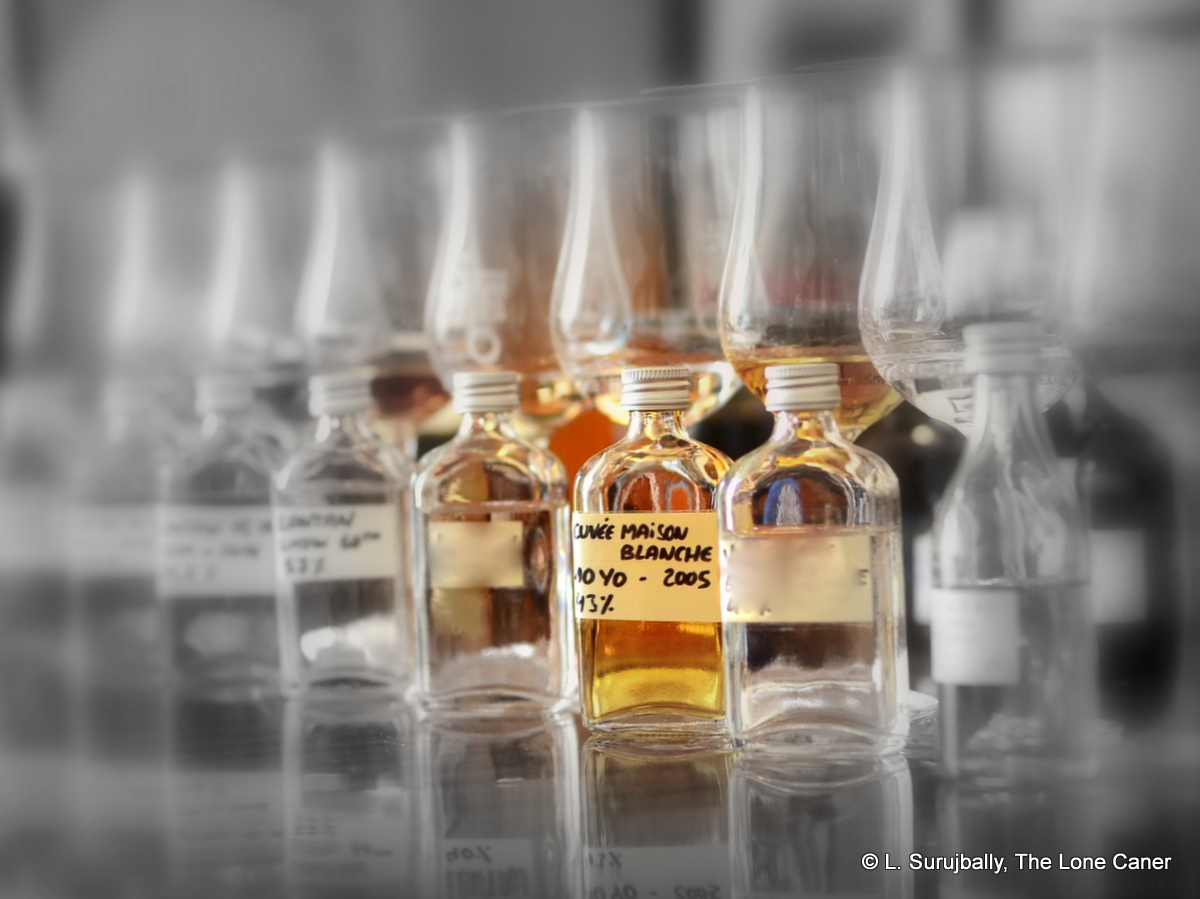
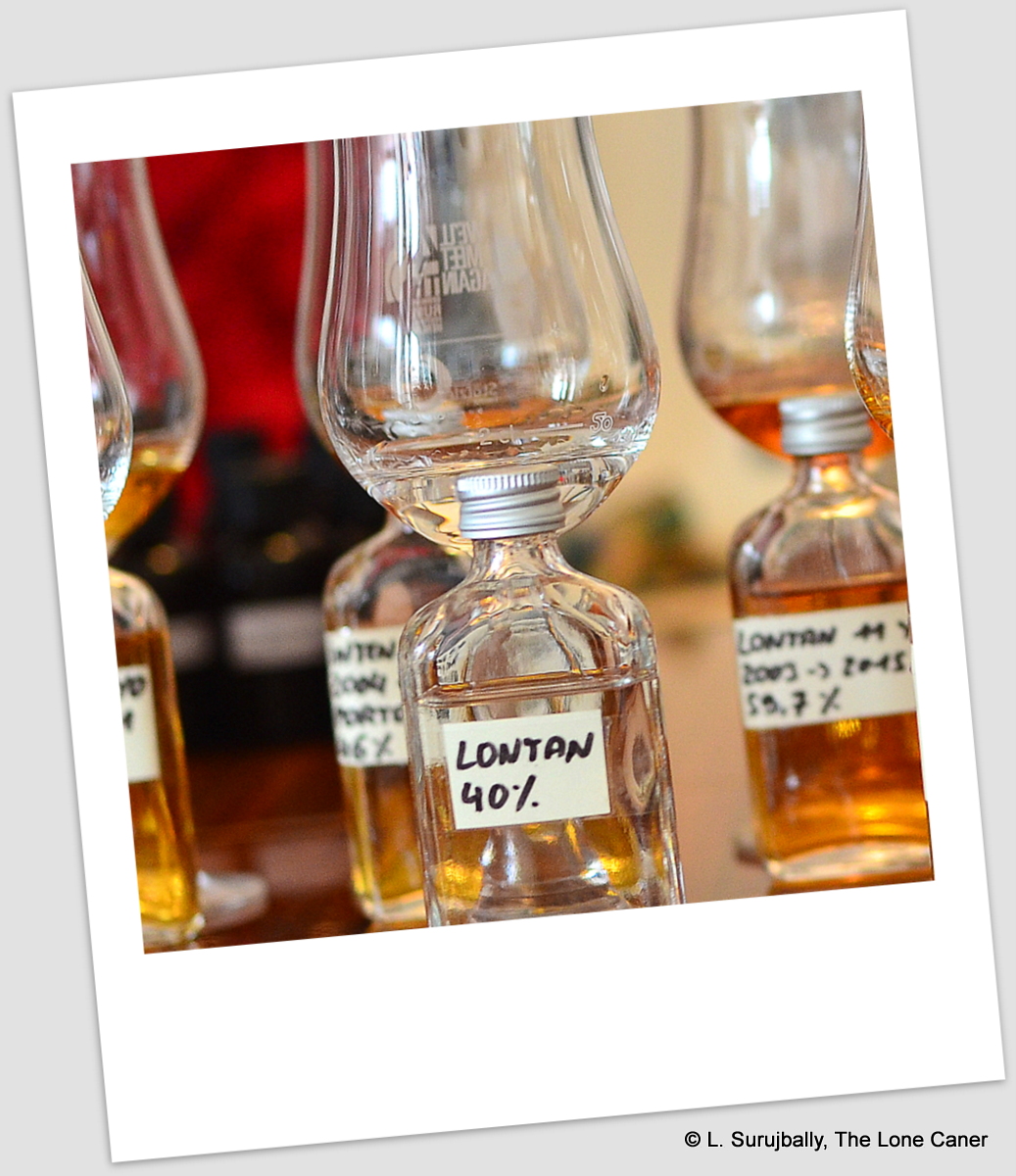
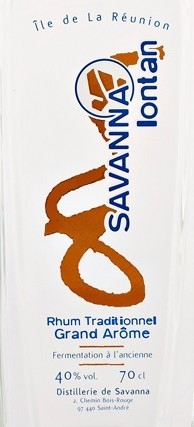 The word “Lontan” is difficult to pin down – in Haitian Creole, it means “long” and “long ago” while in old French it was “lointain” and meant “distant” and “far off”, and neither explains why Savanna picked it (though many establishments around the island use it in their names as well, so perhaps it’s an analogue to the english “Ye Olde…”). Anyway, aside from the traditional, creol, Intense and Metis ranges of rums (to which have now been added several others) there is this Lontan series – these are all variations of Grand Arôme rums, finished or not, aged or not, full-proof or not, which are distinguished by a longer fermentation period and a higher ester count than usual, making them enormously flavourful.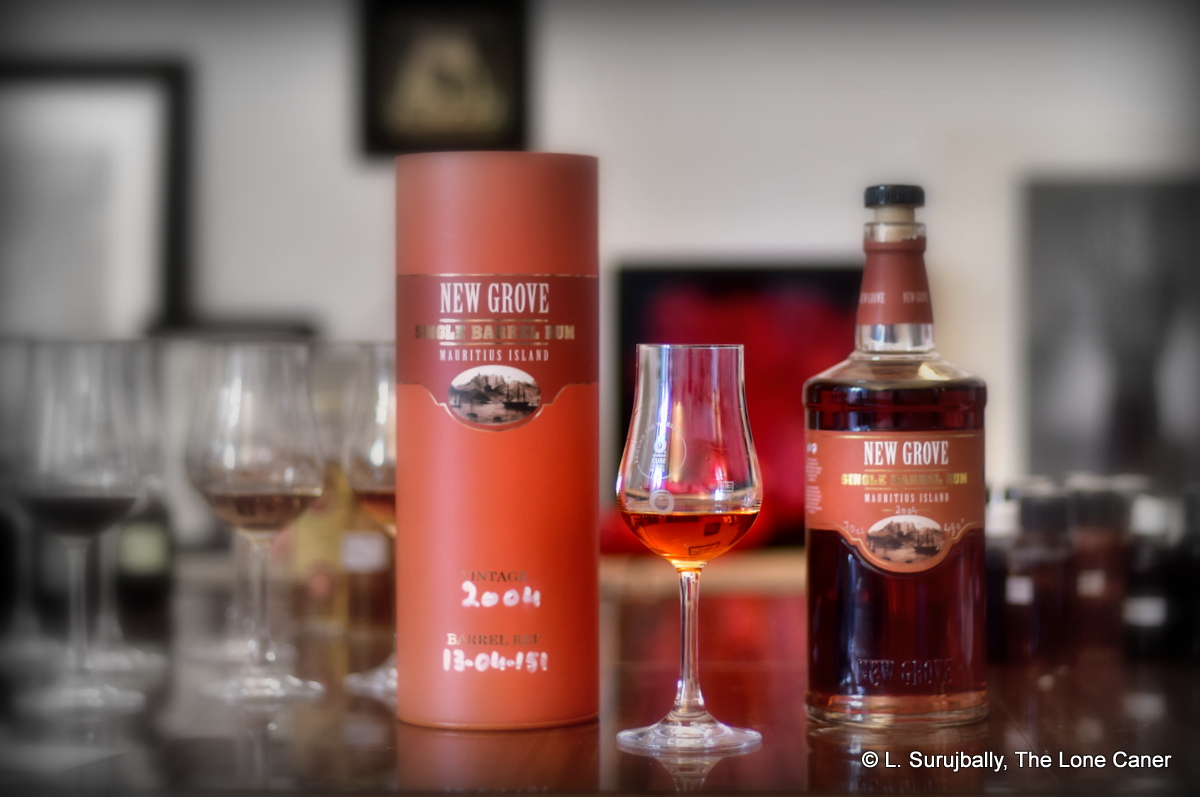
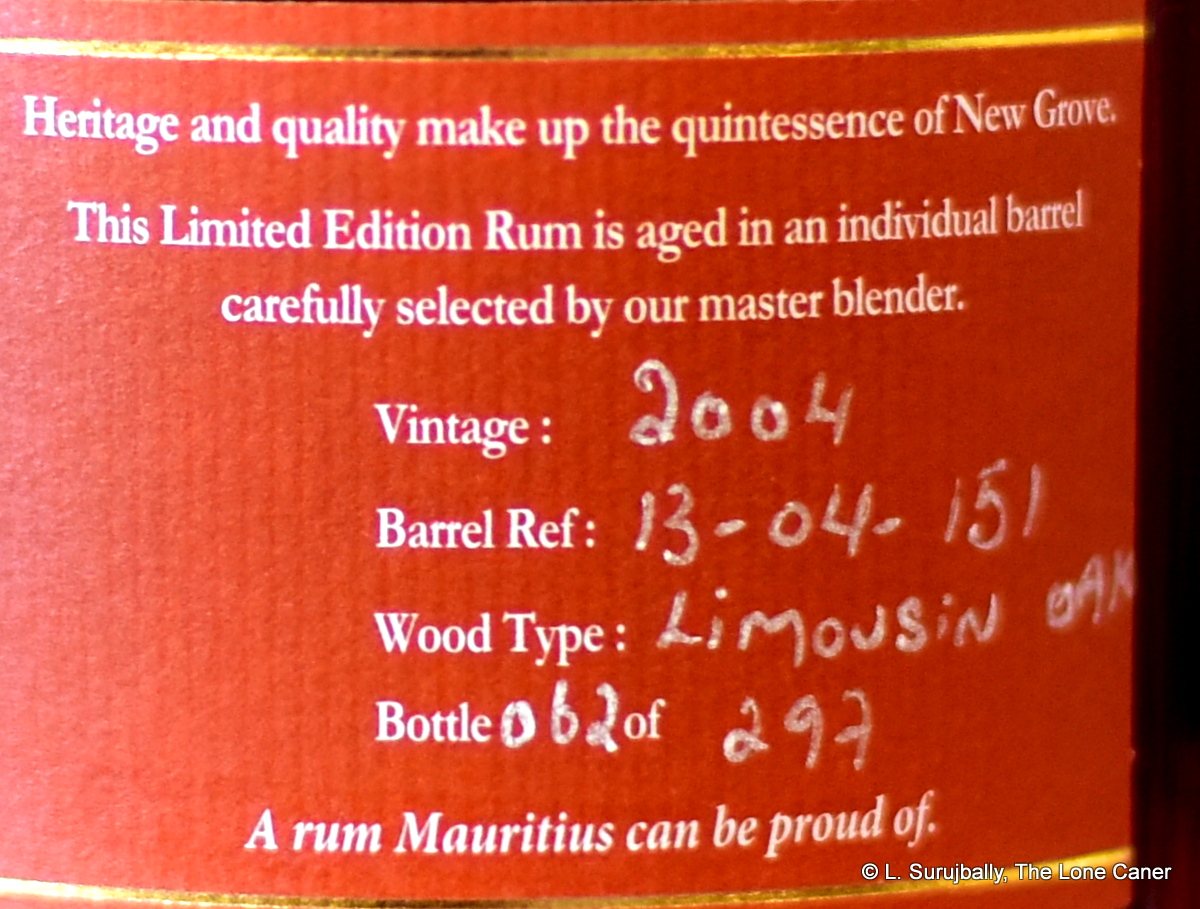
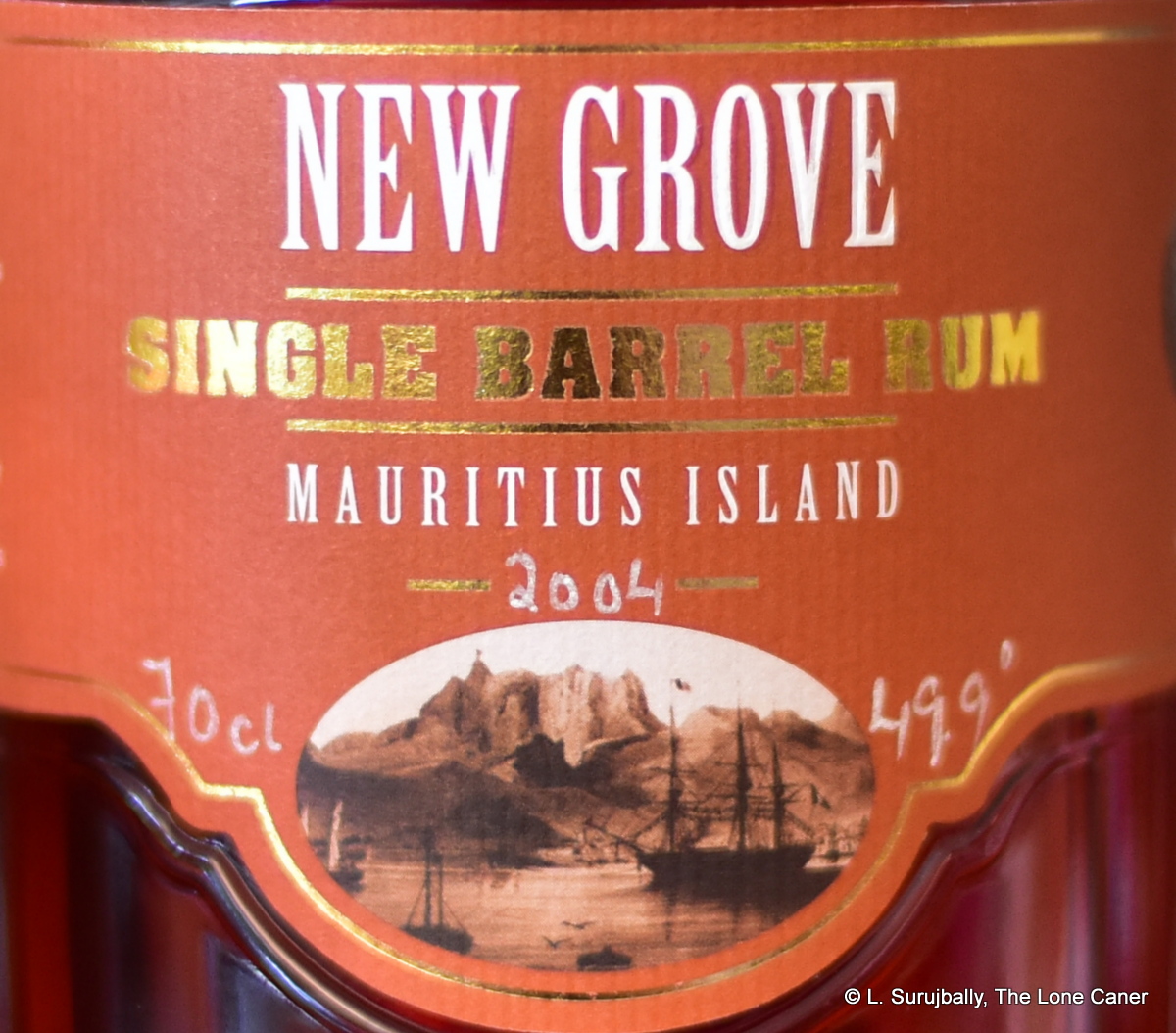 Although cold stats alone don’t tell the tale, I must confess to being intrigued, since a primary producer’s limited single-barrel expressions tend to be somewhat special, something they picked out for good reason. That felt like the case here – the initial smell was delicious, of burnt oranges and whipped cream (!!), a sort of liquid meringue pie if you will. It negotiated the twists and turns of tart and mellower aromas really well: honey, fruits, raisins, green apples, grapes,and ripe peaches. There was never too much of one or the other, and it was all quite civilized, soft and even warm
 Background history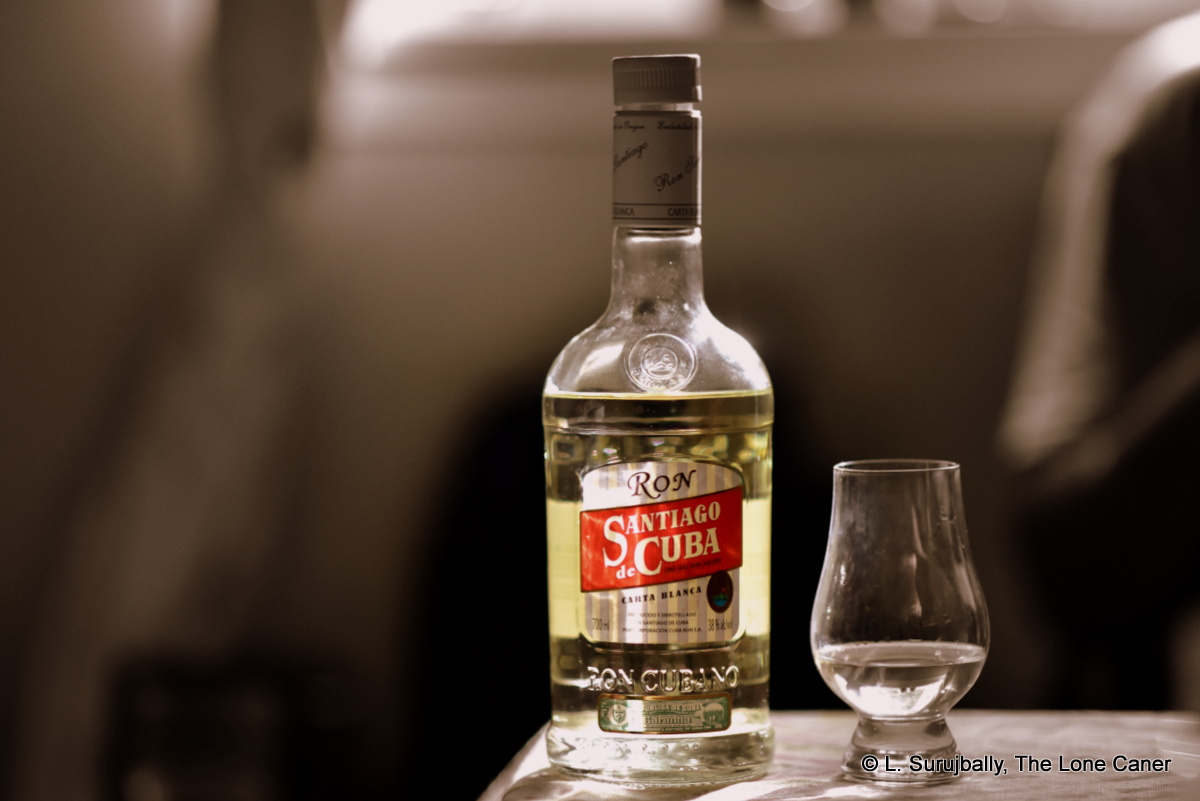
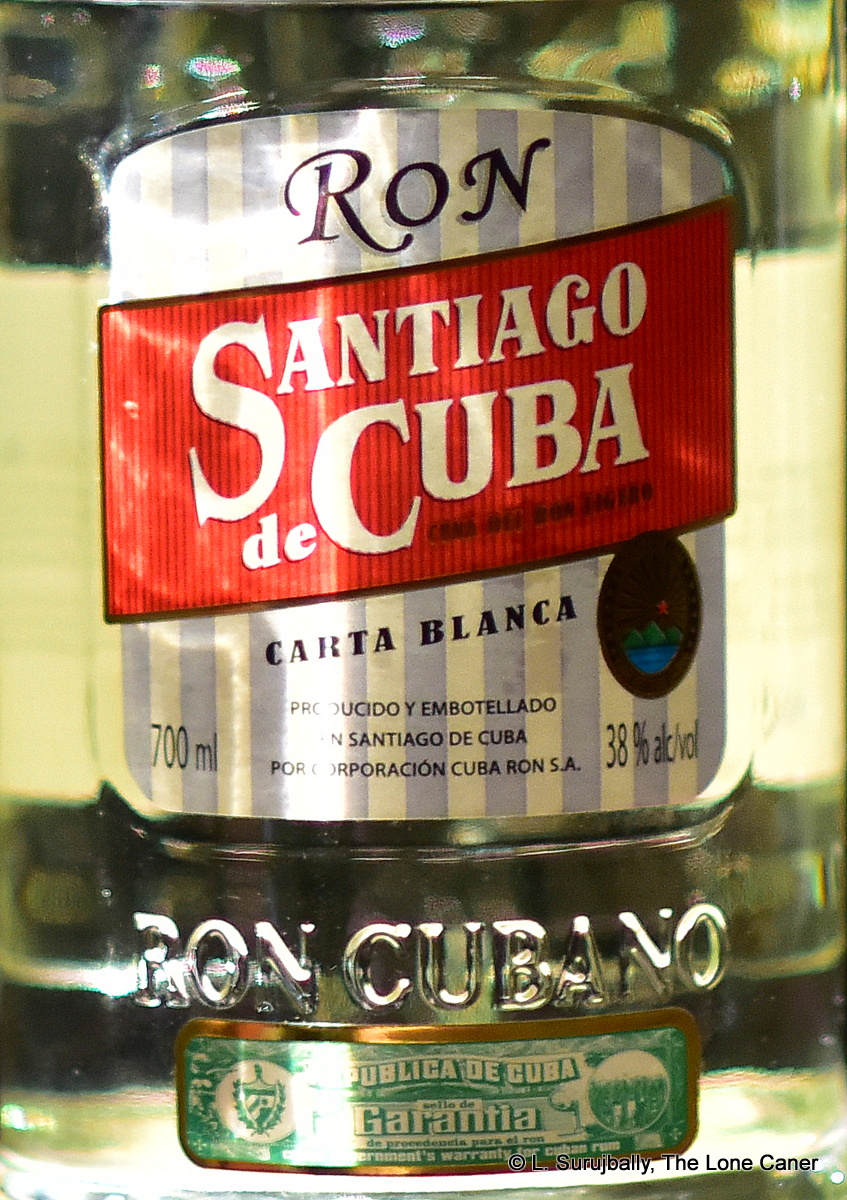 As for the taste when sipped, “uninspiring” might be the kindest word to apply. It’s so light as to be nonexistent, and just seemed so…