Damn but this rum is strong. Standard strength among the cognoscenti has been drifting up from 40% to nearly 50% (give or take), with the low sixties selling well, and the high sixties occasionally spotted running in the wild. But over 70% ABV, and we’re entering more rarefied territory. When people see one of these, they cross themselves like Supes when he sees green kryptonite. A sip of one, and you know what it’s like to be t-boned by a fully-armoured SUV carrying a banana-republic dictator. And all his no-neck bodyguards.
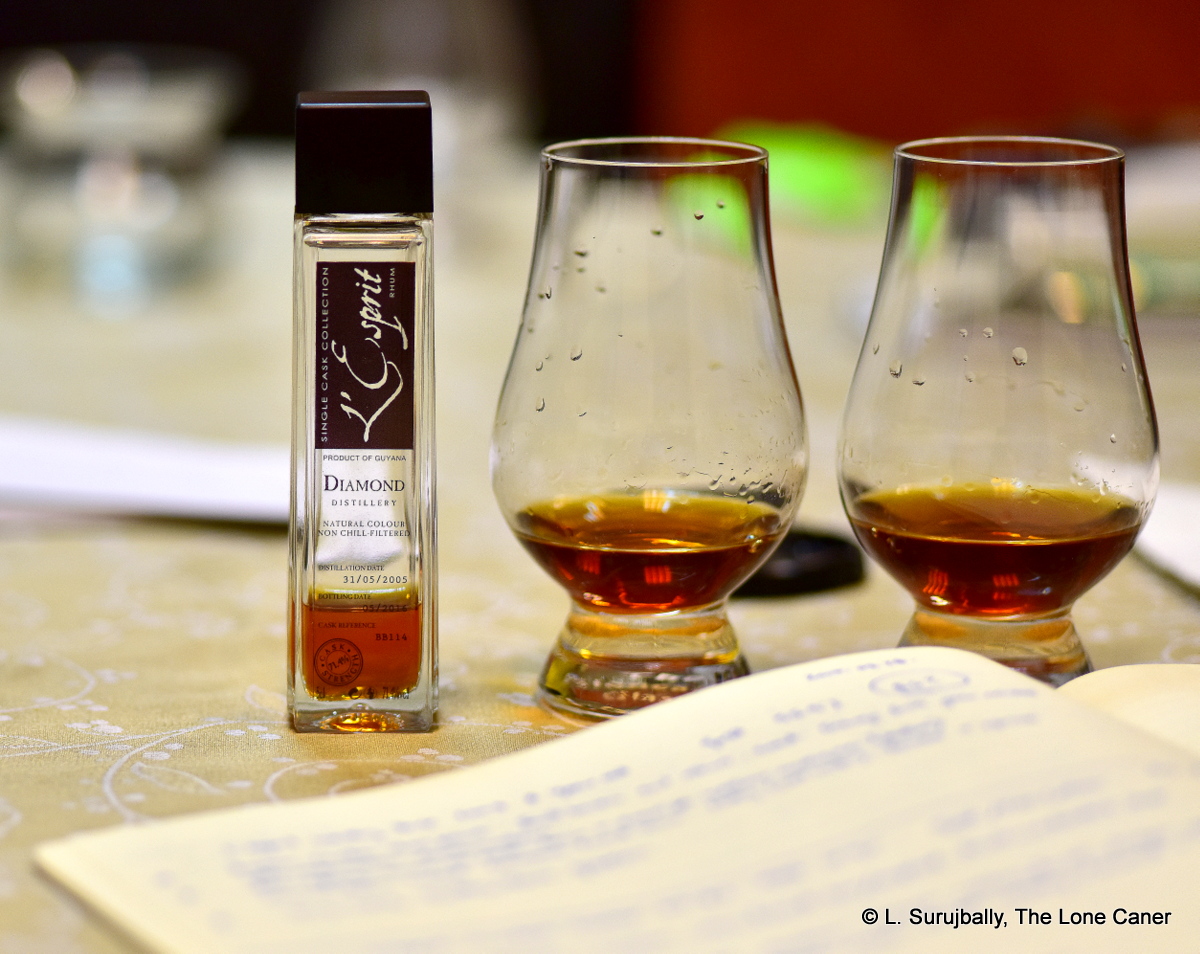
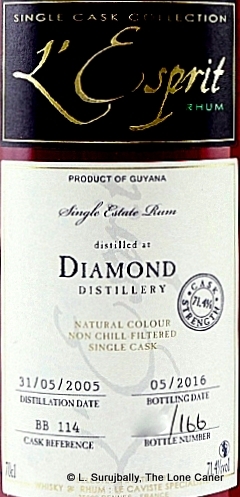 What’s all the more astounding about L’Esprit’s Guyanese Diamond 11 year old which was released at 71.4% ABV and hit the shelves about three years ago (and sank without a ripple) is how really, surprisingly, forehead-smackingly good it is. It’s the sort of rum that makes me want to rush straight over to your table, babbling and drooling, waving my hands wildly in the air and suggesting — nay, demanding — that you take a sip, just to see if I was out to lunch, or telling you the God’s honest.
Think I jest? Well, maybe a bit. Still…just crack the bottle and give it a smell, if you please. Release the halitotic pachyderm. What you immediately get from this is a thick bellowing snort of licorice, wood sap, chocolate and coffee, varnish, freshly baked bread liberally coated with salt butter, vanilla and molasses, all the thick and musky notes Guyana is famous for. It’s just huge, solid as a sledge and as hard-hitting, and that’s before the sweet marshmallows and dark fruits kick in – dates, raisins, peaches, plums, black cake. Oh yeah, and in the background there’s some glue, paint, varnish, turpentine, all lurking behind like toughs in an alleyway, knuckle dusters at the ready.
As for the taste, well: that was suitably shattering, and humorous metaphors and masochism aside, the truth is that taking it neat is kind of fun. It’s thick and heavy and intense – of course it is – but by no means undrinkable, and one can spend a whole hour separating out the tasting notes: what I got was caramel ice cream, molasses, Danish butter cookies and maple syrup, followed by chocolate, coffee grounds, vanilla, licorice, freshly ground black pepper, a little brine, and with water these emerge much more forcefully. The strength mutes the vague sweetness a bit, and the overall balance is excellent, with complex interlocking elements that I really enjoyed. When I got to the finish, I was almost sorry the experience was over: it was long and hot but not viciously sharp, exhaling chocolate, caramel, cocoa, raisins, and a vein of sweet dark sugar running through the whole experience like a blade.
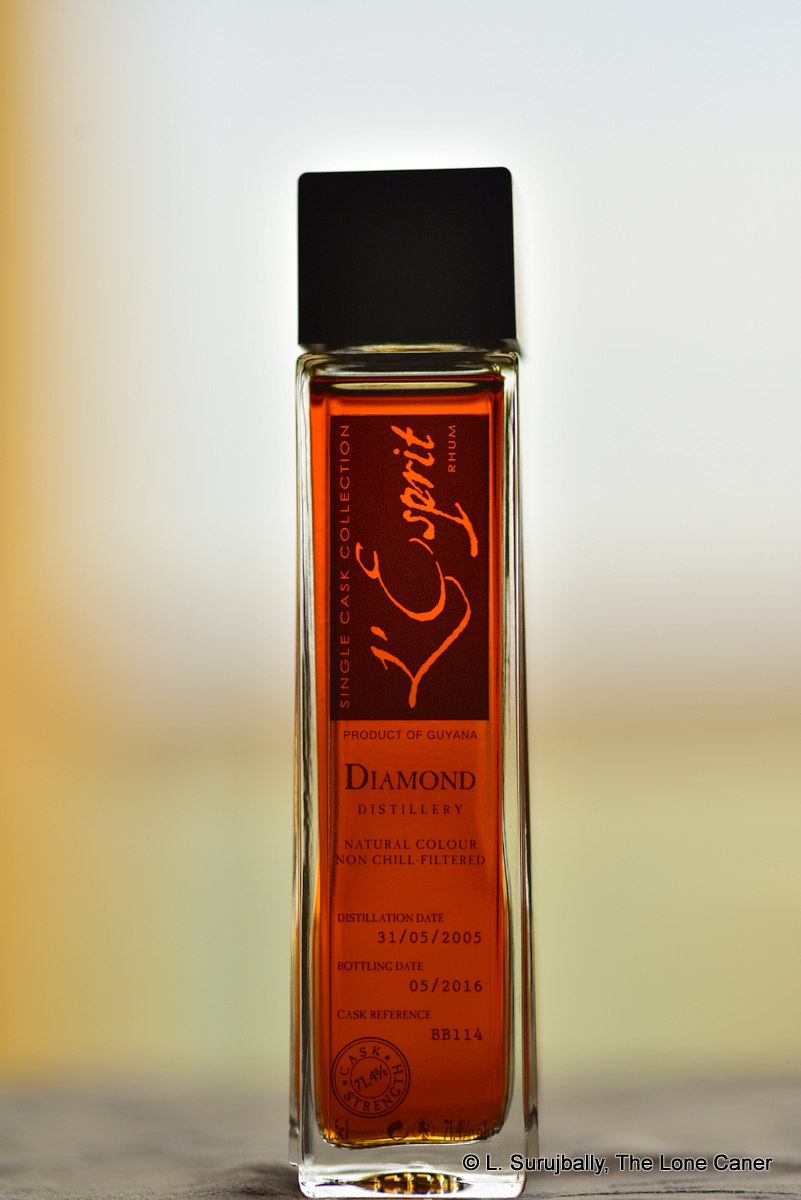 Based on how it initially nosed, I started out believing this was a wooden still — by the end, I was no longer so sure. The profile actually reminded me more of the Uitvlught 1996, or even DDL’s new 2018 Skeldon and Albion Rares (and, perhaps in a stretch, the old ones). After all, although the rum is labelled “Diamond”, all the stills are located at the estate of the same name these days, so it could mean anything. In the end Tristan did confirm that the rum was pure Diamond-column-still hooch, and given the flexibility of what can come off that thing, I can only assume that they dialled in the settings to “Uitvlught”, set it to “11” and pulled the trigger.
DDL ceased exports of bulk rum from the wooden stills a year or two back, and the word has seeped out to the Rumiverse that we’d better get existing wooden still indie rums from Guyana quick time, because one day they’ll run out. Yet if rums of such quality as L’Esprit has found here can come off the other still, and continue to be exported for independents to bottle and rum lovers to enjoy, then I think we need have no fear that one day we’ll be without pure, cask strength, unique rums from Guyana. L’Esprit has almost never disappointed me with their selections, and this rum, if you can still find it with its limited outturn of 166 bottles, and take a risk with its power, is really damned good and worth seeking out, even if you do flatten a city block or two after you try it.
(#651)(89/100)
Other Notes
- Distilled 31 May 2005, bottled May 2016. Confirmed as being column still. Red brown colour.
- Ageing in Europe, not tropical
- I think that L’Esprit’s sample bottles are really quite superlative, but that’s just me
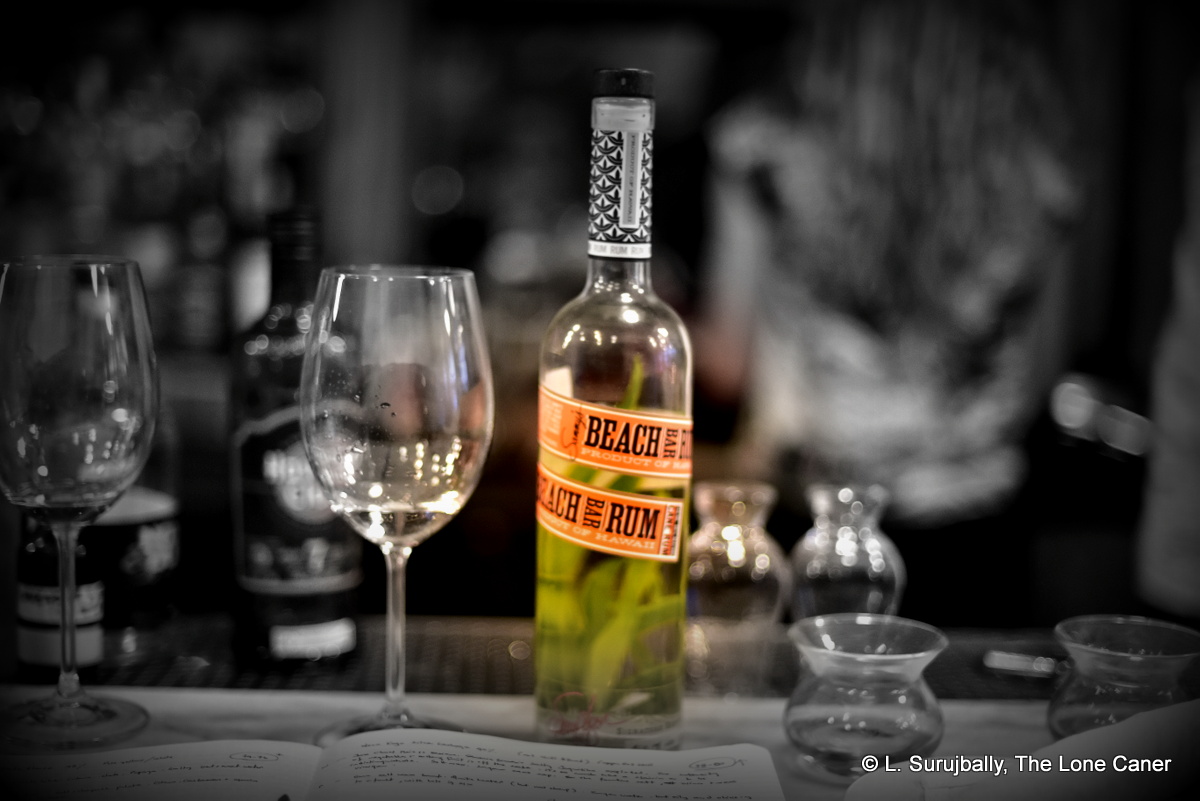
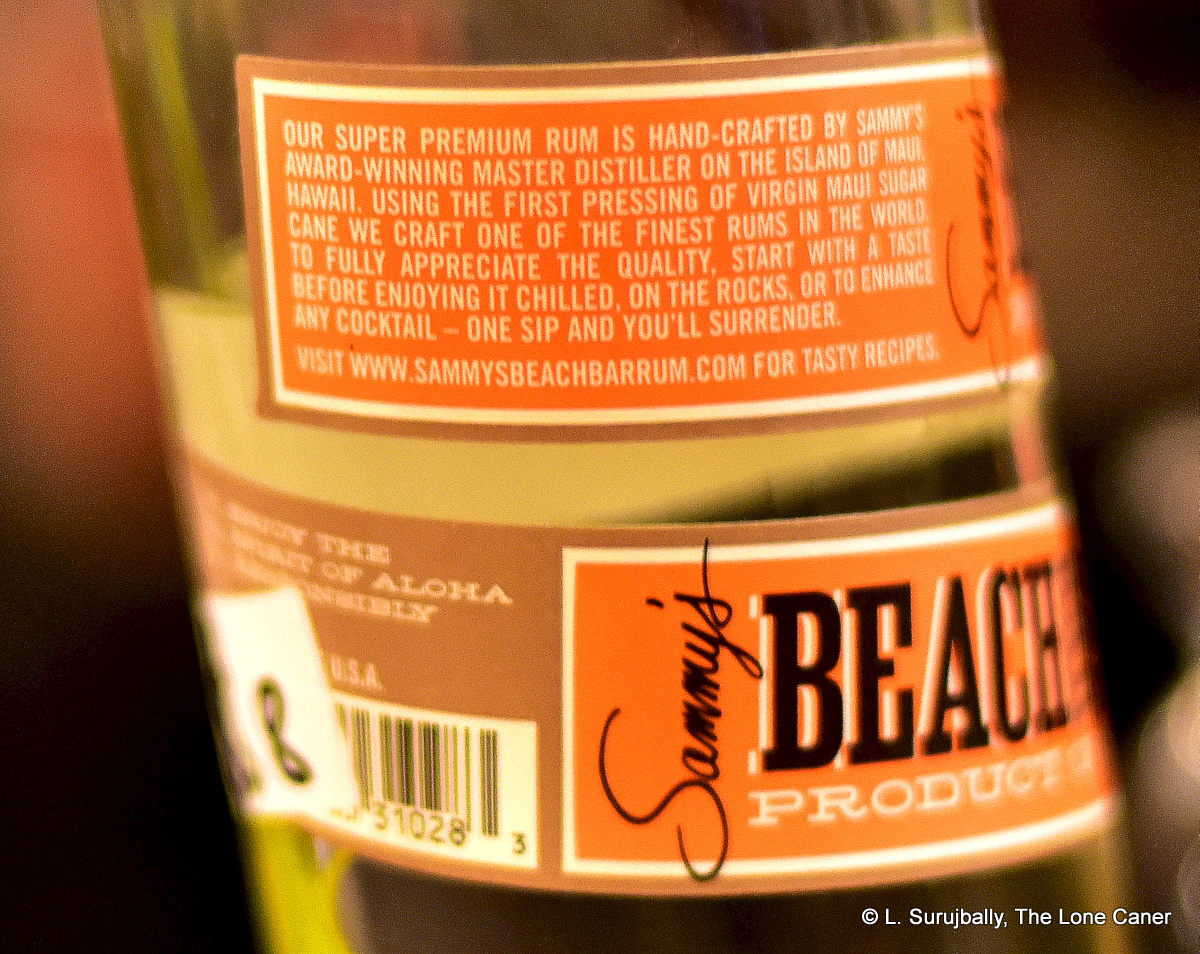 First off, it’s a 40% rum, white, and filtered, so the real question is what’s the source? The back label remarks that it’s made from “first pressing of virgin Maui sugar cane” (as opposed to the slutty non-Catholic kind of cane, I’m guessing) but the
 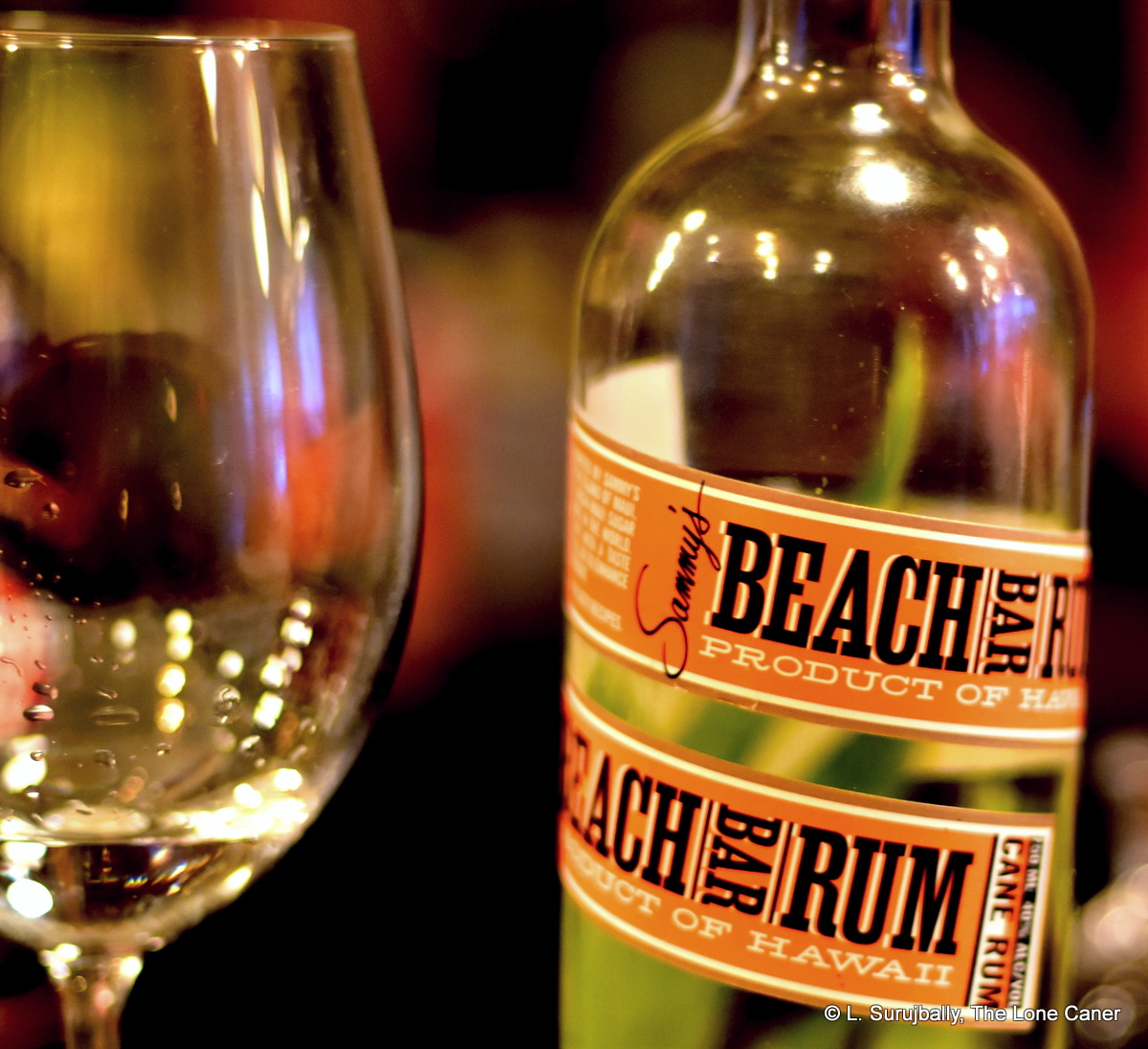 With some exceptions, American distillers and their rums seem to operate along such lines of “less is more” — the exceptions are usually where owners are directly involved in their production processes, ultimate products and the brands. The more supermarket-level rums give less information and expect more sales, based on slick websites, well-known promoters, unverifiable-but-wonderful origin stories and enthusiastic endorsements. Too often such rums (even ones labelled “Super Premium” like this one) when looked at in depth, show nothing but a hollow shell and a sadly lacking depth of quality. I can’t entirely say that about the Beach Bar Rum – it does have some nice and light notes, does not taste added-to and is not unpleasant in any major way – but the lack of information behind how it is made, and its low-key profile, makes me want to use it only for exactly what it is made: not neat, and not to share with my rum chums — just as a relatively unexceptional daiquiri ingredient.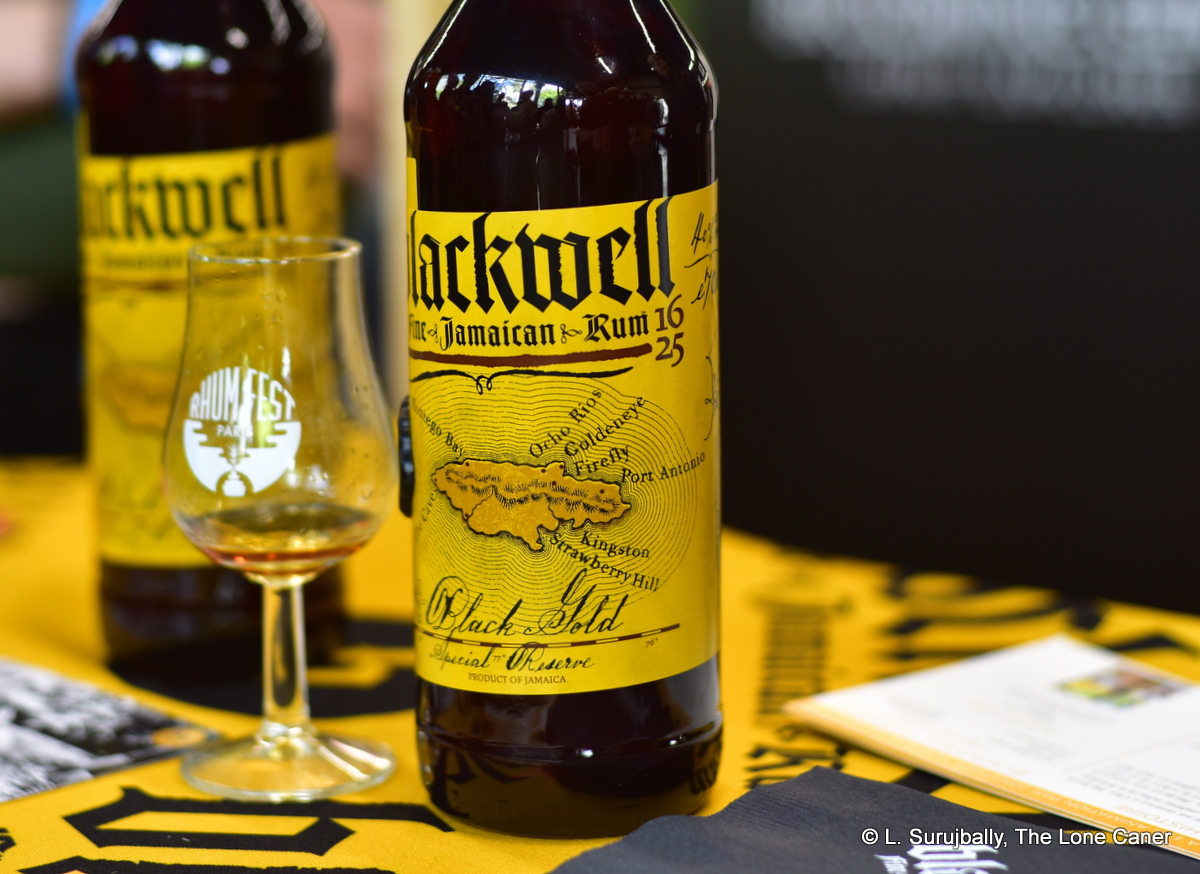
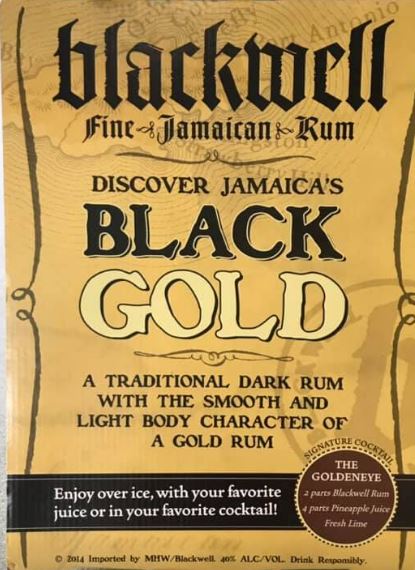 With all due respect to the makers who expended effort and sweat to bring this to market, I gotta be honest and say the Blackwell Fine Jamaican Rum doesn’t impress. Part of that is the promo materials, which remark that it is “A traditional dark rum with the smooth and light body character of a gold rum.” Wait, what? Even Peter Holland usually the most easy going and sanguine of men, was forced to ask in
 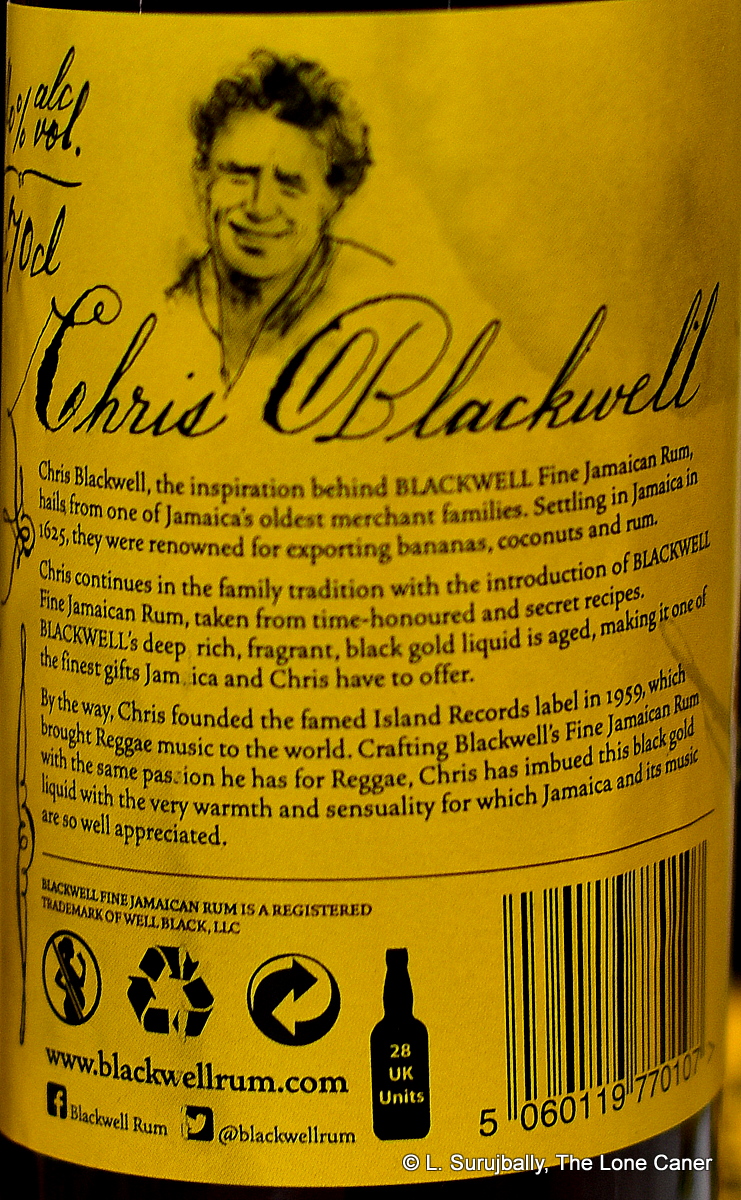 With respect to the good stuff from around the island — and these days, there’s so much of it sloshing about — this one is feels like an afterthought, a personal pet project rather than a serious commercial endeavour, and I’m at something of a loss to say who it’s for. Fans of the quiet, light rums of twenty years ago? Tiki lovers? Barflies? Bartenders? Beginners now getting into the pantheon? Maybe it’s just for the maker — after all, it’s been around since 2012, yet how many of you can actually say you’ve heard of it, let alone tried a shot?
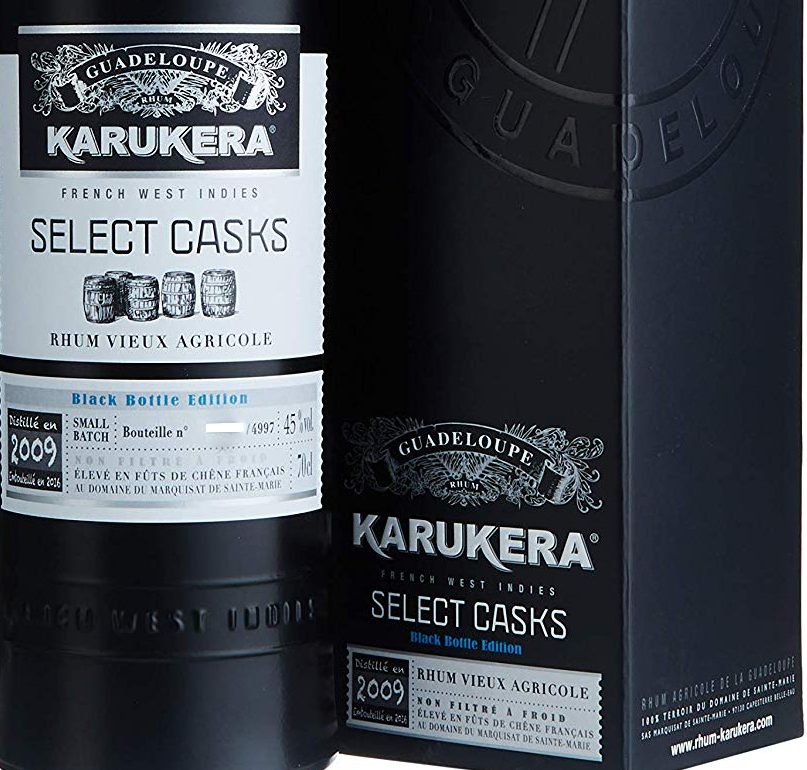
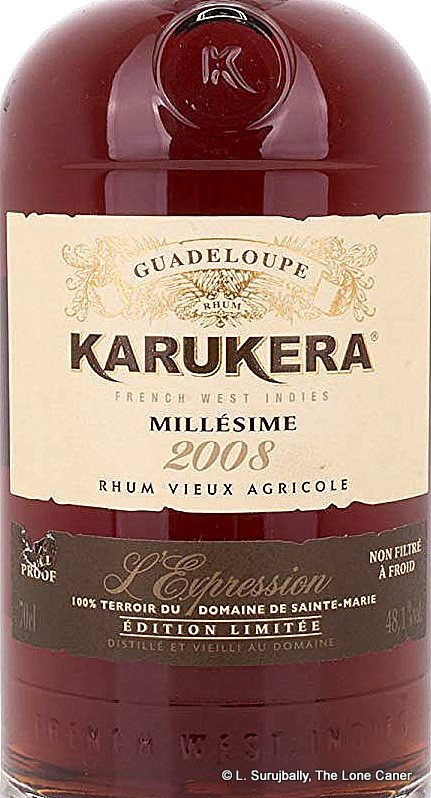 Unlike many aged agricoles that have run into my glass (and down my chin), I found this one to be quite sweet, and for all the solidity of the strength, also rather scrawny, a tad sharp. At least at the beginning, because once a drop of water was added and I chilled out a few minutes, it settled down and it tasted softer, earthier, muskier. Creamy salt butter on black bread, sour cream, yoghurt, and also fried bananas, pineapple, anise, lemon zest, cumin, raisins, green grapes, and a few more background fruits and florals, though these never come forward in any serious way. The finish is excellent, by the way – some vague molasses, burnt sugar, the creaminess of hummus and olive oil, caramel, flowers, apples and some tart notes of soursop and yellow mangoes and maybe a gooseberry or two. Nice.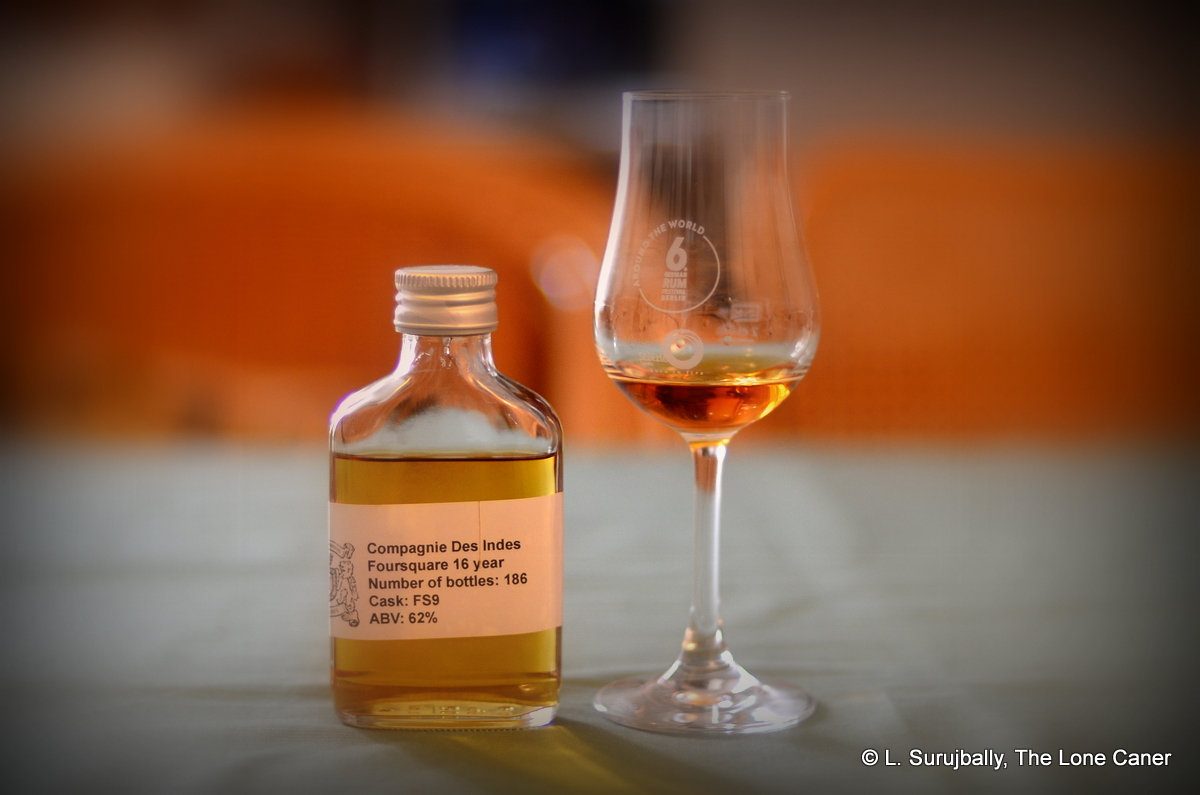
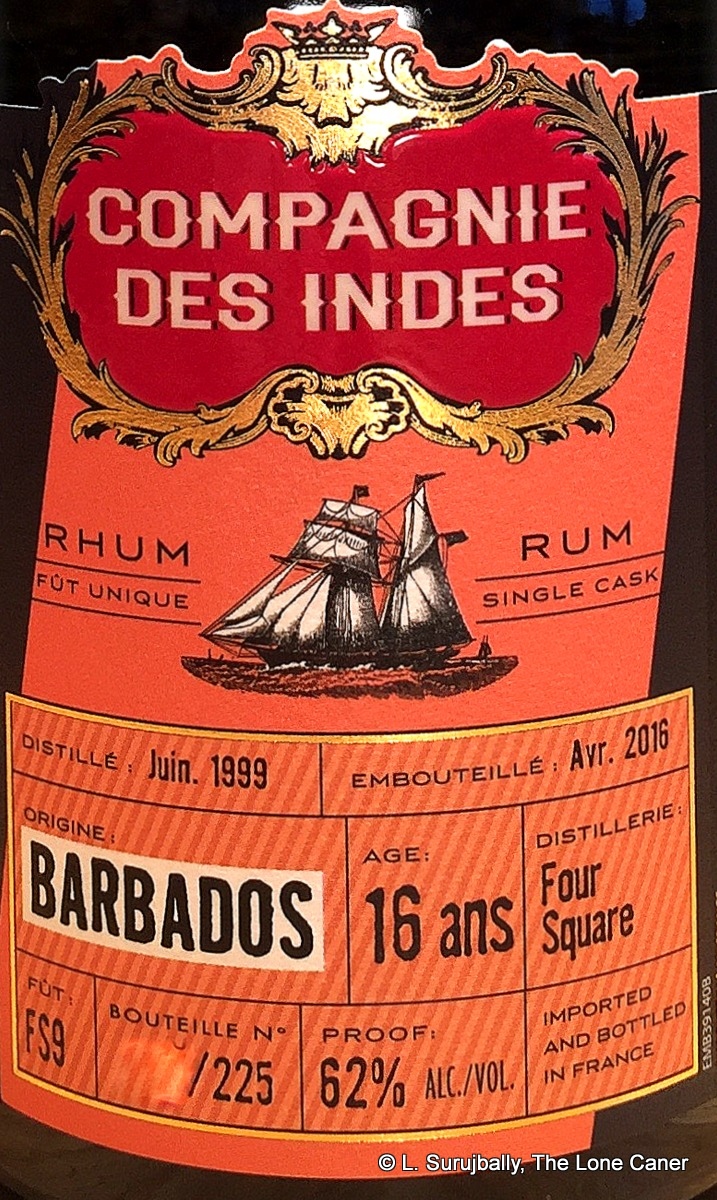 I don’t have any other observations to make, so let’s jump right in without further ado. Nose first – in a word, luscious. Although there are some salty hints to begin with, the overwhelming initial smells are of ripe black grapes, prunes, honey, and plums, with some flambeed bananas and brown sugar coming up right behind. The heat and bite of a 62% strength is very well controlled, and it presents as firm and strong without any bitchiness. After leaving it to open a few minutes, there are some fainter aromas of red/black olives, not too salty, as well as the bitter astringency of very strong black tea, and oak, mellowed by the softness of a musky caramel and vanilla, plus a sprinkling of herbs and maybe cinnamon. So quite a bit going on in there, and well worth taking one’s time with and not rushing to taste.
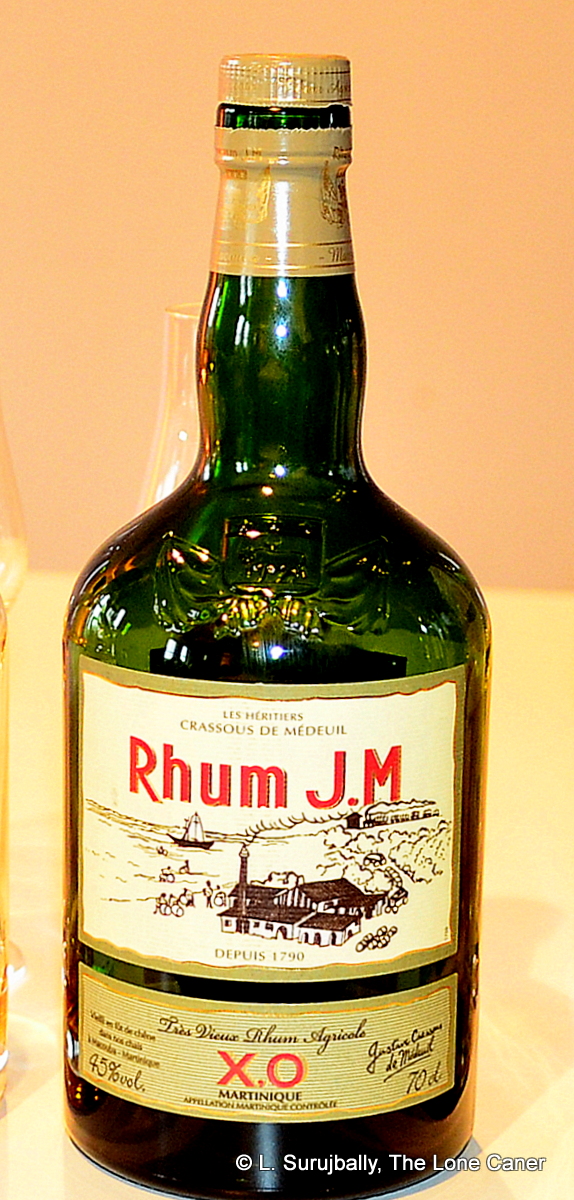 We hear a lot about Damoiseau, HSE, La Favorite and Trois Rivieres on social media, while J.M. almost seems to fall into the second tier of famous names. Though not through any fault of its own – as far as I’m concerned they have every right to be included in the same breath as the others, and to many, it does.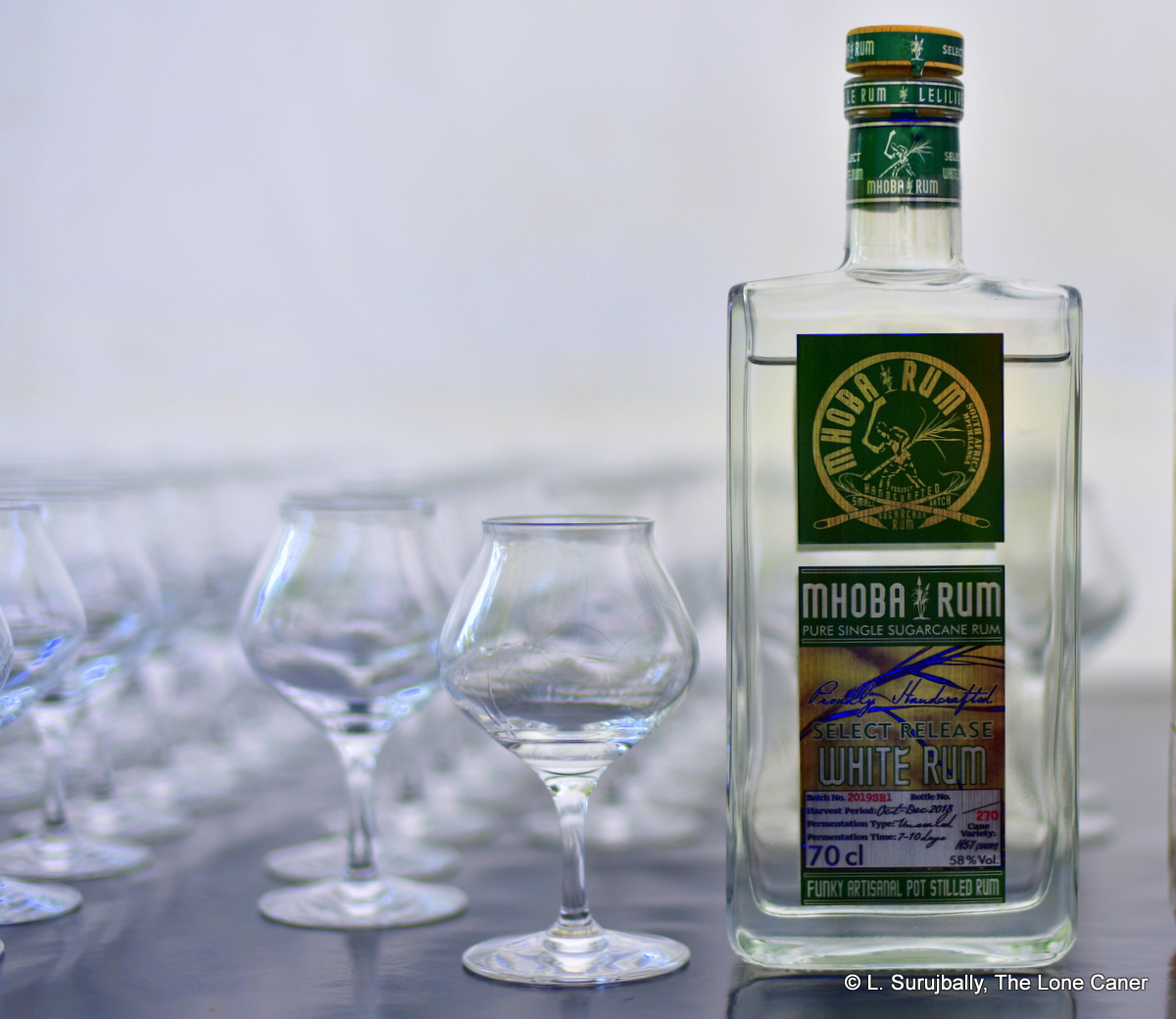
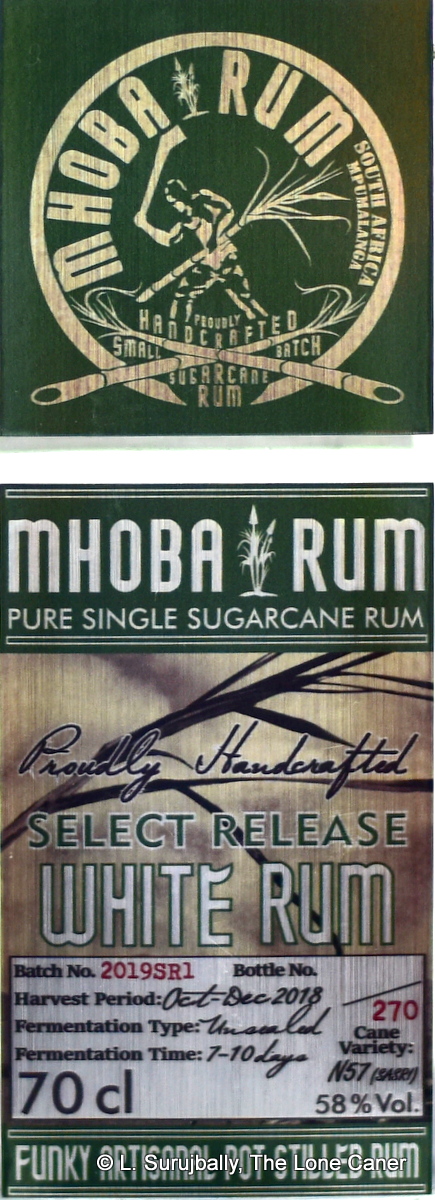 I’ll leave you to peruse Steve’s enormously informative company profile for production details (it’s really worth reading just to see what it takes to start something like a craft distillery), and just mention that the rum is pot still distilled from juice which is initially fermented naturally before boosting it with a strain of commercial yeast. The company makes three different kinds of white rums – pot still white, high ester white and a blended white, all unaged. I tried what is probably the tamest of the three, the Select, which the last one, blended from several cuts taken from batches processed between October to December of 2018 and bottled at 58%. All of this is clearly marked on the onsite-produced label (self-engraved, self-printed, manually-applied), which is one of the most informative on the market: it details batch number, date, strength, variety of cane, still, number of bottles in the run…it’s really impressive work.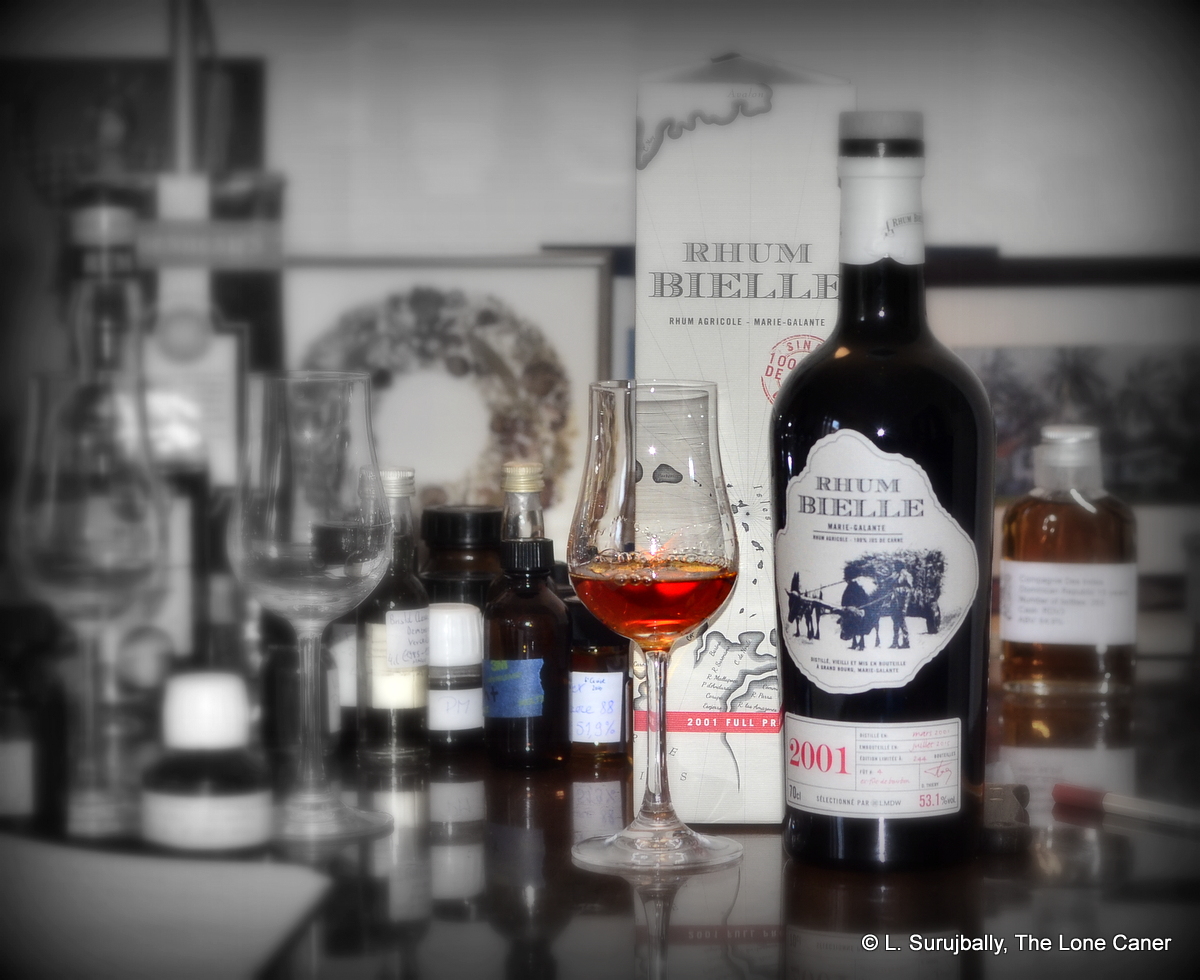
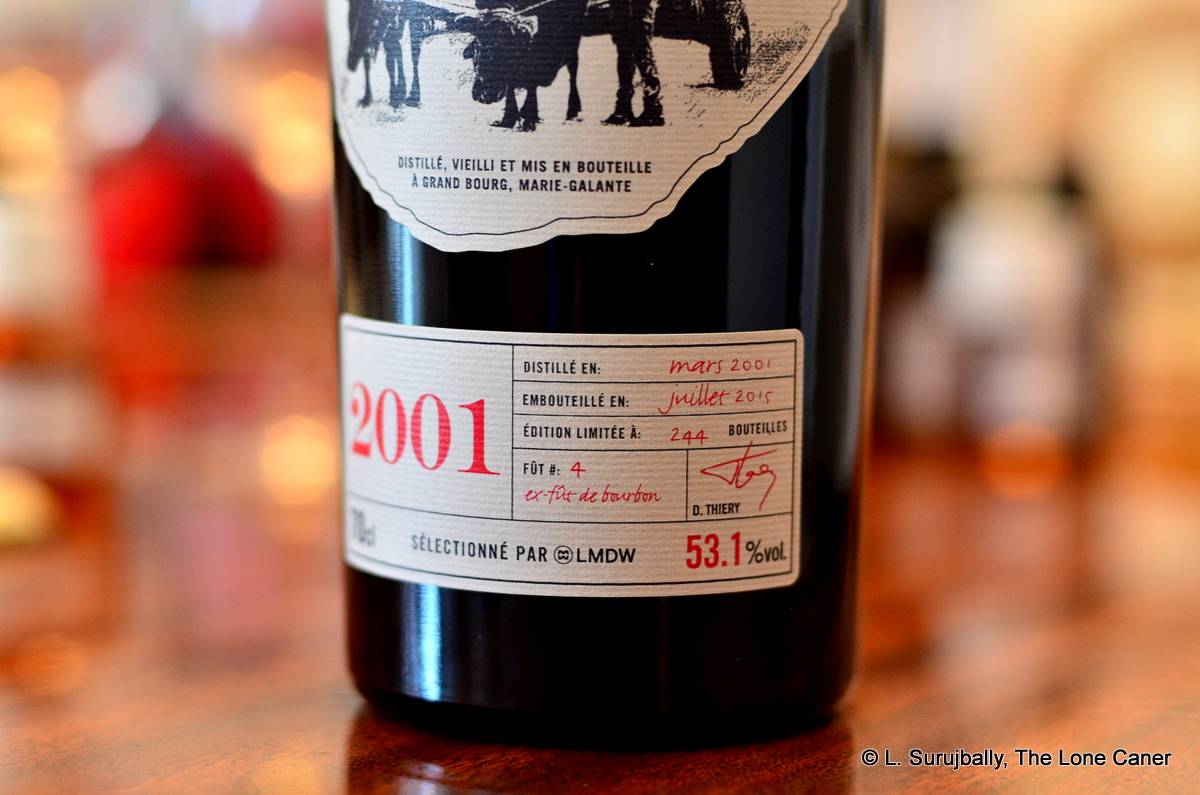
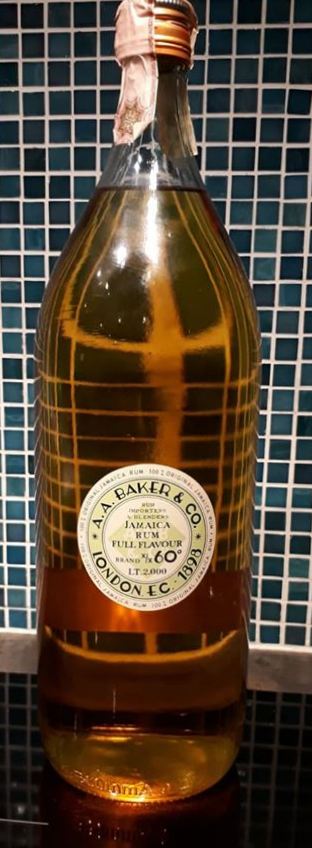
 Could a rum tropically aged for that long be anything but a success? Certainly the comments on the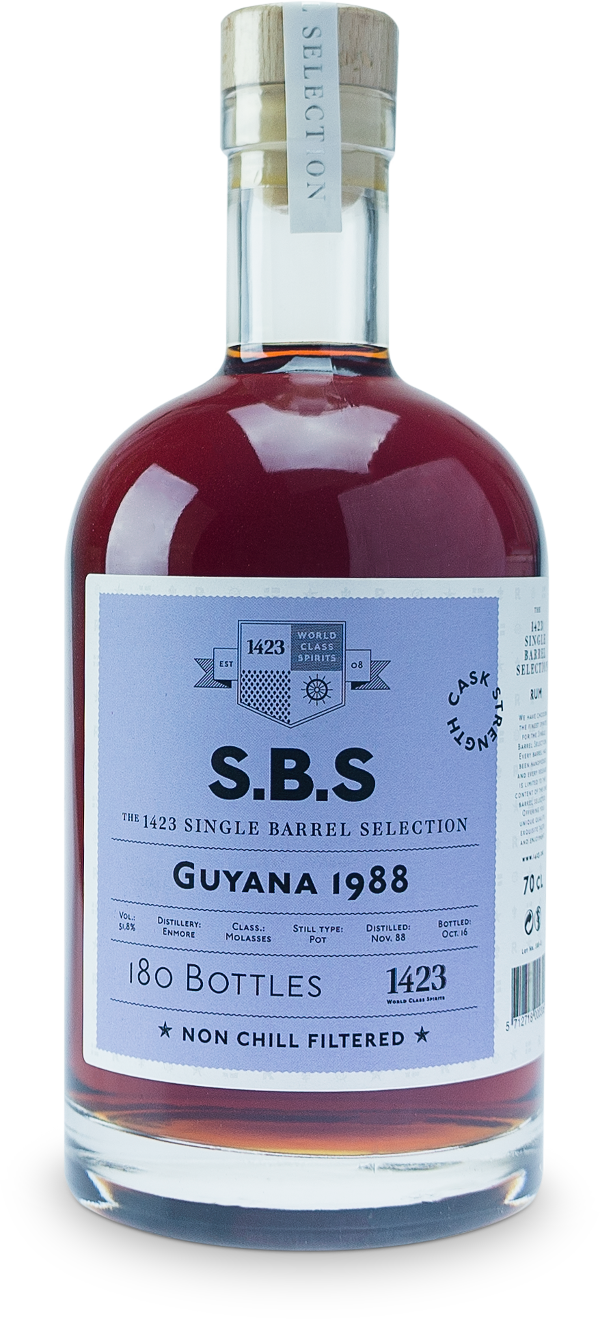
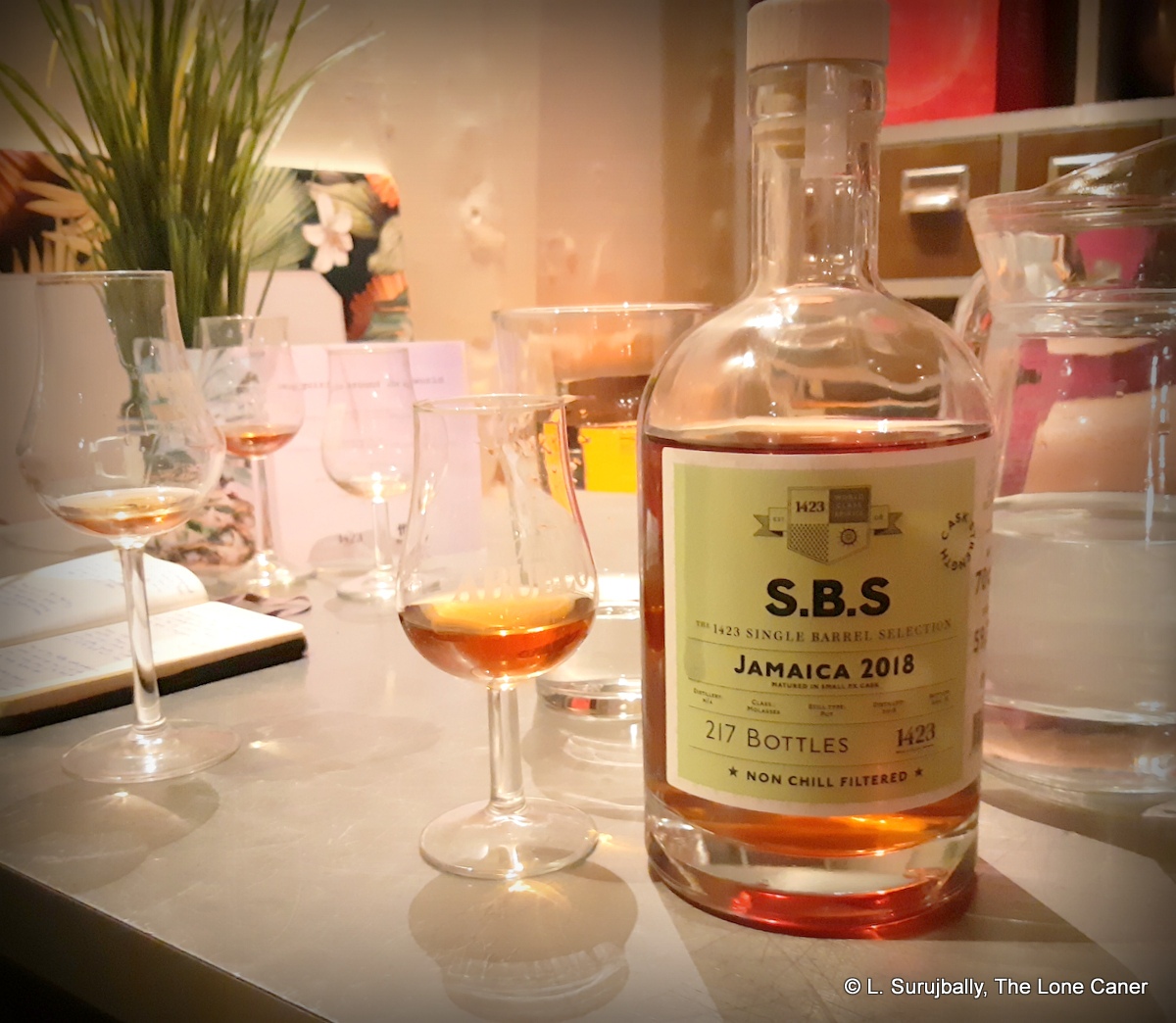
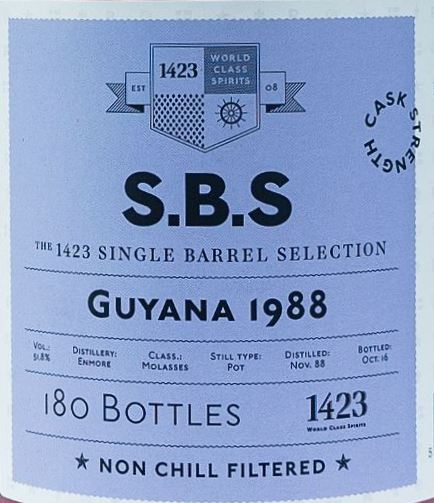 Now, there’s no doubt in my mind that this was as Guyanese as pepperpot and DDL – the real question is, which still made the rum? The label says it’s an Enmore from a pot still, all of SBS’s records (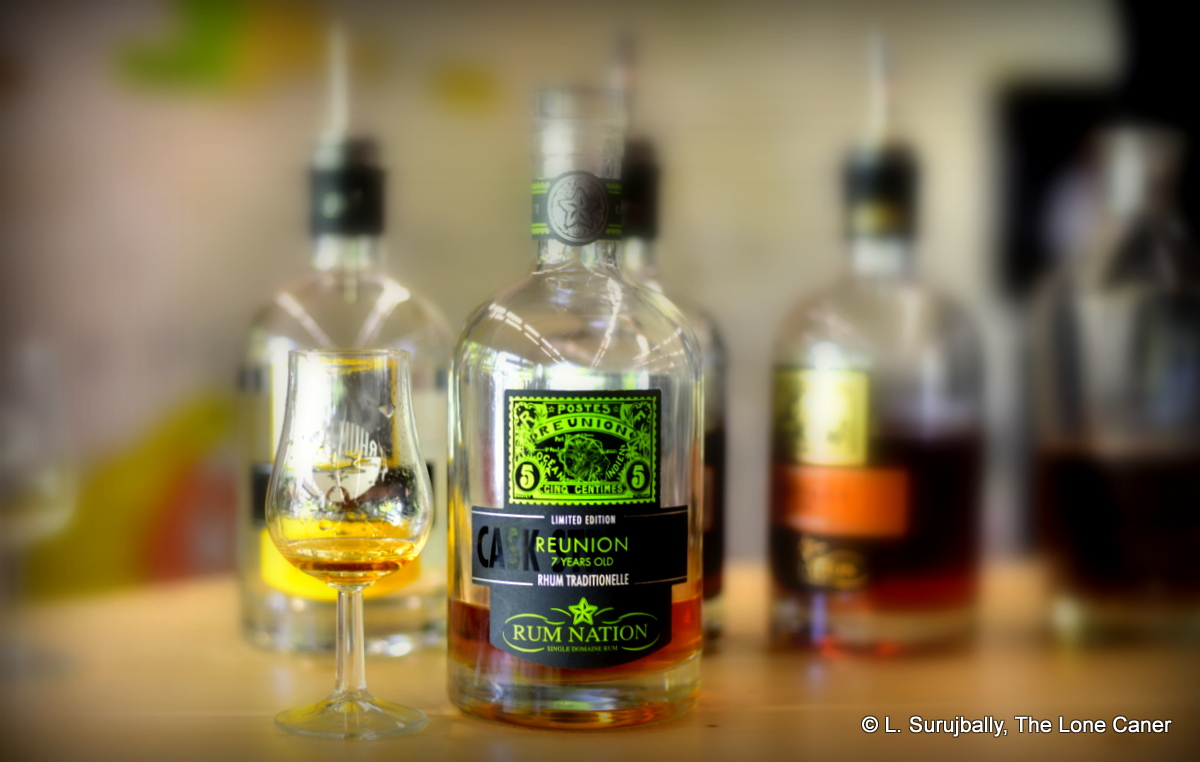
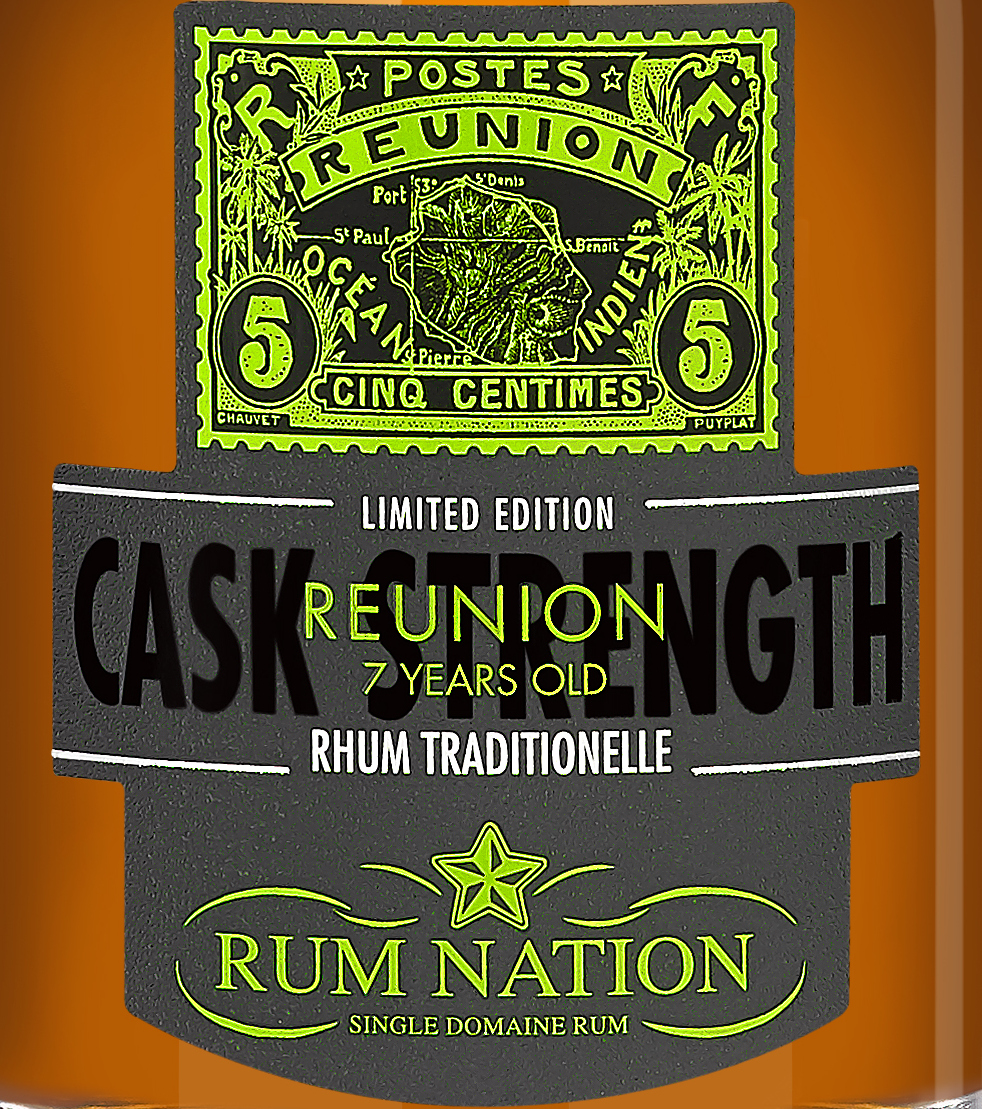
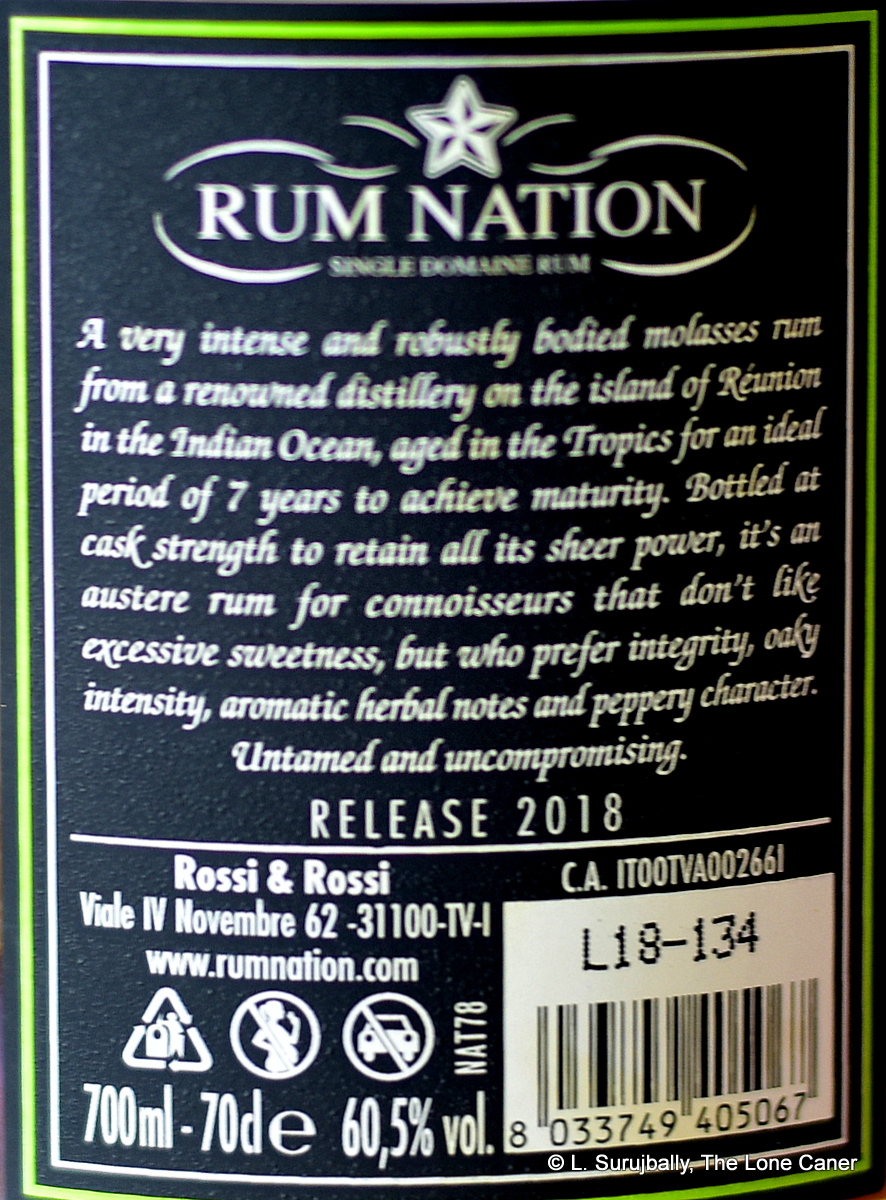 Some rums falter on the taste after opening up with a nose of uncommon quality – fortunately Rum Nation’s Réunion Cask Strength rum (to give it its full name) does not drop the ball. It’s sharp and crisp at the initial entry, mellowing out over time as one gets used to the fierce strength. It presents an interesting combination of fruitiness and muskiness and crispness, all at once – vanilla, lychee, apples, green grapes, mixing it up with ripe black cherries, yellow mangoes, lemongrass, leather, papaya; and behind all that is brine, olives, the earthy tang of a soya (easy on the vegetable soup), a twitch of wet cigarette tobacco (rather disgusting), bitter oak, and something vaguely medicinal. It’s something like a Hampden or WP, yet not — it’s too distinctively itself for that. It displays a musky tawniness, a very strong and sharp texture, with softer elements planing away the roughness of the initial attack. Somewhat over-oaked perhaps but somehow it all works really well, and the finish is similarly generous with what it provides — long and dry and spicy, with some caramel, stewed apples, green grapes, cider, balsamic vinegar, and a tannic bitterness of oak, barely contained (this may be the weakest point of the rum).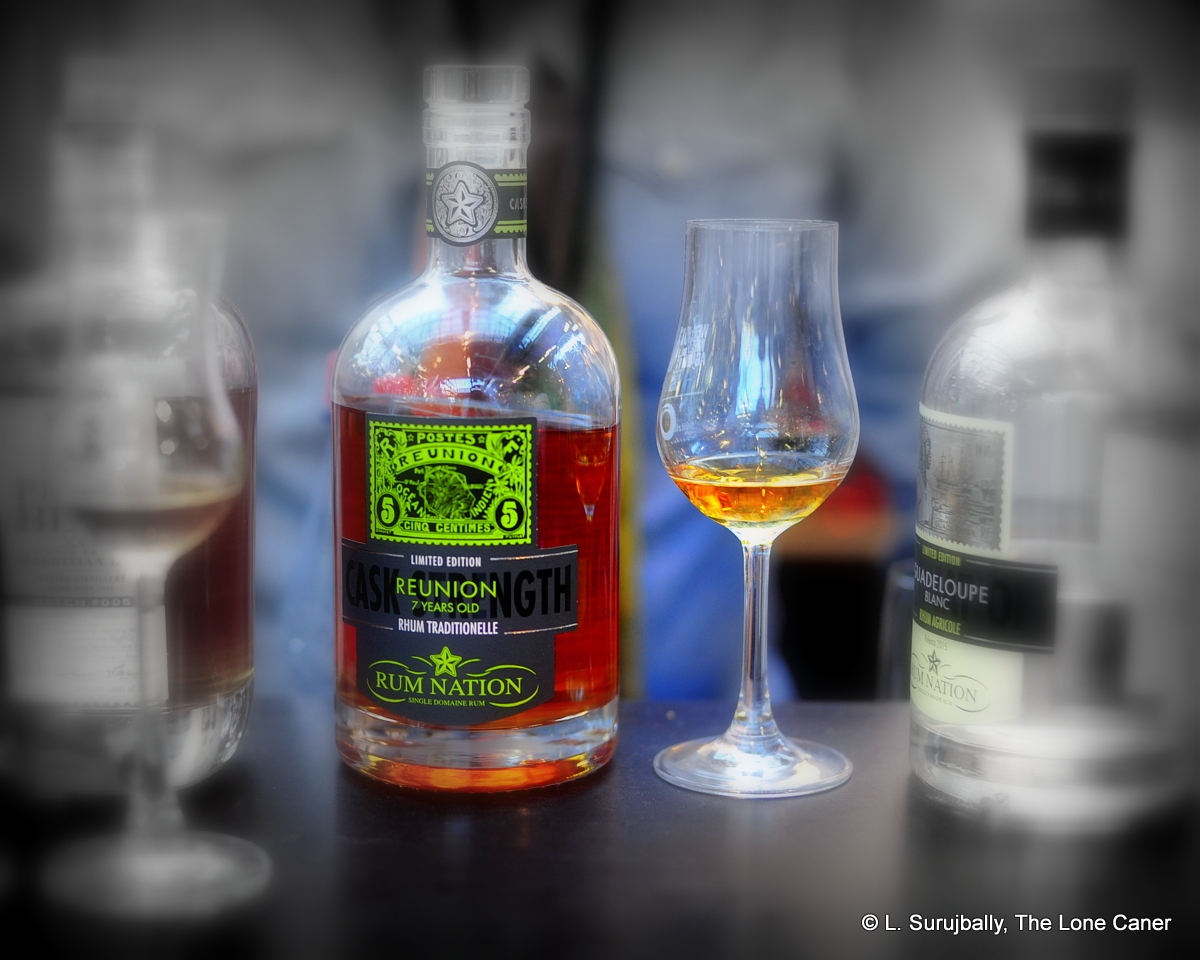
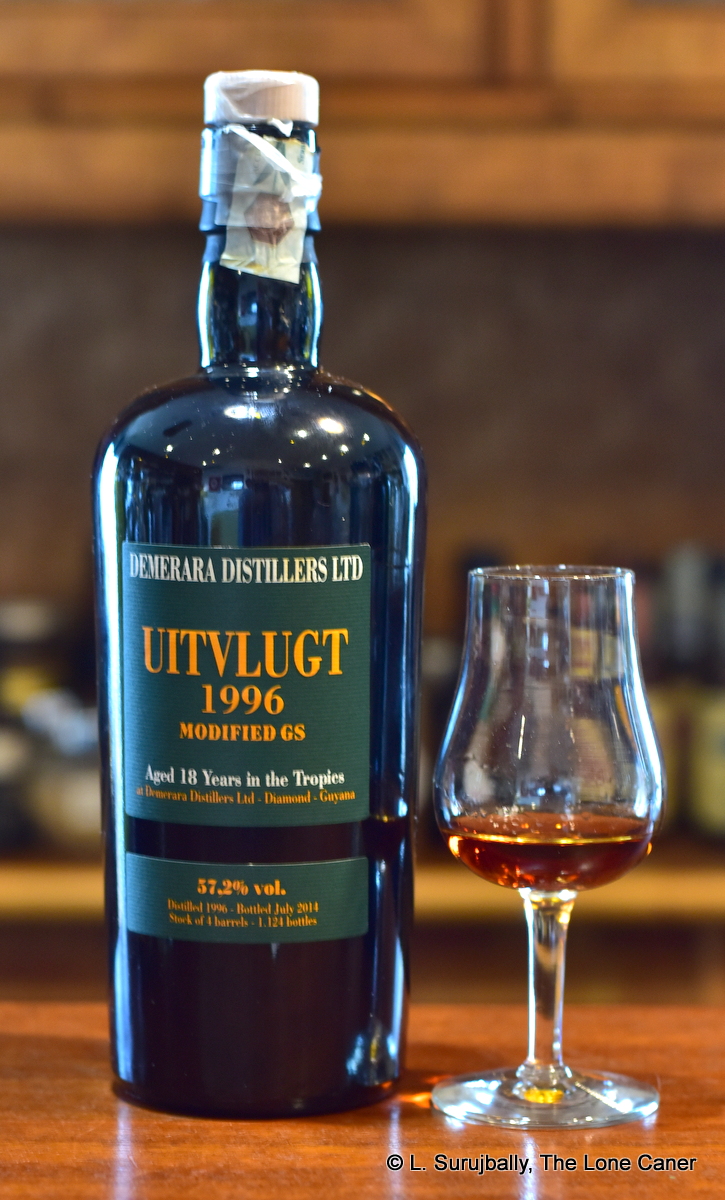 2014 was both too late and a bad year for those who started to wake up and realize that Velier’s Demerara rums were something special, because by then the positive reviews had started coming out the door, the prices began their inexorable rise, and, though we did not know it, it would mark the last issuance of any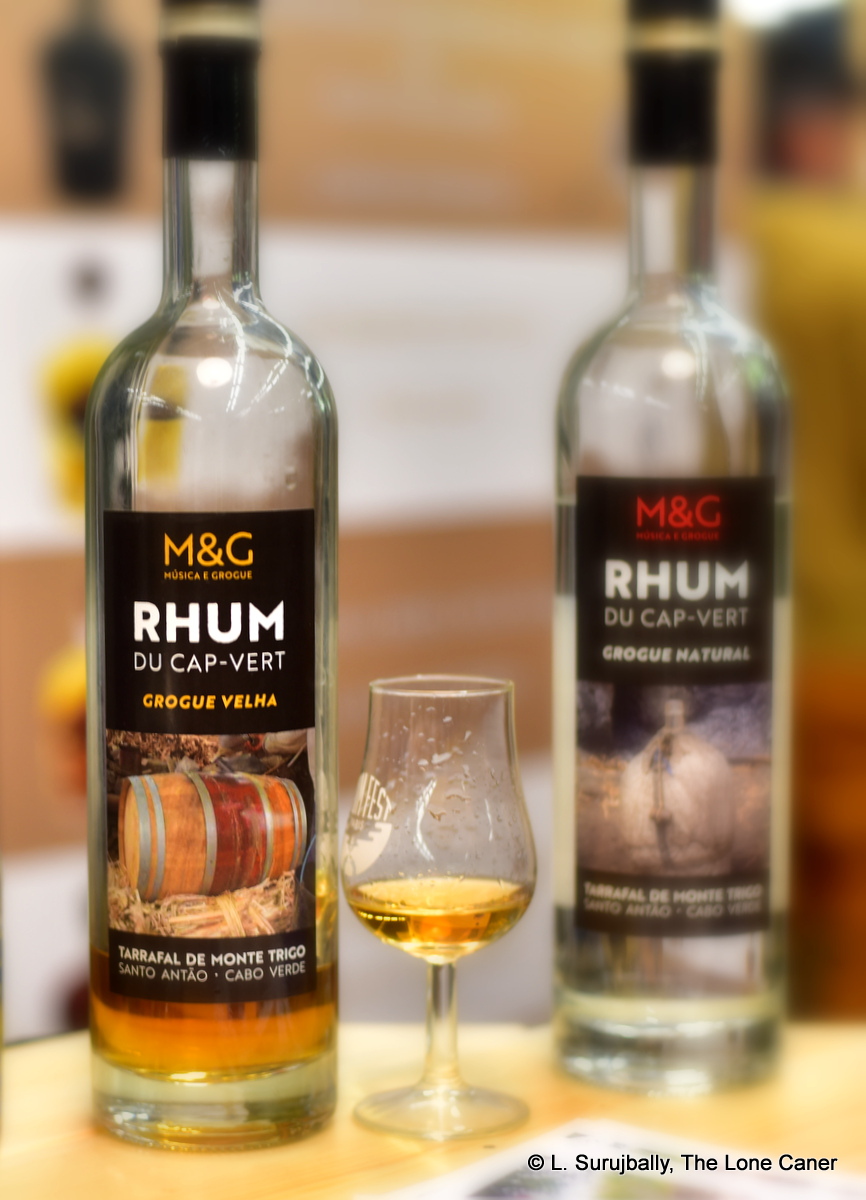
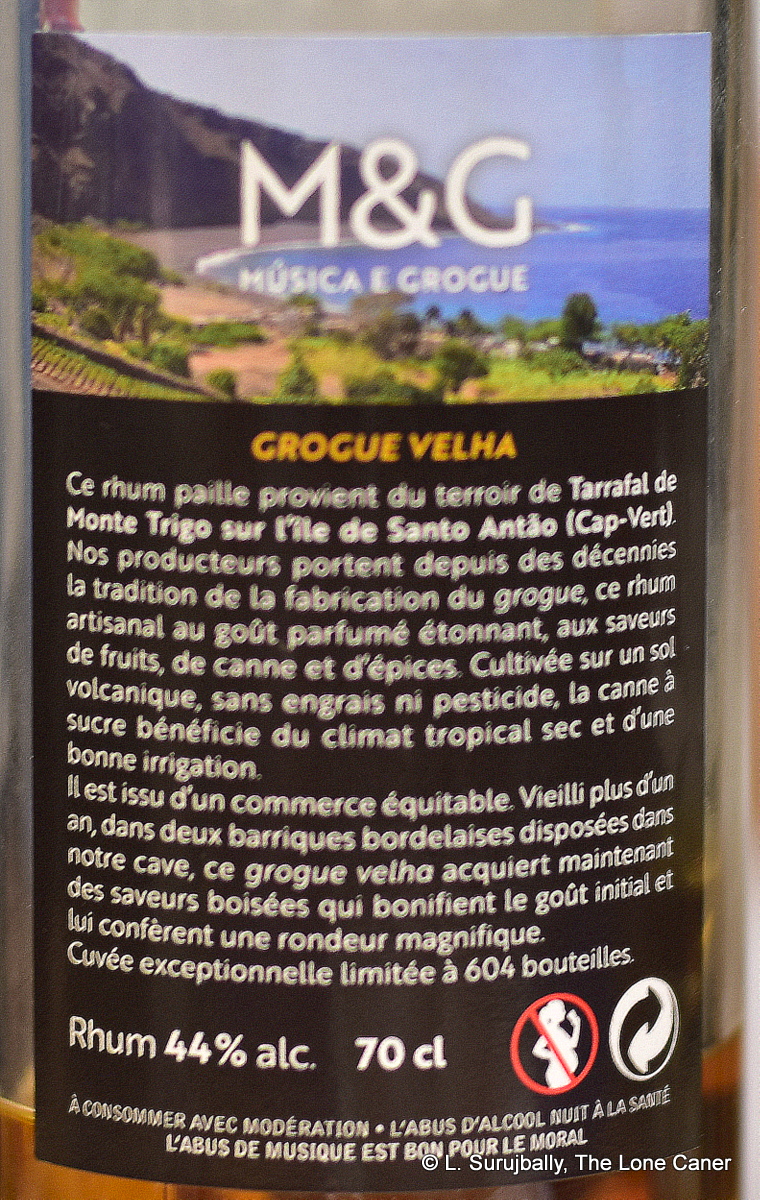 That was quite a medley on the nose, yet oddly the palate didn’t have quite have as many tunes playing. It was initially briny with those olives coming back, a little peanut brittle, salt caramel ice cream, vanilla, all held back. What I liked was its general softness and ease of delivery – there was honey and cream, set off by a touch of citrus and tannics, all in a pleasant and understated sort of combination that had a surprisingly good balance that one would not always imagine a rhum so young could keep juggling as well as it it did. Or as long. Even the finish, while simple, came together well – it gave up some short and aromatic notes, slightly woody and tannic, and balanced them out with soft fruits, pipe tobacco, coffee and vanilla, before exhaling gently on the way out. Nice.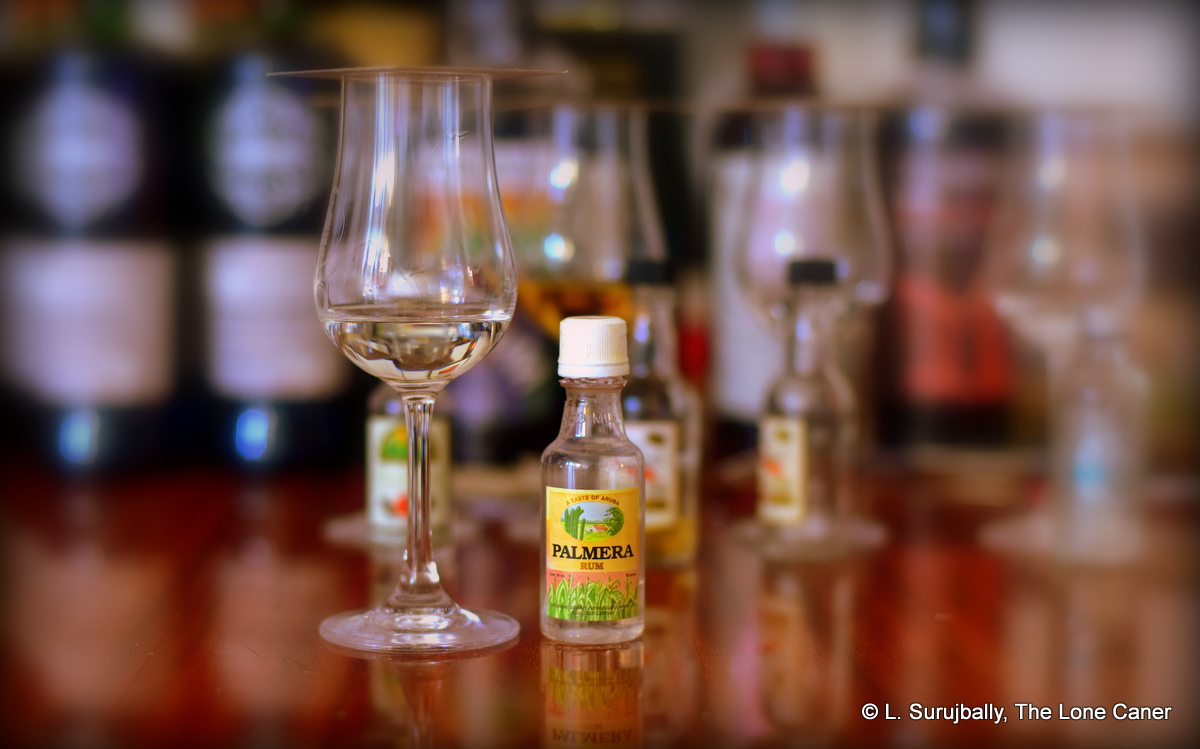
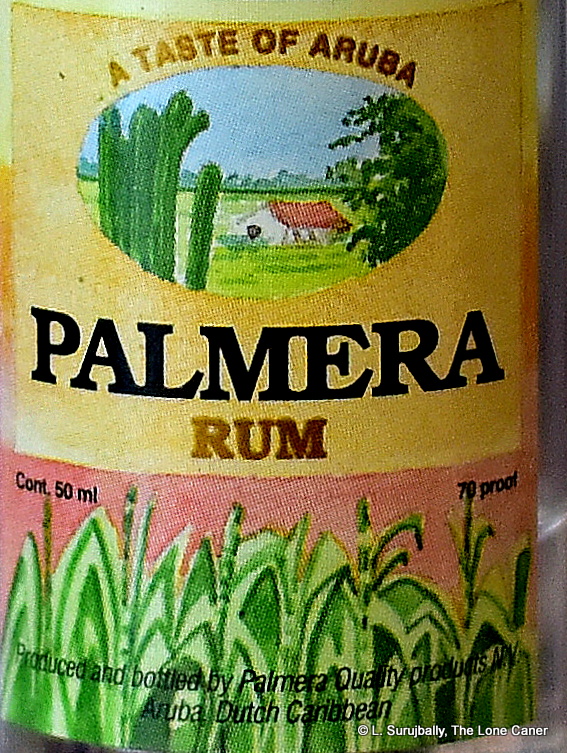
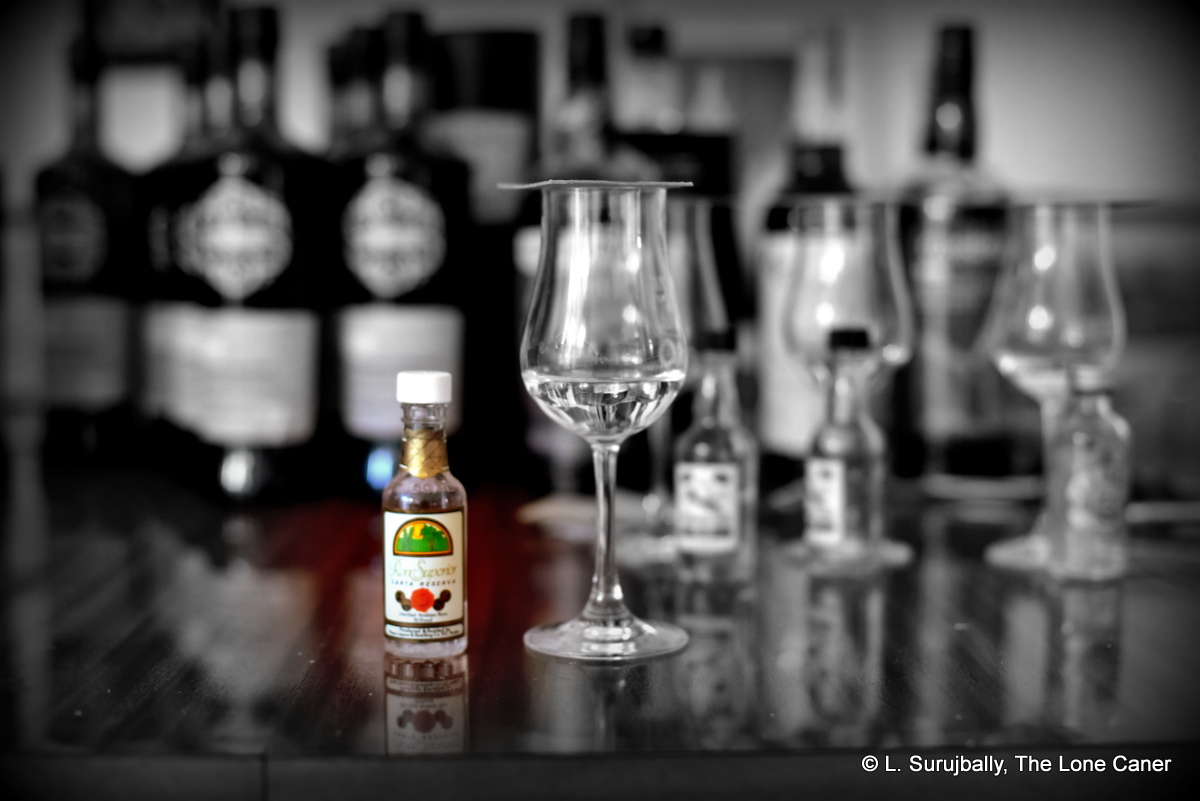
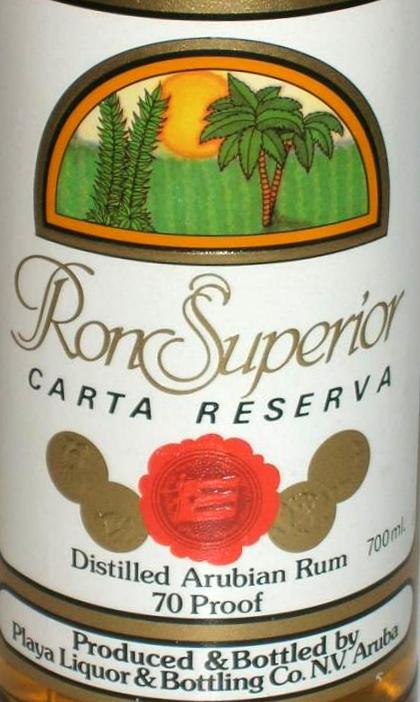
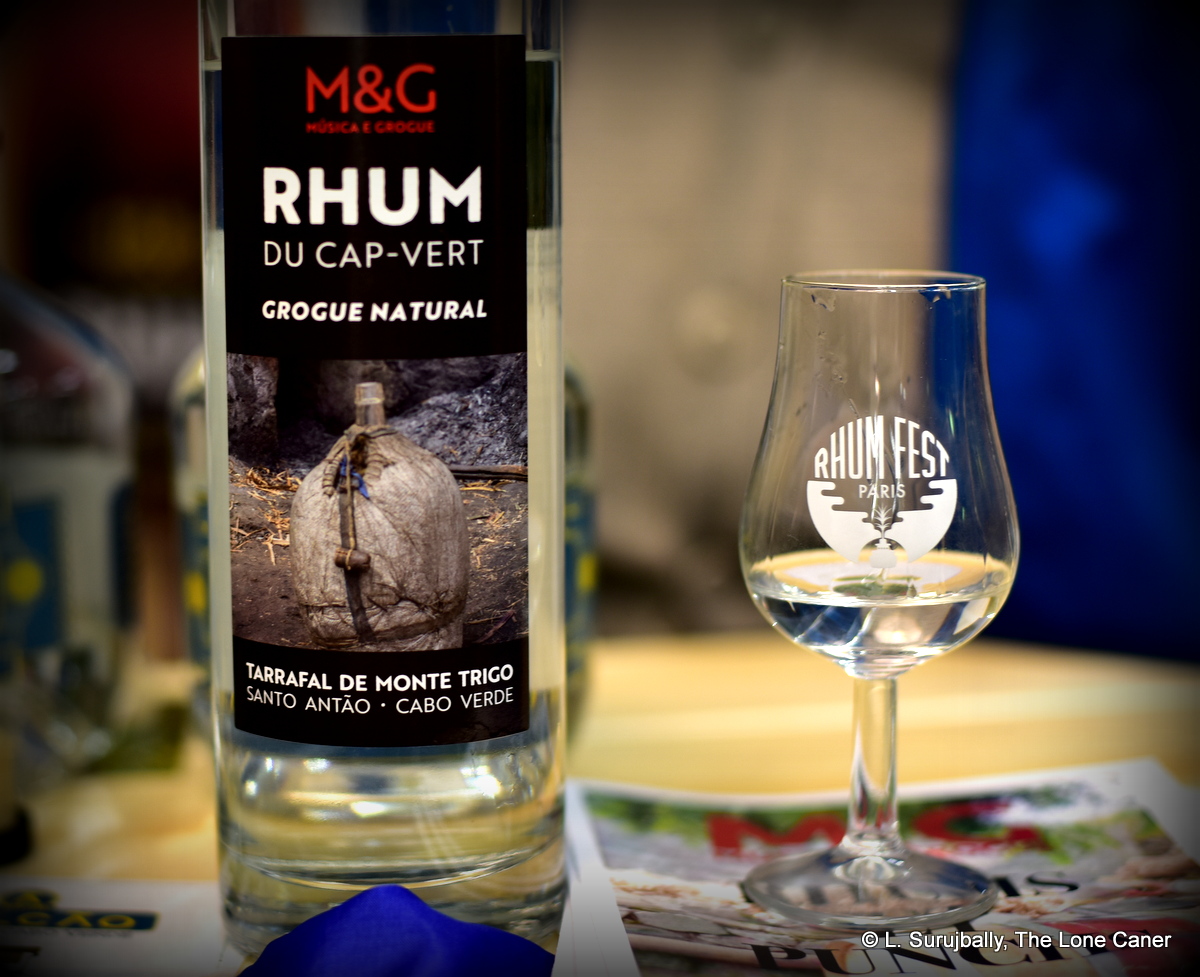
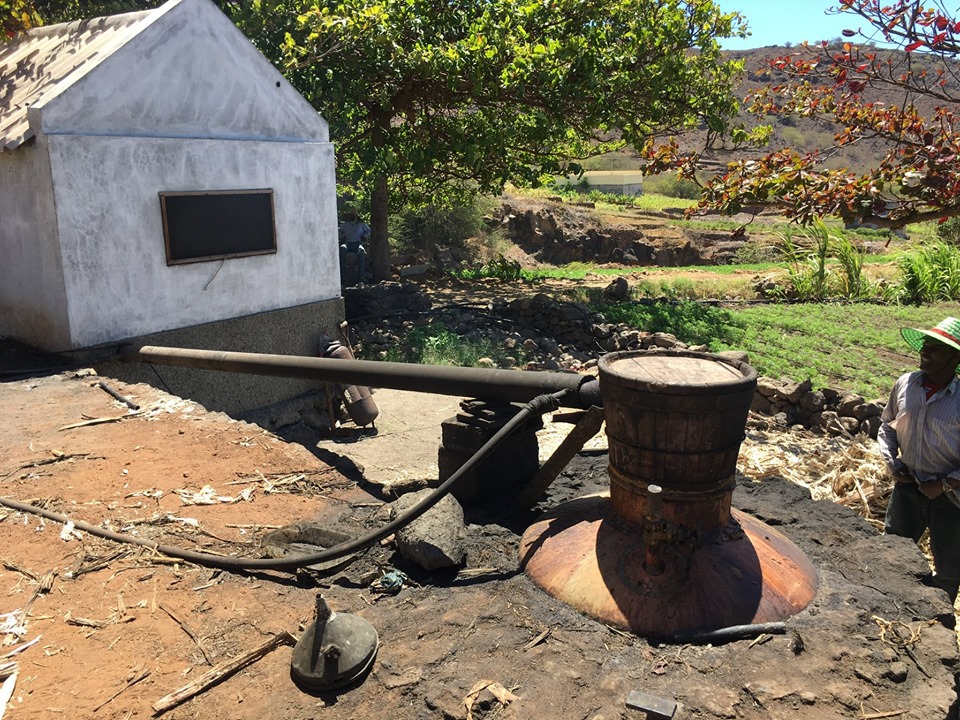
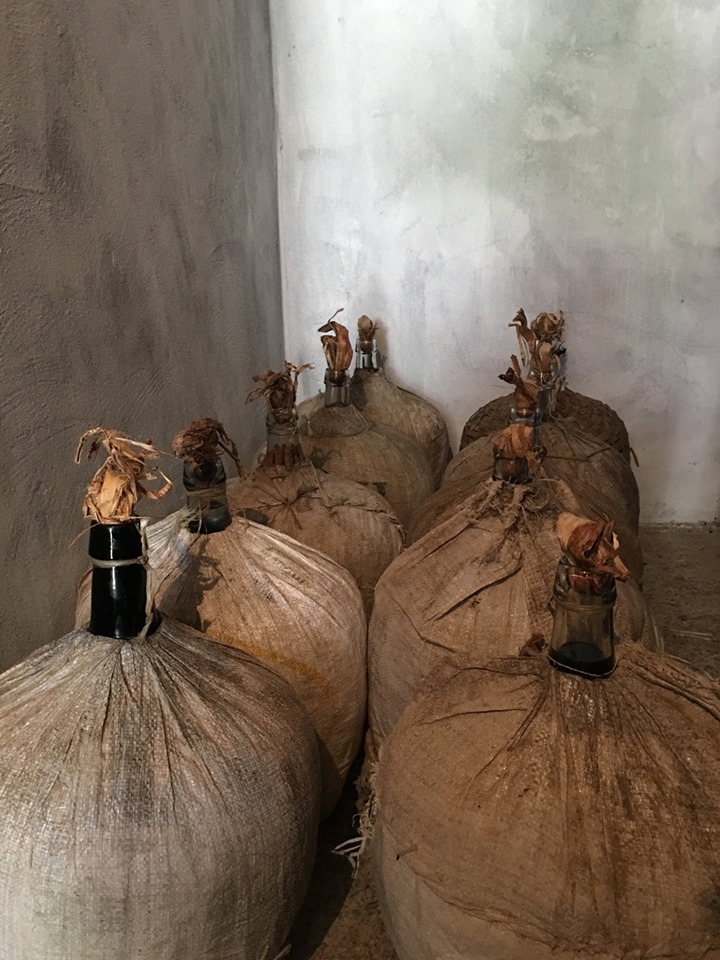
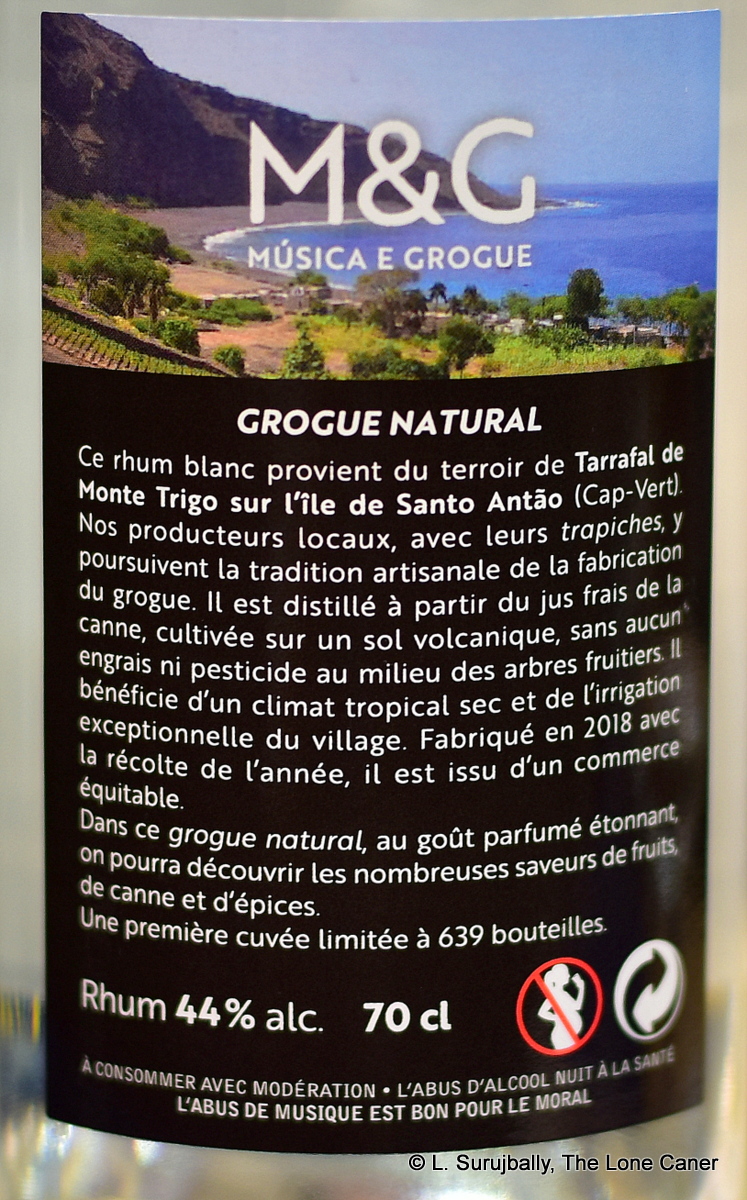 It’s become a sort of personal hobby for me to try unaged white rums of late, because while I love the uber-aged stuff, they do take flavours from the barrel and lose something of their original character, becoming delicious but changed spirits. On the other hand, unaged