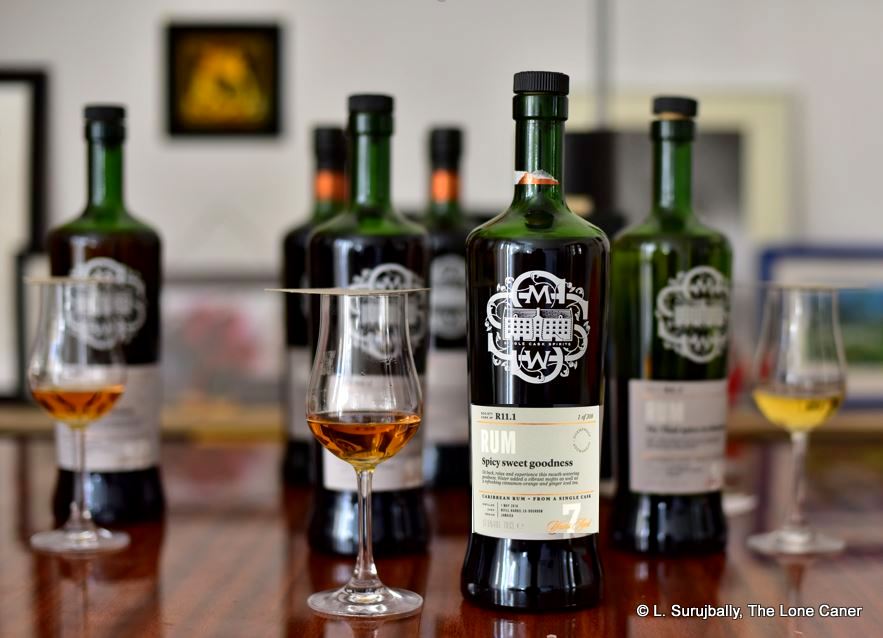
The Scotch Malt Whisky Society is no longer, as outlined in the brief biography of the organization, quite any of those things, not really. It has offices way beyond Scotland, it’s not restricting itself to bottling malts, has moved past releasing only whiskies, and can just barely be considered a society (more of an independent bottler). This is especially so since they have begun to not just buy aged casks from whisky producers but also new-make spirit so they can age their own.
This last development has not yet occurred in the fields of their rums, though it wouldn’t really influence my purchasing decisions – I’ve been a fan for years, ever since I was fortunate enough to snap up three of their rums in Canada in 2013. That’s around the time when they started to take rums even marginally more seriously than before, and now in 2020, they have 13 different distilleries’ rums, of which the R 11.1 represents one of the New Jamaicans many fans are currently salivating over.
The Society is no stranger to Jamaica – the very first release R1.1 was a Monymusk, and thereafter they added R5 (Longpond, from 2012), R7 (Hampden, from 2016) and in 2017, they scored with Worthy Park as R11. And since I’ve unconscionably ignored the ‘Park for quite some time, I think I’ll begin the slow accretion of SMWS rum reviews with them – also because they’re pretty damned good. This one is a relatively young 7 years old, bottled in 2017 at a firm 57.5% (308-bottle outturn) and has the evocative title of “Spicy Sweet Goodness”, which is very much in line with the Society’s equally amusing and puzzling label descriptions that many have drunk themselves in to stupors trying to understand or follow.
Nose first. Yep, it’s definitely a Worthy Park and a pot still rum, such as I remember with such fondness from the Compagnie des Indes’s two 2007 WP editions, the 7YO and the 8YO, both of which were really good. It’s sweet and crisp and snaps across the nose with a light and sharp esteriness: my first written notes are “fruits, flowers and honey on white bread, wow!” But there’s also a light glue background, some cereals, ginger, cumin, lemon peel and pineapple all coming together in a very precise amalgam where each note is completely distinct. It has the freshness of a newly sun-dried white sheet with the sunshine still aromatic upon it.
This is one of those rums where the taste is even better than the nose. What it does is settle down a bit, and if it loses something of the initial clean clarity that nose displayed, well, it gains a bit in depth and overall complexity. The white bread has now been toasted, the cereal is almost like Fruit Loops, but the honey (thankfully) remains, golden and tawny and thick. These core notes are joined by brown sugar, toblerone, almonds, fleshy fruits like papaya, peaches, apricots and ears, as well as a peculiar background of beef bouillon, maggi cubes and crackers and (if you can believe it) powdered laundry detergent, y’know, like Tide or something. The light citrus (it really does remind me of Fanta at times) is there to balance everything off, acting as something of an exclamation point to the palate. The medium-lasting finish is surprisingly simple in comparison to the smorgasbord we just waded through, but it is elegant and has the main food groups well represented – fruity, sweet, salty and tart, all at the same time.
Well, this was quite something. I liked it a lot. I have no idea how so much was stuffed into the ex-bourbon barrel the rum was aged in, especially given such a young age and what was (I believe) a continental ageing regimen. There are discordant bits here and there (minor ones) in the way the flavours don’t always harmonize completely; and sure, you can taste the youth in its brash liveliness and the initial sharply crisp attack – yet I’m not convinced that a few more years would have done much more than enhance it marginally.
Most of the rums I’ve tried from WP are relatively young, and relatively good — it seems to be a real peculiarity of the estate to produce rums that other companies ageing their rums for twice as long would have been proud to bottle. In fine, the SMWS R11.1 is a jaunty young rumlet, made with verve and style by an outfit which seems somehow to regularly put out single-digit aged rums – for themselves and for others – which are consistently and uniformly better than conventional wisdom says they should be. To do that is to Worthy Park’s credit. To recognize it and bring it to us, is that of the SMWS.
(#726)(85/100)
Other Notes
- Inadvertent loss of my original photo required me to make some adjustments which I’ll replace when I retake that picture.
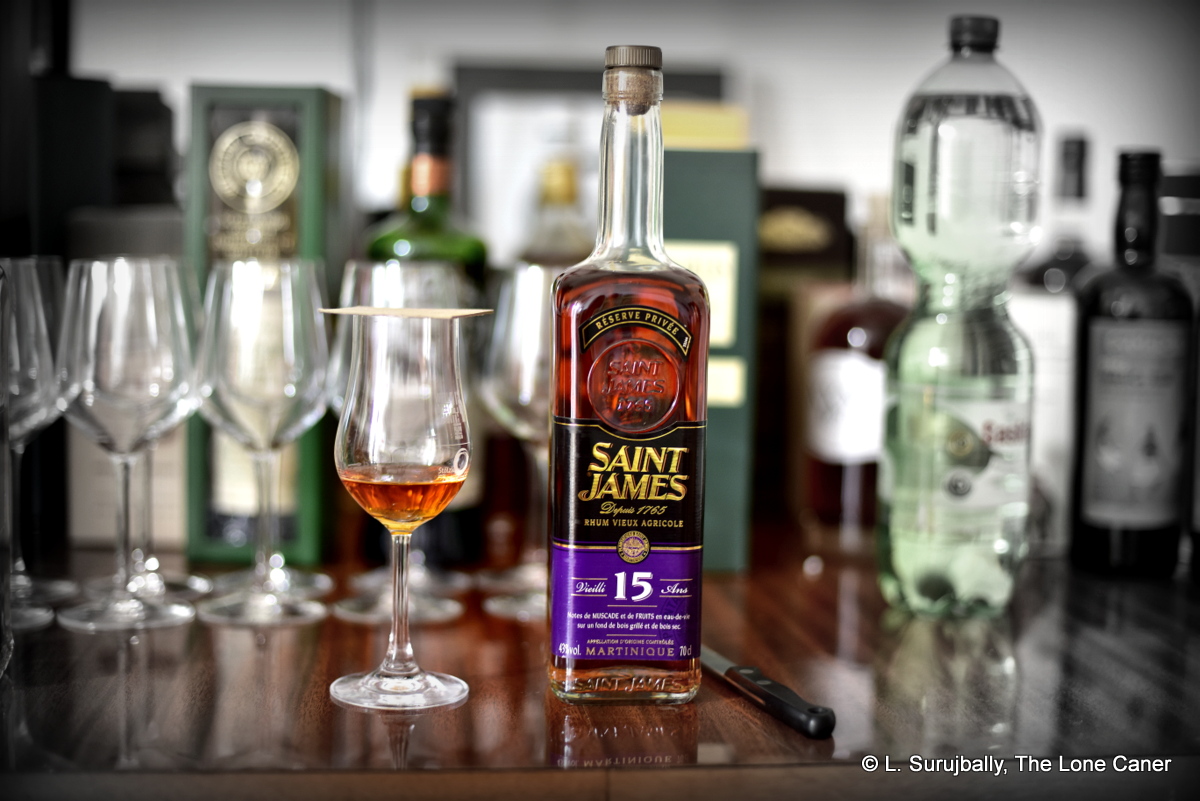
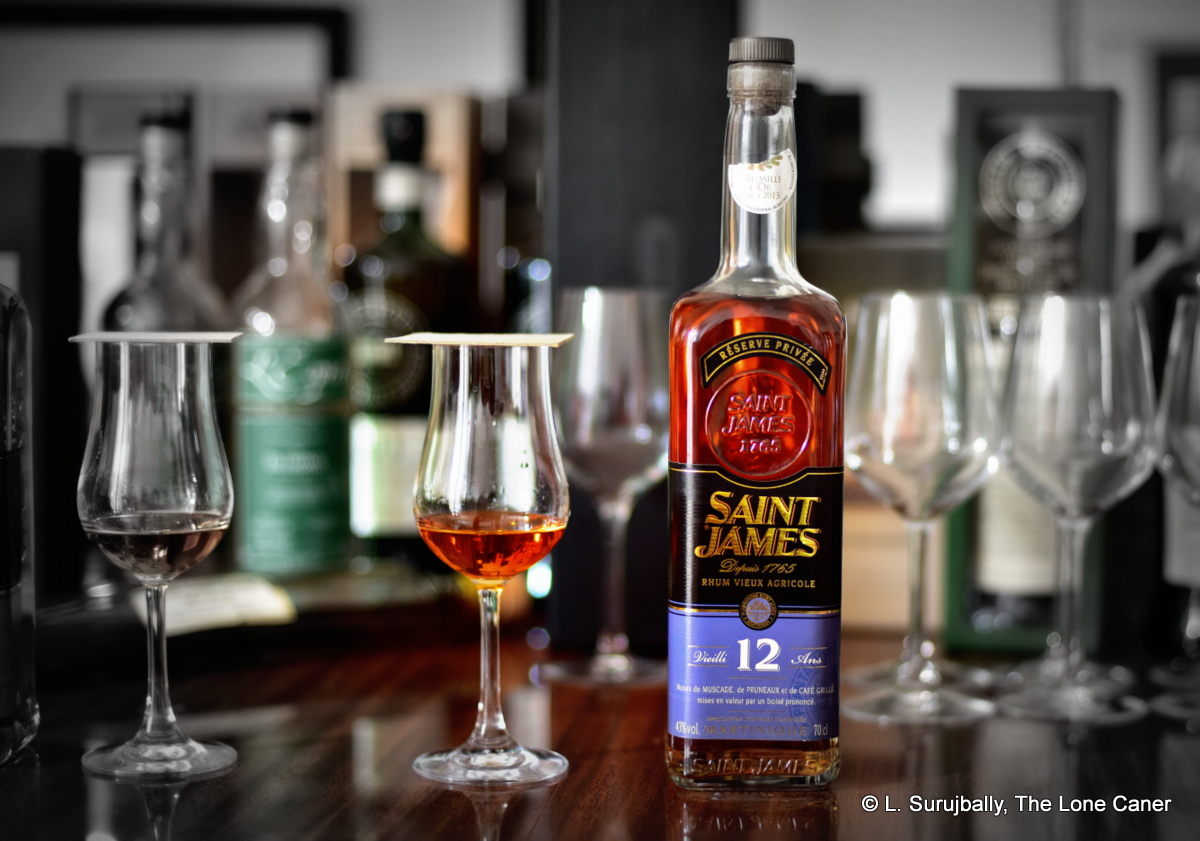
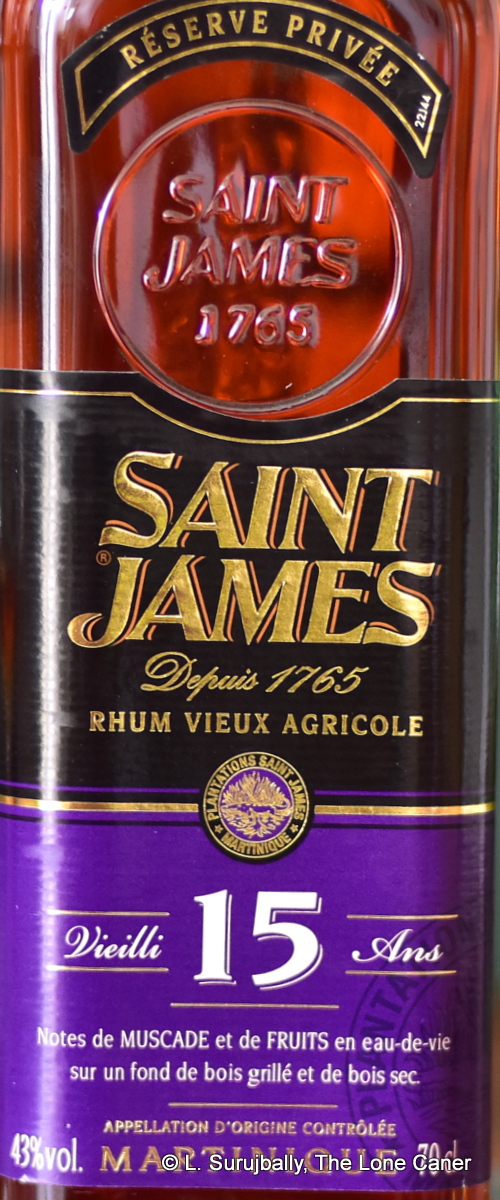 Because that 15 year old rhum is, to my mind, something of an underground, mass-produced steal. It has the most complex nose of the “regular” lineup, and also, paradoxically, the lightest overall profile — and also the one where the grassiness and herbals and the cane sap of a true agricole comes through the most clearly. It has the requisite crisp citrus and wet grass smells, sugar came sap and herbs, and combines that with honey, the delicacy of white roses, vanilla, light yellow fruits, green grapes and apples. You could just close your eyes and not need ruby slippers to be transported to the island, smelling this thing. It’s sweet, mellow and golden, a pleasure to hold in your glass and savour
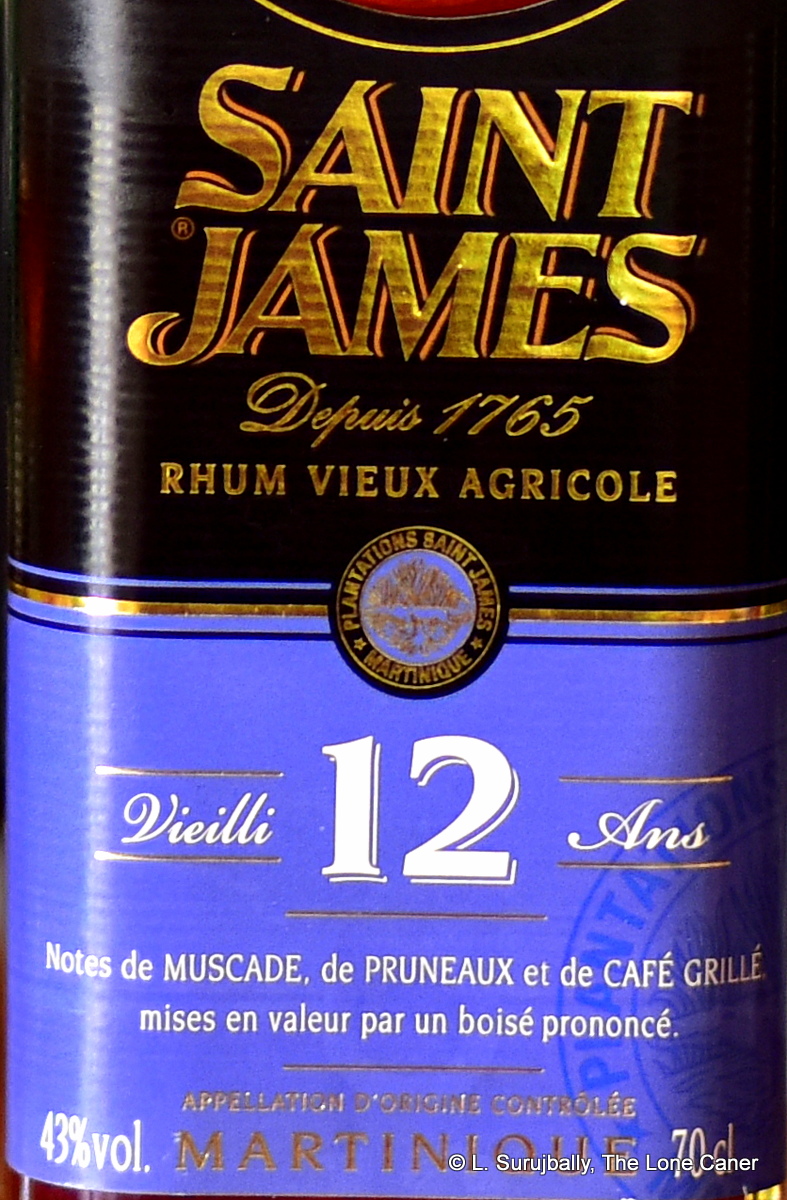 To some extent, it has a lighter nose than the luscious
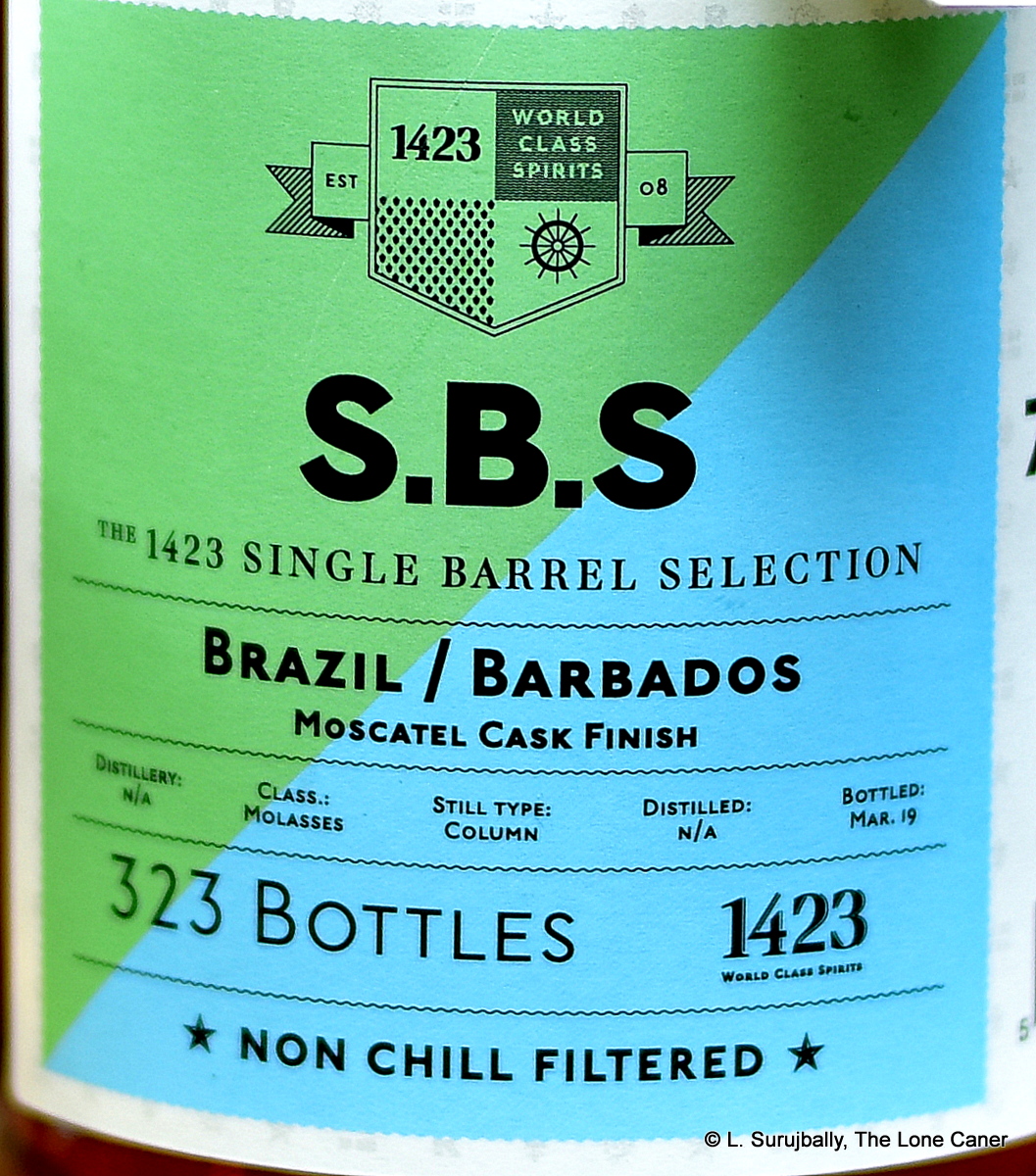 1423, the Danish indie, has taken this concept a step further with their 2019 release of a Brazil / Barbados carnival — it comprised of 8- and 3-year old Foursquare rums (exact proportions unknown, both column still) to which was added an unaged cachaca from Pirassununga (they make the very popular “51” just outside Sao Paolo), and the whole thing left to age for two years in Moscatel wine casks for two years, before being squeezed out into 323 bottles at 52% ABV.
 I should begin by warning you that this rum is sold on a very limited basis, pretty much always to favoured bars in the Philippines, and then not even by the barrel, but by the bottle from that barrel – sort of a way to say “Hey look, we can make some cool sh*t too! Wanna buy some of the other stuff we make?”. Export is clearly not on the cards…at least, not yet.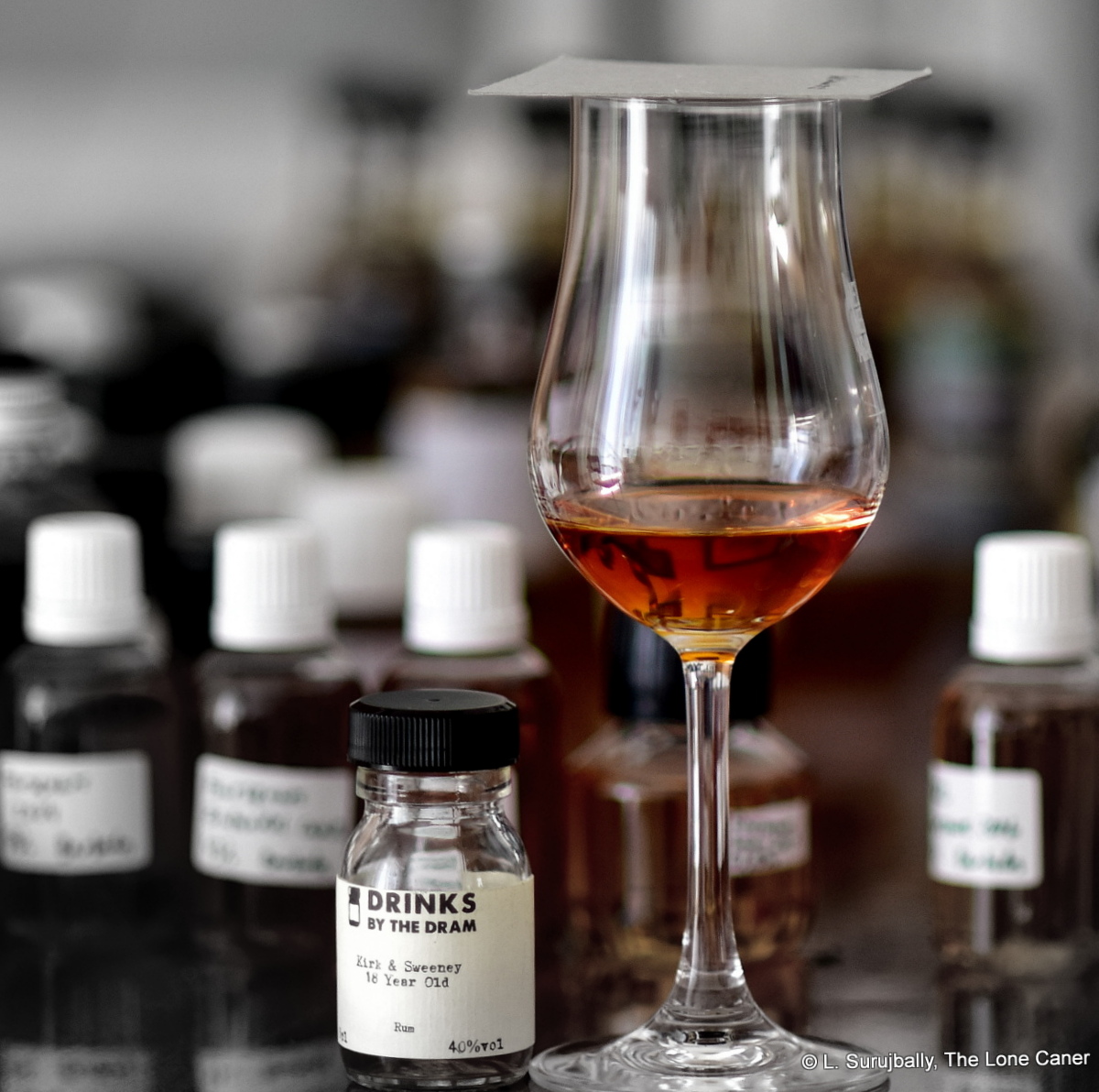
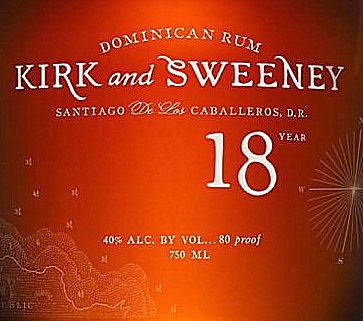 This is not to say that there isn’t some interesting stuff to be found. Take the nose, for example. It smells of salted caramel, vanilla ice cream, brown sugar, a bit of molasses, and is warm, quite light, with maybe a dash of mint and basil thrown in. But taken together, what it has is the smell of a milk shake, and there doesn’t seem to be much in the way of startling originality – not exactly what 18 years of ageing would give you, pleasant as it is. It’s soft and easy, that’s all. No thinking required.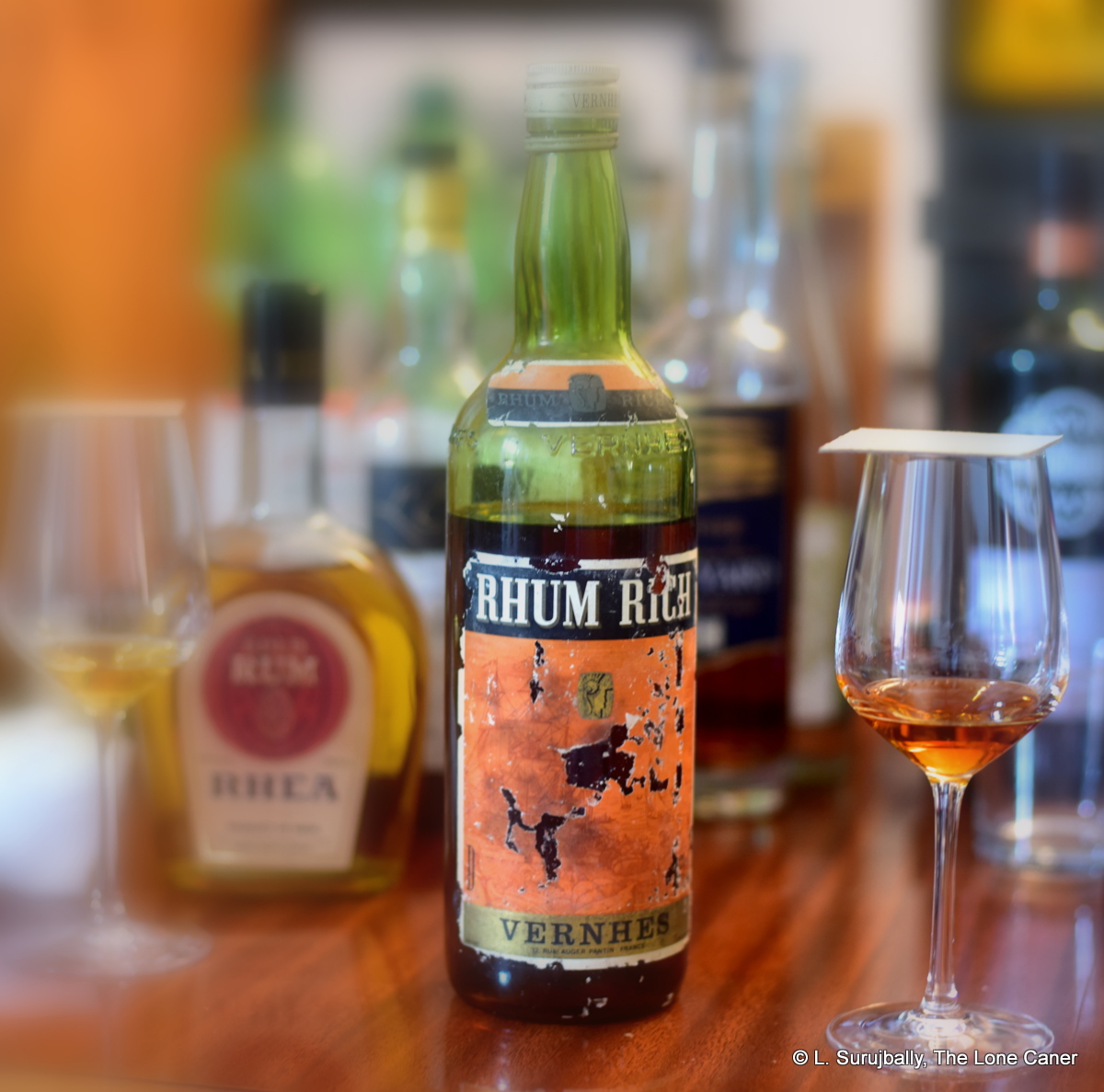
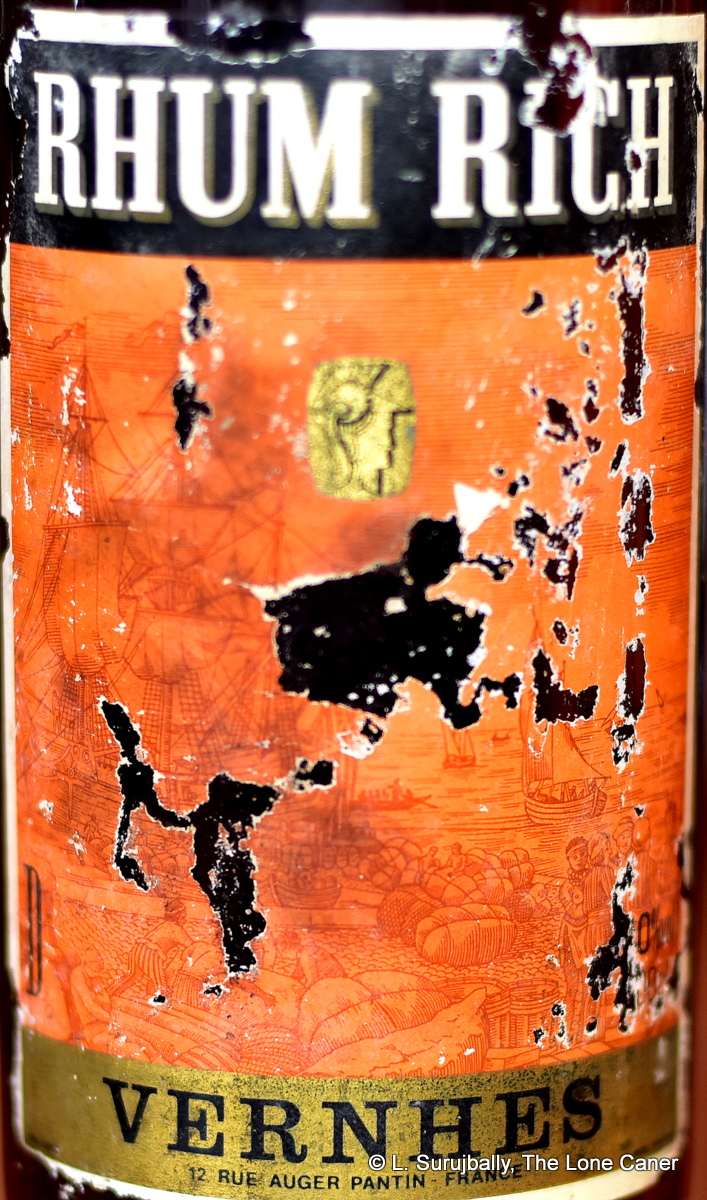 Colour – Amber
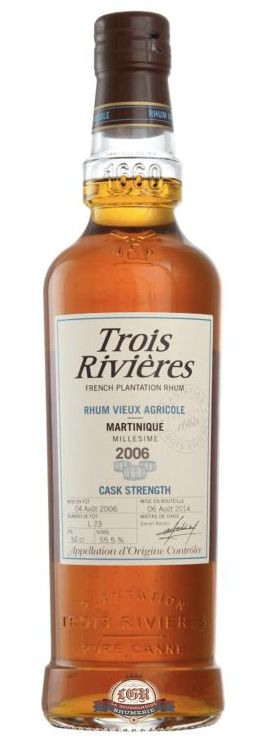 The Trois Rivières Brut de fût Millésime 2006 (which is its official name) is relatively unusual: it’s aged in new American oak barrels, not Limousin, and bottled at cask strength, not the more common 43-48%. And that gives it a solidity that elevates it somewhat over the standards we’ve become used to. Let’s start, as always, with the nose — it just becomes more assertive, and more clearly defined…although it seems somehow gentler (which is quite a neat trick when you think about it). It is redolent of caramel and vanilla first off, and then adds green apples, tart yoghurt, pears, white guavas, watermelon and papaya, and behind all that is a delectable series of herbs – rosemary, dill, even a hint of basil and aromatic pipe tobacco.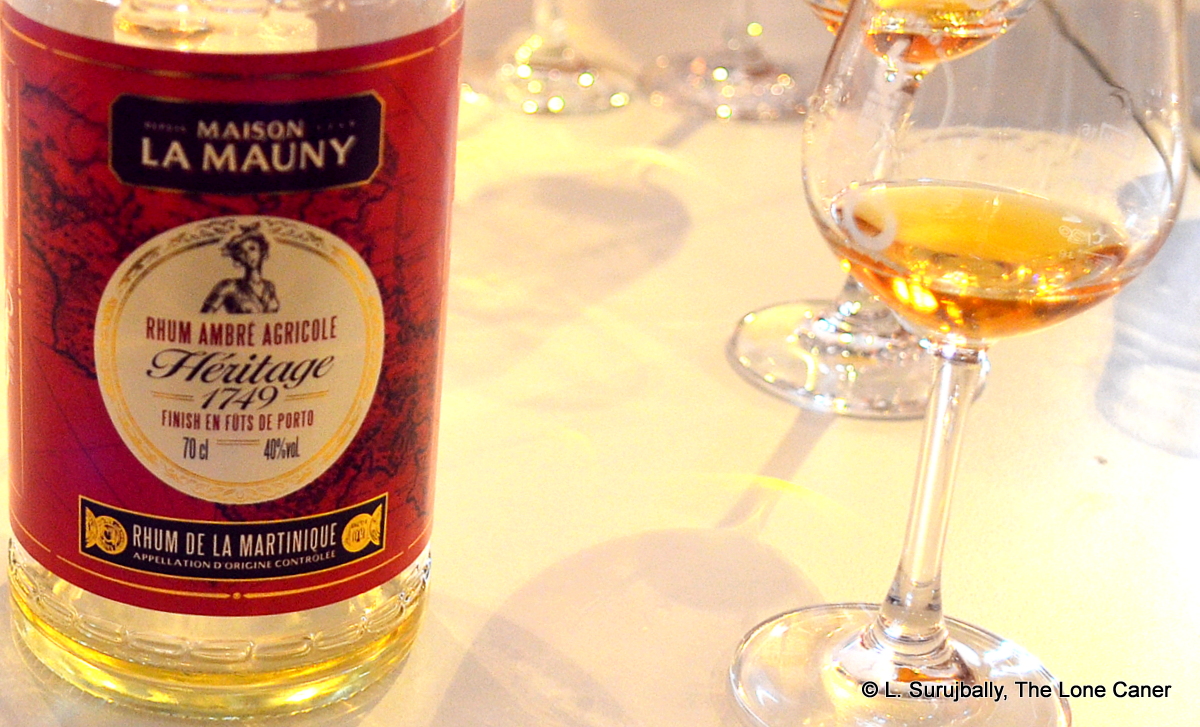
 Okay so, on to palate. Straw yellow in the glass, it was softer and less intense, which, for a forty percenter, was both good and bad. Here the grassy and herbal notes took on more prominence, as did citrus, some tart unsweetened yoghurt, honey and cane juice. The youth was evident in the slight sharpness and lack of real roundness – the two years of ageing had
 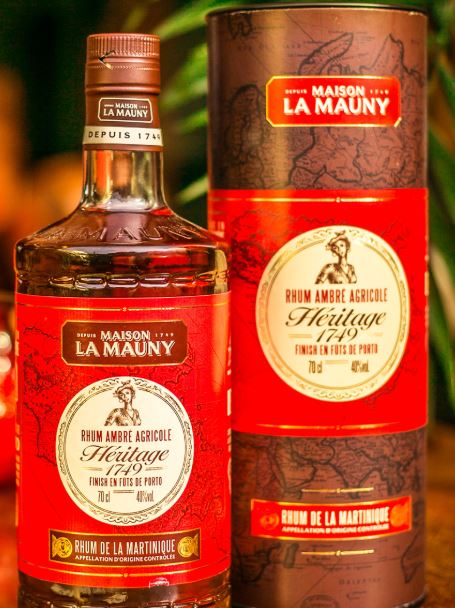 In 1923 La Mauny was sold to Théodore and Georges Bellonnie who enlarged and brought in new facilities such as a distillation column, new grinding mills and a steam engine. The distillery expanded hugely thanks to increased output and good marketing strategies and La Mauny rhums began to be exported around 1950. In 1970, after the Bellonnie brothers had both passed away, the Bordeaux traders and old-Martinique family of Bourdillon teamed up with Théodore Bellonnie’s widow and created the BBS Group. The company grew strongly, launching on the French market in 1977. Jean Pierre Bourdillon, who ran the new group, undertook to modernize La Mauny. He began by reorganizing the fields in order to make them accessible to mechanical harvesting and built a new distillery in 1984 (with a fourth mill, a three column still and a new boiler) a few hundred meters from the old one, increasing the cane crushing capacity and buying the equipment of the Saint James distillery in Acaiou, unused since 1958.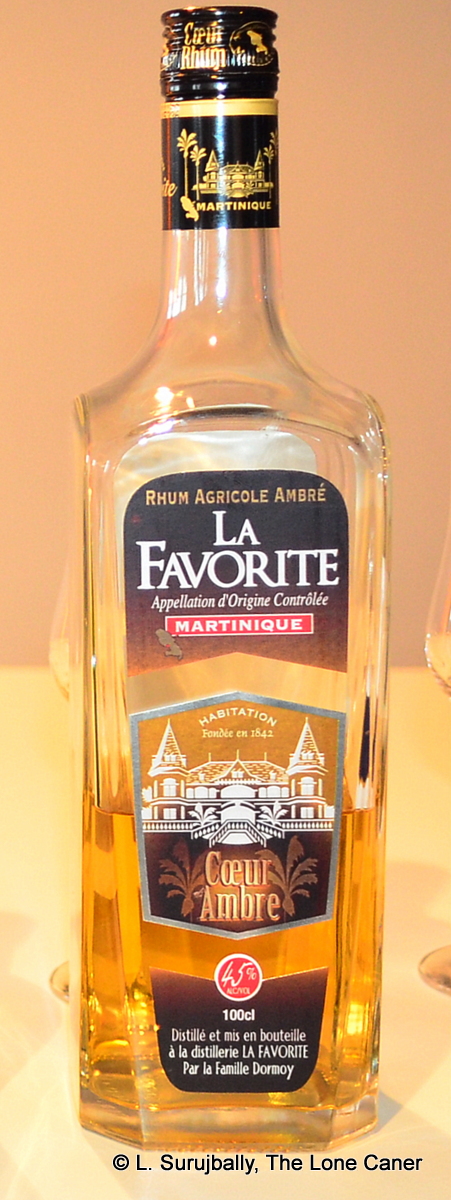
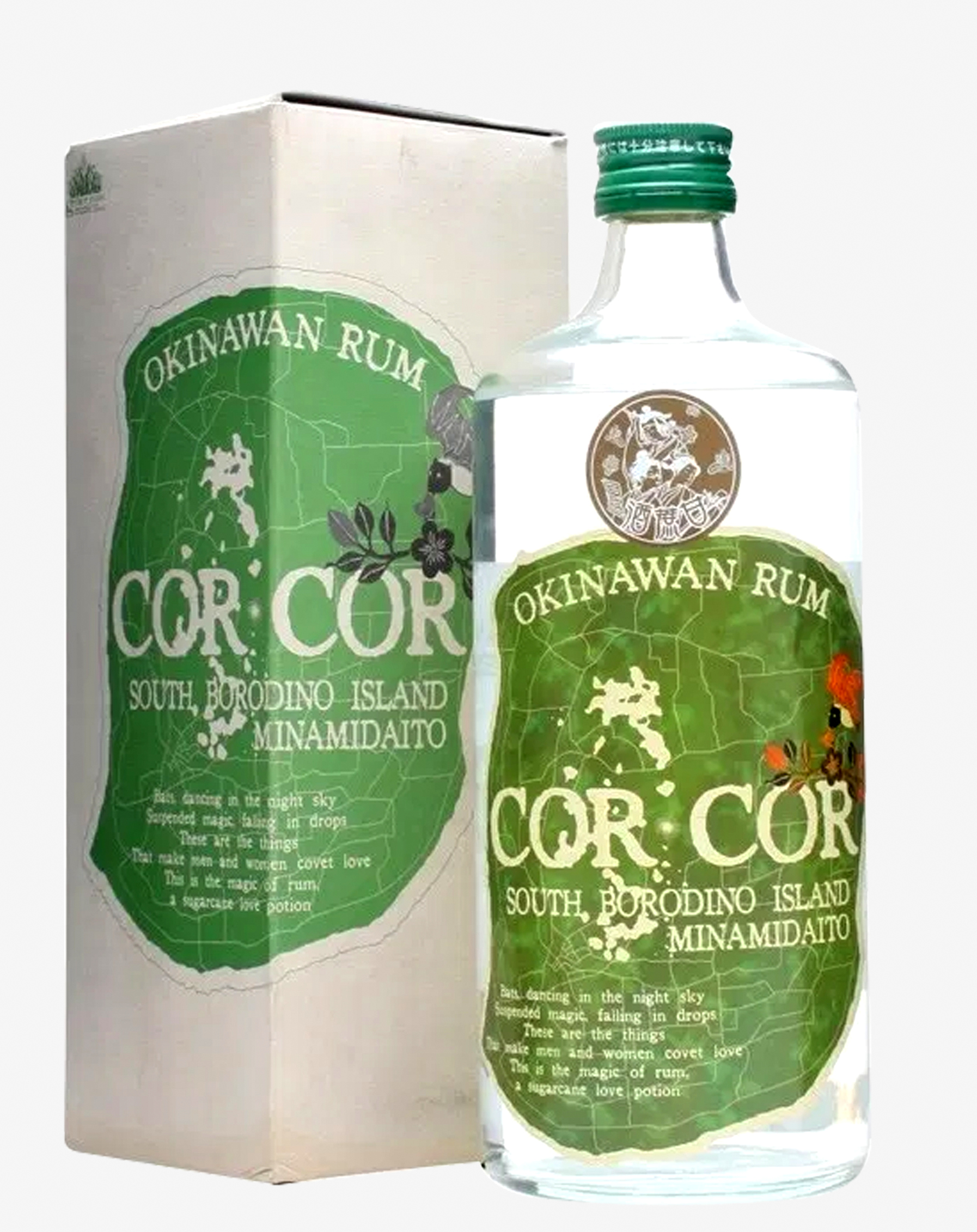 The Cor Cor “Green”, cousin to the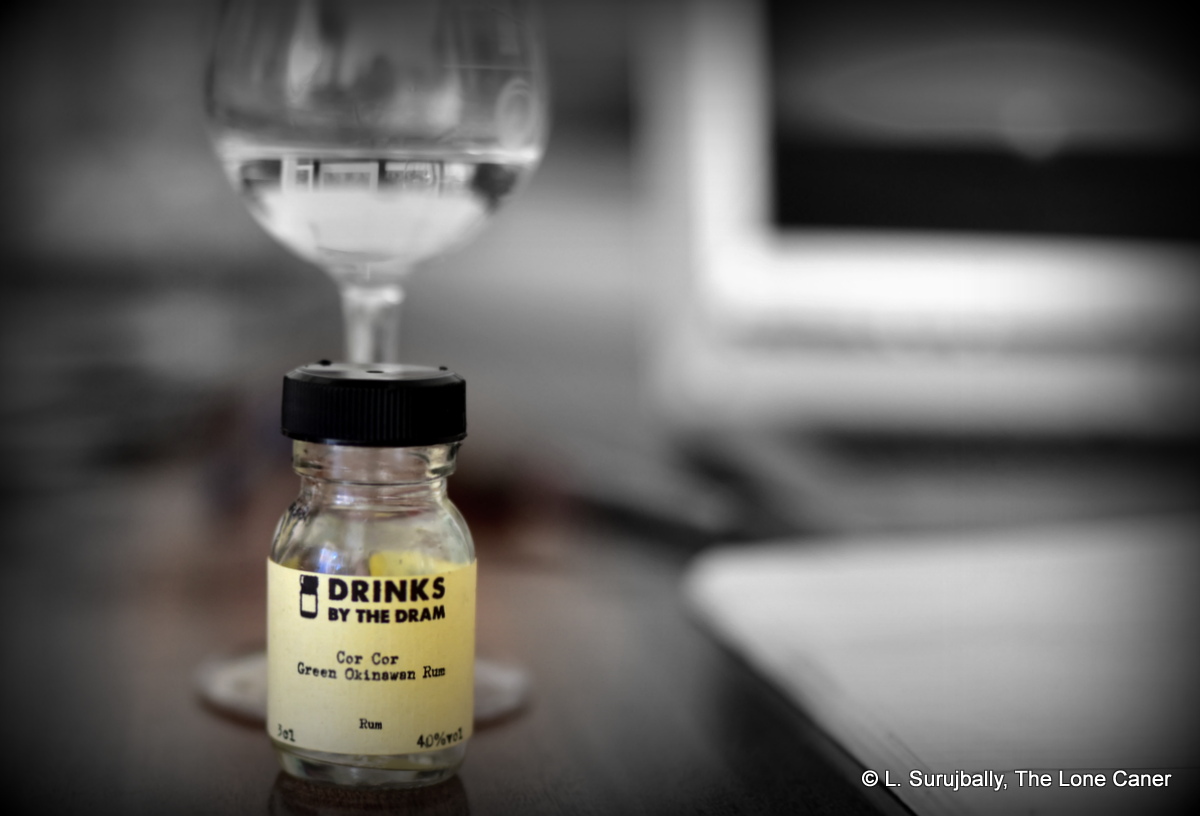
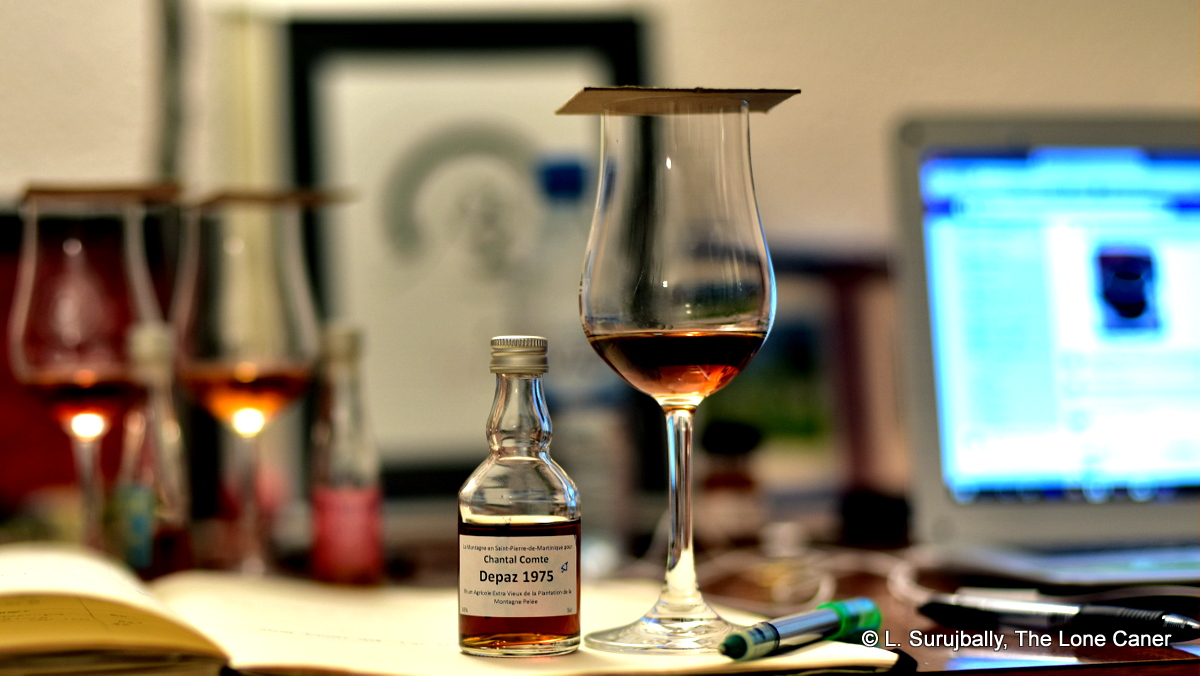
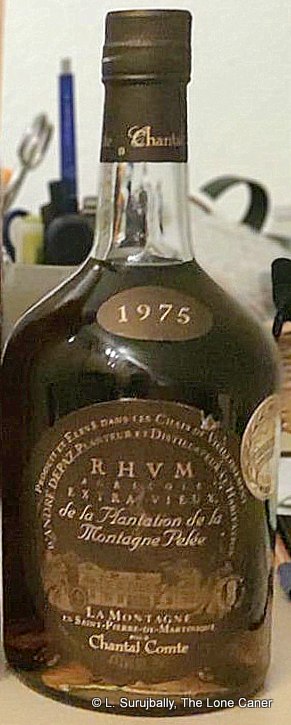 The full and rather unwieldy title of the rum today is the Chantal Comte Rhum Agricole 1975 Extra Vieux de la Plantation de la Montagne Pelée, but let that not dissuade you. Consider it a column-still, cane-juice rhum aged around eight years, sourced from Depaz when it was still André Depaz’s property and the man was – astoundingly enough in today’s market – having real difficulty selling his aged stock. Ms. Comte, who was born in Morocco but had strong Martinique familial connections, had interned in the wine world, and was also mentored by Depaz and Paul Hayot (of Clement) in the late 1970s and early 1980s, when Martinique was suffering from overstock and poor sales.. And having access at low cost to such ignored and unknown stocks allowed her to really pick some amazing rums, of this is one.
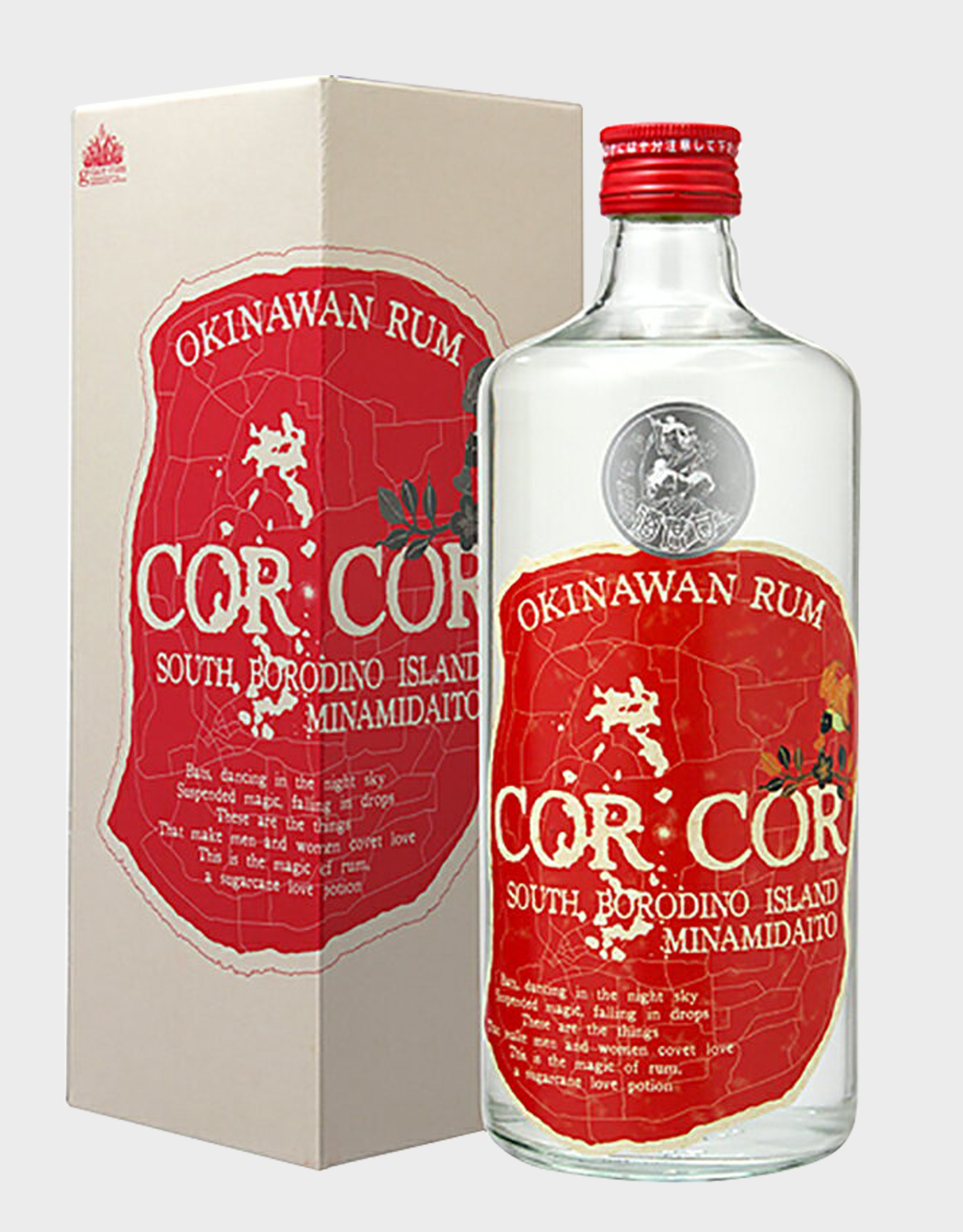 Given Japan has several rums which have made these pages (
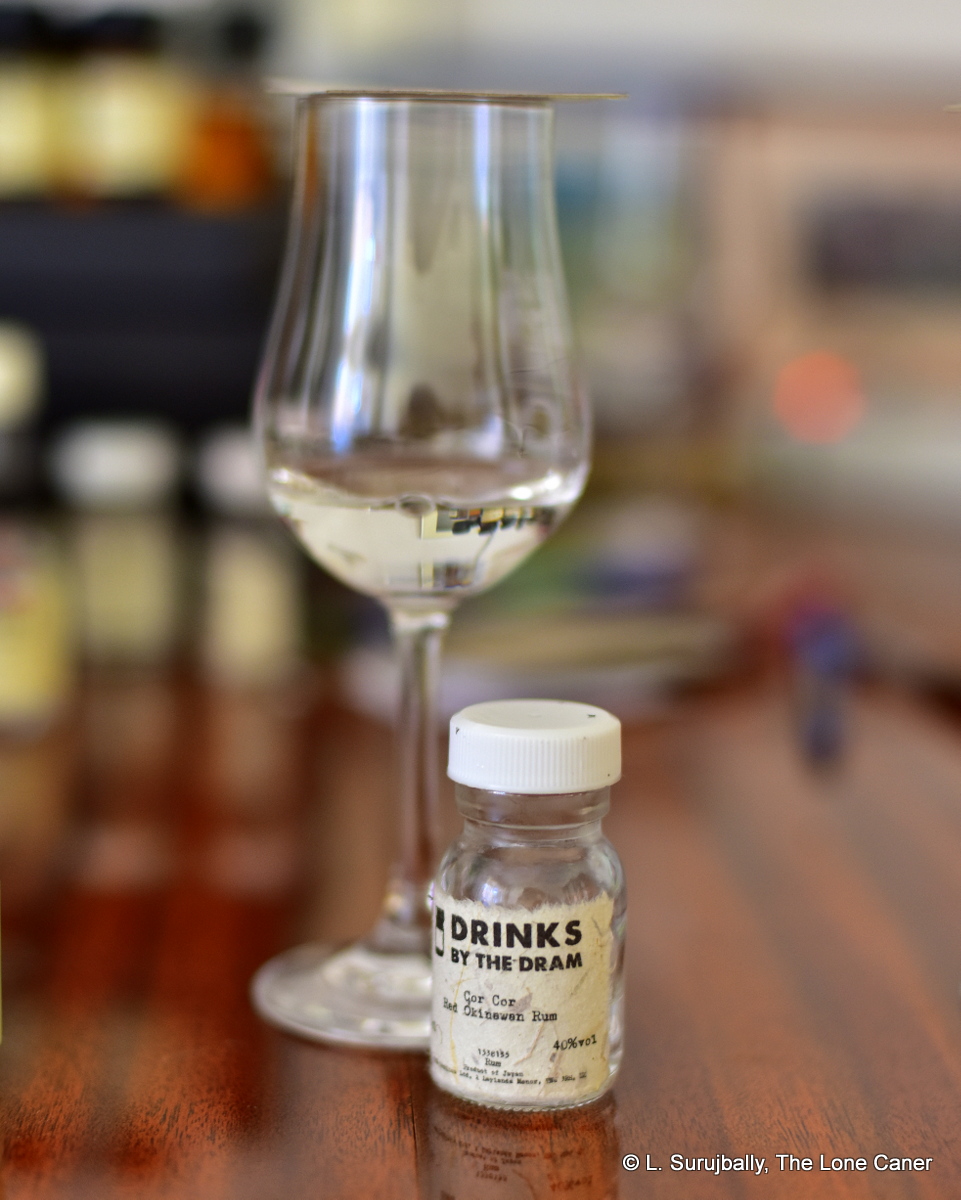 The Cor Cor Red was more generous on the palate than the nose, and as with many Japanese rums I’ve tried, it’s quite distinctive. The tastes were somewhat offbase when smelled, yet came together nicely when tasted. Most of what we might deem “traditional notes” — like nougat, or toffee, caramel, molasses, wine, dark fruits, that kind of thing — were absent; and while their (now closed) website rather honestly remarked back in 2017 that it was not for everyone, I would merely suggest that this real enjoyment is probably more for someone (a) interested in Asian rums (b) looking for something new and (c) who is cognizant of local cuisine and spirits profiles, which infuse the makers’ designs here. One of the reasons the rum tastes as it does, is because the master blender used to work for one of the awamori makers on Okinawa (it is a spirit akin to Shochu), and wanted to apply the methods of make to rum as well. No doubt some of the taste profile he preferred bled over into the final product as well.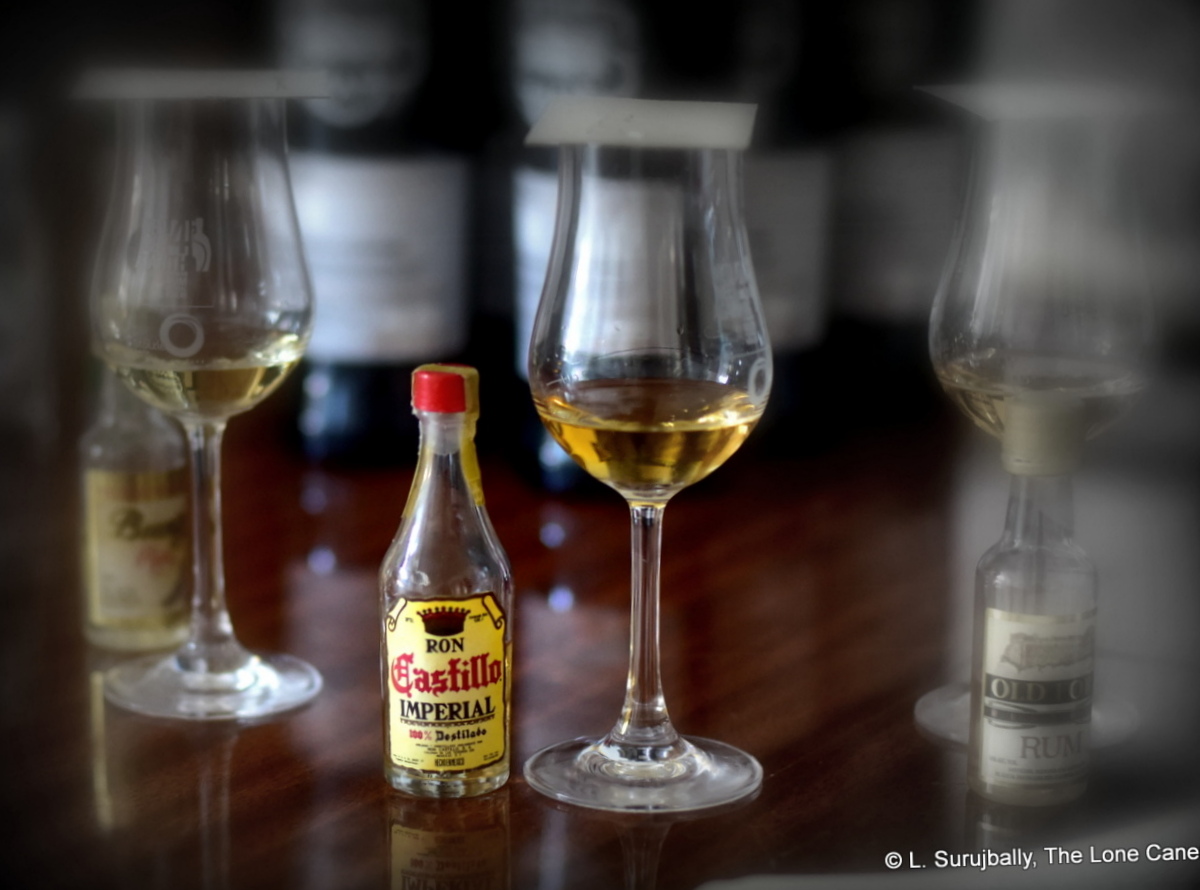
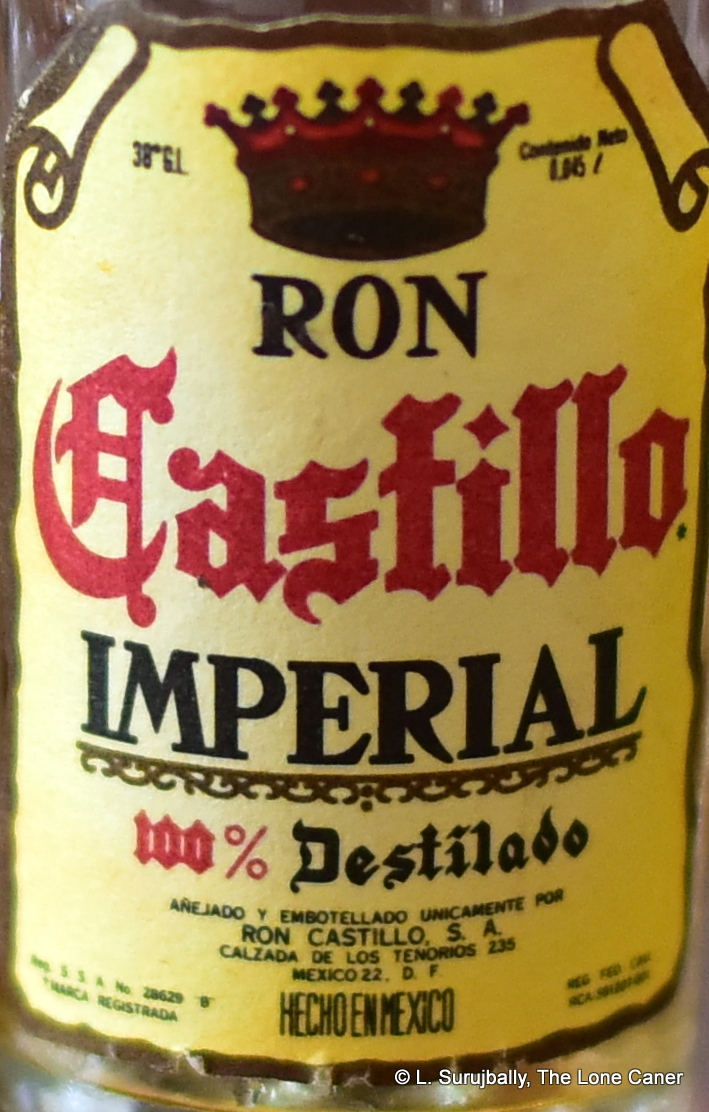 Colour – Light Gold