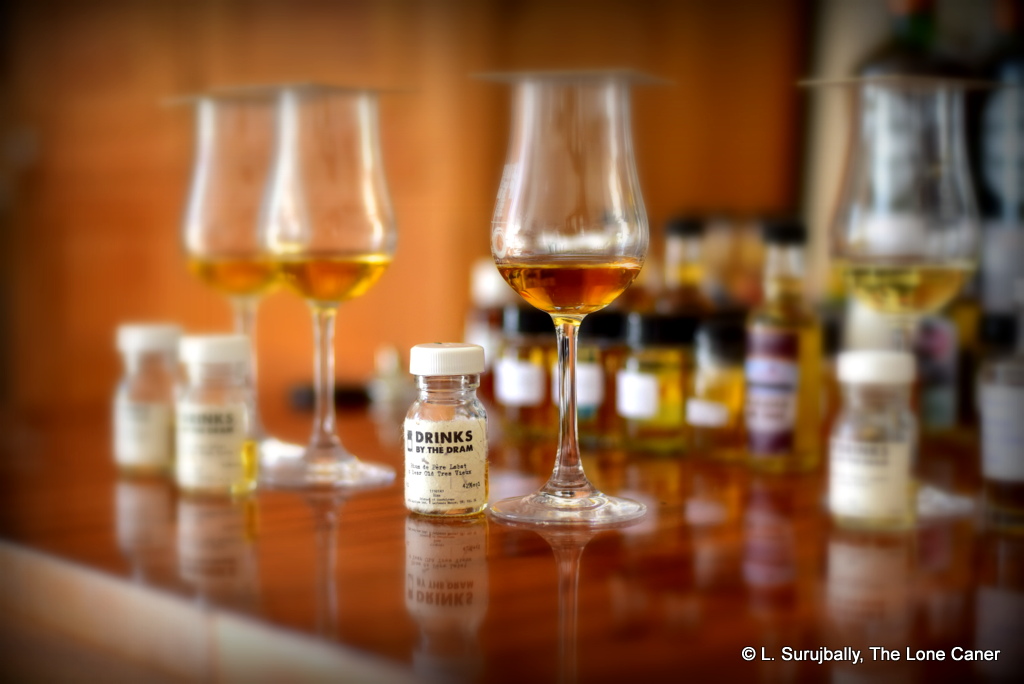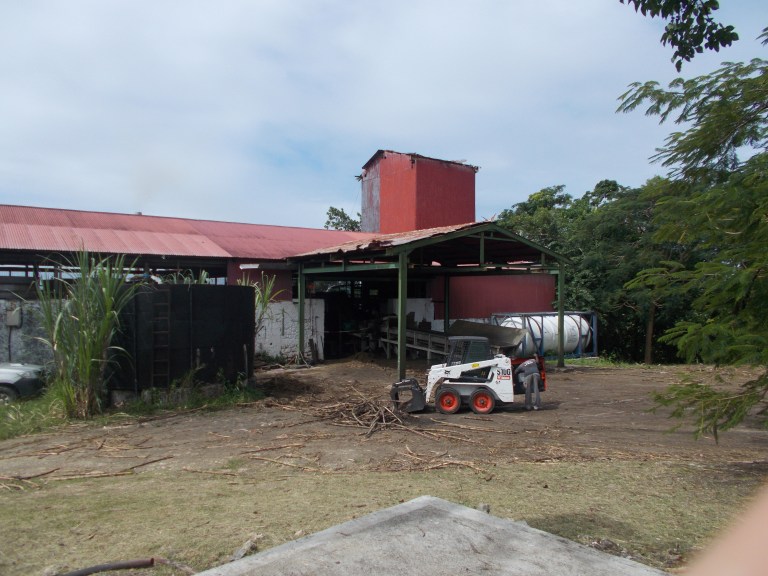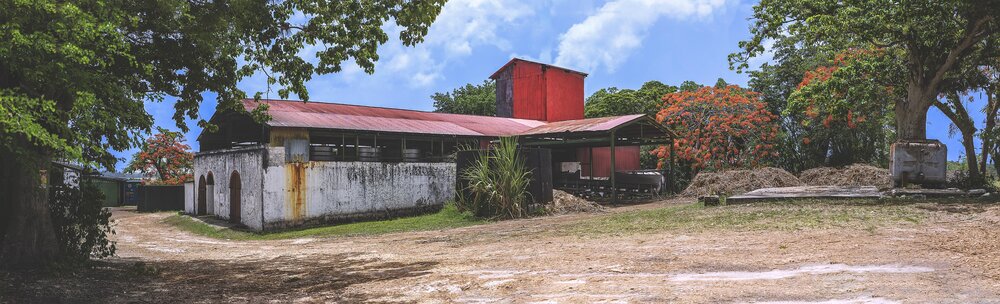
Worthy Park out of Jamaica had been distilling and selling youngish estate rums under the Rumbar label since about 2015, and laying down aged stocks from their spanking new distillation apparatus for a decade before that, all while selling bulk rum for cash flow. The bartender’s rums they released had always gotten good press; and the indies were able to cherry pick some really good ‘uns from the aged sales over the years (like the terrific CDI 2007 7 YO)… but it did leave Worthy Park without some middle-aged offerings of its own, and relegated to something of a second tier bottler, lacking a killer app to vault it to the next level.
They needed it, they wanted it, they got it, in 2017, when they proved once and for all that it was no longer just a purveyor of bulk rum and bartender’s backbar staples, but a major new Jamaican distiller of uncommon quality. That was the year they assaulted the festival circuit of with three serious rums, one of which has become an instant wanna-have classic, and let me tell you, I still remember what that was like.
See, at every rum fest, there are dark shadowed corners where the rum hoods sullenly lurk and gather: they acknowledge each other with a dour “S’up?” and secret handshakes; they exchange and share treasured samples of the latest halo rum, or show off those they have no intention of parting with (sometimes a sniff is all you get). And always they discuss the unheralded stars of the show that have to be tried. That year, as in others, a rumour started and began to spread, about one rum. It was a Jamaican. An awesome Jamaican. The mutterings grew until it was a babble, glasses quivered and noses twitched, and like elephants at a watering hole, the bulls sniffed the air, sensing a disturbance in the Force.
 Glasses were sourced, sniffed, snooted, sampled, swapped, and low muttered “holy sh*t!” exclamations were heard with increasing frequency. Significant looks were exchanged. A drift of the deep divers began to the back booths, slow at first but getting faster: because in the shabby corner over there by 1423, there was a new rum series that just had to be tried and the story was told that if that affable, bearded, vacationing Santa Claus running the booth liked you, or if you could bat your eyes just right at Zan Kong who was holding court right there, not only could you try the two official WP rums on display, you could be spotted a taste of a special under-the-counter juice that was simply off the scale. People were elbowing each other out of the way, they were so eager to get there before stocks ran out. I hadn’t seen anything like it since the stampede to get a snootful of the Caputo 1973, ten years ago.
Okay, so I exaggerate a little for effect, and because I can’t let a good story pass without a few embellishments…but not really. Because of the three rums I tried that day, and of the Worthy Park rums I’ve been fortunate enough to beg, borrow, bribe, blackmail, burglarize or sample since then, this thing remains a pinnacle among spirituous codpieces, sporting the sort of cachet and quality that launches small cults and distorts the GDP of small nations.
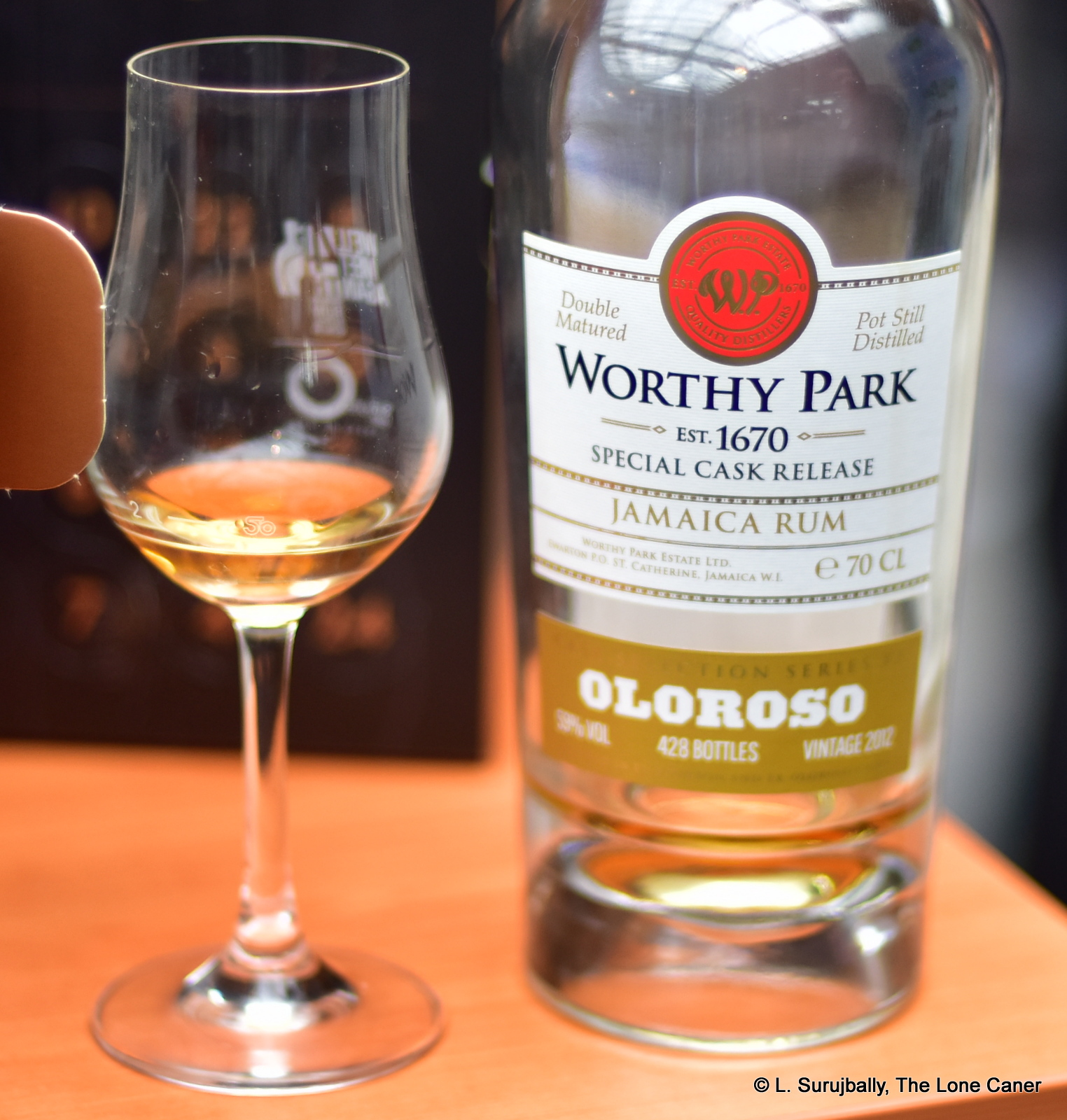
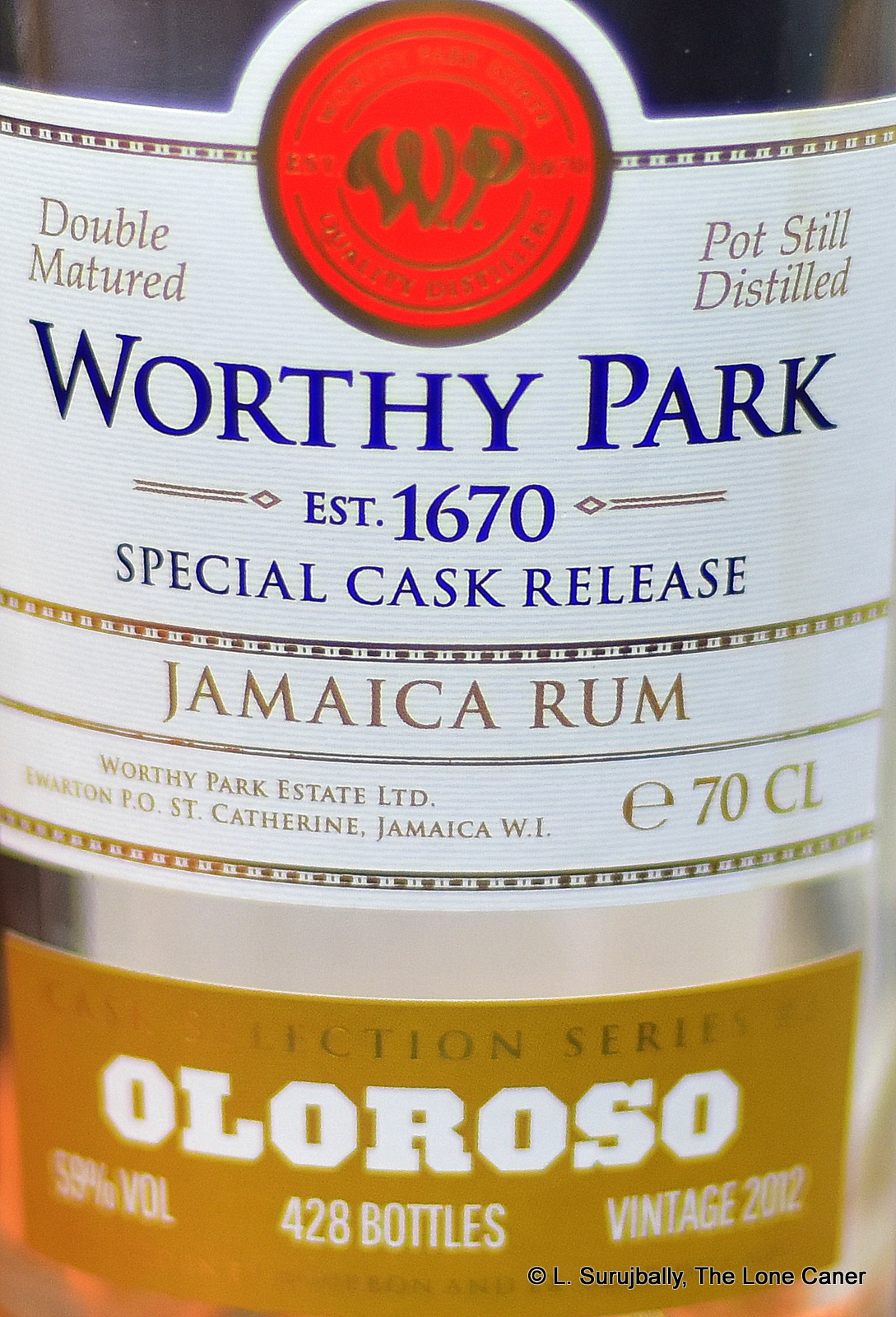
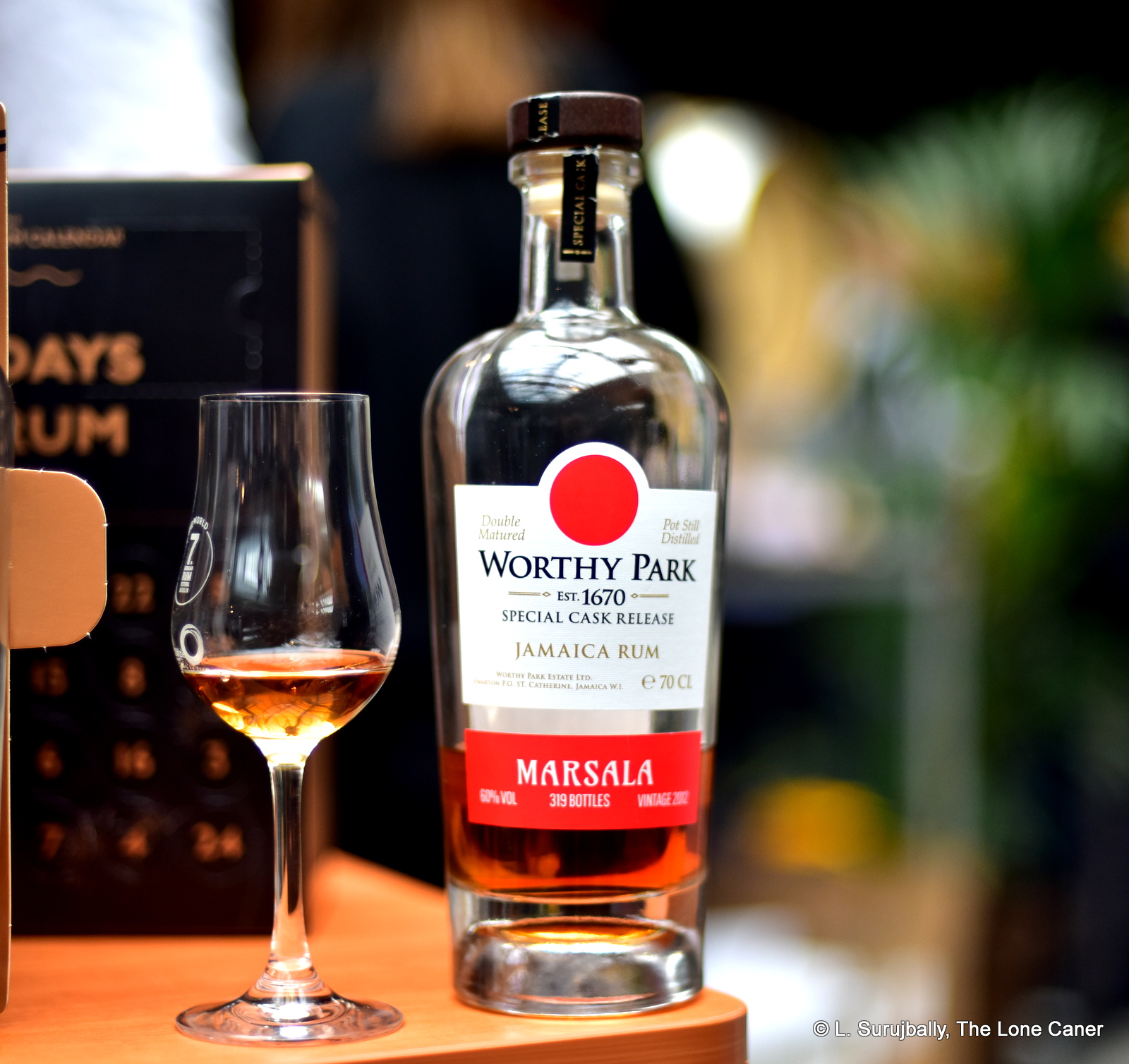
No, seriously. The rum was a cousin to the “Oloroso”, pot still made, the light WPL marque, aged in American white oak before being shipped to Denmark where it was further aged in a dry ex-Marsala cask, and bottled at one proof point higher (60% ABV, take that, milquetoast wannabes). It smoked and frothed and dripped off the still in 2012 and was therefore also around five years old. Only 319 bottles, alas, which meant that not everyone who wanted one would ever get one….but for those who did, what a rum they got. The bottle trembled as Zan poured neat drams, as if he feared it might detonate at any moment, and indeed, since that day I’ve heard rumours (probably unfounded, but who knows, right?) that the sound of a bottle of this stuff being cracked disturbs the shape of whole buildings slightly with a small sonic boom.
I can’t entirely discount such stories, because just sniffing the thing watered eyes and puckered noses (and other parts). The rum was hot, fierce to a fault and at pains to demonstrate it possessed the entire genome of Jamaican funk and Worthy Park badass, plus an extra chromosome for kick, just because, y’know, it could. It was salt butter creaminess spread over freshly toasted sourdough bread. It oozed caramel, bananas, citrus, spoiled oranges and apples way past their prime. The complexity was really something amazing, a forceful fruity cornucopia mixed in with spices that just kept on coming: over-ripe peaches, turmeric, and sweet-smoky red pepper, then back to the fruit salad again.
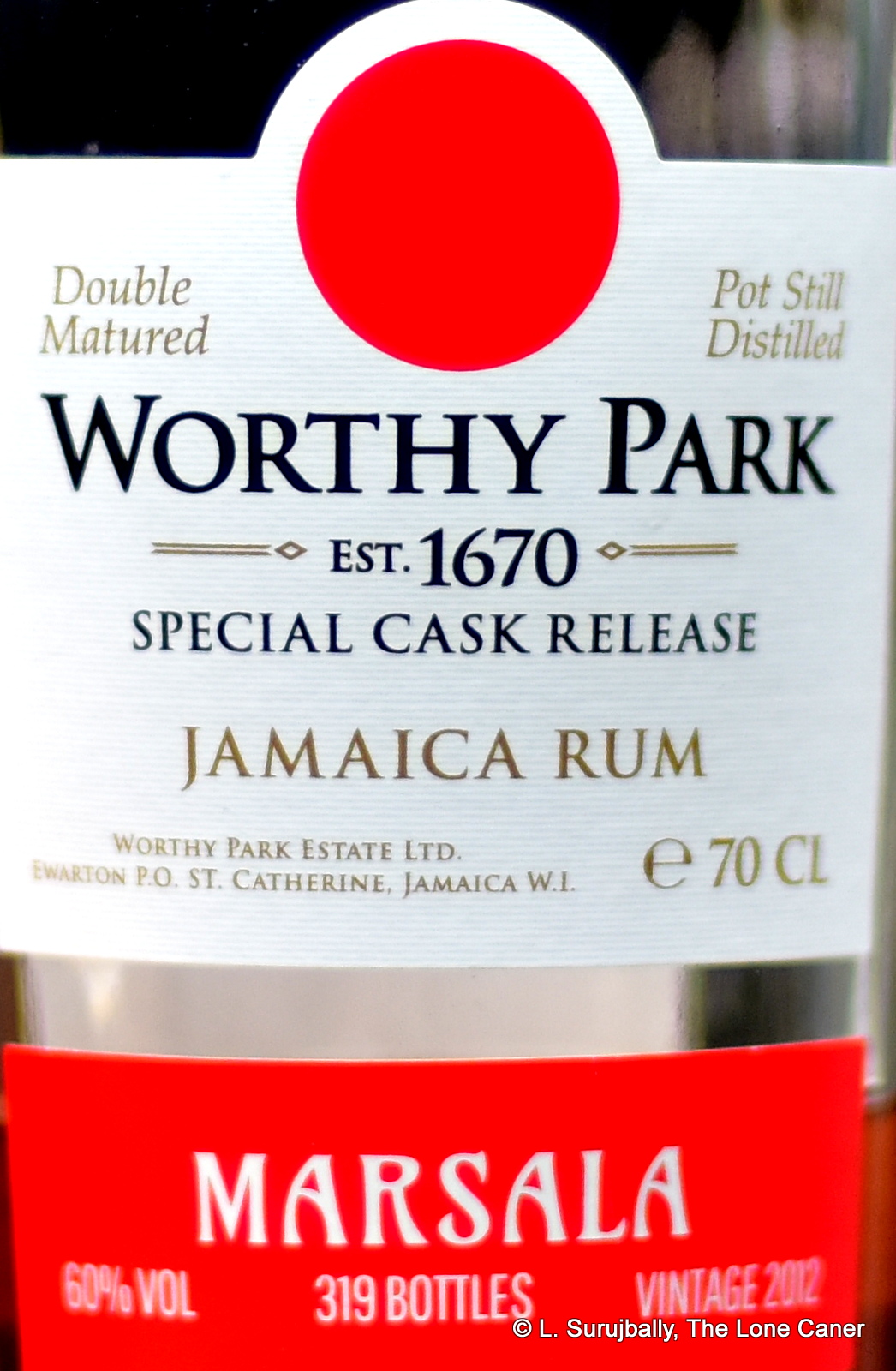 It was bottled at 120 proof of power and yet, when sampled all one tasted was firmness, strength, no sharpness, like it was twenty points lower. It laid down solid notes of flambeed bananas, overripe cashews, coconut shavings, a little brine and olives, and was creamy and aromatic in a very Jamaican-funk sort of way. There were sweet notes of peaches and pineapples in syrup, a fine background of lemon peel, spices again, apples and grapes and raisins all mixing it up in fine style with sweet bell peppers, rosemary and bay leaves. And it slowed down not the slightest when approaching the finish line: it was long, peachy, creamy, tart, spicy, salty, and still managed to cough up some caramel, lemon zest and tart apples at the close.
Five years old. If nothing else it showed the astounding quality of the Compagnie’s 7 YO had been no accident. It’s difficult for me to explain precisely what made it so good, and so memorable. The finishing was definitely a part of that, and in spite of the pot still action waning somewhat between nose and palate, the balance of the sweet with the salt with the umame and the tart, was completely stellar. Nothing dominated, everything got its time to shine, and there was a lot there to process. A lot. People throw around the word “complexity” far too casually these days, but here was a rum that really earned it.
See, the WP Marsala rum displayed a furious sort of weapons-grade rum-making mojo of a kind I had been seeing all too rarely. It rewards multiple tastings, and is a completely enjoyable dram to sip from start to finish. I’ve gone back to it constantly, in all the time between then and now, and it’s not that I had to do that to “understand” it, precisely, or “get it.” I get it just fine. But I had to return to realize how good it really is, how well it marries the smooth elegance of a well mannered socialite with the brutally assertive statement of a cane cutter’s cutlass. The strength may daunt, but the aroma beguiles, the palate seduces, and the quality of the whole is gradually made manifest…and once that happens, you return to it like a totem of all the quality you want, and didn’t even know you were missing.
(#842)(90/100)