Rumaniacs Review #116 | 0732
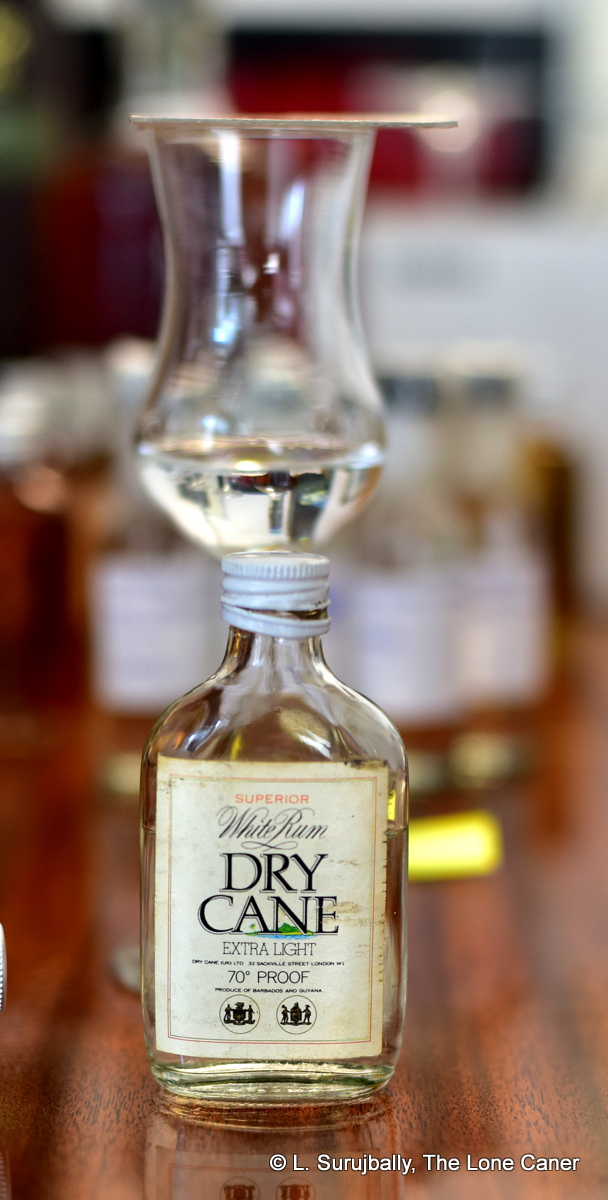
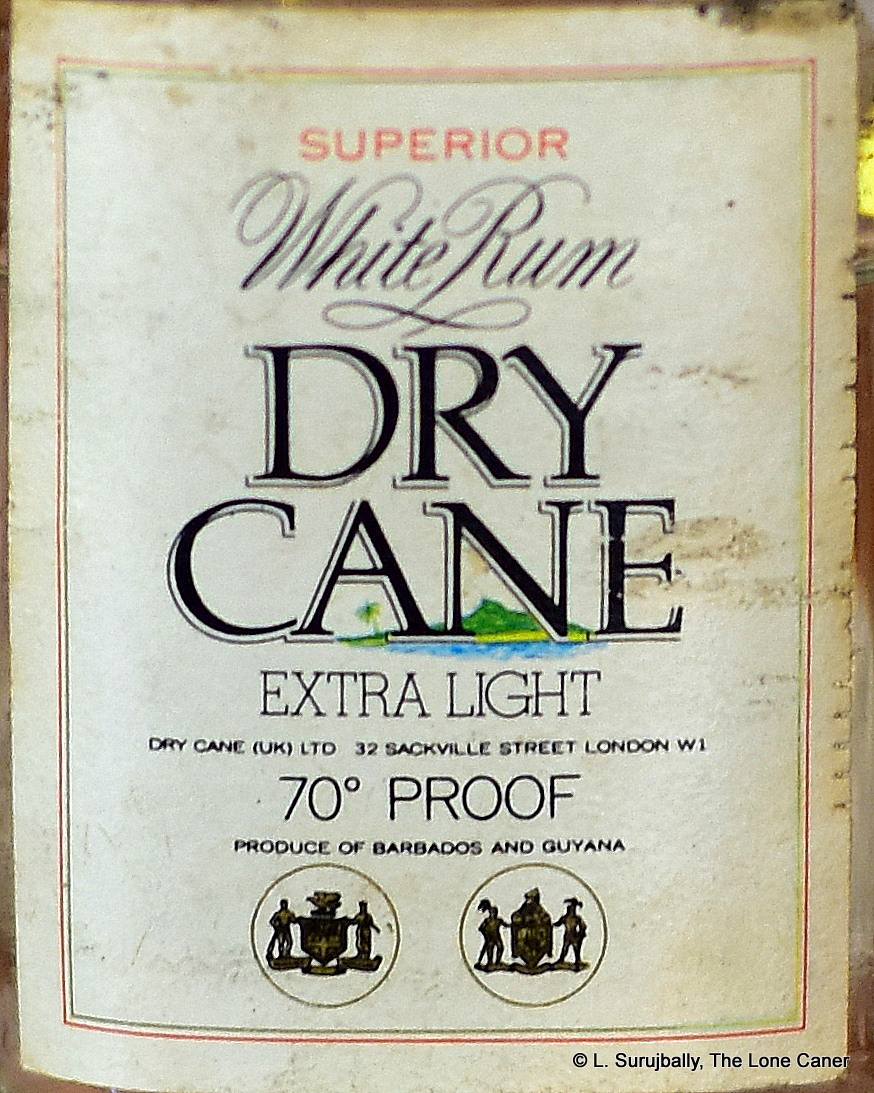
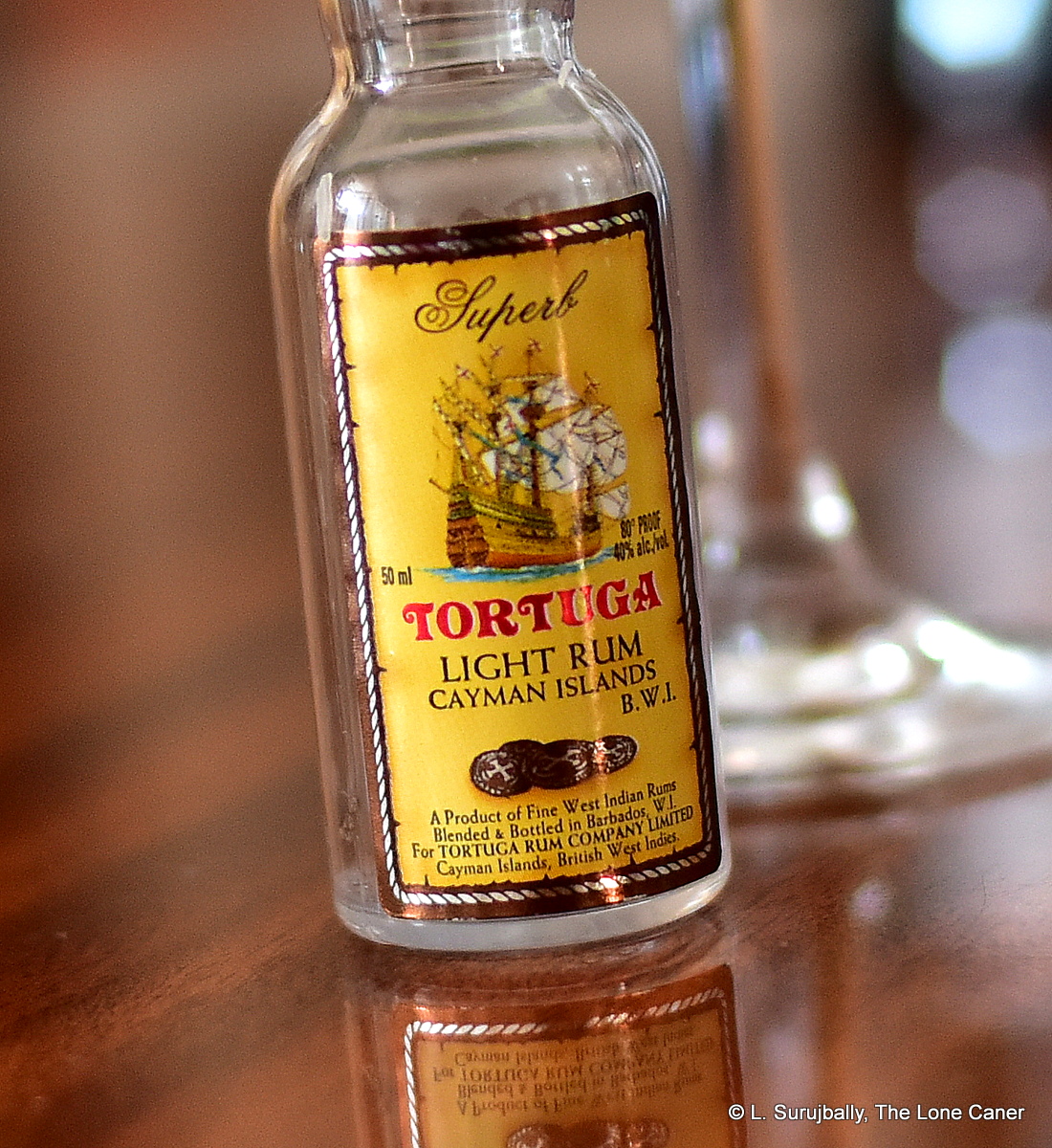
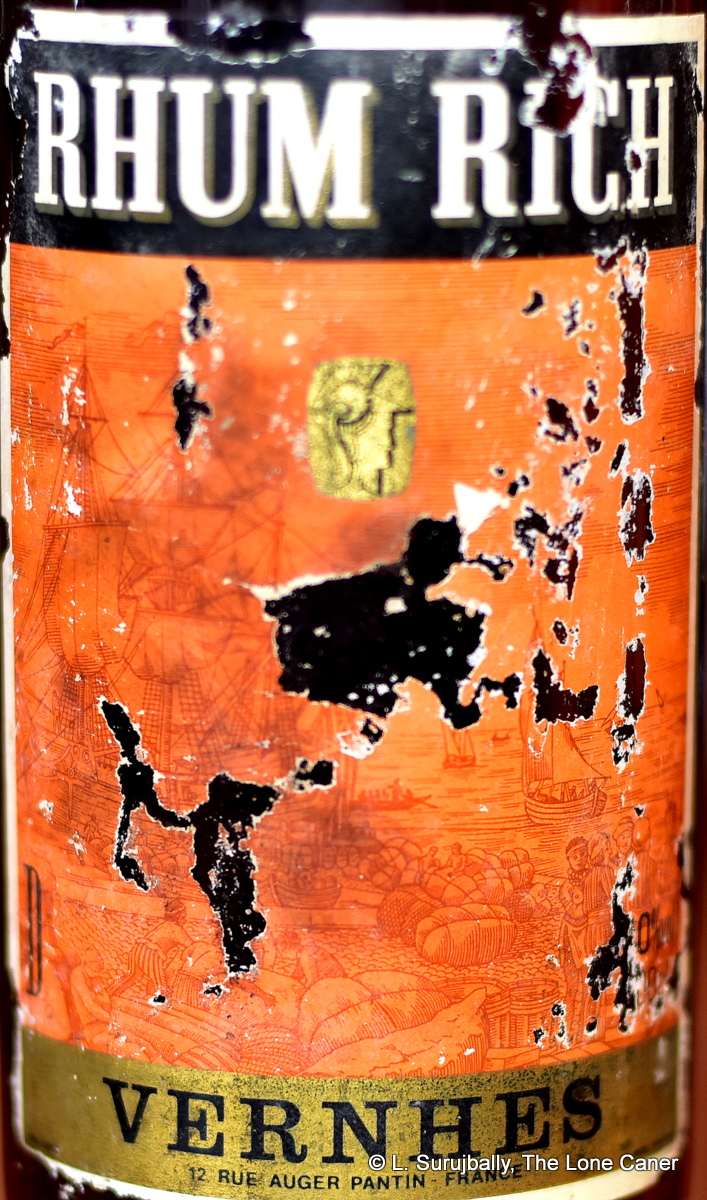
Dry Cane UK had several light white rums in its portfolio – some were 37.5% ABV, some were Barbados only, some were 40%, some Barbados and Guyanese blends. All were issued in the 1970s and maybe even as late as the 1980s, after which the trail goes cold and the rums dry up, so to speak. This bottle however, based on photos on auction sites, comes from the 1970s in the pre-metric era when the strength of 40% ABV was still referred to as 70º in the UK. It probably catered to the tourist, minibar, and hotel trade, as “inoffensive” and “unaggressive” seem to be the perfect words to describe it, and II don’t think it has ever made a splash of any kind.
As to who exactly Dry Cane (UK) Ltd were, let me save you the trouble of searching – they can’t be found. The key to their existence is the address of 32 Sackville Street noted on the label, which details a house just off Piccadilly dating back to the 1730s. Nowadays it’s an office, but in the 1970s and before, a wine, spirits and cigar merchant called Saccone & Speed (established in 1839) had premises there, and had been since 1932 when they bought Hankey Bannister, a whisky maker, in that year. HB had been in business since 1757, moved to Sackville Street in 1915 and S&S just took over the premises. Anyway, Courage Breweries took over S&S in 1963 and handed over the spirits section of the UK trade to another subsidiary, Charles Kinloch – who were responsible for that excellent tipple, the Navy Neaters 95.5º we have looked at before (and really enjoyed).
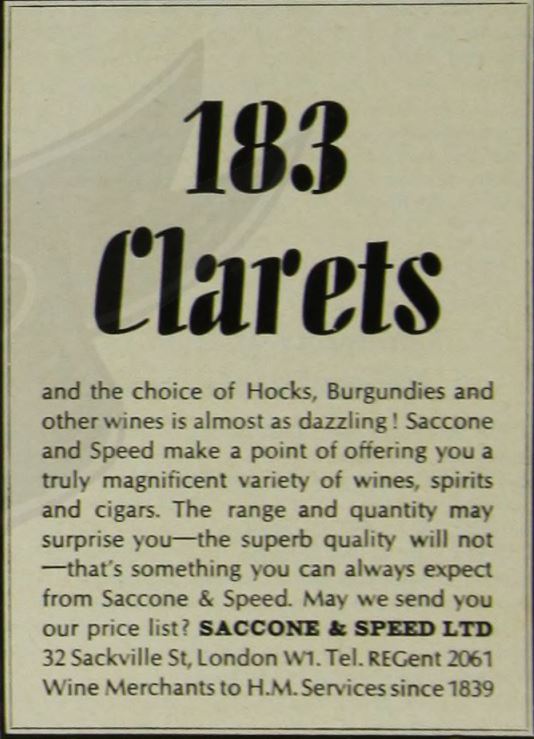 My inference is therefore that Dry Cane was a financing vehicle or shell company or wholly owned subsidiary set up for a short time to limit the exposure of the parent company (or Kinloch), as it dabbled in being an independent bottler — and just as quickly retreated, for no further products were ever made so far as I can tell. But since S&S also acquired a Gibraltar drinks franchise in 1968 and gained the concession to operate a duty free shop at Gibraltar airport in 1973, I suspect this was the rationale behind creating the rums in the first place, through the reason for its cessation is unknown. Certainly by the time S&S moved out of Sackville Street in the 1980s and to Gibraltar (where they remain to this day as part of a large conglomerate), the rum was no longer on sale.
Colour – White
Strength – 40% ABV
Nose – Light and sweet; toblerone, almonds, a touch of pears. Its watery and weak, that’s the problem with it, but interestingly, aside from all the stuff we’re expecting (and which we get) I can smell lipstick and nail polish, which I’m sure you’ll admit is unusual. It’s not like we find this rum in salons of any kind.
 Palate – Light and inoffensive, completely bland. Pears, sugar water, some mint. You can taste a smidgen of alcohol behind all that, it’s just that there’s nothing really serious backing it up or going on.
Finish – Short, dreary, light, simple. Some sugar again and something of a vanilla cake, but even that’s reaching a bit.
Thoughts – Well, one should not be surprised. It does tell you it’s “extra light”, right there on the label; and at this time in rum history, light blends were all the rage. It is not, I should note, possible to separate out the Barbadian from the Guyanese portions. I think the simple and uncomplex profile lends credence to my theory that it was something for the hospitality industry (duty free shops, hotel minibars, inflight or onboard boozing) and served best as a light mixing staple in bars that didn’t care much for top notch hooch, or didn’t know of any.
(74/100)
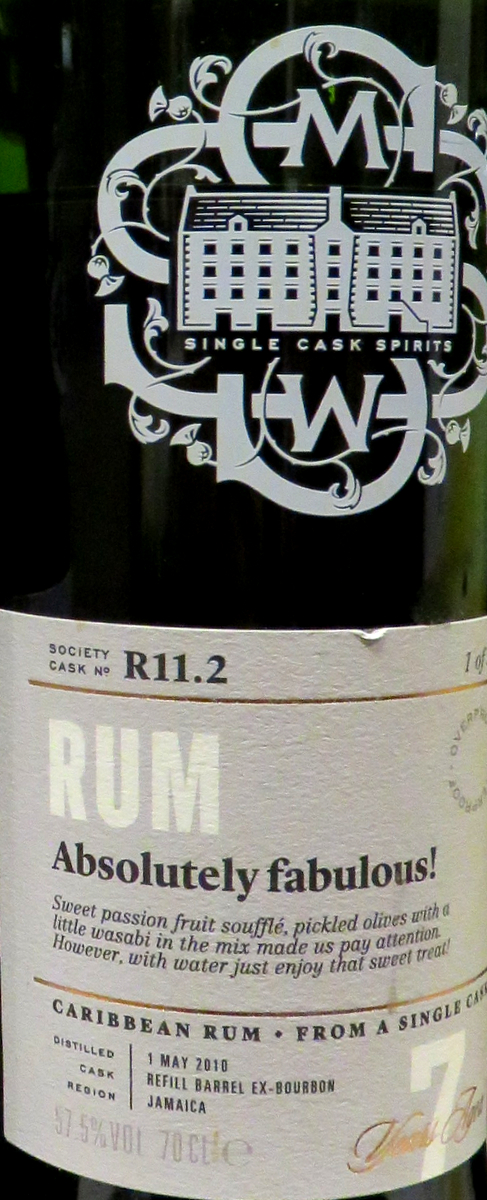
 Anyone from my generation who grew up in the West Indies knows of the scalpel-sharp satirical play “Smile Orange,” written by that great Jamaican playwright, Trevor Rhone, and made into an equally funny film of the same name in 1976. It is quite literally one of the most hilarious theatre experiences of my life, though perhaps an islander might take more away from it than an expat. Why do I mention this irrelevancy? Because I was watching the YouTube video of the film that day in Berlin when I was sampling the Worthy Park series R 11.3, and though the film has not aged as well as the play, the conjoined experience brought to mind all the belly-jiggling reasons I so loved it, and Worthy Park’s rums.
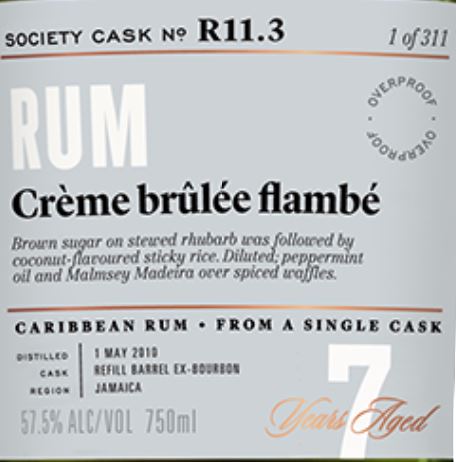 The distillation run from 2010 must have been a good year for Worthy Park, because the SMWS bought no fewer than seven separate casks from then to flesh out its R11 series of rums (R11.1 through R11.6 were distilled May 1st of that year, with R11.7 in September, and all were released in 2017). After that, I guess the Society felt its job was done for a while and pulled in its horns, releasing nothing in 2018 from WP, and only one more — R11.8 — the following year; they called it “Big and Bountiful” though it’s unclear whether this refers to Jamaican feminine pulchritude or Jamaican rums.
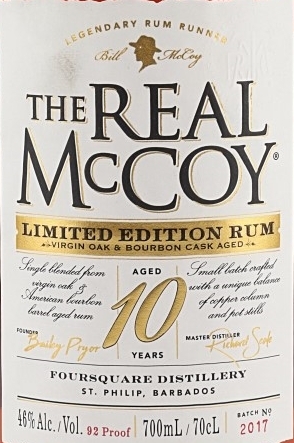 On the palate, the slightly higher strength worked, up to a point. It’s a lot better than 40%, and allowed a certain heft and firmness to brush across the tongue. This then enhanced a melded mishmash of fruits – watermelon, bananas, papaya – plus cocoa butter, coconut shavings in a Bounty chocolate bar, honey and a pinch of salt and vanilla, all of which got shouldered aside by the tannic woodiness. I suspect the virgin oak is responsible for that surfeit, and it made the rum sharper and crisper than those McCoy and Foursquare rums we’re used to, not entirely to the rum’s advantage. The finish summed of most of this – it was dry, rather rough, sharp, and pretty much gave caramel, vanilla, light fruits, and some last tannins which were by now starting to fade. (Subsequent sips and a re-checks over the next few days don’t appreciably change these notes).
 Colour – Very dark brown
 It sounds strange to say it, but the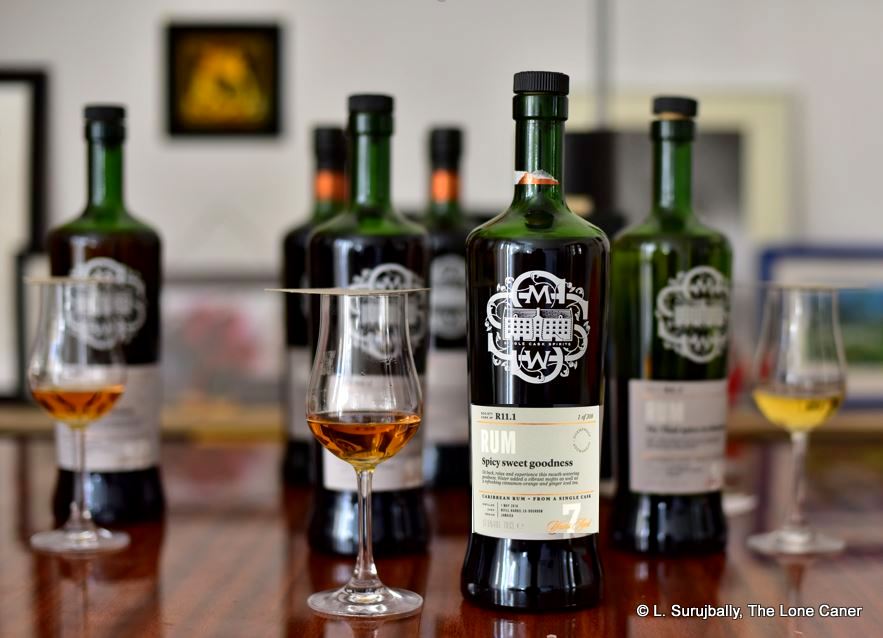
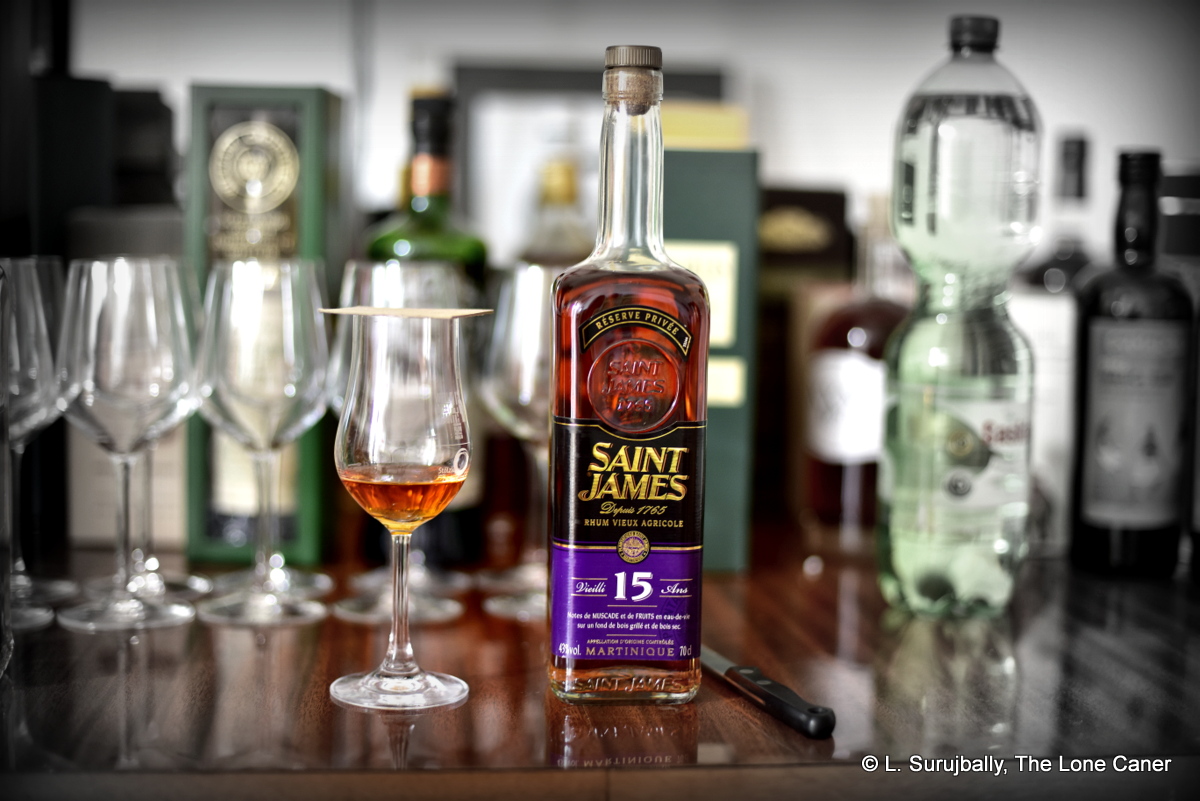
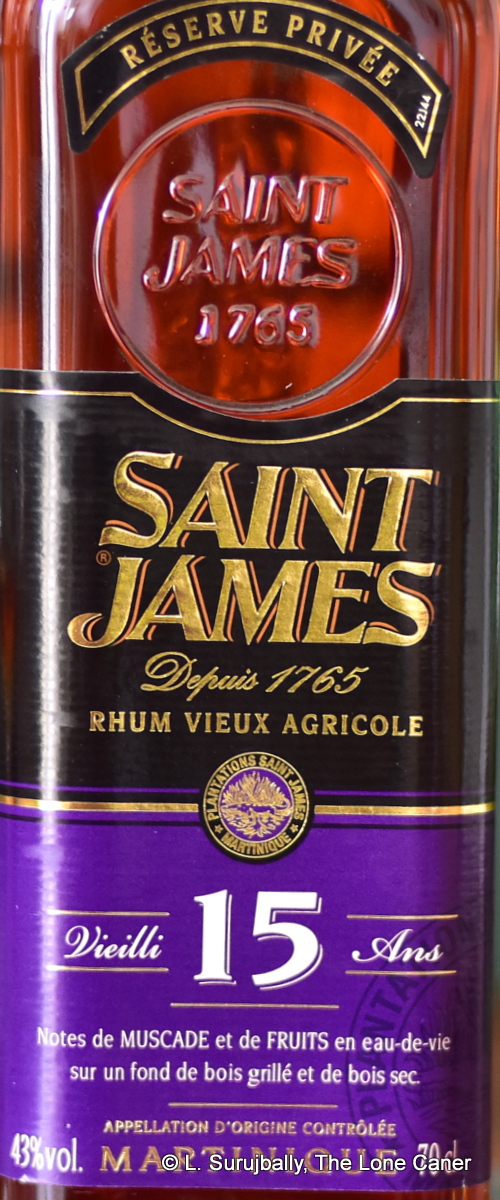 Because that 15 year old rhum is, to my mind, something of an underground, mass-produced steal. It has the most complex nose of the “regular” lineup, and also, paradoxically, the lightest overall profile — and also the one where the grassiness and herbals and the cane sap of a true agricole comes through the most clearly. It has the requisite crisp citrus and wet grass smells, sugar came sap and herbs, and combines that with honey, the delicacy of white roses, vanilla, light yellow fruits, green grapes and apples. You could just close your eyes and not need ruby slippers to be transported to the island, smelling this thing. It’s sweet, mellow and golden, a pleasure to hold in your glass and savour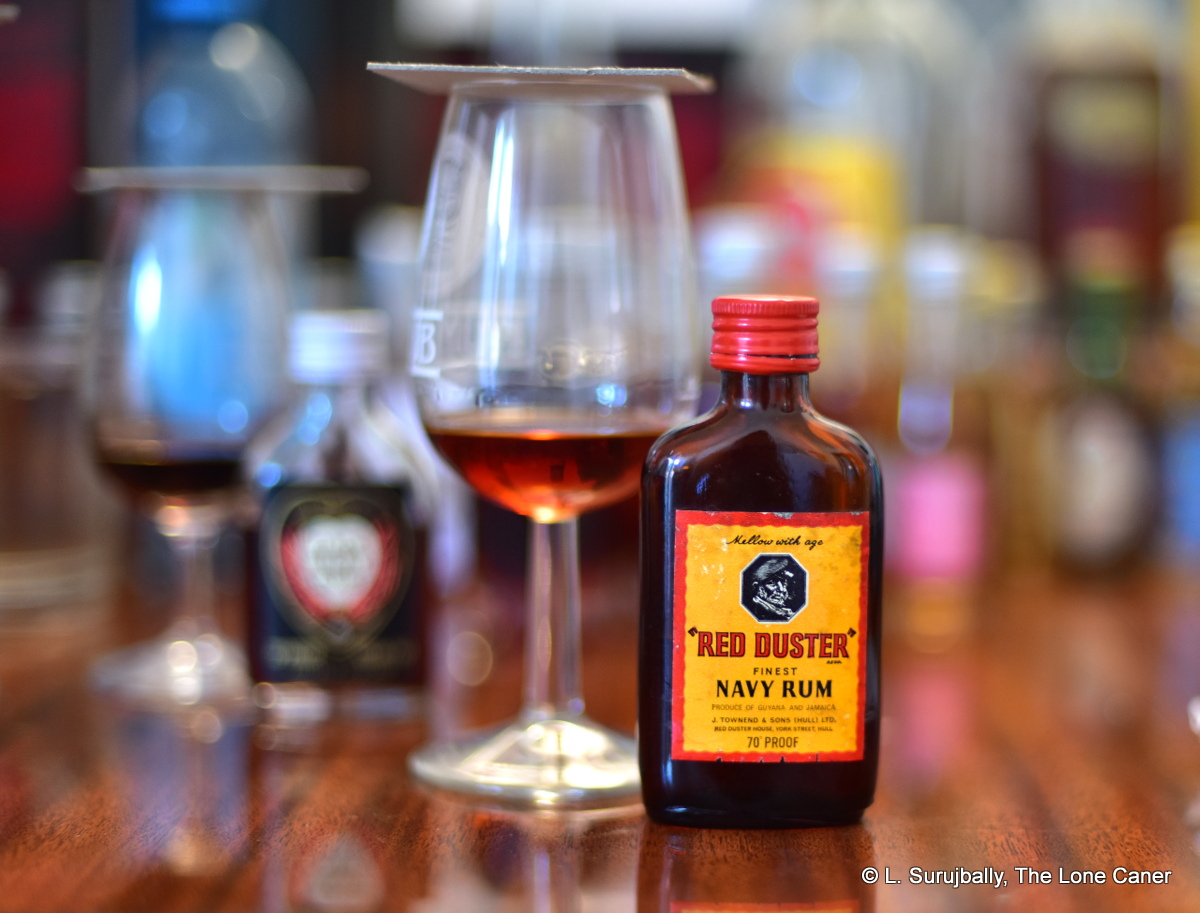
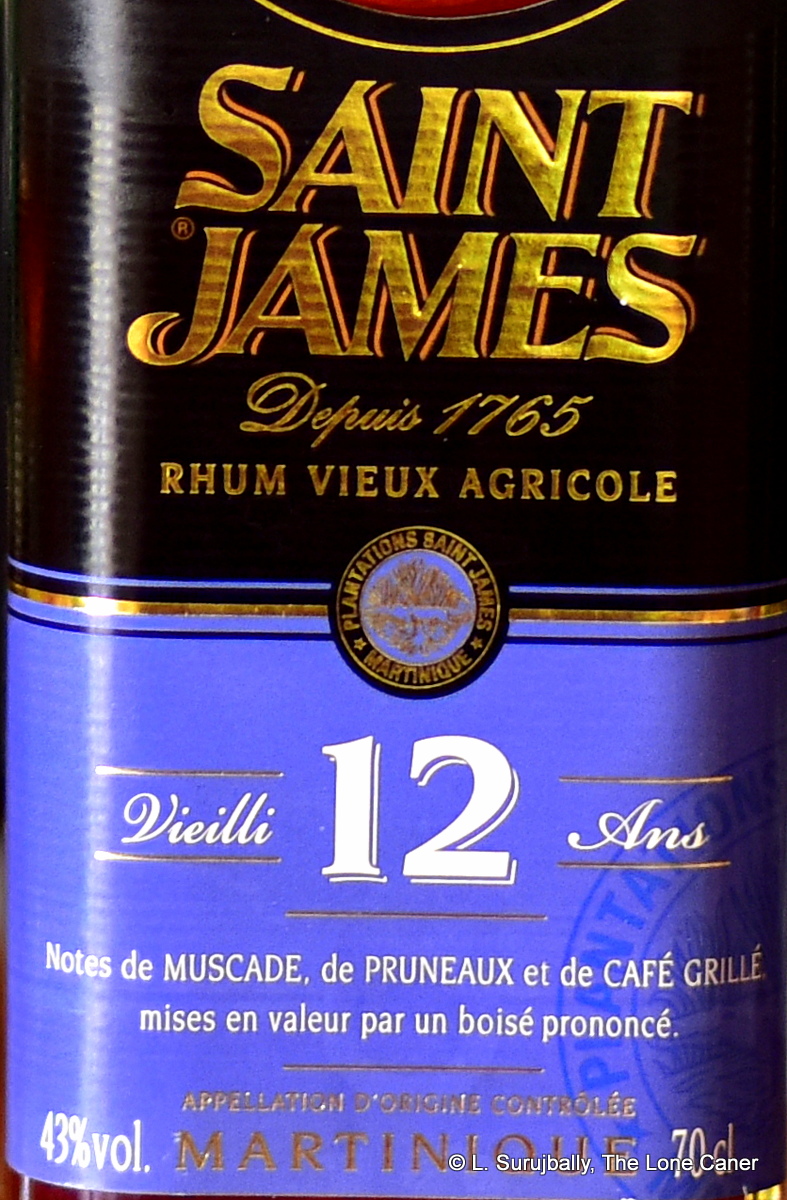 To some extent, it has a lighter nose than the luscious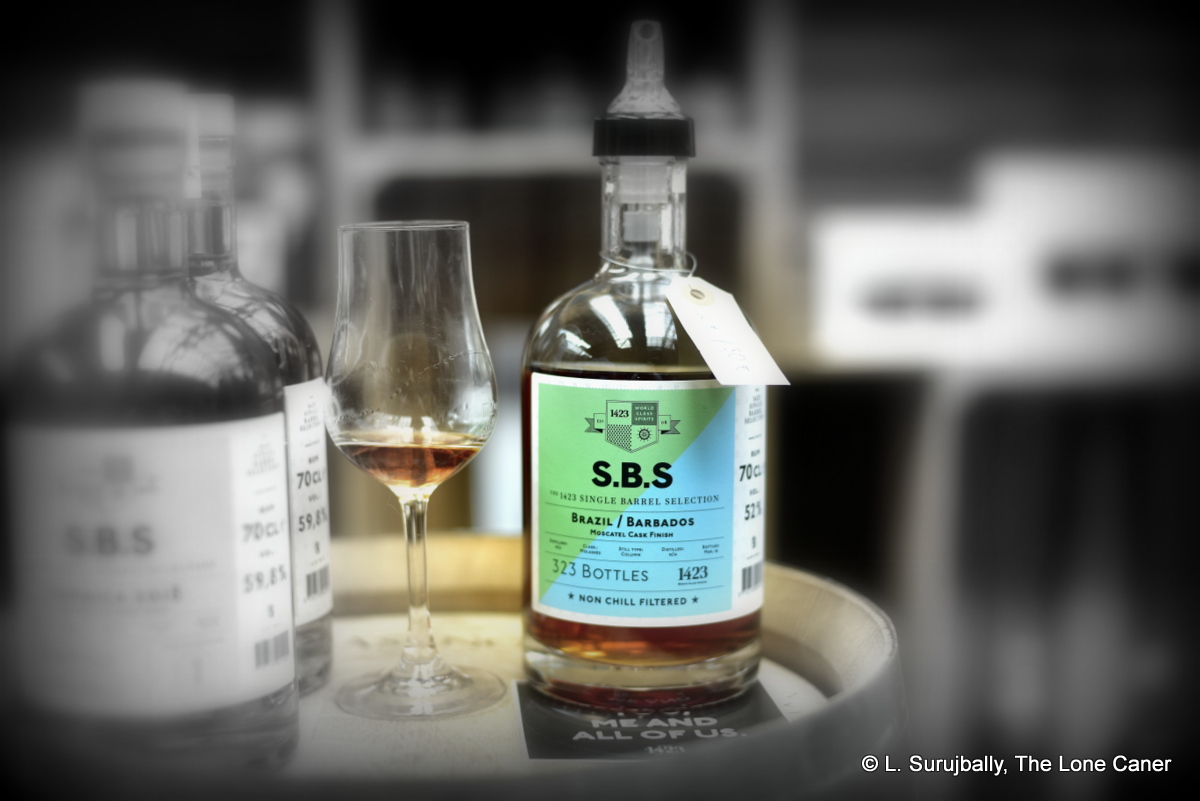
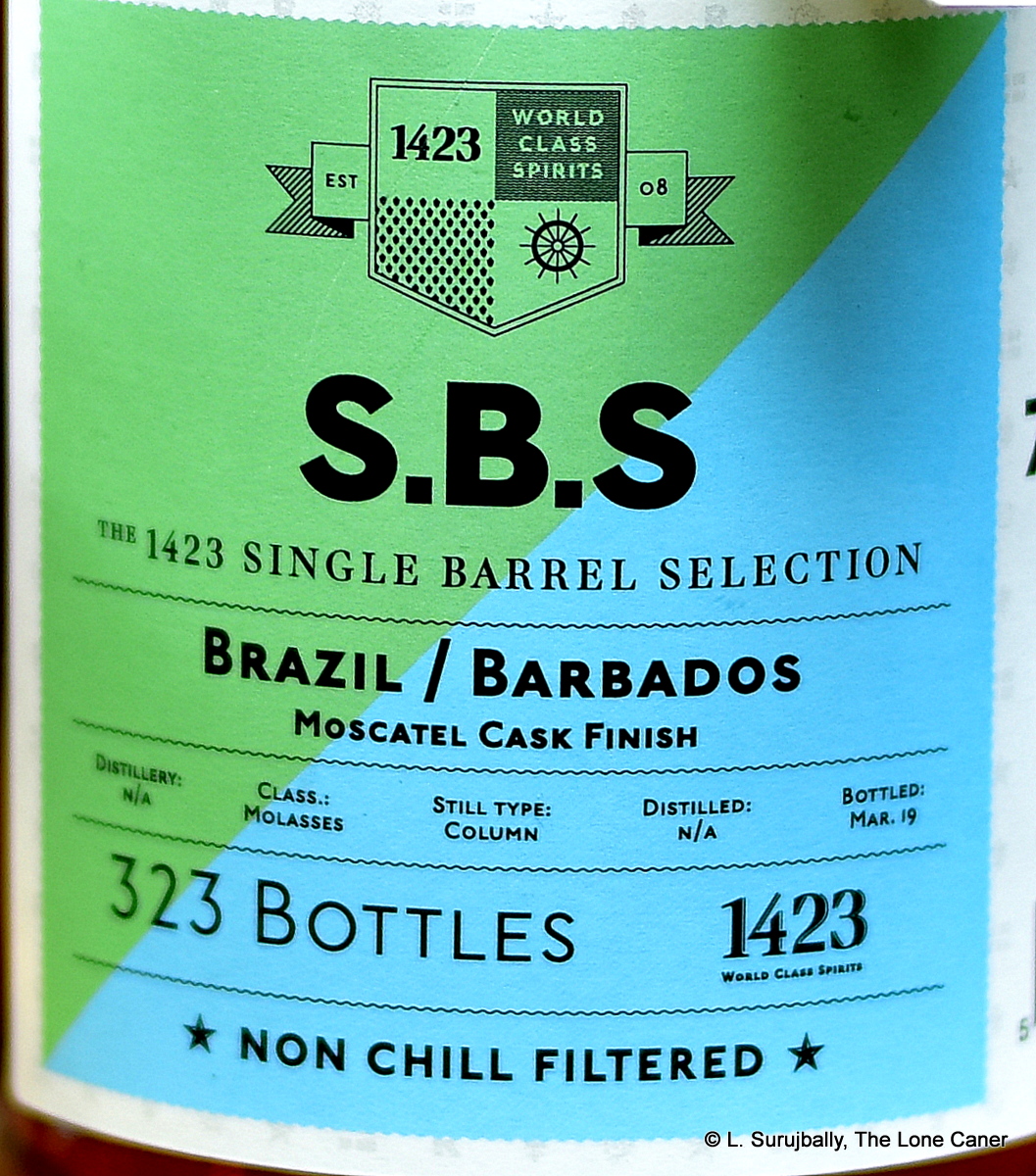 1423, the Danish indie, has taken this concept a step further with their 2019 release of a Brazil / Barbados carnival — it comprised of 8- and 3-year old Foursquare rums (exact proportions unknown, both column still) to which was added an unaged cachaca from Pirassununga (they make the very popular “51” just outside Sao Paolo), and the whole thing left to age for two years in Moscatel wine casks for two years, before being squeezed out into 323 bottles at 52% ABV.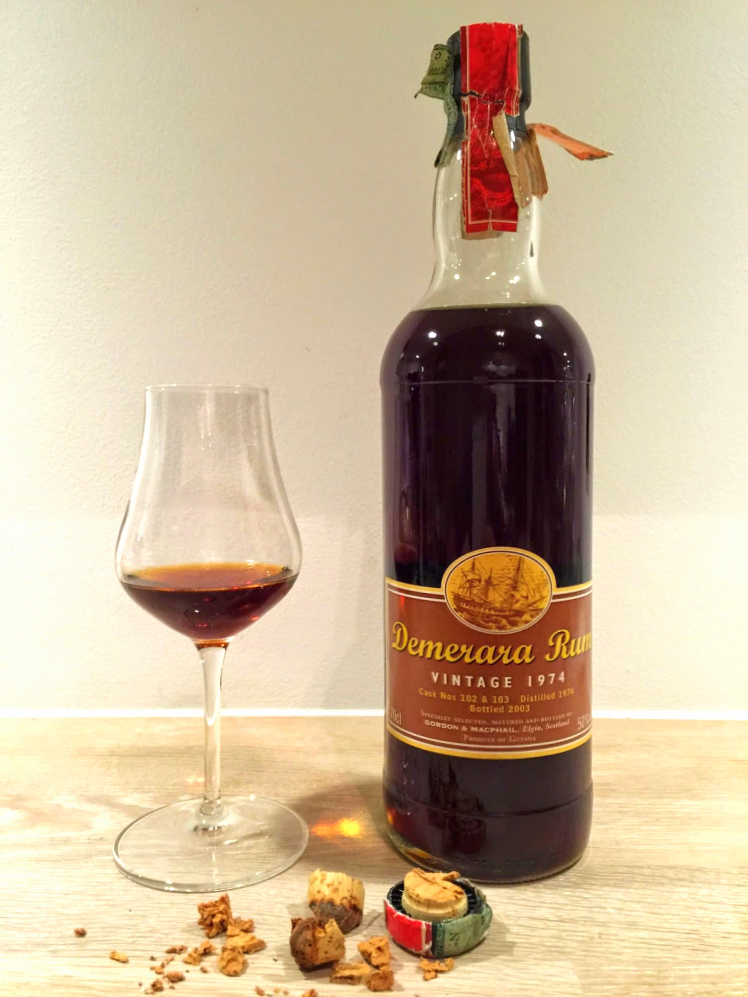
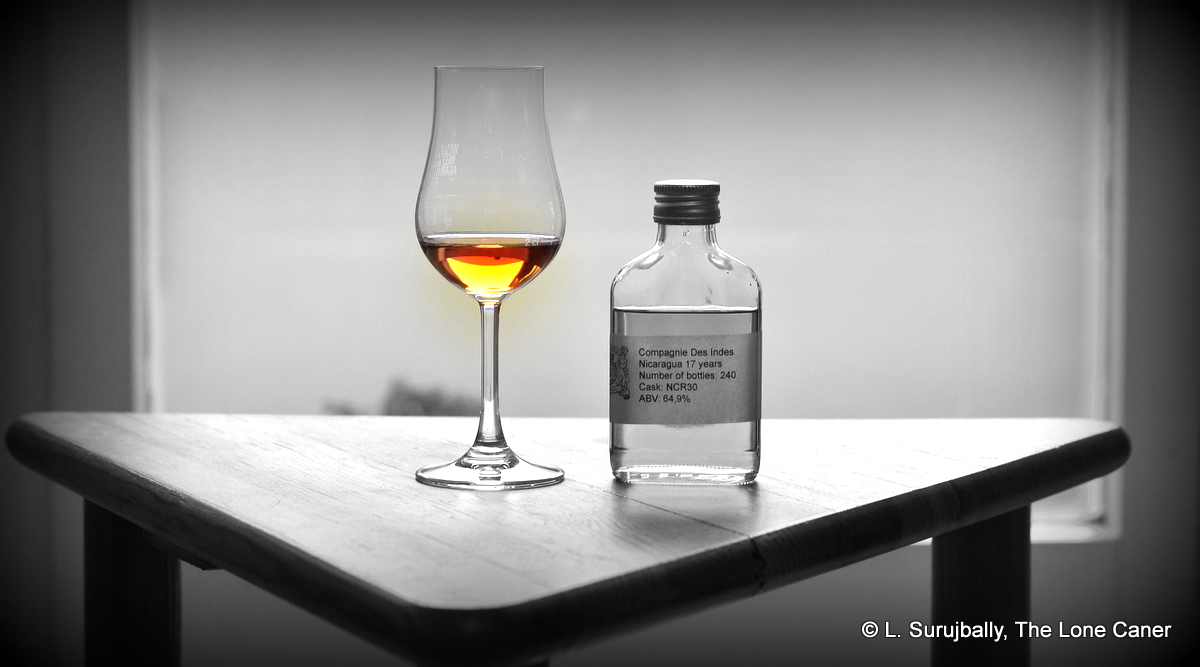
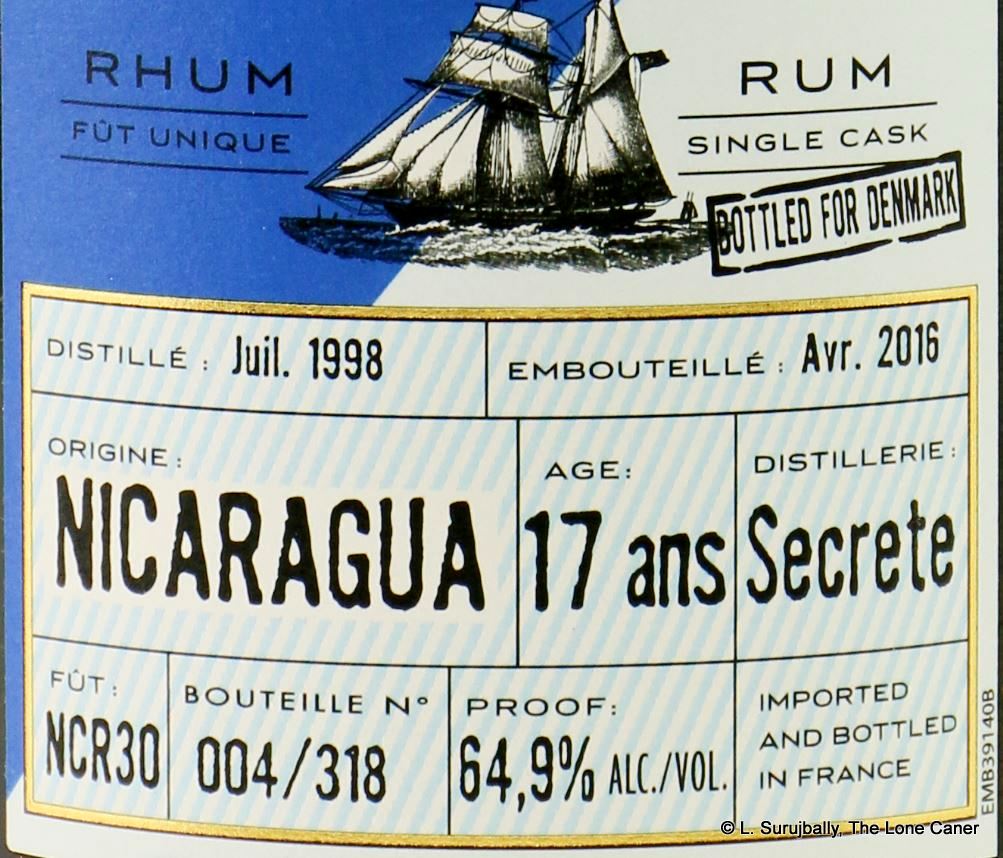
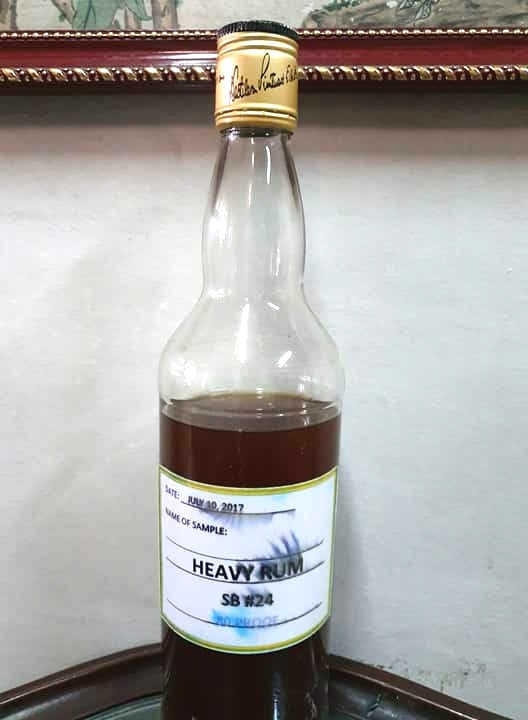 I should begin by warning you that this rum is sold on a very limited basis, pretty much always to favoured bars in the Philippines, and then not even by the barrel, but by the bottle from that barrel – sort of a way to say “Hey look, we can make some cool sh*t too! Wanna buy some of the other stuff we make?”. Export is clearly not on the cards…at least, not yet.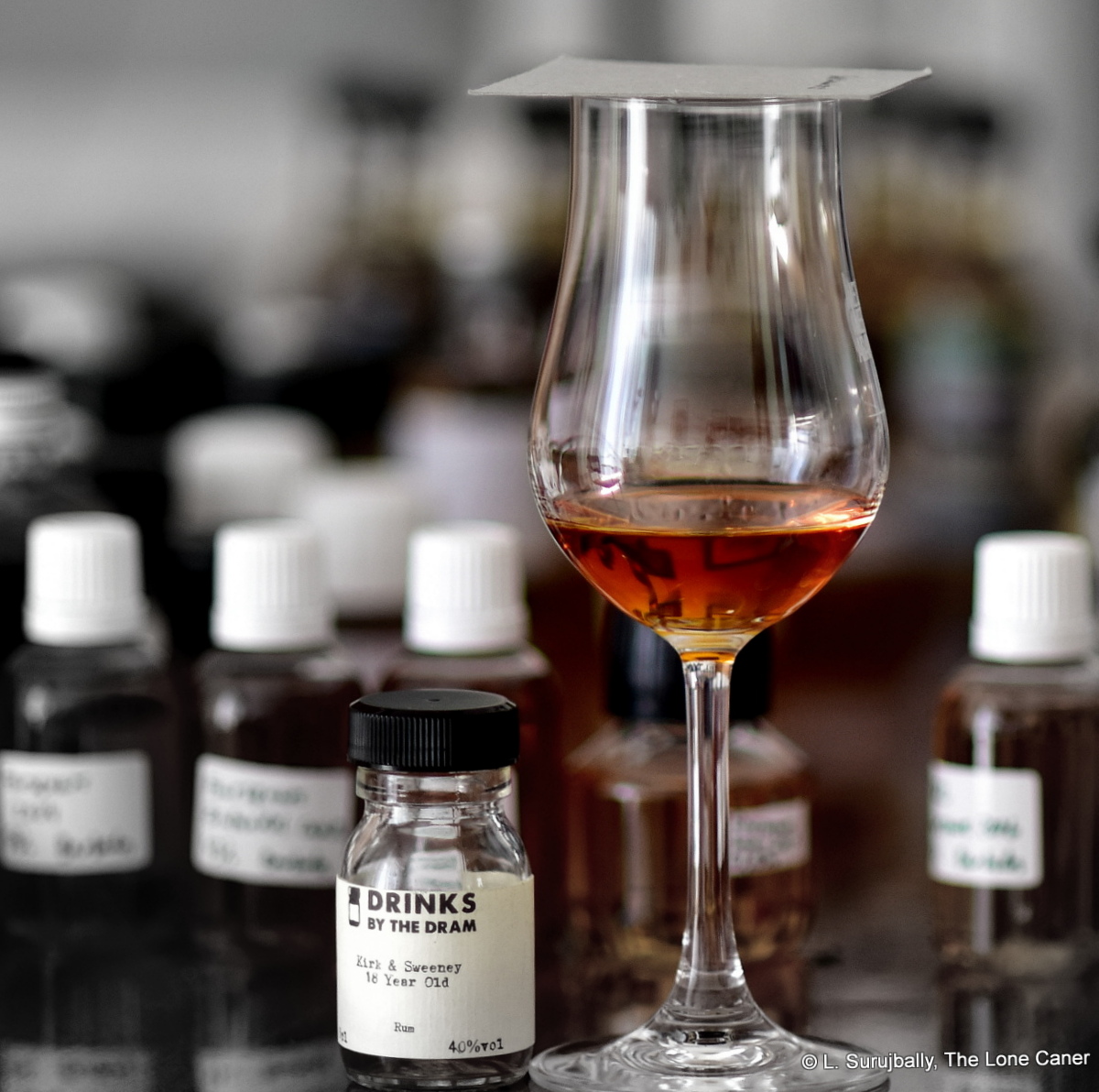
 This is not to say that there isn’t some interesting stuff to be found. Take the nose, for example. It smells of salted caramel, vanilla ice cream, brown sugar, a bit of molasses, and is warm, quite light, with maybe a dash of mint and basil thrown in. But taken together, what it has is the smell of a milk shake, and there doesn’t seem to be much in the way of startling originality – not exactly what 18 years of ageing would give you, pleasant as it is. It’s soft and easy, that’s all. No thinking required.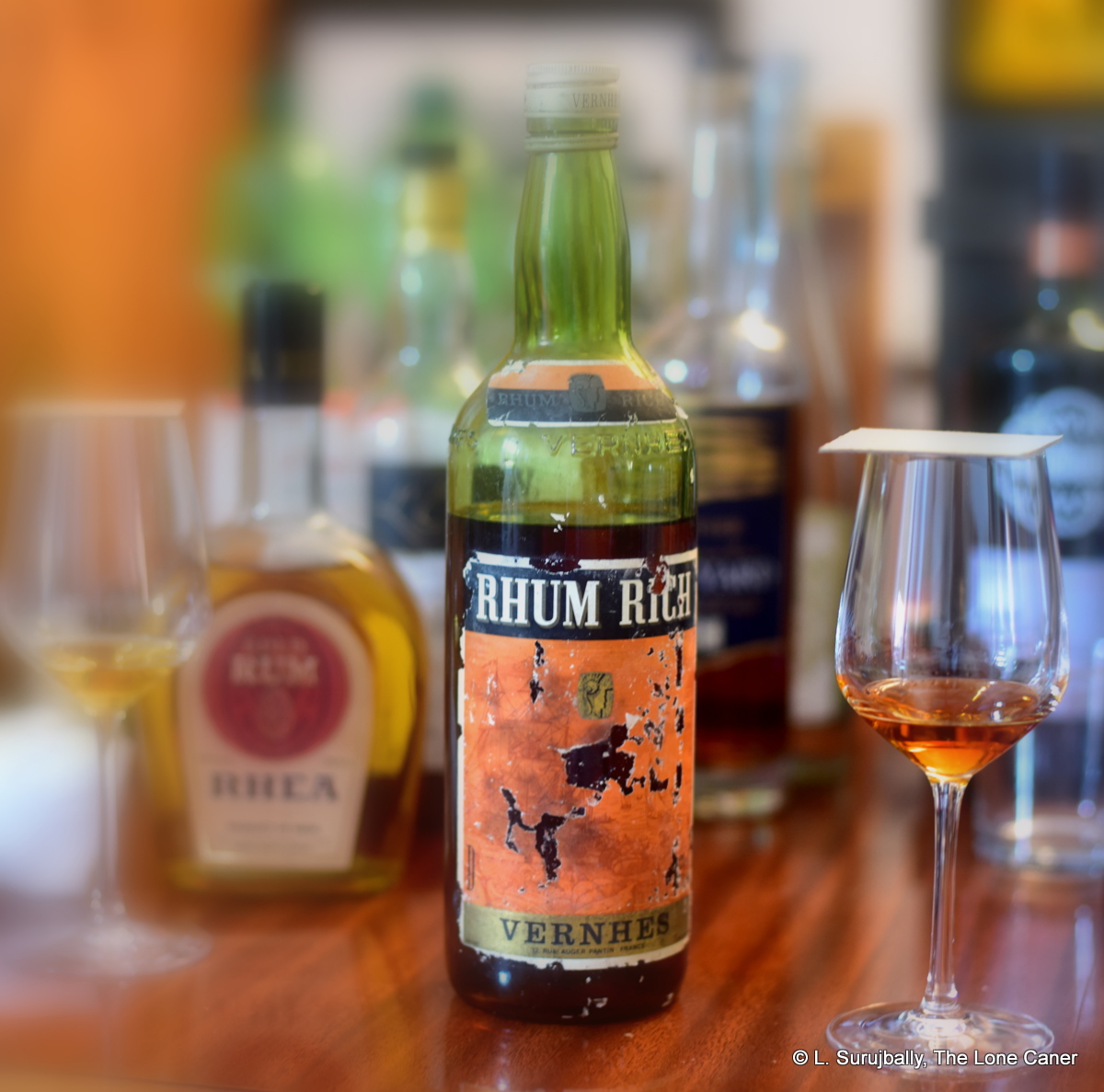
 Colour – Amber
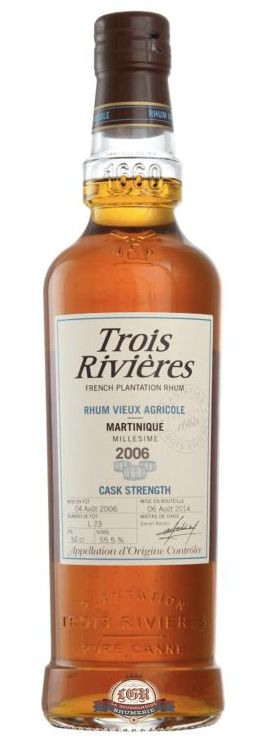 The Trois Rivières Brut de fût Millésime 2006 (which is its official name) is relatively unusual: it’s aged in new American oak barrels, not Limousin, and bottled at cask strength, not the more common 43-48%. And that gives it a solidity that elevates it somewhat over the standards we’ve become used to. Let’s start, as always, with the nose — it just becomes more assertive, and more clearly defined…although it seems somehow gentler (which is quite a neat trick when you think about it). It is redolent of caramel and vanilla first off, and then adds green apples, tart yoghurt, pears, white guavas, watermelon and papaya, and behind all that is a delectable series of herbs – rosemary, dill, even a hint of basil and aromatic pipe tobacco.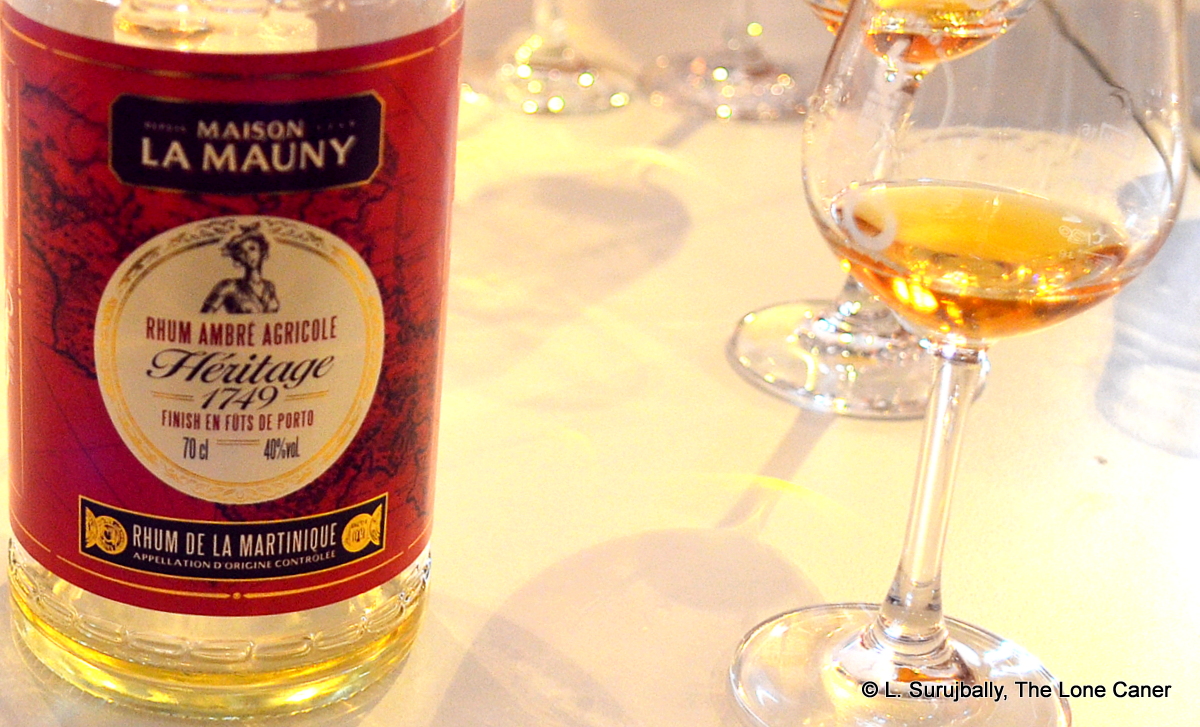
 Okay so, on to palate. Straw yellow in the glass, it was softer and less intense, which, for a forty percenter, was both good and bad. Here the grassy and herbal notes took on more prominence, as did citrus, some tart unsweetened yoghurt, honey and cane juice. The youth was evident in the slight sharpness and lack of real roundness – the two years of ageing had
 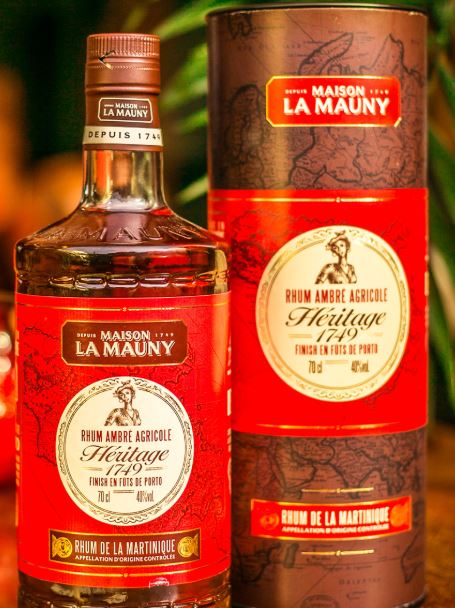 In 1923 La Mauny was sold to Théodore and Georges Bellonnie who enlarged and brought in new facilities such as a distillation column, new grinding mills and a steam engine. The distillery expanded hugely thanks to increased output and good marketing strategies and La Mauny rhums began to be exported around 1950. In 1970, after the Bellonnie brothers had both passed away, the Bordeaux traders and old-Martinique family of Bourdillon teamed up with Théodore Bellonnie’s widow and created the BBS Group. The company grew strongly, launching on the French market in 1977. Jean Pierre Bourdillon, who ran the new group, undertook to modernize La Mauny. He began by reorganizing the fields in order to make them accessible to mechanical harvesting and built a new distillery in 1984 (with a fourth mill, a three column still and a new boiler) a few hundred meters from the old one, increasing the cane crushing capacity and buying the equipment of the Saint James distillery in Acaiou, unused since 1958.