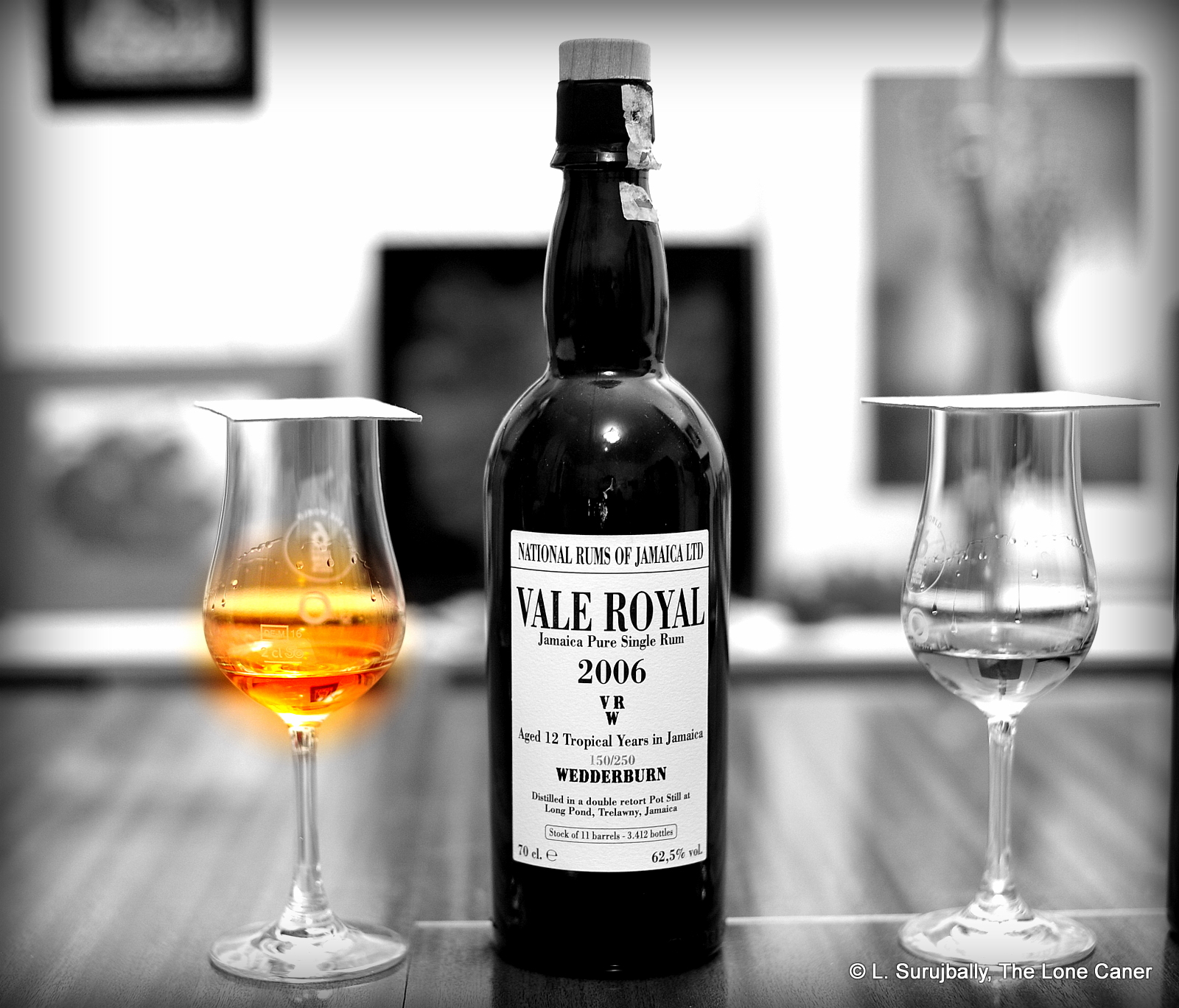
This whole week I’ll be looking at the quartet of stern, forbidding black and white bottles of the National Rums of Jamaica, which have excited a slowly rising conversation on social media as pictures get posted and more and more people try them. Certainly, they’ve got all the Jamaican rum punditry in transports already (plus they are issued by Velier, which is clear from the minimalist label and box design). All four will be written about in a sequence, because there’s simply no way to speak to them individually at long intervals without missing the point, which is that they’re part of an integrated set, and to understand one means to try and understand all – each informs the other. Because there’s a fair bit of background involved in these rums, below each post will have a longer-than usual “Background notes” section detailing notes common to all, and defining some terms, below the review.
The Vale Royal is probably the most traditional rum of the NRJ series, and for the reasonably wide-tasting rum drinker, the best one to start with, as will become clear when we move through the four-rum series. It also has the lowest ester-count among the set, which might give you an inkling of how they all progress (you’d think that….but no). Bottled at 62.5%, as they all are, it derives from a double retort pot still, is 12 years old, tropically aged (of course) and is made in the Wedderburn style, with an ester count of 150 grams per hectoliter of pure alcohol (g/hlpa) — out of a max of 250 for this classification — which is not the standard accepted one for Jamaicans as a whole, but Longpond’s own. That makes it a very approachable rum, very tasty, yet paradoxically not entirely a rum I could immediately assign to Jamaica, the way one could, for example, a Worthy Park, an Appleton, or a Hampden — though admittedly we have more experience with those and therefore know them somewhat better (this is a personal opinion, though).
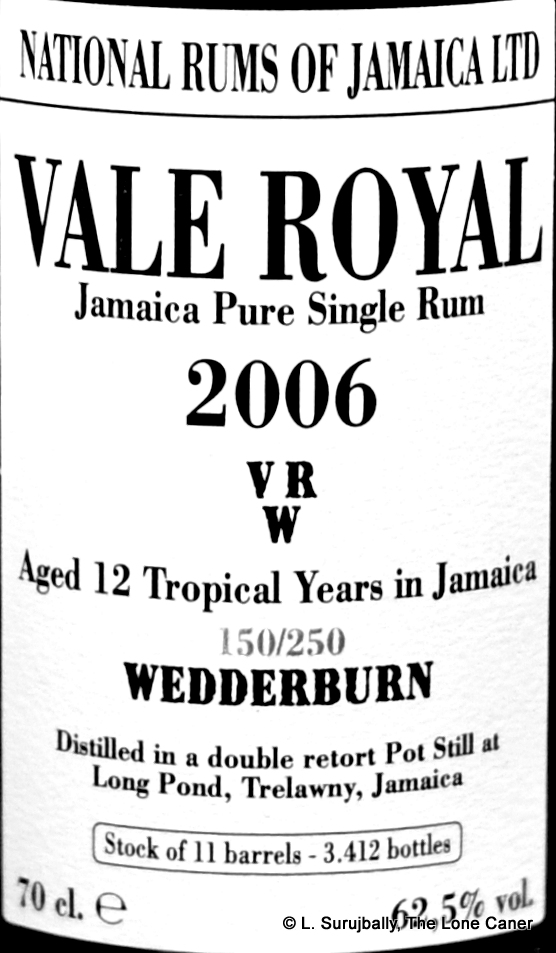 Consider first the nose. Frankly, I thought it was lovely – not just because it was different (it certainly was), but because it combined the familiar and the strange in intriguing new ways. It started off dusty, musky, loamy, earthy…the sort of damp potting soil in which my wife exercises her green thumb. There was also a bit of vaguely herbal funk going on in the background, dry, like a hemp rope, or an old jute sack that once held rice paddy. But all this was background because on top of all that was the fruitiness, the flowery notes which gave the rum its character – cherries, peaches, pineapples, mixed with salt caramel, vanilla, almonds, hazelnuts and flambeed bananas. I mean, that was a really nice series of aromas.
On the palate the strength showed its fangs and let’s face it, at 62.5% it’s got monster power hidden under the hood, and a little patience was required. It was sharp, sweet, flowery and estery to a fault, and somehow that dry earthy note disappeared almost entirely, probably edged out by the sheer force of all the other flavours that took over – this is perhaps one of those rums where a little water is really required. I didn’t get much without the addition, but with a few drops there was a cloudburst of flowery flavours and sharp fruits: pears, apples, cider, green grapes, raisins, unripe mangoes, tart yoghurt and sour cream, nuts, vanilla, anise and even some yeasty bread just to shake things up. And the finish, well, that was excellent – long, flavourful, fruity, sweetly flower-like, and took forever to die down, coughing up a last note of bitter chocolate, crushed hazelnuts, vanilla and sharp unripe fruits just to show that even on the back end it meant business and had a bit ore to smack you down with..
For my money, this is a pretty great rum. It is well aged, well balanced, and has the funky note and that fruity estery profile – neither to excess – that drives lovers of Worthy Park and Hampden into orgasmic throes of onanistic ecstasy. It also has originality and character in that it isn’t afraid to add a few extra things into the mix that might seem startling at first – these are new and original and yet not overdone. In fine, it has almost everything I want from a rum that purports to break the mould and show us something different – old tastes combined with new and intriguing flavours that somehow don’t call that much attention to themselves, all put together into something peculiarly its own. What it presented was an interesting melange of both Jamaican and something else, with a sly wink and an arrow pointing at the other, more ester-boosted rums in the series…for both good and ill. And that will become clearer as we progress through the line.
(#563)(87/100)
Background notes
(With the exception of the estate section, all remarks here are the same for the four reviews)
This series of essays on the four NRJ rums contains:
- NRJ Vale Royal 2006 12 YO VRW (11 barrels, 3412 bottles) 150/250 esters level
- NRJ Cambridge 2005 13 YO STC❤E (11 barrels, 3648 bottles) 550/700 esters level
- NRJ Long Pond 2003 15 YO TECA (9 barrels, 2484 bottles) 1200/1300 esters level
- NRJ Long Pond 2007 11 YO TECC (11 barrels, 3325 bottles), 1500/1700 esters level + summary
In brief, these are all rums from Long Pond distillery, and represent distillates with varying levels of esters (I have elected to go in the direction of lowest ester count → highest, in these reviews). Much of the background has been covered already by two people: the Cocktail Wonk himself with his Jamaican estate profiles and related writings, and the first guy through the gate on the four rums, Flo Redbeard of Barrel Aged Thoughts, who has written extensively on them all (in German) in October 2018. As a bonus, note that a bunch of guys sampled and briefly reviewed all four on Rumboom (again, in German) the same week as my own reviews came out, for those who want some comparisons.
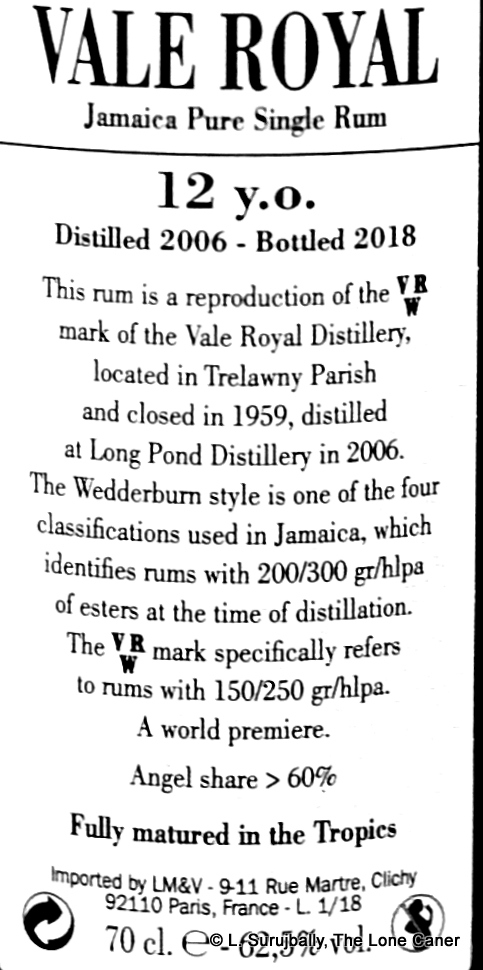 The various Jamaican ester marks
These are definitions of ester counts, and while most rums issued in the last ten years make no mention of such statistics, it seems to be a coming thing based on its increasing visibility in marketing and labelling: right now most of this comes from Jamaica, but Reunion’s Savanna also has started mentioning it in its Grand Arôme line of rums. For those who are coming into this subject cold, esters are the chemical compounds responsible for much of a given rum’s flowery and fruity flavours – they are measured in grams per hectoliter of pure alcohol, a hectoliter being 100 liters; a light Cuban style rum can have as little as 20 g/hlpa while an ester gorilla like the DOK can go right up to the legal max of 1600 at which point it’s no longer much of a drinker’s rum, but a flavouring agent for lesser rums. (For good background reading, check out the Wonk’s work on Jamaican funk, here).
Back in the day, the British classified Jamaican rums into four major styles, and many estates took this a few steps further by subdividing the major categories even more:
Standard Classification
- Common Clean 50-150 gr/hlpa
- Plummer 150-200 gr/hlpa
- Wedderburn 200-300 gr/hlpa
- Continental Flavoured 700-1600 gr/hlpa
Exactly who came up with the naming nomenclature, or what those names mean, is something of a historian’s dilemma, and what they call the juice between 301 to 699 gr/hlpa is not noted, but if anyone knows more, drop me a line and I’ll add the info. Note in particular that these counts reflect the esters after distillation but before ageing, so a chemical test might find a differing value if checked after many years’ rest in a barrel
Long Pond itself sliced and diced and came up with their own ester subdivisions, and the inference seems to be that the initials probably refer to distilleries and estates acquired over the decades, if not centuries. It would also appear that the ester counts on the four bottles do indeed reflect Long Pond’s system, not the standard notation (tables.
RV 0-20
CQV 20-50
LRM 50-90
ITP /LSO 90-120
HJC / LIB 120-150
IRW / VRW 150-250
HHH / OCLP 250-400
LPS 400-550
STC❤E 550-700
TECA 1200-1300
TECB 1300-1400
TECC 1500-1600
The Estate Name:
Vale Royal was a distillery located in Trelawny Parish, just like Longpond, and has a history covered in great depth by BAT, here. The long and the short of it is that it was founded in 1776 under the name of “Walky Walk” (poetic,yes?) before being retitled Vale Royal in the early 1800s. The estate managed to survive after the abolition of slavery, but a combination of falling sugar prices and a movement of consolidation led to the sale of the estate to Longpond in 1959, with the marque of VRW remaining as a memento of its glory days when it stood for “Vale Royal Wedderburn” – though as noted above, this edition, produced at Longpond’s facilities, should rightly be called a Plummer under Standard Notation, since it has 150 g/hlpa, not the required 200-300, but evidently decided to go with its own system.
Note: National Rums of Jamaica is not an estate or a distillery in and of itself, but is an umbrella company owned by three organizations: the Jamaican Government, Maison Ferrand of France (who got their stake in 2017 when they bought WIRD in Barbados, the original holder of the share Ferrand now hold) and Guyana’s DDL.
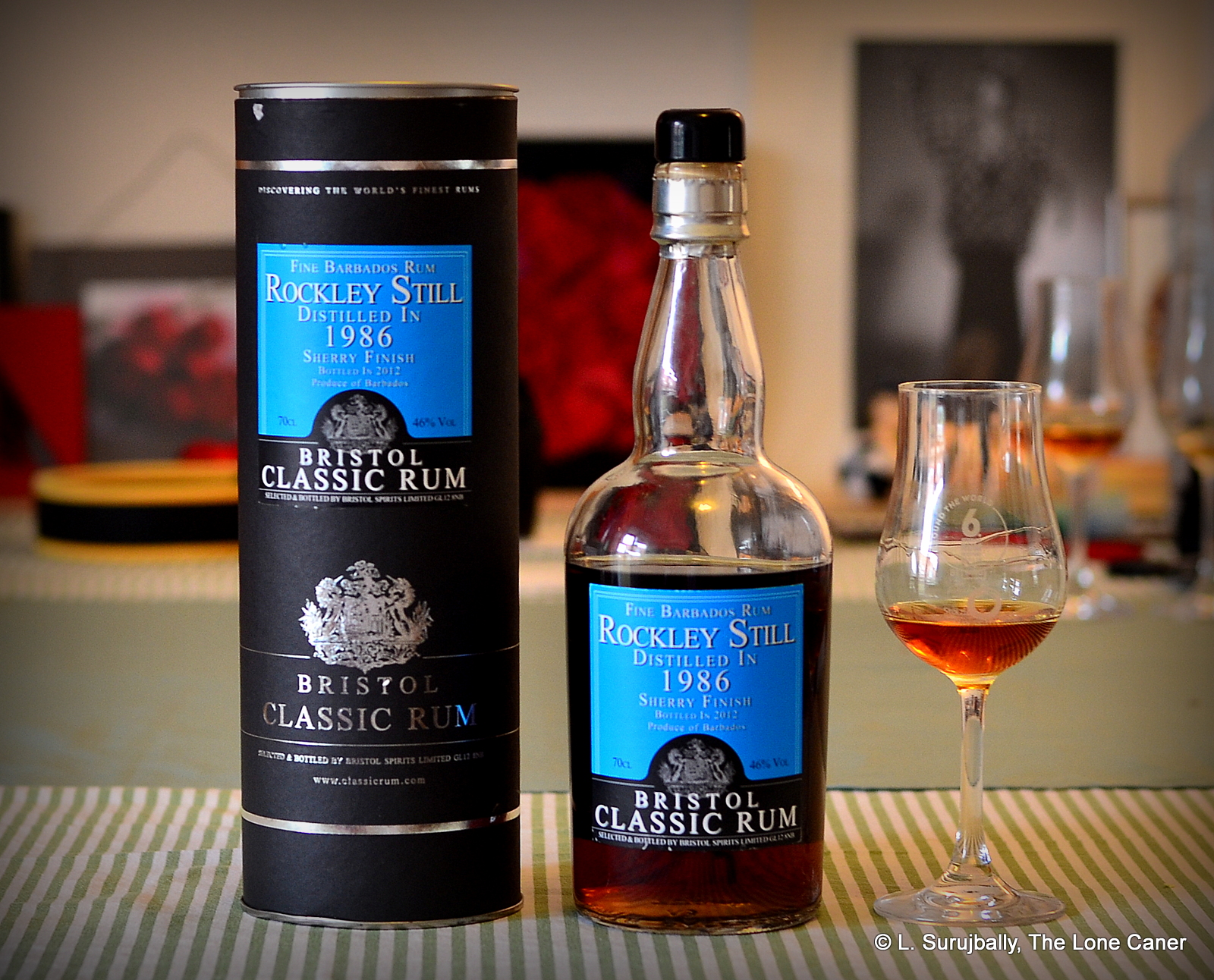
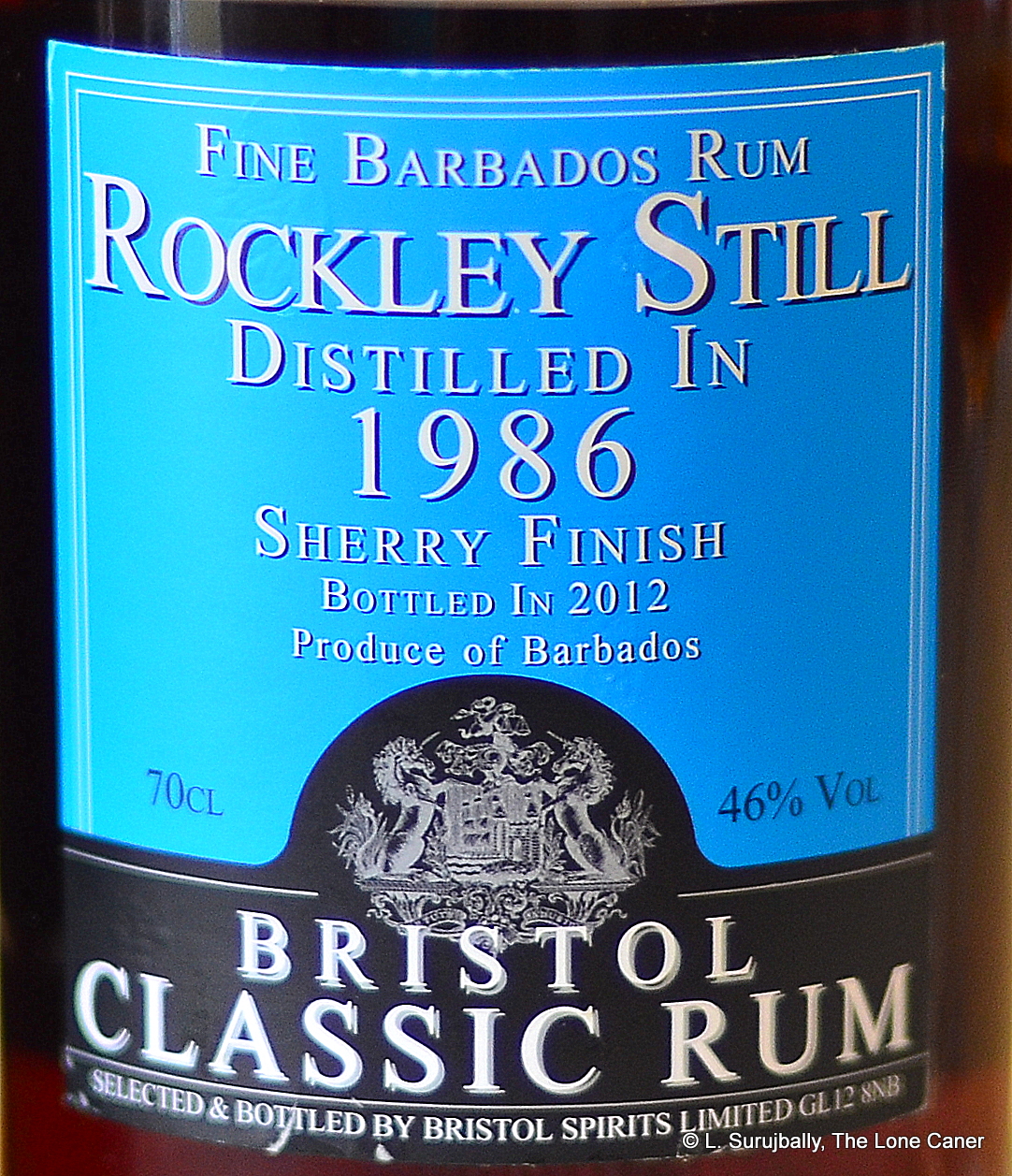 The brief technical blah is as follows: bottled by Bristol Spirits out of the UK from distillate left to age in Scotland for 26 years; a pot still product (I refer you to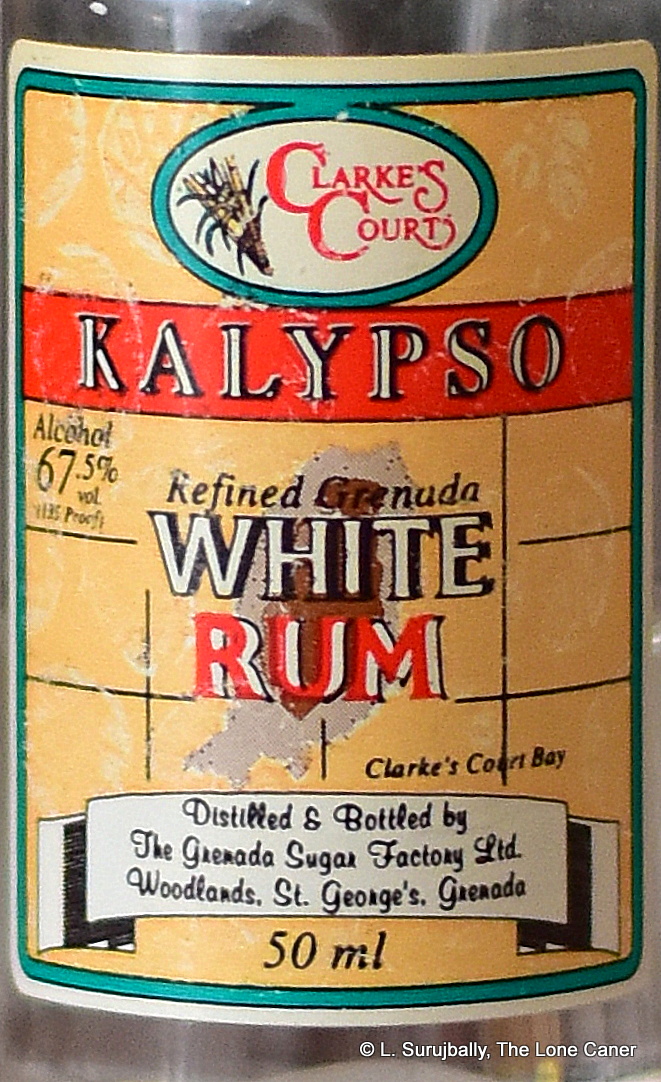
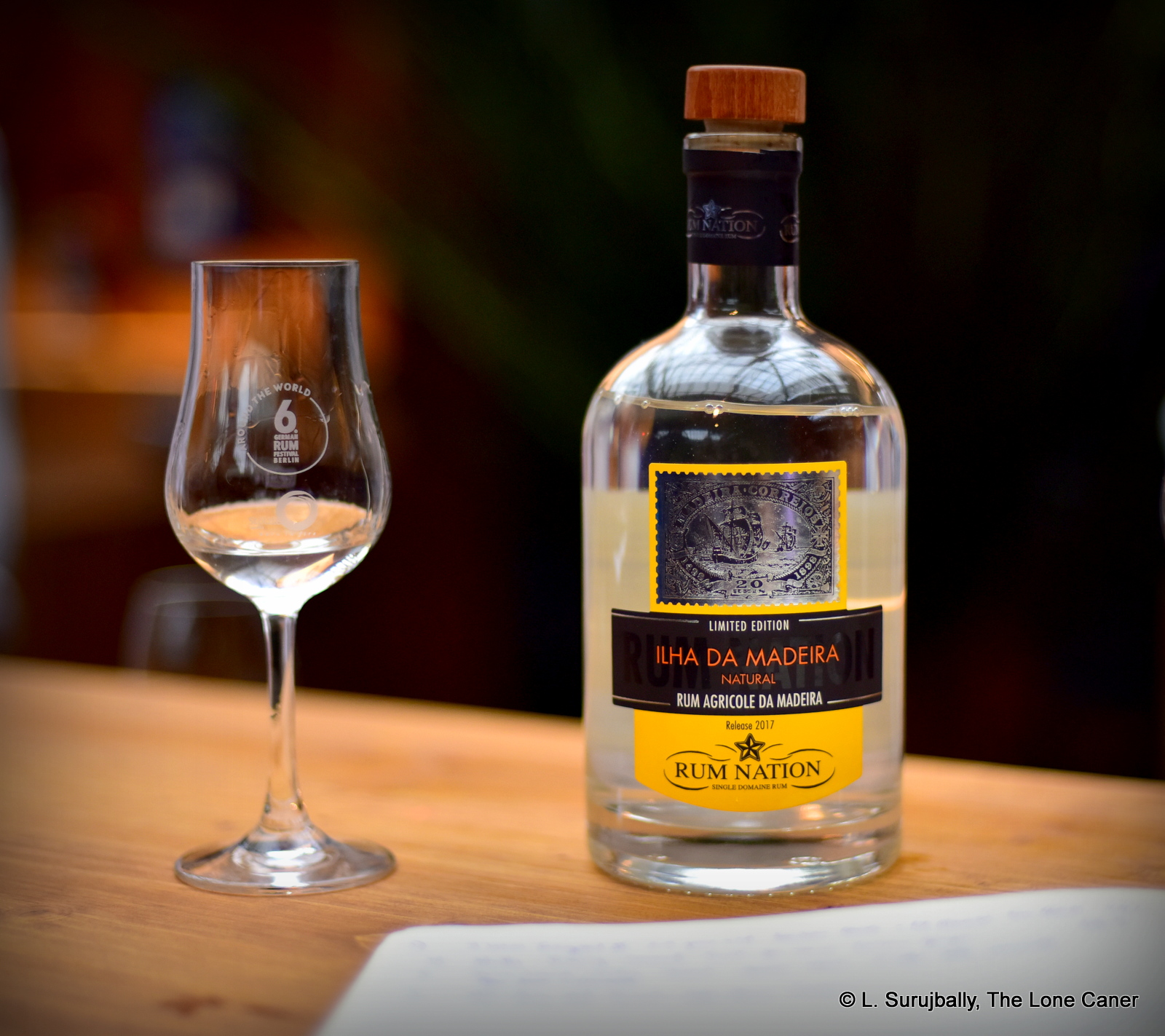
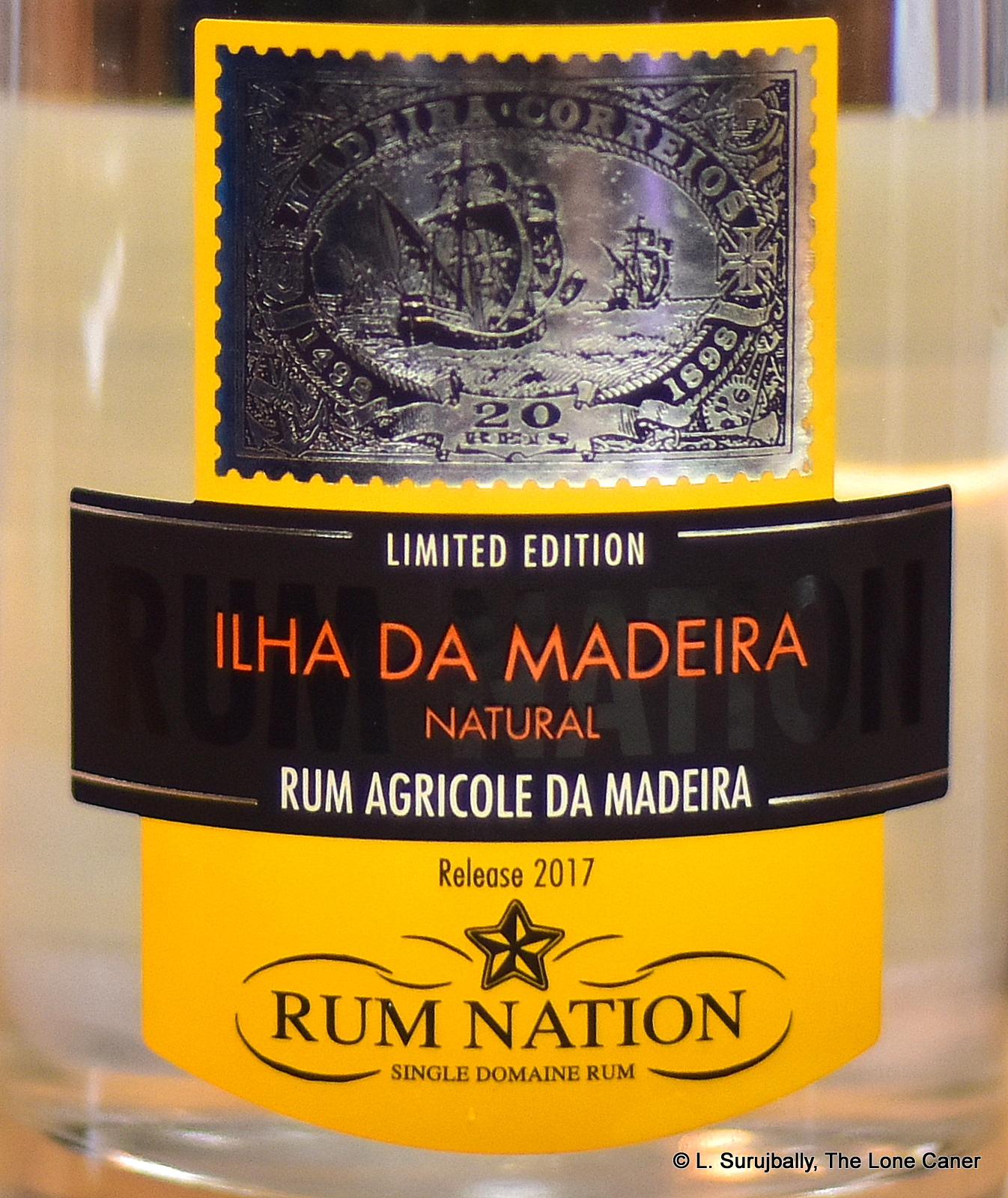 Anyway, here’s what it was like. The nose of the Ilha da Madeira fell somewhere in the middle of the line separating a bored “meh” from a more disbelieving “holy-crap!”. It was a light melange of a playful sprite-like aroma mixed in with more serious brine and olives, a little sweet, and delicate – flowers, sugar water, grass, pears, guavas, mint, some marzipan. You could sense something darker underneath – cigarette tar, acetones – but these never came forward, and were content to be hinted at, not driven home with a sledge. Not really a brother to that fierce Jamaican brawler, more like a cousin, a closer relative to the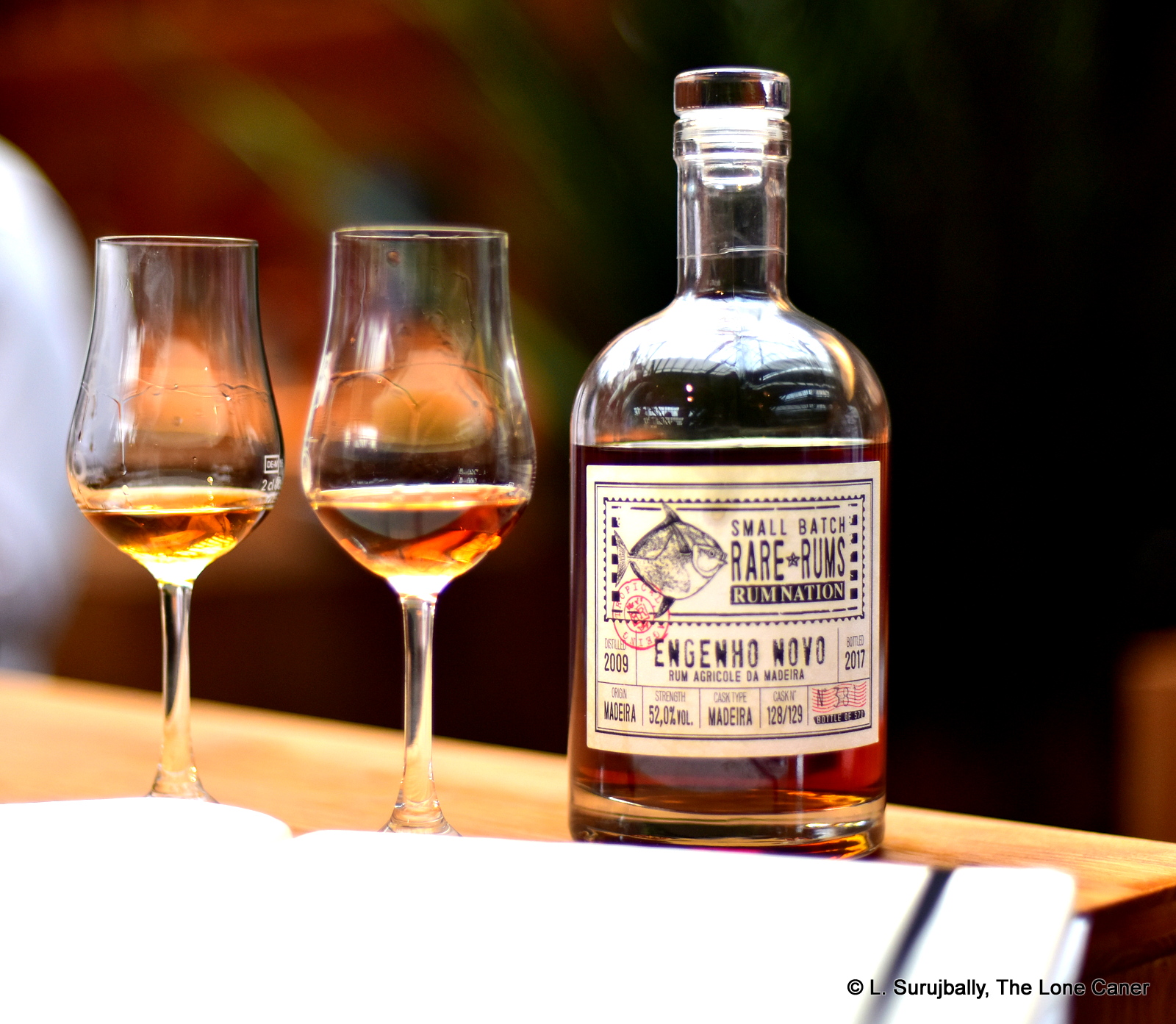
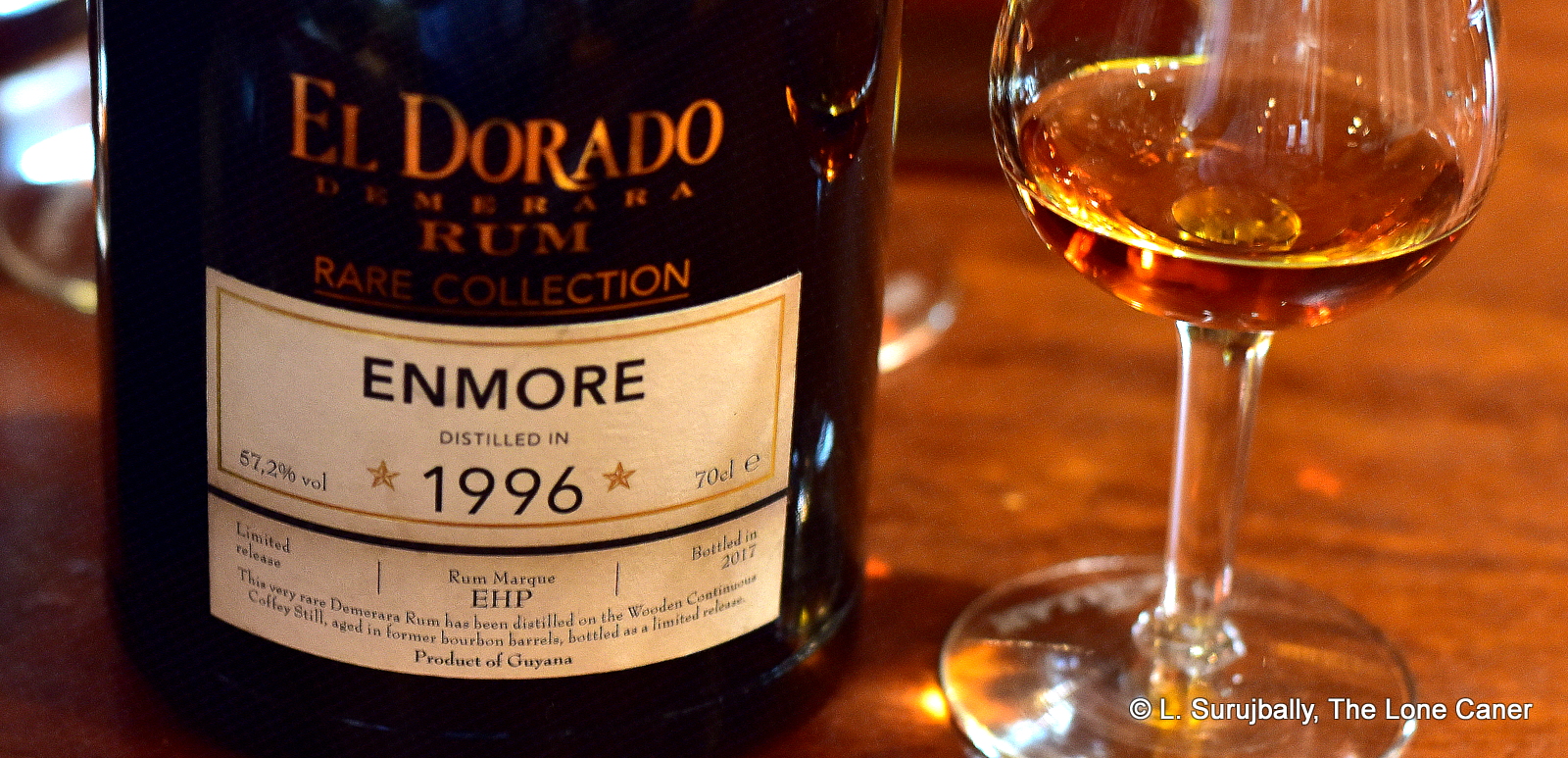
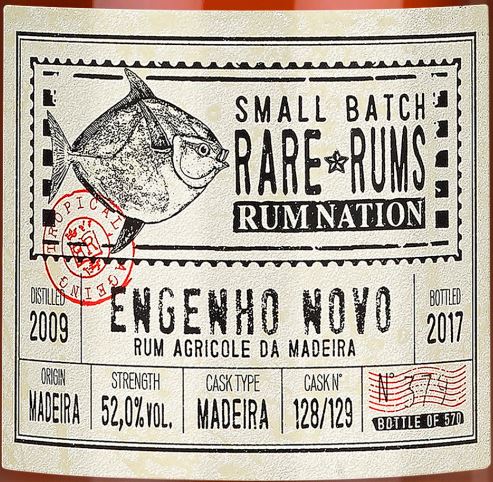 I’ll provide some more background detail in the Other Notes below, but for the moment let’s just read off the fact sheet for the rum which is very helpfully provided on the Rare Rums website and on the bottle label itself. This is a cane juice distillate and can therefore be classed as an agricole-style rhum; distilled 2009 and the four barrel outturn from a column still was aged in Madeira casks, providing 570 bottles in 2017, with a strength of 52%.
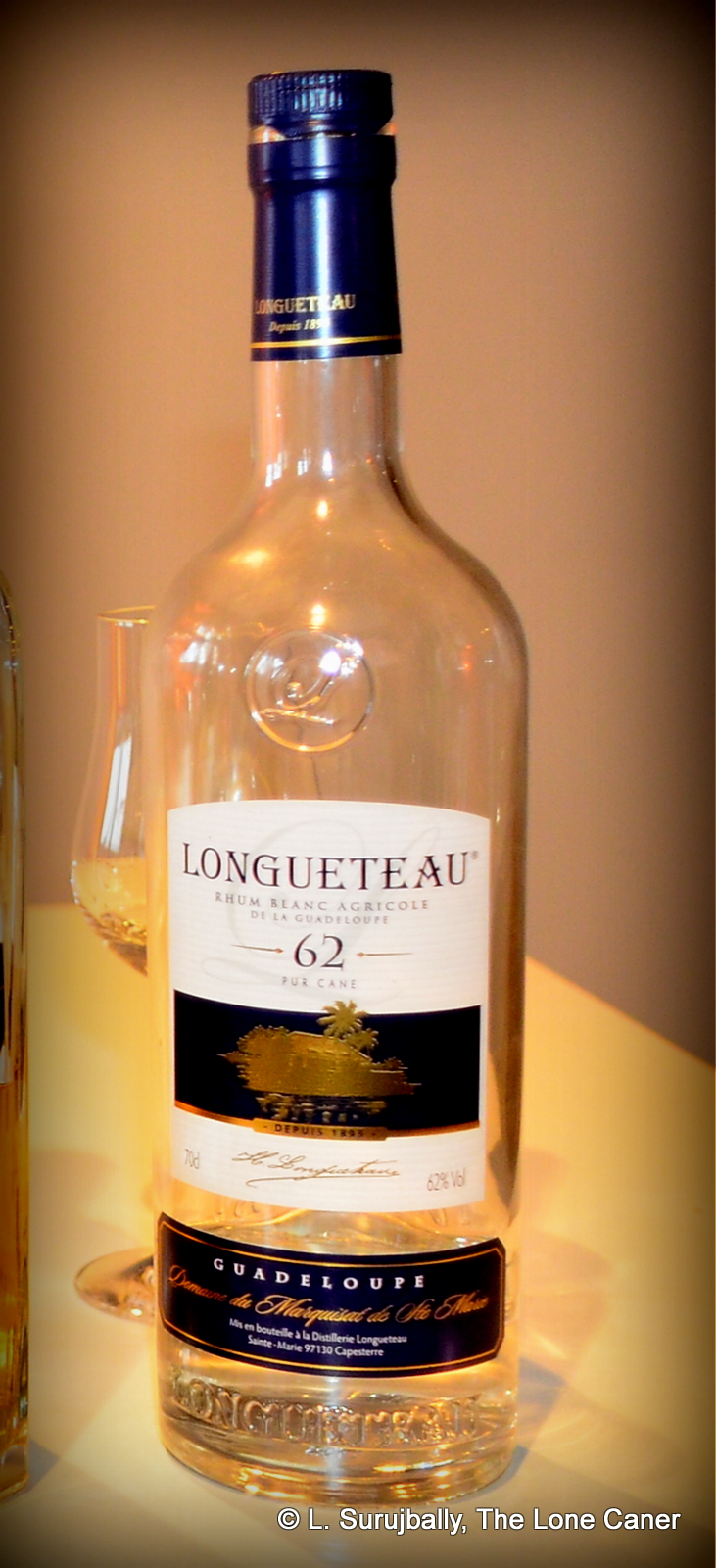 In the last decade, several major divides have fissured the rum world in ways that would have seemed inconceivable in the early 2000s: these were and are cask strength (or full-proof) versus “standard proof” (40-43%); pure rums that are unadded-to versus those that have additives or are spiced up; tropical ageing against continental; blended rums versus single barrel expressions – and for the purpose of this review, the development and emergence of unmessed-with, unfiltered, unaged white rums, which in the French West Indies are called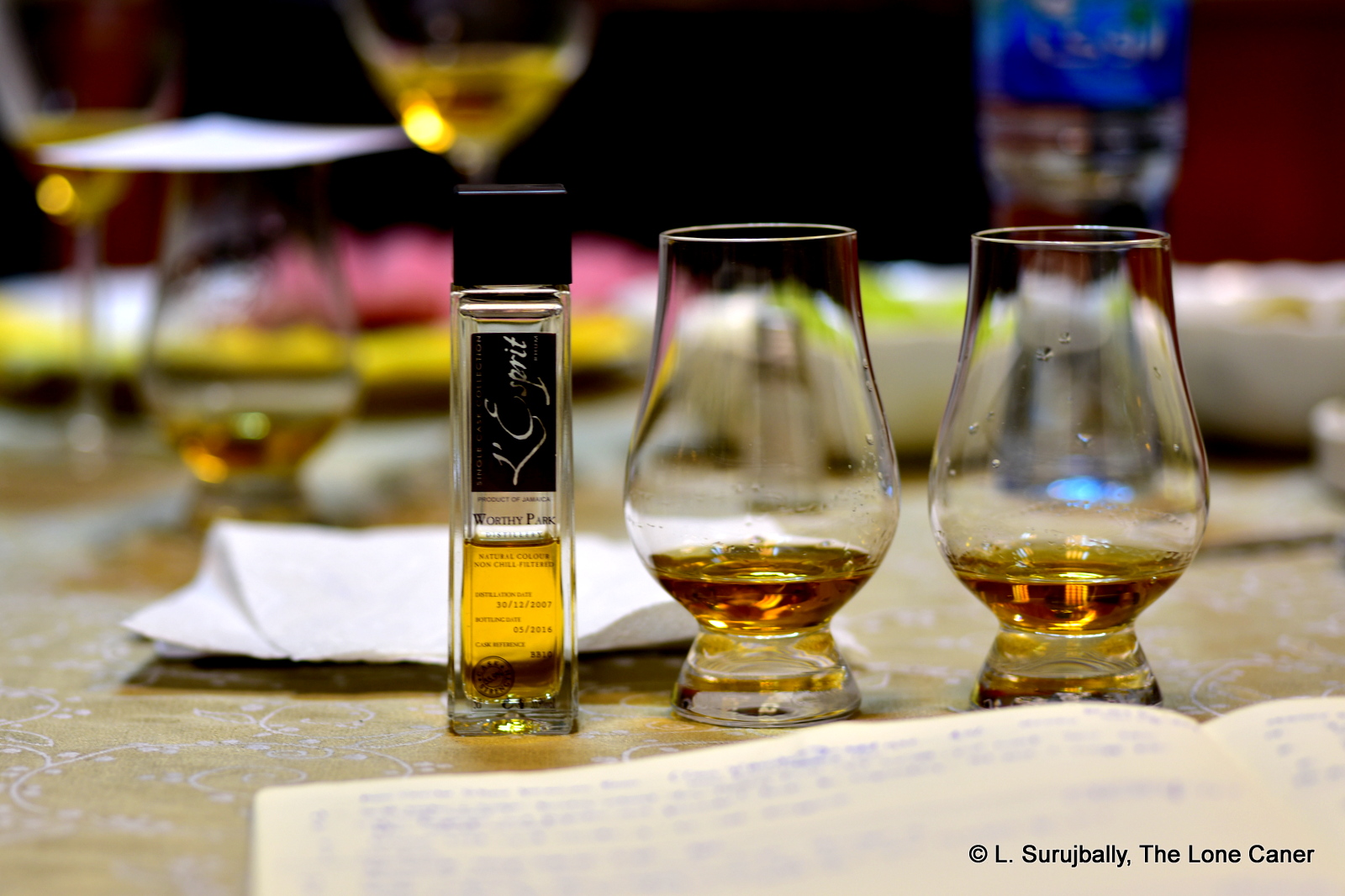
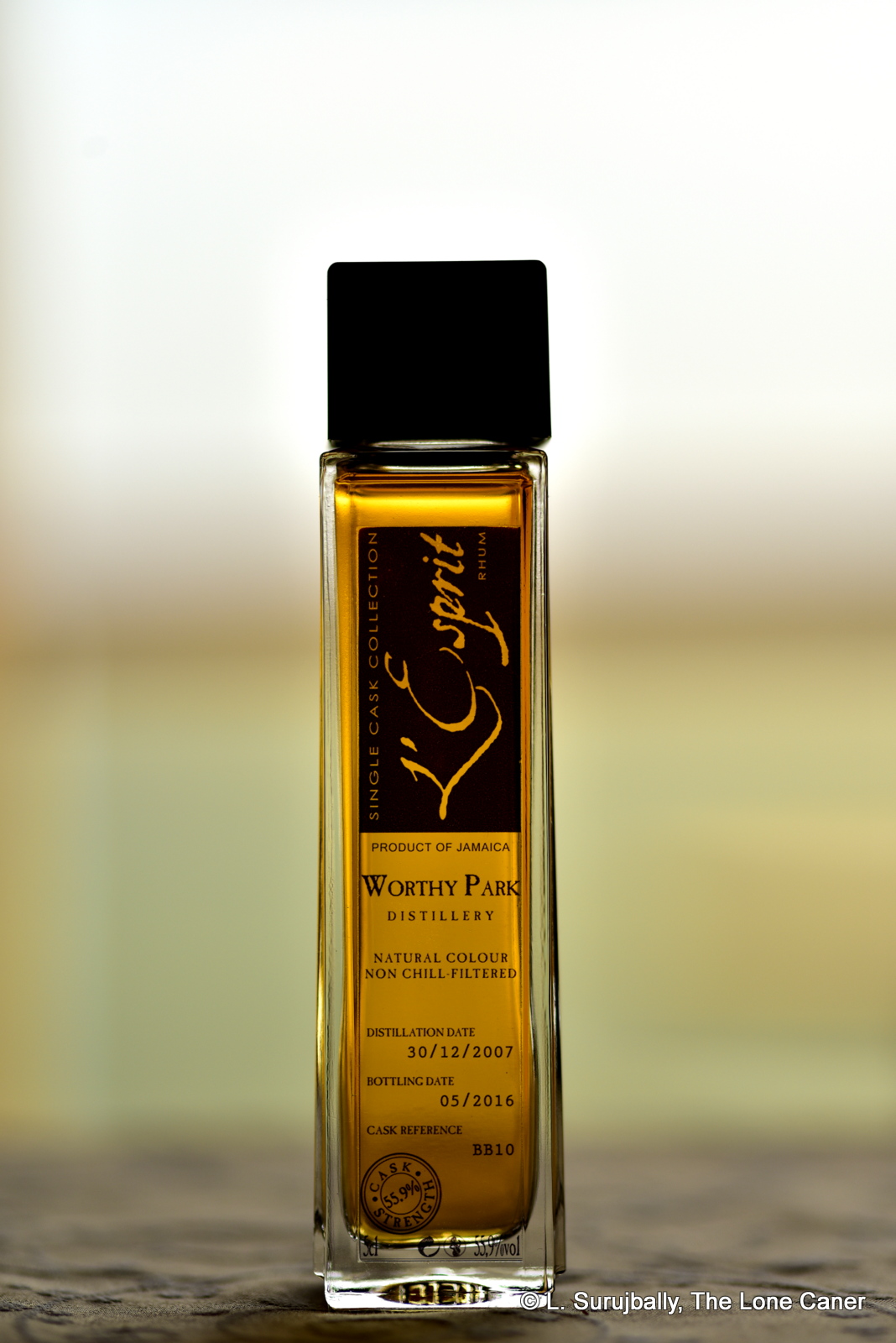 So, given how many Jamaicans are on the scene these days, how does this young, continentally aged 55.9% golden rum fare? Not too shabbily. It’s strong but very approachable, even on the nose, which doesn’t waste any time getting started but announces its ester-rich aromas immediately and with authority: acetone, nail polish and some rubber plus a smell of righteous funk (spoiling fruits, rotten bananas, that kind of thing). Its relative youth is apparent in the uncouth sharpness of the initial aromas, but once one sticks with it, it settles into its own special groove, calms itself down and does a neat little balancing act between sharper scents of citrus, cider, apples, hard yellow mangoes and green grapes, and softer ones of bananas, cumin, vanilla, marshmallows and cloves.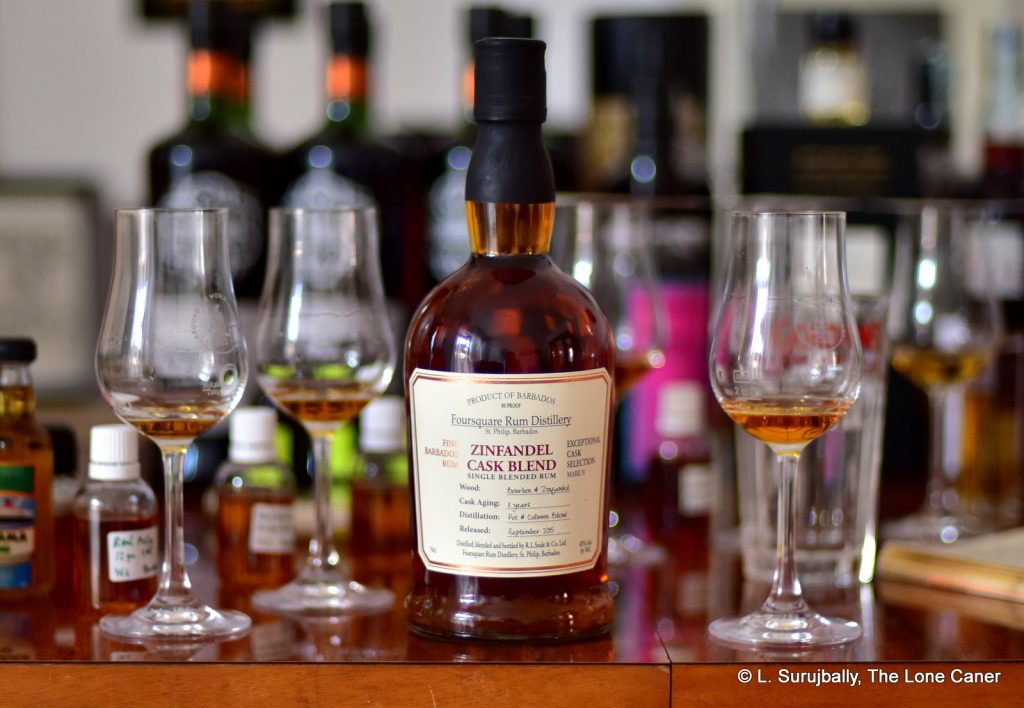
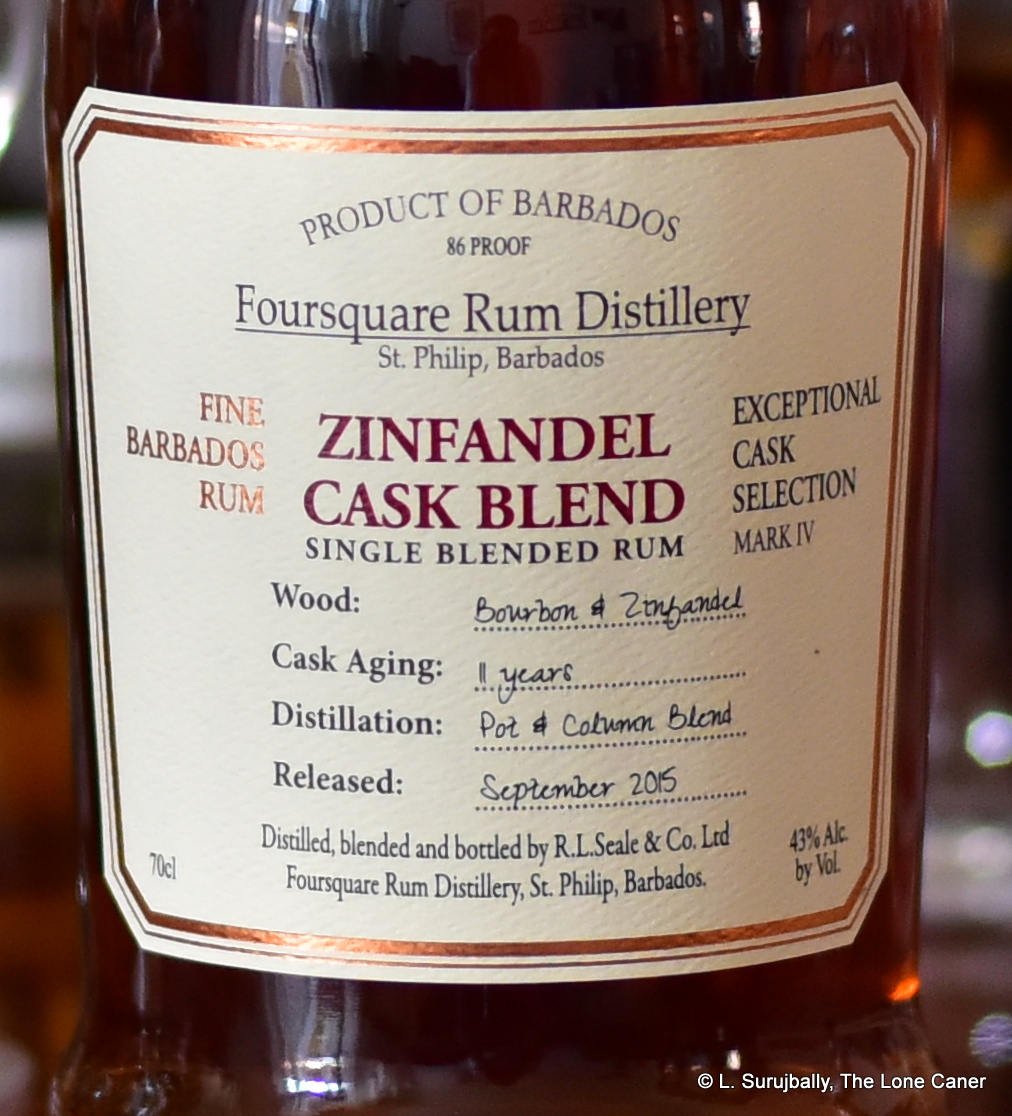 Tasting revealed somewhat less clothing in the suitcase, though it was quite a decent rum to sip (mixing it is totally unnecessary) – it was a little sharp before settling down into a relative smooth experience, and tasted primarily of white and watery fruits (pears, watermelon, white gavas), cereals, coconut shavings, sweet wine, and had a sly hint of tart red fruiness that was almost, but not quite sour, behind it all – red currants, cranberries, grapes. It was quite light and easy and escaped being an alcohol-flavoured water in fine style – not bad for something at close to standard strength, and the touch of sweet fruitiness imparted by the Zin barrels was in no way overdone. Even the finish was quite pleasant, being warm, relatively soft, and closing off the show with some tart fruitiness, coconut shavings, vanilla, milk chocolate, salted caramel, french bread (!!) and touch of thyme.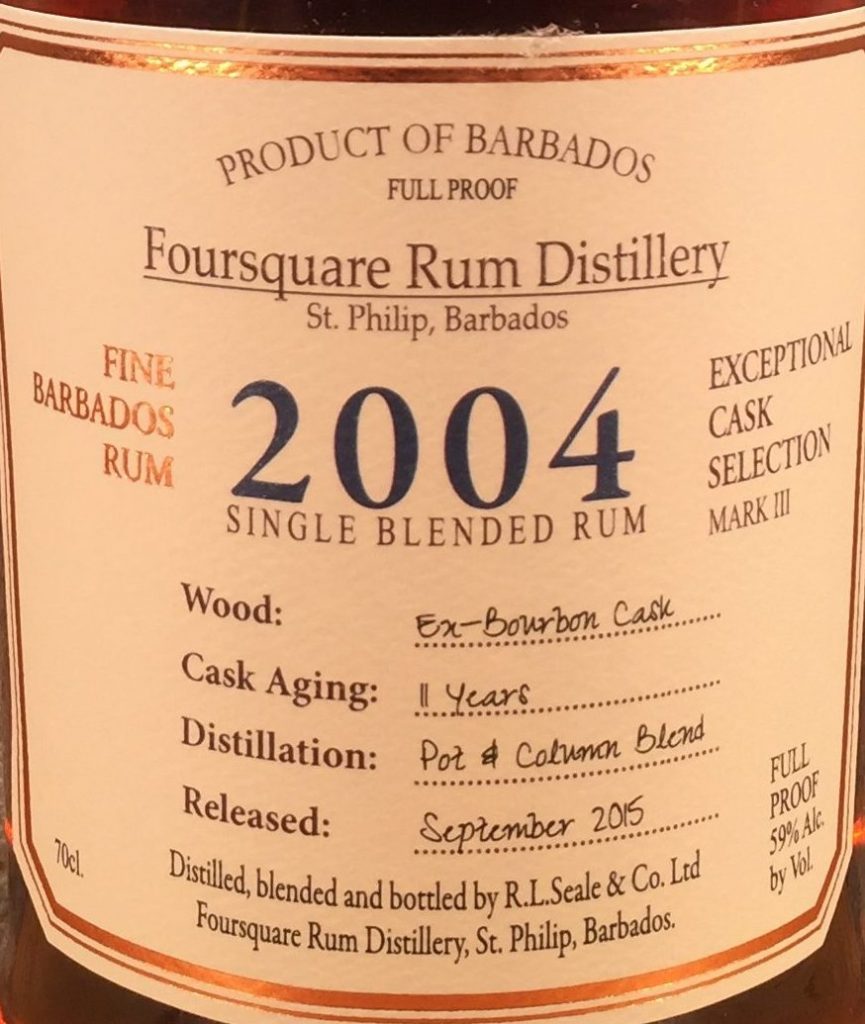
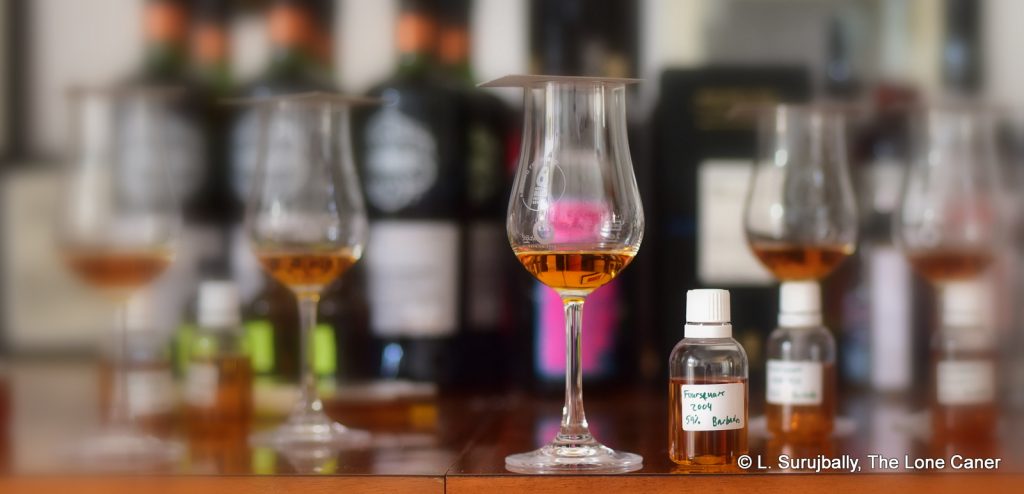
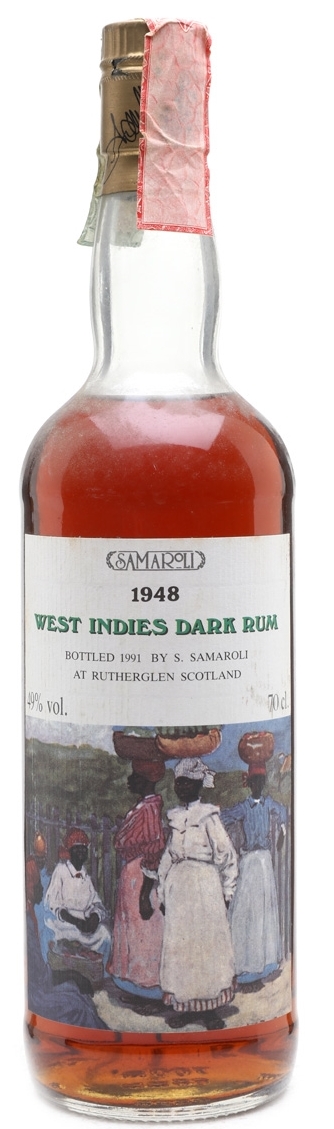 Rumaniacs Review #84 | 0554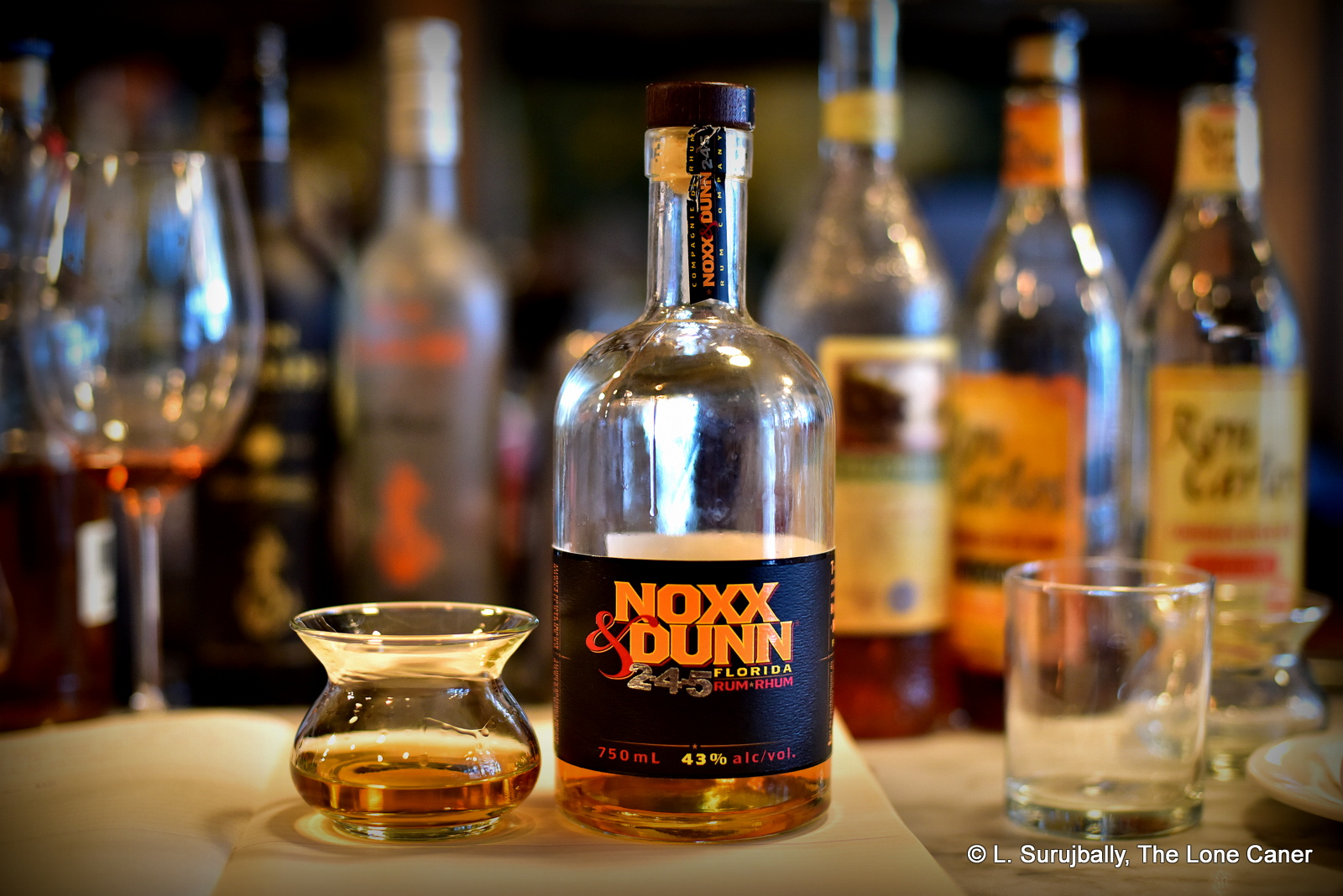
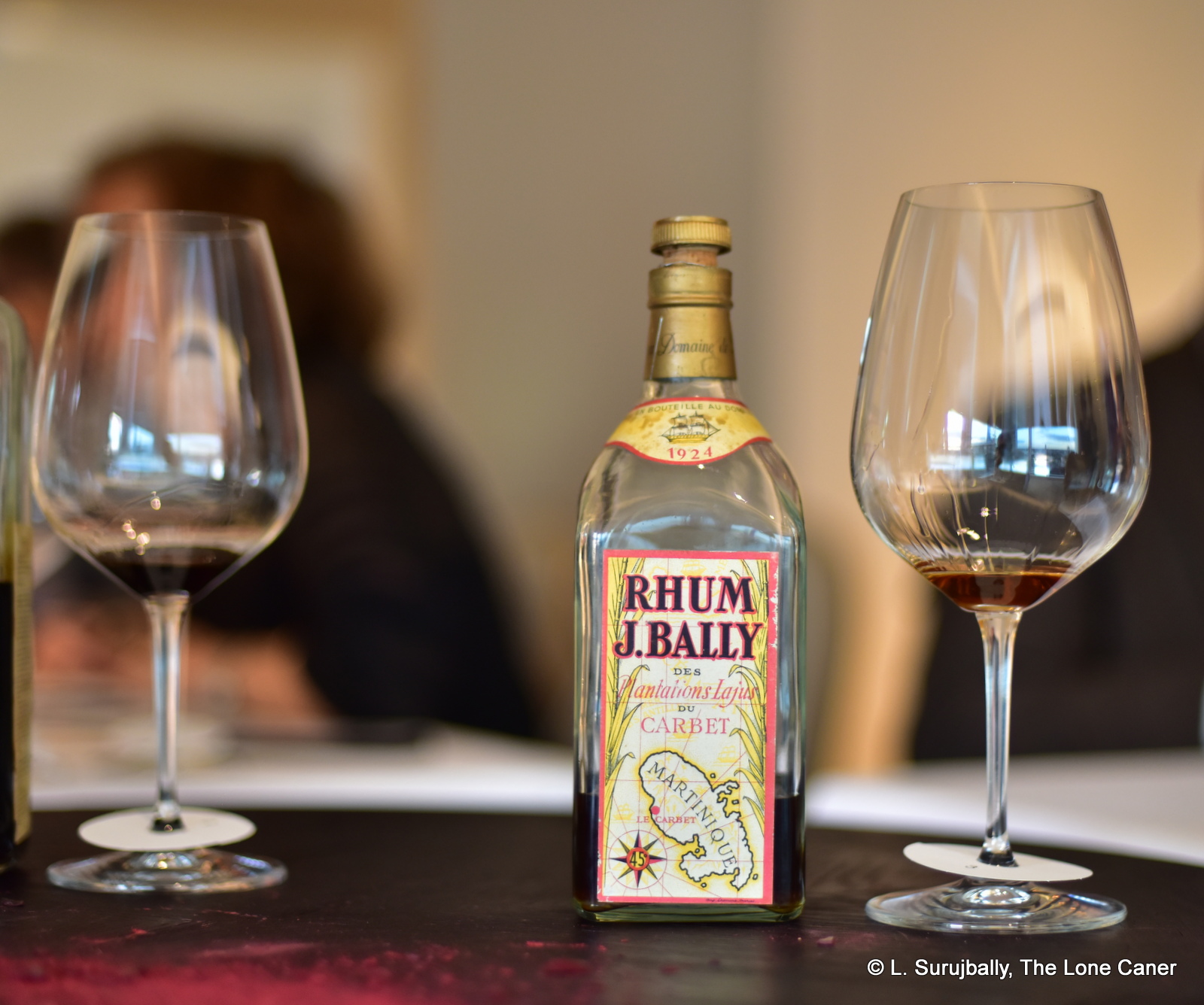
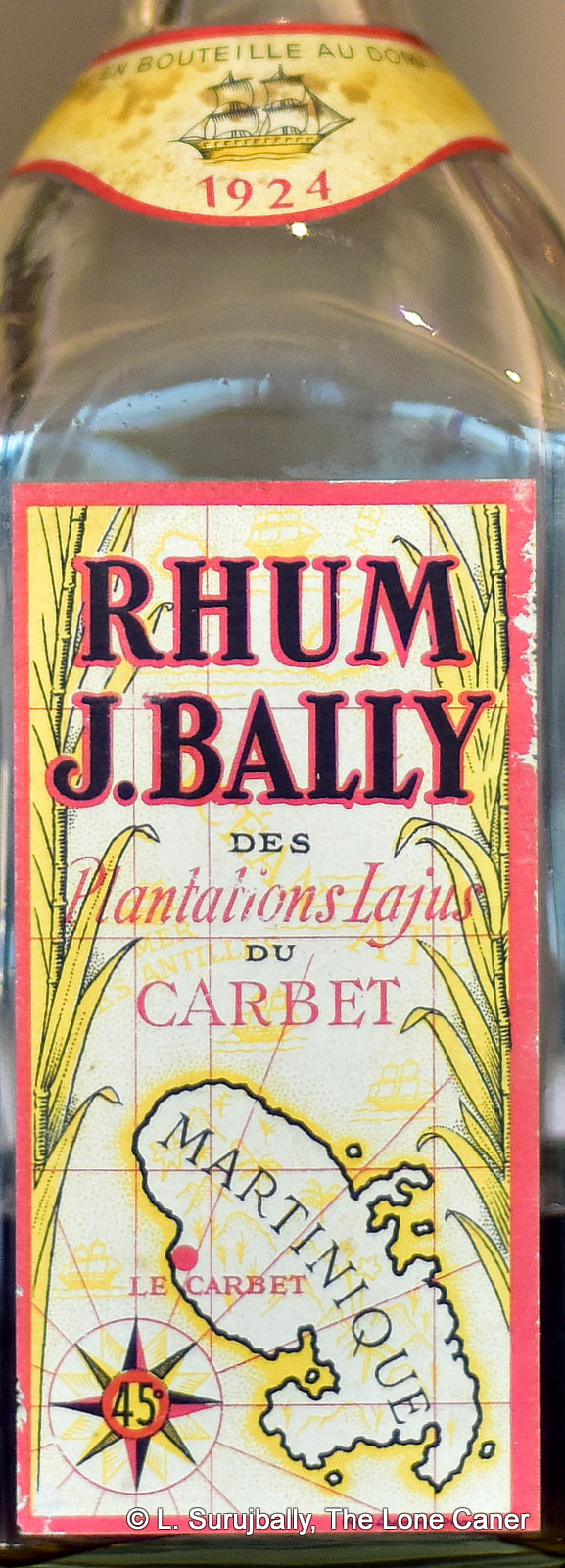 Aside from being made so long ago, what makes the 1924 special is that it was the initial release of an aged rhum from Bally, and one of the first of its kind in the French West Indies, if not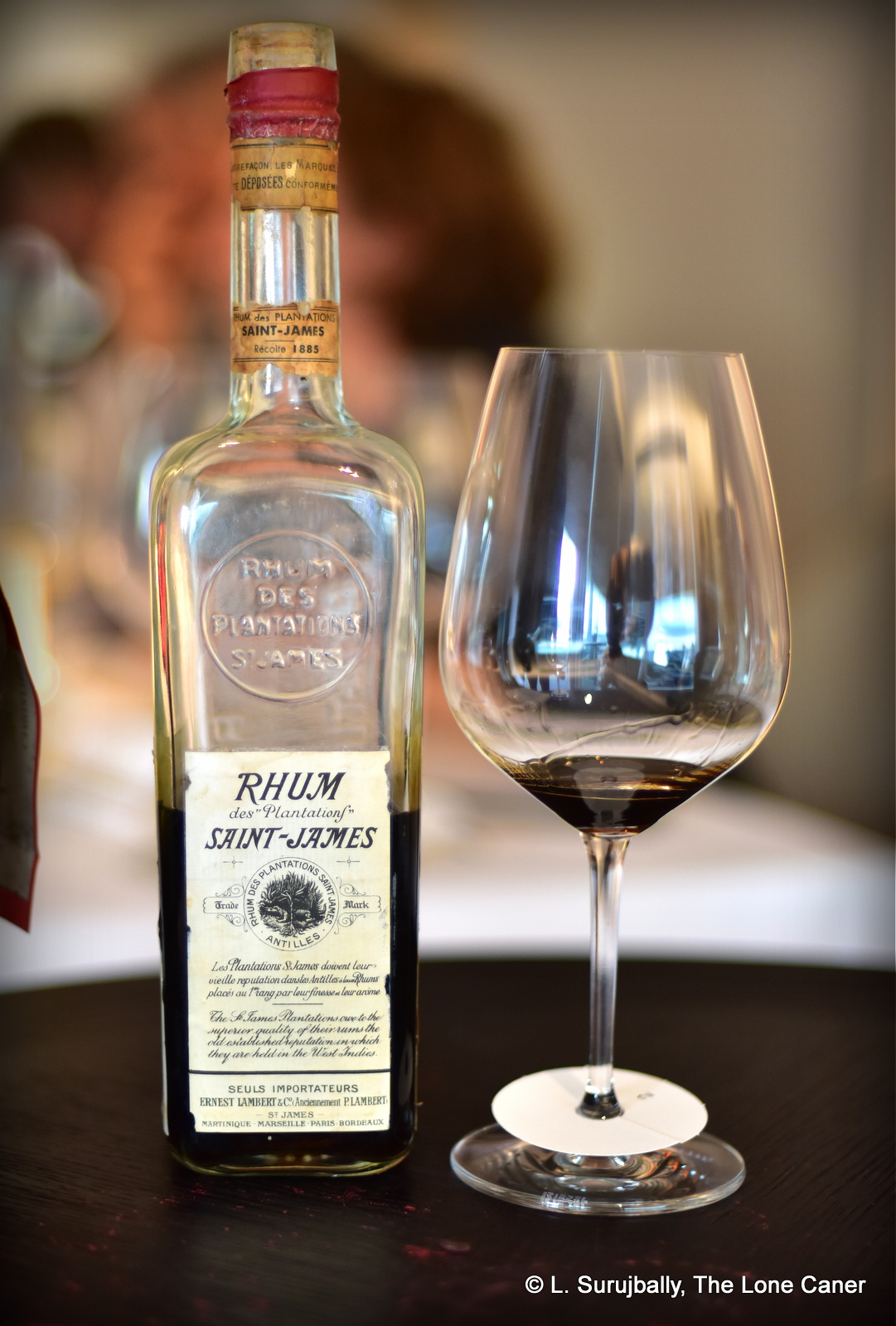
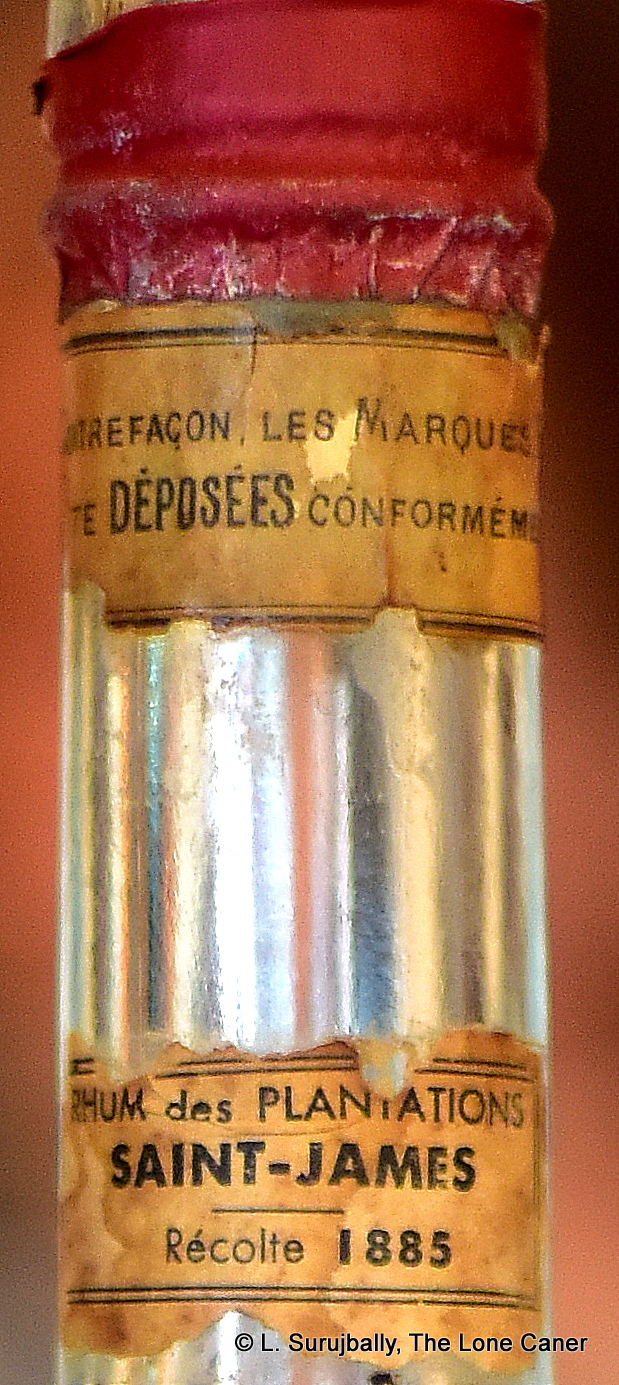 Still, we had to get facts, and a lot of our preliminary conversations and subsequent texts and messages revolved around the data points, which are as follows: the rhum was made in 1885 on Martinique, and derived from cane juice that was boiled prior to fermentation. Although the exact age is unknown, it was certainly shipped off the island before Mount Pelée erupted in 1902 and destroyed all stocks there, so at an absolute maximum it can be 17 years old. This is, however unlikely – few rums or rhums were aged that long back then, and the opinion of the master blender of St James (Mark Sassier) that it was 8-10 years old is probably the best one (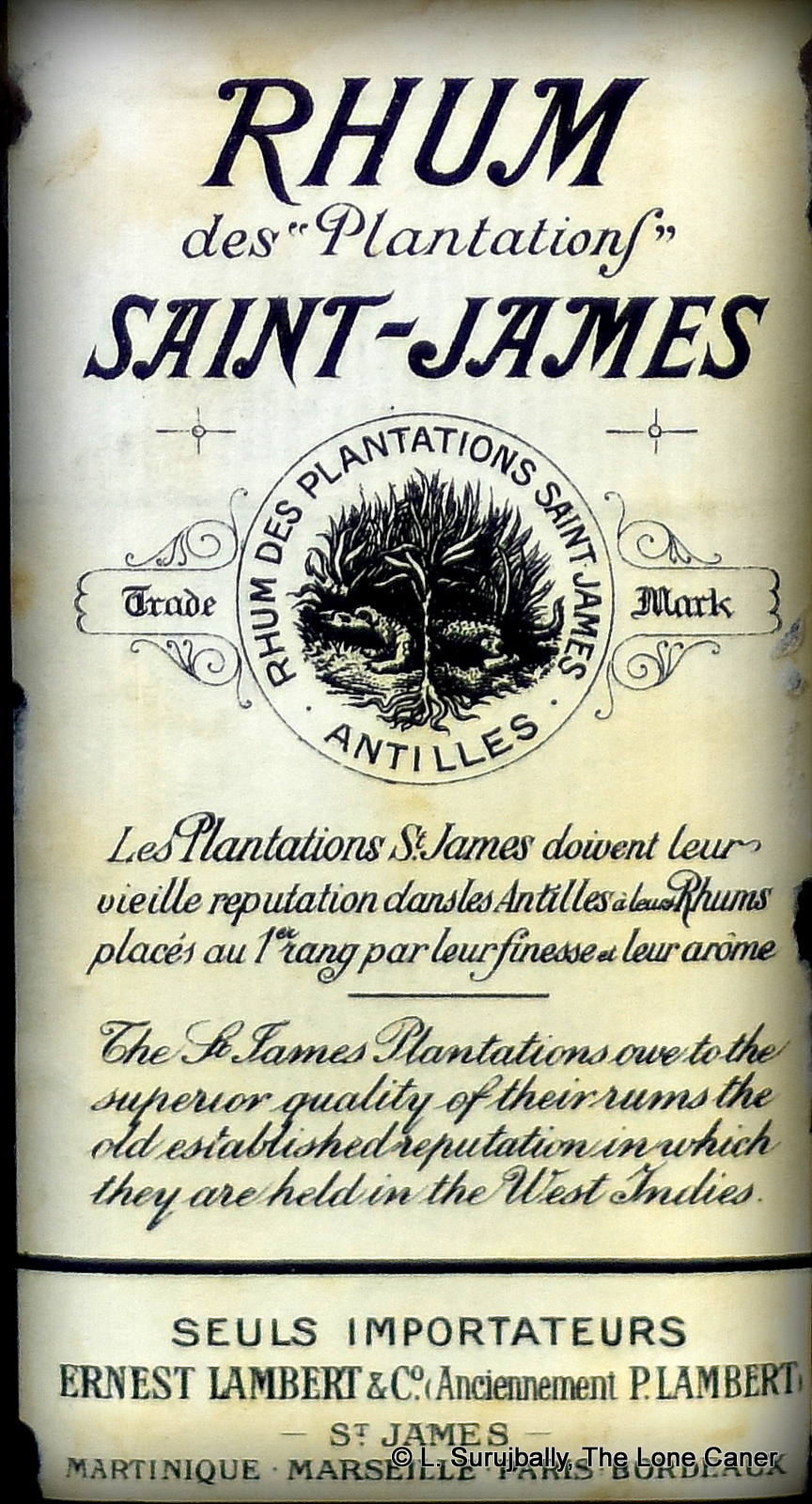

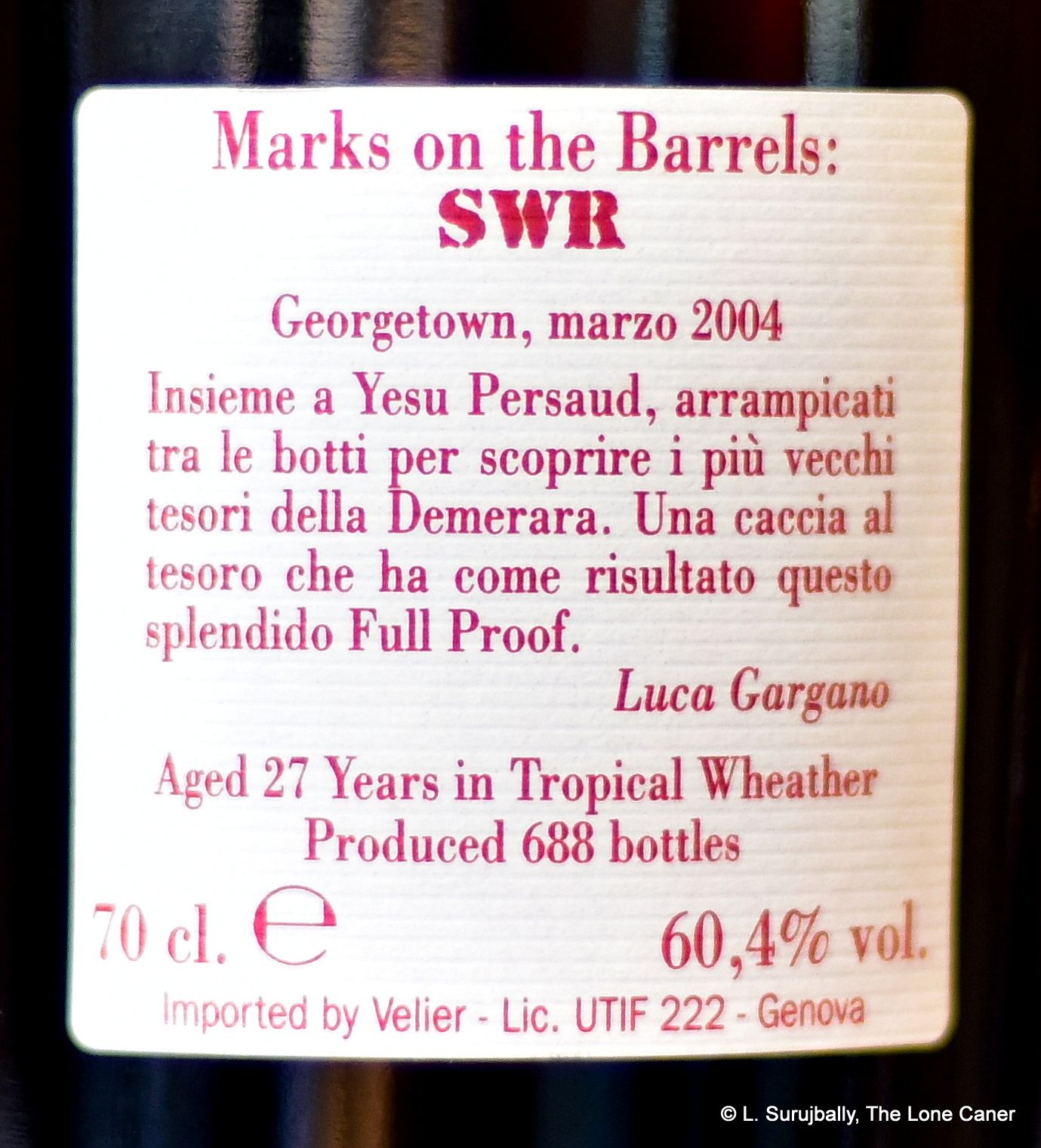
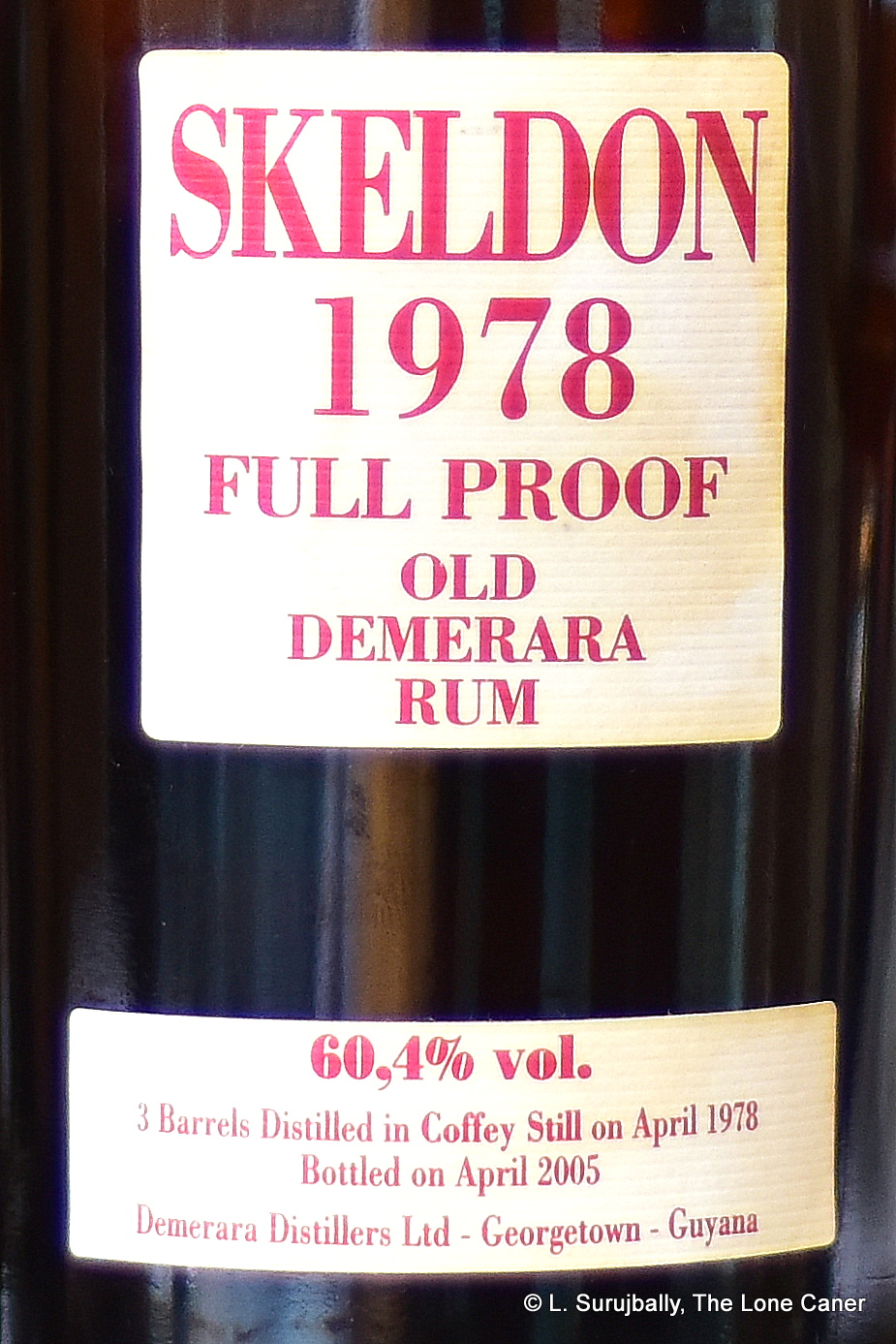 The history of the Skeldon 1978 bottling from a long-dismantled Savalle still is an odd one: the plantation is on the far eastern side of Guyana and the distillery has been shut down since 1960, though the original sugar factory’s remains continue to moulder away there, now replaced by a modern white elephant. It’s possible that the Savalle still which made it was taken elsewhere (Uitvlugt is the unconfirmed suspect) and this distillate hails from there rather than Skeldon — but certainly the “SWR” barrels ended up at Diamond, where Luca saw them gathering dust in the warehouse and convinced Yesu Persaud (the chairman of DDL at the time) to part with them. The 4-barrel 544-bottle outturn of the
  Although things at the Tasting were going faster than I was able to write (and listen), this was not a rum I wanted to be hurried with after waiting so long, and certainly it’s one with which to take one’s time. It unfolded gradually on the tongue, almost languorously and even at 60.4%, it was amazing how entirely under control it remained the entire time. Most of the tastes in the nose carried over, primarily anise, coffee and bitter chocolate, oranges, strong black tea, cumin, and that lentil soup / beef broth meatiness I remarked on earlier. But there were also more muted, subtler hints of papaya and fleshy fruits, aromatic tobacco, flambeed bananas and salty caramel. A rather dry note of over-roasted nuts came into play at the back end, a slight indeterminate bitterness (something like a manager who can never compliment your work without a closing criticism), but fortunately the muskier fruit and creamy notes ameliorated it for the most part. And while the finish was more a last bow on the stage than a true epilogue that added a few extra fillips of flavour, it was in no way disappointing, leaving me with a memory of coffee, nougat, salt caramel ice cream, fruits, raisins, licorice and light chocolate oranges.

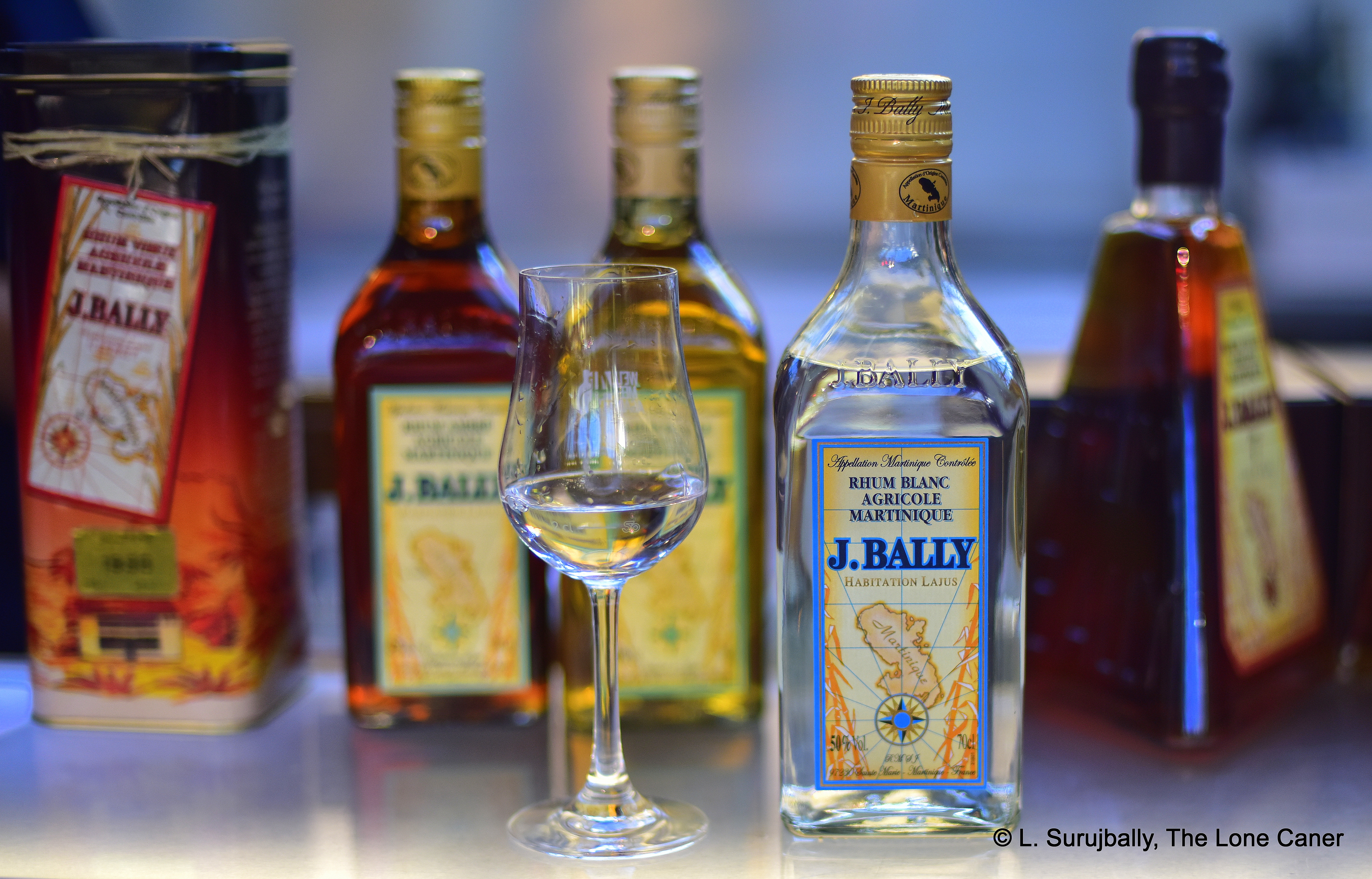
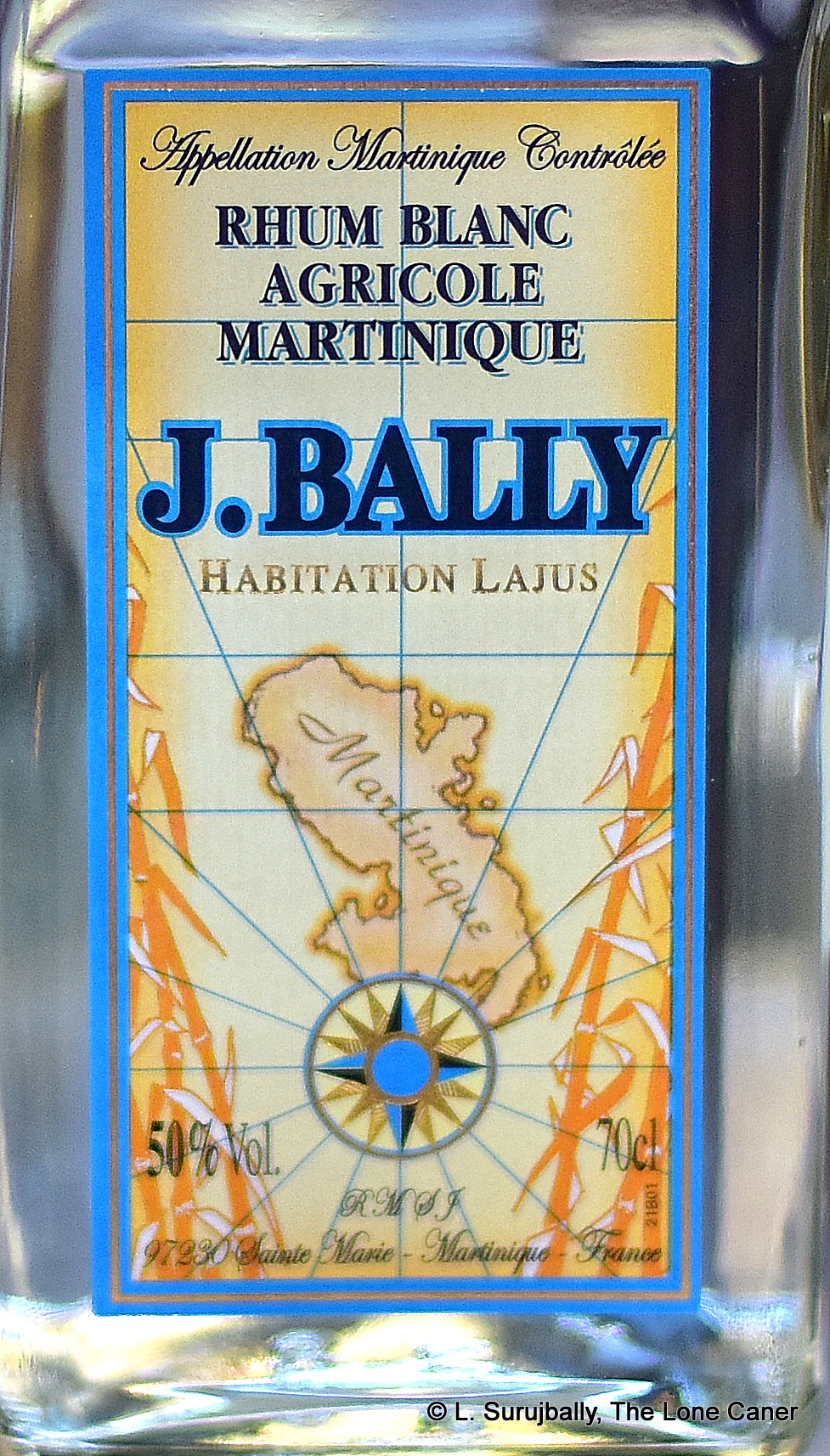 Well, that out of the way, let me walk you through the profile. Nose first: what was immediately evident is that it adhered to all the markers of a crisp agricole. It gave off of light grassy notes, apples gone off the slightest bit, watermelon, very light citrus and flowers. Then it sat back for some minutes, before surging forward with more: olives in brine, watermelon juice, sugar cane sap, peaches, tobacco and a sly hint of herbs like dill and cardamom.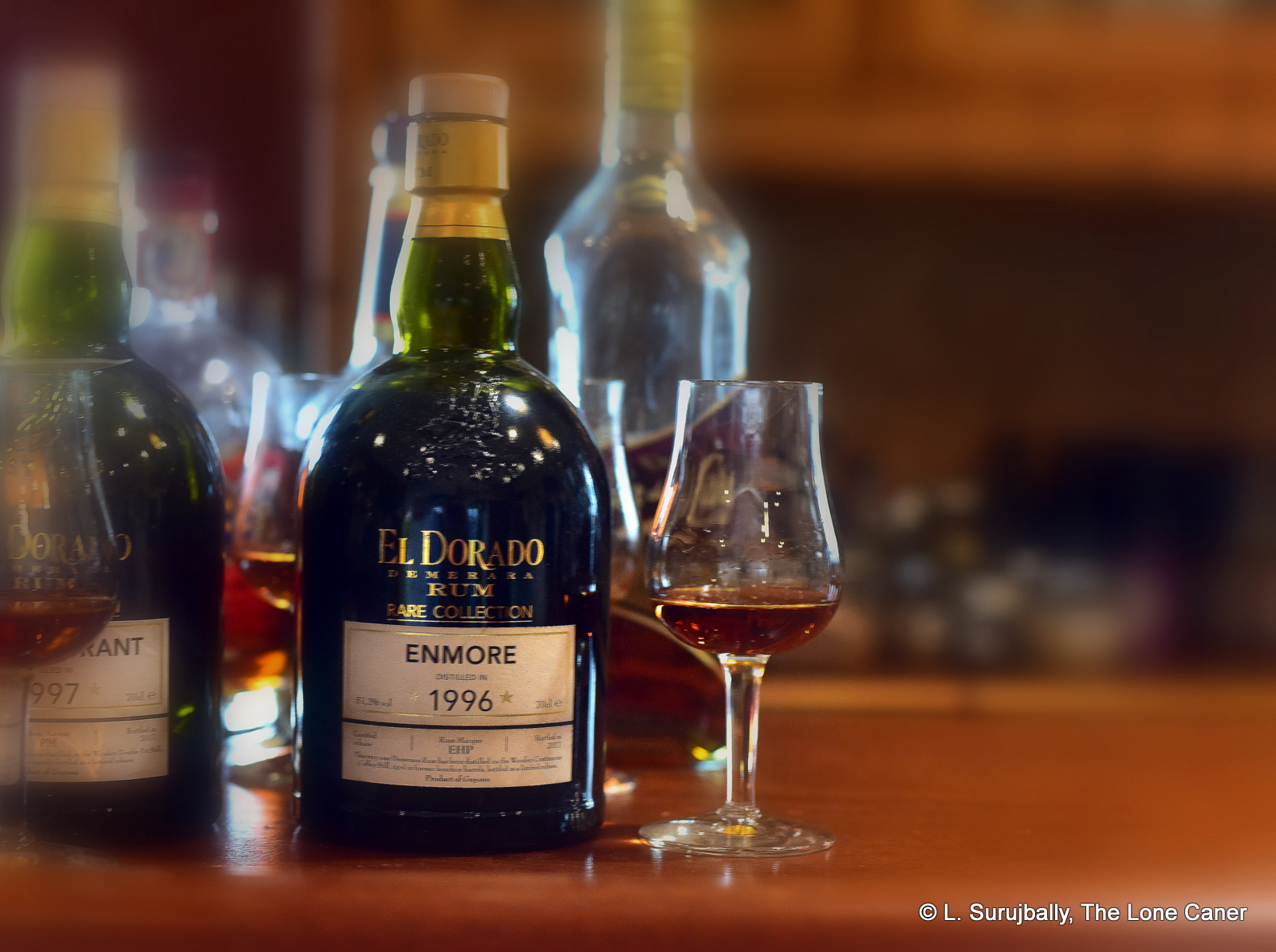
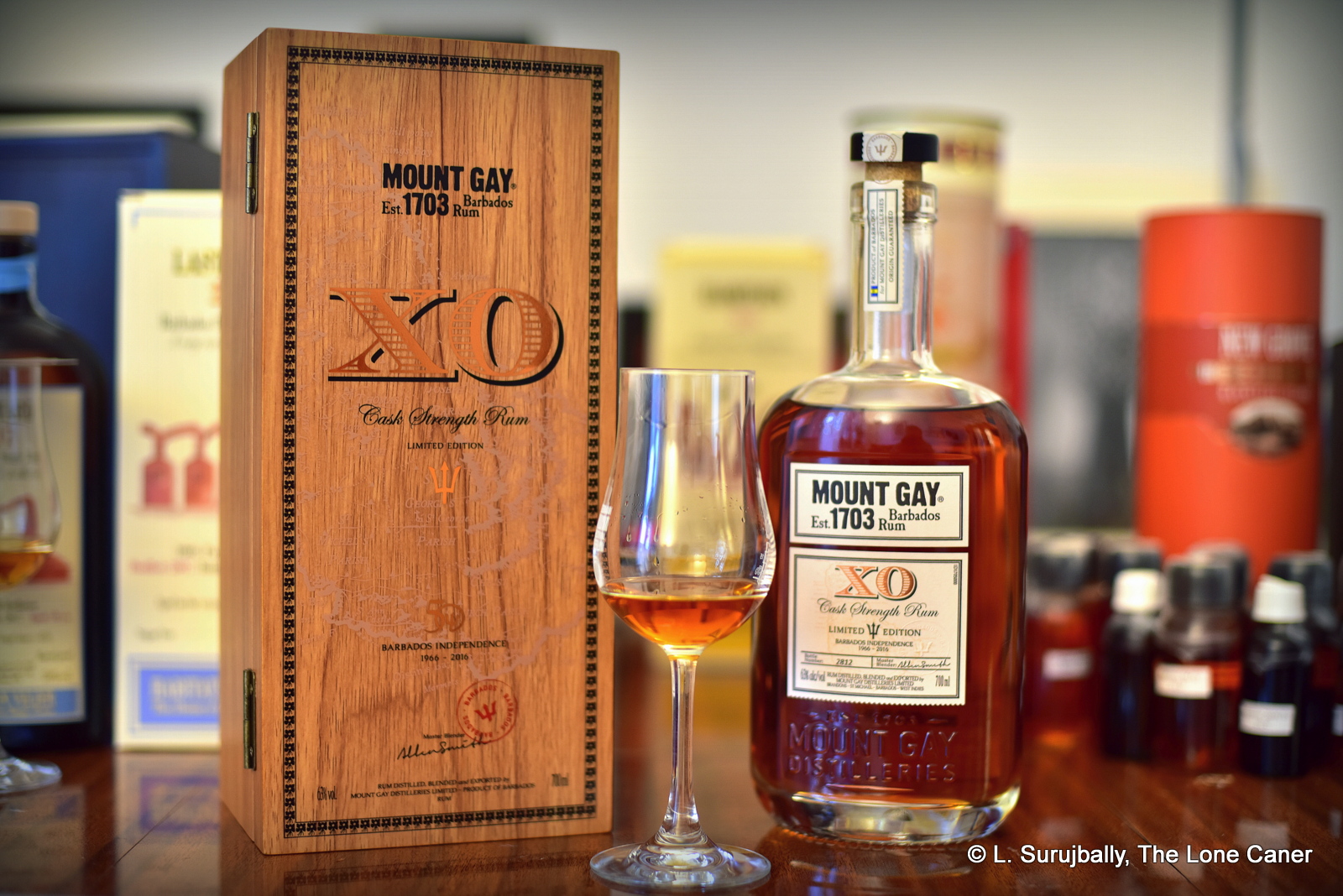
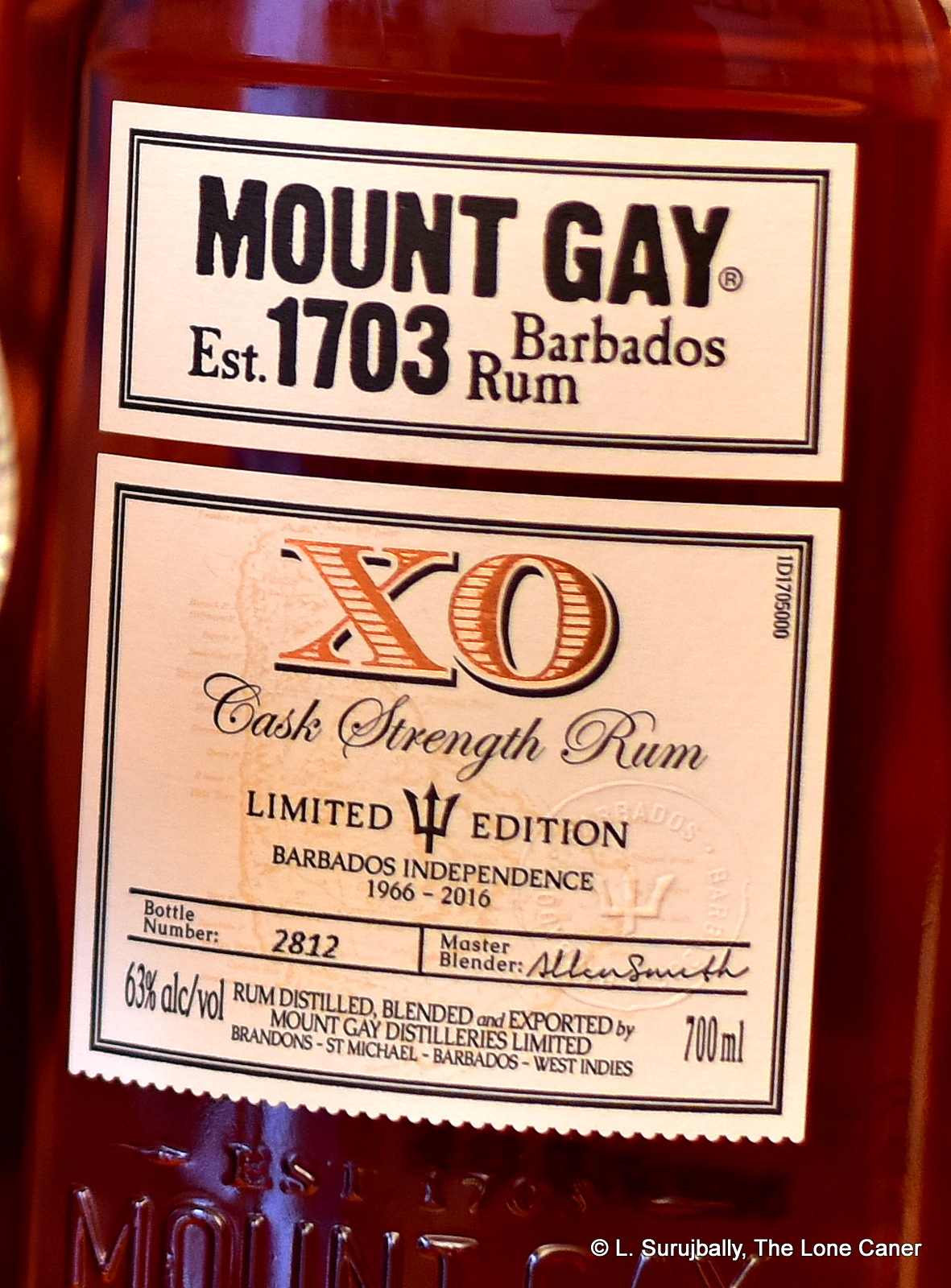 You can’t fault the presentation or the stats (though you might balk at the price). The ovoid bottle is nicely labelled with the bottle number and Allen Smith’s signature, comes in a handsome wooden box with a small booklet in it that speaks to the rum. It doesn’t state the outturn on the label, but it’s 3000 bottles, a rum to mark fifty years of independence though itself it is not that old, being a blend of pot and column still rums aged between 8-15 years old (just like the regular XO, even if one gets the impression that certain select barrels were chosen here). And of course the main selling point, the 63% ABV, Mount Gay’s first serious foray into these strong and dangerous rum currents.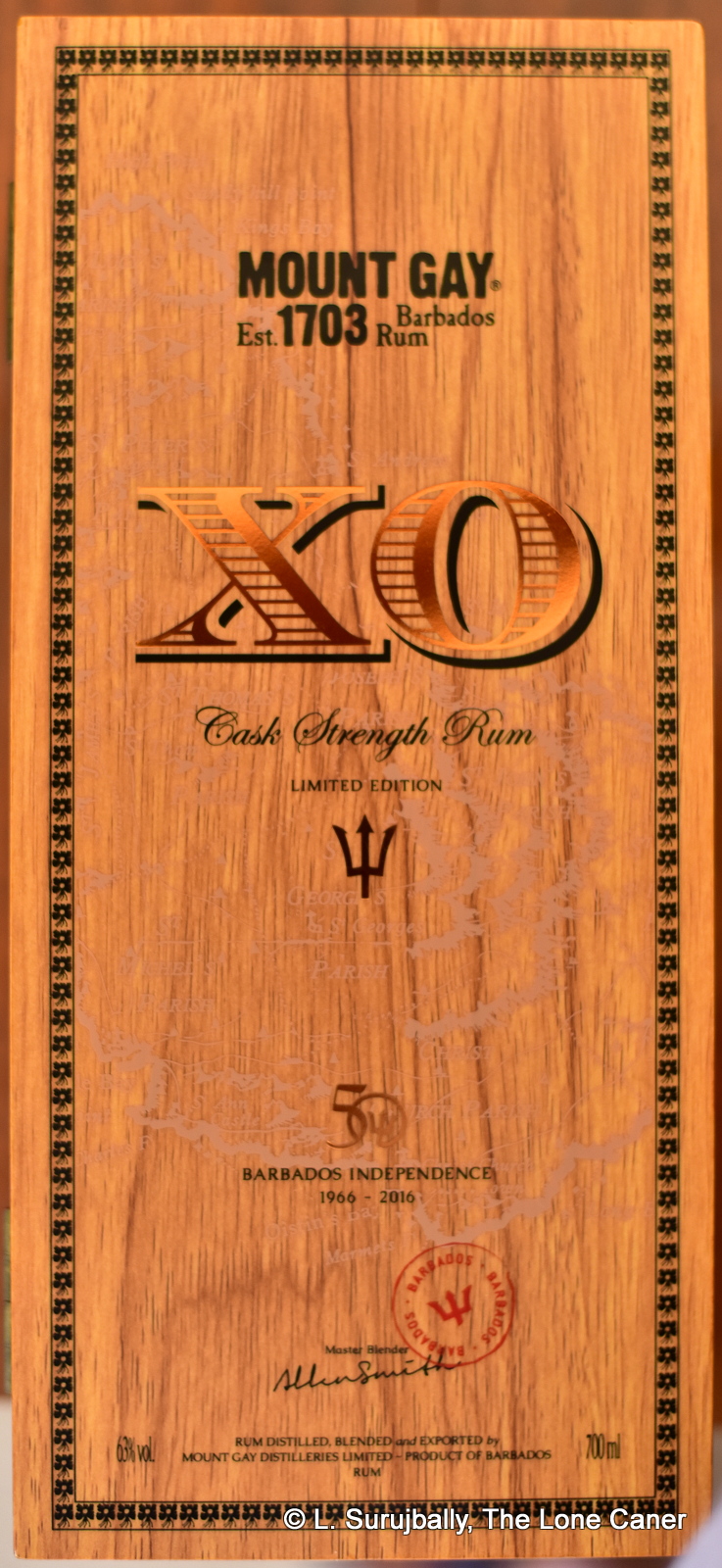
 Rumaniacs Review #083 | 0544
 Opinion