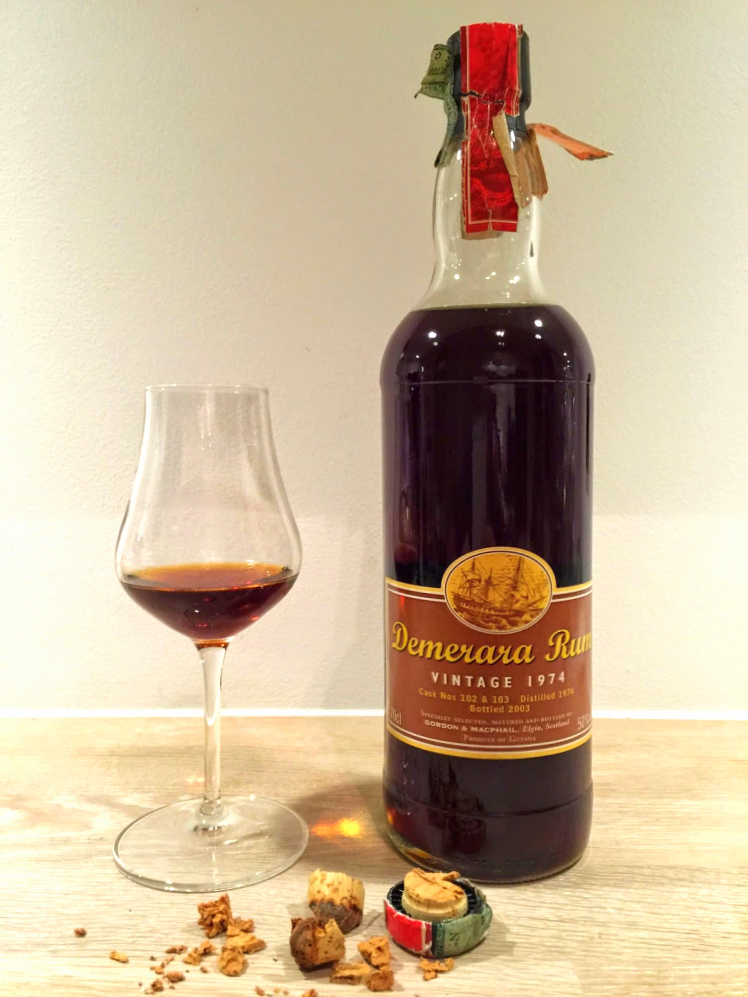
Photo (c) Henrik Kristoffersen, RunCorner.dk
1974 was clearly a good year for barrel selection by the Scottish whisky maker Gordon & MacPhail. So good in fact that they were able to release several exceptional rums from that year – one was in 1999, the near spectacular 25 year old, which my Danish friends kicked themselves for missing when it came up for a tasting one year in Berlin. They got their own back at me by locating this slightly older version that was laid to sleep in the same year, emerged 29 years later (in 2003), and which is also a quietly amazing aged Demerara rum — every bit as good as its predecessor.
It’s too bad we don’t know enough about it. Oh, there’s all the usual labelling information that would have been satisfactory a short time back: 50% ABV, distilled in 1974, bottled in 2003 from two casks (#102 and #103), and that’s certainly better than what I grew up having to be satisfied with back in the day. But we’re greedy wretches, us rum writers, and now I want to know where it slumbered and which still it came from, what the total bottle-outturn was, and how much time it spent ageing where. That I don’t have such info is something of a minor irritant, but we forge ahead with what we have.
Where the still is concerned, we can certainly guess from the profile. I mean, just nose the thing – heaven. Deep, fruity, wooden-still action all the way. Anise, blackberries, oak, ripe tart apples and overripe cherries, apricots and prunes. This is followed by molasses, dust, hay, well-polished leather upholstery, aromatic tobacco…and coffee grounds, lots of ‘em. An excellent nose, very rich, very pungent, very dark.
It tastes as good as the nose leads one to expect, and may even exceed the nose. The rum is a very dark brown, bottled at 50% ABV, just about the perfect strength for something so old and thick: enough to bring the flavours out with authority and some kick, not so strong as to burn you in the process. Here, the dark fruit panoply continues: blackcurrants, cherries, overripe mangoes. That’s joined by coffee, unsweetened chocolate, licorice, molasses, nougat, nuts and caramel. And then there’s a subtle third layer, very delicate, hinting of cinnamon, nutmeg, fennel and a freshly baked load of rye bread. The balance of the thing among these three components is really quite something, and if I had a whinge, it’s that the dry and warm finish, flavourful as it is – tobacco, leather, caramel, coffee, anise and breakfast spices – feels somewhat…less. It sums up everything that came before quite well, but brings nothing new to the party for a rousing encore, and is a. A minor point, really.
My first guess would be that the rum is from the double wooden PM pot still, because it lacks the rough wildness of the Versailles, or the slightly more elegant nature of the Enmore (which also tends to have a bit more lumber — at least a few pencils — in the jock, so to speak). But really, at this age, at this remove, does it really matter except for us who want every single detail? I call it a Demerara, as G&M do, and am happy to have been given the opportunity to try it.
Henrik Kristofferson, who runs that somnolent and suspirant site Rum Corner (and the source of the sample) remarked in his own review that with rums this old, from that far back and for this rarity, price-to-value calculations are meaningless, and he’s right. This is a rum that’s available now probably only through sample networks, which makes it unlikely that anyone will ever get a complete bottle (let alone a complete set of all the 1974s G&M have released) unless it pops up for auction again. But I must admit, it’s good. In fact, it’s as good as the other one I tried, nearly on par with some of the Velier Demeraras from the Age, or Cadenhead’s 33 YO or Norse Cask’s amazing 32 YO (both from 1975). I wouldn’t go so far as to tell anyone who sees a bottle for many hundreds of pounds, Euros, dollars or whatever, to go drain the back account immediately and buy the thing…but if you can get a taste, get it. Get it now, and get fast, because rums like this are a dying, vanishing breed, and it’s an experience worth savouring, to see how the rums of today compare against hoary geriatric whitebeards of yesteryear, like this one. We may not see their like again any time soon.
(#719)(89/100)
Other notes
There was a third G&M 1974 bottled released in 2004 that went for auction at around £600 in 2017 (which gives you some idea how these three-decade-old vintages are appreciating), and yet another one released in 2005.
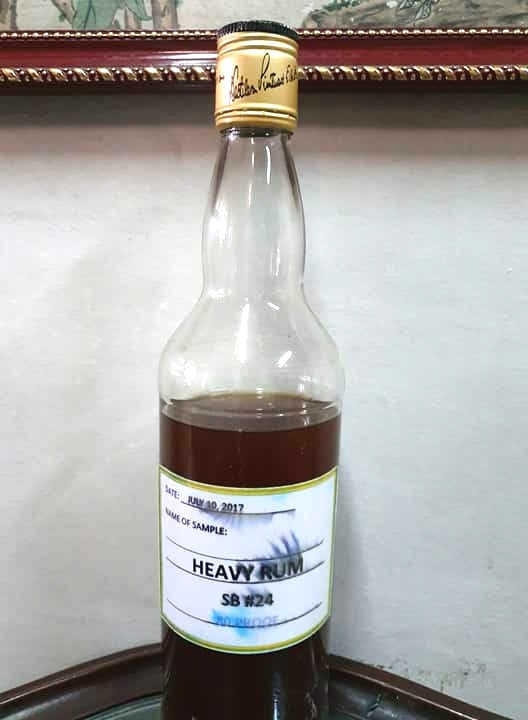 I should begin by warning you that this rum is sold on a very limited basis, pretty much always to favoured bars in the Philippines, and then not even by the barrel, but by the bottle from that barrel – sort of a way to say “Hey look, we can make some cool sh*t too! Wanna buy some of the other stuff we make?”. Export is clearly not on the cards…at least, not yet.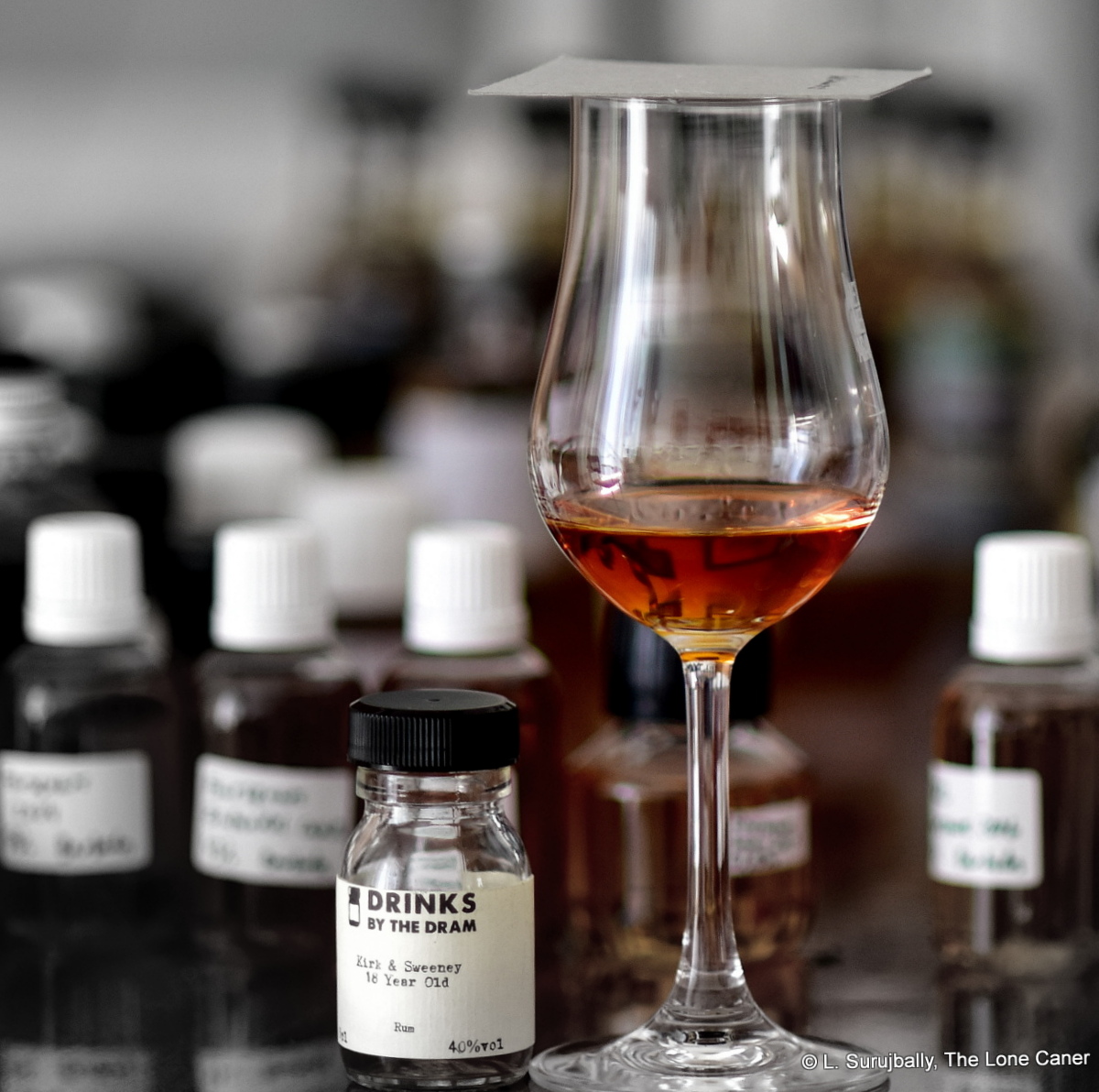
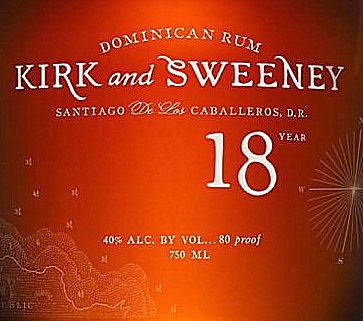 This is not to say that there isn’t some interesting stuff to be found. Take the nose, for example. It smells of salted caramel, vanilla ice cream, brown sugar, a bit of molasses, and is warm, quite light, with maybe a dash of mint and basil thrown in. But taken together, what it has is the smell of a milk shake, and there doesn’t seem to be much in the way of startling originality – not exactly what 18 years of ageing would give you, pleasant as it is. It’s soft and easy, that’s all. No thinking required.
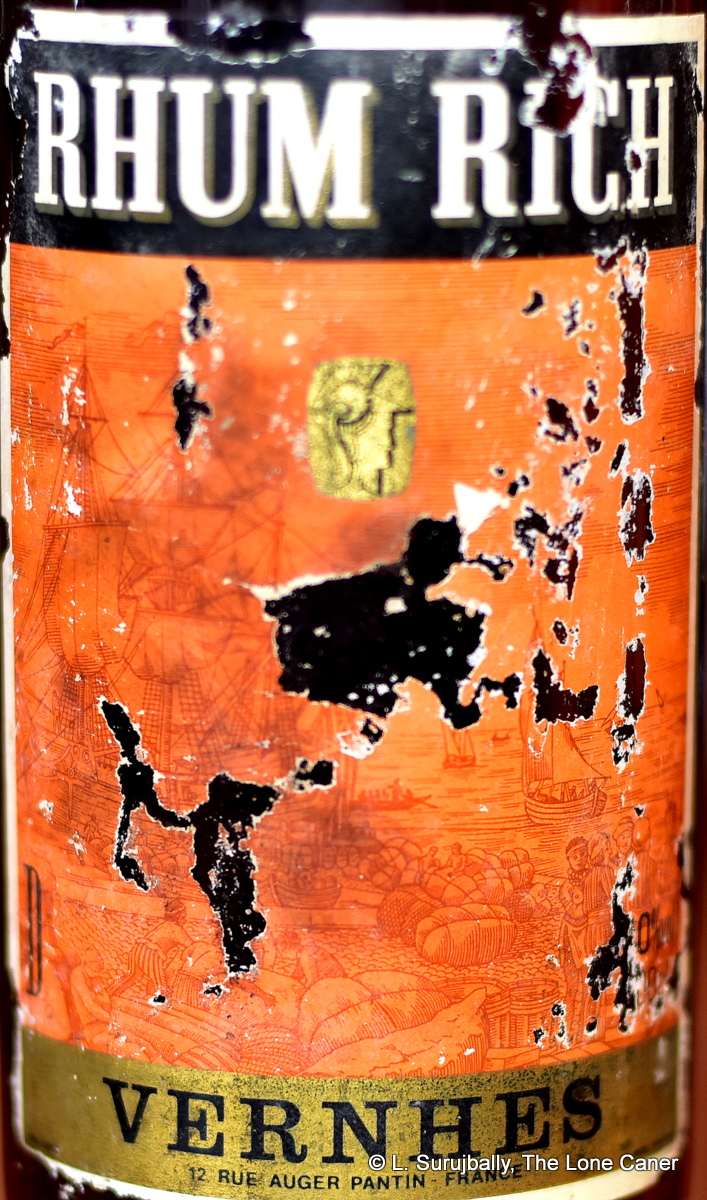 Colour – Amber
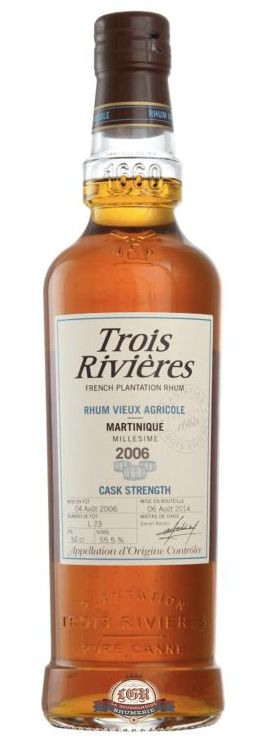 The Trois Rivières Brut de fût Millésime 2006 (which is its official name) is relatively unusual: it’s aged in new American oak barrels, not Limousin, and bottled at cask strength, not the more common 43-48%. And that gives it a solidity that elevates it somewhat over the standards we’ve become used to. Let’s start, as always, with the nose — it just becomes more assertive, and more clearly defined…although it seems somehow gentler (which is quite a neat trick when you think about it). It is redolent of caramel and vanilla first off, and then adds green apples, tart yoghurt, pears, white guavas, watermelon and papaya, and behind all that is a delectable series of herbs – rosemary, dill, even a hint of basil and aromatic pipe tobacco.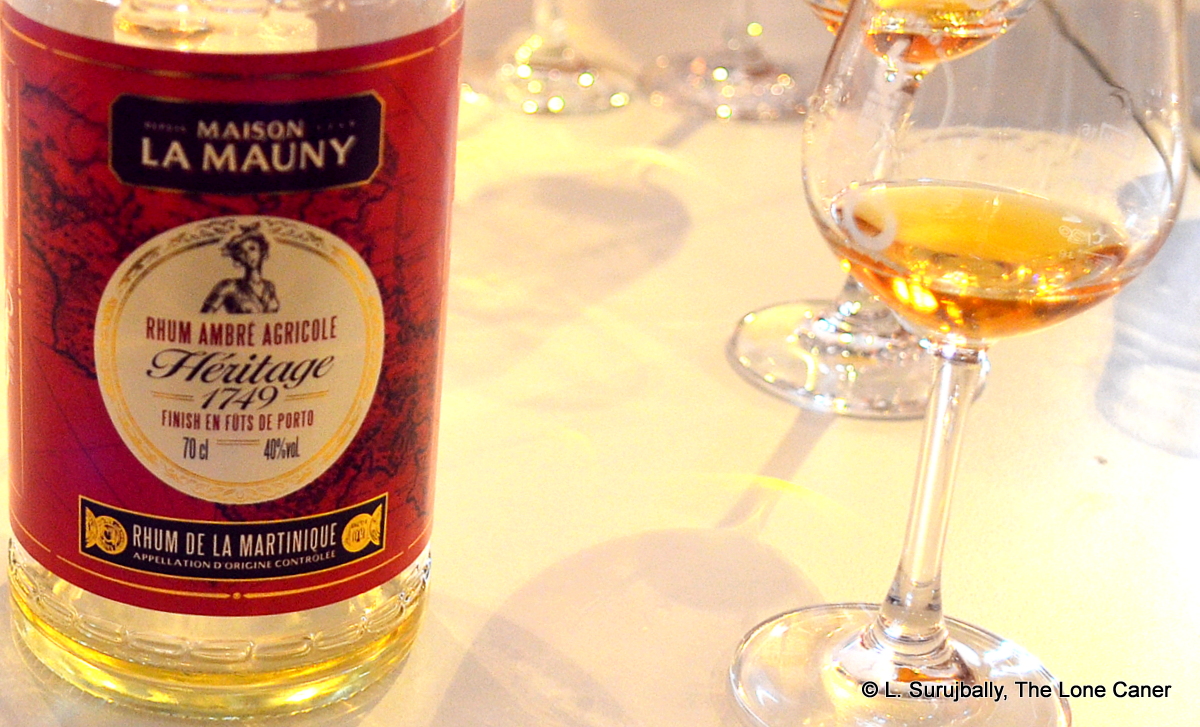
 Okay so, on to palate. Straw yellow in the glass, it was softer and less intense, which, for a forty percenter, was both good and bad. Here the grassy and herbal notes took on more prominence, as did citrus, some tart unsweetened yoghurt, honey and cane juice. The youth was evident in the slight sharpness and lack of real roundness – the two years of ageing had
 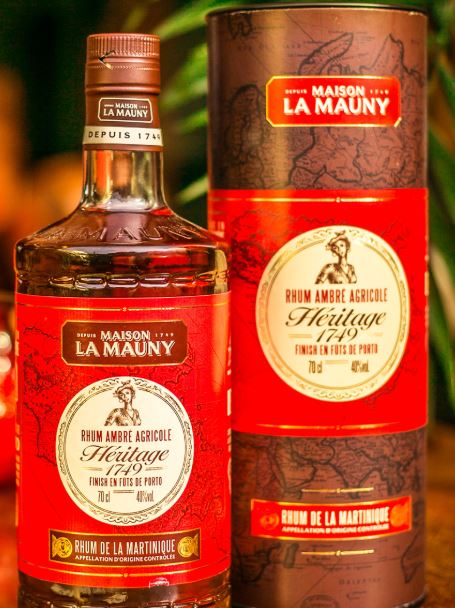 In 1923 La Mauny was sold to Théodore and Georges Bellonnie who enlarged and brought in new facilities such as a distillation column, new grinding mills and a steam engine. The distillery expanded hugely thanks to increased output and good marketing strategies and La Mauny rhums began to be exported around 1950. In 1970, after the Bellonnie brothers had both passed away, the Bordeaux traders and old-Martinique family of Bourdillon teamed up with Théodore Bellonnie’s widow and created the BBS Group. The company grew strongly, launching on the French market in 1977. Jean Pierre Bourdillon, who ran the new group, undertook to modernize La Mauny. He began by reorganizing the fields in order to make them accessible to mechanical harvesting and built a new distillery in 1984 (with a fourth mill, a three column still and a new boiler) a few hundred meters from the old one, increasing the cane crushing capacity and buying the equipment of the Saint James distillery in Acaiou, unused since 1958.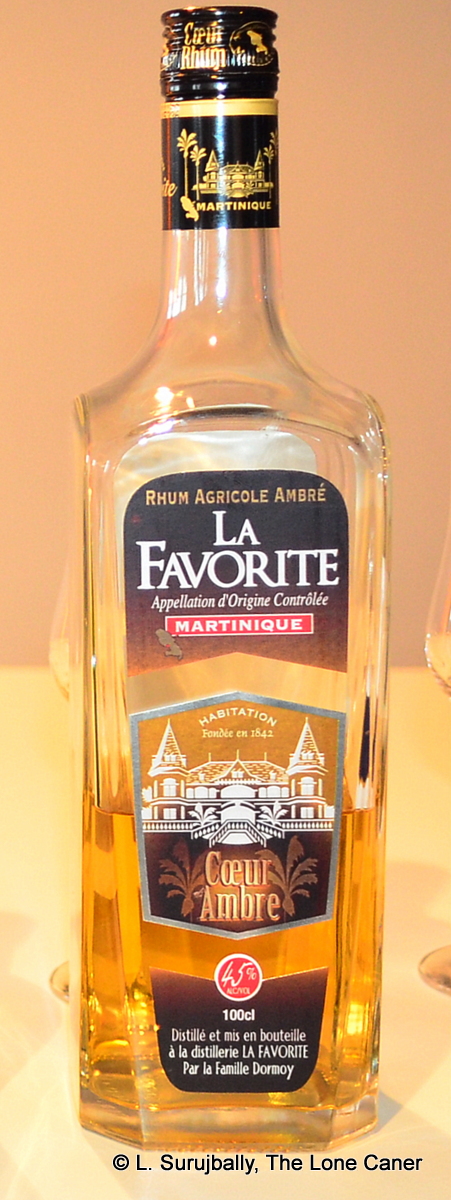
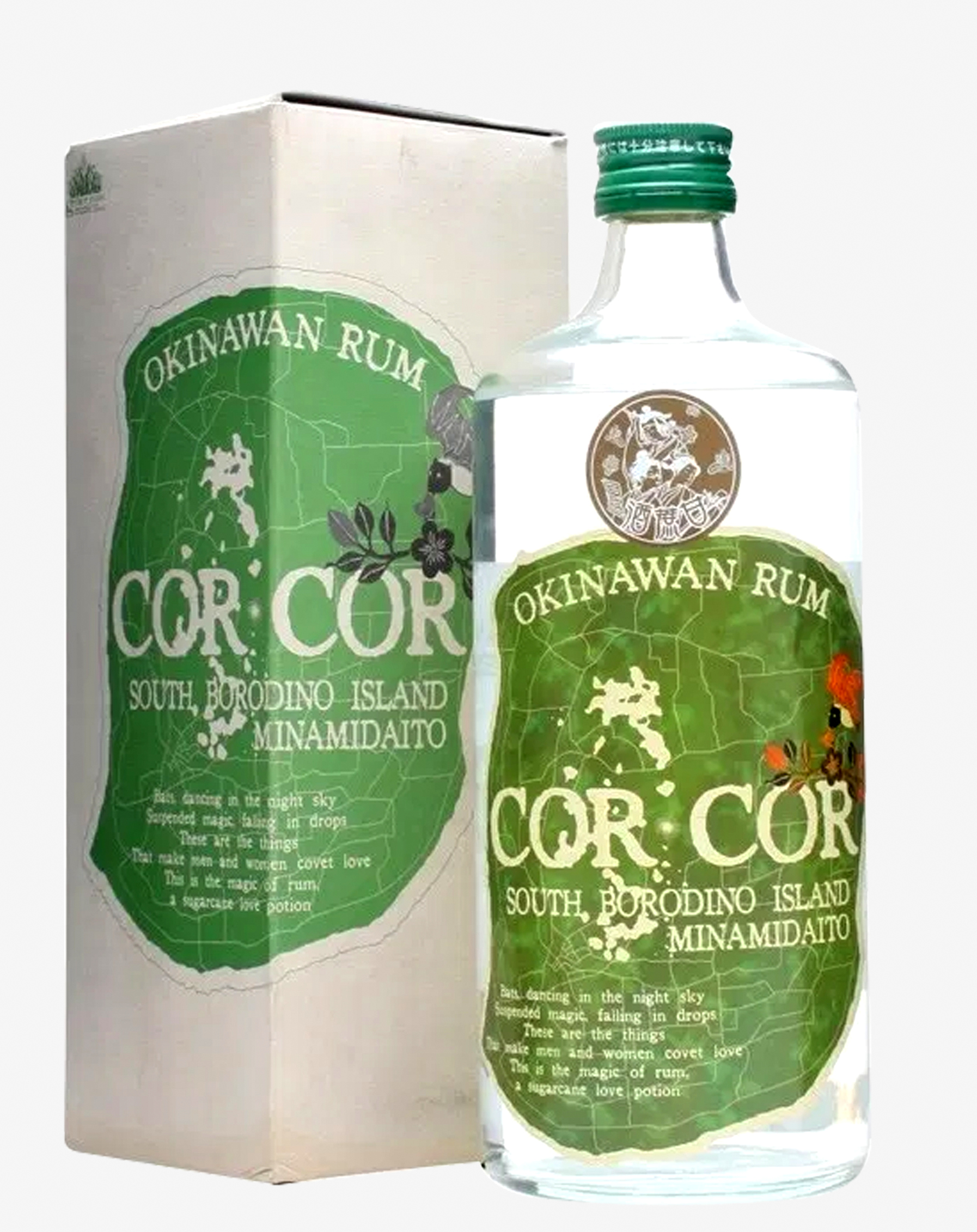 The Cor Cor “Green”, cousin to the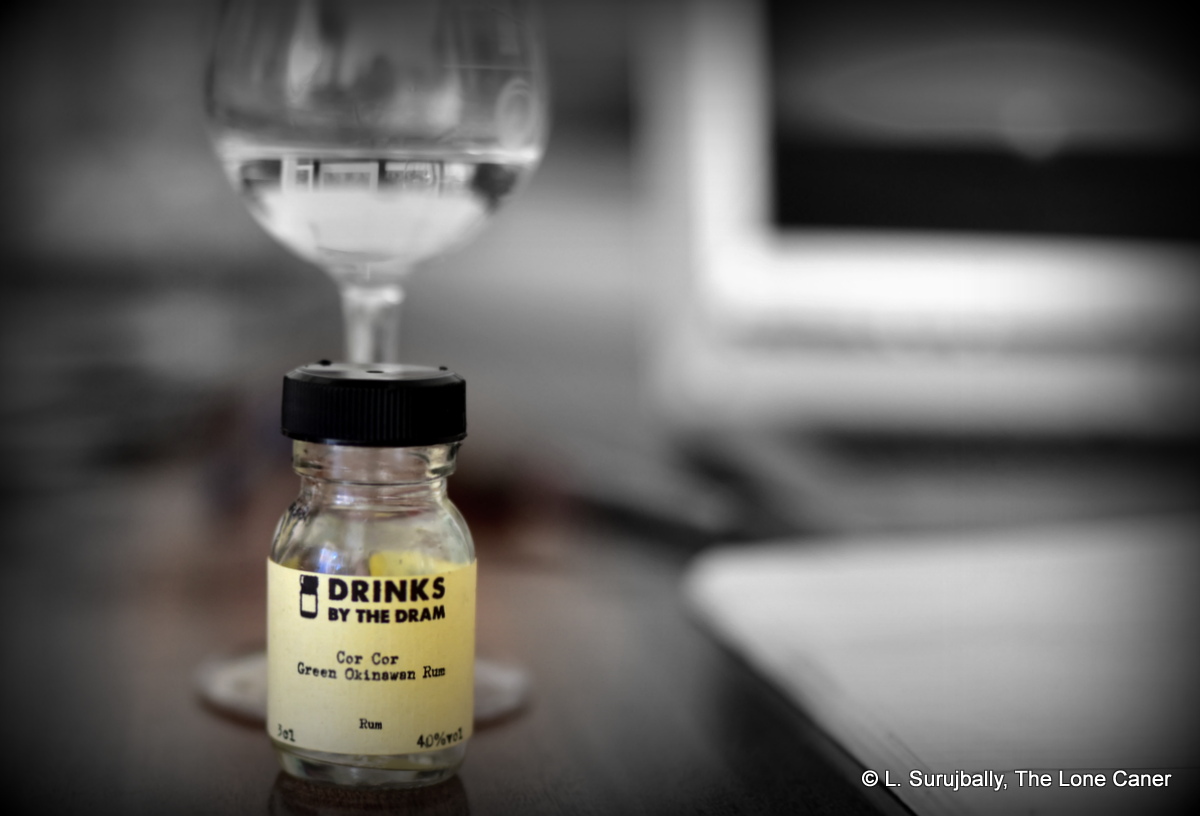
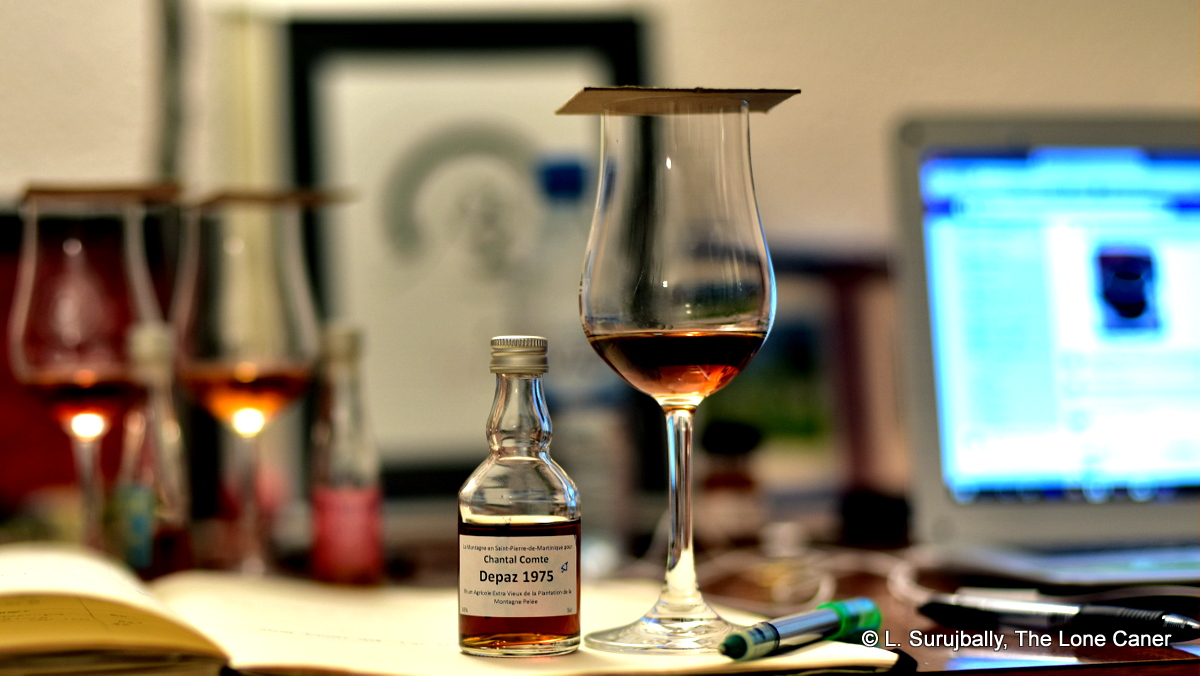
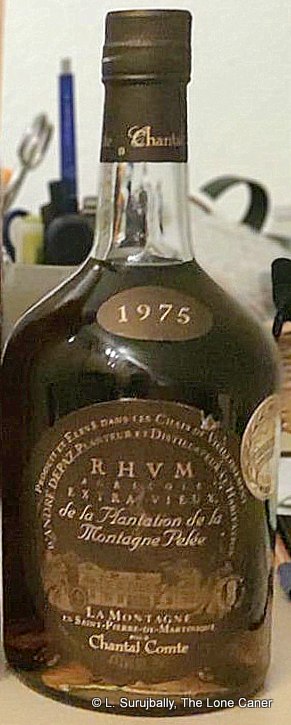 The full and rather unwieldy title of the rum today is the Chantal Comte Rhum Agricole 1975 Extra Vieux de la Plantation de la Montagne Pelée, but let that not dissuade you. Consider it a column-still, cane-juice rhum aged around eight years, sourced from Depaz when it was still André Depaz’s property and the man was – astoundingly enough in today’s market – having real difficulty selling his aged stock. Ms. Comte, who was born in Morocco but had strong Martinique familial connections, had interned in the wine world, and was also mentored by Depaz and Paul Hayot (of Clement) in the late 1970s and early 1980s, when Martinique was suffering from overstock and poor sales.. And having access at low cost to such ignored and unknown stocks allowed her to really pick some amazing rums, of this is one.
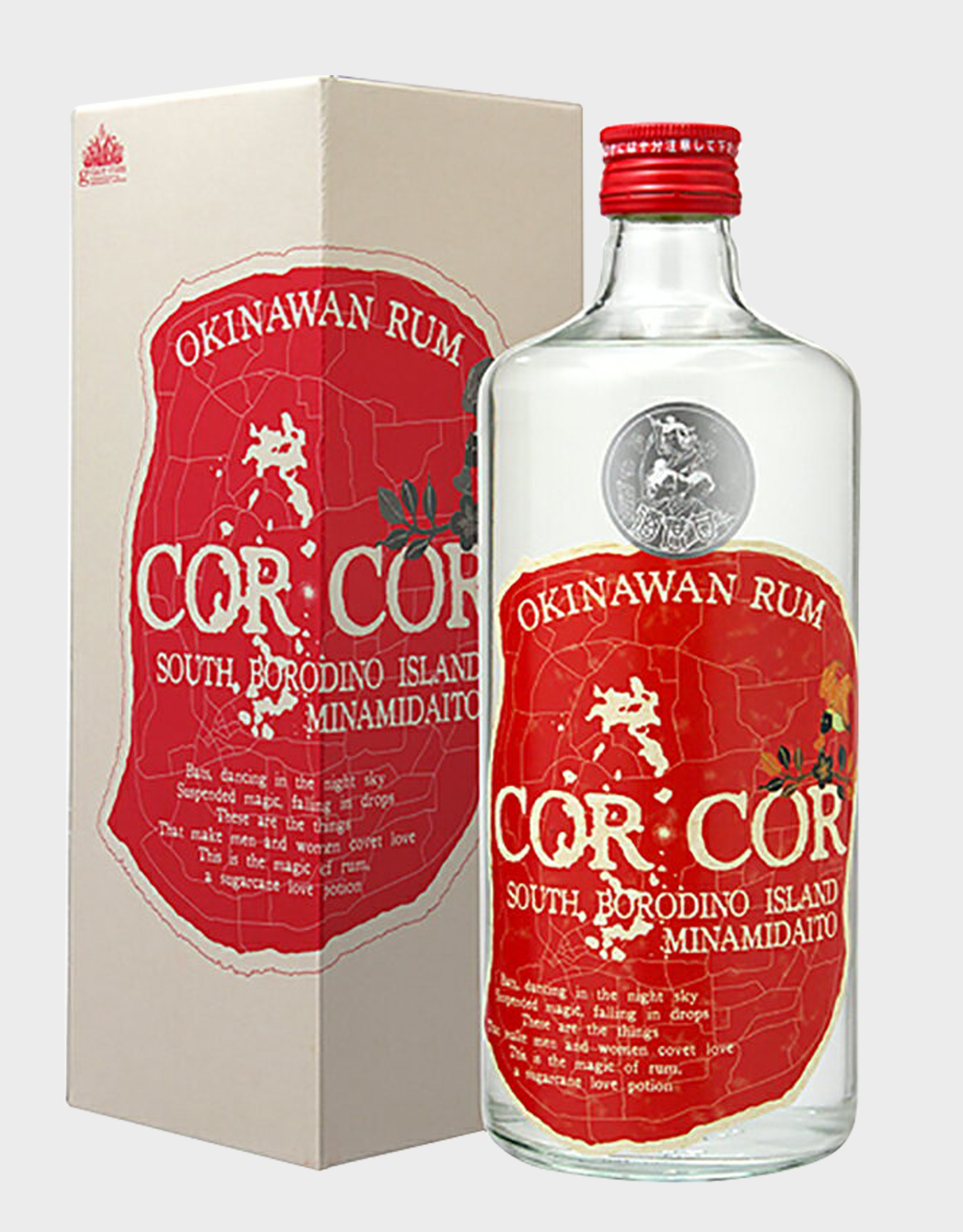 Given Japan has several rums which have made these pages (
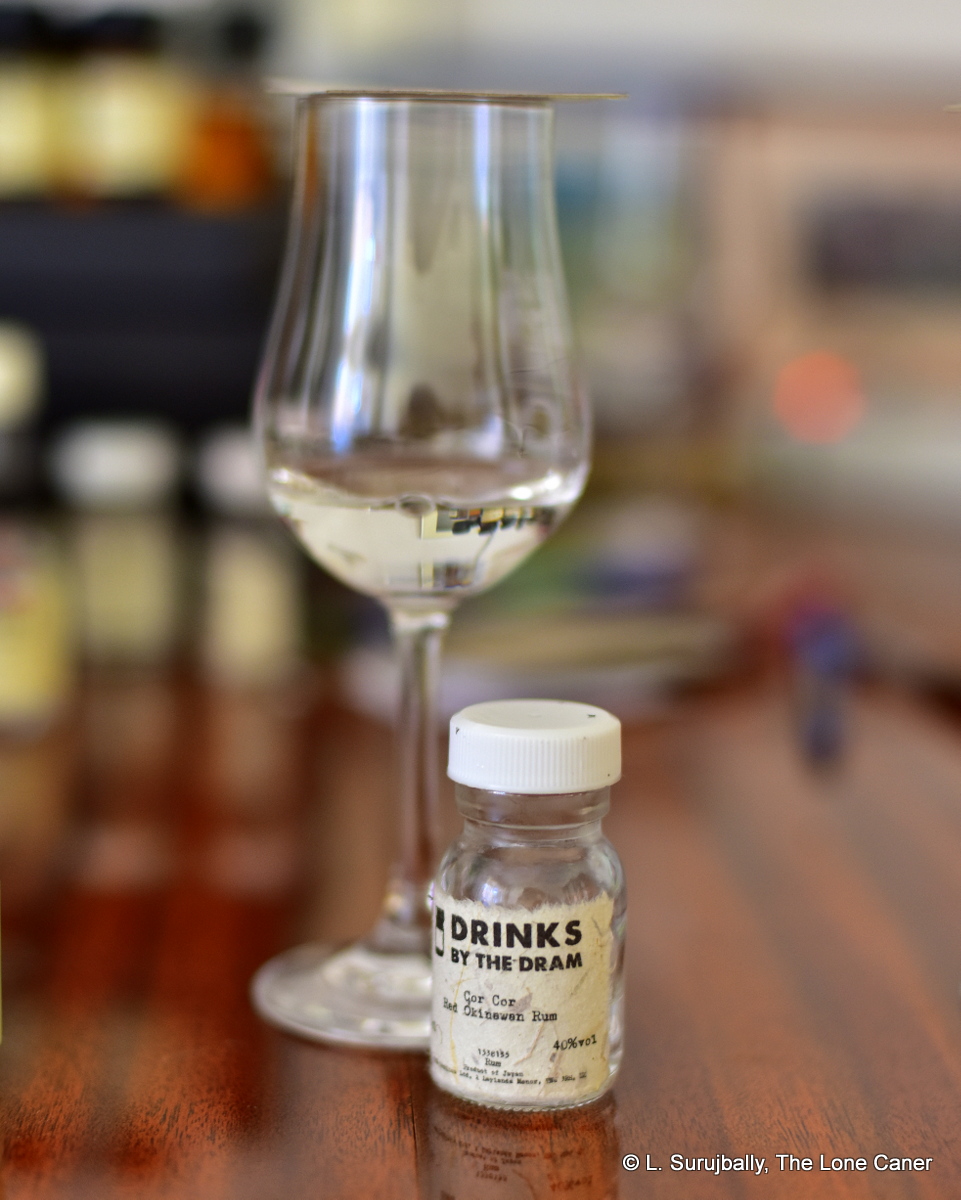 The Cor Cor Red was more generous on the palate than the nose, and as with many Japanese rums I’ve tried, it’s quite distinctive. The tastes were somewhat offbase when smelled, yet came together nicely when tasted. Most of what we might deem “traditional notes” — like nougat, or toffee, caramel, molasses, wine, dark fruits, that kind of thing — were absent; and while their (now closed) website rather honestly remarked back in 2017 that it was not for everyone, I would merely suggest that this real enjoyment is probably more for someone (a) interested in Asian rums (b) looking for something new and (c) who is cognizant of local cuisine and spirits profiles, which infuse the makers’ designs here. One of the reasons the rum tastes as it does, is because the master blender used to work for one of the awamori makers on Okinawa (it is a spirit akin to Shochu), and wanted to apply the methods of make to rum as well. No doubt some of the taste profile he preferred bled over into the final product as well.
 Colour – Light Gold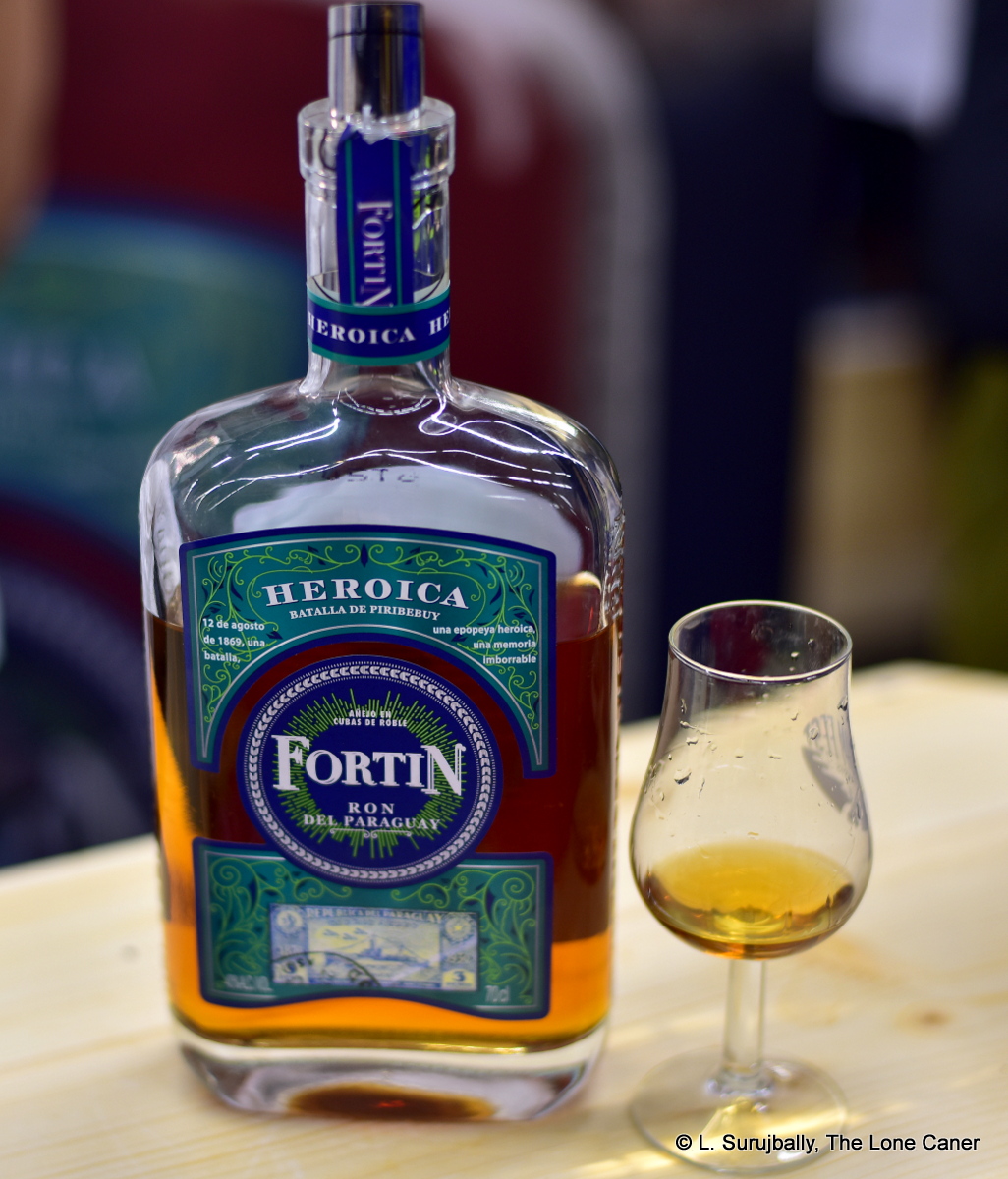
 Here’s what we know – made from rendered sugar cane juice (“honey”), fermented for 72 hours using wild yeast, column distilled, then aged in all kinds of barrels – American oak (ex-bourbon), cognac, Pedro Ximenez and also Marcuya “fruit of passion” wood from Paraguay. Once that’s done, the resultant rons are blended to form the final product. The age is currently unknown — I’ll update this paragraph if I get feedback from their marketing folks — but I’ll hazard a guess it’s medium…about 3-6 years. Little of this, by the way, is noted on the label, which only says it is a Paraguayan rum, commemorates the 1869 battle, is aged in oak vats and 40%. Wonderful. Clearly the word “disclosure” gets more lip service than real purchase over there.
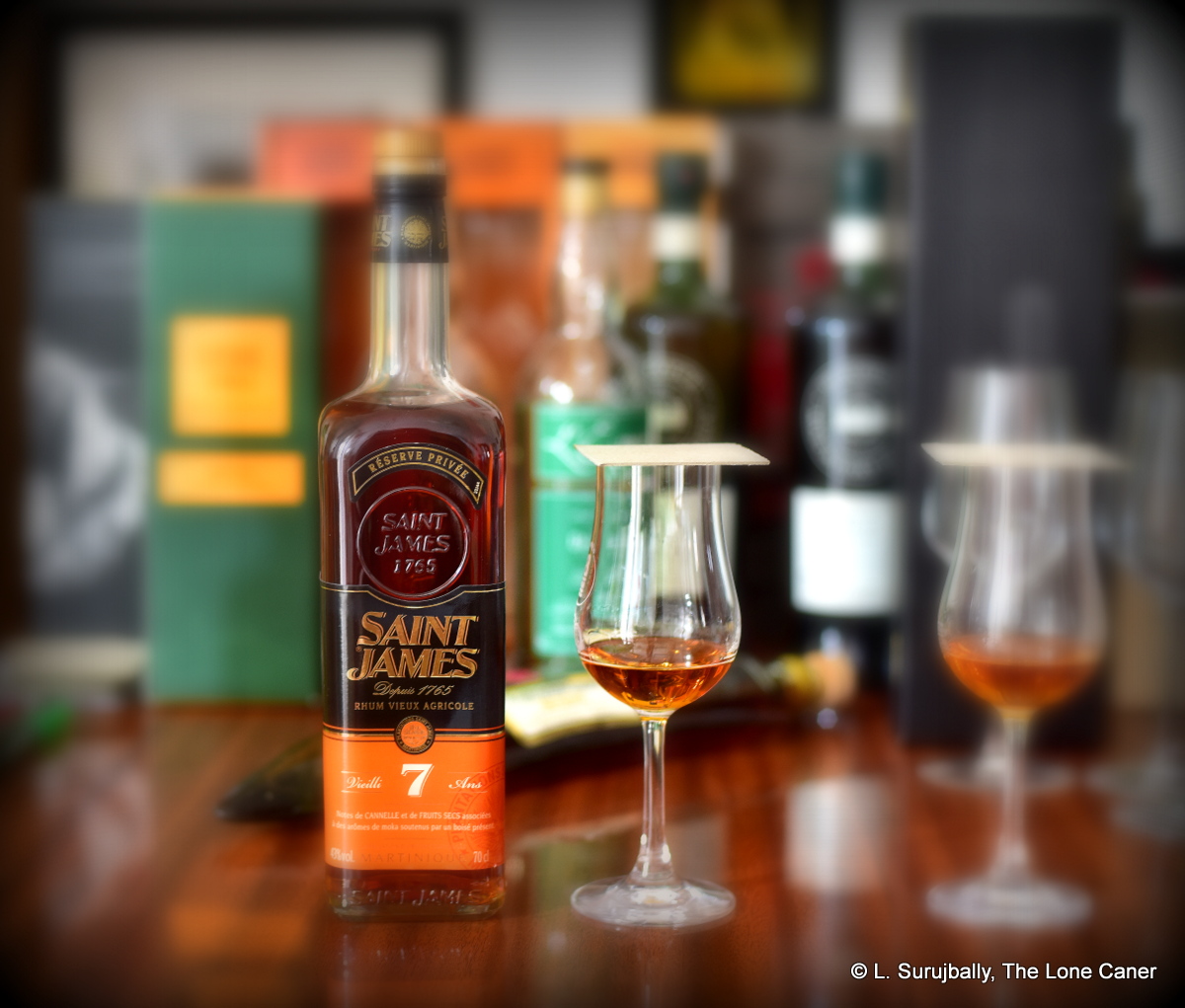
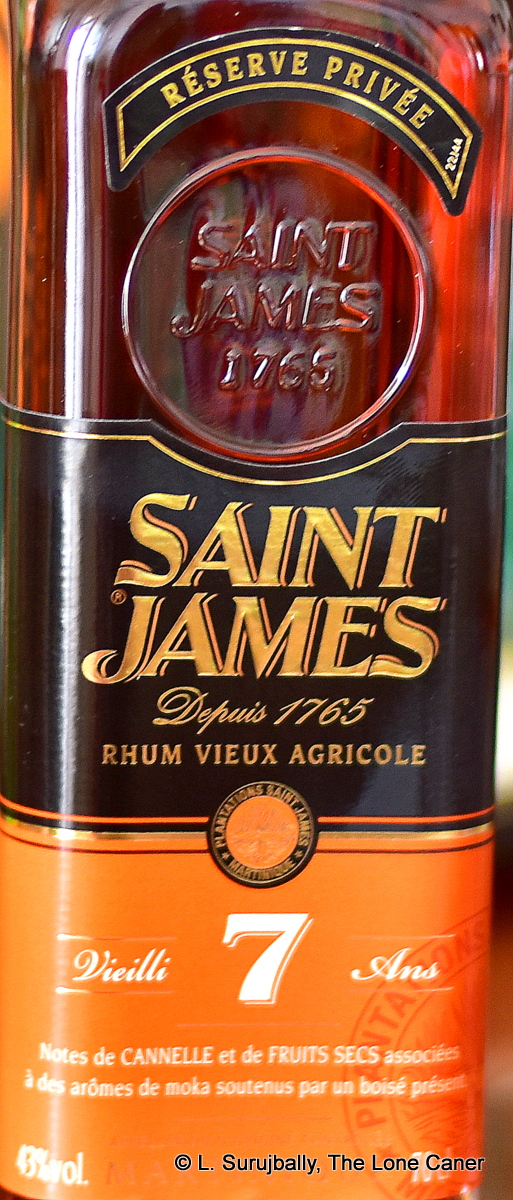 Ah but when sipped, all that changes, and the clodhoppers go away and it dons a pair of ballet slippers. It’s stunningly fragrant, not quite delicate – that ballerina does have an extra pound or two – very firm and robust in flavour profile. Just on the first sip you can taste flowers, pears, papaya, honey, vanilla, raisins, grapes, all pulled together with a delectable light and salty note. There are nice citrus hints, a tease from the oak, ginger and cinnamon, and overall, it sips as nicely as it mixes. The finish is well handled, though content to play it safe – things are beginning to quieten down here, and it fades quietly without stomping on you – and certainly nothing new or original comes into being; the rhum is content to follow where the nose and palate led – fruits, pineapple, spices, ginger, vanilla – without breaking any new ground.
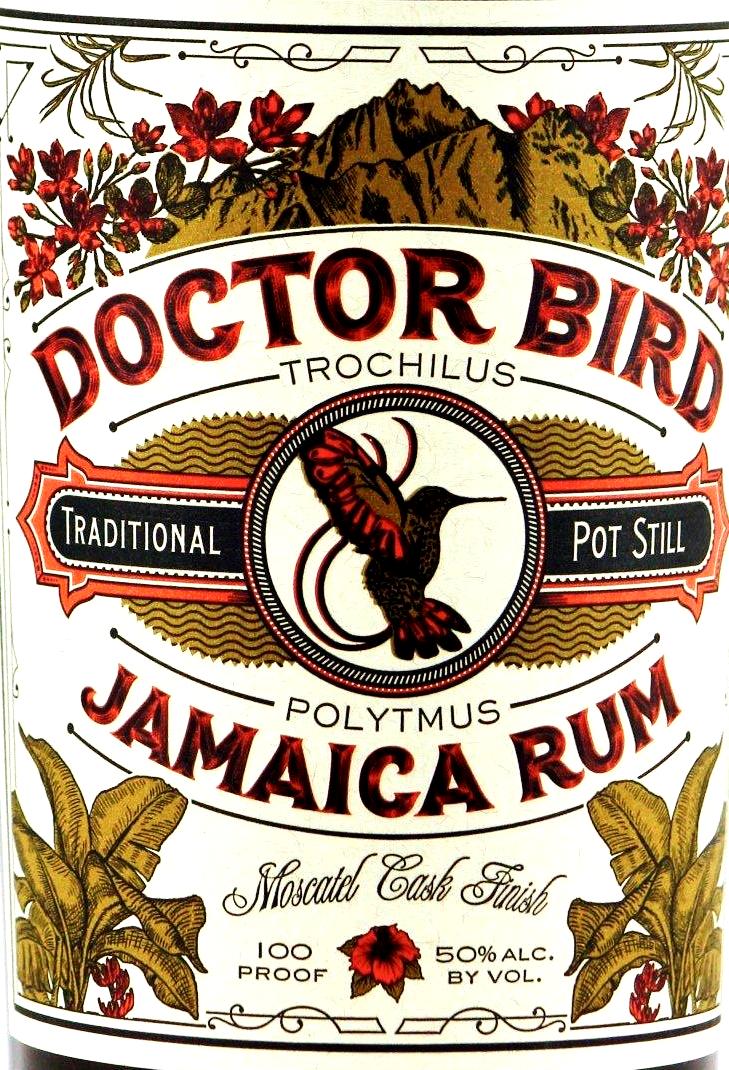 The strangely named Doctor Bird rum is another company’s response to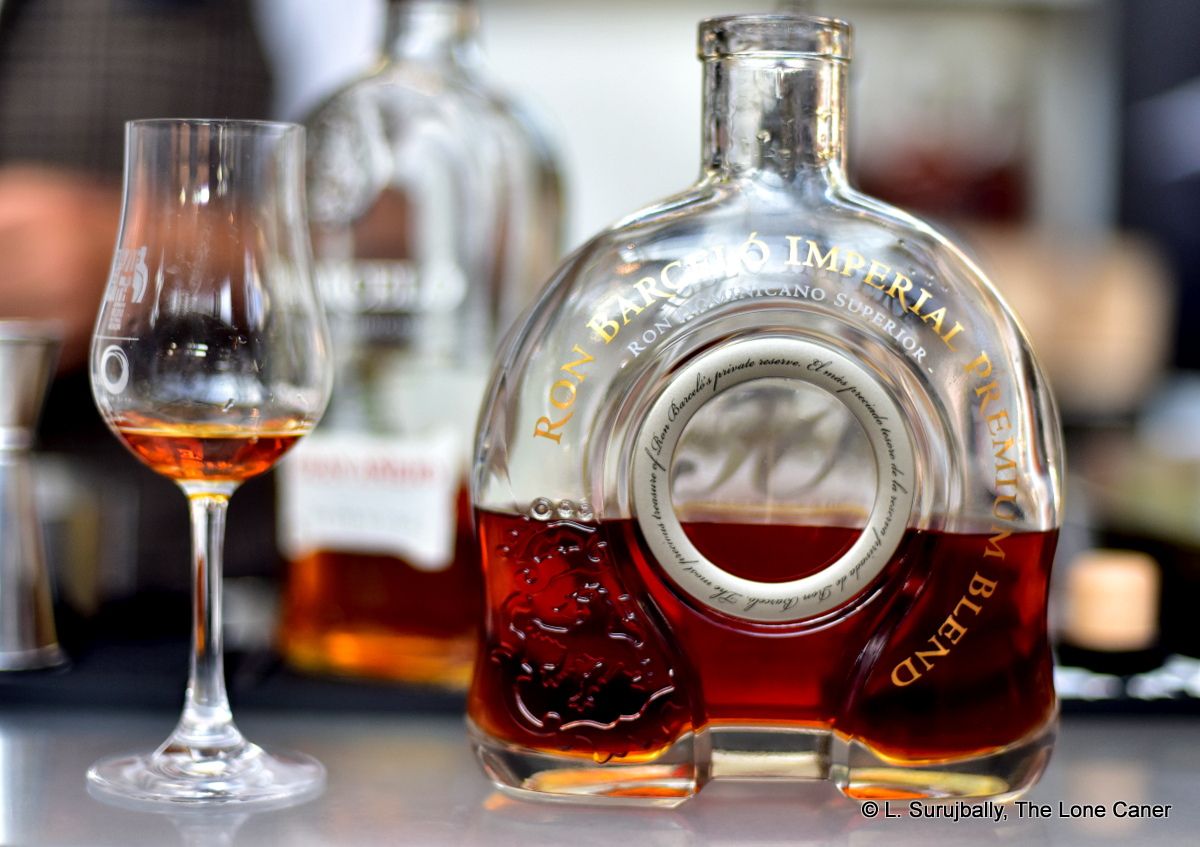
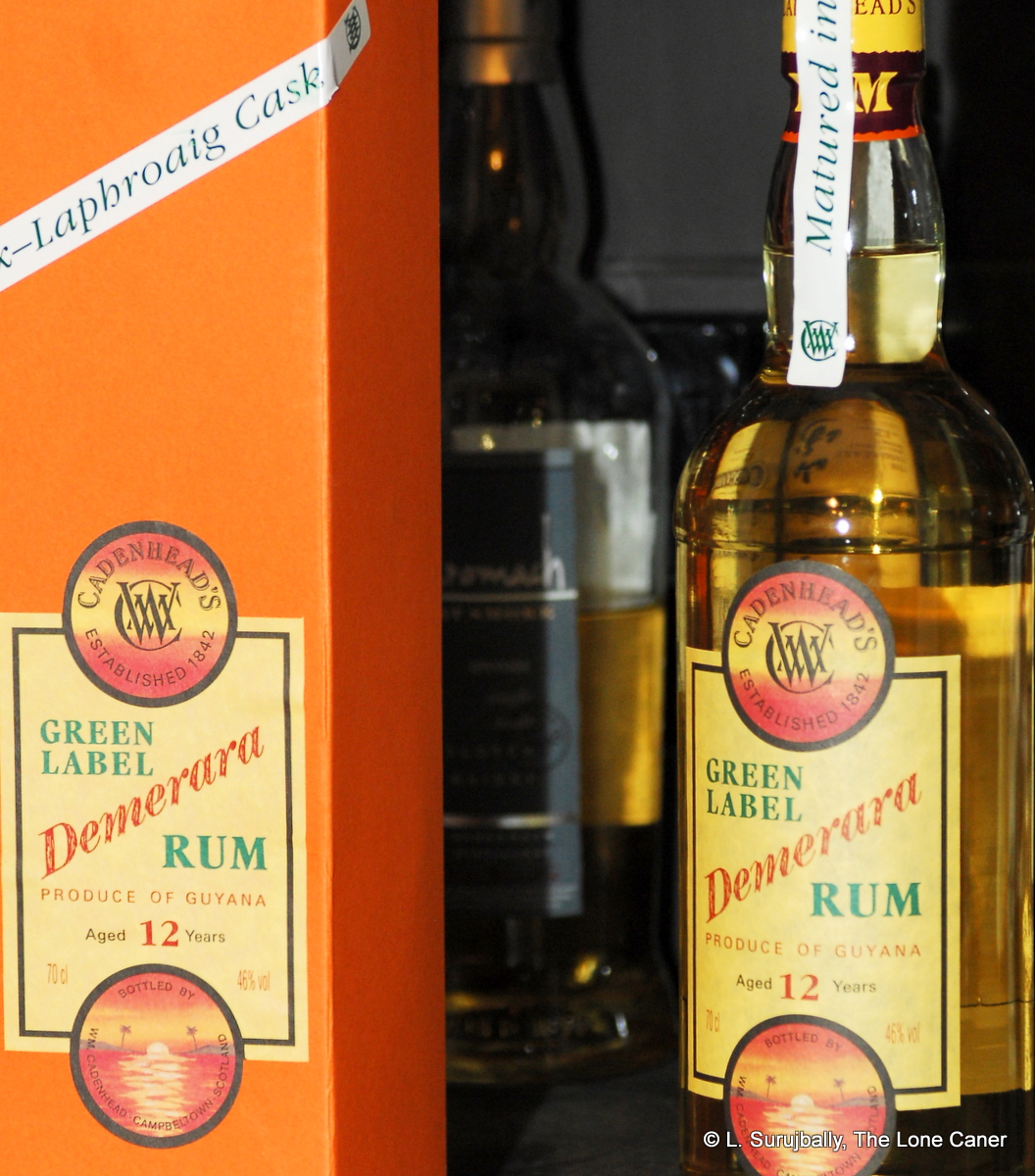
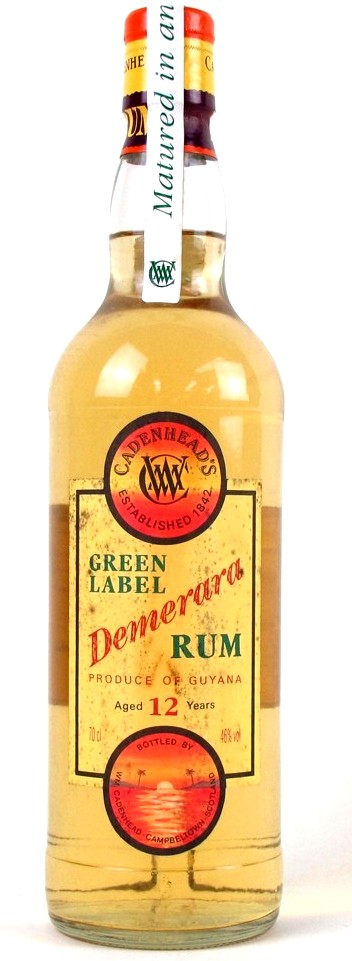 Anyway, this was a 12 year old, continentally-aged Guyanese rum (no still is mentioned, alas), of unknown outturn, aged 12 years in Laphroaig whisky casks and released at the 46% strength that was once a near standard for rums brought out by
 Palate – Even if they didn’t say so on the label, I’d say this is almost completely Guyanese just because of the way all the standard wooden-still tastes are so forcefully put on show – if there