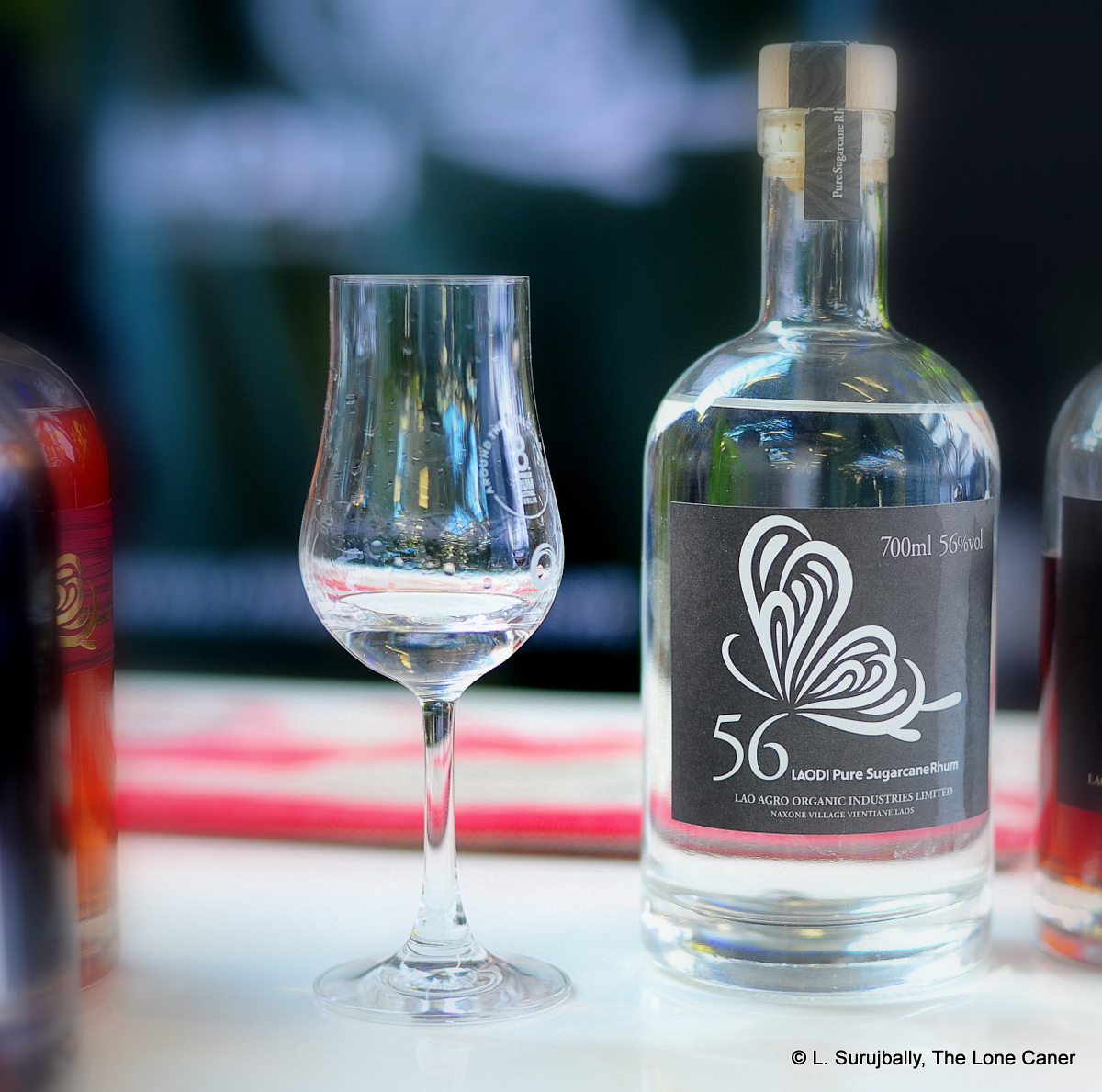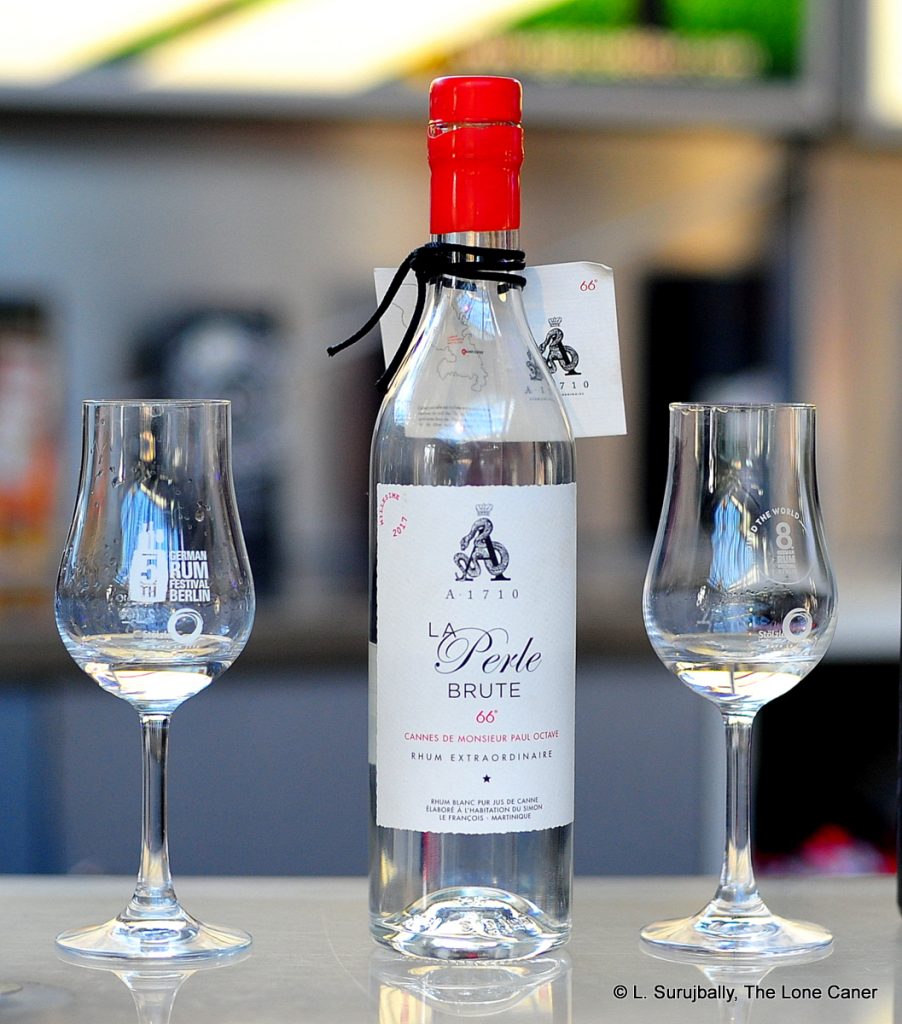
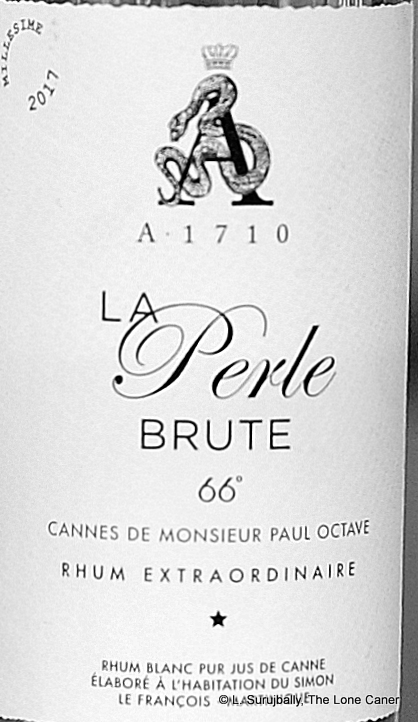
It doesn’t say so, but A1710’s rhum “Brute,” stuffed into a bottle at a rip snorting 66%, is another example of a mini-terroire called a parcellaire – a single small section of an estate, like, oh the UF30E or the similar A1710 54.5% edition that was also issued in the year this was, 2017. There are a few of these micro-terroire rhums floating around and while still uncommon, do show an interesting new direction for the rum world. Though, for obvious reasons I don’t see them as becoming mass market products any time soon – more like exactingly made small batch artisanal rhums in the true sense, marketed to enthusiasts and connoisseurs.
To do that, however, depends on more than just slick marketing. The product actually has to taste good, be seen as out of the ordinary, and be able to showcase some small aspect of its company’s ethos and desire for quality. It’s got to be special. So far, I’ve seen nothing from A1710 that would do anything except lend support to that thesis, because the “Brute” is definitely one of the best white rhums around, even at that formidable strength.
The canes used to make this rum all come from a single plot cultivated by a Mr. Paul Octave, with several varietals: black cane, yellow cane and Pen Epi Lèt. (More delicate and less robust than the hybrids which are cultivated for large-scale productions, these three types of canes are supposedly quite juicy). The cane juice is fermented for around five days, run through a creole 7-plate copper column still affectionately named “La Belle Aline”, is non-AOC compliant, and as far as I know, rested for some time but not aged or filtered or reduced in strength, resulting in 2,286 bottles of a 66% beefcake for the 2017 edition, all individually numbered.
 The results of all that micro-management are amazing.The nose, fierce and hot, lunges out of the bottle right away, hardly needs resting, and is immediately redolent of brine, olives, sugar water,and wax, combined with lemony botes (love those), the dustiness of cereal and the odd note of sweet green peas smothered in sour cream (go figure). Secondary aromas of fresh cane sap, grass and sweet sugar water mixed with light fruits (pears, guavas, watermelons) soothe the abused nose once it settles down.
It’s the taste that’s the real star of the show, the way this huge strength is tamed and made almost palatable. Yes it’s hot and spicy, but there’s a sort of smooth creaminess to the texture that permits it to be had neat and the high proof almost forgotten. There’s salt and wax and light glue as before, combined with a sweeter note of marshmallows, light white fruits and it’s reminiscent of a watery fruit infusion to be had on a hot day on a tropical beach somewhere. There are other tastes of lychees, flowers, more fruits (heavier ones), cane sap, herbs (mint, perhaps a touch of sage and basil), but these dance around the central tastes and lend support rather than shouldering their way to the forefront, and the entire experience is really quite good, moving smoothly, almost sedately, inro a long, spicy and fruity finish that somehow preserves both strength and delicacy.
I really enjoyed the 54.5% La Perle, and scored it well, but the Brute is a cut even above that. It’s a rum made by one guy on one parcel on one island and has a richness of aroma and flavour that it would seem almost a sin to put it in a barrel. The real money in the rum world is in utra-old rums made by proud houses who reach back in time for barrels left to age for decades by generations past. A1710 have shown that a brand new outfit, not adhering to a production standard of any kind, not even ageing what they come up with and simply releasing a rhum like this almost straight off the still, can provide us with something truly remarkable for an astoundingly affordable price. For me, it’s worth every penny.
(#772)(88/100)
Other notes
Some historical background on A1710 is in the original La Perle review, adapted here:
A1710 was created in 2016 as a micro-distillery for Habitation Le Simon (not to be confused with the distillery of Simon, though they’re neighbors), which rubs shoulders with Clement on the mid eastern side of Martinique. The estate’s roots go back to 1710 when the founder, Jean Assier, arrived on the island (hence the “A” in the title) and founded the sugar plantation, which seems to have been family owned and operated as a sugar estate ever since. Yves Assier de Pompignan, the 50-year-old who created the brand and founded the distillery in 2016, first made a career in stationery and office supplies before accepting his True Calling, perhaps channelling the family heritage — a great-grandfather owned the current factory of Saint-James, a grandfather owned of rum brand, his father is a cane agronomist and he has connections with the Hayot family as well.


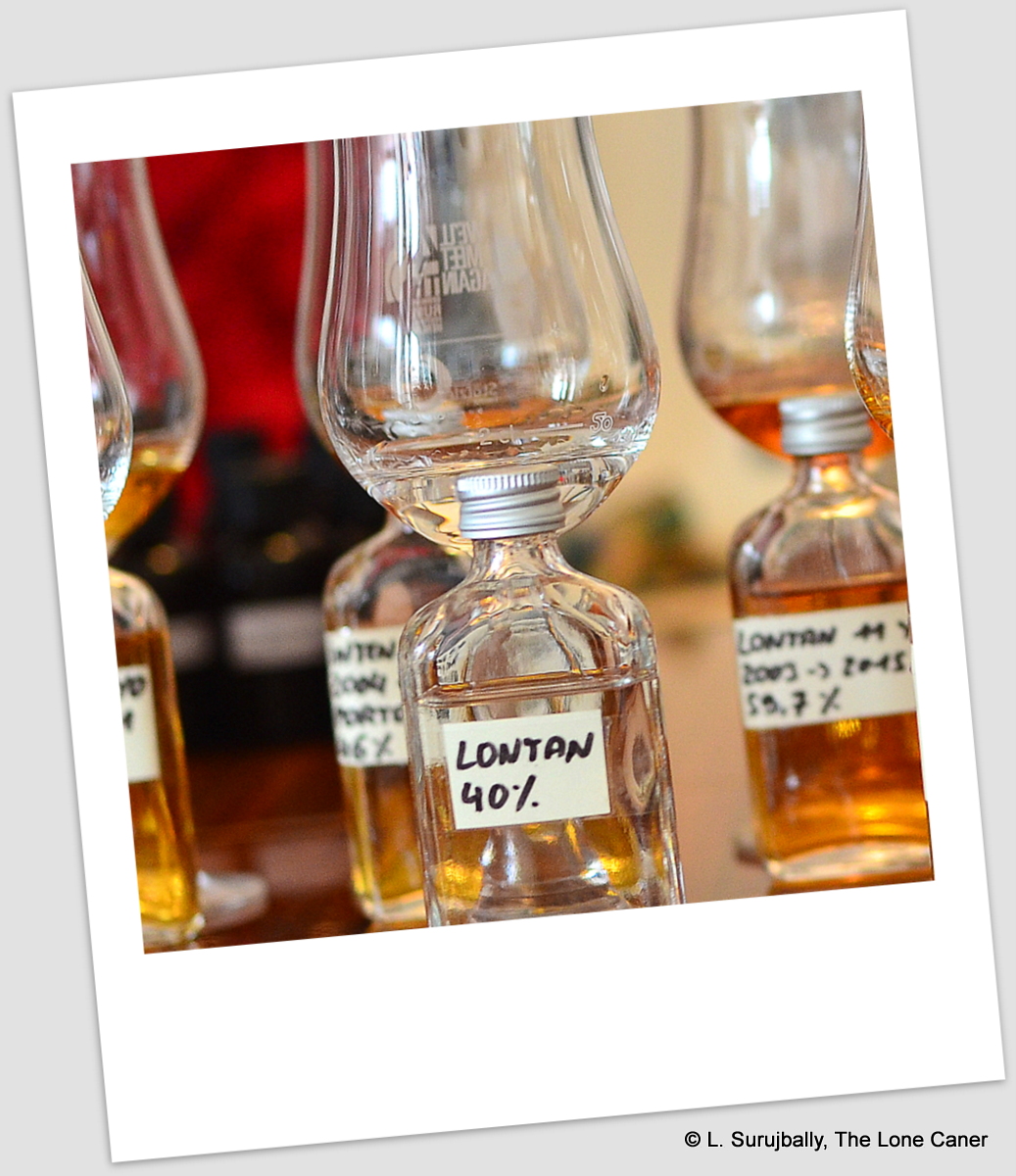
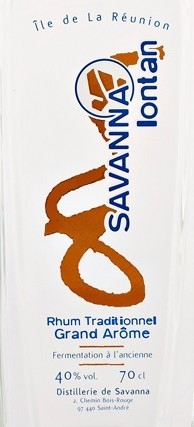 The word “Lontan” is difficult to pin down – in Haitian Creole, it means “long” and “long ago” while in old French it was “lointain” and meant “distant” and “far off”, and neither explains why Savanna picked it (though many establishments around the island use it in their names as well, so perhaps it’s an analogue to the english “Ye Olde…”). Anyway, aside from the traditional, creol, Intense and Metis ranges of rums (to which have now been added several others) there is this Lontan series – these are all variations of Grand Arôme rums, finished or not, aged or not, full-proof or not, which are distinguished by a longer fermentation period and a higher ester count than usual, making them enormously flavourful.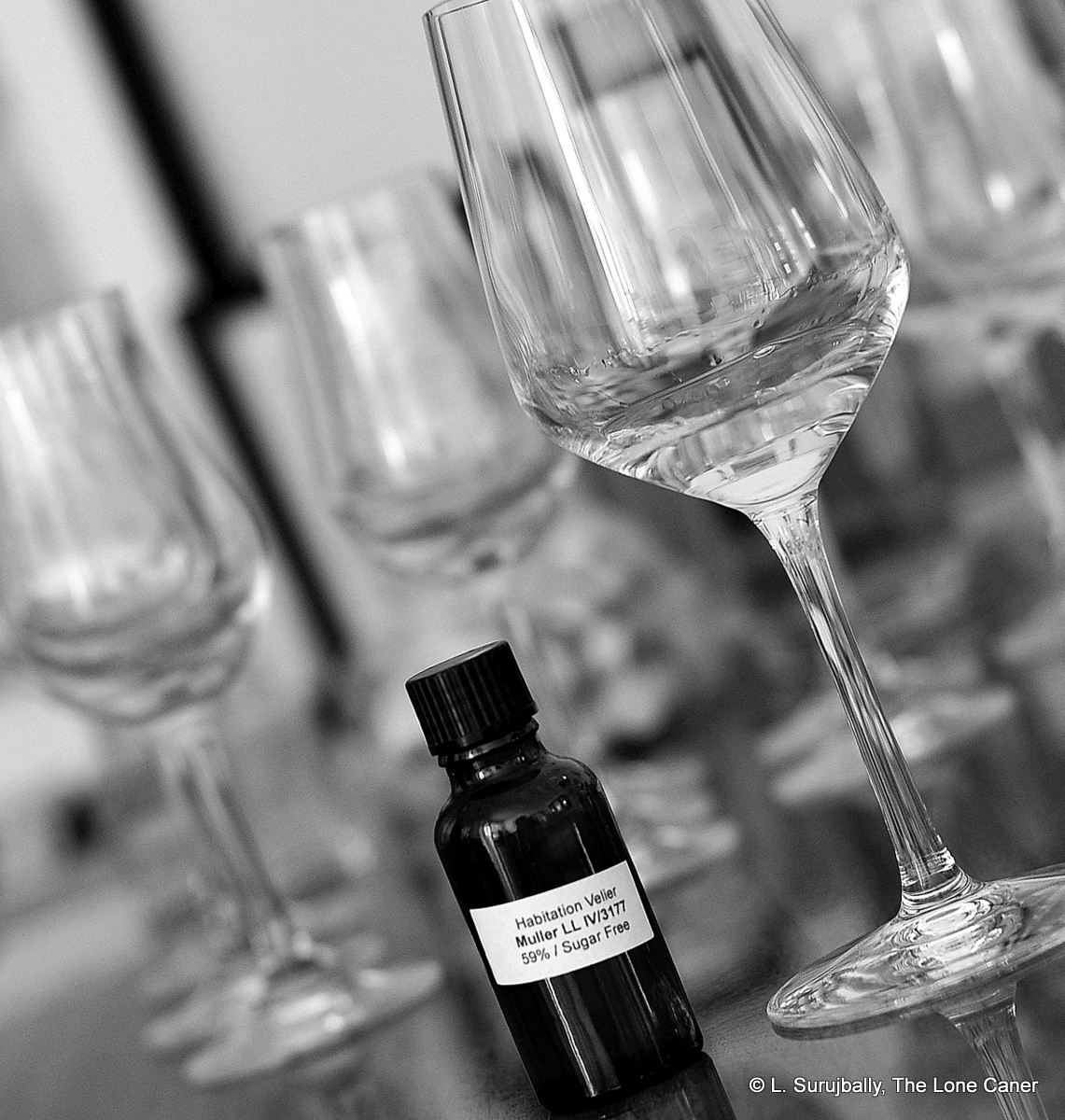
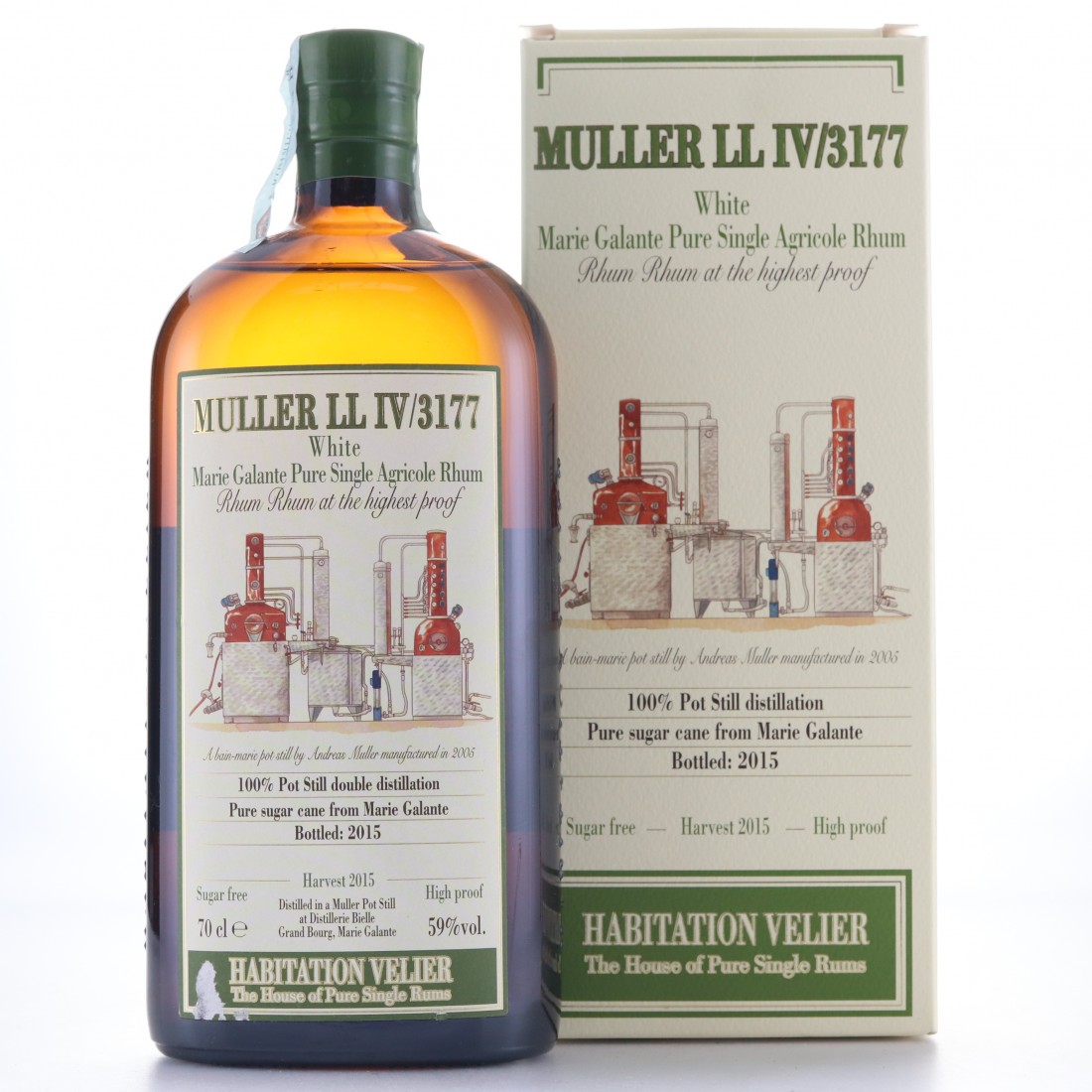
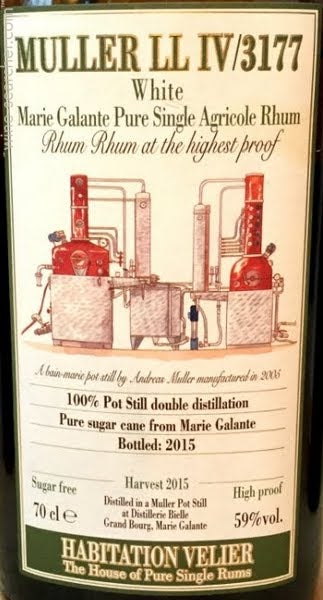 So let’s spare some time to look at this rather unique white rum released by Habitation Velier, one whose brown bottle is bolted to a near-dyslexia-inducing name only a rum geek or still-maker could possibly love. And let me tell you, unaged or not, it really is a monster truck of tastes and flavours and issued at precisely the right strength for what it attempts to do.
 Evaluating a rum like this requires some thinking, because there are both familiar and odd elements to the entire experience. It reminds me of
 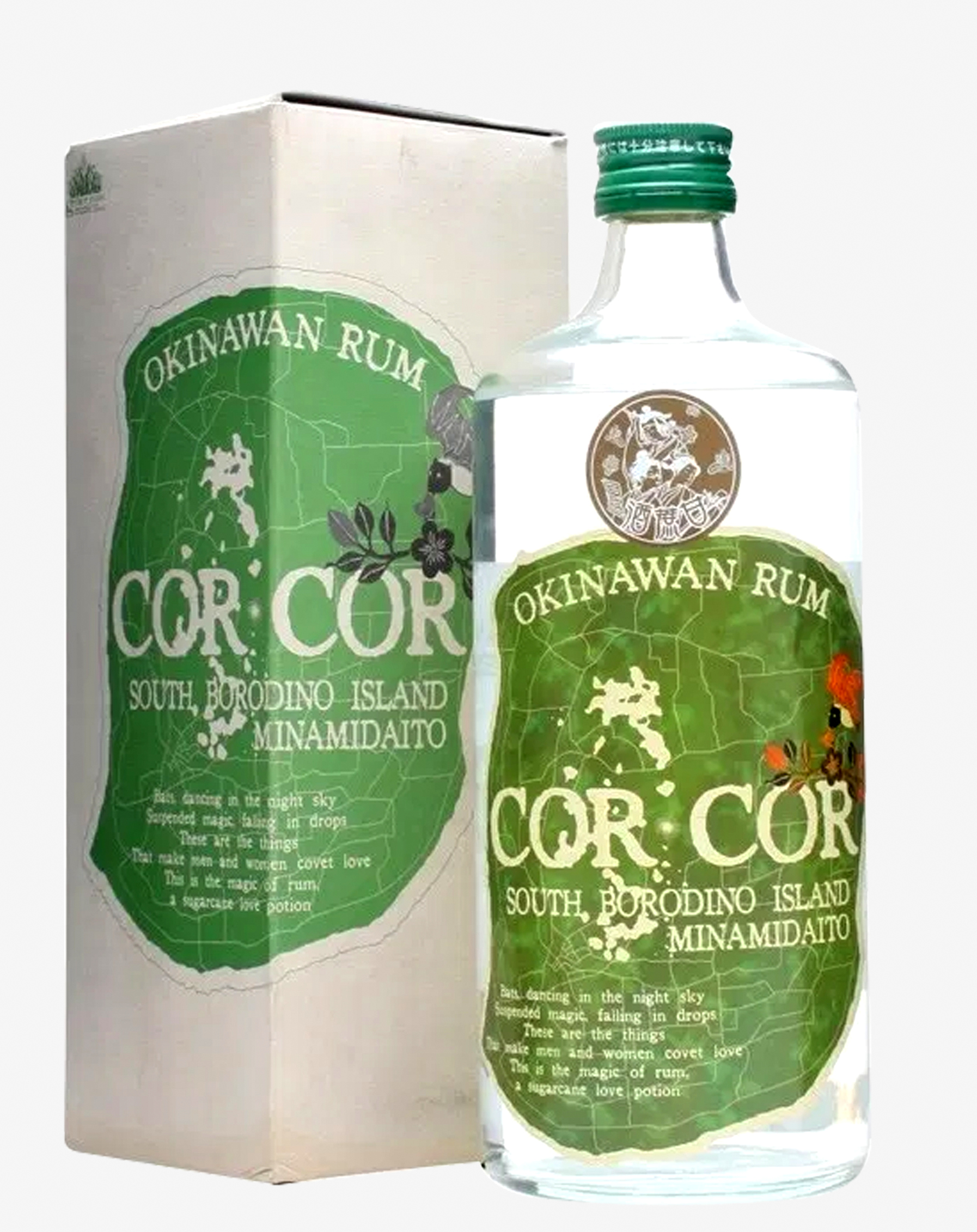 The Cor Cor “Green”, cousin to the
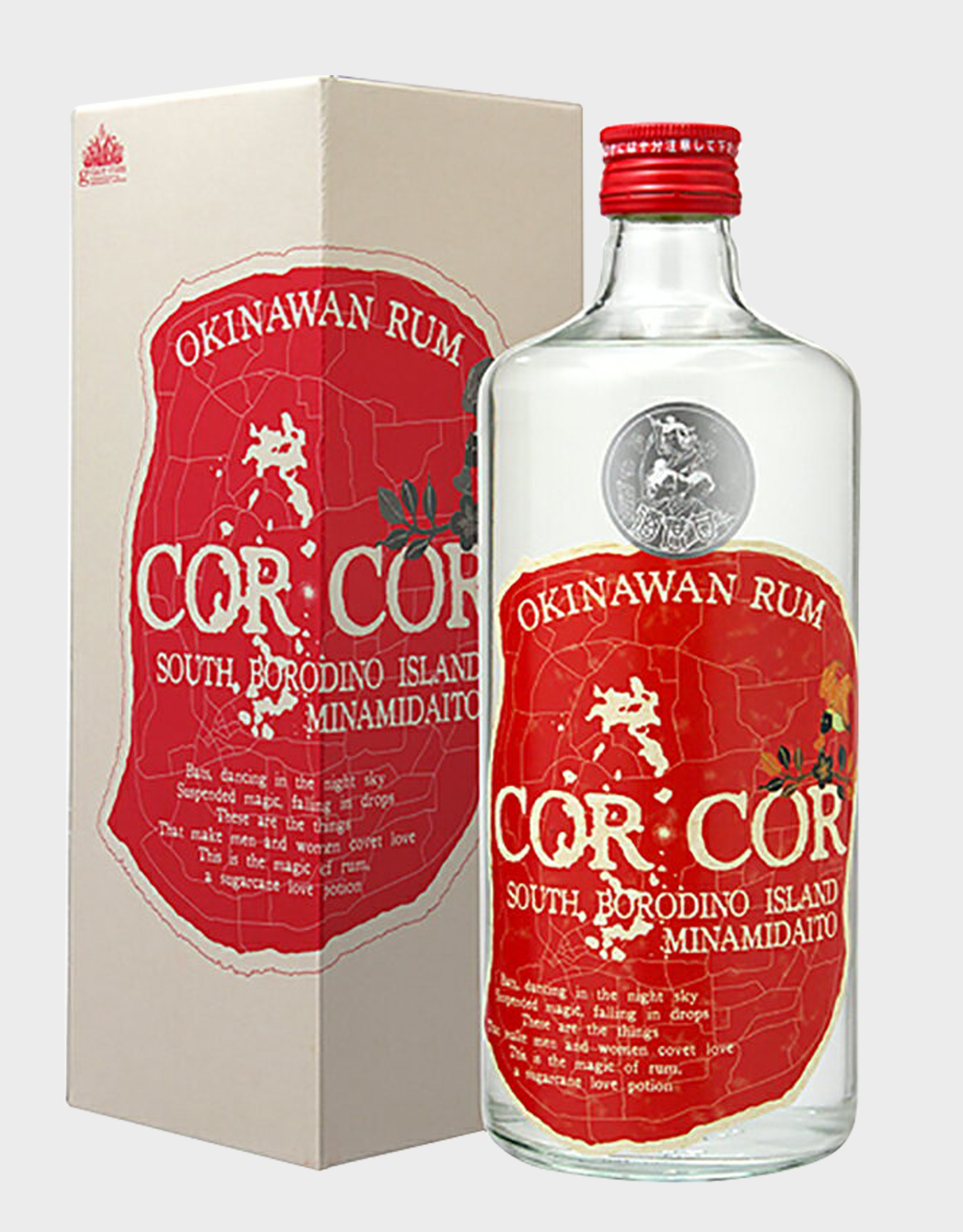 Given Japan has several rums which have made these pages (
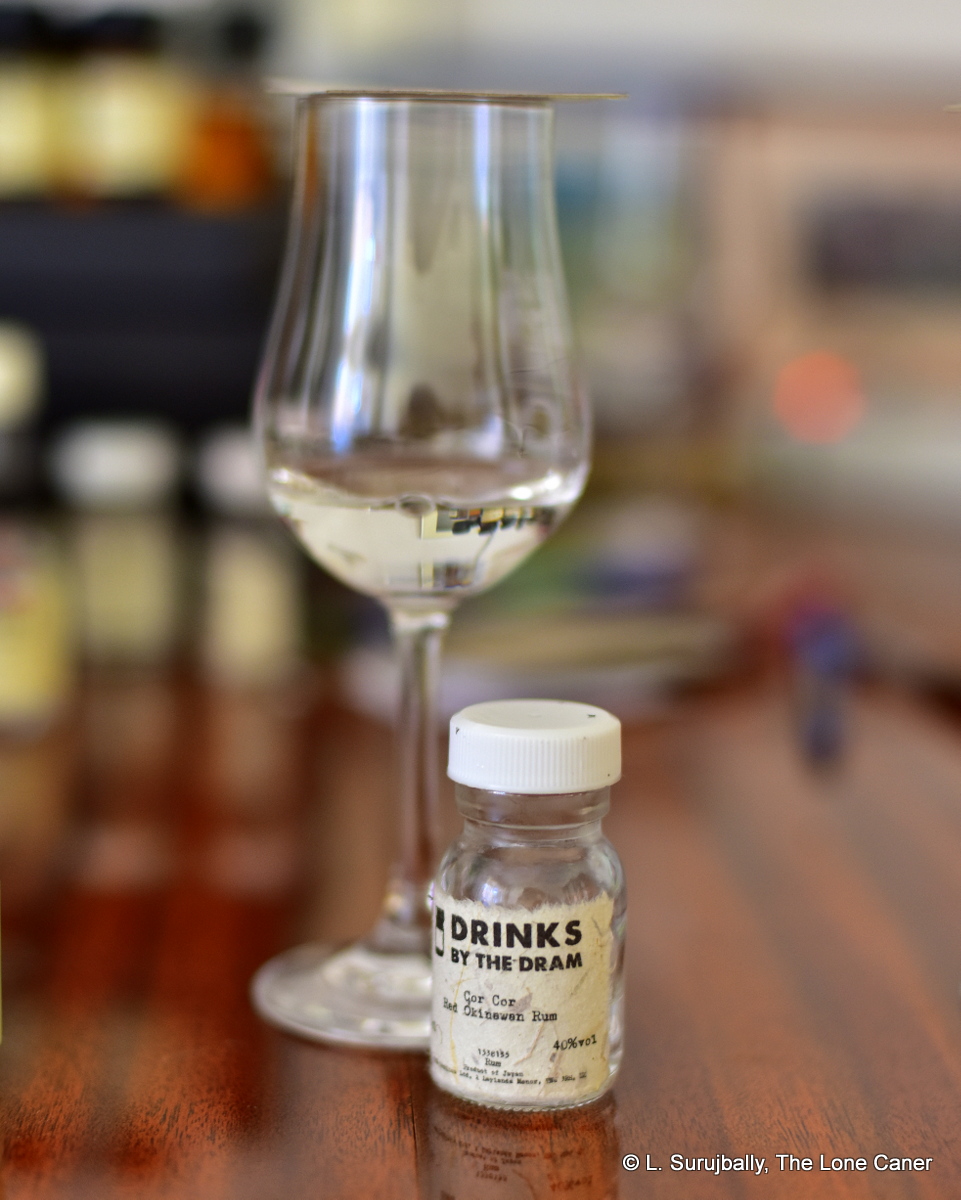 The Cor Cor Red was more generous on the palate than the nose, and as with many Japanese rums I’ve tried, it’s quite distinctive. The tastes were somewhat offbase when smelled, yet came together nicely when tasted. Most of what we might deem “traditional notes” — like nougat, or toffee, caramel, molasses, wine, dark fruits, that kind of thing — were absent; and while their (now closed) website rather honestly remarked back in 2017 that it was not for everyone, I would merely suggest that this real enjoyment is probably more for someone (a) interested in Asian rums (b) looking for something new and (c) who is cognizant of local cuisine and spirits profiles, which infuse the makers’ designs here. One of the reasons the rum tastes as it does, is because the master blender used to work for one of the awamori makers on Okinawa (it is a spirit akin to Shochu), and wanted to apply the methods of make to rum as well. No doubt some of the taste profile he preferred bled over into the final product as well.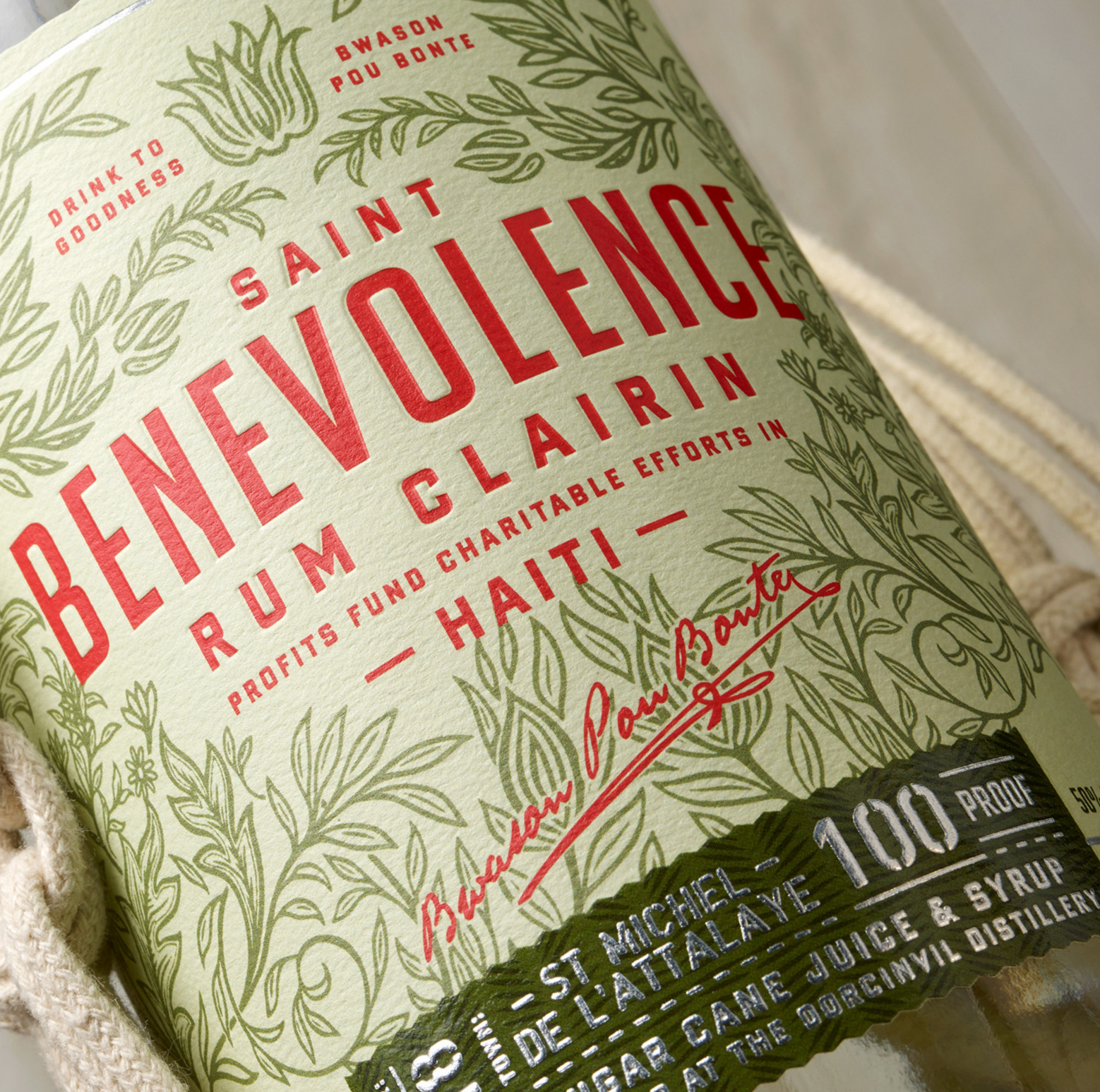
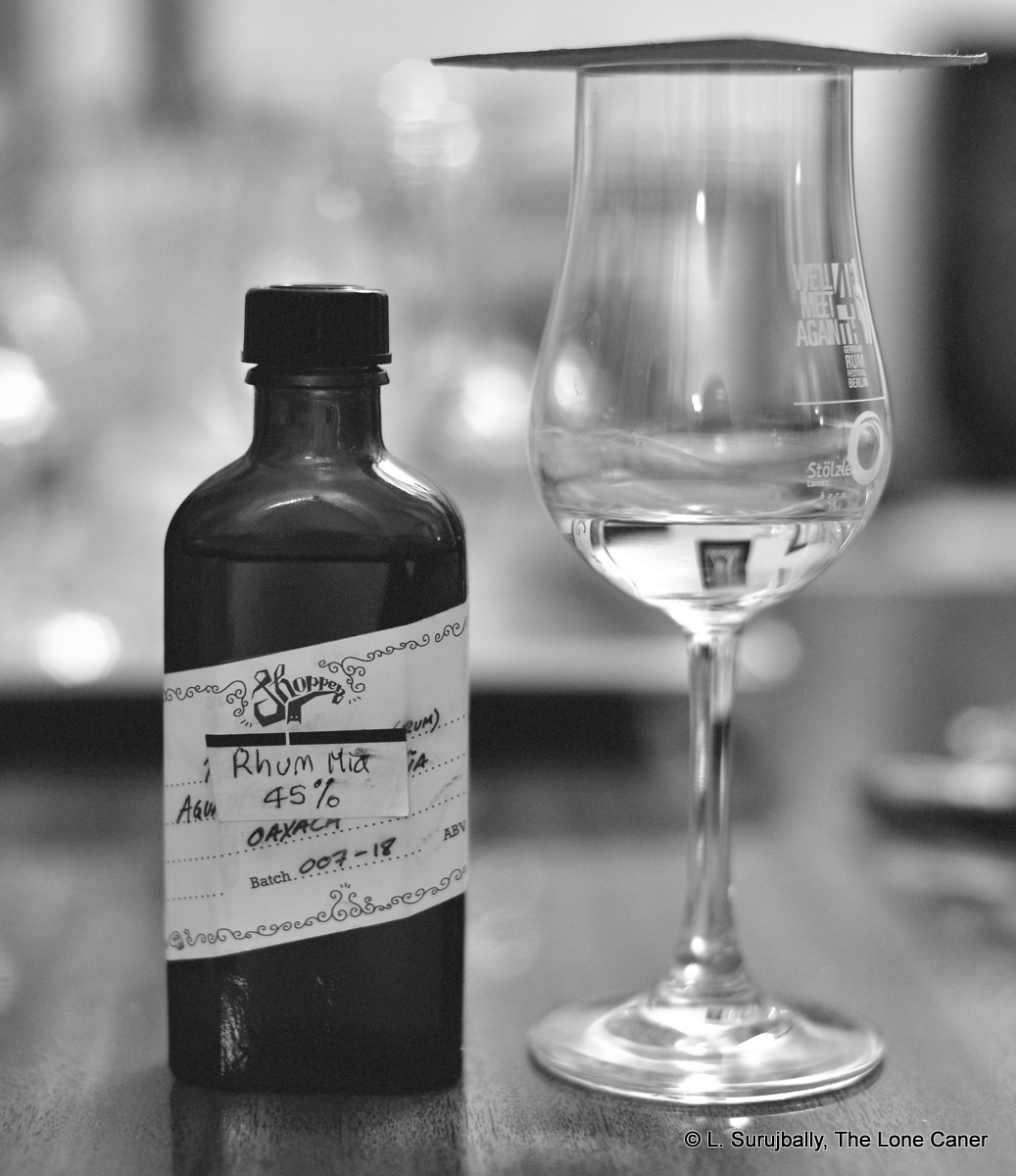
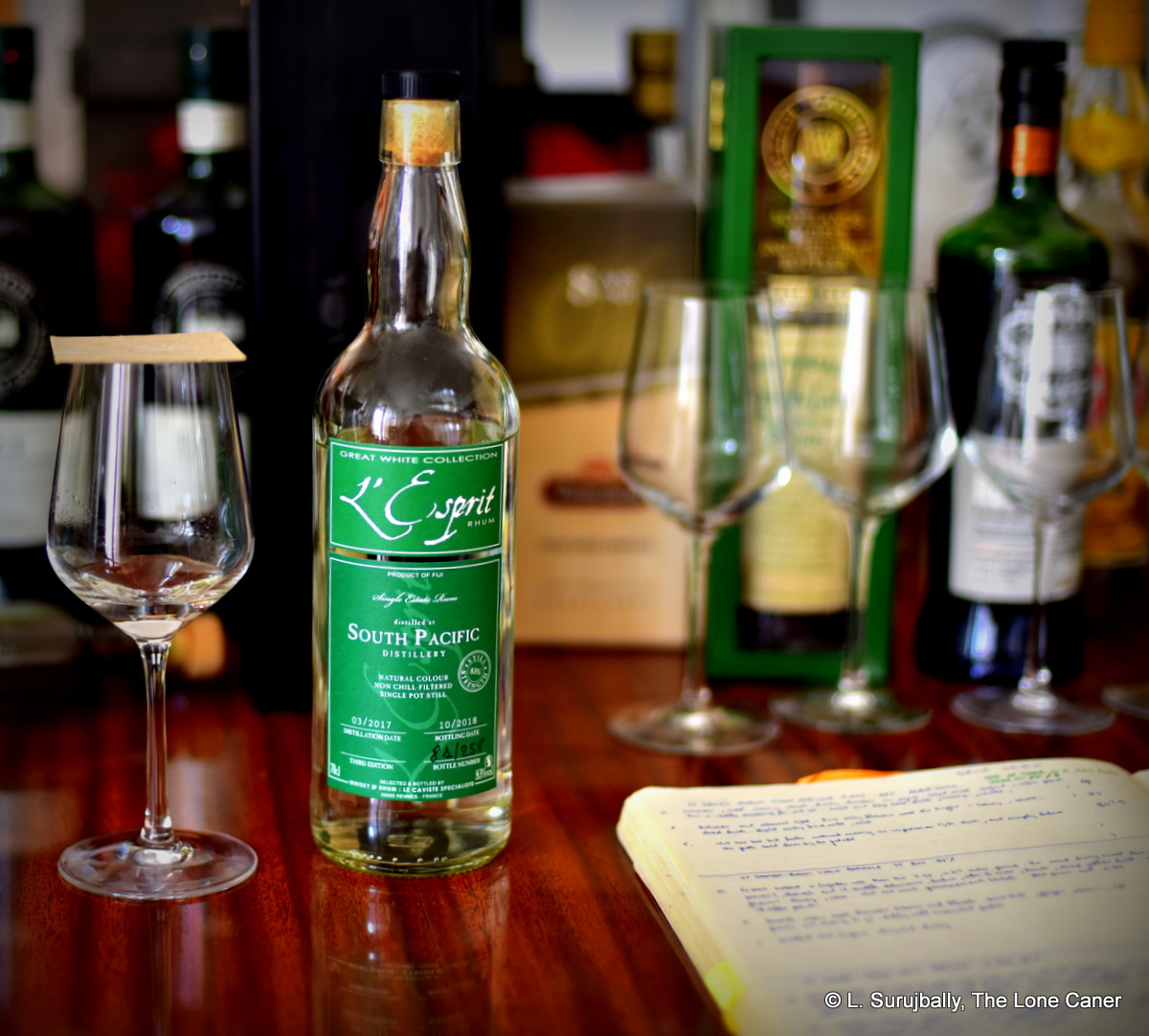
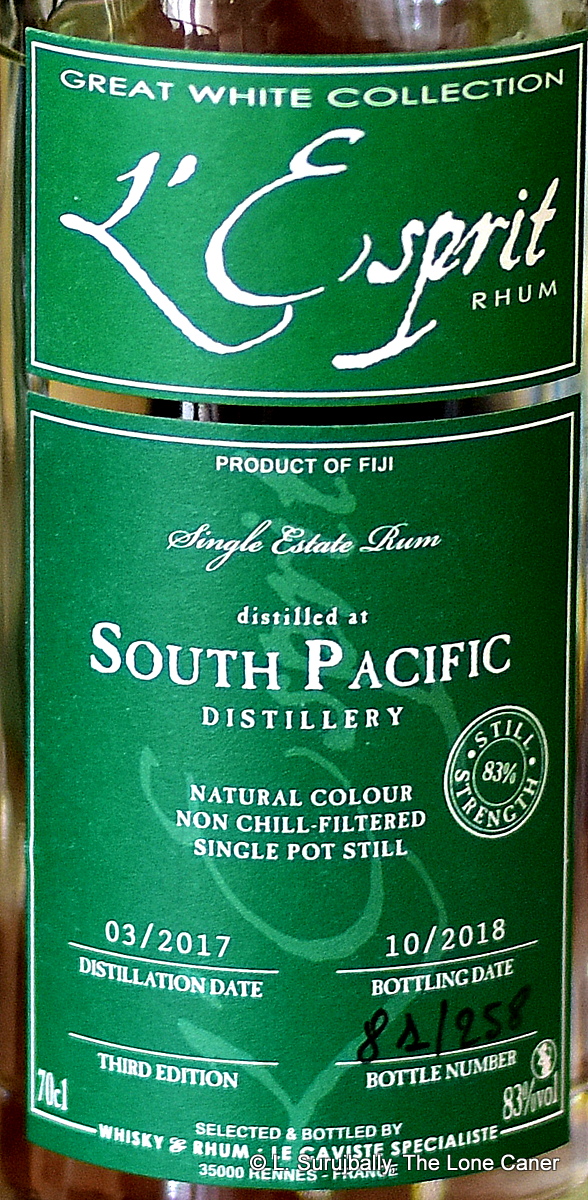 Whatever the case, the rum was as fierce as the Diamond, and even at a microscopically lower proof, it took no prisoners. It exploded right out of the glass with sharp, hot, violent aromas of tequila, rubber, salt, herbs and really good olive oil. If you blinked you could see it boiling. It swayed between sweet and salt, between soya, sugar water, squash, watermelon, papaya and the tartness of hard yellow mangoes, and to be honest, it felt like I was sniffing a bottle shaped mass of whup-ass (the sort of thing Guyanese call “regular”).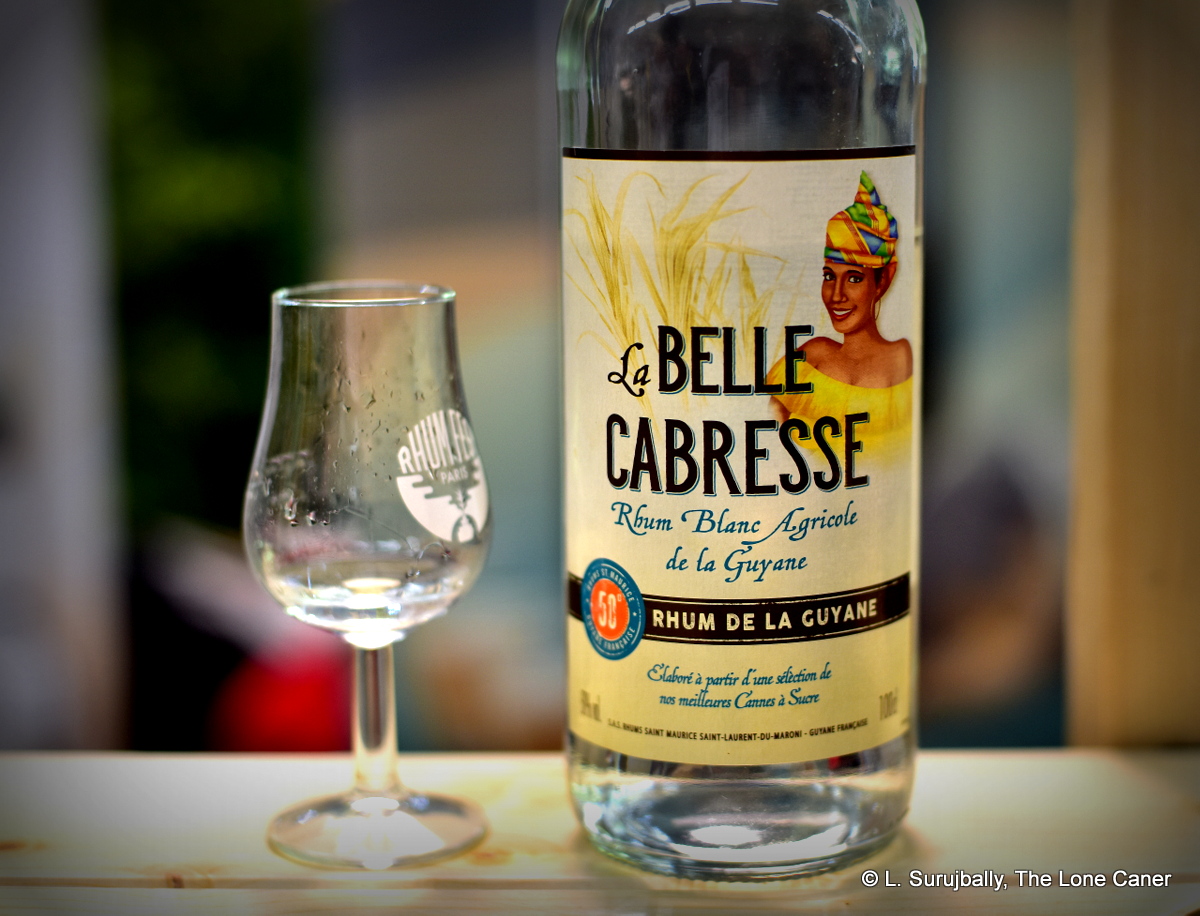
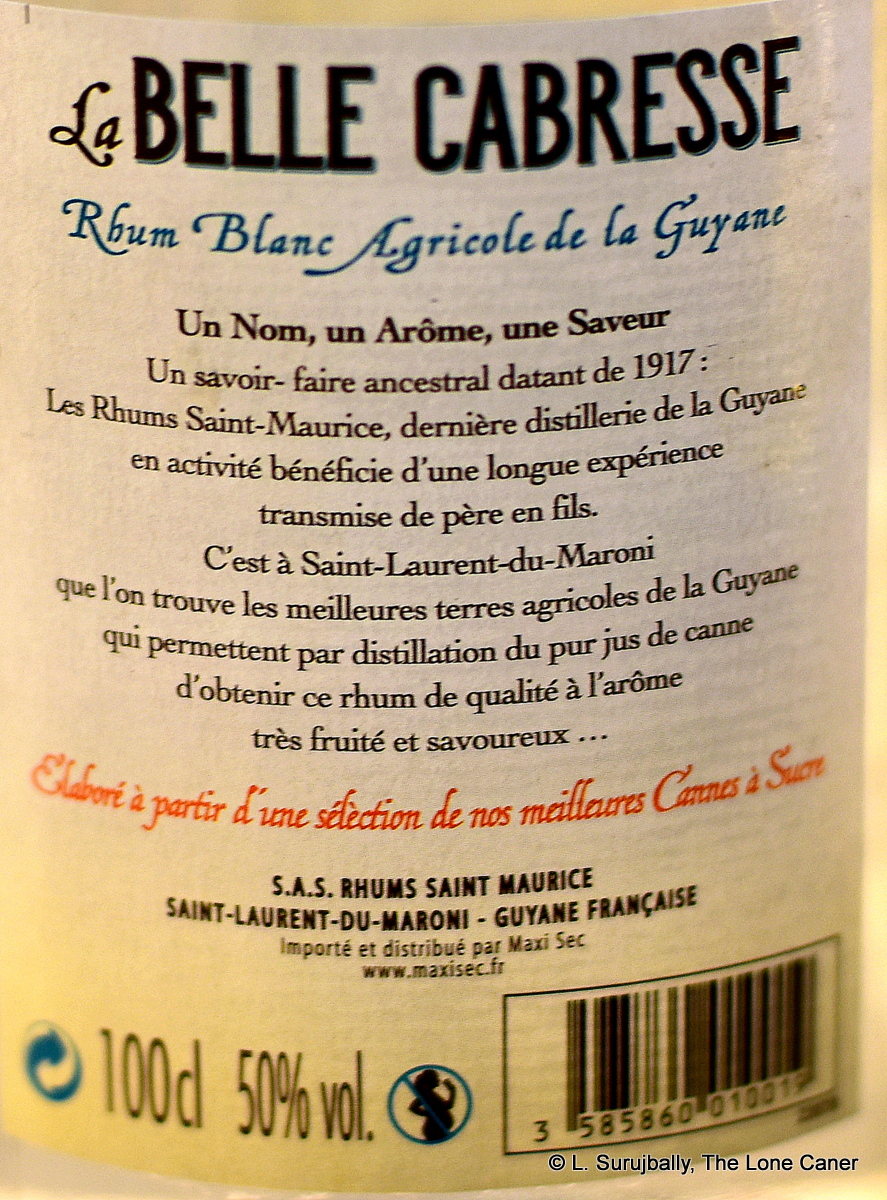 The rhum presents as warm rather than hot or sharp, so relatively tame to sniff, and this continues on to the palate. There a certain sweetness, light and clear, that is more pronounced in the initial sips, and the citrus notes are more noticeable, as are the brine and slight rottenness. What’s most distinct is the emergent strain of ouzo, of licorice (mostly absent from the nose until after it opens up a bit) … but fortunately this doesn’t take over, integrating reasonably well with tastes of clear bubble gum and strawberry soda pop that round out the crisp profile. Finish is medium long, dry, sweet, warm Guavas and white fruits and watery pears mingle with oranges and citrus peel and a slight dusting of salt, and that’s just about the whole story.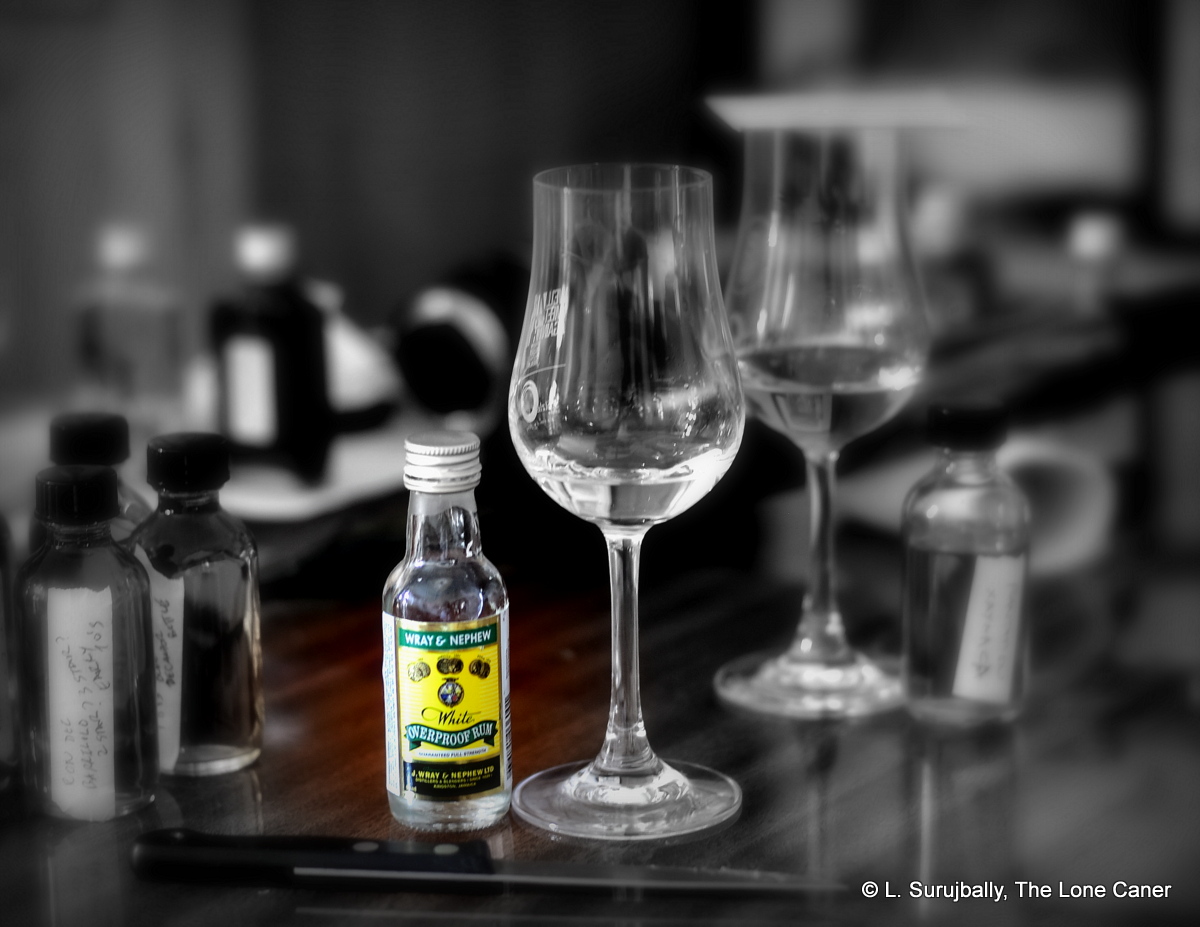

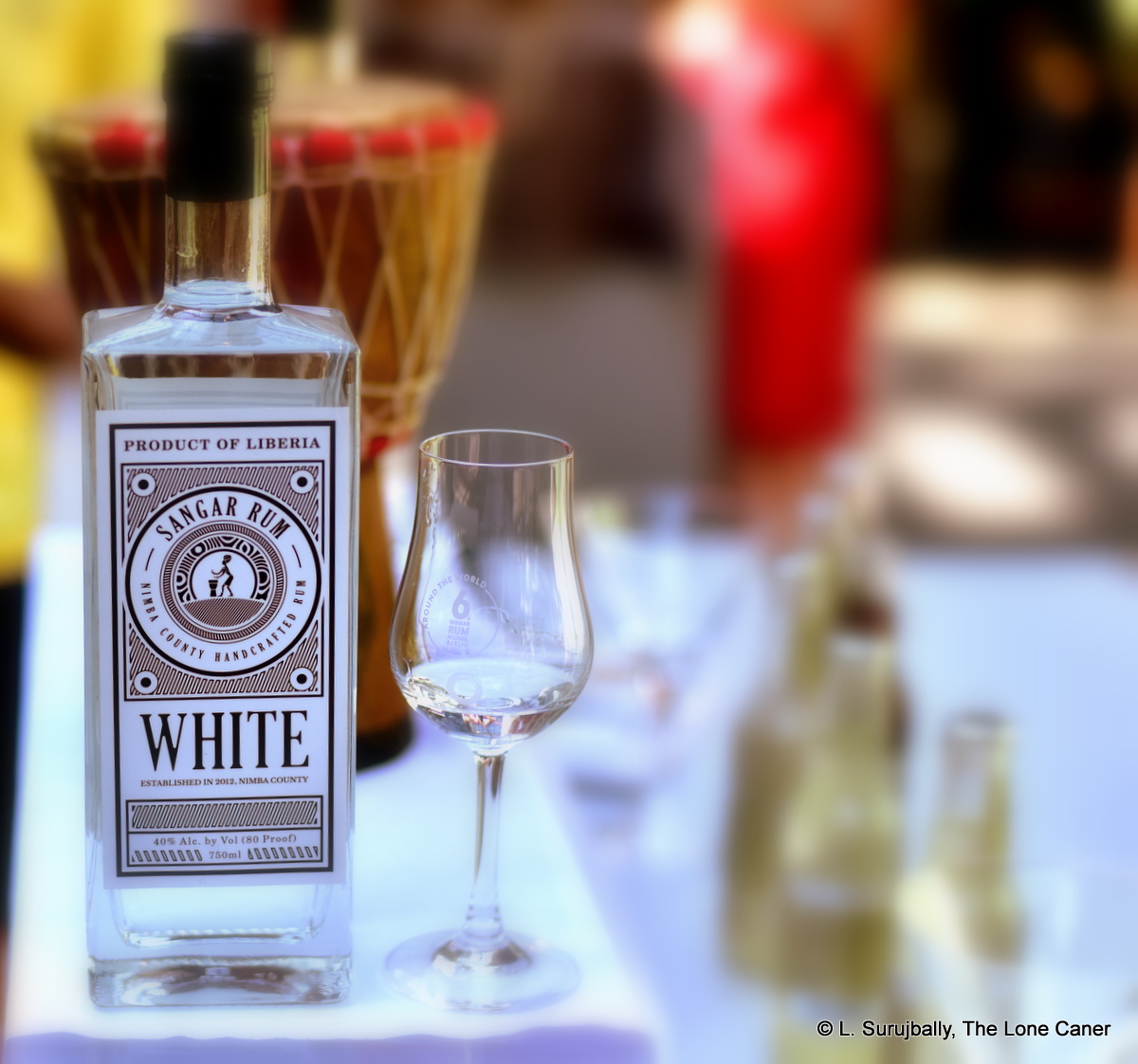
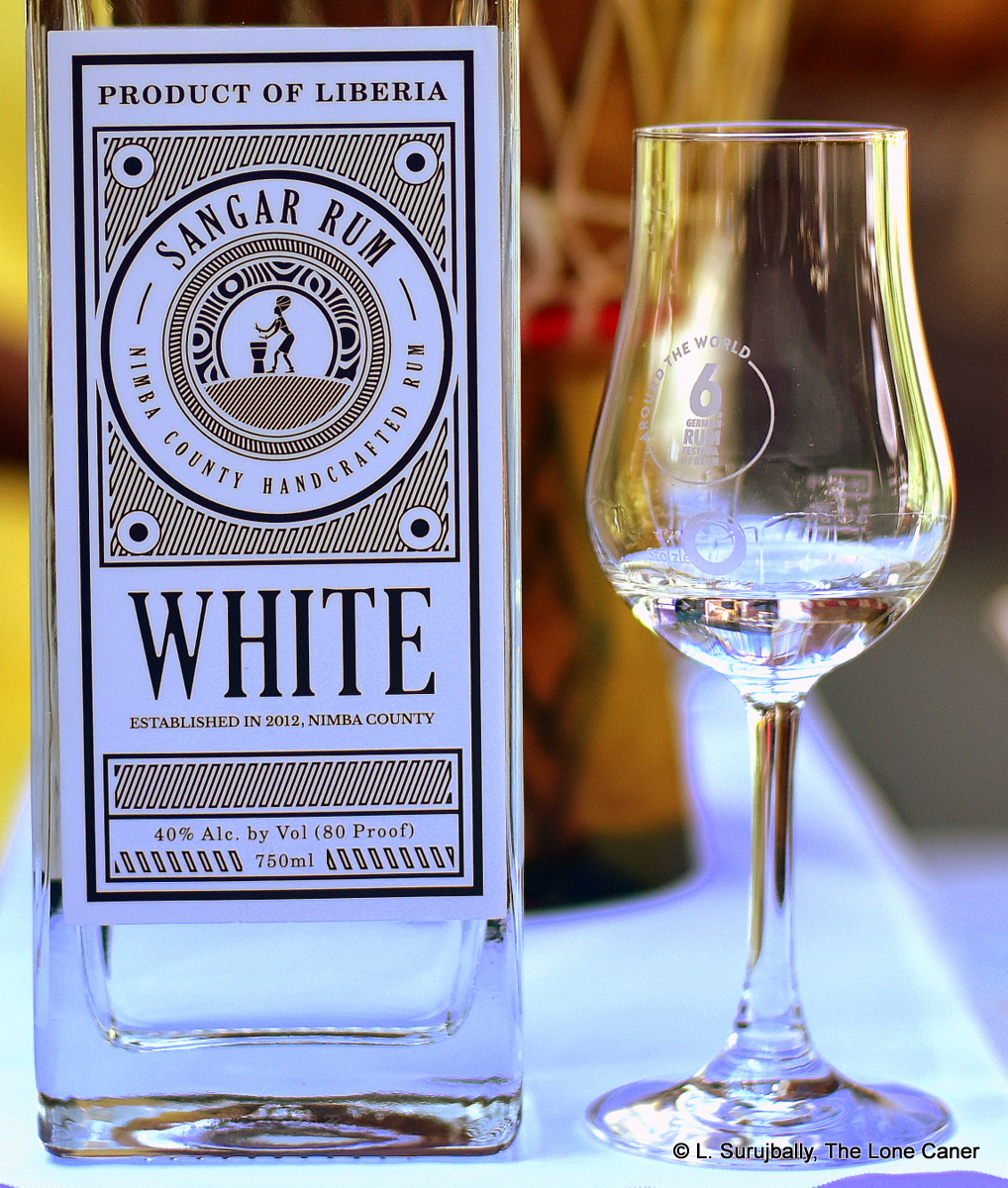
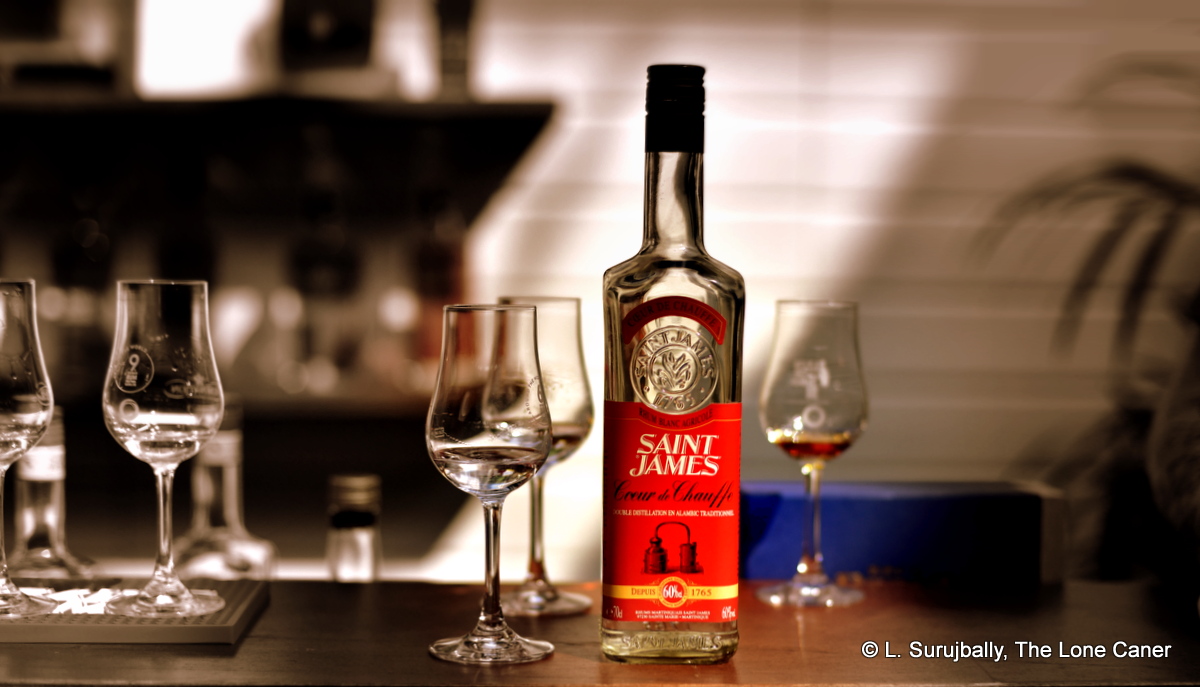
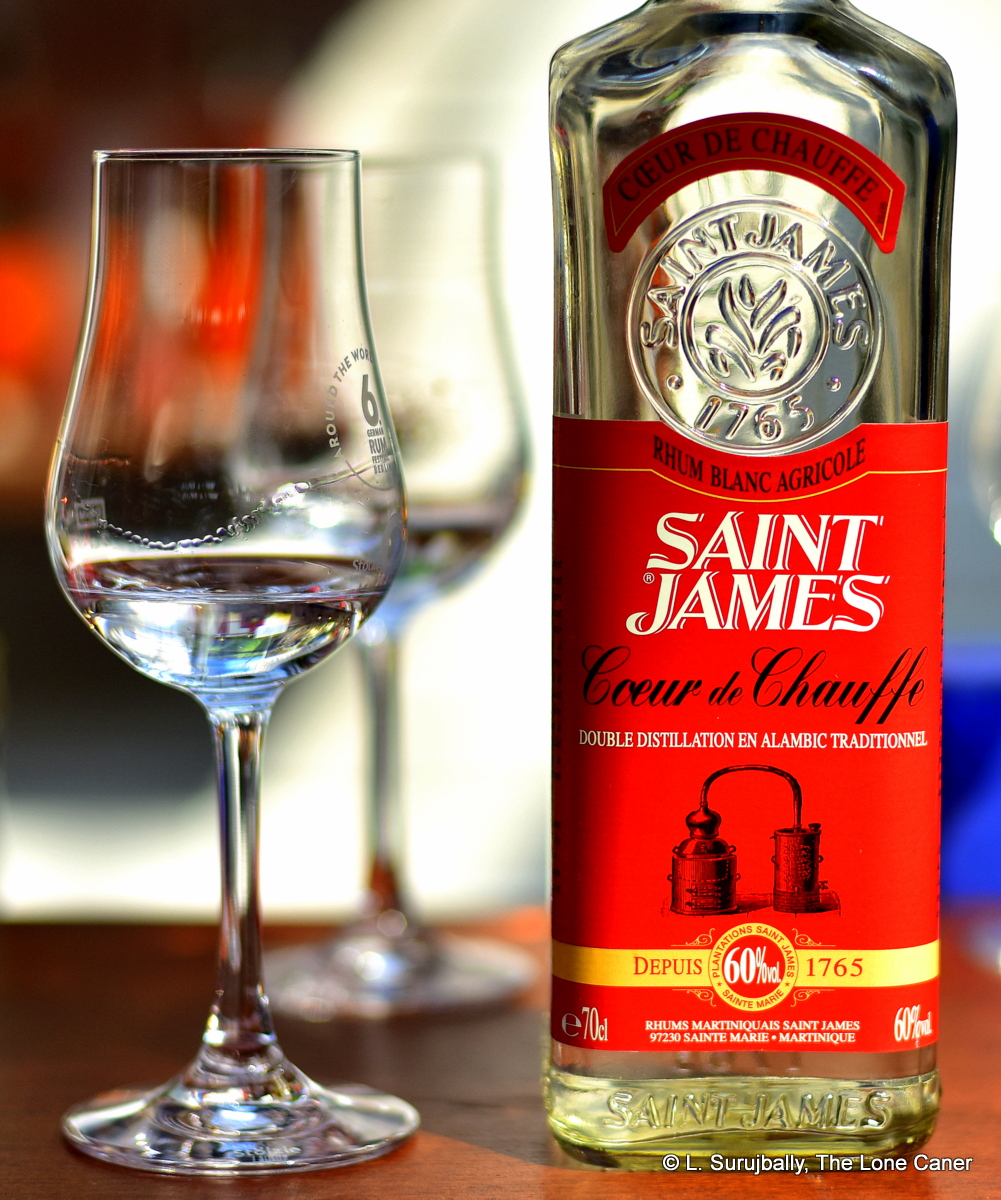 And also because, man, did this thing ever smell pungent — it was a bottle-sized 60-proof ode to whup-ass and rumstink. A barrage of nail polish, spoiling fruit, wood chips, wax, salt, and gluey notes all charged right out without pause or hesitation, spoiling for a fight. Even without making a point of it, the rhum unfolded with uncommon firmness into aromas of sweet, grassy herbals, green apples, sugar water, dill, cider, vegetables, toasted bread, a sharp mature cheddar, all mixed in with moist dark earth, sugar water, biscuits, orange peel. And the balance of all of them was really quite good, truly.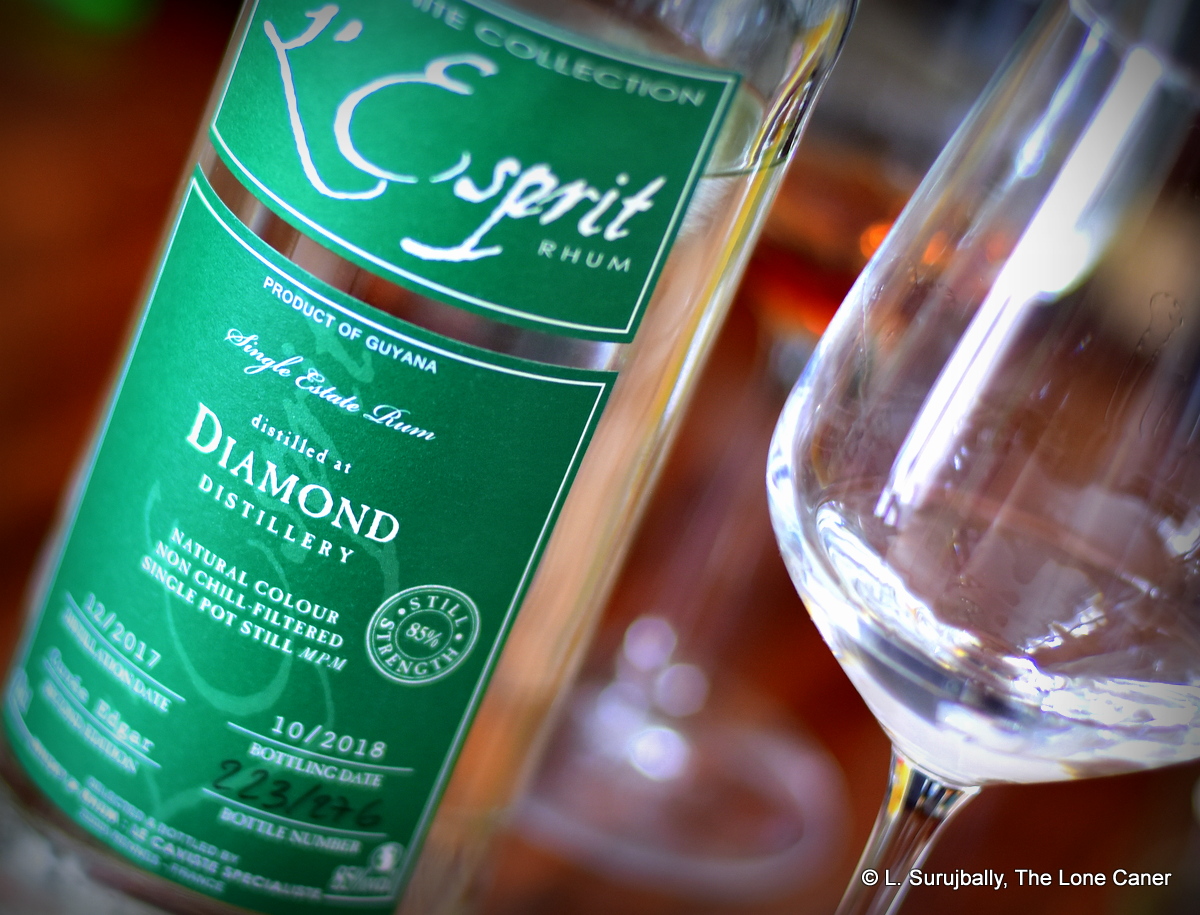
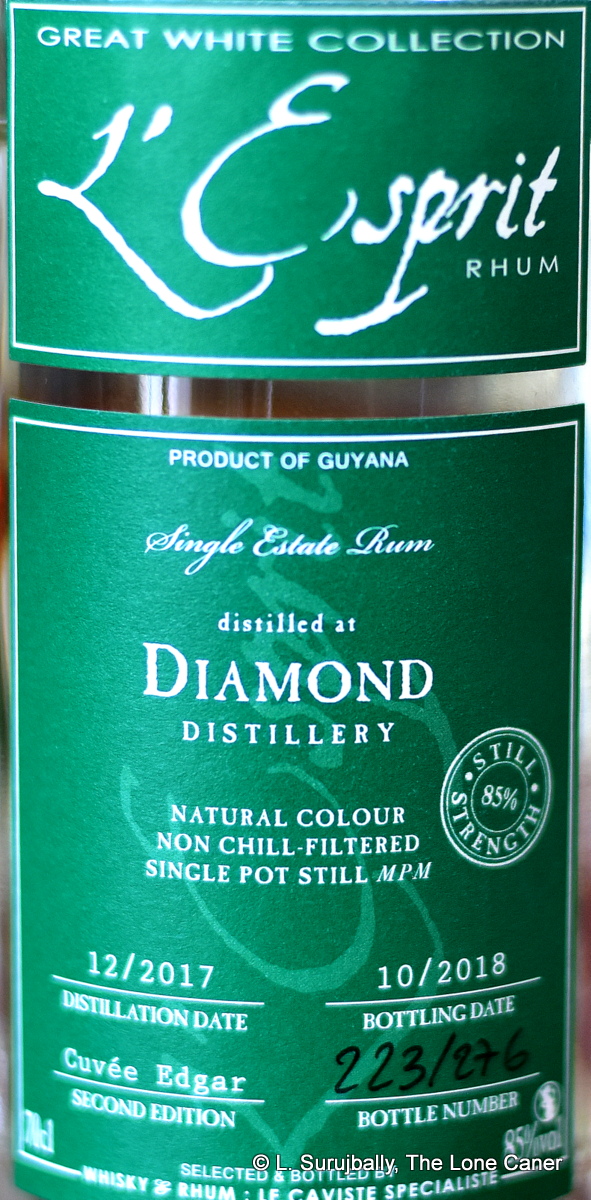 I’ll get straight to it, then, and merely mention that at 85% ABV, care was taken – I poured, covered the glass, waited, removed the cover, and prudently stepped way back.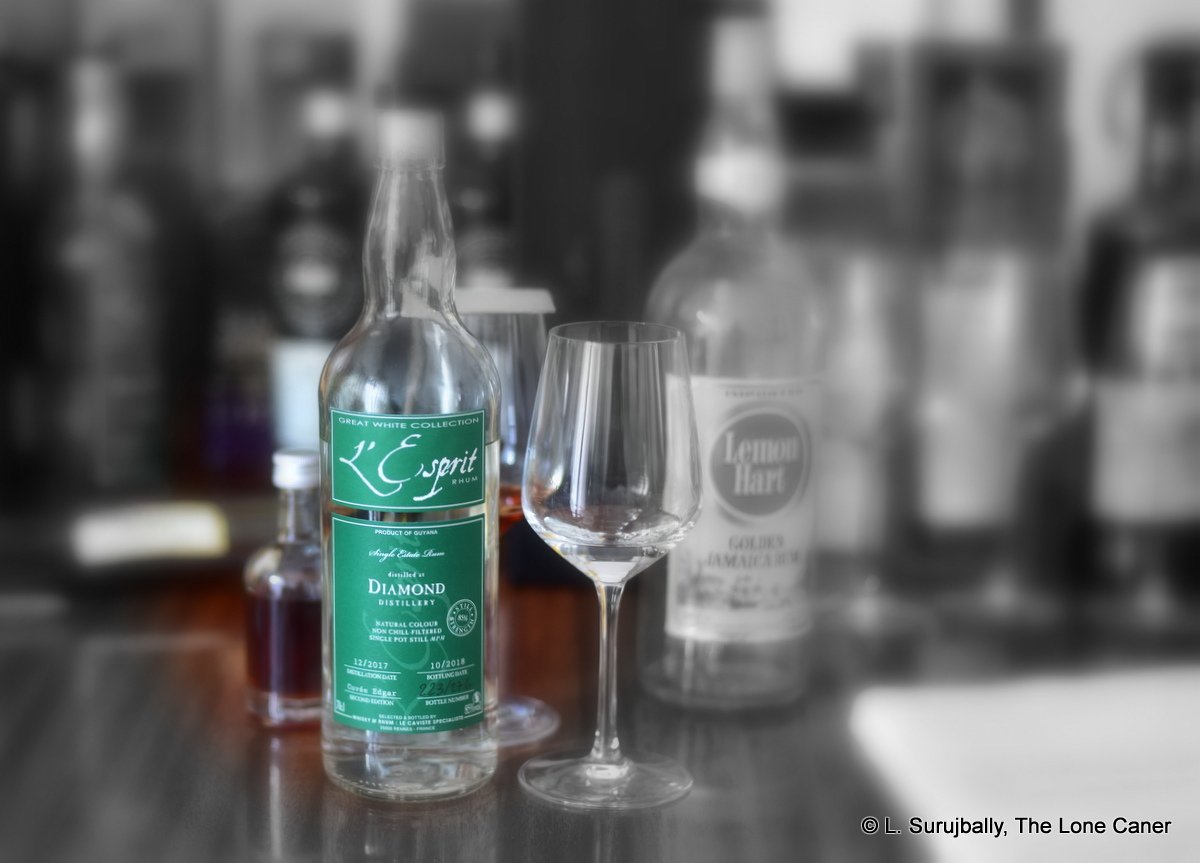
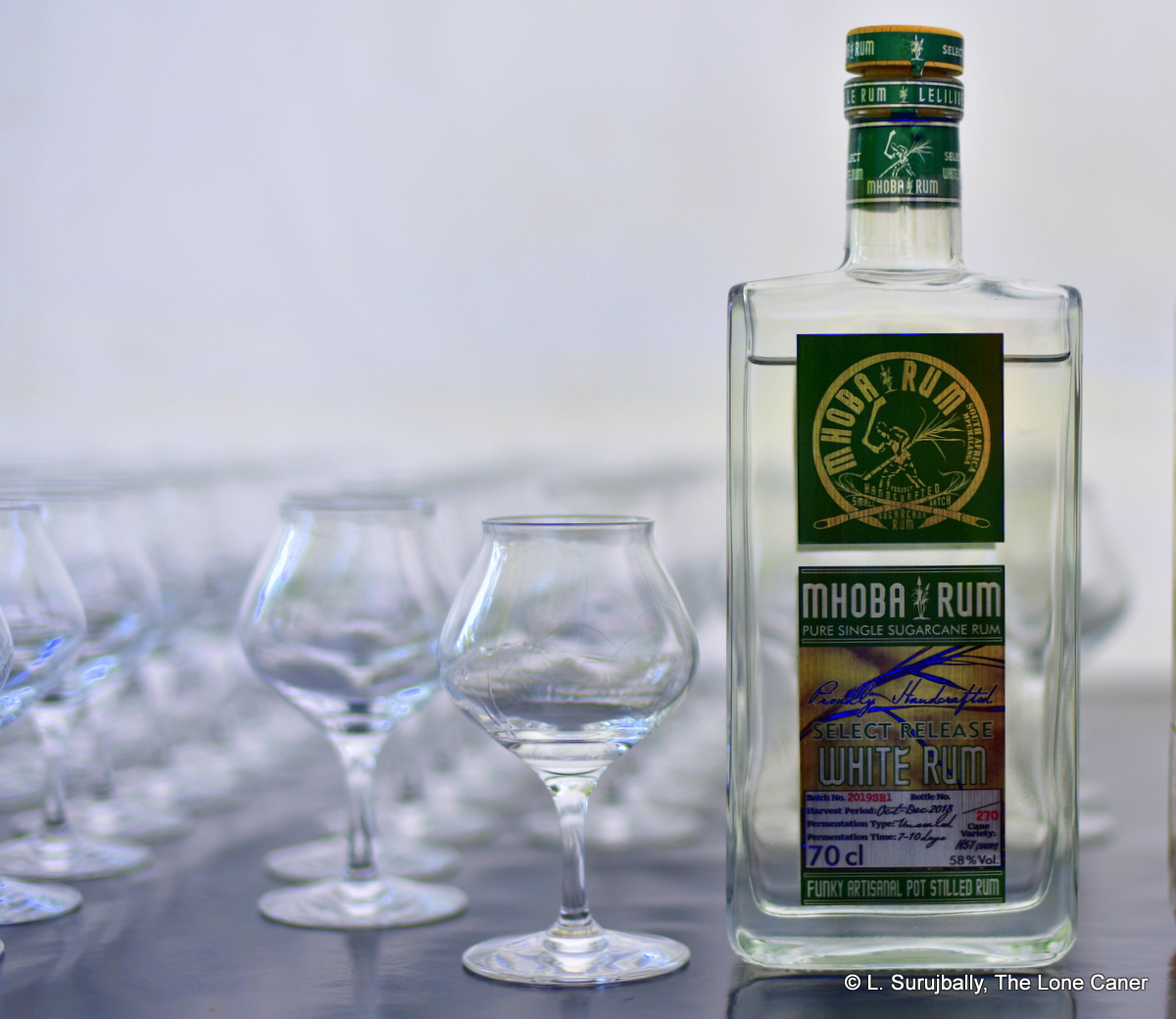
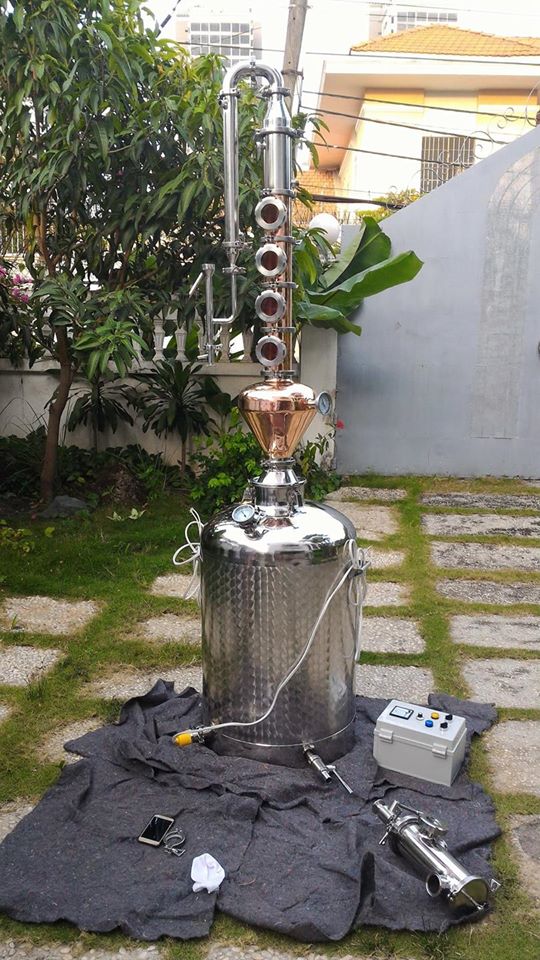
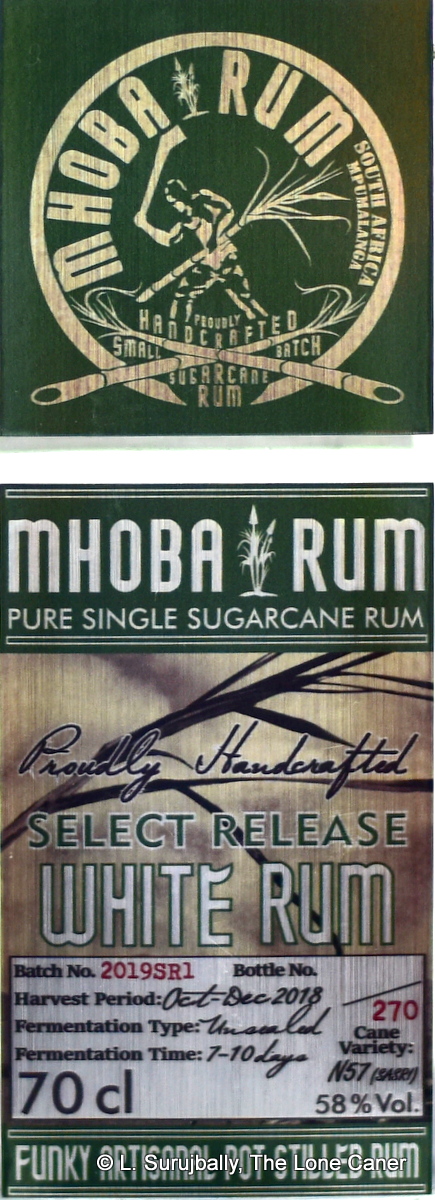 I’ll leave you to peruse Steve’s enormously informative company profile for production details (it’s really worth reading just to see what it takes to start something like a craft distillery), and just mention that the rum is pot still distilled from juice which is initially fermented naturally before boosting it with a strain of commercial yeast. The company makes three different kinds of white rums – pot still white, high ester white and a blended white, all unaged. I tried what is probably the tamest of the three, the Select, which the last one, blended from several cuts taken from batches processed between October to December of 2018 and bottled at 58%. All of this is clearly marked on the onsite-produced label (self-engraved, self-printed, manually-applied), which is one of the most informative on the market: it details batch number, date, strength, variety of cane, still, number of bottles in the run…it’s really impressive work.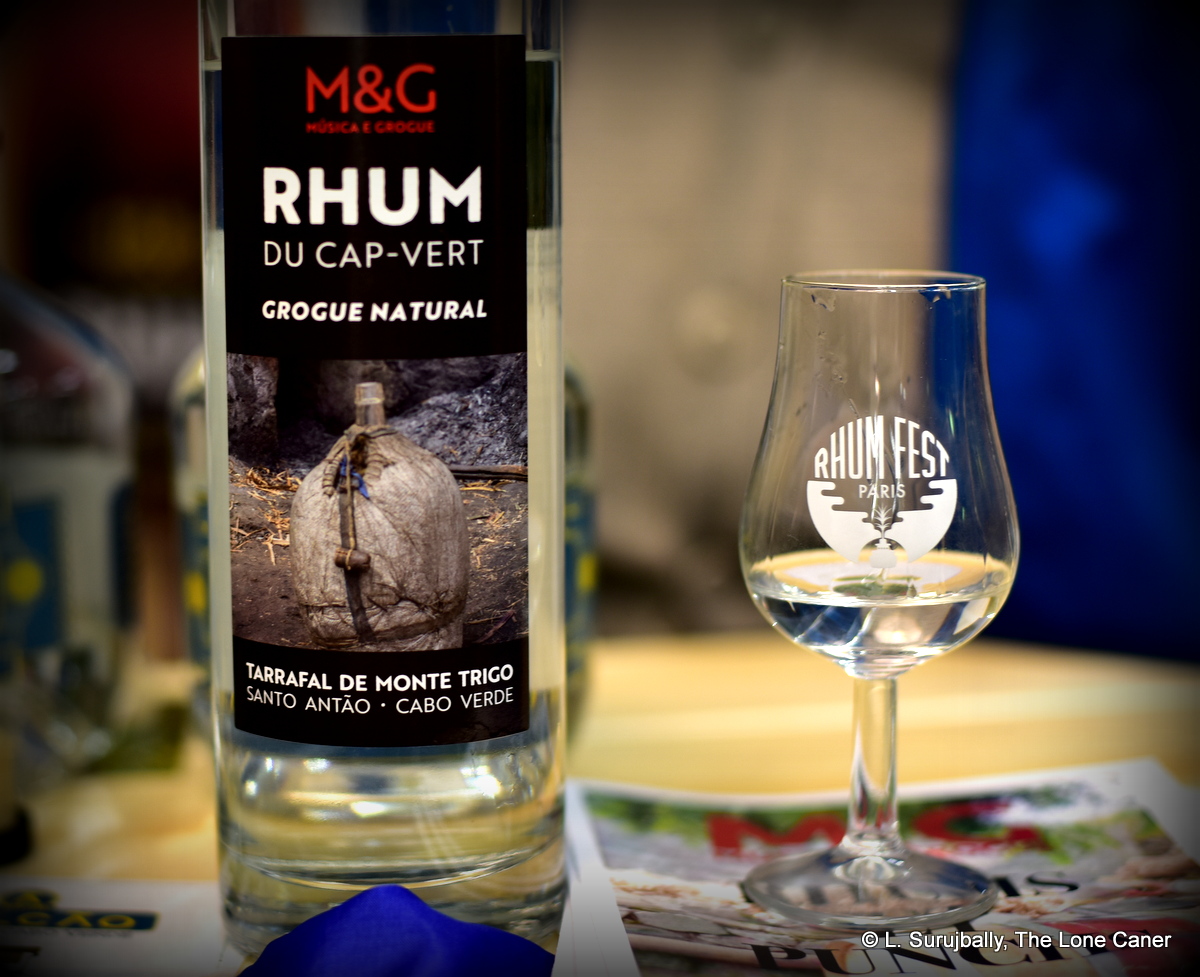
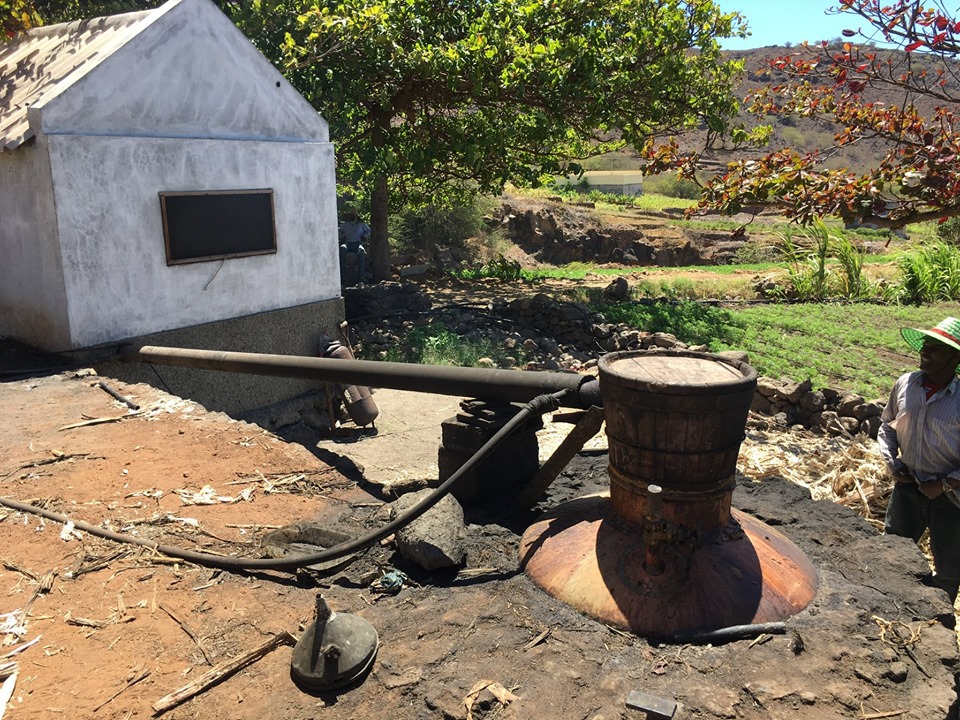
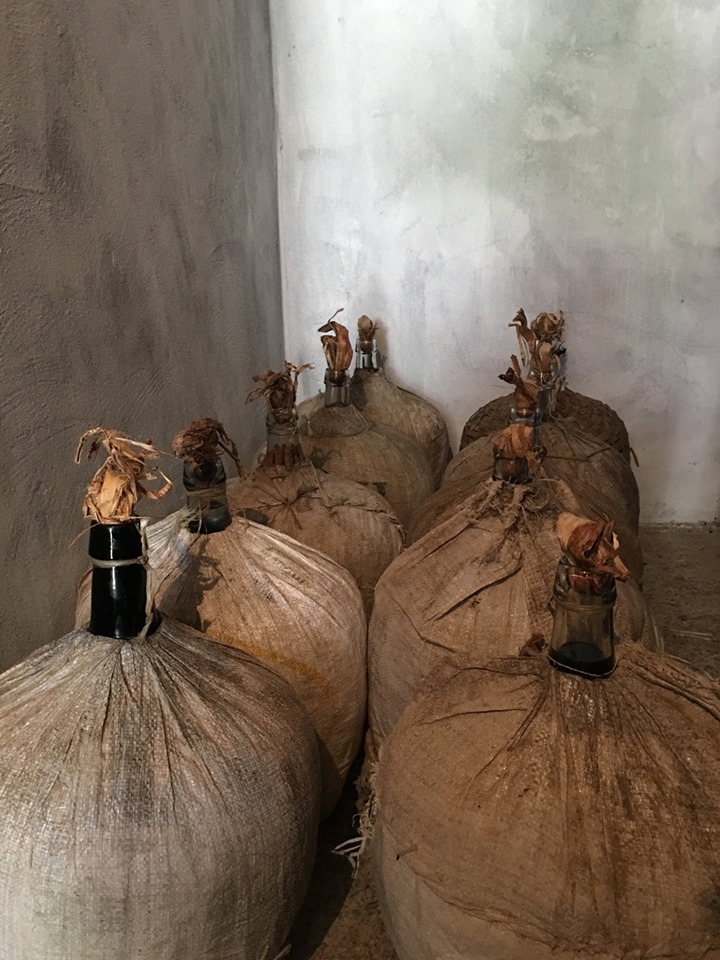
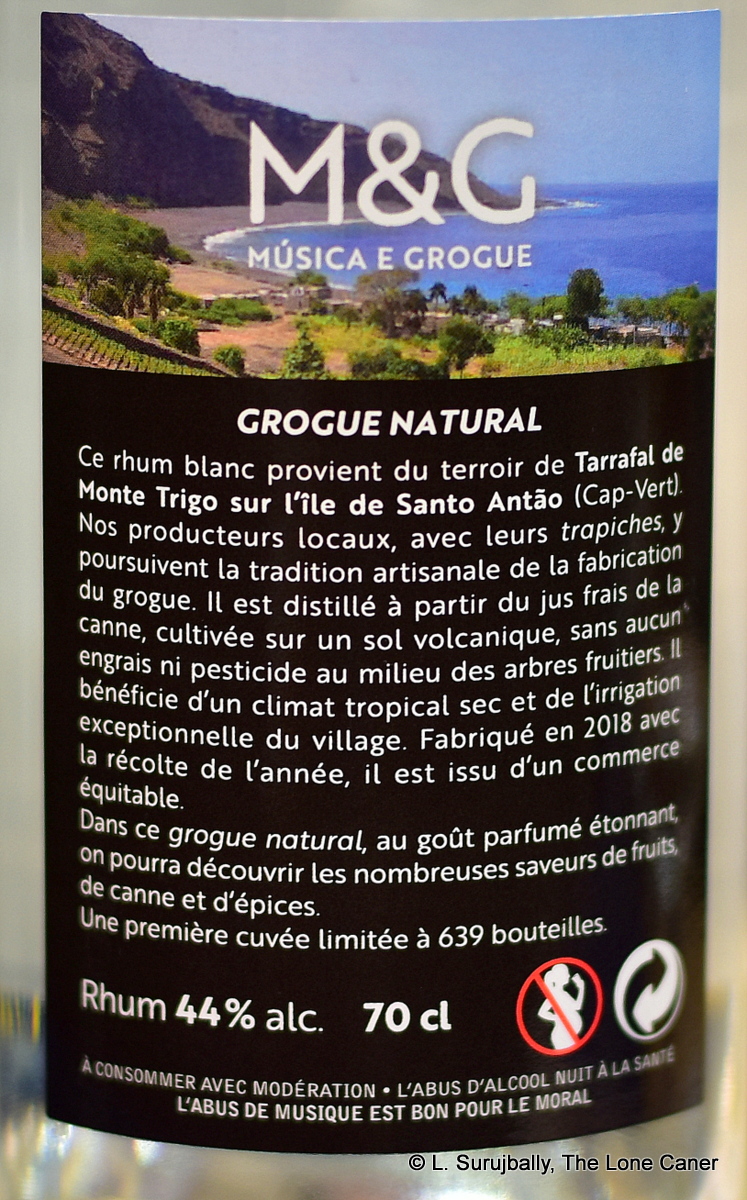 It’s become a sort of personal hobby for me to try unaged white rums of late, because while I love the uber-aged stuff, they do take flavours from the barrel and lose something of their original character, becoming delicious but changed spirits. On the other hand, unaged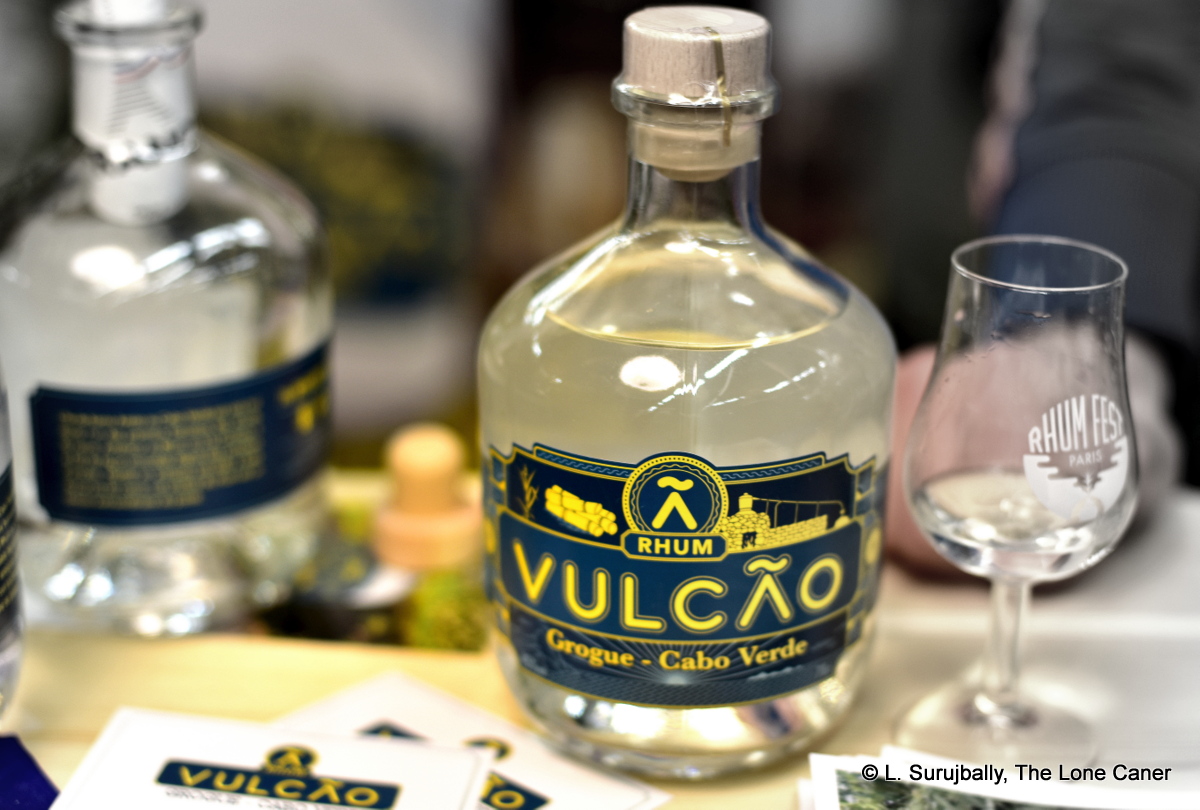
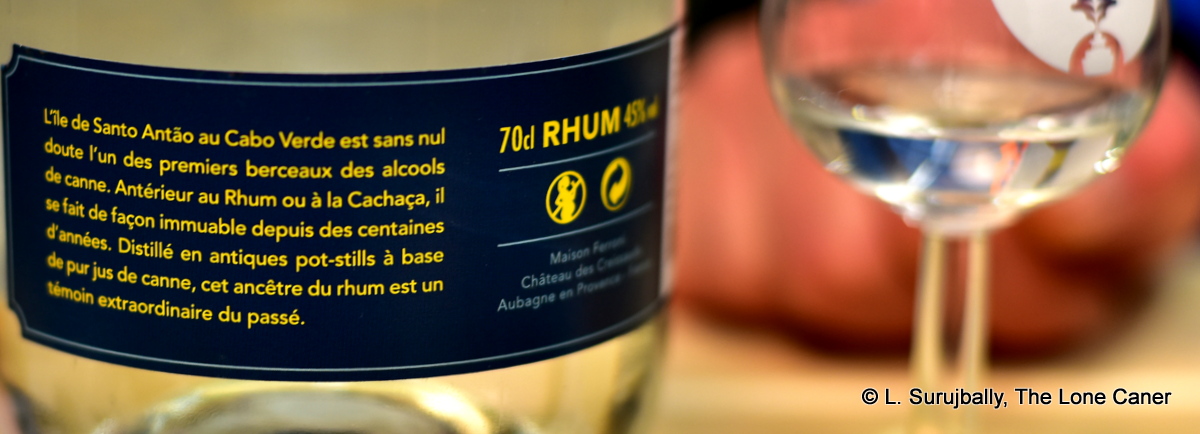
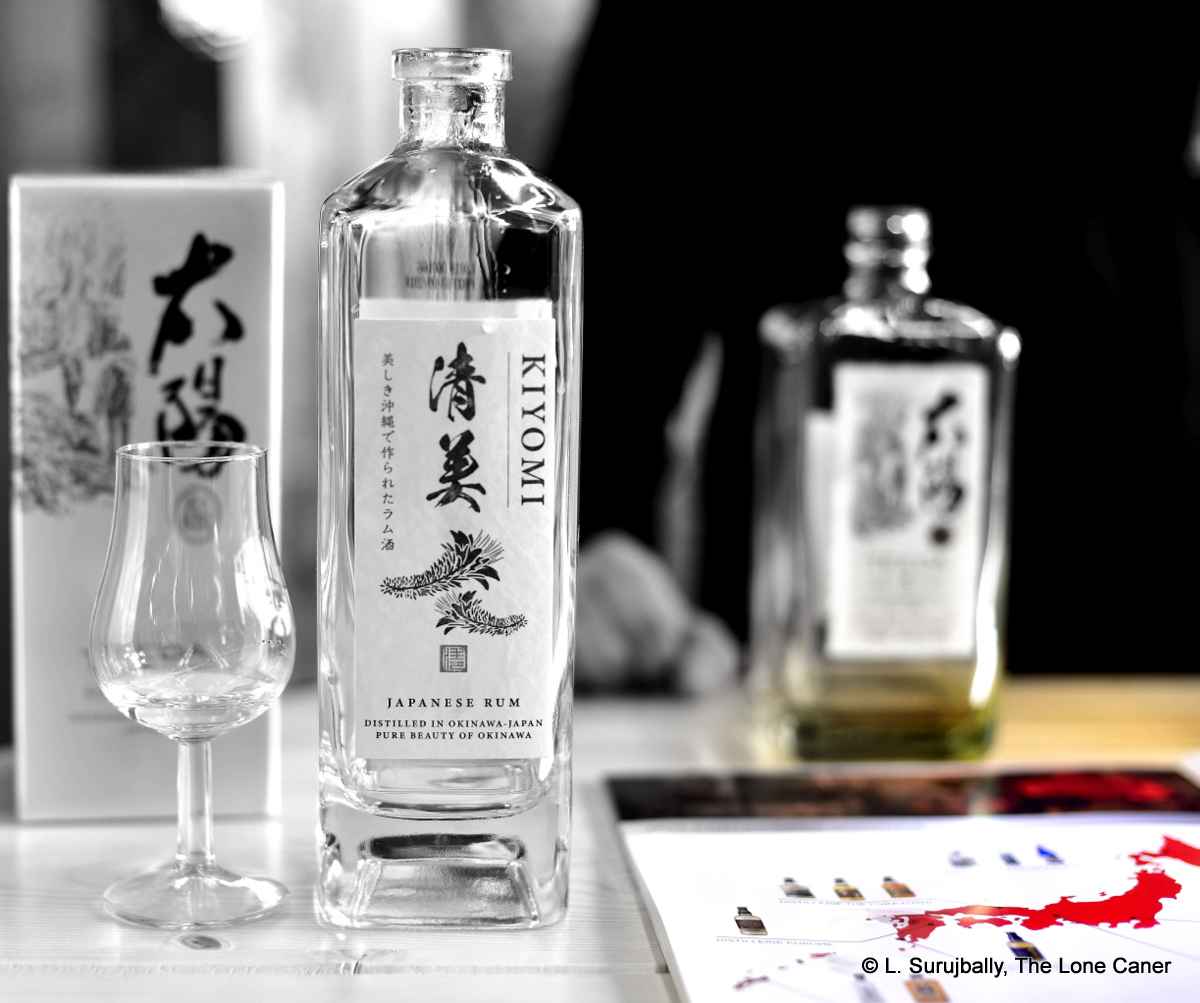
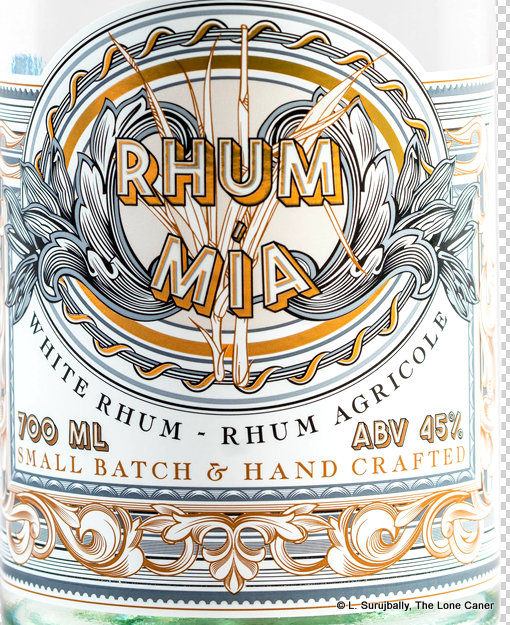
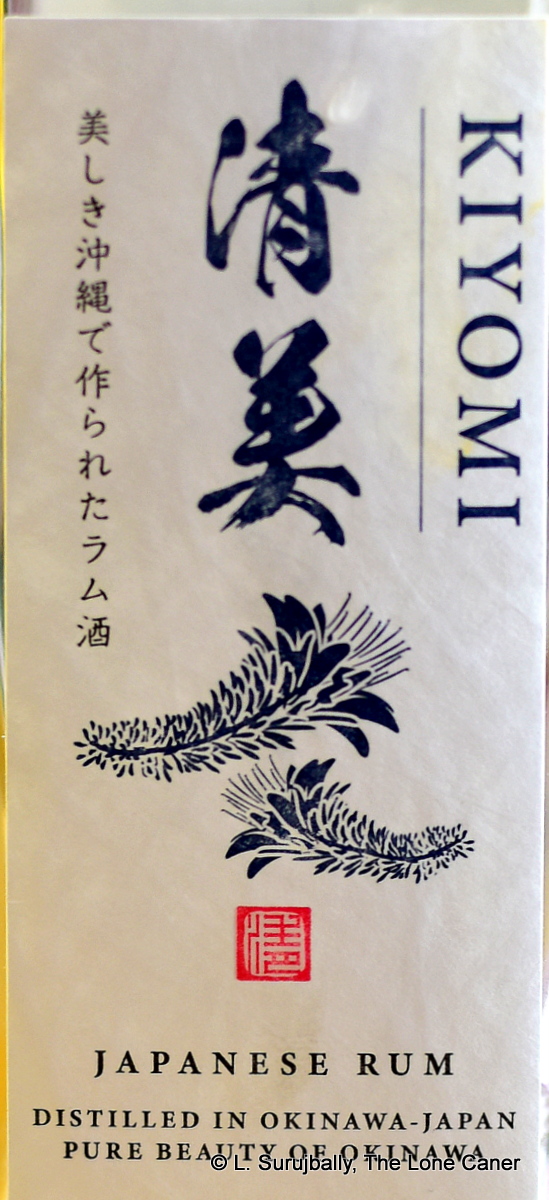 I’ve never been completely clear as to what effect a resting period in neutral-impact tanks would actually have on a rum – perhaps smoothen it out a bit and take the edge off the rough and sharp straight-off-the-still heart cuts. What is clear is that here, both the time and the reduction gentle the spirit down without completely losing what makes an unaged white worth checking out. Take the nose: it was relatively mild at 40%, but retained a brief memory of its original ferocity, reeking of wet soot, iodine, brine, black olives and cornbread. A few additional nosings spread out over time reveal more delicate notes of thyme, mint, cinnamon mingling nicely with a background of sugar water, sliced cucumbers in salt and vinegar, and watermelon juice. It sure started like it was out to lunch, but developed very nicely over time, and the initial sniff should not make one throw it out just because it seems a bit off.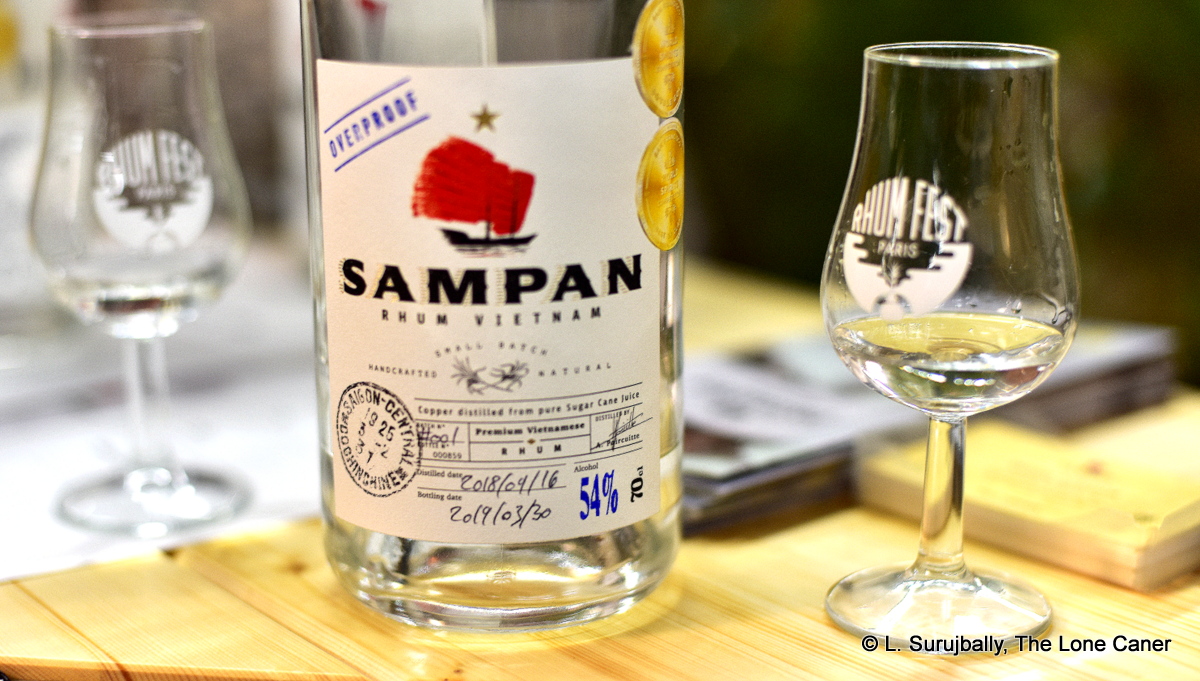
 Consider first the nose of this