
Tanduay, in spite of being a behemoth of rum making in Asia (it sold nearly 23 million cases in 2021) with more than a 150-year history, has a spotty recognition in the west, largely because until relatively recently it sold most of its wares in Asia, and wasn’t all that common, or available anywhere else. What knowledge or reviews of the brand as existed, came from people who had friends in the Philippines who could bring a bottle over, or sip there on a sunny beach and write about the experience. And other Philippine brands like Limtuaco or Don Papa didn’t exactly set the world on fire and make sharp nosed distributors run to book tickets to the Philippine islands: because there as in much of Asia, a lighter, softer, sweeter and more laid back rum-style is much more in vogue.
But once people realised that Don Papa (in particular) was selling quite nicely in spite of all the hissy fits about sweetening, and saw other brands’ adulterated fare were not really hurt by all the vitriol emanating from social media’s rum clubs, it was inevitable that Tanduay would make sure it expanded into more lucrative markets and try and upgrade its sales to the premium segment, where the real pesos are. This is why, even though they began selling in North America from around 2013 (with a gold and a silver rum, probably as an alternative to Bacardi’s Blanco and Gold rums and their copycats), there’s been an increasing visibility of the brand in the European rum festival and tasting scene only since 2019, with more aged products becoming part of the marketing mix.
The rum we’re looking at today is not really in the premium world, though the Rum Howler suggested in his 2019 review that it was positioned that way. It’s actually a blend of oak-aged rums of no more than five years old, and it’s semi-filtered to a pale yellow (this could equally mean it’s a blend of aged and unaged stocks like the Probitas/Veritas but I doubt it). Molasses base from a “heritage” sugar cane, column still, 40%. Nothing premium or spectacular on the face of it.

The completely standard nature of its production belies some interesting if ultimately unexciting aromas. It’s soft, which is to be expected, and a touch briny. Some vanilla and coconut shavings are easy to discern, and these are set off by pears and green apples, ripe gooseberries and a touch of citrus peel. It’s an easy smell, with the combination of soft sweetness, light sour notes and tartness coming together nicely.
Taste-wise it’s light, easy, warm-weather drinking, with the standard proofage making it hard to pick out anything particularly hard-hitting or complex. There’s vanilla, almonds, papaya and watermelon to start, and these are joined with the aforementioned grapes and apples and some tartness of sour, unripe green mangoes and citrus peel. In the background there’s some coconut, light molasses and sweet spices; but really, it’s all so faint that the effort is not commensurate with the reward, and the near-nonexistent light finish – sweet and lightly fruity – doesn’t help matters. It’s light enough so it can be had neat. The character, however, is too bland and it would be overwhelmed by anything you put bit into (including the ice cube), so it’s probably best to just mix it with a cocktail where the rum profile is the background, not the point.
This is a rum that competes with the Plantation Three-Star, Bacardi and Lamb’s white rums, the Havana Club 3 YO, Beenleigh 3 YO and others of that ilk, which serve as basic cocktail mixing rums with occasional flashes of better-than-expected quality popping up to surprise us (like the Montanya Platino or the Veritas, for example). The Tanduay Silver does not, however, play in the sandbox of agricoles or unaged white rums we’ve looked at before, and to my mind, they bowed to their cultural preferences and aged it to be as soft and easy as it is — when an unaged, higher-strength product might have shown more chops and character, and displayed more courage in a market that is aching to have more such rums.
(#947)(75/100) ⭐⭐½
Other notes
- On both the Philippine and US company websites, there is no sign of the pale yellow “Silver” rum I’ve tried; it seems to be for European markets only, as the other two are resolutely colourless in their pictures, and named “white”. The specifications all seem to be the same: a lightly filtered, column-still blend of young rums under five years old.

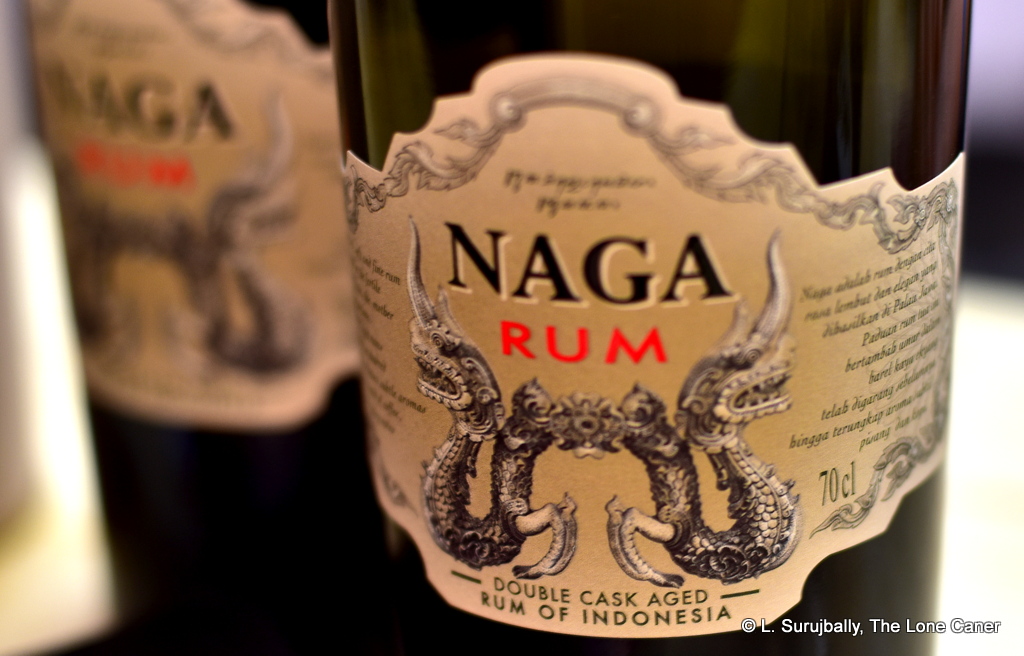
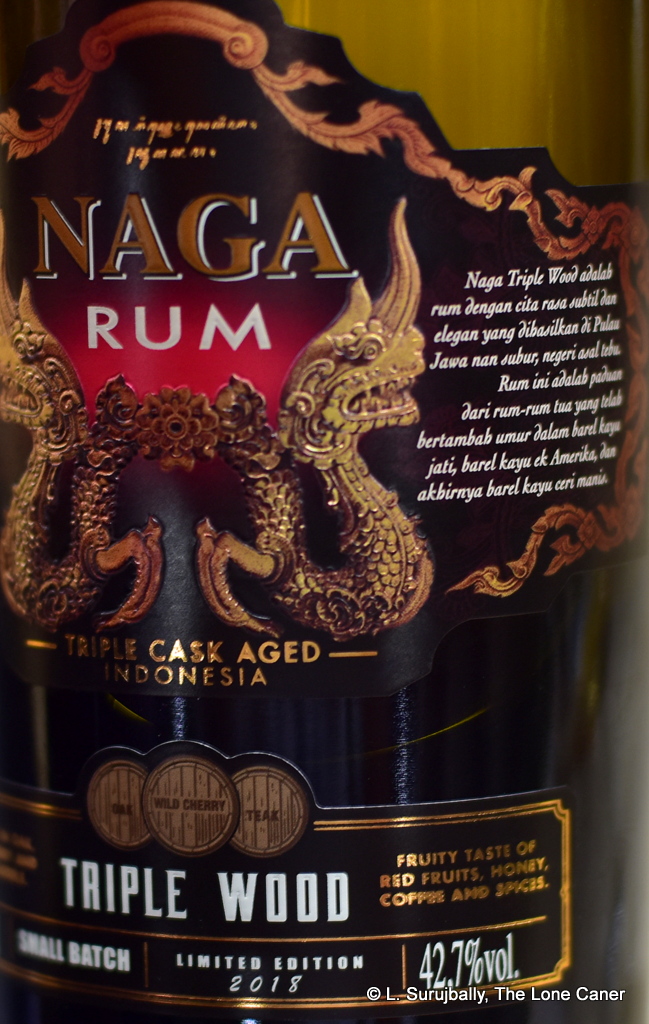 Does this multiple wood ageing result in anything worth drinking? Yes it does – the extra year seems to have had an interesting and salutary effect on the profile – though at 42.7% it remains as easy and soft as its siblings. The nose, for example, is a nice step up: cardboard, musty paper, some dunder of spoiled bananas skins, plus strawberries and soft pineapple or two and brine (which, I swear, made me think of Hawaiian pizza). Caramel and bitter dark chocolate round things off. It’s a relatively easy sniff, inoffensive yet solid.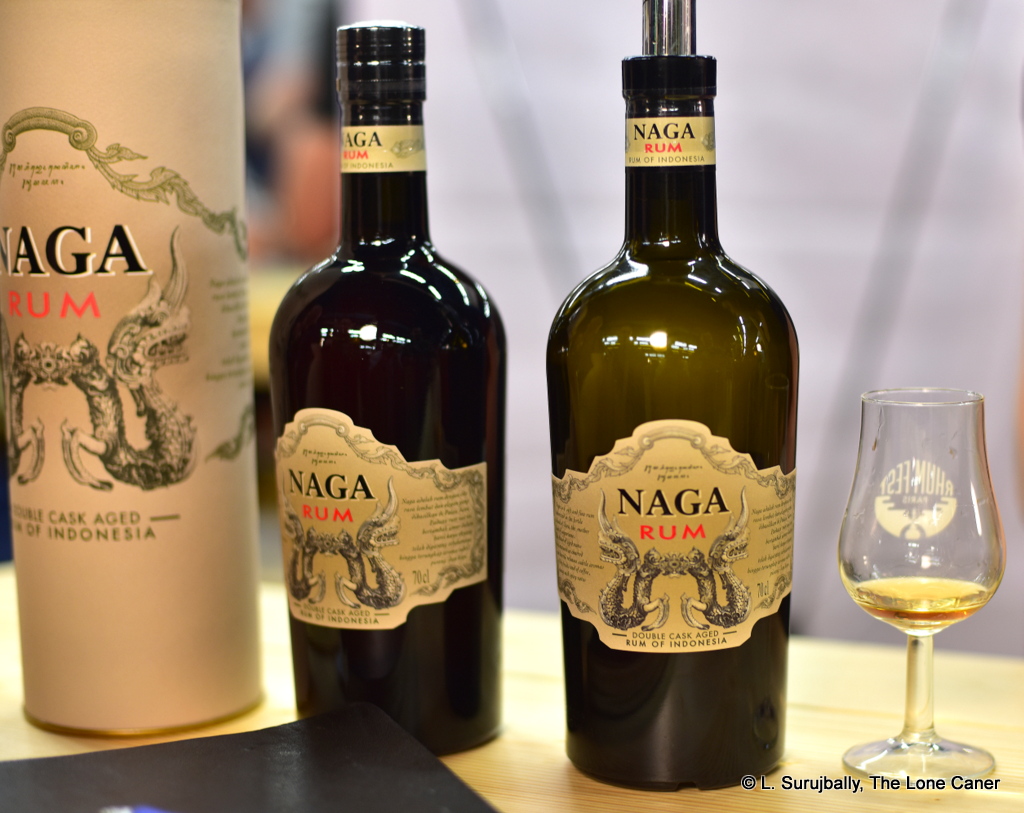
 This process provides a tasting profile that reminds me of nothing so much than a slightly addled wooden still-rum from El Dorado: it’s sweet, feels the slightest bit sticky, and has strong notes of dark fruits, red licorice, plums, raisins and an almond chocolate bar gone soft in the heat. There’s other stuff in there as well – some caramel, vanilla, pepper again, light orange peel, but overall the whole thing is not particularly complex, and it ambles easily towards a short and gentle finish of no particular distinction that pretty much displays some dark fruit, caramel, anise and molasses, and that’s about it.
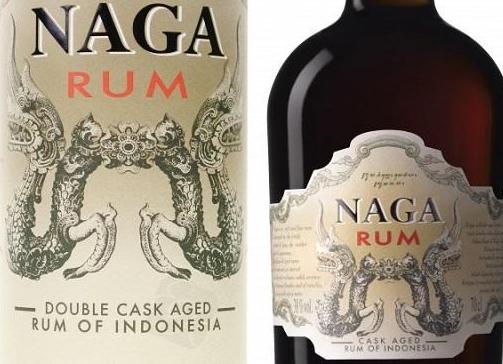 So, until we know more, focus on the rum itself. It’s quiet and gentle and some cask strength lovers might say – not without justification – that it’s insipid. It has some good tastes, simple but okay, and hews to a profile with which we’re not entirely unfamiliar. It has a few off notes and a peculiar substrate of something different, which is a good thing. So in the end,
 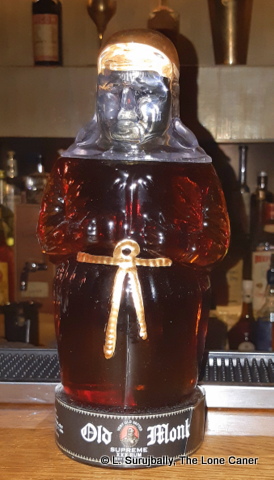 The Old Monk series of rums, perhaps among the best known to the Western world of those hailing from India, excites a raft of passionate posts whenever it comes up for mention, ranging from enthusiastic fanboy positivity, to disdain spread equally between its lack of disclosure about provenance and make, and the rather unique taste. Neither really holds water, but it is emblematic of both the unstinting praise of adherents who “just like rum” without thinking further, and those who take no cognizance of cultures other than their own and the different tastes that attend to them.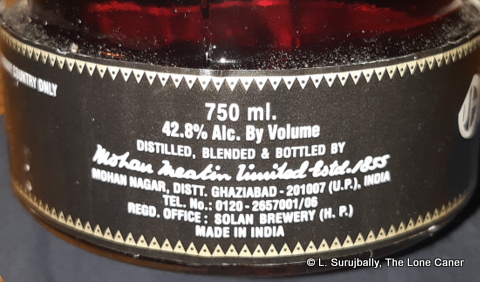
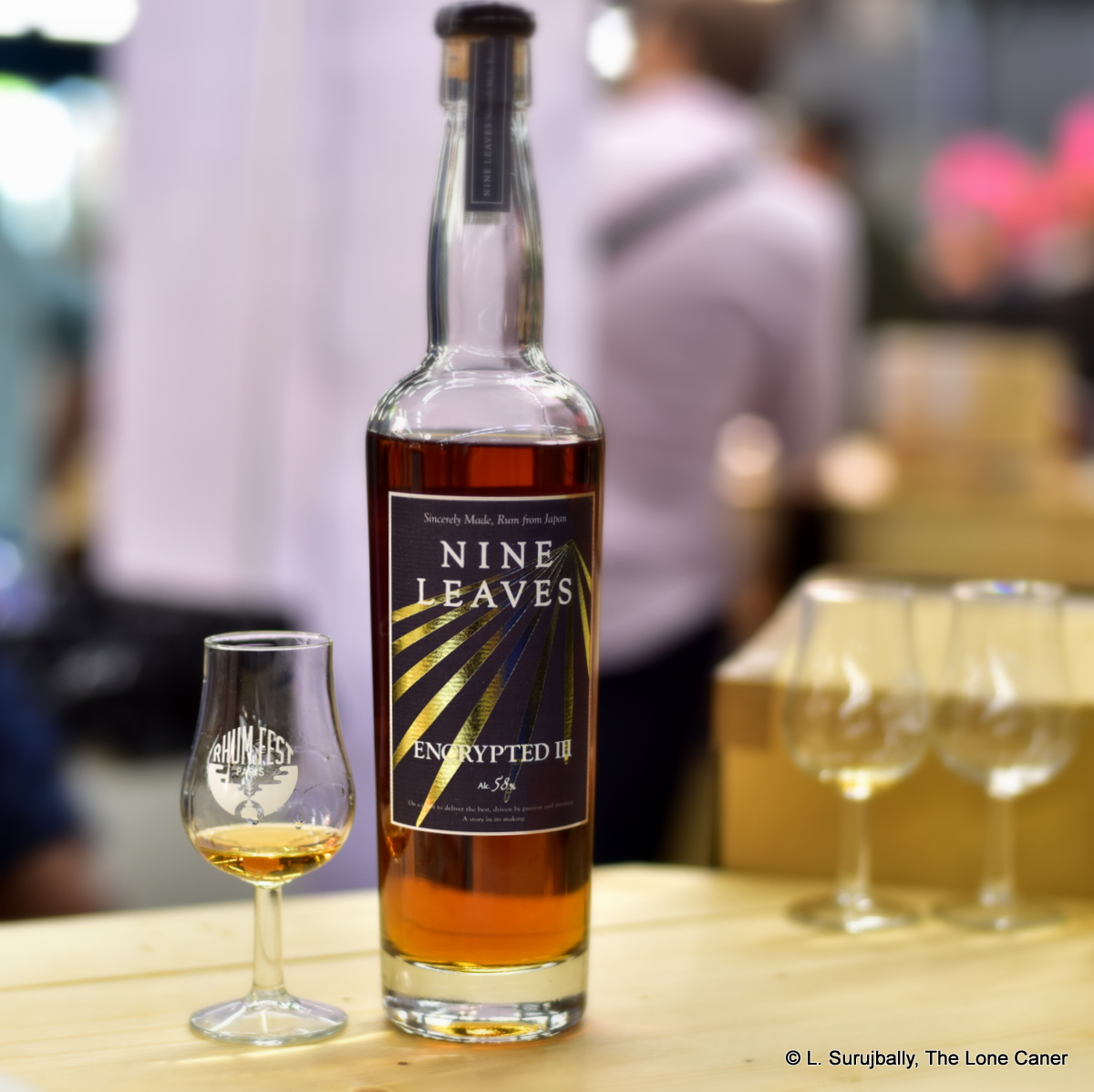
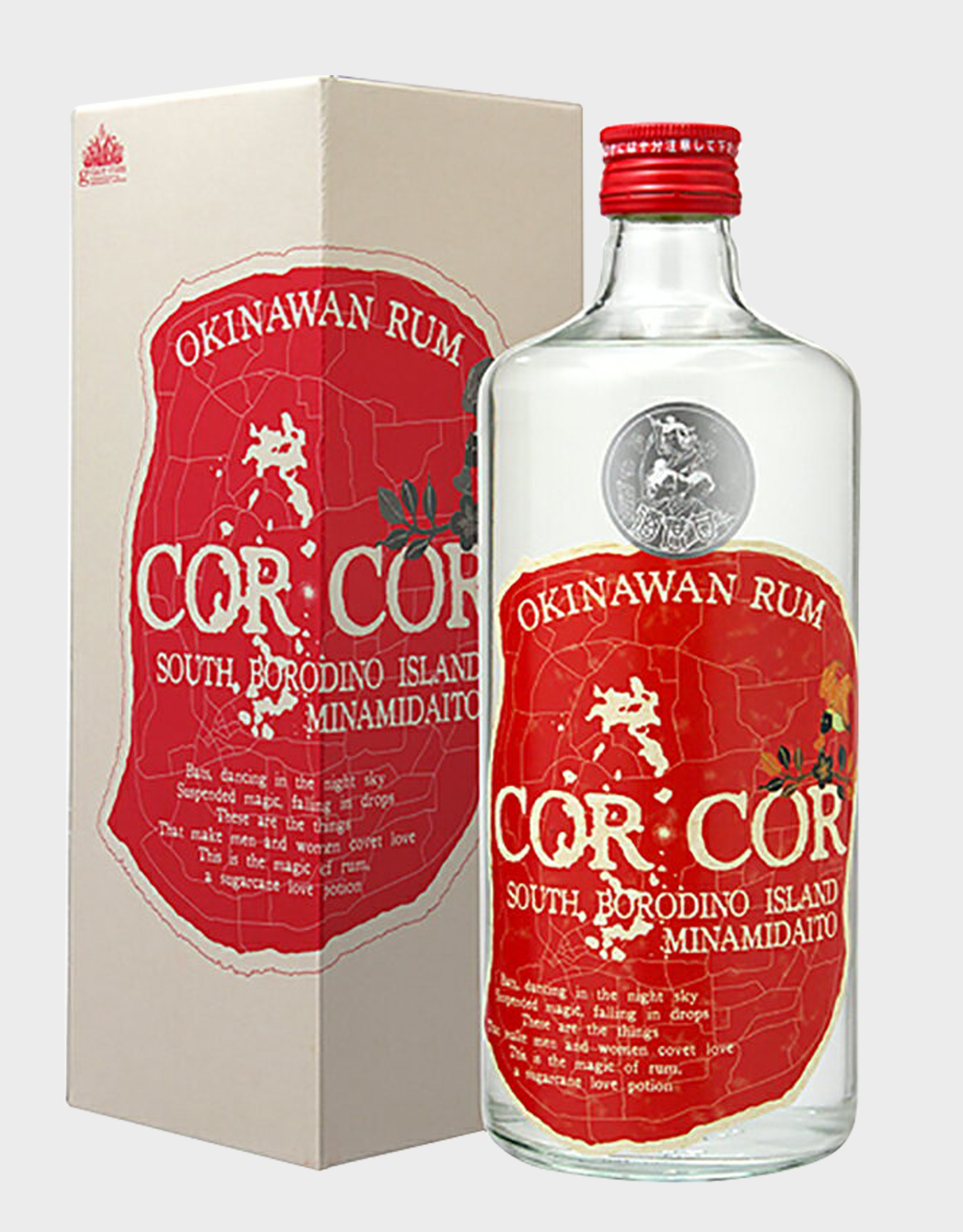
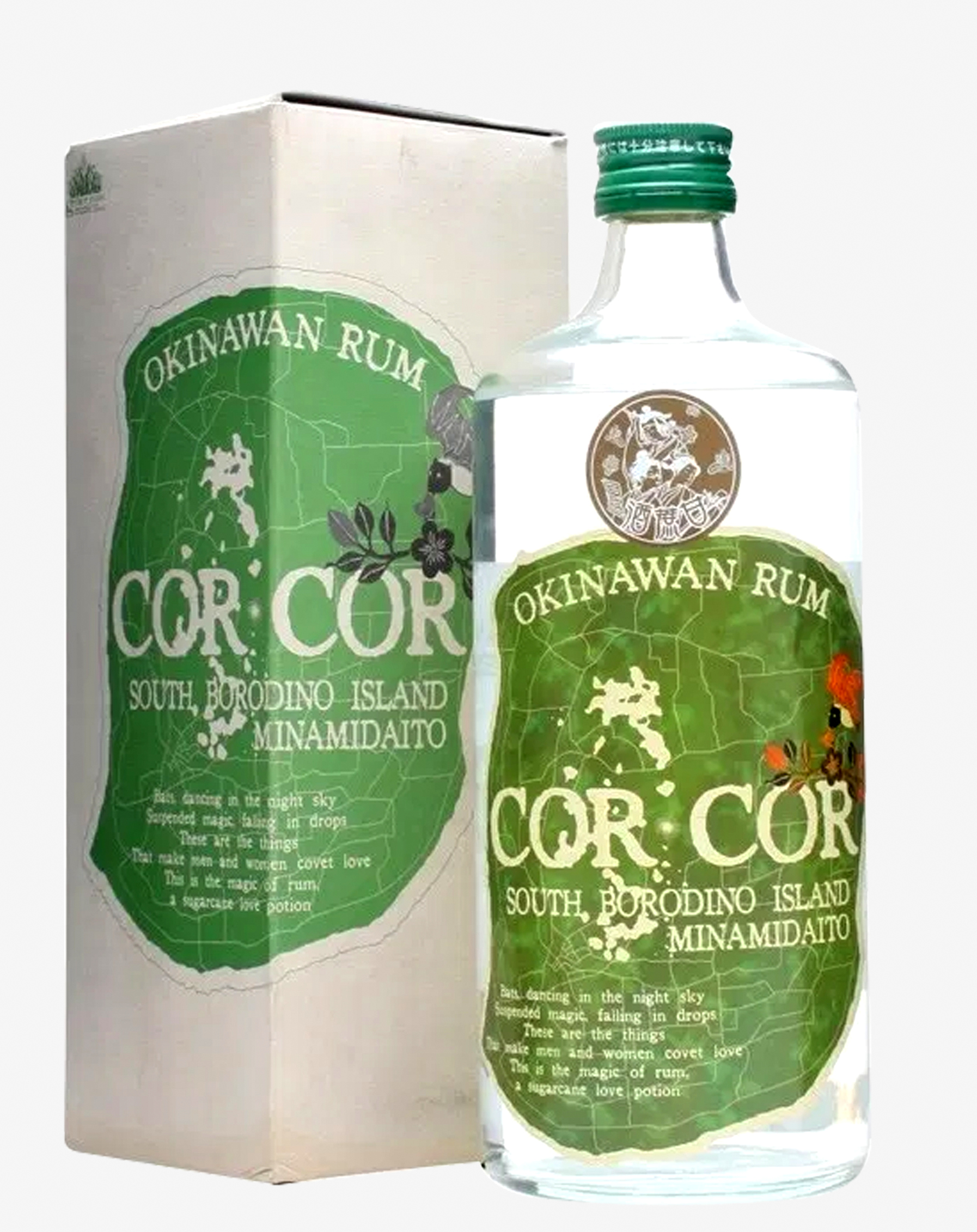 The Cor Cor “Green”, cousin to the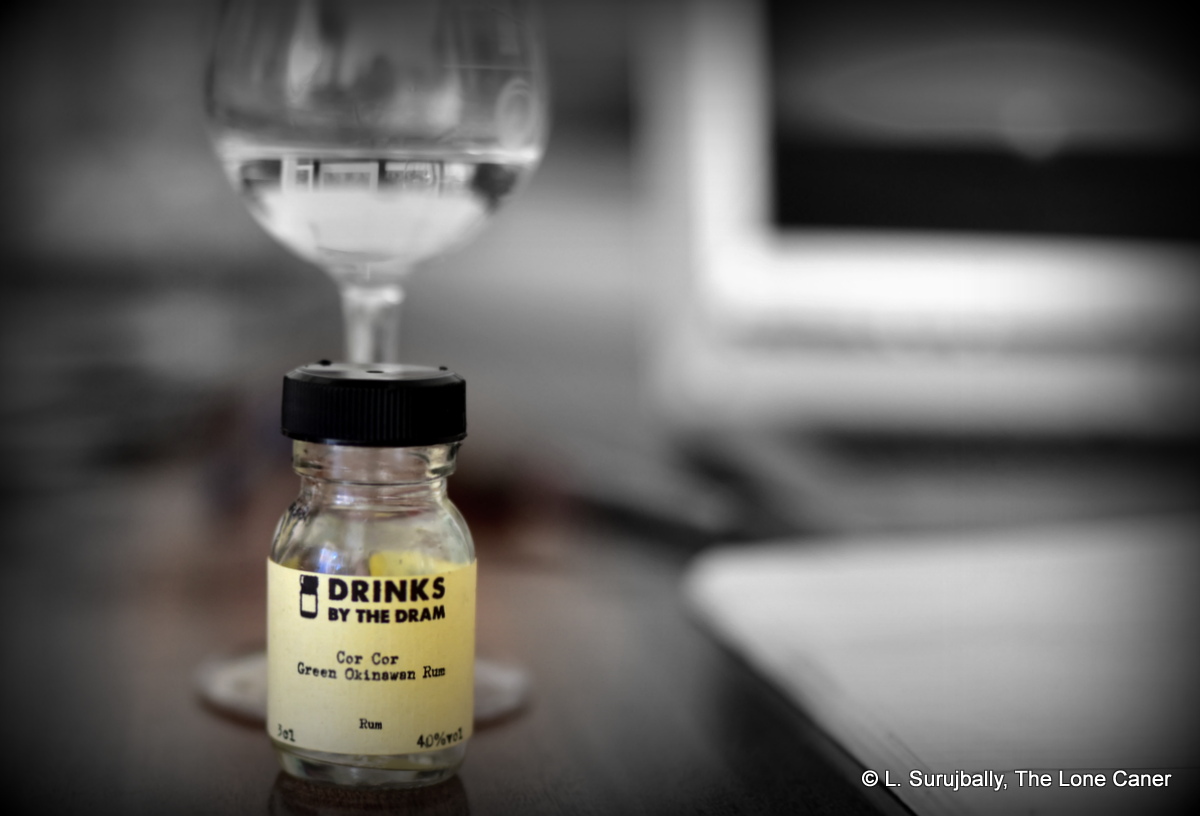
 Given Japan has several rums which have made these pages (
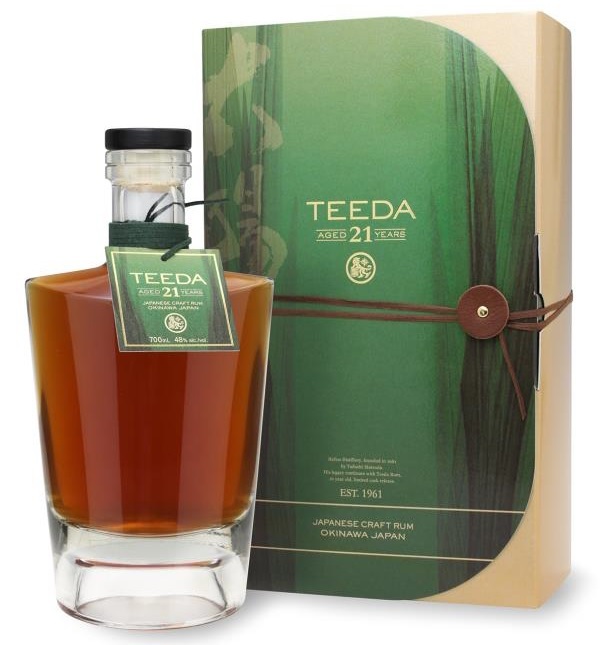
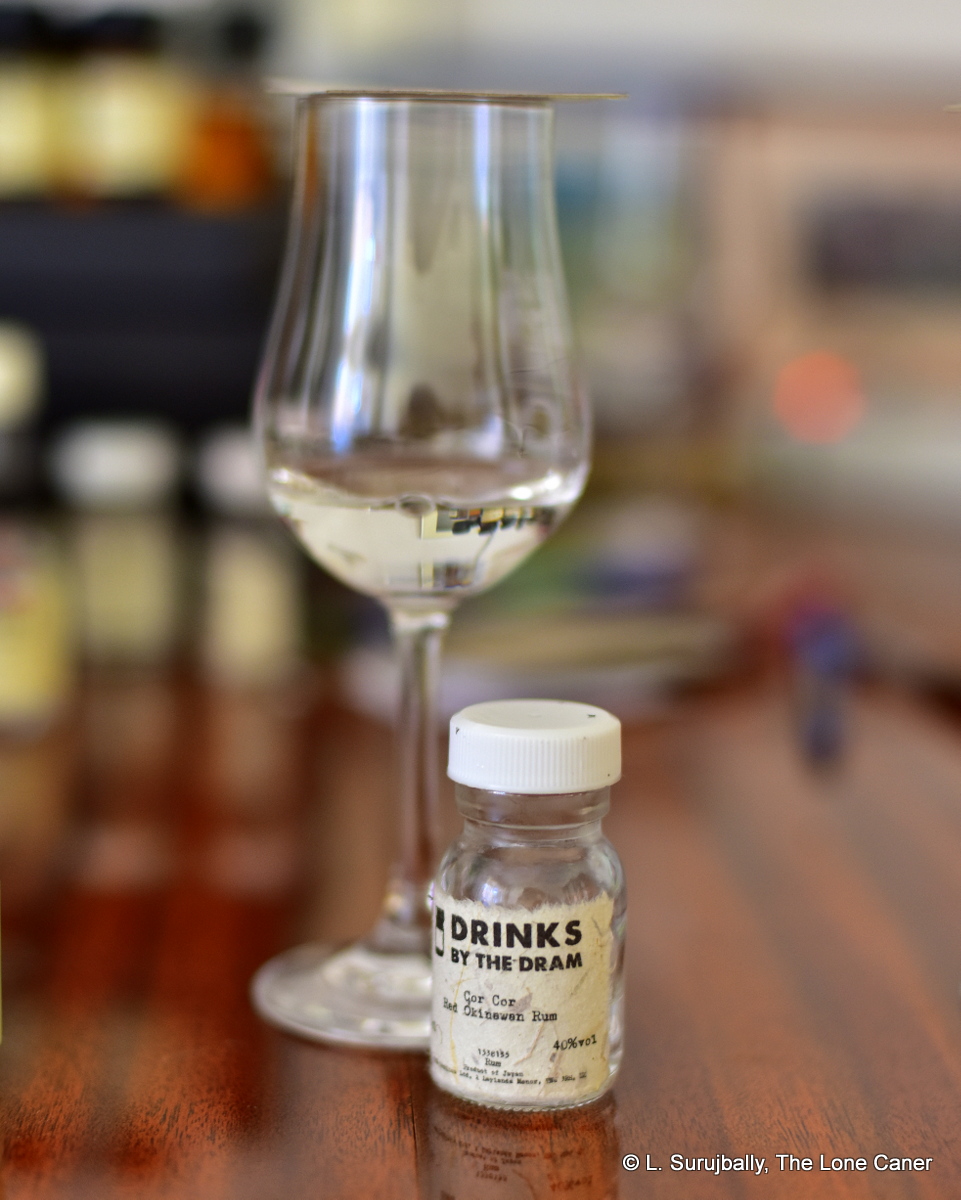 The Cor Cor Red was more generous on the palate than the nose, and as with many Japanese rums I’ve tried, it’s quite distinctive. The tastes were somewhat offbase when smelled, yet came together nicely when tasted. Most of what we might deem “traditional notes” — like nougat, or toffee, caramel, molasses, wine, dark fruits, that kind of thing — were absent; and while their (now closed) website rather honestly remarked back in 2017 that it was not for everyone, I would merely suggest that this real enjoyment is probably more for someone (a) interested in Asian rums (b) looking for something new and (c) who is cognizant of local cuisine and spirits profiles, which infuse the makers’ designs here. One of the reasons the rum tastes as it does, is because the master blender used to work for one of the awamori makers on Okinawa (it is a spirit akin to Shochu), and wanted to apply the methods of make to rum as well. No doubt some of the taste profile he preferred bled over into the final product as well.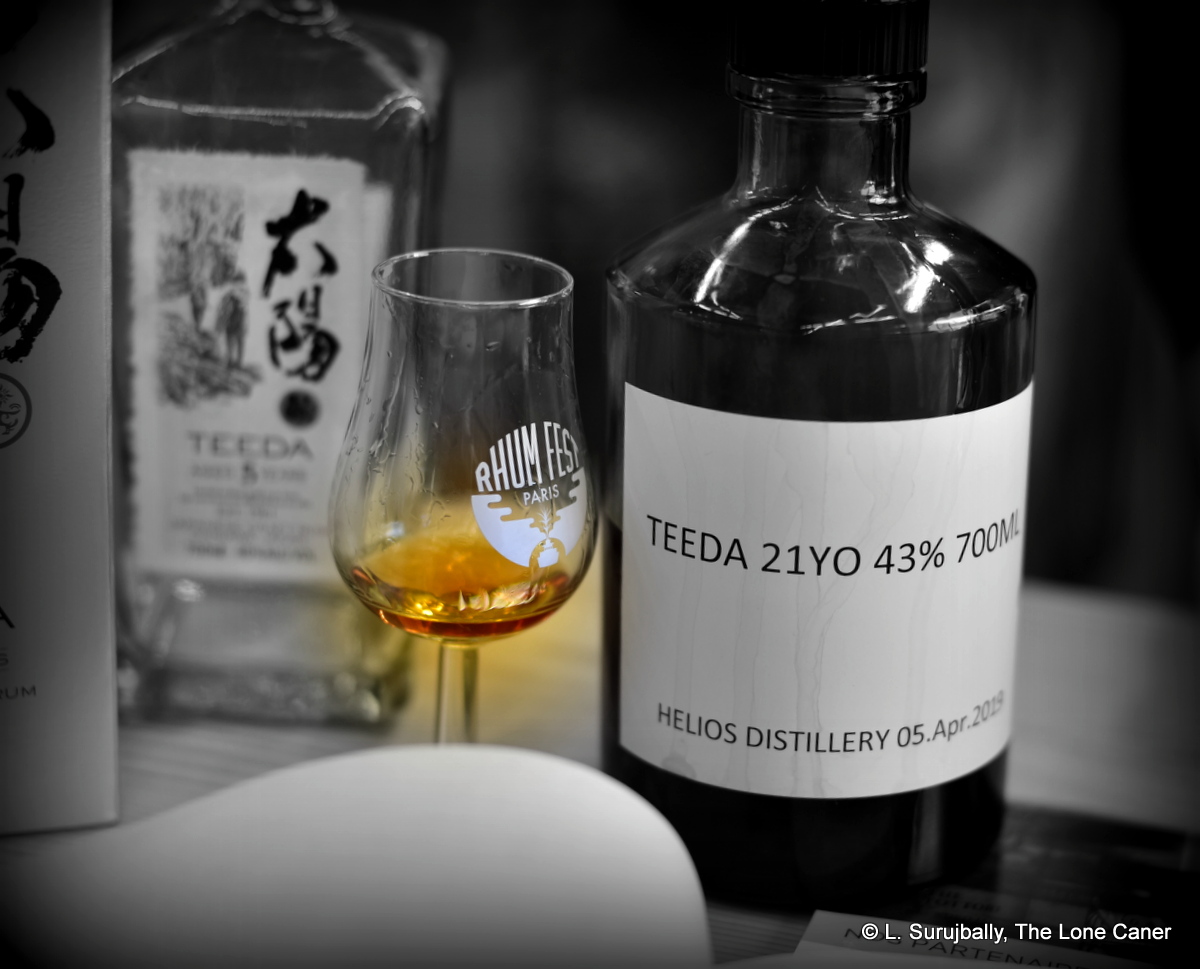
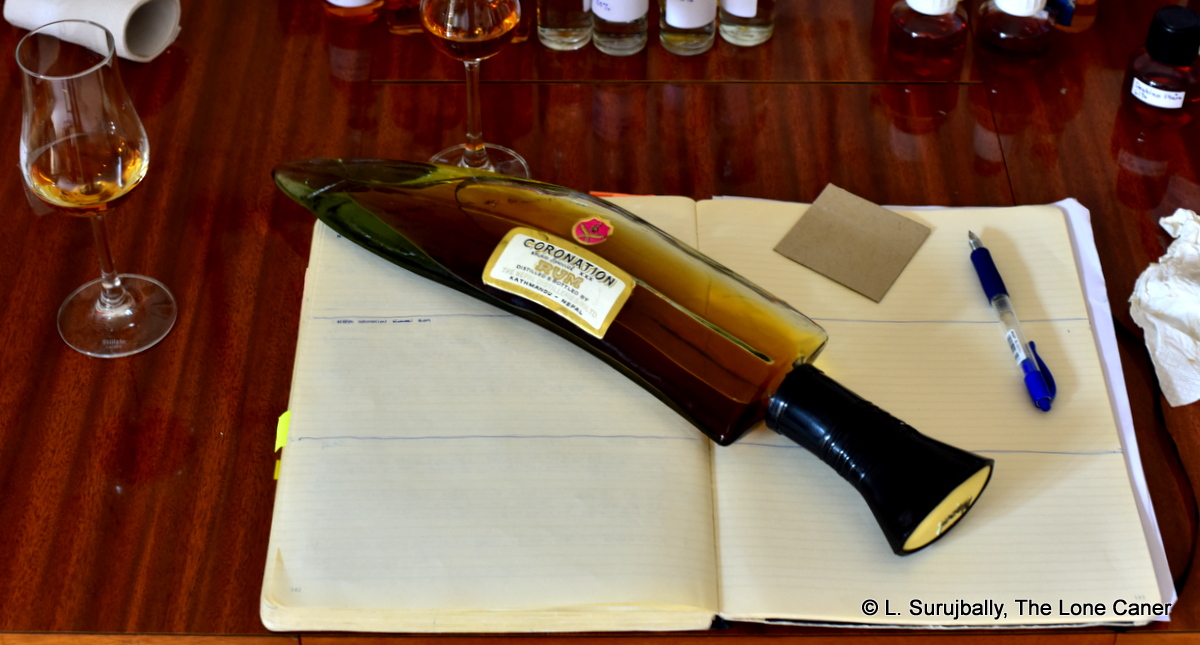

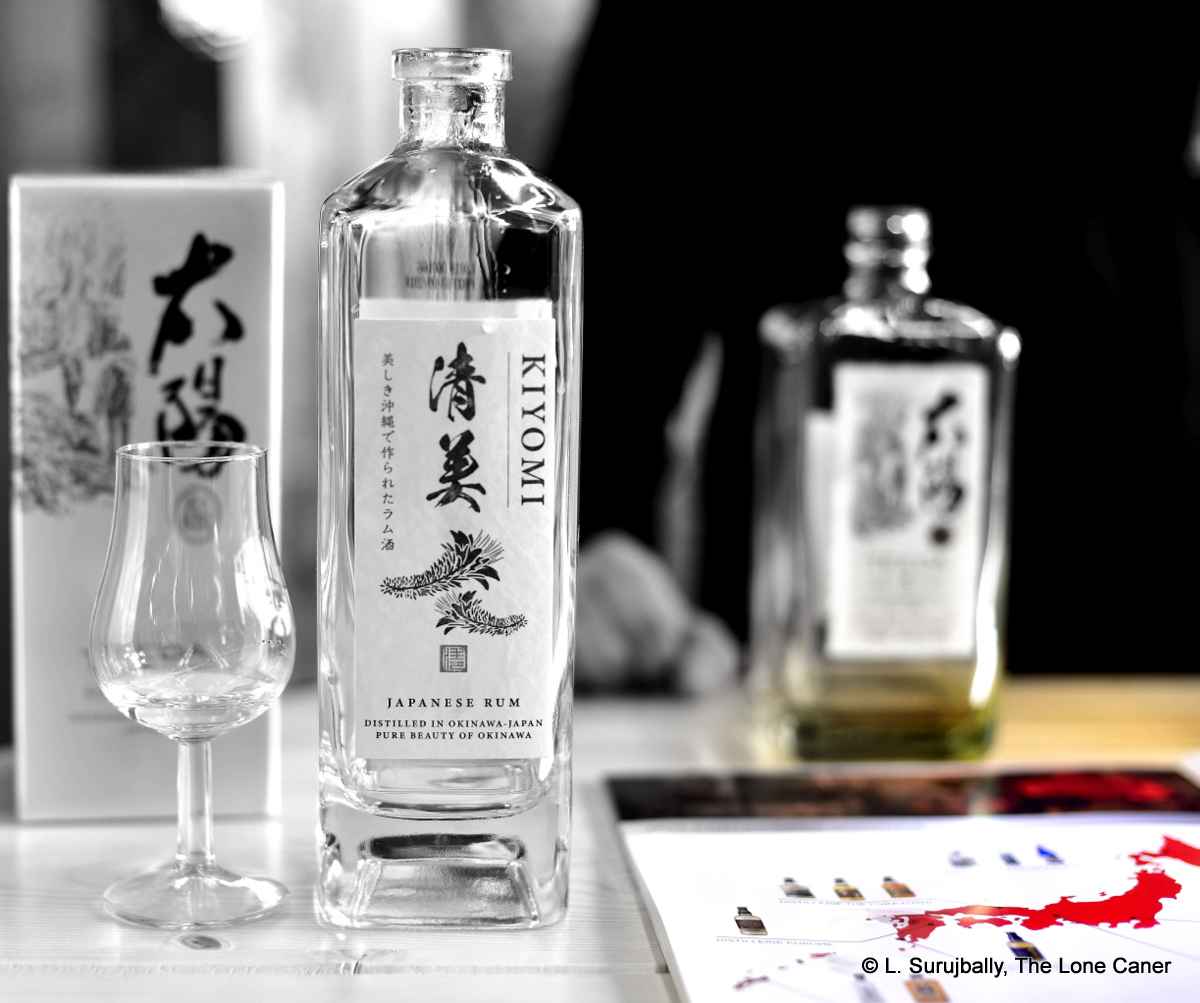
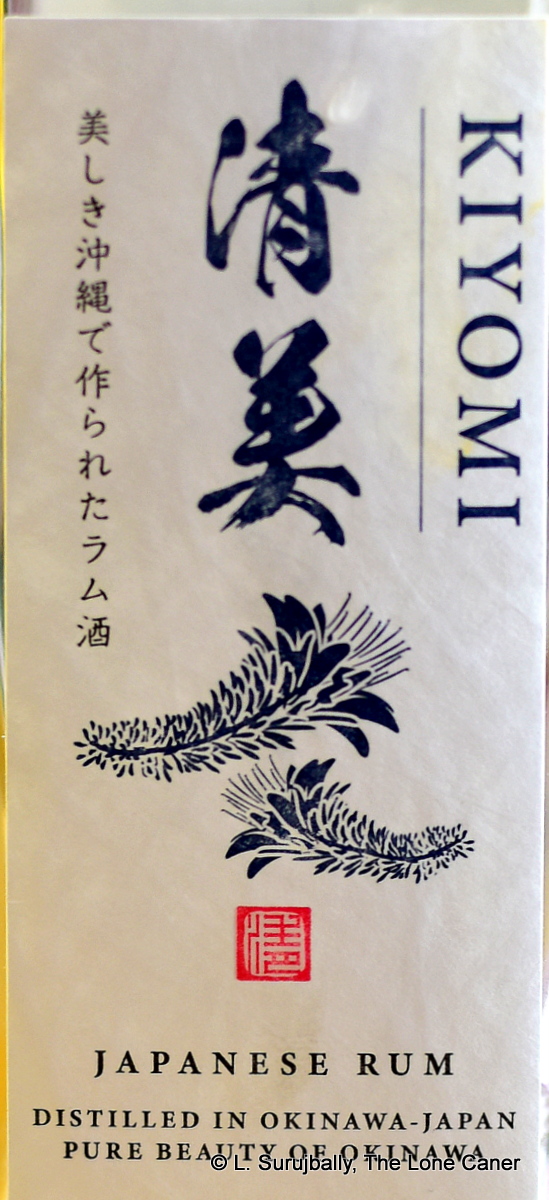 I’ve never been completely clear as to what effect a resting period in neutral-impact tanks would actually have on a rum – perhaps smoothen it out a bit and take the edge off the rough and sharp straight-off-the-still heart cuts. What is clear is that here, both the time and the reduction gentle the spirit down without completely losing what makes an unaged white worth checking out. Take the nose: it was relatively mild at 40%, but retained a brief memory of its original ferocity, reeking of wet soot, iodine, brine, black olives and cornbread. A few additional nosings spread out over time reveal more delicate notes of thyme, mint, cinnamon mingling nicely with a background of sugar water, sliced cucumbers in salt and vinegar, and watermelon juice. It sure started like it was out to lunch, but developed very nicely over time, and the initial sniff should not make one throw it out just because it seems a bit off.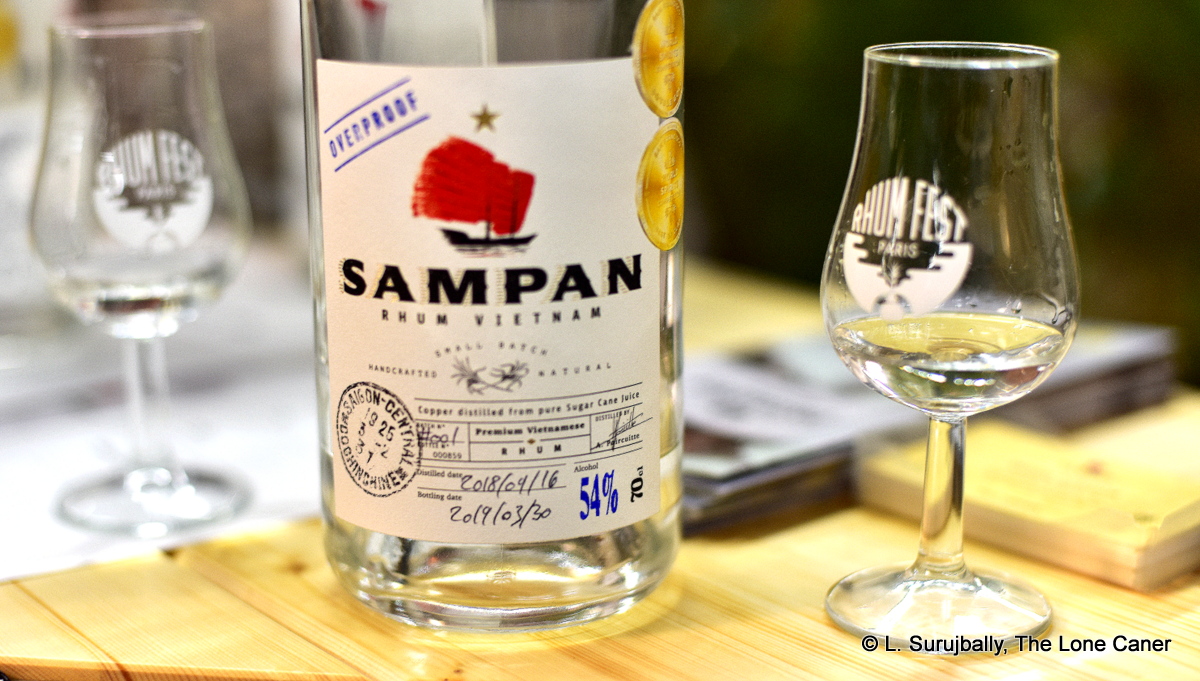
 Consider first the nose of this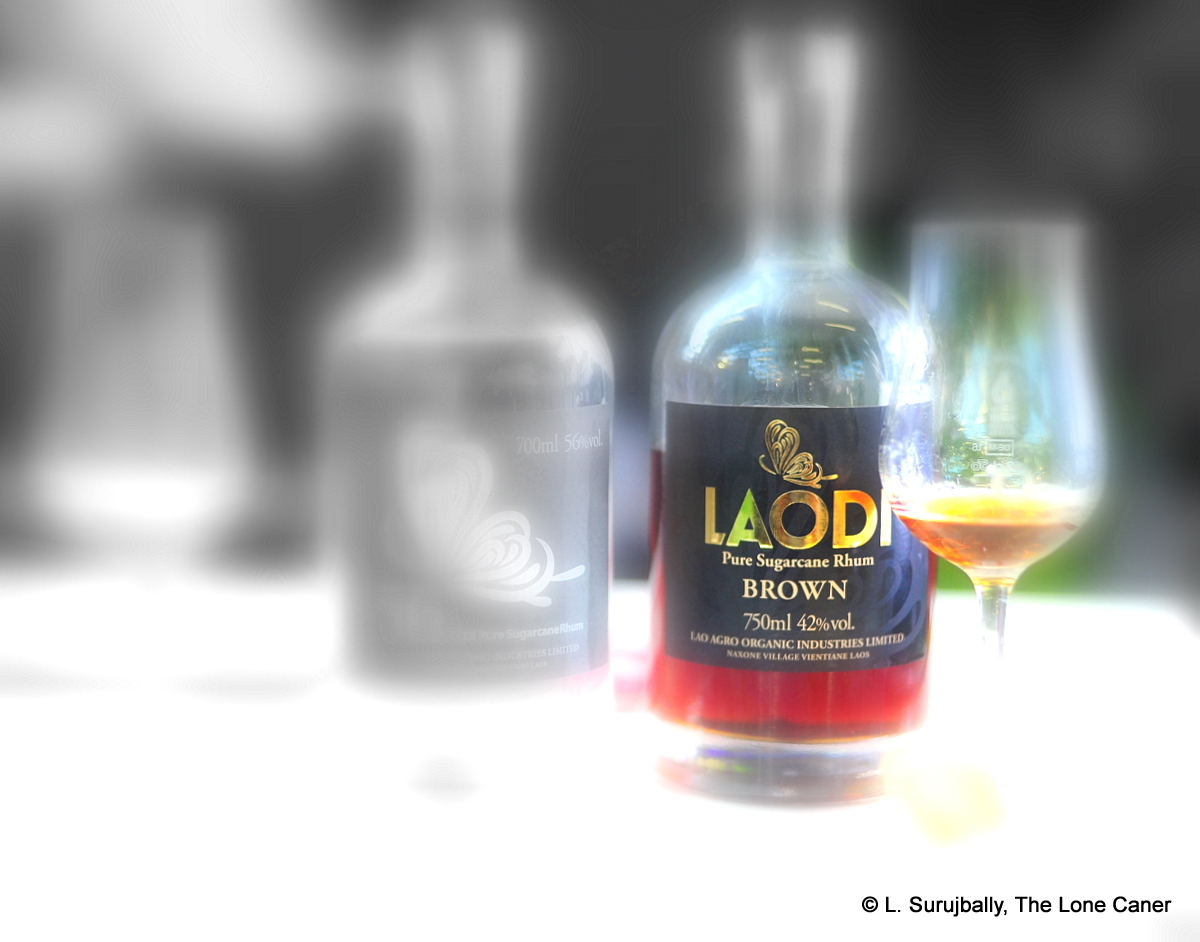
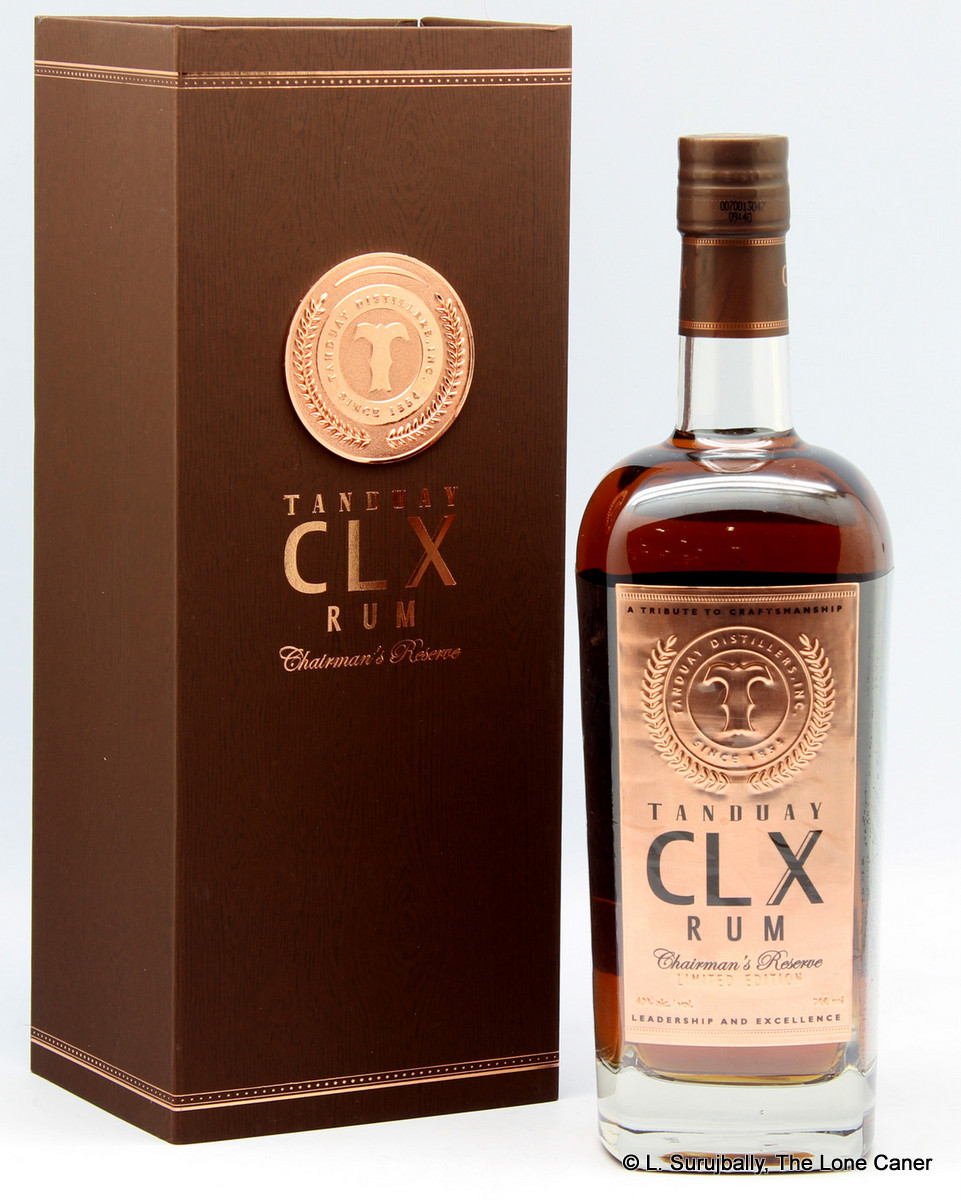
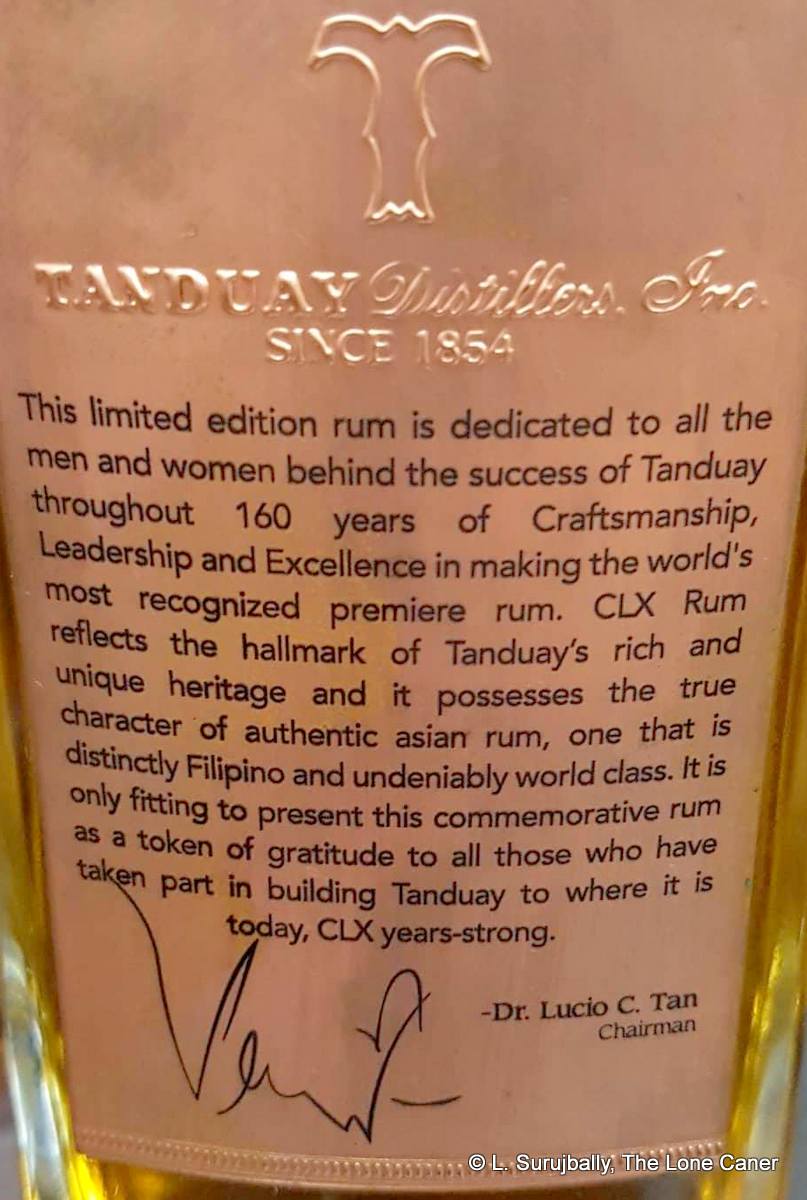 Anyway, when we’re done with do all the contorted company panegyrics and get down to the actual business of trying it, do all the frothy statements of how special it is translate into a really groundbreaking rum?
  Like most rums of this kind, the opinions and comments are all over the map. Some are savagely disparaging, other more tolerant and some are almost nostalgic, conflating the rum with all the positive experiences they had in Thailand, where the rum is made. Few have had it in the west, and those that did weren’t writing much outside travel blogs and review aggregating sites.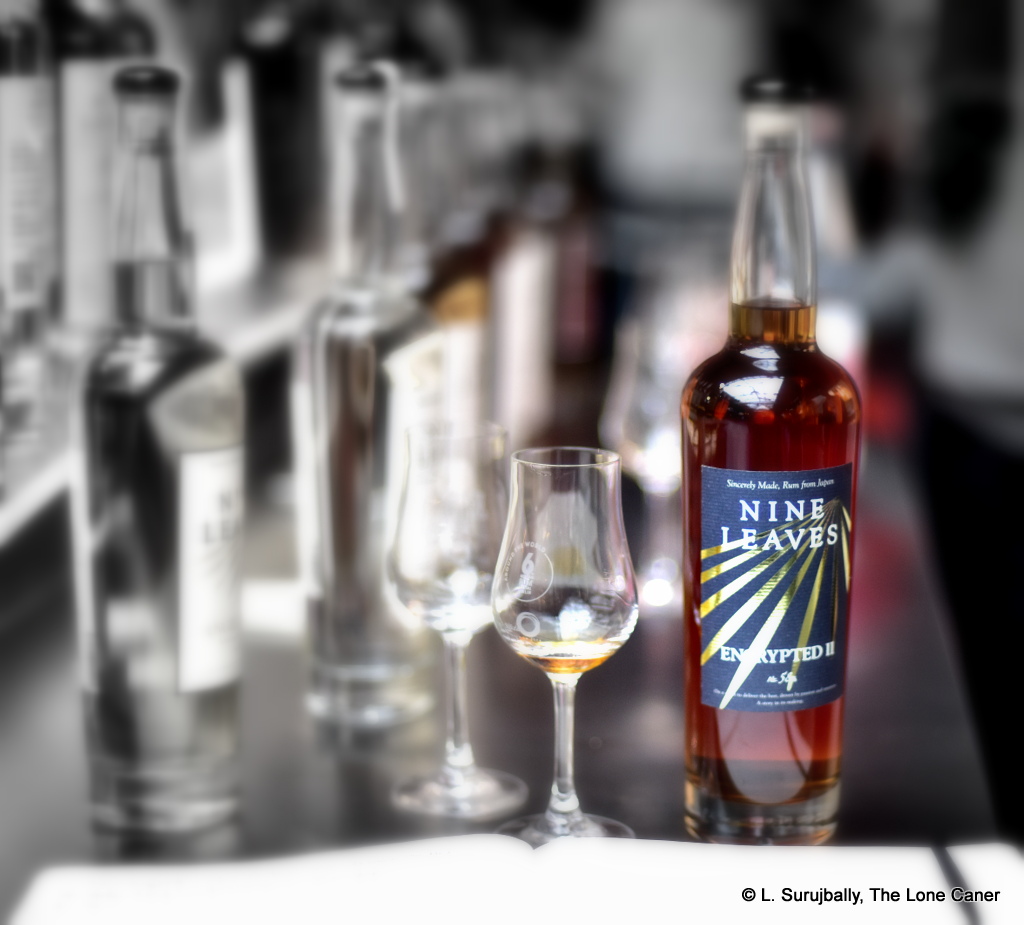

 Because for the unprepared (as I was), the nose of this rum is edging right up against revolting. It’s raw, rotting meat mixed with wet fruity garbage distilled into your rum glass without any attempt at dialling it down (except perhaps to 40% which is a small mercy). It’s like a lizard that died alone and unnoticed under your workplace desk and stayed there, was then soaked in diesel, drizzled with molten rubber and tar, set afire and then pelted with gray tomatoes. That thread of rot permeates every aspect of the nose – the brine and olives and acetone/rubber smell, the maggi cubes, the hot vegetable soup and lemongrass…everything.
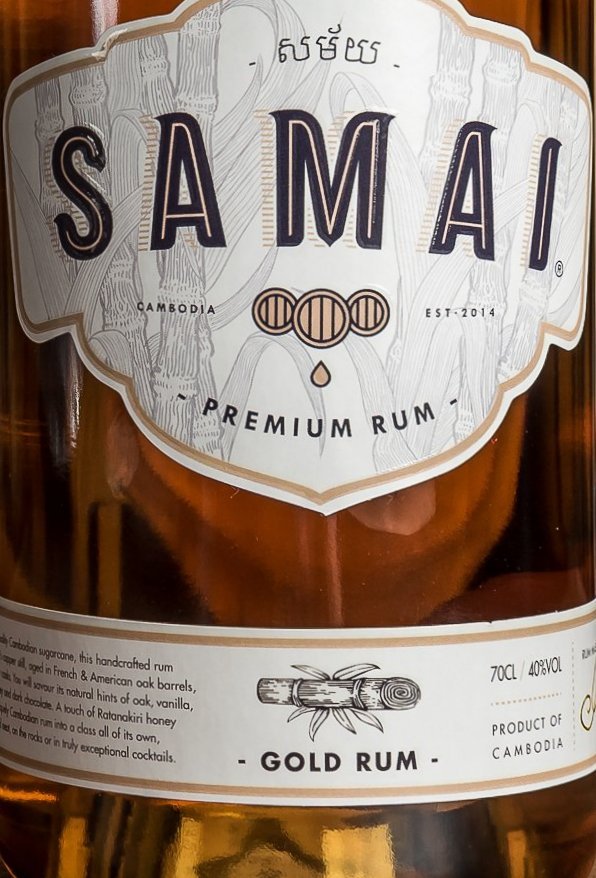 Now here’s an interesting standard-proofed gold rum I knew too little about from a country known mostly for the spectacular temples of Angor Wat and the 1970s genocide. But how many of us are aware that Cambodia was once a part of the Khmer Empire, one of the largest in South East Asia, covering much of the modern-day territories of Thailand, Vietnam, Laos and Viet Nam, or that it was once a protectorate of France, or that it is known in the east as Kampuchea?
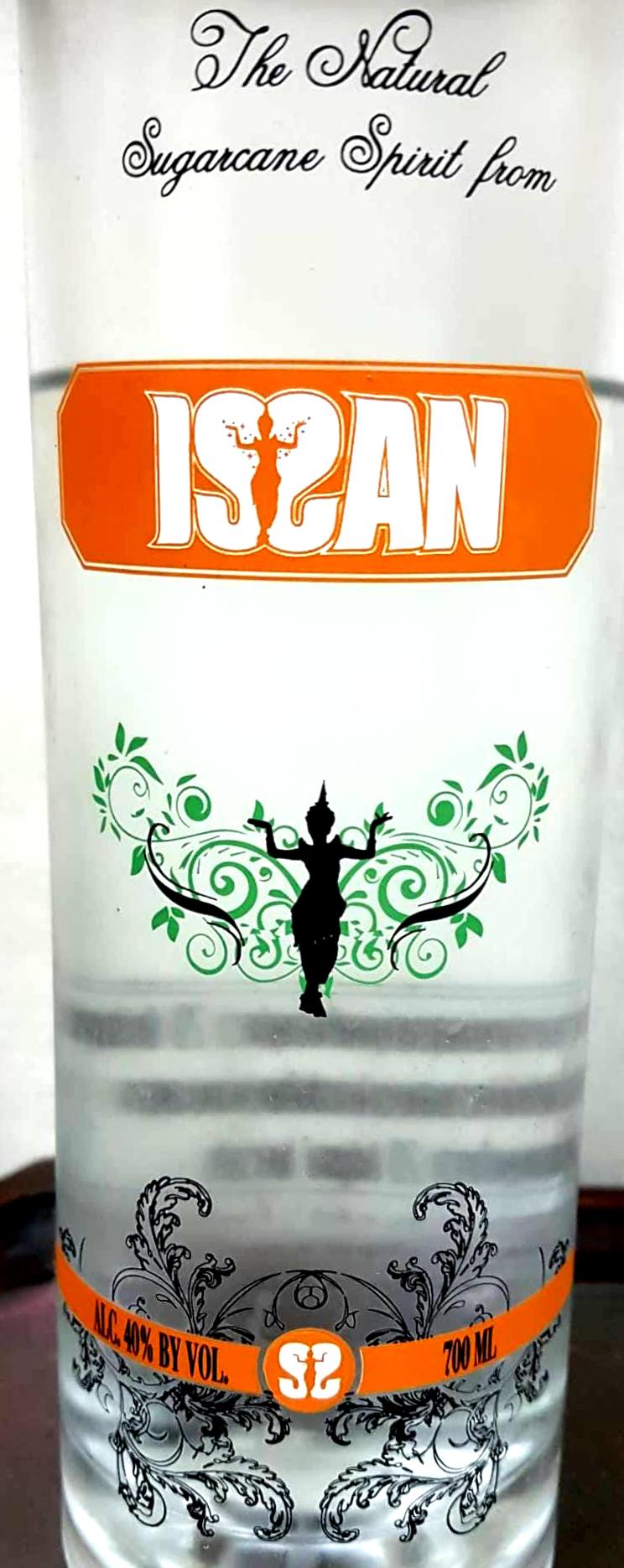 Thailand doesn’t loom very large in the eyes of the mostly west-facing rum writers’ brigade, but just because they make it for the Asian palate and not the Euro-American cask-loving rum chums, doesn’t mean what they make can be ignored; similar in some respects to the light rums from Puerto Rico, Dominican Republic, Panama and Latin America, they may not be rums