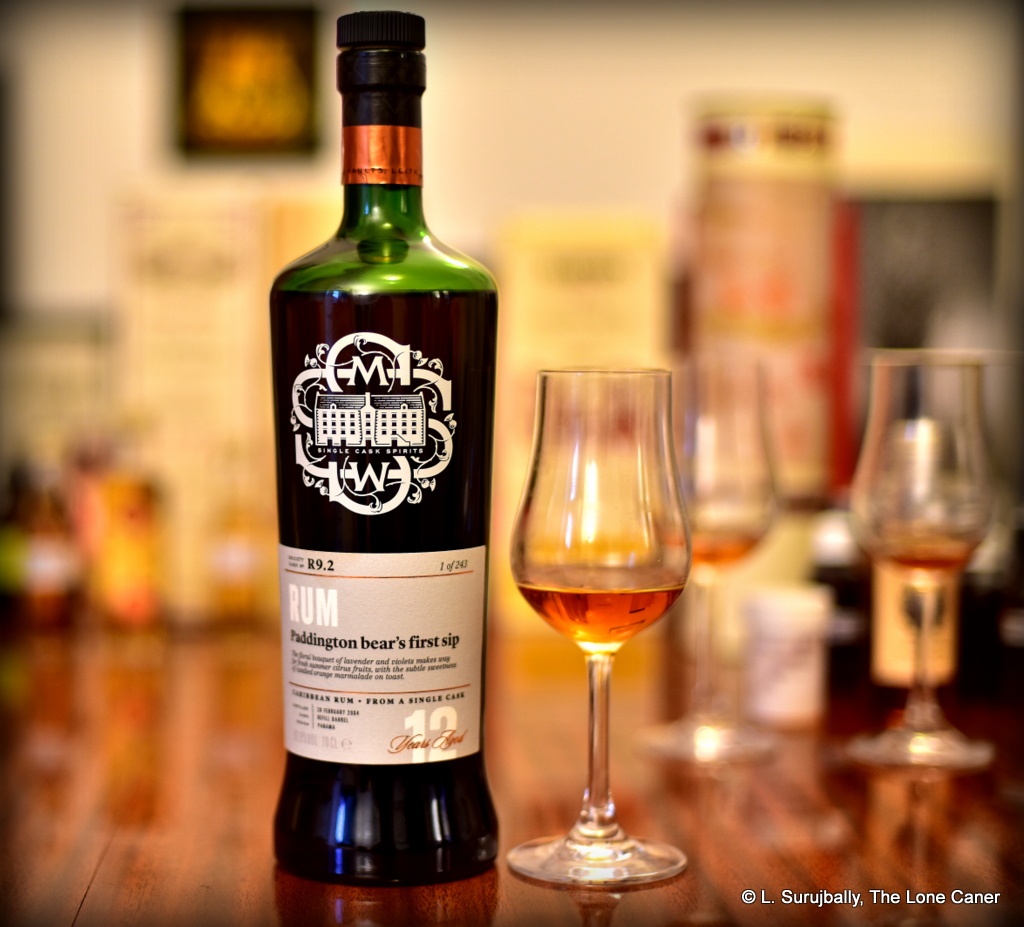
The Scotch Malt Whisky Society (SMWS) has always had a peculiar turn when it comes to labels and tasting notes. The original bottlings didn’t always have permission to use the distillery names on the bottlings — at the time, blends were big, and distilleries did not always want their names to be associated with some off-the-wall, left-field bottle from a strange outfit, when this might shed a poor light on what they were more famed for…the consistency of their blends. This led the SMWS to the use of numerical identifiers for their outturns, and a whimsically titled name that had no relation to reality, really (almost every reviewer makes some reference to how they ignore those names, or don’t understand them).
What that does, though, is force the buyer / drinker / reviewer to actually pay attention to the product and discard preconceived notions at the door. Most will deny this to the heavens, but I firmly believe that few can divorce their expectations of a rum based on the label it sports, from the experience they expect to have, and then actually have. Which makes sense: if you see “Port Mourant” on a label, you expect to drink one, not some weird agricole or a Spanish style ron and your mind will bend that way. SMWS takes away this crutch – not completely, because by now everyone knows what the numbers mean – but enough so that the rums stands or falls upon your relatively clean experience.
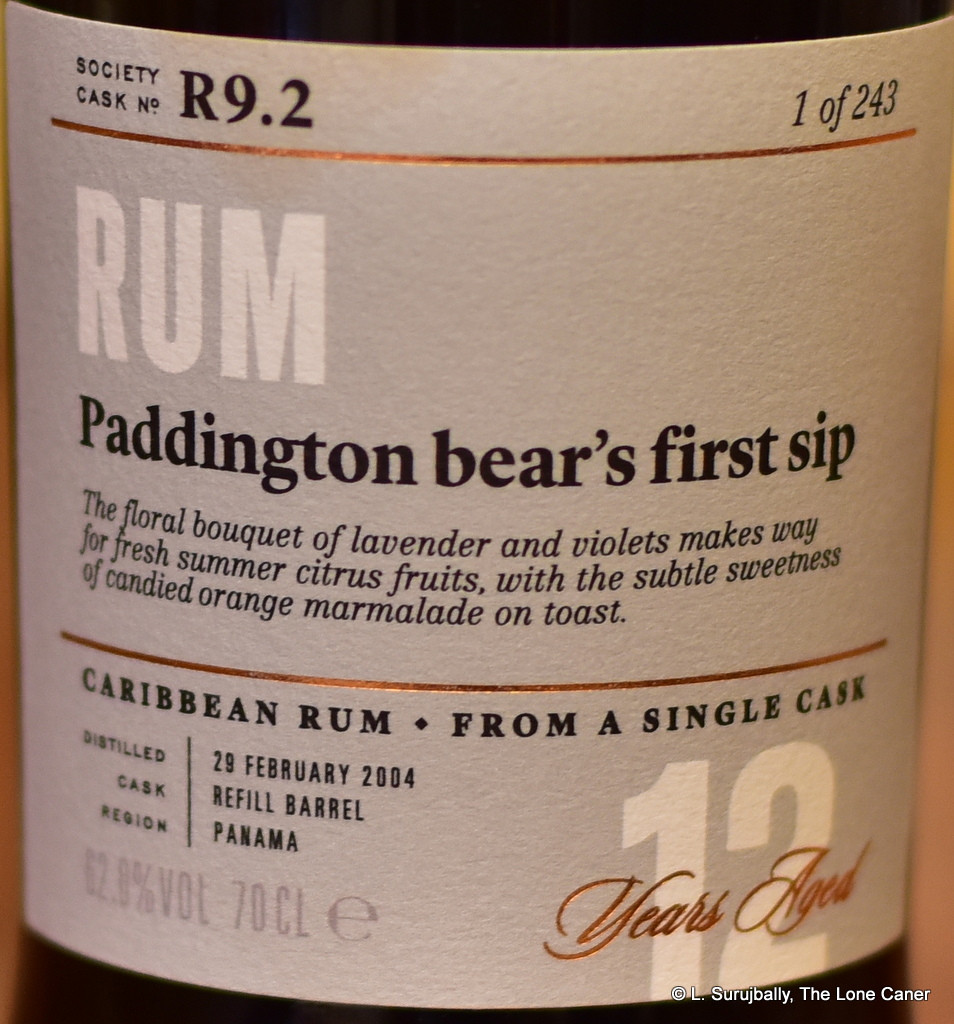
So we walk into this rum, knowing only it’s from Panama. We don’t know if its from PILSA / Las Cabras or Don Jose / Varela Hermanos, the two main distilleries (my research suggests the latter); it has a 62% strength and 12 years of ageing in refill ex-bourbon barrels that resulted in 243 bottles. And that’s it.
But what these bare-bones notes don’t tell you is how impressive the dram actually is. You’d think an industrial column still mass-produced swill can’t aspire to something greater than its origins, yet here it tries hard, it really does. The initial column-still blandness it starts out with is rescued by good barrel activity and some serious cask strength. Notes of coconut, caramel, some boot polish, licorice waft up from the glass, some blancmange, bon bons, chocolate mints and there’s even the hint of an old, well-loved and much-abused leather sofa. After resting, it opens up to some nice truffles and chocolate notes, vanilla and florals, pineapples, oranges. Pretty good for a region that has much fallen from favour in the last years as the New Jamaicans, Bajans and other distilling regions forge ahead.
 In spite of the high ABV, which lends a fair amount of initial sharpness and heat to the tongue until it burns away and settles down, it’s actually not that fierce. It becomes almost delicate, and there’s a nice vein of fruity sweetness running through, which enhances the flavours of apples, cider, green grapes, citrus, coconut, vanilla, and candied oranges. There’s also some of that polish and acetone remaining, neatly dampened by caramel and brown sugar, all balancing off well against each other. It retains that delicacy to the finish line and stays well behaved: a touch sweet throughout, with caramel (a bit much), vanilla, fruits, grapes, raisins, citrus, blancmange…not bad at all.
I’ve been indifferent to Panamanian rums of late. My initial enjoyment of their rums from the first years of this site’s reviews — of the Rum Nation 18 and 21 year old rums, the Abuelos (especially the Centuria) and the Panamonte XXV, none of which I would now score as high as I did back then — have given way to a more critical and rather impatient judgement as I see them treading no new ground, not issuing anything particularly interesting and staying with the same old song. These days I don’t buy many and the way Las Cabras has become a distiller-for-hire for small time brands who don’t themselves produce anything ground-shaking or innovative has done little to change that opinion.
Yet somehow the SMWS seems to have bucked the trend of milquetoast anonymous blends produced by the tankerload by equally anonymous brands and third parties. This 12 year old rum strikes me as a midpoint between the soft voluptuous sweetness of the Abuelo Centuria and the rather sterner and more focused AD Rattray, and is really a fine rum for anyone to try. Unless the great Panamanian distilleries up their game and go in different directions it’s unlikely they will every recover my unbridled affection from the early years – but this one gives me hope that the potential for good rums remains. Even if it’s only in the occasional single barrel, ferreted out by some enterprising indie in Europe. We can hope, I guess.
(#789)(86/100)
Other Notes
- Serge Valentin of WhiskyFun didn’t dislike it, but wasn’t entirely blown away either and awarded it 78 points. Simon, over at TheRumShopBoy was more enthusiastic, to the tune of 88.
- As usual, the name is a challenge. Paddington is a bear beloved of British childrens’ books dating back from the 1950s, but his origin was clearly stated to be Peru, not Panama (though neither, as far as I know, have bears of any kind). So how the SMWS got from that to this is anyone’s guess…perhaps it’s his love of marmalade sandwiches, as Simon slyly pointed out.

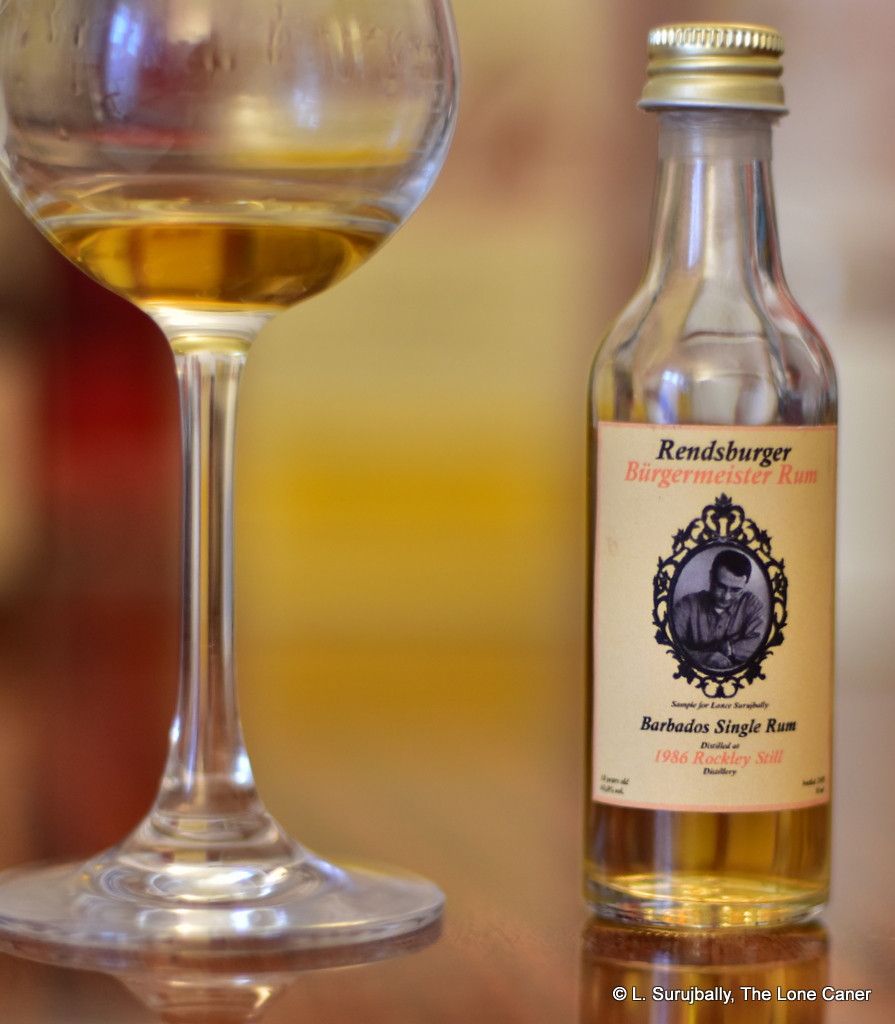 So let’s try it and see what the fuss is all about. Nose first. Well, it’s powerul sharp, let me tell you (63.8% ABV!), both crisper and more precise than the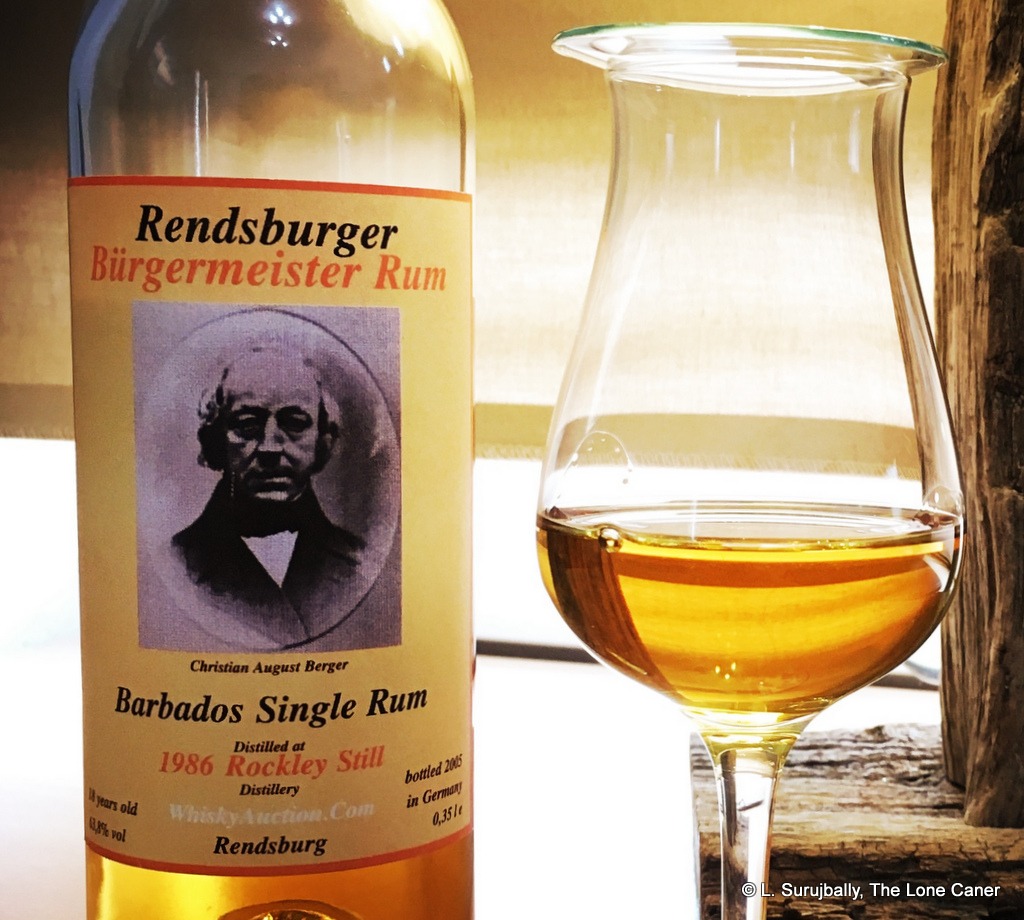
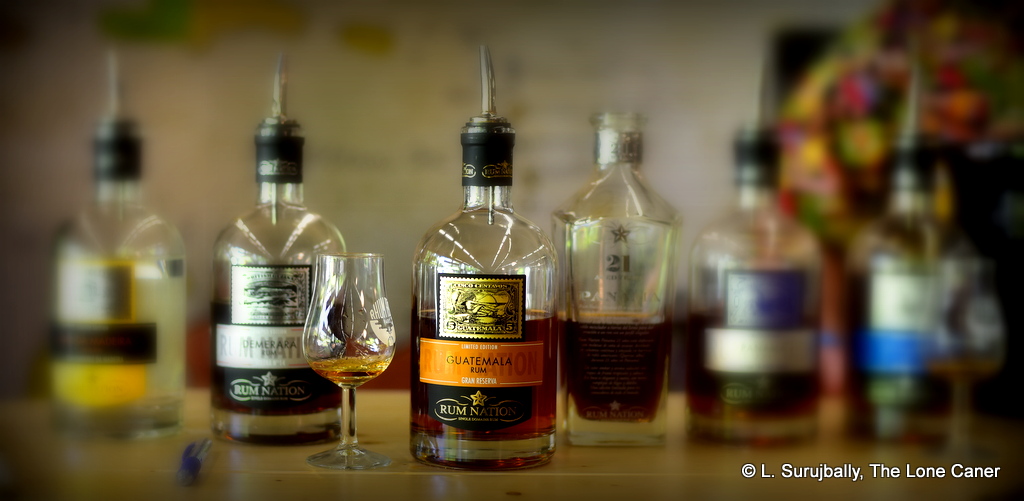
 Rum Nation’s own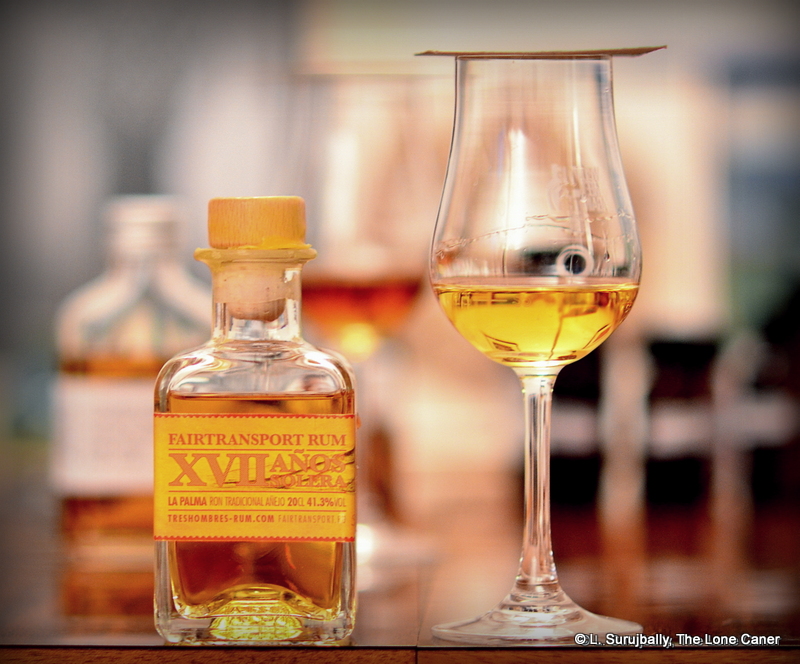
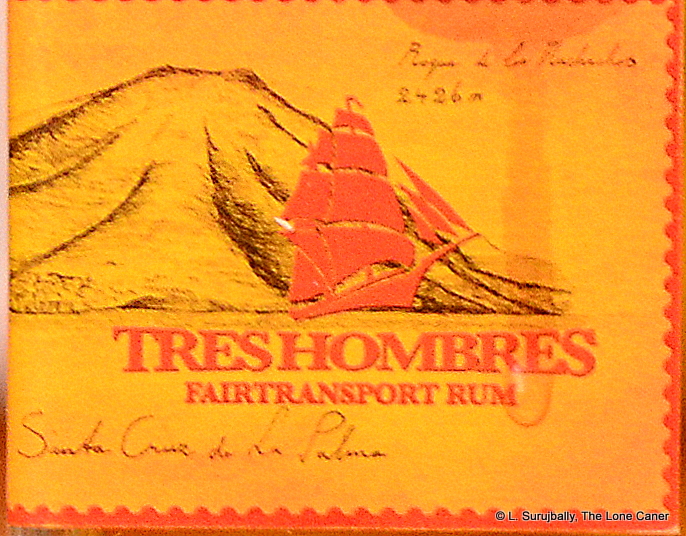 Well, Canary Islands or Dominican Republic (I’ll assume The Hombres are correct and it’s the former), it has to be evaluated, so while emails and queries chase themselves around, let’s begin. Nose first: kind of sultry and musky. Green peas developing some fuzz, old bananas, vanilla and grated coconut, that kind of neither too-sweet nor too-salt nor too-sour middle ground. It’s a little spicy and overall presents as not only relatively simple, but a little thin too, and one gets the general impression that there’s just not much gong on.
 Tres Hombres is now up to No. 34 or something, includes gin in the lineup, still do some ageing onboard for a month or so it takes to cross the Atlantic and certainly they have not lost their enthusiasm — they include rums from Barbados, DR and the Canary islands. Whether this part of their business will carry them into the future or forever be a sideline is, however, not something I can answer at this time – the lack of overall publicity surrounding their rums, suggests they still have a ways to go with respect to wider consciousness and acceptance.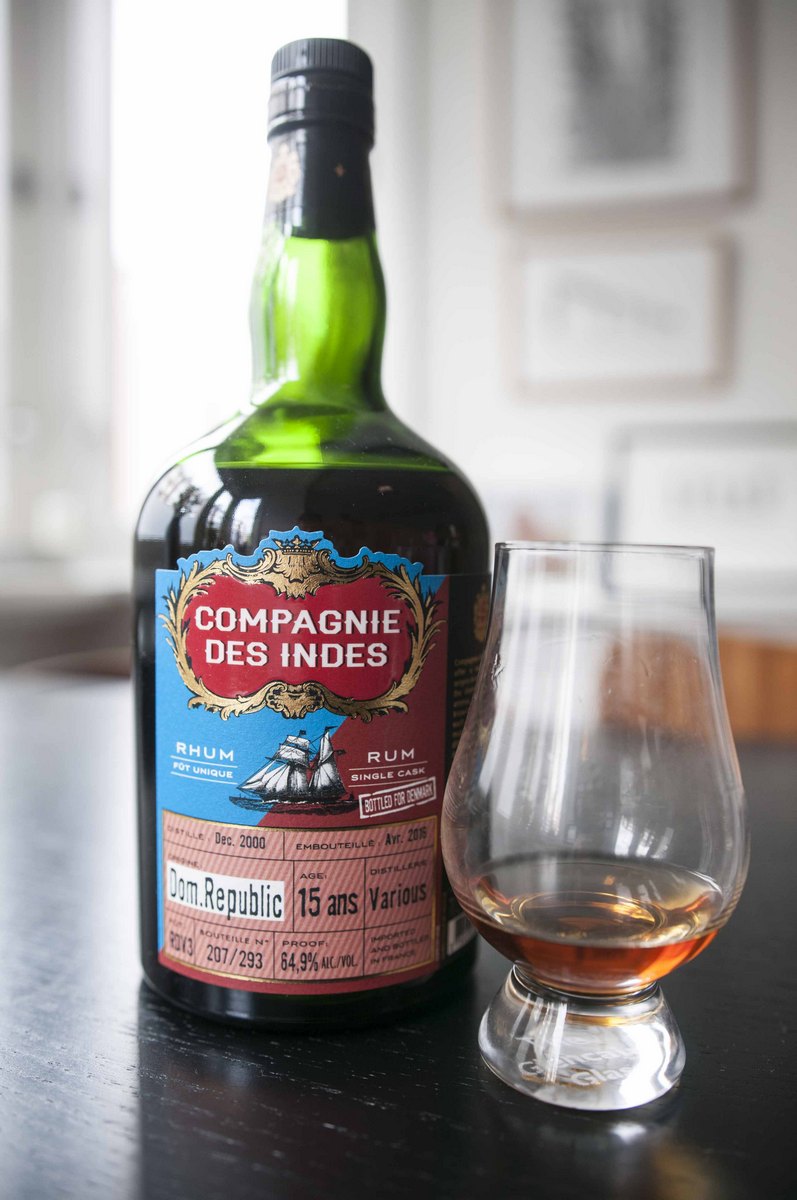
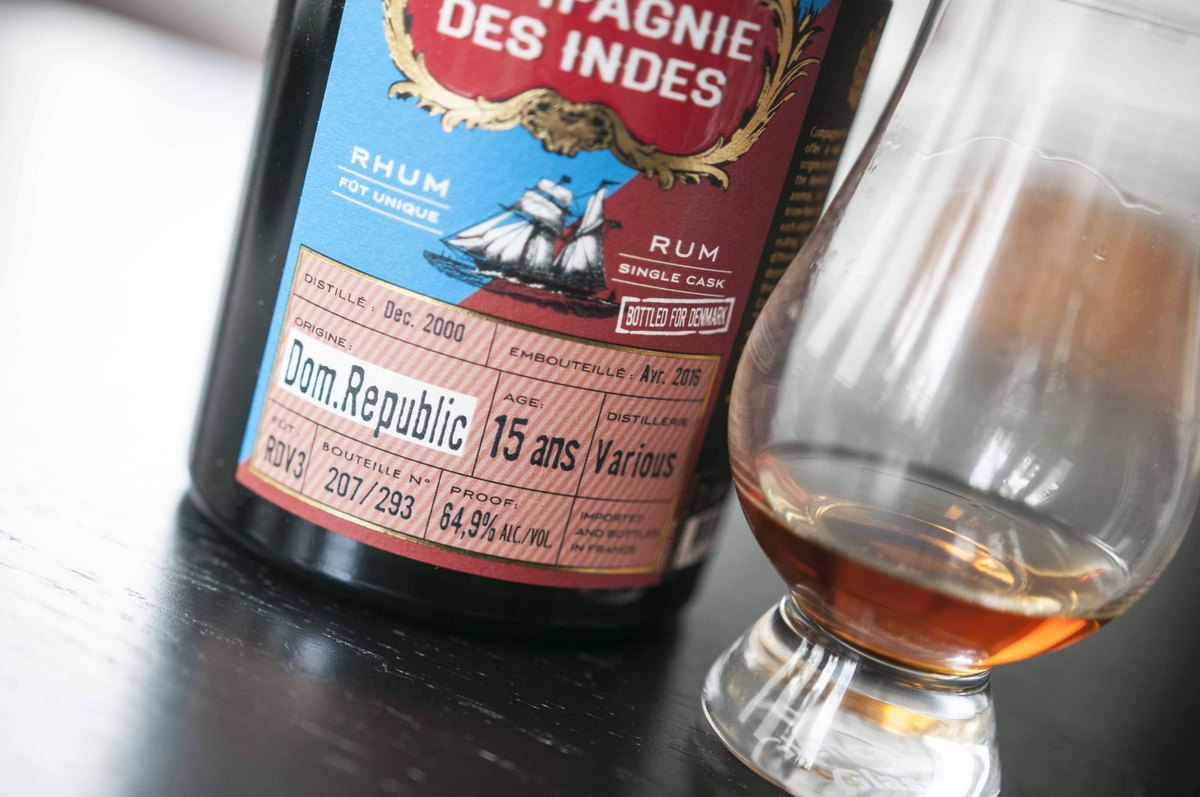
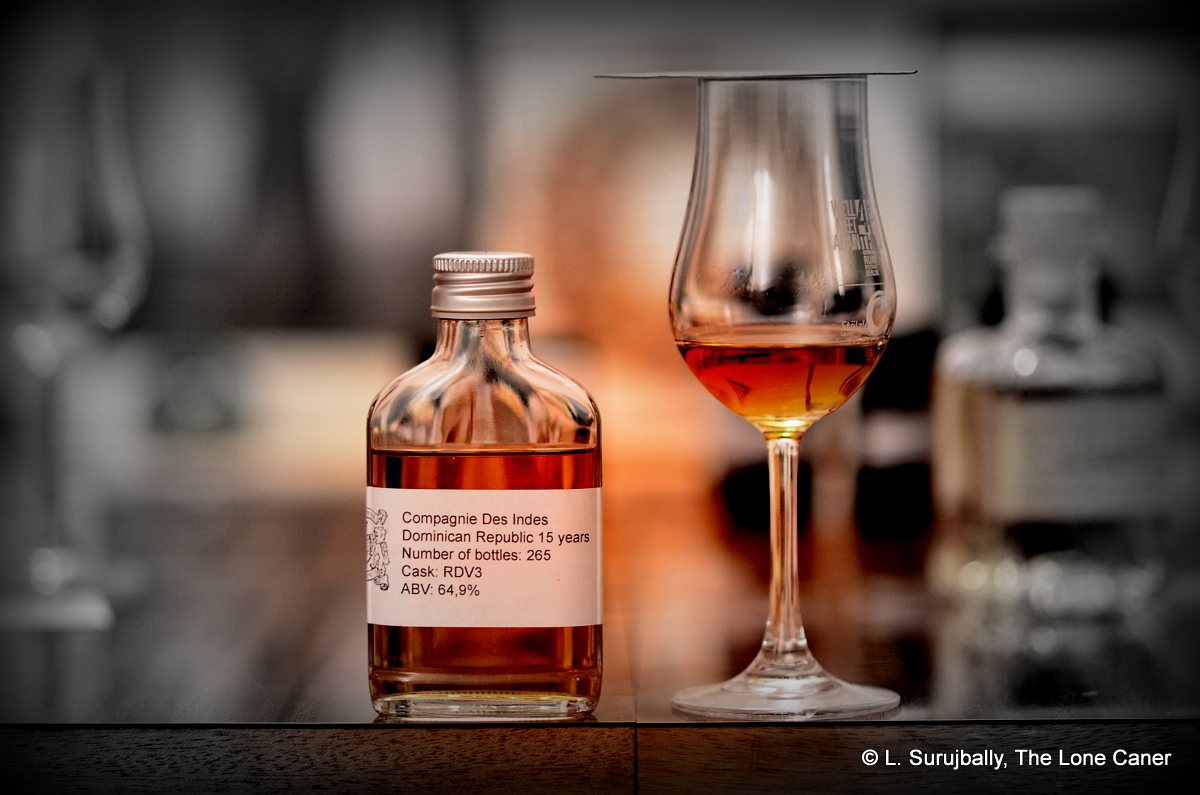
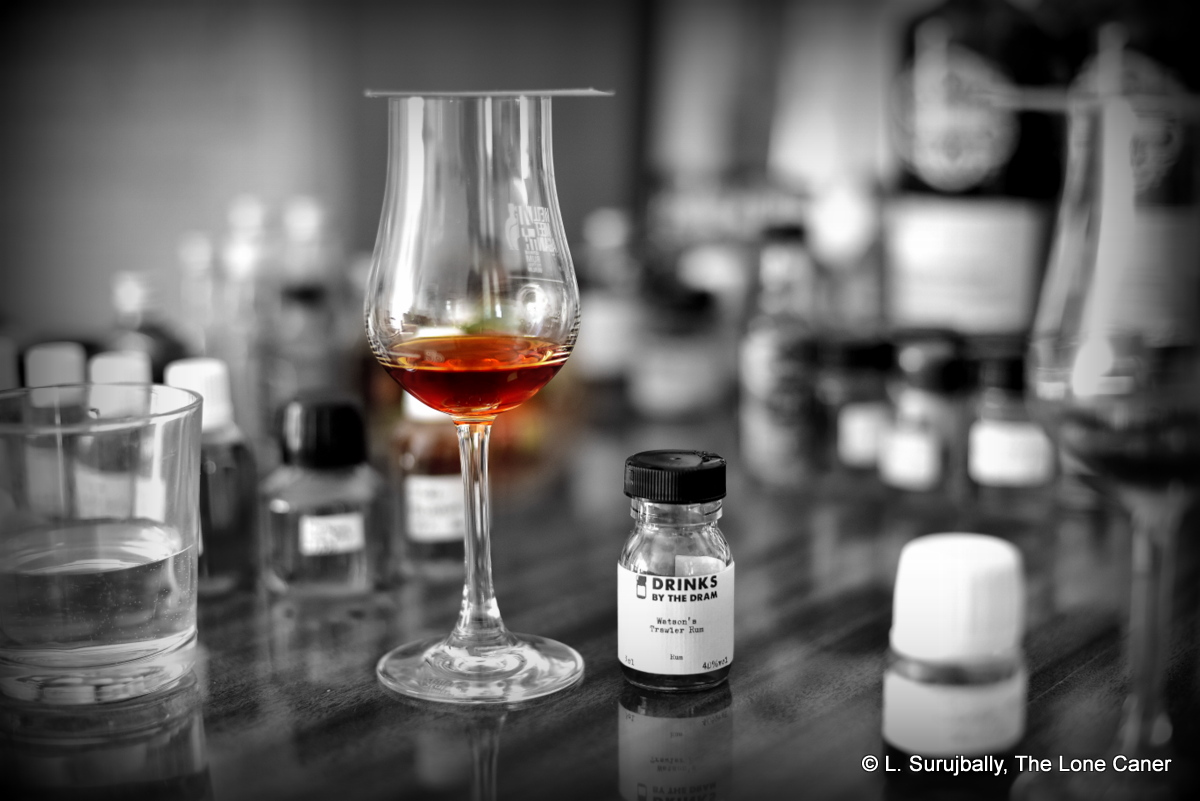
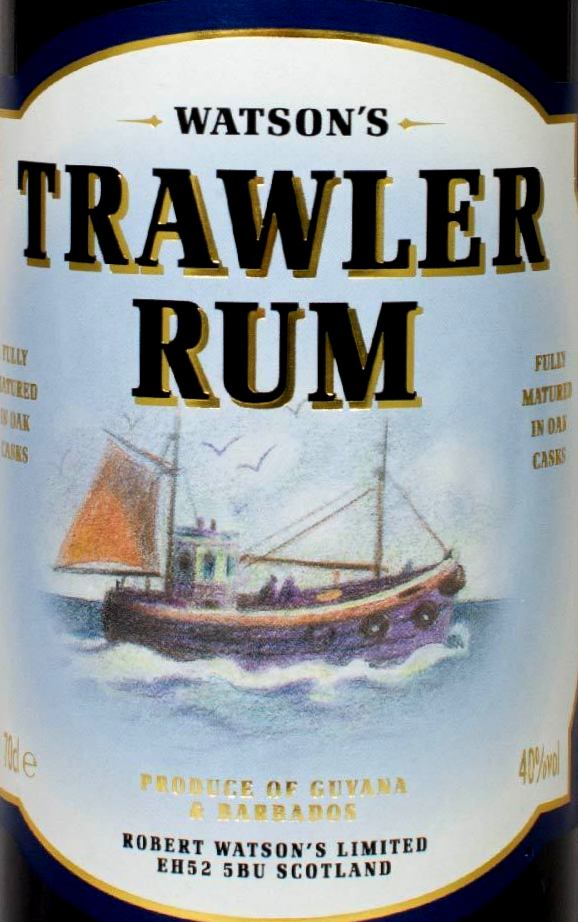 Watson’s Trawler rum, bottled at 40% is another sprig off that branch of British Caribbean blends, budding off the enormous tree of rums the empire produced. The company, according to Anne Watson (granddaughter of the founder), was formed in the late 1940s in Aberdeen, sold at some point to the Chivas Group, and since 1996 the brand is owned by Ian McLeod distillers (home of Sheep Dip and Glengoyne whiskies). It remains a simple, easy to drink and affordable nip, a casual drink, and should be approached in precisely that spirit, not as something with pretensions of grandeur.
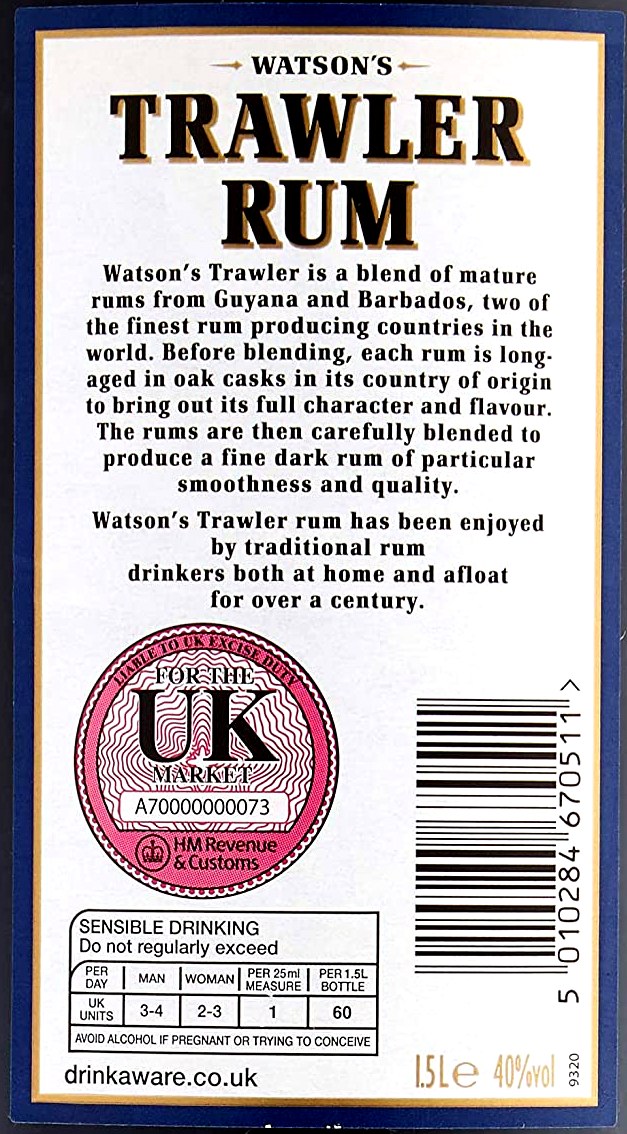 It’s in that simplicity, I argue, lies much of Watson’s strength and enduring appeal — “an honest and loyal rum” opined
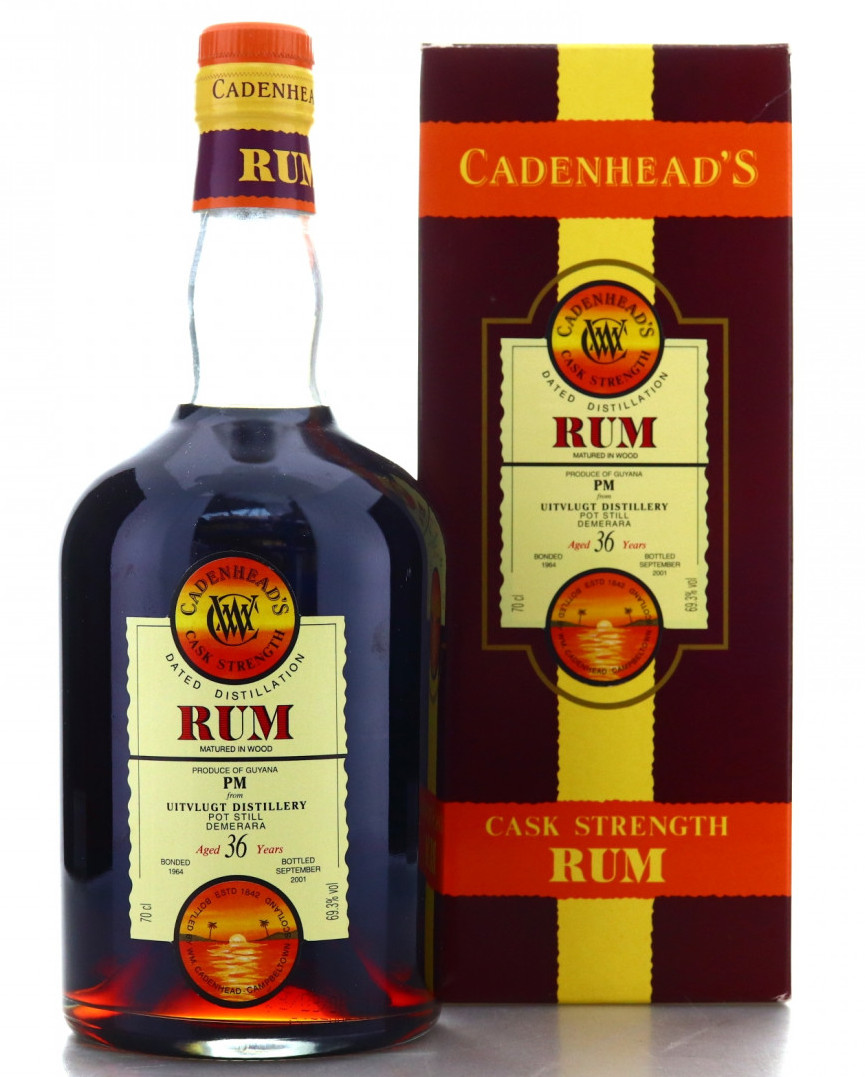
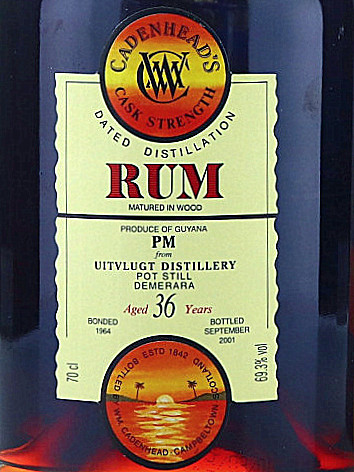 The Cadenhead Uitvlugt 1964 followed all the traditional ways an indie has of producing a rum, except then it proceeded to dial it up to 11, added steroids, horse tranqs and industrial strength factory cleanser, and released it to just about zero acclaim (I mean, have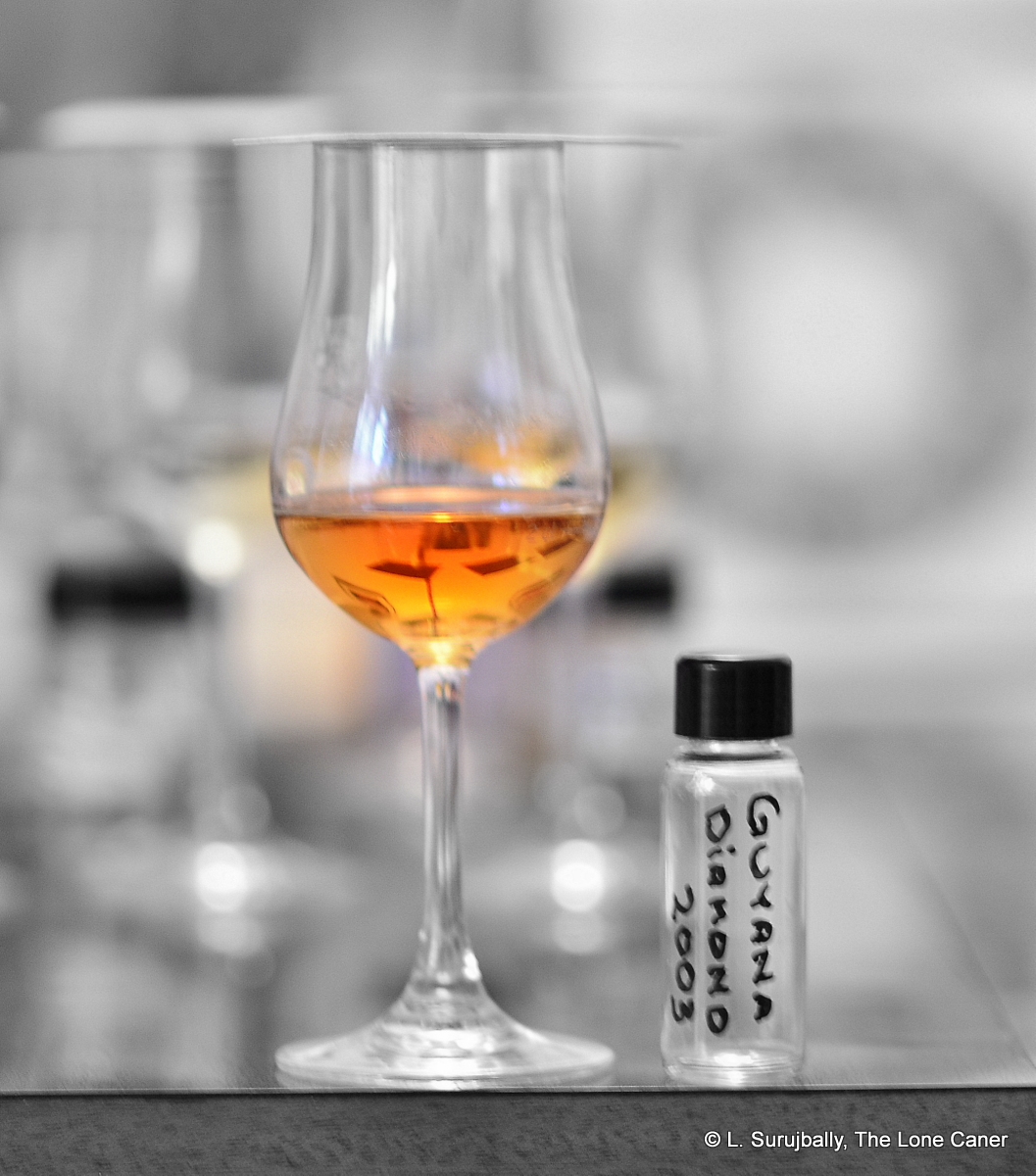
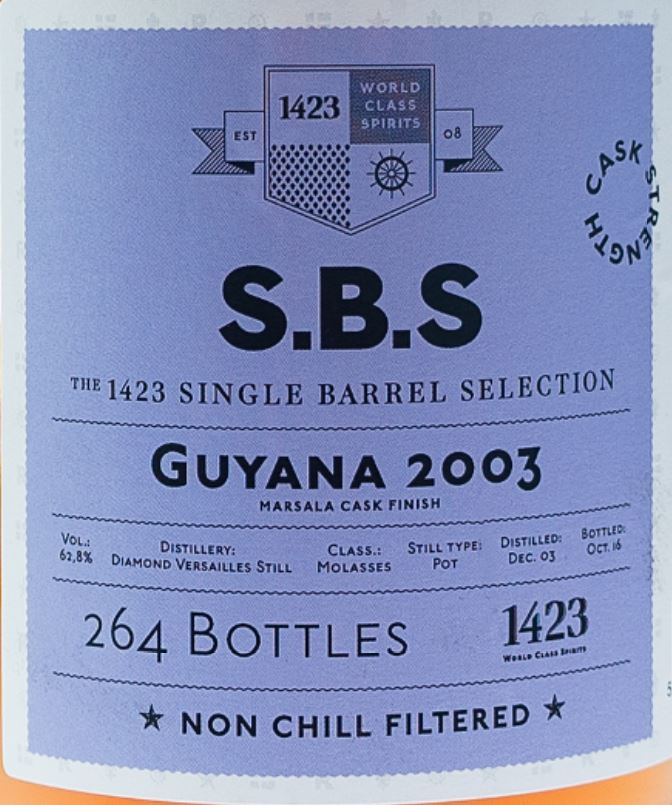 My own preference has always been for the stern elegance of the Port Mourant, and the Enmore coffey still produces rums that are complex, graceful and sophisticated when done right. But the Versailles still is something of an ugly stepchild – you’ll go far and look long to find an unqualified positive review of any rum it spits out. I’ve always felt that it takes rare skill to bring the rough and raw VSG pot still profile to its full potential…none of the familiar indies has had more than occasional success with it, and even Velier never really bothered to produce much Versailles rum at the height of
 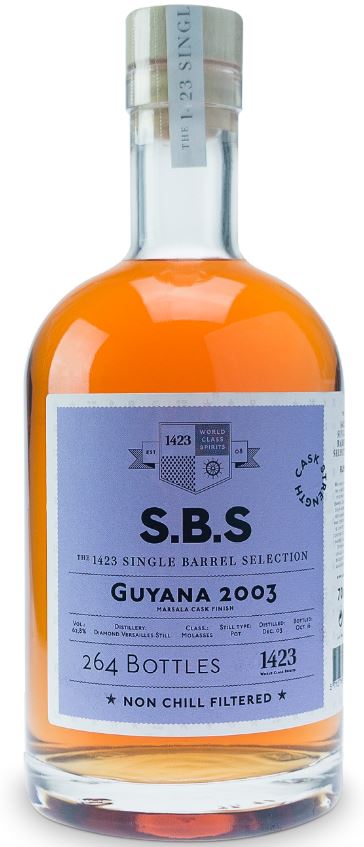 There has been occasional confusion among the stills in the past: e.g. the
 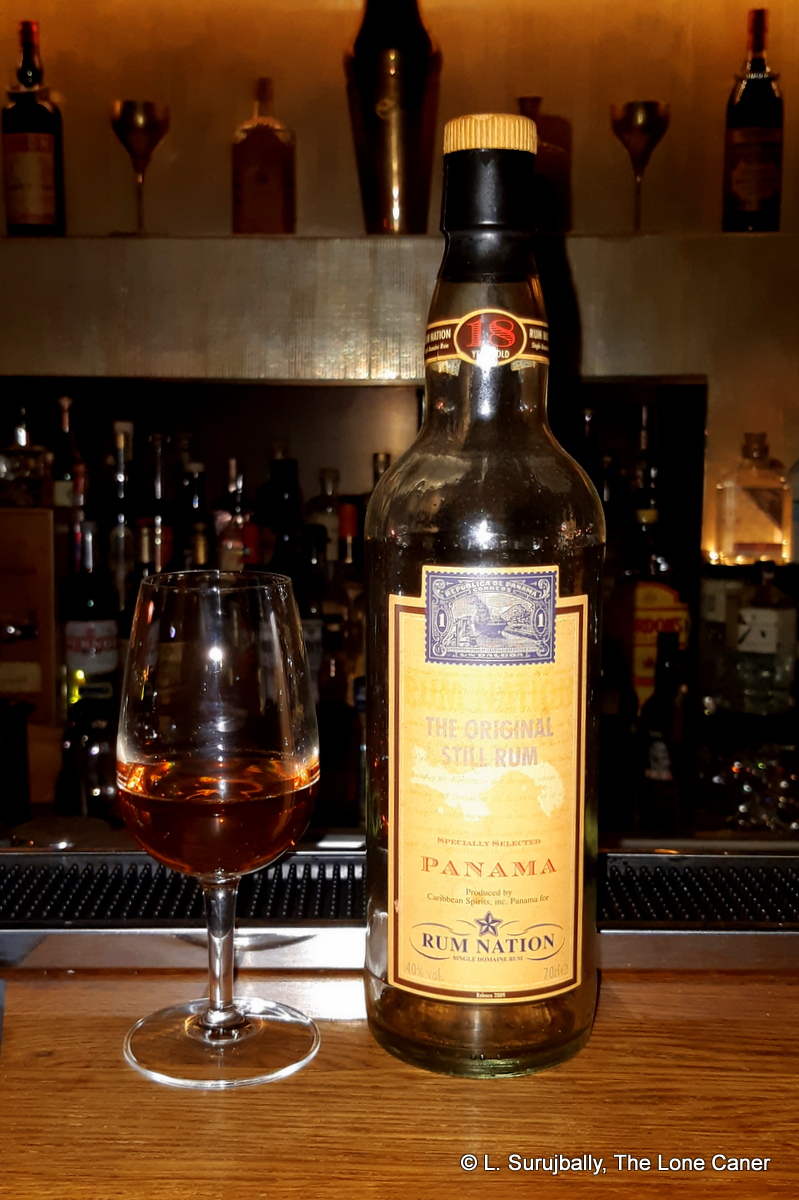 The Rum Nation Panama 2009 edition exists in a peculiar place of my mind, since it’s the unavailable, long-gone predecessor of the
 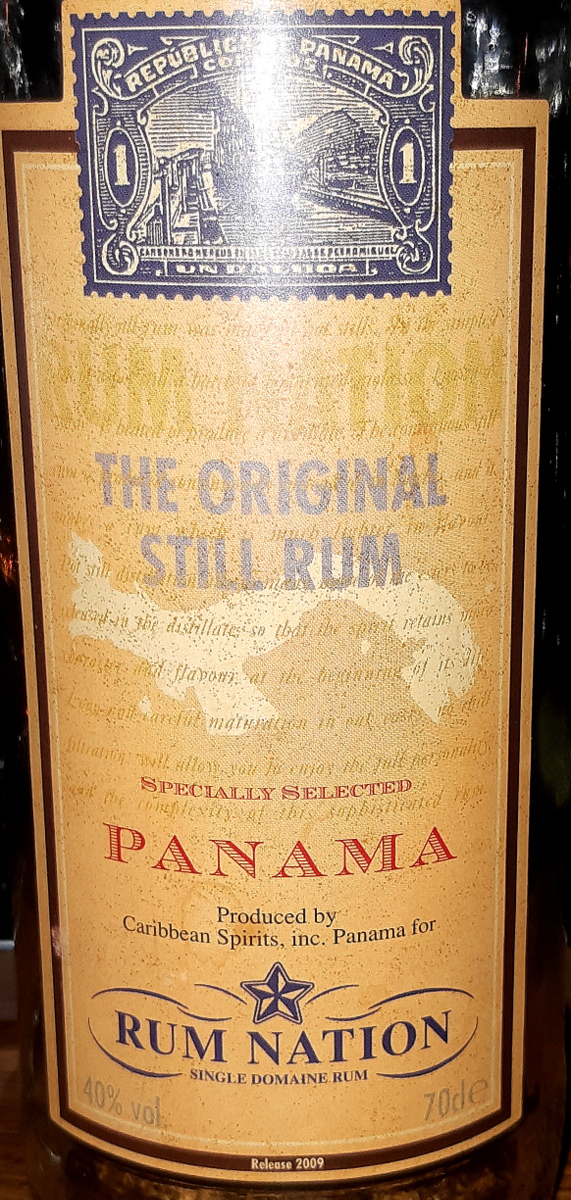 That was the smell, but what did it taste like? Eighteen years in a barrel must, after all, show its traces. To some extent, yes: again,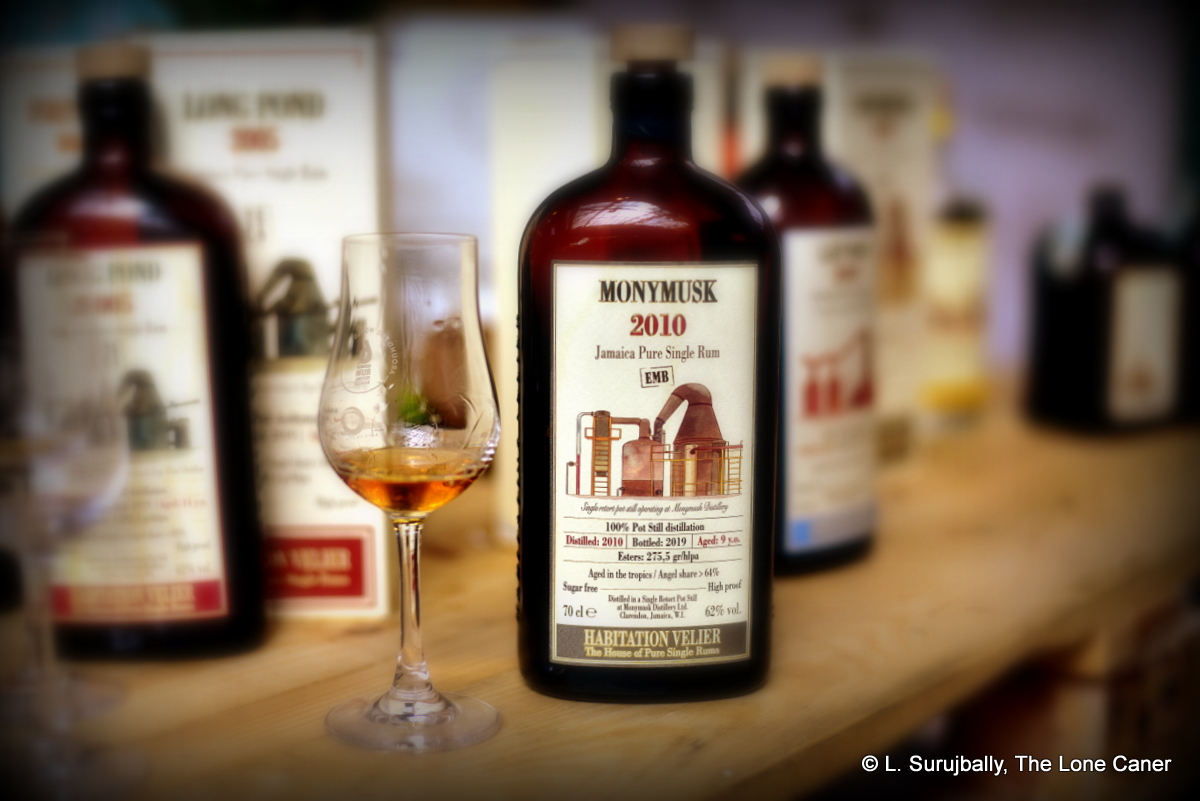

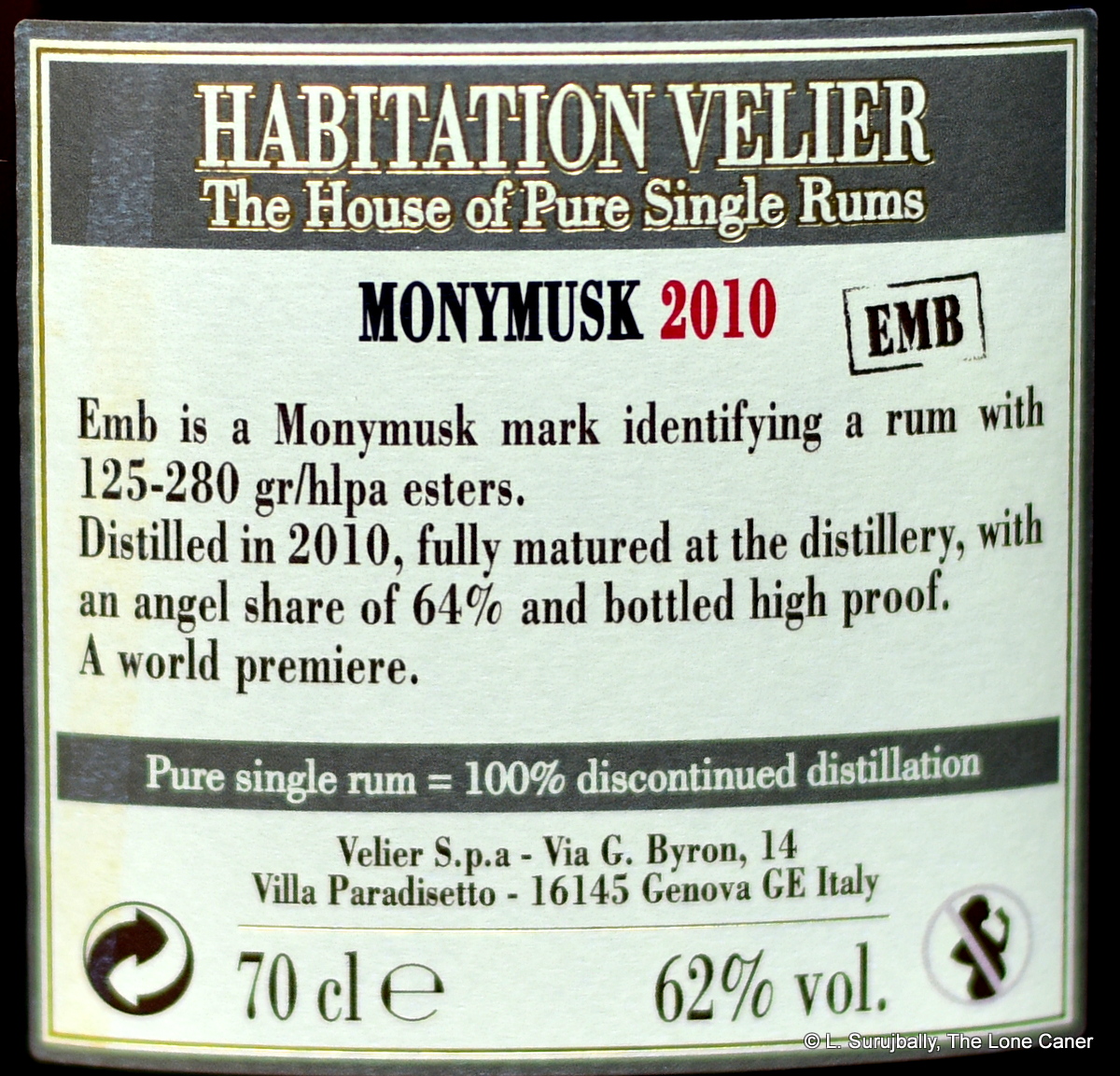 As for the finish, well, in rum terms it was longer than the current Guyanese election and seemed to feel that it was required that it run through the entire tasting experience a second time, as well as adding some light touches of acetone and rubber, citrus, brine, plus everything else we had already experienced the palate. I sighed when it was over…and poured myself another shot.
 Things calmed down when Johnny Drejer approached, though, because in his fist he carried a bottle a lot of us hadn’t seen yet – the second in Romdeluxe’s “Wild Series” of rums, the Guyanese Enmore, with a black and white photo of a Jaguar glaring fiercely out. This was a 61.5% rum, 17 years old (2002 vintage, I believe), from one of the wooden stills (guess which?) — it had not formally gone on sale yet, and he had been presented with it for his 65th birthday a few days before (yeah, he looks awesome for his age). Since we already knew of the elephantine proportions of the
 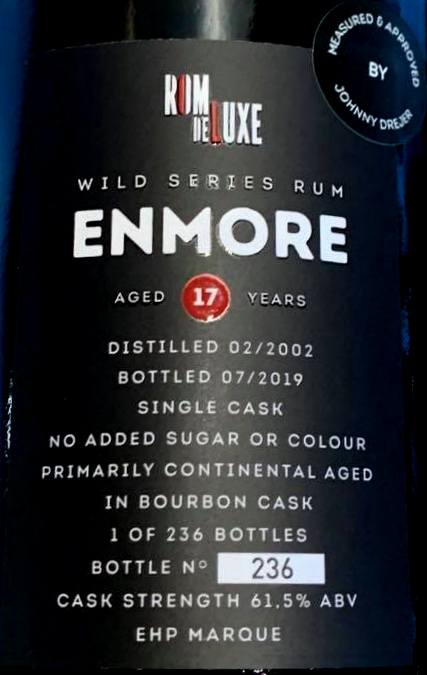 So far there is a tiger (R1 Hampden, Jamaica), jaguar (R2 Enmore, Guyana), puma (R3 Panama), black panther (R4 Belize), lion (R5, Bellevue, Guadeloupe) and leopard (R6 Caroni, Trinidad). I don’t know whether the photos are commissioned or from a stock library – what I do know is they are very striking, and you won’t be passing these on a shelf any time you see one. The stats on some of these rums are also quite impressive – take, for example, the strength of the Wild Tiger (85.2% ABV), or the age of the Wild Lion (25 years). These guys clearly aren’t messing around and understand you have to stand out from an ever more crowd gathering of indies these days, if you want to make a sale.
 Anyone from my generation who grew up in the West Indies knows of the scalpel-sharp satirical play “Smile Orange,” written by that great Jamaican playwright, Trevor Rhone, and made into an equally funny film of the same name in 1976. It is quite literally one of the most hilarious theatre experiences of my life, though perhaps an islander might take more away from it than an expat. Why do I mention this irrelevancy? Because I was watching the YouTube video of the film that day in Berlin when I was sampling the Worthy Park series R 11.3, and though the film has not aged as well as the play, the conjoined experience brought to mind all the belly-jiggling reasons I so loved it, and Worthy Park’s rums.
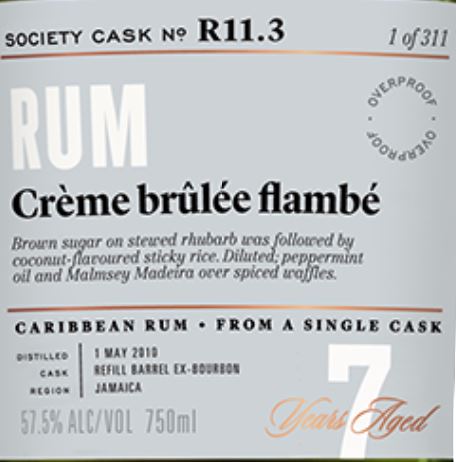 The distillation run from 2010 must have been a good year for Worthy Park, because the SMWS bought no fewer than seven separate casks from then to flesh out its R11 series of rums (R11.1 through R11.6 were distilled May 1st of that year, with R11.7 in September, and all were released in 2017). After that, I guess the Society felt its job was done for a while and pulled in its horns, releasing nothing in 2018 from WP, and only one more — R11.8 — the following year; they called it “Big and Bountiful” though it’s unclear whether this refers to Jamaican feminine pulchritude or Jamaican rums.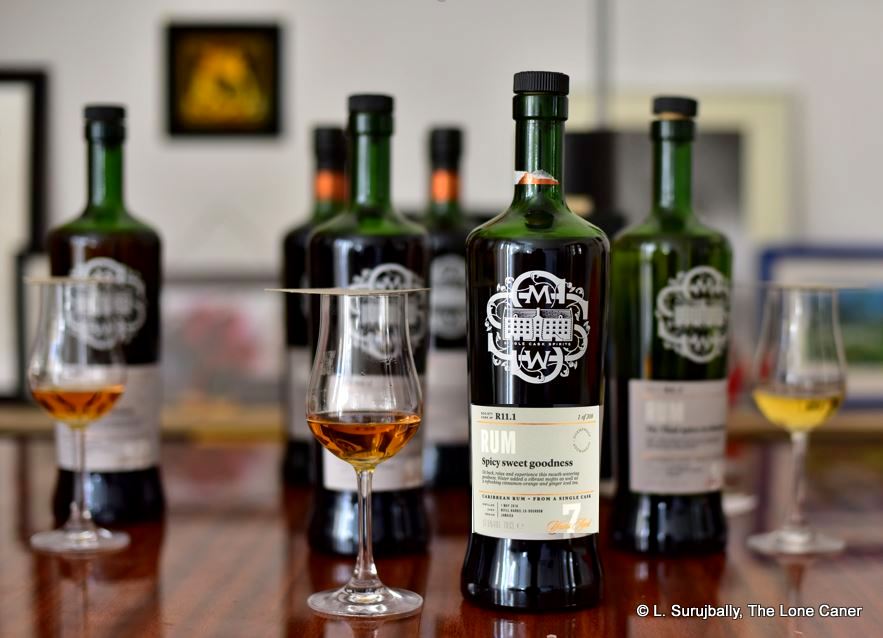
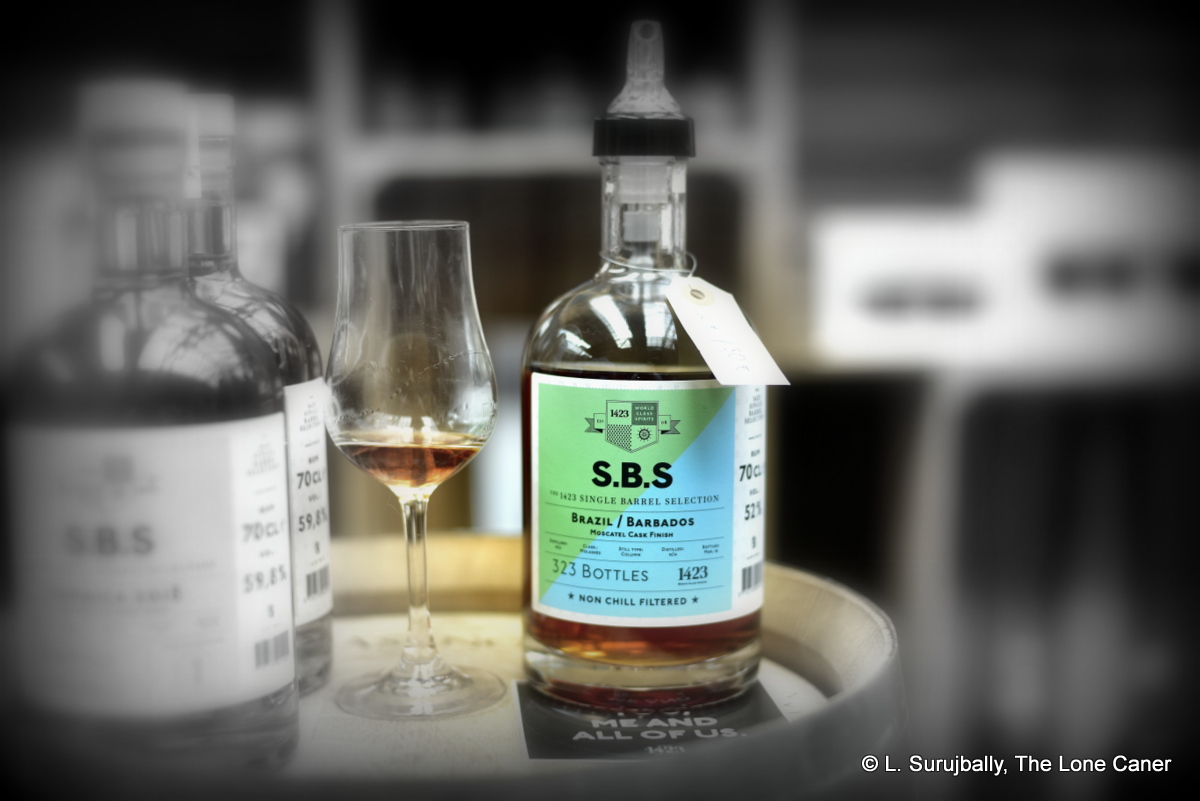
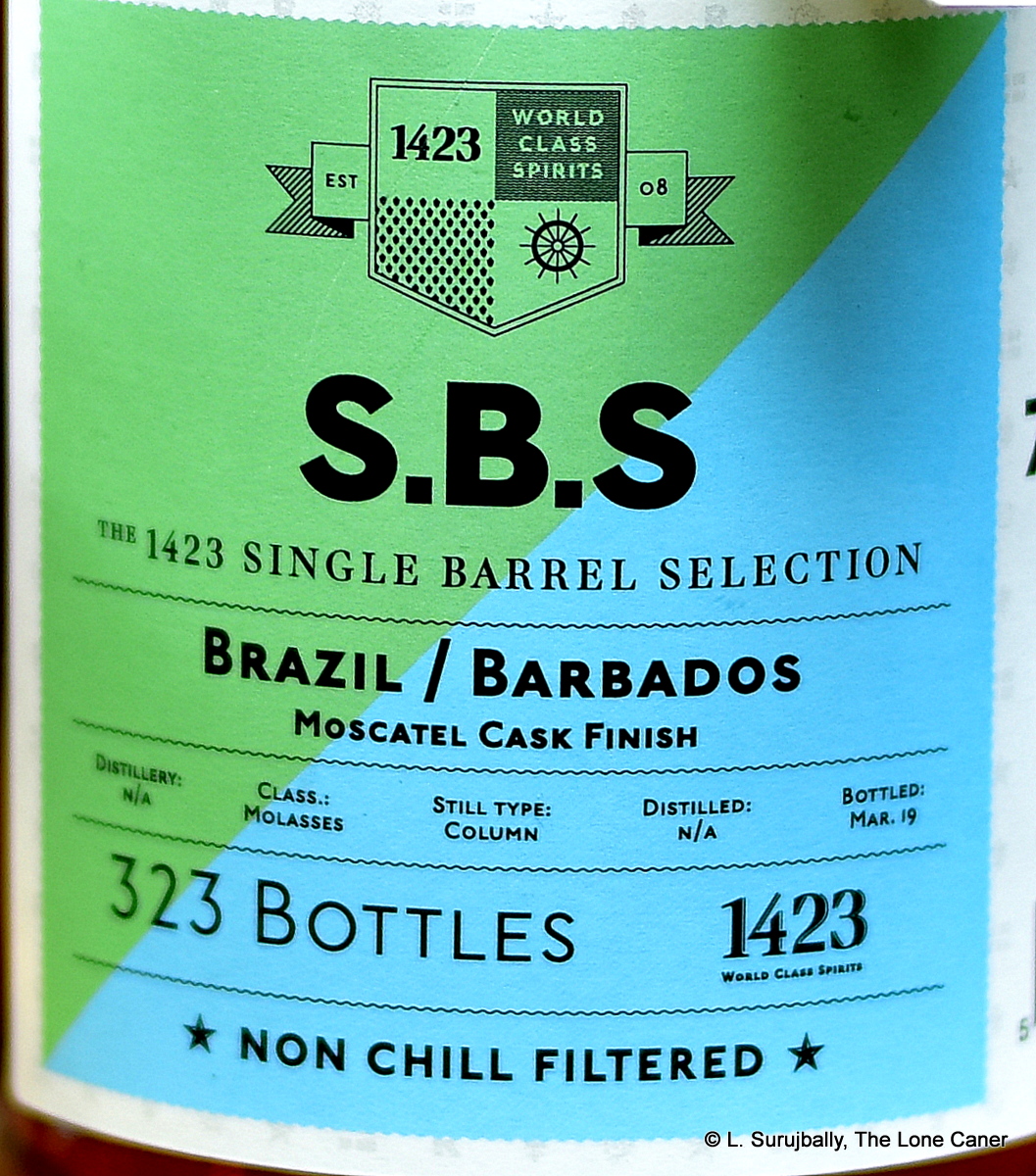 1423, the Danish indie, has taken this concept a step further with their 2019 release of a Brazil / Barbados carnival — it comprised of 8- and 3-year old Foursquare rums (exact proportions unknown, both column still) to which was added an unaged cachaca from Pirassununga (they make the very popular “51” just outside Sao Paolo), and the whole thing left to age for two years in Moscatel wine casks for two years, before being squeezed out into 323 bottles at 52% ABV.
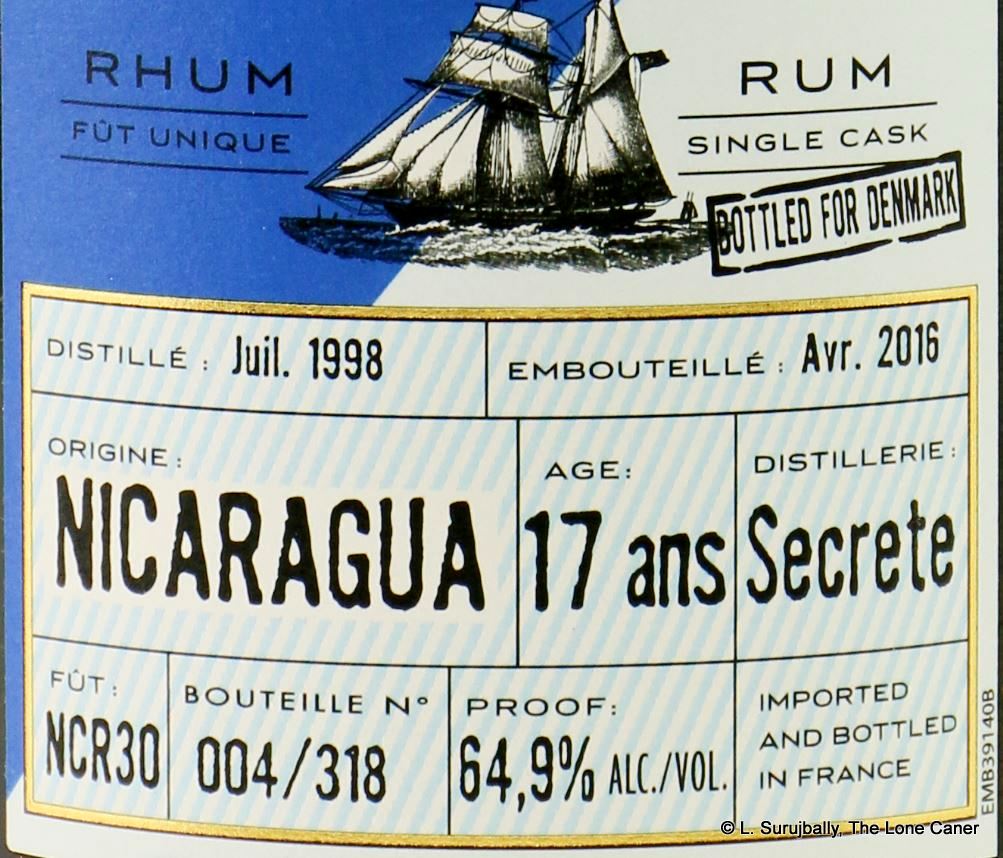
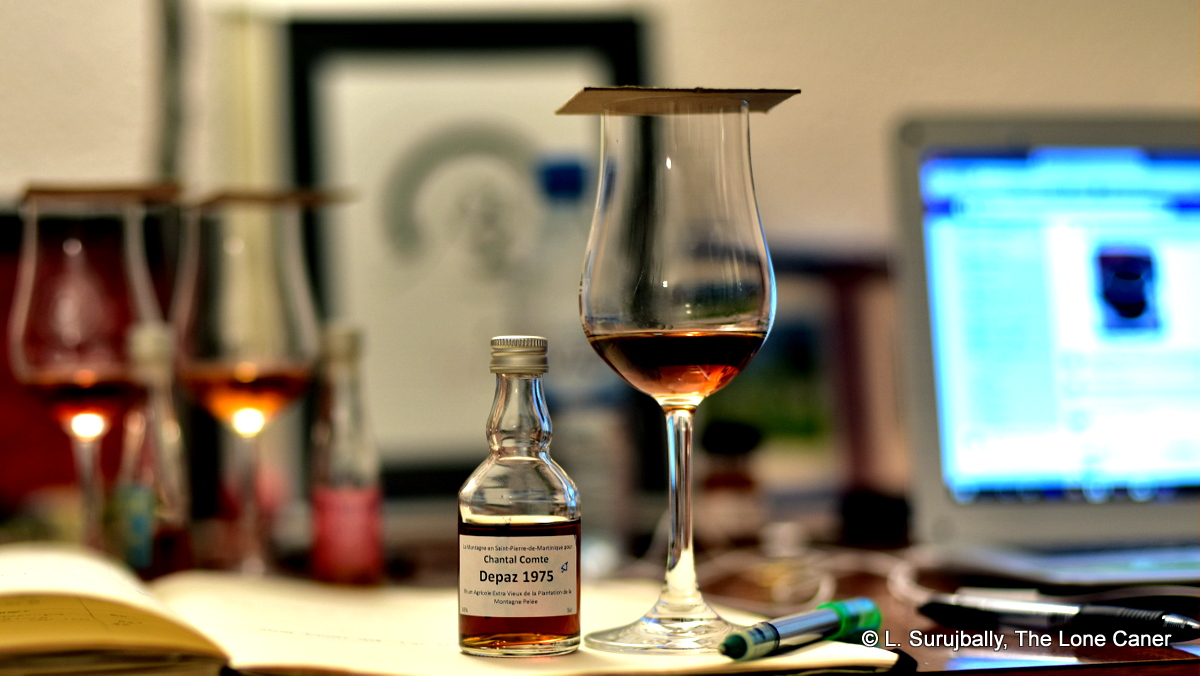
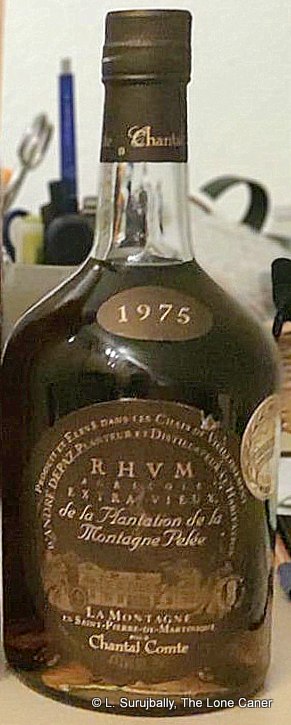 The full and rather unwieldy title of the rum today is the Chantal Comte Rhum Agricole 1975 Extra Vieux de la Plantation de la Montagne Pelée, but let that not dissuade you. Consider it a column-still, cane-juice rhum aged around eight years, sourced from Depaz when it was still André Depaz’s property and the man was – astoundingly enough in today’s market – having real difficulty selling his aged stock. Ms. Comte, who was born in Morocco but had strong Martinique familial connections, had interned in the wine world, and was also mentored by Depaz and Paul Hayot (of Clement) in the late 1970s and early 1980s, when Martinique was suffering from overstock and poor sales.. And having access at low cost to such ignored and unknown stocks allowed her to really pick some amazing rums, of this is one.
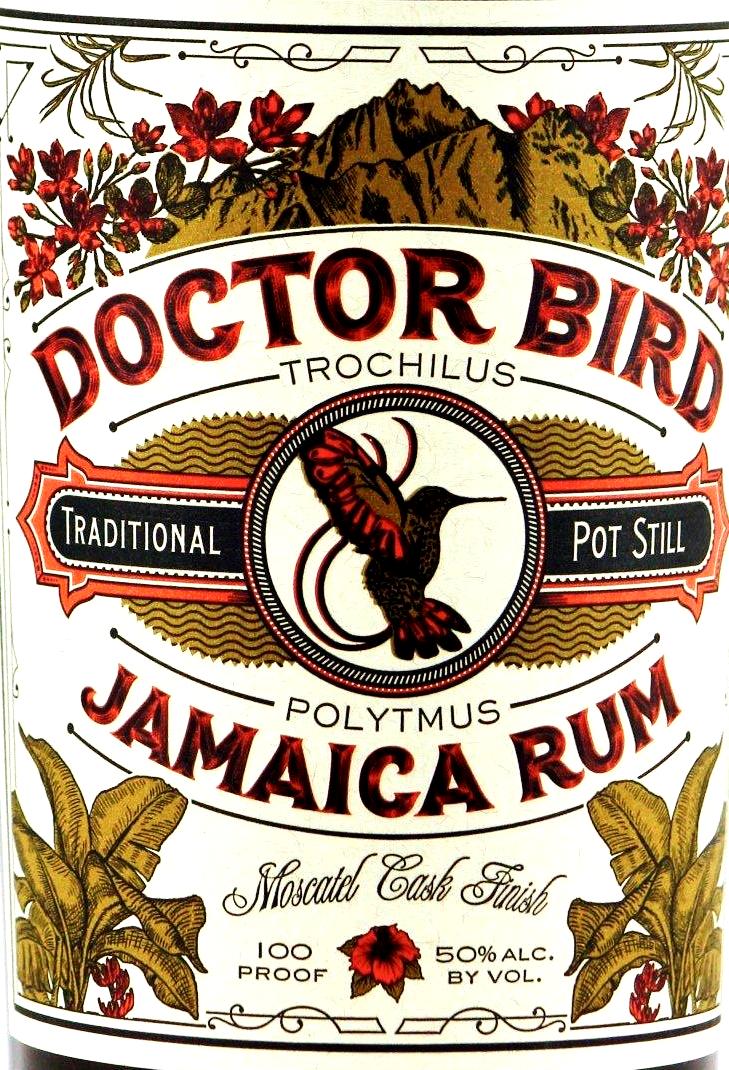 The strangely named Doctor Bird rum is another company’s response to