Rumaniacs Review #106 | 0681
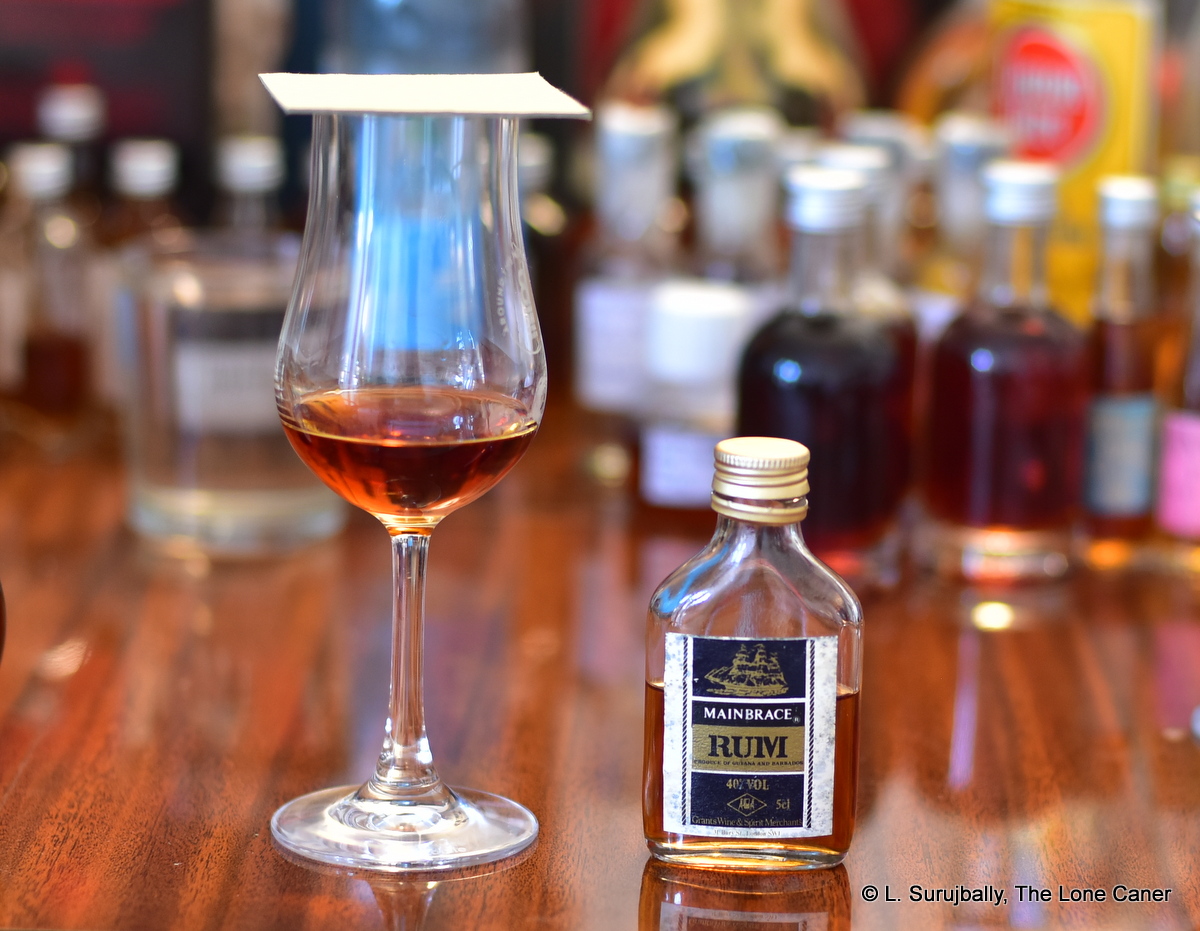
Mainbrace Rum is a Guyanese and Barbados blend released by Grants Wine and Spirits Merchants of London, one of many small emporia whose names are now forgotten, who indulged themselves by selling rums they had imported or bought from brokers, and blended themselves. It is unknown which still’s rums from Guyana were used, or which estate provided the rum from Barbados, though the balance of probability favours WIRR (my opinion). Ageing is completely unknown – either of the rum itself, or its constituents.
The Mainbrace name still exists in 2019, and the concept of joining two rums remains. The fancy new version is unlikely to be associated with Grants however, otherwise the heritage would have been trumpeted front and centre in the slick and one-page website that advertises the Guyana-Martinique blended rum now – in fact, the company that makes it is completely missing from the blurbs.
So what happened to Grants? And how old is the bottle really?
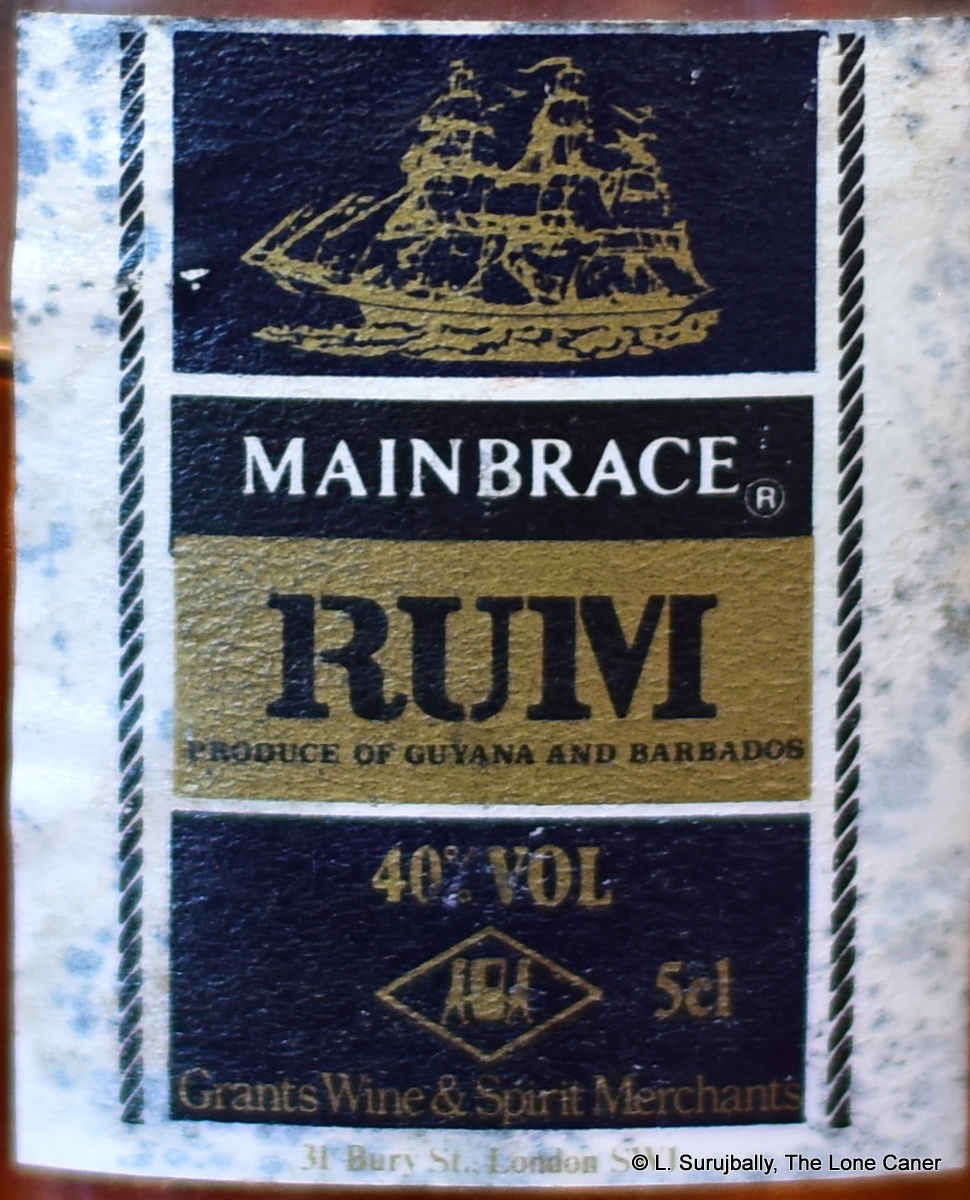 The “Guyana” spelling sets a lower post-independence date of 1966. Grants also released a Navy Rum and a Demerara Rum – both from Guyana, and both at “70º proof”. The address is written differently on their labels though, being “Grants of Saint James” on the Demerara label (Bury Lane is in the area of St. James, and a stone’s throw away from St. James’s Street…and BBR). Grants was still referring to itself as “of St. James” first (and until 1976 at least), but I think it’s the 40% ABV that’s key here, since that only came into effect in the mid 1980s in the UK.
Lastly, a new Grants of Saint James was incorporated in 1993 in Bristol, and when I followed that rabbit run, it led me to Matthew Clark plc, a subsidiary of C&C Group since 2018, and there I found that they had acquired Grants around 1990 and at that point it looks like the brand was retired – no references after that date exist. And so I’ll suggest this is a late 1980s rum.
Colour – Dark Amber
Strength – 40% ABV
Nose – Very nice indeed, you can tell there’s a wooden still shedding its sawdust in here someplace. Cedar, sawdust, pencil shavings, plus fleshy fruits, licorice, tinned peaches, brown sugar and molasses. Thick and sweet but not overly so. That Guyanese component is kicking the Bajan portion big time in this profile, because the latter is well nigh unnoticeable…except insofar as it tones down the aggressiveness of the wooden still (whichever one is represented here).
Palate – Dry and sharp. Then it dials itself down and goes simple. Molasses, coca-cola, fruit (raisins, apricots, cashews, prunes). Also the pencil shavings and woody notes remain, perhaps too much so – the promise of the nose is lost, and the disparity between nose and palate is glaring. There is some salt, caramel, brown sugar and anise here, but it’s all quite faint.
Finish – Short, sweet, aromatic, thick, molasses, brown sugar, anise, caramel and vanilla ice cream. Nice, just too short and wispy.
Thoughts – I could smell this thing all day, because that part is outstanding – but the way is tasted and finished, not so much. I would not have pegged it as a blend, because the Guyanese part of it is so dominant. Overall, the 40% really makes the Mainbrace fall down for me – had it been dialled up ten proof points higher, it would have been outright exceptional.
(#681 | R0106)(82/100)
Historical Note
Anyone who’s got even a smattering of nautical lore has heard of the word “mainbrace” – probably from some swearing, toothless, one-legged, one-eyed, parrot-wearing old salt (often a pirate) in some movie somewhere. It is a term from the days of sail, and refers to the rope used to steady – or brace – the (main)mast, stretching from the bow to the top of the mast and back to the deck. Theoretically, then, “splicing the mainbrace” would mean joining two pieces of mainbrace rope – except that it doesn’t. Although originally an order for one of the most difficult emergency repair jobs aboard a sailing ship, it became a euphemism for authorized celebratory drinking afterward, and then developed into the name of an order to grant the crew an extra ration of rum or grog.
Other
Hydrometer rates it 36.24% ABV, which works out to about 15 g/L additives of some kind.
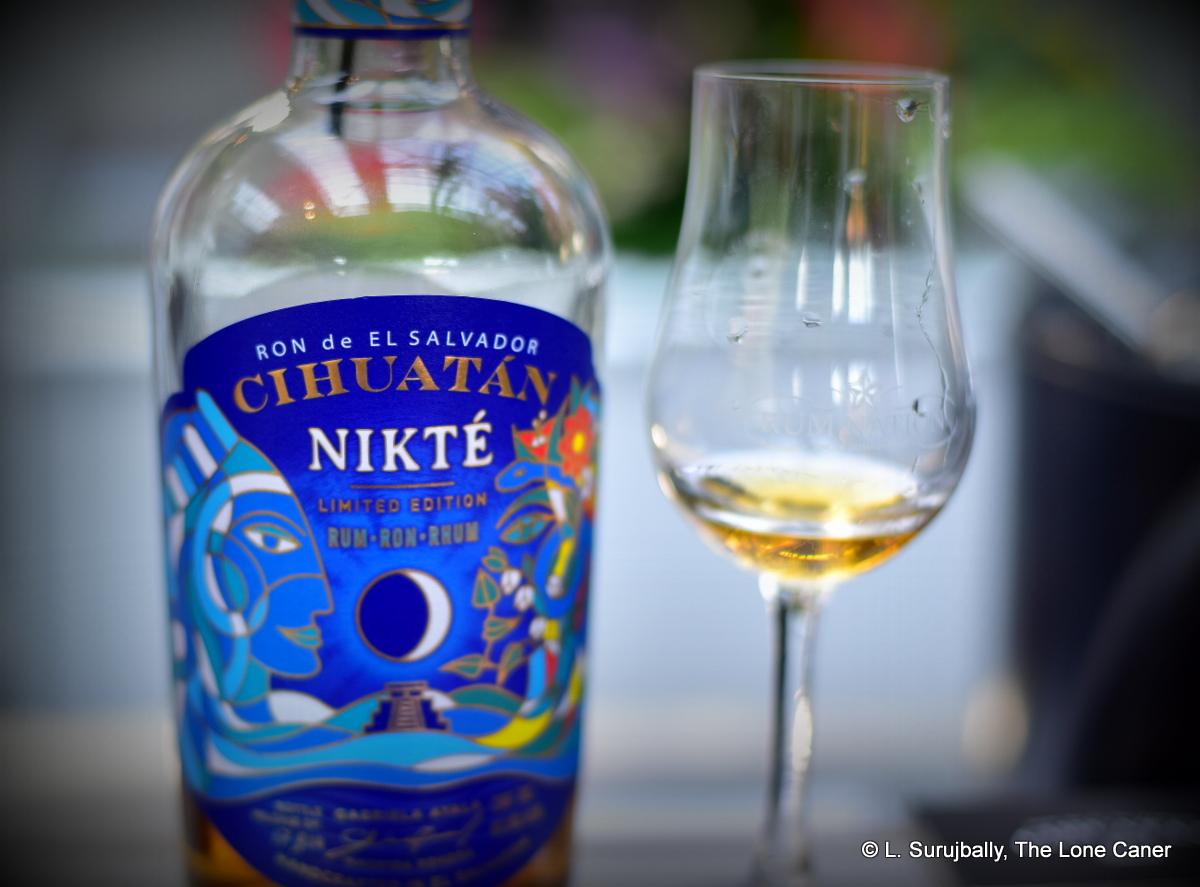
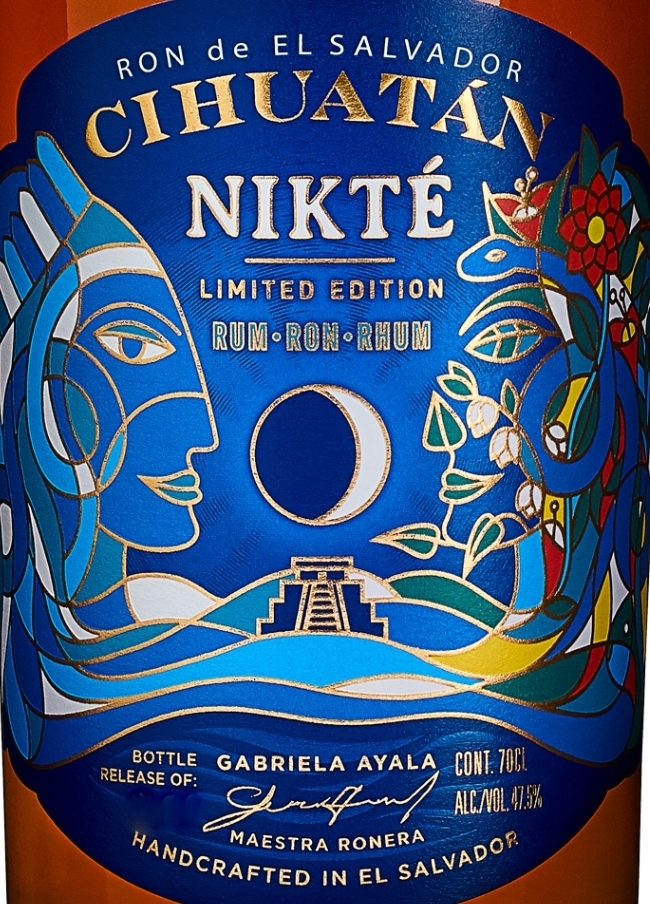 The name of the rum (or ron, if you will) relates back to the Mayan motif that has been part of the brand from the inception: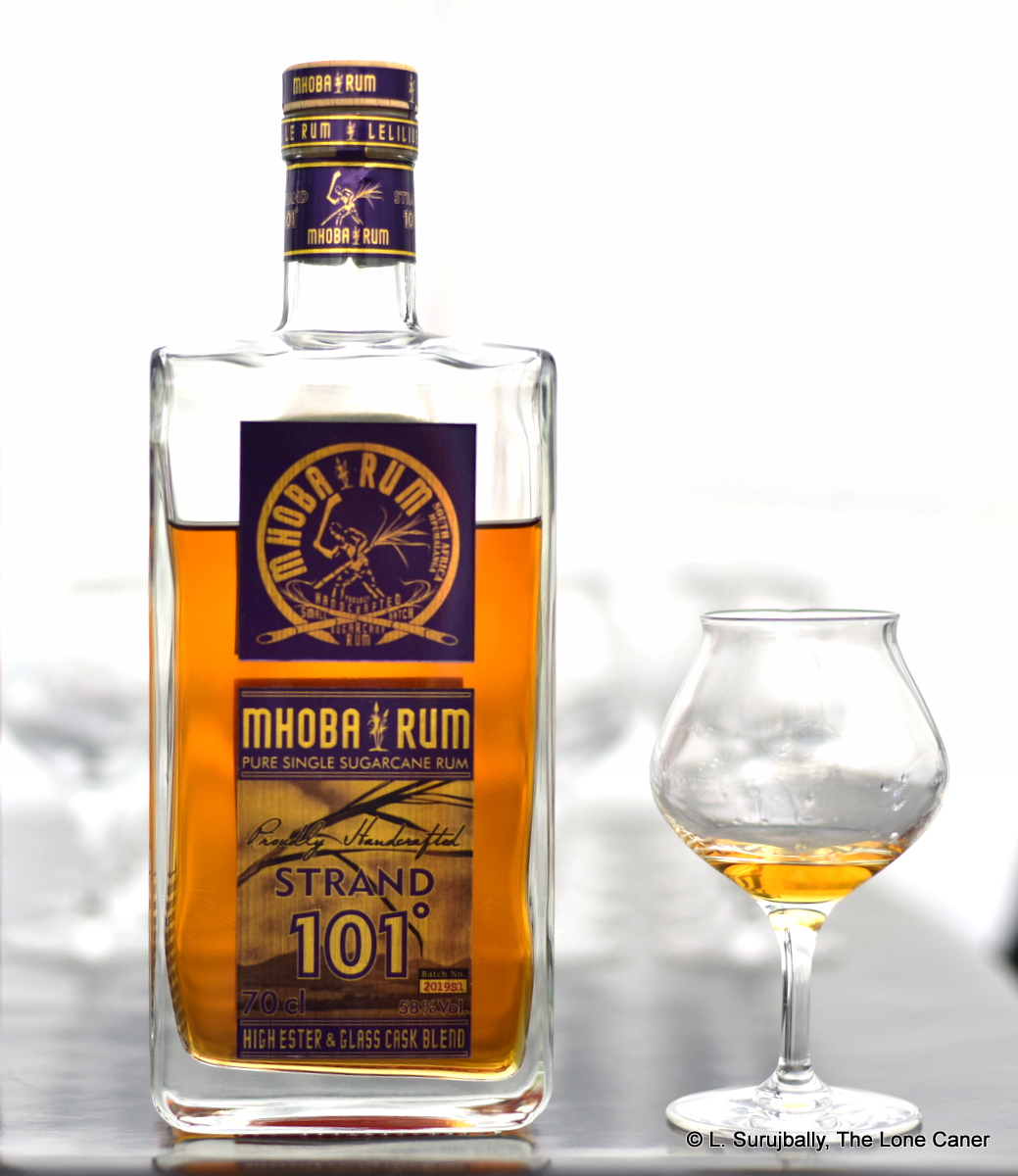
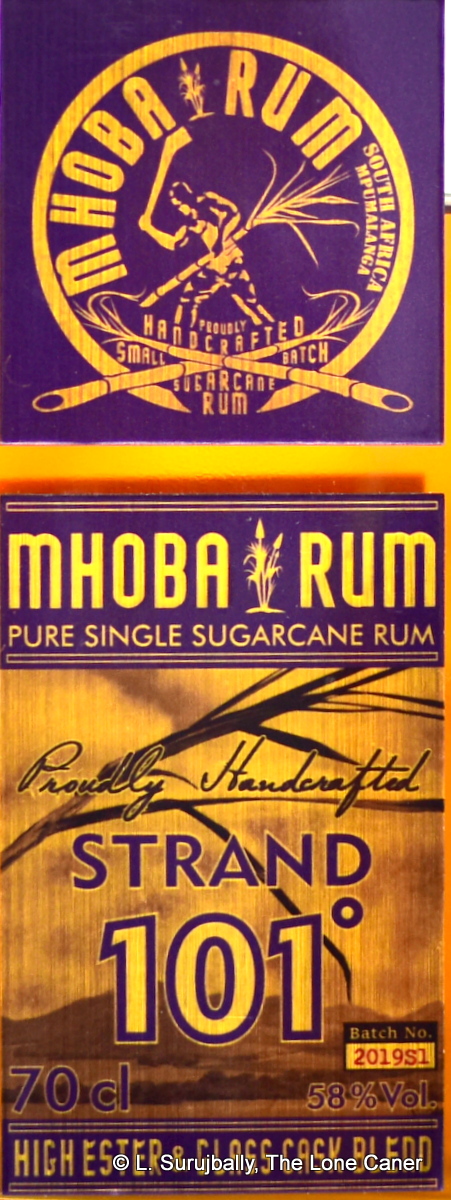 The Strand 101° was specifically designed by Knud Strand, a colourful Danish distributor who worked closely with Robert Greaves (as he had with many brands before) to bring the Mhoba line to market. What he was looking for was to create a blend of unaged and aged rum from pot stills, adhering to something of the S&C profile but from only one still (not two or more). He was messing around with samples some time back and after making his selections finally came back to two, both fullproof — one, slightly aged was too woody, with the other unaged one perhaps too funky.
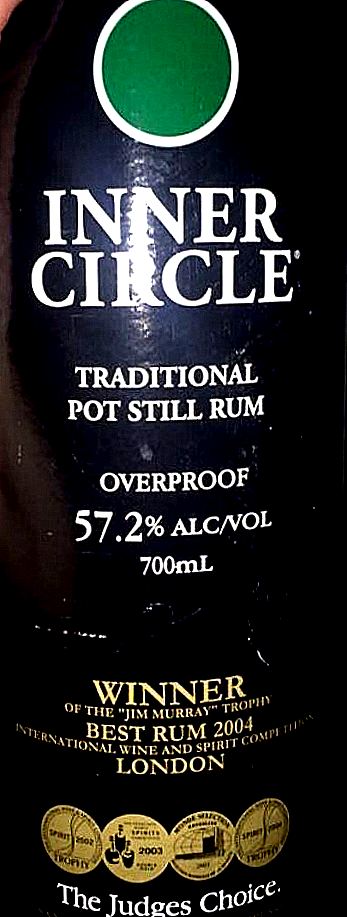
 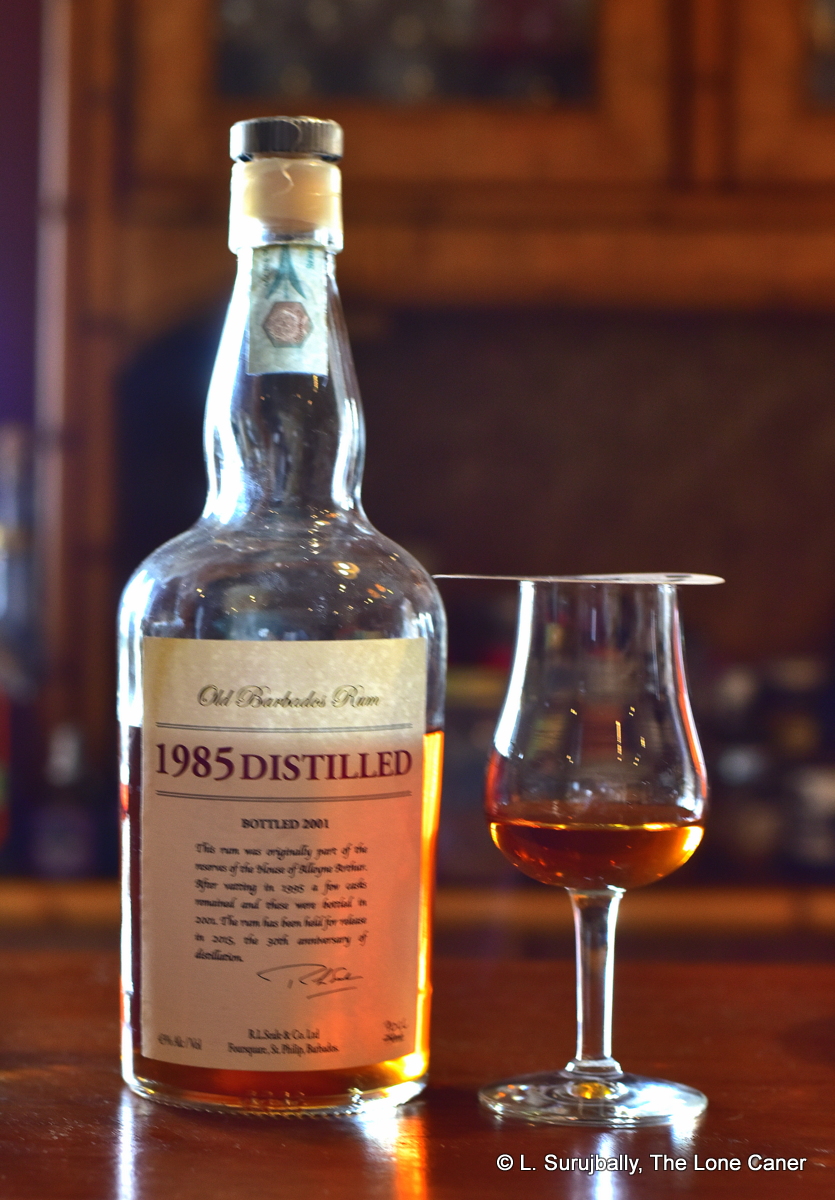 This is a rum that has become a grail for many: it just does not seem to be easily available, the price keeps going up (it’s listed around €300 in some online shops and I’ve seen it auctioned for twice that amount), and of course (drum roll, please) it’s released by Richard Seale. Put this all together and you can see why it is pursued with such slack-jawed drooling relentlessness by all those who worship at the shrine of Foursquare and know all the releases by their date of birth and first names.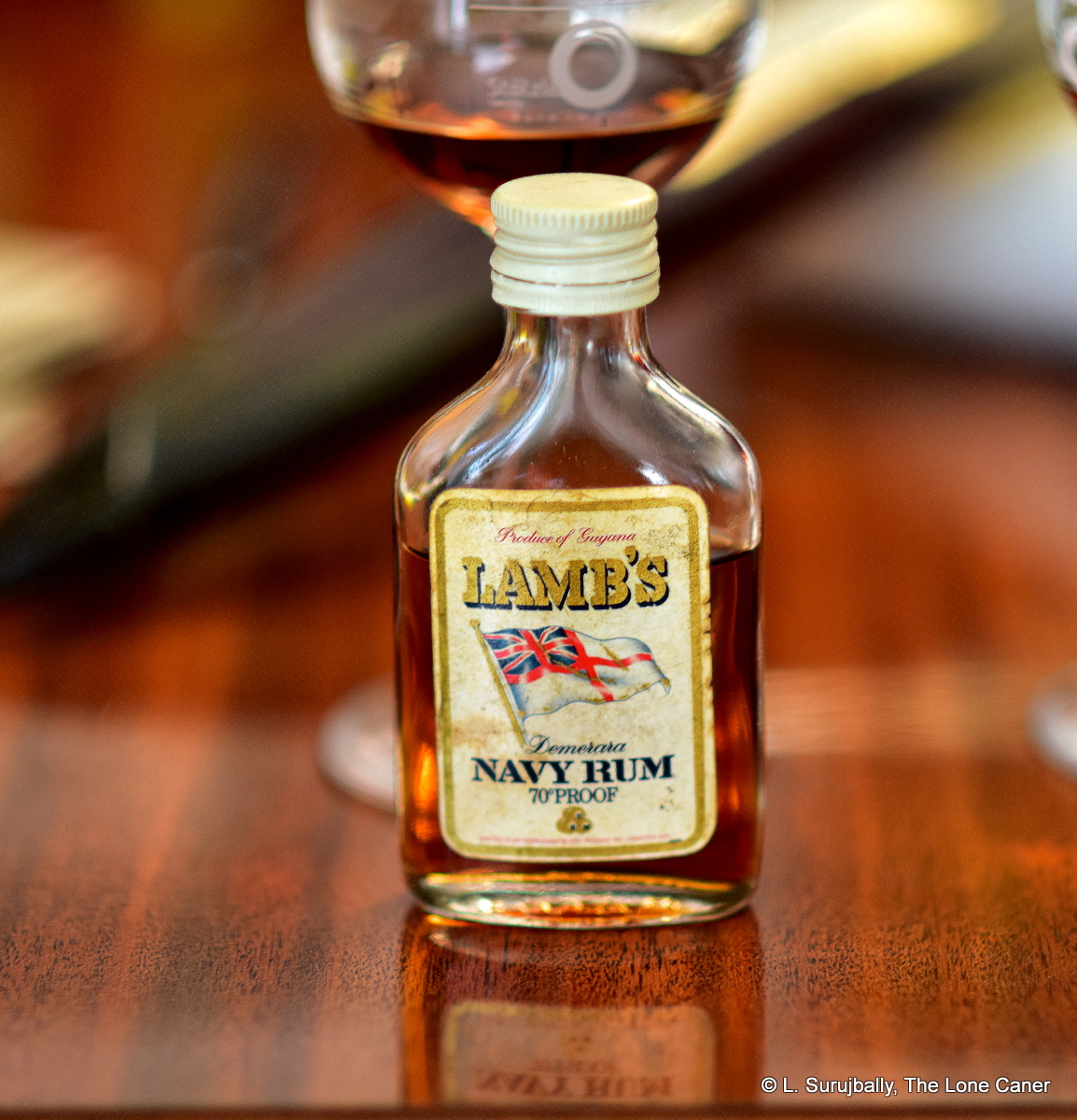
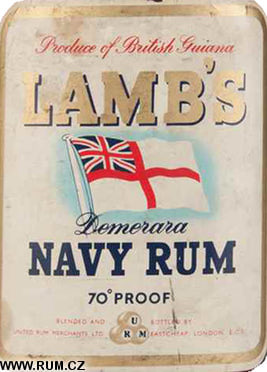 This bottle likely comes from the late 1970s: there is an earlier version noted as being from “British Guiana” that must have dated from the 1960s (Guyana gained independence in 1966) and by 1980 the UK largely ceased using degrees proof as a unit of alcoholic measure; and United Rum Merchants was taken over in 1984, which sets an absolute upper limit on its provenance (the URM is represented by the three barrels signifying Portal Dingwall & Norris, Whyte-Keeling and Alfred Lamb who merged in 1948 to form the company). Note also the “Product of Guyana” – the original blend of 18 different rums from Barbados, Guyana, Jamaica and Trinidad pioneered by Alfred Lamb, seems to have been reduced to Guyana only for the purpose of releasing this one.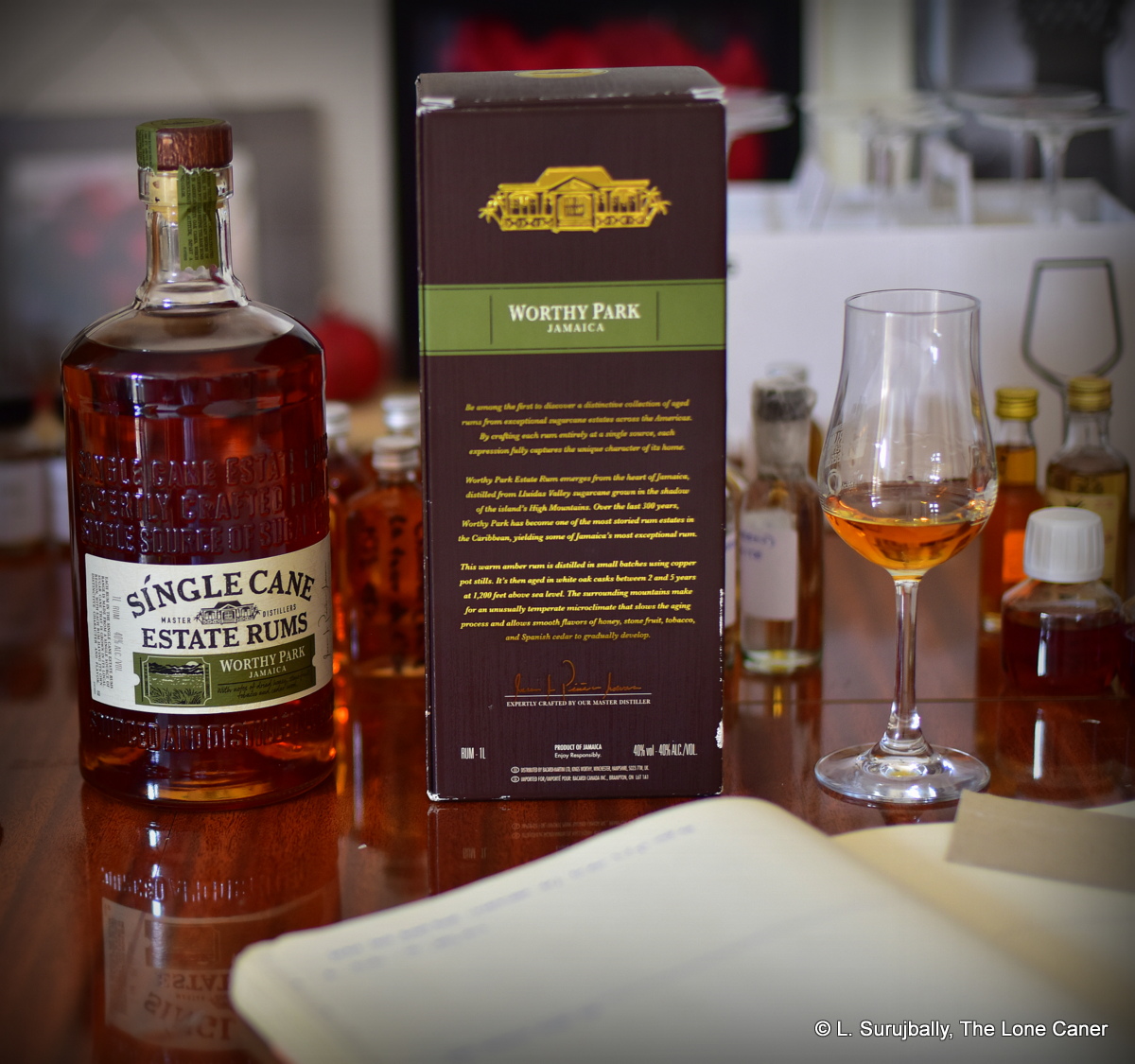

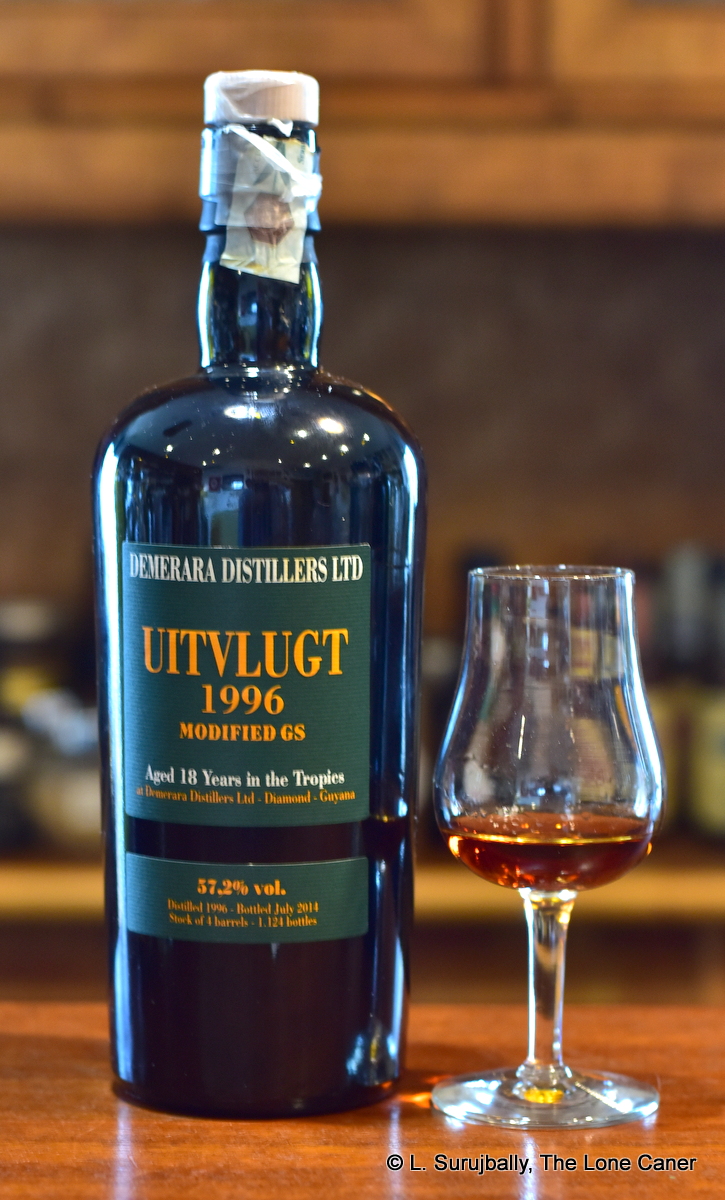 2014 was both too late and a bad year for those who started to wake up and realize that Velier’s Demerara rums were something special, because by then the positive reviews had started coming out the door, the prices began their inexorable rise, and, though we did not know it, it would mark the last issuance of any
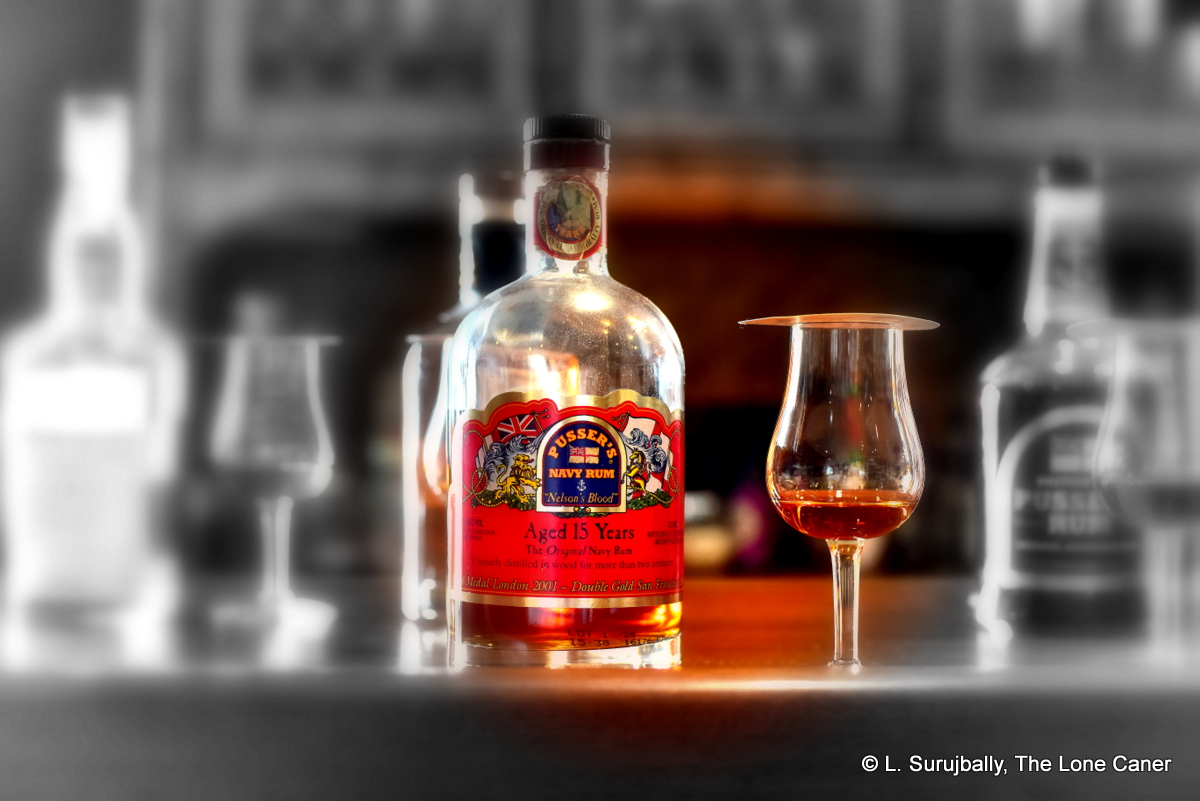
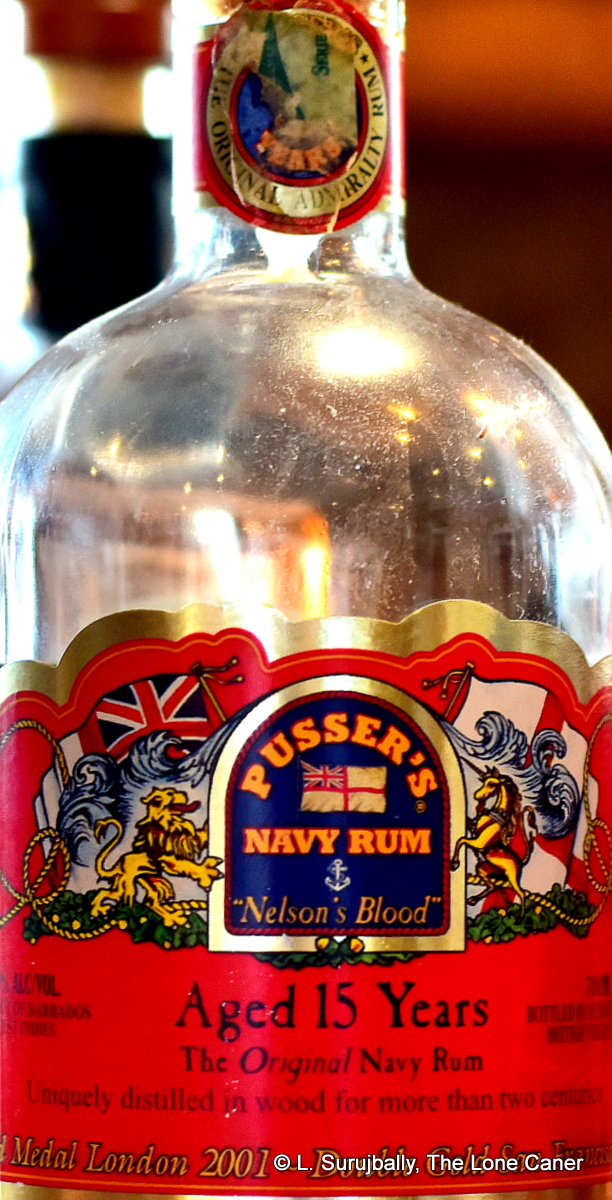 And why shouldn’t they? It’s a fifteen year old rum issued at a relatively affordable price, and is widely available, has been around for decades and has decent flavour chops for those who don’t have the interest or the coin for the limited edition independents.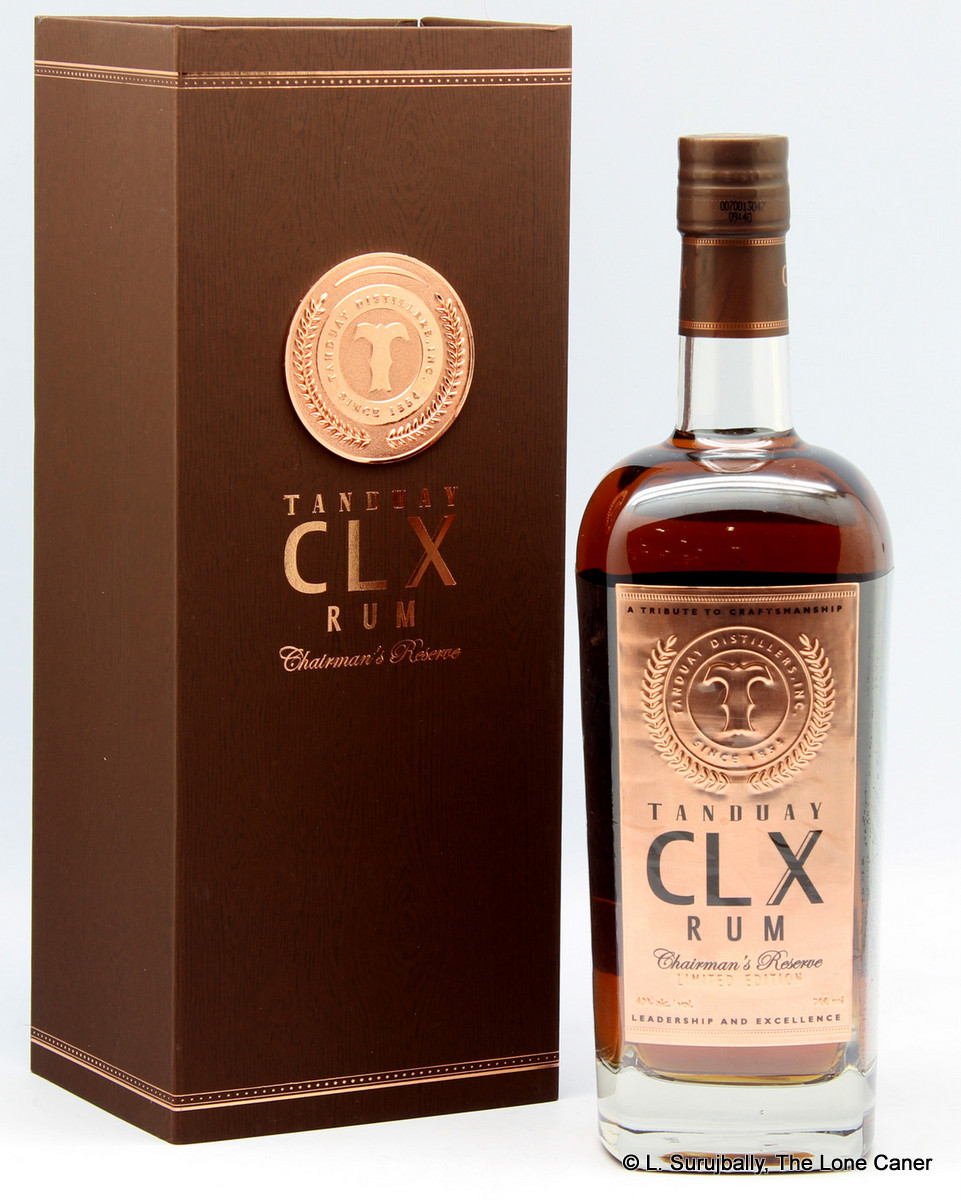
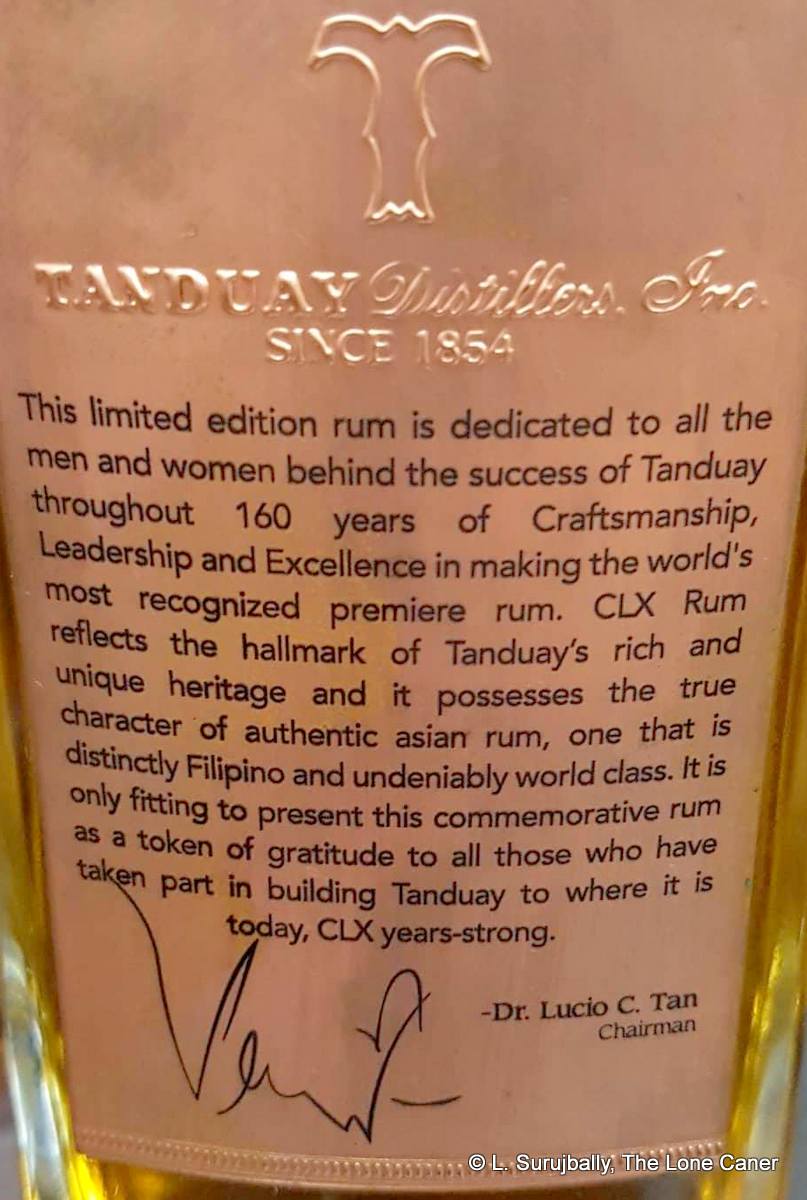 Anyway, when we’re done with do all the contorted company panegyrics and get down to the actual business of trying it, do all the frothy statements of how special it is translate into a really groundbreaking rum?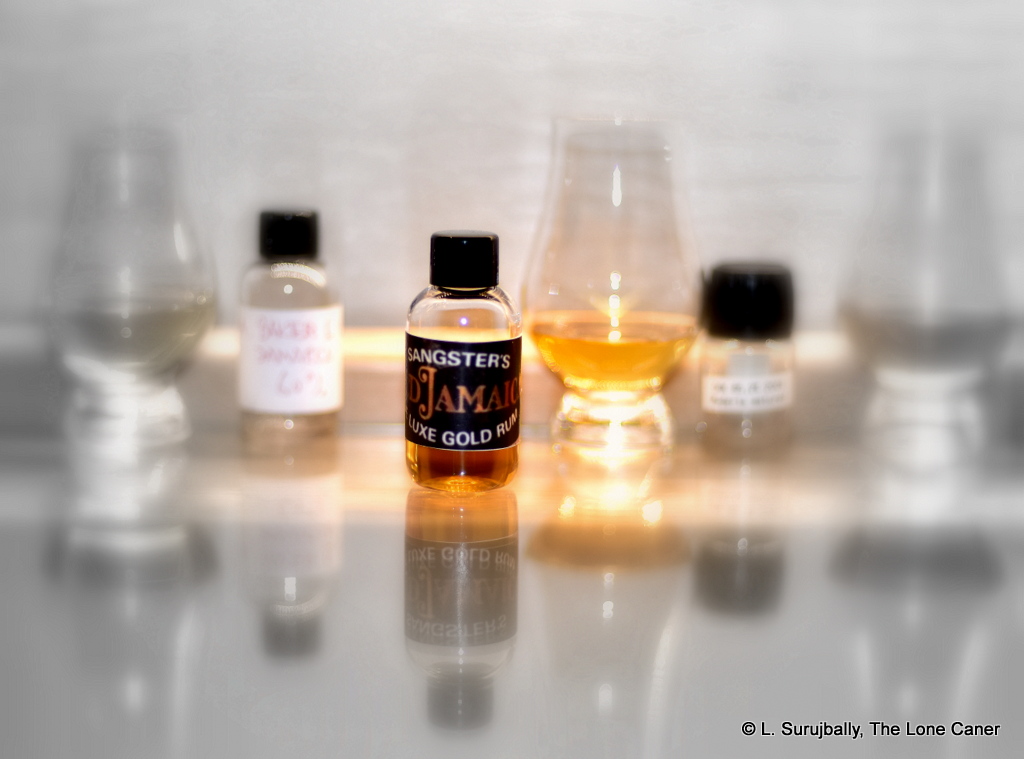
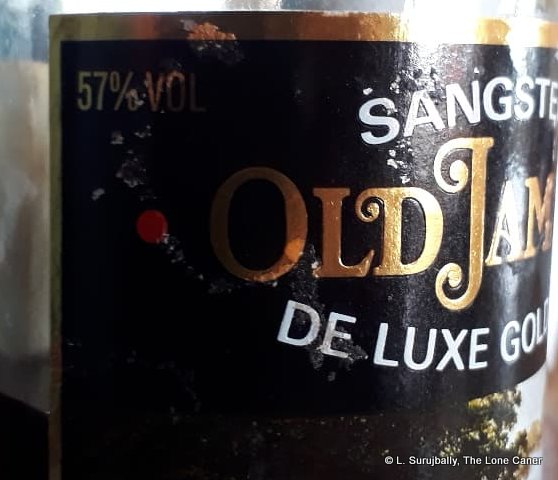 It is unknown from where he sourced his base stock. Given that this DeLuxe Gold rum was noted as comprising pot still distillate and being a blend, it could possibly be Hampden, Worthy Park or maybe even Appleton themselves or, from the profile, Longpond – or some combination, who knows? I think that it was likely between 2-5 years old, but that’s just a guess. References are slim at best, historical background almost nonexistent. The usual problem with these old rums. Note that after Dr. Sangster relocated to the Great Distillery in the Sky, his brand was acquired post-2001 by J. Wray & Nephew who do not use the name for anything except the rum liqueurs. The various blends have been discontinued.
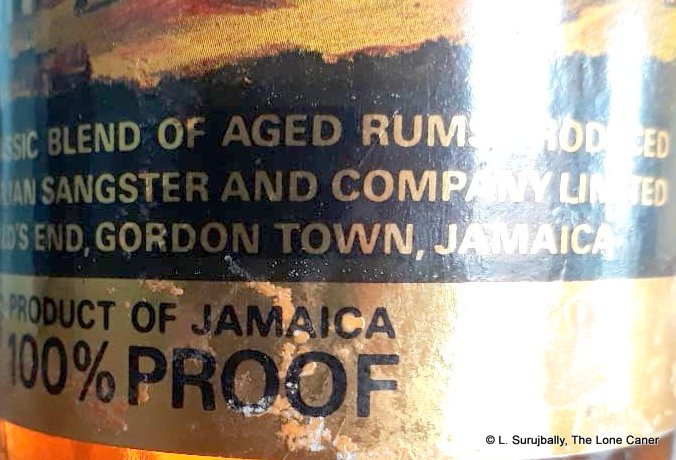 Nose – Opens with the scents of a midden heap and rotting bananas (which is not as bad as it sounds, believe me). Bad watermelons, the over-cloying reek of genteel corruption, like an unwashed rum strumpet covering it over with expensive perfume. Acetones, paint thinner, nail polish remover. That is definitely some pot still action. Apples, grapefruits, pineapples, very sharp and crisp. Overripe peaches in tinned syrup, yellow soft squishy mangoes. The amalgam of aromas doesn’t entirely work, and it’s not completely to my taste…but intriguing nevertheless It has a curious indeterminate nature to it, that makes it difficult to say whether it’s WP or Hampden or New Yarmouth or what have you.
  Finish – Shortish, dark off-fruits, vaguely sweet, briny, a few spices and musky earth tones.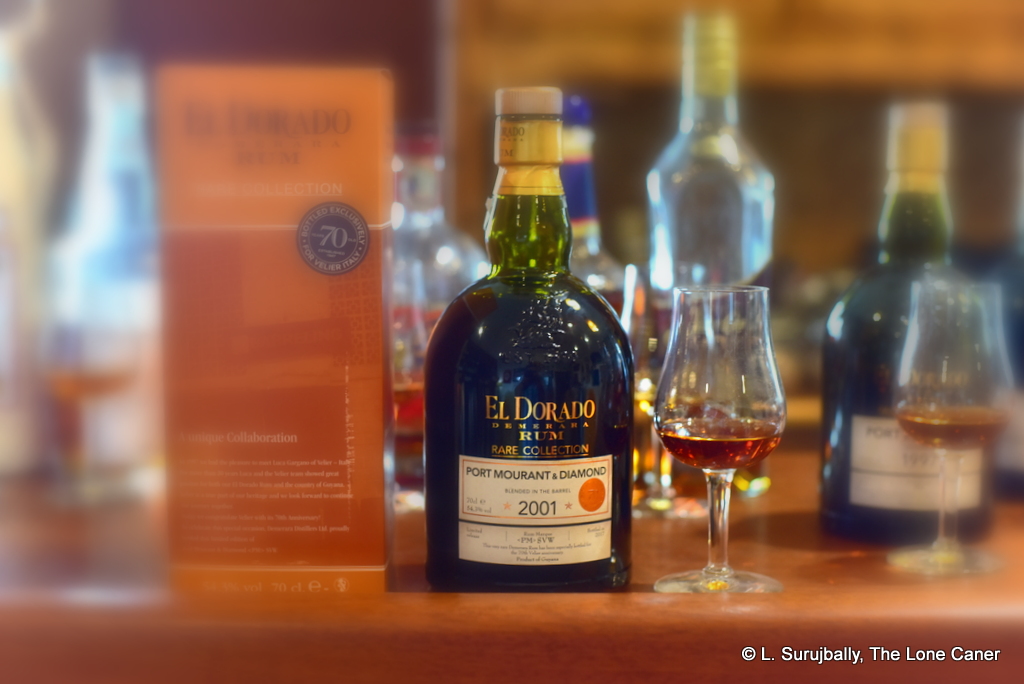
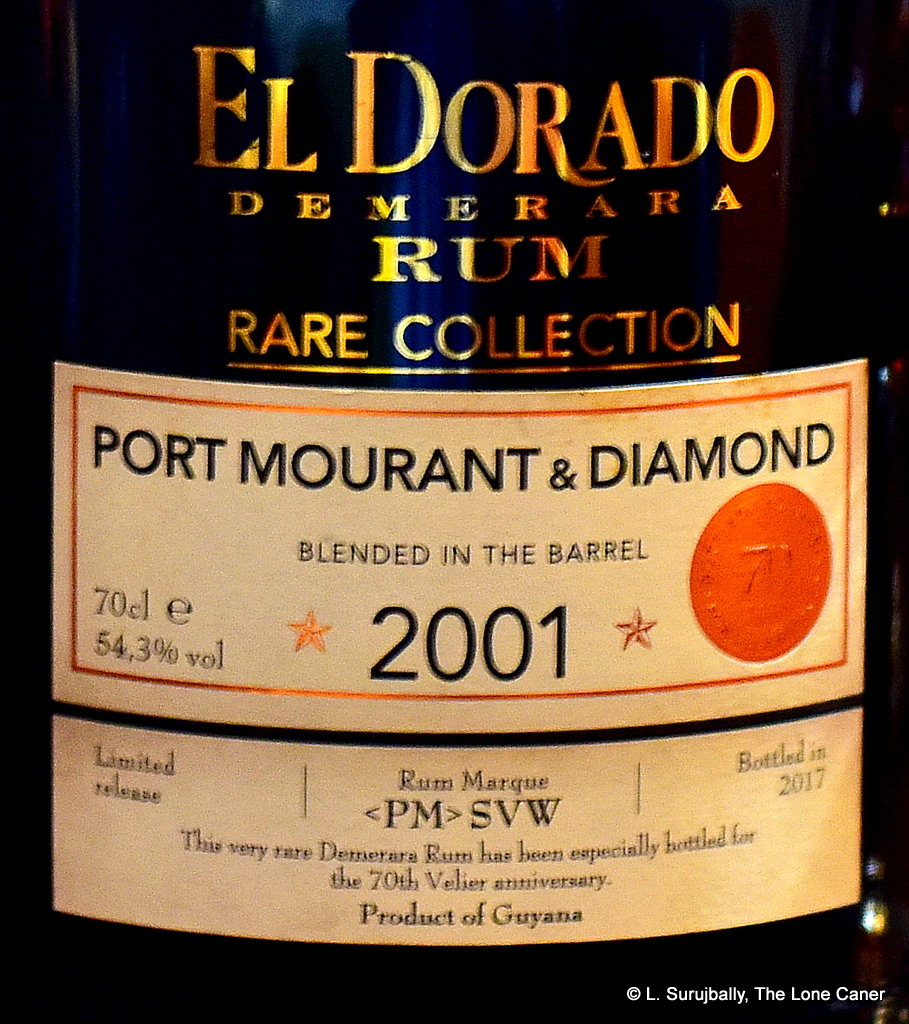 Knowing the Demerara rum profiles as well as I do, and having tried so many of them, these days I treat them all like wines from a particular chateau…or like James Bond movies: I smile fondly at the familiar, and look with interest for variations. Here that was the way to go. The nose suggested an almost woody men’s cologne: pencil shavings, some rubber and sawdust a la PM, and then the flowery notes of a bull squishing happily way in the fruit bazaar. It was sweet, fruity, dark, intense and had a bedrock of caramel, molasses, toffee, coffee, with a great background of strawberry ice cream, vanilla, licorice and ripe yellow mango slices so soft they drip juice. The balance between the two stills’ output was definitely a cut above the ordinary.
 Rumaniacs Review # 096 | 0617
 Whether or not you can place Reunion on a map, you’ve surely heard of at least one of its three distilleries:

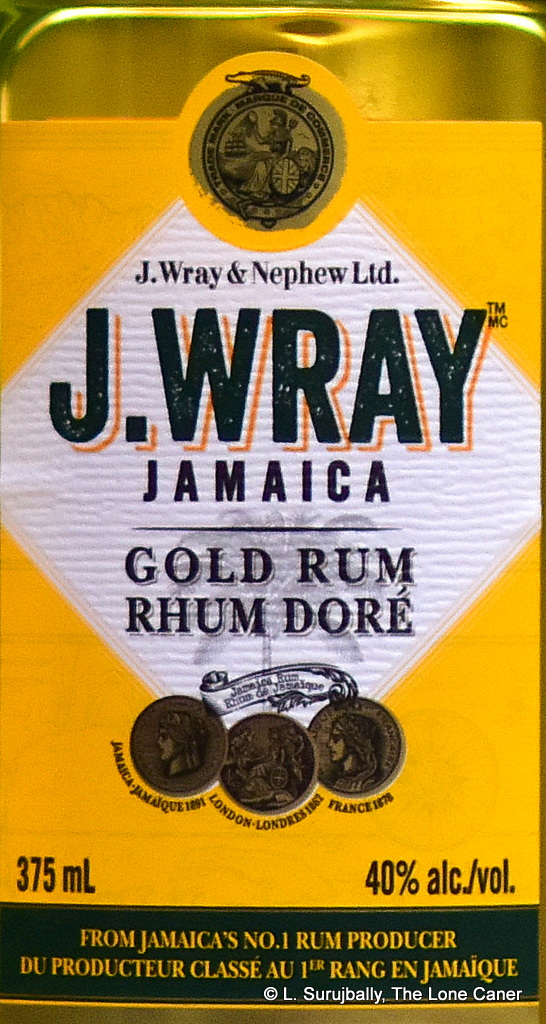 I make this last observation because of its unrefined nature. Even at standard strength, it noses rather raw and jagged, even harsh. There are initial aromas of light glue, rotten bananas and some citrus, light in tone but sharp in attack. It also smells a little sweet and vanilla-like, with vague florals, apple cider, molasses, dates, peaches and dates, with the slightest rtang of burnt rubber coiling around the back there somewhere. But it sears more than caresses and it’s clear that this is not a lovingly aged product of any kind.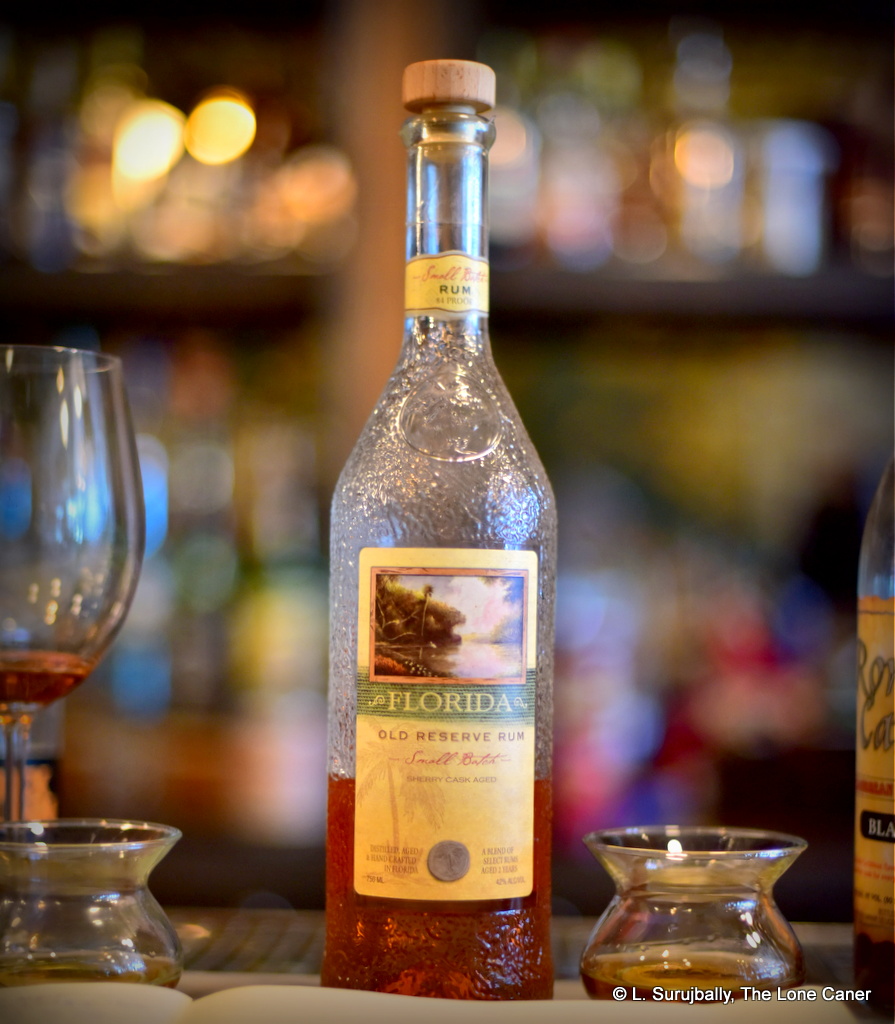
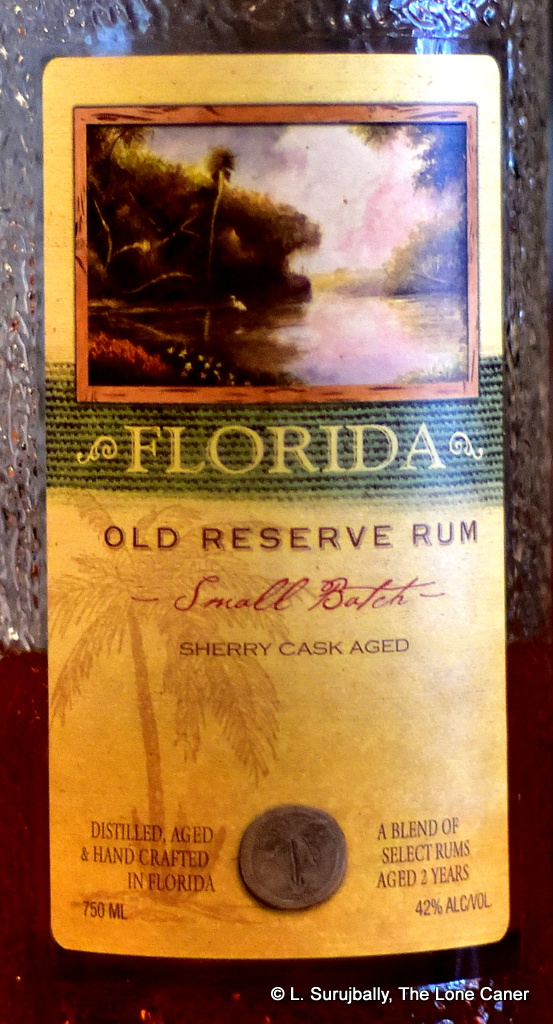 What it is, is a blend of “select rums” aged two years in sherry casks, issued at 42% and gold-coloured. One can surmise that the source of the molasses is the same as the Noxx & Dunn, cane grown in the state (unless it’s in Puerto Rico). Everything else on the front and back labels can be ignored, especially the whole business about being “hand-crafted,” “small batch” and a “true Florida rum” – because those things give the misleading impression this is indeed some kind of artisan product, when it’s pretty much a low-end rum made in bulk from column still distillate; and I personally think is neutral spirit that’s subsequently aged and maybe coloured (though they deny any additives in the rum).
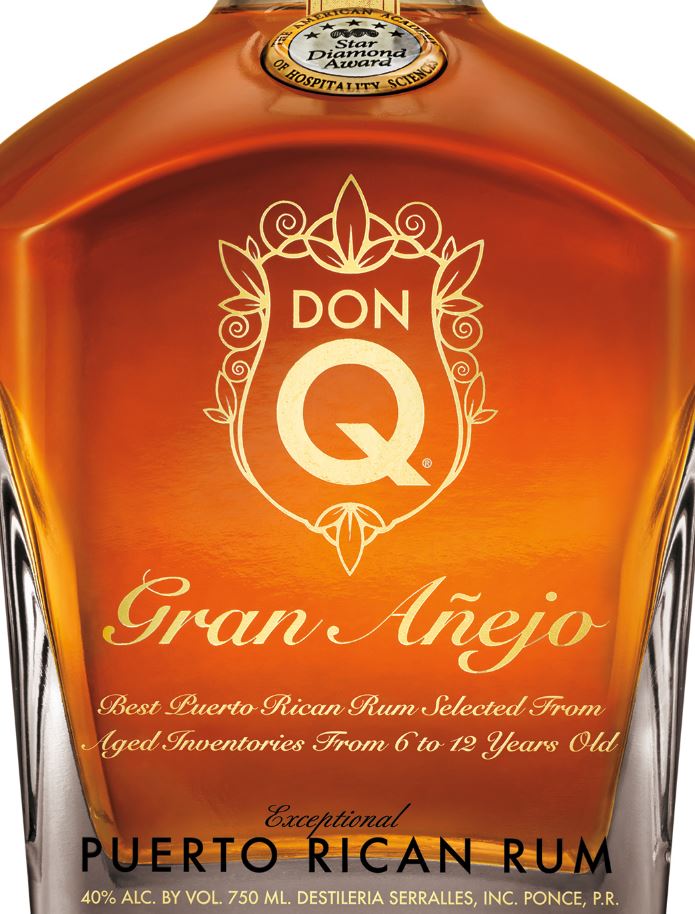 It’s a peculiarity of the sheer volume of rums that cross my desk, my glass and my glottis, that I get to taste rums some people would give their left butt cheek for, while at the same time juice that is enormously well known, talked about, popular and been tried by many….gets missed.