#513
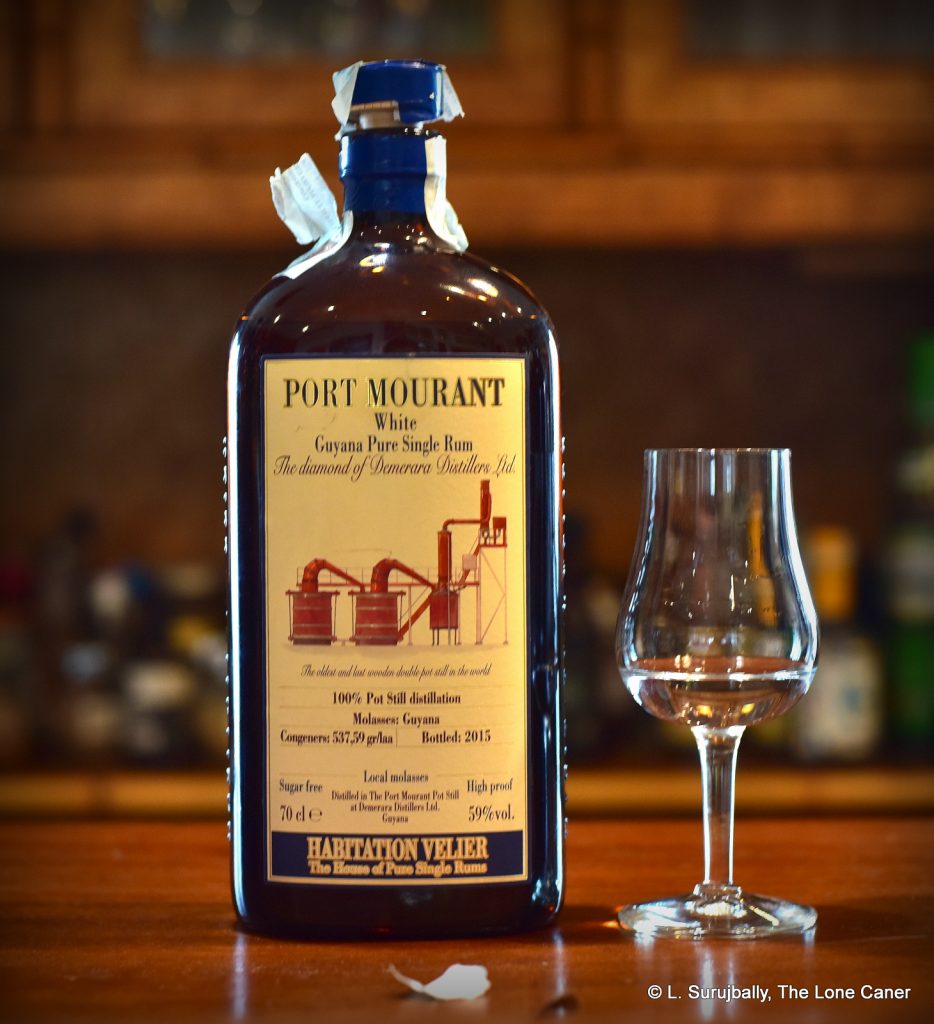
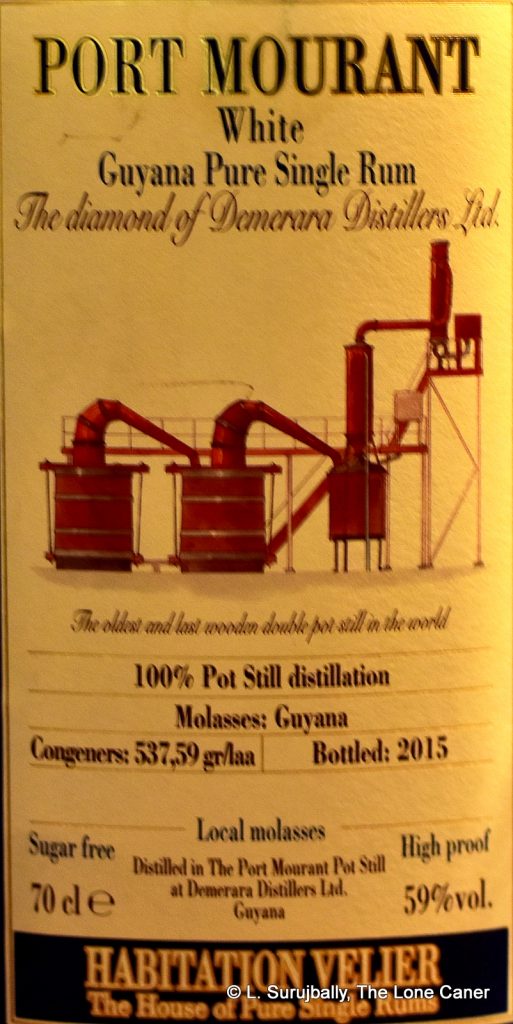
The question of why Velier would want to issue a well-endowed, claw-equipped high-test like this, is, on the surface, somewhat unclear. Because my own opinion is that this is not a product for the general marketplace. It’s not aimed at beginners, 40% strength lovers or those with a sweet tooth who have two of every edition of the Ron Zacapa ever made. It’s an utterly unaged cask strength white with serious strength one point short of 60%, to which is bolted a massive 537.59 g/laa of esters…that puts in the realm of the Rum Fire Jamaican white, and that one packed quite a bit of gelignite in its jock, remember? Aside from serious rum-junkies, ester-loving deep-dive geeks and Demerara-rum fanboys (I’m all of these in one), I wonder who would buy the thing when there are so many great independent offerings of an aged Demerara out there (many of which are Port Mourant still rums themselves).
Let’s see if the tasting notes can provide some insight. At 59% ABV, I was careful with it, letting it open for a while, and was rewarded with quite an impressive and complex series of aromas: rubber and plasticene, nail polish remover, followed by a combination of sugar water, brine, watermelon, pears, roasted nuts, plus a firm, crisp-yet-light fruitiness which the strength did not eviscerate. That’s always something of a risk with high proof rums, whose intensity can obliterate subtler nuances of flavour on nose or palate.
 Unaged rums take some getting used to because they are raw from the barrel and therefore the rounding out and mellowing of the profile which ageing imparts, is not a factor. That means all the jagged edges, dirt, warts and everything, remain. Here that was evident after a single sip: it was sharp and fierce, with the licorice notes subsumed into dirtier flavours of salt beef, brine, olives and garlic pork (seriously!). It took some time for other aspects to come forward – gherkins, leather, flowers and varnish – and even then it was not until another half hour had elapsed that crisper acidic notes like unripe apples and thai lime leaves (I get those to buy in the local market), were noticeable. Plus some vanilla – where on earth did that come from? It all led to a long, duty, dry finish that provided yet more: sweet, sugary, sweet-and-salt soy sauce in a clear soup. Damn but this was a heady, complex piece of work. I liked it a lot, really.
Reading those tasting note and looking at the stats of the rum, I think you’d agree this is not your standard table rum; maybe even one that only a madman or a visionary would try to make money from, when it’s so obviously stuffed with sleeping leopards. Who on earth would make this kind of thing; and then, having been made, who is addled enough to buy it? Drink it? And why?
To answer those questions, it’s useful to look at the man behind the rum. Luca Gargano, whose Five Principles are now the source of equal parts merriment and respect, doesn’t often say it in as many words, but obeys another: I call it the Sixth Rum Principle, and it suggests that Luca believes that rum should be made pure, fresh, organic, without additives of any kind from cane through to still. If he had a choice, I’m sure he’s prefer to have wild yeast do the fermentation of a wash gathered in the bark of trees hollowed out by the latest hurricane.
But a codicil to the Principle is simply that a rum need not necessarily be aged to be good…even fabulous. Now for a man who selected and popularized the extraordinary Port Mourant series of aged rums, that seems like bizarre thing to say, but look no further than the clairins from Haiti which have made such a splash in the rumiverse over the last four years, or any of the unaged French Island whites, and you’ll see that may really be on to something.
And that leads to the intersection of the Port Mourants and the Principle. I’m sure Luca was perfectly aware of the quality and reputation of the PM 1972, PM 1974 and PM 1975….to say nothing of the later editions. “What I wanted to do,” he told me recently in that utterly sure, subtly evangelic voice he uses in rum festivals around the world, “Is demonstrate how the rum everyone likes and appreciates – the Port Mourants, Foursquares, Jamaicans – started life. Okay, they’re not for everyone. But for those who really know the profiles of the islands’ rums blind, they can now see what such rums were before any ageing or any kind of cask influence.”
Drinking this rum shows what results from applying that principle. There’s a whole raft of these whites out in the market right now, distinguished by lovely drawings of the stills from which they originate. I’m not sure how they sell, or who’s buying them, or even if they are making a splash in the perceptions of the larger rum world. All I know is it’s an amazing rum that one should try at least once, even if it’s just to appreciate for the one time how the raging cataracts of a Port Mourant distillate started out, before the torrent of taste calmed down, evened out…and flowed into the ocean of all the other great PMs we have learnt to know and appreciate over the years.
(88/100)
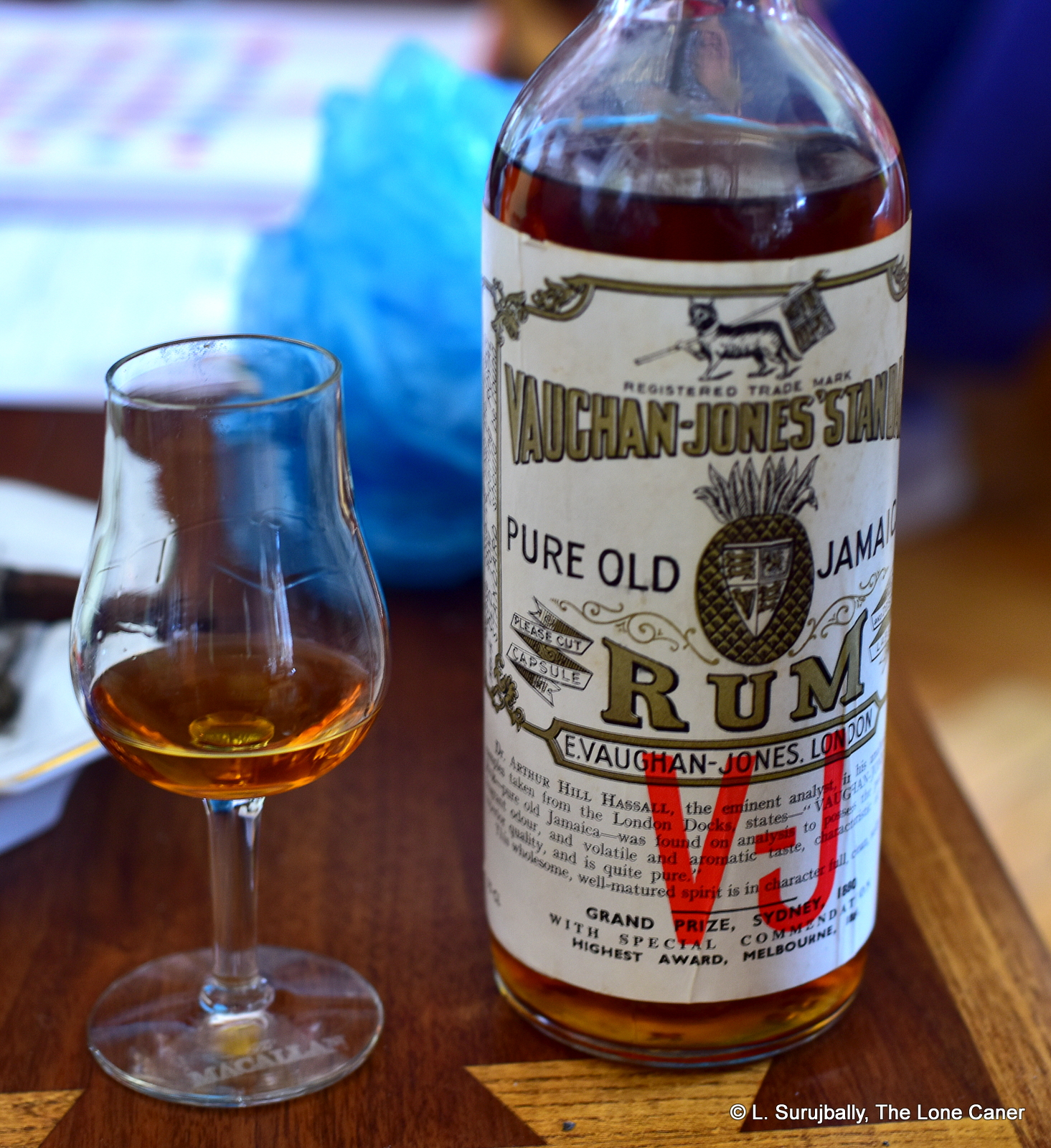
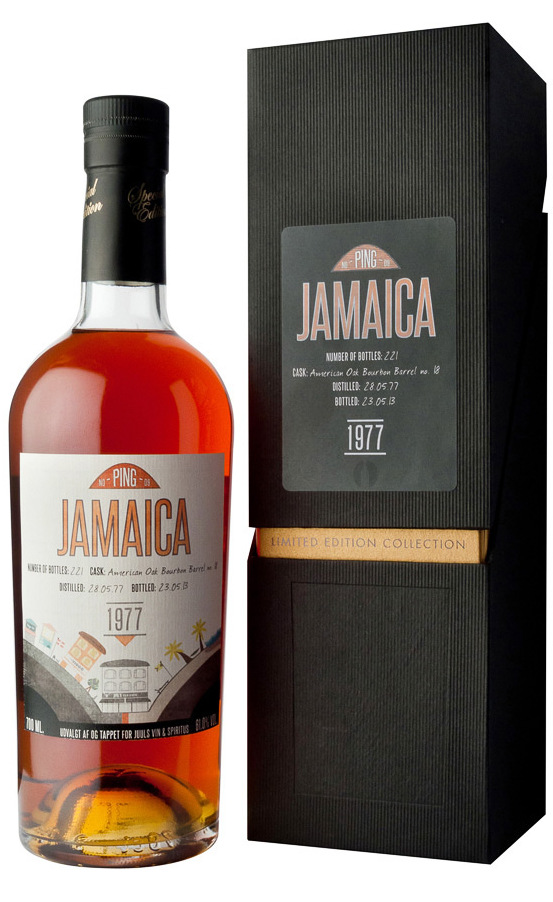
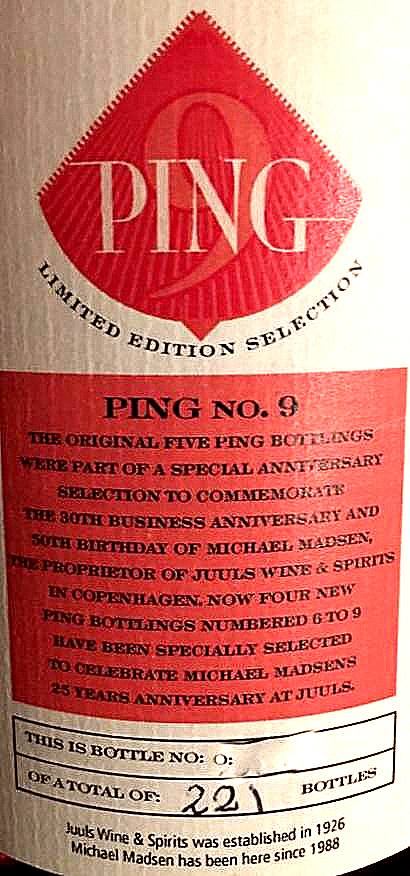 Say what you will about tropical ageing, there’s nothing wrong with a good long continental slumber when we get stuff like this out the other end. Again it presented as remarkably soft for the strength, allowing tastes of fruits, light licorice, vanilla, cherries, plums, and peaches to segue firmly across the tongue. Some sea salt, caramel, dates, plums, smoke and leather and a light dusting of cinnamon and florals provided additional complexity, and over all, it was really quite a good rum, closing the circle with a lovely long finish redolent of a fruit basket, port-infused cigarillos, flowers and a few extra spices.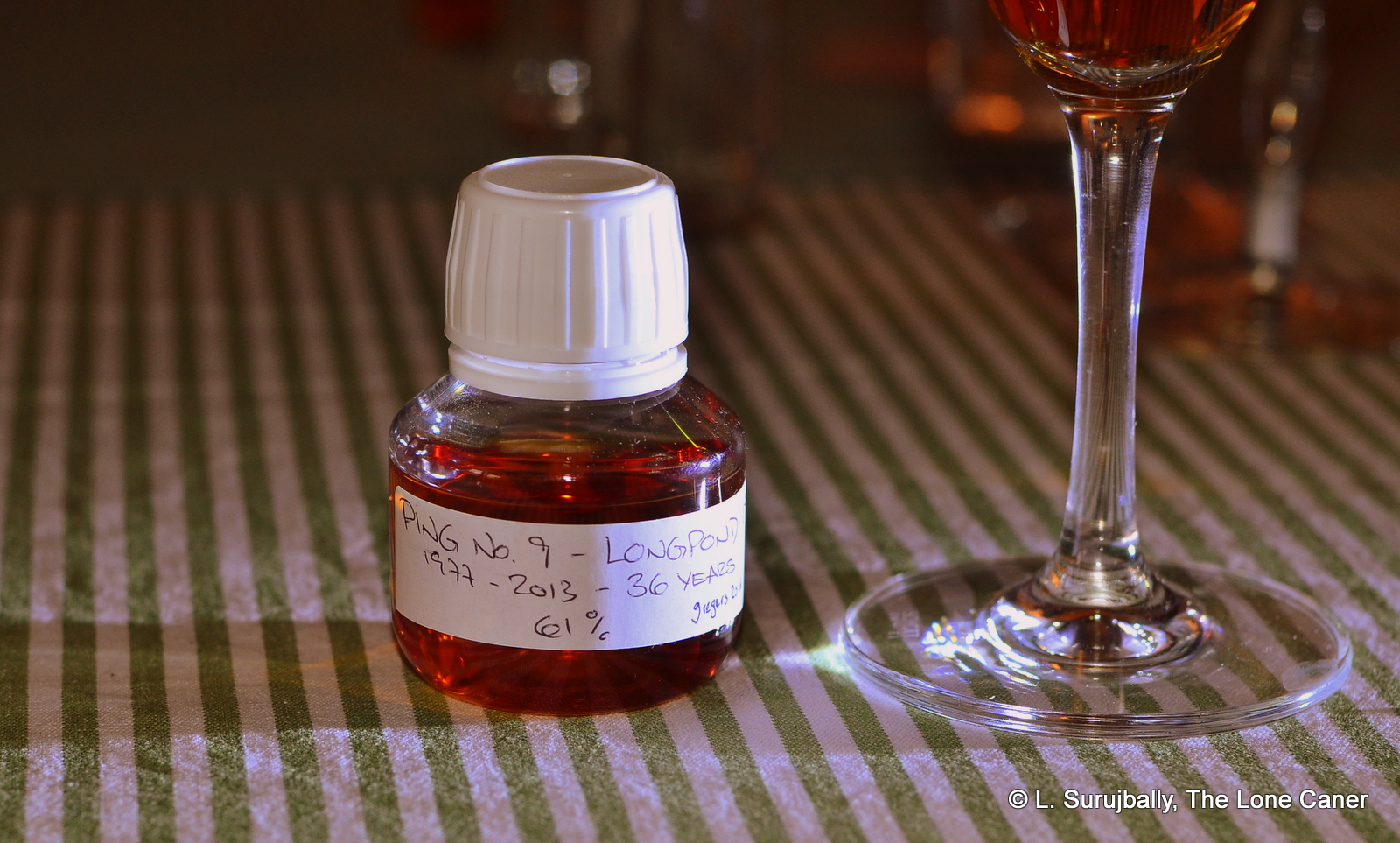
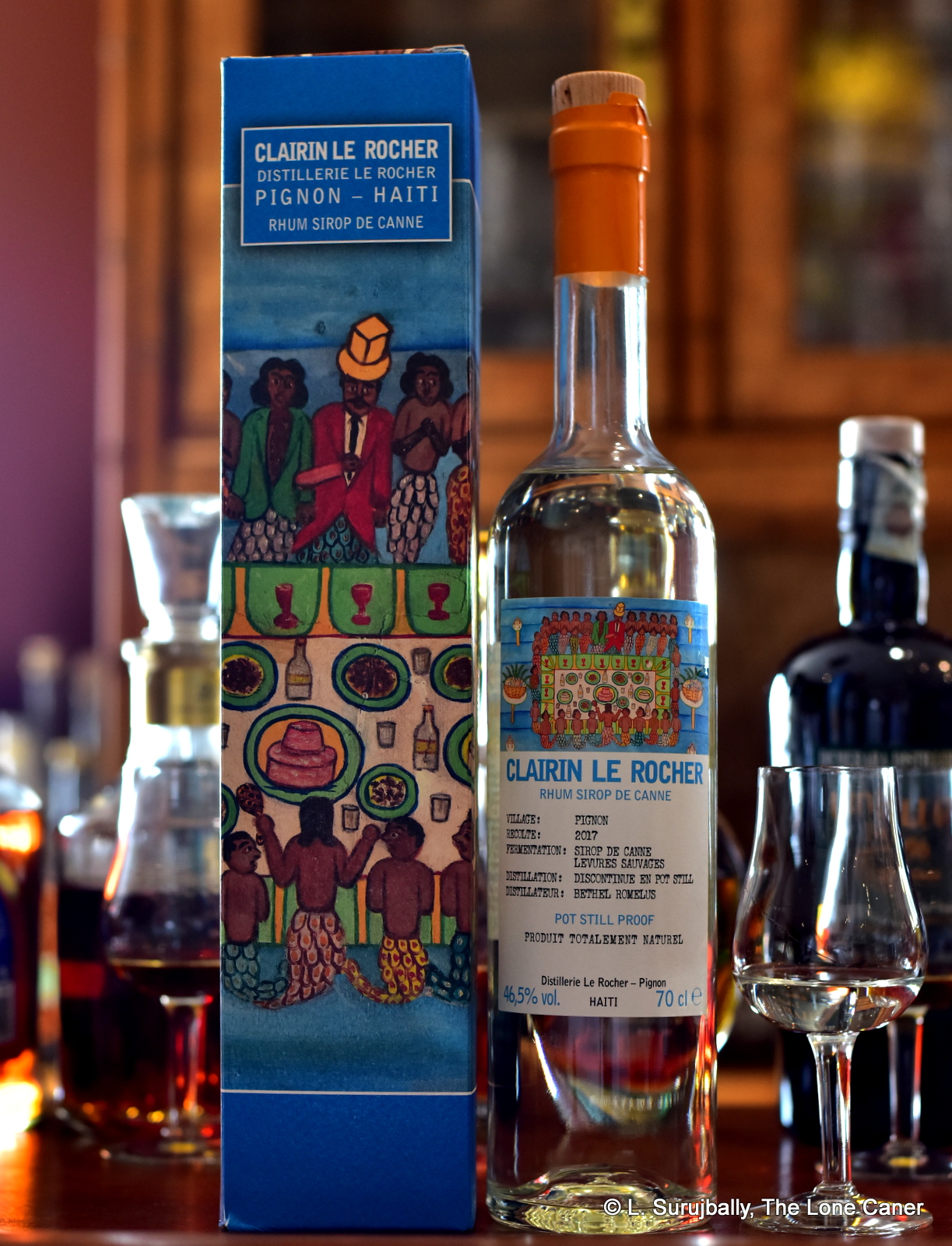
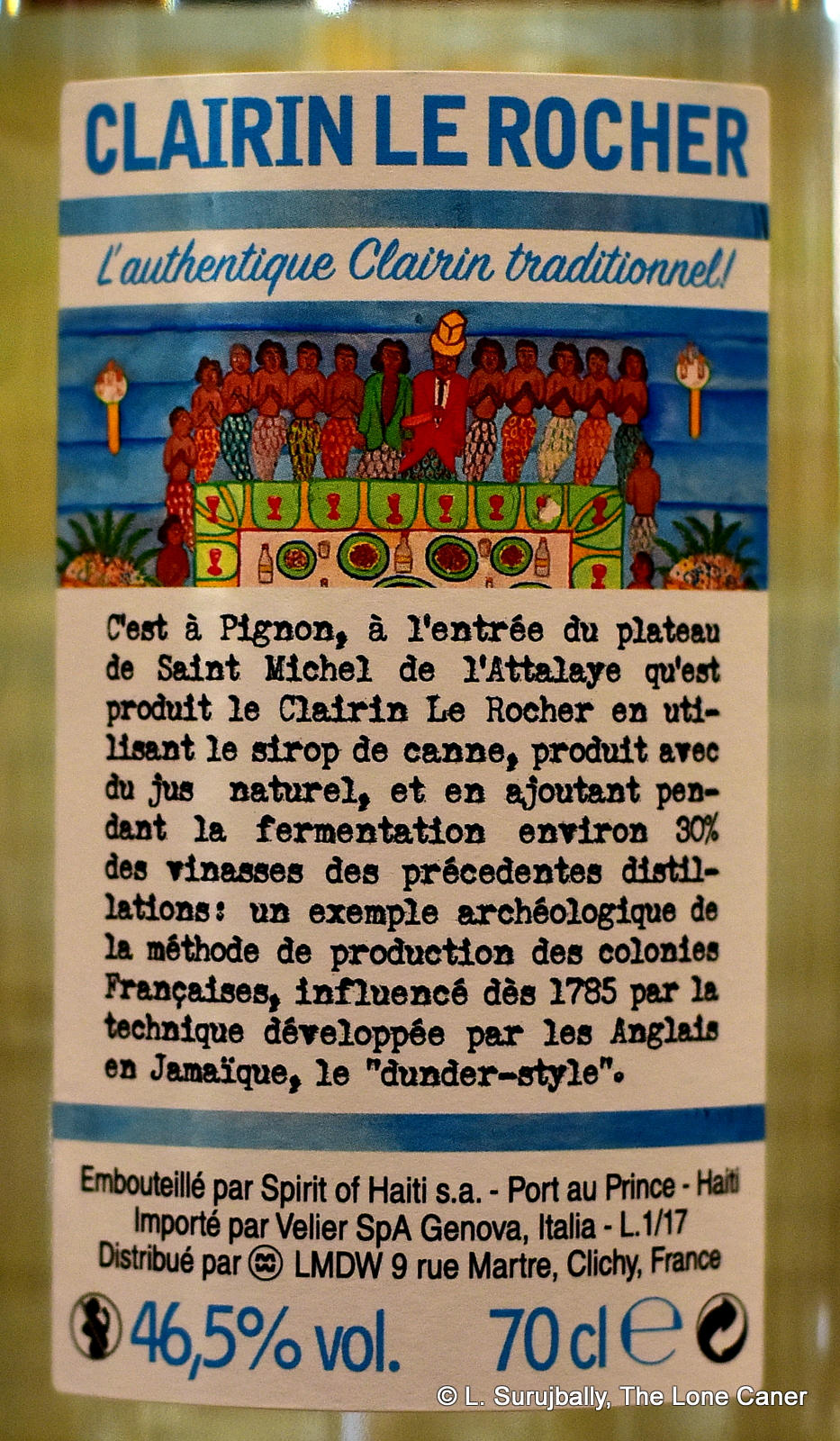 Sometimes a rum gives you a really great snooting experience, and then it falls on its behind when you taste it – the aromas are not translated well to the flavour on the palate. Not here. In the tasting, much of the richness of the nose remains, but is transformed into something just as interesting, perhaps even more complex. It’s warm, not hot or bitchy (46.5% will do that for you), remarkably easy to sip, and yes, the plasticine, glue, salt, olives, mezcal, soup and soya are there. If you wait a while, all this gives way to a lighter, finer, crisper series of flavours – unsweetened chocolate, swank, carrots(!!), pears, white guavas, light florals, and a light touch of herbs (lemon grass, dill, that kind of thing). It starts to falter after being left to stand by itself, the briny portion of the profile disappears and it gets a little bubble-gum sweet, and the finish is a little short – though still extraordinarily rich for that strength – but as it exits you’re getting a summary of all that went before…herbs, sugars, olives, veggies and a vague mineral tang. Overall, it’s quite an experience, truly, and quite tamed – the lower strength works for it, I think.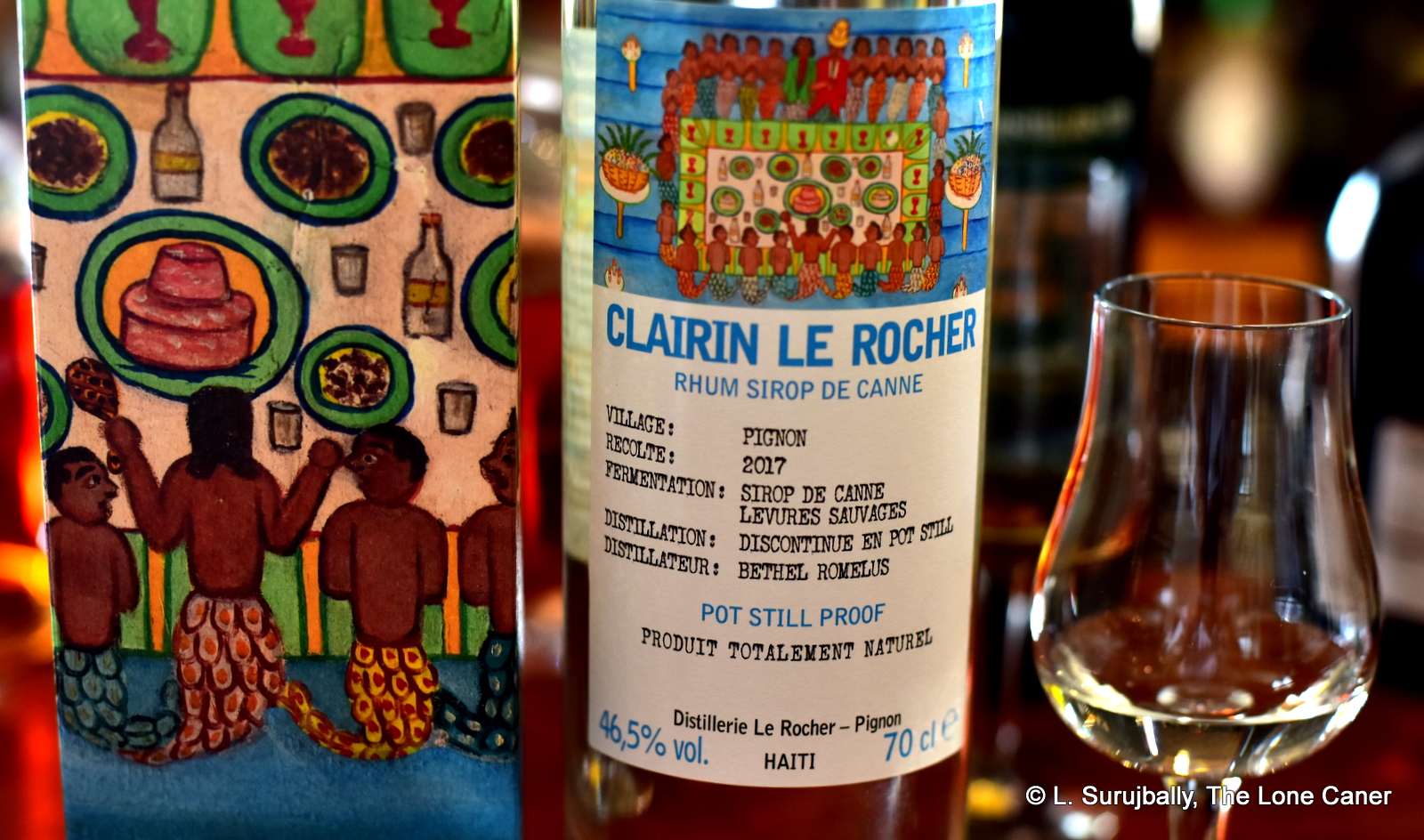
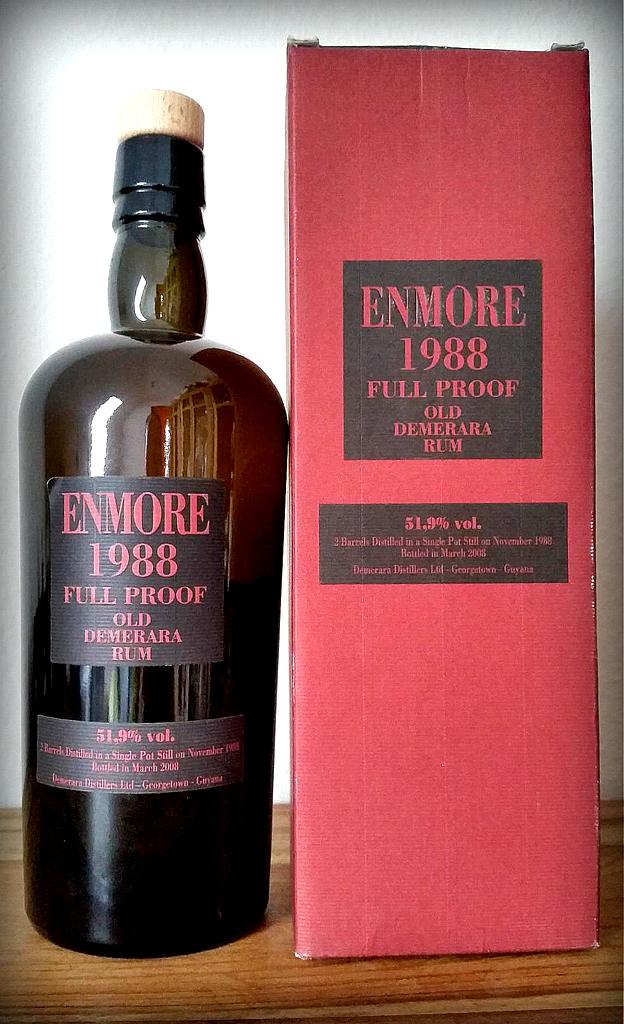
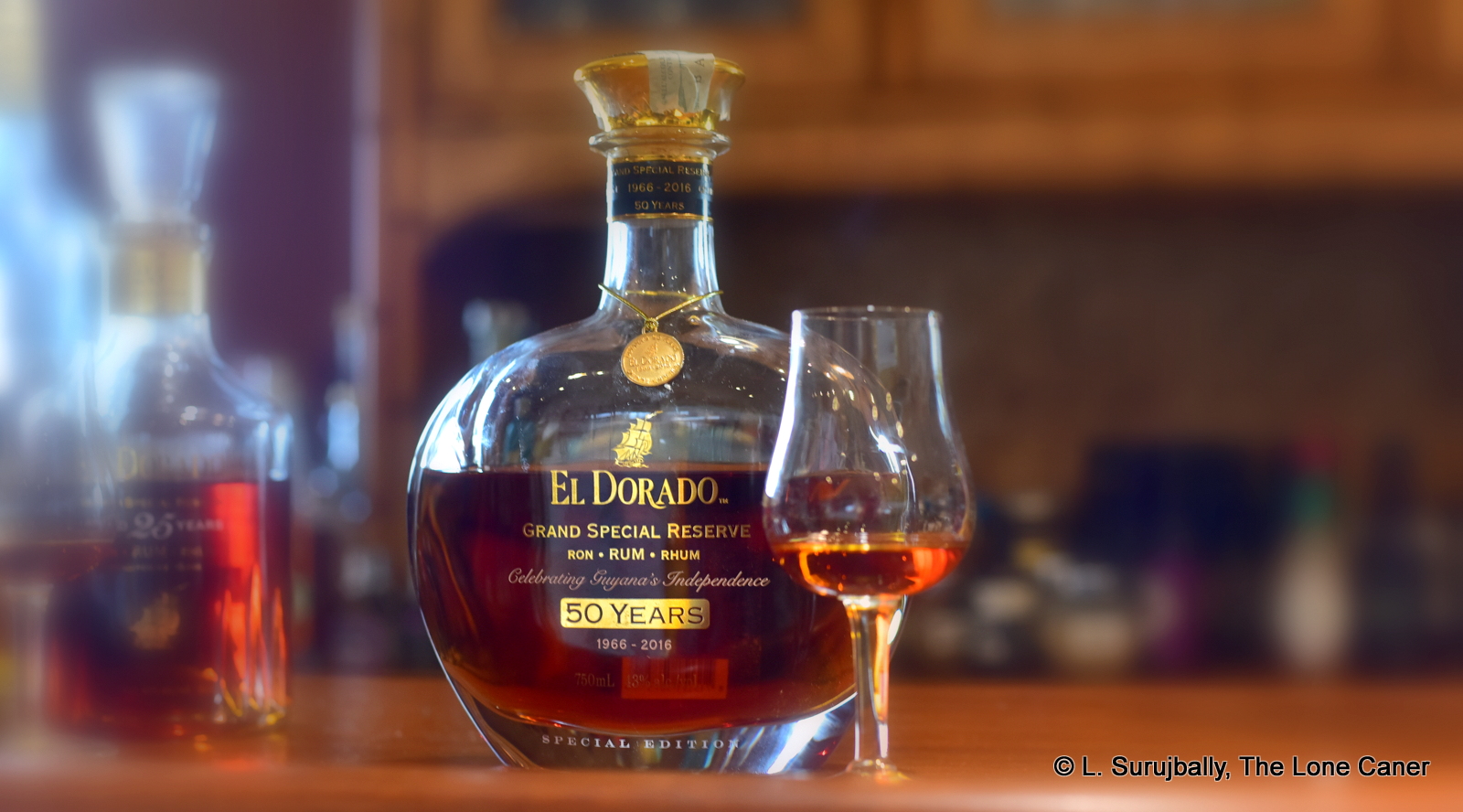
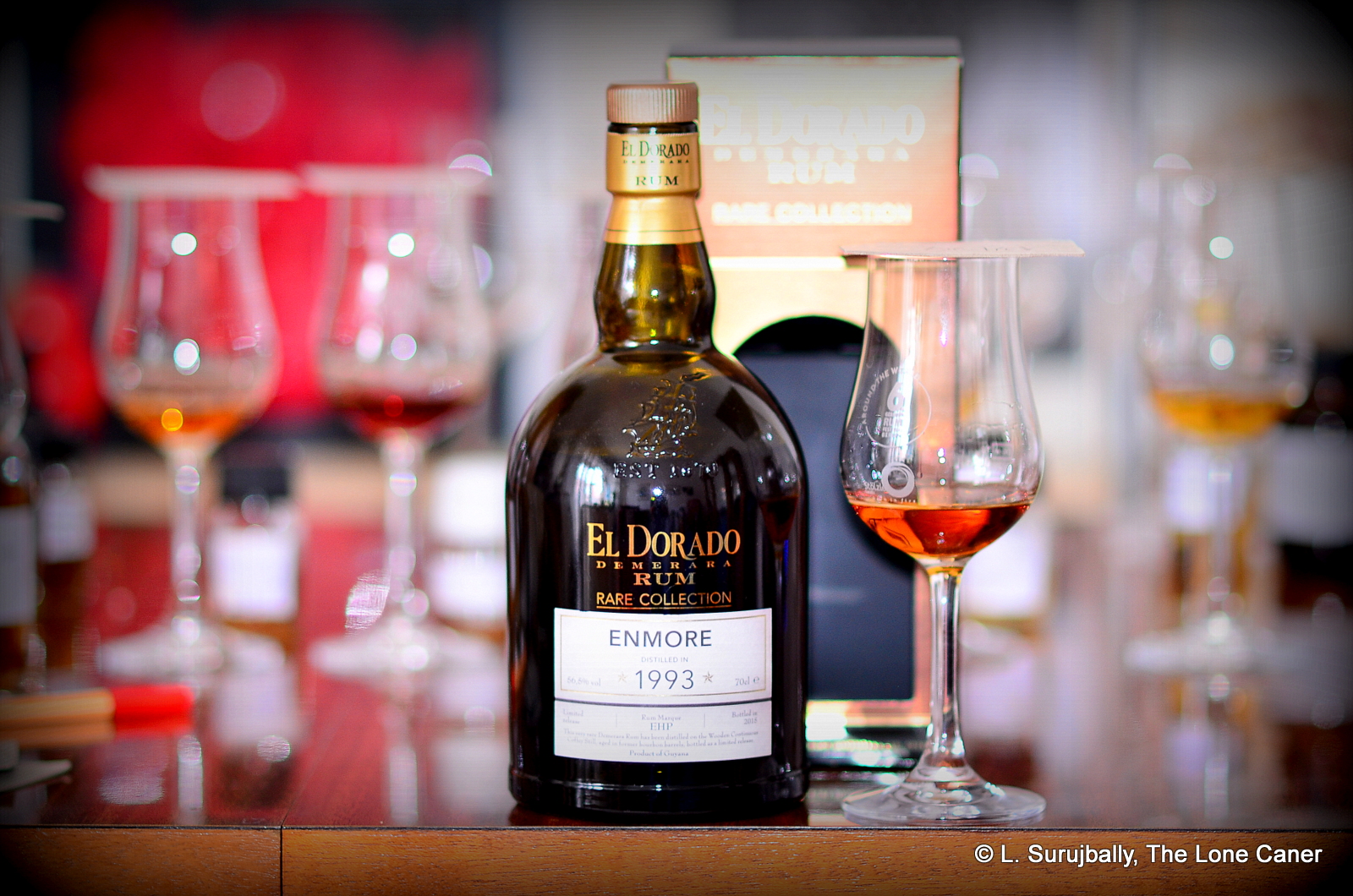
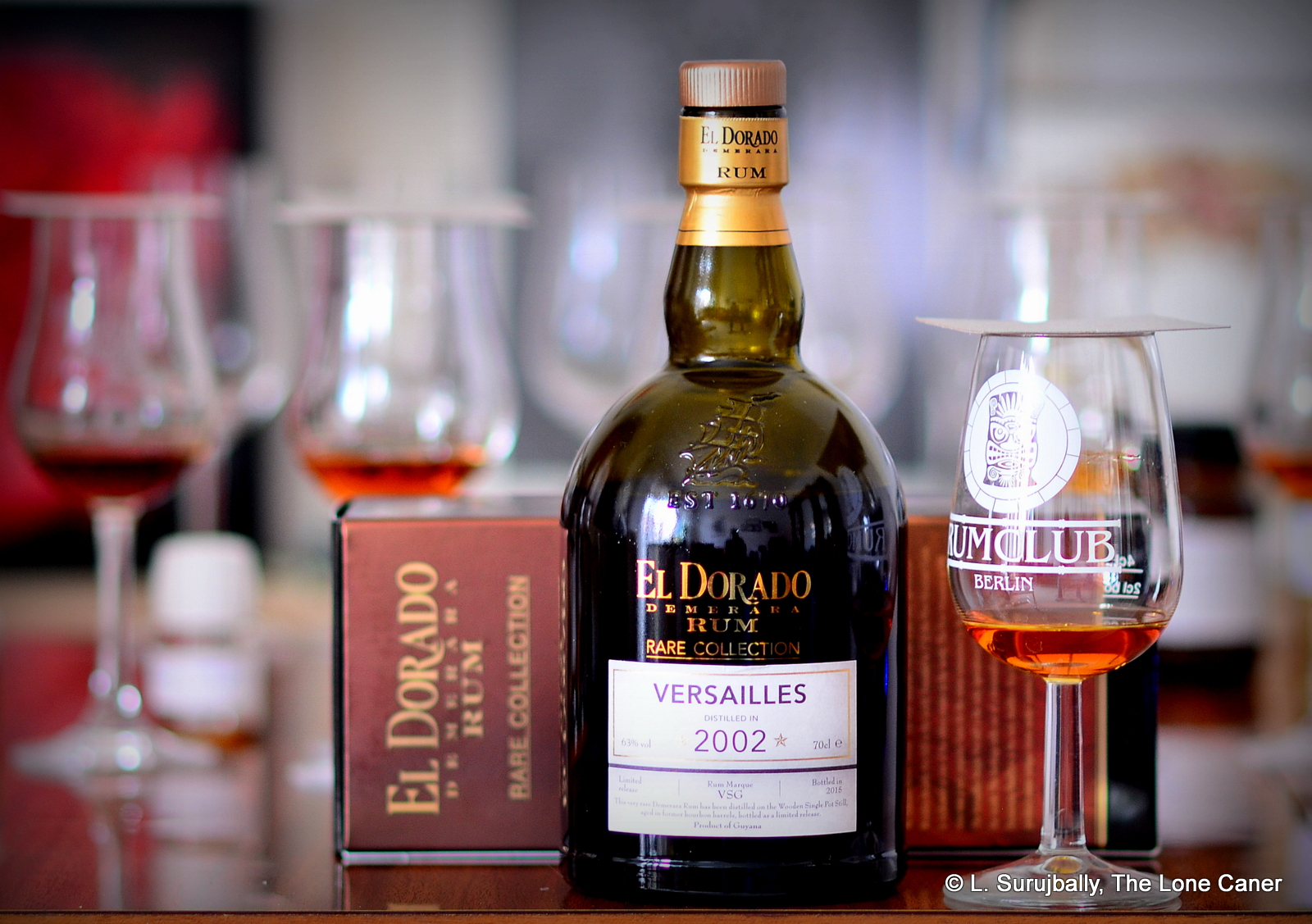
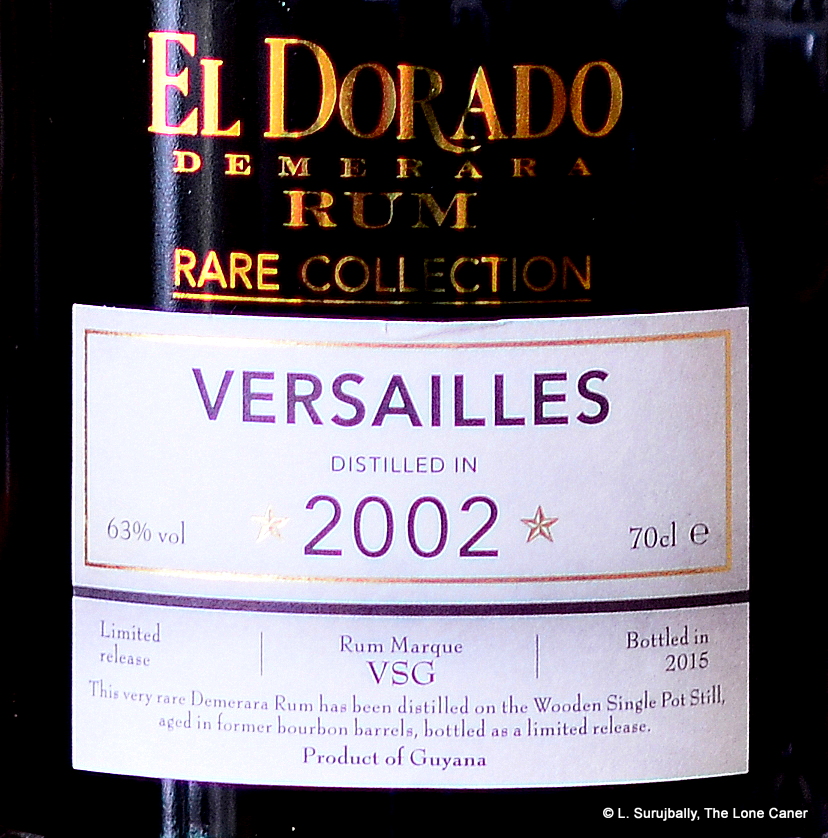
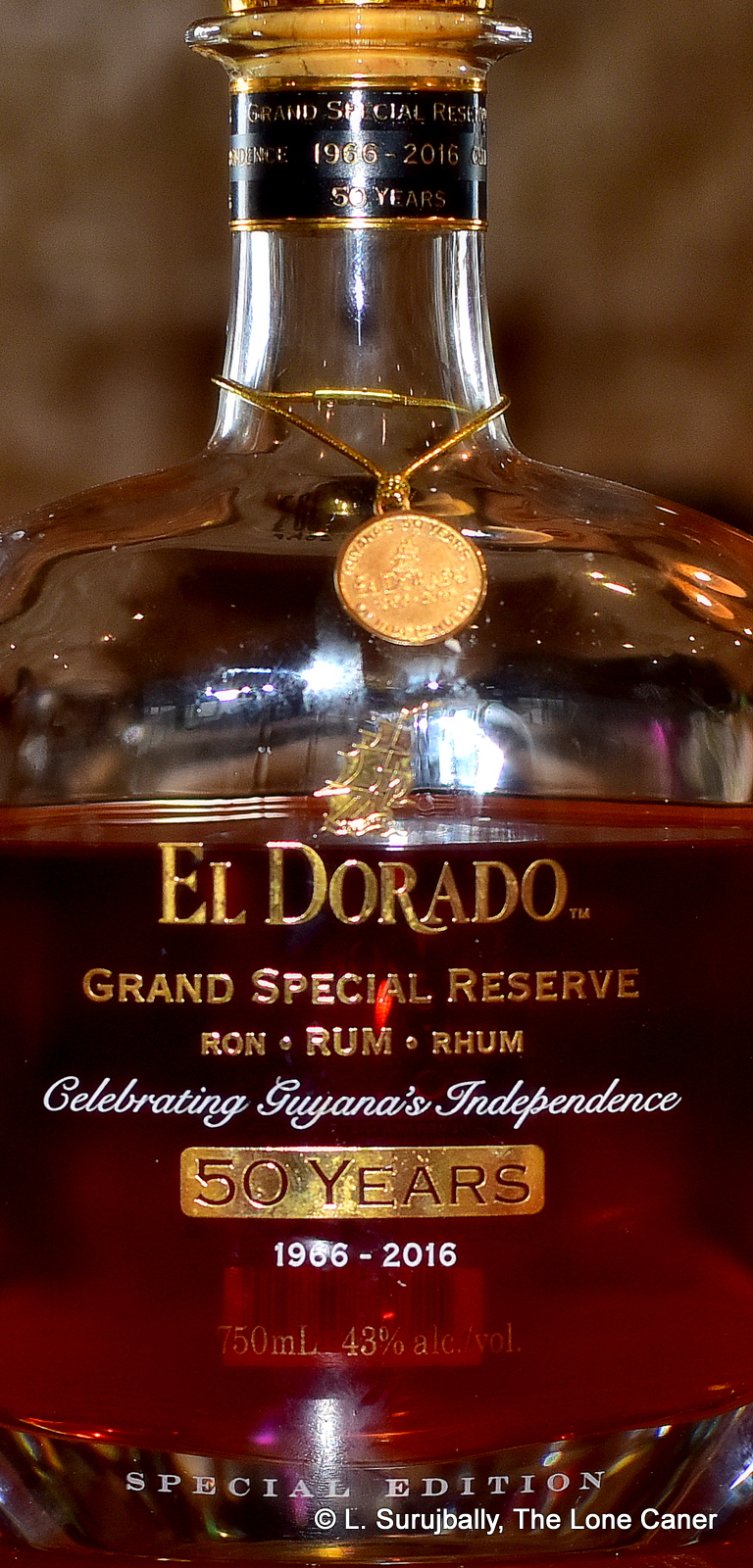 Which brings us to the El Dorado 50th Anniversary offering, with 600 produced bottles selling for a muscular US$3500 or so (each), and bottled at a less beefy 43%, meant to celebrate Guyana’s 50th anniversary of independence in 2016, just as the Appleton 50 did a few years earlier. It is not, as some websites state, a fifty year old rum (the bottle itself notes “50 years” in bold writing which doesn’t help) — by strict definition it is a 33 year old. The Whisky Exchange, which I have no reason to doubt, notes it as being a blend of rums: 65% from 1966, 25% between 1966 and 1976 and another 10% from 1983….so the idea that each of these aged components is from a specific still is likely to be a reasonable assumption (I’ve cobbled together various sources on the parts of the blend in “other notes” below).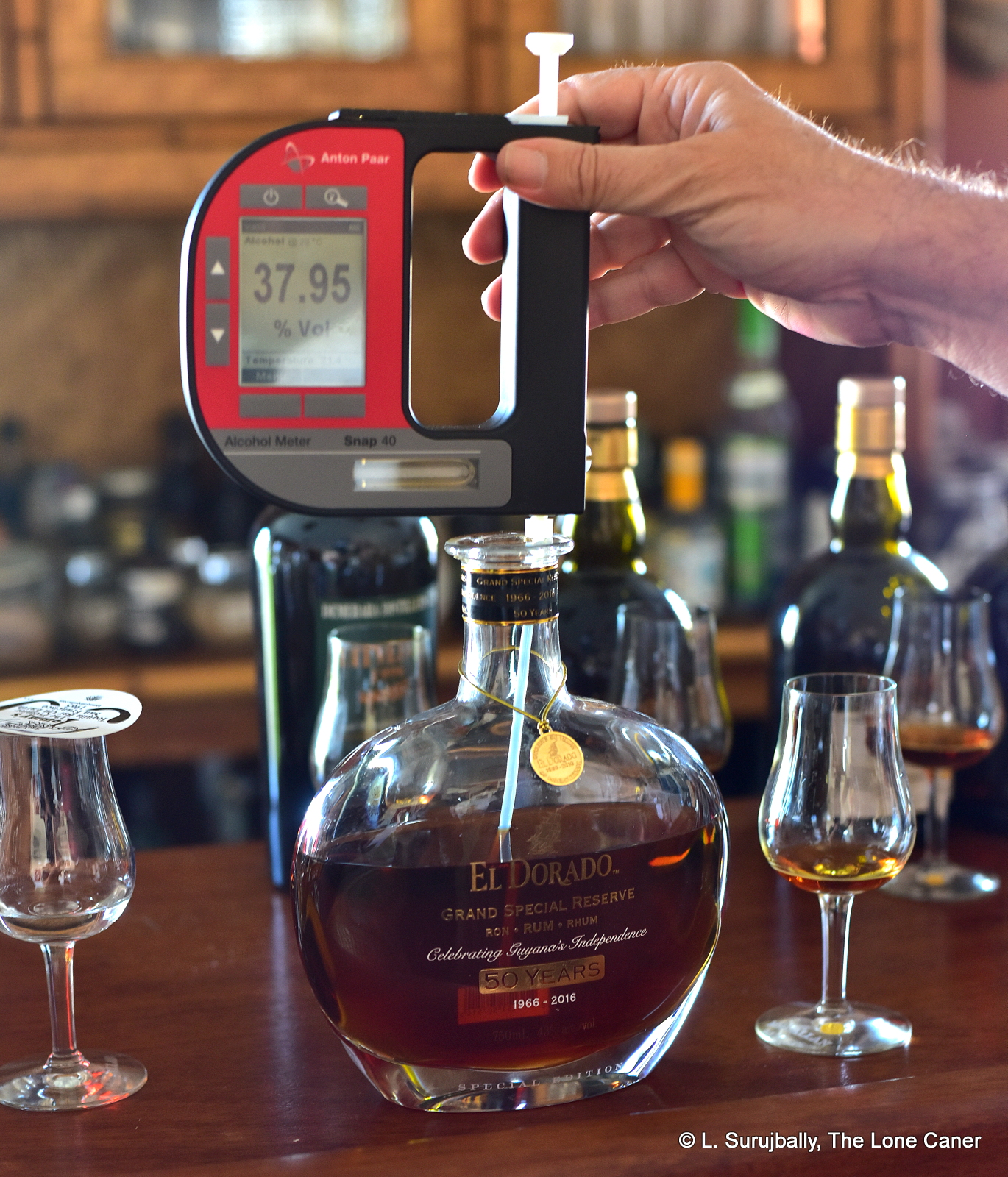
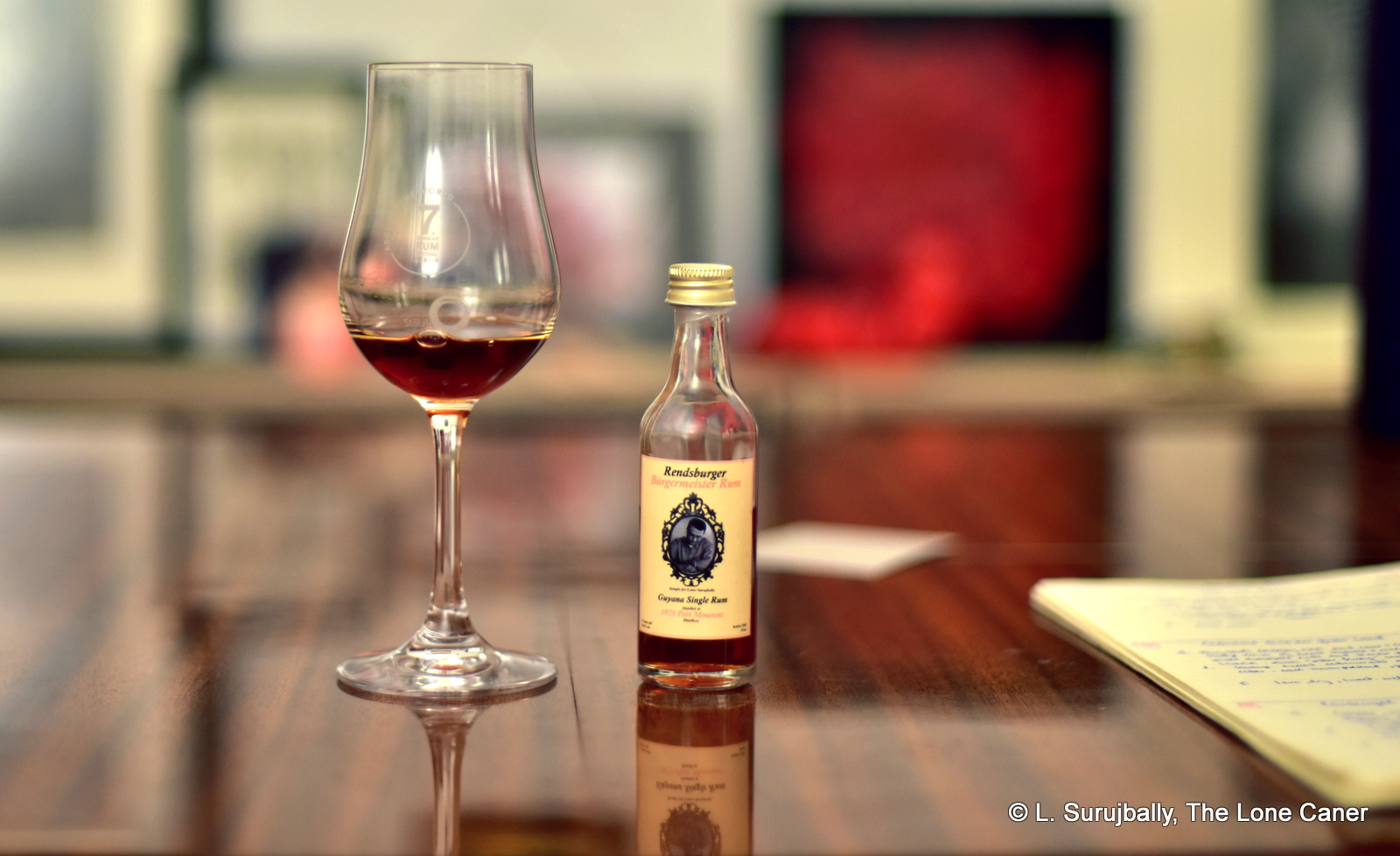
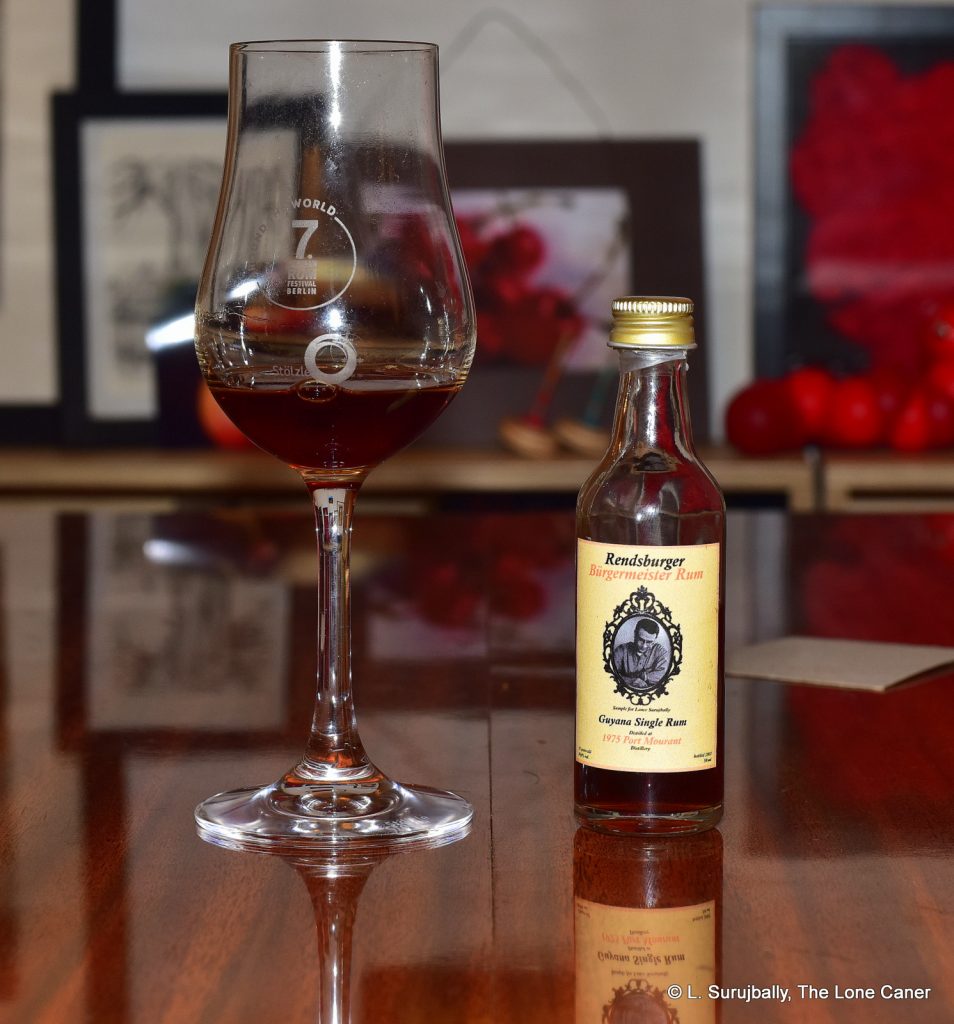 As for the palate, man, I’m in heaven, because I just found another 1975 to add to the pantheon. That same growling, thick richness of the nose segued to the tongue with no pause, no hesitation and no detours. The strength was near perfect – it gave strength without sharpness, allowing all the flavours to march solidly across the stage and present themselves one after the other: licorice, vanilla, caramel, bags of fruits, a little saltiness, biscuits and cereal. The whole thing was warm and thick with dark flavours that never seemed to want to stop showing off and even the oak, which at first I thought started to take on an unhealthy dominance after some minutes (I was actually writing “Mozart just exited the scene and is replaced by Salieri!” before crossing it out), retreated into the background, chilled out, and was (to my relief) content to be a part of the troupe rather than a scene stealing hog. The exemplary and traditional Port Mourant profile finished long, slow, voluptuously and with chocolate, coffee grounds, some oak, vanilla, raisins and anise, and overall, my take was it was simply one of the Grand Old Men of the plantation and the still.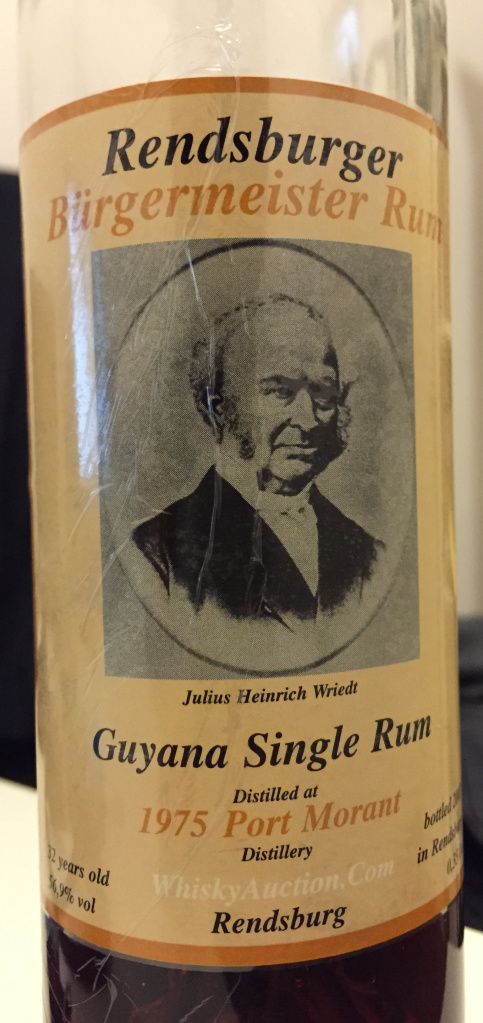
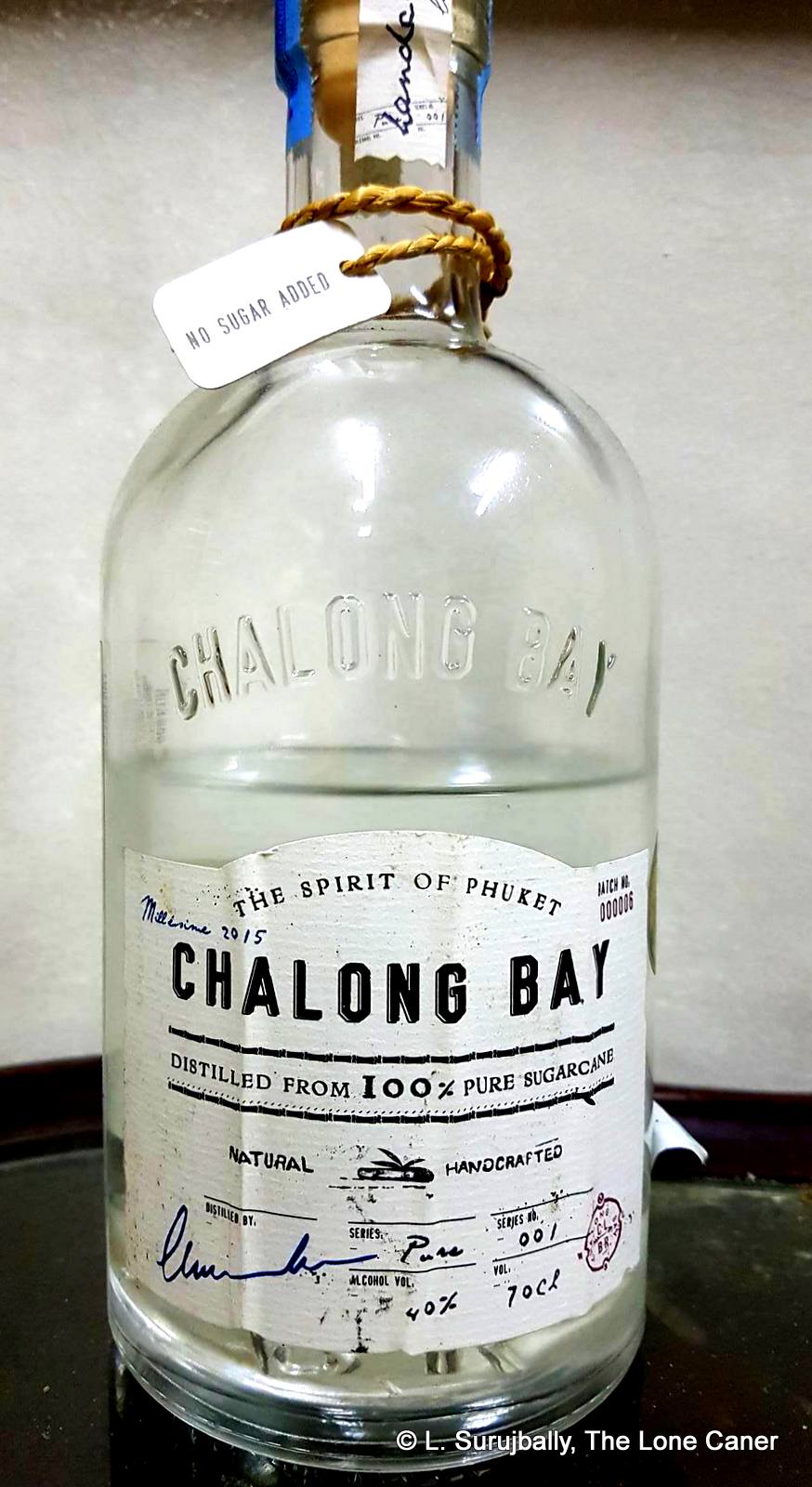
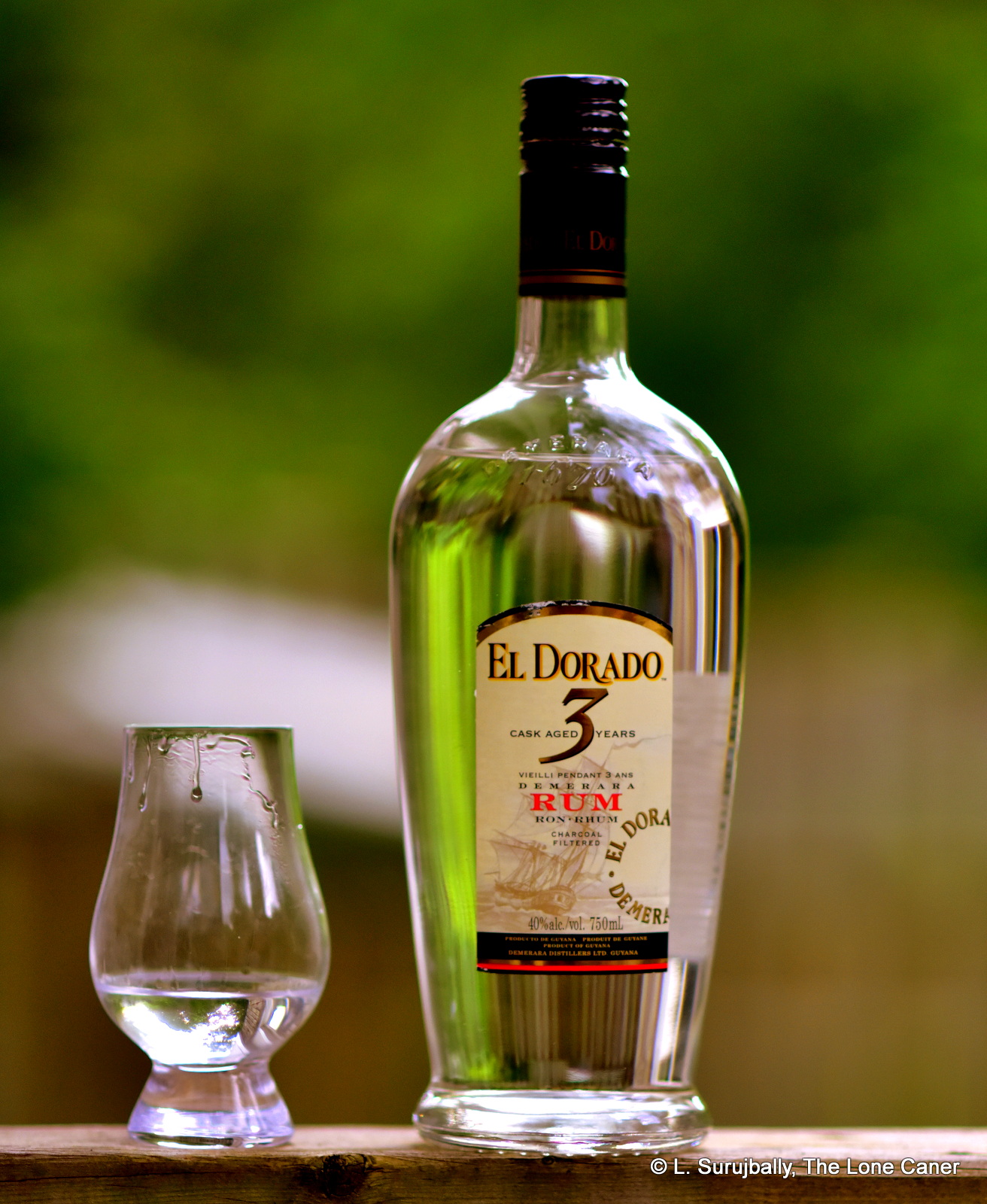
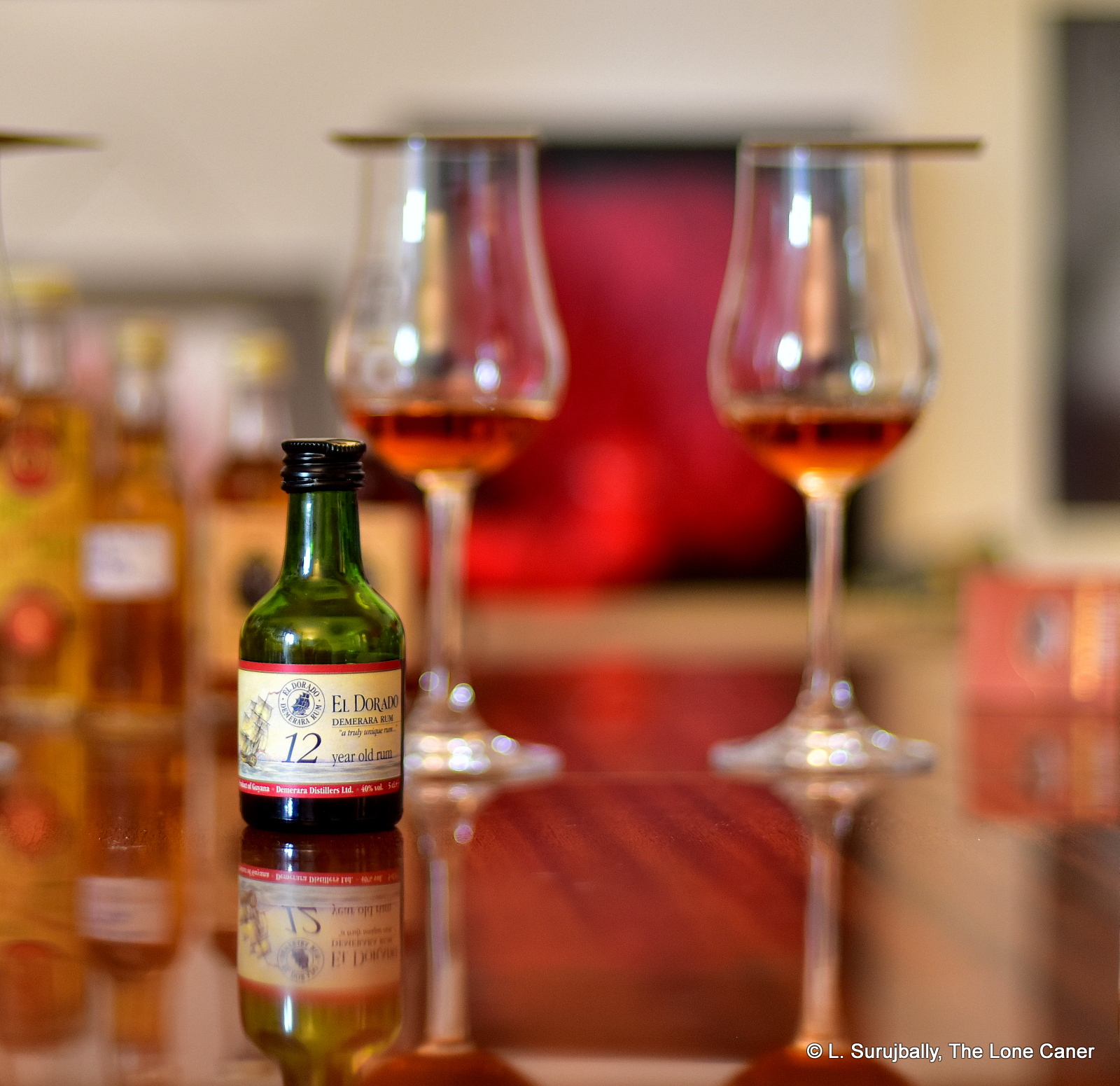
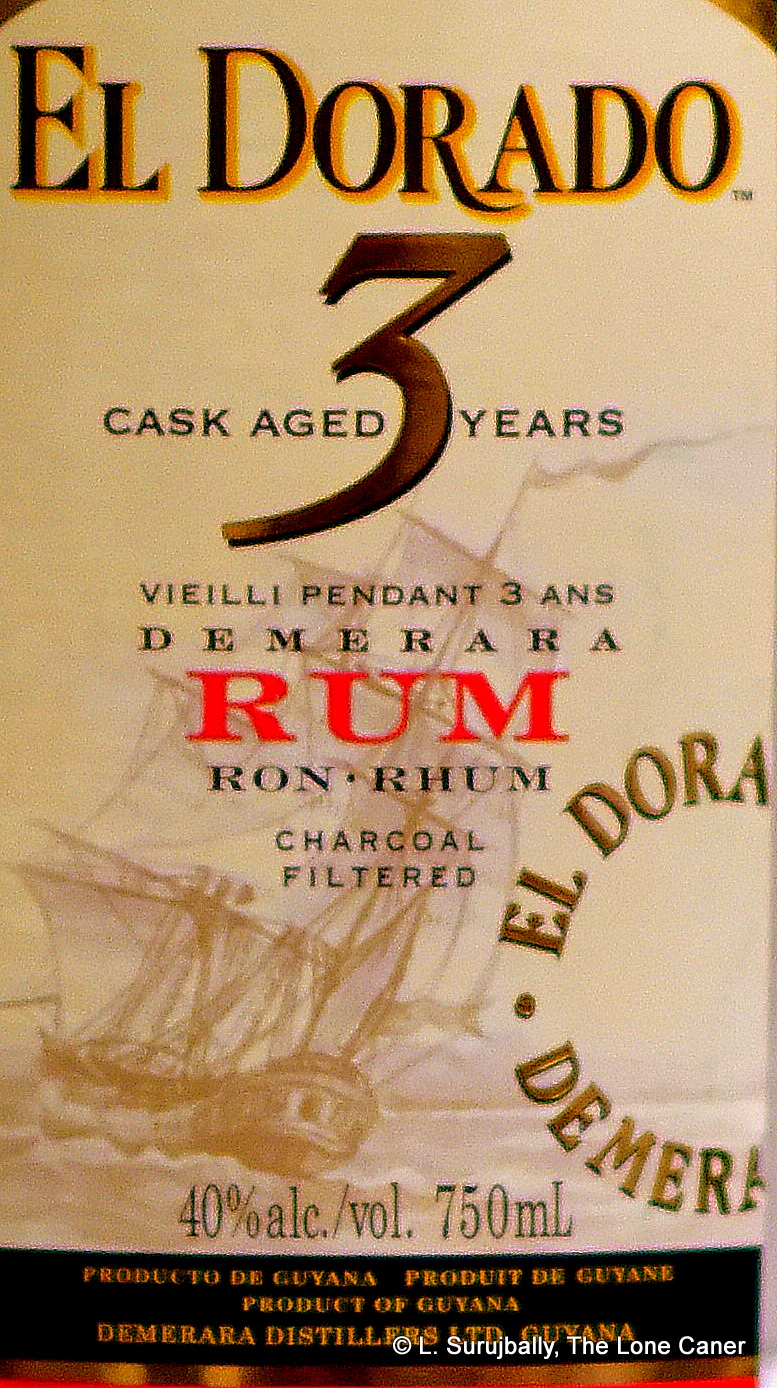 Yeah, 40%. I nearly put the thing back on the shelf just because of that. Just going by comments on FB, there is something of a niche market for well made 45-50% whites which DDL could be colonizing, but it seems that the standard strength rums are their preferred Old Dependables and so they probably don’t want to rock the boat by going higher (yet). I can only shrug, and move on…and it’s a good thing I didn’t ignore the rum, because it presented remarkably well, punching above its weight and dispelling many of my own initial doubts.
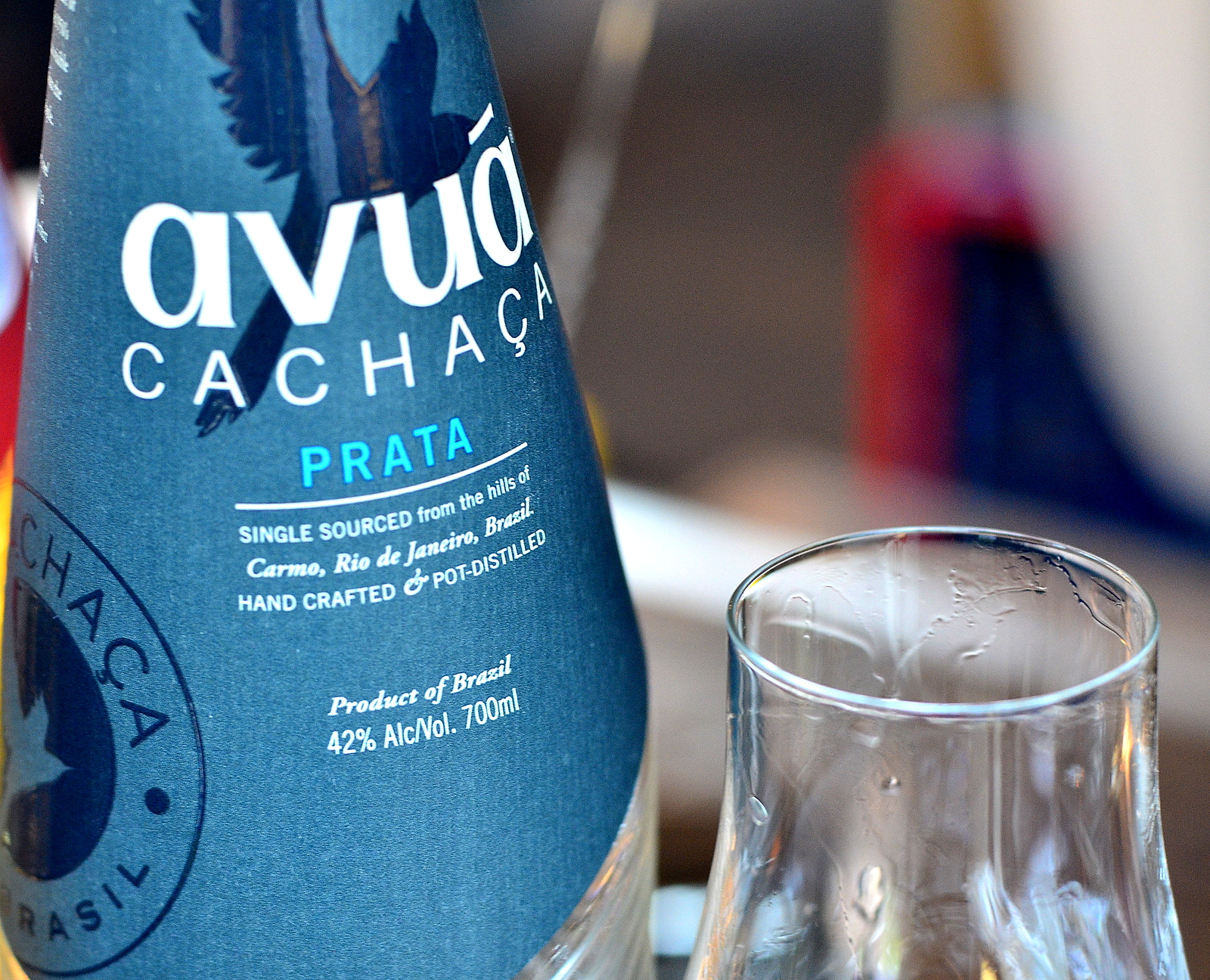
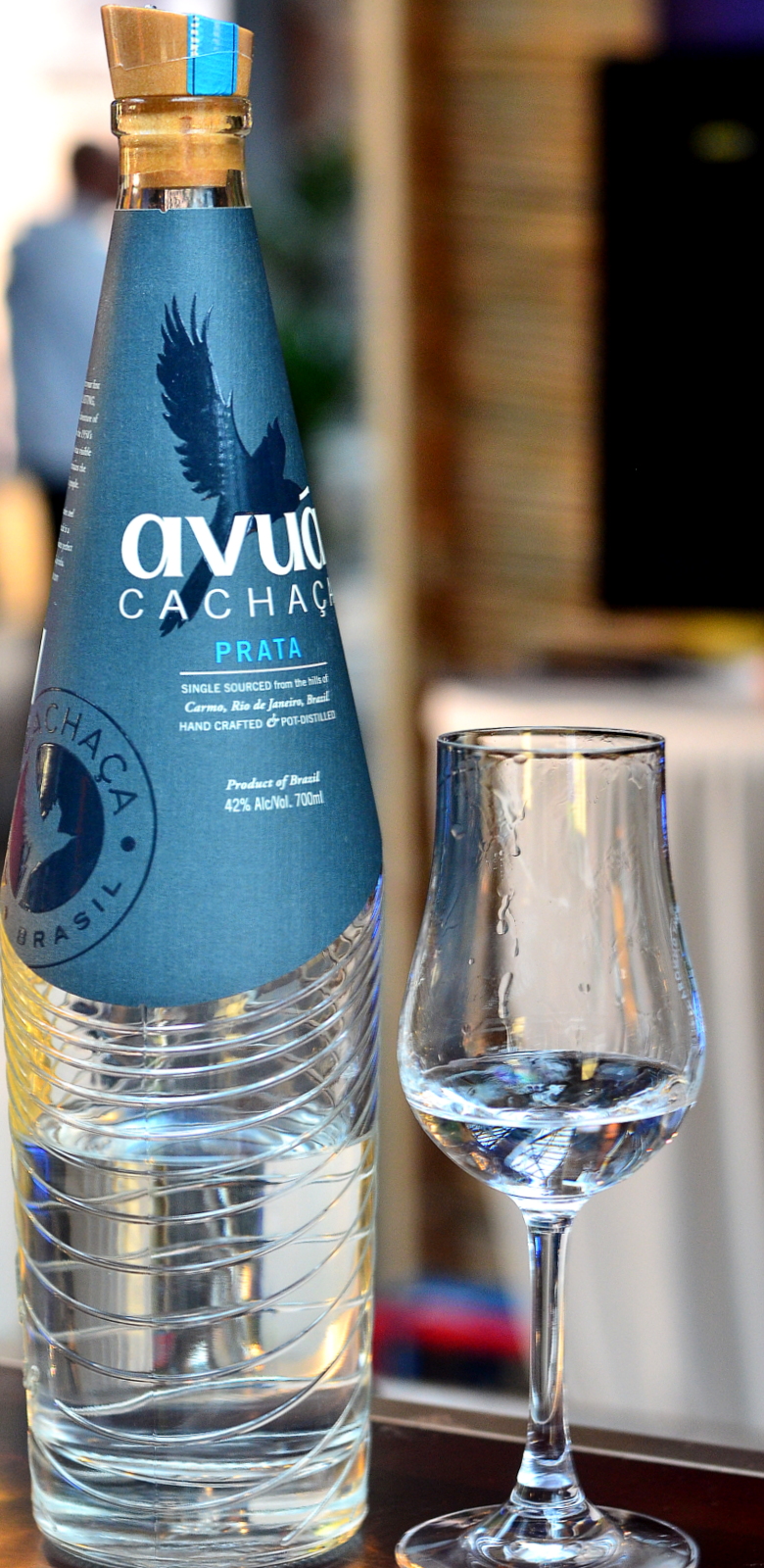 Never mind. Quite aside from these biographical details, I’m always on the lookout for interesting white rums, and so made it a point to check out the Prata just to see how well it fared. Which was, for a 42% rested-but-not-aged pot still rum, not shabby at all, if not quite as feral or in-your-face as some of the French island