#493
The other day I read that there are supposedly forty thousand cachaça producers in Brazil ¹ — if that statistic is actually true, then most are probably from small ops like the 500+ or so in Haiti – backyard moonshineries, rather than medium to large commercial operations. But there is no doubting that they represent a significant slice of the global volume of cane-derived spirits and it’s too bad that so few reviews of them exist (perhaps the lack of exports is to blame – most is drunk in-country; or maybe we need some Brazilian spirits bloggers).
A major characteristic of cachaças, when aged, is the resting in barrels made of local hardwoods. That peculiarity of local ageing is, to me, rather crucial when it comes to distinguishing an aged cachaca from any other rum. It’s what makes aged cachaças unique — most of us are so used to our hooch being decanted from ex-bourbon barrels, that to address a Brazilian rum for the first time can come over as a startling experience (note – I am using the term rum and cachaça interchangeably).
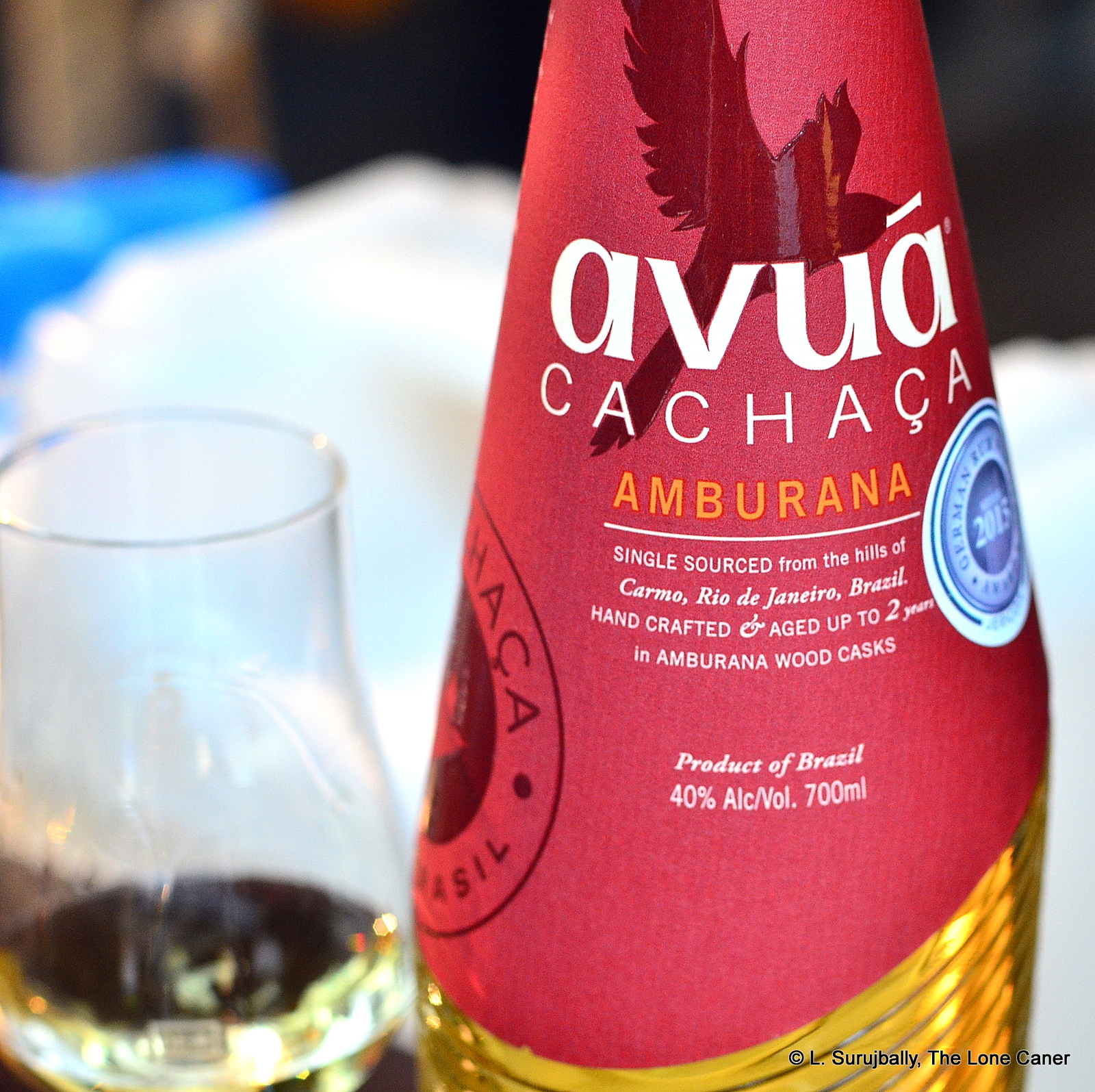
Take for example the Cachaça Avuá Amburana, made by Fazenda da Quinta, a small 3rd generation outfit founded in 1923, located just outside Rio de Janeiro. Their cachaça is made from two types of sugar cane, has a 24 hours fermentation period, and is pot still distilled. As the name implies, it is aged in barrels made of amburana wood (which supposedly imparts an intense colour and flavours of sweetish vanilla) for up to two years and is bottled at 40%.
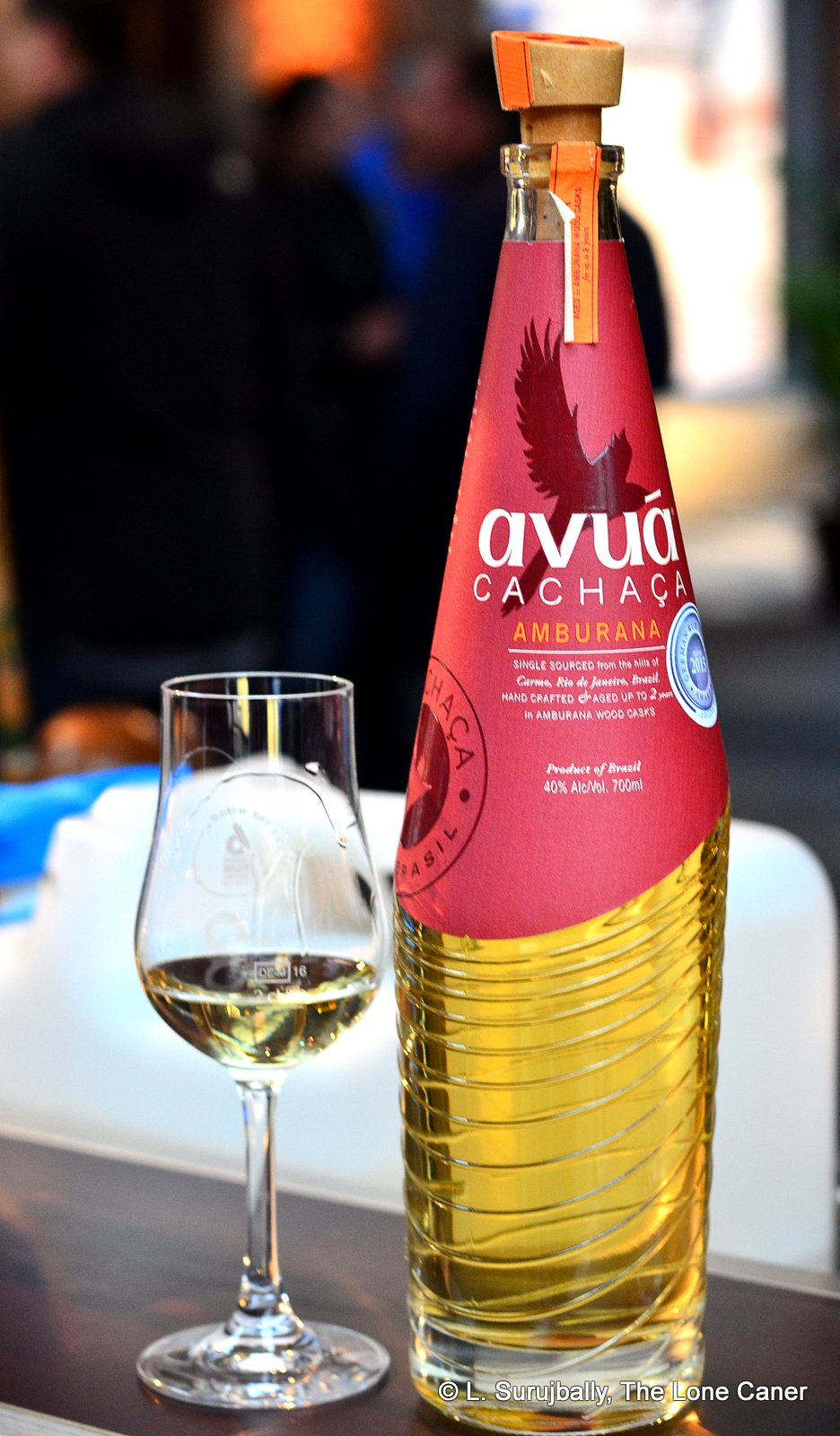 Does the amburana make for a uniquely different taste profile? Yes and no. It certainly presented aspects that were similar to young agricoles – fresh and crisp aromas of watery pears, sugar cane sap, swank and watermelon just to start with, clear without real sharpness. It’s after opening up for a few minutes that it shows its antecedents more clearly, because other smells, somewhat more unusual, begin to emerge – cinnamon, nutmeg, bitter chocolate, sawn lumber, wet sawdust, freshly baked dark bread. Not your standard fare by any means.
The palate was quite firm for a 40% rum, stopping just short of sharp and marrying complexity with a variety of flavours in decent balance with each other. It had both red wine and muskier whisky notes, and bags of the aforementioned spices – cinnamon and nutmeg. Vanilla, ginger, sugar water, gherkins, cucumbers, a sharp cheddar, sawdust…and also a weird line of sweet bubble gum. And, of course, some herbal grassiness – but overall the defining taste was mostly the cinnamon and swank with that slight bitter background. This continued smoothly into a longish finish that again brought out the bubble gum, some Sprite (or 7-Up, take your pick), faint citrus, more cinnamon and vanilla, and a bit of sugar cane sap. A little dry, overall, but pleasingly complex and tasty for all that. I just wish it had been bumped up in proof a few notches – at ~45% it might just be amazing.
Tasting the Avuá Amburana blind, without some experience or comparators around, you’d be hard pressed to identify the country of origin (though the slight bitterness, woodsy taste and cinnamon background would likely give it away), and might even confuse it with an agricole – probably to the displeasure of any Brazilian. Be that as it may, I quite liked it, and since its introduction in 2013 it’s made a quiet splash in North America, as well as winning awards in 2015 (Berlin Rumfest) and 2016 (Madrid Congreso del Ron).
Brazilians involved in the production of cachaças are at pains to distinguish them from agricoles, but any casual rum aficionado would have some difficulty following the logic – after all, both derive from cane juice, distilled on either pot or column stills, the cane juice has a short fermentation time and is processed soon after harvesting. Regulations are specific to each region: for example, a cachaça can only be called so if it derives from Brazil and at least 50% of the blend is aged for a minimum of one year, and for me that’s a naming and production convention and not a serious departure from agricoles (to use another example, calling only a rum made in Guyana a “Demerara” does not make it any less of a rum). Also, as briefly noted above and more applicable to Brazil, a cachaça can (but does not have to) be aged in local woods like jequabita, amburana, carvalho etc, and not the more “traditional” oak barrels like ex-bourbon, ex-cognac, limousin oak, and so on – however, since the type of wood of the ageing barrel is not a disqualifier for any rum or ron or rhum anywhere in the world (except perhaps Cuba), this again seems more a local peculiarity, not a fundamental difference between the two types of rum.
So in other words, given the cane juice origin, then either cachaça is a Brazilian agricole, or agricoles are French cachaças. To me such distinctions are geographical, not fundamental. Irrespective of the pride that the producing countries bring to their indigenous rums, production philosophies and heritage, both have interesting products that are cool to drink and make killer cocktails. That the French island rhums currently get more good press than cachaças do is no reason to ignore the latter – taken with their uniqueness and taste and wide applicabilty, something like the Avuá Amburana is good to experience if you want to go a little off the beaten track without heading into the jungle altogether. It’s a pretty nifty cachaça that’s well worth checking out.
(84/100)
Other notes
- ¹ Messias Soares Cavalcante, A verdadeira história da cachaça. São Paulo 2011 page 608
- Uncoloured, unfiltered. Small batch production. Each bottle is numbered
- Ralfy gave the Avua an in-depth look on his video in May 2017.
- Matt Pietrek, the Cocktail Wonk, used this rum to provide an introduction to cachaças, back in 2015. It’s also got some good historical notes on the founders.
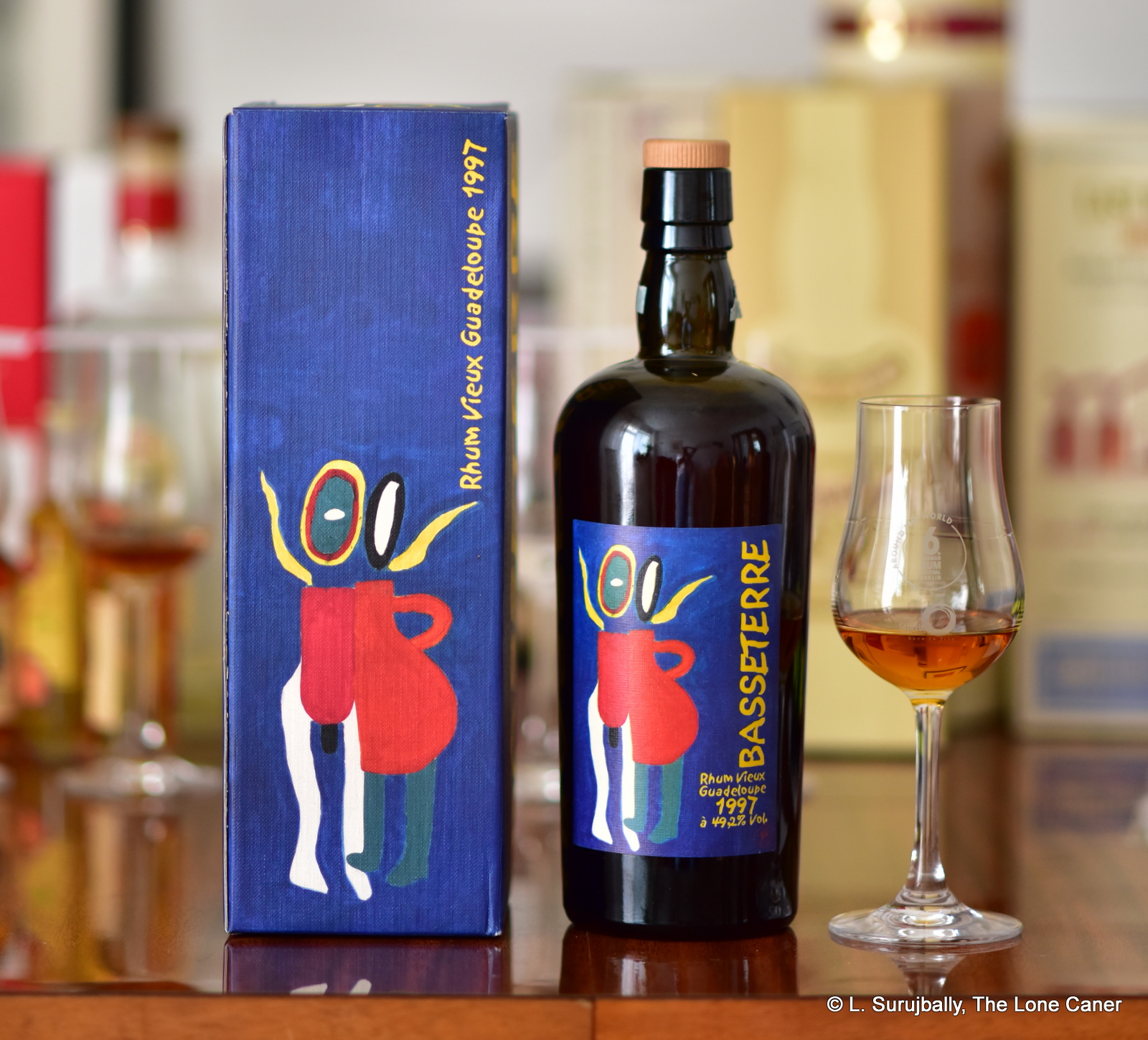
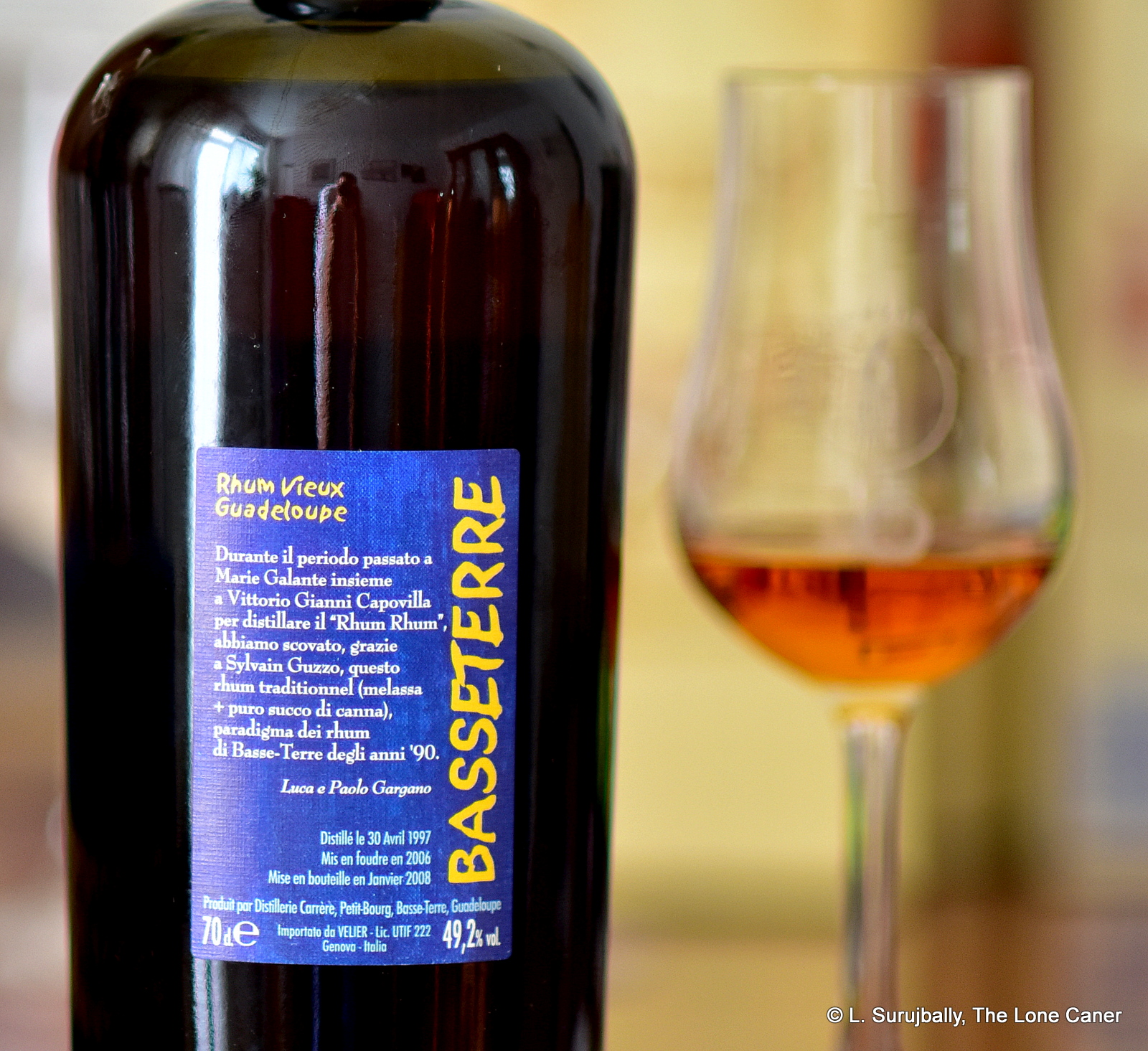 Anecdotes aside, what have we got here? A Guadeloupe column-distilled 49.2% ABV rhum from the Carrere Distillerie more commonly called Montebello, located just a little south of Petit Bourg and in operation since 1930. Curiously, it’s a blend: of rhum agricole (distilled from cane juice) and rhum traditionnel (distilled from molasses). Aged…well, what is the age? It was put in oak in 1997 then taken out of the barrels in 2006 (again, just like the 1997 edition) and placed in an inert vat until 2008 for the two divergent strains to marry. So I’m calling it a nine year old, though one could argue it sat for 11 years even if it was just twiddling its thumbs for two. And as noted above, there’s a reason why Sylvain’s name is on the back label, so now you know pretty much the same story as me.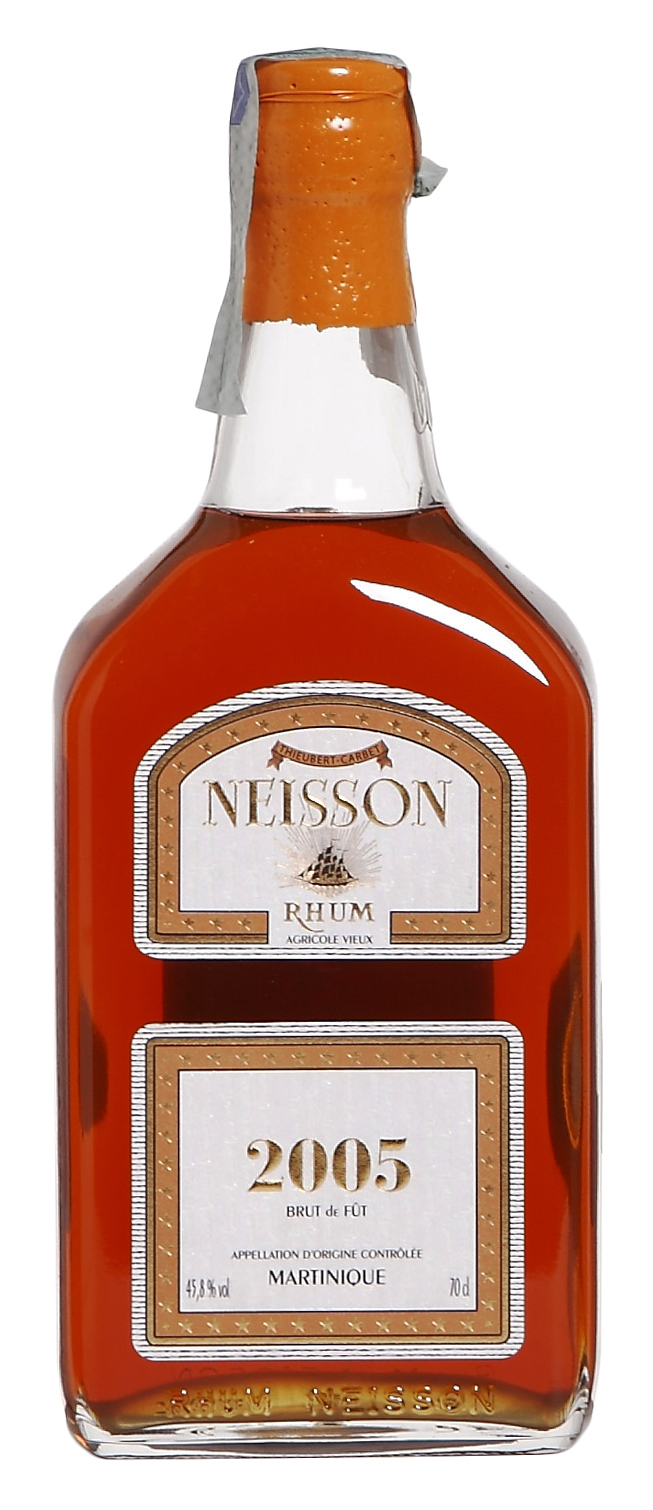
 Rumaniacs Review #073 | 0488
 See, while furious aggression
  Rumaniacs Review #072 | 0486
 Rumaniacs Review #071 | 0484
 Palate – Thrumming and deeply vibrant rhum, one wonders how they wrung such depth out of a “mere” 48% – however, I’m not complaining. Dark and hot black tea. Ripe apricots, overripe mangoes, honey, cherries, wound about and through with citrus peel. Also some anise, coca cola (odd, but there you are). Dill, sage, a flirt of mint, grass, a faint wine-y tone and yes, there’s a whiff of chocolate as well.
 The nose told a tale that would be repeated right down the line, and what I smelled was pretty much what I tasted, with a few variations here and there. It was light and clean, yet displaying darker, muskier spicier notes as well: vanilla, coffee, licorice and some sharp tannins, with the musty long-disused-attic tastes remaining. Some fruits – peaches and cherries for the most part – stayed in the background. The core was anise and sawdust and unsweetened chocolate, and overall it presented as somewhat dry. Quite nice — if it fell down at all it was in the finish, which was more licorice and chocolate, thin tart fruits (gooseberries perhaps) and after a few hours, it took on a metallic tang of old ashes doused with water that I can’t say I entirely cared for.
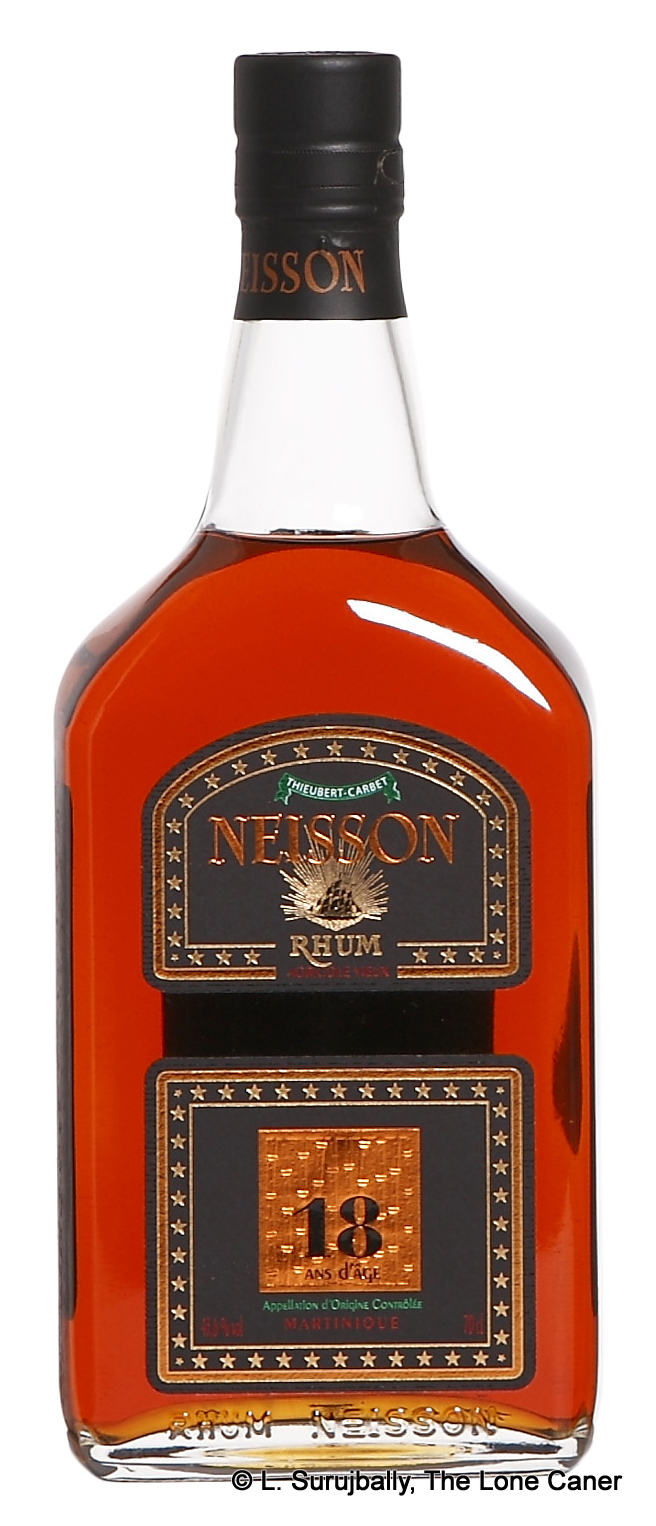 Rumaniacs Review #070 | 0482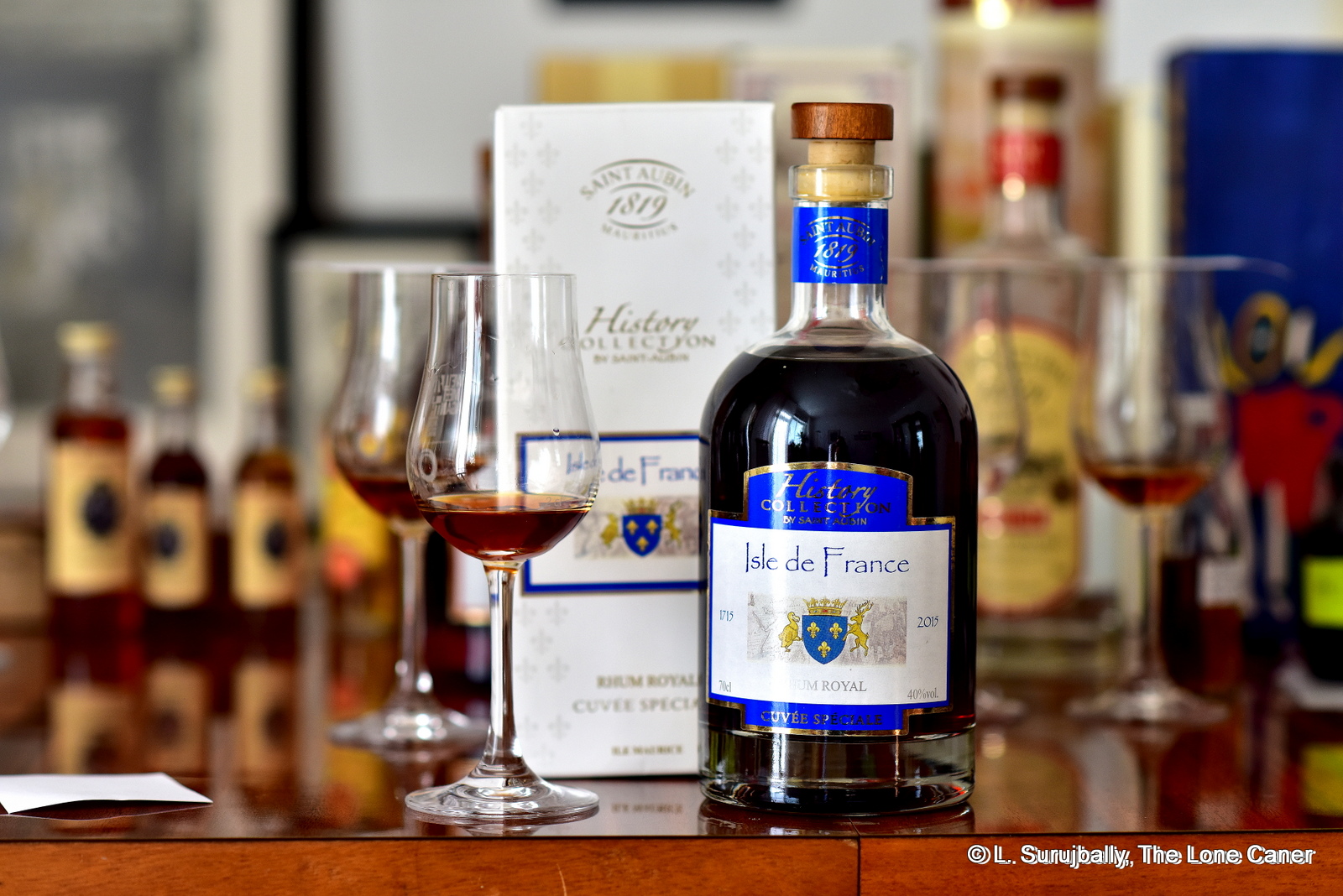
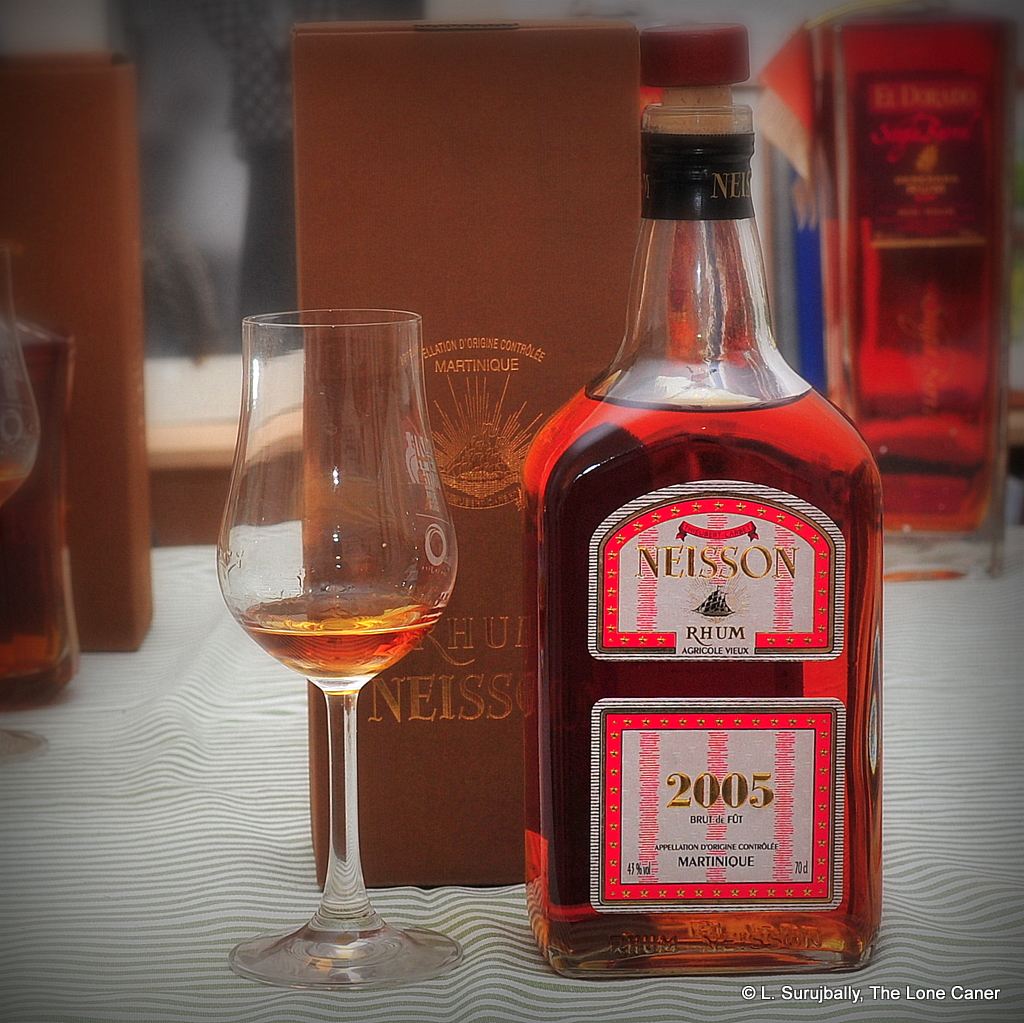
 According to my email exchanges with the company, the rhum was produced from the harvest of 2005, and is a blend of two rhums – pot still (30%) aged ten years aged in ex-bourbon barrels, and column still (70%) stored in inert inox tanks; both distillates deriving from cane juice . As a further note, although sugar was explicitly communicated to me as
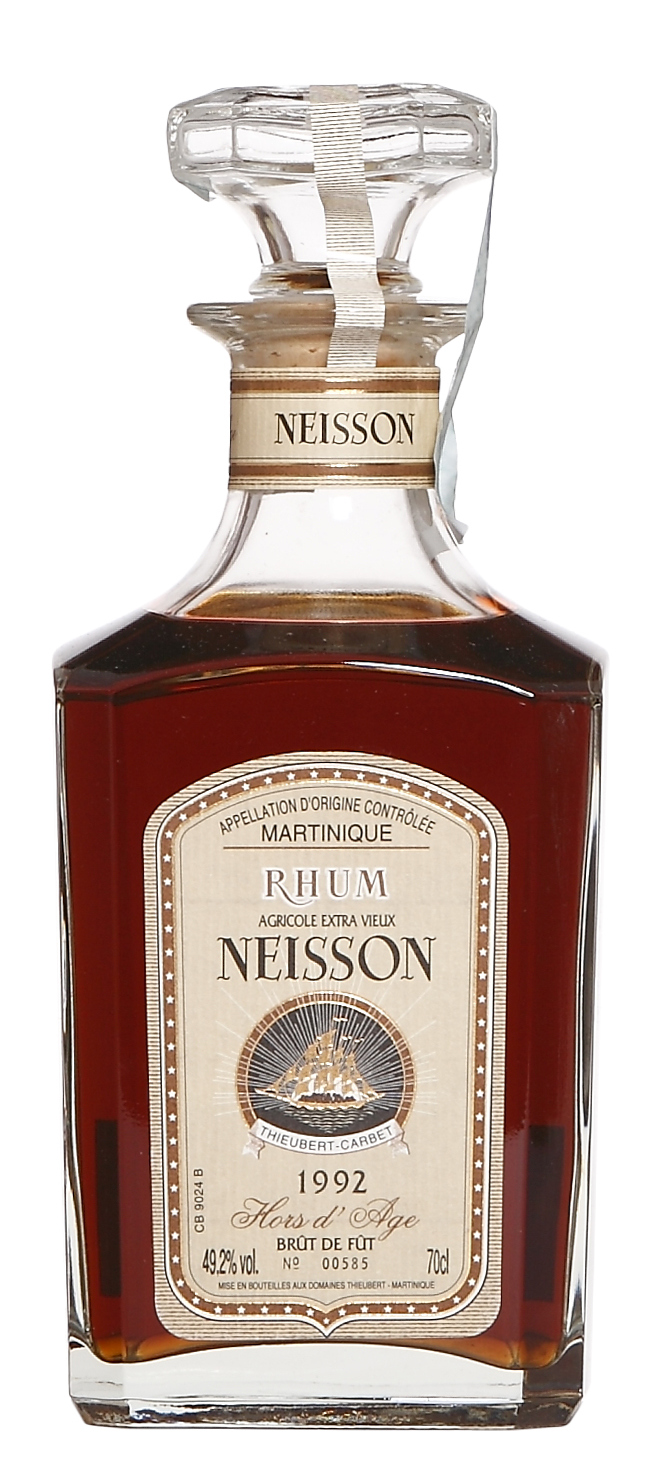 Rumaniacs Review #068 | 0478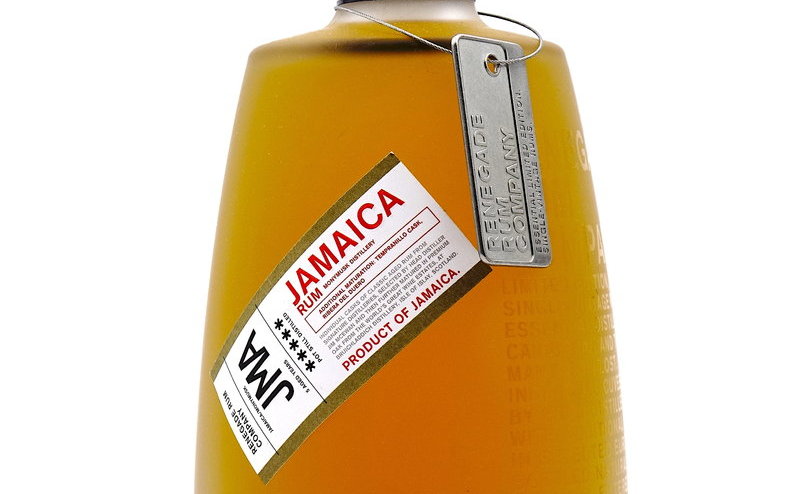
 Rumaniacs Review #067 | 0476
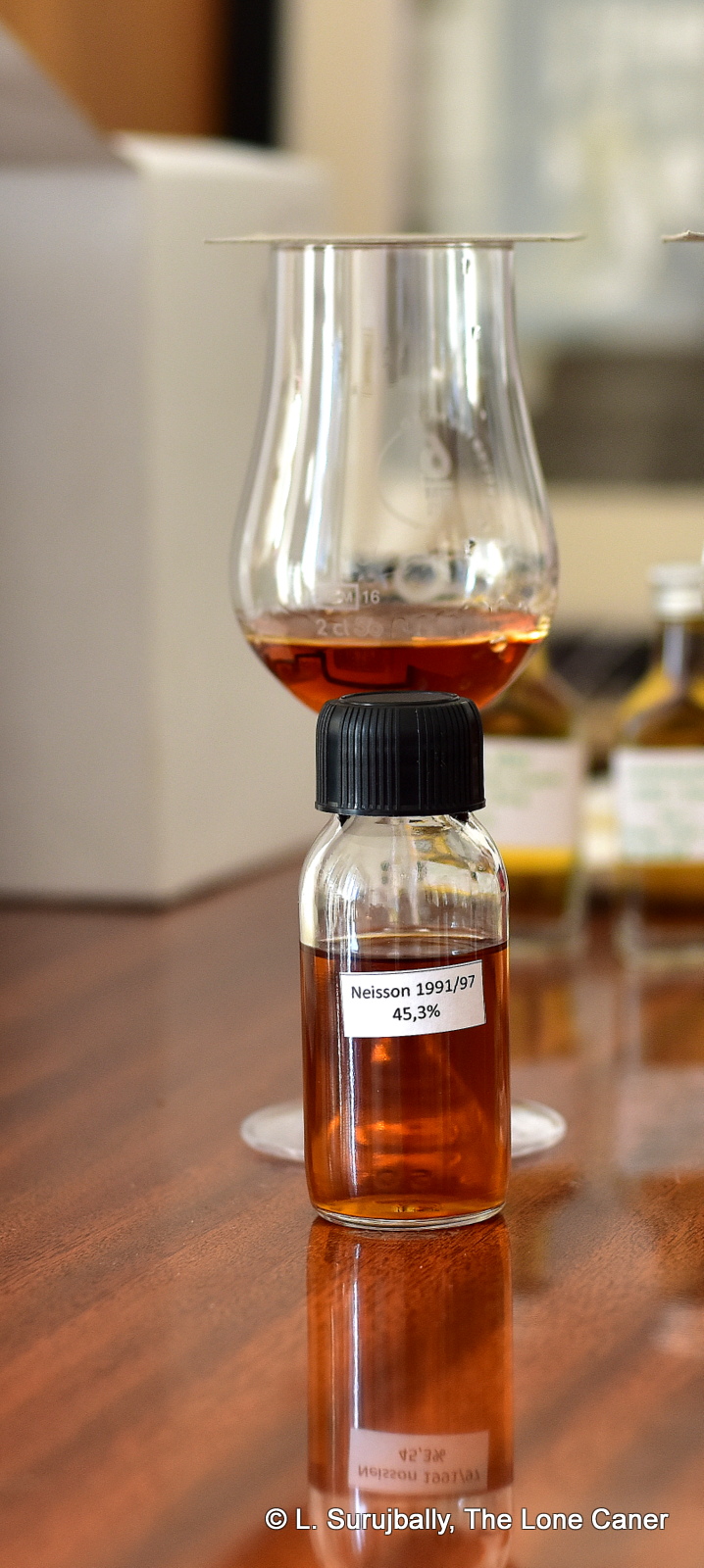 Nose – Starts easy, yet with enough bite to announce itself. Salty pecans, licorice, caramel and raisins (not really the opening I was expecting from an agricole, to be honest). It’s also light with florals, some nuttiness and a blade of pungent crushed lime leaves running through it. Grasses and herbs stay well back, and it morphs nicely into a sort of fanta-orange juice blend, combining snap with tastiness.
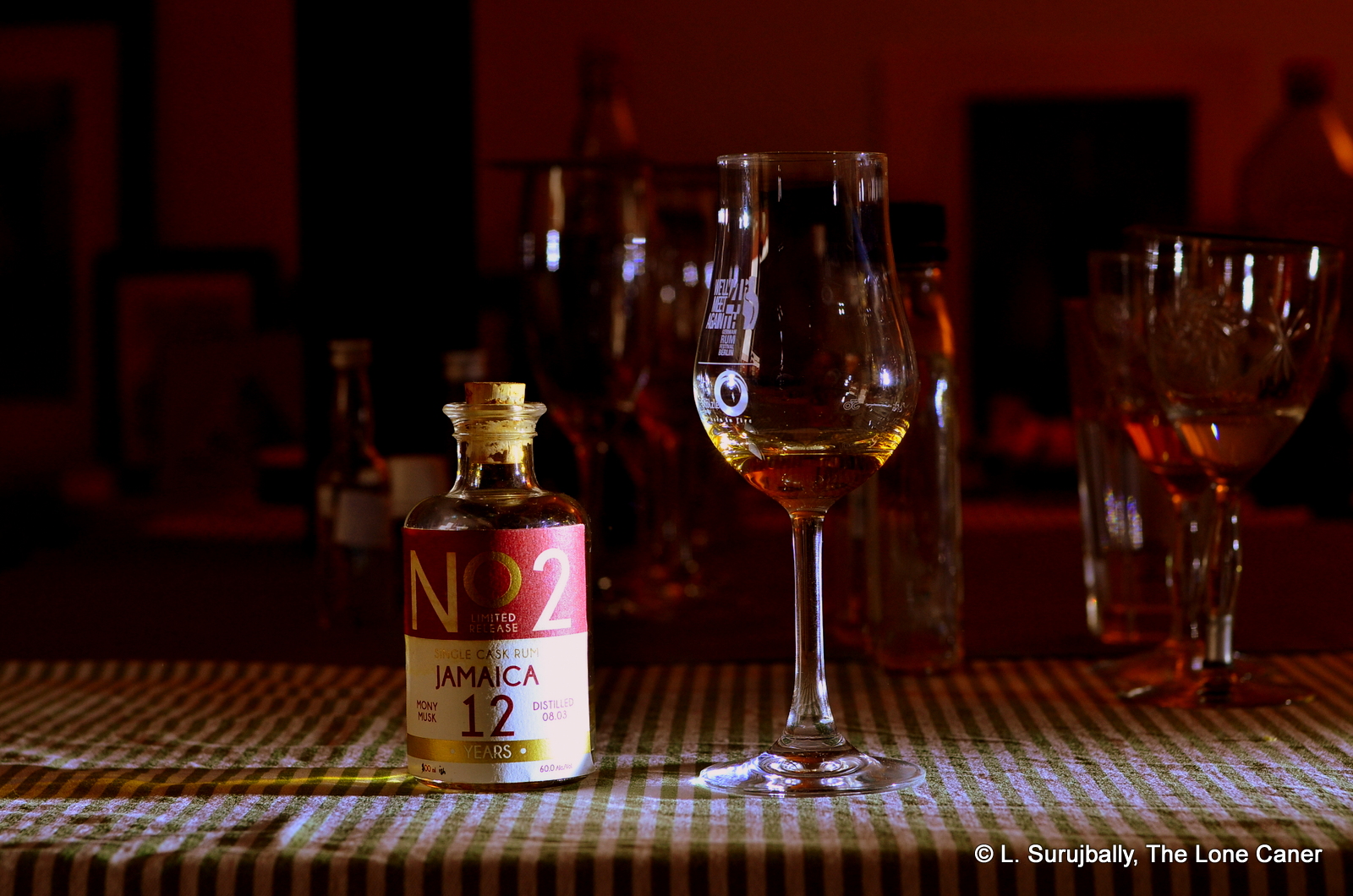
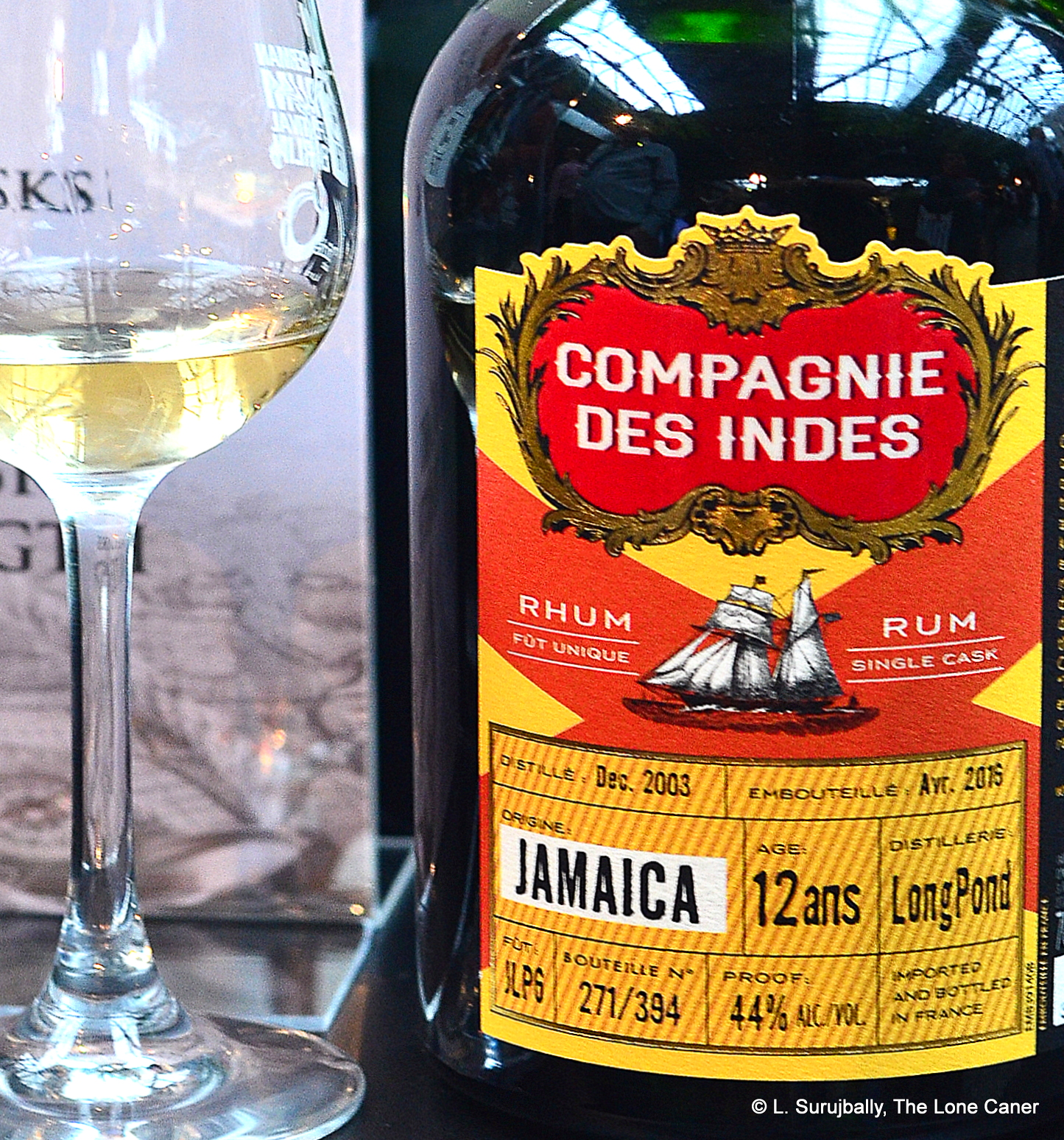
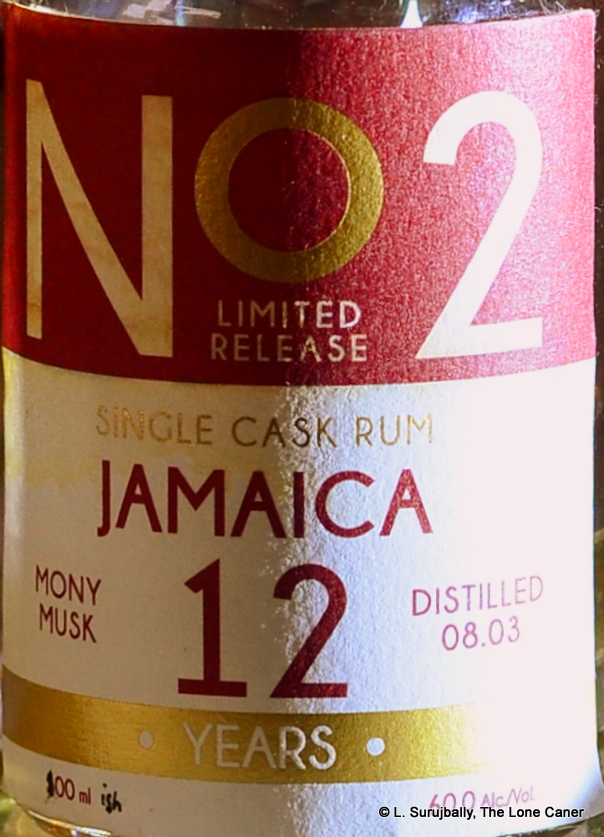 Now, the No. 2 hails from Monymusk, and I have not had that much experience with the all-but-unknown brand — few outside Jamaica have, though this looks like it’s changing as Jamaica blasts off on the world rum scene again. Permit me to walk you through a quick ovastandin’ of the structure. A sort of consortium was created in 2006 which comprised of the Jamaican Government, WIRD out of Barbados and DDL out of Guyana – they called it the National Rums of Jamaica and folded Clarendon, Longpond and Innswood under its umbrella (this was partly in an effort to stabilize prices and keep rum production going). Longpond — until very recently when Maison Ferrand bought a stake — was not doing much and Clarendon was the owner of the Monymusk distillery attached to the sugar factory of the same name, which in turn provided Innswood with distillate, with the latter acting as the ageing and blending facility. The house brand for NRJ is named Monymusk (not Longpond, Innswood or Clarendon, for whatever illogical reason). Just be aware that Clarendon Distillers Limited (the company) is the owner of the distillery that is attached to Monymusk Sugar Factory and you’ll be fine (the only other distillery in the Clarendon Parish is New Yarmouth, owned by Wray & Nephew).