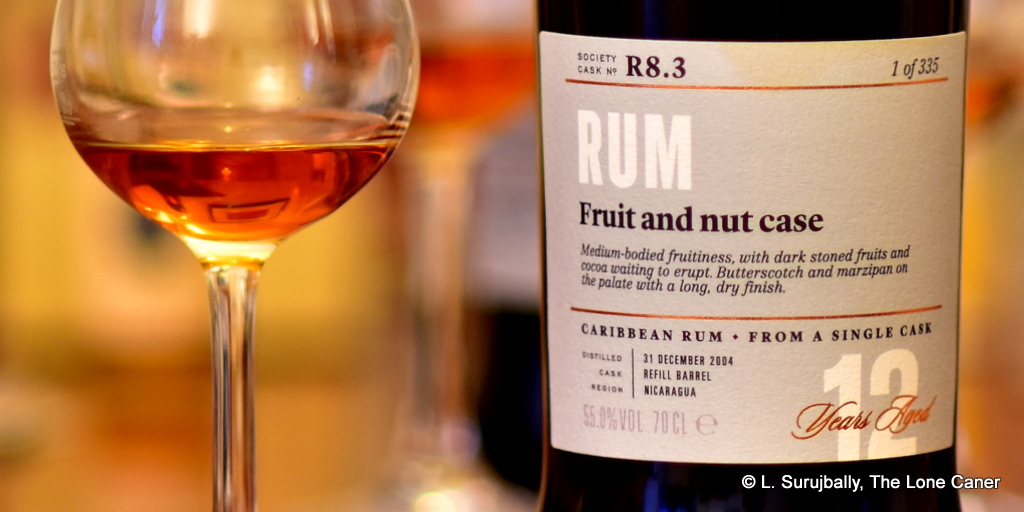
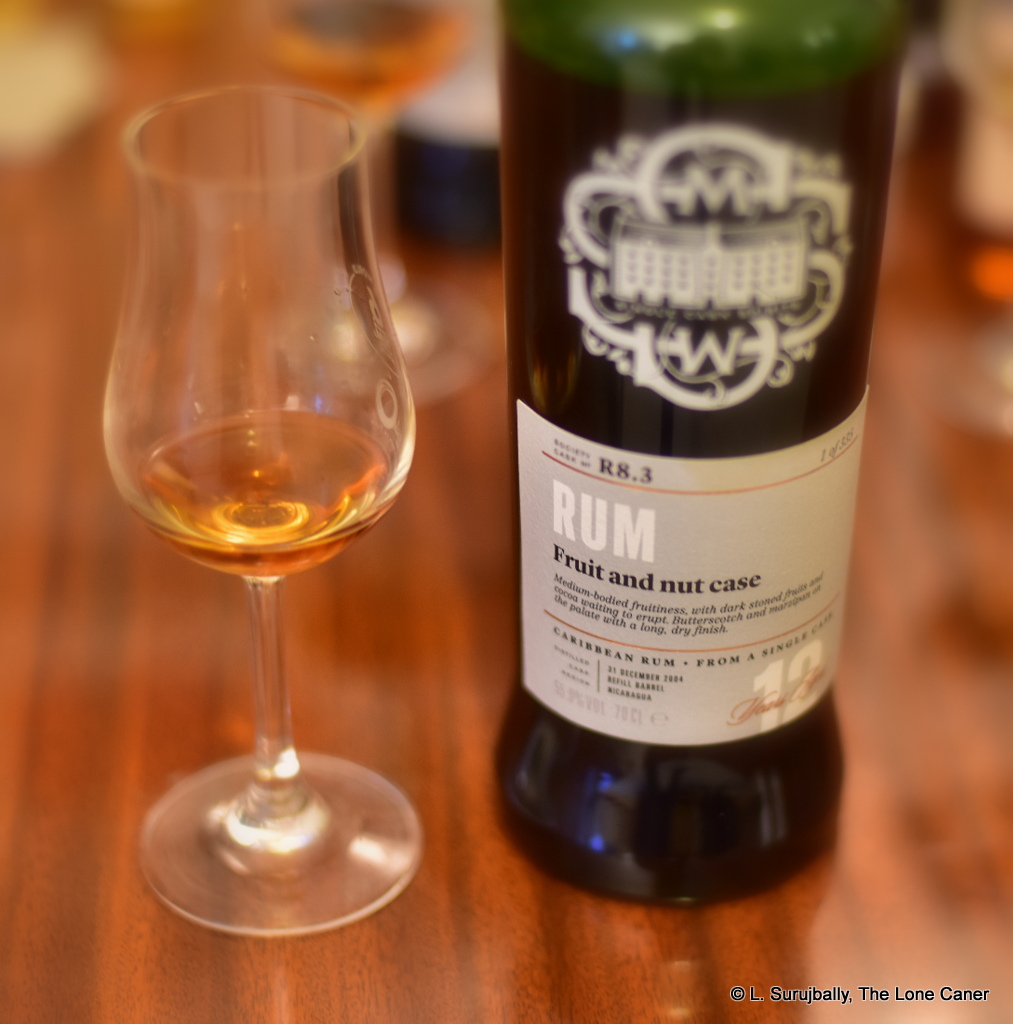
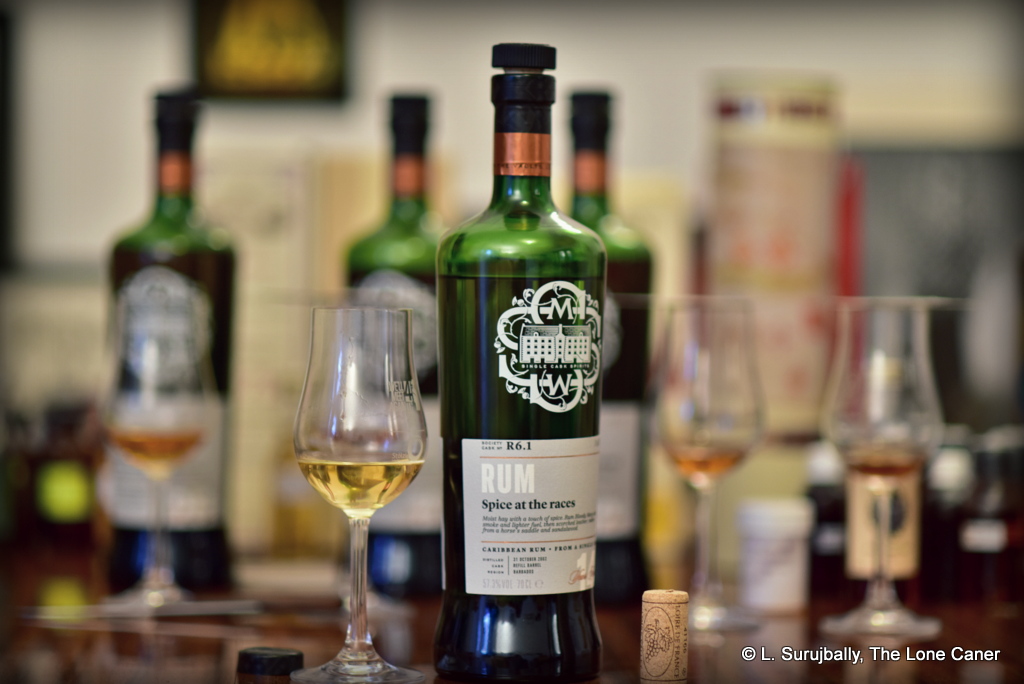
These days, most rumistas are aware of the Scandinavian company 1423 and their upscale rum brand of the SBS (Single Barrel Selections, even though they sometimes aren’t). In the last five years this small Danish outfit has become a much bigger Danish outfit, not just bottling the upmarket connoisseur’s series of the cask strength single barrel releases, but whole blended lines like the Compañero rums, and occasionally horse trading barrels and supplies with other companies (the Romdeluxe R.1 Wild Tiger, for example, was originally a 1423 import).
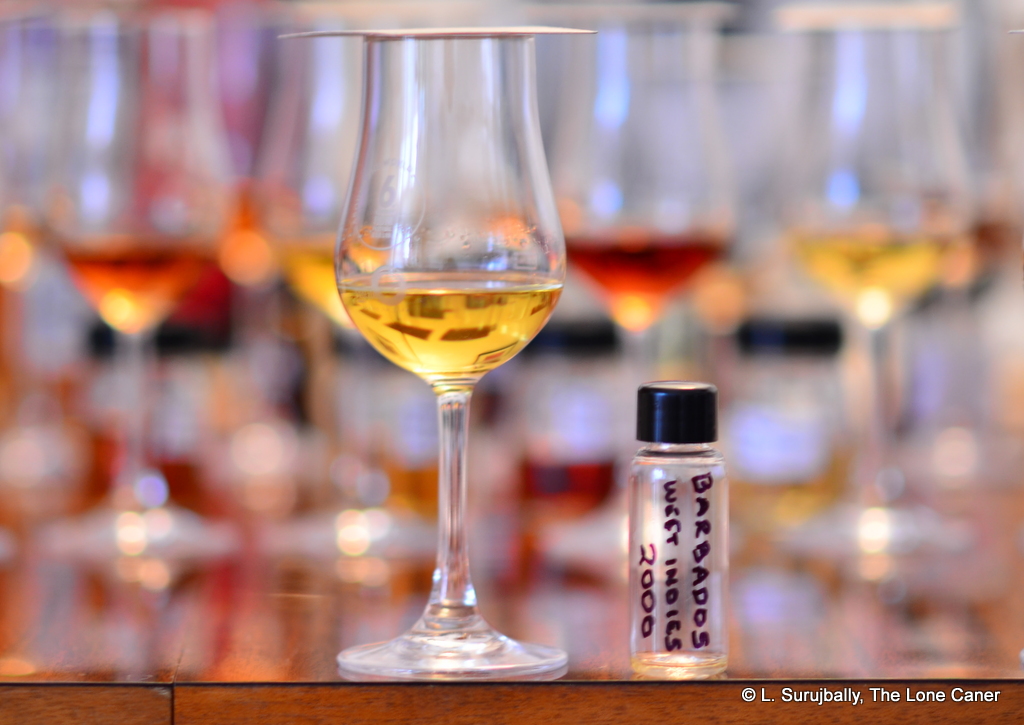
But back when this Barbadian rum came on the scene in 2016, they were known primarily in Denmark, even though they had already been in the business of bottling and distribution for eight years by then and had had some success on the larger European rum scene. Not surprisingly, they bought and buy barrels from European brokers (like Scheer, of course…after all, who doesn’t?) and perhaps what enthused them about the Bajan barrel were the stats: distilled in 2000 at WIRD, sixteen years old, a solid 54%, enough for 224 bottles, and deriving from a pot still. That last might have clinched the sale, since most of what the drinking public was getting from the island at that point was pot-column blended rum. A pot distillate was something rather more interesting.
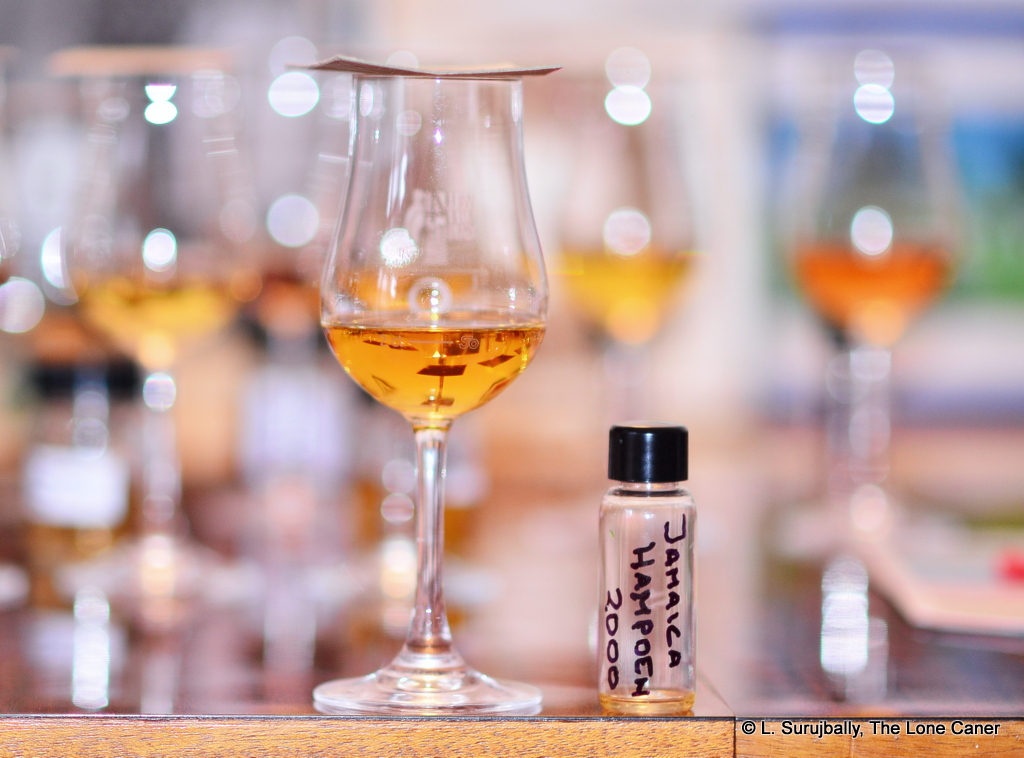
The year 2000 delivered quite a few Barbadian rums from WIRD to the indie scene: Serge looked at a Cave Guildive 2000-2015 version in 2017 (87 points), one from Whisky Broker a year later (86). Single Cask Rum has probably reviewed the most, here, here, here and here, with the attendant curiosity of referring to them as originating off the Rockley Still when they likely are not (see discussion below this post). Be that as it may, they were and remain quite unique in taste, and this one was no different. The initial nose, for example, started off very traditionally with papaya, bananas, fresh whipped cream…and some light petrol, diesel on a hot asphalt road, and tar fumes. There were hints of something medicinal, iodine-like and almost peaty notes, but very much in the background (where it belonged, trust me). Resting and coming back suggested we had just gone down the rabbit hole and entered the Hatter’s Tea Party: cookies and cream with some green tea, cucumber sandwiches on white bread (no crusts), delicate florals, light fruitiness and it was all I could do to not to think that this had one of the most completely weird aromas I’d experienced in quite a while — which is not, you understand, a bad thing…just an unexpected one.
Anyway, it must be said that the taste was better behaved. Again there was that fruity line coiling around the slightly heavier creamier notes. Citrus, tangerines, kiwi and pears set alongside vanilla, salt caramel, dark honey and Danish cookies. Also bananas and papayas plus a touch of tart and unsweetened yoghurt, very well balanced. The medicinal, rubber, petrol and tar notes took a step backward here, so that while they could be sensed, they didn’t overwhelm – still, they distracted somewhat, and the integration into the greater whole wasn’t of the best. The finish was fine, redolent of iodine and soya, gherkins and again, all those light fruits and a touch of whipped cream and cookies.
The rum, then, was quite original, and now, reading around the other reviews of that year’s products after tasting mine, it doesn’t seem my experience was unique. This was certainly some kind of pot still action, and while it could have been made better, it wasn’t a bad rum. Last week I remarked on the weakness and flaccidity of a standard strength 8YO WIRD rum released in 2003 at 42%. I always hesitate to put the blame of such mediocrity solely on the level of proof and years spent sleeping — because many other things impact profile, light rums do have their charms, and those who specialize in wines and lower strength spirits can often find much to enjoy there. But when one tries another WIRD that is aged twice as long and nearly half again as strong, from another still, the impacts of age and strength and apparatus are undeniable. The SBS Barbados 2000 is not a top tier rum, it’s still seeking a balance it never finds – but it sure isn’t boring, or forgettable.
(#822)(85/100)
Notes – The Rockley “Still”
Many producers, commentators and reviewers, myself among them, refer to the pot still distillate from WIRR/WIRD as Rockley Still rum, and there are several who conflate this with “Blackrock”, which would include Cadenhead and Samaroli (but not 1423, who refer to this rum specifically as simply coming from a “pot still” at “West Indies” – one assumes they were still getting their knowledge base up to scratch at that point, and Joshua Singh confirmed for me that it was indeed a “Blackrock style” rum).
Based on the research published by Cedrik (2018) and Nick Arvanitis (2015) as well as some digging around on my own, here are some clarifications. None of it is new, but some re-posting is occasionally necessary for such articles to refresh and consolidate the facts.
“Blackrock” refers to WIRD as a whole, since the distillery is located next to an area of that name in NW Bridgetown (the capital), which was once a separate village. In the parlance, then, the WIRD distillery was sometimes referred to as “Blackrock” though this was never an official title – which didn’t stop Cadenhead and others from using it. There is no “Blackrock Still” and never has been.
Secondly, there is a “Rockley” pot still, which had possibly been acquired by a company called Batson’s (they were gathering the stills of closing operations for some reason) when the Rockley Distillery shuttered — Nick suggests it was transformed into a golf course in the late 1800s / early 1900s but provides no dates, and there is indeed a Rockley Resort and golf club in the SE of Bridgetown today. But I can’t find any reference to Batson’s online at all, nor the precise date when Rockley’s went belly-up — it is assumed to be at least a century ago. Nick writes that WIRD picked up a pot still from Batson’s between 1905 and 1920 (unlikely to be the one from Rockley), and it did work for a bit, but has not been operational since the 1950s.
This then leads to the other thread in this story which is the post-acquisition data provided by Alexandre Gabriel. In a FB video in 2018, summarized by Cedrik in his guest post on Single Cask, he noted that WIRD did indeed have a pot still from Batson’s acquired in 1936 which was inactive, as well as another pot still, the Rockley, which they got that same year, also long non-functional. What this means is that there is no such thing as a rum made on the Rockley still in the post-1995 years of the current rum renaissance, and perhaps even earlier – the labels are all misleading.
The consensus these days is that yet a third pot still — acquired from Gregg’s Farms in the 1950s and which has remained operational to this day — provided the distillate for those rums in the last twenty years which bear the name Blackrock or Rockley. However, Cedrik adds that some of the older distillate might have come from the triple chamber Vulcan still which was variously stated as being inactive since the 1980s or 2000 (depending on the interview) and it was later confirmed that the most famous Rockley vintages from 1986 and 2000 were made with a combination of the Vulcan (used as a wash still) and the Gregg (as a spirit still).
Yet, as Cedrik so perceptively notes, even if there is no such thing as a Rockley-still rum, there is such a thing as a Rockley style. This has nothing to do with the erroneous association with a non-functional named still. What it is, is a flavour profile. It has notes of iodine, tar, petrol, brine, wax and heavier pot still accents, with honey and discernible esters. It is either loved or hated but very noticeable after one has gone through several Barbados rums. Marco Freyr often told me he could identify that profile by smell alone even if the bottler did not state it on the label, and I see no reason to doubt him.

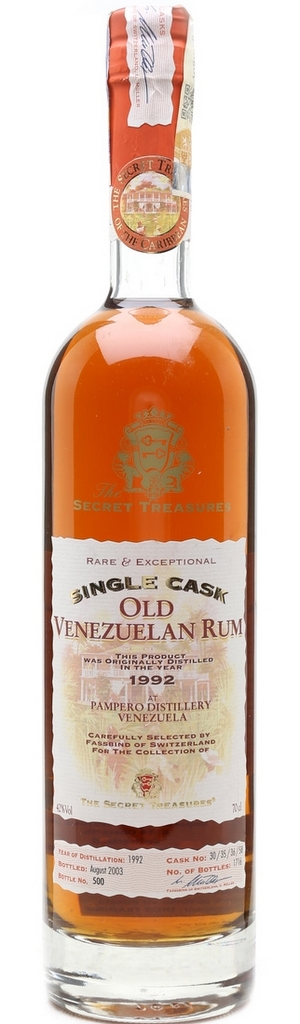 There are some older bottles in the review queue for products from what I term the “classic” era of the Swiss / German outfit of Secret Treasures, and it’s perhaps time to push them out the door in case some curious person ever wants to research them for an auction listing or something. Because what Secret Treasures are making now is completely different from what they did then, as I remarked in my brief company notes for
 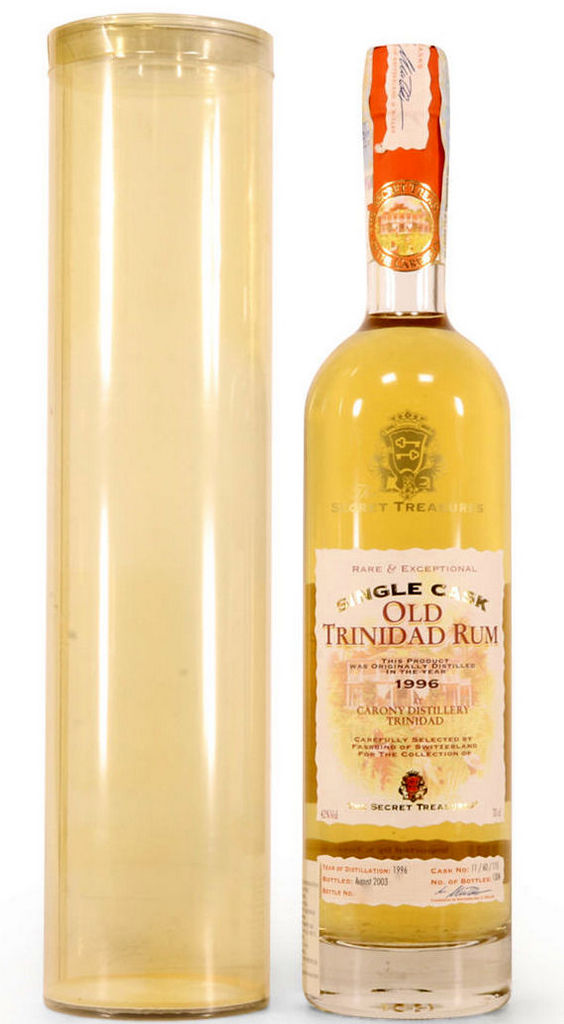 In the maelstrom of ongoing indie releases coming at us from every direction almost every month, it’s easy to overlook some of the older rums, or even some of the older companies. Secret Treasures is one of these — I had discovered their charms on the same trip where I found the first Veliers, all those long years ago, at a time when the concept of independent bottlers was a relatively small scale phenomenon. Back then I bought the company’s
 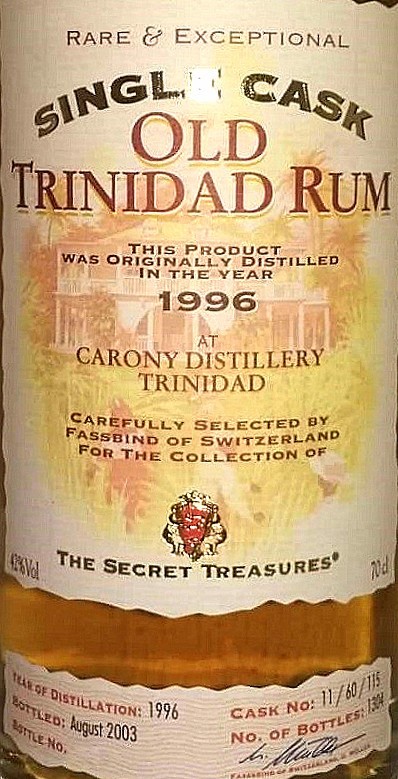 A salty sweet sugar water greets the tongue with warmth and firmness. All the fleshy and watery fruits we’re familiar with parade around – pears, watermelons, white guavas, papaya, kiwi fruits, even cucumbers all take a bow. A trace of olives and occasional whiff of strawberries and petrol are barely noticeable, so one can only wonder where, after such a promising beginning, they all vanished to. Eloped, maybe. Certainly they bailed and left the rum with nothing but memories and a good wish to lead to its inevitably disappointing denouement, which was short, breathy, light and watery, and barely registered some vanilla, brine, a fruit or two and exactly zero points of distinction.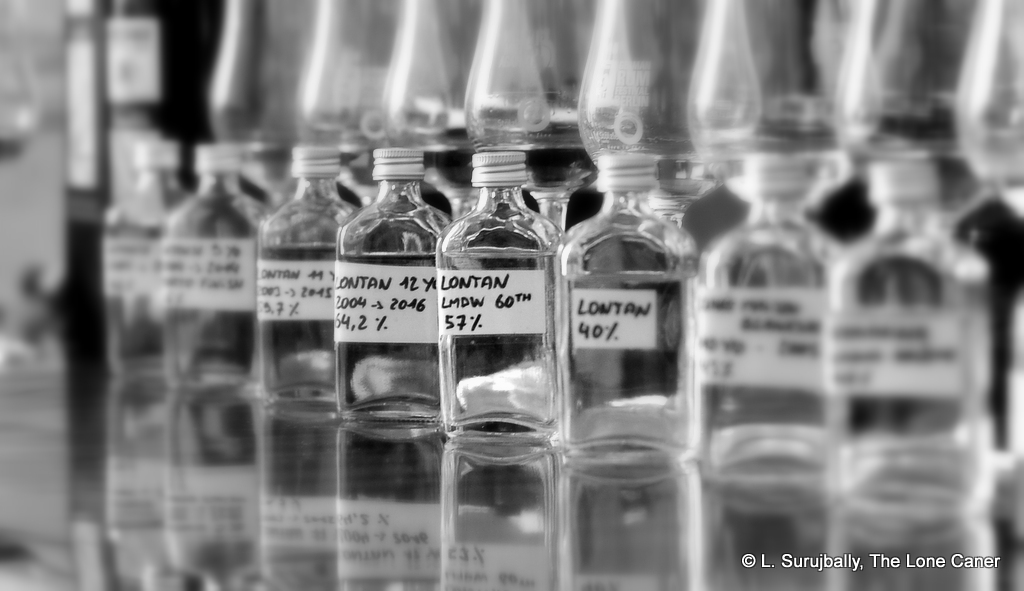
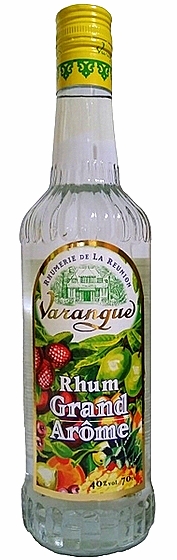
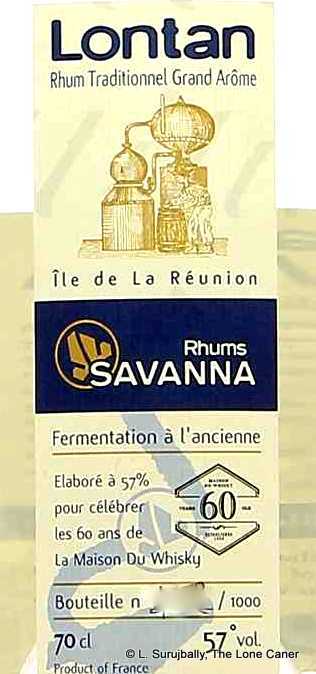 Still, this 57% ABV grand arôme, which was released in 2016 for La Maison Du Whisky’s 60th Anniversary (they went into partnership with Velier the following year and formed LM&V), seemed at pains to make the point yet again. In this case, it clearly wanted to channel a cachaca duking it out with a DOK, for it nosed pretty much like they were having a serious disagreement: vegetables and oversweet fruits decomposing on a hot day in a market someplace tropical; herbs, wet grass, sweet pickles, hot dog relish (I know what this sounds like!); sugar water; iodine, papaya, strawberries; wax, brine and cucumbers in a light pimento-soaked vinegar. I mean, seriously, does that remind you of any rum you’ve ever tried? I both liked it and wondered where the rum was hiding.
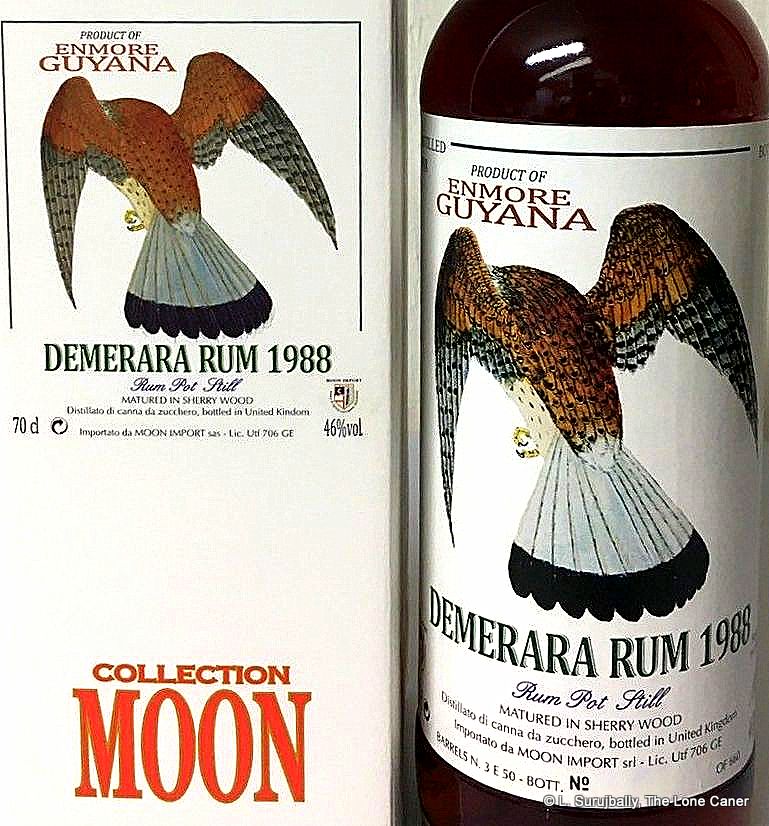
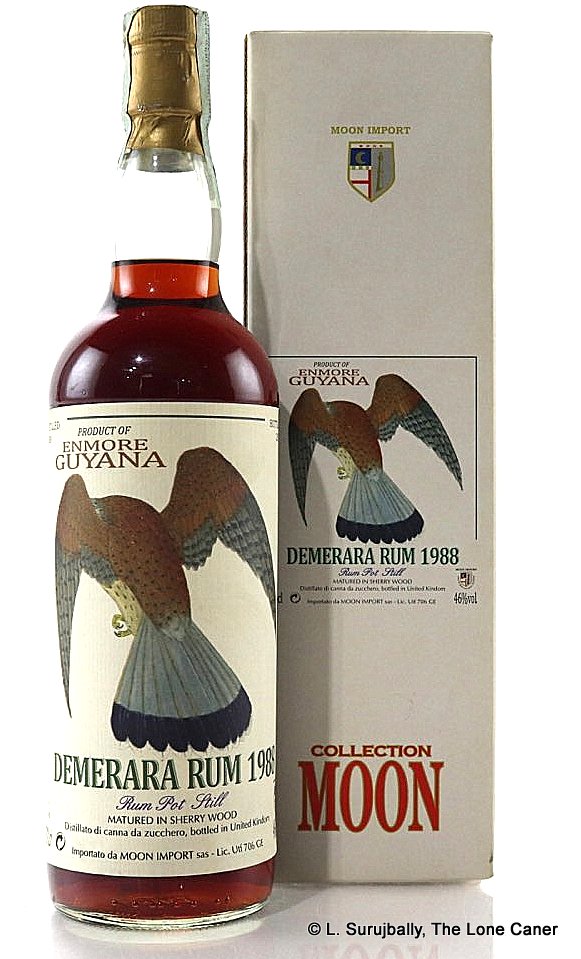 This is not the first Demerara rum that the venerable Italian indie bottler Moon Import has aged in sherry barrels: the superb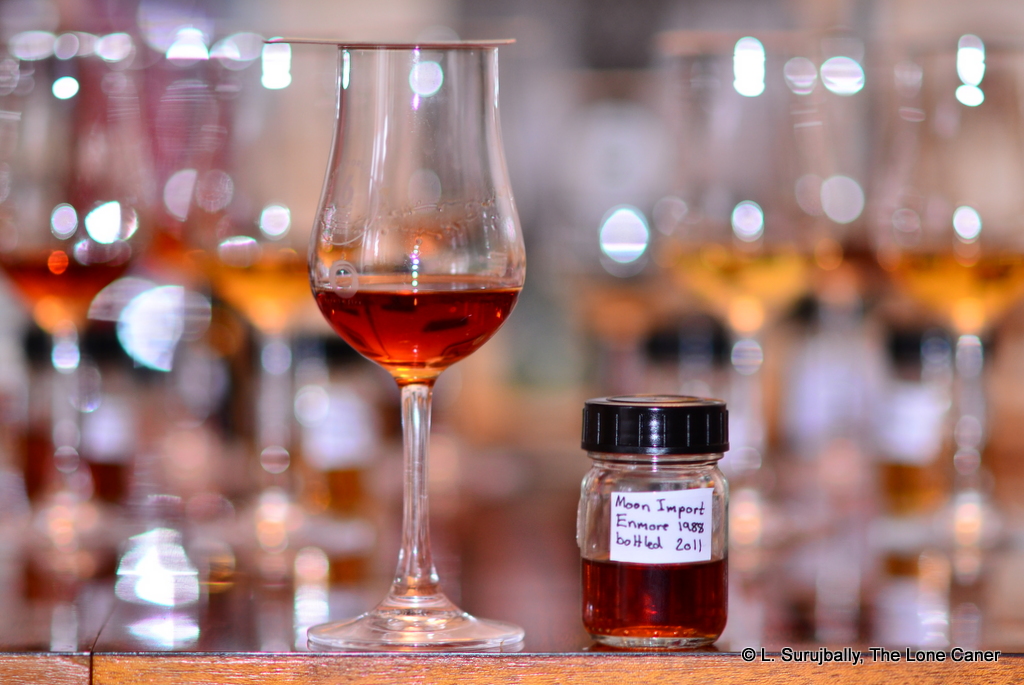
 Opinion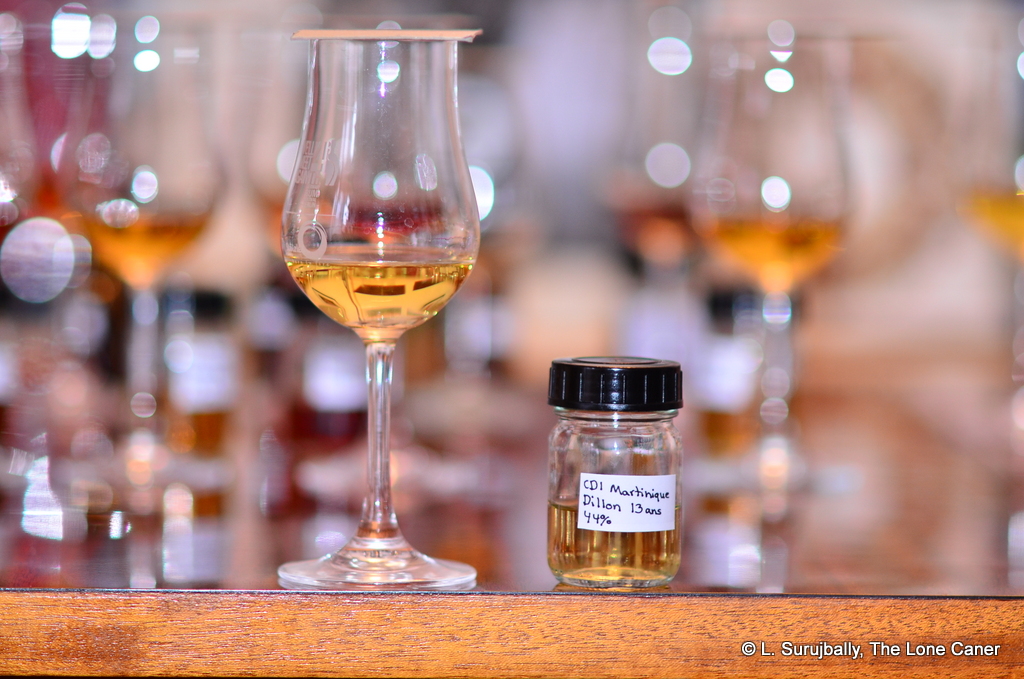
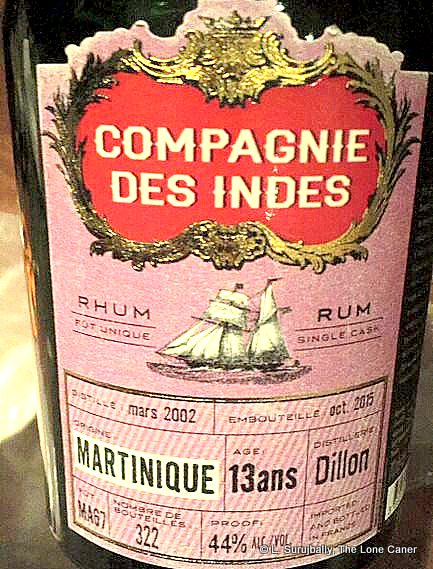 Whatever the case, I must advise you that if you like agricoles at all, those smaller names and lesser known establishments like Dillon should be on your radar. Not all of the rhums they make are double-digit aged, so those that are, even if farmed out to a third party, are even more worth looking at. Just smell this one, for example: it’s a fruitarian’s wet dream. In fact, the aroma almost strikes me like a very good Riesling mixing it up with a 7-up, if you could conceive of such an unlikely pairing. Lighter than the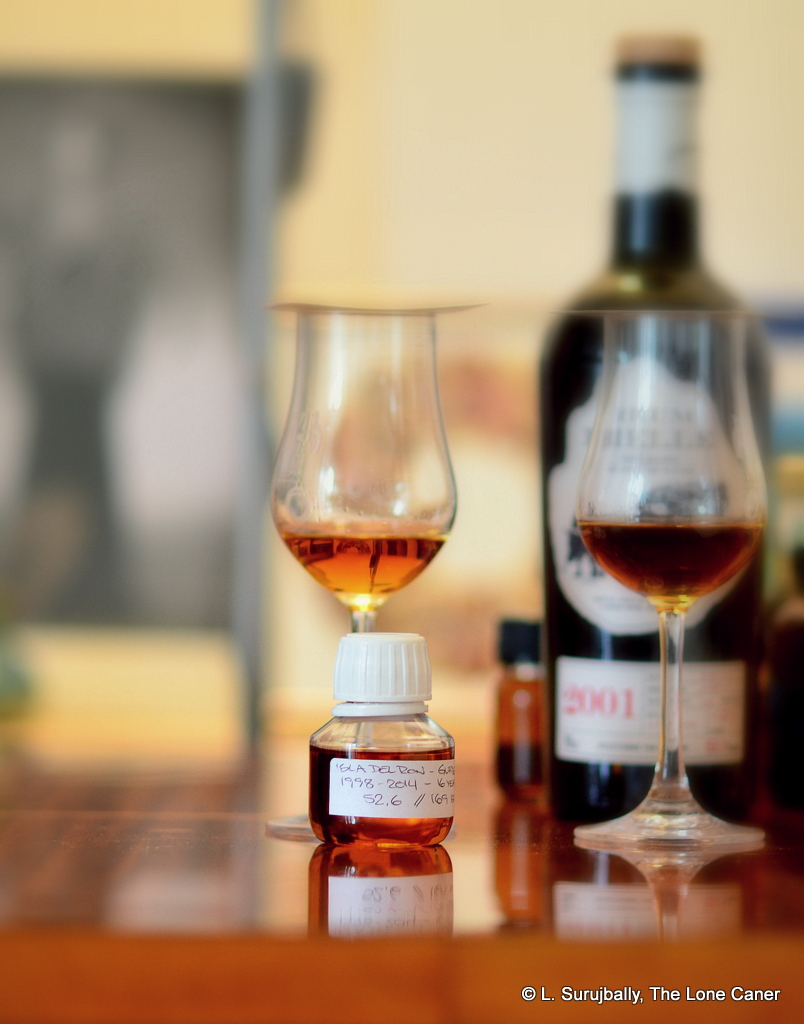
 The nose doesn’t help narrow down the origin (though I have my suspicions), and the palate doesn’t either – but it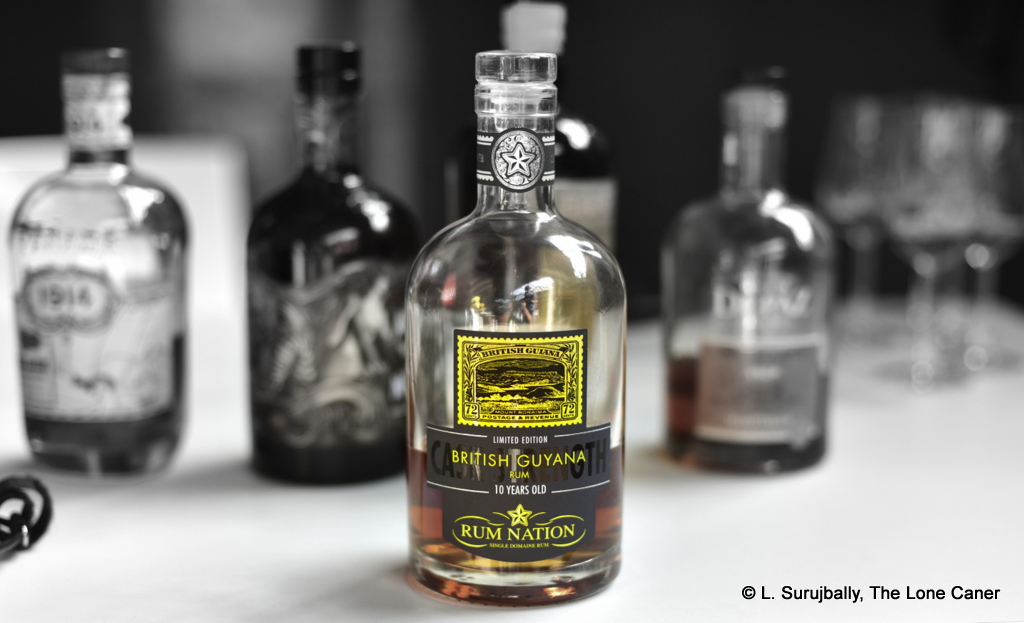
 I do, on the other hand, like the taste. It’s warm and rich and the Enmore still profile – freshly sawn lumber, sawdust, pencil shavings – is clear. Also sour cream, eggnog, and bags of dried, dark fruits (raisins, prunes, dried plums) mix it up with a nice touch of sandalwood. It takes its own sweet time getting the the point and is a little discombobulated throughout, but I can’t argue with the stewed apples, dried orange peel, ripe red guavas and licorice – it’s nice. The finish is quite solid, if unexceptional: it lasts a fair bit, and you’re left with closing notes of licorice, oak chips, vanilla, dried fruit and black cake.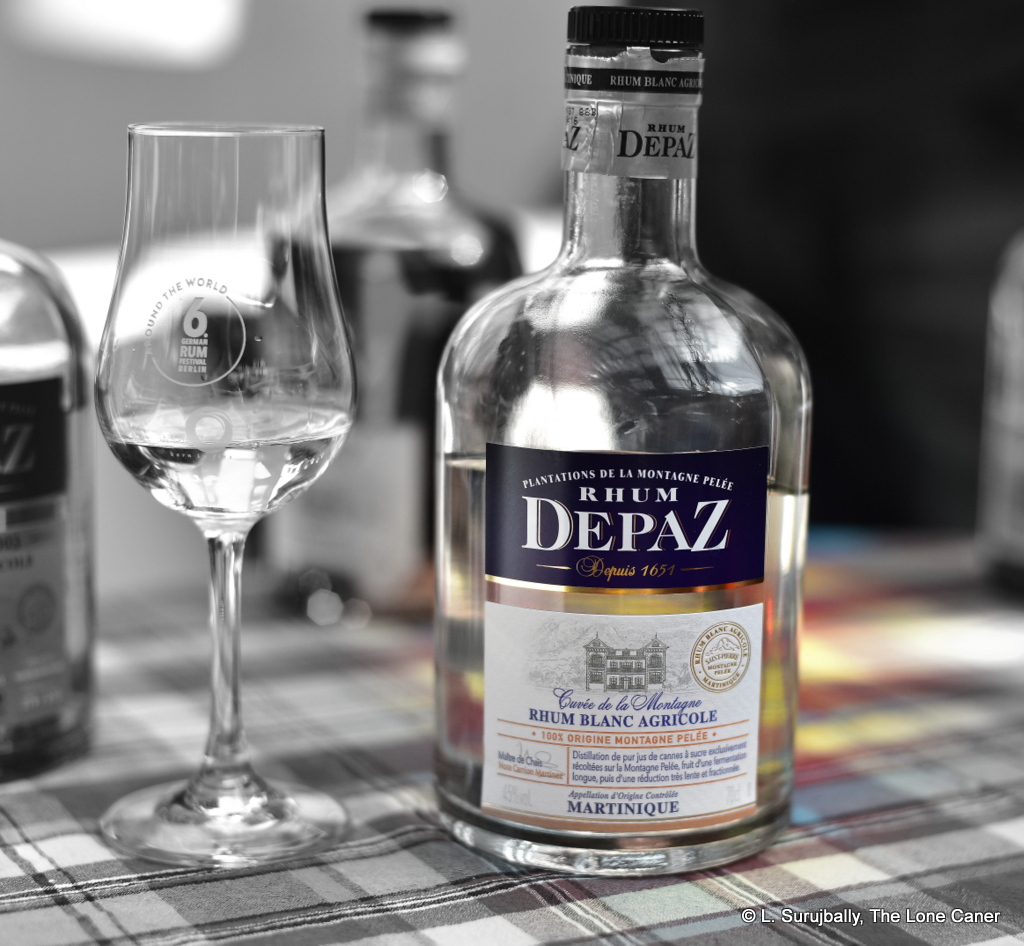
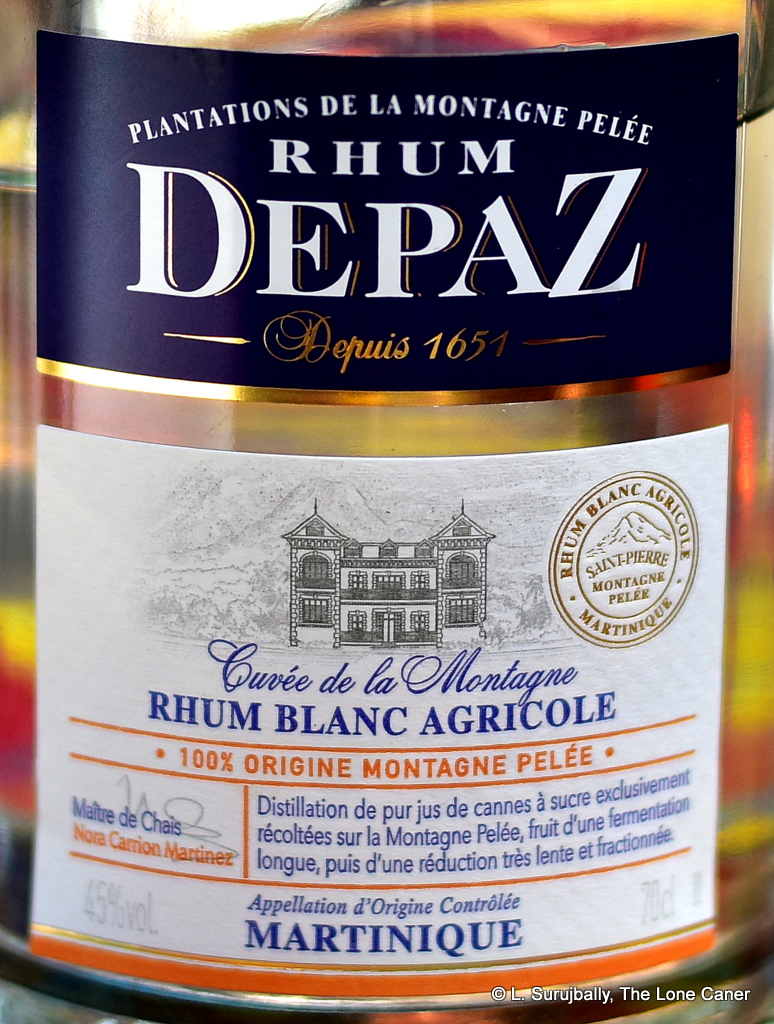 Depaz’s 45% rhum blanc agricole is not one of these uber-exclusive, limited-edition craft whites that uber-dorks are frothing over. But the quality and taste of even this standard white shows exactly how good the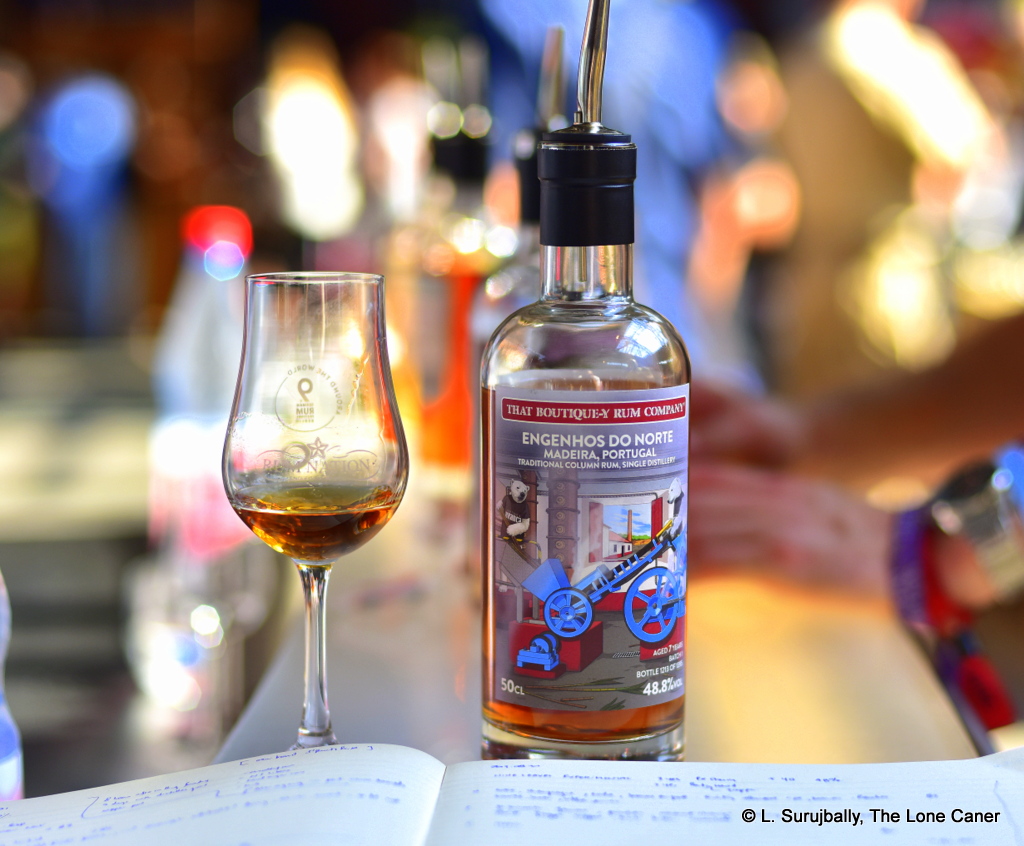
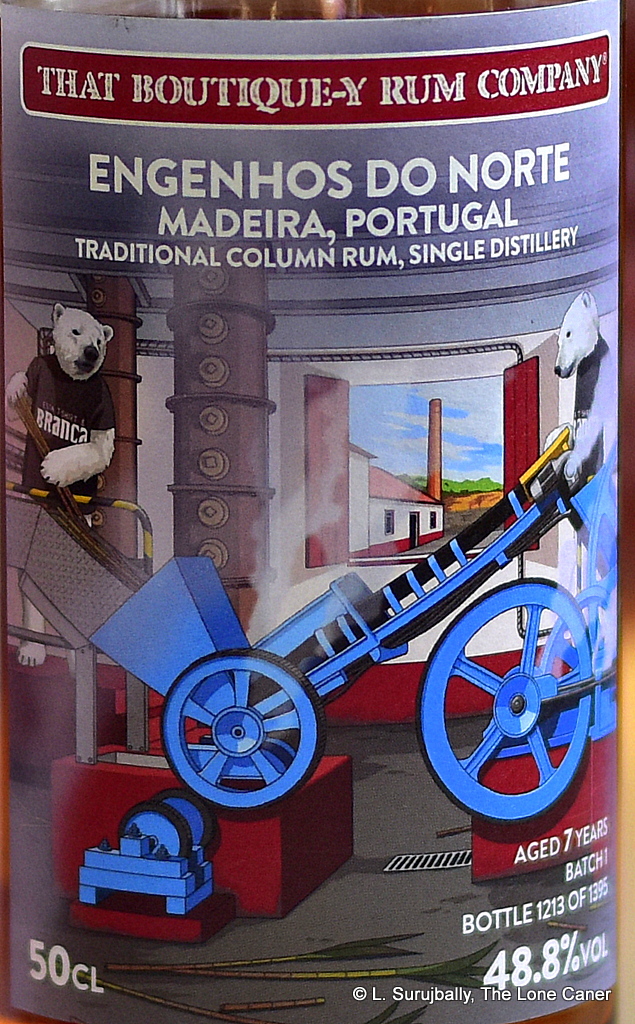 Tasting notes. The nose is nice. At under 50% not too much sharpness, just a good solid heat, redolent of soda, fanta, coca cola and strawberries. There’s a trace of coffee and rye bread, and also a nice fruity background of apples, green grapes, yellow mangoes and kiwi fruit. It develops well and no fault can found with the balance among these disparate elements.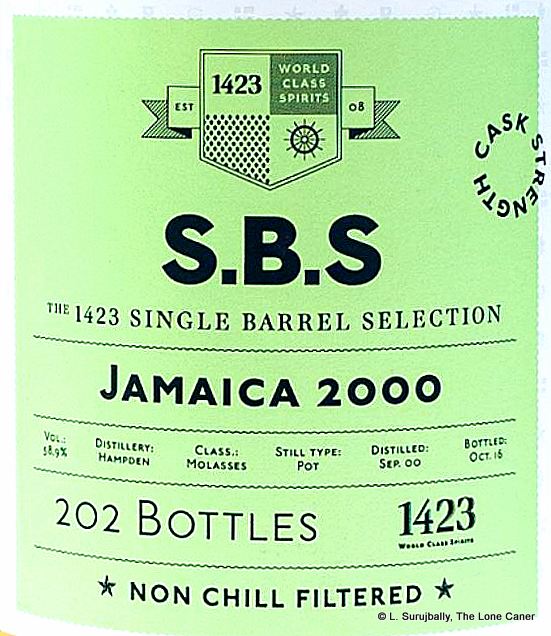

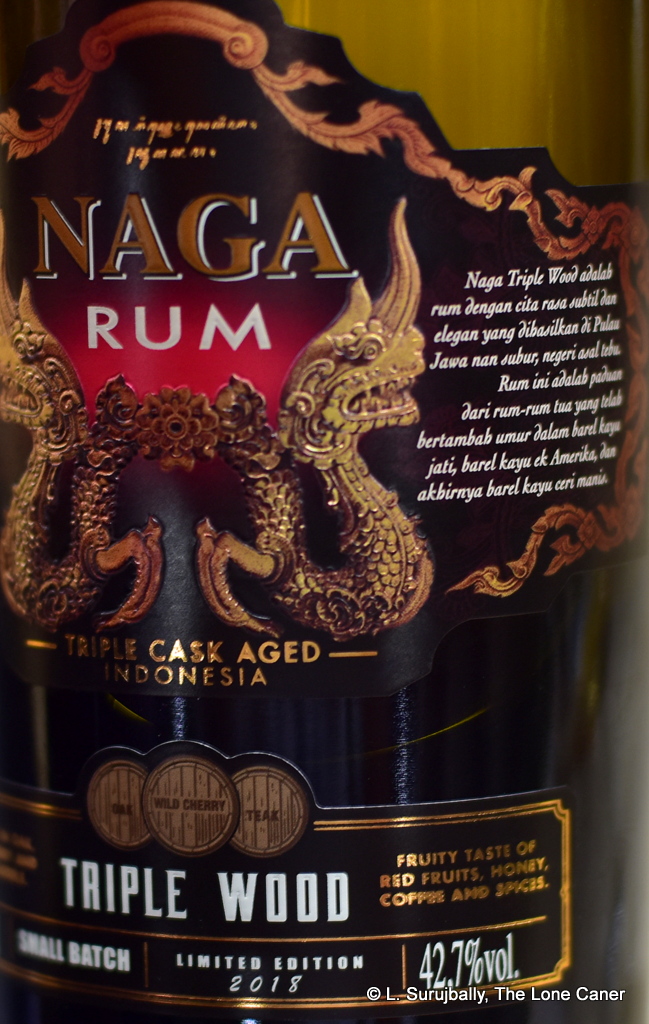 Does this multiple wood ageing result in anything worth drinking? Yes it does – the extra year seems to have had an interesting and salutary effect on the profile – though at 42.7% it remains as easy and soft as its siblings. The nose, for example, is a nice step up: cardboard, musty paper, some dunder of spoiled bananas skins, plus strawberries and soft pineapple or two and brine (which, I swear, made me think of Hawaiian pizza). Caramel and bitter dark chocolate round things off. It’s a relatively easy sniff, inoffensive yet solid.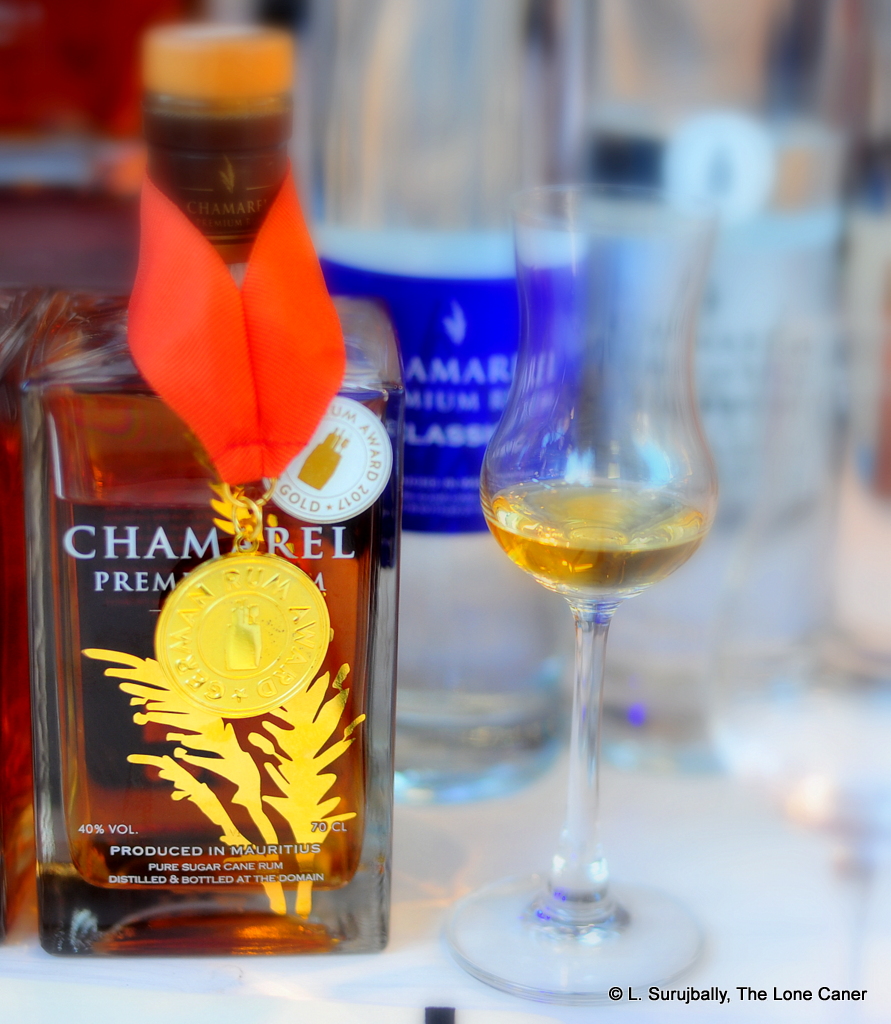
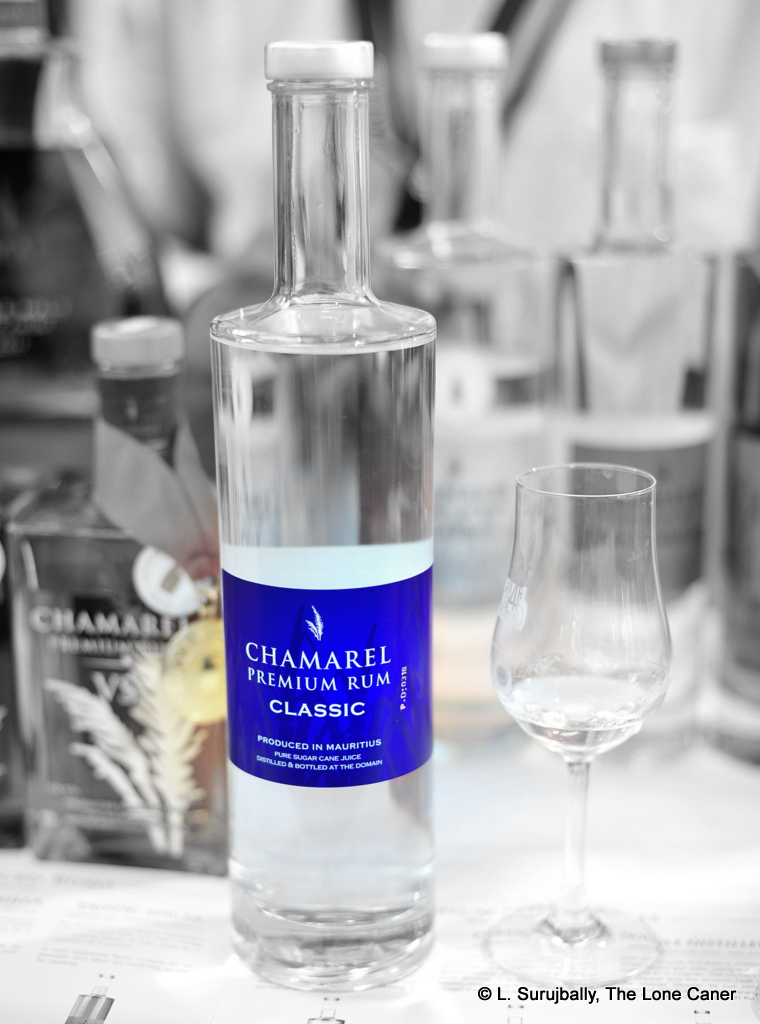 La Rhumerie de Chamarel, that Mauritius outfit we last saw when I reviewed their 44% pot-still white, doesn’t sit on its laurels with a self satisfied smirk and think it has achieved something. Not at all. In point of fact it has a couple more whites, both cane juice derived and distilled on their
 Personally I have a thing for pot still hooch – they tend to have more oomph, more get-up-and-go, more pizzazz, better tastes. There’s more character in them, and they cheerfully exude a kind of muscular, addled taste-set that is usually entertaining and often off the scale. The Jamaicans and Guyanese have shown what can be done when you take that to the extreme. But on the other side of the world there’s this little number coming off a small column, and I have to say, I liked it even more than its pot still sibling, which may be the extra proof or the still itself, who knows.