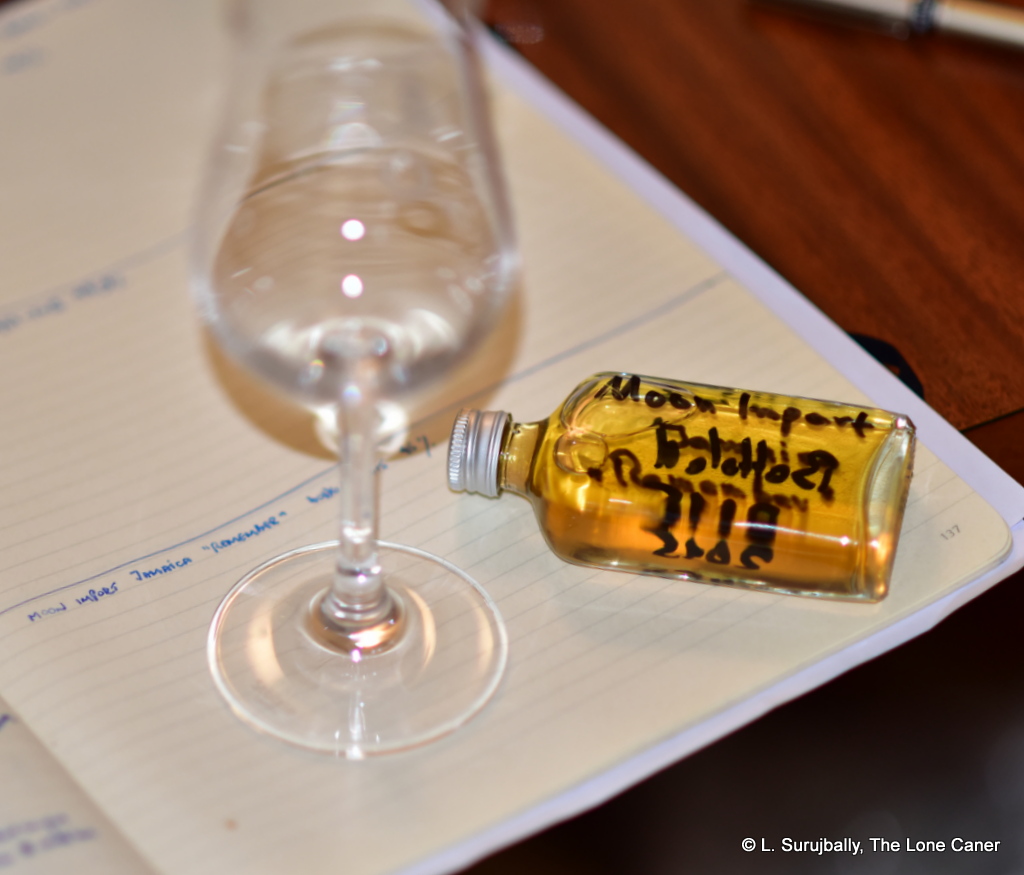
In 2015, Moon Imports, one of the well known if somewhat second-tier Italian independent bottlers which was founded in 1980, released a new collection of rums called “Remember”, which at the time comprised of four rums – one each from Jamaica, Barbados, Trinidad and Guyana. With the exception of the agricole makers, Cuba and St. Lucia, then, the initial line represented the big guns of the Caribbean rum world. What exactly was to be “remembered” was another matter, mind you, since the rums were too recent and relatively young to commemorate anything or represent any kind of old tradition. But it was evocative, no question, and the aura was and remains enhanced by the lovely artwork and design ethos, which company legend has it was inspired by drawings from an old 18th century German encyclopaedia, as redone by a contemporary artist Nadia Pini.
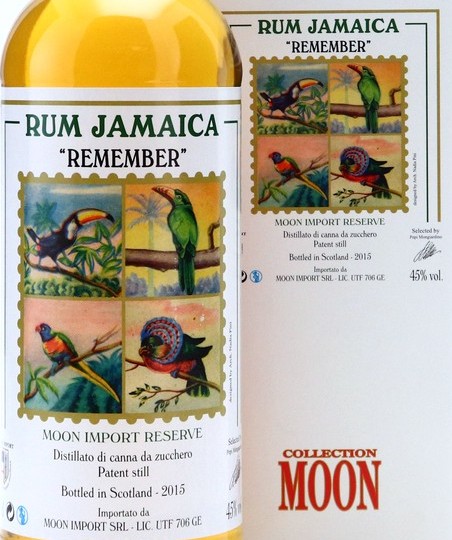 Moon Imports makes a thing on its website about sourcing its barrels in the Caribbean, but we must take that with a pinch of salt since wherever they were found, they were subsequently aged in Scotland and then released — so whatever their original tropical nature might have been, they would fail the Gargano test of (in situ) authenticity. That doesn’t particularly bother me, since as I’ve mentioned before, there are enough continentally aged rums out there that compete handily with tropically aged ones.
What does bother me is why Moon Imports bothered with the wimpy 45% ABV — as they have with almost all rums they have produced — and why the information on the label of this first edition was so scanty. I mean, it was sweetly designed, but to say it was distilled in Jamaica (wherever on the island that might have been), on a patent still (another term for a continuous column still) and then go right ahead and exclude whether it was single barrel or blend, distilled in what year, aged how long, can only lead to annoyance frustration…and this might be why to this day the rum still sells (primarily on whisky sites) for under a hundred bucks. If I couldn’t tell the provenance or the age of a rum from a respected casa like Moon, I would probably pass on it too.
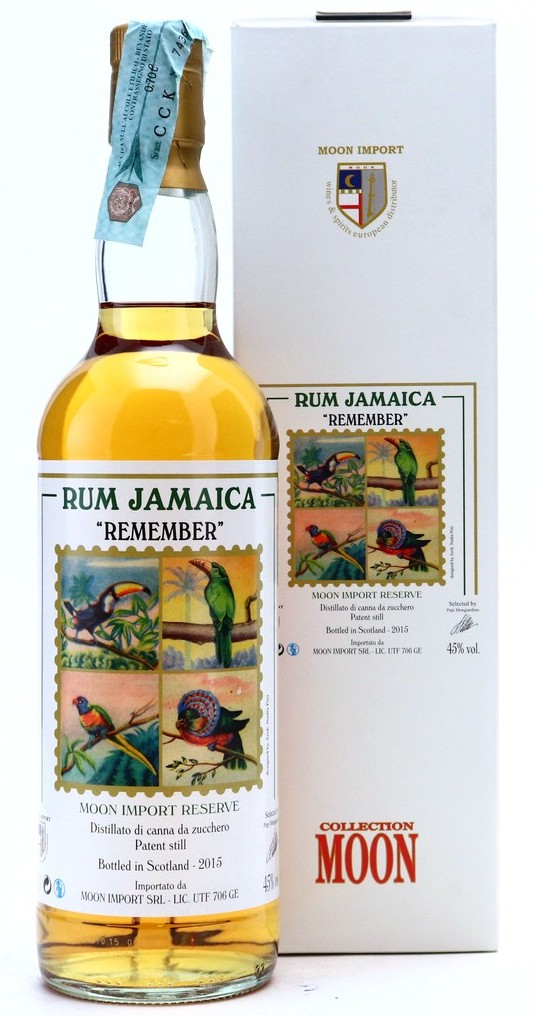 So we know it’s a 45% Jamaican rum bottled by Moon Import in 2015 after ageing in Scotland, and yet we’re clueless as to age, exact still-type, estate/marque, distillation date, single cask or blend, or outturn. Wonderful.
Let’s see if solace is to be found at the bottom of the glass: there may be redemption in hiding. Nose first – not bad. There’s a fair amount going on here – tobacco, glue, fresh sawdust, furniture polish and linseed oil (the sort you used to oil your cricket bat with, back when you thought you were the next Sobers). There’s some brine and olives and gherkins in vinegar there, gentling down to a smorgasbord of tart yellow fruit…mangoes, ginnips, pineapples, red grapefruit, that kind of thing, channeling something of a good dry white wine, though ultimately somewhat uneventful. New Jamaicans may have spoiled our noses for this kind of subtler aroma.
Once tasted it’s clear to see it is a real Jamaican, because a certain funk comes quickly to the fore: thick fruity tastes of pineapple, strawberries, bubble gum, rotting oranges and gooseberries, bananas beginning to go. An interesting amalgam of sharper light fruits and cream cheese and salted butter on a very yeasty bread. It’s decent enough, just a touch unbalanced and not particularly earthshaking and the finish closes things off with a snap of light lemony crispness, a touch of tart funk, though it is a bit dry and rough and doesn’t last long enough.
It’s a completely decent-tasting, competently-made rum, this, even if you don’t know much about it. The truth is, I really don’t care what it is — I’ve had better, I’ve had stronger, I’ve had tastier, and a week from now I’d be hard put to recall anything particularly special about this one aside from the fact that it was a ‘good ‘nuff Jamaican made by Moon.’ That’s both a recommendation and an indictment, and I’m surprised that an independent bottler dating back forty years would release something so indifferently for us to try. Especially with a name like “Remember”, which it certainly doesn’t rate high enough to deserve.
(#832)(82/100)
Opinion
The rum is a good reminder that proud indie houses don’t always move with the times or understand the desires of consumers, and that you could say a whole lot of something but end up communicating nothing…and that ultimately, it’s the rum under the label and inside the bottle that matters, and not all such rums are good just because Sylvano’s disciple selected them.
Points aren’t deducted for a lack of informational provision – the rum is scored honestly based on how it sampled – but I really must confess to my irritation at not being entirely sure what it was I was scoring. Even if made six years ago, this should not be something I still have to complain about. I particularly dislike that the company’s website doesn’t see the need to provide any background on the rums it has released. It’s not an ancient maison dating back centuries, it was formed in my lifetime, it should have its damned records straight so we can tell what it was we’re buying.
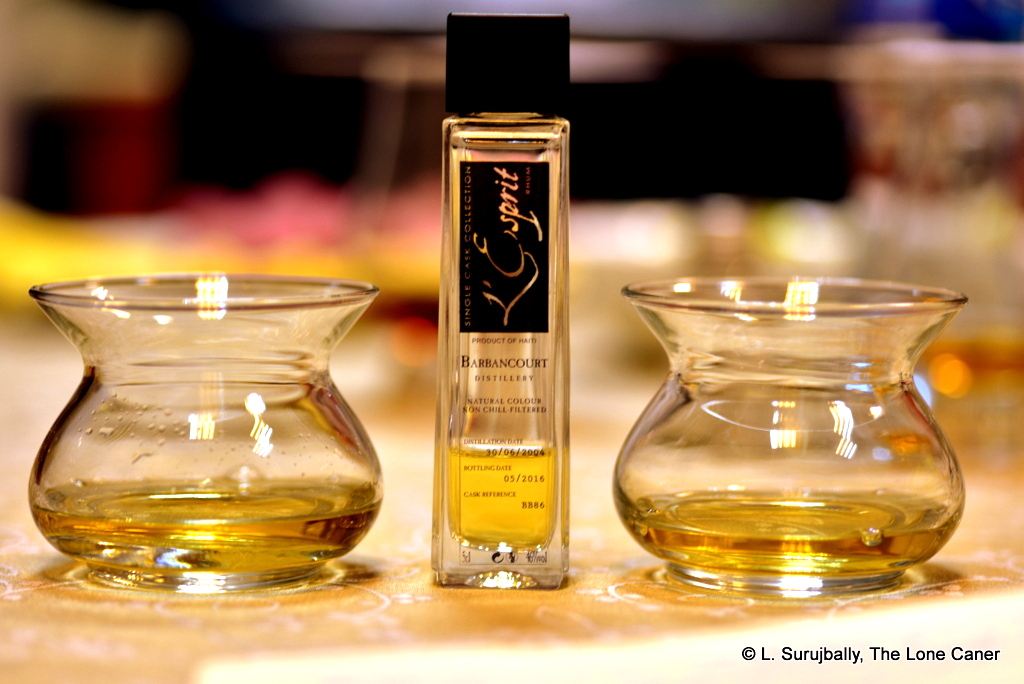








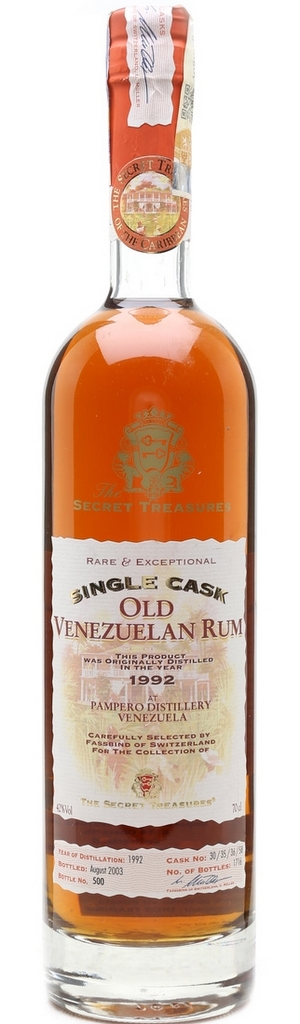 There are some older bottles in the review queue for products from what I term the “classic” era of the Swiss / German outfit of Secret Treasures, and it’s perhaps time to push them out the door in case some curious person ever wants to research them for an auction listing or something. Because what Secret Treasures are making now is completely different from what they did then, as I remarked in my brief company notes for
 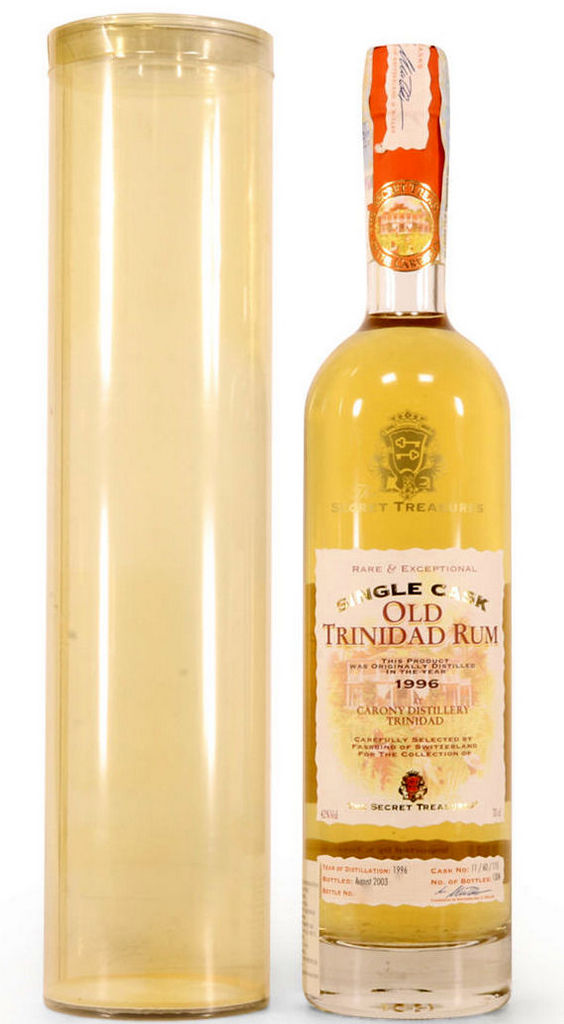 In the maelstrom of ongoing indie releases coming at us from every direction almost every month, it’s easy to overlook some of the older rums, or even some of the older companies. Secret Treasures is one of these — I had discovered their charms on the same trip where I found the first Veliers, all those long years ago, at a time when the concept of independent bottlers was a relatively small scale phenomenon. Back then I bought the company’s
 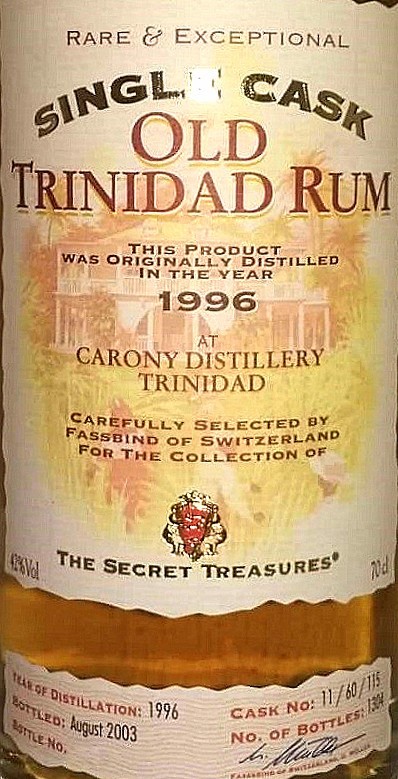 A salty sweet sugar water greets the tongue with warmth and firmness. All the fleshy and watery fruits we’re familiar with parade around – pears, watermelons, white guavas, papaya, kiwi fruits, even cucumbers all take a bow. A trace of olives and occasional whiff of strawberries and petrol are barely noticeable, so one can only wonder where, after such a promising beginning, they all vanished to. Eloped, maybe. Certainly they bailed and left the rum with nothing but memories and a good wish to lead to its inevitably disappointing denouement, which was short, breathy, light and watery, and barely registered some vanilla, brine, a fruit or two and exactly zero points of distinction.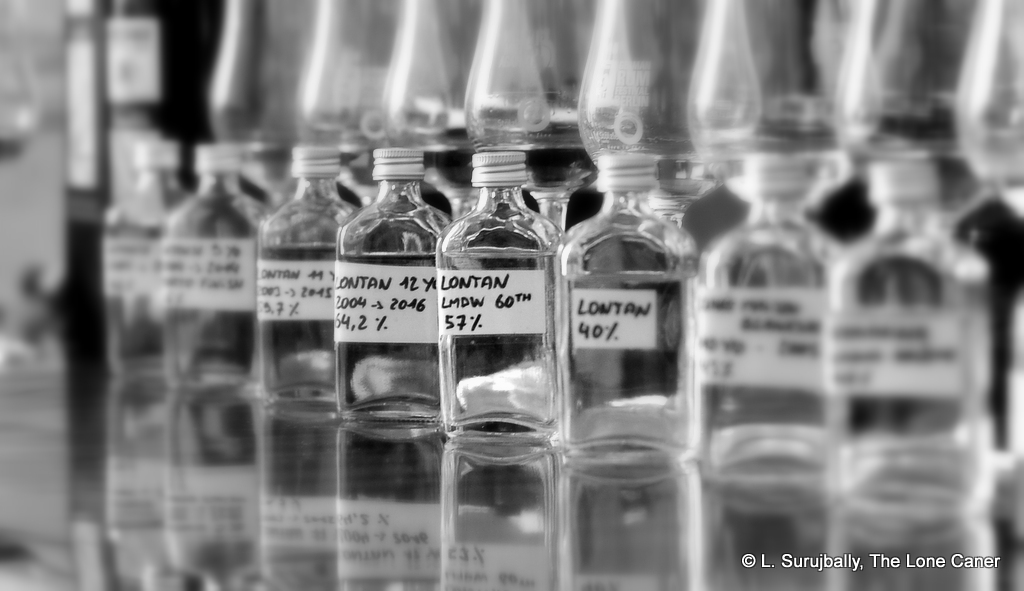
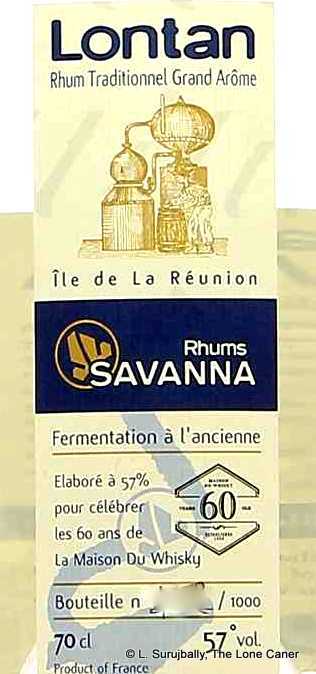 Still, this 57% ABV grand arôme, which was released in 2016 for La Maison Du Whisky’s 60th Anniversary (they went into partnership with Velier the following year and formed LM&V), seemed at pains to make the point yet again. In this case, it clearly wanted to channel a cachaca duking it out with a DOK, for it nosed pretty much like they were having a serious disagreement: vegetables and oversweet fruits decomposing on a hot day in a market someplace tropical; herbs, wet grass, sweet pickles, hot dog relish (I know what this sounds like!); sugar water; iodine, papaya, strawberries; wax, brine and cucumbers in a light pimento-soaked vinegar. I mean, seriously, does that remind you of any rum you’ve ever tried? I both liked it and wondered where the rum was hiding.
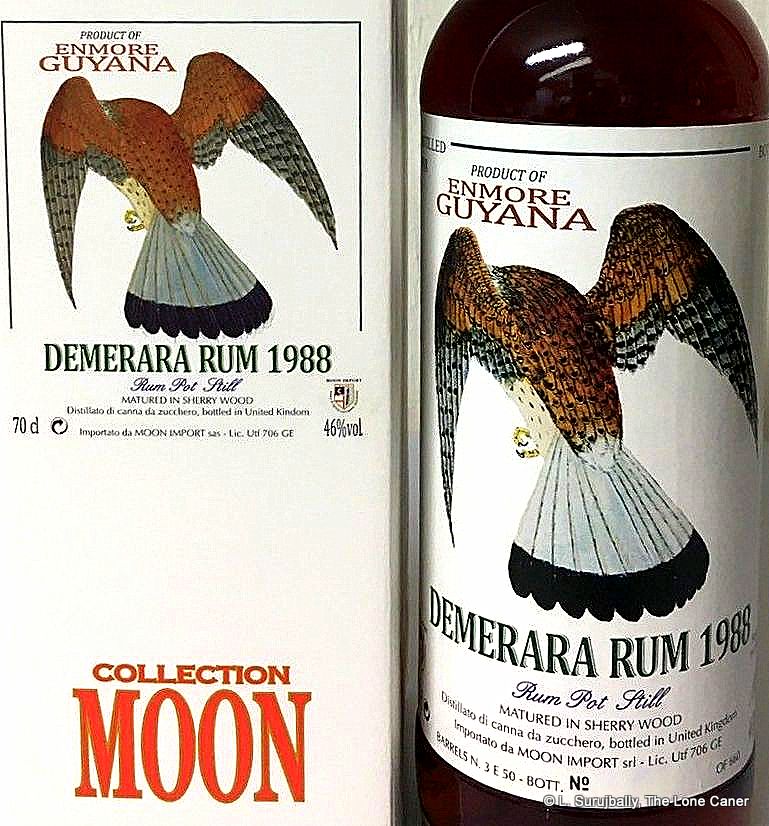
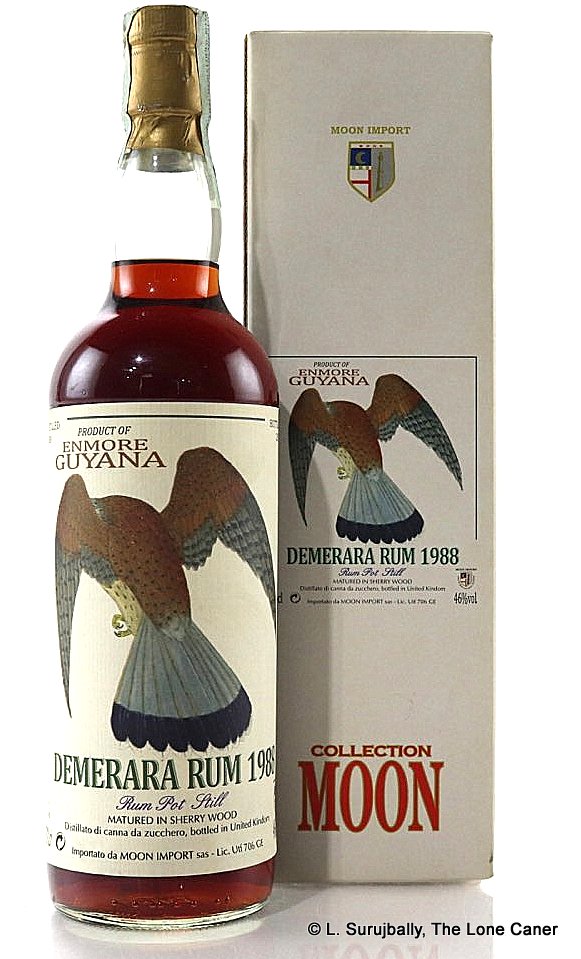 This is not the first Demerara rum that the venerable Italian indie bottler Moon Import has aged in sherry barrels: the superb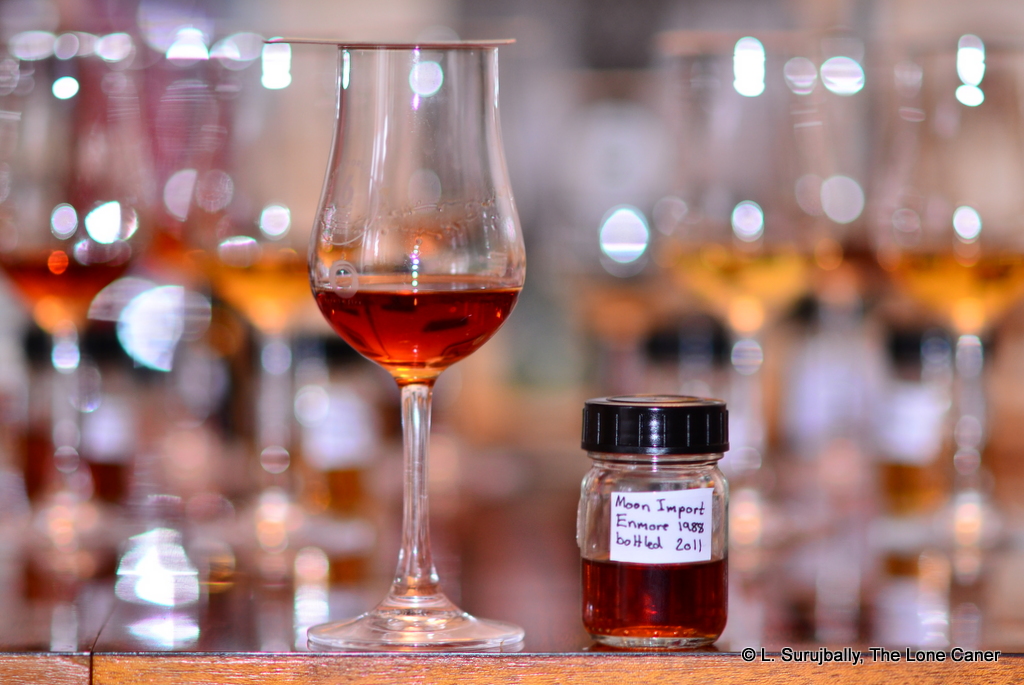
 Opinion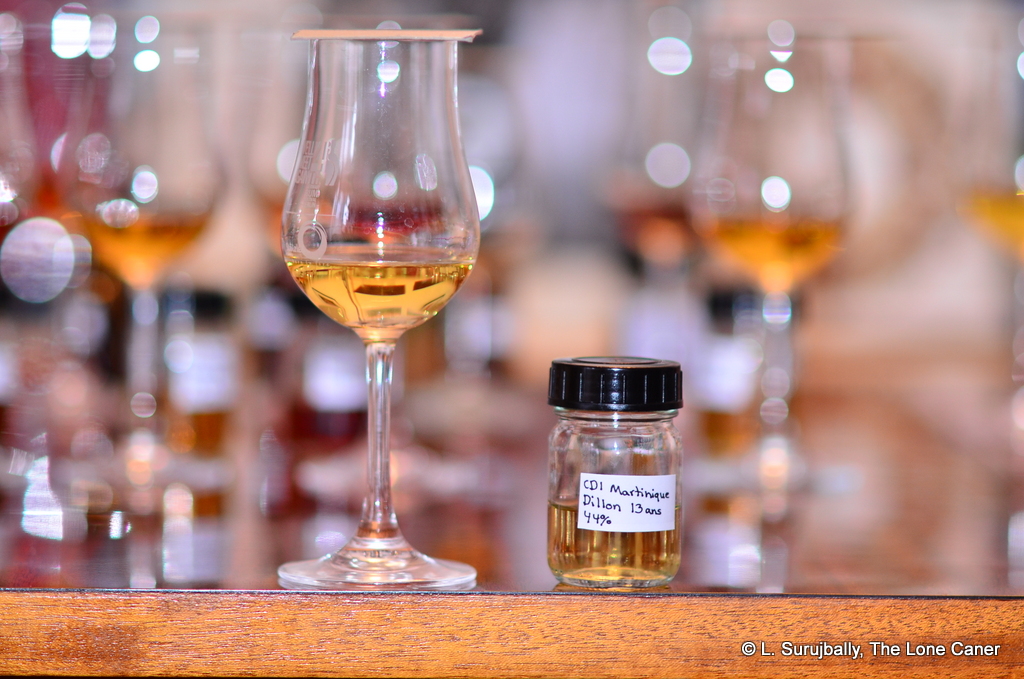
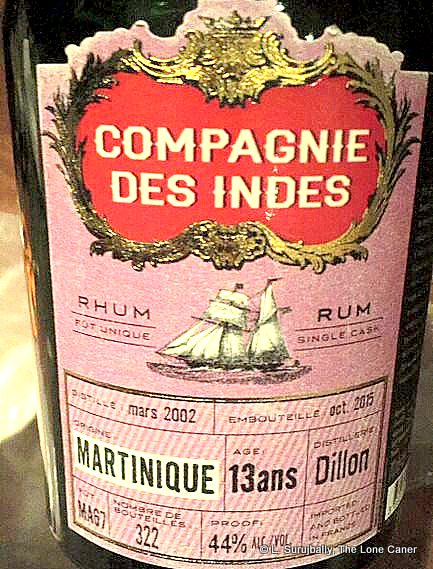 Whatever the case, I must advise you that if you like agricoles at all, those smaller names and lesser known establishments like Dillon should be on your radar. Not all of the rhums they make are double-digit aged, so those that are, even if farmed out to a third party, are even more worth looking at. Just smell this one, for example: it’s a fruitarian’s wet dream. In fact, the aroma almost strikes me like a very good Riesling mixing it up with a 7-up, if you could conceive of such an unlikely pairing. Lighter than the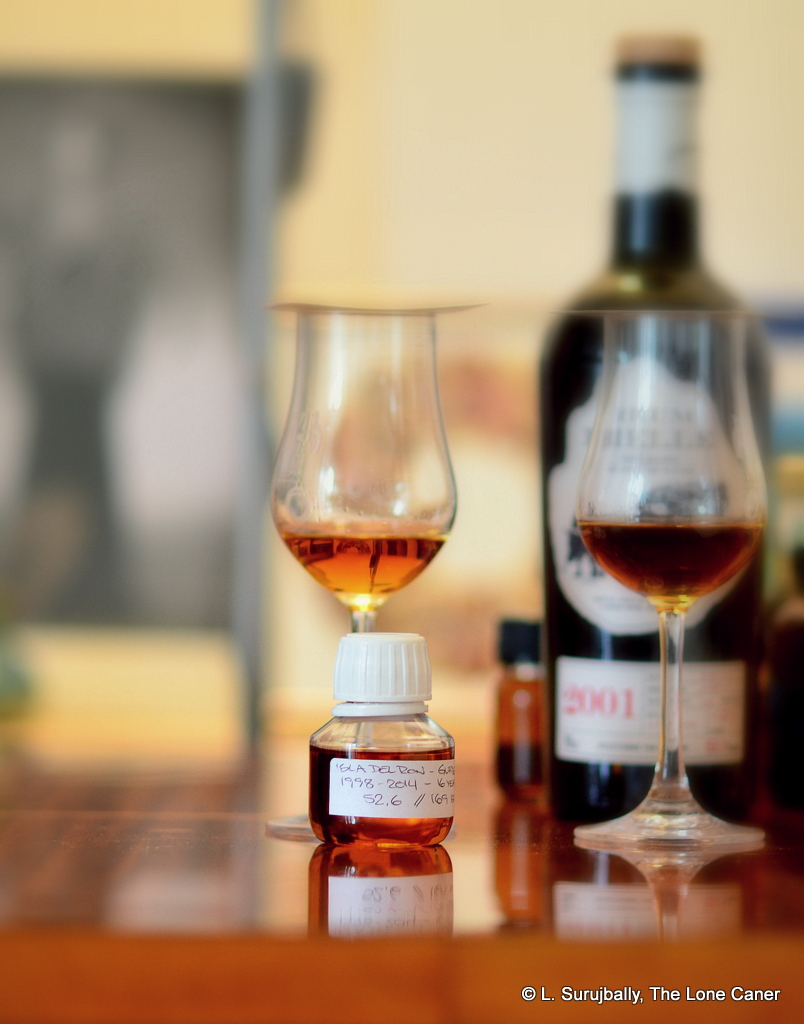
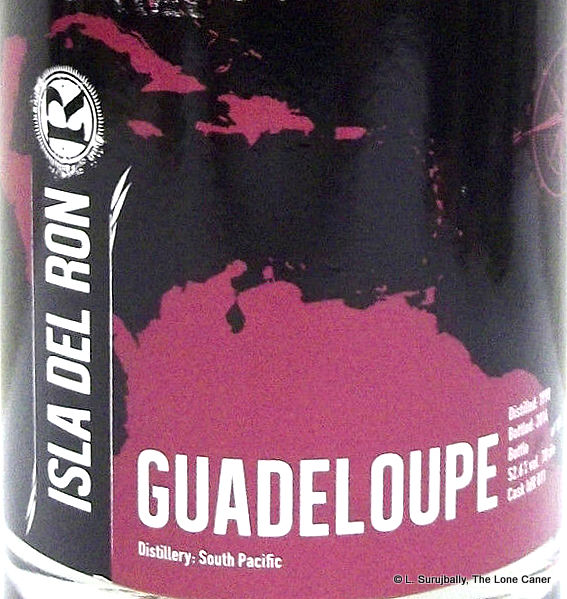 The nose doesn’t help narrow down the origin (though I have my suspicions), and the palate doesn’t either – but it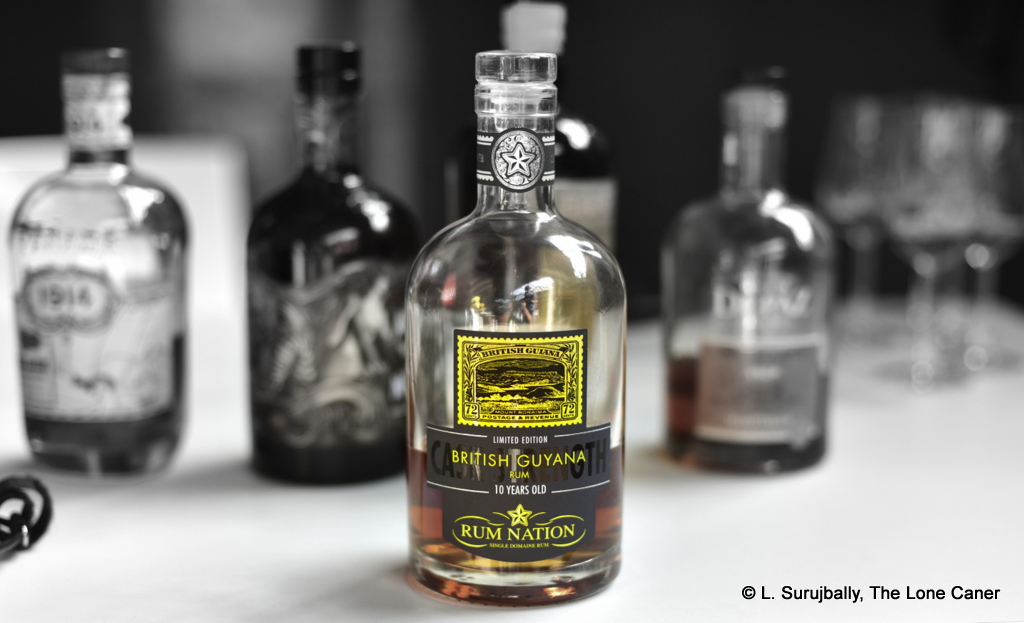
 I do, on the other hand, like the taste. It’s warm and rich and the Enmore still profile – freshly sawn lumber, sawdust, pencil shavings – is clear. Also sour cream, eggnog, and bags of dried, dark fruits (raisins, prunes, dried plums) mix it up with a nice touch of sandalwood. It takes its own sweet time getting the the point and is a little discombobulated throughout, but I can’t argue with the stewed apples, dried orange peel, ripe red guavas and licorice – it’s nice. The finish is quite solid, if unexceptional: it lasts a fair bit, and you’re left with closing notes of licorice, oak chips, vanilla, dried fruit and black cake.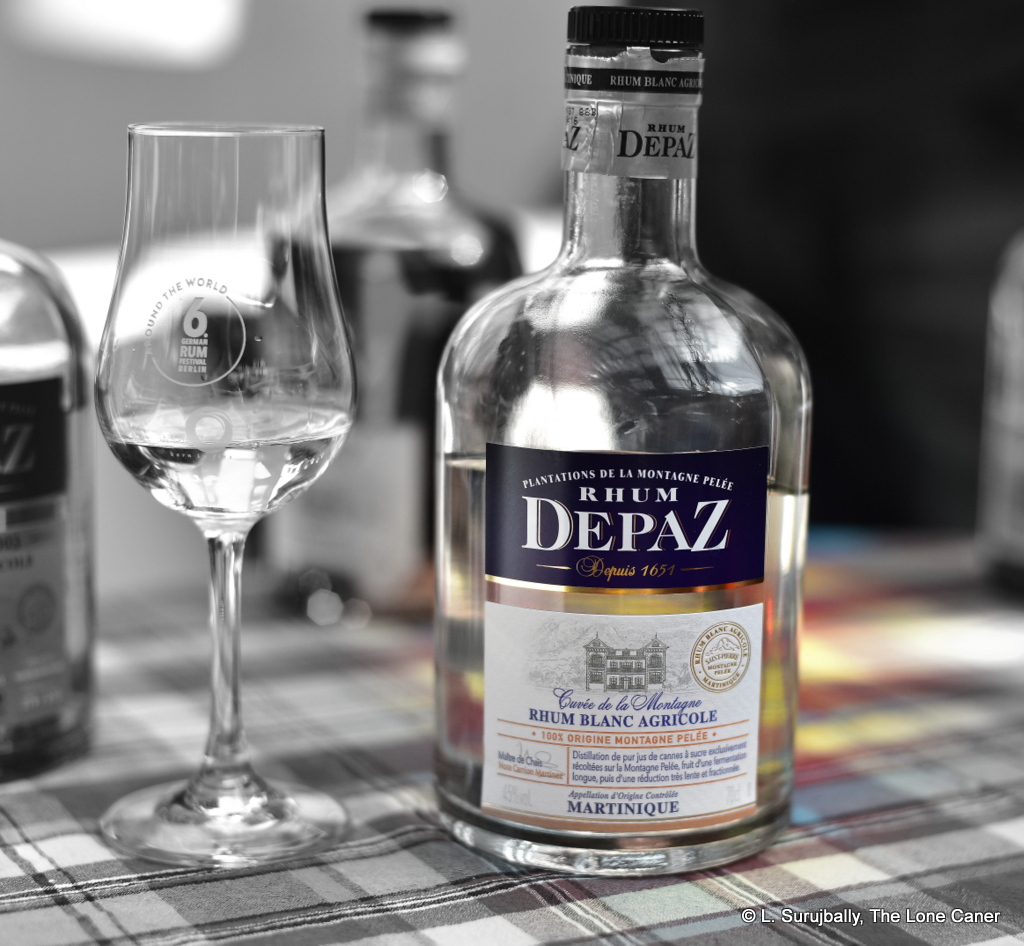
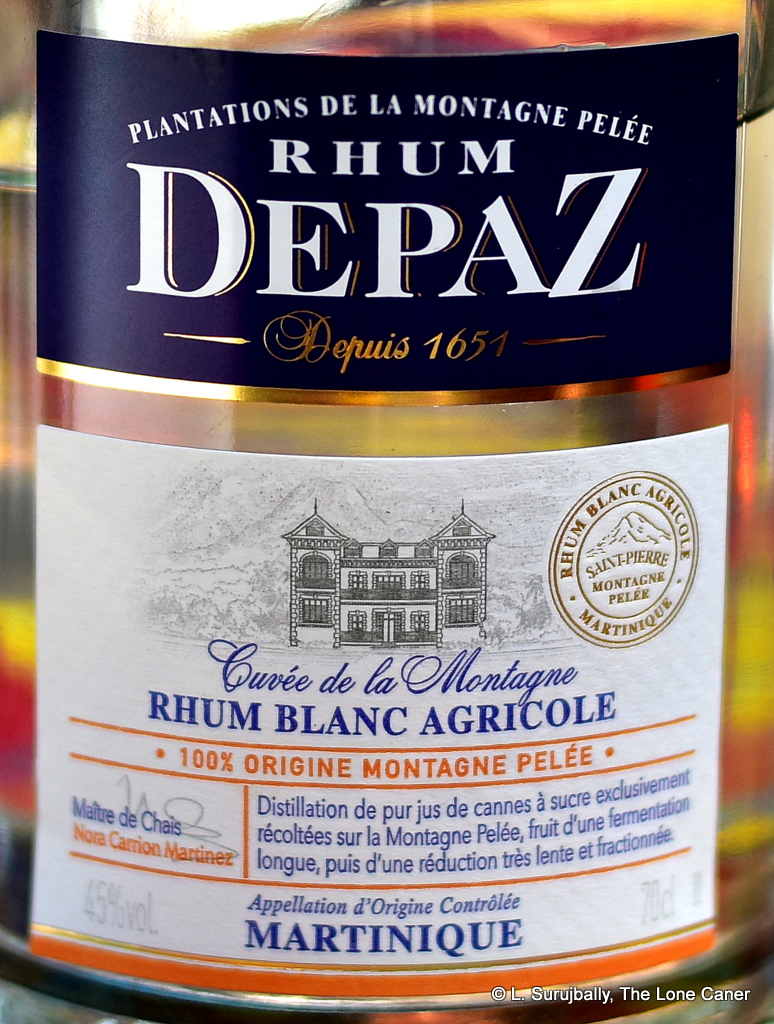 Depaz’s 45% rhum blanc agricole is not one of these uber-exclusive, limited-edition craft whites that uber-dorks are frothing over. But the quality and taste of even this standard white shows exactly how good the