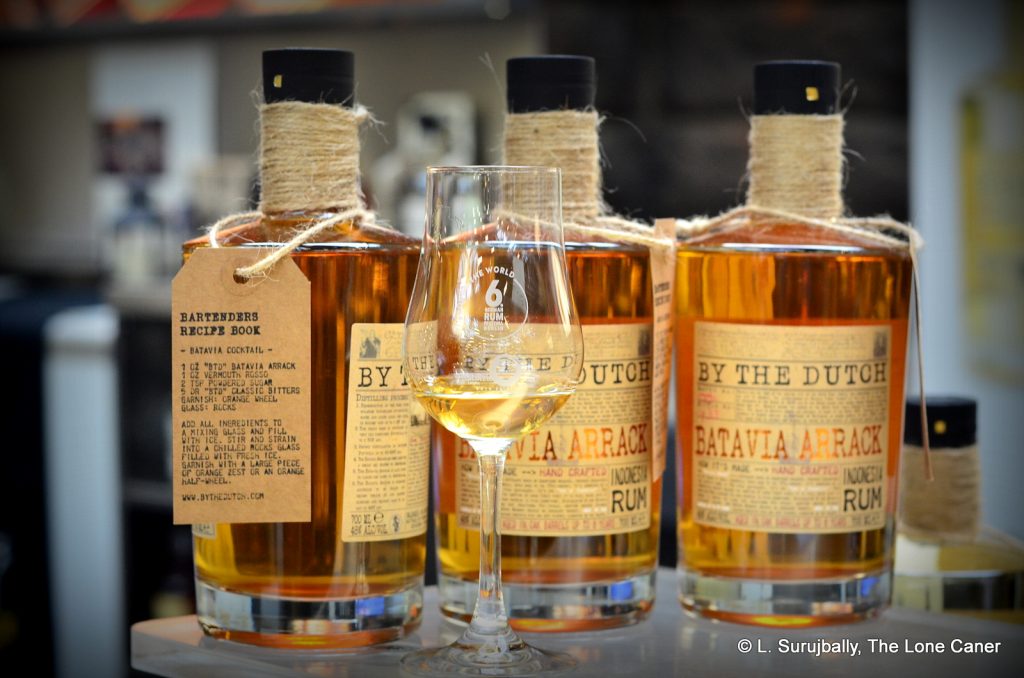
Somehow, after a big splash in 2015-2016, Indonesian rums came and left the scene with equally and almost startling suddenness. Although Haus Alpenz has been making a Batavia Arrack Van Oosten for many years (even decades, perhaps), it is a niche spirit, really, and not many know of it, and no, I haven’t tried it. My first encounter with the arracks came when I bought the Compagnie des Indes Indonesia rum in 2015 (and quite liked it), and within the year By The Dutch put this fascinating product out the door and then occasional photos began making the rounds on FB of Naga and Nusa Cana rums. Shortly thereafter Matt Pietrek wrote one of his deep dives into the By the Dutch rum, and yet after all that, somehow they have almost vanished from the popular consciousness.
Perhaps it’s the renaissance of Bajan and Jamaican rums in those same years that stole the show, I don’t know – certainly over the last years the various social media are fuller of Bajan and Jamaican rum pictures and commentaries than just about anything else. Maybe it’s physical distribution, festival absences, word of mouth, Facebook posts (or lack thereof). Whatever the case for its lack of mindshare, I suggest you give it a try, if only to see where rum can go…or where it has already been.
Part of what makes arrack interesting is the way it is fermented. Here some fermented red rice is mixed into the yeast prior to addition to the molasses and water (up to 5%), which undoubtedly impacts the final taste. I was told by a By the Dutch rep that this particular spirit derives from sugar cane juice and fermented red rice cake, and is then twice distilled: once in a pot still, producing a distillate of about 30% ABV, and then again in another pot still to around 60-65%. At that point it is laid to rest in barrels made of teak (!!) in Indonesia for a number of years and then shipped to Amsterdam (Matt implies it’s to Scheer) where it is transferred to 1000L oak vats. The final arrack is a blend of spirits aged 8 months, 3, 5 and 8 years, with the majority of the spirit being 3 and 5 years of age and bottled at 48% ABV.
A production process with so many divergent steps is sure to bring some interesting tastes to the table. It’s intriguing to say the least. The nose, even at 48%, is remarkably soft and light, with some of that pot still action being quite evident in the initial notes: rotting banana skins, apples gone off and some funky Jamaican notes, if perhaps not as intense as a Hampden or worthy Park offering. This then slowly — almost delicately — released light citrus, watery fruit and caramel hints, chamomile, cinnamon, green tea and bitter chocolate and a sort of easy sweetness very pleasing to smell.
It got better when I tasted it, because the strength came out more clearly – not aggressive, just very solid and crisp at the same time, sweet and clear, almost like an agricole with some oak thrown in for good measure. The pot still origins were distinct, and taste of sweet fruits gone over to the dark side were handled well: apples, citrus, pears, gherkins, the very lightest hint of olives, more tea, green grapes, with cooking spices dancing around everything, mostly nutmeg and cinnamon. Even the finish was quite aromatic, lots of esters, bananas, apples, cider and a sort of grassiness that was more hinted at than forcefully explored.
As an alternative to more commonly available rums, this one interesting. It doesn’t smack you in the face or try to damage your glottis – it’s too easy or that – and works well as both a sipping drink (if your tastes go that way), or something to chuck into a mai-tai or a negroni variation. One of the reasons why it should be tried and appreciated is because while it has tastes that suggest a Jamaican-Bajan hybrid, there is just enough difference from the mainstream here to make it a fascinating drink on its own merits, and shows again how rum is simply the most versatile, varied spirit available.
Plus, let’s be fair, the arrack is quite a nifty rum judged solely by itself: no, it’s not a stern and forbiddingly solid cask-strength rum, no – it’s actually something of the other way… but it’s original within its limits, sweet enough for those who like that, edgy enough for those who want more. In short, eminently sippable for its strength. I think it’s an old, even ancient drink made new, and even if one does not immediately succumb to its languorous charms, I do believe it’s worth taking out for a try.
(#521)(84/100)
Other notes
The bottle clearly says “aged up to 8 years”. Understand what this means before you think you’re buying an 8 Year Old rum.
Opinion
With respect to the rum news all being about the western hemisphere’s juice: I don’t begrudge the French, Spanish or English Caribbean rum makers their glory — that would be deeply unpatriotic of me, even if one discounted the great stuff the islanders are making, neither of which is an option. There’s a reason they get just about 75% of the press, with the independents and Americans (north and south) getting the remainder.
But I just want to sound a note of caution about the blinkers such focus is imposing on our rumsight, because by concentrating on nothing but these, we’re losing sight of great stuff being made elsewhere – on the French islands, St Lucia, Grenada, Mexico, Japan…and Indonesia. From companies like By the Dutch and the New Asians only now beginning to be more visible.
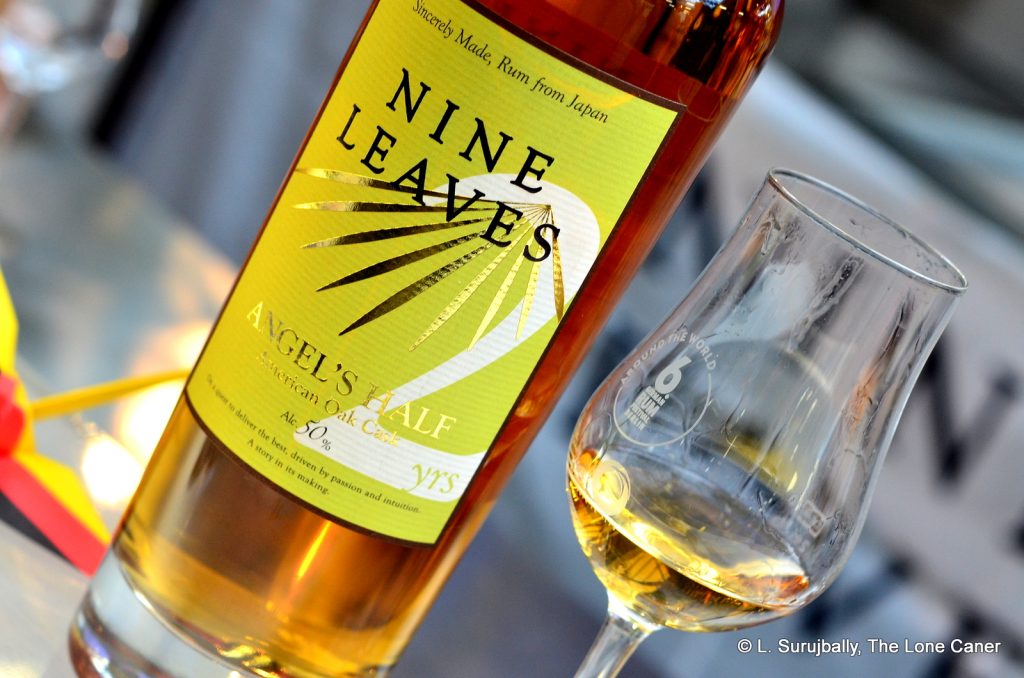
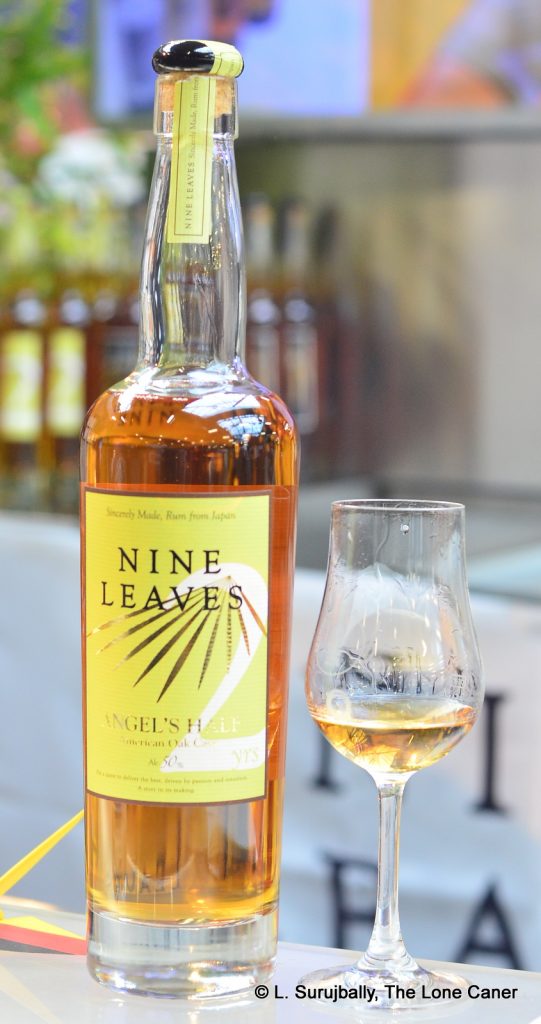 The nose rather interestingly presented hints of a funky kind of fruitiness at the beginning (like a low rent Jamaican, perhaps), while the characteristic clarity and crisp individualism of the aromas such as the other Nine Leaves rums possessed, remained. It was musky and sweet, had some zesty citrus notes, fresh apples, pears and overall had a pleasing clarity about it. Plus there were baking spices as well – nutmeg and cumin and those rounded out the profile quite well.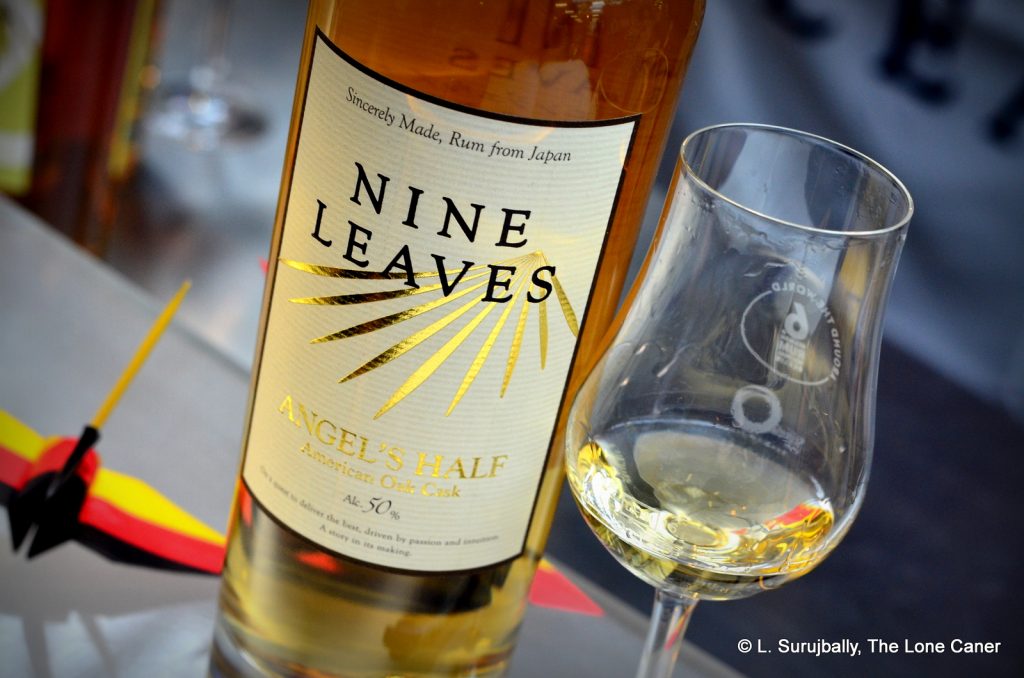

 The nose made an immediate and emphatic response: “Here’s how.” I had exasperatedly grumbled
 Thinness of the nose aside, the palate took something of a ninety degree left turn. It felt thicker, richer, with the glue and furniture polish notes receding, yet what emerged was a rum that seemed over-oaked, and very dry, very crisp. What fruits there were – and there were some, mostly raisins, pears, unripe apples and green mangoes – were of the mouth puckering kind, quite tart, accompanied by orange peel, nutmeg, cardboard or drywall, and something that reminded me of the dustiness of a drought-stricken backyard. The strength was fine for what it was – not low enough to make it a mild crowd-pleaser, not so strong as to make it an assault on the tongue, so on that level it succeeded just fine. The finish gave up more of those tart fruity sensations, oak notes, some pepper and cooking herbs (thyme and parsley)…yet overall, it somehow failed to cohere really well, and the whole experience was deflated by its relative lack of voluptuousness that either some more ageing or some time in tropical climes might have ameliorated.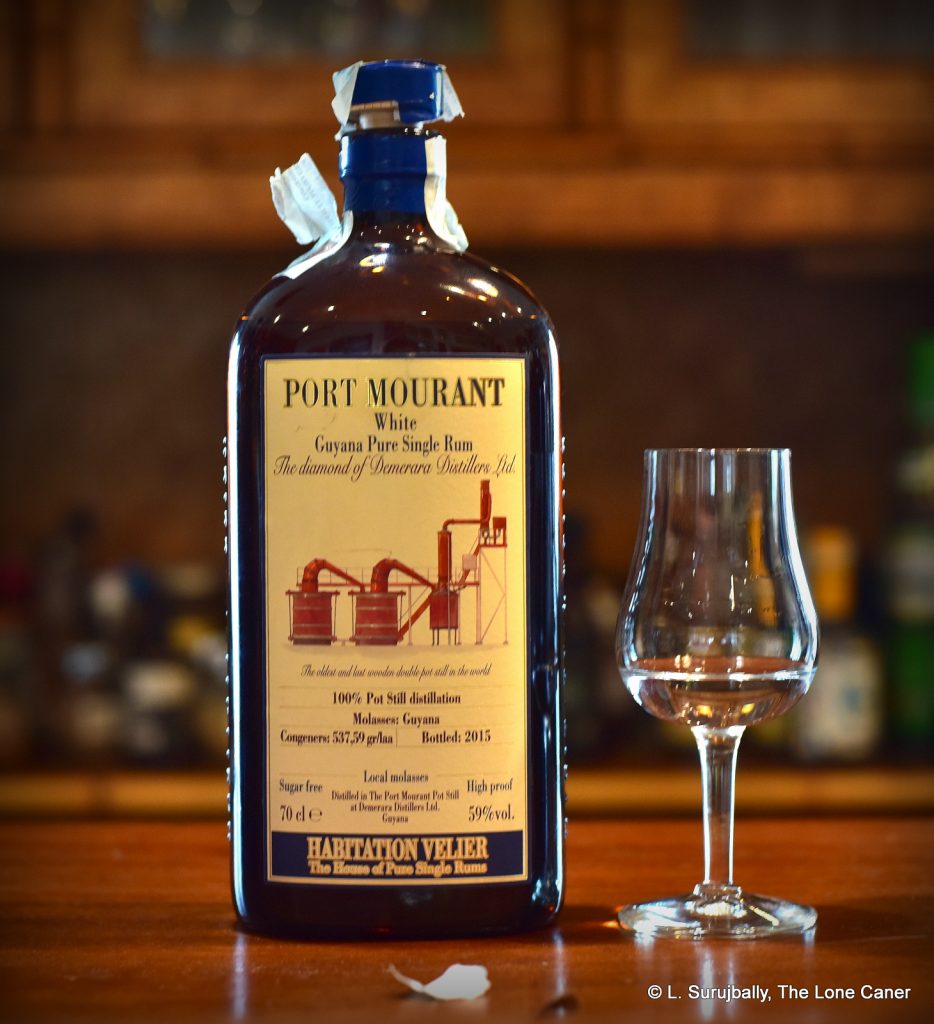
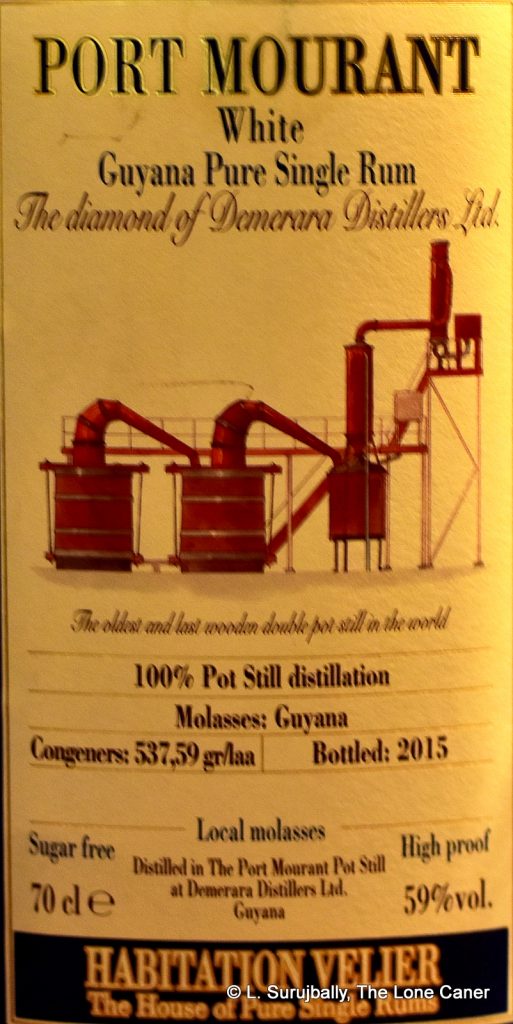 Unaged rums take some getting used to because they are raw from the barrel and therefore the rounding out and mellowing of the profile which ageing imparts, is not a factor. That means all the jagged edges, dirt, warts and everything, remain. Here that was evident after a single sip: it was sharp and fierce, with the licorice notes subsumed into dirtier flavours of salt beef, brine, olives and garlic pork (seriously!). It took some time for other aspects to come forward – gherkins, leather, flowers and varnish – and even then it was not until another half hour had elapsed that crisper acidic notes like unripe apples and thai lime leaves (I get those to buy in the local market), were noticeable. Plus some vanilla – where on earth did that come from? It all led to a long, duty, dry finish that provided yet more: sweet, sugary, sweet-and-salt soy sauce in a clear soup. Damn but this was a heady, complex piece of work. I liked it a lot, really.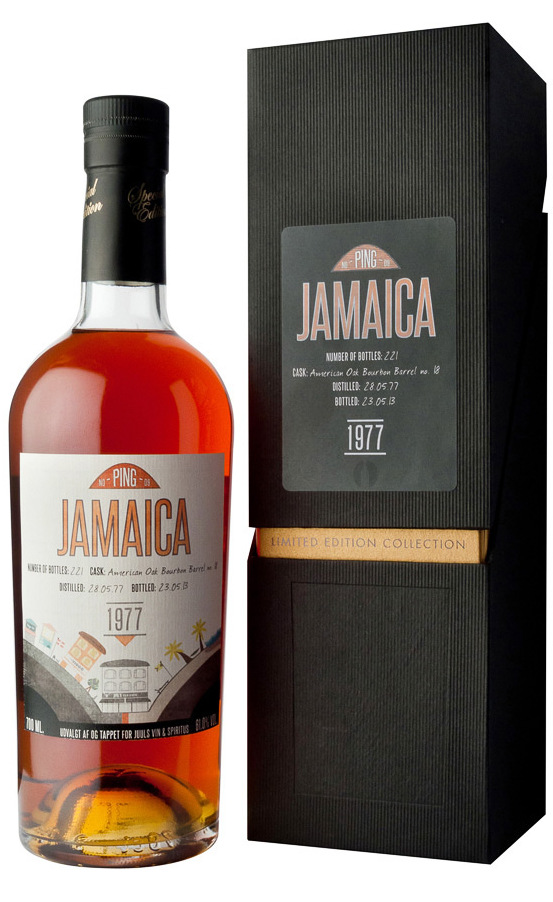
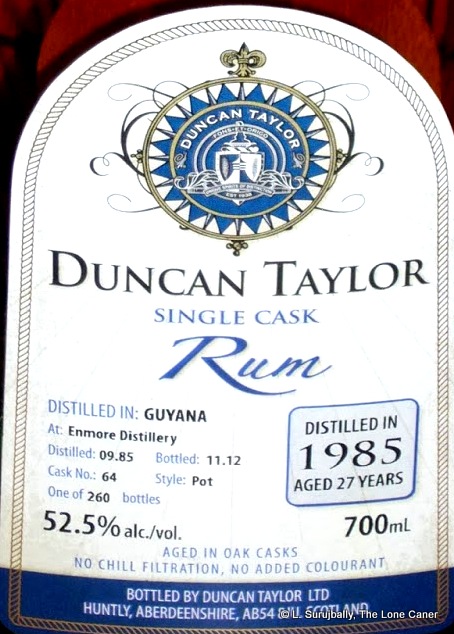
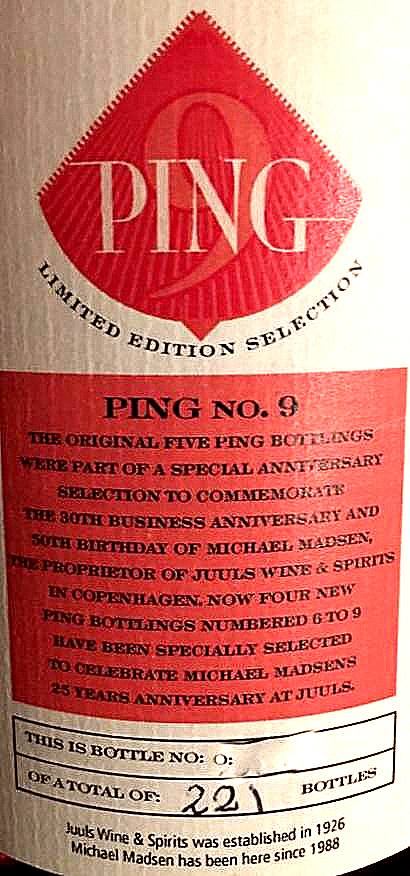 Say what you will about tropical ageing, there’s nothing wrong with a good long continental slumber when we get stuff like this out the other end. Again it presented as remarkably soft for the strength, allowing tastes of fruits, light licorice, vanilla, cherries, plums, and peaches to segue firmly across the tongue. Some sea salt, caramel, dates, plums, smoke and leather and a light dusting of cinnamon and florals provided additional complexity, and over all, it was really quite a good rum, closing the circle with a lovely long finish redolent of a fruit basket, port-infused cigarillos, flowers and a few extra spices.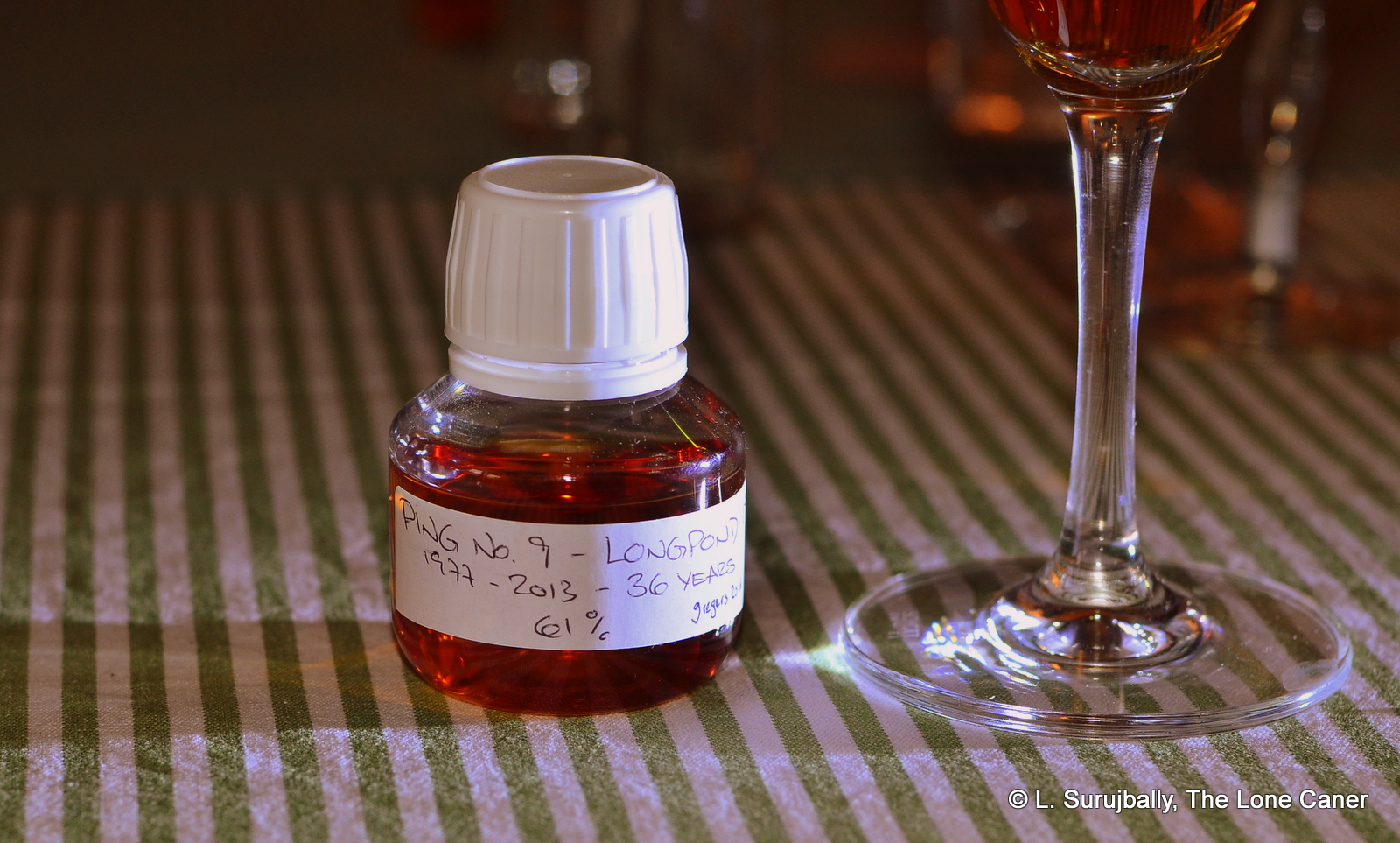
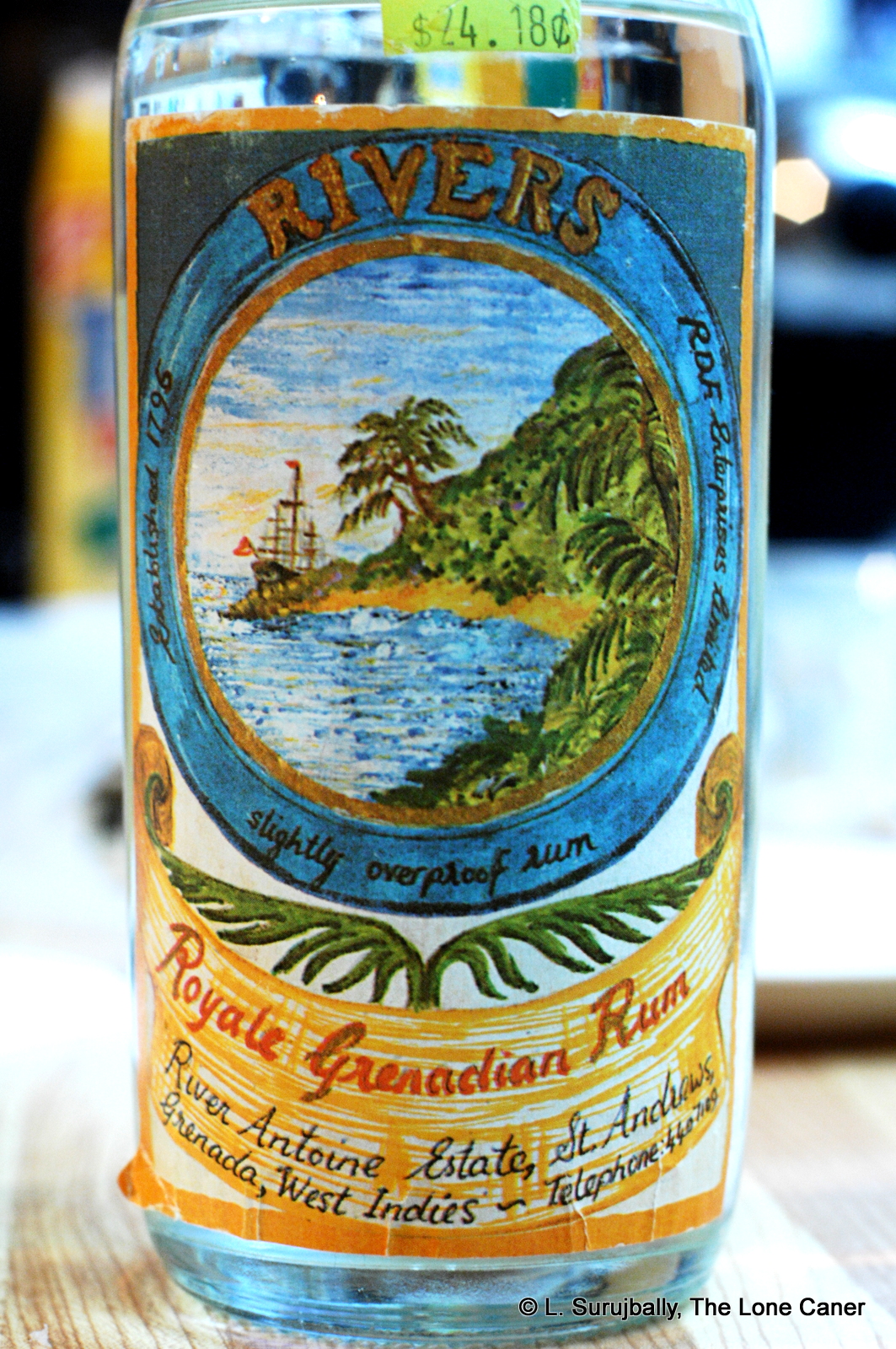
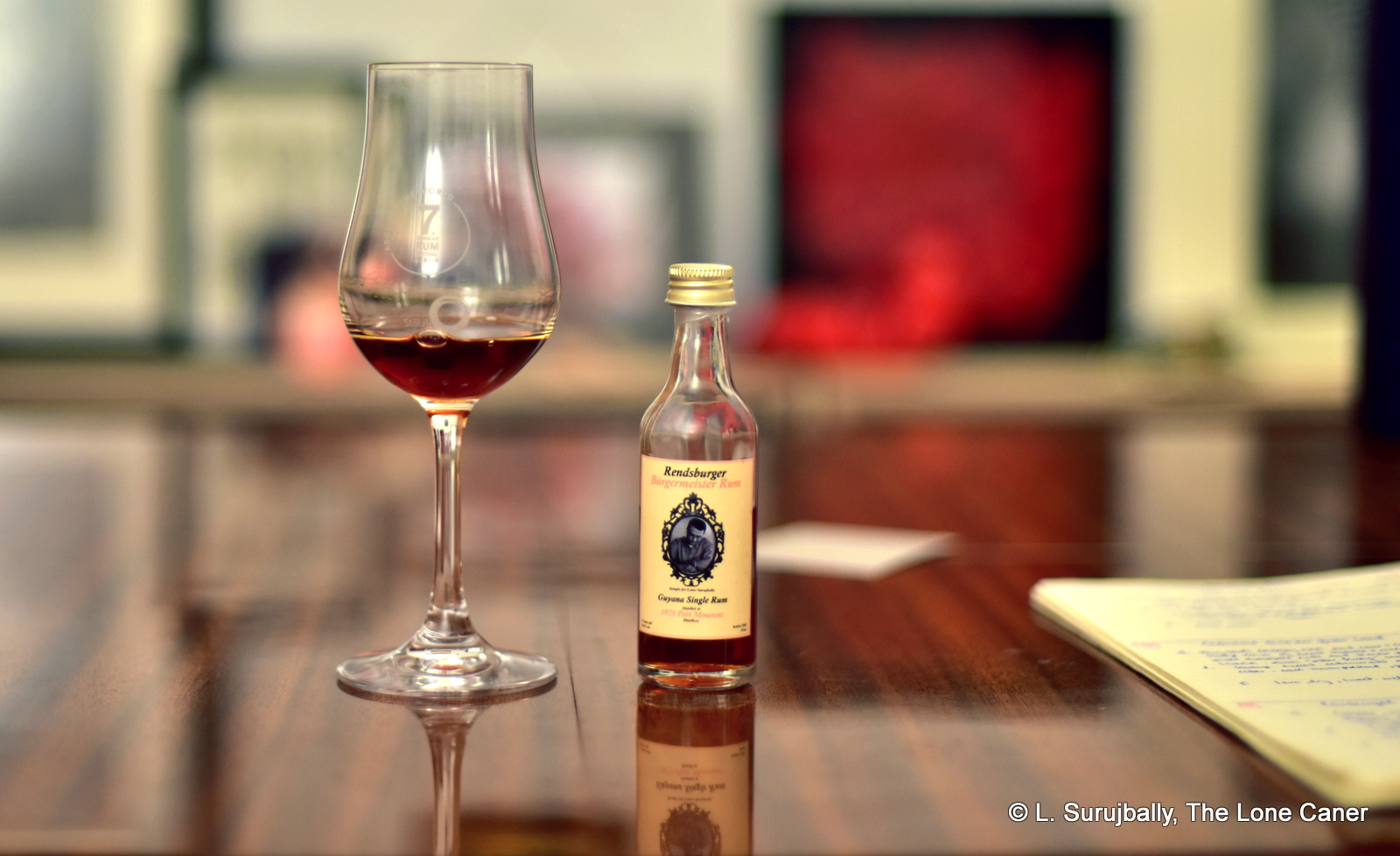
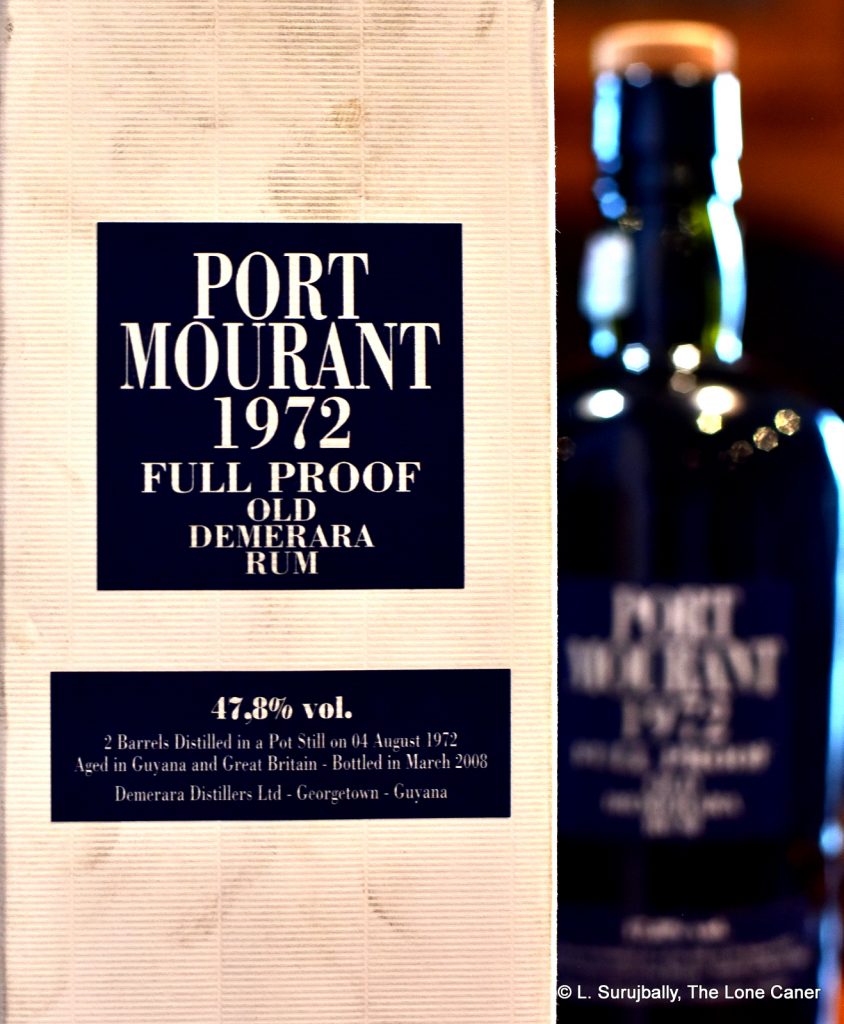
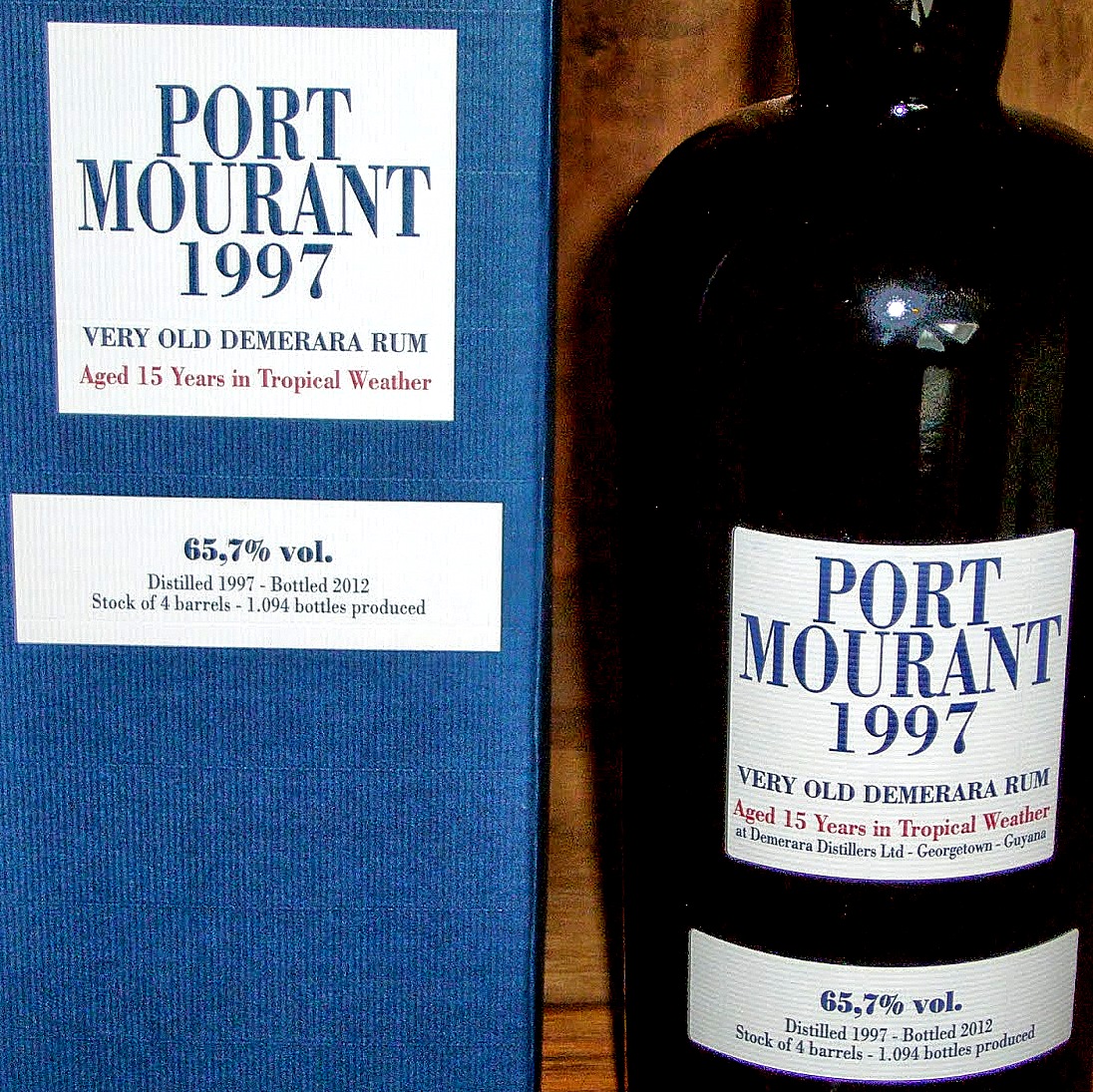
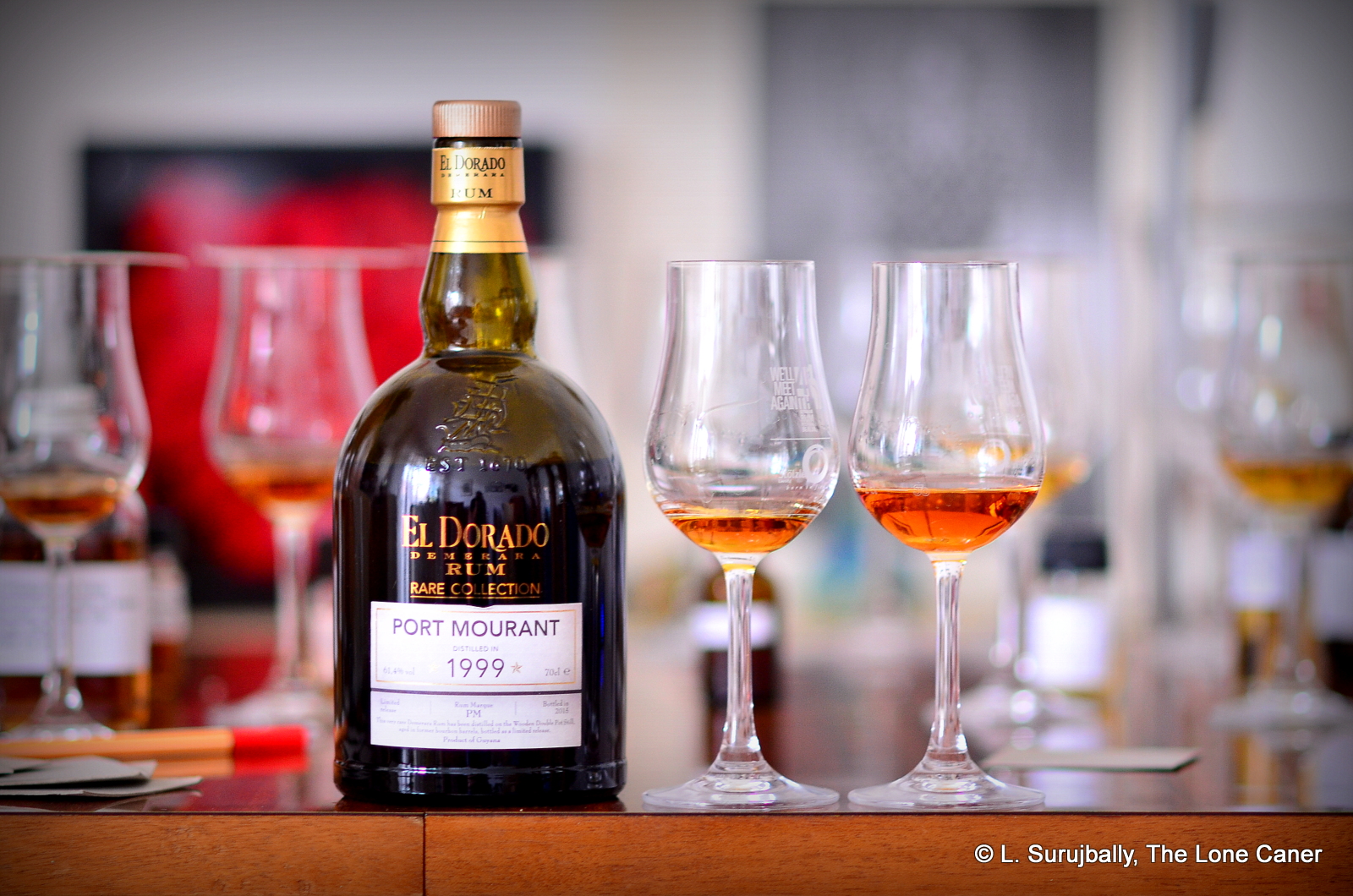
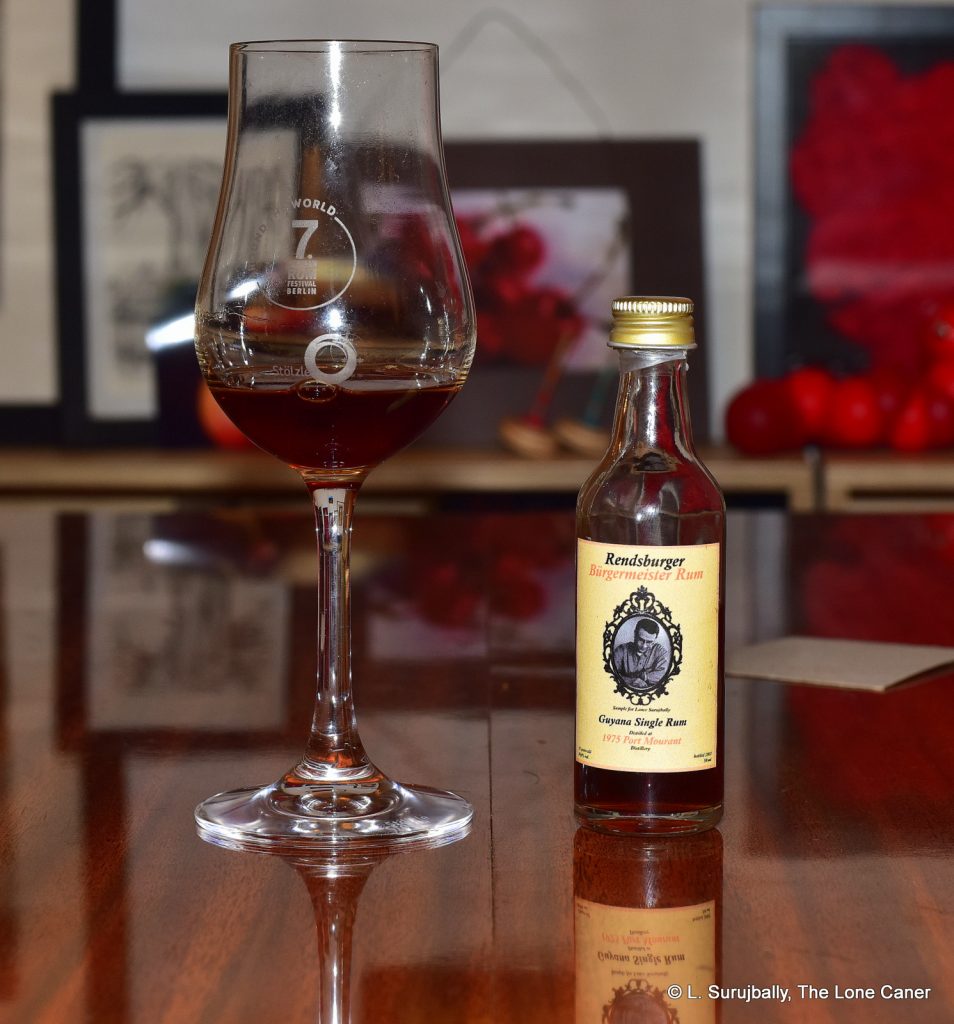 As for the palate, man, I’m in heaven, because I just found another 1975 to add to the pantheon. That same growling, thick richness of the nose segued to the tongue with no pause, no hesitation and no detours. The strength was near perfect – it gave strength without sharpness, allowing all the flavours to march solidly across the stage and present themselves one after the other: licorice, vanilla, caramel, bags of fruits, a little saltiness, biscuits and cereal. The whole thing was warm and thick with dark flavours that never seemed to want to stop showing off and even the oak, which at first I thought started to take on an unhealthy dominance after some minutes (I was actually writing “Mozart just exited the scene and is replaced by Salieri!” before crossing it out), retreated into the background, chilled out, and was (to my relief) content to be a part of the troupe rather than a scene stealing hog. The exemplary and traditional Port Mourant profile finished long, slow, voluptuously and with chocolate, coffee grounds, some oak, vanilla, raisins and anise, and overall, my take was it was simply one of the Grand Old Men of the plantation and the still.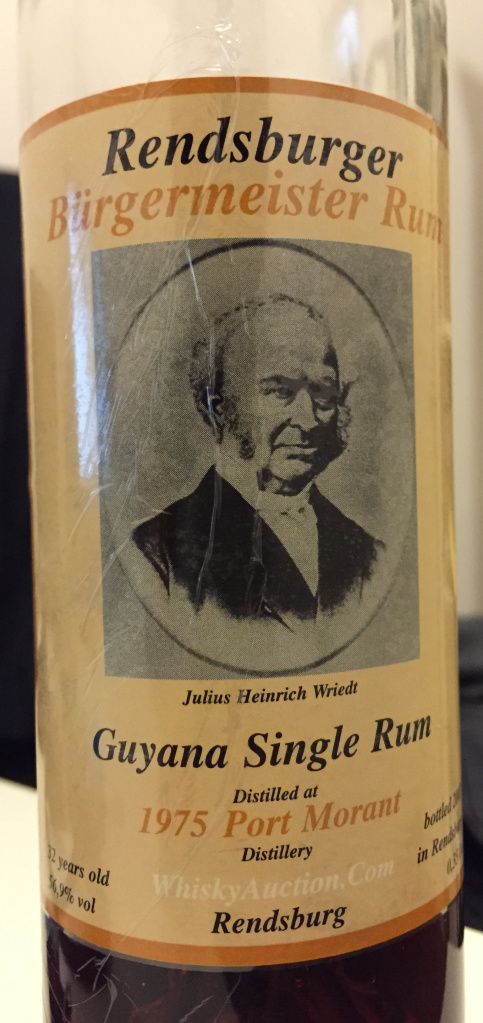
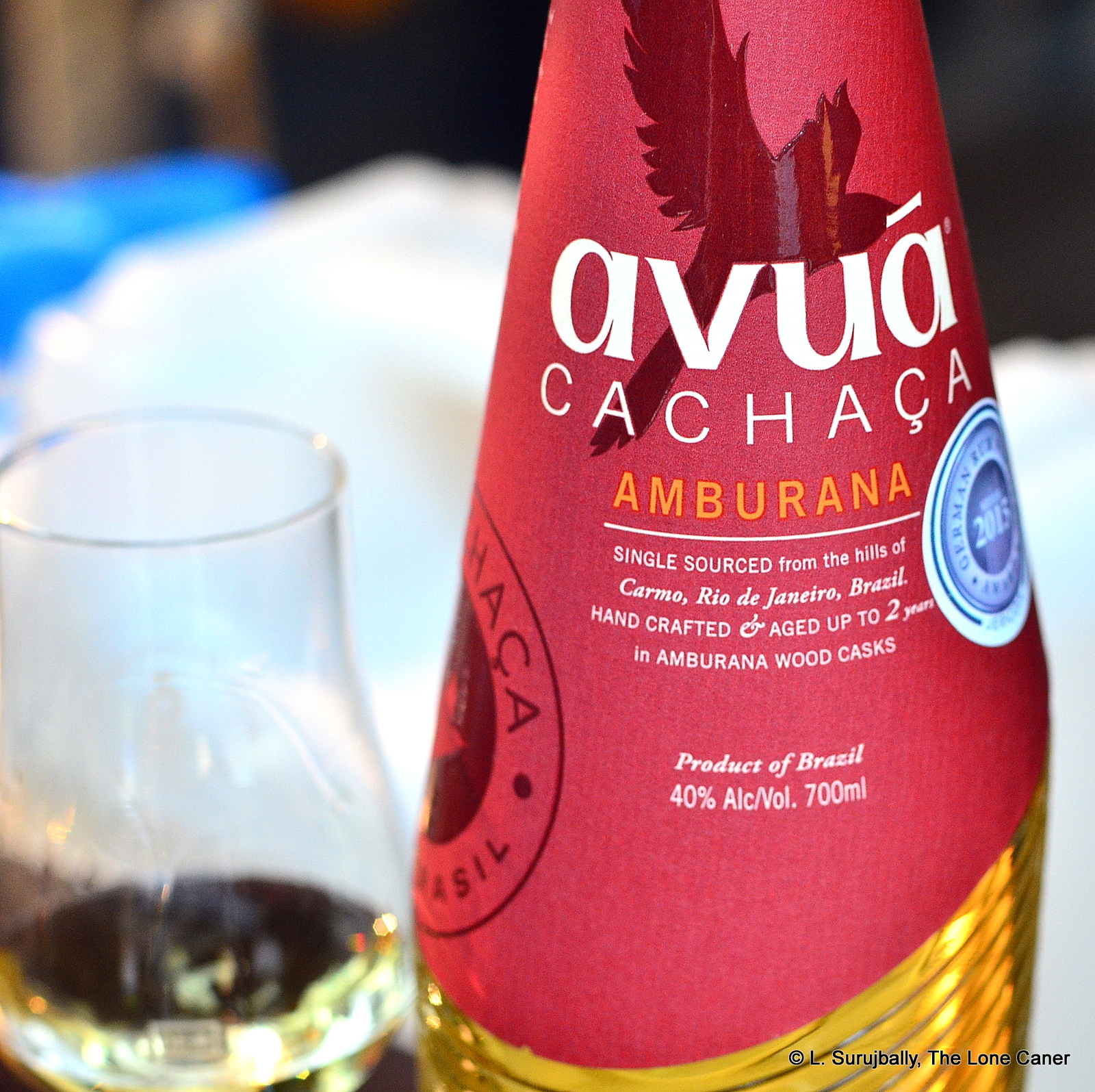
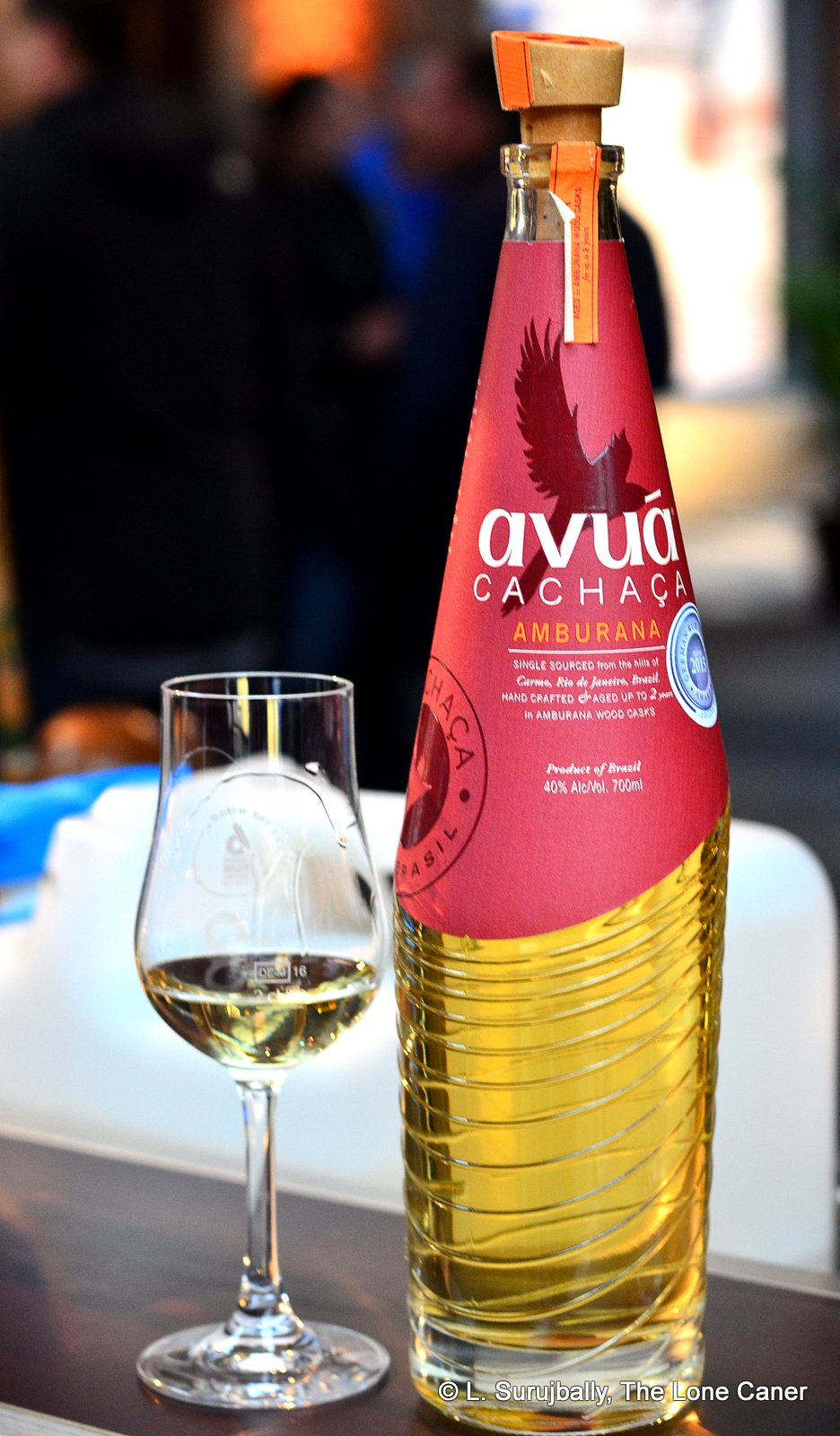 Does the amburana make for a uniquely different taste profile? Yes and no. It certainly presented aspects that were similar to young agricoles – fresh and crisp aromas of watery pears, sugar cane sap, swank and watermelon just to start with, clear without real sharpness. It’s after opening up for a few minutes that it shows its antecedents more clearly, because other smells, somewhat more unusual, begin to emerge – cinnamon, nutmeg, bitter chocolate, sawn lumber, wet sawdust, freshly baked dark bread. Not your standard fare by any means.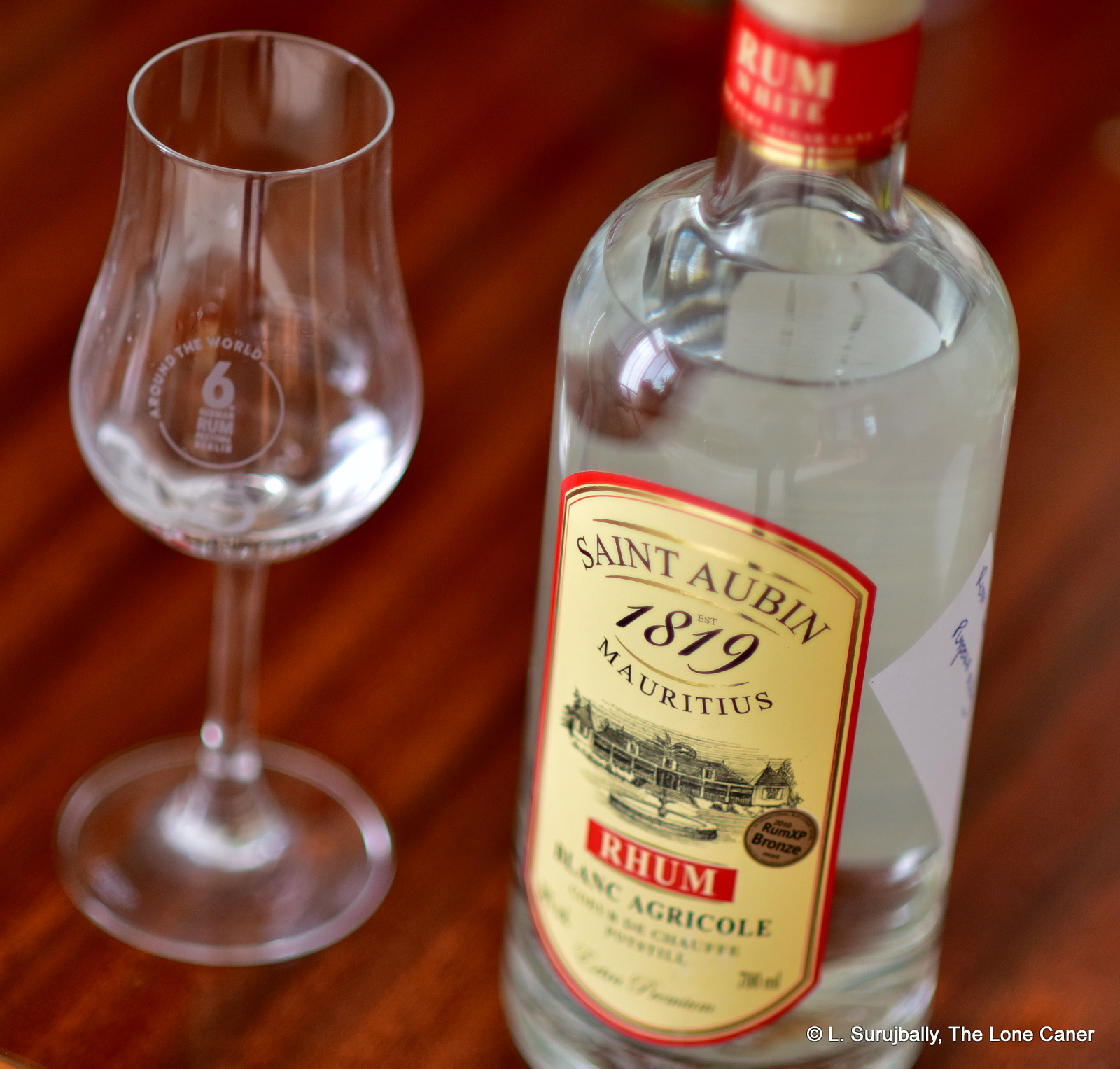
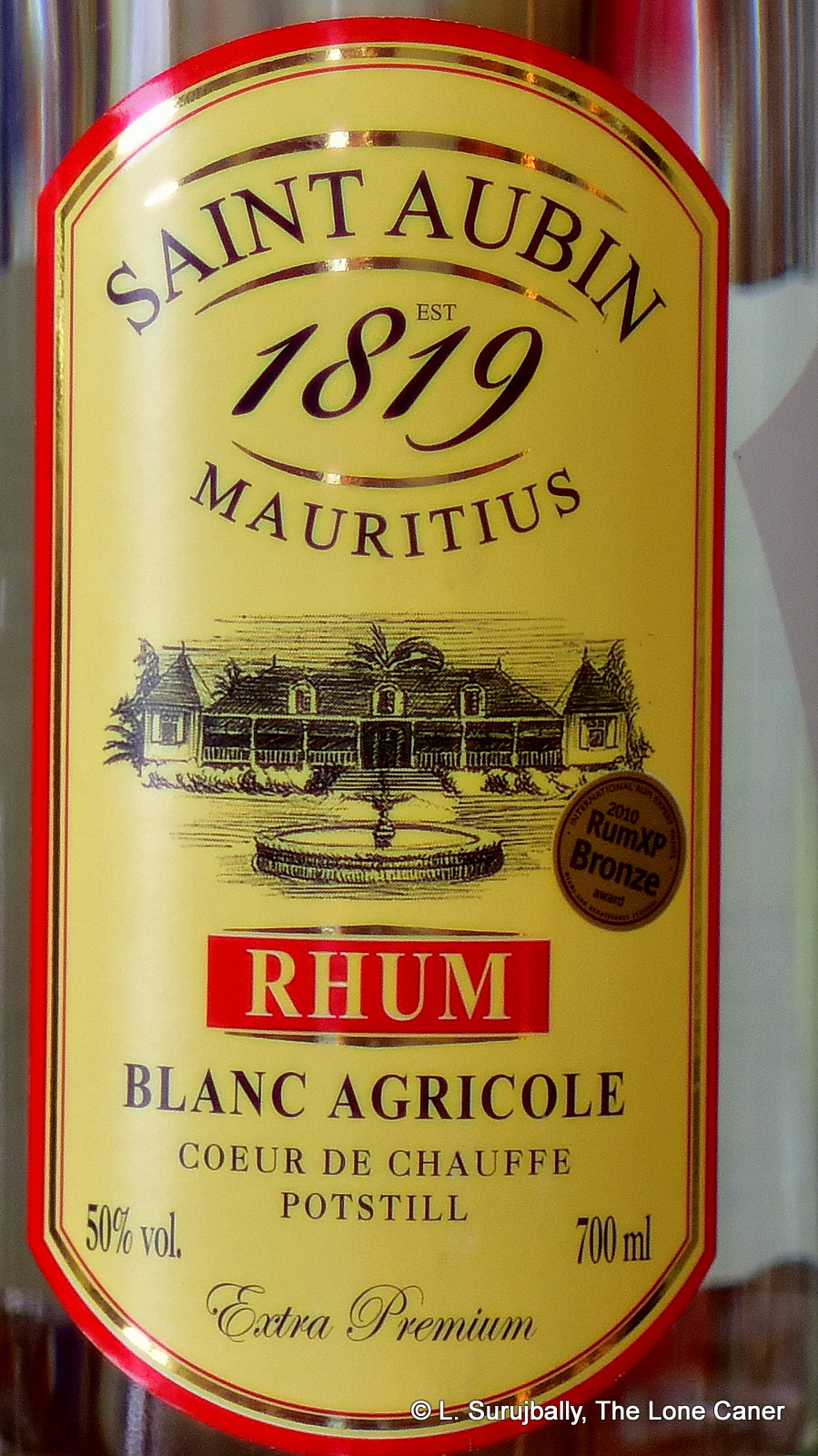 See, while furious aggression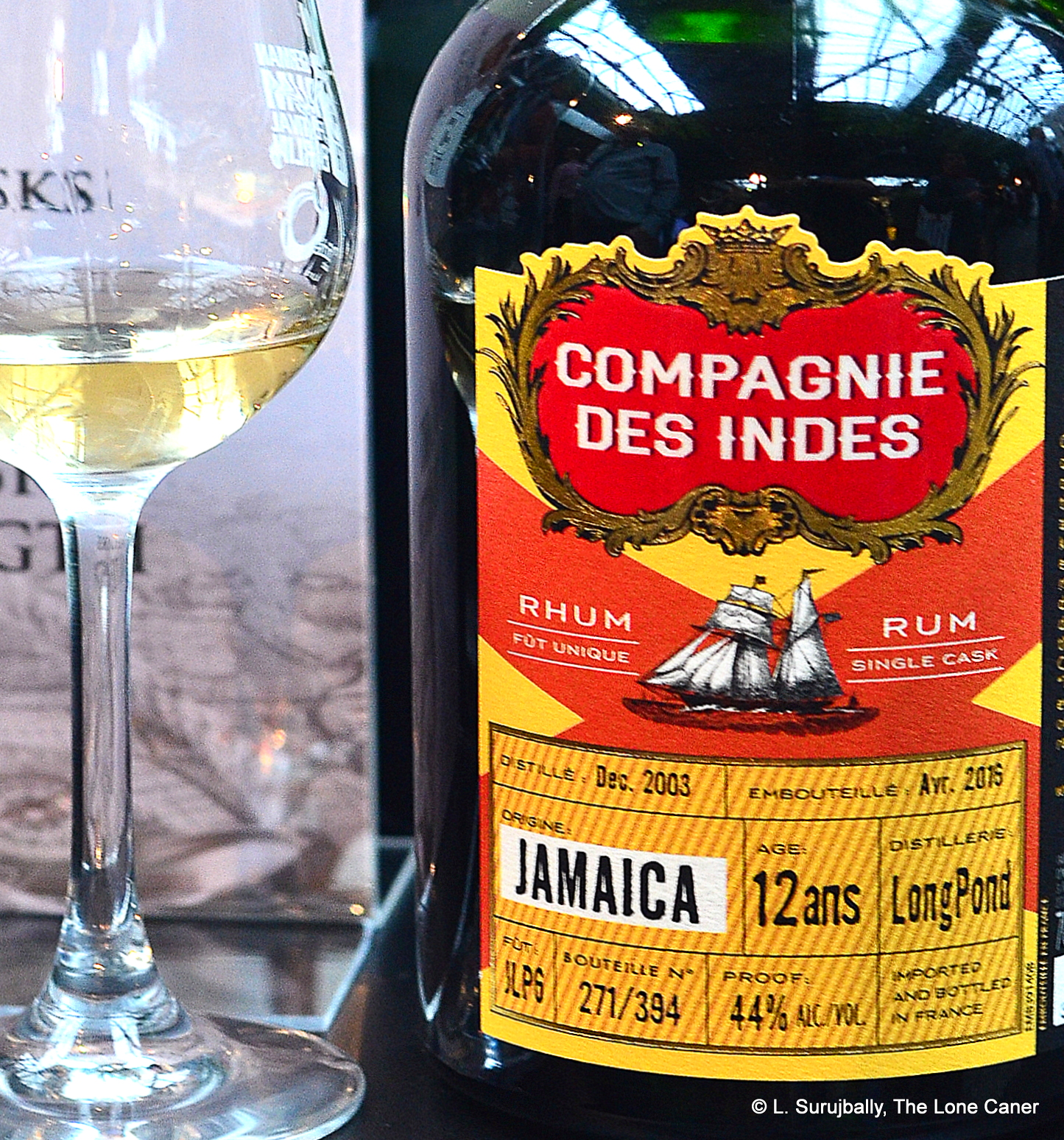
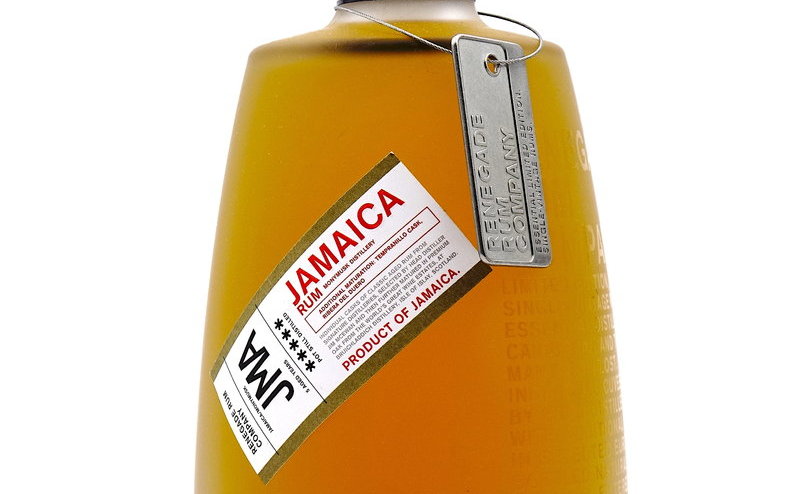
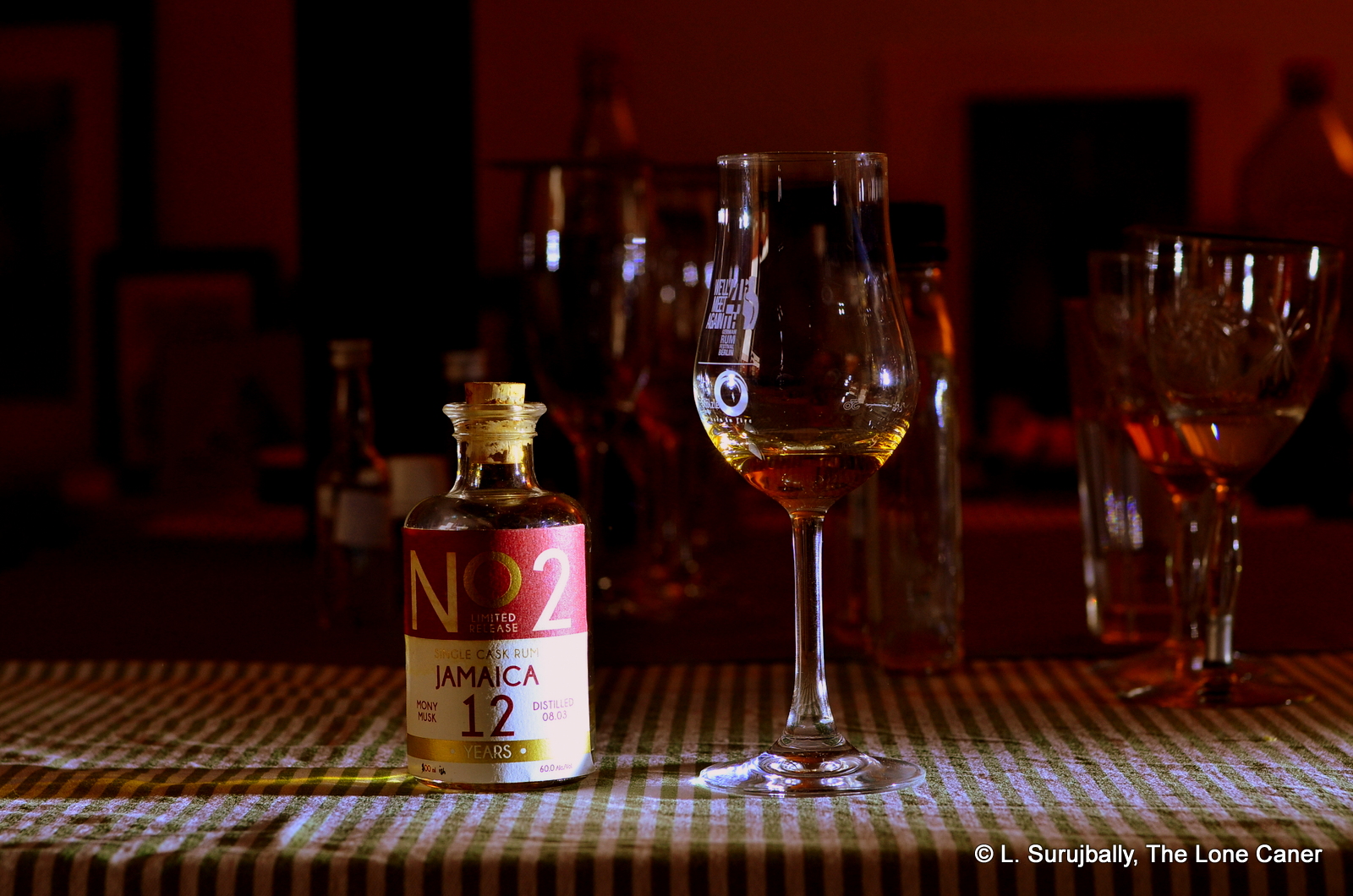
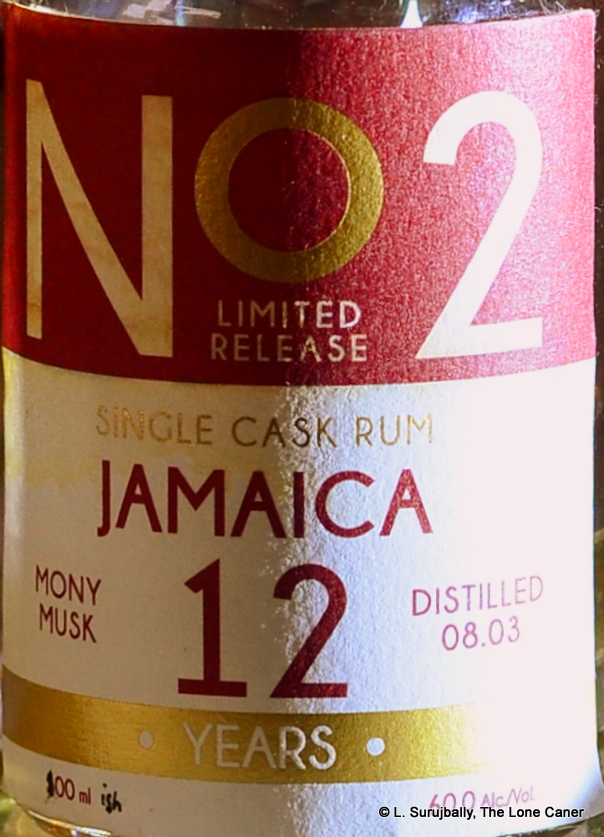 Now, the No. 2 hails from Monymusk, and I have not had that much experience with the all-but-unknown brand — few outside Jamaica have, though this looks like it’s changing as Jamaica blasts off on the world rum scene again. Permit me to walk you through a quick ovastandin’ of the structure. A sort of consortium was created in 2006 which comprised of the Jamaican Government, WIRD out of Barbados and DDL out of Guyana – they called it the National Rums of Jamaica and folded Clarendon, Longpond and Innswood under its umbrella (this was partly in an effort to stabilize prices and keep rum production going). Longpond — until very recently when Maison Ferrand bought a stake — was not doing much and Clarendon was the owner of the Monymusk distillery attached to the sugar factory of the same name, which in turn provided Innswood with distillate, with the latter acting as the ageing and blending facility. The house brand for NRJ is named Monymusk (not Longpond, Innswood or Clarendon, for whatever illogical reason). Just be aware that Clarendon Distillers Limited (the company) is the owner of the distillery that is attached to Monymusk Sugar Factory and you’ll be fine (the only other distillery in the Clarendon Parish is New Yarmouth, owned by Wray & Nephew).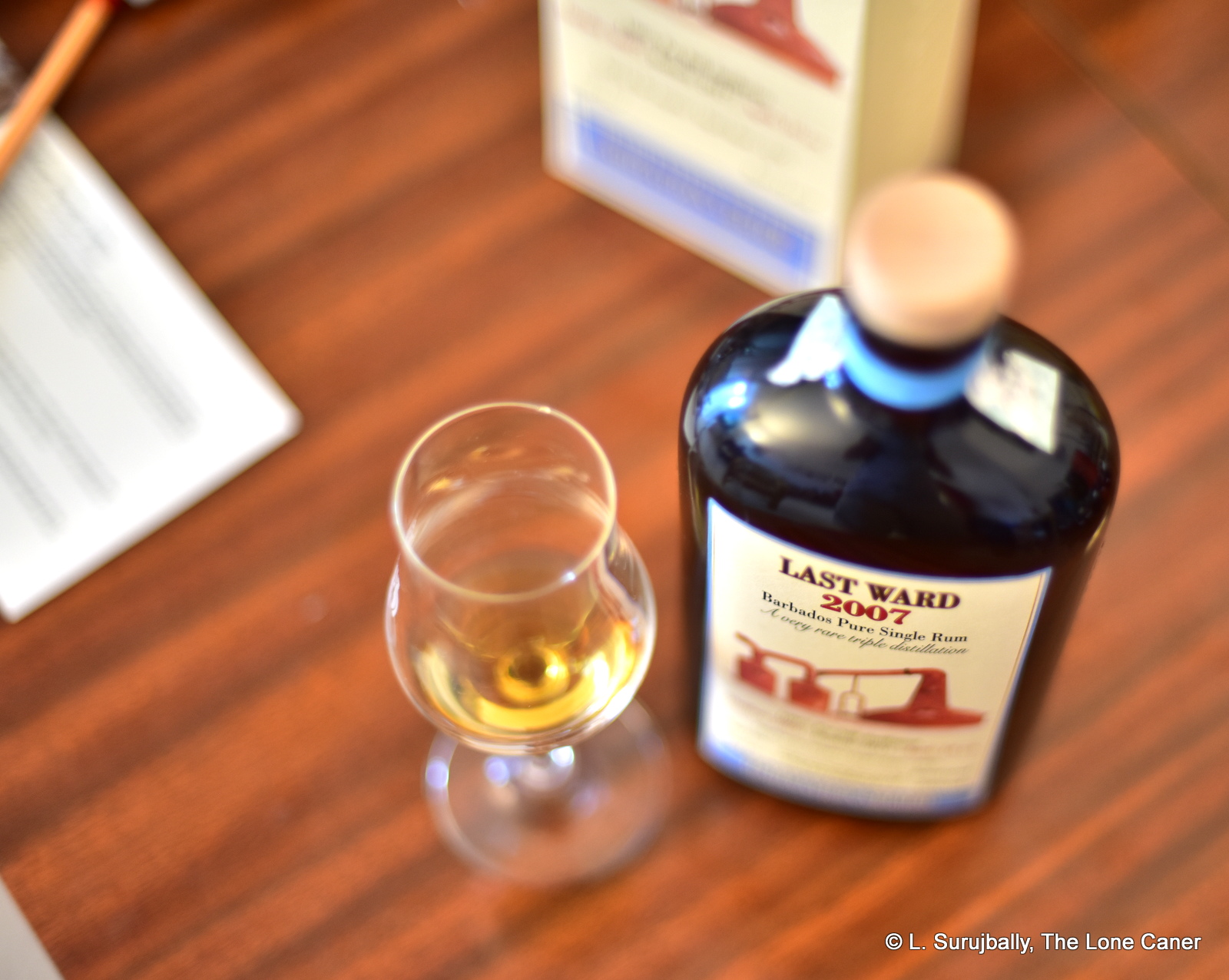
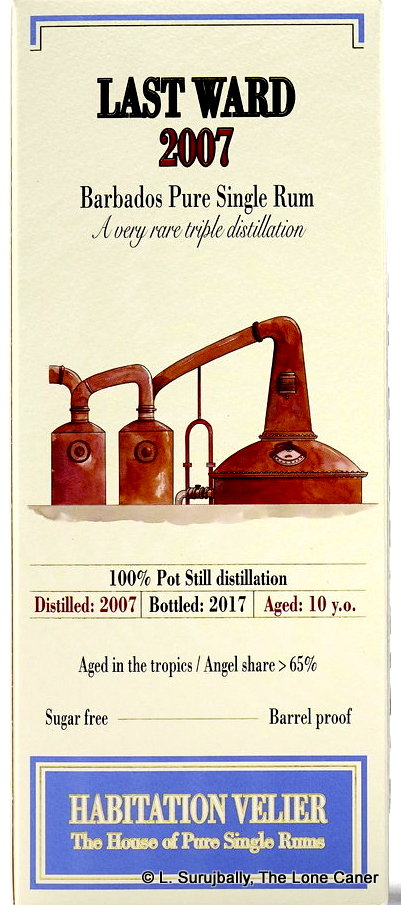 Did all that history and age and heritage translate into a rum worth drinking? It’s not always the case, of course, but here the answer is a firm yes. It started with the nose, where the very first word of my notes is “Wow.” It was smooth and heated, handling the 59% ABV quite well, smelling of furniture polish, leather, light flowers, bags of white chocolate, nougat, toblerone, coffee grounds and salt caramel. It was aromatic enough to make me think of a warmer, softer