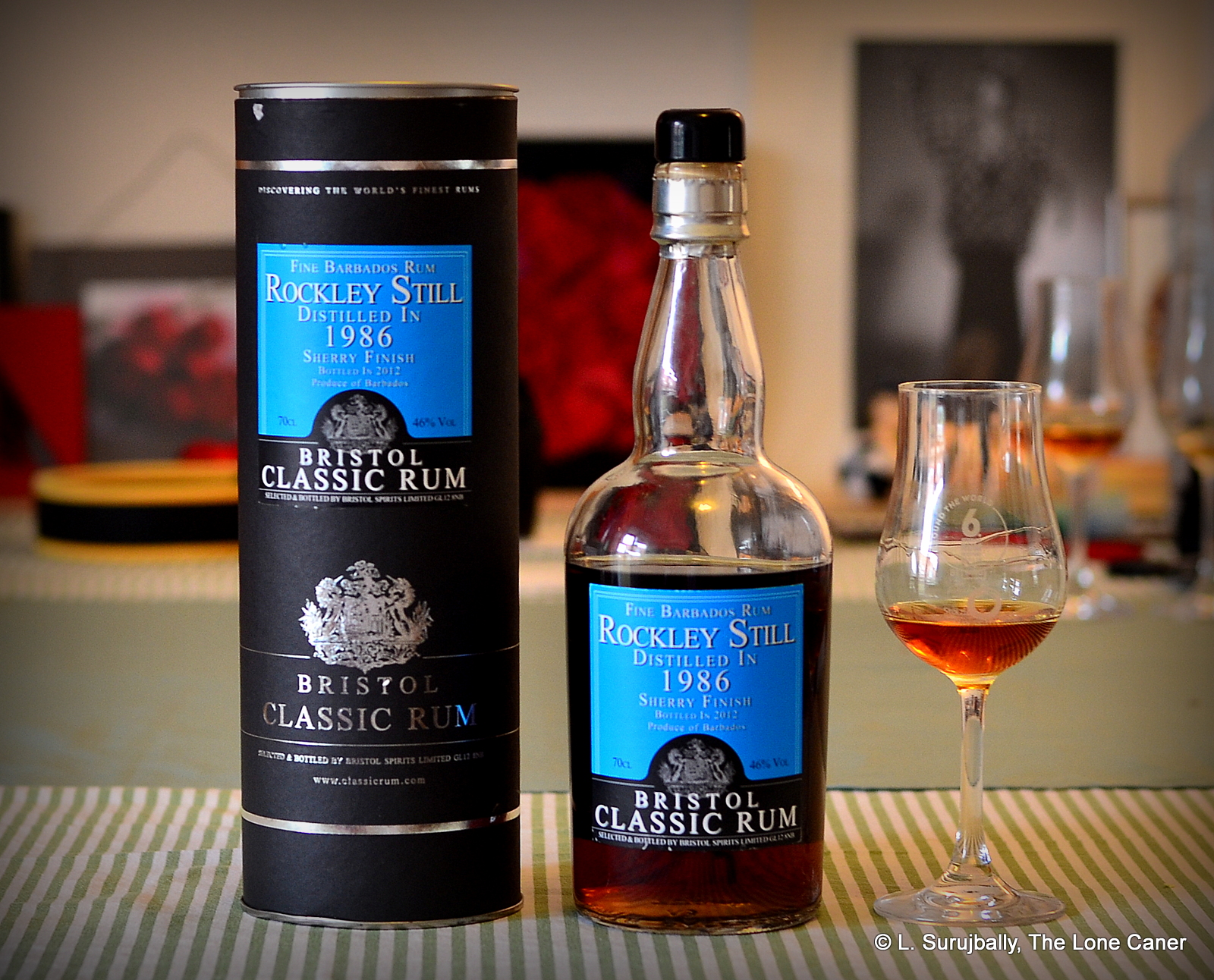
My friend Henrik from Denmark told me once that he really dislikes the rums of WIRD. “There’s just something off about them,” he grumbled when we were discussing the output from Little England, the development of the Foursquare Exceptionals, and the Velier collaborations. On the other hand, another rum-kumpel from Germany, Marco Freyr, has no problems with them at all, and remarked that he could absolutely pinpoint any Rockley Still rum just by sniffing the glass (I have since come the the conclusion that he’s absolutely right). Coming to this Bristol Spirits rum after a long session of Bajan bruisers made by the Compagnie, Cadenhead and Foursquare themselves, I can sort of see both points of view, but come down more on the positive side, because I like the variety of tones and tastes which indie WIRD rums provide. And this one? I liked it quite a bit.
We hear so much about the rums of Mount Gay, St. Nicholas Abbey and Foursquare, that rums made by/from WIRD often get short shrift and scant mention. It’s not even seen as a true distillery of the sort that makes its own name and marks its own territory (like Foursquare, Hampden, Worthy Park or DDL do, for example). But WIRD does exist, even if the majority of its rums come to us by way of the European independents (most of its output is sold as either bulk stock to brokers, goes into the Cockspur brand, or to make the coconut-rum-liqueur Malibu which for some obscure reason, Grandma Caner simply can’t get enough of).
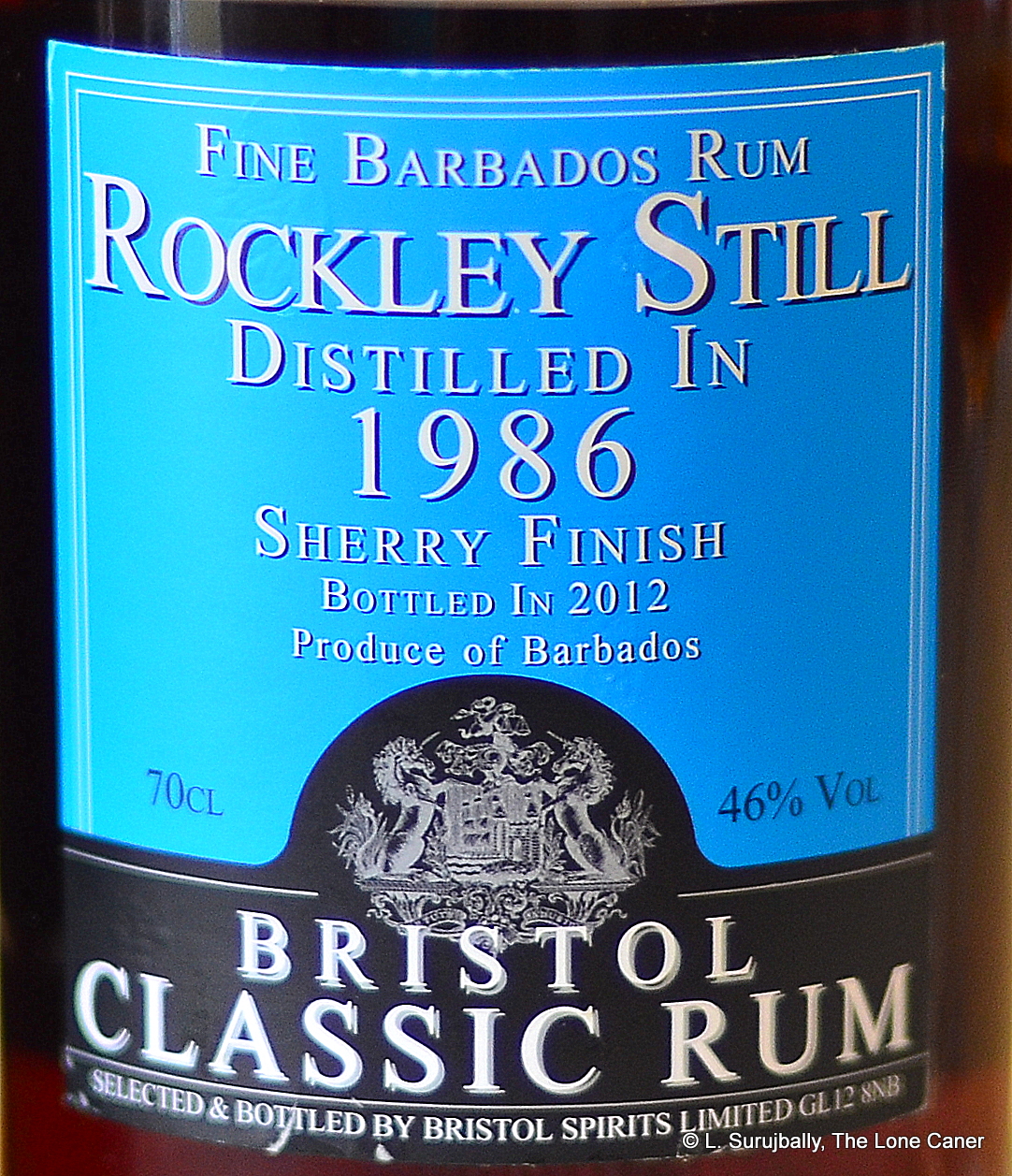 The brief technical blah is as follows: bottled by Bristol Spirits out of the UK from distillate left to age in Scotland for 26 years; a pot still product (I refer you to Nikos Arvanitis’s excellent little essay on the Rockley still if you want to do more research), distilled in 1986 and bottled in 2012, finished in sherry casks for an indeterminate period. The strength remains at the Bristol Spirits standard 46% ABV, which makes it very approachable to the mainstream who want to explore further into how rums from Barbados can differ from each other.
And differ it does. No smooth, well-constructed melange of pot and column still product here, redolent of spices and soft fruits. Oh no. For openers, this rum’s nose was meaty: like licking a salty maggi cube dropped into a pot of chicken stock liberally dosed with sweet soy sauce. All of this develops over time (fortunately, because I had soup for lunch and didn’t want any in my glass as well) into waxy pungency leavened with a sort of sweet rich fruitiness (cherries, ripe peaches, apples) which then further combined with a forceful sherry/madeira finish that at times verged on being overdone….even medicinal. The nose was so at odds with everything I had alongside it, that one could be forgiven for thinking this was not a Bajan rum at all…it nosed that different.
Still, it was much better to taste than to smell. It was warm and reasonably smooth, though with a bite here or there to remind you it wasn’t fully tamed; its tastes were of caramel, dollops of thick dark honey on fresh toasted dark bread, camomile, thyme and cough drops. Iodine and medicinals are thankfully held way back (a pencilled-in line, not a brightly coloured oil by Frazetta, you might say). Also burnt sugar, stewed apples and some ripe cherries and the tart tastiness of soursop, ginnip and sour cream rounded things off, before lapsing into a relatively short, fruity, and honey-like finish that breathed easy fumes and then hurriedly exited the scene.
Overall, it was a rich rum, full bodied, a little oaky, quite fruity after opening up, and that sherry influence — perceptible but in no way overwhelming — was enjoyable. In fact, the overall integration and balance of this thing is really quite good, and it provides a pleasing counterpoint to more popular and better known rums from the island, which by itself makes it worth a try. One does not have to be a deep-dive Bajan rum aficionado, parsing the minutest details of different vintages, to appreciate it for what it is, a well made Bajan rum that dares to go off on a tangent.
There’s a reason I want WIRD rums to continue to make it to the public glassware, even if it’s just second hand, via the independents (now that Maison Ferrand has taken over, it’s only older rums from European brokers they’ll get, I’m thinking). They’re different, very different, existing in some kind of joyous parallel universe where mothballs, fruits and cloves mix it up in a dusty spice cupboard and the result is peculiarly drinkable. They are, in their own way and possibly because of their relative obscurity, fascinatingly off-base. I haven’t met many so far, but those I’ve tried I’ve liked, and sure hope more will turn up in my glass in the years to come.
(#562)(86/100)
Other notes
- The SMWS has issued a few WIRD rums, the R.3 series…I’ve tried R 3.4 and R 3.5. The Samaroli 1986 20 YO Barbados Rum review also has some background information on the distillery and its stills, and I have one last 1986 vintage from Rensburger to write about.
- The Fat Rum Pirate’s 2016 review is here, and reddit had a shortform review just a couple of months ago.
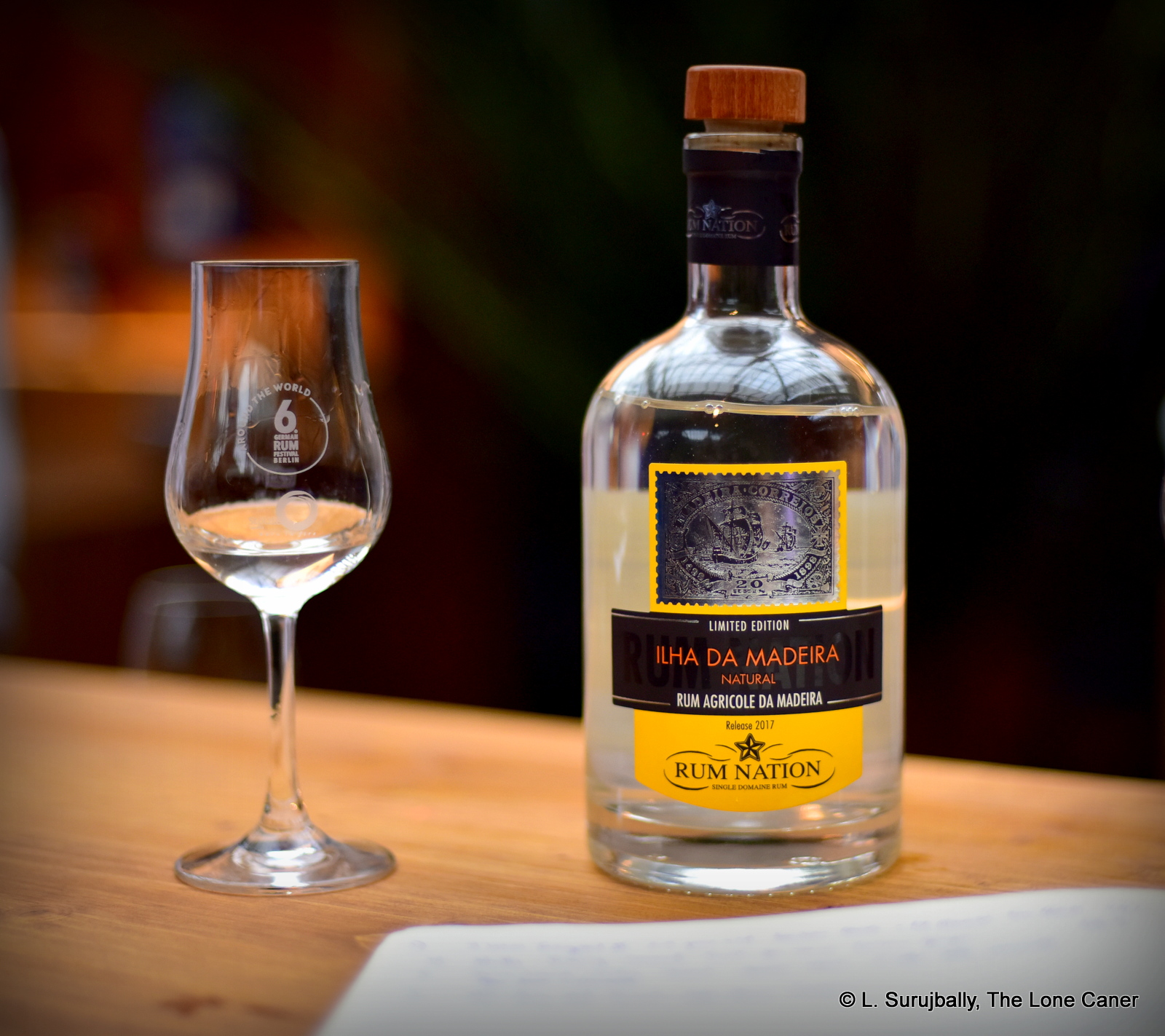
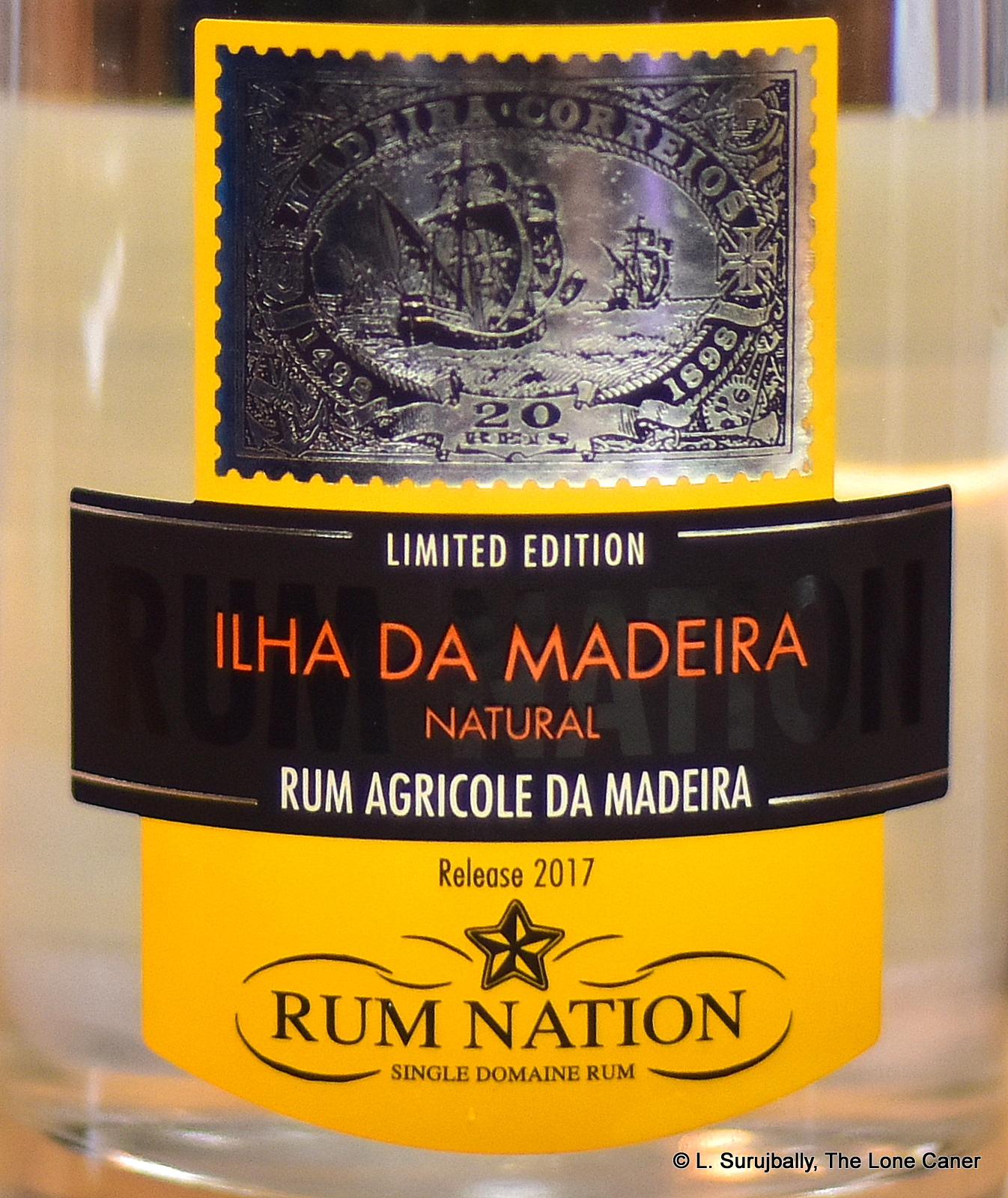 Anyway, here’s what it was like. The nose of the Ilha da Madeira fell somewhere in the middle of the line separating a bored “meh” from a more disbelieving “holy-crap!”. It was a light melange of a playful sprite-like aroma mixed in with more serious brine and olives, a little sweet, and delicate – flowers, sugar water, grass, pears, guavas, mint, some marzipan. You could sense something darker underneath – cigarette tar, acetones – but these never came forward, and were content to be hinted at, not driven home with a sledge. Not really a brother to that fierce Jamaican brawler, more like a cousin, a closer relative to the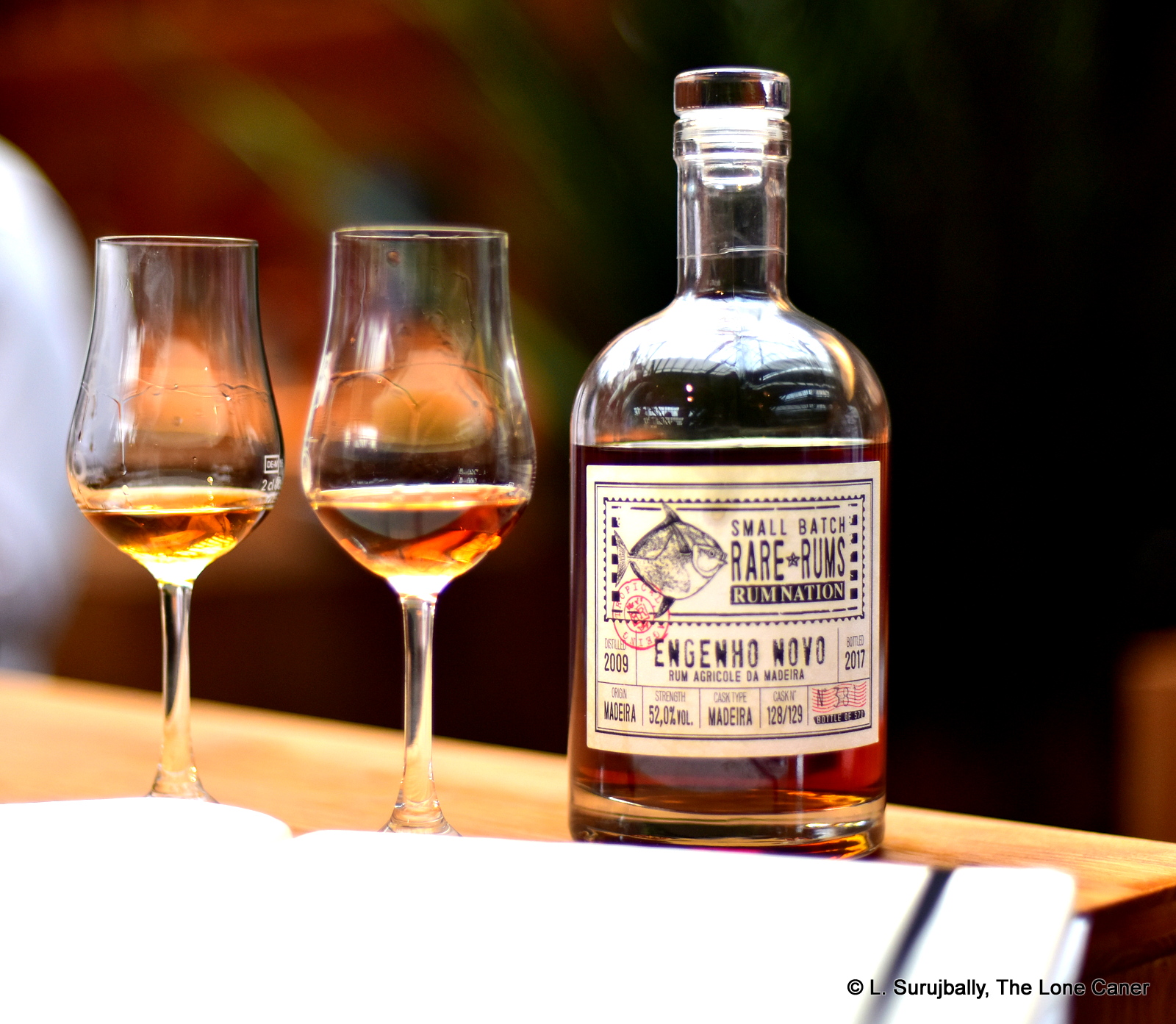
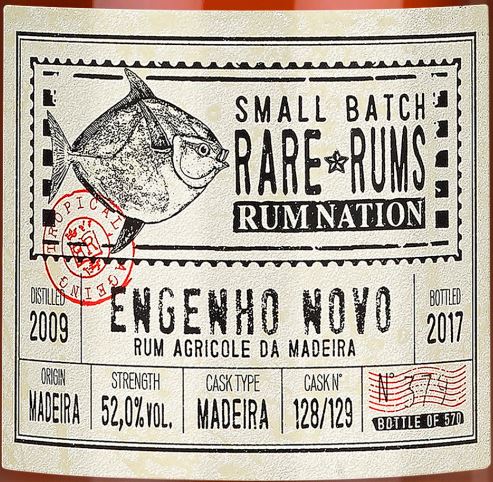 I’ll provide some more background detail in the Other Notes below, but for the moment let’s just read off the fact sheet for the rum which is very helpfully provided on the Rare Rums website and on the bottle label itself. This is a cane juice distillate and can therefore be classed as an agricole-style rhum; distilled 2009 and the four barrel outturn from a column still was aged in Madeira casks, providing 570 bottles in 2017, with a strength of 52%.
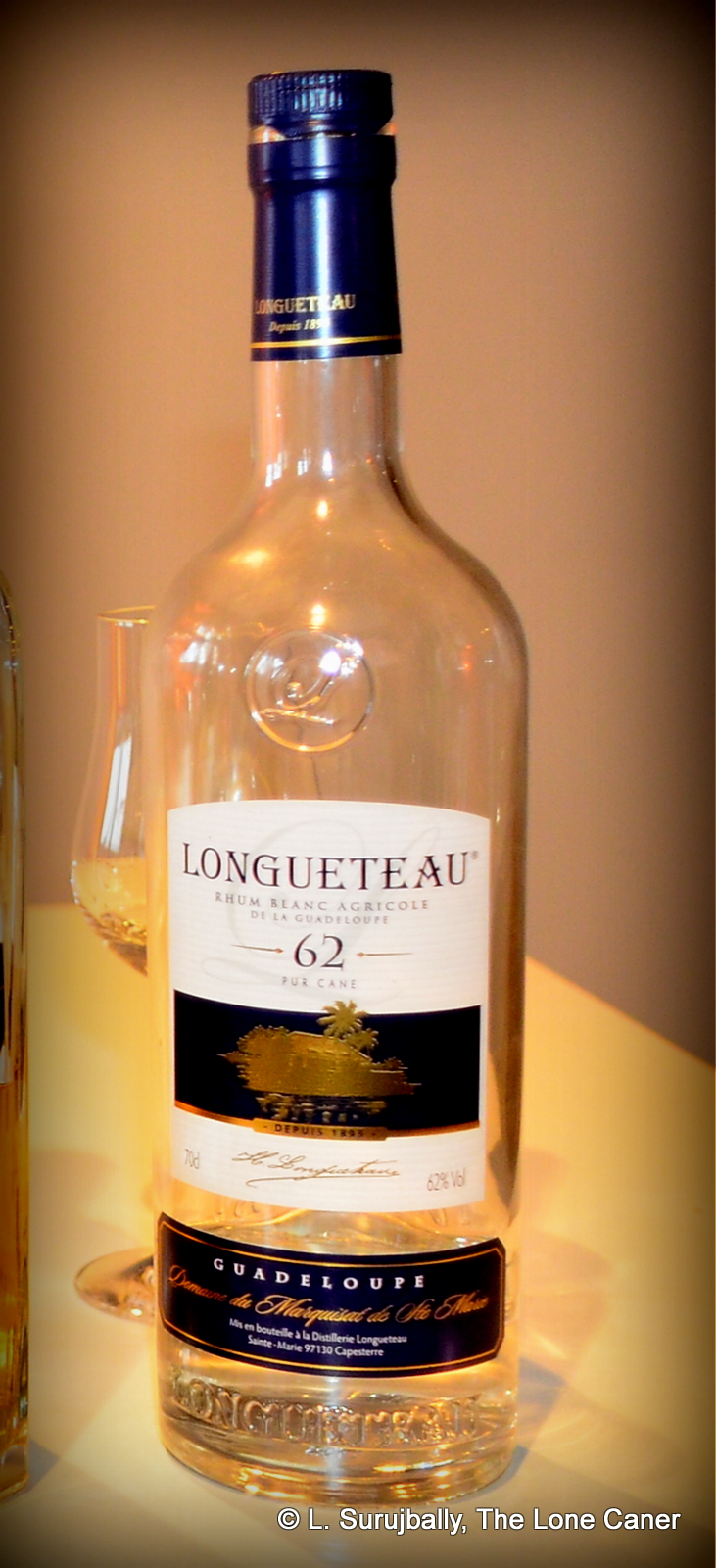 In the last decade, several major divides have fissured the rum world in ways that would have seemed inconceivable in the early 2000s: these were and are cask strength (or full-proof) versus “standard proof” (40-43%); pure rums that are unadded-to versus those that have additives or are spiced up; tropical ageing against continental; blended rums versus single barrel expressions – and for the purpose of this review, the development and emergence of unmessed-with, unfiltered, unaged white rums, which in the French West Indies are called
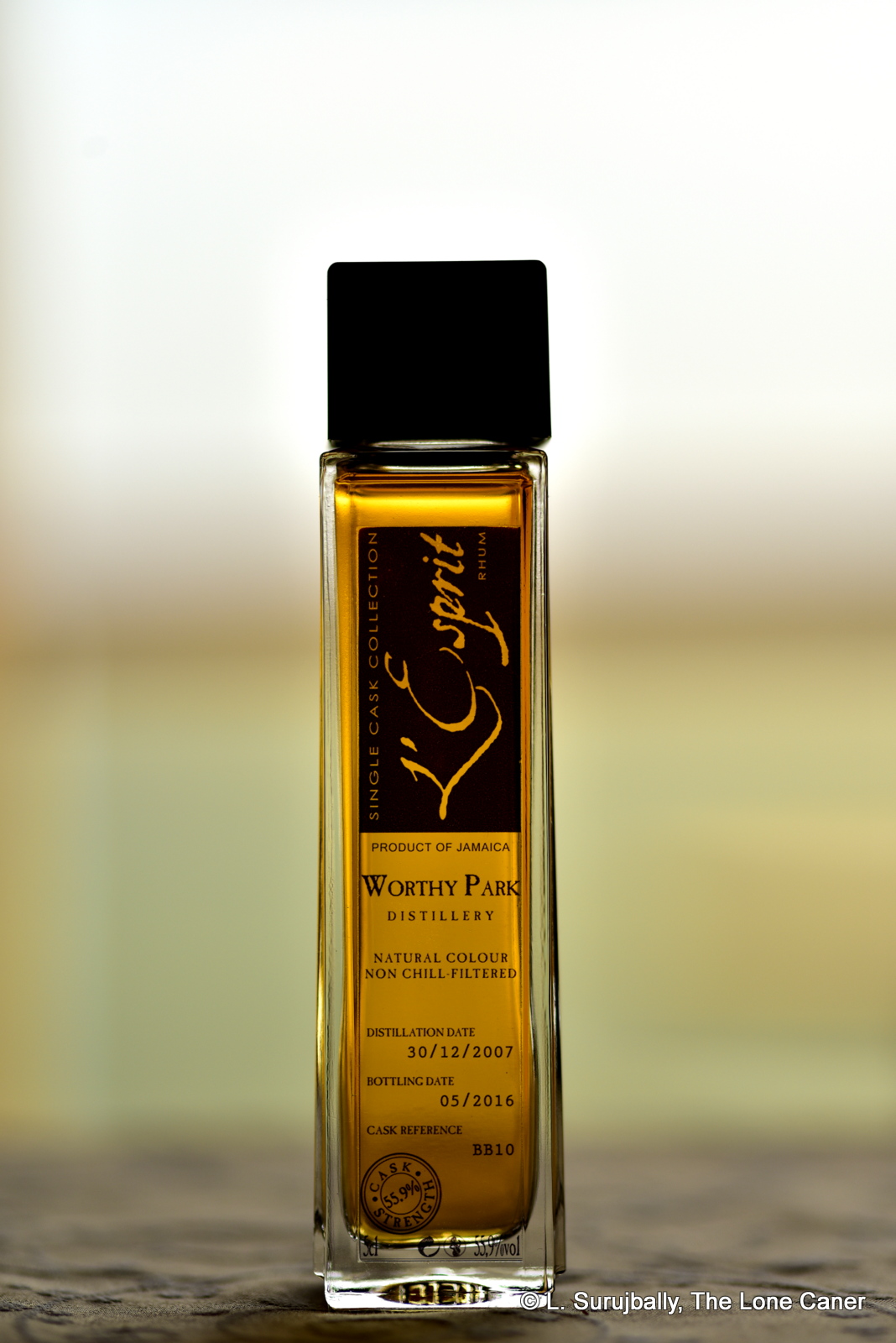 So, given how many Jamaicans are on the scene these days, how does this young, continentally aged 55.9% golden rum fare? Not too shabbily. It’s strong but very approachable, even on the nose, which doesn’t waste any time getting started but announces its ester-rich aromas immediately and with authority: acetone, nail polish and some rubber plus a smell of righteous funk (spoiling fruits, rotten bananas, that kind of thing). Its relative youth is apparent in the uncouth sharpness of the initial aromas, but once one sticks with it, it settles into its own special groove, calms itself down and does a neat little balancing act between sharper scents of citrus, cider, apples, hard yellow mangoes and green grapes, and softer ones of bananas, cumin, vanilla, marshmallows and cloves.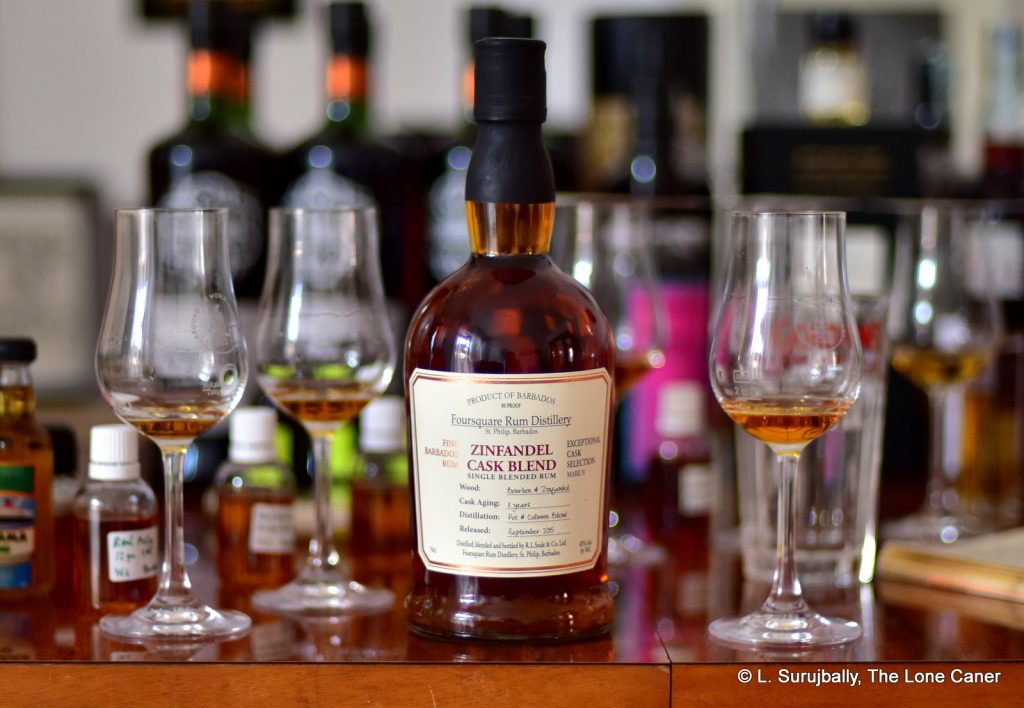
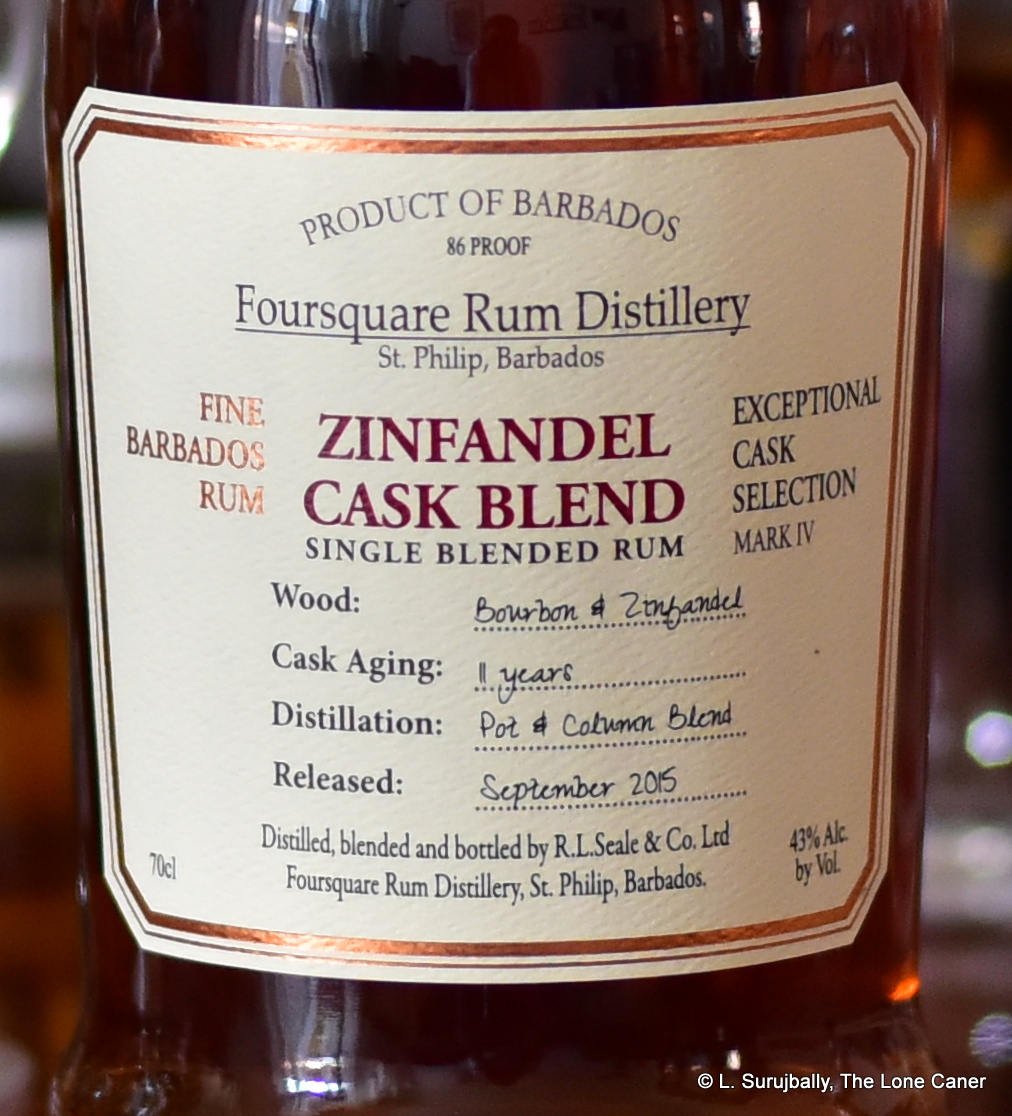 Tasting revealed somewhat less clothing in the suitcase, though it was quite a decent rum to sip (mixing it is totally unnecessary) – it was a little sharp before settling down into a relative smooth experience, and tasted primarily of white and watery fruits (pears, watermelon, white gavas), cereals, coconut shavings, sweet wine, and had a sly hint of tart red fruiness that was almost, but not quite sour, behind it all – red currants, cranberries, grapes. It was quite light and easy and escaped being an alcohol-flavoured water in fine style – not bad for something at close to standard strength, and the touch of sweet fruitiness imparted by the Zin barrels was in no way overdone. Even the finish was quite pleasant, being warm, relatively soft, and closing off the show with some tart fruitiness, coconut shavings, vanilla, milk chocolate, salted caramel, french bread (!!) and touch of thyme.
 Rumaniacs Review #84 | 0554
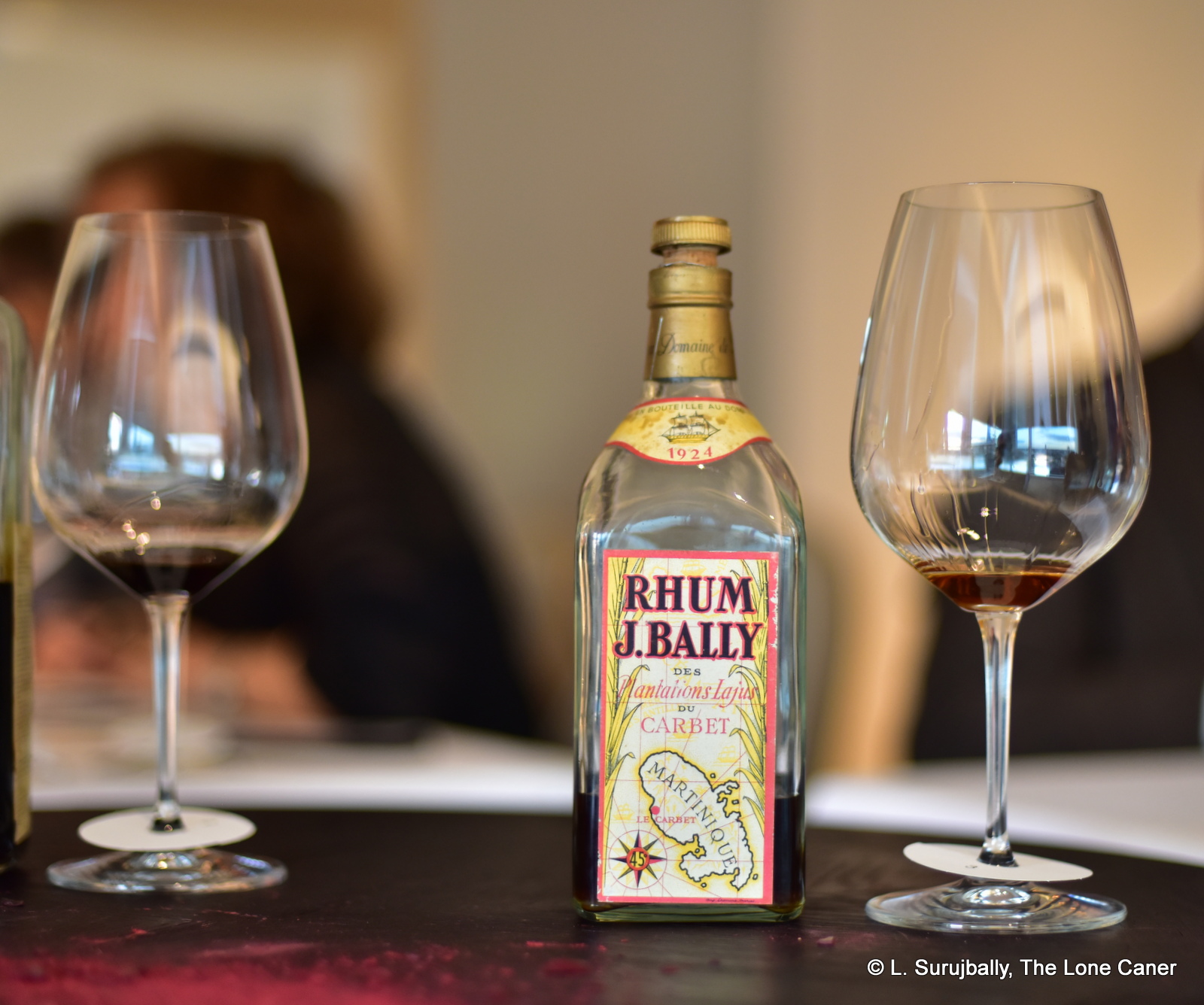
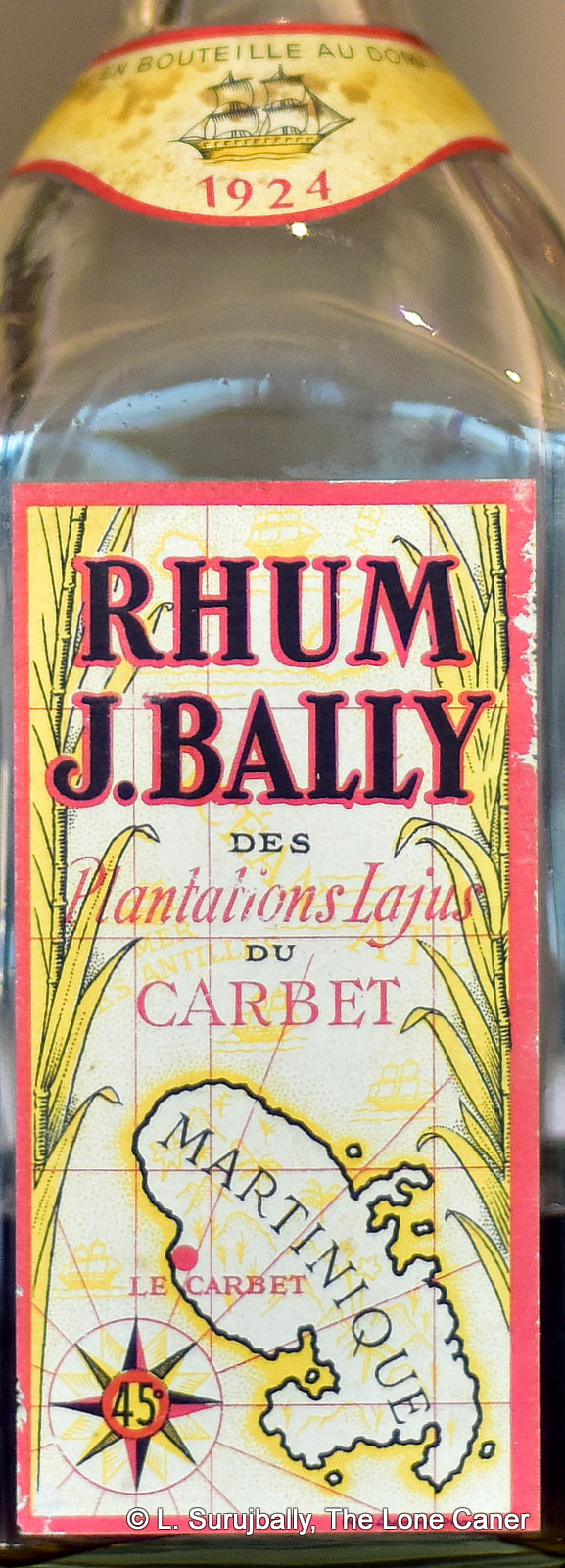 Aside from being made so long ago, what makes the 1924 special is that it was the initial release of an aged rhum from Bally, and one of the first of its kind in the French West Indies, if not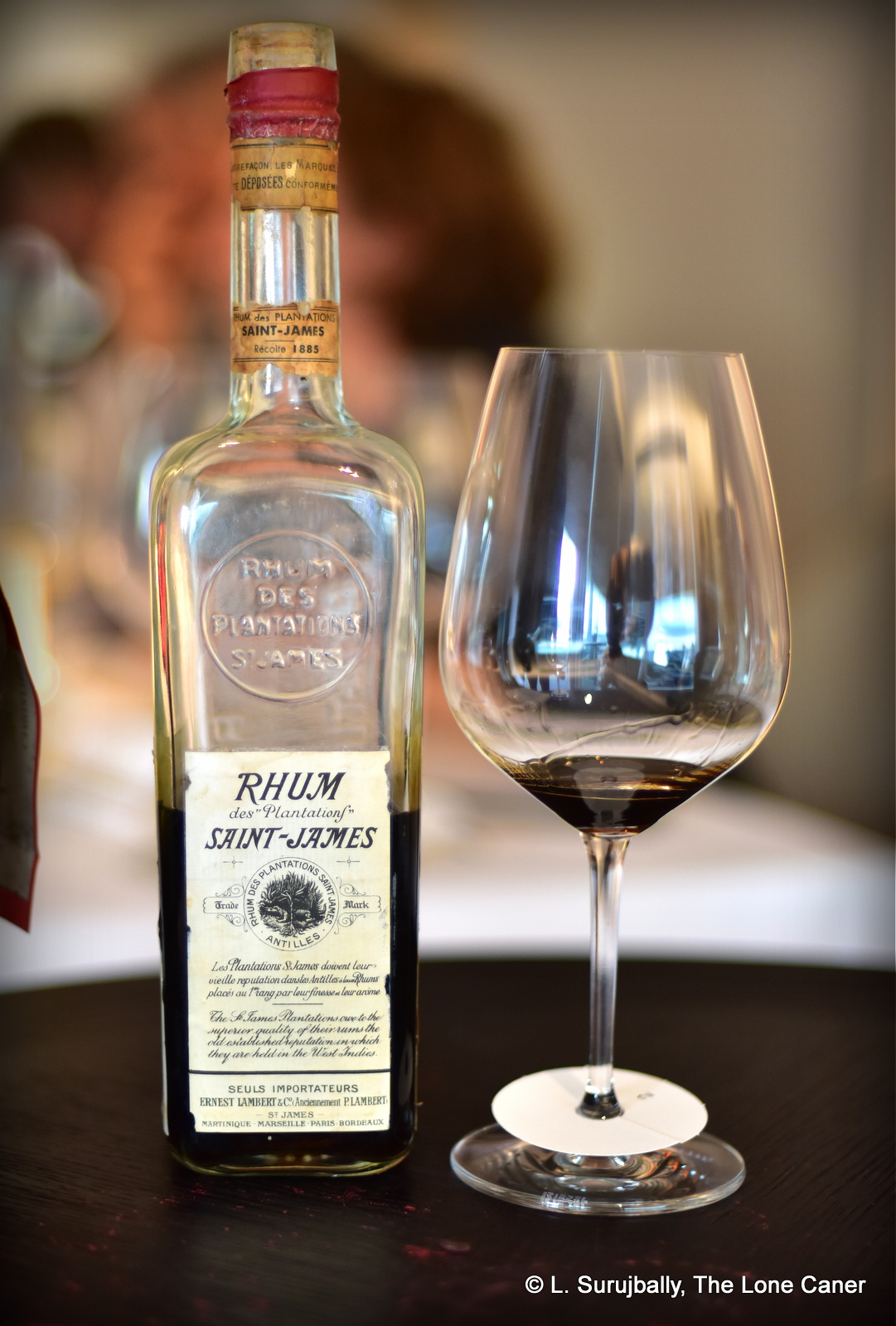
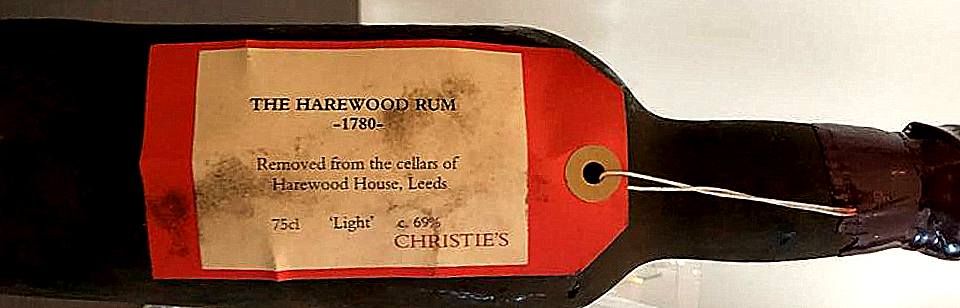
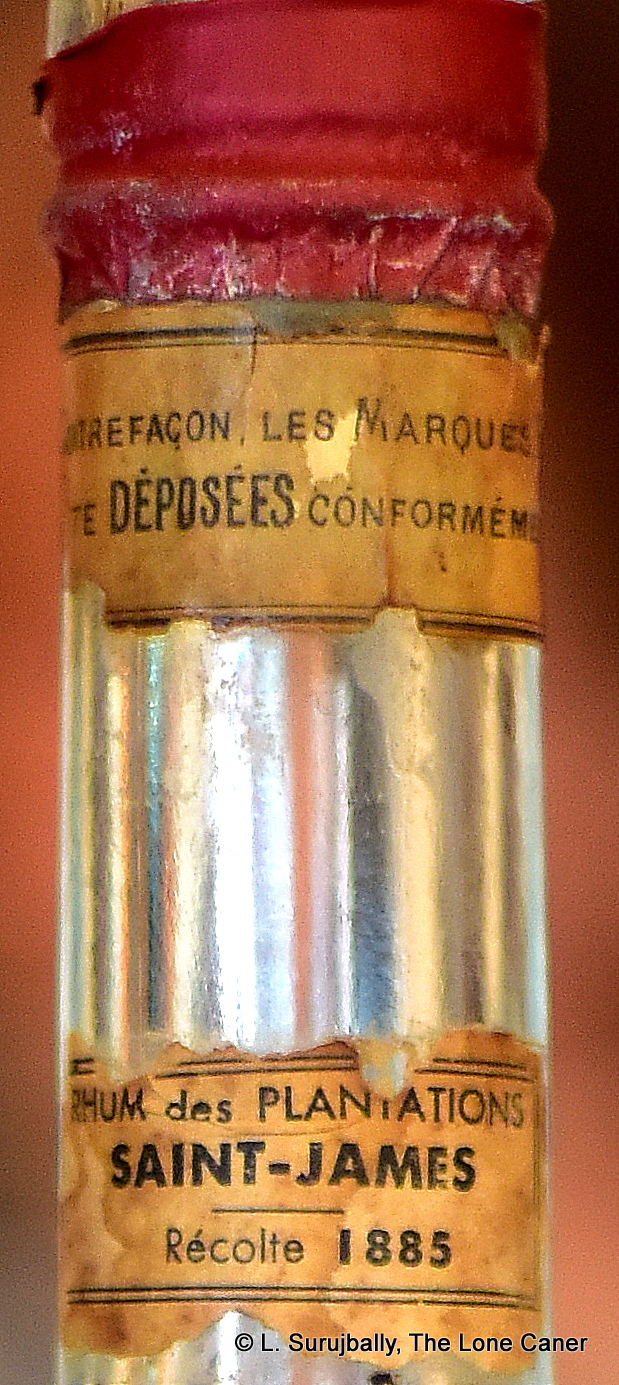 Still, we had to get facts, and a lot of our preliminary conversations and subsequent texts and messages revolved around the data points, which are as follows: the rhum was made in 1885 on Martinique, and derived from cane juice that was boiled prior to fermentation. Although the exact age is unknown, it was certainly shipped off the island before Mount Pelée erupted in 1902 and destroyed all stocks there, so at an absolute maximum it can be 17 years old. This is, however unlikely – few rums or rhums were aged that long back then, and the opinion of the master blender of St James (Mark Sassier) that it was 8-10 years old is probably the best one (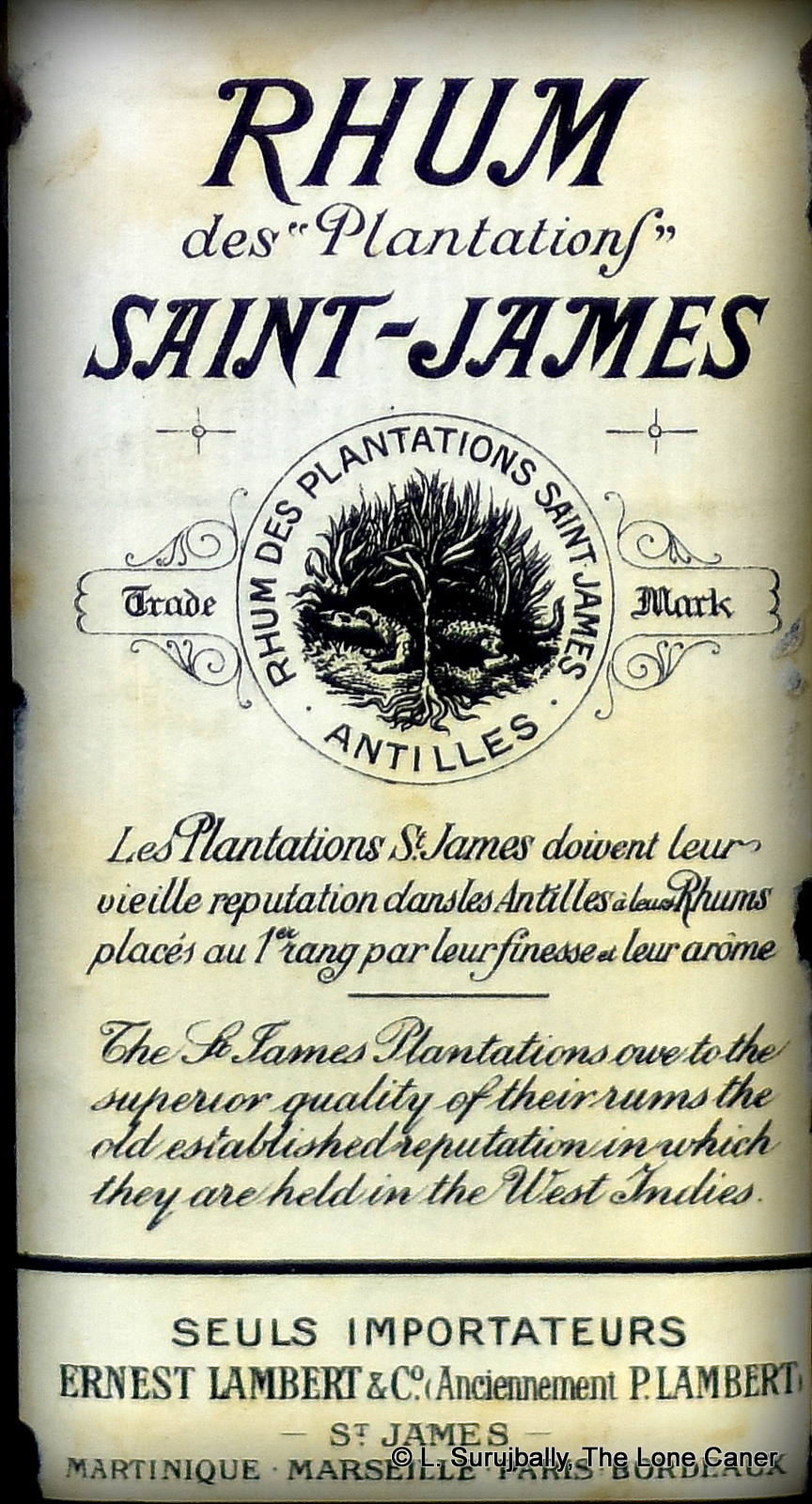

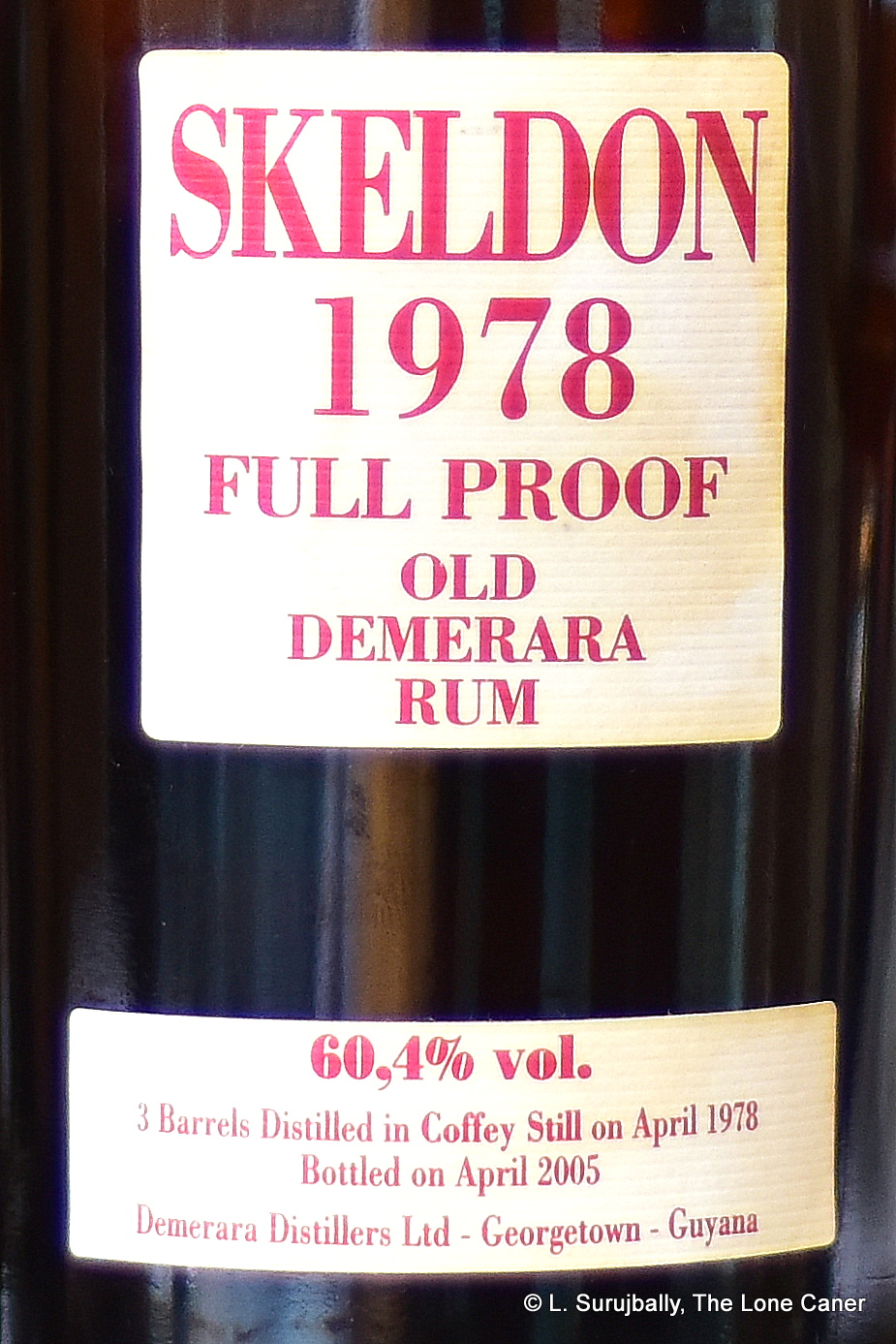 The history of the Skeldon 1978 bottling from a long-dismantled Savalle still is an odd one: the plantation is on the far eastern side of Guyana and the distillery has been shut down since 1960, though the original sugar factory’s remains continue to moulder away there, now replaced by a modern white elephant. It’s possible that the Savalle still which made it was taken elsewhere (Uitvlugt is the unconfirmed suspect) and this distillate hails from there rather than Skeldon — but certainly the “SWR” barrels ended up at Diamond, where Luca saw them gathering dust in the warehouse and convinced Yesu Persaud (the chairman of DDL at the time) to part with them. The 4-barrel 544-bottle outturn of the
 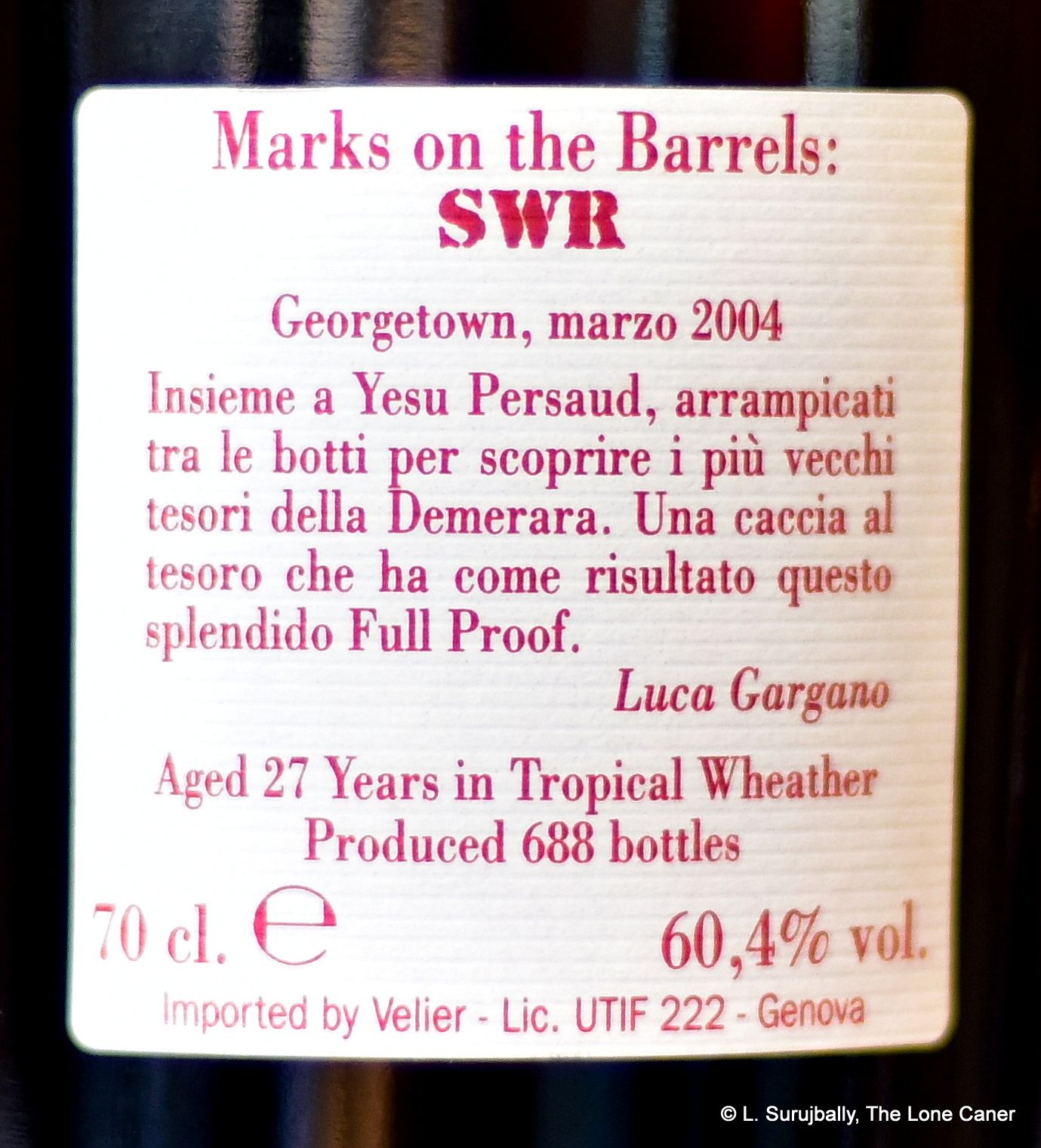 Although things at the Tasting were going faster than I was able to write (and listen), this was not a rum I wanted to be hurried with after waiting so long, and certainly it’s one with which to take one’s time. It unfolded gradually on the tongue, almost languorously and even at 60.4%, it was amazing how entirely under control it remained the entire time. Most of the tastes in the nose carried over, primarily anise, coffee and bitter chocolate, oranges, strong black tea, cumin, and that lentil soup / beef broth meatiness I remarked on earlier. But there were also more muted, subtler hints of papaya and fleshy fruits, aromatic tobacco, flambeed bananas and salty caramel. A rather dry note of over-roasted nuts came into play at the back end, a slight indeterminate bitterness (something like a manager who can never compliment your work without a closing criticism), but fortunately the muskier fruit and creamy notes ameliorated it for the most part. And while the finish was more a last bow on the stage than a true epilogue that added a few extra fillips of flavour, it was in no way disappointing, leaving me with a memory of coffee, nougat, salt caramel ice cream, fruits, raisins, licorice and light chocolate oranges.

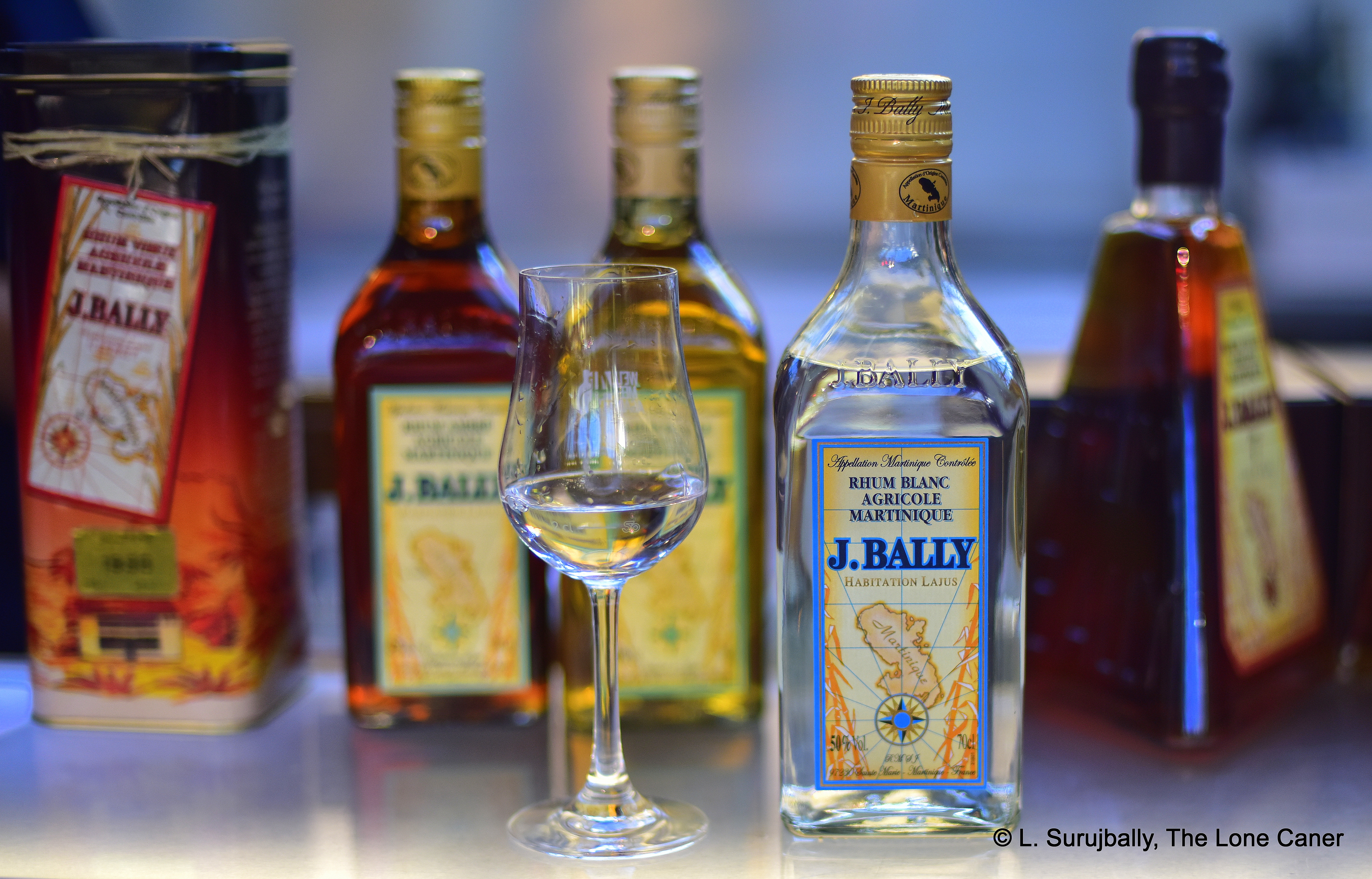
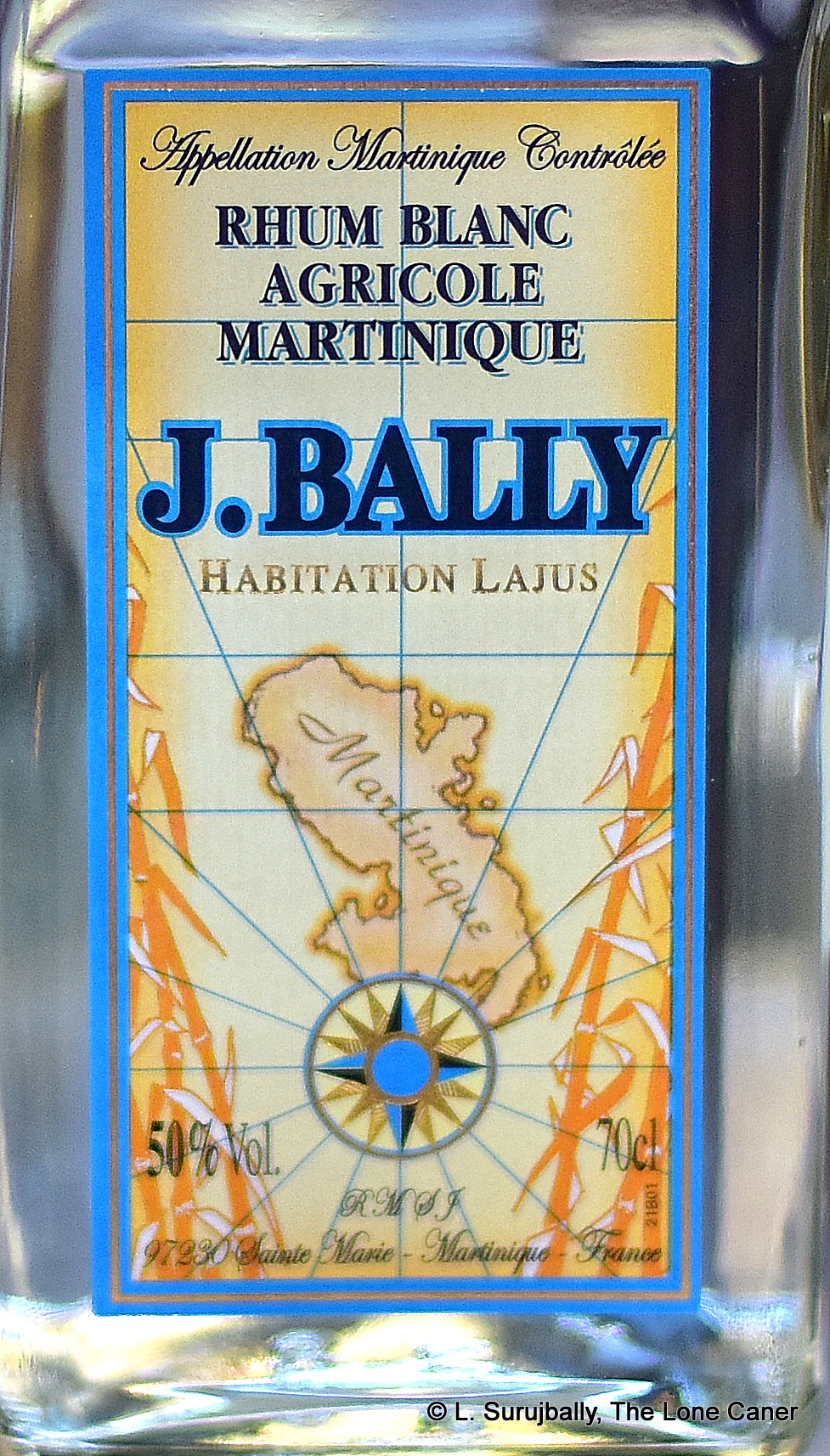 Well, that out of the way, let me walk you through the profile. Nose first: what was immediately evident is that it adhered to all the markers of a crisp agricole. It gave off of light grassy notes, apples gone off the slightest bit, watermelon, very light citrus and flowers. Then it sat back for some minutes, before surging forward with more: olives in brine, watermelon juice, sugar cane sap, peaches, tobacco and a sly hint of herbs like dill and cardamom.
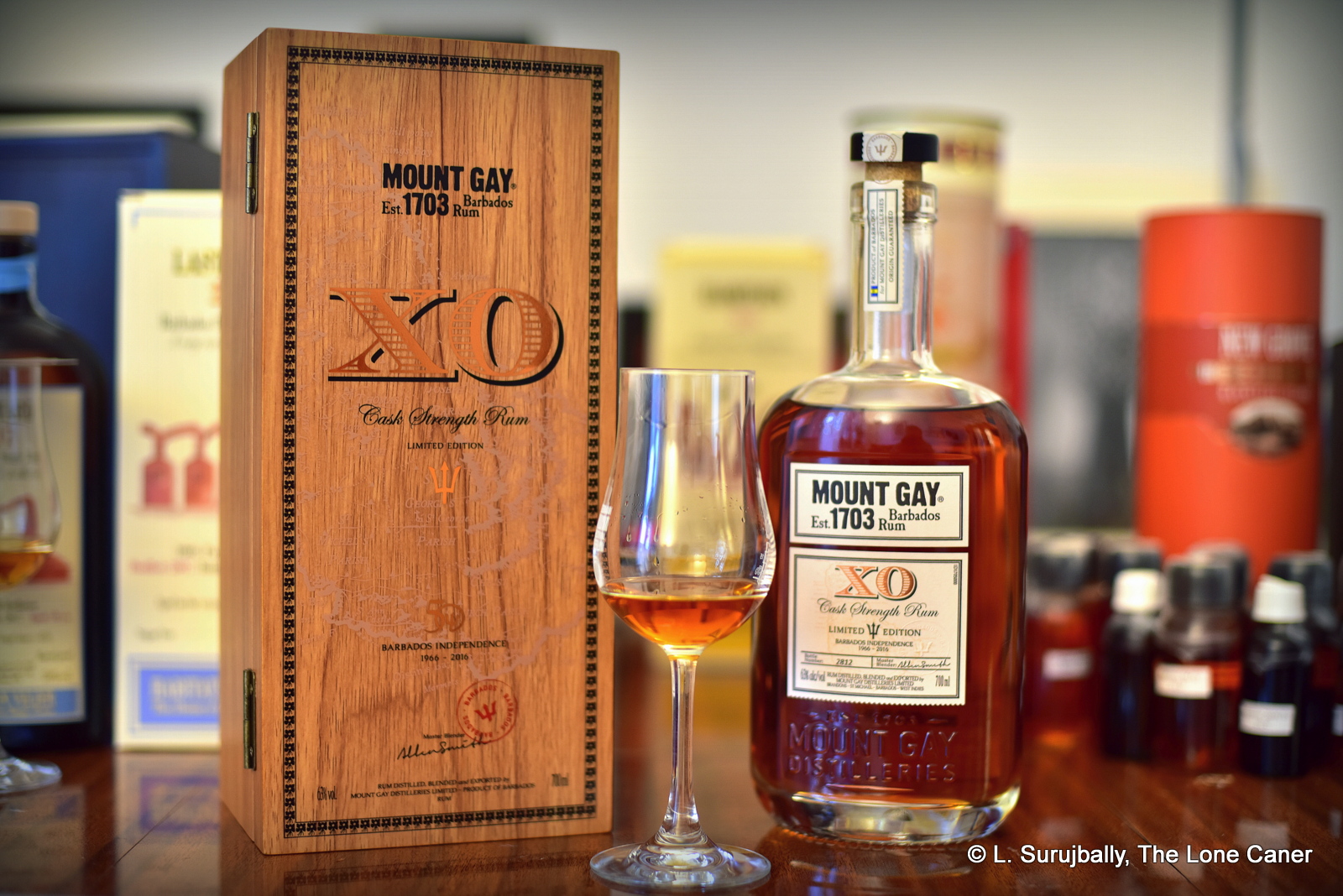
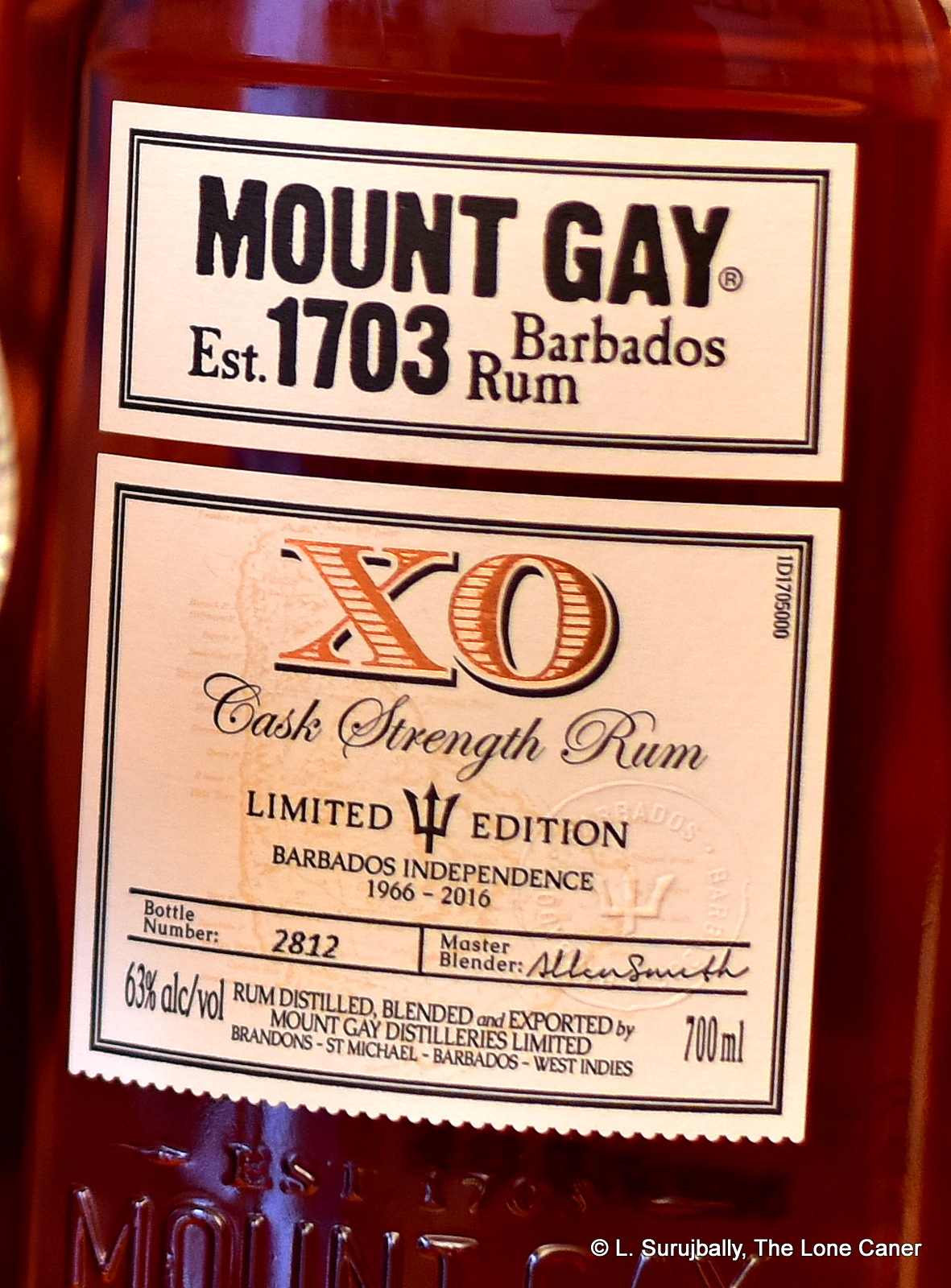 You can’t fault the presentation or the stats (though you might balk at the price). The ovoid bottle is nicely labelled with the bottle number and Allen Smith’s signature, comes in a handsome wooden box with a small booklet in it that speaks to the rum. It doesn’t state the outturn on the label, but it’s 3000 bottles, a rum to mark fifty years of independence though itself it is not that old, being a blend of pot and column still rums aged between 8-15 years old (just like the regular XO, even if one gets the impression that certain select barrels were chosen here). And of course the main selling point, the 63% ABV, Mount Gay’s first serious foray into these strong and dangerous rum currents.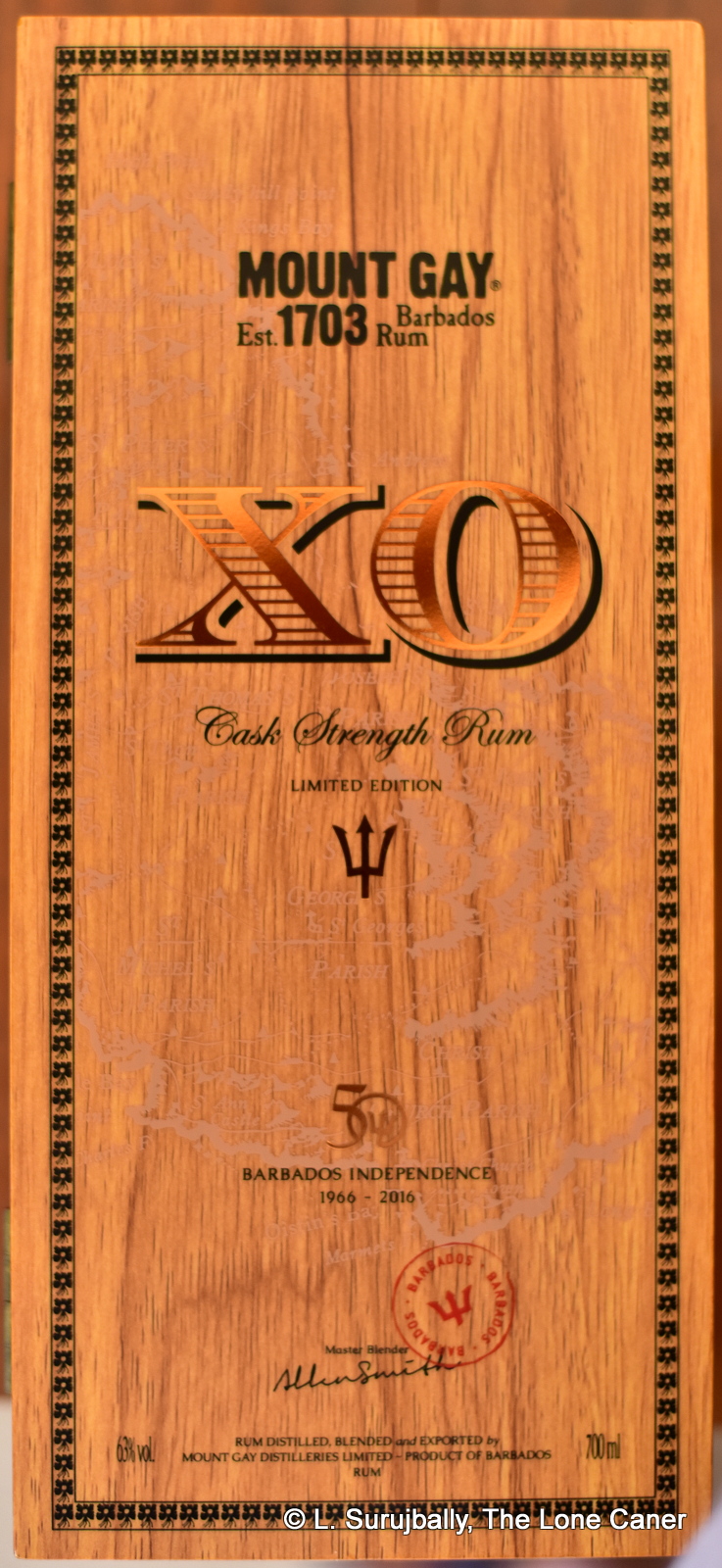
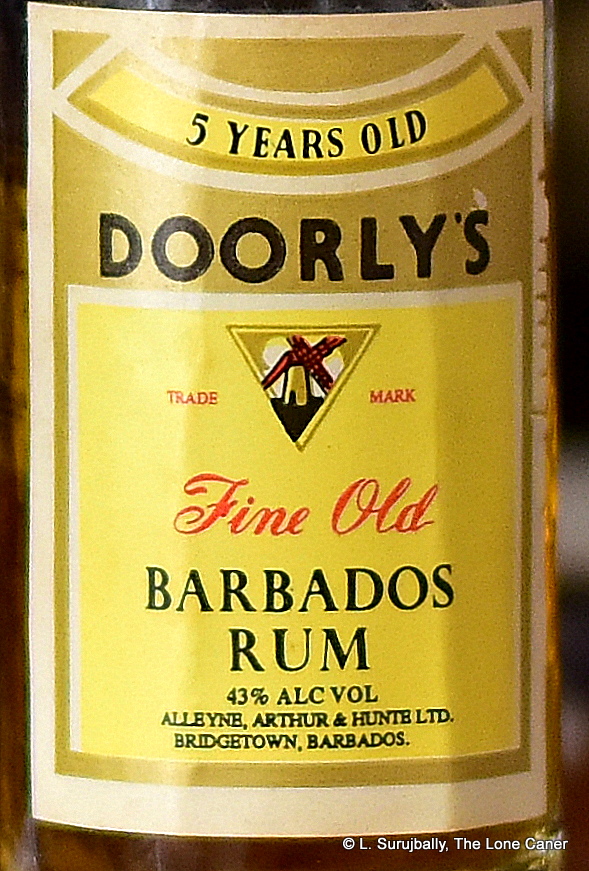 Rumaniacs Review #083 | 0544
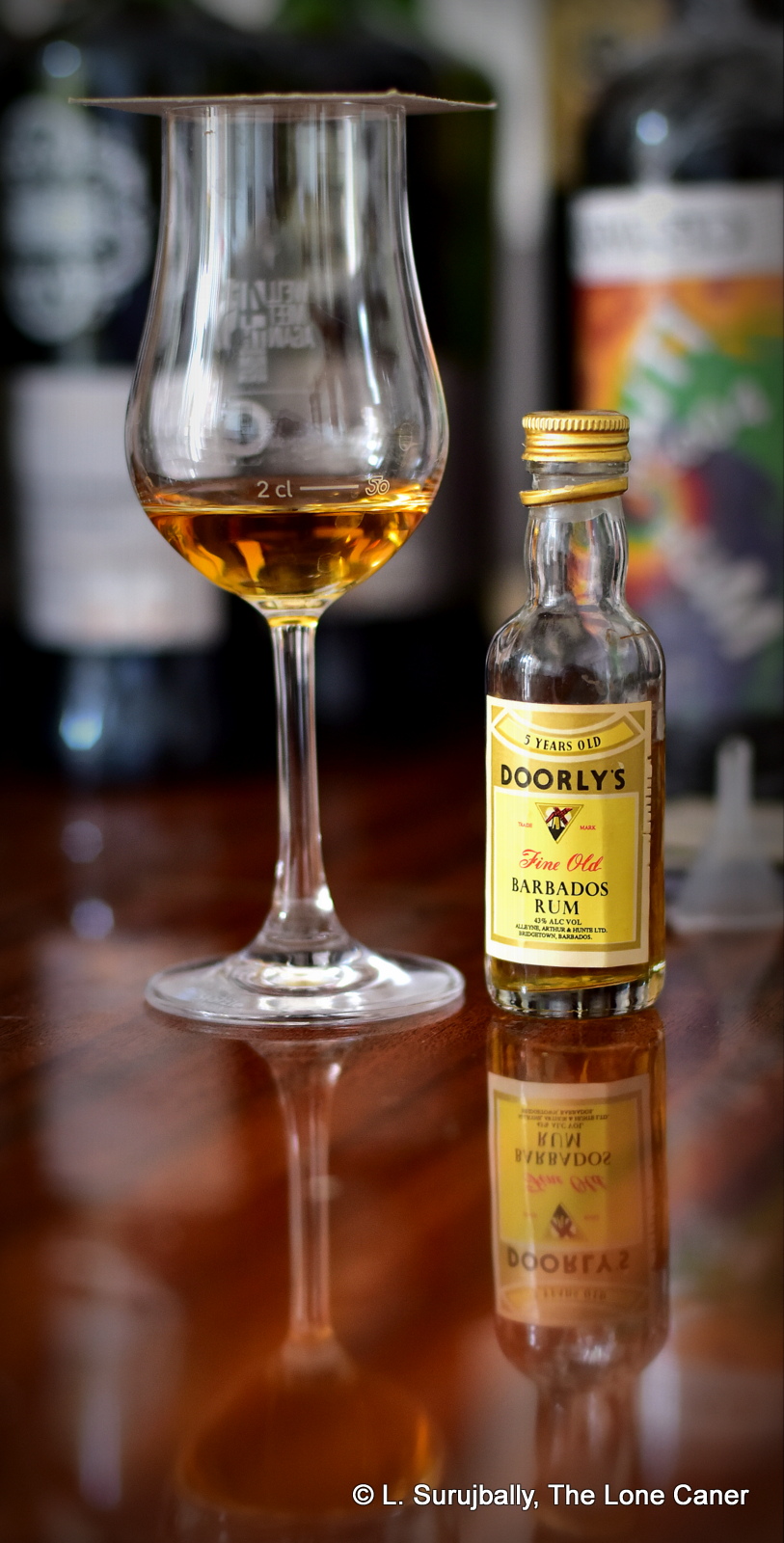 Opinion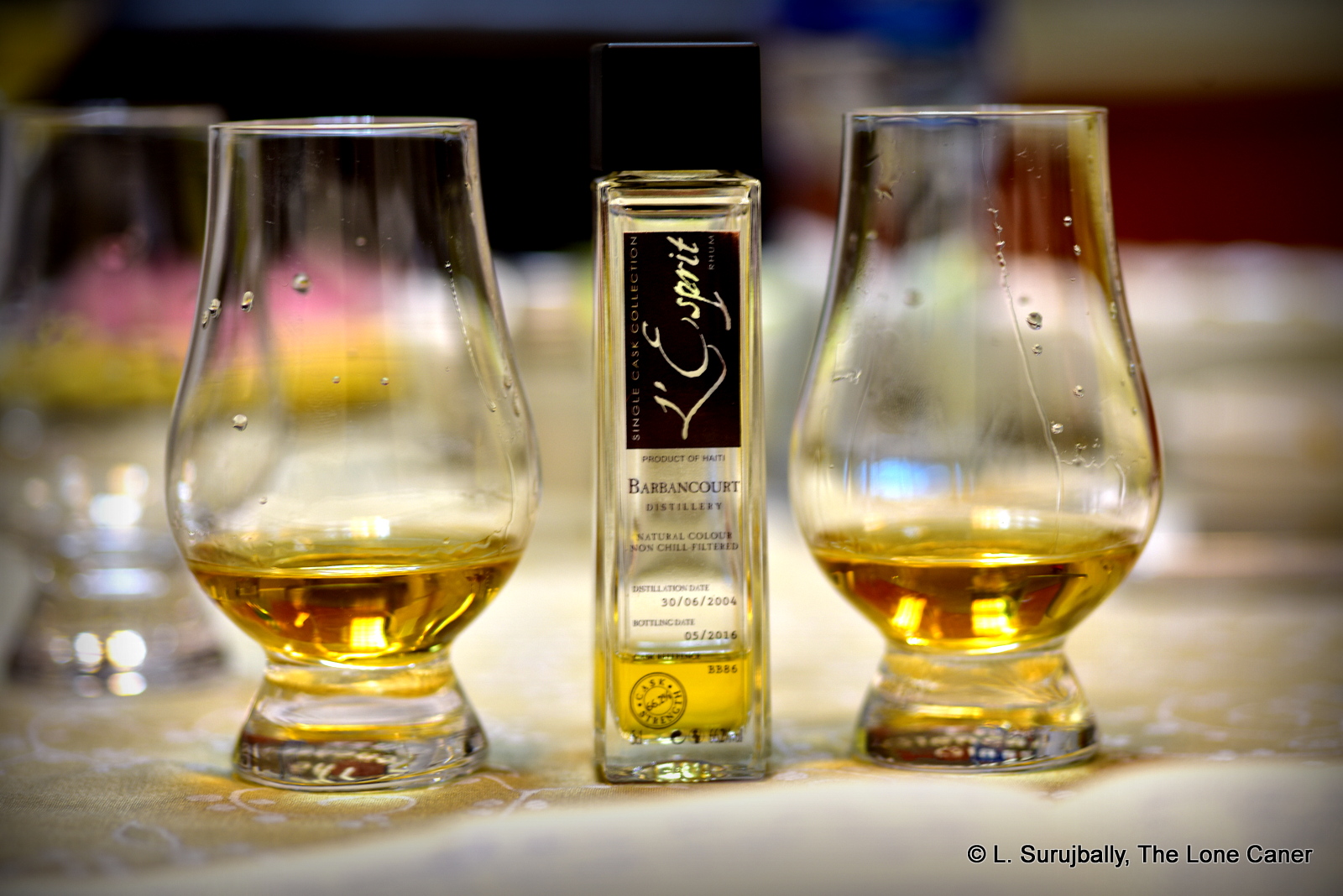
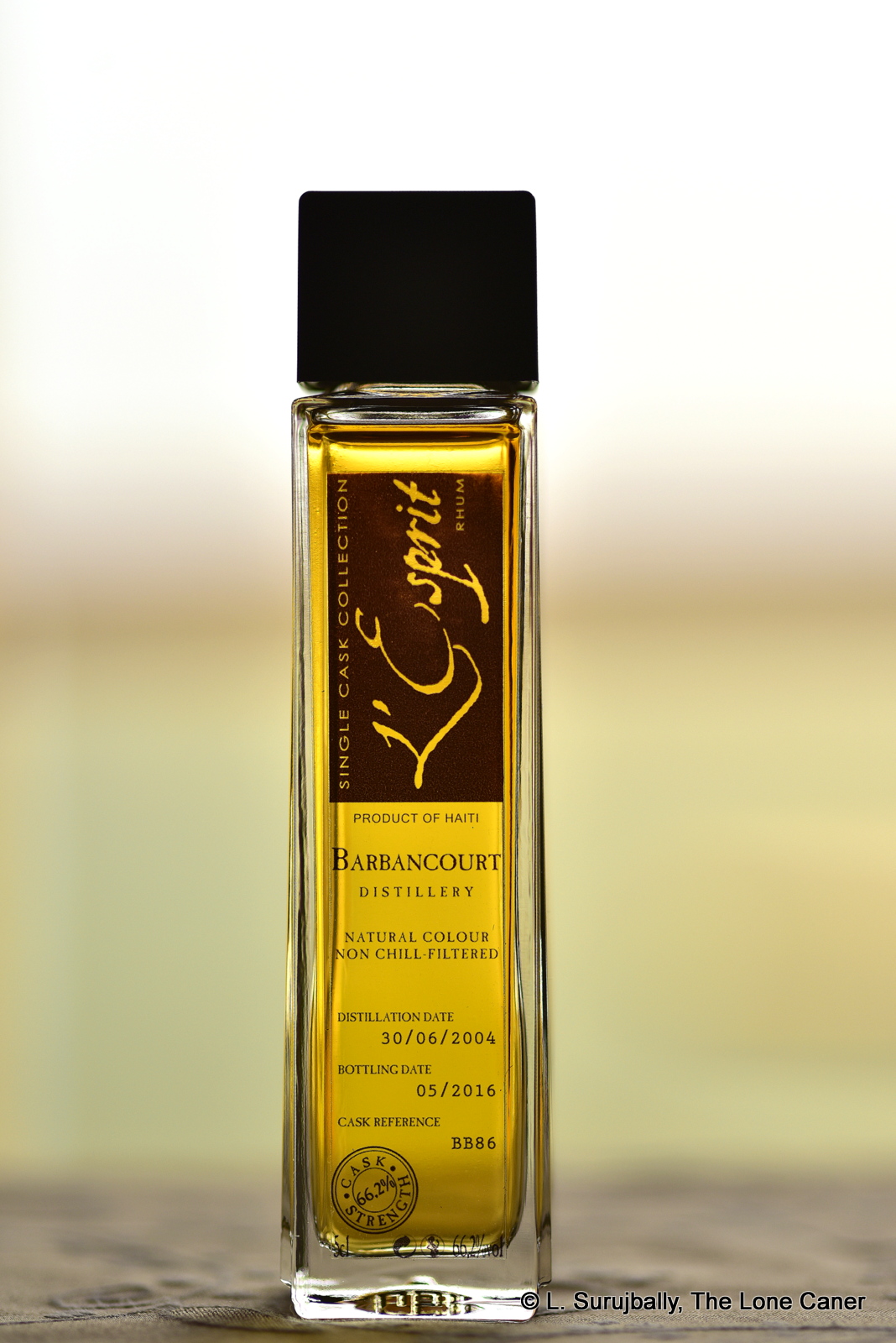 The bare statistics are brief and as follows: column still product, continentally aged; distilled 2004 and released in 2016 at a brobdingnagian 66.2% (its lesser proofed twin which is quite similar is bottled at 46% and 228 bottles were issued but about the full proof edition here, I’m not certain – less, for sure, maybe a hundred or so). Pale yellow in colour and a massive codpiece of a nose, deep and intense, which should not present as a surprise at all. It was quite aromatic as well – one could sense bananas, vanilla, prunes and fruit, with a nice counterpoint of citrus to set these off. Like many rums released at cask strength, it rewarded patience because after a while back-end smells of cream cheese, dark bread, brine, olives, nail polish, plastic bubble wrap (freshly popped), paint became much more evident, though fortunately without taking over entirely